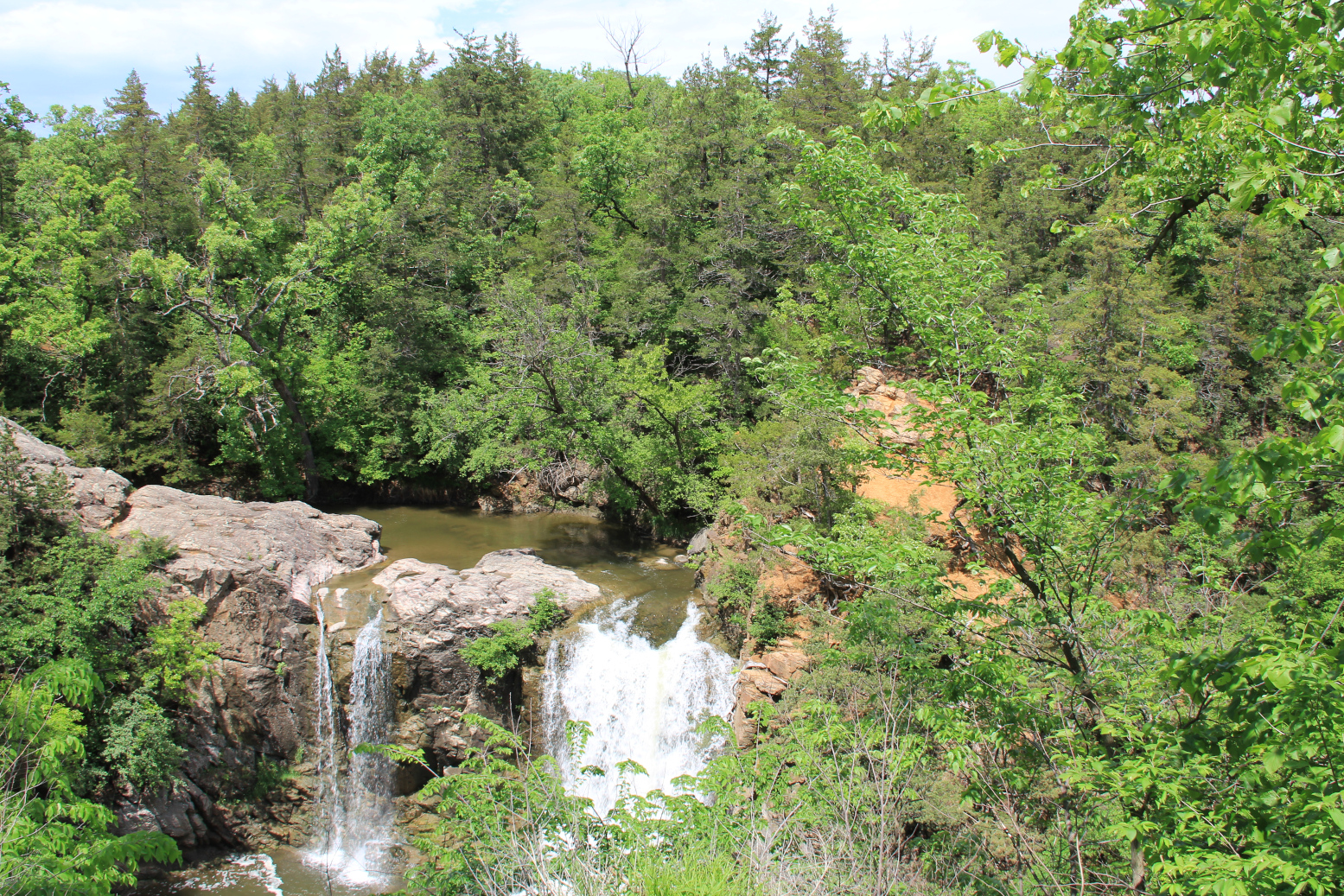
Ramsey Falls in Redwood Falls. (Minnesota Prairie Roots copyrighted photo May 2026)
WATER RUSHES OVER the aged granite rock, roaring into the gorge below. It is a scene so beautiful, so unexpected, that this 256-acre city park has been dubbed the “Little Yellowstone of Minnesota.”
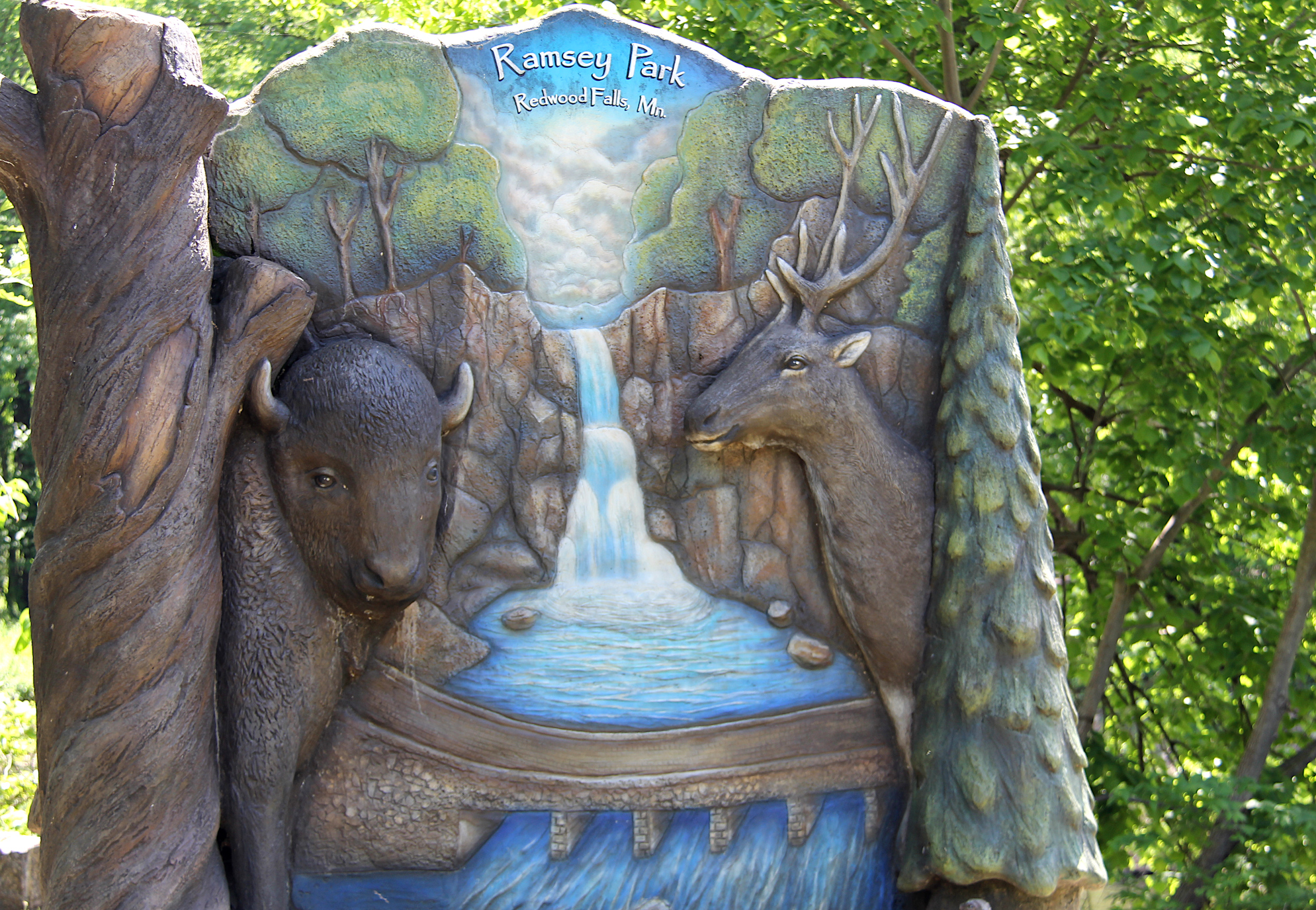
Park signage along the river in the zoo area. (Minnesota Prairie Roots copyrighted photo May 2026)
Recently I revisited Ramsey Park, also known as Cansa’yapi, translated to “where they paint the trees red” from the Dakota language. A Mdewakanton Band of the Dakota live near neighboring Morton and refer to their traditional Minnesota River Valley homeland as Cansa’yapi.
On this day, I come to see Ramsey Falls along Ramsey Creek, which feeds into the Redwood River inside the park. The Redwood then flows into the Minnesota River.
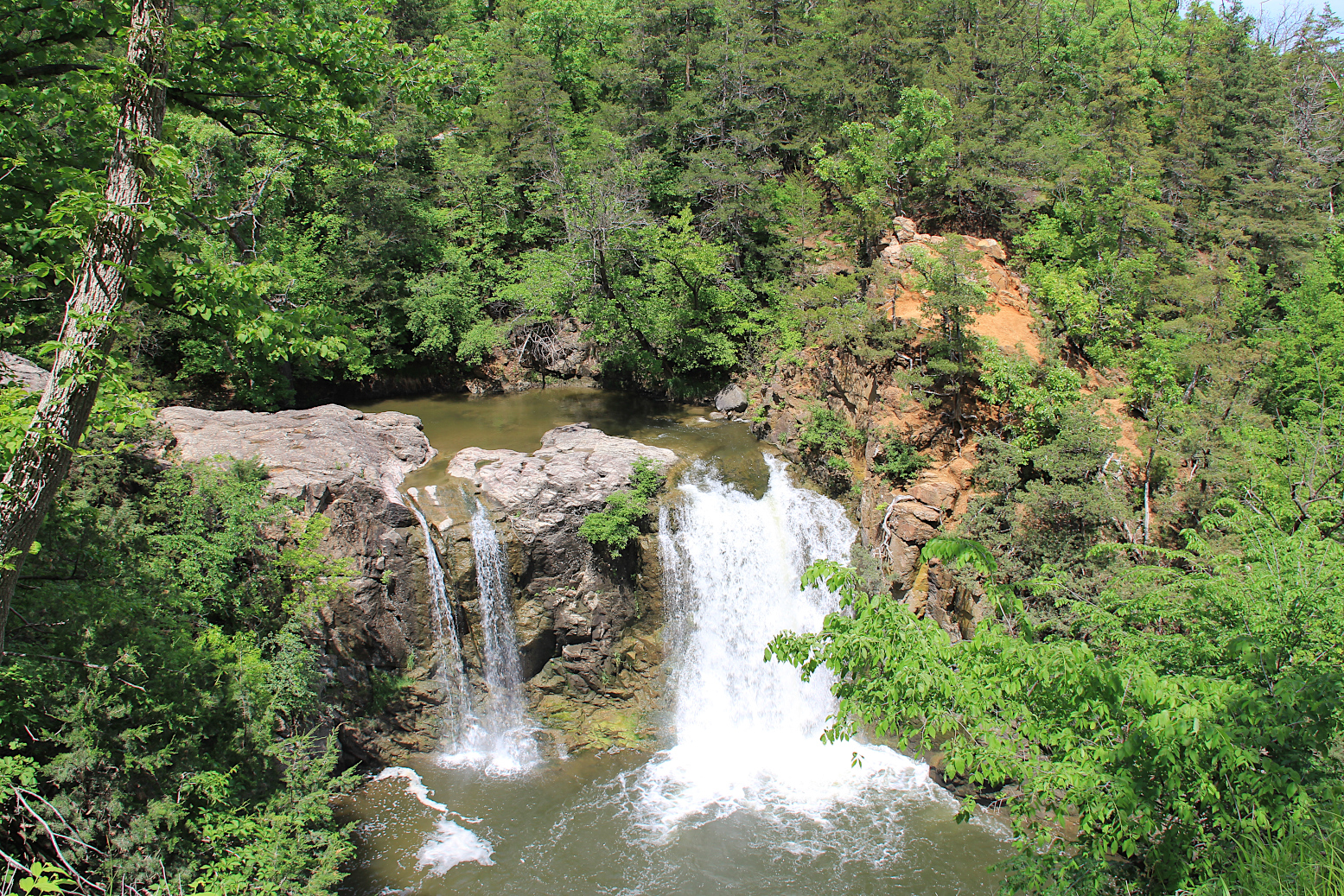
If the creek level is high, water spills over two areas of the rock. (Minnesota Prairie Roots copyrighted photo May 2026)
Ramsey Falls, with its 30-foot drop, is the star attraction in this park founded in 1911 as a state park with ownership transferred to the city of Redwood Falls in 1957. This is a gem in a county marked by farm fields, farm sites, small towns and mostly flat topography.
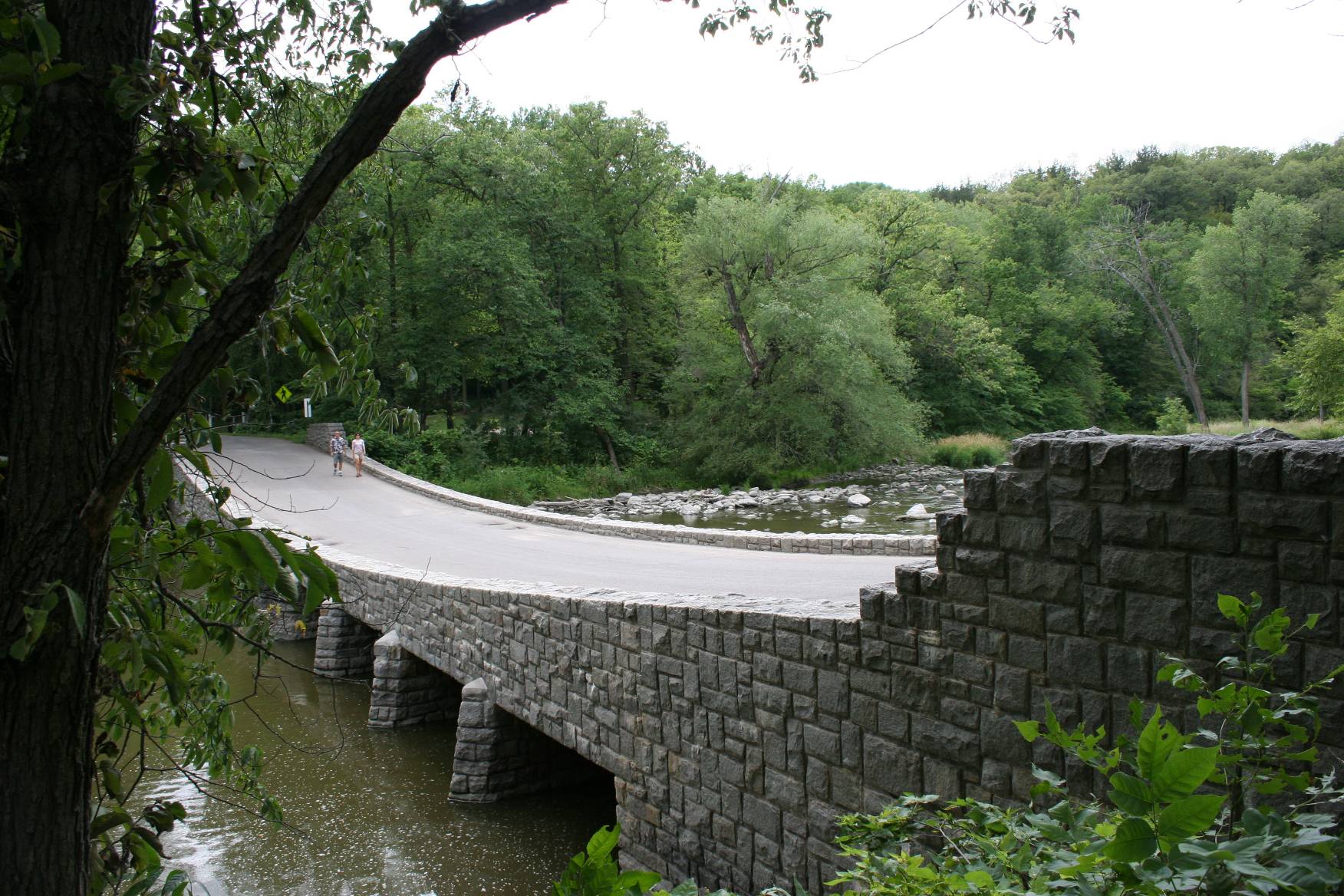
A side view of the swayback bridge from a previous park visit. (Minnesota Prairie Roots copyrighted file photo)
Here, within this park, narrow roads twist and turn through woods, descending to the river bottom. Creek and river waters flow. Three and a half miles of cemented hiking trails (new since I left the area 50 years ago), run throughout the park. A swayback bridge built in 1938 by workers with the Works Progress Administration Project along the Redwood River adds an historic architectural element to the park.
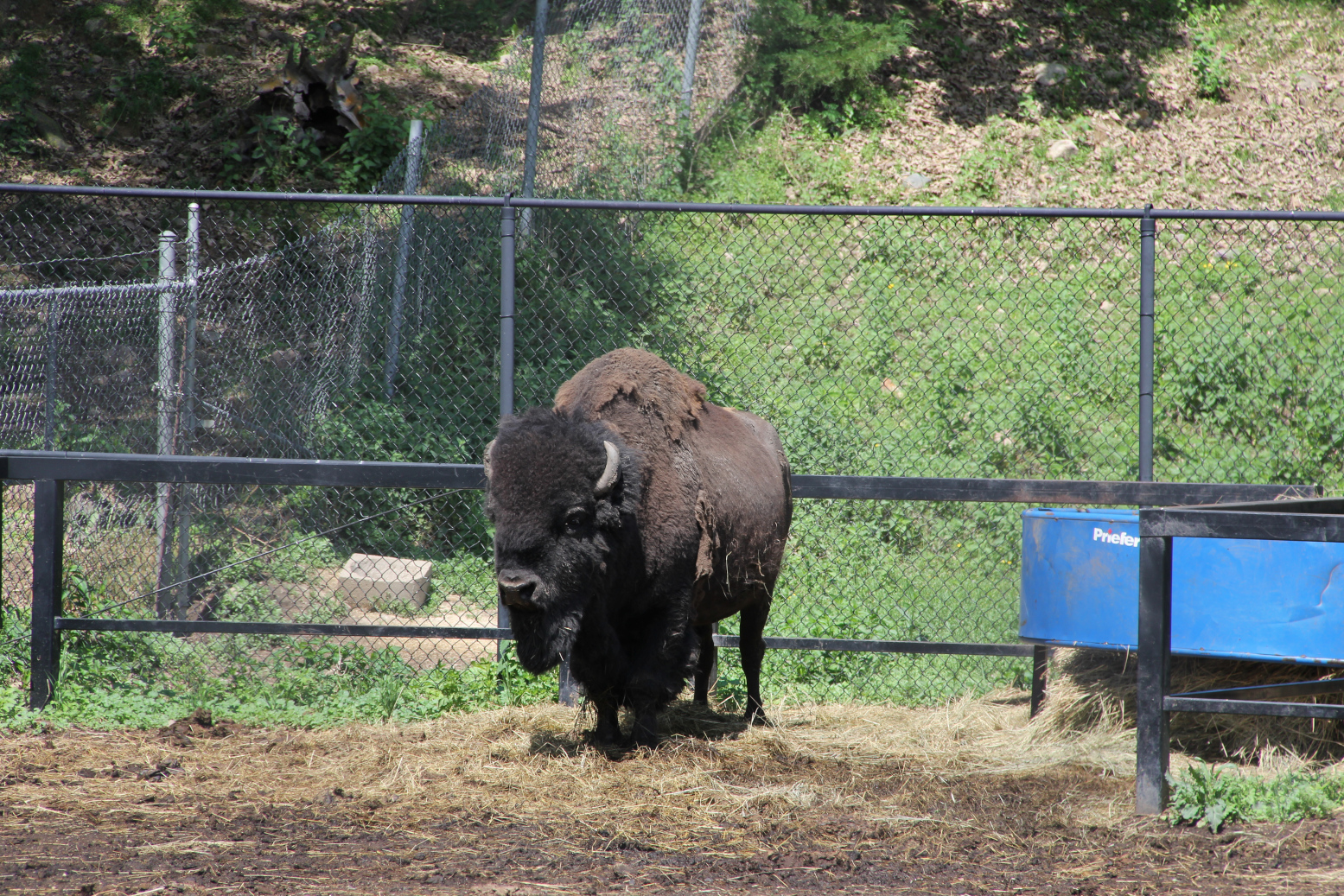
Zooming in on a buffalo through a fence. (Minnesota Prairie Roots copyrighted photo May 2026)
For anyone who loves the outdoors—fishing, hiking, camping, picnicking—this park offers it all. The park is also of interest to geologists and history buffs. A small zoo with its resident buffalo and other animals has always been an attraction, too.
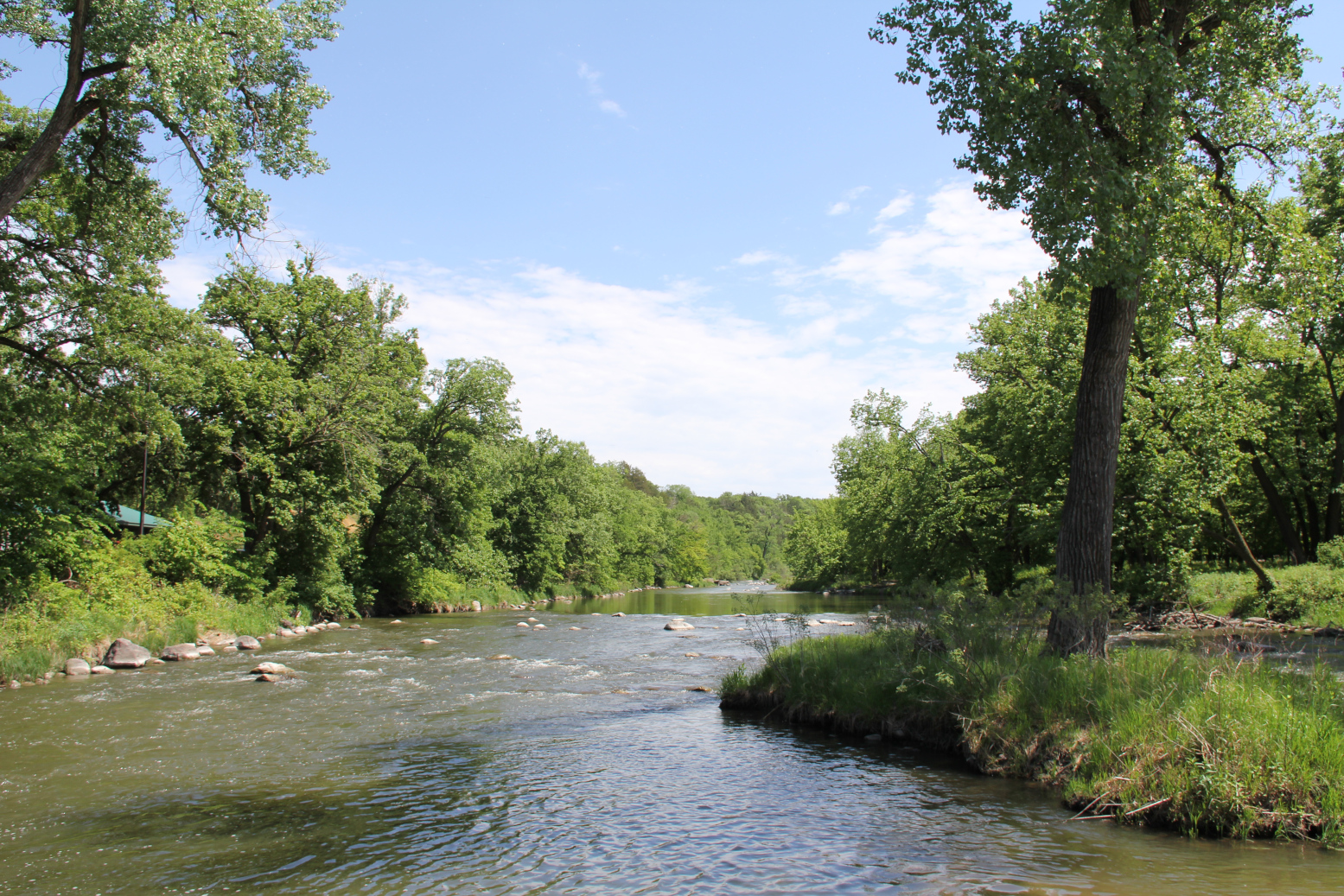
The Redwood River photographed from the swayback bridge. (Minnesota Prairie Roots copyrighted photo May 2026)
But it is really the land and the water that brings visitors like me here. Hills and gorges. Waterways. Trees thickening into dense woods, vastly different than the shelterbelts protecting farm sites from prairie winds.
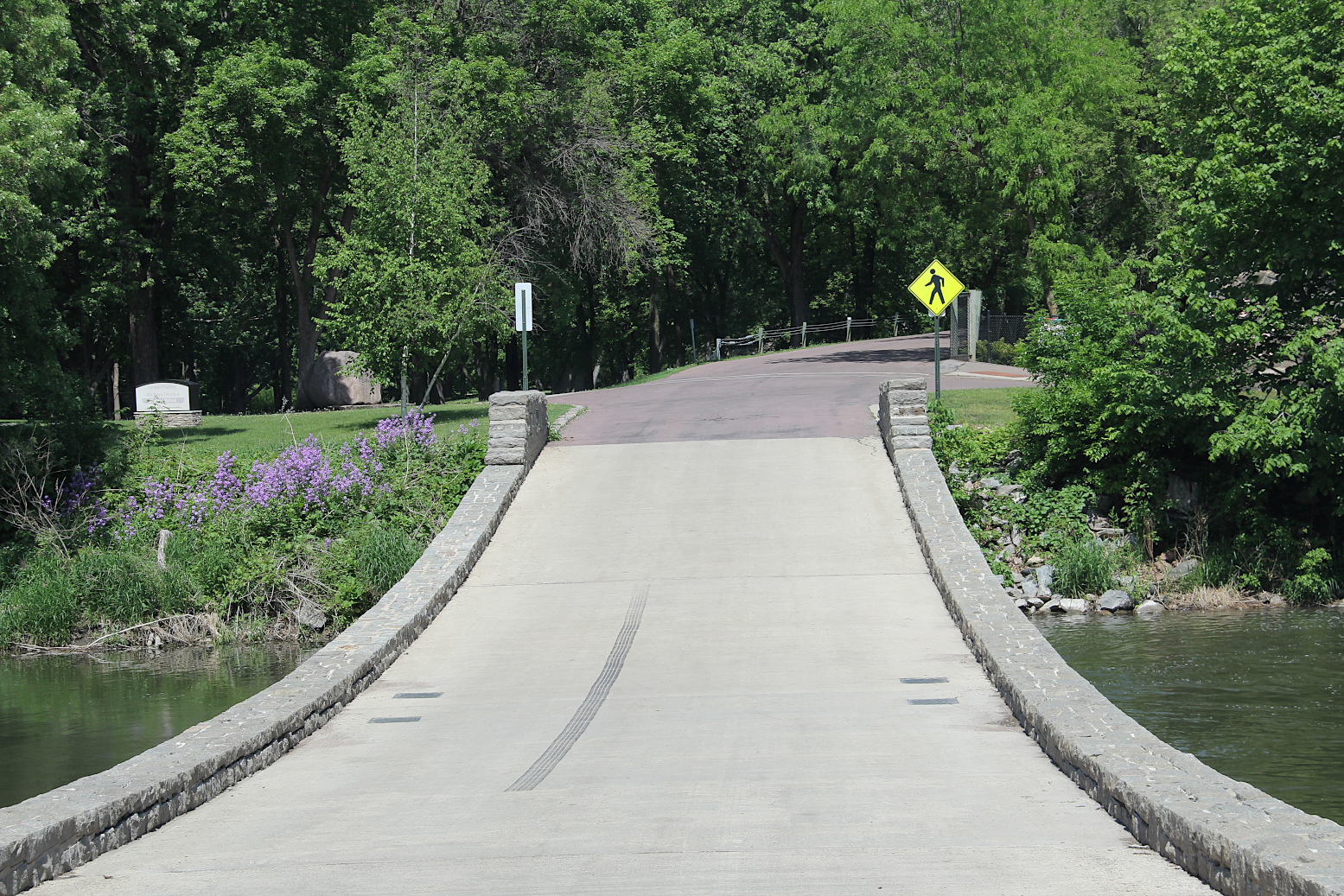
Crossing the WPA swayback bridge over the Redwood River. (Minnesota Prairie Roots copyrighted photo May 2026)
I remember coming here as a child and feeling like I’d entered a different world. Yet, I was still in Redwood County, only 20 miles from the flat farm fields of home to the west. I recall the terror I felt when Dad maneuvered the Chevy around a tight hairpin curve in the park, the steep hillside falling below us. I remember standing in awe of Ramsey Falls, and being more than a little afraid of stepping too close to the fence at the falls overlook. I remember the car dipping across the swayback bridge.
Teenage years took me along a steep, narrow dirt path down to the massive rocks beside the falls for a picnic lunch with friends.
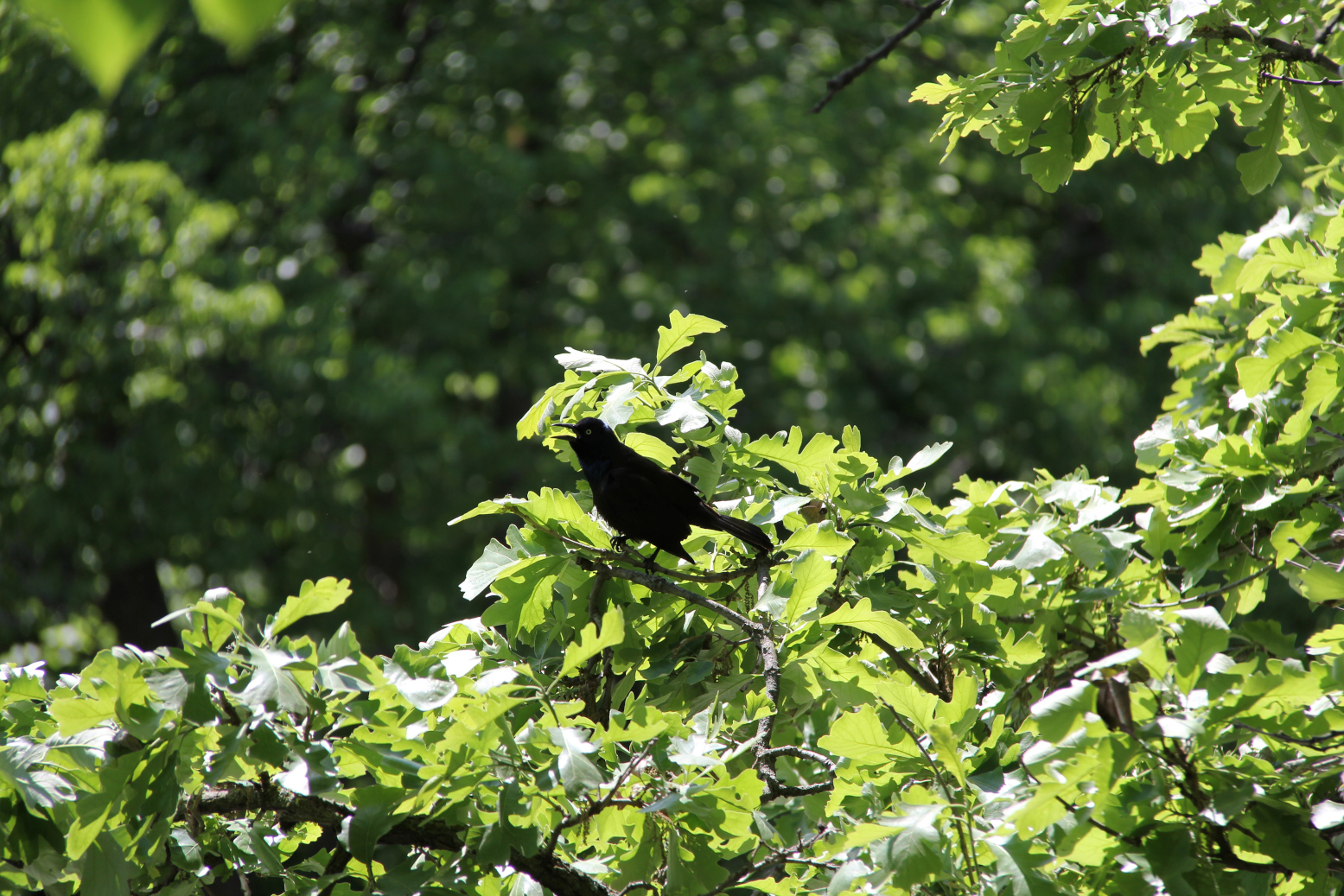
A bird sings in a riverside tree. (Minnesota Prairie Roots copyrighted photo May 2026)
On this afternoon, I lean into the sturdy overlook fence, focus my camera on the rushing waterfalls, notice the surrounding greenery, appreciate this Little Yellowstone of Minnesota. I’ve never been to the Wyoming national park, thus have no comparison to make. That really doesn’t matter; this place holds its own Yellowstone beauty.
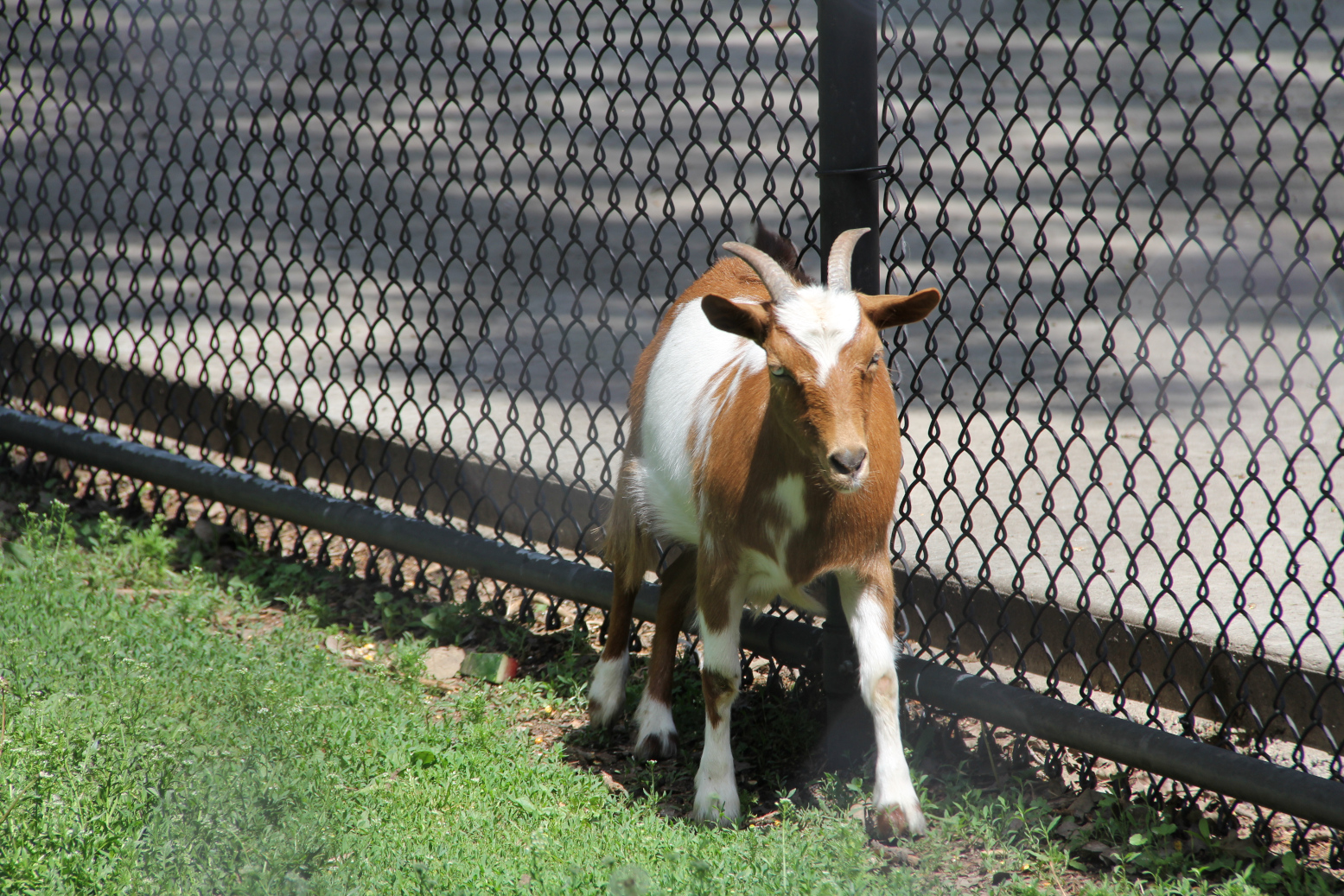
The small zoo is home to several playful goats, other animals and birds. (Minnesota Prairie Roots copyrighted photo May 2026)
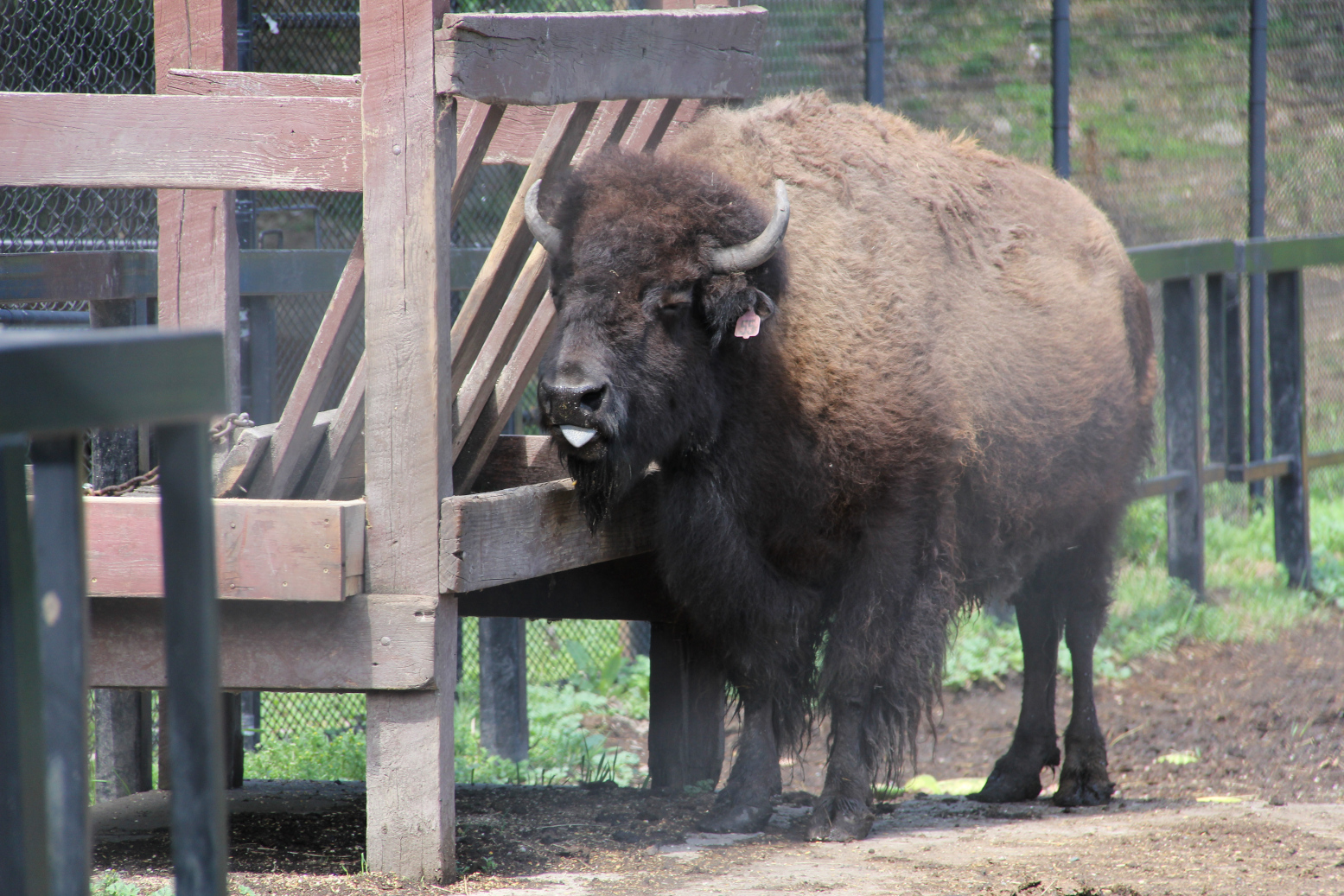
At the Ramsey Park Zoo, I focus on the buffalo, who seem considerably more docile than I remember. Still, I respect them and understand their importance to the Dakota, original inhabitants of this land. Long gone are the caged monkeys that once entertained me with their antics.
Close up with a buffalo in the Ramsey Park Zoo. (Minnesota Prairie Roots copyrighted photo May 2026)
Ramsey/Cansa’yapi Park lies 110 miles to the north and west of my current home in Faribault. Decades removed from Redwood County, I still feel connected to this oasis in the prairie where the water falls and they paint the trees red.
Minneopa State Park near Mankato is home to 30-40 bison fenced on 325 acres of primarily prairie. (Minnesota Prairie Roots copyrighted file photo 2019)
THEY ARE MASSIVE BEASTS, once roaming the American Great Plains by the millions. They are bison, also called buffalo, today numbering some 370,000 in North America. Most are raised as livestock. But some 31,000, or eight percent, are part of conservation herds, including right here in Minnesota. Such herds are designed to protect wild bison and preserve their genetic diversity.
Interpretive signage about bison overlooks the prairie at Minneopa State Park. (Minnesota Prairie Roots copyrighted file photo 2019)
An upcoming documentary, “The American Buffalo—A Story of Resilience” by awarding-winning filmmaker Ken Burns, and my own recently posted poem about bison prompted my renewed interest in this animal. Burns’ 4-hour film airs in two parts, at 7 pm on Monday, October 16, and on Tuesday, October 17, on PBS. His documentary traces the history of bison, their importance in Native peoples’ lives and culture, their near extinction, and efforts to bring them back.
Bison up close while driving through Minneopa State Park. (Minnesota Prairie Roots copyrighted file photo 2019)
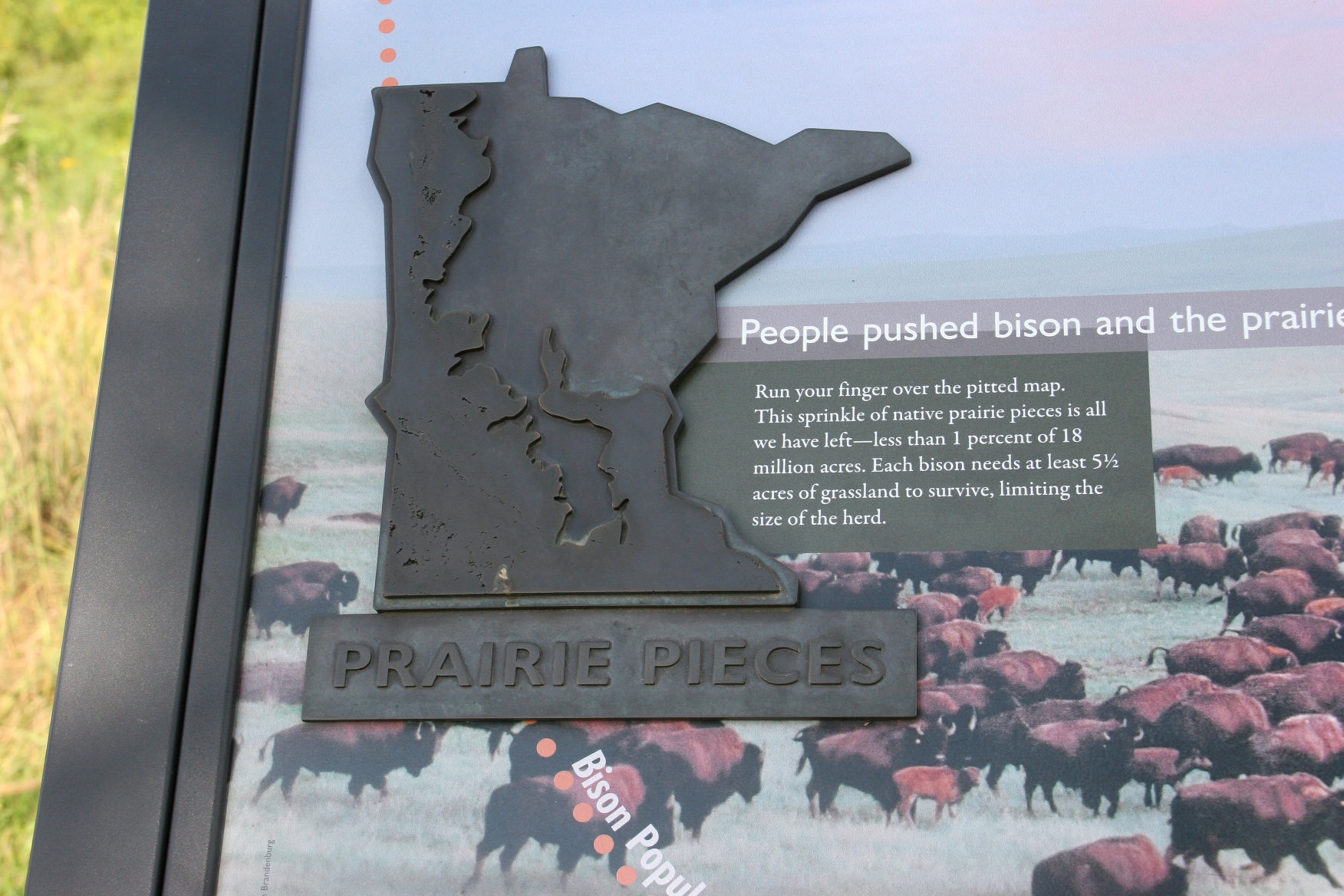
A map, posted in Minneopa State Park, shows the prairie and historic bison territory in Minnesota. (Minnesota Prairie Roots copyrighted file photo 2019)
Given the region’s rich Native heritage, the presence of a small group of bison in the Ramsey Park Zoo seems fitting. I recall rushing to see the buffalo there, both excited and intimidated by their massive hulk. Today I’m not so much afraid as respectful of their size and their importance in Indigenous Peoples’ culture.
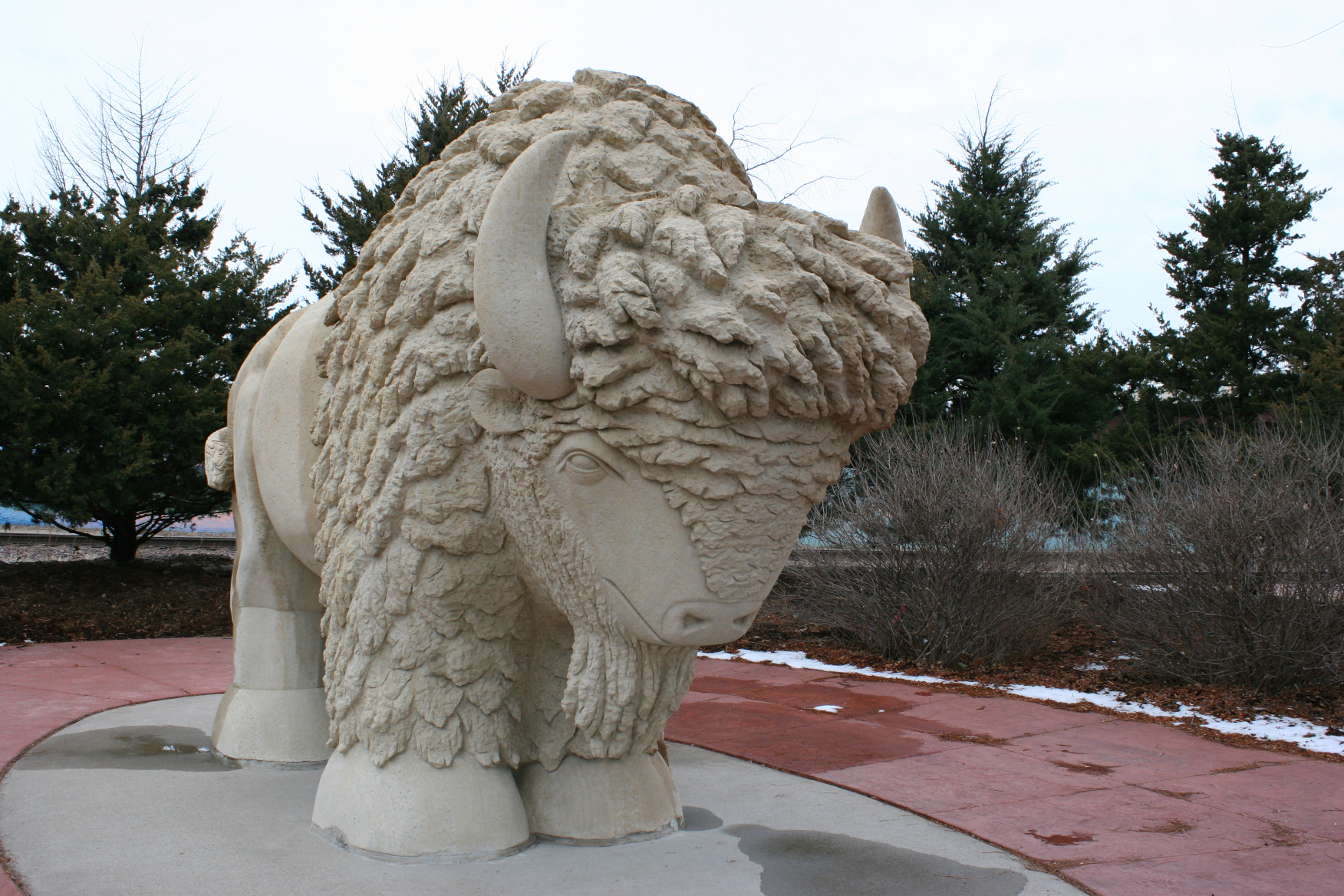
A sculpture of White Buffalo Calf Woman, part of Indigenous culture, displayed at the 2011 Mankato City Art Walking Sculpture Tour. Artwork by Lee Leuning and Sherri Treeby. (Minnesota Prairie Roots copyrighted file photo 2011 by Audrey Kletscher Helbling)
One need only look back in history to see how invaluable bison were to these original inhabitants of the prairie, the plains. Bison provided food, shelter, clothing and more to Indigenous Peoples. They also held spiritual and cultural significance. Bison were considered kin, respected by those who respected Mother Earth.
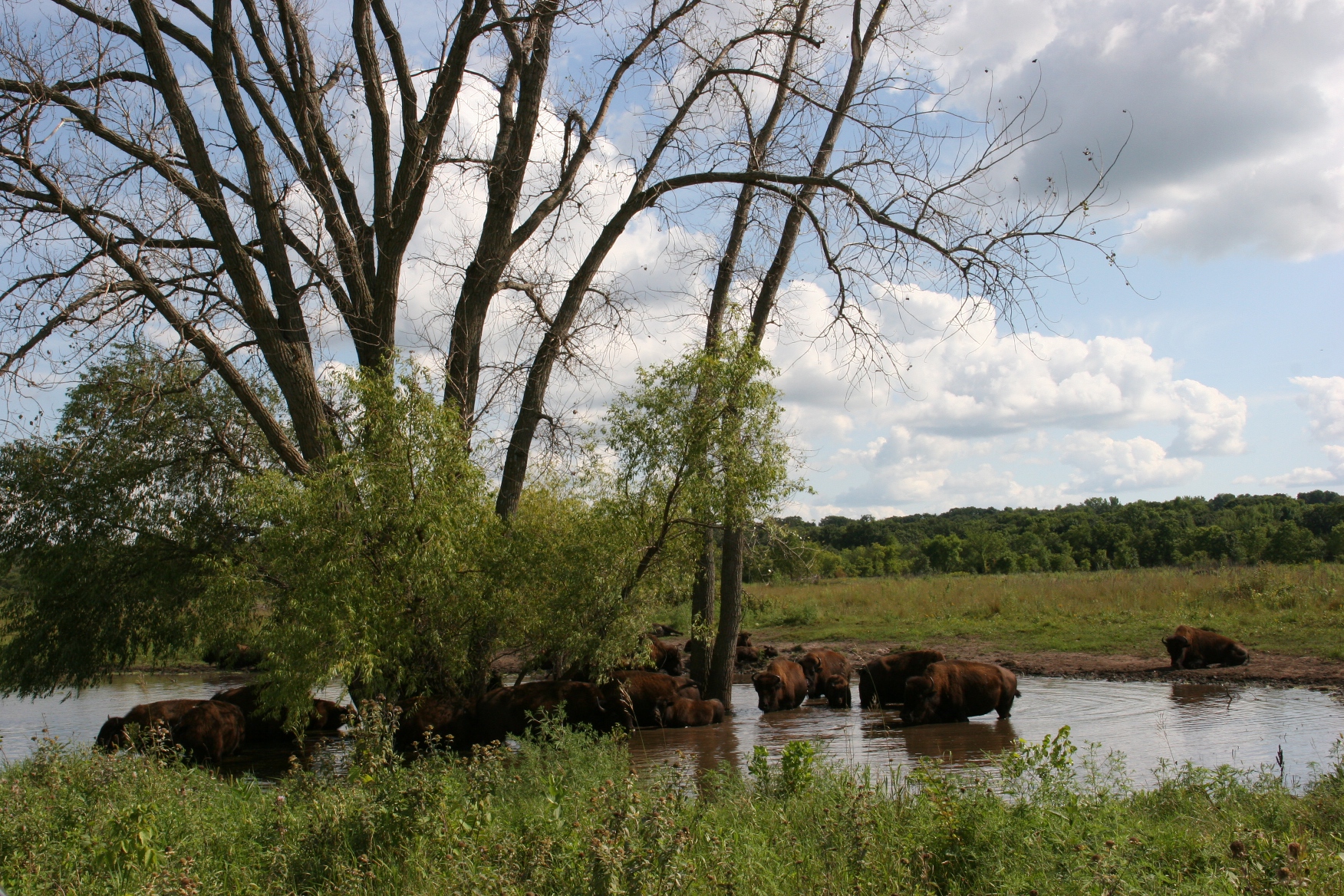
Bison at Minneopa State Park watering hole. (Minnesota Prairie Roots copyrighted file photo 2019)
And then the white man came in the 1800s, overtaking the land, nearly driving bison to extinction as they hunted and slaughtered the animal primarily for their hides.
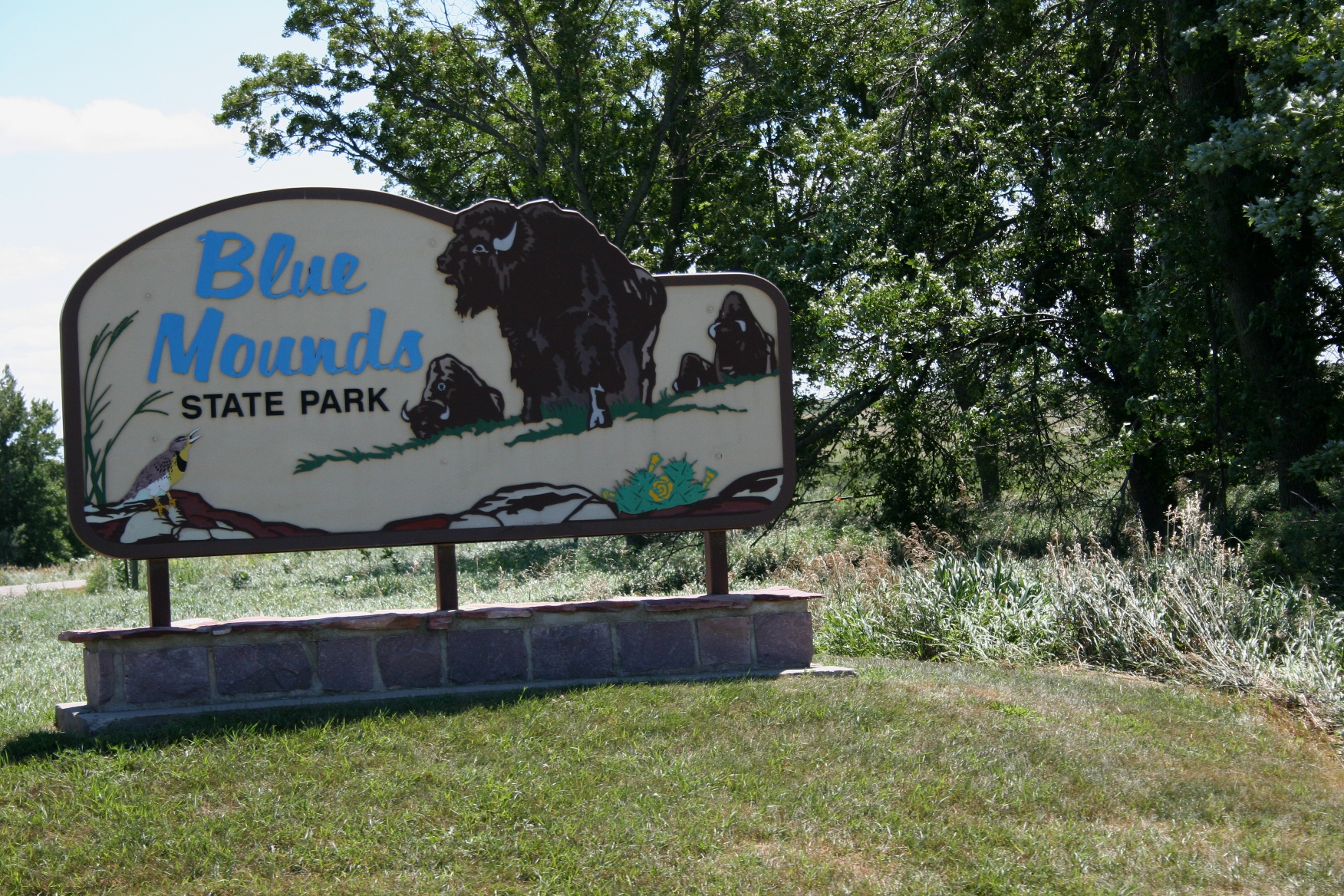
Blue Mounds State Park in rural Rock County, Minnesota, is home to 80-90 bison, although I did not see them when I visited the park in 2013.(Minnesota Prairie Roots copyrighted file photo 2013)
And so the story of bison is not only one of past atrocities in American history, but also one of personal history for me with those fenced bison in Minnesota’s largest municipal park, known as “The Little Yellowstone of Minnesota” for its beautiful natural topography seemingly like Yellowstone National Park. Yellowstone, the one in Wyoming, is home to nearly 6,000 bison.
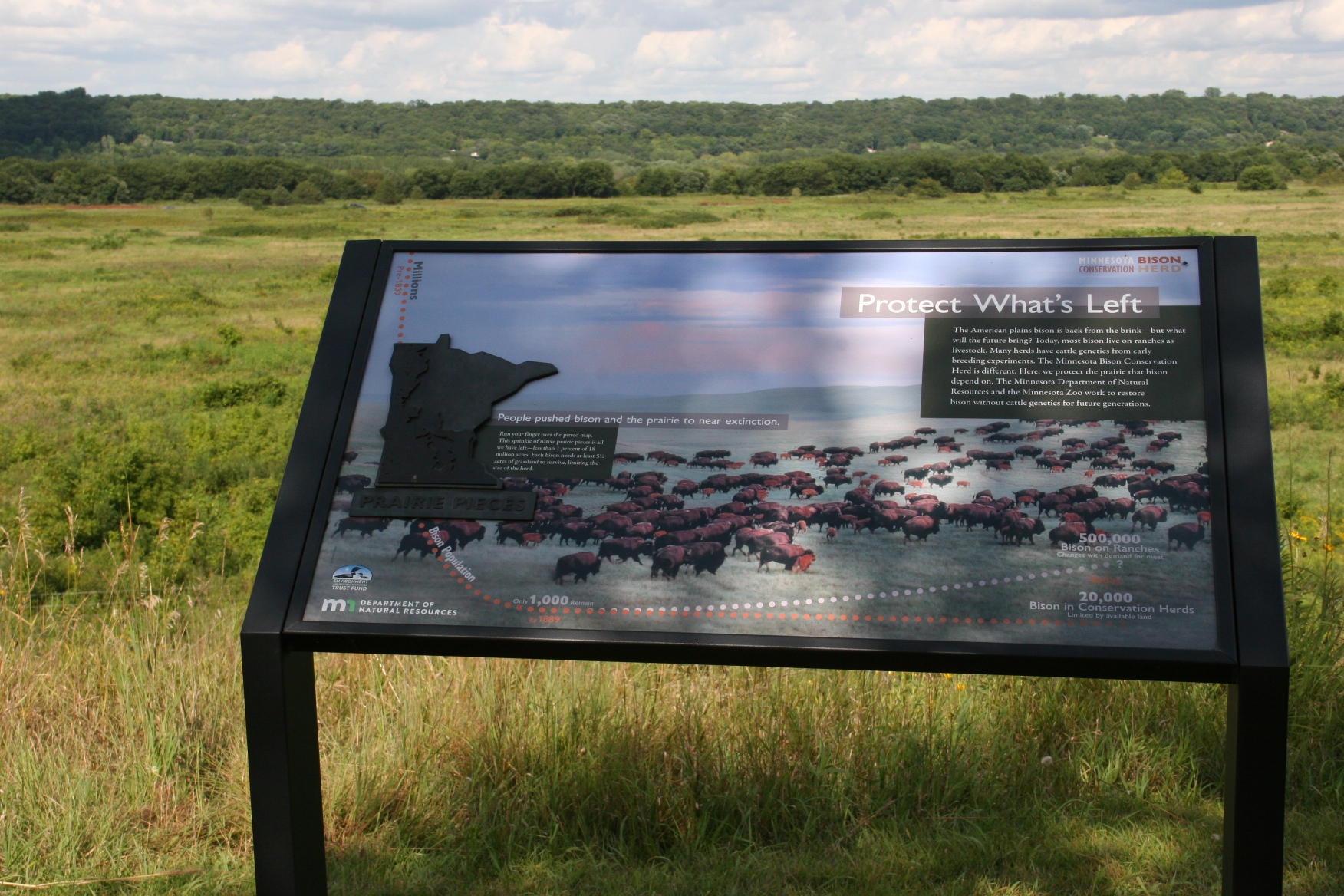
A sign along the prairie’s edge at Minneopa State Park informs about bison in Minnesota. (Minnesota Prairie Roots copyrighted file photo 2019)
In my youth, I didn’t understand the importance of bison in Native culture. I simply delighted in seeing them in the zoo at then Alexander Ramsey Park in my native Redwood County. Neither did I recognize how offensive the name of the park I loved as a child—Alexander Ramsey Park. Alexander Ramsey served as our first territorial governor and then as the second state governor of Minnesota during the US-Dakota War of 1862. He offered a bounty to anyone who killed a Dakota person and called for Indigenous Peoples to be driven out of Minnesota.
This 67-ton Kasota limestone sculpture stands in Reconciliation Park in Mankato. It symbolizes the spiritual survival of the Dakota People and honors the area’s Dakota heritage. The park is the site of the largest mass hanging in U.S. history. (Minnesota Prairie Roots copyrighted file photo 2019)
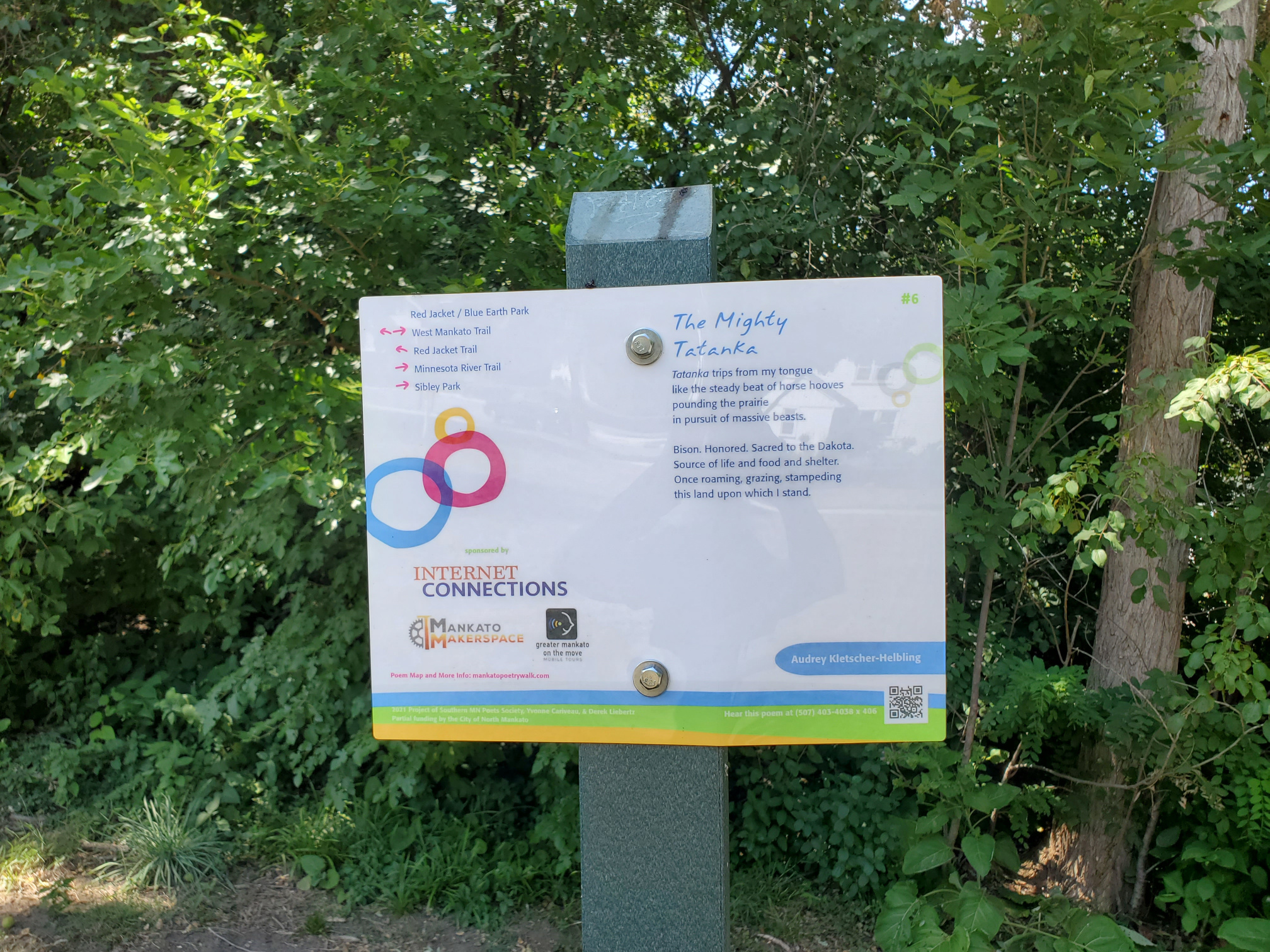
My poem posted along a recreational trail in Mankato. (Photo credit: Kay Herbst Helms)
I wanted to honor the original inhabitants of Mahkato, the bison, the Native culture, the land. And so I wrote “The Mighty Tatanka,” using the Dakota word for bison. My poem was selected for inclusion in the Mankato Poetry Walk & Ride and is posted on a sign in West Mankato.
The Mighty Tatanka
Tatanka trips from my tongue like the steady beat of horse hooves pounding the prairie in pursuit of massive beasts.
Bison. Honored. Sacred to the Dakota. Source of life and food and shelter. Once roaming, grazing, stampeding this land upon which I stand.
While my poem is succinct, limited by wordage requirements in the poetry competition, I’d like to think “The Mighty Tatanka” is powerful. It holds not only the rhythm of carefully selected words, but a story. A story of bison, of Indigenous Peoples, of a way of life, of a culture. It holds, too, honor for the land and of those who first inhabited, and respected, it.
#
FYI: My poem is posted on a sign along the West Mankato Trail near the intersection of Owatonna Street and Blue Earth and Sylvia Streets in West Mankato. You can listen to me read my poem by calling 507-403-4038 and entering 406.
Noted Minnesota wildlife photographer Jim Brandenberg’s (right in video) work, including this image of bison, is featured in a gallery bearing his name in Luverne, near Blue Mounds State Park. (Minnesota Prairie Roots copyrighted file photo 2013)
To see Minnesota Bison Conservation Herd bison in Minnesota, visit Minneopa State Park near Mankato, Blue Mounds State Park near Luverne, the Minnesota Zoological Garden, Oxbow Park & Zollman Zoo by Byron, and Spring Lake Park Reserve Bison Prairie in Dakota County.








Recent Comments