Minnesota Prairie Roots

Writing and photography by Audrey Kletscher Helbling

Forgiveness on December 26 December 24, 2024

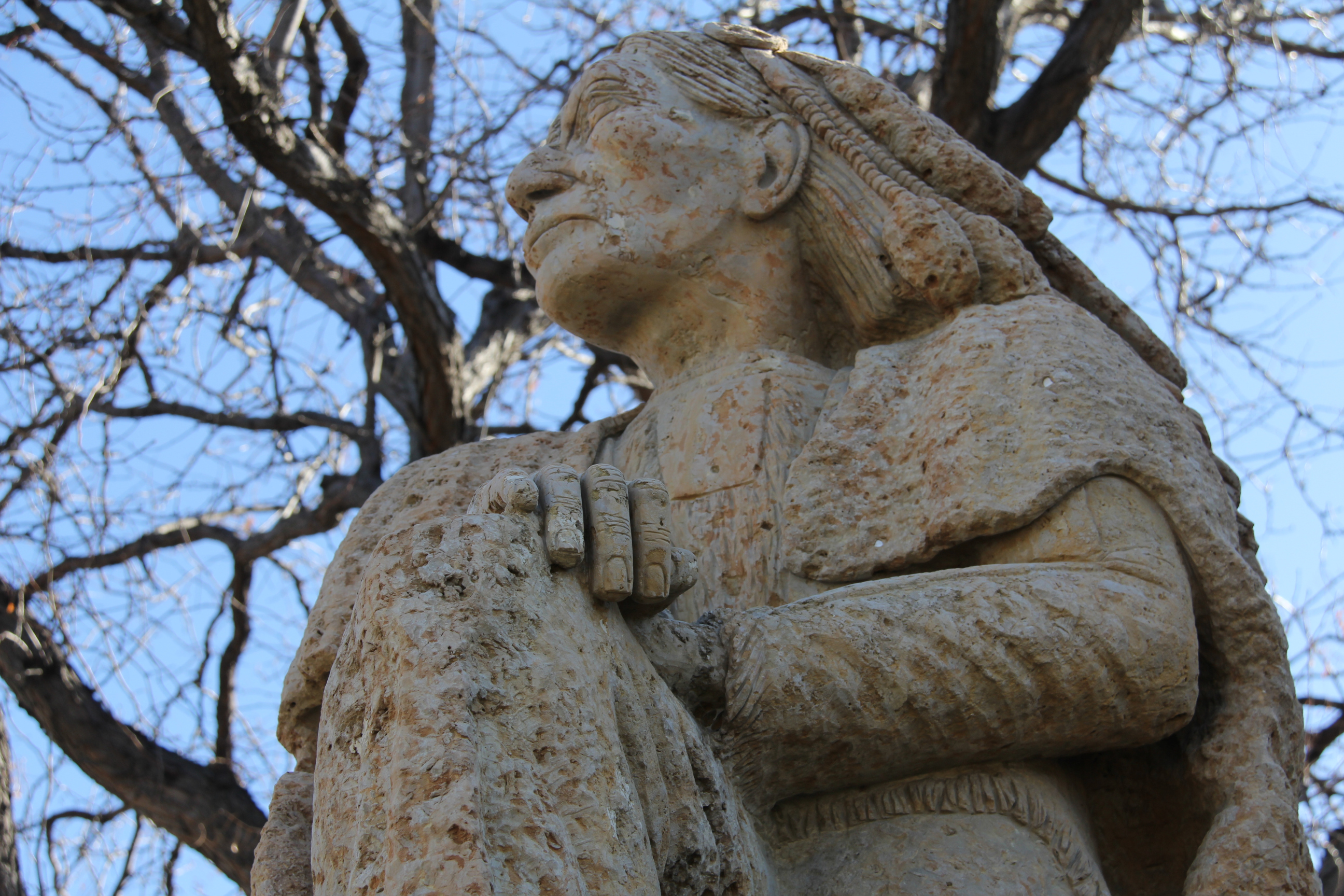
This limestone sculpture by Thomas Miller depicts a Dakota warrior. It sits across from Reconciliation Park in Mankato at the Blue Earth County Library. (Minnesota Prairie Roots copyrighted file photo November 2023)

FORGIVE EVERYONE EVERYTHING.
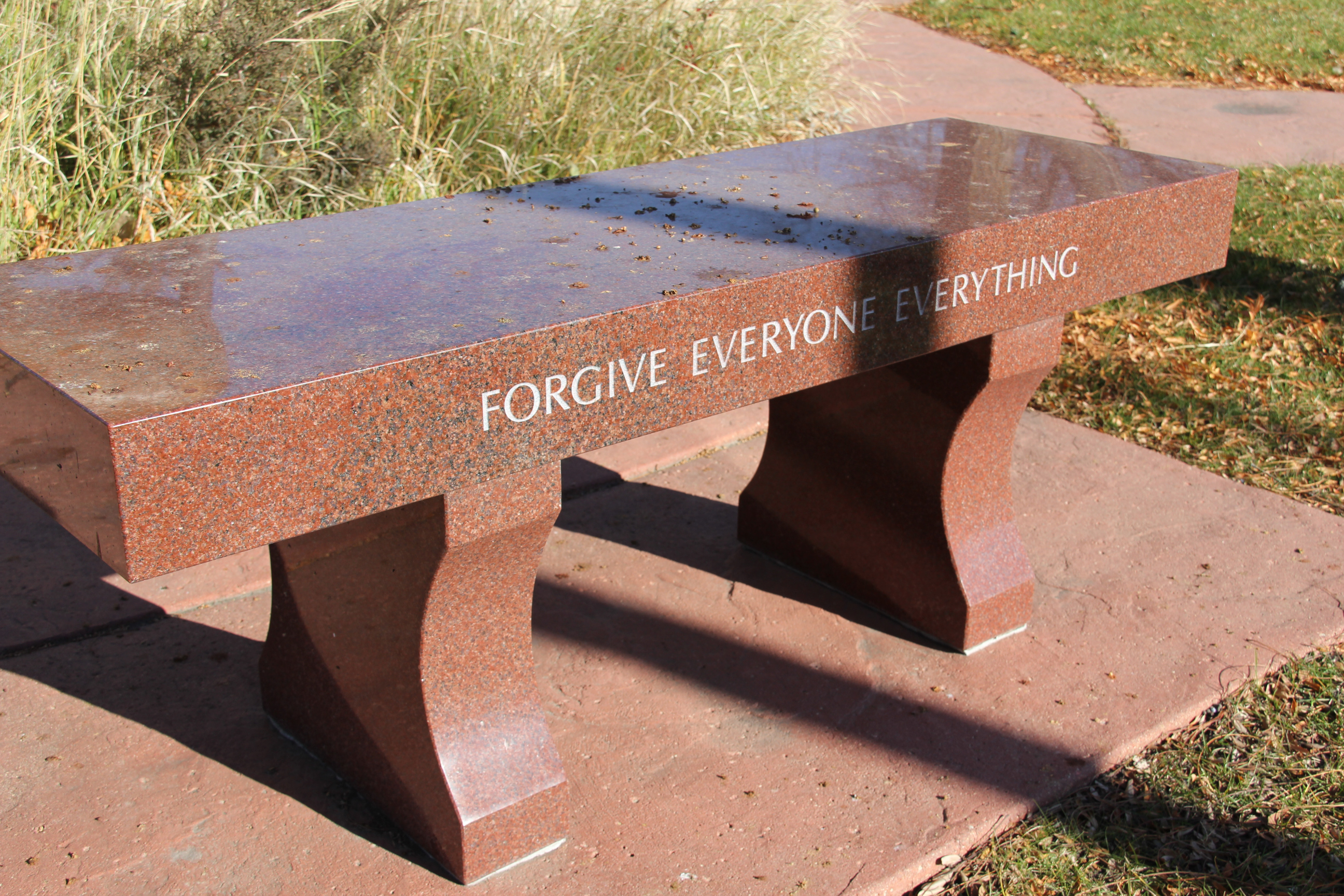
Powerful words on a bench at the Dakota 38 Memorial in Reconciliation Park. (Minnesota Prairie Roots copyrighted file photo November 2023)

Those uppercase engraved block words, white against red on a stone bench at the Dakota 38 Memorial in the heart of downtown Mankato at Reconciliation Park, hold the strength of a people who really have no reason to forgive. But they choose to do so. And in forgiveness comes healing.
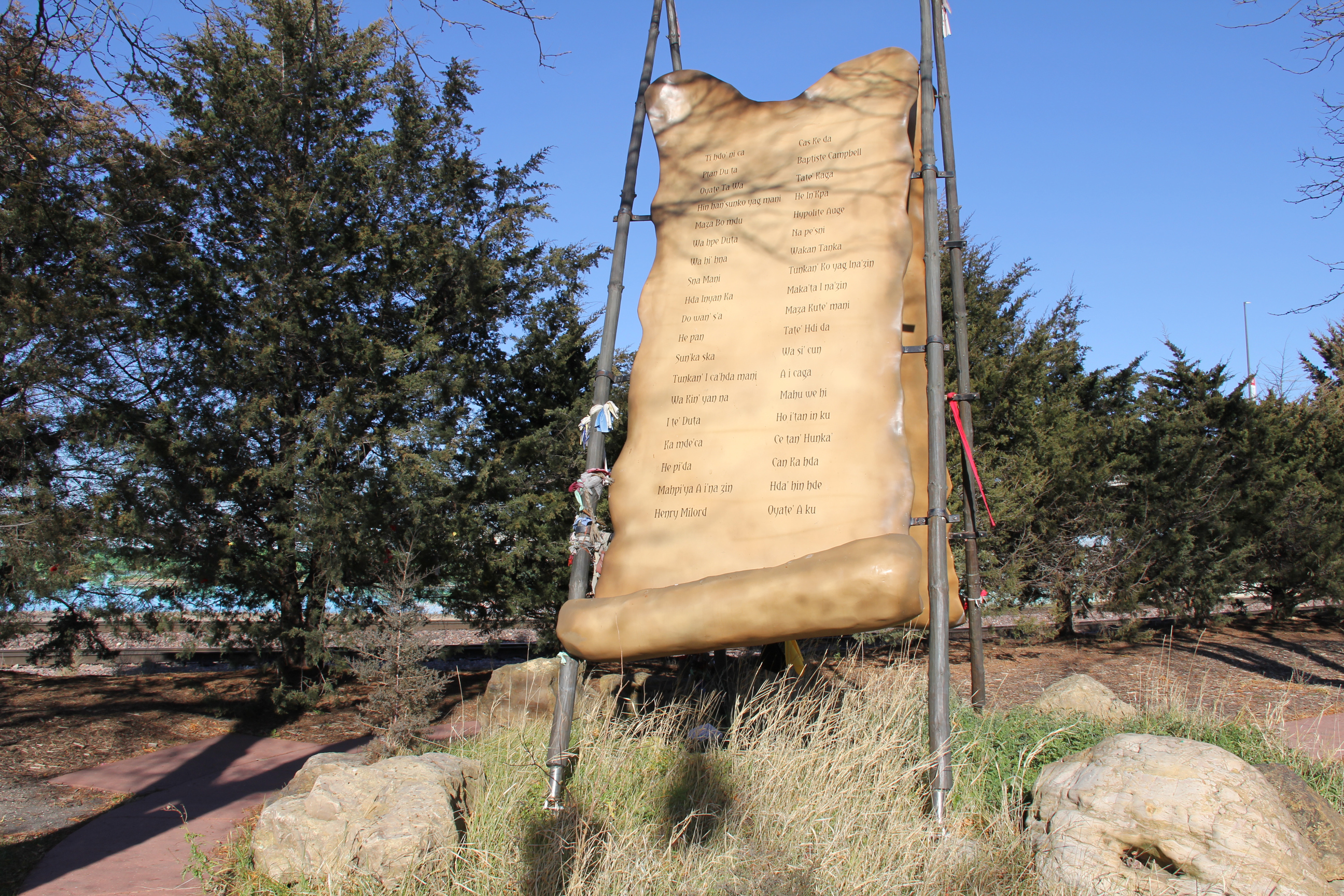
The names of the 38 Dakota men hung in Mankato are listed on the Dakota 38 Memorial. (Minnesota Prairie Roots copyrighted file photo November 2023)

December 26 marks the date in 1862 when 38 Dakota men were hung near this site along the Minnesota River in America’s largest mass execution. Originally, 303 Dakota were sentenced to death following “trials” (the quotes are intentional) after the U.S.-Dakota War of 1862. President Abraham Lincoln reviewed the list of those sentenced to death, approving the hanging of thirty-eight. Thousands gathered to watch the execution on the day after Christmas 162 years ago.
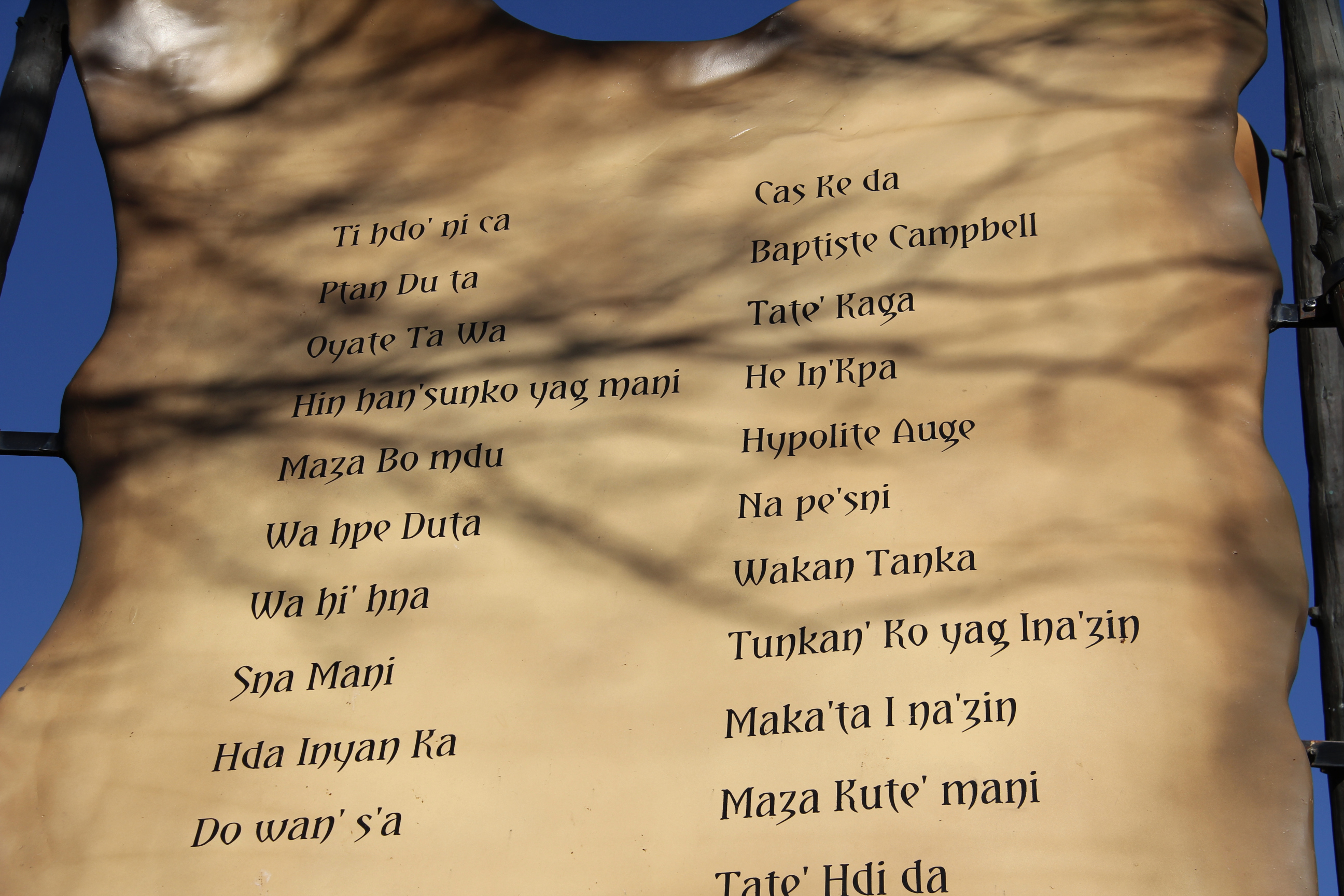
Up close, names of the Dakota who were hung. (Minnesota Prairie Roots copyrighted file photo November 2023)

This history I learned early on, but only from a White perspective and only because of my roots in southwestern Minnesota, at the epicenter of the war. I expect many Americans, including many Minnesotans, to this day know nothing of this conflict that killed hundreds of Whites and Dakota. Internment and exile of the Dakota followed. Native Peoples suffered because of the atrocities before and after the war.
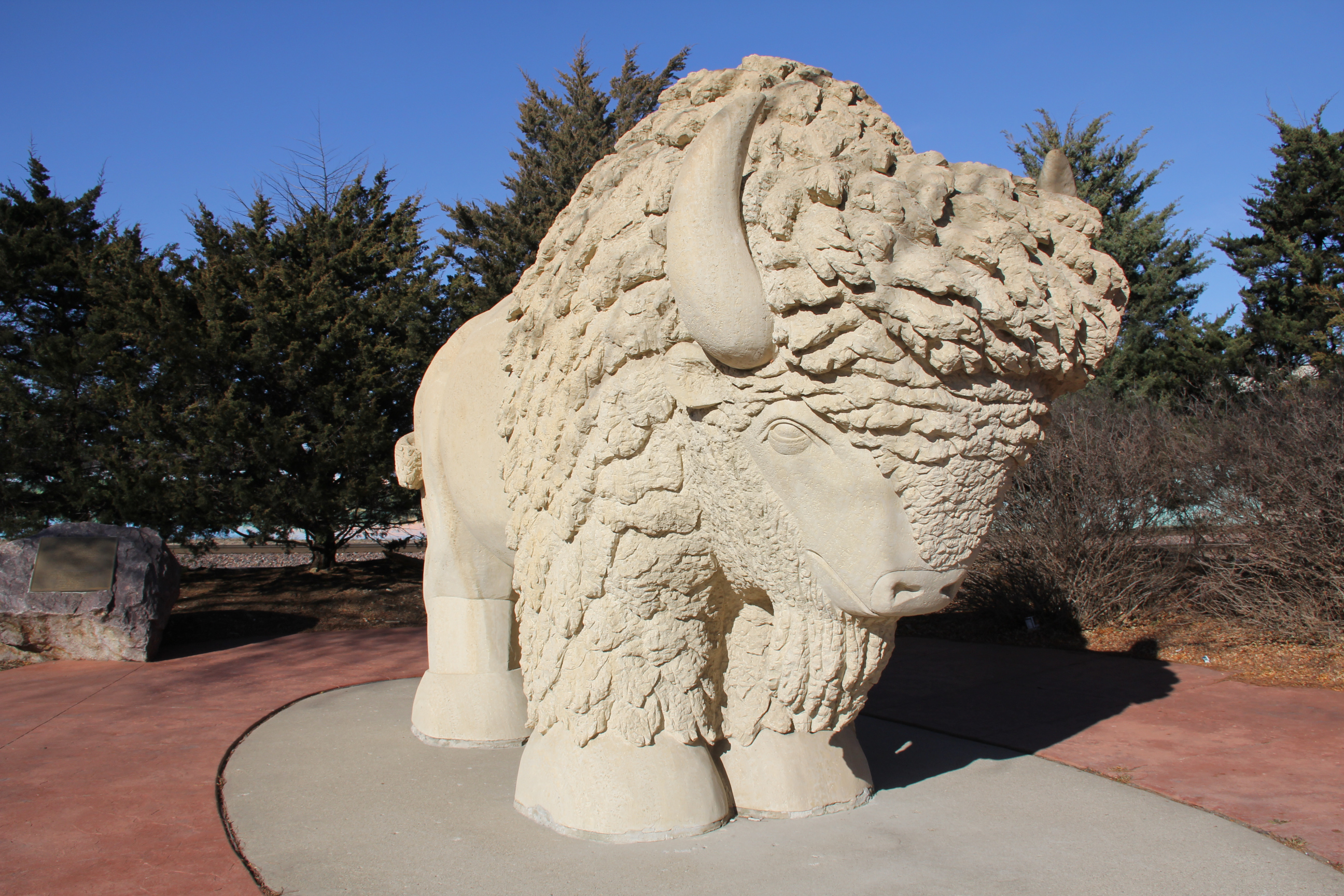
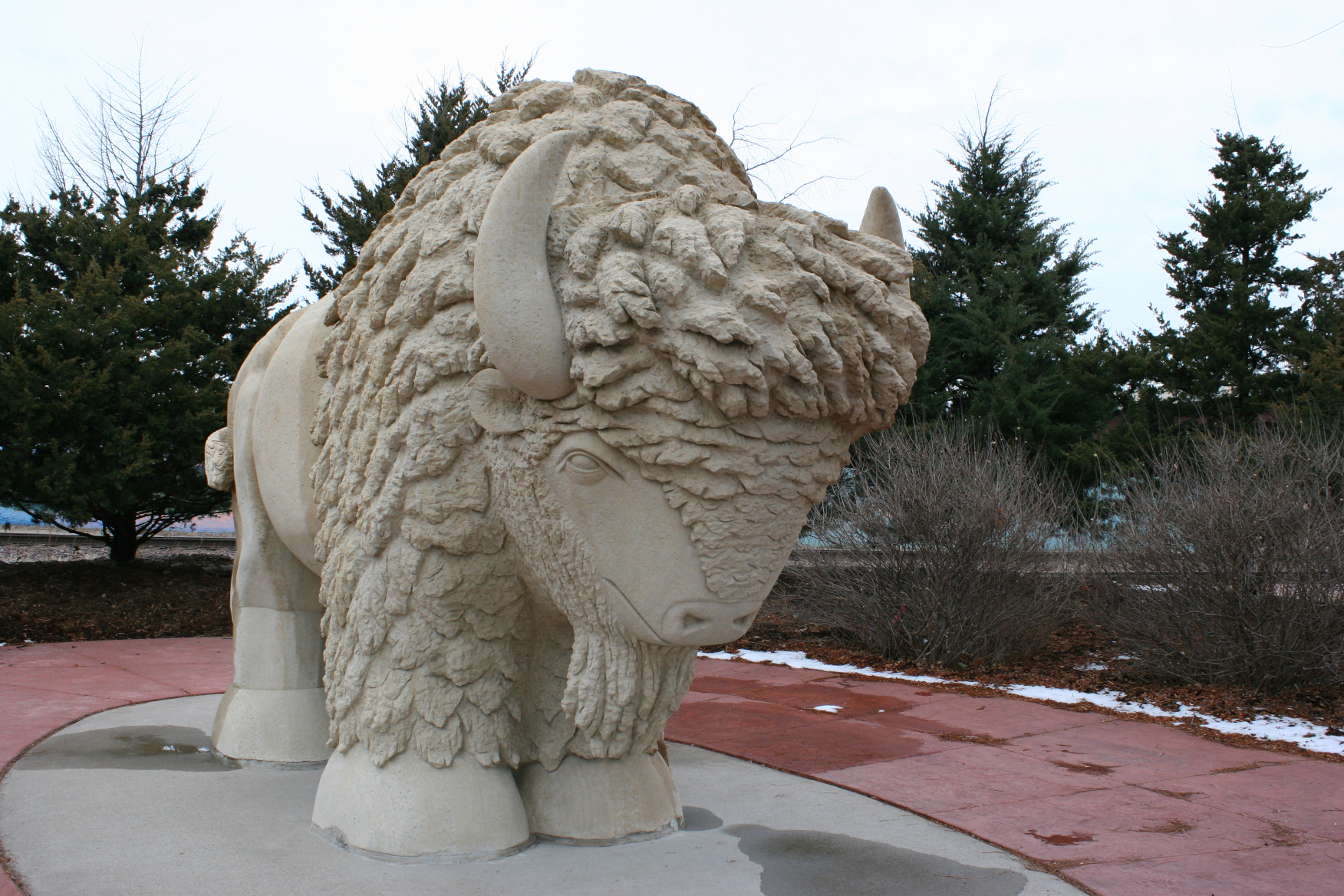
A massive limestone sculpture of a white buffalo in Reconciliation Park represents the spiritual survival of the Dakota. (Minnesota Prairie Roots copyrighted file photo November 2023)

This is history I’d encourage everyone to study. And not just from a one-sided perspective. I won’t pretend that I am fully-informed. I’m not. I do, though, have a much better understanding than I did growing up. I’ve read, listened, learned. I know of stolen land, broken treaties and promises. Starvation. Injustices. Demeaning words like those attributed to a trader who told starving Dakota to “eat grass.” Andrew Myrick was later reportedly found dead, his mouth stuffed with grass.
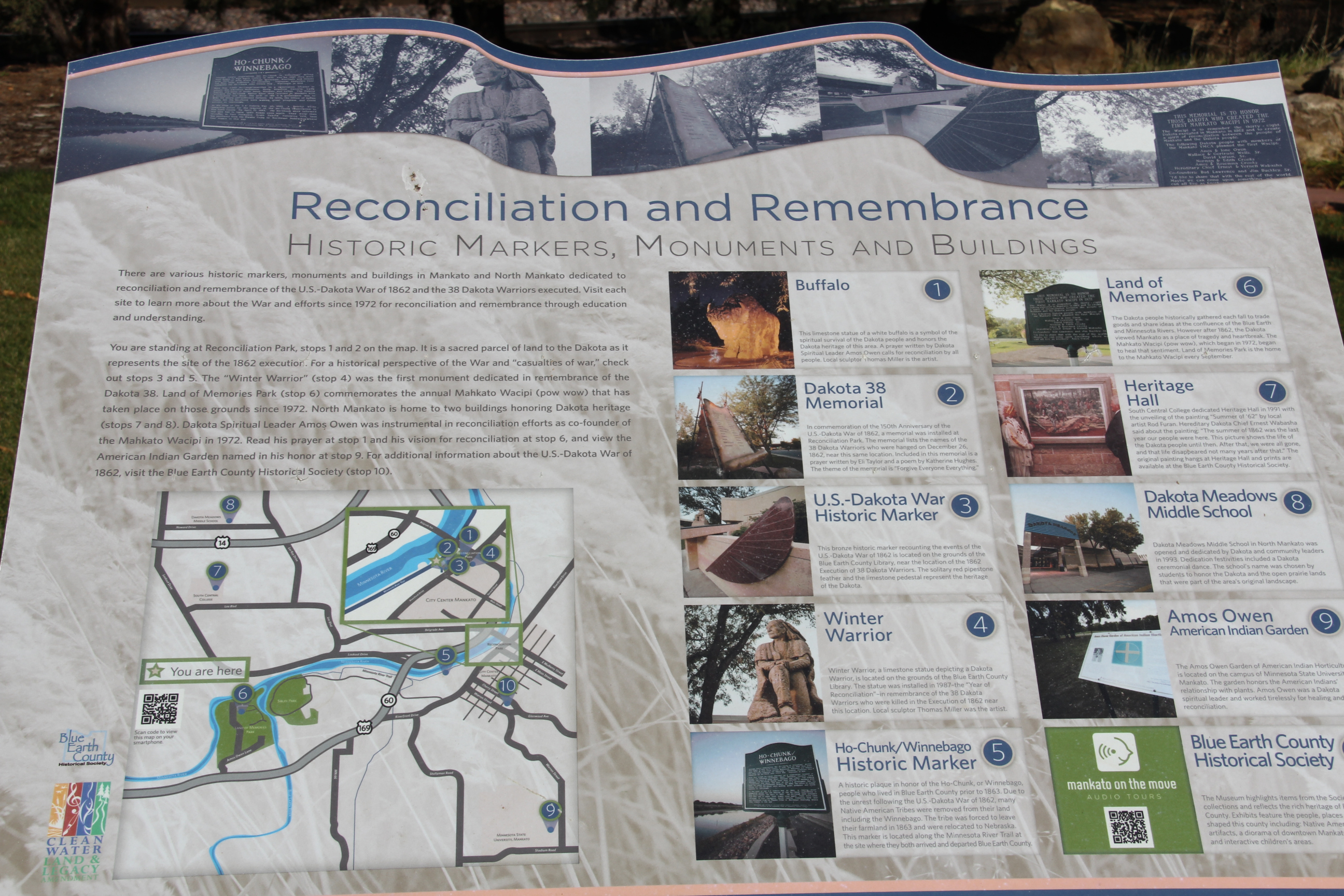
A sign in Reconciliation Park directs visitors to the many sites around Mankato focused on reconciliation and remembrance. (Minnesota Prairie Roots copyrighted file photo November 2023)

But back to those three words on that stone bench in Mankato: FORGIVE EVERYONE EVERYTHING. The Dakota truly have no reason to forgive. But they choose to do so. I’ve learned that forgiveness is part of Dakota culture and beliefs.
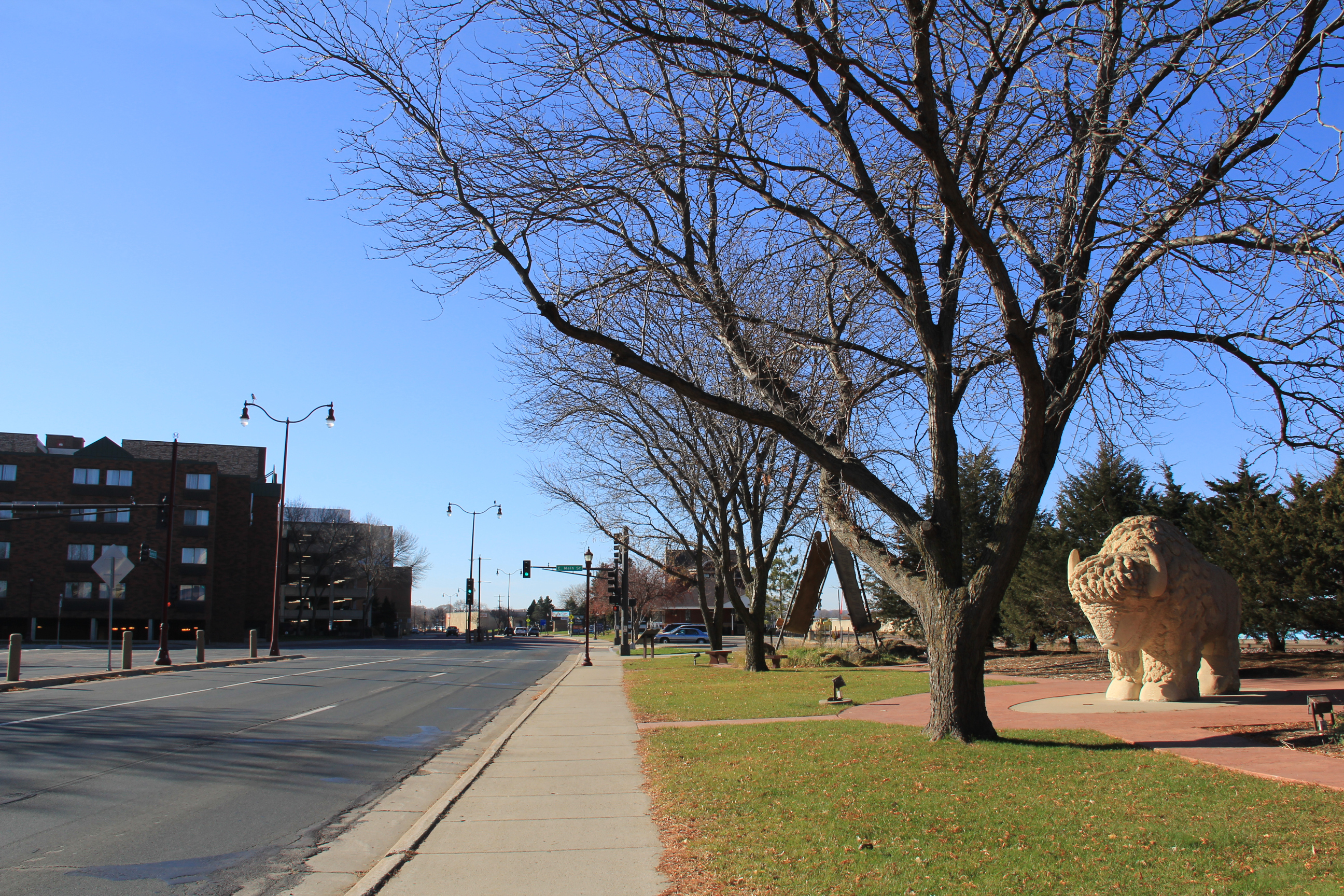
An overview of the location of Reconciliation Park along Riverfront Drive in Mankato, along the Minnesota River and across from the public library. (Minnesota Prairie Roots copyrighted file photo November 2023)

In the month of December, the attitude of forgiveness extends beyond words in stone to an annual horseback ride honoring the 38+2 (two more Dakota were sentenced to death two years later). This year, two rides—The Makatoh Reconciliation & Healing Horse Ride and The Dakota Exile Ride, the first originating in South Dakota, the other in Nebraska—will end on December 26 with gatherings at Reconciliation Park and the Blue Earth County Library, located across from each other.
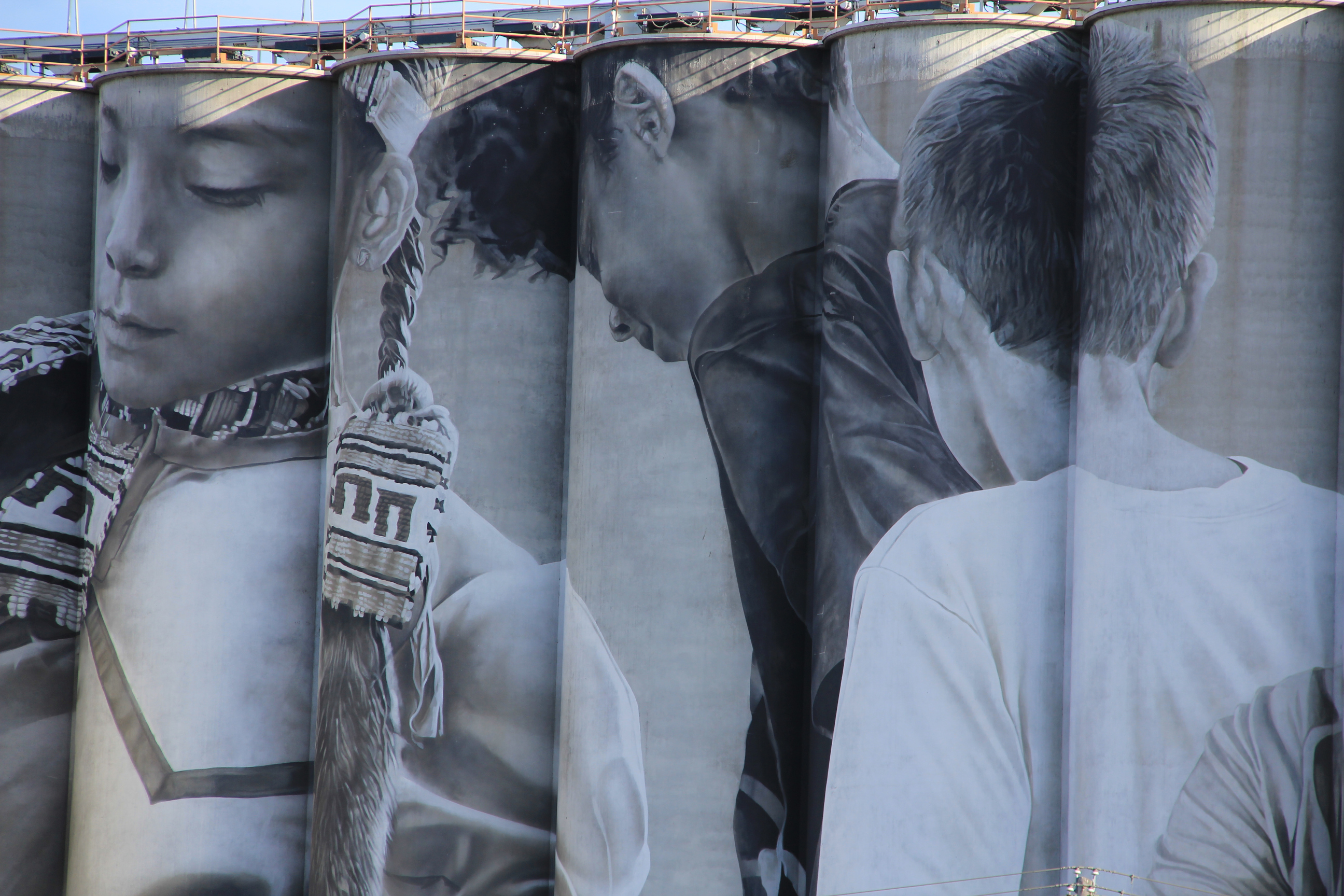
Just down the street from Reconciliation Park, murals on the Ardent Mills grain silos celebrate the diversity of Mankato, including that of the Dakota. (Minnesota Prairie Roots copyrighted file photo November 2023)

These rides focus on educating, remembering, honoring, healing and forgiving. Five powerful verbs when connected with the U.S.-Dakota War of 1862.
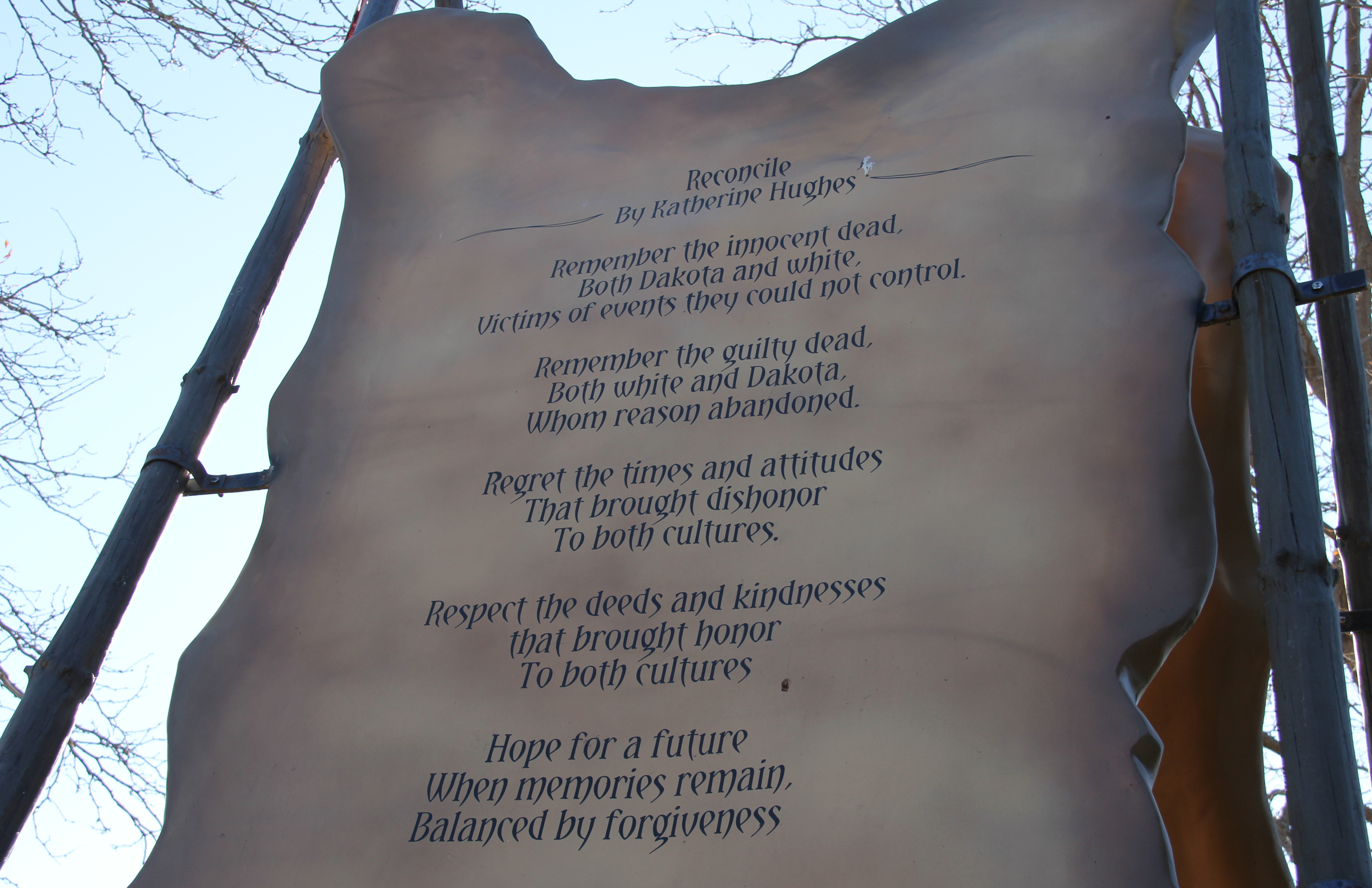
Katherine Hughes’ poem ends with the word “forgiveness.” (Minnesota Prairie Roots copyrighted file photo November 2023)

The poem “Reconcile,” written by Katherine Hughes and posted in Reconciliation Park, closes with this powerful verse: Hope for a future/When memories remain/Balanced by forgiveness.
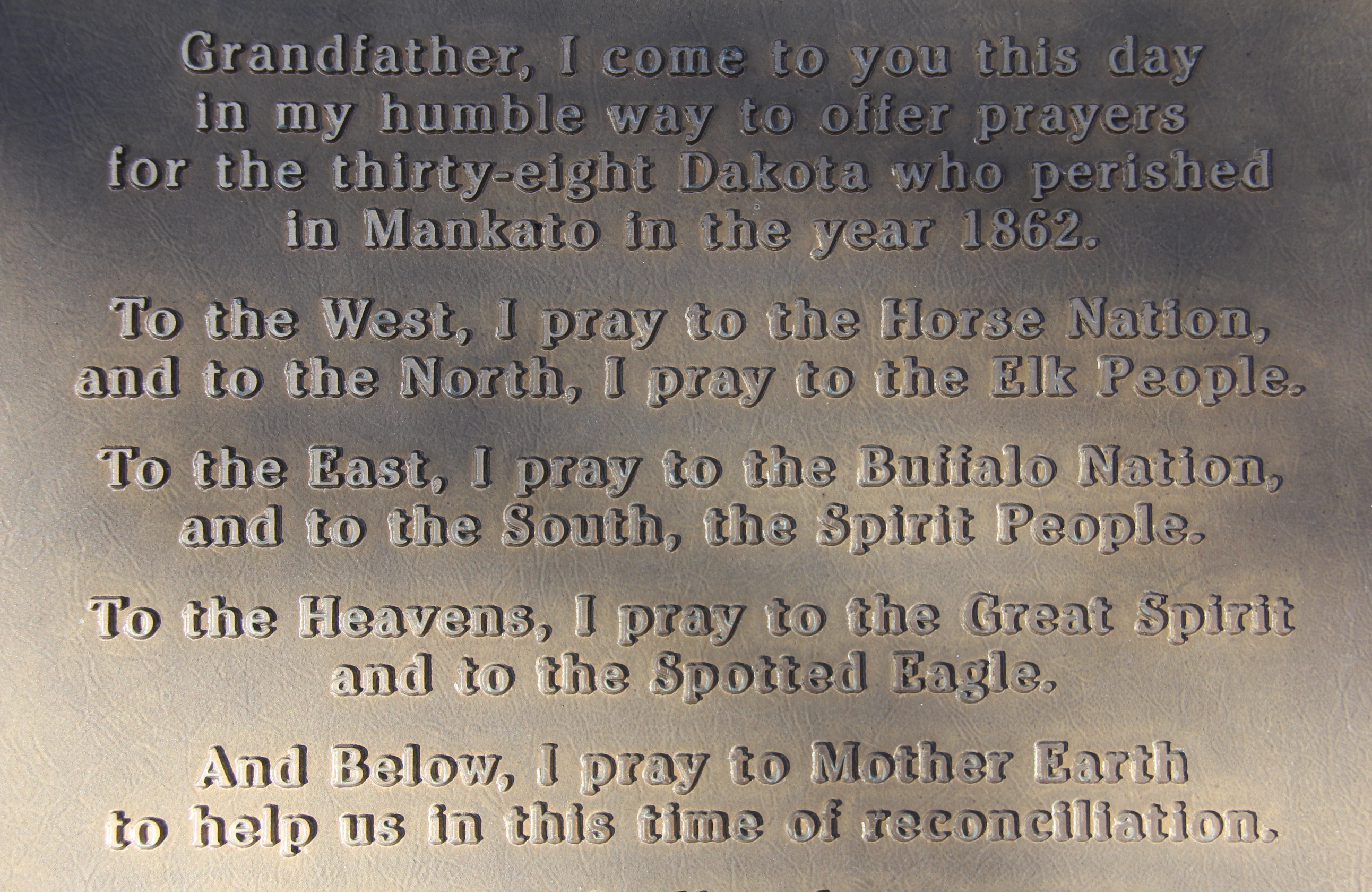
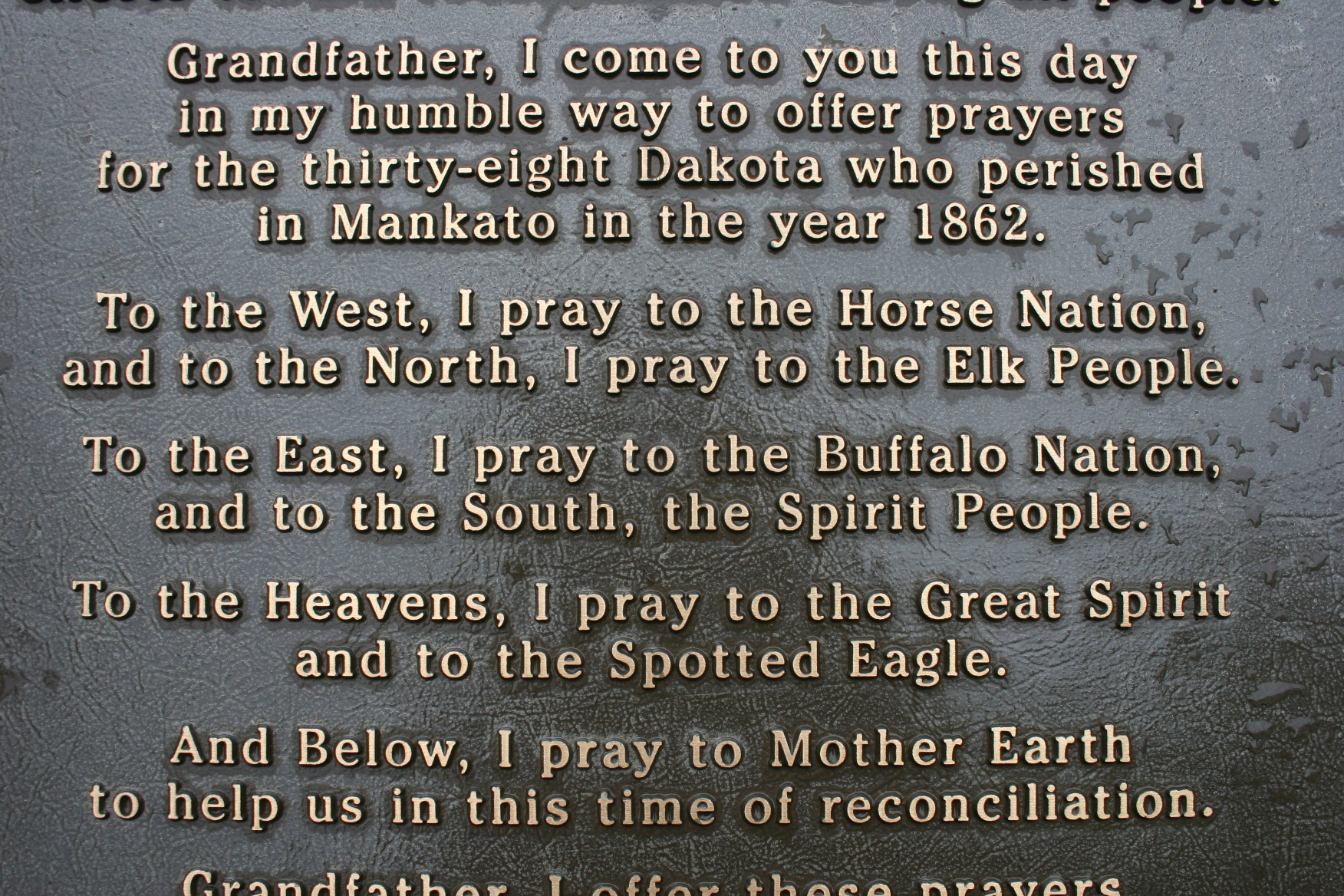
A Dakota prayer in the park ends with the word “reconciliation.” (Minnesota Prairie Roots copyrighted file photo November 2023)

FORGIVE EVERYONE EVERYTHING.

#

FYI: Here’s the schedule for the December 26 events. A community gathering is set for 9 am-10 am at Reconciliation Park and the library. Horseback riders arrive at 10 a.m. A ceremony in the park takes place from 10 am-11:30 am. From 11:30 am-1 pm, a healing circle will happen at the library with discussion surrounding the events of December 26, 1862, covering the past, present and future. A community meal for the horseback riders, who rode hundreds of miles to Mankato, follows.

© Copyright 2024 Audrey Kletscher Helbling


“The Seed Keeper,” an award-winning book every Minnesotan should read June 21, 2022

Cover design by Mary Austin Speaker. Cover beadwork art by Holly Young. (Credit: Publisher, Milkweed Editions)

VISUALIZE A PACKET OF SEEDS. Then open the envelope and spill a handful of seeds onto your open palm. What do you see? You likely envision seeds planted in rich black soil, covered, watered, sprouting, growing, yielding and, then, harvested. And while that visual is accurate, seeds hold more. Much more.

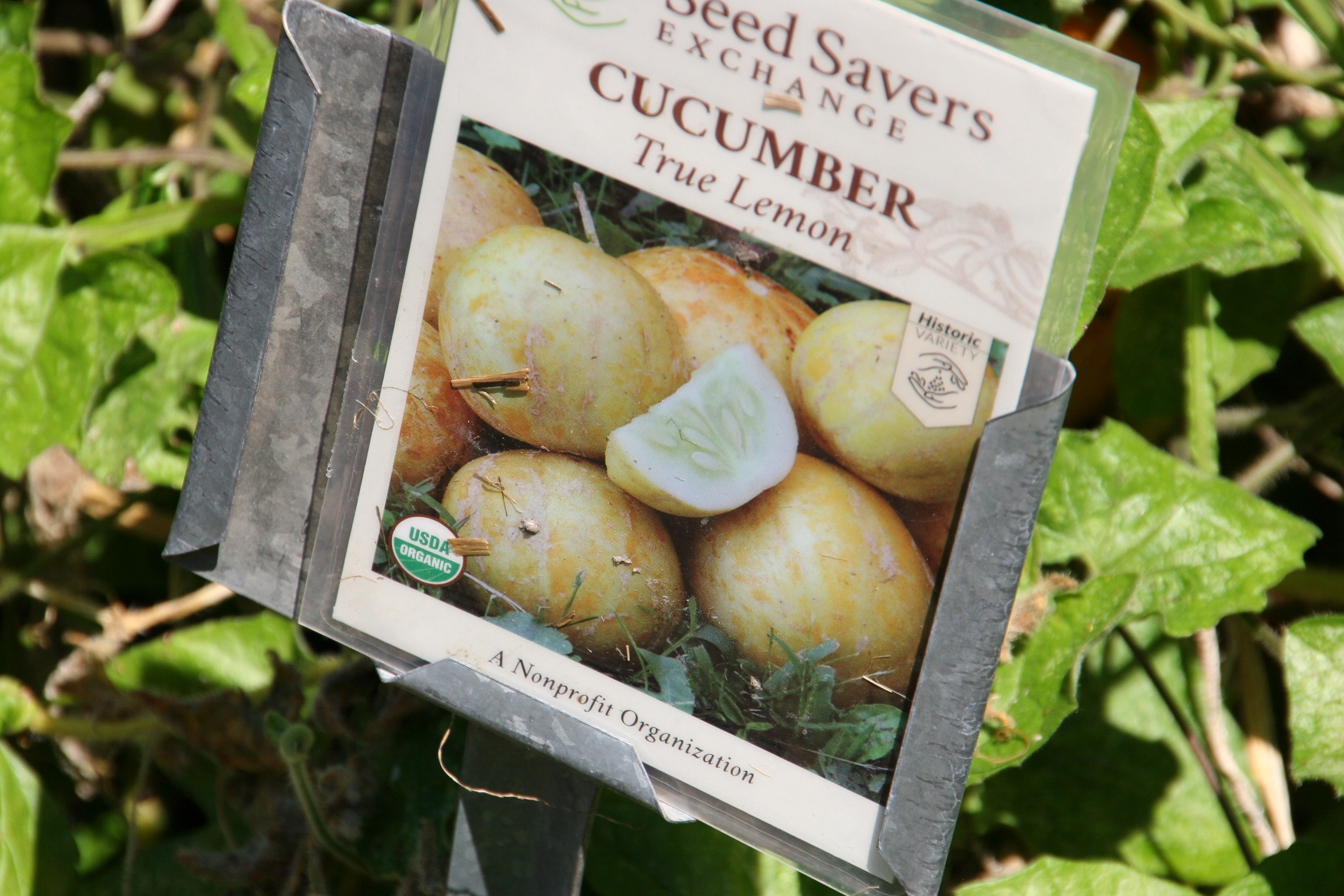
Photographed at Seed Savers Exchange near Decorah, Iowa. The farm specializes in saving heirloom/heritage seeds. (Minnesota Prairie Roots copyrighted file photo October 2018, used here for illustration only)

I just finished reading The Seed Keeper, Diane Wilson’s debut novel and winner of the 2022 Minnesota Book Award in the Novel & Short Story category. I’ve never felt so profoundly and deeply moved by a book rooted in history. Wilson’s writing is like a seed planted, nurtured, then yielding a harvest of insight and understanding.

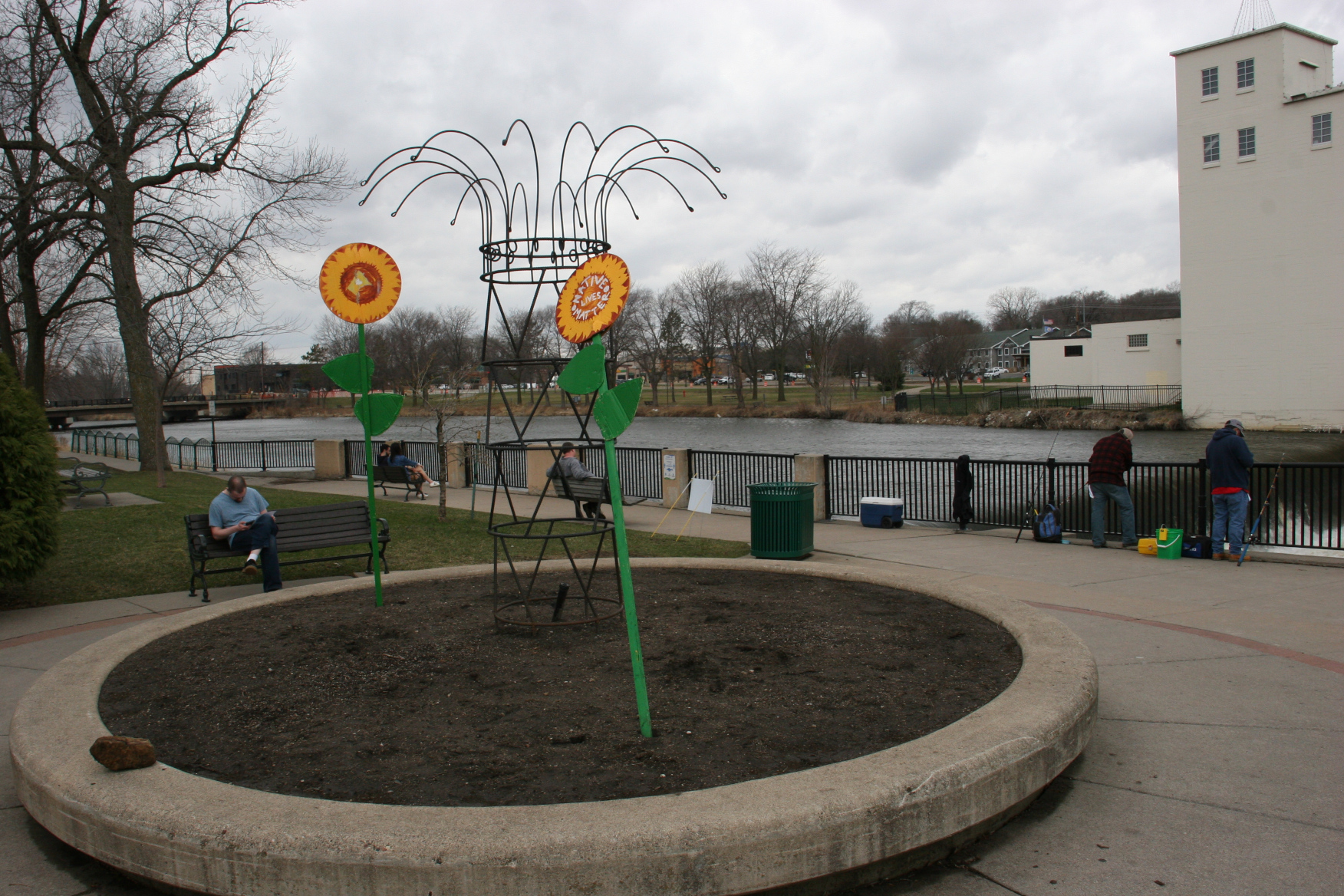
Part of a public art installation at the Northfield Earth Day Celebration in April. (Minnesota Prairie Roots copyrighted file photo April 2022)

Hers is the story of the Dakota people, specifically of several generations of women, The Seed Keepers. Hers is the story of a connection to the land, sky, water, seeds and of reclaiming that relationship. Hers is a story of wrongs done to indigenous people in Minnesota, of atrocities and challenges and struggles. Past and present. Hers is a story of wrongful family separation and of reuniting with family and community.

A full view of the art planted in Northfield for Earth Day. (Minnesota Prairie Roots copyrighted file photo April 2022)

At the core of Wilson’s novel are the seeds. The seeds, stored in a willow basket, and eventually passed through the generations. The seeds that not only provided food for their families’ survival, but held the stories of Dakota ancestors and a way of life.

Words on a marker in Reconciliation Park in Mankato where 38 Dakota were hung on December 26, 1862. Wilson references the park, and the theme of forgiveness, in her novel. (Minnesota Prairie Roots copyrighted file photo May 2012)

The subject of this book holds personal interest to me because of its setting in southwestern Minnesota, site of The US-Dakota War of 1862. Wilson covers that war, including the hanging of 38 Dakota warriors in Mankato. As a native of Redwood County, I studied that war, even researched and wrote a term paper on the topic some 50 years ago. But I expect if I read that paper now, I would find many inaccuracies. My writing was shaped by the White (settlers’) narrative without consideration of the Dakota. I long ago realized the failings of that narrow-minded, biased perspective.

Even though I wasn’t taught the whole story, at least I was aware of The U.S.-Dakota War of 1862. It was centered in my home region and in neighboring Brown County, where my maternal ancestors fled their rural New Ulm farm for safety in St. Peter. Many Minnesotans, I’ve discovered, are unaware of this important part of our state’s history.

The Seed Keeper, though fictional, reveals just how devastating this war was to the Dakota people in removal from their native land, in their imprisonment and in efforts by Whites to control and shape them. I found this sentence penned by the author to be particularly powerful: What the white settlers called progress was a storm of fury thundering its way across the land, and none of us were strong enough to withstand it.

This 67-ton Kasota stone sculpture stands in Reconciliation Park in Mankato. It symbolizes the spiritual survival of the Dakota People and honors the area’s Dakota heritage. The park is the site of the largest mass execution in U.S. history. (Minnesota Prairie Roots copyrighted file photo November 2019)

Still, strength sprouts and grows in The Seed Keeper through a riveting storyline that stretches back to Marie Blackbird in 1862 and then follows main character Rosalie Iron Wing through the decades to 2002. Even her name, Iron Wing, evokes strength and freedom. Rosalie marries a White farmer, births a son and her two worlds collide.

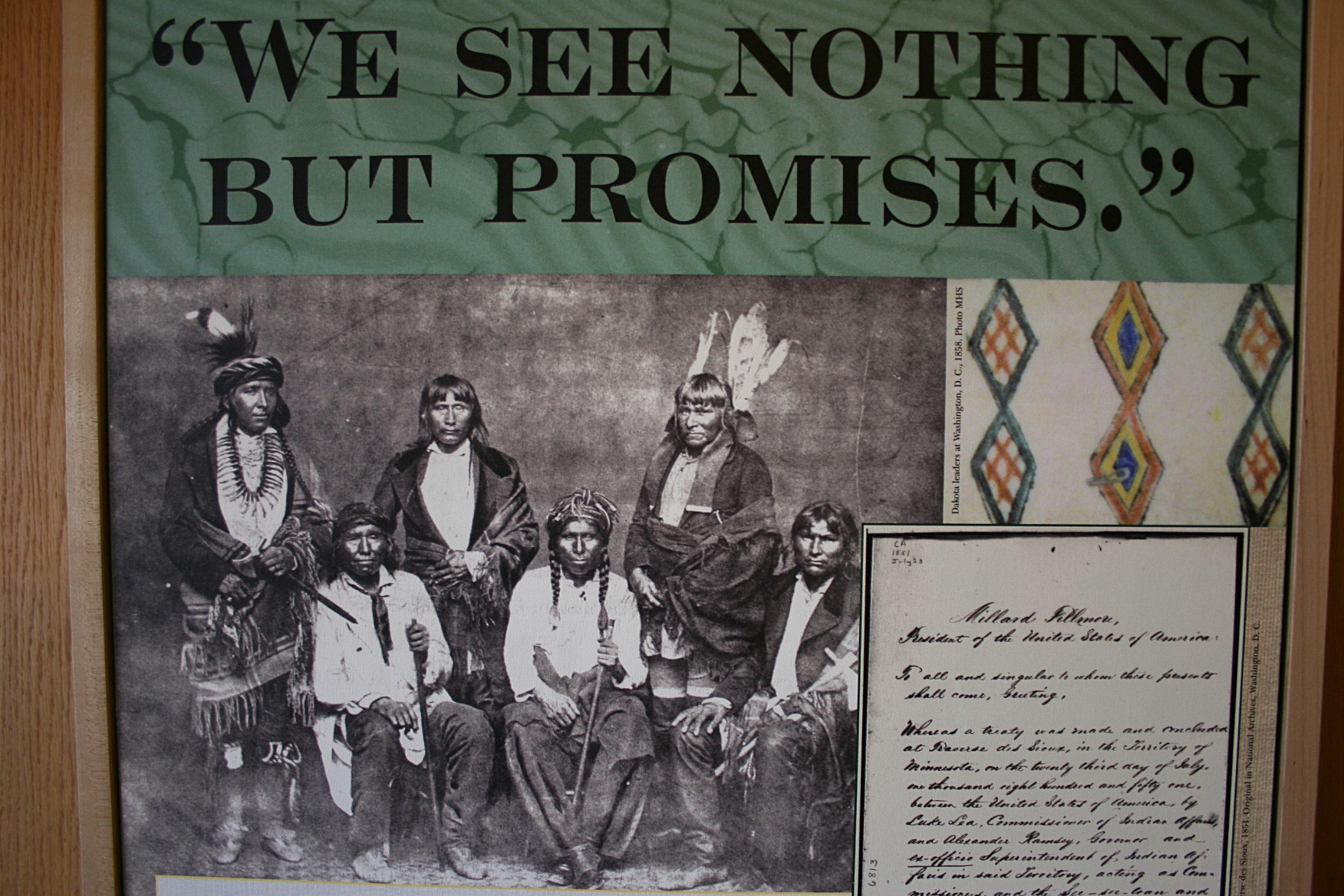
A photo panel at the Traverse des Sioux Treaty Center in St. Peter shows Dakota leaders photographed in Washington D.C. in 1858. The photo is from the Minnesota Historical Society. The quote represents the many broken treaties between the Dakota and the U.S. government. (Minnesota Prairie Roots file photo 2013)

I was especially drawn to this statement by a Dakota elder in Wilson’s book: People don’t understand how hard it is to be Indian. I’m not talking about all the sad history. I’m talking about a way of life that demands your best every single day. Being Dakhóta means every step you take is a prayer.

Wilson writes with authenticity as a Mdewakanton descendant, enrolled on the Rosebud Reservation. She’s walked the steps of the Dakhóta.

#

TELL ME: Have you read The Seed Keeper and, if so, what are your thoughts? I’d encourage everyone, Minnesotan or not, to read this award-winning novel.

© Copyright 2022 Audrey Kletscher Helbling