Minnesota Prairie Roots

Writing and photography by Audrey Kletscher Helbling

Winding our way through forestland to Welch October 28, 2026

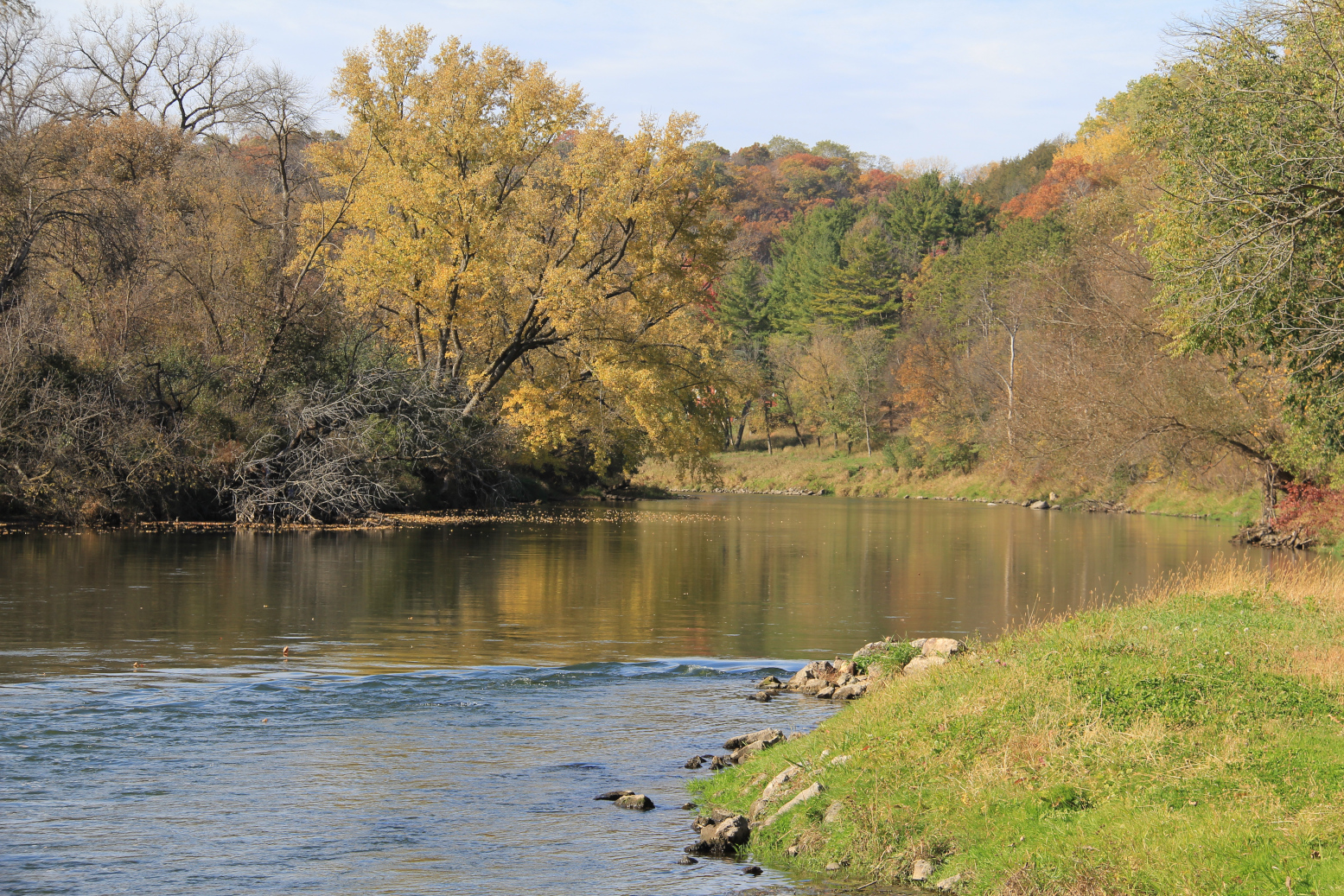
The Cannon River in Welch. (Minnesota Prairie Roots copyrighted photo October 2026)

DESCENDING DEEP into the Cannon River valley, it’s easy to feel transported, disconnected, as if in a place distanced from the realities of everyday life. At least that’s been my reaction when I’ve traveled to Welch, an unincorporated burg nearly 40 miles southeast of St. Paul in Goodhue County.
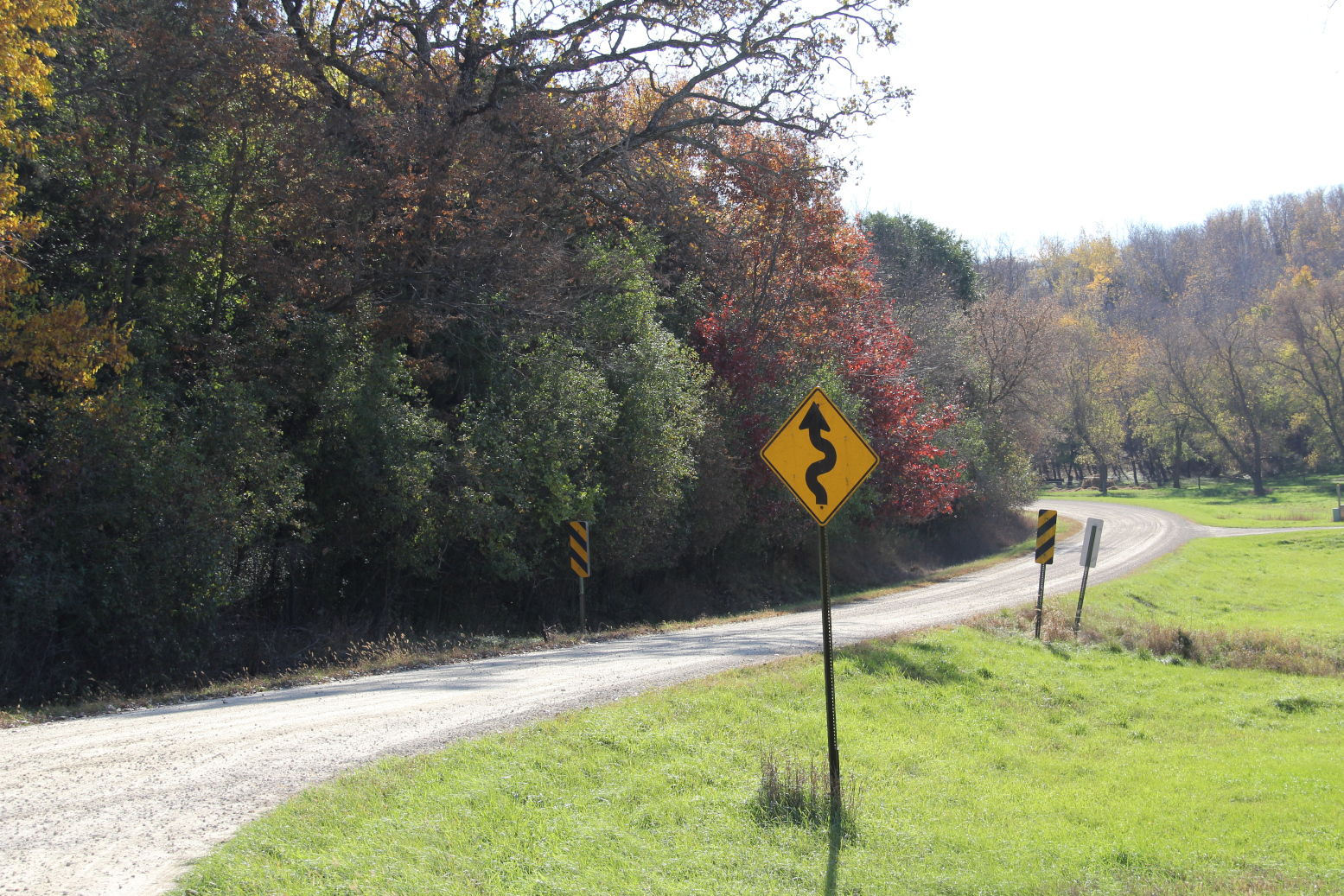
Gravel roads like this twist through the state forest. (Minnesota Prairie Roots copyrighted photo October 2026)

On a recent fall color drive, Randy and I aimed east toward this riverside location as we left Cannon Falls along Minnesota State Highway 19. Not long after, we turned off the paved highway onto gravel, eventually following Wild Turkey Road and other routes that twist through Richard J Dorer Memorial Hardwood State Forest toward Welch. The state forest encompasses 1 million acres in seven southeastern Minnesota counties.
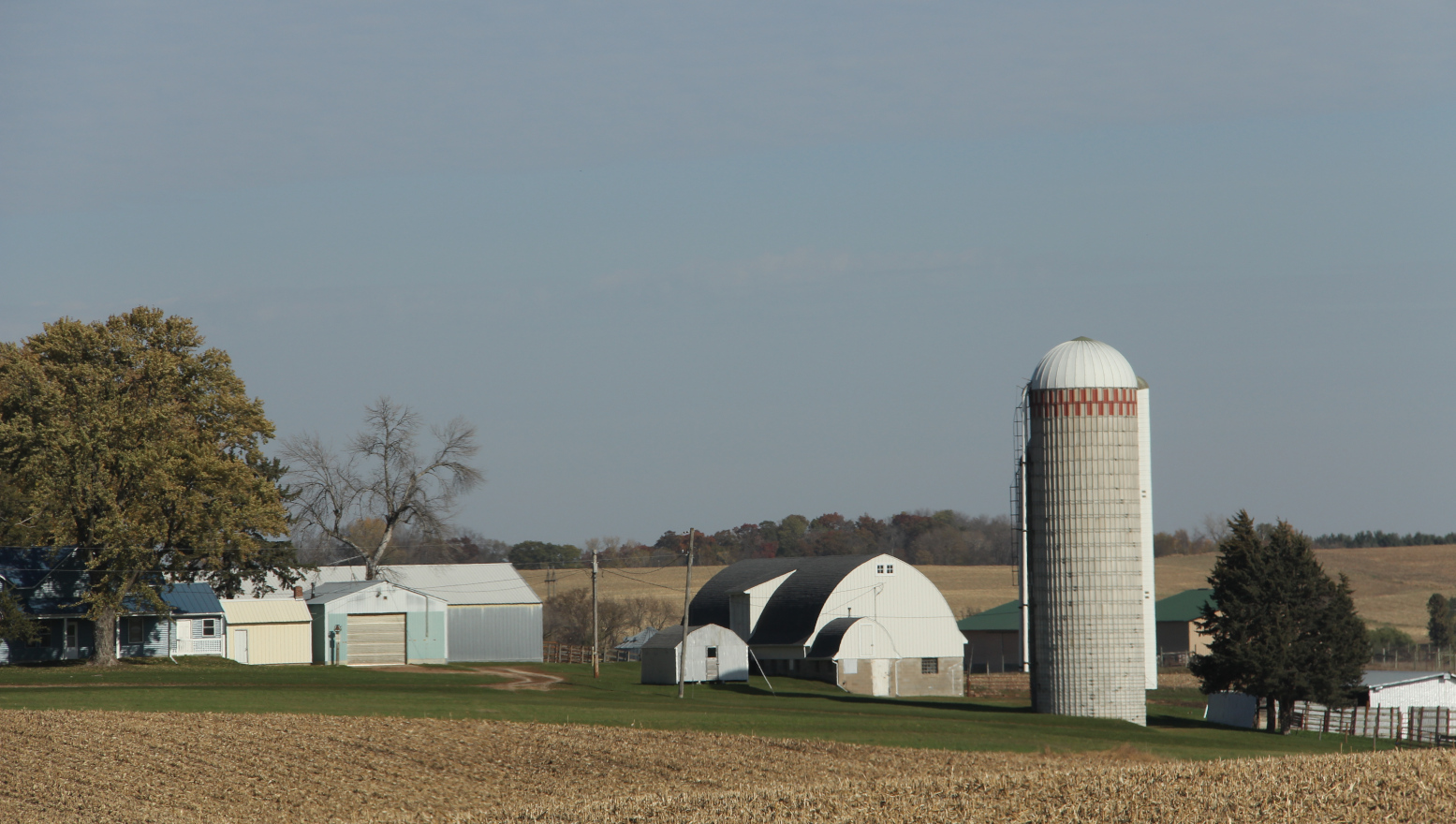
Before driving deep into the woods, we saw farm sites and acres of farmland. (Minnesota Prairie Roots copyrighted photo October 2026)

I felt completely lost as gravel roads rose and fell before us, as farm sites came into view, as an occasional house hugged a forested hillside, as we looped back and forth, seemingly without direction.

Because I grew up on a square prairie grid where roads run straight, I always feel off-balance when I can’t grasp a sense of direction. But I trusted that Randy would get us back on track with the help of a paper atlas. There is no trusting cellphone service in remote areas like this.
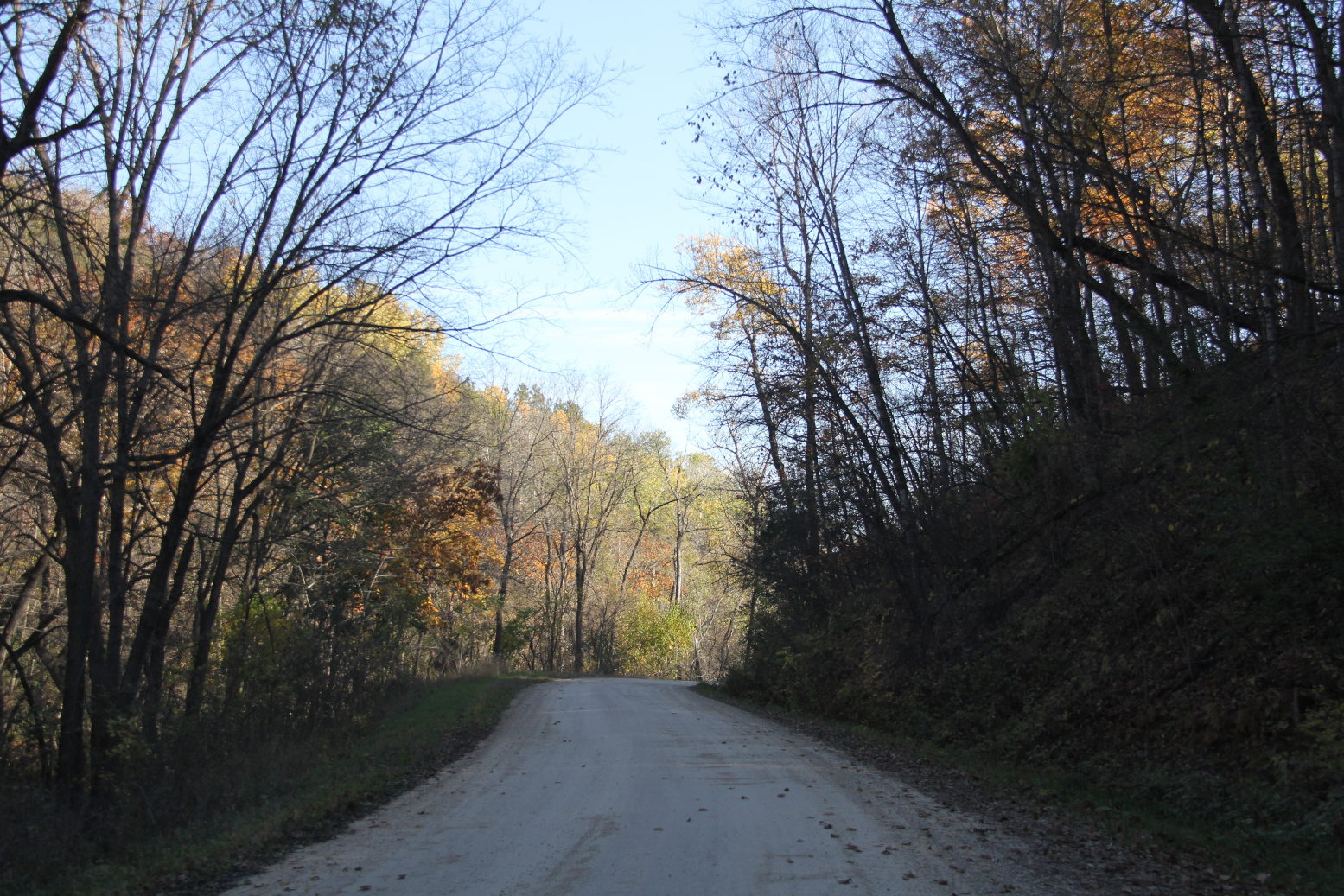
A gravel road takes us deep into the forest. (Minnesota Prairie Roots copyrighted photo October 2026)

As we traveled, I appreciated the natural beauty of the forest. But my imagination sprinted, too, with stories of fictional crimes committed here deep in the woods. I am a fan of mysteries, especially those set in Minnesota.
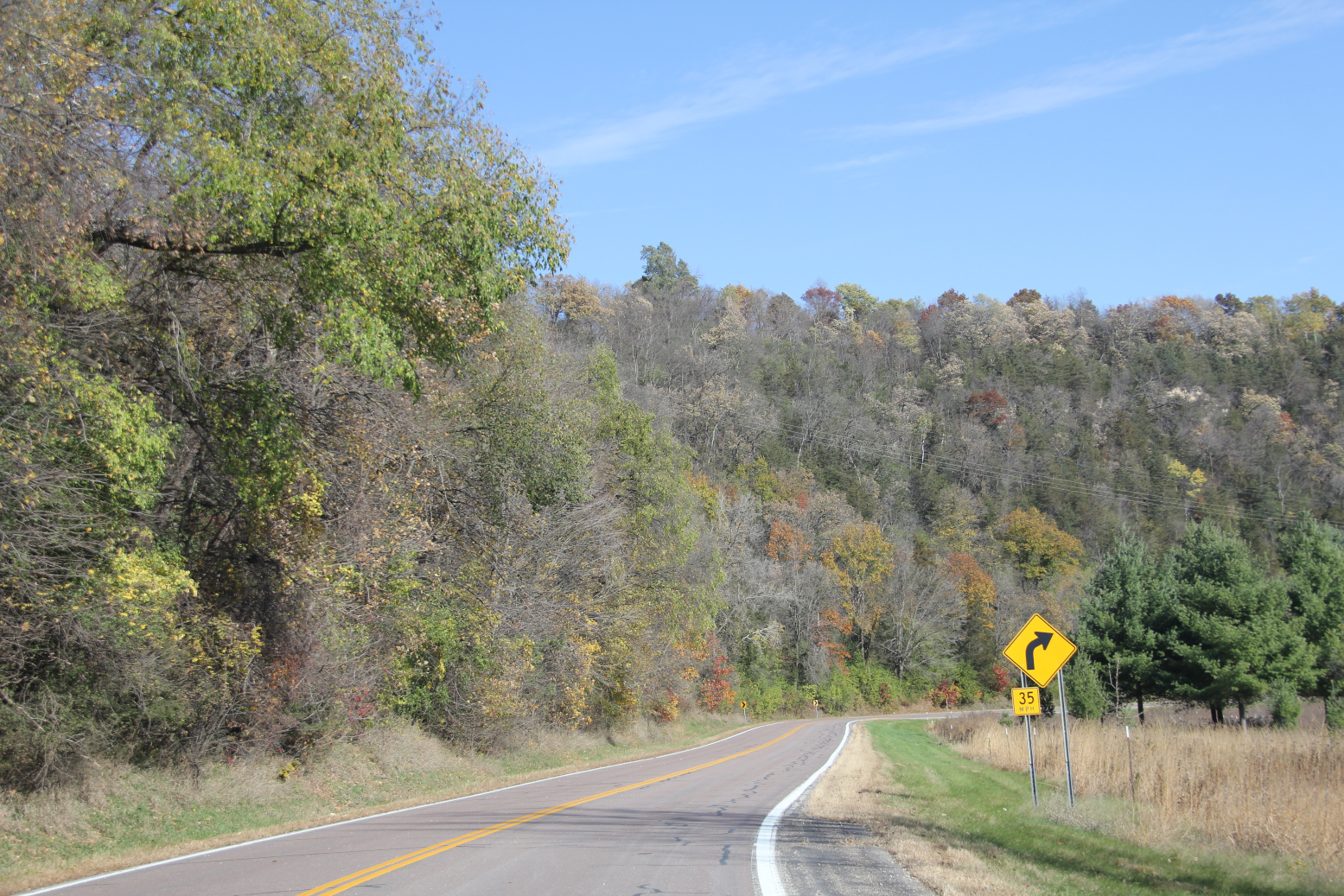
Heading down winding Goodhue County Road 7 to Welch. (Minnesota Prairie Roots copyrighted photo October 2026)

Eventually, we reached a paved roadway that runs between Vasa and Welch. I admittedly felt a sense of relief when I spotted a guy picking up his mail, then saw vehicles packing the parking lot along the Cannon Valley Trail, a popular state recreational trail for bikers. By then we’d met a sprinkling of vehicles also. I felt like we were back in civilization.

If this all sounds a tad dramatic, it’s not meant to be. Rather, I’m simply trying to describe this region. Remote. Rugged. And beautiful.
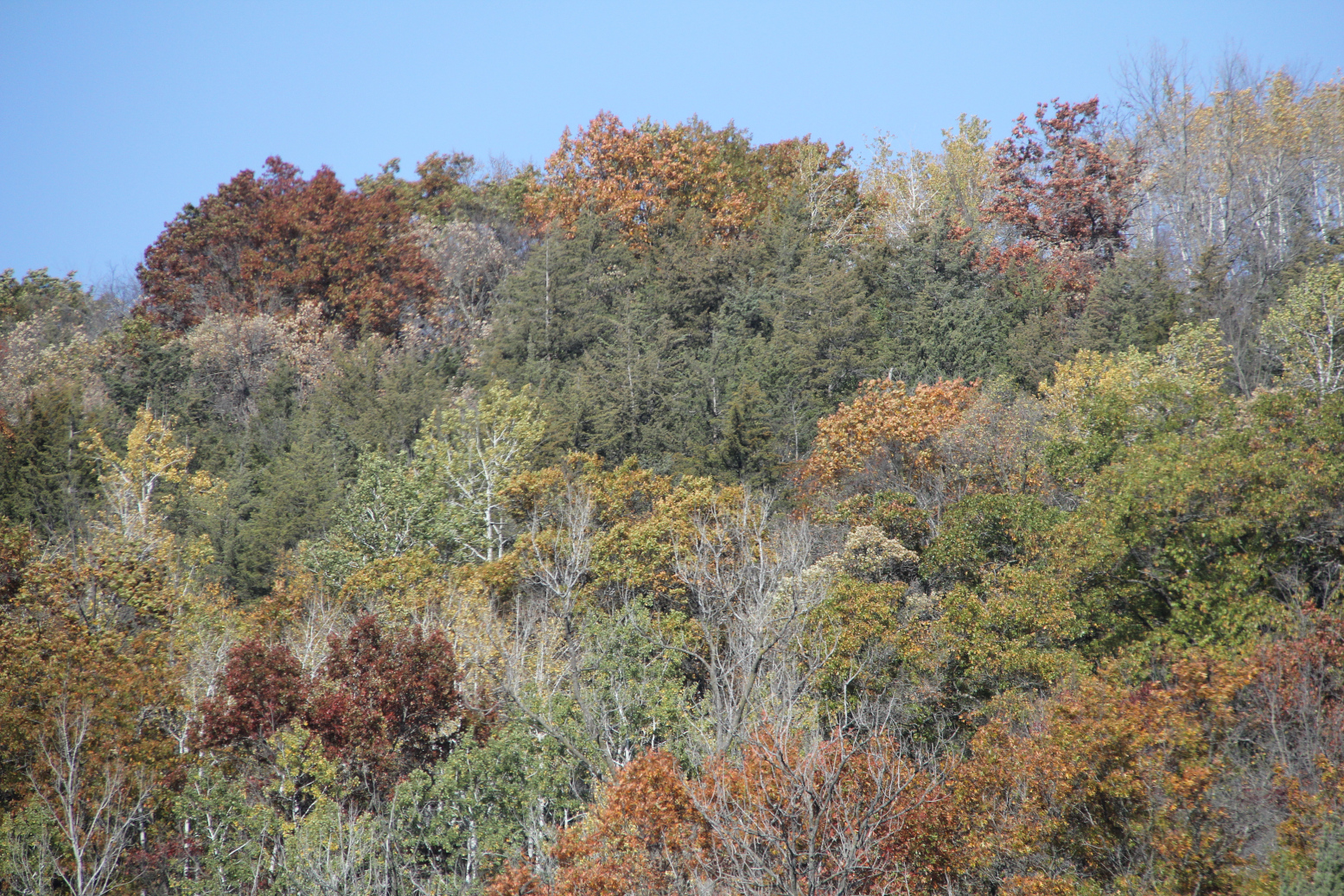
Muted fall colors remained on our October 23 visit to the Welch area. (Minnesota Prairie Roots copyrighted photo October 2026)

It was here, winding our way through the Cannon River valley, that we saw the fall colors we’d hoped to find. Not as bright or brilliant as anticipated on a windy, hazy day. But beautiful none-the-less.

Soon enough, downhill skiers will flock to this region to ski at popular Welch Village near the village of Welch.
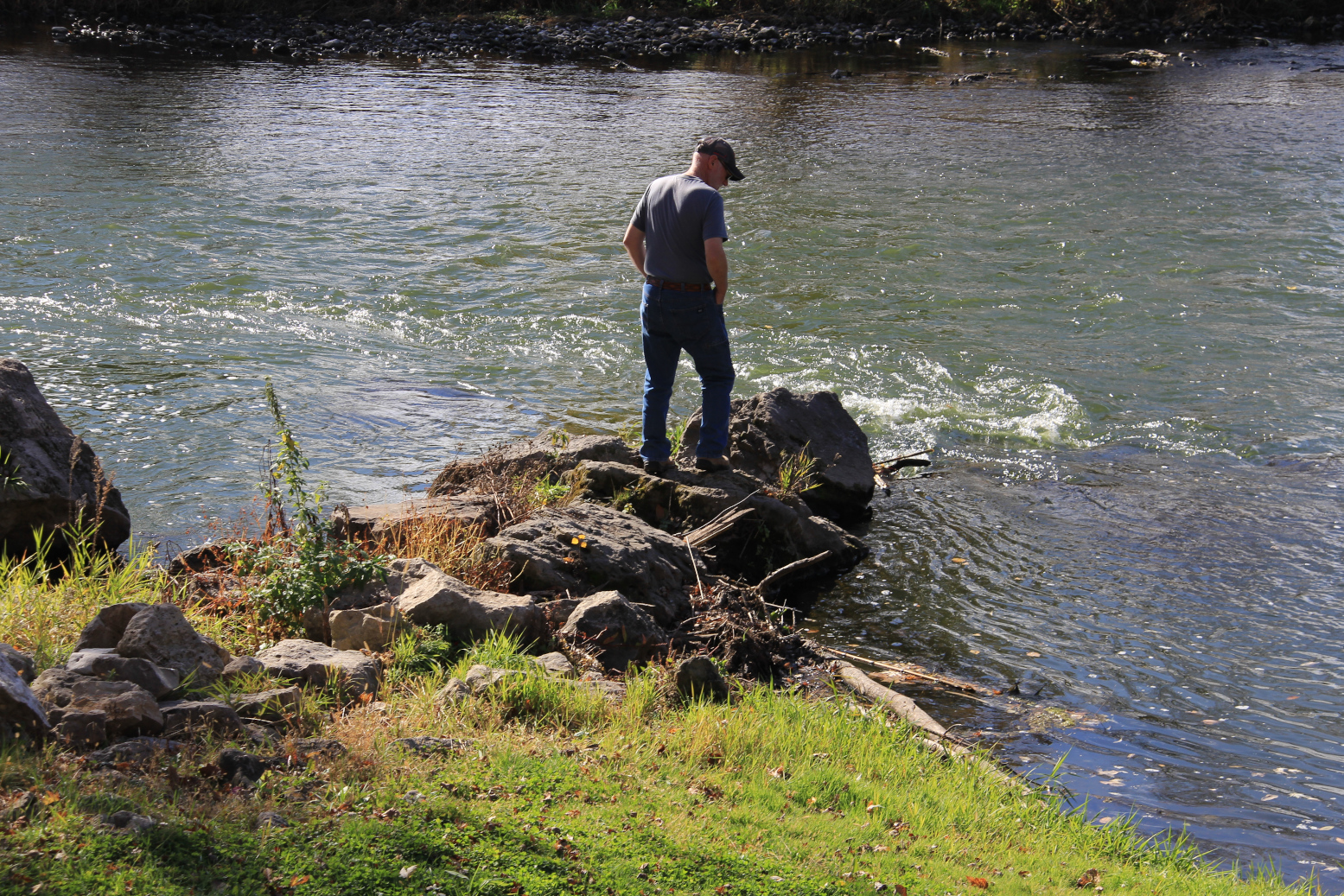
Randy steps on shoreline rocks to view the Cannon River up close in Welch. (Minnesota Prairie Roots copyrighted photo October 2026)

In warmer weather, this area is a recreational destination for those wishing to canoe, kayak or tube on the Cannon River with Welch Mill offering rentals and a launching spot. I walked to the edge of the Cannon, taking in the tranquil scene of water flowing between tree-lined banks. To my right, the river curved out of sight. To my left, water flowed under the county road bridge we’d just crossed.
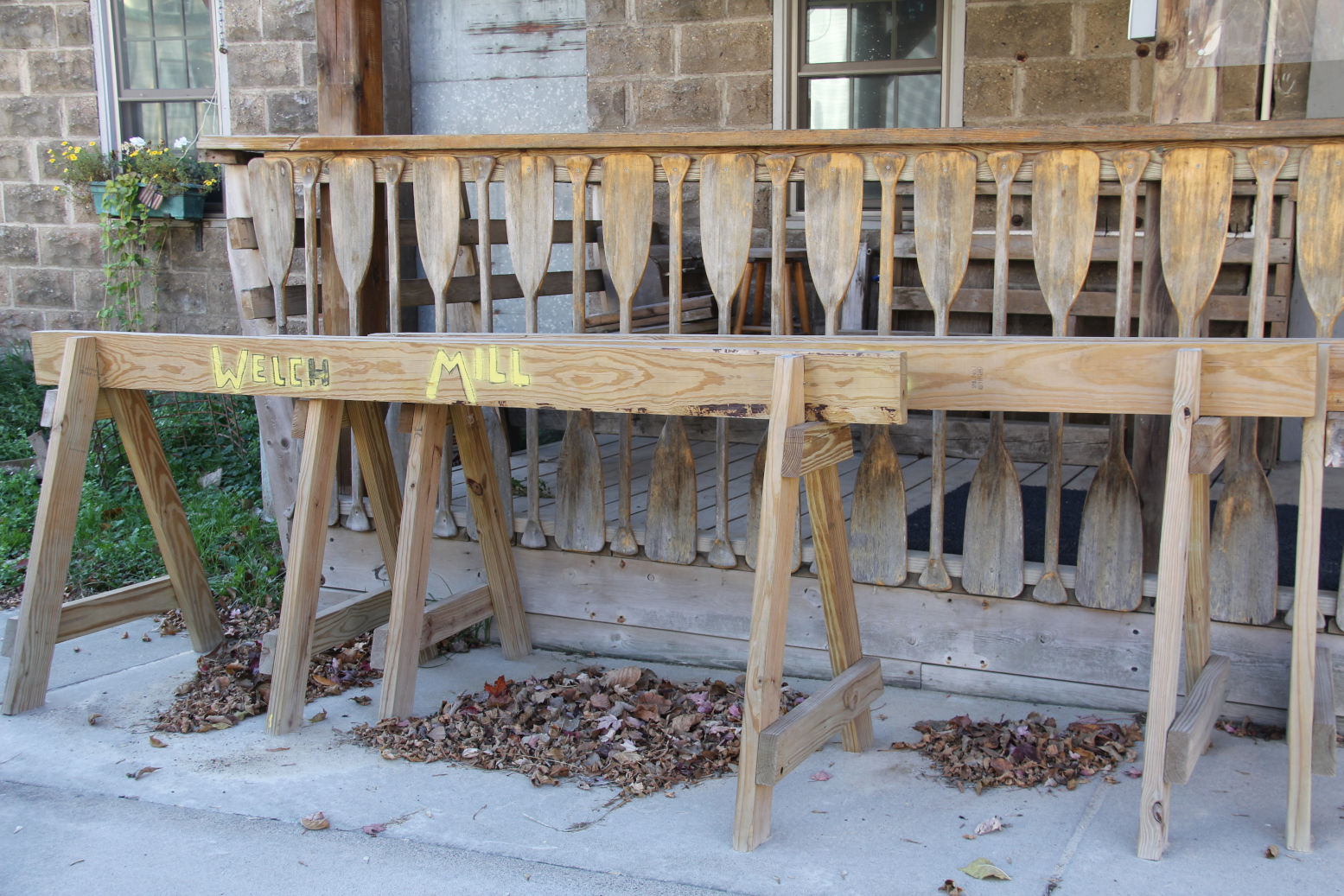
A unique railing built of paddles subtly markets Welch Mill. (Minnesota Prairie Roots copyrighted photo October 2026)

Other than a pest control truck leaving a public parking space and motorists pulling in to park and dine at The Bleu Dog Cafe, all was quiet in this village. I expect there are times when Welch thrums with activity. But not on this day.
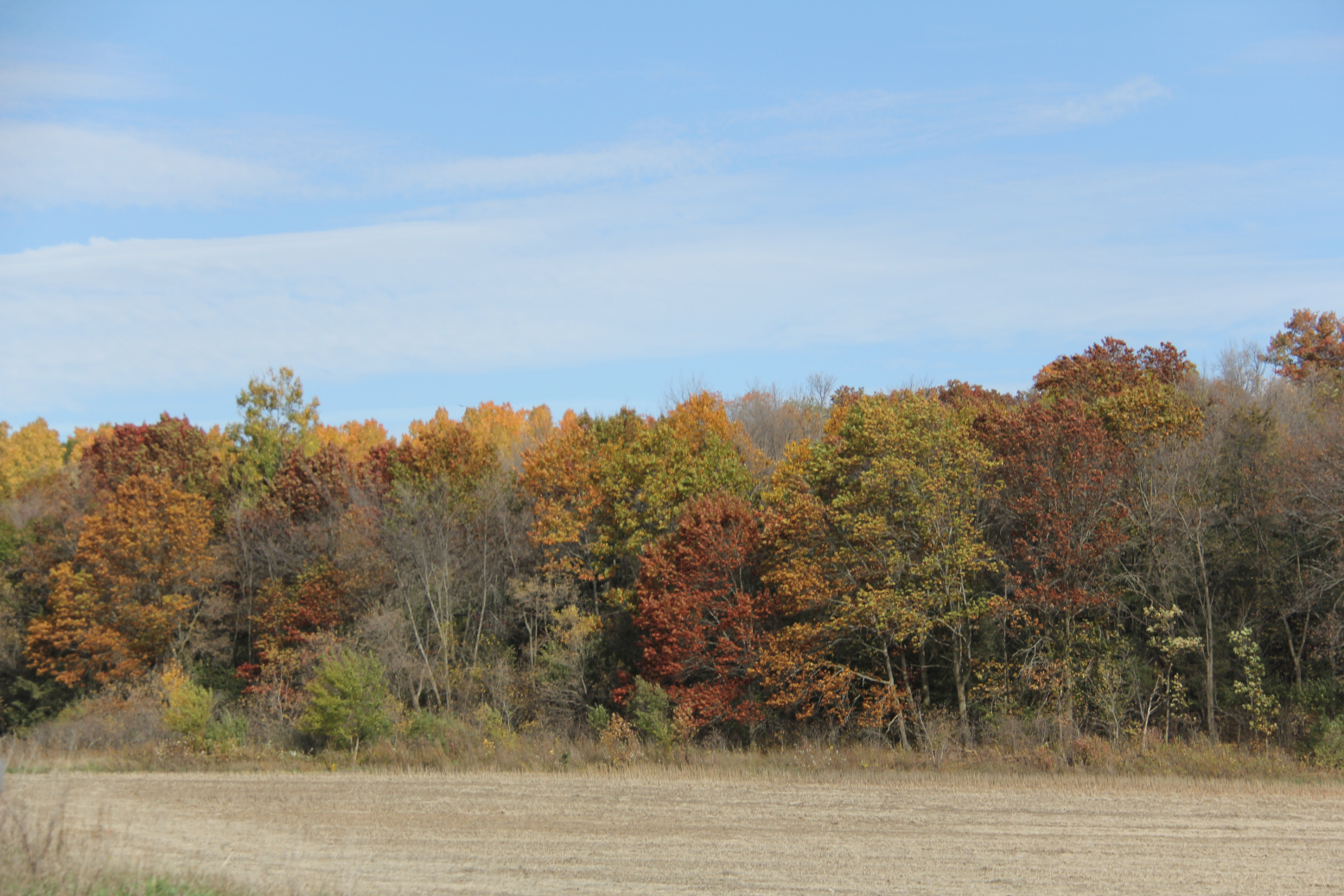
A colorful treeline along Highway 19 between Cannon Falls and Vasa. (Minnesota Prairie Roots copyrighted photo October 2026)

Shortly after taking in the river view, we returned to Goodhue County Road 7, winding our way uphill through hardwood forest toward the unincorporated village of Vasa. On this afternoon, the route proved popular for motorcyclists out for a fall color drive. Just like us.
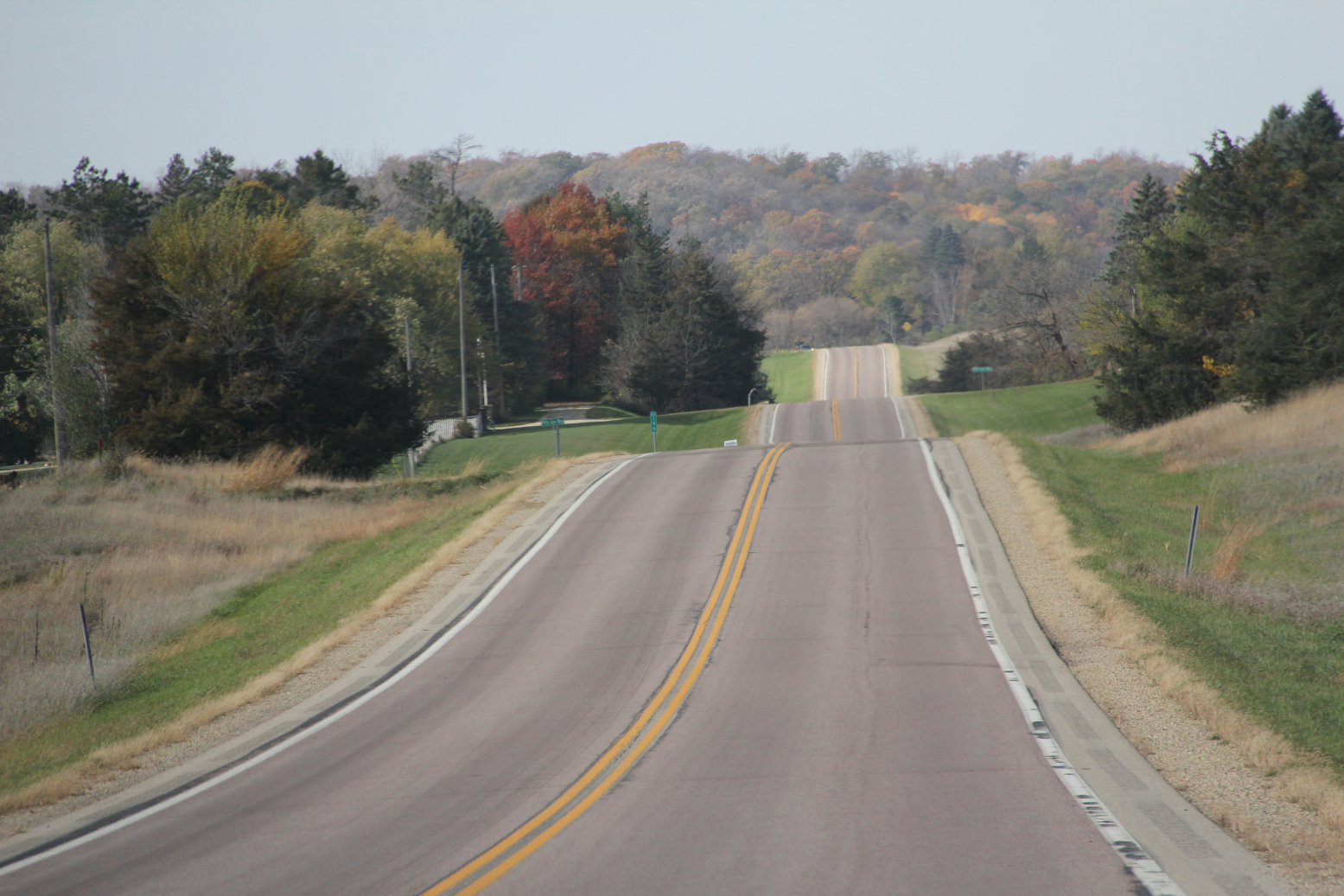
Following hilly Highway 19 back to Cannon Falls. (Minnesota Prairie Roots copyrighted photo October 2026)

Eventually we emerged from the woods, heading back on Minnesota State Highway 19 to Cannon Falls, detouring briefly onto a gravel road flush with color.

FYI: Please check back for more stories from this late October day trip that took us east to places within 40 miles of Faribault.

© Copyright 2026 Audrey Kletscher Helbling


Discovering Vasa, an historic Swedish settlement in Minnesota March 25, 2013

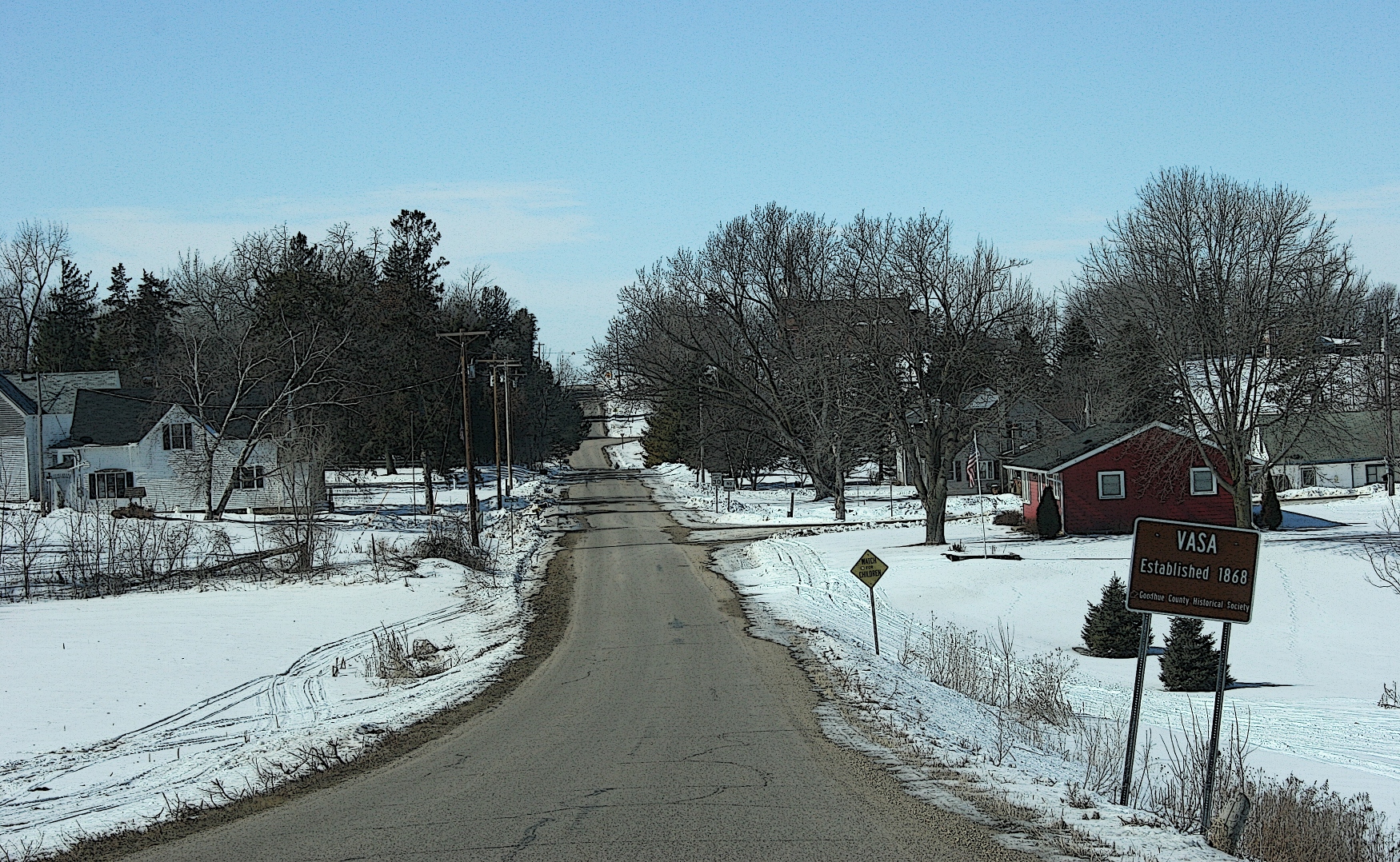
Driving into Vasa, established in 1868, according to a the historical marker, right.

Driving into Vasa, established in 1868, according to a the historical marker, right.

IT DOESN’T TAKE MUCH to draw me off the appointed route.

Recently, a sign for a church soup luncheon caused my husband and me to veer off Minnesota Highway 19 near Red Wing into historic Vasa, established in 1868.

We opted not to partake of the soup, although that was a tough call given my love of soup and church dinners. But we were under a time crunch with limited hours to get to Red Wing and back.

So Randy and I did a quick drive through Vasa, named in honor of King Gustav Vasa, Swedish ruler from 1523-1560. Hans Mattson encouraged Swedish immigrants to settle here in this place originally known as Mattson’s Settlement.

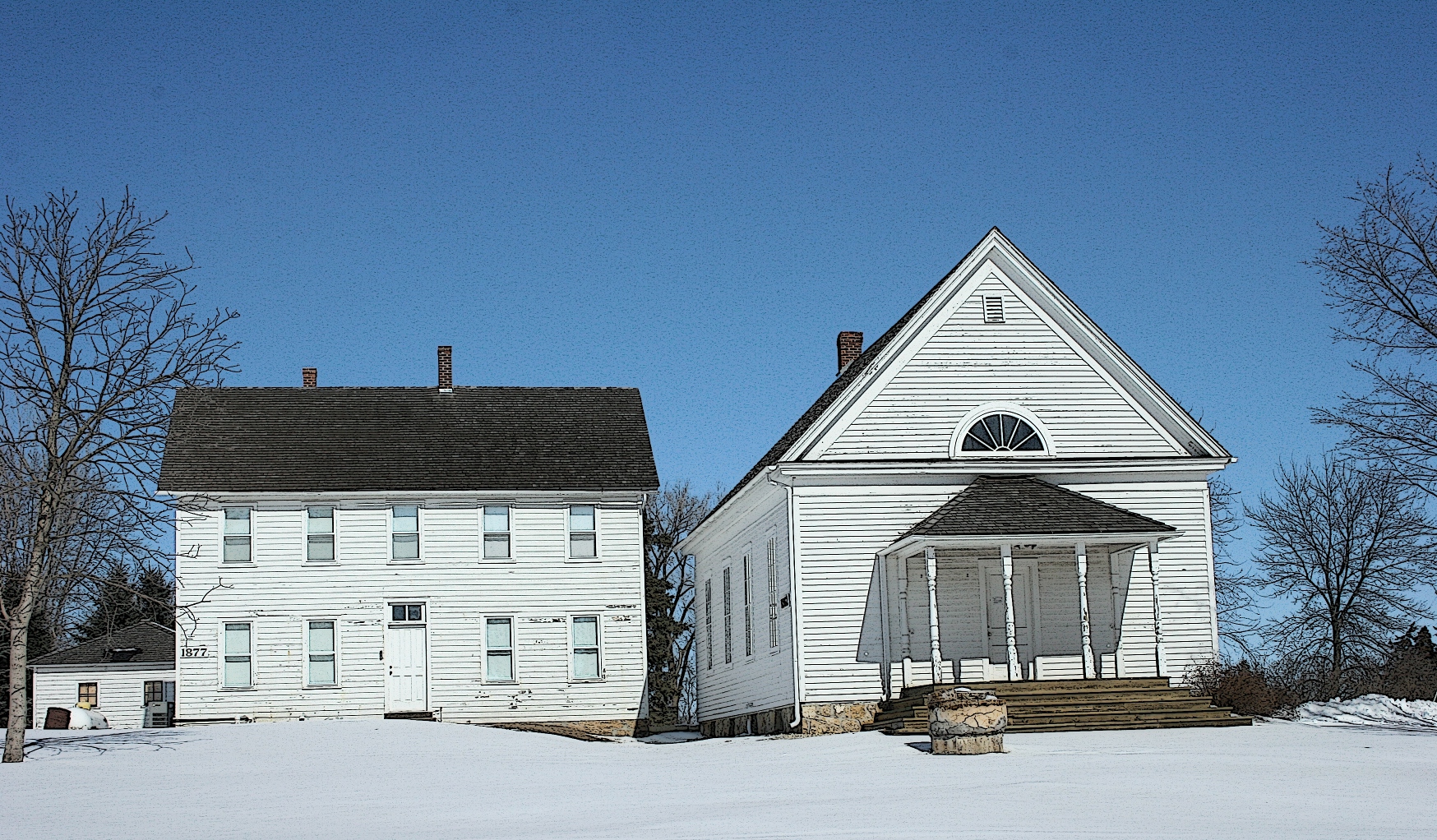
Several of Vasa's old buildings.

Several of Vasa’s old buildings.

From an outsider’s perspective, there’s not much to the several blocks long Vasa—some houses, an abandoned creamery, by the looks of it a former schoolhouse or town hall, then Vasa Lutheran Church atop the hill with the Lutheran Center across the road.

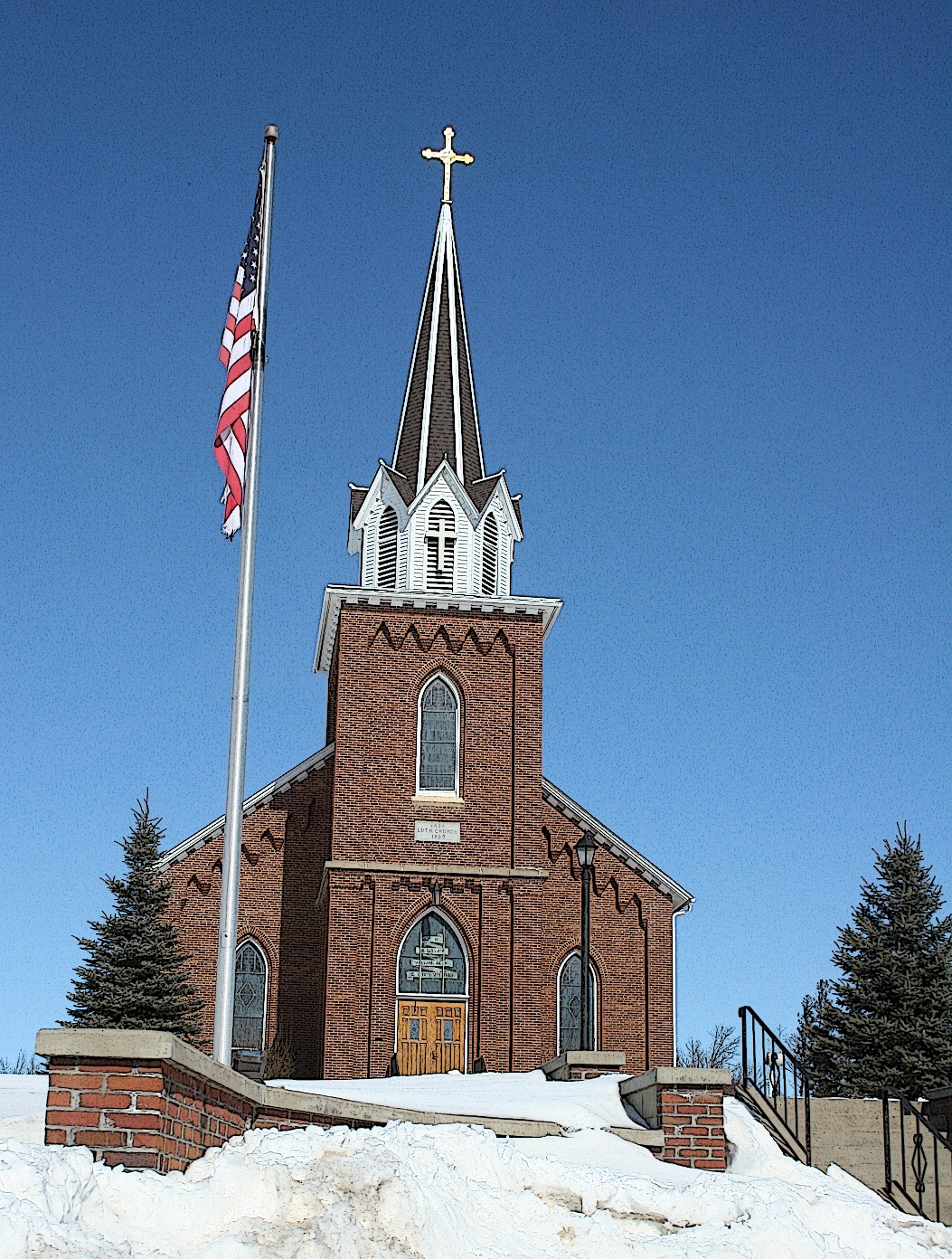
Vasa Lutheran Church, the congregation which started Lutheran Social Services, originally Vasa Children's Home.

Vasa Lutheran Church, the congregation which started Lutheran Social Services, originally Vasa Children’s Home. Construction on this church building began in 1867 with dedication in 1870.

Turns out, though, as I would later learn, that this seemingly obscure town along the highway is “the most intact and unchanged of the original Swedish colonies of Minnesota.” Vasa is designated on the National Historic Register as the Vasa Historic District with 19 structures of historical significance. I should have done my homework before we headed into Goodhue County.

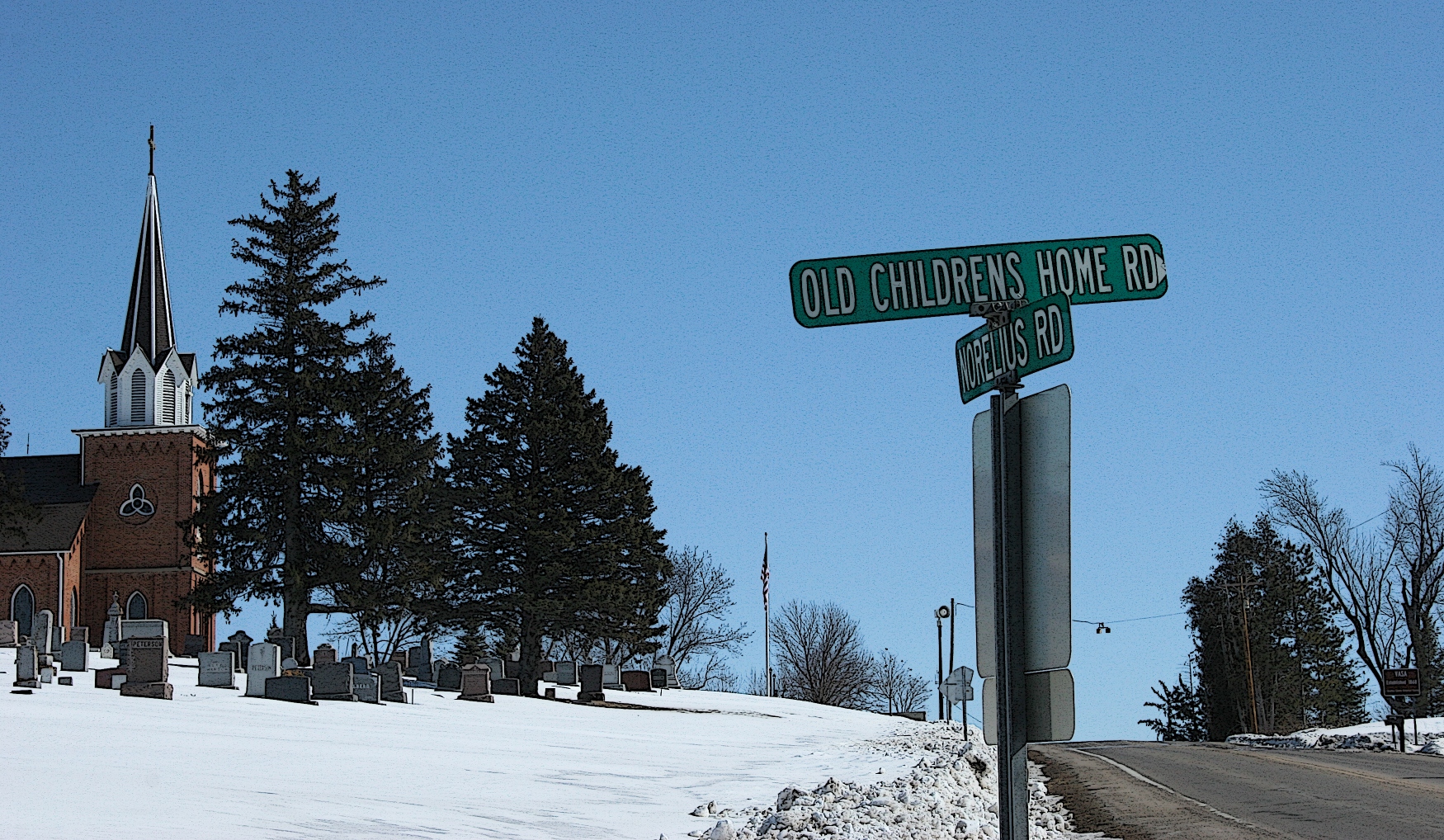
This street sign led me to investigate and learn about the Vasa Children's Home.

This street sign led me to investigate and learn about the Vasa Children’s Home.

While in Vasa, I spotted an OLD CHILDRENS HOME RD street sign by the church. When Randy turned the car onto that road, he should have kept going. My instincts told me a story awaited us. Instead, we turned into a drive leading around the church. Had we continued along Old Children’s Home Road, we would have discovered the former Vasa Children’s Home built in 1899 and today a private residence. The home opened in 1865 in the Vasa church basement when four orphans arrived in town. This is considered the birthplace of Lutheran Social Services.

See what you learn when you detour off the planned route.

FYI: To learn more about the history of the Vasa Children’s Home, click here.

To learn more about Vasa Lutheran Church, click here.

For historic info on Vasa, click here. Also click on the highlighted phrases within the post for additional information.

© Copyright 2013 Audrey Kletscher Helbling