Minnesota Prairie Roots

Writing and photography by Audrey Kletscher Helbling

Exploring art inside the Weitz Center for Creativity at Carleton College December 5, 2013

MY EXPOSURE TO PROFESSIONAL ART as a youth could be categorized as minimal. There were no visits to art galleries, no attending theatrical performances, no concerts outside of school walls.

Yet, I did not feel deprived, for art surrounded me in blazing prairie sunsets, an inky sky dotted with an infinity of stars, road ditches graced with wild roses, tall grass bending in the wind, the symphony of a howling blizzard, the crunch of boots on hard-packed snow, the orchestra of pulsating milking machines and munching cows and the radio voices of ‘CCO.

To this day, I credit my rural southwestern Minnesota upbringing for shaping me as a writer and photographer. There, on the stark prairie, within the confines of a close and loving family living off the land, I learned to appreciate the details in the landscape and life itself.

Today, I no longer live on my beloved prairie. And I have immediate access to the arts within my own community of Faribault and nearby. You won’t find me, except on rare occasions, aiming for the Twin Cities to view art. I am not a city girl.

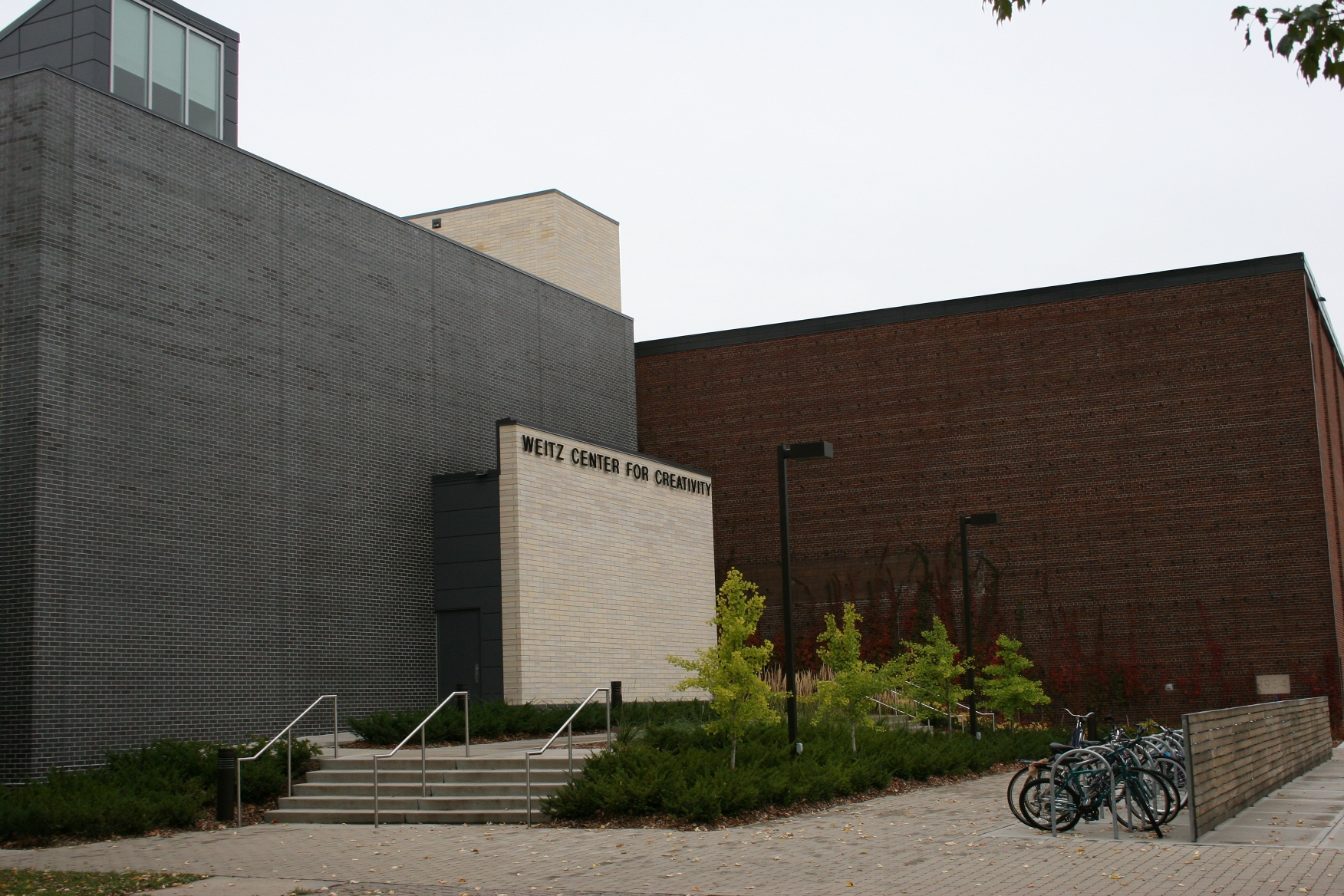
The Weitz Center for Creativity at Third and College Streets in Northfield, Minnesota.

The Weitz Center for Creativity at Third and College Streets in Northfield, Minnesota.

In late October, I discovered Weitz Center for Creativity, “a center for creativity and collaboration in the liberal arts,” on the campus of Carleton College in neighboring Northfield. The center is housed in the historic former and repurposed Northfield high school and middle school and in 30,000 additional square feet of new construction.
Near the entrance to the Weitz Center Commons area.

Near the entrance to the Weitz Center Commons area. (Photographed in October.)

The complex offers such creative spaces as a theater, dance studios, a technology resource center (the Gage/Bauer IdeaLab), a teaching museum, galleries and more.
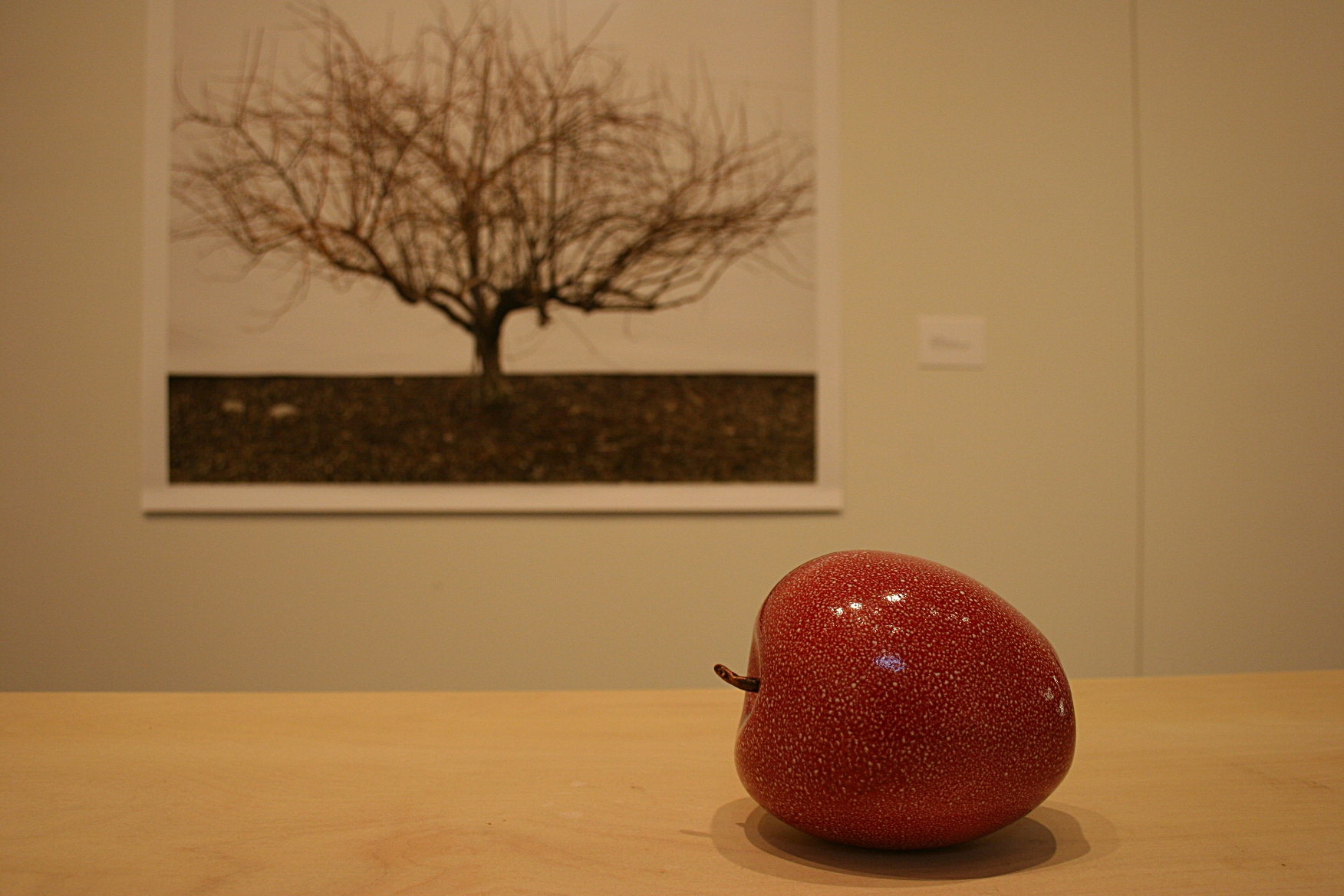
From Jessica Rath's "take me to the apple breeder" exhibit, a porcelain apple and an apple tree photograph.

From Jessica Rath’s “take me to the apple breeder” exhibit, a porcelain apple and an apple tree photograph.

The Perlman Teaching Museum and galleries there drew me to view “Single Species Translations,” which included Jessica Rath’s “take me to the apple breeder” and Laura Cooper’s “Opuntia,” and “The Intersection Between Book, Film, and Visual Narrative.” The exhibits have since closed. But “Lifeloggers: Chronicling the Everyday,” opens January 17 and runs through March 12, 2014. The exhibit will feature the works of a dozen artists.

And here’s the really sweet deal. Admission to the Perlman Teaching Museum (and galleries) is free. Hours are 11 a.m. – 6 p.m. Monday – Wednesday, 11 a.m. – 9 p.m. Thursday and Friday, and noon to 4 p.m. Saturday and Sunday. Note that the museum is open only during Carleton’s academic term, although closed during breaks and during the summer.
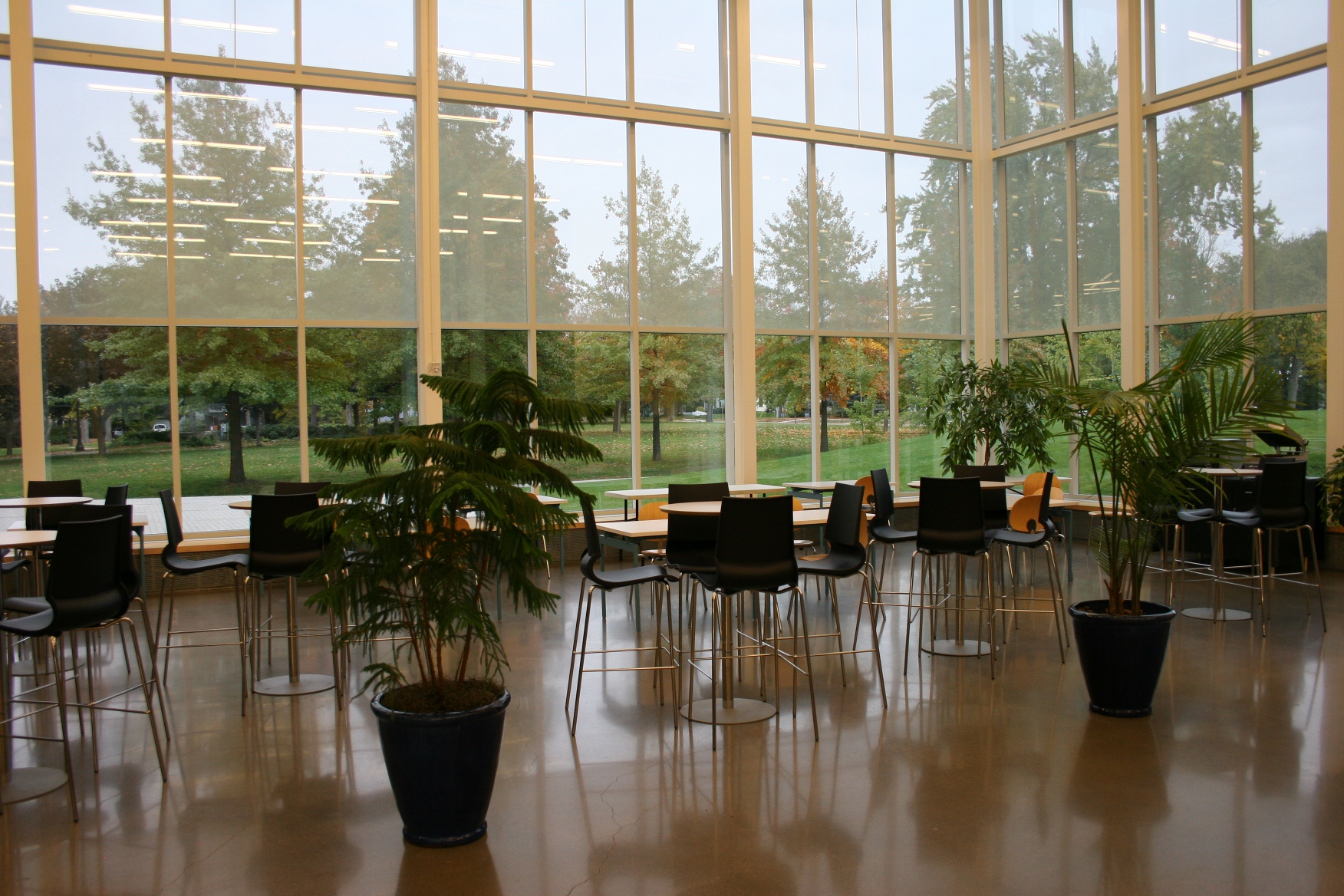
Connecting indoors and out in a section of the Commons.

Connecting indoors and out in a section of the Commons.

My first impression of the Weitz Center for Creativity was one of visual appreciation for the modern, clean lines and minimalistic setting. I love the walls of windows, the pots of pines and palms and other plants interspersed among clusters of tables and chairs in a space that visually connects to the outdoors.
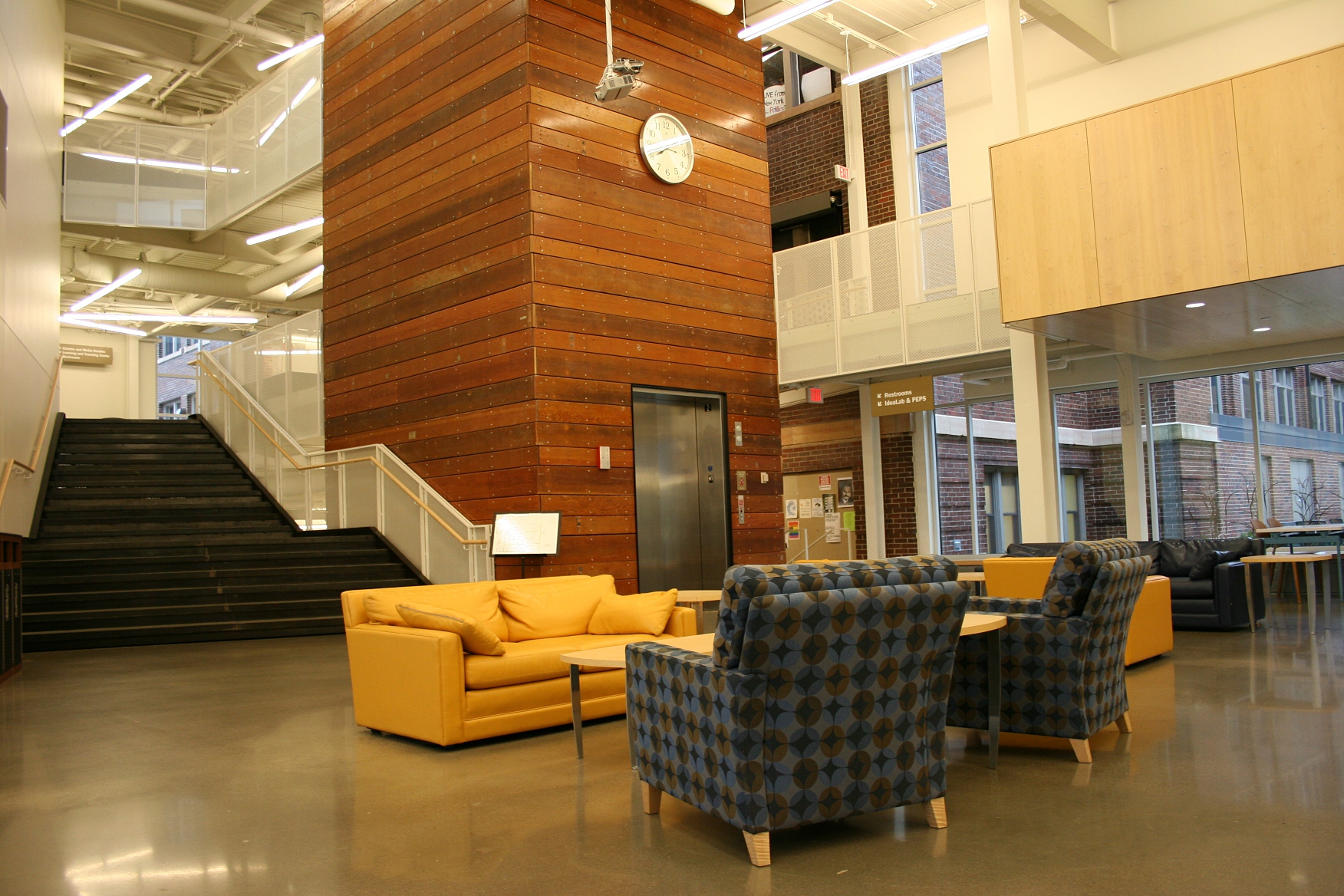
Cozy spots for conversation in the Commons.

Cozy spots for conversation in the Commons.

I appreciate, too, the cozy settings of living room furniture that invite conversation and create a sense of intimacy in the spacious, open Commons area.
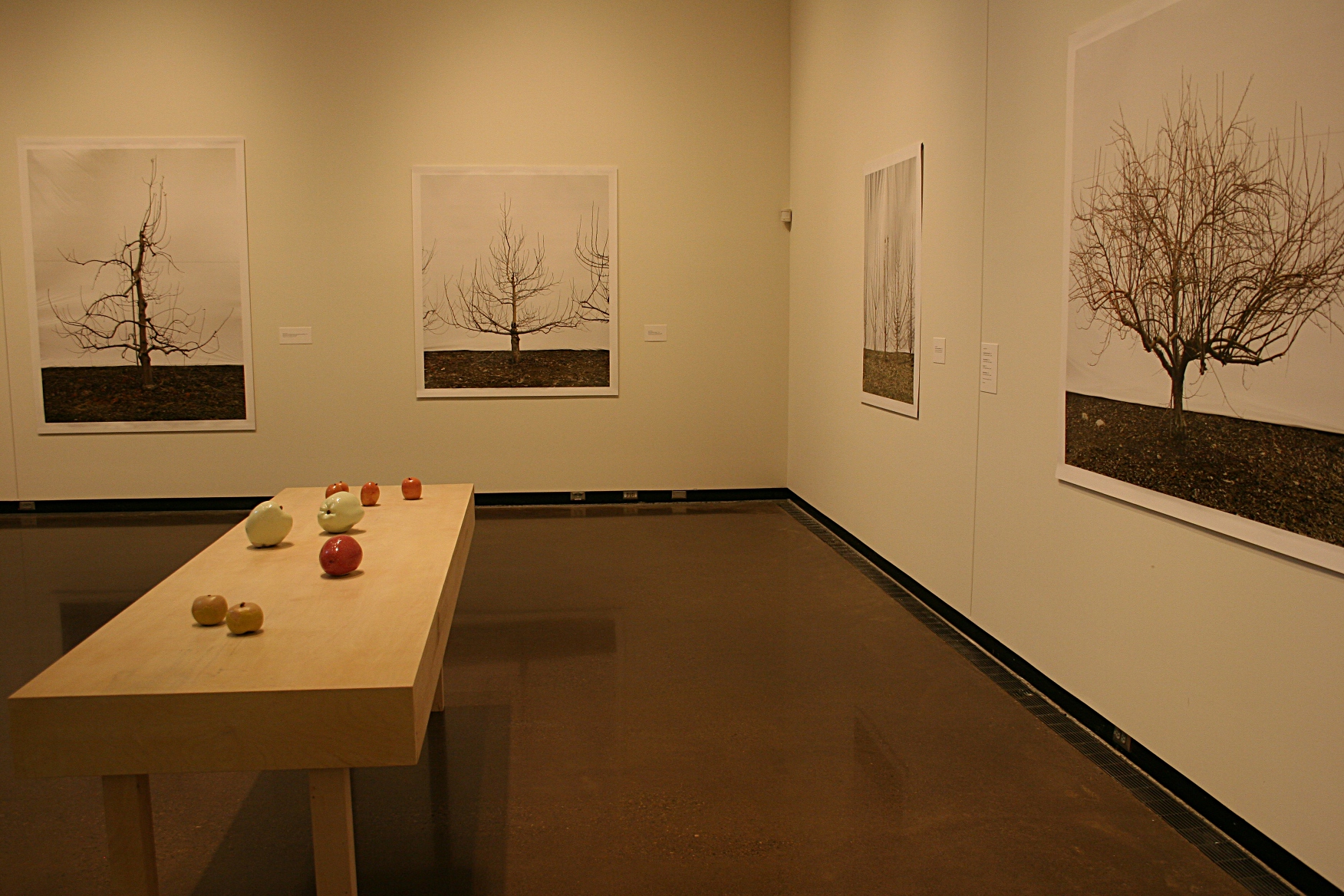
A snippet of Jessica Rath's exhibit shows porcelain apple sculptures and photos of apple trees in the Braucher Gallery.

A snippet of Jessica Rath’s exhibit shows porcelain apple sculptures and photos of apple trees in the Braucher Gallery.

Entering the gallery, I noted the gleaming starkness of the space, an excellent backdrop to showcase exhibits. I know this is the gallery norm. But, since I did not grow up visiting galleries, I am still struck each time by this visual impact of a clean slate. Light and shadows and mood play upon art here.
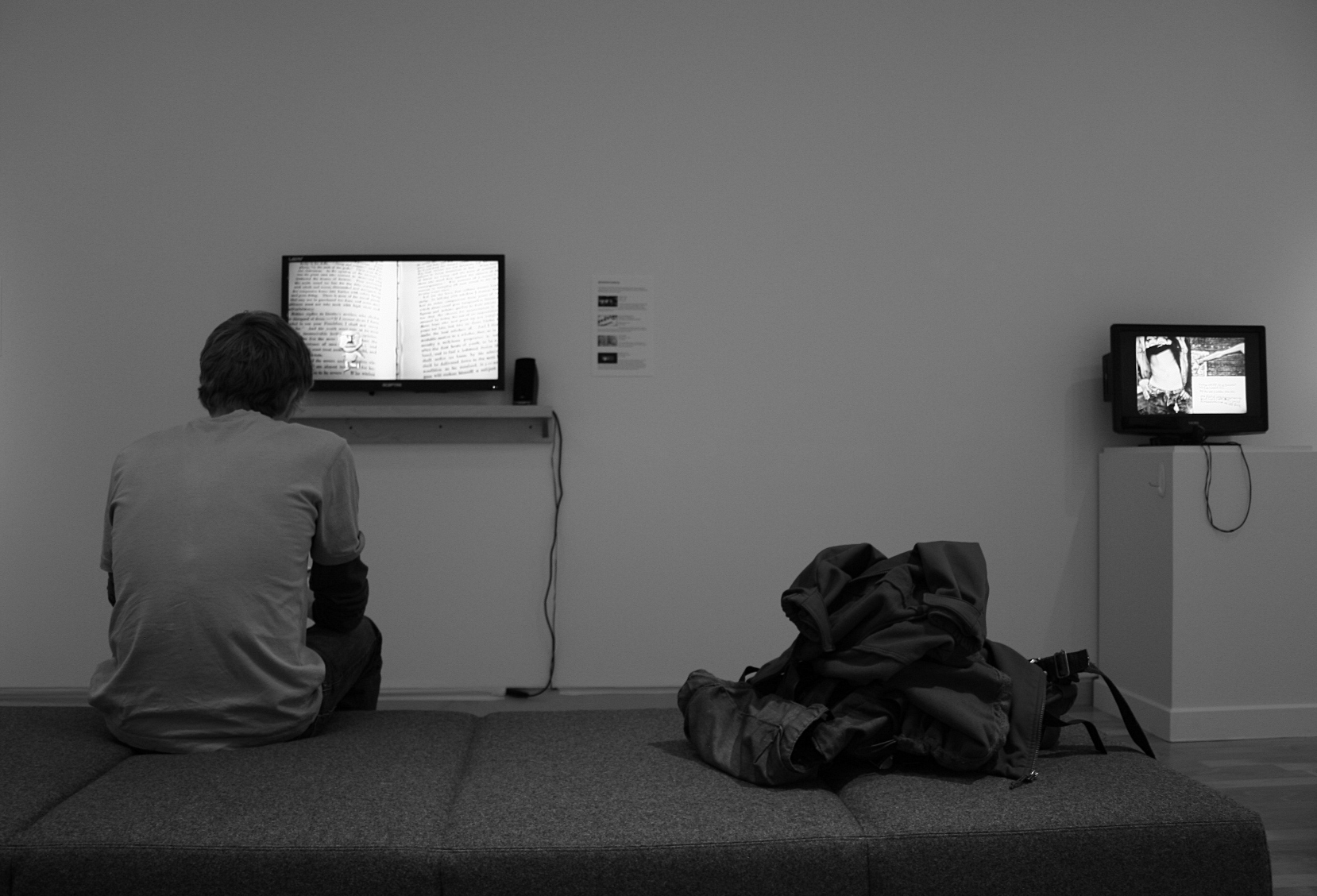
A student studies a portion of "The Intersection Between Book, Film, and Visual Narrative" in the Kaemmer Family Gallery.

A student studies a portion of “The Intersection Between Book, Film, and Visual Narrative” in the Kaemmer Family Gallery.

I won’t pretend to understand and enjoy every exhibit I view. We each bring our personalities and experiences and tastes to a gallery and those influence our reactions.
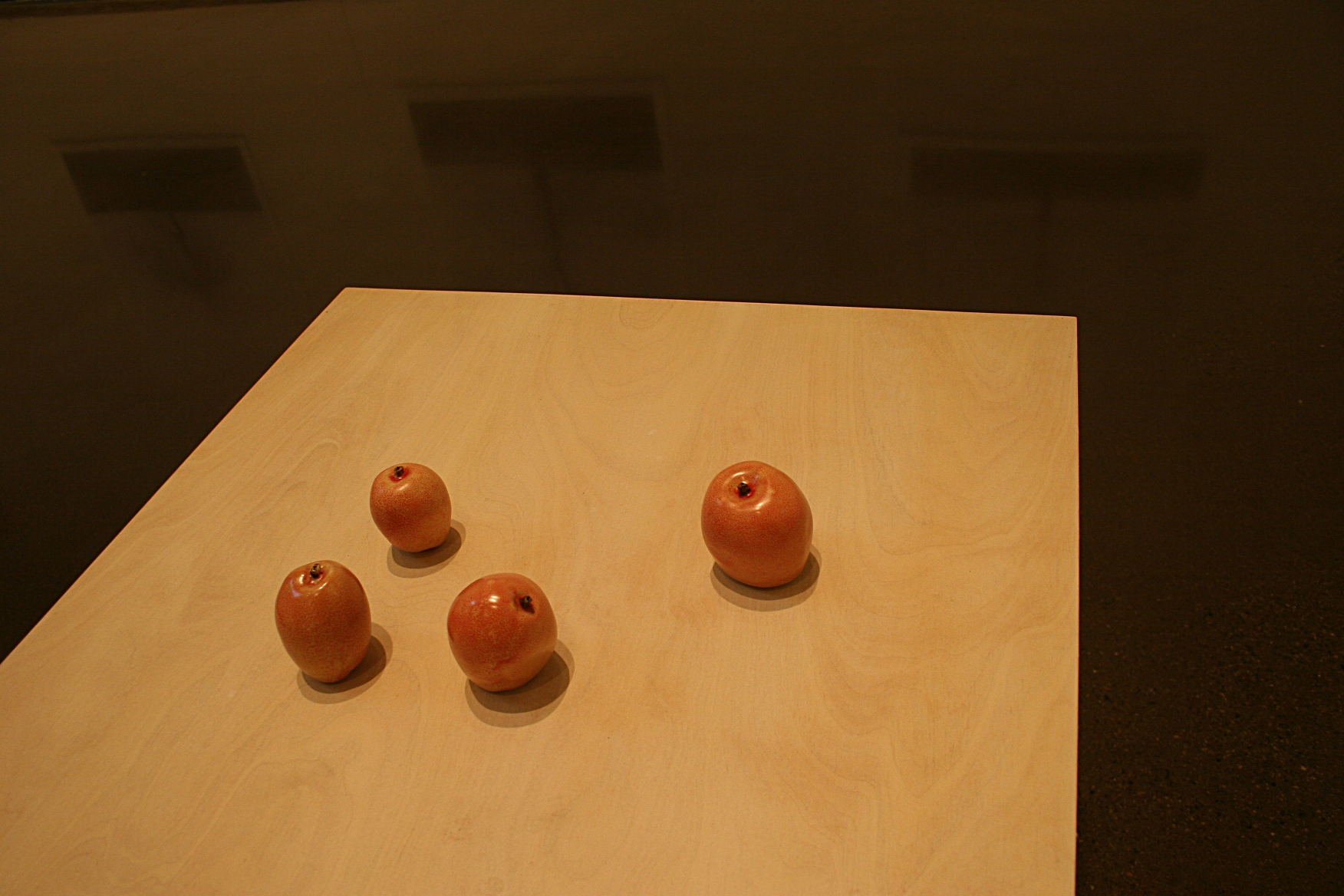
I love the simplicity of the apples positioned on the table in Rath's exhibit and how the shadows angle onto the tabletop.

I love the simplicity of the apples positioned on the table in Rath’s exhibit and how the shadows play upon the tabletop.
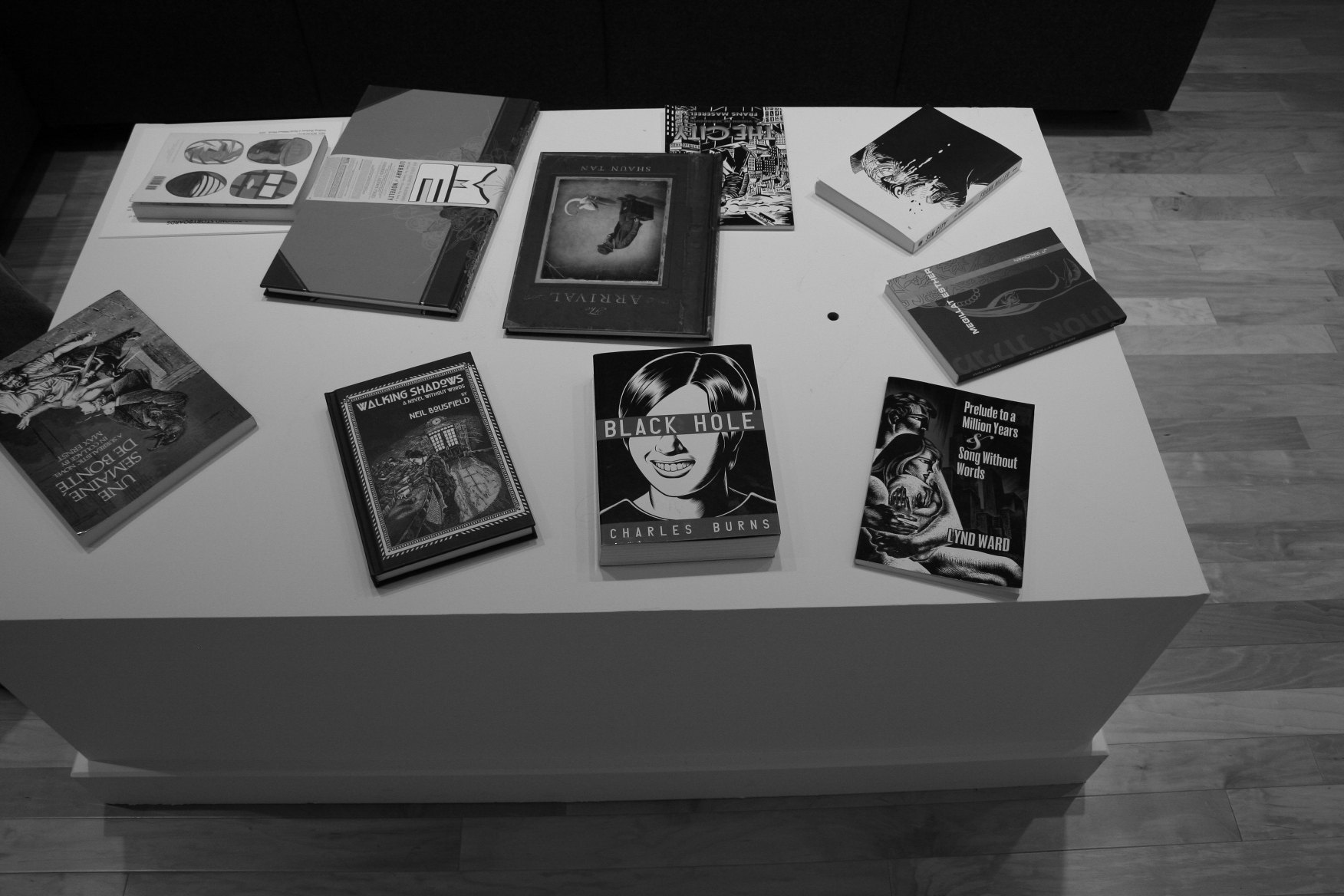
More tabletop art, to be picked up and paged through by gallery visitors.
More tabletop art, to be picked up and paged through by gallery visitors.

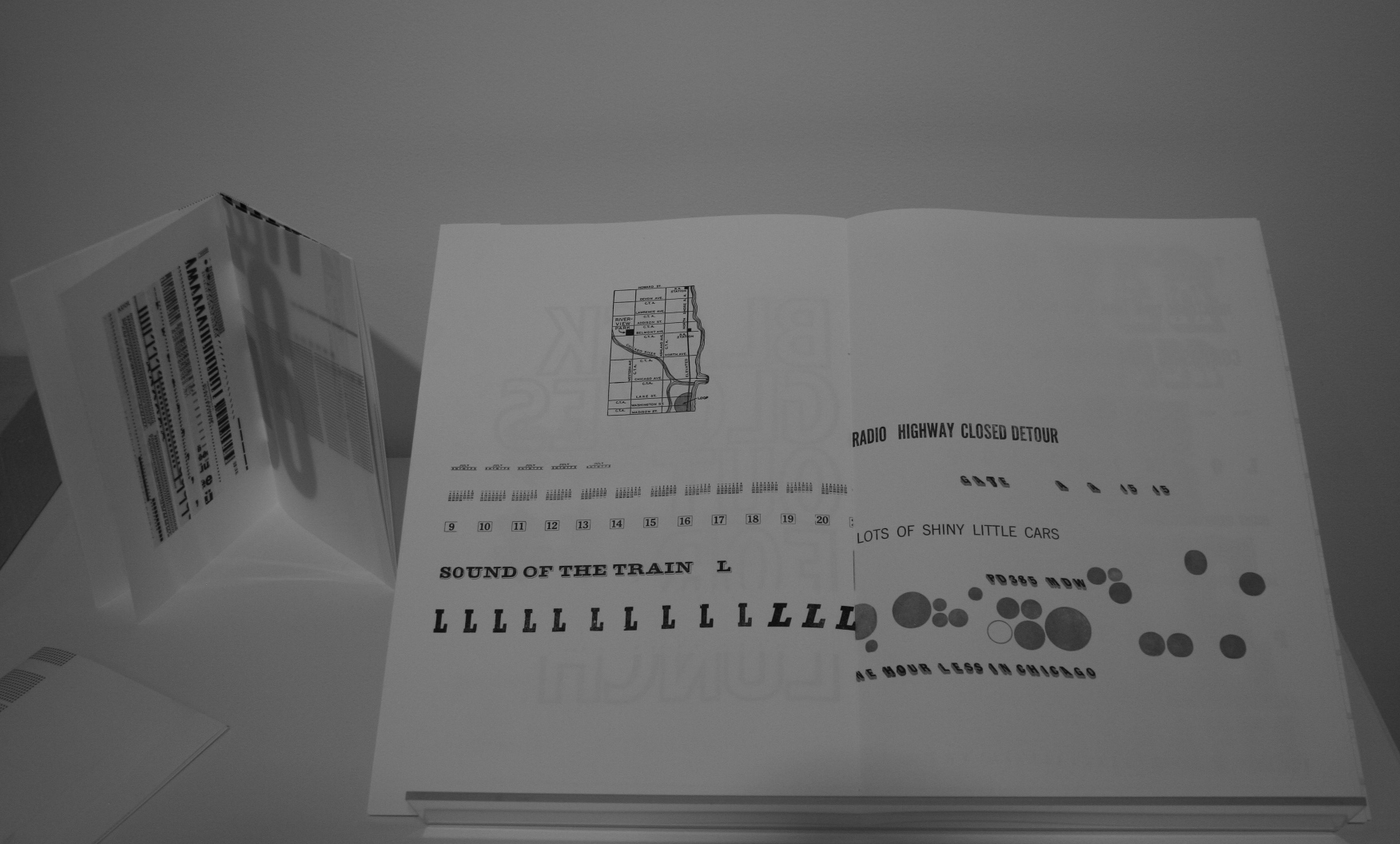
More print to appreciate.

Additional print and creativity to appreciate.
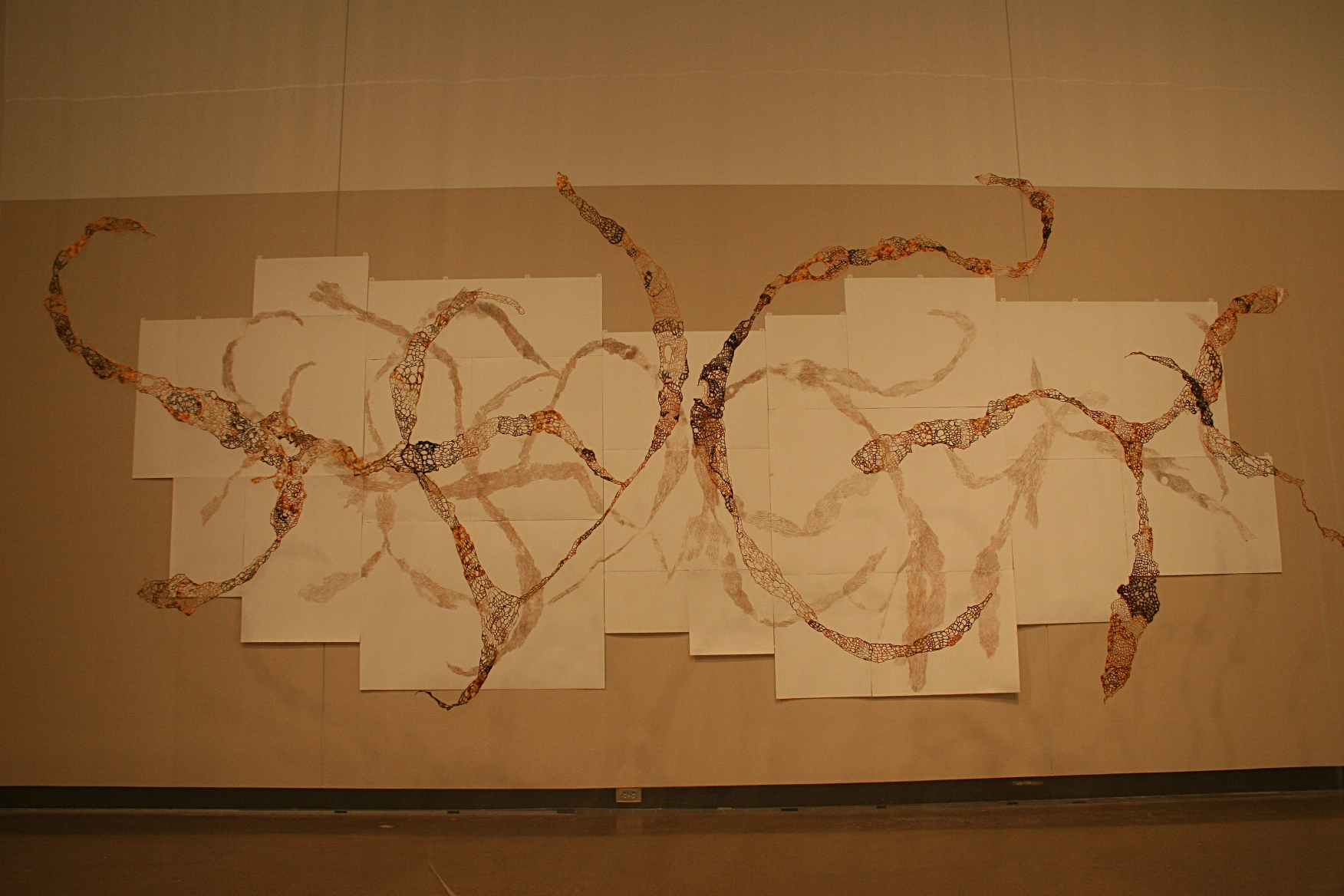
A wall-size artistic interpretation of Opuntia by Laura Cooper.

A wall-size artistic interpretation of Opuntia by Laura Cooper.

While I could relate to apples and books, I couldn’t connect to the exhibit on Opuntia, a type of cactus. Cacti, except for a few grown as houseplants, are mostly foreign to me.
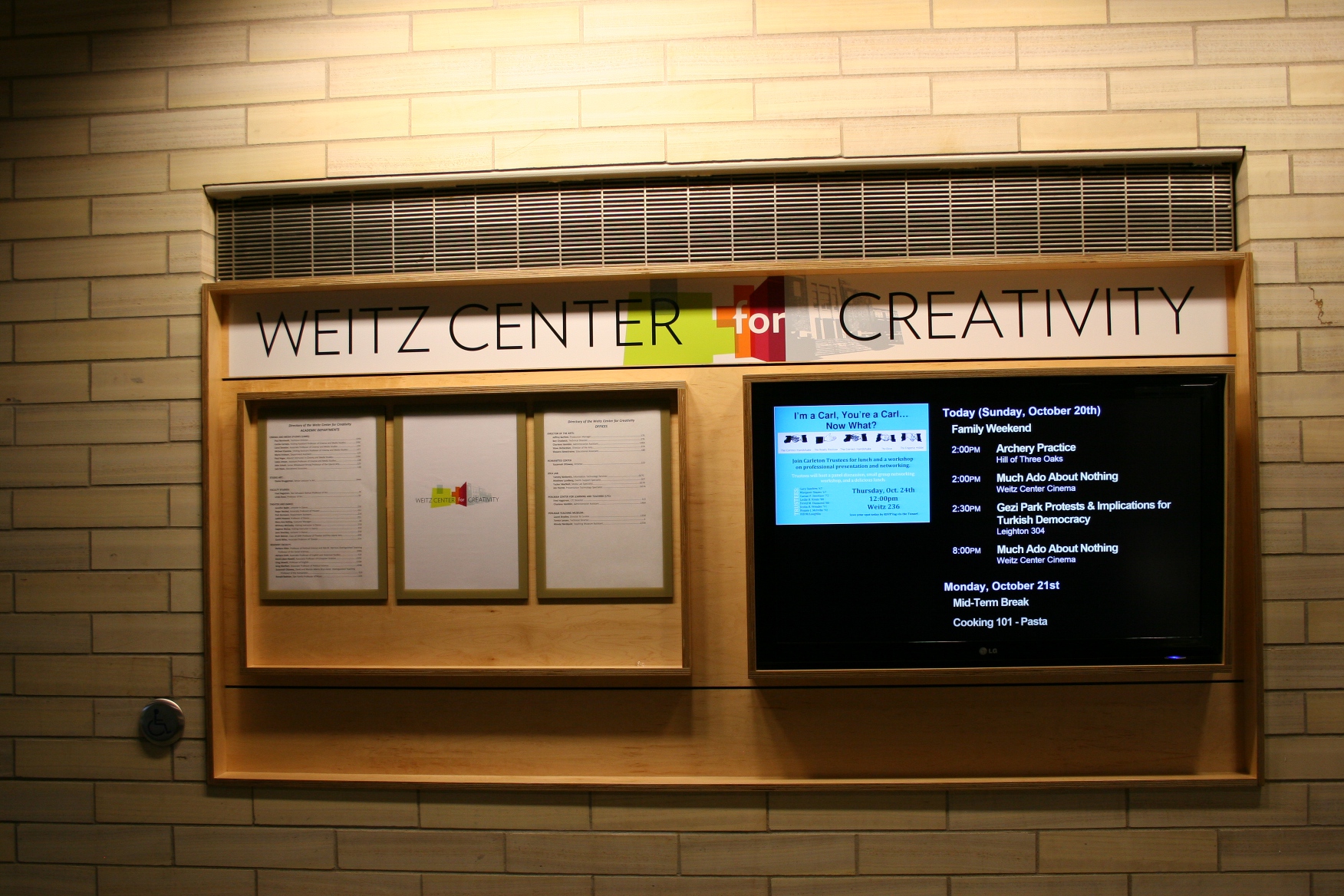
This signage greets visitors upon entering the Weitz Center for Creativity.

Just inside the doors of the Weitz Center for Creativity.

Yet, I learned. And that, too, is part of the arts experience.

© Copyright 2013 Audrey Kletscher Helbling


Bins, bars & beer December 4, 2013

THE LAST TIME I WAS in Cobden, I told my husband, I was photographing a burning building.

That was decades ago, when I worked as a newspaper reporter and photographer for The Sleepy Eye Herald-Dispatch. Thirty-plus years later, I can’t recall what burned, but I think a bar.

Apparently little has changed in Cobden since I raced, with camera and notebook, to this community of 36 residents just off U.S. Highway 14 between Sleepy Eye and Springfield. As I remember, I borrowed a pen (because mine ran out of ink and why didn’t I have a spare?) from a firefighter. Interesting how a detail like that sticks with me.

Downtown Cobden with Tubby's to the left and Ridin' High to the right and the grain bins a few blocks away.

Downtown Cobden with Tubby’s to the left and Ridin’ High to the right and the grain bins a few blocks away.

Today, two bars and grain bins define this community in southwestern Minnesota, which boasts some of our state’s best farmland.

A few months ago while en route to Lamberton, my husband turned our van north off the Laura Ingalls Wilder Historic Highway to circle through Cobden, past the grain bins and then between the two bars—Minnesota Tubby’s Bar & Grill and Ridin’ High Saloon—which comprise the downtown.

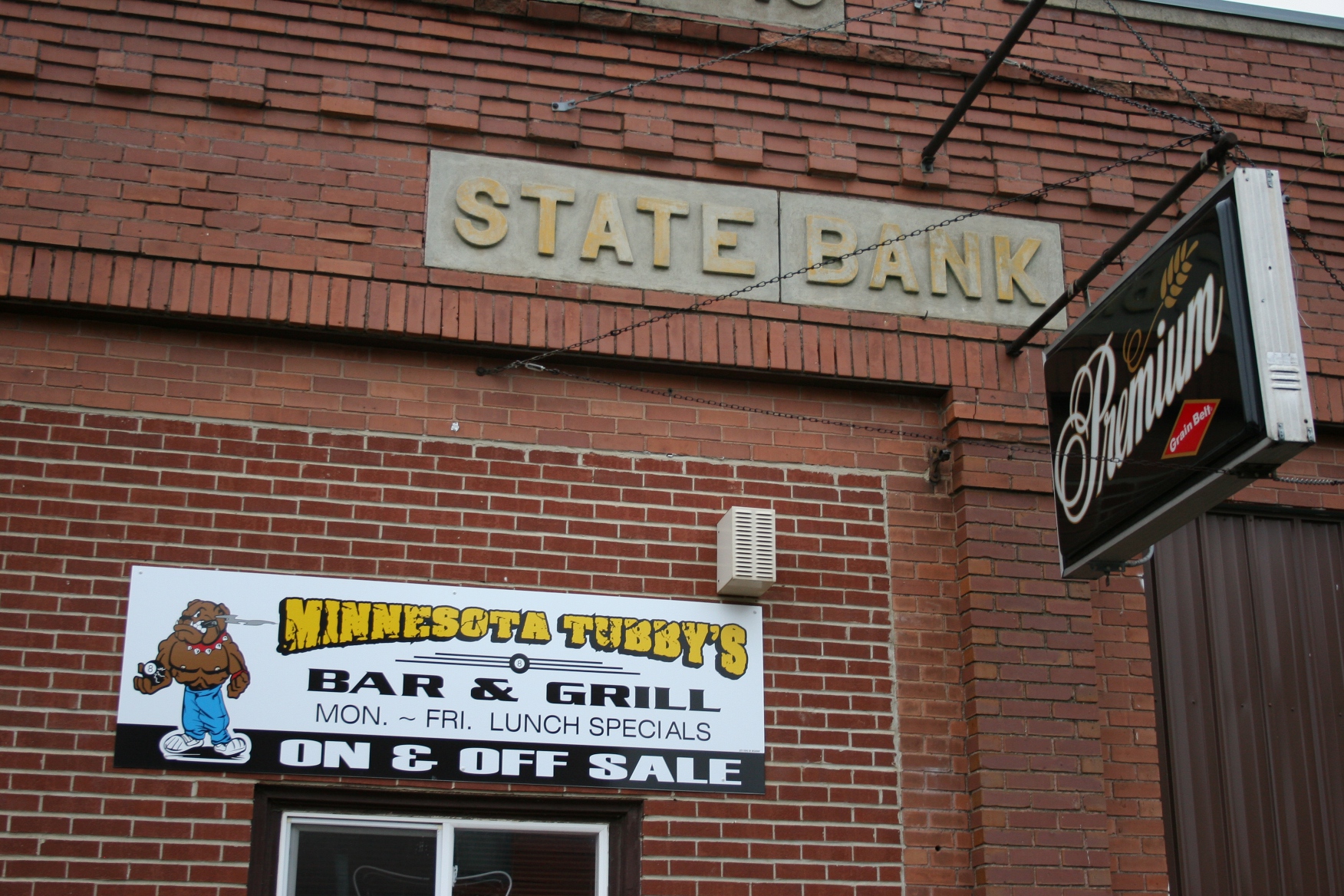
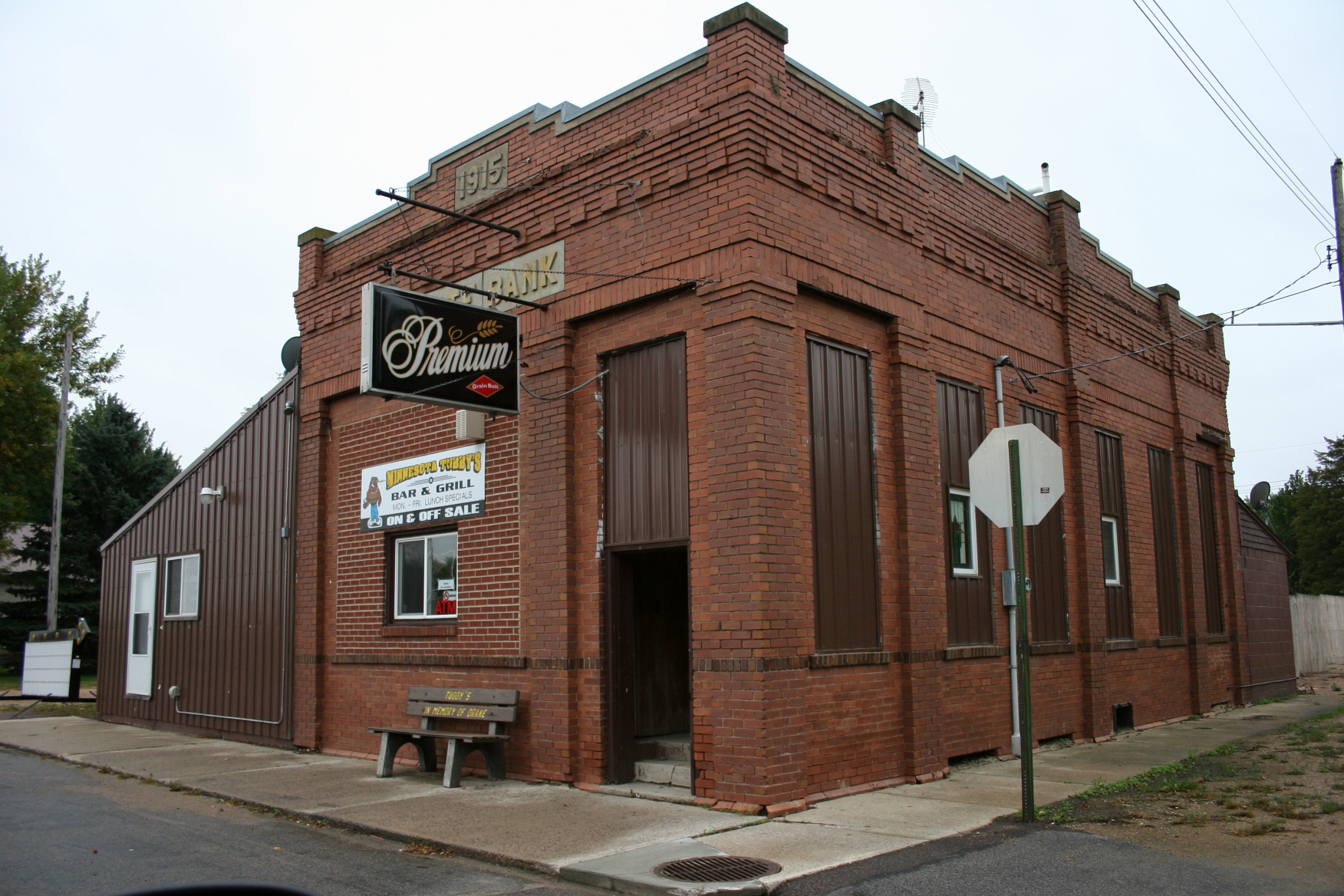
Tubby's, in the old bank building.

Tubby’s, in the old bank building.

There was no time to stop and explore, only a quick roll down of the van window to shoot the building exteriors under grey and drizzly skies. I wished we had time to park and peek inside Tubby’s, housed in the stately 1915 corner brick State Bank building. I wished I could yank away the sheets of brown metal siding that cover the windows. I wished I could see the old bank interior.

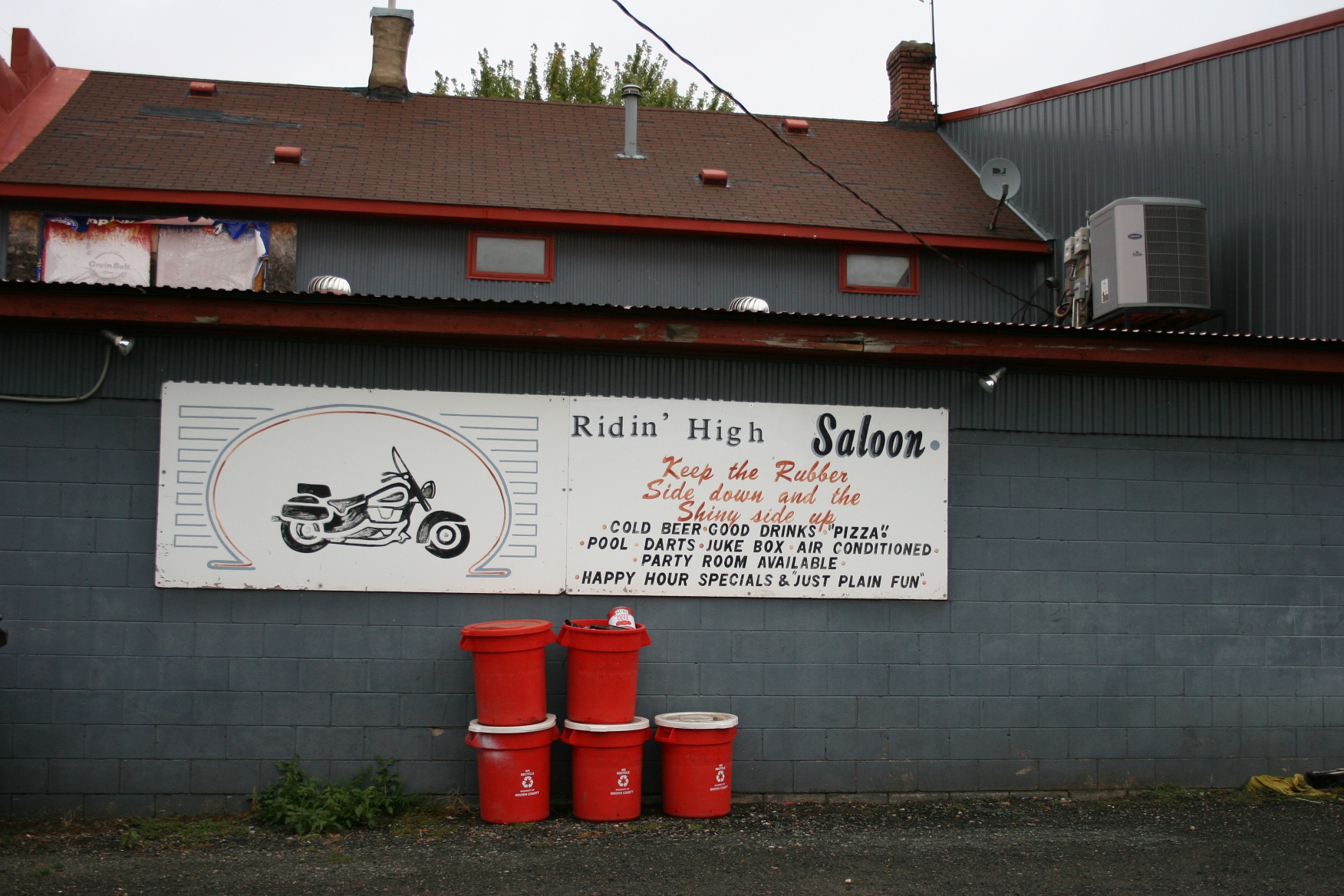
Bikers get a hearty welcome at Ridin' High Saloon.

Bikers get a hearty welcome at Ridin’ High Saloon.

Across the street, Ridin’ High Saloon, from the looks of the exterior signage, caters to bikers.

The Saloon connects to the Back Porch.

The Saloon connects to the Back Porch, right.

The outdoor Back Porch hang-out.

The outdoor Back Porch hang-out.

The machine shed style open air Back Porch gives that rough-and-tumble beer drinking impression, a great place to hang out with friends on a warm summer evening.

A close-up of Tubby's signage.

A close-up of Tubby’s signage.

Maybe next stop in Cobden will be the charm with no fire to cover, no schedule to keep. Just time for a beer.

© Copyright 2013 Audrey Kletscher Helbling


Car art December 3, 2013

Filed under: Uncategorized — Audrey Kletscher Helbling @ 6:00 AM
Tags: , , , , , ,

I WAS NEAR GIDDY as I crossed the Buckham Memorial Library parking lot.

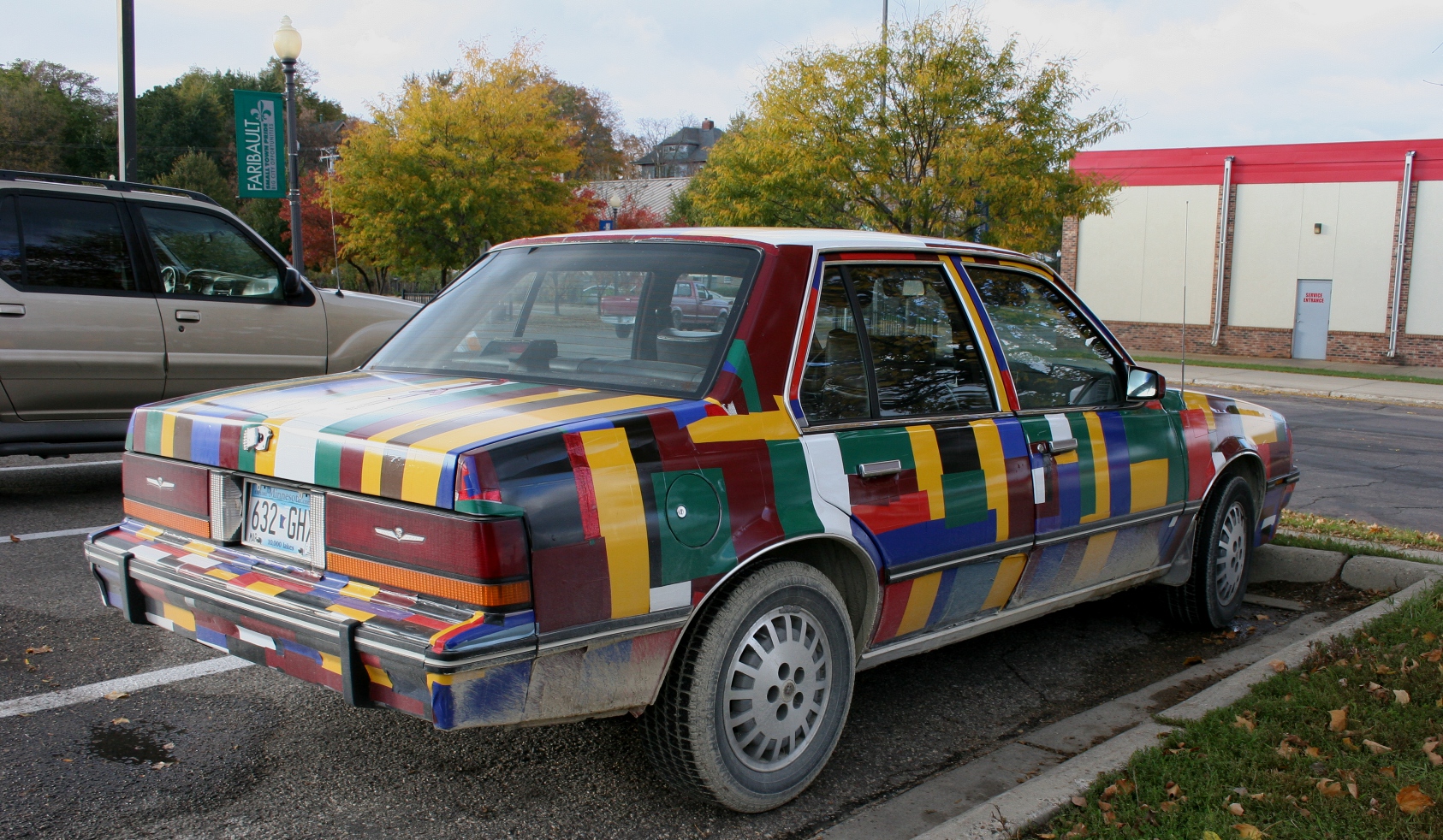
Car art, side view

There, there sat that car. That car. The one I’ve watched zoom up the street past my Faribault home many times.

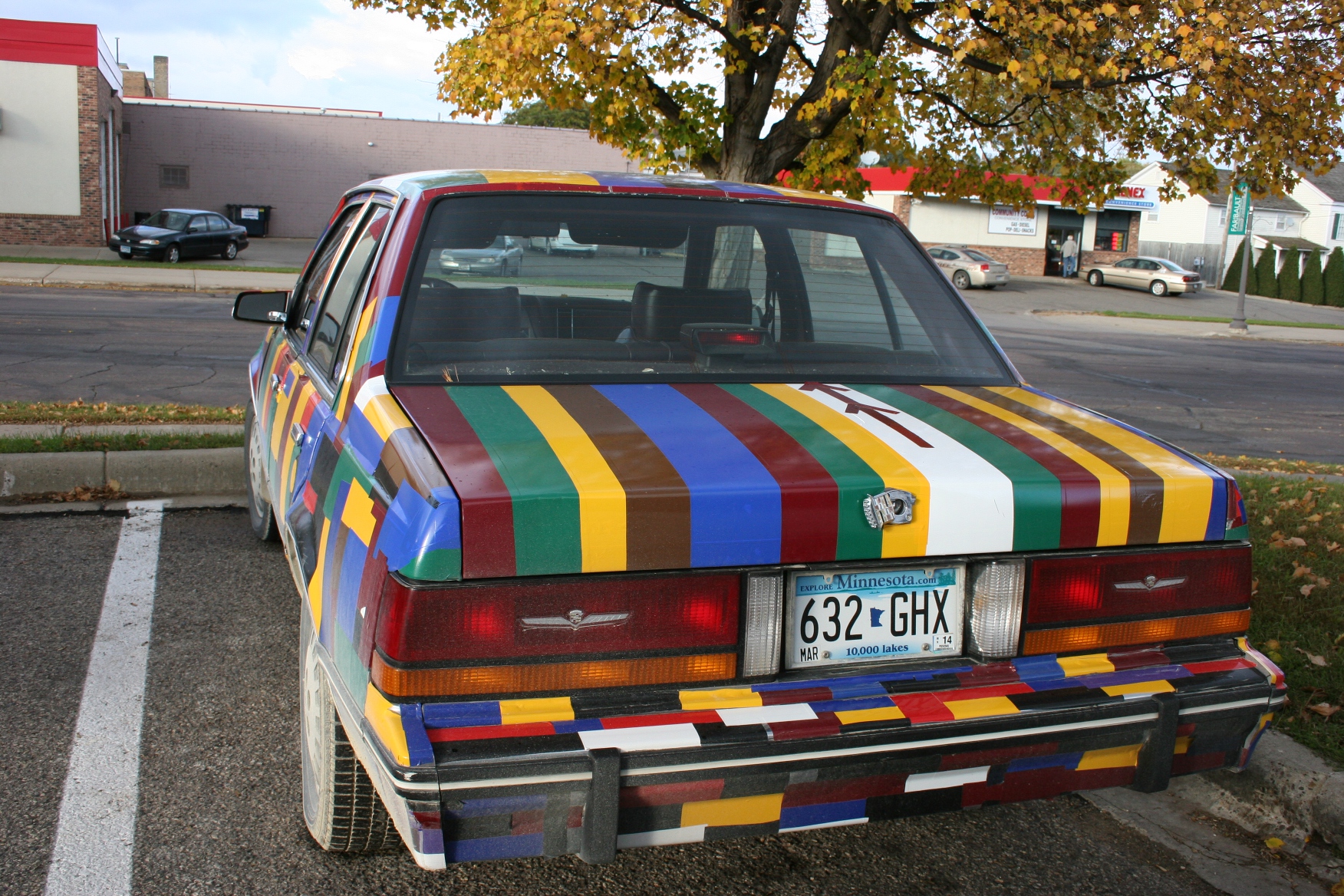
I’ve always wanted to photograph this Joseph’s coat of many colors automobile. And now, with my camera available, I could.

Car art, side view 2

But wouldn’t you know, just as I grabbed my Canon from the van, droplets of rain spurted from the sky. I folded my camera inside my cardigan and hurried toward the car to snap a few quick frames.

Car art, back of

Close up, I noticed that what I thought to be duct tape was, instead, reflective tape in primary colors plus black, white and brown adhered to this Cadillac Cimarron.

I got my photos. Now I need the story.

Who owns this work of art?

Why is this Caddy covered in tape? Is the owner making an artistic statement? Or was this tape adhered for some practical reason?

Thoughts? Let’s hear.

© Copyright 2013 Audrey Kletscher Helbling
 

Antiquing in Wisconsin: Mixing machining & merchandising in Redgranite December 2, 2013

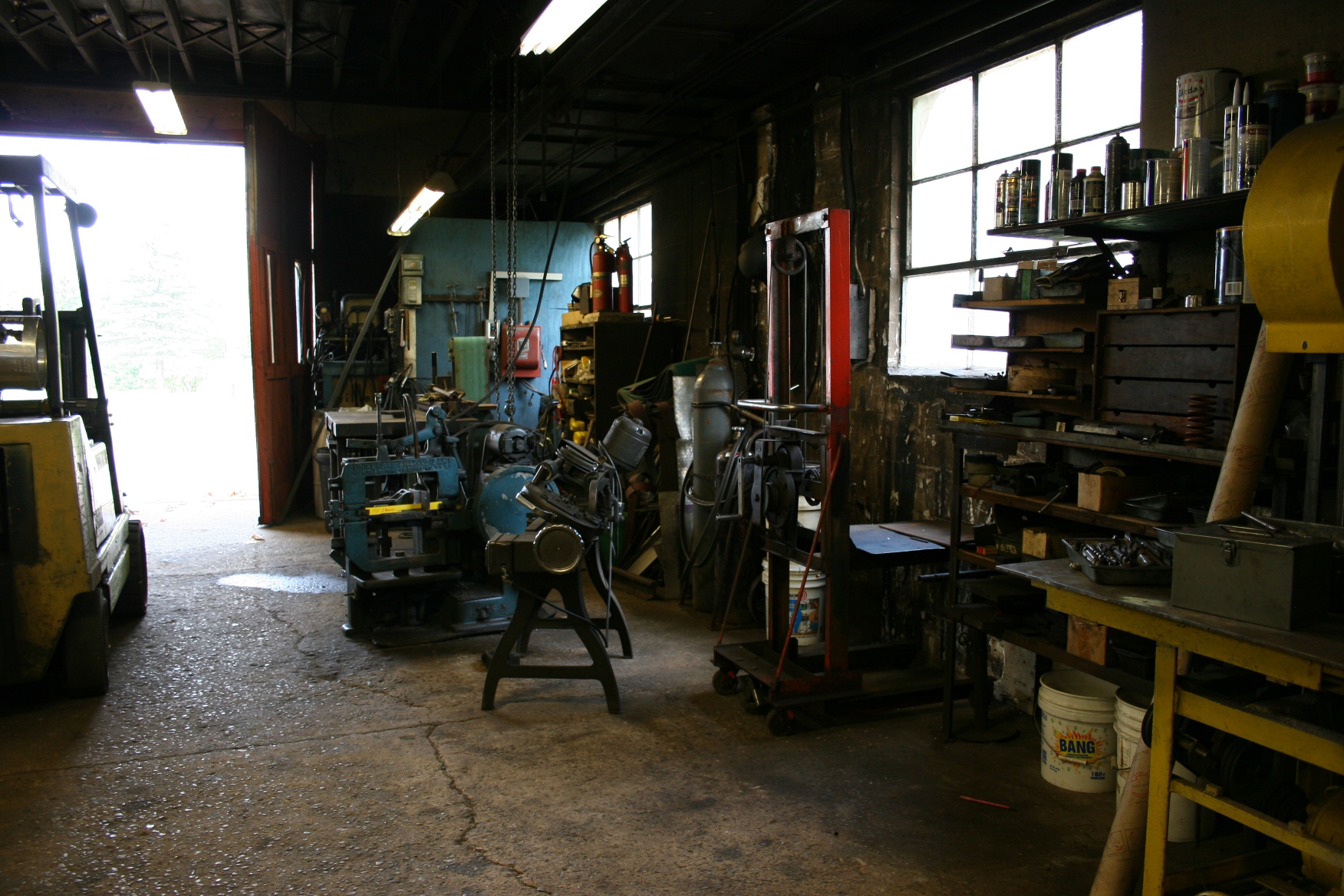
I RECOGNIZE THE SMELL. Grease and oil and dirt mingled. The odor hangs heavy inside Mike Schwochert’s machine shop along State Highway 21 in Redgranite, Wisconsin.

Inside Old Time Machine Inc.

Inside Old Time Machine Inc.

The shop smells of history and hard labor and of hours standing upon this cracked cement floor spotted with oil stains.

This place reminds me of the work my husband does as an automotive machinist, although Mike pursues a different type of machining, producing machined parts. He does drilling, boring, tapping, milling, tool and die production, welding and fabrication, and more.

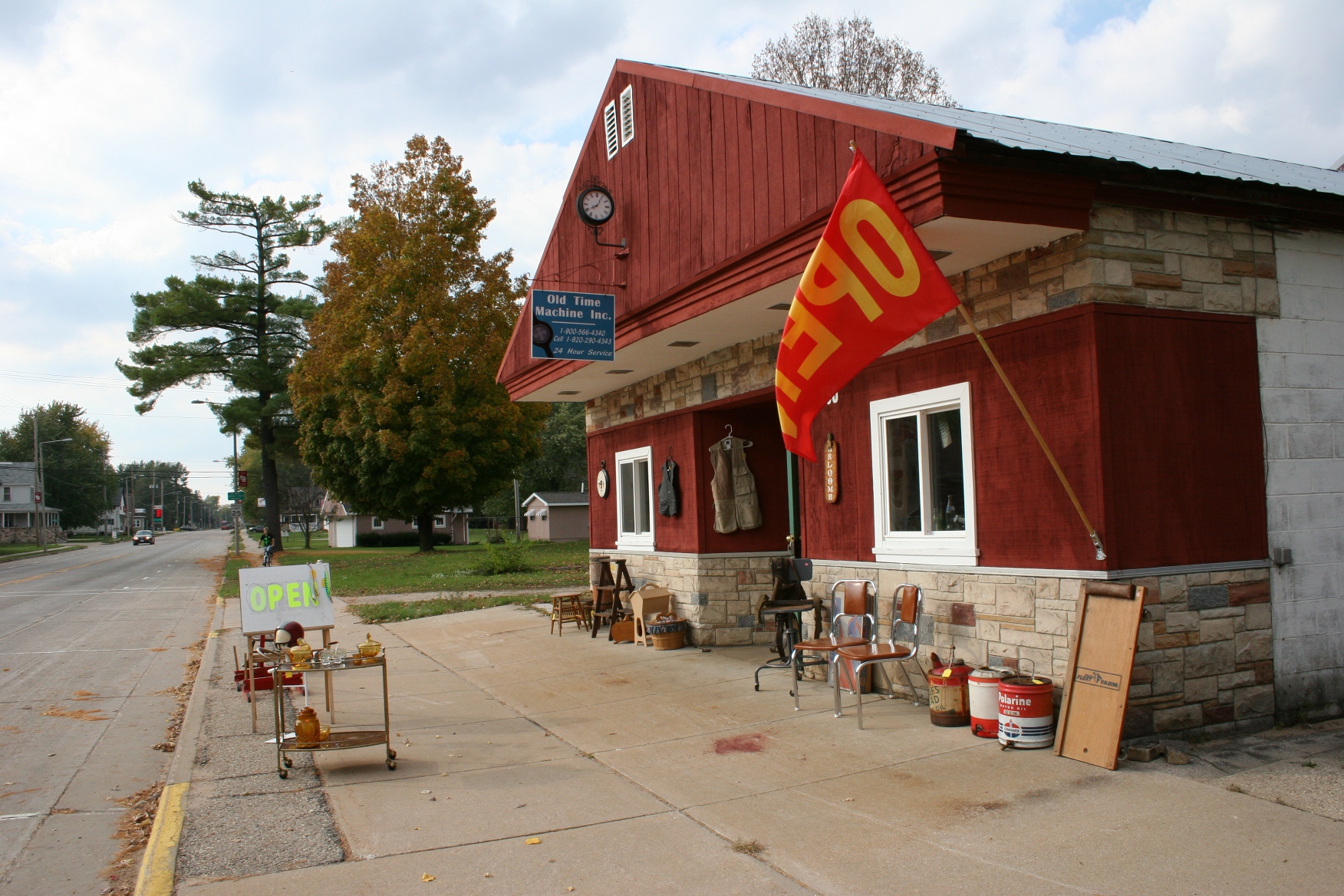
The setting that drew me into the machine and antique shop scene.

The setting that drew me into the machine and antique shop scene.

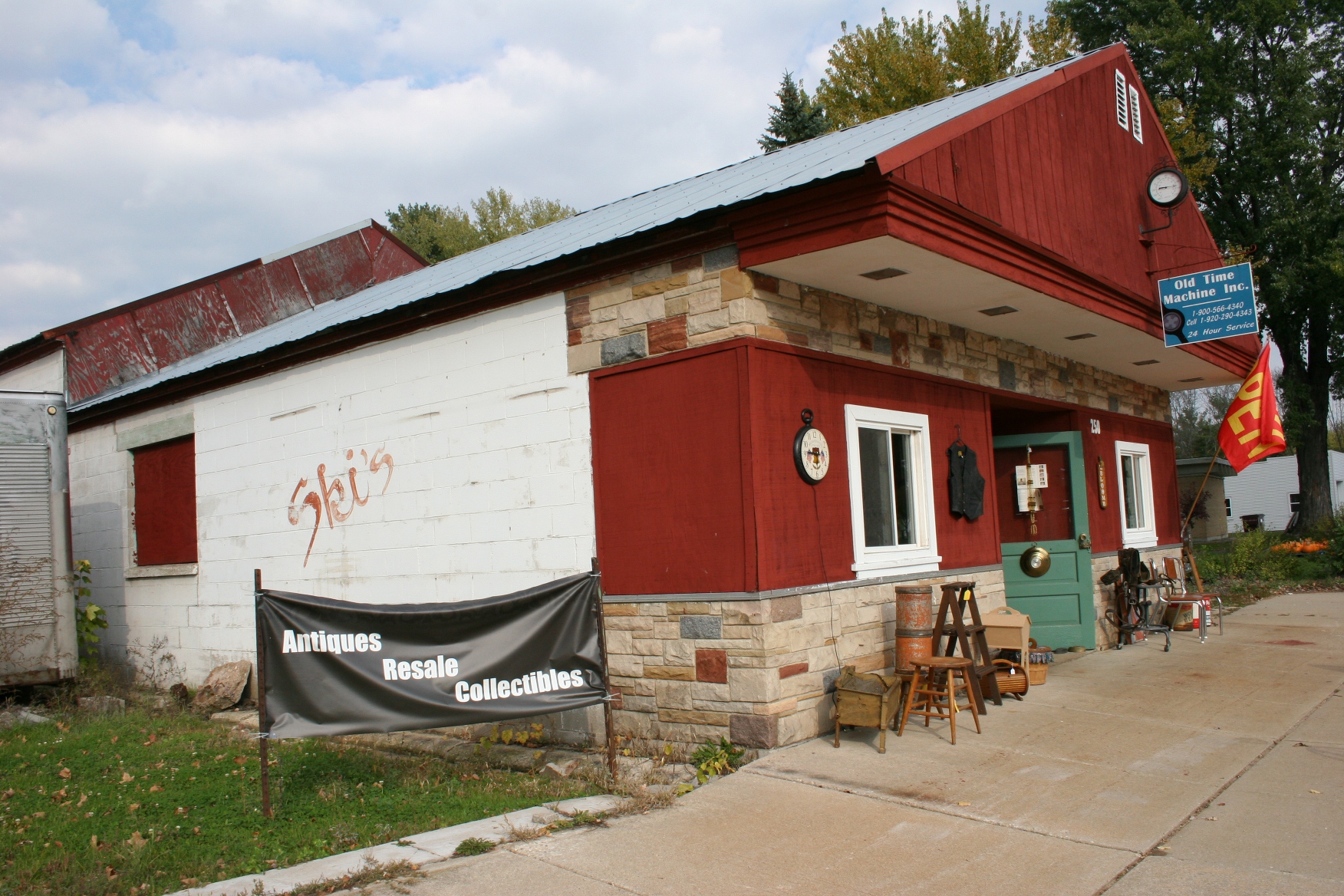
It is the name of Mike’s business—Old Time Machine Inc—and the neon marker OPEN sign and the hodgepodge of furniture, glassware, gas cans and other items displayed outside the building that initially draw Randy and me here on a Friday afternoon in mid-October en route to Appleton to visit our daughter.

We backtrack, turn off the highway and skirt the backs of downtown Redgranite businesses to reach Old Time Machine because we’ve driven past it. Highway 21 is a crazy busy route through central Wisconsin, meaning it’s safer to do a turn-around rather than slam on the brakes.

Another view of Mike's machine shop.

Another view of Mike’s machine shop.

Inside this building, constructed in 1953, we meet Mike, the kind of guy who, just looking at him, you know will greet you with a welcoming warmth and friendliness that shows in his face, in his smile. It’s no surprise that he promises “excellence and precision in every job,” offers 24-hour emergency repair and works a second job in Appleton.

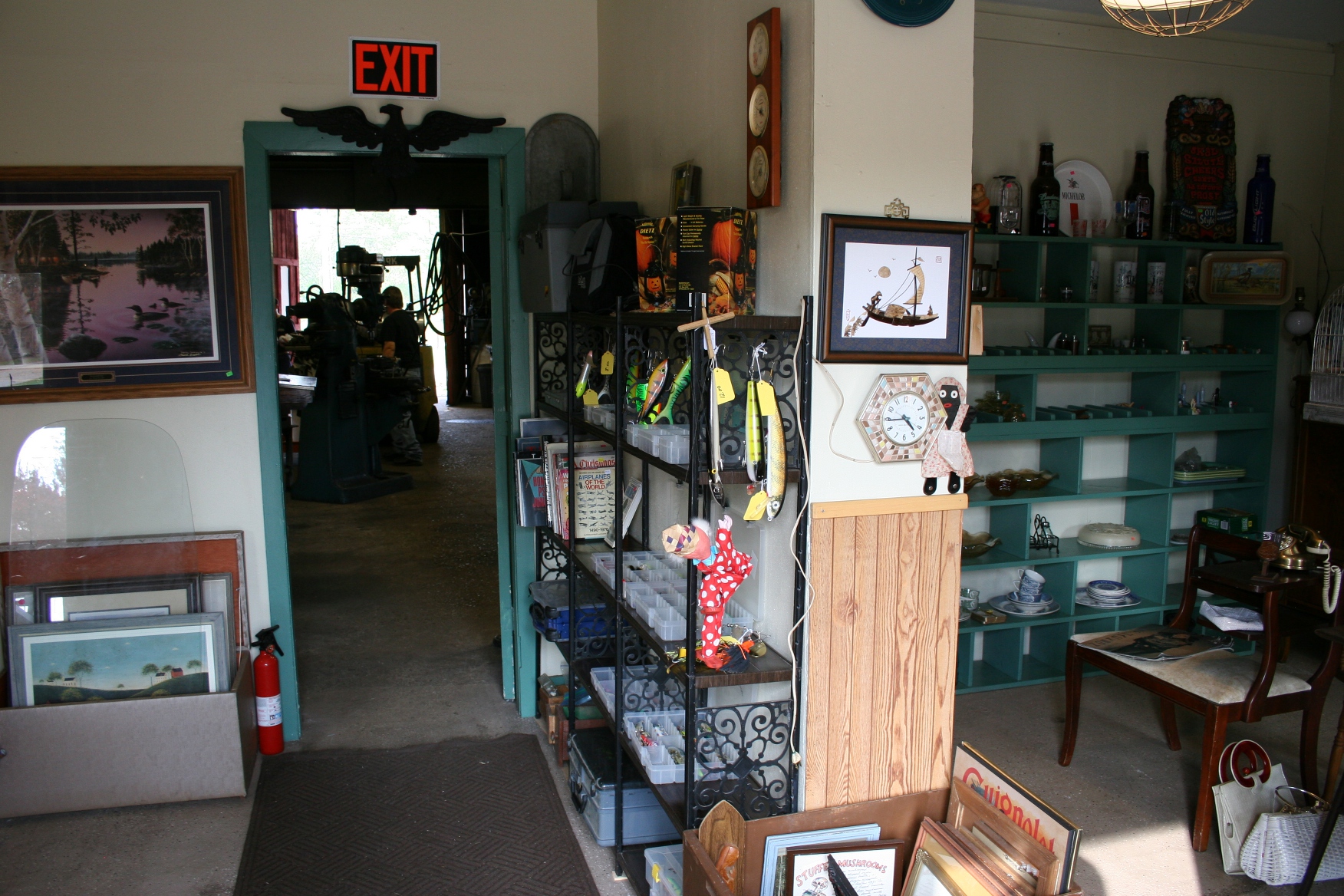
Madre's Antiques is in the front of the building and Mike's machine shop through the doorway into the larger back space.

Madre’s Antiques is in the front of the building and Mike’s machine shop (that’s Mike back there working) through the doorway into the larger back space.

And you might add third. On this afternoon, Mike is also manning Madre’s Antiques, his wife Christina Tsacudakis’ shop. She took over the former office, a small area at the front of the building that now holds an array of antiques and vintage collectibles.

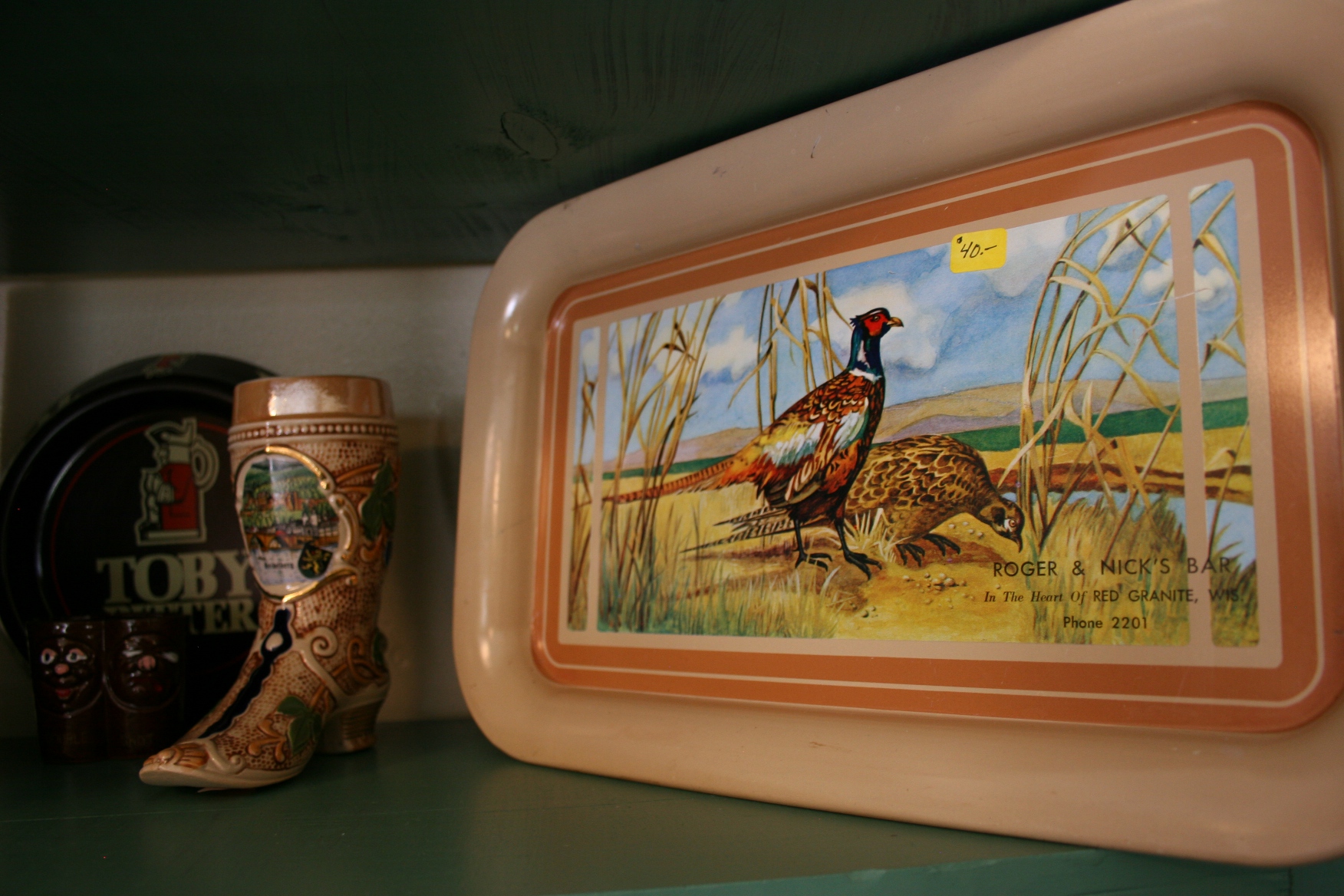
A local collectible is among the offerings.

A Redgranite collectible is among the offerings.

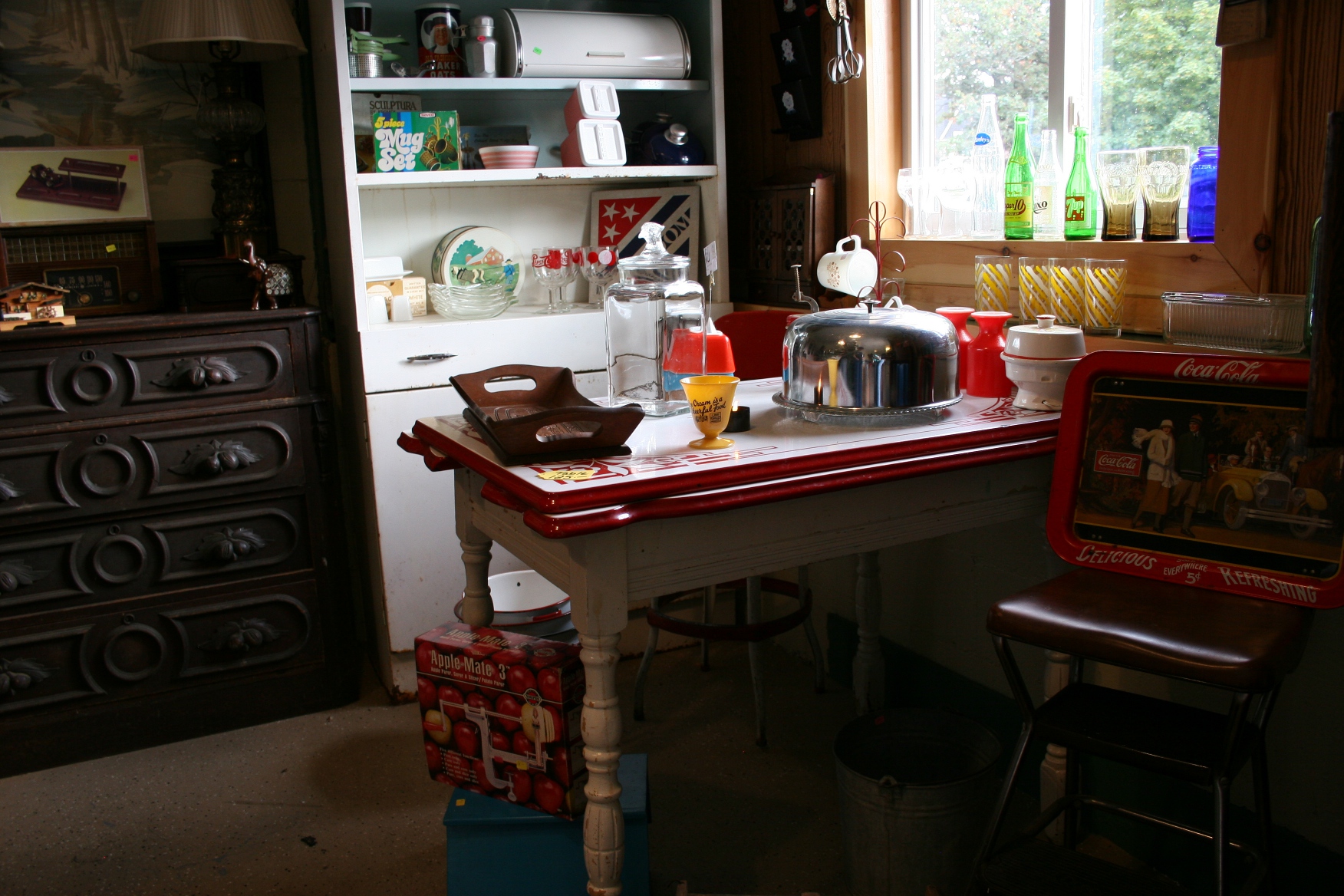
I find plenty here that interests me such as vintage drinking glasses, a pheasant tray collectible my middle brother would appreciate and a gorgeous red and white enamel kitchen table.

In the white cupboard behind the table sits the small striped Pyrex bowl I purchased.

In the white cupboard behind the table the small striped Pyrex bowl I purchased sits on the second shelf.

I need none of these, But I scoop up a small unpriced striped Pyrex mixing bowl because, well, I collect and use old bowls.

When I ask Mike the price, he admits that he sometimes gets in trouble for underselling his wife’s unmarked merchandise. I buy the bowl for $2. I expect he will be reprimanded.

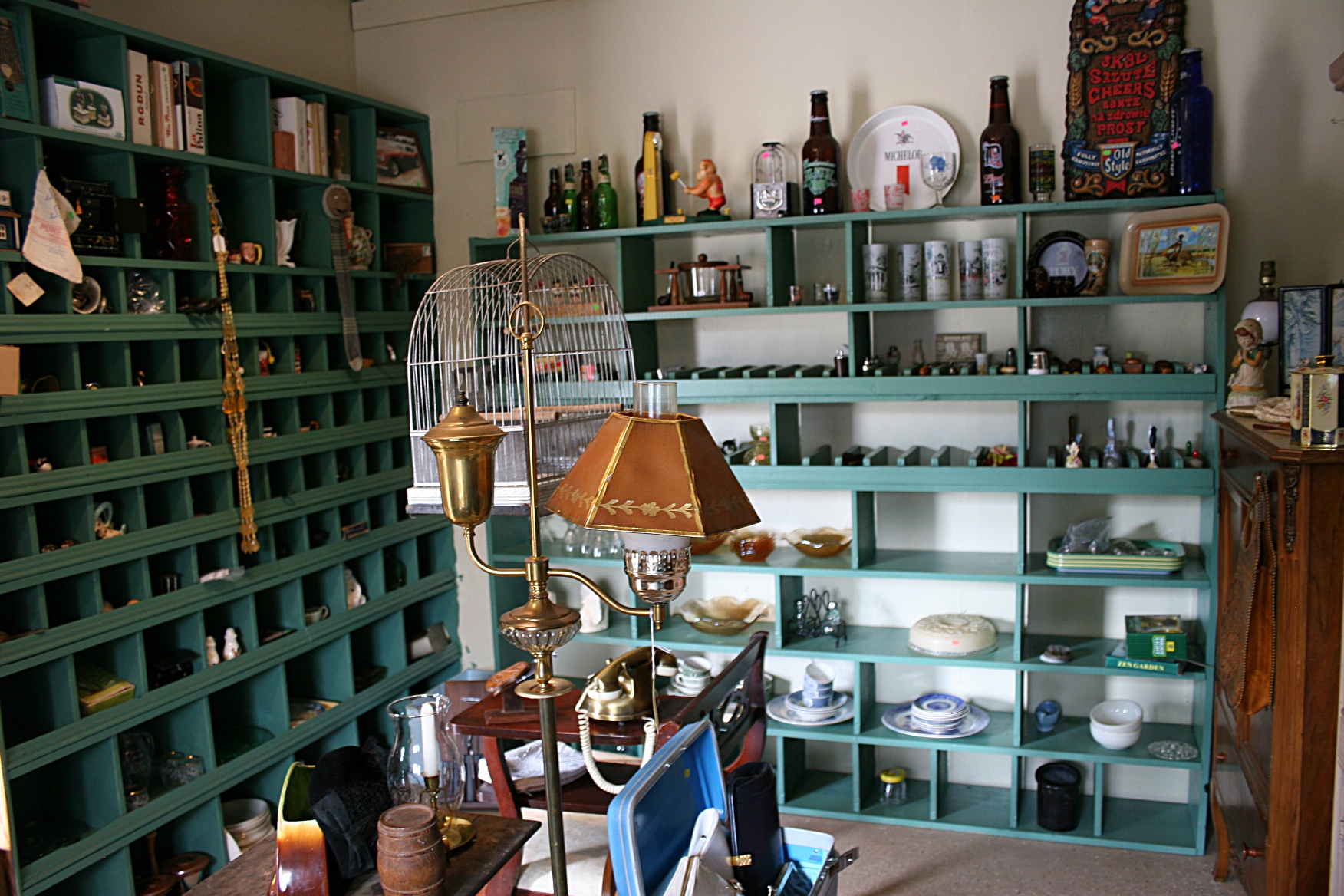
The fabulous reclaimed parts bins now hold antiques and collectibles.

The fabulous reclaimed parts bin, left, from the machine shop now holds antiques and collectibles.

It’s a charming spot, this cozy antiques store with a back shop parts cubby emptied, cleaned, repainted aqua marine and repurposed to hold merchandise. Small treasures tucked inside multi-sized cubes. Perfectly fitting for this place.

My first view of the shop as we approached from the west.

My first view of the shop, 250 W. Bannerman Ave., as we approached from the west.

Unlike many antique shops, I don’t feel overwhelmed here, but rather at home. Comfortable with the limited offerings, the lingering odors of oil and grease and grime, and the sense of small town history that prevails in this long-time machine shop, purchased in recent years by Mike.

© Copyright 2013 Audrey Kletscher Helbling