Minnesota Prairie Roots

Writing and photography by Audrey Kletscher Helbling

We didn’t find gold in Oronoco, but… April 8, 2015

ORONOCO. I delight in the way those “o”s roll off the tongue. Smooth. Repetitious. Like a steady drum beat.

But I’d never been to Oronoco, only seen the exit signs to this community off U.S. Highway 52 five miles north of Rochester. Time to change that, to visit this place named after the Orinoco River in South America. (And, yes, the spelling of Orinoco is correct.)

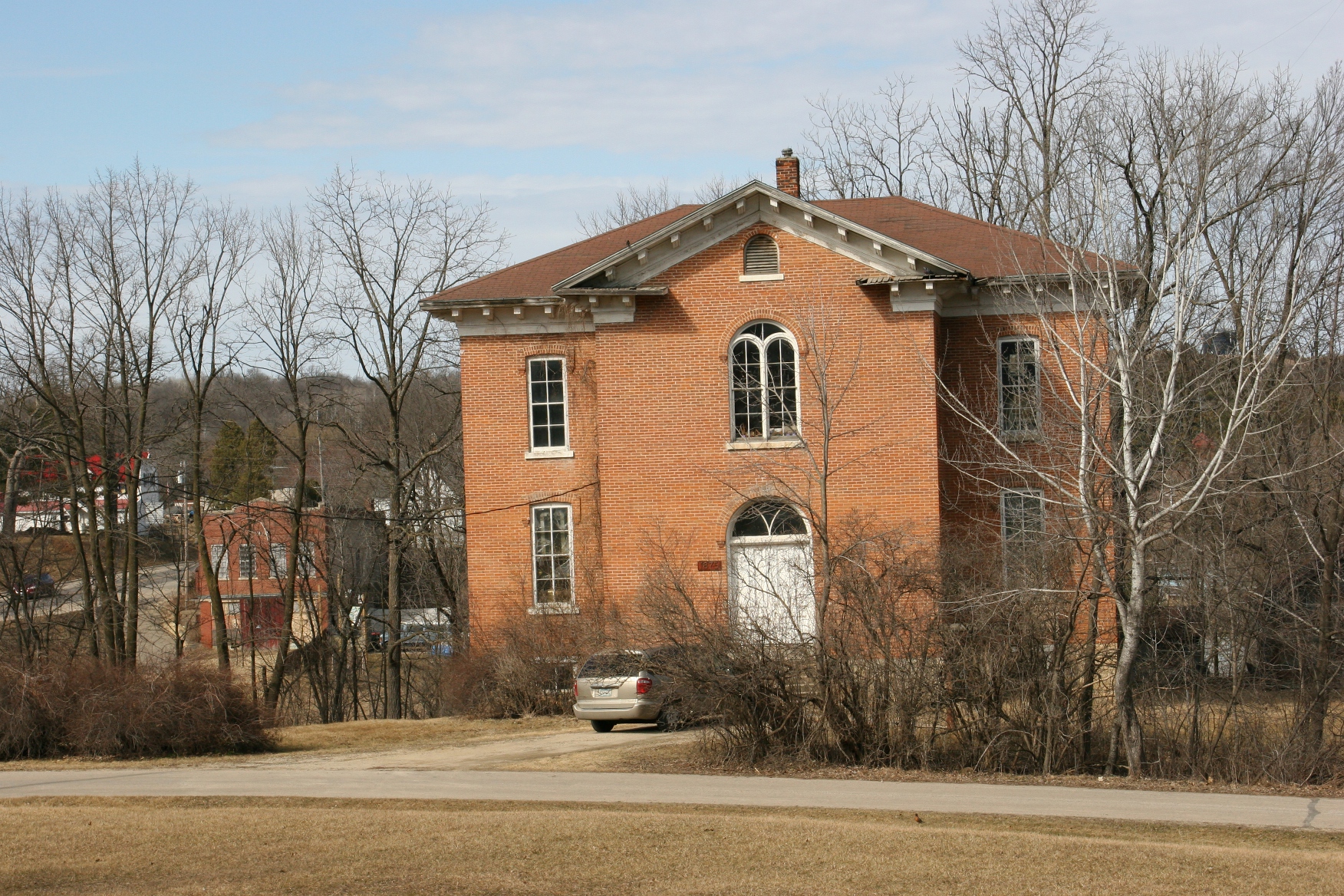
The old schoolhouse.

The old schoolhouse.

On a recent Saturday, my husband and I wound our way into this small town, home of Oronoco Gold Rush Days, an antique show and market held on the third weekend in August since 1972. That’s a long-standing event, its name tracing to the apparent discovery of gold here in the late 1850s and the establishment of the Oronoco Mining Company. That mining venture didn’t last long as the raging Zumbro River washed away the gold mining operation. Apparently little gold was found.

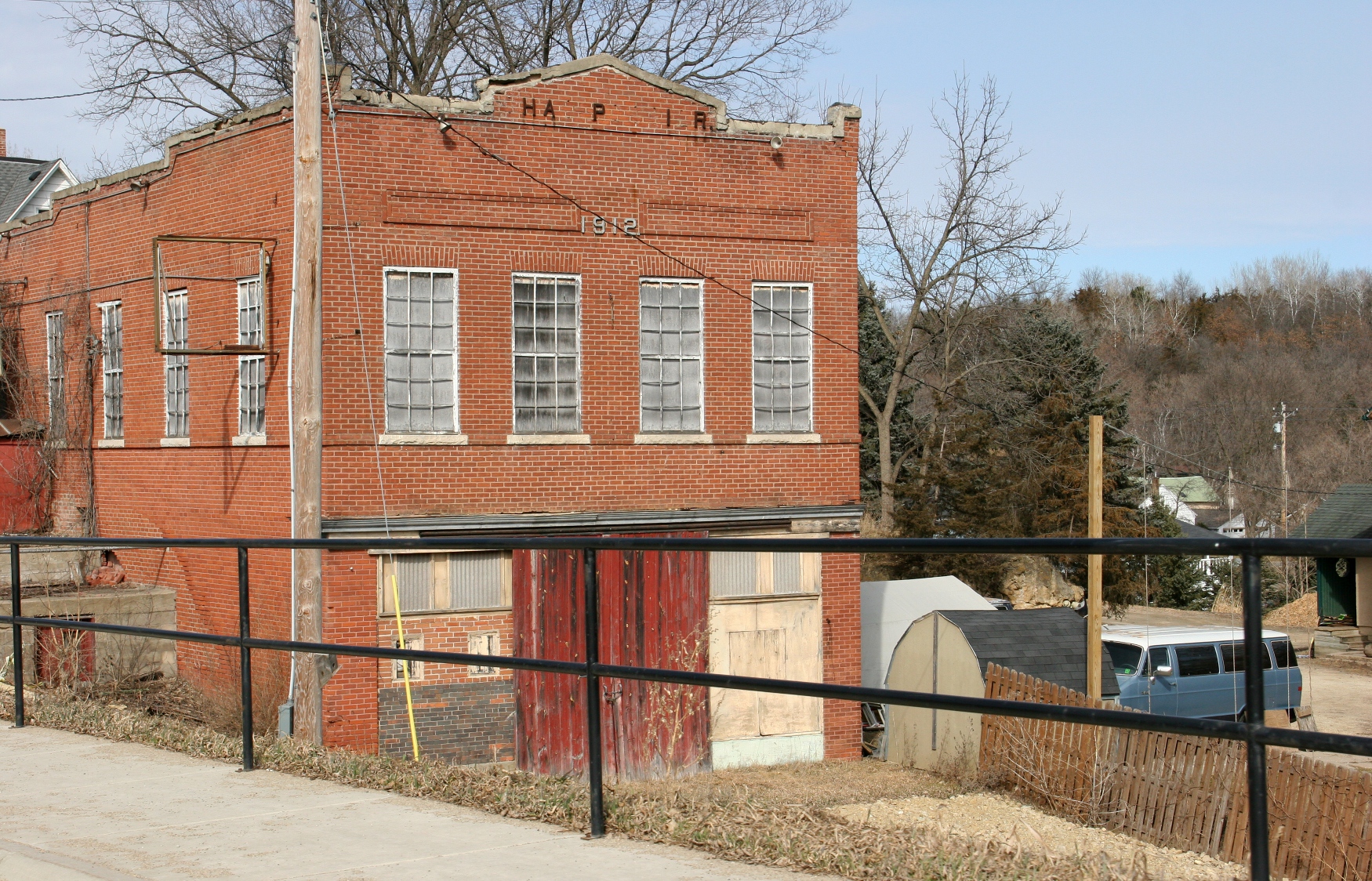
A boarded up building dated 1912.

A boarded up building dated 1912.

Historic buildings define the heart of this quaint river community. We did a quick drive through downtown and stopped only to browse two highway side antique shops as the day shifted toward evening.

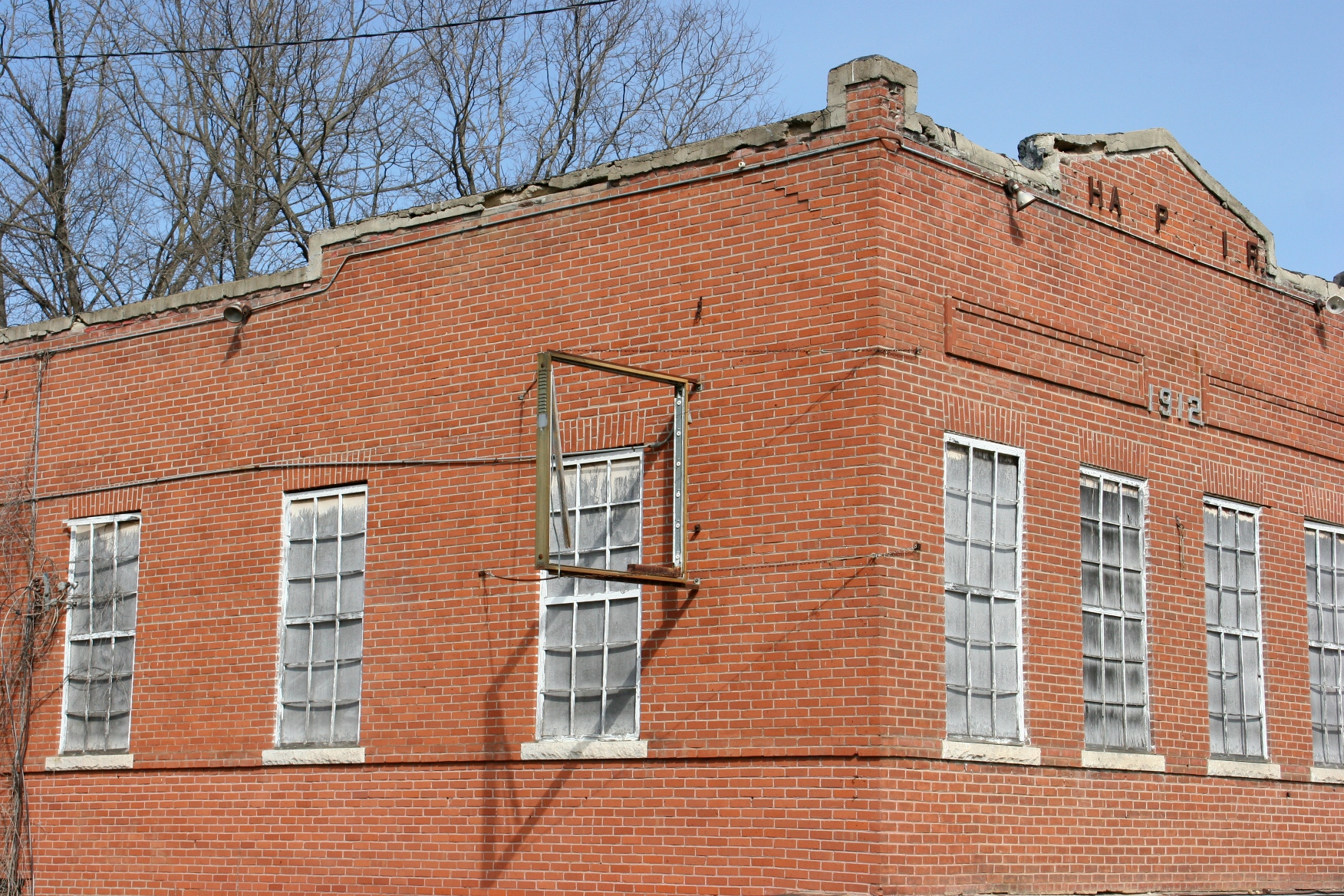
The 1912 building up close.

The 1912 building up close.

Oronoco seems worth a return trip to poke around more, to see what we missed.

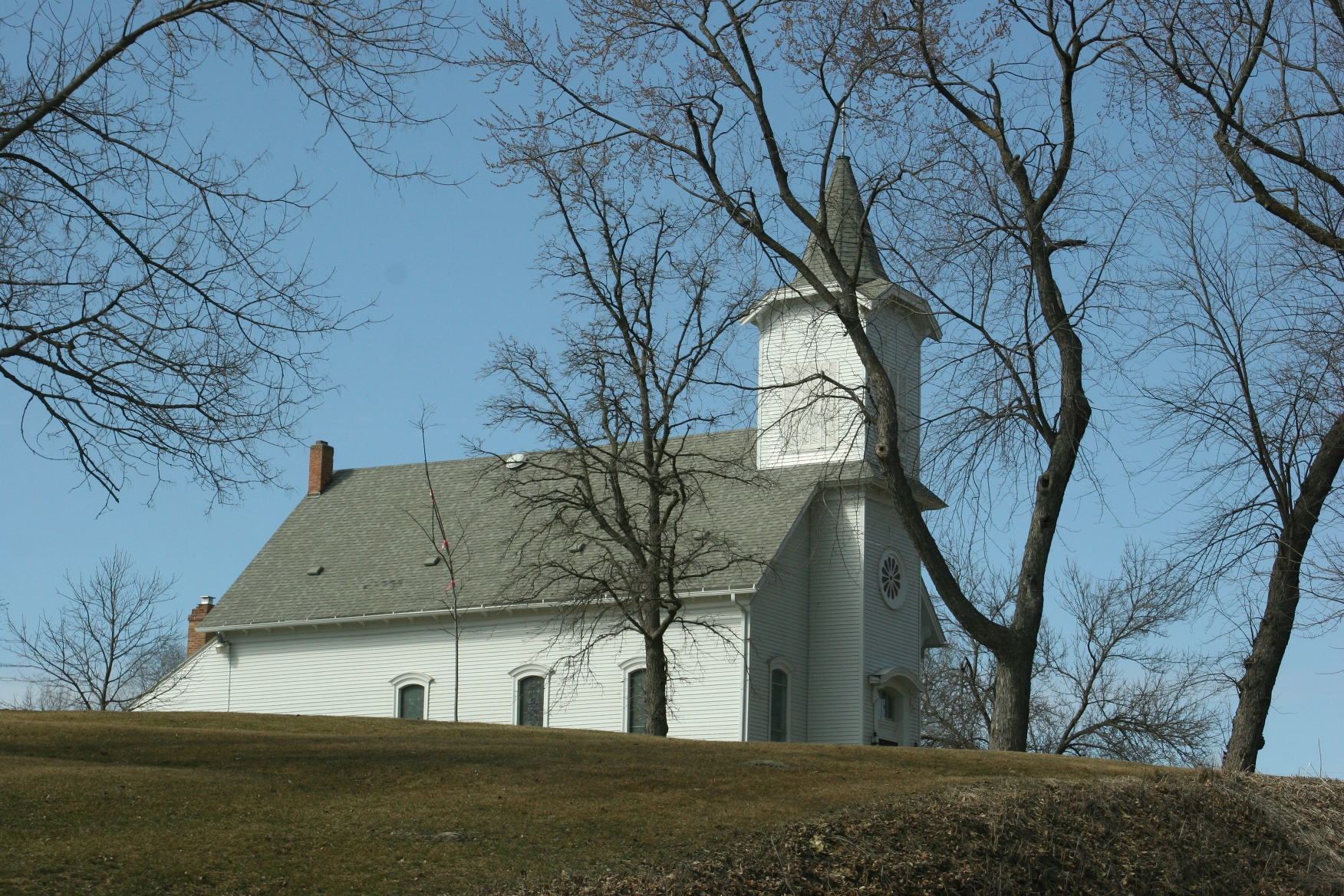
First Presbyterian Church, constructed in 1871, sits atop a hill.

First Presbyterian Church (today Presbyterian Church of Oronoco), constructed in 1871, sits atop a hill.

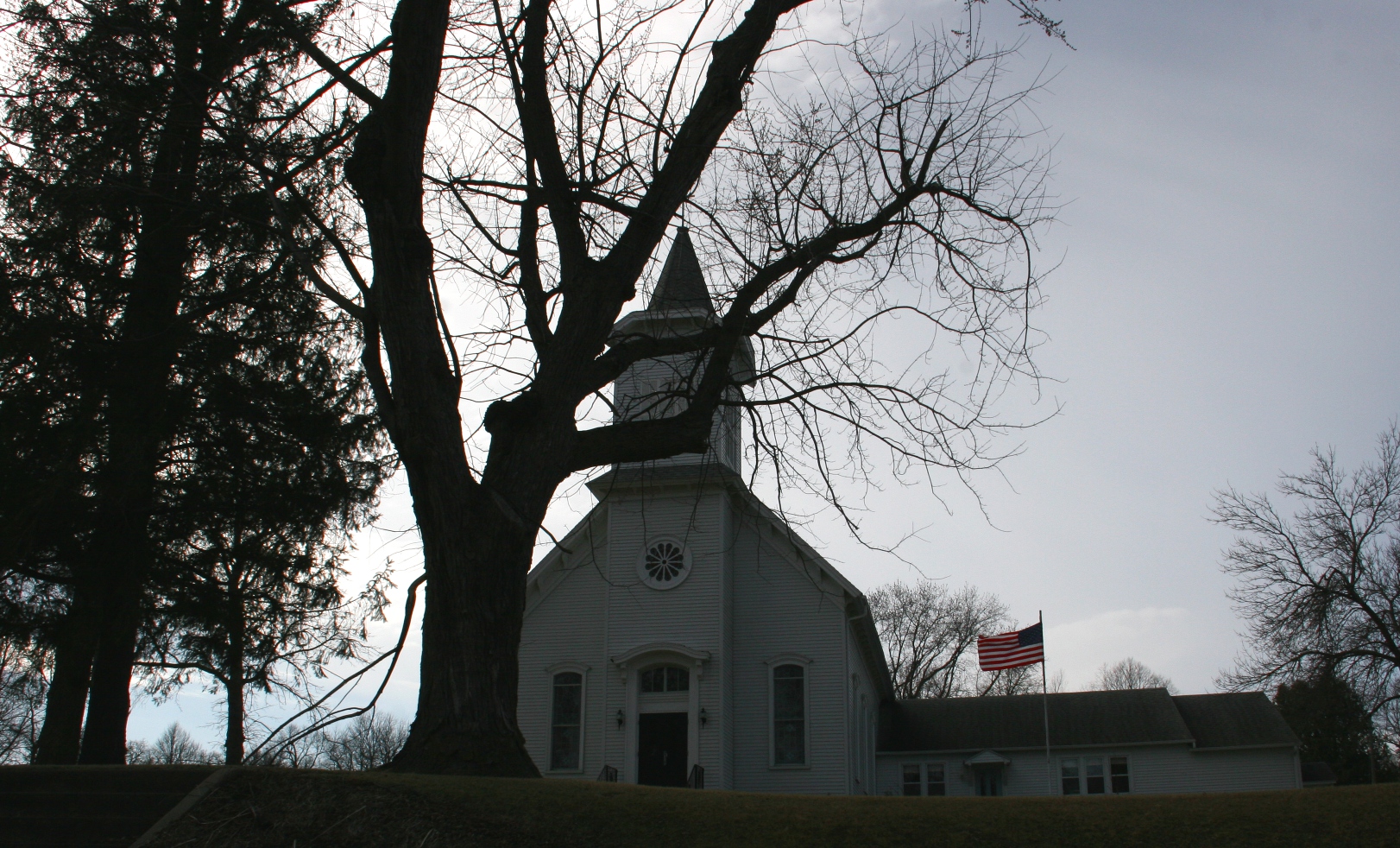
A front view of that beautiful old church.

A front view of that beautiful old church.

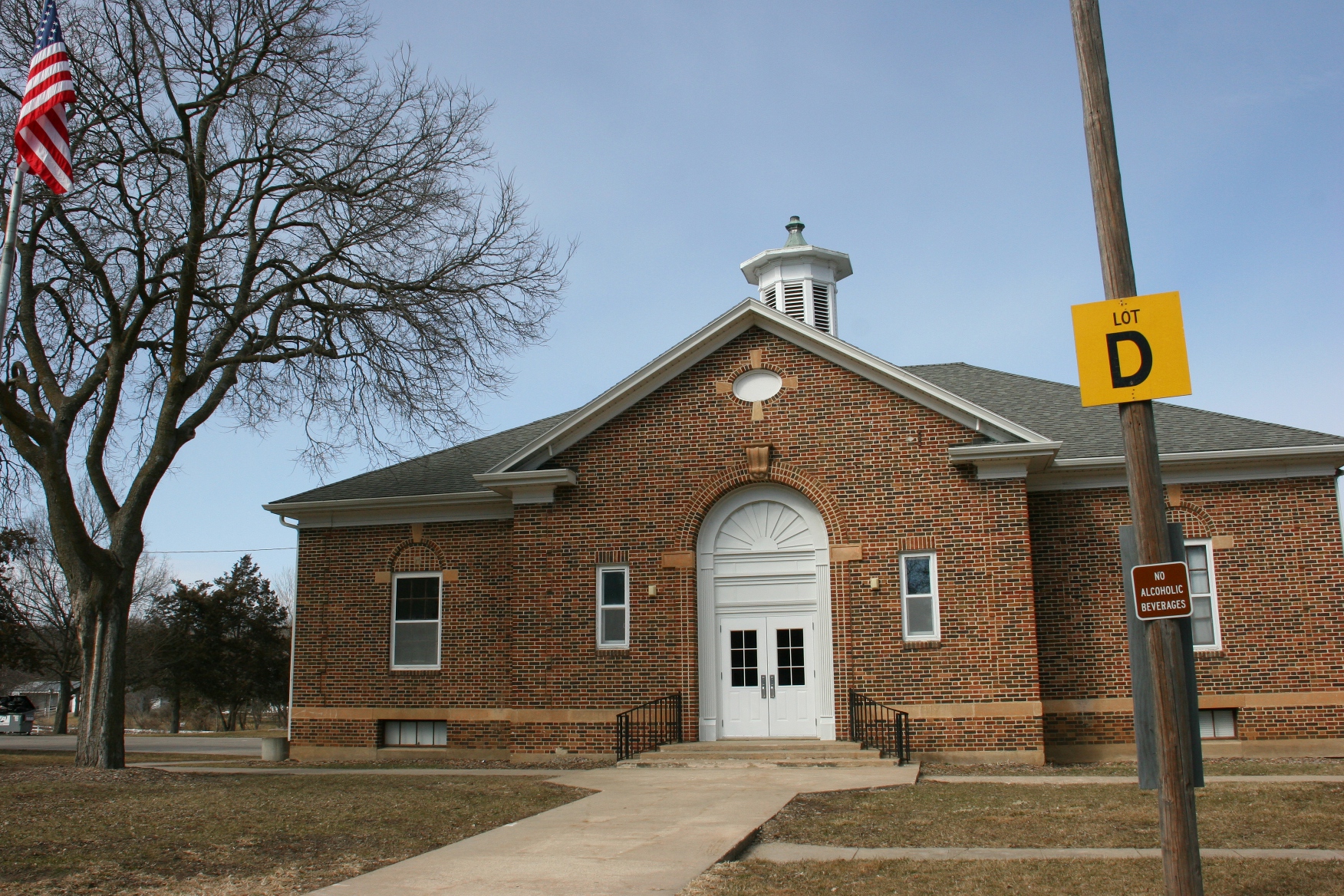
The community center.

The community center.

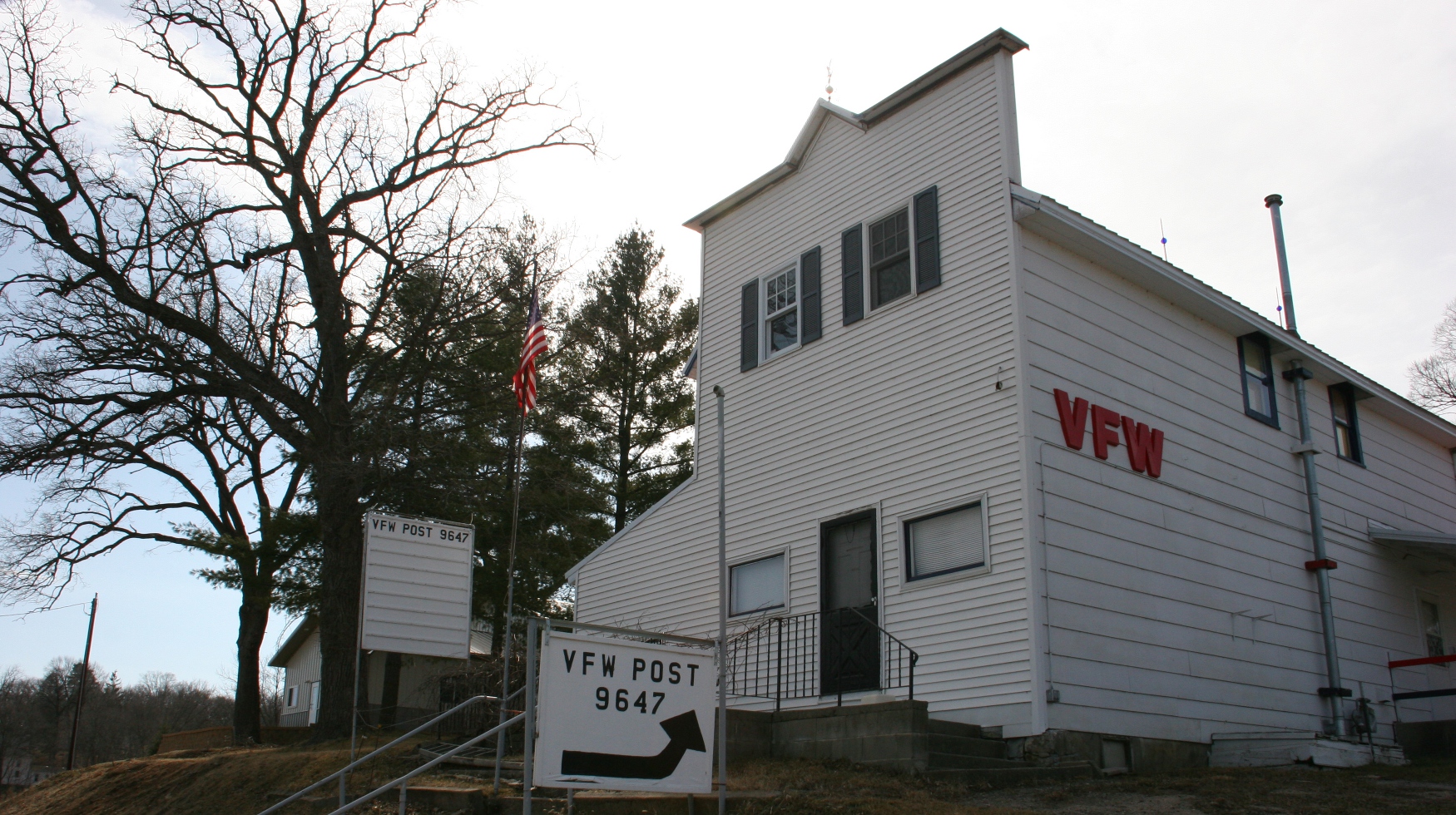
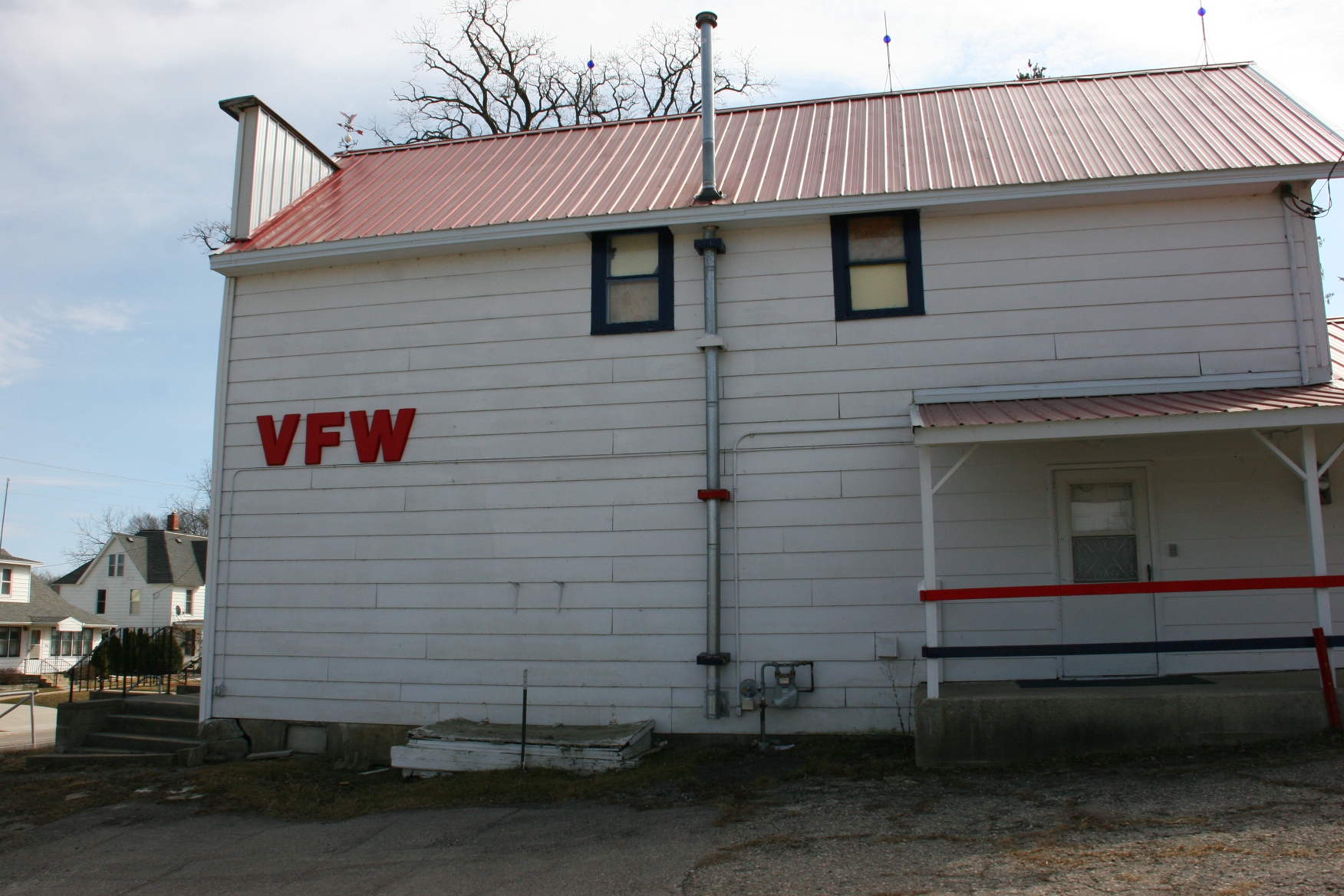
The downtown VFW sits atop a hill, too.

The downtown VFW sits atop a hill, too.

Sometimes a building's side view is as interesting as its front view.

Sometimes a building’s side view is as interesting as its front view.

FYI: To learn more about Oronoco area history, click here. For more info on Presbyterian Church of Oronoco, click here. To read my previous post about Antiques Oronoco, click here.

© Copyright 2015 Audrey Kletscher Helbling


Connecting poetry & antiques in Oronoco April 7, 2015

Filed under: Uncategorized — Audrey Kletscher Helbling @ 5:00 AM
Tags: , , , , , , ,

SOME ANTIQUE STORES are cluttered, dark, musty smelling. I suppose you can say that’s part of the character, the ambiance, the what-do-you-expect in a collection of old stuff.

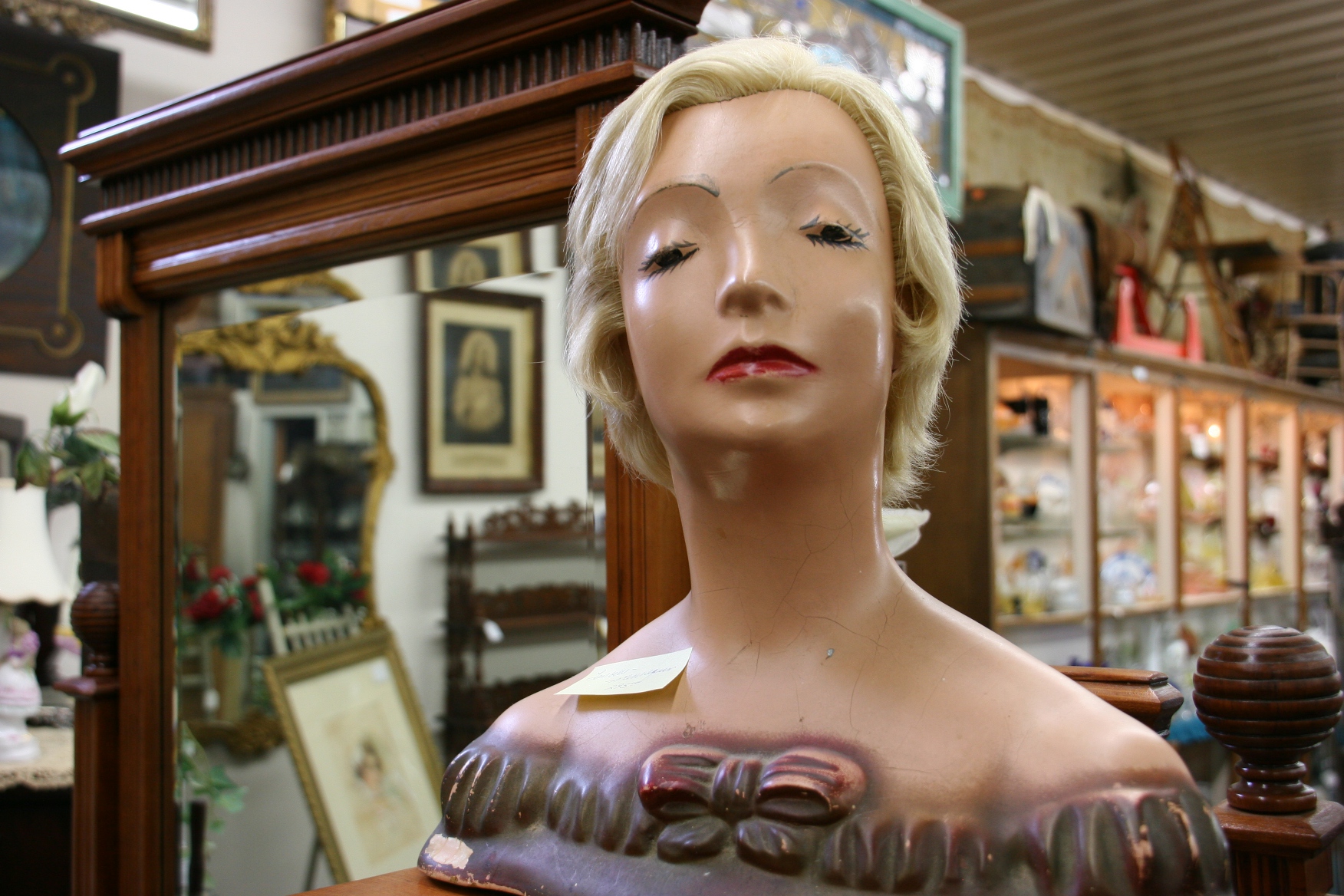
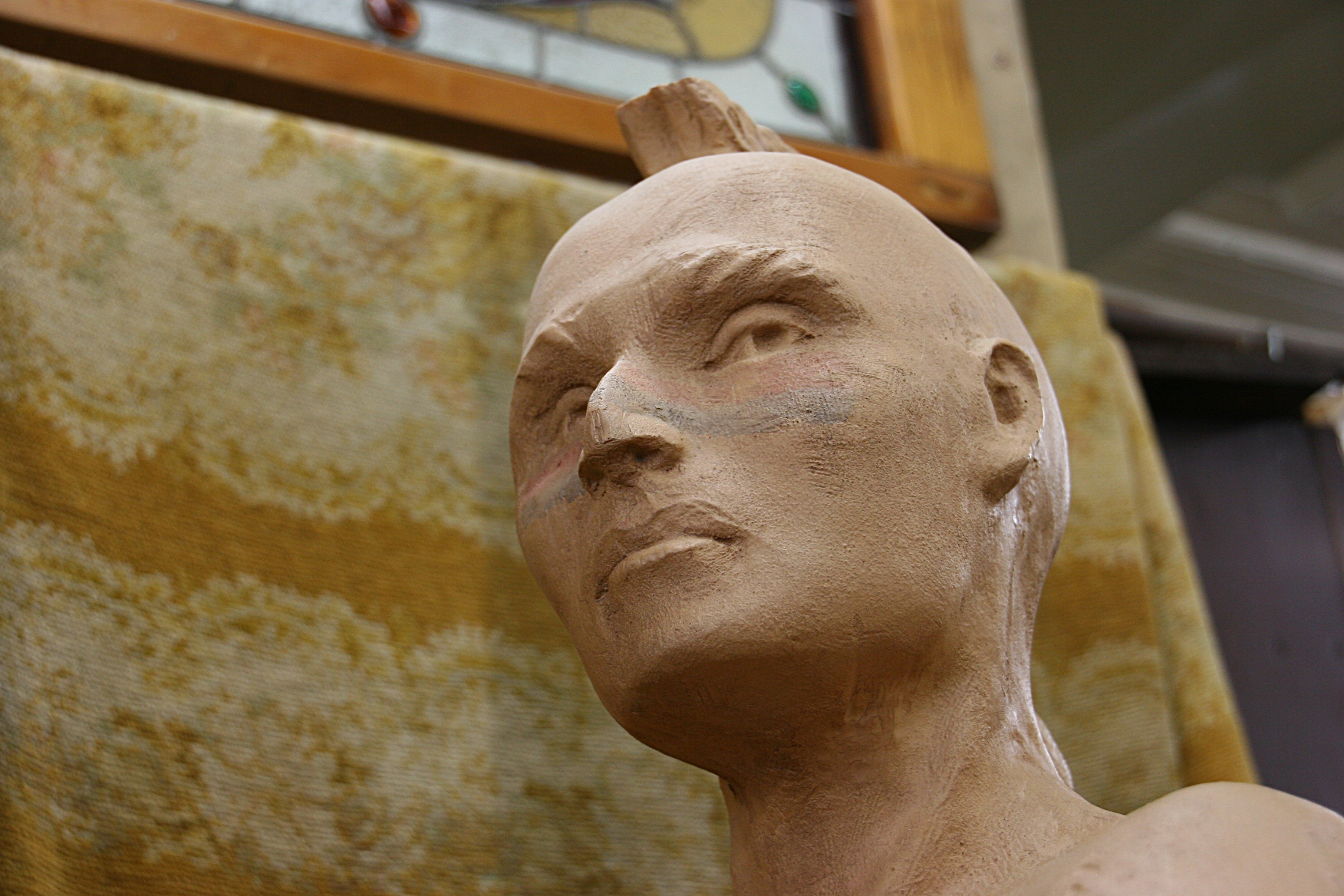
This bust caught my eye.

This bust caught my eye at Antiques Oronoco.

But I prefer browsing in bright spaces where antiques and collectibles are showcased in artsy and creative ways.

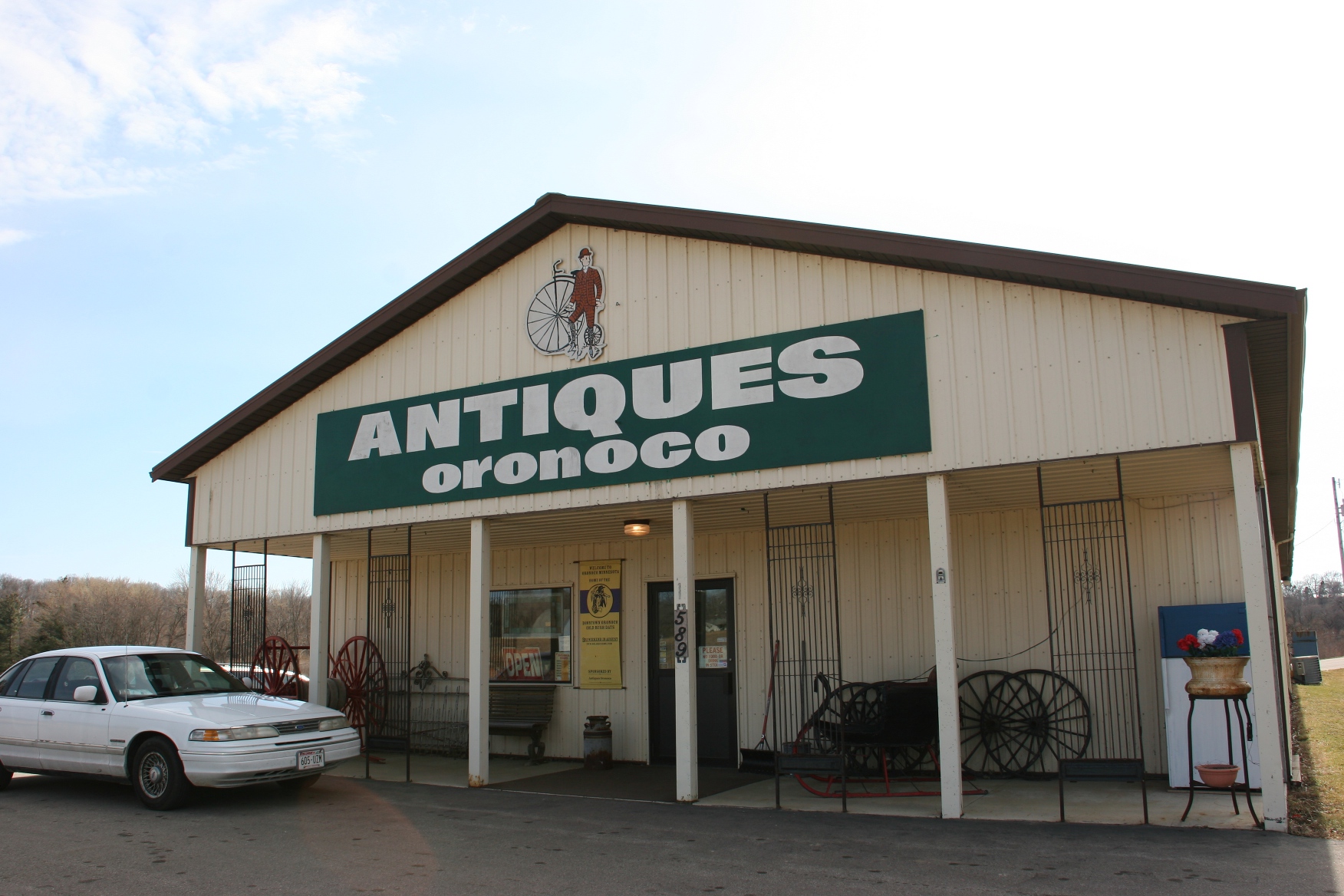
Antiques Oronoco, north of Rochester, just off Highway 52.

Antiques Oronoco

That’s exactly what I discovered at Antiques Oronoco, located along West Frontage Road off U.S. Highway 52 just north of Rochester.

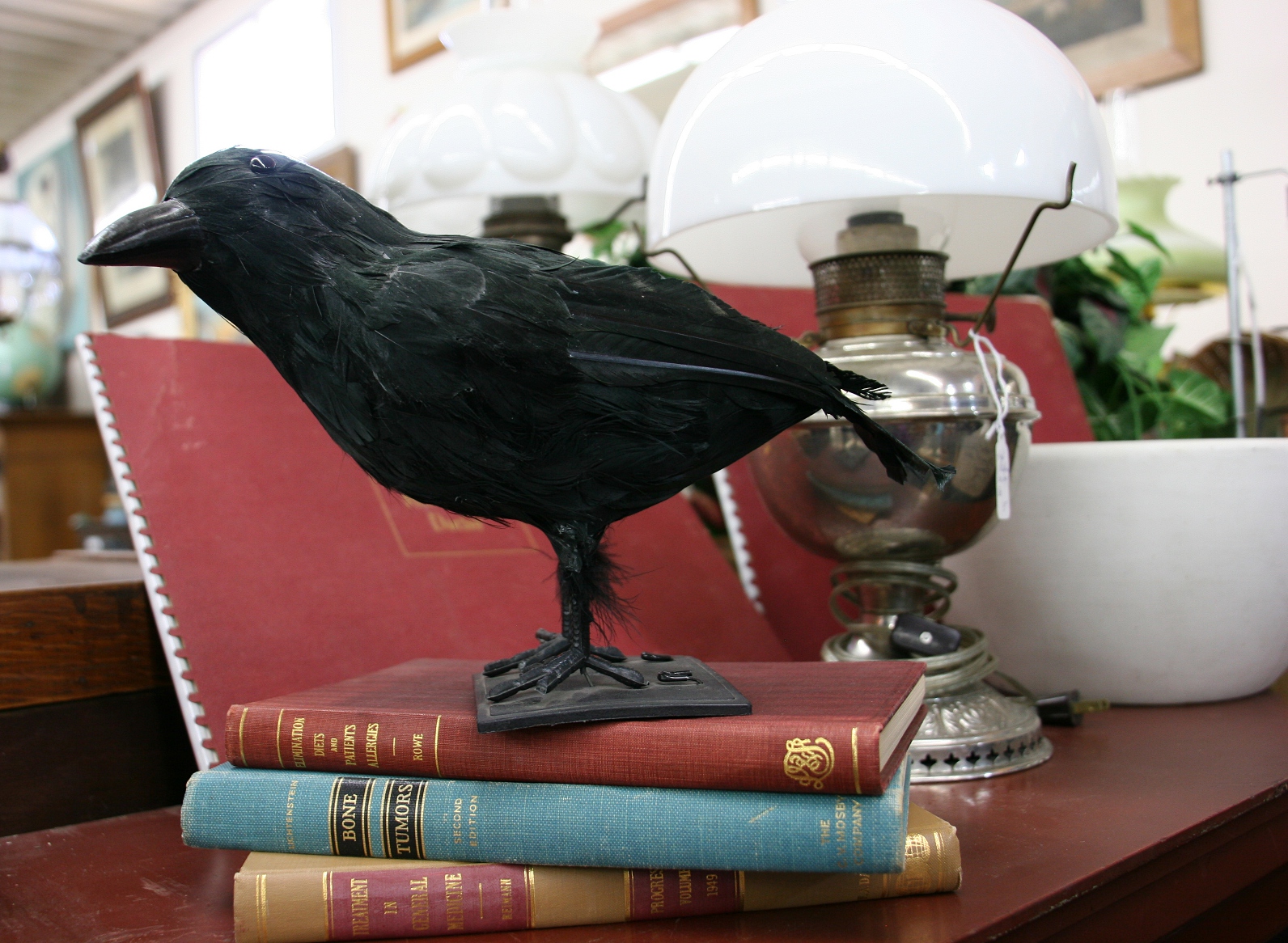
I expected to find Edgar Alan Poe collections beneath this perched raven. (Is this a raven?) But, instead, the books are titled "Treatment in General Medicine," "Bone/Tumors" and "Elimination Diets and Patients Allergies."

I expected to find Edgar Alan Poe’s “The Raven” beneath this raven.  But, instead, the books are titled “Treatment in General Medicine,” “Bone/Tumors” and “Elimination Diets and Patients Allergies.” Doesn’t matter. I truly like this artful way of displaying books.

A Native American sculpture.

A Native American sculpture.

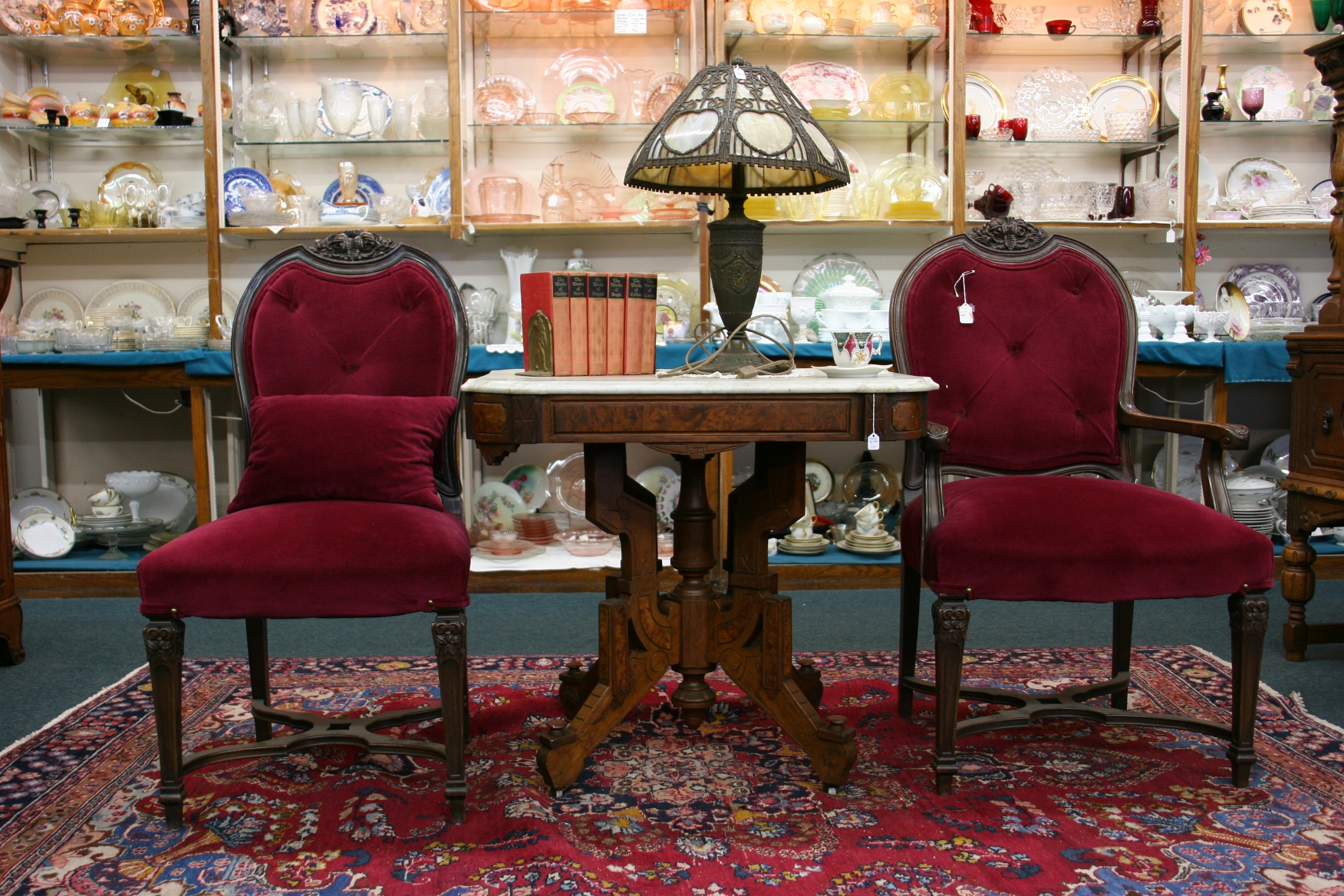
A beautifully staged setting that lent an air of comfort and hominess.

A beautifully staged setting that presents comfort and hominess.

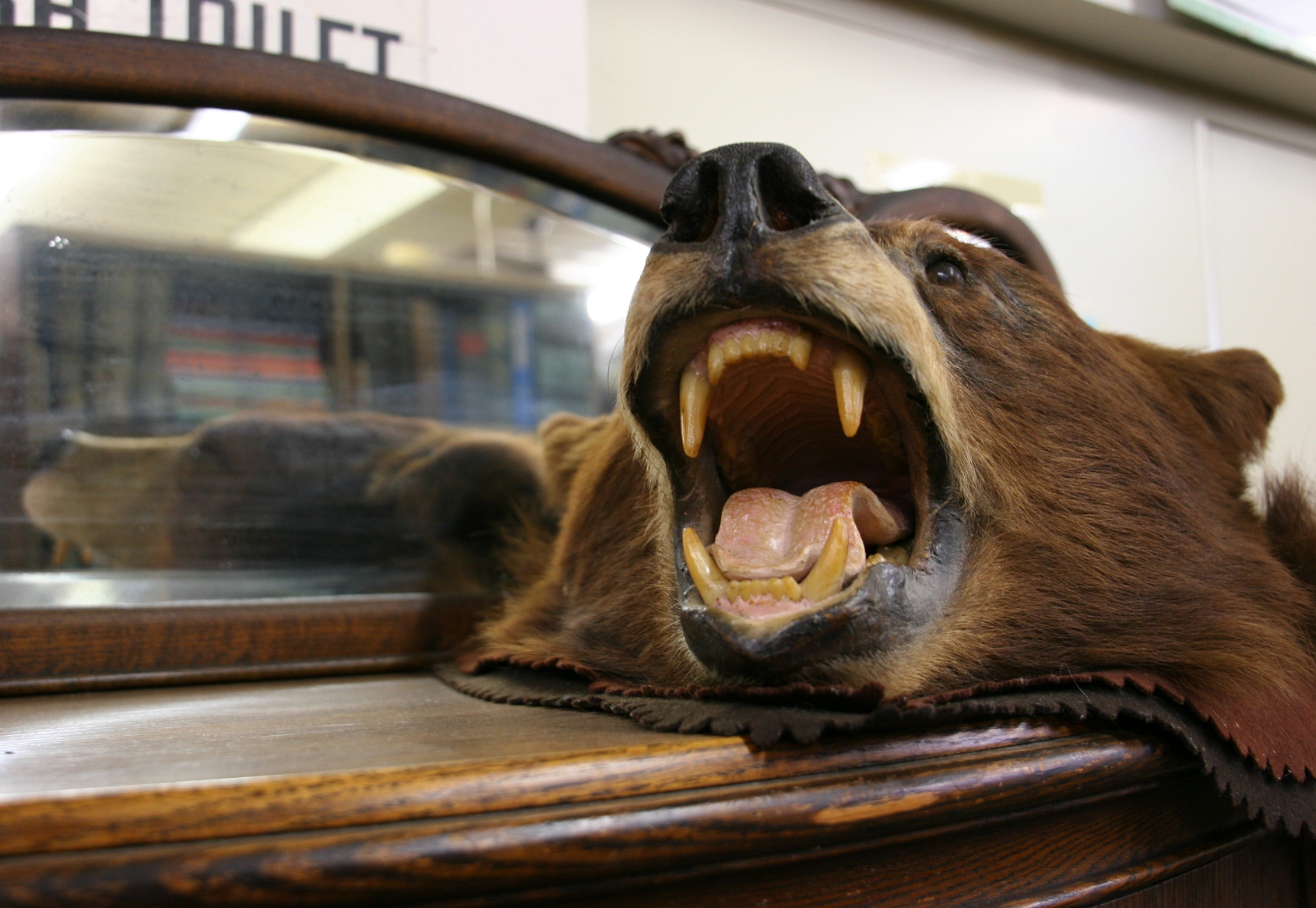
An unexpected scene as I rounded a corner.

An unexpected scene atop a vintage chest of drawers as I rounded a corner.

My eye is drawn to vignettes, merchandise staged to focus my interest. It’s in the details. The angle of a book. A cozy corner. Colors purposely grouped. The unexpected.

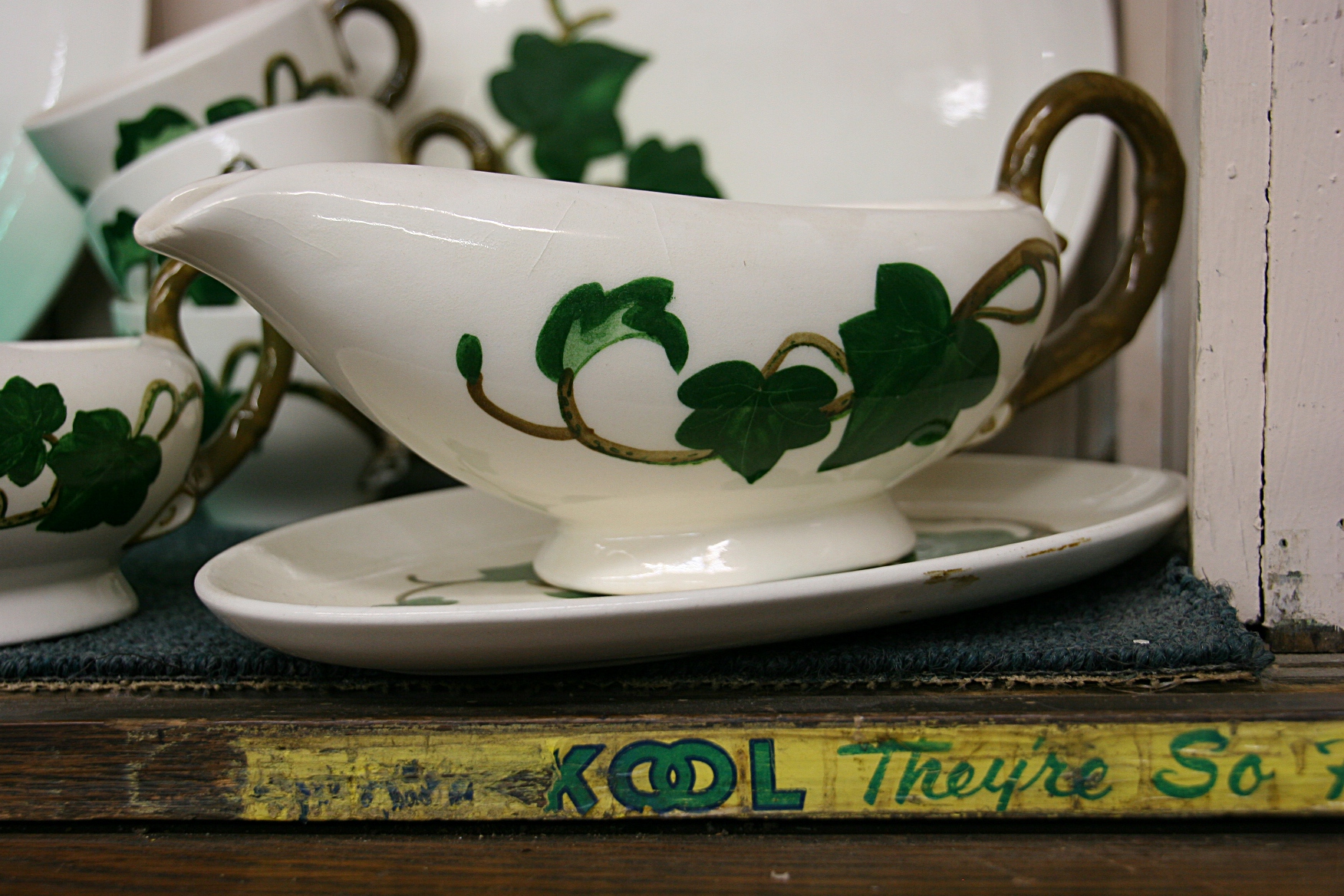
I was as much drawn to the art on the gravy bowl as to the writing on the edge of the aged shelving.

I was as much drawn to the art on the gravy bowl as to the writing, advertising KOOL cigarettes, on the edge of the aged shelving.

Sure, the standard shelving of merchandise exists at Antiques Oronoco. But there’s a visual orderliness and poetry in between.

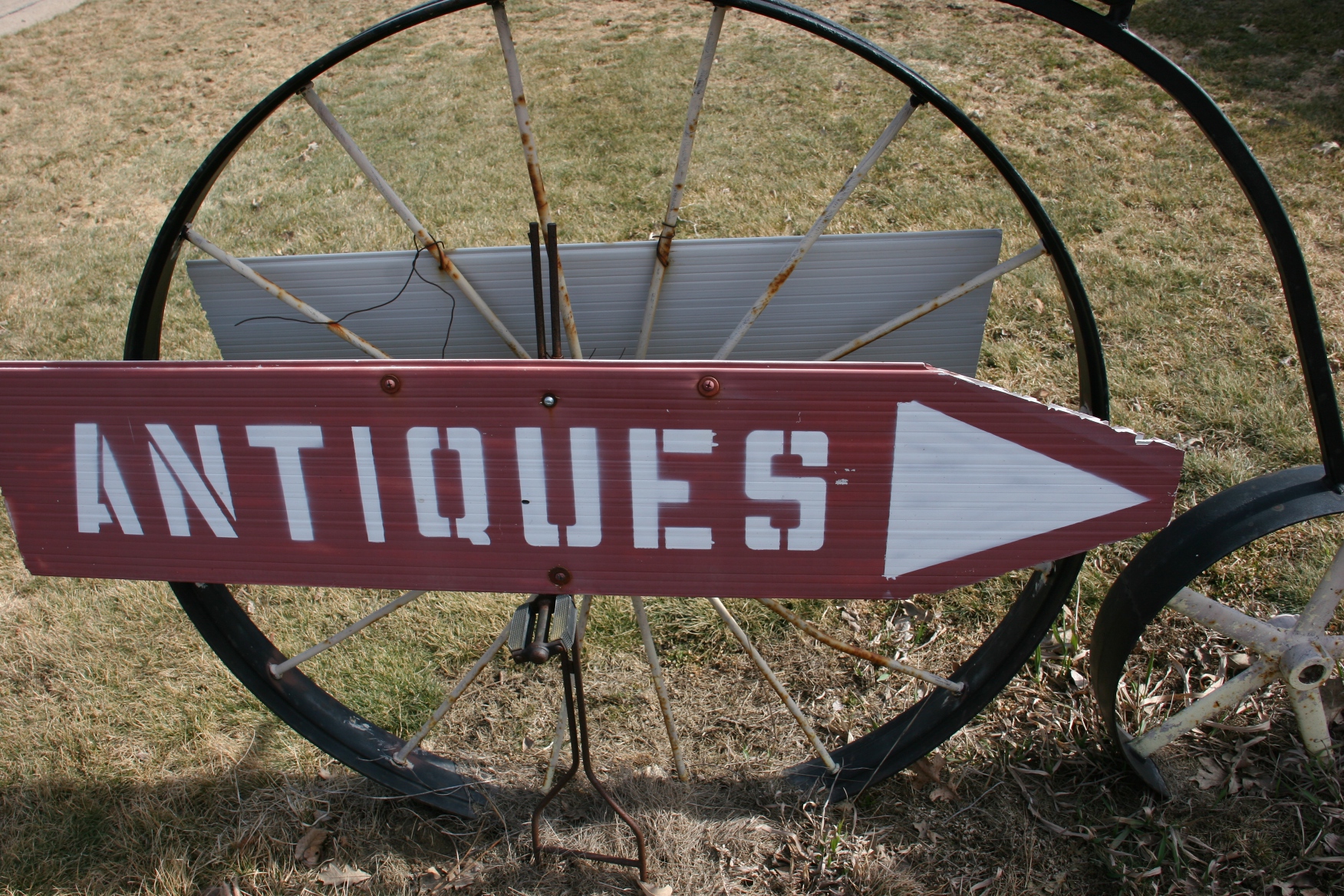
A sign propped on an antique bike directs motorists to Antiques Oronoco.

A sign propped on an antique bike directs motorists to Antiques Oronoco.

I asked the owner for permission to photograph and for a business card. She handed me her card and I recognized her name, Yvonne Cariveau, a duplicate name for her daughter Yvonne Cariveau, an accomplished poet and enthuser of all things poetry (ie. Mankato Poetry Walk & Ride and Image & the Word) whom I know from Mankato.

As you often hear, it’s a small world.

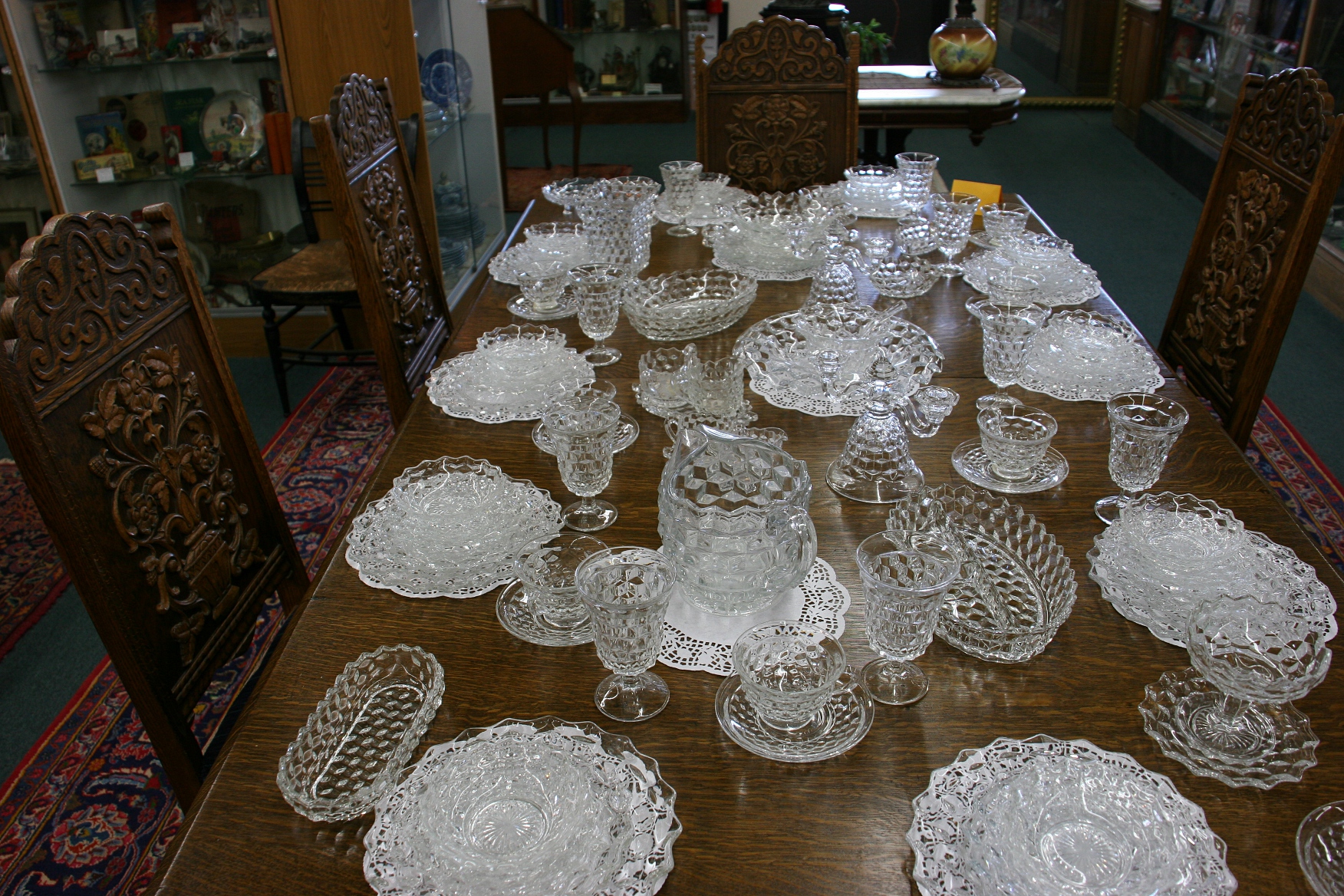
The table is set as if for a special family dinner.

The table is set as if for a special family dinner.

On this Saturday, an unplanned stop at Oronoco Antiques reminded me that poetry is about more than words. It’s about connections and a friendly, welcoming smile. It’s about family. It’s about the ability to embrace each day, even after a tragic loss. Yvonne’s husband (the younger Yvonne’s father) died in a foggy December morning crash when another vehicle ran a stop sign at a rural Wisconsin intersection and slammed into Gordy and Yvonne Cariveau’s van.

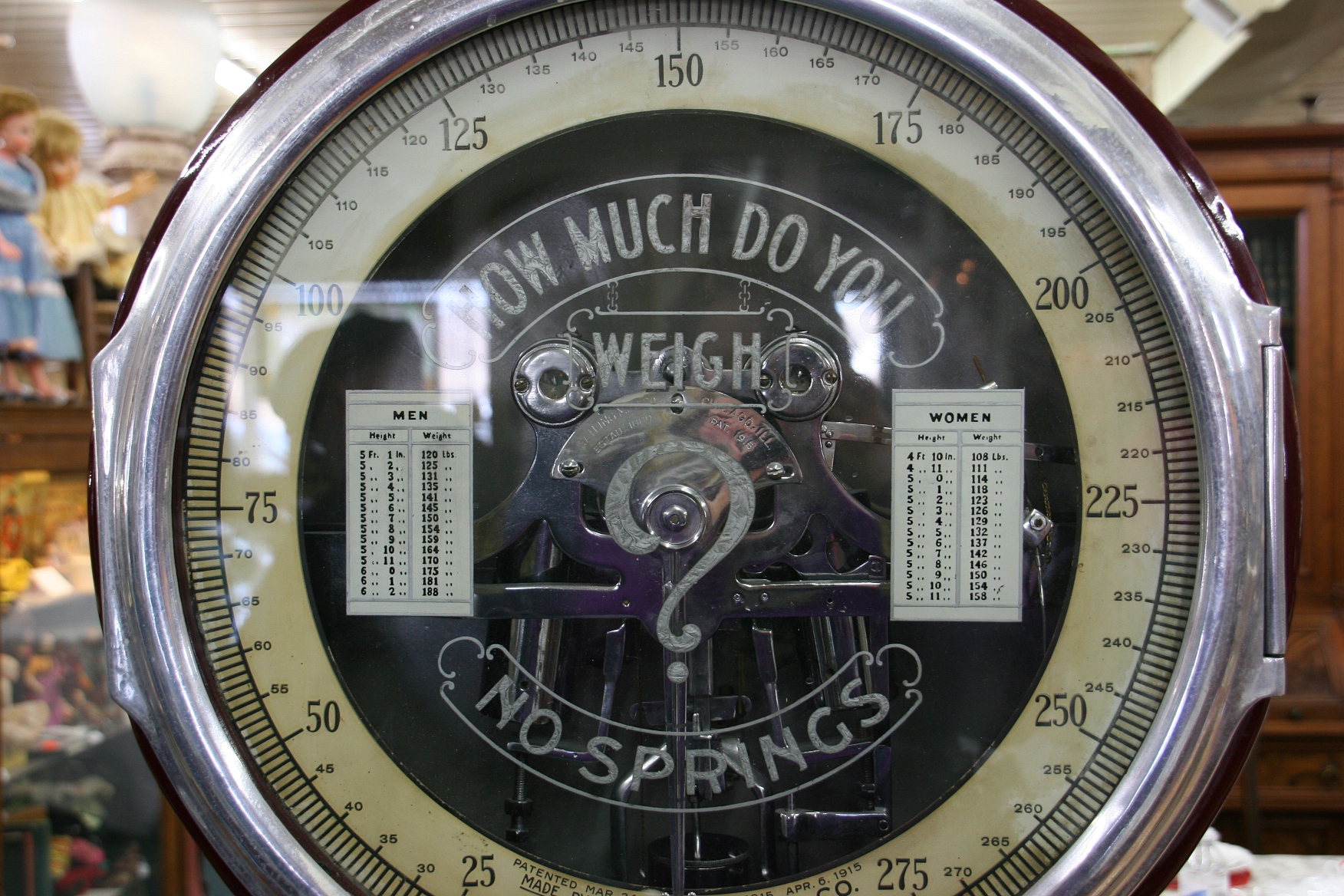
One of Gordy Cariveau's favorite finds, and old scale which weighs accurate. According to charts on the scale, a 5'11" man should weight 170 pounds, for example. And a 5'5" woman, 132 pounds.

One of Gordy Cariveau’s favorite finds, an old scale which still weighs accurate today, according to Yvonnne. Charts on the scale claim a 5’11” man should weigh 170 pounds, for example. And a 5’5″ woman, 132 pounds.

I hugged the elder Yvonne the afternoon of my visit as she worked with family to stage and photograph items in her antique store. She possesses a remarkable strength and grace. And that, too, is poetry.

FYI: April is National Poetry Month, a celebration of all things poetry. Seek out poetry in your daily life. It is everywhere. In a blooming crocus, in a baby’s smile, in asparagus clipped from your backyard patch, in a cardinal’s call, in the words you type…

© Copyright 2015 Audrey Kletscher Helbling


One grand old WPA gym in West Concord April 6, 2015

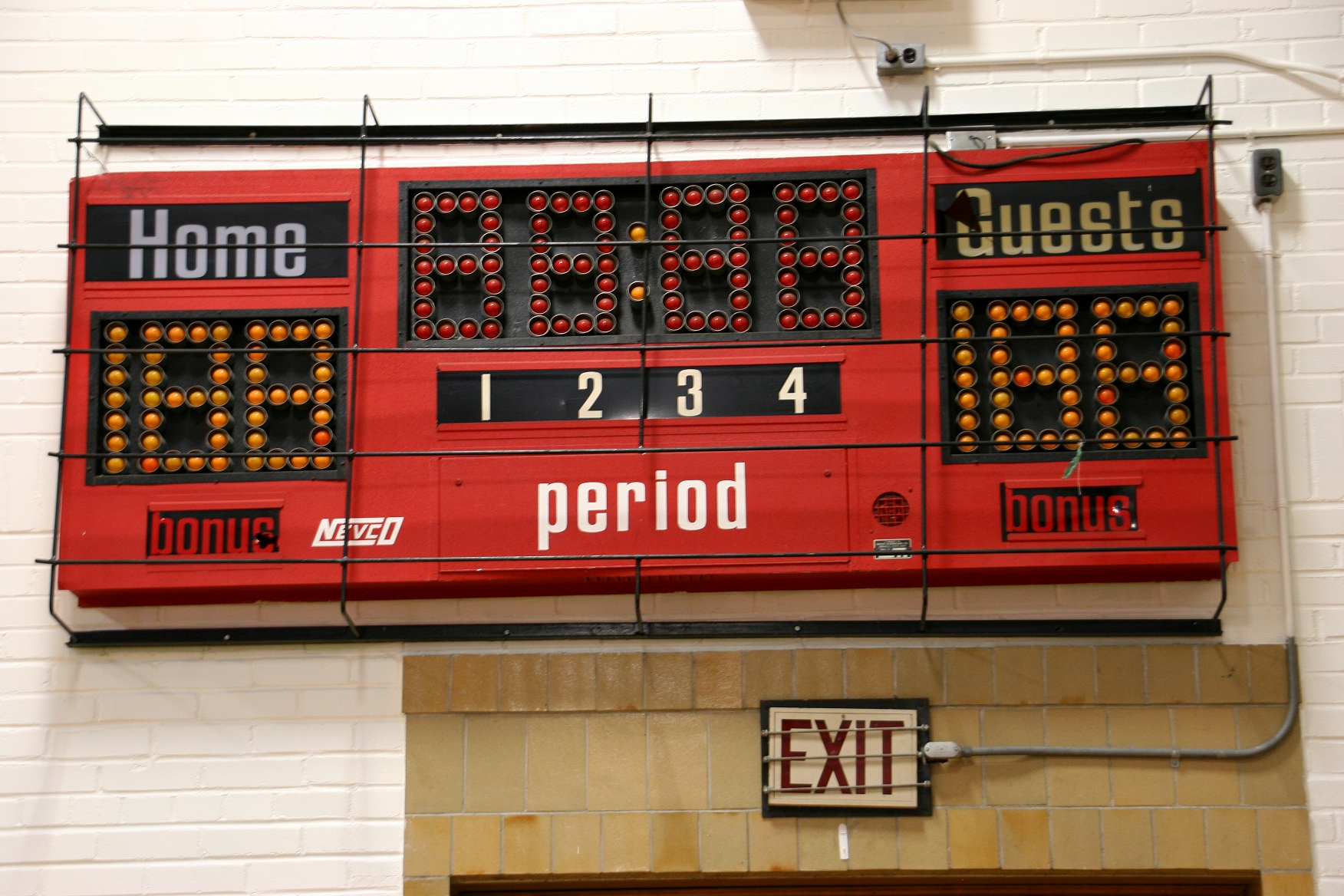
The original, non-digital, scoreboard that uses light bulbs still graces the 1936 former West Concord School gym.

The original, non-digital scoreboard that uses light bulbs still graces the 1936 former West Concord School gym.

YOU CAN ALMOST HEAR the rhythmic bounce of basketball upon wood floor, hear the roar of the crowd as the ball swishes through the net and two points are added to the scoreboard.

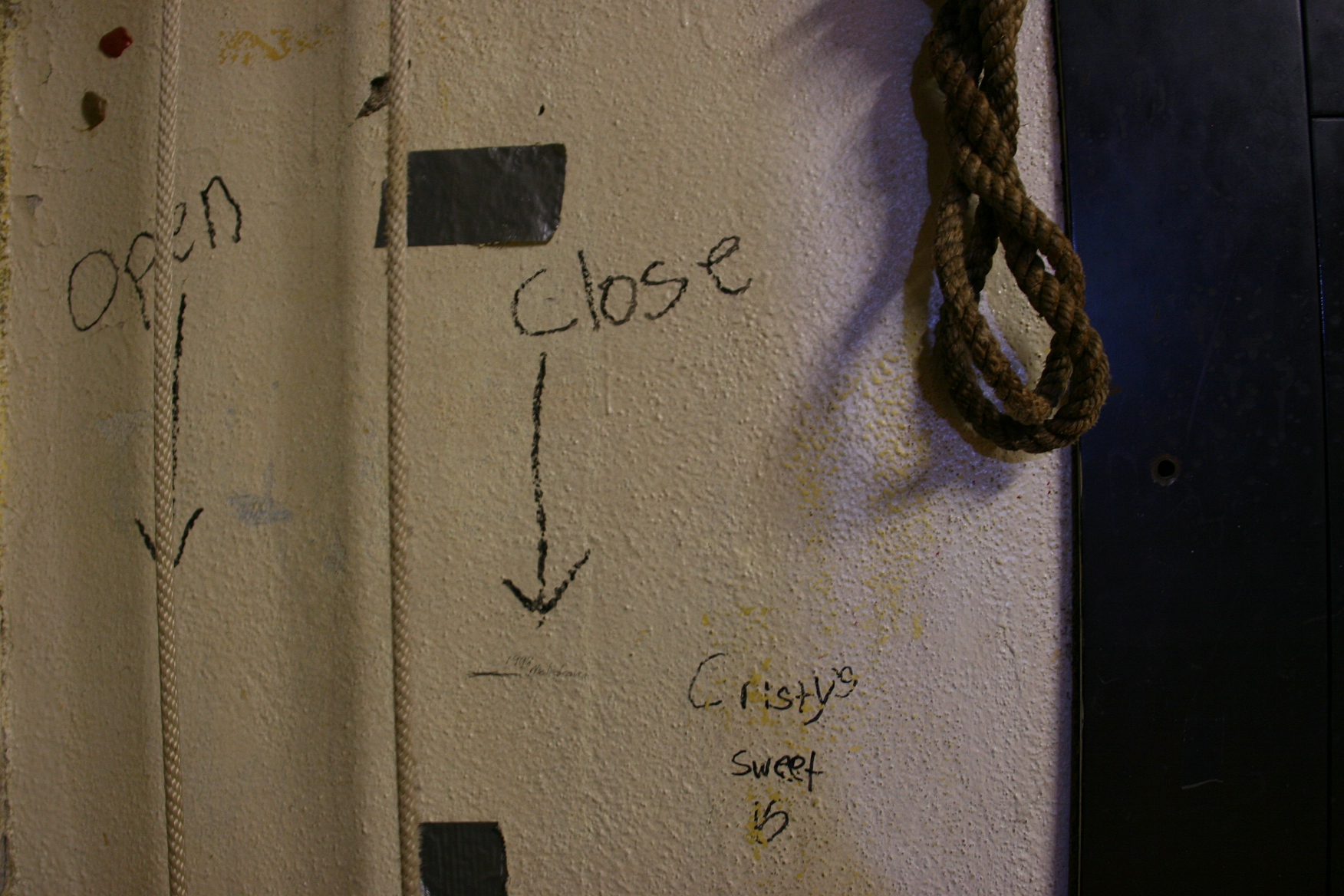
Instructions on the stage wall for operating the curtain.

Instructions on the stage wall for operating the curtain.

You can almost hear the resounding applause of proud parents as performers bow and the heavy curtain sways, pulled shut by hand-over-hand action of a stage hand running thick ropes.

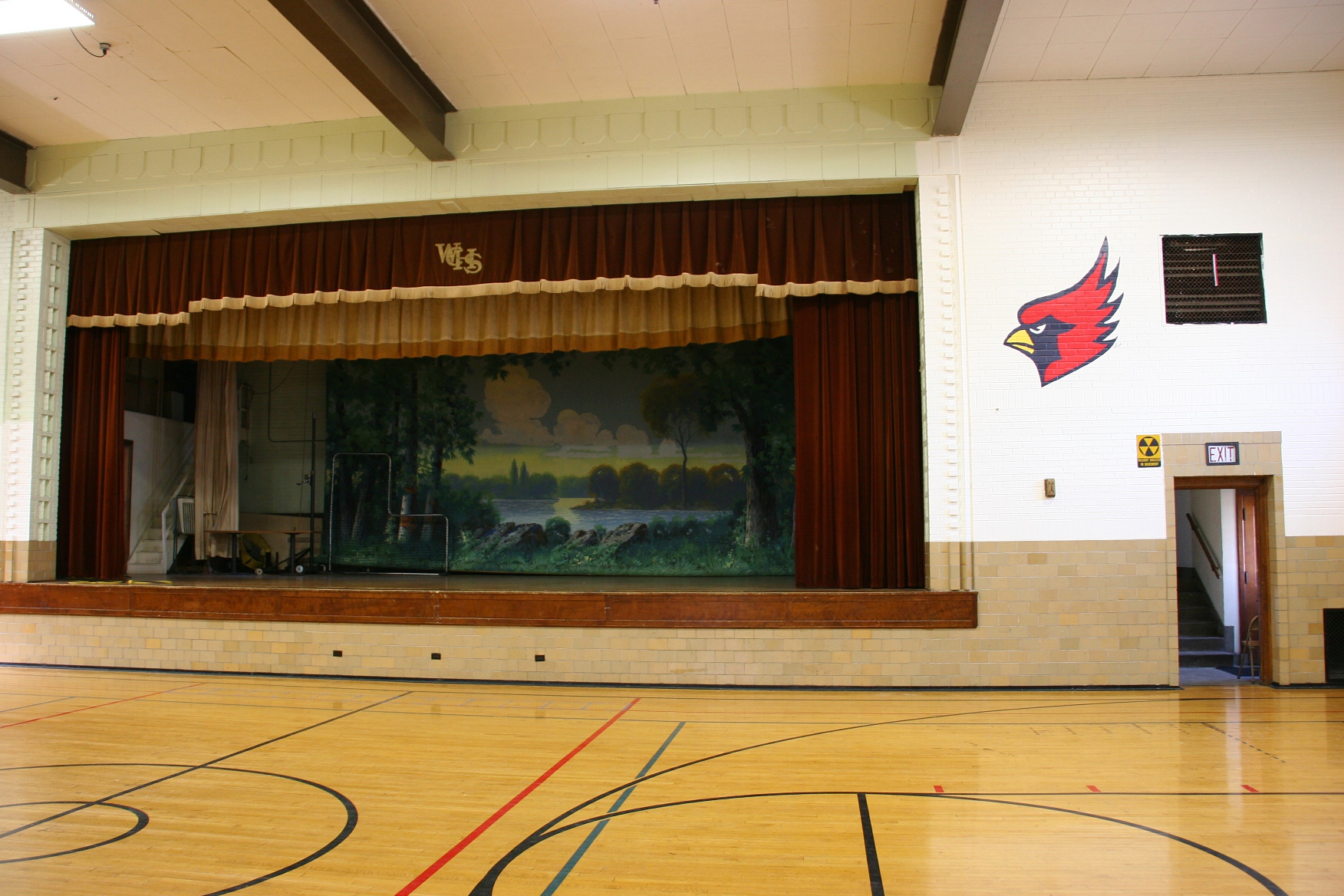
This beautiful gym was once home to the West Concord Cardinals.

This beautiful gym was once home to the West Concord Cardinals.

You can almost hear the clear diction of graduates’ names pronounced before they proceed onto the stage to receive their West Concord High School diplomas.

The former gym now houses the West Concord Community Center.

The former gym now houses the West Concord Community Center. Today the West Concord Historical Society’s research center is located on the second floor, former site of the school library and a study hall.

Echoes of the past linger inside the old West Concord School gym, built in 1936 as a Works Progress Administration project. The school closed in 1991.

The gym is now a multi-purpose facility open to the community.

The gym is now a multi-purpose facility open to the community.

Today this grand gymnasium houses this southeastern Minnesota town’s community center. The space is now used for a middle school athletics program and rented out for class reunions, festive gatherings by the area’s Hispanic community and more, according to Janis Ray, director/gambling manager for the adjoining West Concord Historical Society museum.

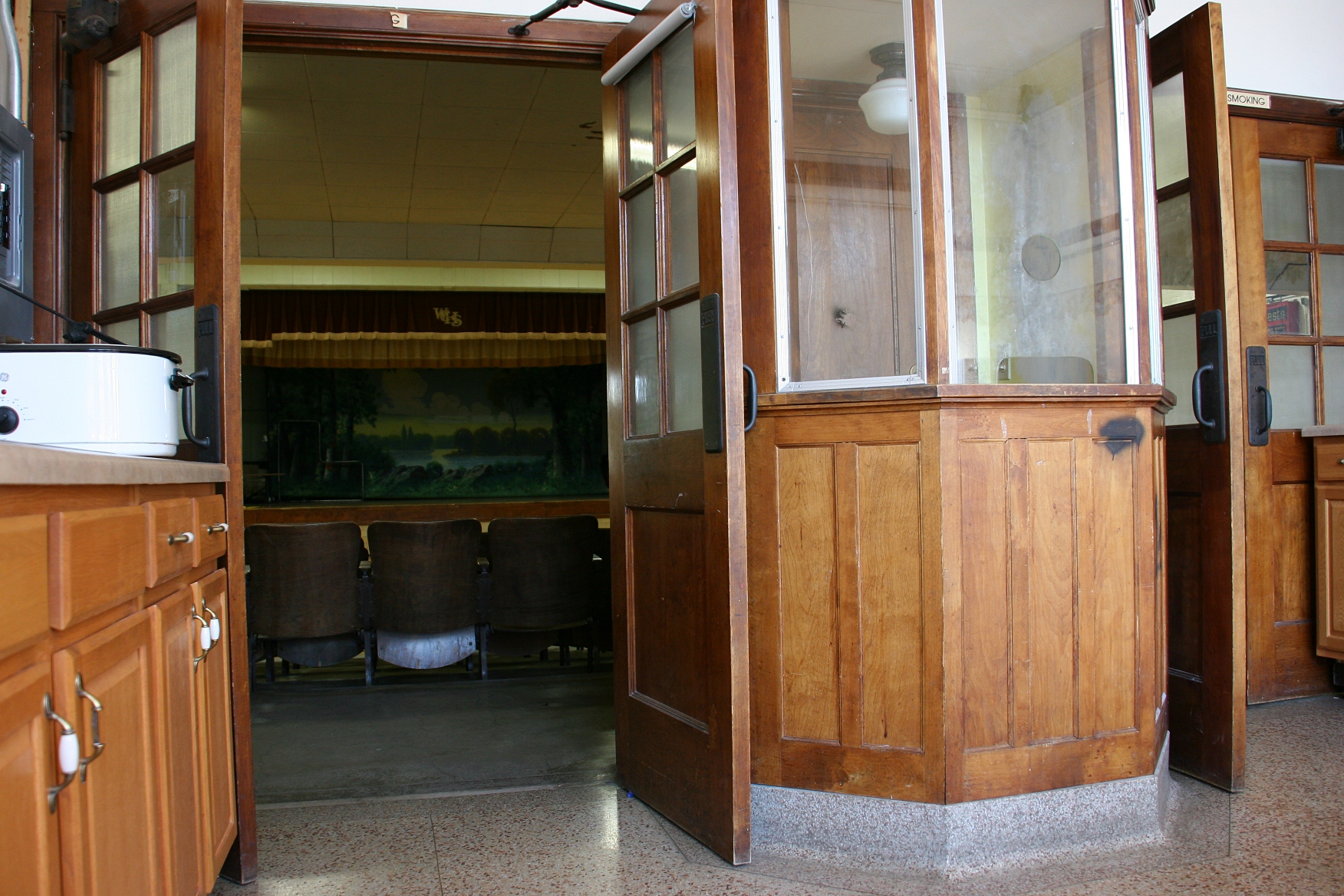
The original ticket booth remains just inside the front entry.

The original ticket booth remains just inside the front entry.

I applaud West Concord for saving this impressive auditorium and the connected school. All too often such grand structures are demolished because of the cost to maintain them. They are worth saving for their history, memories and architectural significance.

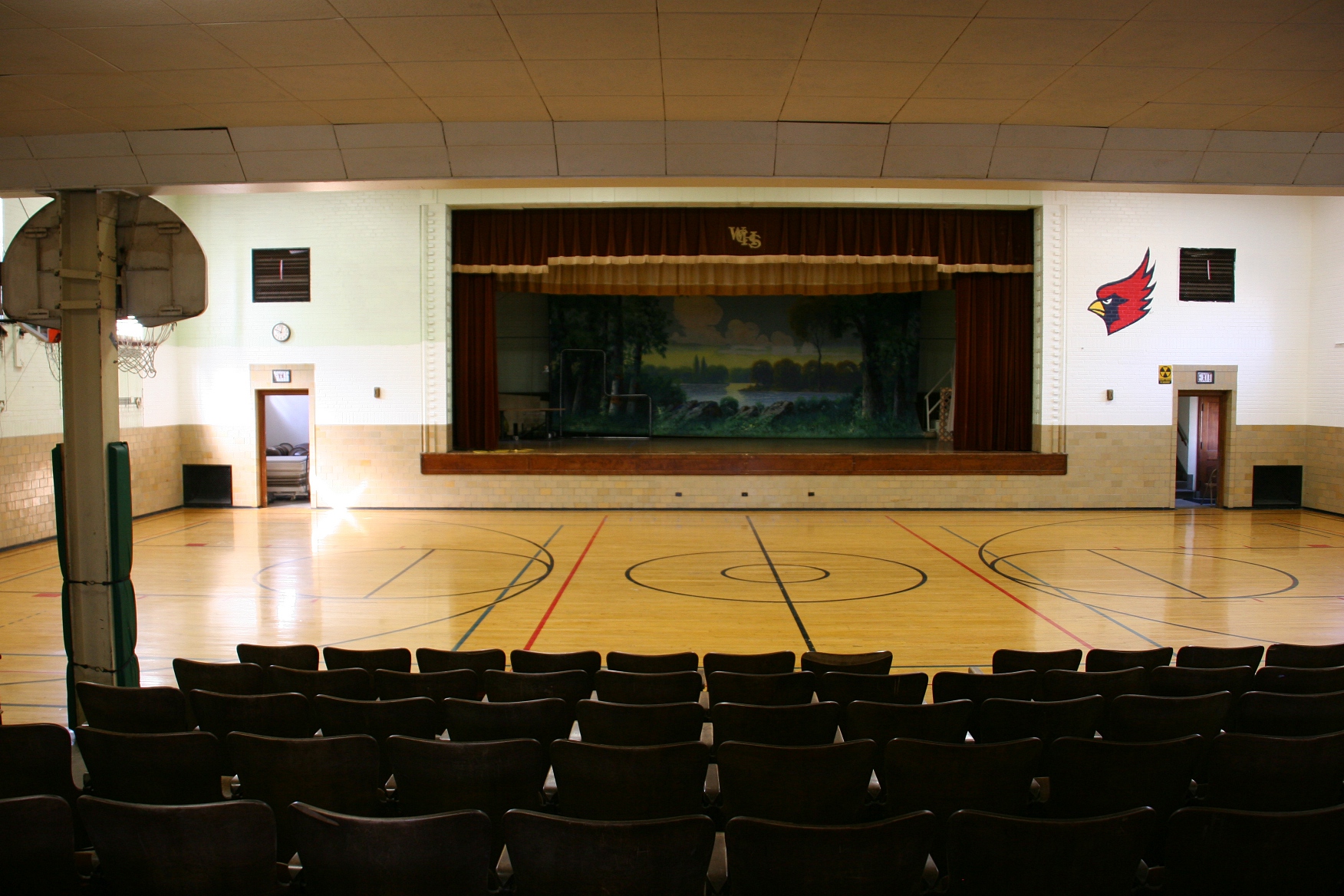
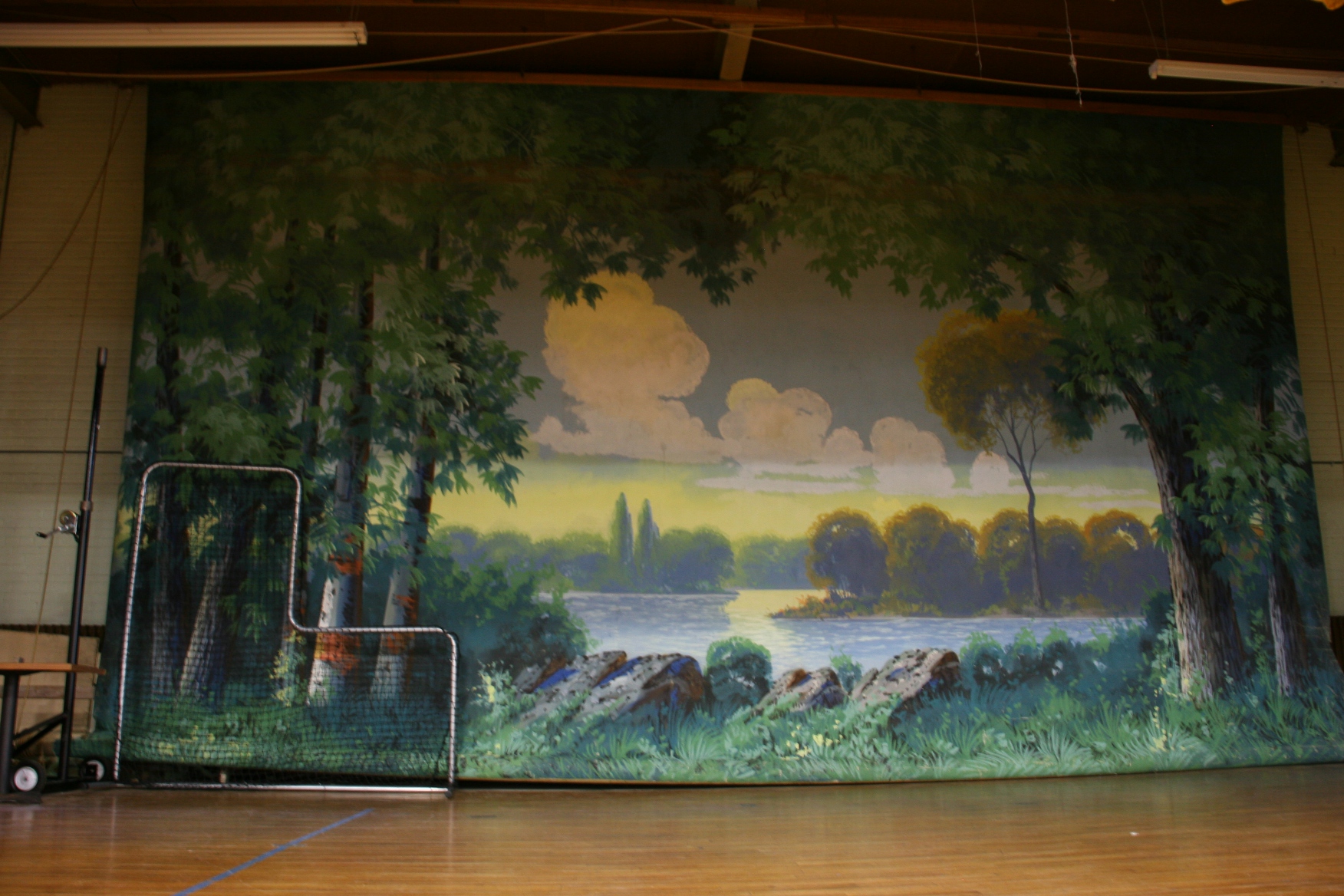
This massive WPA project painting hangs as a stage backdrop.

This massive WPA project painting hangs as a stage backdrop.

Gymnasiums aren’t built like this any more. Imagine the hands of formerly unemployed men laboring to build this gym. How happy they must have been to earn a paycheck. Preserving this gym is a tribute to them, too, to hard work and building a sense of community.

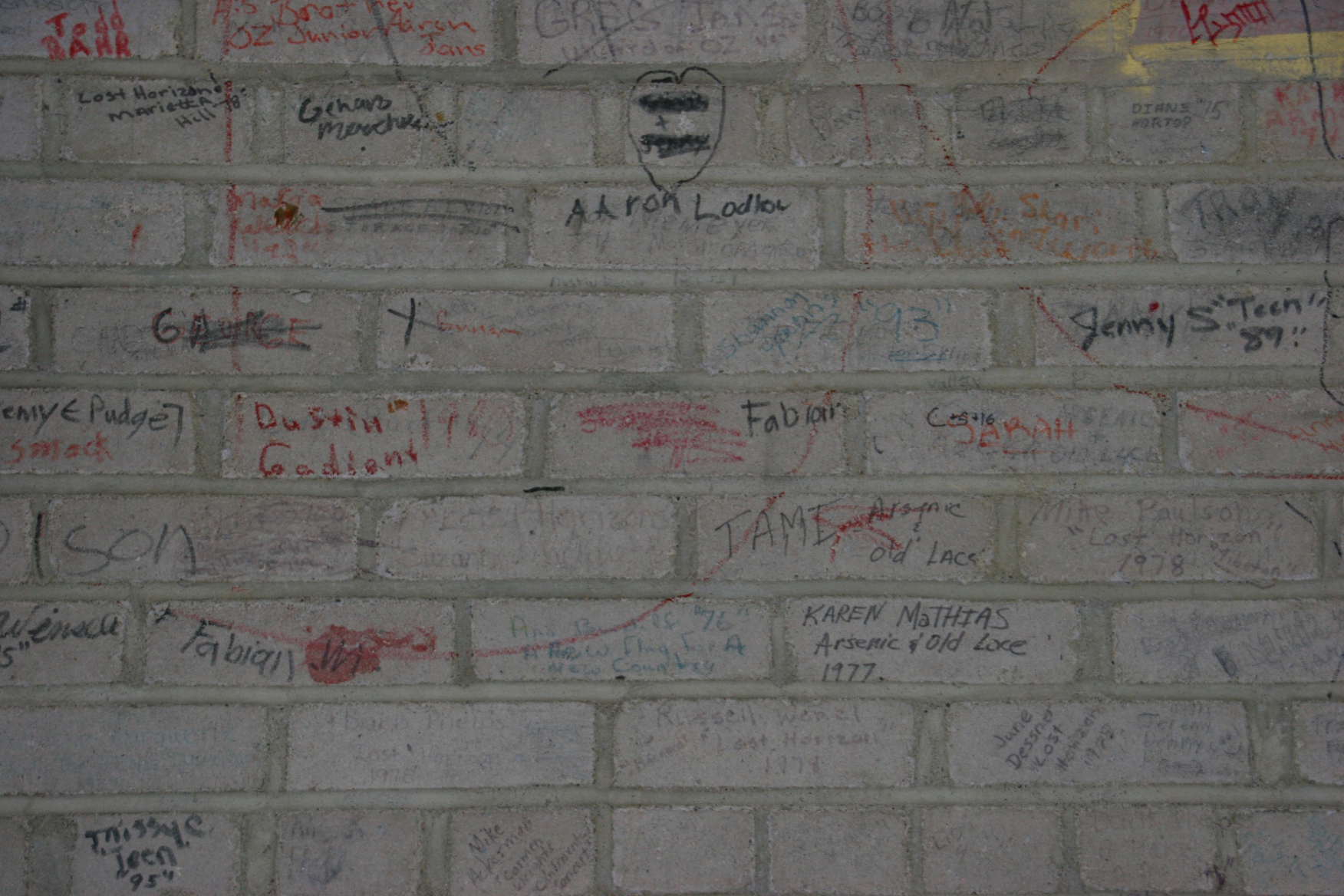
Students involved in theatrical productions signed the stage wall behind the stage curtain.

Students involved in theatrical productions signed the stage wall behind the stage curtain.

I hope future generations will always remember that.

BONUS PHOTOS:

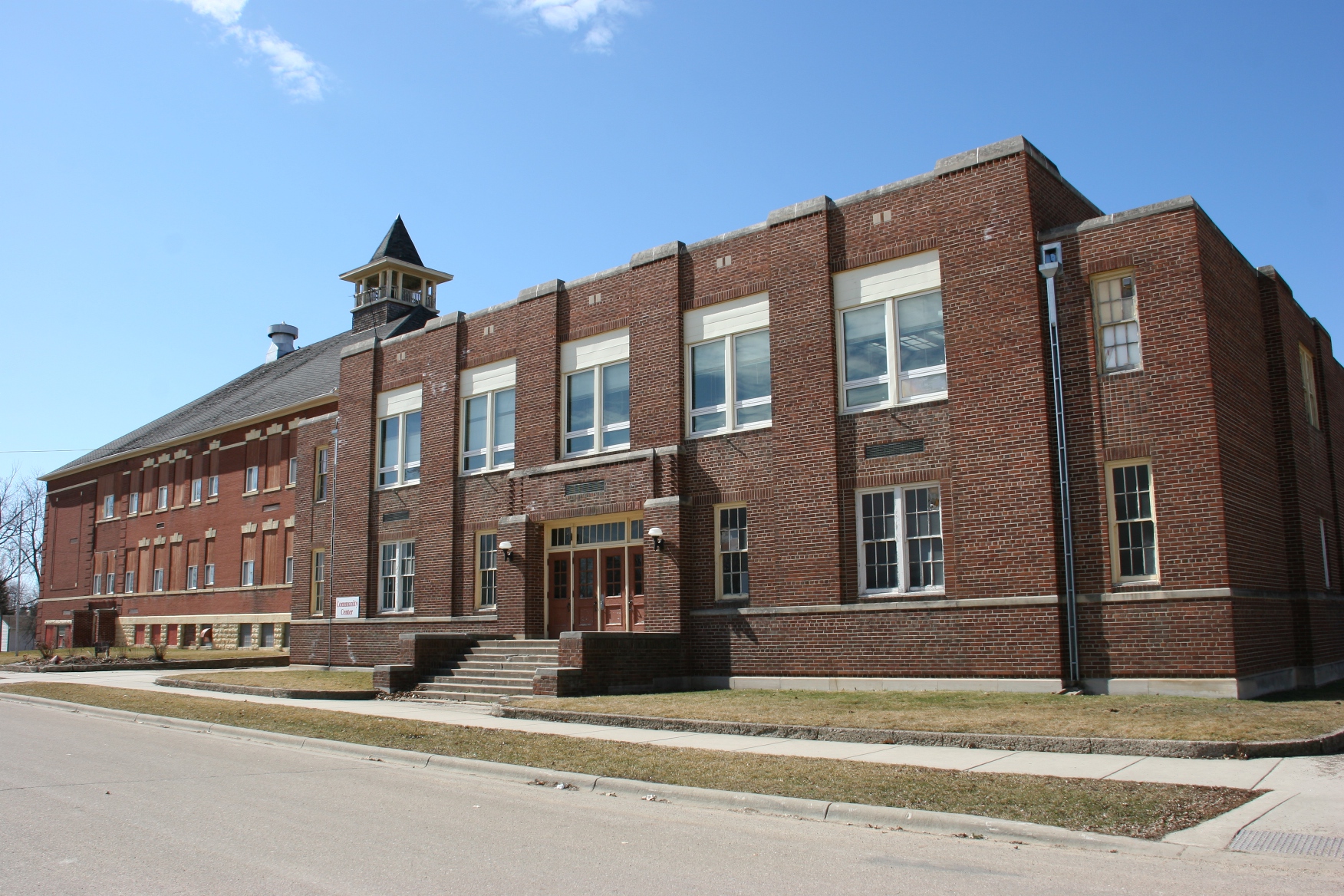
The building on the left, built in 1902 with a wing added in 1914, houses the West Concord Historical Society. On the right is the 1936 WPA project gym, 60 percent of its cost funded by the government.

The former school building on the left, built in 1902 with a wing added in 1914, today houses the West Concord Historical Society. On the right is the 1936 WPA project gym, 60 percent of its cost funded by the government. It is now the West Concord Community Center.

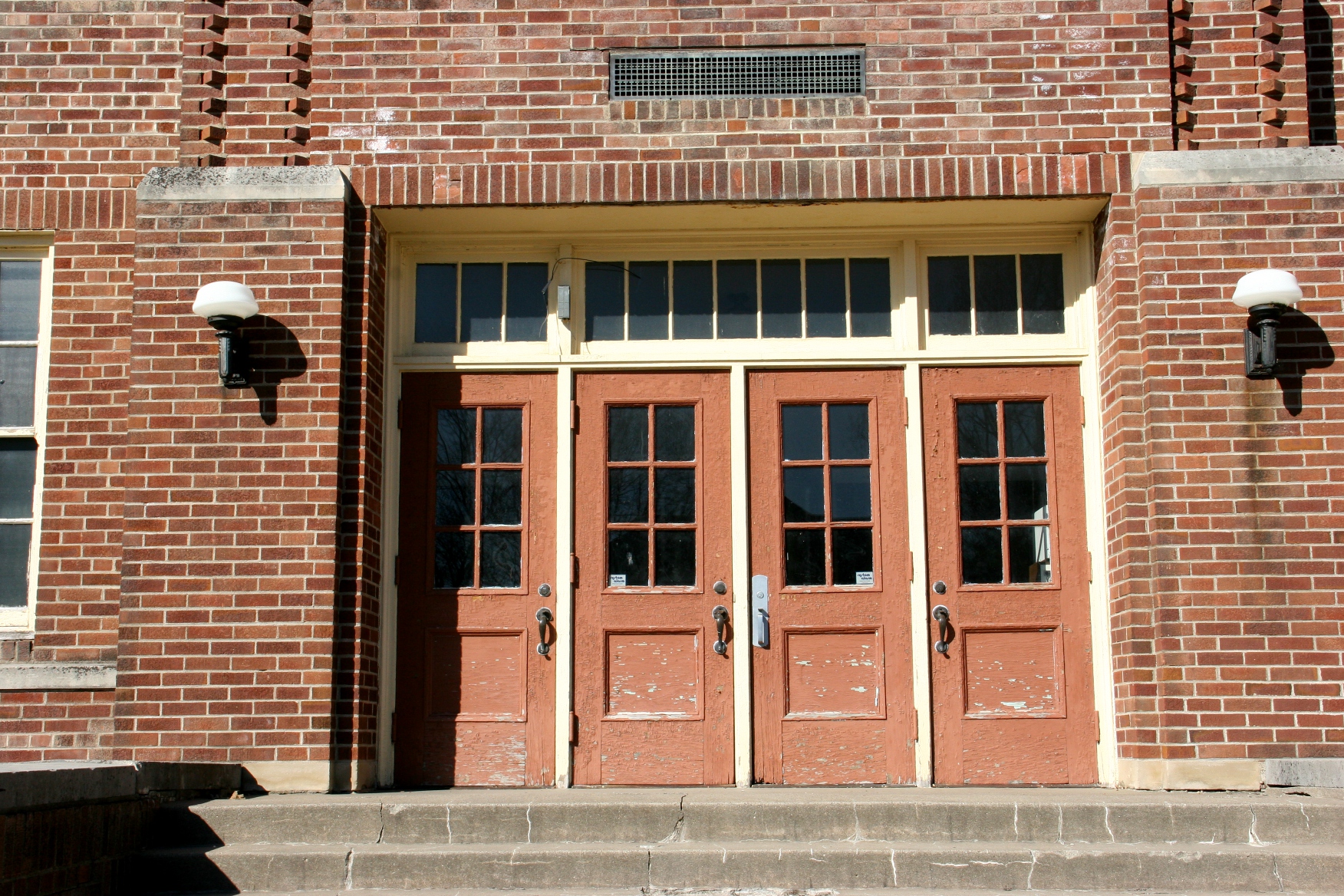
Imagine the students and their families who have walked through these doors.

Imagine the students and their families and others who have walked through these doors. They were locked when I visited.

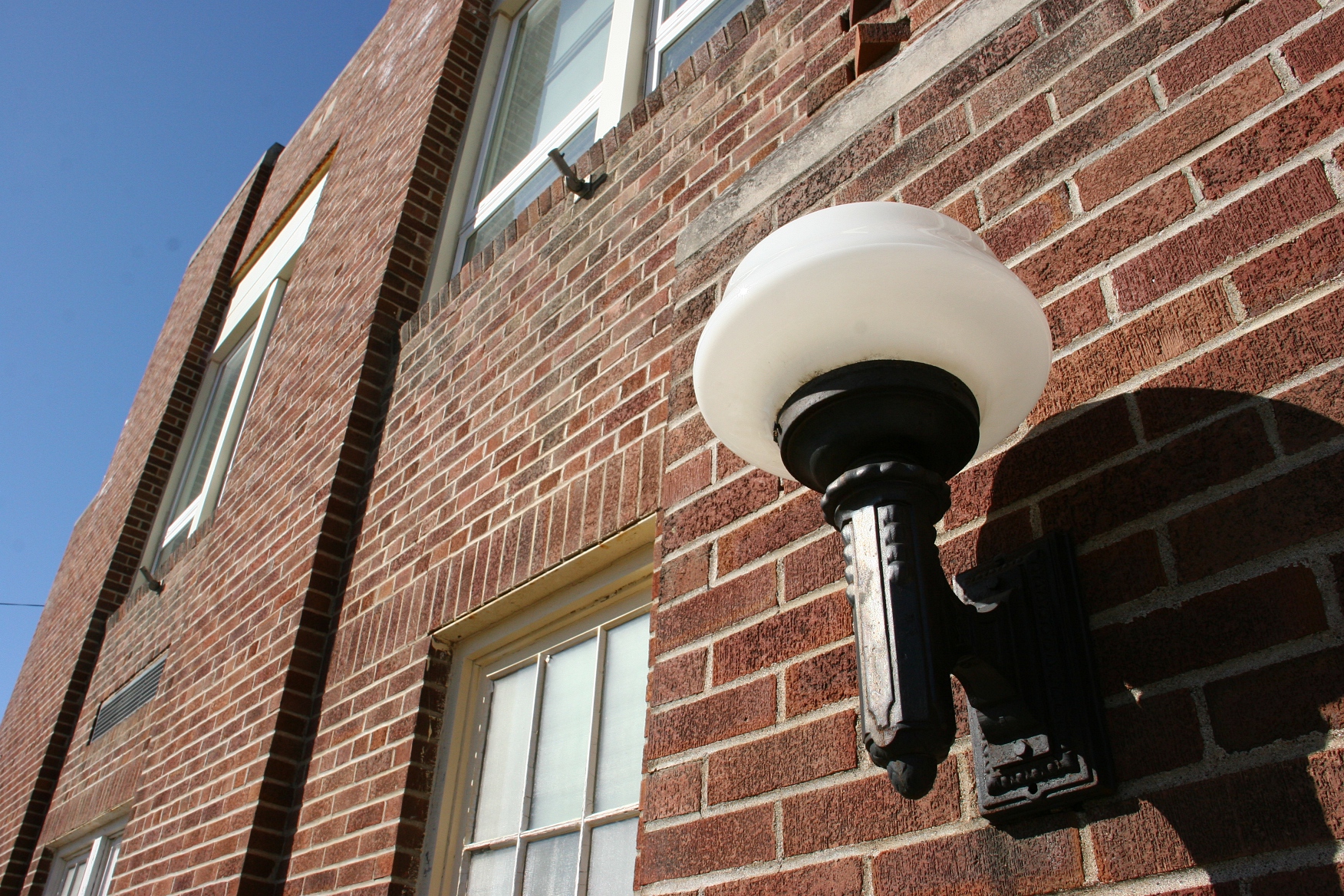
What I assume is an original light fixture. Beautiful.

What I assume is an original light fixture. Beautiful.

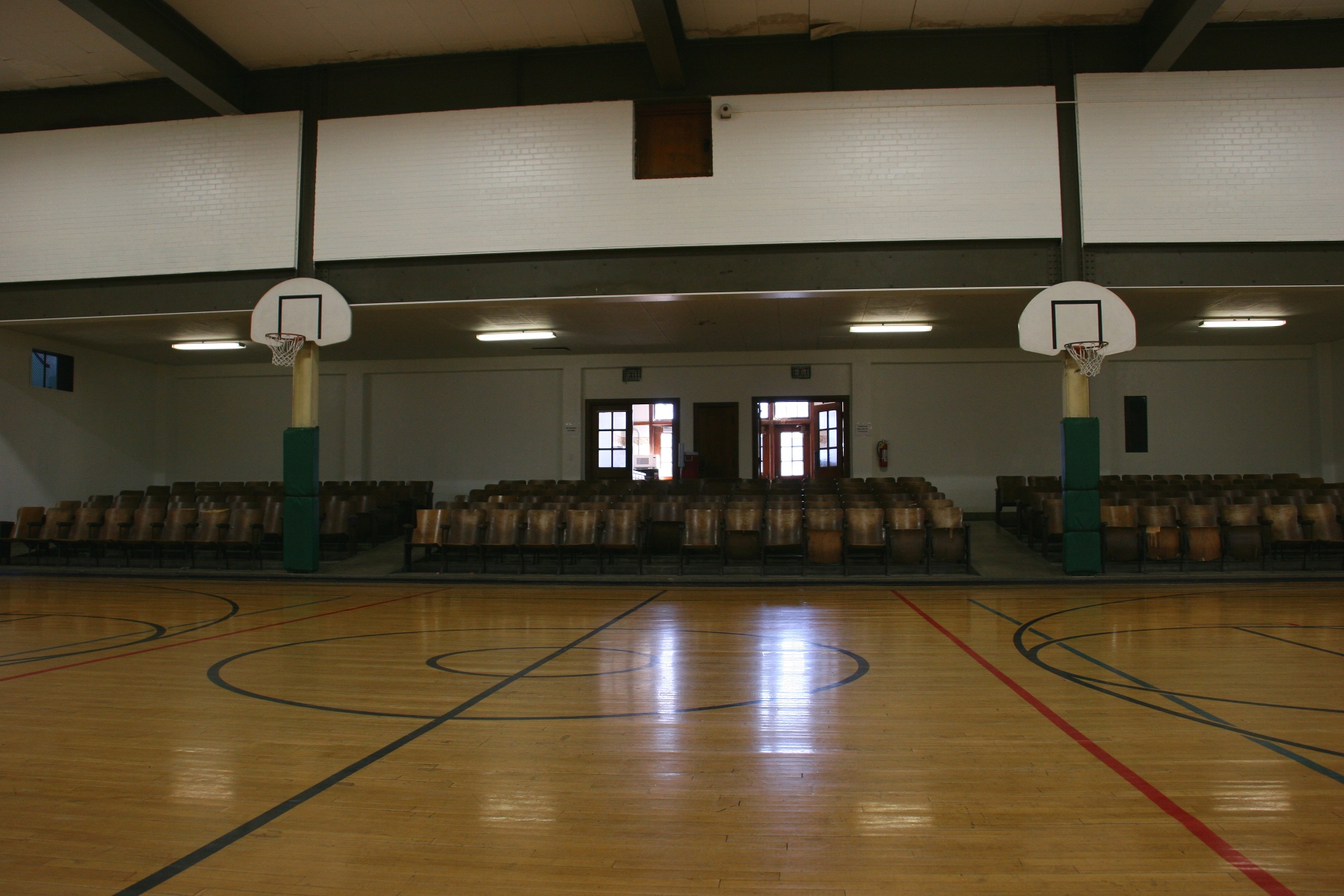
Looking across the gym floor toward the original fold-up chairs and the entry into the auditorium.

Looking across the gym floor toward the original fold-up chairs and the entry into the auditorium.

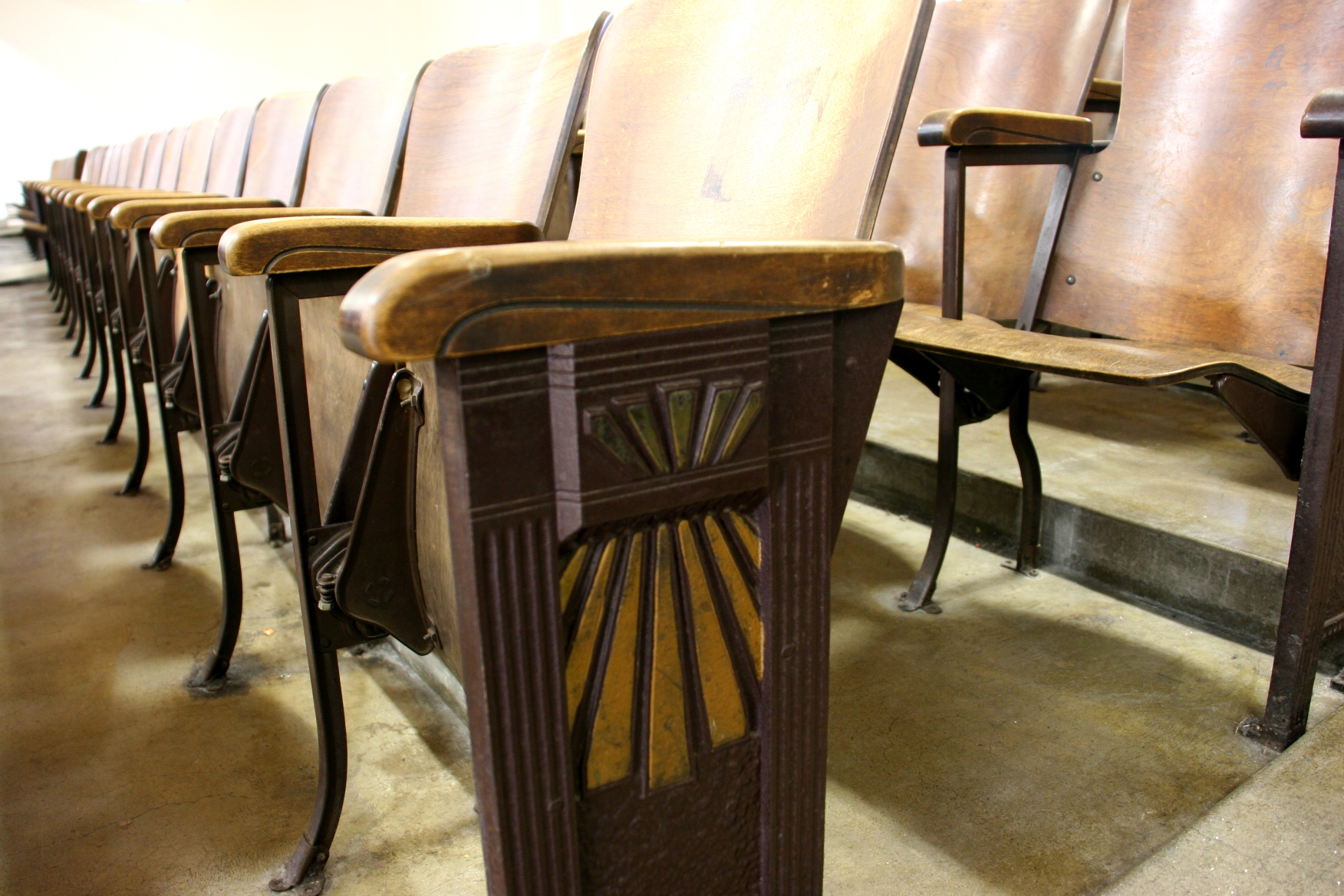
Handcrafted detail on the vintage seating.

Handcrafted detail on the vintage seating make these works of art.

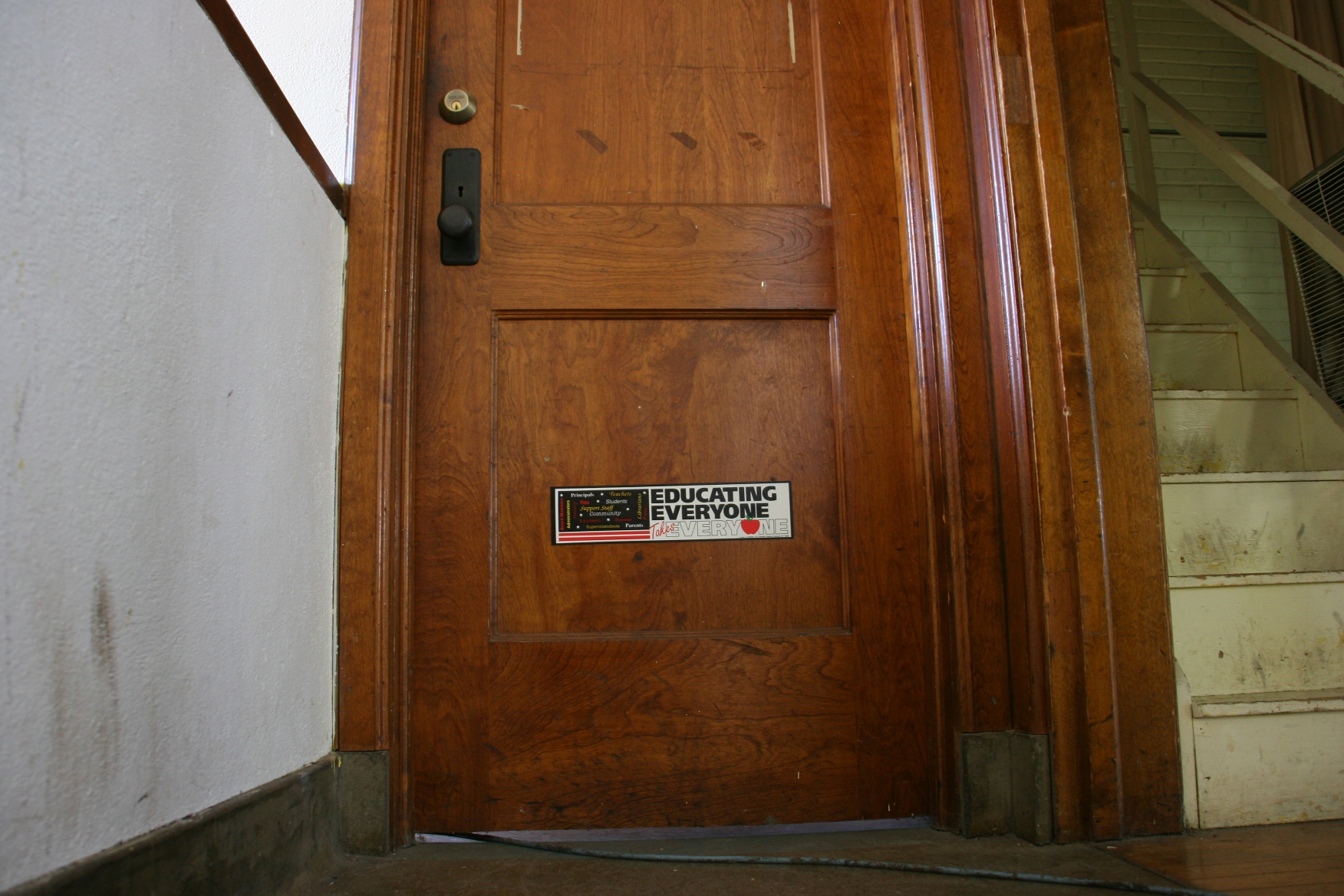
A sticker, "Educating Everyone Takes Everyone," on a sturdy wood door reminds visitors of this structure's original purpose.

A sticker, “Educating Everyone Takes Everyone,” on a sturdy wood door just off the stage reminds visitors of this structure’s original purpose.

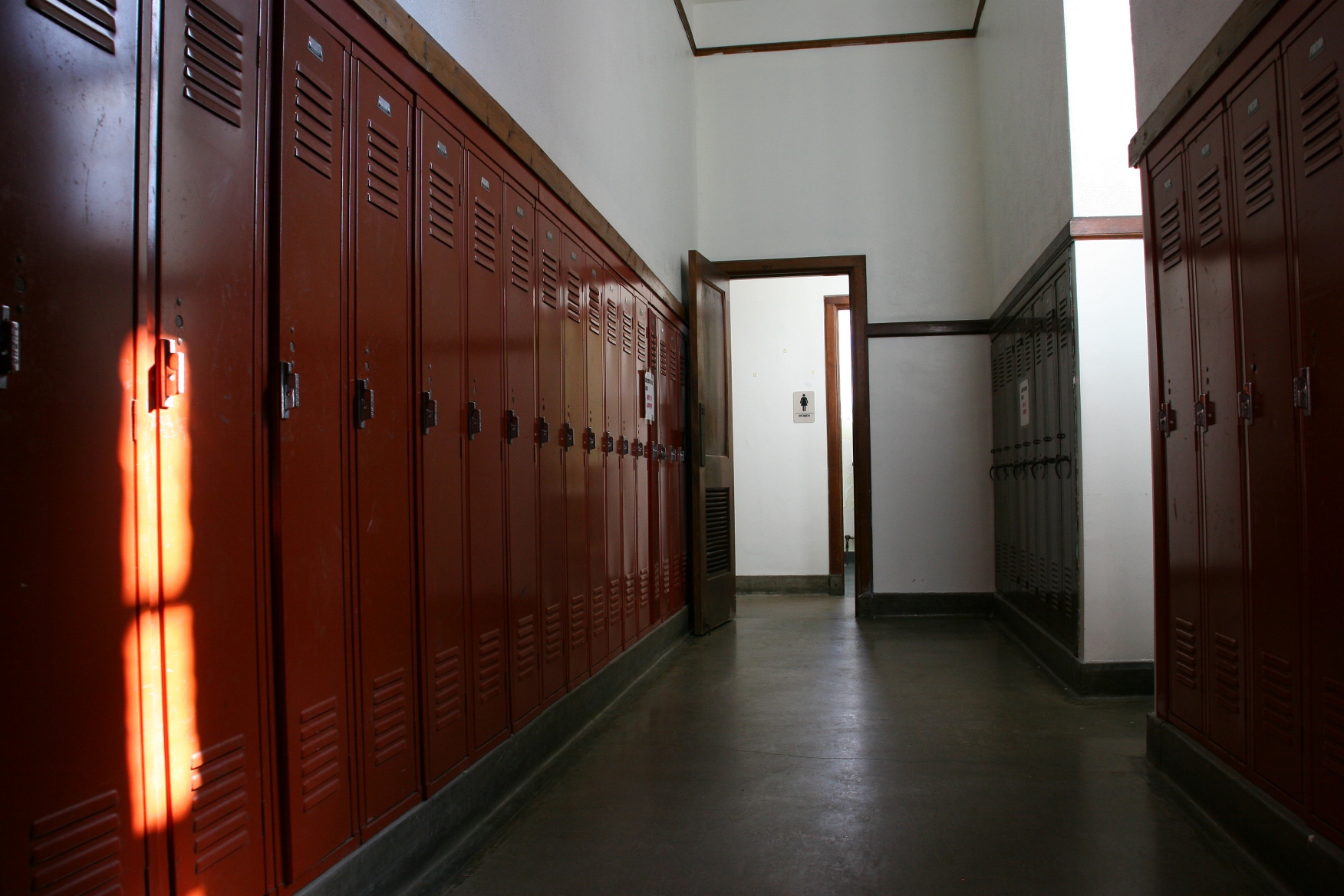
In a narrow hallway off the gym, leading to the women's bathroom, I discovered these rows of lockers painted in the school color.

In a narrow hallway off the gym, leading to the women’s bathroom, I discovered these rows of lockers painted Cardinal red, the school color.

© Copyright 2015 Audrey Kletscher Helbling


He is risen April 5, 2015

Filed under: Uncategorized — Audrey Kletscher Helbling @ 5:00 AM
Tags: , , , , , ,
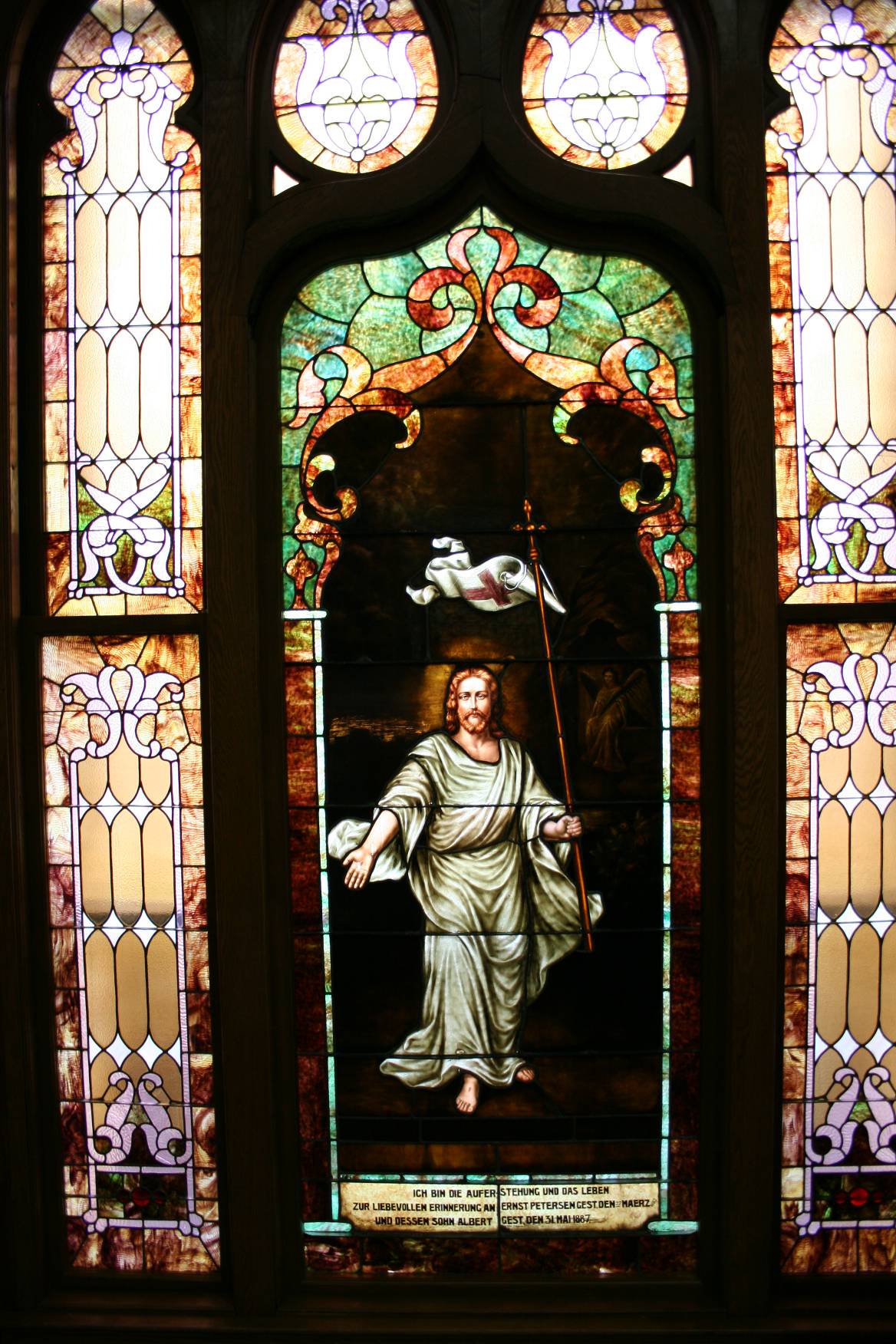
"I am the resurrection and the life." A stained glass window in the Trinity Lutheran Church sanctuary, Faribault, Minnesota.

“I am the resurrection and the life.” A stained glass window in the Trinity Lutheran Church sanctuary, Faribault, Minnesota. Minnesota Prairie Roots file photo.

You are looking for Jesus, who was crucified. He has risen! He is not here.– Mark 16: 6

Wishing you, my dear readers, a most joyous and blessed Easter!

Copyright 2015 Audrey Kletscher Helbling


With gratitude & loving remembrance on Good Friday April 3, 2015

Filed under: Uncategorized — Audrey Kletscher Helbling @ 5:01 AM
Tags: , , , , , , , , ,
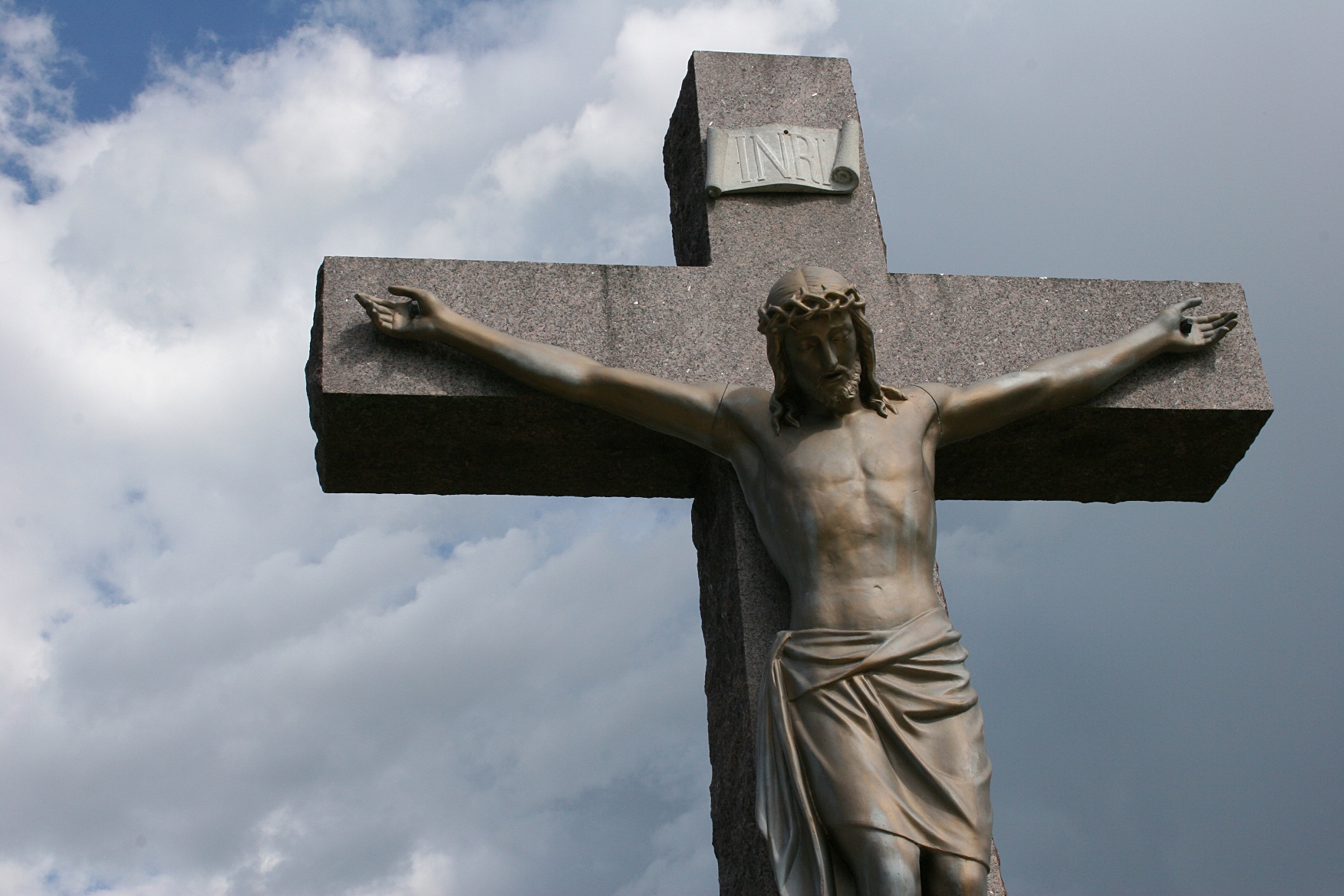
St. Michael's Cemetery, Buckman, MN. Minnesota Prairie Roots file photo, August 2012.

Christ crucified sculpture, St. Michael’s Cemetery, Buckman, MN. Minnesota Prairie Roots file photo, August 2012.

Let us fix our eyes on Jesus, the author and perfecter of our faith, who for the joy set before him endured the cross, scorning its shame, and sat down at the right hand of the throne of God.–     Hebrews 12:2

Photo copyright 2012 Audrey Kletscher Helbling


Part III: Oh, the memories, the treasures uncovered in West Concord April 2, 2015

Filed under: Uncategorized — Audrey Kletscher Helbling @ 5:00 AM
Tags: , , , , ,

IT’S EASY, WHEN TOURING a museum like that run by the West Concord Historical Society, to feel overwhelmed by the volume of items displayed.

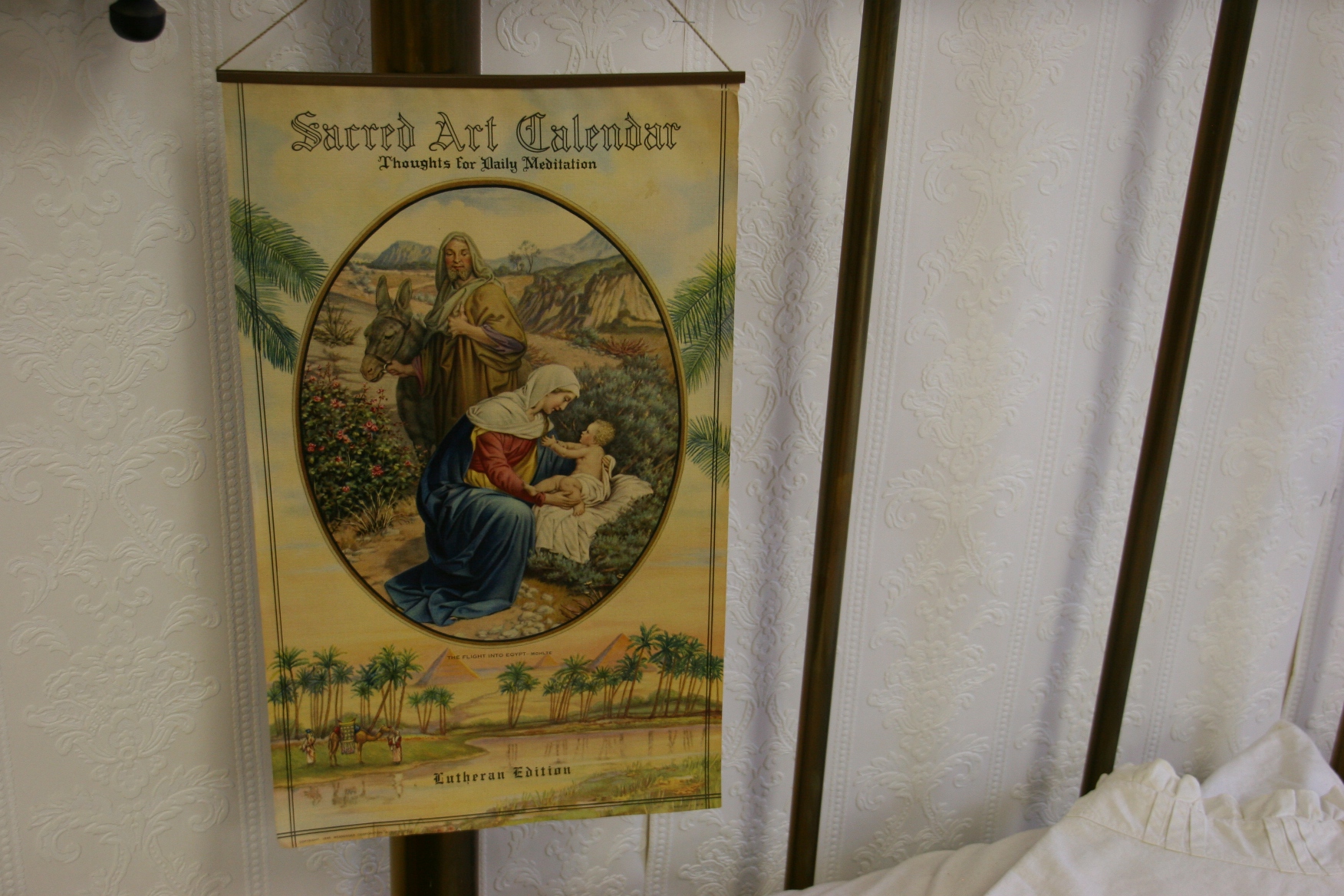
This struck me as particularly humorous: A Sacred Art calendar, Lutheran edition.

The wording on this beautiful piece of art struck me as particularly funny: A Sacred Art Calendar, Lutheran Edition.

But often certain things will imprint as particularly unique or humorous or as a reminder of something from your past.

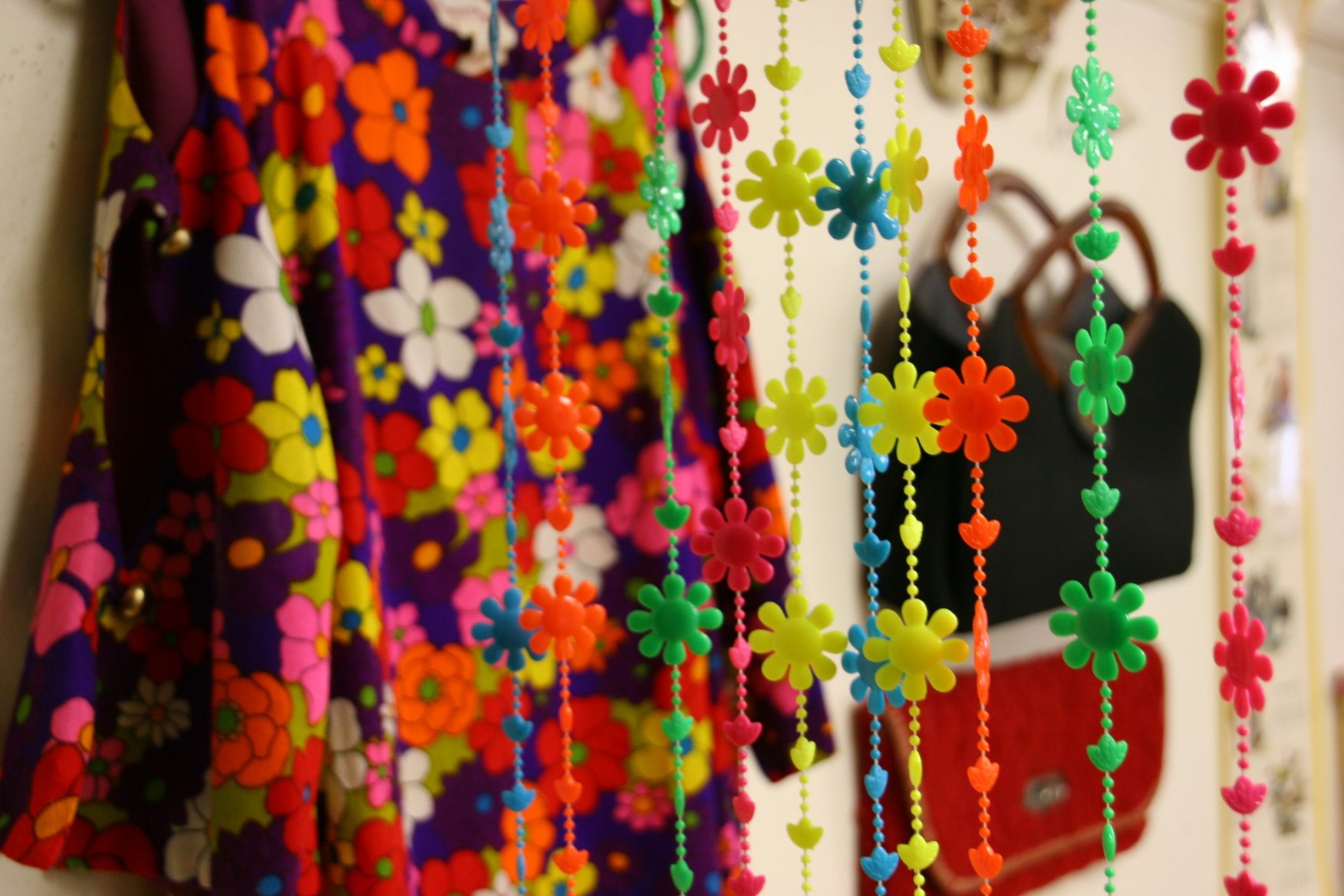
When I nearly ran into these dangling beads inside the doorway to The 50's and 60's Room, I knew this would be my favorite themed room. It was.

When I nearly ran into these dangling beads inside the doorway to The 50’s and 60’s Room, I knew this would be my favorite themed room.

The WCHS’s museum, housed in a massive former school, contains so much stuff that you are sure to find multiple pieces of the past that pop out, no matter your age.

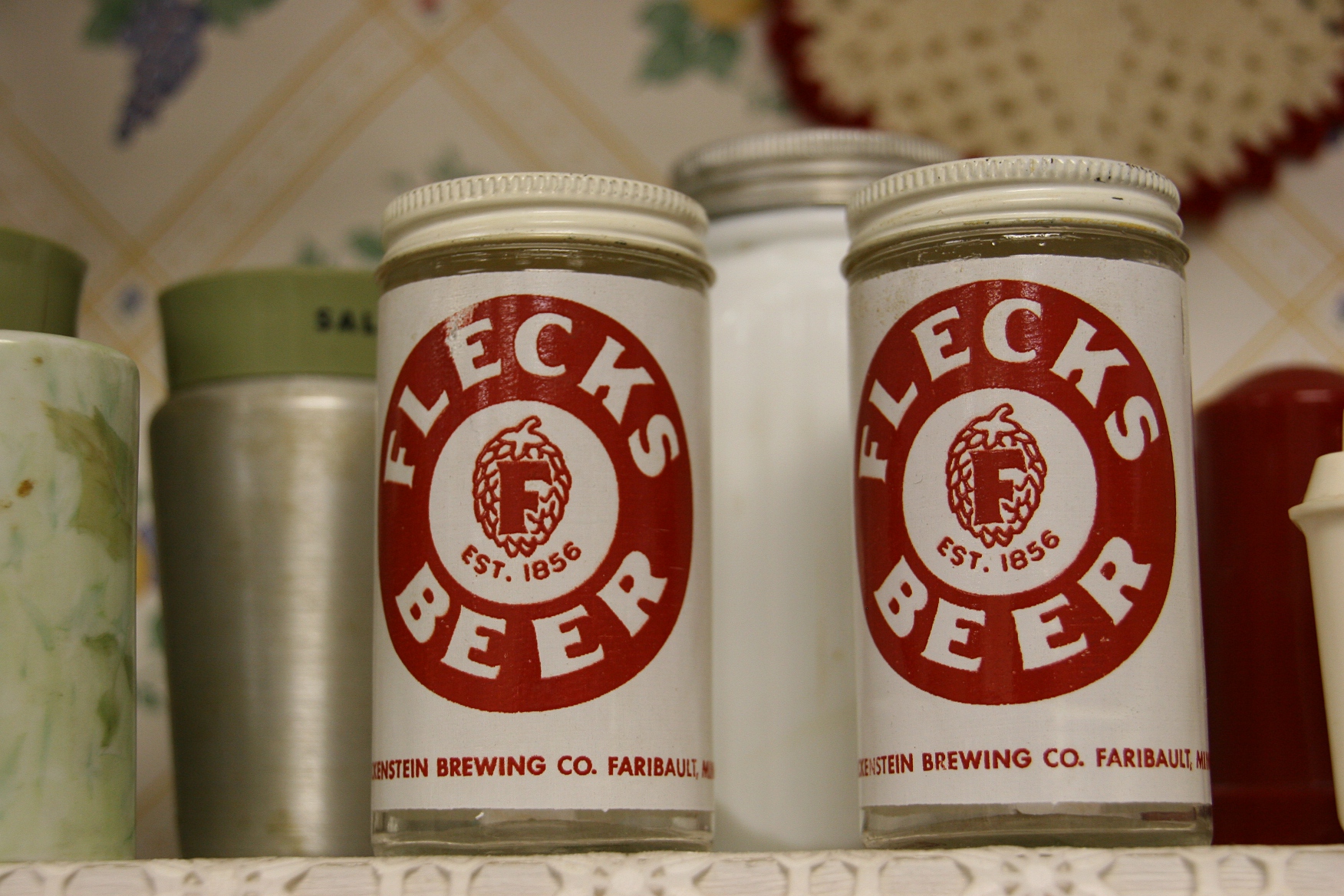
This Flecks beer memorabilia is displayed in the West Concord museum even though the beer was made in my community of Faribault 25 miles away.

This Flecks beer memorabilia is displayed in the West Concord museum even though the beer was made in my community of Faribault 25 miles away.

I have no personal connection to West Concord. Yet I am connected by time and by the geography of living in southeastern Minnesota.

Here are some more of my favorite finds inside the WCHS museum:

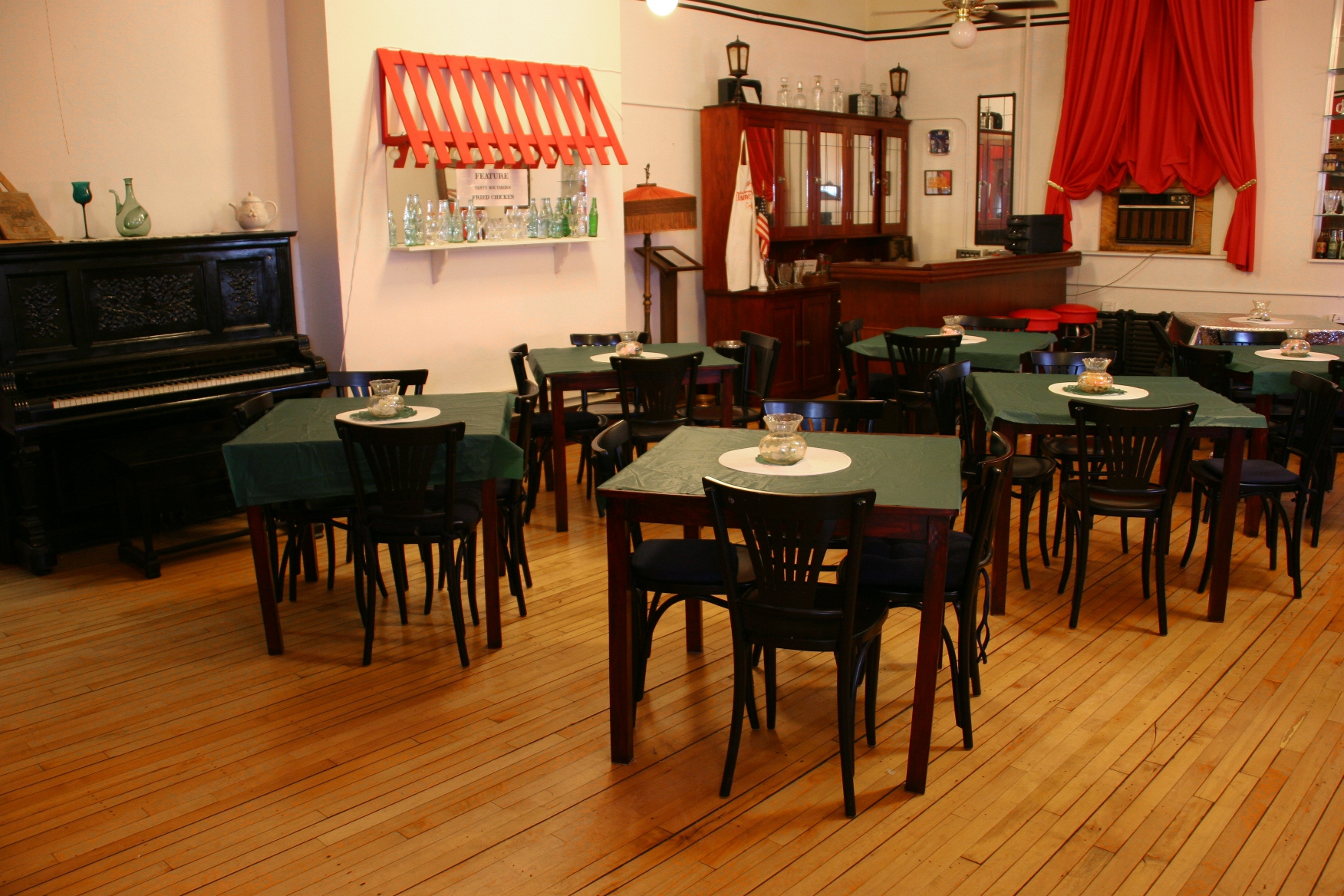
This entire former classroom is set up to look like the 1930s-early 1940s Flame Room once housed in the Concord Hotel. This space can be rented for gatherings.

This entire former classroom is set up to look like the 1930s-early 1940s Flame Room once housed in the Concord Hotel. This space can be rented for gatherings. Locals dined and danced at The Flame.

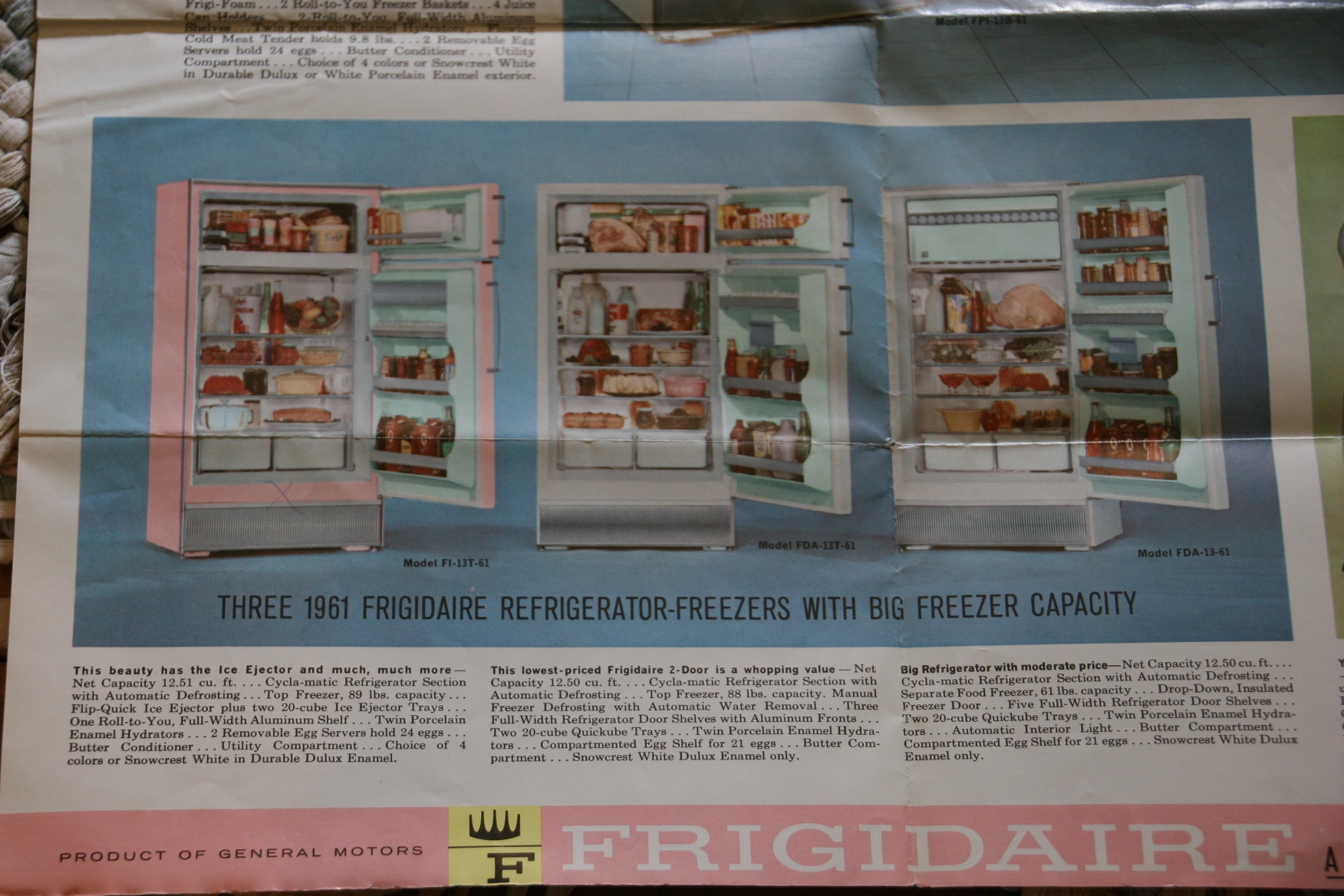
Vintage ads and graphics, like this one for pink Frigidaire appliances, always draw my attention

Vintage ads and graphics, like this one for pink Frigidaire appliances, always draw my interest.

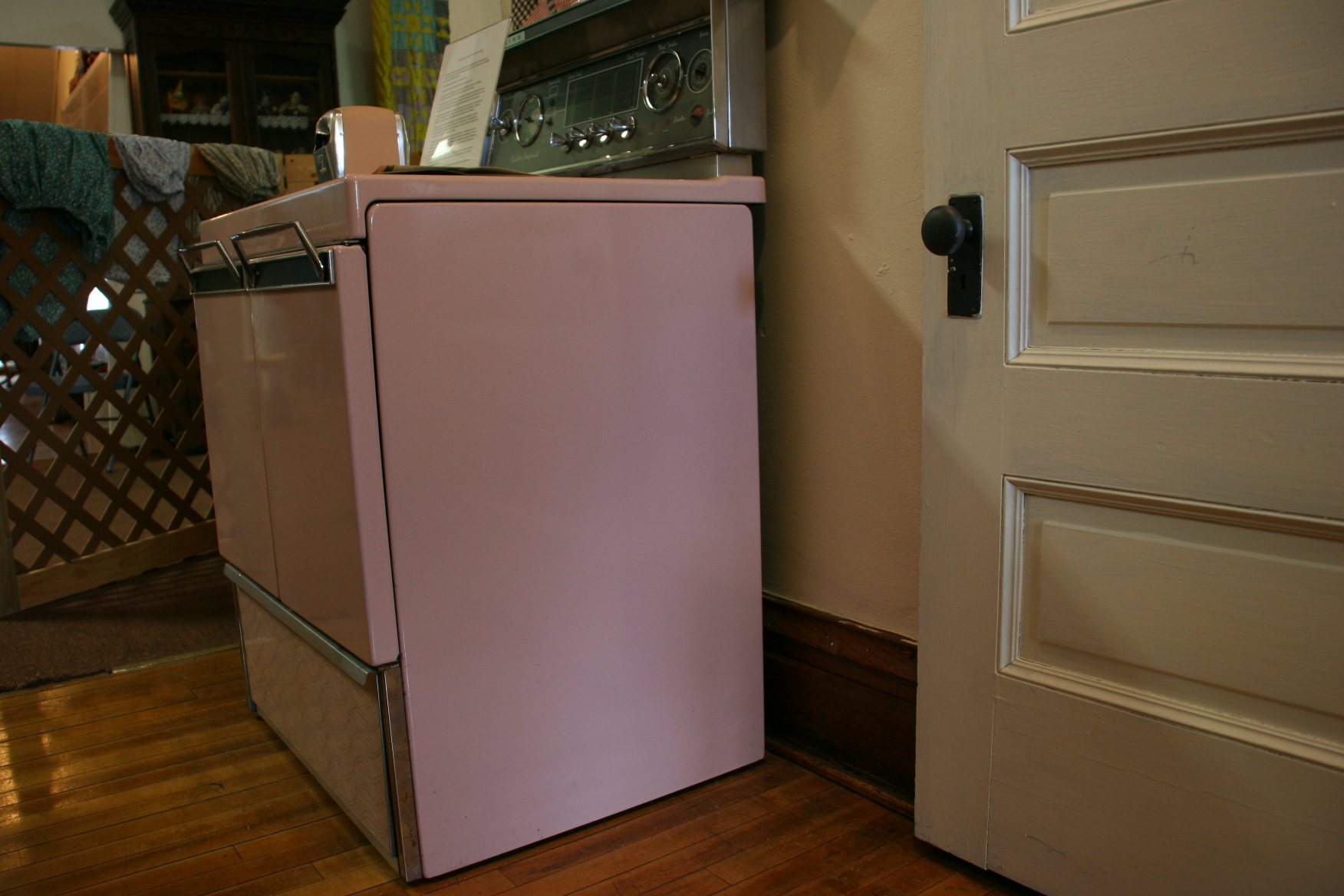
This pink Frigidaire electric stove was purchased by Arthur and Lorraine Spreiter in about 1959 from Pirkl and Hall Appliance along Main Street in West Concord. The stove features double oven doors rather than a drop-down door. The Spreiters also purchased an upright pink refrigerator/freezer.

This pink Frigidaire electric stove was purchased by Arthur and Lorraine Spreiter in about 1959 from Pirkl and Hall Appliance along Main Street in West Concord. The stove features double oven doors rather than a drop-down door. The Spreiters also purchased an upright pink refrigerator/freezer.

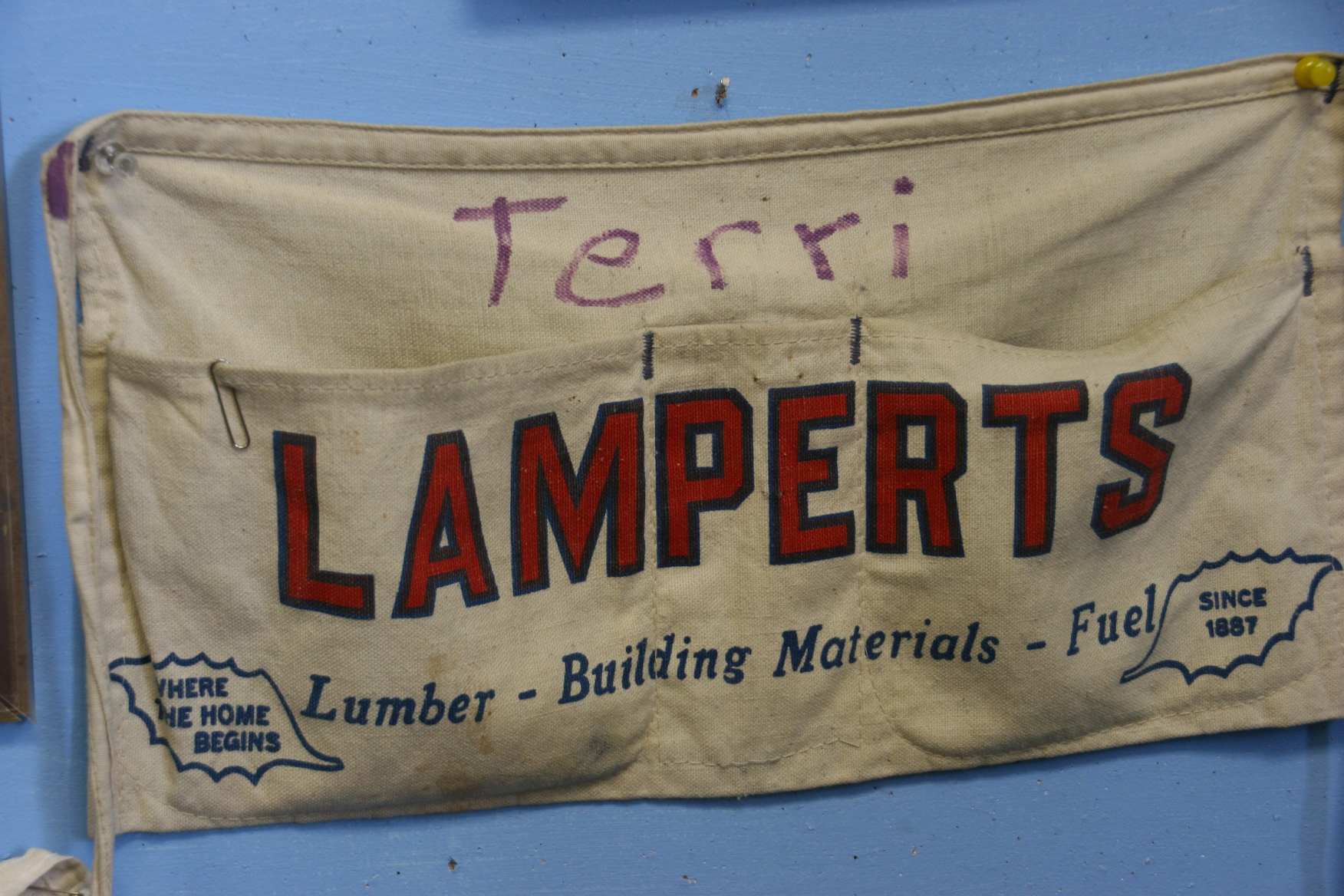
I was delighted that this apron was saved and displayed in The Farmers and Merchants Room. Lumber yards were once such an important business in small towns.

I am delighted that this apron was saved and displayed in The Farmers and Merchants Room. Lumber yards were once key businesses in small towns. Most have closed, replaced by Big Box lumber sources. The apron is so representative of the personal service offered in small towns.

I collect vintage drinking glasses and once had a red spotted one. My Aunt Jeanette has a collection of these. Love.

I collect vintage drinking glasses and once had a red spotted one. My Aunt Jeanette has a collection of these. Love.

I love vintage signs and graphics. And how many Gambles stores even exist any more? This sign was found in the old West Concord Gambles store opened in about 1935 by Clarence Barwald.

I love vintage signs and graphics. And how many Gambles stores even exist any more? This sign was found in the old West Concord Gambles store opened in about 1935 by Clarence Barwald. It hangs in The Farmers & Merchants Room.

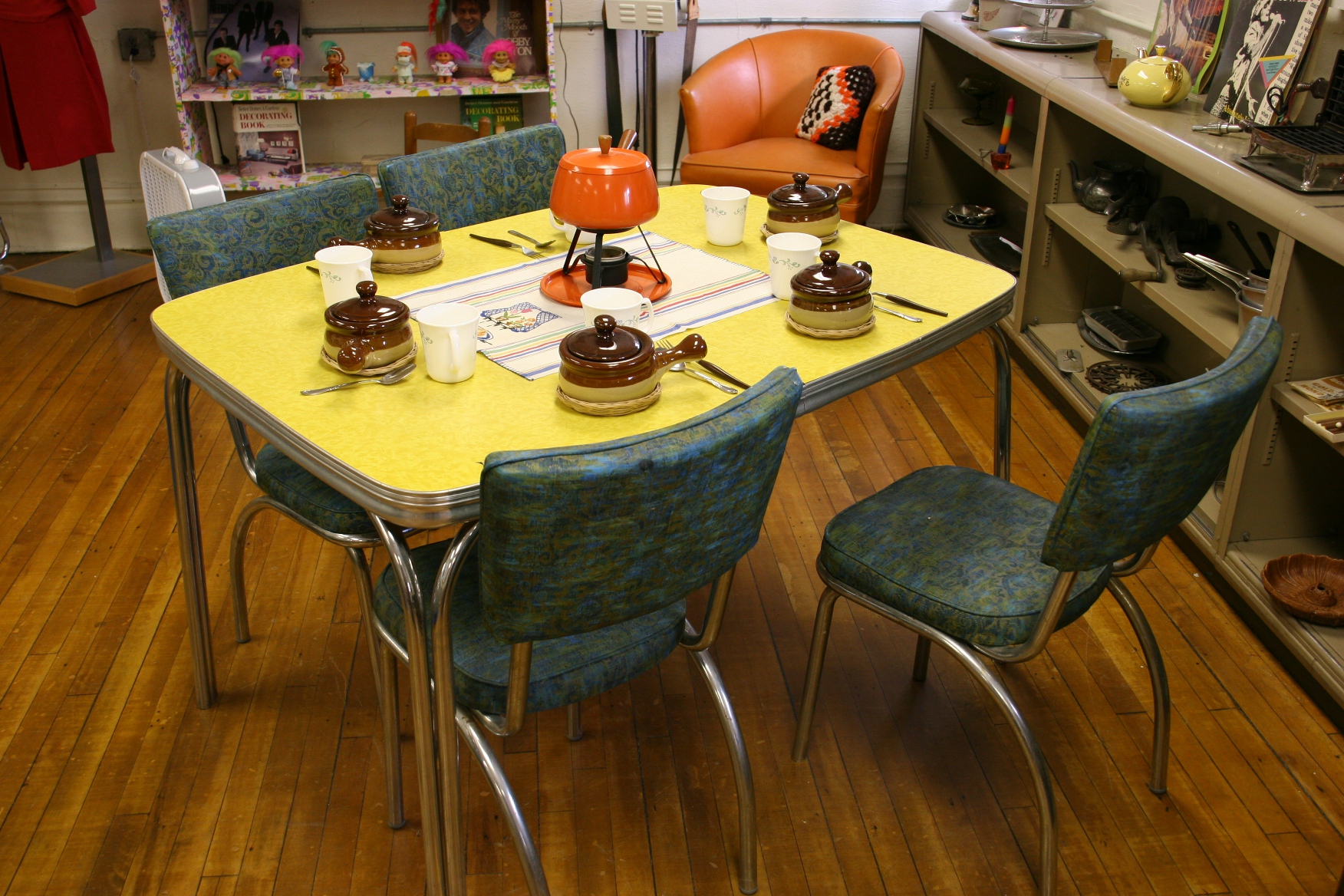
Growing up, I never was impressed by the oil-cloth covered Formica table in our kitchen. But today, well, I feel differently. My husband was especially thrilled to see this yellow table, like the one he remembers from his youth.

Growing up, I never was impressed by the oil-cloth covered Formica table in our kitchen. But today, well, I feel differently. My husband was especially thrilled to see this yellow table, like the one he remembers from his youth.

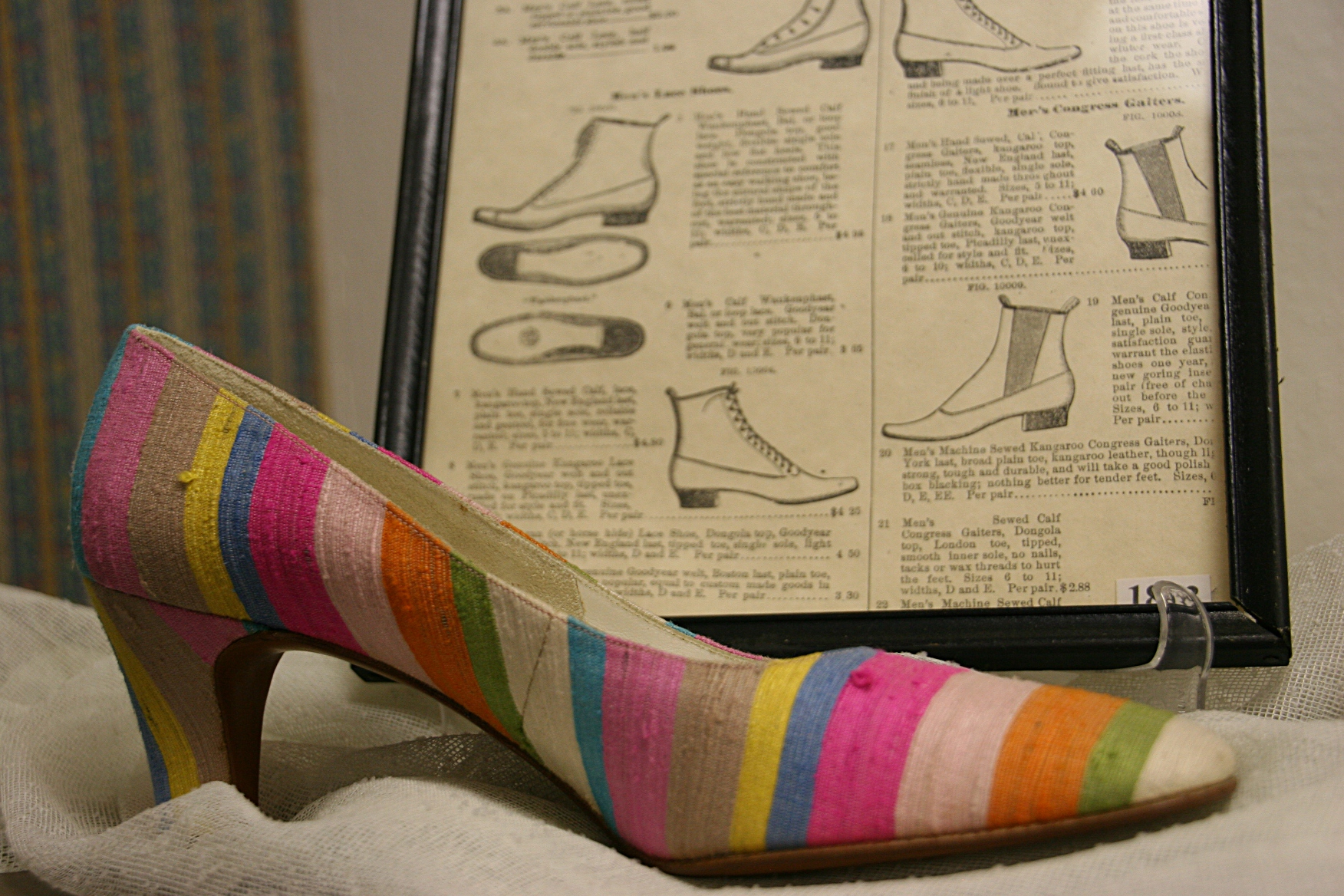
This shoe is the most colorful and memorable one I've ever seen. It's like a work of art, showcased in The Fashion Room.

This shoe is the most colorful and memorable footwear I’ve ever seen. It’s like a work of art, showcased in The Fashion Room.

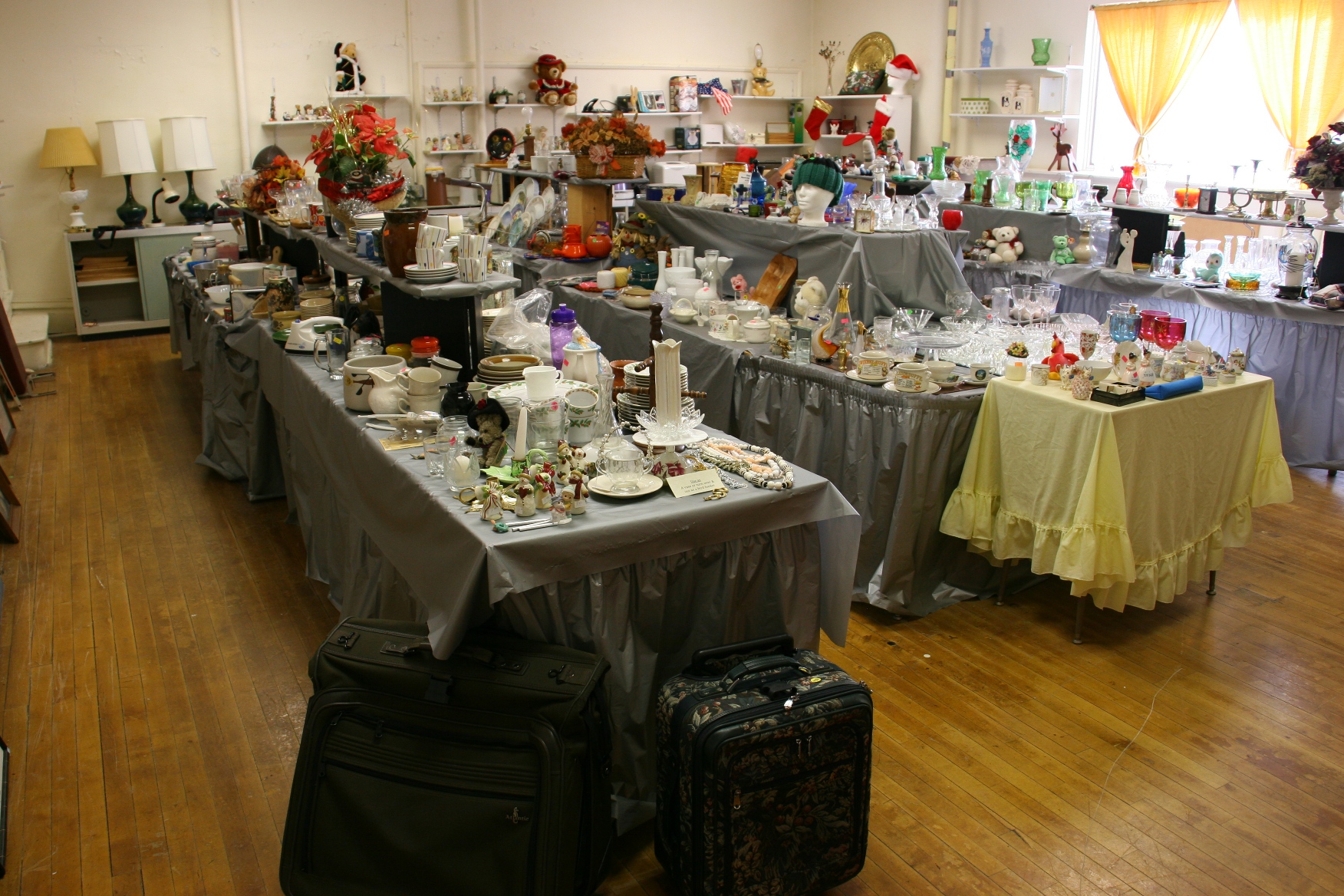
One classroom is devoted to a garage sale type space called Grandma's Attic. Here you can purchase secondhand merchandise

One classroom is devoted to a garage sale type space called Grandma’s Attic. Here you can purchase secondhand merchandise with proceeds going to the museum. I purchased a Fire King bowl for $1.

FYI: Click here to read my initial post and my second post on this small town museum. Thank you for following this three-part series on this incredible collection of West Concord area history.

Here’s an upcoming event at the West Concord Historical Society, 600 West First Street, that may interest you: The Czech Area Concertina Band will perform from 2 p.m. – 5 p.m. on Sunday, April 19. Admission is a free will donation.

© Copyright 2015 Audrey Kletscher Helbling


An April Fool’s legend from the Minnesota northwoods April 1, 2015

Filed under: Uncategorized — Audrey Kletscher Helbling @ 1:30 PM
Tags: , , , , , ,

THIS MORNING MY SISTER EMAILED, advising me to get outside ASAP because the cows were out.

I typed a hurried response: “But the bus is coming. And your toast is burning!”

Neither Lanae or I live on farms any more. So what was going on?

Lanae, unlike me, remembered today is April Fool’s Day. And those three falsehoods were the lame jokes we tried to pull on our siblings every April 1 while growing up on a southwestern Minnesota dairy and crop farm.

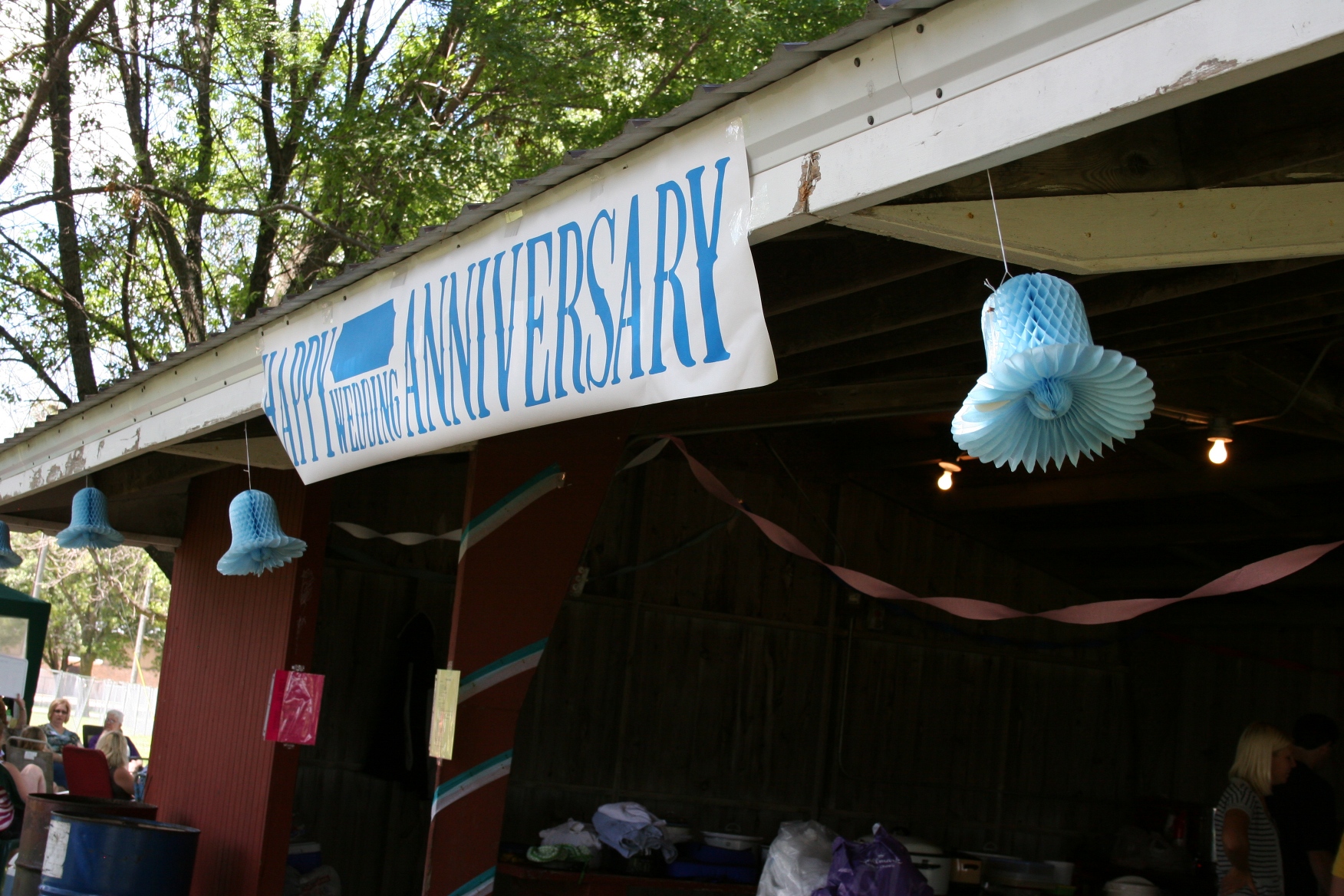
With the help of enthusiastic preteens, we decorated the park shelter and a screened tent with bells and crepe paper in honor of Jeff and Janet's 20th wedding anniversary.

In July 2010, the annual Kletscher family reunion was themed to celebrate Jeff and Janet’s 20th wedding anniversary. We decorated for the anniversary, ate anniversary cake, showered Jeff (and the absent Janet) with gifts and held a bridesmaid dress judging contest. Some of the dresses were modeled by attendees. Minnesota Prairie Roots file photo 2010.

Those pranks are mere child’s play compared to the joke my cousin Jeff, who celebrates his 25th wedding anniversary today, pulled off on his unsuspecting parents in 1990. He mailed an announcement of his marriage to Janet at the St. Louis County Courthouse. It was a private affair with only Janet’s daughters, Heidi and Amber, attending.

As the story goes, my Uncle Harold paled upon reading the news. And Aunt Marilyn, in shock, picked up the phone and dialed her daughter, who knew nothing of Janet. Marilyn, already formulating a wedding reception in her mind, called the northern Minnesota school where Jeff taught math. Jeff was summoned to the principal’s office.

When he was finally able to calm down his stunned mother, he advised her to look at the back of the card. There he had typed: rehcstelk ffej morf gniteerg sloof lirpa na.

Backwards, the words revealed: an april fools greeting from jeff kletscher.

There was no northwoods bride, no marriage, not even a girlfriend.

He had just created the stuff of family lore and legend.

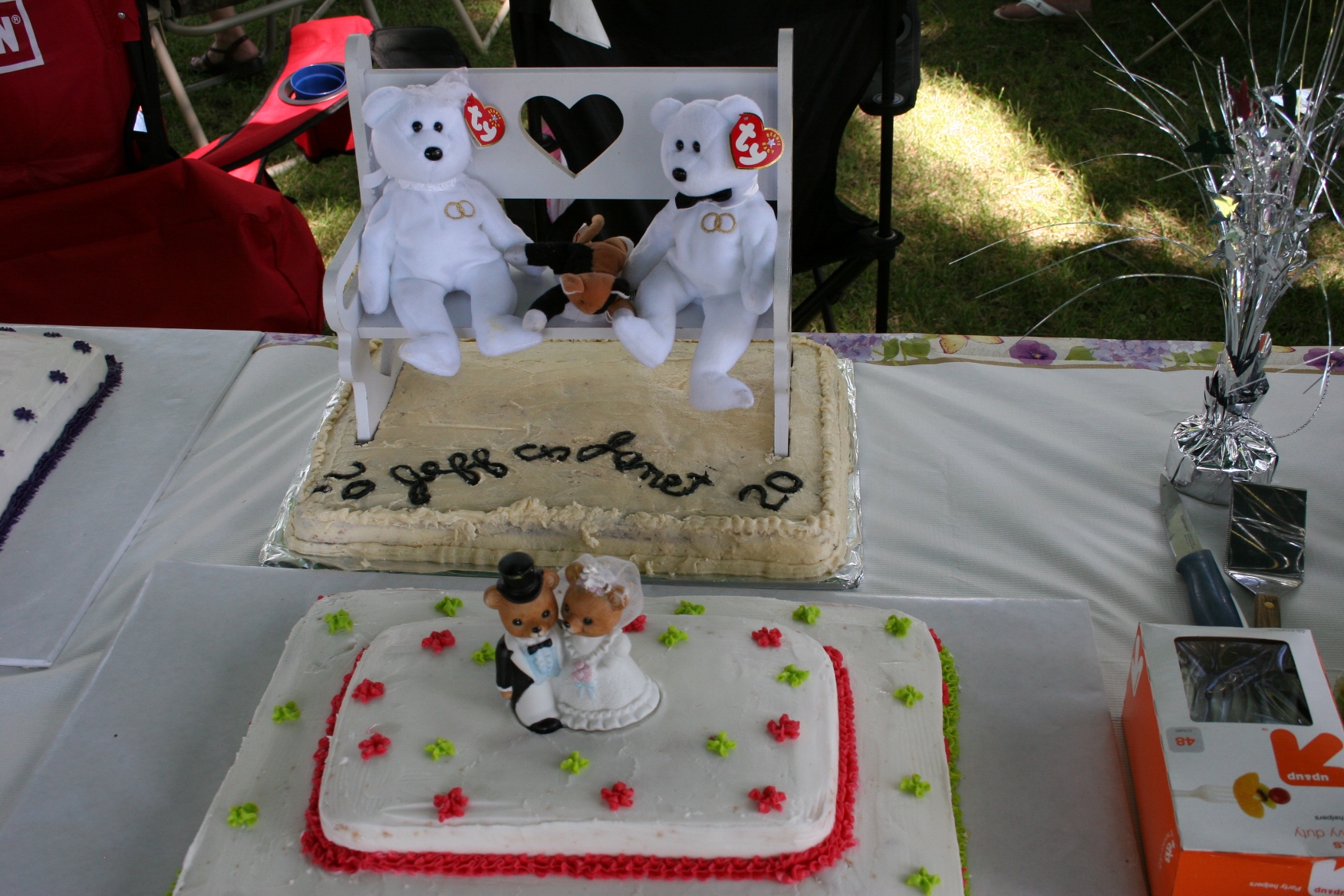
My cousin Dawn, with the help of daughter Megan, made two beautiful anniversary cakes for her brother. My Uncle Wally and Aunt Janice made and decorated the less attractive cake with the beanie baby bears.

Cakes served at Jeff and Janet’s 20th wedding anniversary celebration in 2010. Minnesota Prairie Roots file photo 2010.

After receiving my sister’s email this morning, I emailed my bachelor cousin to wish him and Janet a happy anniversary and inquired as to how many years they had been married.

“Twenty-five wonderful years!!!,” Jeff enthused. “I believe we made silver.”

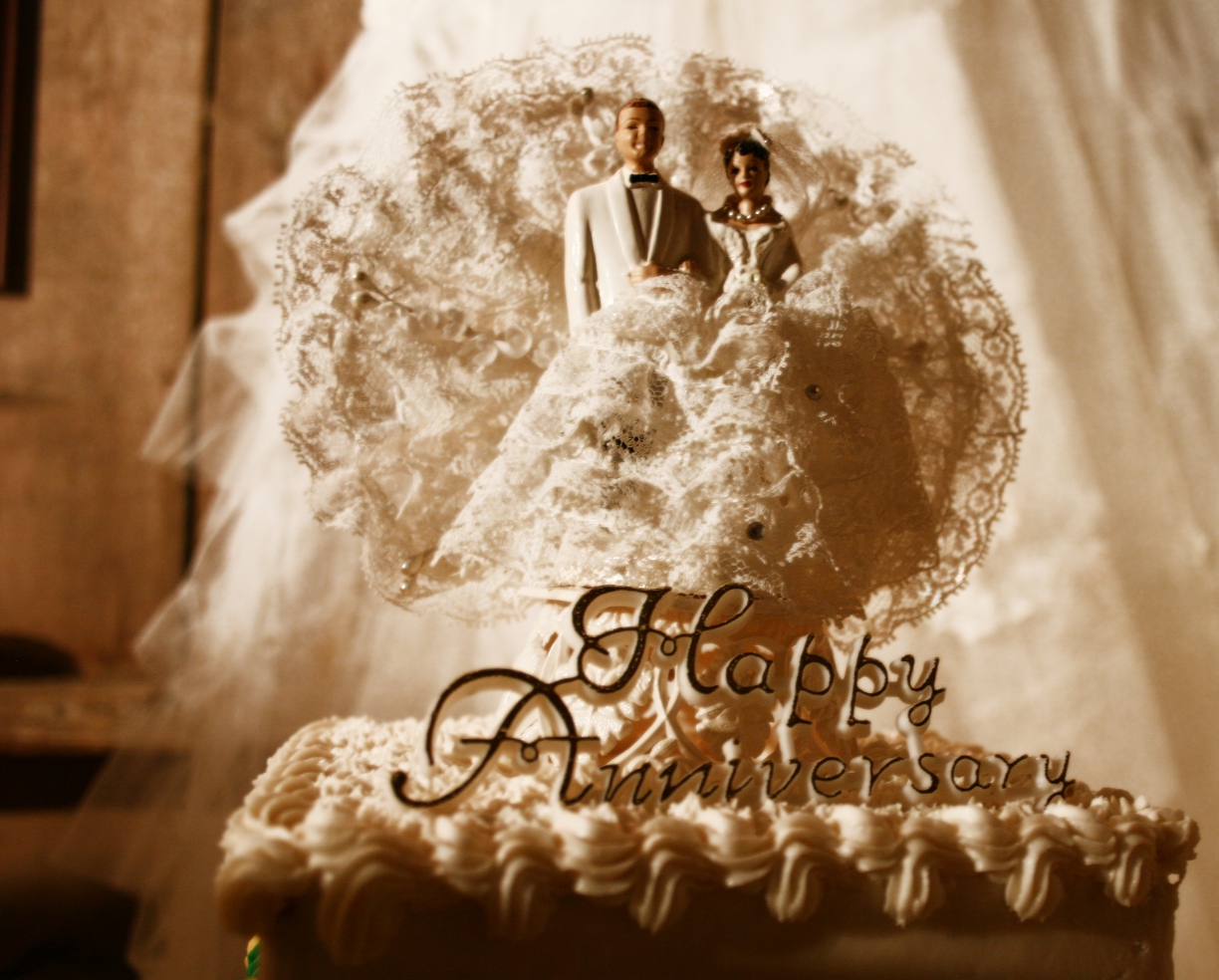
The cake topper from Jeanne and Arnie's wedding with golden anniversary wishes 50 years later.

This wedding cake topper was displayed at a recent golden wedding anniversary. Minnesota Prairie Roots file photo.

No, Jeff, I believe you made gold.

#

FYI: Click here to read my blog post about the 2010 Kletscher family reunion where we celebrated Jeff and Janet’s 20th anniversary.

Can you top this April Fool’s prank?

© Copyright 2015 Audrey Kletscher Helbling


Part II: Preserving memories in West Concord

WHAT DEFINES A MUSEUM?

Collections? History? Preserving the past?

All three fit the definition. Yet, it is memories which make a museum personal.

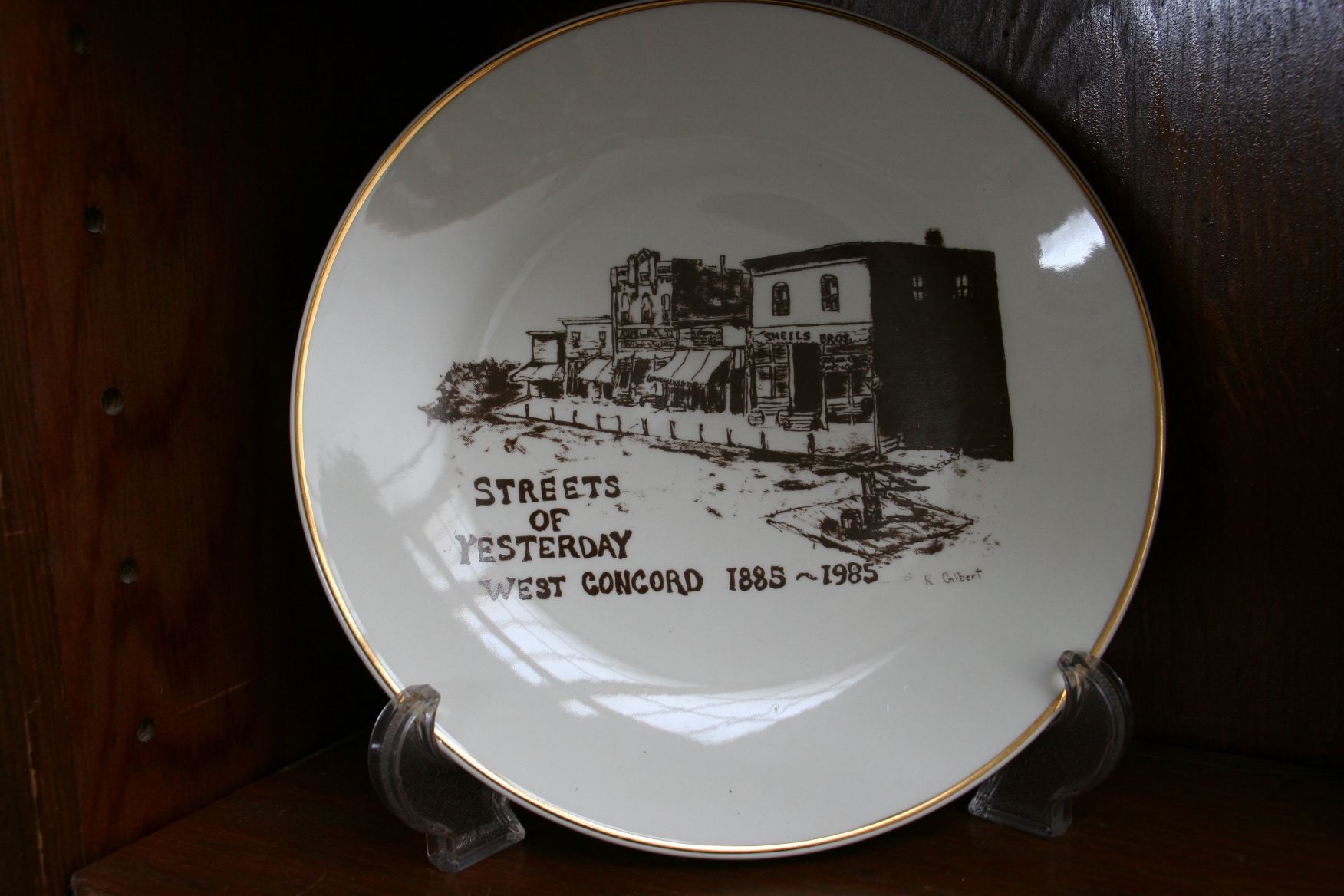
A commemorative plate from West Concord.

A commemorative plate from the small southeastern Minnesota farming community of West Concord.

The West Concord Historical Society, housed in a former school, boasts an incredible museum that showcases West Concord area history. I didn’t grow up here. I don’t live here. Yet, I connected.

Join me on a photo tour showing snippets of what this museum holds.

IN THE HERITAGE ROOM:

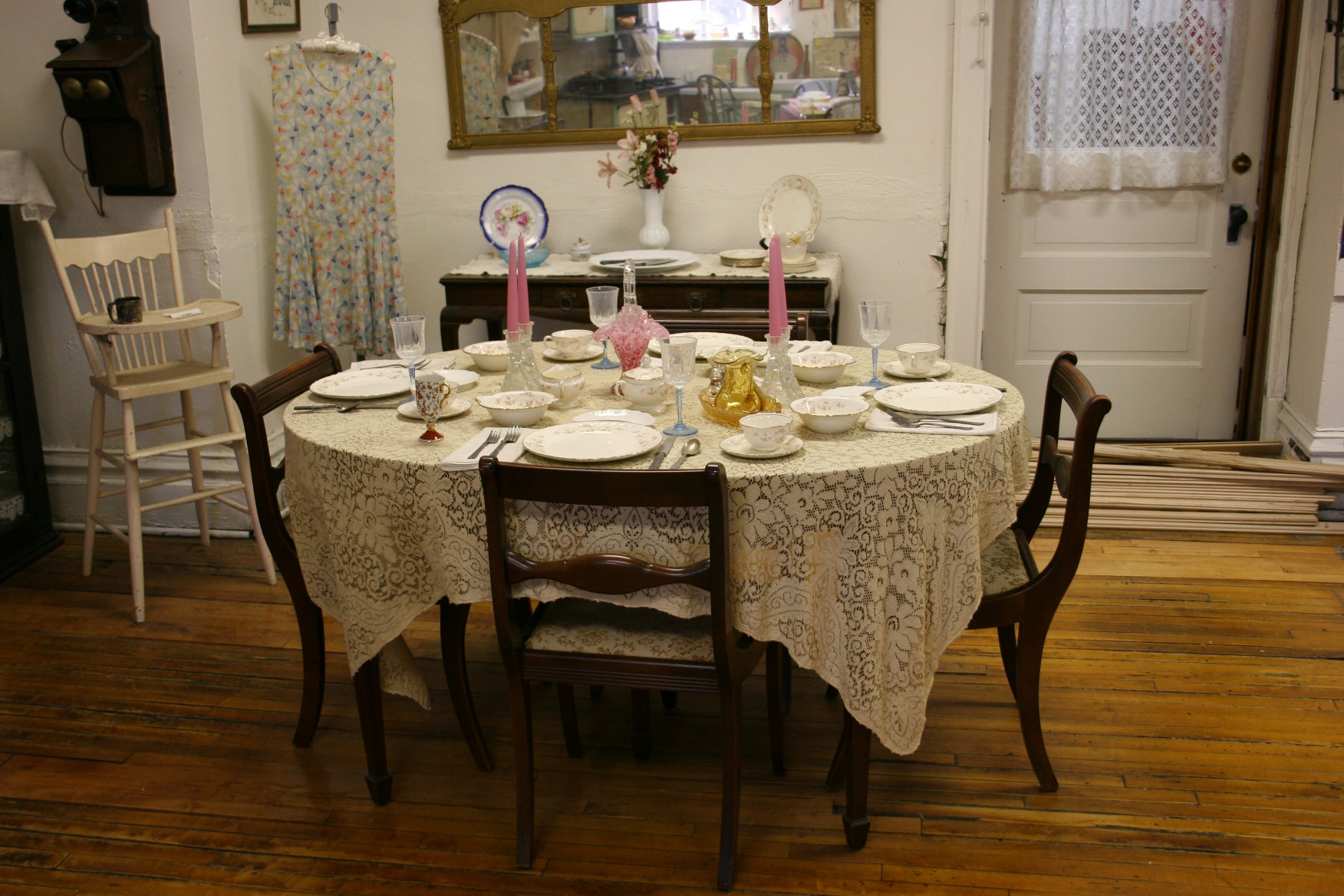
I expect many visitors would image Sunday dinner at Grandma's house when viewing this scene.

I expect many visitors will remember Sunday chicken dinners or holidays at Grandma’s house when viewing this scene.

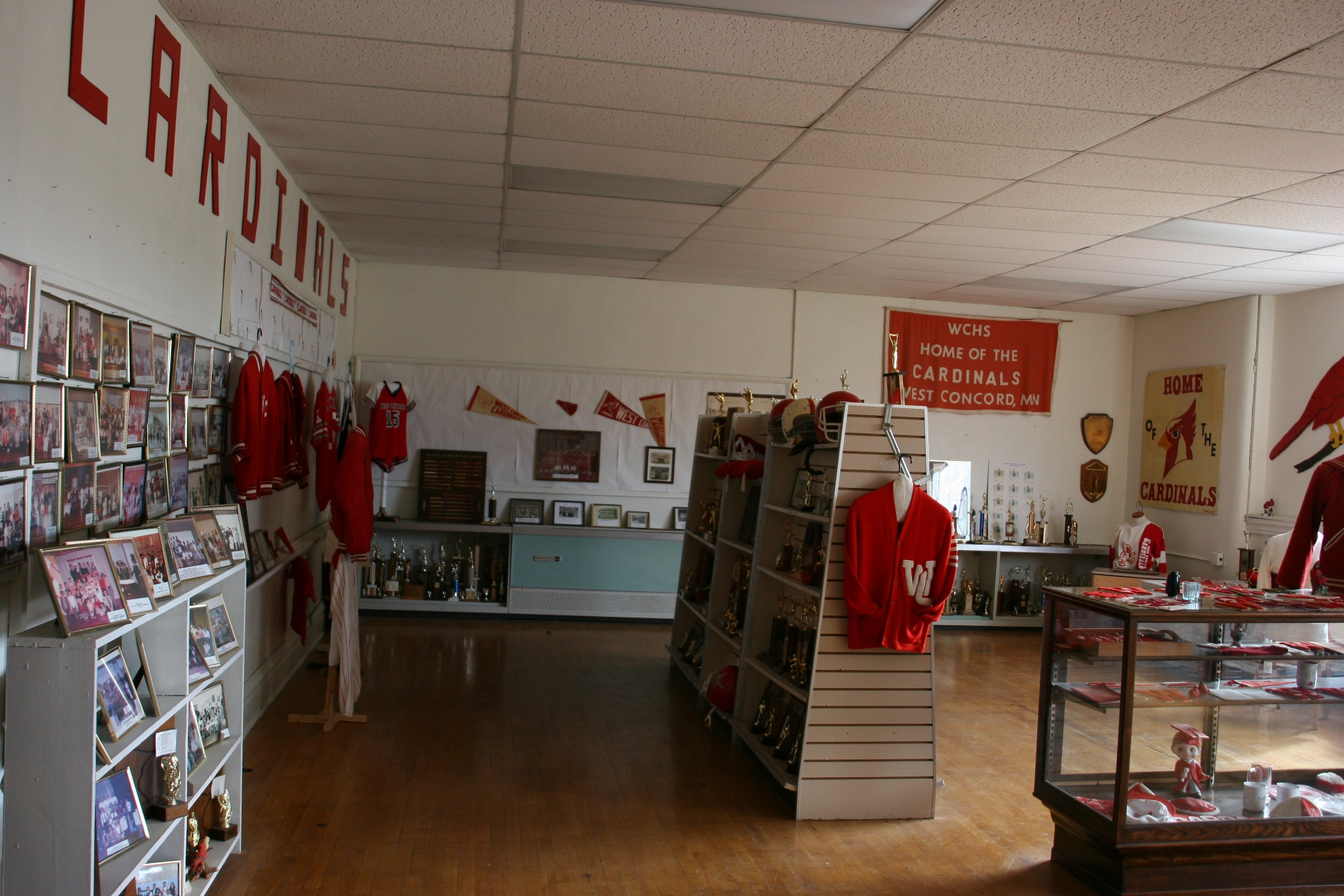
IN THE CARDINAL ROOM:

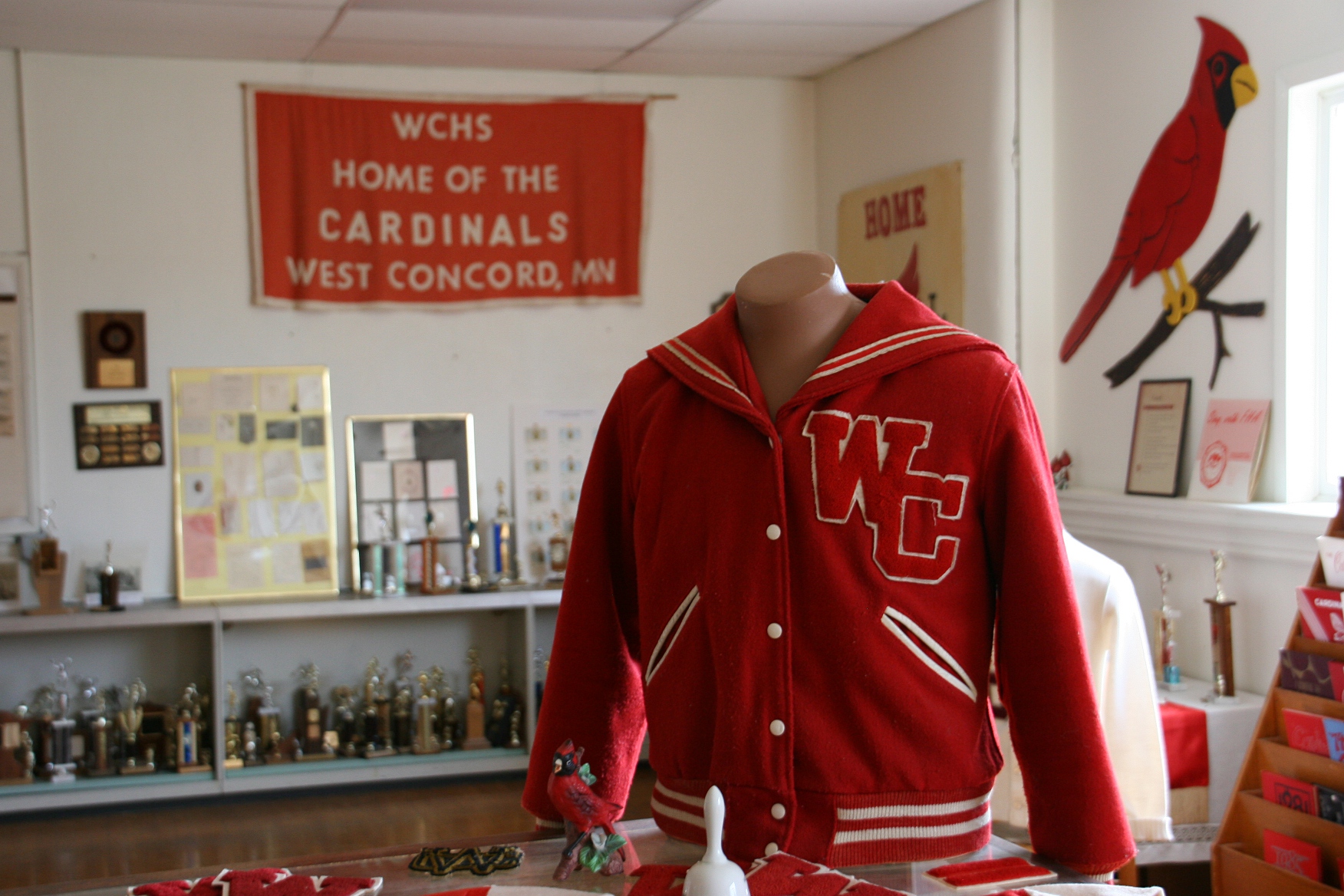
The school was once home to the West Concord school Cardinals. An entire classroom is devoted to all things Cardinal. this proves a popular place during class reunions.

The school was once home to the West Concord Cardinals. An entire classroom is devoted to Cardinals memorabilia. This exhibit proves a popular place to tour during West Concord High School class reunions. The school closed in 1991. West Concord is now part of Triton Public Schools where the mascot is a cobra.

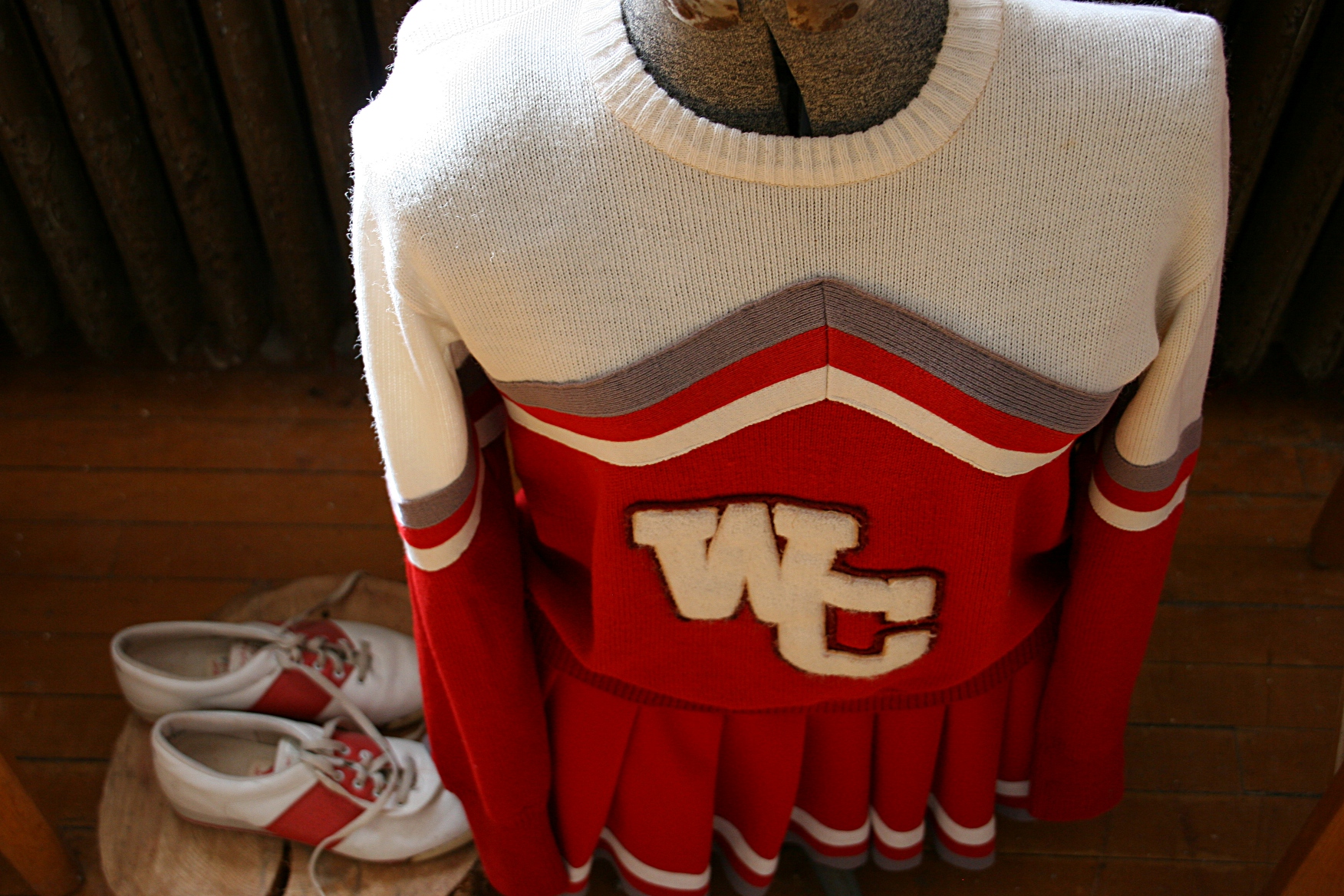
A cheerleading uniform.

A cheerleading uniform.

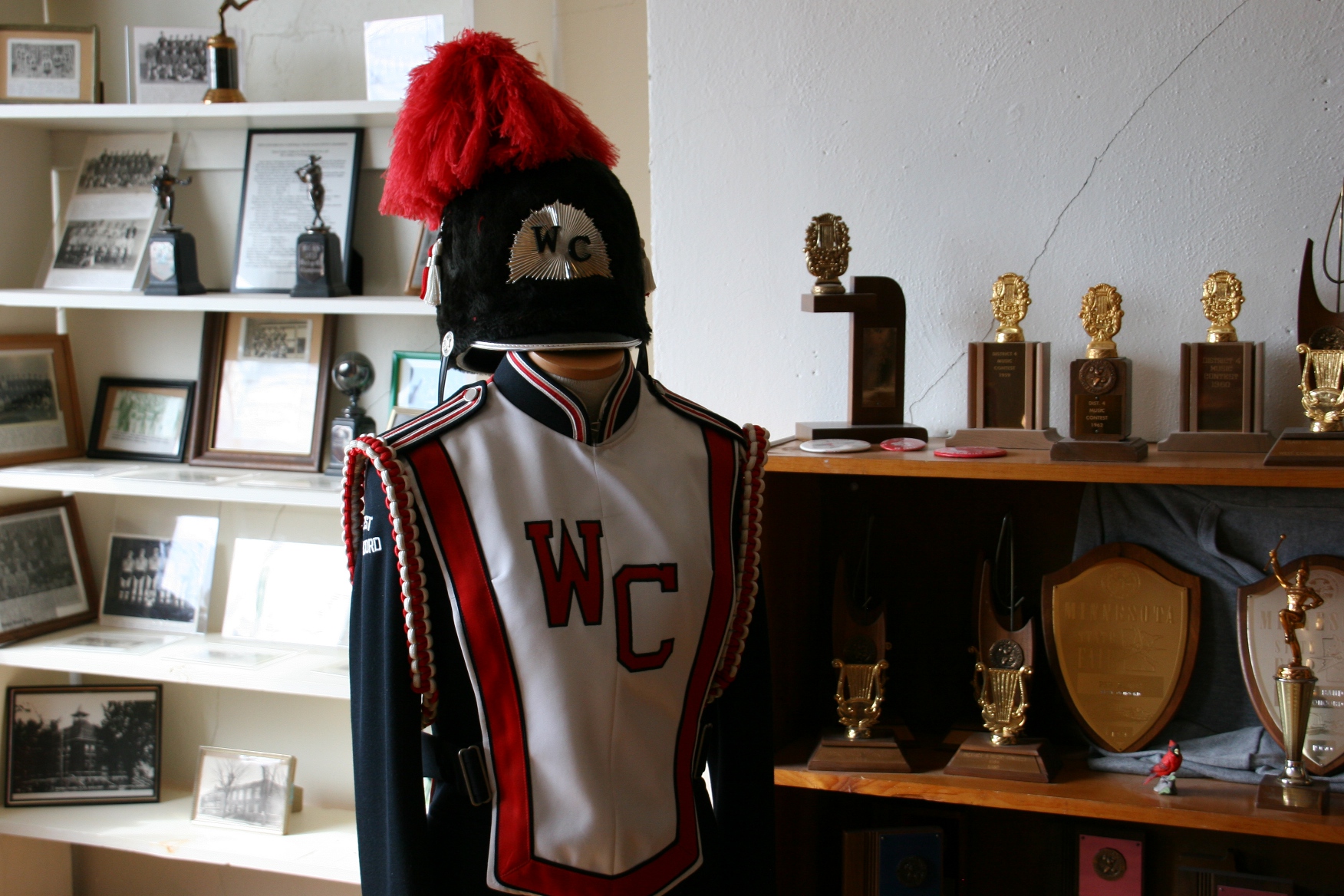
A majestic band uniform preserved.

A majestic band uniform displayed along with school trophies.

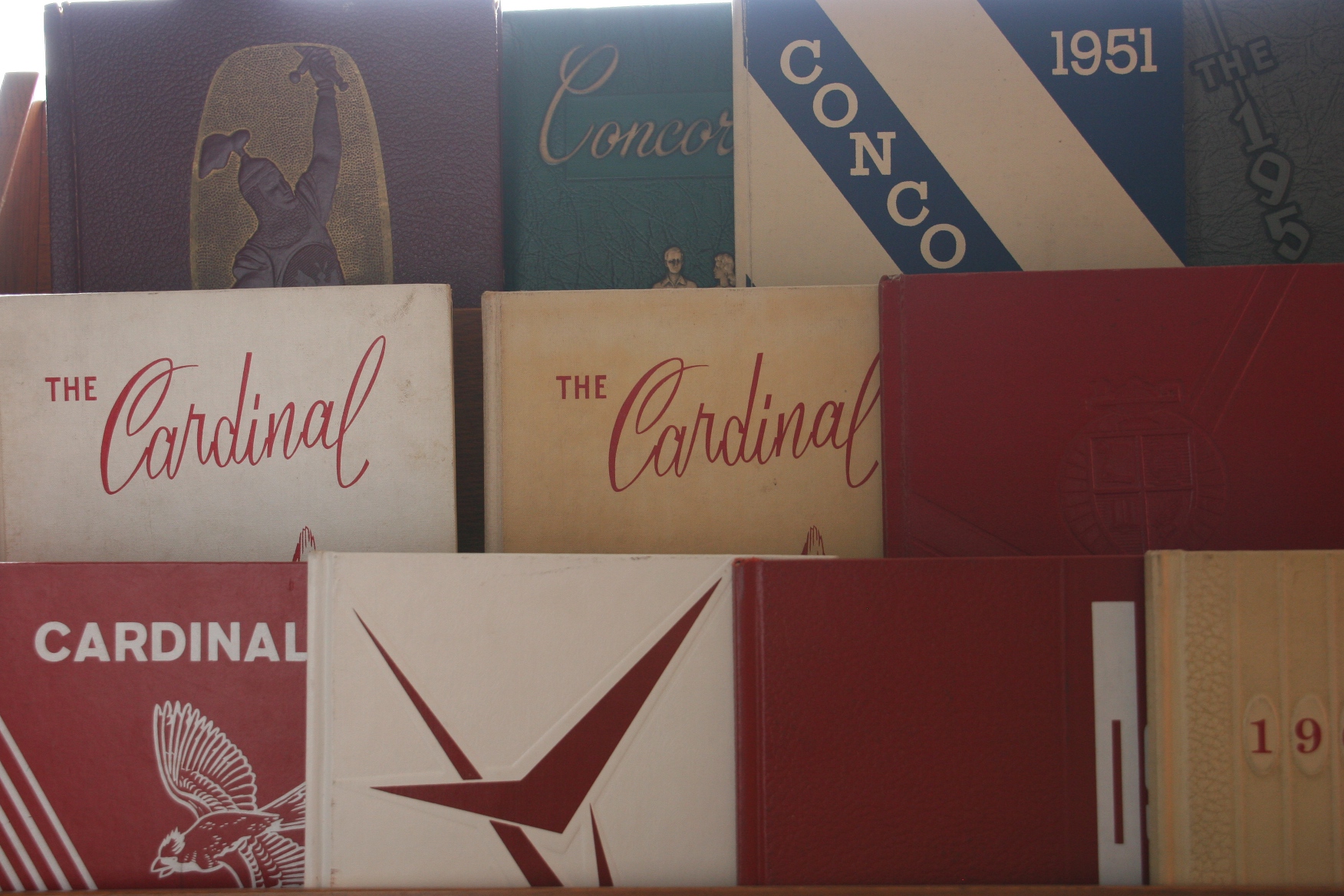
I was thrilled to find a collection of school yearbooks.

I was thrilled to find a collection of school yearbooks.

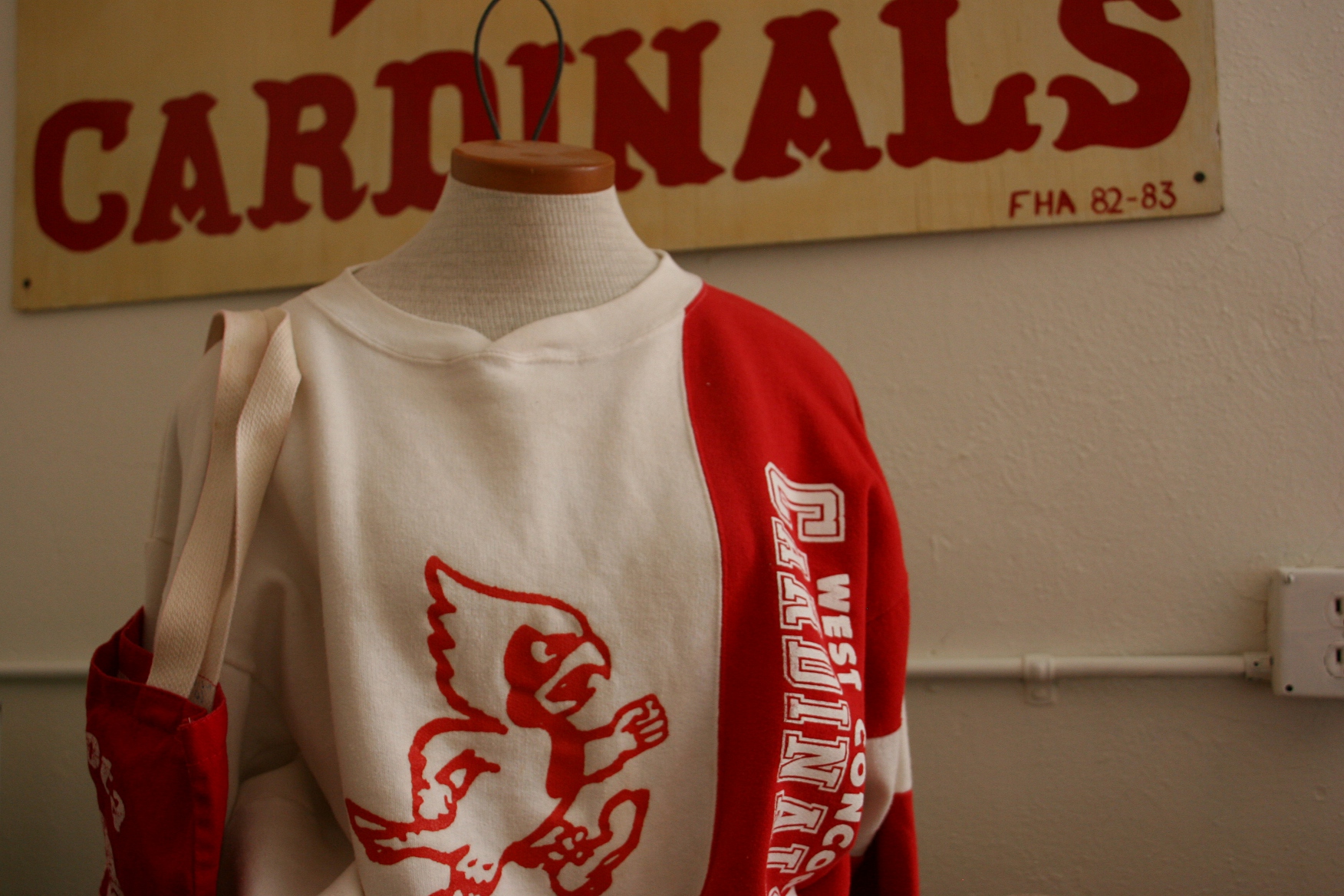
Wearing Cardinal pride.

Wearing Cardinal pride.

IN THE FARMERS & MERCHANTS ROOM:

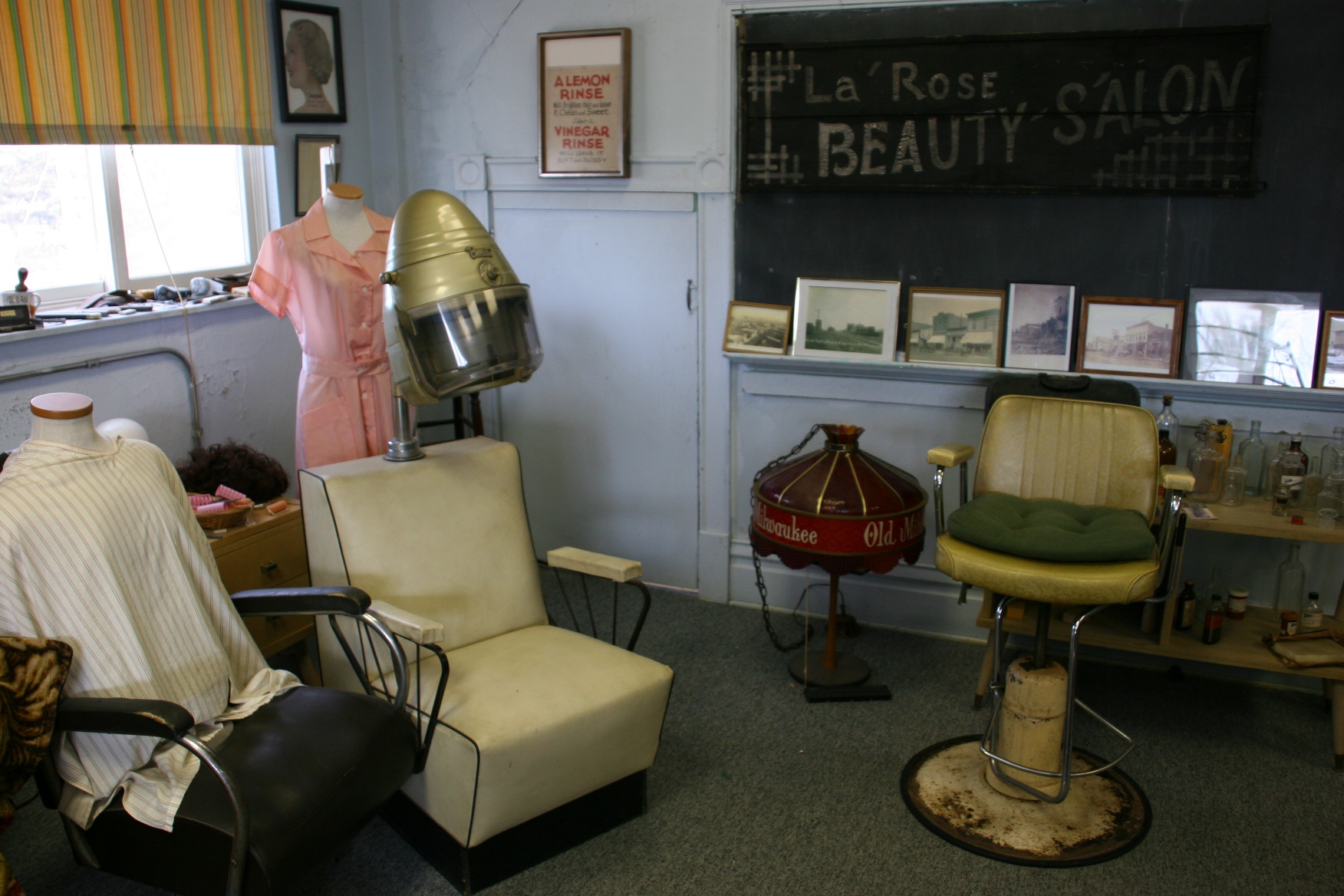
From a local beauty shop.

From a local beauty shop.

IN THE VETERANS ROOM:

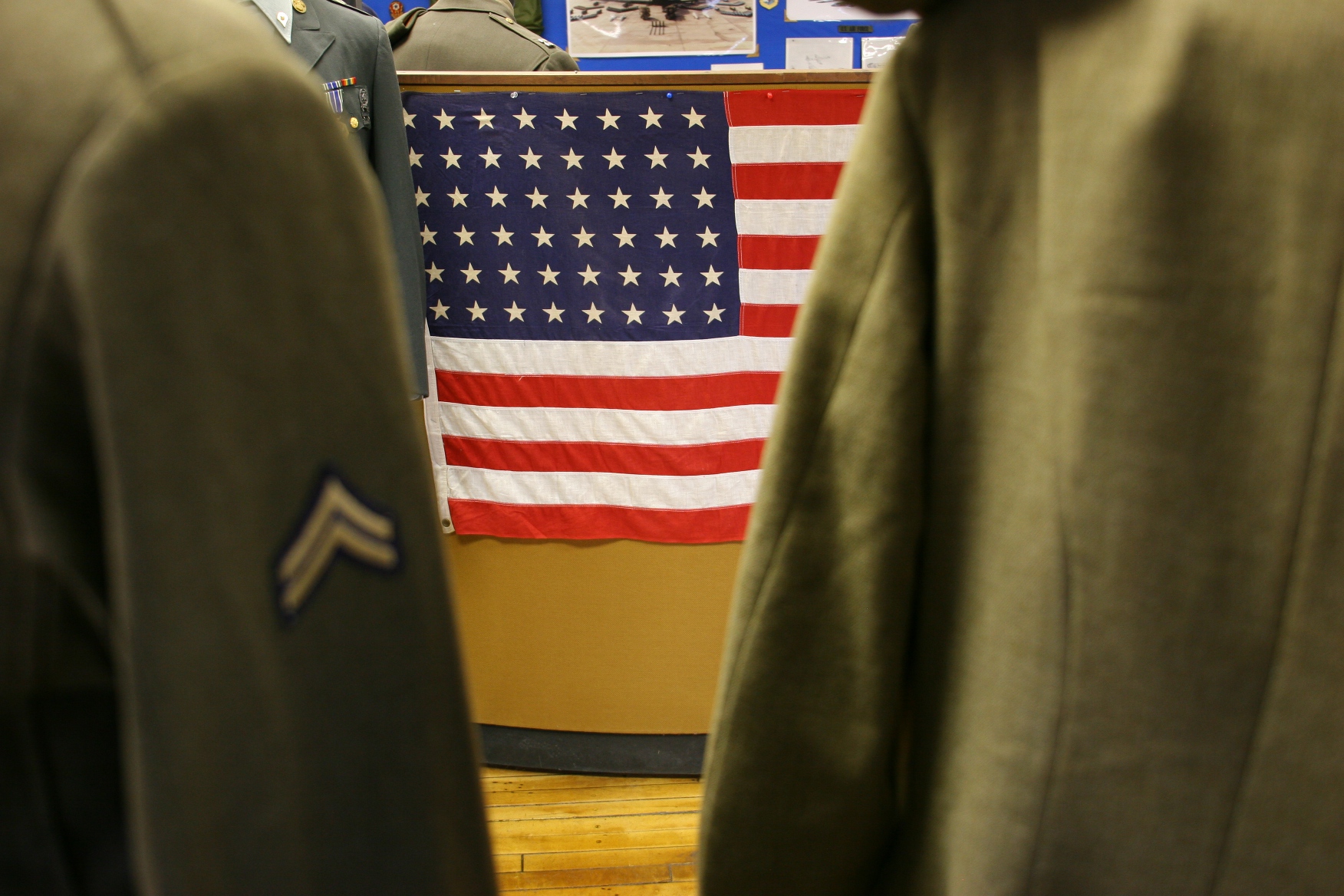
Between two military uniforms, I shot this view of a 48-star American flag.

Between military uniforms, I shot this view of a 48-star American flag.

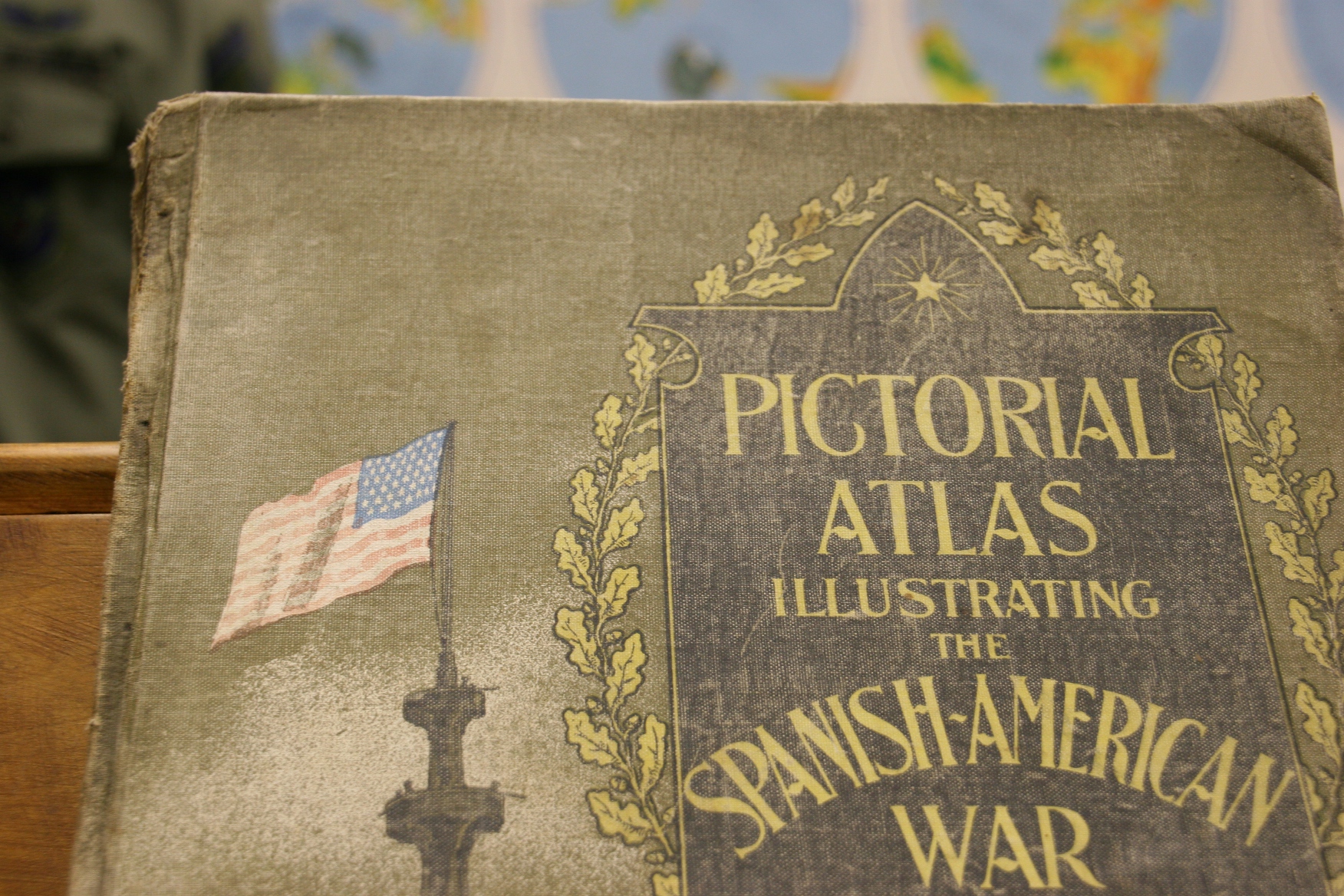
Books and documents are also displayed in The Veterans Room.

Books and documents are also displayed in The Veterans Room.

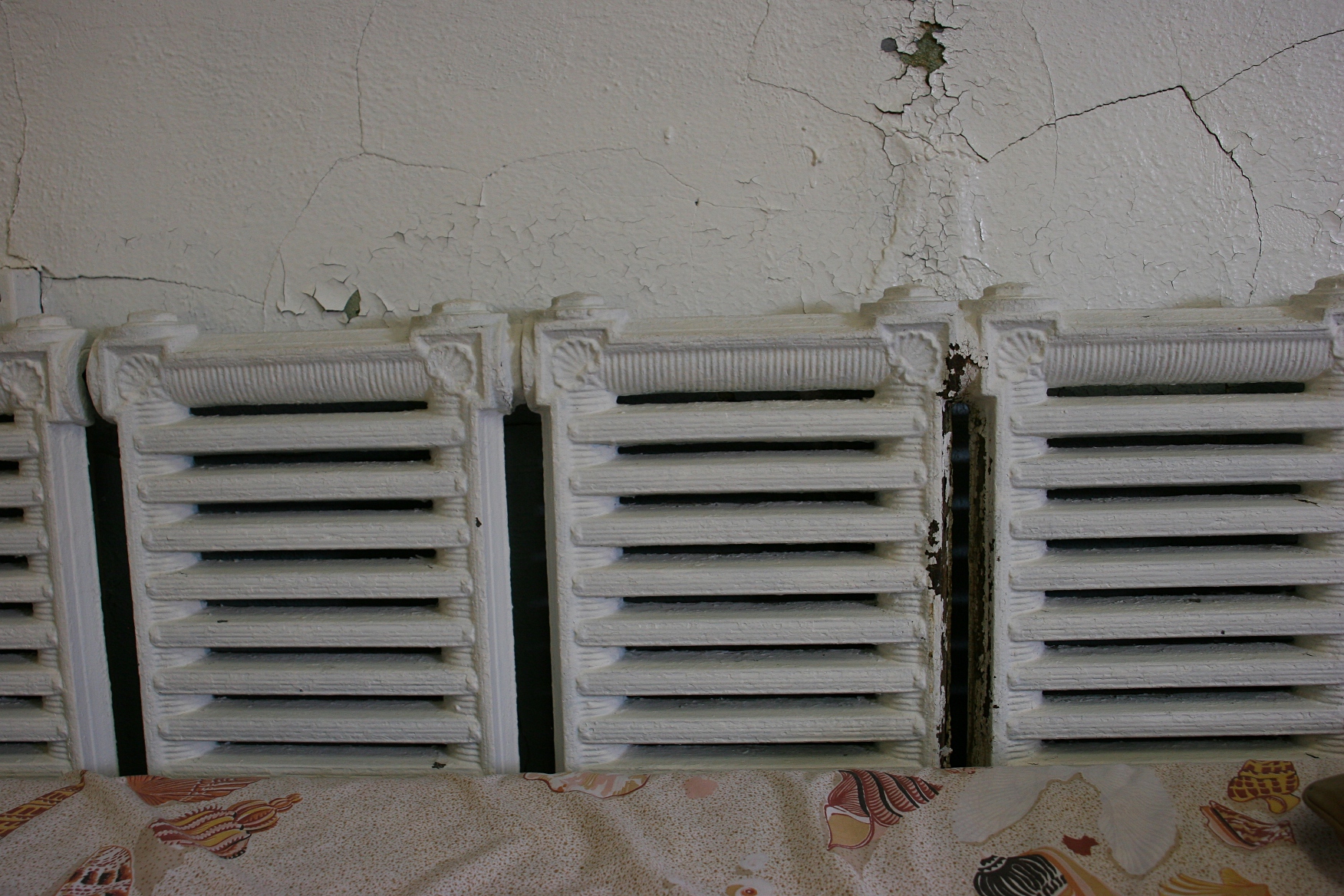
IN THE SHELL ROOM:

Old radiators in The Shell Room, which features a collection of shells donated by Burton Goddard and Miriam Goddard.

Old radiators in The Shell Room, which features a collection of shells donated by West Concord alumni Burton Goddard and Miriam Goddard.

IN THE 50’s & 60’s ROOM:

Feelin' groovy...a snippet of 1960s art.

Feelin’ groovy…a snippet of 1960s art.

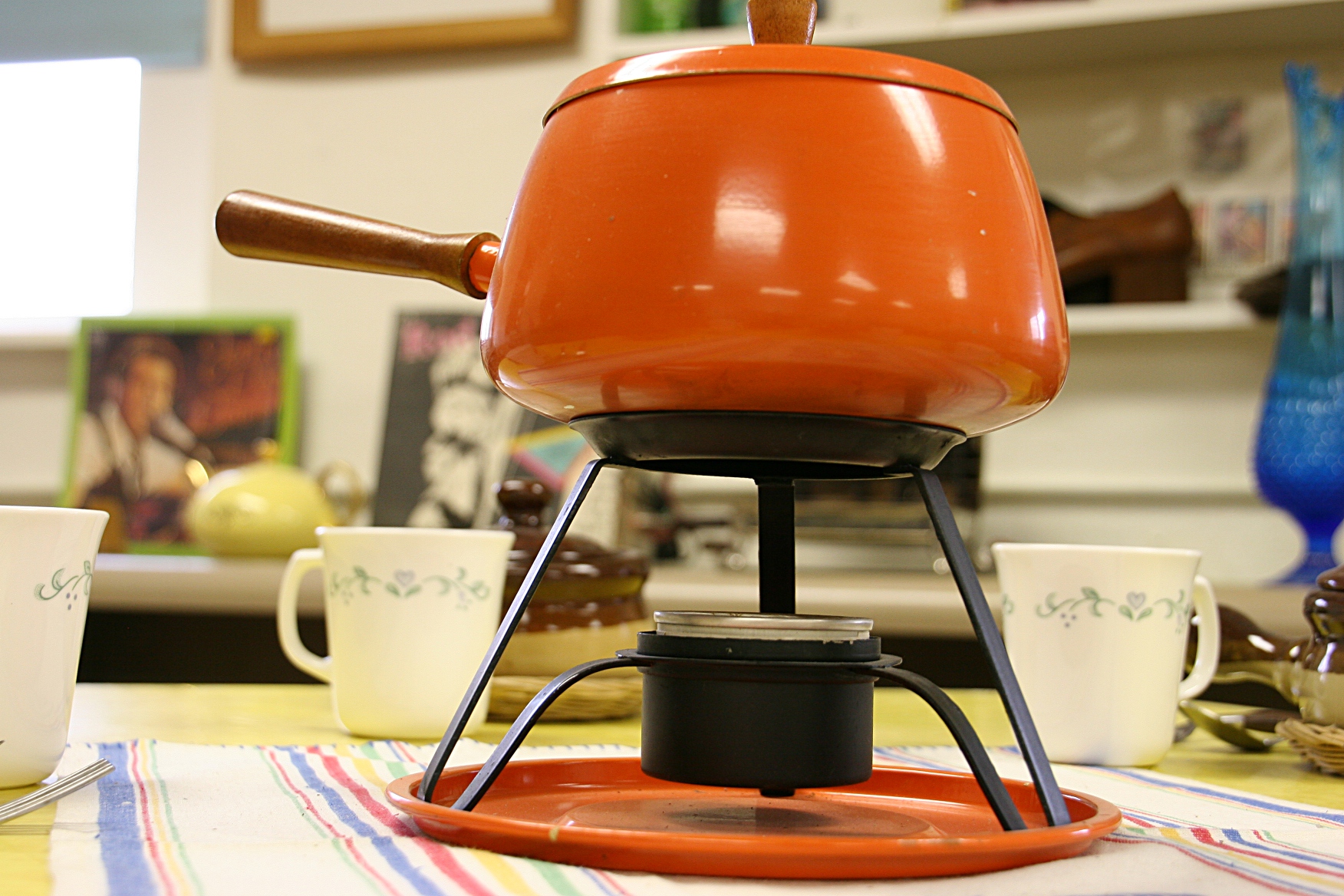
A fondue pot. I remember using a fondue pot in my high school home economics class.

I remember using a fondue pot in my high school home economics class in the 1970s.

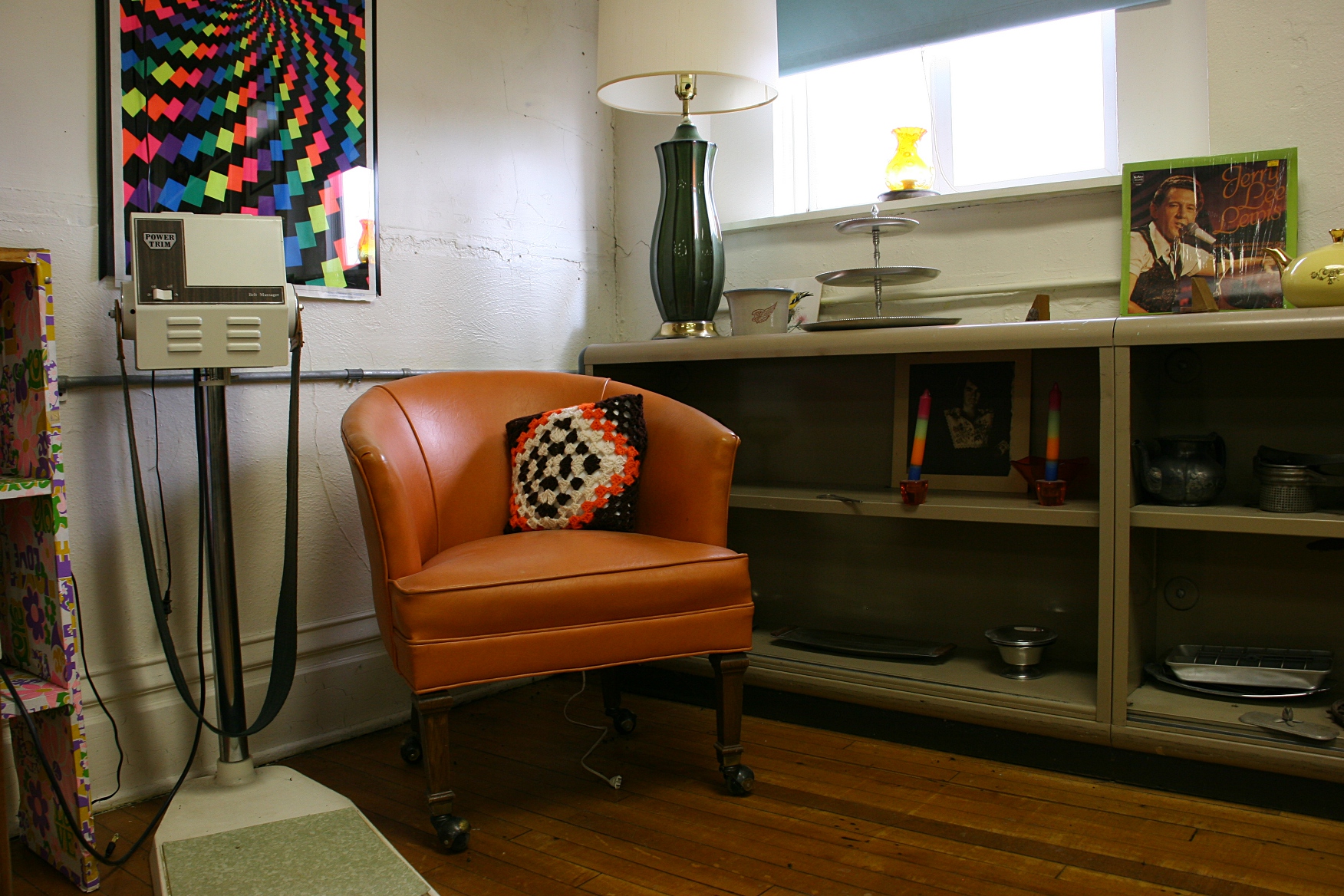
Sit a spell in this 60s corner or lose some inches on that exercise equipment, left.

Sit a spell in this 60s corner or lose some inches on that exercise equipment, left. Well, consider it, but don’t actually do it.

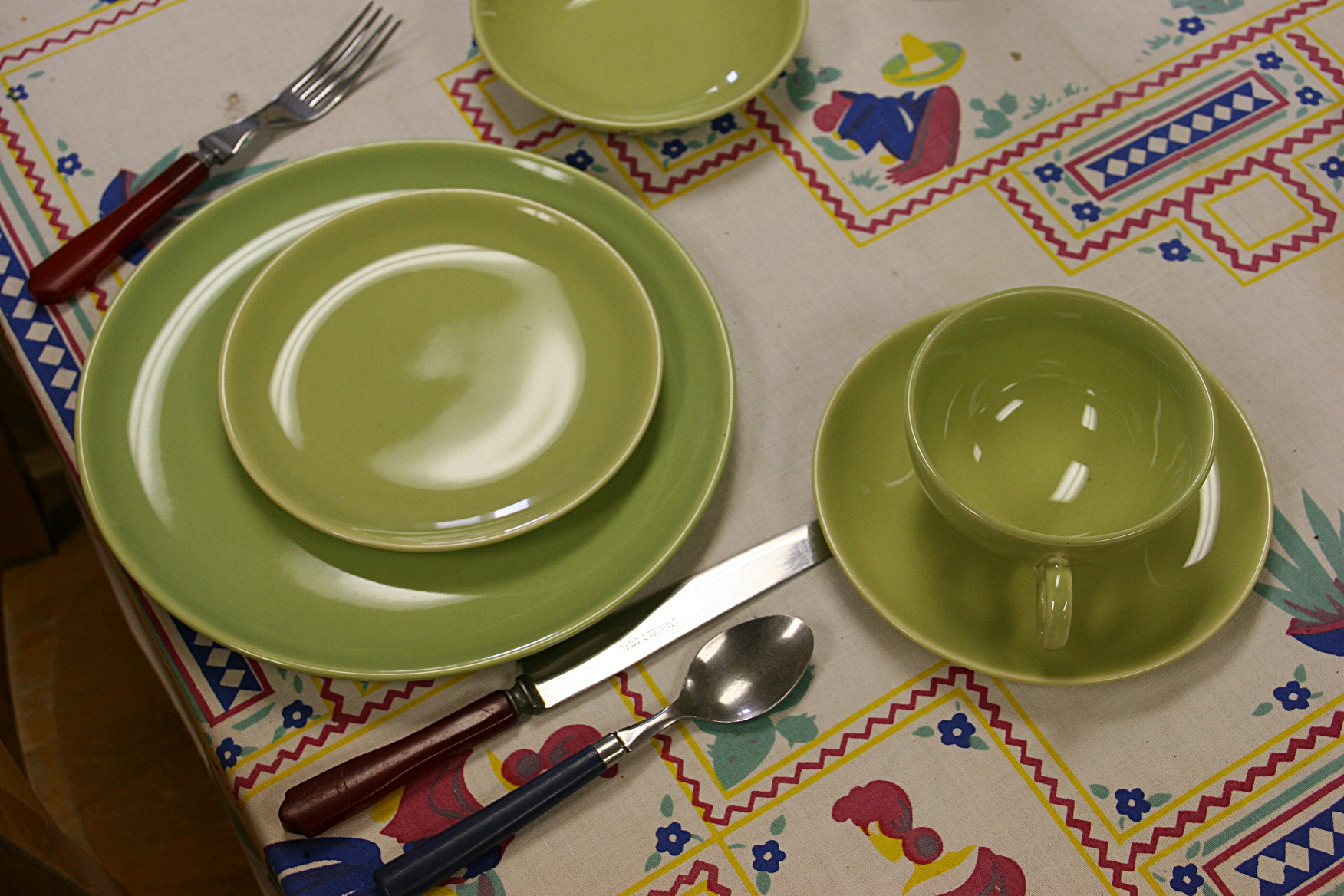
A 1950s place setting. I collection vintage tablecloths.

A 1950s place setting. I collect vintage tablecloths.

IN THE FASHION ROOM:

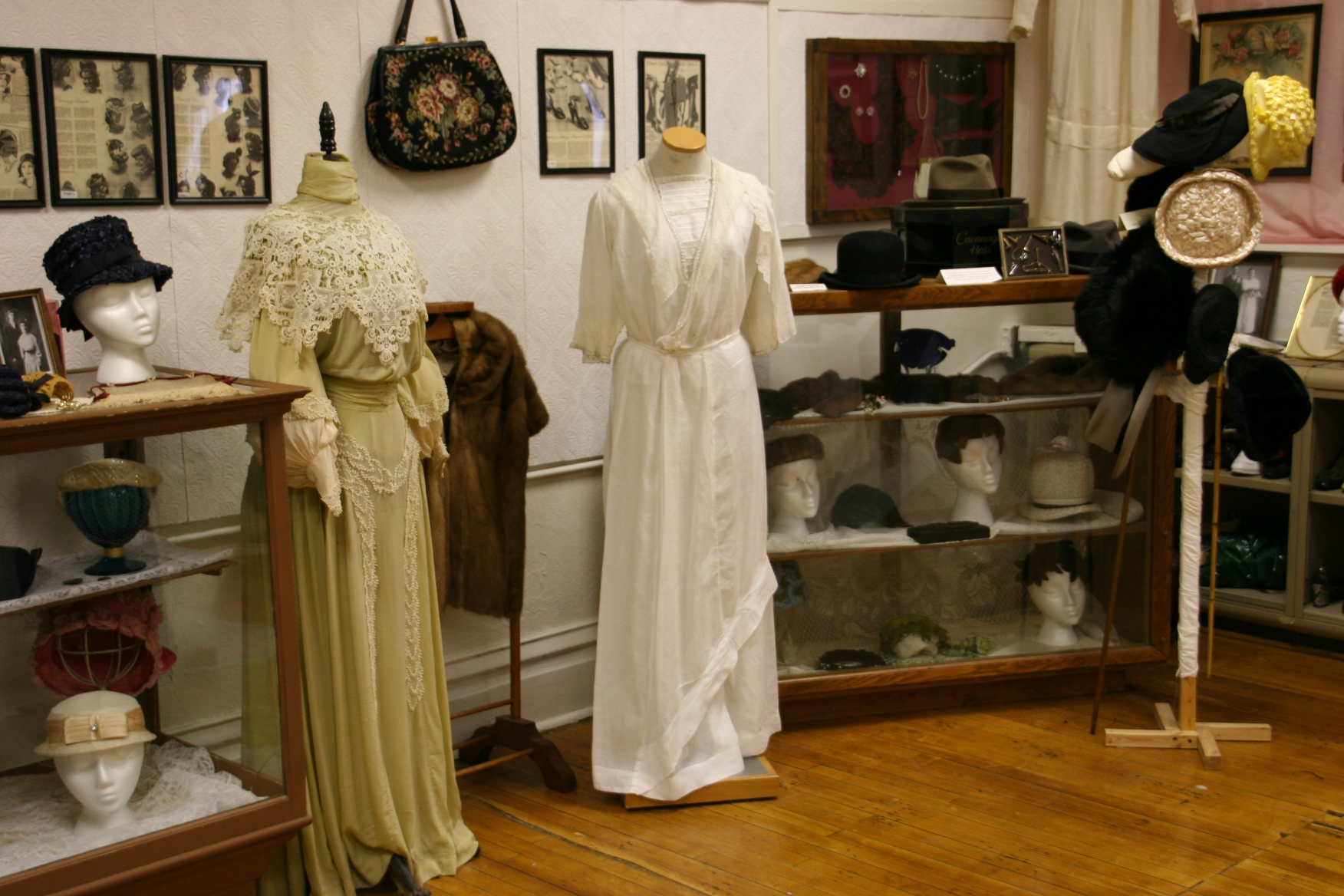
Clothing and sewing equipment from times past suggests how far a generation or two have come.

Clothing and sewing equipment span generations in The Fashion Room.

IN THE HALLWAY:

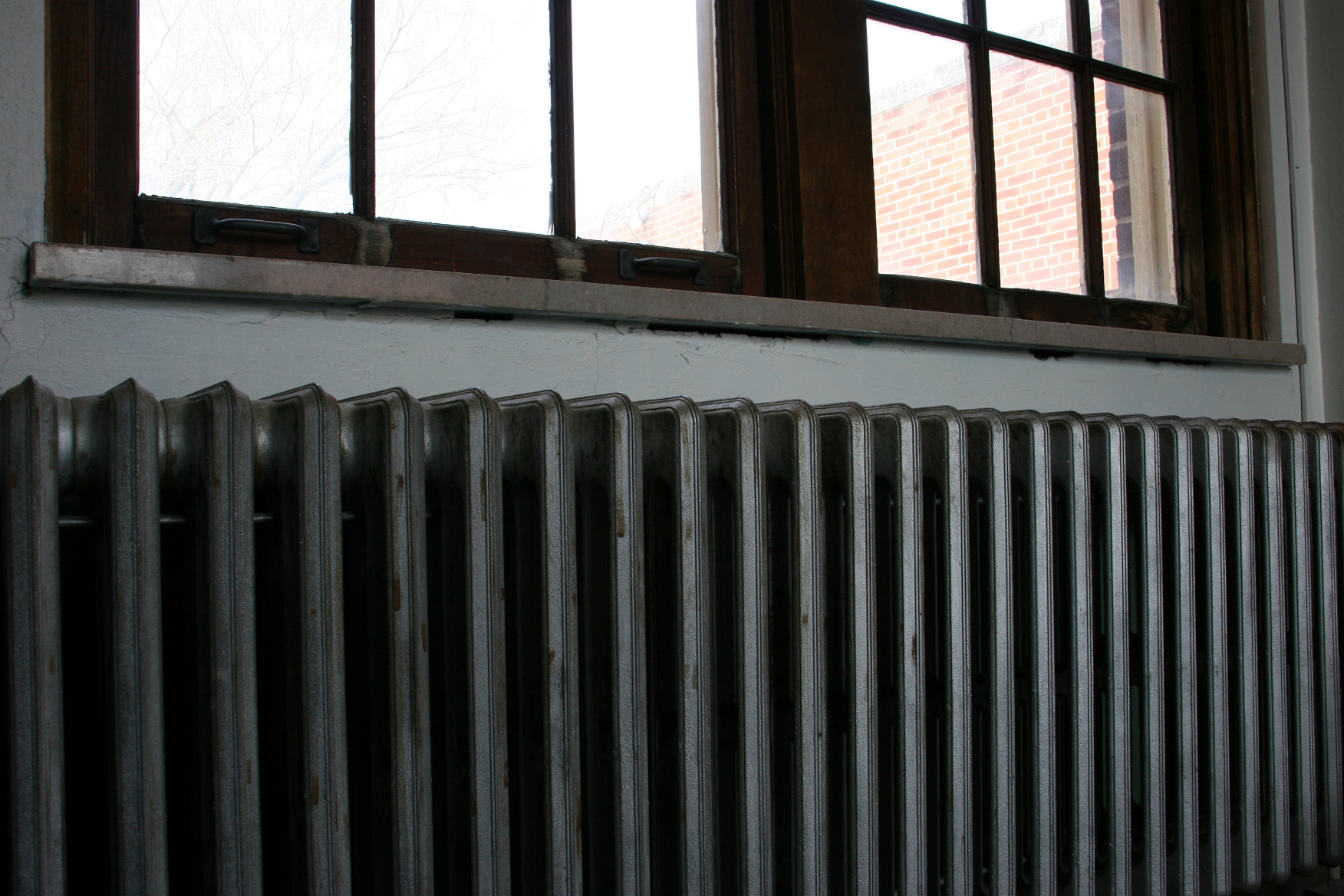
An old radiator and old windows.

An old radiator and old windows show the character of this aged former school.

IN THE MARY DELZER ROOM:

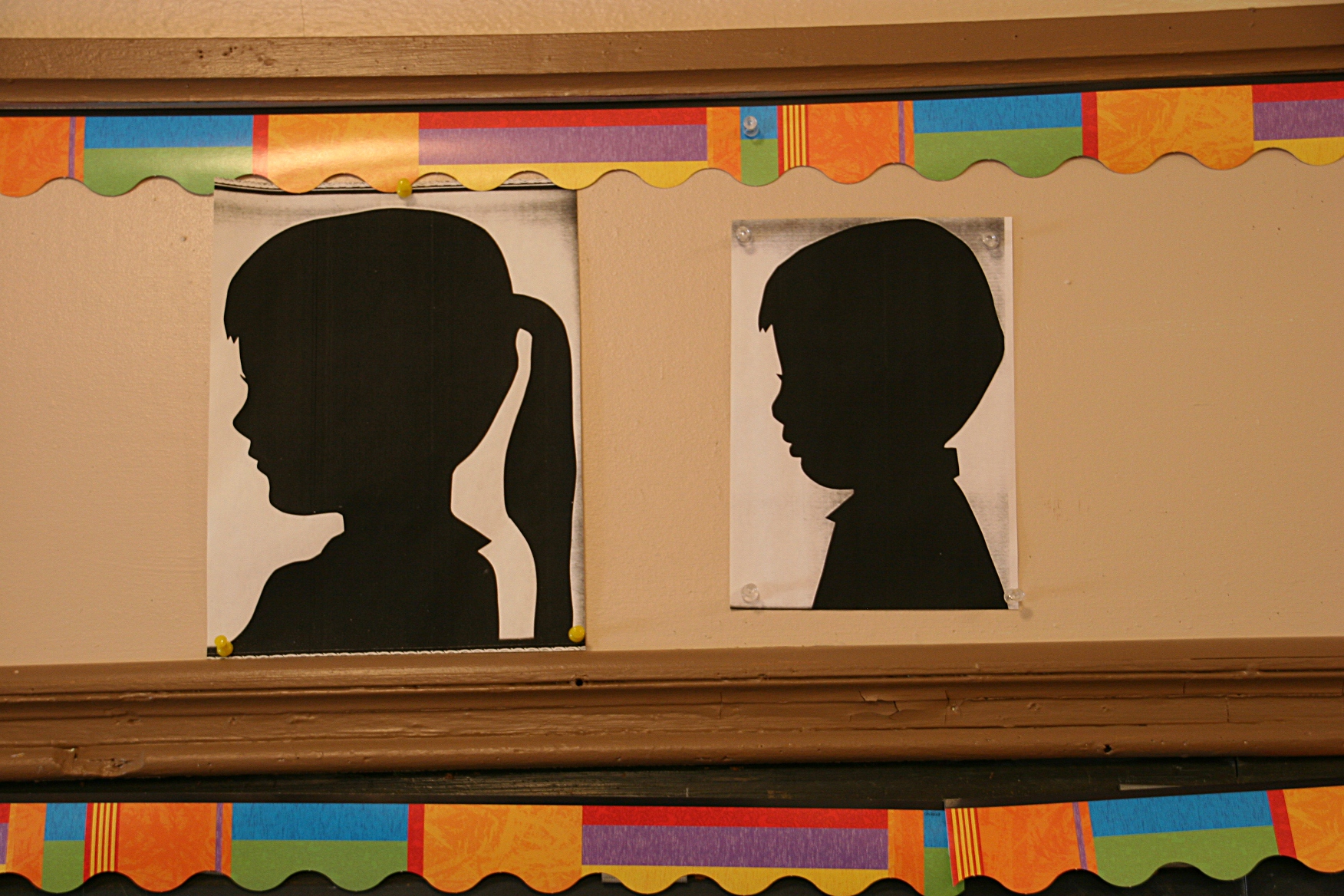
Remember making these silhouettes from black construction paper? I hadn't thought about these in decades. Janis Ray had her students create these profiles each year as a gift to their parents.

Remember making these silhouettes from black construction paper? I hadn’t thought about these in decades. Former educator and WCHS director Janis Ray had her elementary aged students create these profiles each year as a gift to their parents. These are displayed in a room dedicated to education and in which Janis taught.

IN GRANDMA’S ATTIC:

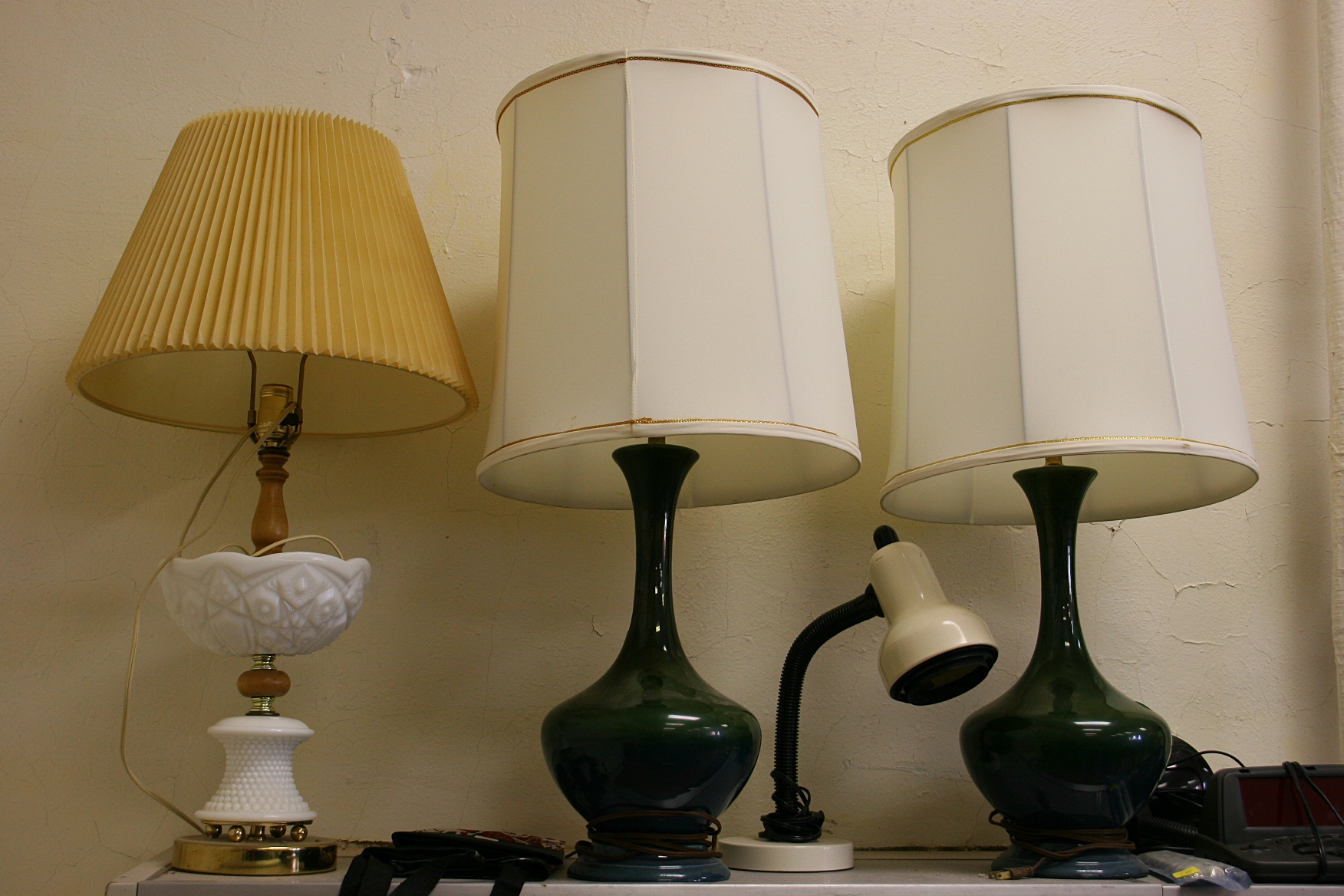
In Grandma's Attic you can buy garage sale type items, like these lamps, with proceeds benefiting the WCHS.

In Grandma’s Attic you can buy garage sale type items, like these lamps, with proceeds benefiting the WCHS. I really should have purchased the two matching lamps. Aren’t they fabulous?

IN THE OFFICE:

A recent donation awaits research and placement.

A recent donation awaits research and placement.

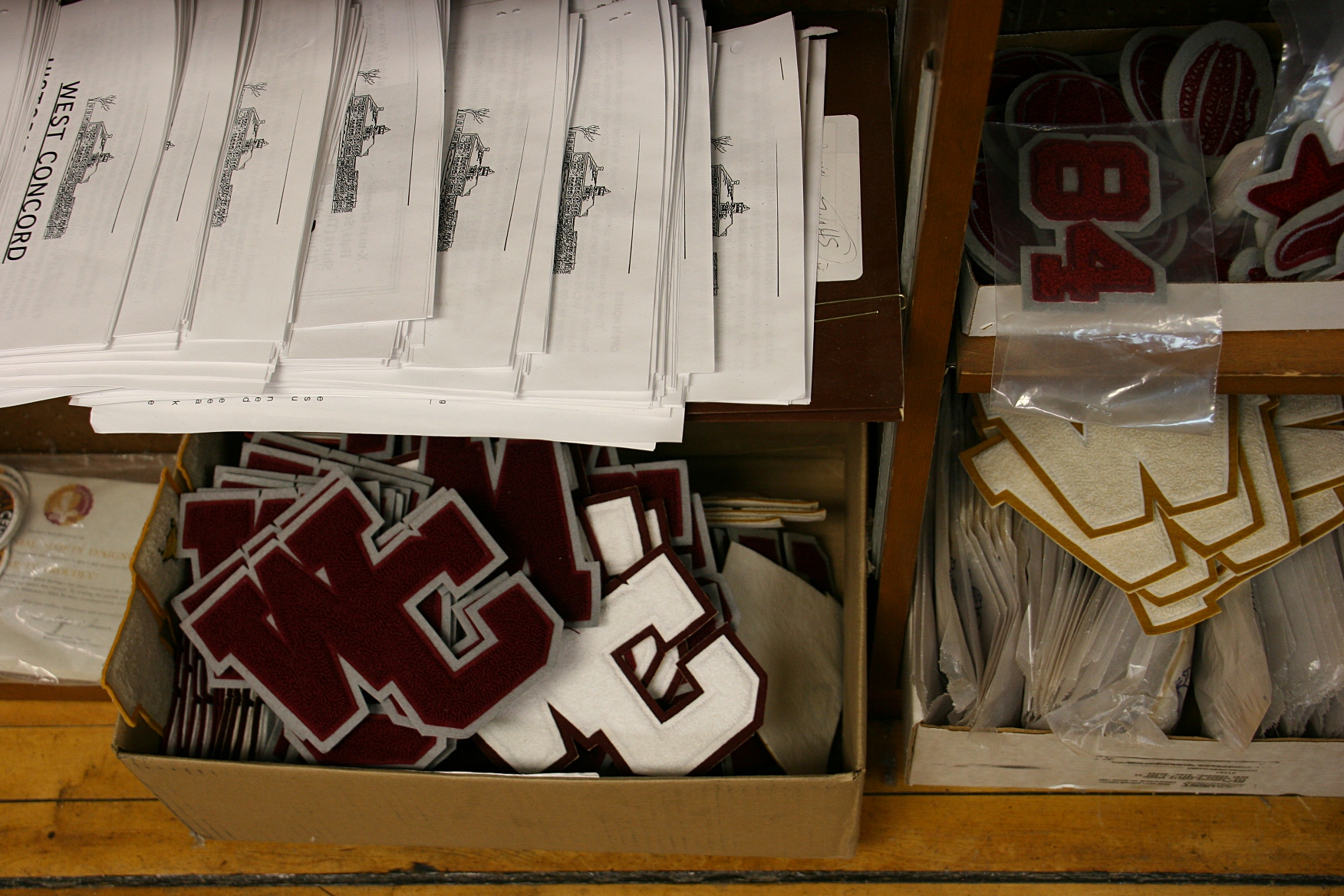
School letters left-over from West Concord High School are available for purchase.

School letters and numbers left over from West Concord High School are available for purchase. West Concord is now part of Triton Public Schools (West Concord, Dodge Center and Claremont). West Concord Public Charter School, however, is open in the community.

FYI: If you missed my first post on the West Concord Historical Society museum, click here. Today’s post is the second in a three-part series.

© Copyright 2015 Audrey Kletscher Helbling


Part I: Keeping the history in West Concord March 31, 2015

EVERY COMMUNITY NEEDS a Janis Ray and a team of equally enthusiastic volunteers.

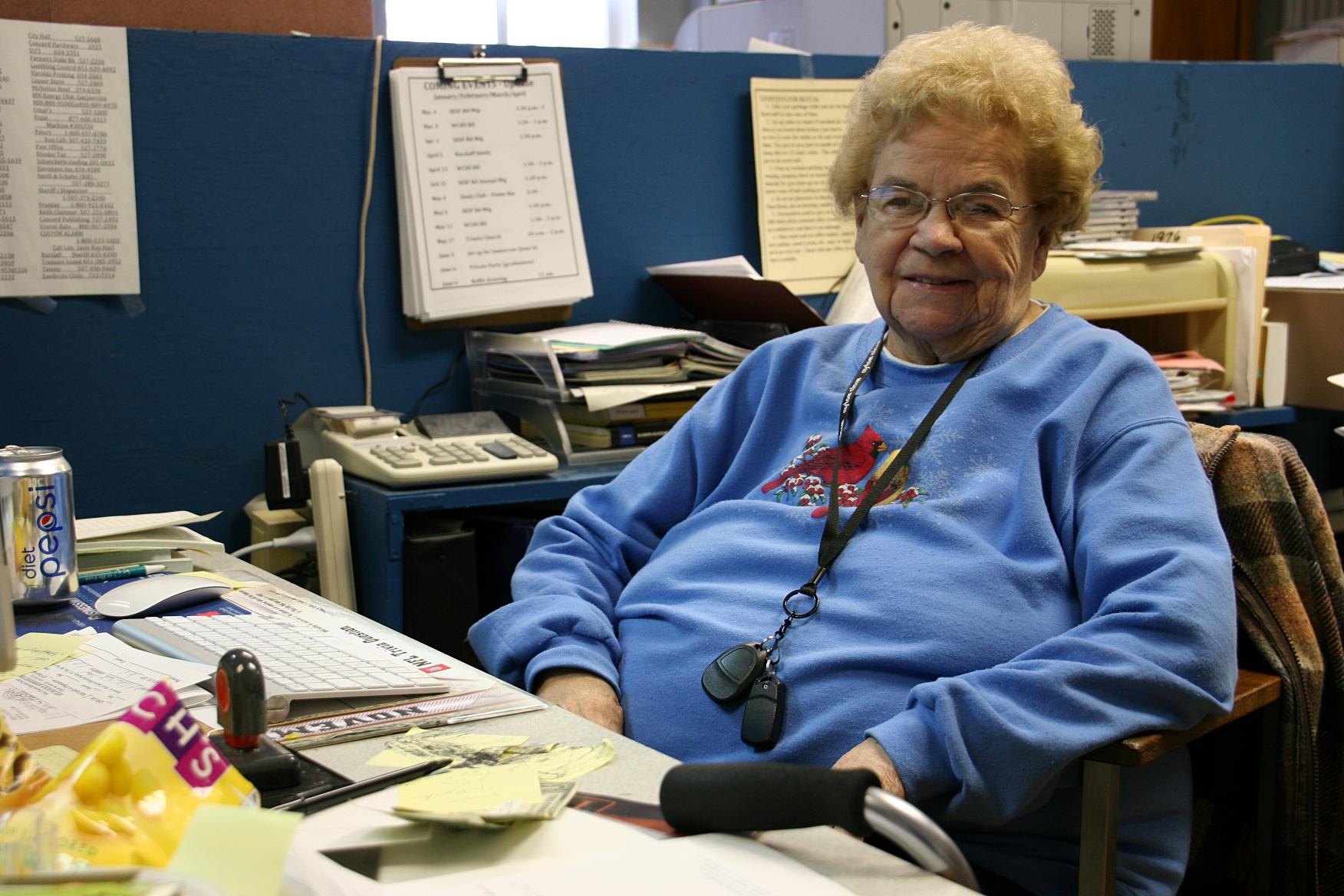
Janis Ray sits at the desk in a former classroom turned office space.

Janis Ray at her desk in a former classroom turned office space.

“We’re the keeper of the history,” says 86-year-old Janis, former educator and a current director/gambling manager of the West Concord Historical Society.

The 1902/1914 school is on the left, the 1936 gym on the right. Museum left, community center right. To enter, use the door between the buildings, in the area where the red car is parked in this photo.

The 1902/1914 school is on the left, the 1936 gym on the right. Museum left, community center right. To enter, use the door between the buildings, in the area where the red car is parked in this photo. The school closed in 1991.

My husband and I met Janis recently while on a meandering day trip to several small towns in southeastern Minnesota. In West Concord, population hovering near 800, we happened upon the historical society and community center housed in an old school. After the school closed in 1991, the WCHS purchased the 1902/1914 building and the attached 1936 gym for $1, saving the complex from planned demolition. Several years later, the museum opened in this hulk of a multi-story brick building, the kind that can never be replaced in character and visual strength by a new facility.

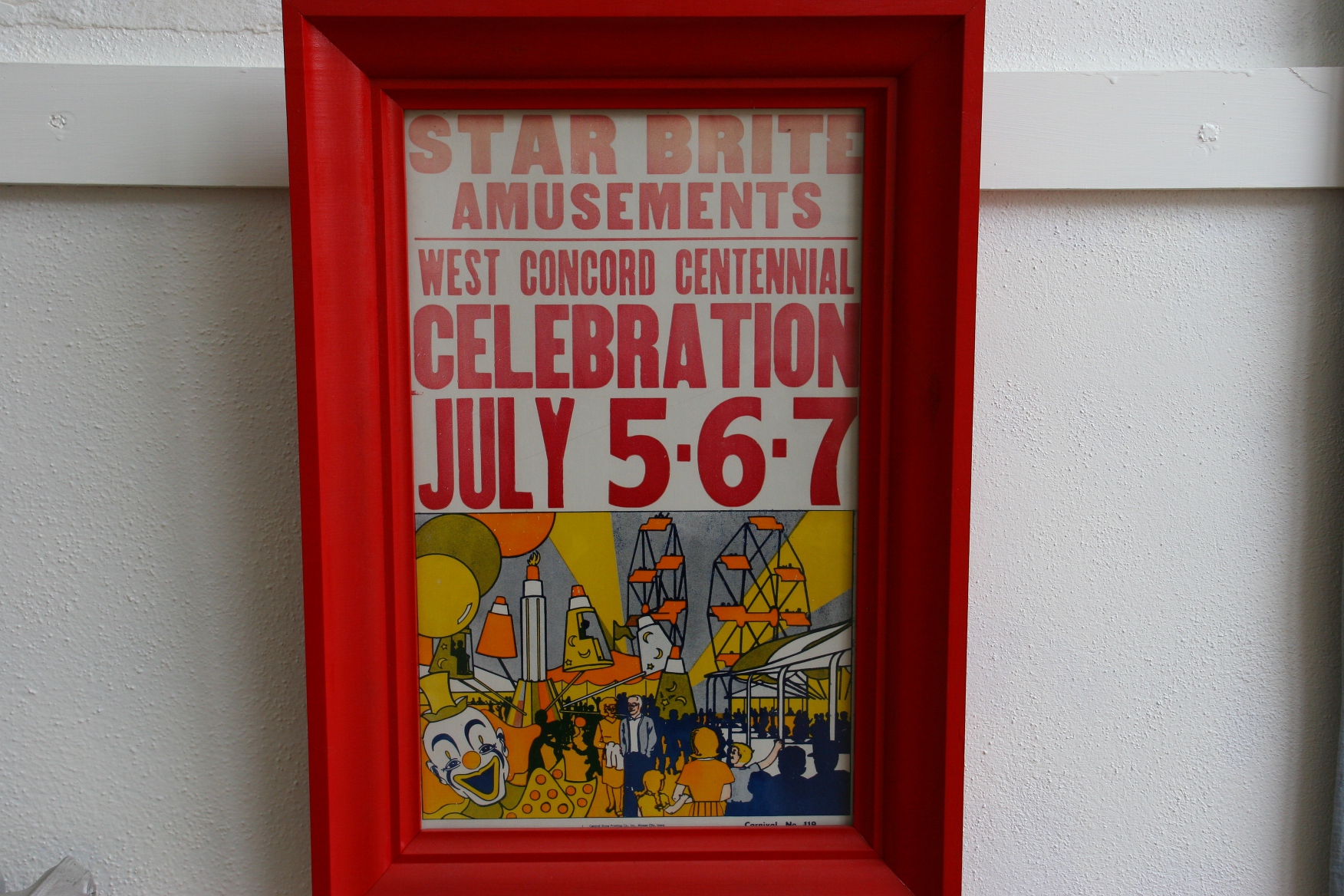
A West Concord Centennial poster hangs in a hallway outside the research room.

A West Concord Centennial poster hangs in a hallway outside the research room.

I appreciate this museum, this building, even though I have no personal connection to the West Concord area.

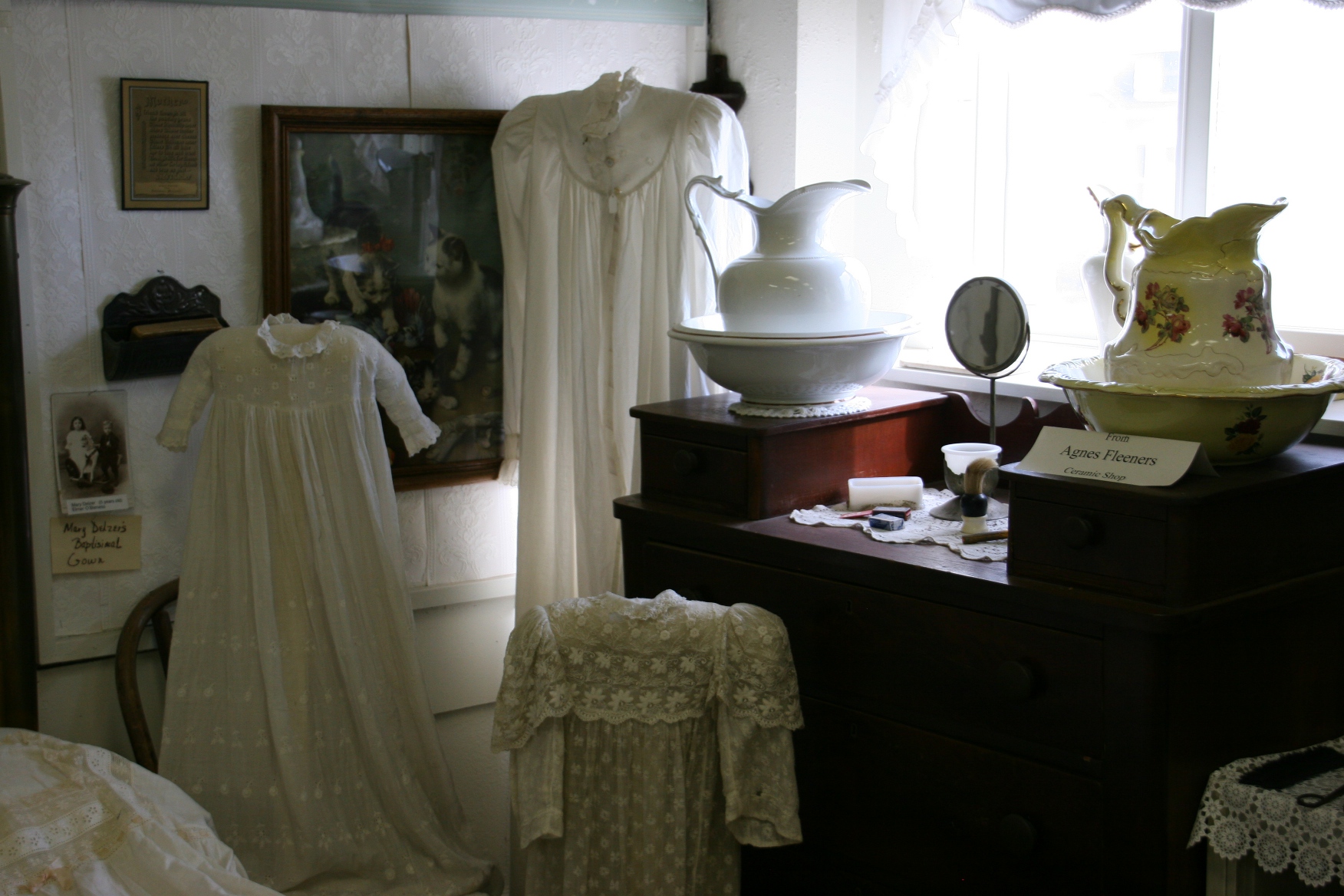
Clothing and more of yesteryear grace The Heritage Room.

Clothing and more of yesteryear grace The Heritage Room.

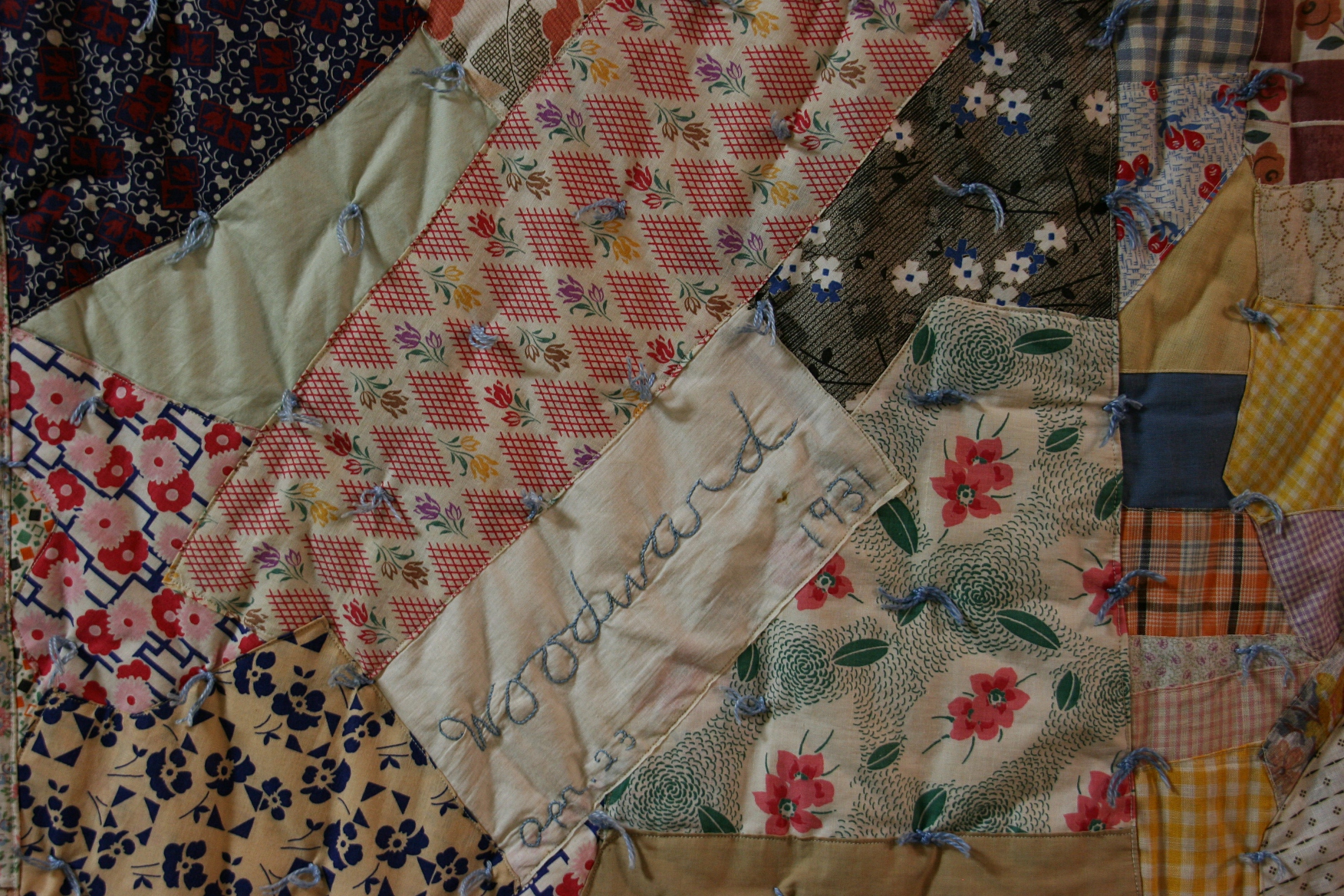
Beautiful handmade quilts are displayed.

Beautiful handmade quilts are displayed.

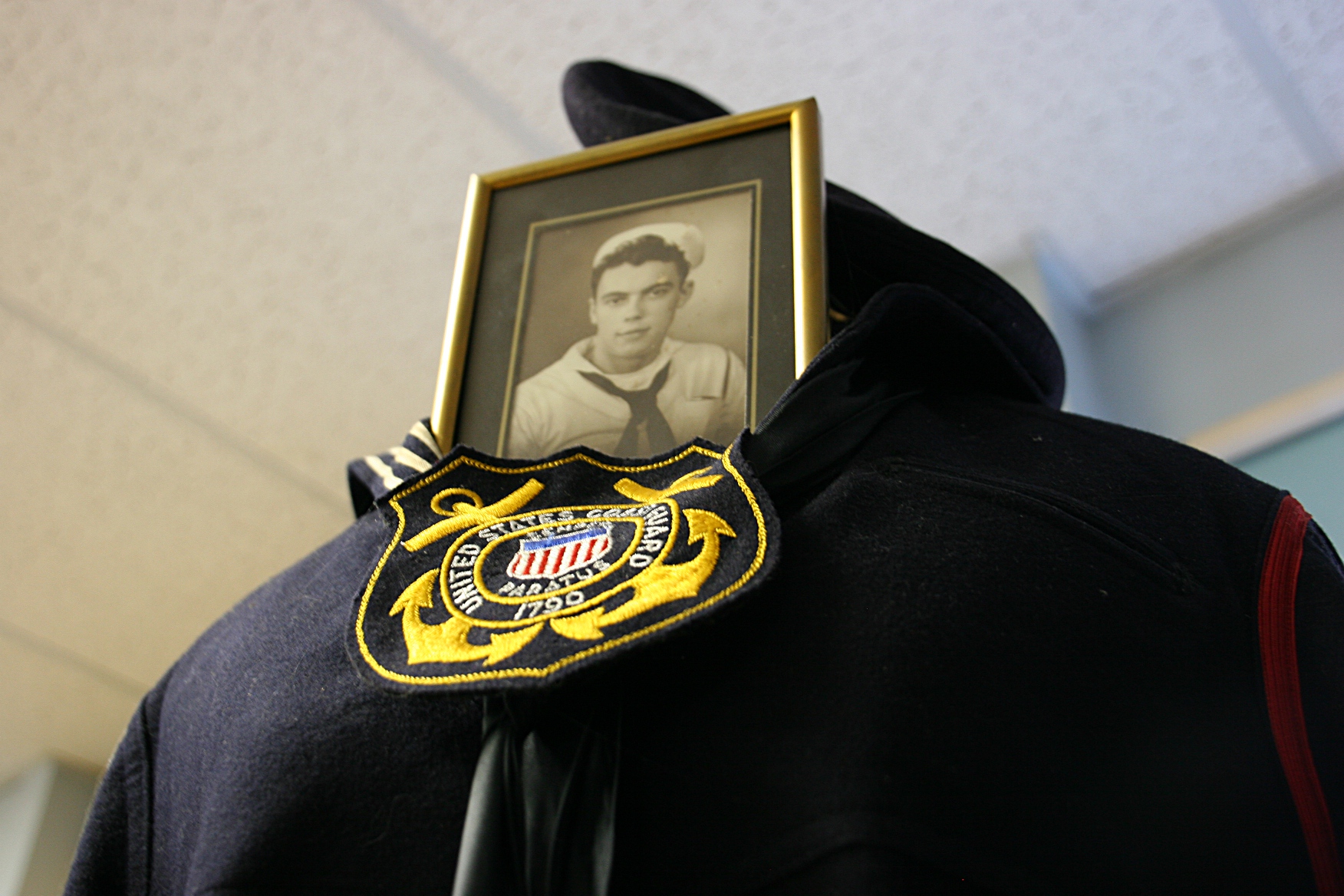
The Veterans Room honors local men and women who served their country.

The Veterans Room honors local men and women who served their country.

This structure houses not only local history, but everyone’s history. Or at least everyone who grew up in rural Minnesota. I delighted in room after former classroom themed to topics like veterans, fashion, farmers and merchants, education, the 1950s and 60s, heritage and more. Even hallways hold small town rural treasures.

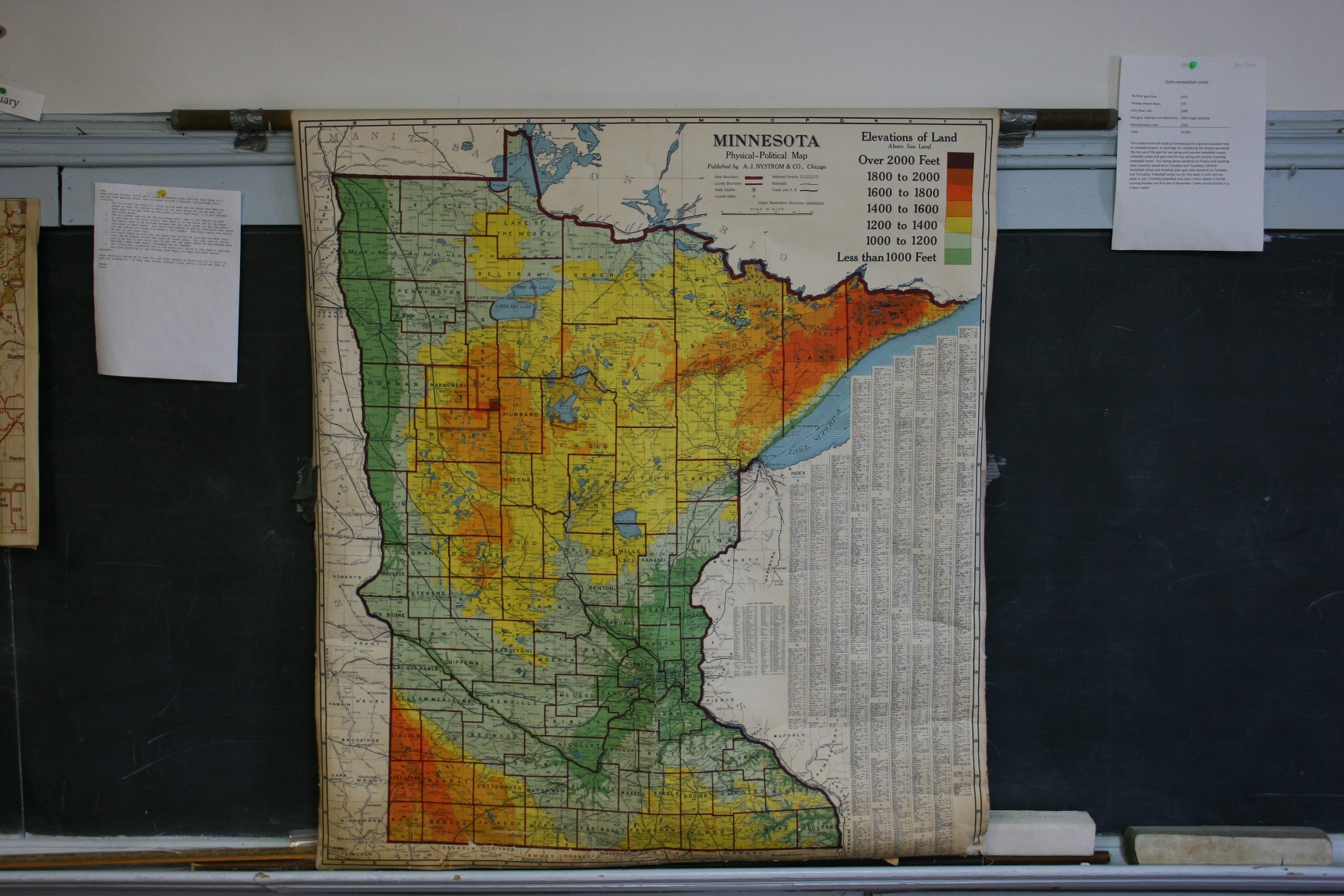
Pull-down maps like this one of Minnesota remain in some classrooms.

Pull-down maps like this one of Minnesota remain in some classrooms.

Reminders of the building’s former use linger in blackboards, globes, pull-down maps and the “Principal’s Office” sign above The Farmers & Merchant Room doorway. You can almost hear students slamming locker doors and shuffling across worn wood floors.

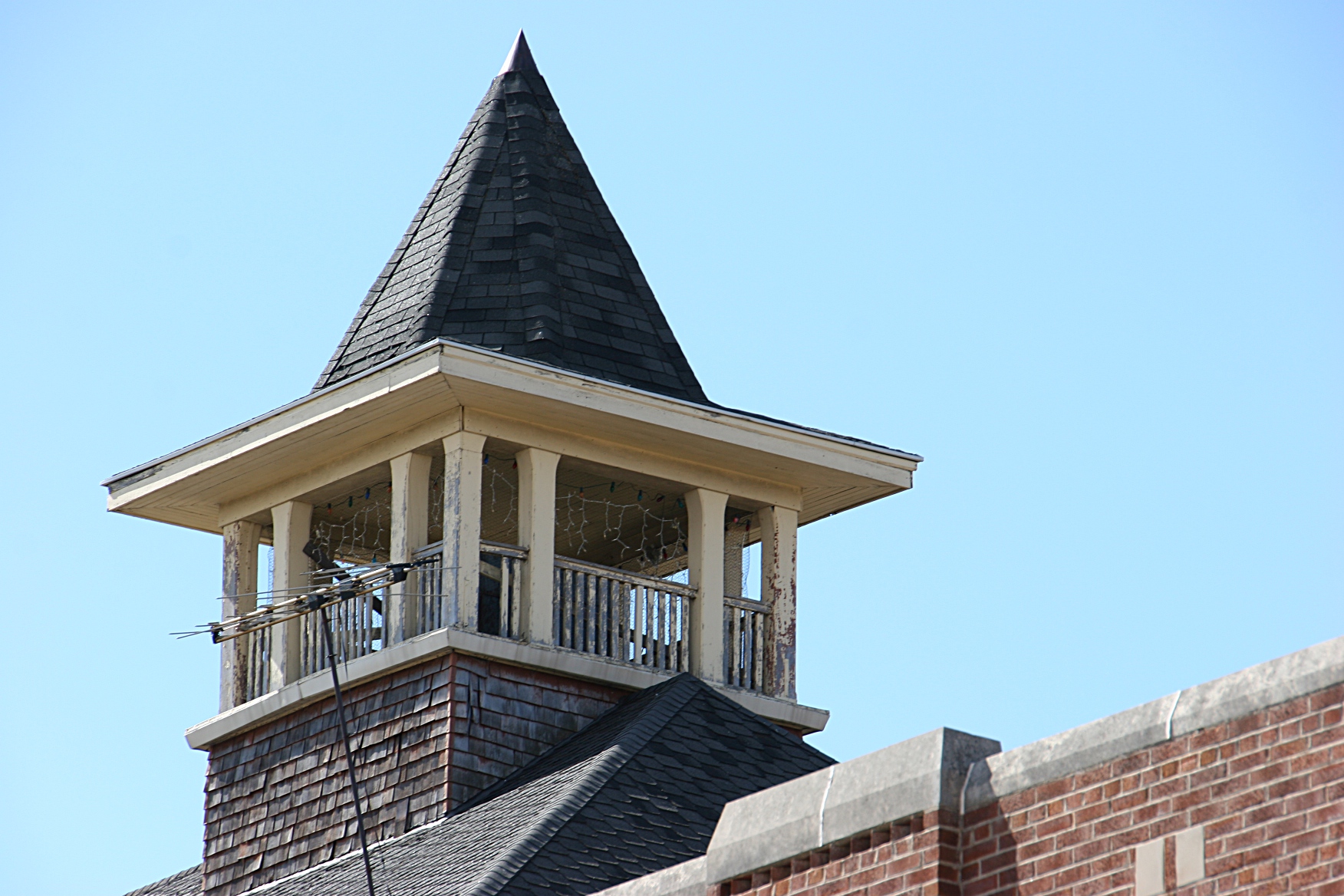
The roof of the aged school is topped with this unique architectural structure.

The roof of the aged school is topped with this unique architectural structure.

I know I missed a lot simply because we arrived too late to study the three stories of collections in detail. The place closes at noon Saturdays and Janis was gracious enough to let us stay a bit past closing. Yet I left impressed. This is one of the finest small town museums I’ve ever toured.

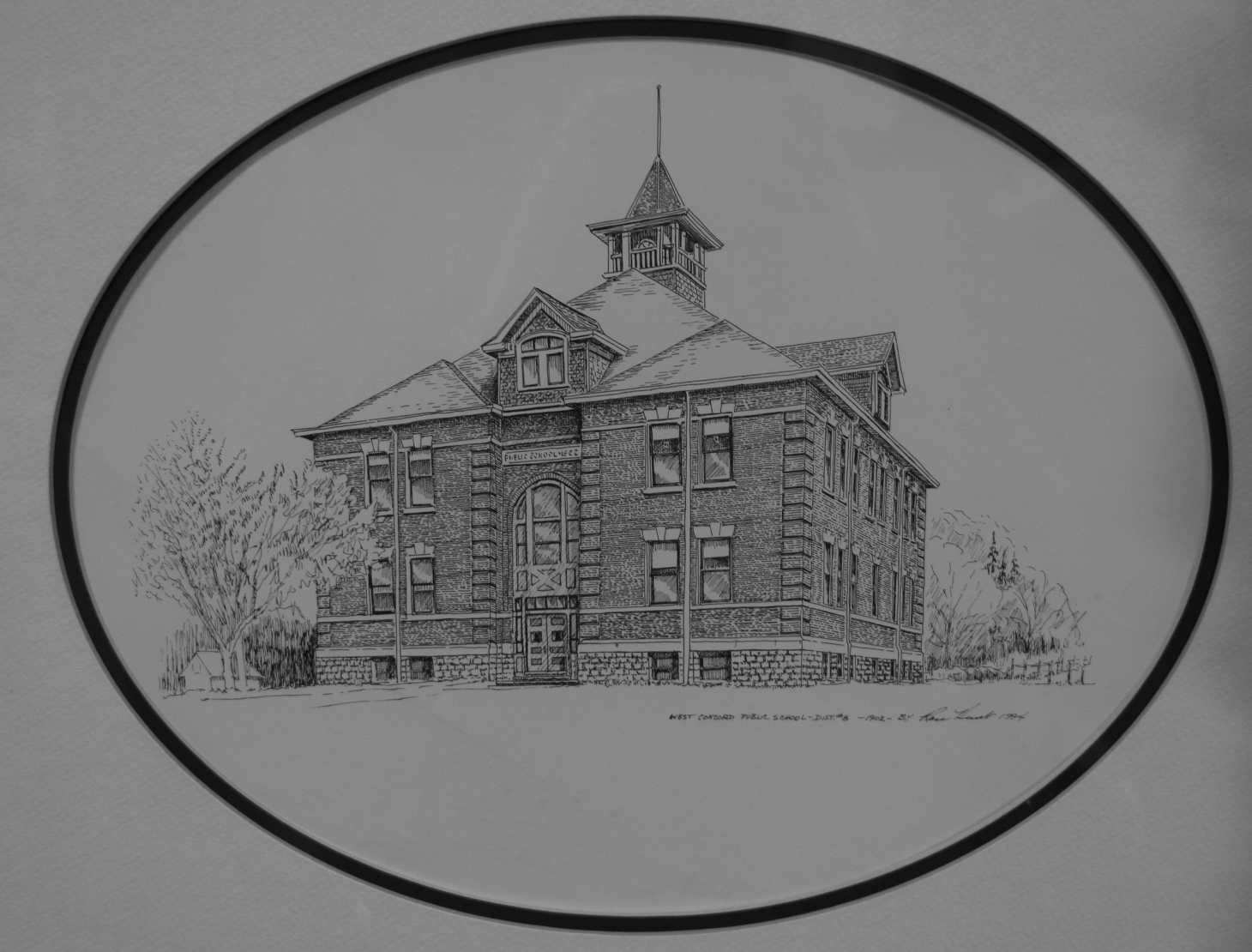
A drawing of the 1902 school hangs in a hallway.

A drawing of the 1902 school hangs in a hallway.

And, Janis will tell you, the largest in the area. She is proud of what this community has created. She graduated from this school and taught elementary school students here for 36 years. Her roots run deep.

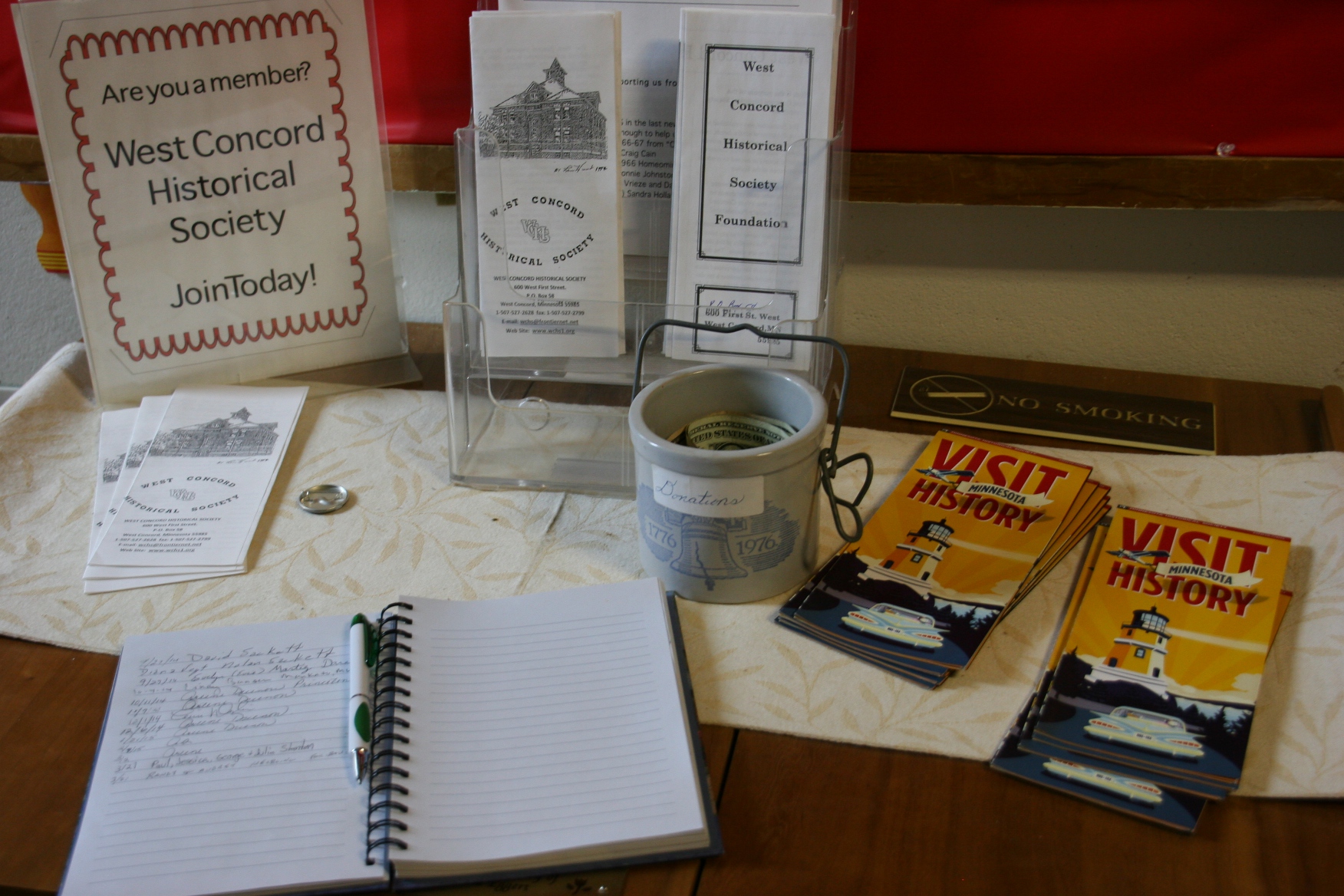
Admission cost is a donation.

Admission cost is a suggested $4 or a donation.

Perhaps that is what appeals to me—that personal connectedness spawning passion unquelled. You can’t match small town enthusiasm that brings locals like Janis here to volunteer 25 hours a week. She manages the liquor store pulltab fundraising which brings in $10K-$12K yearly to help meet annual historical society expenses of around $70K. Membership (there are 260 members from 24 states) and donations provide the remaining bulk of financial support. There’s no paid staff.

The museum includes The Cardinal Room filled with West Concord High School activity memorabilia.

The museum includes The Cardinal Room filled with West Concord High School activity memorabilia.

Janis is serious about this business of keeping the history. She delights in young people coming here with their parents or grandparents, generations passing along the histories of this community and building to another generation.

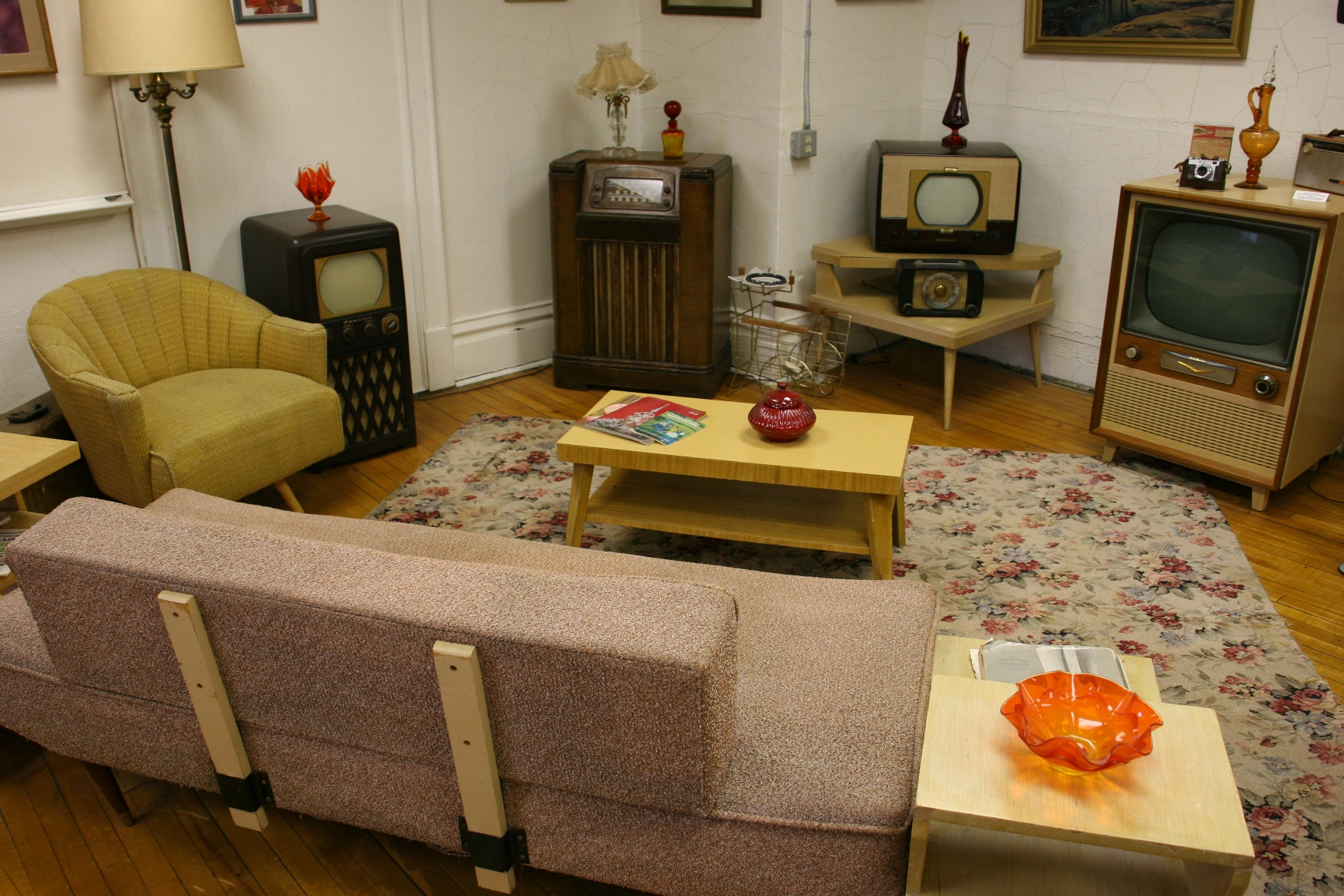
The museum feels living room comfortable, like this 1950s living room set up in The 50's and 60's Room.

The museum feels living room comfortable. This 1950s living room staged in The 50’s and 60’s Room includes the first TV (a 1950 model on the left in this photo) sold in West Concord.

I felt at ease here, unencumbered by rules. Photography is allowed. You can meander among the exhibits; no ropes or half-walls fence you out. There’s a certain comfortableness that prevails, as if everything here belongs to you, even when it doesn’t. But perhaps it does.

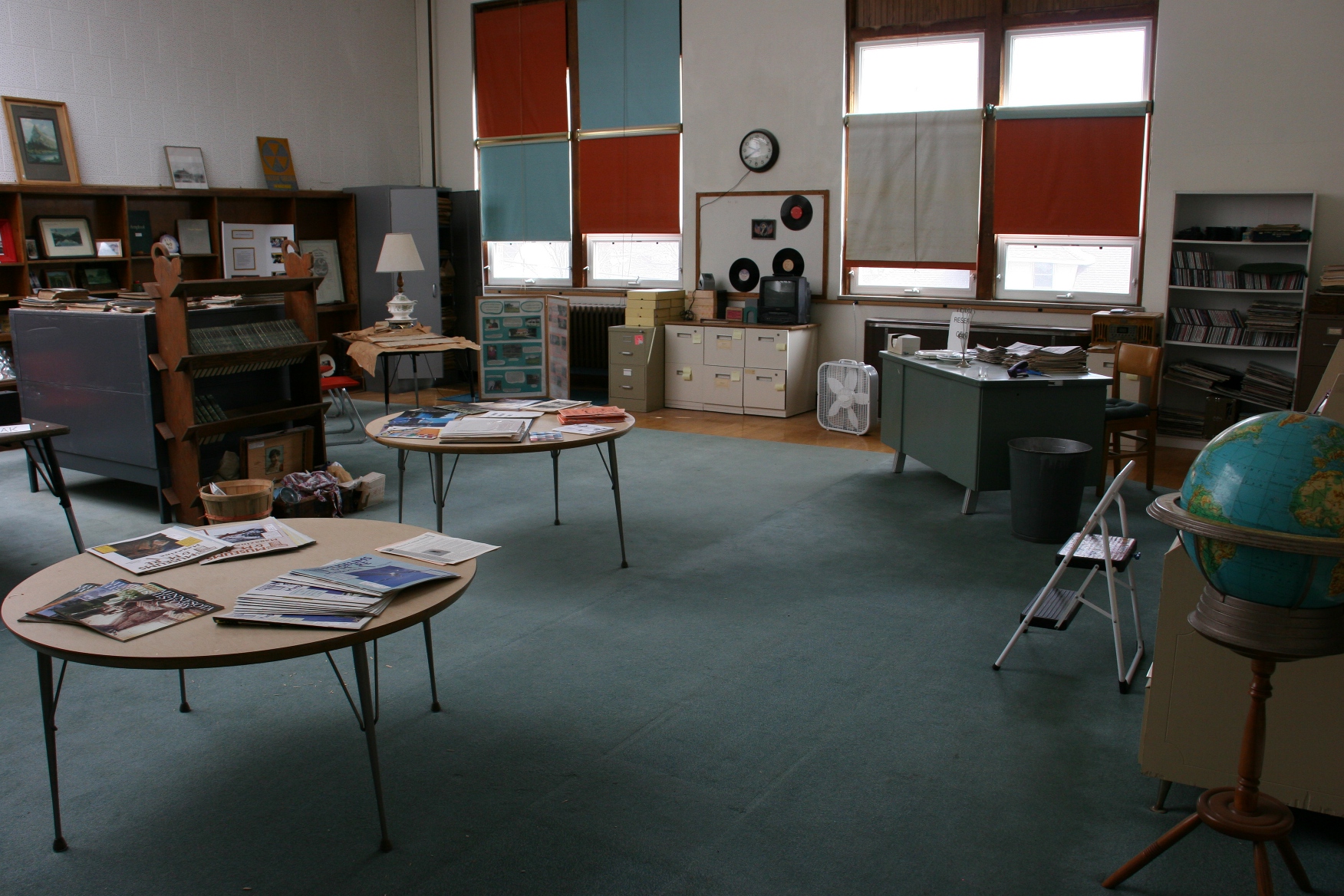
There's even a room to do research.

There’s even a room to do research.

FYI: The museum is open from 9 a.m. – 2 p.m. weekdays and from 10 a.m. – noon Saturdays. Or call 507-527-2628 for an appointment. The museum is located at 600 West First Street, a block west of Highway 56 at the intersection with Olive Street. Click here to reach the WCHS website.

I will showcase the museum in two more posts because I have way too many images for a single story. And then I’ll take you into the West Concord High School gym built as a WPA project in 1936. It’s a treasure, too.

© Copyright 2015 Audrey Kletscher Helbling


A close-up Journey to the Cross March 29, 2015

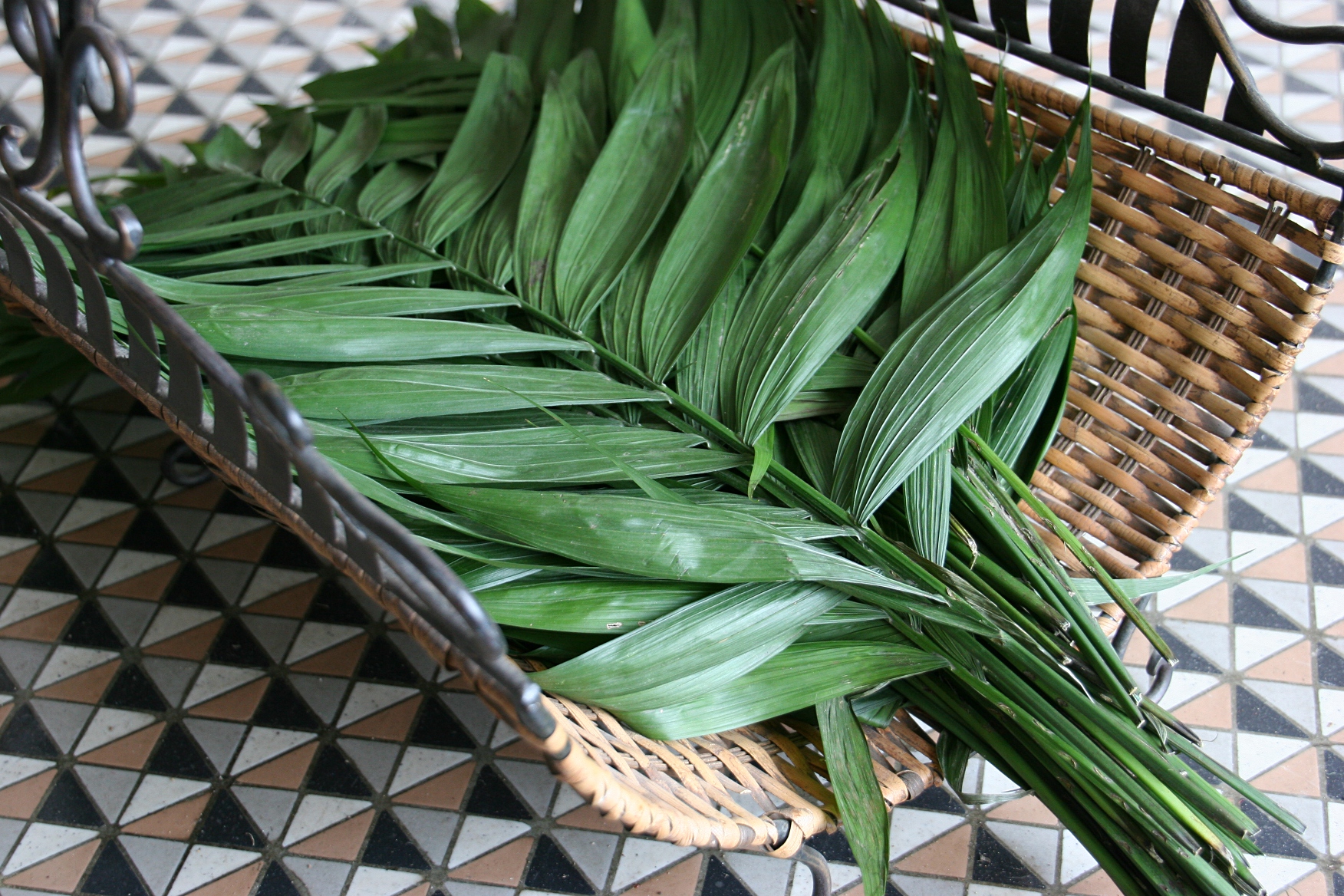
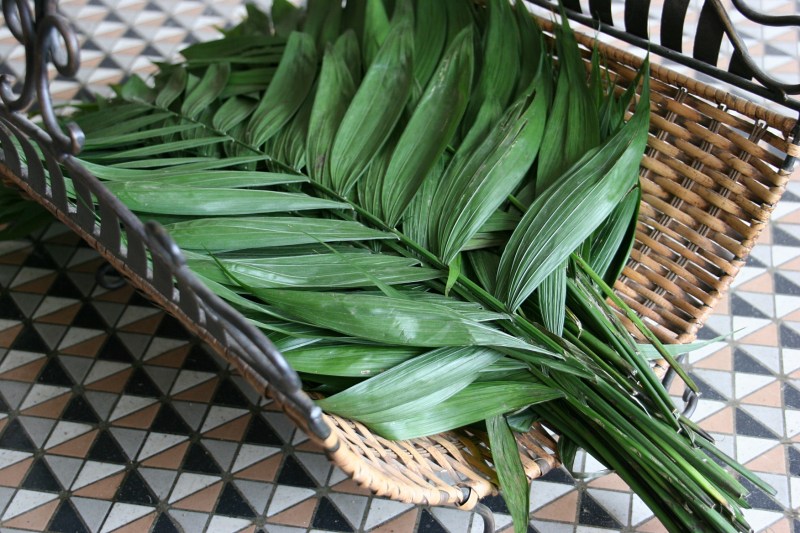
Palm branches.

Palm branches.

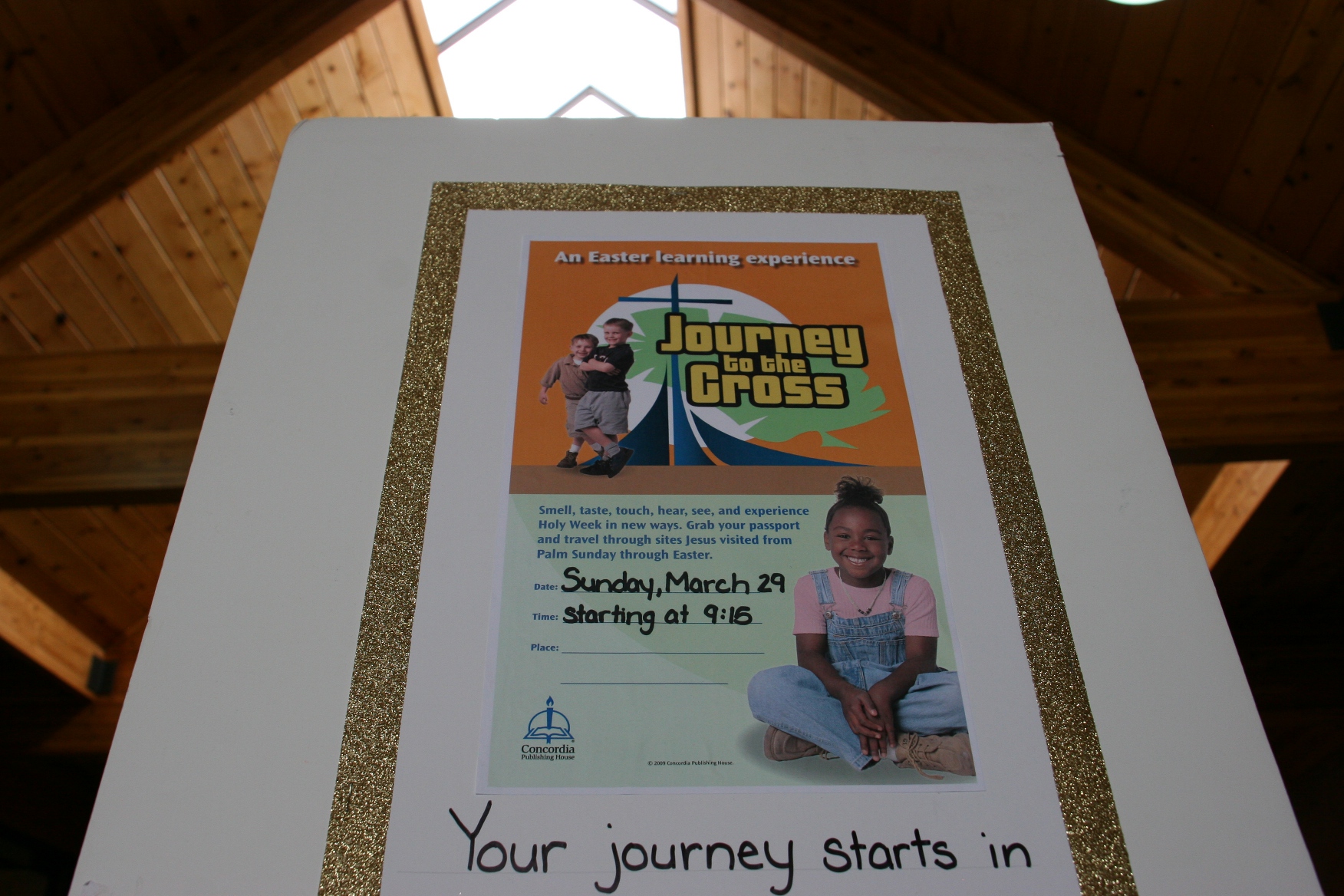
PALM BRANCHES AND HOSANNAS. For the Christian church, both mark Jesus’ triumphant entry into Jerusalem on Palm Sunday, the beginning of Holy Week.
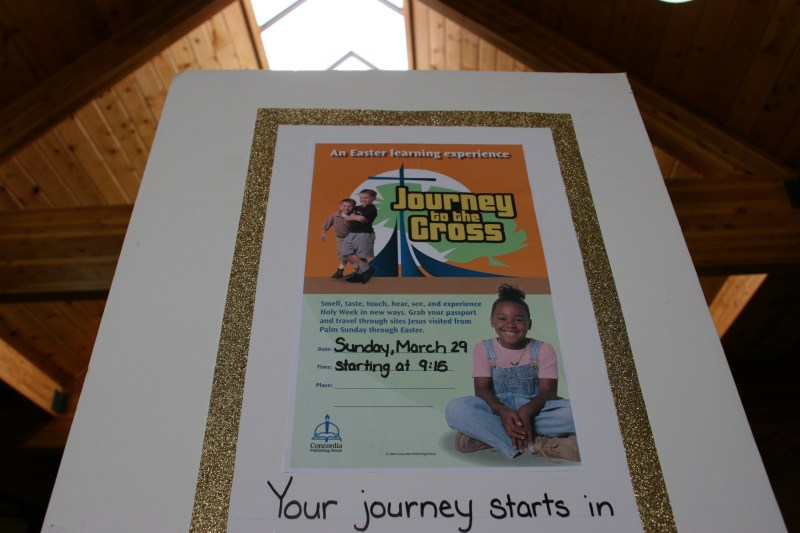
Small groups participated in 45-minute tours on "Journey to the Cross."

Small groups participated in 45-minute tours on “Journey to the Cross.”

This morning at the church I attend, Trinity Lutheran in Faribault, Holy Week also began with a “Journey to the Cross” event. I was blessed to be a volunteer in this journey which led attendees through Christ’s final days to his glorious resurrection on Easter.
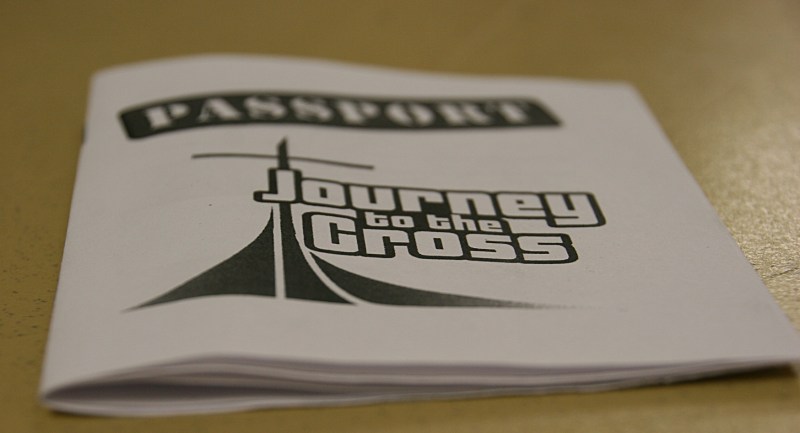
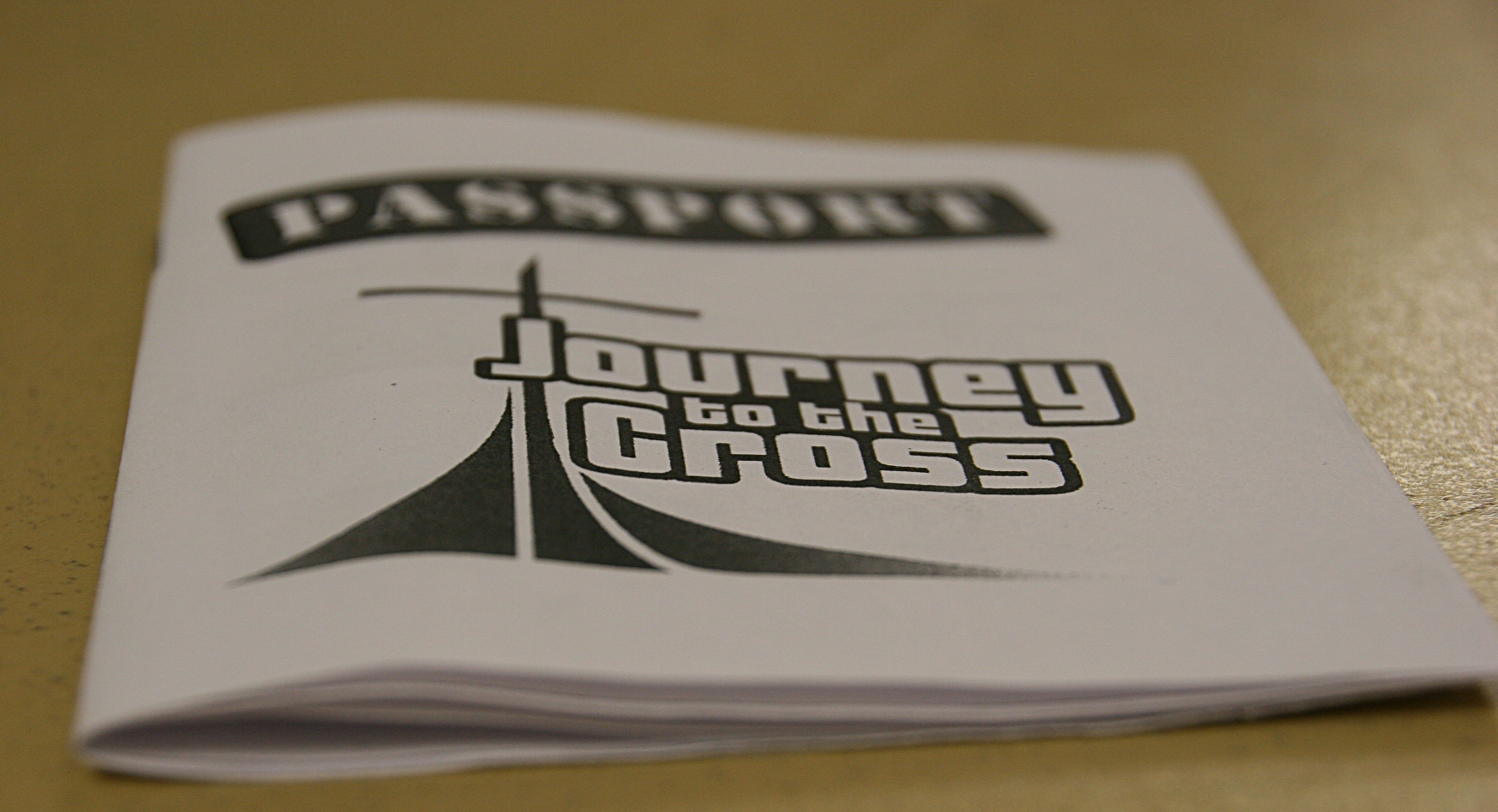
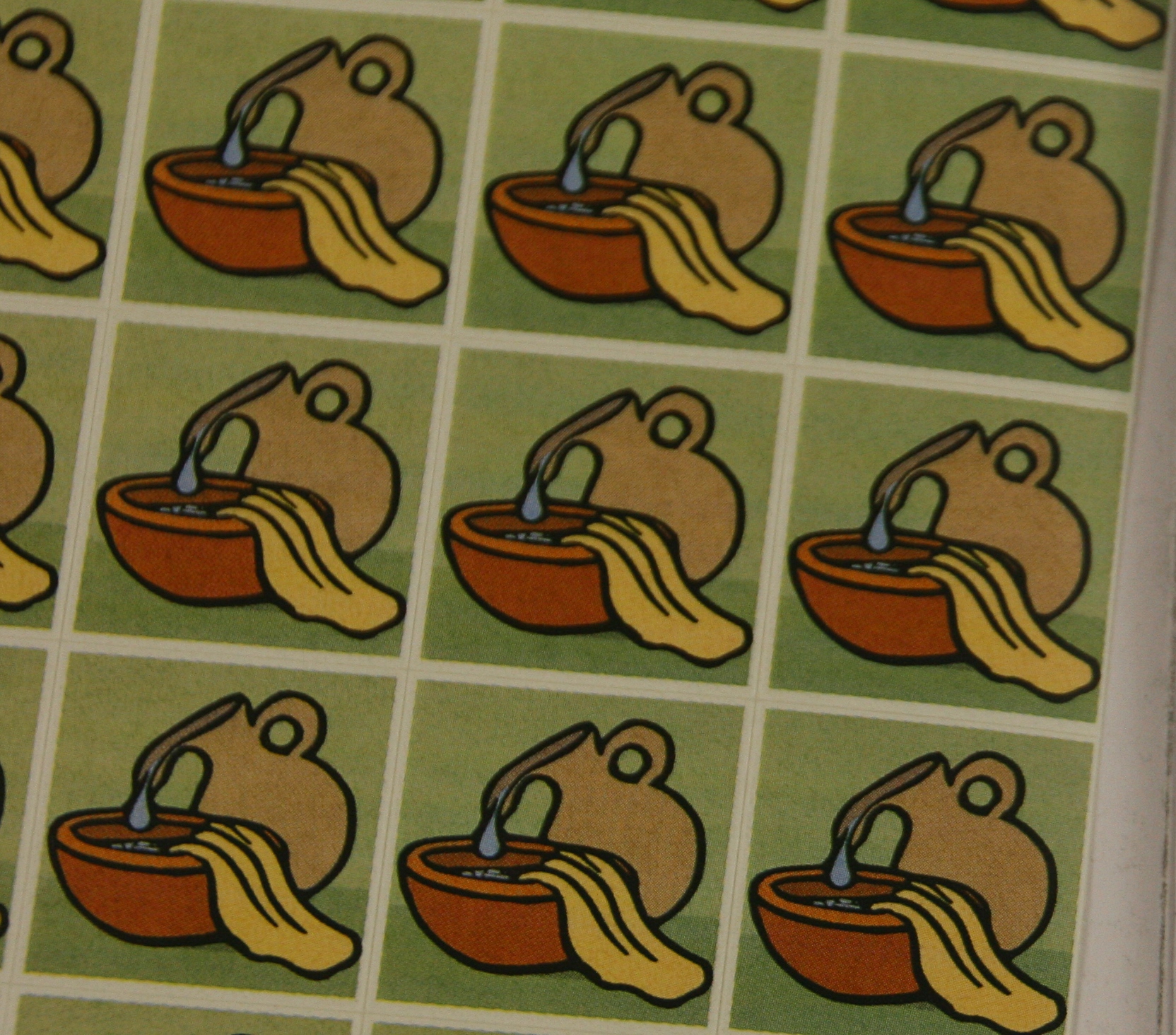
Participating kids (and some adults) carried passports. At nearly every station, stickers were distributed to place in the passports.

Participating kids (and some adults) carried passports. At nearly every station, stickers were distributed to place in the passports.

With passports in hand, kids and adults traveled from station to station, listening to performers role-play the parts of towns’ people, a temple worker, soldiers, an angel and others.
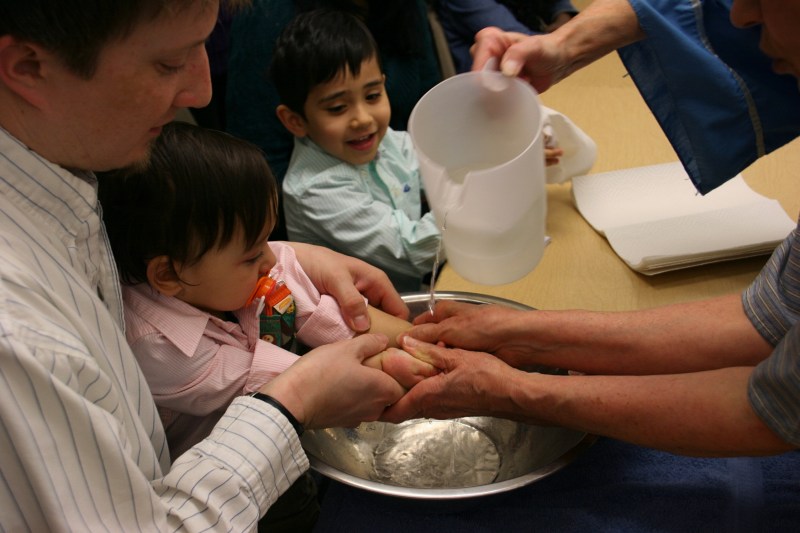
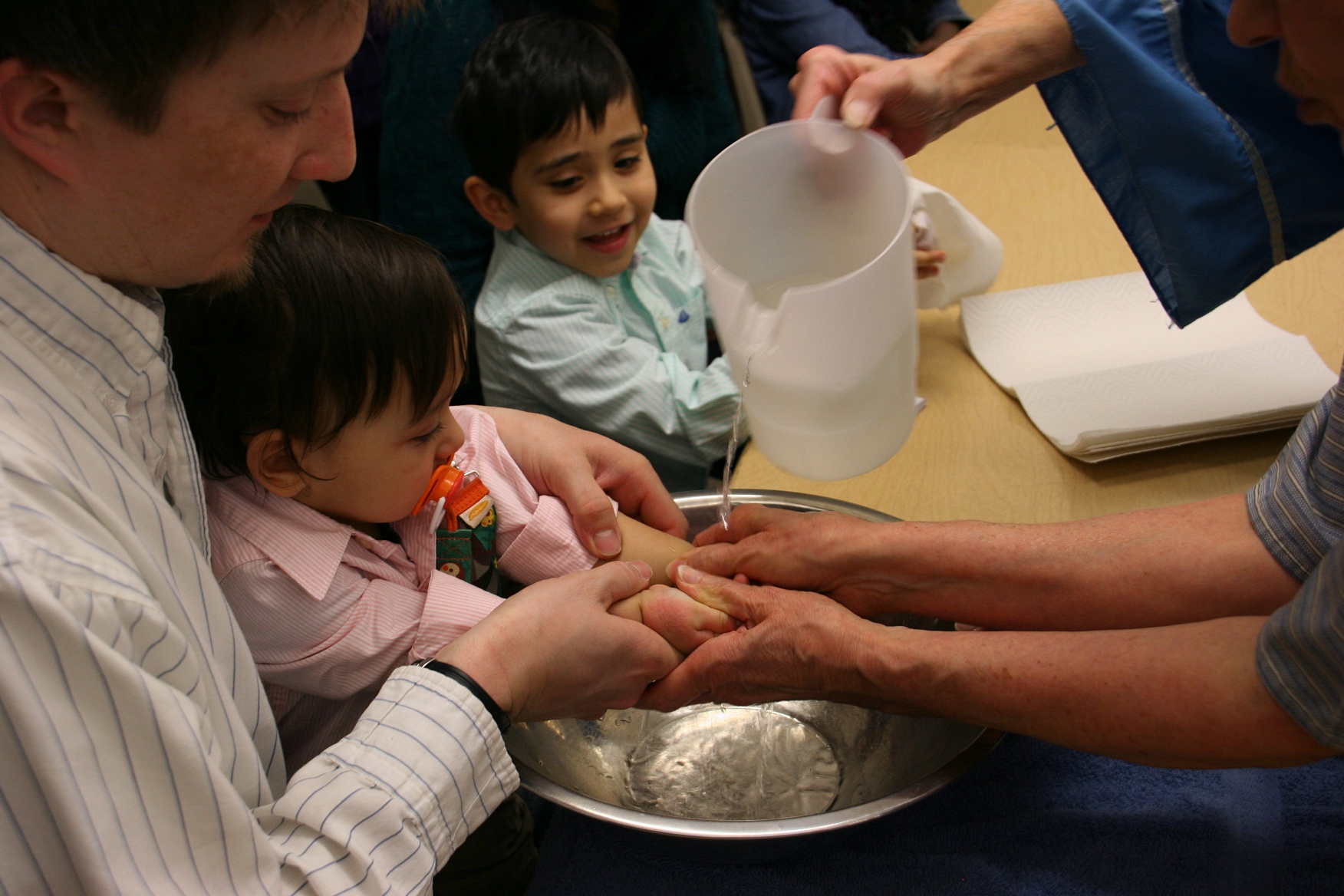
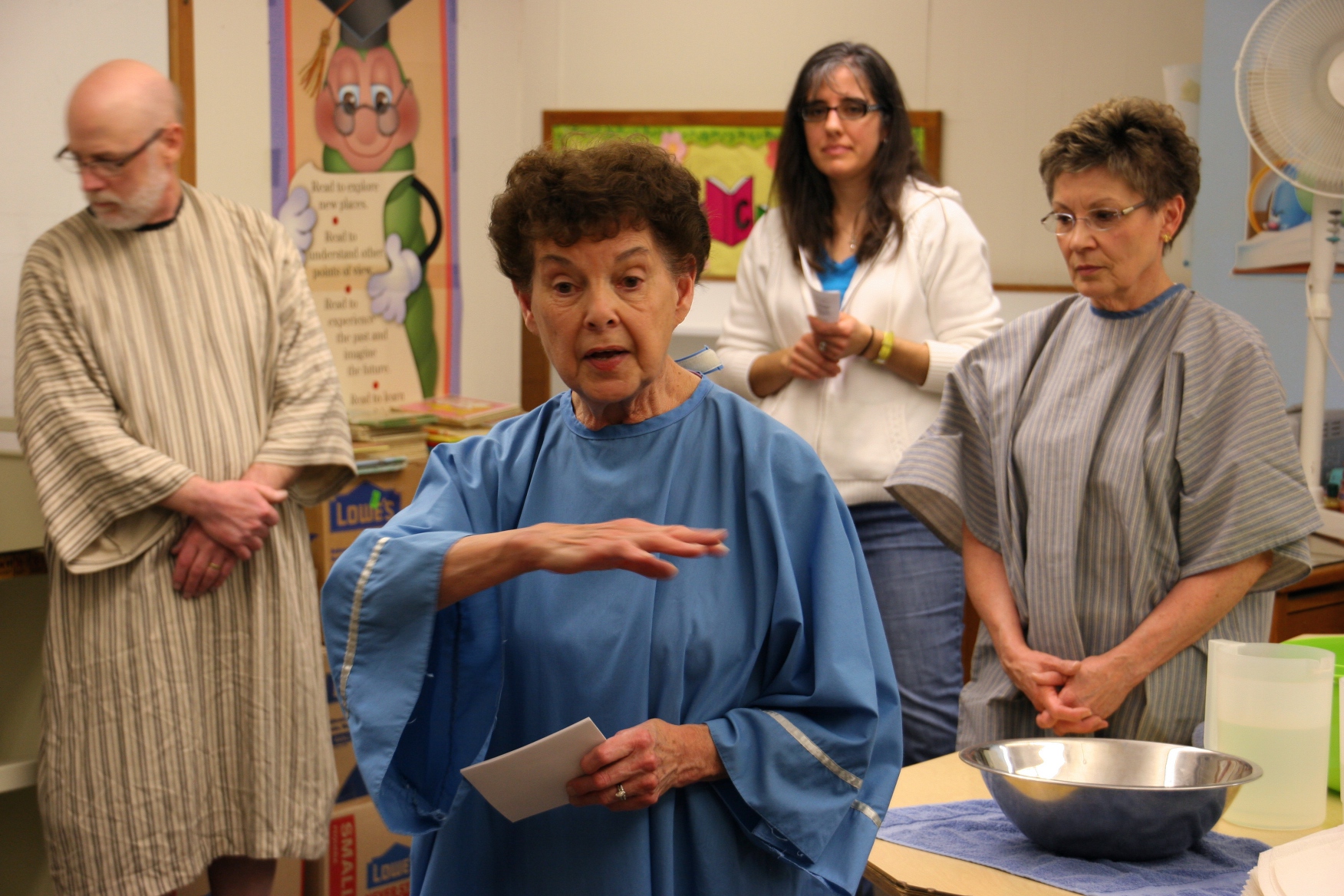
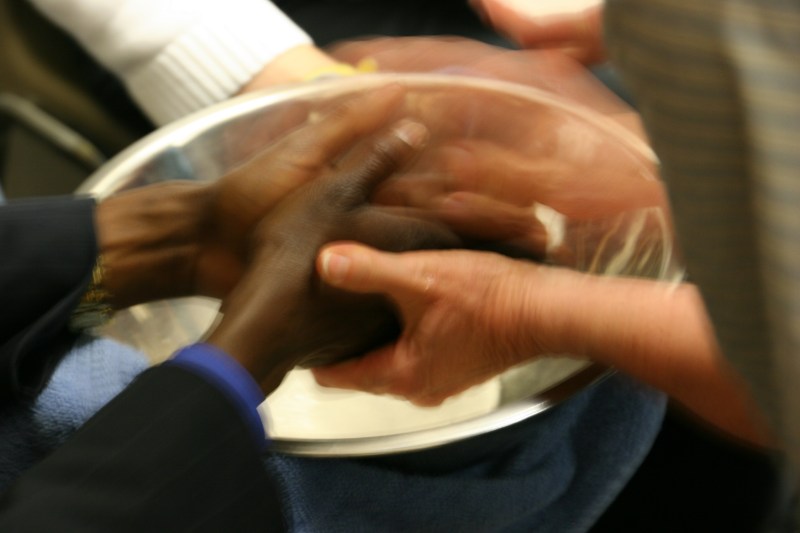
Participants had their hands washed by volunteers just as Christ washed his disciples' feet .

Participants had their hands washed by volunteers, following the example of Christ washing his disciples’ feet.

But this was about much more than sharing biblical history. This was about hands-on activities that reinforced the spoken word. This was about engaging the senses and experiencing Holy Week.
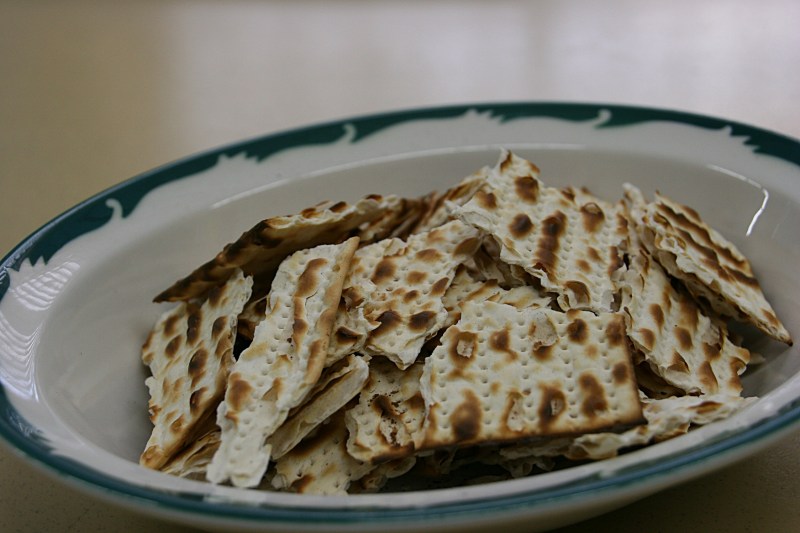
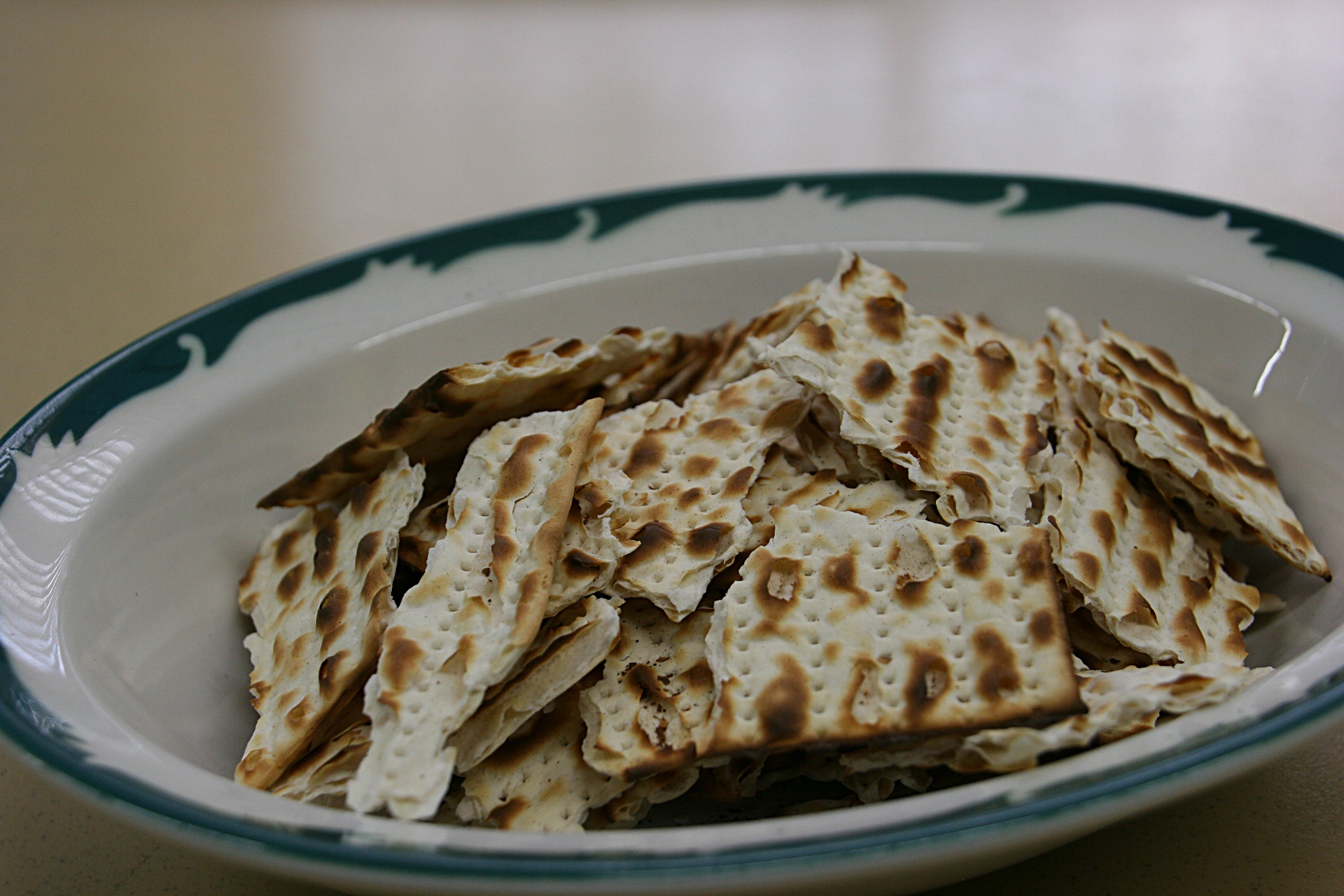
Matzo, unleavened bread from Jerusalem, was served as reprsentative of food from Jesus' time period.

Matzo, unleavened bread from Jerusalem, was served as representative of food from Jesus’ time period.

And therein lies the strength of “Journey to the Cross.” Participants received palm branches, felt the weight of the 30 silver coins Judas received for betraying Jesus, heard the crack of the whip against Jesus’ back, pounded nails into wood, tasted vinegar like that offered to Christ suffering on the cross, raised their voices in “He is risen!” at the vacant tomb and more.
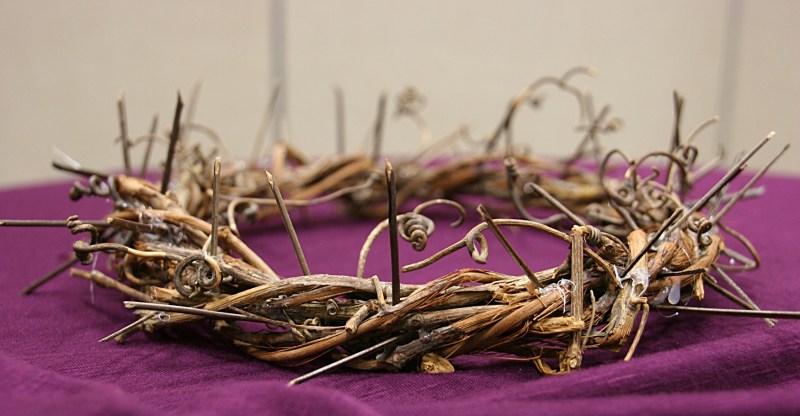
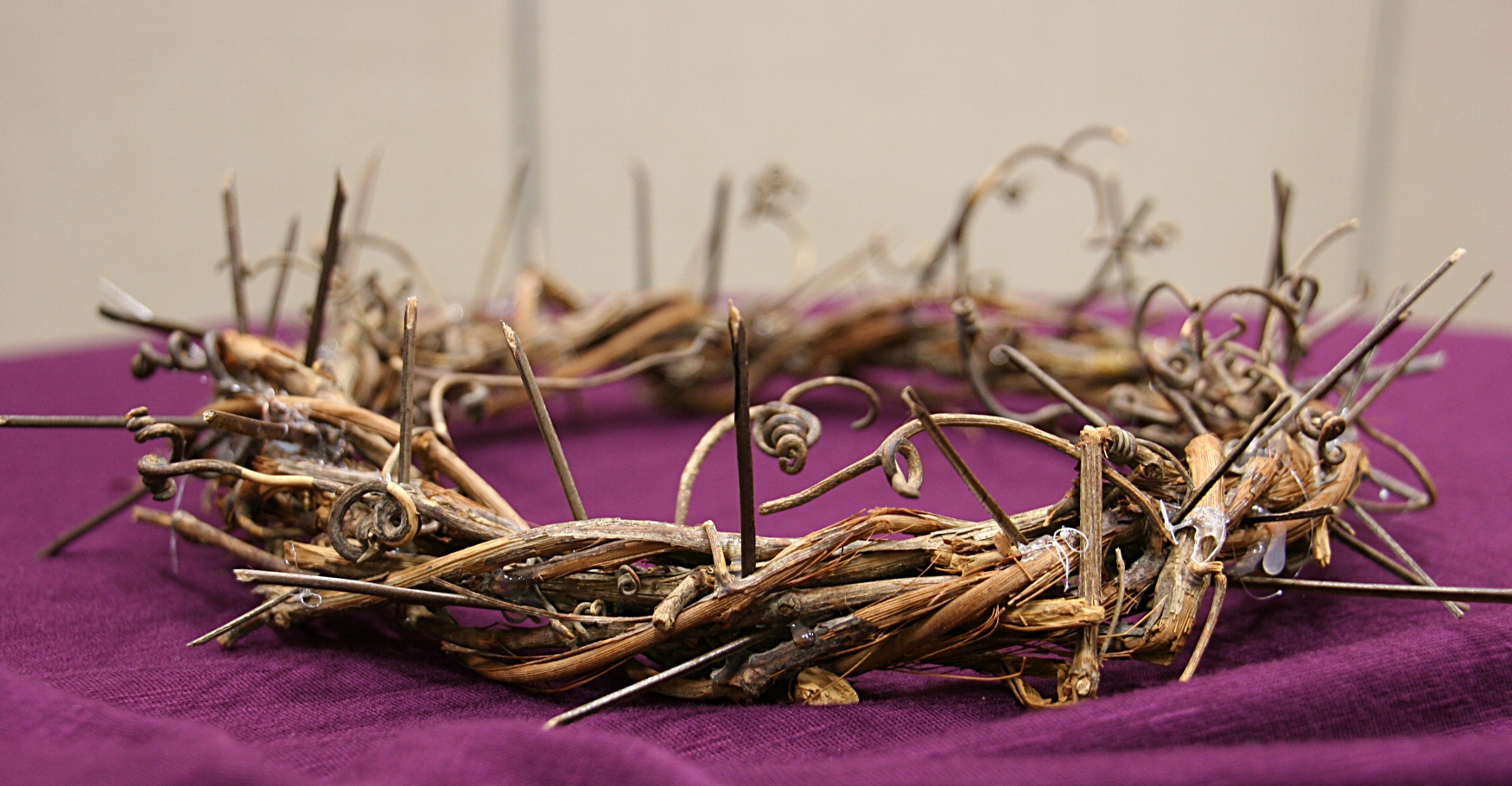
A volunteer crafted this crow of thorns similar to the one Christ wore on the cross.

A volunteer crafted this crown of thorns similar to the one Christ wore on the cross. Tour participants saw it close up and could touch the crown.

I left with a deeper connection and understanding of what Christ endured. I could hear, see, feel, taste and smell the events of that final week. It was a memorable morning and the perfect contemplative beginning to Holy Week.

THE JOURNEY IN MORE PHOTOS:

Stop #1, Jerusalem on Palm Sunday:
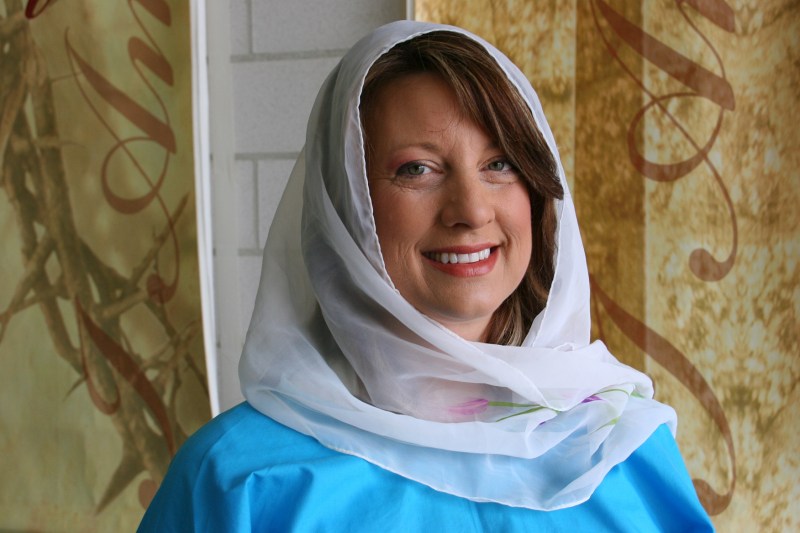
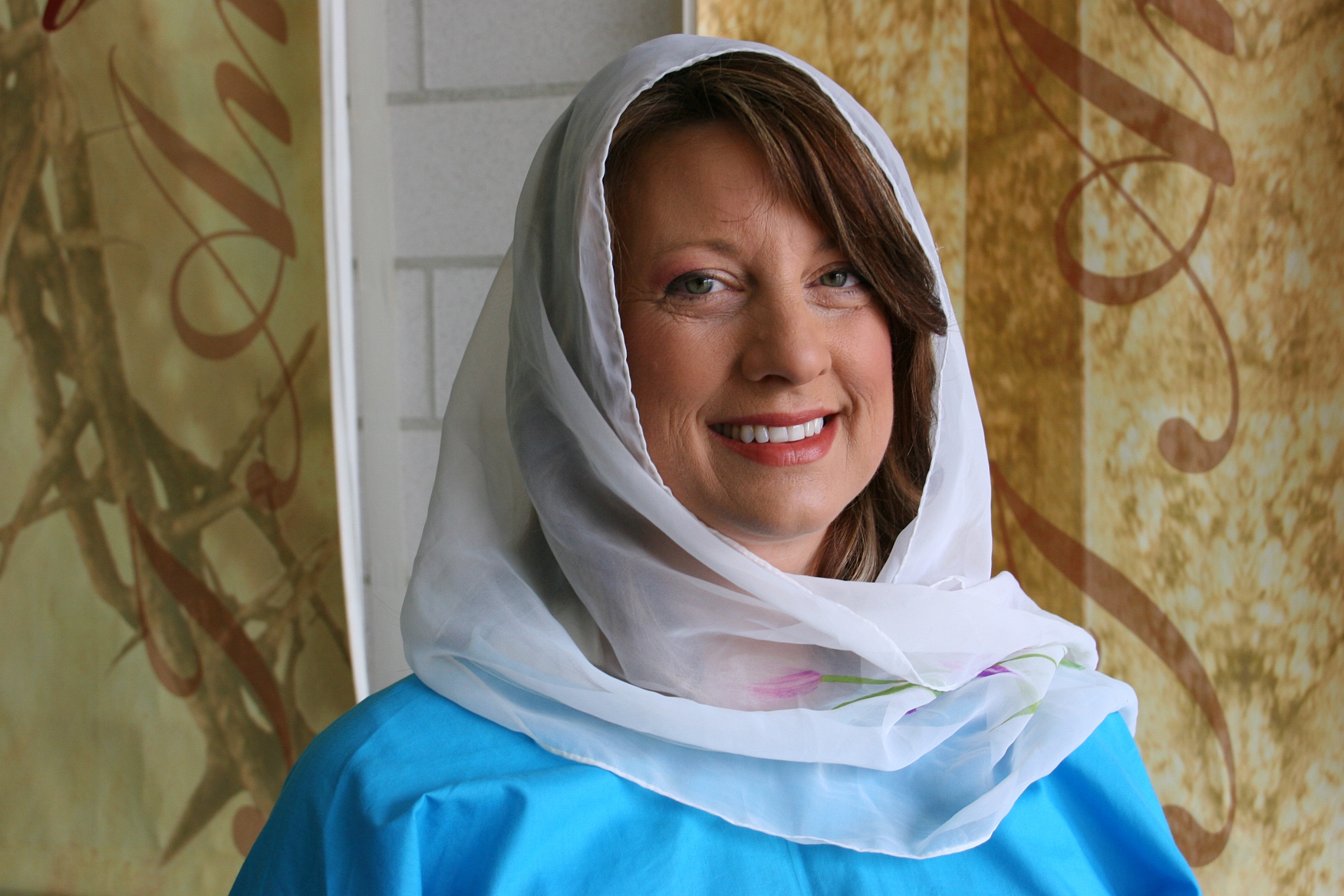
Volunteer Theresa speaks to participants about Jesus' ride into Jerusalem on Palm Sunday.

Volunteer Theresa speaks to participants about Jesus’ ride into Jerusalem on Palm Sunday.

Stop #2, Judas betrays Jesus for 30 pieces of silver:
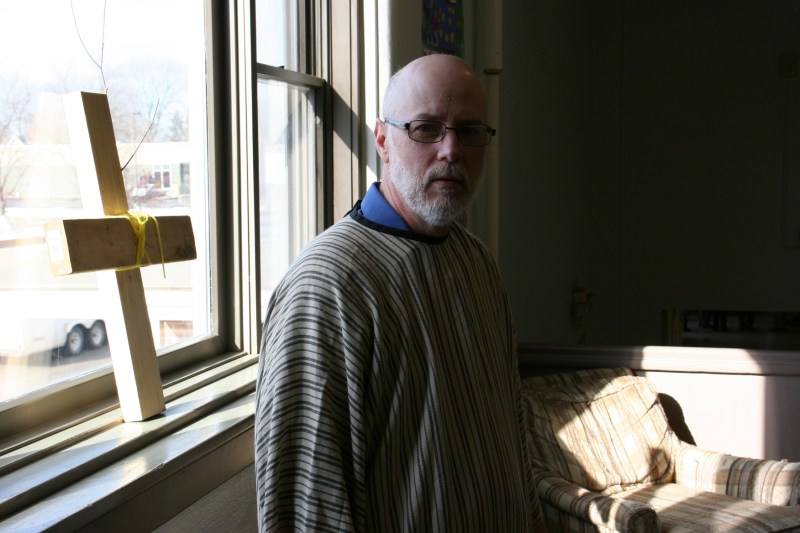
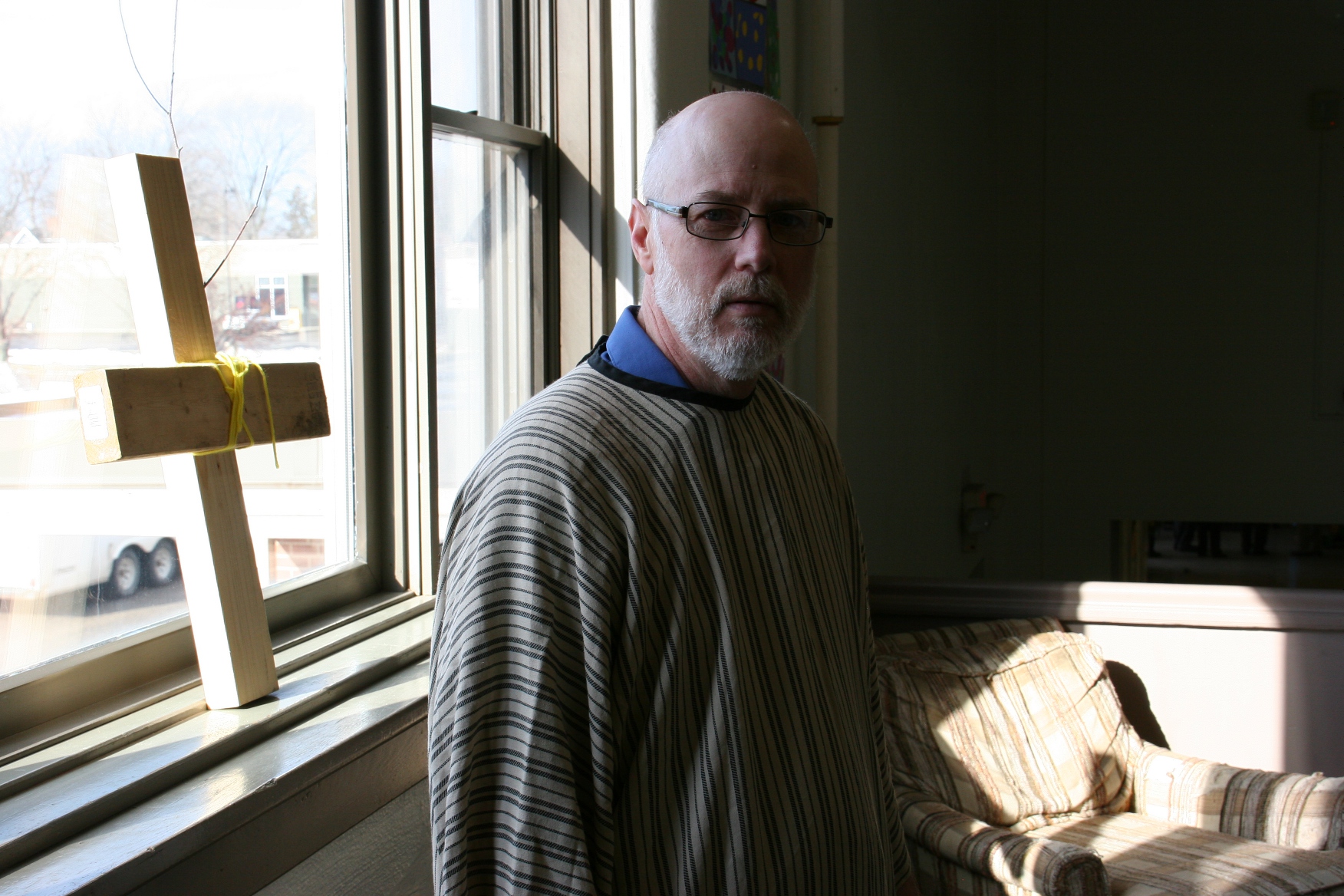
Randy, role-playing a temple worker.

Randy, role-playing a temple worker, tells how Judas betrayed Jesus.
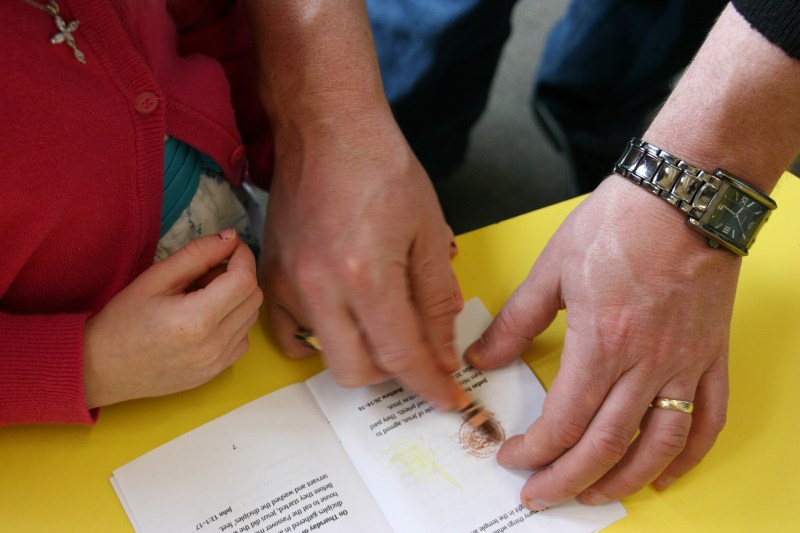
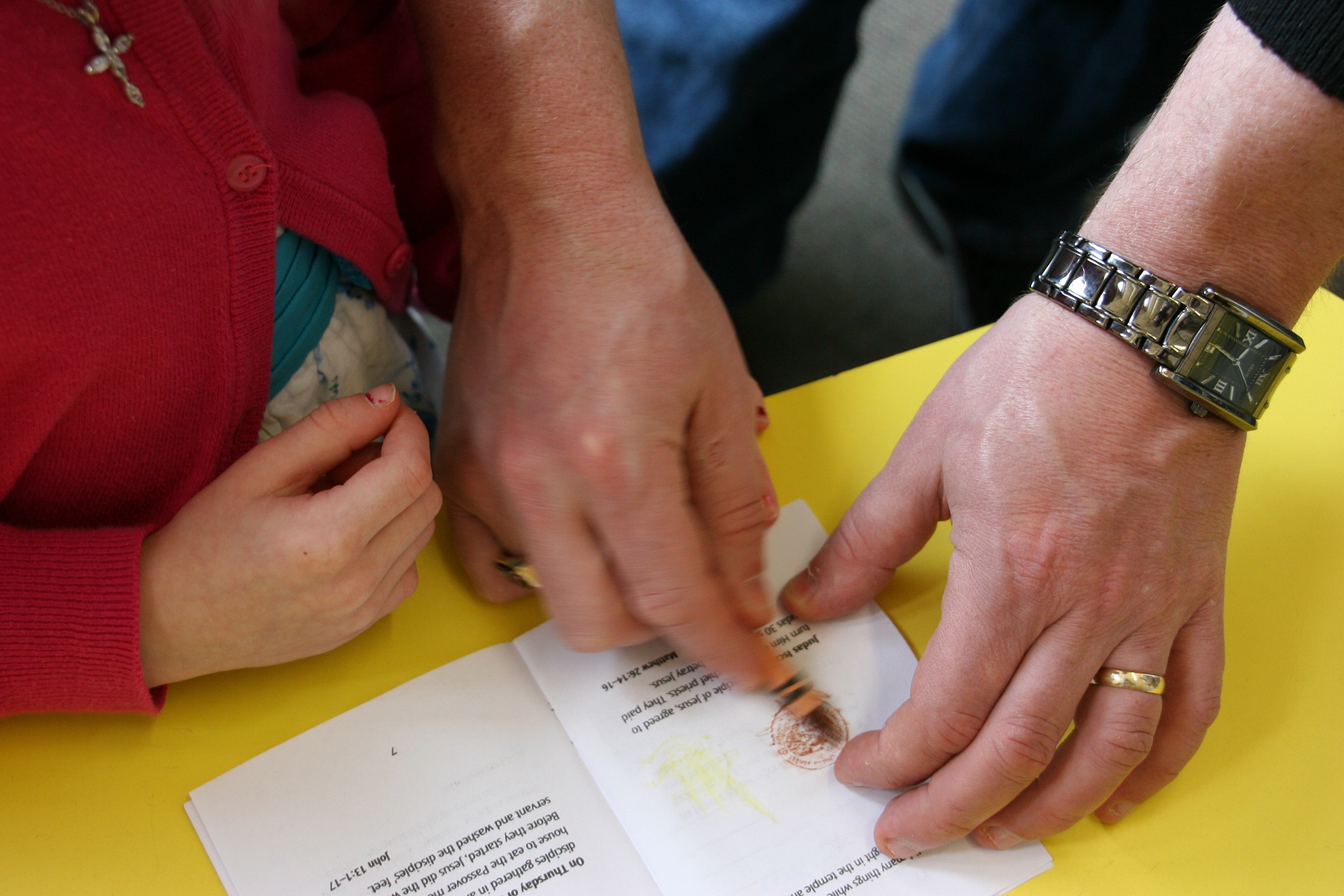
Making coin rubbings in passports to remember how Judas betrayed Jesus with 30 pieces of silver.

Making coin rubbings in passports to remember how Judas betrayed Jesus with 30 pieces of silver.

Stop #3, Before the Passover meal on the Thursday of Holy Week, Jesus washed his disciples’ feet:
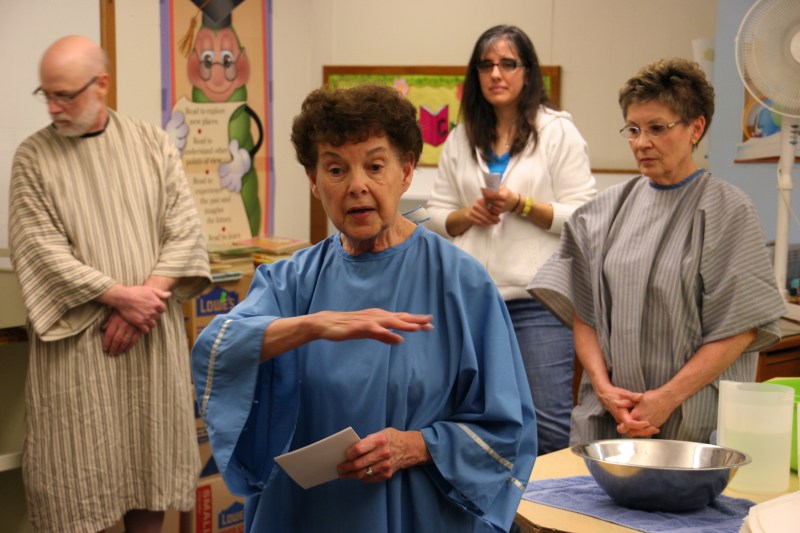
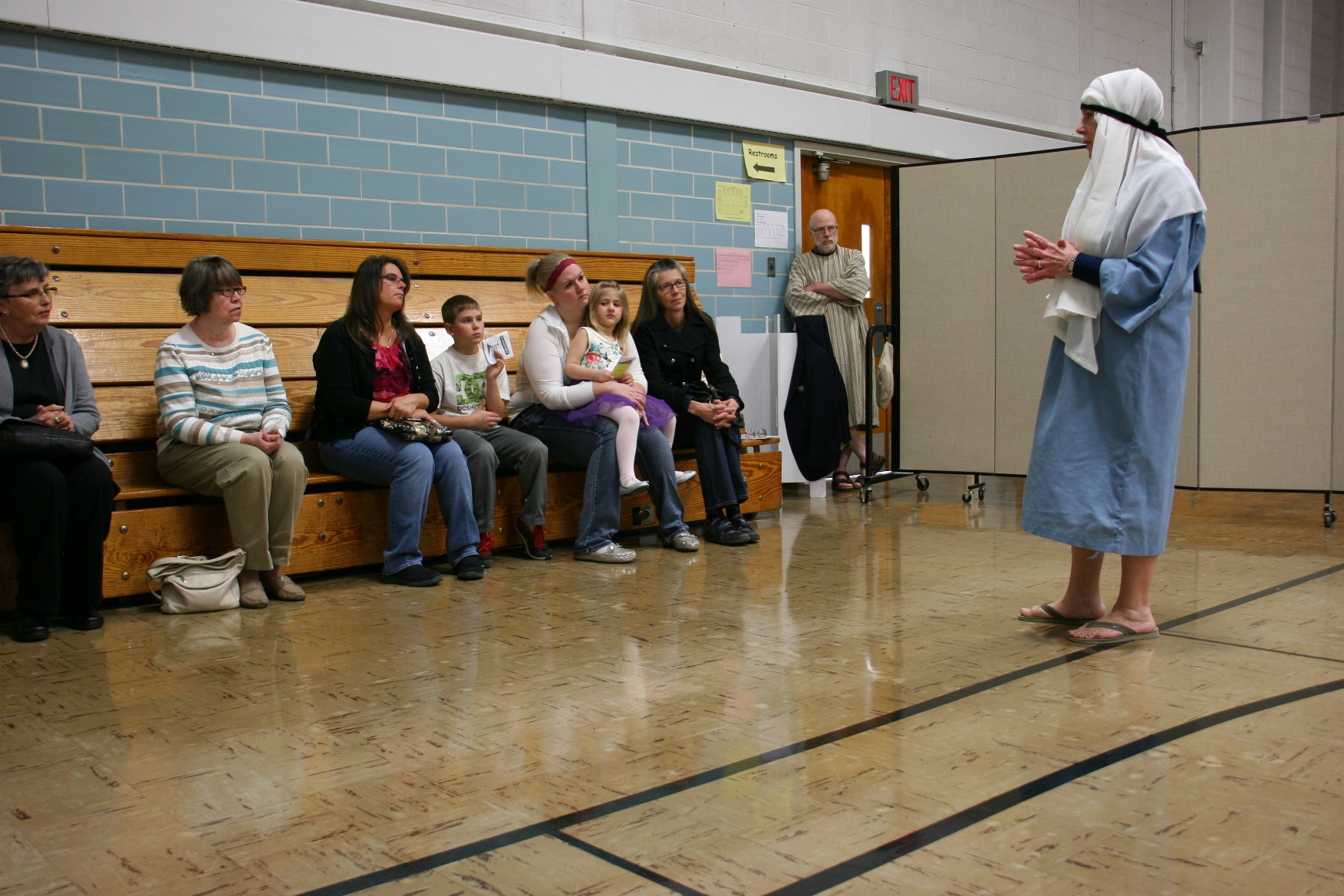
Actress Diane talks about Jesus gathering with his disciples and washing their feet.
Actress Diane talks about Jesus gathering with his disciples and washing their feet.

Rather than washing feet, hands were washed.
Rather than washing feet, hands were washed.

Stickers were handed out for placement in the passport after hands were washed.

Stickers were distributed for placement in the passport after the hand washing.

Stop #4, Remembering the Passover meal, Jesus’ last meal with his disciples:

Sings marked each station.

Signs marked each station.

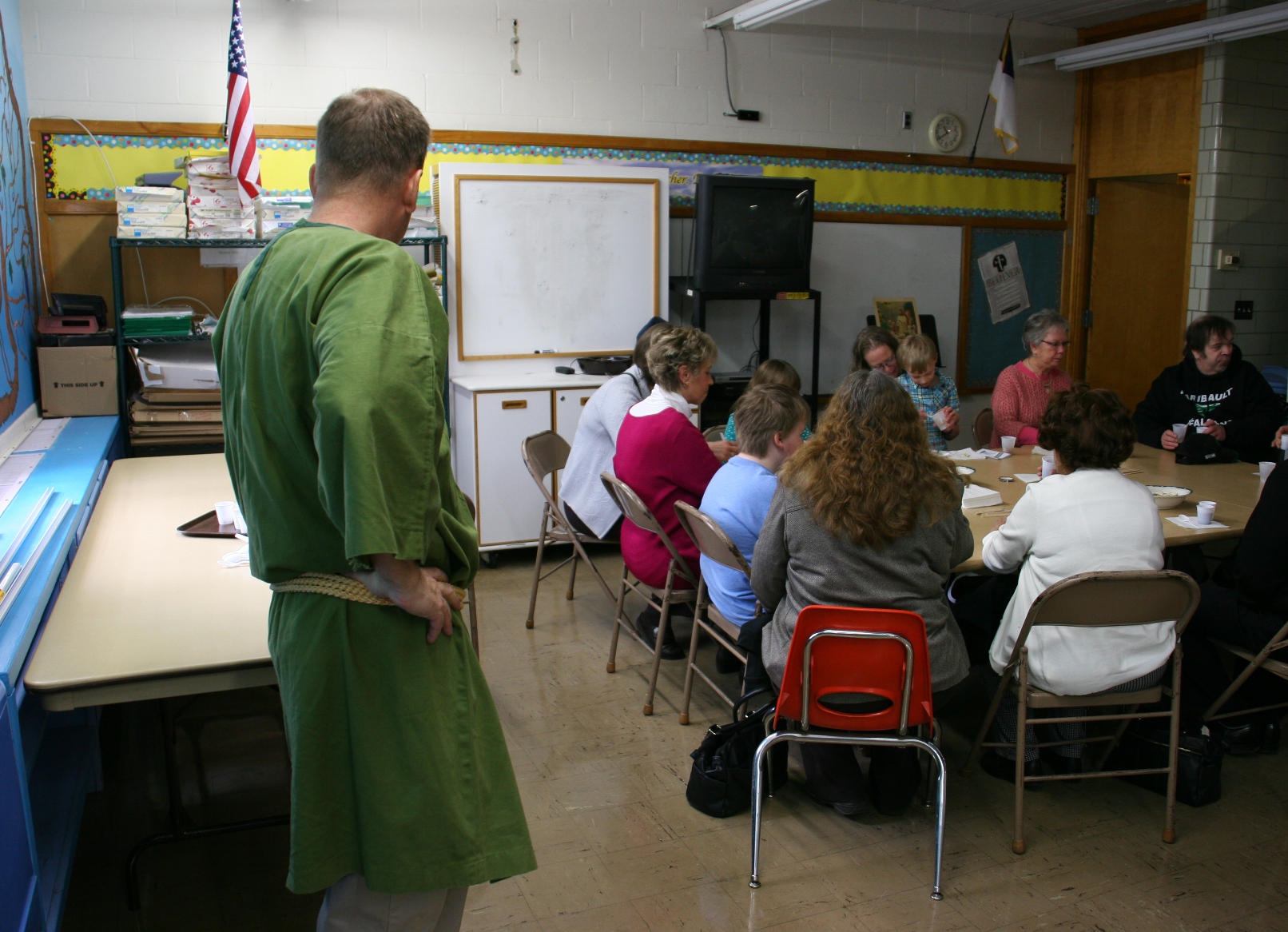
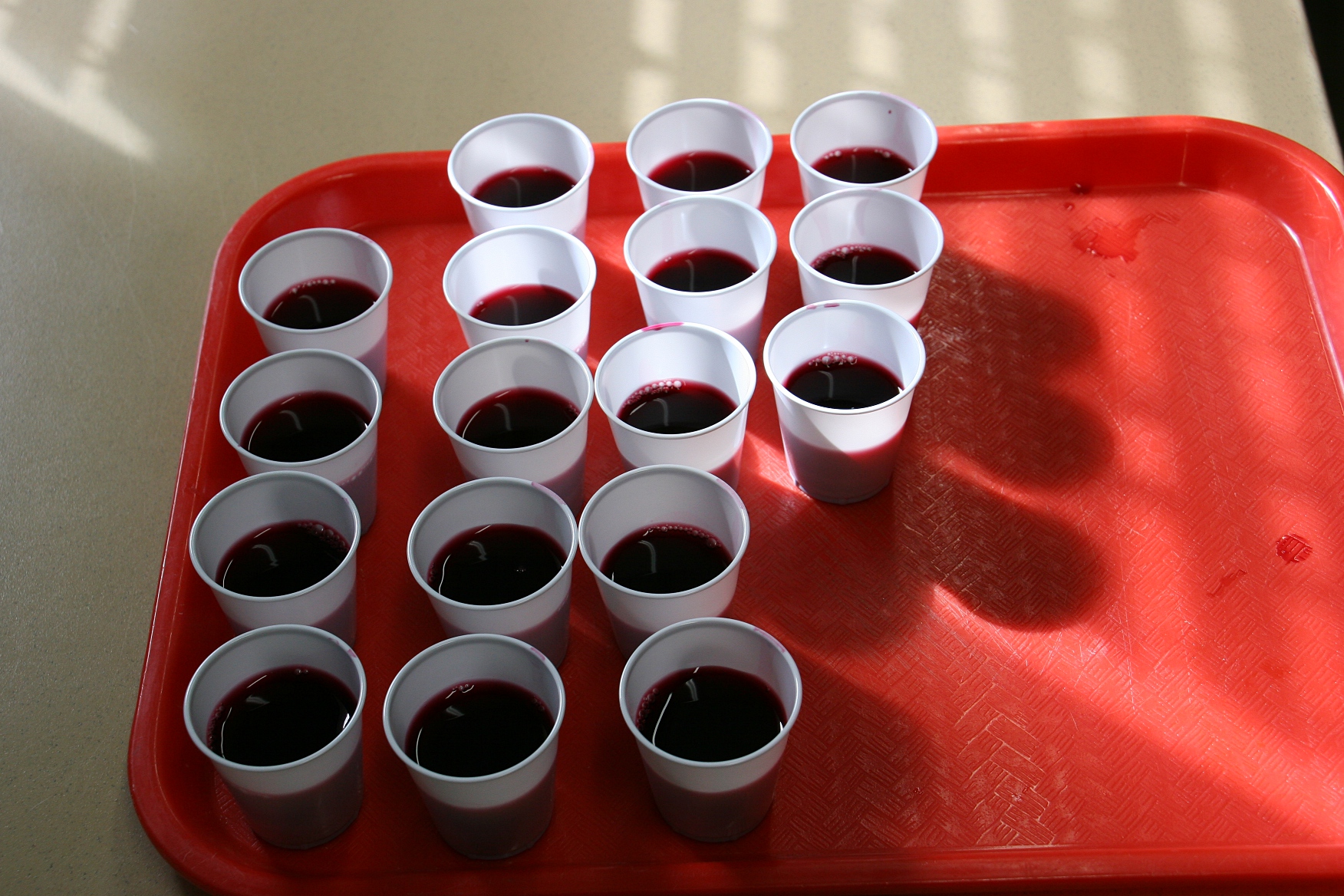
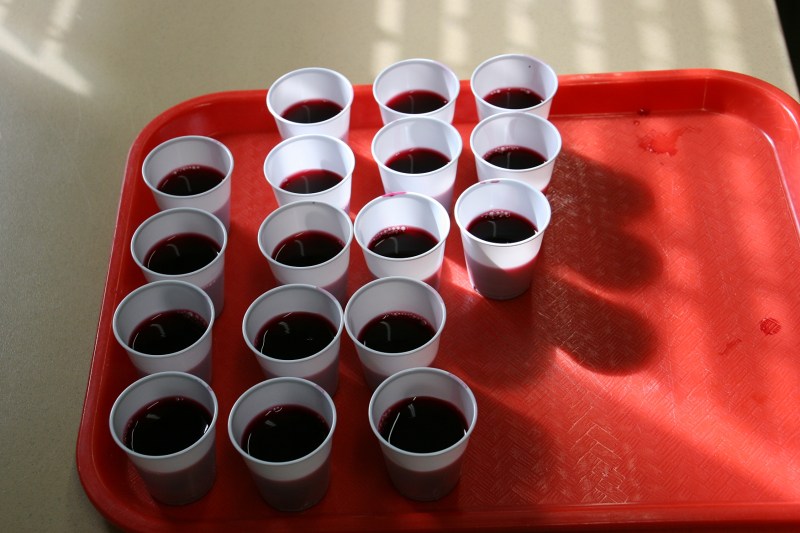
Participants could sample various foods such as horseradish, matzo, grape juice and more.
Participants could sample various foods such as horseradish, matzo, grape juice and more.

Grape juice ready to be served.

Grape juice ready to be served.

Stop #5, Jesus prays in the Garden of Gethsemane:
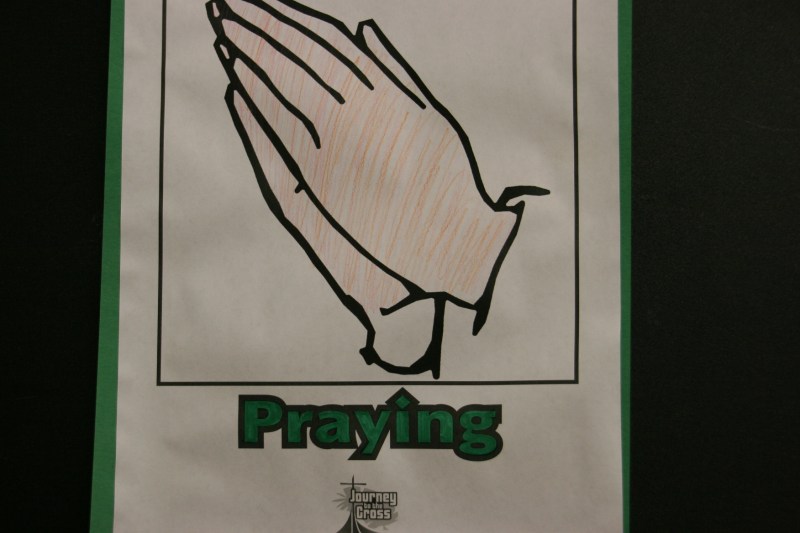
A sign marks the station focusing on prayer.

A sign marks the station focusing on prayer.

Stop #6, Jesus was whipped, beaten and teased:
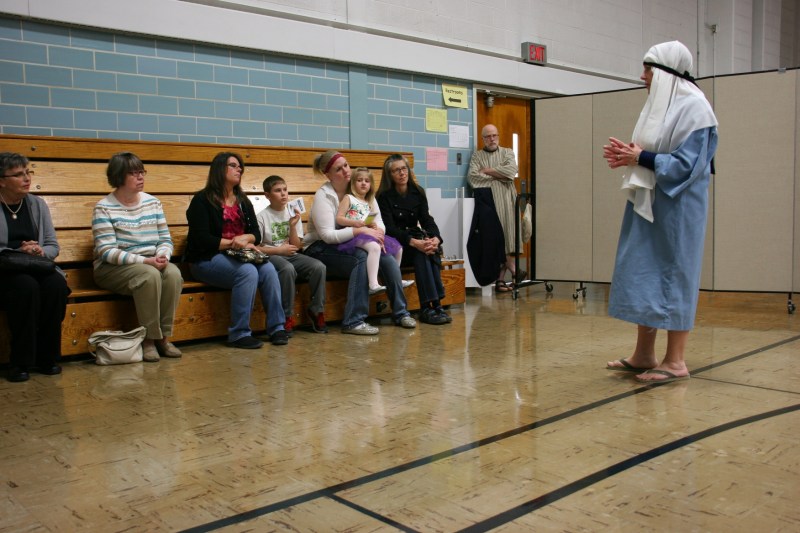
Volunteer Leann talks about the torture Jesus suffered even prior to his crucifixion.
Volunteer Leann talks about the torture Jesus suffered even prior to his crucifixion.

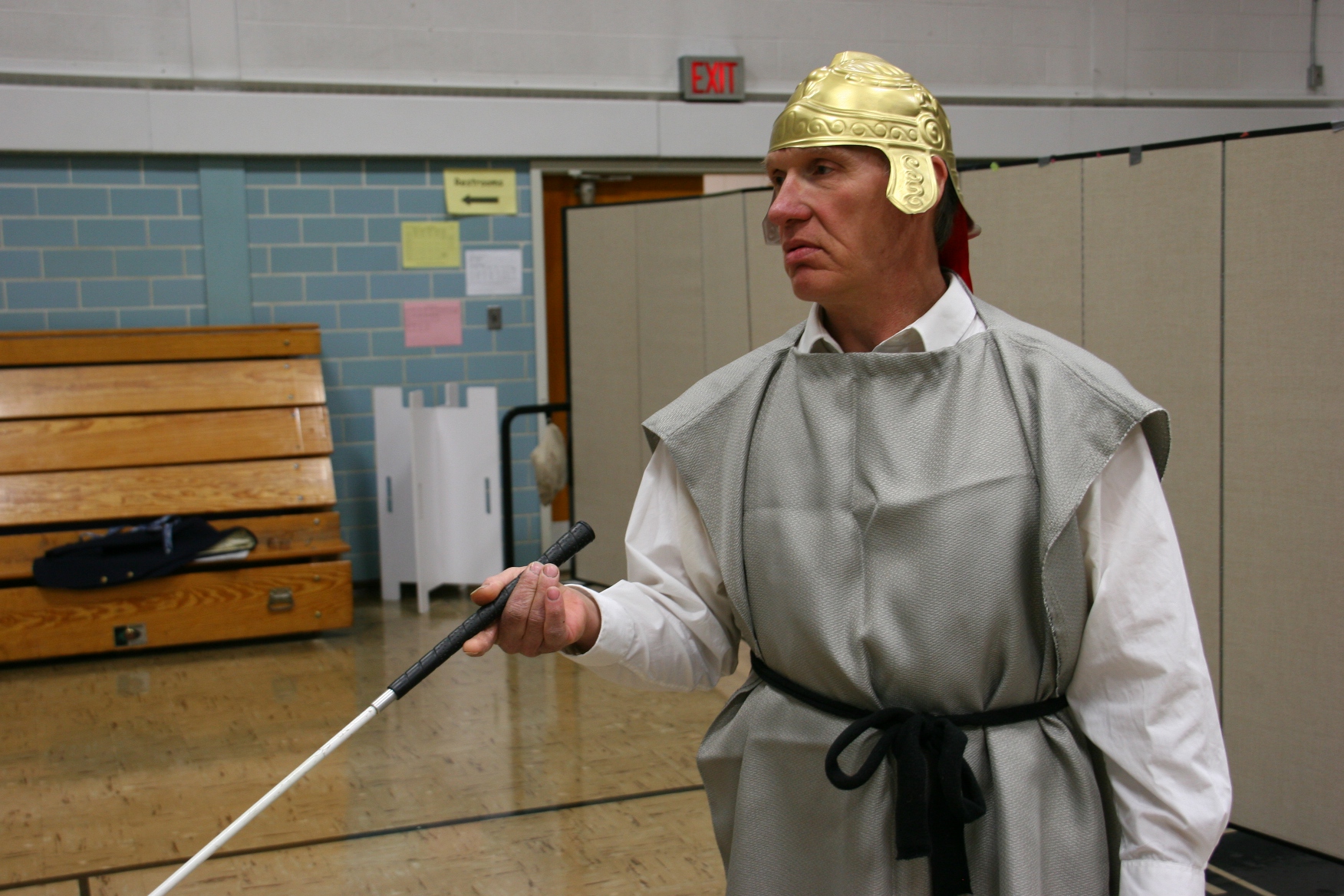
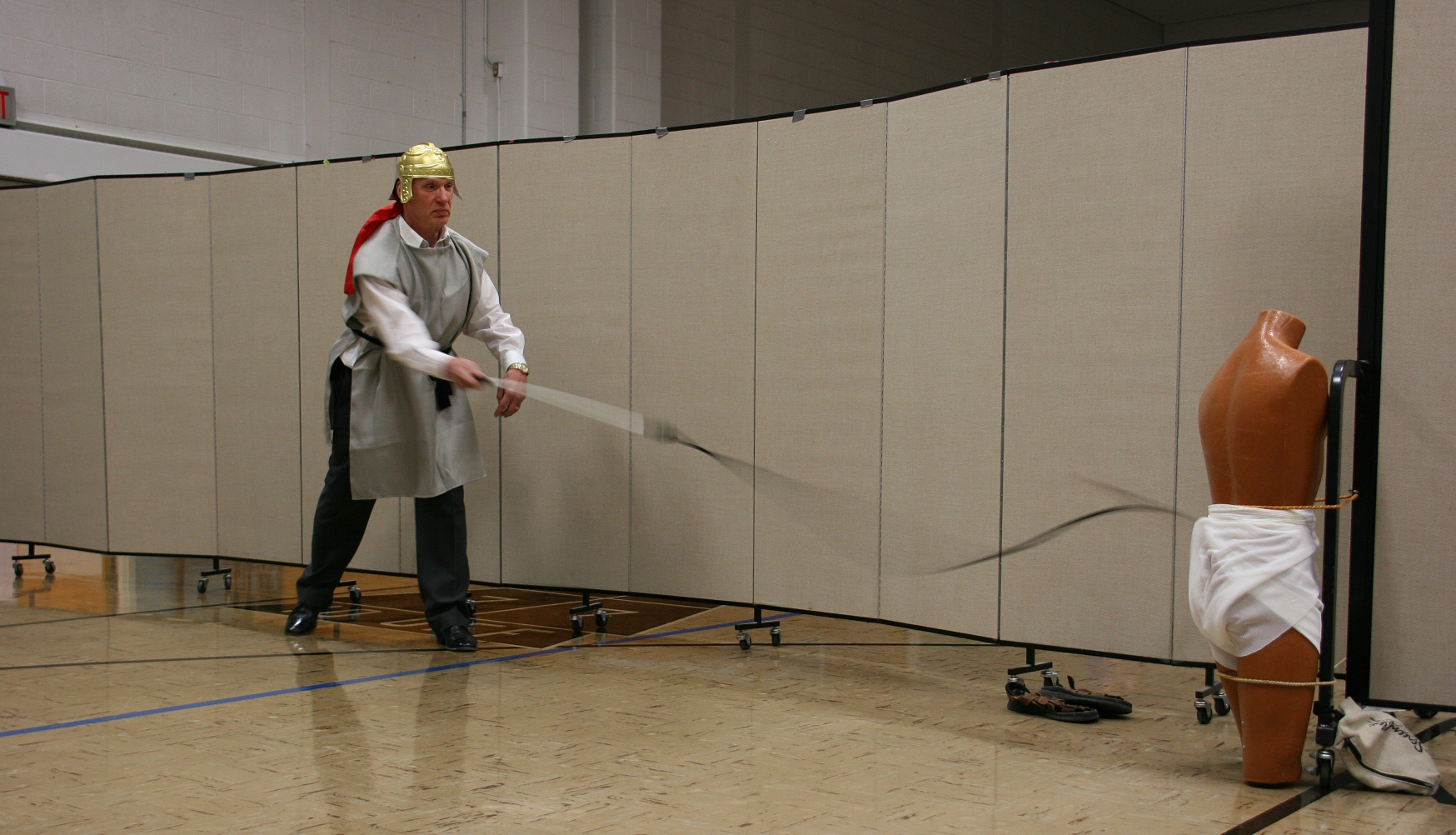
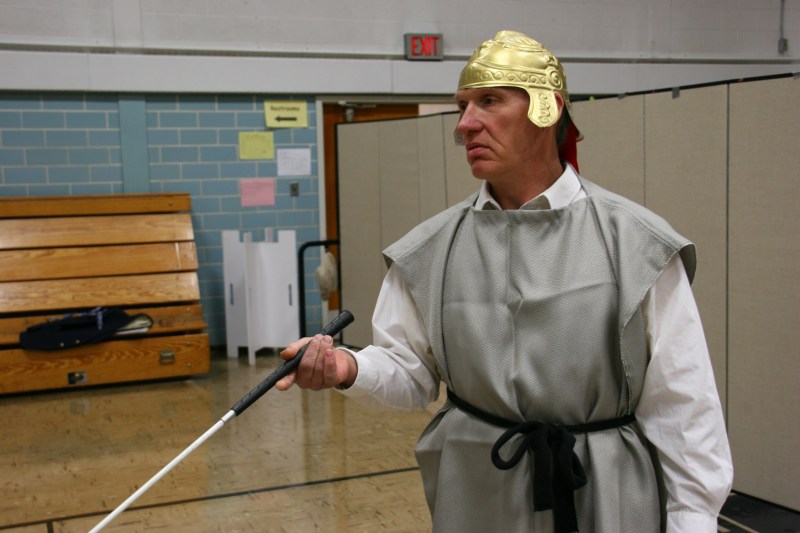
Wayne played perhaps the most memorable role, that of a soldier whipping Jesus.
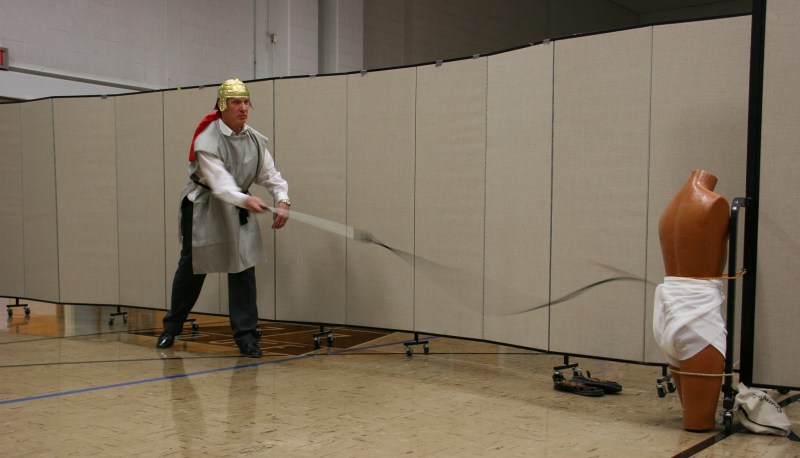
Wayne played perhaps the most memorable role, that of a soldier whipping Jesus.

The whip cracked across the floor, toward the mannequin representing Jesus.

The whip cracks across the mannequin representing Jesus.

Stop #7, Christ is crucified on the cross:
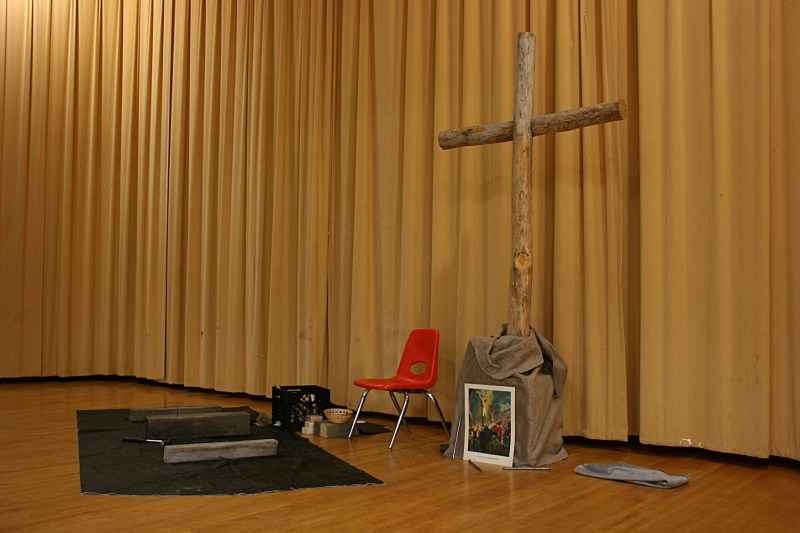
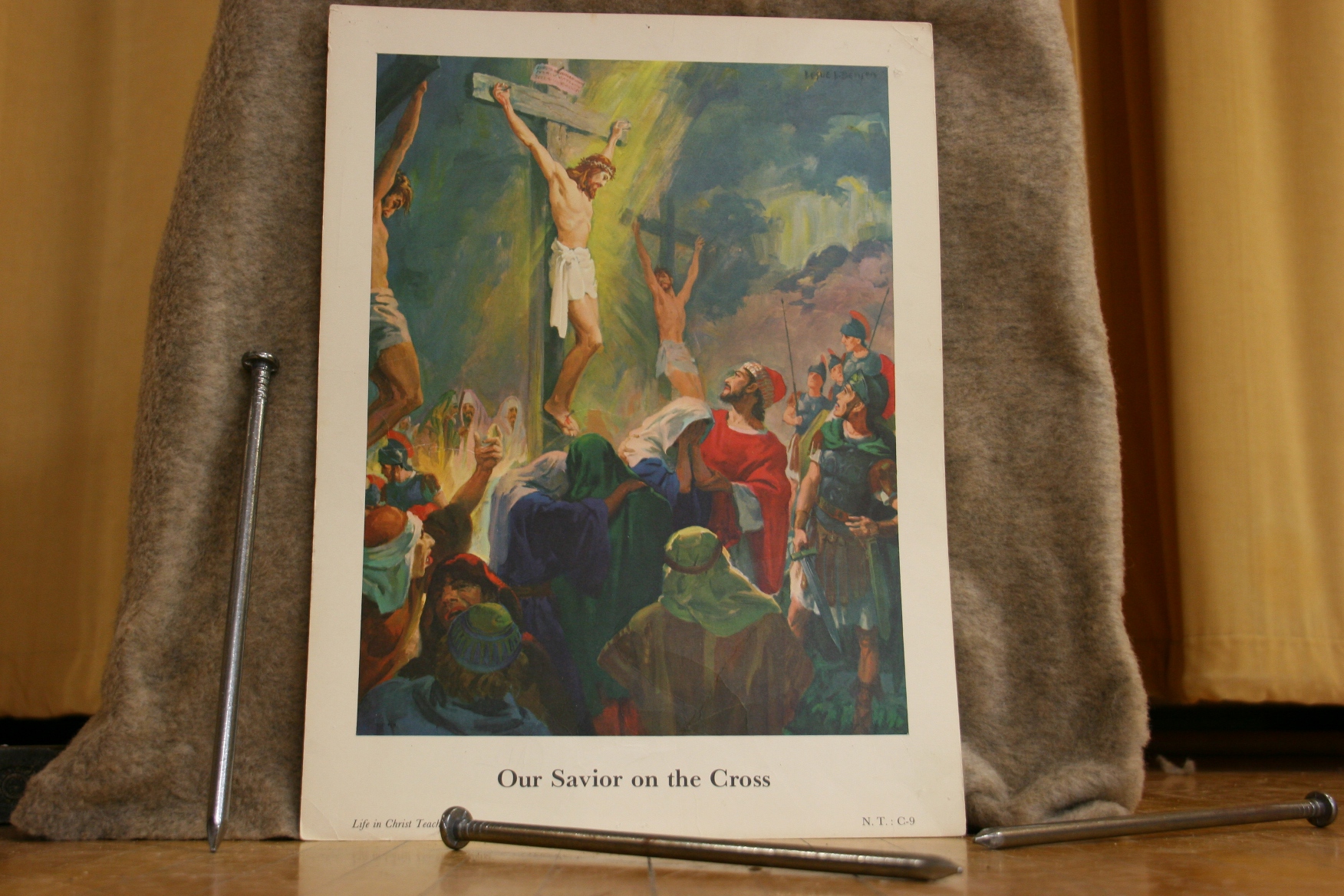
The stage was set with a cross, hammer and nails. Participants pounded nails into wood. Christ was nailed to the cross.

The stage was set with a cross, hammer and nails. Participants pounded nails into wood to remember how Christ was nailed to the cross.
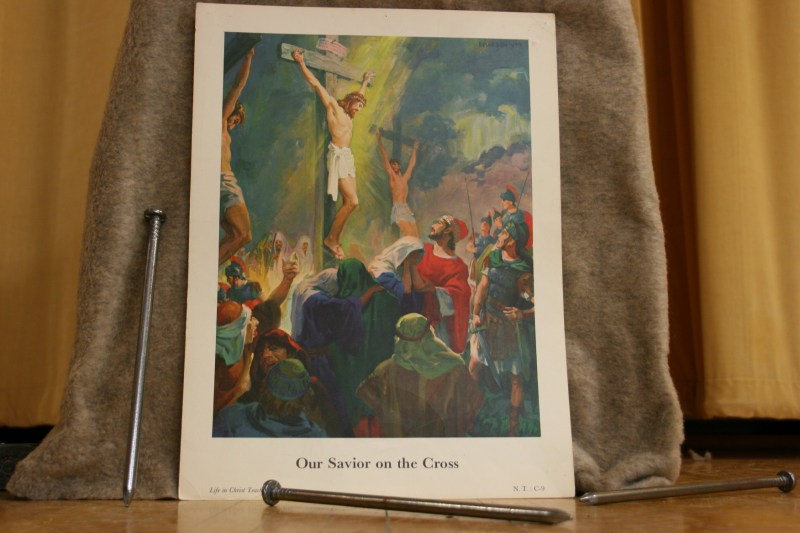
This artwork and nails were placed at the base of the cross.

This artwork and nails were placed at the base of the cross.

Stop #8: As Jesus died on the cross, he said he was thirsty. He was given vinegar to drink.  (I don’t have any photos from this station.) Participants could taste vinegar.

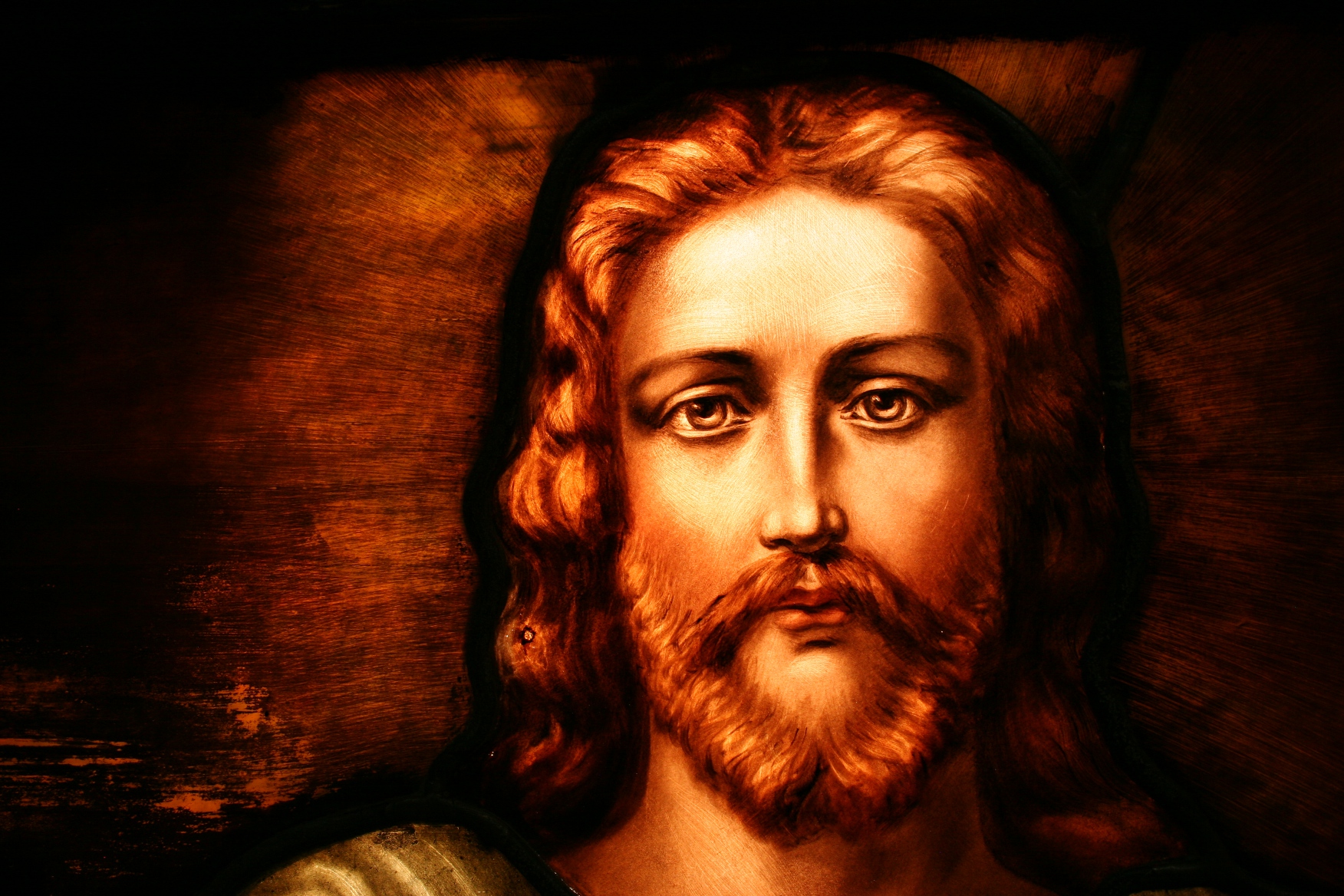
A photo of Christ's face from a stained glass window in my church, Trinity Lutheran, Faribault.

A photo of Christ’s face from a stained glass window in Trinity Lutheran, Faribault. This depicts Him after His resurrection.

Stop #9: Jesus’ tomb is found empty on Easter. (I don’t have any photos from this station.) Those on the tour joined the angel and the woman at the gravesite in celebrating Jesus resurrection with these words: He is risen!

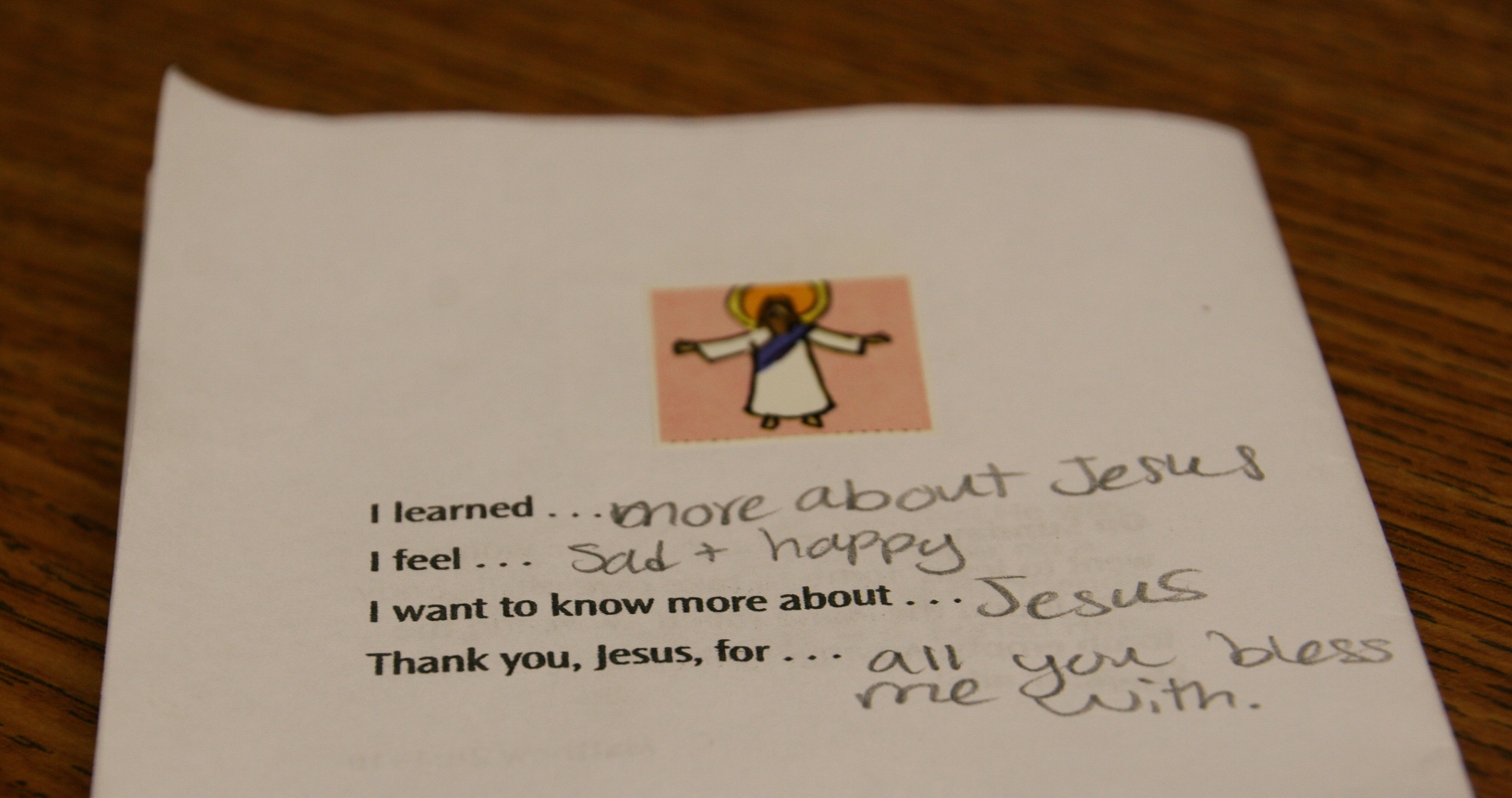
Stop #10, The final check-in station allowed participants to talk and write about their experiences:
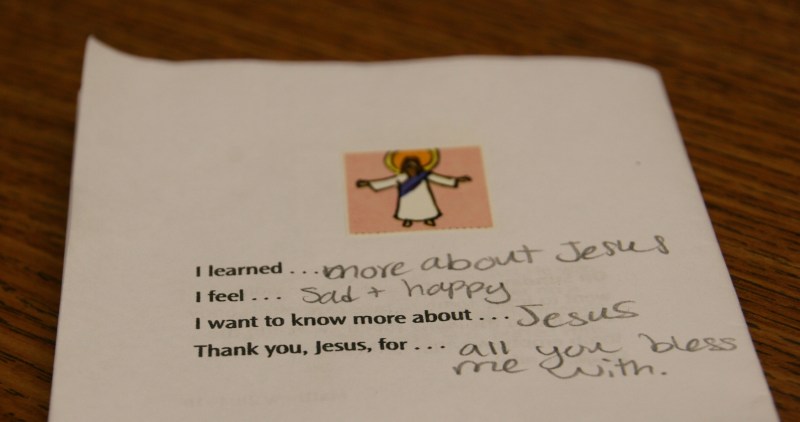
What a young girl, Jennifer, wrote.

What a young girl, Jennifer, wrote.

FYI: “Journey to the Cross” is available for purchase through Concordia Publishing House. Click here for more information.
It’s described as “an outreach and educational event for your congregation and community. Through activities based on Scripture, participants experience the joy of Palm Sunday, the disappointment of Judas’ betrayal, the devastation of the crucifixion, the jubilation of the resurrection, and so much more. This family program invites children and adults to walk the path that Jesus walked.”

© Copyright 2015 Audrey Kletscher Helbling