Minnesota Prairie Roots

Writing and photography by Audrey Kletscher Helbling

Learning more about The Faribault Dakota from a local historian April 12, 2024

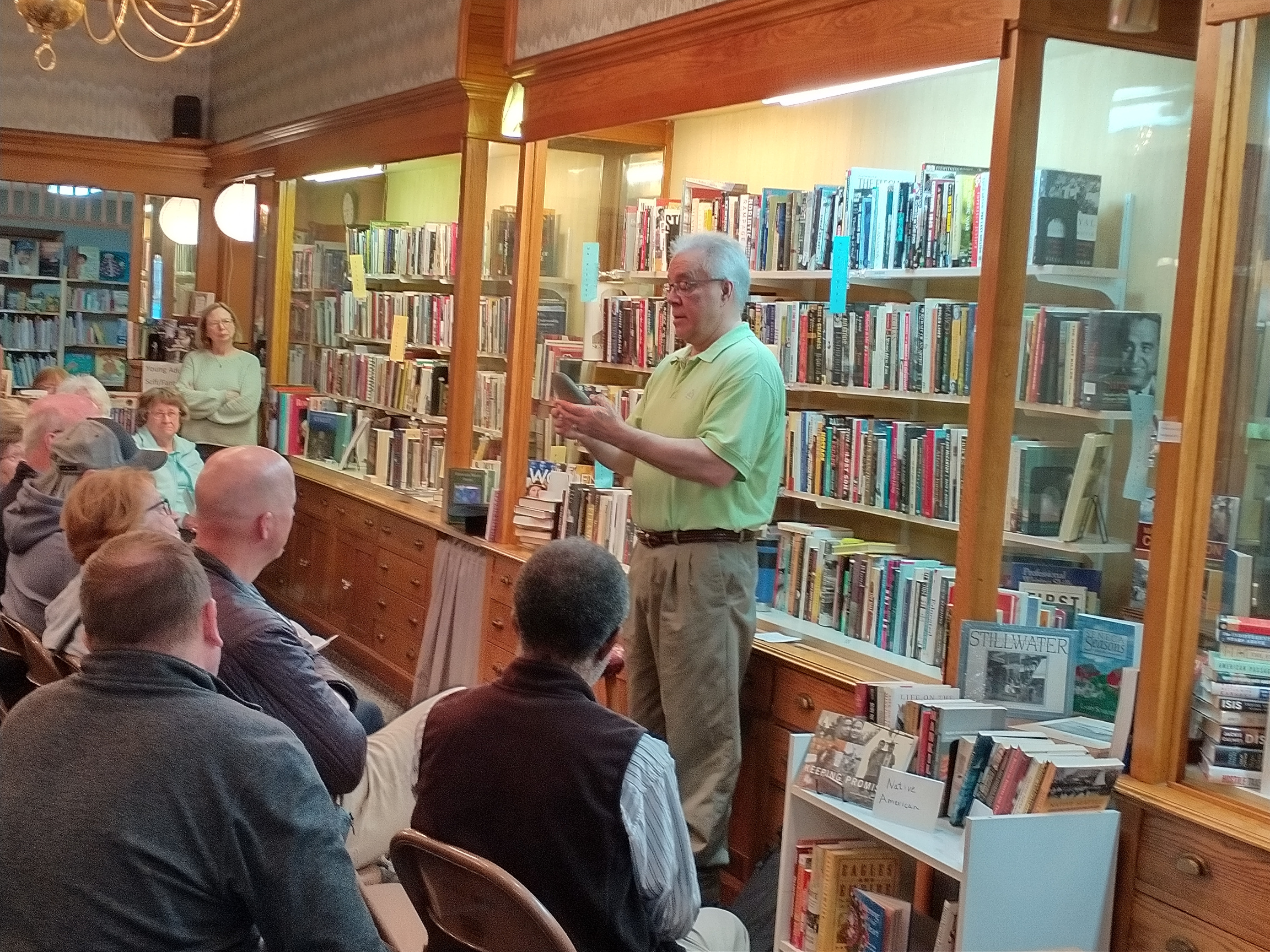
Jeff Jarvis shows an artifact while talking about the Dakota. (Minnesota Prairie Roots copyrighted photo April 2024)

WE’RE ALL CONNECTED. We’re all one.” Those closing words by local historian and artist Jeff Jarvis as he ended an hour-long presentation on “The Faribault Dakota” at Books on Central Thursday evening resonate. I’ve long been geographically-connected to Indigenous Peoples, first in my native Redwood County and now in Rice County. But Jarvis’ definition of connection stretches well beyond geography to the connection we all share simply via our humanity.

Jarvis, who is also an artist and graphic designer, handed out this mini guidebook at Thursday’s presentation. (Minnesota Prairie Roots copyrighted photo April 2024)

Jarvis spoke to a standing room only crowd packed into the Rice County Area United Way used bookstore on Faribault’s Central Avenue. The third speaker in the popular literary event series hosted by the bookshop since its fall opening, his talk was more history than literary. Interest ran high.

My interest in the Dakota traces back to the southwestern Minnesota prairie, where I grew up between the Upper and Lower Sioux Indian Reservations. Today the word “community,” references these homes of the Mdewakanton Dakota. When I moved to Rice County 42 years ago, I moved onto land once inhabited by the Wahpakute Dakota. But it wasn’t until I listened to Jarvis speak that I learned even more about the place I initially called home on the southeastern tip of Cannon Lake west of Faribault.

An Indigenous Peoples exhibit at the Rice County Historical Society. (Minnesota Prairie Roots copyrighted photo 2024)

Long before fur traders and settlers moved to this region of southern Minnesota, the Dakota called this land home, typically living along the area’s lakes and rivers, including the Cannon. I knew this; I’ve attended many presentations on the Dakota by local historians. But I wasn’t aware that the former Ackman Store, the rental home where Randy and I lived for 2 ½ years after our 1982 marriage, was near the site of a trading post opened by fur trader and town founder Alexander Faribault.

Native American artifacts found in Rice County and displayed at the Rice County Historical Society. These are not the artifacts shown by Jarvis. (Minnesota Prairie Roots copyrighted photo 2024)

Jarvis asked me after his presentation whether I saw ghosts while living there. I didn’t. And in a conversation with Lou Ackman, who grew up and lived along Cannon Lake and loaned Indian artifacts for Jarvis to show Thursday evening, I learned that people often searched the Ackmans’ farm fields for artifacts.

When Randy and I moved into Faribault, our geographic connection to Indigenous Peoples continued. We purchased a house below Wapacuta (sic) Park, where we still live today. It was upon this now park land that the Dakota placed their dead, (wrapped in buffalo robes or blankets) upon scaffolding until later burial. Jarvis also shared that the Dakota sometimes suspended wrapped bodies from trees to catch the spirits in the windy hilltop location prior to burial 1-2 years later. I’d never heard this prior to Thursday.
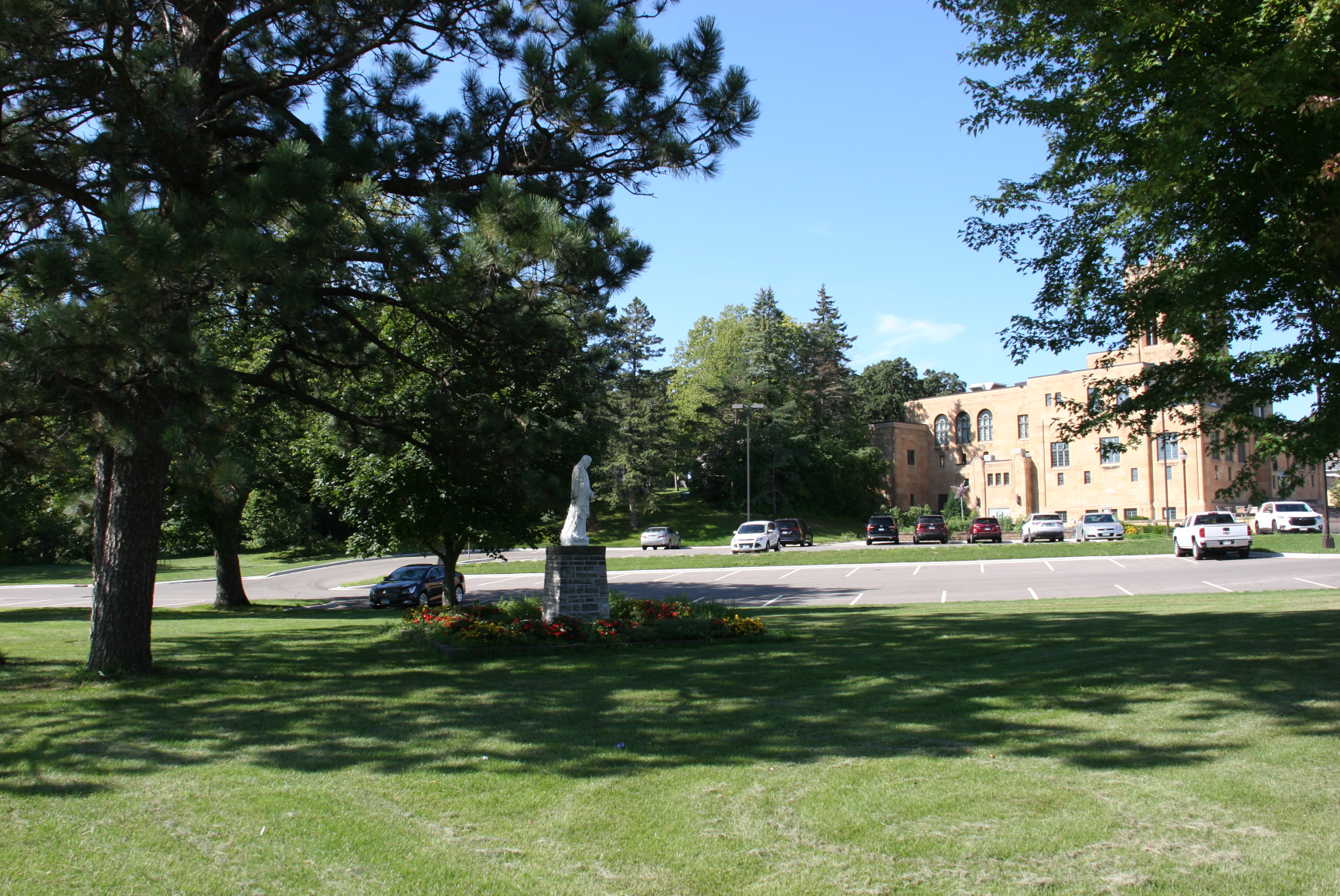
Peace Park, an unmarked Dakota cemetery near Buckham Memorial Library. (Minnesota Prairie Roots copyrighted file photo September 2022)

But I was aware that Peace Park, a triangle of land near Buckham Memorial Library, is an Indian burial grounds. Jarvis termed it an unfenced and unrecognized cemetery marked by a faith-based WW II monument and nothing indicating this is sacred ground of the Dakota. Several bodies were discovered buried there in 1874, he said, not wanting to delve deeper into that troubling topic at Thursday’s event.

Jarvis covered a lot more in his one-hour presentation. Most I knew. Some I didn’t. I always appreciate learning local history, especially about the 300-400 Dakota who relocated from Cannon Lake to live in elm bark huts and teepees in the area along the Straight River from Division Street to the wastewater treatment plant.

The community of Faribault, Jarvis said, had/has a lot of color and was/is “a beckoning place” to many peoples. He referenced the Indigenous Peoples of yesteryear and the immigrants of today. “We’re all connected. We’re all one,” Jarvis said. He’s right.

One of two rainbows arches over Faribault Thursday evening. (Copyrighted photo by Randy Helbling April 2024)

As I stepped outside the bookshop after Jarvis’ talk, cloudy skies opened to reveal stunning double rainbows—a symbol of promise and of hope. A symbol that we all live under the same sky, that we’re all connected.

FYI: To learn more about Jeff Jarvis’ work on the local Faribault Dakota Project, click here.

© Copyright 2024 Audrey Kletscher Helbling


Oh, glorious April afternoon in southern Minnesota April 21, 2020

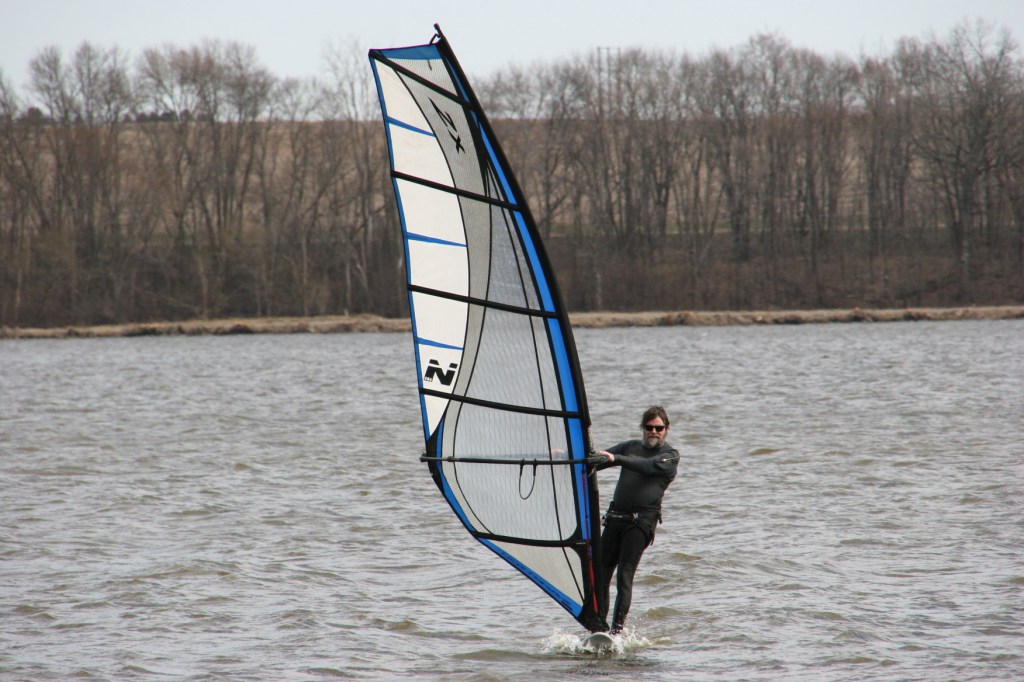
Windsurfing on Cannon Lake, rural Faribault, Minnesota, on Saturday afternoon, April 18. Minnesota Prairie Roots photo.


APRIL IS A FICKLE month in Minnesota. Sunshine and warmth one day and clouds and brisk temps the next.


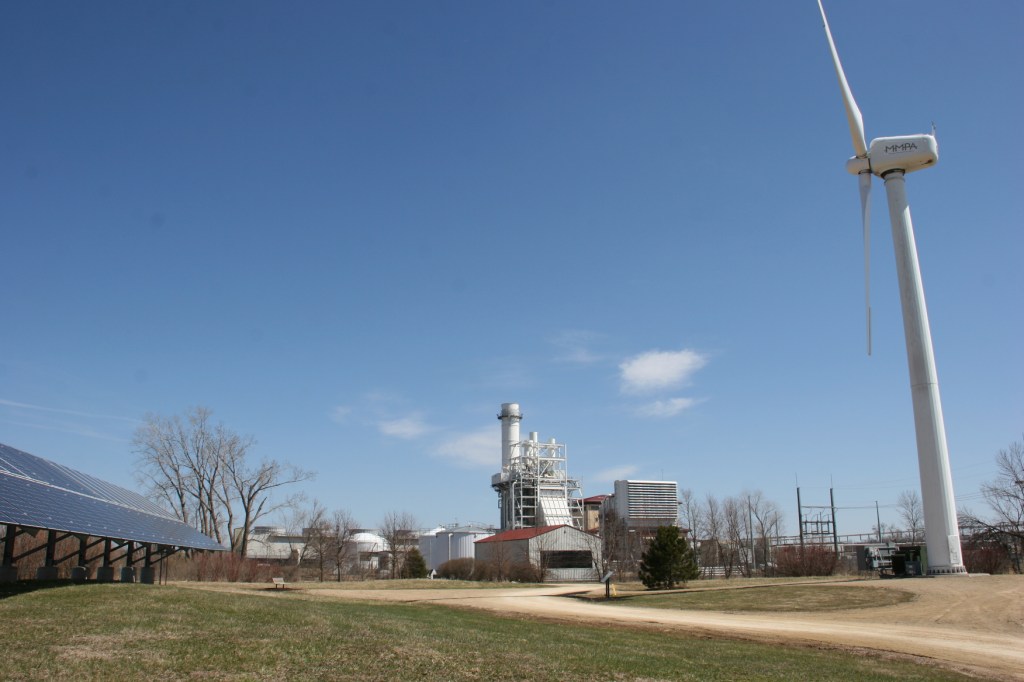
A wind turbine and solar panels are part of the Faribault Energy Park with the power plant in the distance. Minnesota Prairie Roots photo.


This past Saturday marked a glorious day here with the temp near 60 under sunny skies. I needed to get out of town, yet honor and respect the Governor’s Stay at Home order. So Randy and I set off, first, for the Faribault Energy Park, where we had the entire place to ourselves. I love that about this mostly undiscovered park. No need to concern ourselves about social distancing or, on this day, loose dogs.


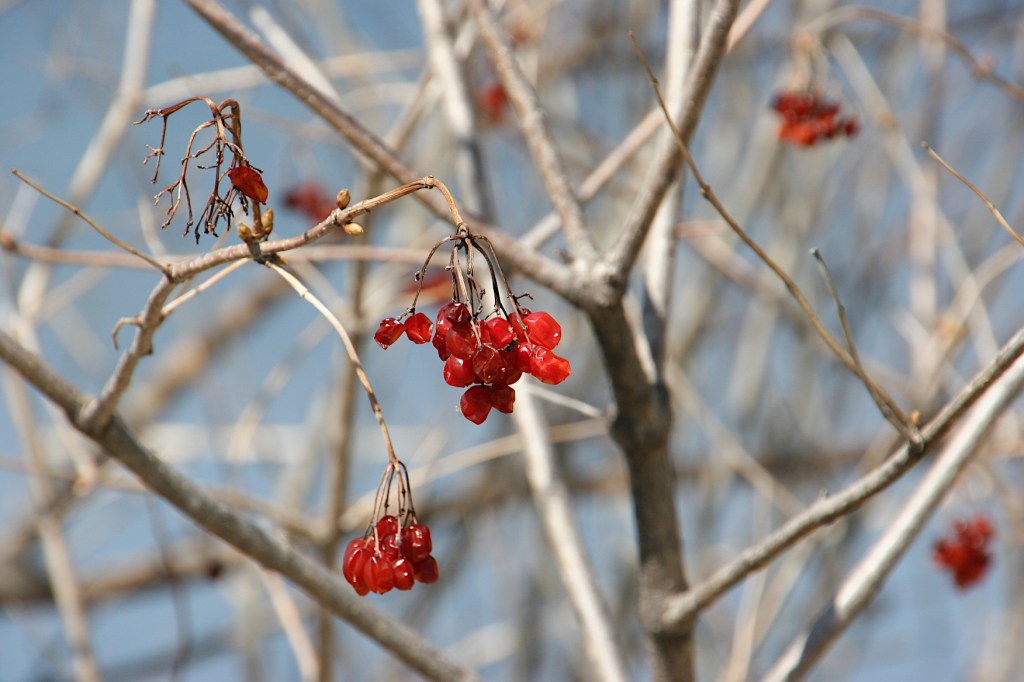
Oh, the vibrant hues of red and blue on a sunny April afternoon in the Faribault Energy Park. Minnesota Prairie Roots photo.


While walking the dirt paths that wind around wetland ponds, we heard birds above the steady drone of traffic from adjacent Interstate 35. It looked to be a typical busy weekend of travel for folks on the interstate.


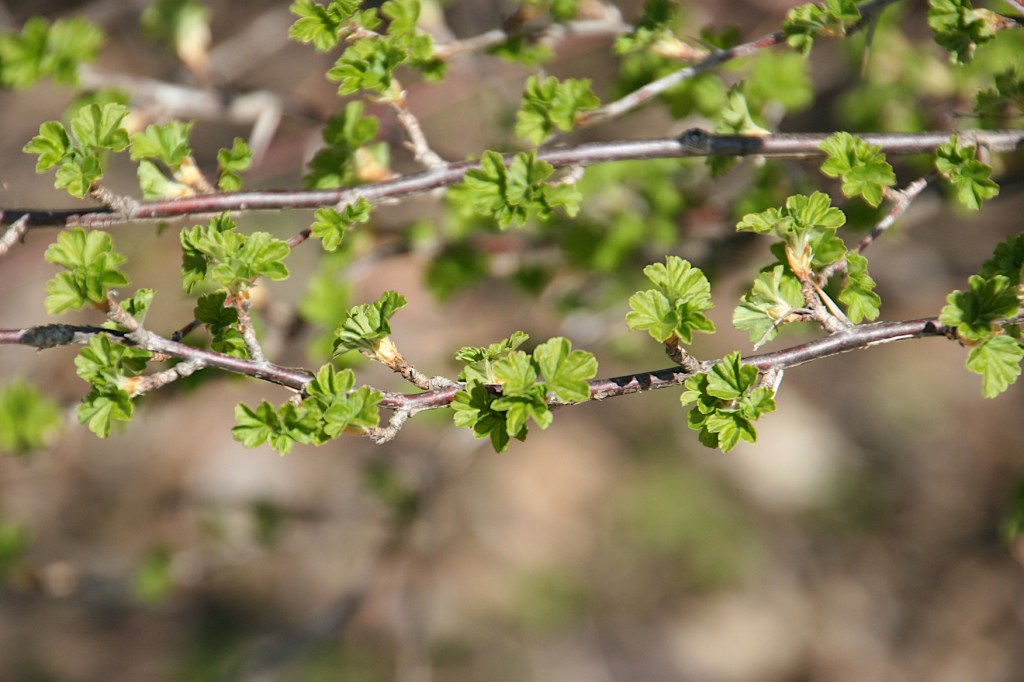
Greenery is beginning to erupt in the landscape. Minnesota Prairie Roots photo.


Everywhere, people were out and about. When you’ve been cooped up inside during the winter and under the Stay at Home order, which I fully support, there’s a real psychological need to get outdoors on a day as beautiful as Saturday.


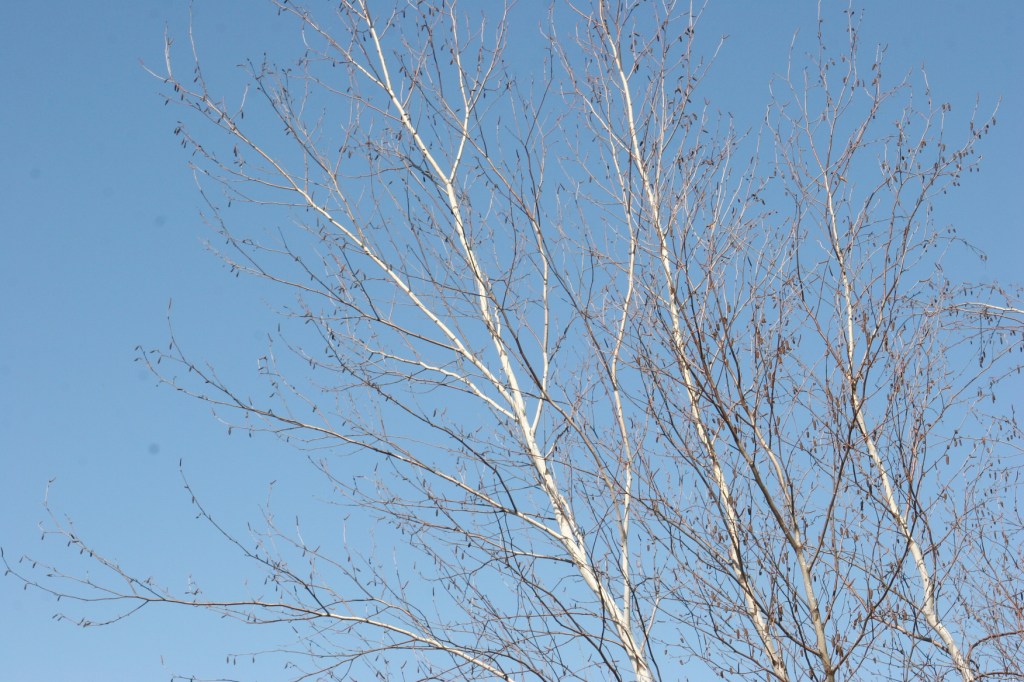
I couldn’t get enough of the trees set against that amazing blue sky. Minnesota Prairie Roots photo.


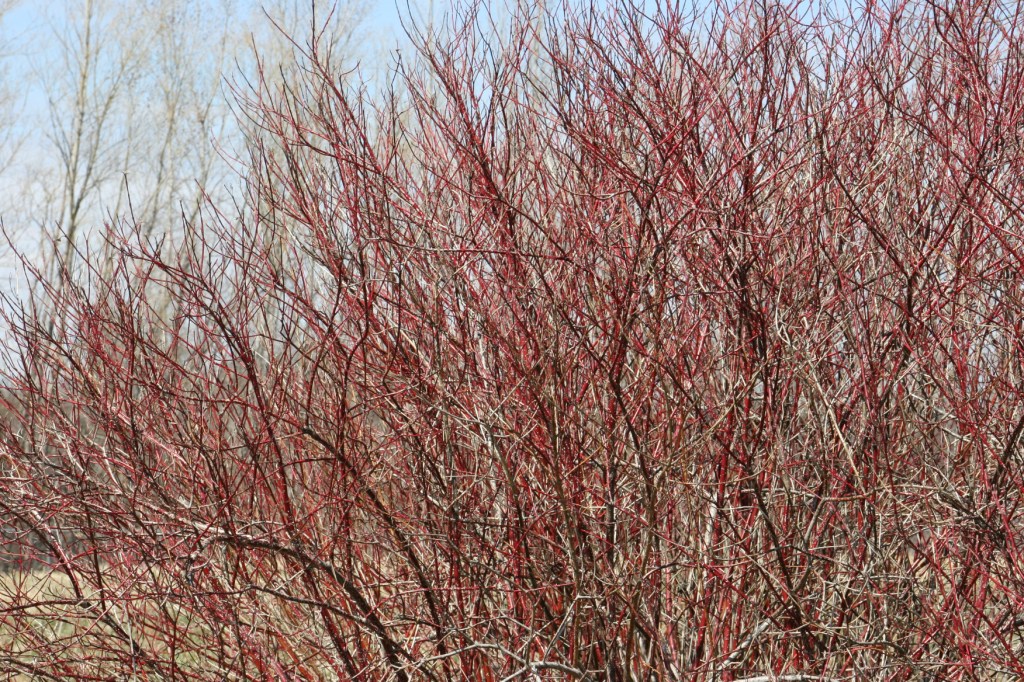
Love the hue and texture of dogwood. Minnesota Prairie Roots photo.


I took my time, noticing and appreciating the signs of spring in the landscape. Brilliant red berries against blue, not grey, skies. Green burst of buds. Twigs of mahogany dogwood flagging paths. Creek running. Path muddied by puddles floating oak leaves of autumn. The reflection of the sky in ponds of blue. It was lovely. All of it.


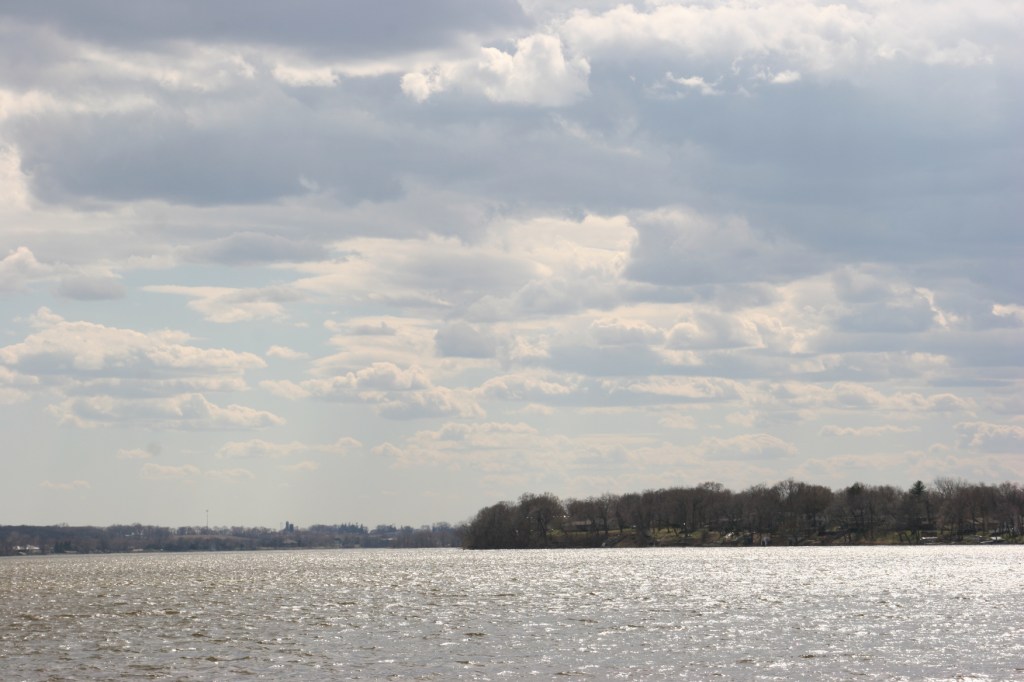
Cannon Lake west of Faribault. Minnesota Prairie Roots photo.


After walking in the park, we headed out to the Faribault lakes area west of town for a drive in the country. Pleasure driving, near home, is allowed under the state executive order.


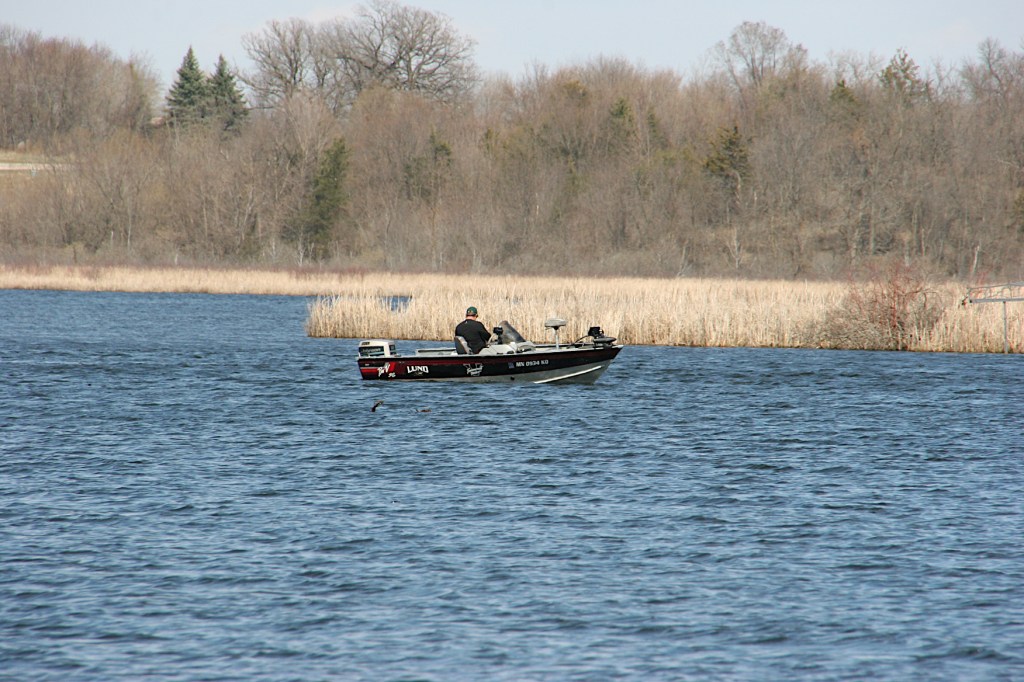
Fishing in one of the many area lakes. Minnesota Prairie Roots photo.


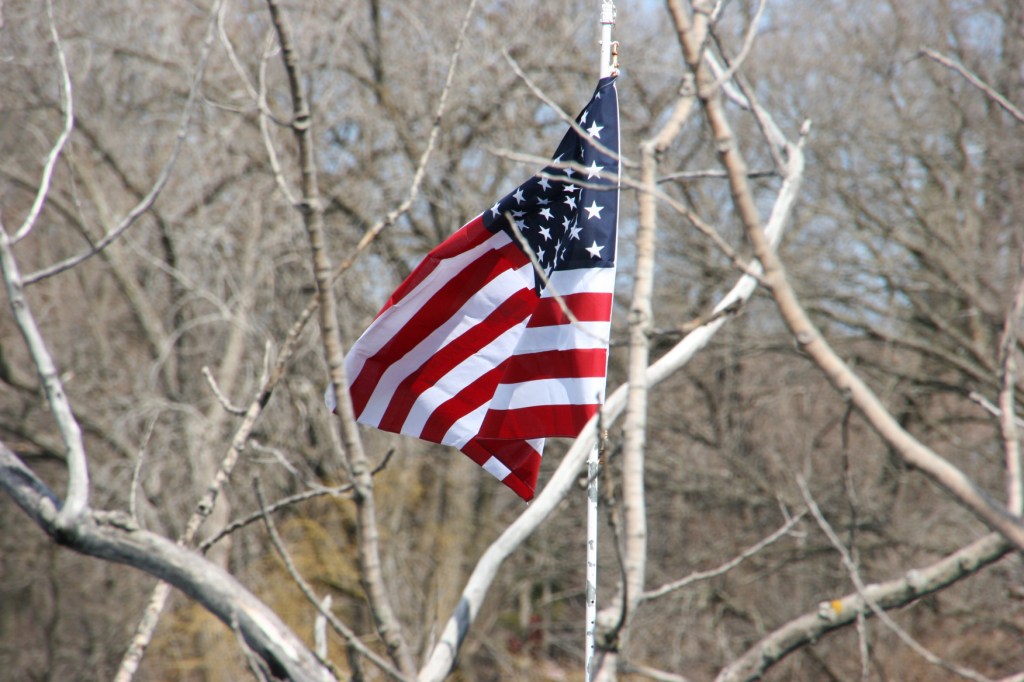
An American flag flies from a dock. Minnesota Prairie Roots photo.


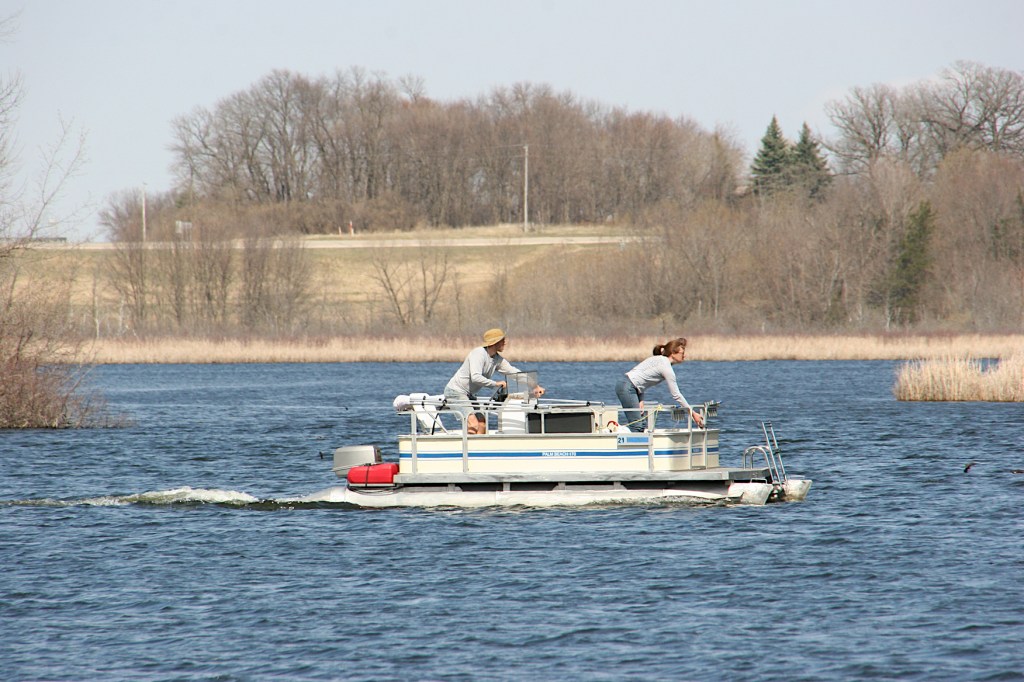
A beautiful afternoon to be out on the pontoon. Minnesota Prairie Roots photo.


During our lakes tour, we observed people fishing, pleasure boating, wind surfing and riding motorcycles. At a public boat landing, we met a grandpa out for a motorcycle ride with his granddaughter. Their “wind therapy,” he called it. He sees his granddaughter daily so there was no need to social distance from her.


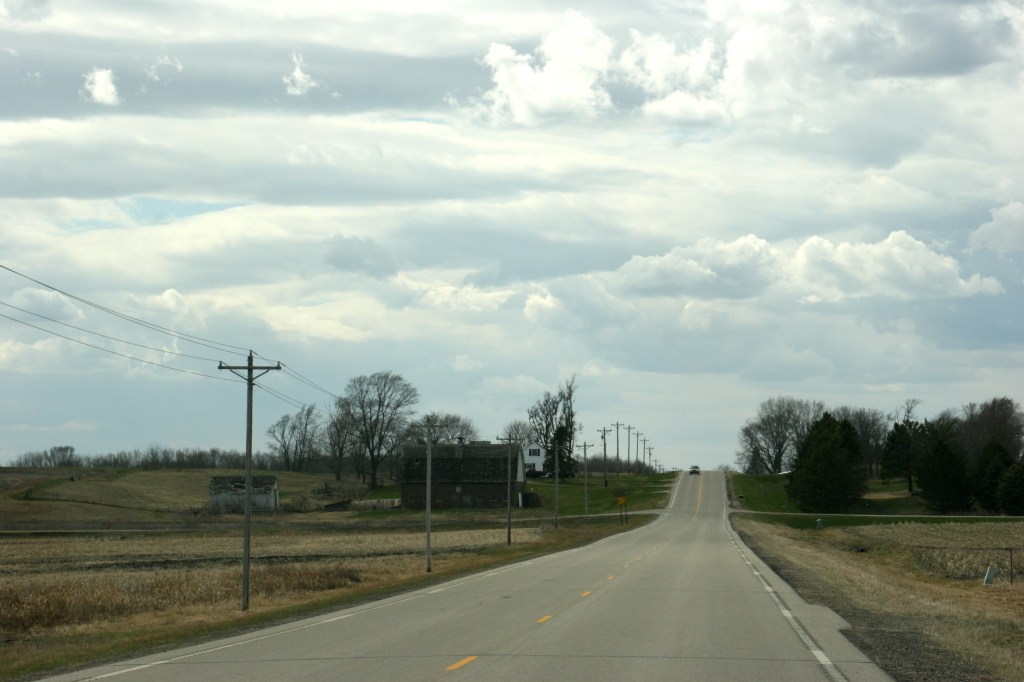
The cloud deck was building as we drove into the countryside late Saturday afternoon. Minnesota Prairie Roots photo.


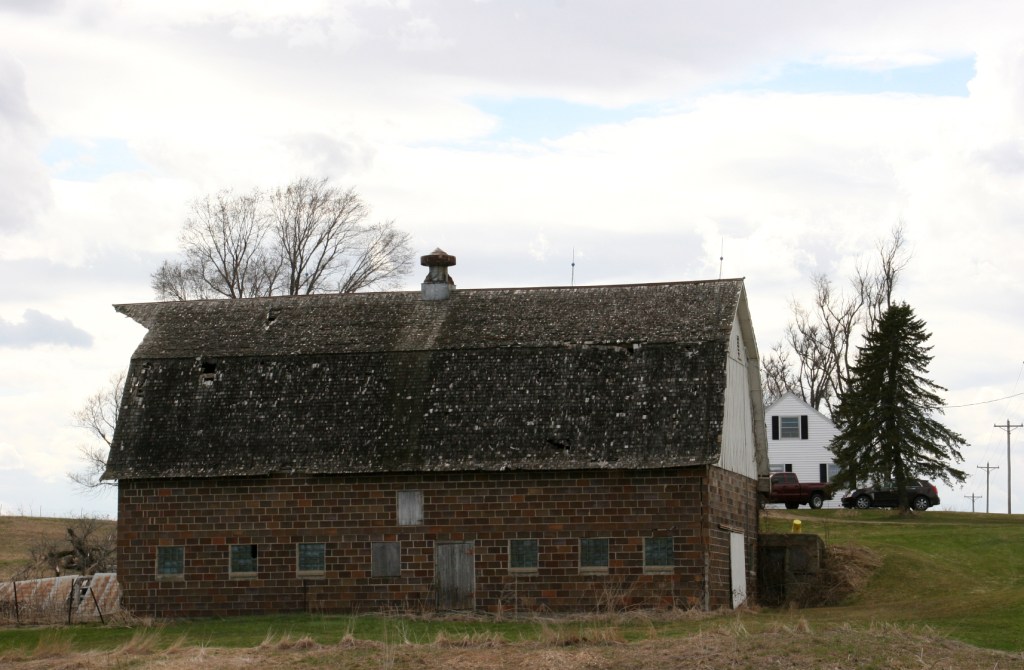
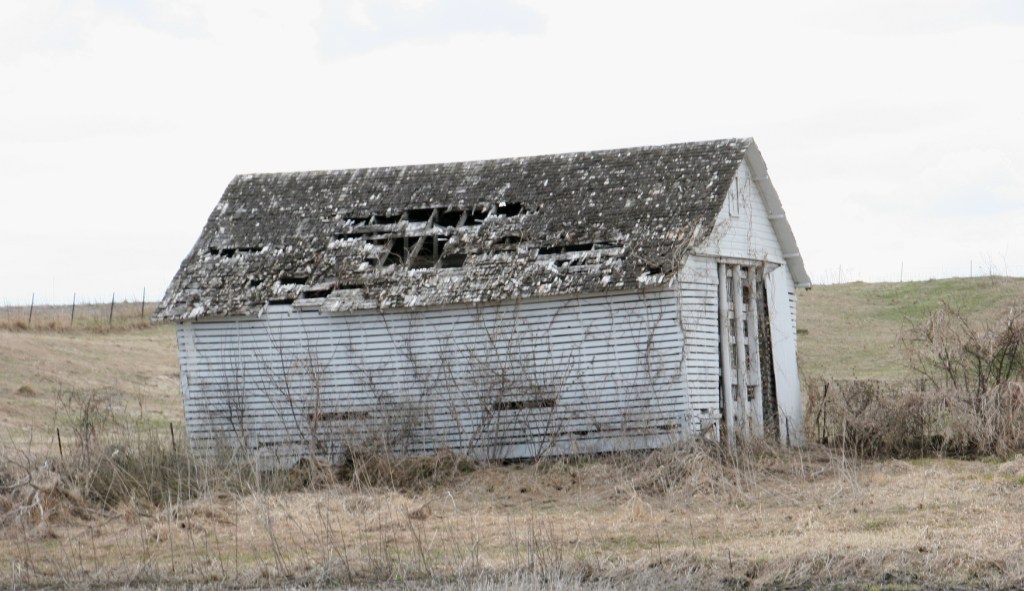
I even got my barn fix as we turned onto a gravel road. Minnesota Prairie Roots photo.


A decaying corn crib. Minnesota Prairie Roots photo.


I felt a sense of peace as we drove along back county and gravel roads in the countryside. Past barns and past fields awaiting planting. Through rural land that, for a brief moment of time on a lovely April afternoon, provided a respite from reality.

TELL ME: How are you getting away without really getting away?

© Copyright 2020 Audrey Kletscher Helbling
 

A Minnesota evening in May: A photo essay May 16, 2019


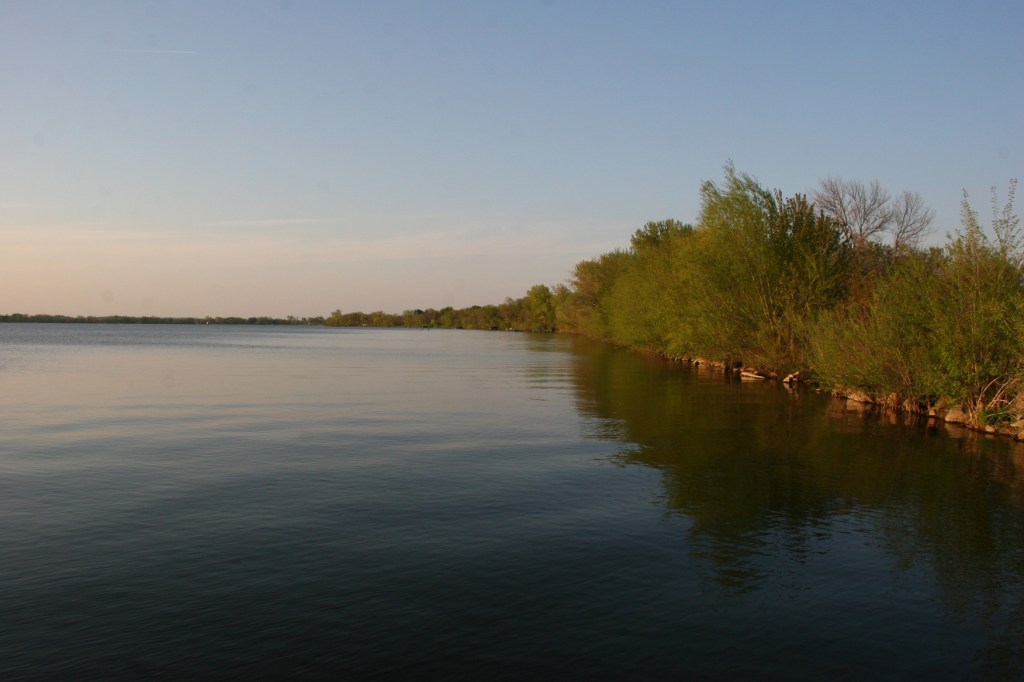
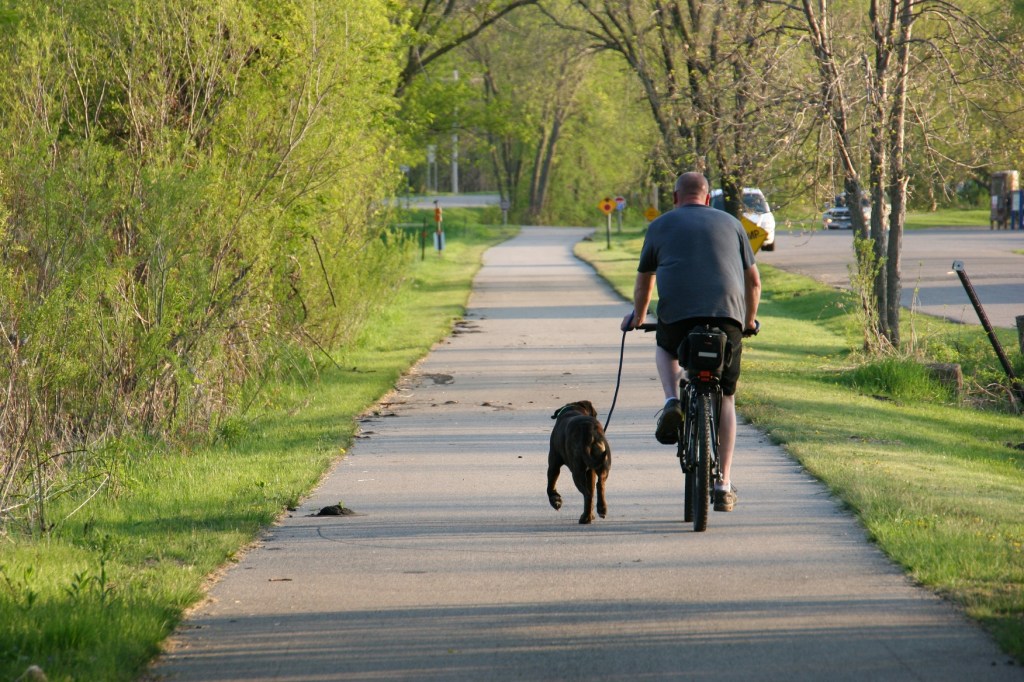
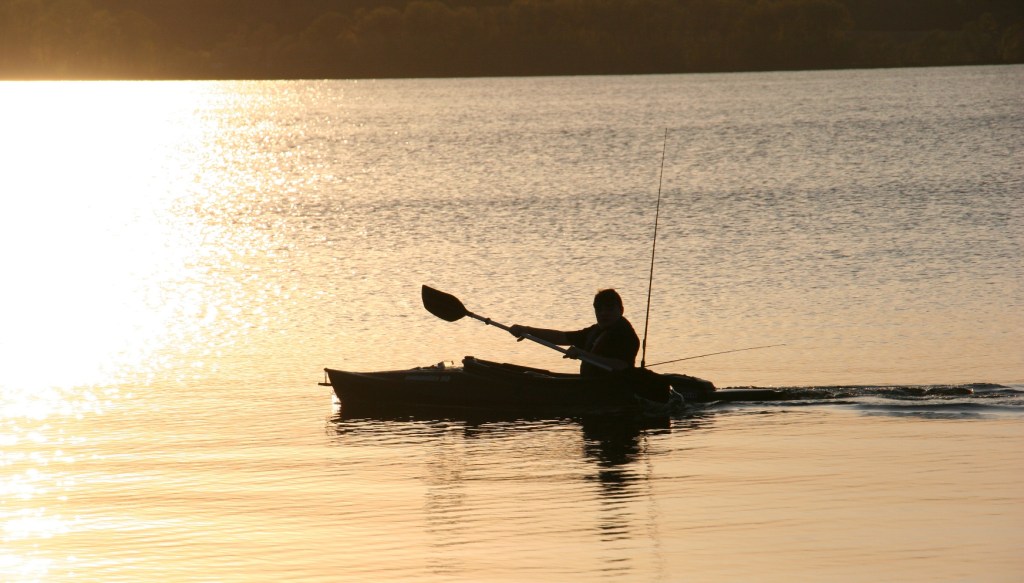
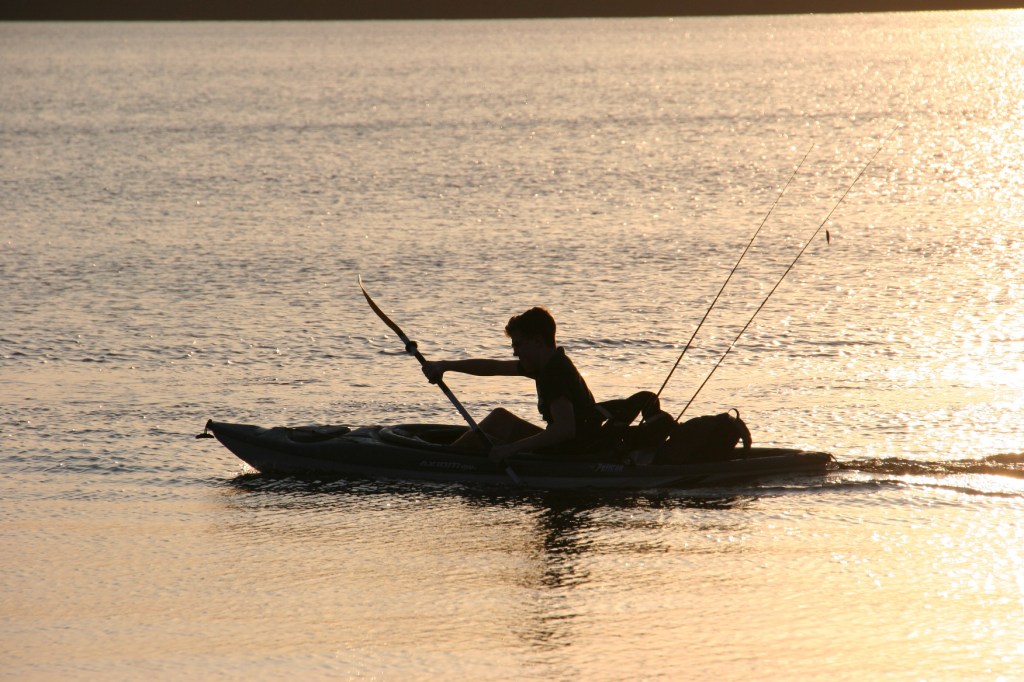
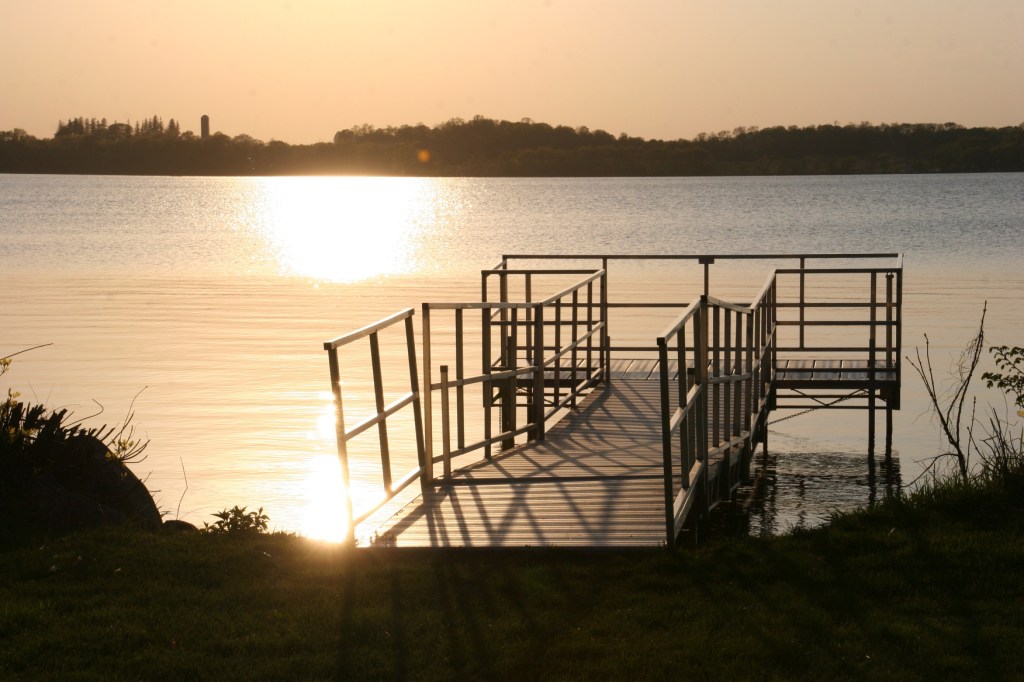
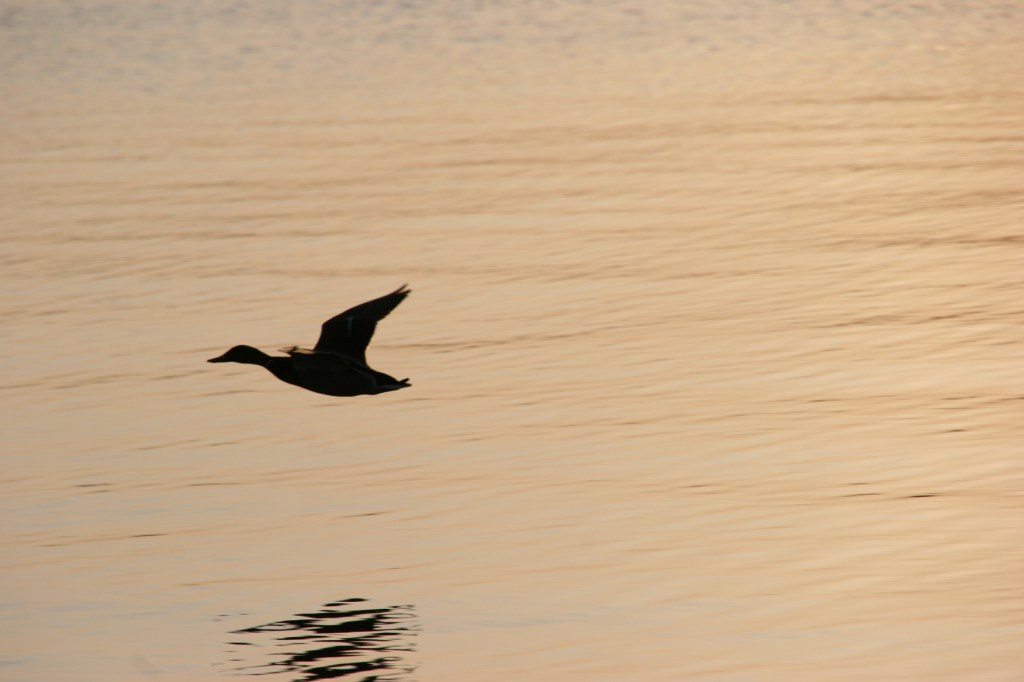
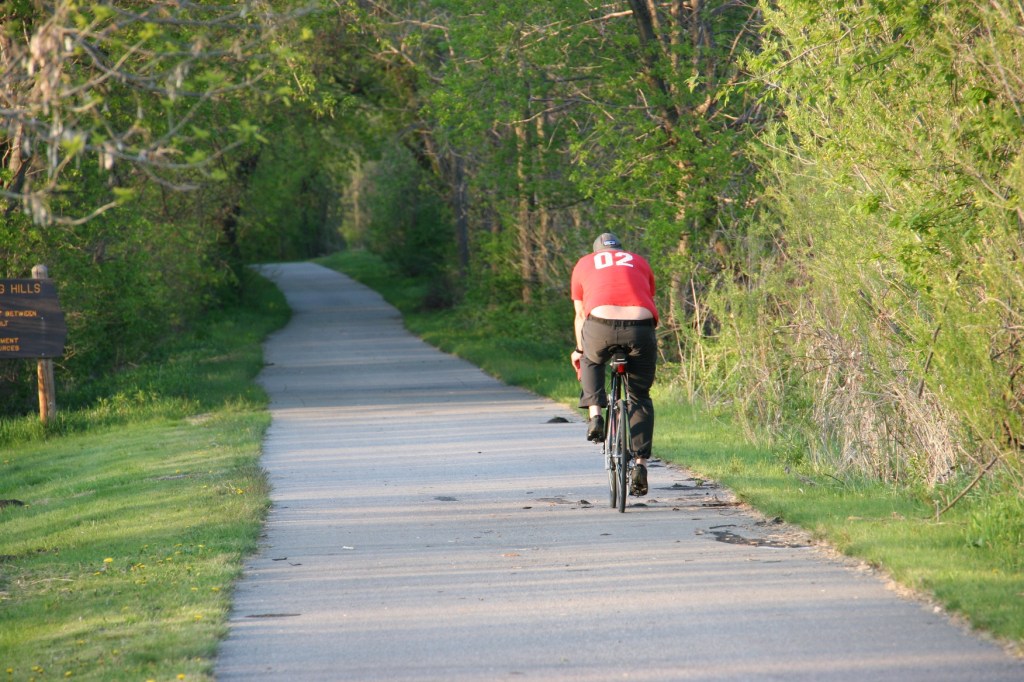
A QUEST FOR ESCAPE, for peace, for a closeness with nature took me to Shager Park and the Sakatah Singing Hills State Trail along Cannon Lake near Faribault Tuesday evening.


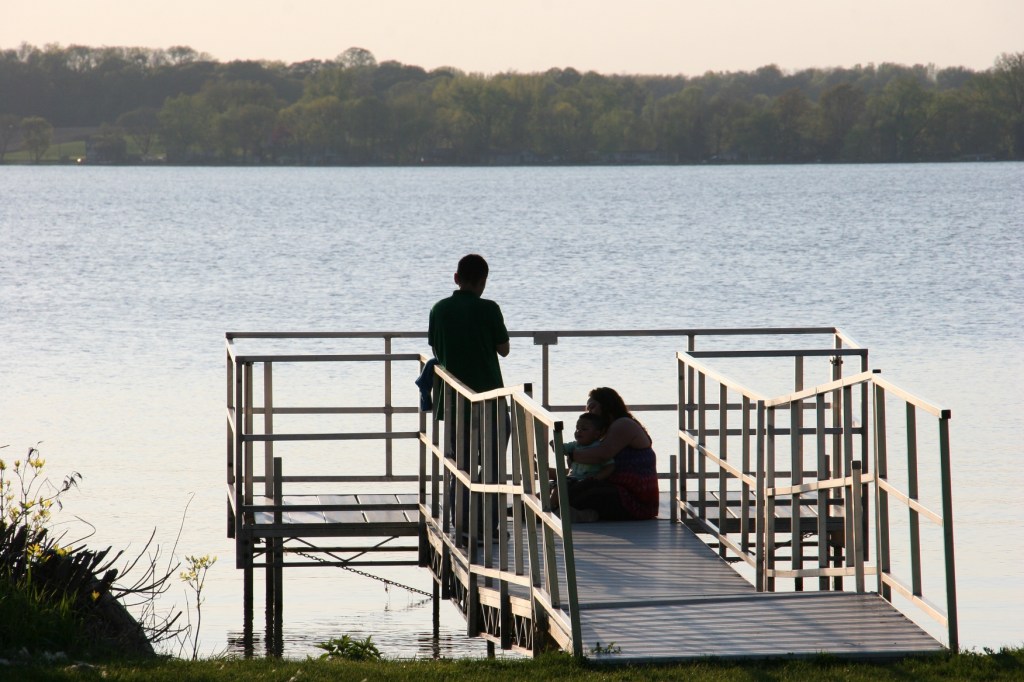
In the golden hour just before sunset, I walked the trail, stopping often to photograph my surroundings before landing on a dock overlooking the lake.


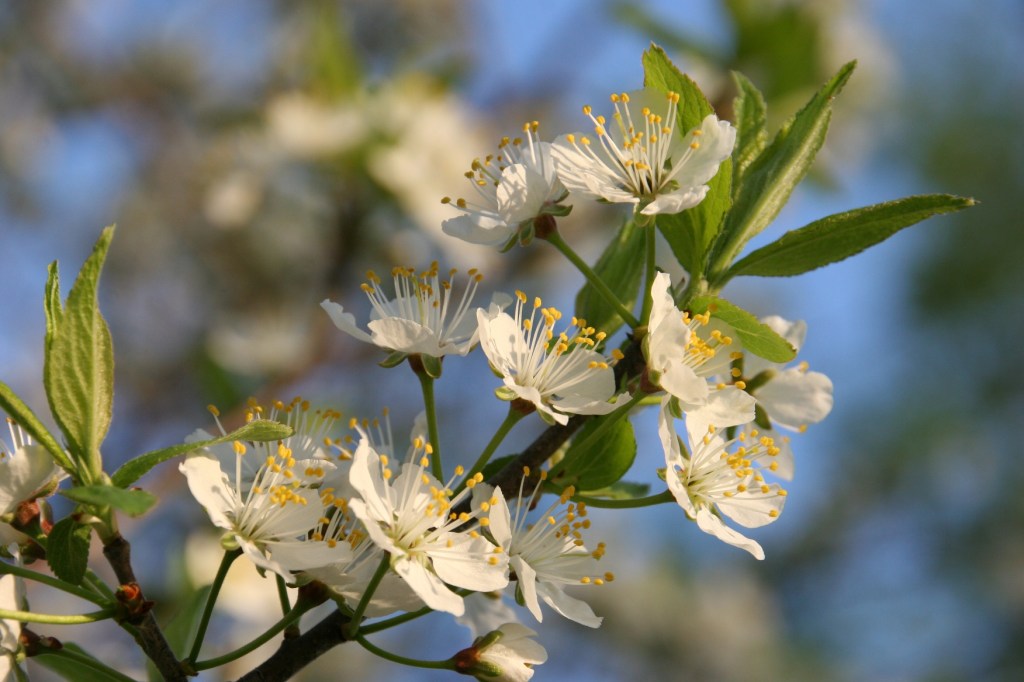
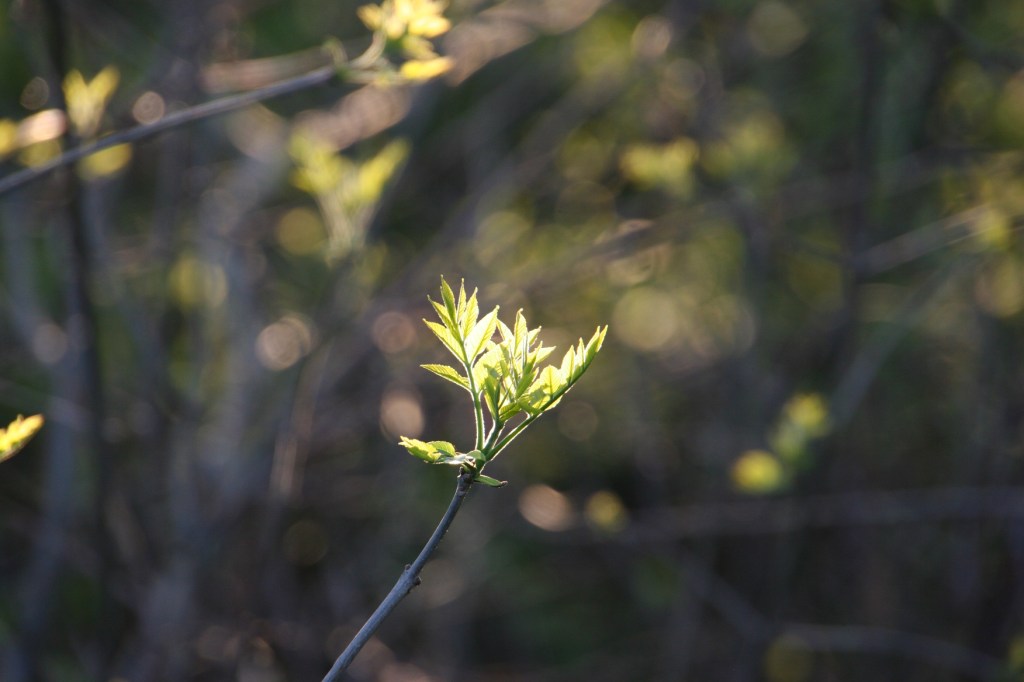
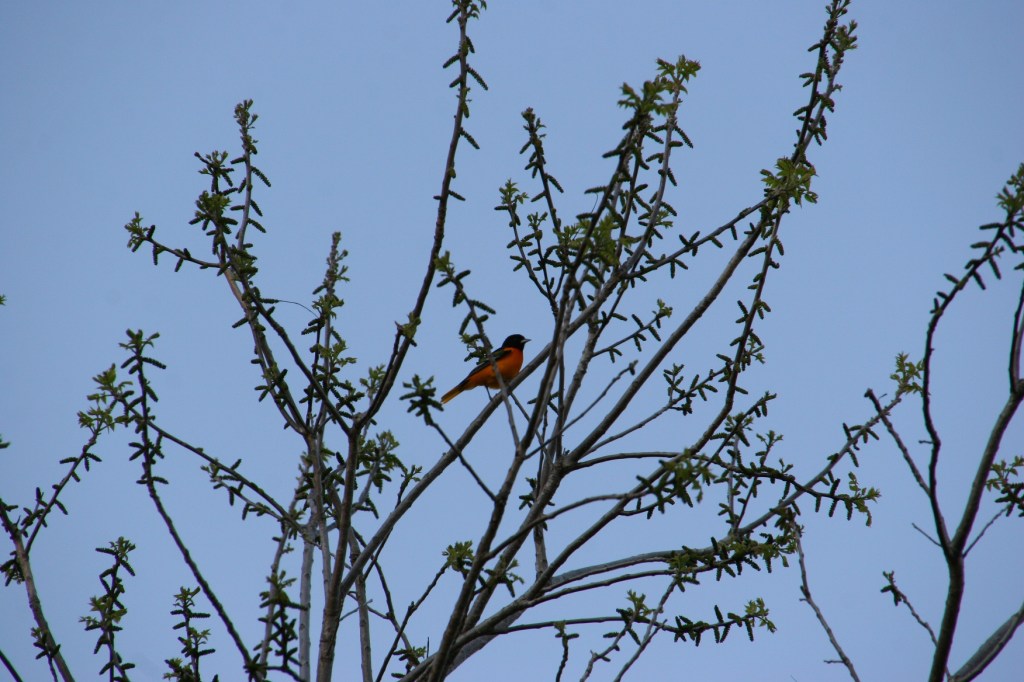
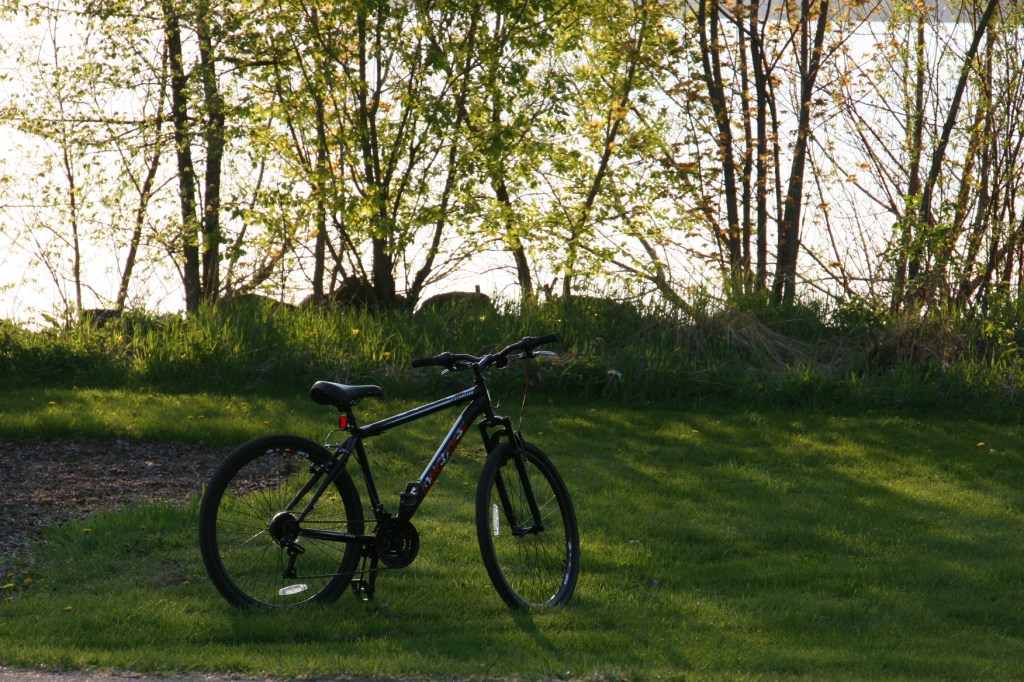
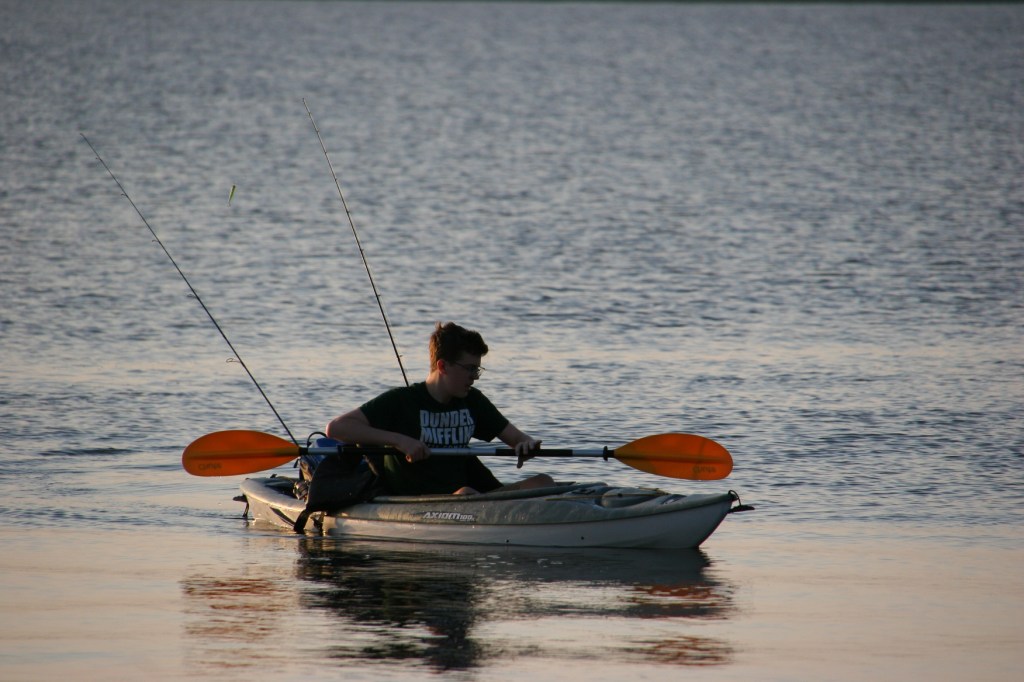
These are my photos—images which capture the essence of May in southern Minnesota.


Experience the motion of peace.


See the beauty.


Embrace nature.


And find herein the reason spring in the Bold North so delights those of us who live here.


© Copyright 2019 Audrey Kletscher Helbling