
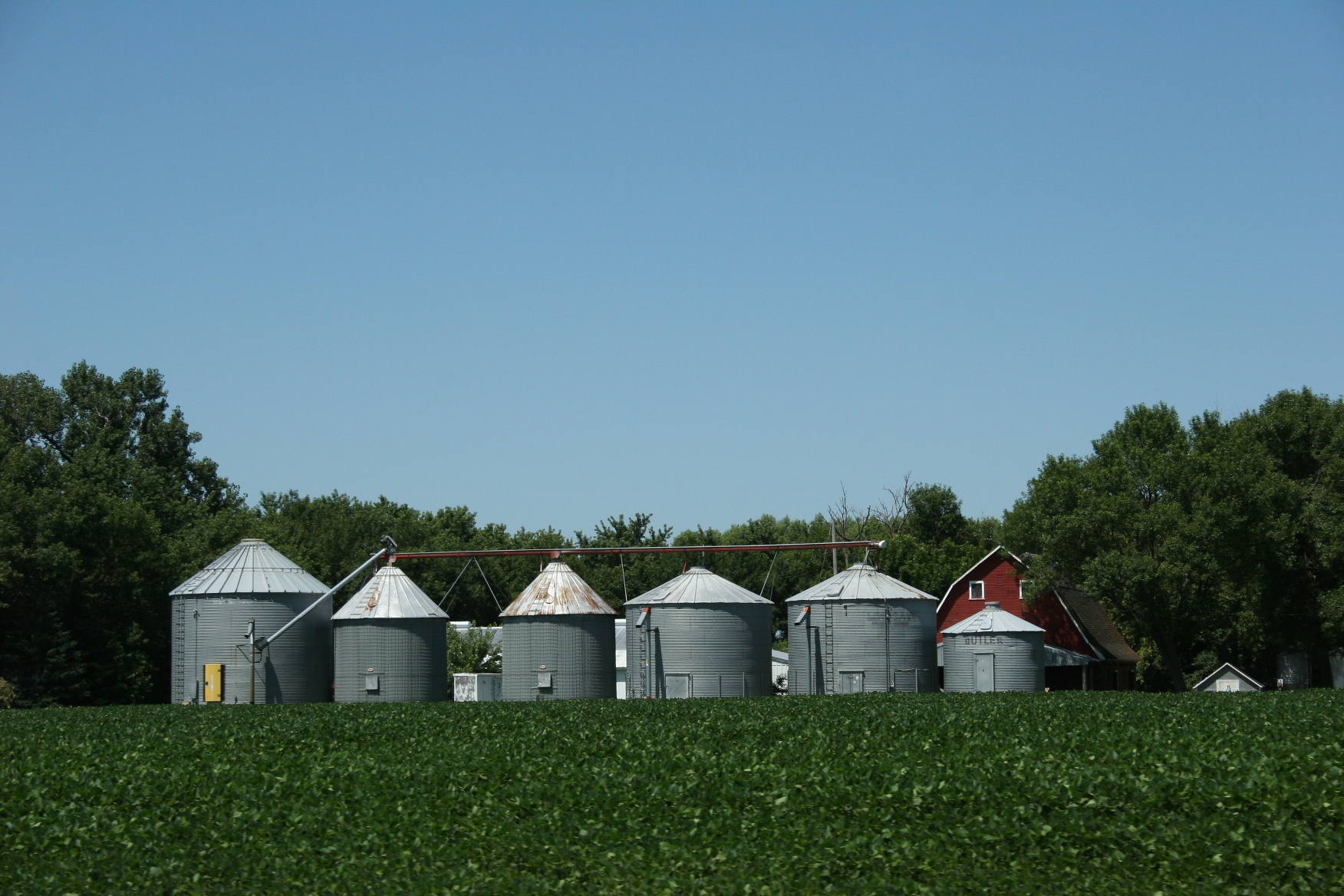
Bins on a farm place somewhere along the back roads between New Ulm and Morgan.
“I COULD NEVER BE MARRIED to a farmer or be a farmer,” I told my cousin Kevin as we stood outside the Vesta Community Hall Friday evening discussing the July 1 windstorms and tornadoes that ravaged my native southwestern Minnesota.
Kevin farms south of Echo, where he lost three grain bins, trees, and, if I remember correctly, an auger, to high winds. He’s looking at replacement and upgrade costs of more than $140,000. And a good chunk of that will not be covered by insurance. Investing so much money in his farm now, at near 60 years old, doesn’t come easily for him, he claims. But he doesn’t have an option if he is to continue farming.
As he was sharing his story, he said, “I told the wife I need to…” Kevin, 56, got married late in life (six years ago), so I still have to remember sometimes that he’s with Kris, a wonderful woman.
It takes a strong man or woman to live a life of farming. As much as I love the farm, I couldn’t farm. I couldn’t handle the financial stress, the “I told the wife I need to” replace the grain bins or I need to borrow money for a new tractor or the beans were hailed out…
I’d stress over borrowing all that money and over the financial risks inherent in farming. Will commodity prices be up or down when I want to sell the corn and beans? Should I sign a contract now or wait? Should I buy that piece of equipment, build that machine shed? Will I get a decent crop? I’m not a gambler or a risk taker, even though I grew up on a crop and dairy farm.
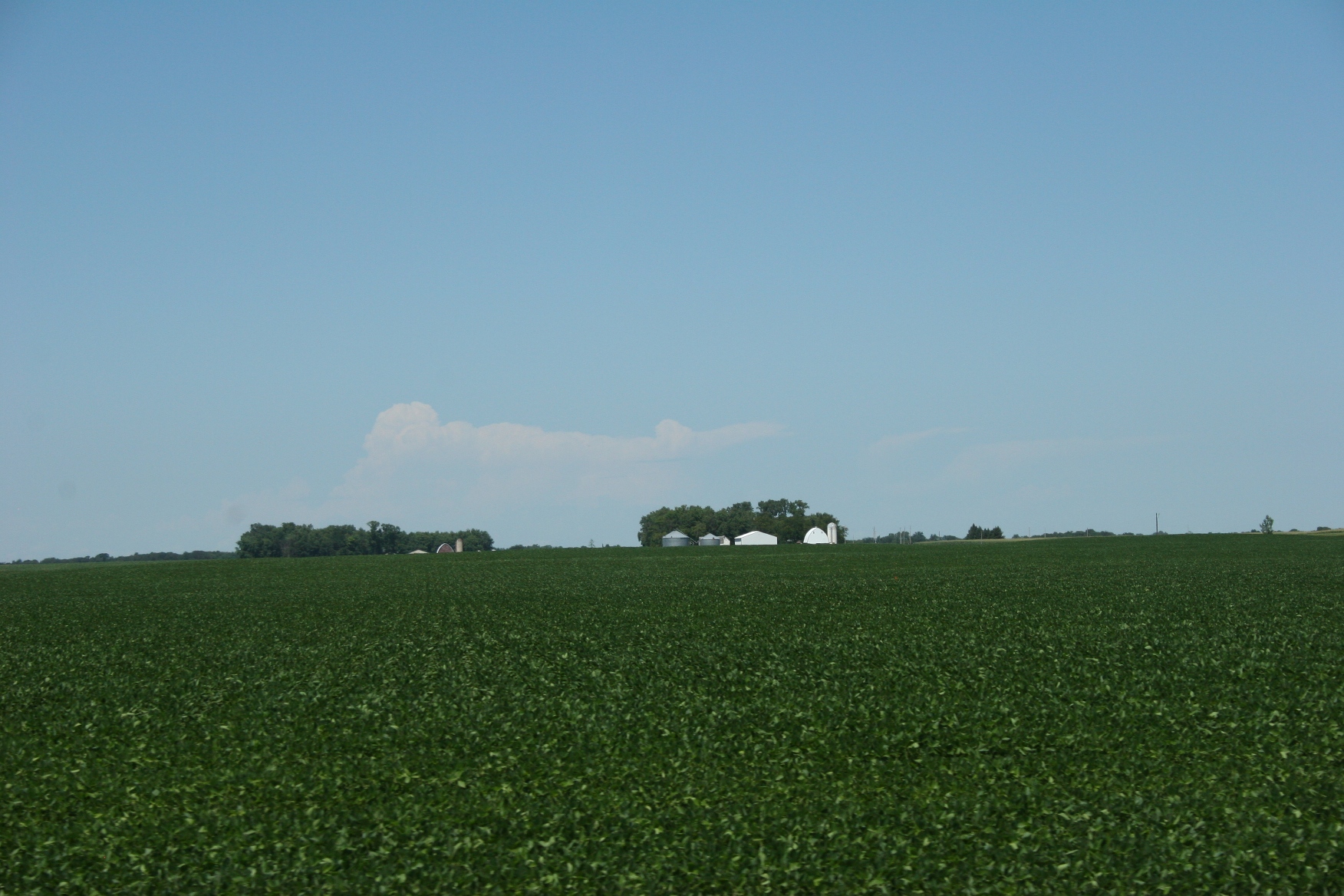
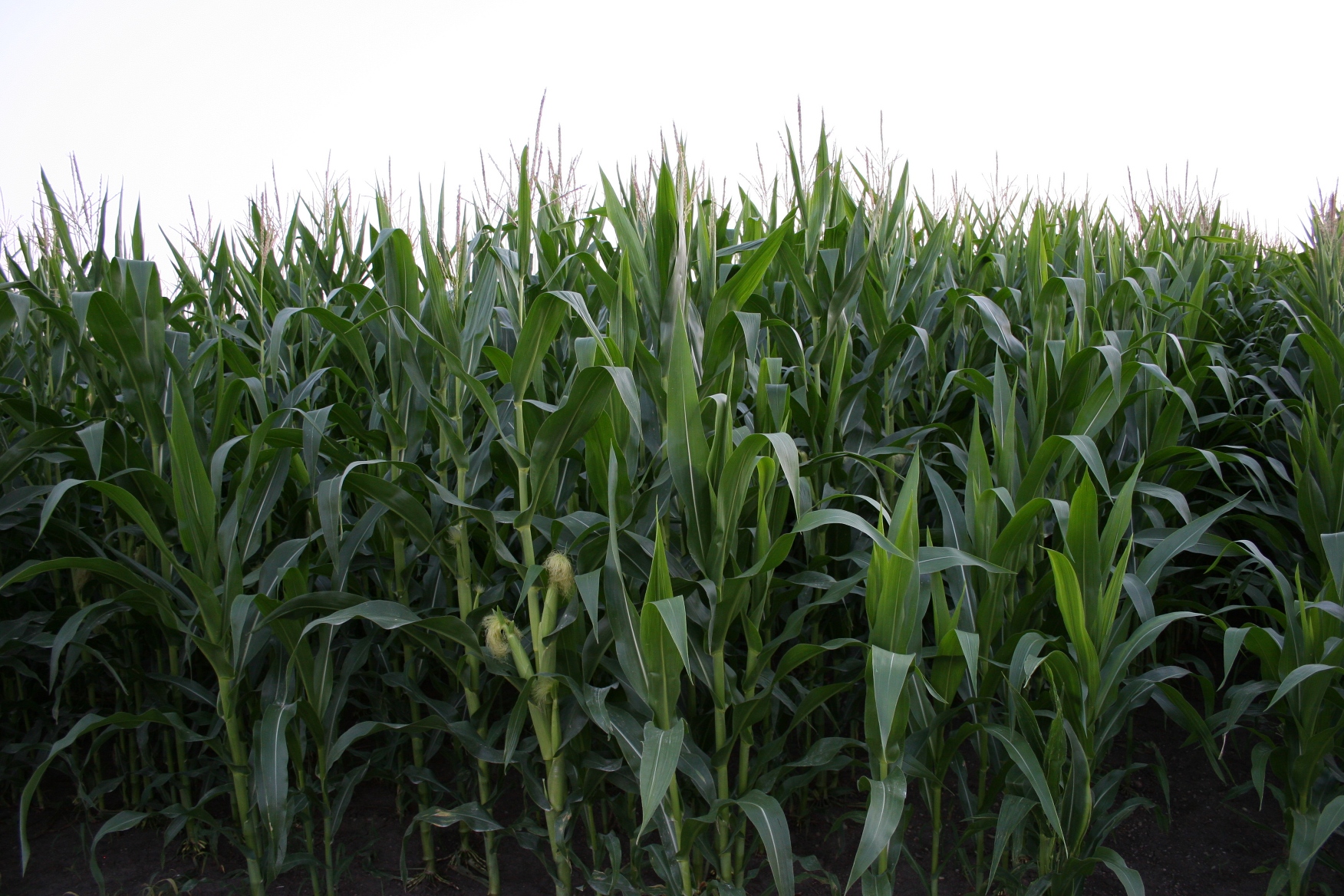
Soybean and corn fields stretch into forever in southwestern Minnesota. I shot this image on Friday between New Ulm and Morgan.
For many Minnesota farmers, this year has been especially challenging. Crops were planted late due to wet field conditions. Then the heavy rains fell, drowning out entire sections of fields. Next, strong winds and hail devastated beans and corn.
For the first time that I can ever recall, I saw black fields near my hometown of Vesta. My cousin told me the fields had been replanted and then the storms came when it was too late to replant again.
Three days this week, beginning today, farmers, agri-business reps and others will gather at the historic Gilfillan Farm between Morgan and Redwood Falls for Farmfest. There, in the heart of Minnesota’s farm country, I bet if you eavesdropped on a conversation or two or ten, you’d hear some farmer say, “I told the wife I need to…”
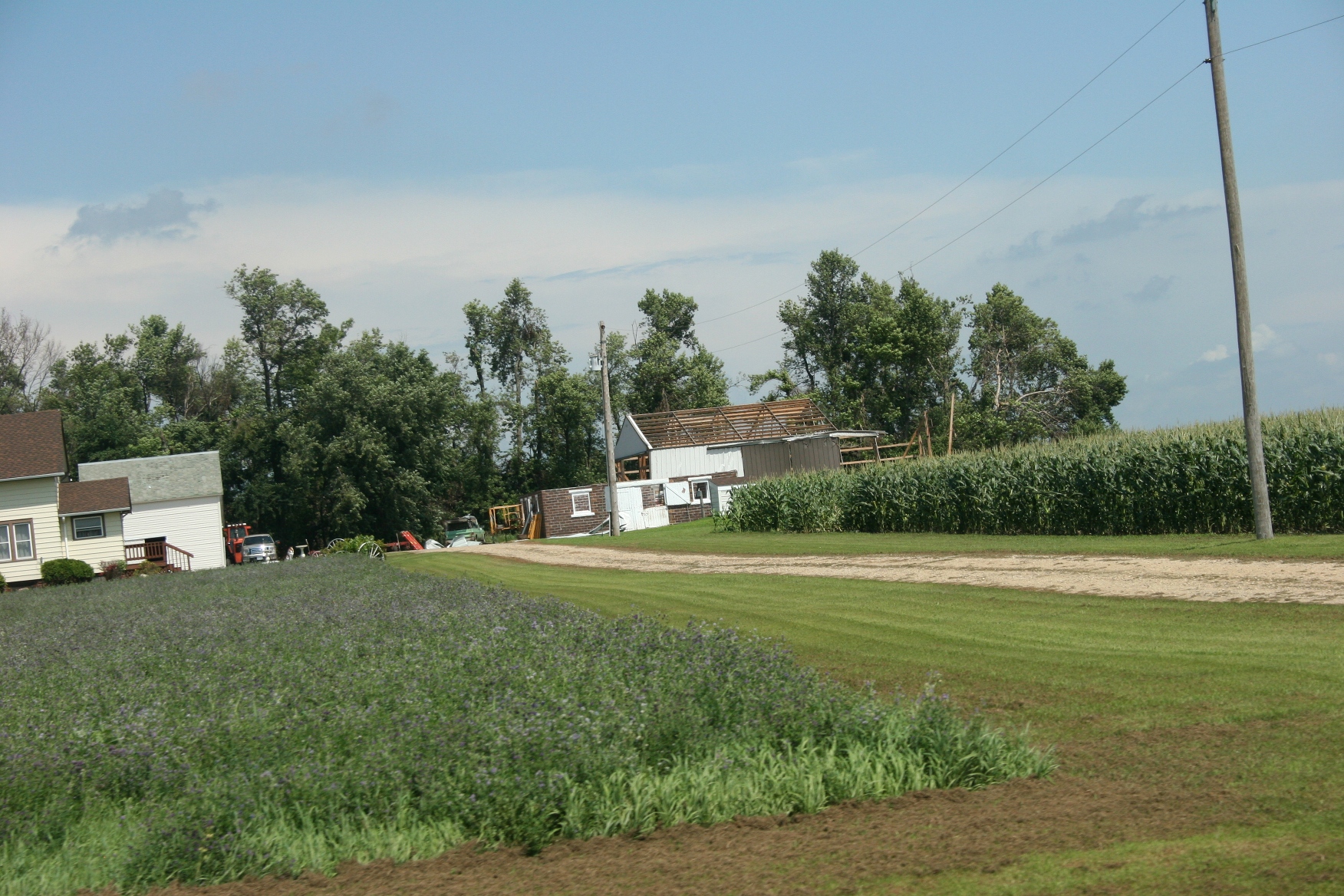
I spotted this damage to a building on a farm just north of Belview, which was hit by a July 1 tornado.
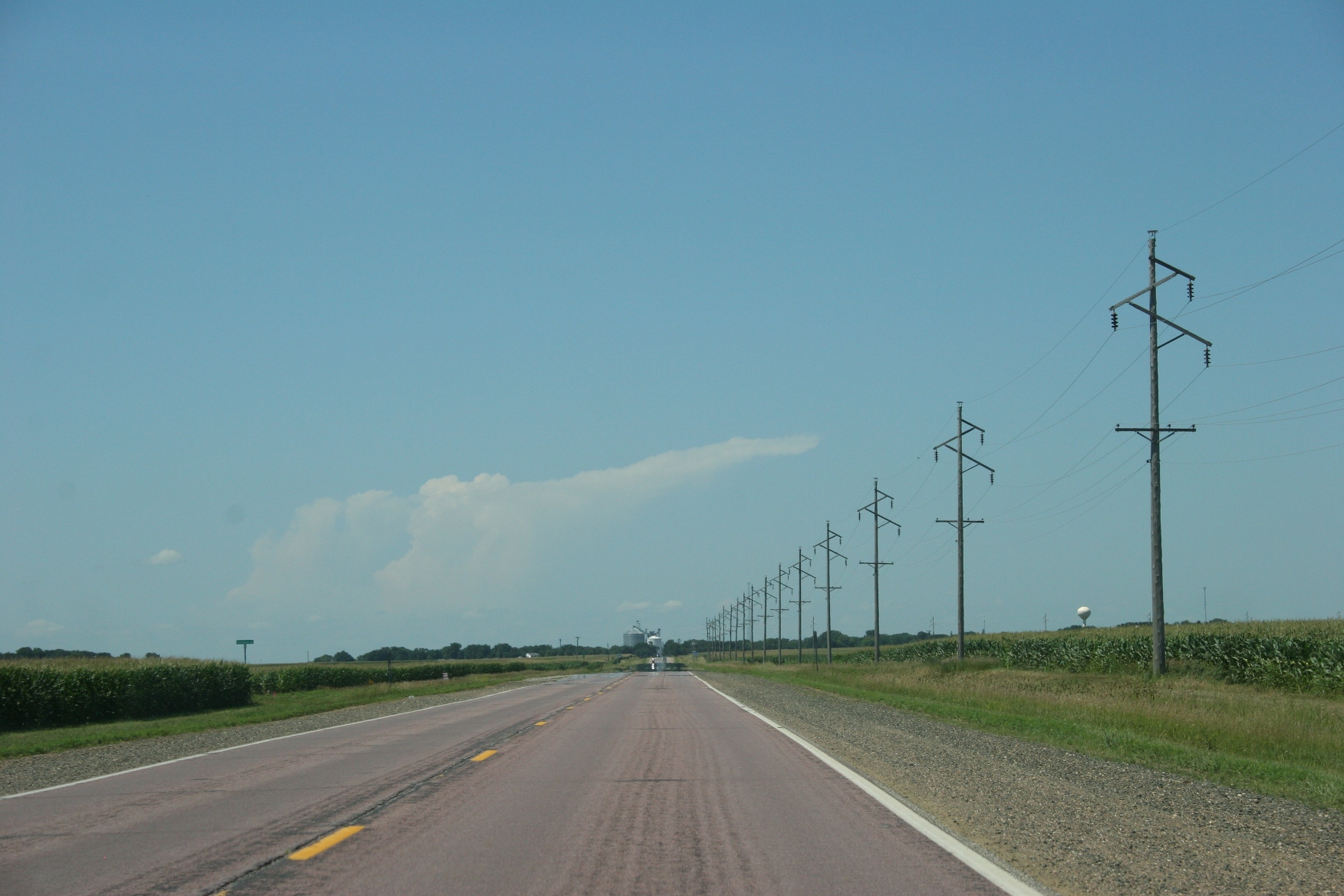
I took this shot traveling Minnesota Highway 67 west toward Morgan Friday afternoon. Follow this road and you'll end up at Farmfest. You can see Morgan's water tower and grain elevator complex in the distance.
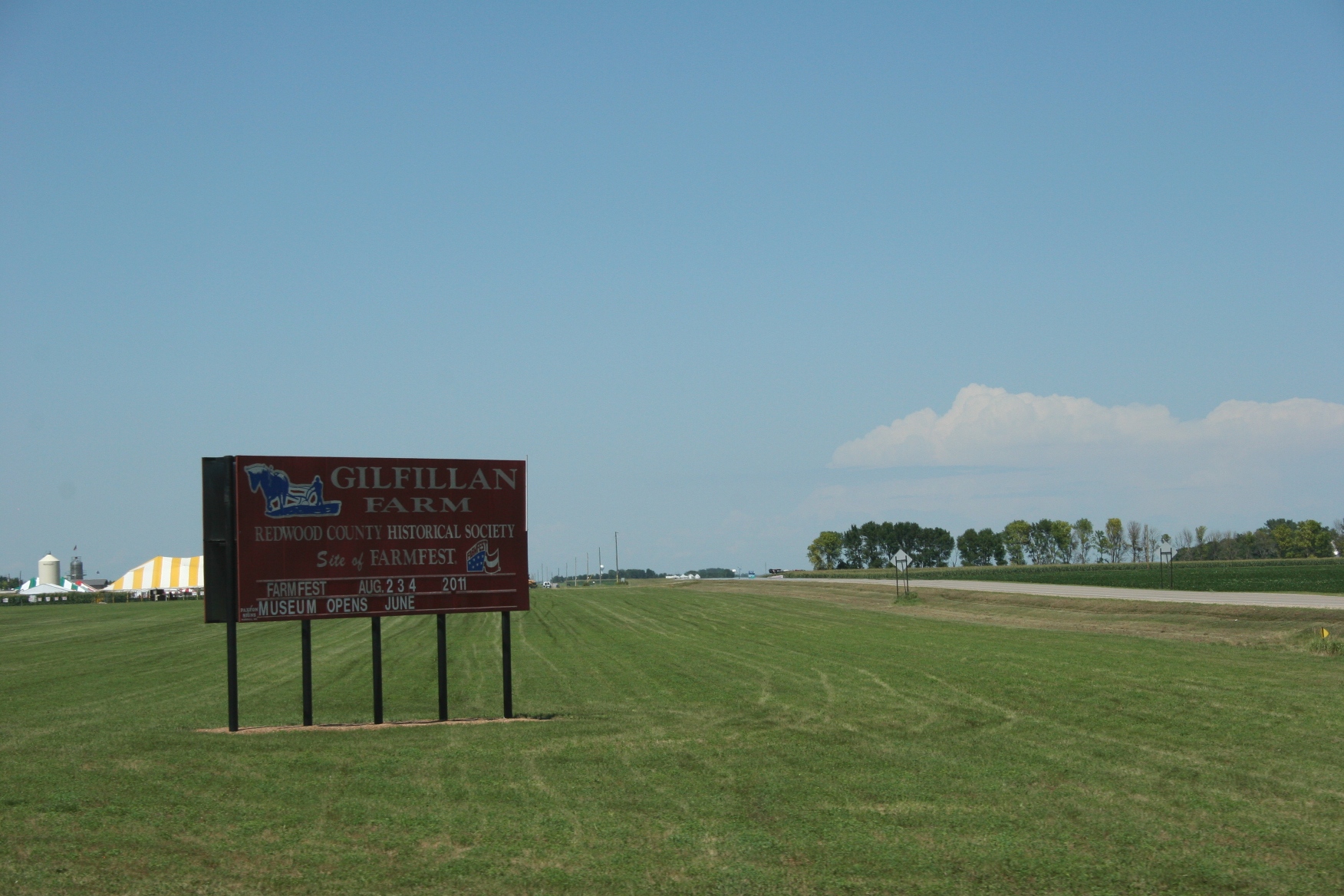
Farmfest at the historic Gilfillan Farm runs today through Thursday.
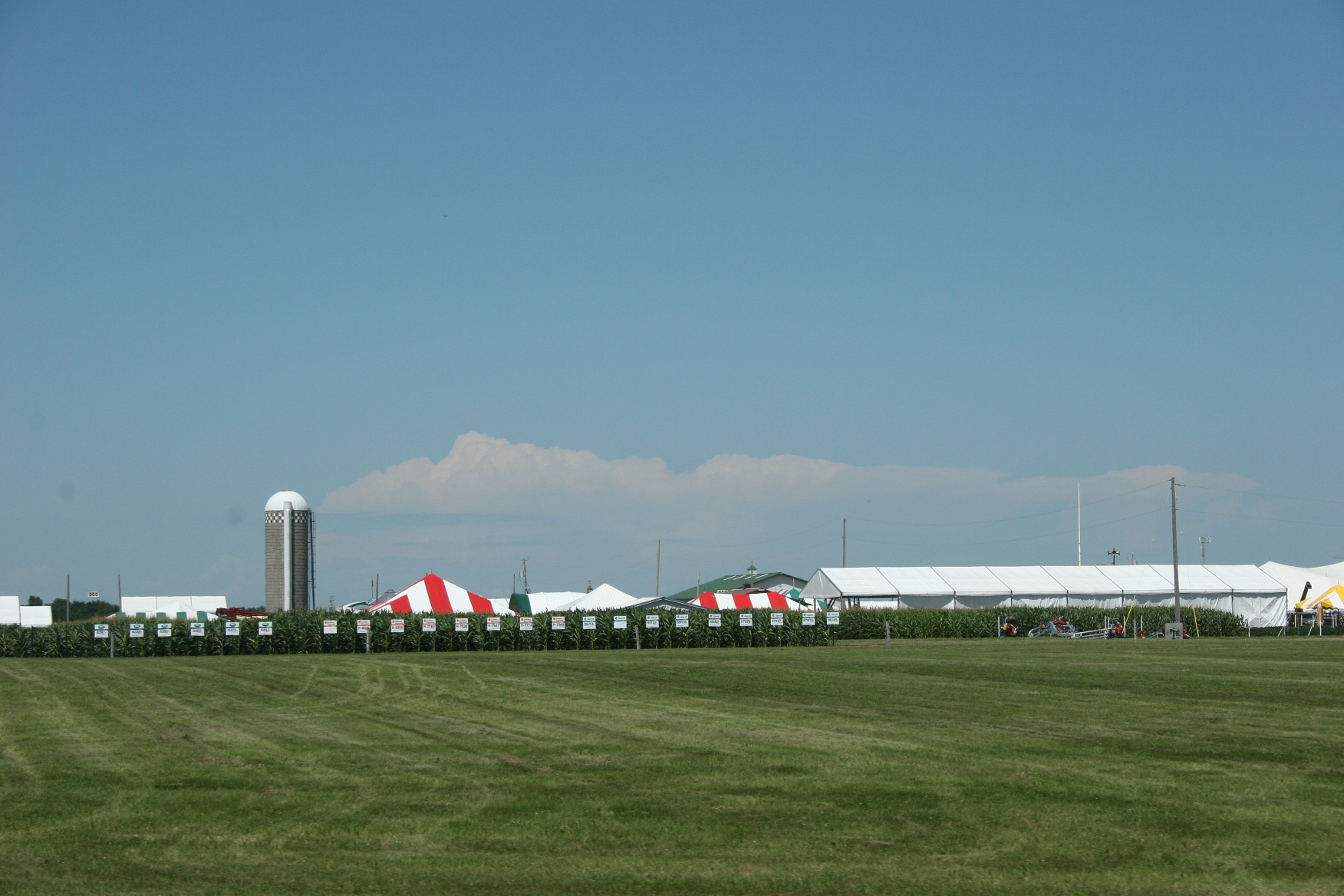
When I drove by the Farmfest grounds Friday afternoon, tents were already in place for the event.
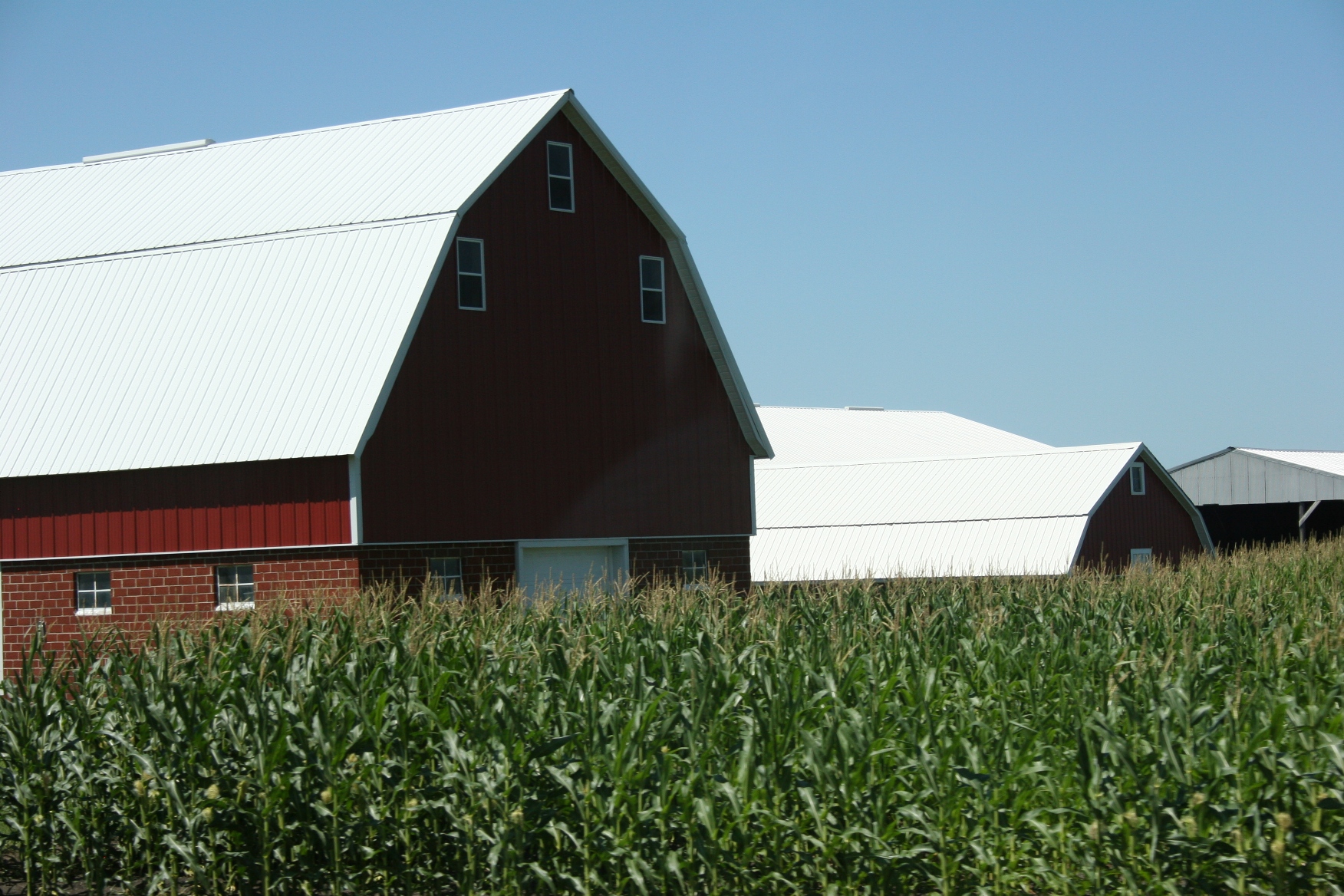
A barn, outbuildings and a corn field between New Ulm and Morgan.
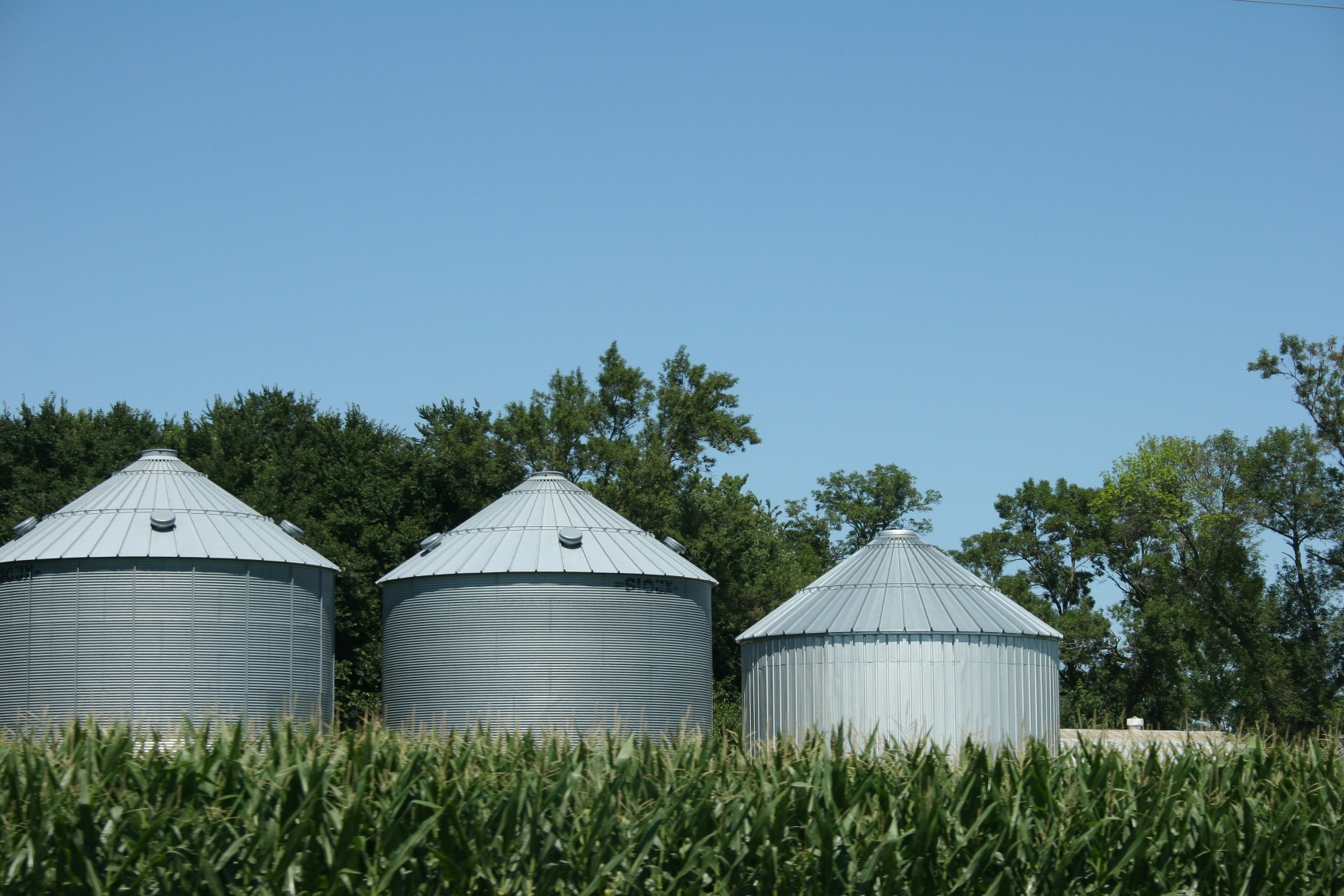
Bins on a farm site along the back road between New Ulm and Morgan.
© Copyright 2011 Audrey Kletscher Helbling



Recent Comments