

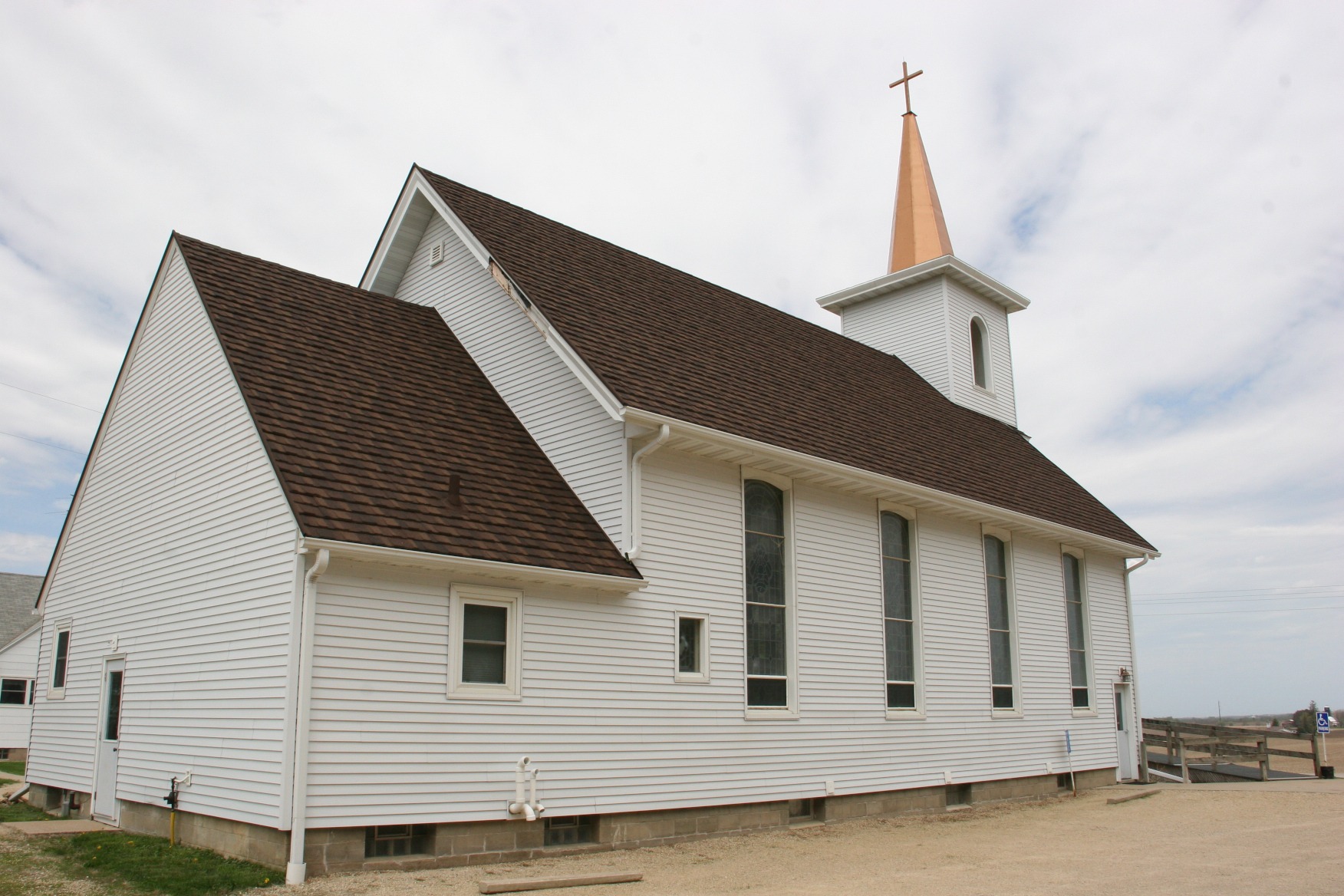
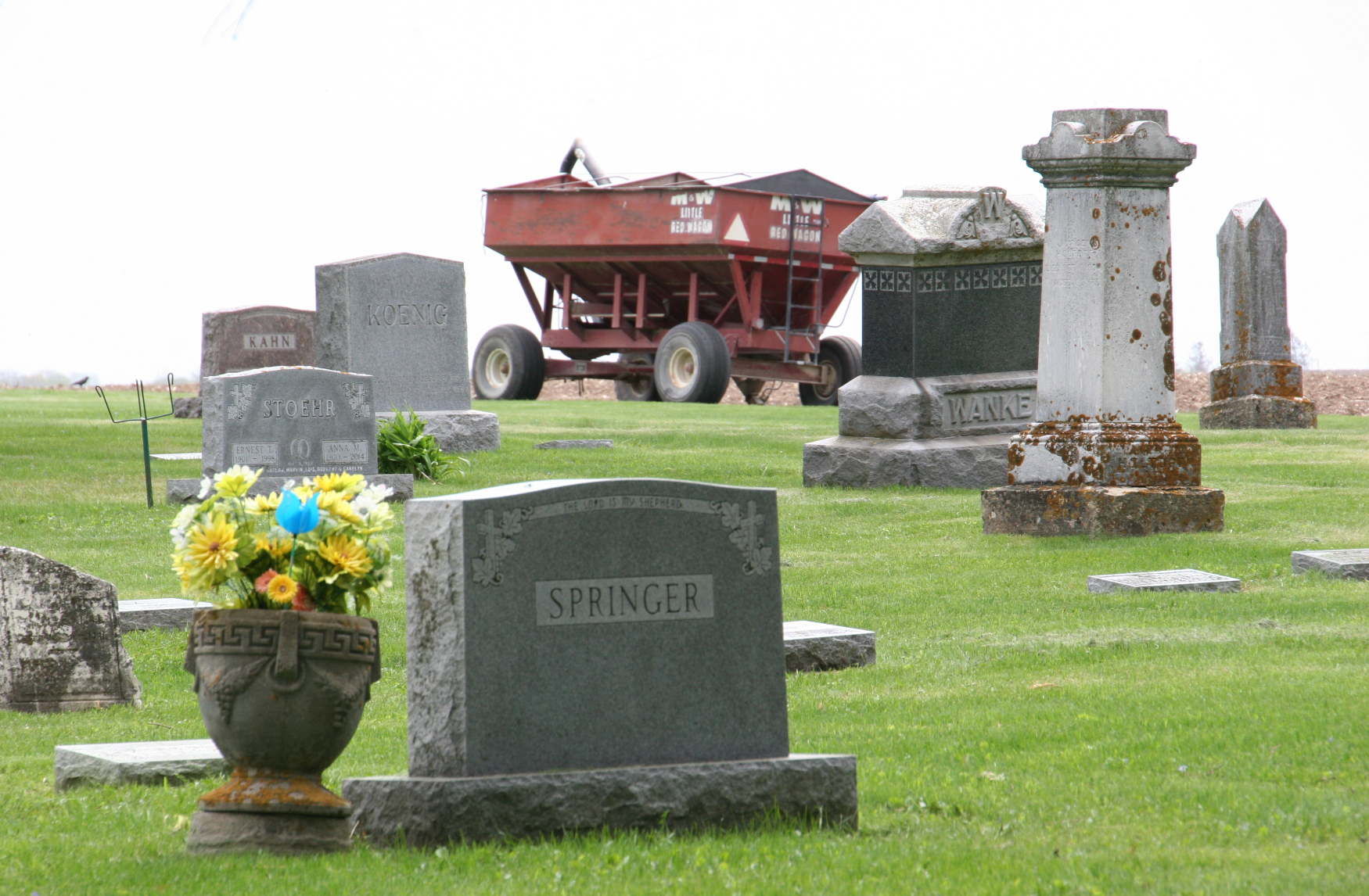
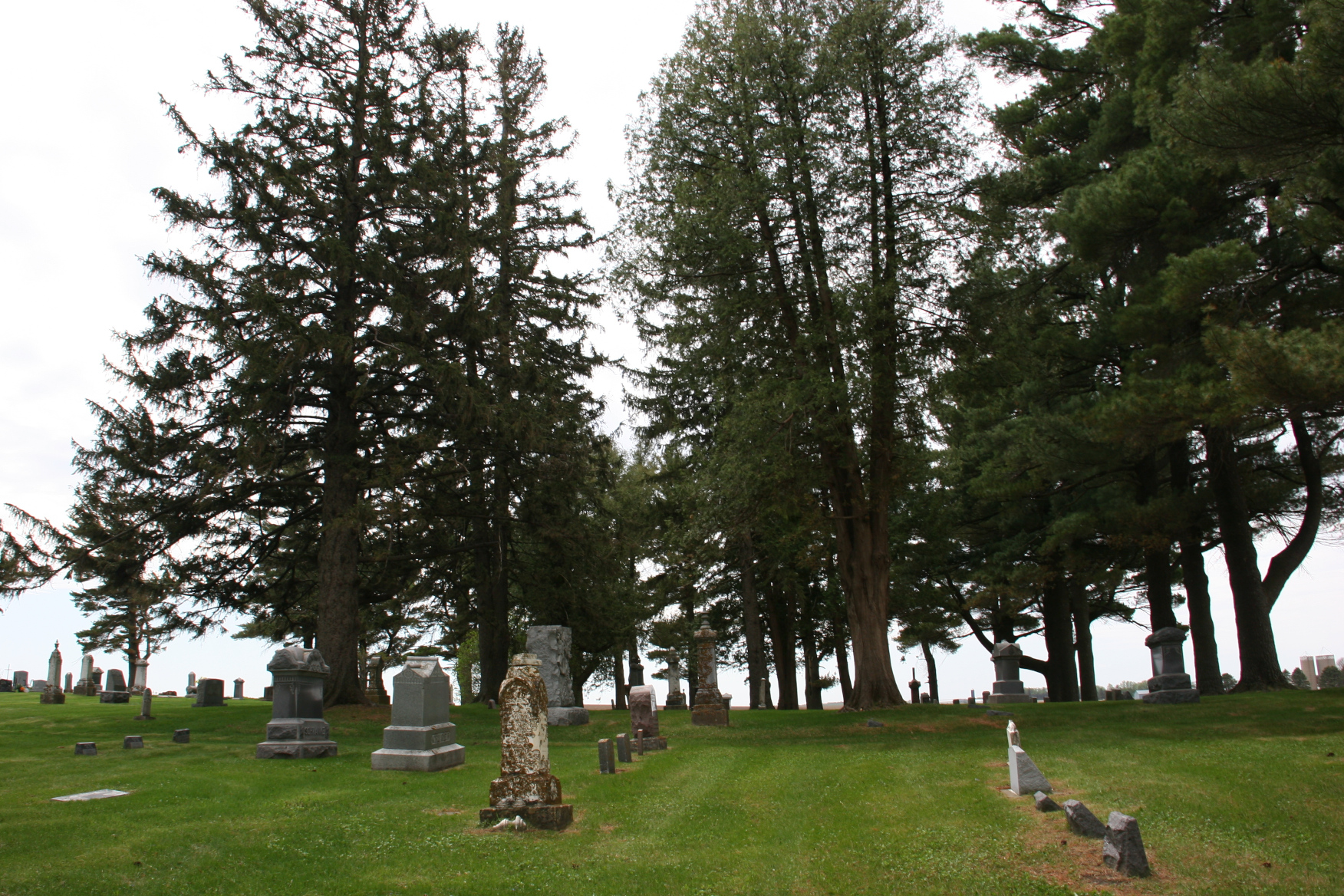
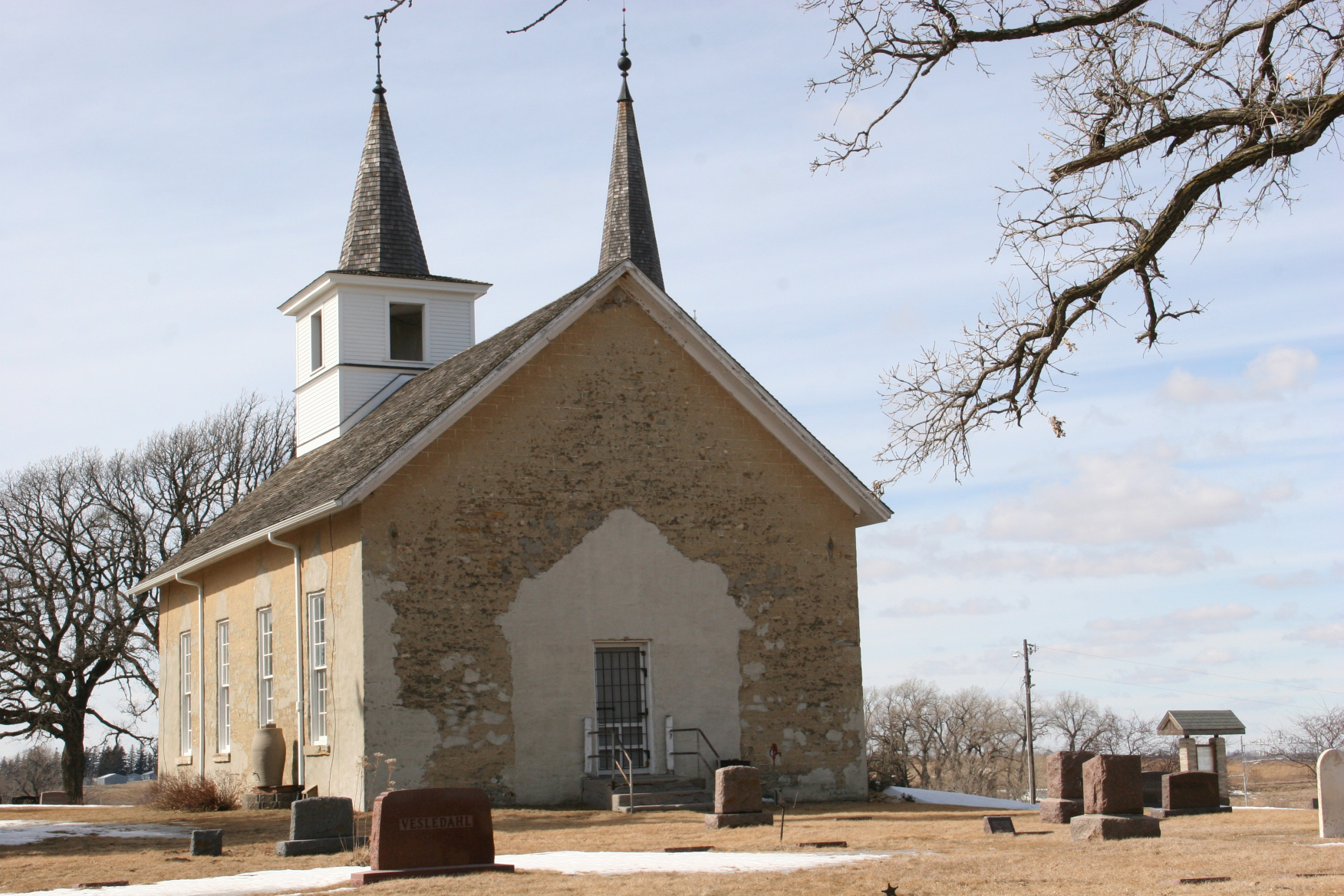
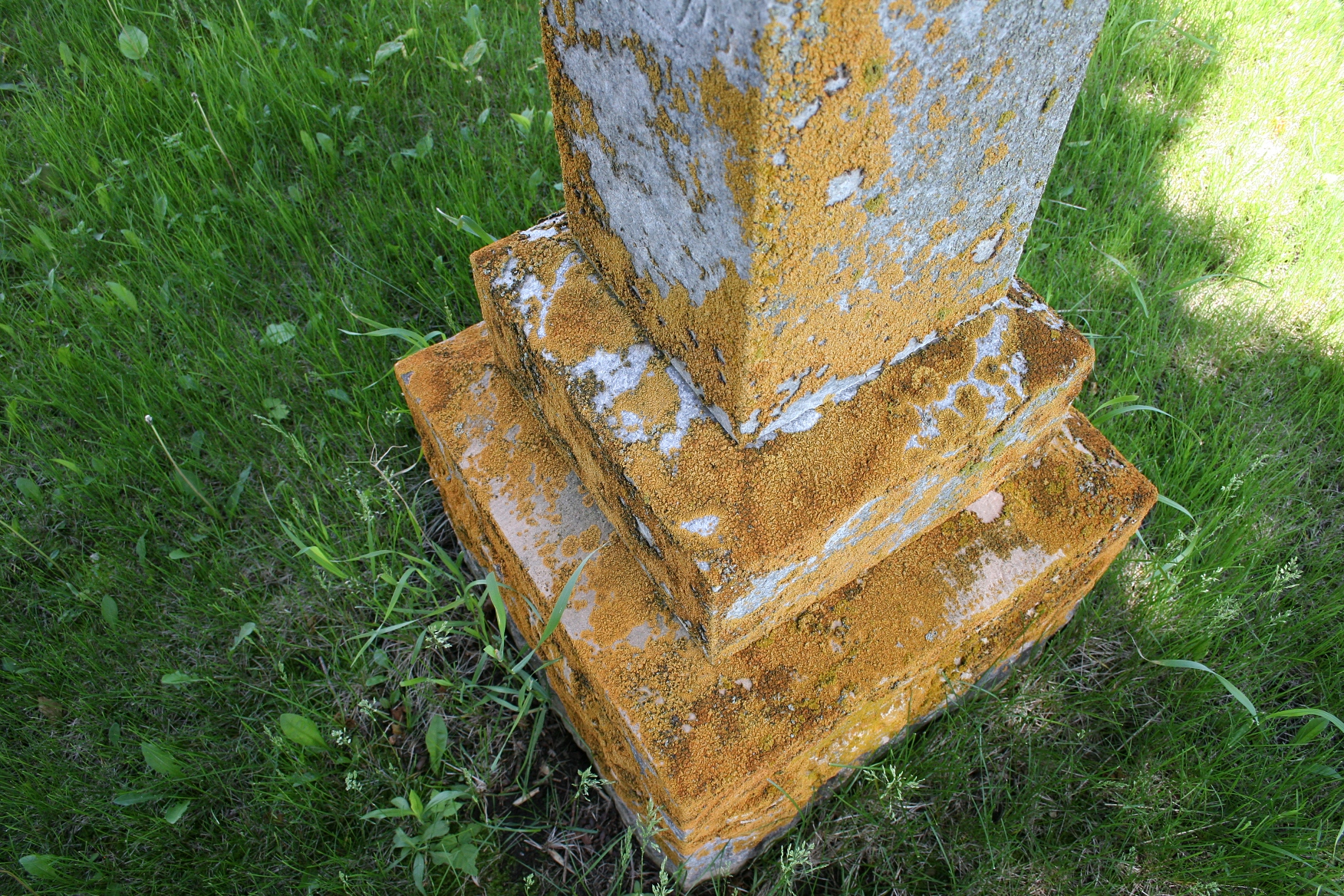
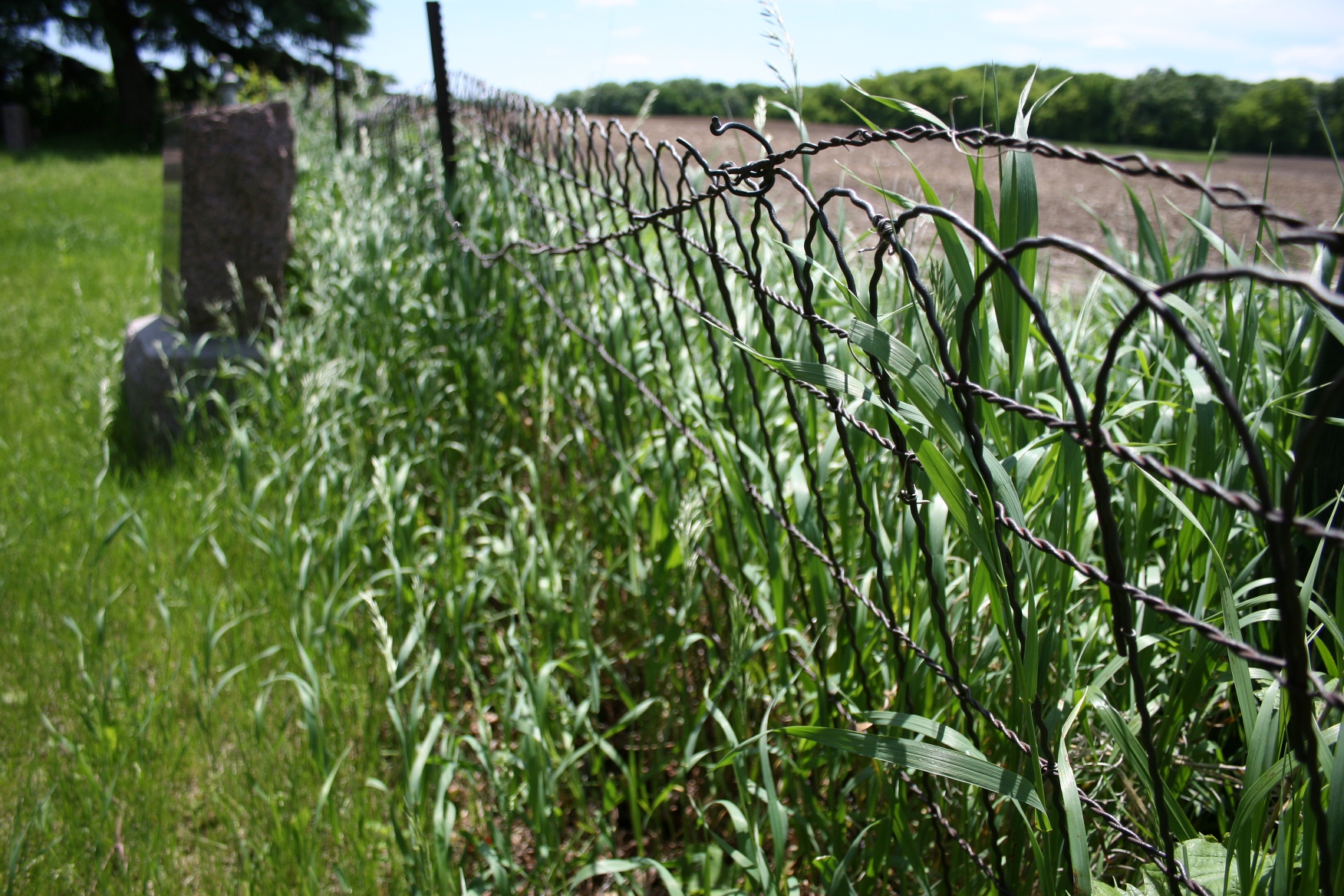
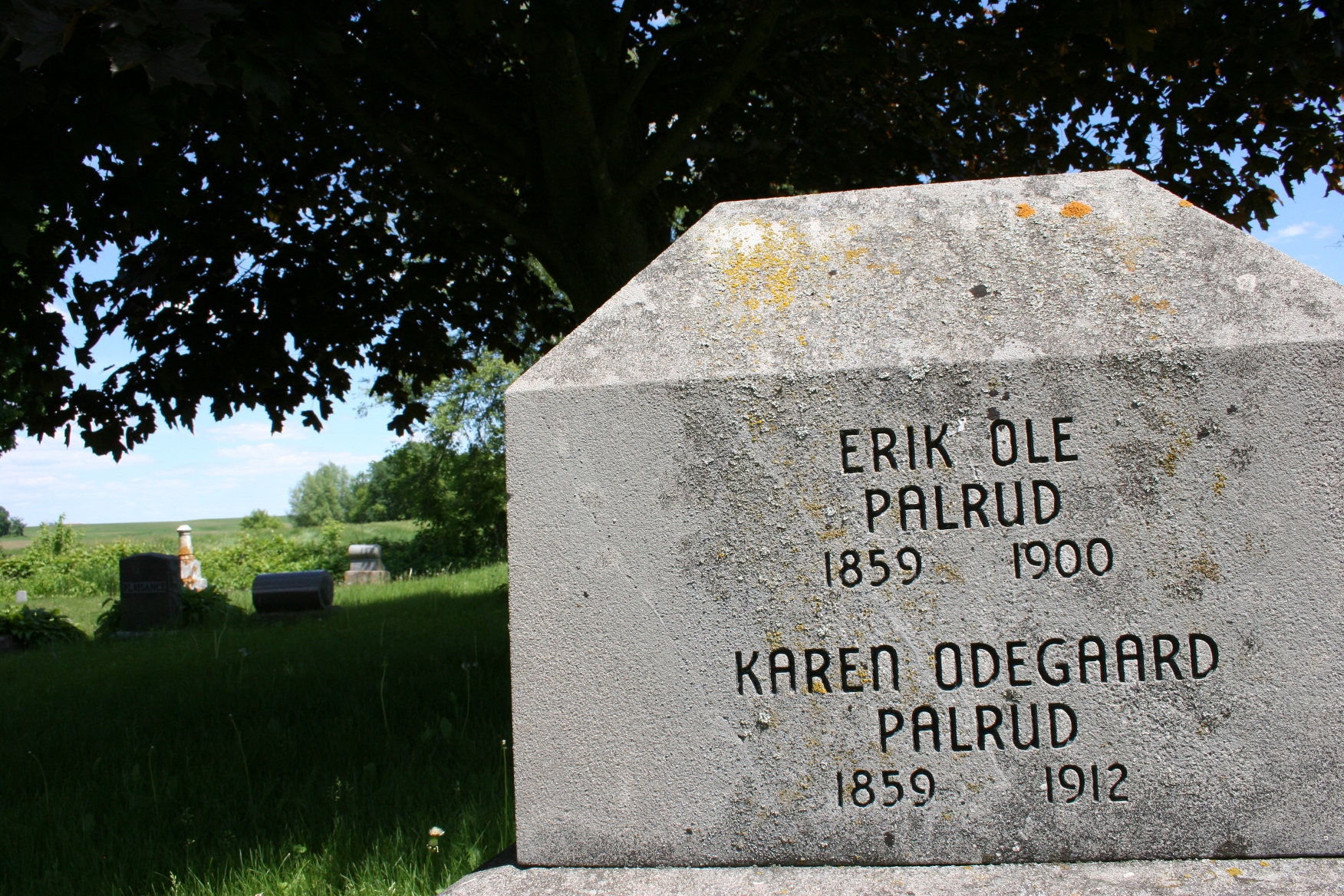
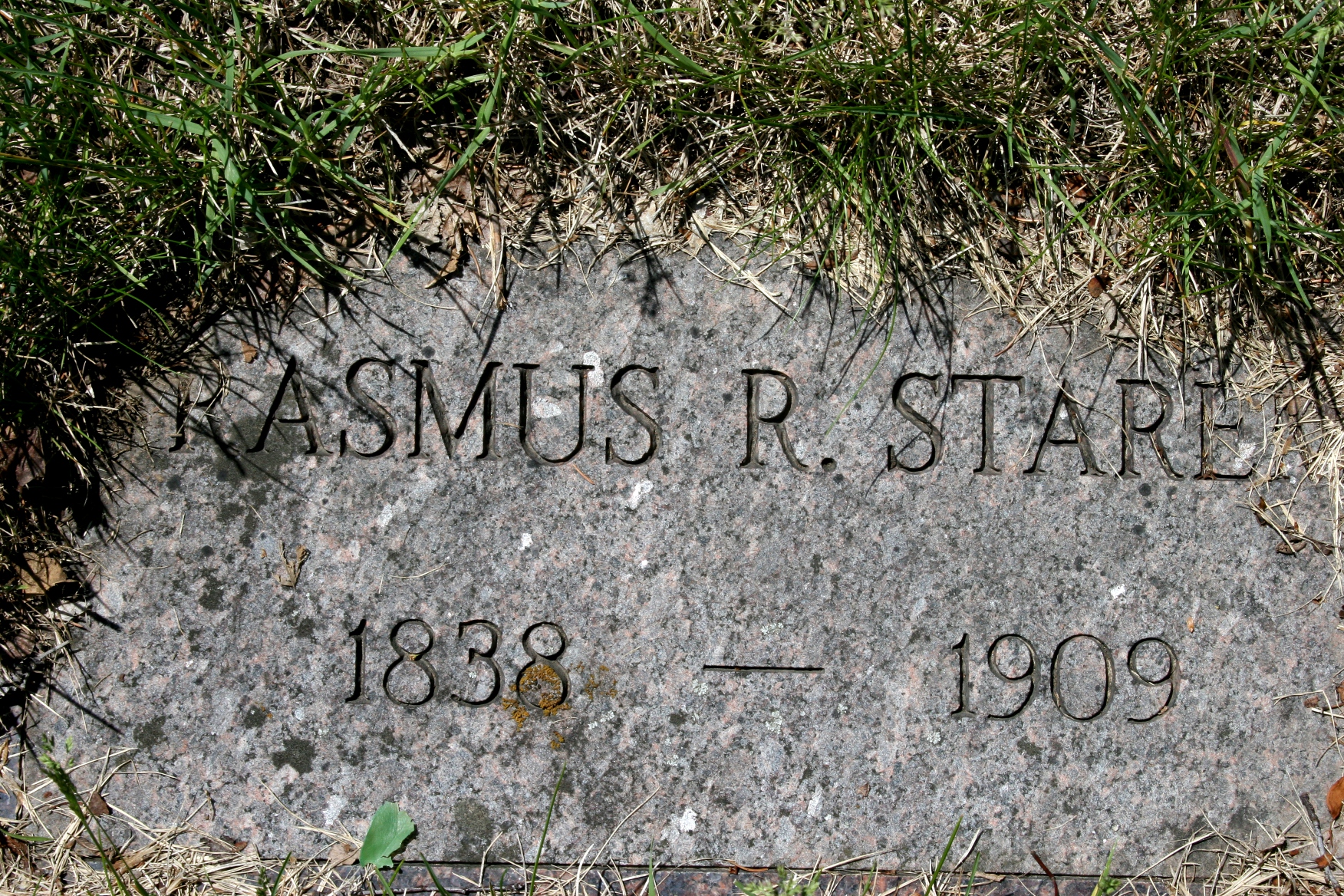
I’M TRYING TO RECALL when I first began walking through cemeteries while out and about. But I think it started with my interest in old country churches. Cemeteries typically embrace historic countryside houses of worship. Baptized, confirmed, married and buried often defines those rooted in these rural churches. There’s a lot of history to uncover in a graveyard.

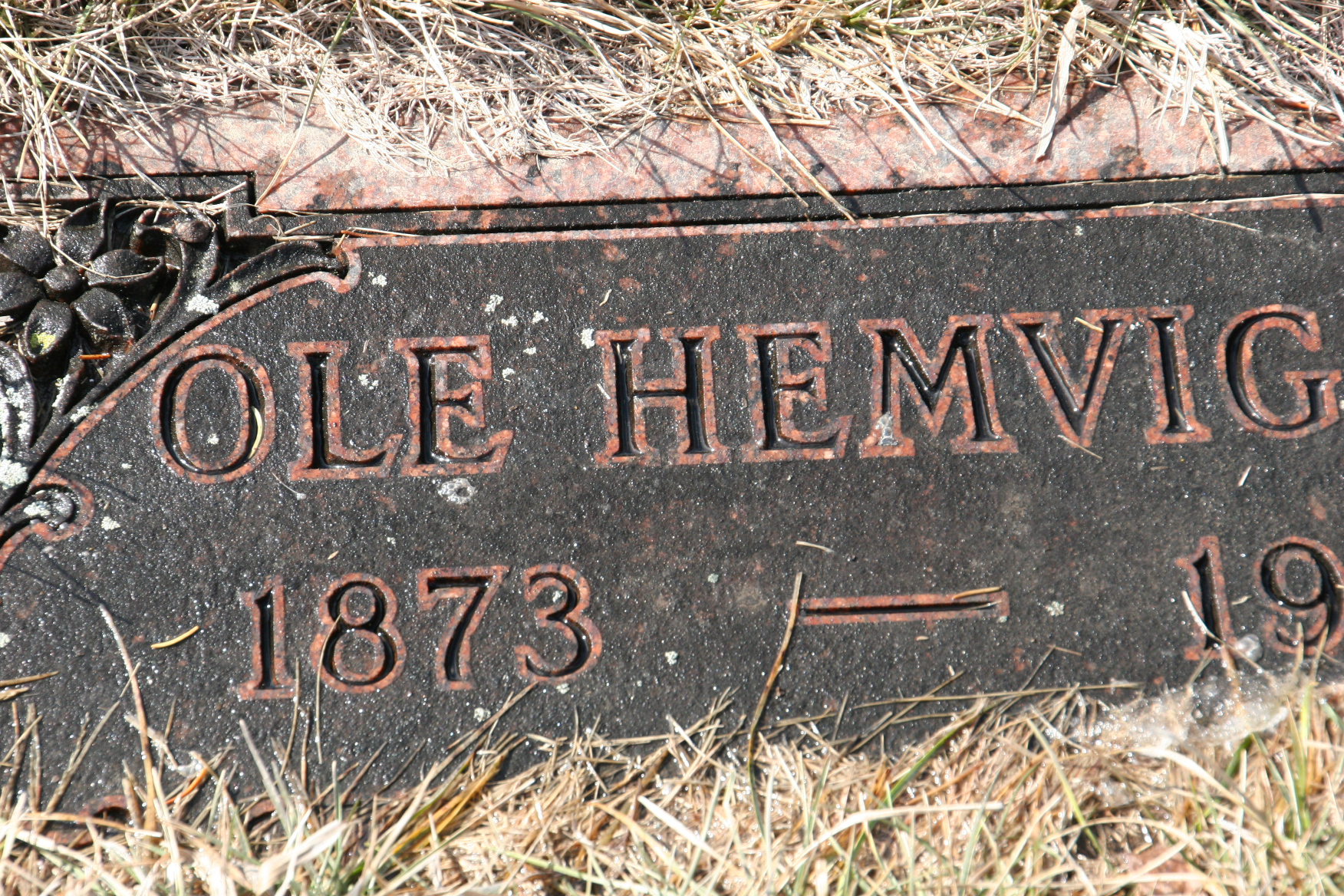
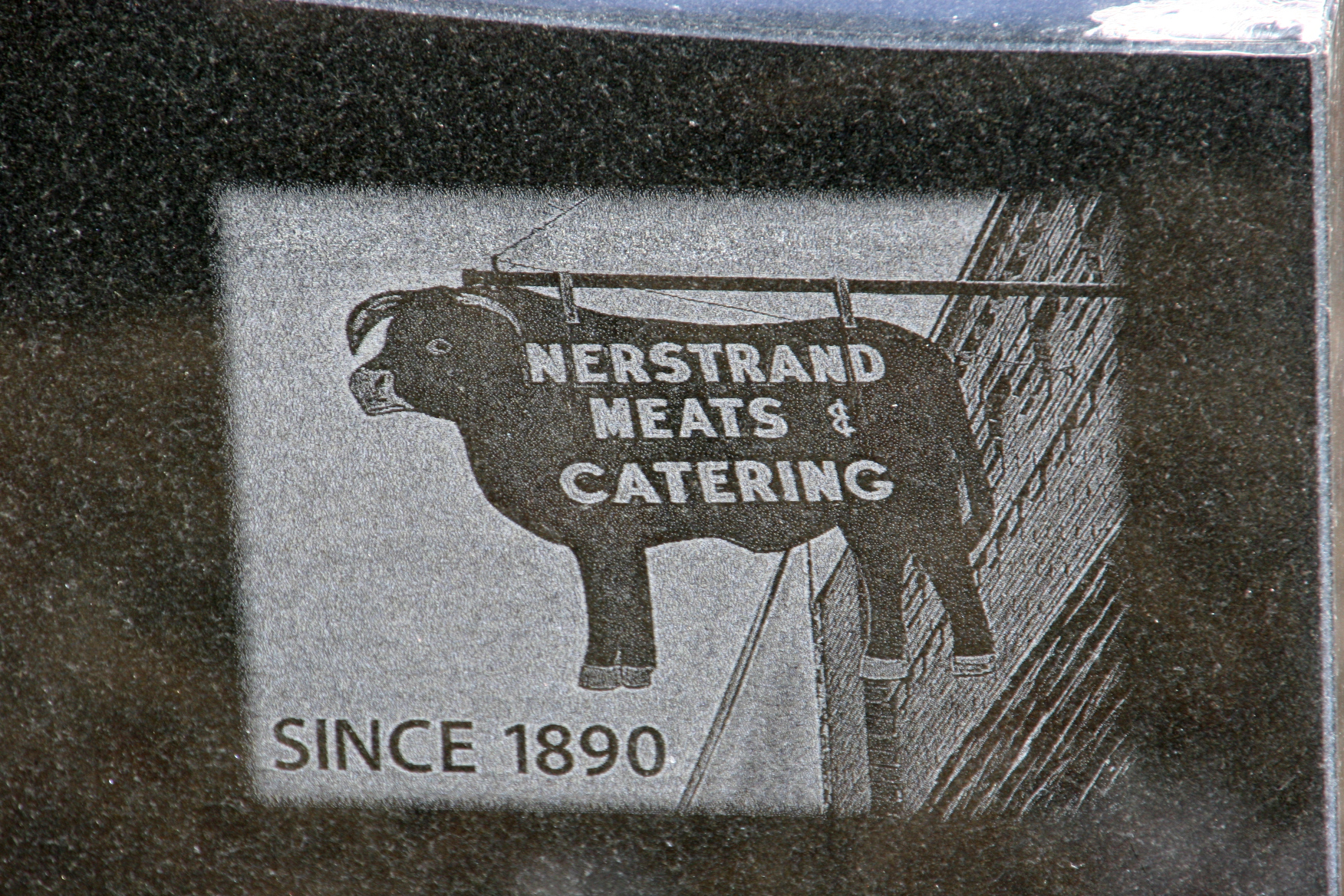
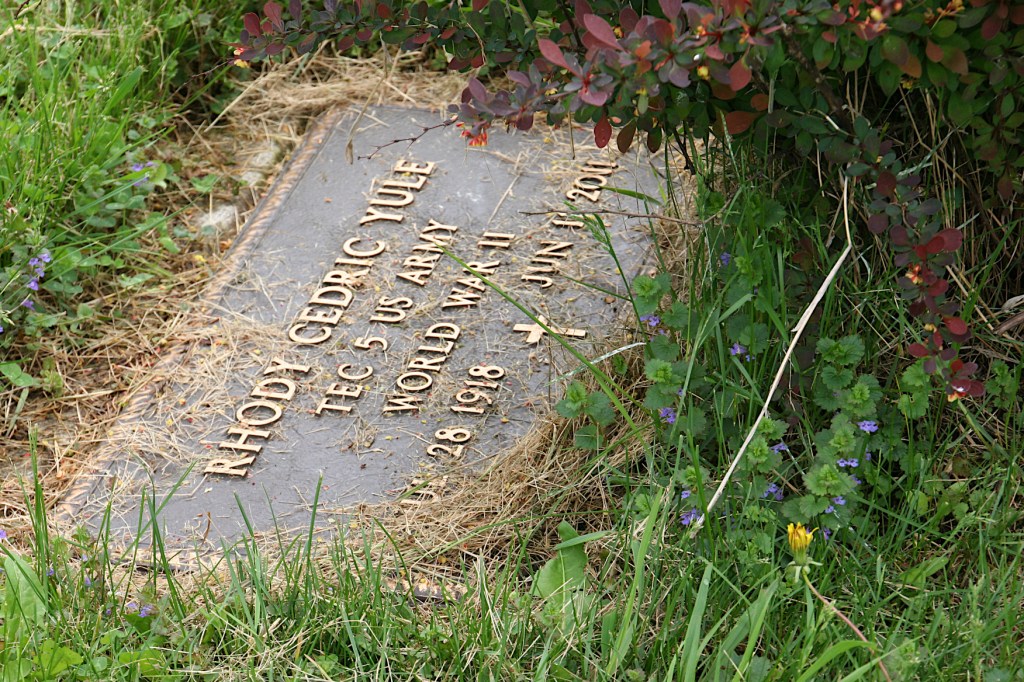
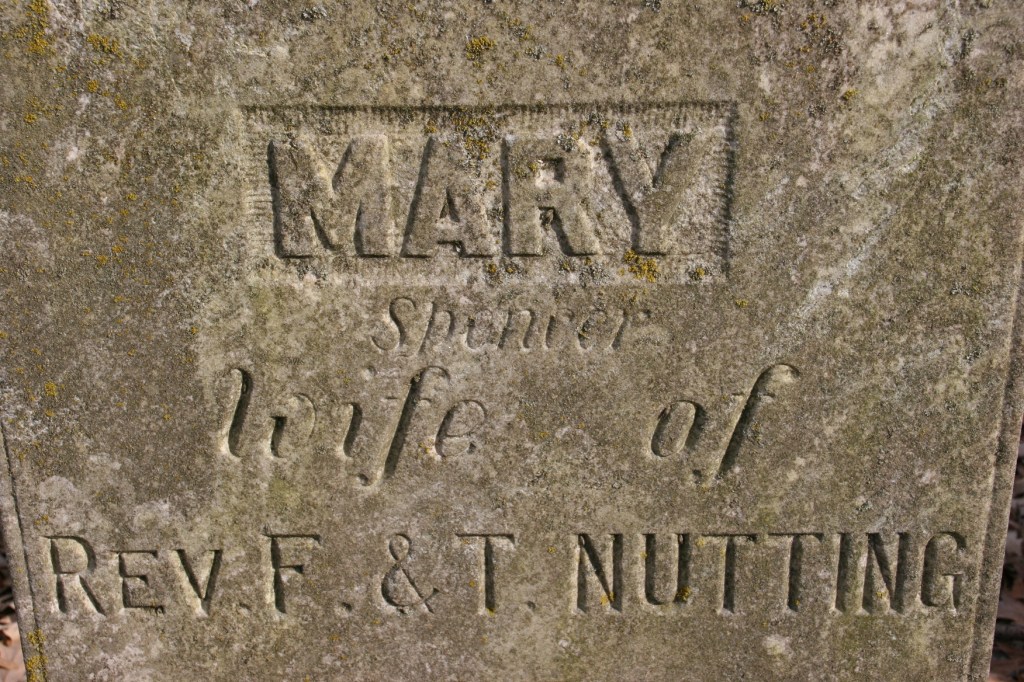
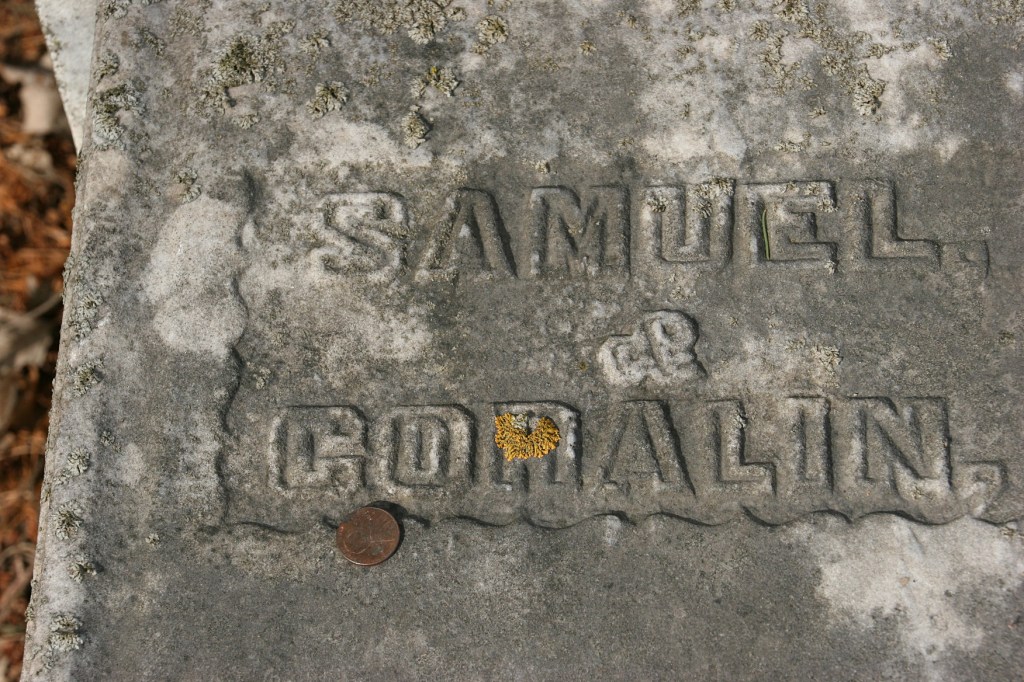
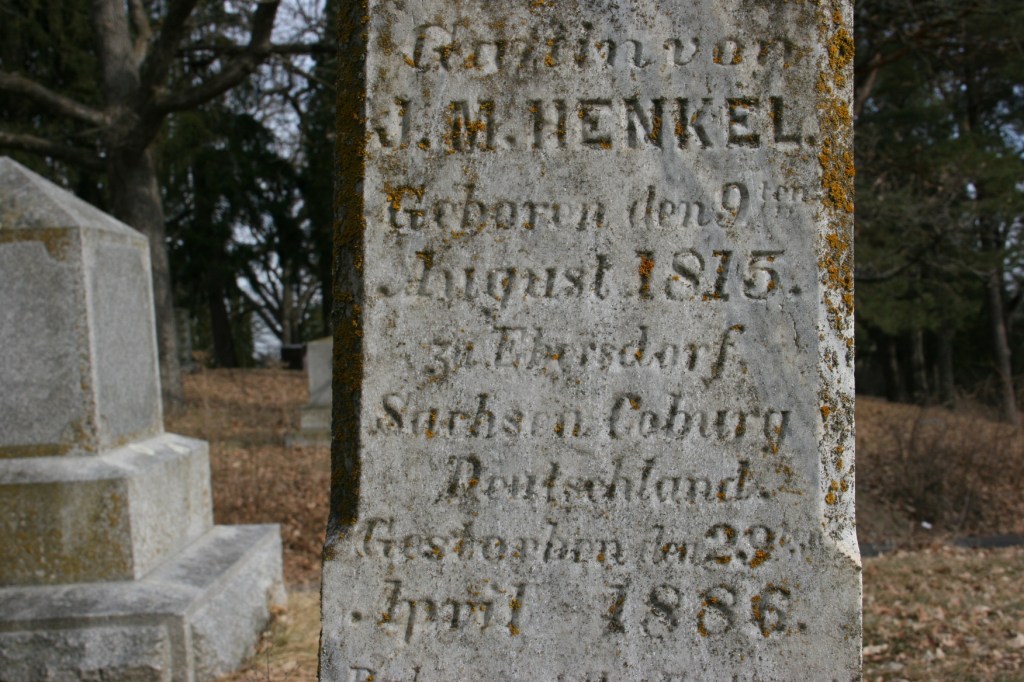
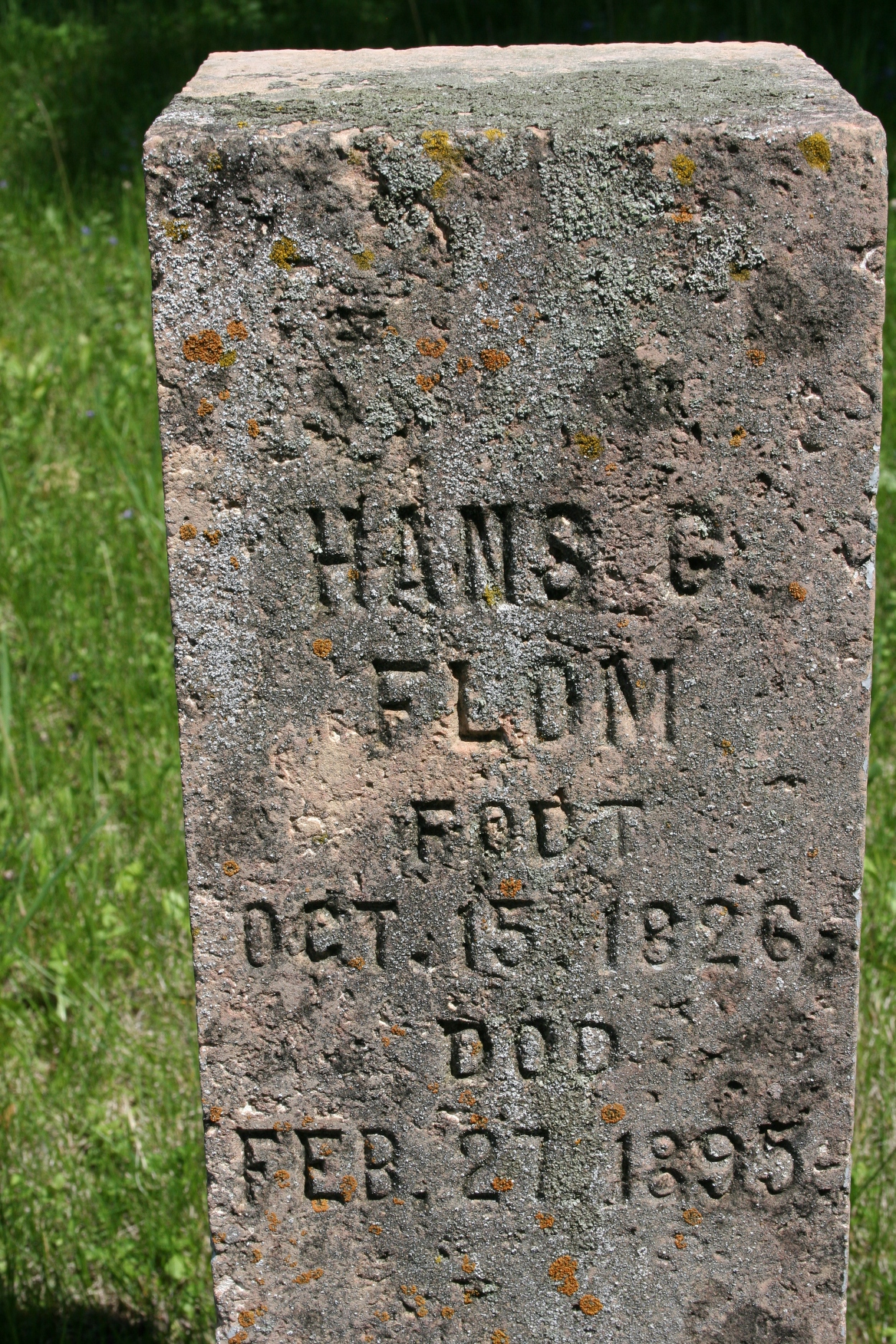
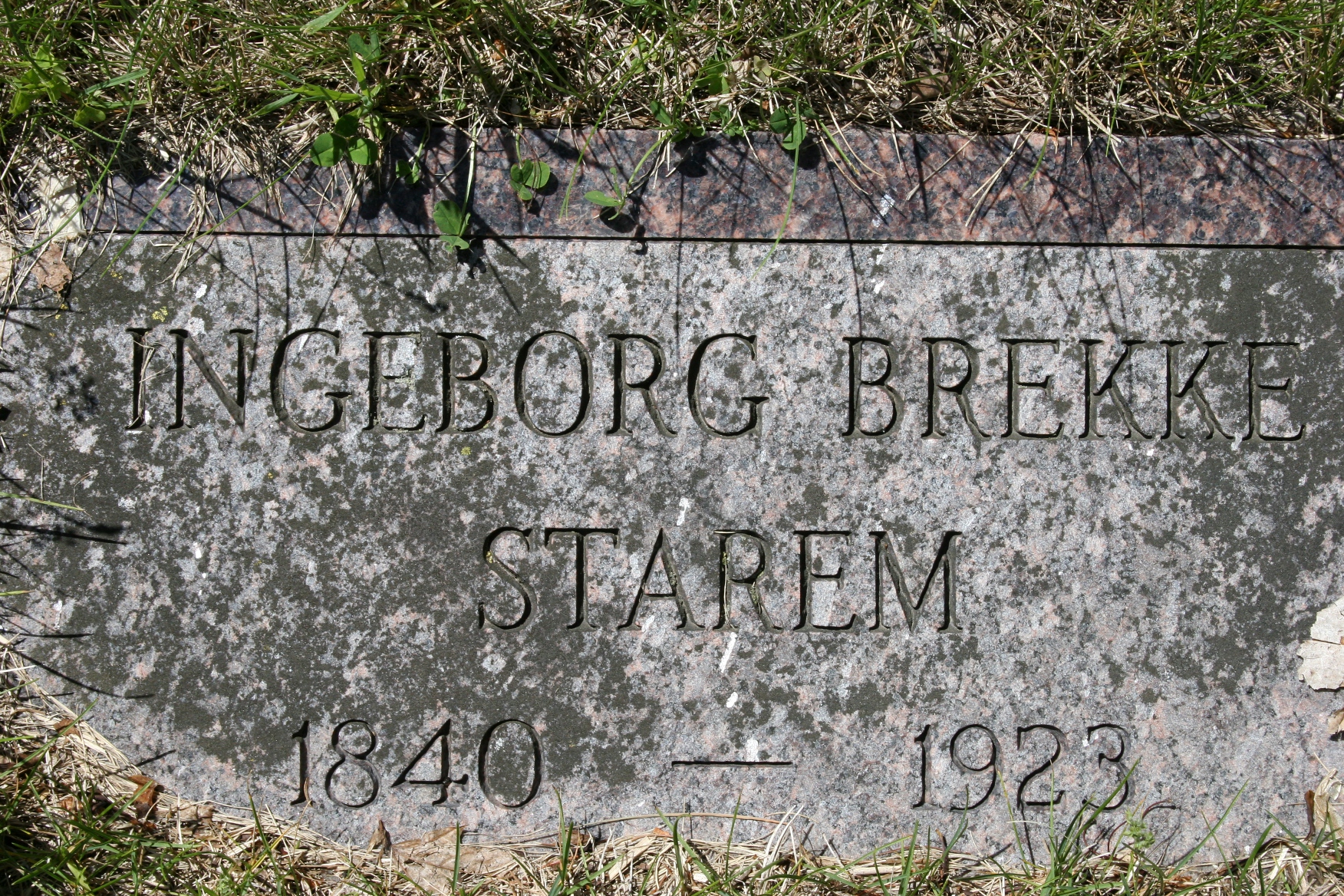
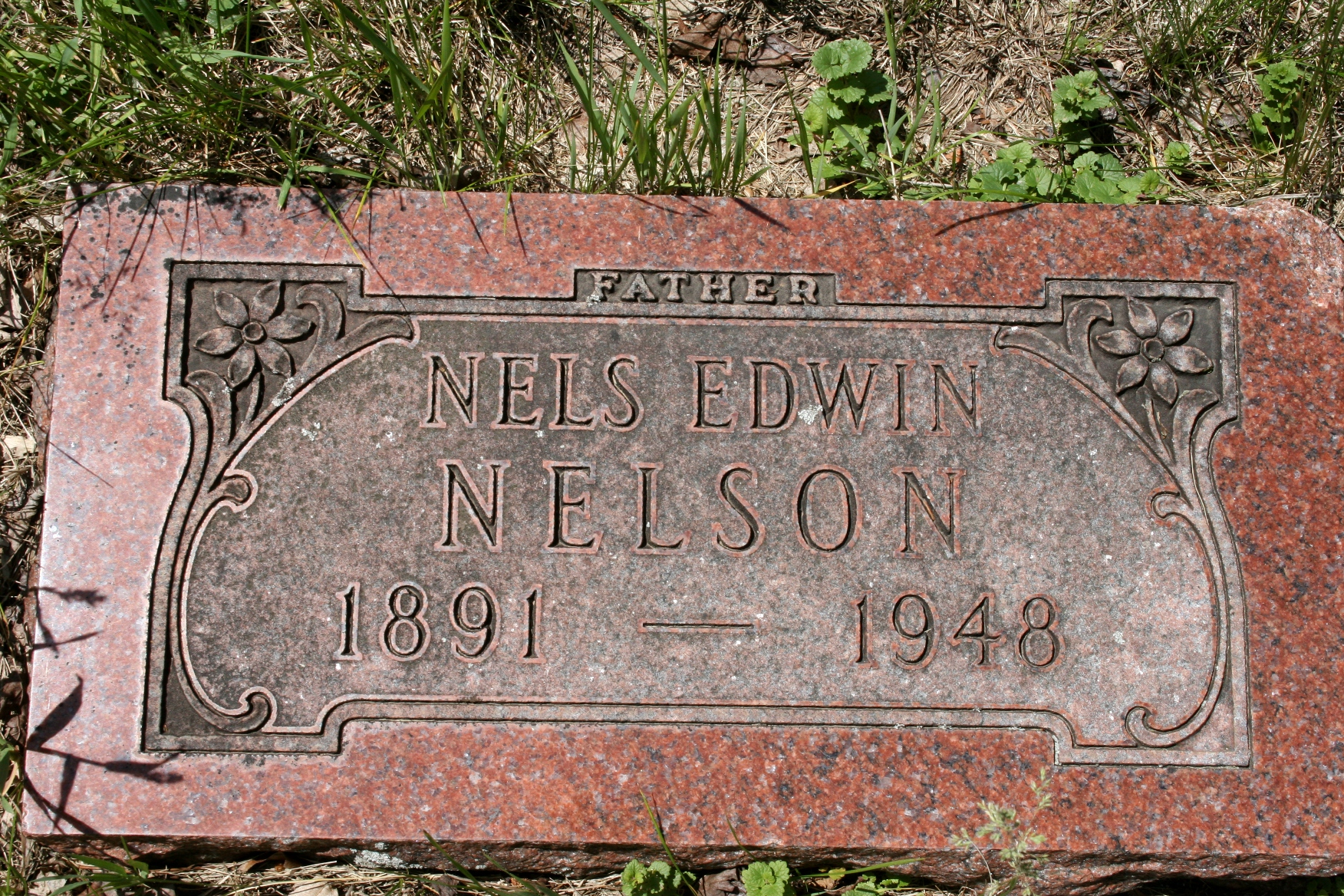
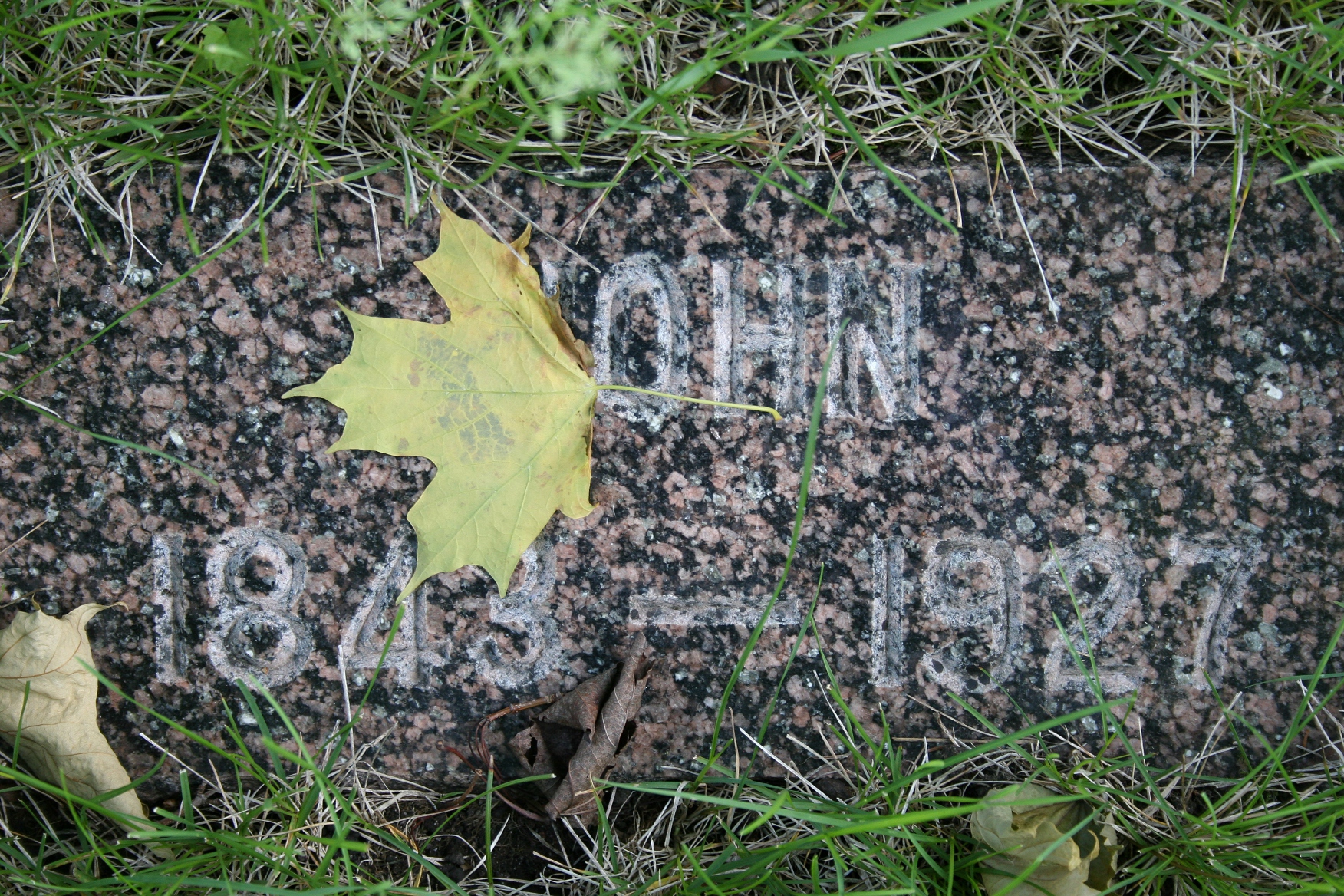
But it’s not just the history that interests me. It’s the art. And the stories, many of which remain unknown, unless you’re familiar with the deceased or connected in some way. Sometimes you can piece stories together by looking at dates, names and inscriptions.
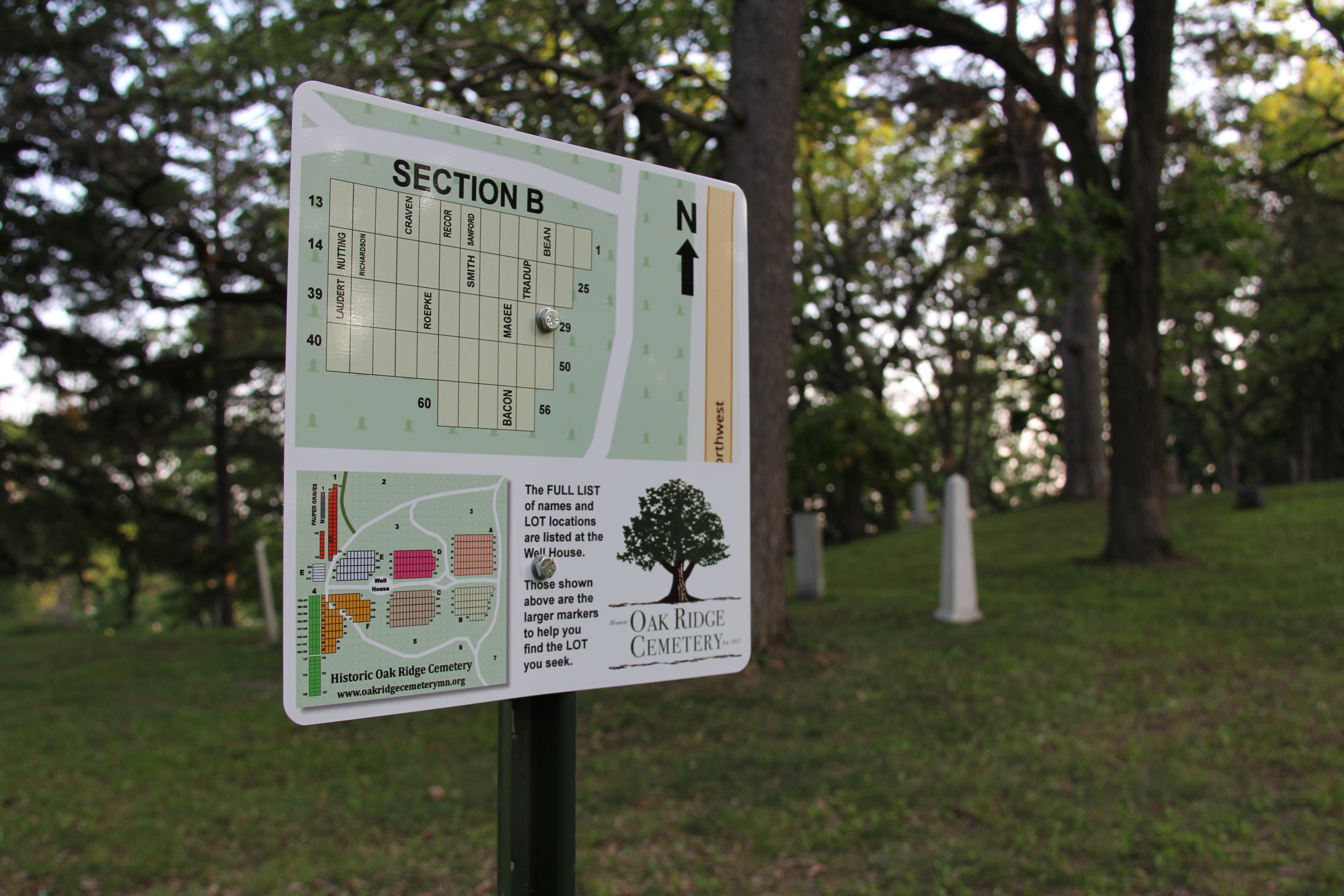
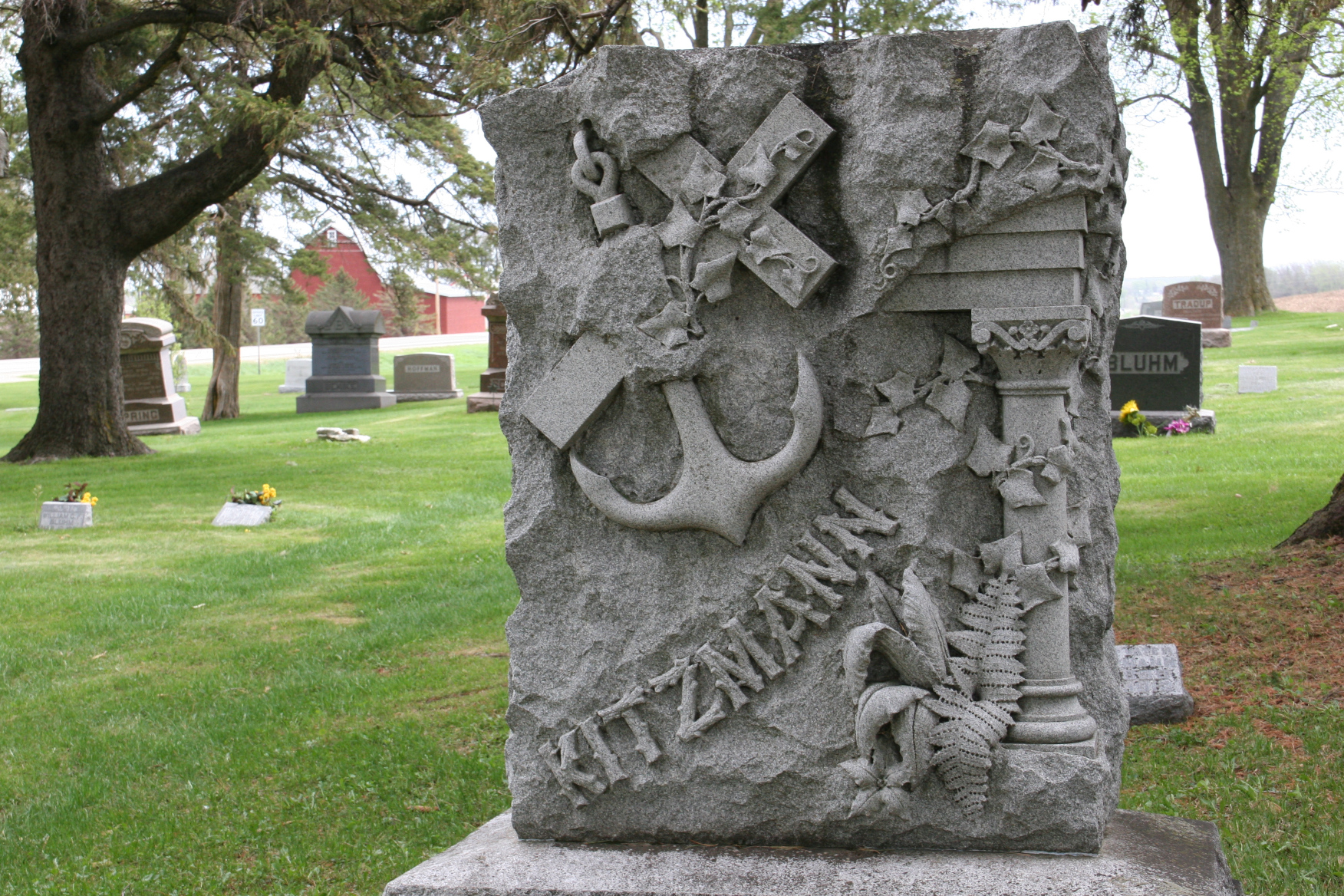
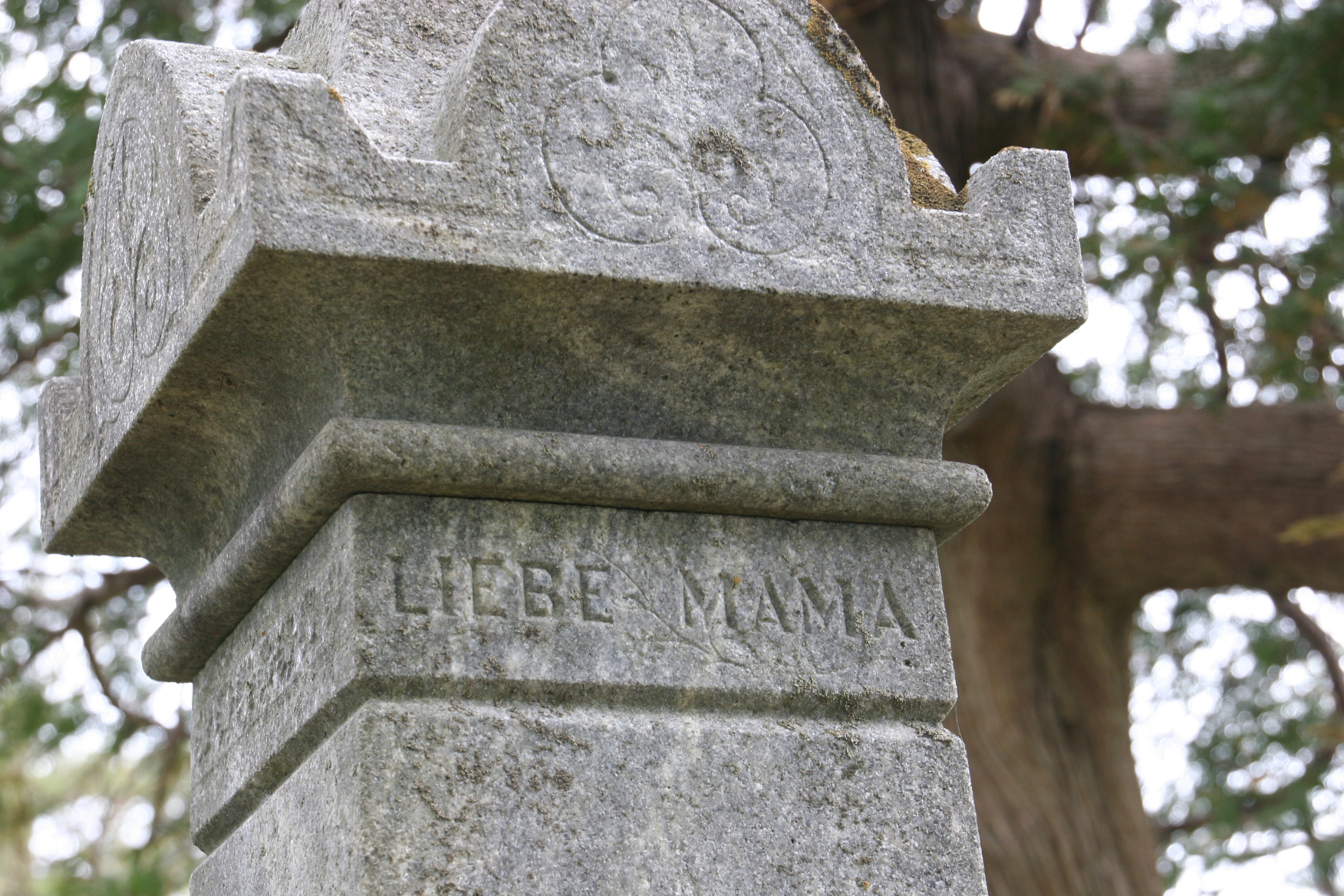
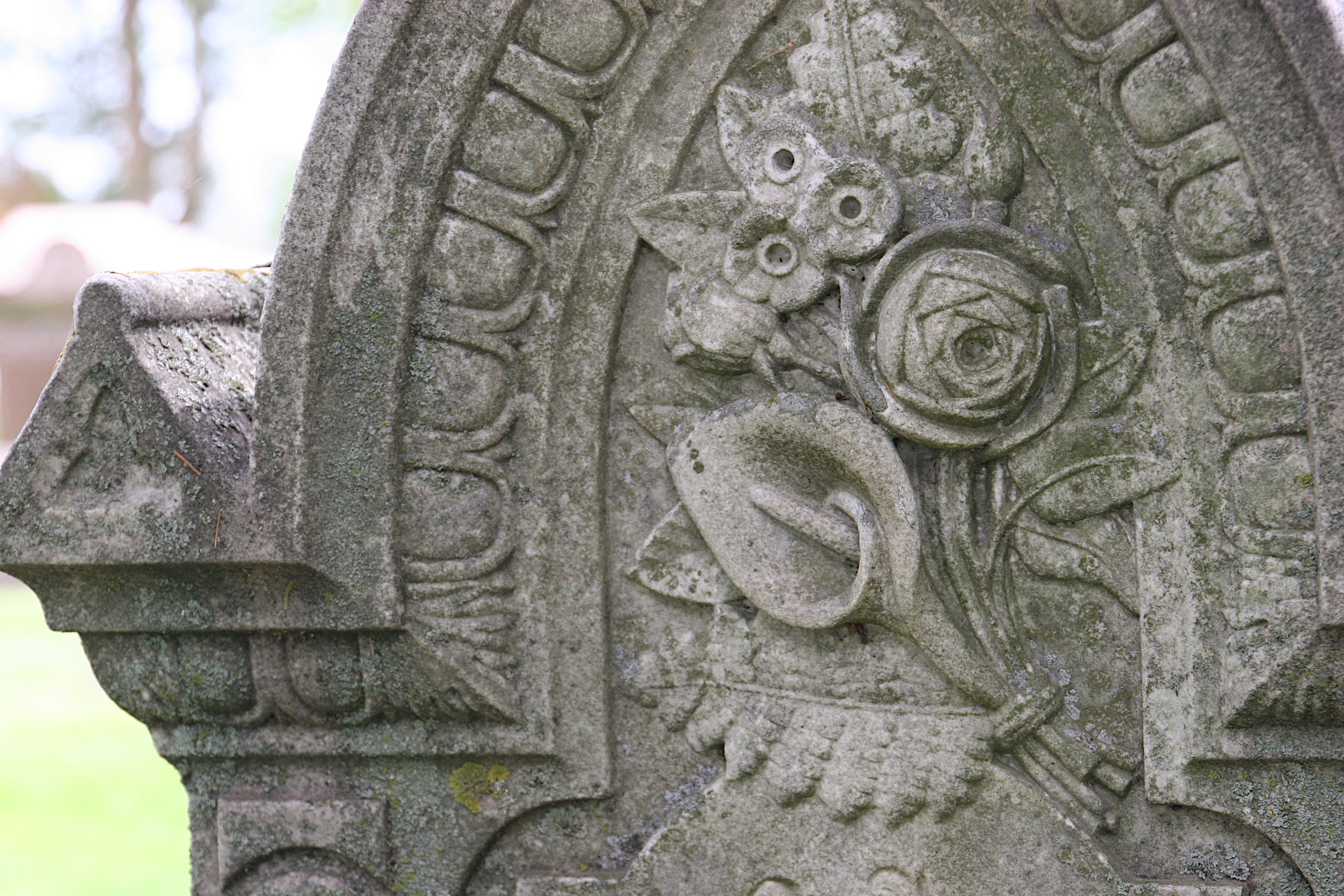
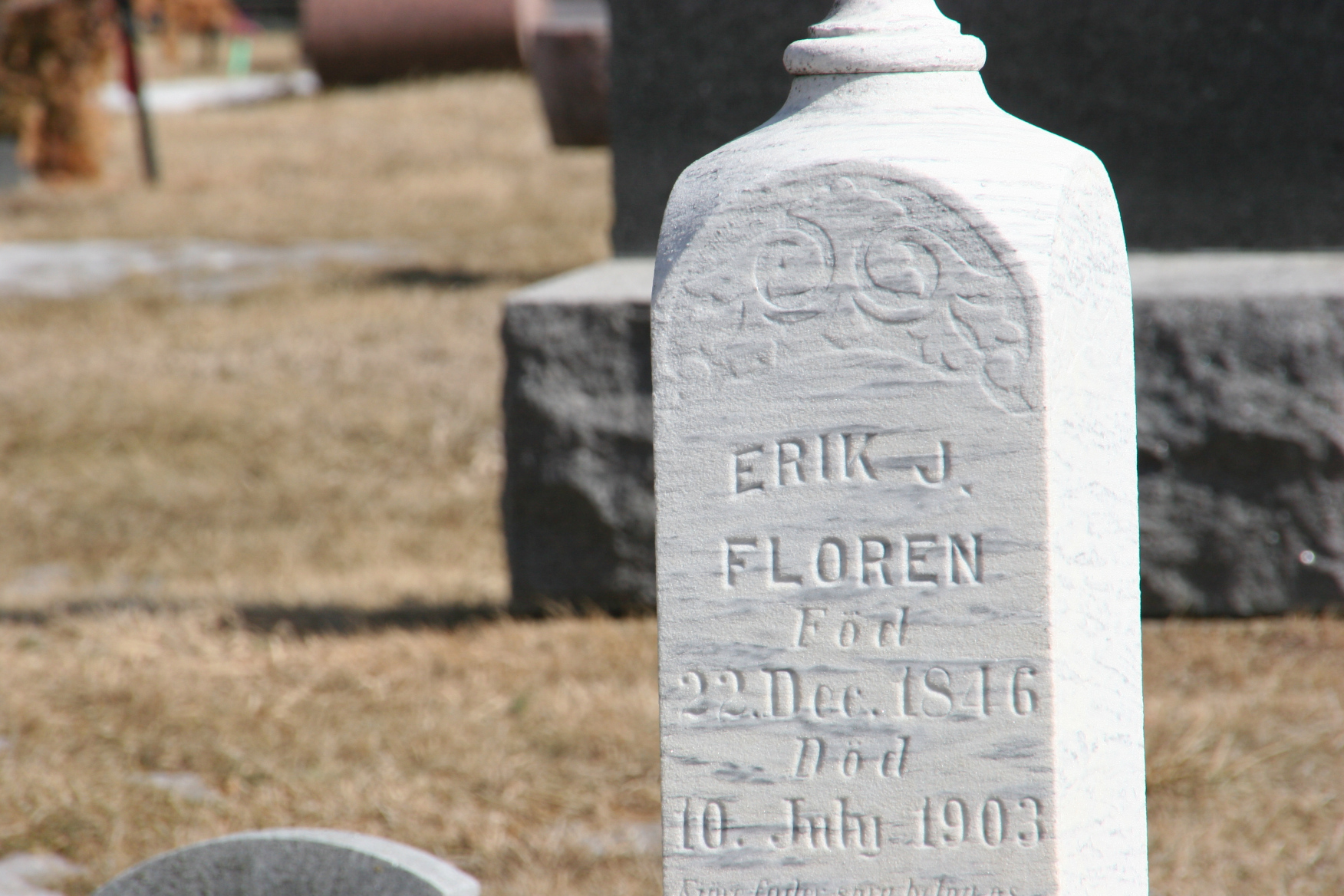
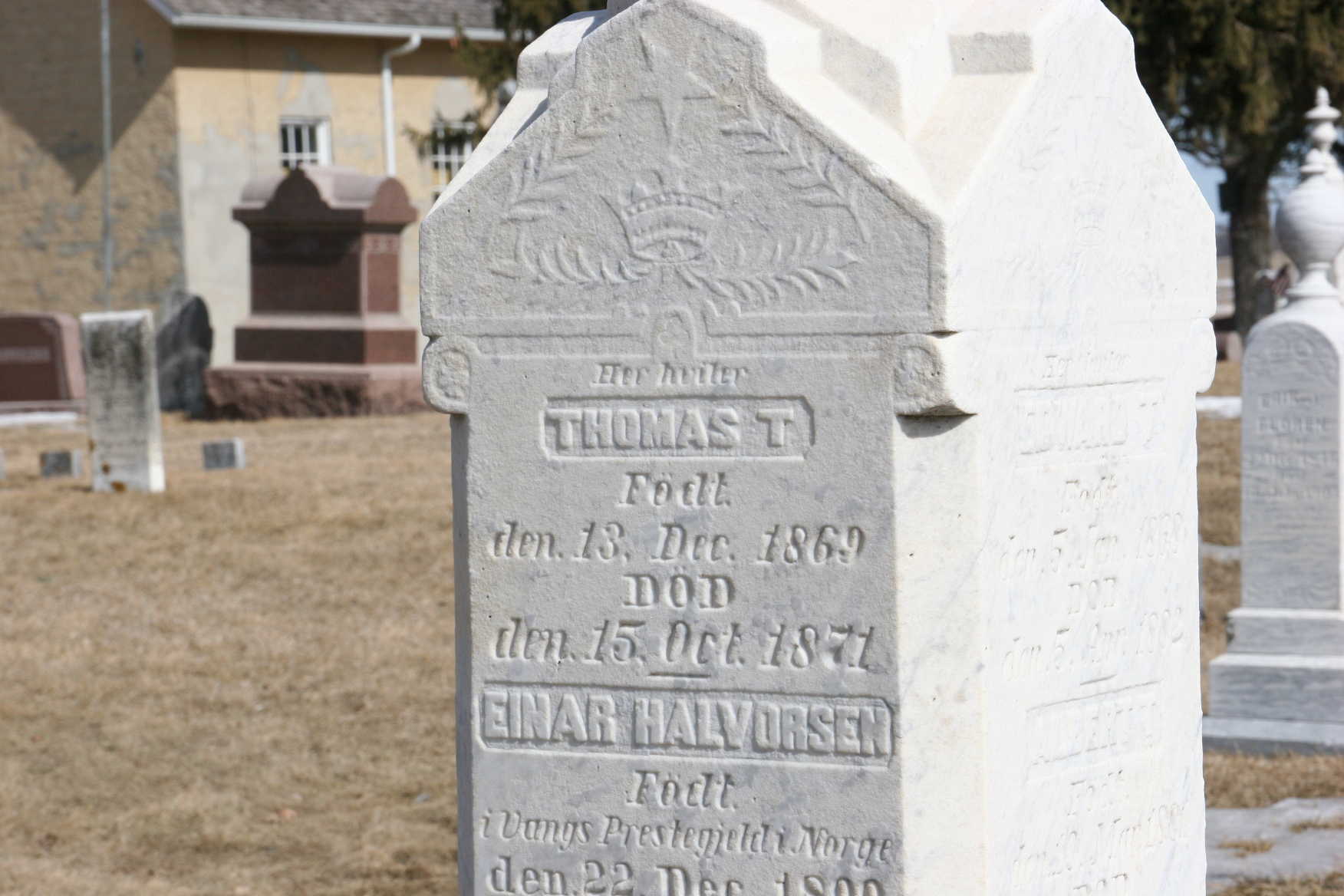
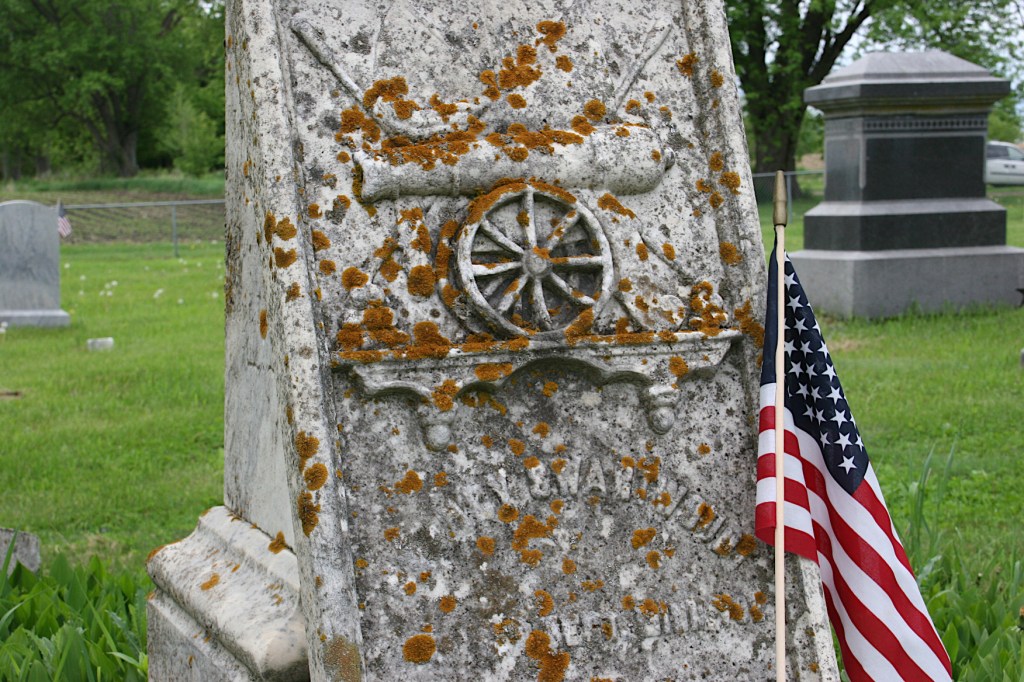
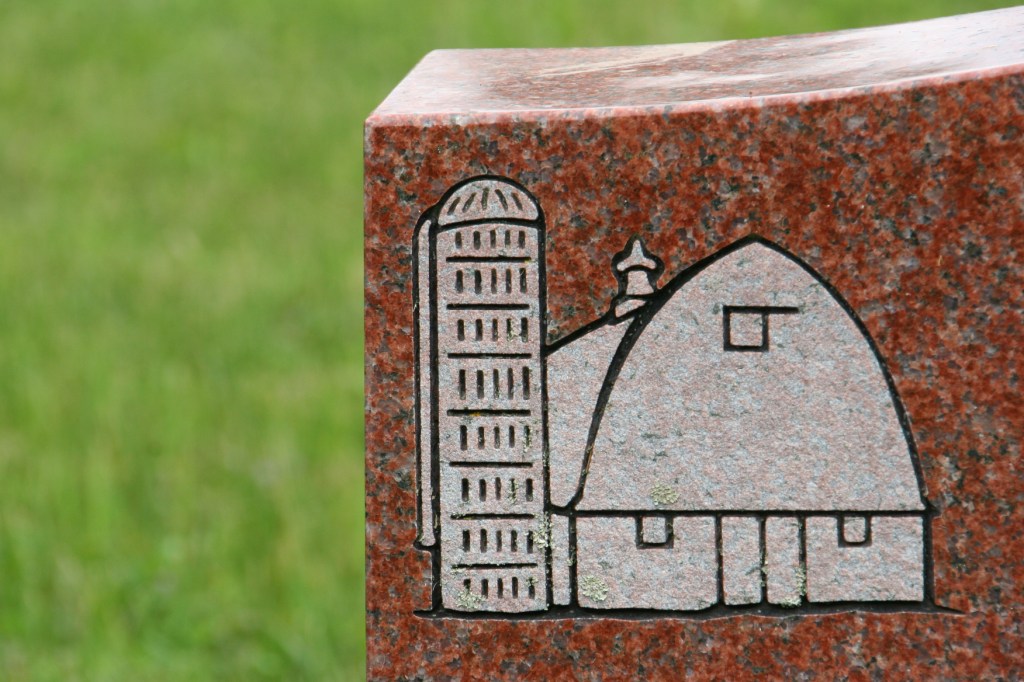
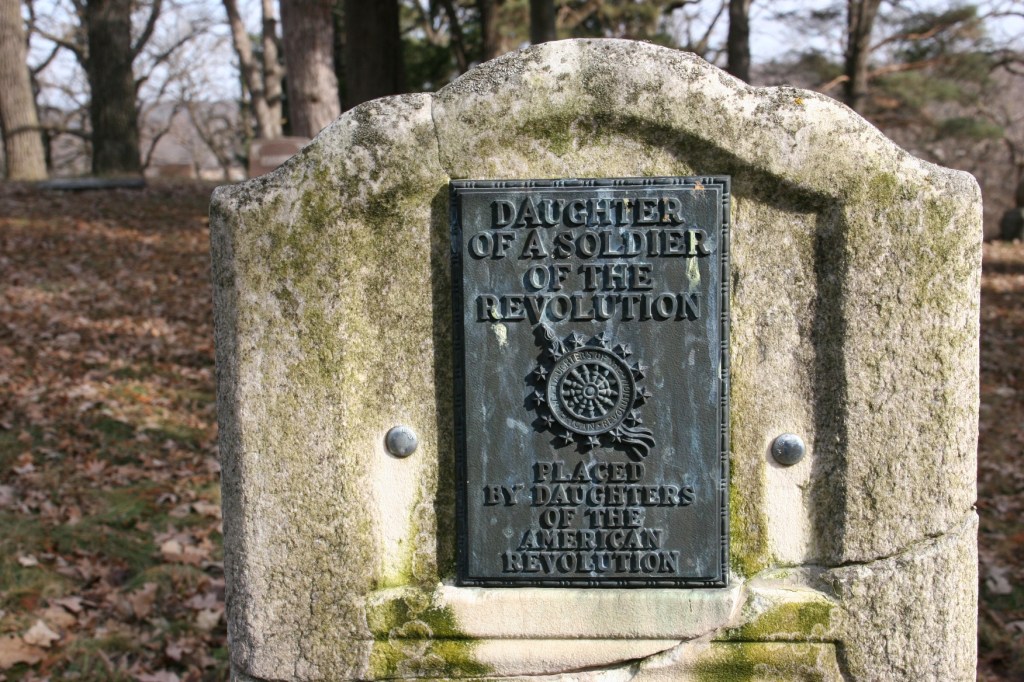
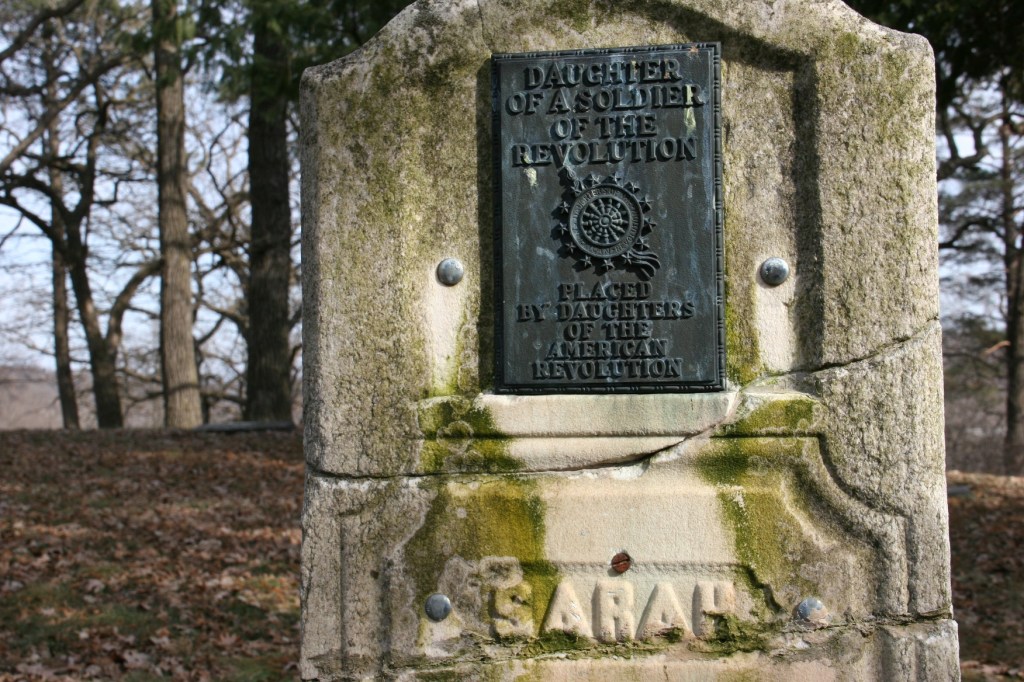
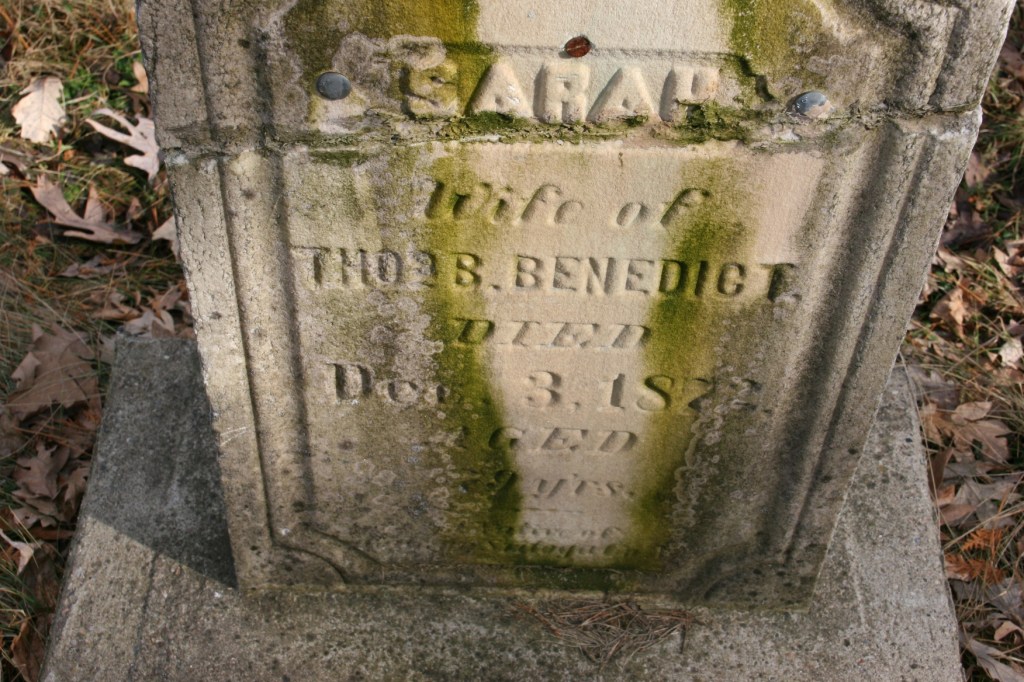
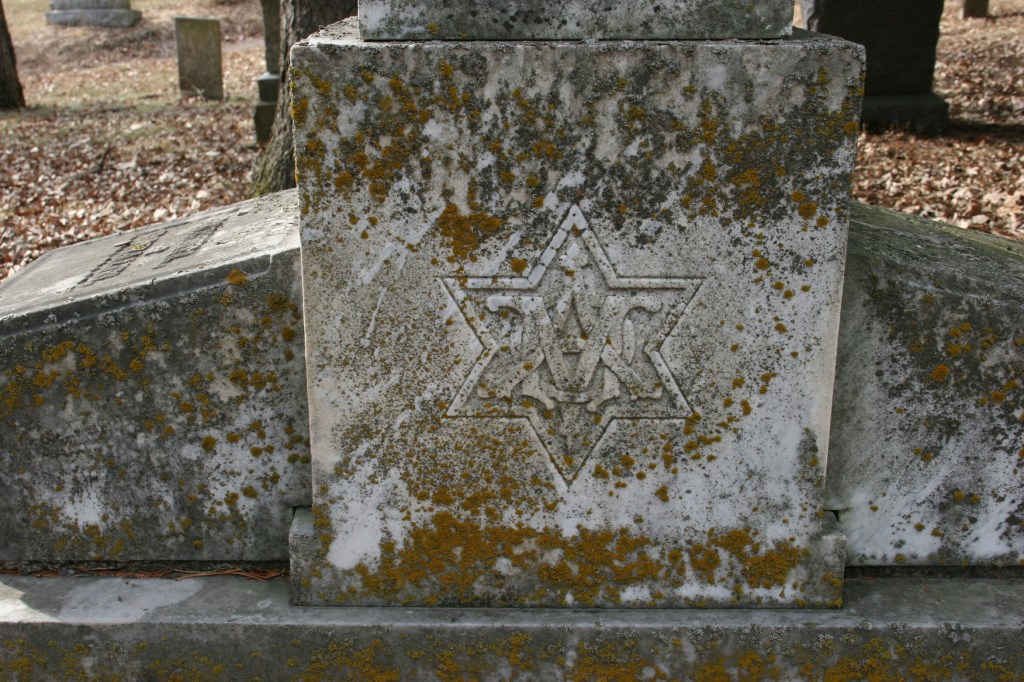
As a creative, I’ve always been particularly interested in the artistic side of a cemetery, specifically the art of tombstones. Aged grave markers, most made of marble, feature images and words hand-chiseled by local stone masons. It is those long ago tombstones that focused a recent talk, “Understanding Gravestone Symbols and Icons,” by Oak Ridge Cemetery Association board member Tom Rent. An avid volunteer in the upkeep, preservation and restoration of the cemetery, Rent previously talked at the Rice County Historical Society about preserving Faribault’s oldest cemetery, one of 61 in the county.
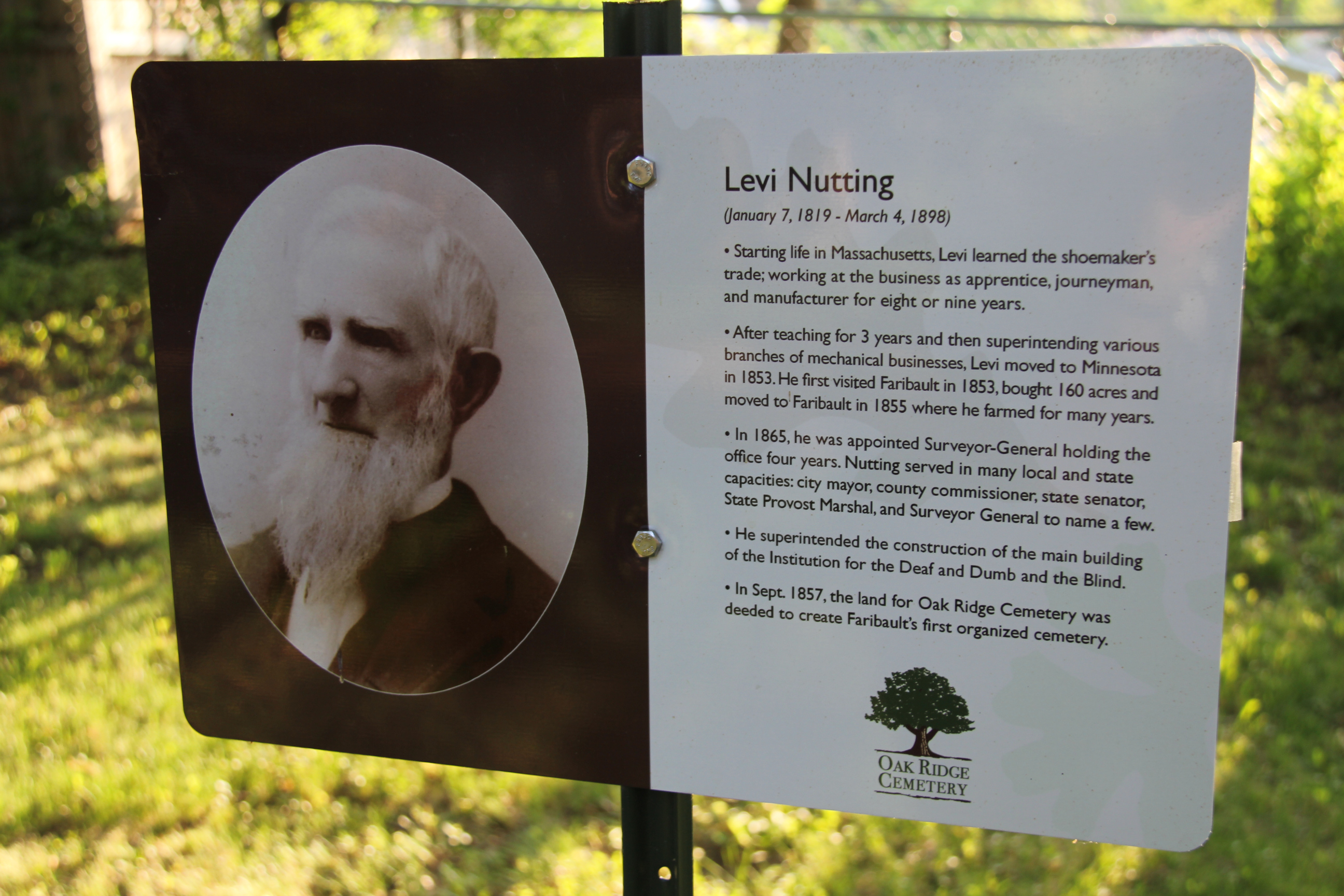
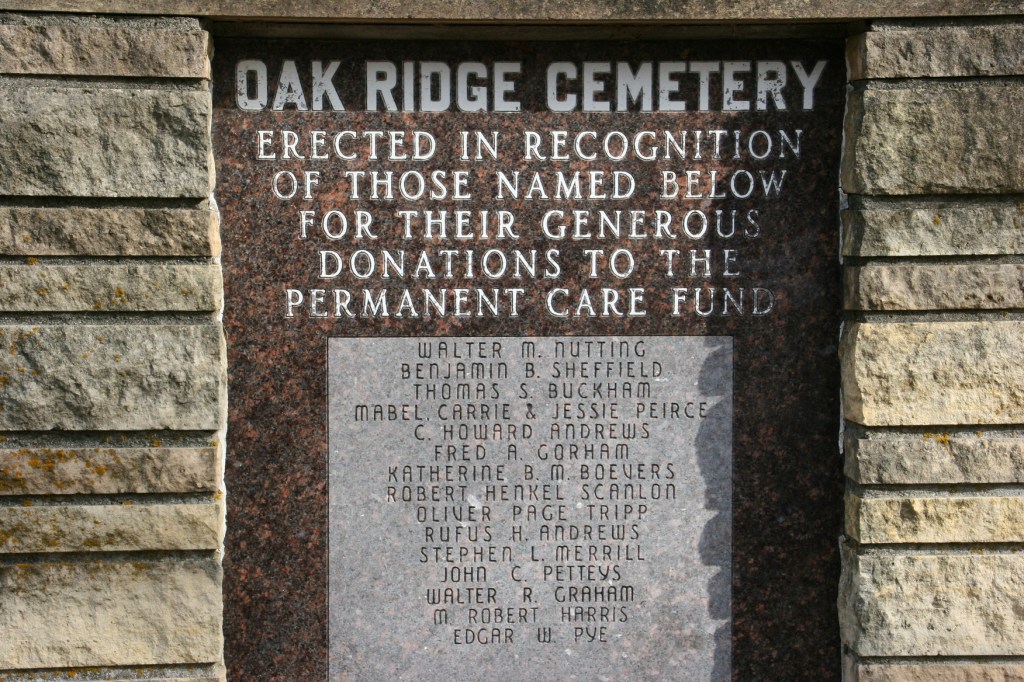
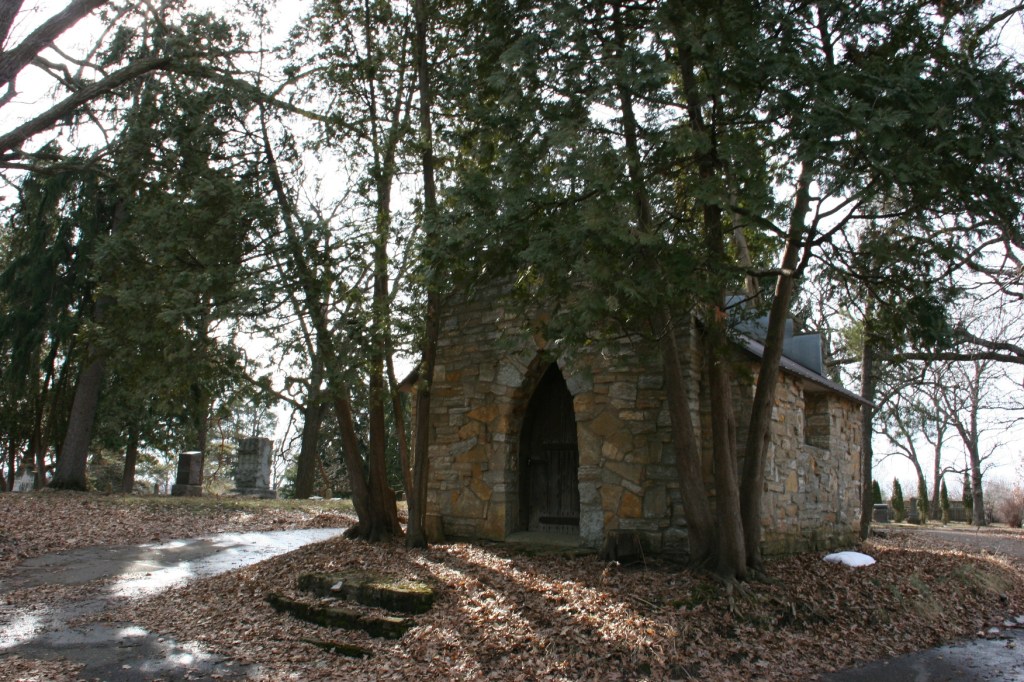
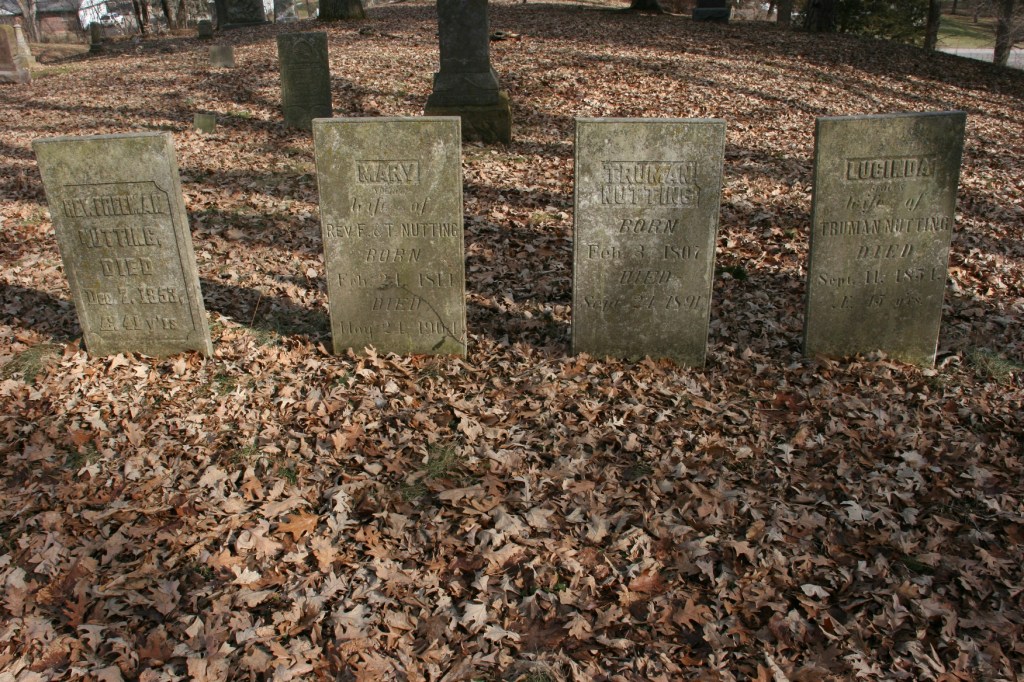
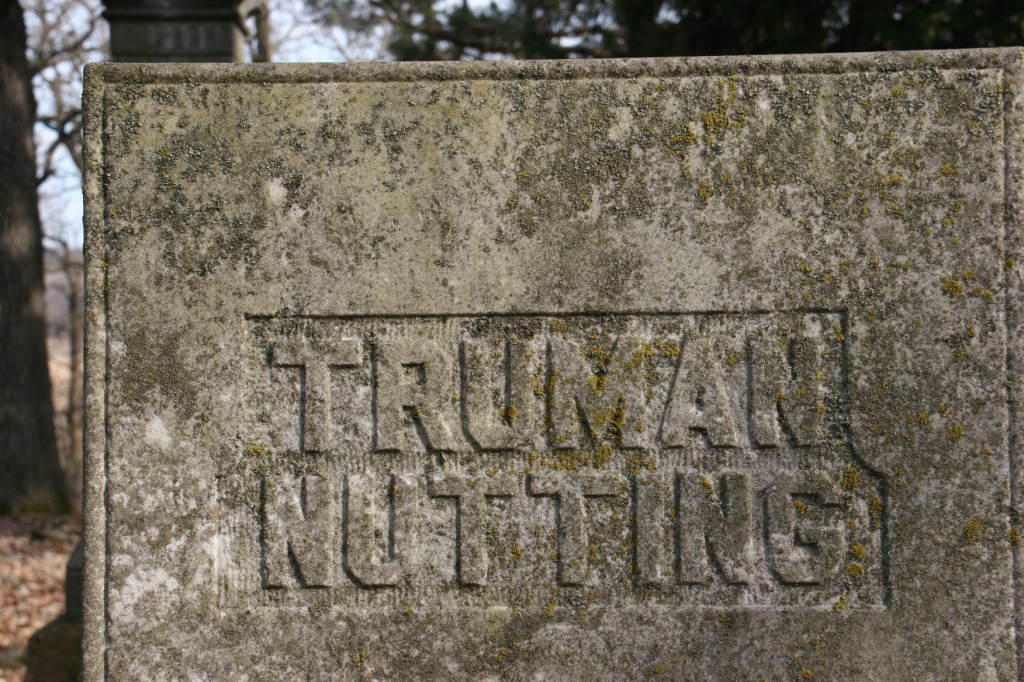
Oak Ridge Cemetery, founded in 1857 on land donated by Levi Nutting, encompasses 10 acres, features 371 family names and is the burial site for 111 veterans, according to Rent. Rebecca Lougee, 29, who died of tuberculosis, was the first to be buried in the incorporated hilltop cemetery in October 1857. Earlier burials occurred before Oak Ridge officially became a cemetery. Many recognizable names from the early days of the Faribault area grace gravestones here: Andrews, Batchelder, Mott, Nutting, Roberds, Sheffield…
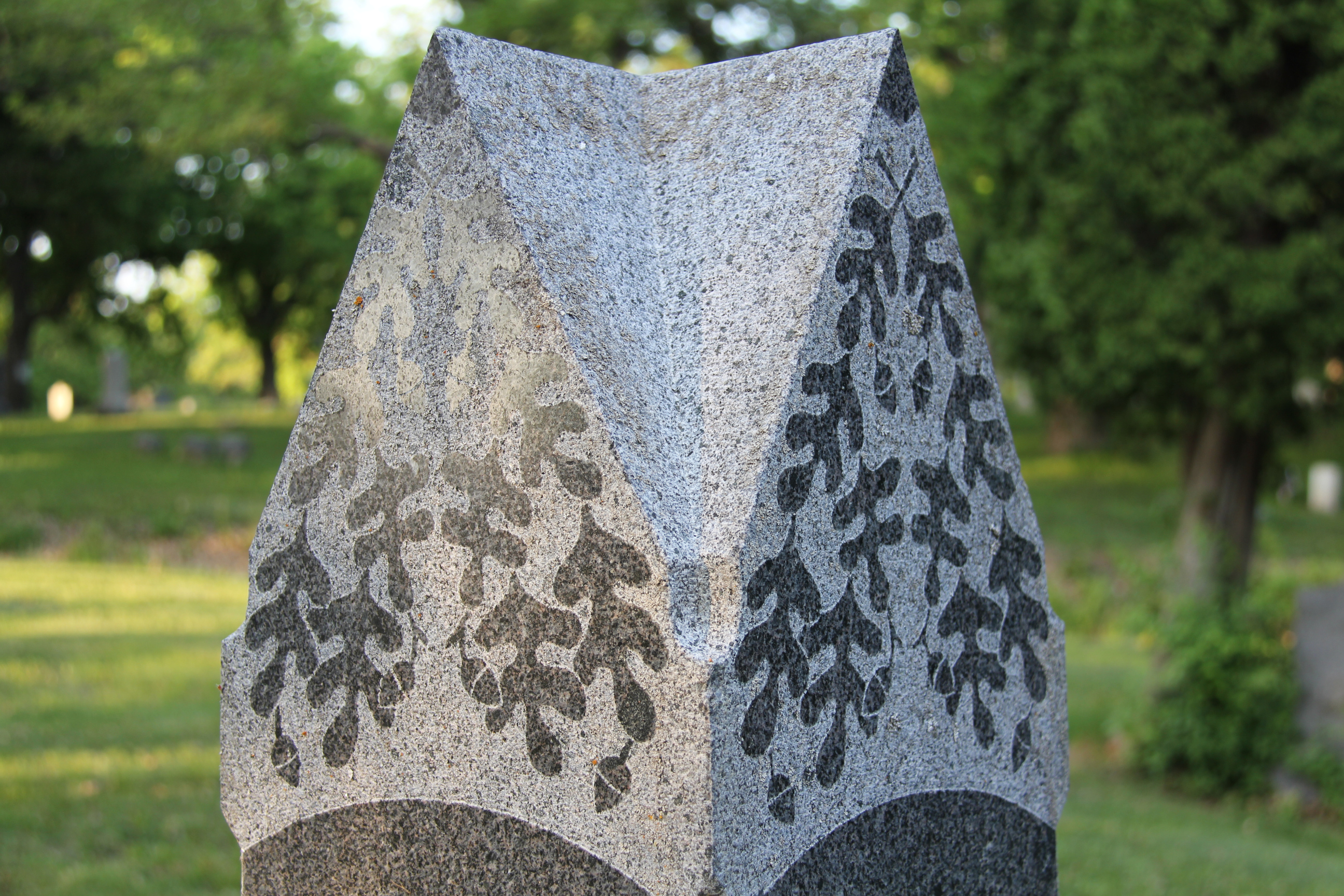
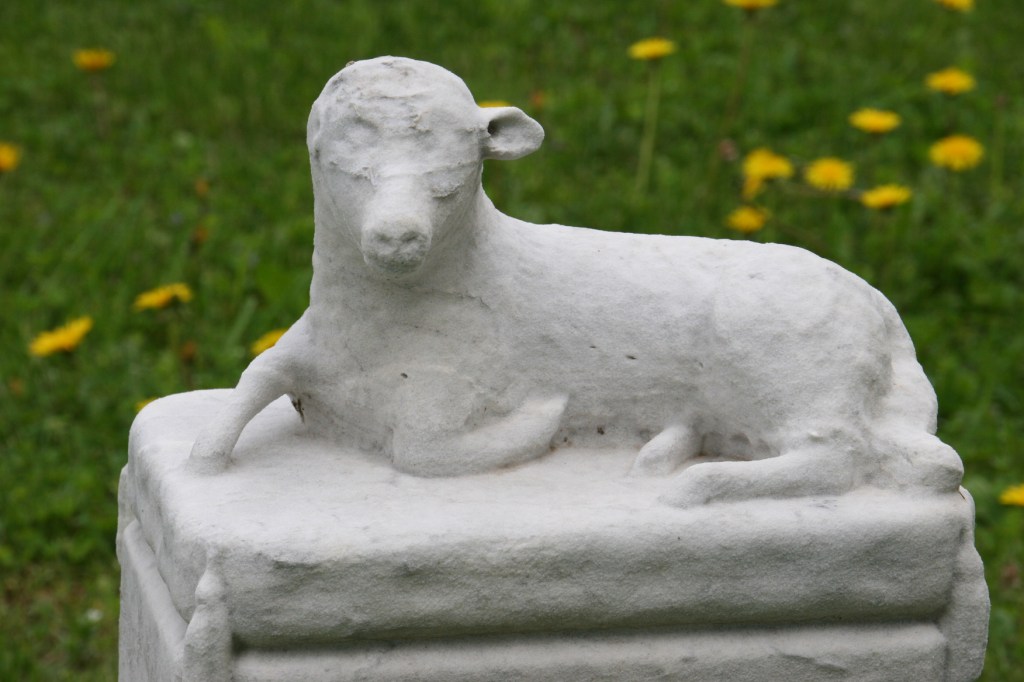
And on many of those tombstones, you will find symbols, a common way of communicating messages back in the day. I’d never really thought much about the meaning of the art I’ve seen on hundreds of aged tombstones beyond recognizing that lambs are on children’s grave markers. That Rent shared his knowledge and passion has opened a deeper understanding and appreciation of cemeteries for me.
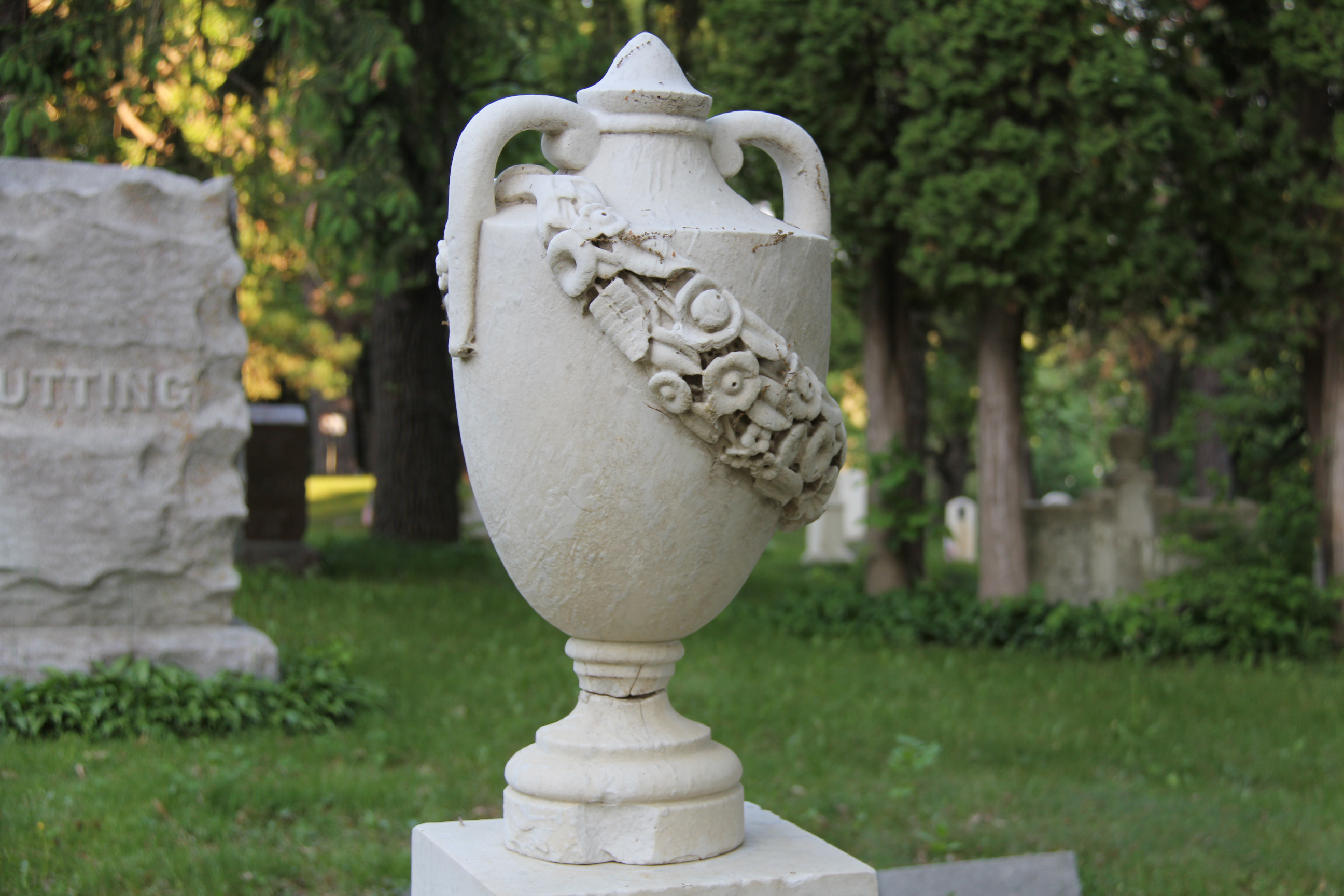
He introduced his points about gravestone symbology simply by stating that symbols are something to which we have an emotional connection. For example, an eagle, a rose, a cross, are all symbols we can understand as representing freedom, love and faith. That makes sense to me.
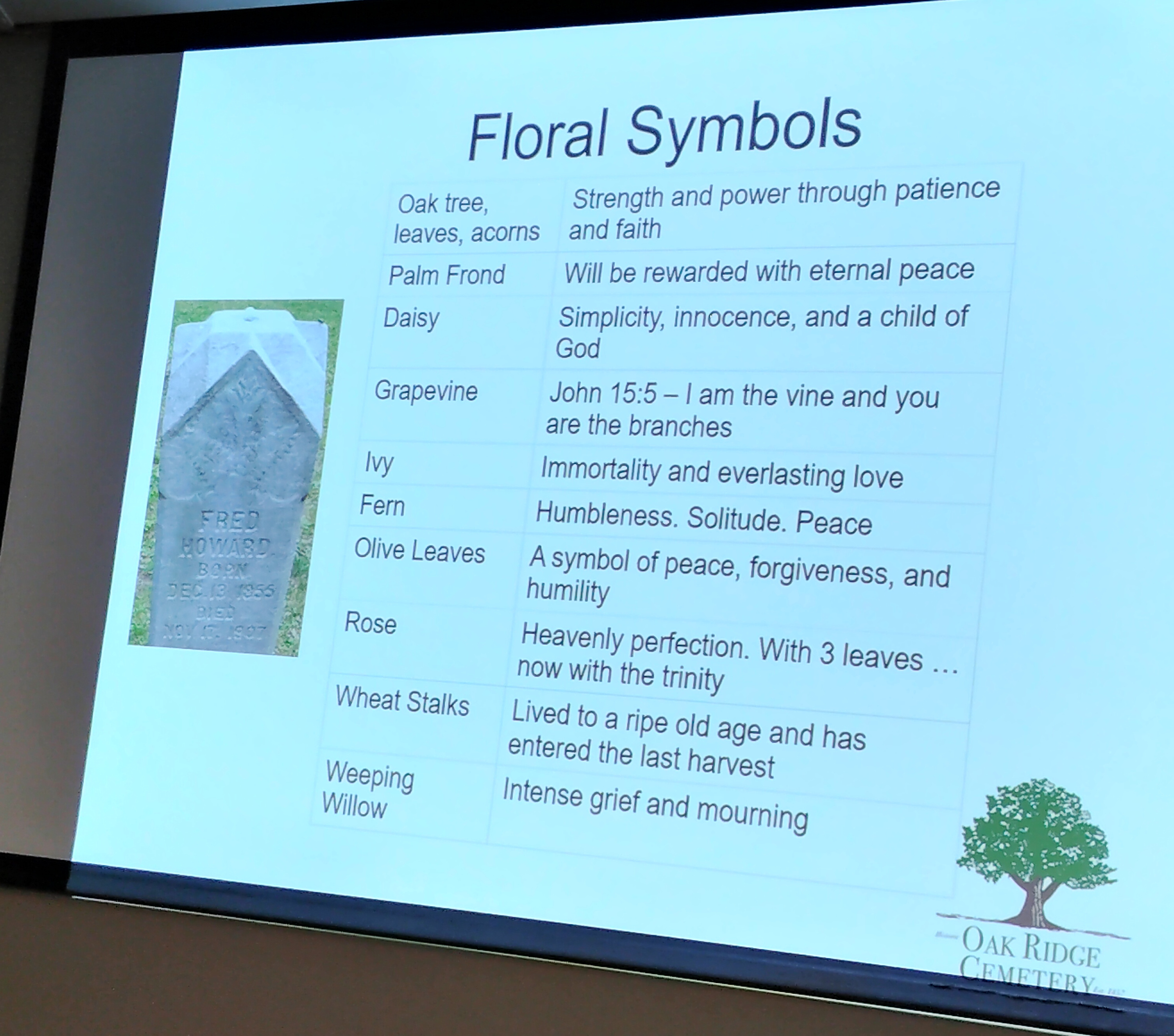
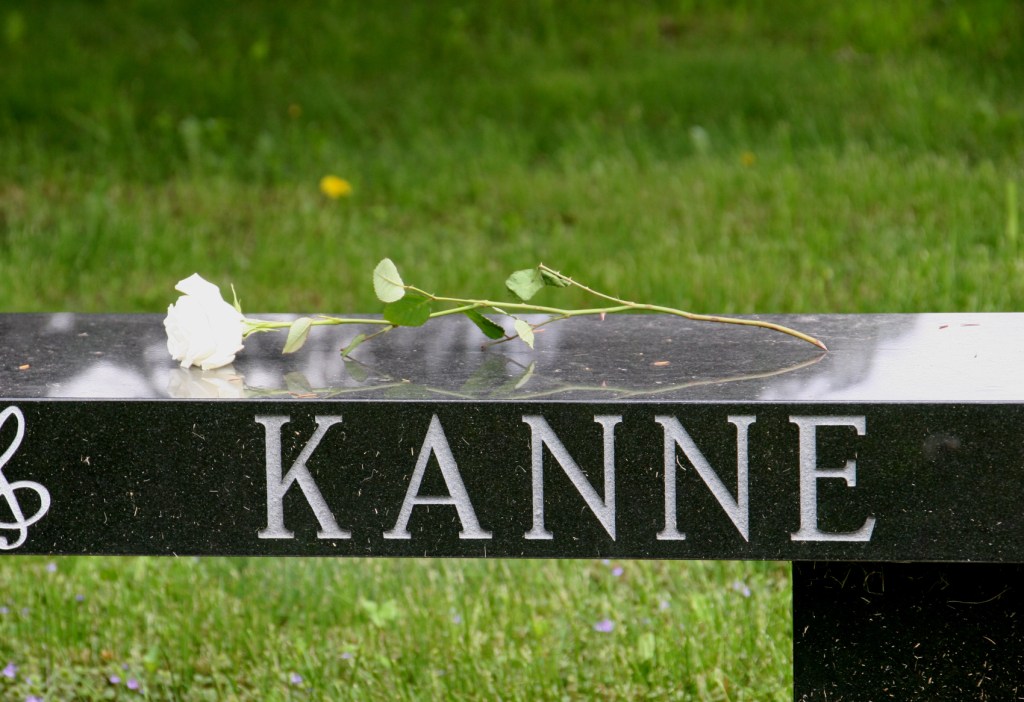
And then Rent broke it down further—into floral, hand and animal symbols. I found this particularly revealing. For example, ivy, which symbolizes immortality and everlasting love, is very popular on aged tombstones, according to Rent. So are weeping willows, although I don’t recall ever seeing one chiseled into stone. The willow, indicating intense grief and mourning, is often carved onto the gravestone of someone who has died unexpectedly, he said. He referenced the long ago drowning of a young boy in Faribault’s mill pond. A rose, which is difficult to carve, symbolizes heavenly perfection. An unopened rose bud implies a person died way too young.
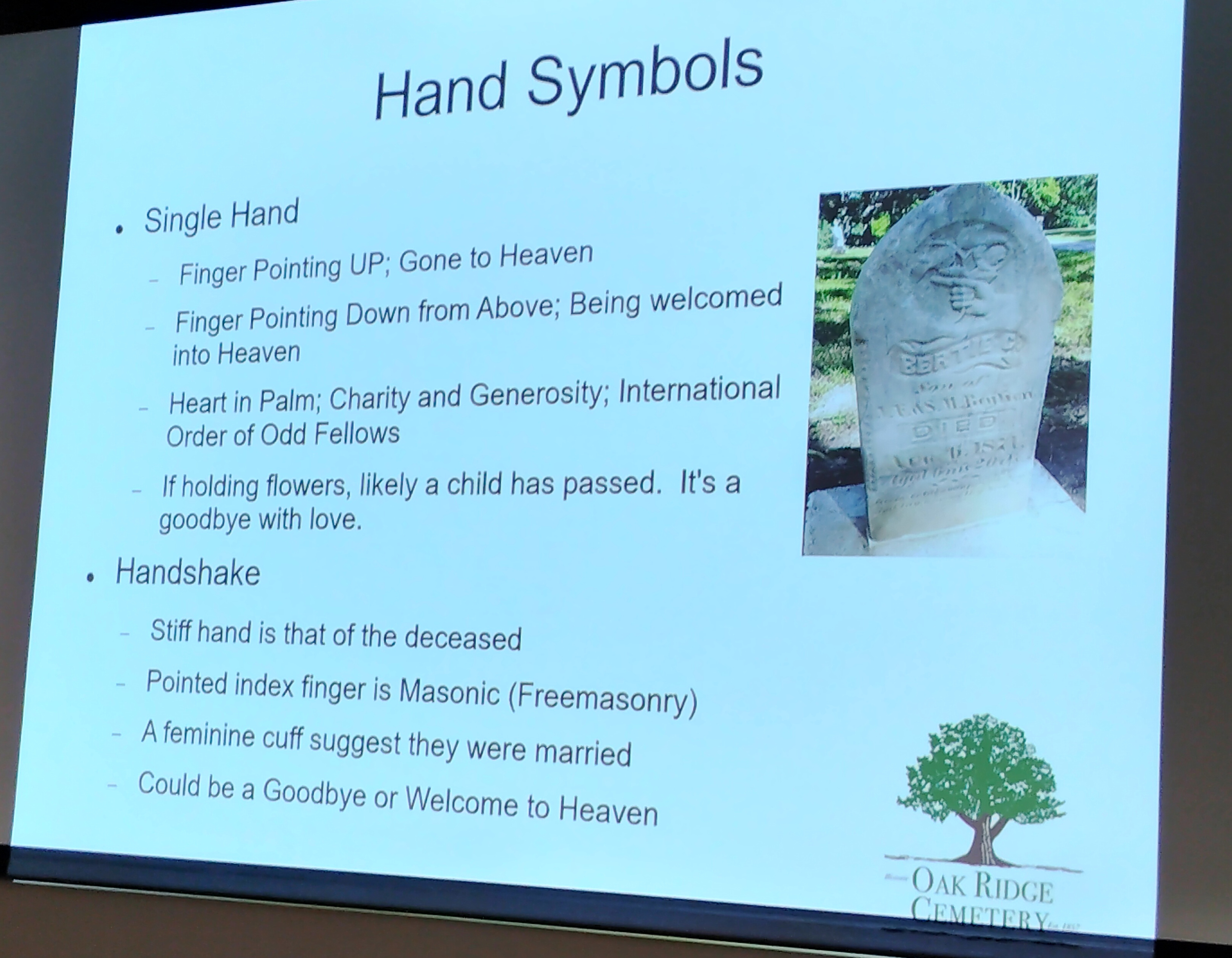
And then there are those hands, all those hands I’ve seen chiseled into marble tablet gravestones. The hand symbology traces back to Masonic handshakes mostly. Some are single hands, others handshakes, and all hold meaning. Rent shared that a heart on the palm of an open hand indicates charity and generosity. One such symbol decorates the Oak Ridge grave marker of Faribault police officer Henry Kaepernick, accidentally shot to death by a guard at the Faribault jail where the Younger brothers were held following a failed bank robbery in nearby Northfield on September 7, 1876.
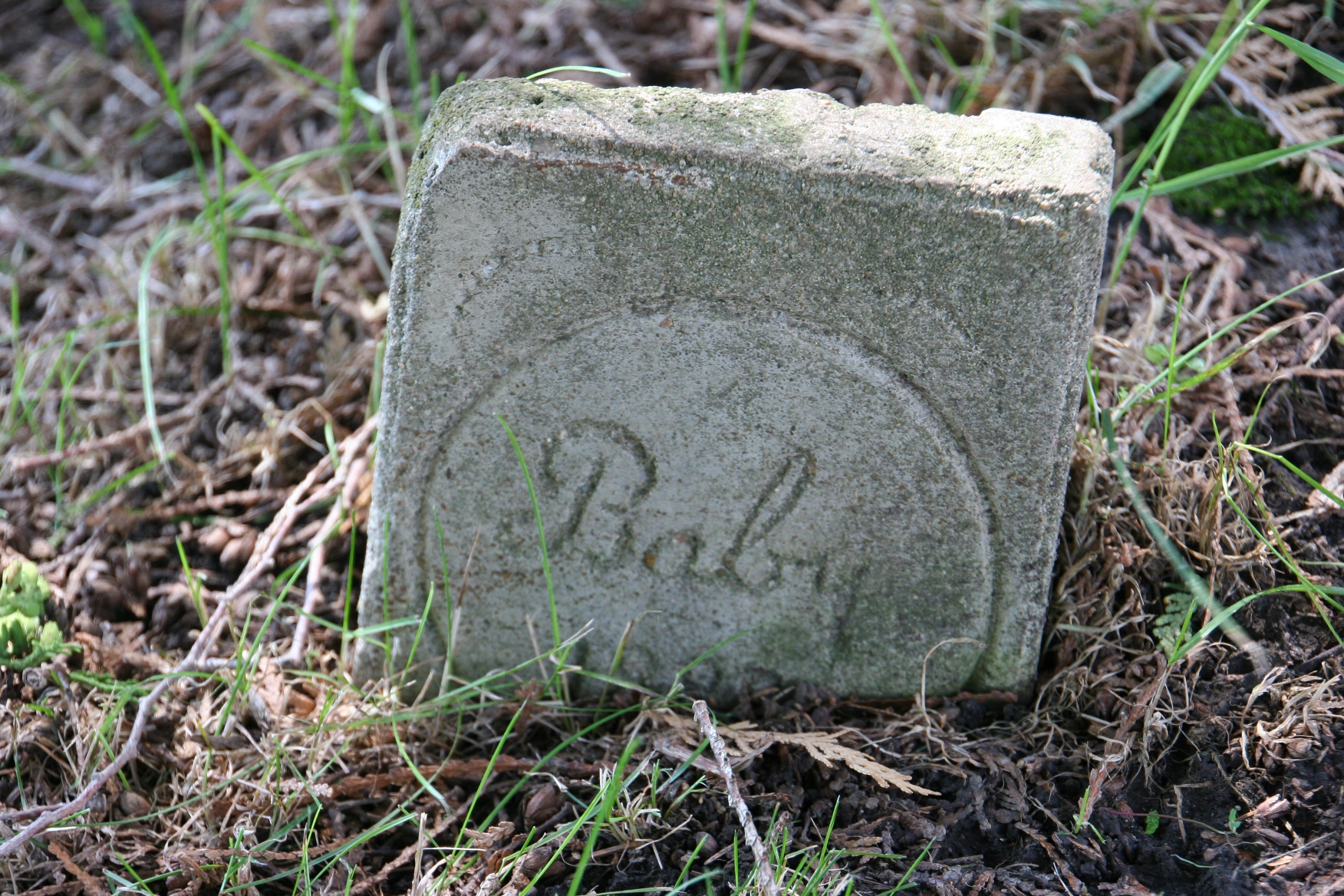
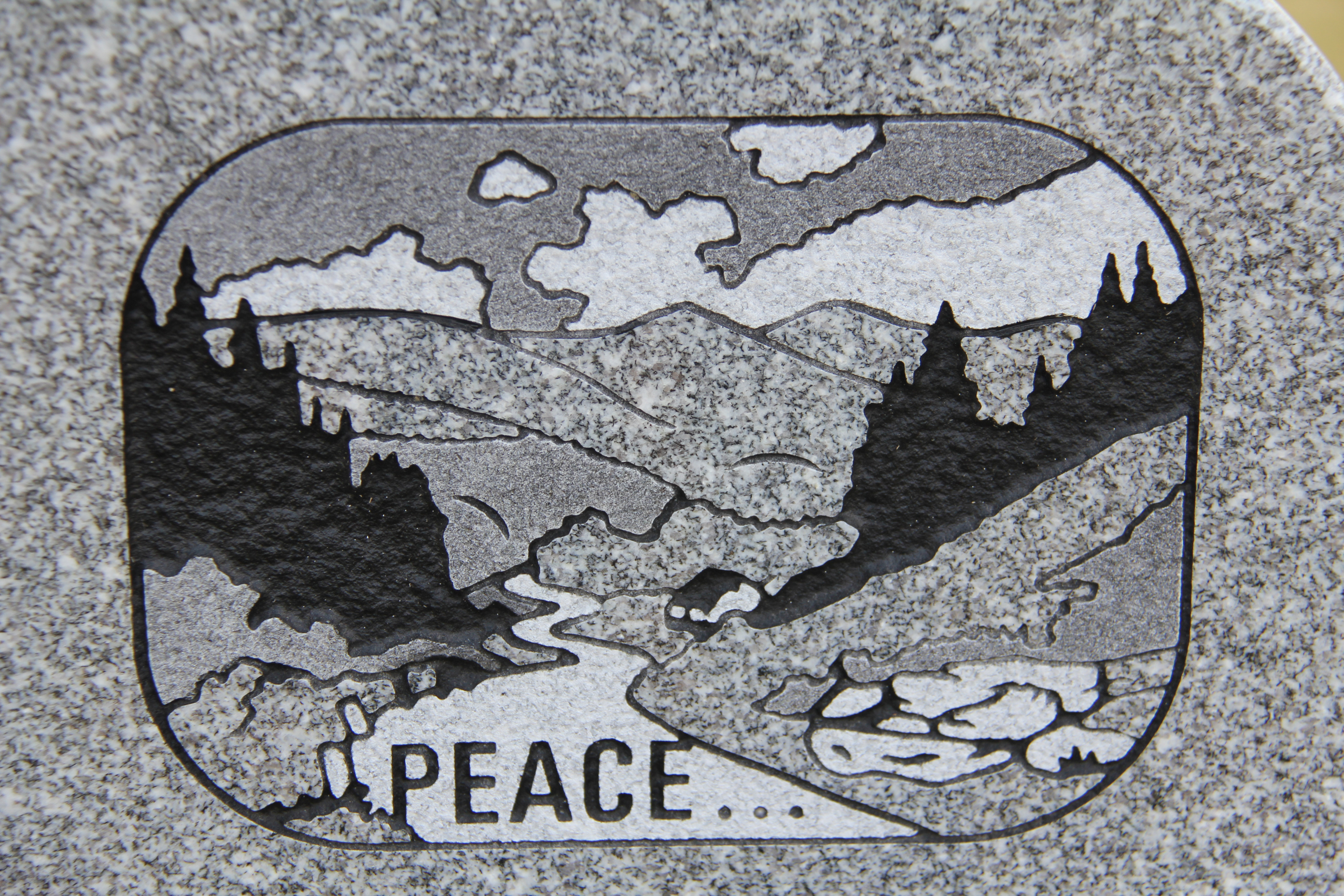
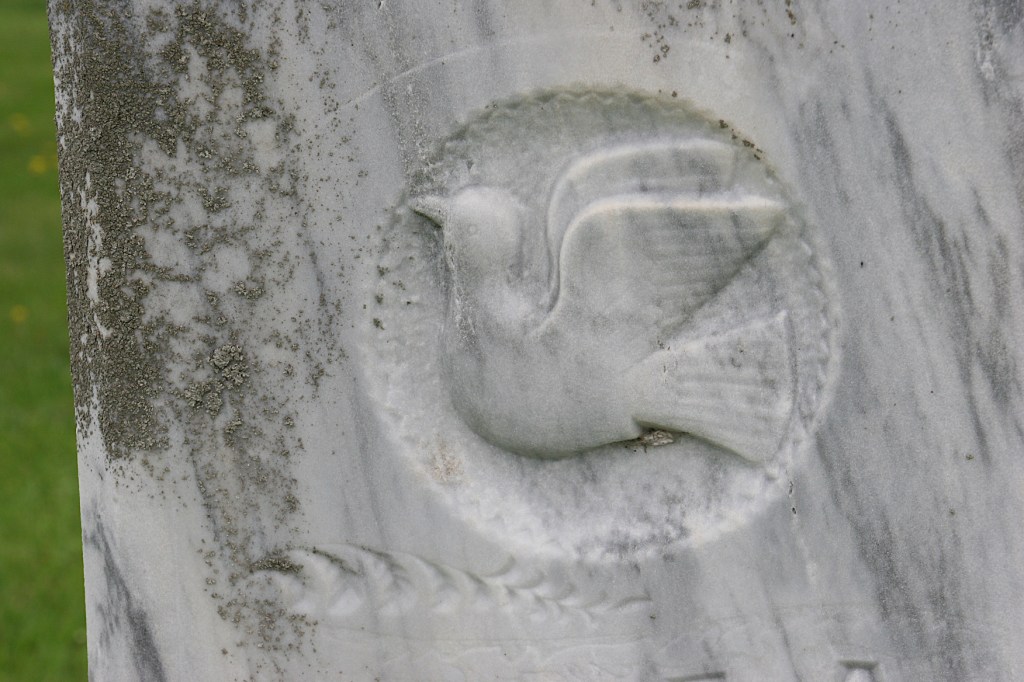
Finally, Rent talked about animal symbols, reserved for children’s gravestones. He named lambs, sheep and doves, symbols of innocence and peace.

Of course, Rent shared much more in his hour-long presentation. But these are highlights, information I will take with me the next time I walk through the gates of a cemetery, symbolic of a threshold into the afterlife. I will no longer see just a daisy or a rose, a hand with a finger pointing heavenward, a sheep atop a child’s grave. Rather, I will see the emotional connections in the symbology. The choices made for gravestone art and messages, past and present, hold deep meaning, if only we pause to see, consider and honor.
© Copyright 2025 Audrey Kletscher Helbling




 Minnesota Prairie Roots
Thoughts as we begin 2026 during these challenging times in the U.S. January 1, 2026
Tags: 2026, commentary, compassion, faith, Faribault, gravestones, ICE presence, kindness, life, Minnesota, New Year, opinion, thoughts, tombstones, United States, Valley Grove Cemetery
AS THE NEW YEAR begins, I enter it with a whole lot of trepidation, uncertainty and concern. Feeling optimistic right now does not come easily. I fear for our country. I fear for my community. I fear for my Latino and Somali neighbors, targeted by the federal government. Yes, ICE agents are visible and active in Faribault. Though I have not seen them myself, this information comes from reliable sources.
I fear that we are becoming desensitized to the ICE snatchings. I fear we are becoming desensitized to the lies, the rhetoric, the hatred, the awfulness spewing from, well, way too many leaders and even everyday people.
What happened to common decency and goodness and kindness? And due process? Why is anyone accepting suppression, oppression, racism, discrimination and more as OK, especially those who claim Christianity as their belief system? None of what’s happening is Christian, not according to my Christian beliefs anyway. Not according to the Bible I read.
It’s hard, really hard, to remain hopeful in the light of all this. But I try. My mom raised me to be caring, kind and compassionate. She lived that way, helping others through volunteerism and monetary gifts, but mostly through her kind, quiet, gentle and caring spirit. She treated everyone with love and compassion. I wish Mom was still alive so I could talk to her about all of this.
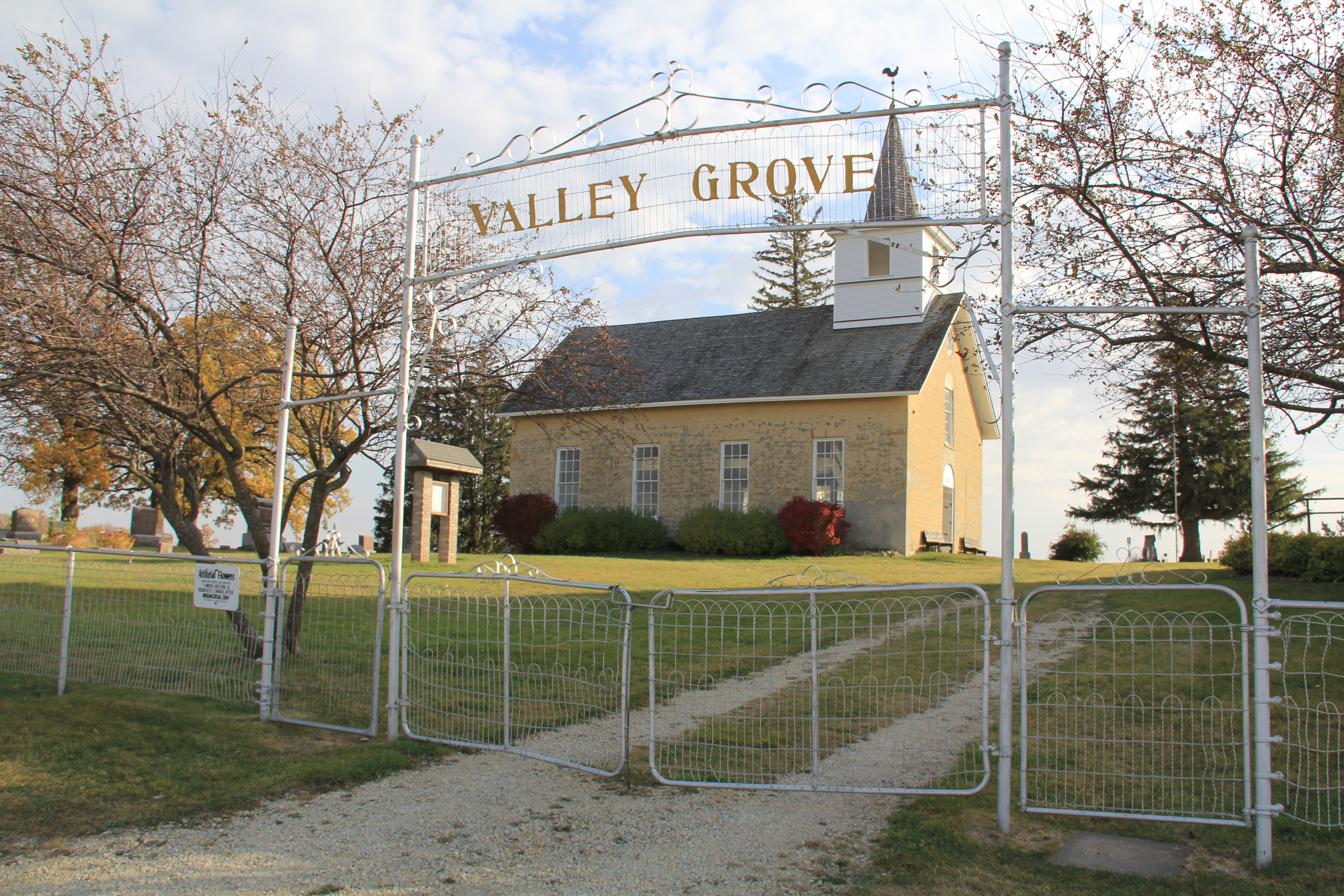
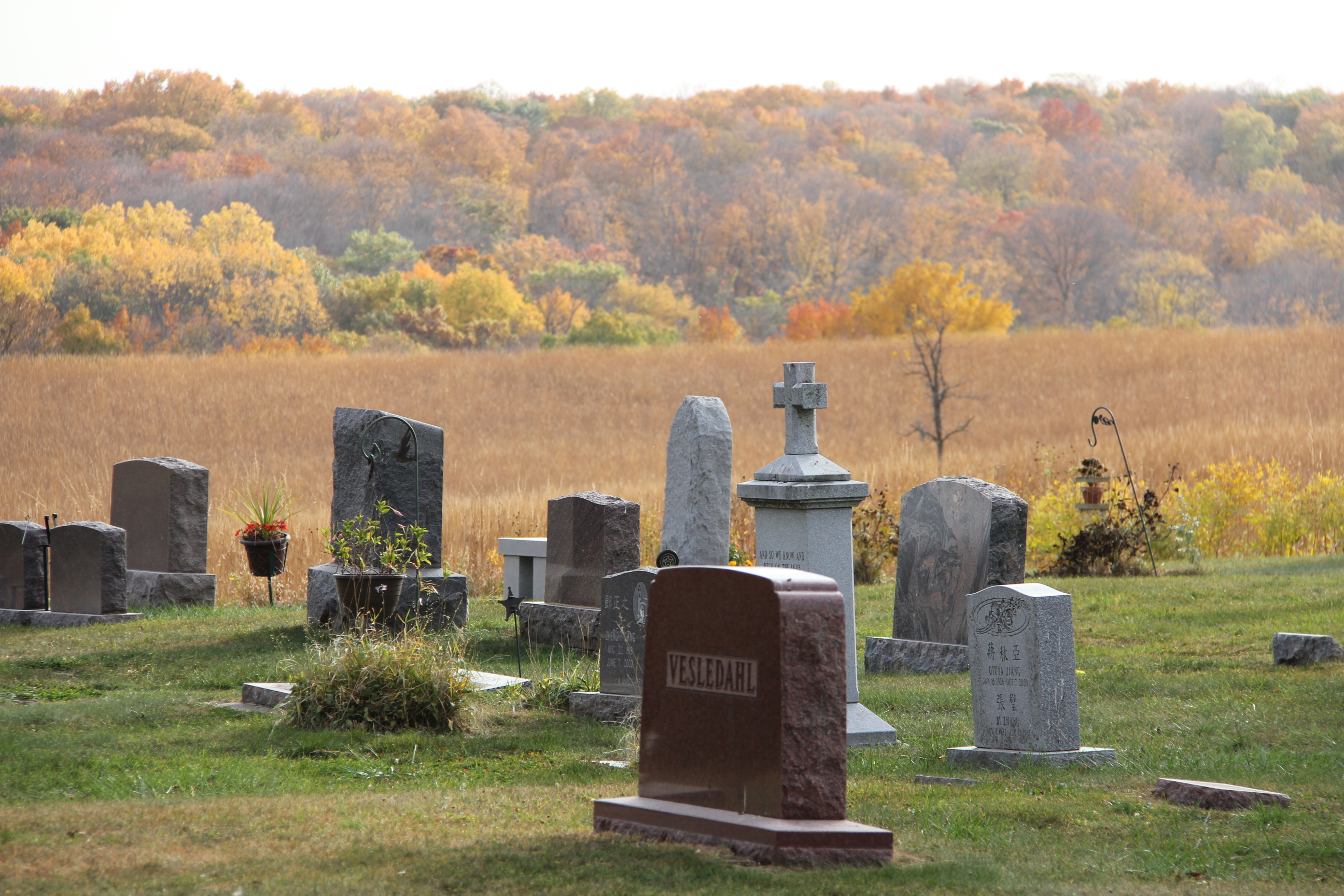
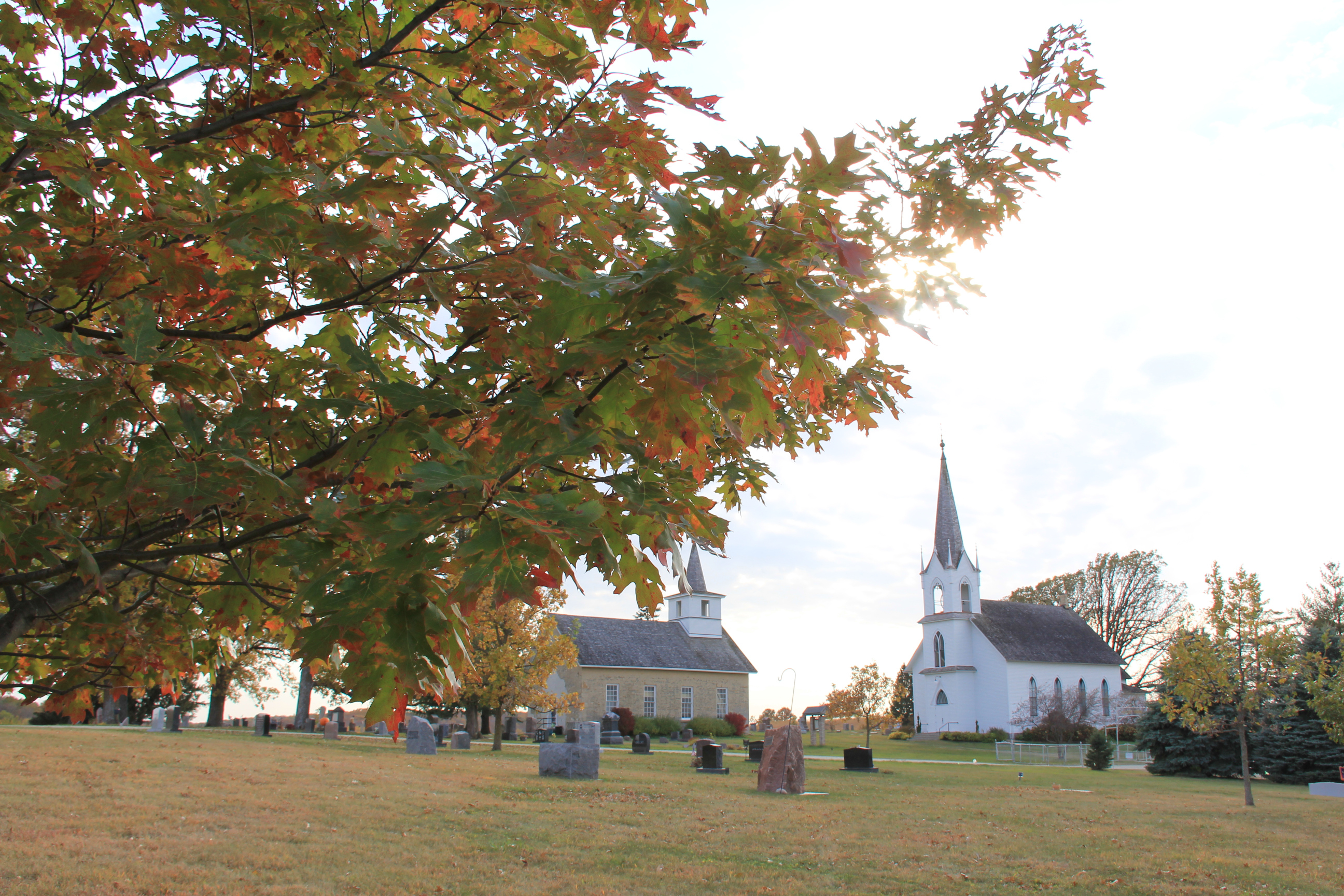
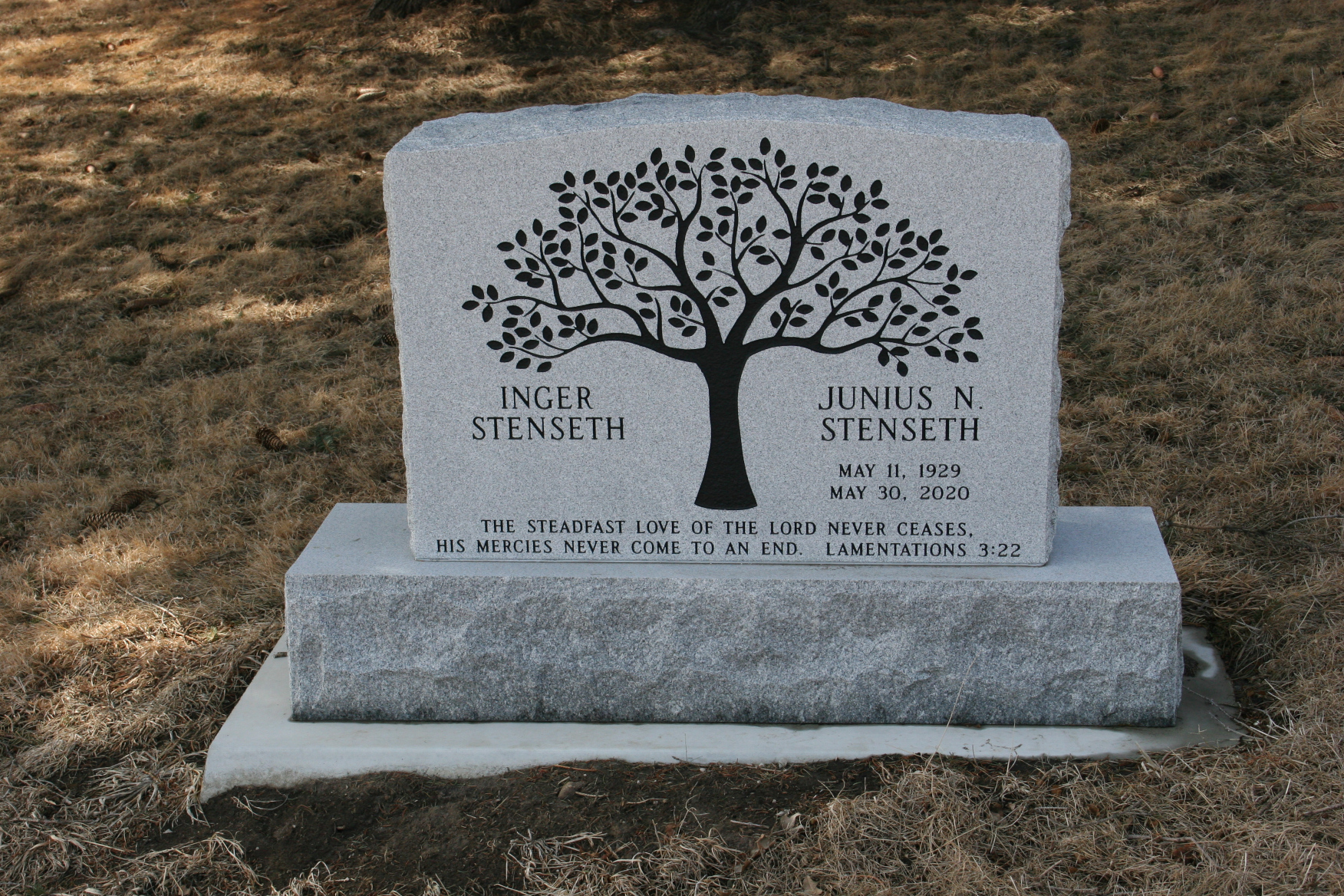
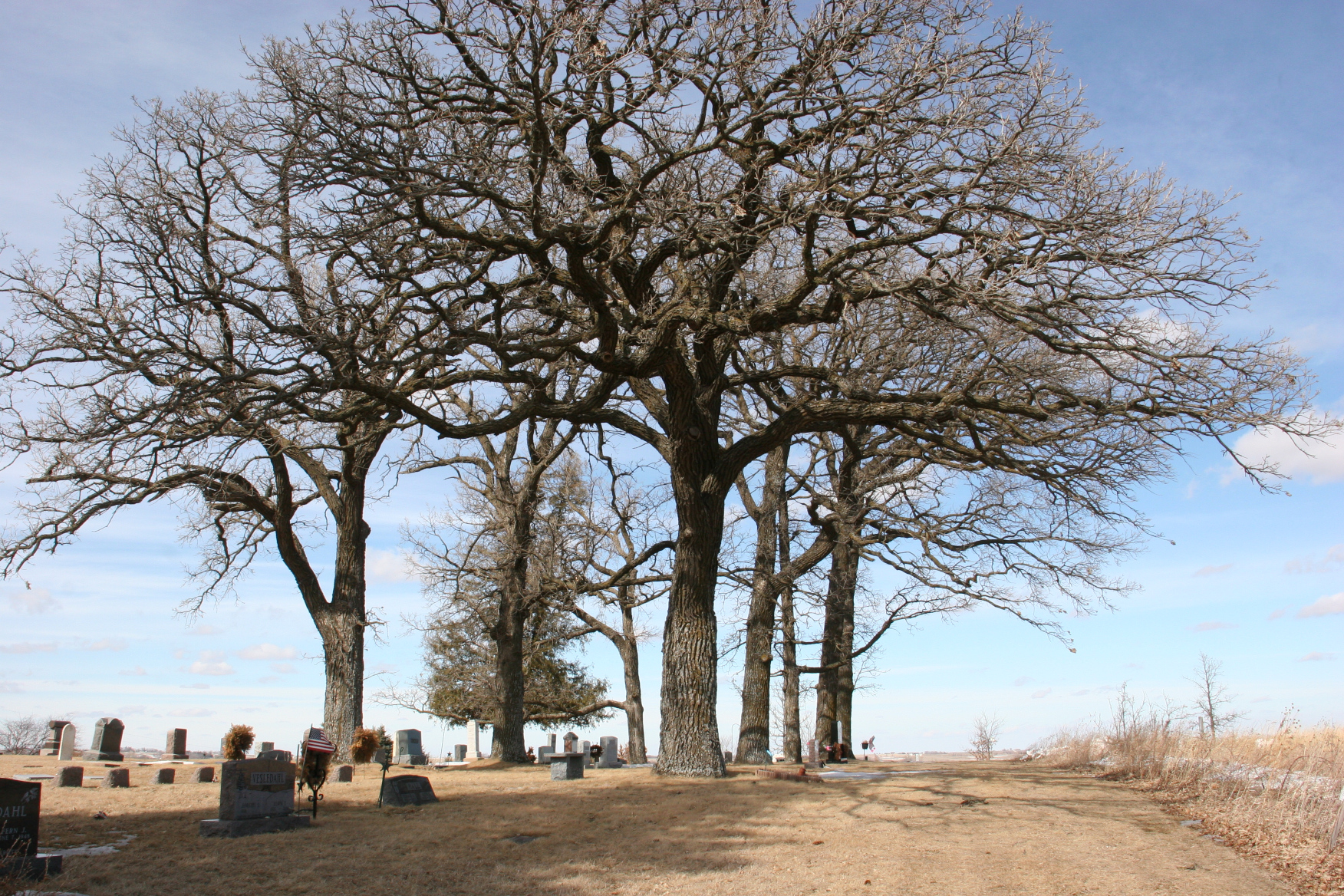
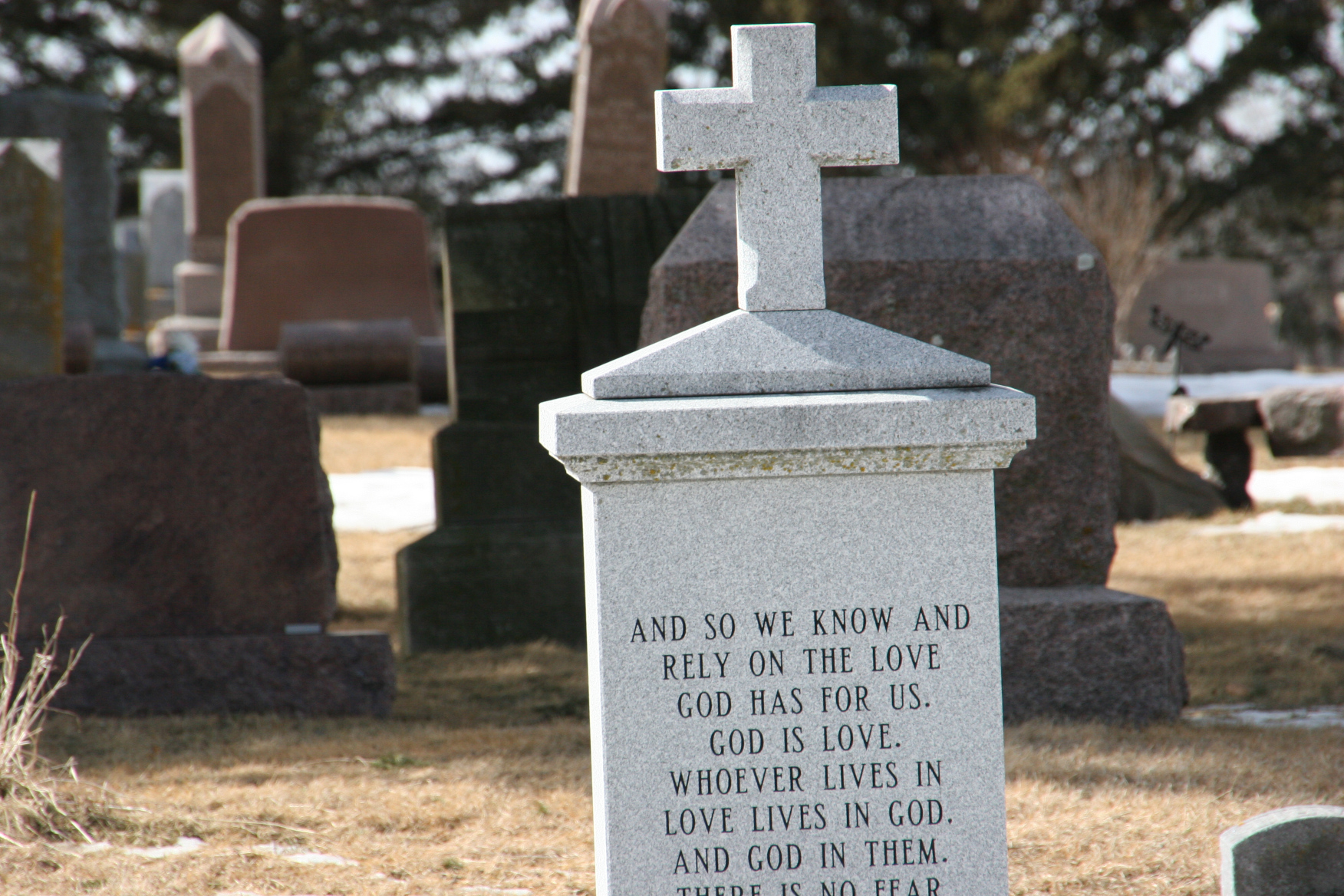
But sometimes the dead still speak to us. I don’t mean that in a literal sense, but rather in the legacies and words the once-living leave behind. It is one of the reasons I meander through cemeteries. Valley Grove Cemetery, rural Nerstrand, is one of those final resting places that offers an abundance of wisdom upon gravestones.
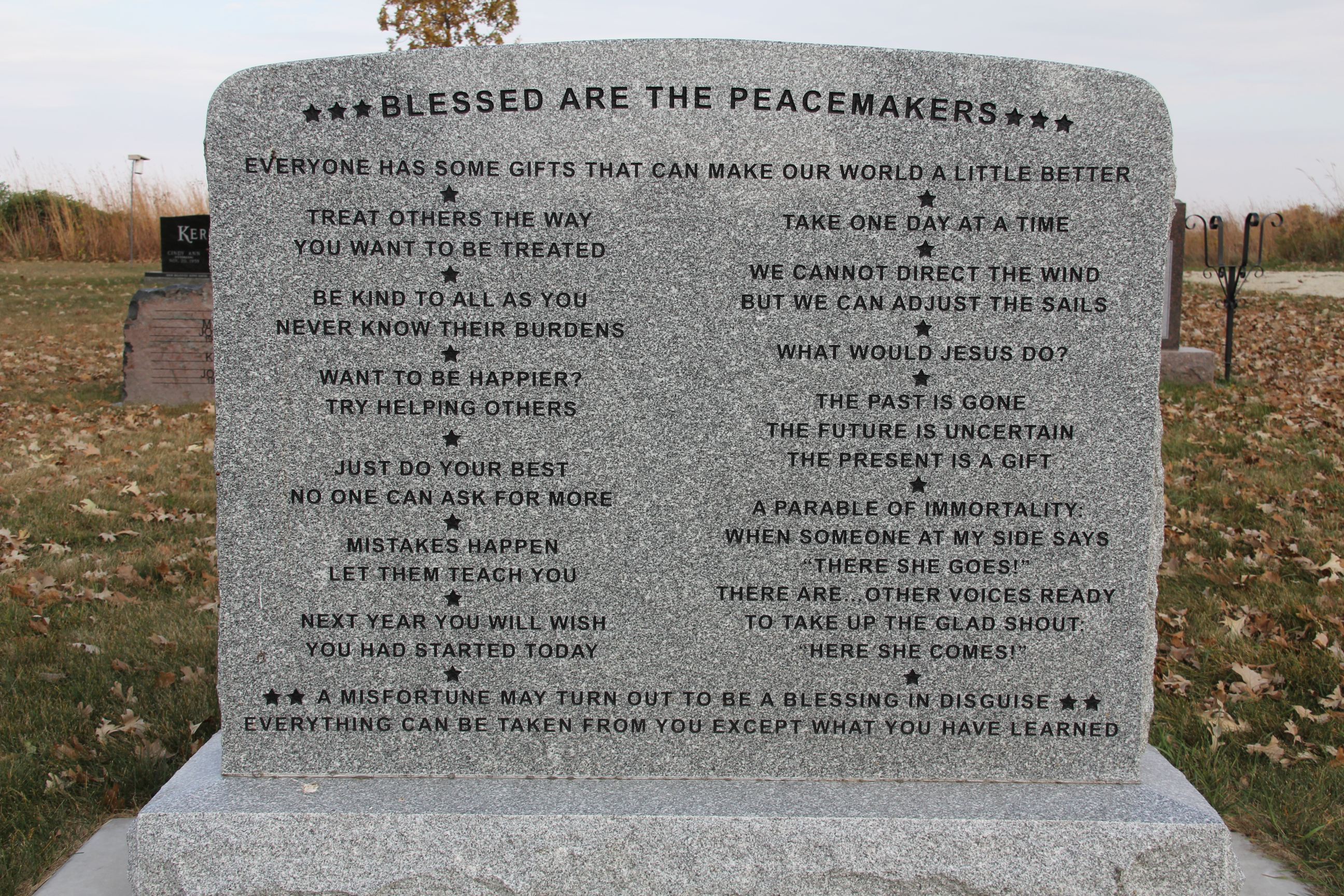
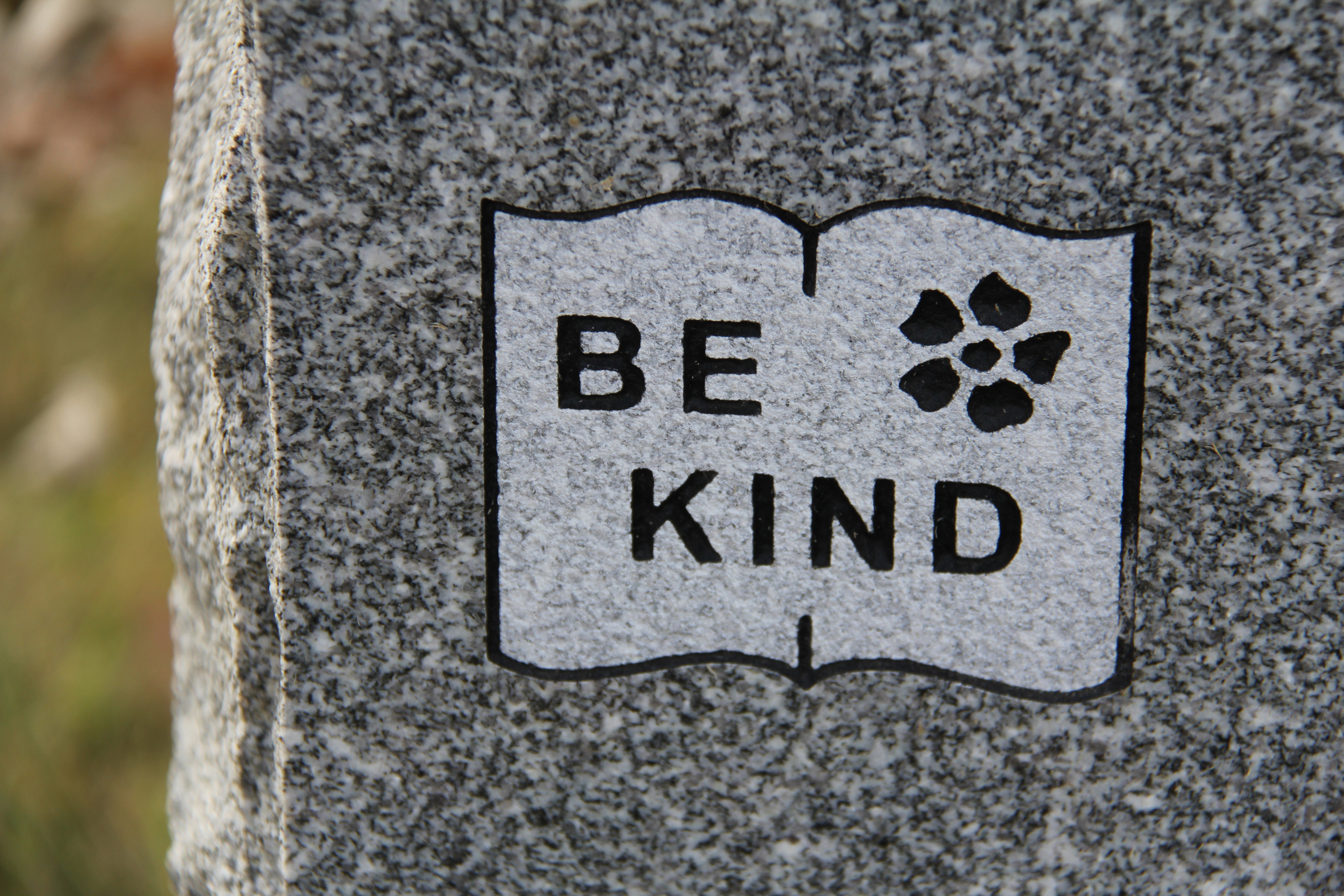
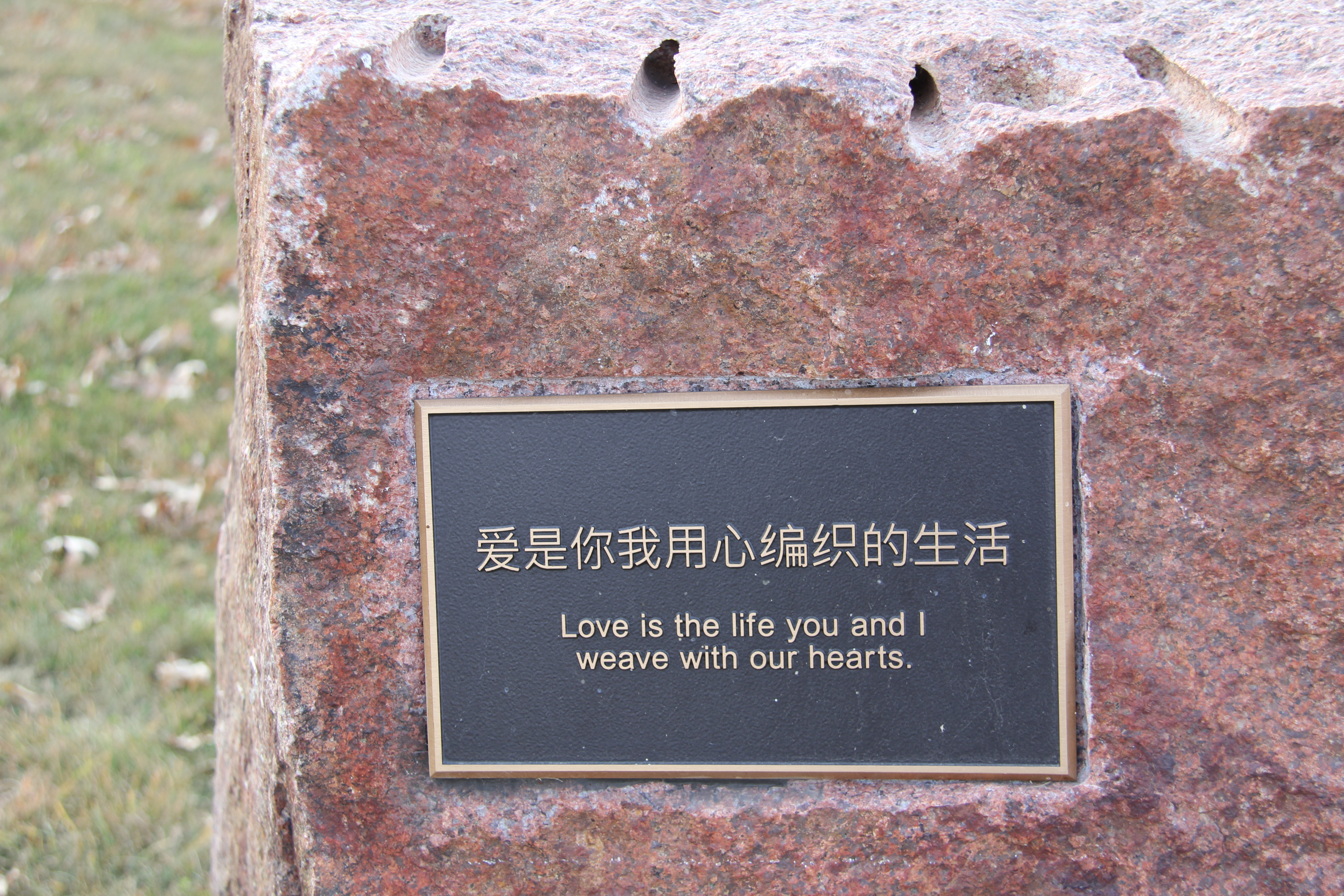
One particular tombstone stands out for the many positive affirmations it lists under the banner, BLESSED ARE THE PEACEMAKERS. (And this means authentic peacemakers, not those who pretend or claim to practice/bring peace.) Under that gravestone header is this broader message: EVERYONE HAS SOME GIFTS THAT CAN MAKE OUR WORLD A LITTLE BETTER. I absolutely agree.
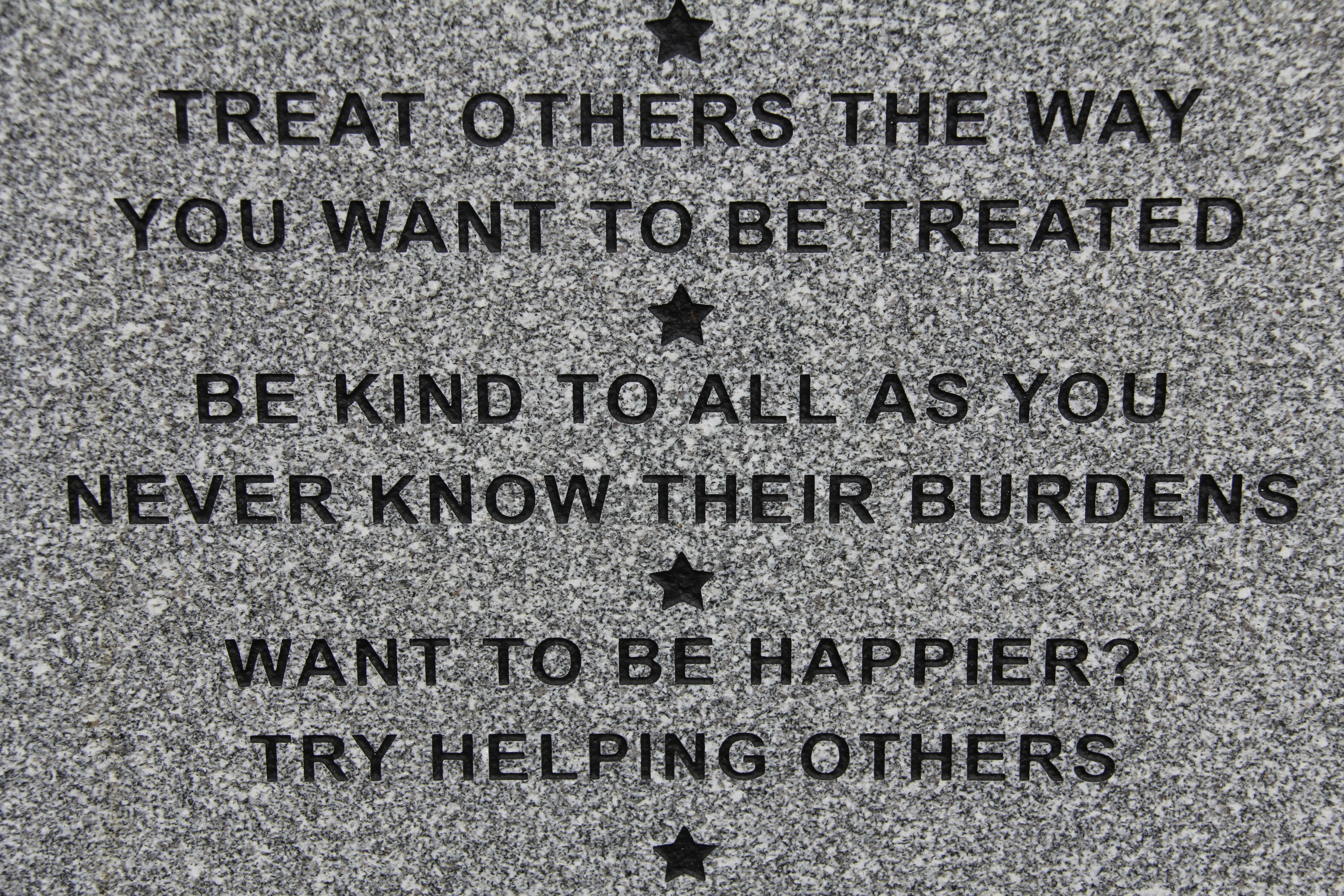
Then, on the massive slab of stone, are written specific ways in which we can make the world better and live as peacemakers. I especially appreciate these two messages: TREAT OTHERS THE WAY YOU WANT TO BE TREATED. And BE KIND TO ALL AS YOU NEVER KNOW THEIR BURDENS.
Those are simple, uncomplicated directives that seem easy enough to follow. In 2026, it is my hope that we can shift back to being a caring country, where we treat others as we would like to be treated. And that is with kindness, compassion, care and love.
TELL ME: What are your hopes for 2026 in the U.S., your community? What are your concerns for the new year?
© Copyright 2026 Audrey Kletscher Helbling