Minnesota Prairie Roots

Writing and photography by Audrey Kletscher Helbling

Part II from Pleasant Grove: Minnesota’s oldest Masonic Lodge January 30, 2017

pleasant-115-grove-side-front-of-masonic-lodge

Masonic Lodge 22, Pleasant Grove, Minnesota

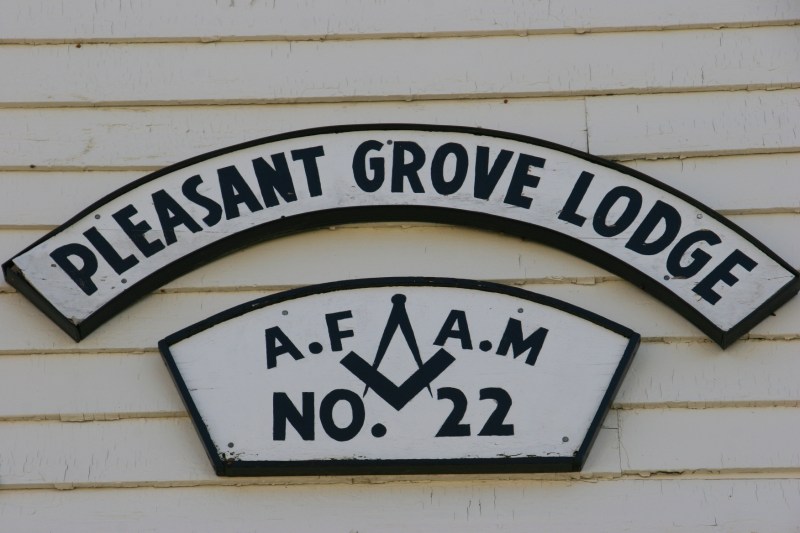
ON AN OCTOBER STOP in Pleasant Grove, Minnesota, I walked the gravel road from the town hall to the old Masonic lodge. Yes, you read that right. Gravel. Not a single paved street in this unincorporated village that is home to Minnesota’s oldest Masonic lodge chartered in 1858.

pleasant-108-grove-backs-of-pick-up-trucks

Parked next to the Masonic Lodge.

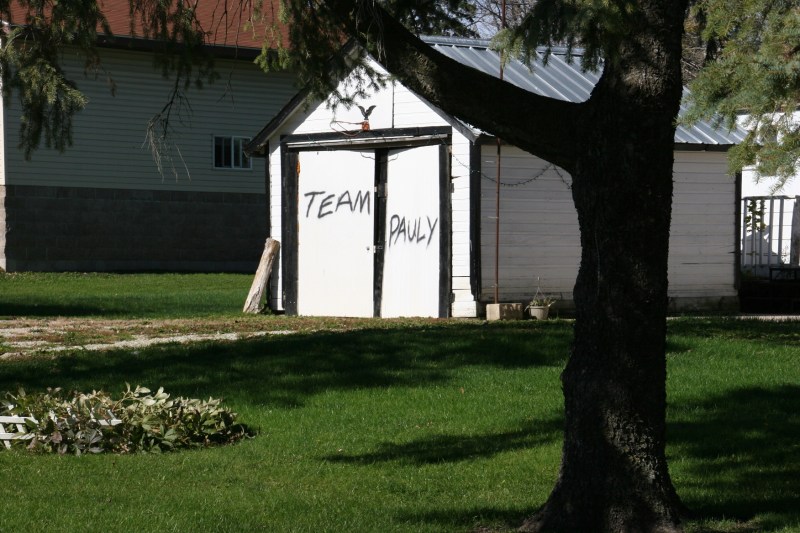
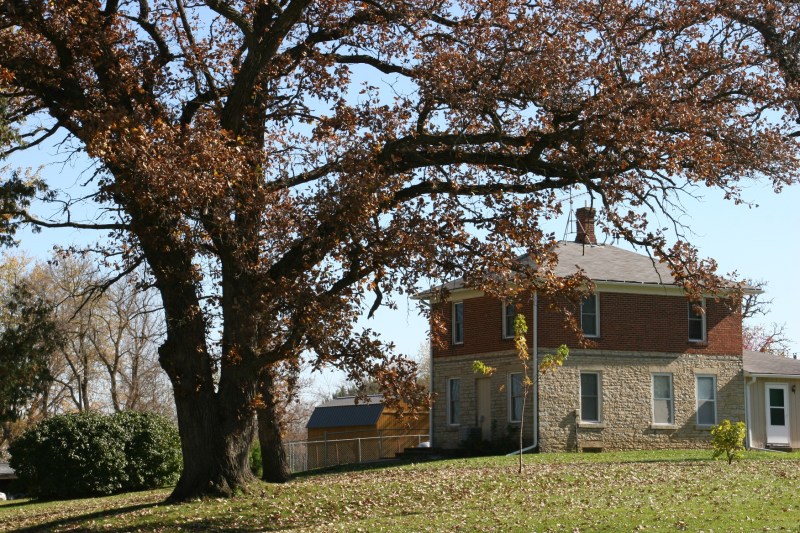
In this settlement, you will see too many vehicles with hoods up, wood stashed in the backs of abandoned pick-up trucks, sizable wood piles and at least one grand brick and limestone house atop a hill.

pleasant-98-grove-garage-by-town-hall

A garage next to the town hall.

Most motorists likely wouldn’t even bother to turn off Olmsted County Road 1 into this berg. It’s that unassuming. But then I am not anyone. I delight in discovering these mostly unnoticed places that others pass by.

An extraordinarily lovely historic home in Pleasant Grove.

An extraordinarily lovely historic home in Pleasant Grove.

While Pleasant Grove, which lies some 15 miles south of Rochester, may not be all neat and city-ish proper, it is still home to some. Knowing small towns as I do, I expect I was being watched while poking around.


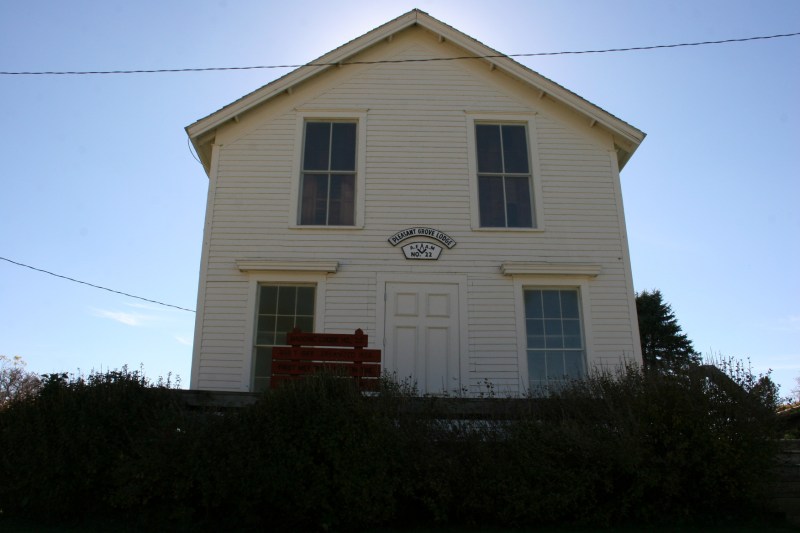
pleasant-111-grove-front-of-masonic-lodge


As I climbed the wooden steps to Masonic Lodge 22, I was hoping to get inside. But that was wishful thinking. Nothing’s unlocked anymore. Instead, I settled for peeking inside a front window to view a spacious room with what appears to be a kitchen in the rear.


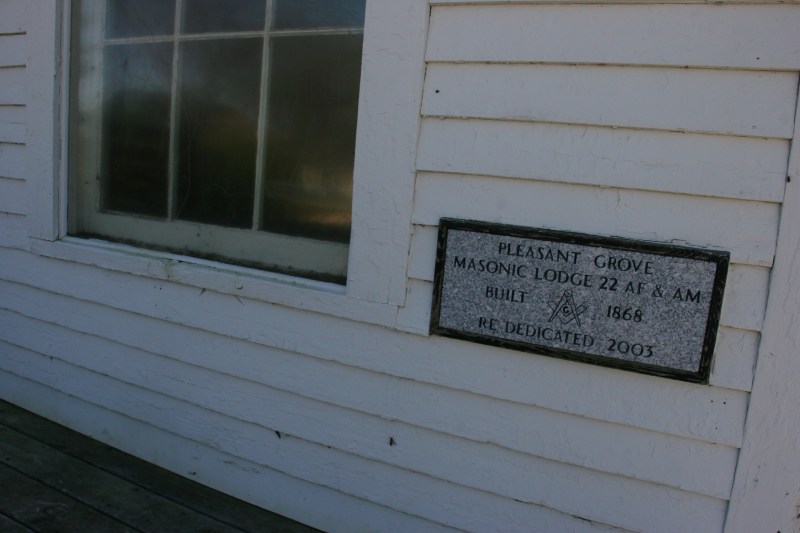
pleasant-114-grove-masonic-lodge-plaque


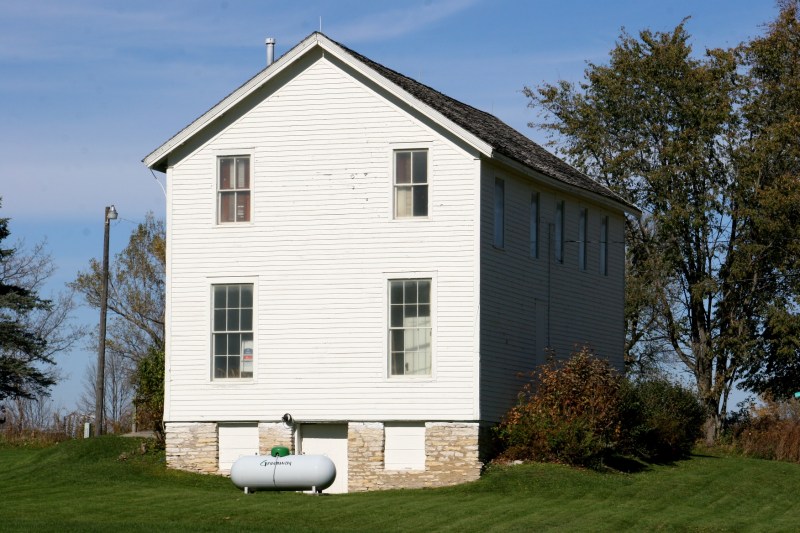
This structure, built in 1868 and rededicated in 2003, has been home to local Masons for more than 150 years. They meet here twice a month, except in the summer when it’s once/month.


pleasant-112-grove-green-mountain-house-sign


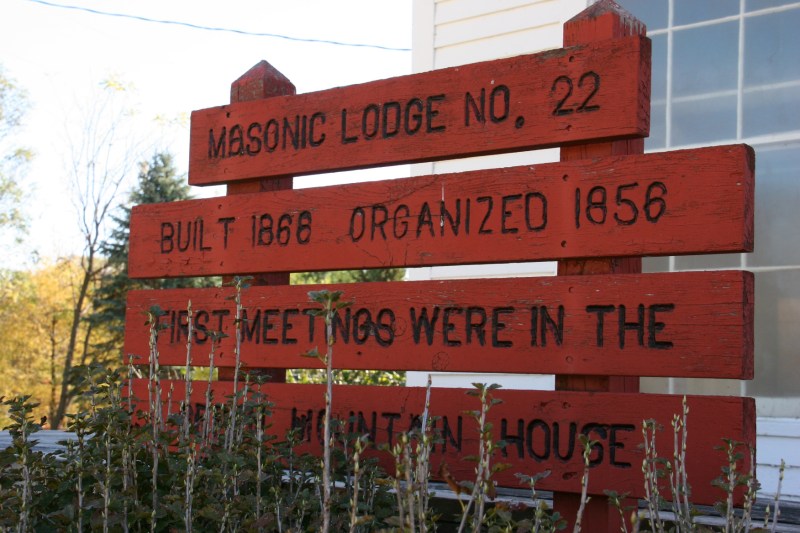
According to a sign out front, Lodge 22 meetings were initially held in the Green Mountain House. Google as I might, I could find no online info about that house.


pleasant-109-grove-side-view-of-masonic-lodge


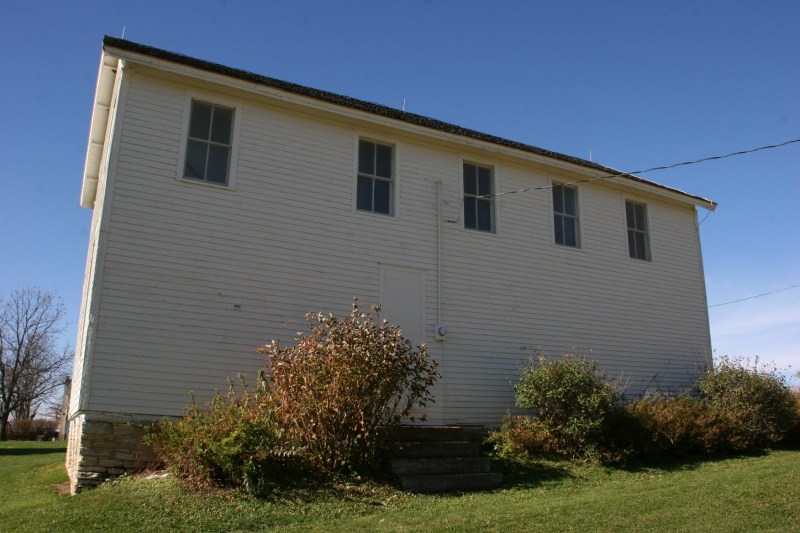
This historic structure also served as a store and meat market when it was built.


pleasant-113-grove-masonic-lodge-wooden-sign


So what, exactly, is a Mason? According to the Grand Lodge of Minnesota, freemasonry is the oldest and largest fraternal order in the world—a universal brotherhood of men dedicated to service, God, family, fellowman and country.


pleasant-106-grove-back-of-masonic-lodge


No mention of men laying stone.

FYI: Please check for one more story in this three-part series from Pleasant Grove. Click here to read my first story.

© Copyright 2016 Audrey Kletscher Helbling


Anniversary event features amateur silent film clips from Faribault March 16, 2016


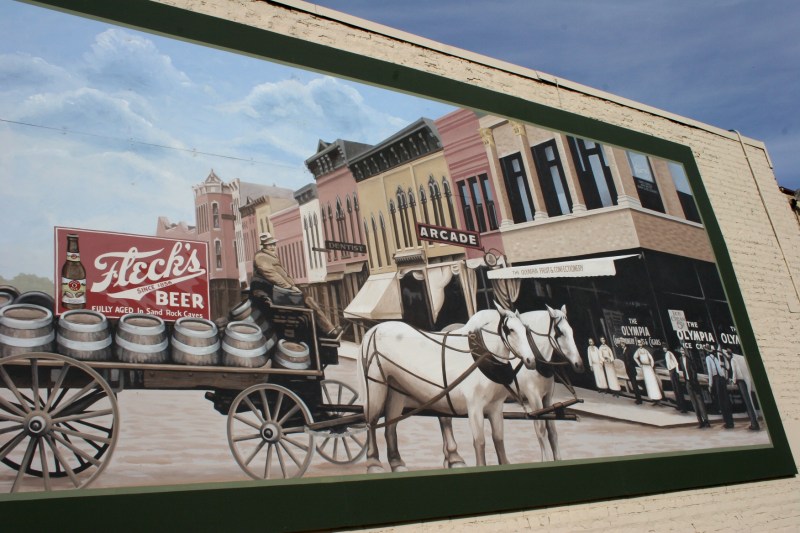
A mural, one of several in the downtown area, promotes historic Faribault.

A mural, one of several in the downtown area, promotes historic Faribault. Minnesota Prairie Roots file photo.

I MAY NOT BE A FARIBAULT NATIVE. But I’ve lived here long enough—34 years—to surface-know local history.

A downtown Faribault mural featuring Fleck's beer.

A downtown Faribault mural features Fleck’s beer. Minnesota Prairie Roots file photo.

So when Brian Schmidt, native historian, collector of Fleckenstein Brewery memorabilia and member of the Rice County Historical Society Board of Directors, called me recently, I listened. Faribault history interests me because, even if I wasn’t born and raised here, this community is now part of my family’s history.

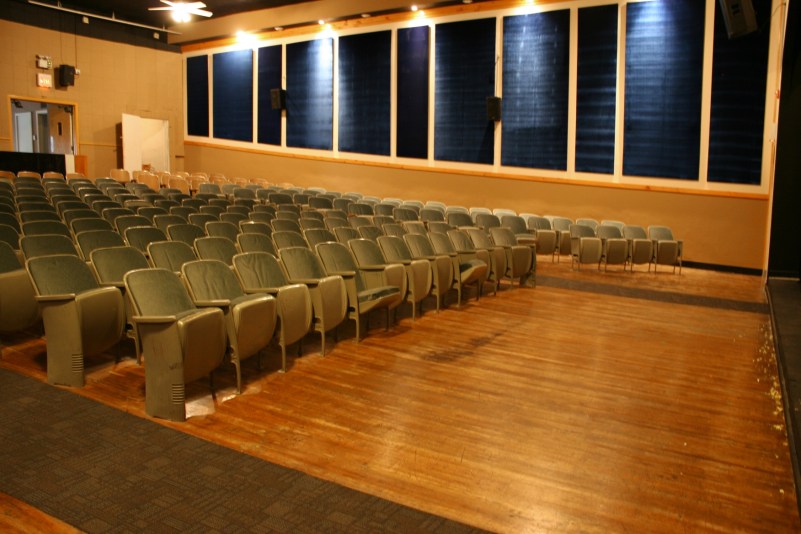
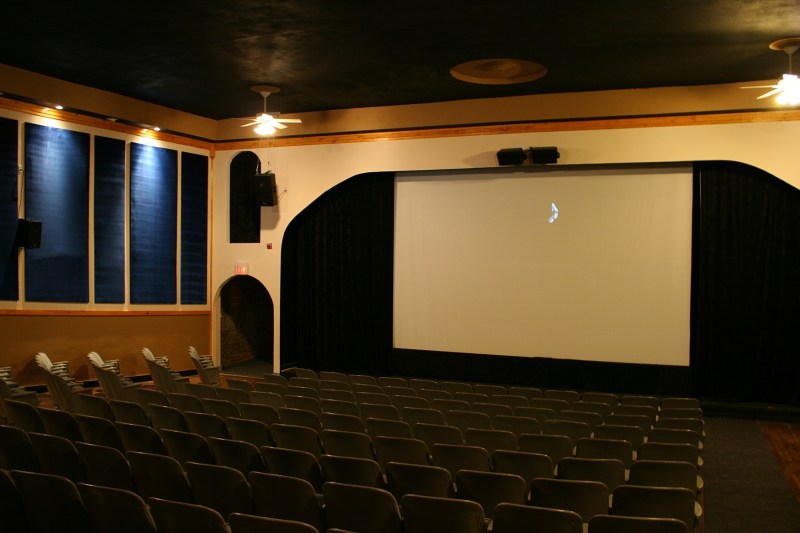
Inside the historic Village Family Theater. Minnesota Prairie Roots file photo 2016.

Inside the historic Village Family Theater. Minnesota Prairie Roots file photo August 2015.

On Saturday, March 19, a previously publicly unseen piece of local history will debut on the big screen at the historic Village Family Theater in the form of a silent movie. I could hear the excitement in Schmidt’s voice as he talked about amateur film footage shot between 1935-1938 by Charles Fleckenstein of Faribault brewery fame.

Schmidt purchased the unmarked film at a Faribault auction house. When he started viewing the clips, he knew he’d stumbled upon something remarkable. And now he’s sharing that discovery in a 10-minute professionally produced silent film montage reminiscent of a bygone era.

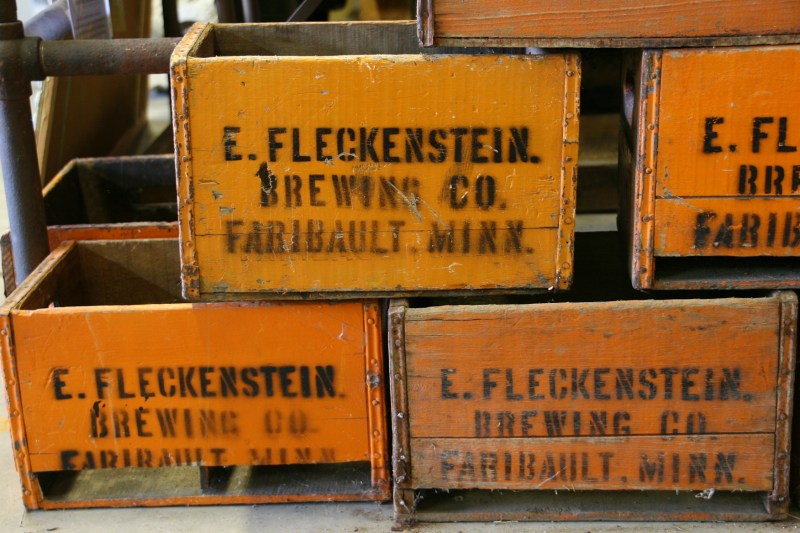
Stacked inside the Harvest and Heritage Halls are these crates from Fleckenstein, which brewed beer and made soda in Faribault.

Stacked inside the RCHS Harvest and Heritage Halls are these crates from Fleckenstein, which brewed beer and made soda in Faribault. Minnesota Prairie Roots file photo October 2015.

Viewers will see workers digging a tunnel and celebrating a birthday at Fleckenstein Brewery (yes, they’re drinking beer), plus other footage of a long ago golf course in the middle of town, the 1938 Faribault Jalopy Race and Thrill Day, The Top amusement ride on Roberds Lake, and the old Faribault Airport and The Bluebird Inn (a former high-end restaurant) south of town.

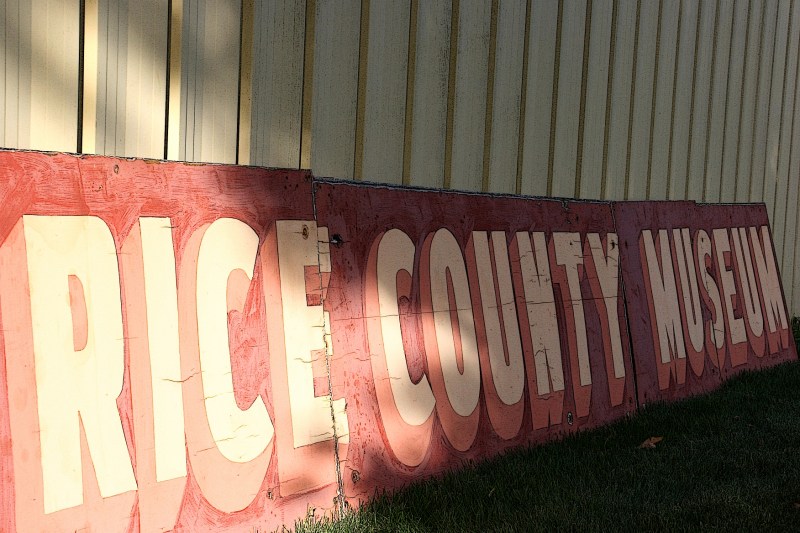
An edited photo of a sign at the Rice County Historical Society. Minnesota Prairie Roots file photo October 2015.

An edited photo of a sign at the Rice County Historical Society. Minnesota Prairie Roots file photo October 2015.

The silent film, followed by the feature film, The Quiet Man starring John Wayne and Maureen O’Hara, kicks off the Rice County Historical Society’s 90th anniversary celebration. Set and filmed in Ireland, the movie seems the ideal classic for a post St. Patrick’s Day show.

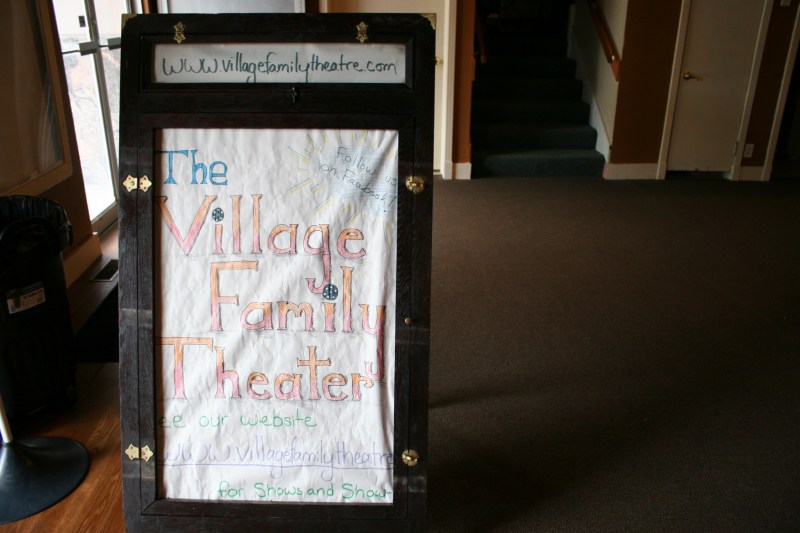
I did a quick tour of the theater in August 2015. This sign sat in the lobby. Minnesota Prairie Roots file photo 2015.

I did a quick drop-in tour of the theater in August 2015. This sign sat in the lobby. Minnesota Prairie Roots file photo 2015.

After the movie, attendees can tour the historic theater, purchased in 2103 by Steve McDonough and since refurbished. The building, just off Faribault’s Central Avenue, was built in 1896 as an Armory, then converted to a funeral parlor in 1912. In the late 1940s, the building became the Village Movie Theater, closing some 40 years ago. It also served for awhile as the Village Bar and as a church.

llllllll

The wooden floor is original to the theater. Minnesota Prairie Roots file photo August 2015.

Schmidt says attendees at the RCHS event should take special note of supporting timbers in the basement. Those were cut to angle the floor for the movie theater. The floor is a floating floor, unattached to the walls.

Surrounded by history while watching history. That’s how I see it.

FYI: The 90th anniversary celebration begins with the silent film showing at 3 p.m. followed by the feature movie and tour. The Village Family Theater is located at 20 Second Street Northwest. Admission is $5 for RCHS members and $7 for non-members.


Murals & a myth at an historic mercantile in Weaver February 18, 2016

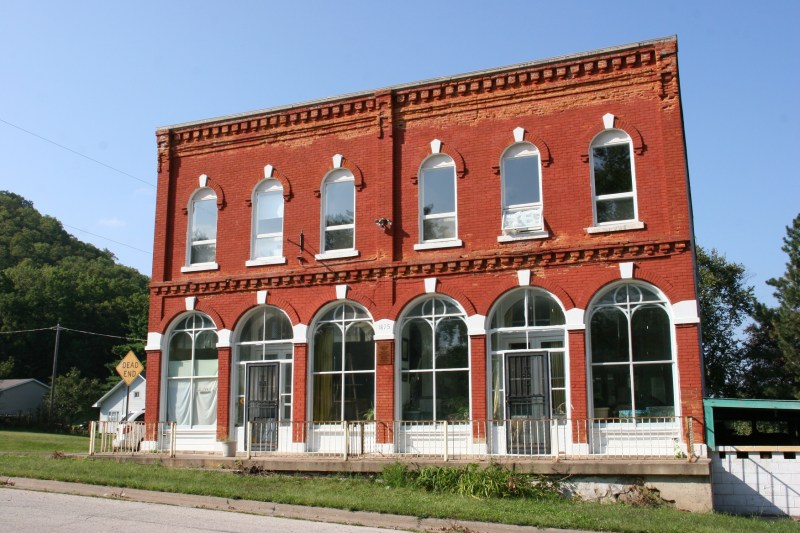
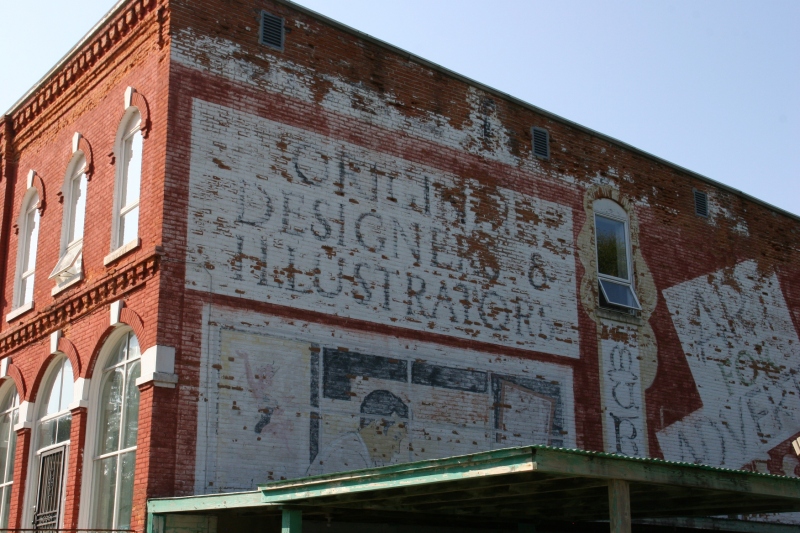
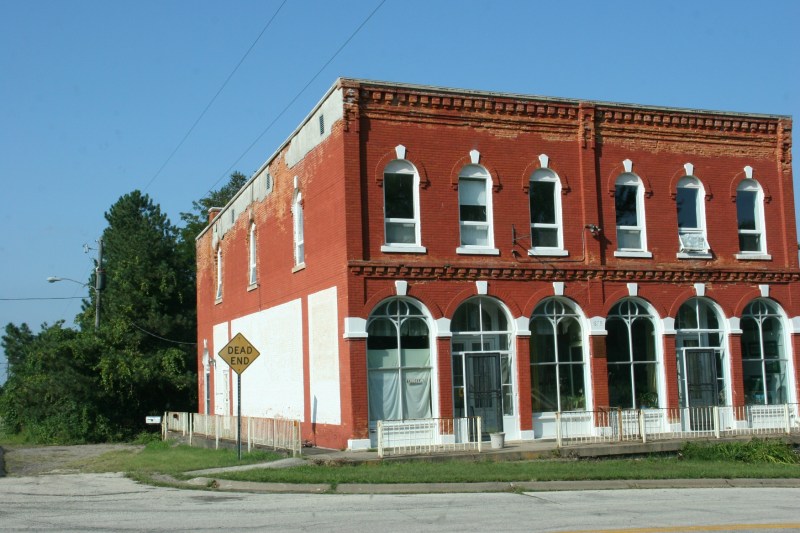
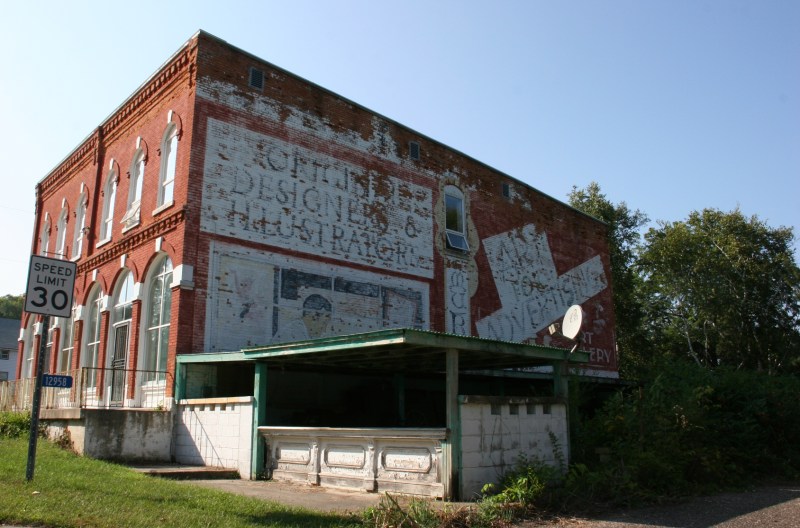
The historic former Weaver Mercantile Buiilding, once home to Noble Studio & Gallery.

The historic former Weaver Mercantile Building, once home to Noble Studio & Gallery.

AGED BUILDINGS, like one in Weaver just off U.S. Highway 61 in southeastern Minnesota, intrigue me. Initially, the architecture and photographic opportunities draw me in. But then I start thinking about the history and the stories.

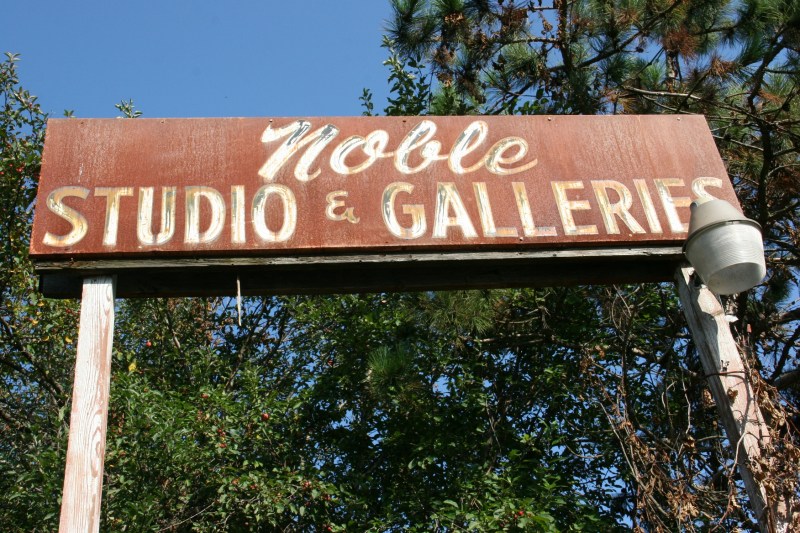
Carl and Marie Noble opened Noble Studio & Gallery here in 1955.

Carl and Marie Noble opened Noble Studio & Galleries here in 1955.

As luck would have it, a local was jogging down the street toward the former Weaver Mercantile when I happened upon the historic building during an early September get-away. She tipped me off that the building last housed an art gallery. Signage confirmed that. The current owner, she added, lives on the second floor.

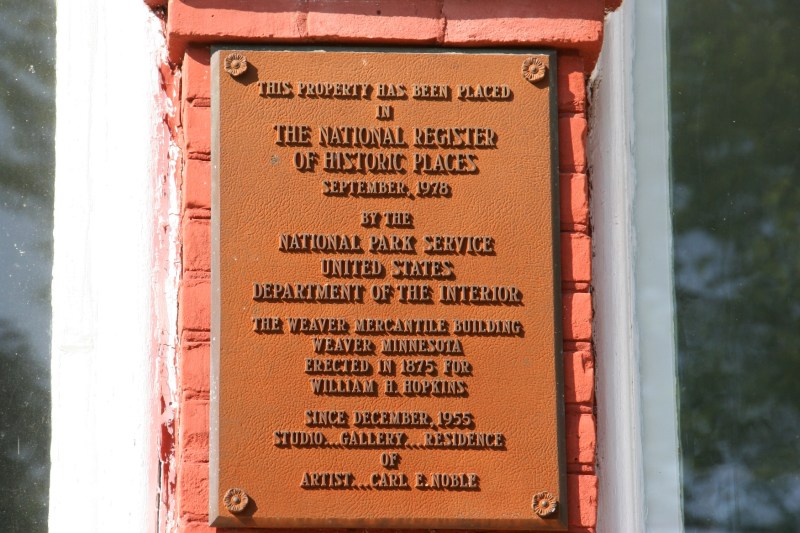
Historic designation came six years after Carl Noble's death.

Historic designation came six years after Carl Noble’s death.

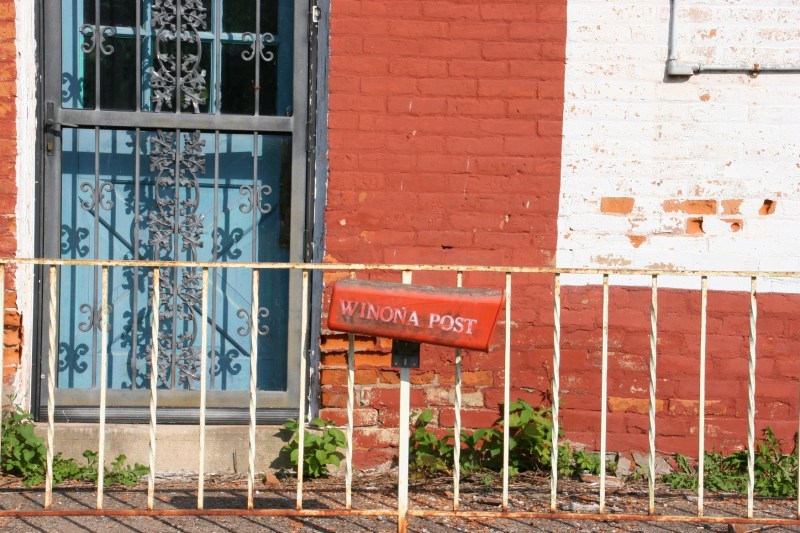
The young woman also expressed her dream of someday transforming the place into a winery. She and her husband, she said, make wine from black caps growing wild on the hillside behind their Weaver home. Then she continued on her run through this unincorporated village of some 50 residents and I continued my exterior photographic exploration of this building listed on the National Register of Historic Places. According to the 1978 nomination for historic designation, the building is a “well-preserved example of commercial architecture in the Mississippi River Valley.” Hardware, groceries and dry goods were once sold in the first floor of Weaver Mercantile while furniture was sold on the upper floor. Additionally, the building housed the Weaver Post Office for many years.

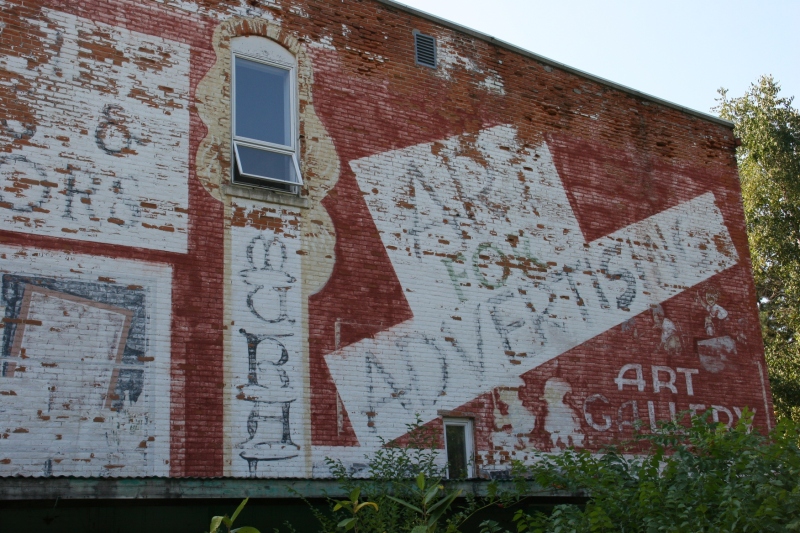
A mural on the east side of the building denotes this as an artist's haven. Cannot you decipher the first word for me?

A mural on the east side of the building denotes this as an artist’s haven. Can you decipher the first word in the top portion, left?

Wanting to know more, I continued my internet search. In 1955, artist Carl E. Noble claimed this place as Noble Studio & Galleries (his home, studio and gallery). He died in 1972. An obituary for his widow, Marie Noble, who died 11 years ago, yielded the most information.

More signage toward the back of the building.

More signage toward the back of the building promotes Noble’s art.

Carl was, by the few accounts I found, an artist for the Federal Art Project of the Work Projects Administration in 1938. His name is listed among photos of FAP art in the Archives of American Art at the Smithsonian Institution.

Another view of Carl and Marie Noble's studio and galleries.

Another view of Carl and Marie Noble’s studio and galleries.

A muralist, cartoonist, illustrator and portrait artist, Carl Noble reportedly studied under Norman Rockwell (according to his wife Marie’s obit). I’ve been unable to verify that via a second source. However, the Nobles lived for awhile in Boston; Rockwell made his home in Stockbridge, MA.

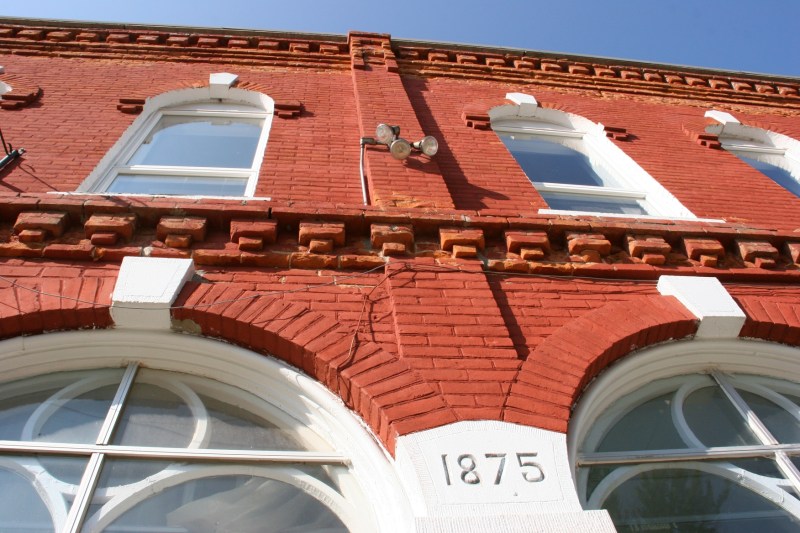
The building was constructed in 1875 and opened as Weaver Mercantile.

The building was constructed in 1875 and opened as Weaver Mercantile.

I discovered that Carl painted six oil on canvas murals for Fire House, Southside Hose Co. No. 2 in Hempstead, New York, in 1938. The artwork depicts the history of local firefighting. Other than that, I’ve been unable to find other information of his WPA art or work at Noble Studio & Galleries. The former gallery itself, though, apparently showcases Carl’s murals on interior walls. If only I could have gotten inside to see and photograph his artwork.

One can only imagine the fun times here as guests enjoyed Marie's hospitality.

One can only imagine the fun times here as guests enjoyed Marie’s hospitality.

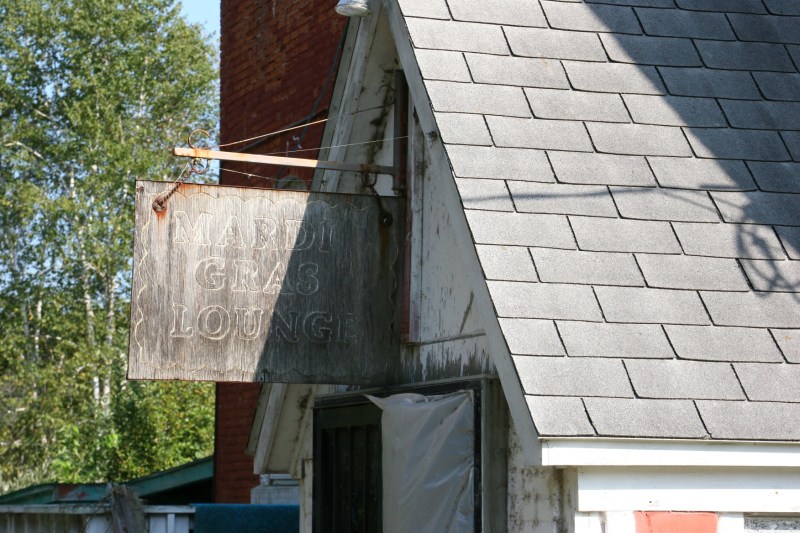
After her husband’s death in 1972, Marie opened a Bed & Breakfast in their home with a party area in the basement. That would explain the faded Mardi Gras Lounge sign above a back entry.

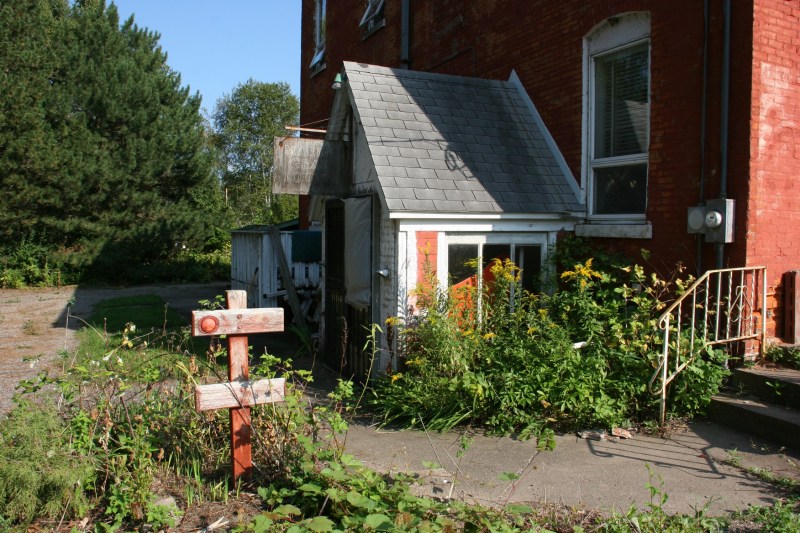
An overview of the Mardi Gras entry at the back of the building.

An overview of the Mardi Gras entry at the back of the building.

Marie reportedly regaled guests with stories, including that Jesse James robbed the Mercantile on his way to robbing the First National Bank in Northfield, Minnesota. Not believing everything I read, I contacted Mark Lee Gardner, noted historian, writer and musician on the western experience. He penned a book, Shot All to Hell: Jesse James, the Northfield Raid, and the Wild West’s Greatest Escape. He confirmed what I suspected. The story of the Weaver robbery is just that, a story.

Here’s Gardner’s response to my inquiry:

I’m afraid the story of Jesse robbing the building in Weaver, Minnesota, isn’t true. The Northfield Raid, as well as the known movements of the James-Younger gang, was heavily reported in the Minnesota newspapers at the time, and if they had been connected with a robbery in Weaver, it should appear in those papers. I never came across any mention of Weaver in my research. The other problem is that the gang didn’t go through Weaver on its way to Northfield. They are documented as having come from the west and south of Northfield.

…There are lots of Jesse James stories out there, and most of them are from someone’s imagination.

My first view of the former Weaver Mercantile and Noble Studio & Galleries.

My first view of the former Weaver Mercantile and Noble Studio & Galleries.

Still, none of this diminishes my appreciation for the Italianate style building in Weaver and my interest in the artists (Marie’s obit notes that she created many lovely paintings) who once lived and created therein.

The village of Weaver is located along U.S. Highway 61 north of Winona in Wabasha County.

The village of Weaver is located along U.S. Highway 61 north of Winona in Wabasha County.

IF YOU KNOW ANYTHING MORE about Carl and Marie Noble, their gallery and art or about the history of the building, I’d like to hear.

© Copyright 2015 Audrey Kletscher Helbling


The impressive Owatonna Power Plant building February 4, 2016

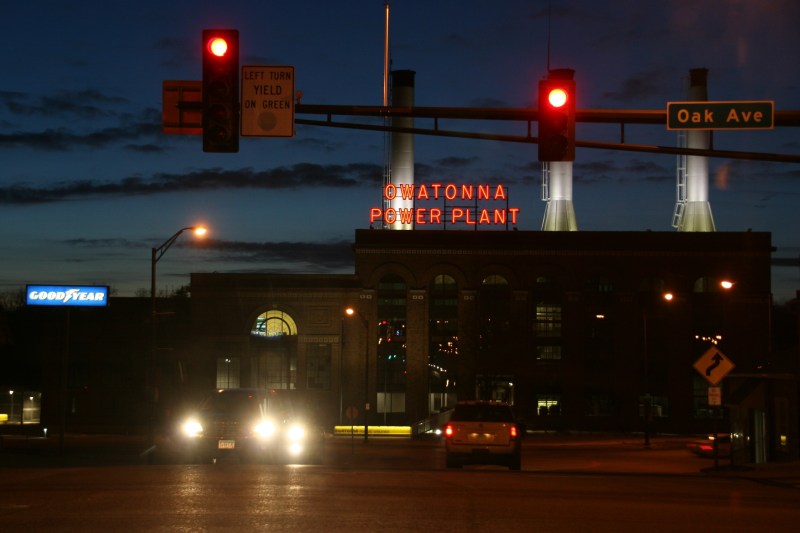
The Owatonna Power Plant building, photographed while waiting at a stoplight on Sunday evening.

The Owatonna Power Plant building, photographed while waiting at a stoplight on Sunday evening.

NO MATTER HOW OFTEN I TRAVEL through downtown Owatonna, I remain impressed by the massive and historic Owatonna Power Plant building hunkered along the banks of the Straight River.

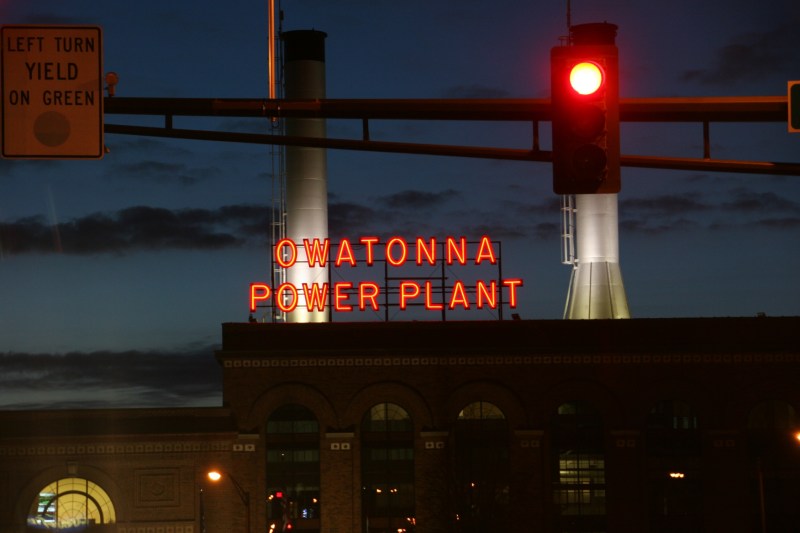
LED technology replaced the original neon lighting in this iconic lettering.

LED technology replaced the original neon lighting in this iconic lettering.

Constructed of brick and with three silver smokestacks rising behind OWATONNA POWER PLANT signature red lettering, this place stands as a local landmark.

It’s a landmark Owatonna chose to renovate following a devastating 2010 flood that filled the plant’s lower level with 12 feet of water.

Under the direction of architect LEO A DALY, the building has been renovated and repurposed as headquarters for Owatonna Public Utilities. Locals recognized the value of this iconic structure. That seems to be a trend more and more, and one I hope continues.

Please share any examples/stories you have about aged buildings that have been saved and renovated/repurposed rather than destroyed.

© Copyright 2016 Audrey Kletscher Helbling


In Winona, Part III: A bank that impresses January 8, 2016

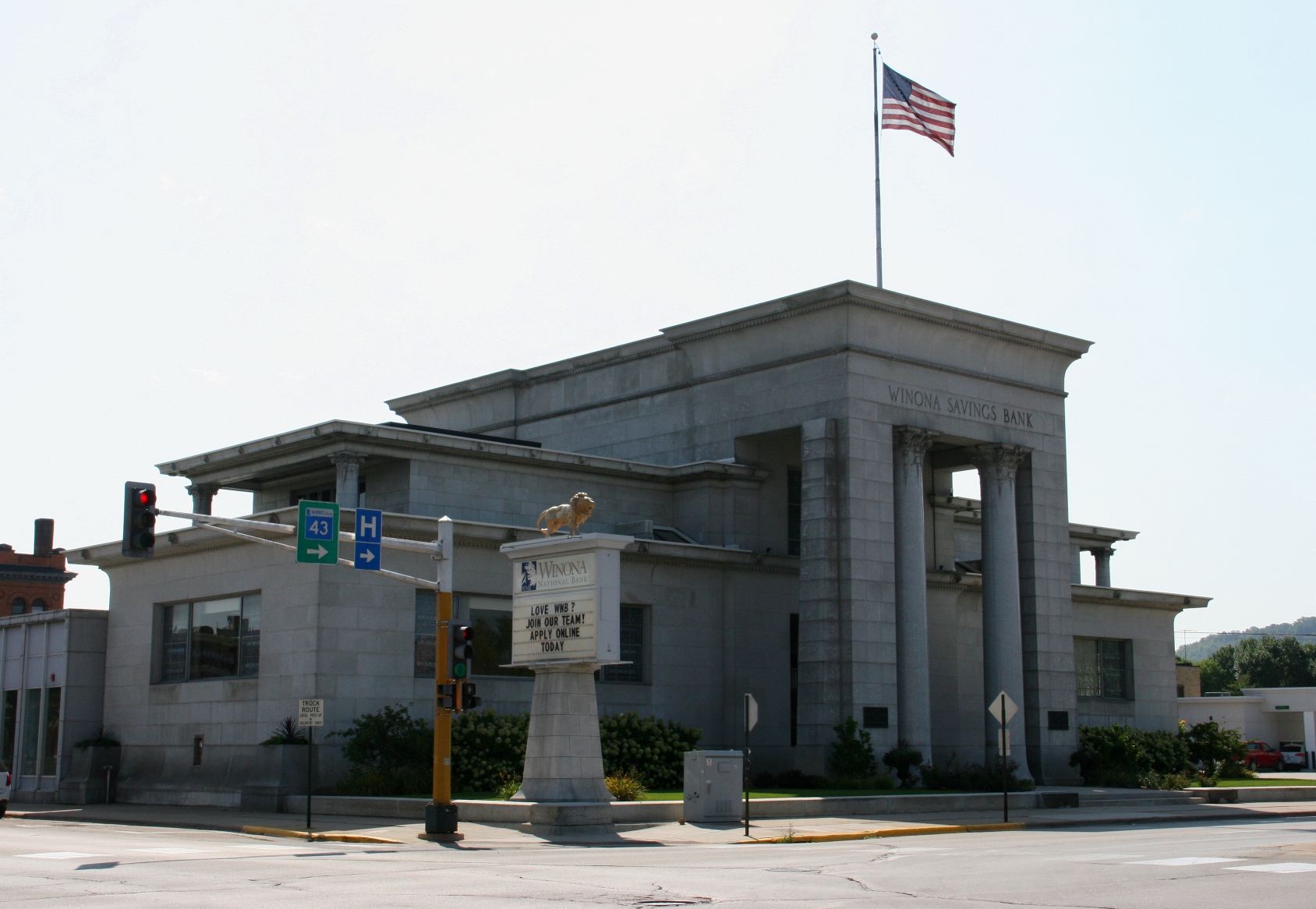
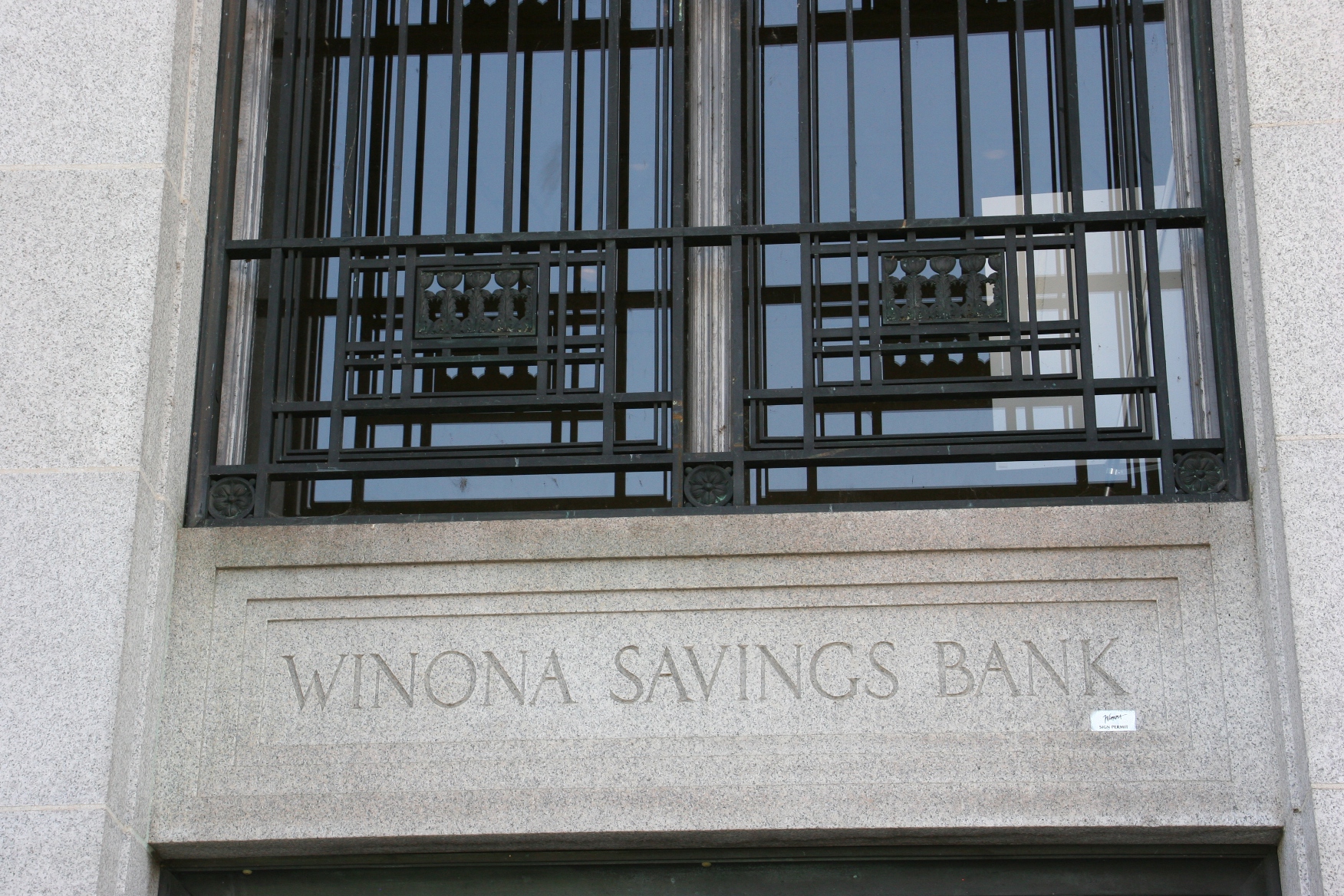
The exterior front of the Winona National Bank, originally Winona Savings Bank, presents a visual of strength and stability in design and materials.

The exterior front of Winona National Bank, originally Winona Savings Bank, presents a visual of strength and stability in design and materials.

EVERYTHING ABOUT THE CONSTRUCTION of Winona National Bank invokes trust, strength and power.

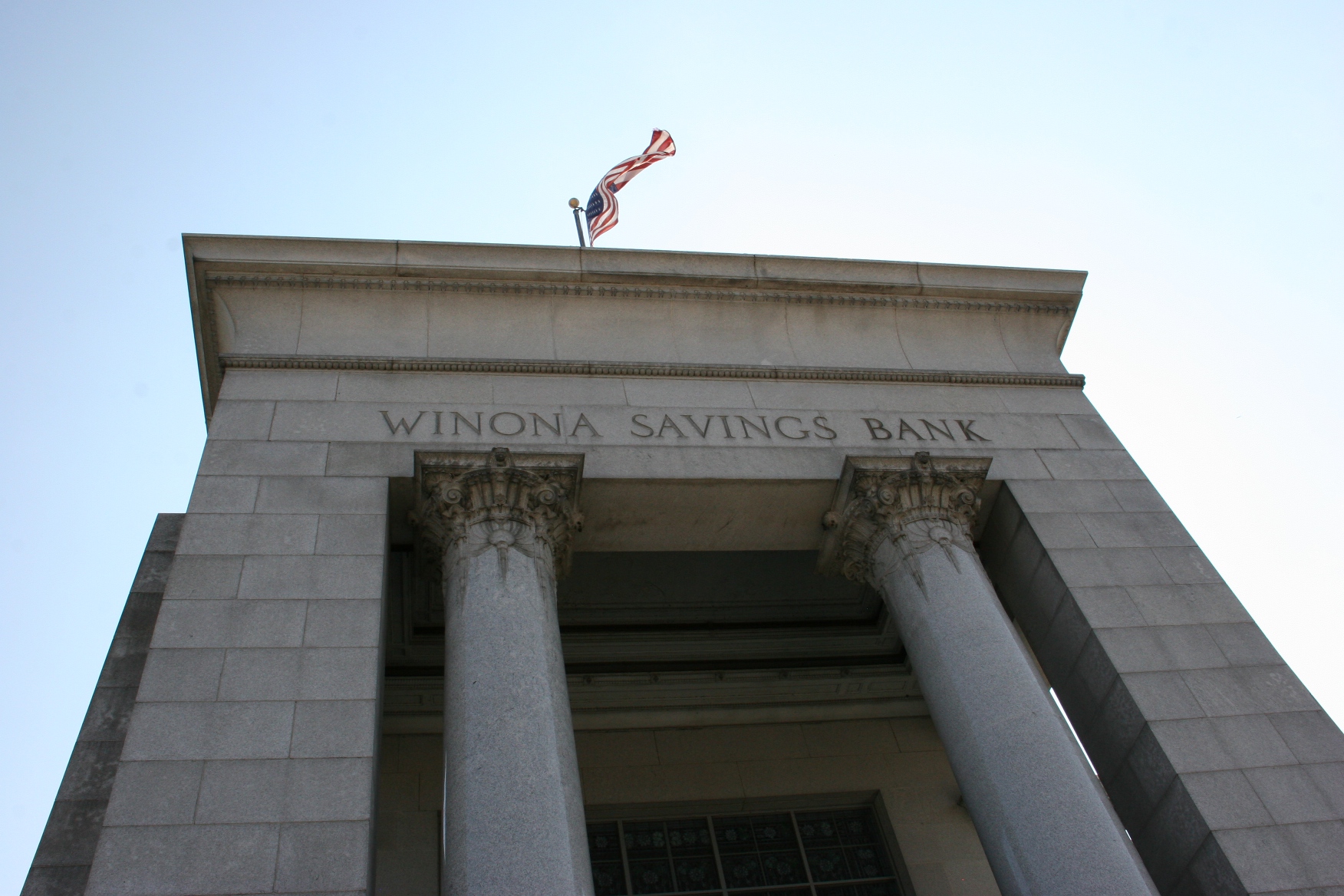
Each granite column soars 37 feet, weighs 32 tons and is constructed from a single piece of North Carolina granite.

Each column measures 37 feet high, weighs 32 tons and is constructed from a single piece of North Carolina granite.

Granite entry columns.

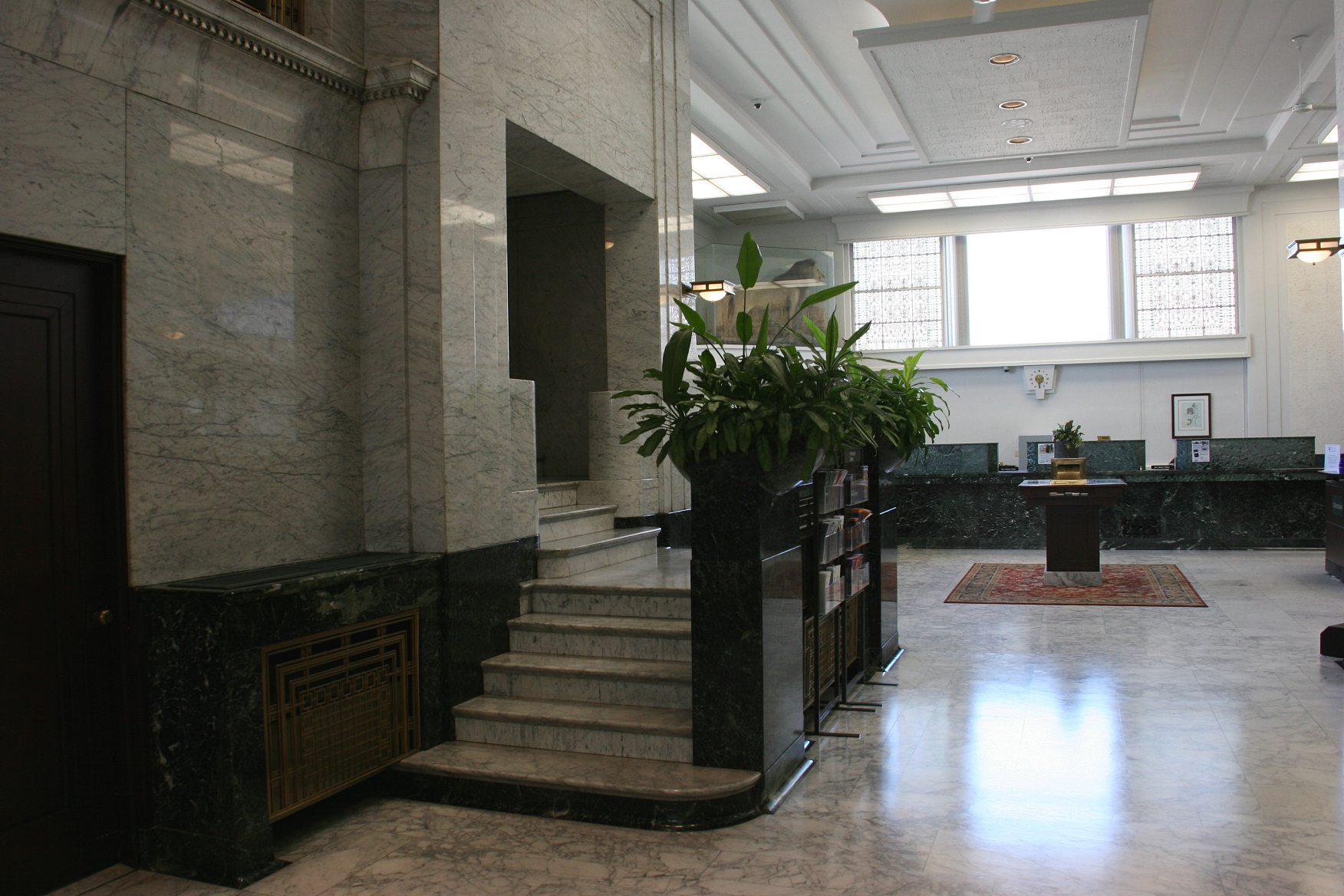
Green marble from Greece and white marble from Italy.

Green marble from Greece and white marble from Italy are featured inside the bank, here in the lobby and teller area.

Marble everywhere.

The mammoth steel vault door gives an impression of safety and security. It was built by Diebold Safe and Lock Company of Canton, Ohio.

The mammoth steel vault door gives an impression of safety and security. It was built by Diebold Safe and Lock Company of Canton, Ohio.

A 22 ½ ton vault door 22 inches thick.

Architect George Maher designed the metal work like these iron window gates.

Architect George Maher designed the metal work like these iron window gates which give a visual impression of security.

Iron window gates.

The lion,

The lion, another symbol of strength and power.

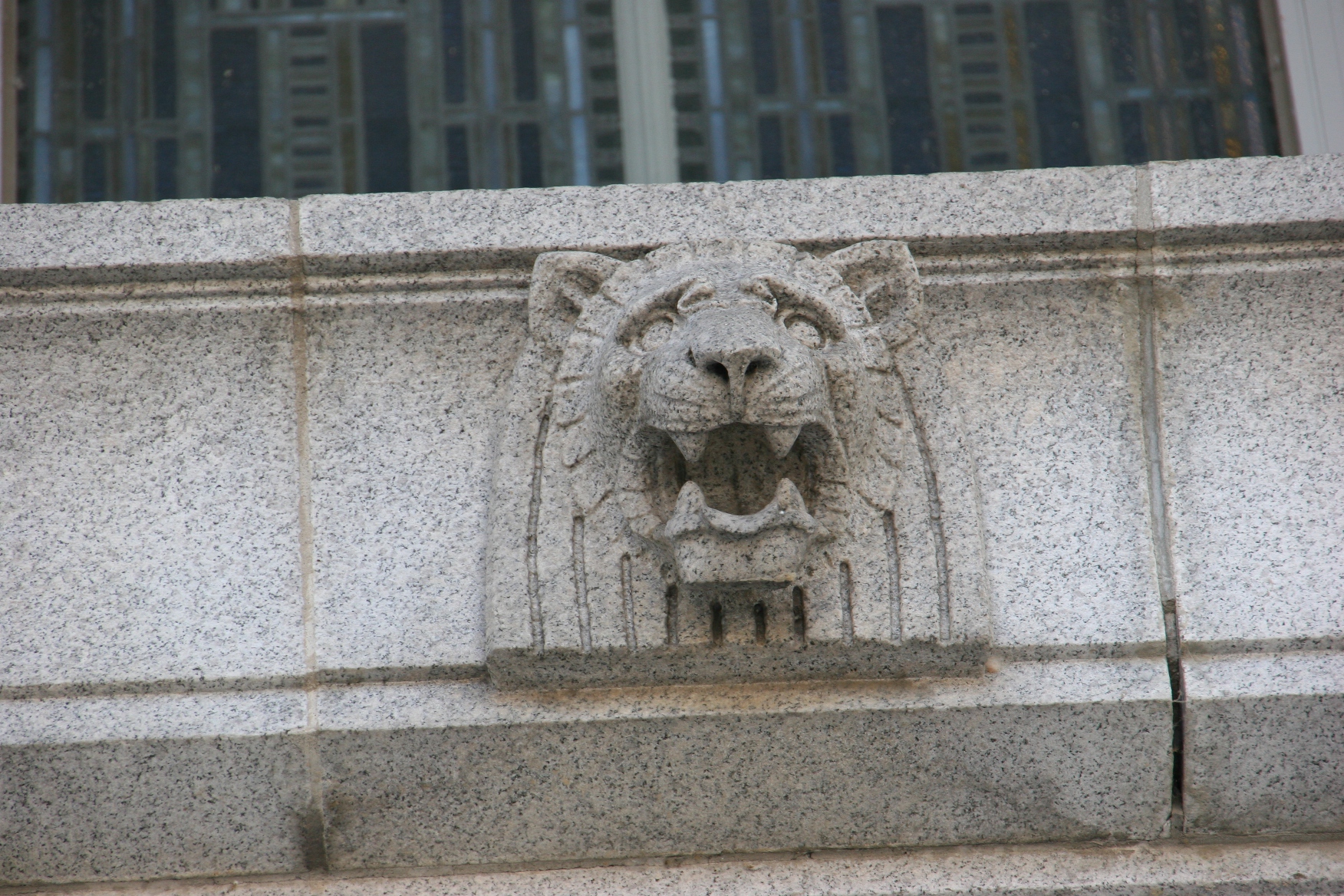
Lion heads are also carved in stone.

Lion heads are also carved in stone.

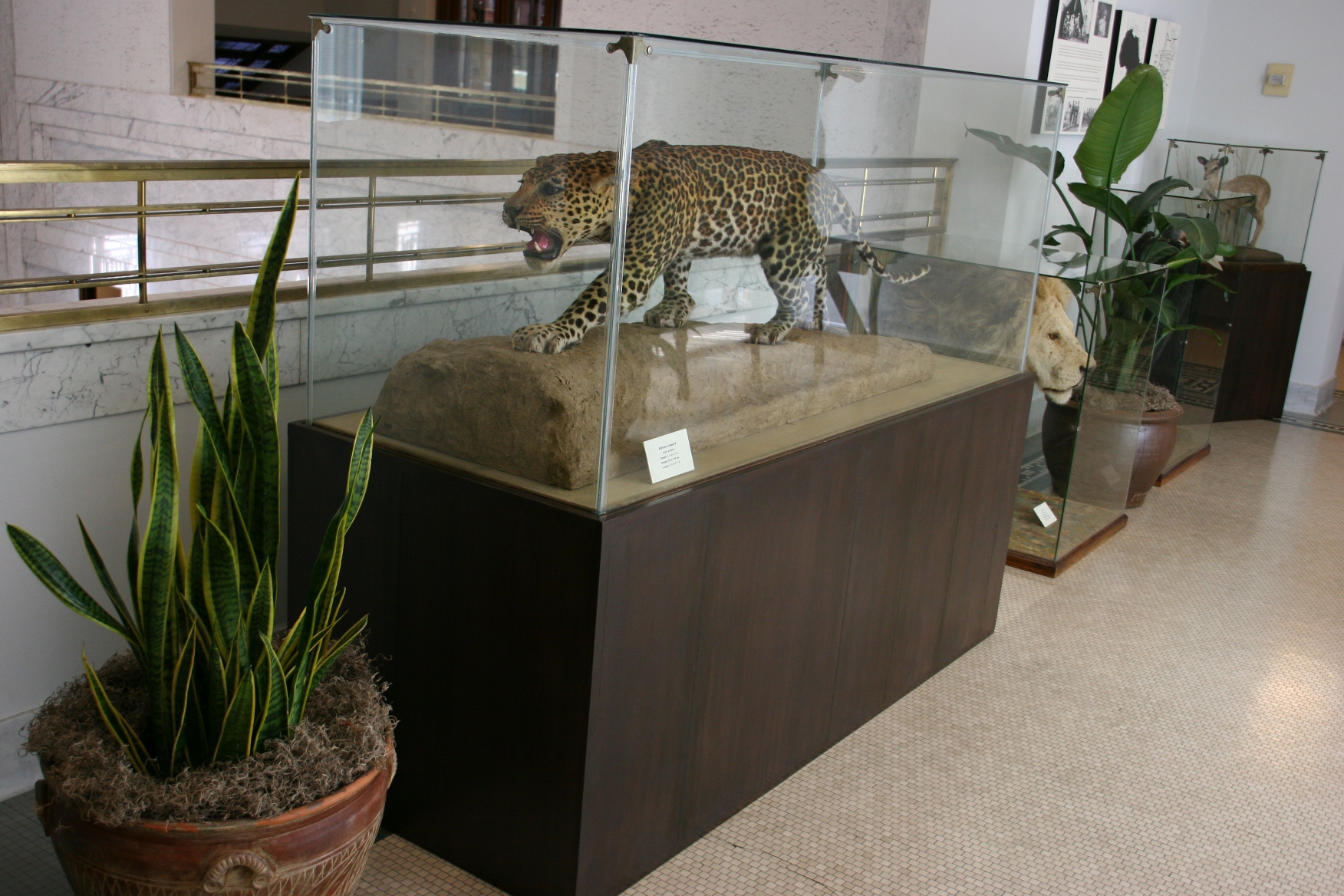
To the right in this display of taxidermied animals is a lion.

The taxidermy display includes a lion, center.

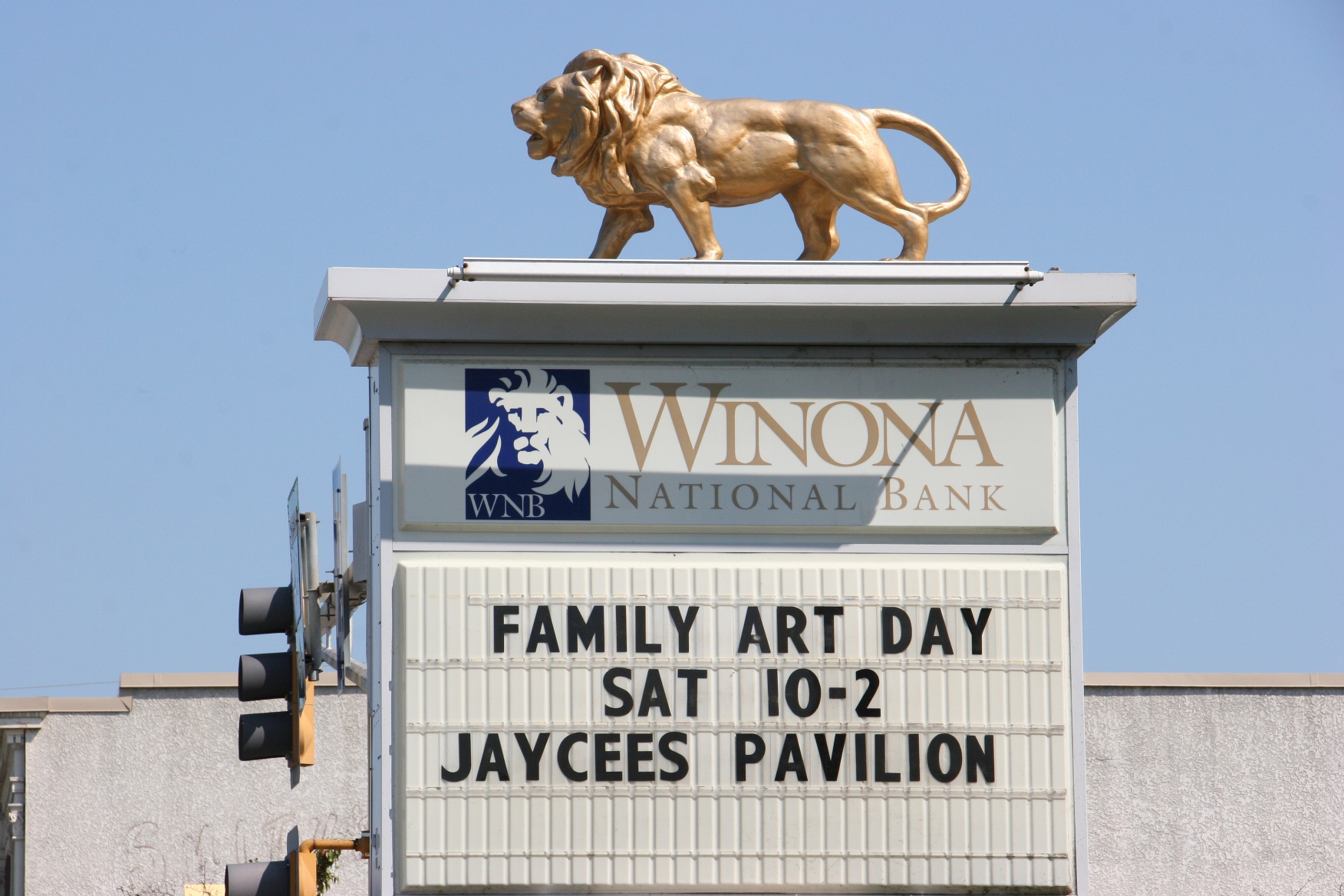
And then, the king of the jungle—the lion—standing atop signage, sculpted and encased in glass. A symbol of strength for a bank that stands as a powerful visual presence in the heart of this Mississippi River town.

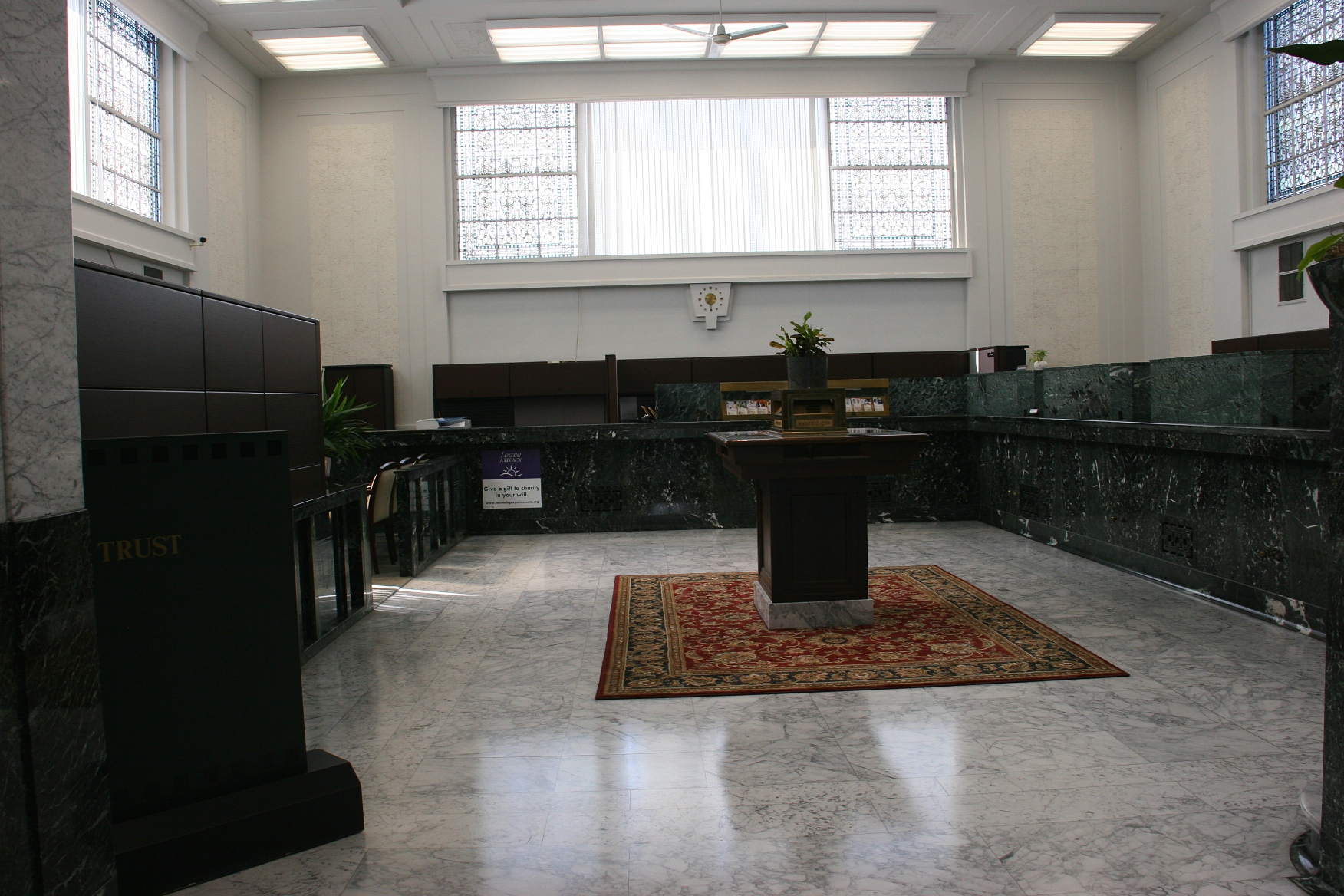
The bank was quiet on the morning I visited.

The bank was quiet on the morning I visited. Beautiful marble. Note the word “TRUST” on the wall to the left.

On the Friday in September when I toured this 1916 Egyptian Revival style building with Prairie School influences, the bank seemed more museum than business. The atmosphere was quiet, almost shrine-like with few customers. (The bank also has two branch offices.) I felt a sense of reverent awe in the midst of such opulence, such an overwhelming display of wealth.

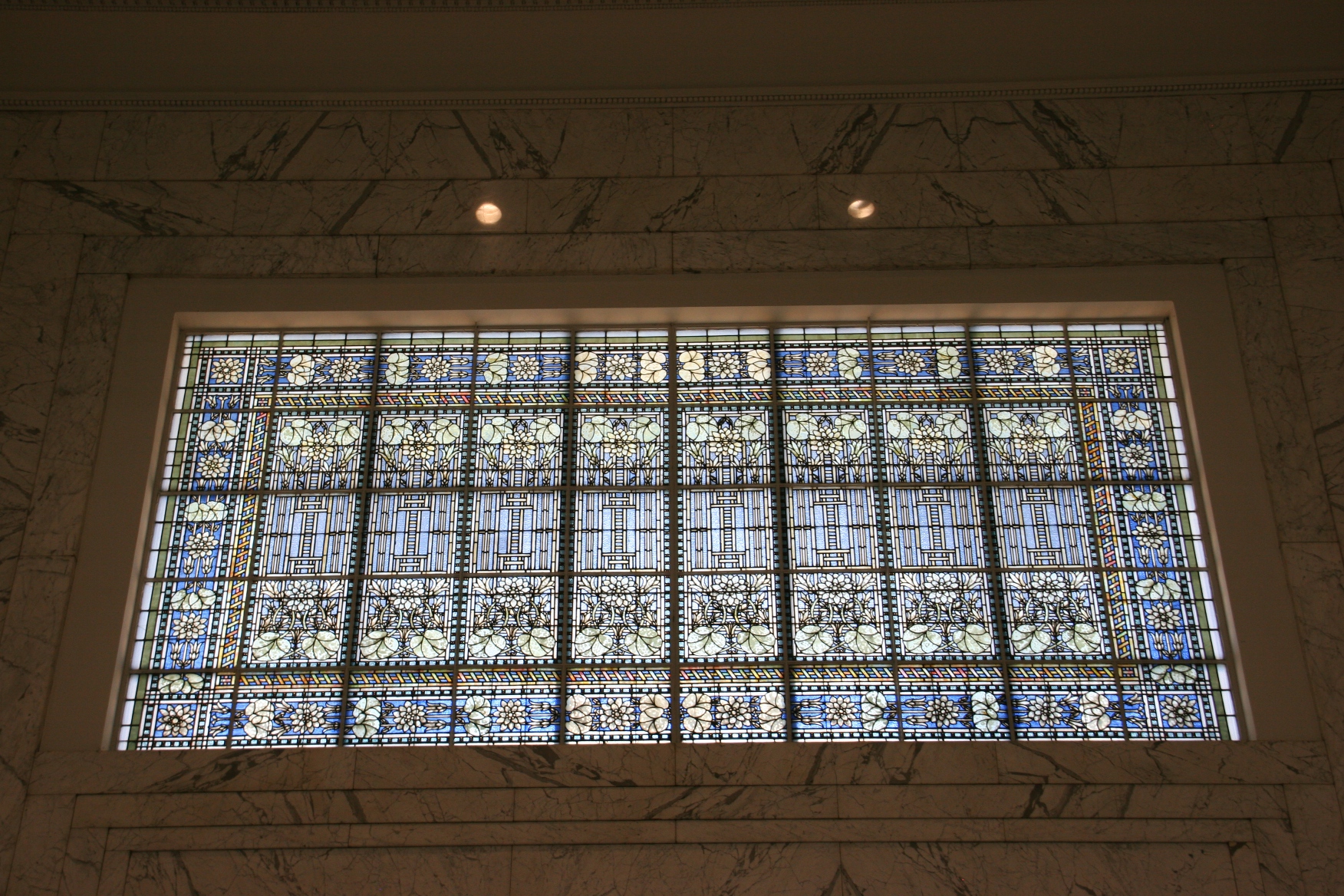
The largest of the Tiffany stained glass windows in the bank looms above the entry. Architect George Maher's Prairie School influences are seen in a design that includes a lotus pattern.

The largest of the Tiffany stained glass windows in the bank looms above the entry. Architect George Maher’s Prairie School influences are seen in a design that includes a lotus pattern.

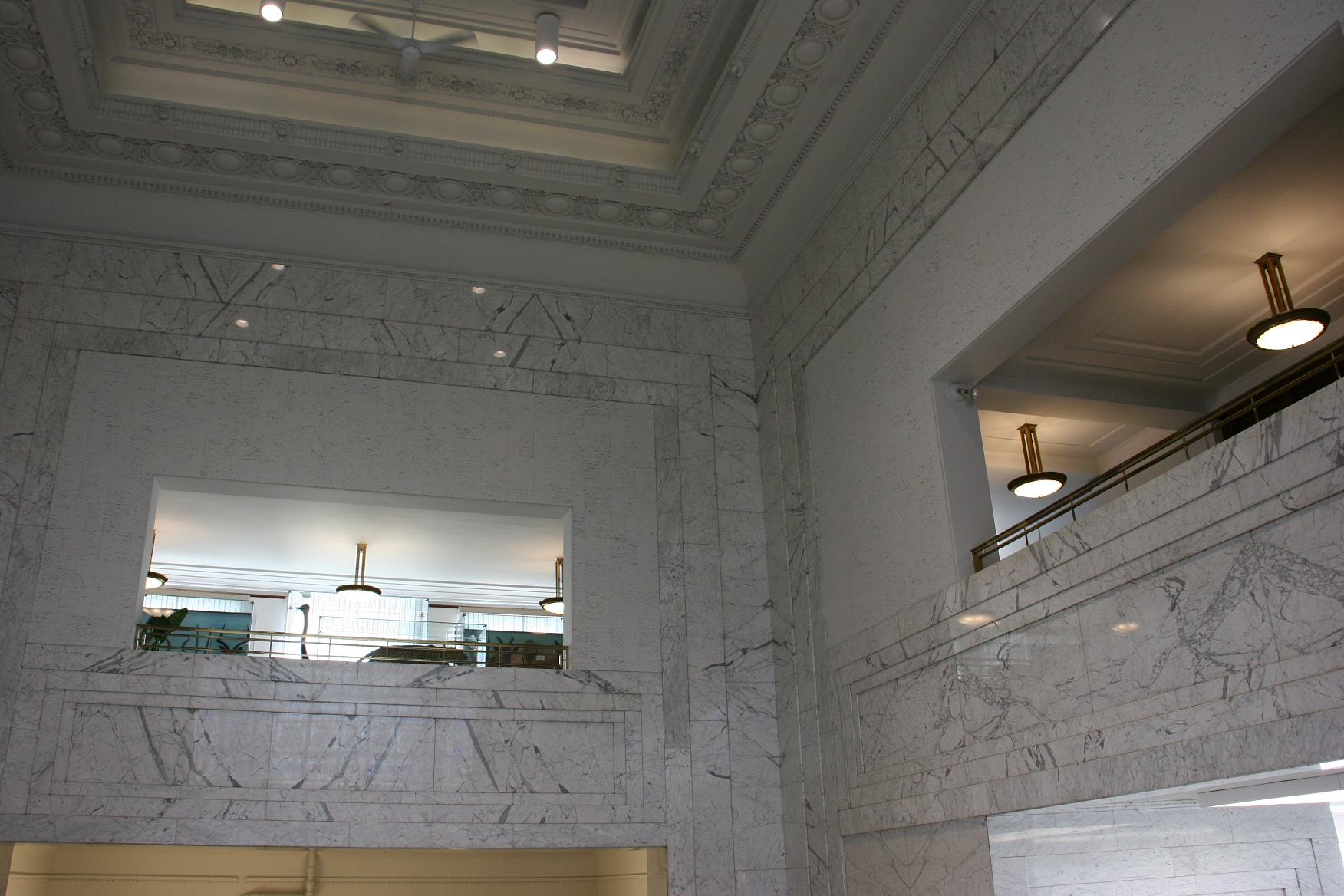
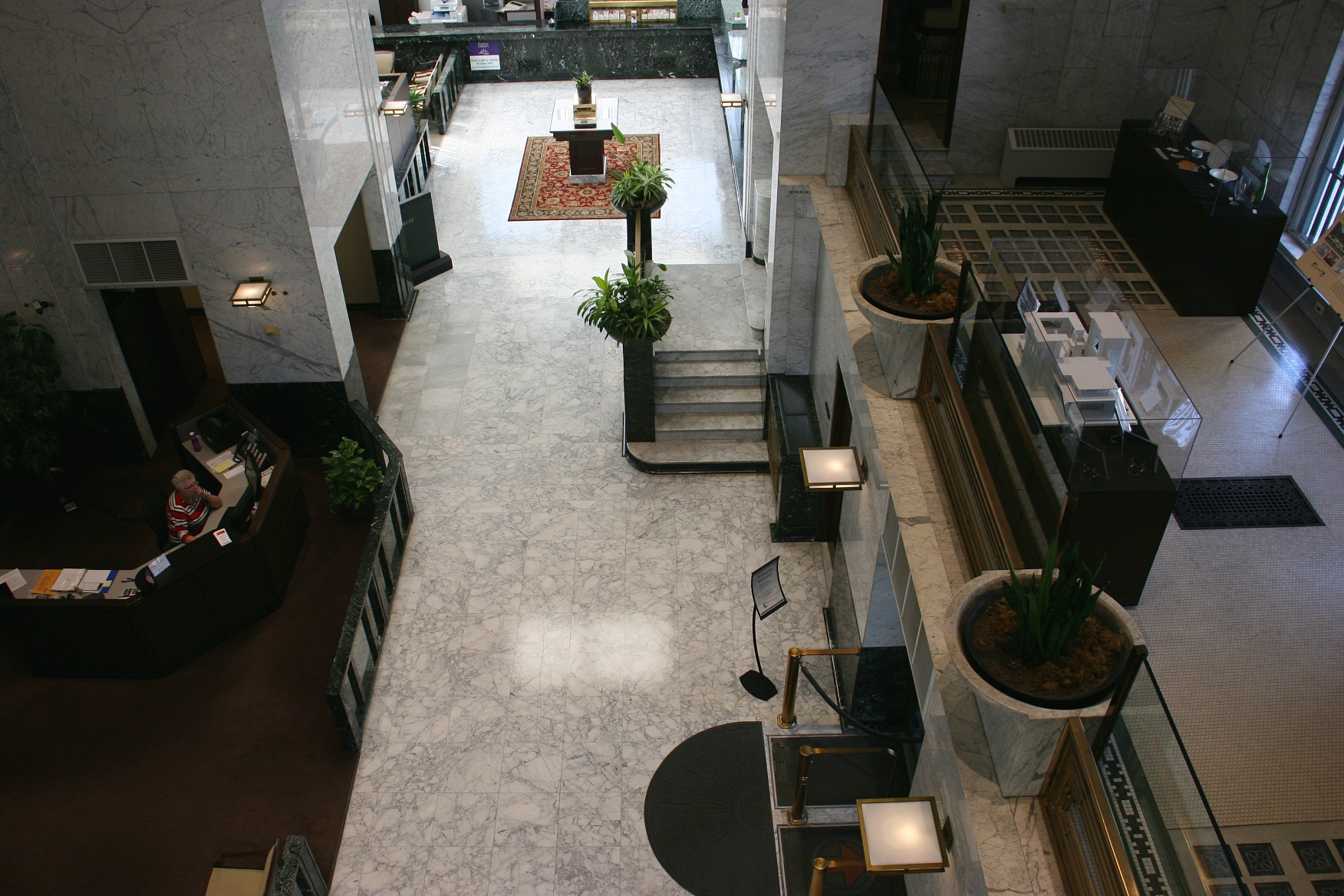
Looking up toward the second floor and the area open to the lower level, the white marble from Italy conveys strength.

Looking up toward the second floor and the area open to the lower level, the white marble from Italy conveys strength. Note the art deco style lights.

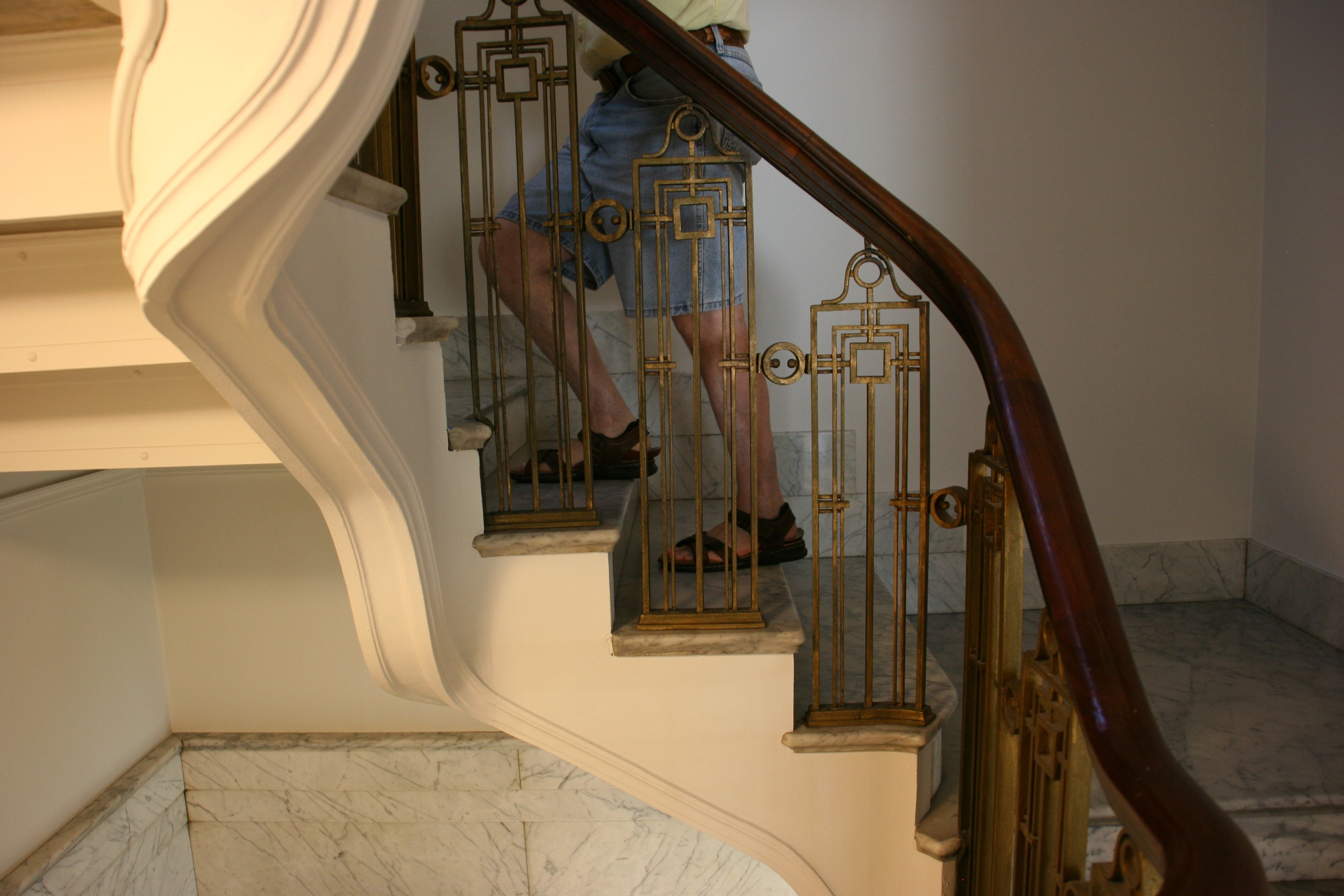
Mahogany railings wrap the white marble staircase.

Mahogany railings wrap the white marble staircase.

It is difficult for me to comprehend anyone having this much money—to erect this massive building with Tiffany stained glass windows, white marble imported from Italy and mahogany railings. Chicago architect George Maher, a contemporary of Frank Lloyd Wright, designed the building.

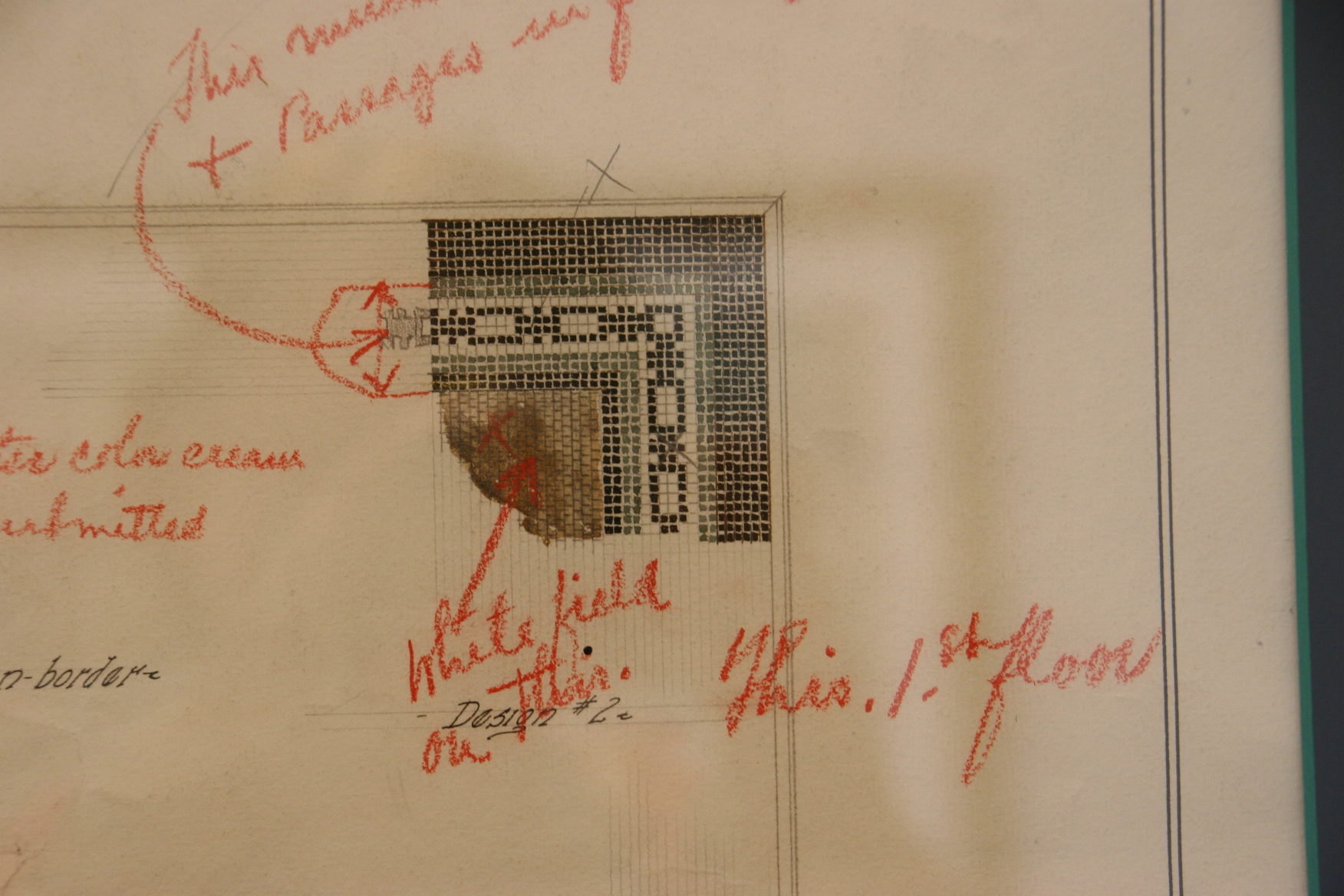
Plans for the tile are on display.

Plans for the tile are on display.

The bank formed in 1874 as Winona Savings Bank, later merging with Winona National Bank. J.R. Watkins, founder of The J.R. Watkins Medical Company, still a stalwart business today simply known as J.R. Watkins, is also linked to the bank. In the early 1900s, J.R. acquired Winona Savings Bank as a banking concern connected to Watkins products.

The impressive boardroom.

The impressive boardroom.

When J.R. died in 1911, his son-in-law, Ernest L. King, Sr., then the vice president of Watkins, assumed the bank presidency. Eventually his son, Ernest L. King, Jr., would serve on the board of directors.

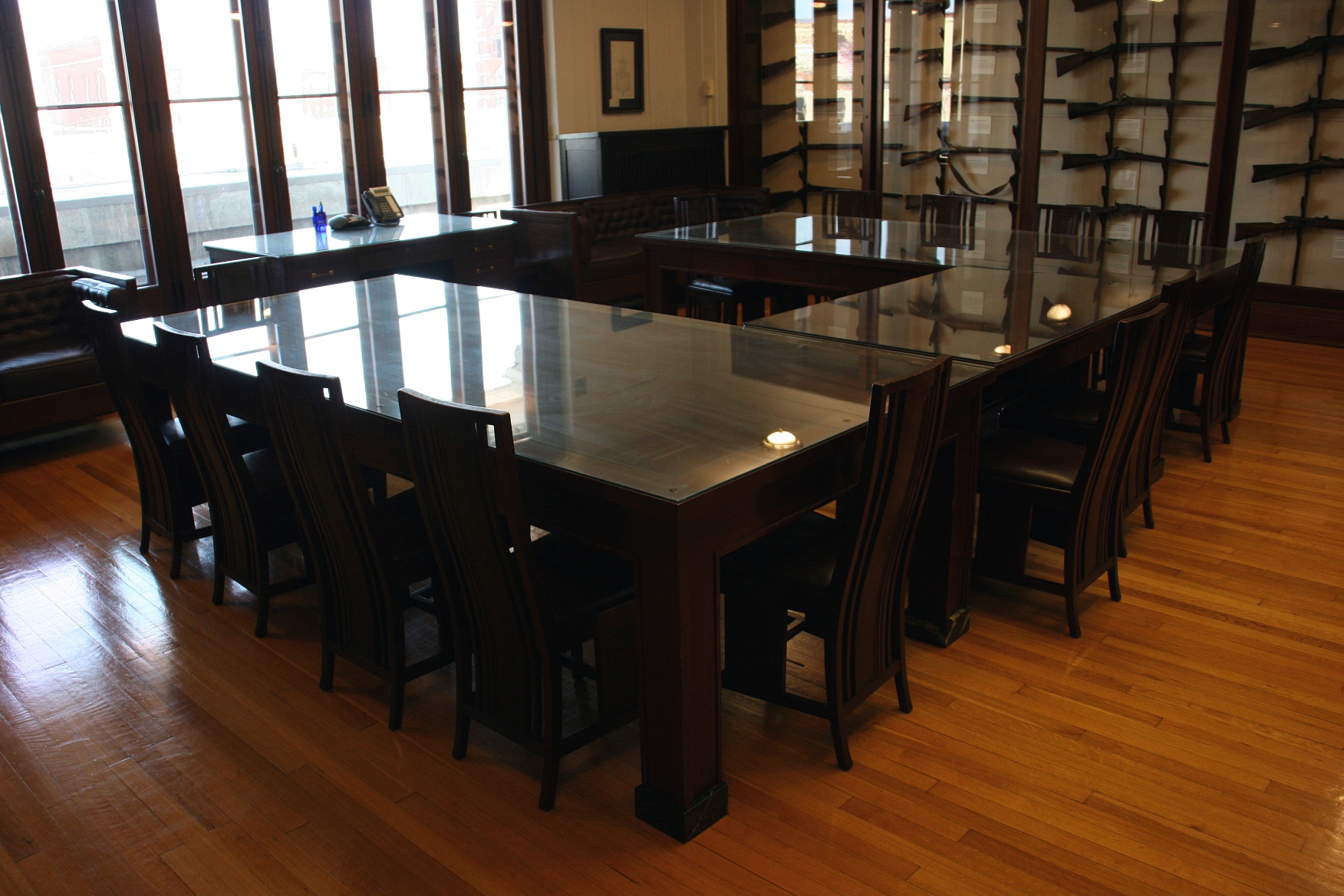
A Prairie School inspired chair in the boardroom, next to the gun collection.

A Prairie School inspired chair in the boardroom, next to the gun collection.

So there’s a lot of local business history in this formidable bank building listed on the National Register of Historic Places. The Watkins connection is highlighted in upper level displays. Inside the boardroom, designed in Prairie School style, sleek chairs pull up to hefty, gleaming tables next to a gun collection. Just down the hallway, trophy animals shot by Grace Watkins King (J.R.’s only child) and her husband, Ernest L. King, Sr., are showcased.

A trophy from Africa.

A lion trophy from Africa.

I couldn’t help but think of Cecil the lion (killed in Zimbabwe) as I photographed the lion mount inside the bank. I understand, though, that it was a different mindset when this lion and other wildlife were shot in Africa. Yet, in a building of such grand splendor, this taxidermy collection left me feeling uncomfortable and sad.

From an upper floor looking down to the lobby.

From an upper floor looking down to the lobby.

That aside, I delighted in the opportunity to tour this remarkable Minnesota treasure.

BONUS PHOTOS:

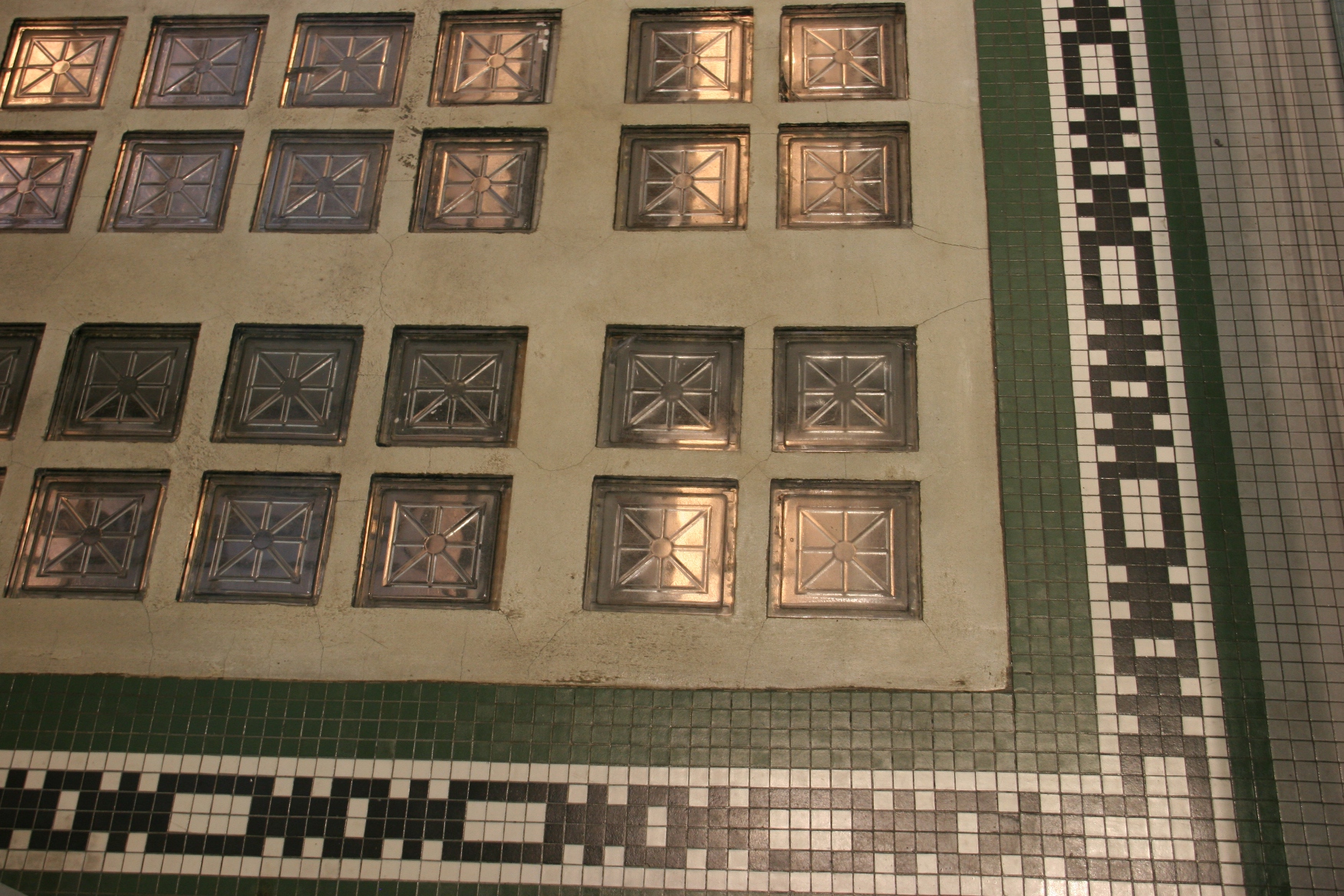
Even underfoot impresses.

Even underfoot impresses.

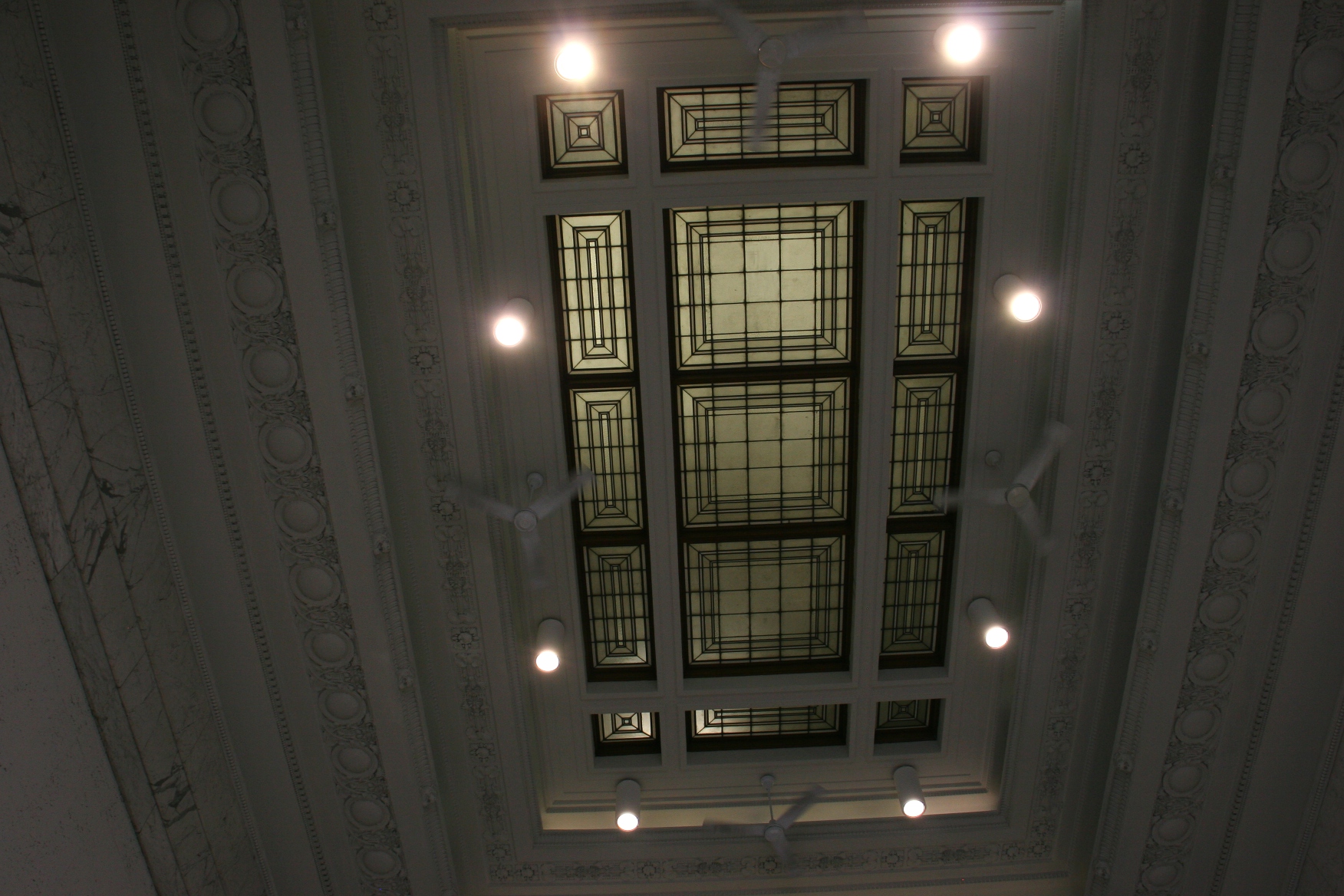
Likewise above...Tiffany stained glass.

Likewise above…definitely Prairie School influence.

Another view of the lobby from above.

Another view of the lobby from above.

FYI: Free self-guided tours of the bank are available during regular business hours from 8:30 a.m. – 5 p.m. Monday through Friday. The bank is located at 204 Main Street in downtown Winona. Check back next week as I continue with my series from Winona.

© Copyright 2015 Audrey Kletscher Helbling


Faribault Woolen Mill celebrates 150th anniversary August 13, 2015

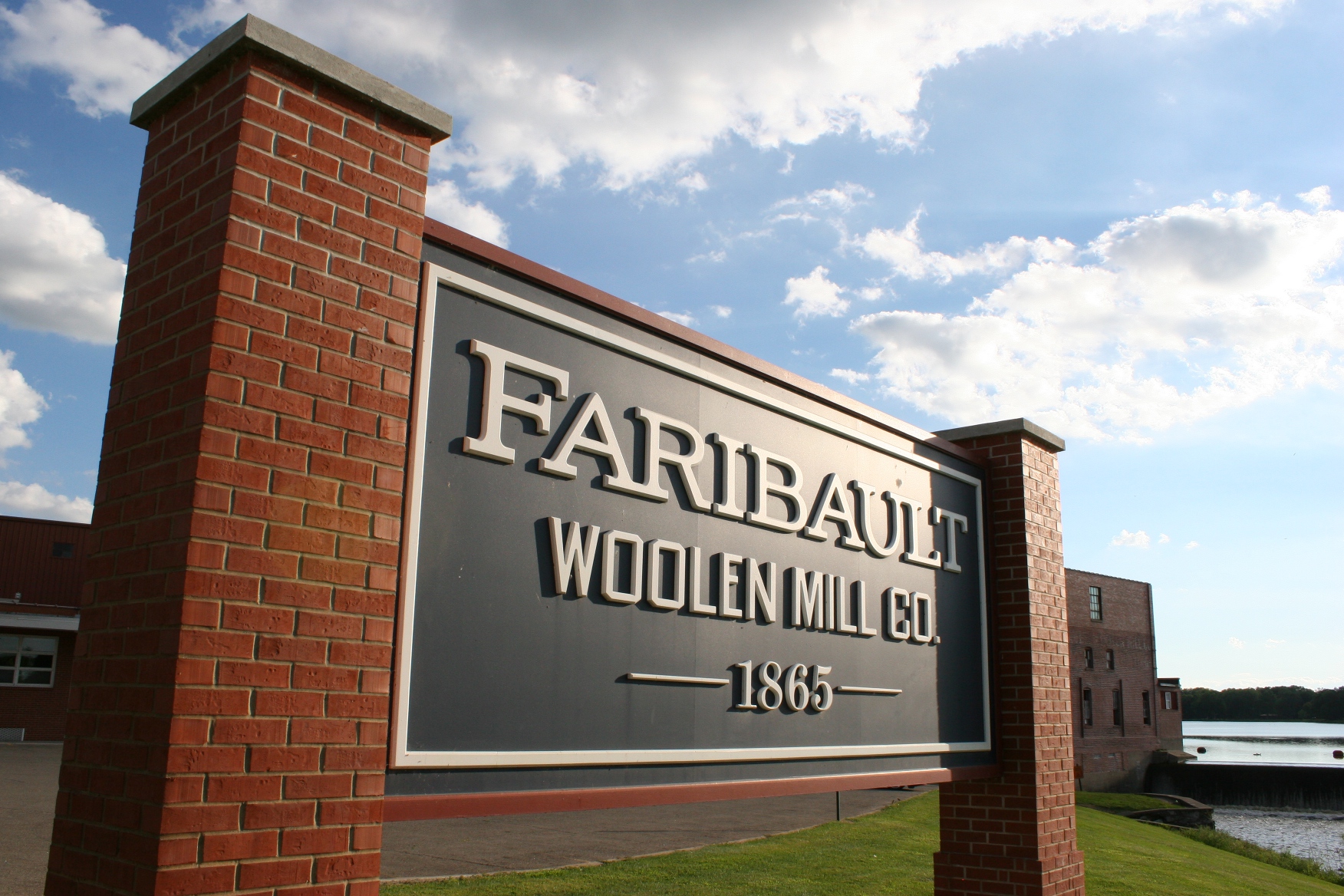
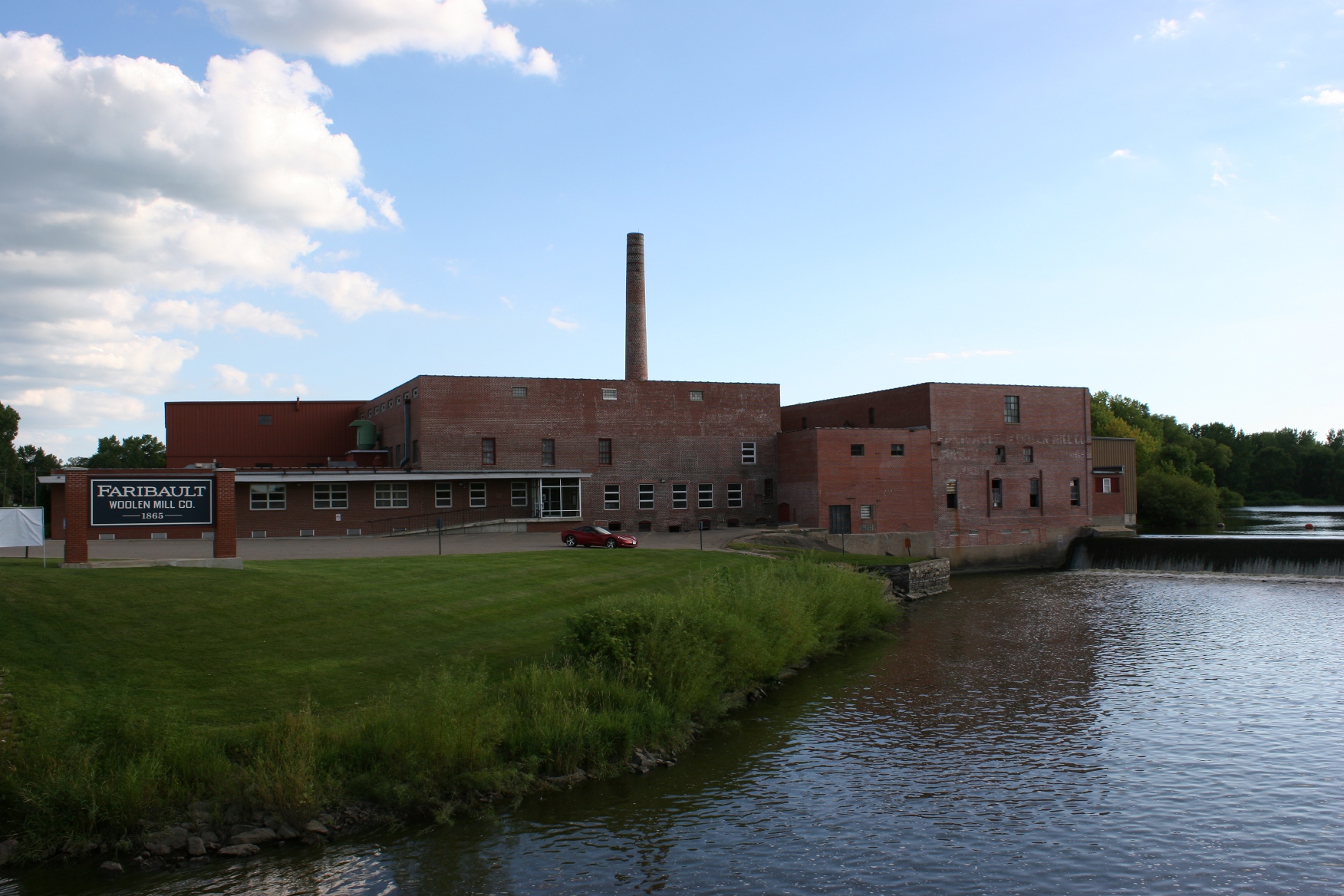
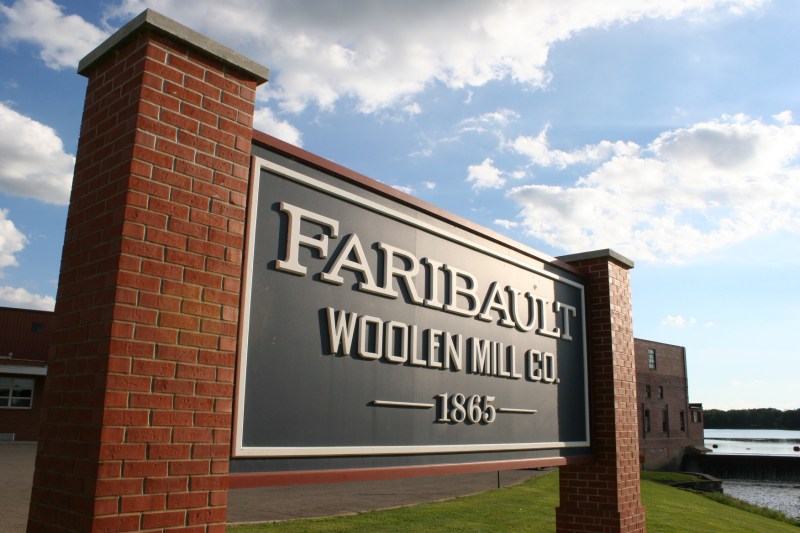
This sign marks The Faribault Woolen Mill, which sits along the banks of the Cannon River in Faribault, Minnesota.

This sign marks the Faribault Woolen Mill, which sits along the banks of the Cannon River in Faribault, Minnesota.

STASHED IN MY BEDROOM CLOSET are two blankets from the Faribault Woolen Mill—one a baby blanket in muted pink and aqua, the other a full-sized pink blanket. Both were gifts from a neighbor who once worked in the mill’s retail store.
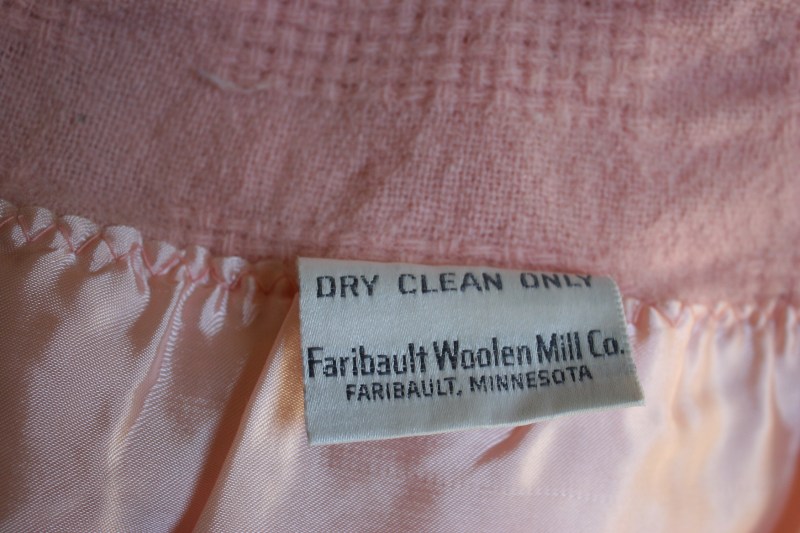
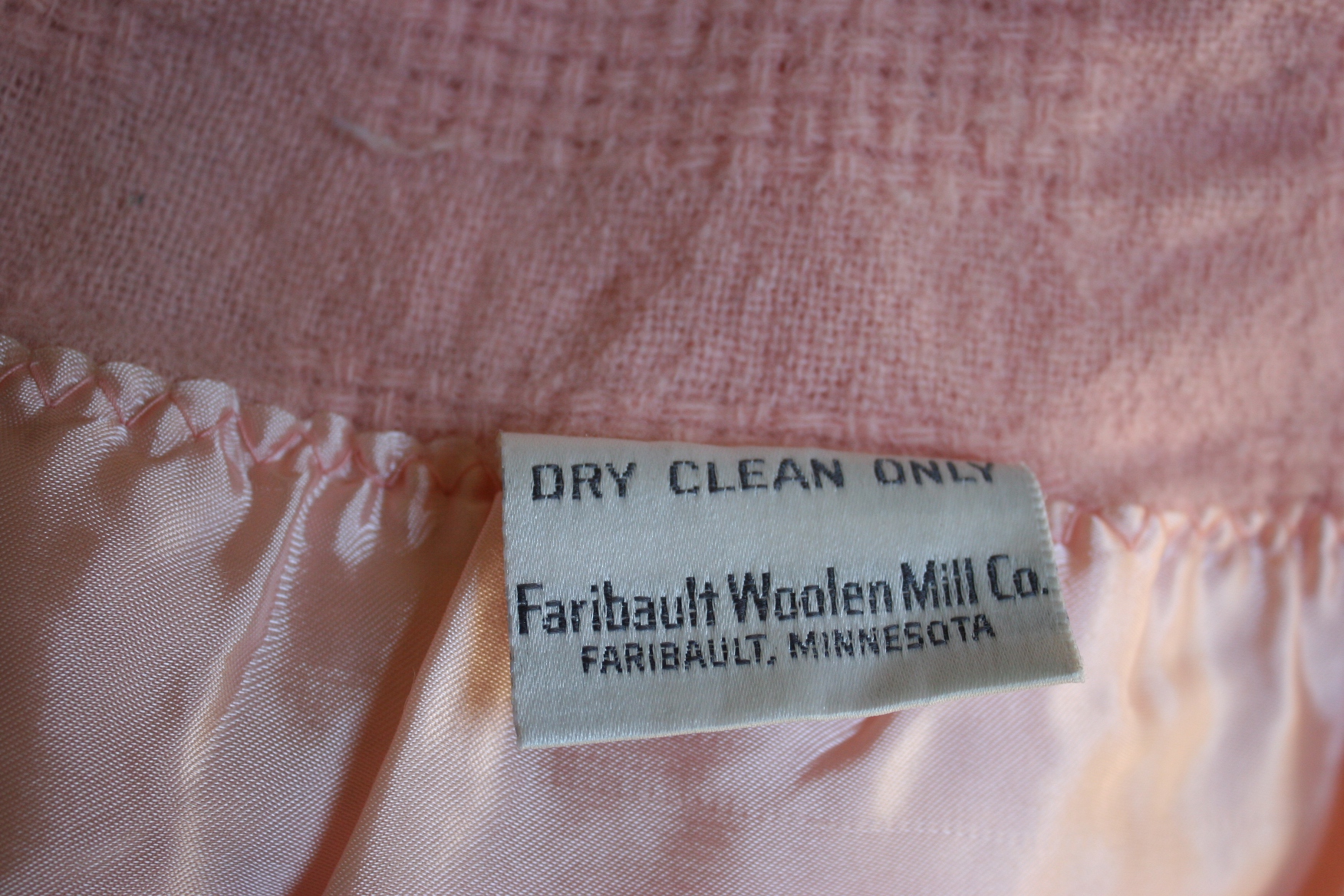
A label on a Faribault Woolen Mill blanket I own.

A label on a Faribault Woolen Mill blanket I own.

I expect in many homes throughout my community, locally-loomed blankets, throws, scarves and more cover beds, warm laps and wrap around necks on the coldest of Minnesota winter days and nights.
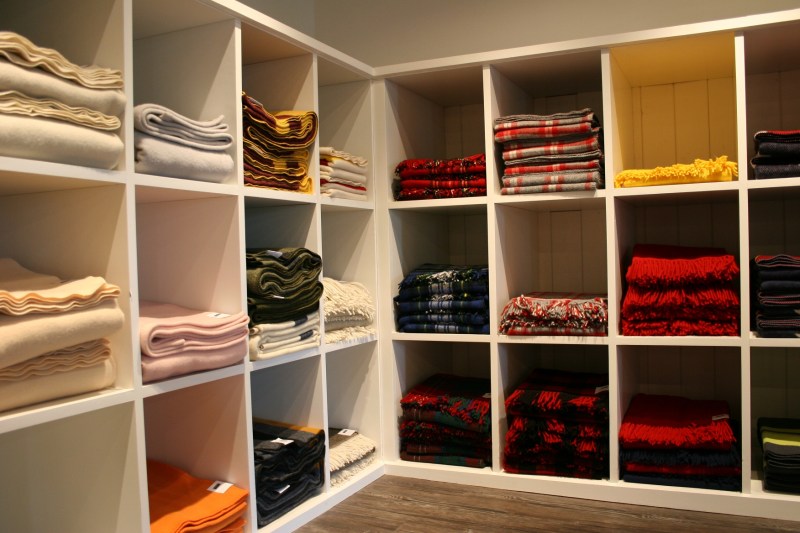
Crisp white cubbies, ever so perfect for showing off blankets/throws.

Crisp white cubbies, ever so perfect for showing off blankets/throws at the Faribault Woolen Mill retail store. Minnesota Prairie Roots file photo June 2012.

While the temperature isn’t exactly wool-worthy here in southern Minnesota in mid-August, autumn is tinging our days with cool nights and the subtlest of color changes in foliage. We realize that summer is waning and, once again, we’ll soon pull out the wool and the flannel.
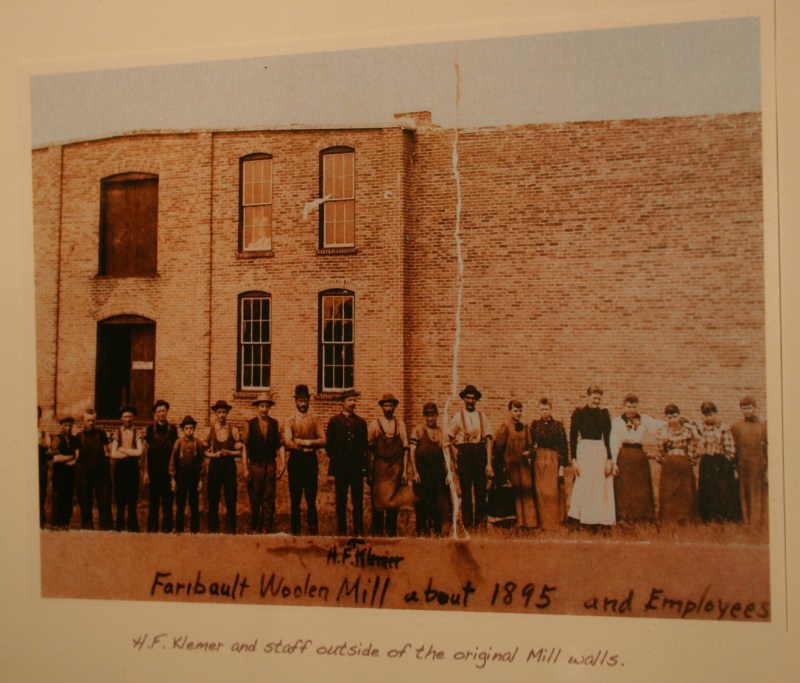
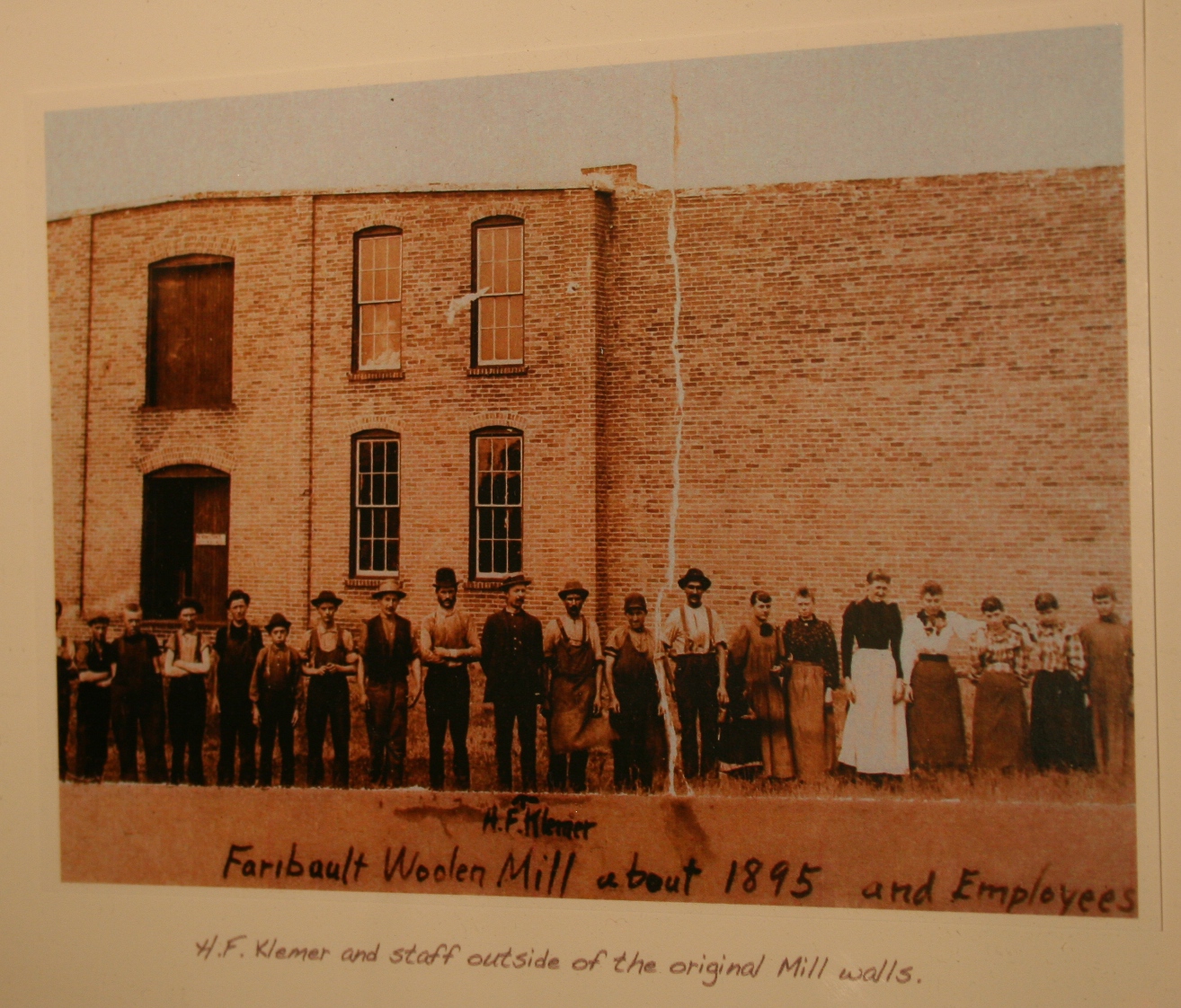
An historic photo from the mill, among those showcased in a mini wall of Woolen Mill history.

An historic photo from the mill is among those showcased in a mini wall of Woolen Mill history inside the retail store. Minnesota Prairie Roots file photo 2012.

This Saturday the Faribault Woolen Mill is pulling out its collection of locally-loomed products to sell in the 150th Marketplace, all in celebration of the mill’s 150th anniversary. Among Marketplace merchandise are the mill’s new 2015 line and special anniversary items, including a limited edition reissue of the 1949 plaid stadium blanket, Faribo Pak-A-Robe. The blanket comes in a carrying case that converts to a seat pad.
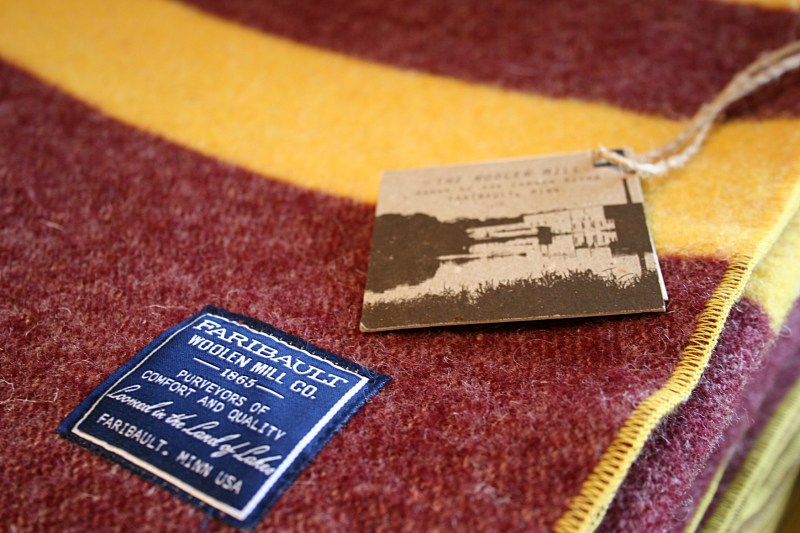
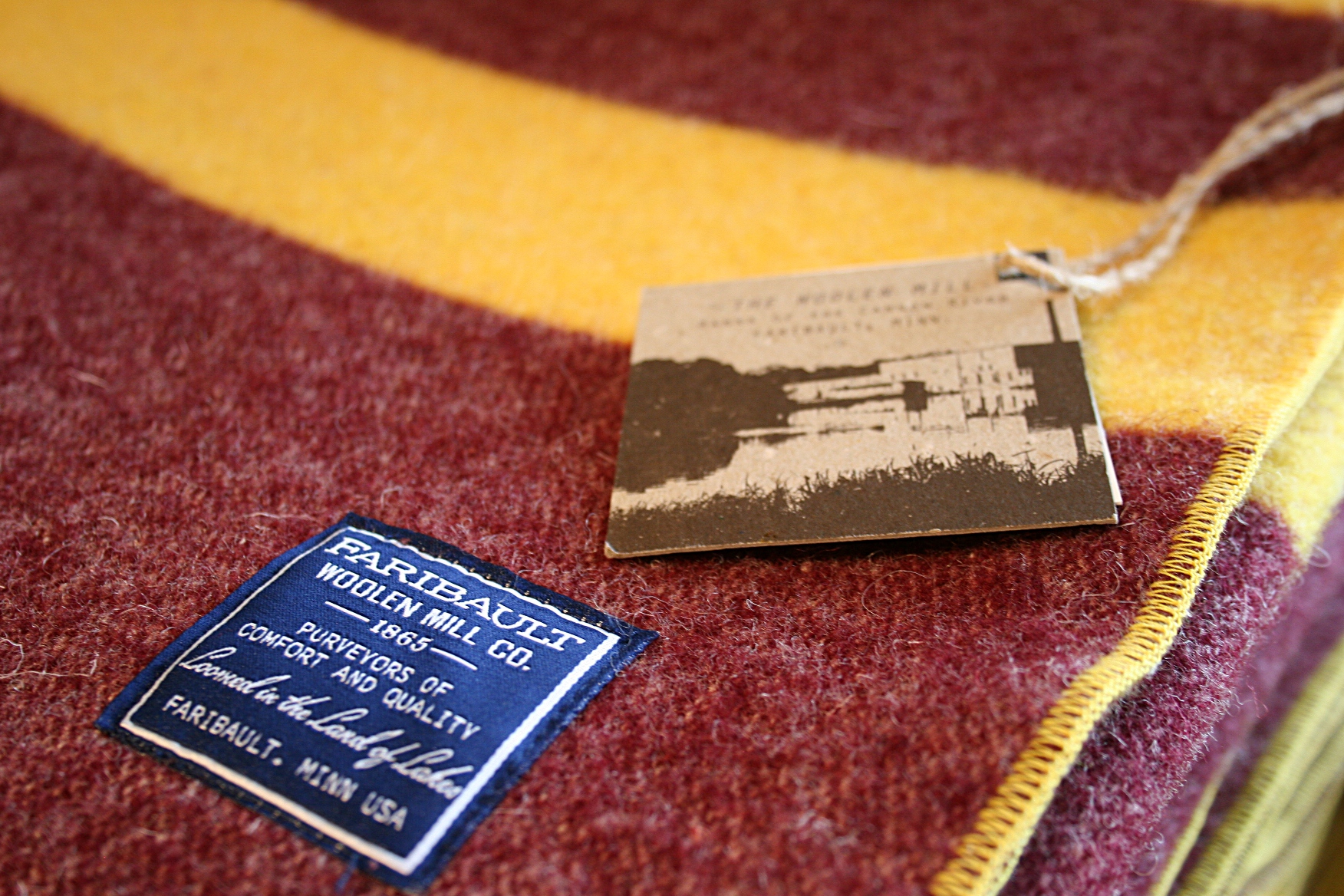
The mill's products are labeled as "Loomed in the Land of Lakes" by "Purveyors of Comfort and Quality." Minnesota Prairie Roots file photo 2012.

The mill’s products are labeled as “Loomed in the Land of Lakes” by “Purveyors of Comfort and Quality.” Minnesota Prairie Roots file photo 2012.

I’ve been to enough Woolen Mill sales to know the outdoor Marketplace will be crowded with those who appreciate the mill’s authentic products. Made in America and craftsmanship appeal to folks. And that’s a good thing for the mill, founded in 1865. One hundred fifty years. That says something about tenacity. This business, which provided blankets for American troops during both World Wars, supplied blankets to airlines in the early 1970s, and, from the late 60s to early 90s, produced more than half of the blankets made each year in the U.S., has survived the ebbs and flows of the economy.
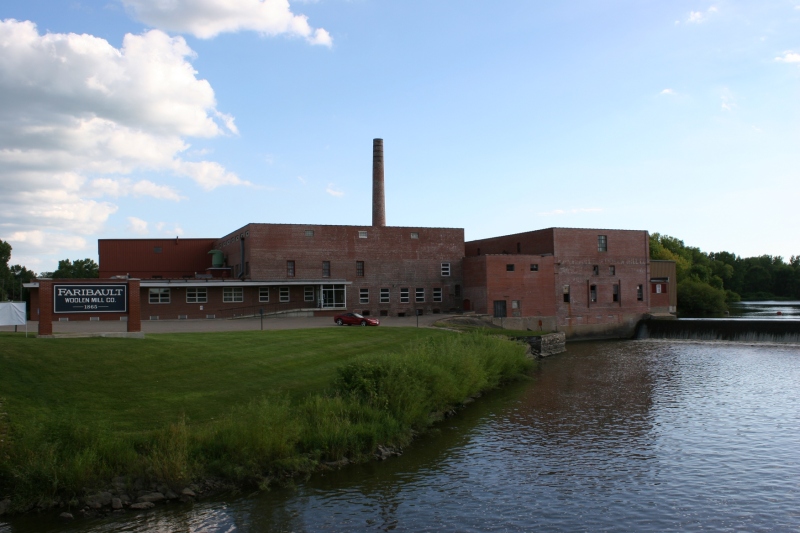
The Faribault Woolen Mill sits on the bank of the Cannon River.

The Faribault Woolen Mill sits on the bank of the Cannon River.

Yet, despite world-wide business success, the Faribault Woolen Mill almost didn’t make it to its sesquicentennial. The mill was shuttered in 2009 due to financial problems. Two years later Minnesota businessmen and cousins, Chuck and Paul Mooty, purchased the mill, revived it and the rest is history.
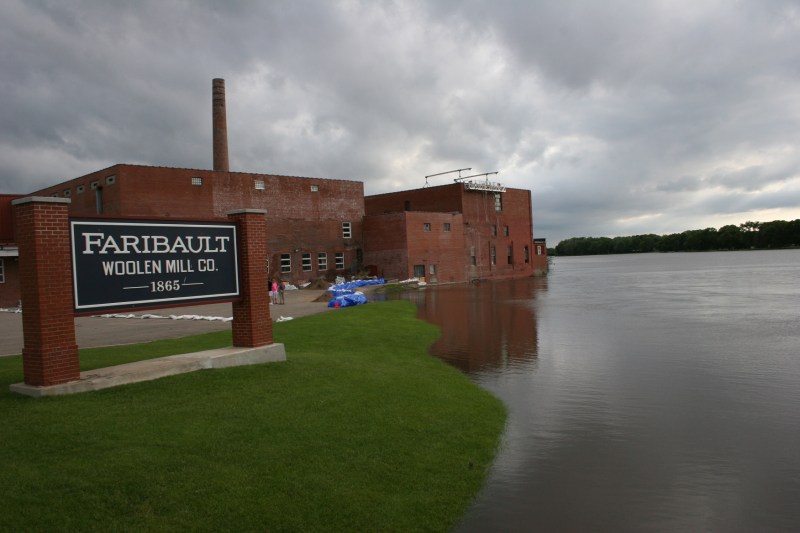
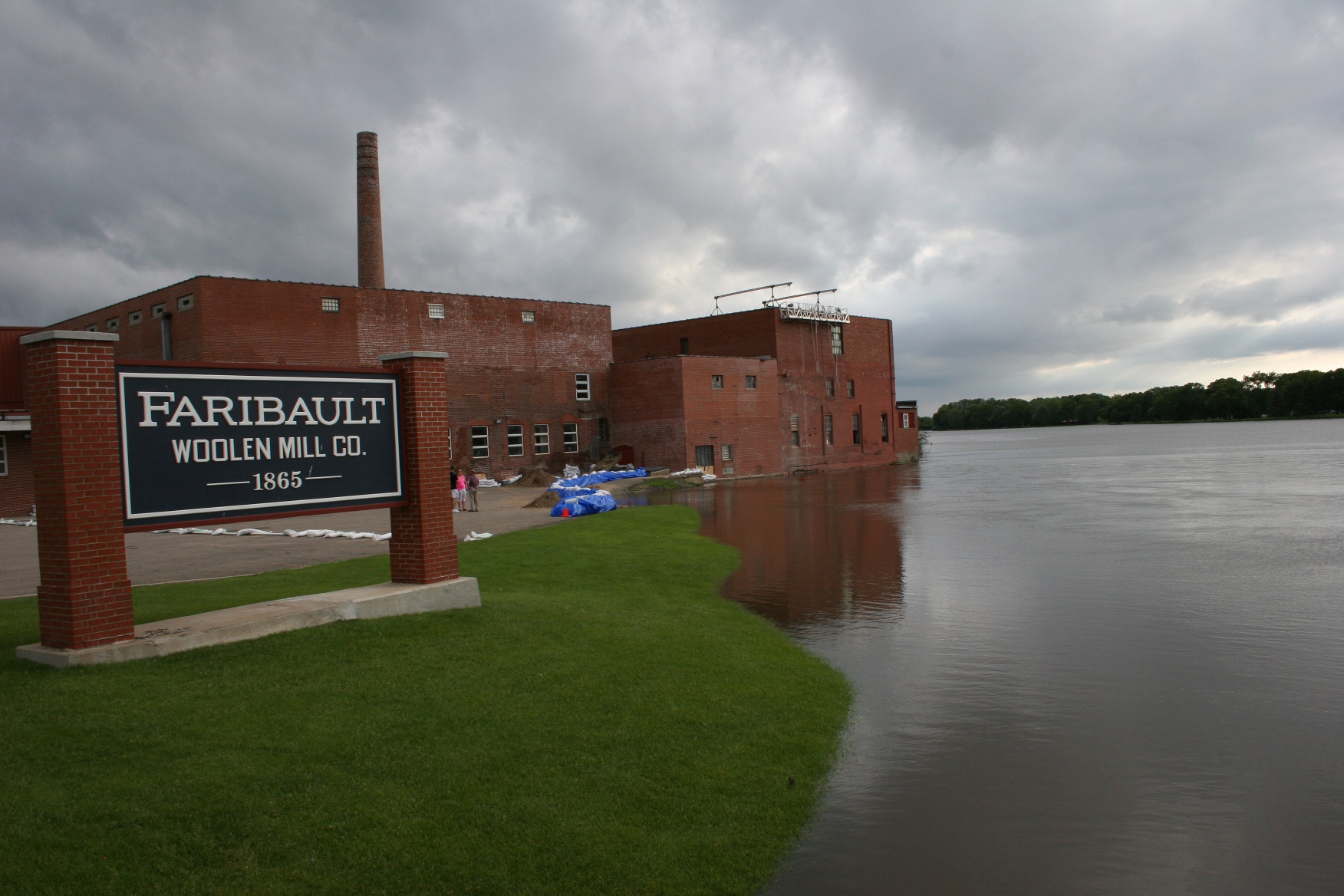
Sandbags protect the Faribault Woolen Mill from the rising Cannon River.

Sandbags protect the Faribault Woolen Mill from the rising Cannon River in June 2014. Minnesota Prairie Roots file photo.

The mill was also threatened twice in recent years by flooding of the Cannon River.
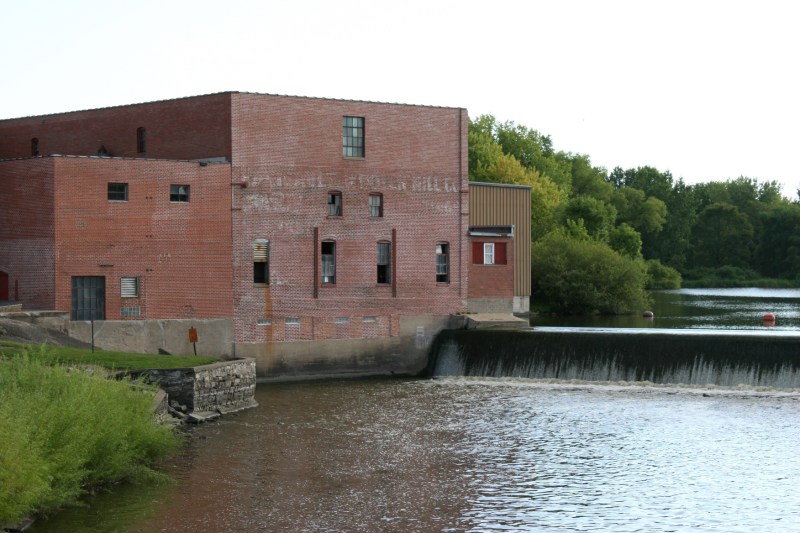
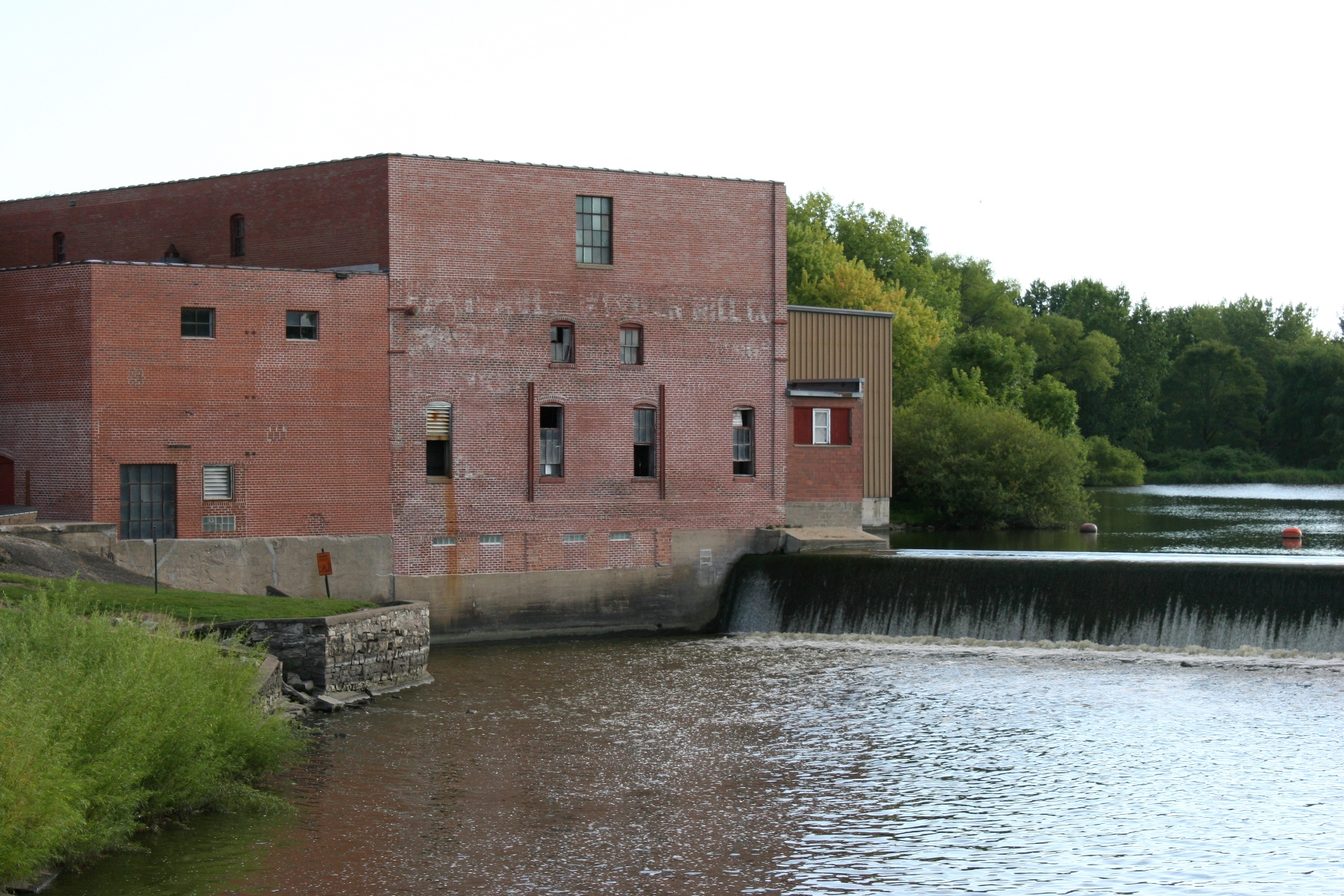
Faint Faribault Woolen Mill lettering remains on the old section of the mill complex.

Faint Faribault Woolen Mill lettering remains on the old section of the mill complex.

For my community, the mill is an important tourism draw and an equally important part of Faribault’s history. The mill, the oldest manufacturing entity in Minnesota, is on the National Register of Historic Places. But it’s likely not the aged building as much as the fine craftsmanship of mill products that brings shoppers here looking for quality and American authenticity.
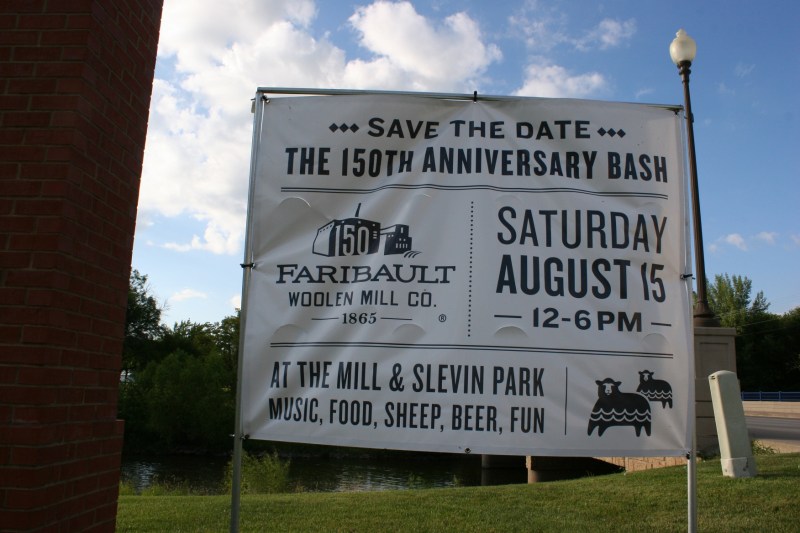
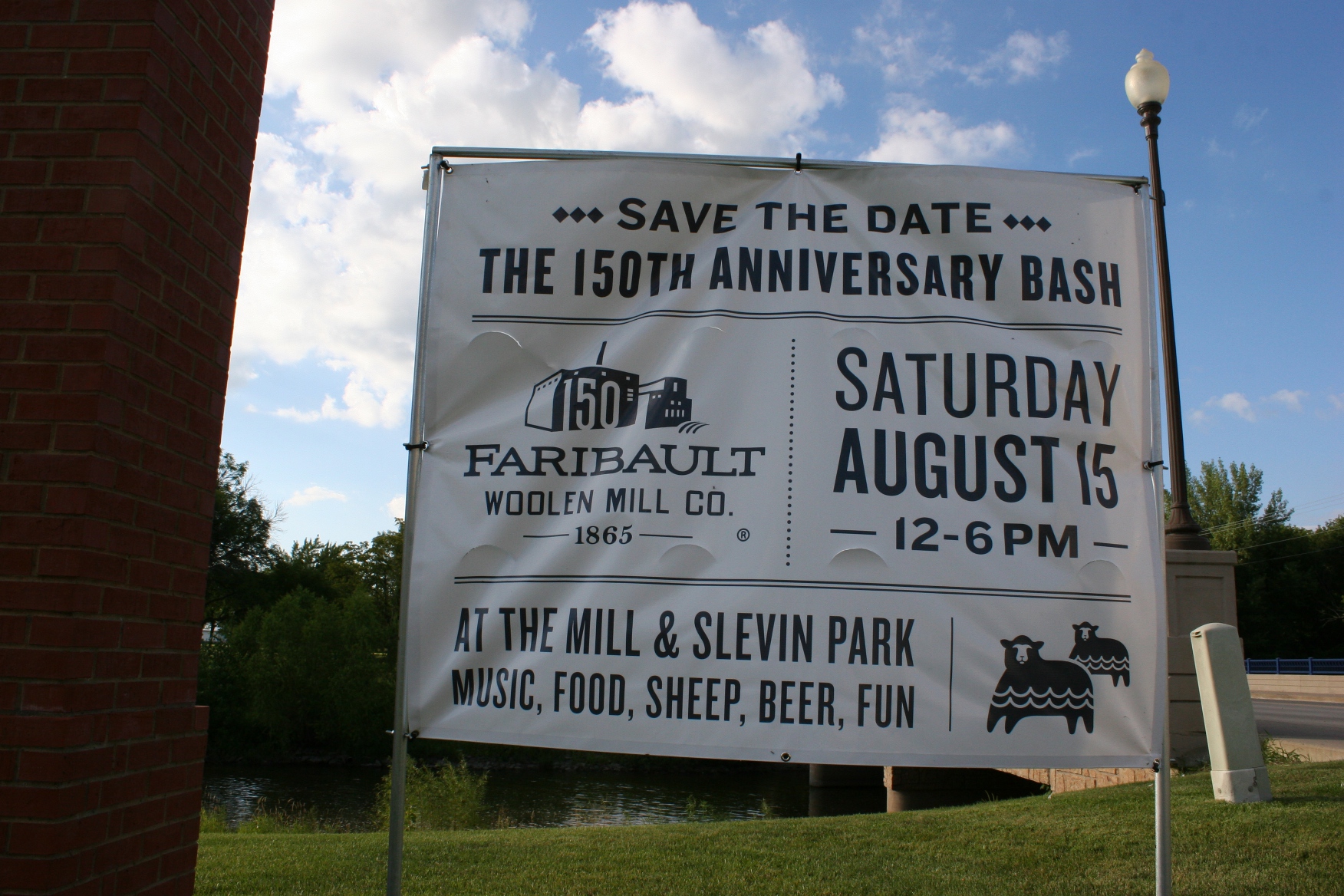
This sign outside the mill advertises Saturday's 150th anniversary festivities.

This sign outside the mill advertises Saturday’s 150th anniversary bash.

Saturday’s celebration will provide a great opportunity for all of Faribault to showcase itself, starting with food vendors at the mill’s outdoor anniversary celebration along the banks of the Cannon River. I’m happy to see a line-up of locals—The Cheese Cave, Uncle B’s Last Chance BBQ Shack, Bashers Bar & Grill/J & J Bowling Center, Lyons Meats and F-Town Brewing. Several other vendors from the Twin Cities metro will be there, too, with brats, cheesecake, coffee and ice cream.

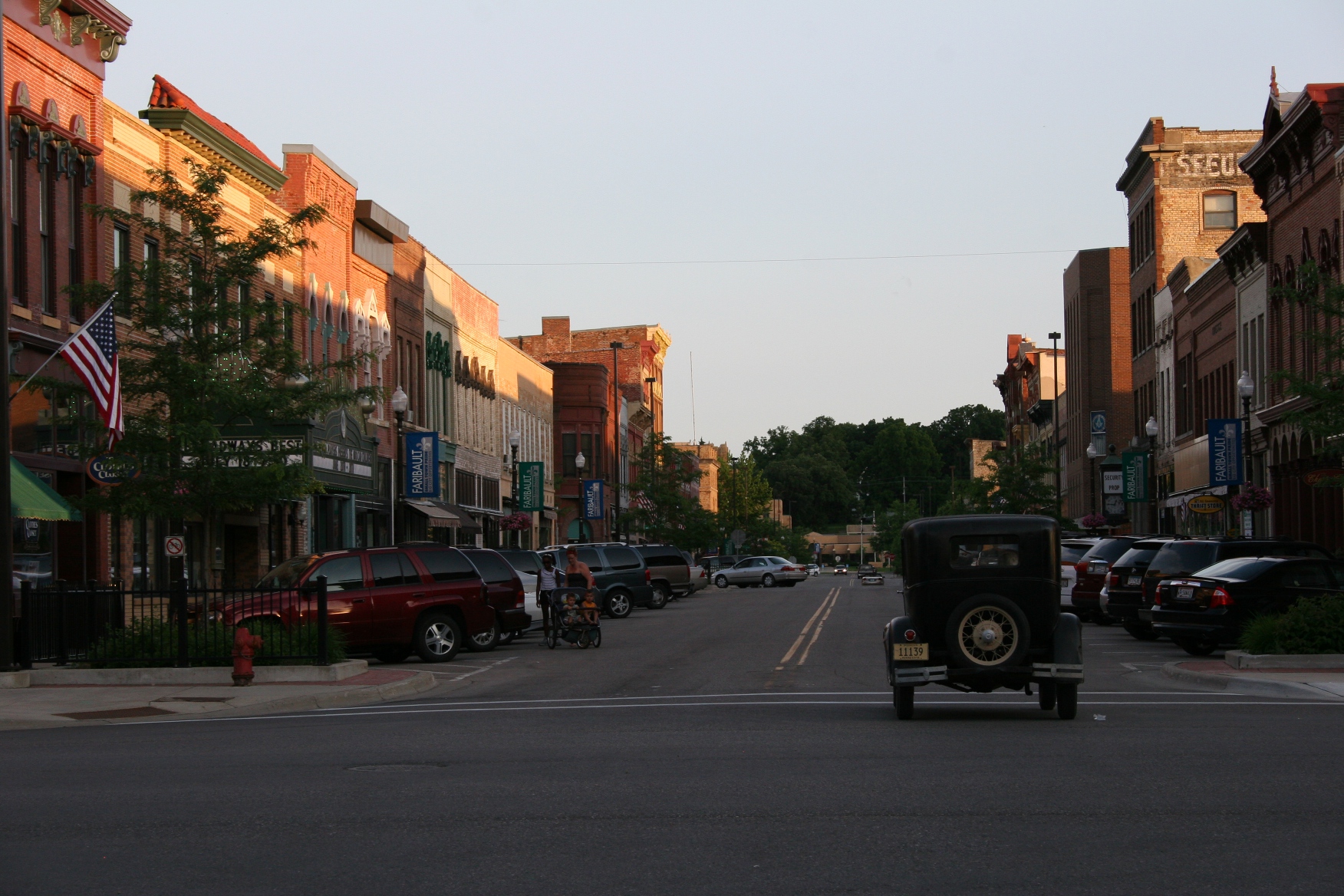
Leaving the show and driving southbound on Central Avenue through historic downtown Faribault.

A section of Faribault’s historic downtown, along Central Avenue. Minnesota Prairie Roots file photo 2014.

I hope visitors will also follow Second Avenue from the mill to Fourth Street and then to Central Avenue to check out our historic downtown and all the local shops. (Click here for a list of downtown shops and their locations.) Located near downtown at 739 Willow Street, Annie Belle Creations crafts Faribault Woolen Mill blankets into capes, coats and other clothing. Owner Lu Ann Heyer started in 1989 as a designer of stuffed animals for the Faribault Woolen Mill.
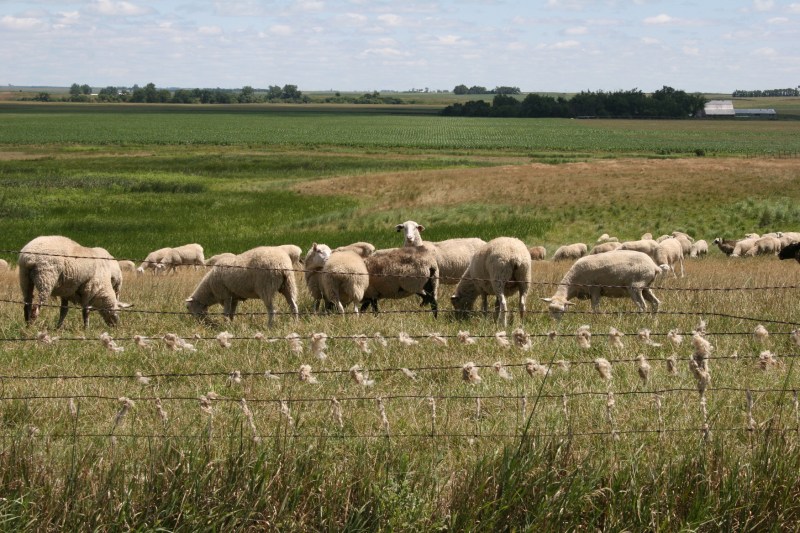
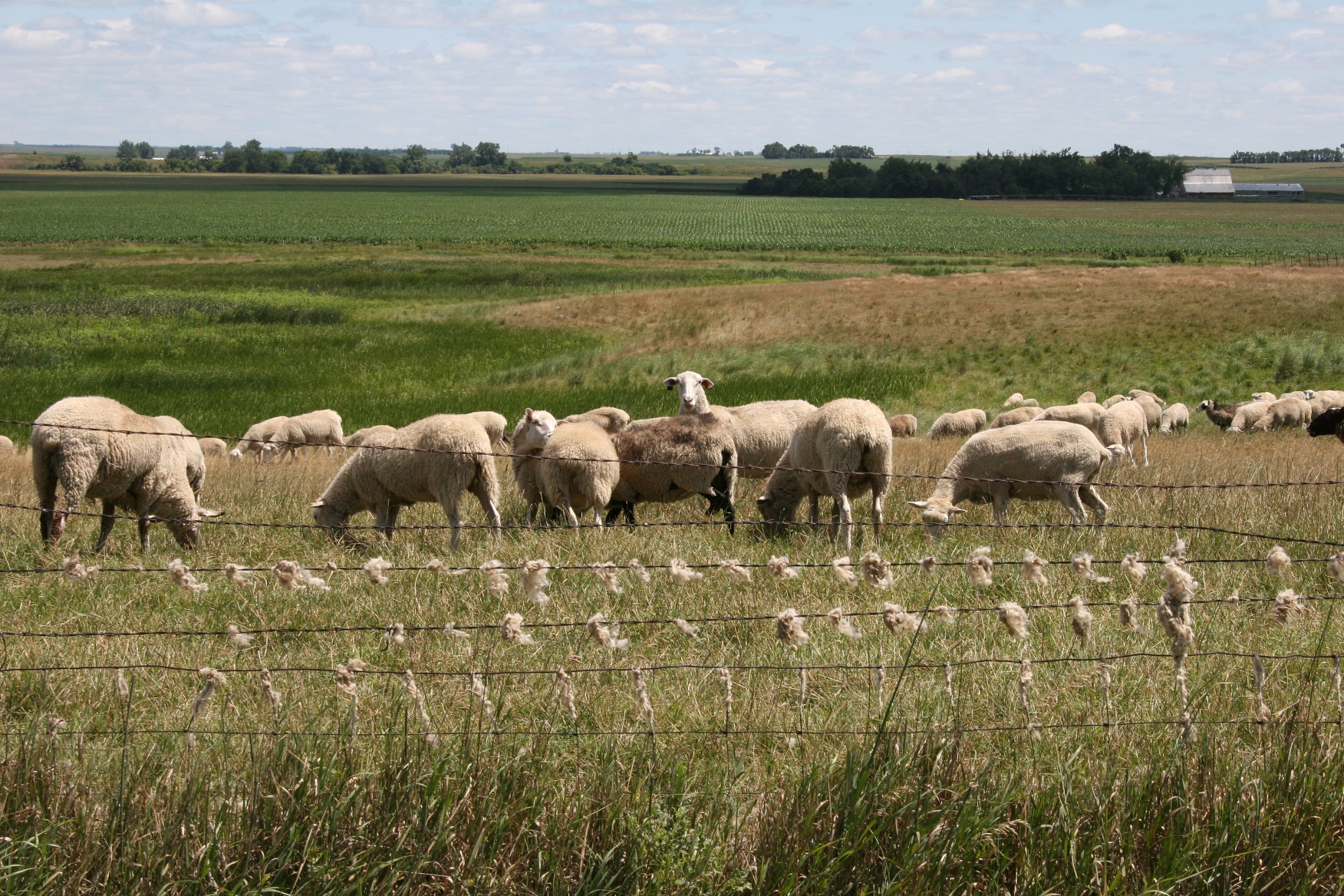
Pasture land near the park for these grazing sheep. Note their wool clinging to the fence.

Sheep graze near Blue Mounds State Park in southwestern Minnesota. Minnesota Prairie Roots file photo used for illustration purposes only.

Back at the mill and Father Slevin Park, there’ll be plenty to do. “The Running of the Sheep,” an event which is exactly as its name suggests, happens at 1 p.m. Other attractions include a petting zoo, games, raffles and more. Between 3 p.m. – 6 p.m. the folk/roots/indie rock group The Pines will perform as will Abracadabra,  a group of musicians who have traveled with the likes of Bob Dylan and The Beach Boys.
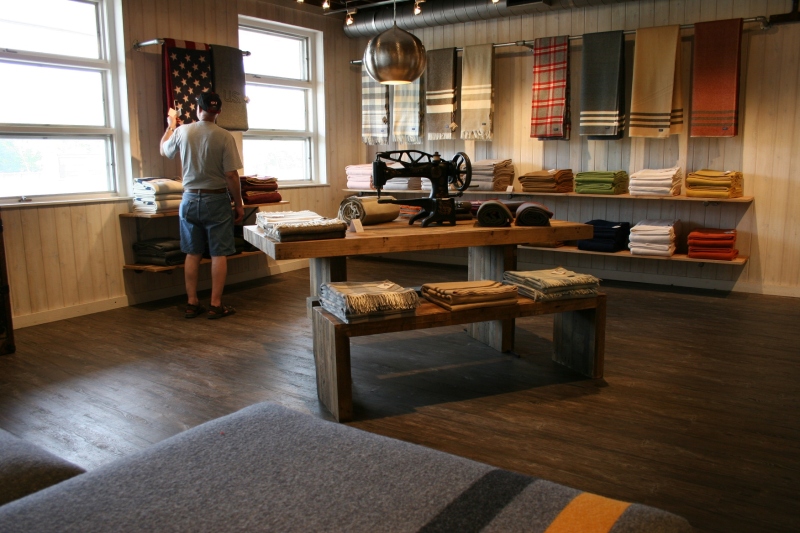
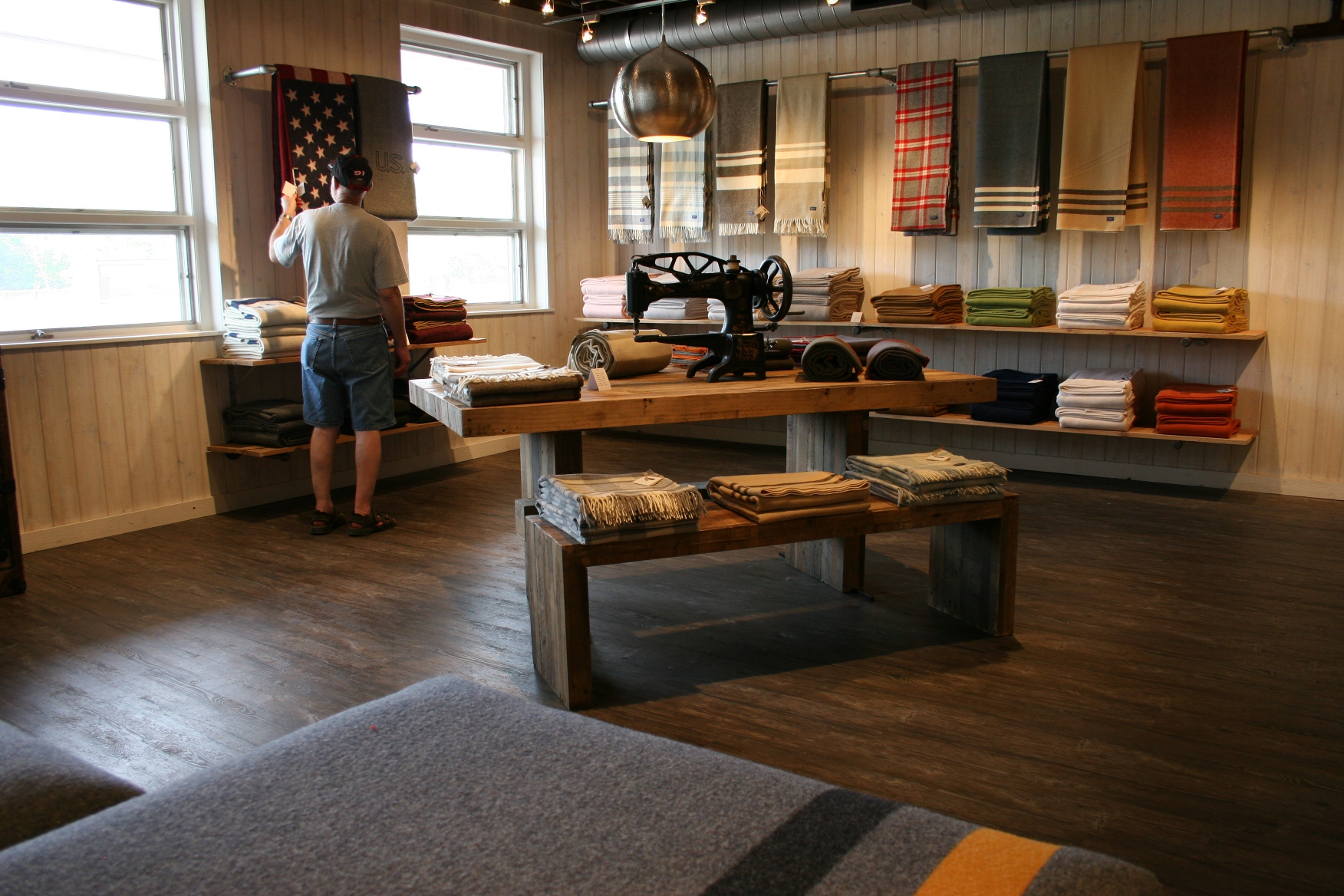
Perusing merchandise at the recently reopened Faribault Woolen Mill retail store.

A view inside the Faribault Woolen Mill retail store shortly after it opened under new ownership in 2012. Minnesota Prairie Roots file photo.

Visitors are encouraged to bring blankets to spread on the lawn while enjoying festivities. I expect Faribault Woolen Mill blankets, in particular, would be appreciated. You can even share your Faribault Woolen Mill blanket stories online at Memory Mill.
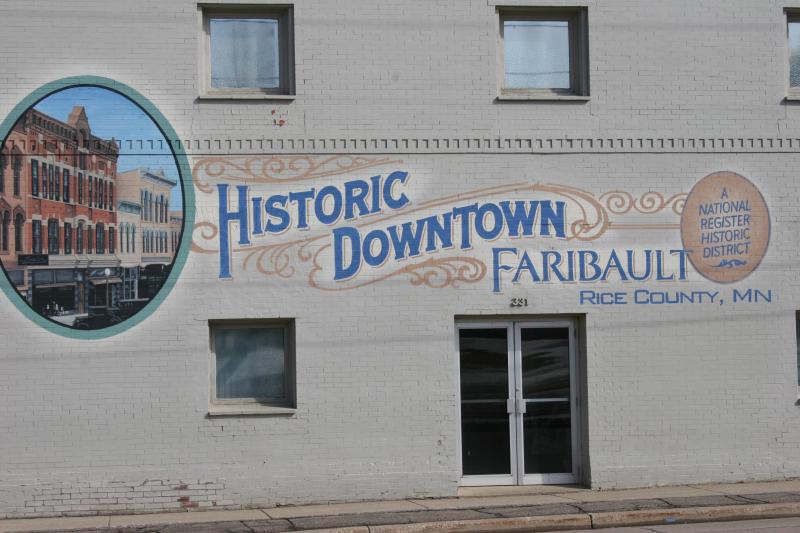
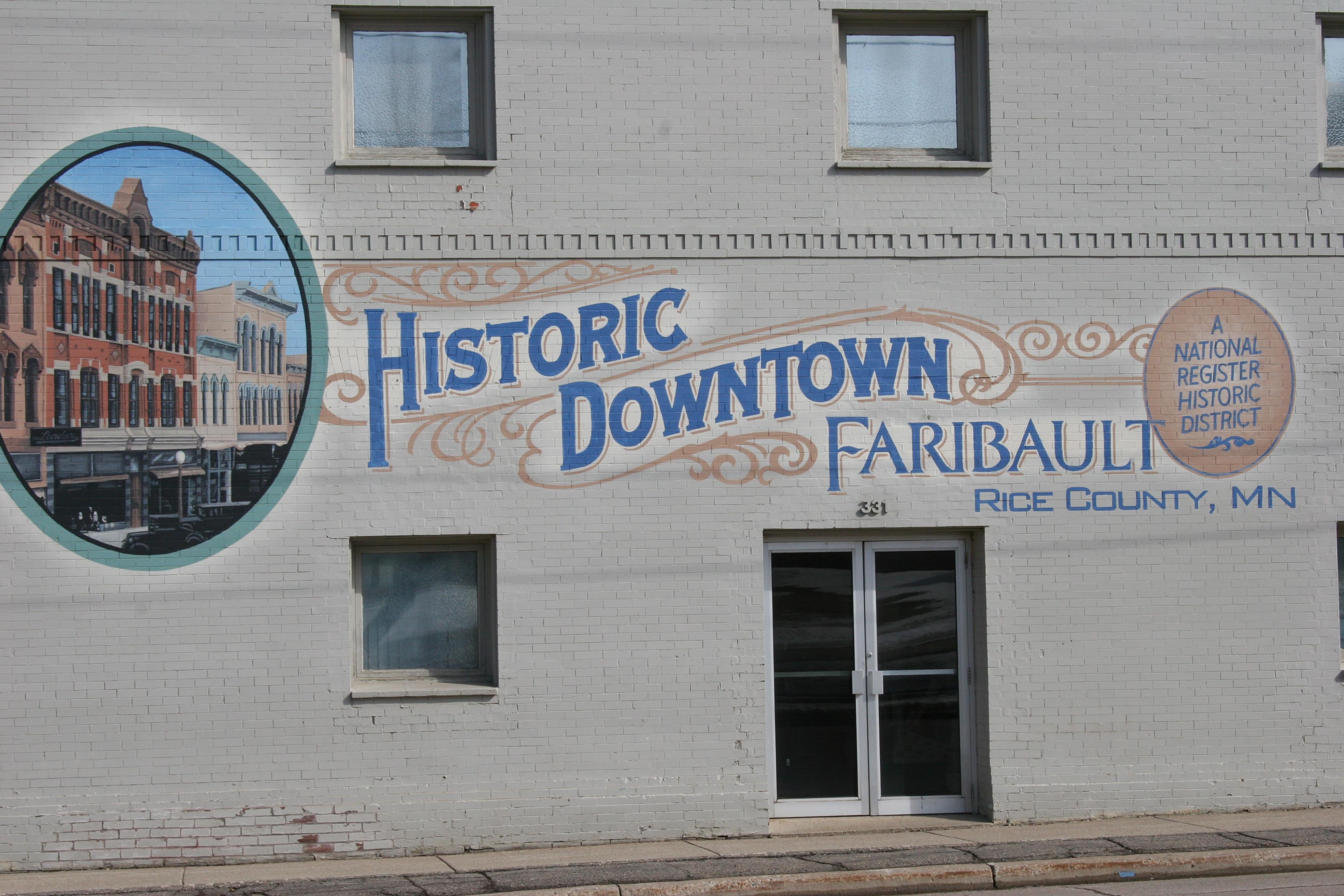
A mural, one of several in the downtown area, promotes historic Faribault.

A mural, one of several in the downtown area, promotes Faribault’s downtown as a National Register Historic District. Minnesota Prairie Roots file photo.

If you’ve never been to Faribault, come early, before the mill party, to poke around town. We’re just a short drive down Interstate 35 from the Twin Cities. Then at noon, join the mill as its celebration begins and continues for six hours.
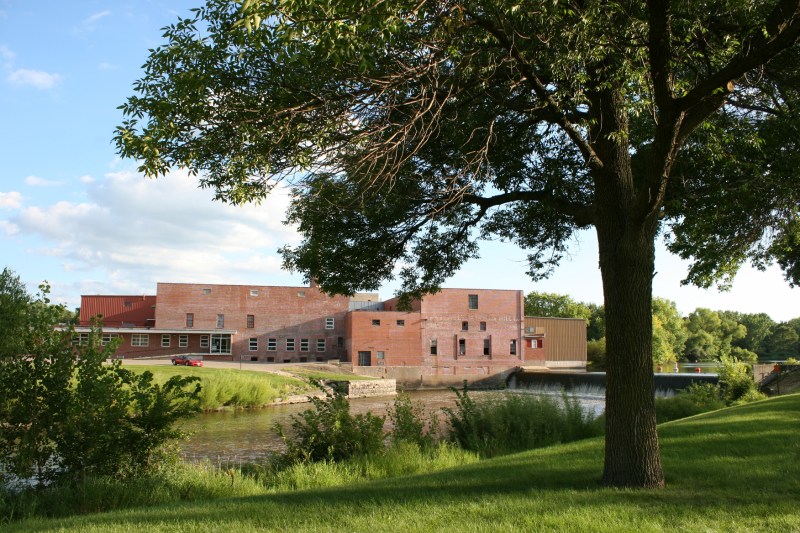
A view of the Faribault Woolen Mill from Father Slevin Park across the Cannon River.

A view of the Faribault Woolen Mill from Father Slevin Park across the Cannon River.

FYI: The Faribault Woolen Mill is located at 1500 Northwest Second Avenue, near the Rice County Fairgrounds and the Rice County Historical Society Museum. The mill’s retail store will be closed on Friday and Saturday, with merchandise sold in the special anniversary Marketplace on Saturday.
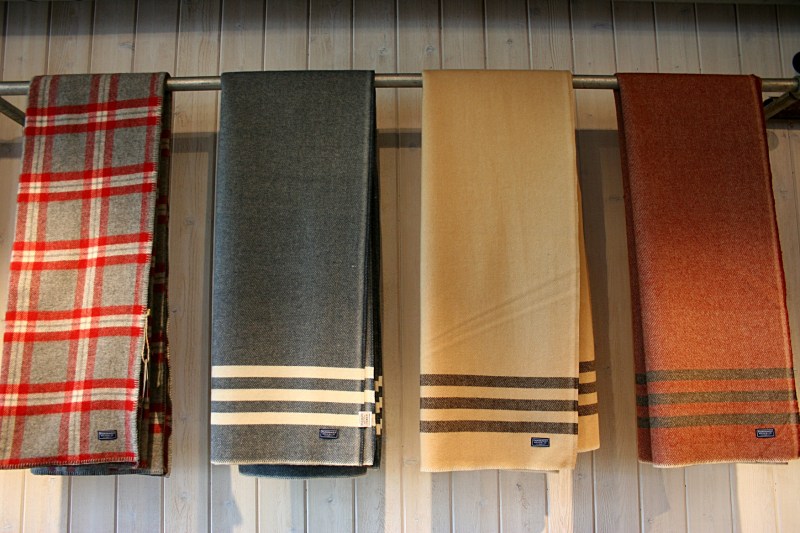
Faribault Woolen Mill blankets/throws are artfully hung on a simple pipe.

Faribault Woolen Mill blankets/throws are artfully hung on a simple pipe in the retail store. Minnesota Prairie Roots file photo 2012.

Small group tours of the mill are offered at 11 a.m. and 1 p.m. on Thursdays. Note that these fill quickly and that you should schedule in advance.

© Copyright 2015 Audrey Kletscher Helbling


Let’s brainstorm business ideas for an historic building in Lamberton February 18, 2015

IT’S BEEN AWHILE since I’ve thought of the historic 1892 former bank building in downtown Lamberton in my native southwestern Minnesota.

A side shot of the former bakery. Just imagine the possibilities for this spacious building. Let's hear your ideas.

A side shot of the former bakery. Just imagine the possibilities for this spacious building. Let’s hear your ideas. Minnesota Prairie Roots file photo.

The 3,250 square foot massive corner brick structure stands empty after a young couple was unable to secure financing to open Seven Sisters Coffee in the summer of 2013. The pair planned to transform the main floor into a community gathering space.

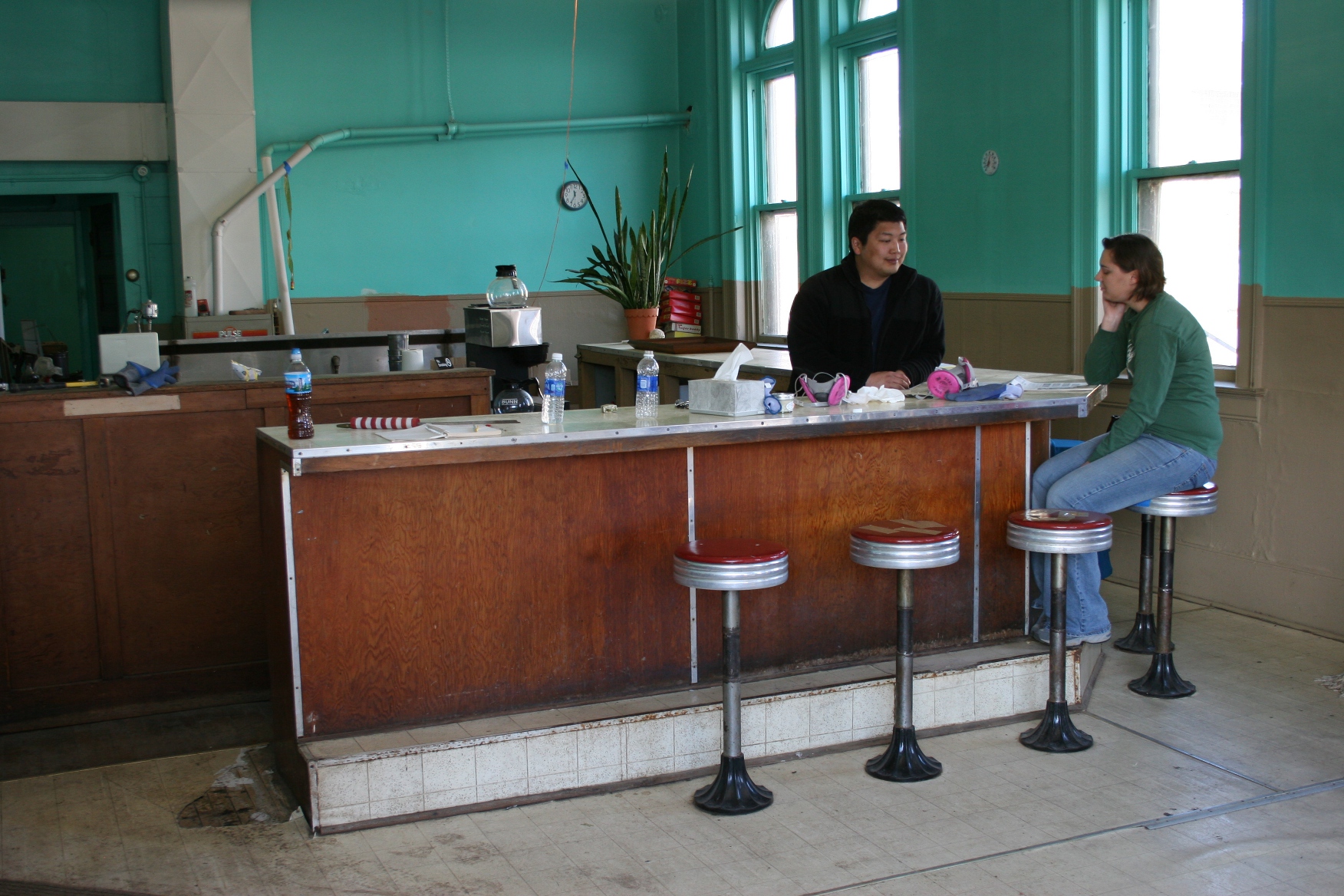
The Van Engens had planned to use the original lunch counter in their coffee shop. Minnesota Prairie Roots file photo from October 2012.

Plans were to reuse the original lunch counter in the coffee shop. Minnesota Prairie Roots file photo from October 2012.

They intended to serve food in the front section, which last housed long-time Sanger’s Bakery. The back room would serve as a venue for musical performances and the arts and as an event rental space. It seemed like a good idea.

But none of that came to fruition with the failed financing.

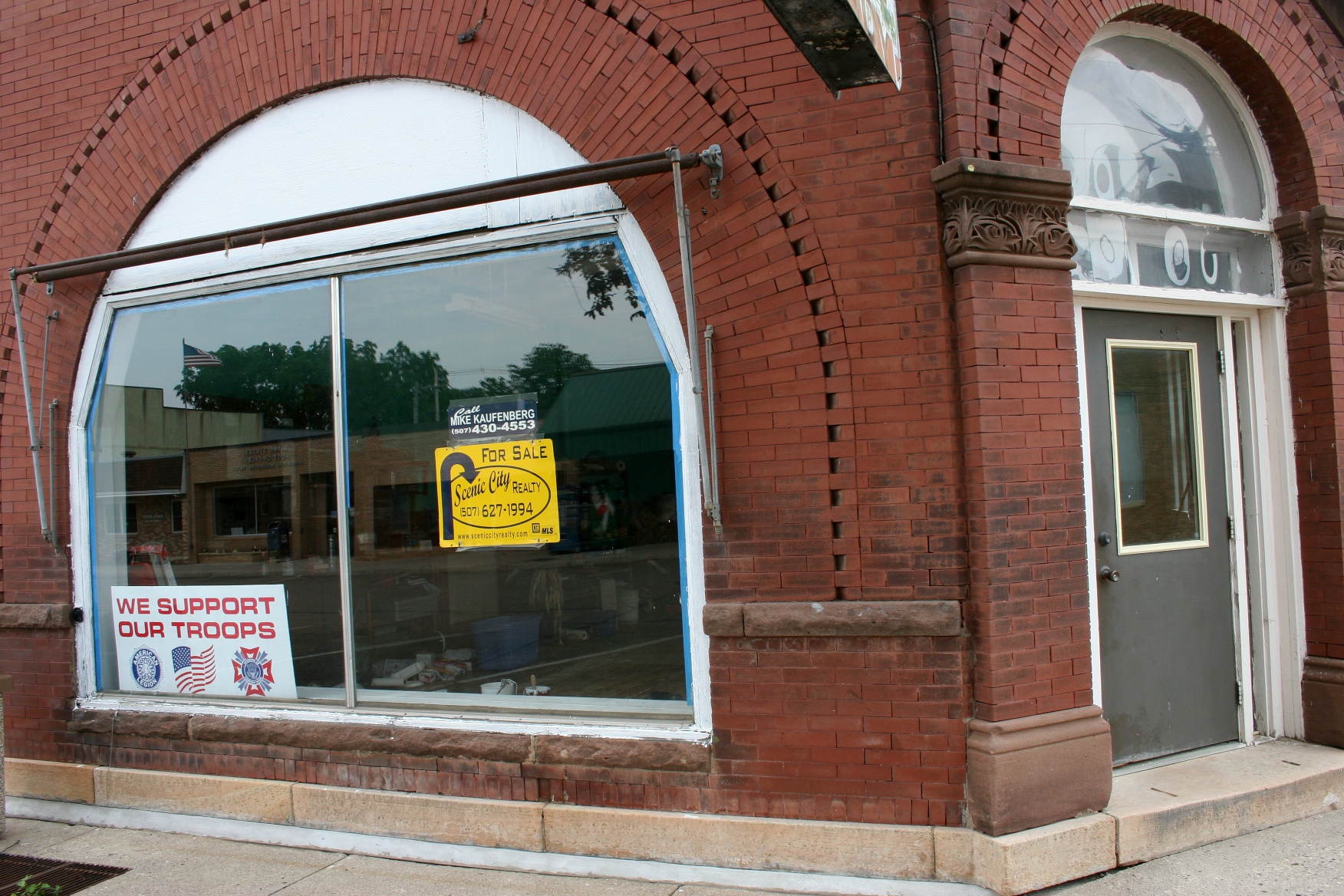
The yellow sign in the front window advertises the property for sale through Scenic City Realty.

The yellow sign in the front window advertises the property for sale through Scenic City Realty. Minnesota Prairie Roots file photo.

So the building went on the market thereafter, priced at $37,000.

The property remains for sale today, but at a much lower price. It’s now listed at $17,000 by Mike Kaufenberg at Scenic City Realty in Redwood Falls. That drop in price might just be enough to lure a buyer.

The Van Engens began working on this back space last fall in an area intended for entertainment and an artists' haven.

The back room features exposed brick and a wood floor. Minnesota Prairie Roots file photo.

I don’t know the current condition of the building given its ongoing vacancy. But I still see the potential here. This place possesses character and history. It’s located in a small town along a major regional highway, U.S. Highway 14, also known as the Laura Ingalls Wilder Historic Highway. Wilder’s childhood home of Walnut Grove lies only 11 miles to the west. Walnut Grove draws a lot of tourists, especially during the summer.

Now, back to the reason this property popped into my mind. Have you heard about Hoodstarter.com? Me either, until recently.

Seven young visionaries created this online avenue to identify and gather ideas for vacant storefront properties in the Twin Cities metro area. Folks can then vote on the top suggestions and help fund pitched proposals. It seems like a great idea. I think we’ve all passed vacant storefronts and wished for whatever to fill the spaces in our hoods (neighborhoods/communities).

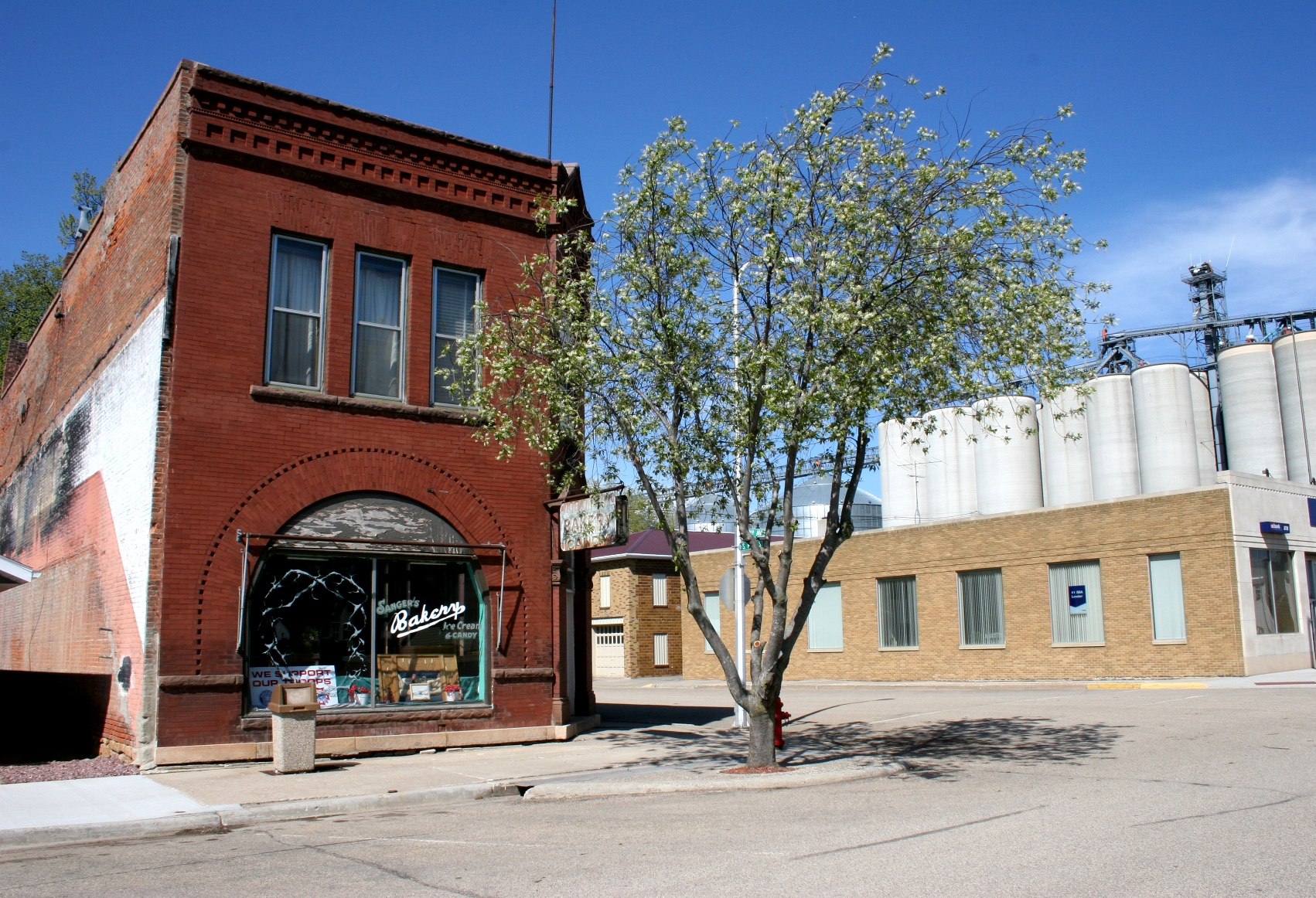
The former Sanger's Bakery in Lamberton, a Minnesota farming community.

The former Sanger’s Bakery in Lamberton, a Minnesota farming community. The Sanger’s Bakery lettering is no longer on the front window. Minnesota Prairie Roots file photo.

Today I’m giving you the opportunity to share your ideas for the old bank building in downtown Lamberton. What do you envision for this property?

And if you contact Mike Kaufenberg at Scenic City Realty, tell him I sent you. Especially if you buy the property.

© Copyright 2015 Audrey Kletscher Helbling
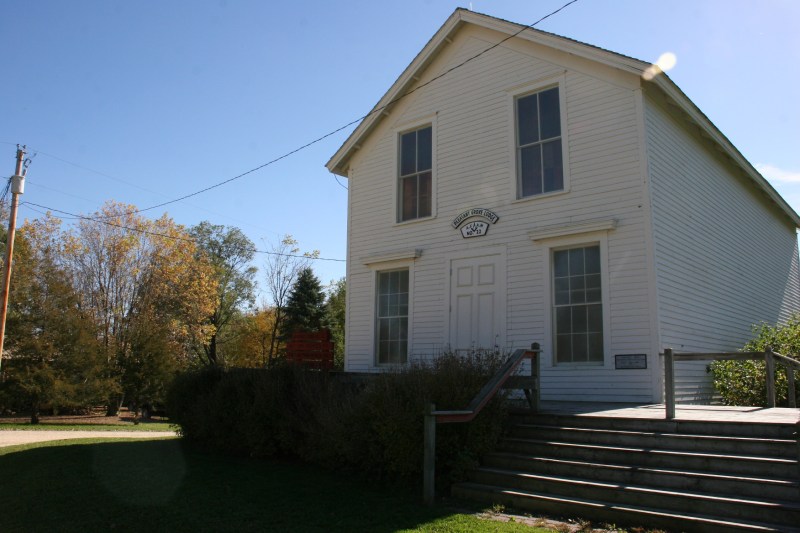
 

Minnesota Faces: Faribault brewers February 6, 2015

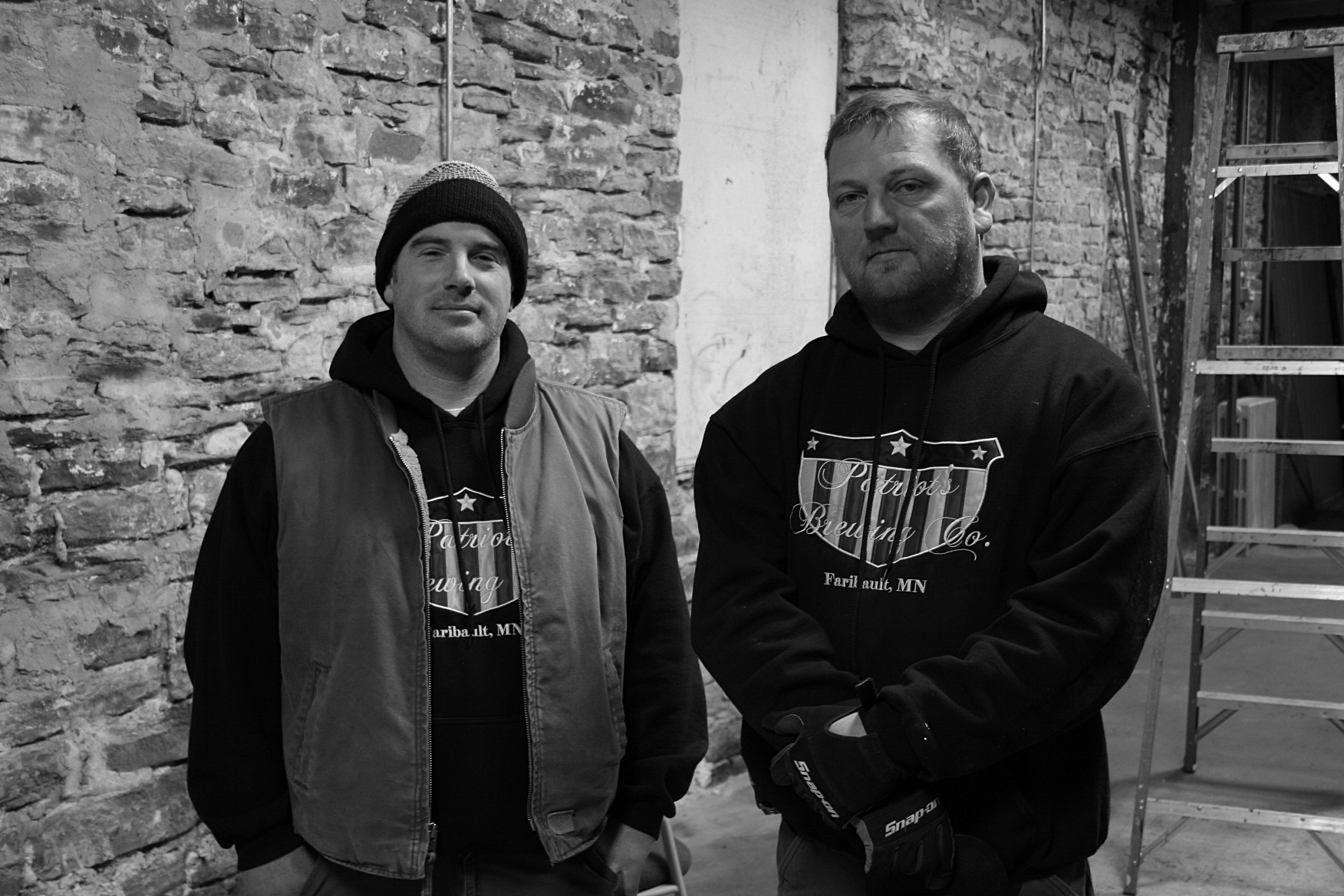
Portrait #6:  Brewers Chris Voegele and Noah Strouth


Chris and Noah, Patriot's Brewing 2013


Two years ago, they were just two friends who planned to open a brewery. That’s when I photographed Chris Voegele, left, and Noah Strouth in a section of the historic Peterson Art Furniture Company complex in Faribault’s historic downtown. They were hard at work then cleaning and fixing the aged space.

Today Chris and Noah are still two guys who want to open a brewery.

But now they’ve been joined by Travis Temke in F-Town Brewing Company, a microbrewery that will produce craft beer with local ingredients.

Same town. Same building. Different name. F-Town instead of Patriot’s.

That name change seems more reflective of the hometown pride exhibited by Chris and Noah, 1990 graduates of Faribault High School.

With funding in place, the brewery appears closer to reality. I, for one, am excited about a microbrewery opening in Faribault. I think it will be a great fit for our historic, mostly blue collar, community.

#

This portrait is part of the “Minnesota Faces” series featured every Friday on Minnesota Prairie Roots.

© Copyright 2015 Audrey Kletscher Helbling

 

Discovering an historic church in Garden City January 10, 2014

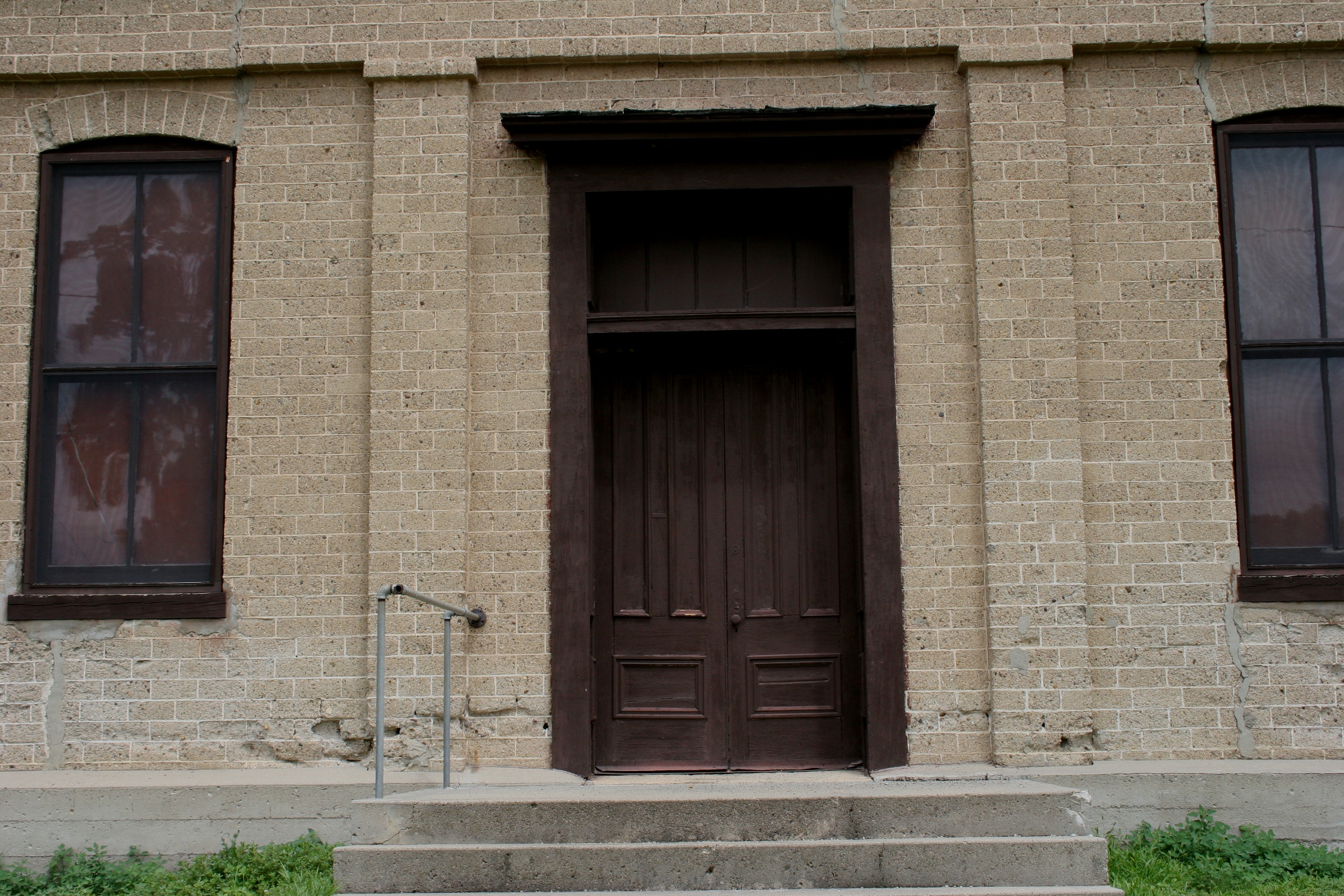
I found the doors of First Baptist Church locked while in Garden City this past July.

I found the doors of First Baptist Church locked while in Garden City this past July.

THE FRUSTRATING FACT for me as a photographer, when I come upon an aged church, is that most often I find the doors locked. I understand. Churches need to protect not only their buildings but also the valuables therein.

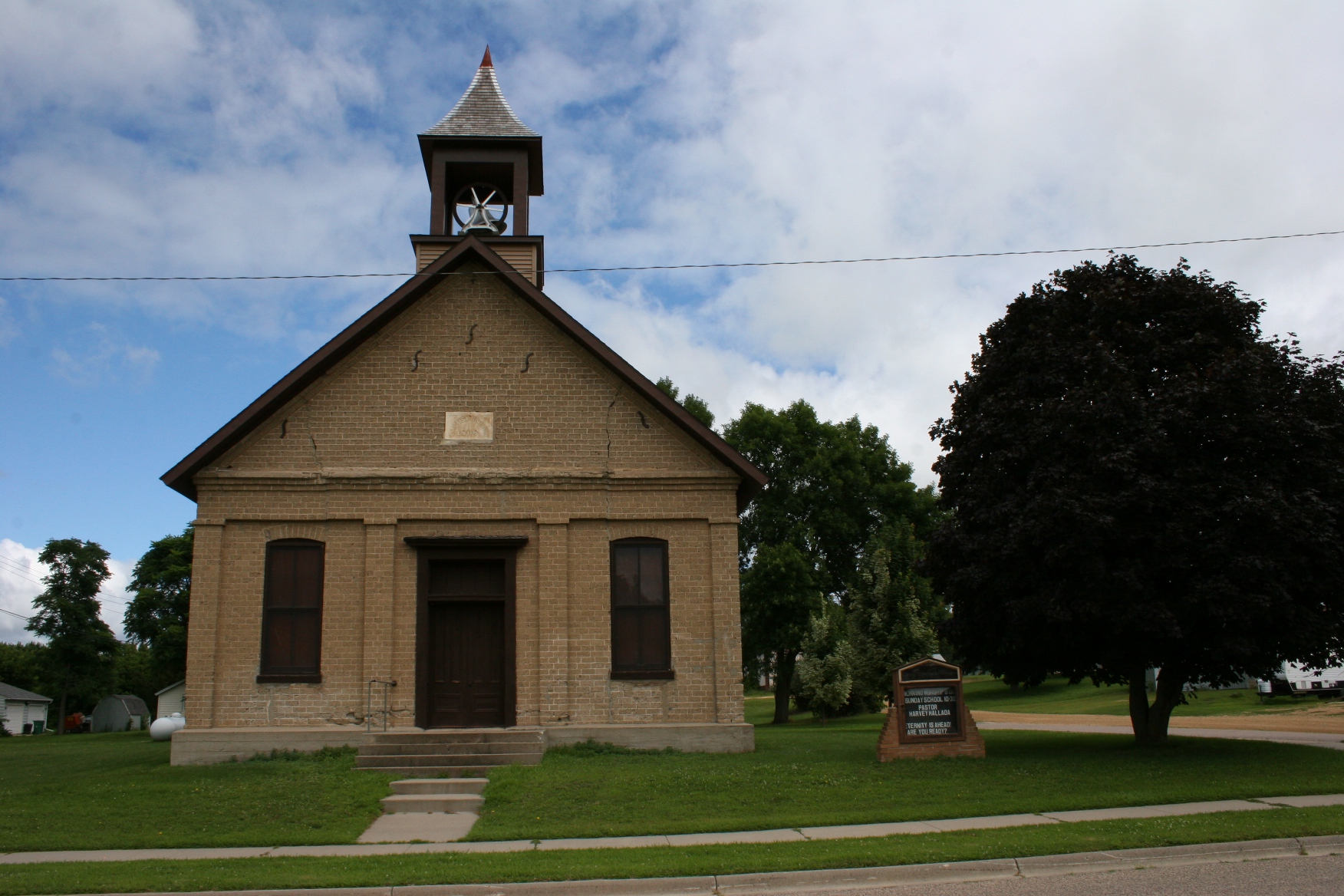
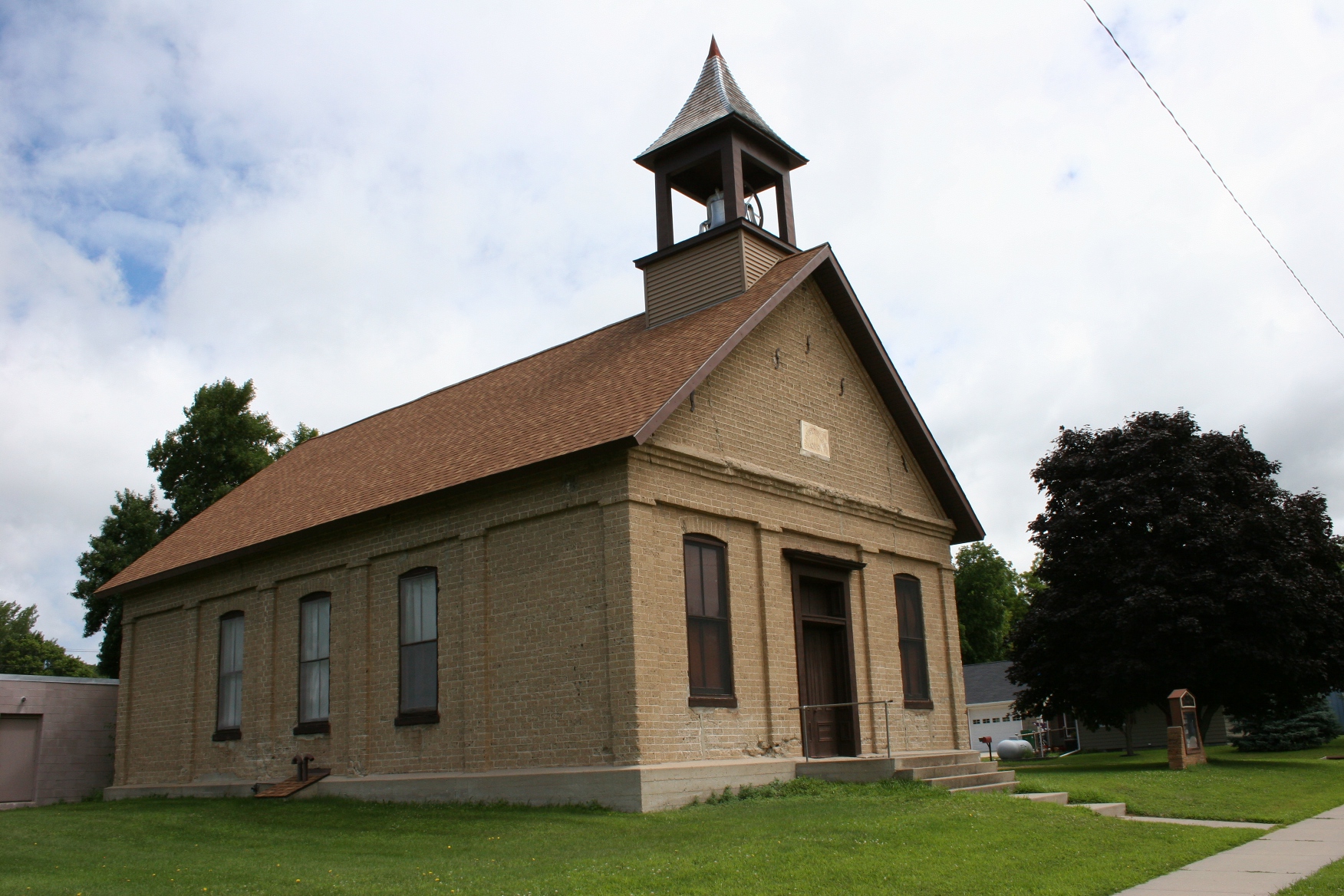
My first glimpse of this historic 1868 church.

My first glimpse of this historic 1868 church.

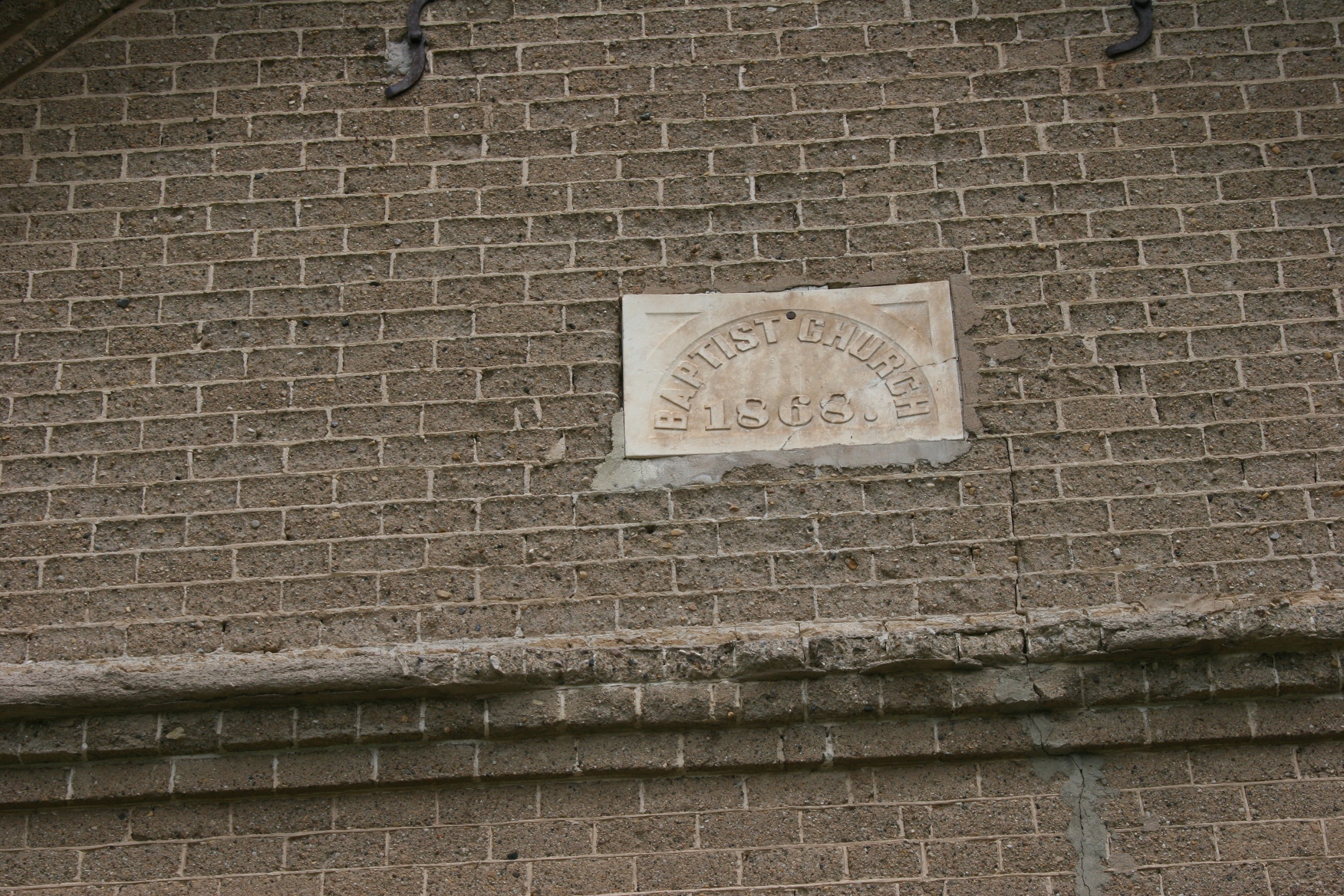
So, unless you have been inside the First Baptist Church in Garden City or seen interior photos elsewhere, you will simply have to imagine what lies within this church constructed in 1868 a block from the Watonwan River.

Those 1868 cement blocks, up close.

Those 1868 cement blocks, up close.

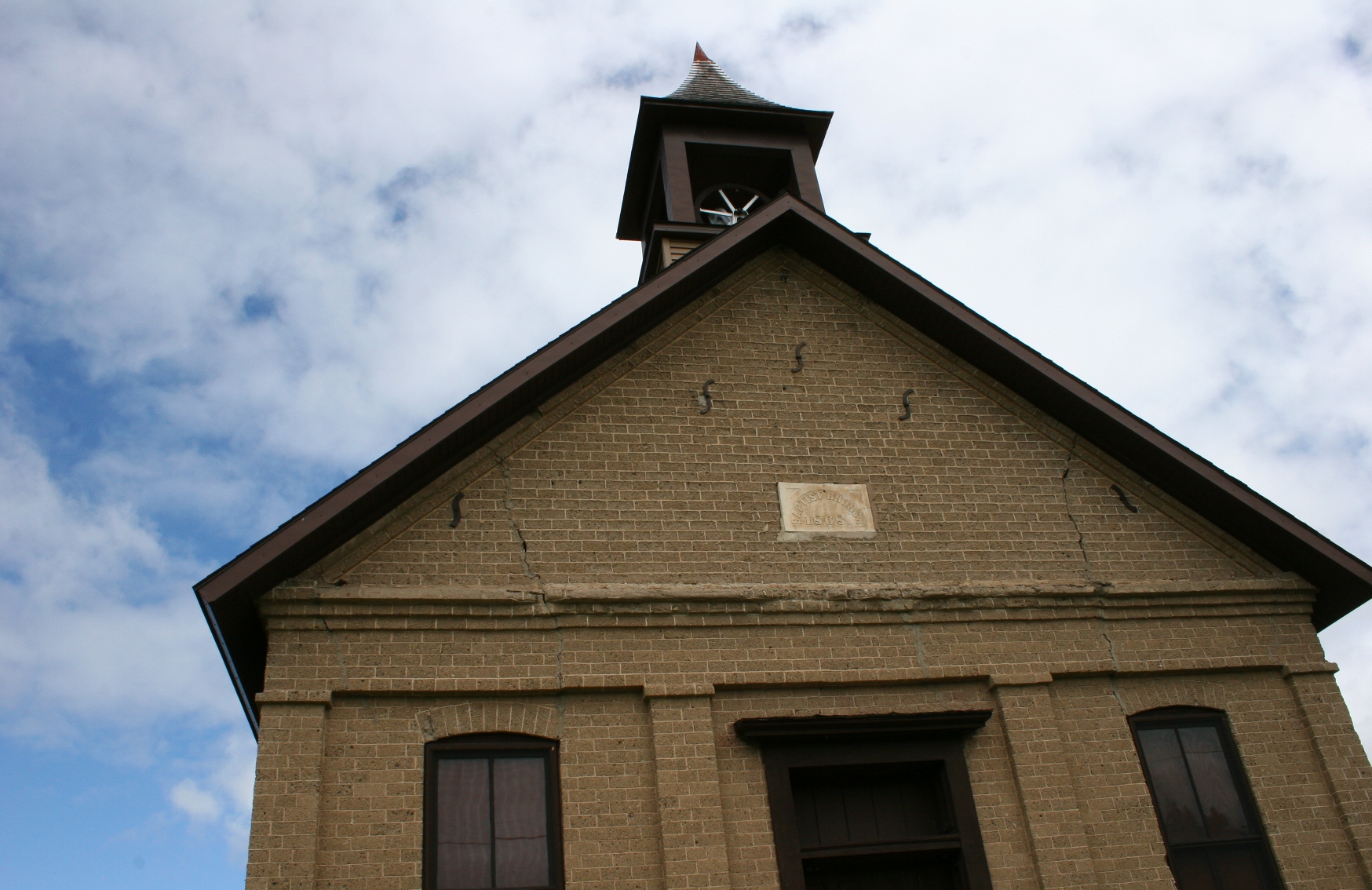
Built of locally-made Geist and Huntzelman cement blocks, the building holds special significance as the earliest known use of concrete blocks in Minnesota. In 1980, the church was placed on the National Register of Historic Places.

Looking up toward the belfry.

Looking up toward the belfry.

It is built in the Greek Revival style, with a belfry added later. In 1959, a concrete block addition was added at the rear of the church.

How wonderful that this remains a functioning church.

How wonderful that this remains a functioning church.

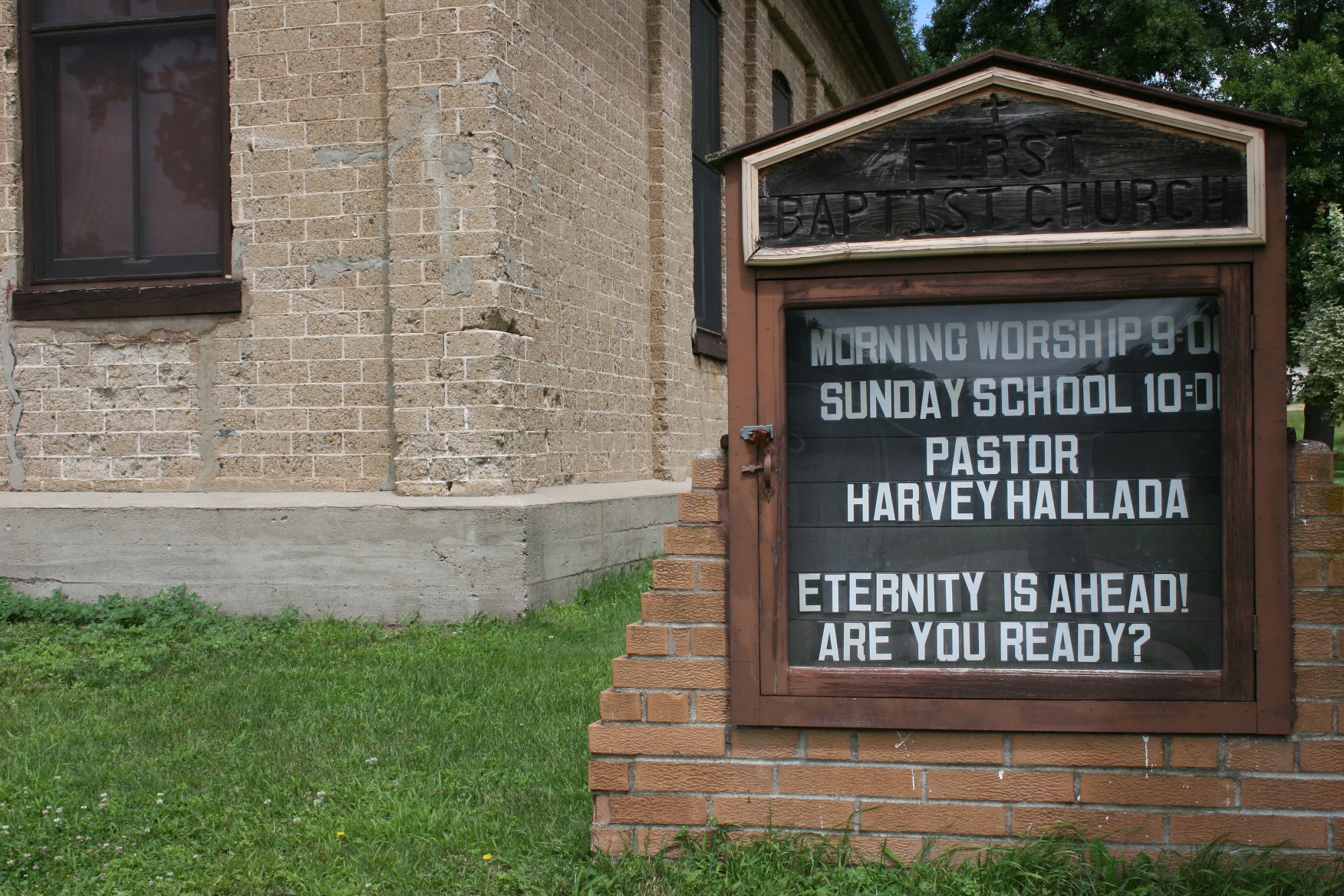
Apparently the structure still functions as a church with the Rev. Harvey Hallada leading 9 a.m. Sunday worship services.

Now sometimes photographers, like my friend Jackie who blogs at “Who Will Make Me Laugh,” find a church door open. Jackie appreciates old churches, barns and drives in the country as much as I do. So be sure to click here to read Jackie’s post showcasing Pilot Mound Lutheran Church in the Chatfield area. She found one gem of a church and several other wonderful old buildings and scenes while on a recent Saturday afternoon drive with her husband.

I’d encourage all of you to follow Jackie and another photo blogger, Dan over at Dan Traun Photography, if you enjoy viewing photographic results of a drive in the country or through the city (that would be Dan).

A side view of the church in Garden City, located 60-70 miles from my home.

A side view of the church in Garden City, located 60-70 miles from my home.

I’d encourage you also to find time in 2014 for country drives. There is much to be discovered nearby, in our own backyards, if only we will take the time to look.

FYI: These photos were taken in July during a brief stop in Garden City, south of Mankato along U.S. Highway 169. See posts from the past two days for additional images shot in Garden City.

© Copyright 2014 Audrey Kletscher Helbling
 

A watercolor photo of an historic Minnesota library August 12, 2013

HE’S PULLED INTO the 15-minute parking spot in front of the library on a rainy Saturday afternoon. I wait in the front passenger seat as my husband dashes inside to return a DVD and pick up a book for me.

I am grateful for his consideration, that I am not the one racing up the sidewalk in the rain.

As I watch the rain glide in sheets across the windshield, I notice how the old stone library, with its signature stained glass windows, appears distorted. The colored windows, in soft shades of rose and wheat, seem undefined, as if brushed in watercolor.

In that moment I stretch downward, reaching for the camera bag at my feet, considering that the dreamy scene unfolding before me might just make for an interesting image. Leaning slightly back, I aim my camera lens upward and snap several photos.

I don’t know what to expect. But later, when I upload the images into my computer, I am pleased to see the surreal first frame exactly as I had hoped. Dreamy. Like a painting.

This marks an epiphany for me as a photographer. When I am willing to think beyond the confines of a neat, orderly, precise photo, the unexpected happens. And it’s  magic.
An unedited image of Buckham Memorial Library in Faribault as taken through the front windshield of our family car while rain was falling. The unusual hue of the sky is from the tint in the windshield.

FYI: The 1929 Thomas Scott Buckham Memorial Library, built of Kasota stone, was designed in the Art Deco style by Charles Buckham of Vermont and is on the National Register of Historic Places. Anna Buckham gifted the library to the city of Faribault in memory of her husband, Thomas Buckham, a prominent local judge and avid Greek scholar with a special interest in the arts.

Anna Buckham chose a Greek theme for the library which includes a Greek window designed by world-renowned stained glass artist Charles Connick of Boston.

In the library’s Great Room, Alfred J. Hyslop, a former art professor at Carleton College in Northfield, painted four Greek murals depicting scenes from Olympia, Athens, Sparta and Delphi.
And, yes, I really should photograph the Connick window and murals to show you. I see this library, use this library, all the time. I’ve simply grown complacent to its artful beauty.

© Copyright 2013 Audrey Kletscher Helbling