
IF YOU WERE TO COLLECTIVELY consider two upcoming events this week and one current art exhibit in Faribault, you would find a common theme. That would be humanity and how we treat one another.
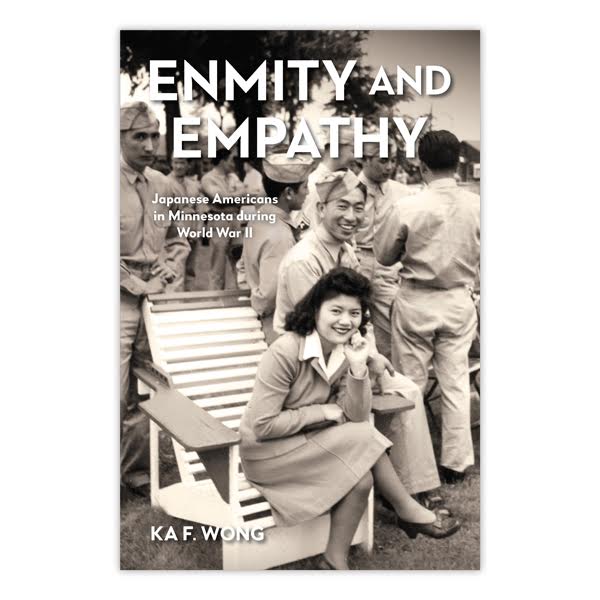
Let’s start with “Enmity and Empathy: Japanese Americans During World War II,” a talk by Dr. Ka Wong, set for 6 p.m. Thursday, March 19, at the Rice County Historical Society in Faribault. Wong, a professor of Asian Studies at St. Olaf College in Northfield wrote a book by that name. I’m 25 pages into the book, which was published in May 2025 by the Minnesota Historical Society Press and is a finalist for the “Emilie Buchwald Award for Minnesota Nonfiction” Minnesota Book Award.
Award nominee or not, this book is assuredly a winner for the depth and volume of information Wong shares about imprisoned Japanese Americans, something unknown to many Americans. My knowledge is limited, so I’m looking forward to this presentation.
In promoting Wong’s talk this Thursday evening, the county historical society shared this in a media release:
Drawing on personal interviews, archival sources, and historical literature, Professor Ka Wong explores the courageous struggles of trailblazers who left the incarceration camps and rebuilt their lives in the North Star State. He will share stories of college students pursuing higher education, including the two colleges in Rice County, young men and women training at the Military Intelligence Service Language School at Camp Savage and then Fort Snelling, the US Cadet Nurse Corps serving in Rochester hospitals, and entrepreneurial families and individuals in the Twin Cities and beyond.
All of this, of course, makes me think of the recent massive federal immigration enforcement in Minnesota. In that operation, many were illegally detained by federal agents, flown out of the state and held without due process in detention camps, where they remain. Others were released, some deported. I expect Wong may address this during his presentation. He can definitely provide historic perspective.
NOTE: Reserve a spot at this talk by calling (507) 332-2121. Space is limited. Admittance is free for RCHS members and $5 for non-members.
ART EXHIBIT FEATURES IMMIGRANT PORTRAITS
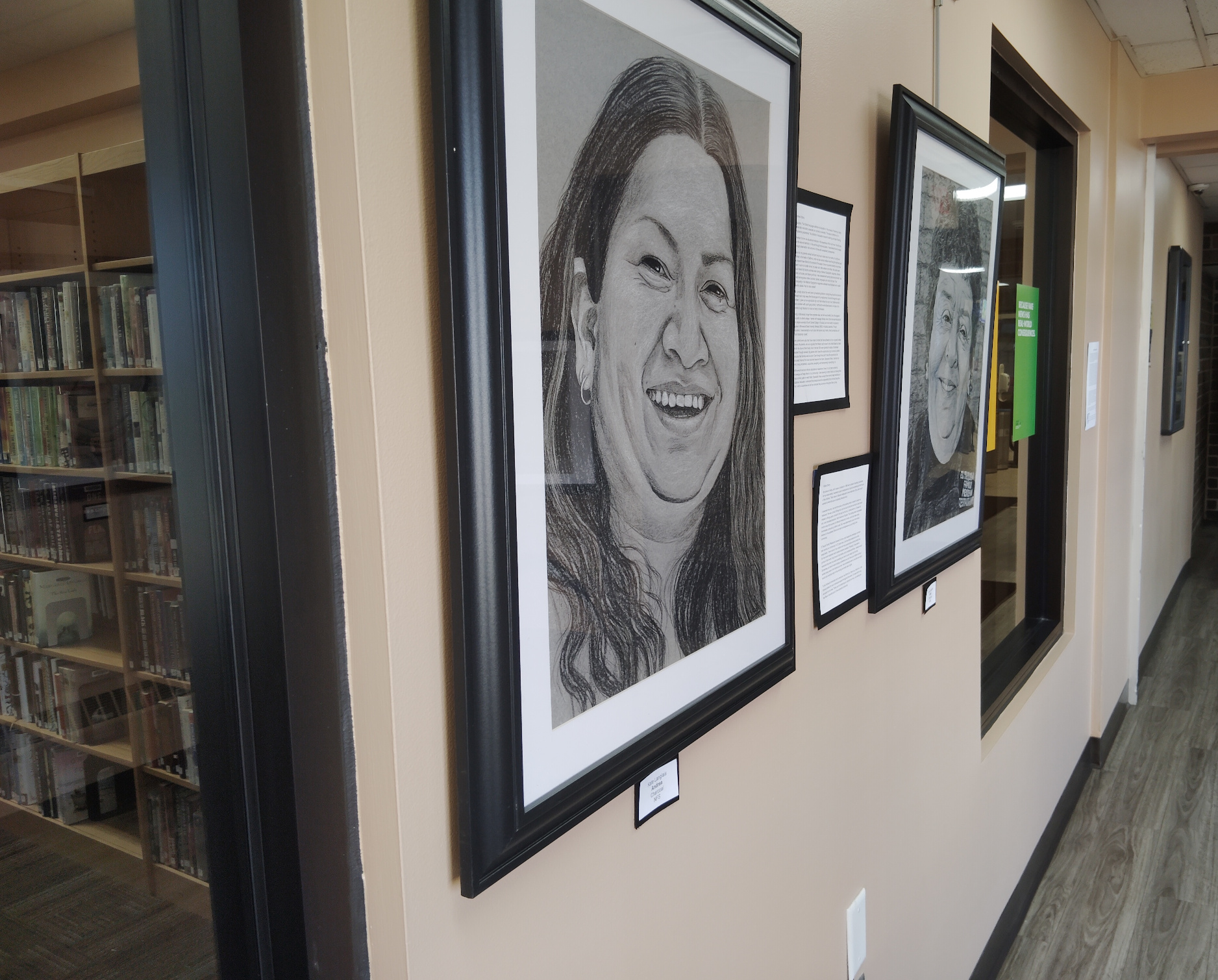
Immigrants are the focus of an exhibit currently showing in the hallway between the Faribault Community Center and Buckham Memorial Library. Faribault artist Kate Langlais shows 13 of her portraits from her “I Am Minnesota” project. These are first and second-generation immigrants.
Four months ago, Langlais’ immigrant portraits filled a spacious gallery at the Paradise Center for the Arts in Faribault. These are selected drawings from that show. She’s also previously shown her artwork in the same space where the 13 portraits now hang.
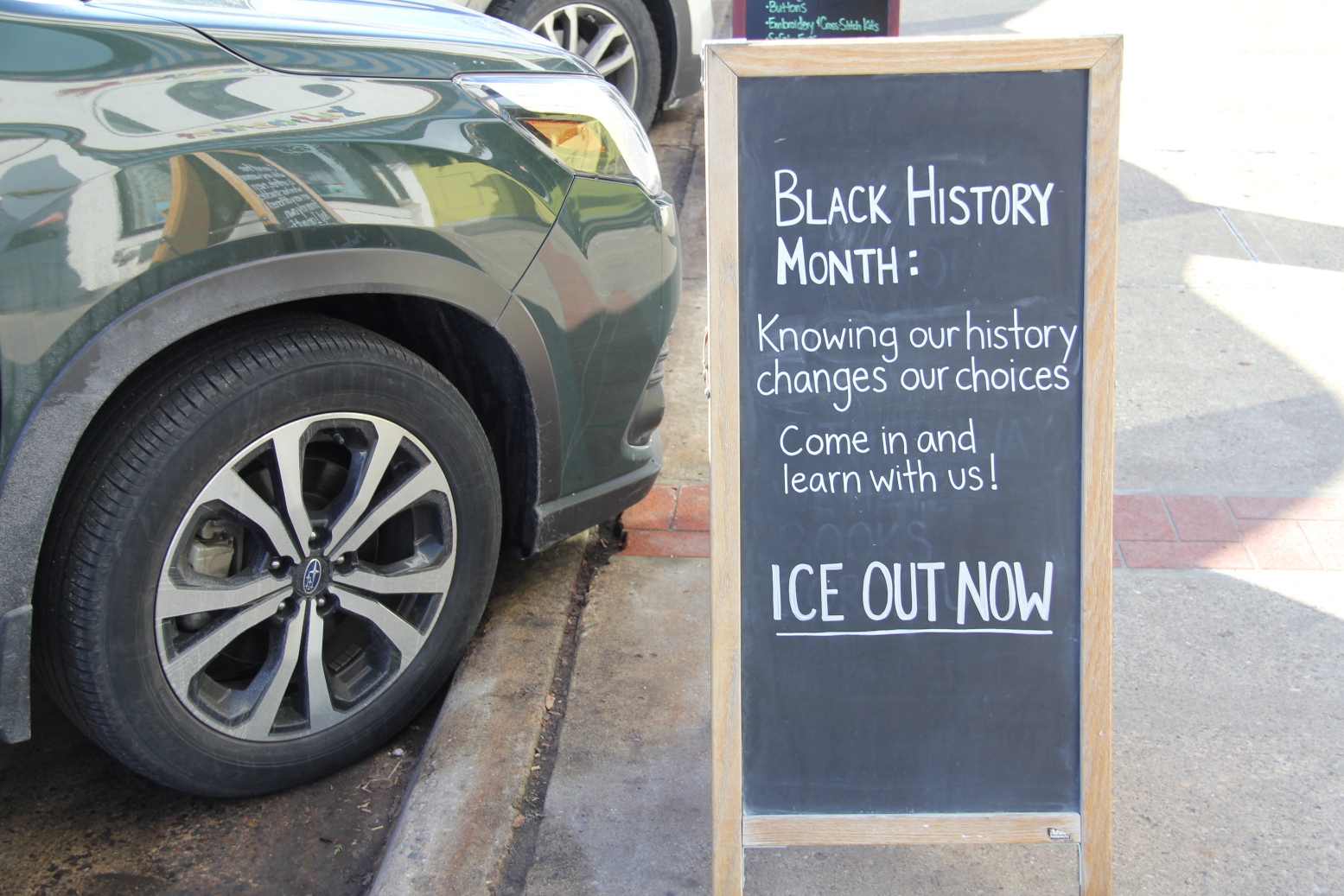
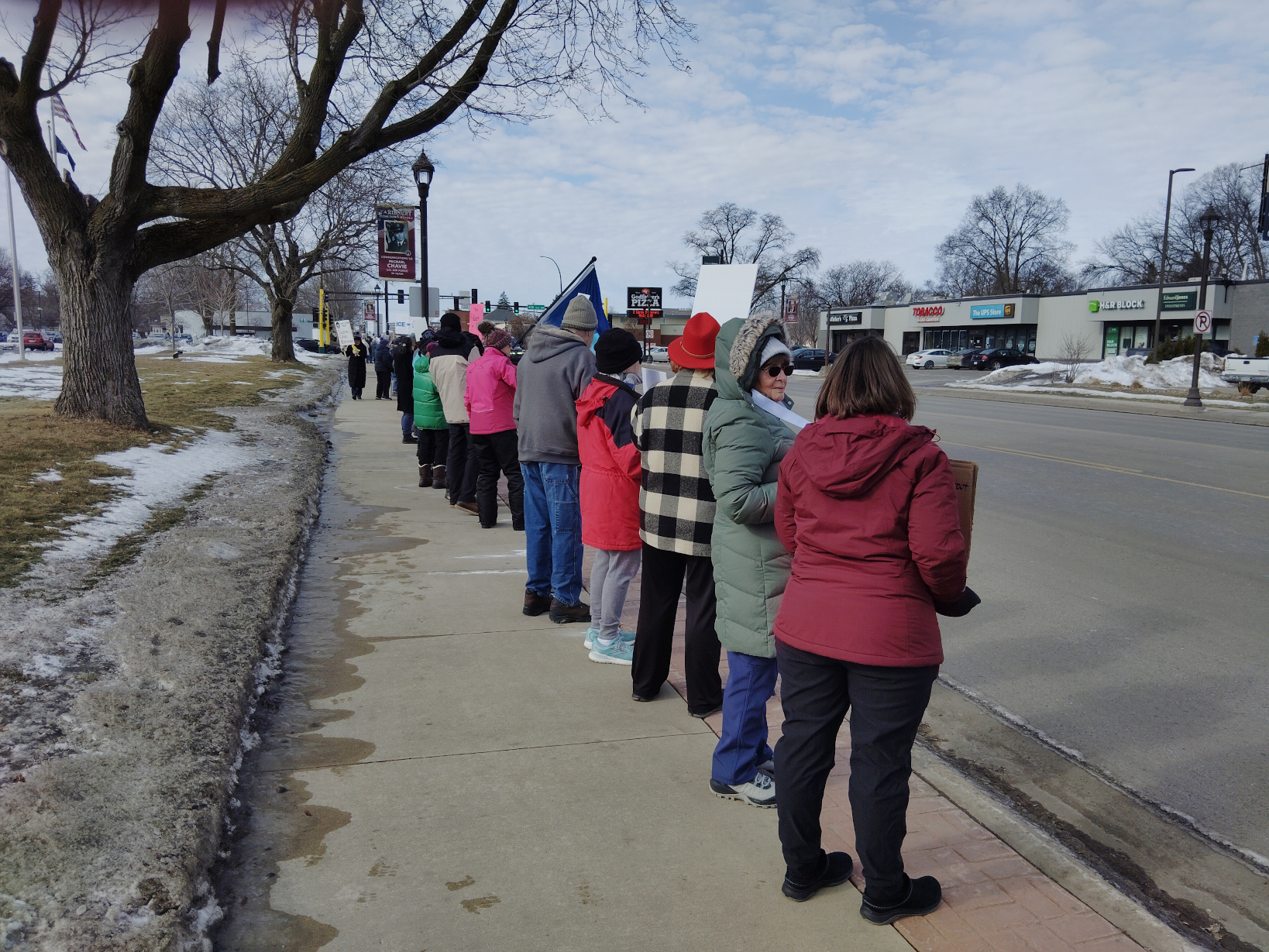
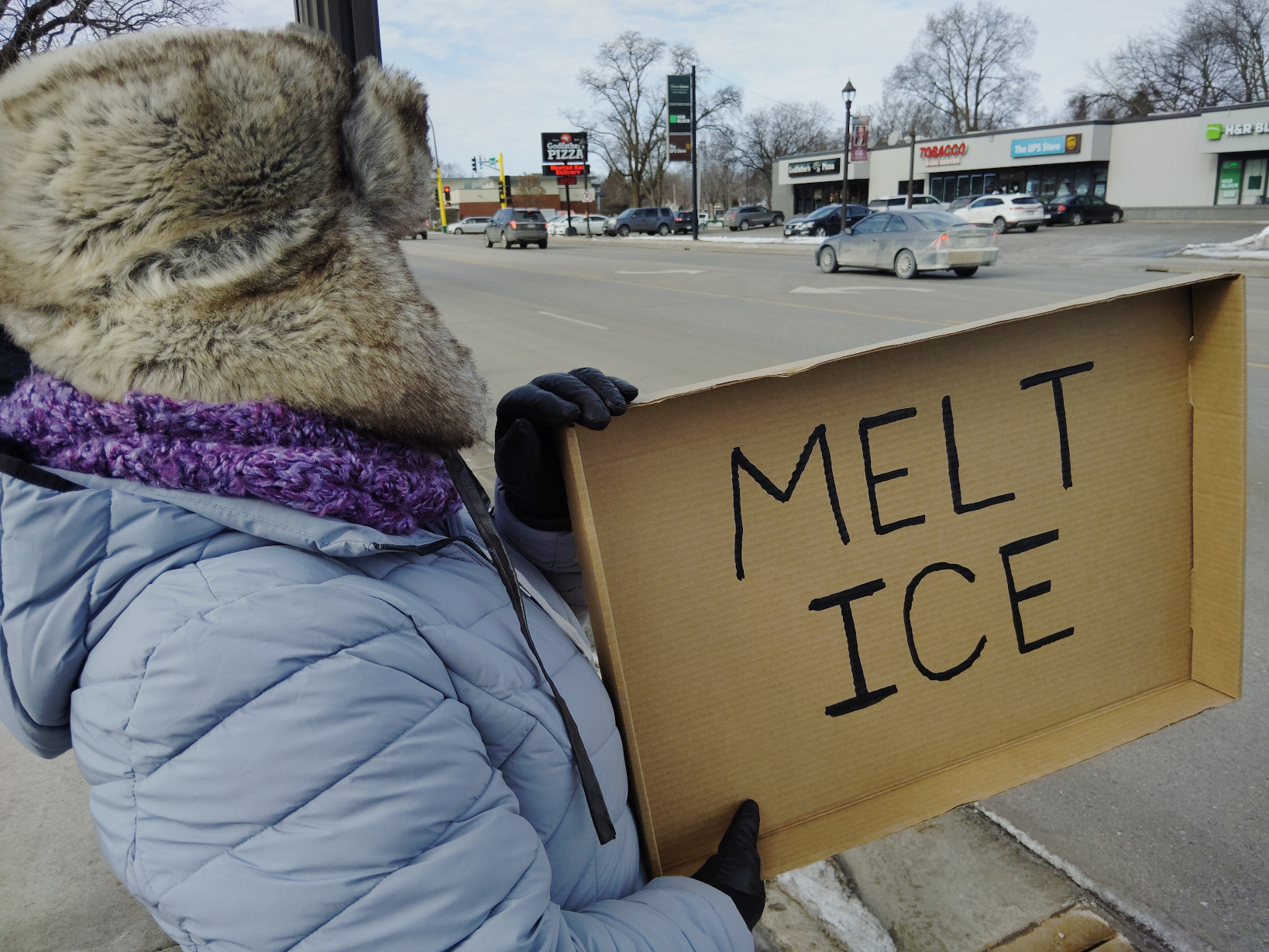
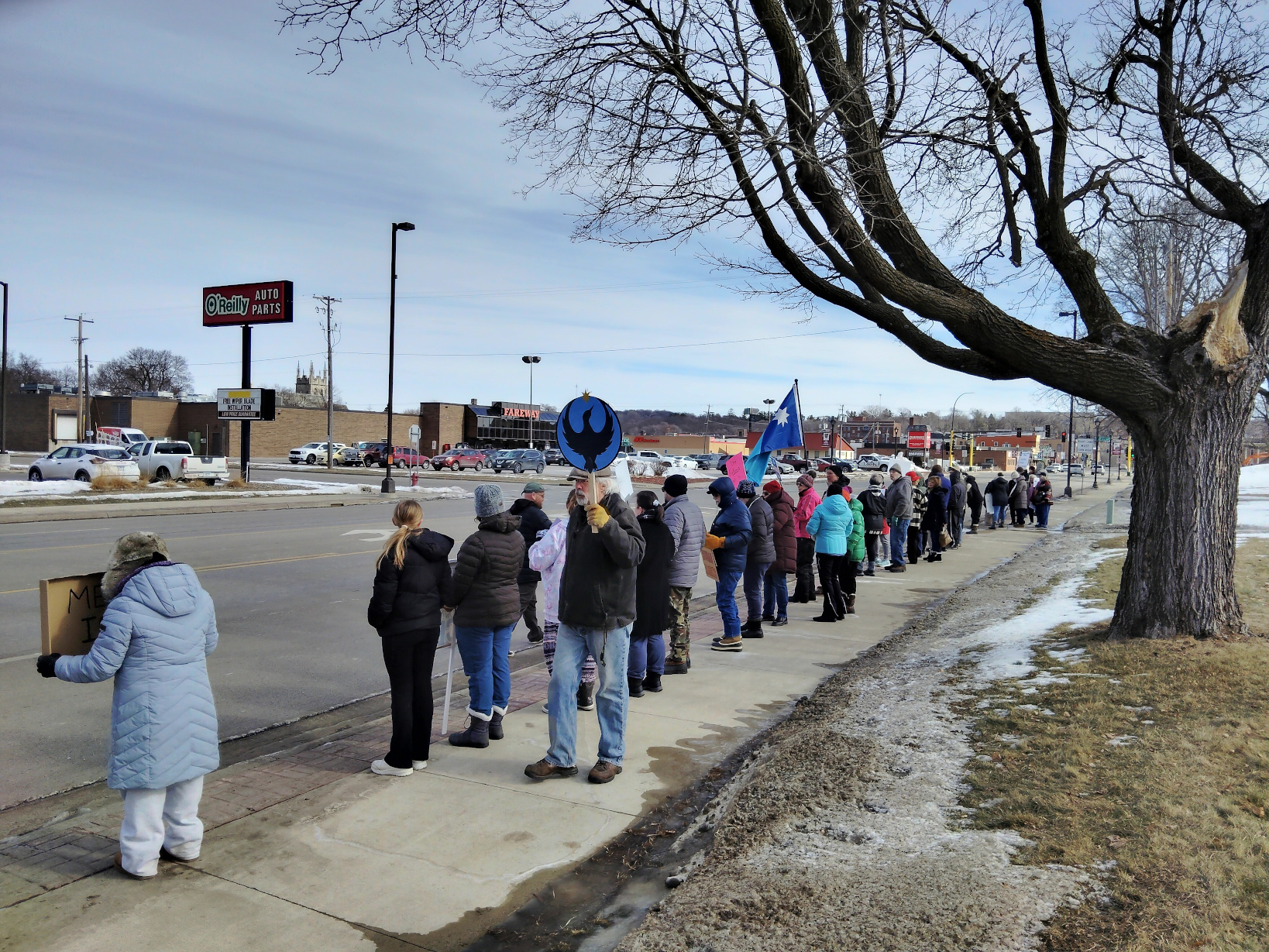
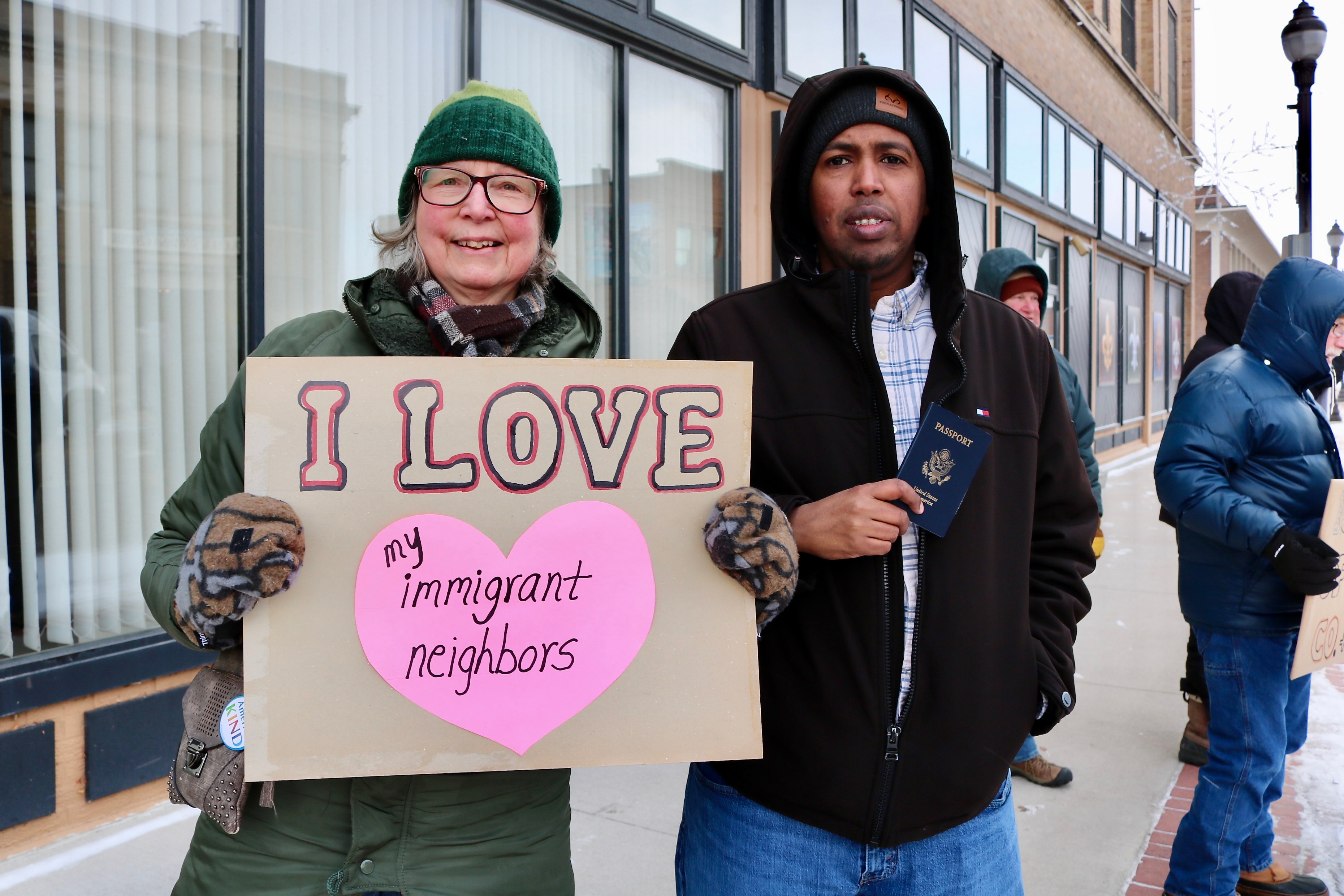
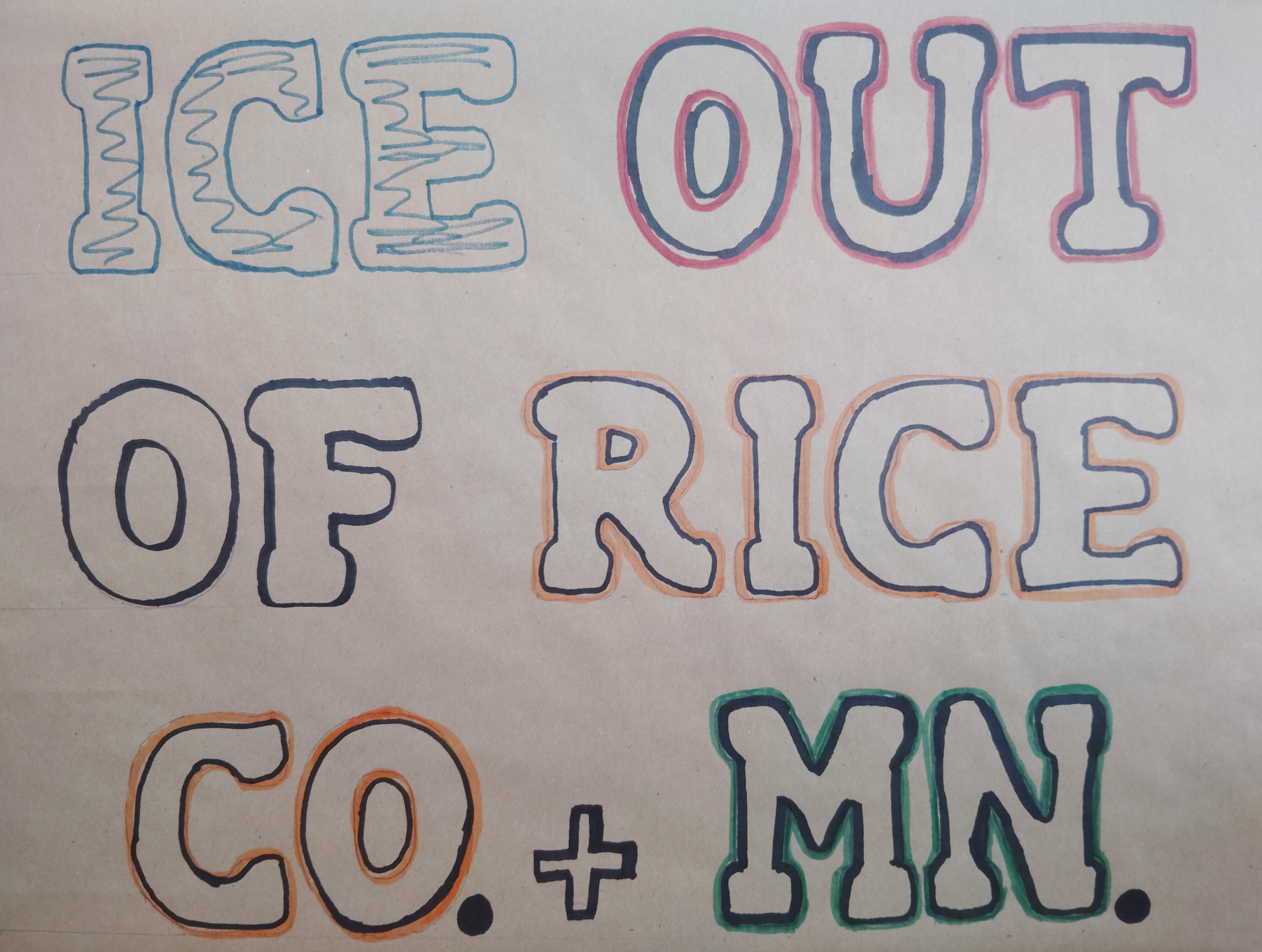
In my opinion, these portraits should be shared as often as possible in Faribault, which has not always been particularly welcoming to immigrants. I’m certainly not talking everyone, but too many people would rather our newest neighbors from Somalia, Mexico and other countries leave our city. I’ve heard that shouted while protesting ICE operations.

AN AUTHOR TALKS ABOUT THE GOSPEL OF SALOME
Finally, St. Olaf College professor and author Kaethe Schwehn will talk about her newest book, The Gospel of Salome, at 6 p.m. Wednesday, March 18, at Books on Central in Faribault. The historical novel set in Biblical times follows a mother who is navigating a complex world of gender and power imbalances during the First Century. Schwehn will read from her book and talk about some of its themes, examining ideology, motherhood and a poignant argument for love and equality in today’s world, according to pre-event information.
I expect good discussion will follow, as it always does at these free literary events at Books on Central.
There’s a lot to be learned in Faribault this week. I hope locals and others will embrace these three opportunities to grow their knowledge and broaden their perspectives.
© Copyright 2026 Audrey Kletscher Helbling











 Minnesota Prairie Roots
“Evening Prayer for Our Nation” planned at Bishop Whipple’s church in Faribault February 2, 2026
Tags: "Evening Prayer for Our Nation", America, Bishop Henry Whipple, Bishop Henry Whipple Federal Building, Cathedral of Our Merciful Saviour, commentary, community gathering, faith, Faribault, history, immigrants, Immigration and Customs Enforcement, Minnesota, news, prayer service, refugees, social justice
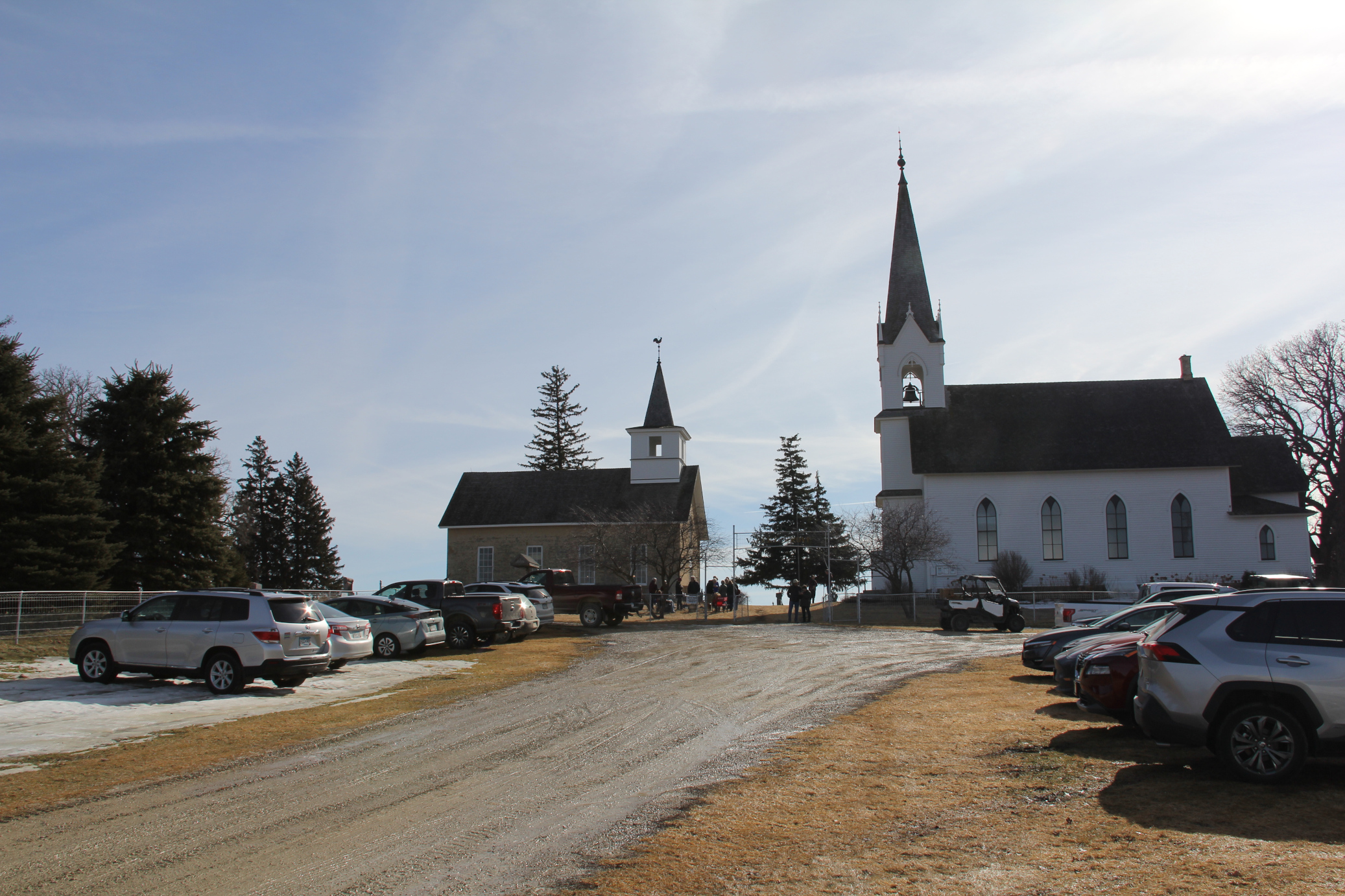
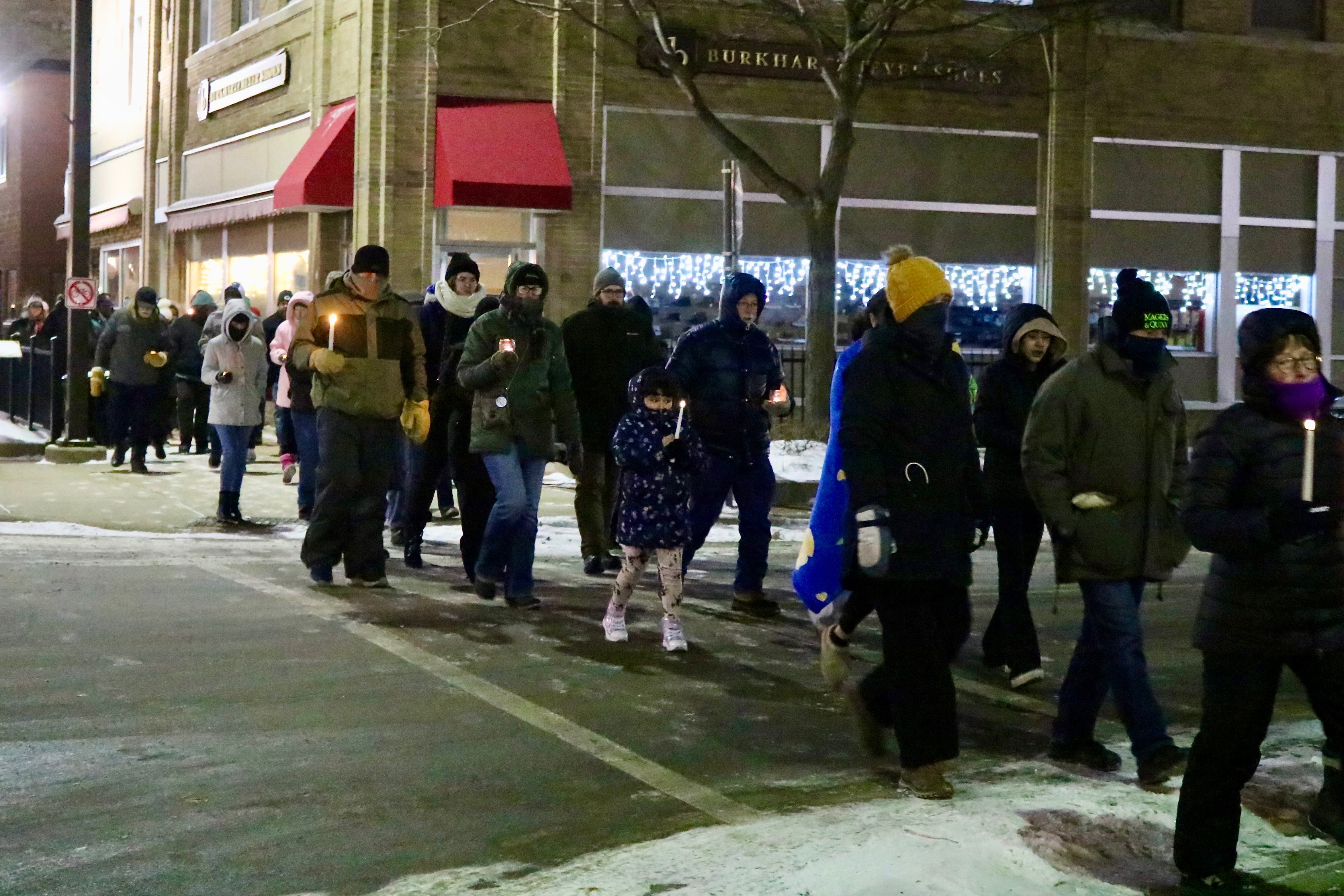
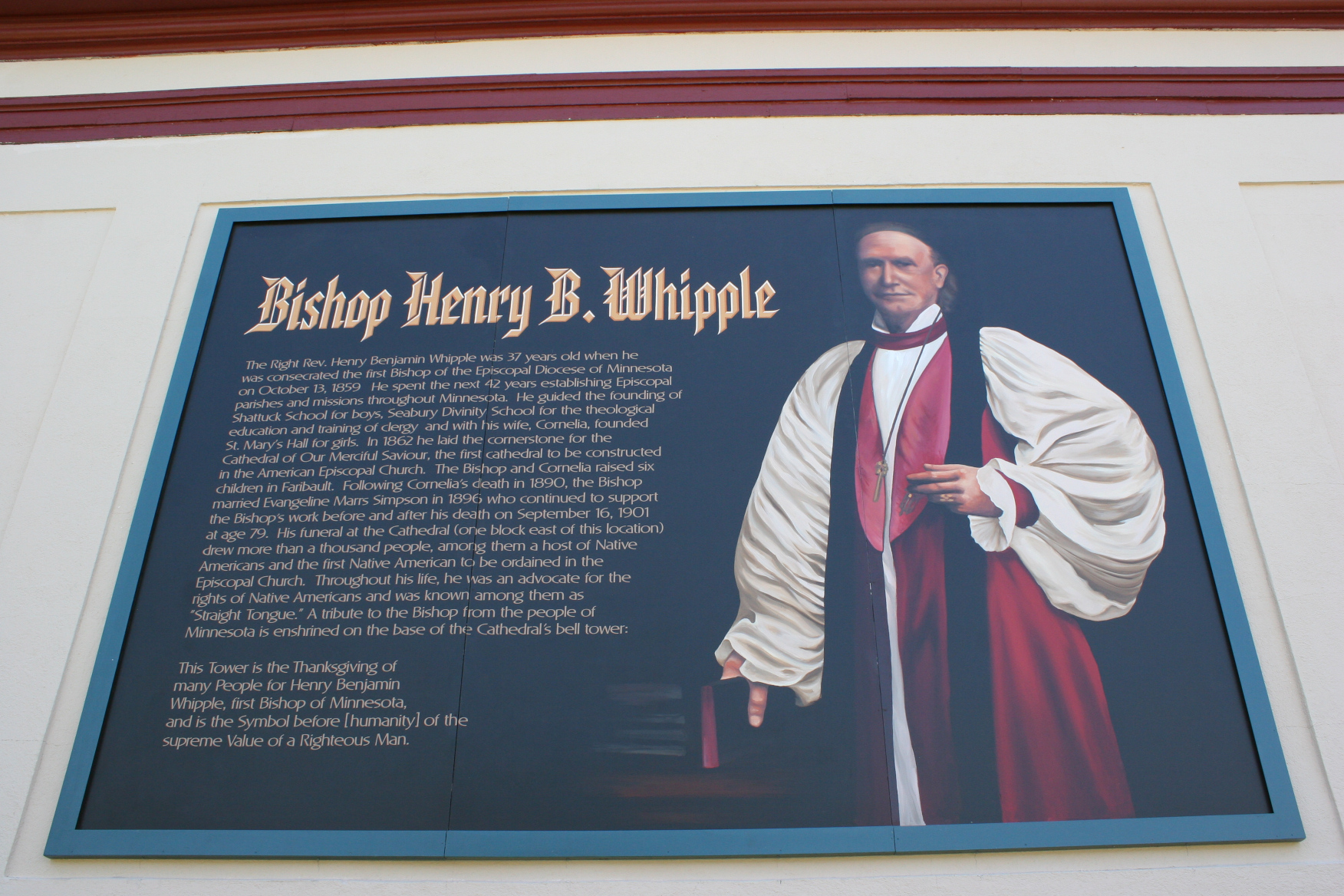
FIFTY MILES FROM THE NON-DESCRIPT Bishop Henry Whipple Federal Building currently housing ICE detainees in Minneapolis, a beautiful, aged cathedral rises high in the heart of Faribault. Wednesday evening, February 4, that magnificent, massive cathedral—Bishop Whipple’s church—will center a community gathering.
Beginning at 7 p.m. the historic Cathedral of Our Merciful Saviour will open its doors for “Evening Prayer for Our Nation” in support of Faribault’s refugees and immigrants. The Cathedral’s pastor, the Rev. James Zotalis, and the Rev. Henry Doyle will lead the event, which includes prayers, readings, music and teachings from Bishop Whipple.
Organizers also promise networking opportunities and information about ways to help others.
Bishop Whipple, who shepherded this congregation while serving as the first Episcopal bishop of Minnesota beginning in 1859, would surely be pleased with the upcoming gathering just as he would surely be displeased with the imprisonment of detainees at the federal building bearing his name. He would likely be standing alongside protesters protesting immigration enforcement and asking to visit detainees inside.
This clergyman focused his ministry on “justice and mercy for all.” And that is evidenced in his ministry to the Dakota both in Faribault and parts west in Minnesota and then at Fort Snelling. Whipple went to the fort and ministered to the Dakota held captive there following the U.S.-Dakota War of 1862.
When 303 Dakota were sentenced to hanging after the war, Whipple traveled to Washington DC to ask President Abraham Lincoln to spare their lives. Lincoln pardoned most, but 38 were still hung in the nation’s largest mass execution.
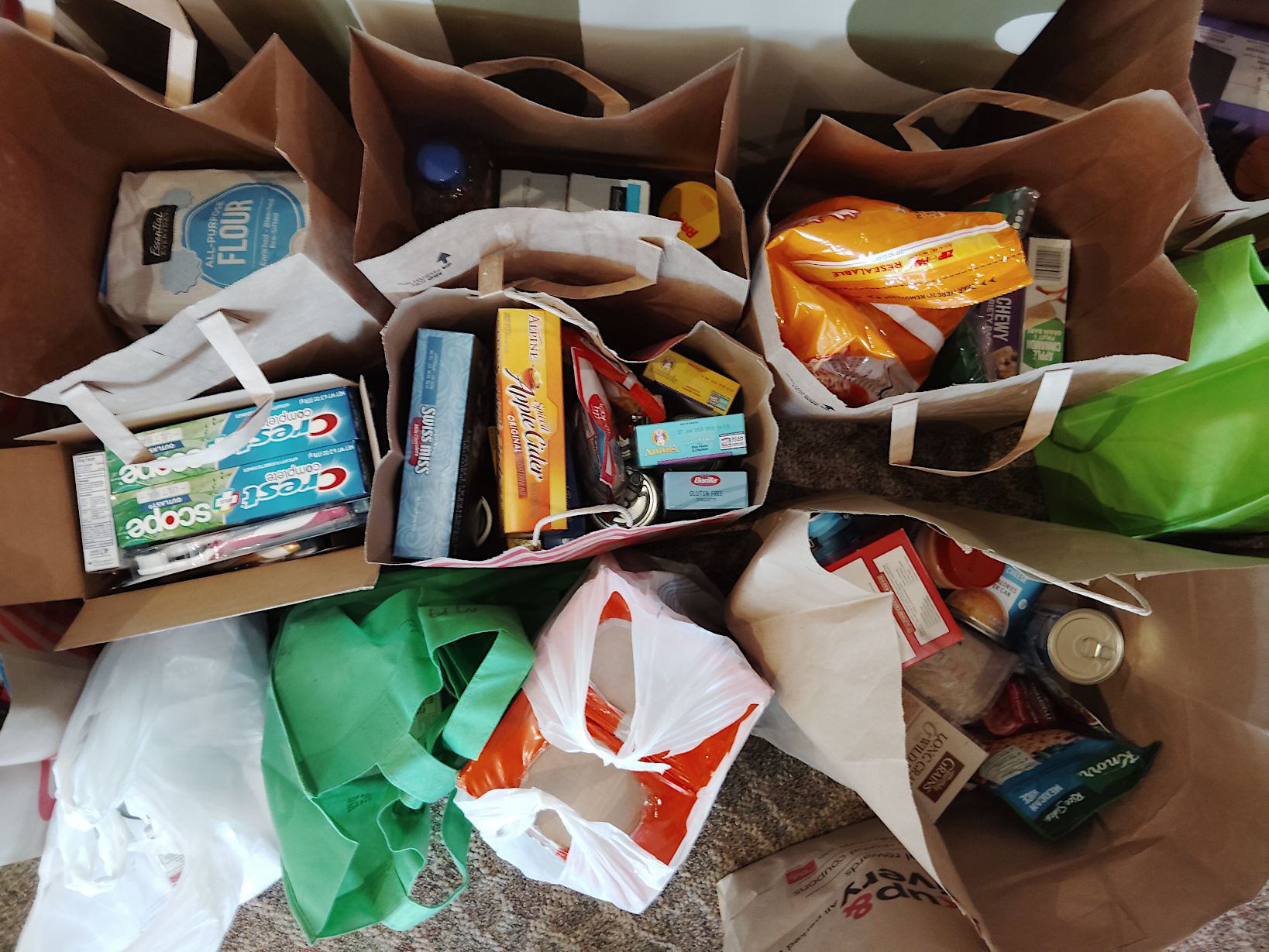
If Bishop Whipple was alive today, I expect he would be doing everything in his power to help anyone threatened and/or taken by ICE and CBC. But because he is not here, it is up to us to help. I know many people in my community are helping quietly behind the scenes. Walking kids to bus stops. Giving co-workers rides. Delivering groceries. Donating money and food. Volunteering.
Wednesday evening’s “Evening Prayer for Our Nation” is needed, too. It’s needed to bring people together in community, to unite, to uplift, to pray, to share, to recharge, to publicly support our neighbors, to find tangible ways to help. Bishop Whipple would feel grateful. He cared. And so should we.
#
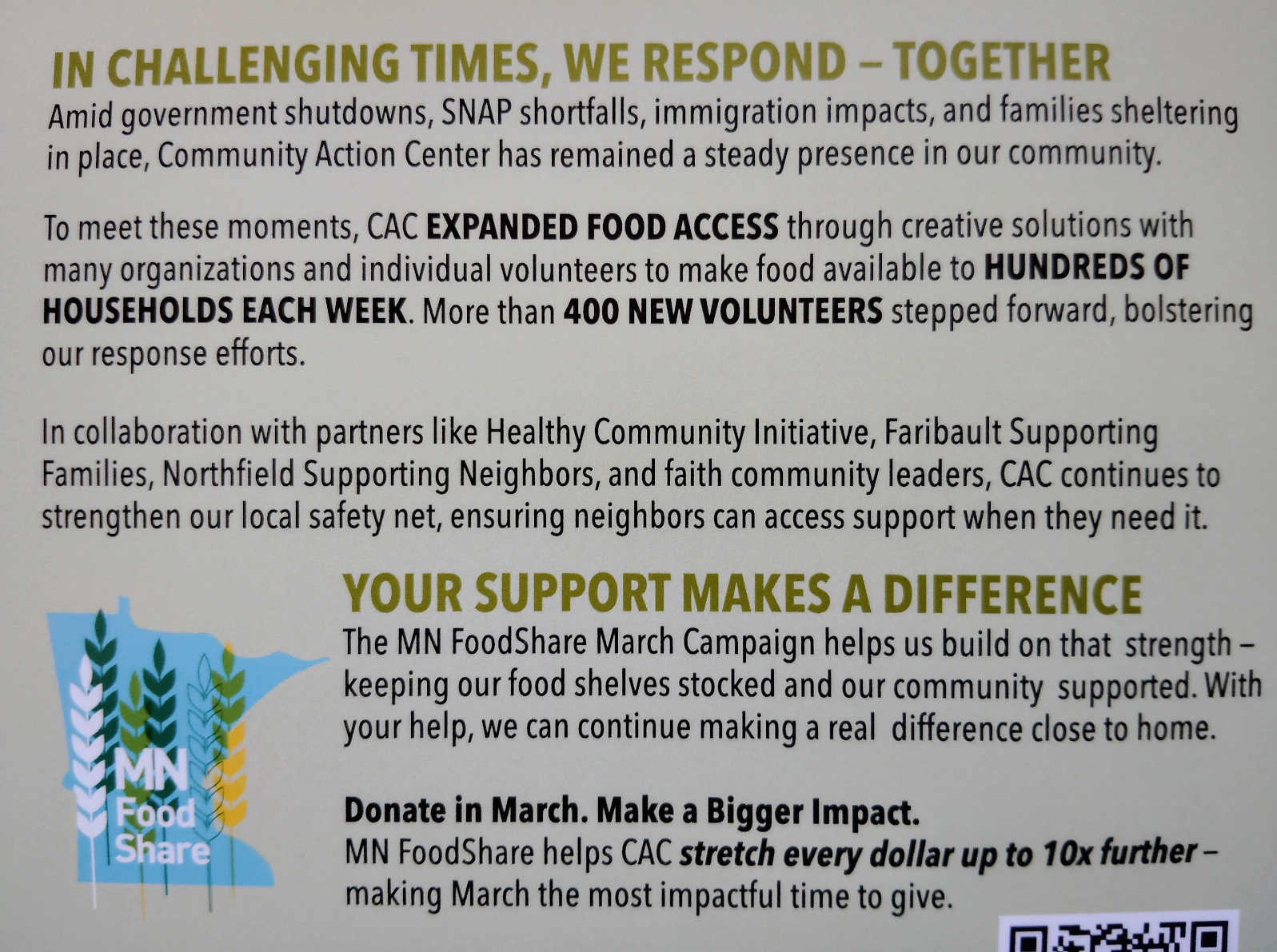
FYI: Whether you live near or far, Faribault nonprofits are in need of donations to help families sheltering in place during ICE operations in Minnesota. This is not just a Twin Cities metro enforcement. Many communities in greater Minnesota, including mine, are suffering.
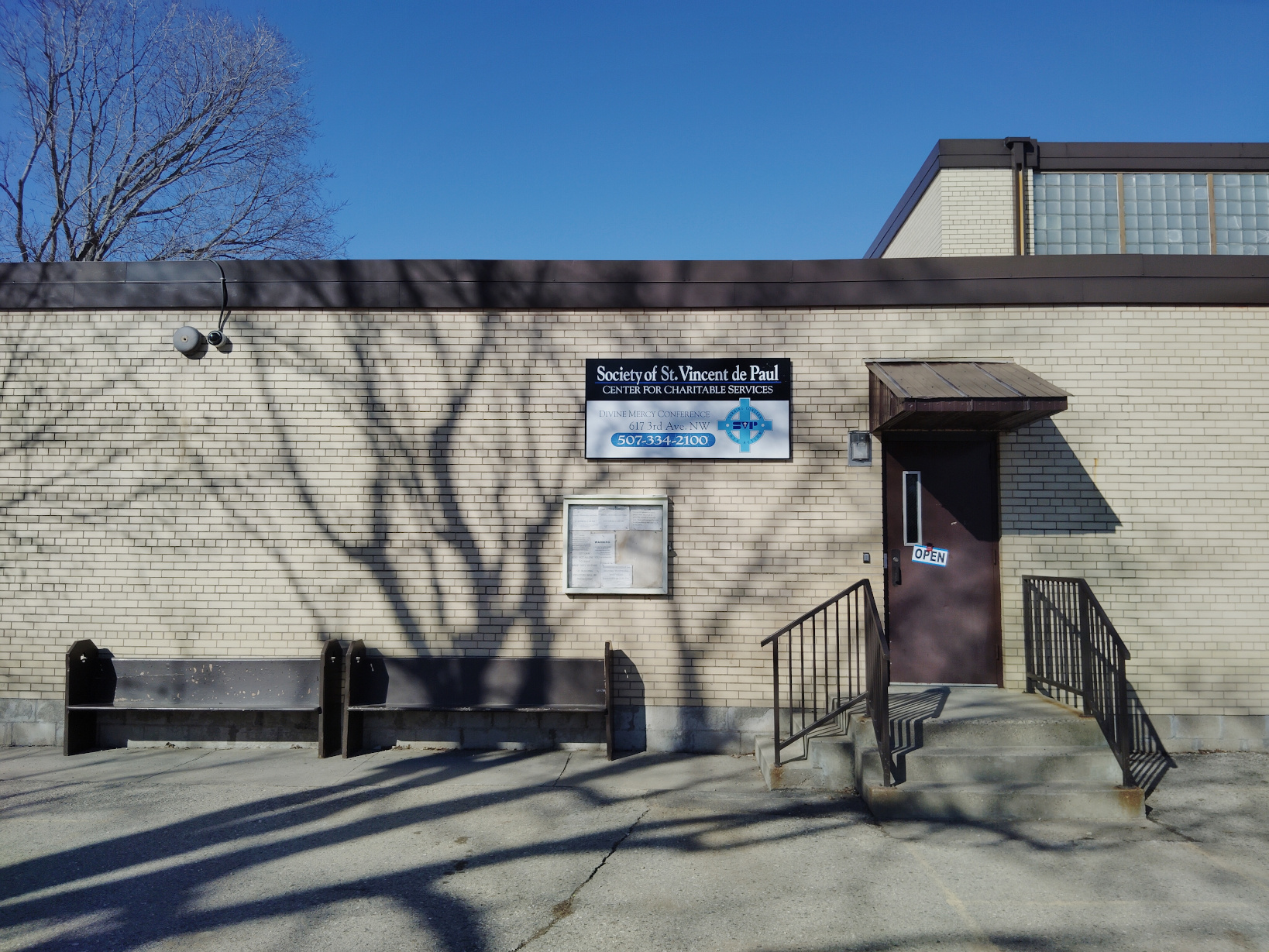
Please consider helping immigrants and refugees in my community via a monetary donation to the Community Action Center in Faribault (Community Response Fund) or to St. Vincent de Paul. The need for rental assistance, especially, is growing.
© Copyright 2026 Audrey Kletscher Helbling