Minnesota Prairie Roots

Writing and photography by Audrey Kletscher Helbling

Bottled apple pie and Amish butter in Tomah November 2, 2011

UP UNTIL SUNDAY, Tomah, Wisconsin, meant little to me except as the half-way point between my home 2 ½ hours away in southeastern Minnesota and my daughter Miranda’s home 2 ½ hours away in eastern Wisconsin.

Located near the intersection of Interstates 90 and 94, this town of around 10,000 has been the ideal place to stop and stretch before jumping onto two-lane, wood-edged Wisconsin State Highway 21 which runs through umpteen mostly tiny towns all the way to Oshkosh. Not that I have an issue with small towns and woods and such. But if you want to make time and avoid deer, this highway is not the one to take.

Sorry, I got sidetracked there for a minute thinking of the long stretches of woods without a home in sight, miles and miles without cell phone service, cranberry bogs hugging the roadway, dead muskrats and dead deer.

Oh, and one other tidbit you should know about Highway 21. Amish travel this narrow and busy state highway. In their buggies. Day or night. And especially on Sundays.

But back to Tomah, which, by the way, also happens to have a fabulous cheese shop, Humbird Cheese, conveniently positioned right off I-94 at its intersection with Highway 21.
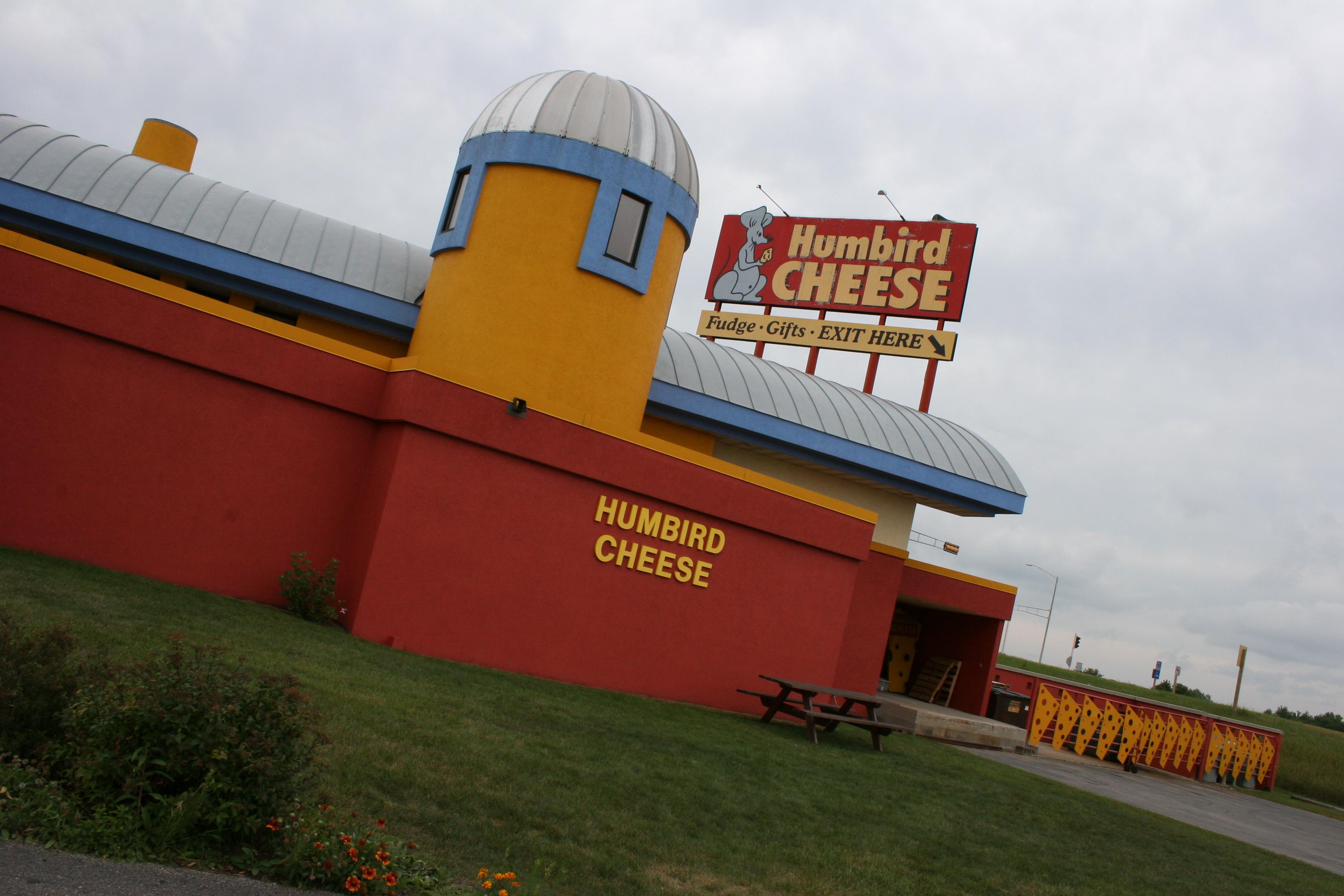
Humbird Cheese, a popular tourist stop at Tomah, Wisconsin.

On Sunday, I wasn’t looking for a cheese shop, but rather a place where my husband and I could meet our daughter and her friend Gerardo for lunch and a car swap. That’s how we ended up at Burnstad’s European Restaurant, Village and Pub. I found information about this shopping and eating complex online and determined it would be the ideal place to connect. If one or the other of us had to wait, we’d have something to do.

Burnstad’s, as it turns out, offers plenty of time-killing shopping options. I was most happy to see Amish products sold here as I am fascinated by the Amish. Not that I bought anything Amish, like a log of Amish butter or cheese or chocolate candy or egg noodles or preserves.
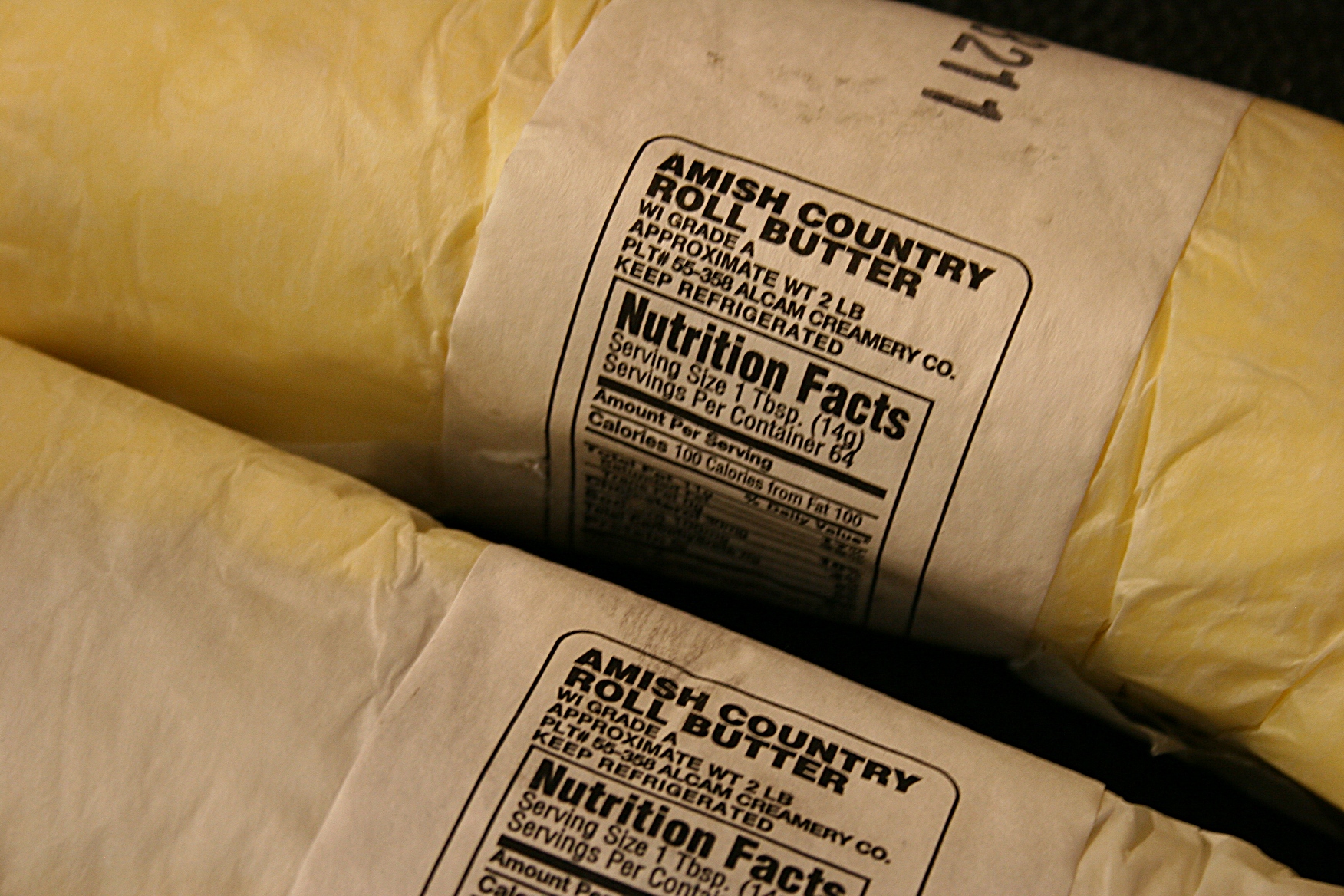
Amish Country Roll Butter from ALCAM Creamery Co. and sold at Burnstad's.

But…I could have…if my husband hadn’t dropped money on a bottle of semi-sweet cranberry wine from Three Lakes Winery; Travis Hasse’s Original Apple Pie Liqueur produced by Drink Pie Company in Temperance, Michigan, but originating from the Missouri Tavern near Madison (and which we may serve to our Thanksgiving dinner guests if there’s any left by then); and blueberry craisins, which I thought were dried blueberries (they’re not; they’re dried cranberries with grape and blueberry juice concentrate). Lesson learned here—read ingredient lists and know the definition of “craisin.”
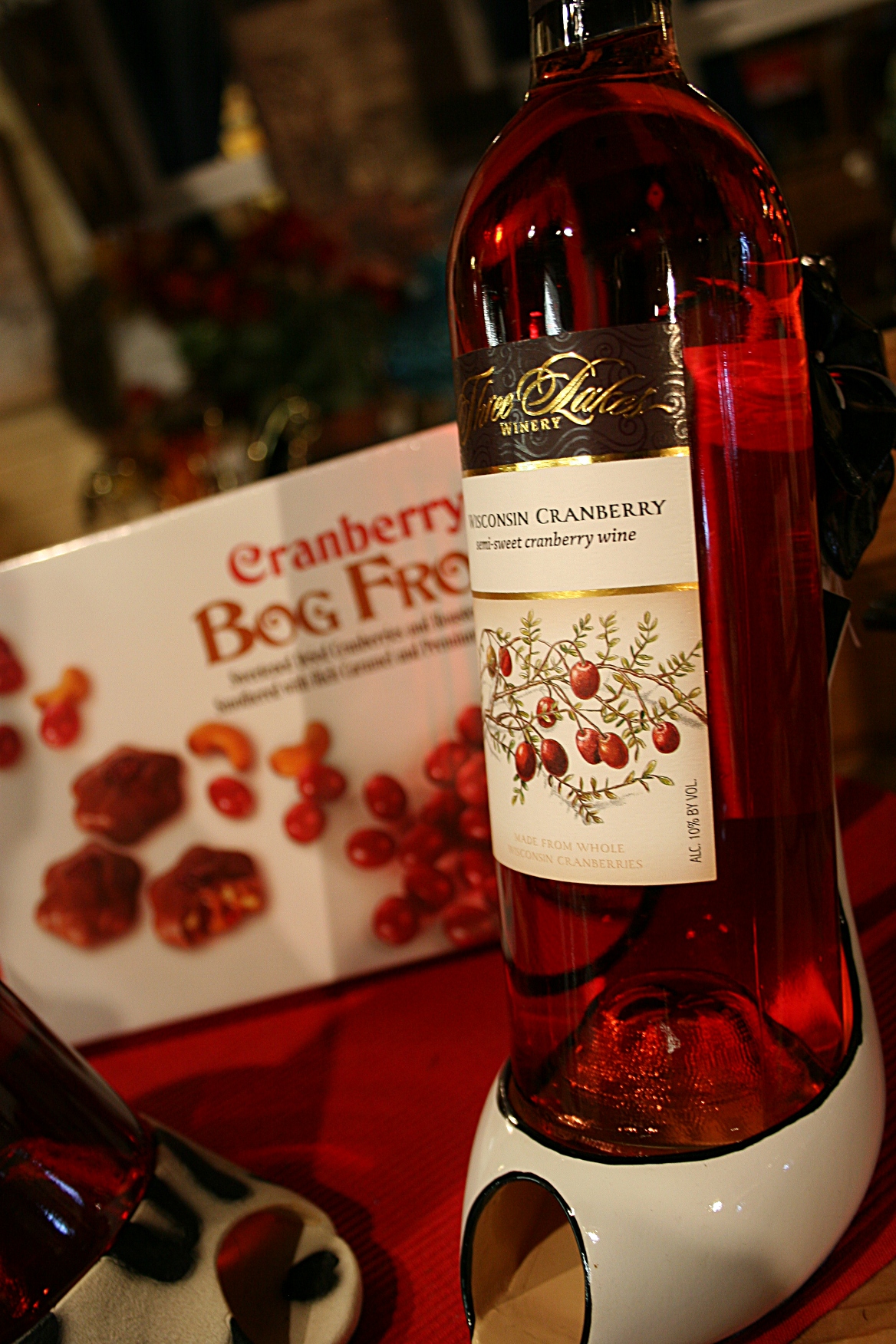
Wisconsin cranberry wine displayed in, of all things, a high-heeled shoe. Huh?
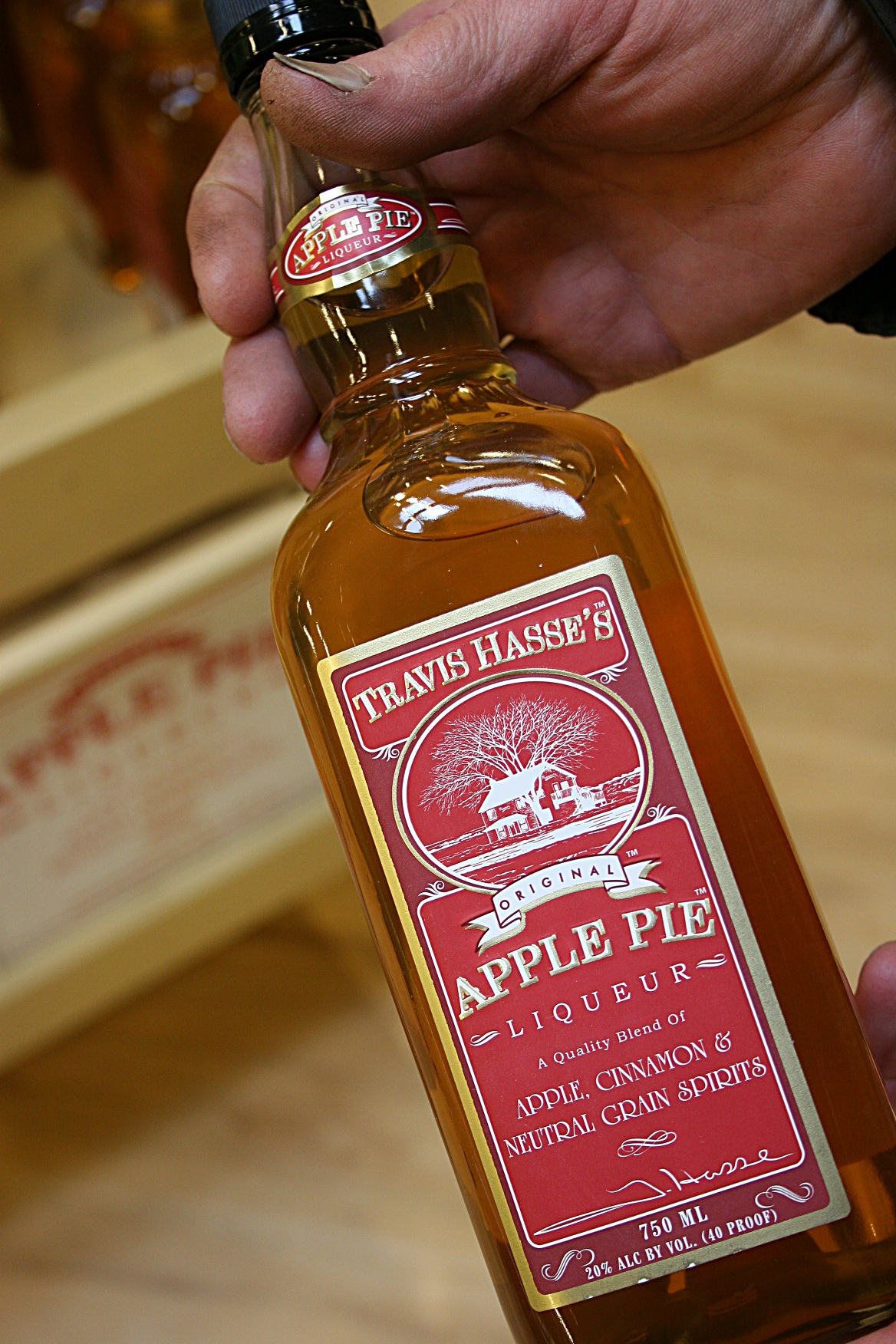
"People are looking at you," my husband said when I asked him to hold this bottle of Apple Pie Liqueur so I could photograph it. I replied: "I don't care. I'll never see them again."

All that aside, Burnstad’s rates as one impressive place. Impresssive to me primarily because of the atmosphere—including a cobblestone pathway meandering past the restaurant and pub and gift shops—and cleanliness. Honestly, in the European market/grocery store, the spotless, shiny floor reflected like a lake surface on a calm and sunny summer afternoon. I’ve never seen such a clean floor in a grocery store, or maybe anywhere.
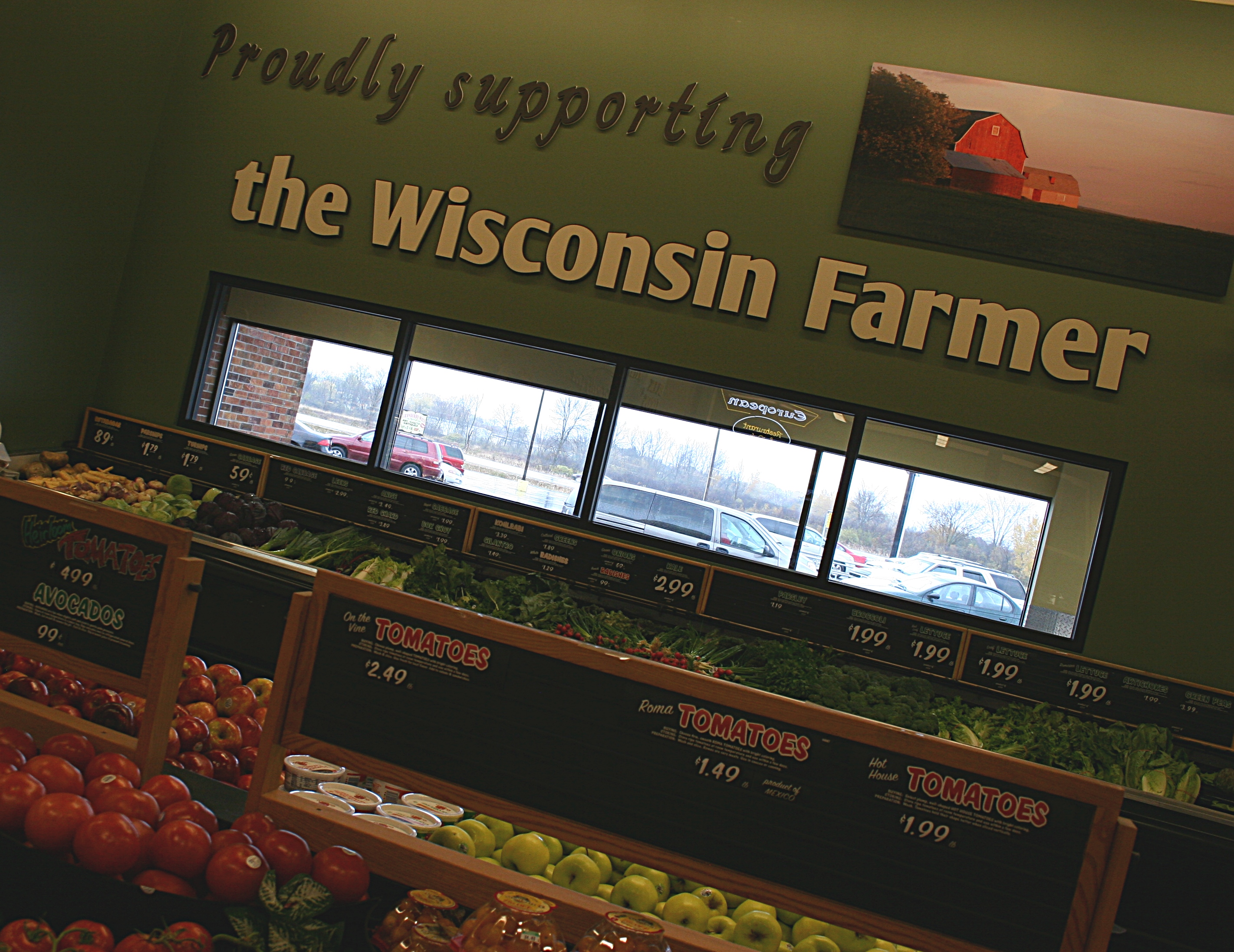
I didn't photograph the floor of the grocery store, because shoppers really would have stared at me. But I did photograph this sign, which so impressed me with its support of Wisconsin farmers.

Then there’s the pie. Oh, the pie. Typically my family doesn’t order dessert in a restaurant. But the pie in the rotating display case proved too tempting, especially when I inquired and learned that the pies are made fresh daily. So Miranda and Gerardo each selected a piece—Door County cherry and rhubarb/raspberry—which the four of us promptly devoured. We were celebrating Gerardo’s October 29 birthday and Miranda’s soon-to-be birthday. If you like pie, Burnstad’s pie is the pie to try. I wonder if it’s made by the Amish?

Speaking of which, right outside the gift shop entrance you’ll see an Amish buggy. I wanted Miranda and Gerardo to pose for a photo. My daughter was having none of that. Since I’m the one semi-possessed by all things Amish, she insisted I climb into the buggy for a photo op. I refused to wedge myself inside the close confines of that buggy. So instead, I stood next to it and smiled a tourist smile like any good Minnesotan would.
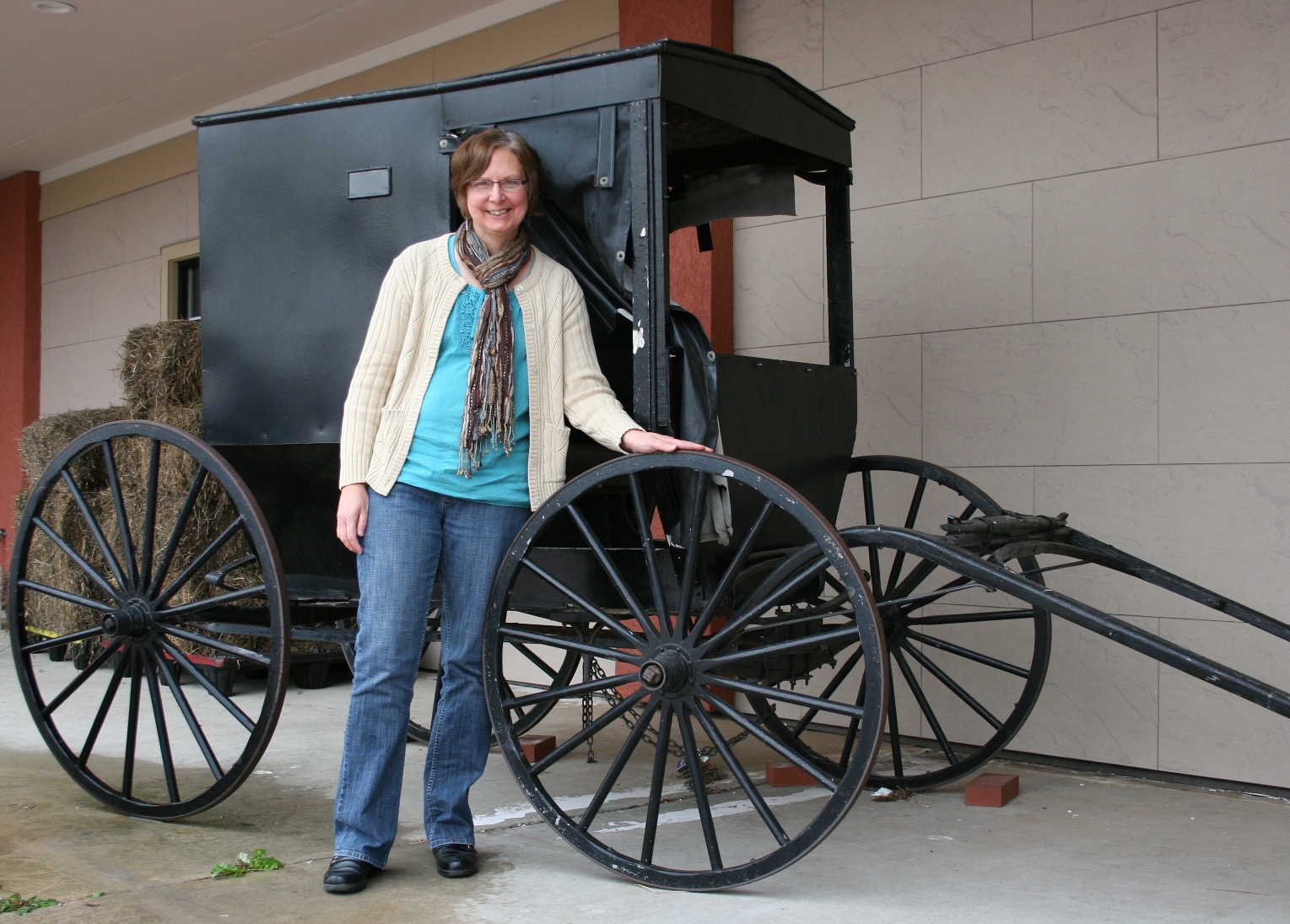
I put on my tourist face for this Amish buggy photo. Just down Highway 21 you'll see authentic Amish buggies.
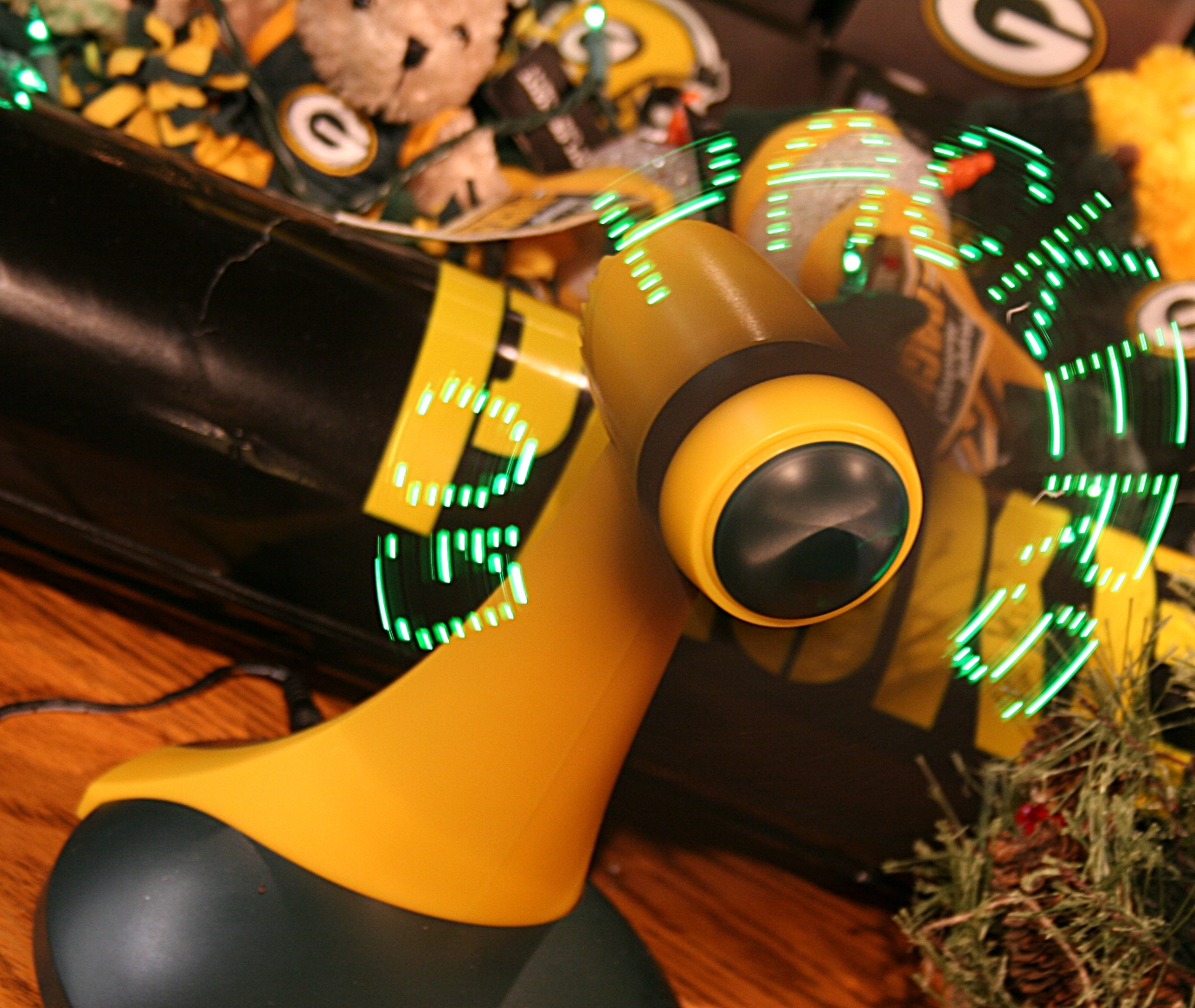
Packers fans will find Packers fans for sale in Burnstad's gift shop, in the Packers section.
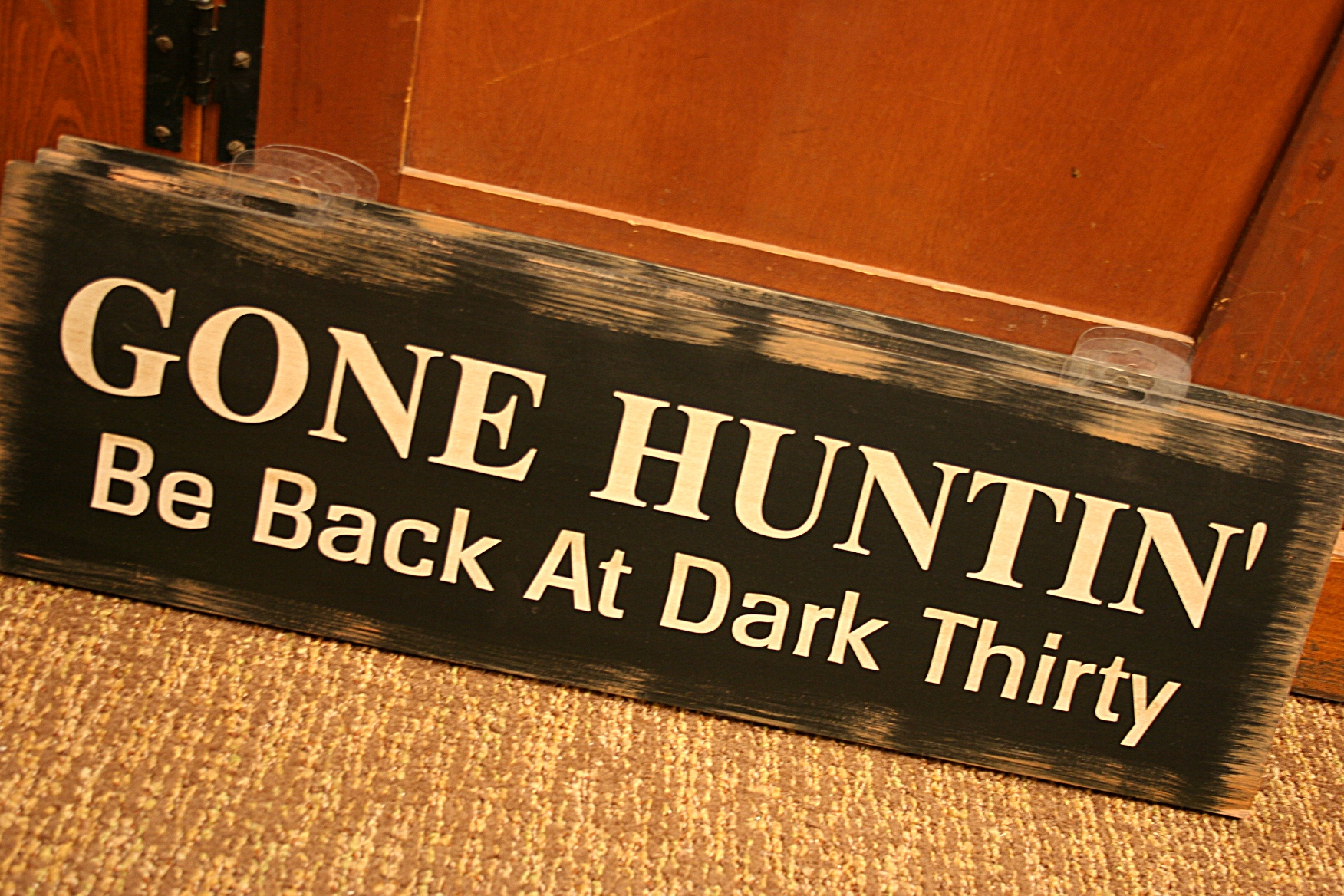
A particularly amusing sign I spotted in the gift shop and suitable for either a Minnesotan or a Wisconsinite.

SORRY FOR FAILING to photograph exterior and interior shots of Burnstad’s. I was just too excited about seeing my daughter for the first time in three months that I didn’t get carried away with photo-taking like I typically do.

© Copyright 2011 Audrey Kletscher Helbling


Snippets of rural Minnesota in photos November 1, 2011

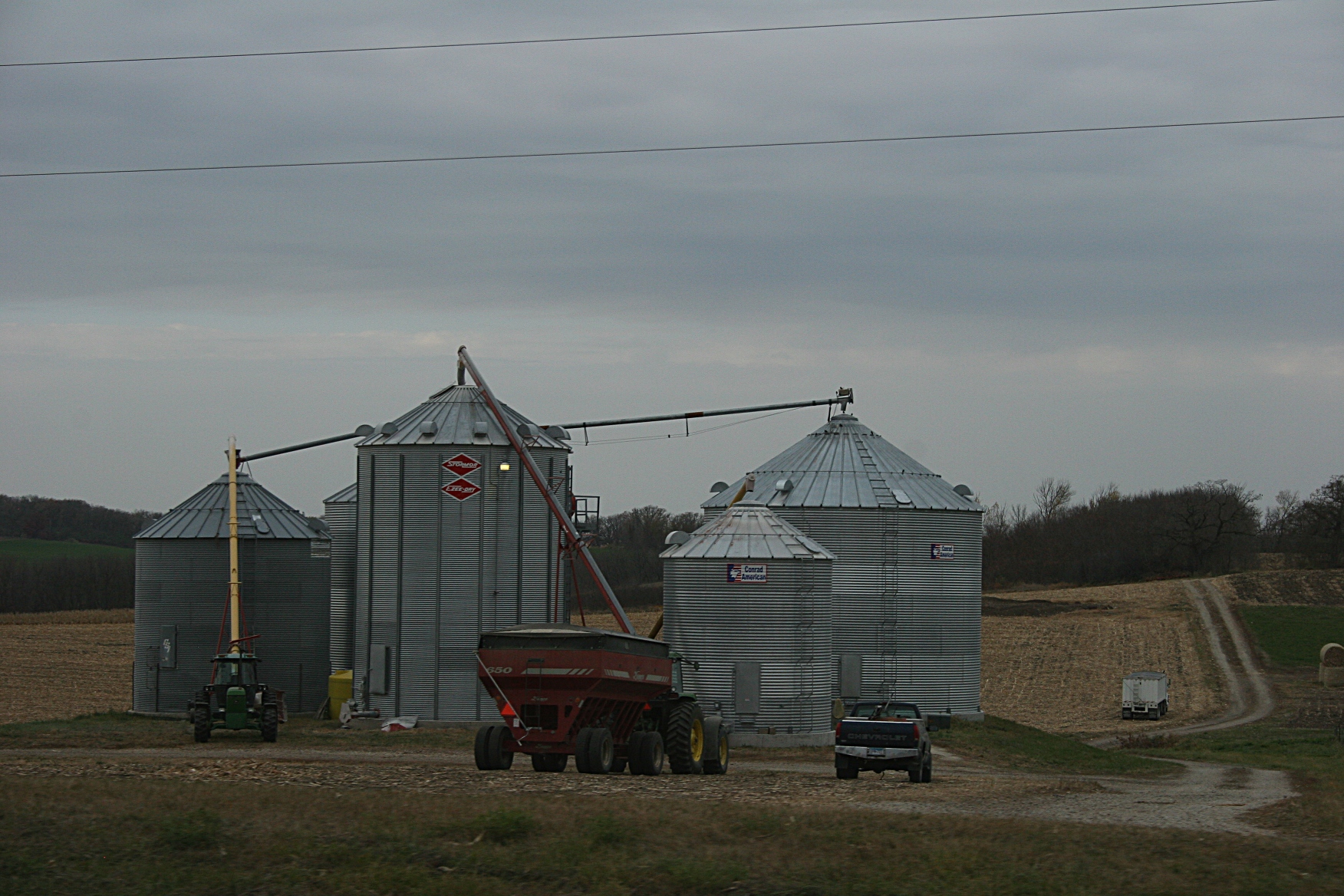
A harvest scene along U.S. Highway 52 in southeastern Minnesota Sunday afternoon.

YOU CAN TAKE the girl off the farm, but you can’t take the farm out of the girl.

Even decades after leaving my childhood farm at age 17 to start my freshman year of college in the fall of 1974, I hold tight to my agricultural roots.

My rural upbringing shaped me as a person, defined me as a writer and photographer.

More often than not, I find myself creatively focused on the rural, on those places and memories that remind me of the farm and which hold the strongest grasp on my heart.

So I am naturally drawn to photographing rural landscapes and barns and country churches and tractors and small towns whenever I travel. These are the places and objects to which I feel the deepest connection.

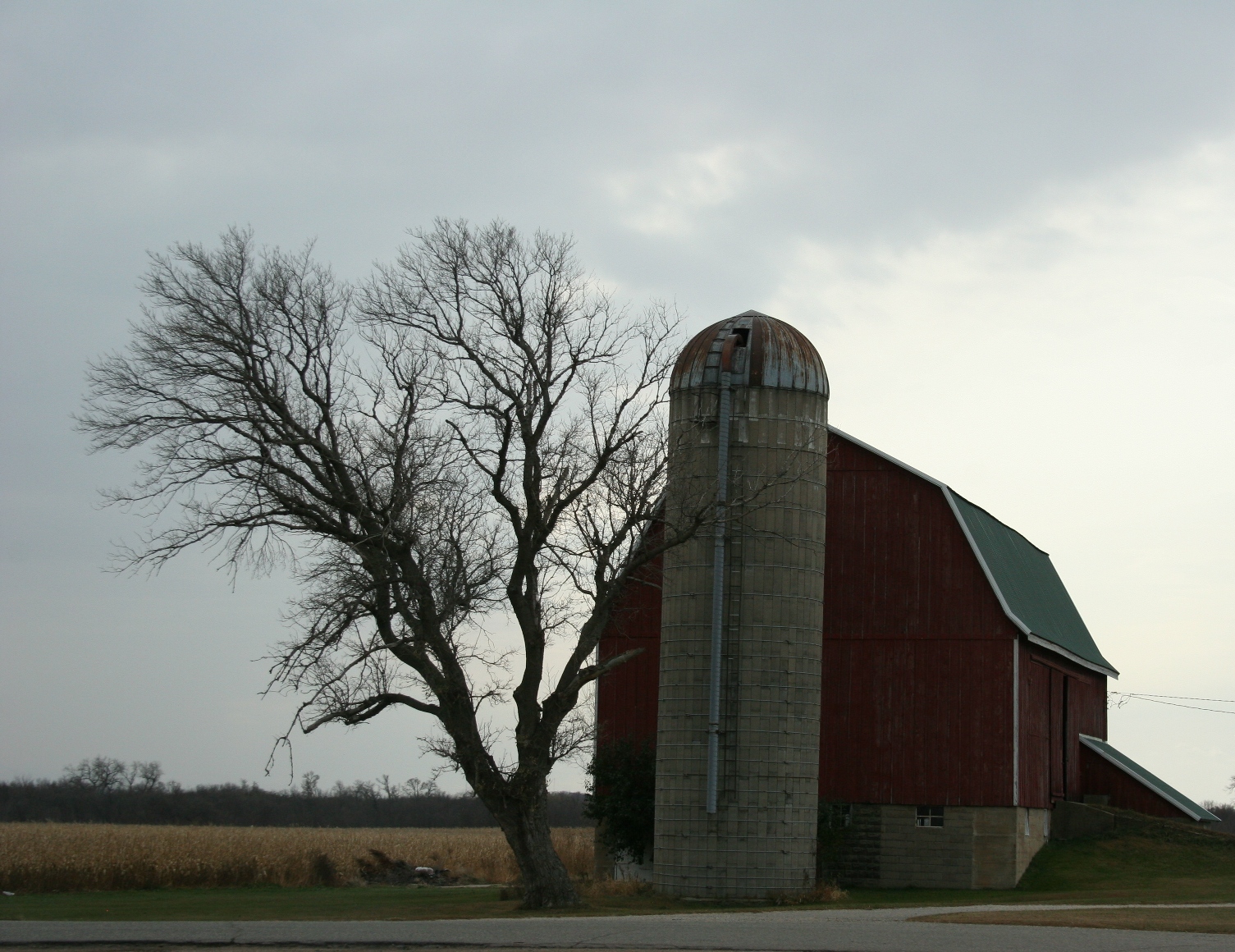
I'm always and forever photographing barns like this one along Hwy 52 between Pine Island and Rochester.

Today I’ll take you along U.S. Highway 52 and Interstate 90 in the southeastern section of Minnesota. I’ll show you rural snippets photographed at highway speeds through the passenger side and front windows of our family’s cars. Yes, cars, plural. My husband and I made a quick jaunt to Tomah, Wisconsin, on Sunday to exchange vehicles with our second daughter. Hers needs repair and we met her half-way between her home and ours.

After 2 ½ hours of travel to reach Tomah, we lunched with Miranda and a friend before turning around and heading back home to Faribault.

The day rated as gloomy and dreary weather-wise. Yet, as you will see, such moody skies bring out an emotion in images that you might not feel had the day been sunny bright.

I’m always surprised, when I view the photos, to see the details I missed in the process of shooting the images. But then, along-the-highway scenes flash by in an instant and they are gone, not wholly appreciated until that second, later look in a photo.

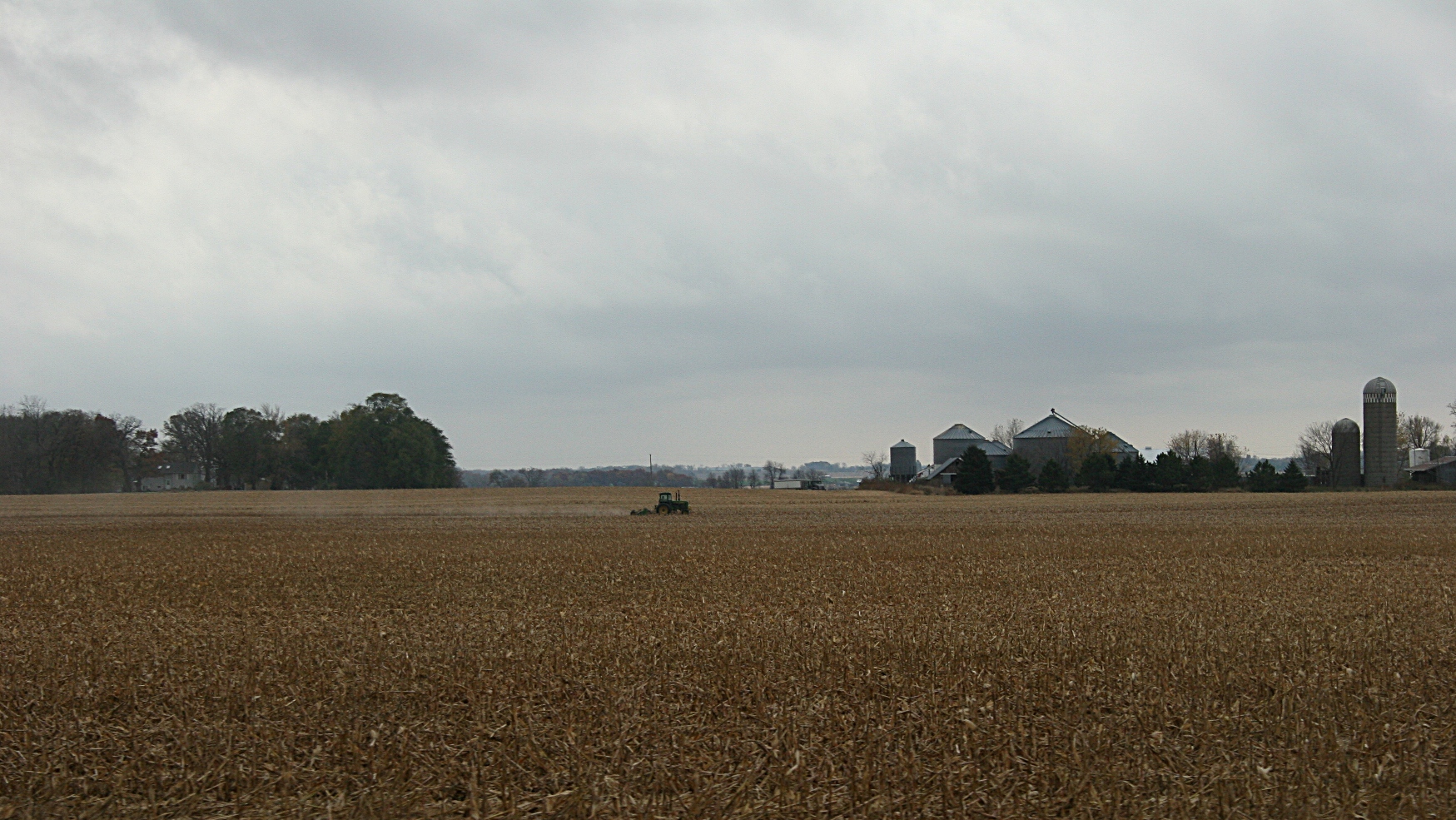
You can barely see the distant tractor in this shot. But that's what I like about this scene, how the sheer size of the cornfield and the skies dwarf the tractor, reinforcing the thought that everything is truly small in comparison to the landscape, to the big, big world.

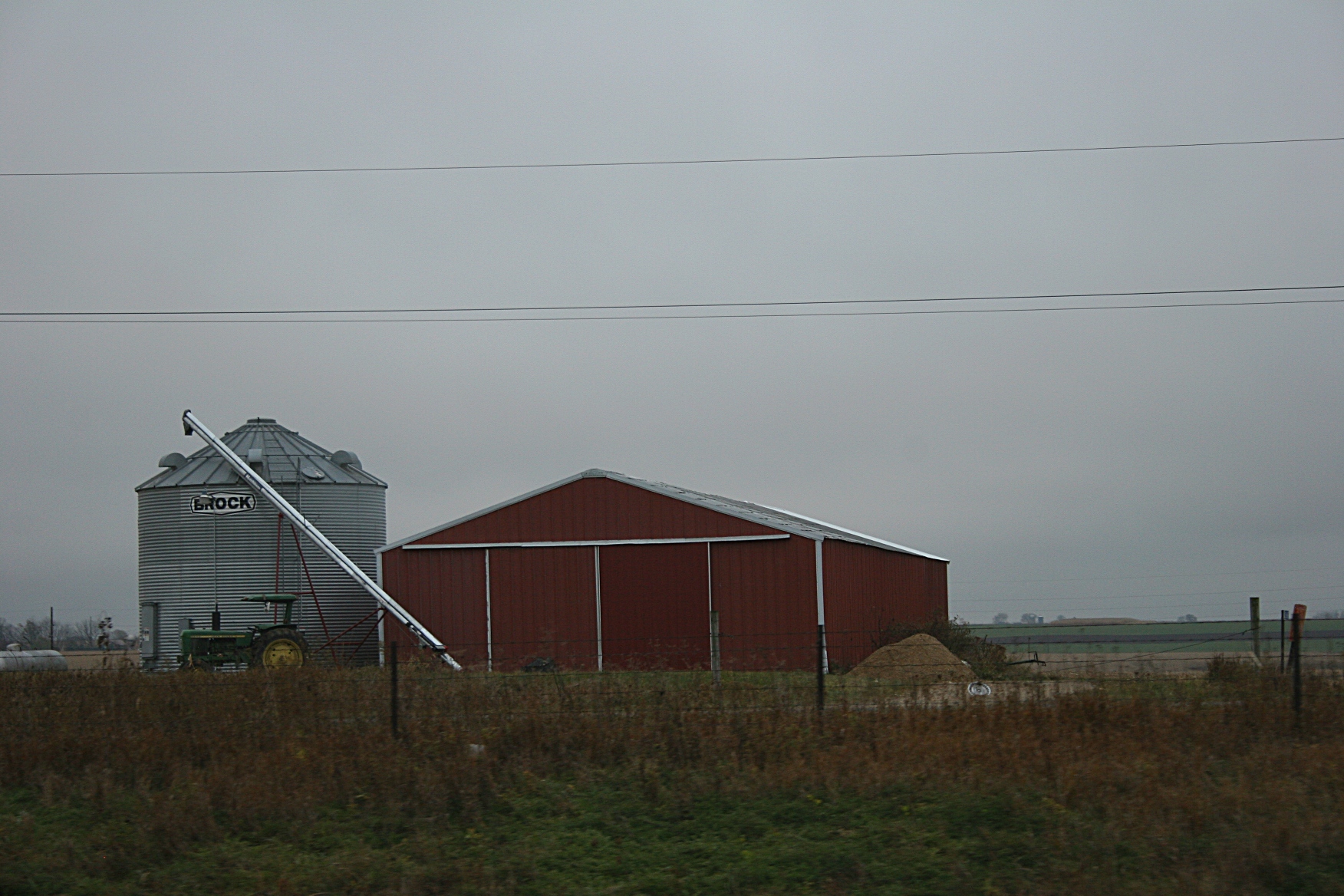
Every red building stood out against the grey, grey skies. Sky is always an integral part of my photos.

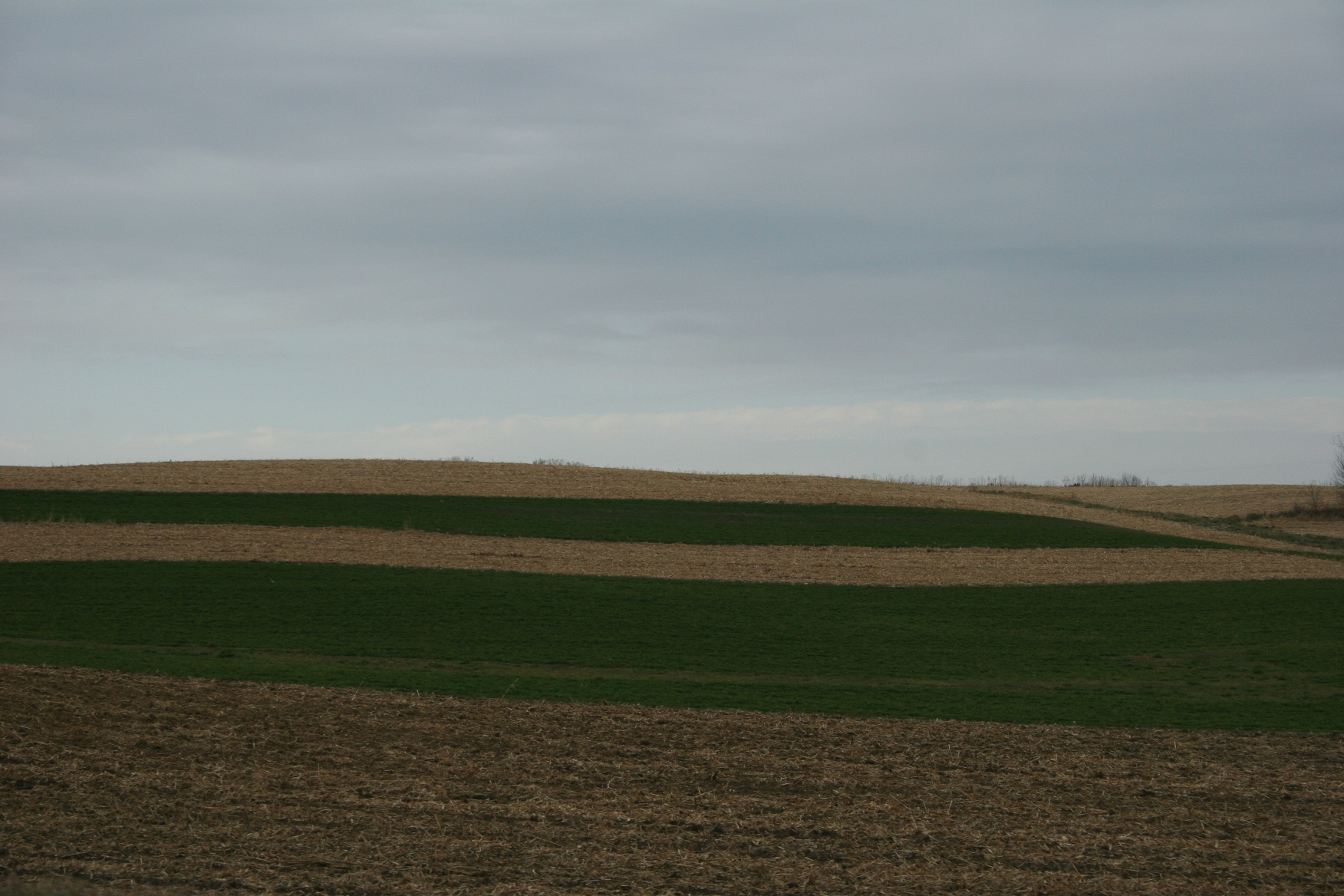
Even the stripes of crops are aesthetically pleasing to my photographer's eye.

This photo of Pine Island connects town and country in a seamless blend.

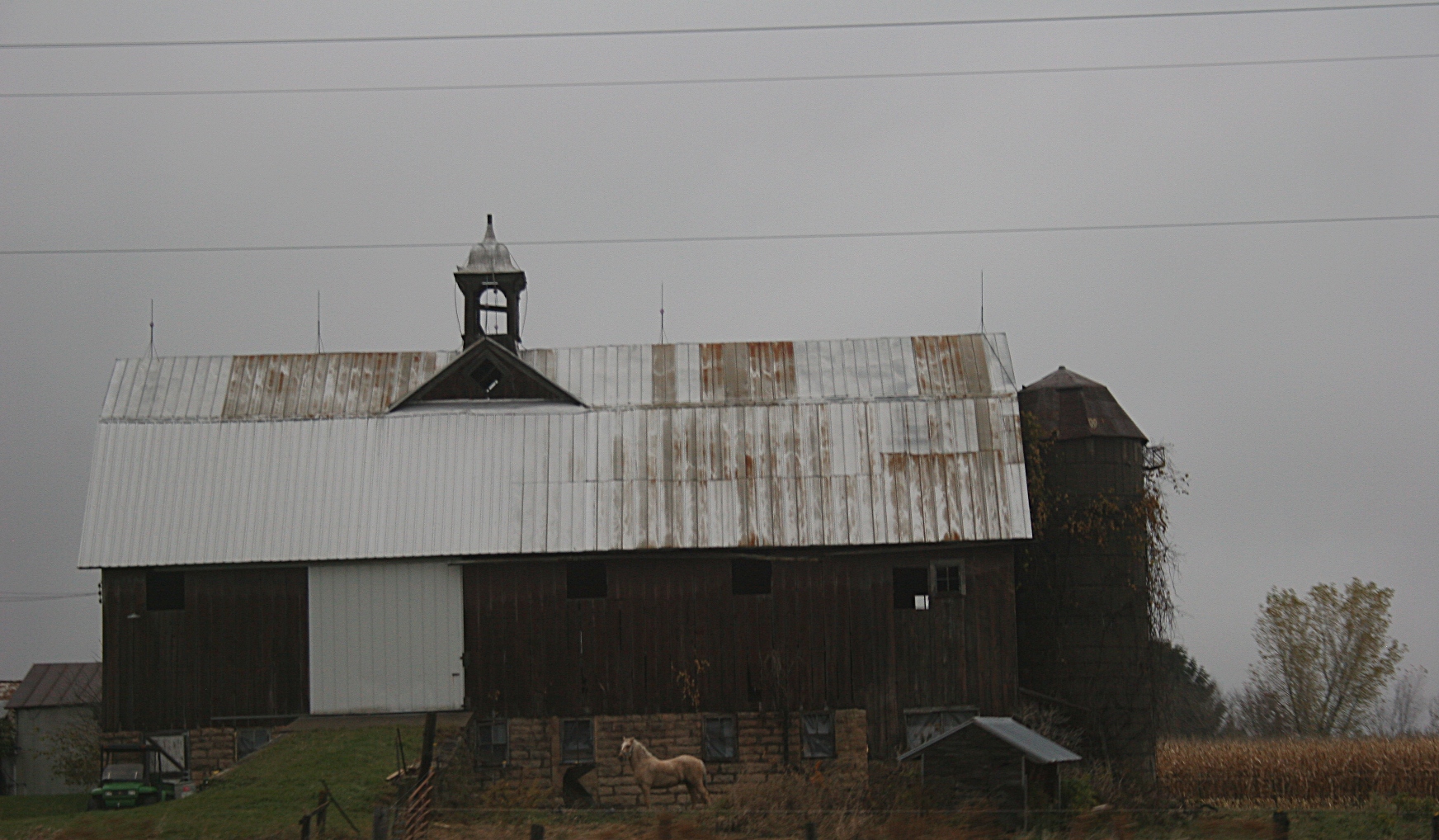
An historic barn and a horse...a common sight along Hwy 52 and I-90.

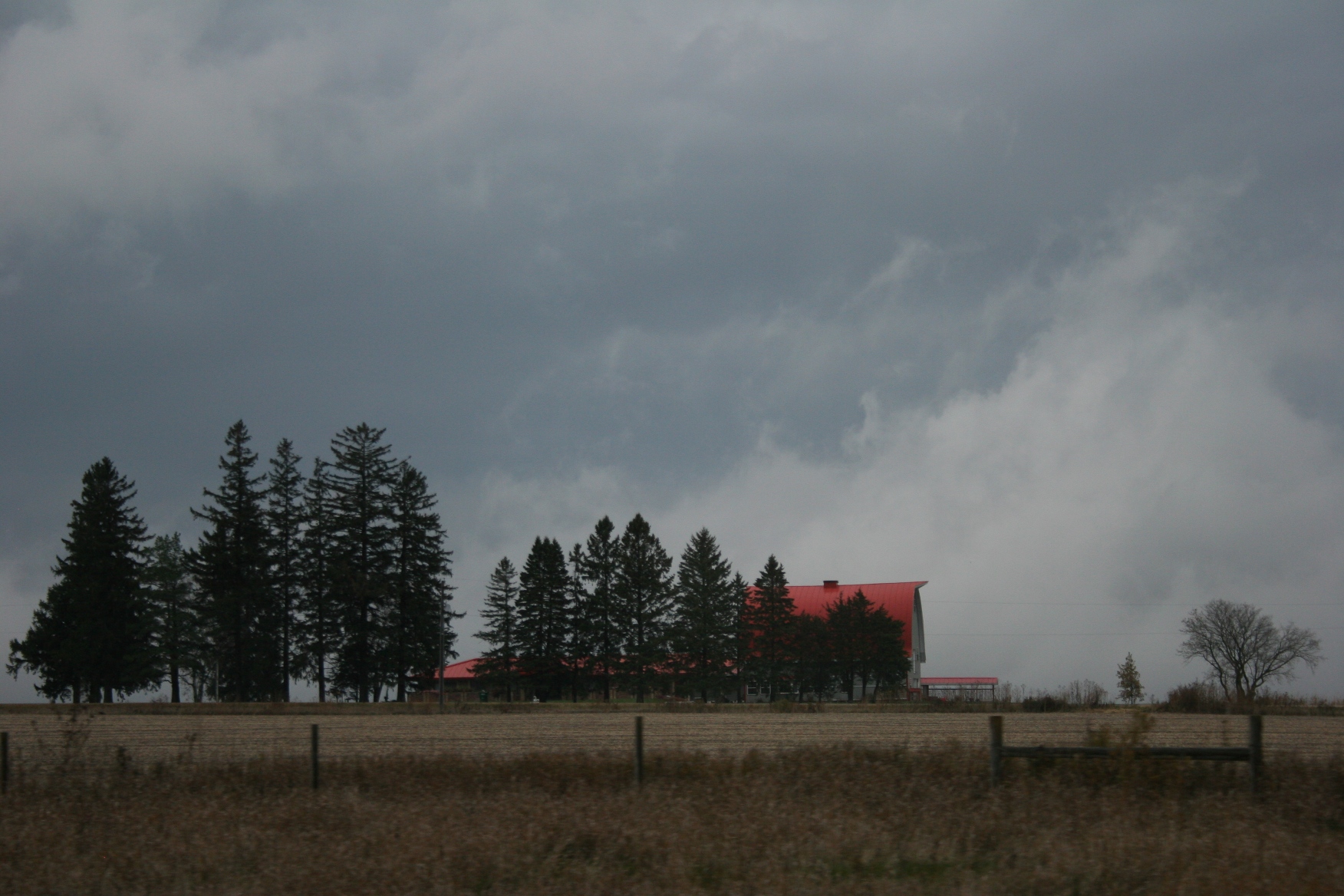
The red-roofed barn provides a jolt of color under heavy grey skies.

A country church, strong and sturdy, along I-90 near the Winona exit. Look closely and you'll see a sheriff's department squad car parked by the church.

Westbound on I-90, the sun begins to set. I like the contrast between the vivid yellow sign and the grey of the day.

© Copyright 2011 Audrey Kletscher Helbling
 

Discovering a Monet painting near St. Charles August 25, 2011

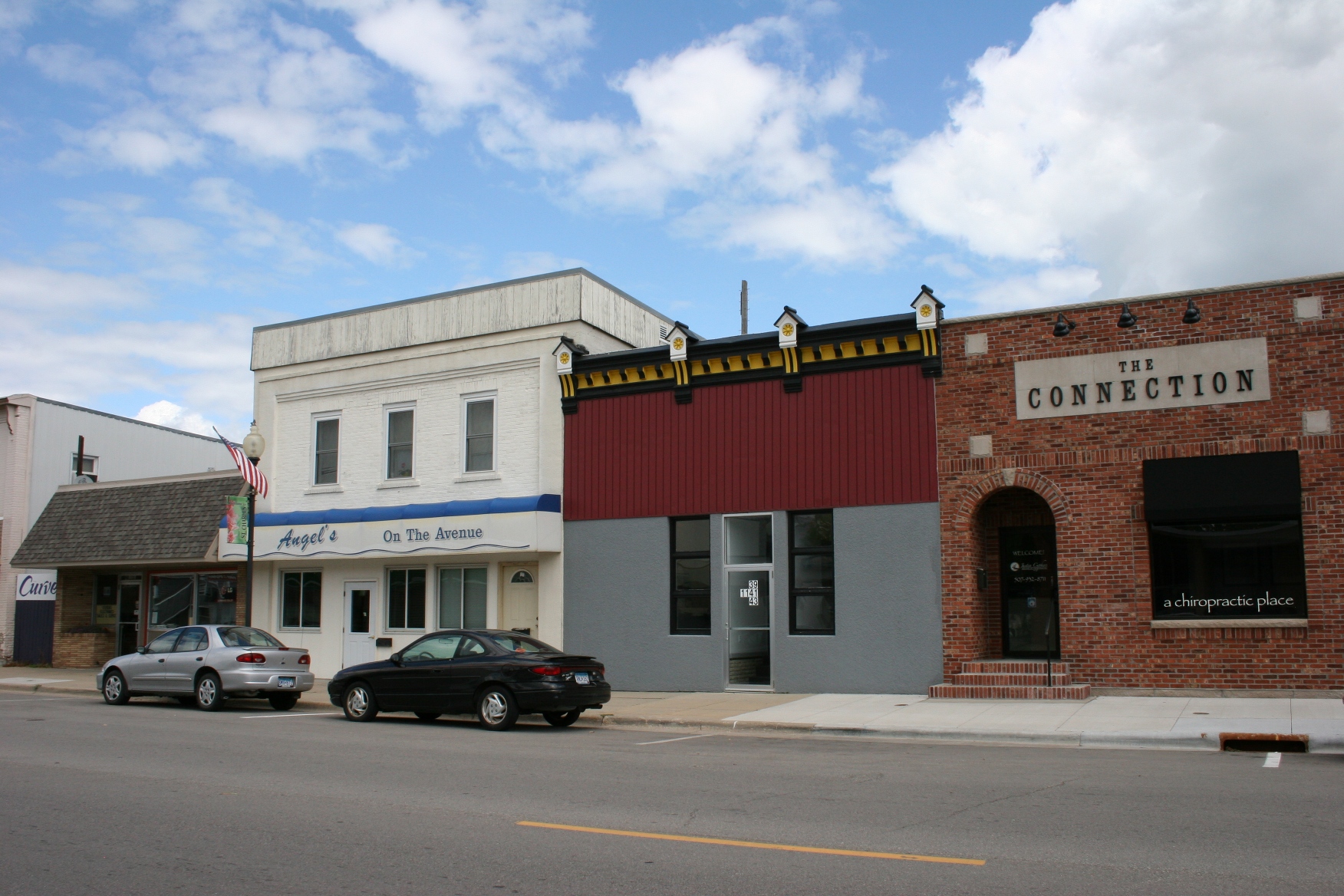
A section of downtown St. Charles, Minnesota, on a recent summer afternoon.

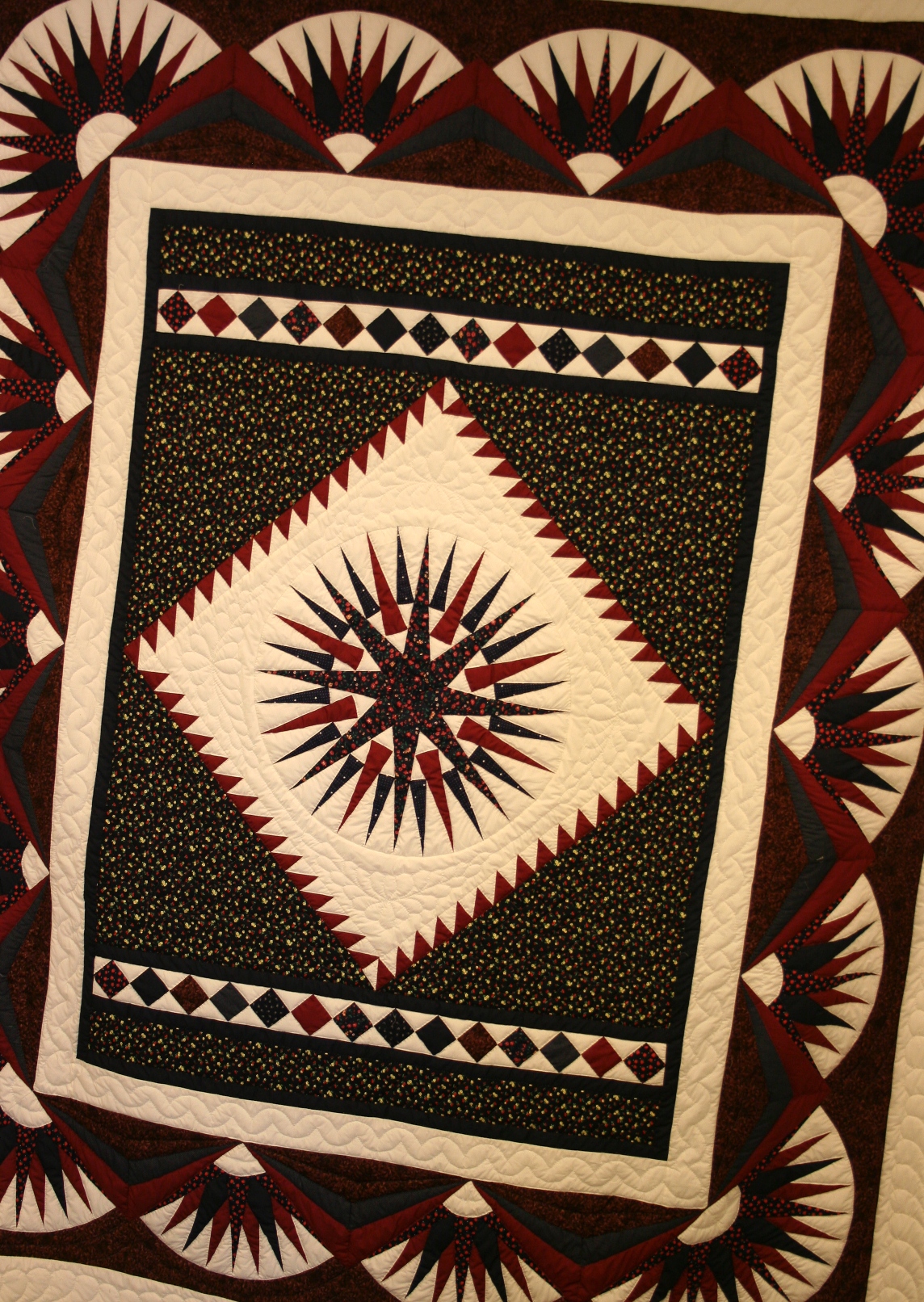
A quilt made by local southeastern Minnesota Amish and sold at the Amish Market Square.

MID-AFTERNOON ON A TUESDAY and we are dining at the Whitewater Café in downtown St. Charles.

We’ve driven to this southeastern Minnesota community of 3,300, sandwiched between Interstate 90 and U.S. Highway 14, because we’re meandering home from a family vacation to Wisconsin.

I’ve specifically placed St. Charles on our route back to Faribault for two reasons: the Amish and the gladiolus.

Before dining at the fishing-themed Whitewater Café in downtown, we stopped at Amish Market Square just off I-90 where you can gas up, eat, buy products handmade by the Amish and pose for a photo in an Amish buggy. While I admired the stunning hand-stitched quilts—priced around $1,500—and the wood cutting boards and more, I didn’t climb into that buggy for a photo. I wanted authentic Amish, not tourist Amish.

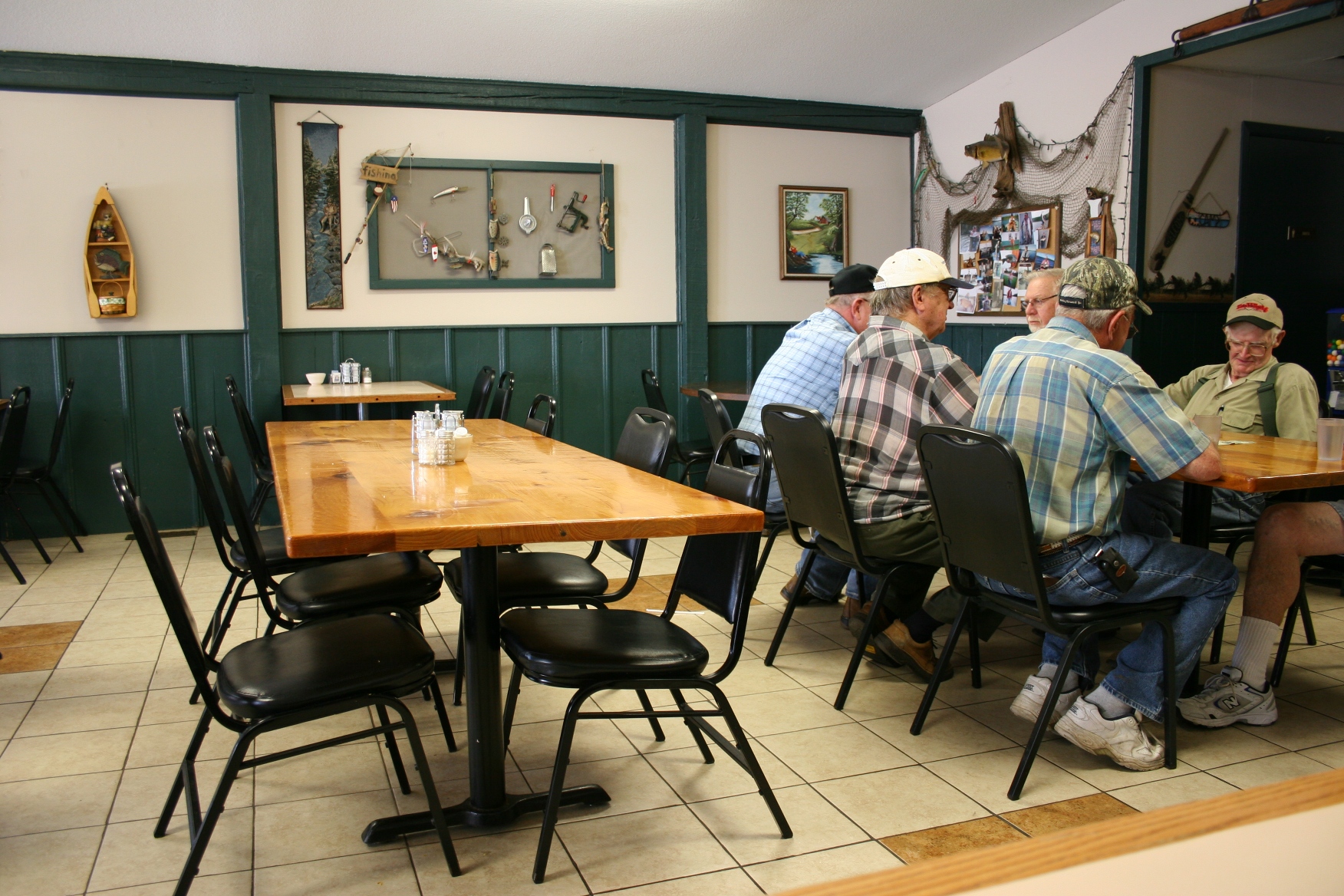
That would come later, after lunch downtown, next to “The Table of Knowledge,” aka a group of local guys who gather each morning and afternoon to shoot the breeze, drink coffee and, when asked, give directions to the gladiolus fields and Amish farms.

I didn’t get any of their names, but one of those friendly club members—and I use that term loosely here—found a Winona County map in the restaurant and highlighted a route that would take us southeast of St. Charles past Amish farms and then back north to the glad field just south of Utica. He praised the hardworking Amish, two of whom were working on a fence on his farm at that very moment. He picks them up in the morning, then drives them home at the end of the work day.

These friendly locals at the Whitewater Cafe gave us directions to the glad field and Amish farms.

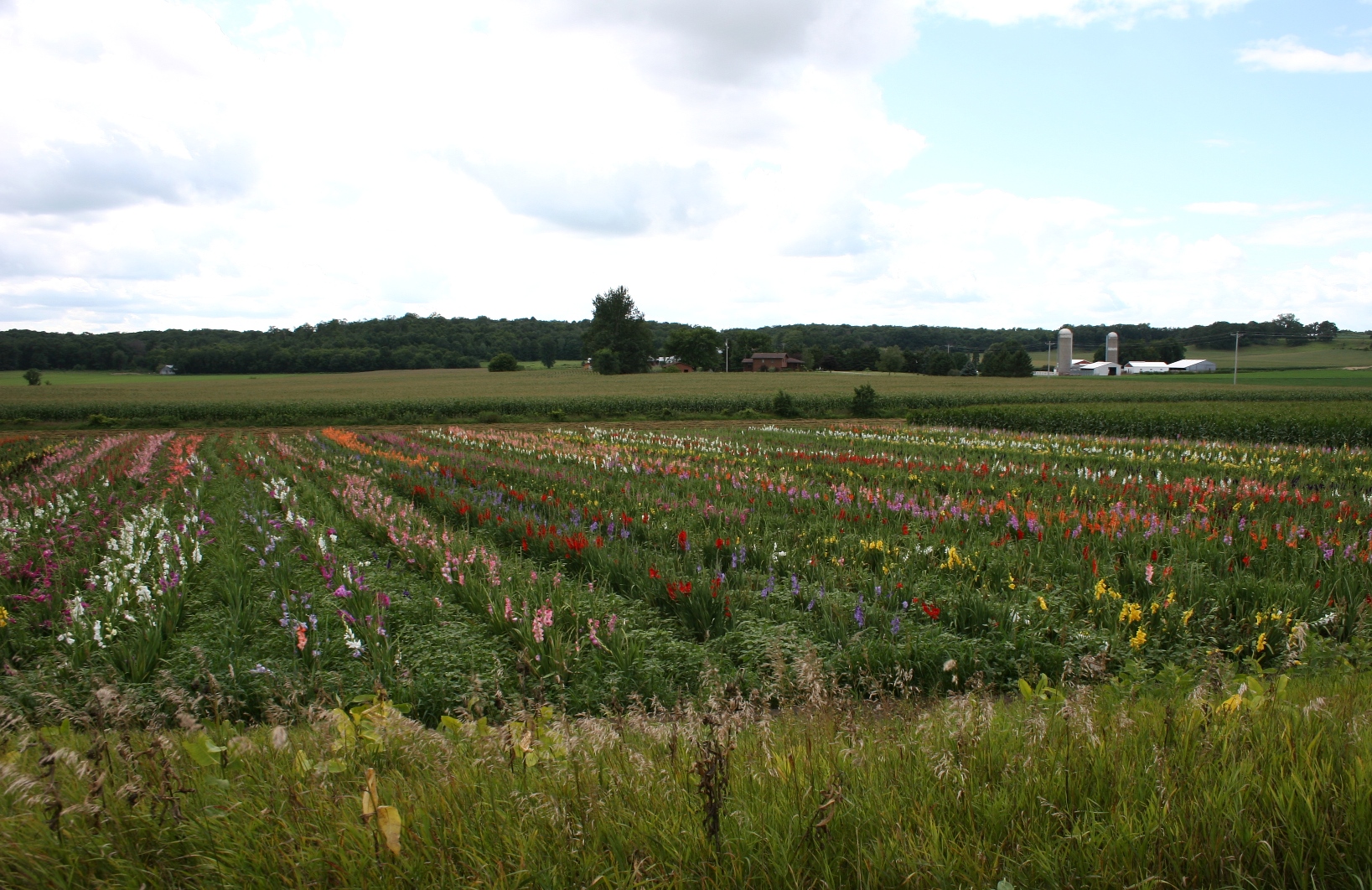
We left the restaurant, opting to view the flower field first by following Highway 14 east of St. Charles, turning south onto Winona County Road 33 into Utica until we found the rows of gladiolus just outside of town. It should be noted that the flower-growing location changes annually to keep the plants disease-free. Last year the glads were grown next to St. Charles, so the knowledgeable locals told us.

Up until that moment, I’d thought mostly of gladiolus as “funeral flowers,” a moniker that has stuck for decades based on my memories of glads at every funeral I ever attended as a child. Interesting how you associate something with an impressionable event, isn’t it?

As we slowed the car to get an overview of the gladiolus in the field below, I felt as if I was viewing a painting by Claude Monet. Soft pinks and purples and blues—punctuated by splashes of brilliant red, and broken by lines of green, tight-clasped buds and foliage—created a surreal scene against the backdrop of corn, farm places, sky and a distant tree line.

A view of the gladiolus field just south of Utica along Winona County Road 33.

This is as close as I got to the glads, standing along the shoulder of the road photographing them.

I hoped for a close-up look, but found no signage indicating we could stop at a next-door building site to view or purchase flowers.

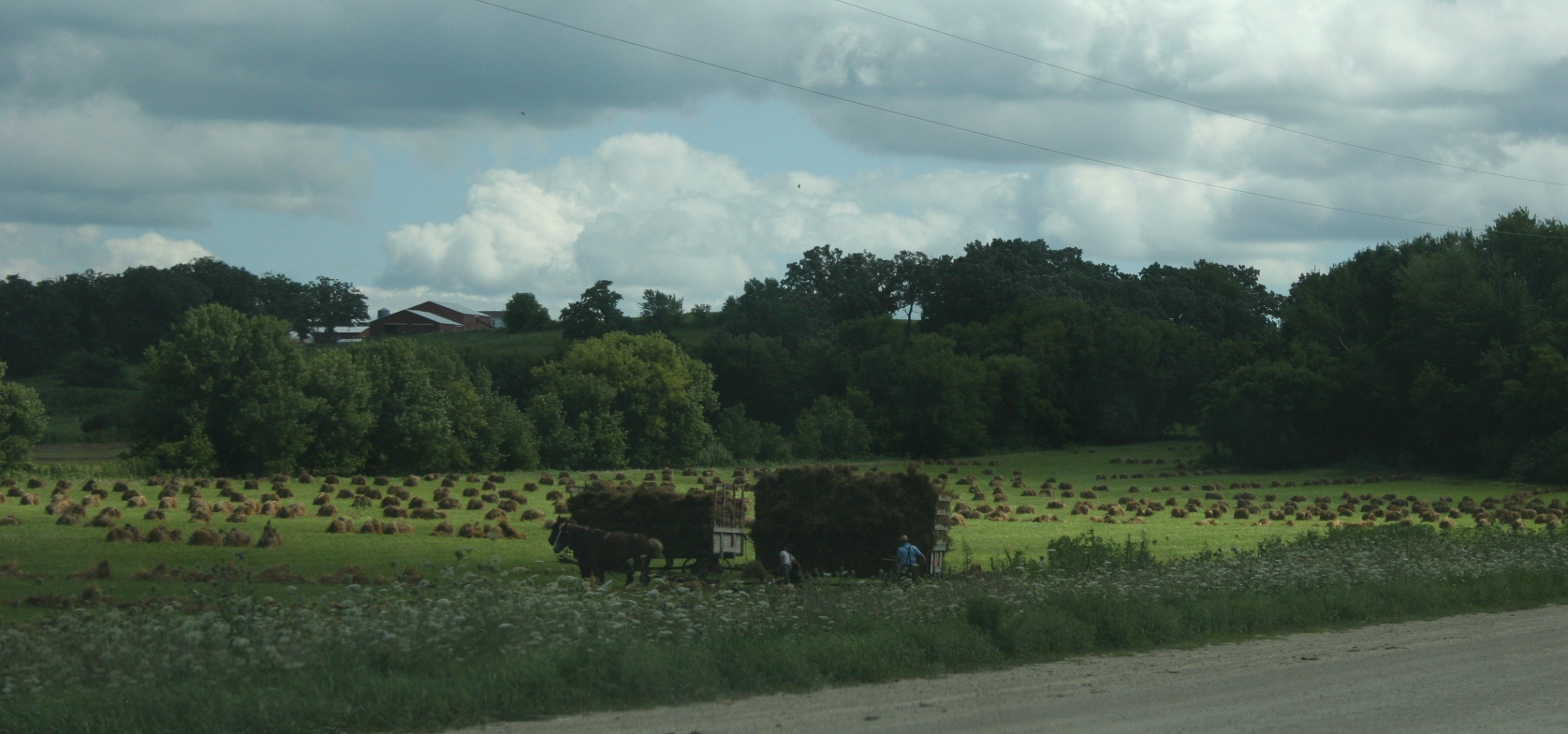
And so we drove on, further south and then west past several Amish farms—past the horses and wagons, the laundry on clotheslines, the shocks in fields and the Amish men throwing bundles high atop a wagon, their arm muscles bulging from seasons of labor.

An Amish farm site southeast of St. Charles.

We came upon this pastoral scene south of St. Charles, where the Amish were pitching bundles onto wagons.

Heading back into St. Charles, I wished I could spend more time here, in this town promoted on its website as “The Gateway to the Whitewater Valley,” and made world-famous by Carl Fischer, now deceased. He was the world’s leading hybridizer of new and distinctive gladiolus and established Noweta Gardens in 1945.

Each August this Minnesota town celebrates Gladiolus Days, which is happening right now and continues through Sunday, August 28. For a schedule of events, click here.

I fully intend to return some day to experience this festival, to this place where, if you look, you will see southeastern Minnesota’s version of a Monet painting.

The gladiolus field before me could have been a Claude Monet painting.

MORE PHOTOS OF ST. CHARLES:

The main road through downtown St. Charles, the "Gateway to the Whitewater Valley."

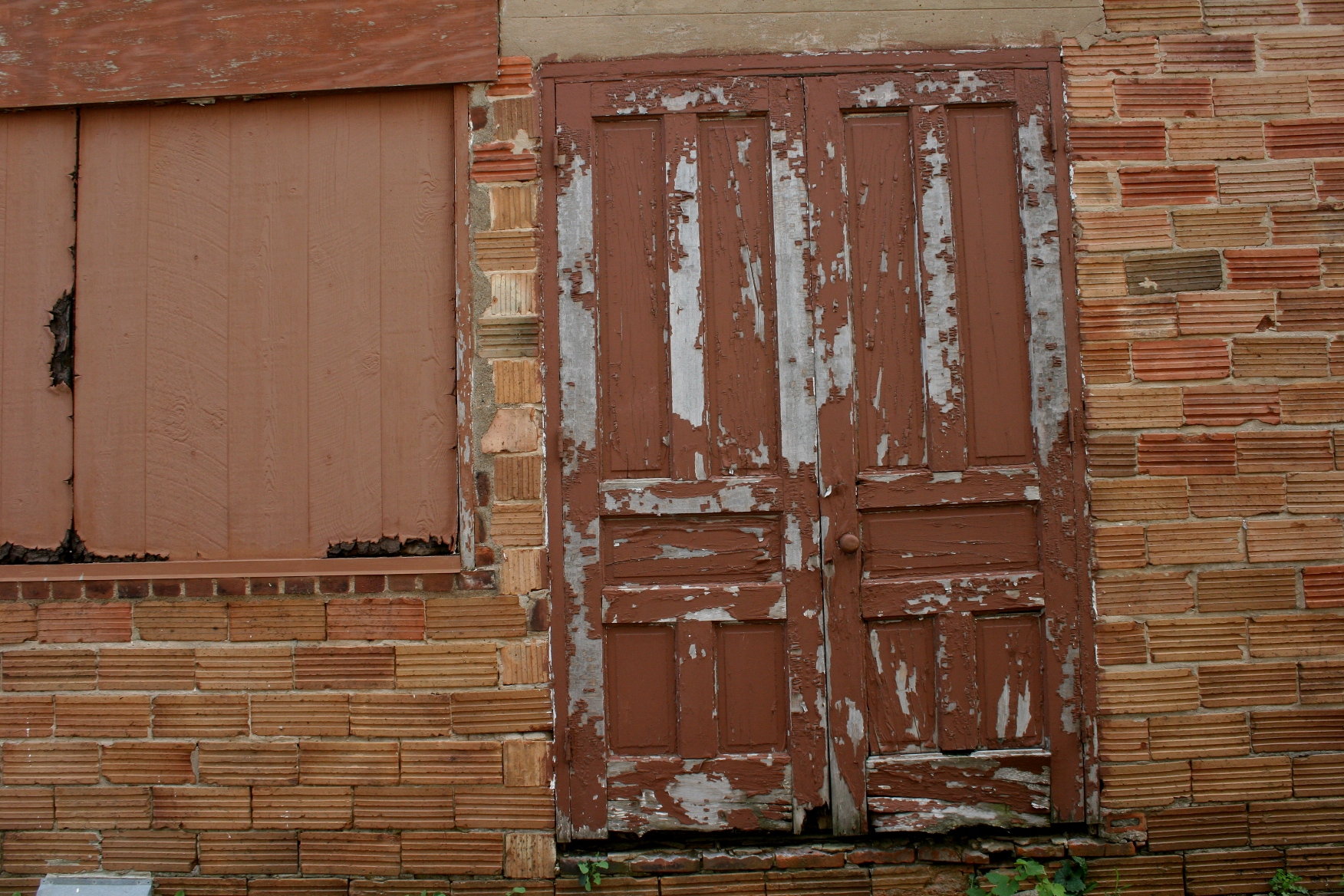
I discovered these weathered doors, found them charming, so photographed them in downtown St. Charles.

More downtown St. Charles businesses.

The post office and a pizza place along St. Charles' main drag.

I refused my husband's offer to photograph me in this Amish buggy at the Amish Market Square just off I-90.

© Copyright 2011 Audrey Kletscher Helbling