Minnesota Prairie Roots

Writing and photography by Audrey Kletscher Helbling
“Four Red Sweaters,” a difficult, but necessary, read July 1, 2025

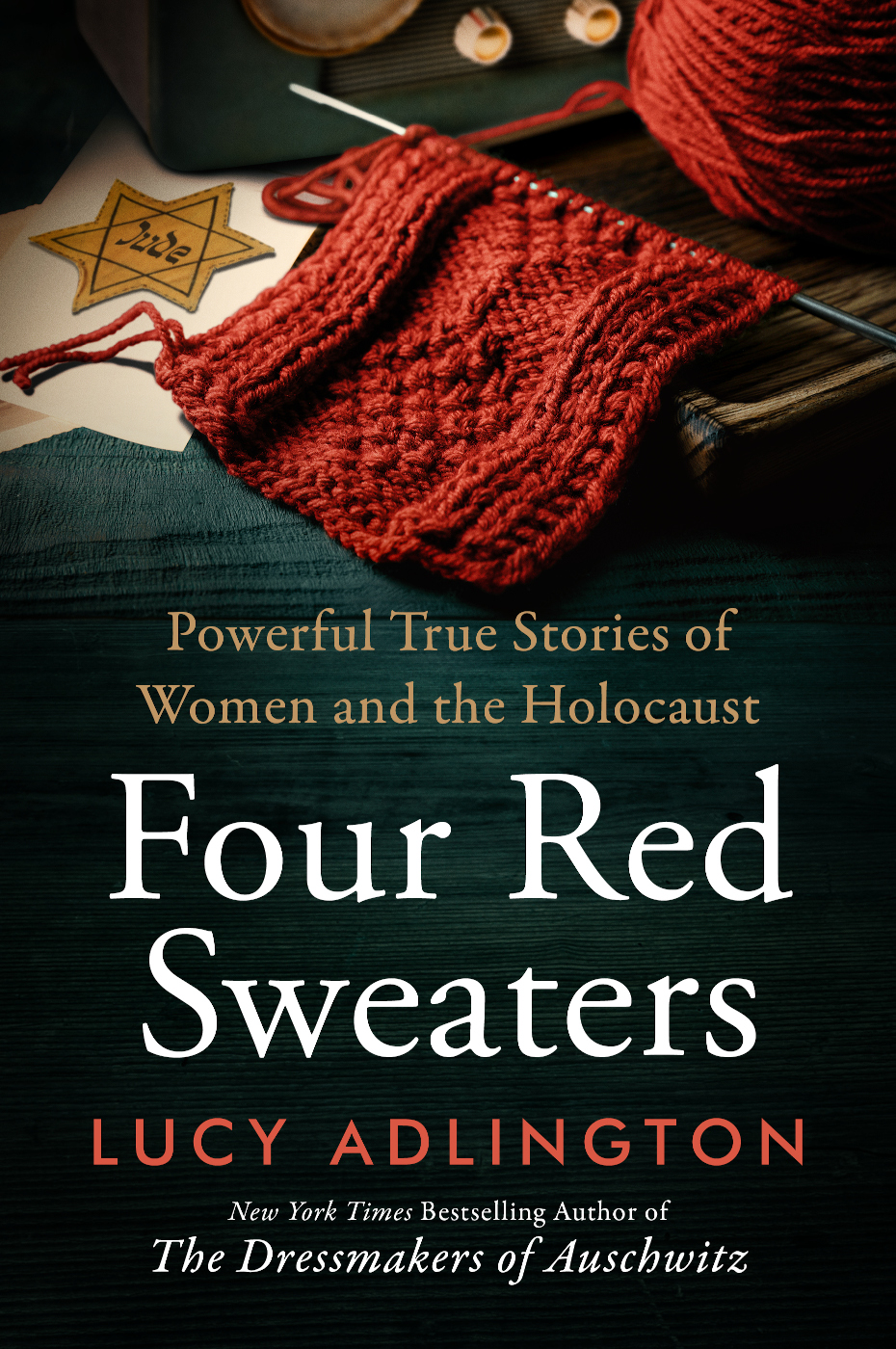
(Book cover sourced online)

TYPICALLY, I CAN READ a book within two weeks. But not Four Red Sweaters—Powerful True Stories of Women and the Holocaust by Lucy Adlington. I had to renew this book at my local library in order to finish it.

Why? The content is so difficult, disturbing and devastating that I could only read this work of nonfiction in small chunks. But I was determined to finish this book about Jock, Anita, Chana and Regina—four Jewish girls living in Nazi Germany—and all connected by red sweaters. I owed it to them to learn more about the awful atrocities inflicted under Adolph Hitler’s rule by those who lived, breathed, and followed him and his ideology.

All the while I was reading Four Red Sweaters, a small voice in my head whispered warnings in words like a knock on the door, fear, anti-immigration sentiment, snatched, disappeared, deported, deception, secrecy, dehumanizing… The parallels to today were not lost on me.

REAL PEOPLE WITH STORIES

What I particularly like about this book, if one can ever really “like” a book on such a topic, is the personalization. Anita is not just #69388 inked onto her left forearm at Auschwitz-Birkenau. She is a girl who arrives at the concentration camp wearing shoes adorned with pompoms and tied with red shoelaces. She is a girl who knew how to play the cello. That skill eventually saved her.

But too many died. Millions and millions. That included the Fink family, brutally murdered by their neighbors in an act so heinous I can’t share it here. Turn to page 96 in the book. The Finks were extended family of Jock, a main character in this story. She was one of the “lucky” Jewish children who escaped Nazi Germany, along with her sisters, on a Kindertransport, an all-out effort by brave souls to get Jewish children out of the country to safety. But Jock’s parents and brothers died at the hands of the Nazis.

The pages of Four Red Sweaters are filled with heroic acts, bravery, defiance and determination that show the incredible strength of the human spirit. There existed a mentality of surviving together or dying together. The pages of this book are also filled with stories of unbelievable, unfathomable cruelty.

A NECESSARY READ

Author Adlington backs her writing up with 23 pages of source notes. In small print. That’s a whole lot of documentation in researching and writing this book. I cannot imagine the emotional toll this took on her. I also cannot imagine anyone reading Four Red Sweaters and not feeling deeply moved and worried, but also grateful to Adlington for sharing the stories of Jock, Anita, Chana and Regina and the broader stories of the Holocaust. We need to read about, study, learn and remember the past so as not to repeat it.

Near the very end of Four Red Sweaters, Adlington writers about a knitter who, in 2013, designed Remembrance socks. Heatherly Walker’s sock pattern honors Regina and the others who were forced to knit socks and more for the Nazis and their families. She incorporated hidden Jewish stars into the pattern, which is available on the Ravelry website for crafters. Knitting is an integral part of the stories Adlington shares in her book.

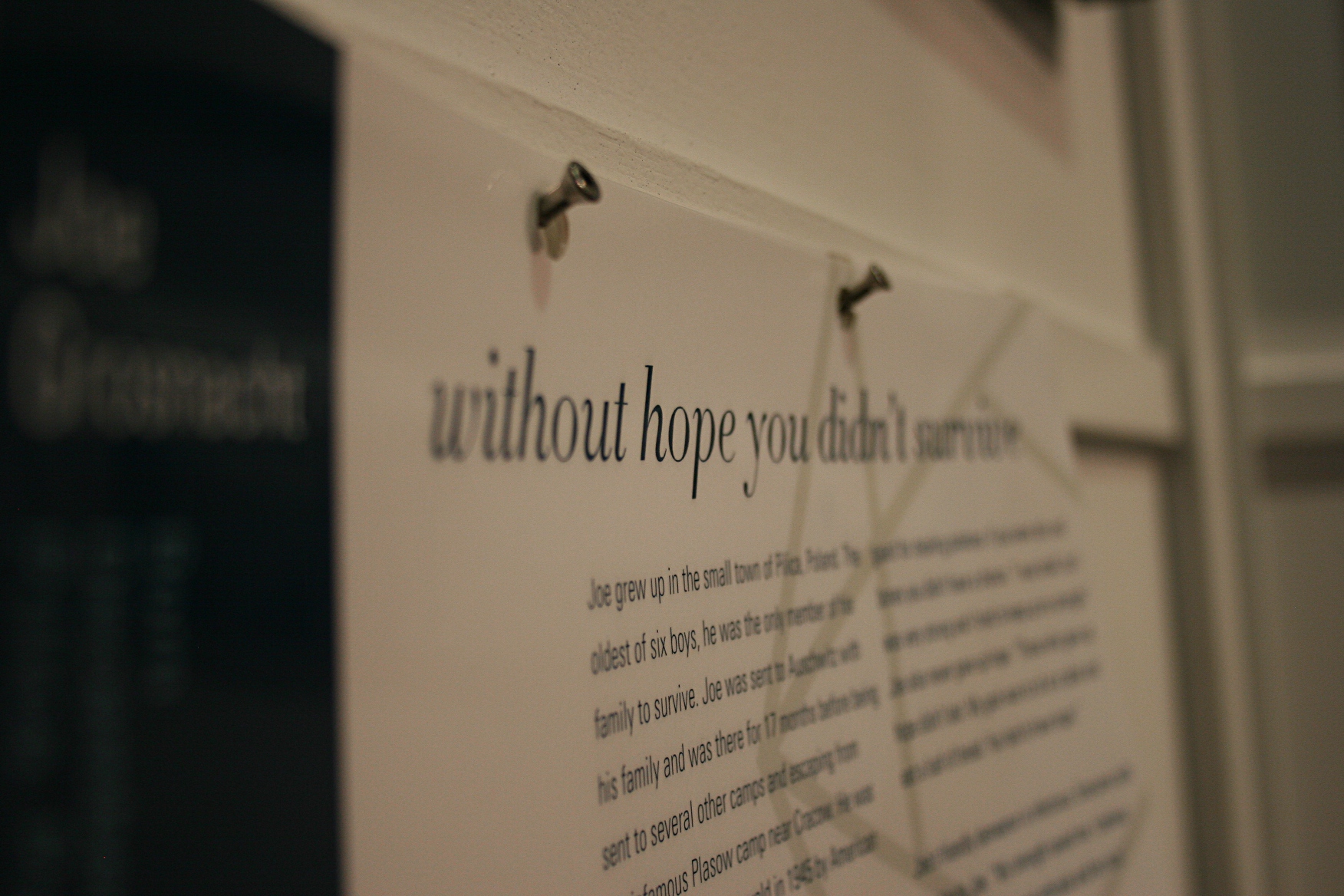
Hope in a story at the traveling exhibit about Holocaust survivors, “Transfer of Memory,” which I viewed in 2014 at the Steele County History Center, Owatonna. (Minnesota Prairie Roots copyrighted file photo 2014)

DEFIANCE, COURAGE, HOPE

One seemingly small act stands out for me in Four Red Sweaters. Regina’s friend Esther, after foraging mushrooms for the Nazis in the Sobibor extermination camp, walks into the SS canteen, sees a pot of soup cooking and spits in it. And the Nazis eat it. I can only imagine the satisfaction Esther felt in that moment of defiance. Endless examples of defiance, courage, hope and resilience are knitted into the pages of Four Red Sweaters.

As challenging as it was for me to read this book, I needed to do so. For to stop reading when the content grew increasingly difficult and disturbing would have been to do exactly as the Nazis desired. Nobody must know. But we must all know. And, sometimes, like Esther, we must spit in the soup.

#

TELL ME: If you’ve read Four Red Sweaters, how did you react? What stands out for you in the book? Special thanks to Missy’s Crafty Mess (the blog of an avid reader and knitter) for writing about Four Red Sweaters, which led me to this book about the Holocaust. I am grateful for her recommendation.

© Copyright 2025 Audrey Kletscher Helbling


Nika & the giving tree December 28, 2020

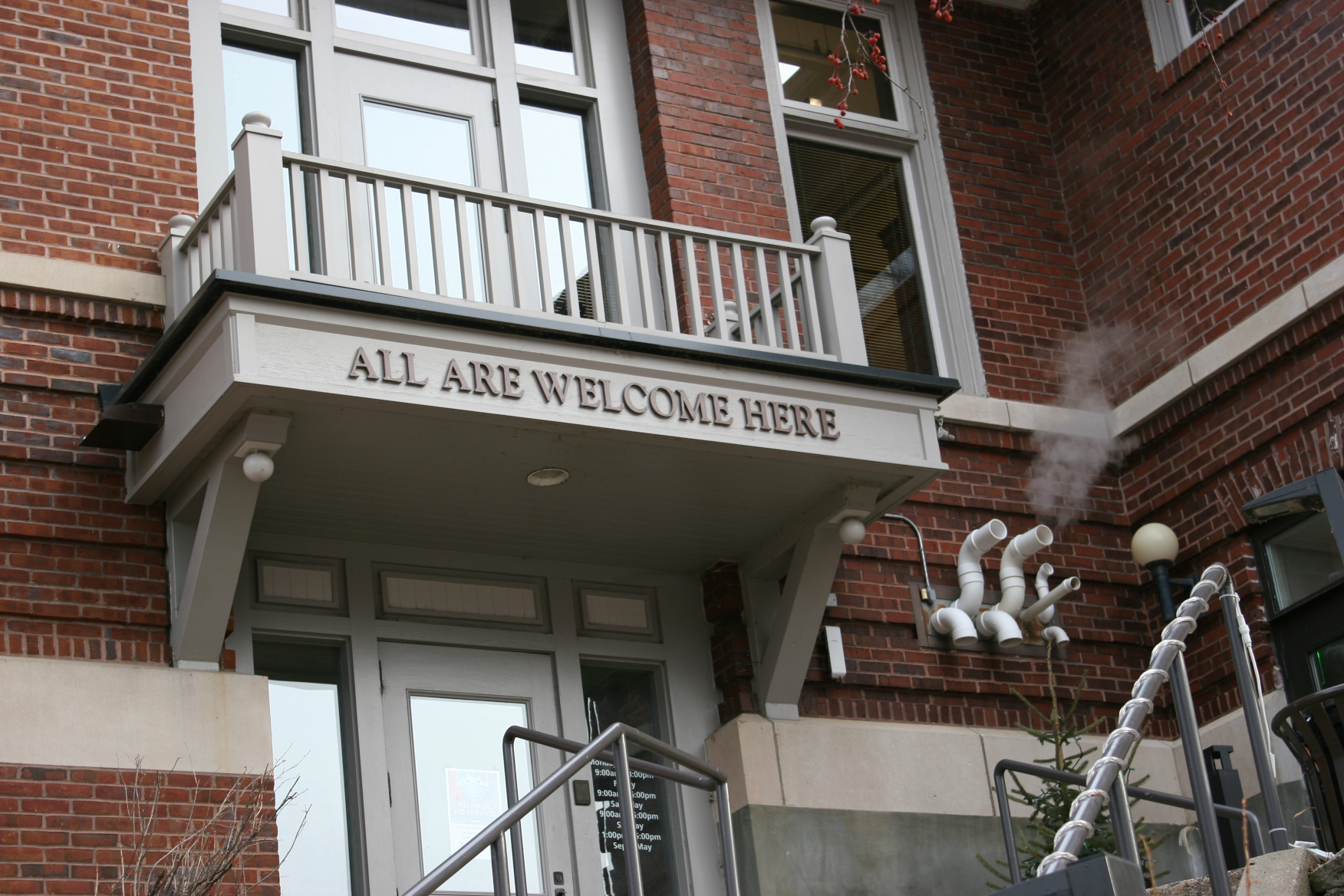
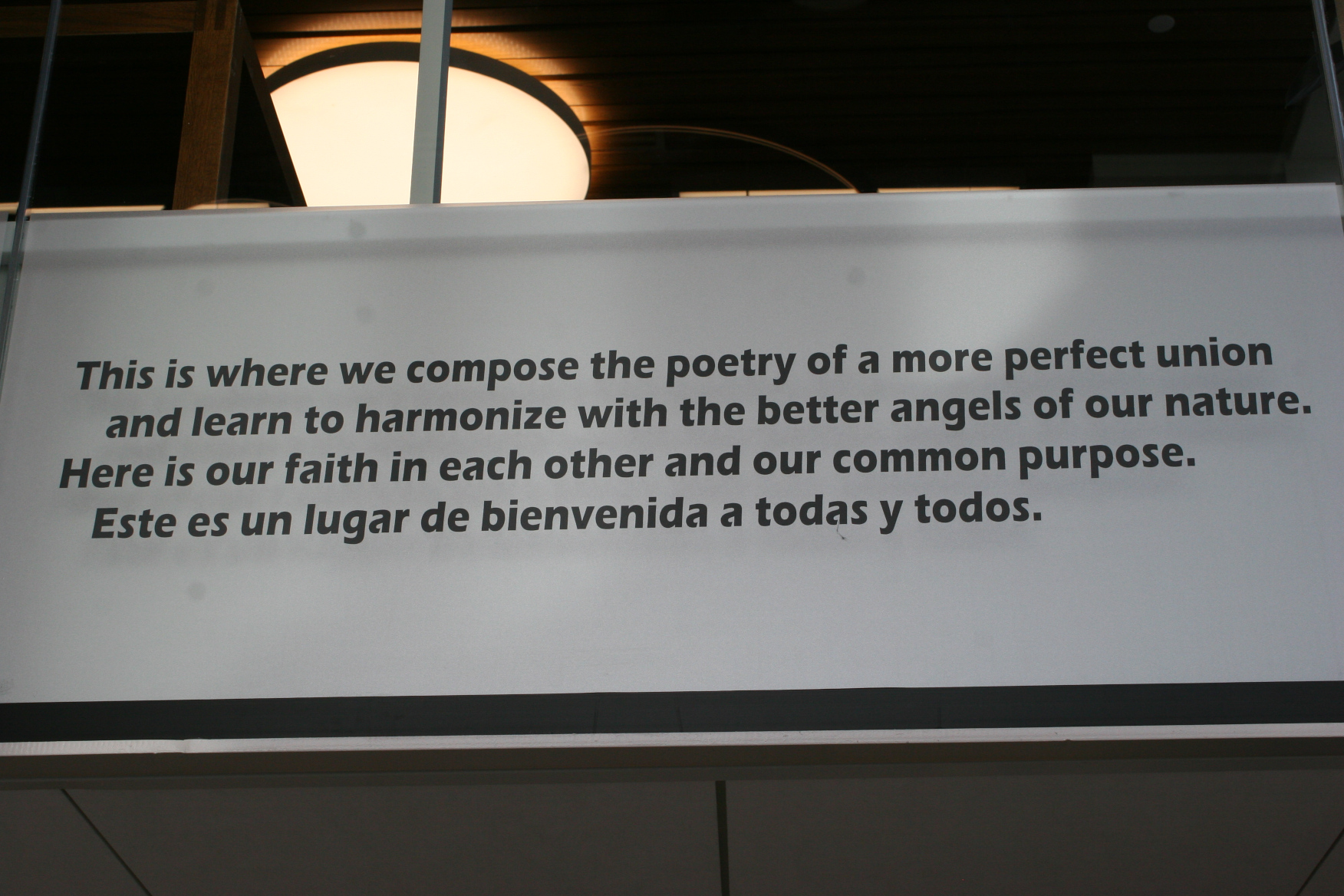
A welcoming message banners the Division Street entrance to the Northfield Public Library.

RECENTLY, I NEEDED to replenish my stash of library books. That meant a trip to the Northfield Public Library 20 minutes away. The Faribault library remains closed to in-person visits due to COVID-19. I’m the type of reader who needs to browse shelves, hold a book and read its summary before deciding whether to check it out.

Plus, Northfield, COVID or not, always rates as a delightful community to visit.

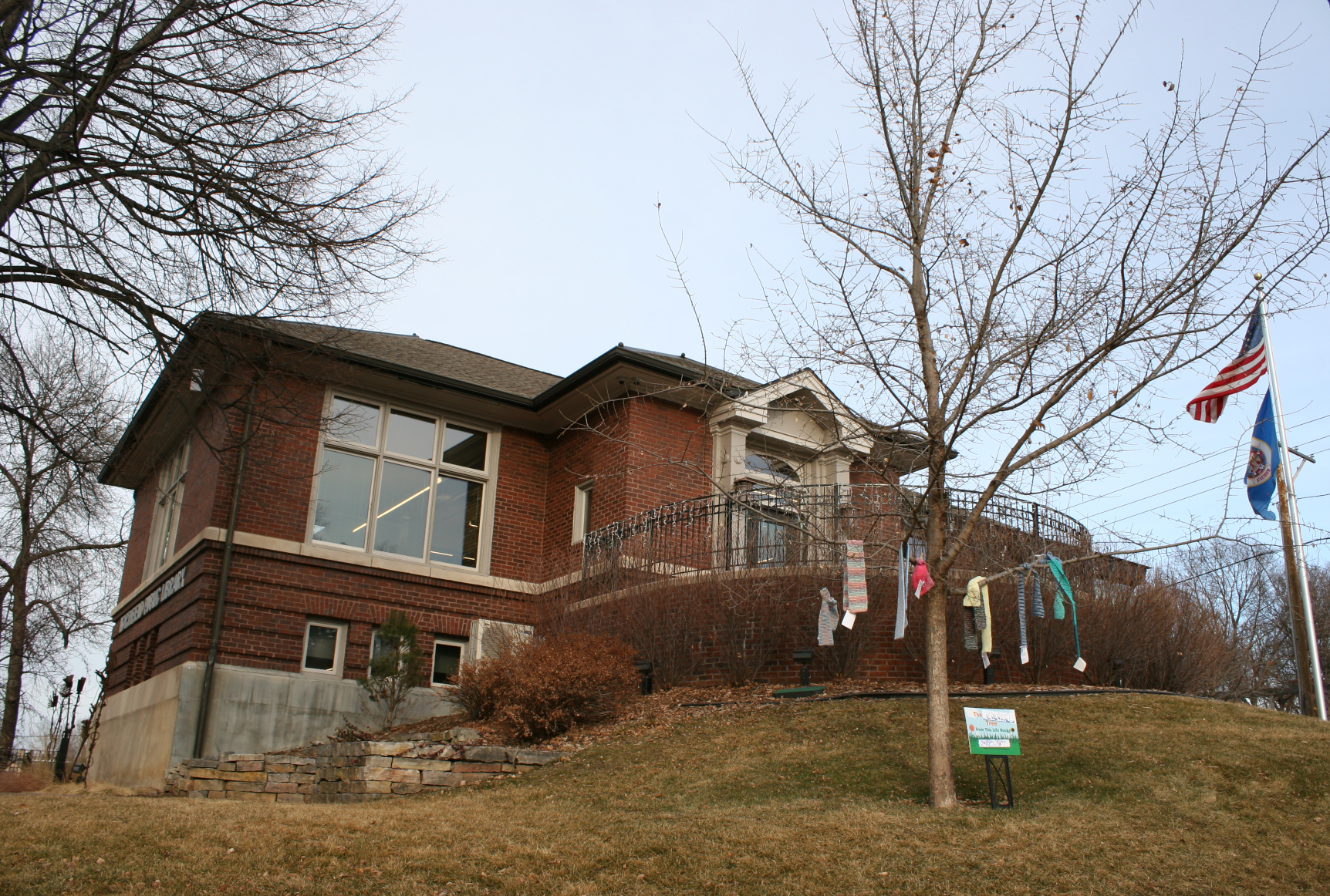
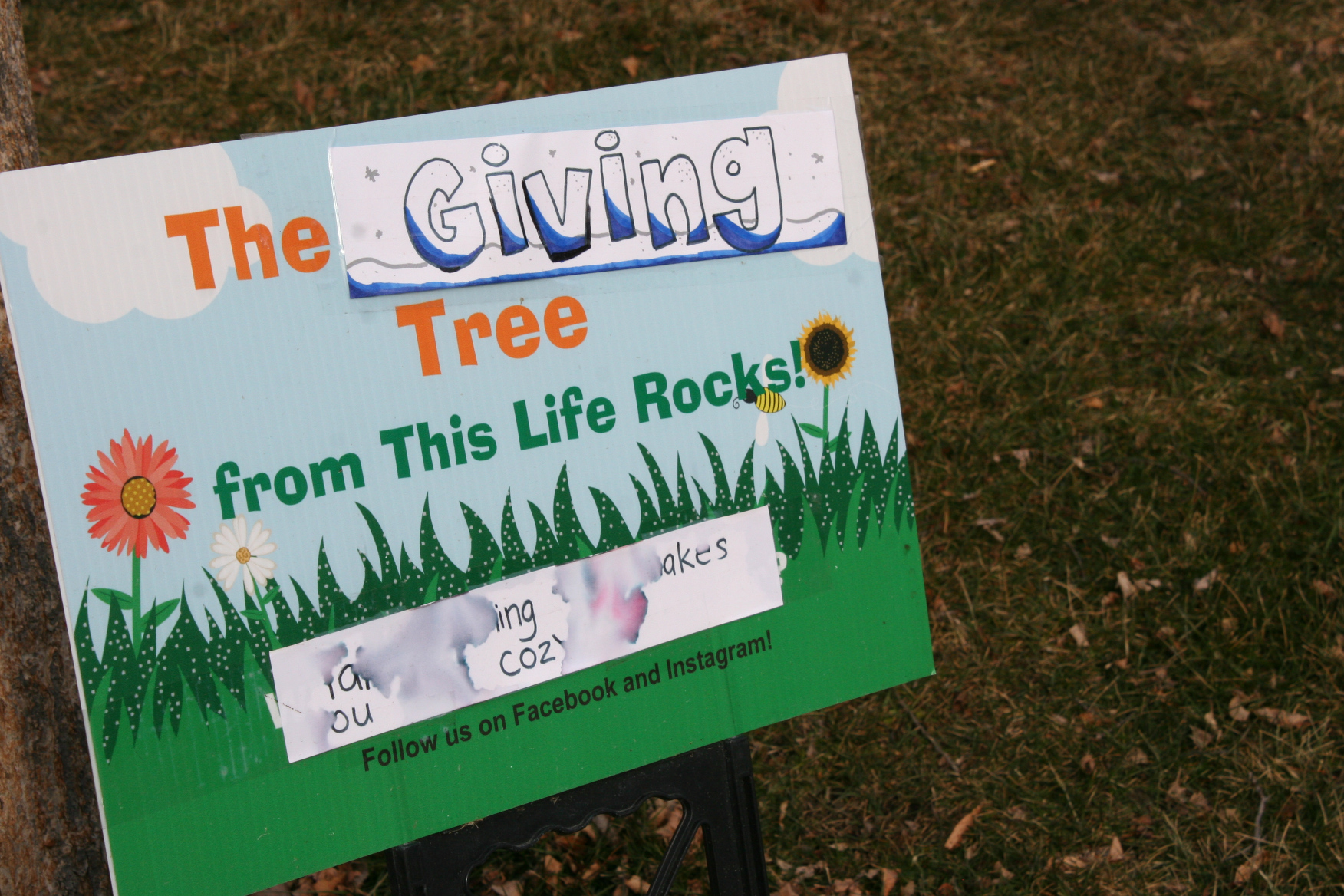
“Rocky the Giving Tree” against the backdrop of the Northfield library.

As soon as Randy and I pulled up to the Northfield library, I noticed a small tree draped with winter scarves near the base of the library hill. But first things first. Books.

I found four, one of which I started and finished that very day. Yes, sometimes books are that good.

Inside the library, a portion of a poem by Northfield Poet Laureate Rob Hardy. This seems to fit well The Giving Tree.

Once I’d gathered those books and snapped two photos inside the library, I focused my attention on the tree. The Gratitude Tree, now renamed The Giving Tree. Previously I photographed gratitude notes here, among the branches.

The library tree is serving as a host site for The Giving Tree and similar projects.
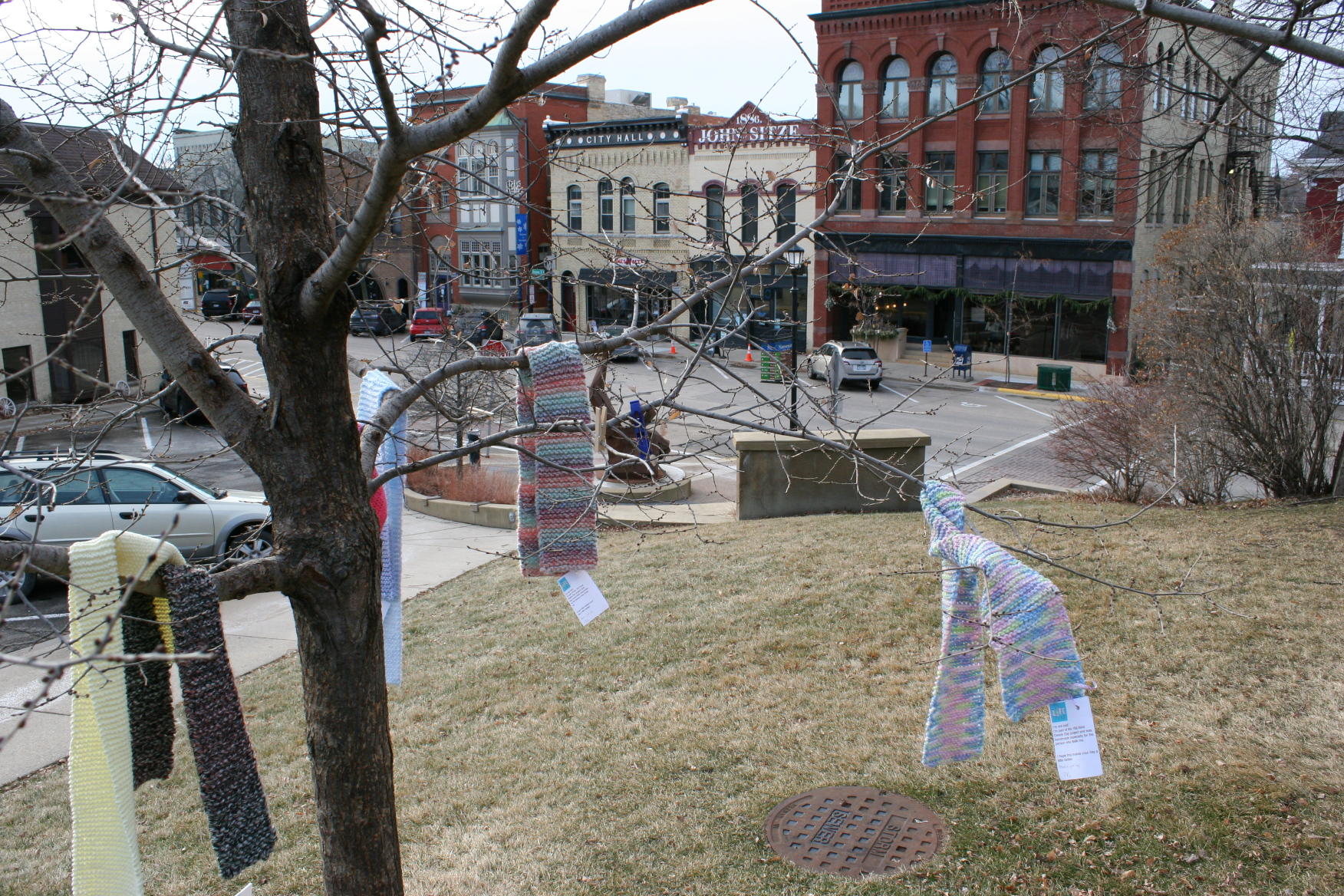
Empty clothespins indicate scarves already taken from a tree once sporting many more items of winter wear.
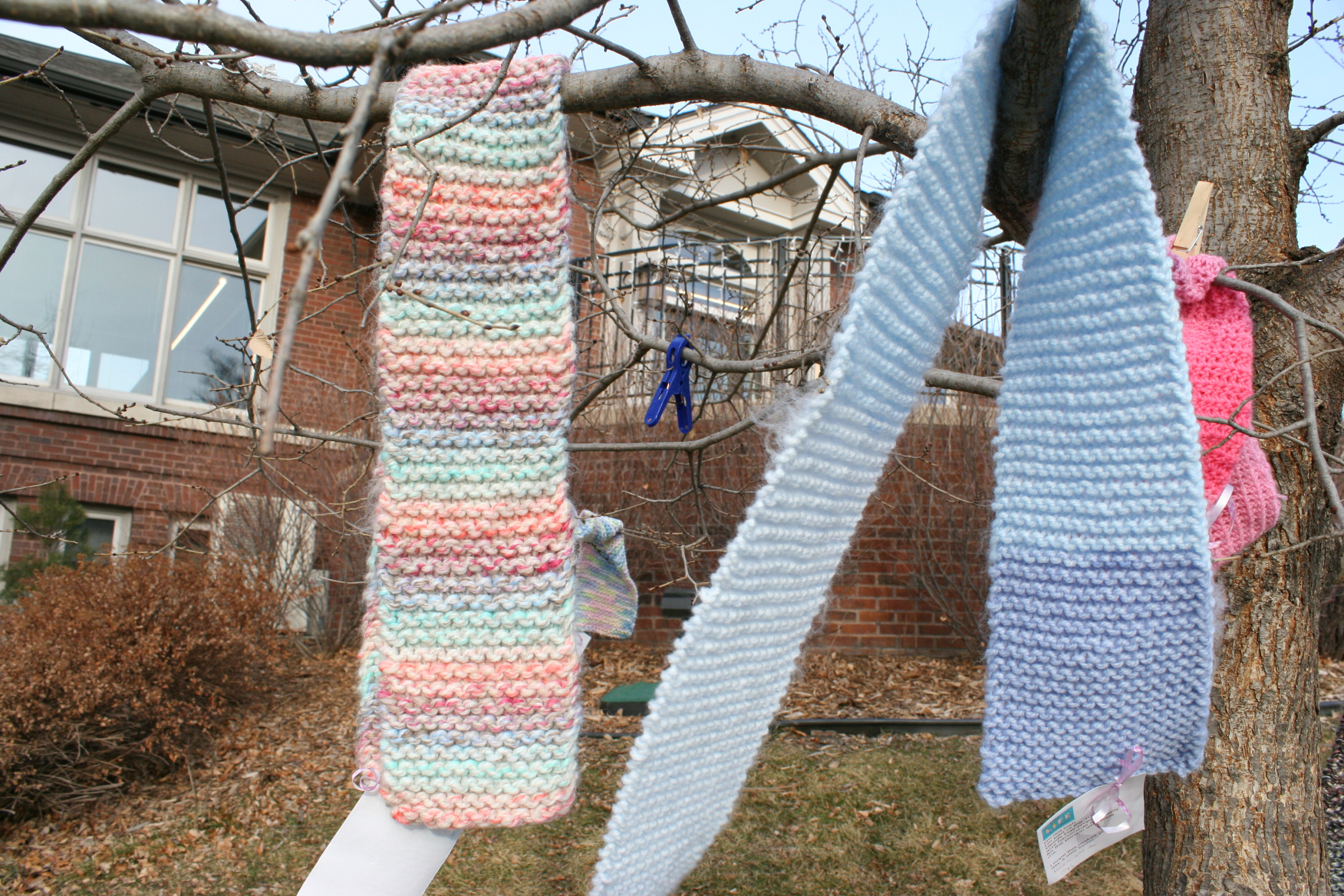
A tag on each item explains the project.

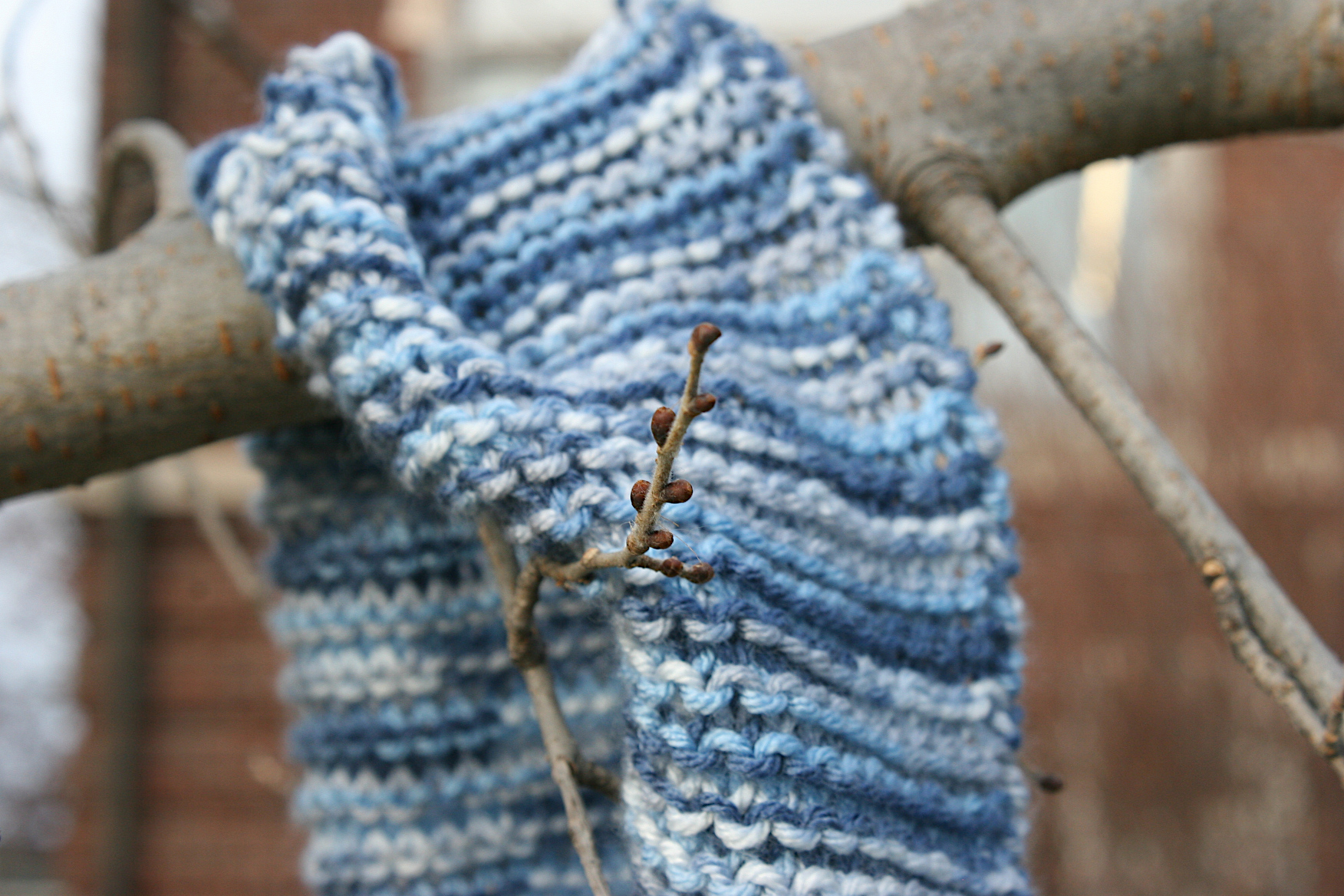
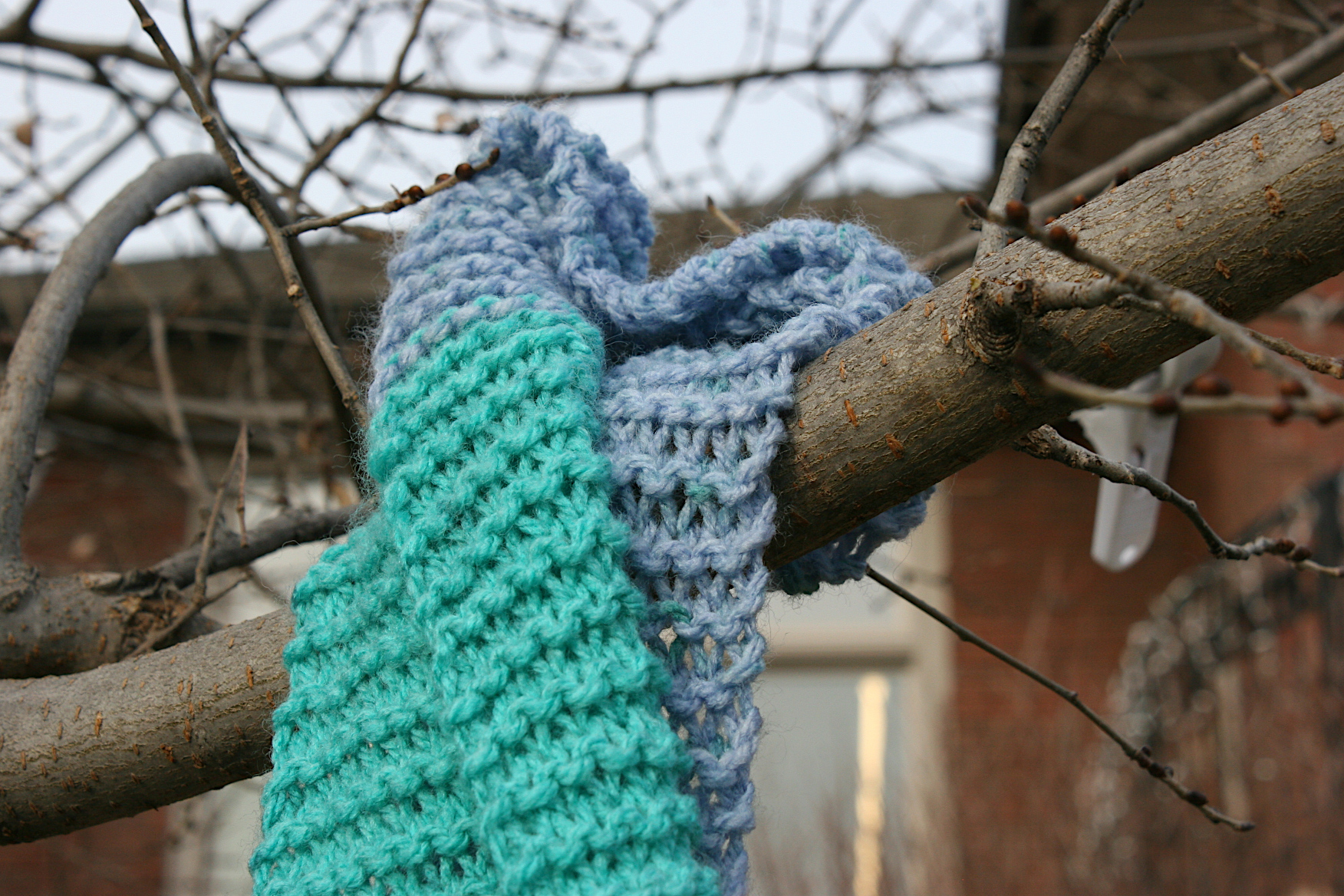
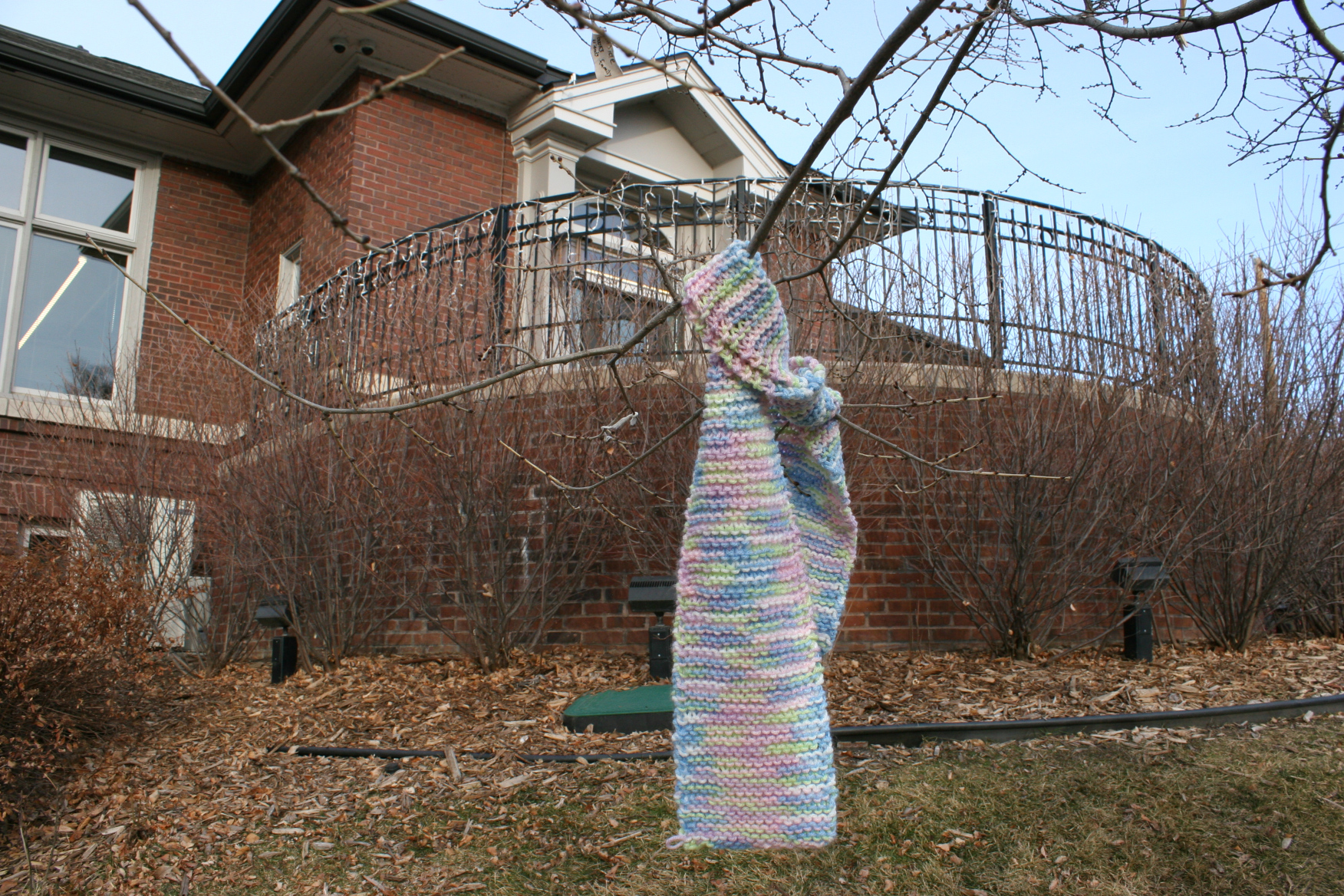
But this time, hand-knit scarves hung among the branches, each with a note attached indicating these are part of the 100 Kind Deeds Day Project. Need a scarf or other winter wear (I spotted a single hat)? Take one.

Handknit with love…and draped in The Giving Tree.
In the background sits the historic Archer House, severely damaged in a recent fire and its future unknown.
The scarves are almost like an art story.

As I photographed the collection, I wondered about the backstory. After researching online, I discovered this is the endeavor of 10-year-old Nika Hirsch of Northfield, founder of This Life Rocks. Annually for the past four years, Nika has invited the Northfield community to accomplish 100 kind acts in 24 hours. This year she dropped toys off at a hospital, picked up trash in a park and gathered donations for The Giving Tree.

Just across the street from The Giving Tree/library are the lovely historic buildings of downtown Northfield.

But there’s more. Remember that name, This Life Rocks? Well, this all started a few years back after Nika was diagnosed with selective mutism, a disorder often linked to social anxiety resulting in difficulty speaking with most people. With therapy, hard work, the love and support of her family and others, and a project—painting encouraging messages on rocks to leave in public places—Nika has accomplished much. The rock painting allowed her to communicate in a non-verbal way.

The beautiful Northfield Public Library serves as host site and backdrop for The Giving Tree.

Watching videos of Nika, I am amazed at how much she’s overcome, how confident and strong in the face of challenges. Nika truly inspires. She makes this world a much better place with her hands-on care, with her positive attitude, with her motto to live life with enthusiasm. And with her kindness.

© Copyright 2020 Audrey Kletscher Helbling