Minnesota Prairie Roots

Writing and photography by Audrey Kletscher Helbling

Seeking a book about Lutheran hymn writer Paul Gerhardt October 16, 2010

Filed under: Uncategorized — Audrey Kletscher Helbling @ 12:12 PM
Tags: , , , , , ,

SEVERAL WEEKS AGO I met a nice woman from Washington. Well, I didn’t actually meet, meet her. Rather she e-mailed regarding an article I wrote about homelessness in Faribault. That piece published in the September issue of The Lutheran Witness, the national magazine of The Lutheran Church, Missouri Synod.

Anyway, aside from the fact that Donna and I each attend LCMS churches, we also share a love of books.

“I am a book worm! I love books!” this West Concord, Minnesota, native wrote in one of many e-mails we exchanged. “I love to get books into people’s hands!”

Notice all those exclamation marks at the end of Donna’s sentences. That’s absolute proof to me that this retired library aide enjoys books.

Donna had a purpose for mentioning books to me. She wanted to buy an ad on Minnesota Prairie Roots seeking a specific book, Paul Gerhardt—His Life and His Hymns by William Dallman. Concordia Publishing House published the now out-of-print volume in 1921.

The problem: I haven’t yet reached the point of selling advertising on this blog. Believe me, I’d like to earn some money considering all of the time and effort I invest in blogging, but…for now it remains a passion of mine with no financial return.

But back to that book and Donna’s request. Although I’ve been a Lutheran all of my life, I’m not a musically-educated Lutheran. I cannot read a note nor do I know much about the Lutheran musical heritage. However, I can sing, from memory, all of the words to my favorite hymn, “Beautiful Savior.”

This, of course, does not help Donna. I offered to publish this post with the hope that someone out there—and you don’t even need to be Lutheran—has a copy of Paul Gerhardt—His Life and His Hymns. This musically-knowledgeable Lutheran wants to give the book to her pastor during October, Pastor Appreciation Month. If you can’t make that deadline, Donna’s fine with that. She has other ideas and can wait until next October.

Donna has already tracked down a few copies of the elusive 80-page rather plain brown book, so copies are out there. She found one for her church library and, after advertising elsewhere, located one in Great Britain. But the price is higher than she’s willing to pay. A retired pastor in Oregon also has the book, but it’s written in German. She wants English.

So, if you have an English copy of Paul Gerhardt—His Life and His Hymns e-mail your contact information in a comment (which I will not publish) and I’ll forward it to Donna in Washington.

I’m sure if you ask, Donna will tell you that Paul Gerhardt, born in 1607, was trained to be a Lutheran pastor at Wittenberg, Germany, where Martin Luther studied a century earlier. Gerhardt wrote more than 130 hymns including “Come Your Hearts and Voices Raising,” “Upon the Cross Extended,” “Awake My Heart With Gladness,” “Evening and Morning,” “I Will Sing My Maker’s Praises” and “Now Rest Beneath Night’s Shadow.”

Right off hand, I can’t say those hymns sound familiar to me. Remember, though, I’m no musician, simply a Sunday morning singing Lutheran.

Donna’s pastor, however, based his March 2010 Lenten sermons on Gerhardt’s life and hymns, using those as a window into the life of Christian devotion. That explains why Donna wants this certain book for her clergyman’s private collection.

So if you have a copy of Paul Gerhardt—His Life and His Hymns by William Dallman, in English, not German, e-mail me now.

Danke Schöen.

#

HERE’S ANOTHER INTERESTING story from my new Washington friend. Donna volunteers at her church library and her daughter, also a bookworm, gave her a book, Hymns of the Evangelical Lutheran Church for the Use of English Lutheran Missions, published in 1896 by Concordia Publishing House.

Said daughter bought the book for $1 at an American Association of University Women book sale.

But here’s the really odd, coincidental connection to me. Inside the book is the name Martha Schultz, Faribault, Minnesota, and the date, January 10, 1903.  So…, if anyone in Faribault, where I’ve lived since 1982, knows anything about Martha, Martha’s ownership of this book and how it ended up in Washington, Donna and I would very much like to know. Send me a comment.  Thank you.

© Copyright 2010 Audrey Kletscher Helbling


Together let’s make this harvest season safe October 7, 2010

Filed under: Uncategorized — Audrey Kletscher Helbling @ 2:07 PM
Tags: , , , , , , , , , ,


Bishop Jon Anderson, Southwestern Minnesota Synod, Evangelical Lutheran Church of America, blesses the Prahl family.


SEVERAL WEEKS AGO I wrote about a Tractor Roll-in and Harvest Blessing Service at Trinity Lutheran Church in rural Gaylord.

Yesterday I received my September 30 issue of The Gaylord Hub, a community newspaper where I worked for two years right out of college. Even after three decades removed from Gaylord, I’m still interested in the happenings in this small town.

As I paged through the issue, I came across a photo on page four from the Trinity harvest blessing service. Pastor William Nelsen had e-mailed the same image, and several others, to me. But they were just sitting in my in-box and I wasn’t sure I would ever publish them on Minnesota Prairie Roots.

But then, yesterday, that blessing service photo in The Hub, followed by a story two pages later, prompted me to write this post. The news article shared information about an accident in which a farmer’s clothing became entangled in a power take off driven rotor shaft. The farmer sustained severe head, chest and arm injuries and was airlifted from the scene. The irony of the harvest blessing photo and the farm accident story publishing in the same issue of The Hub was not lost on me.

Yes, harvest season is well underway here in southern Minnesota. And with it comes the added danger of accidents on the farm and on roadways. Farmers are tired, stressed, overworked.

Motorists are impatient and in a hurry.

This time of year we all need to take great care as we’re out and about in rural Minnesota. If you get “stuck” behind a combine or a tractor or a slow-moving grain truck, exercise caution and don’t be in such an all-fired hurry to zoom around the farm machinery.

If you’re a farmer, please use proper signage, turn signals and flashing lights and stick to the edge of the roadway as much as you can. Bulky farm machinery limits a motorist’s ability to see around you, which can lead to accidents.

Together, with understanding and patience and, yes, even consideration, farmers and non-farmers can join in making this a safer harvest season.


Pastor Bill Nelsen blesses the Klaers family and their harvest during the service.


Pastor Bill Nelsen blesses the Kahle-Giefer family and their harvest. Farmers drove about 40 tractors and combines to the worship service attended by 200-plus worshipers.


I snapped this harvest photo along a rural road near Northfield on Sunday afternoon.


© Copyright 2010 Audrey Kletscher Helbling

Photos courtesy of Margie Nelsen


Celebrating history and heritage at Christdala Church September 30, 2010

Filed under: Uncategorized — Audrey Kletscher Helbling @ 7:45 AM
Tags: , , , , ,

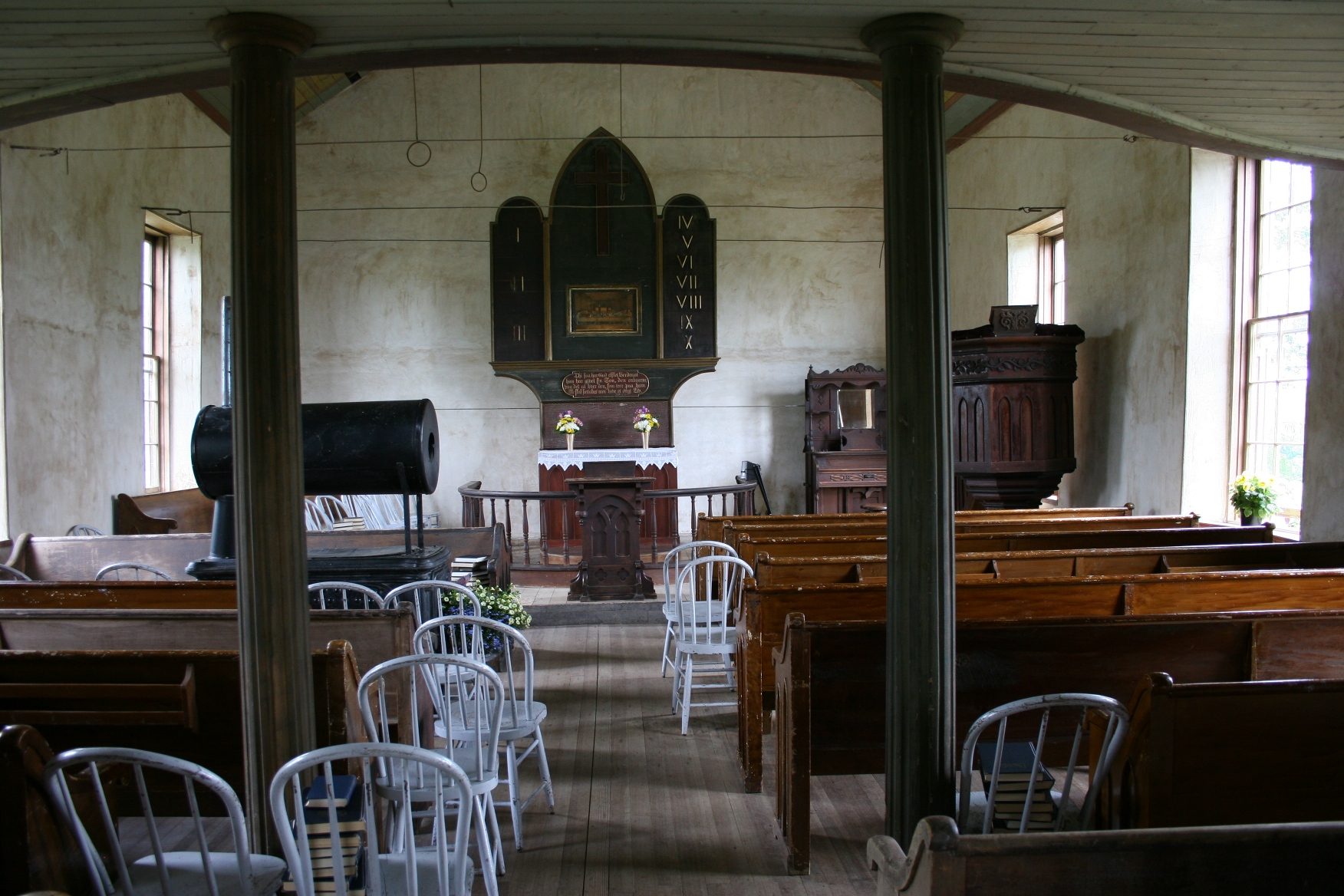
Christdala's 1880 altar and pulpit join at the front of the Swedish Lutheran church.

THEY COULD NOT HAVE KNOWN, but a hymn they/someone chose for the annual church celebration happened to be my favorite.

Beautiful Savior, King of creation,

Son of God and Son of Man!

Truly I’d love thee, truly I’d serve thee,

Light of my soul, my joy, my crown.

And so I sang, in verse two of fair meadows. Verse three, of bright the sparkling stars on high. And the final verse—glory and honor, praise, adoration.

Only occasionally did I glimpse at the service program, at the words I’d memorized in childhood, sung decades later at my wedding. Beautiful Savior.

Everything about Sunday afternoon at Christdala Evangelical Swedish Lutheran Church in rural Millersburg was beautiful. Sunshine. The pure, clear voice of the soloist singing of saints gathering at the beautiful river. The wisps of steam rising from a percolating coffee pot that I glimpsed through a church window while sitting in a front pew. Art on the lawn by my friend Rhody Yule.

On this September day, descendants of the Gustafsons and other Swedish immigrants who founded this church in 1877 gathered to celebrate their heritage and the 1878 Gothic Revival style wood-frame church that has been preserved.

Voices raised together in song, accompanied by the 1886 pump organ, the church’s second organ. Heads tilted to hear the pastor speak: “Jesus is all about setting us free. Today you are set free.”

The clunk of wood as worshipers settled into pews. Bread dipped into wine. Bowed heads and box elder bugs.

And outside, on the lawn, ham sandwiches and lefse and cake in a lunch spread out on tables, in an open stretch of grass between gravestones.

Hugs exchanged. Here, atop a hill, they gathered—friends and family—to worship, to honor the Swedish immigrants who established this congregation, Christdala, Christ’s Valley.

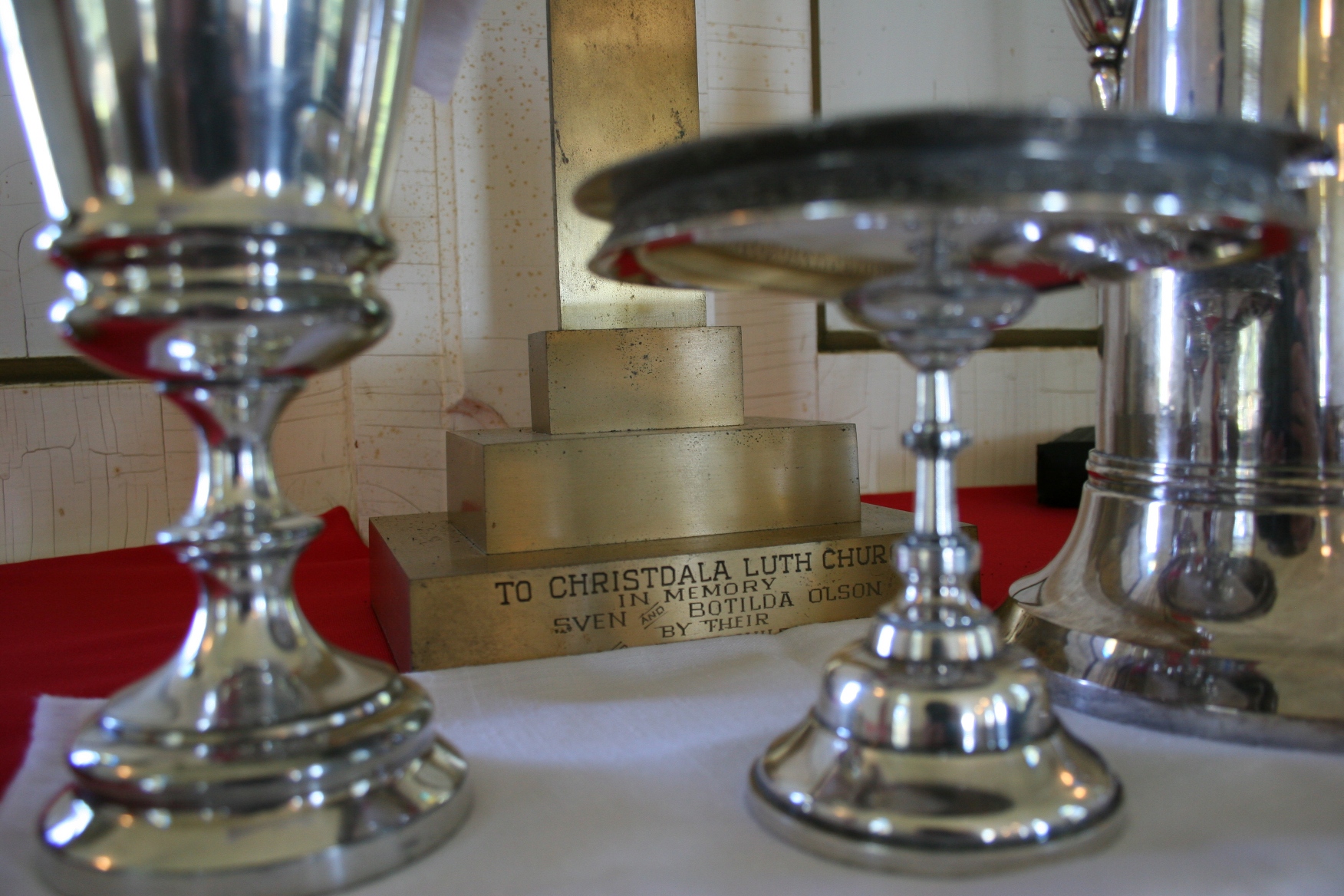
Communion ware at Christdala and a memorial inscription on the altar cross.

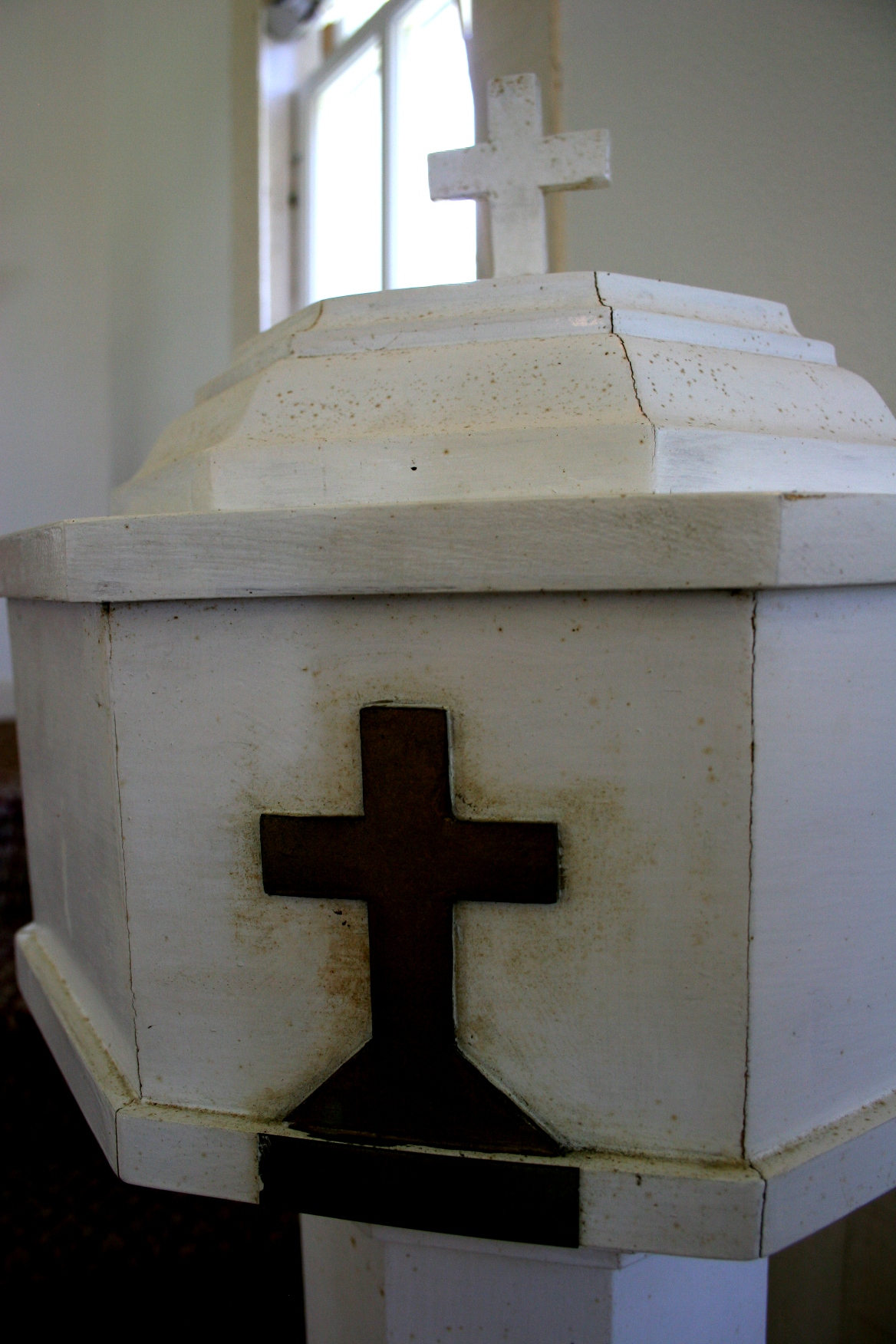
Christdala's baptismal font

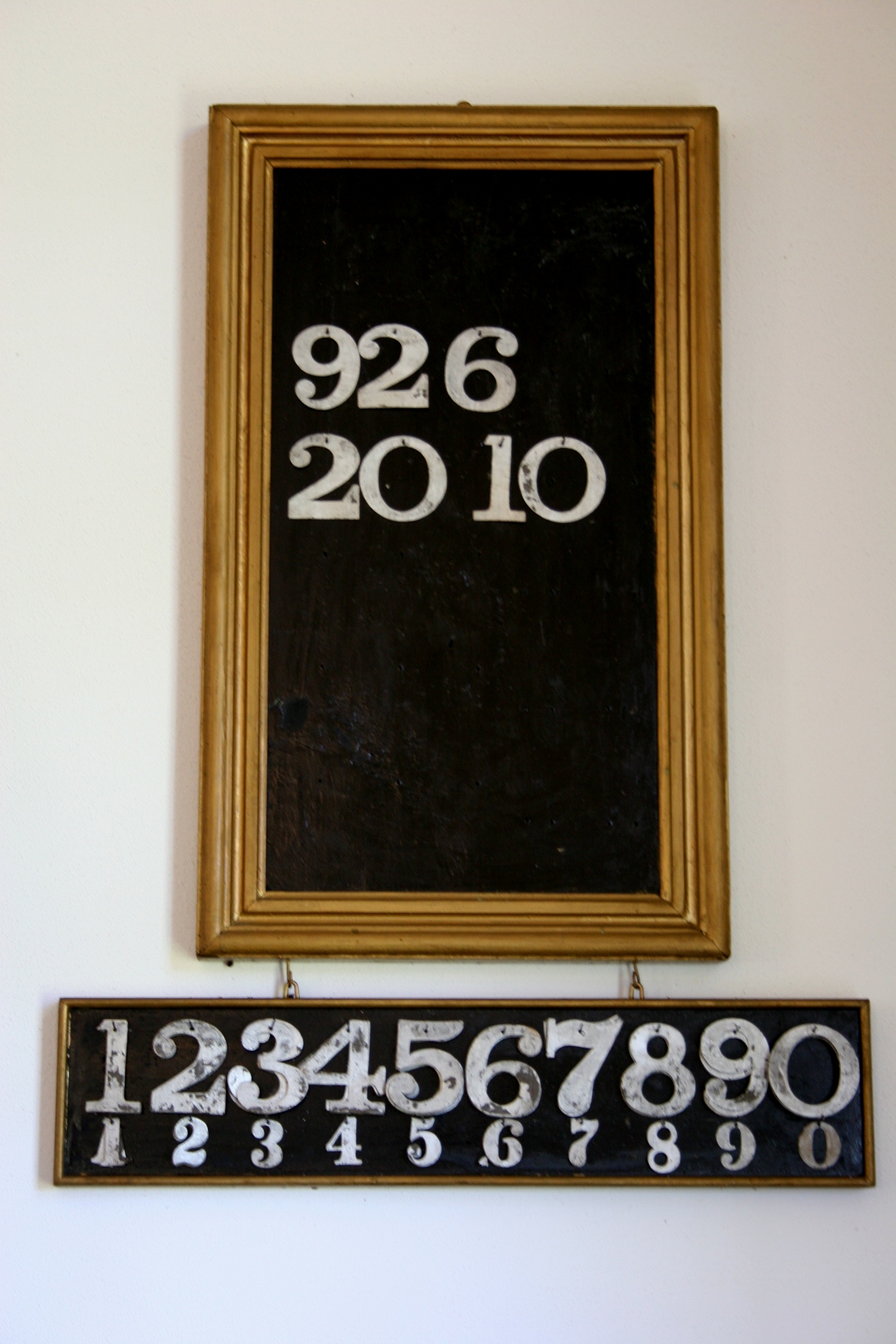
Numbers on the hymn board mark the celebration date, September 26, 2010.

Hymn board numbers are worn from years of use, reflecting the long history of this church.

Restoration and preservation of Christdala was detailed, right down to matching the replacement carpet, left in photo, to the original framed carpet sample at the right.

Reminders of the Swedish heritage rest atop a cupboard in a corner of the sanctuary.

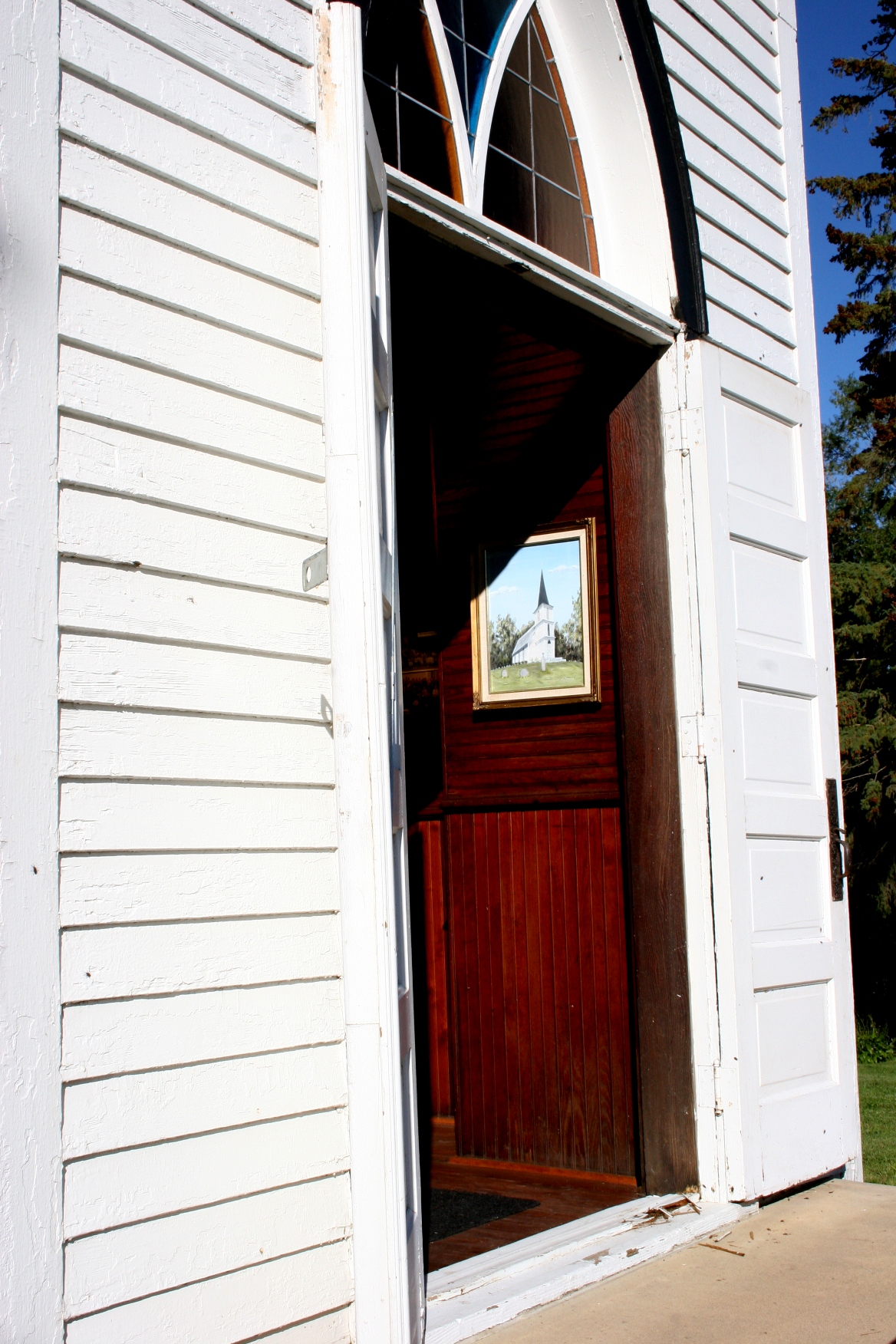
All of the windows in Christdala are tipped in blue and yellow, the colors of the Swedish flag. This shows the front door opening south to an archway that frames the valley below.

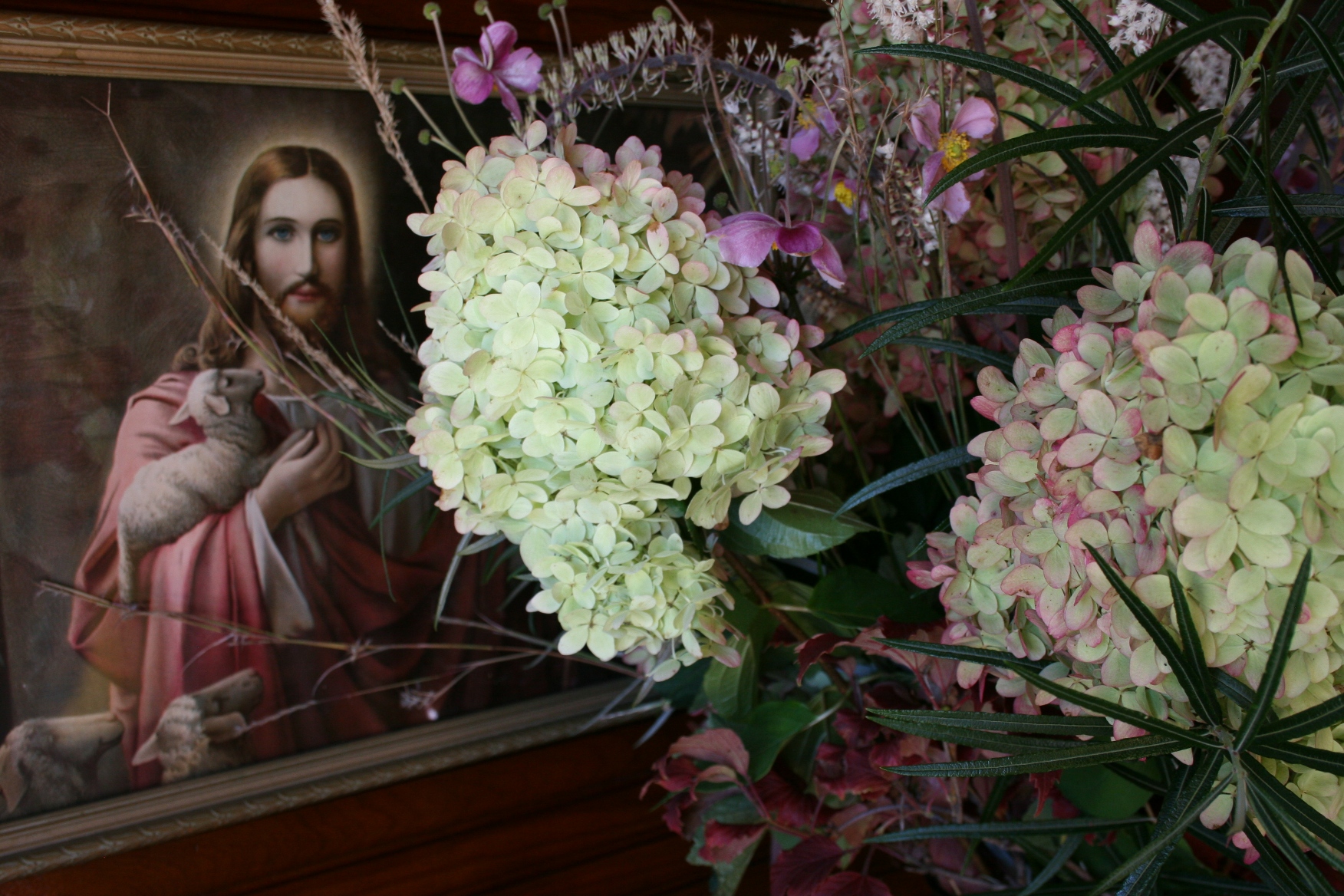
Inside the entry of Christdala, fresh fall flowers sit next to a print of Christ, the Good Shepherd.

The front doors of Christdala open to reveal a painting of the church hanging inside the entry.

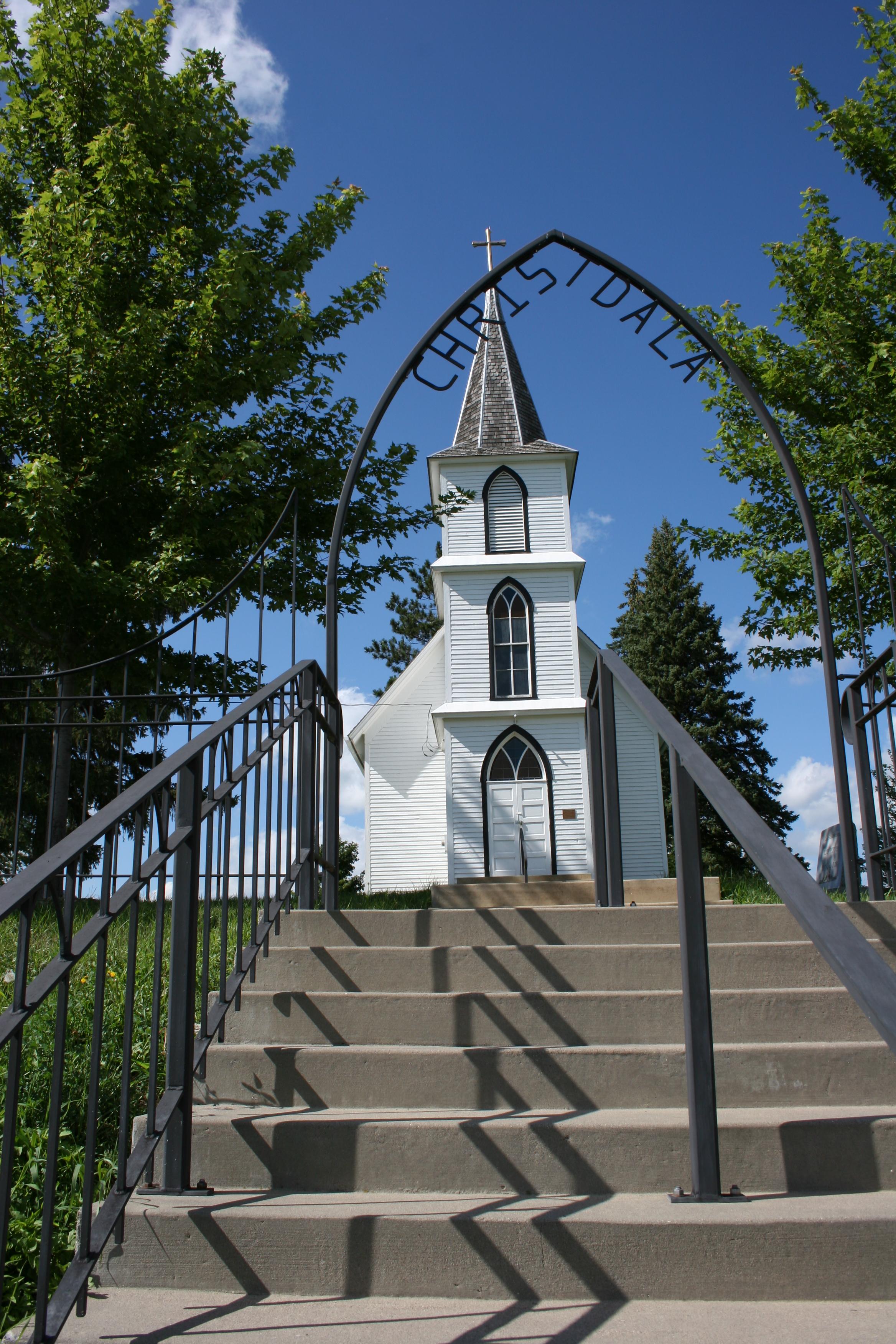
Christdala Swedish Lutheran Church sits atop a hill along Rice County Road 1 west of Millersburg.

© Copyright 2010 Audrey Kletscher Helbling


The surprising connection between a Minnesota church and the James-Younger Gang July 21, 2010

Filed under: Uncategorized — Audrey Kletscher Helbling @ 10:30 AM
Tags: , , , , ,

WHEN MY HUSBAND AND I EMBARKED on a quest for an old country church Sunday afternoon, we fully expected a challenge. But we didn’t expect to cross paths with a bunch of outlaws.

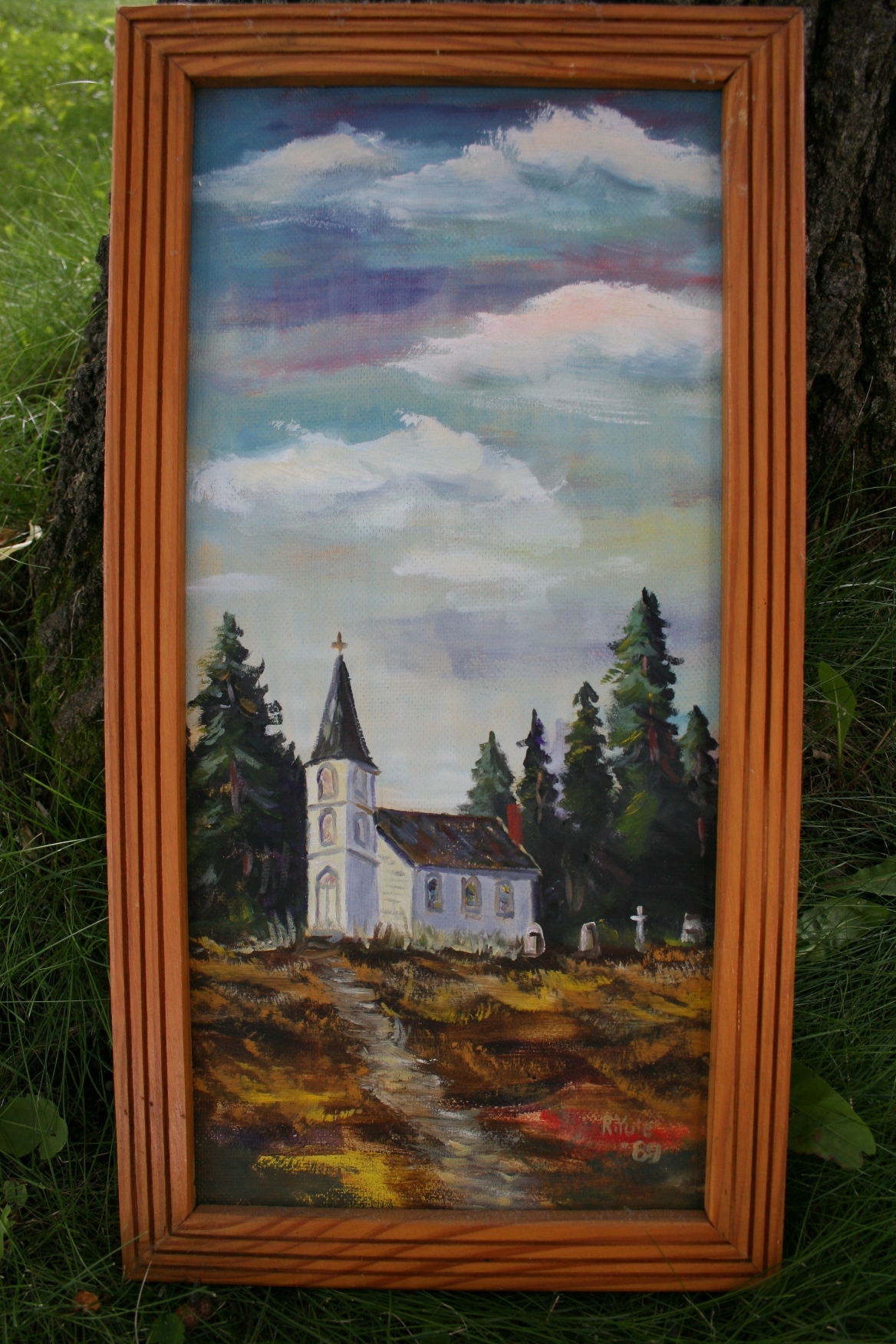
First, a little background: Several days earlier I had photographed a painting of an old Minnesota church done by our 92-year-old artist-friend, Rhody Yule, in 1969. Rhody remembered only that the church was “somewhere near Montgomery” and on the National Register of Historic Places.

I carried a photograph of this 1969 church painting by Faribault artist Rhody Yule as we set out to find the unidentified church.

With those clues, Randy and I set out on our adventure simply because we love the history and beauty of old country churches. We figured if we drove far enough and long enough, we would find this one.

So off we went, following Rice County Road 9 northwest of Faribault, driving around sweeping curves, up and down hills, past farm places, all the while searching for a steeple. I had no clue where we were, which I find unsettling. I like to know where I am and where I am going. But not the husband; he just kept driving.

Soon we approached a lake. Must be Circle Lake, we speculated. We were right. And then, just as we were about to turn onto a gravel road leading to the public access, I saw a white church high on a hill. “There’s a church!” I shouted. “I bet that’s it.”

Right then and there, I wanted to drive up to that church. But first things first. We had to stop at the lake. A quick stop and we were off to the church, which sits two miles west of Millersburg (not Montgomery) along Rice County Road 1 near its intersection with County Road 9.

Our excitement was palpable as we pulled off the road and parked below the church. I grabbed the picture and compared the painting to the building before me. It was a match. We had found Christdala Swedish Lutheran Church, built in 1878, placed on the National Register of Historic Places in 1995 and today preserved through the Christdala Church Presevation & Cemetery Association.

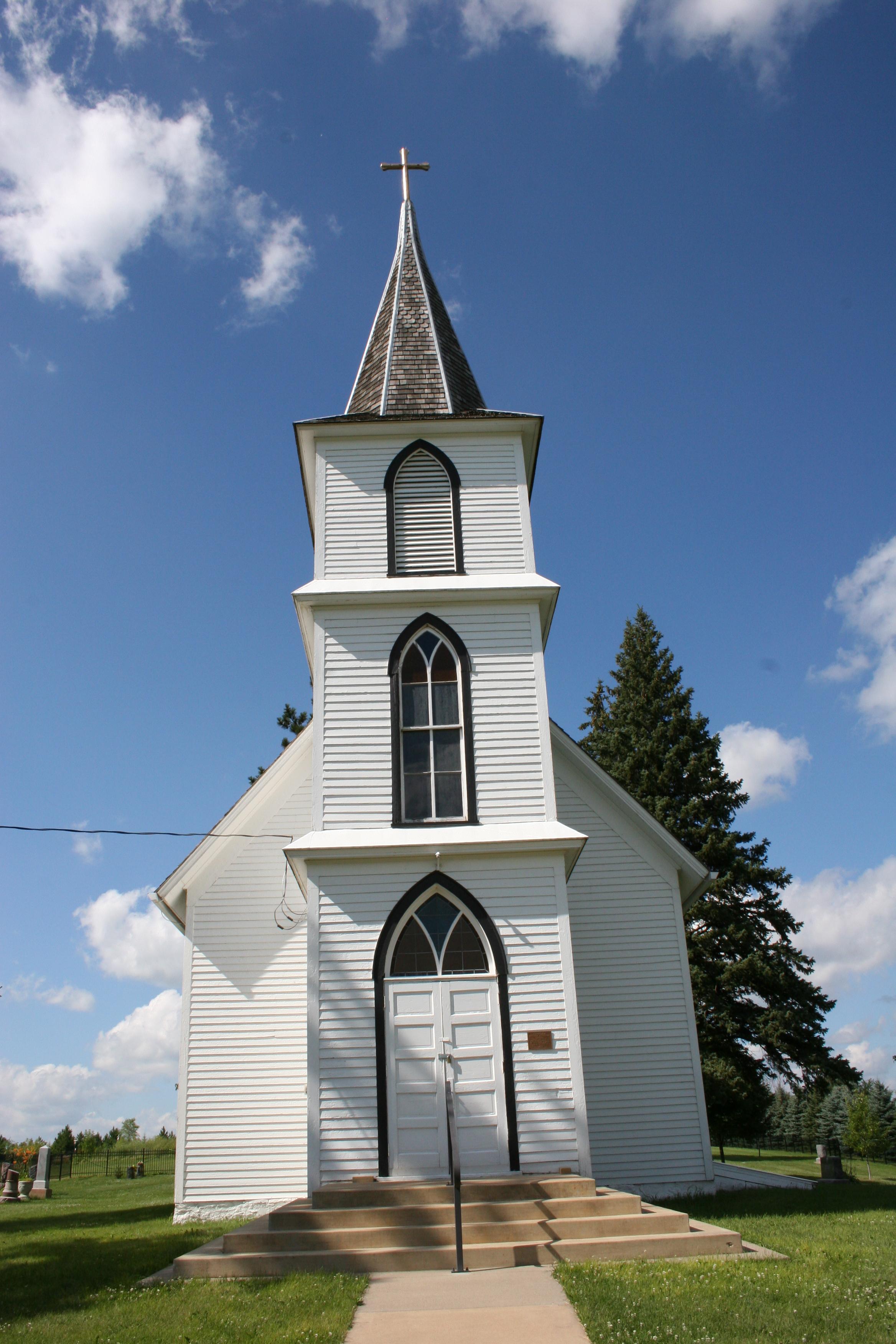
Christdala Swedish Lutheran Church sits atop a hill along Rice County Road 1 just west of Millersburg.

Some 25 steps later and we reached the top of the hill, standing before this simple country church overlooking Circle Lake.

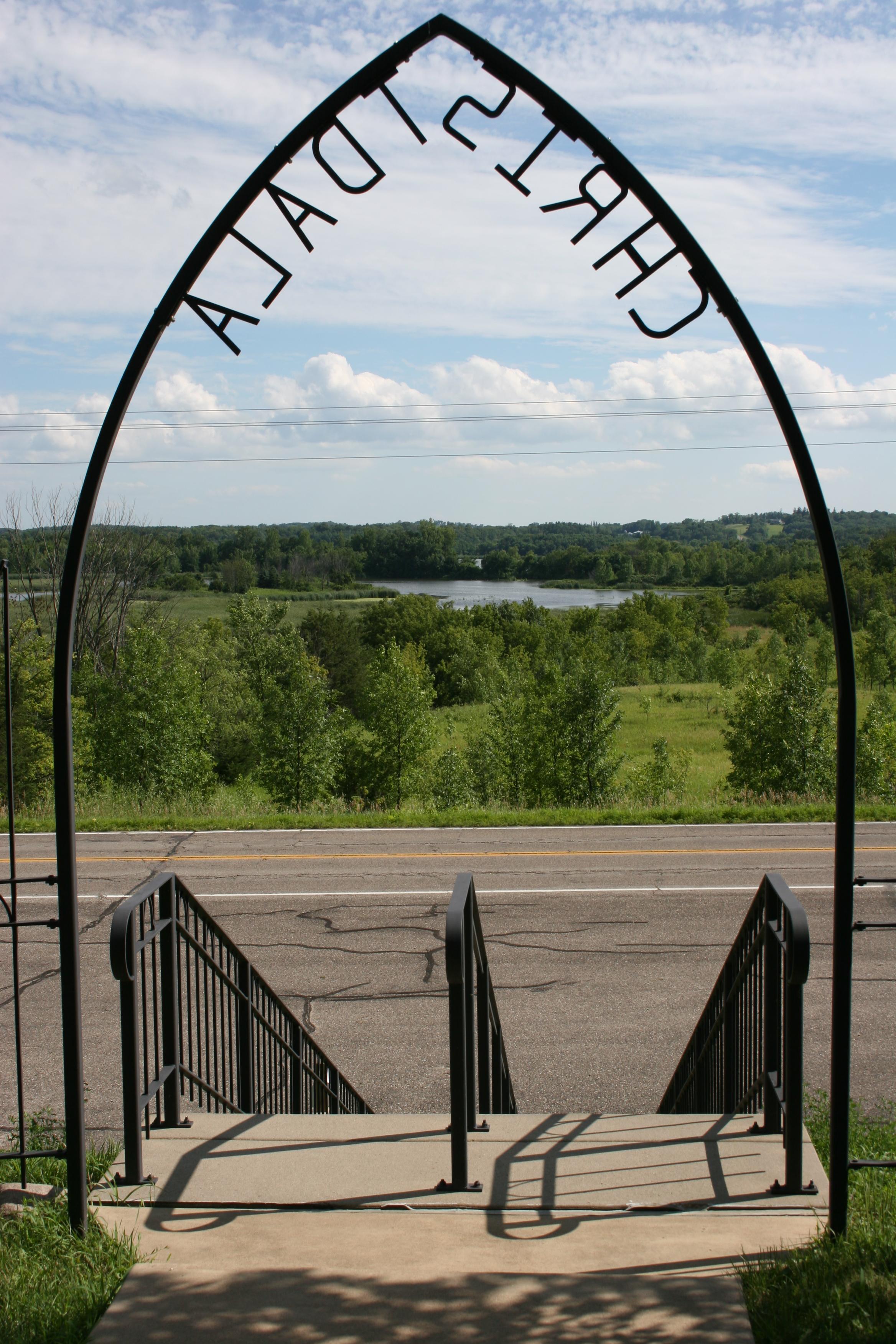
An archway at the top of the church steps frames Circle Lake and the surrounding countryside. Christdala means "Christ's Valley."

Christdala Swedish Lutheran Church, built for $230 in 1878 by John Olson and John Lundberg of Northfield and site of a fall service and open house.

And that’s where we met Phil, who was photographing Christdala and old tombstones. “Can we get inside?” I ask, hopeful that perhaps this stranger has a key. “Are you from around here?”

No and no. Phil is from California, but is president of Le Center-based ShetkaStone, a company that makes tables, countertops, moldings, office furniture and more from recycled paper. When he’s in Minnesota (which is often), this Californian explores old country churches and cemeteries in the home-away-from-home state he has grown to love.  You don’t find this kind of history in California, he says.

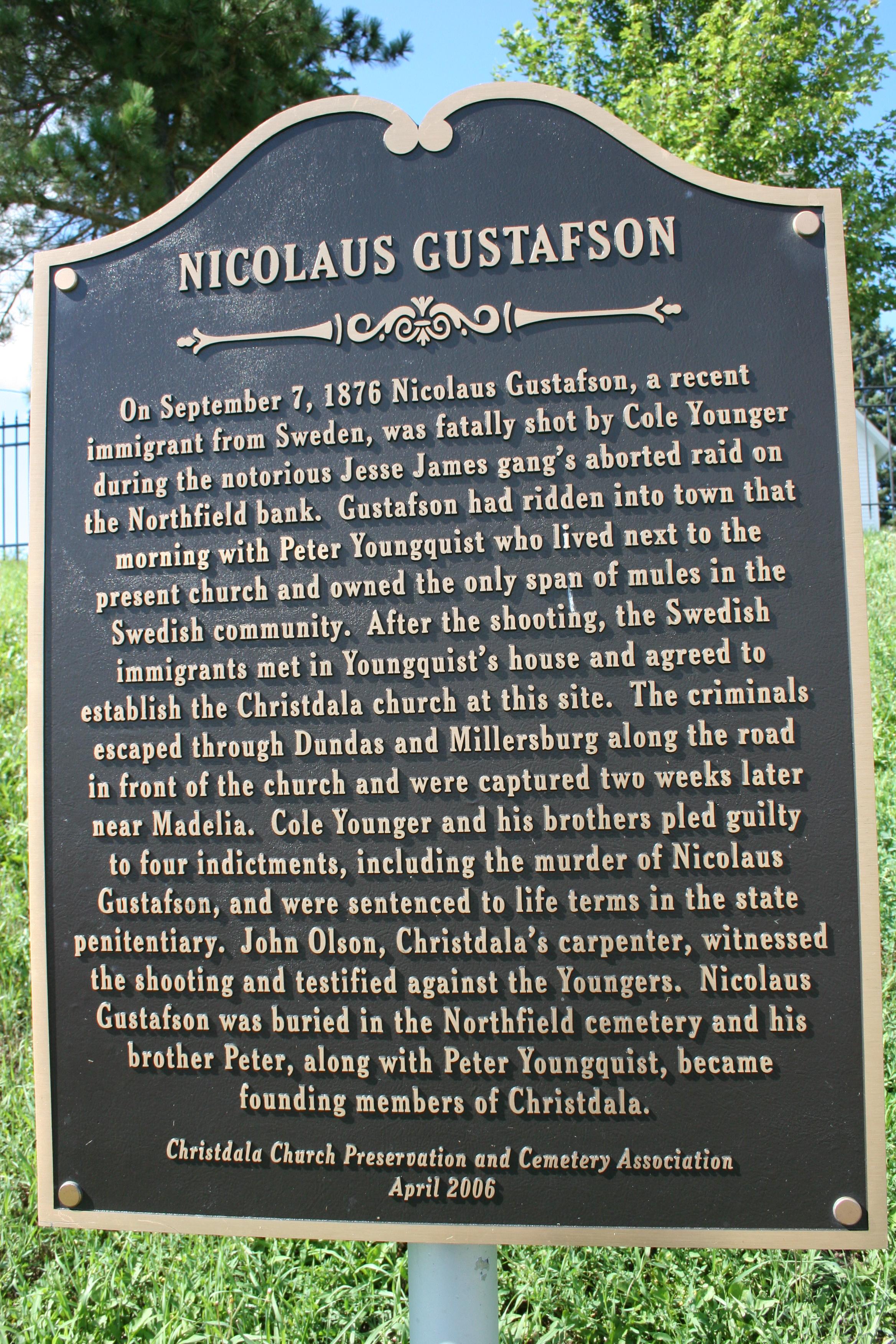
We are kindred spirits—the three of us—standing here on a sunny summer Sunday afternoon admiring this 132-year-old church with an intriguing connection to the Sept. 7, 1876 robbery of the First National Bank of Northfield by the notorious James-Younger Gang.

Swedish immigrants built Christdala after one of their own, Nicolaus Gustafson, who had traveled to Northfield on the morning of the bank robbery, was fatally shot by Cole Younger. Because the Millersburg Swedish community had no church or cemetery, Gustafson was buried in Northfield. After his death, the Swedes immediately began formulating plans for their own church and burial place, forming a congregation in July 1877 and constructing a house of worship in 1878.

Today Christdala, which dissolved as a congregation in 1966 due to declining membership, stands as a strong testament to those determined Swedes. They turned the tragic death of their friend, their neighbor, into something positive. Good triumphs over evil. Perhaps it is no coincidence that this church was built beside, and above, the road used as an escape route by the notorious outlaws.

All of this I consider while walking among the tombstones—of the Youngquists, the Swansons, the Paulsons and, yes, even the Gustafsons.

A sign at the church details the historical connection to the 1876 Northfield bank raid by the James-Younger Gang.

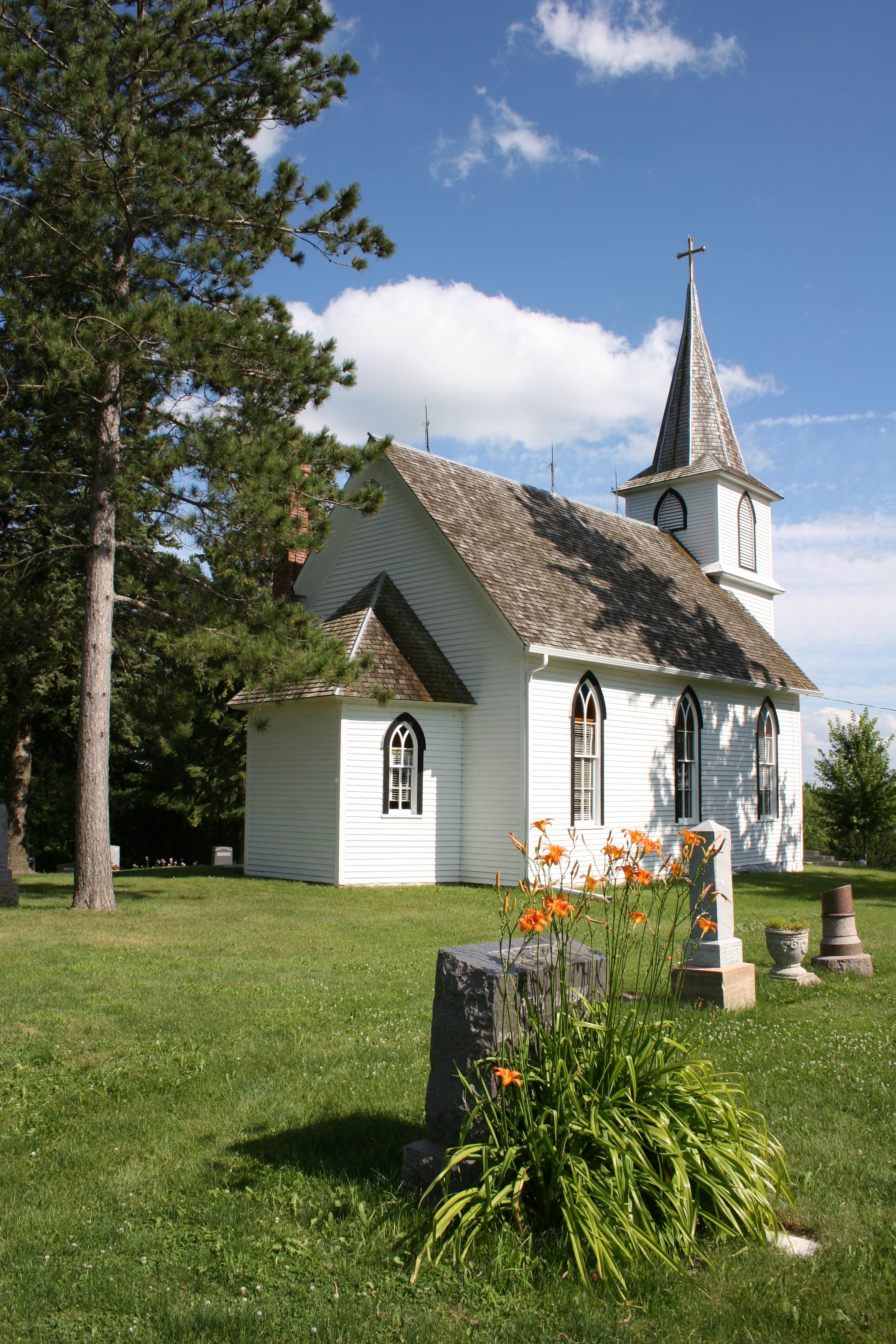
A cemetery surrounds Christdala Swedish Lutheran Church near Millersburg.

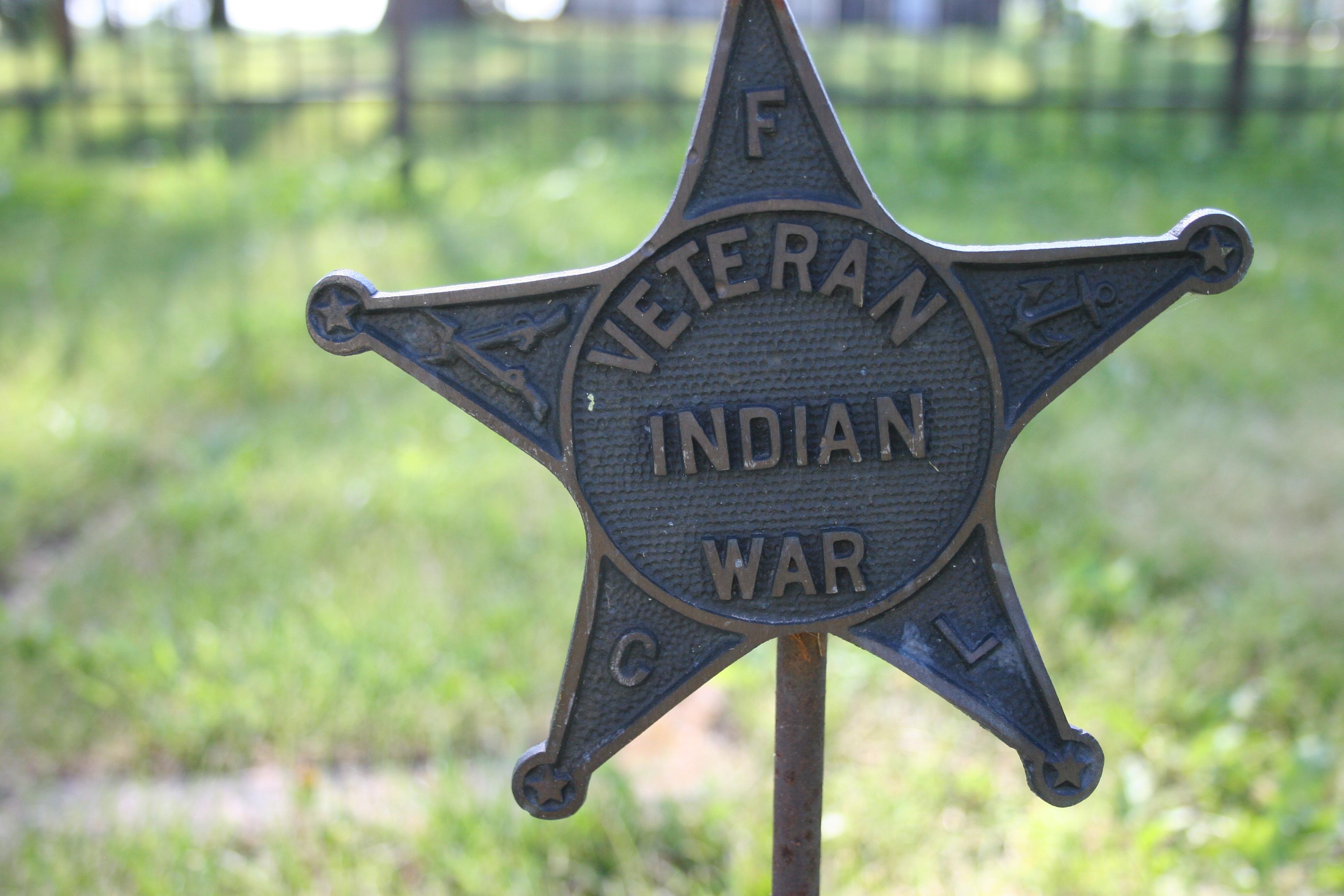
An honorary star in the Christdala cemetery denotes a soldier as a veteran of the Indian War.

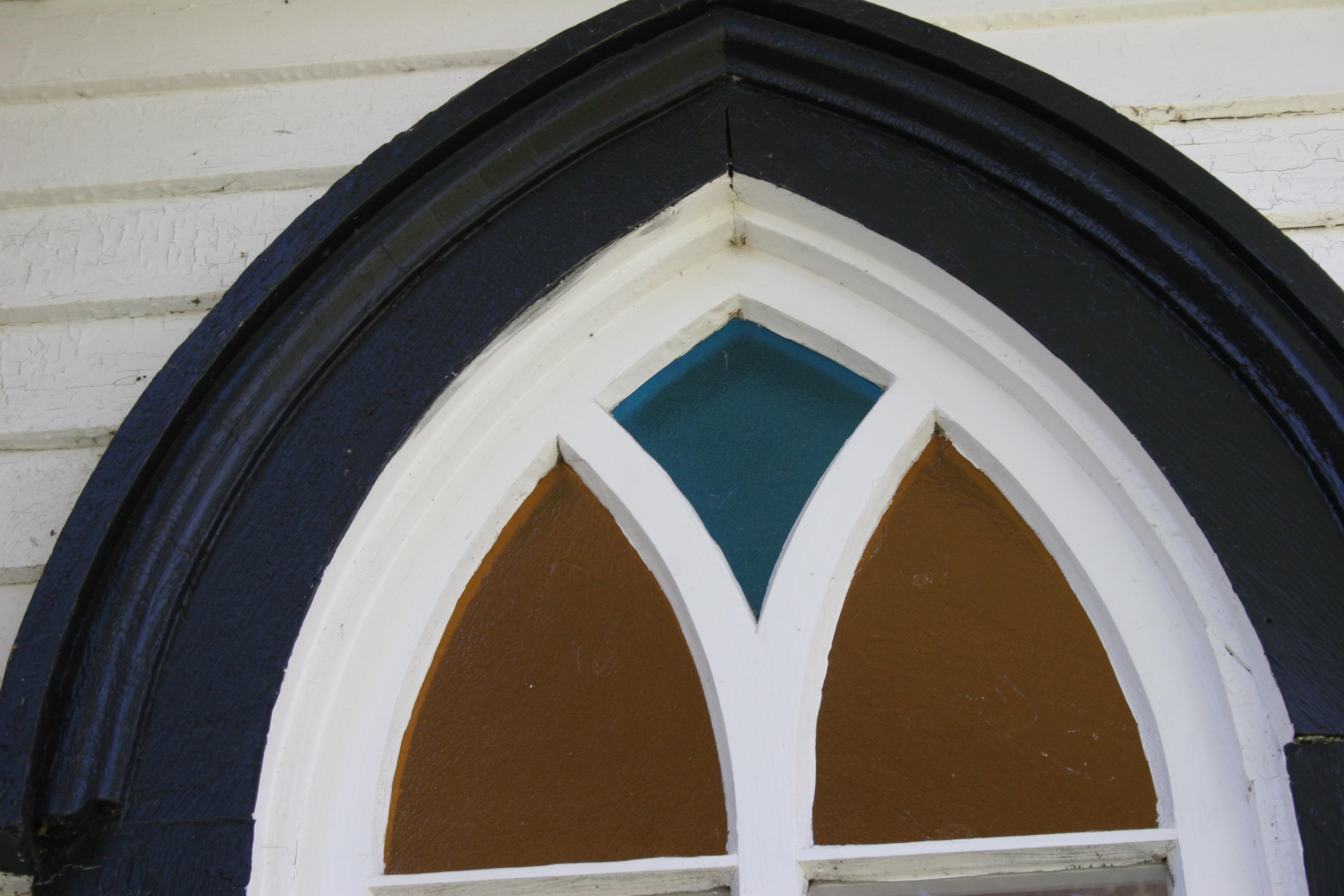
The exterior stained glass top of a Christdala window.

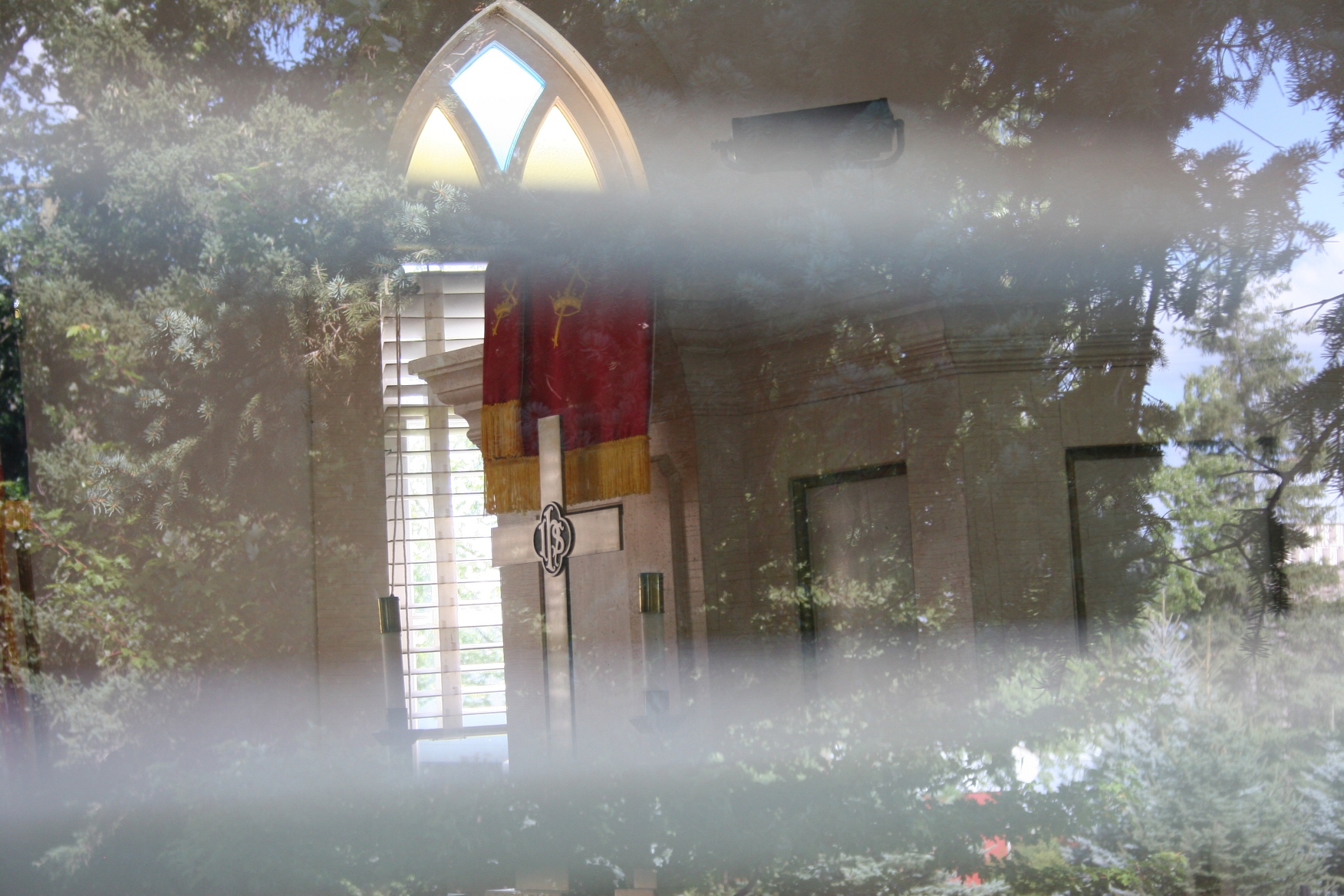
Because the church was locked, I had to settle for peering through the blinds at the altar, which sits in front of the pulpit. The cross rests on the altar. I'll have to return for the annual autumn worship service and open house.

© Copyright 2010 Audrey Kletscher Helbling


A family of the faithful at Moland Lutheran Church July 11, 2010

Filed under: Uncategorized — Audrey Kletscher Helbling @ 12:12 PM
Tags: , , , ,

Moland Lutheran Church, rural Kenyon, Steele County, Minnesota.

IF YOU LOOK BEYOND the pews, the altar, and the stained glass windows, if you listen beyond the music and the sermon and the scripture readings, you will find, within a church, a family.

Here’s what I mean. Recently while photographing an old country church in southeastern Minnesota, I began to notice the personal touches that made me feel welcome, like I had stepped inside someone’s home.

Yes, women greeted me at Moland Lutheran Church during the congregation’s annual Strawberry Festival. But no one showed me around. I simply meandered on my own, with my camera, absorbing my surroundings. And that’s what I prefer.

Perhaps because I’m a writer and a photographer, I take note of my environment more than an ordinary person. I am drawn to that which others might simply pass by.

But rather than try to explain all of this to you, I’ll show you the discoveries I made inside and outside this 1884 Norwegian Lutheran church, the discoveries that led me to a family of the faithful.

I photographed a section of a long photo showing Moland church members gathered for the congregation's 50th anniversary celebration in 1930. The image hangs just outside the nave.

The Henry Underdahl family gifted a memorial stained glass window to the Moland Lutheran Church. Such memorials are a common way to honor family members and their legacy of faith.

I discovered this service roll in the narthex listing congregational members called to serve their country. I found this especially touching. Perhaps congregations should revive this public way of honoring those in the military.

Even after family members have departed this life, their memories are as close as the graves that surround Moland Lutheran. I imagine that many of the early members who filled the pews here also worked the land.

FOR MORE INFORMATION and photos of Moland Lutheran Church, please check my previous posts, “They serve the best food in Minnesota church basements” (posted July 1) and “In praise of preserving country churches” (posted July 7).

© Copyright 2010 Audrey Kletscher Helbling


In praise of preserving country churches July 7, 2010

Filed under: Uncategorized — Audrey Kletscher Helbling @ 7:16 AM
Tags: , , , , ,

Moland Lutheran Church, a Norwegian Lutheran church south of Kenyon.

ONLY IN RECENT YEARS have I begun to truly appreciate the old churches that dot the Minnesota landscape, their steeples rising heavenward directing the faithful to worship.

Whenever the opportunity arises these days, I slip inside these reverent rural respites to reflect upon the holiness that resides therein. The more churches I visit, the more I am convinced of the necessity to preserve these houses of worship for future generations.

Not only do I treasure the sacred aspect of their existence—rooted deep in the faith of immigrants who settled this land—but I also value the art and the history woven into the very fabric of these buildings.

Whether in stenciled ceilings, hand-carved pulpits, worn floorboards, hand-hewn pews, religious paintings or stained glass windows, I see care, craftsmanship, devotion to God everywhere.

I am inspired and uplifted simply stepping inside the doors of a country church.

Join me on this tour of the 1884 Moland Lutheran Church south of Kenyon in rural Steele County and see for yourself why old country churches like this are worth appreciating, and preserving.

Looking into the sanctuary of Moland Lutheran Church.

Fine craftsmanship is reflected in the handcrafted pulpit, altar and railing.

Art in the details of the Moland pulpit.

The altar painting was transported to the church by horse-drawn wagon from Faribault in 1893. A. Pederson painted this image of "Christ with outstretched arms" based on Matthew 11: 28 - 30 ("Come to me, all you who are weary and burdened, and I will give you rest...").

Norwegian words (I think from Matthew 11) are painted on the altar.

Beautiful details on the bottom of Moland's altar remind me of the altar in the church I attended as a child, St. John's Lutheran in Vesta. Sadly that church was not preserved and is today an apartment building.

© Copyright 2010 Audrey Kletscher Helbling

(Check back for additional Moland Lutheran Church photos to be posted on Minnesota Prairie Roots.)


Preserving the past at the Old Stone Church, Kenyon, Minnesota June 29, 2010

Filed under: Uncategorized — Audrey Kletscher Helbling @ 7:41 AM
Tags: , , , ,

As part of the restoration process, the limestone at the Old Stone Church was tuck-pointed. This shows the east side of the 1870s church located along Monkey Valley Road southwest of Kenyon, Minnesota.

I CAN’T PINPOINT specifically when old country churches became a passion for me. But sometime in recent years, I realized that these rural houses of worship and their often adjoining cemeteries reflect a history and art worth appreciating and preserving.

Such is the Old Stone Church built by Norwegian immigrants near Kenyon in the late 1870s and closed in 1902. A committee of four, whom I met at a Sunday morning worship service, is working tirelessly to preserve this historic church and cemetery for future generations. Already, some $100,000 has been invested in tuck-pointing the native limestone, replastering the interior and more.

These people genuinely care about the original gathering place for members of Hauge Free Lutheran Church, which celebrated its 150th anniversary in 2009. The congregation’s current center of worship stands in Kenyon.

“I wanted to see the old Hauge church come back to life,” says Glen Rud, whose Norwegian grandfather walked several miles from town to attend services here. He appreciates the peacefulness of this secluded location in Monkey Valley, where deer and turkeys range. Here, in this place of peace, lies Rud’s burial plot.

Likewise, preservationist Bob Dyrdahl possesses strong ties to this land. He was born in a nearby log cabin. He’s planted trees around the cemetery and with his sisters donated a historical marker. His daughter was married here two years ago.

Such devotion, respect and care for the Old Stone Church impress me.

Sunday morning as I join the descendants of Norwegian immigrants (and others) in prayer and song, I feel the kinship of faithful fellowship. I feel the very presence of those early settlers who sat upon these pews and raised their voices in their mother tongue. Today, more than a century later, this congregation still sings Ja, vi elsker, the Norwegian national anthem, with the conviction of a generation determined to remember their heritage.

A view from the balcony shows the choir seated next to the beautiful altar. The choir director speaks in Norwegian, then translates, "Stand up, that means." And all rise for the Norwegian national anthem.

This Old Stone Church altar intrigues me because I've never seen one similar. I wonder whether The Last Supper painting at the center of the altar is a cherished possession transported by ship from the homeland. I wonder why replica tablets of the 10 Commandments were chosen for the altar. And, finally, I appreciate the inscription of John 3:16 in Norwegian.

This photo gives a broad view of the sanctuary. I was seated in the chair to the right side of the balcony support post during worship services. As I take in my surroundings, I notice the knots in the back of the pew before me and the floor patched with a section of wood underneath the sandal of the woman seated next to me. And as my left shoulder brushes against the wooden column, I admire the workmanship and craftsmanship that surrounds me.

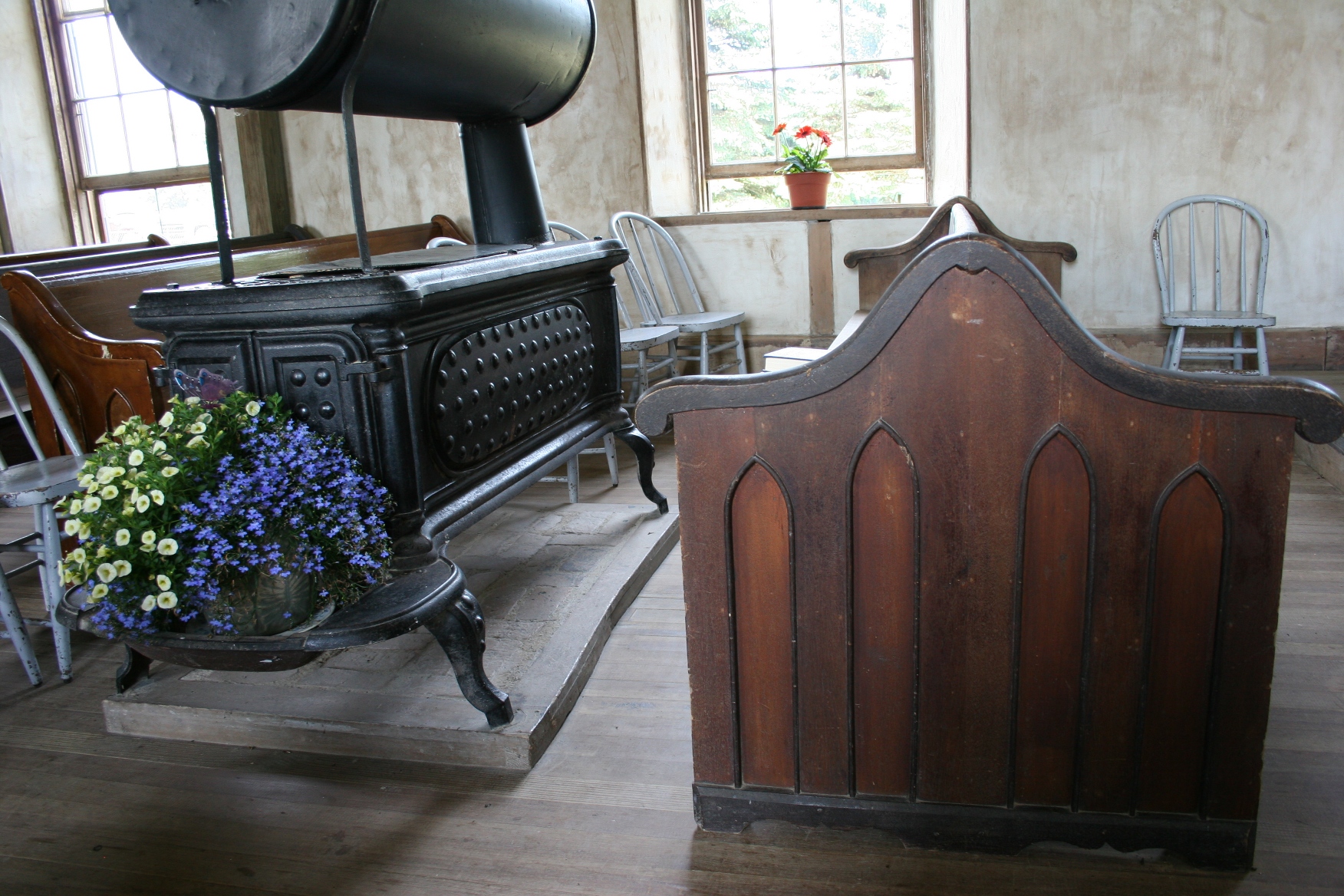
Bob Dyrdahl explains that the double-sided pew provided a place for mothers to sit with their babies next to the warmth of the wood-burning stove. Such concern, such love, for those early pioneer mothers touches me.

A steep narrow stairway, just inside the church's interior double doors, winds to the balcony. Even here, in this plainness, I can appreciate history and craftsmanship. At the bend in the stairway, is a band of stenciled wood.

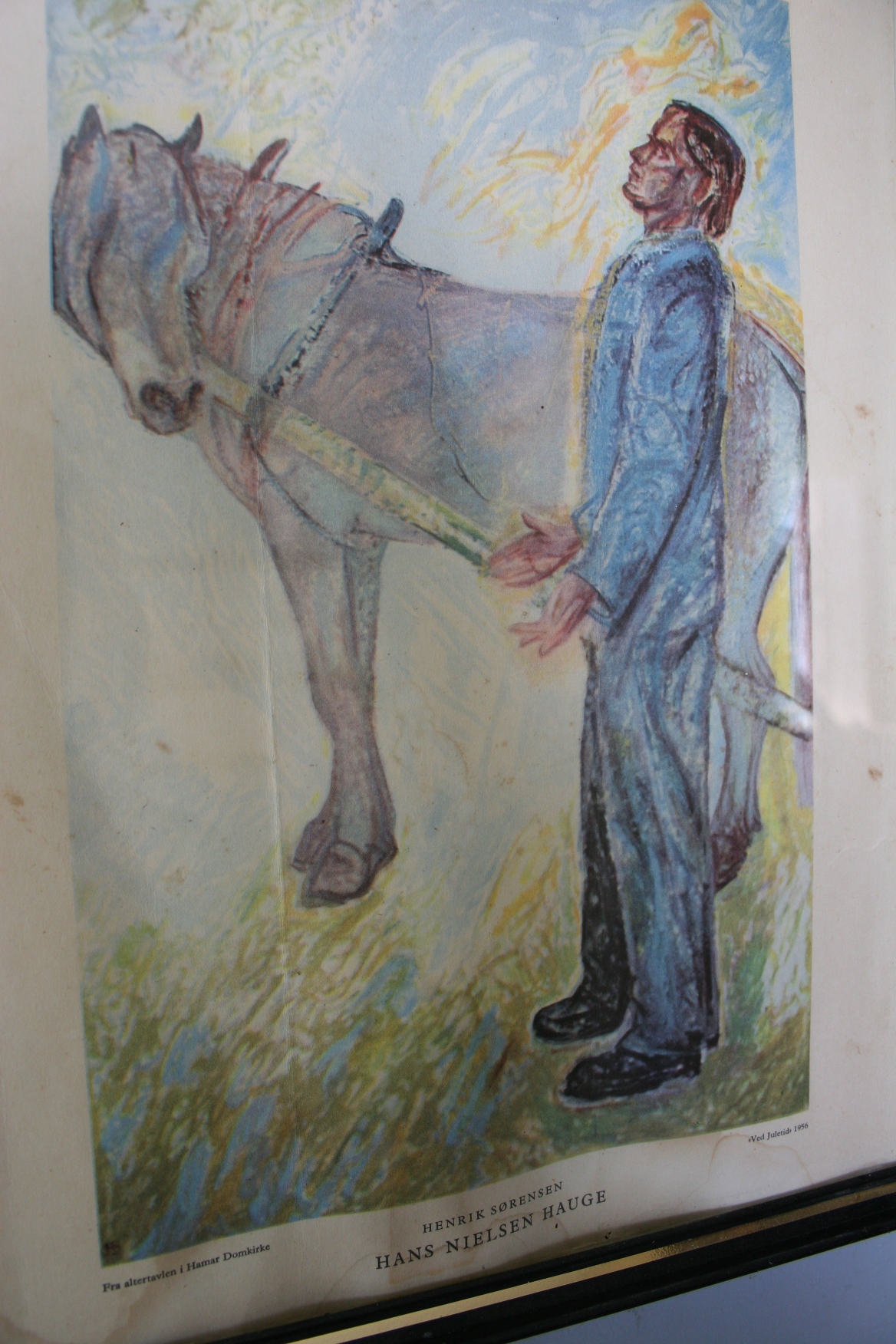
A print of Hans Nielsen Hauge, a 1700s lay leader and reformist in the Lutheran Church of Norway, hangs in the entry of the Old Stone Church. Immigrants honored this lay preacher by naming their church after him. Calling the baptized in the congregation, who have wandered away from the Lord, back to repentance is a common preaching theme among "the Haugeans," current Pastor Martin Horn says.

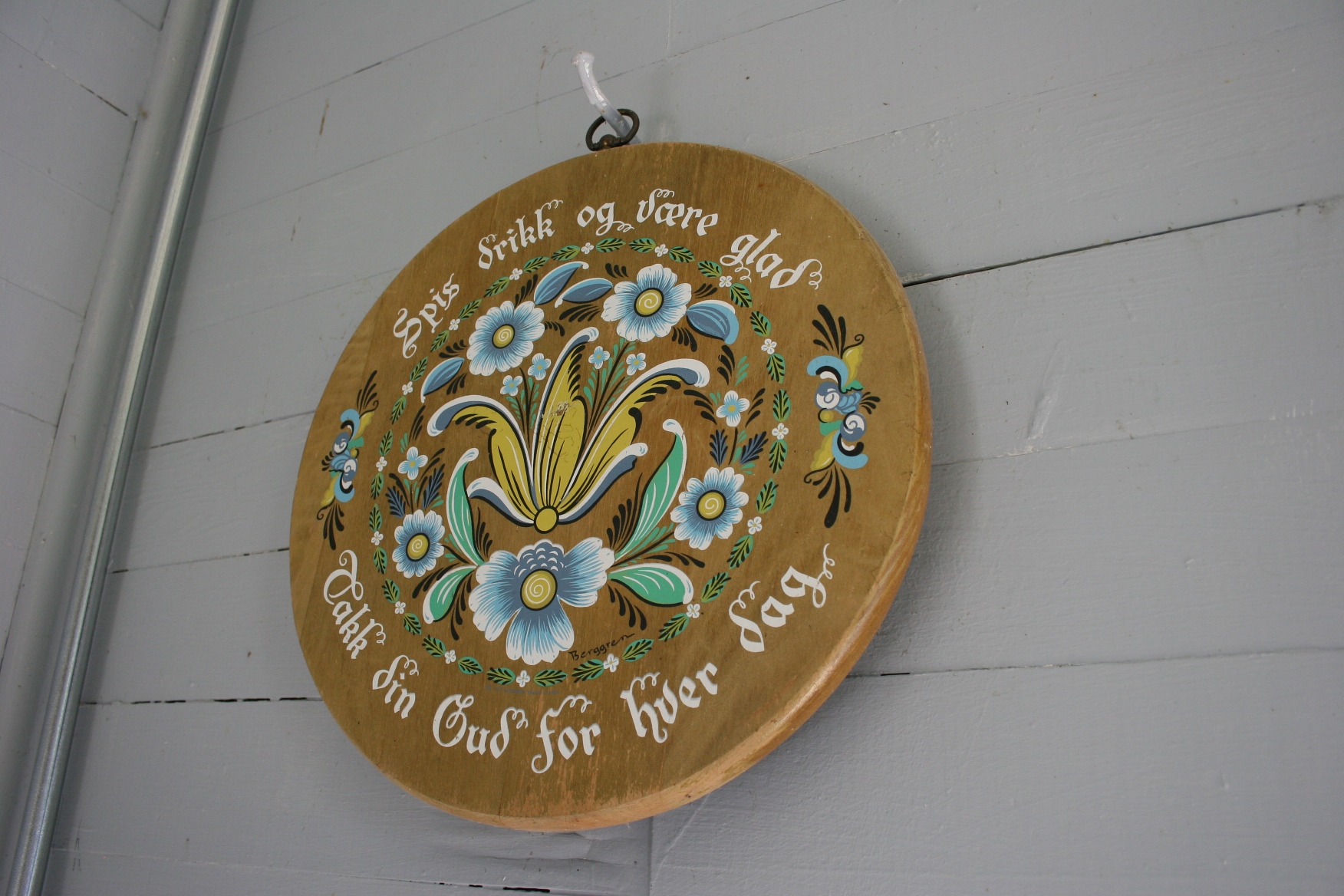
This Norwegian plaque hangs in the Old Stone Church entry. Since I'm German and not Norwegian, I rely on Google translate to tell me this sign basically thanks God for food and drink.

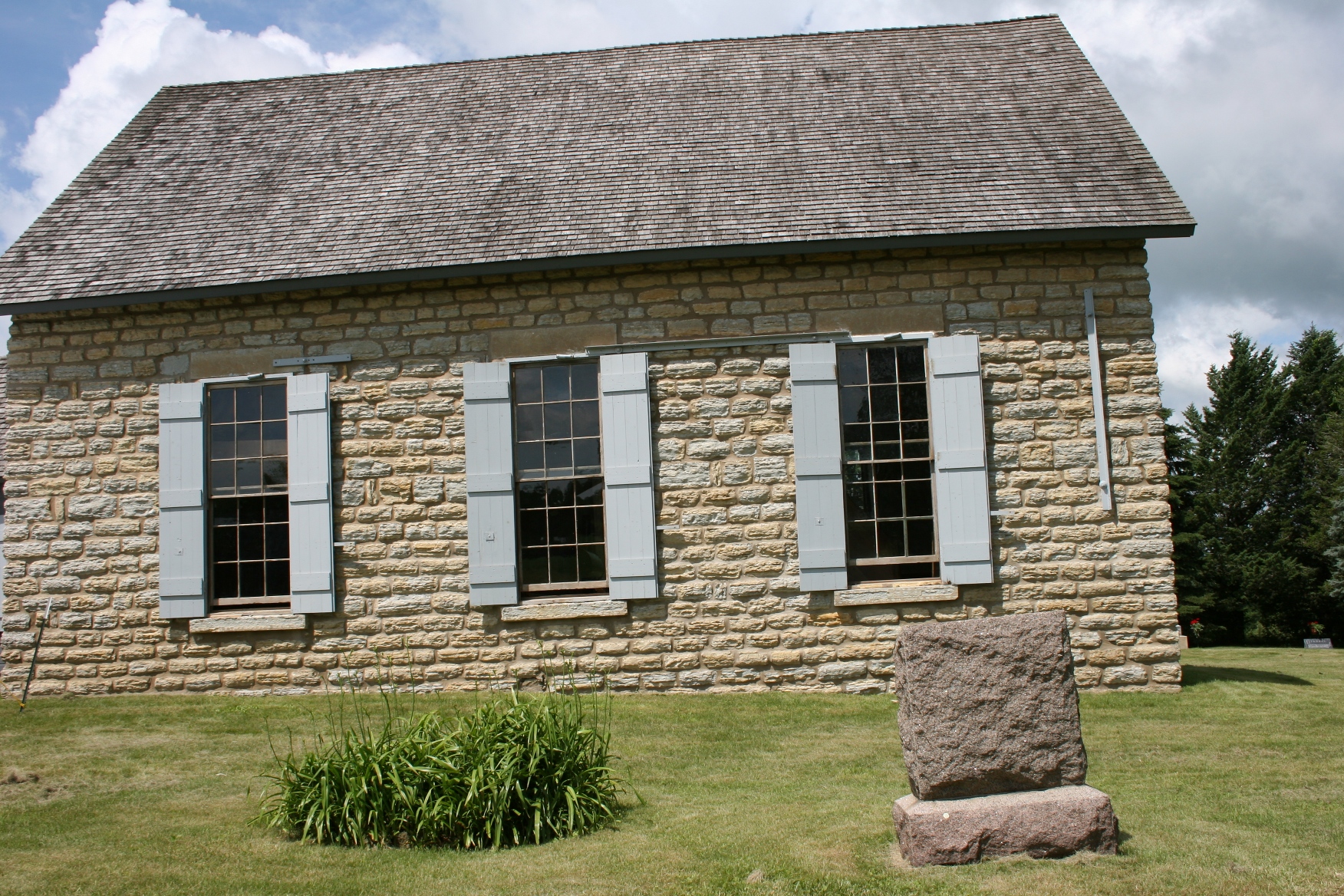
Six shuttered windows span two sides of the limestone church. The shutters are thrown open for the once-a-year church service and then battened shut.

The Old Stone Church cemetery, a final resting place for generations past and for those yet to be buried upon this land in peaceful Monkey Valley near Kenyon, Minnesota.

FOR MORE INFORMATION and additional photos of the Old Stone Church, see my June 27 Minnesota Prairie Roots blog post.

© Copyright 2010 Audrey Kletscher Helbling
 

The proper Minnesota Jell-O April 12, 2010

Filed under: Uncategorized — Audrey Kletscher Helbling @ 11:00 AM
Tags: , ,

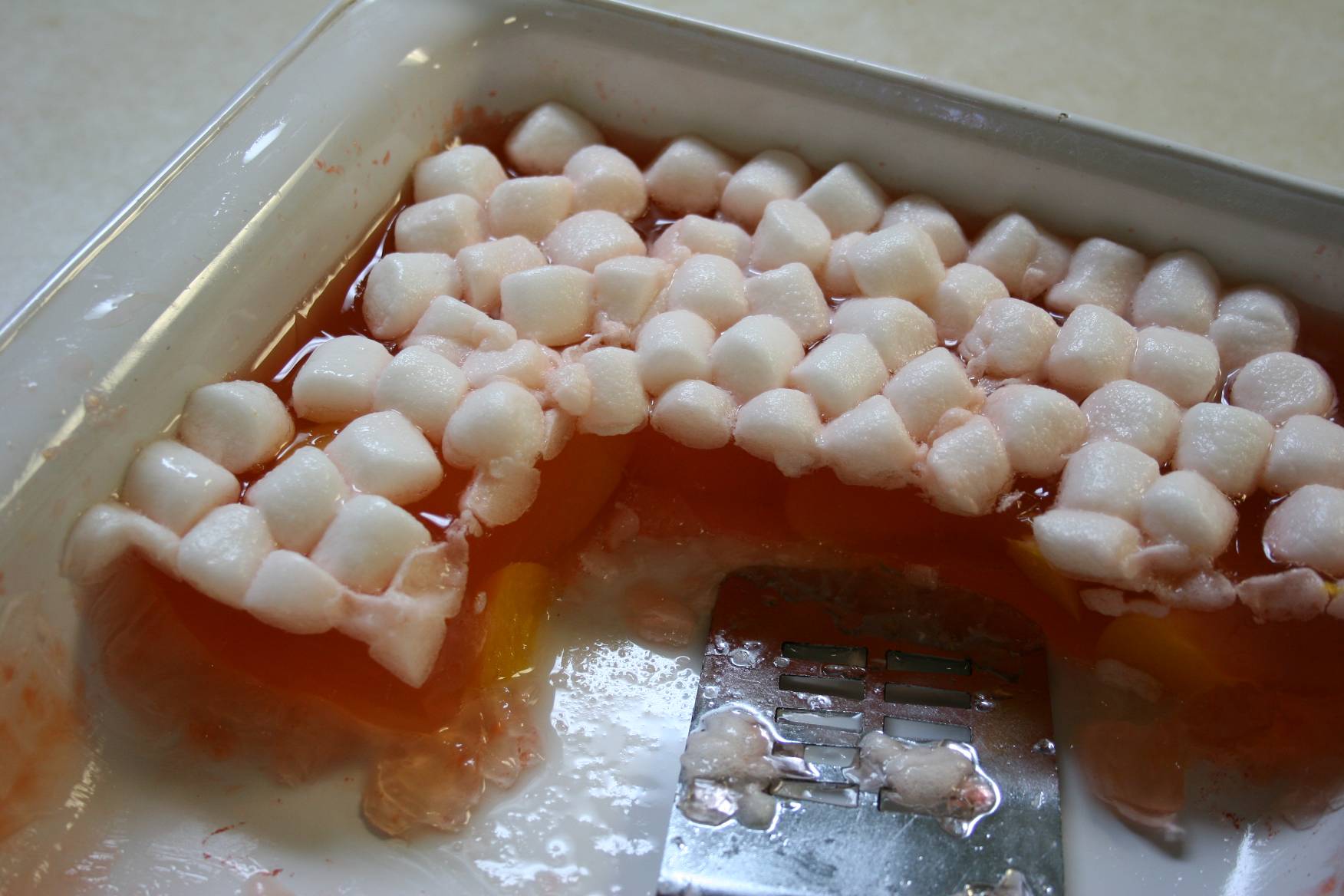
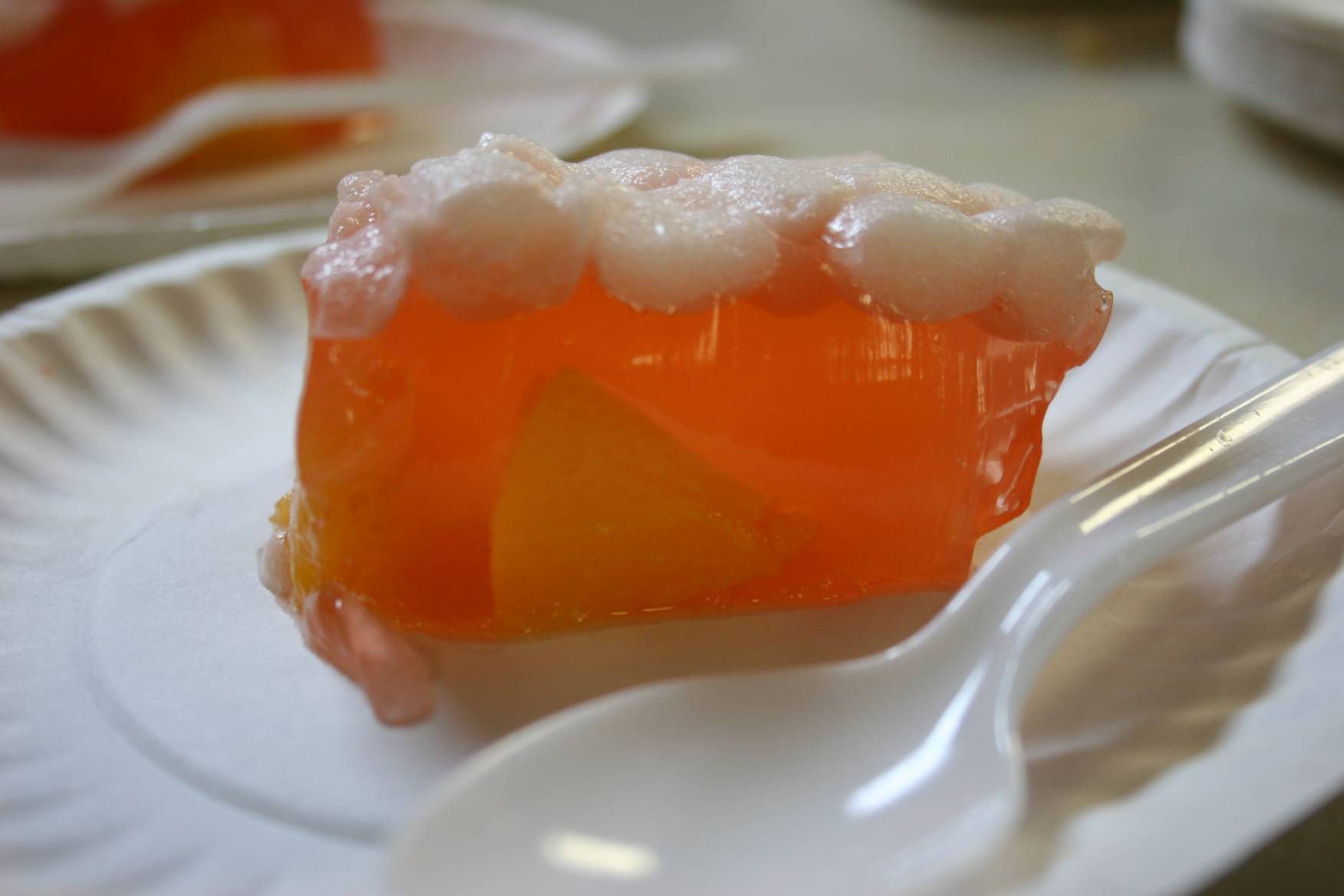
My friend Kristin made peach Jell-O in a pan.

IN MINNESOTA, WE have hotdish. Not casseroles.

We have lutefisk and lefse and food-on-a-stick.

And then we have Jell-O.

Truly, I thought Jell-O was a thing of the past, even in Minnesota.

But Kristin proved me wrong. She brought a pan of gelatin to Family Game Night at Trinity Lutheran Church on Saturday.

I’ve seen Jell-O made in bowls—even layered in bowls—and shaped into shapes in molds. I’ve seen Jell-O elevated to a plate of honor during a production of How to Talk Minnesotan at the Plymouth Playhouse. But I’ve never seen gelatin in a glass cake pan.

But Kristin, the theatrical type, proved that Minnesotans can get creative with their Jell-O by thinking outside the box inside the box (er, cake pan).

She even stirred peaches into her peach Jell-O and topped it with the ultimate in Jell-O toppings—marshmallows.

And then, sin of sins, she cut the thickened concoction into squares. Doesn’t she know that Minnesotans, or maybe it’s just Lutherans, prefer to dish up their Jell-O with a spoon? We are not the show-off type, you know, serving up fancy Jell-O squares.

But Kristin, as I suggested, fails to conform to conformity. She sometimes makes cranberry Jell-O and adds cranberries.

Did you know Jell-O comes in cranberry flavoring? I didn’t. I thought the flavors were strawberry, strawberry and strawberry.

Did you know, too, that you can actually ruin Jell-O? My friend confessed that she once did just that by adding too much water.

Oh, Kristin, Kristin, Kristin. Perhaps you should stick with the old standby Minnesota Jell-O recipe: Add sliced bananas to partially-thickened strawberry Jell-O.

If you want to get creative, top your bowl full (not pan full) of Jell-O with Cool Whip.

But for gosh sakes, Kristin, please serve your potluck Jell-O with a spoon, not some fancy serving utensil.

A slice of Kristin's peach Jell-O.

DO YOU HAVE ANY interesting stories to share about Jell-O? I’d love to hear yours. So submit a comment to Minnesota Prairie Roots, even if you are a conservative Minnesota Lutheran.

© Copyright 2010 Audrey Kletscher Helbling
 

A place of peace, inside Friedens Kirche April 8, 2010

Filed under: Uncategorized — Audrey Kletscher Helbling @ 7:41 AM
Tags: , ,

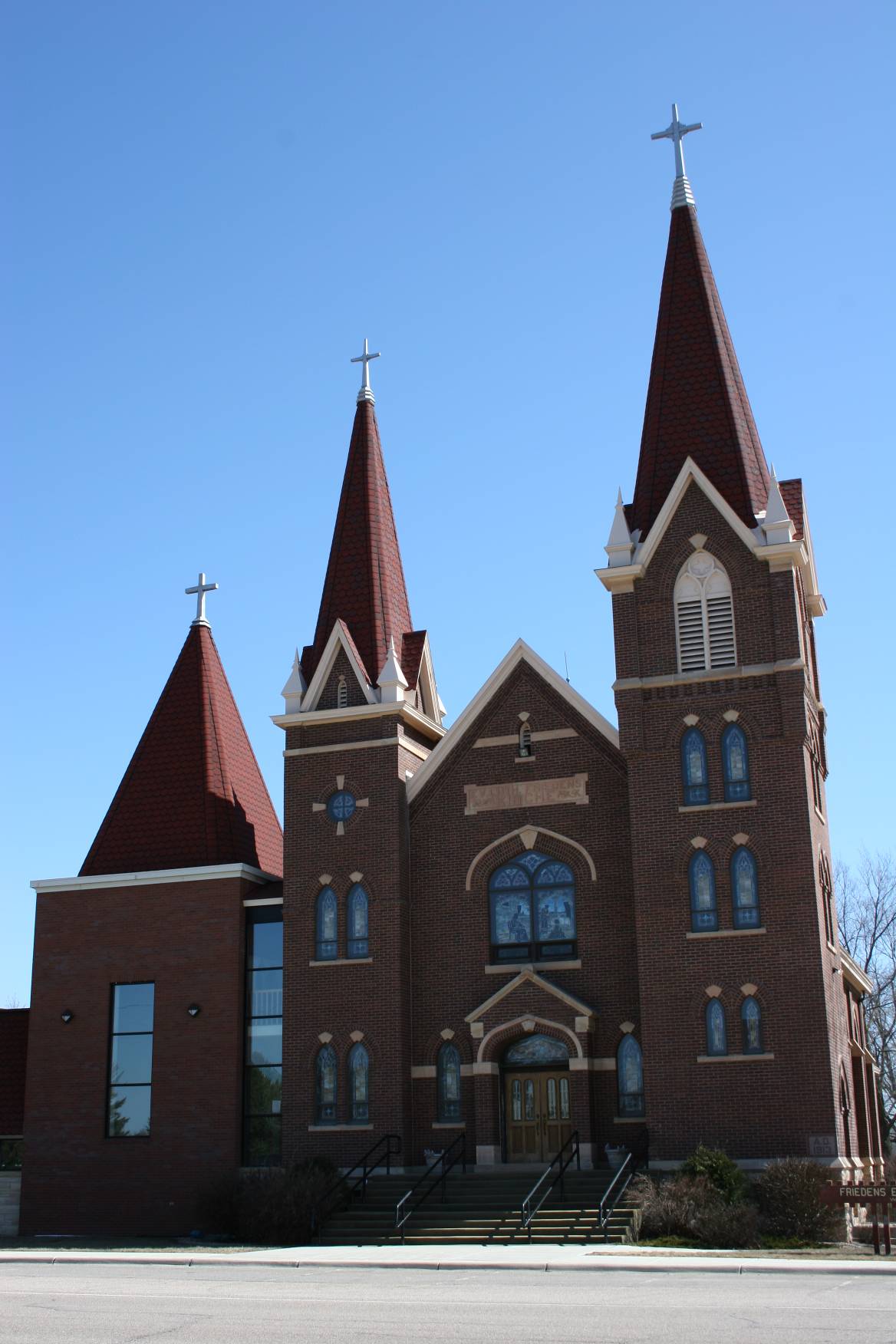
Friedens Evangelical Lutheran Church near New Prague

ONLY 34 YEARS AGO, the last German services were held in Friedens Evangelical Lutheran Church, rural New Prague.

This surprises me—that German services continued up until 1976.

But I find that fact, printed right there in a church brochure I pick up recently while en route to Jordan, Minnesota. These days, lured by their historical and reverent beauty, I can’t pass by an old country church without stopping and tugging at front doors, hoping to get inside.

Typically, I am disappointed because most often church doors are locked.

On this March afternoon, though, I feel blessed because a side door to Friedens is open. A worker, who is laying new flooring, is sitting in a van next to the church eating his lunch.

“You can go inside, but I can’t give you permission to go inside,” he insists several times. I am persistent, though, and he finally concedes that my husband and I look like “decent folks.”

We are, and I intend to enter the church with or without his approval.

My only desire is to see the interior of this old, stately double-spire brick house of worship that stands proudly along Le Sueur County Road 30.

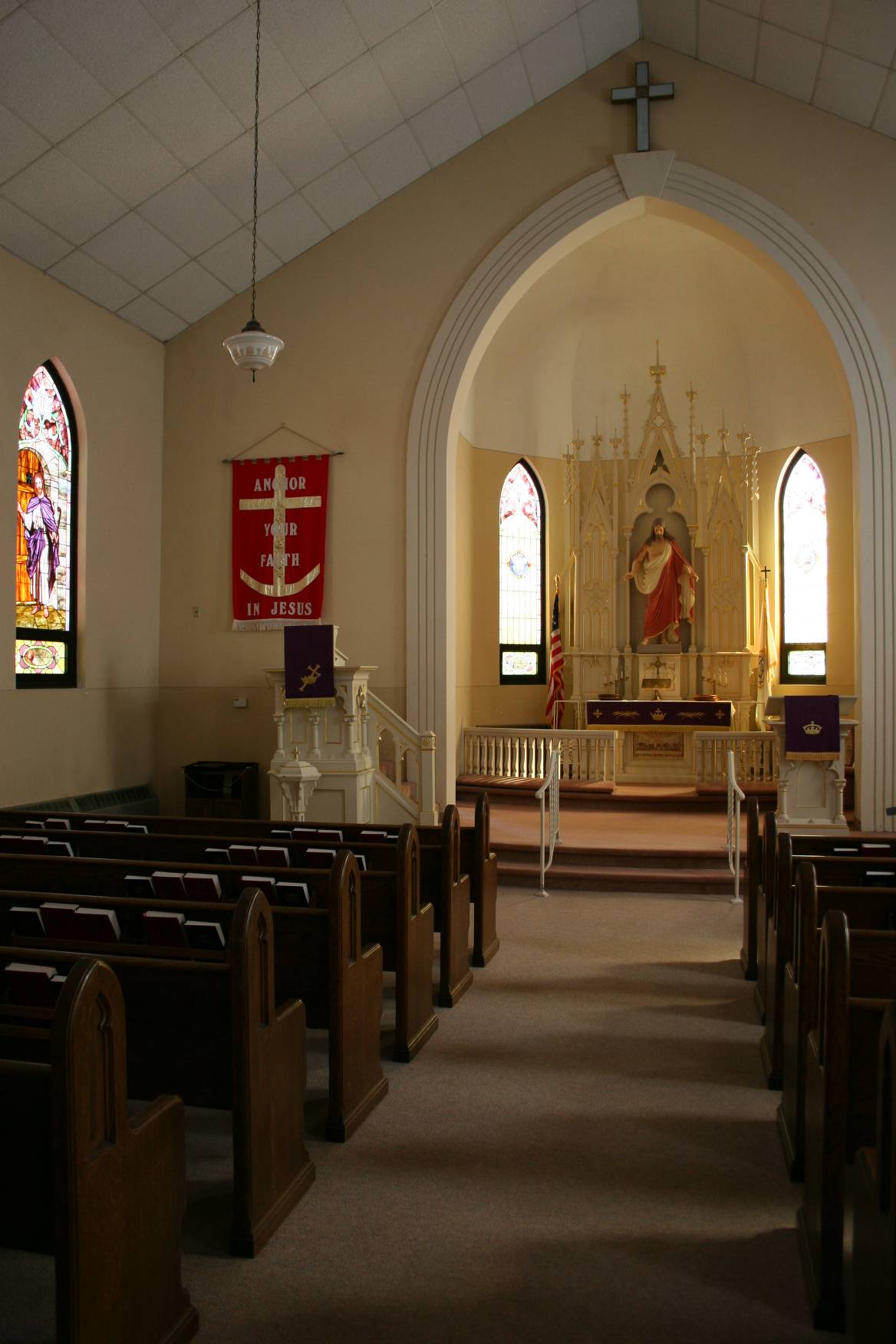
Once inside, I am not disappointed. In fact, I am pleased to discover that the sanctuary resembles the Wisconsin Synod church of my youth, St. John’s Lutheran Church in Vesta.

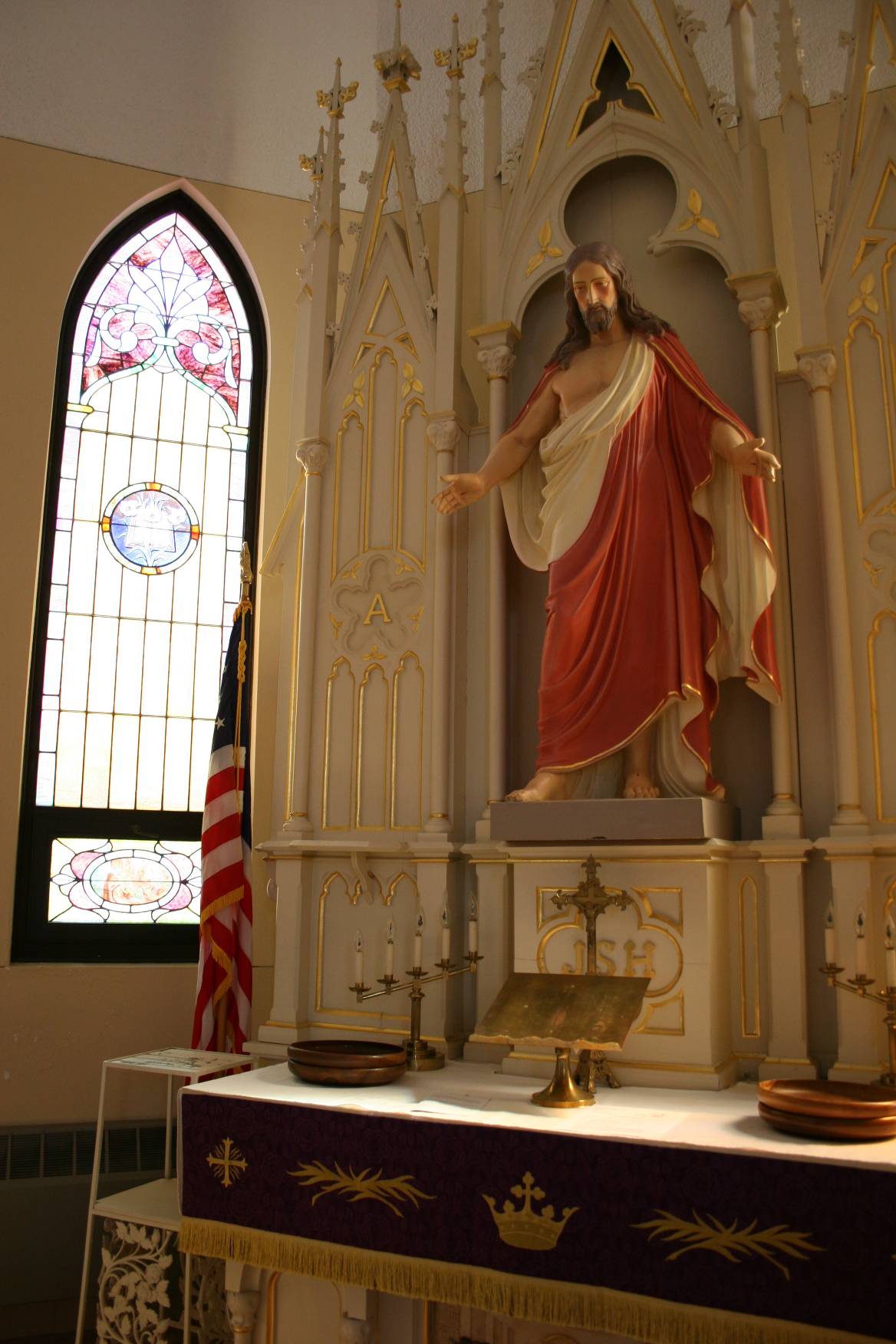
The ornate gold-trimmed white altar, specifically, takes me back decades to the place where I worshipped every Sunday. Friedens’ altar appears a carbon copy of the altar in the old St. John’s church building. I figure this altar is typical of that era—Friedens was founded in 1864 and this building constructed in 1913.

Inside Friedens Lutheran

The ornate altar and the statue of Christ are similar to the ones that once graced my childhood church in Vesta, Minnesota.

Inside this old Wisconsin Synod church, I admire the gentle curves of the balcony, sunlight streaming through beautiful stained glass windows, lamps dangling from chains above the pews, even the twists of the bell rope.

Looking toward the curving balcony of Friedens.
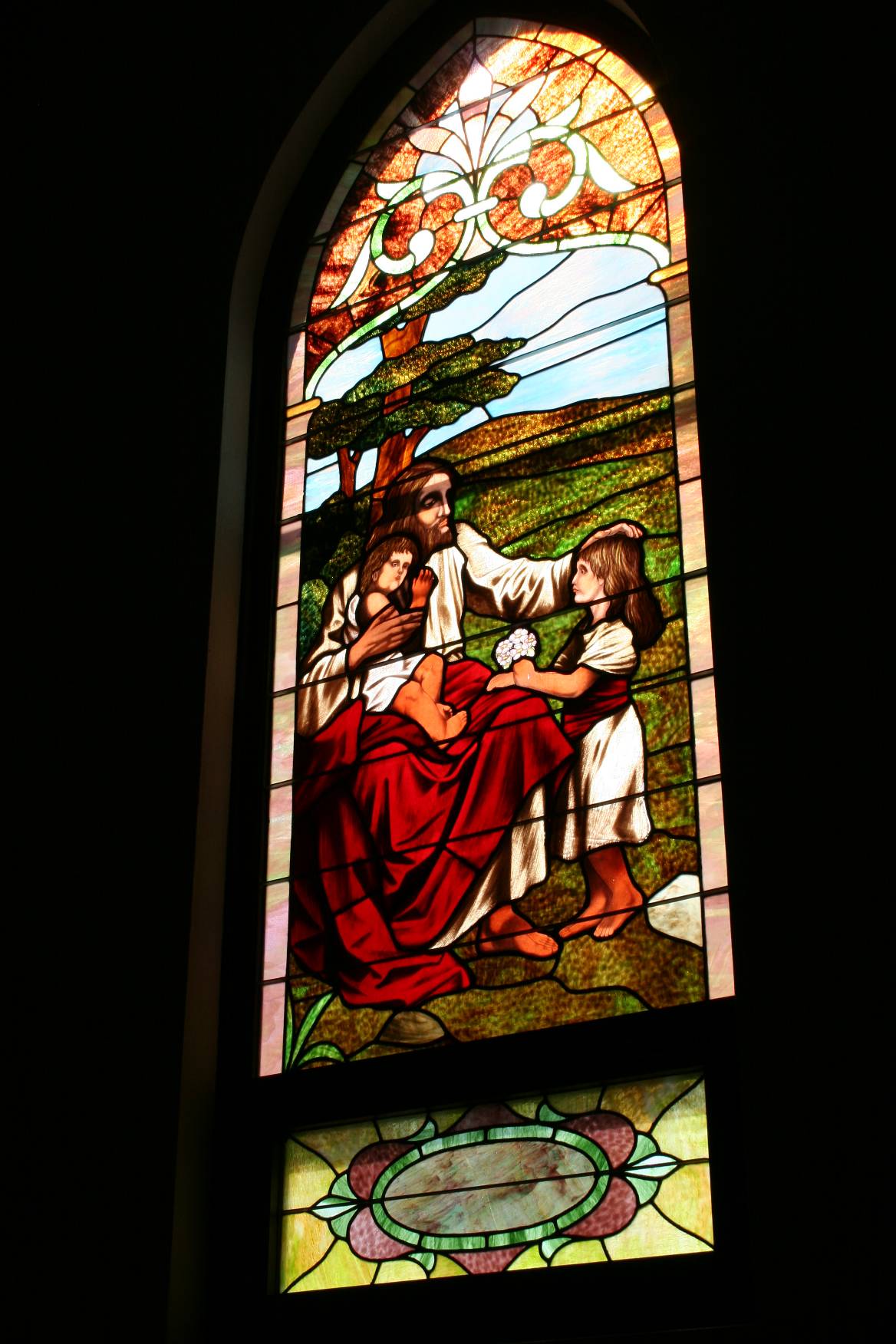
Jesus invites the children to come to Him in one of many stained glass windows inside Friedens.

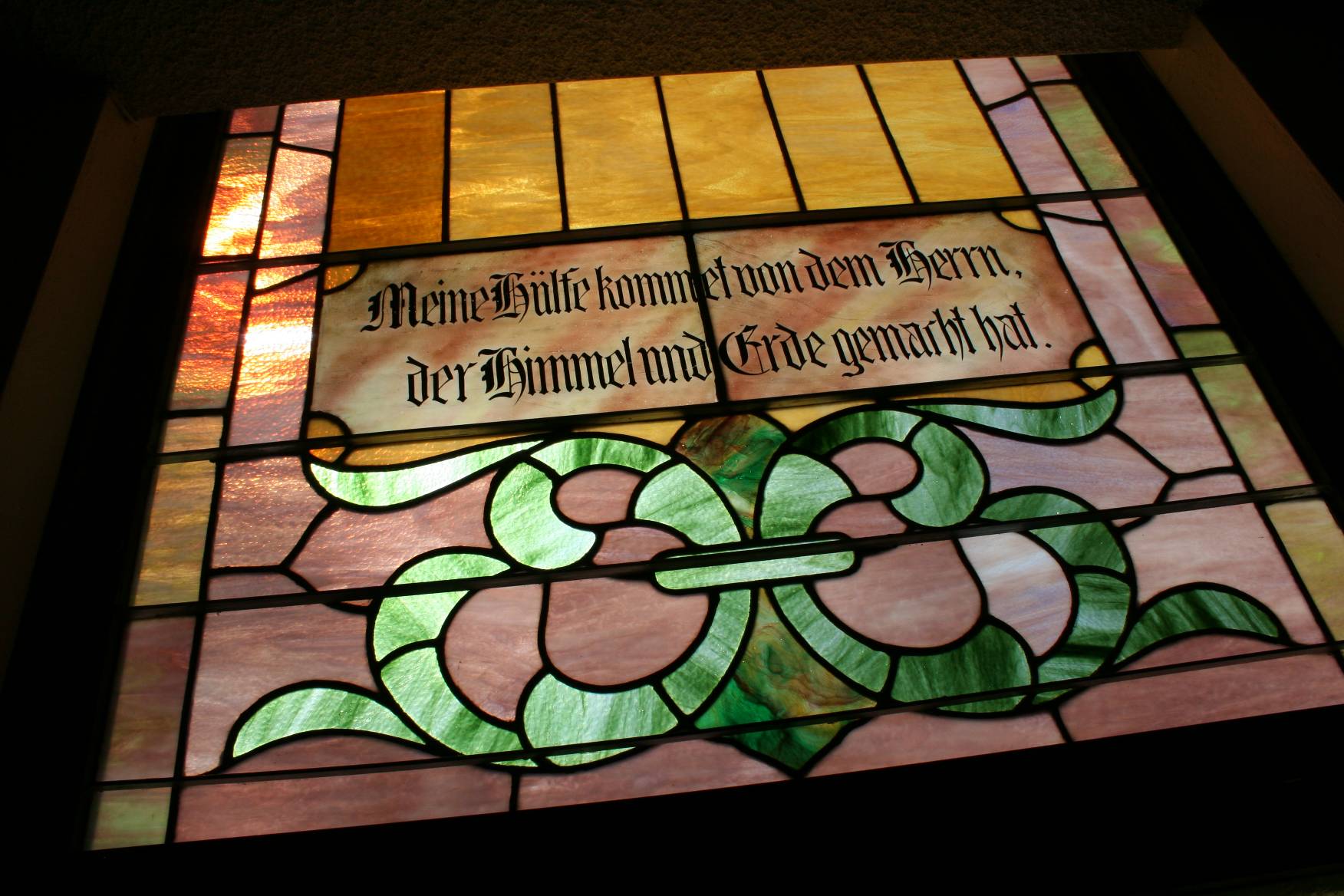
Friedens' German heritage is reflected in this stained glass window, which translates, "My help comes from the Lord who made heaven and earth."

This house of worship inspires me, brings back so many memories, even though I’ve never been here until today.

But then my husband brings me out of my reverie. “Should I ring the bell?” he asks.

I admit that it is tempting to grab the rope and pull as I round the stairs into the balcony. This, I know, will surely prompt the floor-layer to evict us and label us anything other than “decent folks.”

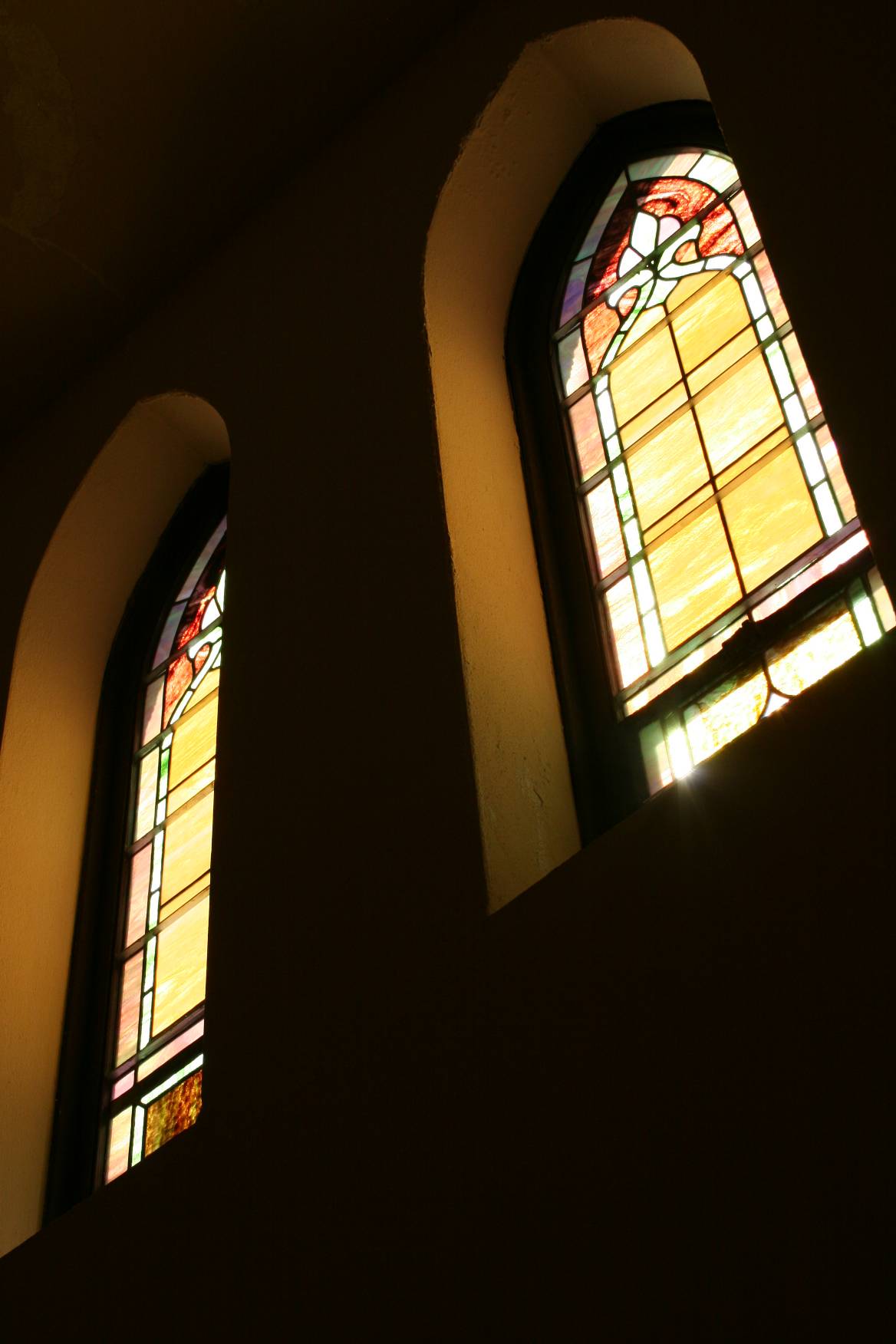
I walk past these two windows on the stairway leading to the balcony.

Mary and Martha depicted welcoming Jesus in this balcony window.

Soon I have finished photographing the interior of this lovely old church. I am standing outside now, braced against a brisk March wind taking pictures of the exterior.

Back inside the car, we begin to pull away when a man in jogging clothes emerges from the house across the roadway. He’s half-walking, half-leaping, struggling to pull on a pair of shoes. He is, I figure, the pastor, and I am right.

We stop and the Rev. Henry Koch introduces himself. I explain that I am a writer and that I love old churches and that I was raised Wisconsin Synod Lutheran. We laugh together when I say I’m not a traitor because today I am a member of a Missouri Synod Lutheran congregation. My conservative Lutheran guilt prompts the synod transfer confession.

We talk a bit about the weather, which has been an adjustment for this clergyman. He moved here from Florida several years ago, likes it here and says this is a good place to raise his son.

As I look around this rural setting, I understand. Here, in the shadows of a church that bears four crosses high atop four towers—two on the original church and two on the fellowship addition—seems an ideal place to raise a family.

And under the care of this congregation—Friedens, the German word for “peace”—I can only imagine the peace that also comes in living here upon the land settled by Hannoverian German Lutheran families in the mid-1800s.

© Copyright 2010 Audrey Kletscher Helbling