Minnesota Prairie Roots

Writing and photography by Audrey Kletscher Helbling

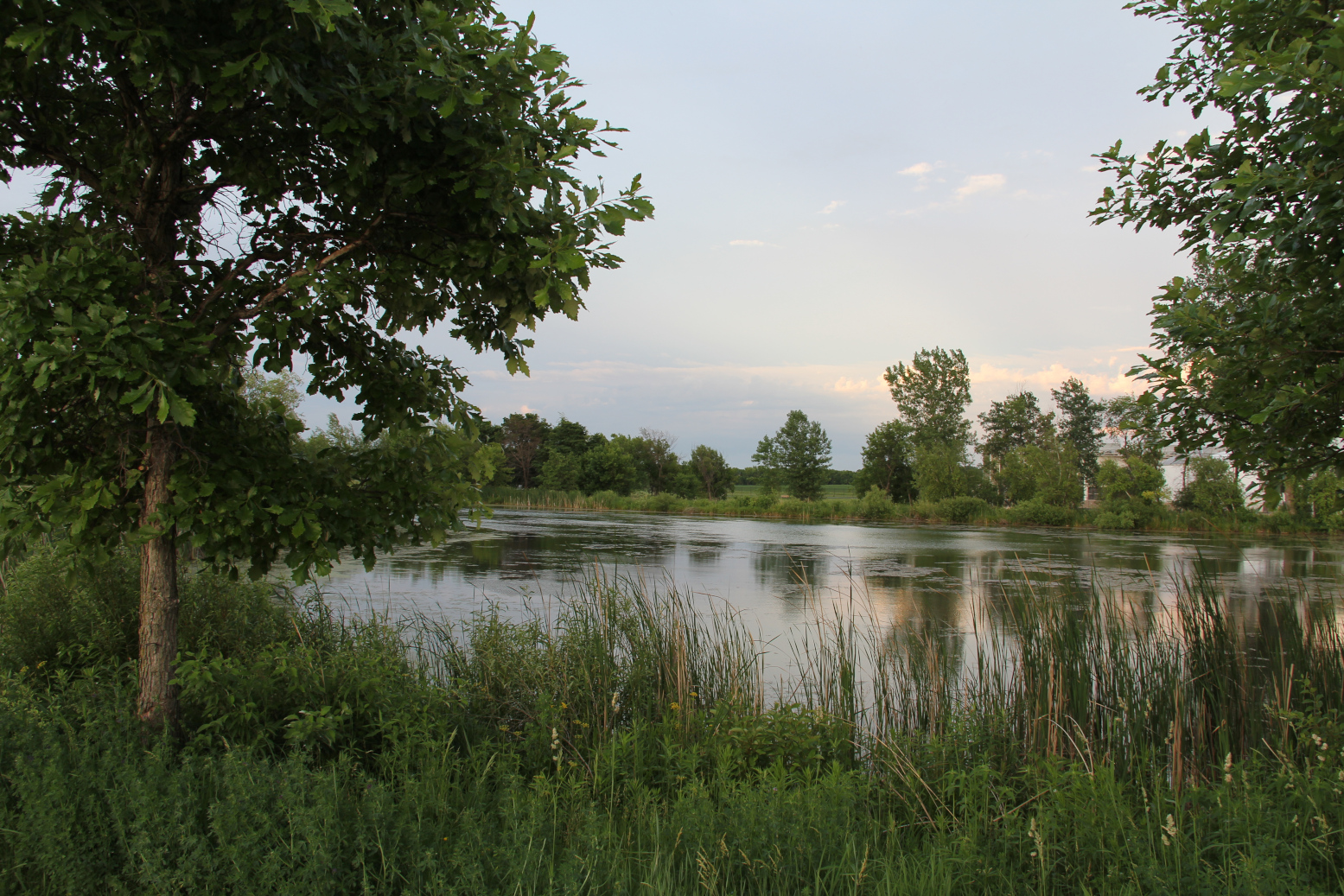
Inside Energy Park during the golden hour of sunset June 10, 2026

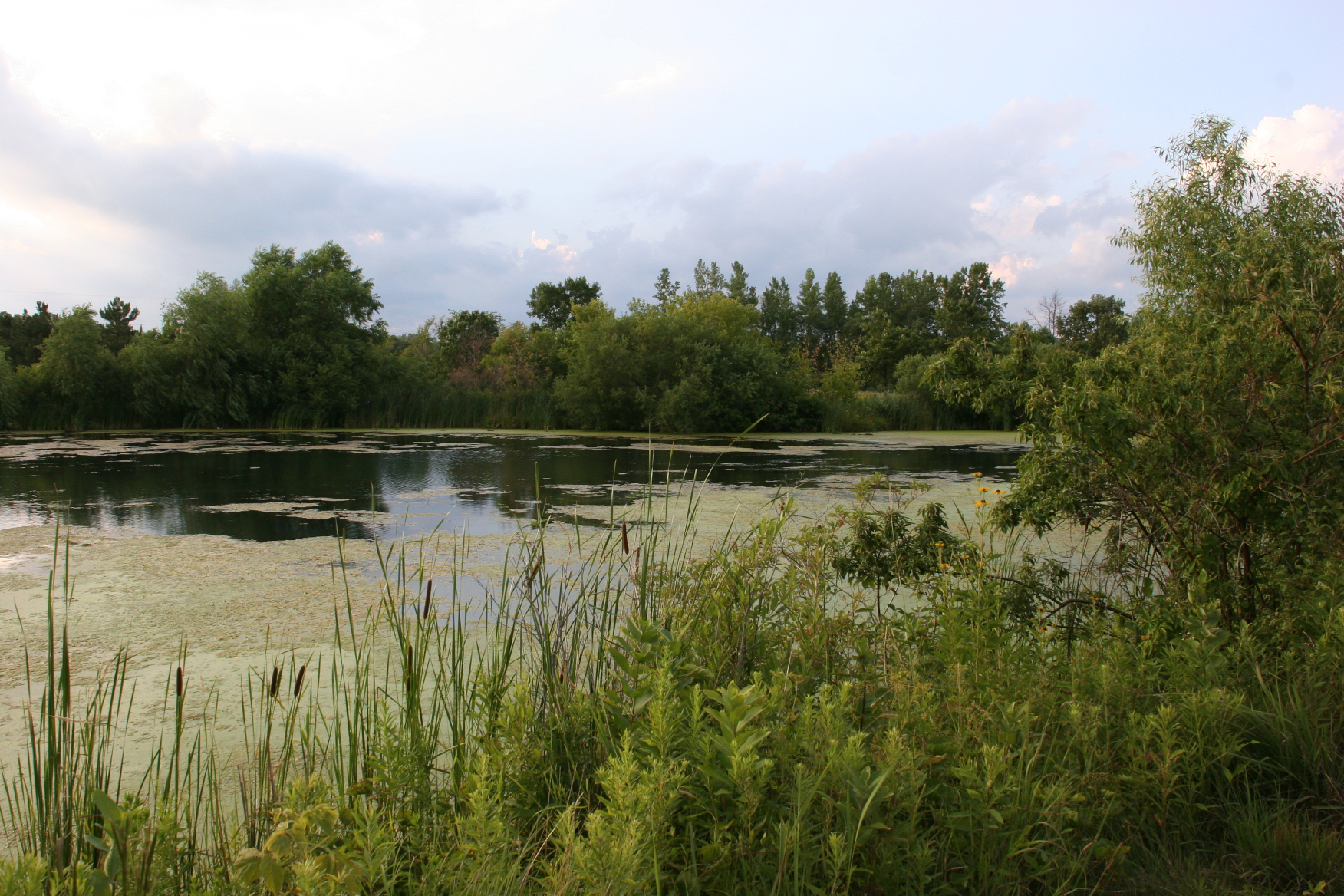
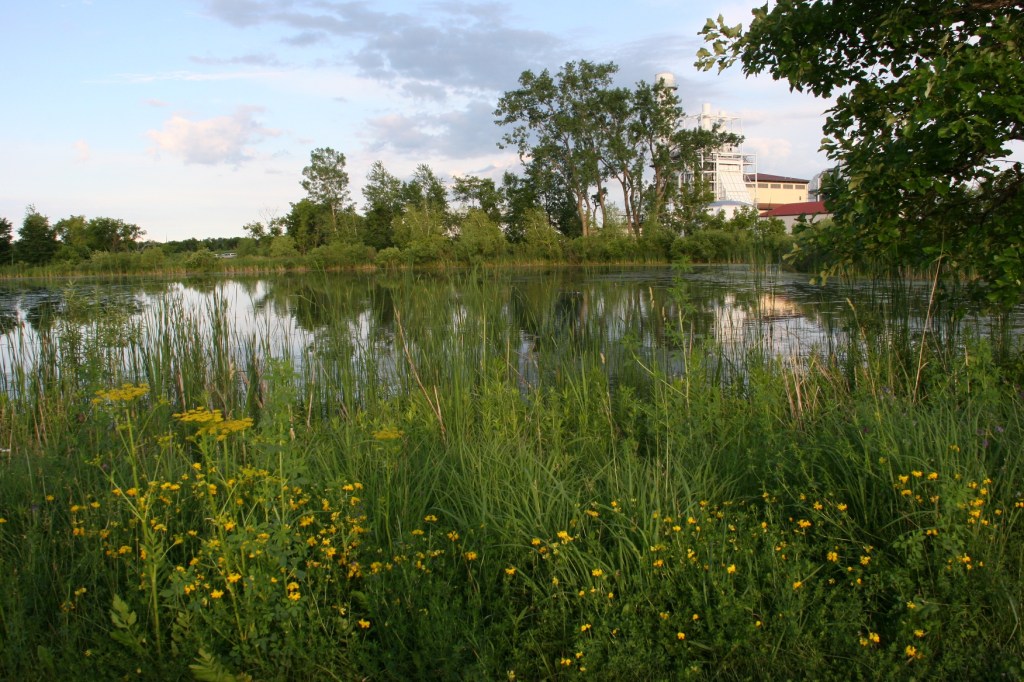
Oh, how lovely the light on the pond. (Minnesota Prairie Roots copyrighted photo June 2026)

IN THE ETHEREAL LIGHT of the setting sun, Randy and I loop around the ponds at Faribault Energy Park, our shoes crunching on gravel.
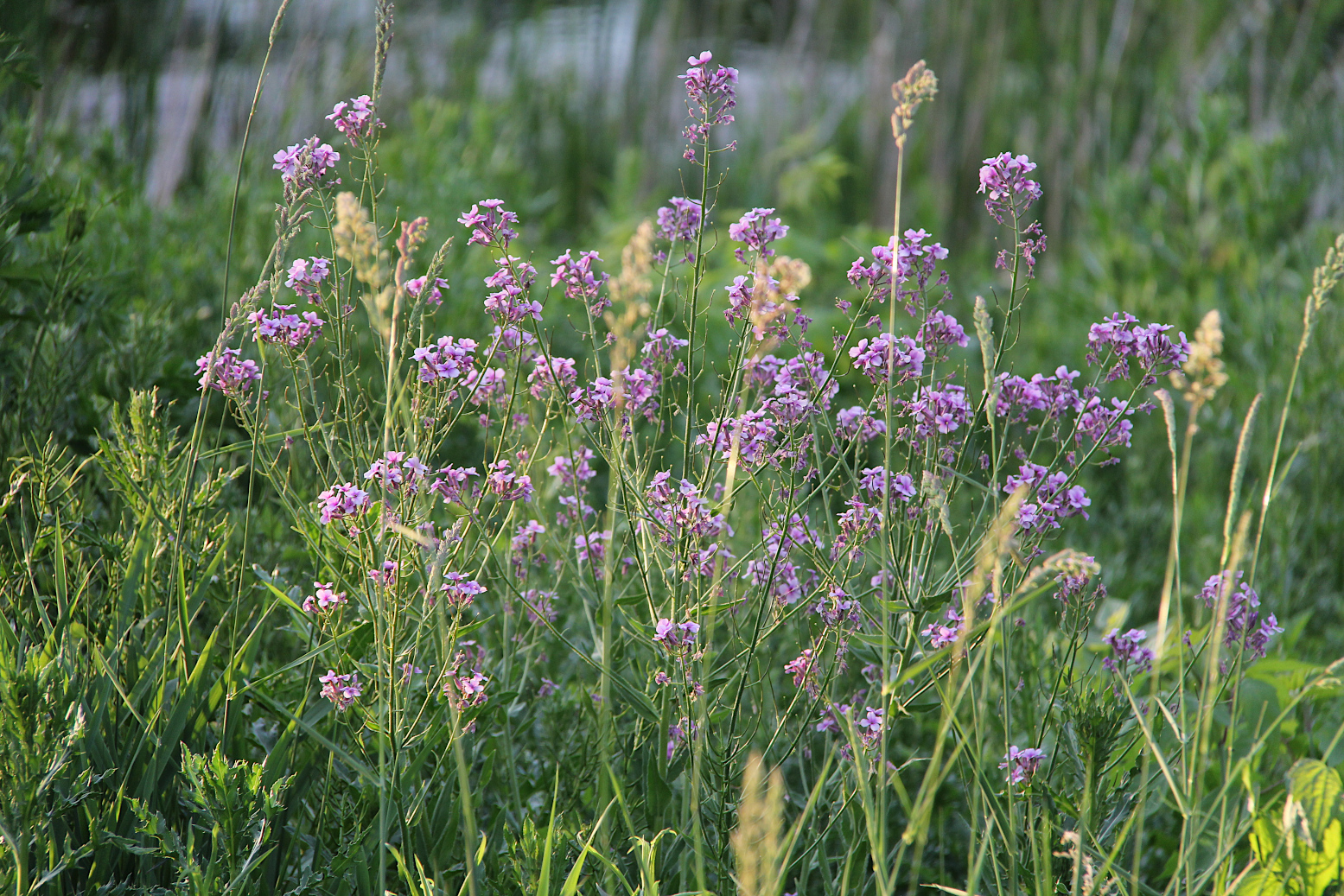
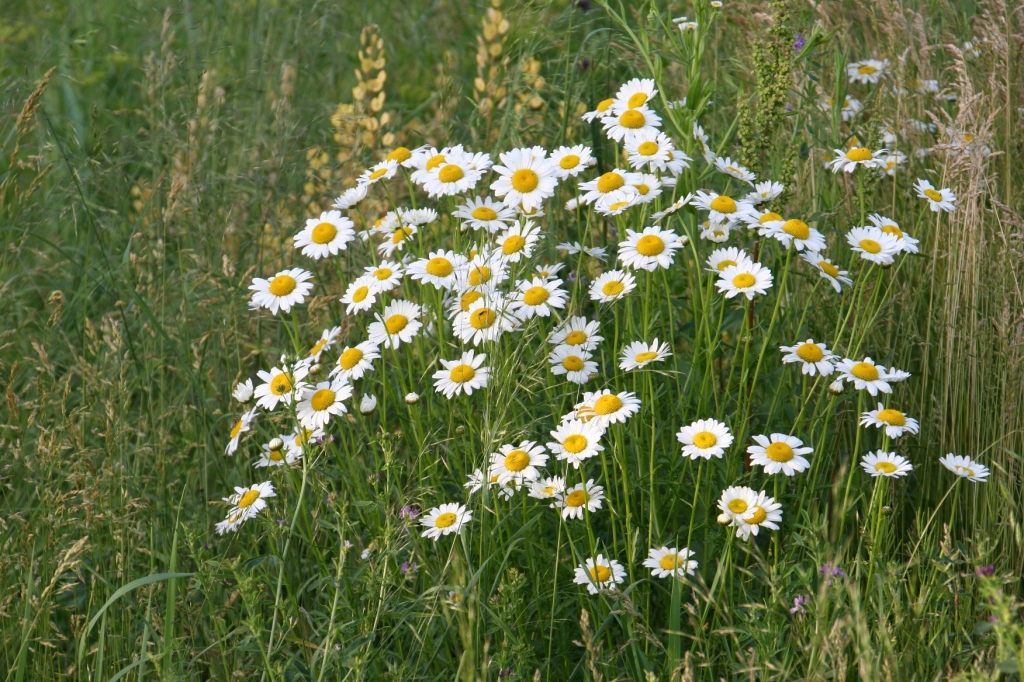
There’s an abundance of wildflowers in the park. (Minnesota Prairie Roots copyrighted photo June 2026)

If not for the steady roar of traffic on adjacent Interstate 35, this parcel of parkland would prove especially peaceful.
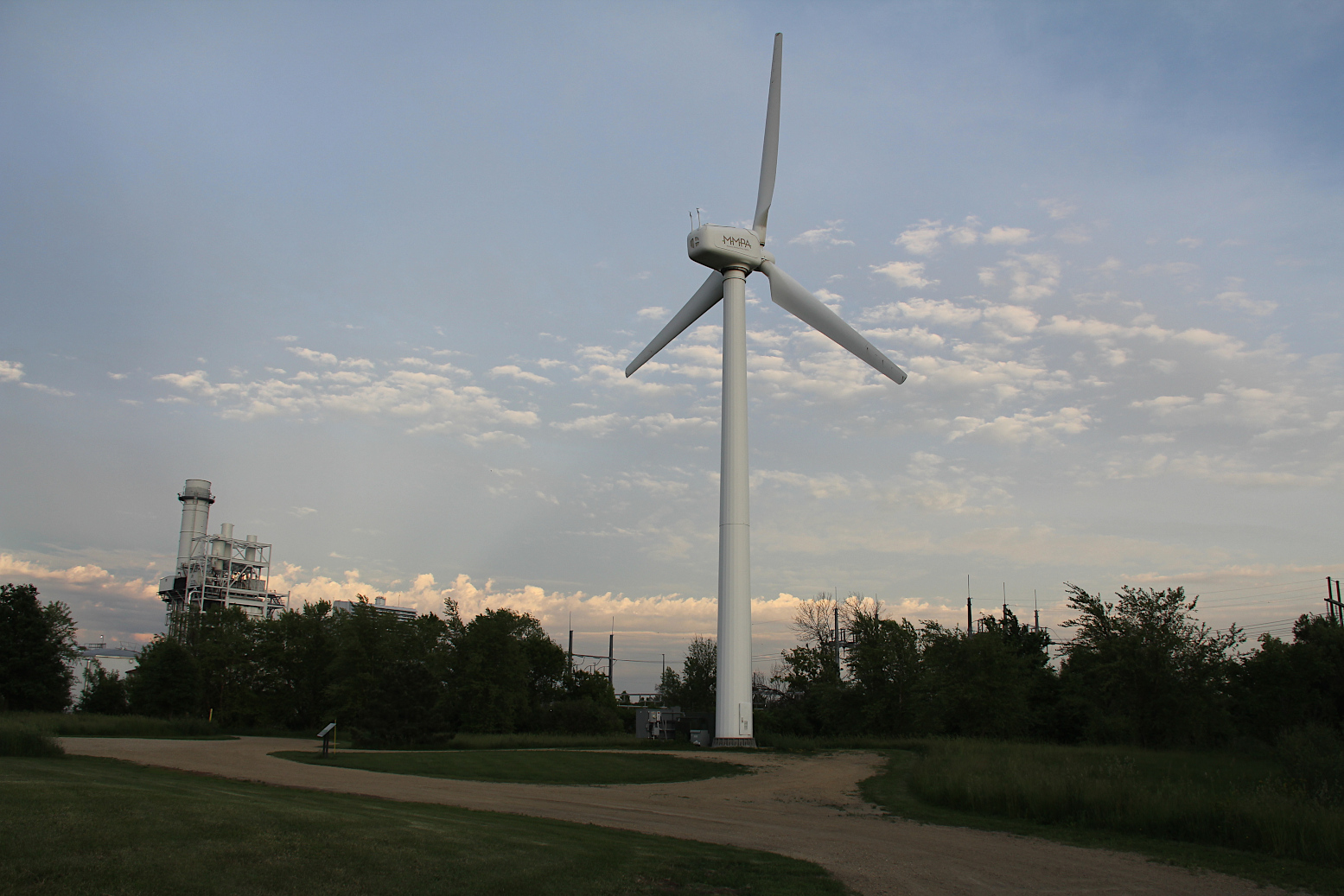
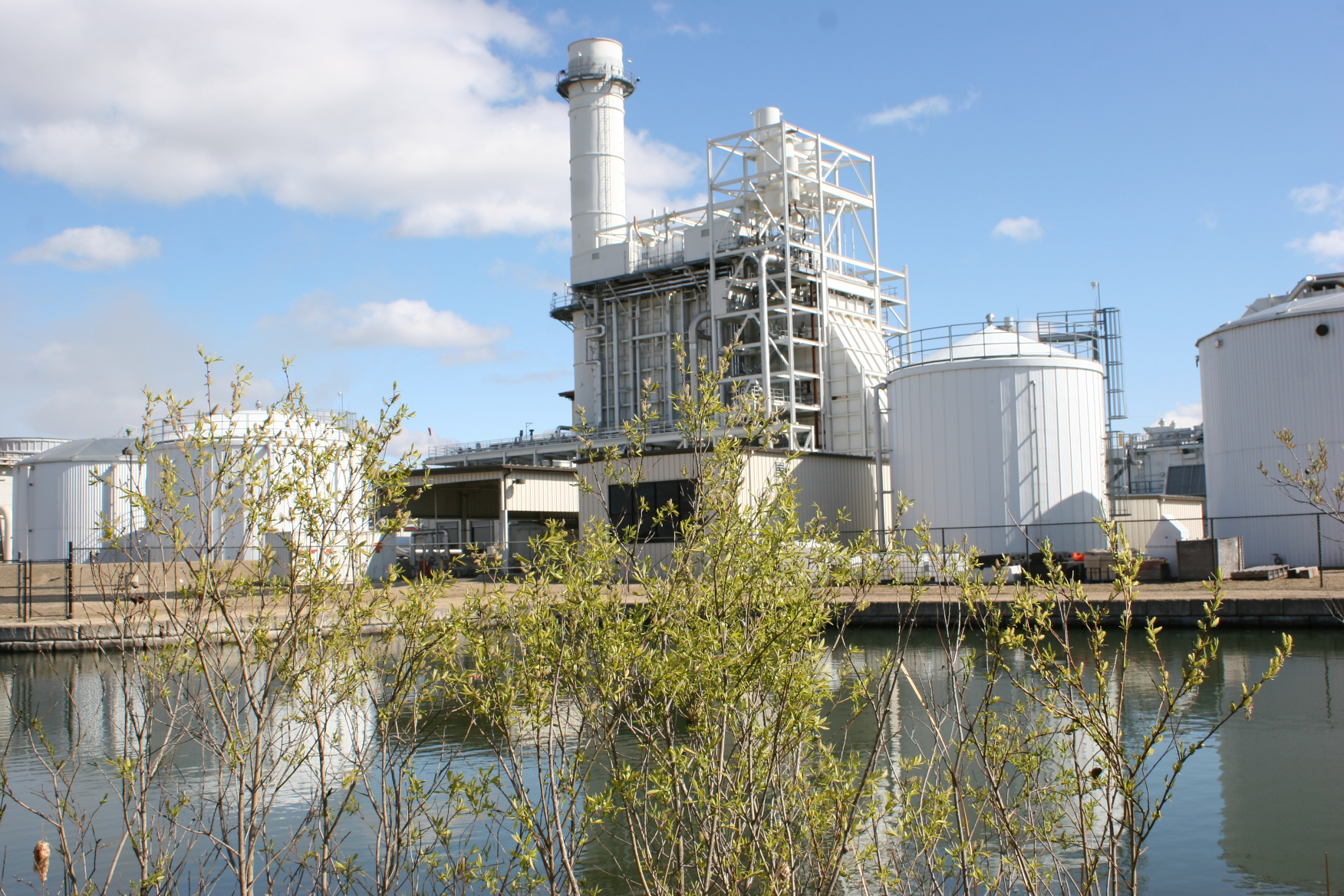
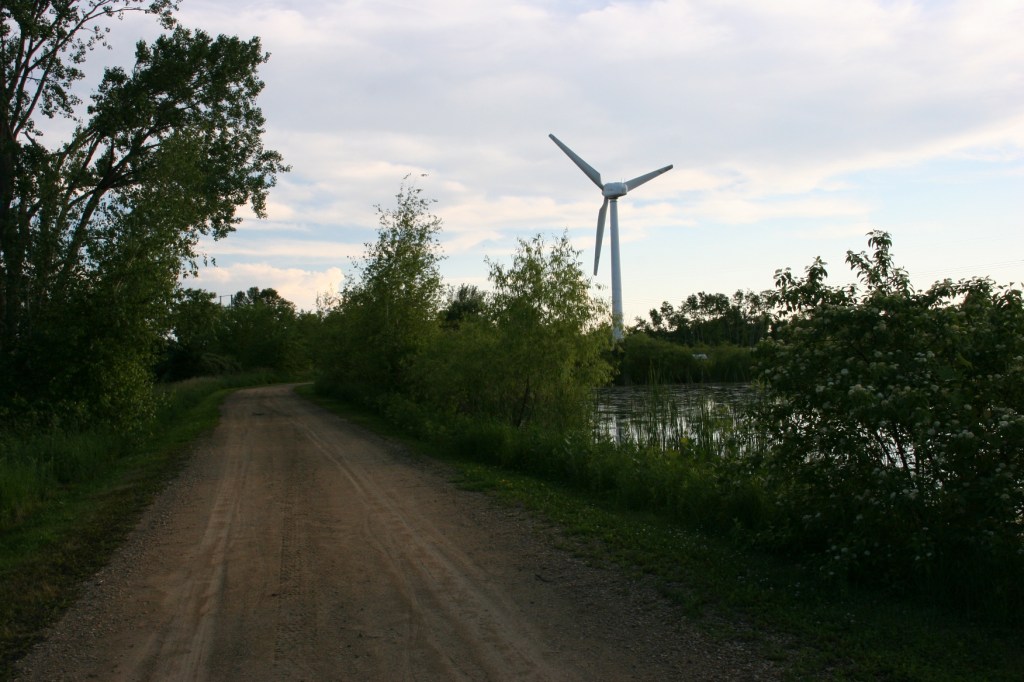
Trails lead to and around the wind turbine, unmoving on this evening. A portion of the power plant is visible in the distance. (Minnesota Prairie Roots copyrighted photo June 2026)

Despite the drone of vehicles, I still appreciate this 35-acre park that takes visitors past three ponds, a wind turbine and solar panels. Often we are alone here, which makes this park even more appealing. Occasionally, though, a dog runs free, despite rules requiring leashing.
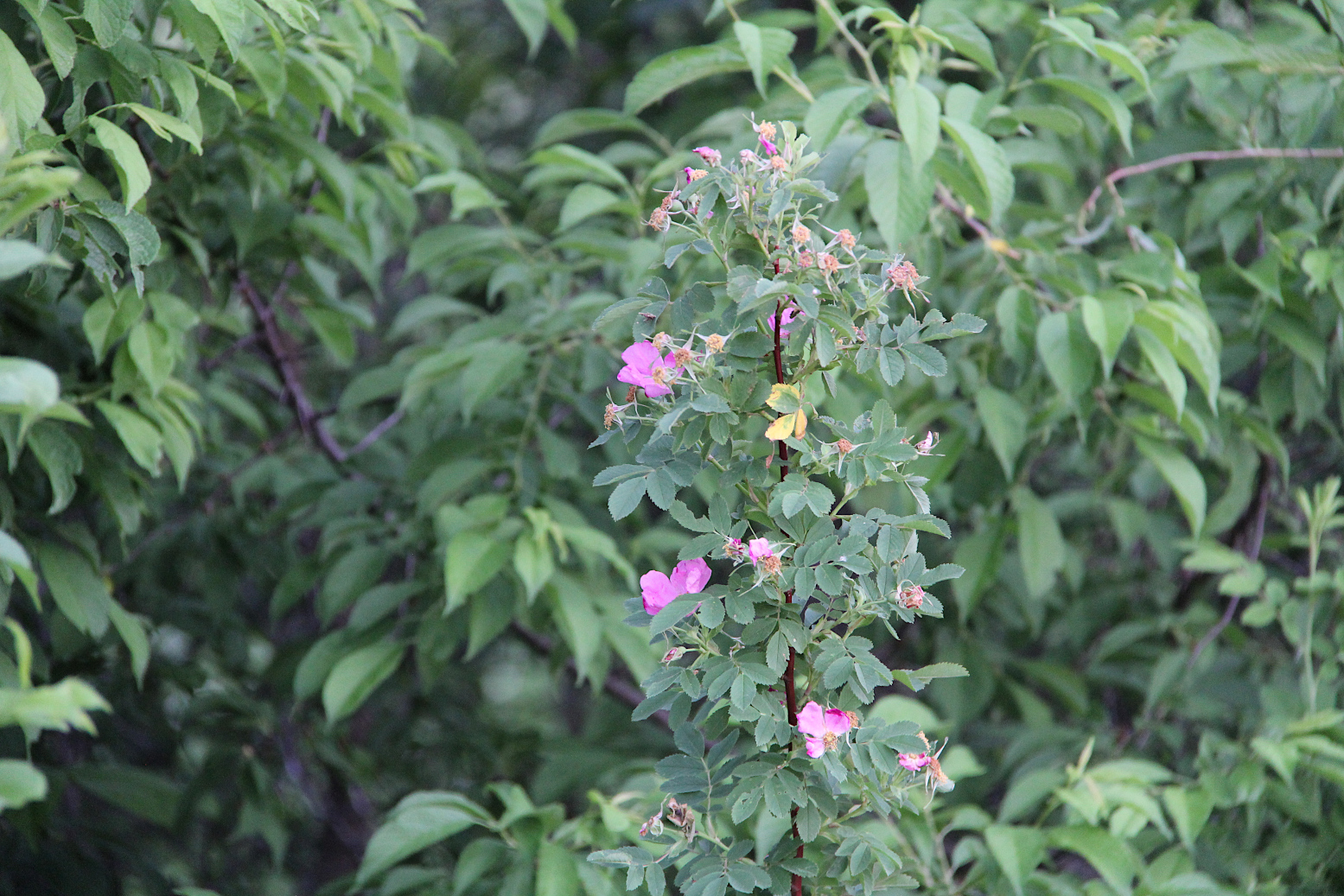
Wild roses along the trail. (Minnesota Prairie Roots copyrighted photo June 2026)

On this visit, I focus on the wildflowers and grasses that flourish here as late spring transitions toward summer. Only steps into our walk, Randy discovers a wild rose bush along the trail. We both step off the path to dip our noses into a five-petaled pink rose, to smell the delicate scent of nature’s perfume. I recall youthful days of biking along country roads, the ditches populated with fragrant wild roses.
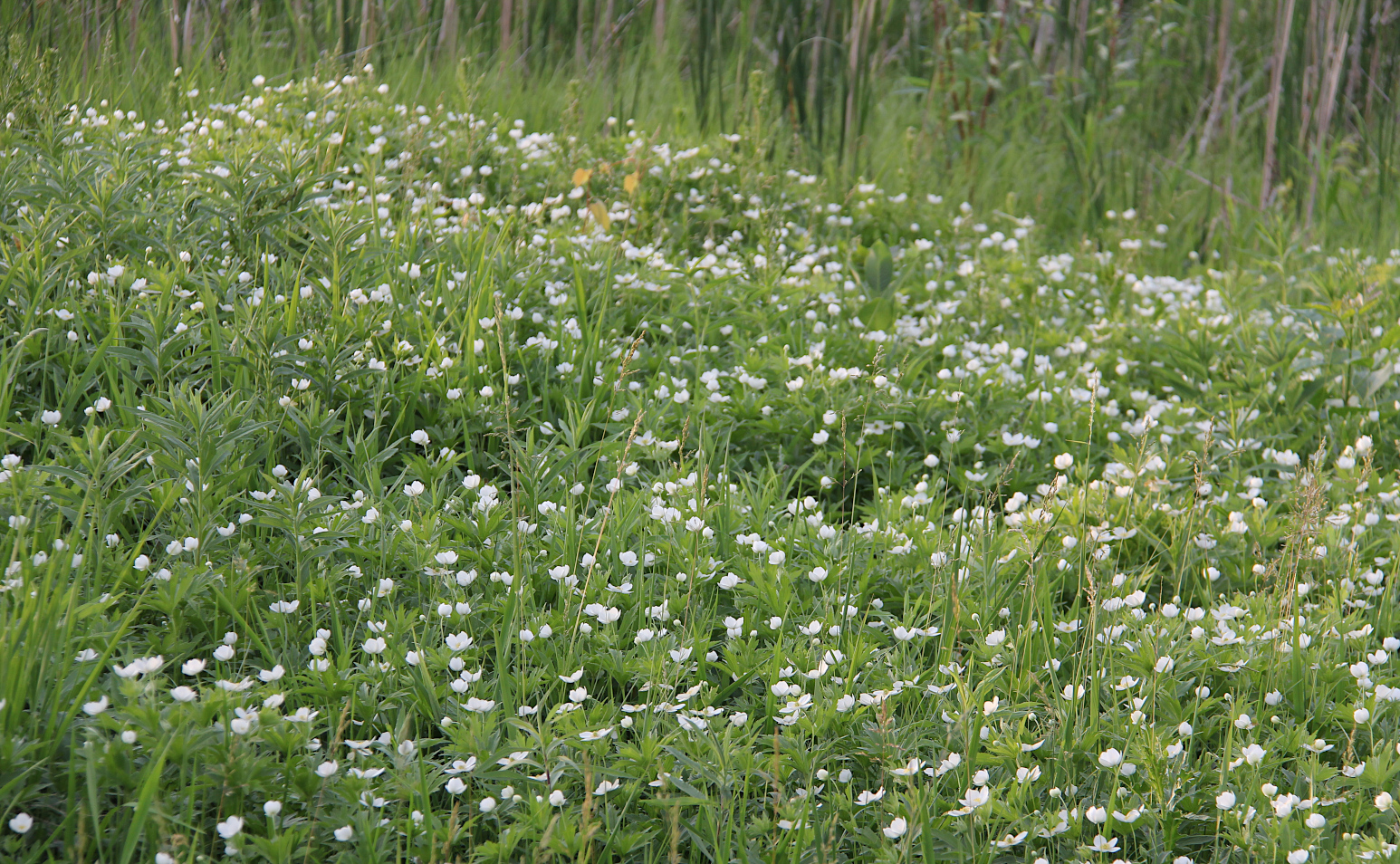
More wildflowers. (Minnesota Prairie Roots copyrighted photo June 2026)

I’m no plant expert, thus can’t identify most of the other flowers I see here. But I do know enough to stay away from the invasive wild parsnip. The toxic yellow plant, if touched, burns the skin.
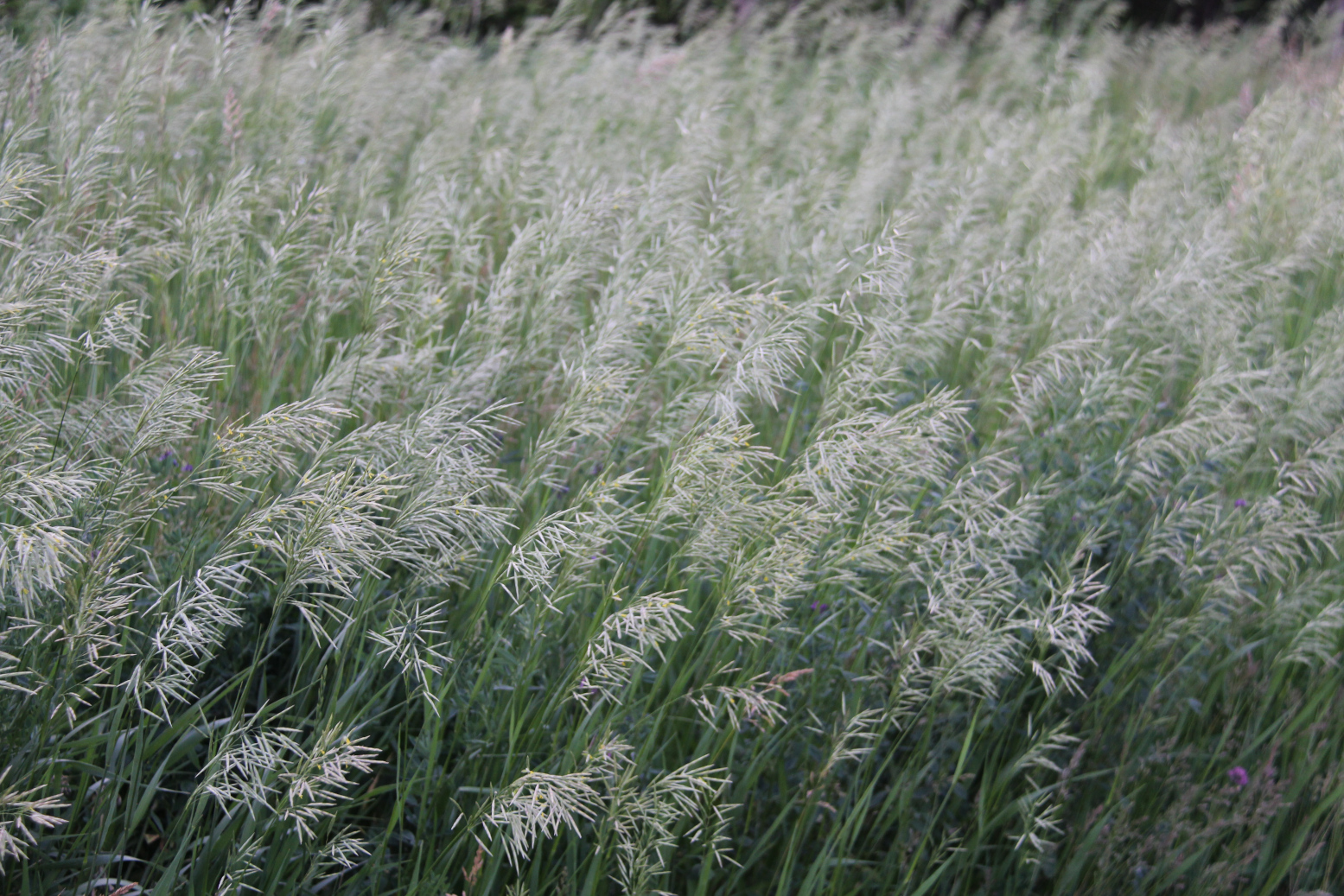
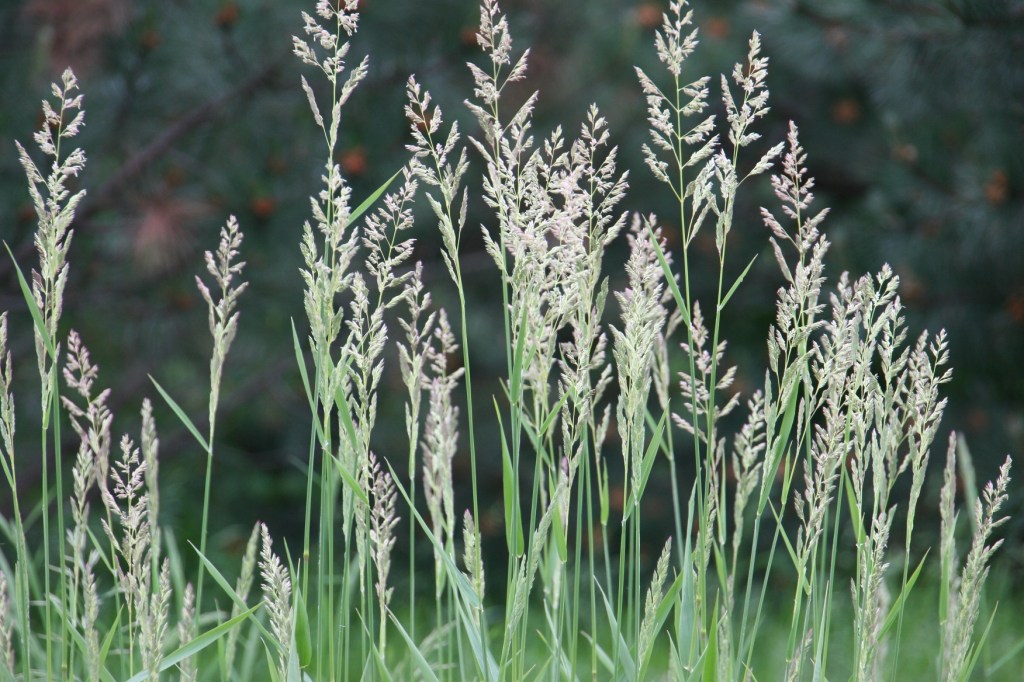
Brome grass catches the beautiful light and sways in the wind. (Minnesota Prairie Roots copyrighted photo June 2026)

Brome, pond-side and other grasses draw my eye as they stretch toward the sky. Or, on this evening, bend in the wind as if dancing a farewell recital to daylight.
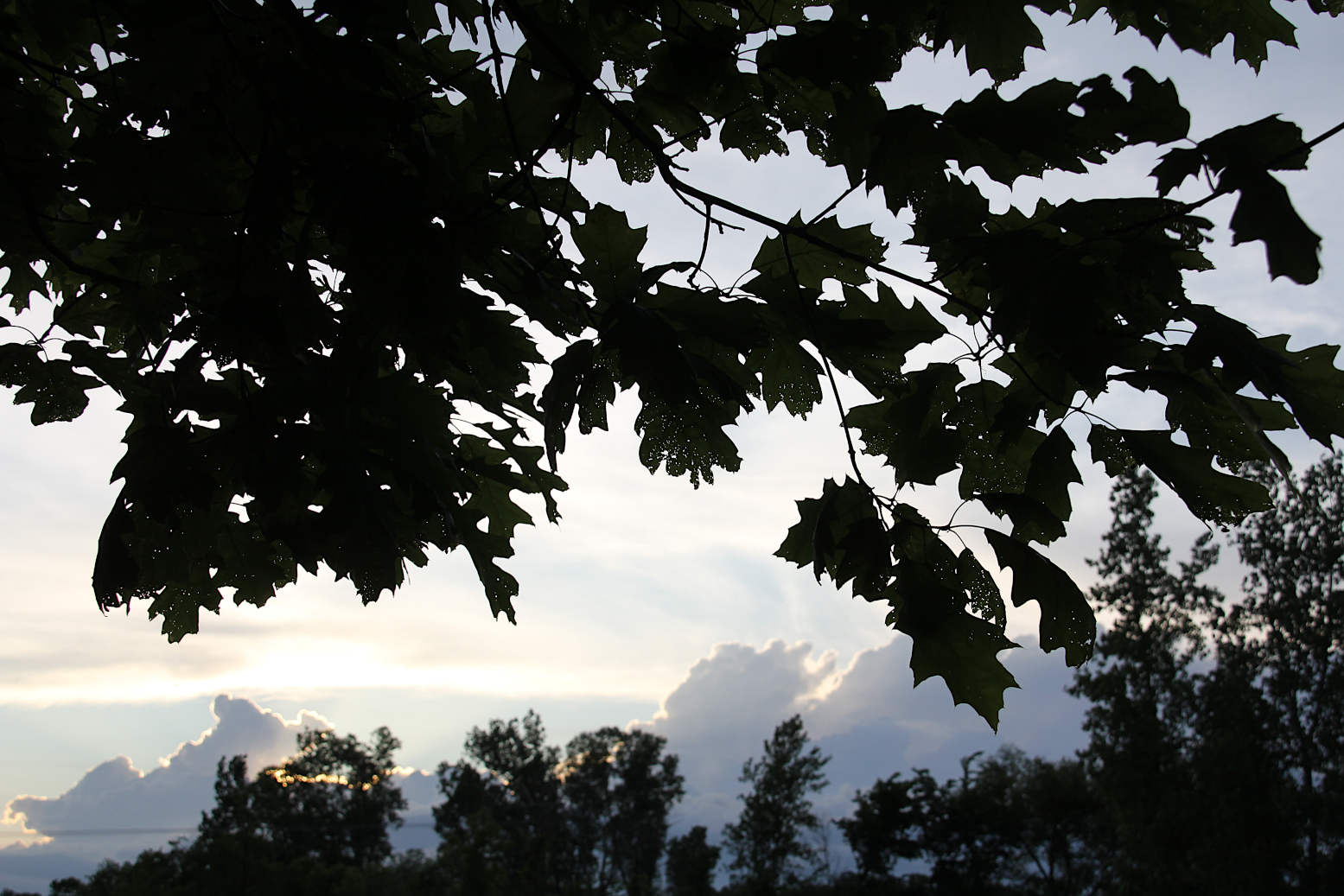
Looking through the trees, I see clouds building. (Minnesota Prairie Roots copyrighted photo June 2026)

Clouds build to the west and north, sometimes blocking the sun.

An egret takes flight from a pond, its wings lifting, flapping, long black legs trailing in a straight line. The bird rises high out of camera range.
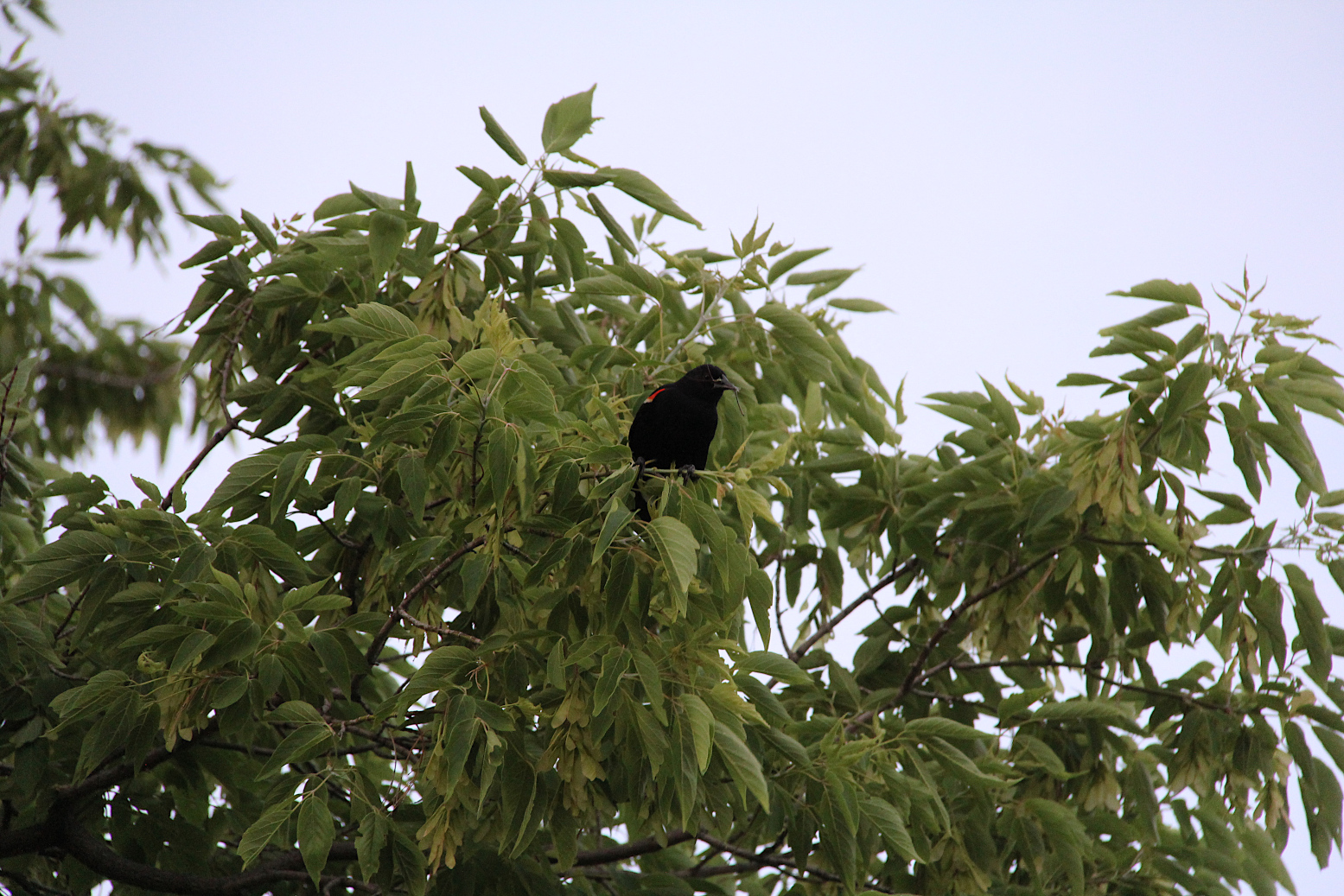
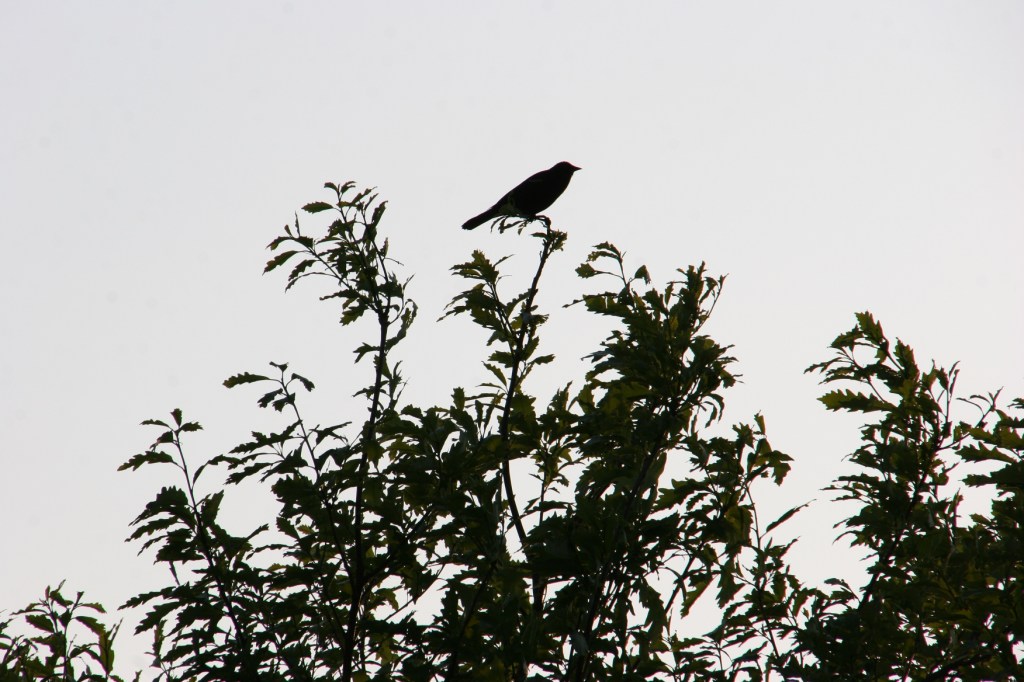
A red-winged blackbird perches near the power plant pond. (Minnesota Prairie Roots copyrighted photo June 2026)

A chorus of birds, mostly unseen, sing as we walk along the trails, around the ponds. I can only distinguish the unique voice of a red-winged blackbird.
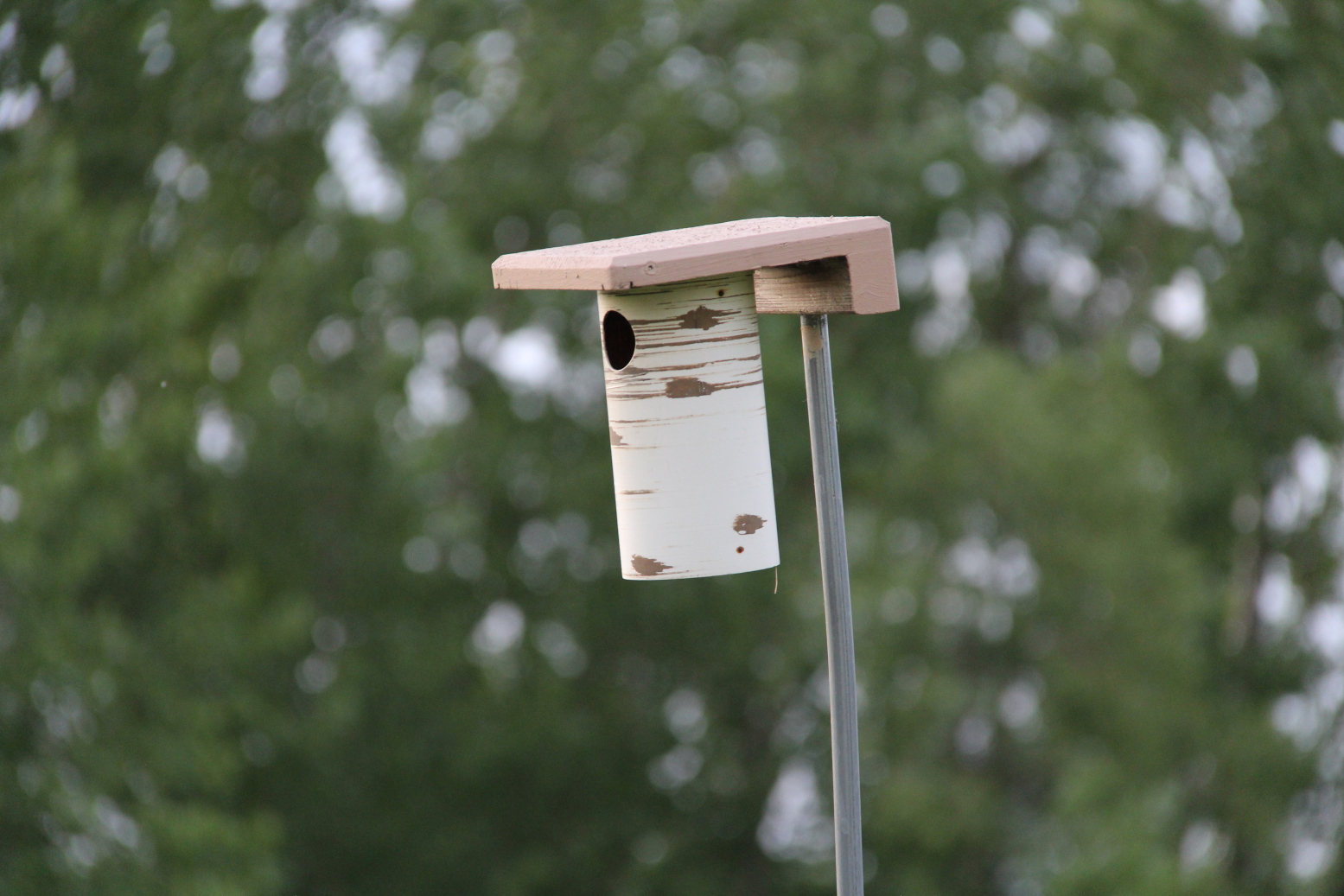
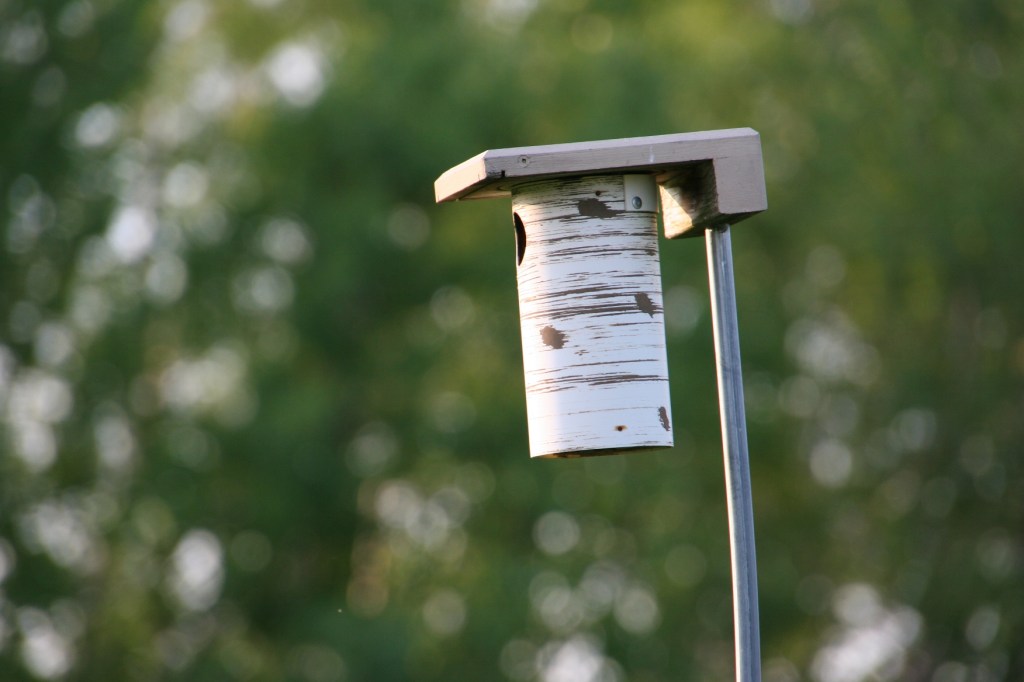
One of several bluebird houses in the park. (Minnesota Prairie Roots copyrighted photo June 2026)

Randy weaves through the tall grass to check a bluebird house, finding only a few feathers and dried grass inside.
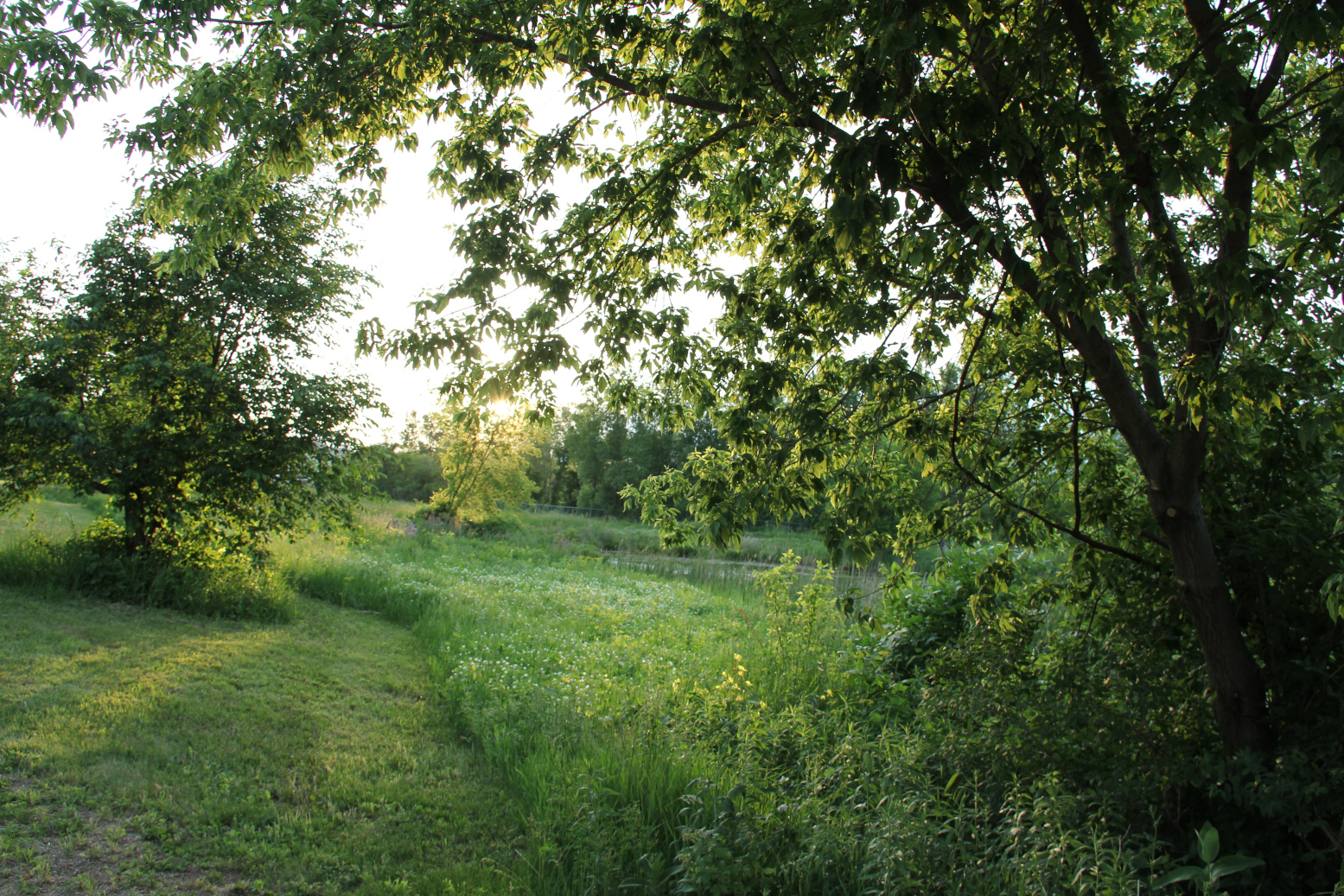
Sunlight dapples the landscape. (Minnesota Prairie Roots copyrighted photo June 2026)

Sunlight glints on water, shadows through trees. This time of day—the golden hour before sunset—holds a light-beauty matched only by the hour after sunrise. This is the time I want to be out with my camera composing images, but also simply in the moment. As trite as the word may seem, “beautiful” defines the light.
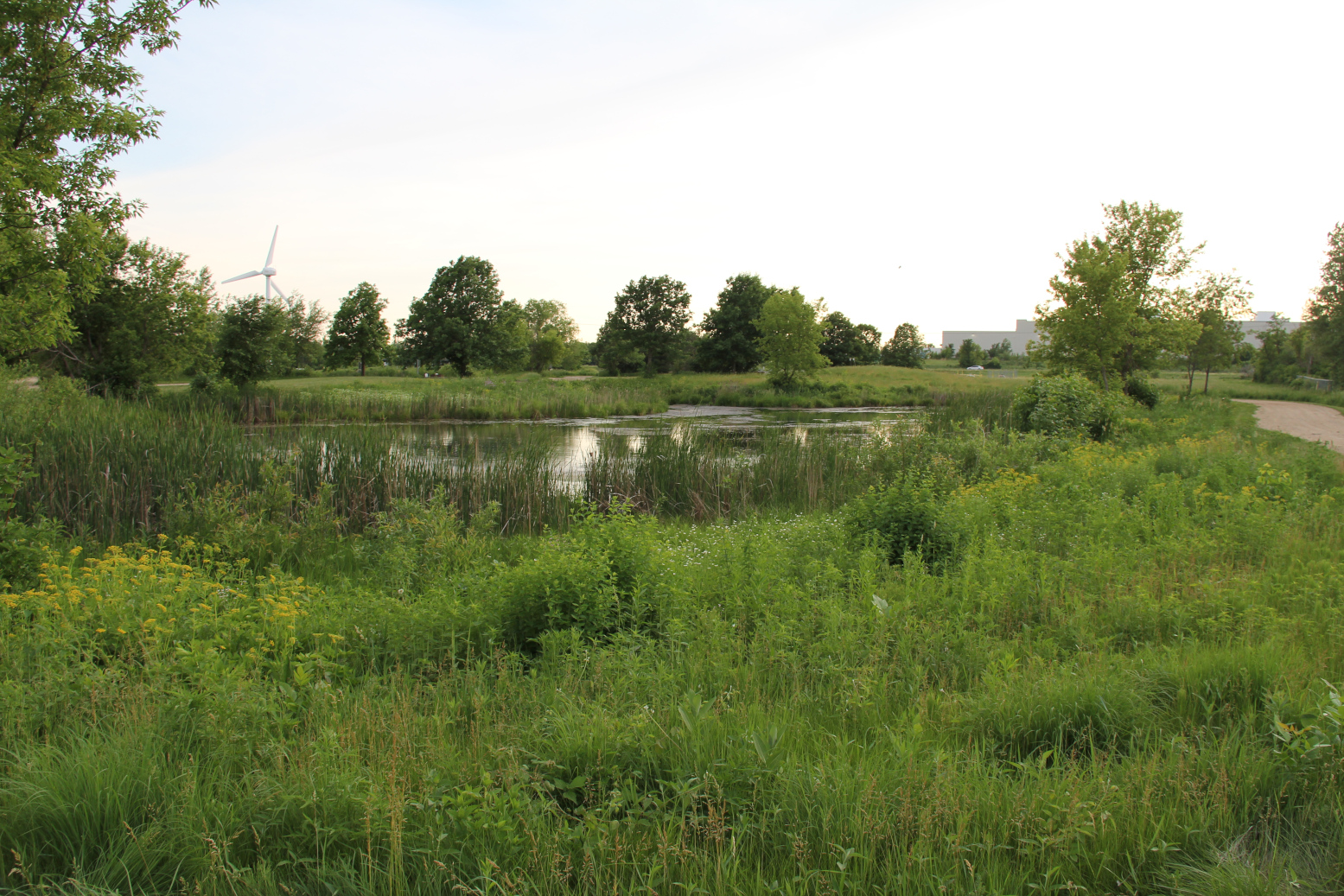
A trail circles a pond, wind turbine in the distance, a warehouse on the other side of the interstate. (Minnesota Prairie Roots copyrighted photo June 2026)

To hike and take photos at Faribault Energy Park in this hour settles my spirit in a way that only nature can. Wildflowers. Tall grasses. Bird song. Sunlight on water. Clouds rising. The wind touching my face. The scent of a wild rose.
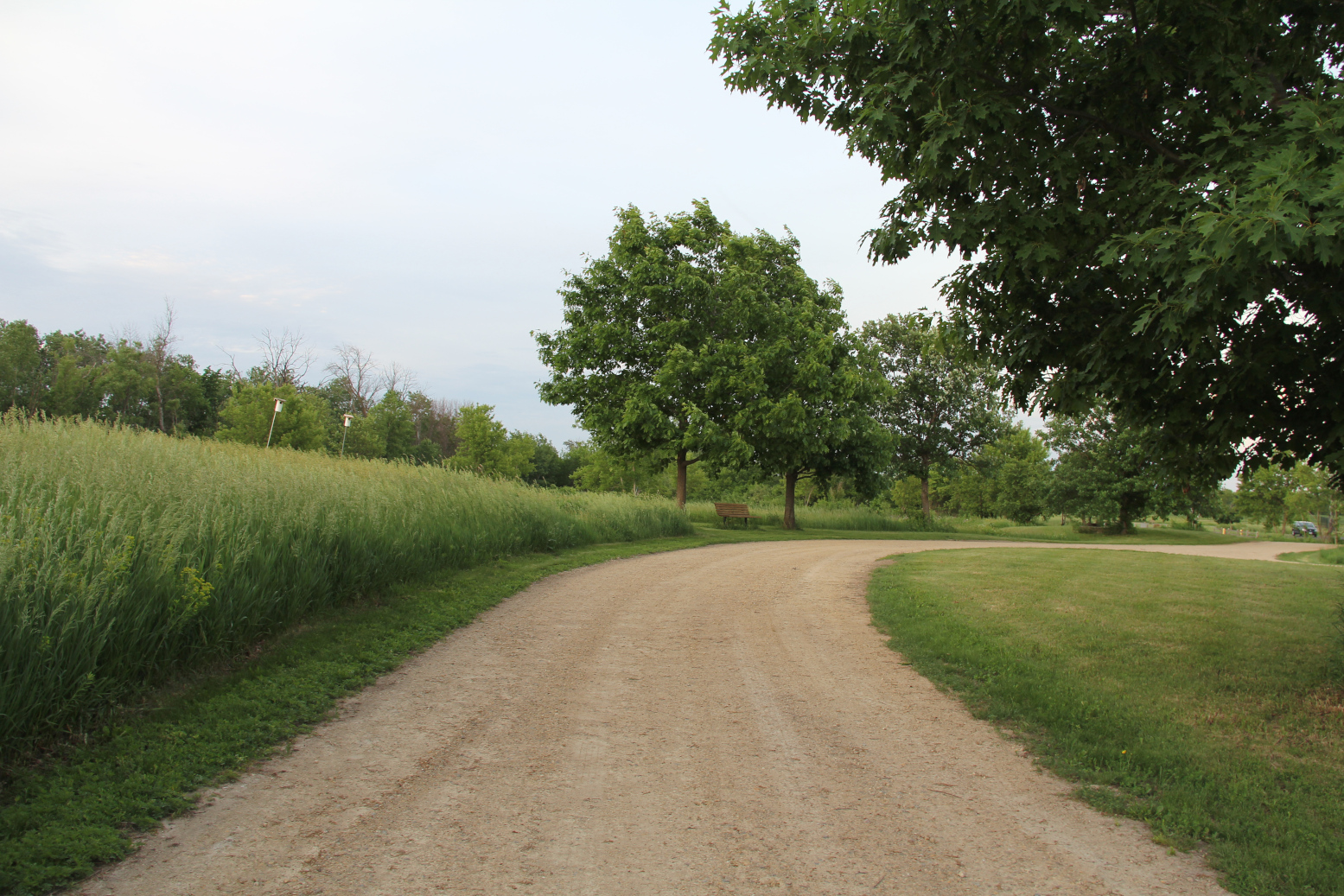
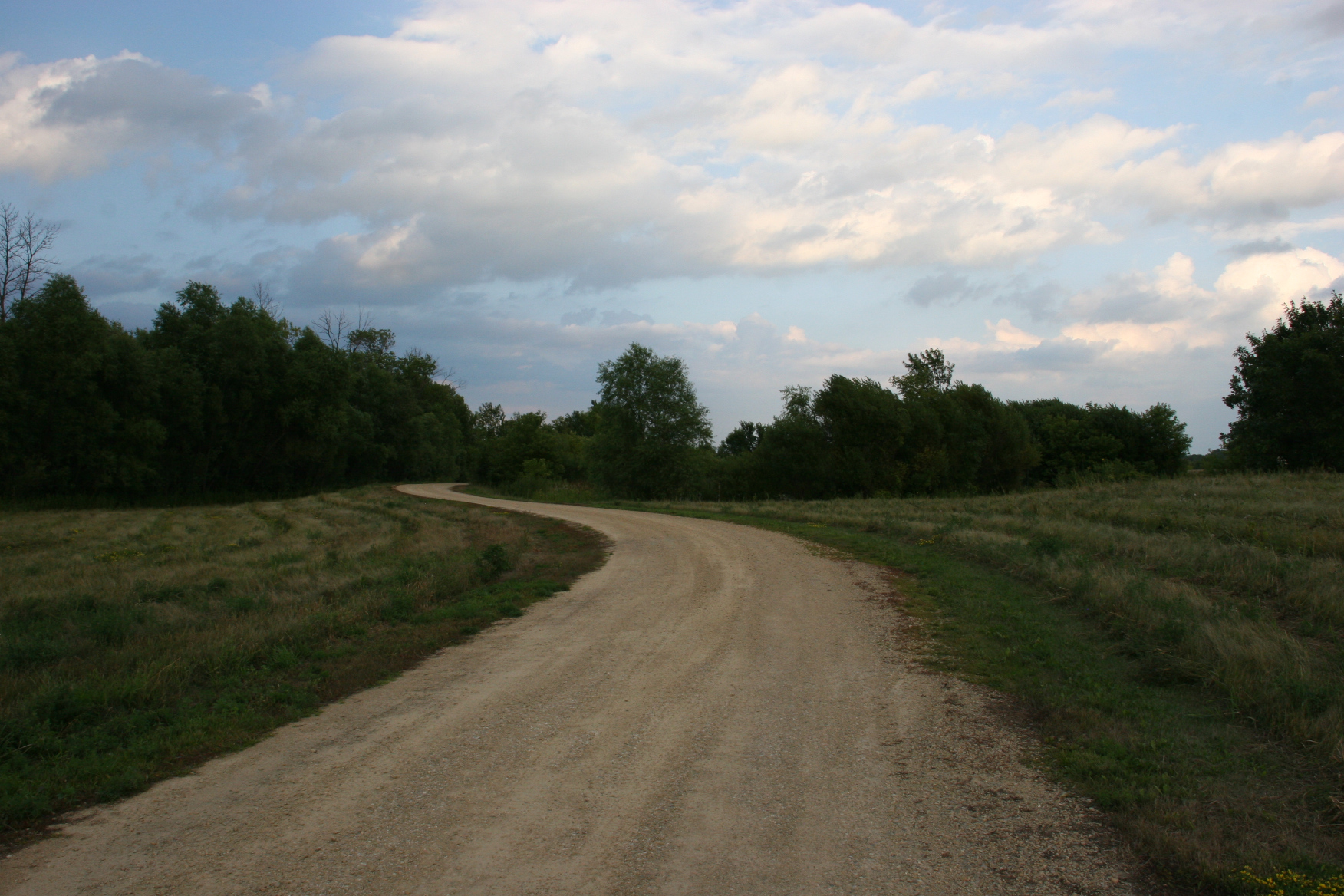
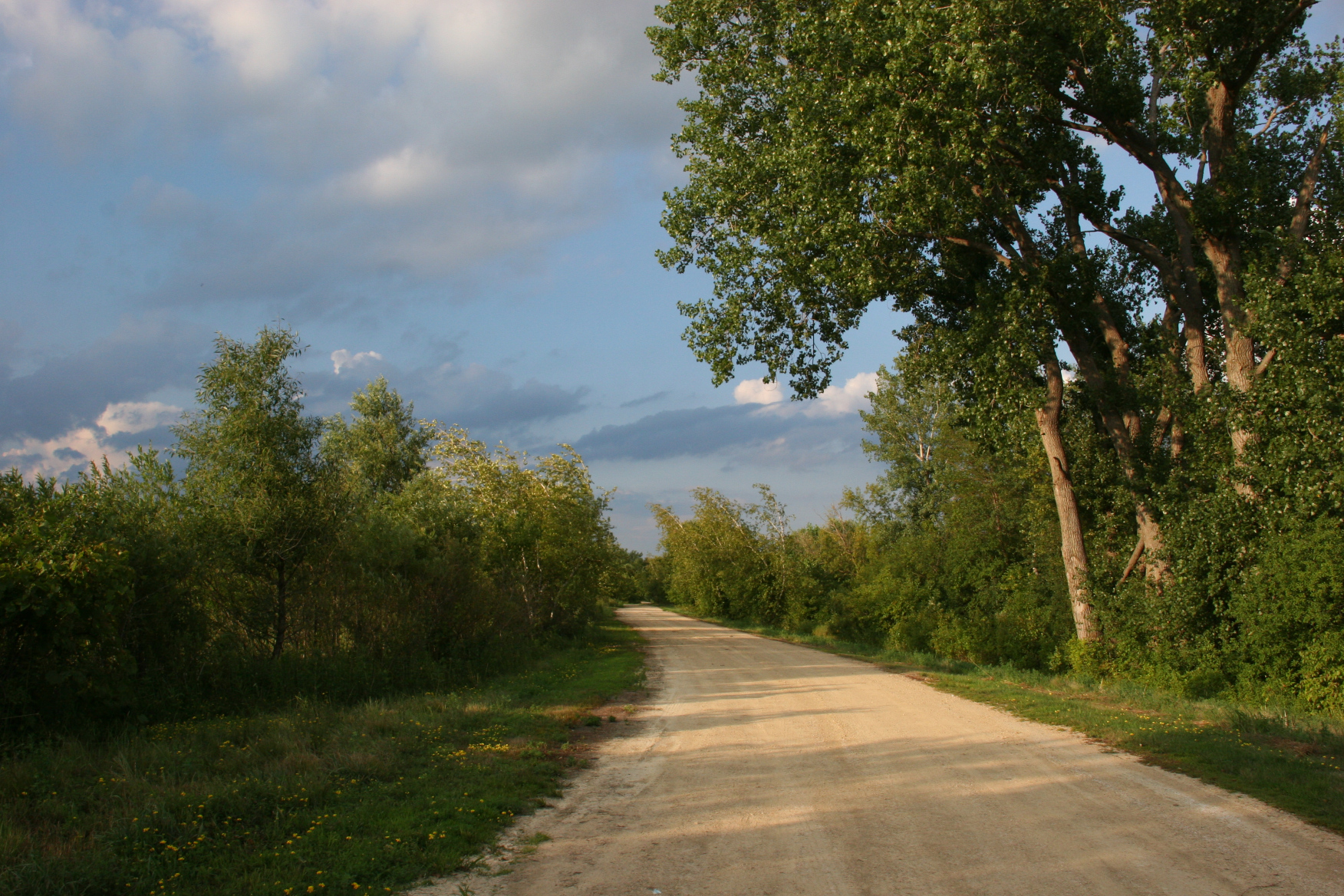
Gravel roadways wind through the park. (Minnesota Prairie Roots copyrighted photo June 2026)

All of this I find here on this parcel of parkland, this place beside the busy interstate where motorists rush by while I walk, shoes crunching on gravel.
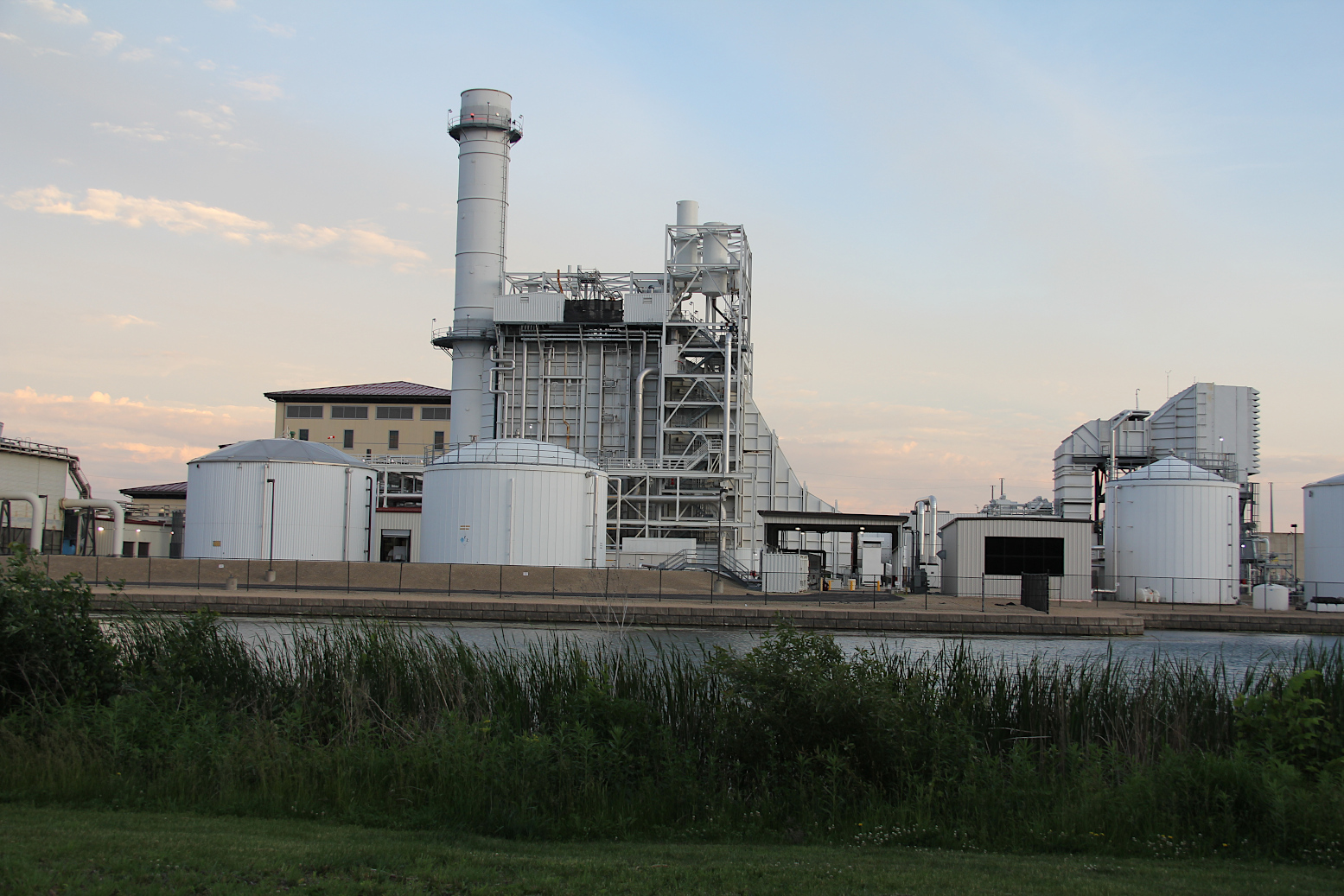
The pond next to the power plant is also a fishing spot. (Minnesota Prairie Roots copyrighted photo June 2026)

FYI: Minnesota Municipal Power Agency owns Faribault Energy Park, which includes parkland and a power plant. The park is located at 4100 Park Avenue North on Faribault’s north side and is open from sunrise to sunset. Here visitors can hike, enjoy a picnic and fish in the pond next to the power plant.

© Copyright 2026 Audrey Kletscher Helbling


From the 70s to today, caring about Earth September 12, 2022

A massive wind turbine at Faribault Energy Park dwarfs my husband, Randy, walking near it. (Minnesota Prairie Roots copyrighted photo July 2022)

COMING OF AGE in the early 1970s, I held a general awareness of environmental concerns. A respect for the earth and the environment was beginning to emerge as young people and others raised their voices.

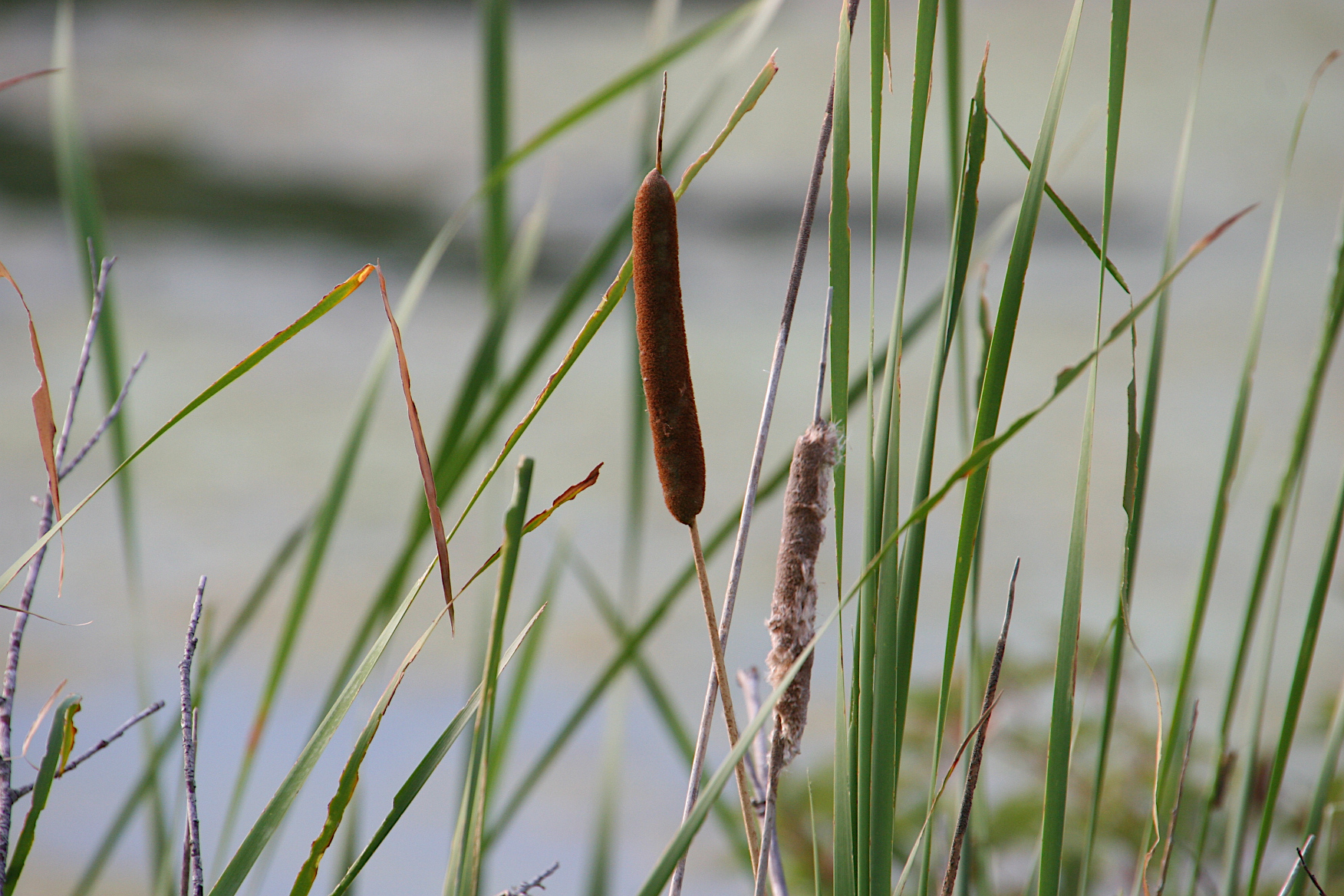
Cattails flourish in the park wetlands. Restoration, rather than draining, of wetlands is the norm today. (Minnesota Prairie Roots copyrighted photo July 2022)

I remember the anti-littering campaigns. The concerns about water and air pollution. The efforts to limit billboards. I recall, too, Earth Shoes, although I’m uncertain what that footwear had to do with anything environmental.

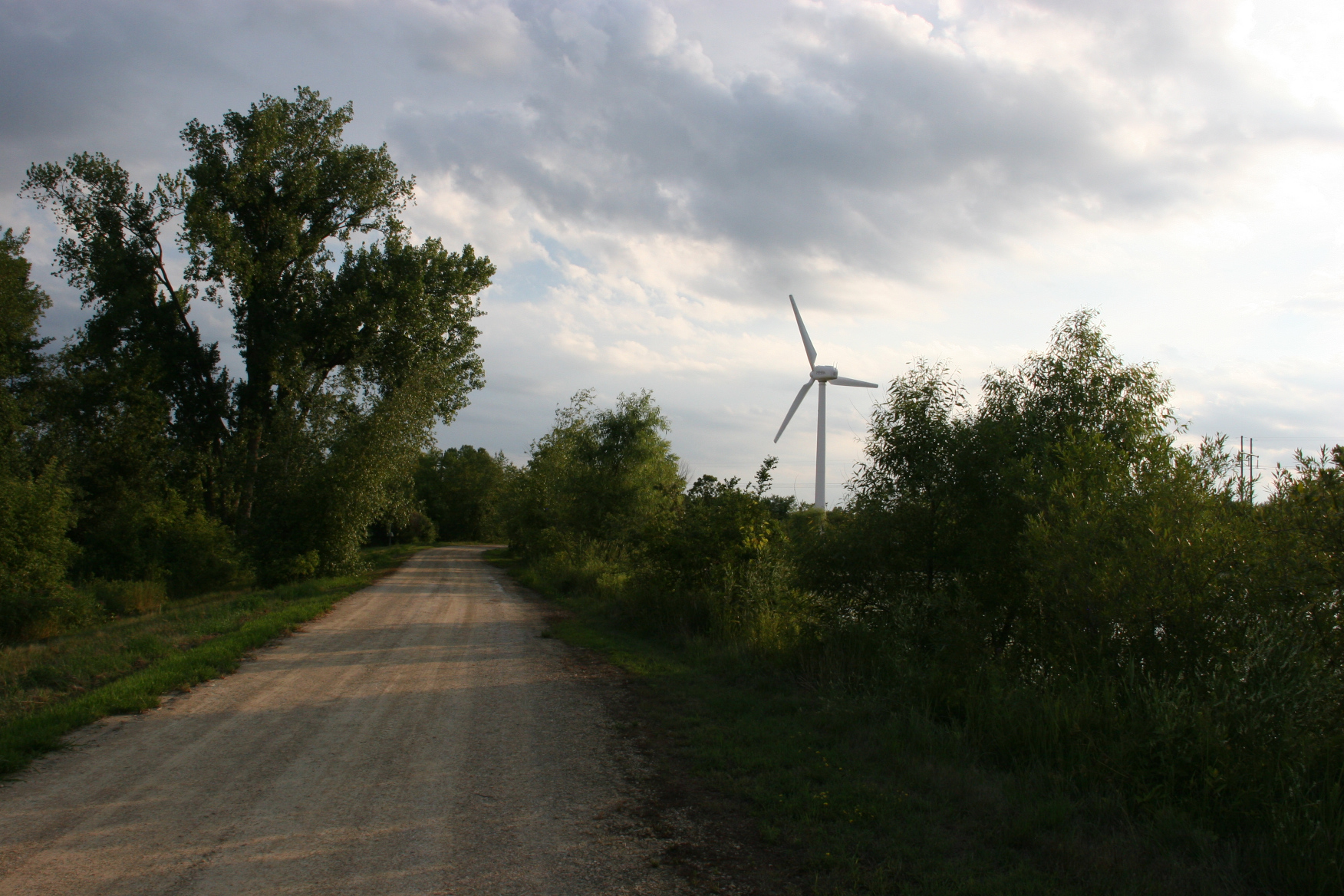
This trail leads to the wind turbine, a teaching tool inside Faribault Energy Park. (Minnesota Prairie Roots copyrighted photo July 2022)

Perhaps previous generations cared, too, but it seems the young people of the 70s started a new environmental movement that pushed personal and societal responsibilities in caring for our planet. Those efforts continue today, but with additional focuses: climate change, alternative energy, electric-powered vehicles and more. Today’s young adults are among those leading the way in discussions and effective change.

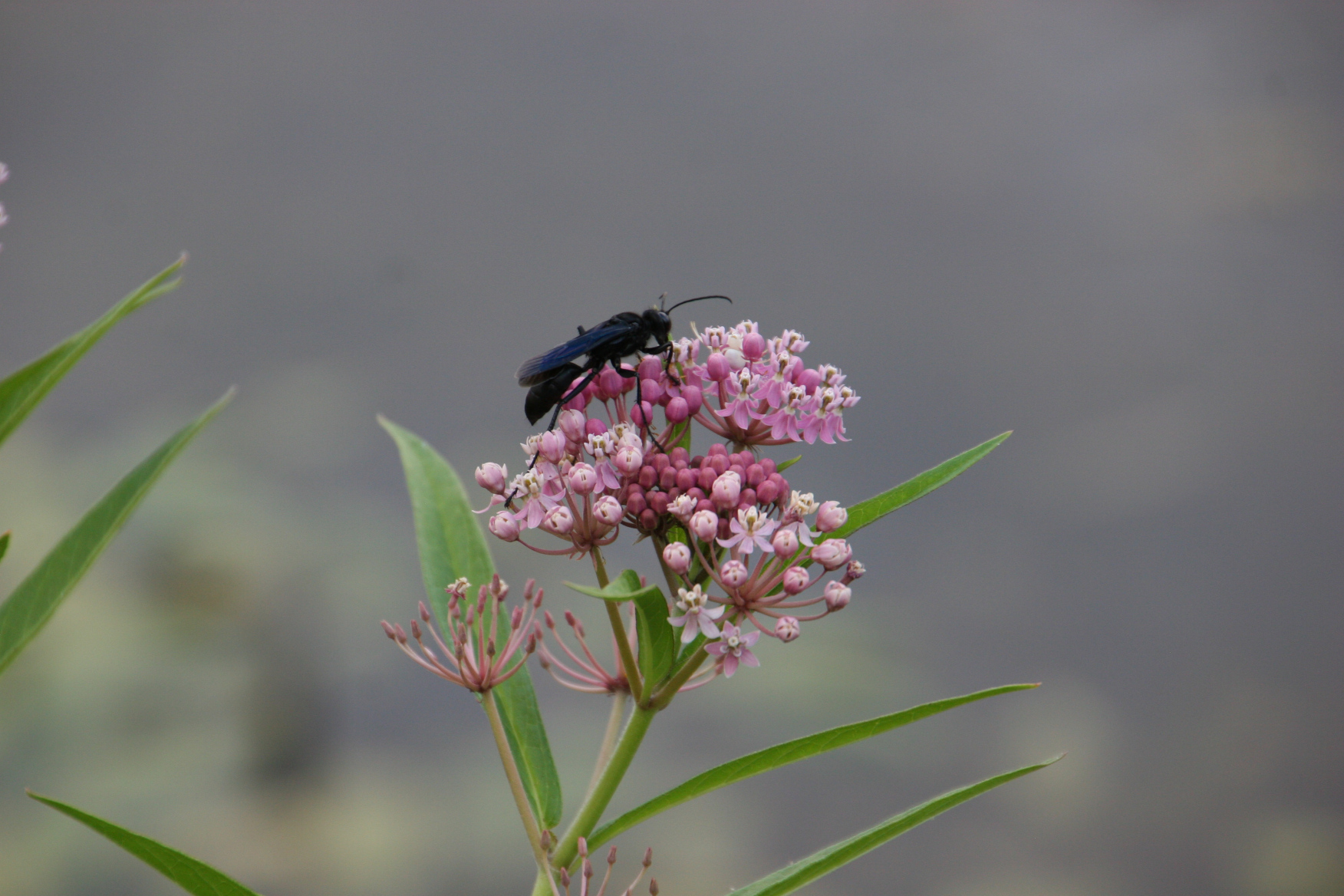
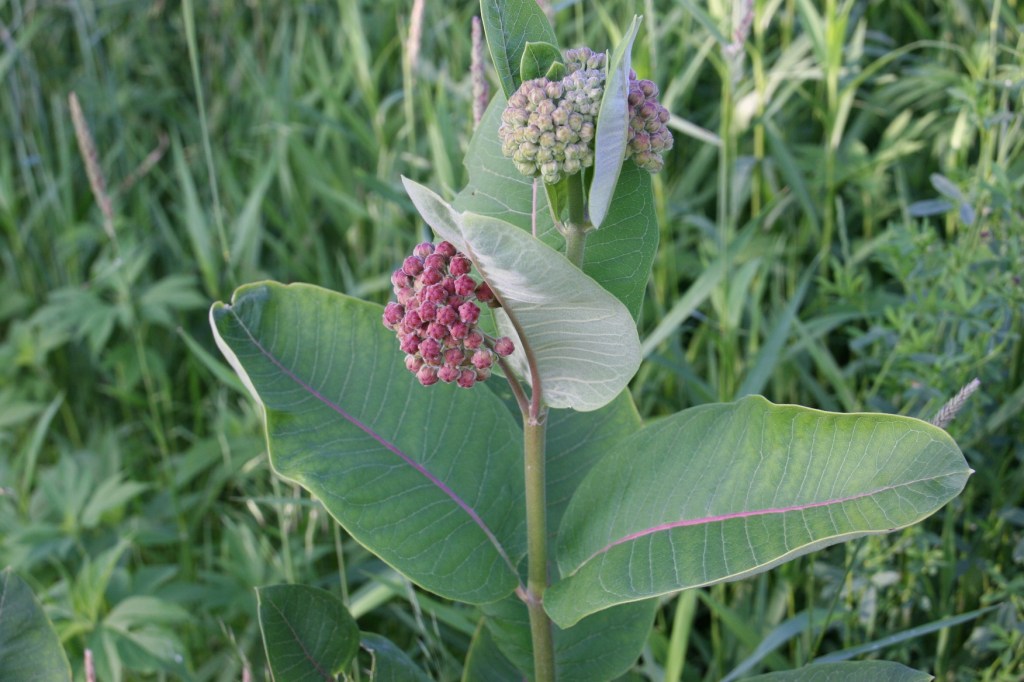
I grow milkweeds in my Faribault yard. I photographed this milkweed flower with an unknown insect atop at the energy park. (Minnesota Prairie Roots copyrighted photo July 2022)

I feel such hope. Within my own family circle, my eldest daughter and son-in-law compost food and bio-degradable paper products. My son owns an e-bike, not a car, his primary mode of transportation between his Indiana apartment and Purdue University. We recycle, donate or give away items we no longer need. Every little bit helps. My young granddaughter wears hand-me-downs from her cousins. Just like her mother before her, whom I outfitted primarily via rummage sale purchases.

Unlike this dead frog flattened on a road at the energy park, thrifting/recycling/upcycling is very much alive. (Minnesota Prairie Roots copyrighted photo July 2022)

Thrifting is in vogue. I recently spoke with a shop owner in Northfield who said local college students flock to her antiques and collectibles store to buy vintage clothing from one particular vendor.

Solar panels inside the park focus on alternative energy. (Minnesota Prairie Roots copyrighted photo July 2022)

Across the Minnesota countryside, solar fields are replacing crop fields. Wind turbines are popping up, too, adding to those that have been around for decades.

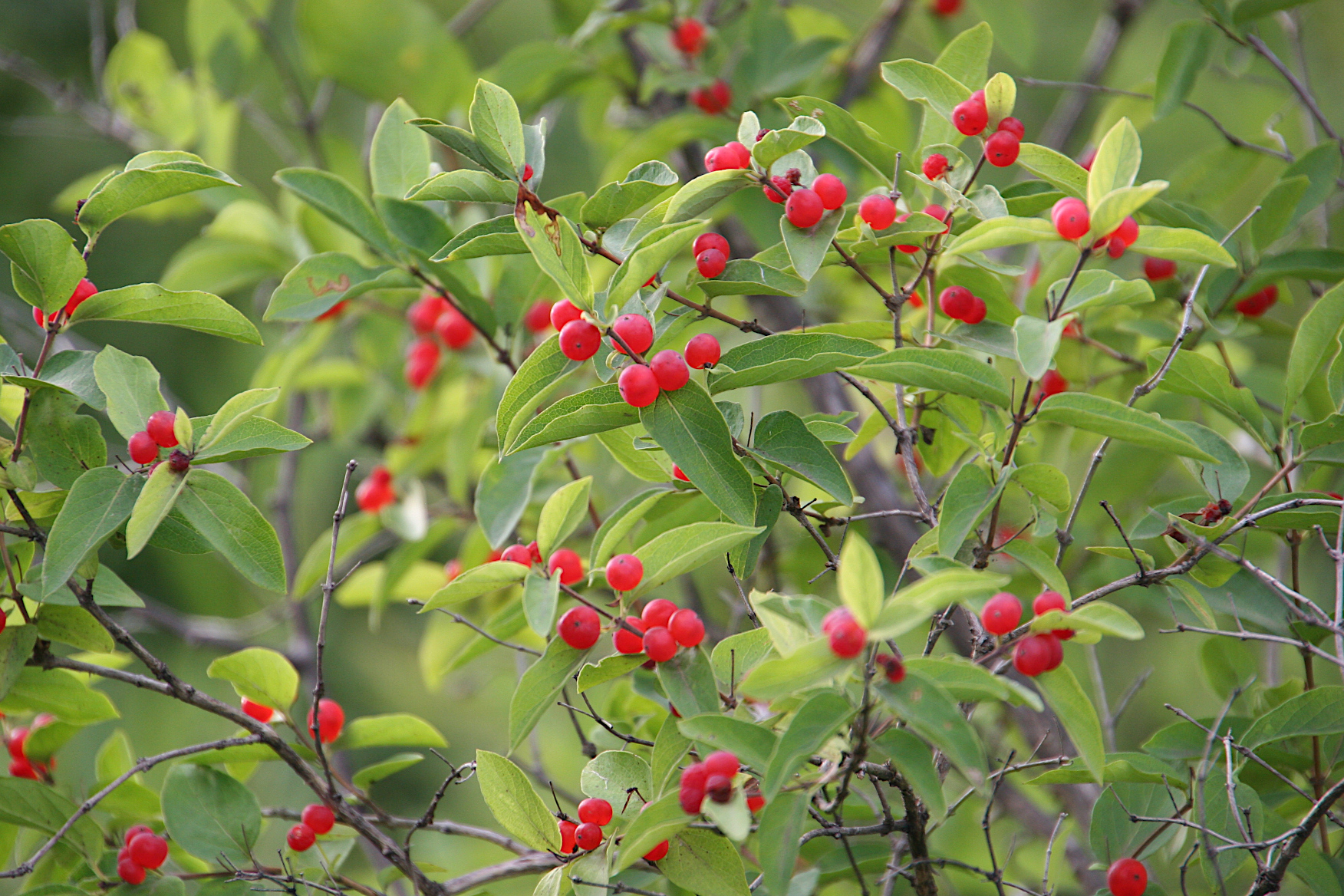
Bold red berries burst color into the park’s landscape. (Minnesota Prairie Roots copyrighted photo July 2022)

It makes a difference—these seemingly small and big changes. A shift in attitudes with a new-found appreciation for our natural world can preserve, and hopefully, improve this place we call home.

A sign posted inside Faribault Energy Park lays out the rules. (Minnesota Prairie Roots copyrighted photo July 2022)

Faribault Energy Park, owned and managed by the Minnesota Municipal Power Agency, aims to model environmental responsibility and innovation, according to its website. The power plant is a dual-fuel (natural gas and fuel oil) facility which runs only during periods of high demand for electricity.

Dirt roads wind around two ponds. (Minnesota Prairie Roots copyrighted photo July 2022)

Although I’ve never been inside this power plant (tours are offered, primarily to schools), I’ve walked the grounds many times. The MMPA created a public park here on its 35 acres of wetlands. I love following the dirt roads that wind around ponds. And while it’s not the most peaceful place given the location along busy Interstate 35, the park still holds an appeal for me.

Beauty even in a thistle growing along pond’s edge. (Minnesota Prairie Roots copyrighted photo July 2022)

On this particular visit, I didn’t see any waterfowl, unusual, but perhaps not due to avian influenza. (Minnesota Prairie Roots copyrighted photo July 2022)

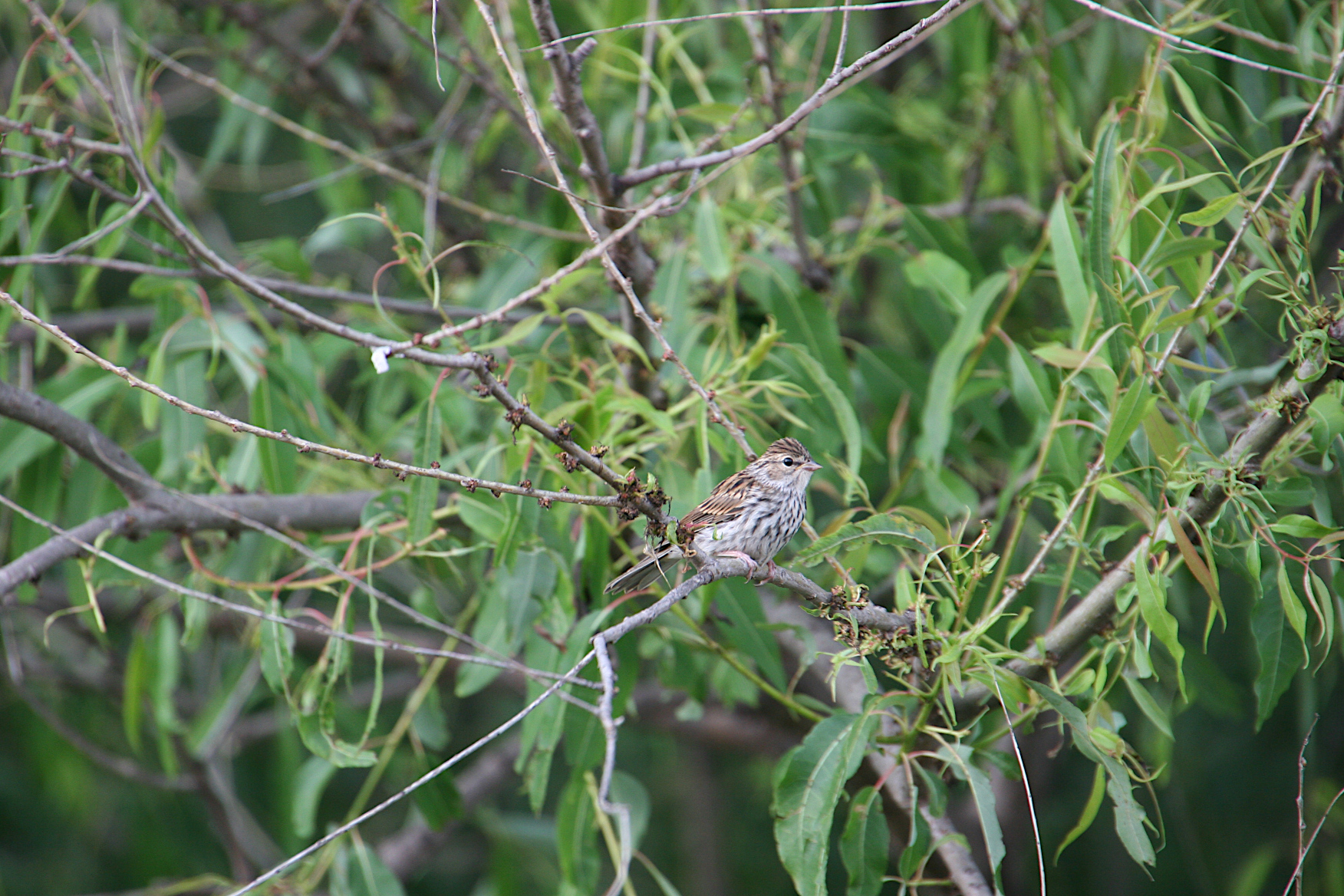
One of many birds observed inside the park. (Minnesota Prairie Roots copyrighted photo July 2022)

That enjoyment comes in vegetation—cattails, flowers, trees, grasses—and in the birds, including waterfowl.

Anglers fish this pond next to the Faribault Energy Park power plant. (Minnesota Prairie Roots copyrighted photo July 2022)

Other visitors fish here, in the large pond next to the power plant. This is also an educational grounds with a massive wind turbine and a stand of solar panels in place.

I especially like walking this park around sunset. (Minnesota Prairie Roots copyrighted photo July 2022)

Combined, these elements remind me that I cannot take the natural world for granted, that I need to be environmentally-aware, that I need to do my part to protect and preserve Earth. I continue to learn, some 50 years after an awareness sparked within me that I really ought to care about this planet on a personal level.

© Copyright 2022 Audrey Kletscher Helbling
 

Remnants & reawakening April 29, 2021

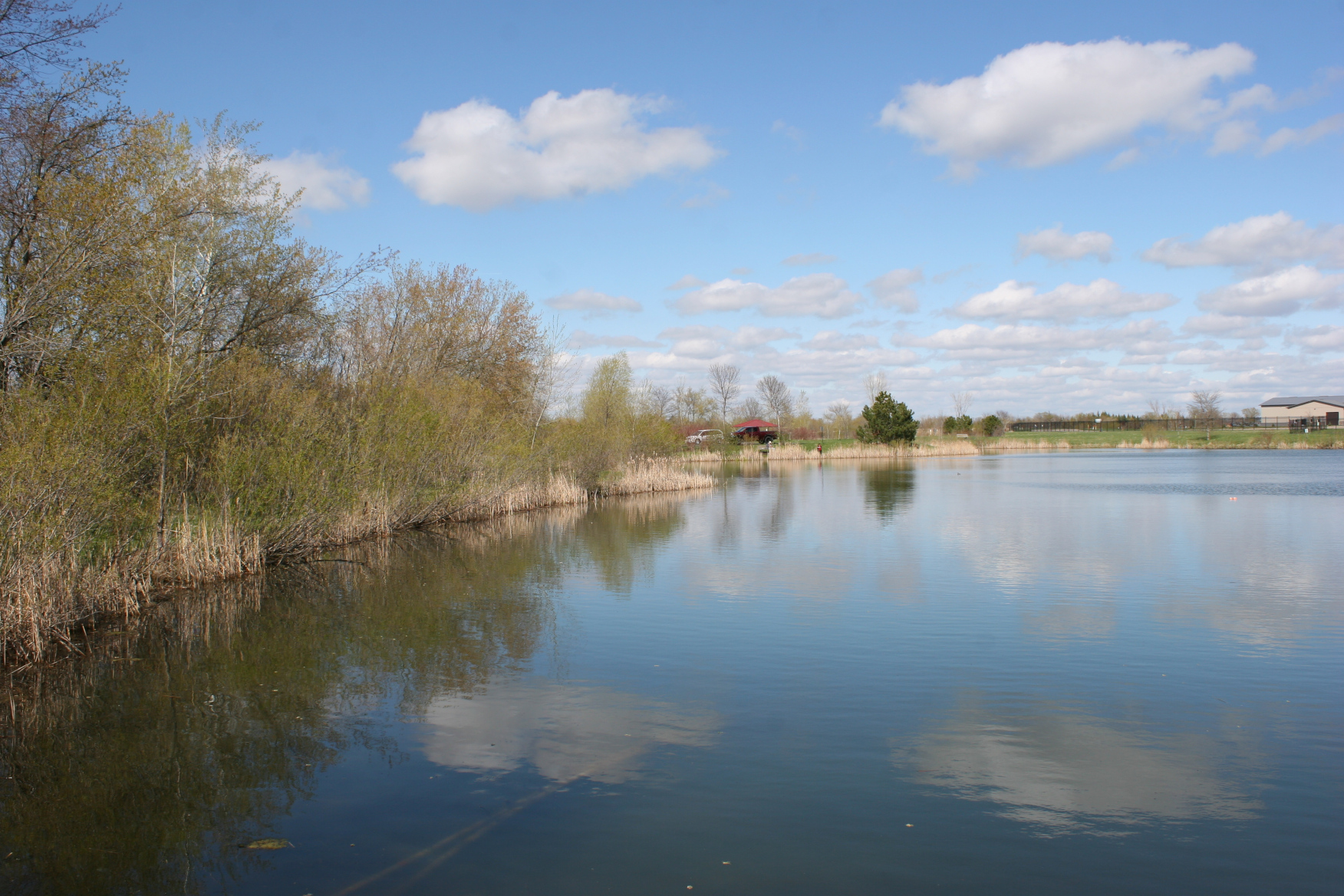
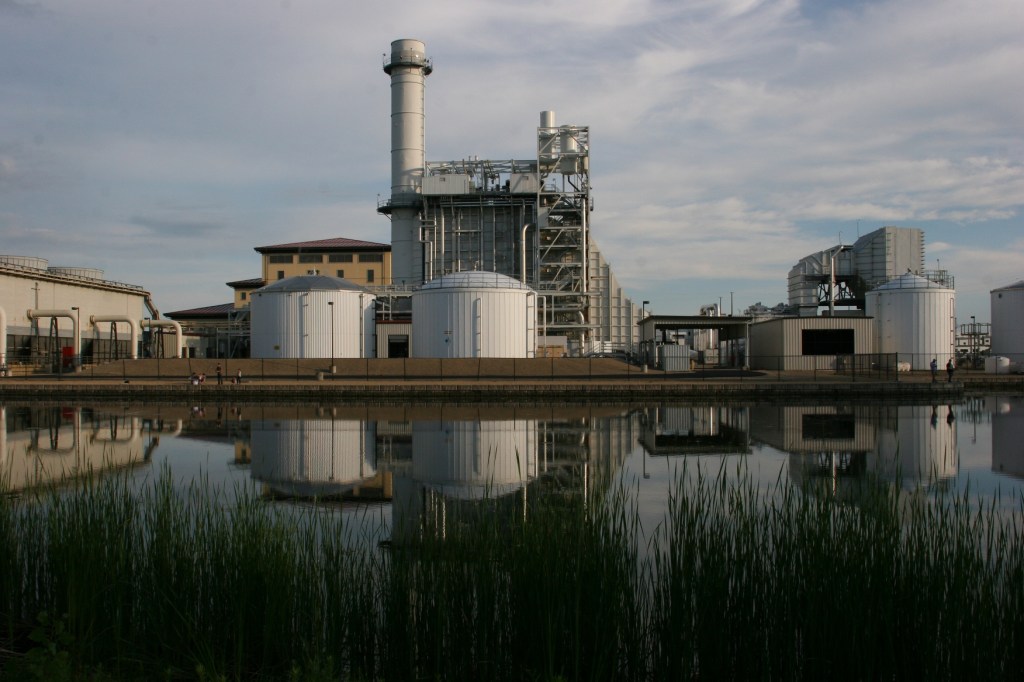
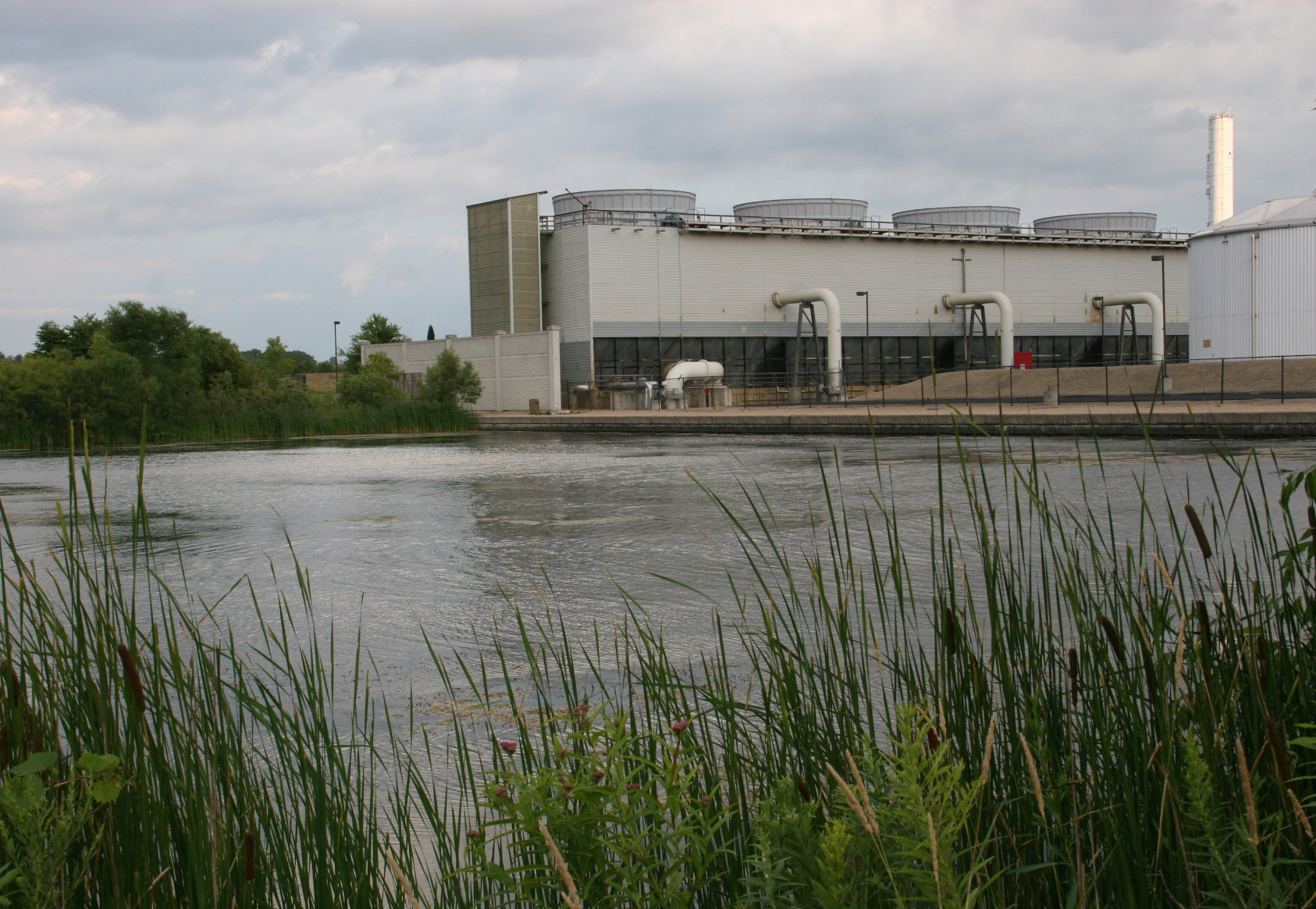
Across the pond, the power plant, part of the Minnesota Municipal Power Agency and next to Faribault Energy Park.

TRAFFIC DRONES ALONG the nearby interstate, overwhelming the scene with intrusive noise.

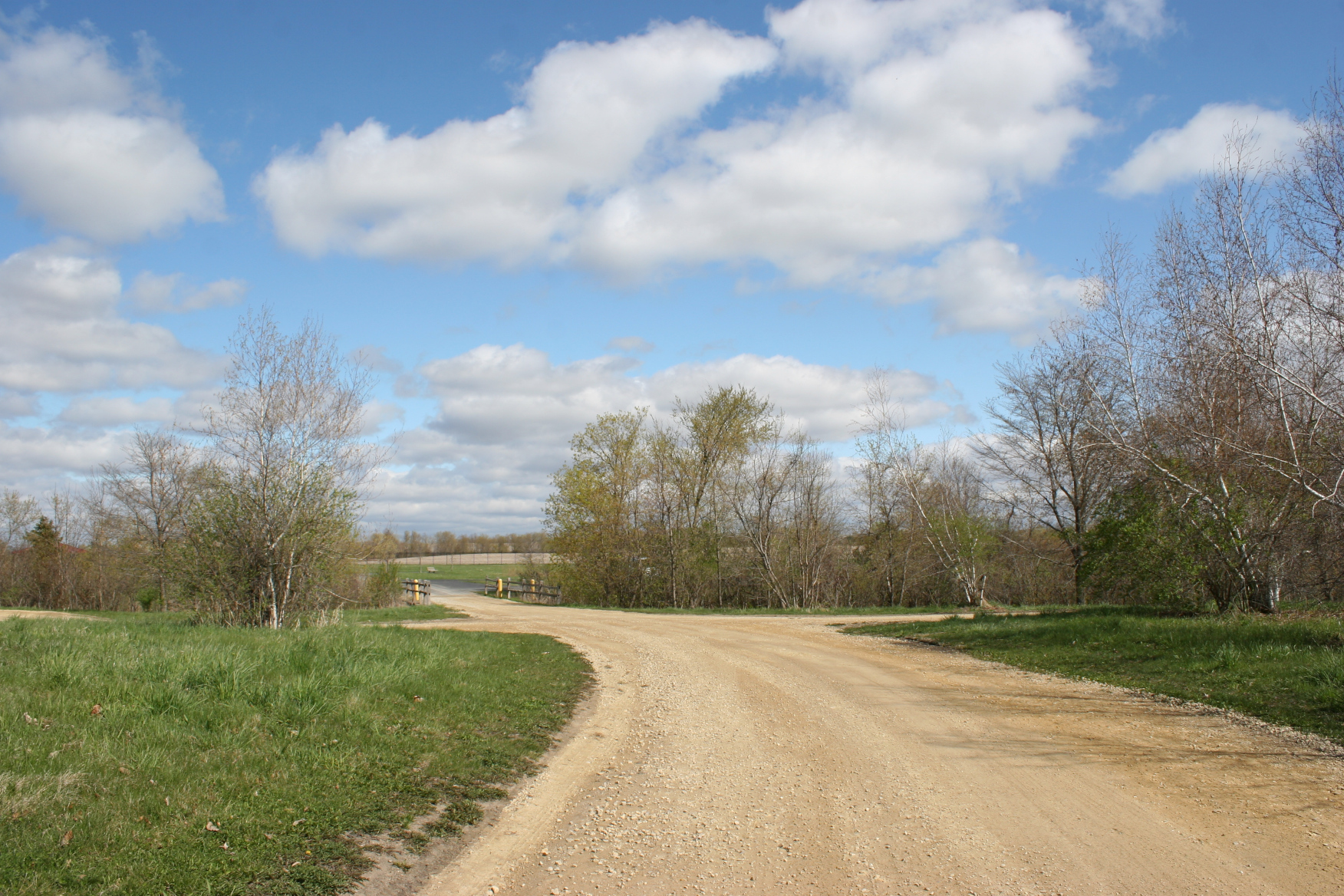
The park features dirt roads edging ponds.

Yet, I find reasons to appreciate Faribault Energy Park, a mostly under-used park on Faribault’s northwest side. Located next to I-35, this Minnesota Municipal Power Agency Park features dirt roads circling ponds.

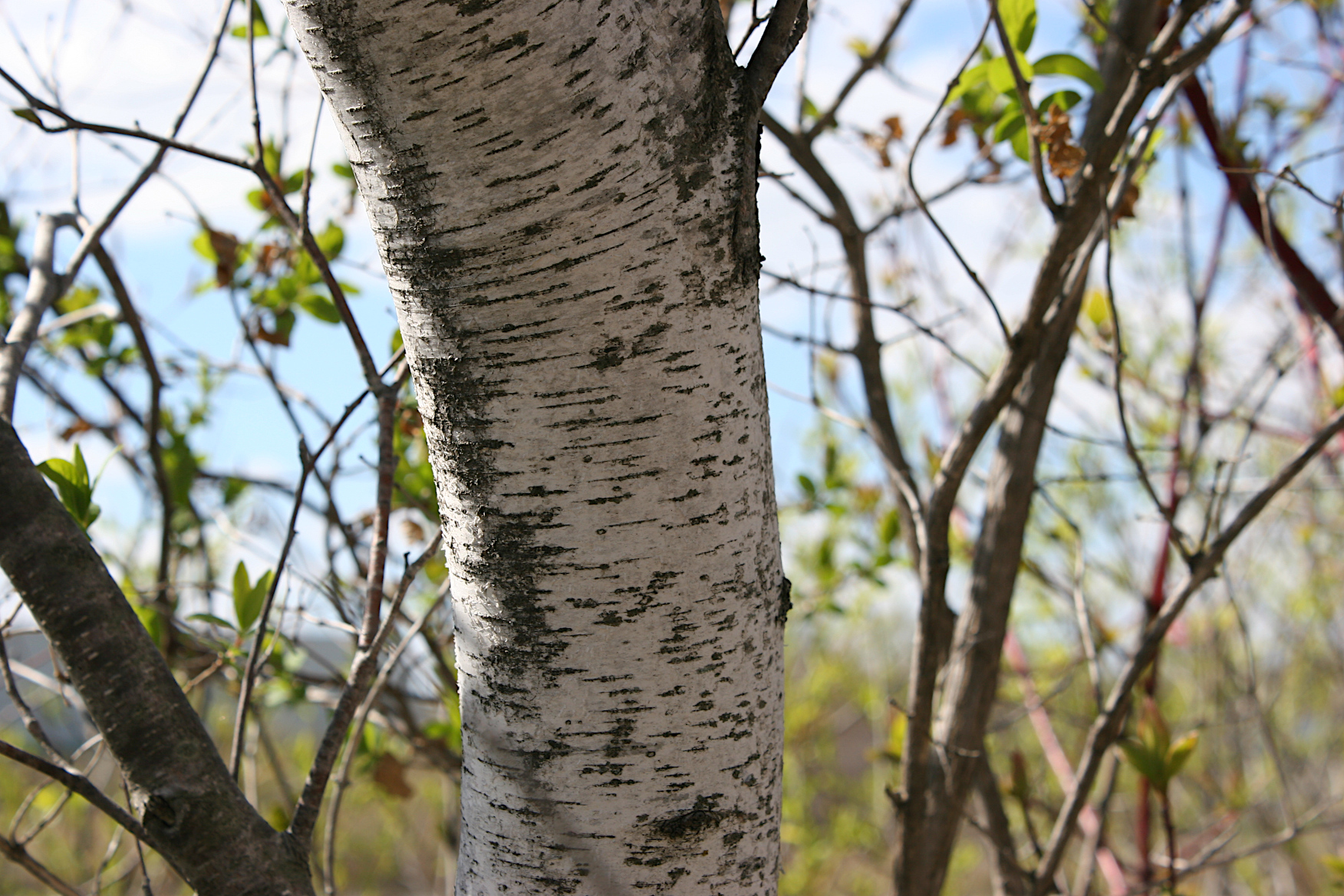
The texture of a birch tree drew my photographic interest.

With trees, a variety of other plant life, waterfowl, songbirds and the rare occasional sighting of wildlife, this makes for an interesting place to walk. Especially for a photographer. Even though I’ve been here many times, I enjoy the challenge of finding new ways to photograph a familiar setting.

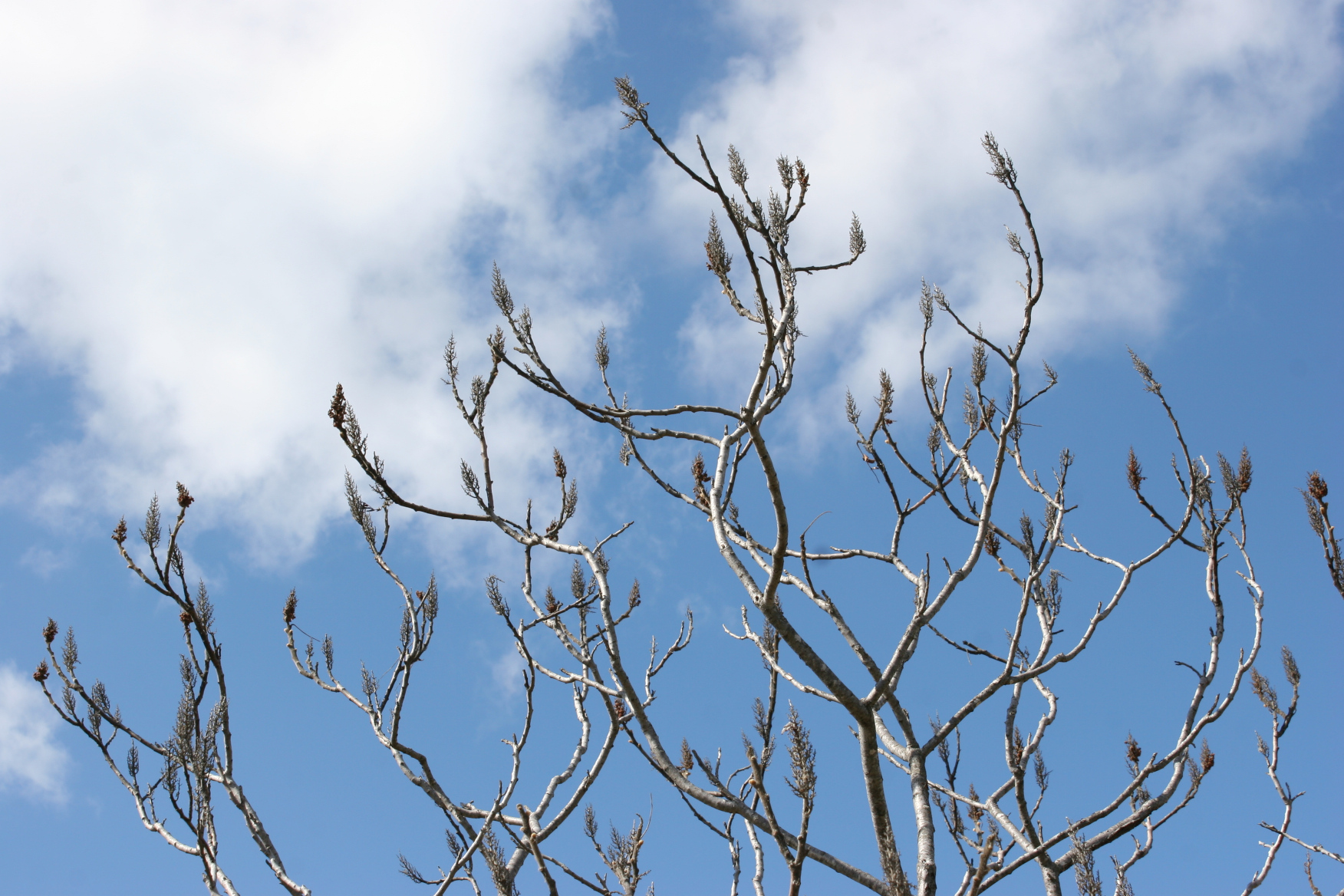
I love the artsy bend of these branches against the backdrop April sky.

As I followed the roadways, a theme emerged. Remnants. And reawakening.

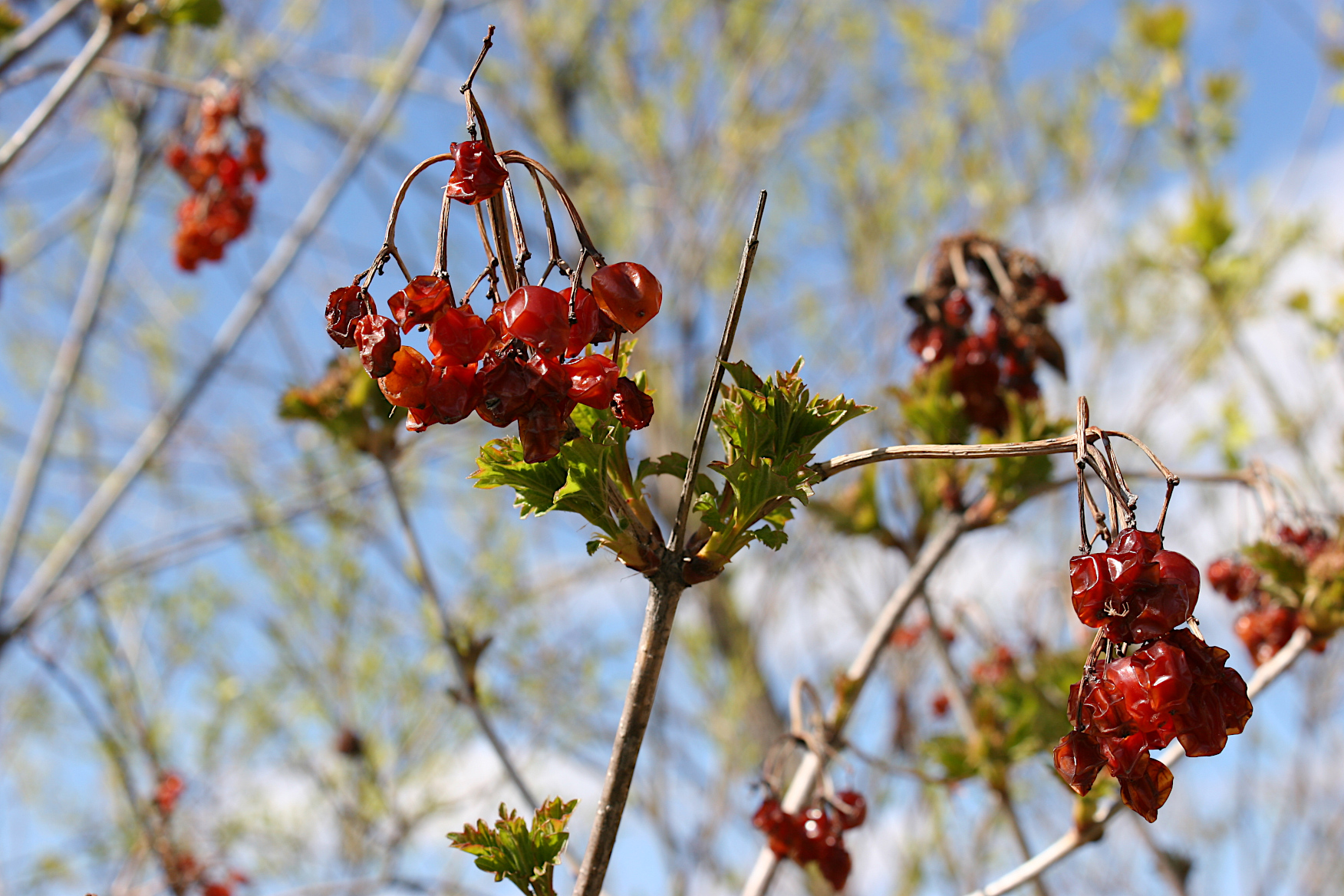
Berries left-over from seasons past pop color into the landscape.

Everywhere I looked, I saw remnants of seasons past.

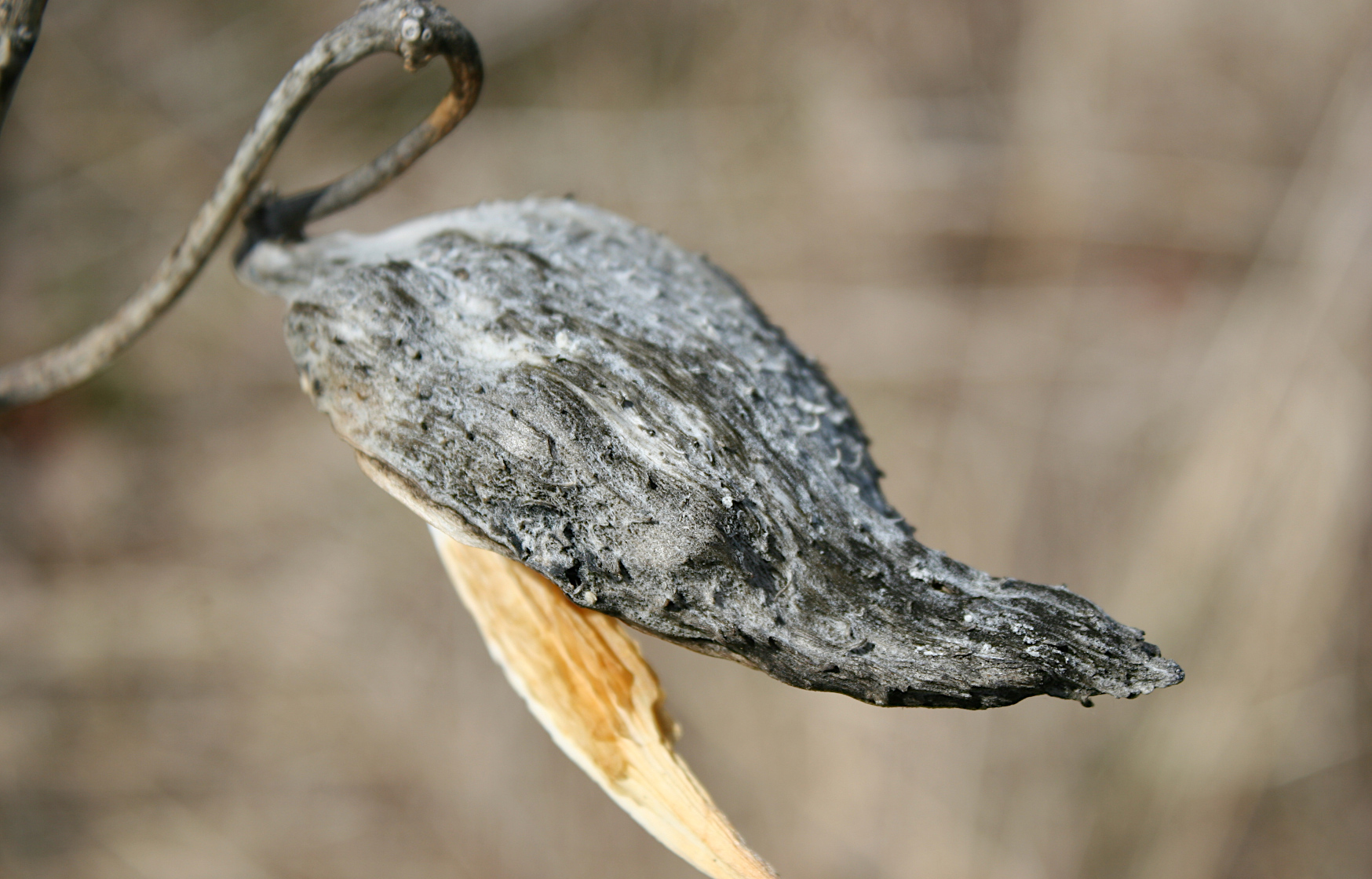
Milkweed pods, oh the texture, the sturdiness, the weathered grey of winter.

Bare branches. Dried berries. Grey milkweed pods. Fluffs of cattails.

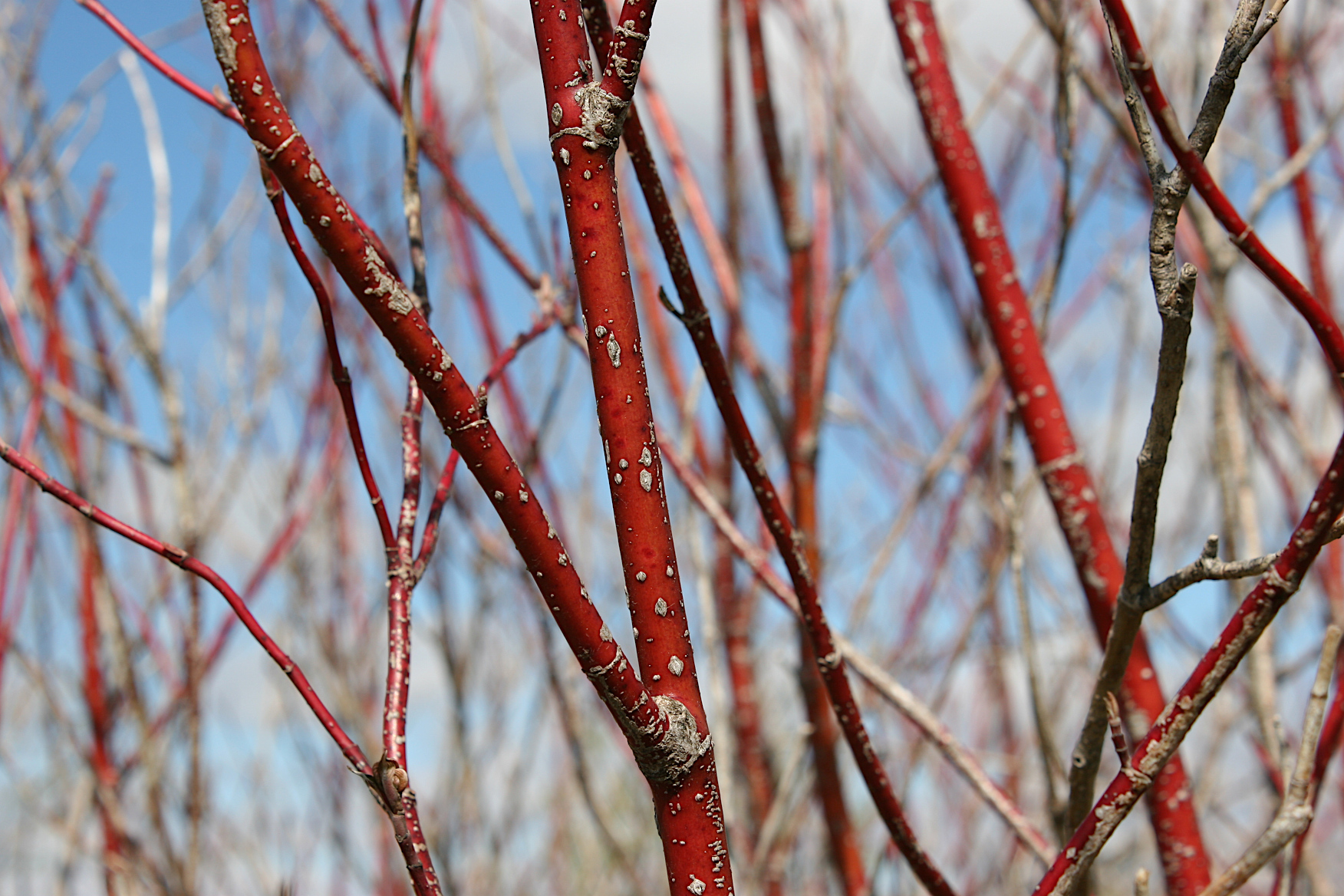
I love the contrast of red dogwood against the blue sky.

April marks the transition from dormancy to reawakening. Spring bursts into the landscape in tree buds, in green grass, in the reddening of dogwood.

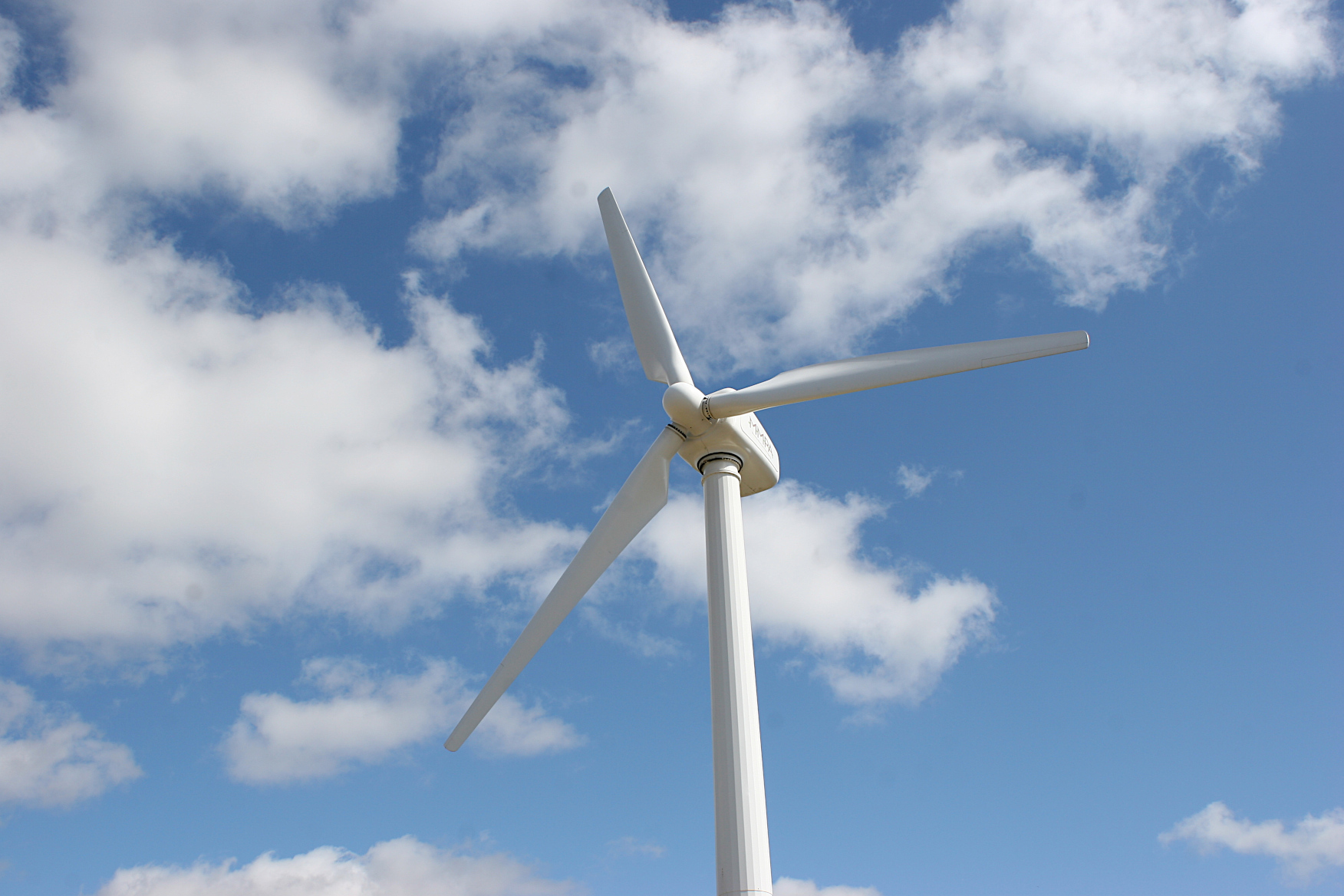
The park includes a wind turbine and solar panels.

I noticed, too, when photographing the on-site wind turbine, the scuttle of white clouds against blue sky.

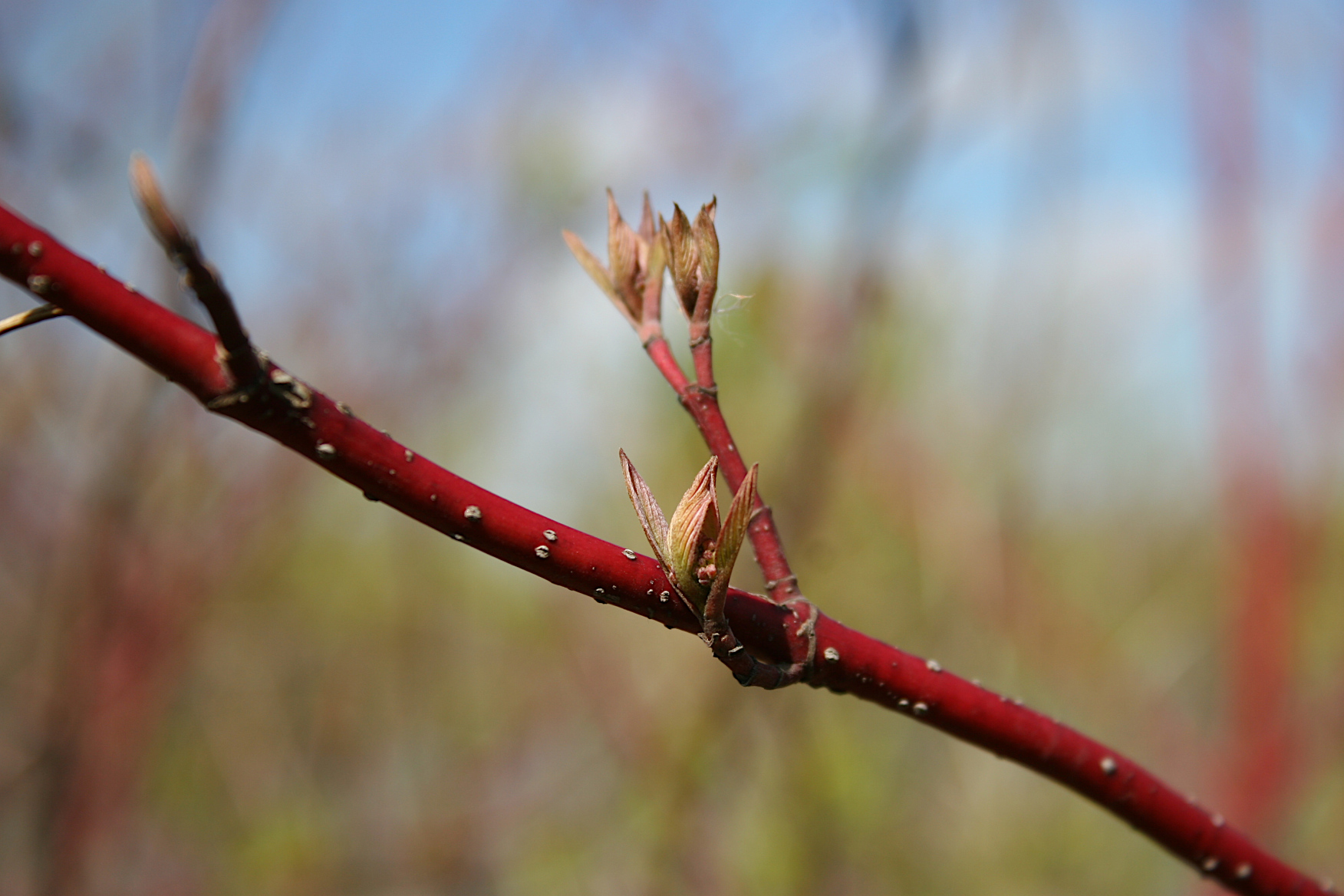
Buds open on dogwood.

After months of grey everything, the sky looks bluer, the new green greener.

Looking across the pond, used by anglers, and next to the power plant.

I don’t know if this is a Minnesota thing, this seeing spring colors through an especially vivid lens, or whether this is universal as seasons shift. Or perhaps it’s the photographer in me.

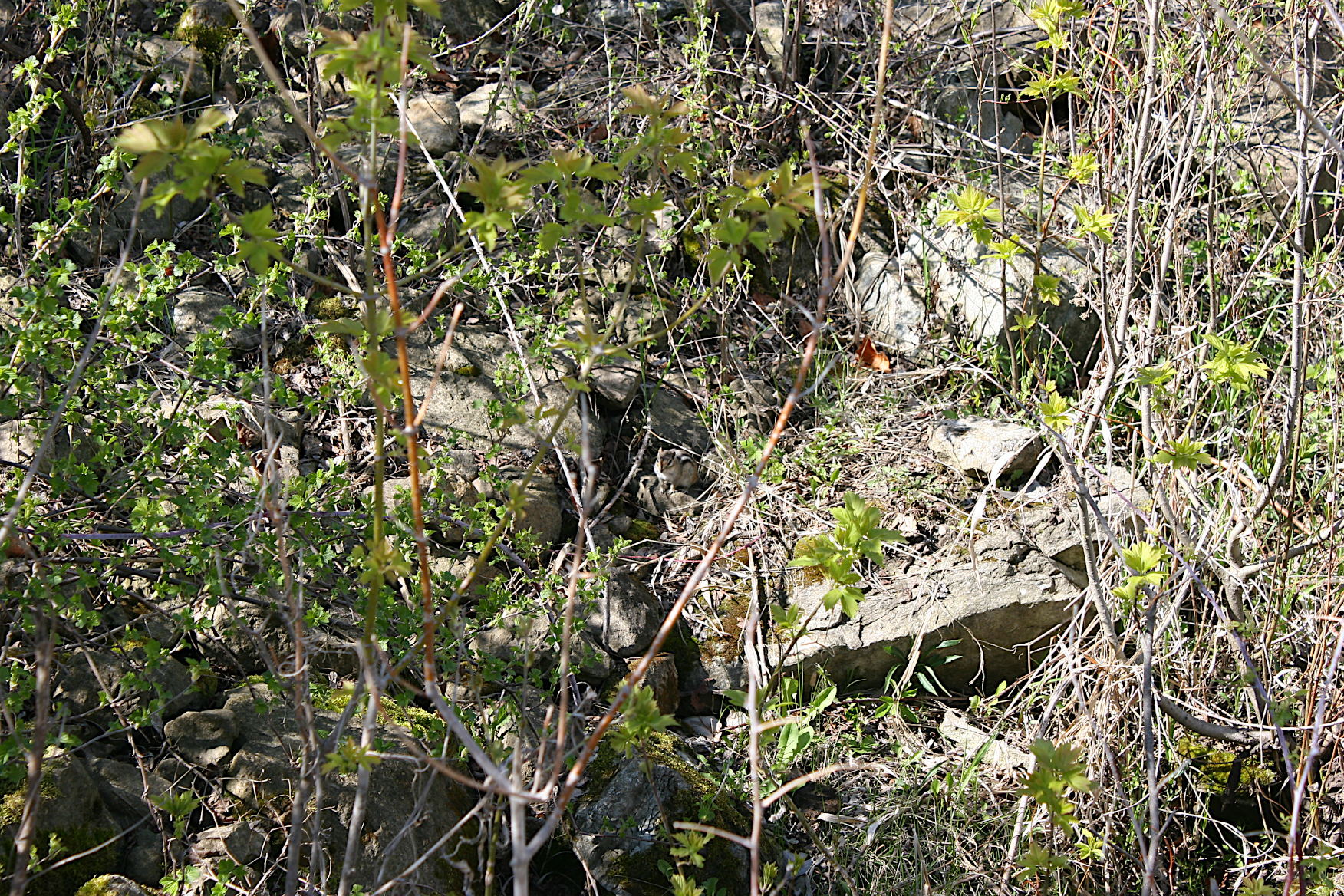
Look in the center of this photo to see a chipmunk among the rocks. Without the telephoto lens on my Canon, this is the best I could do in photographing the rodent.

Yet, as much as I credit myself for environment awareness, I missed the chipmunk camouflaged among rocks along the creek.

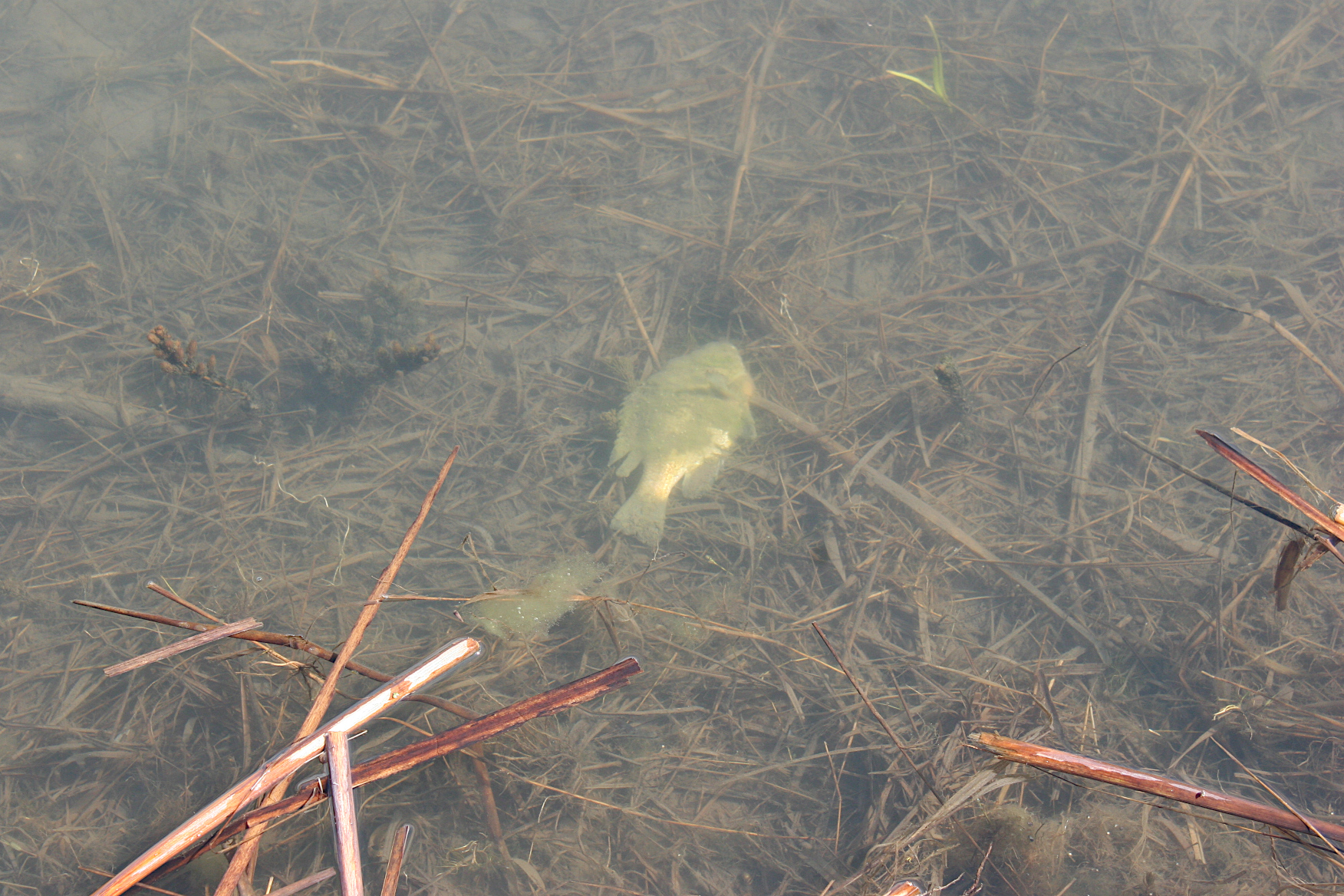
Dead on pond’s edge.

I missed, too, the muskrat rippling away from the shoreline into the pond. And the dead fish lying on its side near water’s edge. Randy saw all three and drew my attention to them. Then he wondered why I would photograph a dead fish. “Because I want to show what I saw,” I say. Yes, even the unappealing. Life isn’t always pretty.

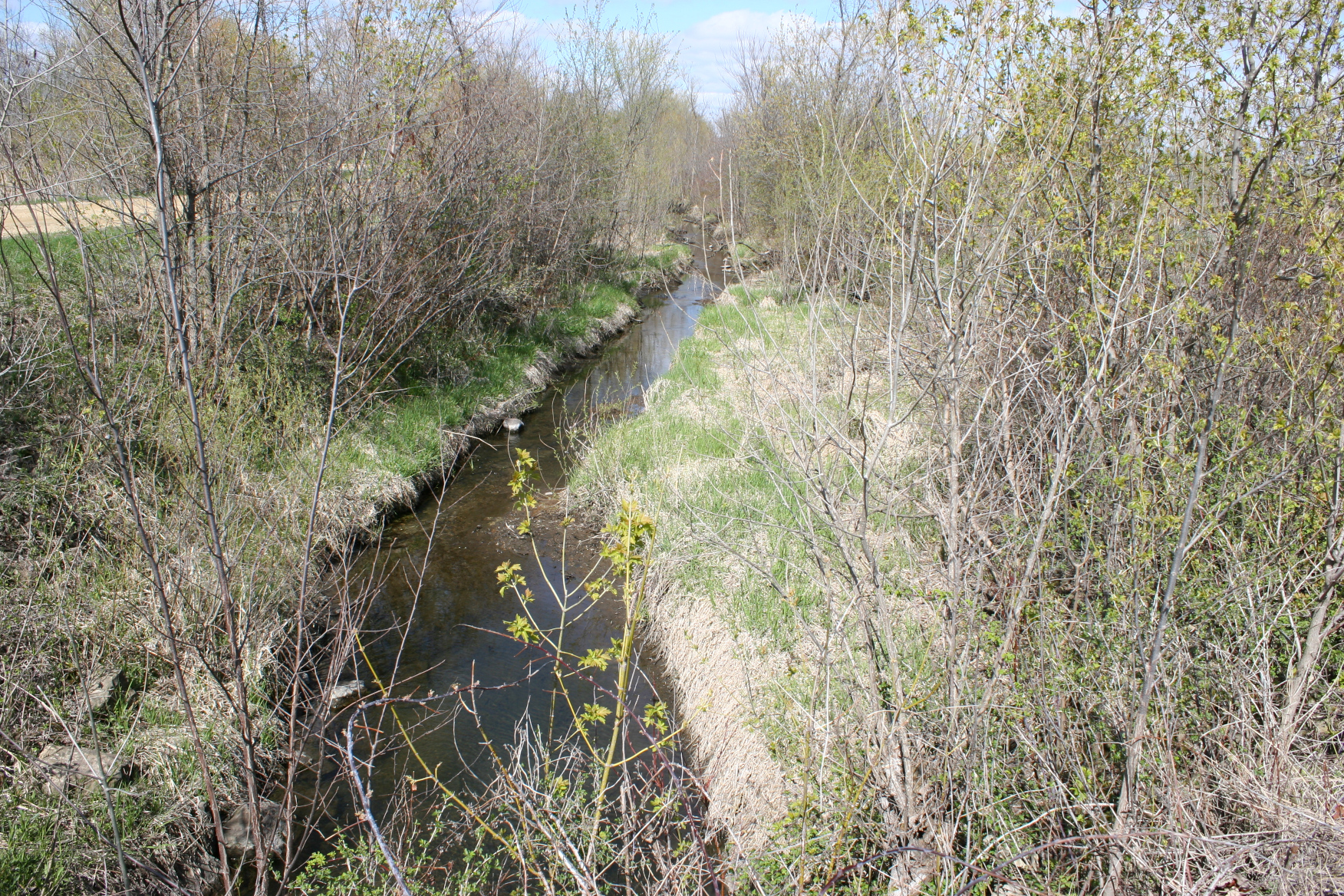
Soon the banks along this creek will fill with plant growth.

Yet, we can choose to focus on the beauty in life—in the remnants and reawakening. And we can choose to shut out the noise that threatens to silence the sounds of joy.

© Copyright 2021 Audrey Kletscher Helbling
 

My prairie place of peace in Faribault July 8, 2019


I’VE FOUND MY PARK in Faribault. The place of wildflowers and waving grasses, of songbirds and waterfowl, of gravel trails that curve around bodies of water.


Faribault Energy Park reminds me of southwestern Minnesota, the prairie place of my roots. Located on the city’s northwest side and visible from Interstate 35, this Minnesota Municipal Power Agency park invites visitors to walk paths in an ever-changing natural landscape.


Even with the steady drone of I-35 traffic in the background, birdsong breaks through the noise. The memorable voice of the red-winged blackbird, especially, sounds a sensory delight.


I’ve visited the park mostly in the evening, when the golden light of sunset falls upon ponds, angles through grasses and flowers, and slices between tree branches.


Daisies, milkweed, clover, Iris and other flowers familiar but not identifiable to me by name populate the landscape in clusters of white, clumps of purple, flashes of yellow. Focusing my camera causes me to slow down, to notice blossoms I might otherwise miss while following the winding dirt paths.


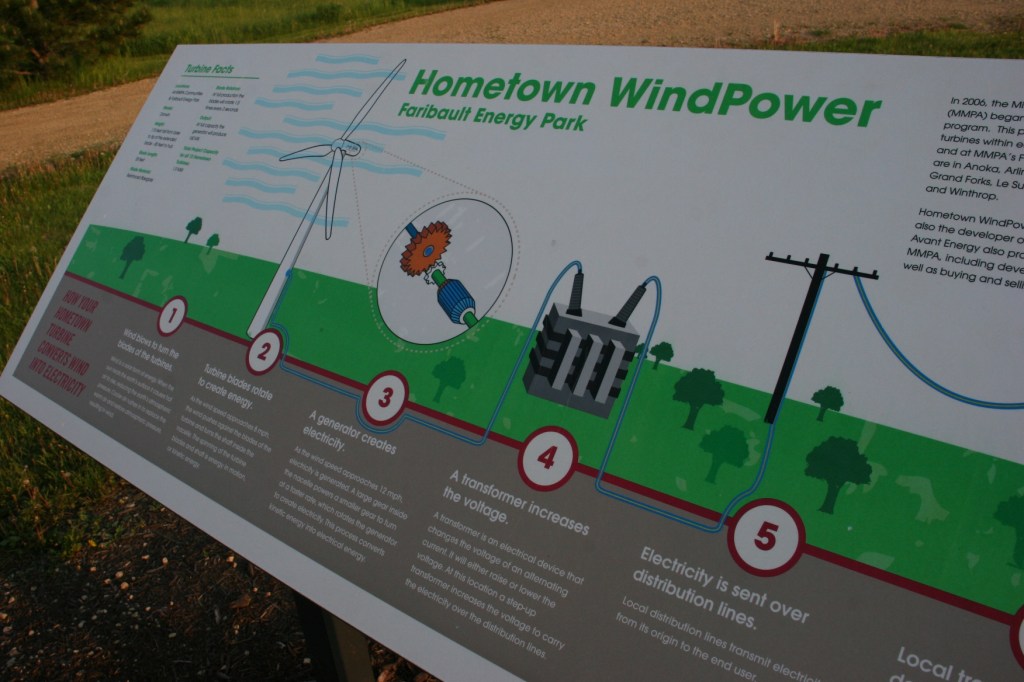
But visitors can’t miss the wind turbine towering above the park next to a hillside block of solar panels. Informational signage explains how wind energy converts into electricity. Faribault Energy Park, though, is a dual fuel (natural gas and fuel oil) facility, not primairly wind-powered, and runs during periods of high demand for electricity.


This park serves also to educate, welcoming students to tour the plant each May, to view the control room, the steam turbine and then to walk those wetland area trails. Tours are also available by appointment.


For folks like me simply seeking a place to escape into and photograph nature, Faribault Energy Park wetlands park offers a respite of natural beauty. Some also come here to fish, although I’ve yet to see an angler pull in a catch.


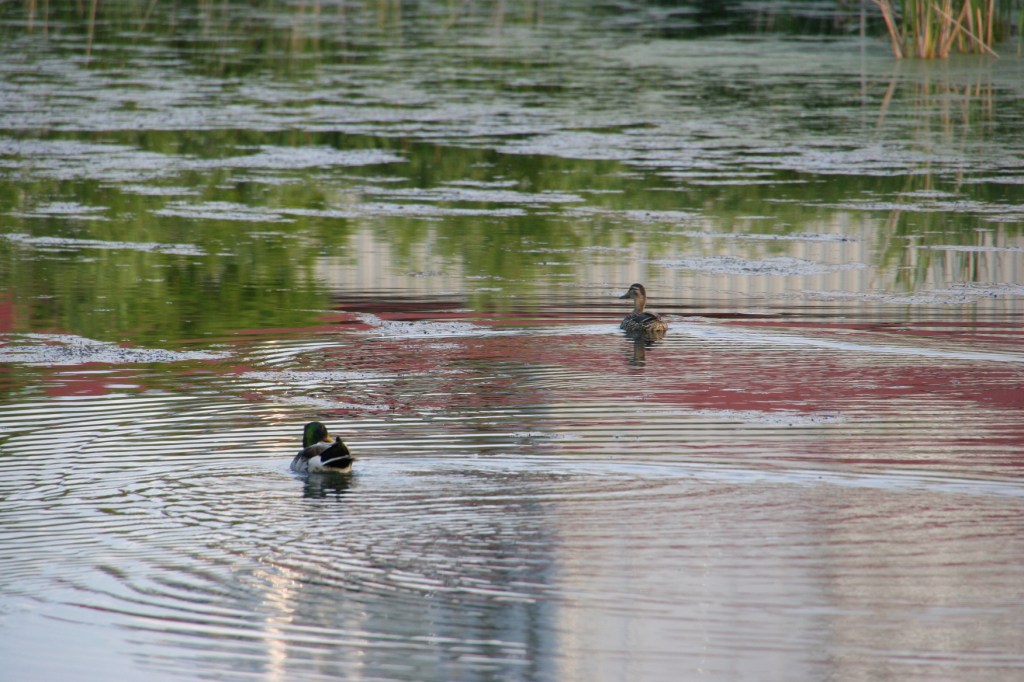
But I’ve observed geese and ducks claim this property and swim these ponds. I’ve glimpsed, too, an otter gliding through the water.


And I’ve rested in the gazebo.


In the chaos and busyness of life, reinforced here by the sights and sounds of adjacent I-35 traffic, I still find peace in this place reminiscent of my native southwestern Minnesota prairie.


FYI: Faribault Energy Park is located at 4100 Park Avenue. The wetlands park is open daily from sunrise to sunset.

Copyright 2019 Audrey Kletscher Helbling