Minnesota Prairie Roots

Writing and photography by Audrey Kletscher Helbling

A native Minnesotan reports from flooded Minot June 23, 2011

MY BROTHER-IN-LAW, Neil, lives in Minot.

But he ranks as one of the lucky residents of this North Dakota city. His house lies outside—albeit less than a mile away—and several hundred feet above the flood zone.

Yet, this Air Force man and Minnesota native isn’t sitting idly by because his home has not been threatened. He’s pitching in to help those who face the reality of losing their houses in the worst flooding since 1969.

In an e-mail I received from Neil early this morning, he shares information, insights and, yes, even advice about the current situation—which he terms “exhausting and discouraging”—in his adopted hometown. The overwhelmed Souris River in Minot is expected to crest on Sunday, some five feet higher than any previous flood stage in recorded history for the area, Neil says. The old record was set in 1881, before Minot was founded.

So that’s the situation facing this city, where some 12,000 residents, more than a quarter of the population, have been evacuated and where, says Neil, dikes in several neighborhoods were breached on Wednesday.

Neil has assisted two families in exiting the city.

He writes: “I helped a lady from our church on Monday night as she moved everything either to the second floor or attic. What didn’t go upstairs went into a horse trailer that her brother brought in from out of town late that night. She seemed to take things in stride. Her house was also flooded in ’69 (before it was her house), but came through it okay. It’s extremely well built, nearly 100 years old. This lady trusts that God will provide for her needs, even if her house washes down the river.”

Neil next joined efforts to help his boss’s family. His boss is deployed to Afghanistan.

“I lost track of how many people were there to help them,” Neil writes. “We also helped them three weeks ago, when we moved everything out of their sopping wet basement to the upper floor and garage. Because of the shortage of time allowed to evacuate, we left almost everything there that time. Because of the expected height of the floodwaters and the advance preparation time, we decided to clear everything out of their house this time.”

Yet, Neil continues, “There were easily several pickup loads of stuff that we left behind simply because there wasn’t enough time/energy/resources to move it all.”

At this point my brother-in-law pauses and suggests that we all re-evaluate our possessions, deciding what we really need and what we don’t. “Go through your house and garage and get rid of anything that you haven’t laid eyes on or used in the past three years.” He intends to do exactly that at his Minot home, which is currently on the market; he’s been reassigned to an Air Force base in Missouri.

When Neil and his wife, who is already in Missouri, purchased their house several years ago, they purposely stayed away from the flood zone. “A contractor that we spoke to before buying a house told us the down sides of several locations in this town. One specific neighborhood that he told us to steer clear of is the exact one that we helped my boss’s family move out of; he told us that he wouldn’t even consider building a house down there because the whole area was under water in the flood of ’69,” Neil says.

And then my brother-in-law adds this final statement: “Dikes give people a false sense of security.  No one presently living in this town will ever doubt that again!”

© Copyright 2011 Audrey Kletscher Helbling


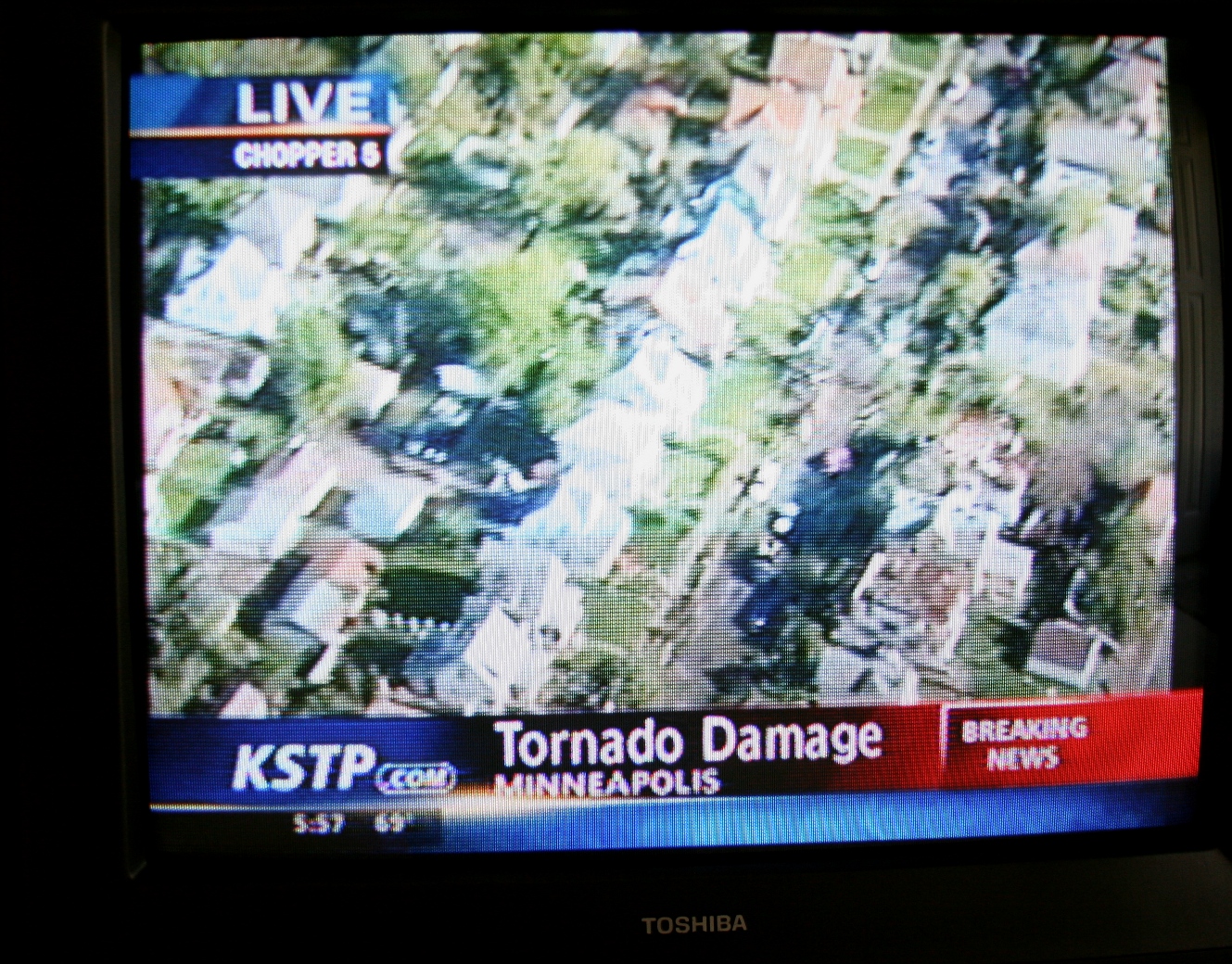
My need to know about the Minneapolis tornado May 22, 2011

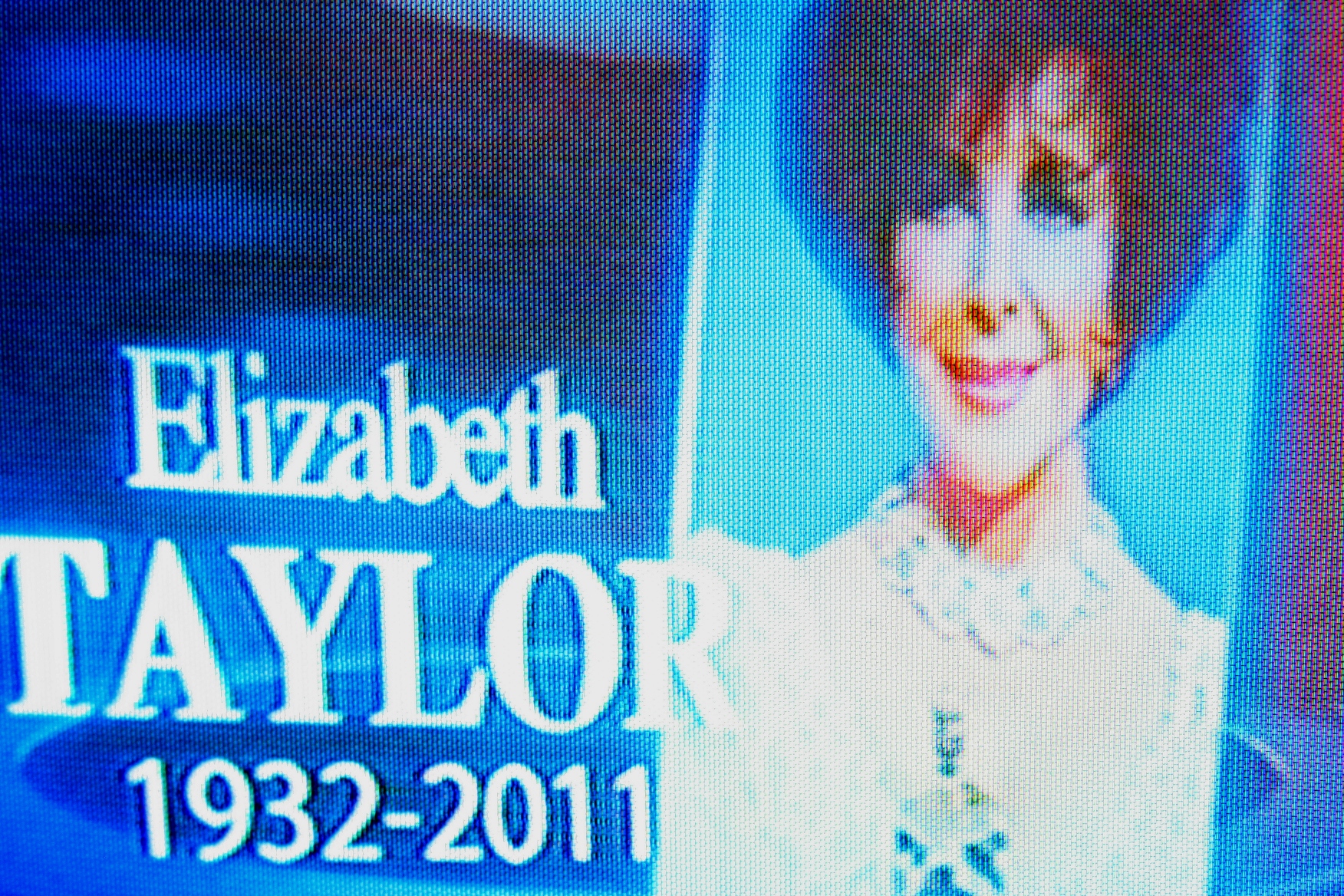
A shot of my television screen, showing KSTP coverage of the May 22 Minneapolis tornado.

YOU’RE A NEWS JUNKIE,” he says.

I don’t deny it, especially on this stormy Sunday when a tornado has swept through north Minneapolis, killing one and injuring around 20 others, according to the latest news reports.

Much of the afternoon, after hearing of the storms, I parked on the sofa, eyes fixed on the television screen. I also texted my oldest daughter, who lives in south Minneapolis.

When she finally replied to my “Are you in a safe place?” text, she asked, “No, why?”

So I clued her in that a tornado was moving through north Minneapolis. She was at a friend’s house after attending a concert and apparently not near the storm’s path.

But how was I, the concerned mother, to know? To me, Minneapolis is Minneapolis and my daughter could be anywhere.

My husband, the one who called me the news junkie, claims south Minneapolis lies 10 miles from north. I have no idea.

Once I knew that my oldest daughter was OK, my thoughts shifted east to Wisconsin, where the second daughter lives. I really wasn’t too worried, until 4:49 p.m. when she sent a text: “Sirens just went off.”

At that time my husband and I were wrapping up a shopping trip to pick up hardware and gardening supplies and a few groceries before filling up with gas and heading home.

The daughter who lives in Appleton on Wisconsin’s eastern side said the area was under a severe thunderstorm warning and flood watch and that she was at her apartment, but not in the basement.

Uh, huh. “Did I not teach you to go to the basement when the sirens sound?” I thought, but did not text.

Her follow-up message mentioned an unconfirmed funnel cloud in a nearby town.

That text reminded me that I really wanted to watch the 5 p.m. news. And that is when my spouse called me a news junkie.

What does he expect from someone who watched the CBS evening news with Walter Cronkite as a child and wanted to emulate the television news anchor? What does he expect from someone with a mass communications degree, emphasis in news editorial? What does he expect from a former newspaper reporter and now freelance writer and blogger? What does he expect from someone who is nosy and curious by nature?

Yes, I am a news junkie.

But I’m also a mom and a Minnesotan—two equally good reasons for staying informed.

© Copyright 2011 Audrey Kletscher Helbling
 

My Minnesota childhood memories of Harmon Killebrew May 18, 2011

“BATTER UP!”

His voice cracked like the whack of wood against leather as I stepped up to the plate, bat handle vise-gripped in my hands, feet planted in packed gravel next to the rusted, cast-off disk from the disk harrow.

As my oldest brother lobbed the ball toward me, I swung, and as was typical of me, missed. I was aiming to hit the ball toward the barn and milkhouse at the edge of the farm yard, our ball field.

Almost every evening, as the sun inched lower in the prairie sky toward the greening fields of early spring and then into the hot, humid days of tasseling corn, my siblings and I traded chore gloves for softball gloves. “Let’s play ball,” we’d yell in unison.

And then the arguing would begin. “I’m Harmon Killebrew,” my oldest brother hollered, the name flying off his tongue with the speed of a fast pitch.

No matter how loudly the rest of us protested his call, we struck out. He was the eldest. If he wanted to be Killebrew, then he would be Killebrew.

We assumed the roles of other 1960s Twins greats like Tony Oliva and Rod Carew.

But we all wanted to emulate Killebrew, to swing the bat, to watch the ball powerhouse toward the barn roof, maybe even sail as far as the silo room or the cow yard beyond, well out of reach of our siblings’ outstretched hands.

Such are my memories of the Twins’ home run slugger.

I’ve never been to a Twins game, never met Killebrew, don’t watch or listen to baseball.

Yet, upon learning of Killebrew’s death, a twinge of melancholy swept across me as I thought of those pick-up farm yard softball games, the baseball cards my brothers collected and the static of my eldest brother’s transistor radio broadcasting a Twins game in the 1960s.

For all the sibling bickering over who would pretend to be Killebrew or Carew or Oliva, those post chores games score among the home runs of my rural Minnesota childhood.

Copyright 2011 Audrey Kletscher Helbling

 

Thoughts upon the death of Osama bin Laden May 2, 2011

AS I CLIPPED freshly-washed laundry onto the clothesline with 35-degree temperatures nipping my fingers under a heavy sky this morning, I contemplated what I would write here about Osama bin Laden. I could not not write something.

But what could I, an average American in a mid-sized Minnesota community, write about the death of this al-Qaida leader, this terrorist, this murderer, this most-wanted fugitive, one of the most-hated men in the world?

What profound words could I pull together that would express my gratitude to the U.S. intelligence community and military?

What could I say to those who lost loved ones in the bombings of two U.S. embassies in Africa in 1998, in the attack on the USS Cole in 2000, during the September 11, 2001, terrorist attacks?

I could write nothing that hasn’t been spoken, written or thought.

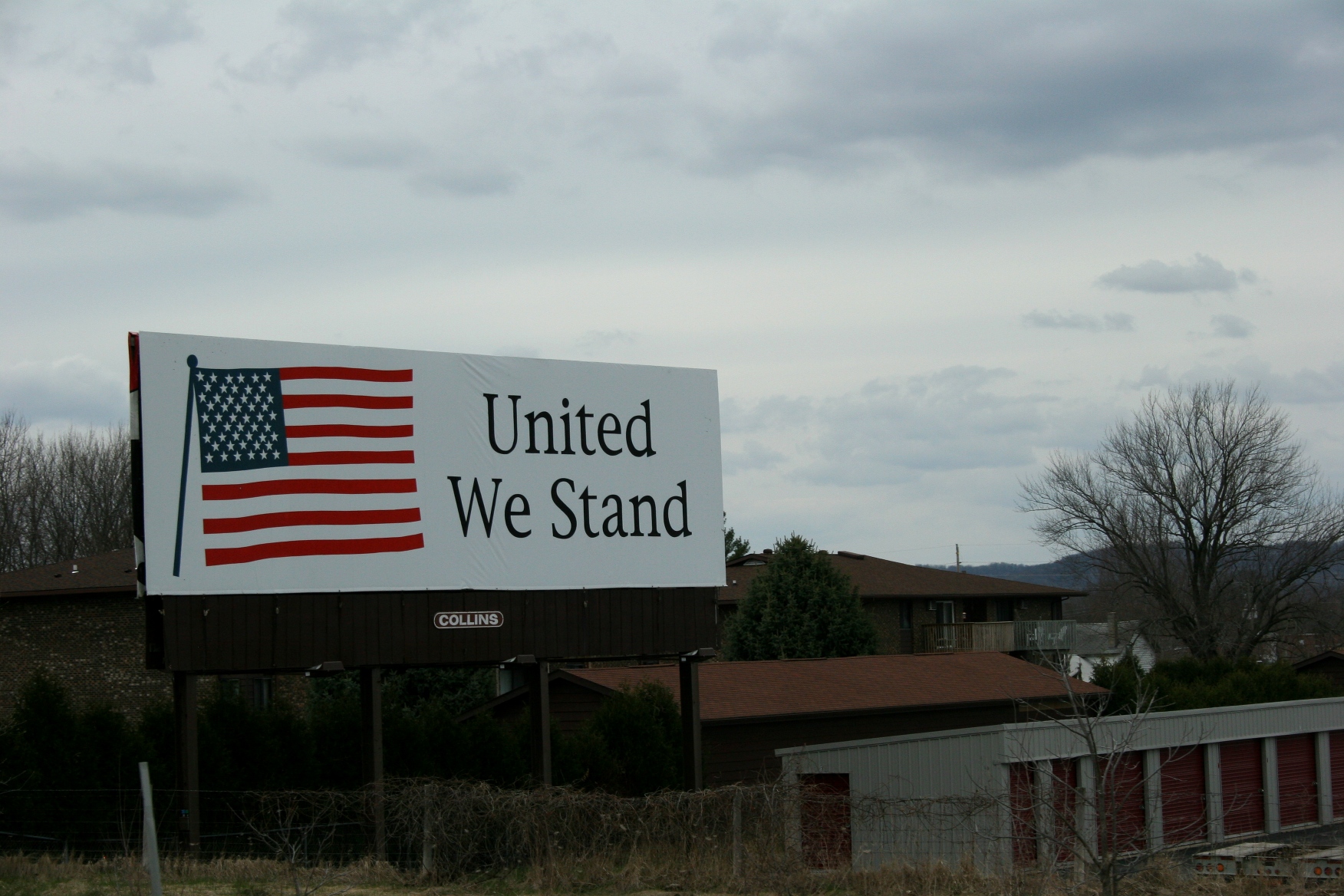
And then I remembered a photo I took about a week ago of a billboard while traveling along Interstate 90 east of La Crosse, Wisconsin. I have no idea who posted the patriotic message.

But today, for me, this image summarizes how I feel as an American, as my country, the United States of America, stands, united and free.

© Copyright 2011 Audrey Kletscher Helbling
 

After a natural disaster…the fear, the loss and reaching out to help April 29, 2011

I COULD WHINE, moan and grumble all day about the recent weather here in Minnesota. Rain. Cold. Snow showers. More rain and more cold. The cycle never ends.

But then I pick up today’s newspaper, turn on the television, switch on the radio or go online and my mouth clams. I have nothing, nothing, about which to complain.

I have not lost my home, my possessions, my business, my community, family or friends to killer tornadoes like those in Alabama, Mississippi or Georgia. Wednesday’s storms have been termed “the deadliest outbreak of tornadoes in nearly 40 years.”

To view the devastation, to hear the survivors, to even think about the utter destruction brings me to tears. I cannot fathom, do not want to fathom, such total devastation, loss of life and injury.

Tornadoes scare the h double hockey sticks out of me. I can trace that fear back to the June 13, 1968, tornado in Tracy, about 25 miles from my childhood home. I was an impressionable 11 ½-year-old when the tornado raced through this southwestern Minnesota farming community, killing nine. My family drove to Tracy, saw the flattened homes, the pick-up stix jumbled trees, the boxcars tossed aside like dropped toys. You don’t forget memorable images like that.

Decades later a tornado struck my childhood farm, damaging a silo and silo room, tossing farm wagons effortlessly about in the field. Those images, too, remain forever imprinted upon my memory.

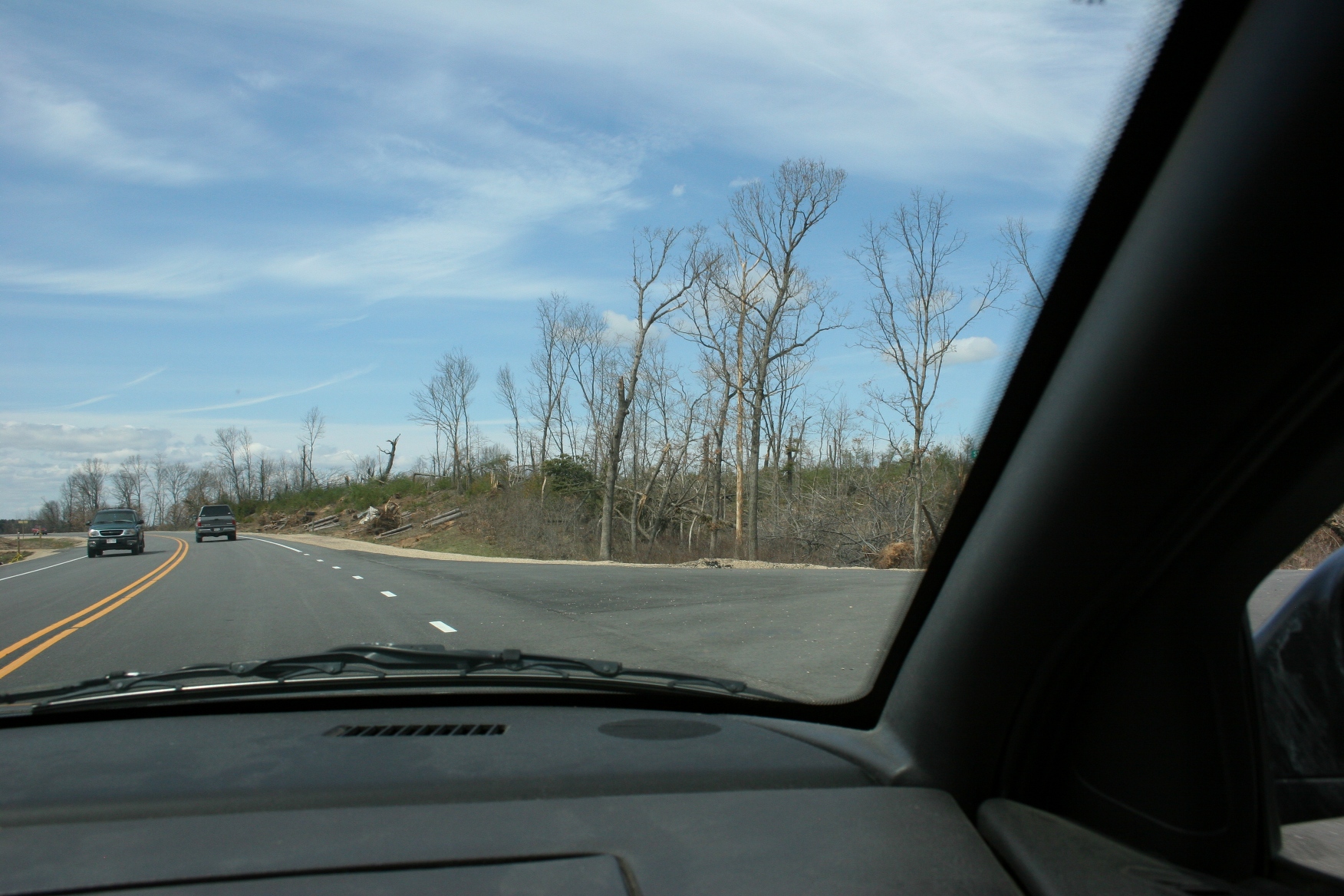
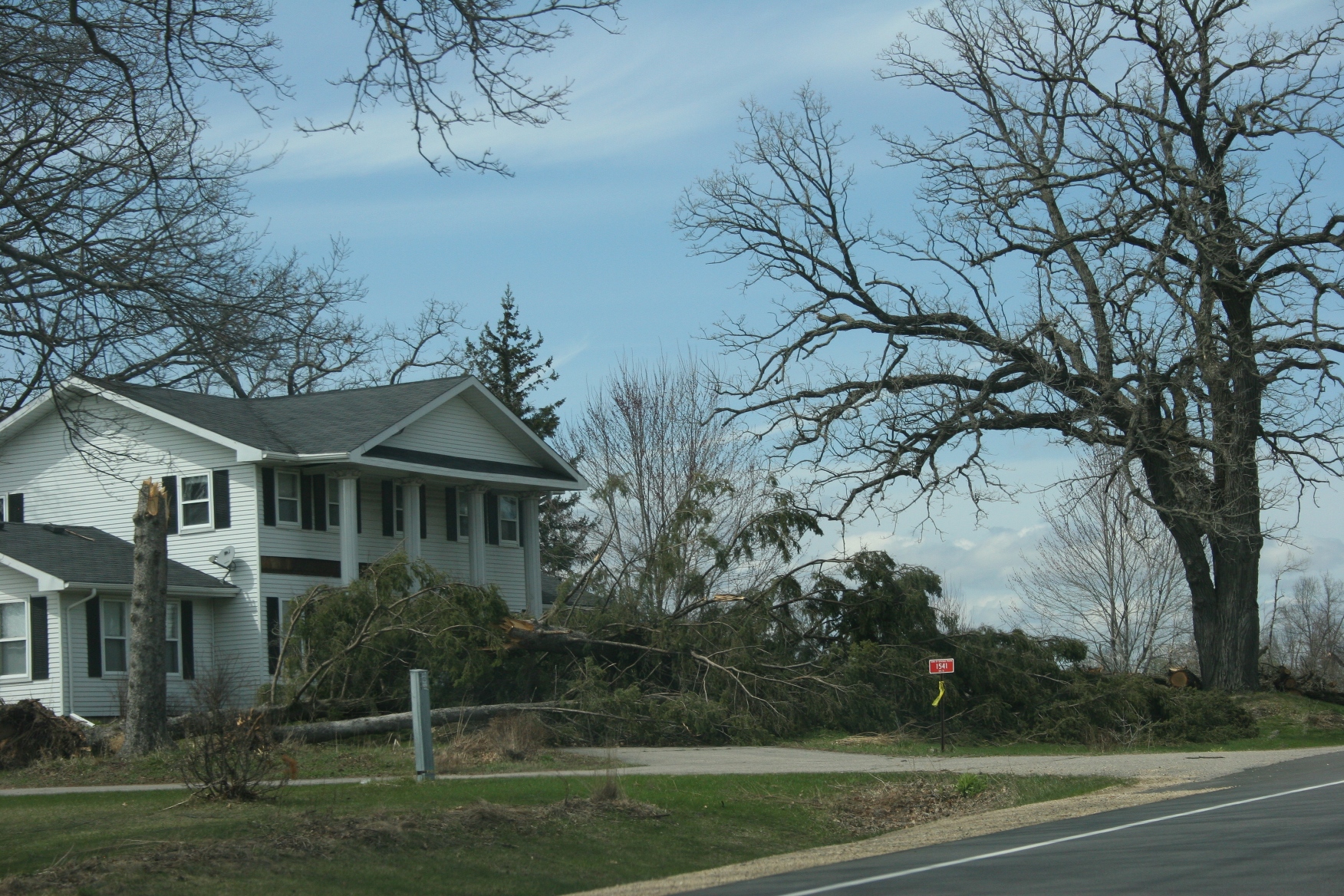
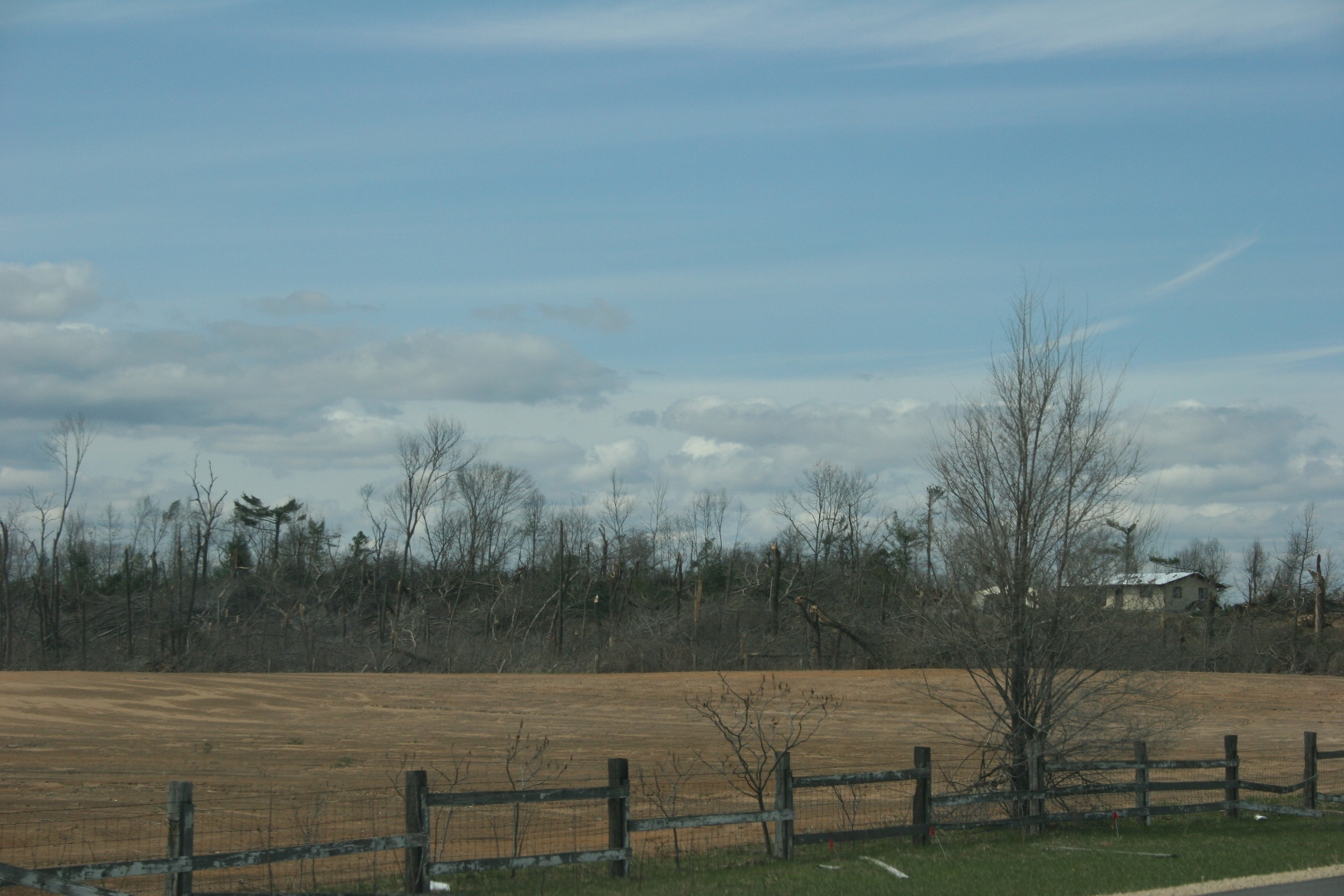
Last week I saw snapped trees and minor damage to buildings along Wisconsin Highway 21 near Arkdale, which was struck by an April 10 tornado.

A view of storm damage to trees while traveling along Wisconsin Highway 21 west of Arkdale.

A felled tree by an apparently untouched home in Arkdale, Wisconsin.

In the distance, trees were damaged by a tornado that cut a 17-mile path from Arkdale to near Coleman in Wisconsin on April 10.

Less than a year ago, on June 17, 2010, a tornado outbreak swept through Minnesota, killing one person in Mentor in Polk County, another in Almora in Otter Tail County and the third near Albert Lea in Freeborn County.

How many of us have already forgotten about those tornadoes as we move on to the next natural disaster news story?

Yet, for those personally affected, the story never really ends. The chapters continue with the rebuilding of homes and lives, the haunting nightmares, the emotional aftershocks. Lives have been forever rewritten.

Tornadoes. Hurricanes. Tsunamis. Earthquakes. Fires. Floods.

Survivors manage to pull their lives back together with the help of family, friends, neighbors and even strangers.

After a flash flood devastated Hammond in southeastern Minnesota last September, a group of Dakota County Technical College architectural technology students reached out.  They’ve worked with Hammond resident Judy Johnson in drafting remodeling plan options for her damaged home. You can read their story by clicking here. These students represent the good that emerges from the bad, the spirit of giving that makes me proud to be a Minnesotan.

I’ve followed the situation in Hammond since visiting that community shortly after the flood. I haven’t lifted a hammer to assist with recovery there. Rather, I’ve used the one tool that I possess—my words. I’ve crafted words into stories that I hope are making a difference. After reading my blog posts, two groups of volunteers have gone to help in Hammond.

That’s what it takes, each of us using our resources—whether that be words or money or skills or whatever—to help our neighbors in need.

© Copyright 2011 Audrey Kletscher Helbling
 

Waiting for the royal wedding April 28, 2011

Filed under: Uncategorized — Audrey Kletscher Helbling @ 7:57 PM
Tags: , , , , , , , ,

Kate can.

Will will.

Vow vows.

We watch.

Camera coverage.

Media mania.

Her hair.

He’s heir.

Princely pair.

Bridal bouquet.

Guarded gown.

Secrets secured.

Time ticking.

Guests gathering.

World waiting.

Copyright 2011 Audrey Kletscher Helbling
 

Defining Easter eggs in Seattle April 21, 2011

Filed under: Uncategorized — Audrey Kletscher Helbling @ 7:39 AM
Tags: , , , , , , , , ,

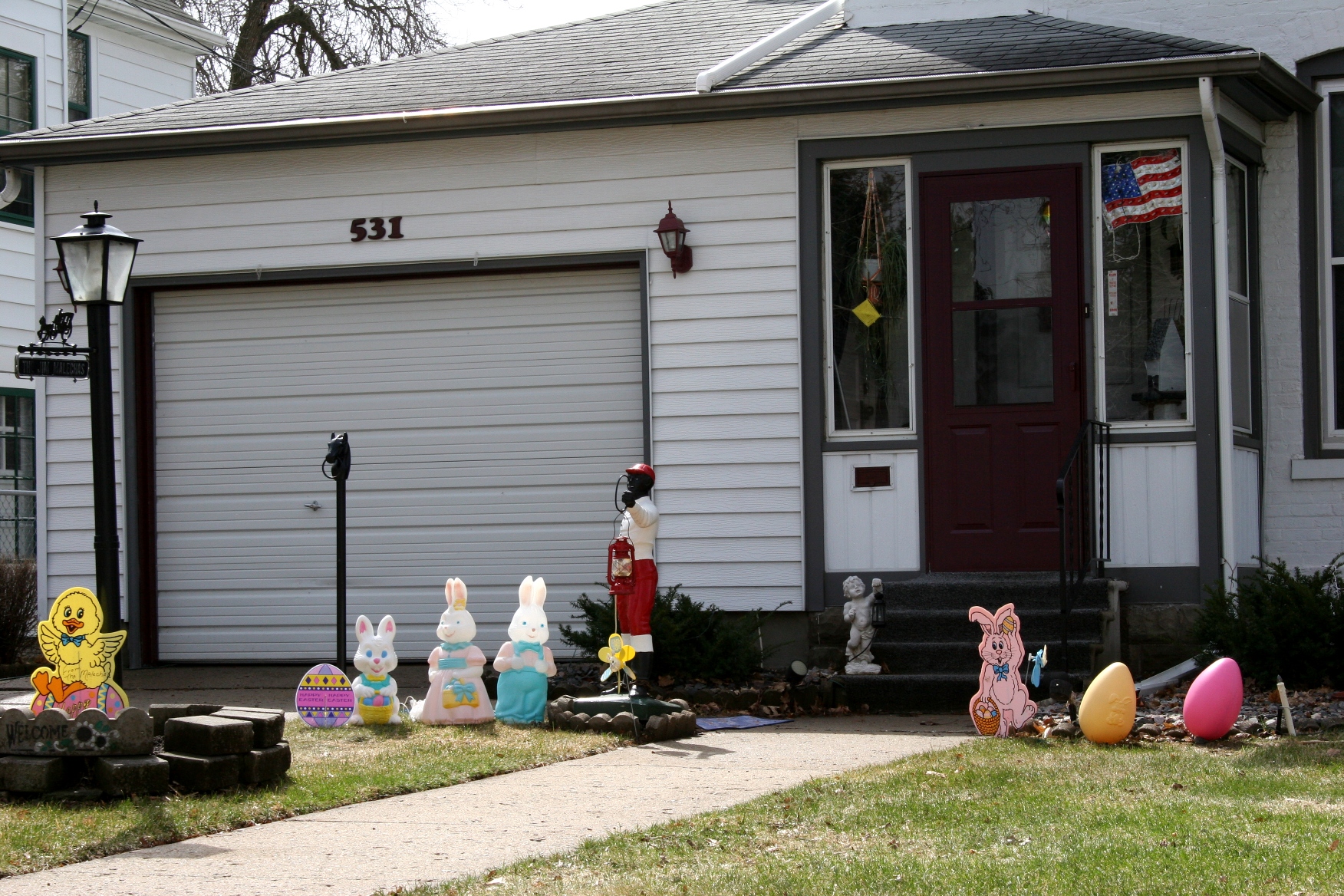
I spotted these over-sized Easter eggs in the front yard of a home along Second Street Northwest in Faribault.

HAVE YOU HEARD about “spring spheres,” the latest politically-correct terminology—at least on the West Coast—for Easter eggs?

Apparently a Seattle teacher would allow a high school volunteer to bring candy-filled plastic eggs into her classroom only if she called them “spring spheres.”

Now, how ridiculous is that?

As soon as the volunteer pulled the eggs out of a bag and after the teacher pronounced them “spring spheres,” the third graders promptly called them “Easter eggs.”

You can’t fool kids into believing an oval is a sphere and Easter isn’t Easter. These Seattle students clearly know their shapes, and their holidays.

More Easter decorations in that Faribault front yard.

© Copyright 2011 Audrey Kletscher Helbling
 

Remembering my soldier-father and Elizabeth Taylor March 24, 2011

WHEN I HEARD the news on Wednesday of Elizabeth Taylor’s death, I didn’t think of the Hollywood star or the two-time Oscar winner, the stunning beauty with the violet eyes or the woman who married eight times, or even the starlet who struggled with addiction and was a crusader in the fight against AIDS.

Rather, I thought of my dad.

He was smitten with Liz.

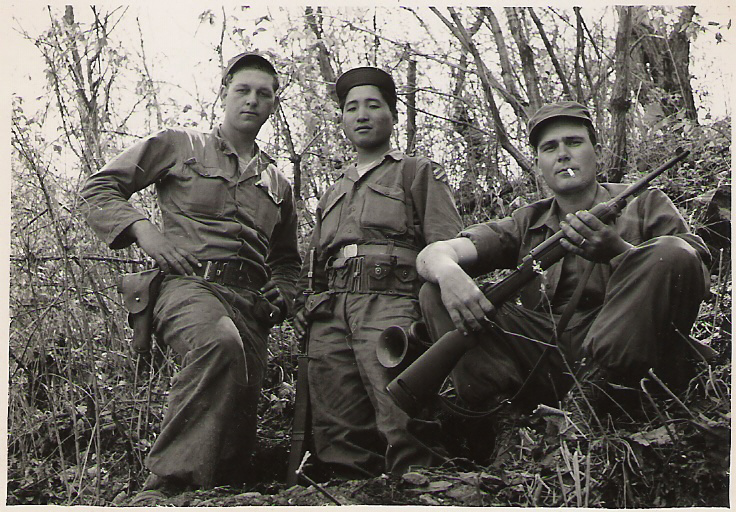
He never met the Hollywood actress. But he had seen her on a United Service Organizations stage while serving during the Korean Conflict. That was enough for my Minnesota farmer turned-soldier dad to fall for her. Hard. I don’t recall him ever, in his life-time, talking about another actress. He had eyes only for Elizabeth.

His wasn’t an obsession. Nothing like that. It’s just that he seldom talked about his time on the front lines as a foot solider during the Korean War. He told us about the orphans begging for food across barbed wire fences, the sniper (he eventually killed) picking off members of his platoon, watching his buddy blown up the day before he was to return home to the States, the cold and lack of food, the digging into foxholes for protection…and then Elizabeth Taylor, dear, dear Liz.

I expect that the movie star offered a welcome and pleasant diversion for soldiers who faced death on a daily basis.

My father, Elvern Kletscher, on the left with two of his soldier buddies in Korea.

If my dad was still alive—he died eight years ago at the age of 72—I would ask him about the woman who enamored him with her beauty when she stepped onto Korean soil to entertain the troops. I don’t know details about her USO appearance. I wish I had cared enough to ask him.

I tried to find more information online, but Taylor’s USO tours don’t exactly pop up all over the Internet. She once received the USO Woman of the Year Award and won a USO Merit Award. Otherwise I didn’t find much out there.

And that is dismaying to me. Her time entertaining our servicemen, soldiers like my dad, seems as notable as her roles in Cleopatra or Who’s Afraid of Virginia Woolf.

For me, Elizabeth Taylor will always be more than just another actress. She will be a reminder of my father, of the young Minnesota soldier who was struck by shrapnel at Heartbreak Ridge in Korea and was awarded the Purple Heart 47 years later. It is his memories of Liz that define her to me, not her beauty, not her accolades, not her anything except the temporary escape she gave my soldier-father nearly 60 years ago from the battlefields of Korea, from the horrors of war.

© Copyright 2011 Audrey Kletscher Helbling

 

Flood updates from southern Minnesota March 23, 2011

AS YOU WOULD EXPECT, Minnesotans are keeping a close watch on rising rivers, creeks and streams as rain and snow continue to fall across much of our state.

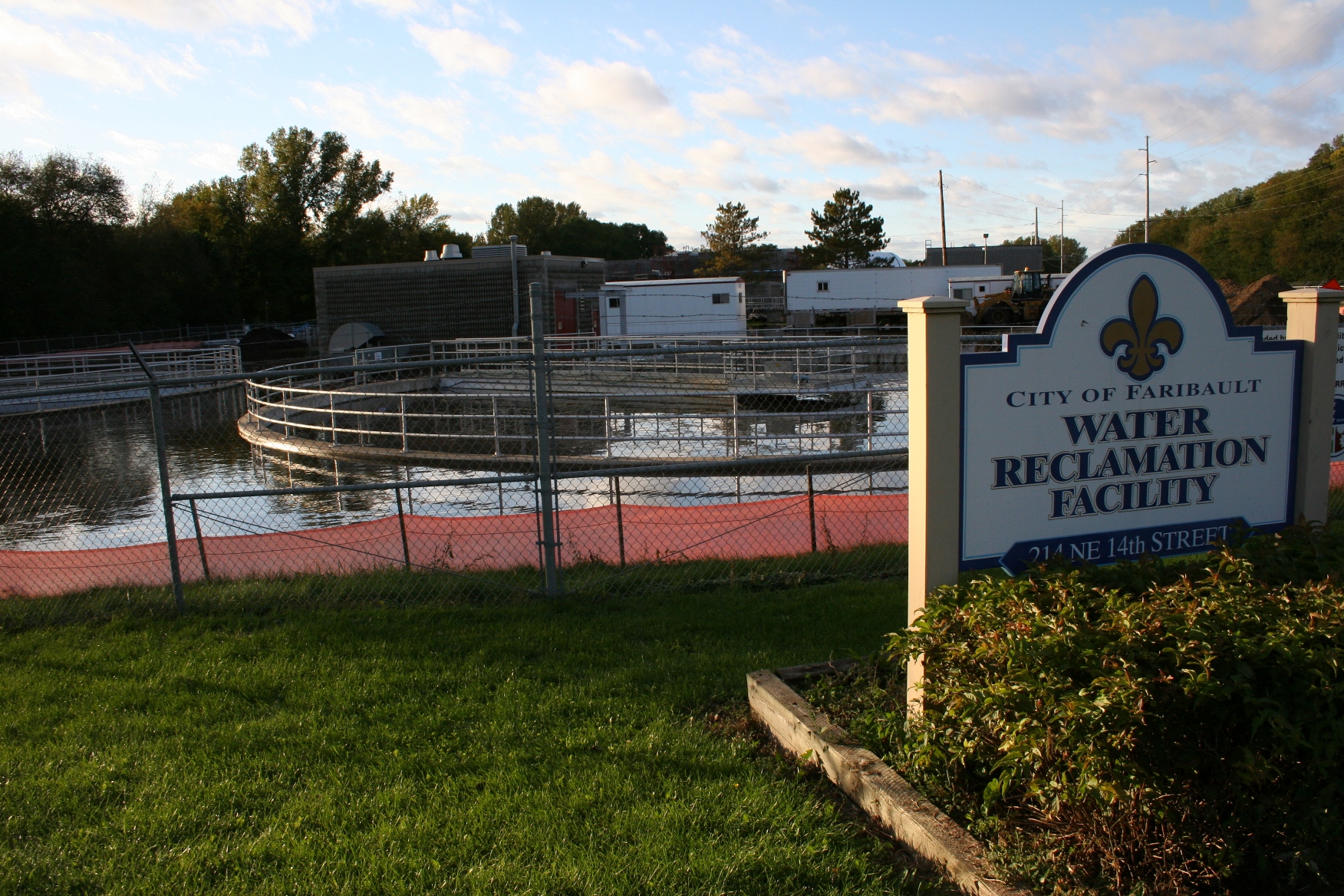
Here in Faribault, sandbagging has begun at the wastewater treatment plant, which flooded during last September’s flash flood. Sandbags have been filled and are available to property owners. The city has an emergency plan in place to deal with any flooding.

Faribault officials are working to protect the city's water reclamation plant which sits along the Straight River and which was flooded in a September 2010 flood. This photo is from September 2010.

Thankfully, the precipitation—rain, sleet and then snow overnight—have stopped in Faribault.

Further to the south, I’ve heard from Katie Shones of Hammond, a Wabasha County village nestled along the Zumbro River. Last September Hammond and nearby Zumbro Falls were devastated by the same flash flood that occurred in Faribault.

Katie updated me just this afternoon on the situation in Hammond. “So far, no sandbagging in the area,” Katie writes. “We are under a flood warning in Wabasha County, just as much of southern Minnesota. The Zumbro is high, but it is still contained in its banks. People are watching the river closely as you can well imagine.”

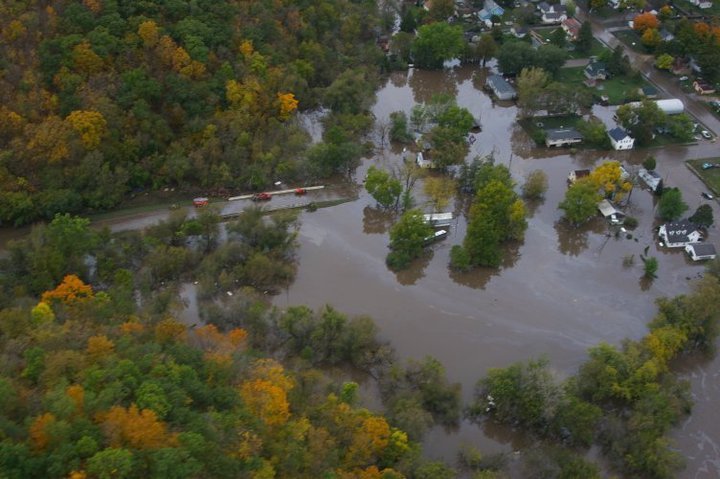
Looking down on Hammond during the September 2010 flash flood. Photo courtesy of Hammond residents Micheal Mann and Tina Marlowe.

Sadly, yesterday the spring floods claimed the life of a Minnesota Department of Transportation worker who was swept away by floodwaters after his backhoe tipped into Seven Mile Creek, which feeds into the Minnesota River. The accident happened between Mankato and St. Peter along U.S. Highway 169 when Michael Struck 39, of Cleveland, was attempting to clean out flood debris, according to an article in The Free Press, Mankato. His body was found today in Seven Mile Creek County Park.

Please be careful out there, and if you have any reports you would like to share about flood preparedness, flooding or other weather in your area of Minnesota, please submit a comment.

© Copyright 2011 Audrey Kletscher Helbling
 

Back in Faribault, Minnesota, from Japan

FIVE DAYS HAD PASSED since a young Faribault woman posted on her blog from earthquake and tsunami stricken Japan.

And now I know why. She was on her way back from Fukushima to Minnesota for her brother’s wedding.

Haidee, a Christian outreach worker and English teacher, has been safely reunited with her family at their rural Faribault home.

But her decision to leave Japan did not come without struggle. Read Haidee’s insightful post by clicking here. She reveals, in a March 22 post, the emotional turmoil she experienced, being torn between wanting to stay in Japan and returning to the United States.

Her words are honest, poignant and touching. They also point to an unshakable faith and an undisputed belief that God directed her onto the path that would take her to the airport and then back to Minnesota.

God, clearly, was watching over and guiding her on this journey.

A snippet of Jesus' face in a stained glass window at Trinity Lutheran Church in Faribault, where Haidee's father serves as the pastor. I'm certain that many times since the disaster in the Pacific, Haidee has been especially cognizant of God watching over her.

SHOULD I HAVE the opportunity to speak with Haidee, I’ll share that information with you. Click here to read my first post about Haidee, shortly after the disaster devastated Japan.


© Copyright 2011 Audrey Kletscher Helbling