Minnesota Prairie Roots

Writing and photography by Audrey Kletscher Helbling

Gardening: Passing along my rural heritage & much more May 2, 2023

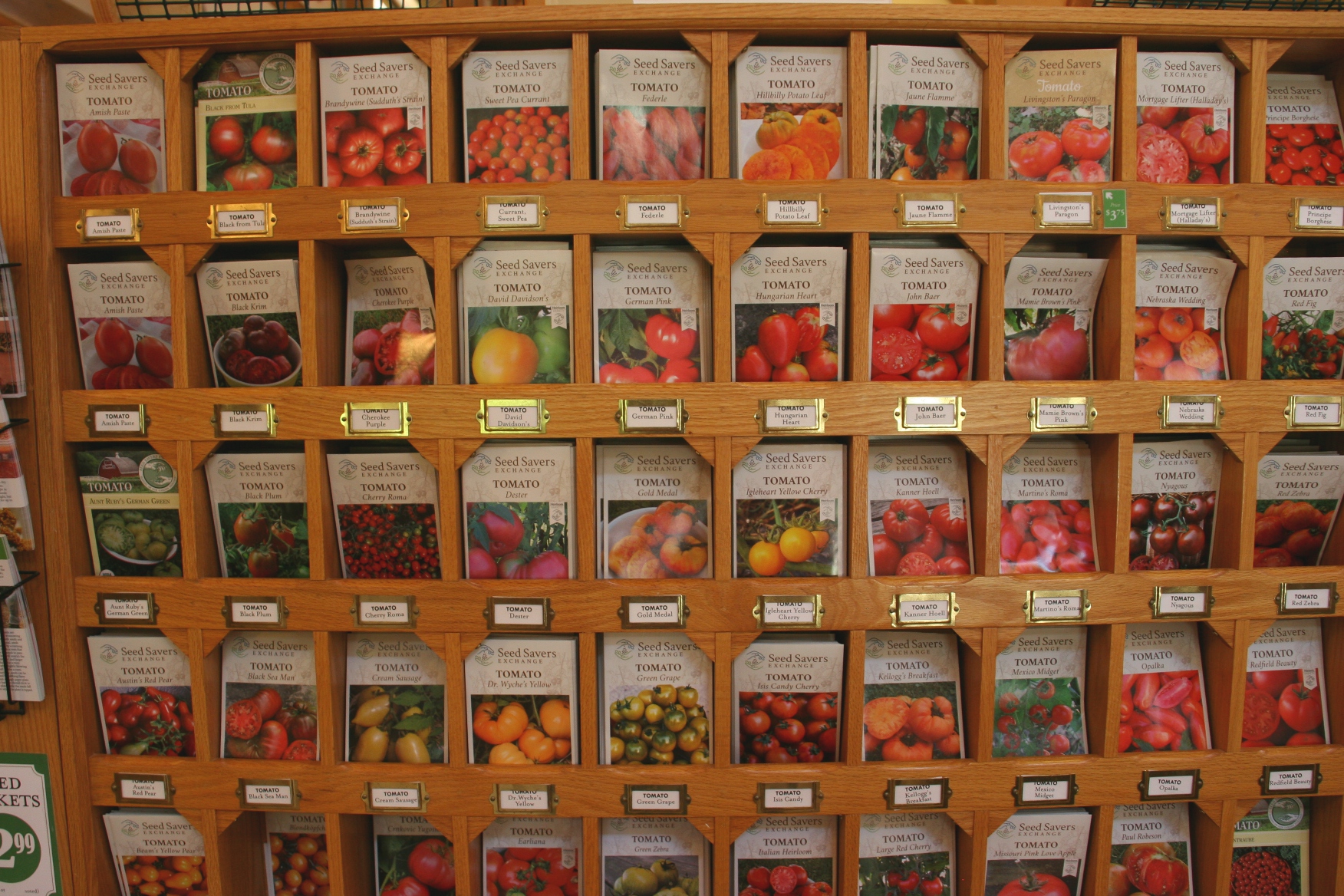
Seeds for sale at Seed Savers Exchange, Decorah, Iowa. (Minnesota Prairie Roots copyrighted file photo September 2018)

SEVERAL DAYS AGO, my 4-year-old grandson excitedly shared that his broccoli was growing. His mom, my eldest, clarified. Sixteen broccoli seeds and one carrot seed had sprouted, popping through potting soil in three days. That surprised even me, who grew up in a gardening family with most of our food from farm to table, long before that became a thing.

Annuals that are easy to grow from seed. (Minnesota Prairie Roots copyrighted file photo)

A year ago, I gifted my grandchildren with several packets of seeds. Flowers only. Zinnias and bachelor buttons, easy-to-grow-from-seed annuals that blossom throughout the summer. Isaac and his mom planted the seeds in flower pots. And then watched seeds emerge into tender plants that grew and bloomed in a jolt of color.
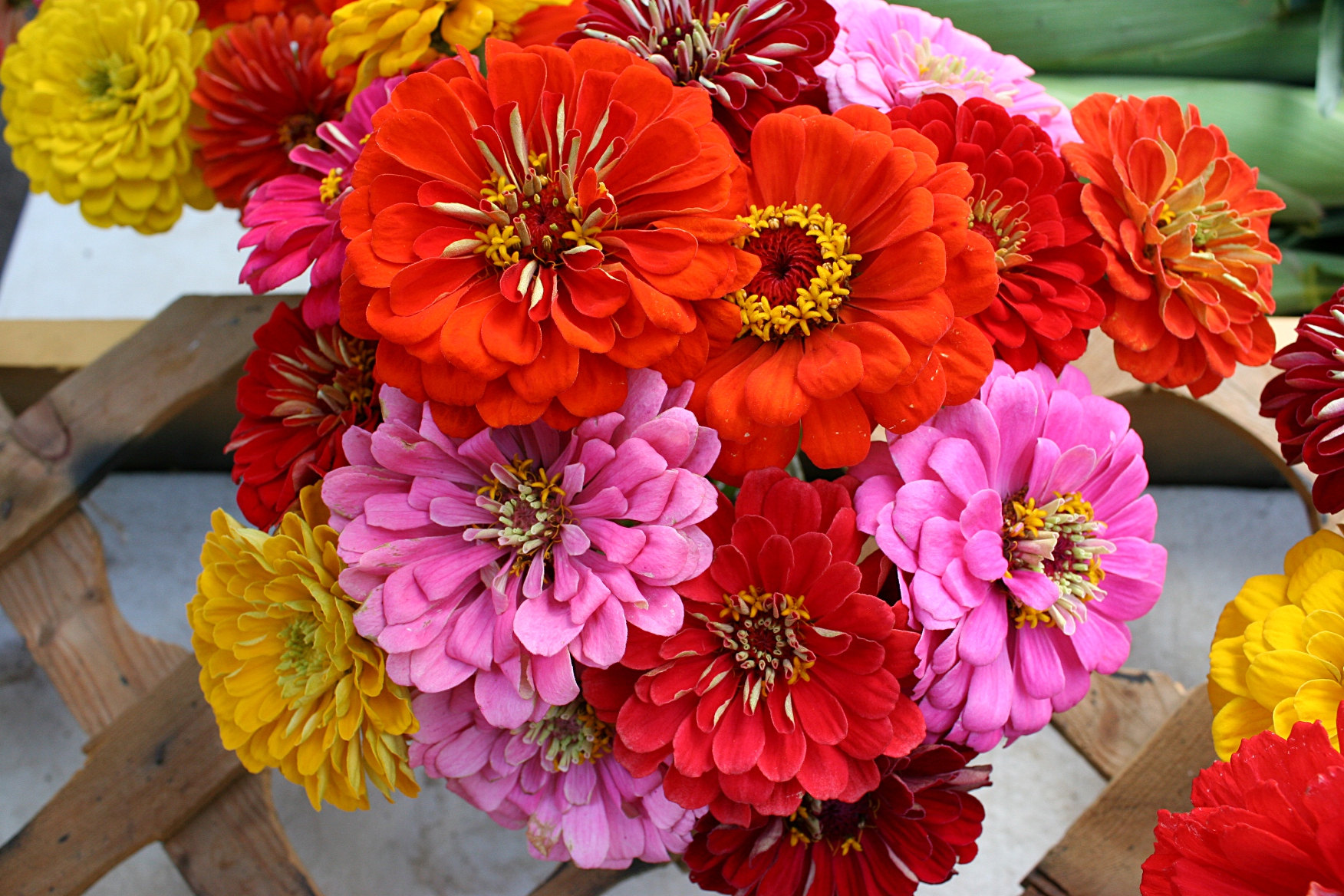
Old-fashioned zinnias grown by my friend Al and sold at the Faribault Farmers’ Market. (Minnesota Prairie Roots copyrighted file photo September 2019)

That was enough for the preschooler to get the gardening bug. This year, in selecting seeds for Isaac and his older sister, I added vegetables to the mix of flowers. Spinach because I knew it would grow quickly and flourish in Minnesota’s still cool weather. And carrots, because Isaac wanted to plant them. Later, he told his mom he also wanted to plant broccoli because he likes broccoli. I’m not sure that’s true. But Amber bought broccoli seeds for her son, whom she’s dubbed Farmer Isaac.

“Summer in a Jar,” sold at the Faribault Farmers’ Market. This photo published in the book “The World of Laura Ingalls Wilder, The Frontier Landscapes that Inspired The Little House Books” by Marta McDowell. (Minnesota Prairie Roots copyrighted file photo September 2015)

I can’t think of a better way to encourage kids to try vegetables. And to teach them about plants and that veggies don’t just come from the grocery store. With most families now a generation or two or three removed from the land, it’s more important than ever to initiate or maintain a connection rooted in the soil.
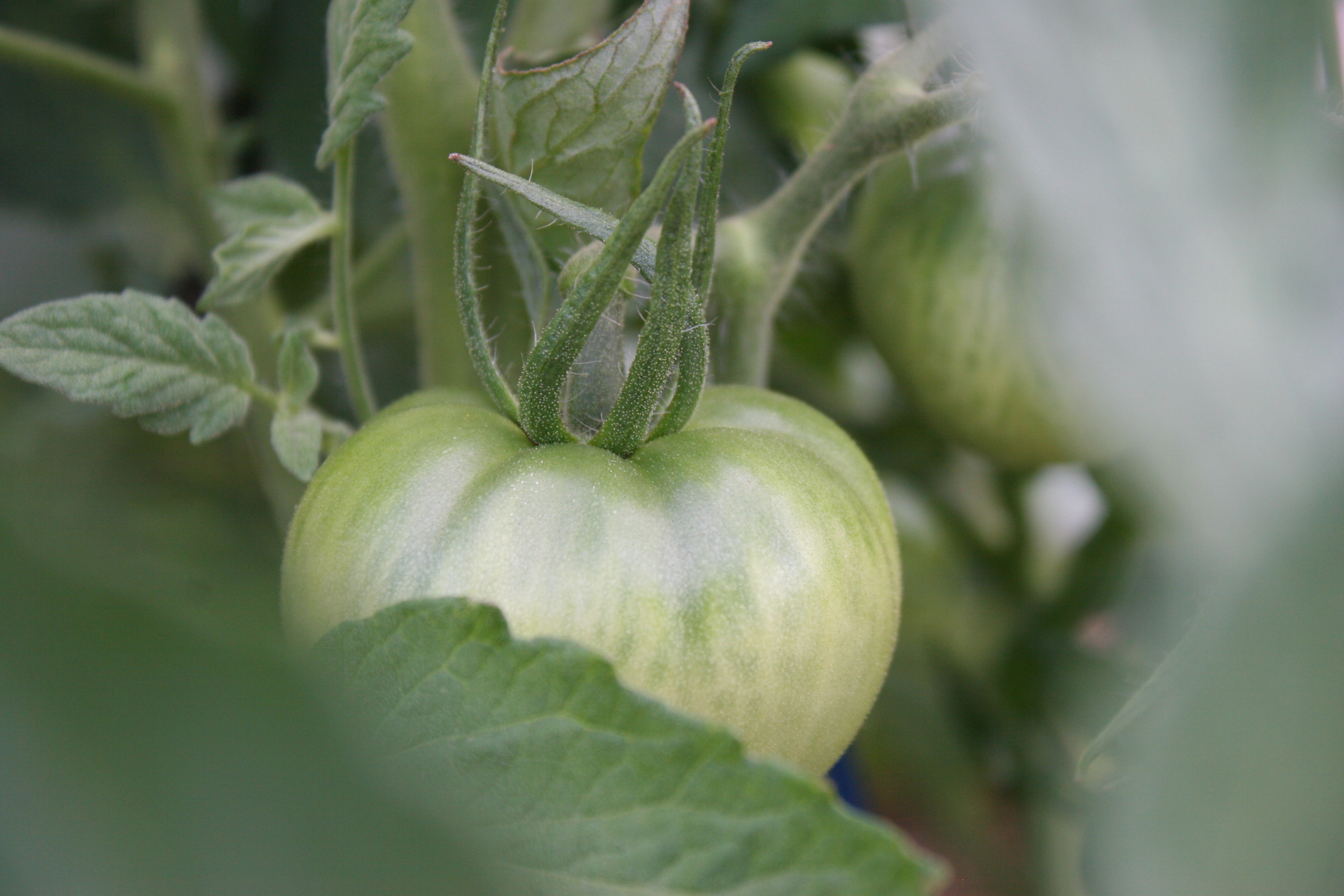
Several types of tomatoes grow in the garden outside Buckham Memorial Library, Faribault. (Minnesota Prairie Roots copyrighted file photo)

Soil was the gardening starting point for my grandchildren. Once when they stayed overnight, I got out the gardening shovels and directed them toward a corner flowerbed and a patch of dirt. The dirt flew as they dug and uncovered earthworms and half a walnut shell and bugs. I didn’t care if their hands got dirty. I simply wanted them to have fun, to feel the cold, damp earth, to appreciate the soil beneath and between their fingers.
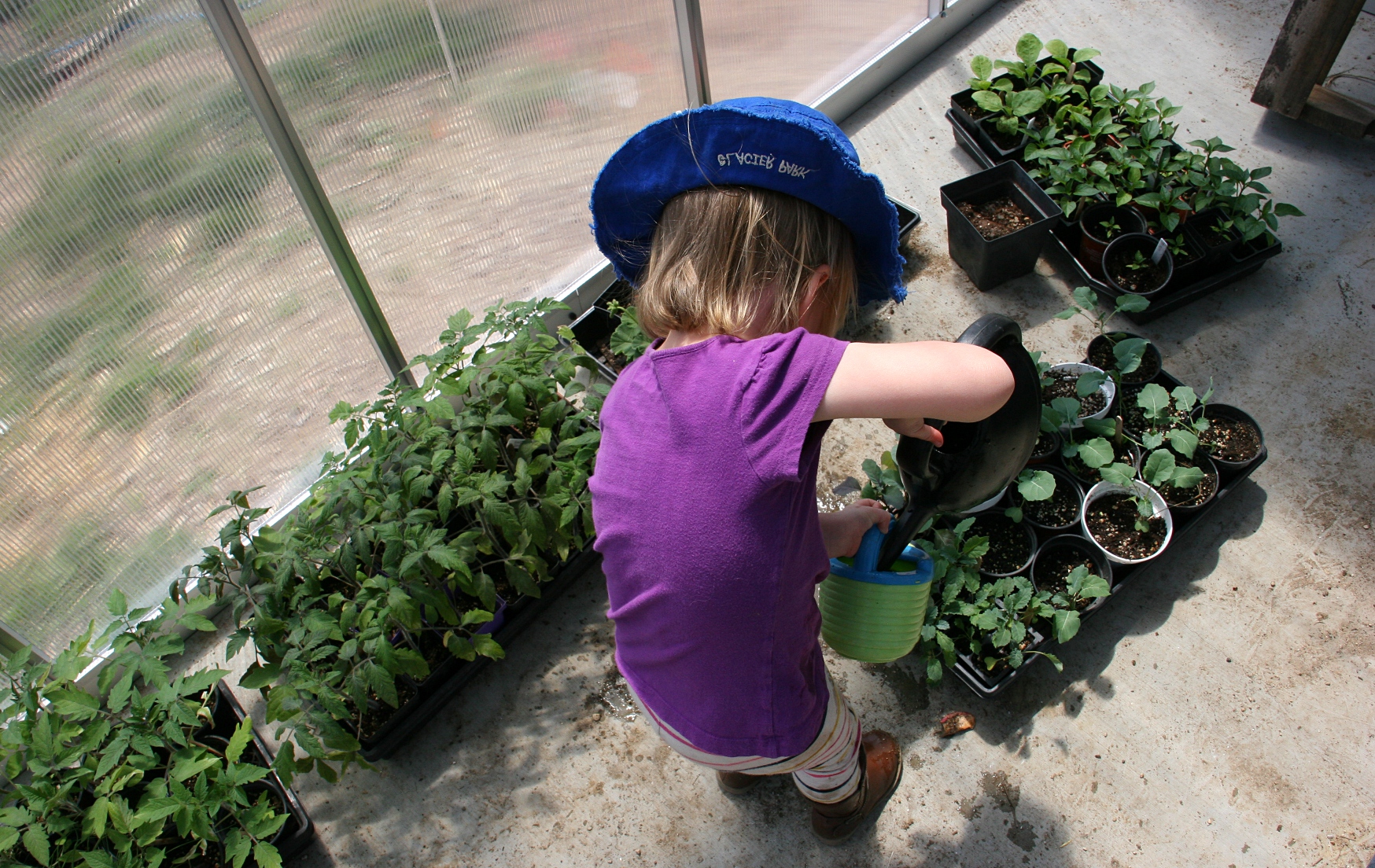
My great niece waters plants inside her family’s mini greenhouse. (Minnesota Prairie Roots copyrighted file photo May 2018)

I was a bit surprised when my eldest embraced gardening with her kids. But then again, she was the daughter who always watered flowers and observed that “the flowers are opening their mouths” (translation, “the tulips are blooming”) as a preschooler. I never had much of a garden due to lack of a sunny spot in my yard. But I usually grew tomatoes in pots and always had pots overflowing with flowers and flowers in beds. So Isaac and Isabelle’s mom did have a sort of gardening background.
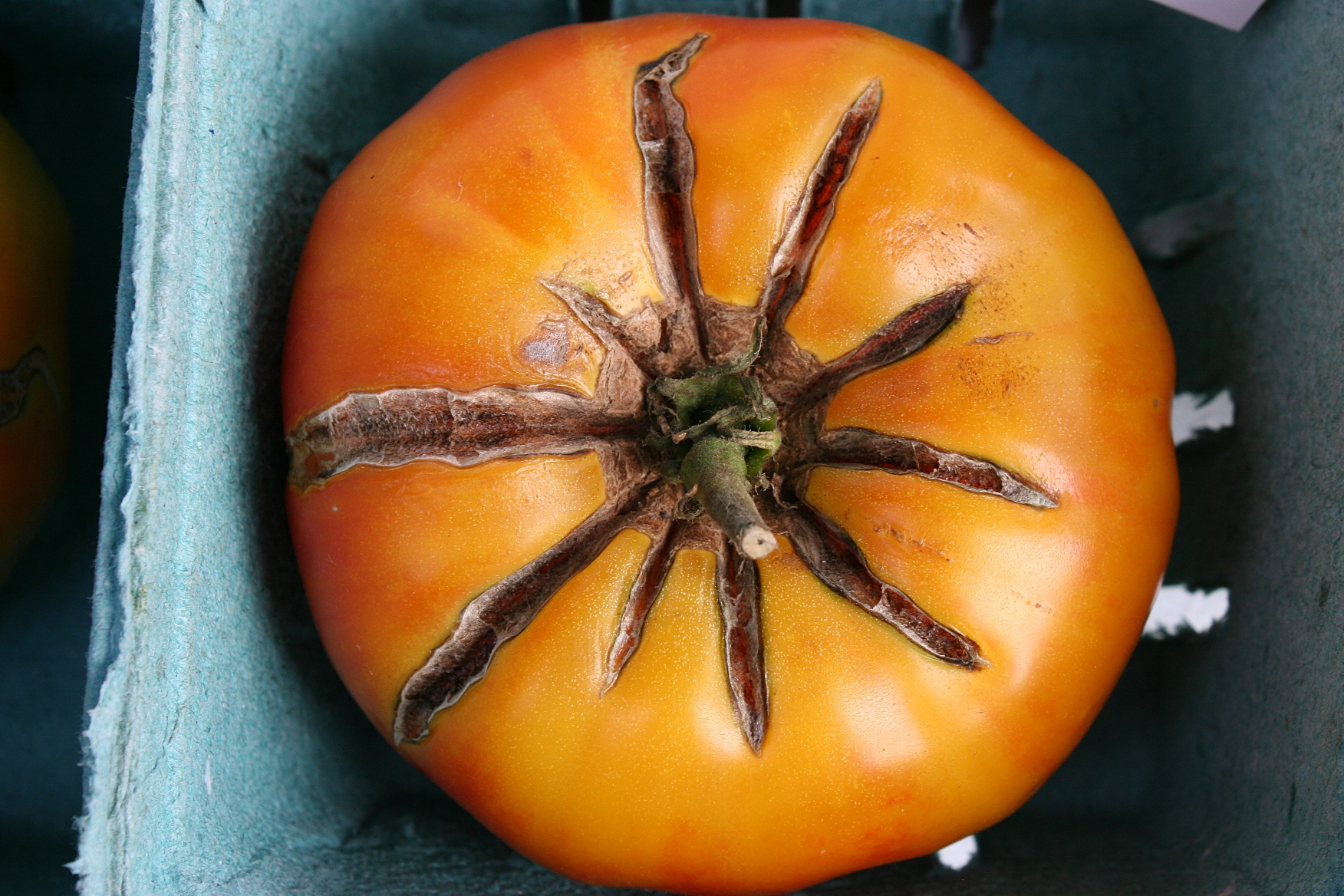
Heirloom tomato at the Faribault Farmers’ Market. (Minnesota Prairie Roots copyrighted file photo September 2019)

As a farmer’s daughter and a grandma, passing along something like gardening is like passing along part of my rural heritage. My Grandma Ida always had a big garden, an essential with a family of 10 kids. She continued to garden throughout her life, long after her kids were gone and she moved to town. Likewise, my mom planted a massive garden to feed her six kids. My siblings and I helped with the gardening—pulling weeds, picking vegetables… And shelling peas. Of all the garden-related tasks, the rhythmic act of running my thumb along an open pod to pop pearls of peas into a pan proved particularly satisfying. Plus, I loved the taste of fresh peas from the garden. There’s nothing like it except perhaps the juicy goodness of a sun-ripened tomato or leaf lettuce or a just-pulled carrot with dirt clinging to the root.
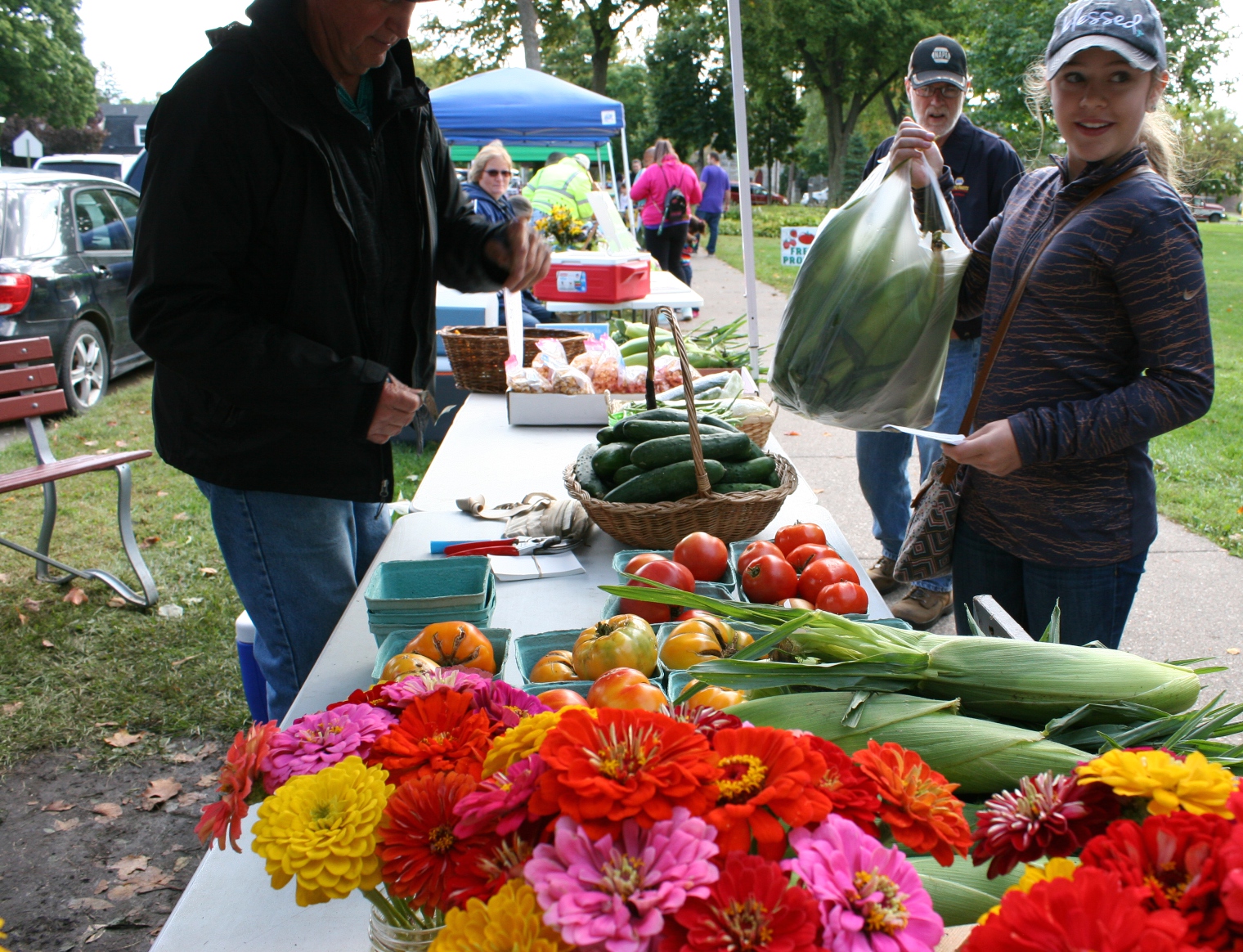
My friend Al vends flowers and vegetables at the Faribault Farmers’ Market. (Minnesota Prairie Roots copyrighted file photo September 2019)

I don’t expect my grandchildren will garden like their great great grandma or great grandma. But that’s OK. They’ve been introduced to gardening. They see now how seeds sprout and develop into plants that yield beauty or food. Hopefully they will gain an appreciation for garden-fresh, whether fresh from the pots on their patio or deck, or from a farmers’ market.
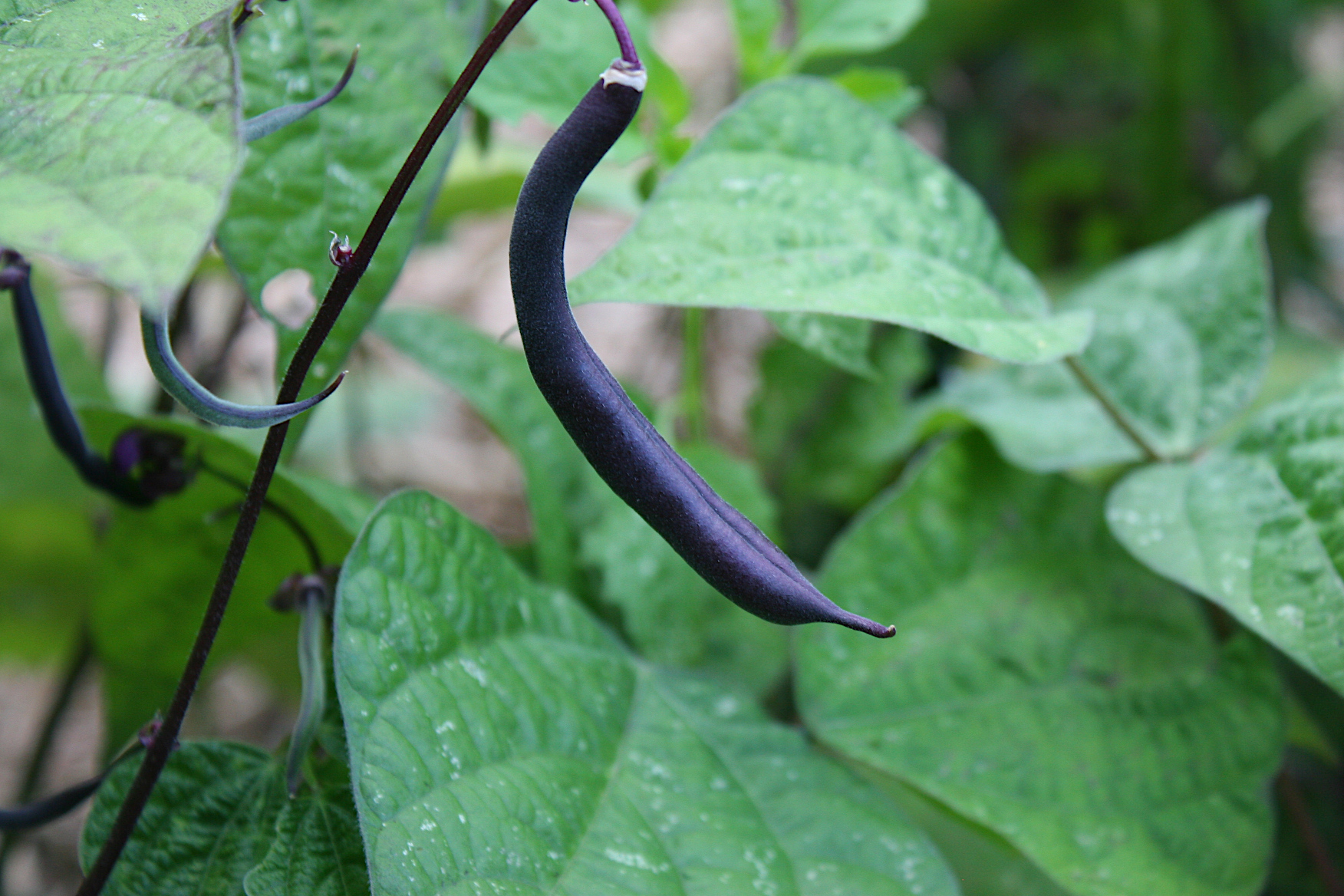
Purple beans grow in the library garden. (Minnesota Prairie Roots copyrighted file photo)

Even though they live in a south metro suburb, my grandkids remain close to the land with farm fields within view, not yet replaced by massive housing developments. It’s important to me that Isabelle and Isaac always feel connected to their rural heritage, that they value the land, that they grow up to remember the feel of cold, damp dirt on their hands. That they understand their food is not sourced from grocery stores, but rather from the earth.

© Copyright 2023 Audrey Kletscher Helbling


Family connections in the berry patch & beyond June 25, 2021

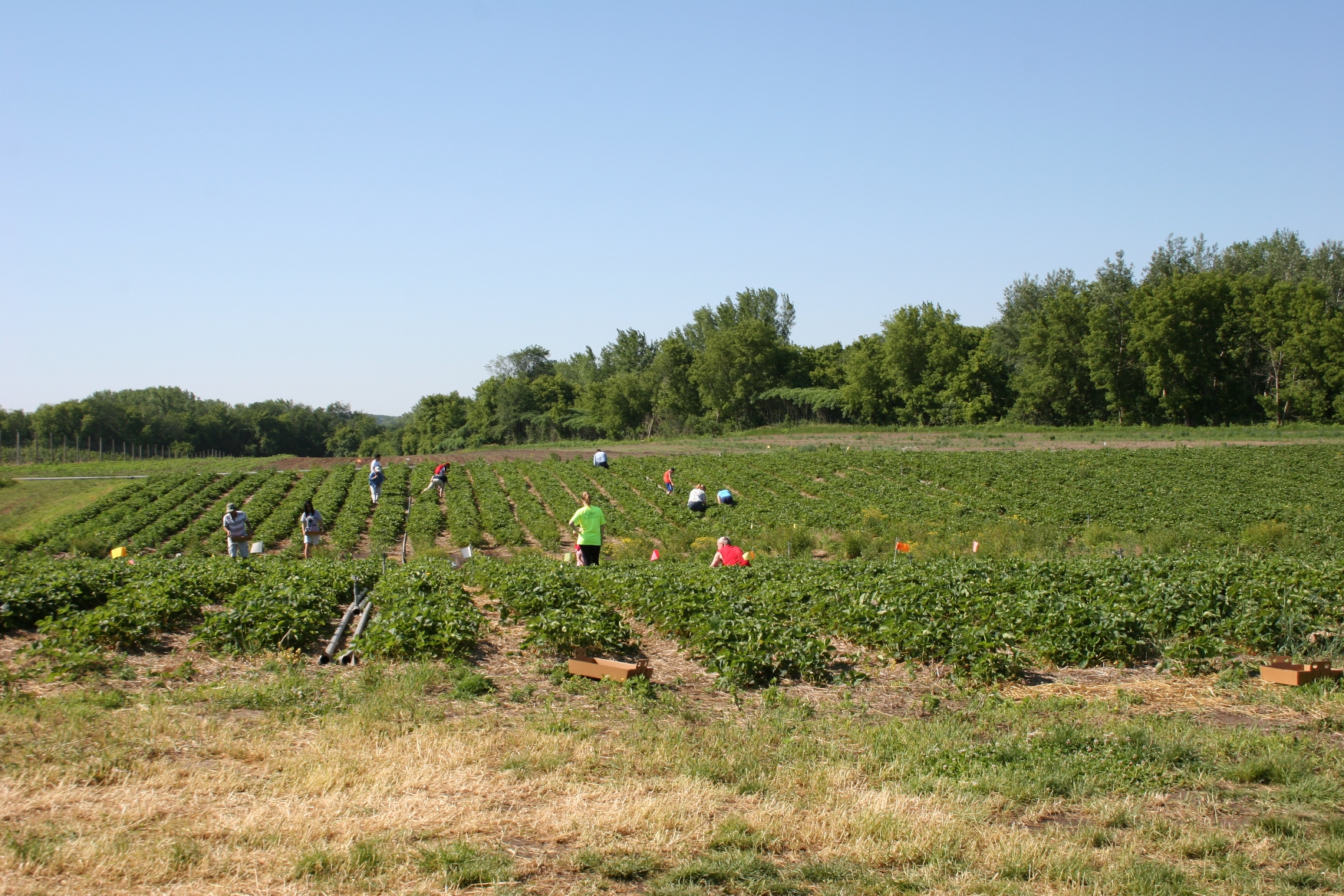
Picking berries at Straight River Farm on a Saturday morning in 2012. Minnesota Prairie Roots file photo.

JUNE PROMPTS MEMORIES of Junes past, when our then family of five headed south of Faribault to Straight River Farm to pick strawberries.

We made a game of it, seeing who could harvest the most berries. It added an element of fun as we collectively picked 20-plus pounds of sun-ripened strawberries.

Years have passed since the kids left home and Randy and I picked berries. But now our eldest daughter continues the family tradition by taking her two children to a berry patch. Together the three of them (the kids are two and five) recently picked close to four pounds. While that’s not a lot of strawberries, it’s not all about the quantity. It’s also about time outdoors. About being, and working, together. About learning that strawberries come from fields, not just the produce section at the grocery store.

My grandchildren are a second-generation removed from the land. I want them to understand the origin of their food and to appreciate that their maternal grandparents grew up on family dairy and crop farms. Agriculture is part of their heritage.

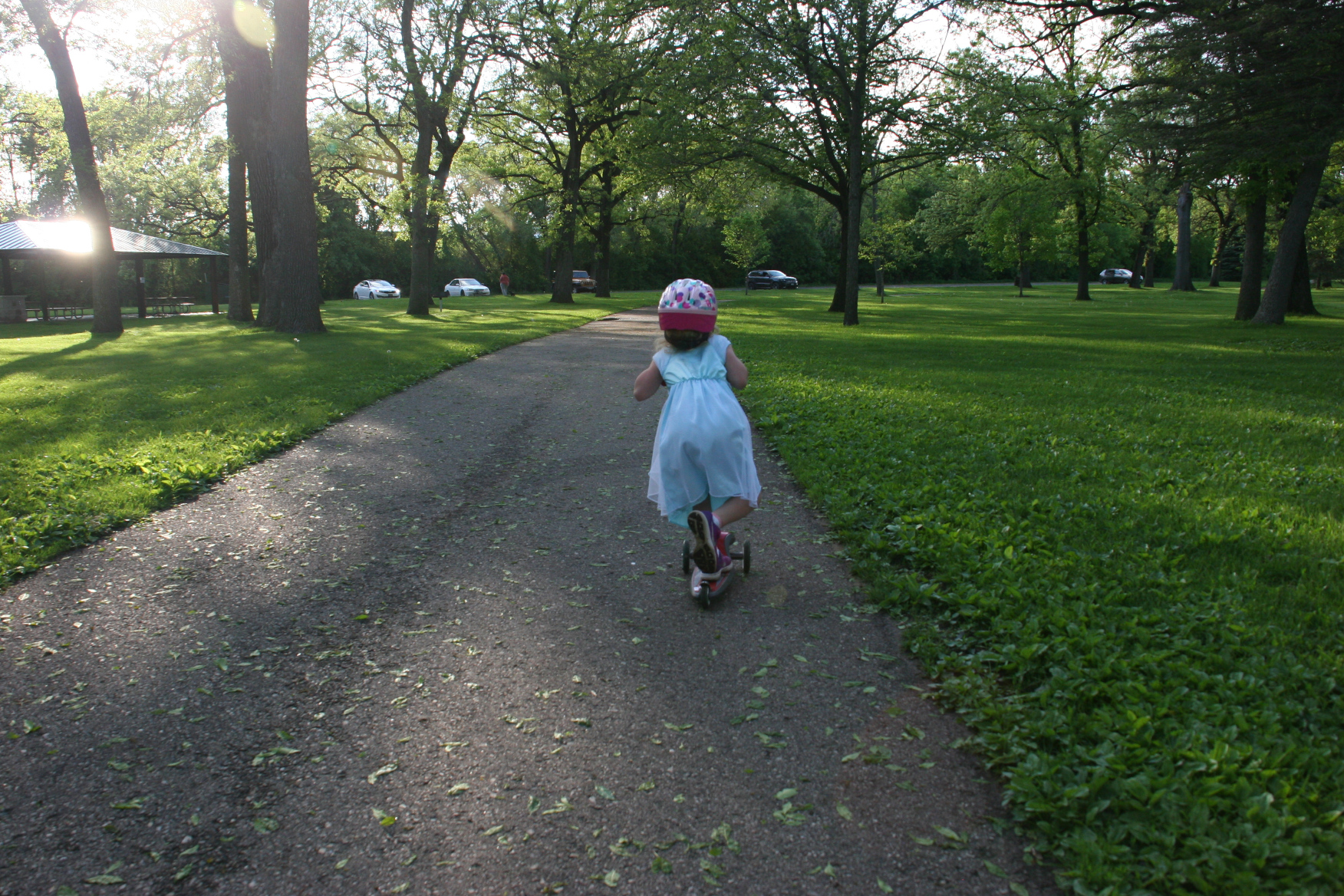
Our granddaughter zooms along on her scooter last year at North Alexander Park in Faribault. This past Saturday we shared a picnic lunch near the shelter in this image. Minnesota Prairie Roots file photo 2020.

As their grandmother, I hold a responsibility to continue that connection to the land. This past weekend, when Isabelle and Isaac stayed overnight, we enjoyed the stunning summer weather with lots of time outdoors. That’s one simple way to link to the land. We packed a picnic lunch, with the kids “helping” to make their own sandwiches. Then it was off to North Alexander Park, where they learned to side step goose poop on the paved trail before we finally found a picnic table in a goose-poop-free zone. (Note to City of Faribault: Please place more picnic tables in the park among all those shade trees.)

While eating our picnic lunch, being in nature spurred conversations, which prompted questions, observations and more. Grandma, how many oak trees are there in the world? Leave that grape on the ground; the ants will eat it. The airplane is in the blue sky. Oh, how I love viewing the world from the perspective of my grandchildren. Life is so uncomplicated and simple and joy-filled.

Randy and the grandkids follow the pine-edged driveway at a family member’s central Minnesota lake cabin last summer. This is one of my favorite photos from that time in the beautiful outdoors. Minnesota Prairie Roots file photo July 2020.

Later that day, Randy and I took the kids to Wapacuta Park near our home. Rather than follow the most direct path up a steep grassy hill, we diverted onto a narrow dirt path that winds through the woods and leads to a launching point for disc golf. The kids loved that brief adventure into the woods, where we found a broken park bench (Note to City of Faribault: Please repair or replace.) and art flush to the earth. Exposed tree roots and limestone provided insights into the natural world and local terrain.

Randy also posed the kids next to a gigantic boulder near the playground while I snapped photos with my cellphone. Our three adult children responded with enthusiasm to the texted images. Wow! It looks the same as 30 some years ago! It has barely eroded. Amber and I will have to climb it the next time we are in Faribault.

A second trip to Wapacuta the following afternoon led to a lesson about storms as thunder banged, rain fell and we hurried home. Not through the woods this time.

I love every moment with my grandchildren. The time making cut-out star cookies for an upcoming July Fourth celebration. The time in our backyard blowing up a bubble storm. The time at the playground. The time reading and laughing and building block towers and putting dresses on the same Little Mermaid dolls Izzy’s mom and aunt played with some 25-plus (or less) years ago. These are the moments which link generations, which grow family love, which I cherish.

© Copyright 2021 Audrey Kletscher Helbling
 

Honoring Minnesota’s agricultural heritage at a steam & gas engines show, Part I September 6, 2017

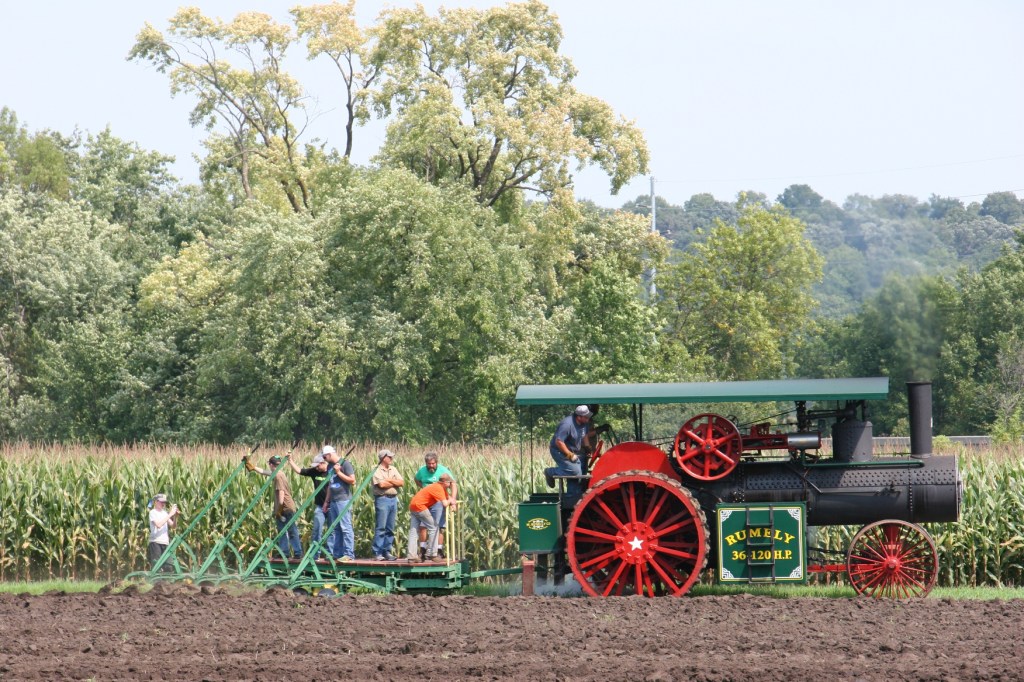
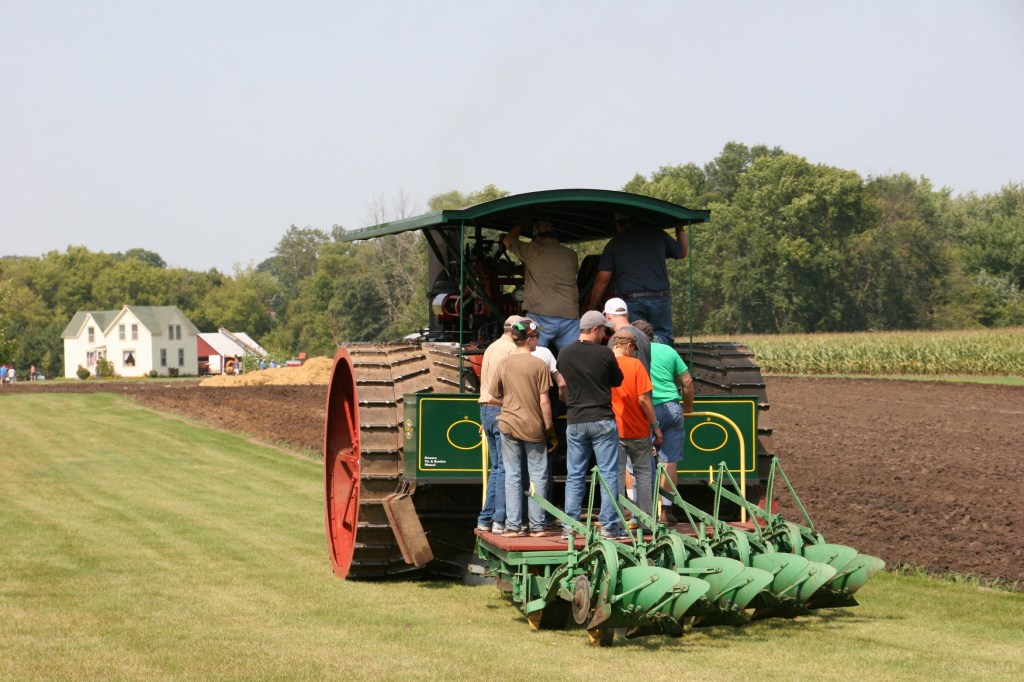
A steam engine tractor plows a field. The men standing on the plow guide the blades to the proper plowing depth via levers.


AS SEASONS SHIFT from the growing days of summer to the harvest days of autumn here in Minnesota, aged tractors, threshing machines and other vintage agricultural equipment roll out of storage for annual threshing and steam and gas engine shows.


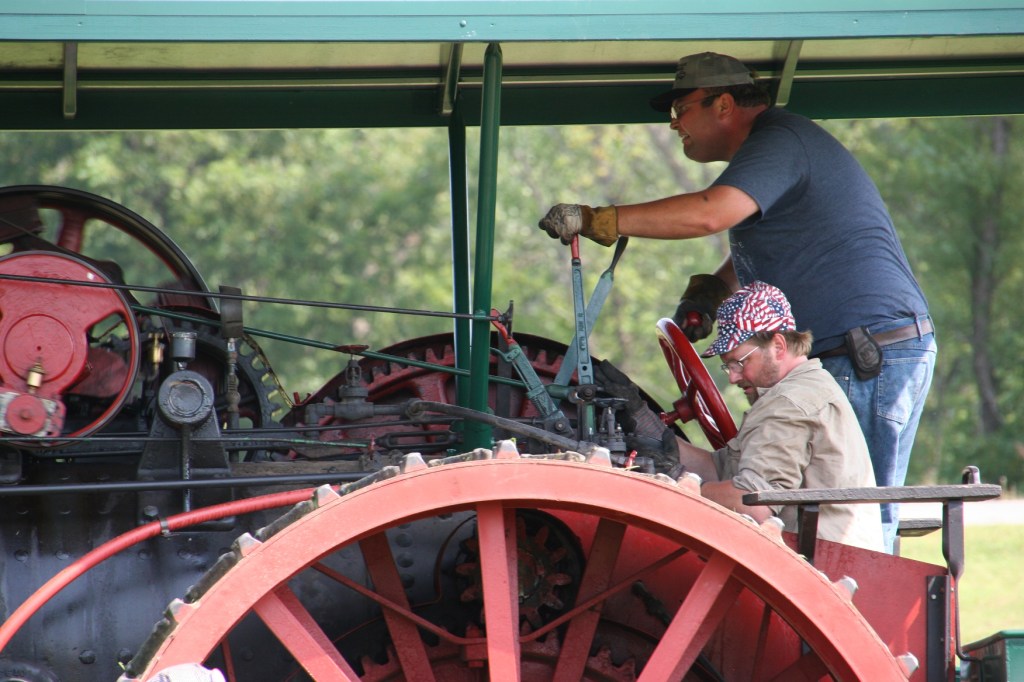
The engineers at the helm of the steam engine tractor concentrate on guiding it along the field.


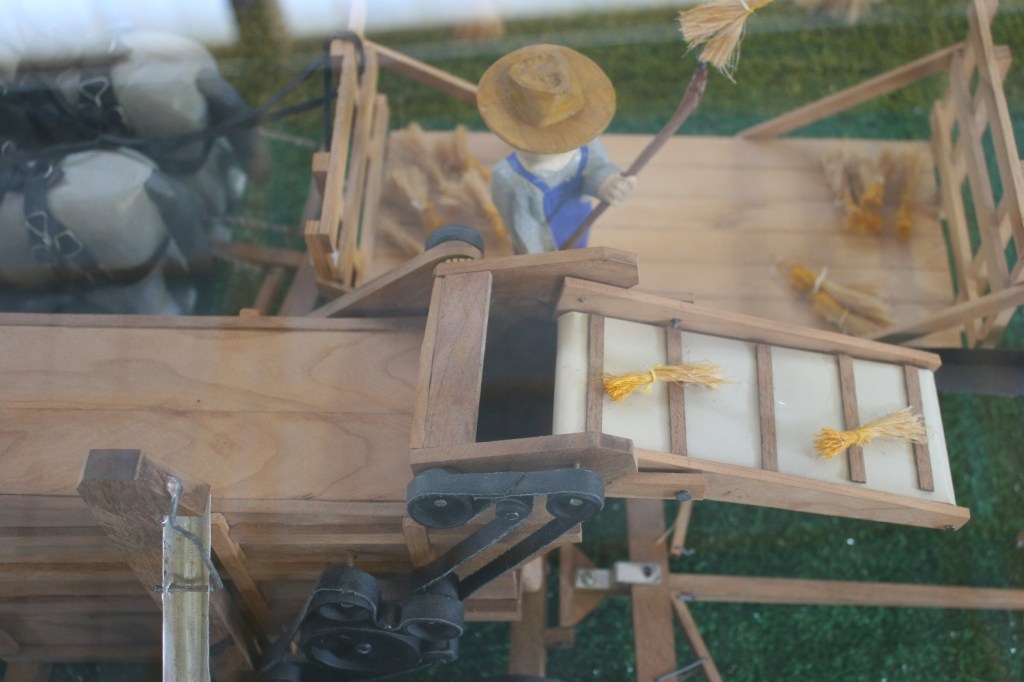
On display under plexiglass: a replica 1920s threshing scene crafted by David Terry.


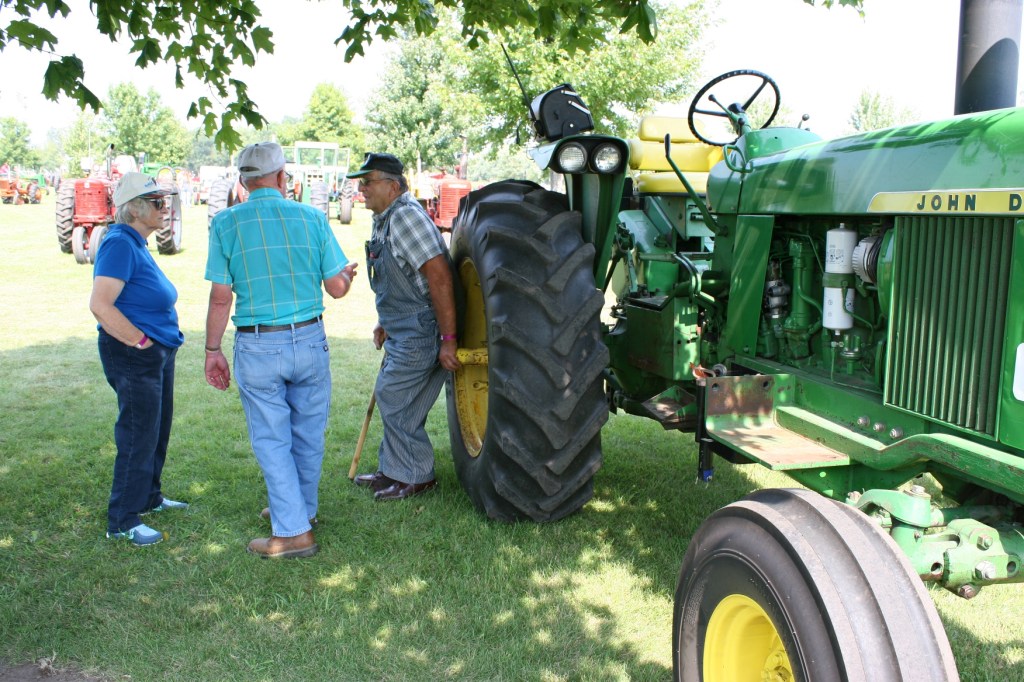
It’s a common scene this clustering of folks around vintage tractors.


These events mark a celebration of the past, a preservation of history, the remembering of a way of life, a focus on the labor intensive efforts of long ago farming. Here retired farmers lean against tractor wheels, men guide massive steam engines, kids learn and an honoring of times past prevails.


After finishing a plowing pass in the field, the steam engine tractor heads back to the other end.


Sunday afternoon I embraced Minnesota’s agricultural history at the annual Labor Day weekend Rice County Steam & Gas Engines Show in rural Dundas. I didn’t view every aspect of the event, but enough to once again feel a deep appreciation and respect for my rural heritage.


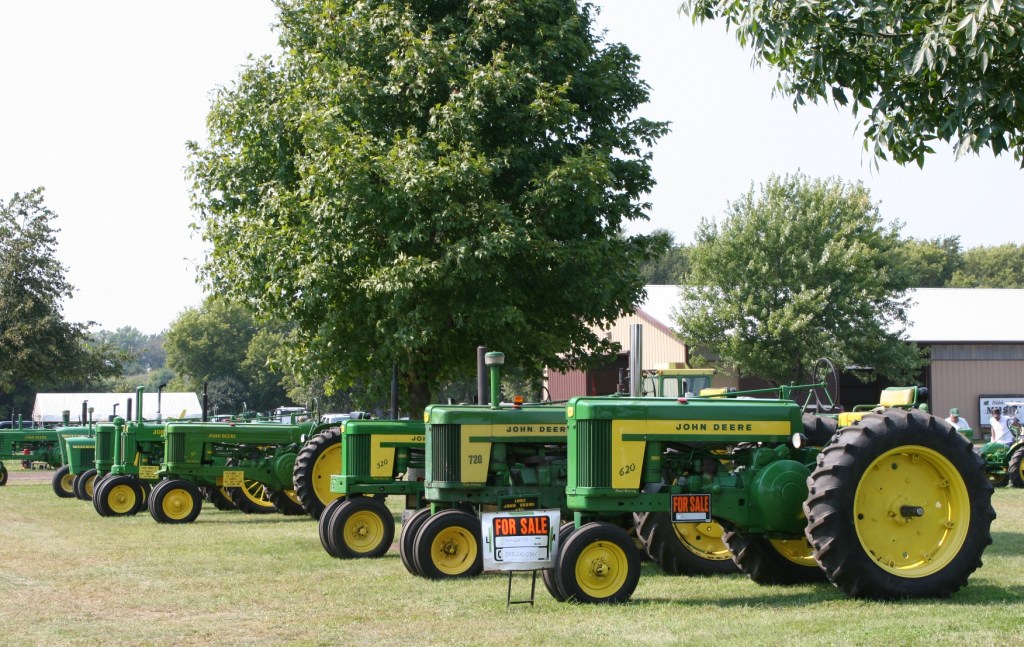
John Deeres were the featured tractor this year.


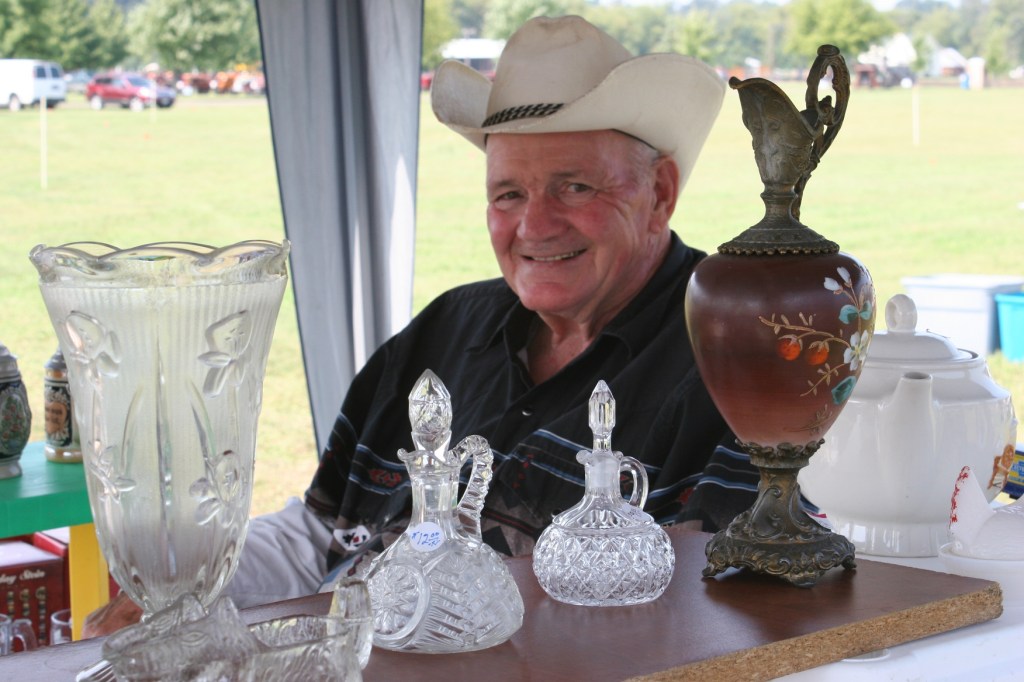
I love meeting friendly and photogenic vendors who are willing to be photographed.


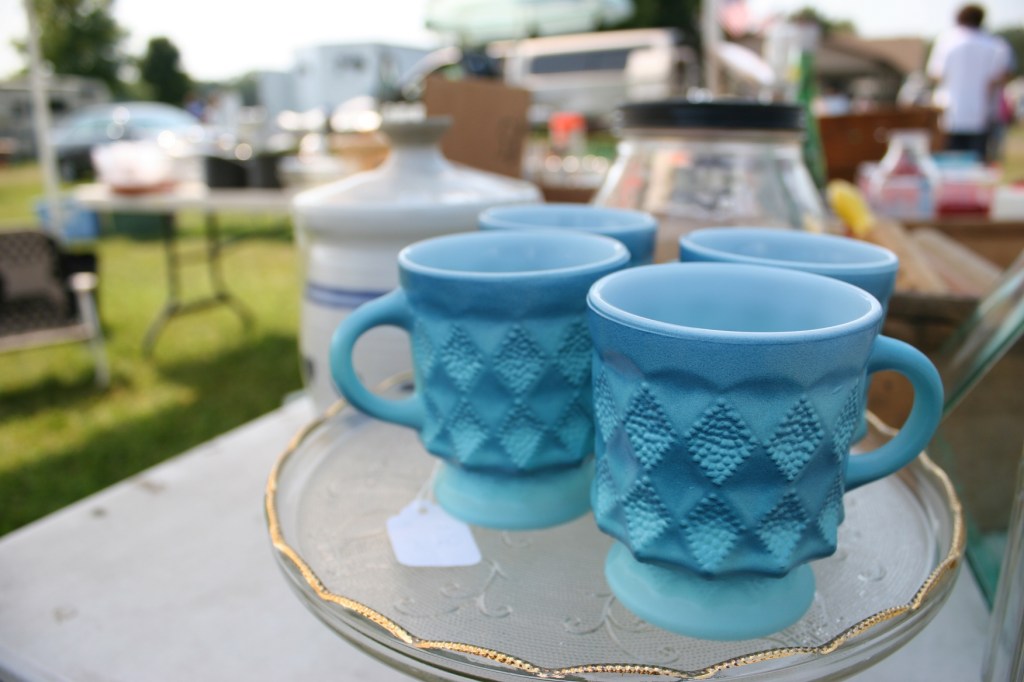
Flea market vendors offer merchandise ranging from glassware to tools to clothing and lots more, including many agricultural related items.


With camera in hand, I roamed part of the grounds looking for photo ops that would present a personal and unique perspective of the show. From the flea market to the music shed to the rows of tractors and the vintage playground, I found my photos. There is so much heart and soul here and an obvious love of all things related to farming of bygone decades.


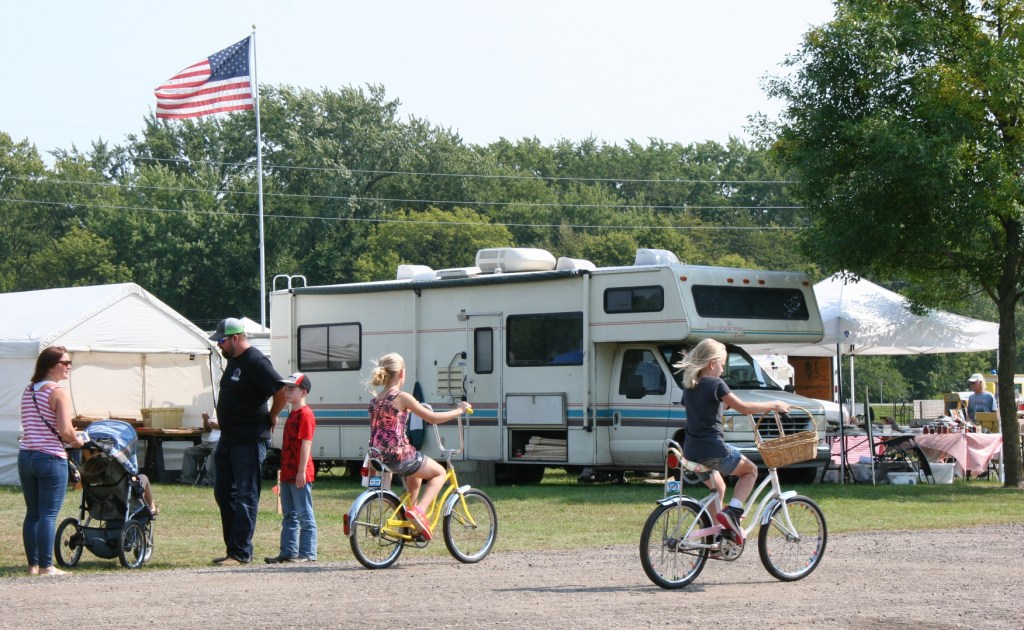
These girls rode their vintage banana seat bikes from Northfield. And, yes, there parents were at the show.


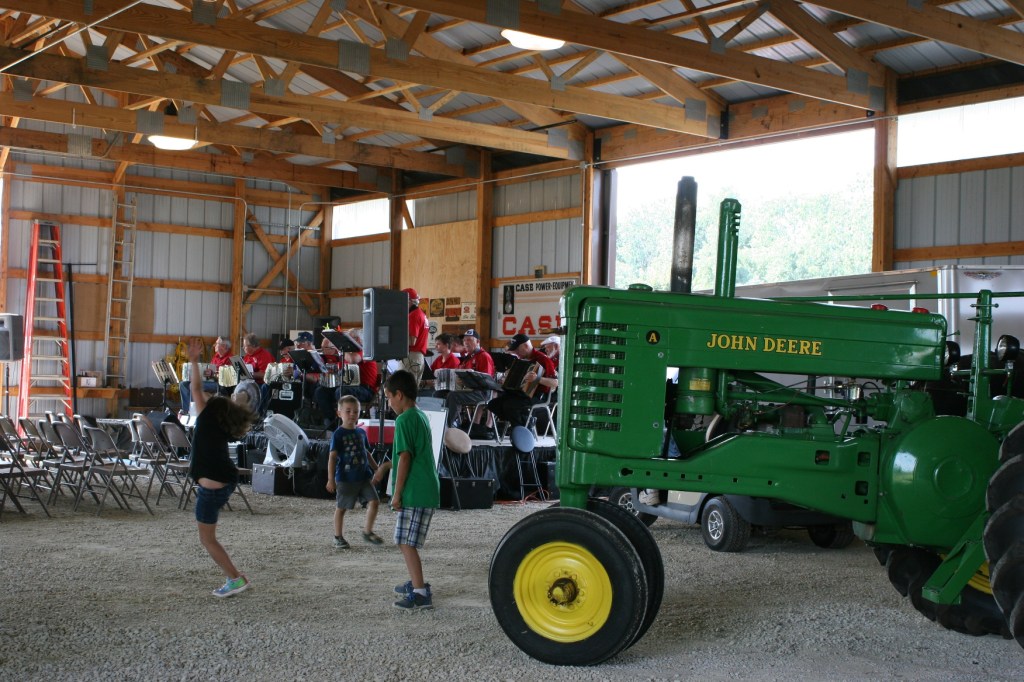
Carefree dancing and twirling as only kids will do.


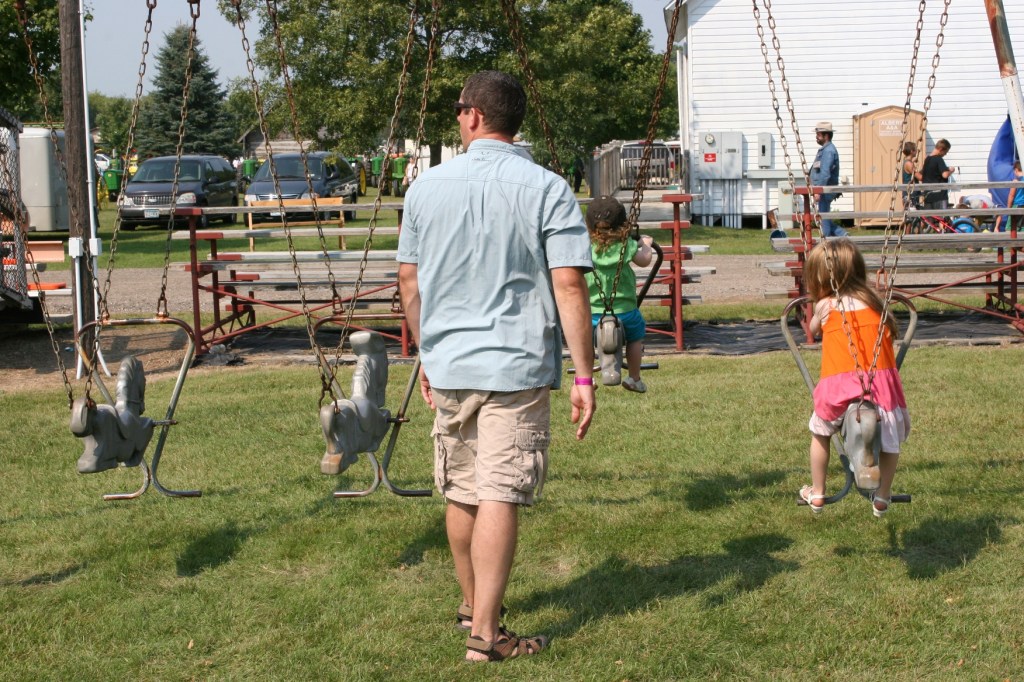
Even the playground equipment is vintage.


I’m especially delighted that so many kids attend. Kids pedaling banana seat bikes. Kids twirling to the old-time music of the Czech Area Concertina Club. Kids steering tractors. Kids swinging on heavy horse swings now banned from most playgrounds.


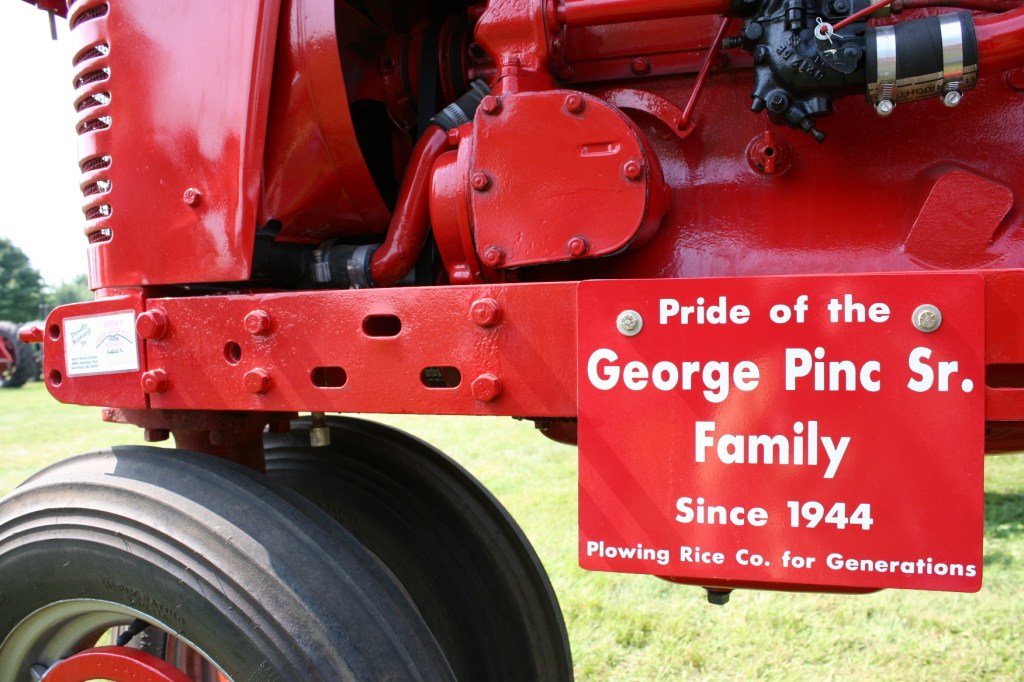
Some families, like the Pinc family, bring multiple tractors in multiple brands.


Generations spanning infants to elders come to this show ground along Minnesota State Highway 3 under a sky that holds the haze of autumn, of a sun that still blazes heat in the afternoon, of a land that yields its bounty to the harvesters. Here on these acres, memories rise like a prayer of thanksgiving as summer eases into autumn.

TELL ME: Do you attend these types of historic farming shows? If yes, I’d like to hear more.

PLEASE CHECK back for additional photo rich posts as I continue my series from the Rice County Steam & Gas Engines Show.

© Copyright 2017 Audrey Kletscher Helbling
 

Preserving central Wisconsin’s rural heritage via on-the-road photography January 5, 2012

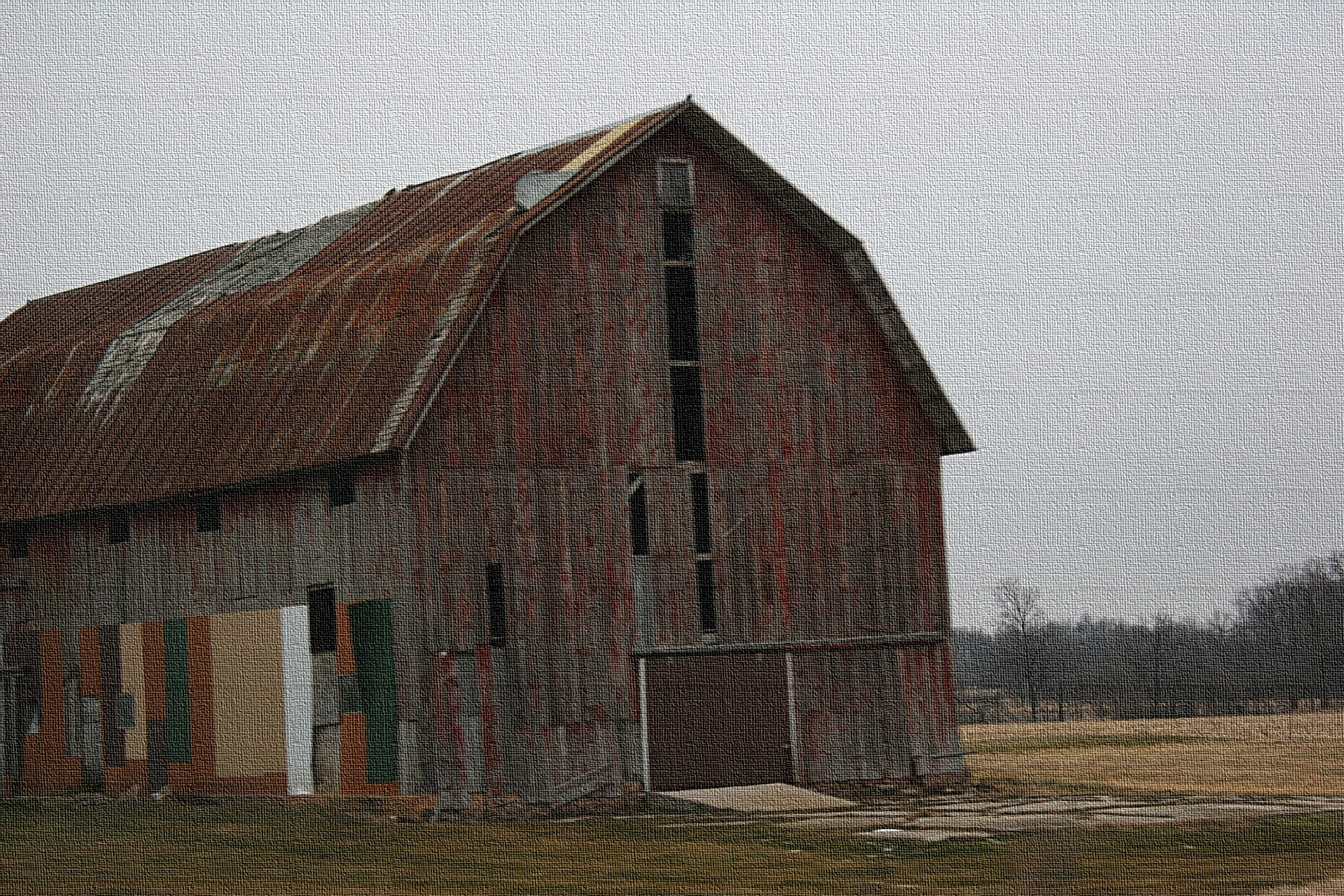
Each time I see this Wisconsin barn, I think of the biblical story of Joseph's coat of many colors.

ON OUR FOURTH TRIP through central Wisconsin in a year along the same route—Interstate 90 to Interstate 94 in Tomah then on Wisconsin Highway 21 to Oshkosh, up U.S. Highway 41 to Appleton—I’m getting to know the Dairyland state from her western to near eastern borders.

She’s a beautiful state of rolling hills, flat marsh land, stands of packed pencil-thin pines, too many towns whose names end in “ville,” infinite piles of stacked firewood, cranberry bogs and potato patches, muskrat mounds, cheese stores, Packers fans, small-town bars and barns—oh, the barns that I love to photograph.

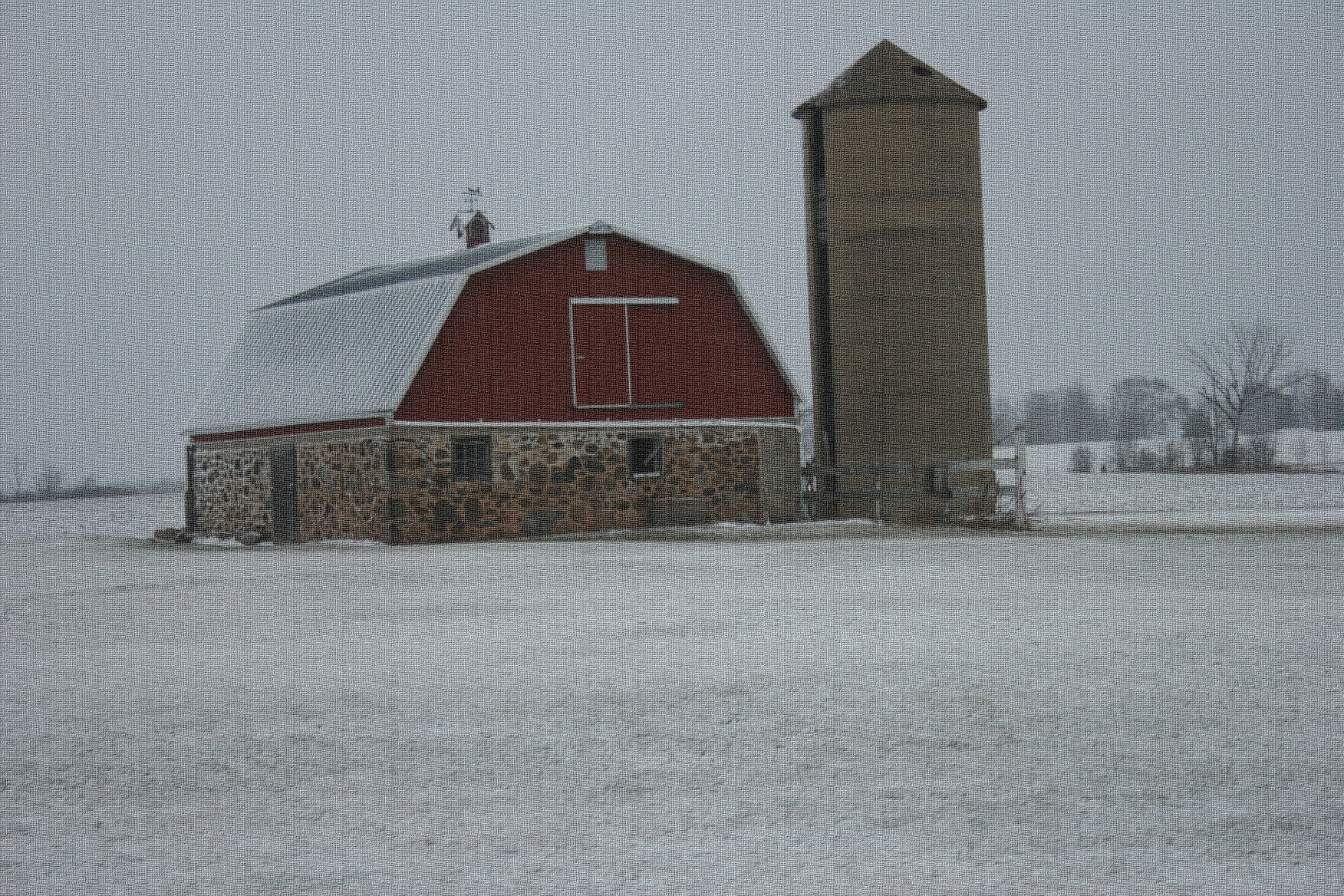
One of my favorite barns along Wisconsin Highway 21 because of the stone walls.

As I’ve done on every 600-mile round trip to and from our second daughter’s Appleton home, I capture the scenery via on-the-road photography, meaning I photograph through the passenger side window or windshield of our vehicle at highway speeds. Sometimes I manage to snap a well-composed image. Other times I fail to lift my camera, compose and click in time and miss the photo op.

Journey after journey, I find my eyes drawn to the many old barns that are so much a part of Wisconsin’s landscape and heritage. And mine. Only in Minnesota.

I’ve seen every type of barn, from the well-preserved to the crumbling, pieced-together-with-tin structure. I know that any barn, once left to fall into a rotting pile of boards, will never be replaced by an equally grand structure.

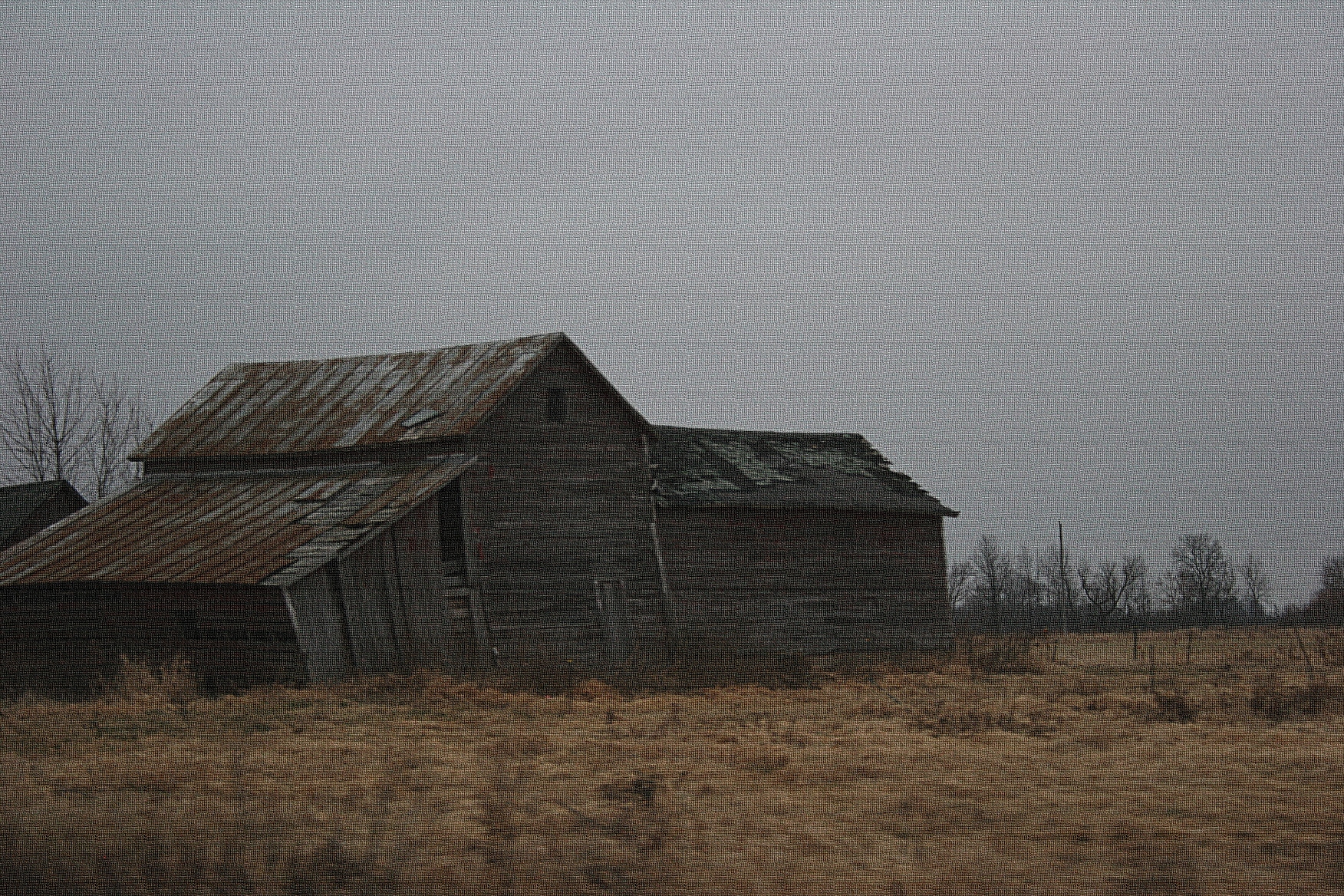
A pieced together weathered barn blends into the gray landscape on a dreary winter afternoon.

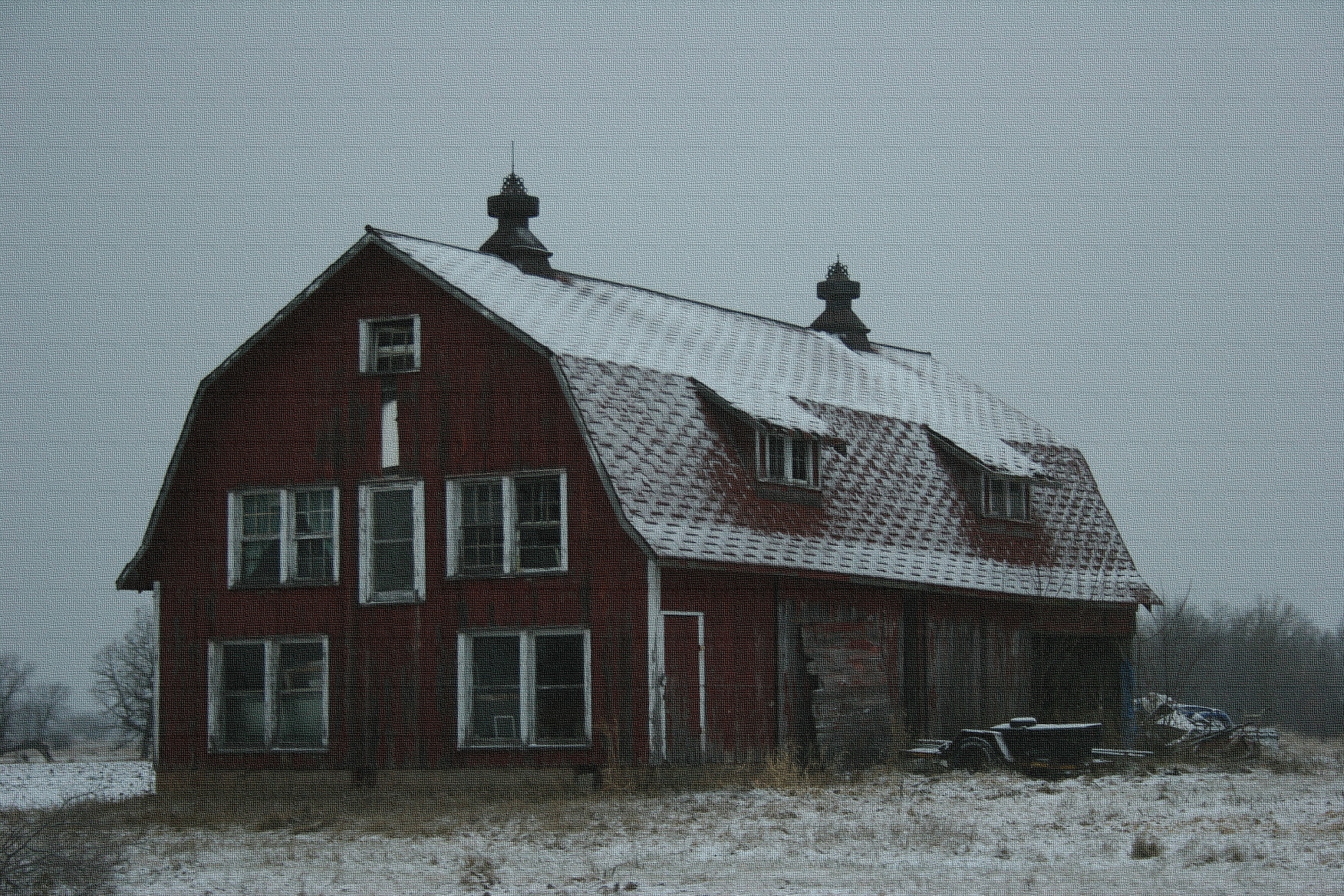
A once grand barn shows the first signs of falling into disrepair.

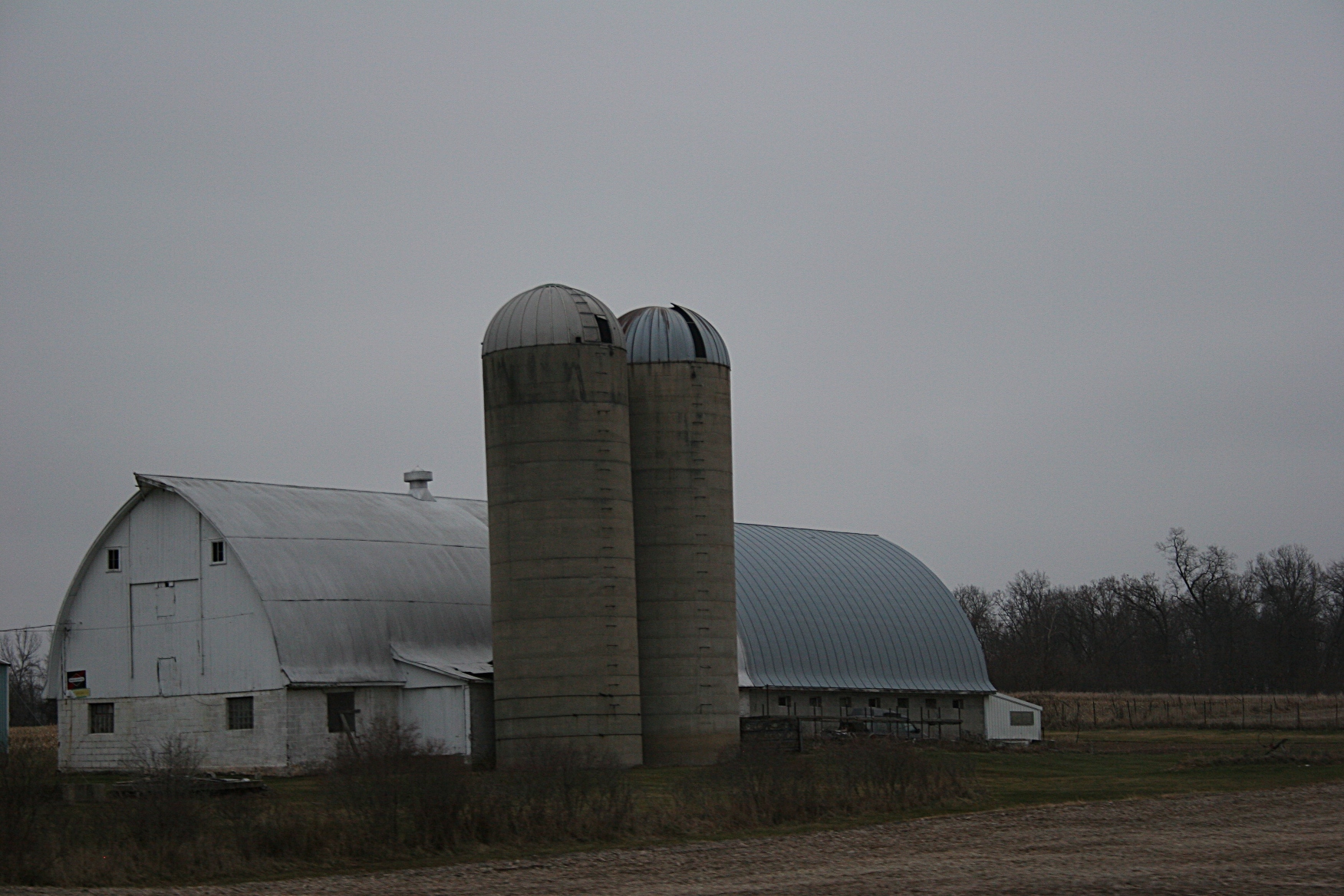
The occasional white barn pops up among the characteristically red barns.

Majestic barns, rising sturdy and proud above the land, are seldom crafted anymore. Instead, mundane metal rectangles sprawl, without any character or beauty, across the landscape. Such structures hold no artistic, but only practical, value on the farm.

Via my barn photography, I am documenting for future generations a way of life—the family farm—which, in many places, has already vanished.

If my photos inspire you to appreciate barns and rural life and the land and our agricultural heritage and the men and women who work the soil and their importance in this great country of ours, then I will have passed along to you something of great worth.

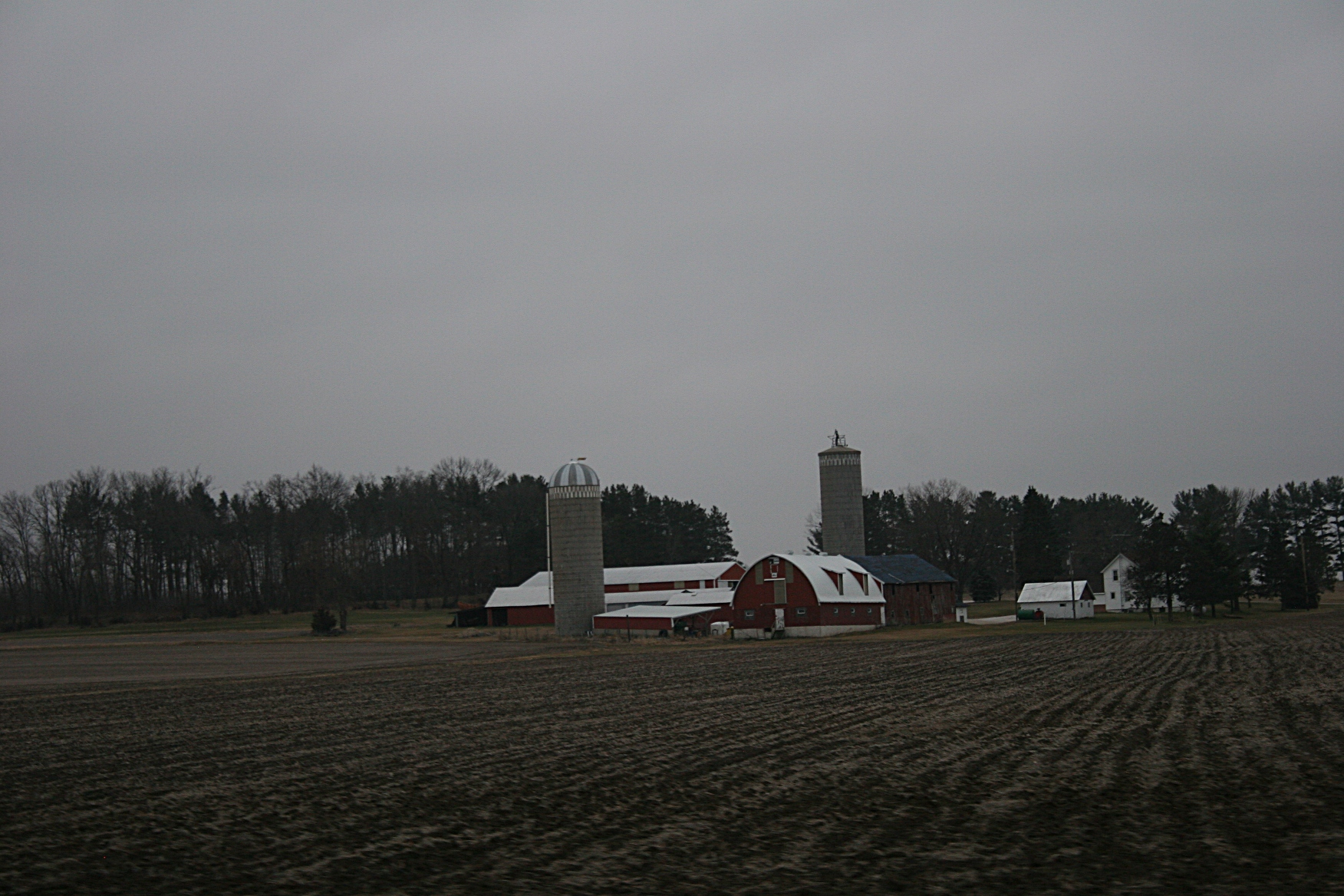
An especially picturesque farm site along Wisconsin Highway 21.

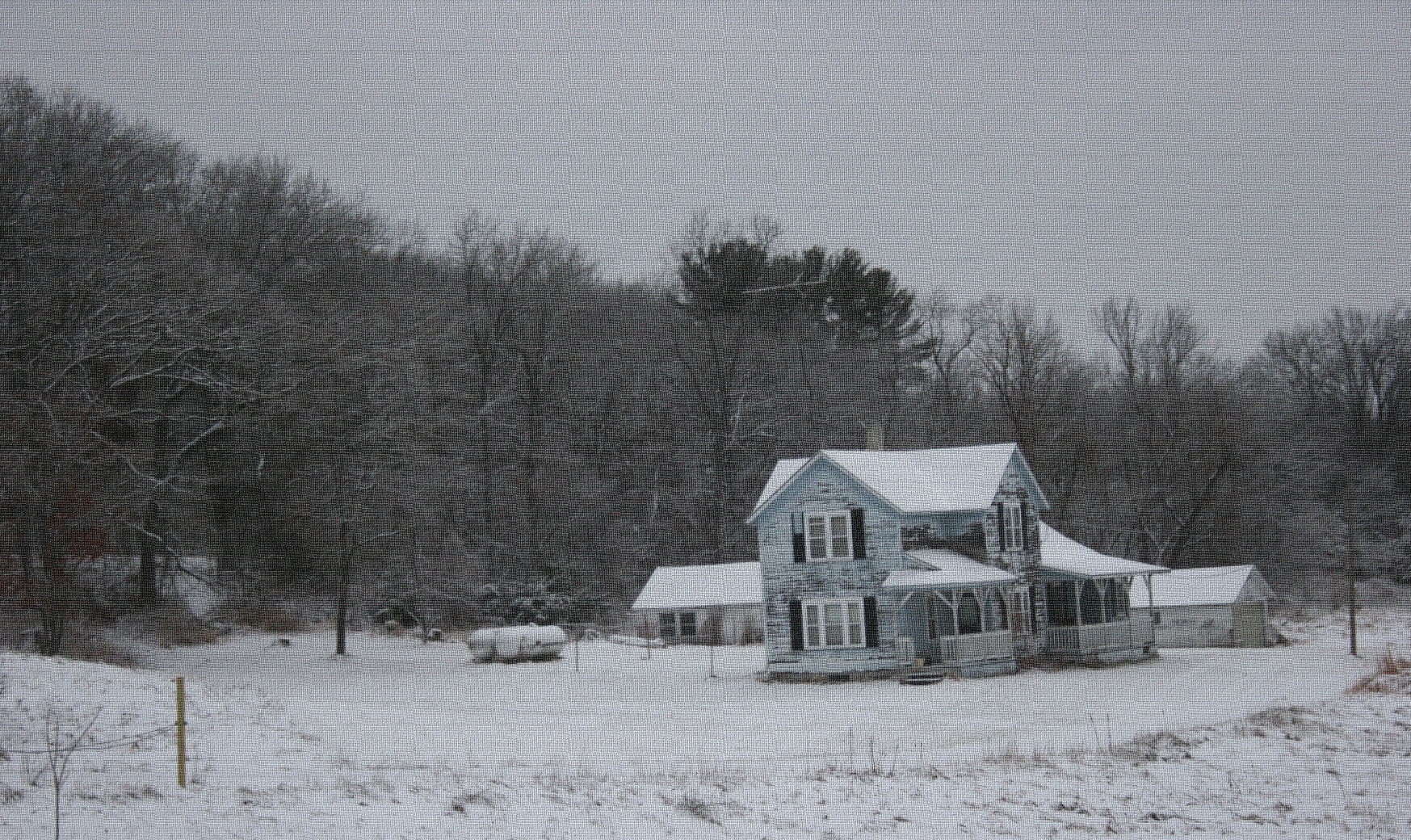
The muted blue-grey of this old farmhouse blends seamlessly with the dreamy landscape on a snowy New Year's Day afternoon in central Wisconsin.

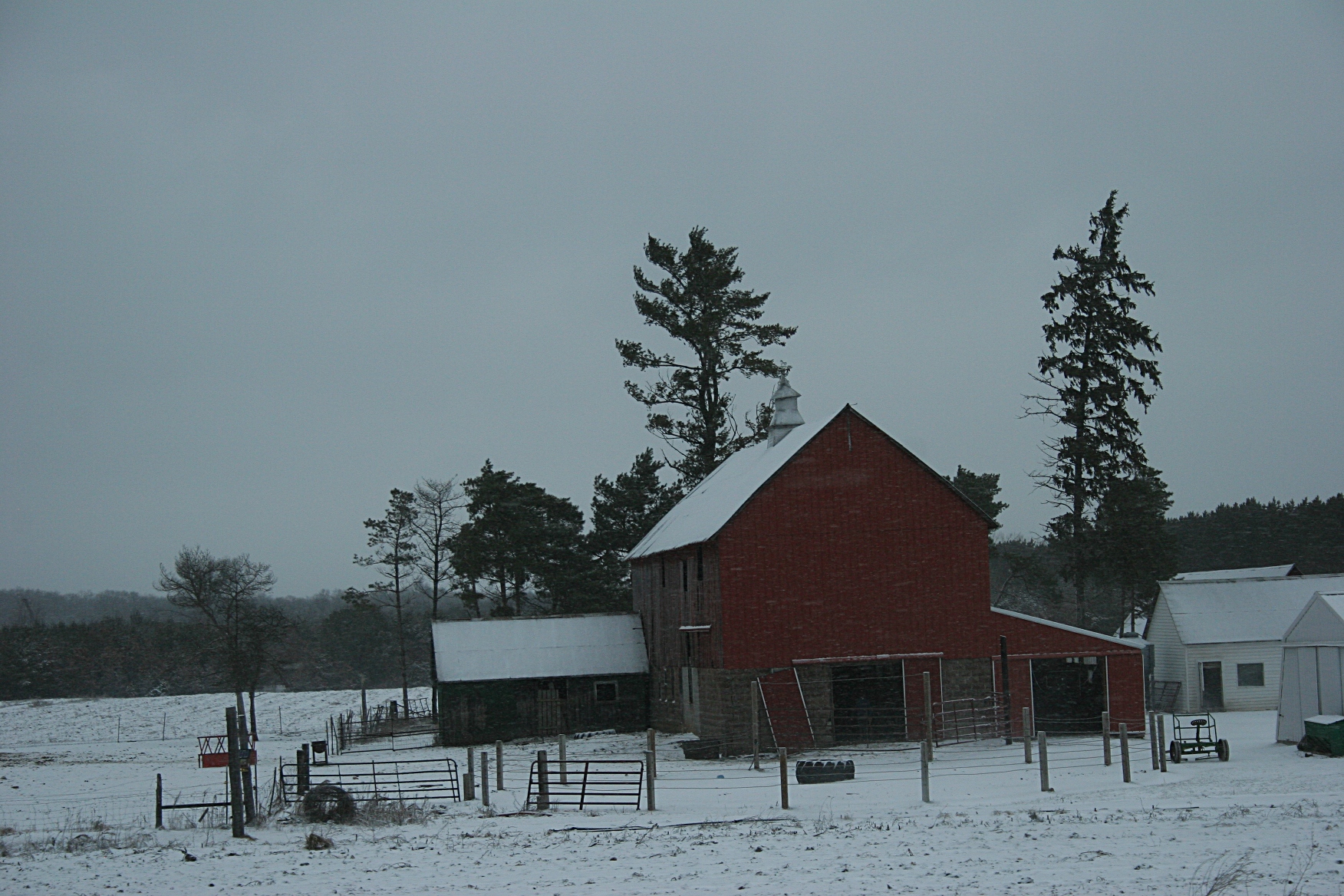
Contrasted against snow, red barns are particularly visually appealing.

NOTE: The above photos were taken on December 30, 2011, and January 1, 2012, along Wisconsin Highway 21 in the central part of the state primarily between Wautoma and Oshkosh.

I have applied a canvas style editing technique to most of the images, creating a quality that is more painting than photo.

© Copyright 2012 Audrey Kletscher Helbling
 

A Farm Country Thanksgiving November 24, 2010

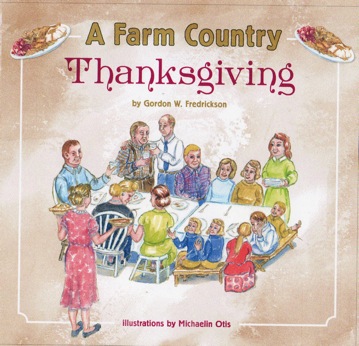
The third book in the Farm Country series.

WHENEVER I OPEN one of Lakeville author Gordon Fredrickson’s books, I feel like I’m stepping back in time to my childhood on a southwestern Minnesota dairy farm.

I’m thankful for Fredrickson, who understands the value in preserving the history of small family farms. Because he was raised on a Scott County dairy farm and farmed for awhile as an adult with his wife, Nancy, Fredrickson gets his 1950s era farm stories right.

Last night I snuggled up in the recliner with his latest children’s picture book, A Farm Country Thanksgiving. I thought it would be a fairly quick read, but I was wrong.

I didn’t whiz through this story told from the viewpoint of 10-year-old farm boy Jimmy. Rather, I savored every rhyming word by Fredrickson and every detailed illustration by Michaelin Otis.

I was the one sledding down the hill. I was the one with snow stuffed down my neck by my older brother. I was pitching silage down the silo chute, eating banana-filled Jell-O, sitting at the kids’ table on Thanksgiving…

If you grew up on a farm in the 1950s and 1960s, you absolutely must read this book and Fredrickson’s other Farm Country series stories about Halloween and Christmas. He’s also published three If I Were a Farmer books.

I guarantee that you will feel all warm and fuzzy and nostalgic and want to dig out the old photo albums or reminisce with your siblings.

I noticed the ear flapper caps, the buckle overshoes, the checkerboard ringed silo (just like the one on my childhood farm), the old runner sled—book illustrations that are as accurate as photographs. The only difference: My albums hold black-and-white snapshots.

Fredrickson captures the essence of family, of hard work, of rural life. He understands that these are worth preserving. But his efforts to save our rural heritage extend beyond his books. This writer travels across Minnesota, and sometimes out of state, presenting his message to school children, senior citizens and others. He dresses the part of a 1950s farmer in bib overalls, brings farm props, talks and reads from his books.

I will tell you too that Fredrickson and his wife, Nancy, are as genuine and kind-hearted and as down-to-earth good as they come. My husband and I lunched with the couple this past summer. Although we had never met before then, having corresponded only via e-mail, I felt as comfortable with the Fredricksons as if I had known them for years. They are truly my kind of without pretenses folks.


I snapped this image of the Fredricksons after lunching with them in August.

I must also point out to you that Fredrickson gives me a plug on the back cover of his Thanksgiving book. He has pulled a quote from a book review I wrote. But that has absolutely nothing to do with the praise I am directing toward him here. He has earned his praise by writing these books, complete with glossaries (after I suggested a glossary), that forever preserve life on the family farm.

I thank him for taking on this project with a passion rooted deep in the land.

© Copyright 2010 Audrey Kletscher Helbling
Book cover image courtesy of Gordon Fredrickson