Minnesota Prairie Roots

Writing and photography by Audrey Kletscher Helbling

Autumn beauty at Valley Grove October 23, 2025

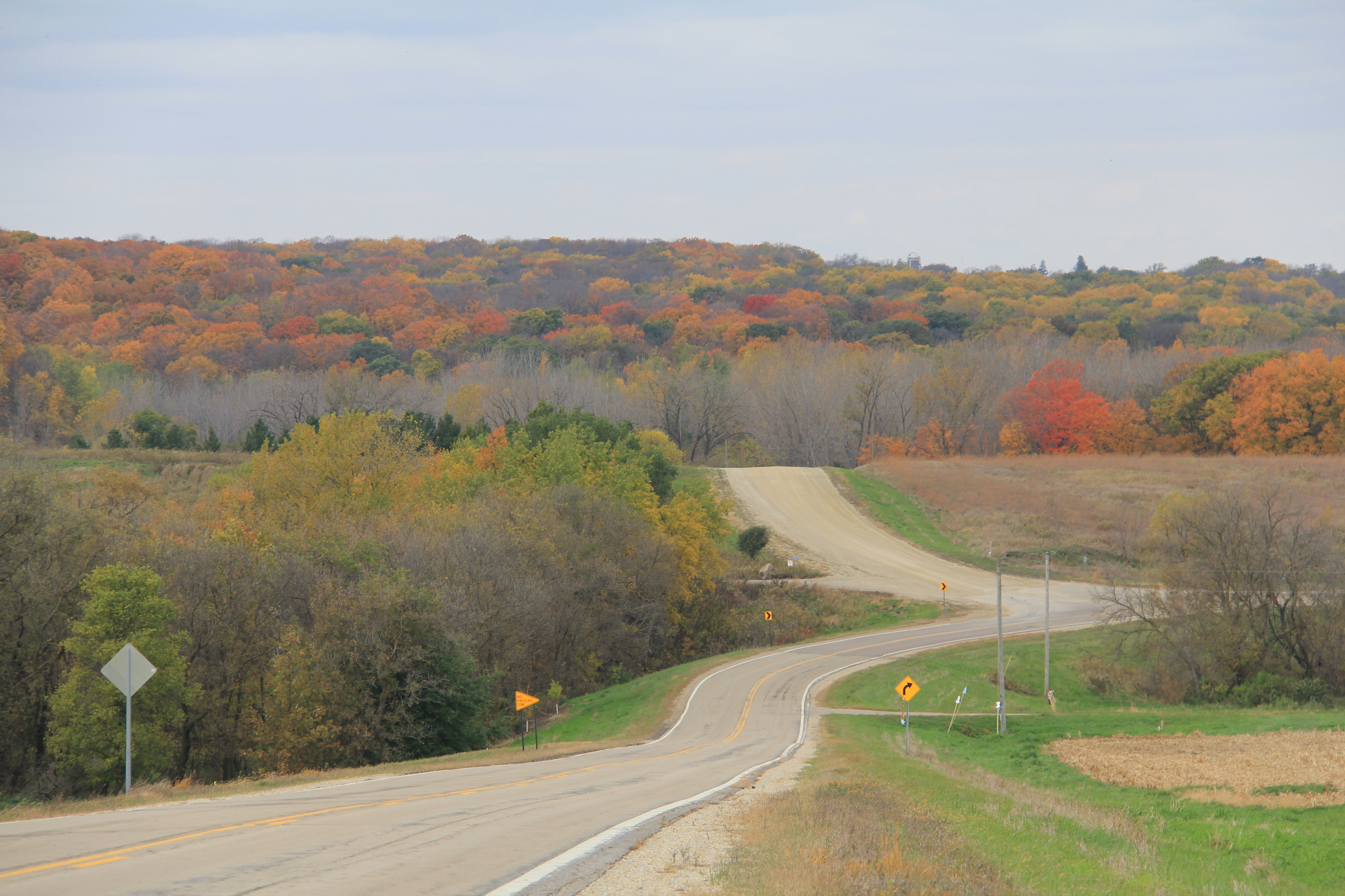
Driving along Rice County Road 30 from Nerstrand toward Valley Grove. (Minnesota Prairie Roots copyrighted photo October 2025)

A HILLSIDE ABLAZE in color appears before us as our van descends Rice County Road 30 northwest of Nerstrand. The road curves, twists into the valley between farmland and farm sites until we reach our destination, Valley Grove churches.

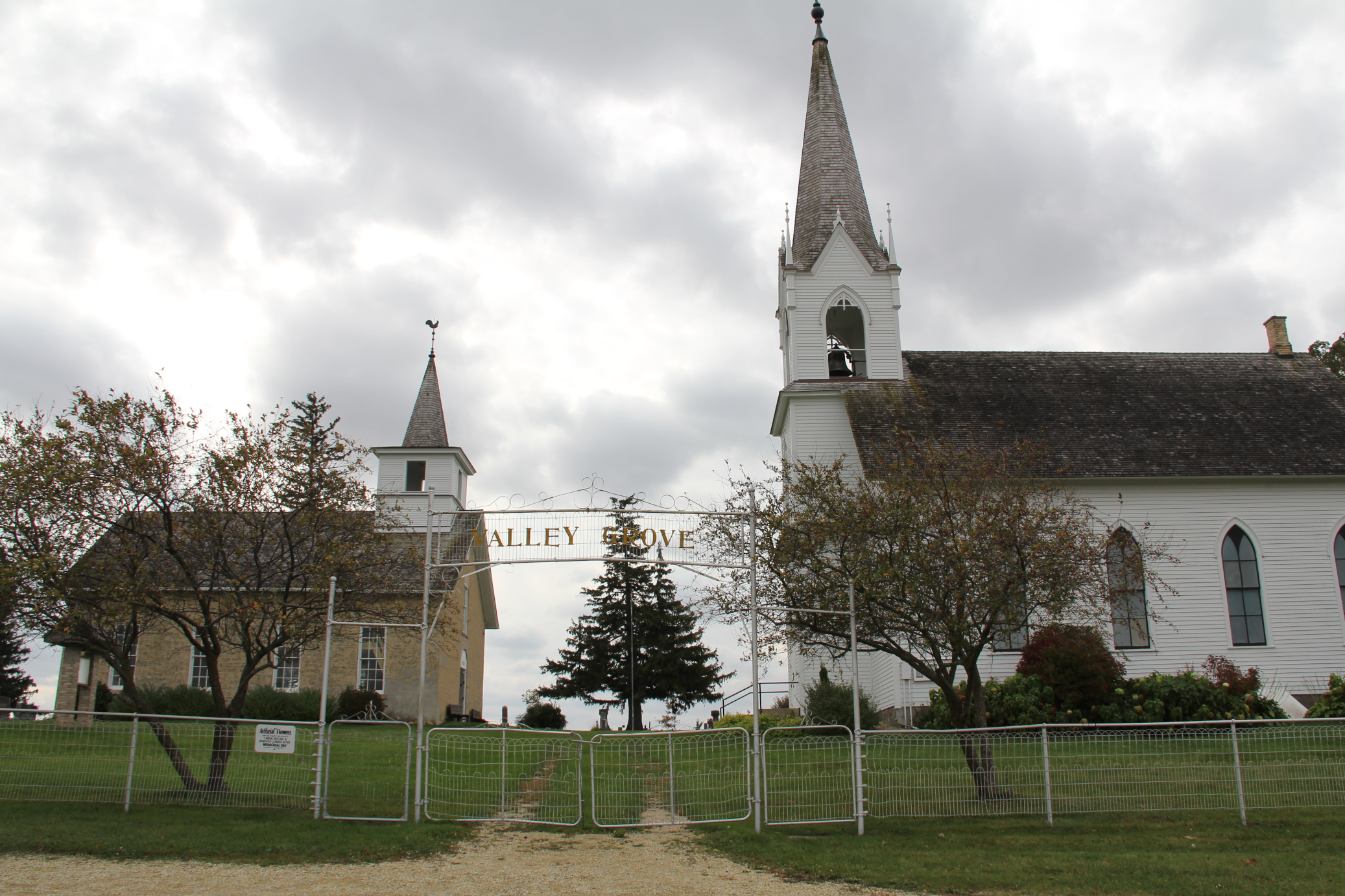
The gated entry to the historic Valley Grove churches near Nerstrand and south of Northfield. (Minnesota Prairie Roots copyrighted photo October 2025)

Randy steers the van off the paved road onto the gravel driveway leading to these two historic Norwegian immigrant churches standing high atop a hill overlooking the rolling countryside. This secluded place rates as a favorite destination of ours any time of year, but especially in autumn.

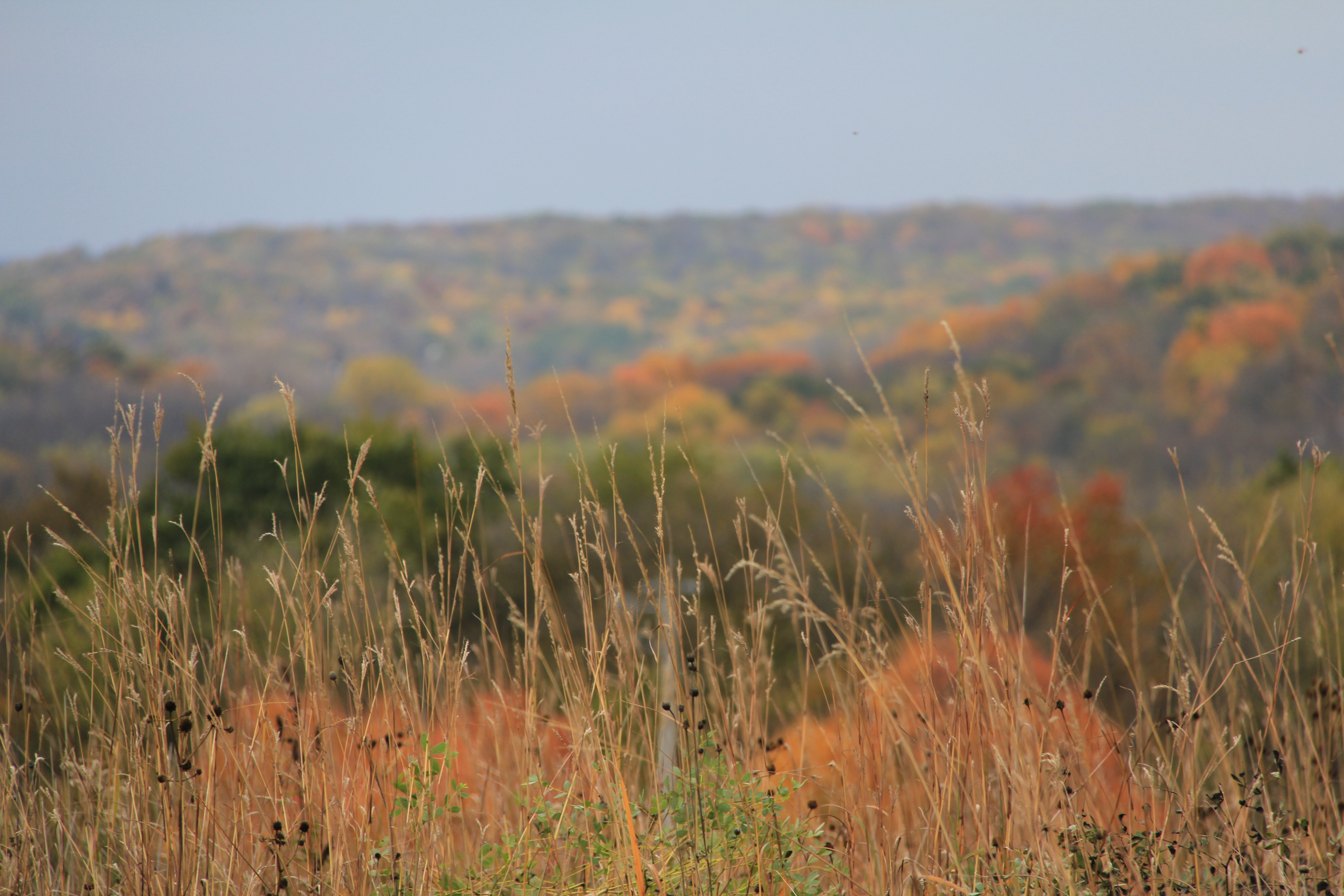
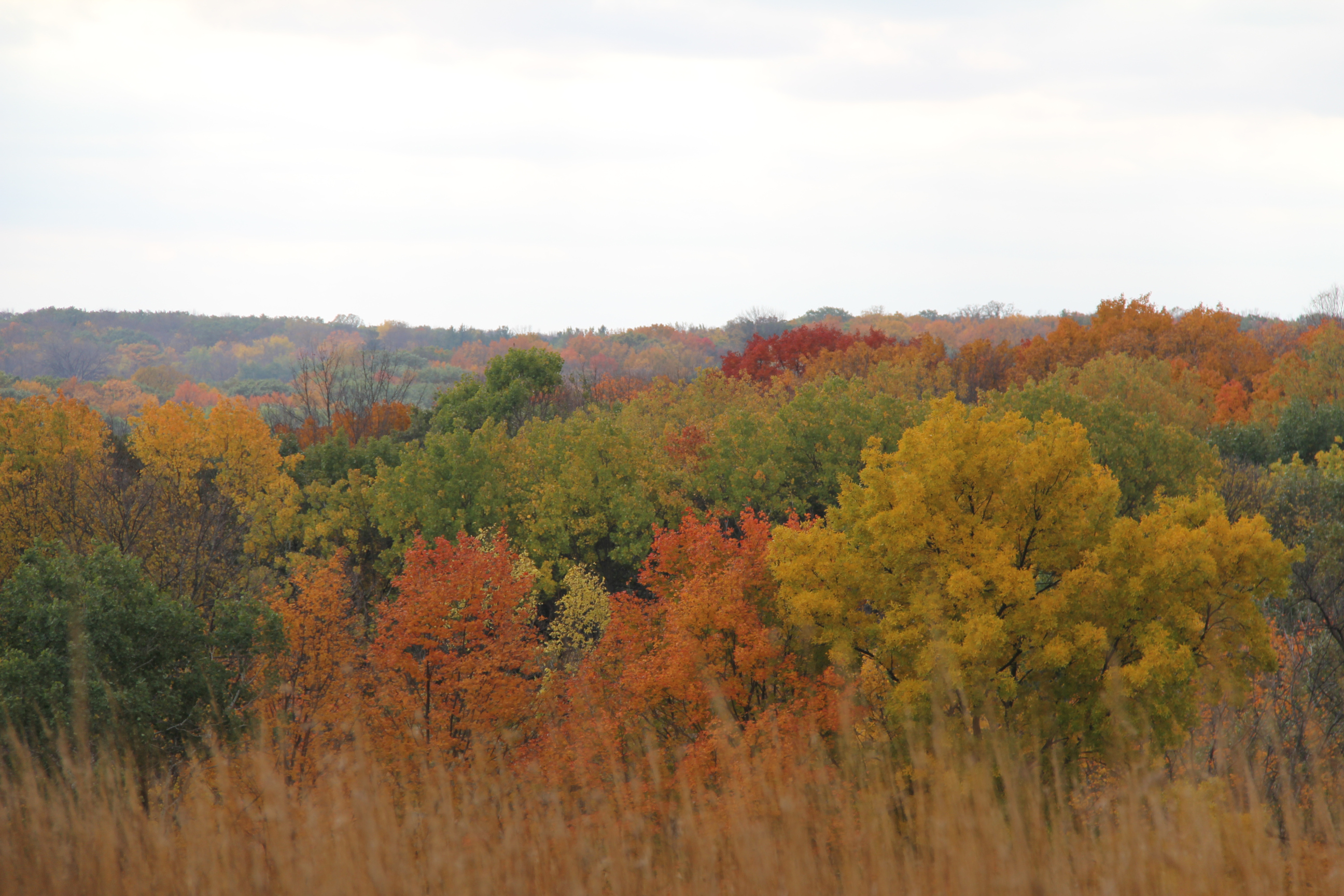
From the churchyard, I focus my telephoto lens across the prairie to the distant woods. (Minnesota Prairie Roots copyrighted photo October 2025)

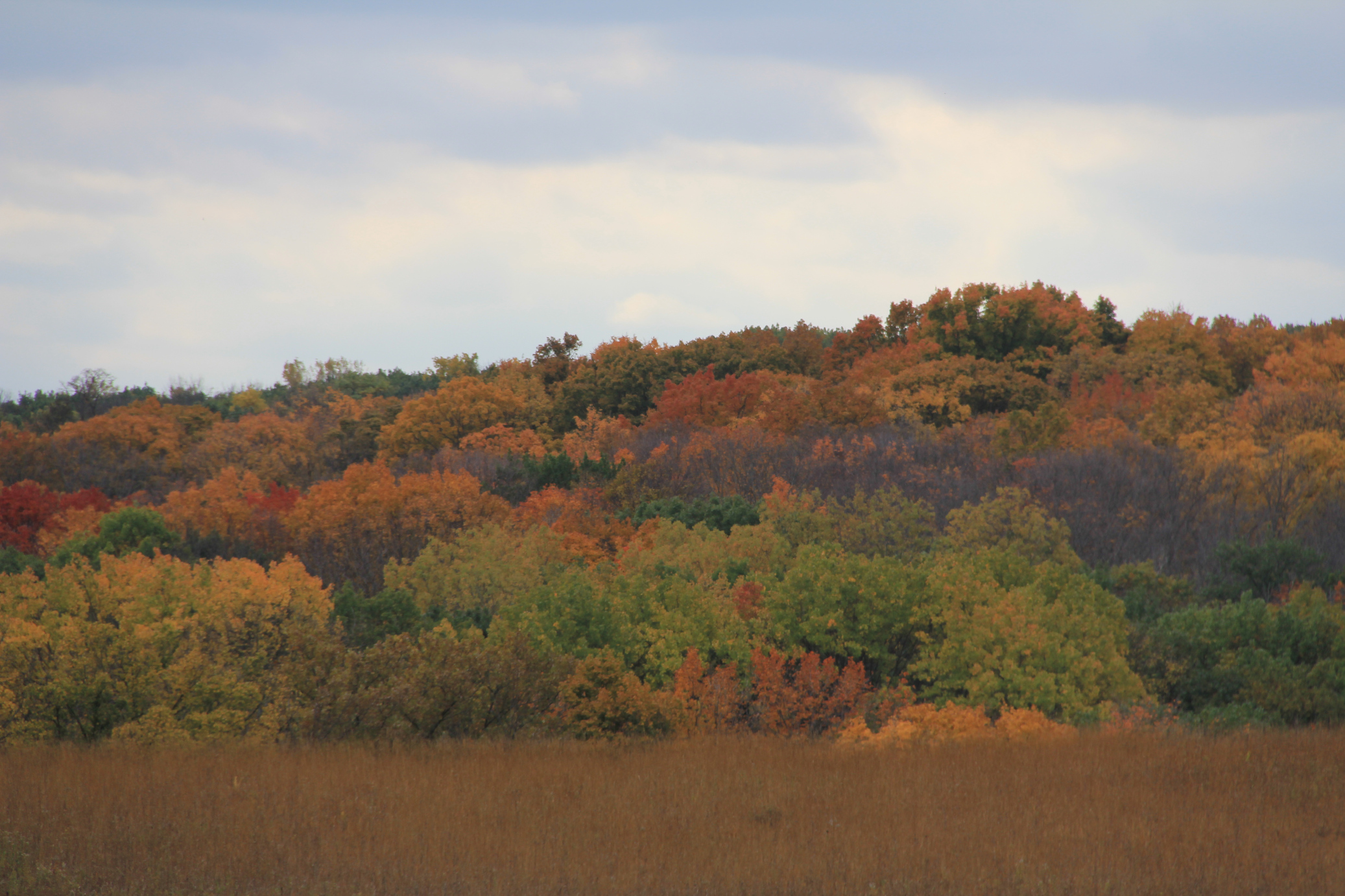
The hilltop location offers a sweeping view of the surrounding land, including the Big Woods, especially colorful now. I simply cannot get enough of the red, orange and yellow tree lines that provide a painterly backdrop to this bucolic setting.

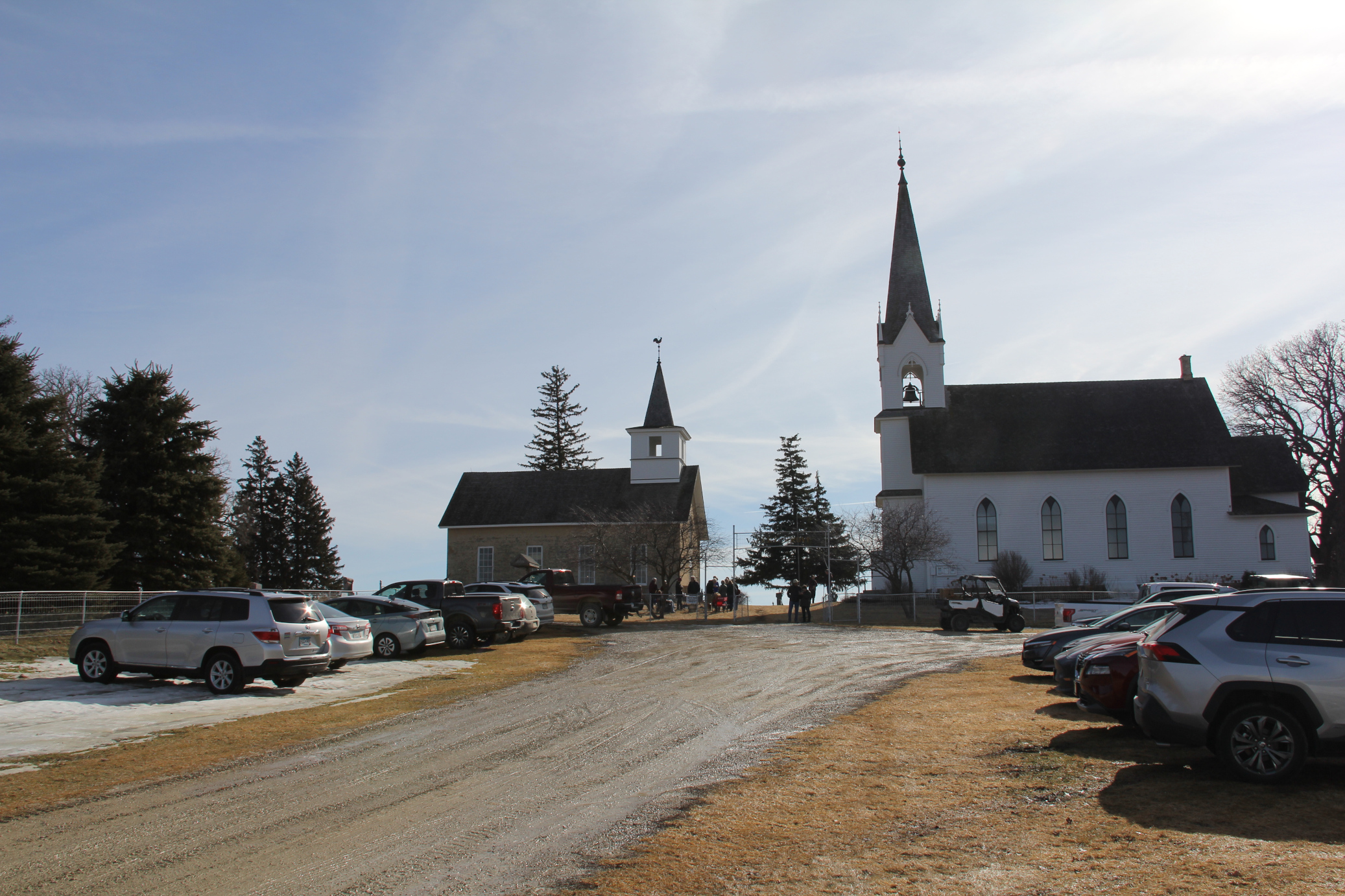
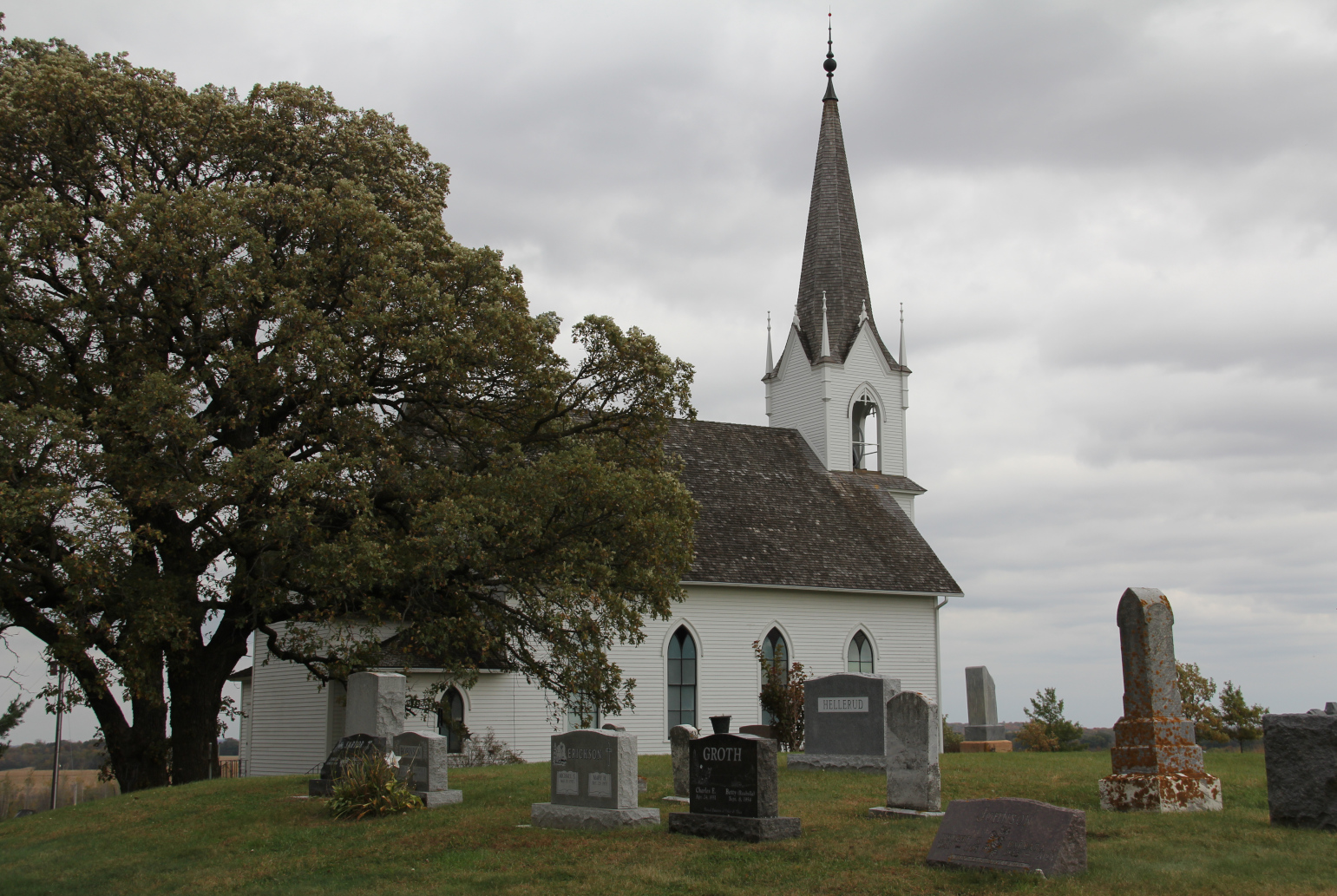
The 1894 wooden church opens today for weddings, a Country Social, a Christmas Eve service and other special events. The stone church serves as a fellowship hall/gathering spot. (Minnesota Prairie Roots copyrighted photo October 2025)

Here the 1862 and 1894 churches rise, a testament to the faith and endurance of the Norwegian immigrants who settled this area. The topography likely reminded them of the homeland they left for new opportunities in America.

The prairie fronts woods ablaze in color, as viewed from the churchyard. (Minnesota Prairie Roots copyrighted photo October 2025)

On this day, as the wind blows cold and strong across the churchyard—so much so that we eat our picnic lunch inside the van—I ponder how these foreigners felt once winter arrived in all her cold and snowy starkness. Perhaps they wondered why they ever left Norway.

A vibrant bush on prairie’s edge. (Minnesota Prairie Roots copyrighted photo October 2025)

But on this fall day, I recognize also how much they must have appreciated this beautiful hilltop location. The Valley Grove Preservation Society works hard to retain the natural beauty of these 50 acres of land. The trees. The tall prairie grasses. The wildflowers. They also maintain the two aged houses of worship—the old stone church built first and the adjacent wood-frame church constructed 32 years later.

Grassy paths lead into and through the prairie. (Minnesota Prairie Roots copyrighted photo October 2025)
Prairie wildflowers dying and going to seed. (Minnesota Prairie Roots copyrighted photo October 2025)
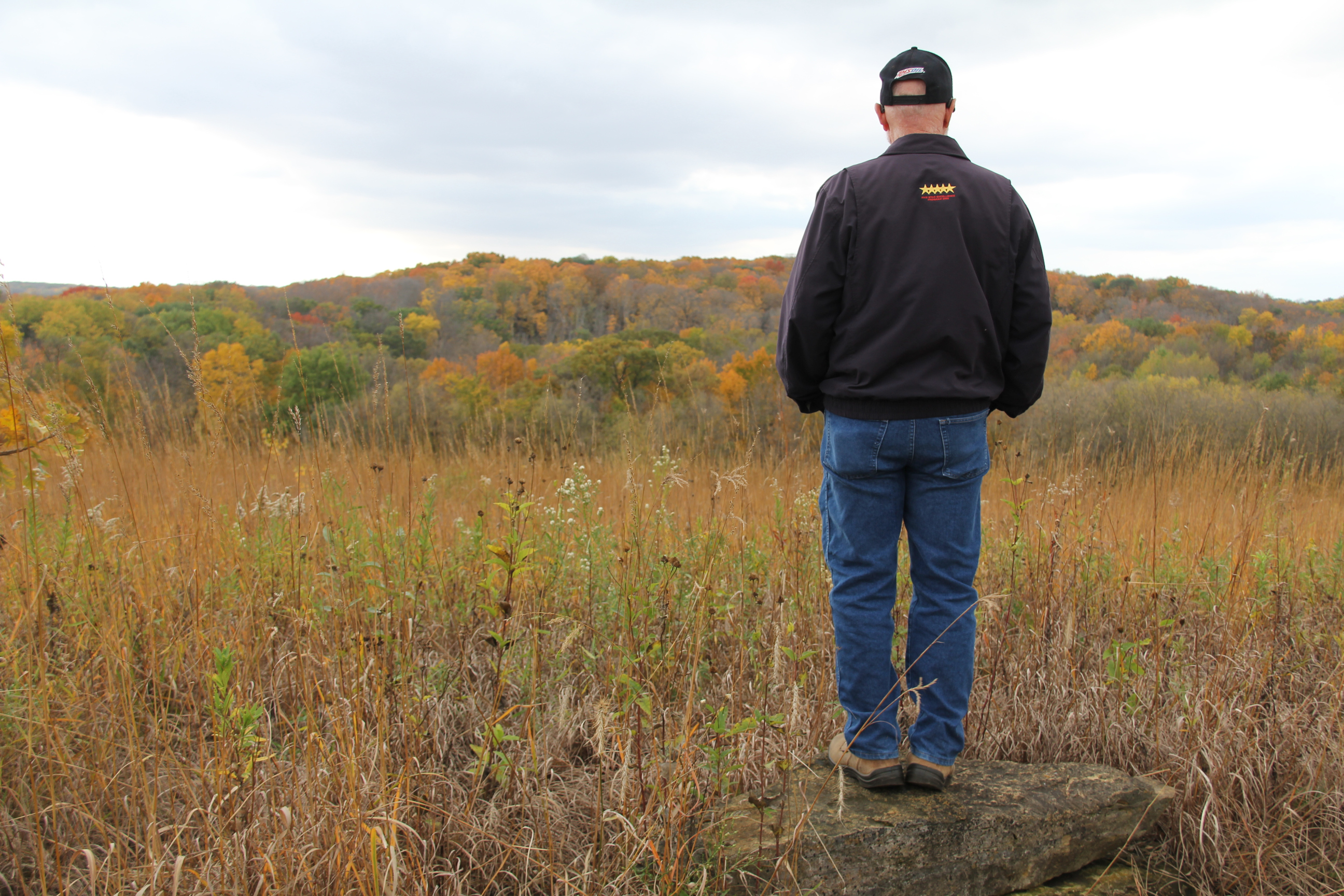
Randy steps up for a better view of the distant Big Woods from the prairie. (Minnesota Prairie Roots copyrighted photo October 2025)

Beyond the churches and surrounding cemetery, we follow an uneven path into the prairie, pausing occasionally to take in the colorful, distant trees. Randy steps atop a limestone slab for a better view. I spot a garter snake a step down from his feet, then edge away, not at all fond of snakes.

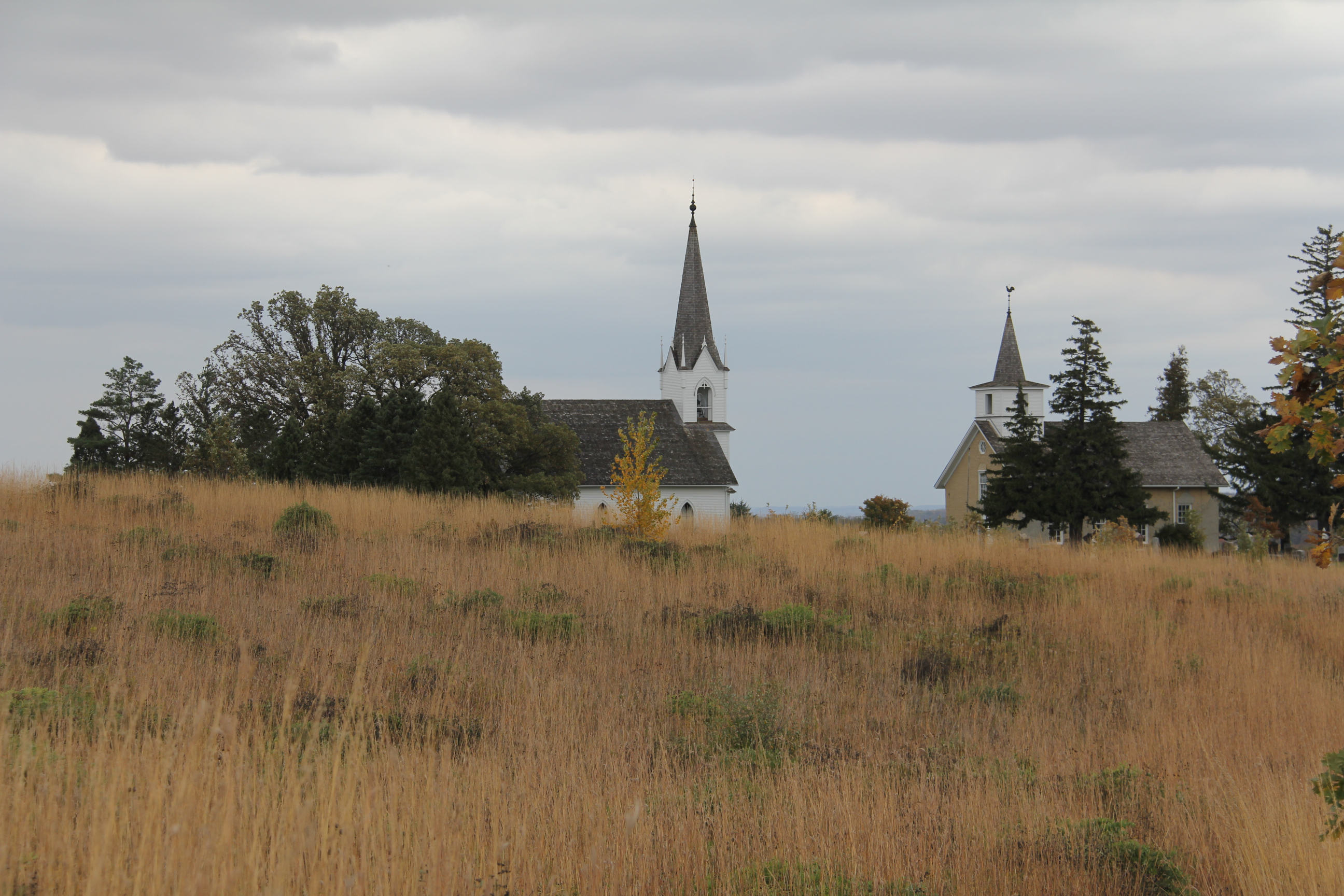
On the other side of the rolling prairie, the churches rise. (Minnesota Prairie Roots copyrighted photo October 2025)

Turning back toward the churchyard a bit later, I see the churches rise like ships upon an ocean of prairie grass. It’s not hard to visualize Norwegian immigrants boarding ships, sailing across the massive ocean bound for America.

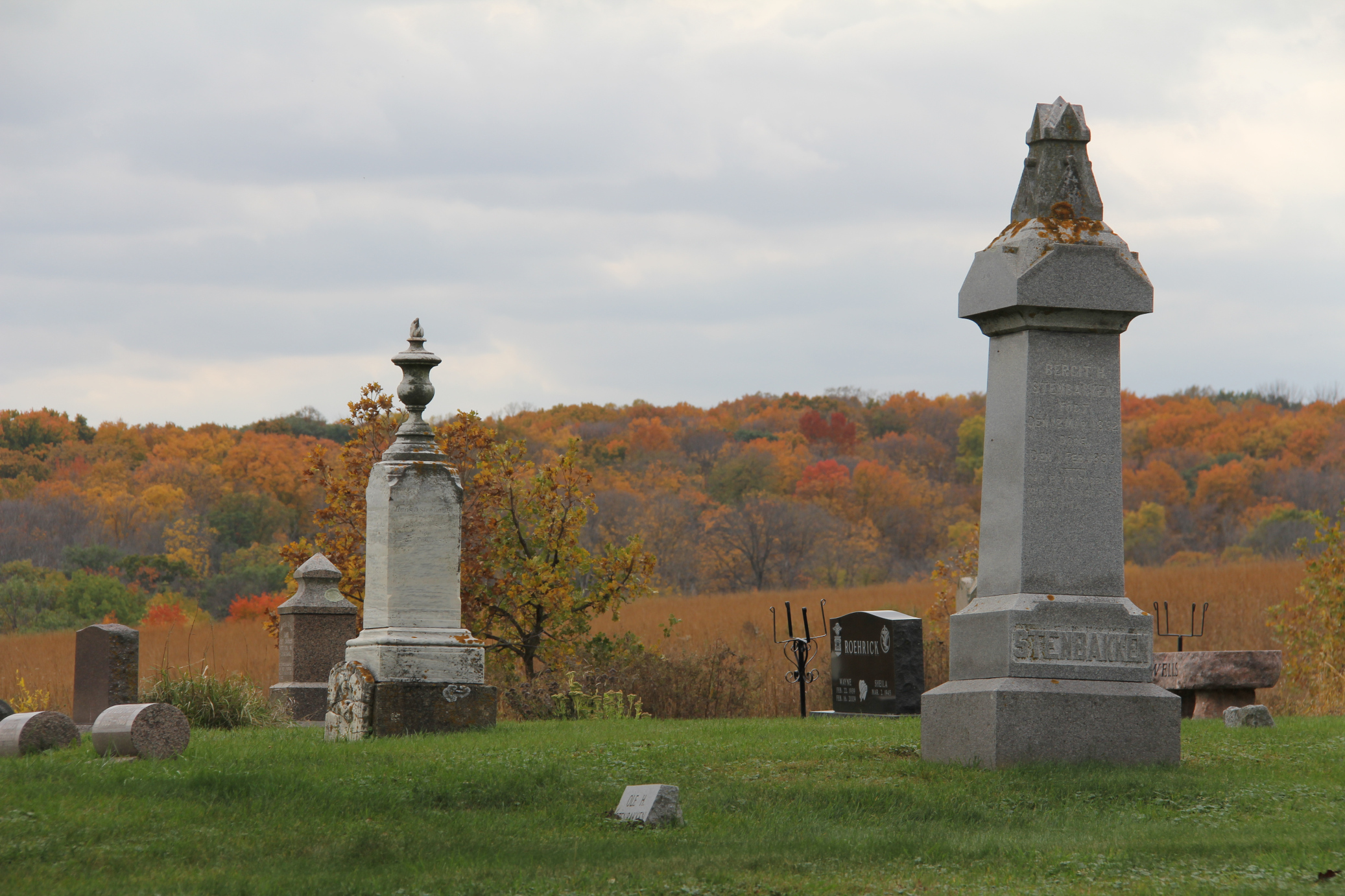
Aged and new tombstones fill the Valley Grove cemetery. (Minnesota Prairie Roots copyrighted photo October 2025)

The hopes and dreams they carried to America and eventually to Minnesota imprint upon tombstones in names and dates and words. Their hopes imprint, too, upon this land.

Zooming in on the colorful trees surrounding Valley Grove. (Minnesota Prairie Roots copyrighted photo October 2025)

When I walk this ground, I feel the imprints of souls beneath my feet. This place seems sacred. Sacred in the voices I hear if I lean into the wind and listen. Sacred in the vistas I view.

Found at a gravesite, a serenity stone. (Minnesota Prairie Roots copyrighted photo October 2025)

Valley Grove is a place of serenity. Of quiet. Of natural beauty unequal in the autumn of the year.

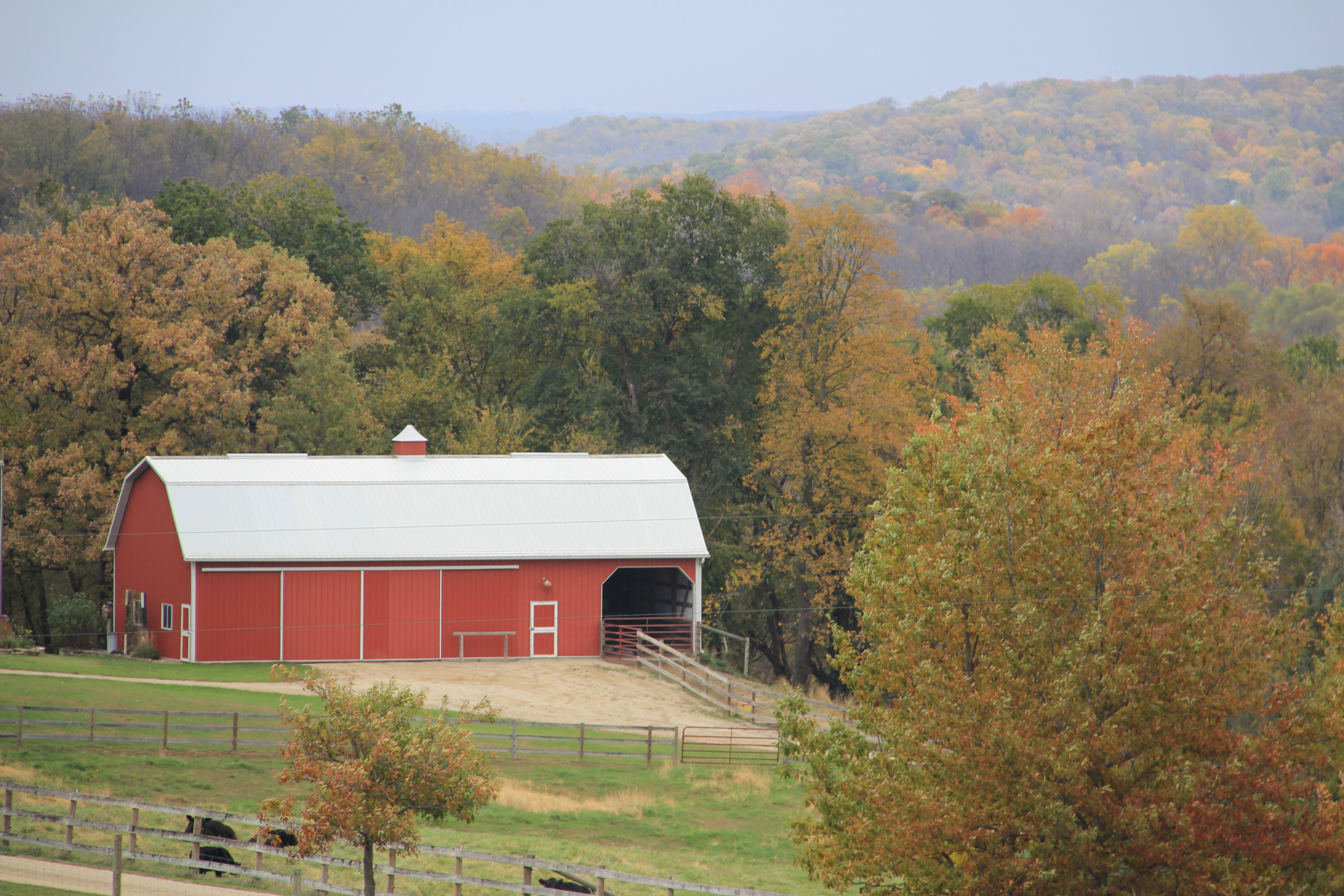
A farm site nestles among the woods below Valley Grove. (Minnesota Prairie Roots copyrighted photo October 2025)

All of this I find, feel, experience, see on an autumn day at Valley Grove, among the rolling hills and valleys of northeastern Rice County.

© Copyright 2025 Audrey Kletscher Helbling
 

From city to countryside, flooding continues to affect Faribault area & beyond June 24, 2024

Roads are closed throughout the area due to flooding. Here a barricade blocks Dahle Avenue at its intersection with 220th Street East along the Straight River east of Faribault late Sunday afternoon. (Minnesota Prairie Roots copyrighted photo June 23, 2024)

NEARLY TWO DOZEN city streets, county highways and township roads remain closed throughout Rice County due to floodwaters. The number seems unprecedented. Closures include several streets in Faribault along the Cannon and Straight Rivers. More rain is possible later today. Exactly what we don’t need. However, Faribault city officials noted both rivers began to drop Monday morning.

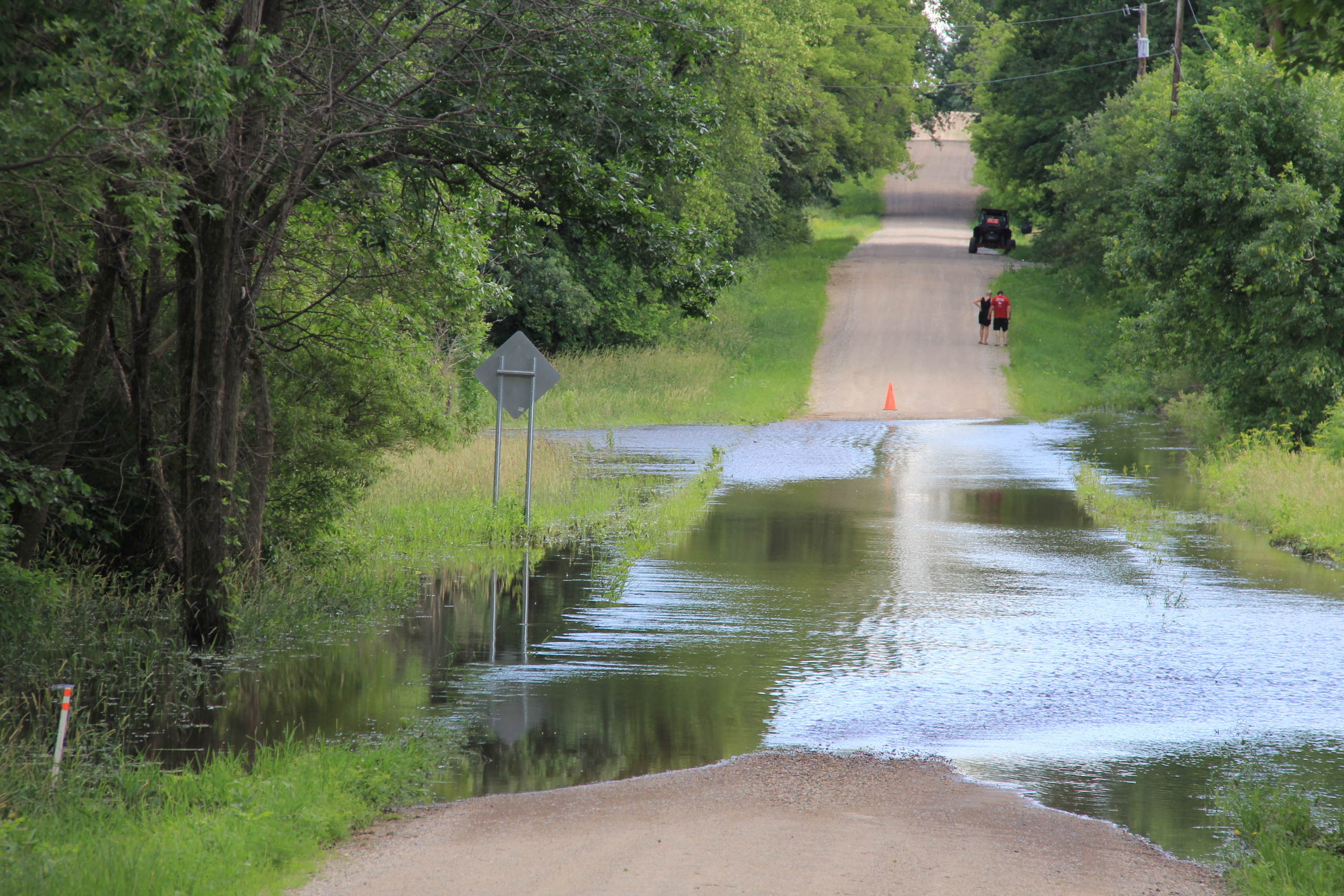
A couple checks out flooded Dahle Avenue. (Minnesota Prairie Roots copyrighted photo June 23, 2024)

As inconvenient as these road closures may be, especially to locals, it’s nothing compared to the flooding of businesses, homes, campgrounds and more, especially in neighboring Waterville. The small town draws lake-lovers to summer cabins and campgrounds with tourism an important part of the local economy.

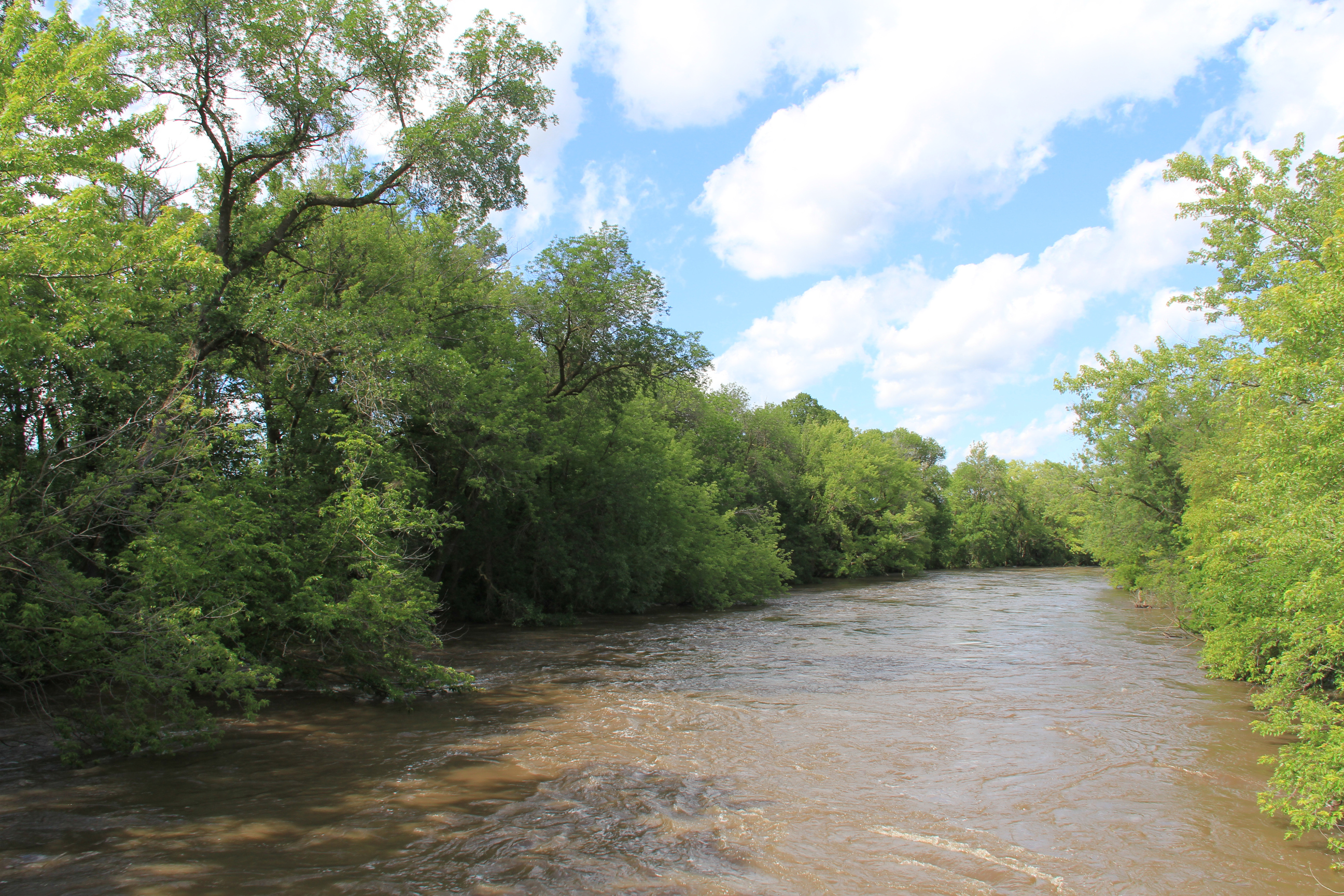
The muddy, fast-moving Straight River, photographed late Sunday afternoon from a bridge on 220th Street East, east of Faribault. (Minnesota Prairie Roots copyrighted photo June 23, 2024)

Other small towns, like Morristown and Warsaw, have also been impacted by the rising Cannon River. That water (and water from the Straight River) eventually ends up in Faribault and then Northfield and other places along the river and its watershed. In Faribault, public safety officials are keeping a close eye on the King Mill Dam, over which the Cannon flows. I’ve not seen that area, which is now barricaded to motor vehicle and foot traffic, and wisely so. The dam is a popular fishing spot. The road past the dam is also a busy traffic route, a connection to Minnesota State Highway 60.

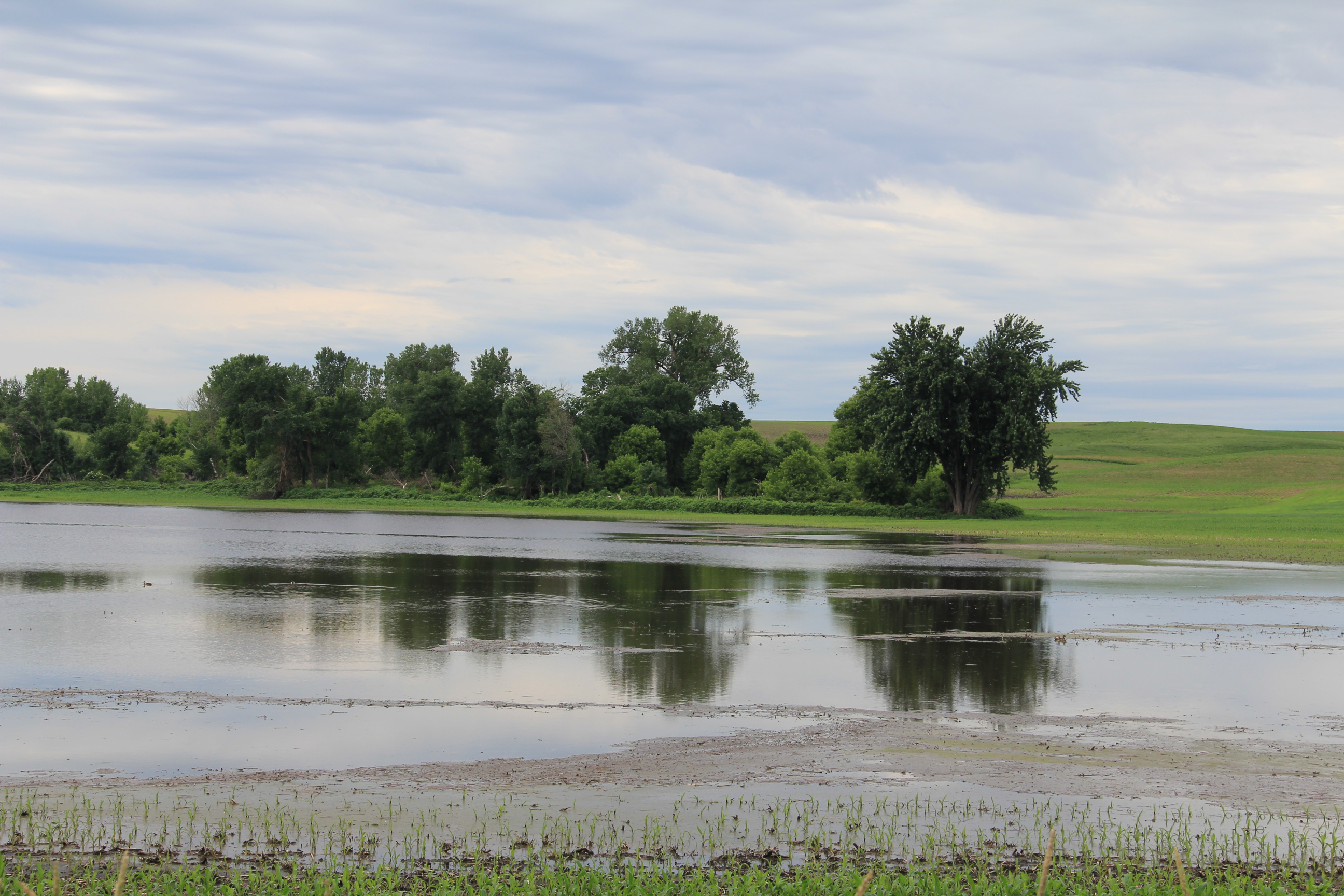
Rounding 195th Street West, a flooded cornfield, photographed northwest of Faribault late Friday morning. (Minnesota Prairie Roots copyrighted photo June 21, 2024)

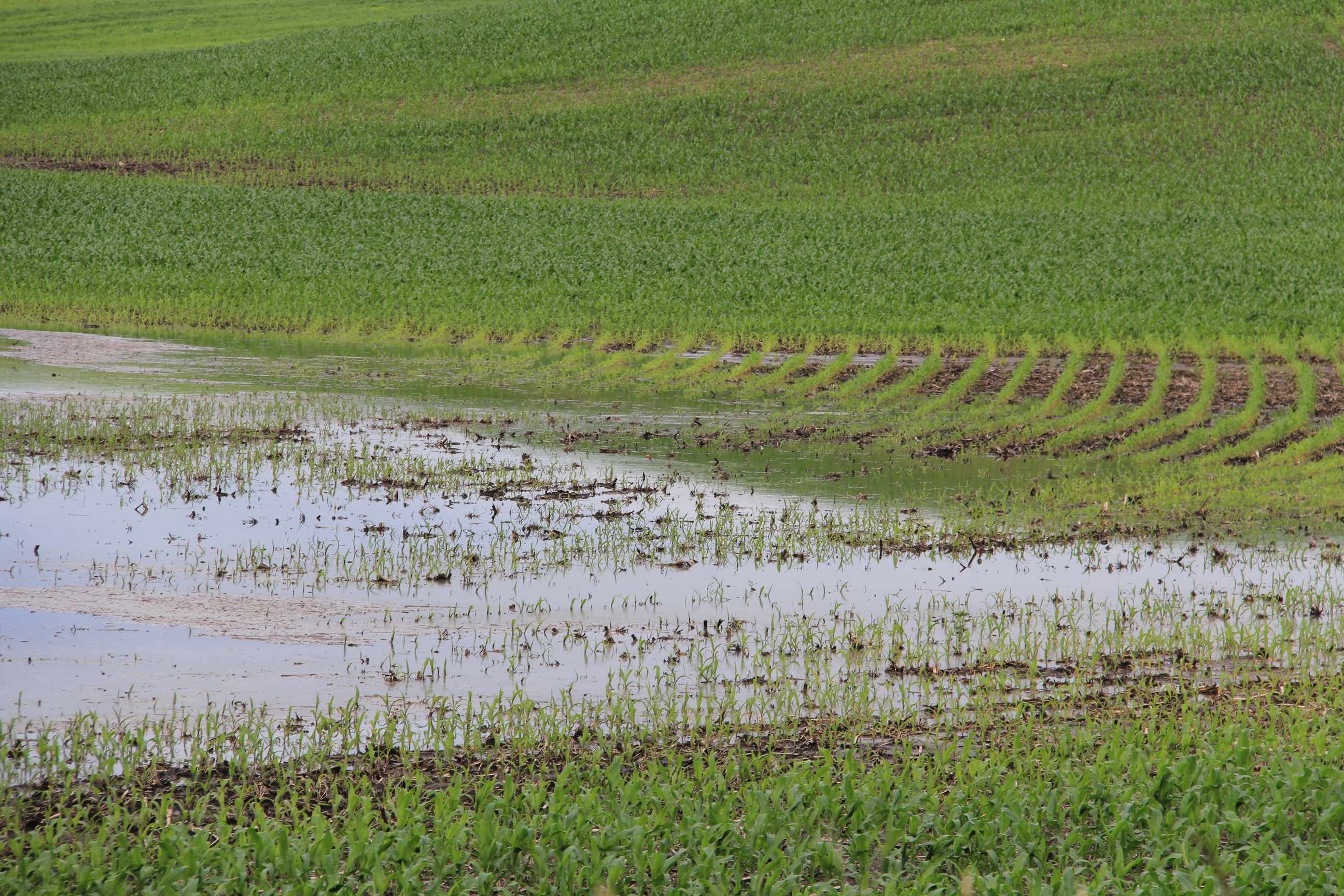
Out in the countryside, too much rain has drowned corn and soybean crops, turning fields into lakes. I feel for the farmers, who depend on a good crop for their livelihood. It’s too late in Minnesota’s short growing season to replant. Crop insurance will cover some of their losses.

Excessive rain flooded this cornfield, transforming it from farmland to lake. Photographed late Friday morning along 195th Street West. (Minnesota Prairie Roots copyrighted photo June 21, 2024)

Rice County has a diverse topography of flat lands and rolling hills, plus differing soil types and drainage systems. Those, and rainfall amounts, affect whether a farm field floods. The entire county has experienced substantial rains. Just last Friday afternoon and into Saturday morning, we measured 3.1 inches of rain in our gauge. The day prior, 1.75 inches. Ten inches of rain fell here in eight days. Too much.

A flooded cornfield along 195th Street West, photographed Friday morning. (Minnesota Prairie Roots copyrighted photo June 21, 2024)
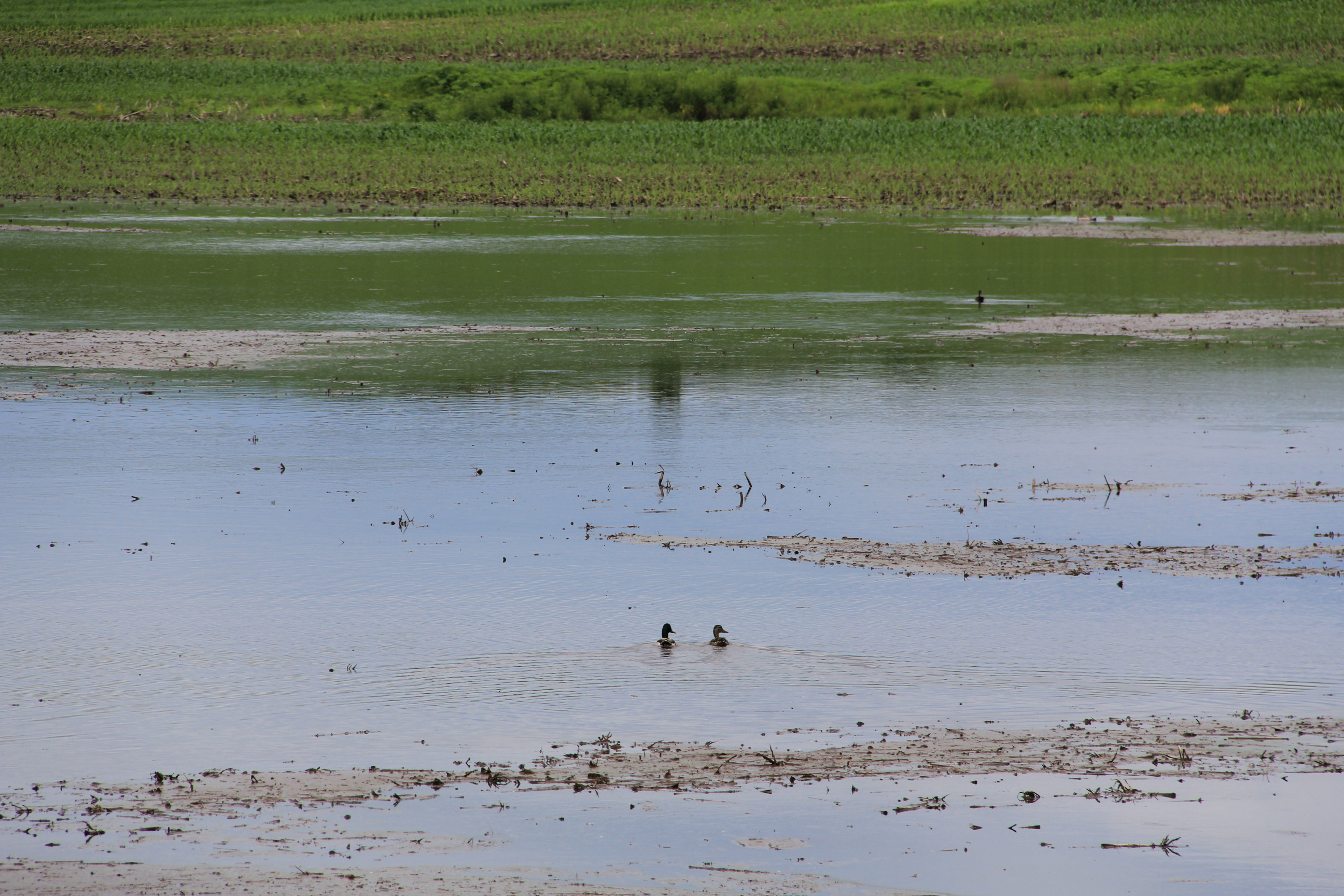
Ducks swim in the cornfield turned lake late Friday morning along 195th Street West. (Minnesota Prairie Roots copyrighted photo June 21, 2024)

Ask any farmer, and he/she can likely give you rainfall totals. I saw some of that rainwater on Friday morning while on a short drive along backroads northwest of Faribault. And that was before Friday’s three-inch rainfall.

A bit down the road, more flooding in the rolling terrain along Fairbanks Avenue northwest of Faribault, photographed late Friday morning. (Minnesota Prairie Roots copyrighted photo June 21, 2024)

On Sunday afternoon, most fields in the area I traveled were not flooded, but at least one township gravel road along the Straight River was flooded and barricaded. I expect if I expanded my tour, I’d see a whole lot more road closures and flooded fields. (Click here for a list of roadways that are closed in Rice County.)

Public officials are warning people to heed warning signs (like this one on Dahle Avenue) and stay out of flooded areas due to the dangers of swift-moving, high water. (Minnesota Prairie Roots copyrighted photo June 23, 2024)

In the all of this, there’s nothing we can do to control the weather. We can only prepare and then deal with whatever comes. Those, of course, are just words, not really helpful to anyone dealing with flooded fields, flooded roads, flooded homes, flooded businesses, flooded campers, flooded parks, flooded…

© Copyright 2024 Audrey Kletscher Helbling

 

A fall favorite: Trinity North Morristown’s Fall Dinner October 12, 2021

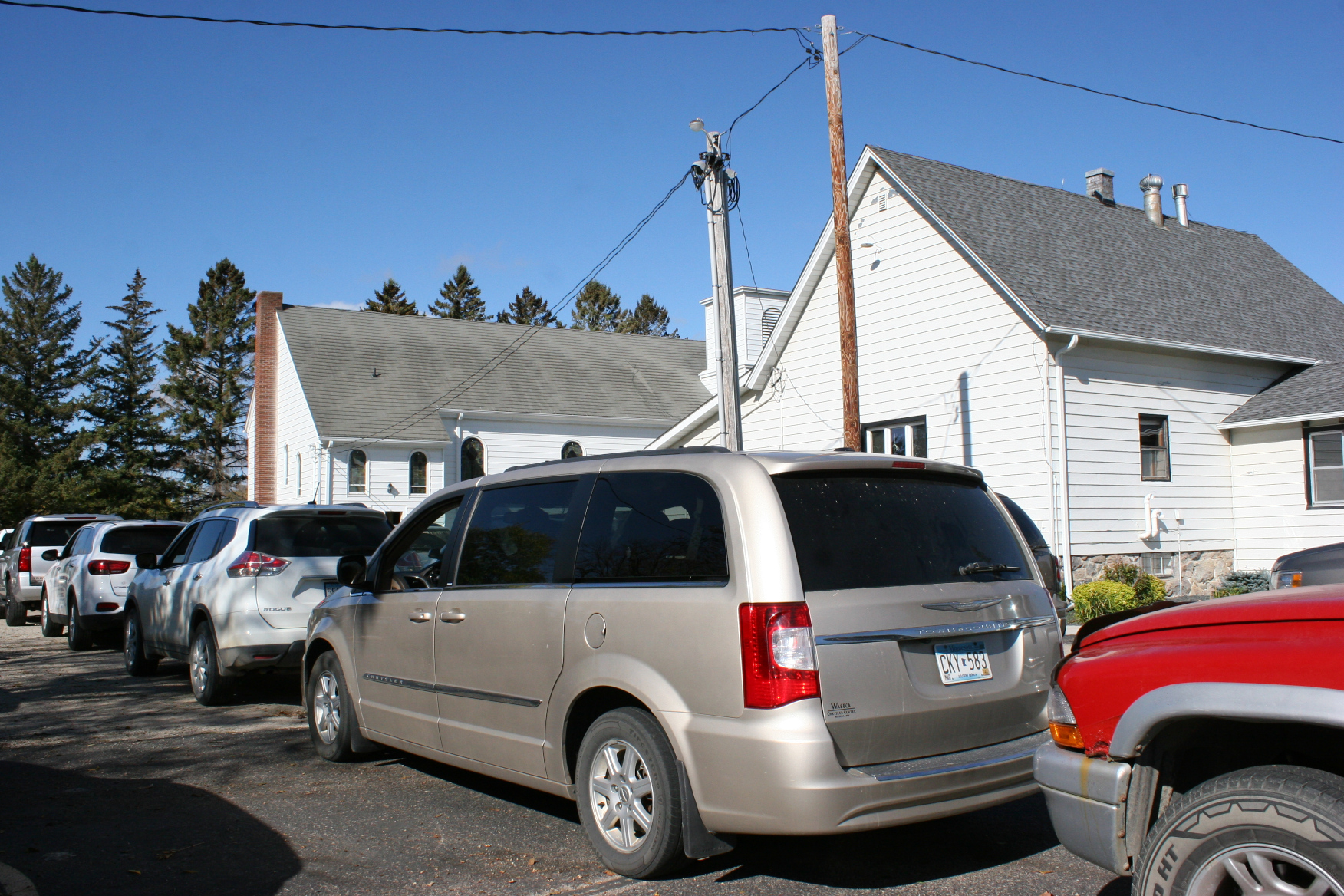
Waiting in line behind Trinity Lutheran Church and School for meals to be delivered to vehicles. Minnesota Prairie Roots copyrighted photo October 2021.

VEHICLES STACKED UP three rows wide late Sunday morning, crawling toward Trinity Lutheran Church, North Morristown.

A volunteer welcomes guests, accepts payment, disburses tickets and directs traffic. Minnesota Prairie Roots copyrighted photo October 2021.

As Randy and I waited in our van, I clutched two blue tickets, our tickets to the hottest dinner in town. Or in this case, in rural Rice County. It was the annual Fall Dinner at this country church and school set in the rolling farmland west of Faribault and also the site of a popular July Fourth celebration.

We arrived early in the two-hour take-out event, a switch from the usual dine-in dinner due to the pandemic. But I didn’t want to risk Trinity running out of food. Yes, this full turkey and ham dinner with all the trimmings is that popular. And that good. And reasonably priced at $10.

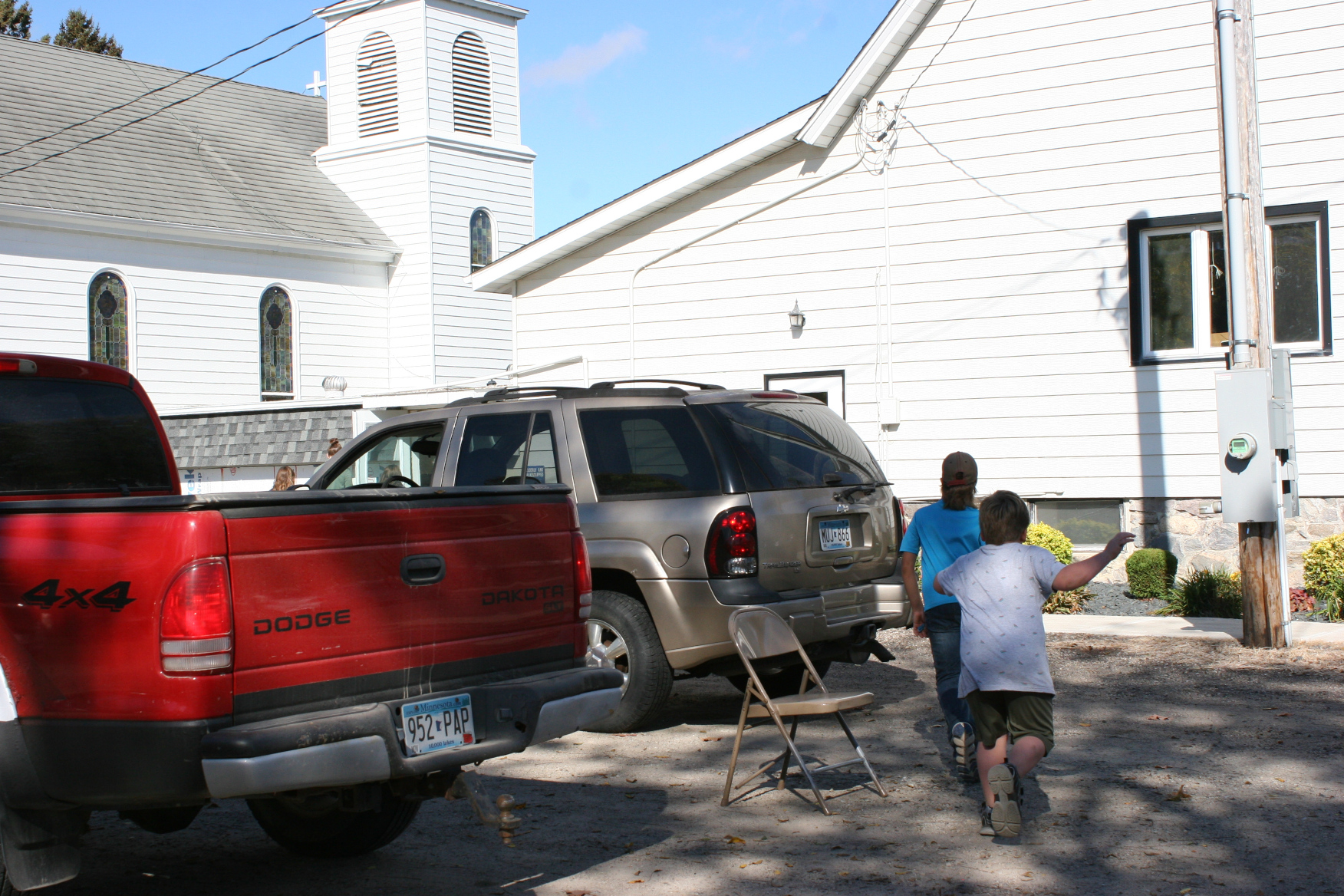
Young volunteers run back toward the church to grab more meals. Folding chairs separated traffic lanes. Minnesota Prairie Roots copyrighted photo October 2021.

So we waited. Creeping. Idling. Creeping. And while we snail-paced, neighborhood dogs barked. And free-range chickens foraged in the pastor’s yard next to the church. Volunteers sold tickets and directed traffic. And youth, some clad in cowboy boots, scurried to deliver the coveted meals prepared and boxed by many more volunteers in the church basement.

Twenty minutes later, I was reaching through my open van window to accept two bags with our meals inside. The air smelled of Thanksgiving dinner. And I felt thankful to be here, partaking in this annual event, although I missed gathering in the church basement for fellowship.

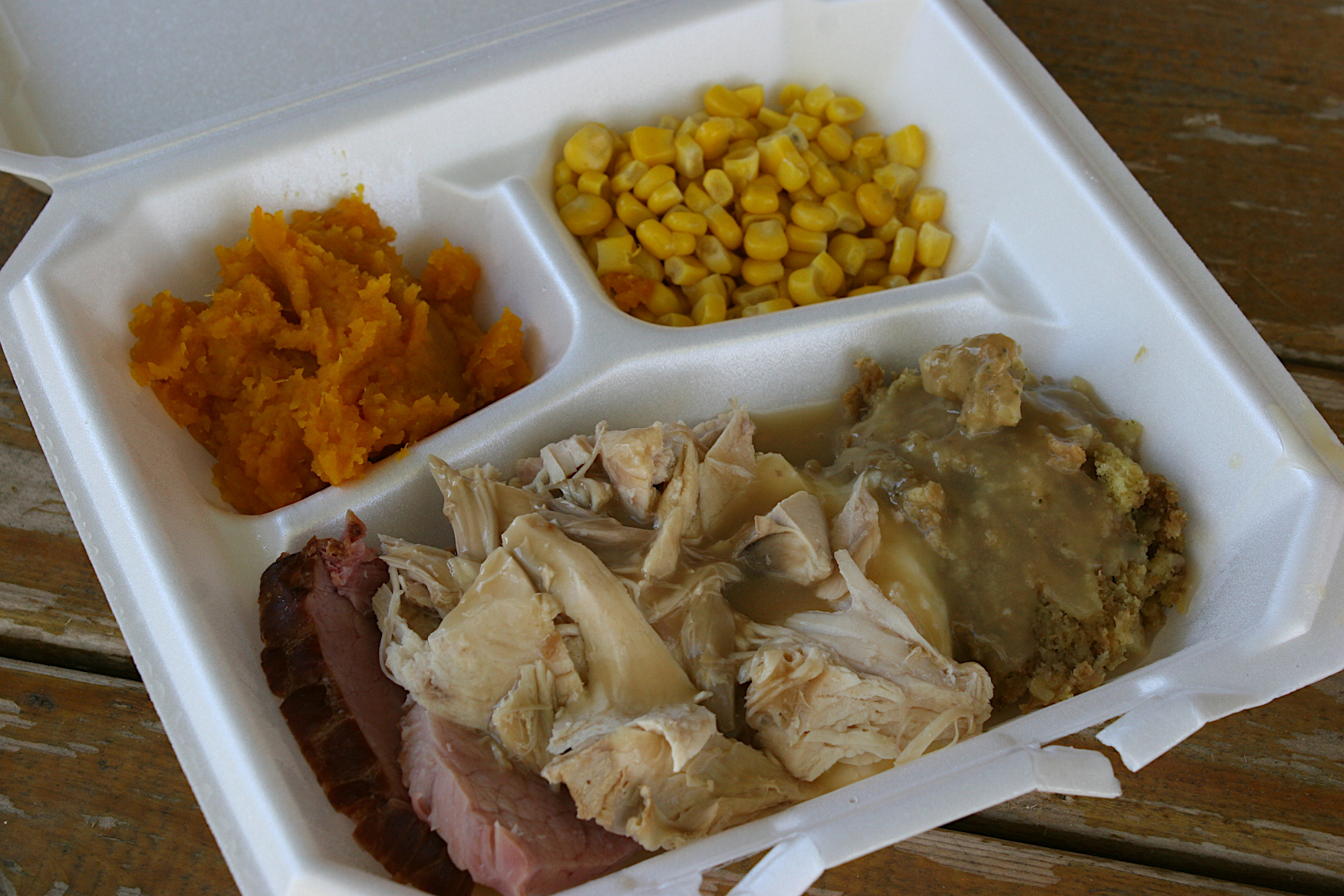
The main meal: ham, turkey, mashed potatoes with gravy, stuffing, squash and corn. Minnesota Prairie Roots copyrighted photo October 2021.

Instead of driving all the way back to Faribault to eat warm, rather than hot, food, Randy and I dined across the road at the July Fourth celebration grounds. I pulled on my flannel shirt, he his jacket, and we perched on the edge of the entertainment stage to fork mouthfuls of turkey and ham and sides.

“The potatoes are lumpy,” Randy noted.

“A sure sign they’re homemade,” I said, affirming his appreciation of real mashed potatoes. Nearly everything served in this generously-portioned meal is homemade. I especially enjoyed the squash, a vegetable I’ve not yet eaten this season.

We saved our coleslaw, cranberries and buns for later. And our dessert, too. Two bars and two slices of cake.

Honoring parade grand marshals. Minnesota Prairie Roots copyrighted photo October 2021.

And while we dined, we chatted about the annual Fourth of July celebration held here on these grounds. We noted the names of parade grand marshals on wooden slabs backing the stage. We remembered the music and crowds and good food—always the food—and the fun times and talked about bringing our young grandchildren here to experience this on Independence Day.

A model of the church, featured in parades, is stored at one end of the stage in the off-season. Minnesota Prairie Roots copyrighted photo October 2021.

When we finished eating, we bagged our empty Styrofoam take-out containers, plastic-ware and napkins, placed the slaw and cranberries on ice in a cooler and headed out. Randy noted how the mix of grass and weeds, always trampled flat by July Fourth fest-goers, now flourished. The site looked vastly different in the season of autumn, the season of church dinners in Minnesota. And this, my favorite, at Trinity North Morristown in rural Rice County.

TELL ME: Do you have a favorite church dinner? I’d like to hear.

© Copyright 2021 Audrey Kletscher Helbling