Minnesota Prairie Roots

Writing and photography by Audrey Kletscher Helbling

A plant sale & more at the Merton Town Hall May 26, 2026

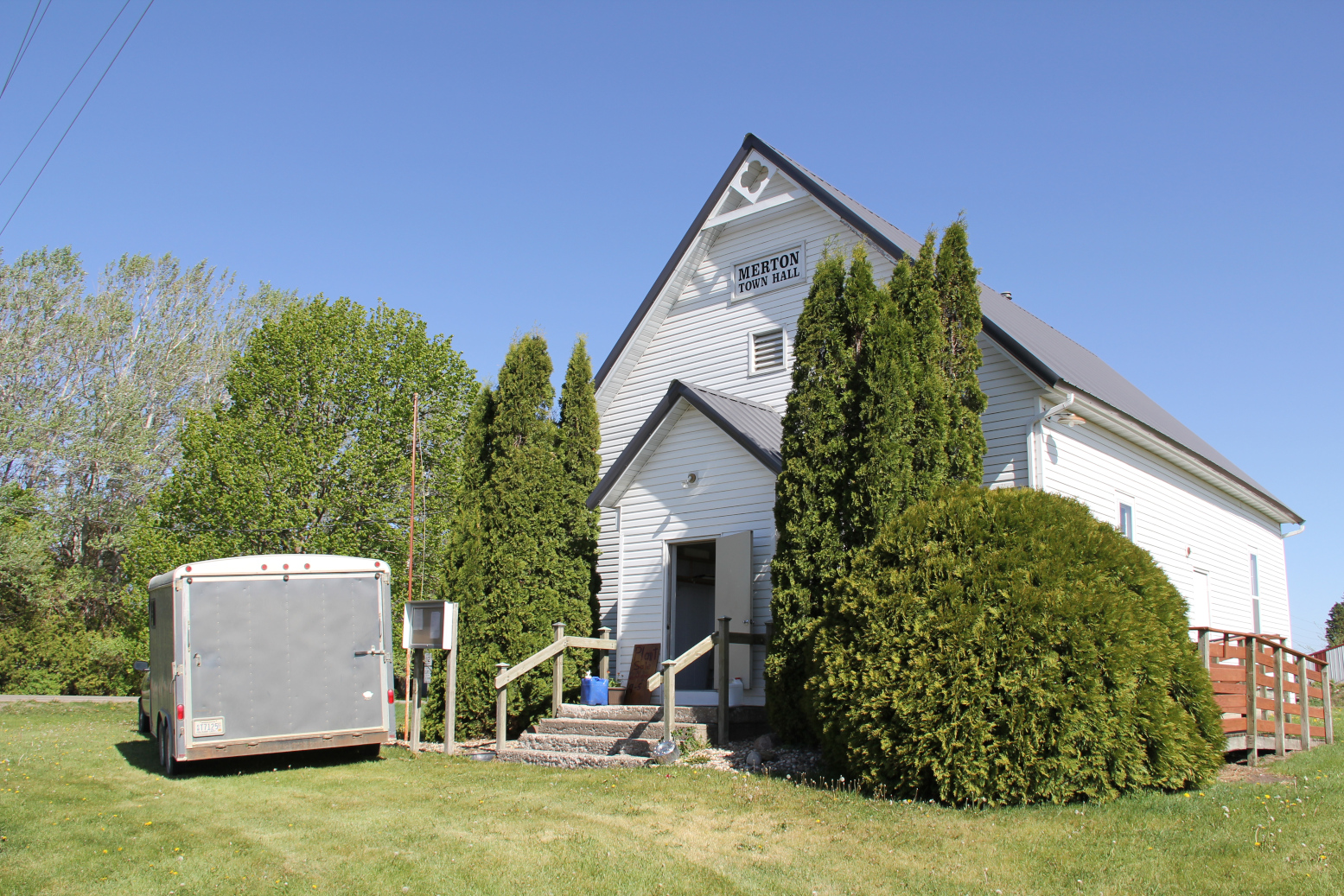
The Merton Town Hall, rural Medford. (Minnesota Prairie Roots copyrighted photo May 2026)

INSIDE THE MERTON TOWN HALL, Audrey Klukas, who lives a few miles away in rural Owatonna, is hosting a May plant sale. She’s hauled plants and canned goods, homemade apple pies and woven rugs from her trailer, up the steps into this aged building.
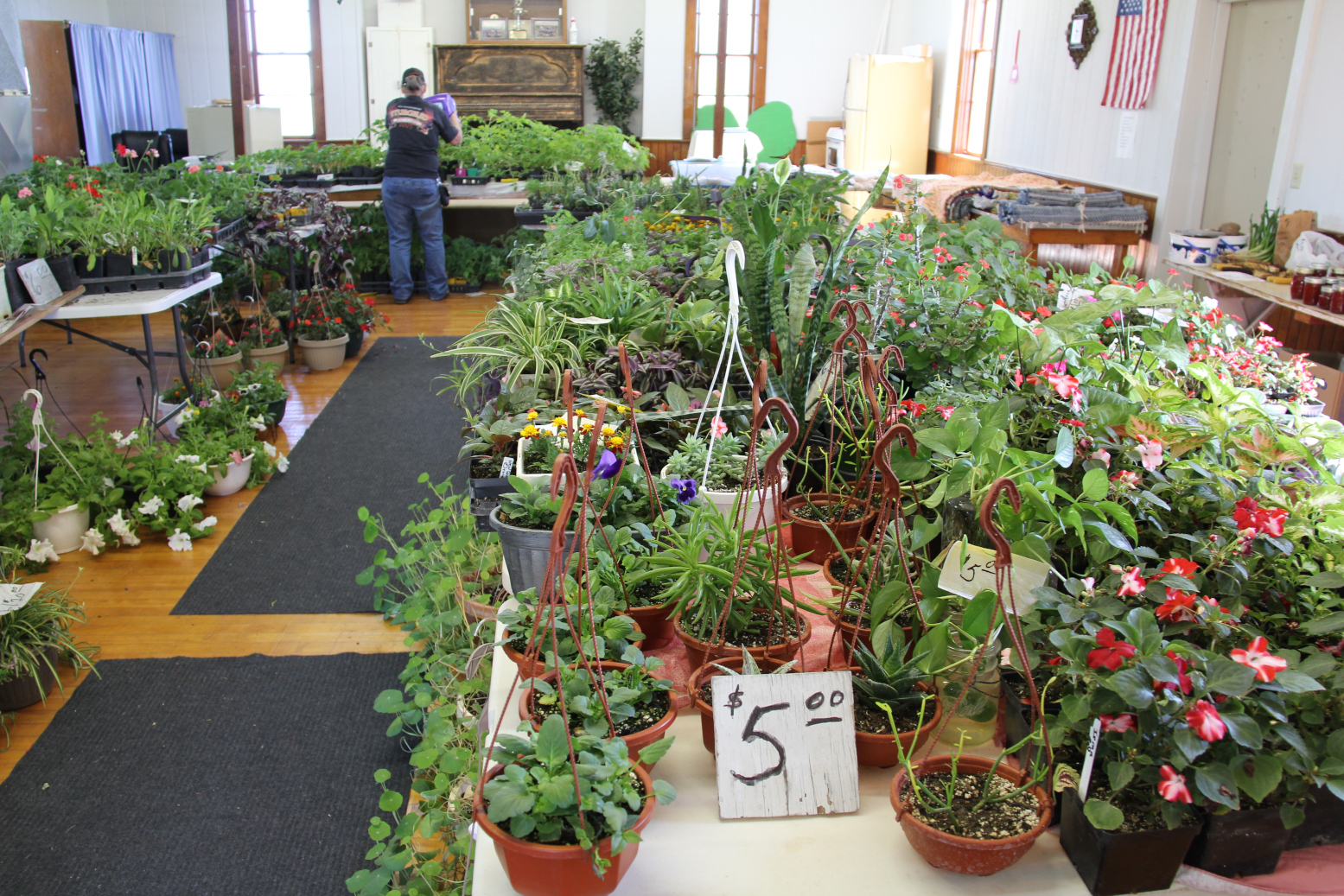
Audrey Klukas, in the background, arranges plants for sale. (Minnesota Prairie Roots copyrighted photo May 2026)

Marigolds, geraniums, petunias, tomatoes, succulents, peppers, hostas, sedum, coneflowers and more cover tables and sections of the old wooden floor. Tree seedlings sit on a painted church pew.
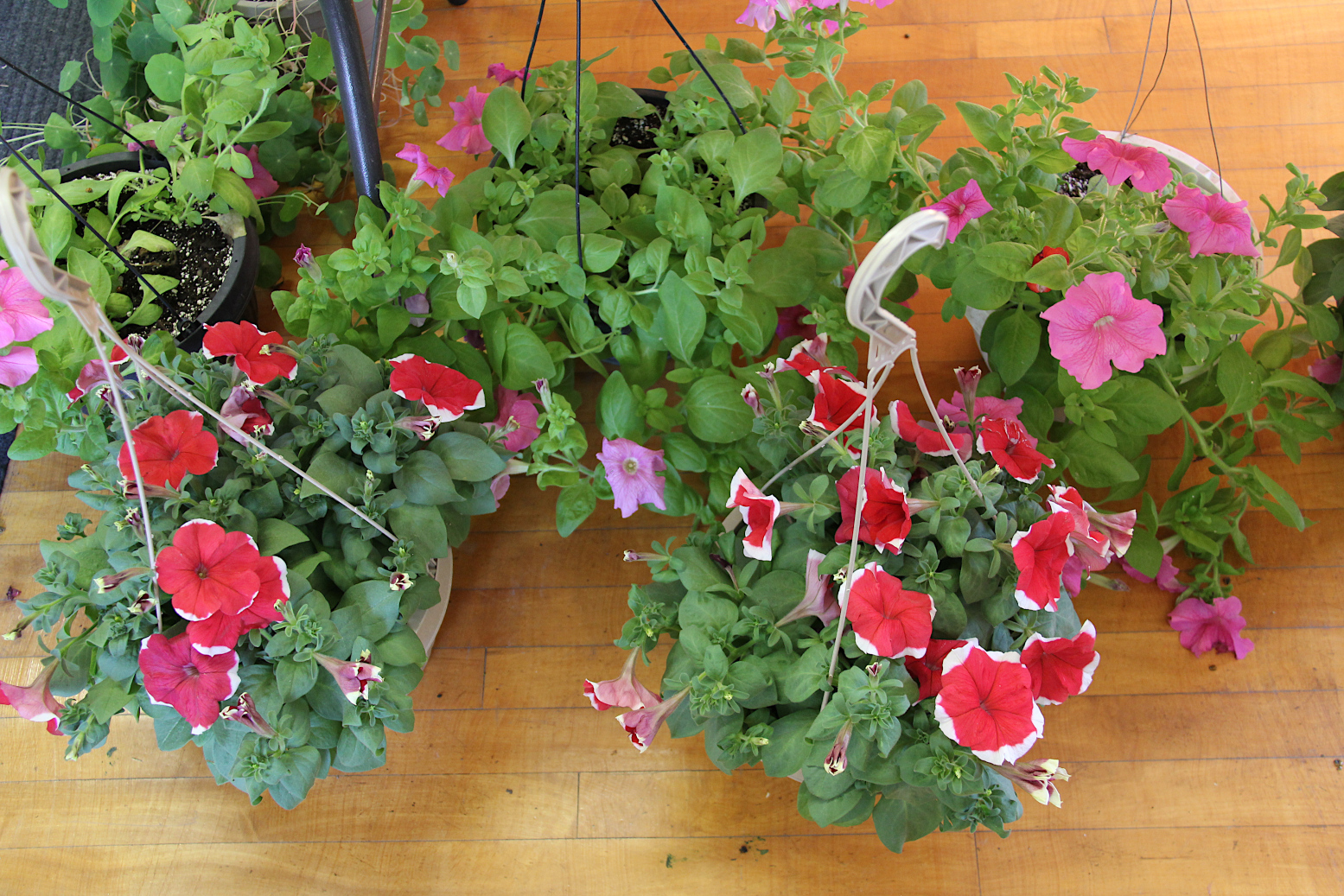
Hanging baskets of petunias. (Minnesota Prairie Roots copyrighted photo May 2026)

Klukas has grown most of the plants in her rural greenhouse. She’s a woman of many talents, an entrepreneur, a student of horticulture. In 1973, she graduated with the first class of horticulture students completing their two-year degree at the University of Minnesota, Waseca. That technical college closed in 1992.
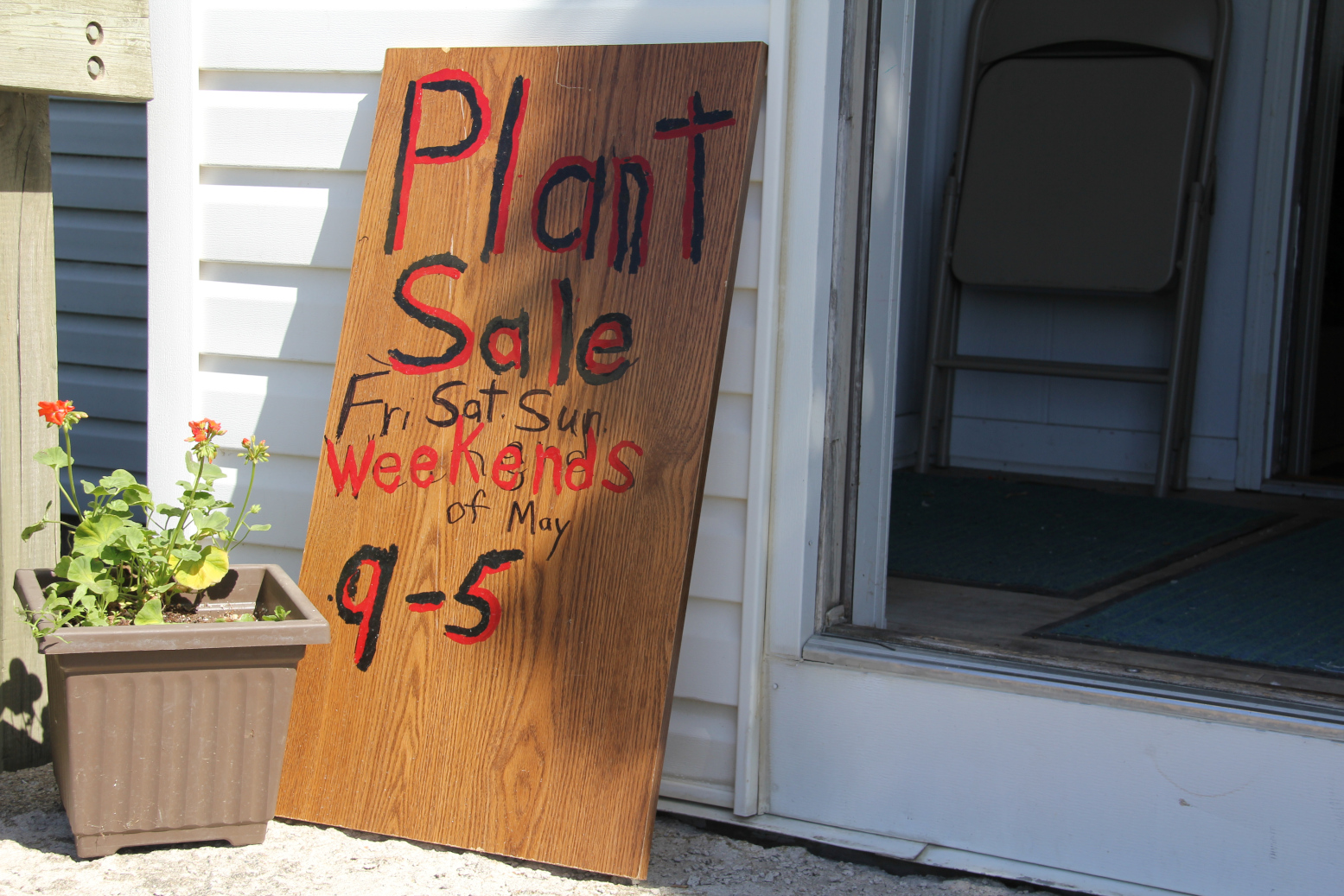
A sign is propped outside the town hall entry. (Minnesota Prairie Roots copyrighted photo May 2026)

It’s clear that Klukas put her education to good use—planting seeds, then watering and nurturing the growing plants. She’s shared the fruits of her labors in this month-long sale, held every Friday through Sunday in May. The final weekend sale is from 9 a.m.-5 p.m. May 29-31.
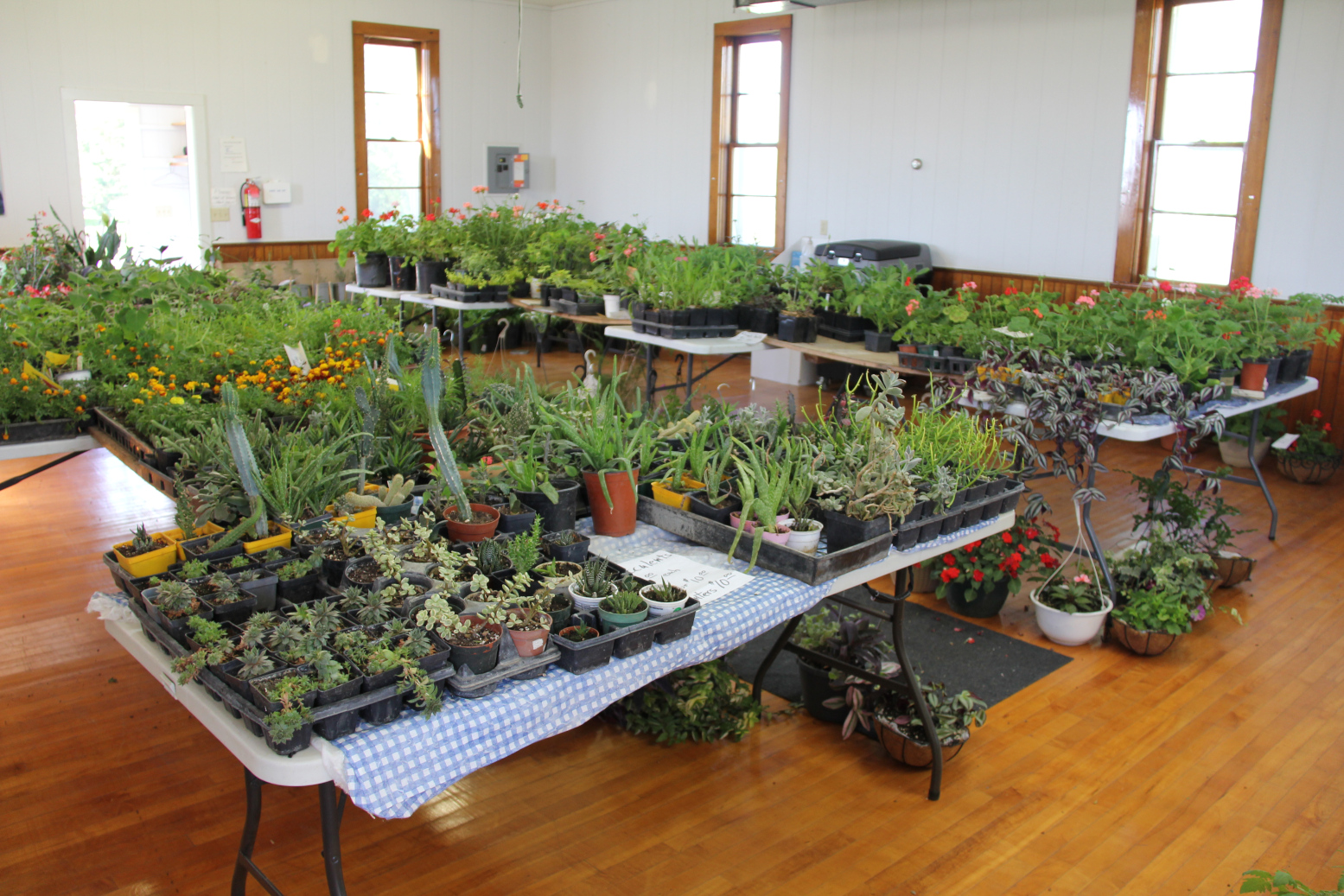
Looking toward the entrance to the town hall, a view of many plants for sale. (Minnesota Prairie Roots copyrighted photo May 2026)

As I wandered among the plant-filled tables, bright sunshine streamed through the windows, Asian beetles clinging to the warm glass.
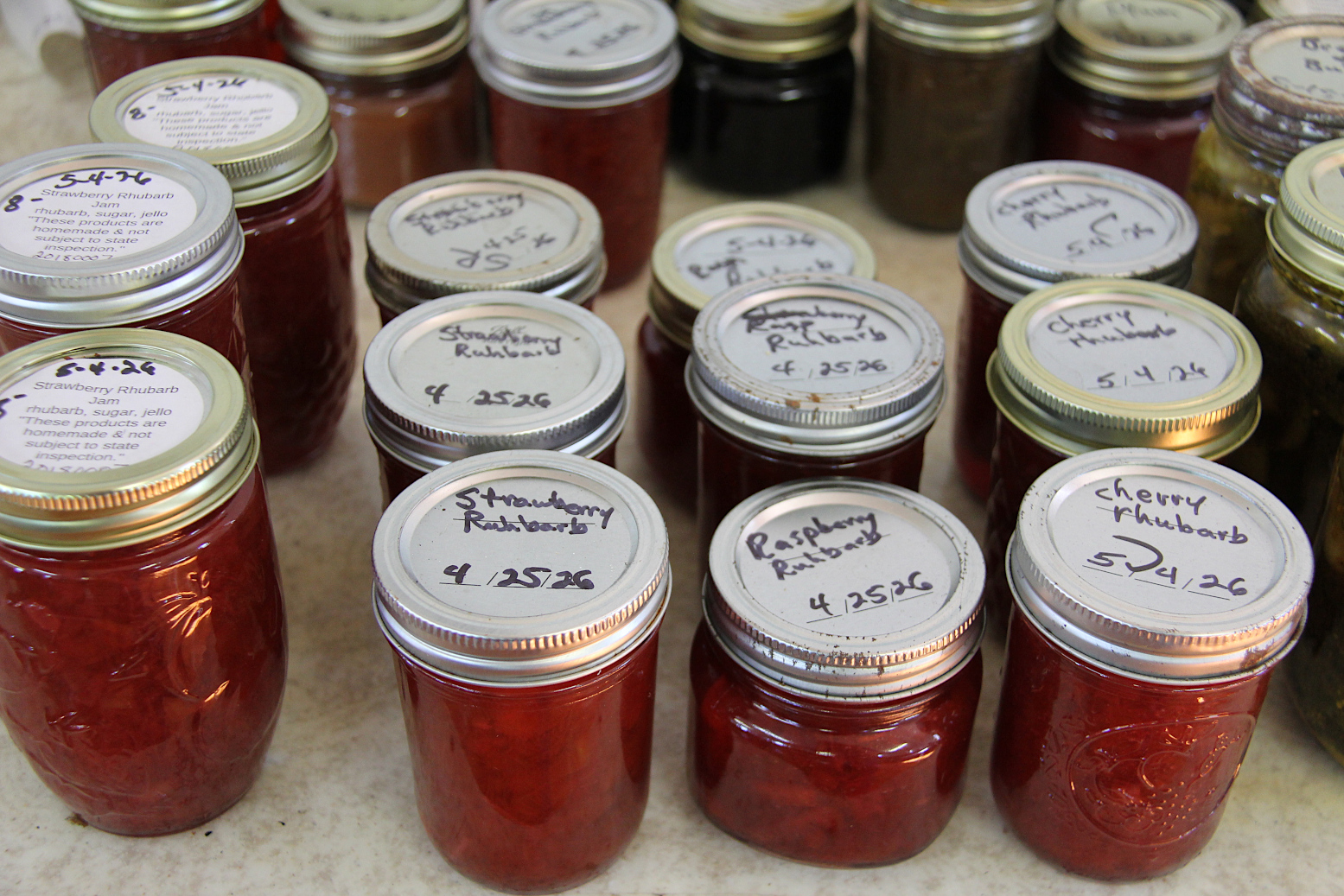
Assorted varieties of rhubarb jam. (Minnesota Prairie Roots copyrighted photo May 2026)

I admired the jars of canned goods. The pickles. Jam in assorted varieties like rhubarb with strawberry, raspberry and cherry. And then something I’d never seen, pickled kohlrabi and kohlrabi with pepper flakes and jalapeno. I should have bought a jar.
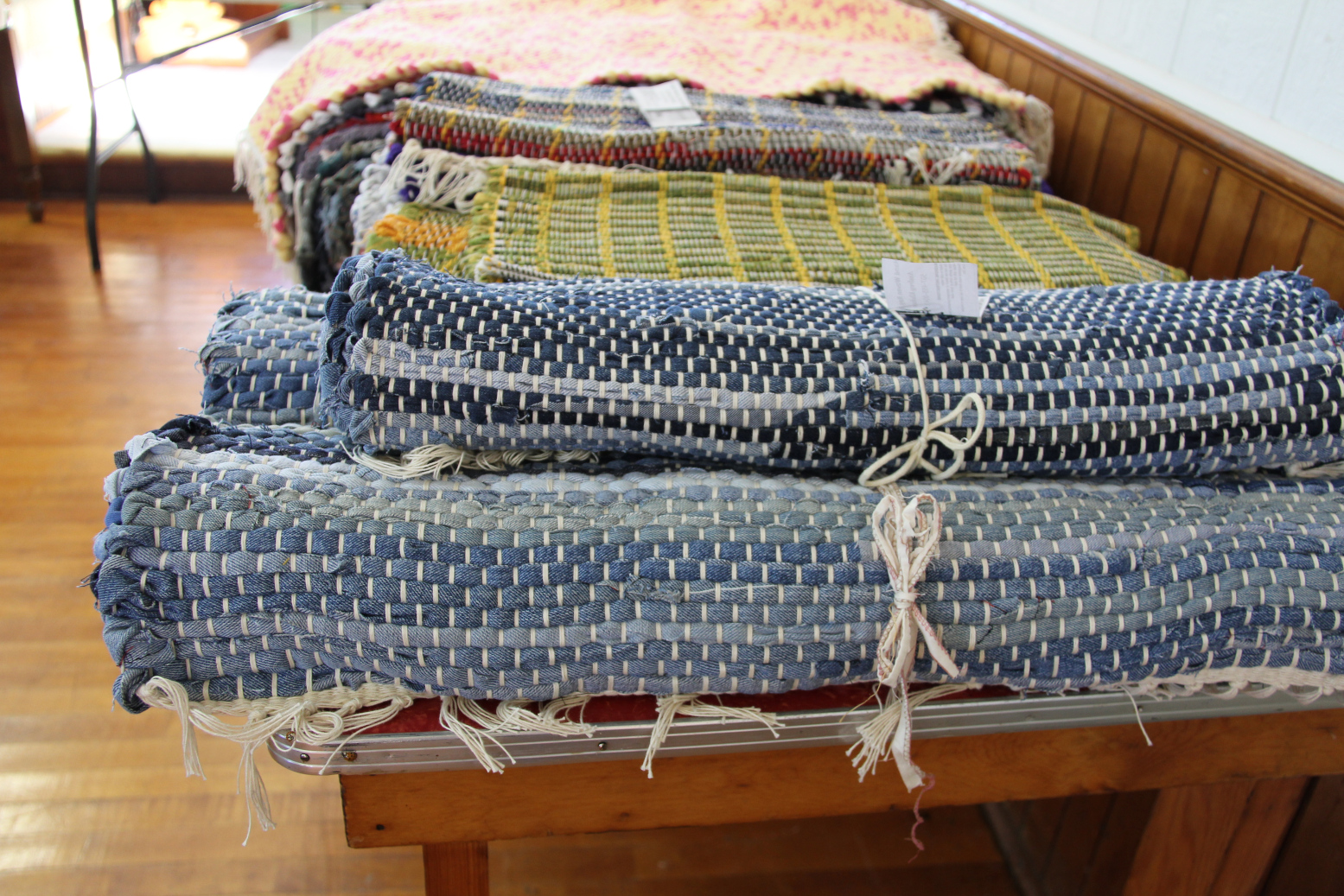
Blue jean rugs in the foreground woven by Audrey Klukas. (Minnesota Prairie Roots copyrighted photo May 2026)

Instead, I meandered, taking it all in. I stopped to run my hands across the woven rugs crafted by Klukas and displayed on a table below a flyswatter, a clock and an American flag bannered on the wall above a printed copy of “The Pledge of Allegiance.” I noticed a handprinted sign: Needed old jeans for rugs. It takes a lot of jeans to make a rug, Klukas told me.
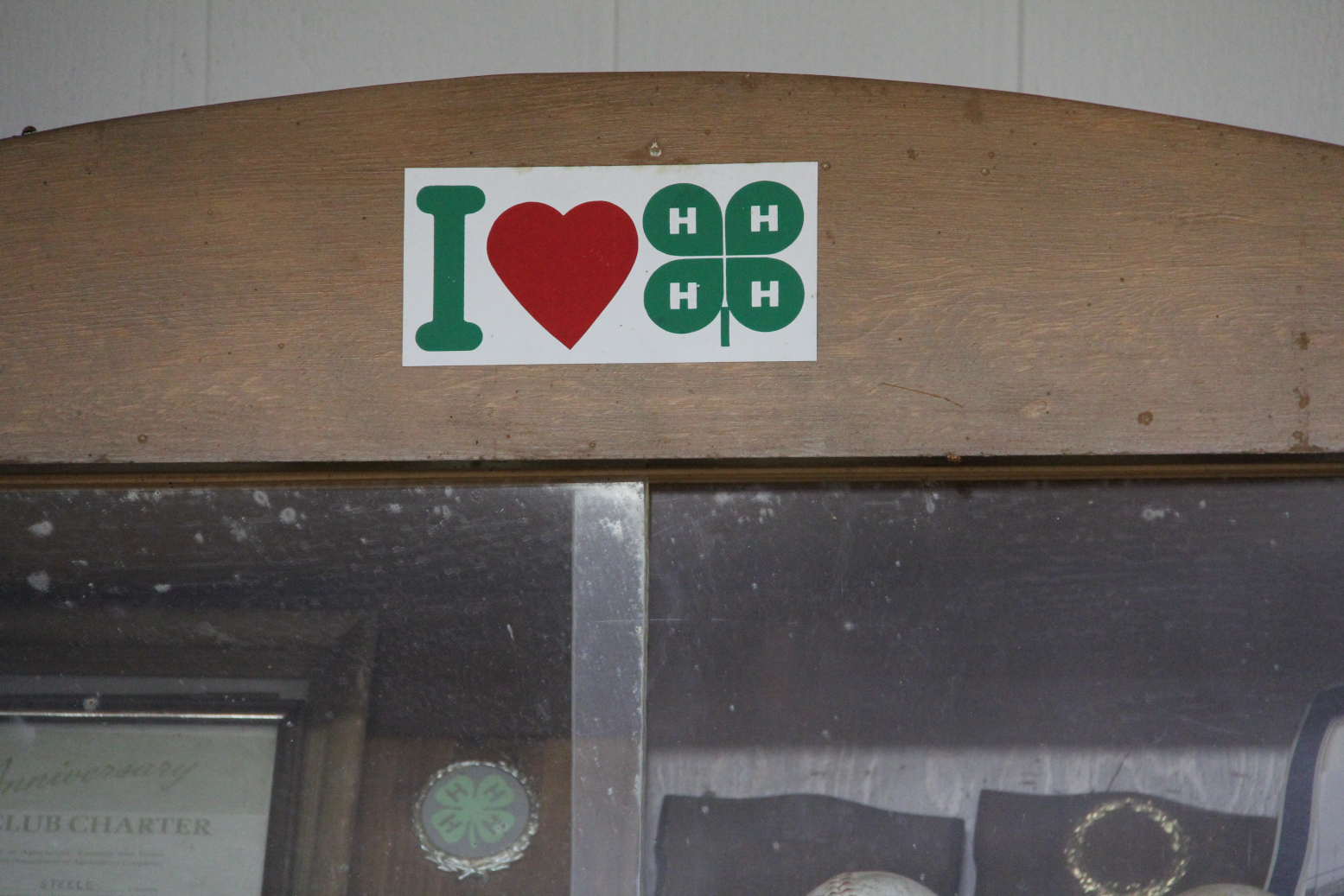
4-H memorabilia above and in a trophy case. (Minnesota Prairie Roots copyrighted photo May 2026)

I asked some questions about the building, which she probably uses more than anyone, Klukas said. A 4-H club once met here. And when I looked closer, I saw that verified in an over-sized green clover, a discarded banner and more in and above a trophy case.

A trophy awarded to 4-Hers in 1973. (Minnesota Prairie Roots copyrighted photo May 2026)

A trophy caught my eye. Klukas stepped around her plant tables and onto a stage to remove the trophy from the cabinet. A silver horse topped the Steele County 4-H Club Herdsman Award sponsored by the Sheriff’s Mounted Posse and Auxiliary of Steele County, 1975. I admired the 51-year-old trophy, as much a piece of history as a piece of art.

A sign inside a voting booth. (Minnesota Prairie Roots copyrighted photo May 2026)
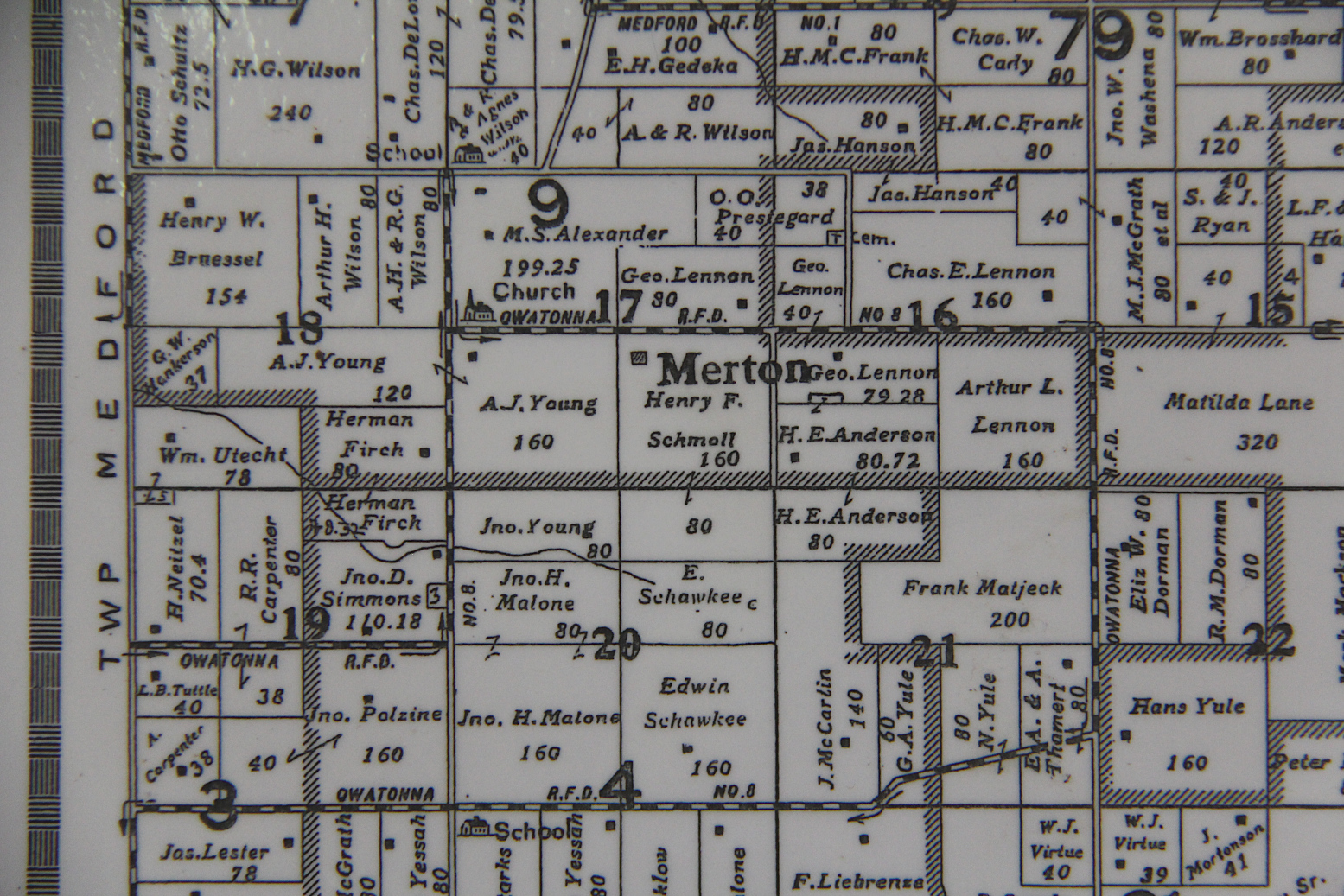
A township plat shows Merton near the top center. (Minnesota Prairie Roots copyrighted photo May 2026)

Since this is the Merton Town Hall, the center of township government, this is also a meeting and polling place. I wiggled my way to the voting booths, divided and cordoned off with blue fabric for privacy. Here locals exercise their right to vote. This is about as grassroots as it gets in a democracy.
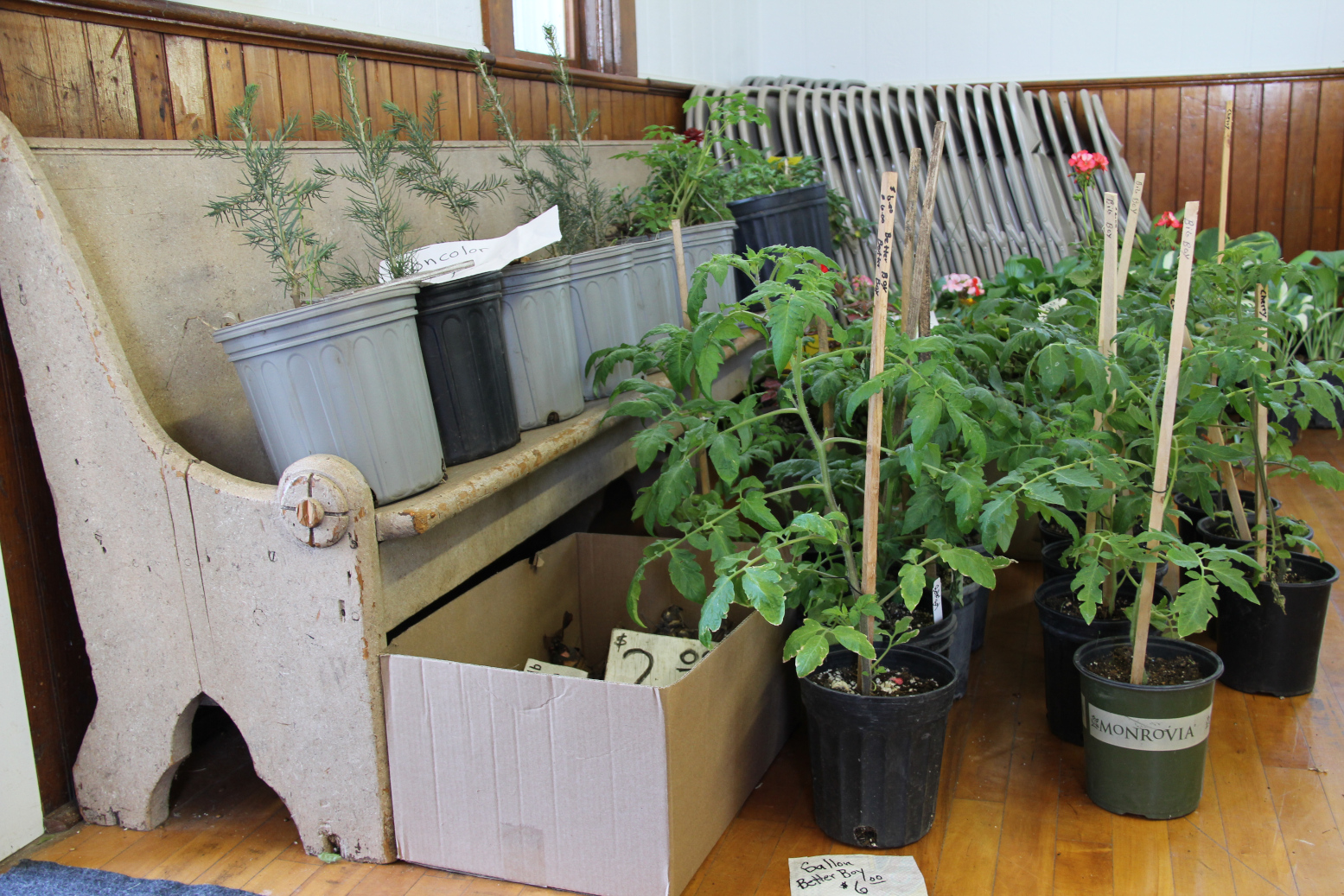
A church pew at the back of the town hall holds tree seedlings. (Minnesota Prairie Roots copyrighted photo May 2026)
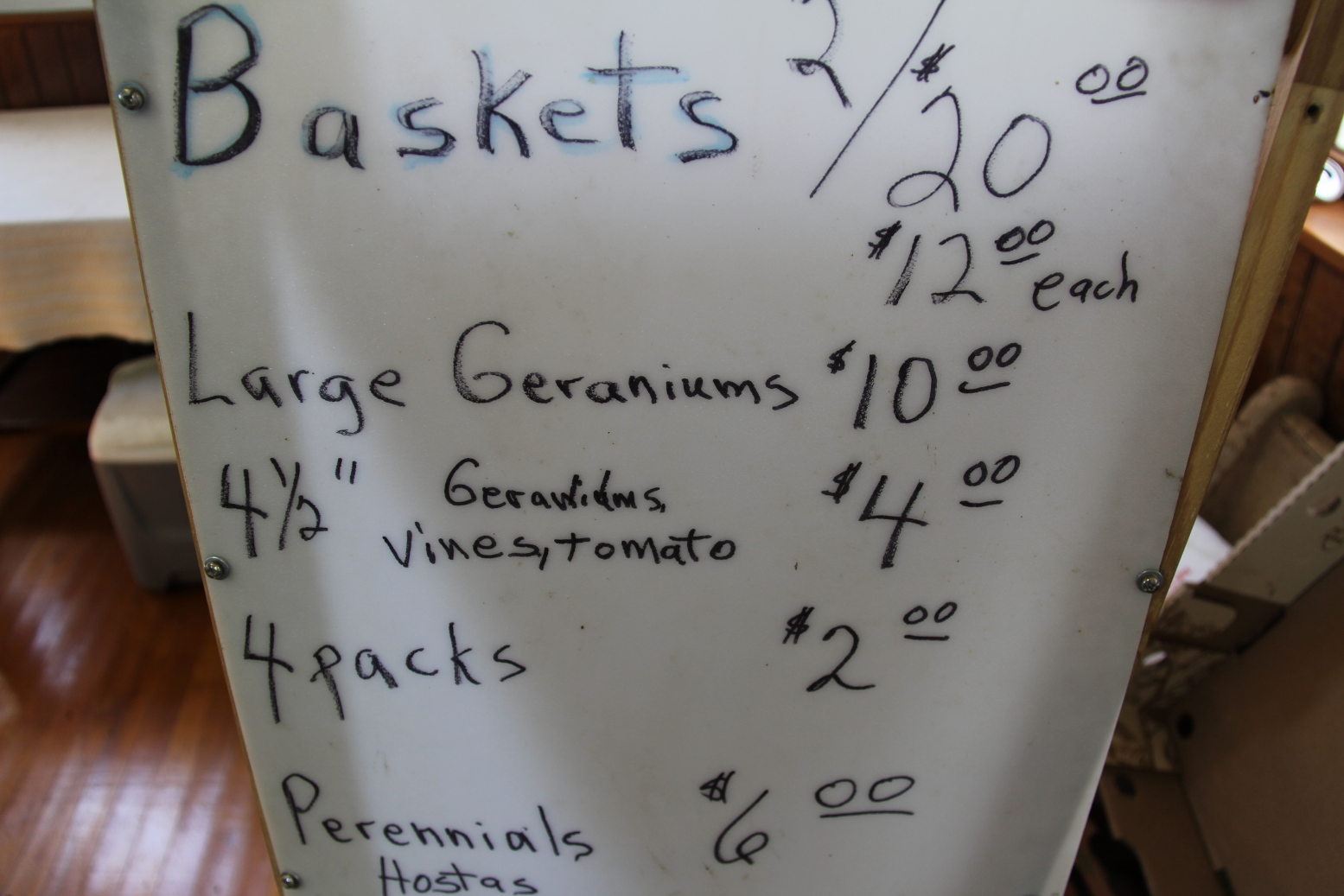
A partial listing of the plant inventory and prices. (Minnesota Prairie Roots copyrighted photo May 2026)

Klukas and I didn’t talk much. But she shared that a church once used this building, too, which was originally a school. No more details known. School, church, town hall, 4-H club meeting place and now, in the month of May, this simple structure in the middle of farm fields is a space to sell plants, rugs, homemade preserves, pies…the fruits of Klukas’ labors.
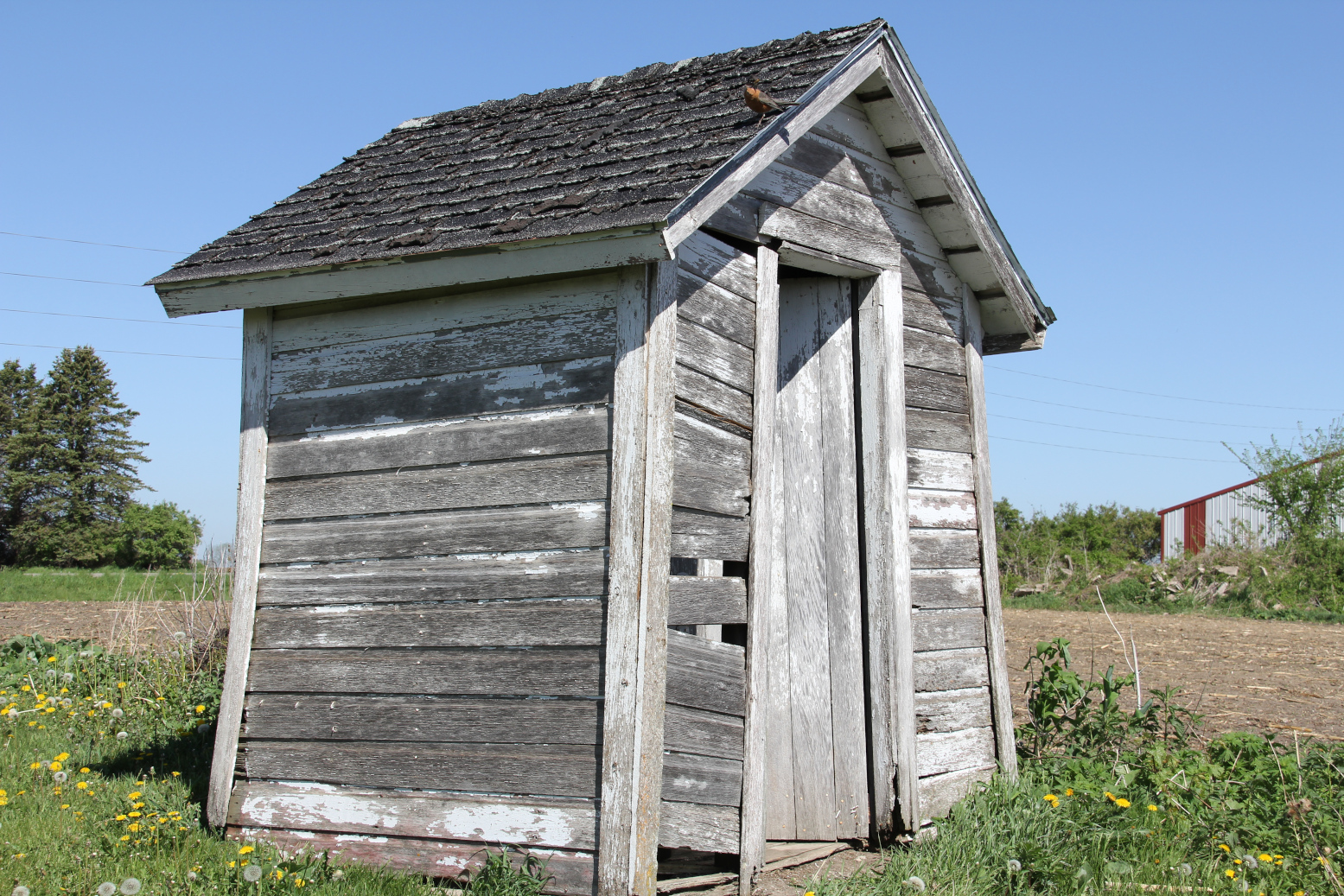
An old outhouse sits near the town hall. (Minnesota Prairie Roots copyrighted photo May 2026)

When I stepped outside the town hall, I considered the feet that have climbed the front steps into this building. To learn. To worship. To discuss township governance. To vote. To commit to the 4 tenets of 4-H: head, heart, hands and health. To gather. And on this May day to shop as farm fields green, as robins tend their young inside an on-site weathered gray outhouse that leans into the land.

© Copyright 2026 Audrey Kletscher Helbling


Beata, a strong trailblazing woman in Swedes Forest Township February 16, 2023

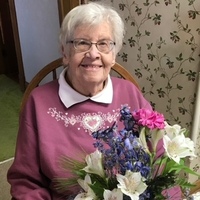
Beata Sampson (Photo source: Sunset Funeral Home obituary)

Beata. What a beautiful name, one I’d never heard before scrolling through a recent list of obituaries from my home region of southwestern Minnesota. I wanted, needed, to learn more about this 98-year-old woman with the Latin-derived (beatus) name meaning “blessed.”

A well-written obituary provides not only basic factual information of birth, life and death, but also enough personal details to tell a story. Beata’s obit speaks to a strong woman born 98 years ago in the Sandager family home in Swedes Forest Township in the northern most part of Redwood County.

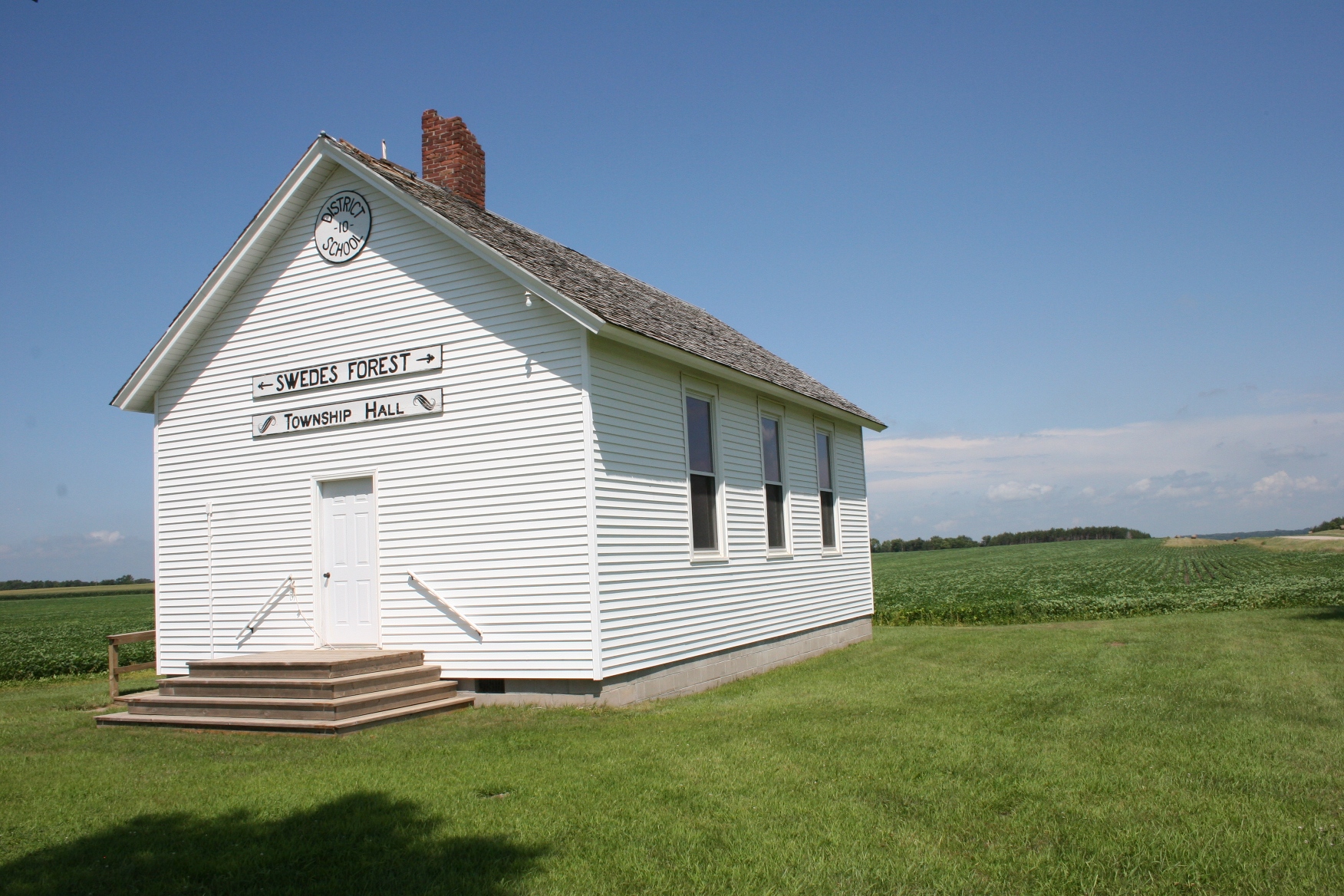
Swedes Forest Township Hall, formerly the District 10 School which Beata attended. (Minnesota Prairie Roots copyrighted file photo August 2011)

Even the township name titles a story—of the Scandinavian immigrants who started settling this area just south of the Minnesota River in 1867. Norwegians, mostly, and Swedes and Danes (like Beata’s Danish-born grandfather, Nils H. Sandager). Knute and Erick and Thor and Ole and Torkel and Turi and Gunhild and Ingeborg… And Beata Ellen’s Norwegian grandmothers, Beret and Ellen, after whom she is named.

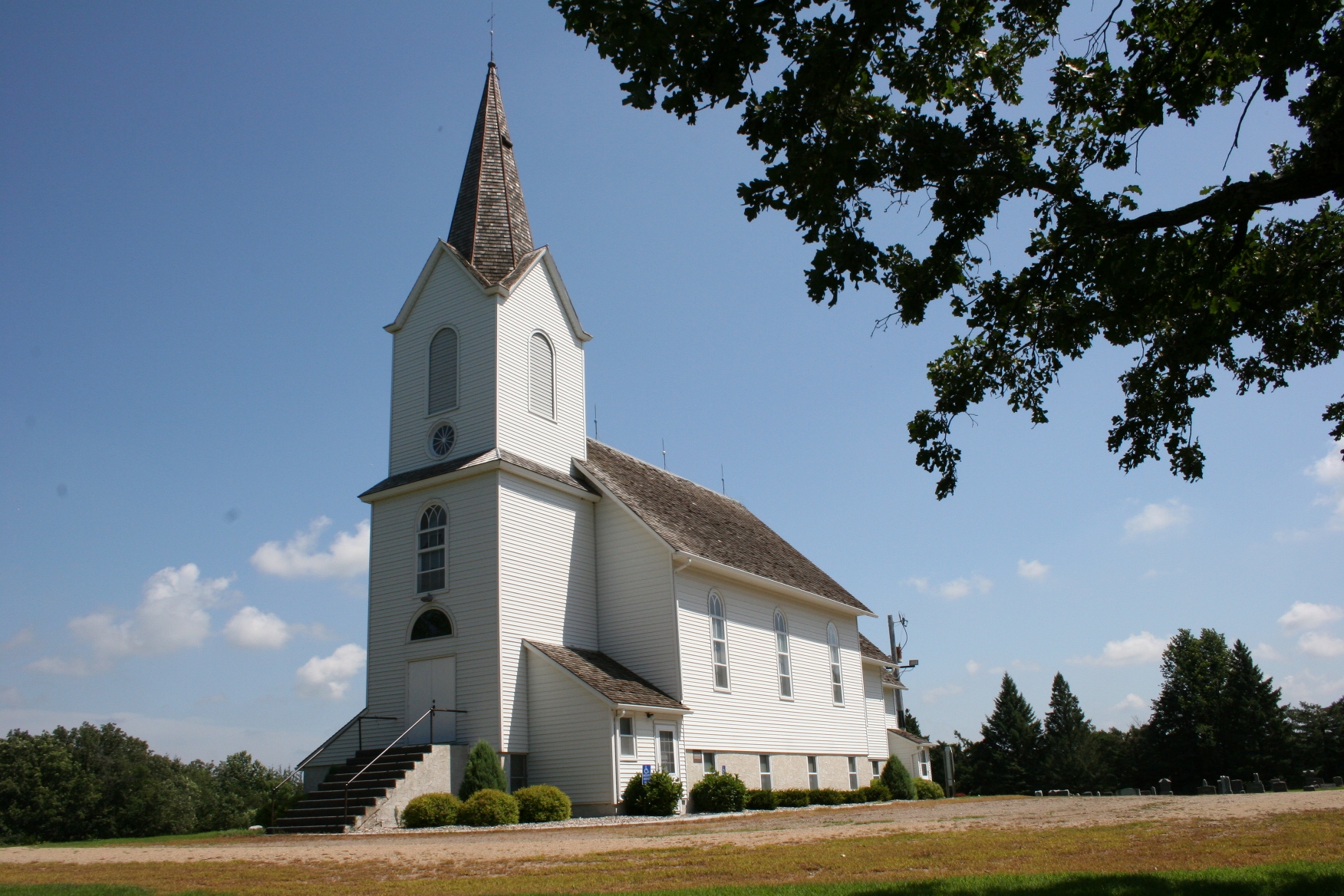
Picturesque Rock Dell Lutheran Church. (Minnesota Prairie Roots copyrighted file photo August 2011)

History runs deep here, all the way back across the ocean. Family history held importance for Beata, who died on February 11 and will be buried today at Rock Dell Cemetery in Swedes Forest Township. This township, this land, this place, it was hers. Beata’s home since her December 27, 1924, birth.

She left only briefly, heading to college in Moorhead in 1942 before returning in 1943 when her father died. Beata was just 18. But her mother, Barbra, and brother Nels needed her help on the family farm. Six years later she would marry Lloyd Sampson, also a farmer. After only 11 years of marriage, Beata was widowed at age 35, her husband dead from cancer.

What strength it must have taken for this young woman and mother of two to endure first the death of her father and then her husband. I’d like to think she had a strong support system of friends and family and neighbors rallying around. A community of people who cared. Knowing rural southwestern Minnesota as I do, I expect that’s true.

Yet, “after a couple years in their big, cold house, Beata and her children (Coral Beth and Joel Loren) moved to live with her mom and brother.” Recognizing the importance of immediate family love and support, of understanding that she needed family near, shows strength, too.

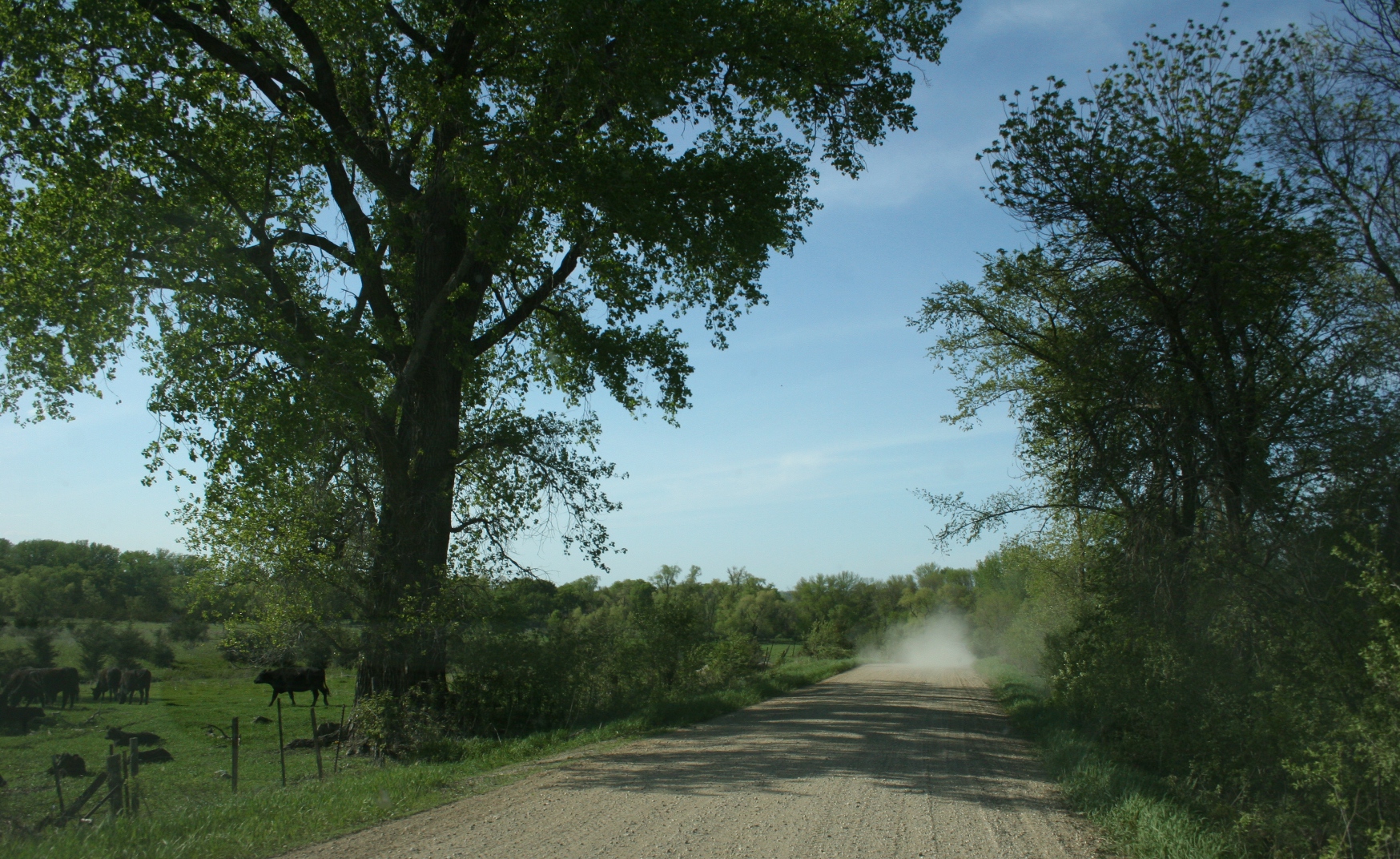
Driving through northern Swedes Forest Township in the summer of 2014. (Minnesota Prairie Roots copyrighted file photo June 2014)

But there’s more, much more, to Beata’s story. In 1979, she became the first woman elected to office in Swedes Forest Township. It took 107 years for a woman to gain an elected seat on the township board. While that seems unfathomable in today’s world, it’s absolutely believable for that time period. Beata served for 24 years as treasurer of Swedes Forest Township.

She followed in the footsteps of her grandfather Nils H. Sandager, who also left a legacy of public service. He was elected township treasurer 12 times and also held the offices of town chair, supervisor and constable for a total of 19 years.

Beata’s local involvement stretches beyond township government. She was active, too, in the Lutheran churches she attended—Rock Dell and Grace. And she found time for the other aspects of life that held her heart—living in the country, the outdoors, flowers, bird watching, family history, family, children, puzzles…and pretty dishes. Yes, this strong strong woman who made history in Swedes Forest Township, who was there for her family, loved pretty dishes. And that, too, says a lot about a woman whose name means “blessed.”

© Copyright 2023 Audrey Kletscher Helbling

Sources: Beata Sampson’s obituary and The History of Redwood County, Minnesota (Volume 1) online