
IF I LISTEN CLOSELY, I can hear the incessant chirp of crickets beneath the steady drone of traffic rushing past my house. I live along a busy street, where noise is a constant except in the deep hours of the night. Even then, though, the lone blare of a siren may pierce the night silence, enough to awaken me.
I hear lots of sounds. But that’s not the same as listening. There’s a difference. Hearing is simply taking in sound waves. But listening requires intentional focus. Not only physically hearing, but also paying attention, picking up on verbal and non-verbal cues, remaining quiet.
Many of us are not particularly good at listening. It requires discipline, silence and an understanding that whatever we hear holds significance. Chirping crickets signal the end of summer. Screeching sirens indicate an emergency. And when someone is speaking to me, it means they have something to say. And I need to listen.
I consider myself to be a pretty good listener. As a journalist, I really honed my listening skills, a necessity in covering any news story, doing any interview. And on a personal level, I’ve always been more interested in what others are saying than in hearing my own voice.
Therein lies the problem. Too many of us like the sound of our own voices. If someone starts sharing their own story, their own challenges, we tend to interject our own stories. That’s when a push “pause” seems appropriate. Our listening skills need to kick in as we clamp our lips in silence and remember that the conversation is not about us.
So all of this leads me to the meeting between President Donald Trump and Russian President Vladimir Putin on Friday in Anchorage, Alaska, to discuss the war in Ukraine. Noticeably absent will be Ukrainian leader Volodymyr Zelenskyy. Now you’d think, given the war is raging in Ukraine, that Zelenskyy should be at the table. He asked to be there. But, if the two other leaders heard, they didn’t listen. A pre-meeting conversation between Trump and Zelenskyy isn’t the same as including the Ukrainian president in the summit.
From all accounts, the Trump administration is now billing Friday’s meeting as a “listening exercise.” I find that to be an interesting choice of words. I can’t imagine that either Trump or Putin will really be “listening,” based on past meetings between the two and observations I’ve made about them. But, hey, maybe this time they really will hear the crickets chirping above the drone of war, the blaring of sirens.
© Copyright 2025 Audrey Kletscher Helbling














 Minnesota Prairie Roots
Finding peace outside Nerstrand Elementary School & elsewhere December 2, 2025
Tags: art, commentary, education, learning, Minnesota, Nerstrand, Nerstrand Elementary Charter School, Nerstrand Peace Garden, peace, school, small towns, Ukraine, words
I CAME OF AGE in the early 1970s near the end of the Vietnam War. Those were years of national protests and pushing for peace. Young people, especially, embraced the word “peace”—in speech, in fashion, in actions. Like so many other teens of my era, I flashed the peace sign, wore peace-themed jewelry, drew the peace symbol on the covers of school notebooks. I once wrote a poem about peace, long forgotten now and tucked into a cardboard box among other long ago musings.
Lately, I’ve been musing about peace during these tumultuous times in which we live. So I challenged myself to look around for that which uplifts, enlightens, makes me smile. Gives me a sense of peace.
I found what I sought in art, actions and, most of all, words. I am, after all, a wordsmith. Someone who works with words. Building, shaping, sharing. Someone who understands that words hold great power to build up or destroy. Someone who understands that words matter. Greatly. They can inspire, give us hope, offer peace. Or just the opposite.
With peace on my mind, I revisited the Peace Garden at Nerstrand Elementary Charter School in the rural farming community of Nerstrand, population not quite 280 and perhaps best known as home to 135-year-old family-owned Nerstrand Meats & Catering.
In 1999, the school was established as a peace site with the garden started in 2000 on the front lawn. That’s 25 years now of honoring peace. In words, art and plantings, this garden features 14 countries.
Signage at the garden emphasizes that we all live under the same sun and moon on the same planet. We are all connected and all part of building a world “to make everyone proud.” That includes the U.S., Russia, China, Mexico, Canada… This is not a political message posted outside this small town Minnesota elementary school. Rather, this is a simple statement about those of us who call planet Earth our home.
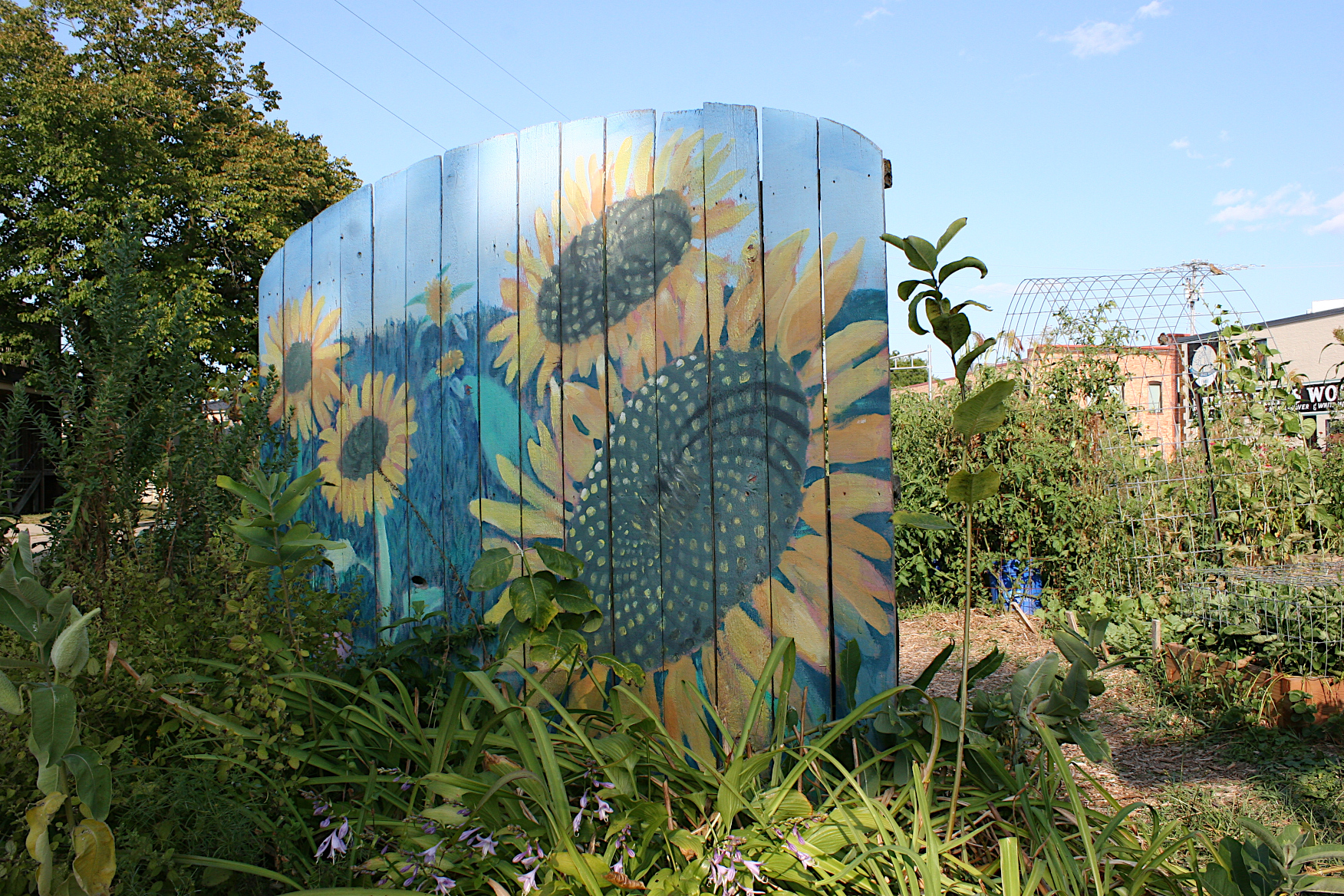
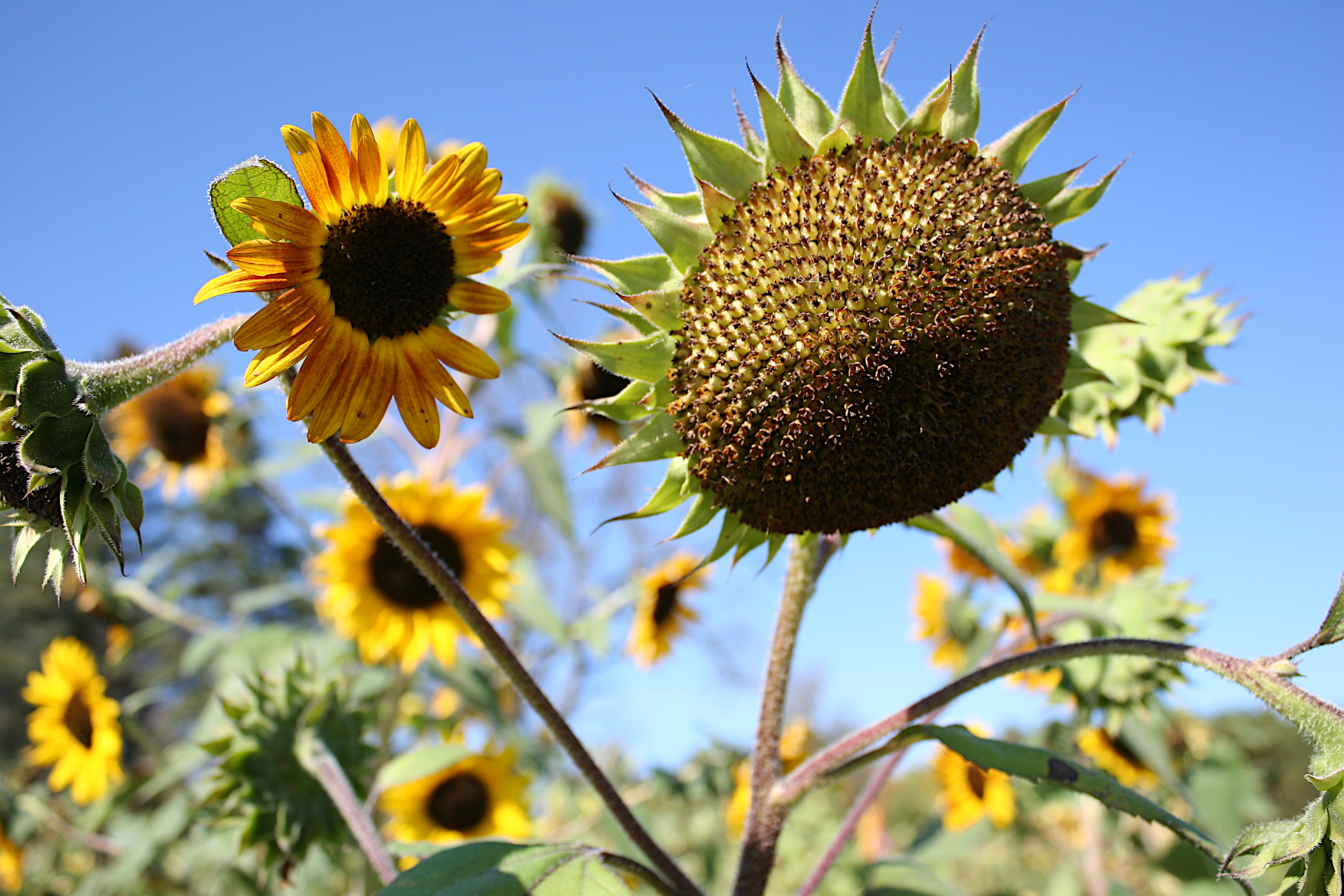
I arrived on an autumn day looking for the newest addition to the Peace Garden. Ukraine. And I found it near a picnic table and bike rack—a yellow and blue (the colors of the Ukrainian flag) planter filled with towering sunflowers past their summer prime. As I paused and read the singular word “Kiev” on a sign, I thought of the people of Ukraine. Oh, how they must yearn for peace in the midst of ongoing war.
Peace on an international scale feels elusive, as it’s always been. But then the same can be said nationally. Disagreements have flamed into much more than differences of opinion.
Yet, here I stood outside a school where children grow their knowledge, begin to understand that this world is much bigger than Nerstrand or Rice County or Minnesota or the U.S. I’m thankful that each day, as these student walk into school, they see the word “PEACE” atop the roof.
These children are our future. Perhaps they will grow to make peace marks upon their communities, maybe even the world. Perhaps they will live just ordinary lives, living peacefully among others while doing good. There’s so much potential.
I needed to walk around the Nerstrand Peace Garden, take in the words, art, plantings. In the quiet of this small town where the school sits next to farm fields, peace feels possible.
© Copyright 2025 Audrey Kletscher Helbling