Minnesota Prairie Roots

Writing and photography by Audrey Kletscher Helbling

When a rock riffle replaces a traditional dam February 5, 2025

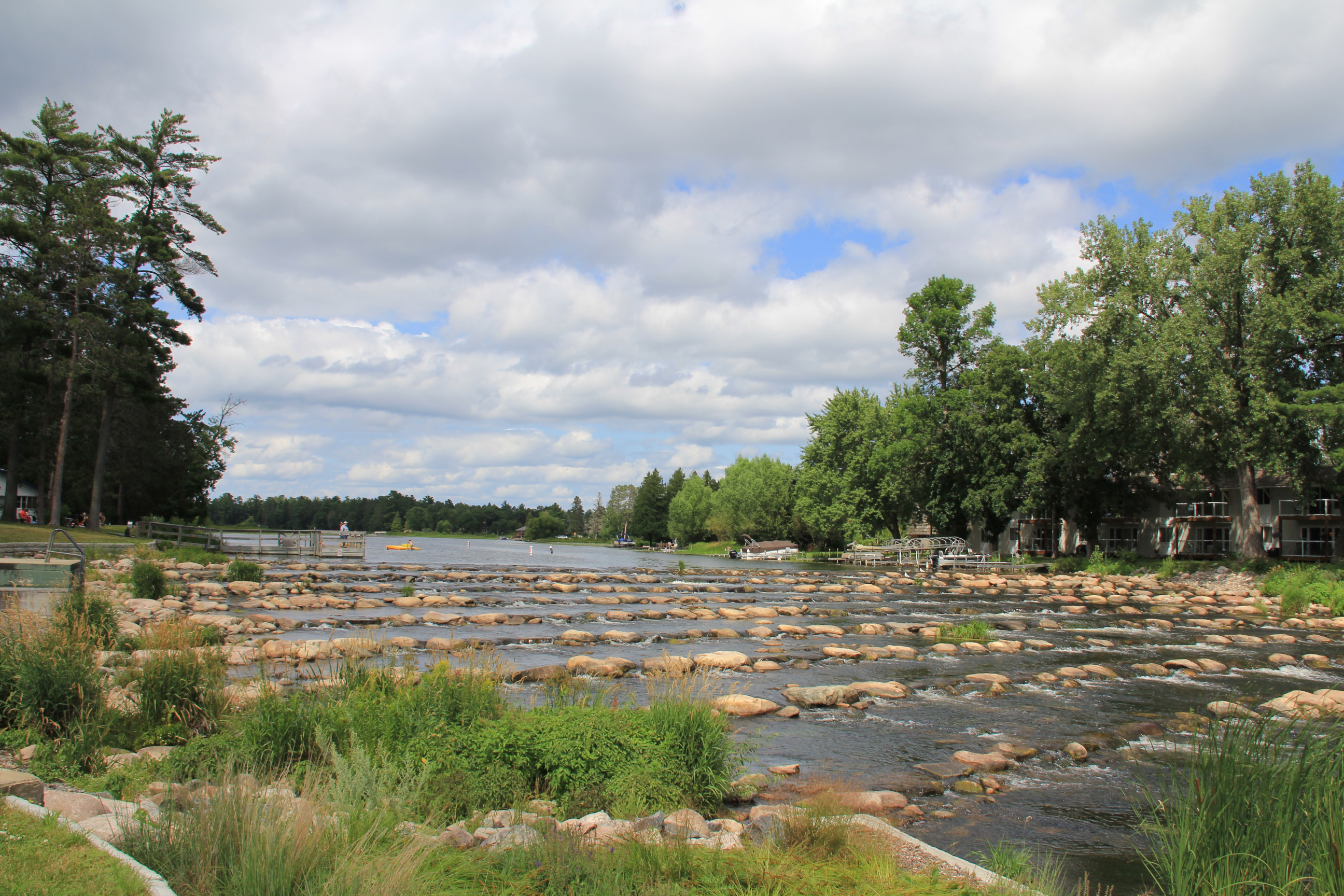
This rock riffle in Pine River replaced a traditional dam built in 1910 to hold back water flowing from Norway Lake into the Pine River. The old dam was designated as “high hazard,” thus in need of replacement. (Minnesota Prairie Roots copyrighted photo July 2024)

WIND AND WATER. Both prove soothing and calming elements of nature. Except when destructive.
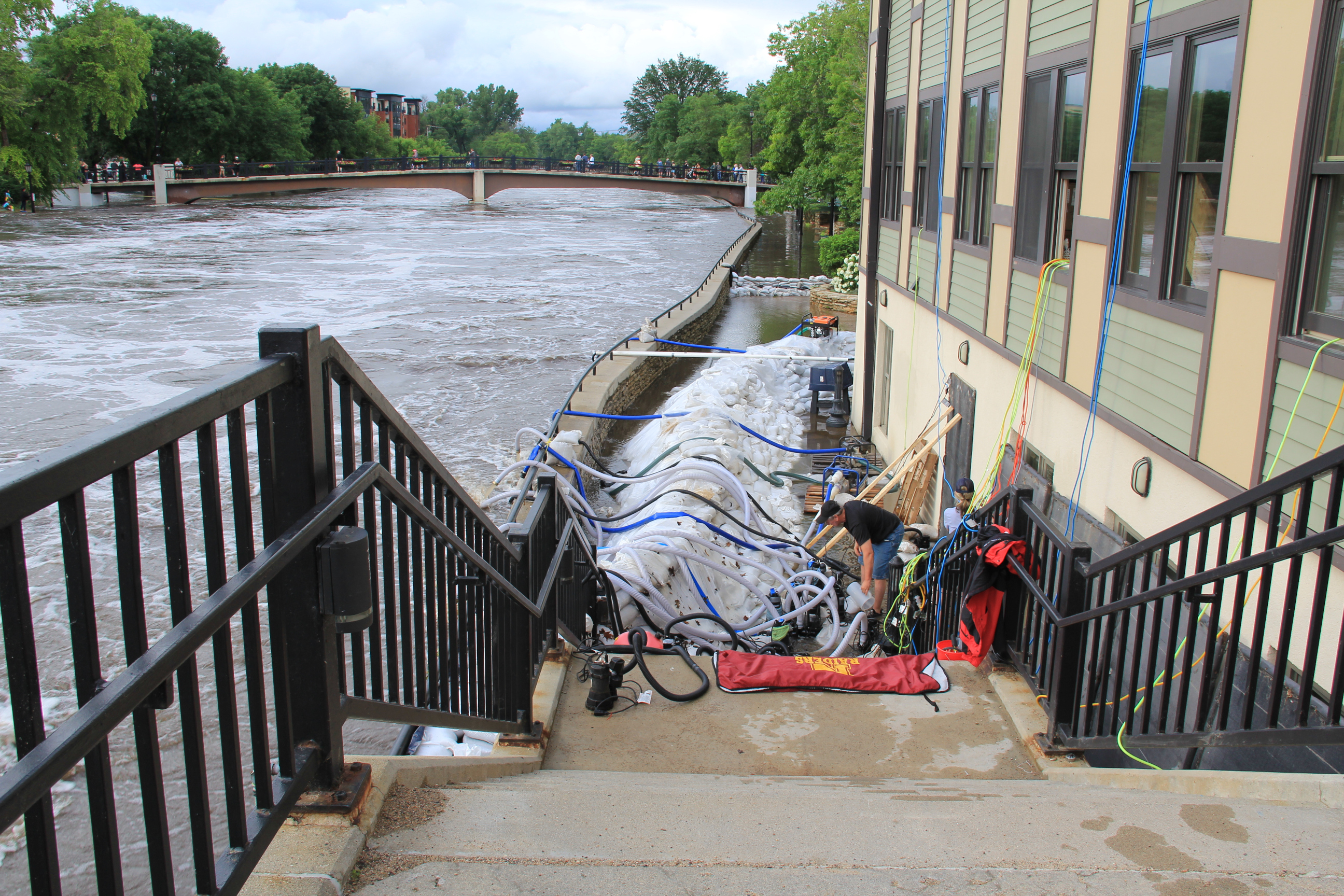
Sandbagging along the flooding Cannon River in downtown Northfield last June. The traditional dam in Northfield was not compromised, unlike in some Minnesota locations. (Minnesota Prairie Roots copyrighted file photo June 2024)

Last June, excessive rainfall led to devastating floods in parts of southern Minnesota, especially in Waterville, a 20-minute drive southwest of Faribault. Farther to the west in Rapidan, the Blue Earth River raged, causing a partial dam collapse and erosion of the land. That led to loss of a house and of the much beloved The Dam Store. In Northfield, 20 minutes from Faribault, the Cannon River flooded the Riverwalk and threatened riverside businesses. In Faribault, the Cannon and Straight Rivers spilled from their banks, flooding parks and several city streets. The powerful river also eroded the shoreline near the Faribault Mill Dam. Boulders were hauled in and placed beside the dam to contain the river and prevent additional erosion.
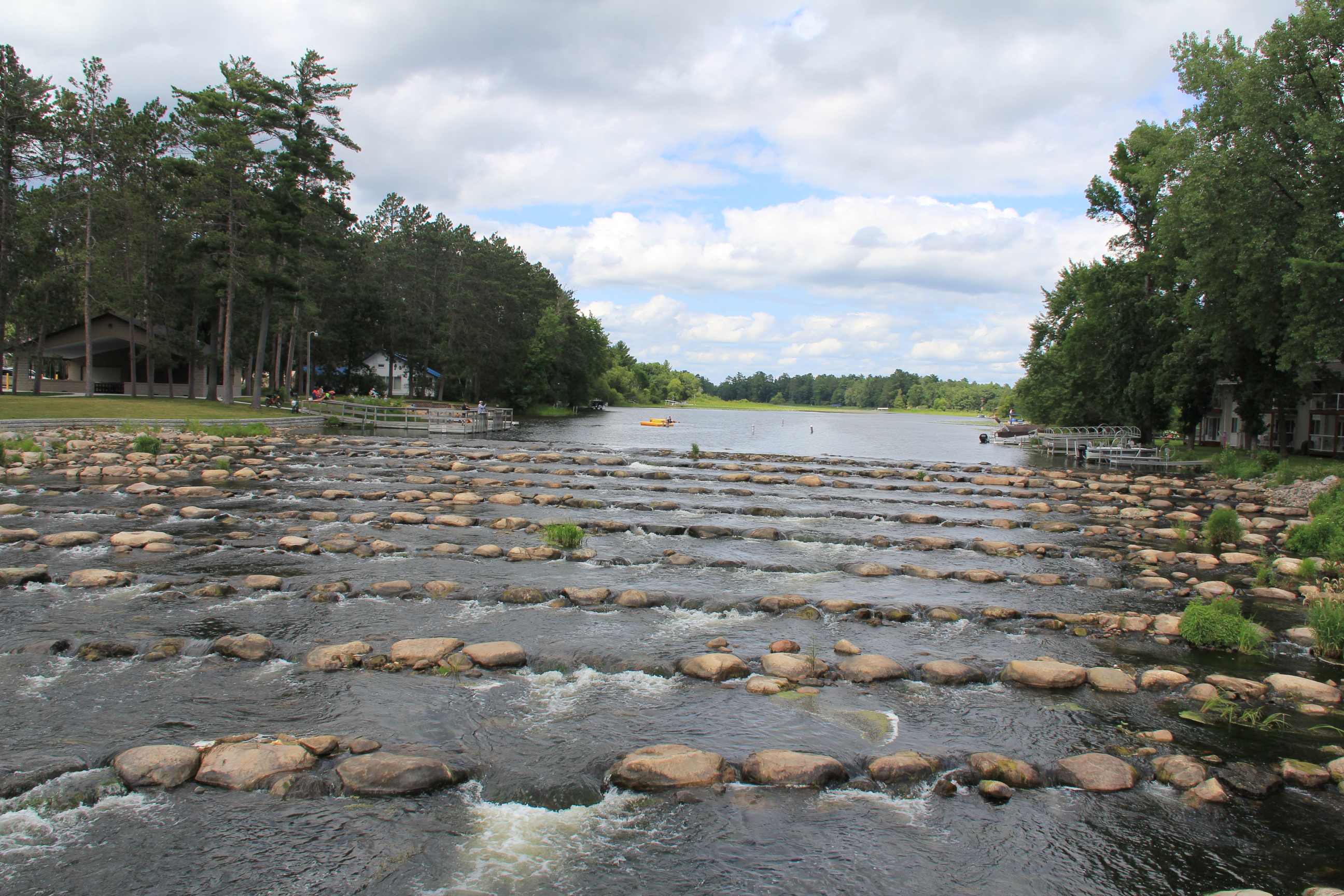
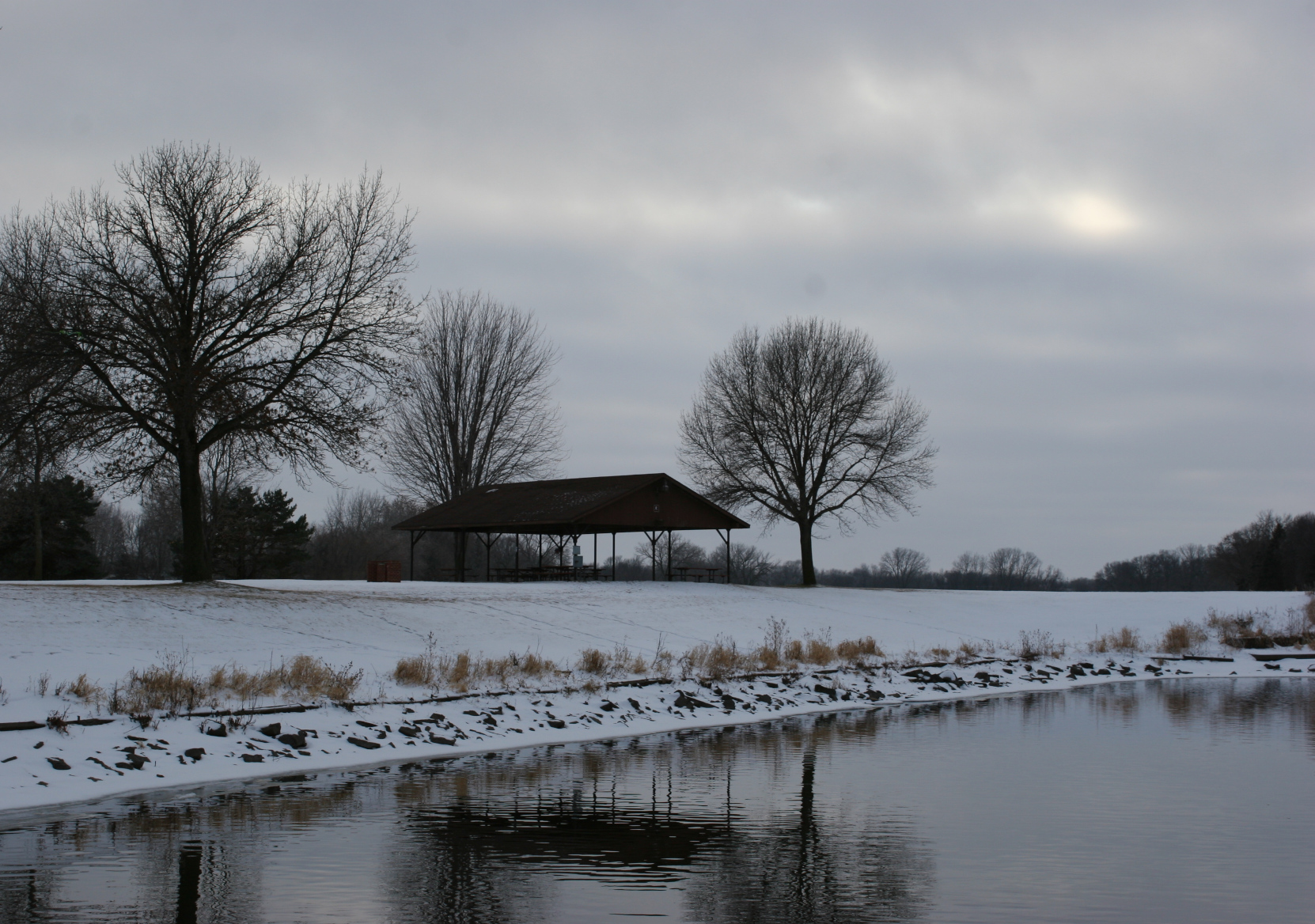
The Dam Park, with a pavilion, is to the left of the tree-edged Pine River in this photo, private homes to the right. (Minnesota Prairie Roots copyrighted photo July 2024)

Now, many months later, Faribault city officials are considering options for the Faribault Mill Dam. And that got me thinking about Pine River. In this north central Minnesota community, a rock riffle/rock arch rapids replaces a 200-foot long by 13-foot high traditional dam built in 1910. The result is nothing short of stunning.
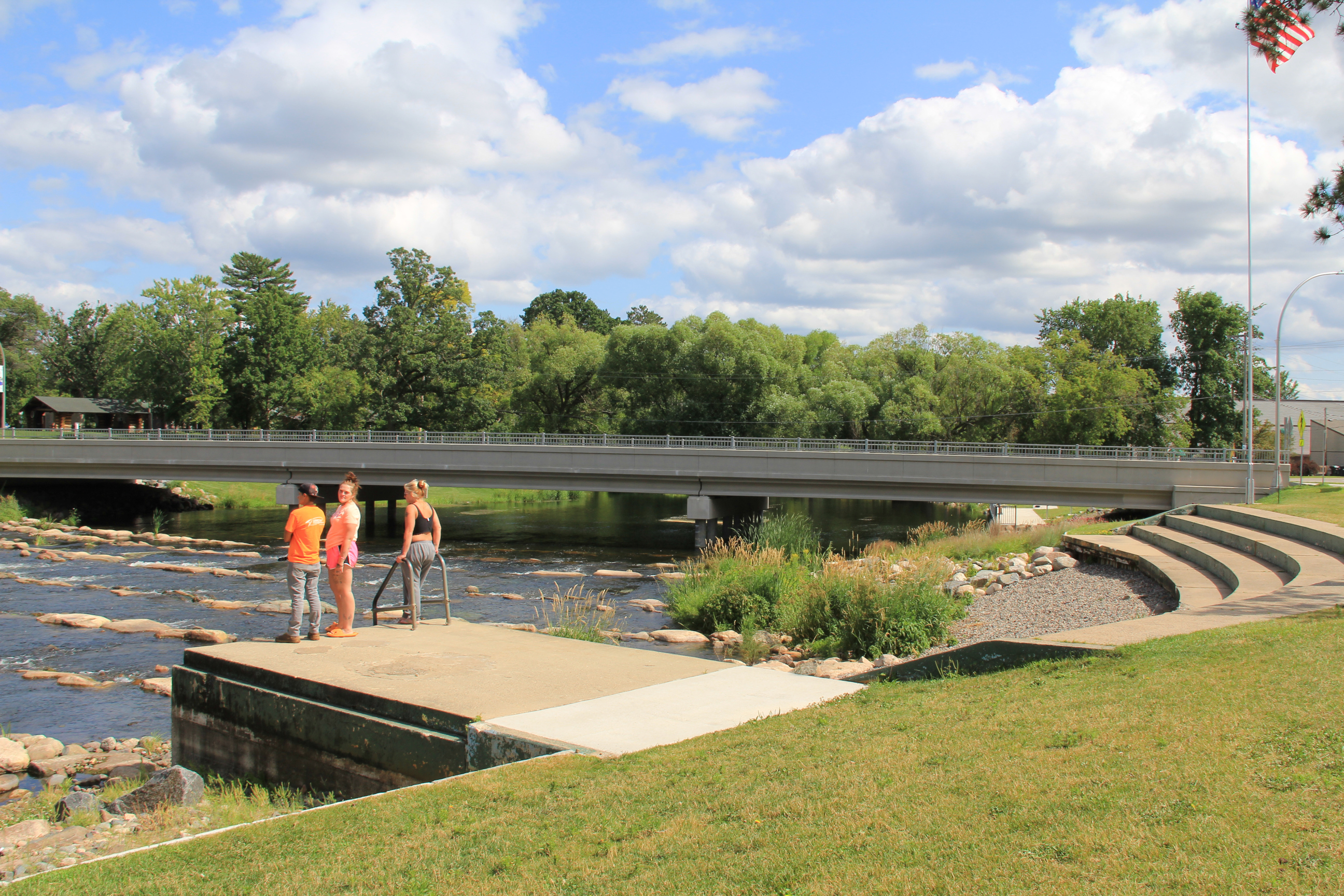
The concrete steps and platform remain from the original dam construction project. This image shows a view of the rock riffle looking downstream. (Minnesota Prairie Roots copyrighted photo July 2024)

Let me explain. Smaller rip-rap rocks, larger rocks and boulders were placed in sloping rows across the Pine River to replace the dam. Water spills over the rocks as the rows descend for several hundred feet. Except for the precise placement of the rock rows, the rapids appear almost natural. And that is much more visually pleasing than a wall of concrete.
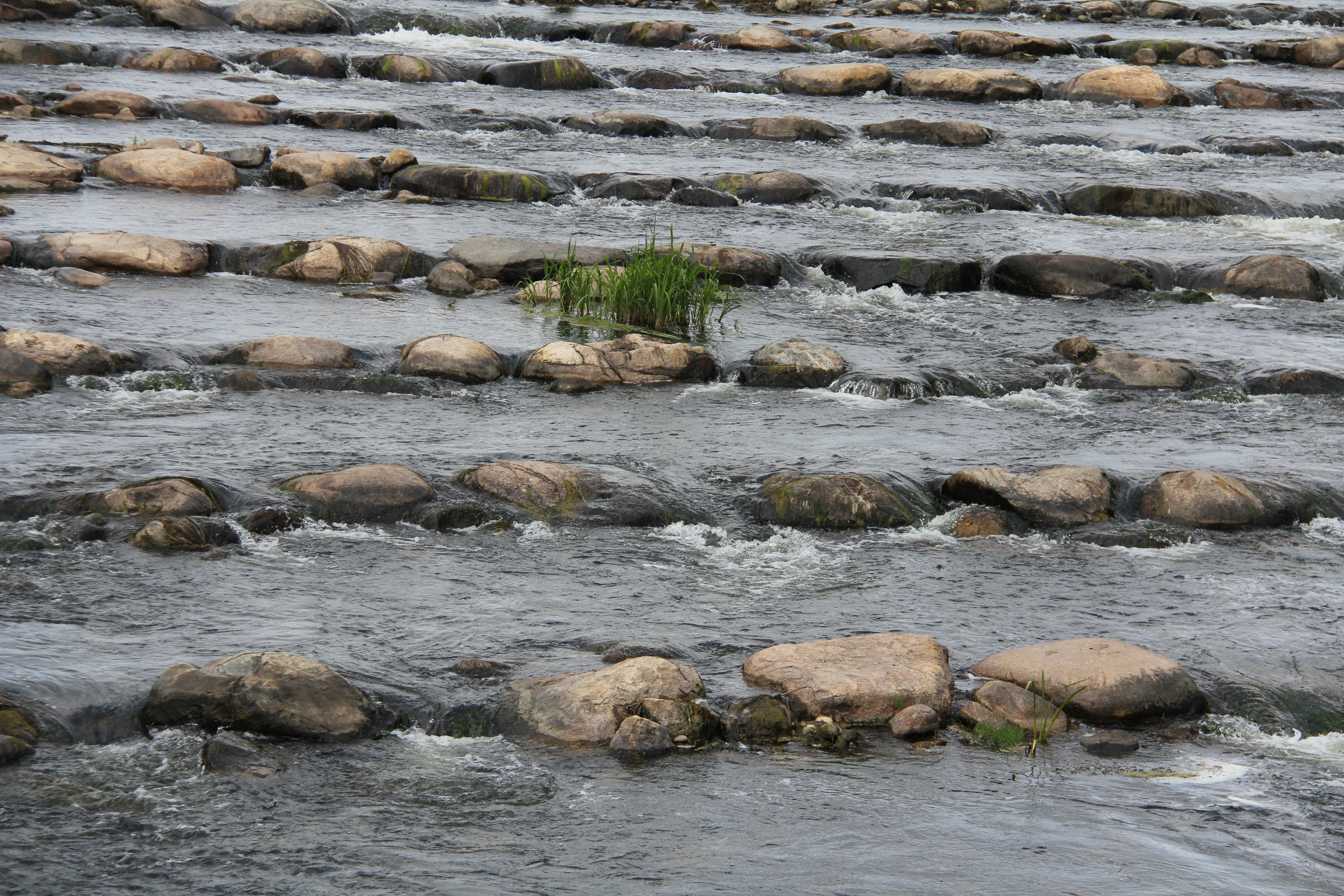
It’s mesmerizing to watch and listen to the river spill over the man-made rock riffle in Pine River. (Minnesota Prairie Roots copyrighted photo July 2024)

The sound, too, is pleasing. I have always loved the sound of water rushing over rocks. It’s calming, soothing, mesmerizing. As is watching the water pour over and around rocks.
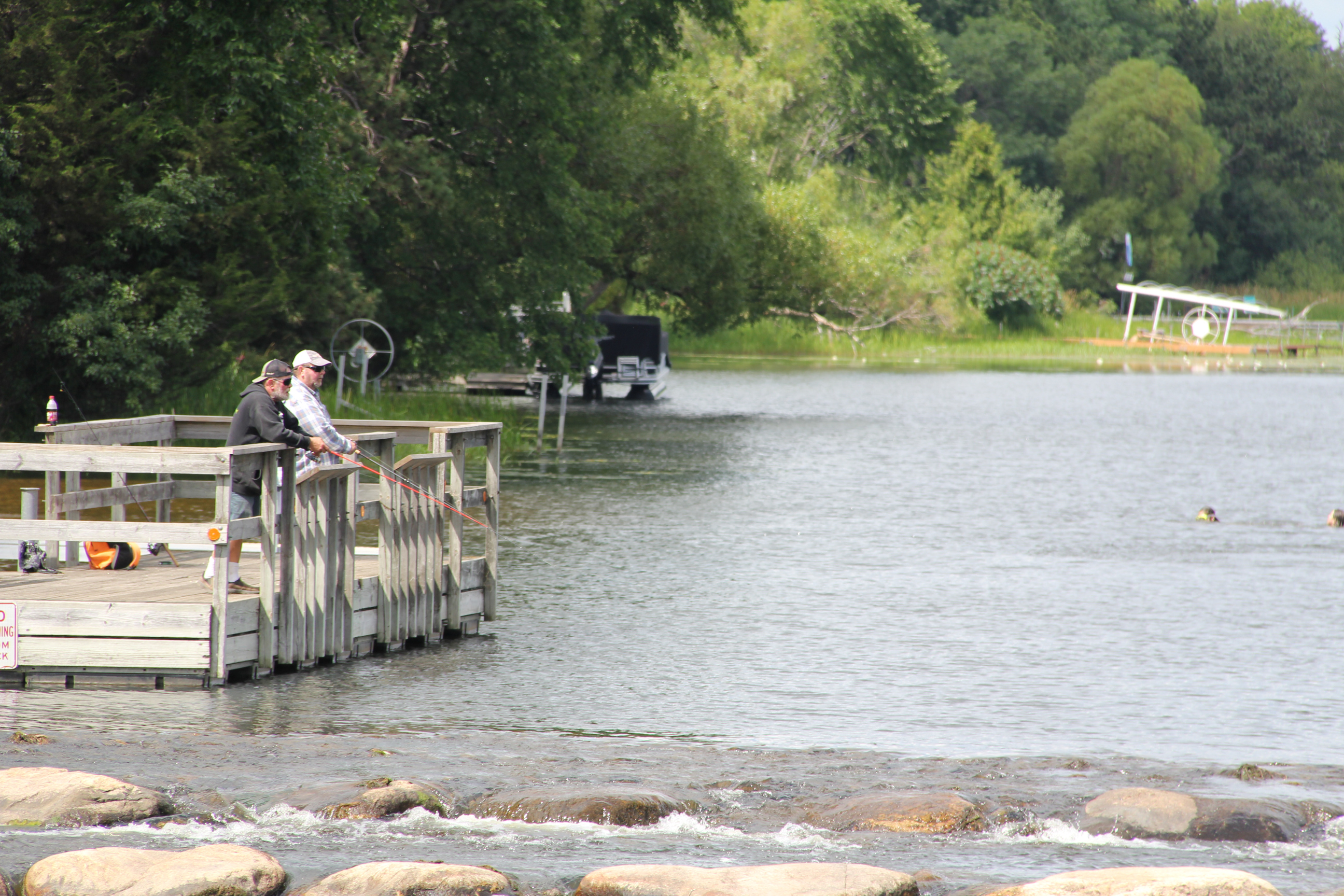
The traditional dam proved a significant fish barrier. Installation of the rock riffle has improved fish habitat in the river, which feeds into the Whitefish Chain of Lakes in north central Minnesota. (Minnesota Prairie Roots copyrighted photo July 2024)

But this award-winning rock riffle dam in Pine River offers much more than a place to sit riverside and relax. It’s also a popular recreational area. During my mid-week July 2024 visit, anglers fished the river from a pier and from shore downstream. Swimmers jumped from floating platforms into the water above the rock riffle. There’s a sandy beach, too. And although I didn’t see any, kayakers can also navigate the rapids. And anyone can cross the river on the rocks, but at their own risk.

On a summer day, swimmers jump off a swimming platform above the rock riffle into the river. Dam Park includes a sandy beach. (Minnesota Prairie Roots copyrighted photo July 2024)

This revamped area, as I viewed it, draws people outside to the river. To recreate. To gather. To enjoy nature. There’s even a playground and a pavilion with a kitchen in Dam Park. What Pine River has created with this rock riffle is a community centerpiece that is beautiful in every way.
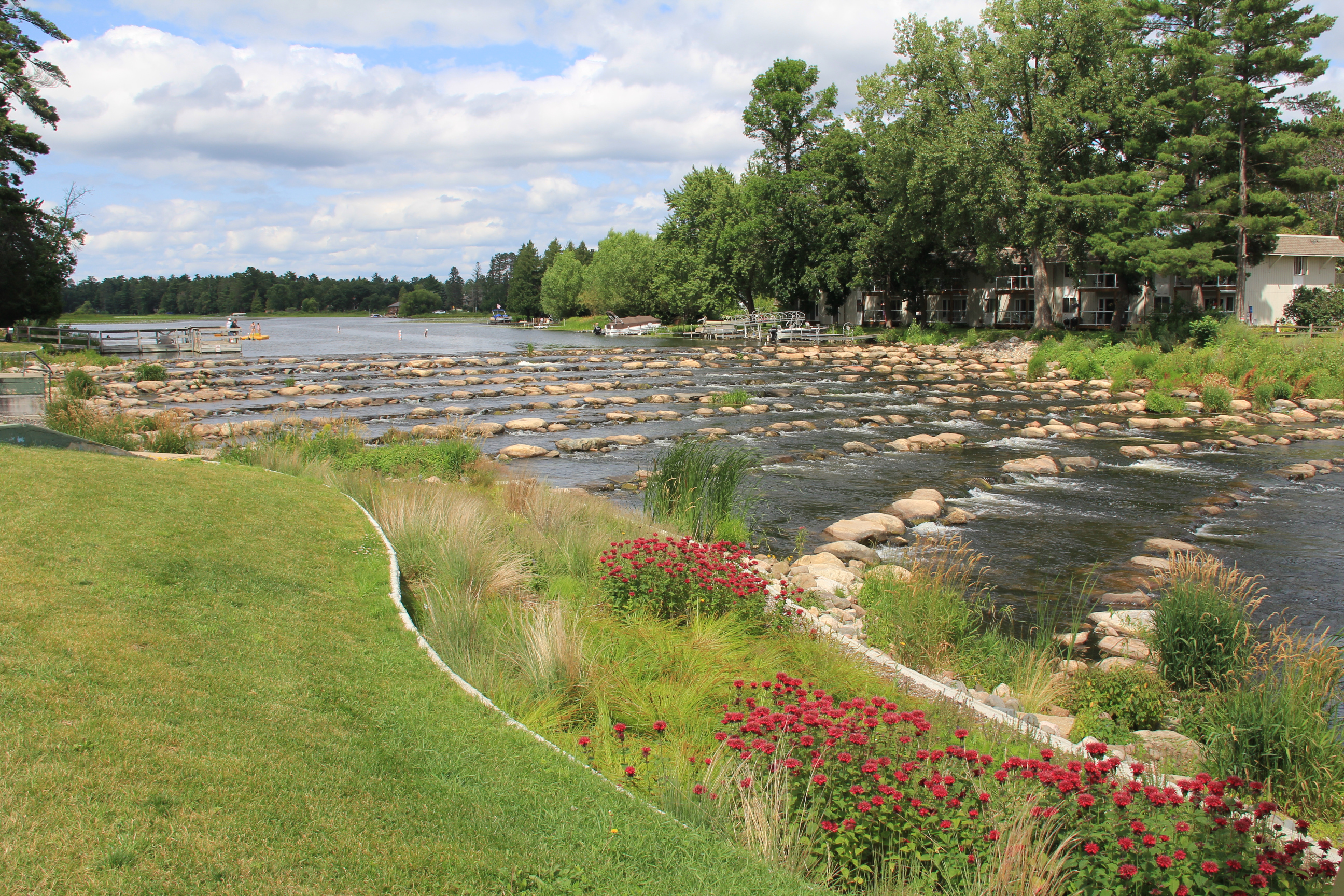
Plantings of flowers and grasses protect the river shoreline by the rock riffle. (Minnesota Prairie Roots copyrighted photo July 2024)

Now, whether this will work at the Faribault Mill Dam, I don’t know. I’m no engineer. But rock riffles have been placed in some 75 rivers and lakes across Minnesota. The one in Pine River is the first I’ve seen. I’d like local city officials to consider a rock arch rapids, maybe take a field trip to Pine River or elsewhere and see (and hear) just how inviting and lovely, calming, soothing and mesmerizing a rock riffle is compared to a traditional dam. See how this dam removal and rock riffle replacement in Pine River creates a recreational oasis, a beautiful gathering spot that grows community.

© Copyright 2025 Audrey Kletscher Helbling


Autumn searches for water, at least in Minnesota September 30, 2024

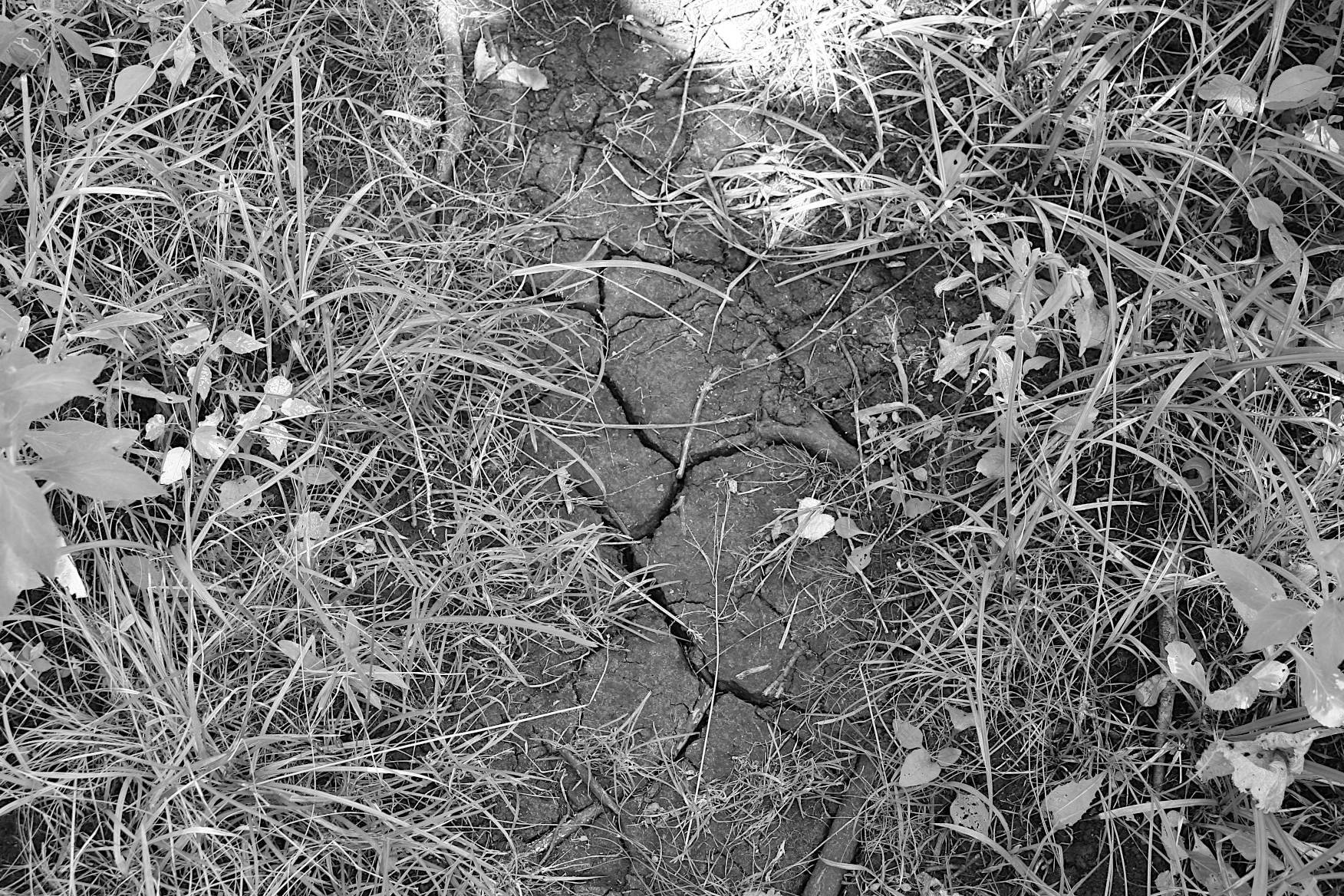
Parched, cracked earth by the Turtle Pond, River Bend Nature Center. (Minnesota Prairie Roots copyrighted file photo August 2021, used for illustration only)

IN AN AUTUMN WHEN RAIN REMAINS elusive and drought once again settles upon Minnesota, I am reminded of a poem I penned 14 years ago for a competition. “In which Autumn searches for Water” was among 28 pieces of prose and poetry published in “It’s All One Water,” a collaboration between the Zumbro Watershed Partnership and Crossings at Carnegie in Zumbrota.

The invitation to the 2012 “It’s All One Water” reception and group show in Zumbrota.

The winning entries were printed in a beautiful 55-page booklet that paired the writing with submitted photos, all themed to water. I opted to pen a poem personifying Autumn as a woman searching for water upon the parched land. To this day I still love that strong visual, inspired by my long ago observations at River Bend Nature Center in Faribault.

And if I were to tap further into my visual memory, I would also see a semi trailer full of hay parked in a southwestern Minnesota farmyard in the summer of 1976. That was a year of severe drought, when my dad bought a boxcar full of hay from Montana so he could feed his cows and livestock. It was the year that nearly broke him as a farmer.

A REALLY DRY & WARM SEPTEMBER IN MINNESOTA

Here we are, 48 years later, settling once again into drought/abnormally dry weather conditions in Minnesota after a winter of minimal snow followed by an excessively wet spring, a dry-ish summer and now a record warm and dry September. This September, the Twin Cities recorded only 0.06 inches of rain and the most days of 80-degree or warmer high temps in any September. It doesn’t feel like fall in Minnesota, more like summer. But at least temperatures cool overnight.

Areas of western and central Minnesota are under a Red Flag Warning today, code words for a high fire danger, due to dry, windy conditions and dropping relative humidity. We are experiencing “near critical fire weather conditions” here in the southern part of the state.

AND THEN THERE’S TOO MUCH WATER

Contrast this with the weather my friends in western North Carolina and other areas affected by Hurricane Helene are experiencing. One is OK (as is her house). But she expects to be without power for a week and is relying on limited cell service at the local firehall. Another friend, a native Minnesotan, lost his car and may lose his home in Hendersonville after a creek swelled, flooding his garage (with four feet of water) and house (30 inches of floodwaters). A foundation wall “blew out” of his home. He is currently staying with family in Florida.

So, yes, even though the lack of rain and abnormally warm weather in Minnesota concern me, I feel a deeper concern for the folks dealing with loss of homes, businesses, infrastructures and, especially, deaths of loved ones. The devastation is horrific. It will take months, if not years, to recover.

RESPECT FOR WATER & MY POEM

In 2012, the following statement published in the intro to “It’s All One Water”: It is our hope to inspire respect, protection, preservation and awe in honor of water, our most precious of Natural Resources. How one views water right now depends on where they live. But I think we can all agree that water is “our most precious of Natural Resources.”

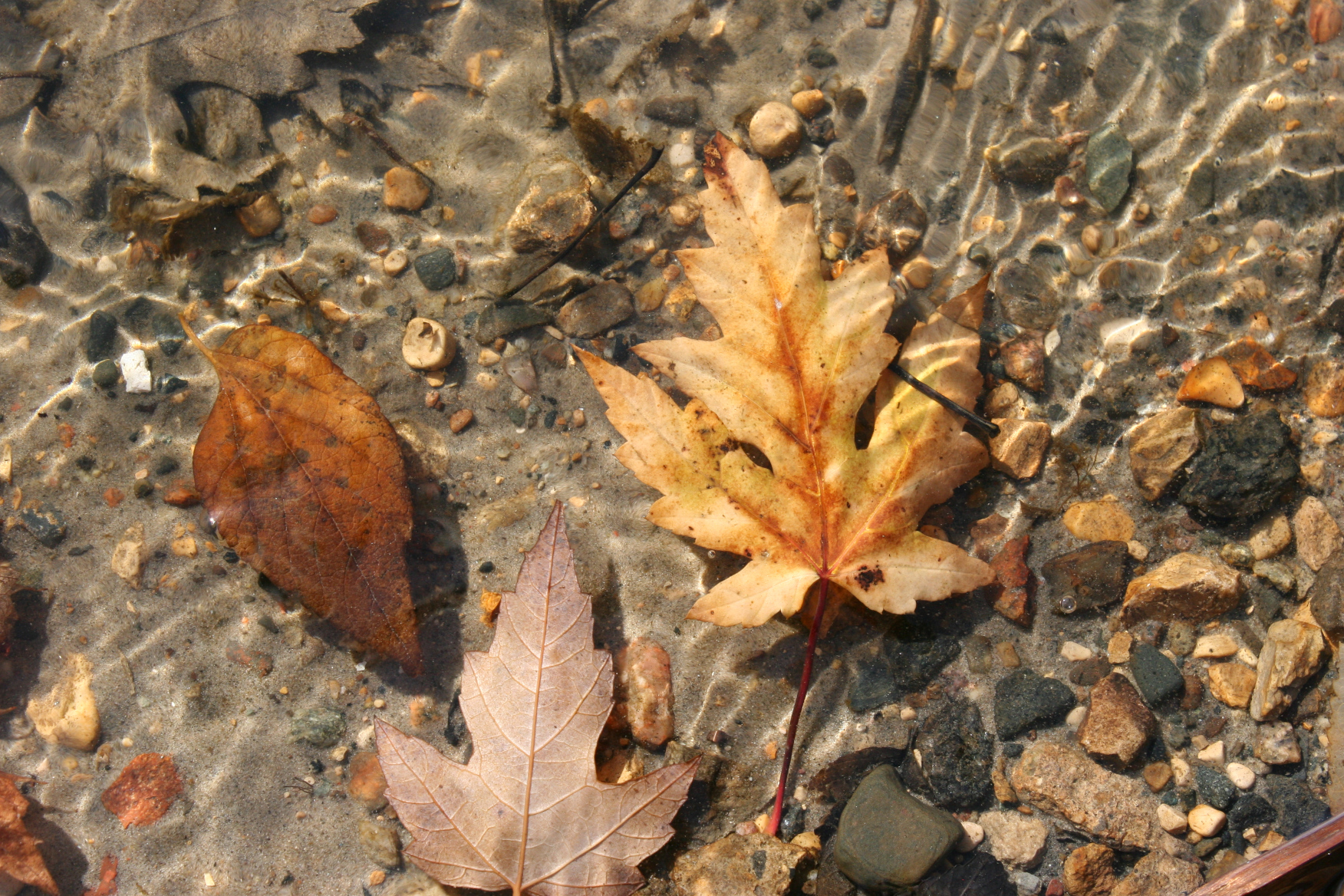
Autumn leaves in the Cannon River, Cannon River Wilderness Park. (Minnesota Prairie Roots copyrighted file photo 2021)

In which Autumn searches for Water

Water. The wayward word rises in a faint rasp,

barely a whisper above the drone of buzzing bees

weaving among glorious goldenrods.

I strain to hear as Autumn swishes through tall swaying grass,

strides toward the pond, yearning to quench her thirst

in this season when Sky has remained mostly silent.

But she finds there, at the pond site, the absence of Water,

only thin reeds of cattails and defiant weeds in cracked soil,

deep varicose veins crisscrossing Earth.

She pauses, squats low to the parched ground and murmurs

of an incessant chorus of frogs in the spring,

of Water which once nourished this marshland.

Autumn heaves herself up, considers her options

in a brittle landscape too early withered by lack of rain.

Defeat marks her face. Her shoulders slump. She trudges away, in search of Water.

© Copyright 2024 Audrey Kletscher Helbling
© Copyright 2012 “In which Autumn searches for Water” by Audrey Kletscher Helbling
 

A tale of two rivers: Muddy, menacing & mesmerizing June 4, 2024

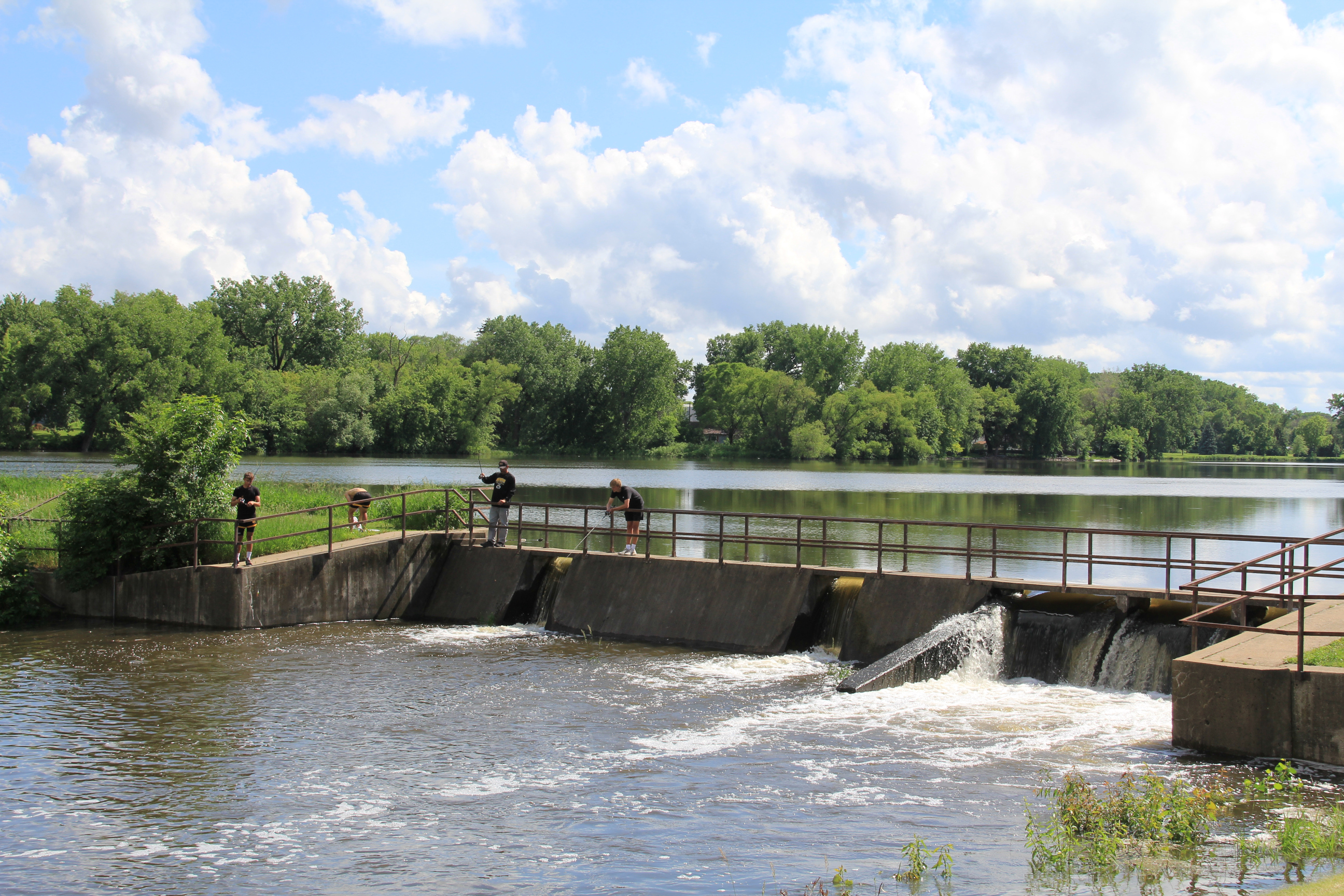
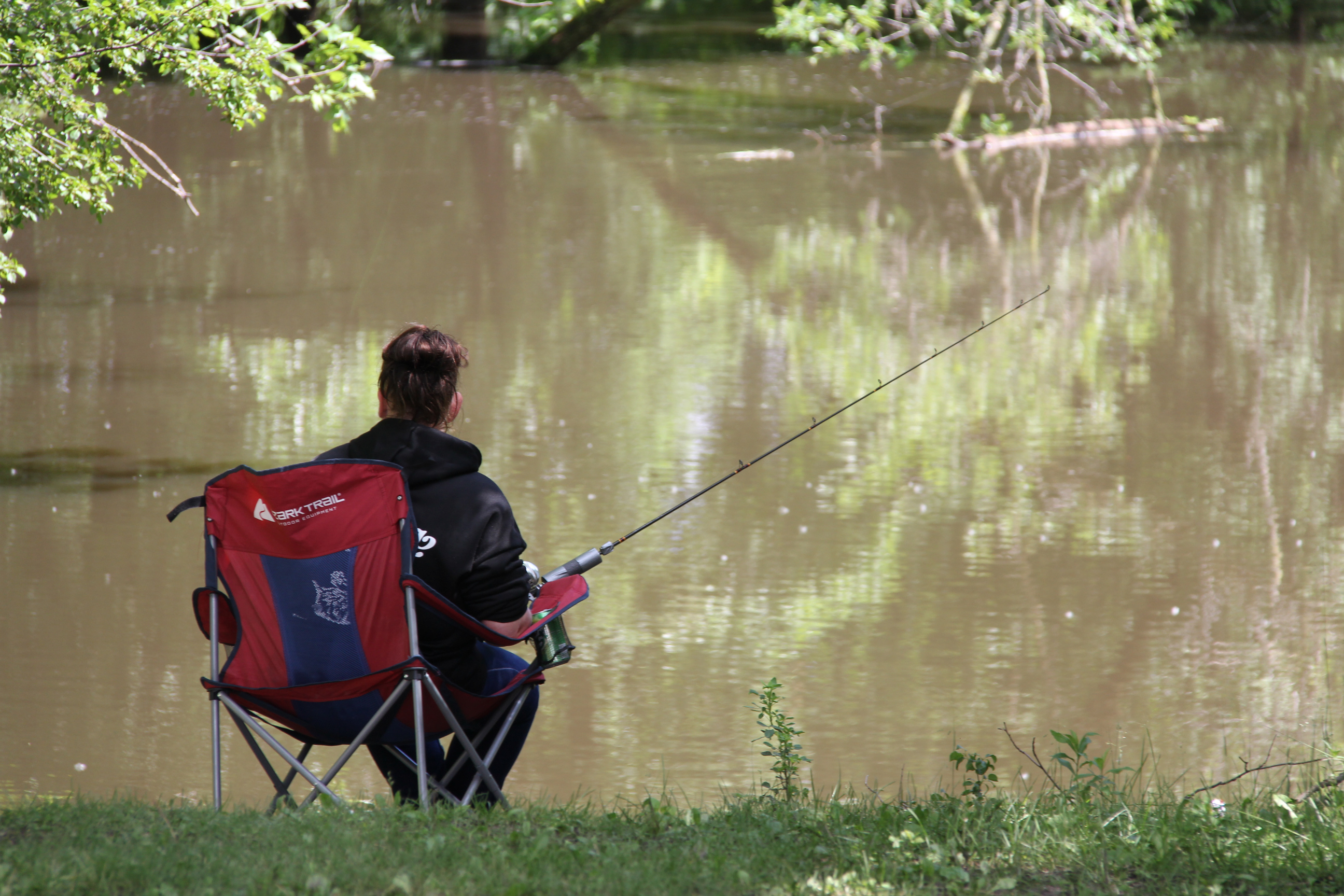
Fishing at the dam by Father Slevin Park in Faribault. (Minnesota Prairie Roots copyrighted photo June 2024)

RIVERS REEL US IN, like fish to bait. There’s something about water, especially a river. It’s mesmerizing, soothing, poetic and, right now, rather dangerous.

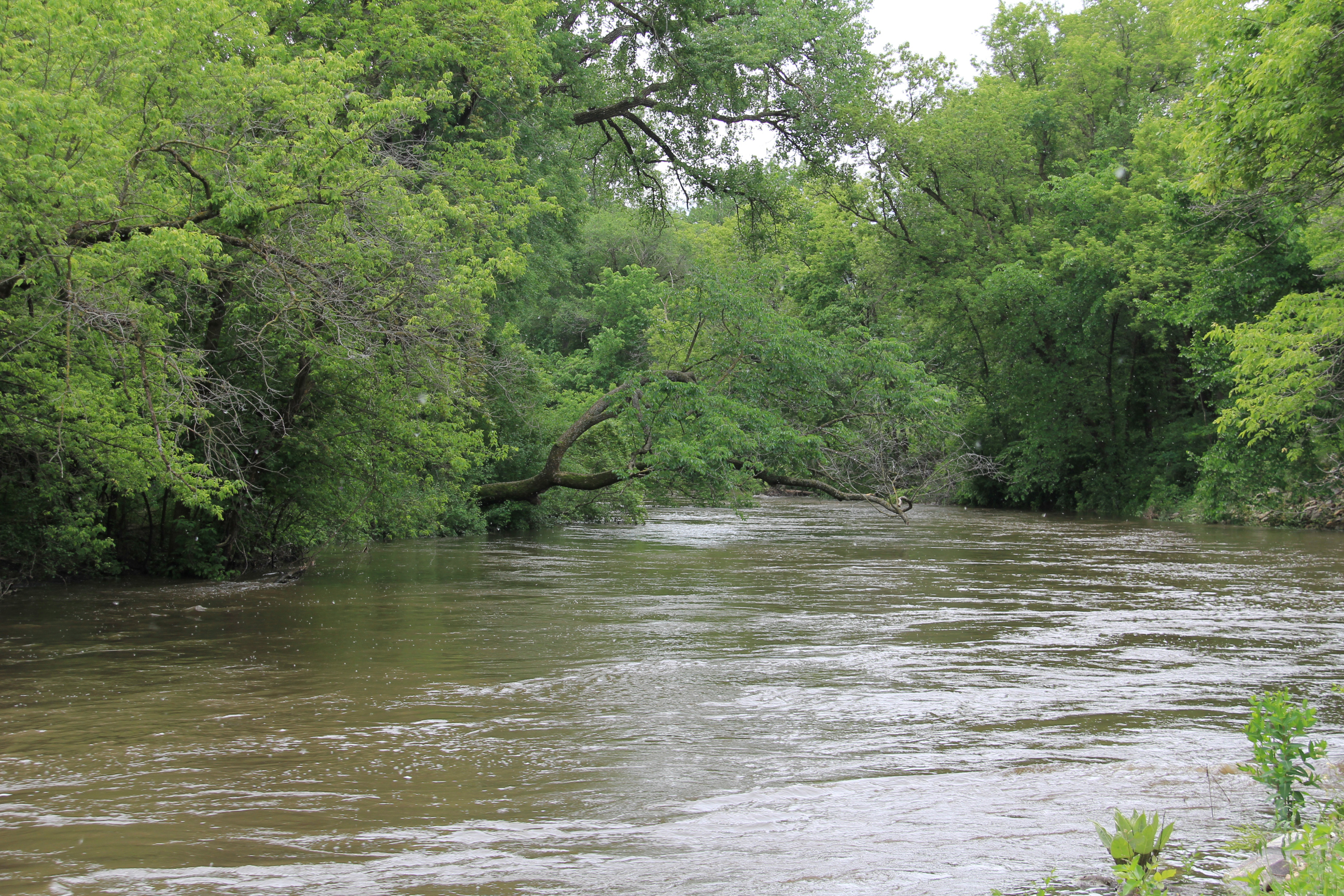
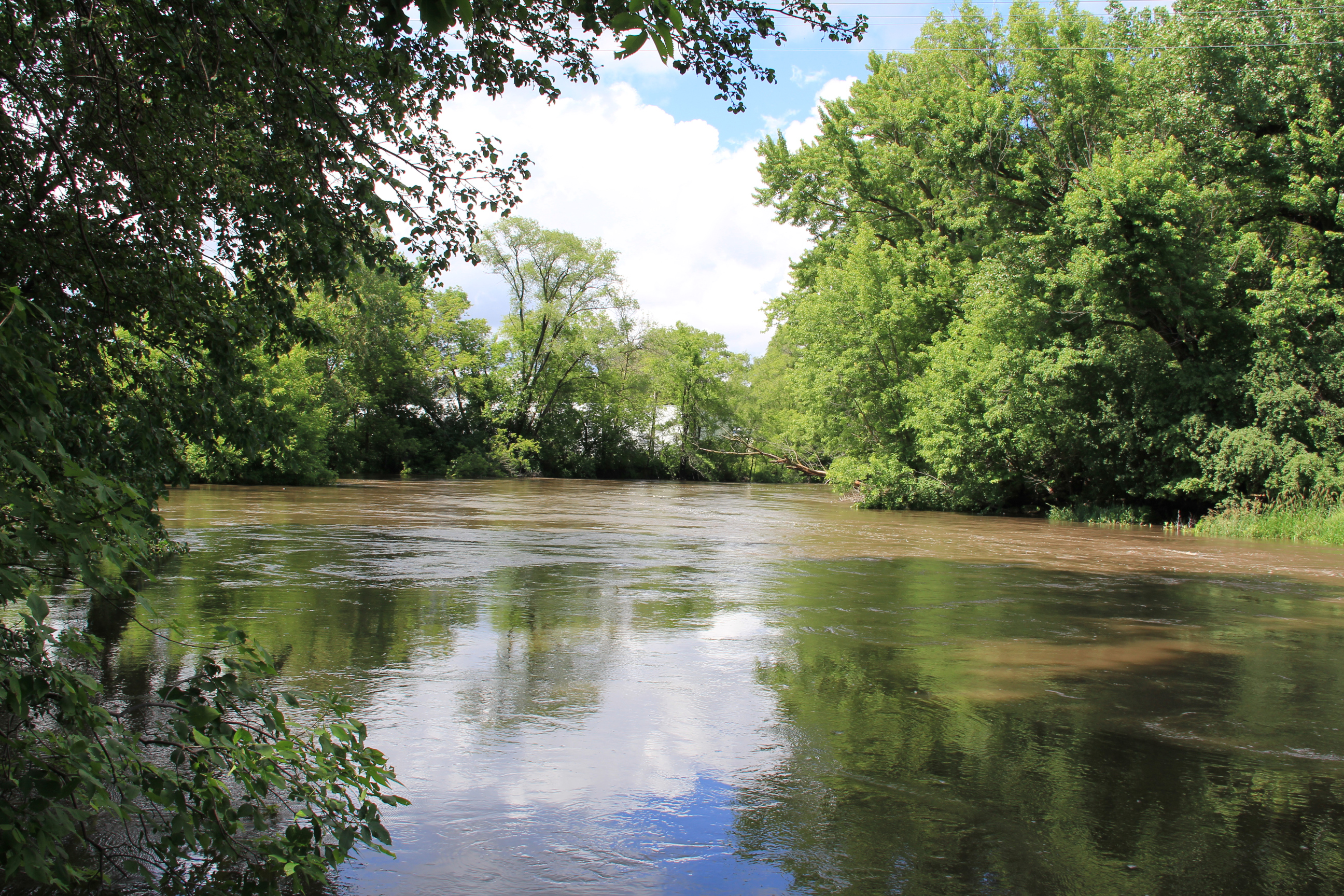
The rushing Straight River, photographed just off the Straight River Trail near Fleckenstein Bluffs Park. (Minnesota Prairie Roots copyrighted photo June 2024)

Recent days found me watching the two rivers—the Cannon and the Straight—which flow through Faribault. They are full to overflowing, muddied and rushing after significant rainfall dropped an unofficial 3.5 inches into my rain gauge over the weekend. That followed weeks of heavy rain.

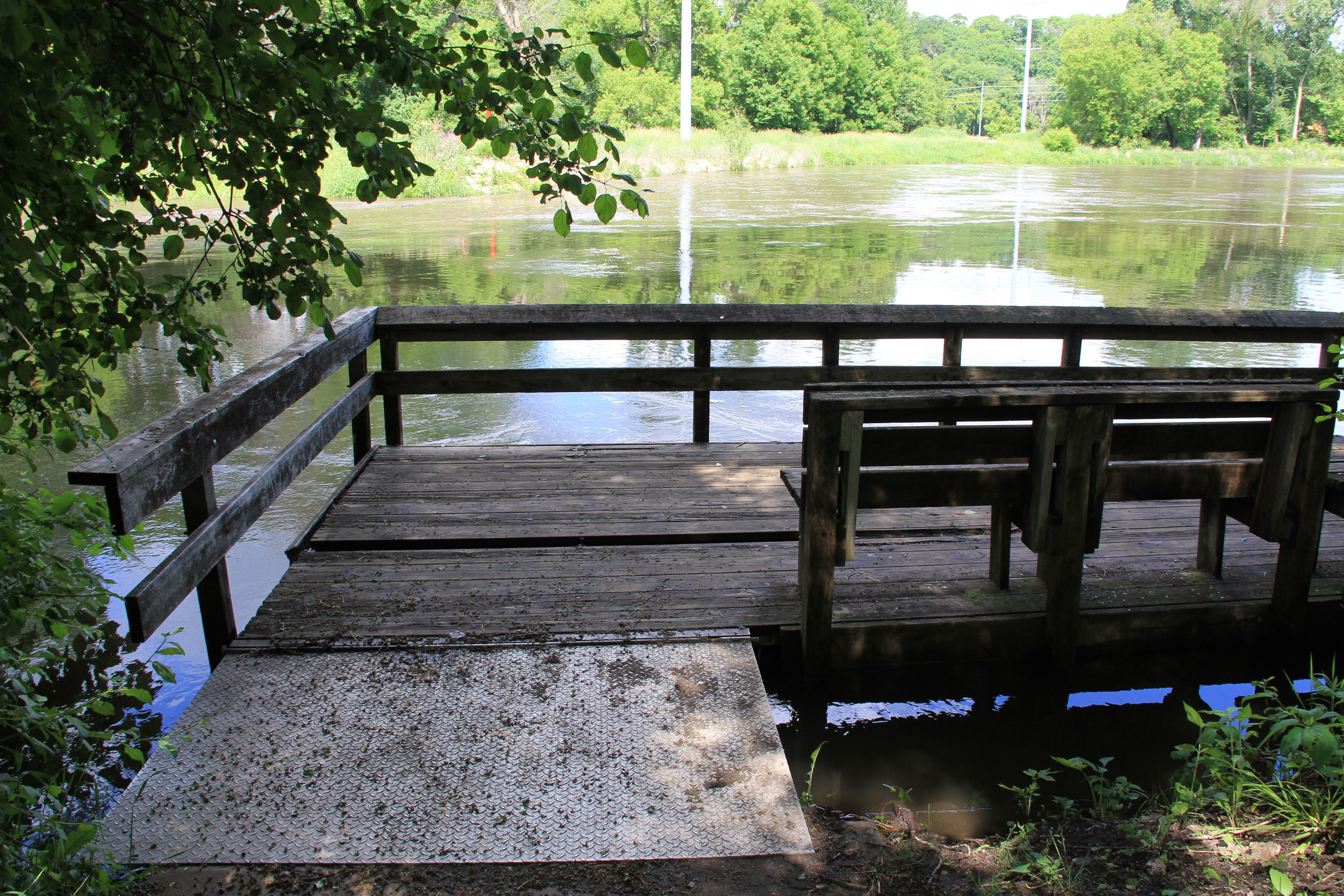
On the day I photographed this dock at Two Rivers Park, it was nearly submerged by the Straight and Cannon Rivers, which meet here. The dock typically sits high above the water. In retrospect, I should have stayed off this dock, which doesn’t seem all that safe. (Minnesota Prairie Roots copyrighted photo June 2024.
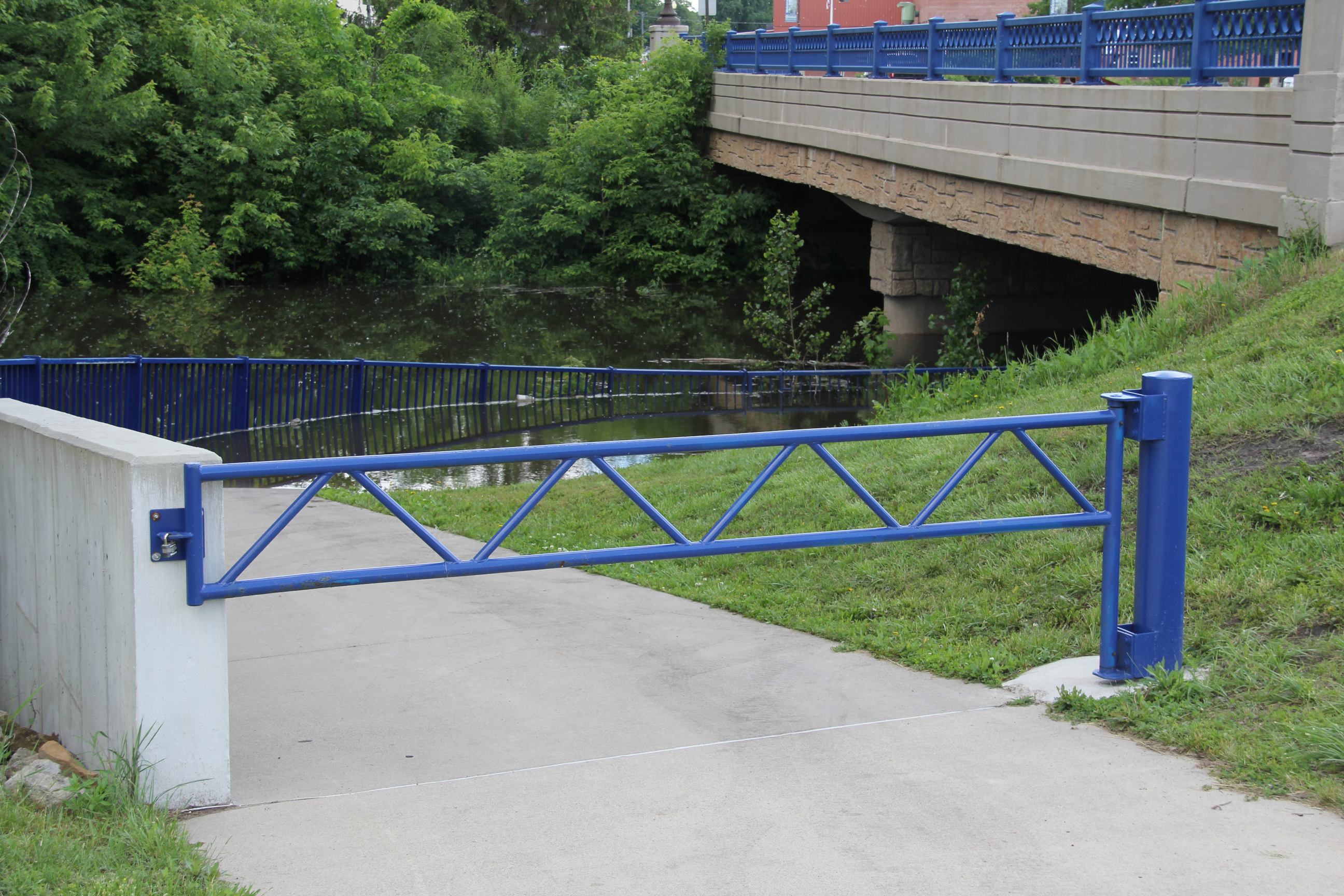
The City of Faribault has closed a section of a recreational trail running under the Second Avenue bridge due to flooding from the Cannon River. (Minnesota Prairie Roots copyrighted photo June 2024)

River levels are high, replenished after a near snow-less winter and the drought of 2023. But enough is enough. We need consistent sunshine and for the rain to stop. And for people to take extra care around fast-moving rivers.

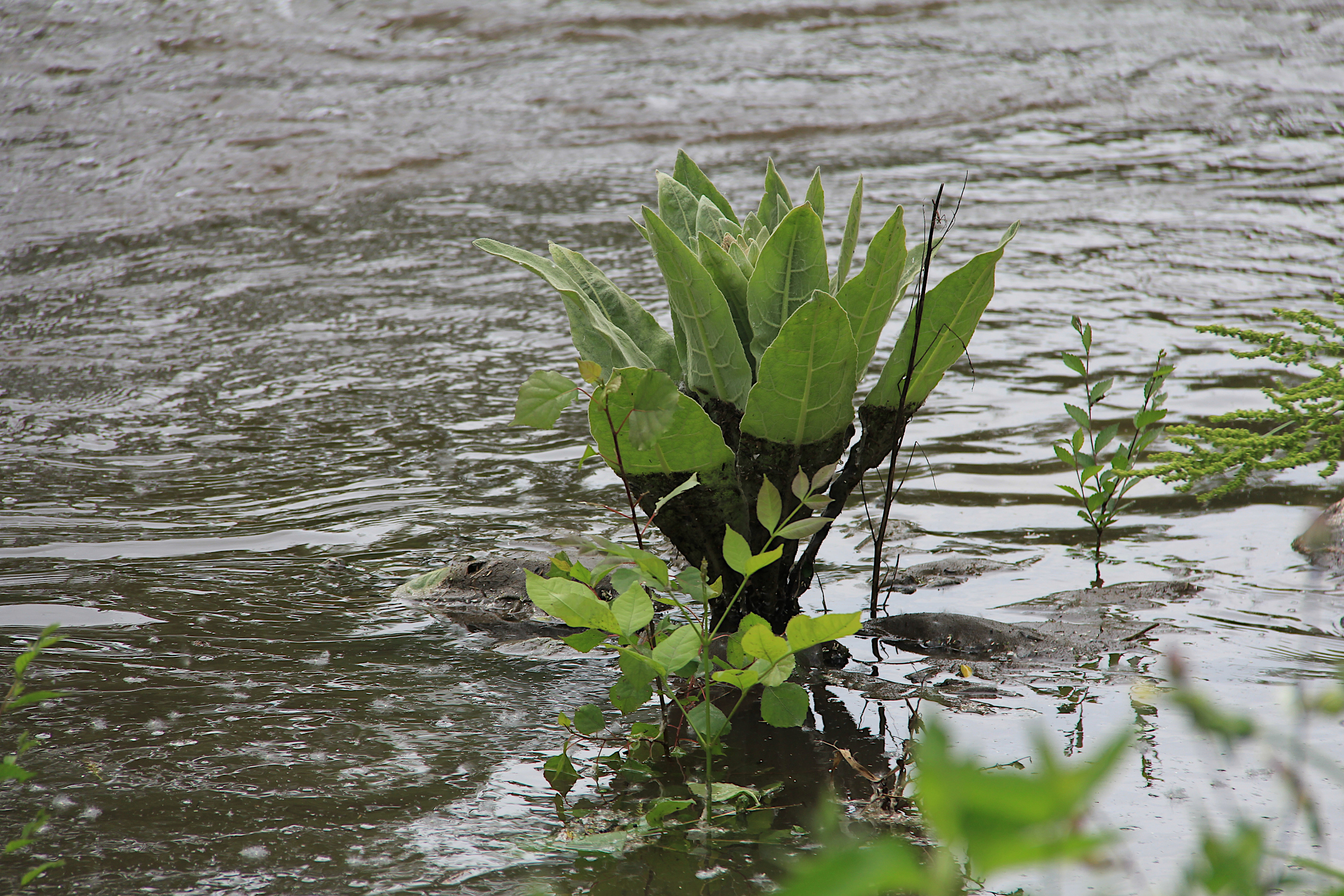
Muddy marks on this plant show how high the roiling Straight River rose, just off the Straight River Trail near Fleckenstein Bluffs Park. (Minnesota Prairie Roots copyrighted photo June 2024)

The Rice County Sheriff’s Department has advised people to be cautious on local waterways and to stay off the Cannon River. Six young people and three adults were recently rescued from the Cannon after their canoes and kayaks overturned. I saw drone footage of rescuers plucking people from the river. They were wearing life jackets, clinging to fallen trees. They got out alive. They were fortunate.

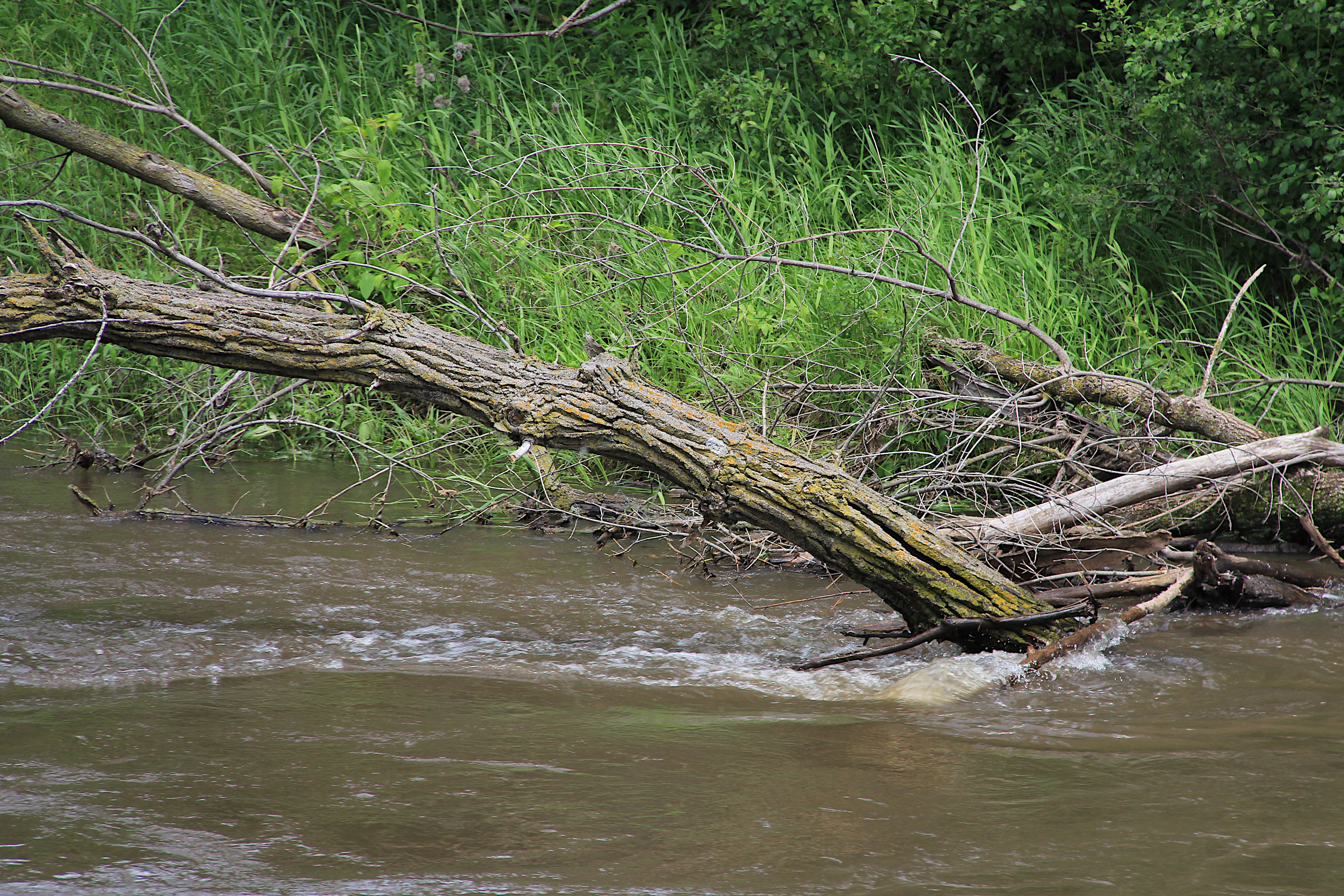
Fallen trees and limbs like these in the Straight River near Fleckenstein Bluffs Park present a hazard to anyone on the water. (Minnesota Prairie Roots copyrighted photo June 2024)

Local rivers are snagged with obstacles, especially trees downed by a 2018 tornado. The current is fast, the water swift-moving, dangers hidden below the surface. Watercraft can easily capsize, turning an outing into tragedy or near tragedy.

Fishing the muddy Cannon River at Two Rivers Park. (Minnesota Prairie Roots copyrighted photo June 2024)

I observed anglers safely fishing along the river bank at Two Rivers Park, above the dam by North Alexander Park and by the Woolen Mill Dam. These have always been popular fishing spots in town, although at Two Rivers most people fish from the dock. That was nearly under water when I stopped by. I didn’t visit the King Mill Dam, but I anticipate anglers were lining the shoreline there also.

The Cannon River is high and swift-moving at Two Rivers Park. The park was the staging scene for a recent water rescue. (Minnesota Prairie Roots copyrighted photo June 2024)

An abandoned bobber tossed into the water where the Cannon and Straight rivers converge showed just how swift the current. I have no doubt the river could quickly pull a person under who’d fallen from a canoe or kayak.

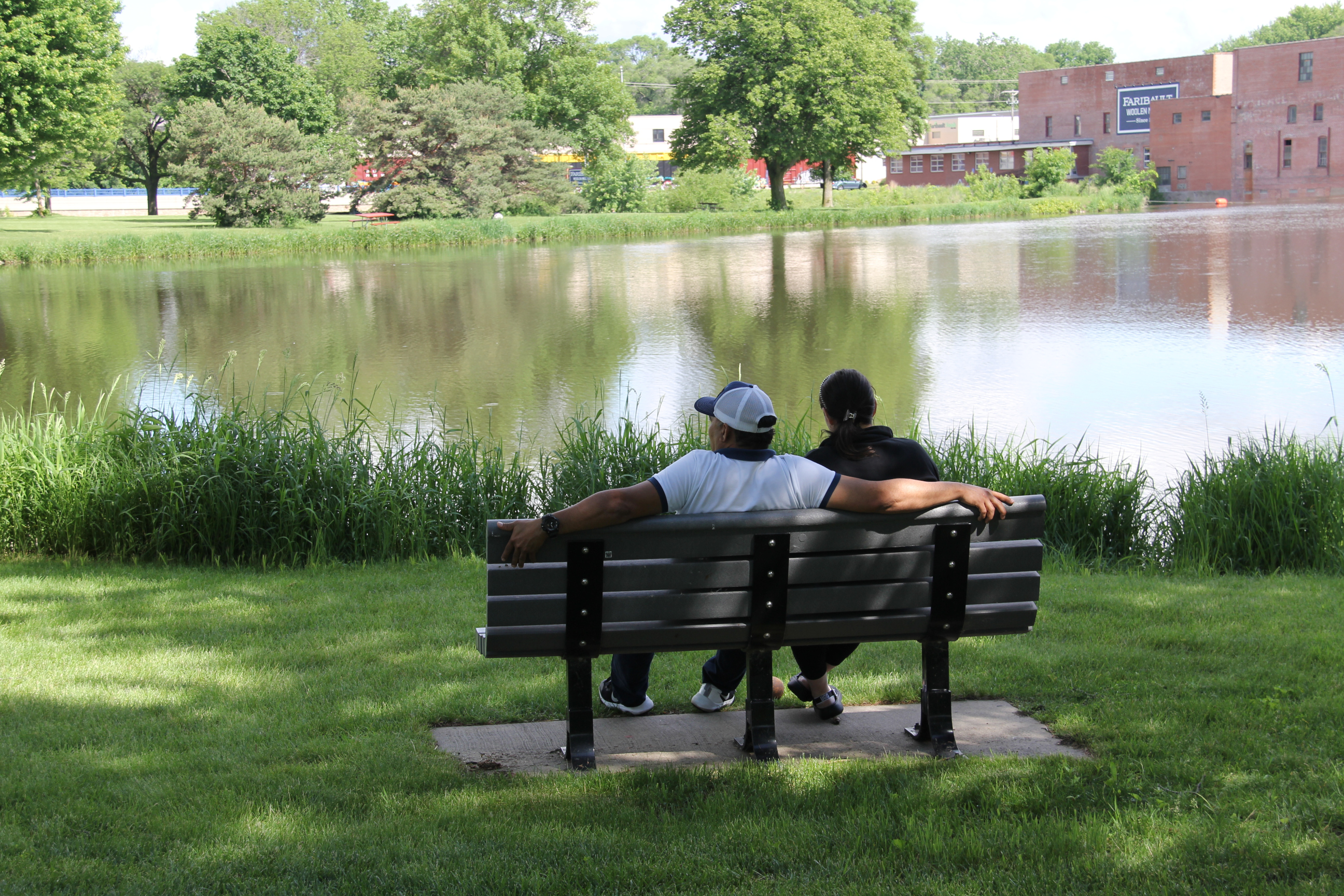
Relaxing along the Cannon River in North Alexander Park, the Faribault Woolen Mill on the opposite shoreline. (Minnesota Prairie Roots copyrighted photo June 2024)
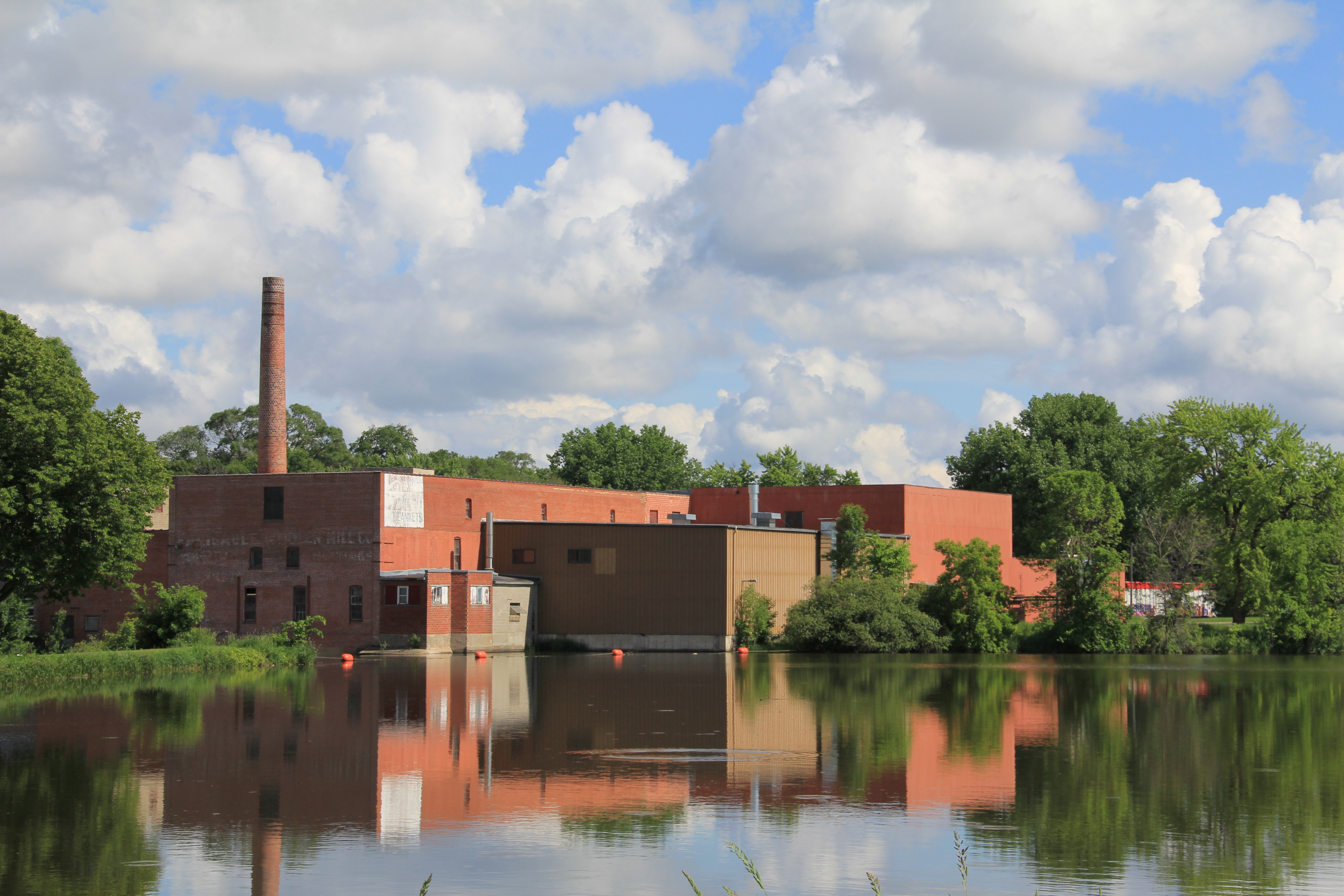
The iconic, historic Faribault Mill sits aside the Cannon River. (Minnesota Prairie Roots copyrighted photo June 2024)
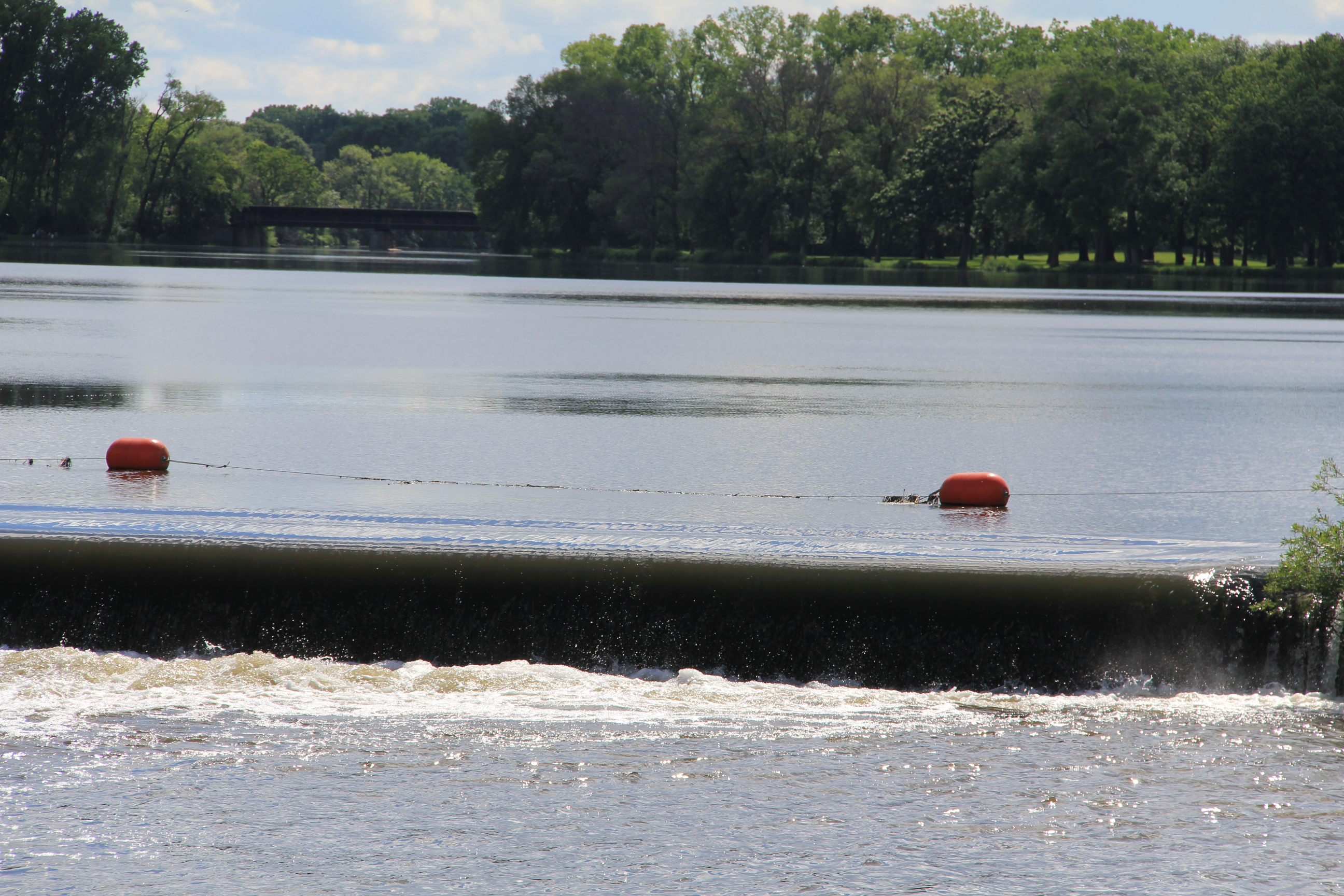
This photo taken several days ago shows the minimal drop over the Woolen Mill dam, with raging river below. (Minnesota Prairie Roots copyrighted photo June 2024)

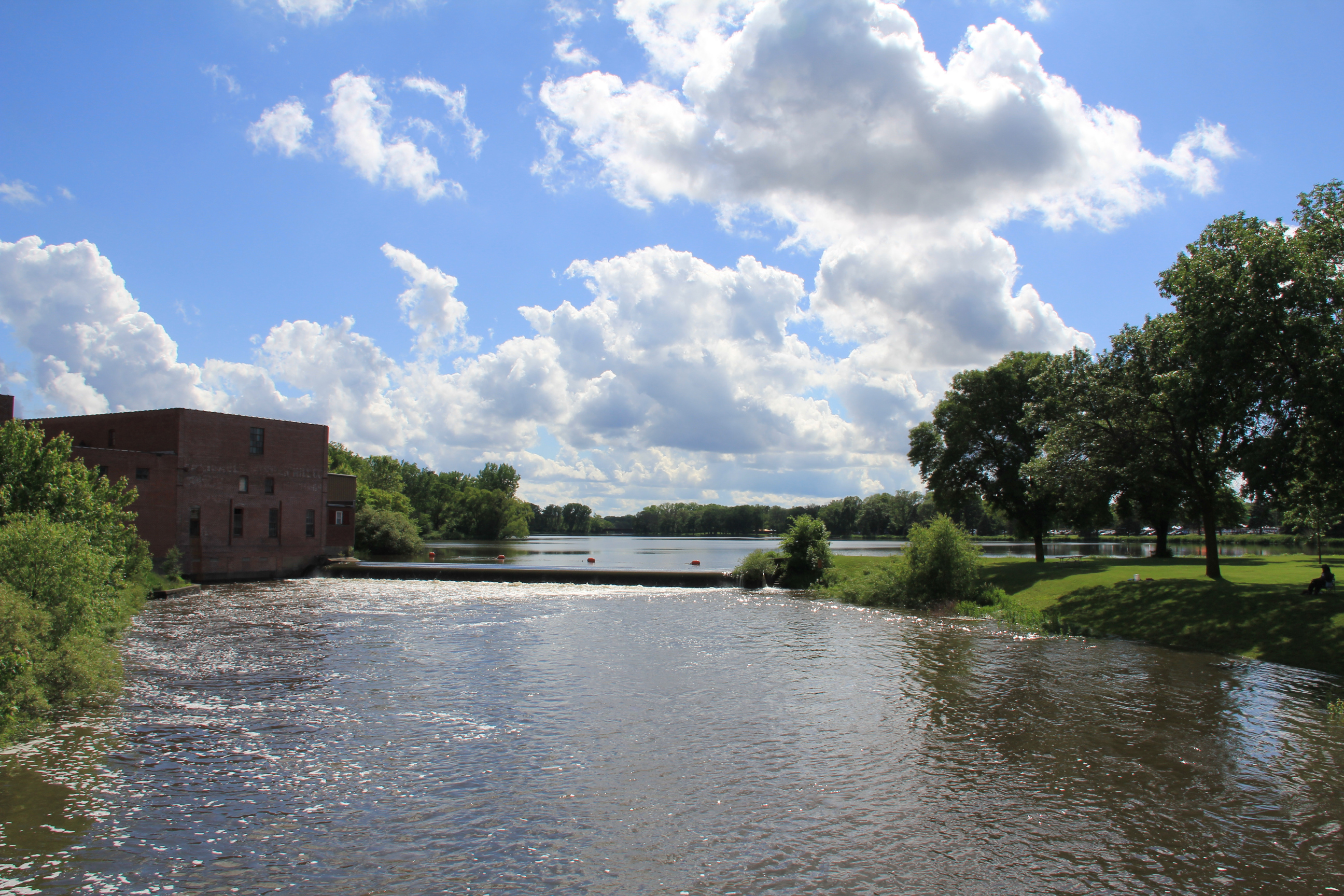
It’s easy enough to get misled by the water. Sit aside the wide stretch of the Cannon before it spills over two dams and the scene looks tranquil. The water’s surface is smooth, reflecting sky and trees and the historic woolen mill. But when the water spills over the dams, it transforms into something muddy and menacing, not to be messed with.

The scenic Cannon River and dam near the Faribault Mill. (Minnesota Prairie Roots copyrighted photo June 2024)

Respect the rivers, I say, even if it is tempting to launch a canoe or ease into a kayak. River levels will drop in due time as summer unfolds. There will be ample opportunity to get on the water, to enjoy the river scenery, to delight in the natural beauty of Mni Sóta, Dakota for “land of sky tinted waters.”

© Copyright 2024 Audrey Kletscher Helbling
 

Up close on the Straight River during a drought September 13, 2023

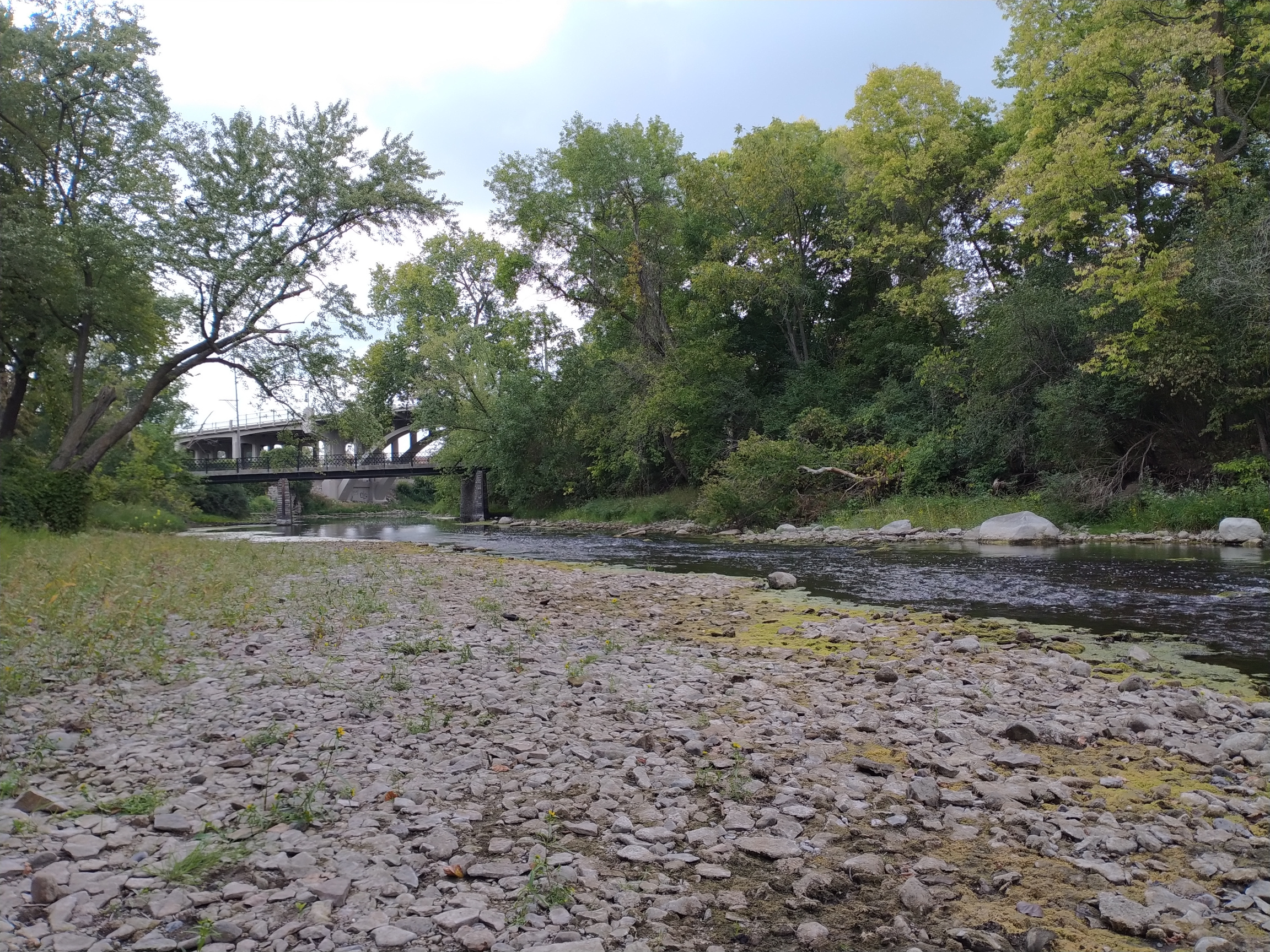
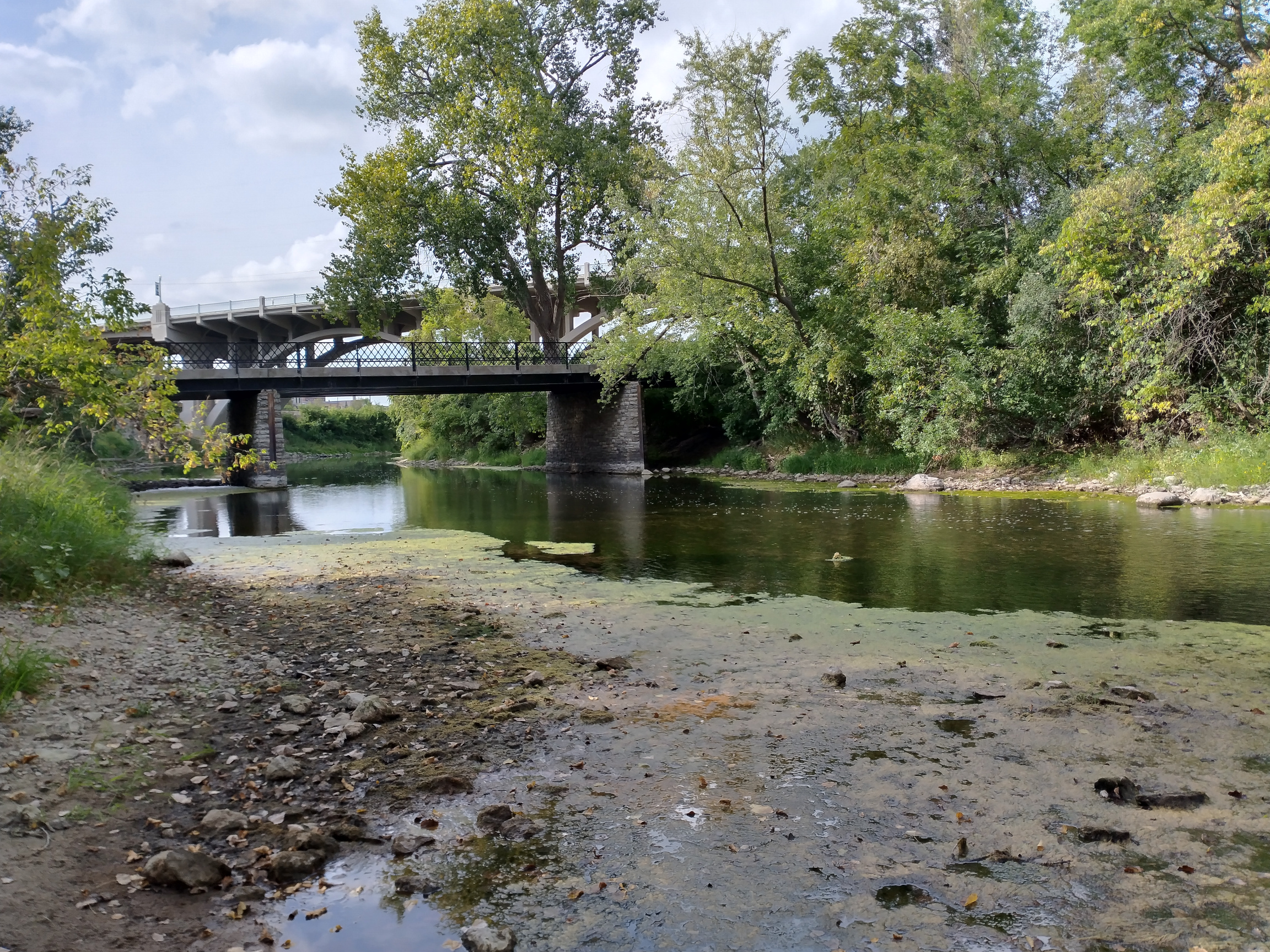
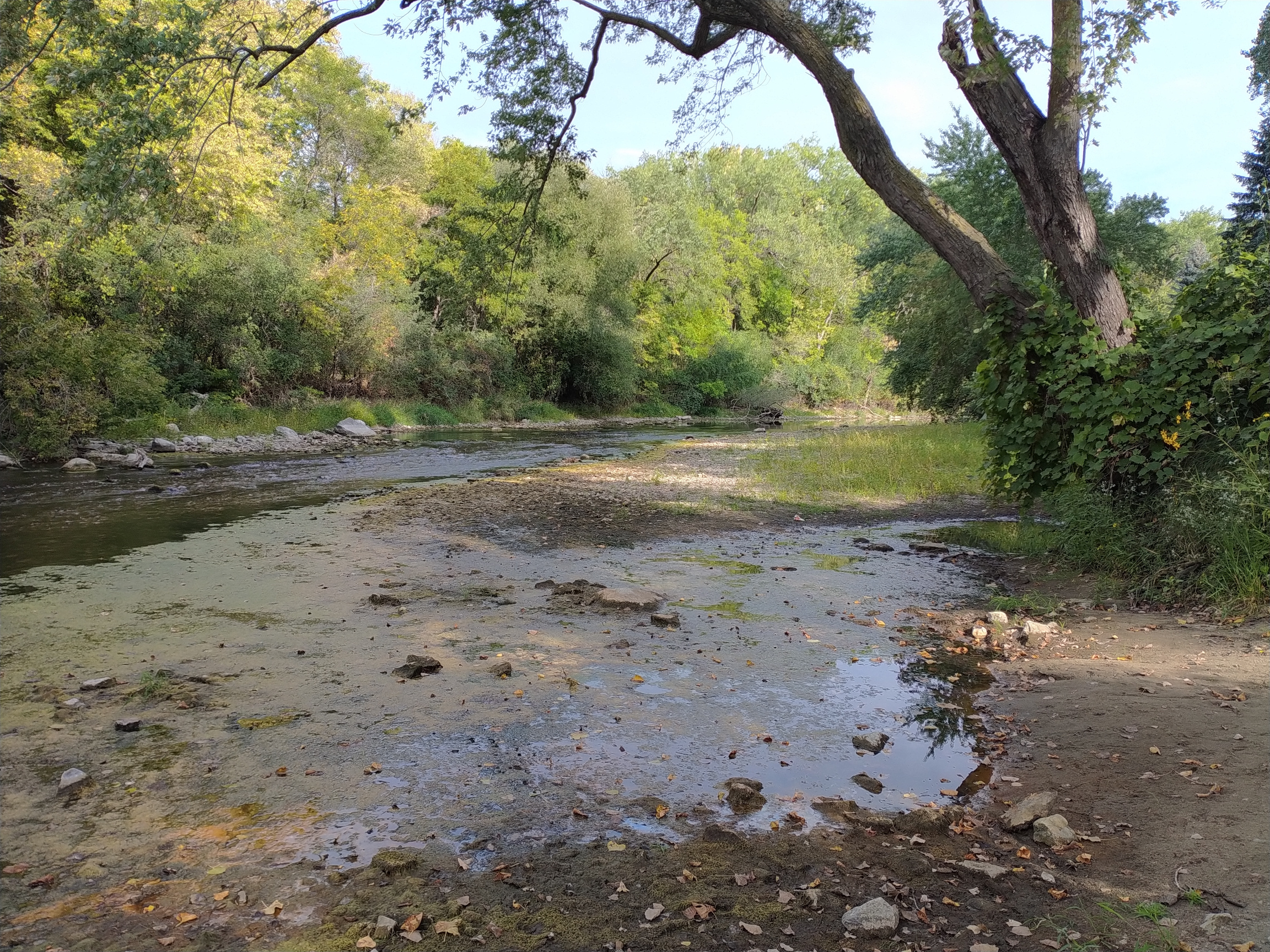
The river bottom revealed, weeds and flowers growing where once water flowed in the Straight River at Faribault’s Teepee Tonka Park. (Minnesota Prairie Roots copyrighted photo September 2023)

CAUTIOUSLY I SIDLED down the silty river bank, hand clasping Randy’s to steady myself. “This isn’t one of the smartest things we’ve done recently,” I said. I held no desire to slip on the unstable ground, to tumble and break a bone. I’ve twice done that. The doctor who recently diagnosed me with osteopenia likely would remind me of my bone density scan results and of my age, which is much closer to 70 than sixty.

But risk outweighed fear. I wanted to reach the dry river bottom, to stand upon the rocky bed, soles touching a place where water once flowed strong and steady.

In this summer of abnormally high temps and little rainfall, the water level in the Straight River, like so many other waterways in Minnesota, is low. The Minnesota Department of Natural Resources, which monitors river depths, terms the level of the Straight near Faribault as “scrapable.” Defined, that’s “so low that paddlers may have to get out of their watercraft to avoid rocks.” At the Straight River West Bridge Street location in Owatonna, the river level measures only slightly better at “low.” The Cannon River, into which the Straight flows, rates as “scrapable” in Morristown, near Faribault, in Northfield and in Welch.

The effects of the ongoing statewide drought are evident. My county of Rice, like 39 percent of Minnesota, is in a severe drought. And much of southeastern Minnesota, including more than half of Steele County to the south through which the Straight River twists and turns, is in an extreme drought.

Stagnant water ponds near the bridge leading into Teepee Tonka Park with the viaduct in the distance. (Minnesota Prairie Roots copyrighted photo September 2023)

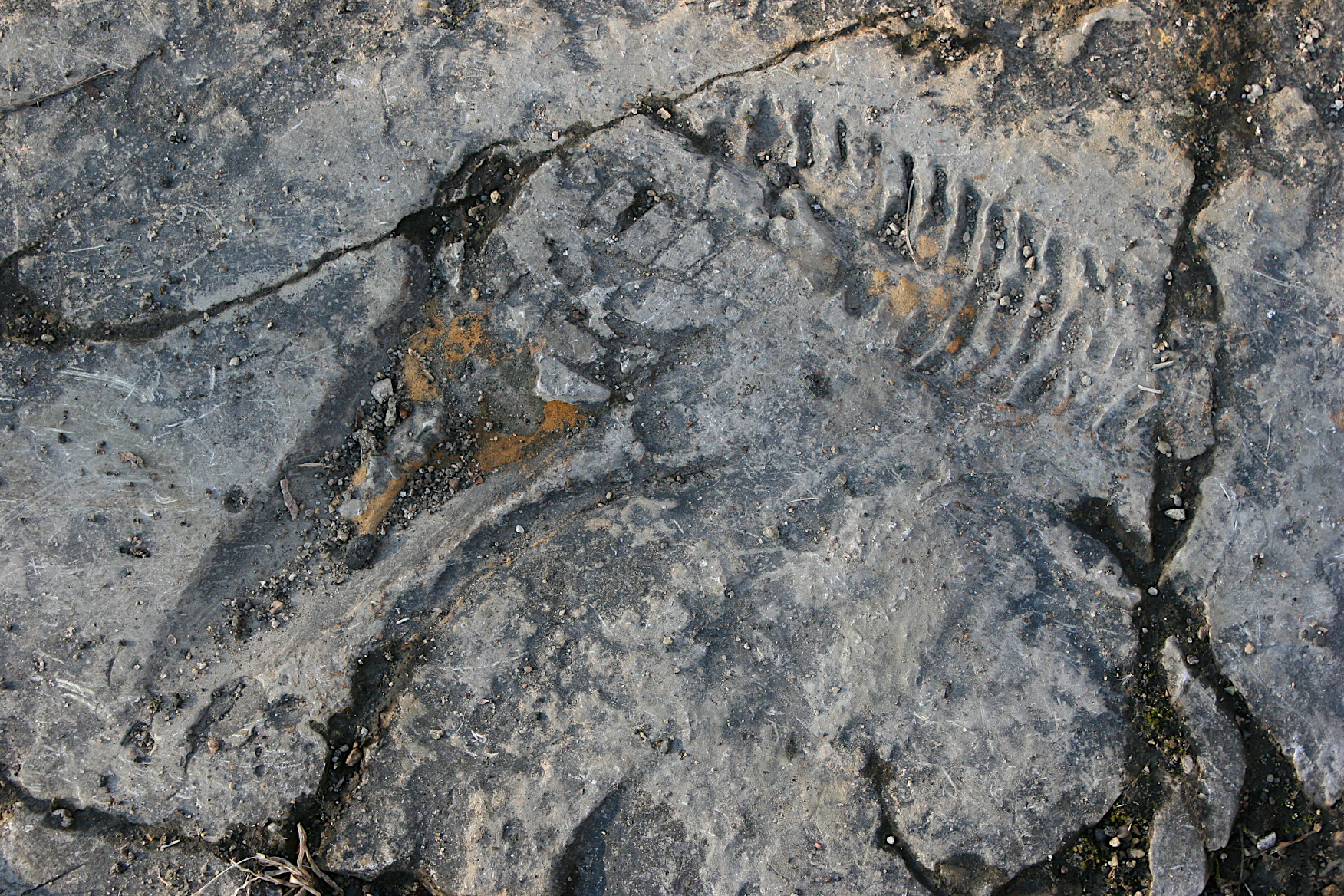
It’s no wonder that on this afternoon in mid-September, I can walk upon a rocky river bottom where water once flowed, even flooded this spring into Teepee Tonka Park near Faribault’s historic viaduct. Earlier this summer, a Faribault teen discovered a cephalopod fossil in an area of a local river typically under water. He refused to identify the specific waterway, but I guessed, perhaps incorrectly, that it was the Straight.

A fossil along a trail near the Straight River overlook in Faribault’s River Bend Nature Center, which connects to Teepee Tonka Park. (Minnesota Prairie Roots copyrighted file photo)

That fossil discovery was also part of my reason for descending the river bank near the east-side Faribault park entrance. I had great uncles who were rock hounds, inspiring in me a childhood fascination with agates and shells and interesting finds revealed only at ground level. That’s carried through into adulthood.

Wildflowers bend toward the narrowed river of exposed river bottom and rocks. (Minnesota Prairie Roots copyrighted photo September 2023)

But on this day I found nothing of interest, only weeds and wildflowers sprouting between stones aside the drought-narrowed river. Correction: I spotted a bra atop a rock, just out of reach in the river, and wondered about the story behind that.

Outdoor enthusiasts intending to paddle the Straight or Cannon rivers now would assuredly have their own disappointing stories to tell about abandoned plans. I observed ankle deep water in parts of the Straight, making water recreation impossible, any recreational outings scrapable.

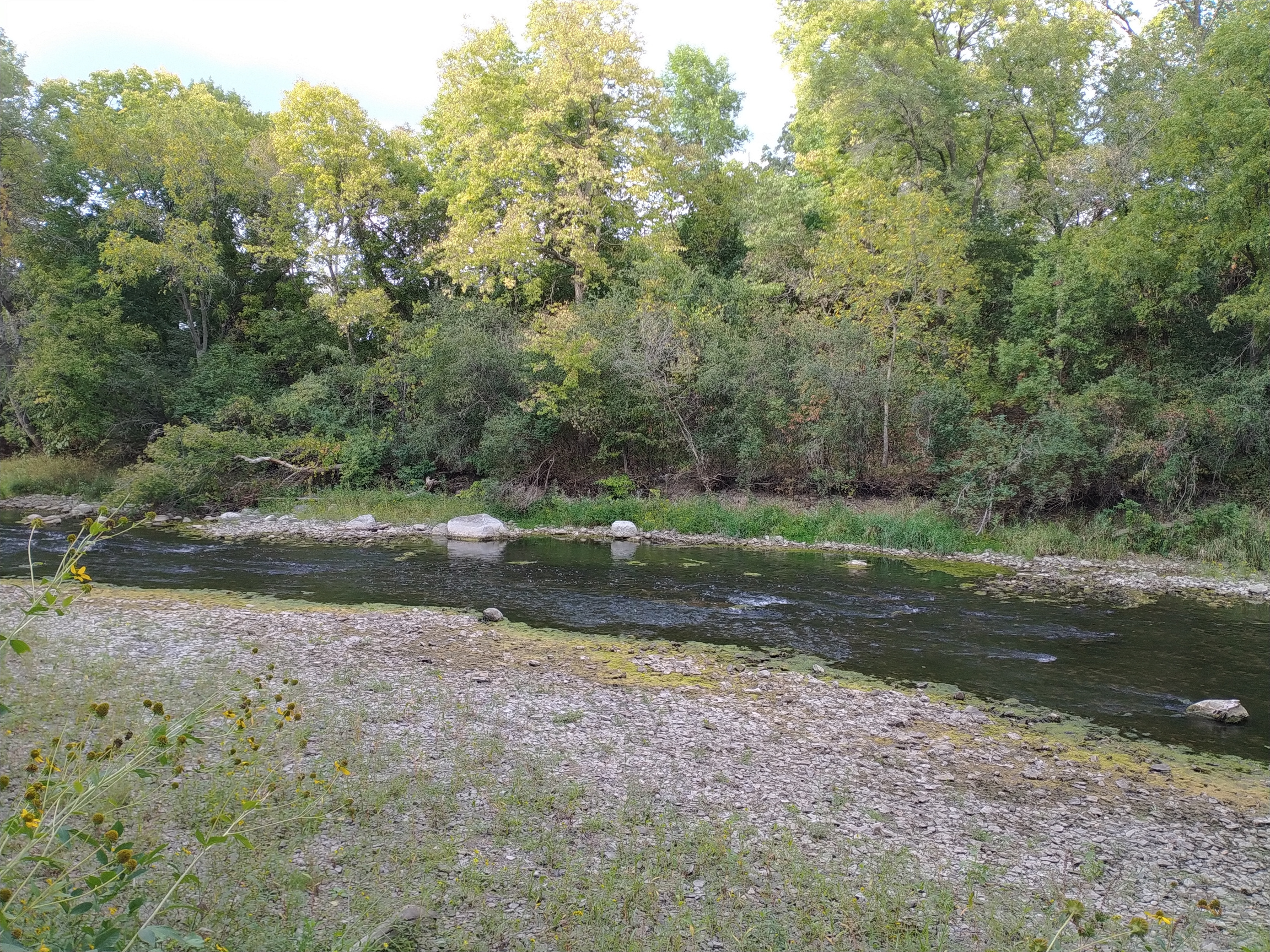
Around this bend in the river, to the right, the water deepens a bit and flows freely. (Minnesota Prairie Roots copyrighted photo September 2023)

Only a pair of hunting dogs let loose by their owner in Teepee Tonka Park enjoyed the low river level on the day I eased down the river bank. They scrambled down the bank, surefooted, racing along river’s edge, shallow water splashing. Then back up they dashed, sprinting along the grassy bank before returning to the river. I delighted in their antics while simultaneously concerned they might come near me. I never quite trust strange dogs not under the control of their owner. A large muddy-pawed dog once jumped on me while I walked at a city park.

Mud. We’ve seen little of that in most parts of Minnesota this summer. There are exceptions, of course, including flash floods in Duluth on Monday, not something any of us want. Light rain fell in Faribault early on this week, enough to dampen the pavement. But I yearn to hear the steady thrum of rain upon the earth. Rain that will ease this drought, replenish our rivers, revive our waterways, restore the land.

© Copyright 2023 Audrey Kletscher Helbling
NOTE: DNR info referenced in this story is from September 5 on drought conditions and September 12 on river levels.


Fish art along the Mississippi in Monticello October 20, 2022

The Mississippi River in Monticello, MN. (Minnesota Prairie Roots copyrighted photo September 2022)

ALMOST ON A DAILY BASIS now I hear and read media reports about the Mississippi River, reportedly at its lowest level in a decade. Lack of rain led to this situation which is now causing shipping problems, concerns about drinking water supplies and issues with salt water creeping into the river.

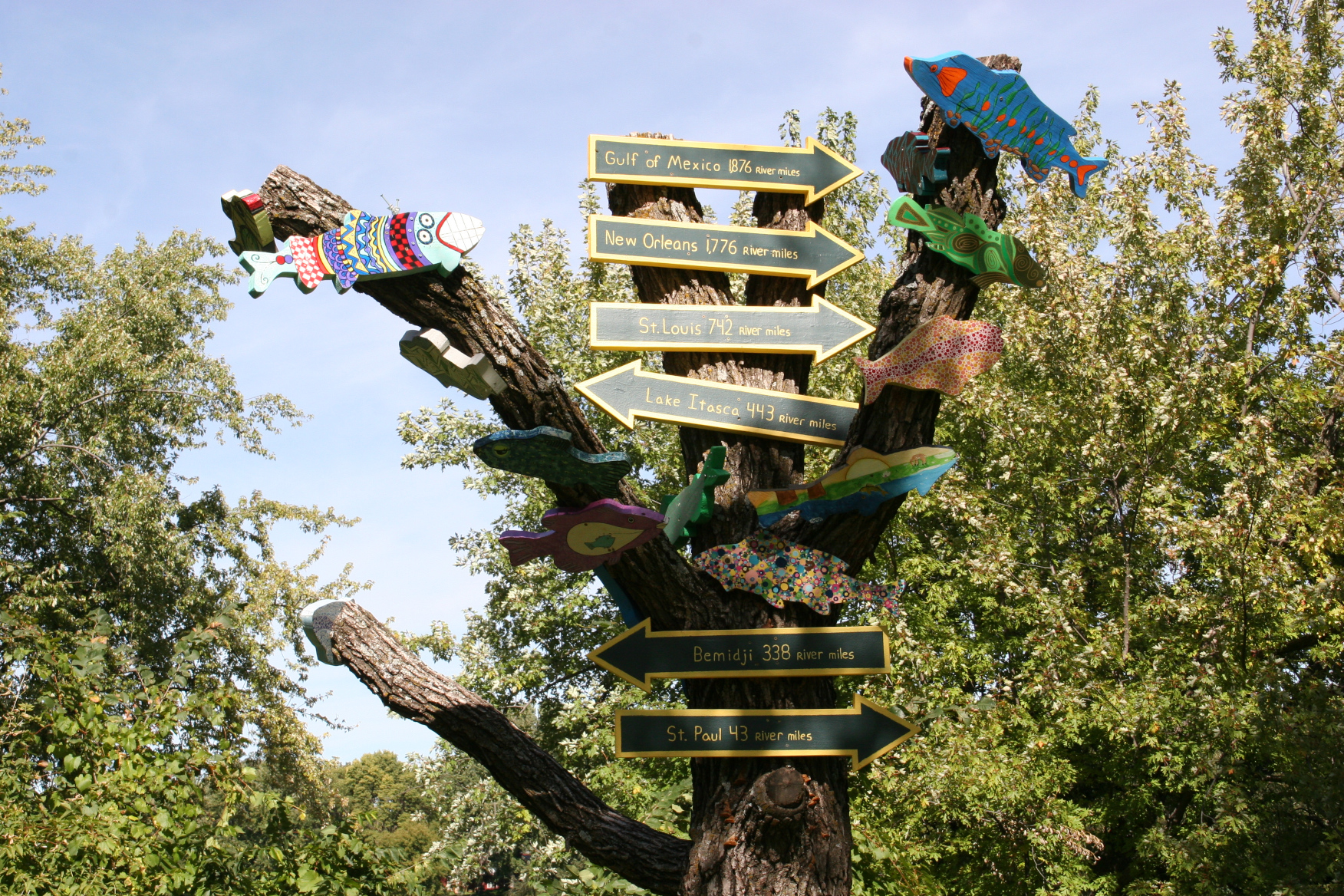
Fish art along the Mississippi in Monticello. (Minnesota Prairie Roots copyrighted photo September 2022)

I need only look at lakes, rivers, streams and creeks in southern Minnesota to see how drought is affecting our waterways. Dry creek beds, exposed rock, clearly low water levels raise my concern.

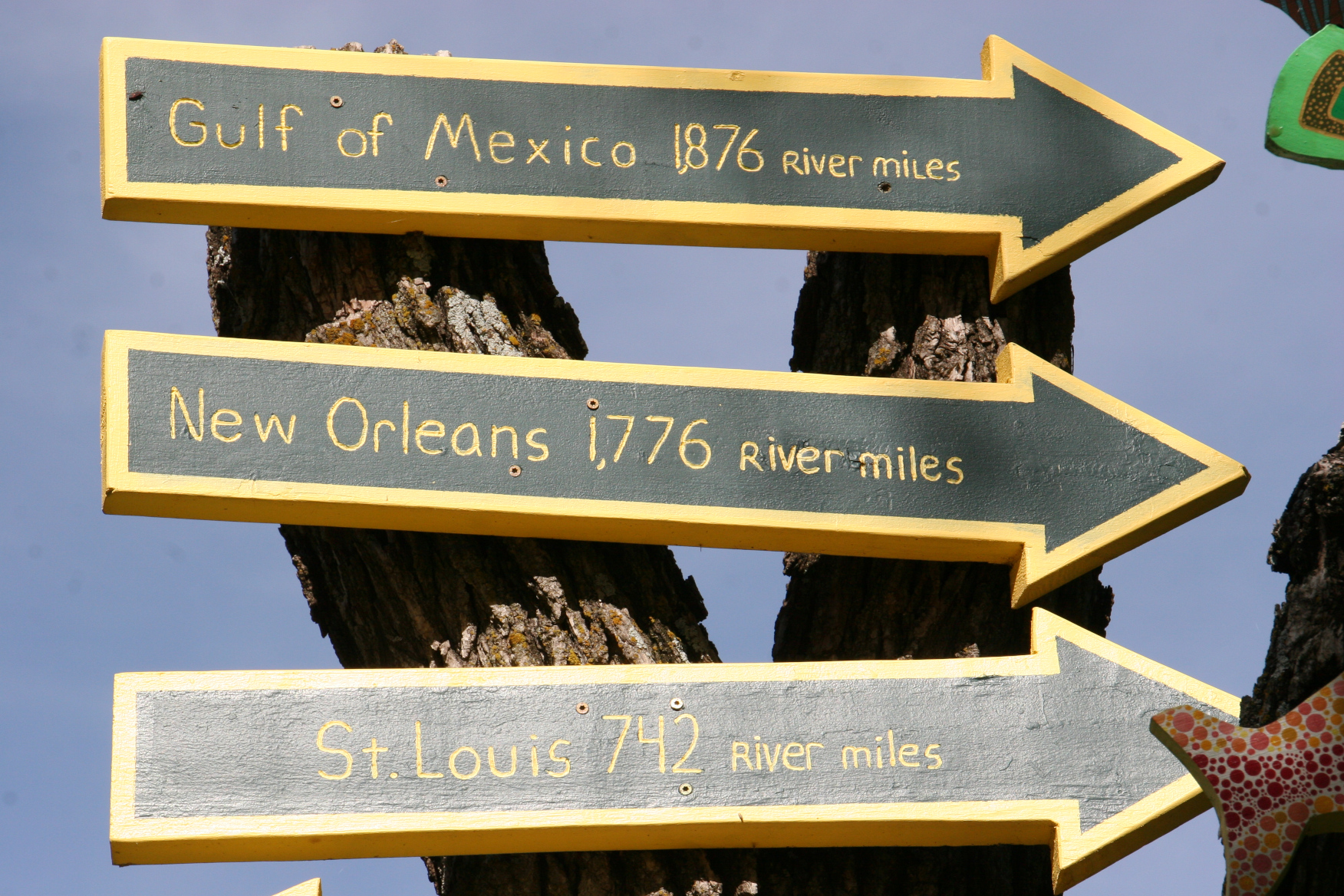
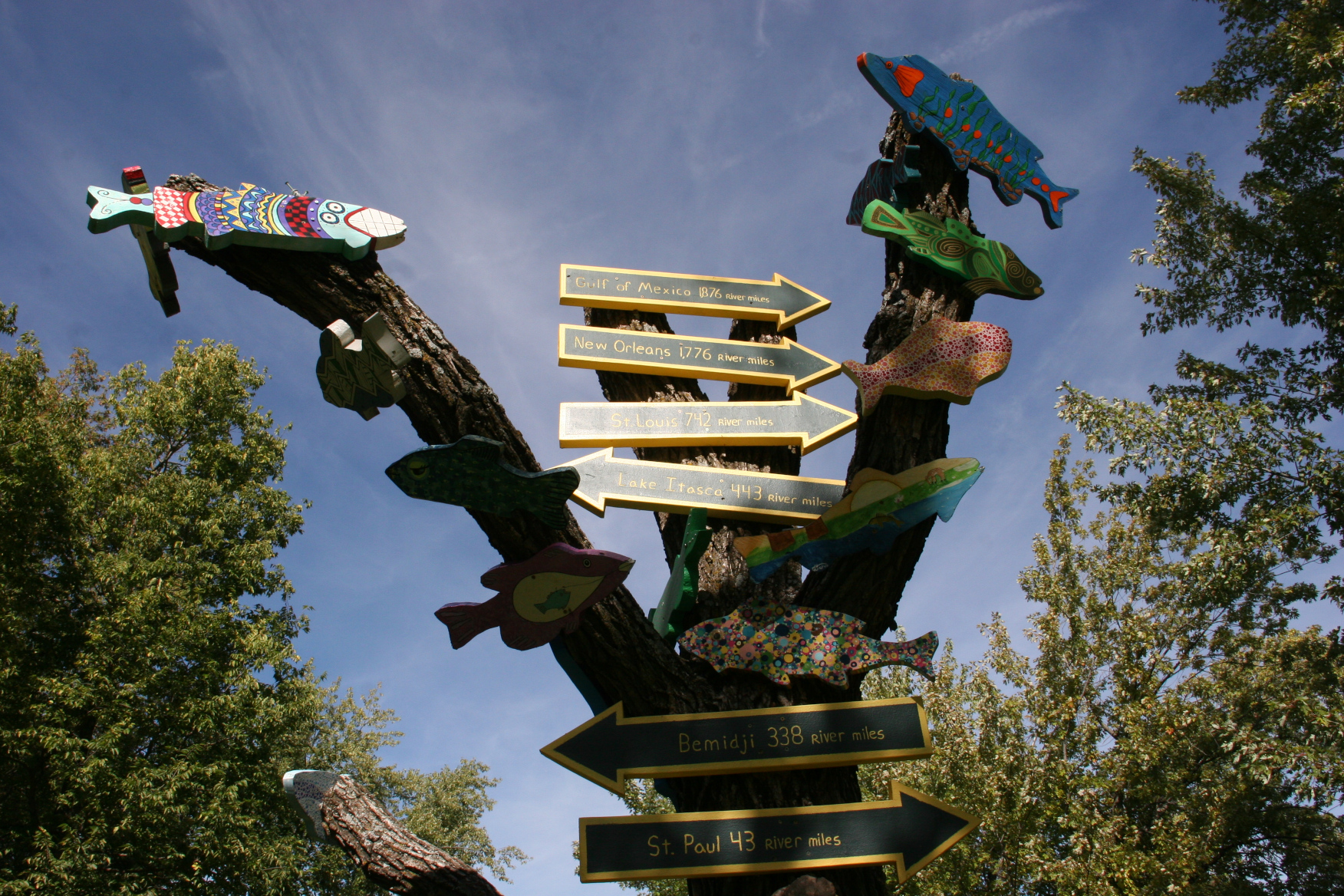
Arrows on the public art list locations along the Mississippi. (Minnesota Prairie Roots copyrighted photo September 2022)

Some 270 miles to the north of Faribault in Itasca State Park, the Mississippi River begins. Like most Minnesotans, I’ve walked across the headwaters. The Mississippi starts as a narrow, knee-deep river that widens and deepens and flows 694 miles through Minnesota. It passes through communities like Bemidji (at its northern-most point), Brainerd, Little Falls, St. Cloud, Minneapolis, Hastings and many towns and cities in between before spilling into Iowa on its 2,350-mile journey to the Gulf of Mexico.

These lovely homes are next to the park by the river. (Minnesota Prairie Roots copyrighted photo September 2022)

Recently, on a return trip home from a family member’s lake cabin in the Brainerd Lakes area, Randy and I stopped for a picnic lunch at West Bridge Park in Monticello. On the northwest edge of the Twin Cities metro, this community hugs the Mississippi. The park, just off State Highway 25 by the river bridge, is easily accessible, but noisy with the steady drone of traffic.

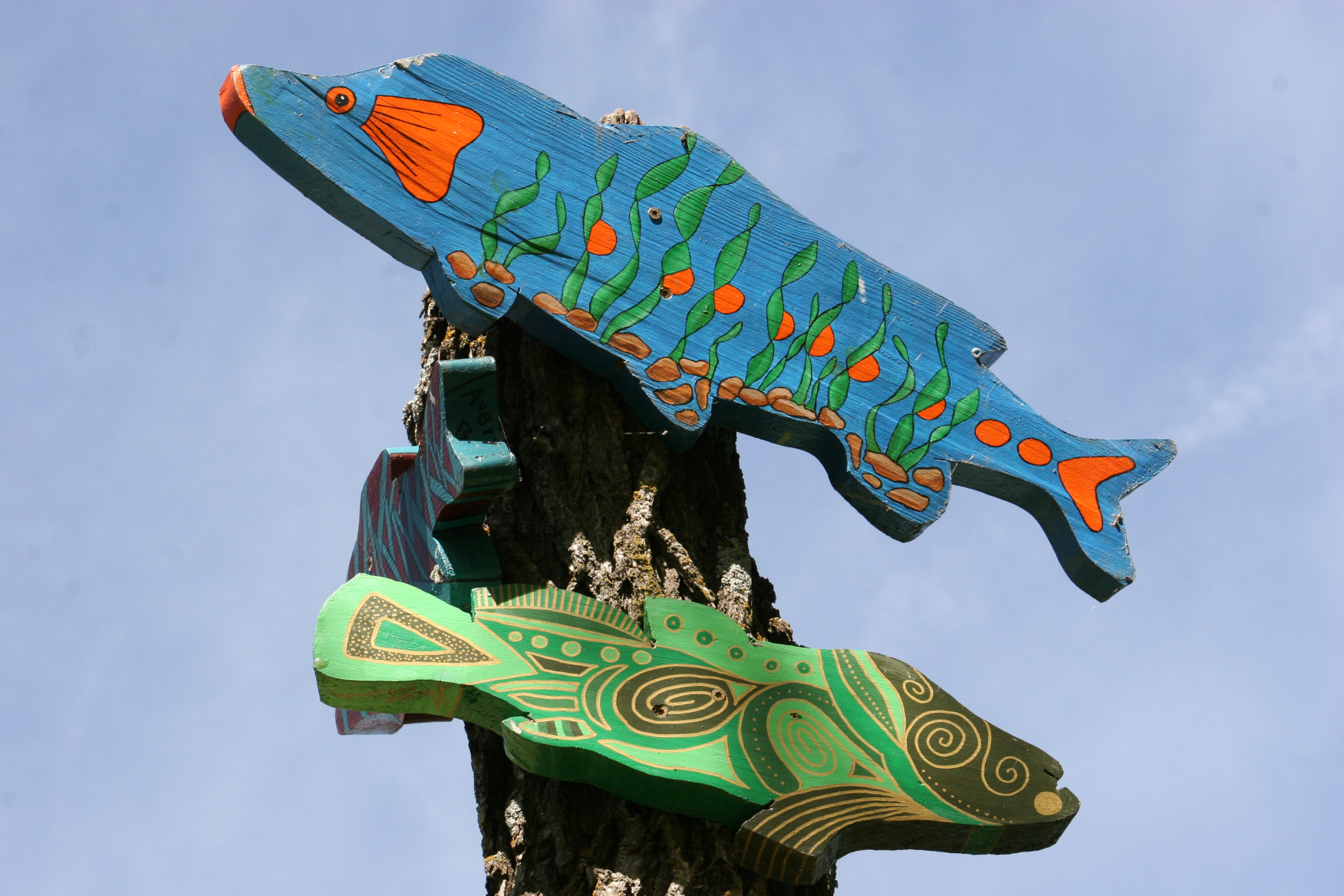
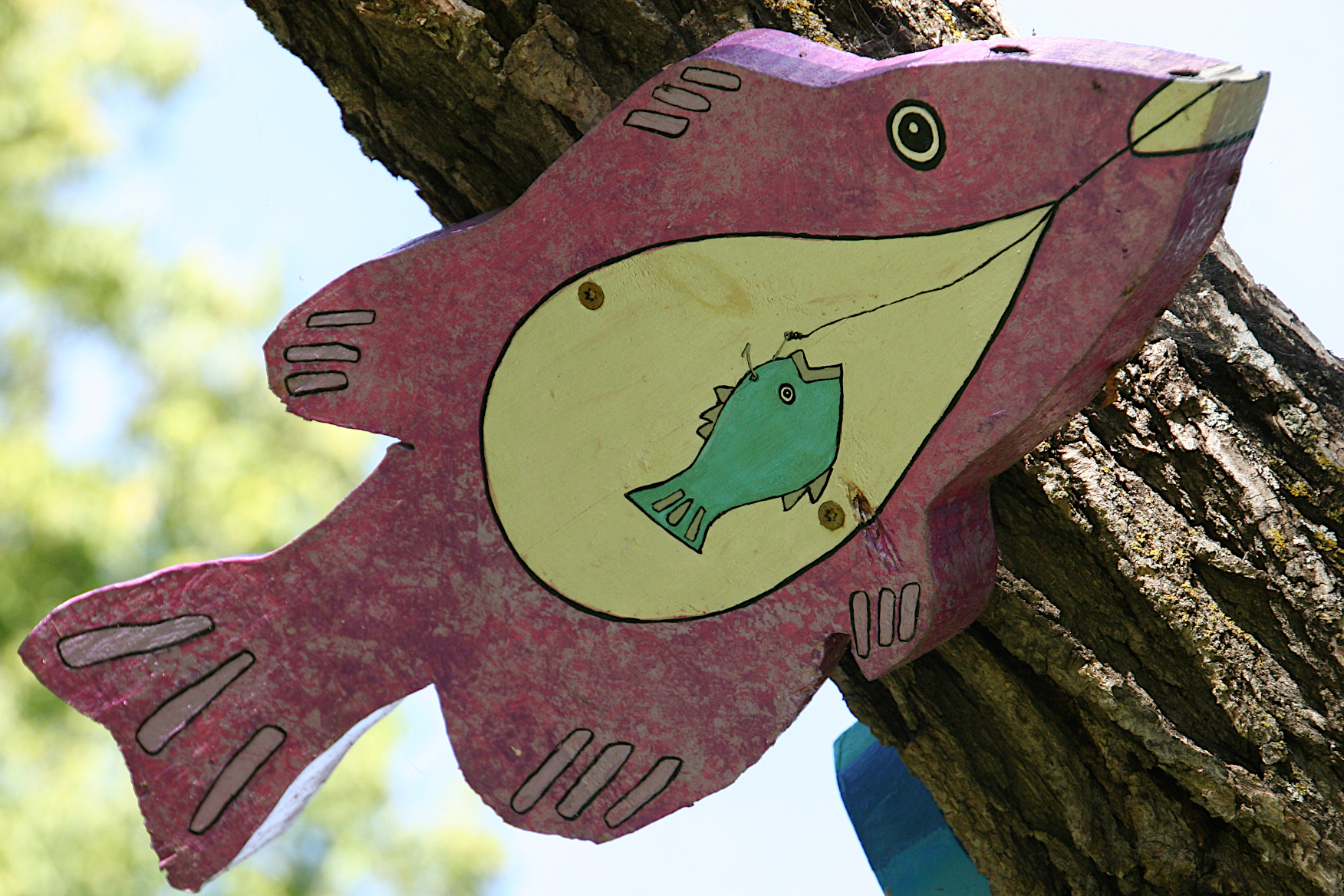
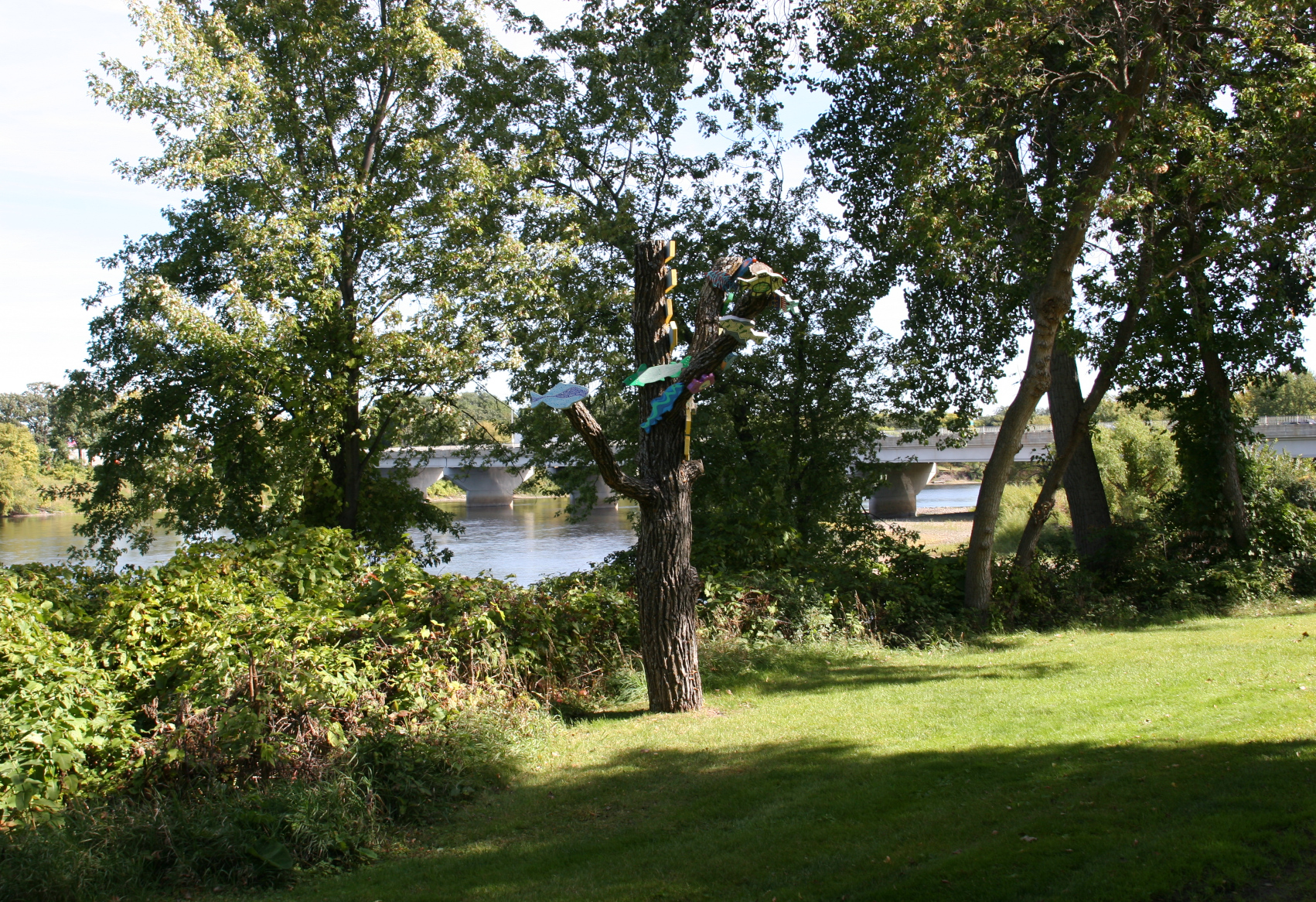
Community members designed and painted the individual fish for this project. (Minnesota Prairie Roots copyrighted photo September 2022)

The creativity in these fish is unique, a reflection of the community. (Minnesota Prairie Roots copyrighted photo September 2022)

Another version of funky fish from community creators. (Minnesota Prairie Roots copyrighted photo September 2022)

Yet, even if not peaceful, the park is worth visiting. I discovered here a MontiArts Community Project, “The Funky Fish Sign.” Wooden fish cut-outs painted by community members are attached to the trunk of a dead oak as are wooden arrows crafted from old park benches. Those arrows list destinations and river miles from Monticello. To Lake Itasca, 443 river miles. To St. Paul, 43 river miles. To New Orleans, 1,776 river miles.

Public art posted on a dead oak removed from a local cemetery and “replanted” along the Mississippi River bank. (Minnesota Prairie Roots copyrighted photo September 2022)

This riverside fish tree meets MontiArts’ goal of “using the arts to build community.” This truly was a community project with residents, interns and city employees working together to create public art that connects Monticello to the Mississippi from beginning to end.

I especially like the buffalo plaid on this fish. (Minnesota Prairie Roots copyrighted photo September 2022)

But this is about more than a river and geography. In an online video about the project, I learned that the variety in the painted fish represents the differences in people. We are each unique.

From afar, “The Funky Fish Sign” blends into the riverside landscape. (Minnesota Prairie Roots copyrighted photo September 2022)

As individual as we are, though, we are collectively all residents of Earth. We are tasked with caring for natural resources like water, like the mighty Mississippi. This beautiful, scenic, powerful waterway is vital to our economy, vital to our water supply, vital to our leisure, our enjoyment, and, in Monticello, to connecting creativity and community.

© Copyright 2022 Audrey Kletscher Helbling
 

The power of the Zumbro August 11, 2022

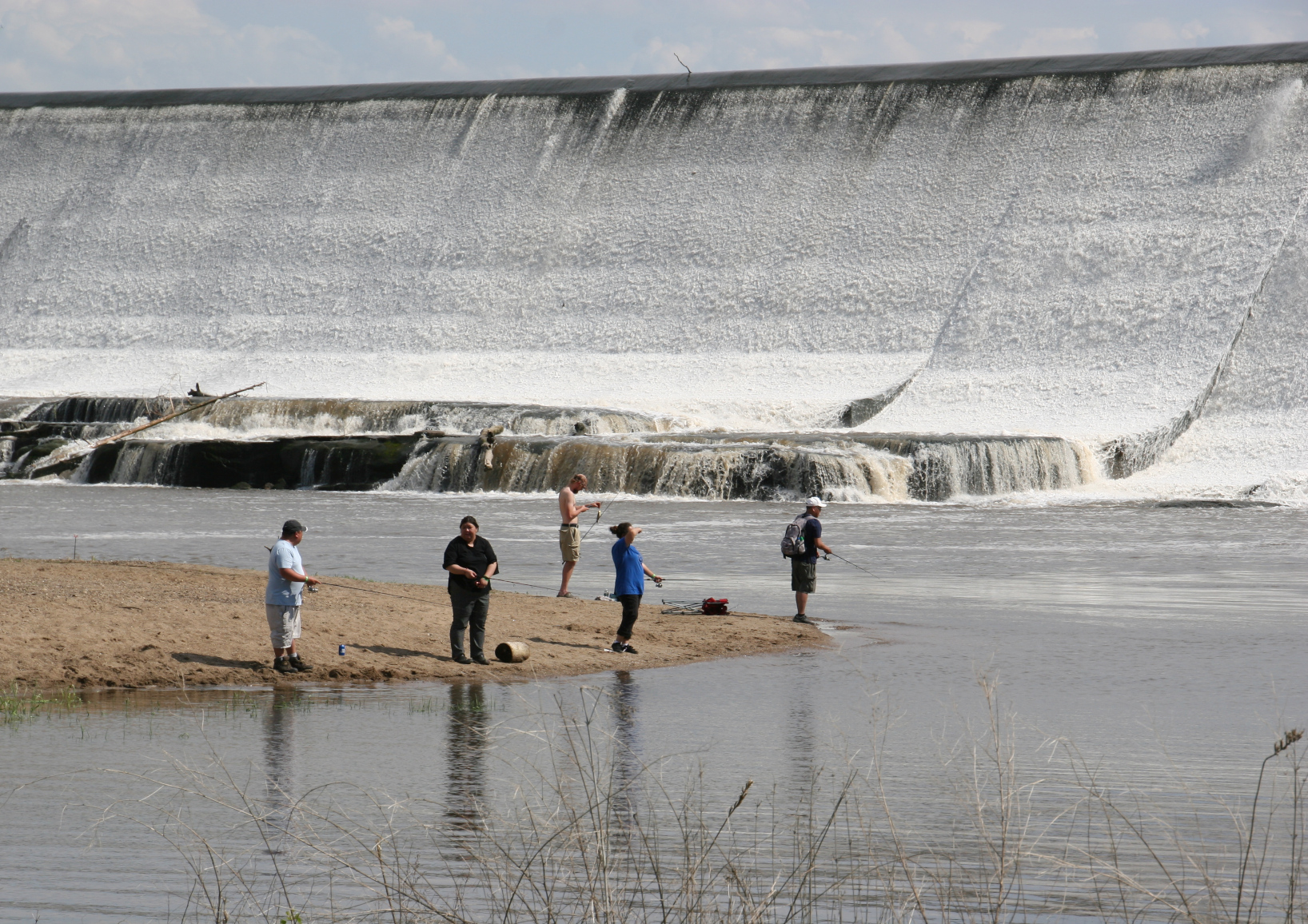
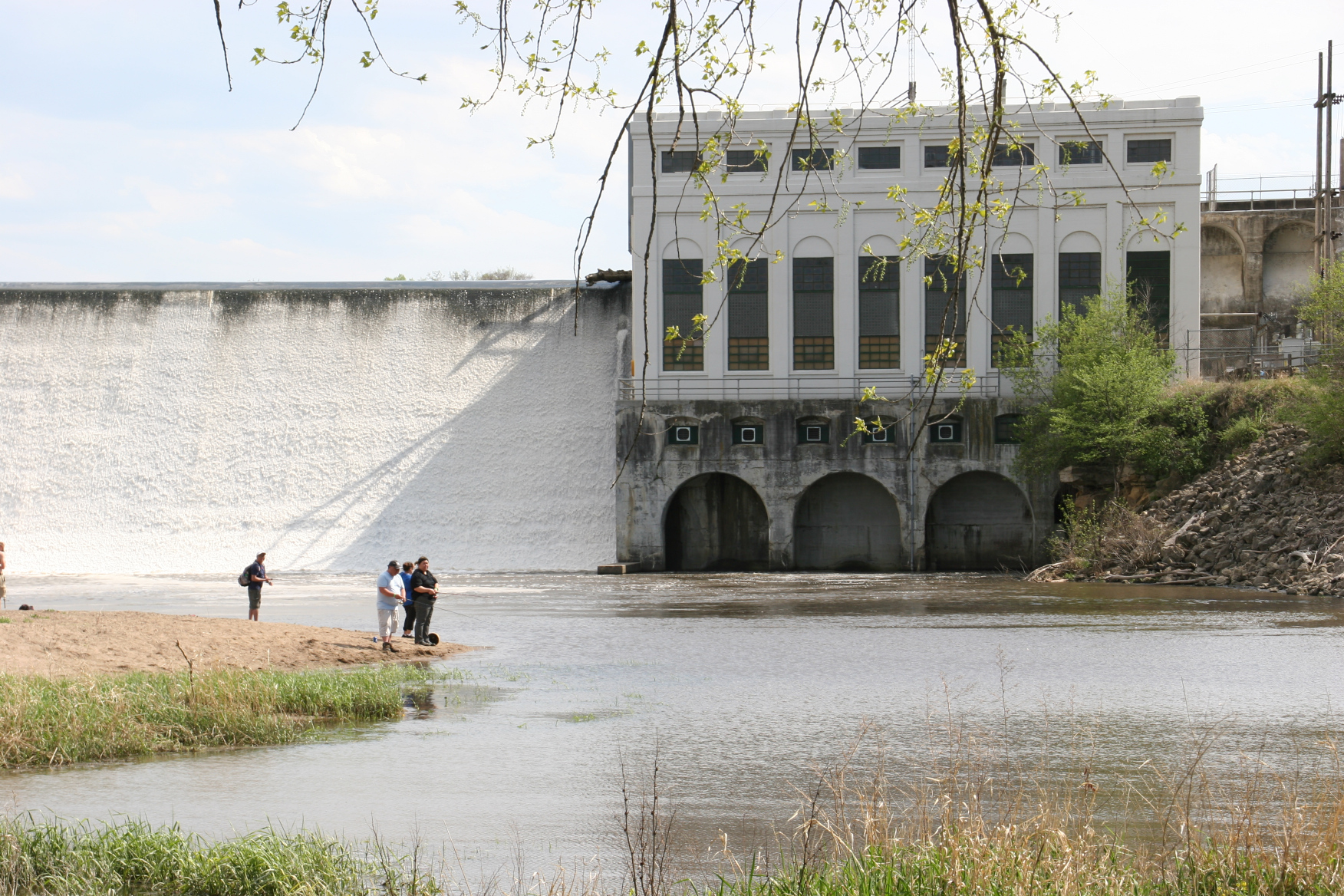
Fishing at the base of the Lake Zumbro Dam. (Minnesota Prairie Roots copyrighted photo May 2022)

WATER RUSHES IN A SHEET over the dam, a powerful wall of water spilling from the 600-acre Lake Zumbro reservoir into the river below by Mac’s Park Place & Campground in rural Mazeppa.

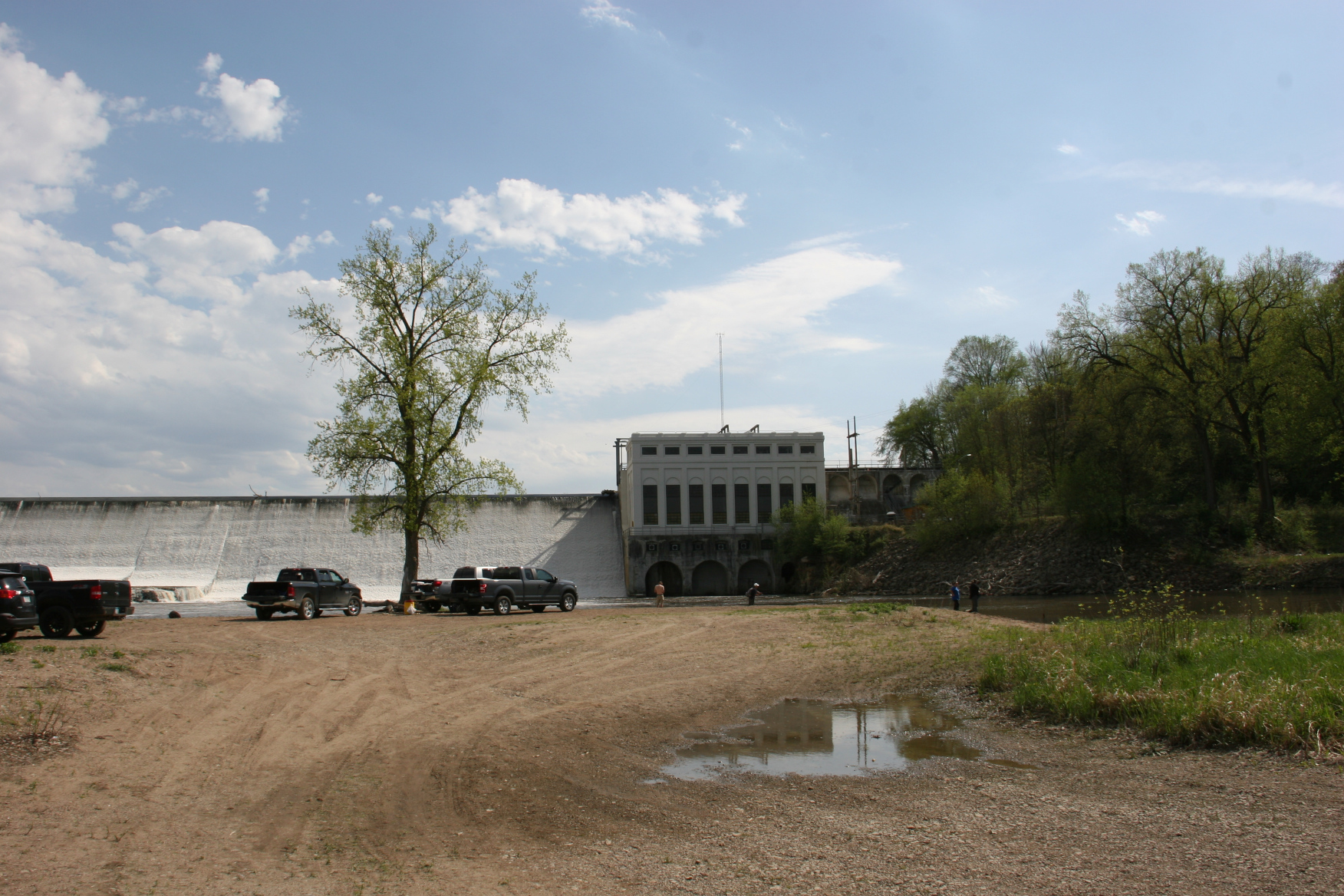
An overview of the dam and fishing area next to Mac’s. (Minnesota Prairie Roots copyrighted photo May 2022)
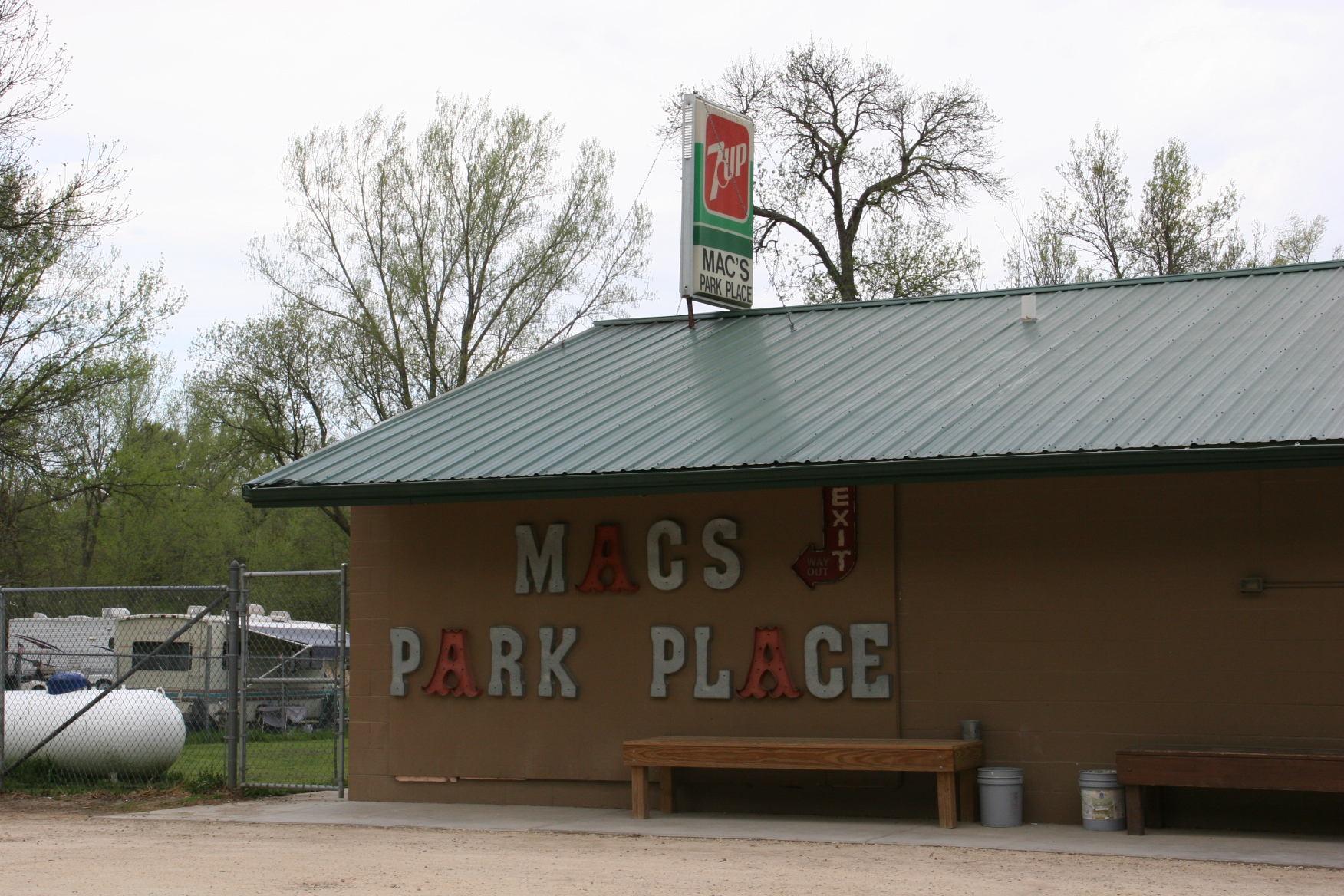
Mac’s Park Place by the Zumbro River and dam. (Minnesota Prairie Roots copyrighted photo May 2022)
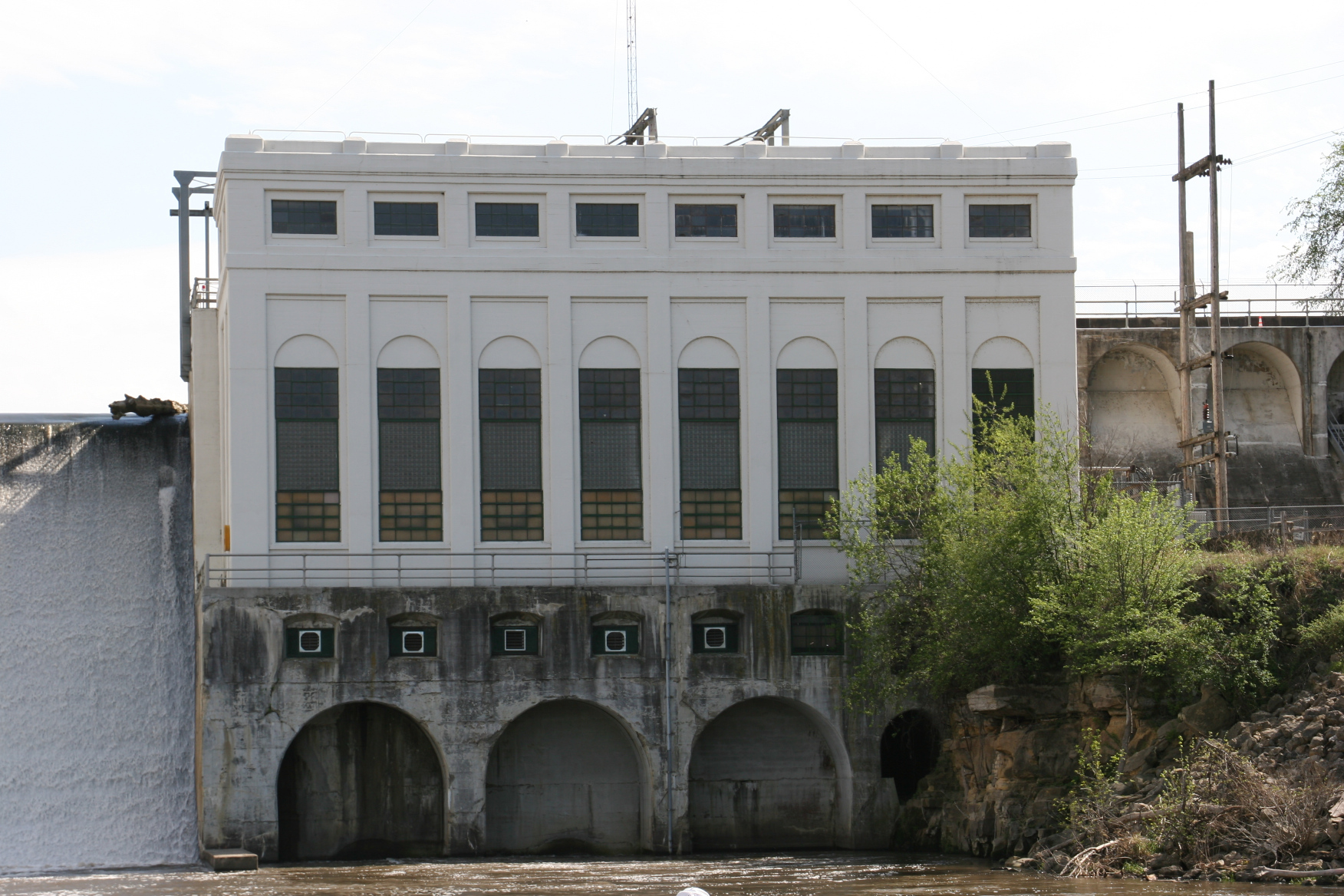
The 100-plus year-old powerhouse. (Minnesota Prairie Roots copyrighted photo May 2022)

Until several months ago, I was unaware of this hydroelectric generating plant along the Zumbro River in southeastern Minnesota. But Randy and I discovered the Rochester Public Utilities facility after turning off Wabasha County Road 21 onto a gravel road that led us to Mac’s at the base of the dam.

The Lake Zumbro hydroelectric dam. (Minnesota Prairie Roots copyrighted photo May 2022)

I stood in awe of this structure with a spillway spanning 440 feet and a height of 55 feet. Constructed beginning in 1917 and operating since 1919 under ownership of the RPU, this hydroelectric generating plant is on the National Register of Historic Places. It’s truly an amazing feat of engineering and construction. Renowned engineer Hugh L. Cooper led the project.

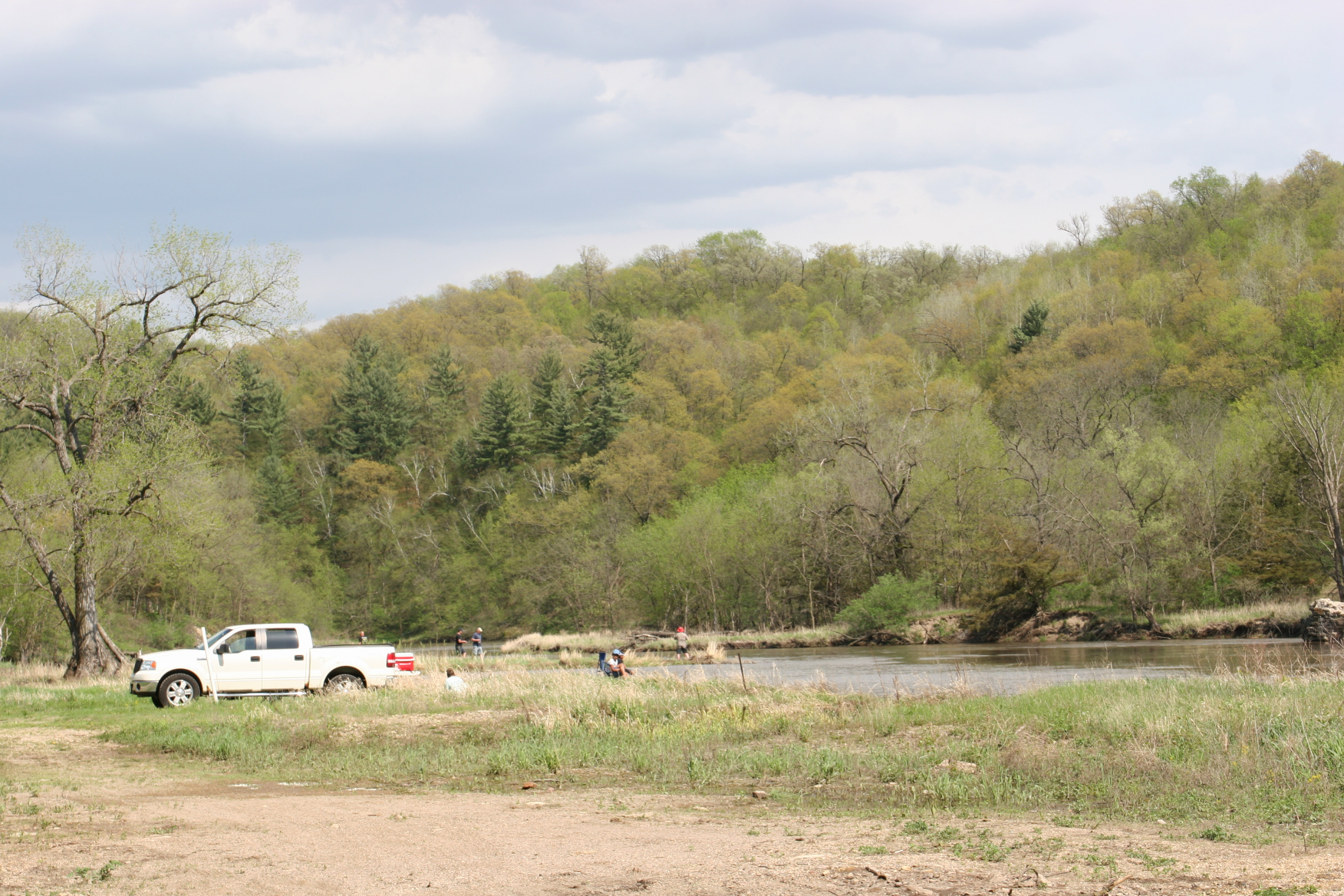
A hillside of trees hugs the bank of the Zumbro River. (Minnesota Prairie Roots copyrighted photo May 2022)

Not only are the dam and powerhouse impressive, but so is the natural setting in the backwoods of the river valley. Here trees fill the hillside across the Zumbro from Mac’s. In the greening of spring, when we visited, the scene was wild, scenic, beautiful. I expect autumn would yield a hillside flaming in color.

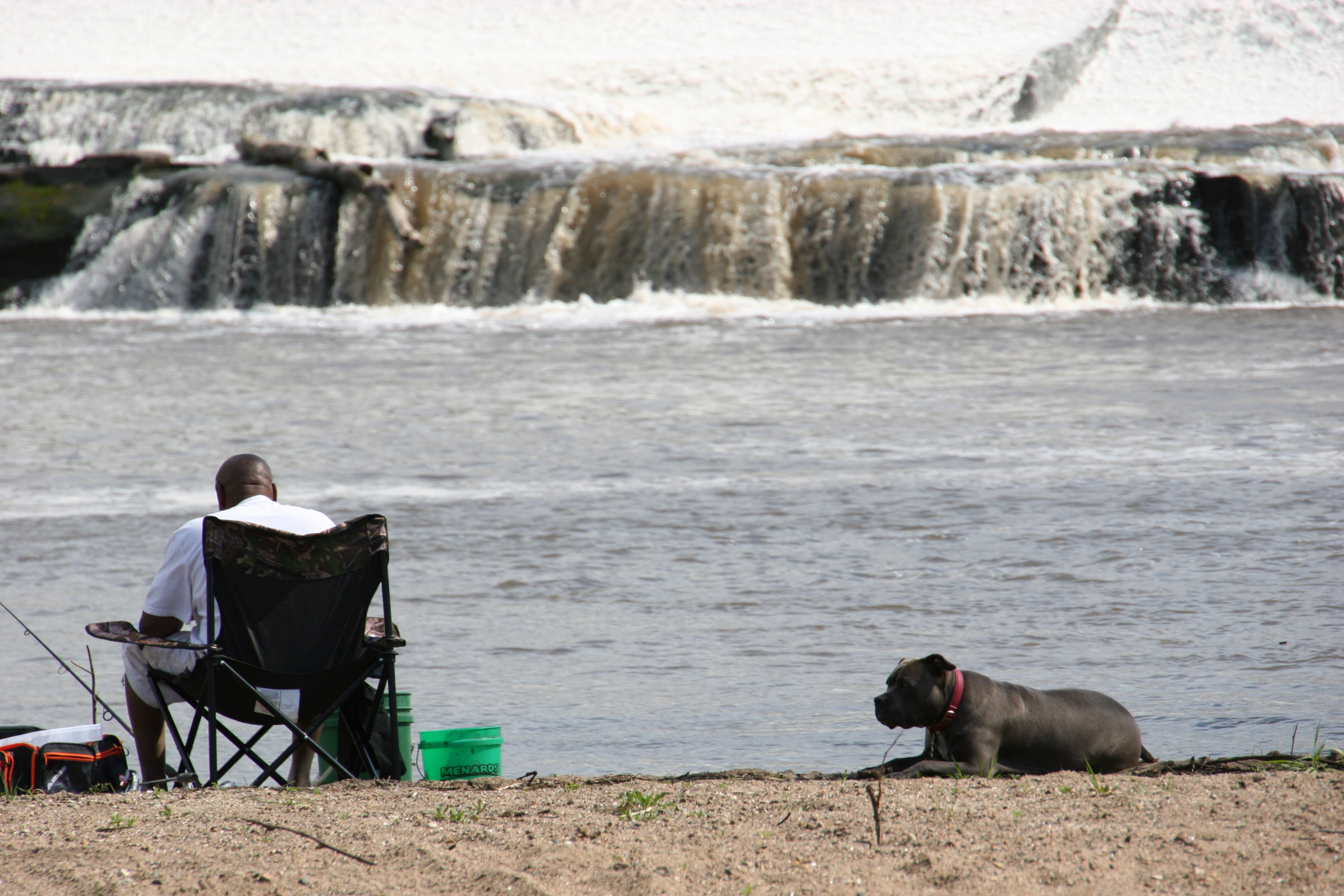
Fishing below the Lake Zumbro Dam on a Saturday afternoon. (Minnesota Prairie Roots copyrighted photo May 2022)

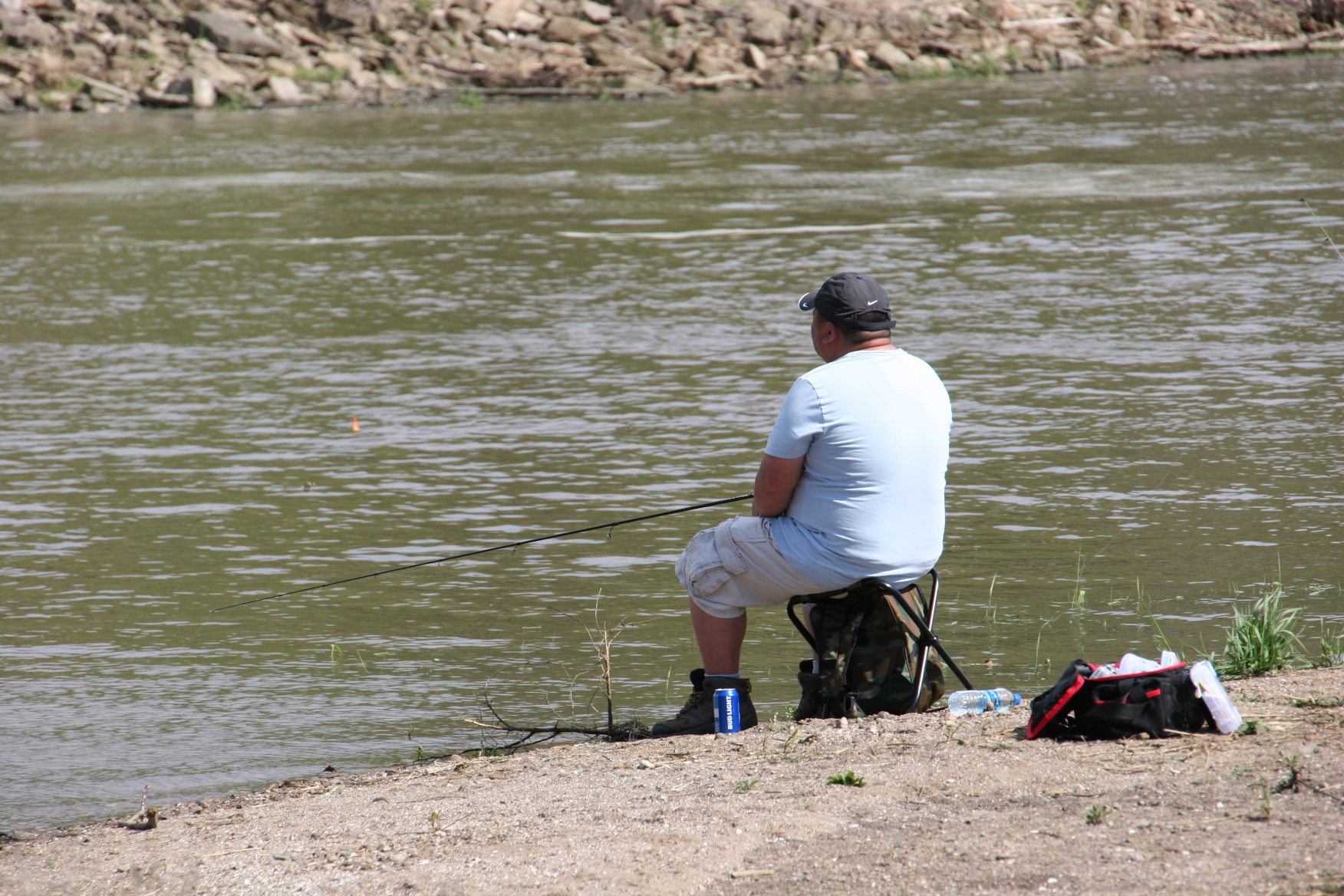
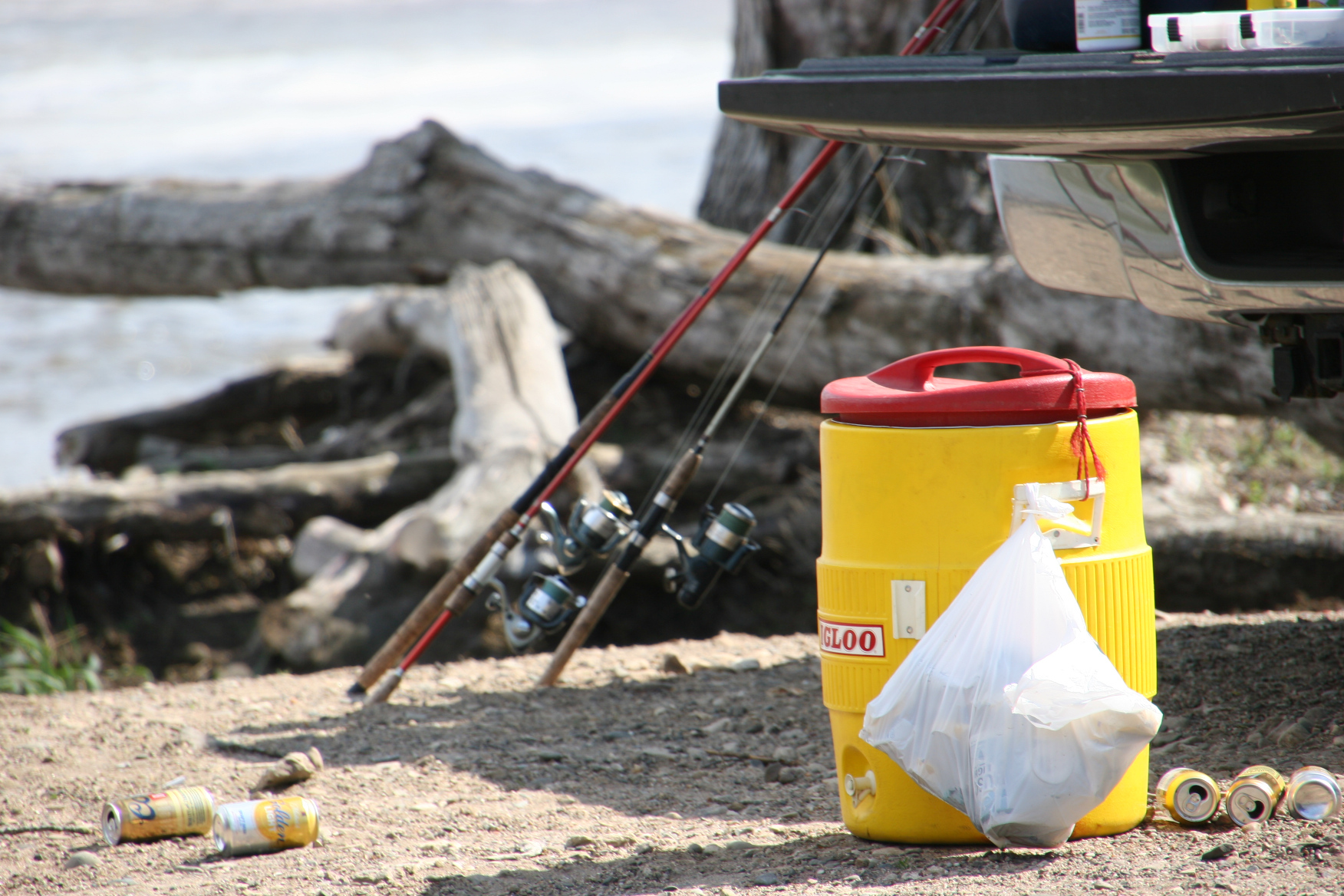
An angler’s gear, beverages, etc. (Minnesota Prairie Roots copyrighted photo May 2022)
Fishing along the grassy river bank. (Minnesota Prairie Roots copyrighted photo May 2022)

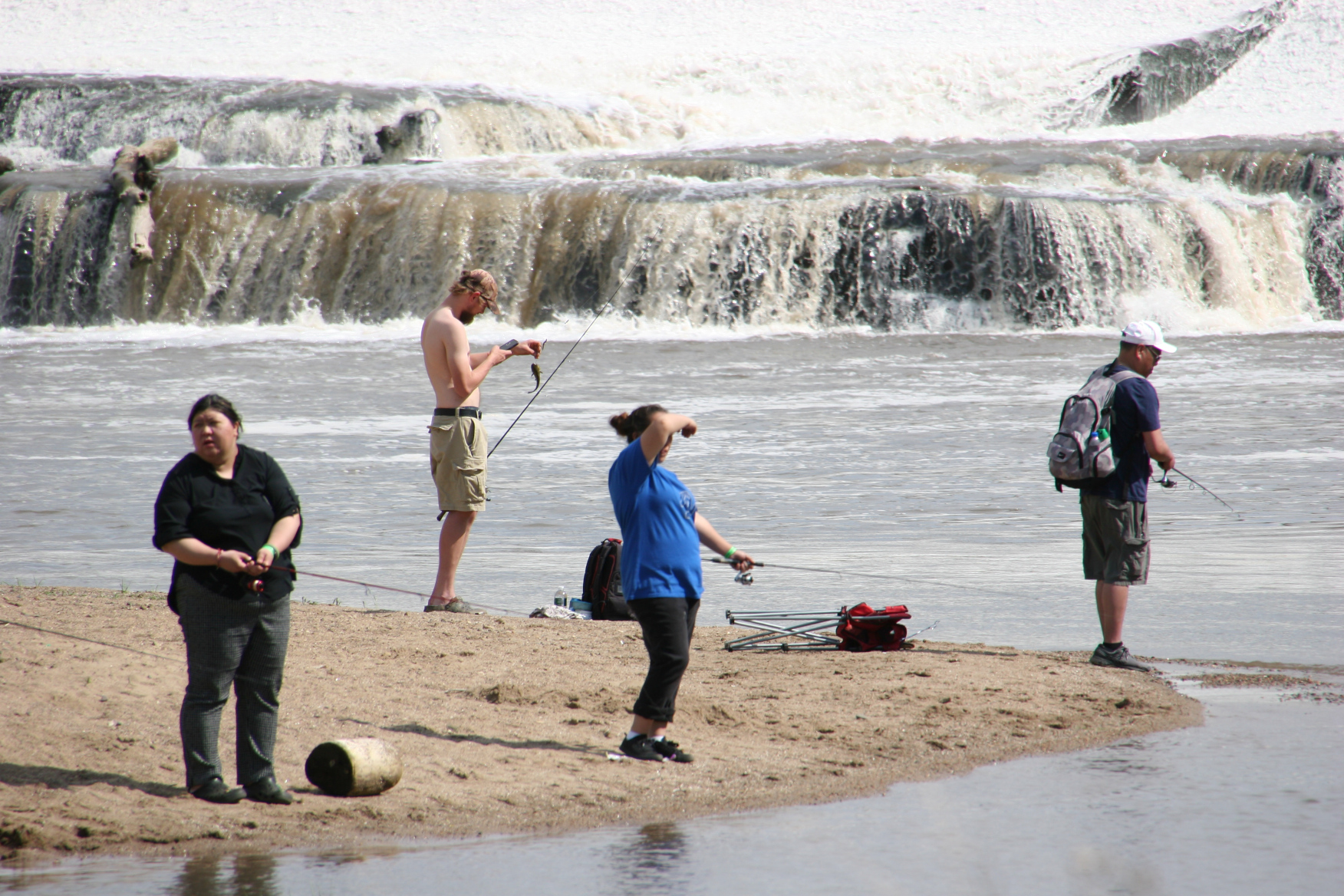
On a Saturday afternoon in May, anglers angled for fish in the placid river, the roaring dam nearby, dwarfing their size. Access to this seemingly popular fishing spot comes via Mac’s, which charges a fee for non-campers.

Fishing near that powerful wall of rushing water. (Minnesota Prairie Roots copyrighted photo May 2022)

In August 2019, this was the site of a boating incident which injured four people after their pontoon plunged over the dam. I can’t imagine the terror they felt in that moment of realizing what was about to happen.

Angling in the Zumbro River. (Minnesota Prairie Roots copyrighted photo May 2022)

There’s power here, in this wall of water. I heard it, saw it, felt it.

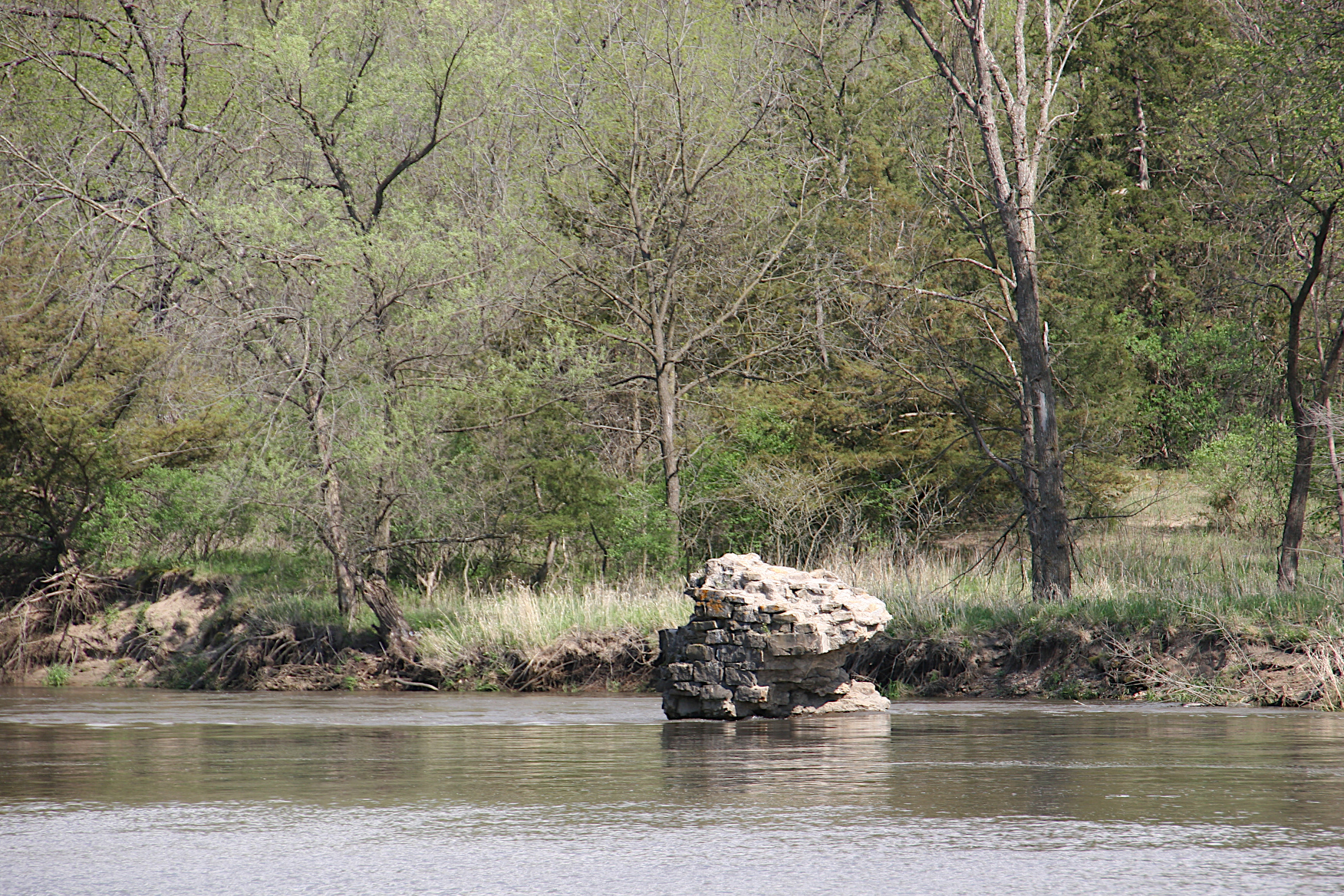
This rock formation in the Zumbro River caught my eye. (Minnesota Prairie Roots copyrighted photo May 2022)

But then I experienced the power, too, that comes with this natural setting. The power to quiet the spirit in the placid river, the rock formations, the tree-filled hillside… The Zumbro River can be harnessed, but not tamed. There’s an undeniable wildness in this place that yields peace.

© Copyright 2022 Audrey Kletscher Helbling
 

Up North at the cabin, verse three October 4, 2021

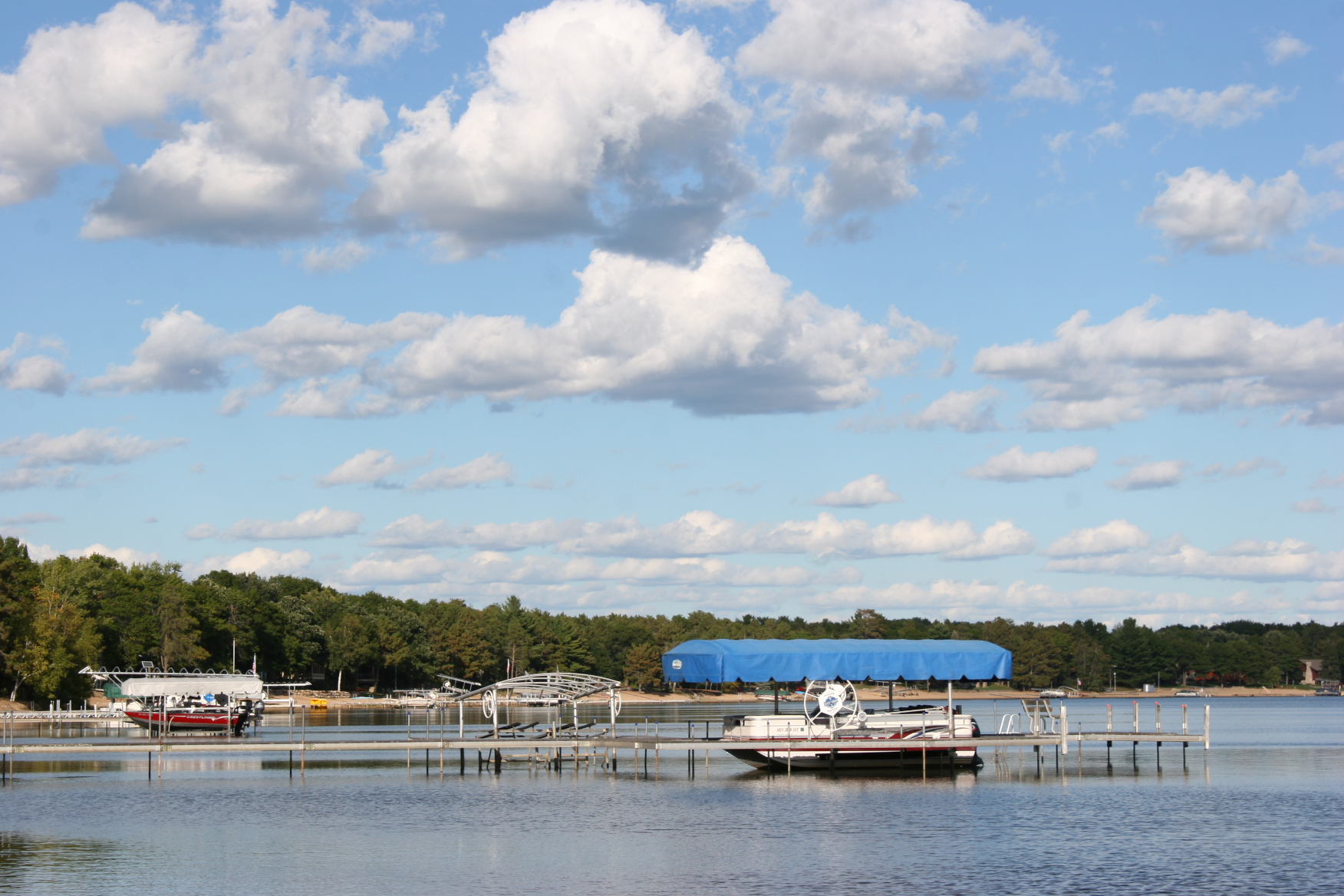
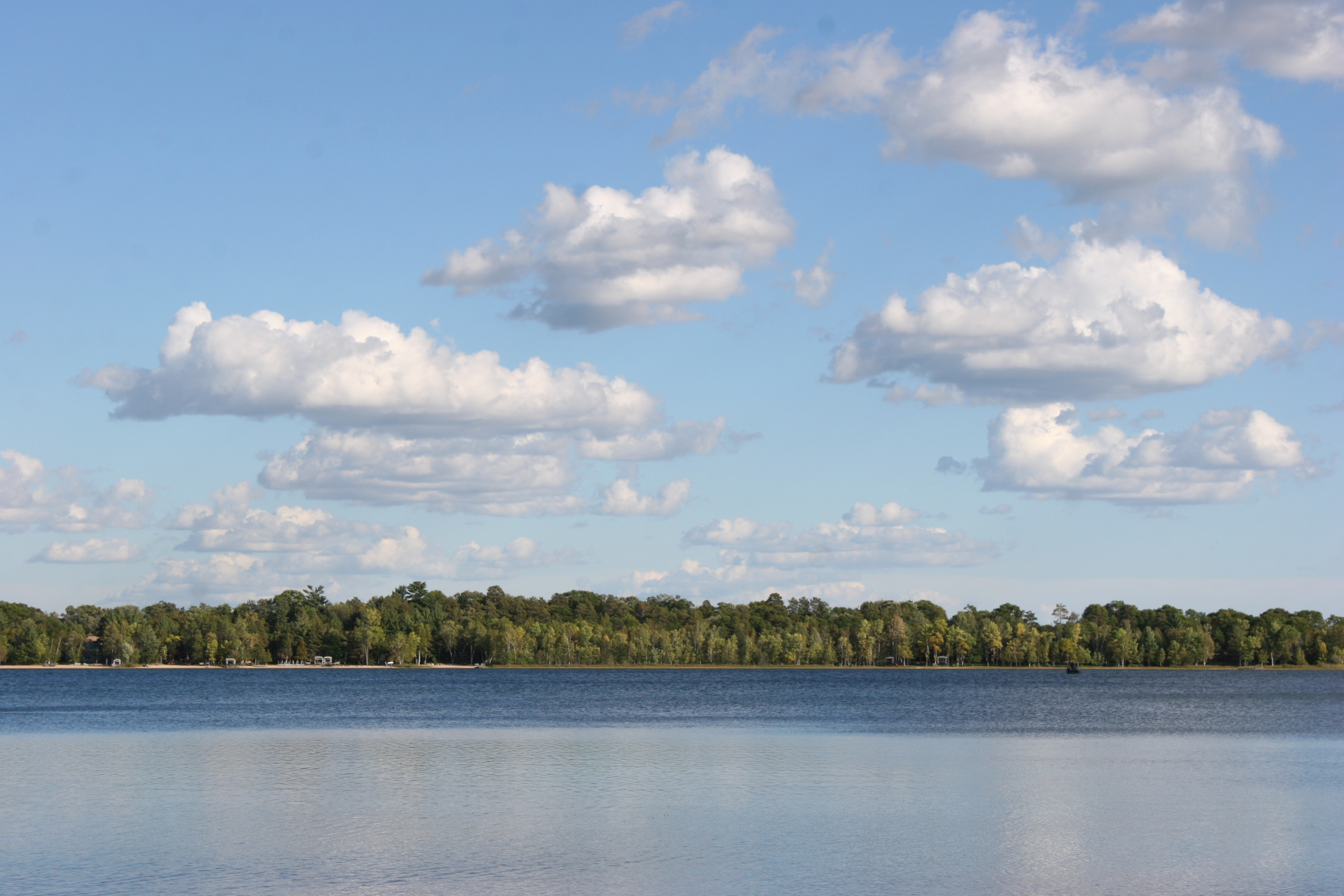
Horseshoe Lake in the central Minnesota lakes region in mid-September. Minnesota Prairie Roots copyrighted photo September 2021.

I NEVER EXPECTED to be one of those Minnesotans who would, each summer, go Up North to the cabin. But, thanks to the generosity of in-laws with lake property including a guest cabin, that is now part of my experience.

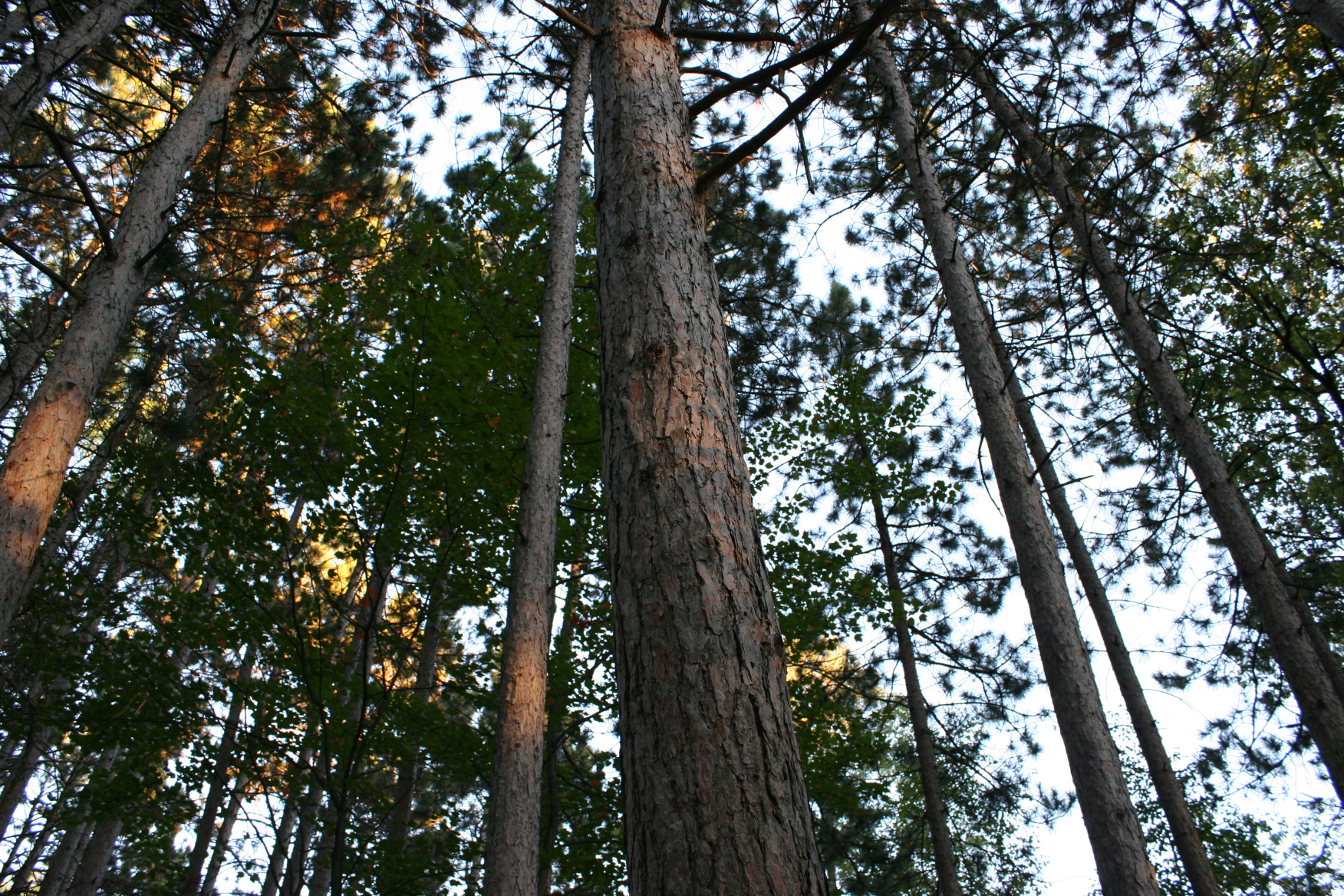
Looking up into the towering pines which populate this region of Minnesota. Minnesota Prairie Roots copyrighted photo September 2021.

Thrice since May, Randy and I have headed Up North to the cabin, most recently in mid-September. Each visit leaves me feeling at peace. Relaxed. Content. Refreshed. Thankful for this place of solitude and natural northwoods beauty.

The view through the pines as the sun edges down. Minnesota Prairie Roots copyrighted photo September 2021.

As soon as the van swings onto the jackpine-edged drive leading to the cabin, I feel like I’m entering another world. Those slim, tightly-packed evergreens set the scene, defining for me the essence of Up North. I especially delight in walking the lane at sunset, golden light filtering through the stand of pines.

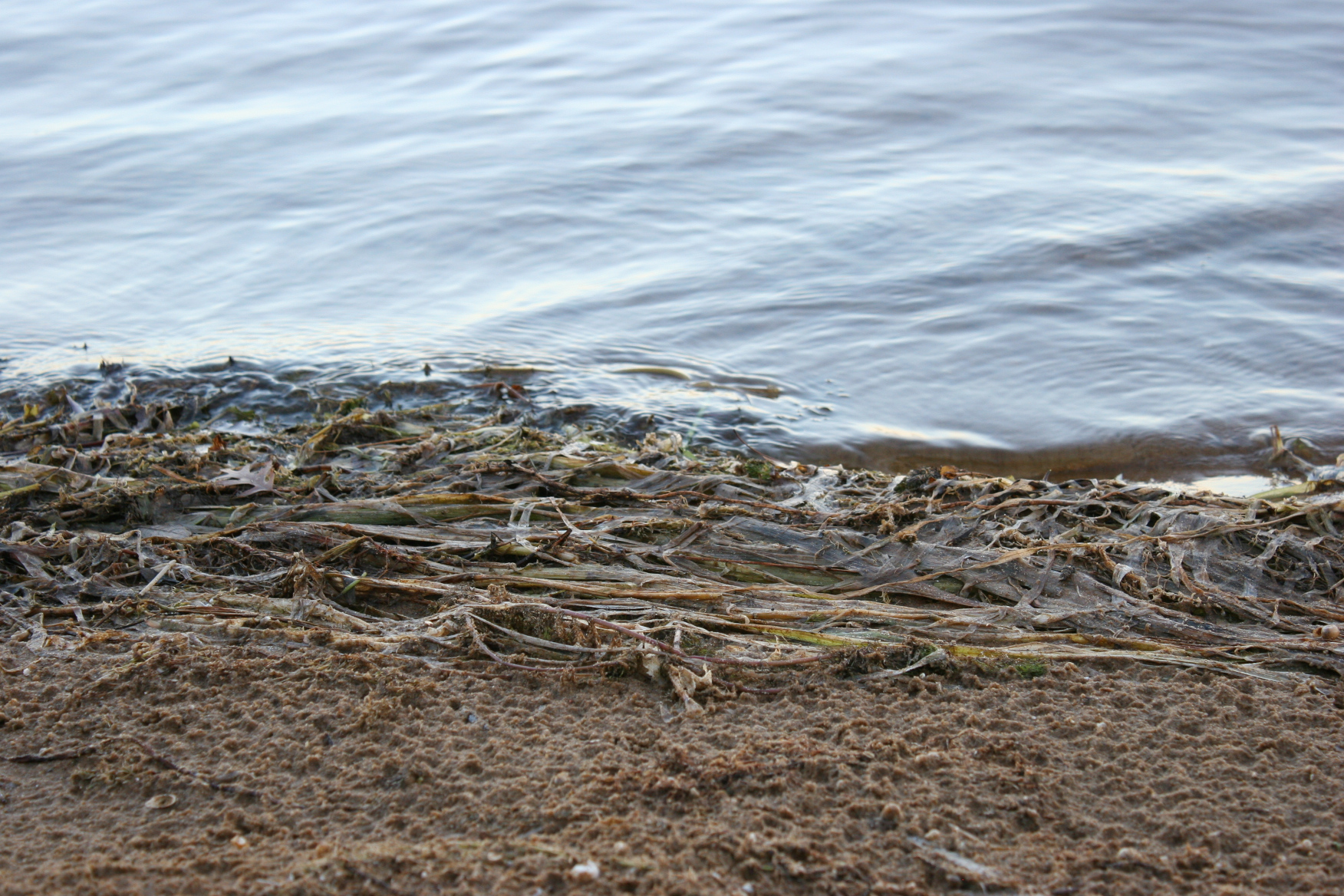
Gently lapping water pushes aquatic plants onto the beach. Minnesota Prairie Roots copyrighted photo September 2021.

And then there’s the lake. Horseshoe Lake. Water mesmerizes me. The stillness. Or the lap of gentle waves against shoreline.

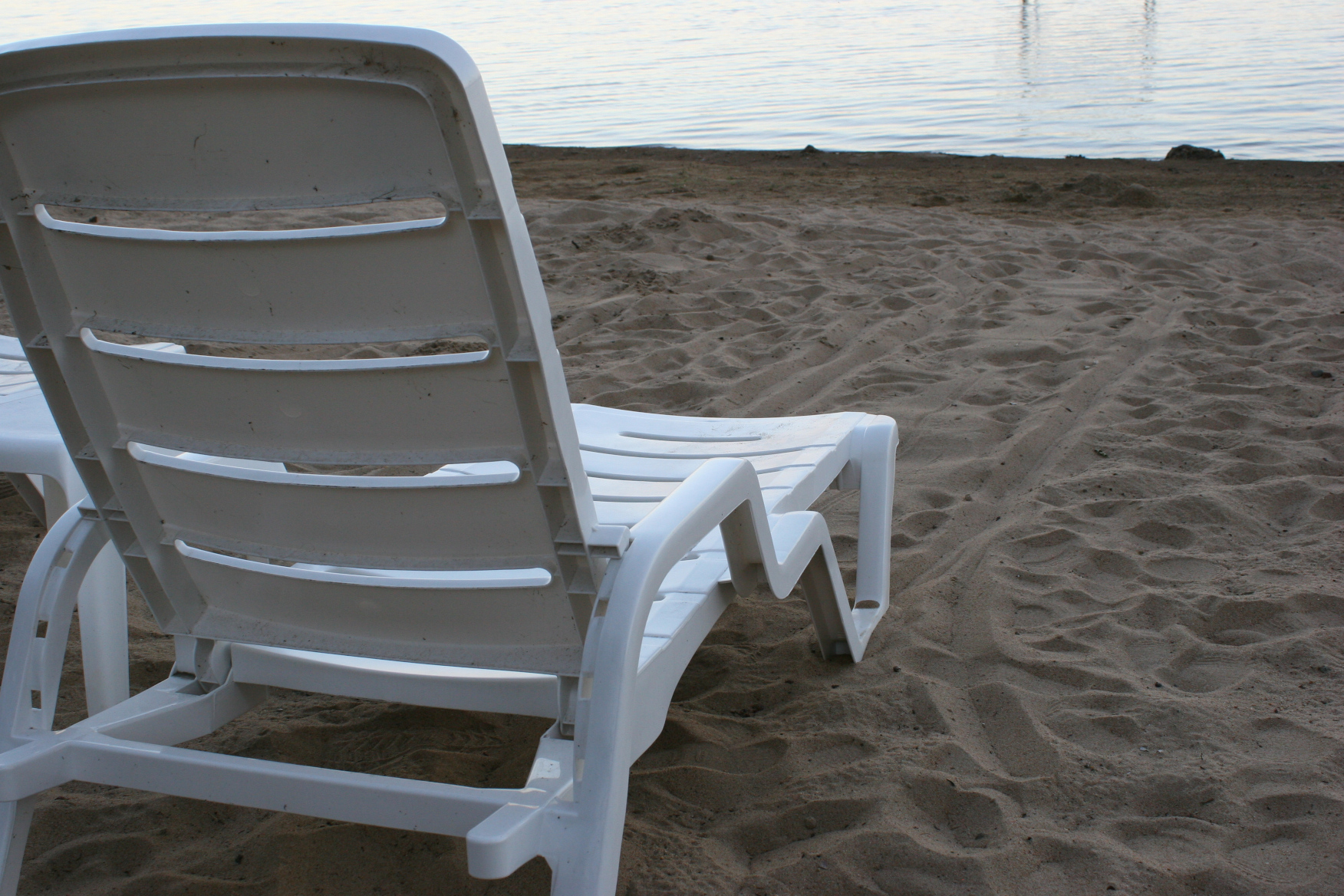
The warm September days proved ideal for relaxing on the beach. Minnesota Prairie Roots copyrighted photo September 2021.

While I don’t like being on water and will only enter to shoulder depth, I like being near water. Lounging on the beach, the sun heating the sand and warming my skin. Book in hand. Beverage nearby.

Sky and water merge… Minnesota Prairie Roots copyrighted photo September 2021.

It’s as if time ceases here. Here, where the sky and the water meet and loons cry and an eagle traces the shoreline.

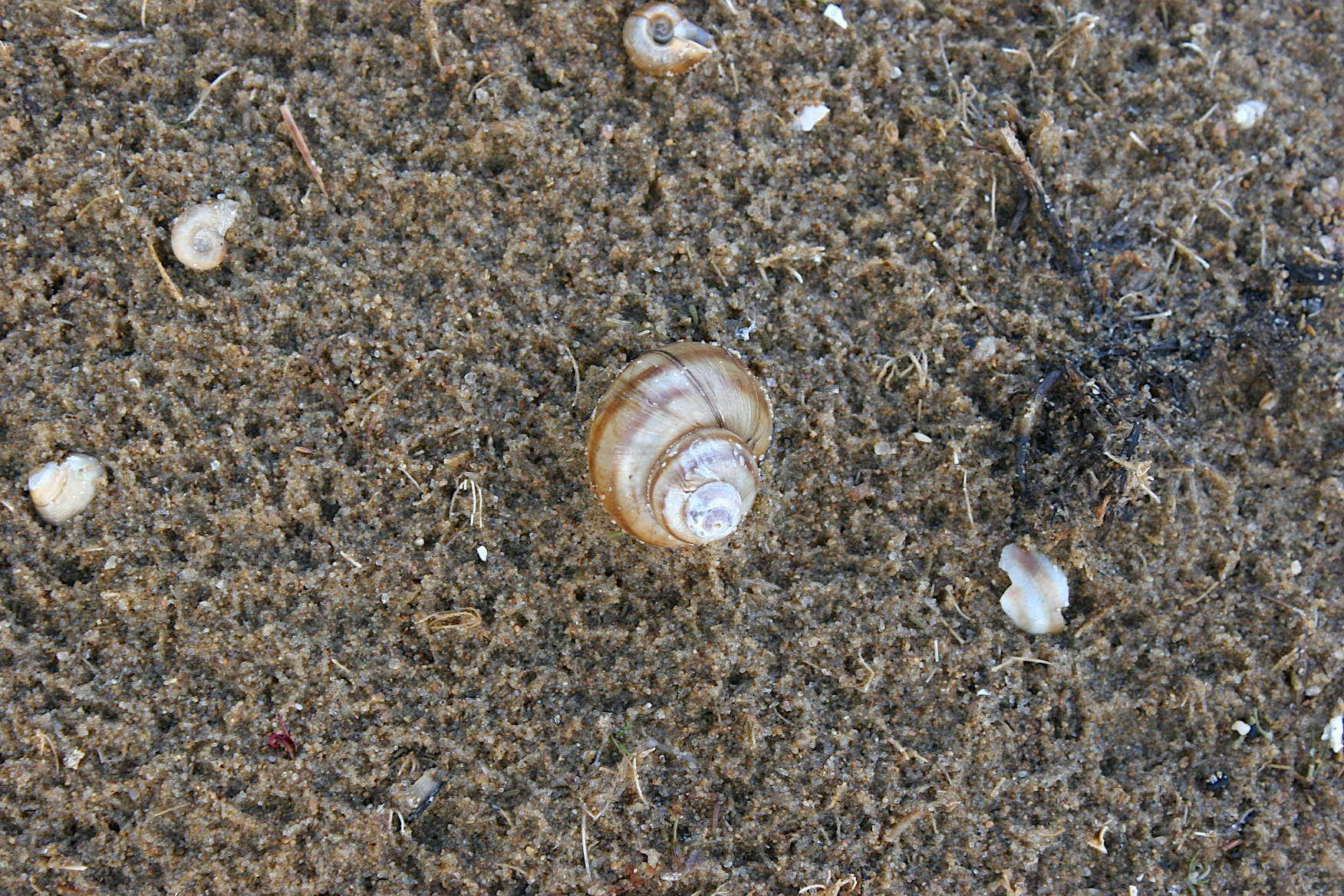
I love collecting shells, although this trip I didn’t gather any. Minnesota Prairie Roots copyrighted photo September 2021.

Here, where only months earlier I gathered shells with my 5-year-old granddaughter and waded into the lake and lay on a hammock with my two grandchildren cozied beside me.

The dock was already removed from the lake, but a child’s slide remained. Minnesota Prairie Roots copyrighted photo September 2021.

This lake place holds memories now of half-moons and pink skies and star-filled darkness. Of campfires and s’mores. Of little feet pounding the dock and sandy toes. Of waking up to a sunrise that writes poetry across the water, into the day, into Up North at the cabin.

TELL ME: Do you have cabin memories? I’d like to hear.

© Copyright 2021 Audrey Kletscher Helbling
 

Without water June 7, 2021

Filed under: Uncategorized — Audrey Kletscher Helbling @ 2:33 PM
Tags: , , , , , ,

Our house, where digging begins tomorrow. Minnesota Prairie Roots copyrighted photo July 2020.

WE LIVE IN AN OLD HOUSE. Eighty-one years old, according to a real estate listing from 1984, the year we bought our Faribault home. I don’t think that date is accurate. I expect this house was built in the 1920s. Whatever, it doesn’t matter.

What matters now is that we are facing a monumental expense after the city water line from the street into our basement began leaking. We awoke Monday morning to water running across our basement laundry room floor. Not good.

We could have replaced the pipe some 30 years ago when the street past our house was completely redone. But, like most homeowners, the additional street assessment was enough of an expenditure. So we opted not to update the water line.

Now here we are, with a rotten old pipe, temporarily without water and facing an estimated bill of $5,000-plus. I am thankful for money in savings.

Still, it’s an expense we’d rather not have as we continue to pay $1,868/month for health insurance and cost of living expenses continue to rise with no wage increase to compensate. Sigh. And my dreams of updating our 1960s vintage kitchen seem even more distant now.

I’m trying to maintain a positive attitude. This could have happened when we were out of town. This could have happened in winter, making the entire process more difficult. And this is fixable.

Mike, whom I’ve know since he was a child, is leading the project. I feel good about that with someone I trust in charge. Excavation begins Tuesday morning. Mike assures water service by the end of the day. In the meantime, the next door neighbor has kindly agreed to let us run a garden hose from his house to ours.

I’m also grateful for Al, service manager of Faribo Plumbing & Heating, who showed up mid-morning Monday to assess the situation. “This doesn’t look good,” he said. I may have sworn and appeared on the verge of crying because he apologized for delivering such bad news. I assured Al he was not to blame. Stuff happens when you own a house, right? But he understood my distress and was exceptionally kind and understanding in a way that speaks great customer service.

To live in a community where neighbors help neighbors, whether personally or professionally, is truly a gift.

© Copyright 2021 Audrey Kletscher Helbling


The poetry of Minnesota rivers January 15, 2021

An overview of the Cannon River and the dam photographed from the river walk by the Rice County Fairgrounds/North Alexander Park.

RIVERS, STRONG AND MIGHTY, flow through our state. The Mississippi. The Minnesota. And here in my county of Rice, the Cannon and Straight Rivers.

Up close to the Cannon River on a January afternoon. Initially, I thought this pair was fishing. They were, instead, playing beside the river.

Here, on these waters, early inhabitants traveled via canoe, traded along river banks, built flour and woolen mills. And formed communities like Faribault, Northfield, Dundas and Morristown, all with waterways that run through.

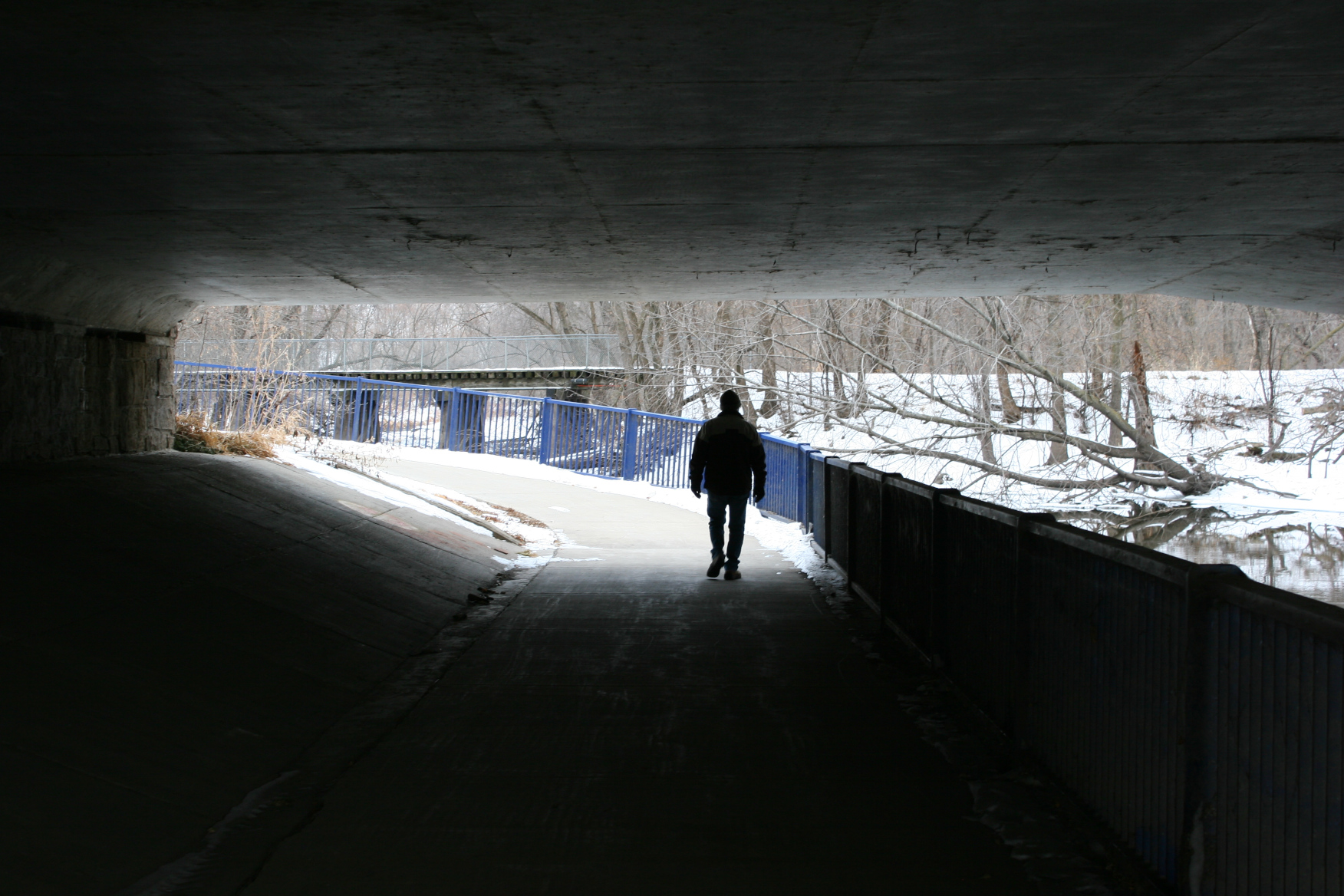
Randy walks on the river walk under the bridge spanning the Cannon River along Second Avenue in Faribault. The river is to his right.

Rivers are as much about nature as they are about our history. Like railroads, they helped to shape our towns and cities. And today, while no longer of the same utilitarian use, they remain valuable assets.

Many picnic shelters grace Faribault’s riverside parks.

In my community of Faribault, the Cannon and Straight Rivers, which converge at Two Rivers Park, enhance our local outdoor spaces. The Straight winds through River Bend Nature Center and near city recreational trails. The Cannon spills over three separate dams and flows alongside North and South Alexander Parks and Father Slevin Park. The historic, and still operating, Faribault Woolen Mill sits next to the river, too, by the appropriately named Woolen Mill Dam.

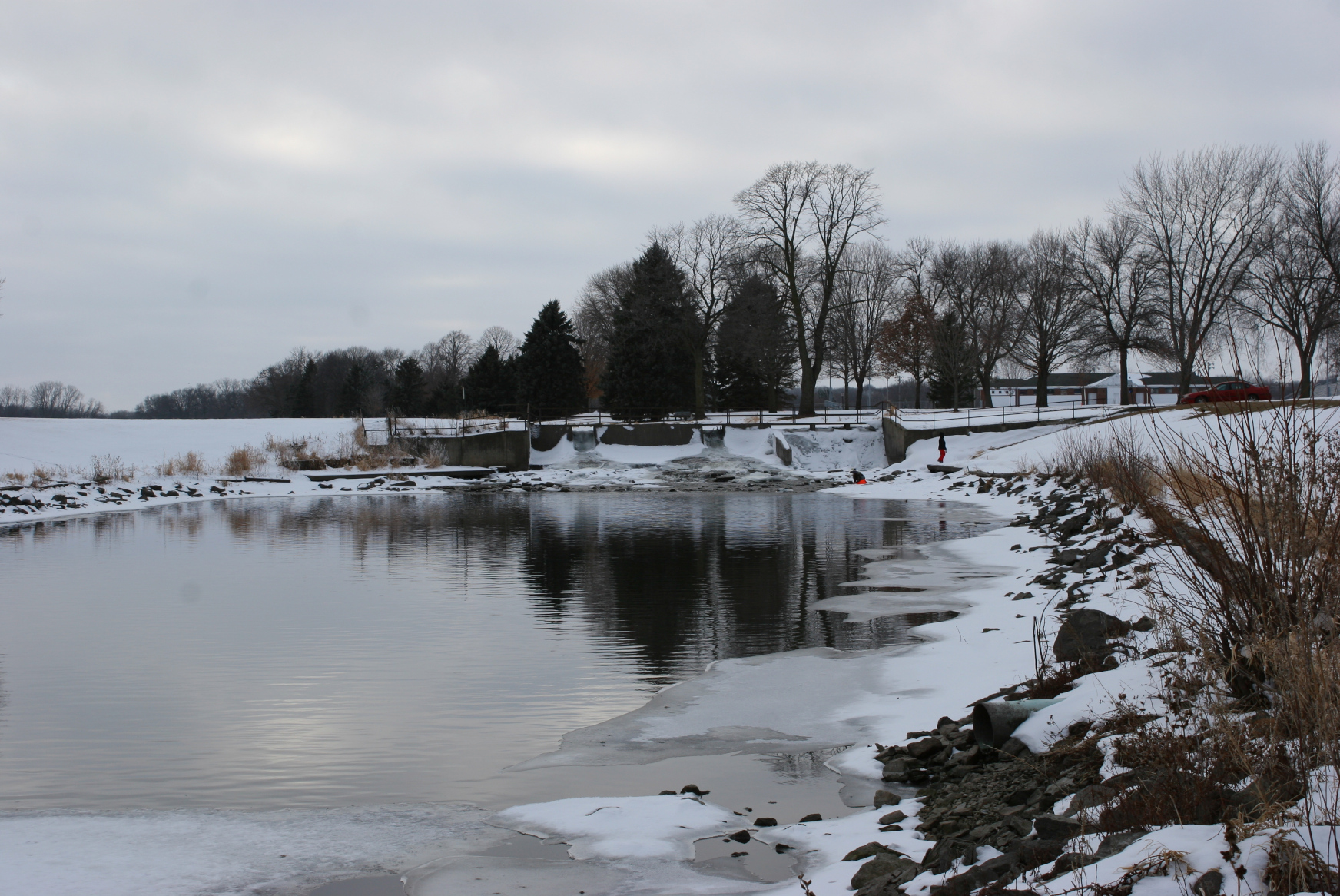
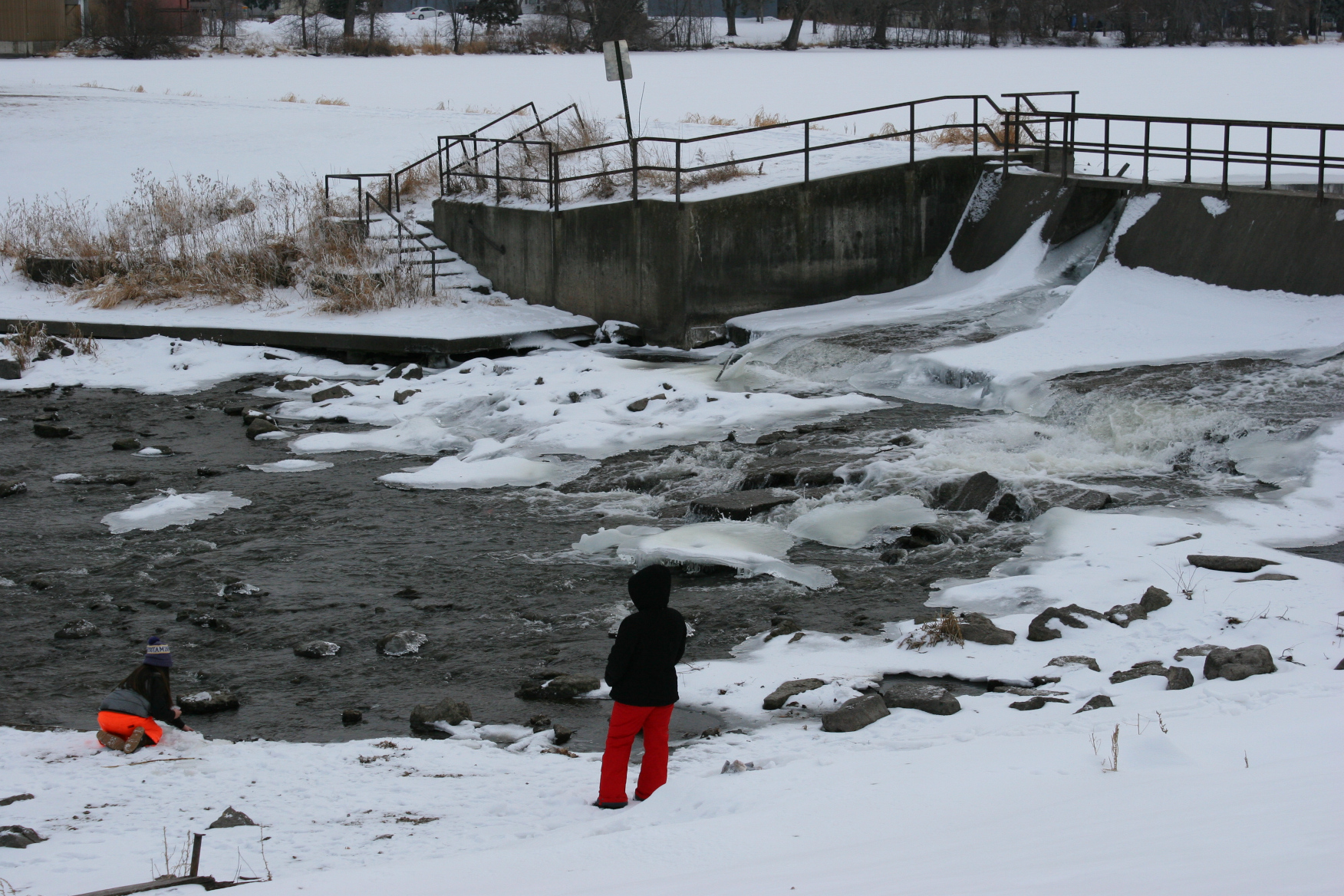
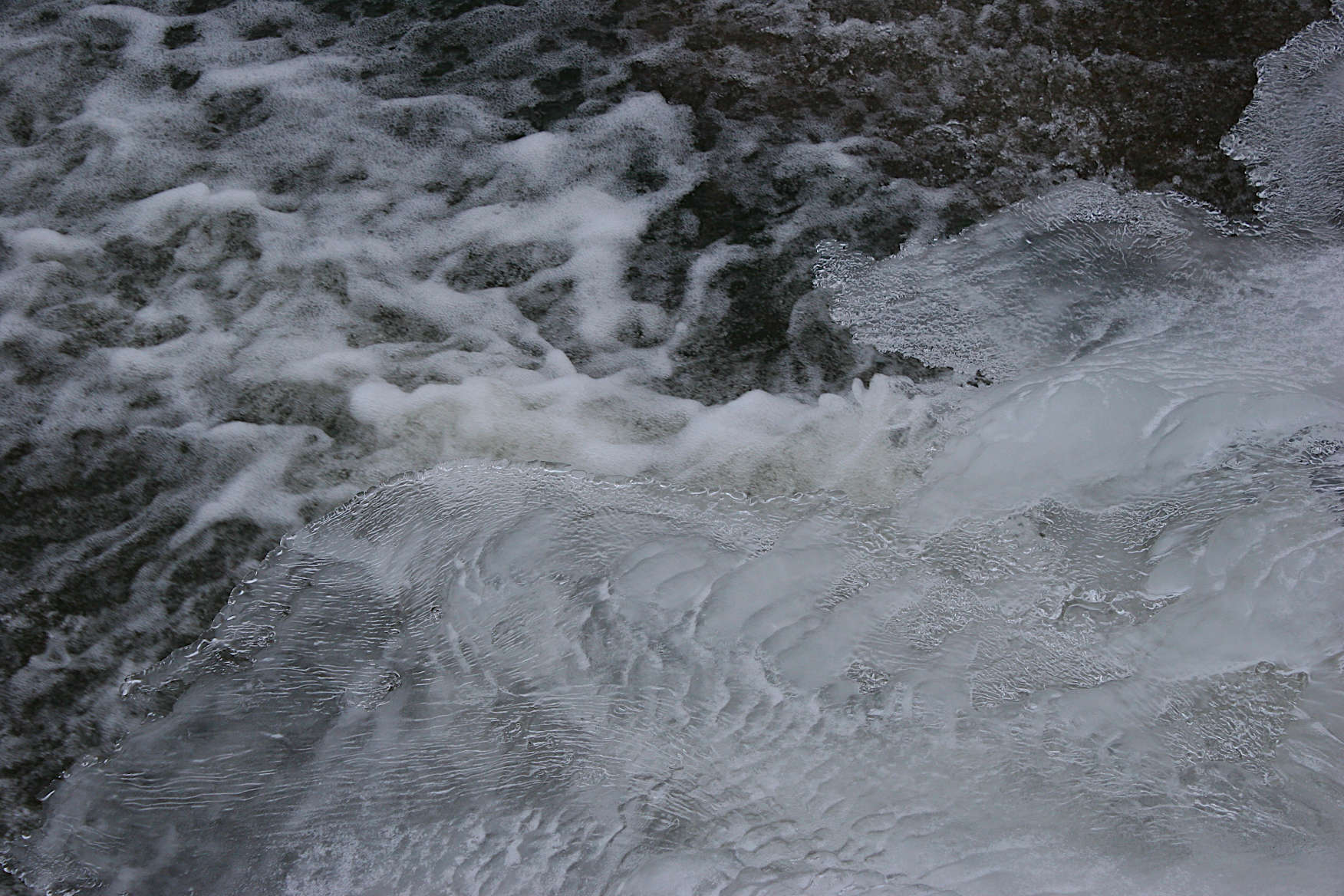
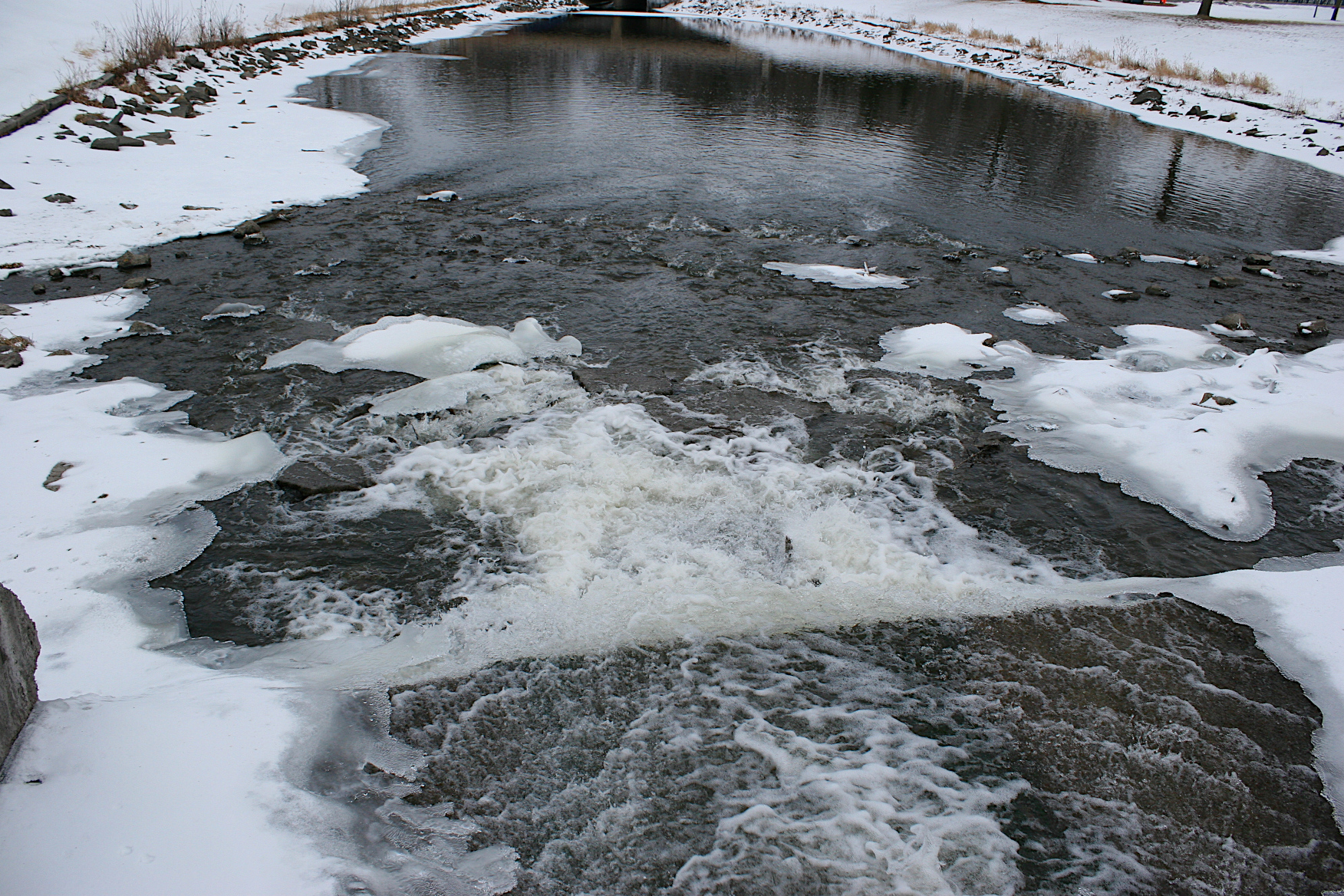
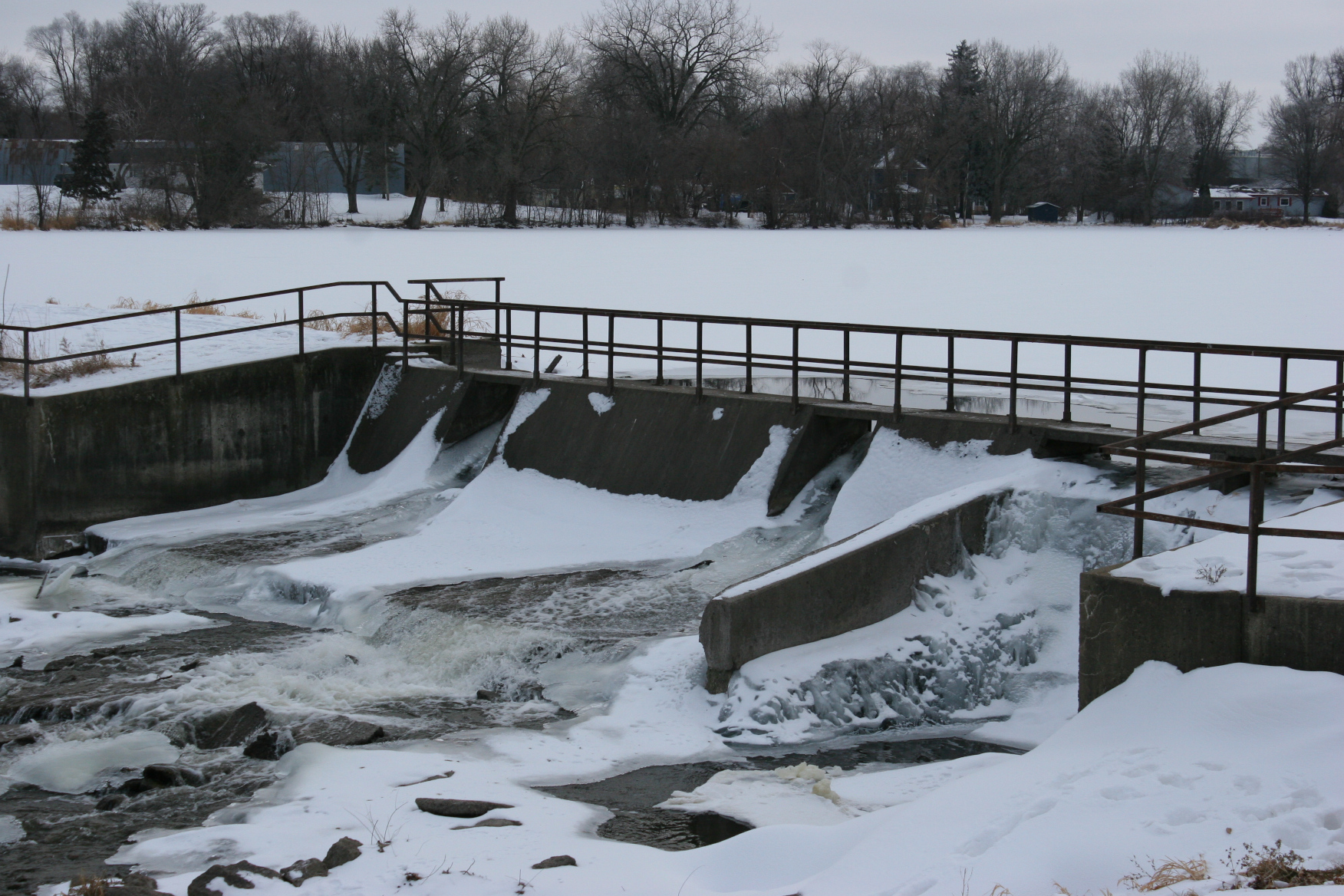
Water rushes over rocks and through ice at the dam by Father Slevin Park.

I am naturally drawn to water, as I expect many of you are. There’s something about water—its power, its motion, its almost hypnotic quality, its soothing sound when rushing over rocks. It’s like poetry flowing into the land.

I stood on the narrow dam walkway to photograph water rushing over the dam on the Cannon River.

Even in the depth of winter, a river—whether iced over or still running—draws me near. To listen, like poetry read aloud. To view, like words of verse written upon paper. To photograph, like an artist and poet and writer who cares. And I do.

Water rushes over the dam along the Cannon River in Faribault.

To walk or pause beside a river is to appreciate art and history and nature. I feel connected to the rivers that trace like poetry through the landscape of southern Minnesota. My home. My place of peace and contentment when I walk beside the waters therein.

TELL ME: Do you have a favorite river? If so, please share why you appreciate this waterway.

© Copyright 2021 Audrey Kletscher Helbling
 

From Owatonna: The legend of a princess & healing waters November 5, 2020
Note: The following post has been in my “drafts” since May. Time to publish this, as it appropriately themes to healing.
 

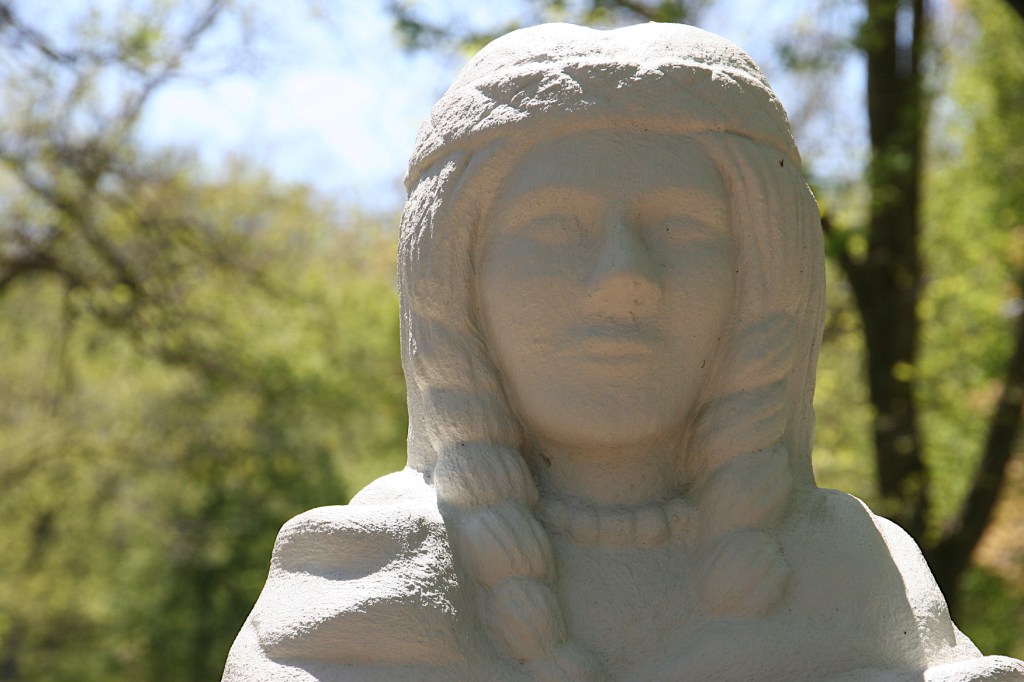
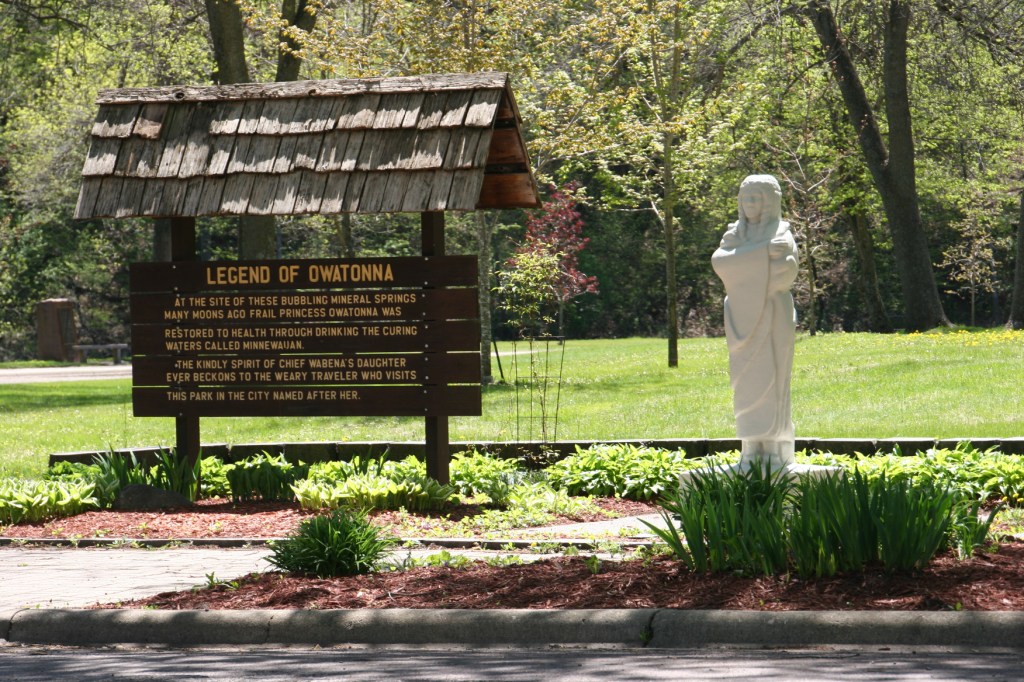
The statue of Princess Owatonna in Mineral Springs Park dates to the early 1930s.


LEGEND GOES THAT PRINCESS OWATONNA experienced restored health by drinking the curing waters of Minnewauan.
 

Princess Owatonna and her story, a park focal point.


The story of the princess, and a statue of her, center Mineral Springs Park in Owatonna, a place defined by water. Springs. Maple Creek. And a man-made waterfall.


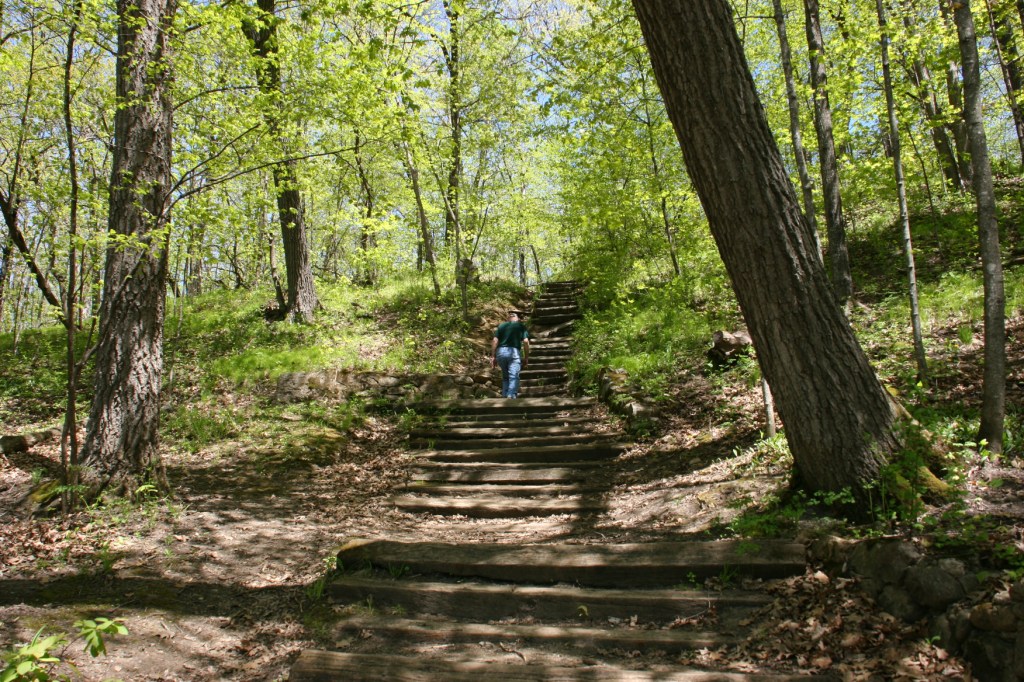
Randy climbs a steep stairway to the top of a wooded hillside.


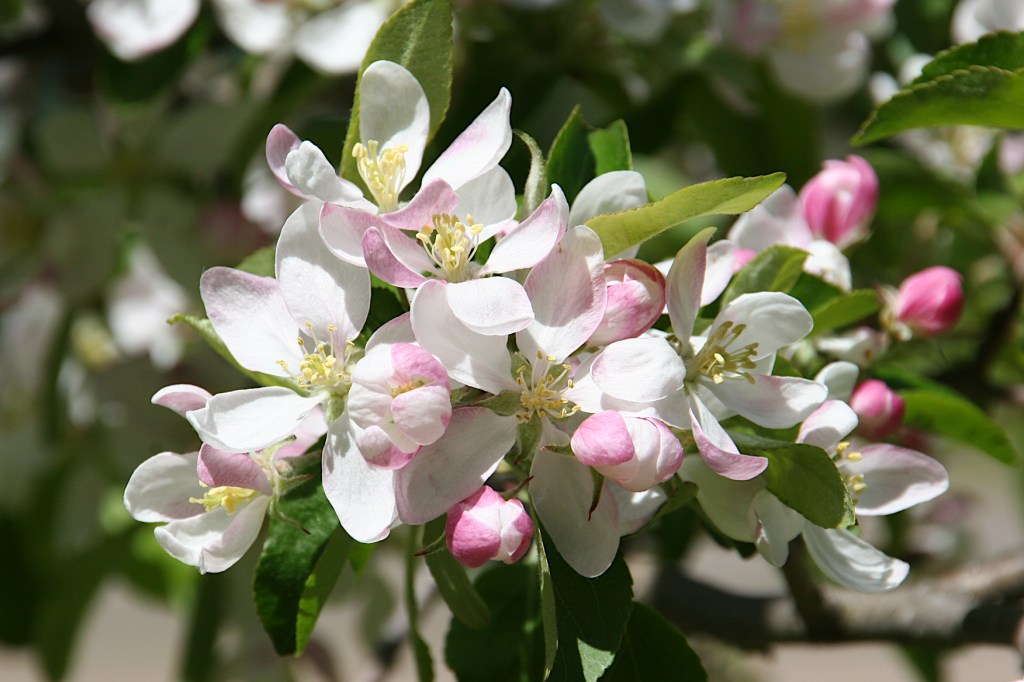
When we visited in mid May, apple blossoms were budding and blooming.


It was such a lovely May day to be out and about.


On a Friday afternoon in May, Randy and I stopped by the park to take in the art, the legend, the beauty of the water and apple blossoms, and simply nature.


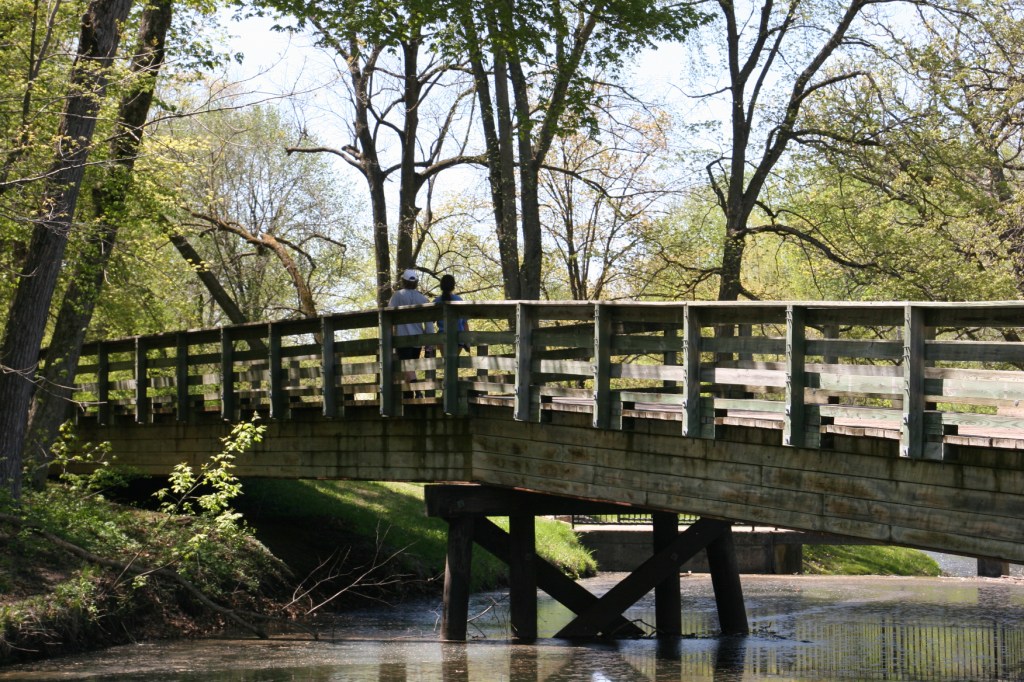
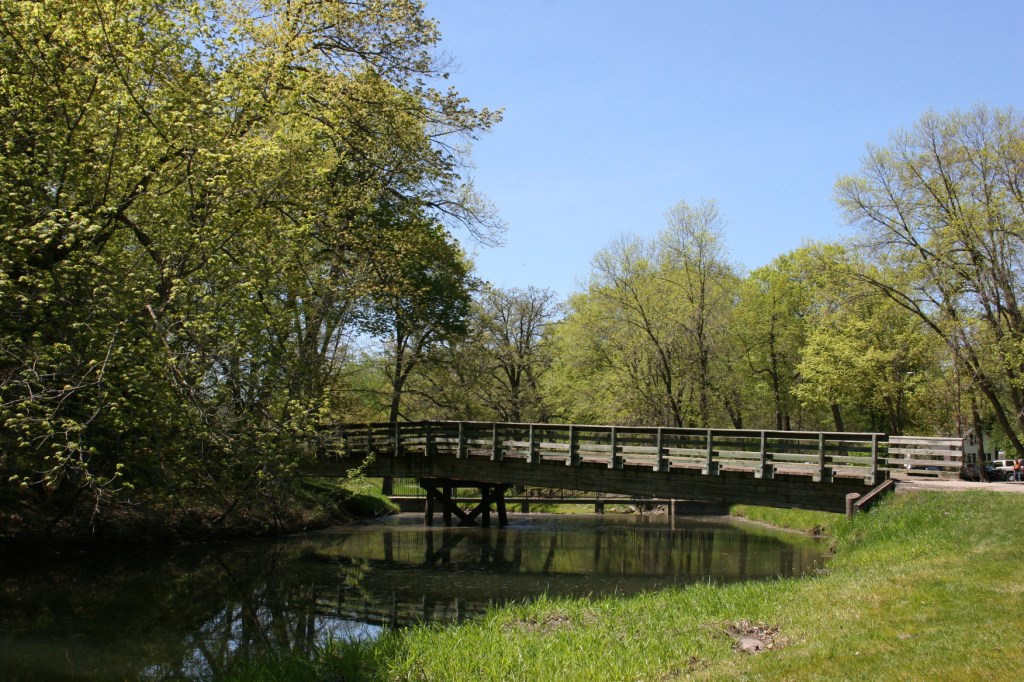
Maple Creek, spanned by several bridges in the park.


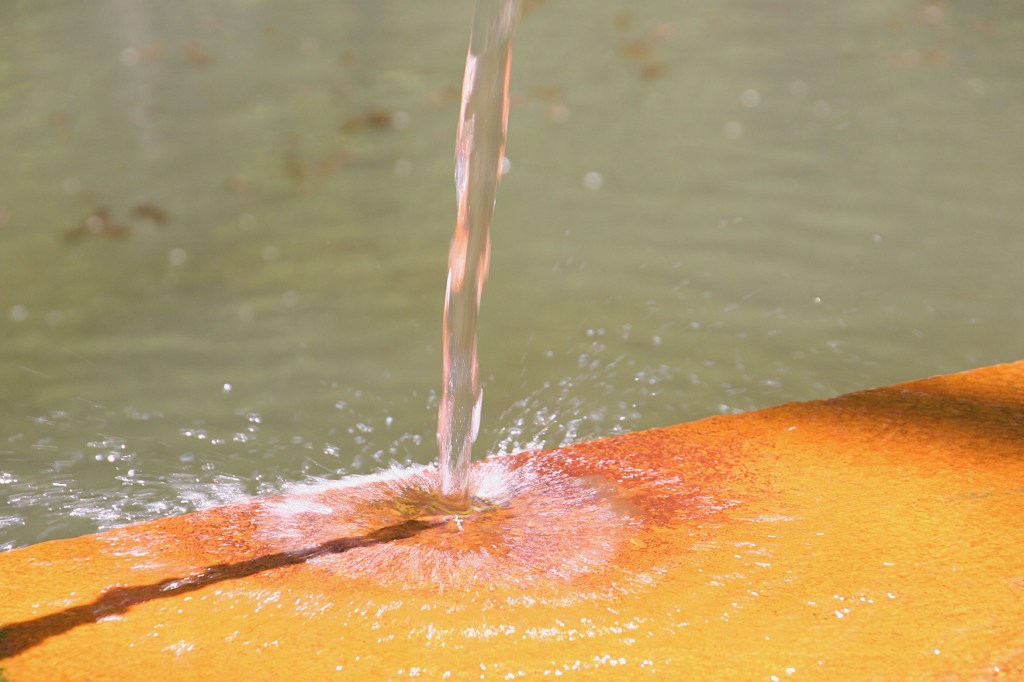
Water streams from a pipe along the river bank.


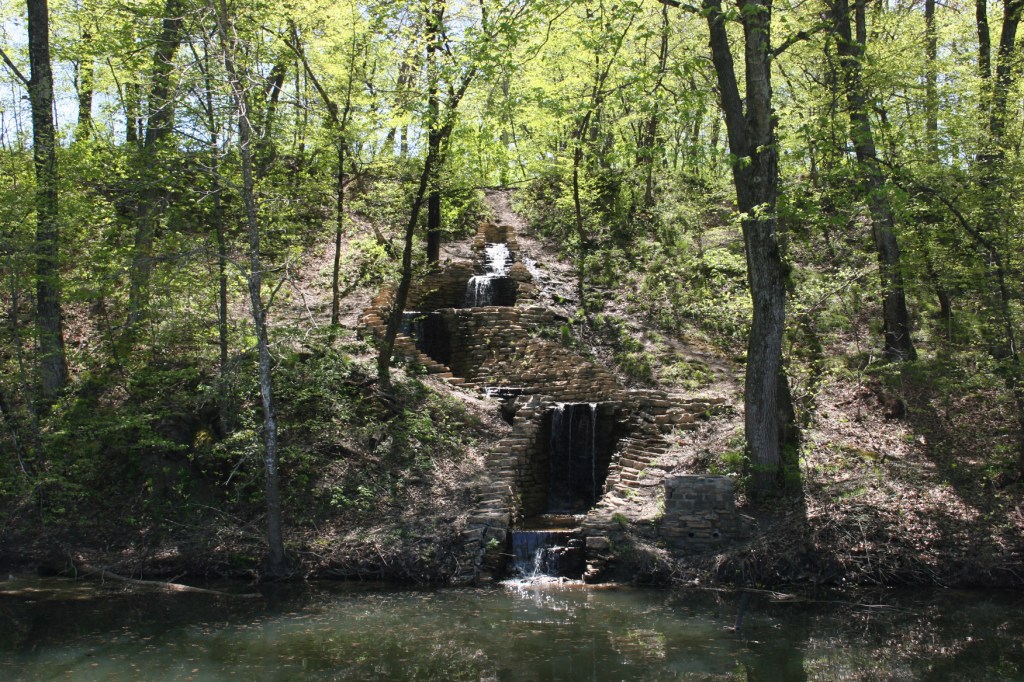
Gracing Mineral Springs Park, a beautiful man-made waterfall constructed in the early 1970s.


During a previous visit, I drank cold spring water from a fountain. But on this day, no water bubbled up. Instead, water streamed from a nearby pipe, flowed in the creek and cascaded down the waterfall.


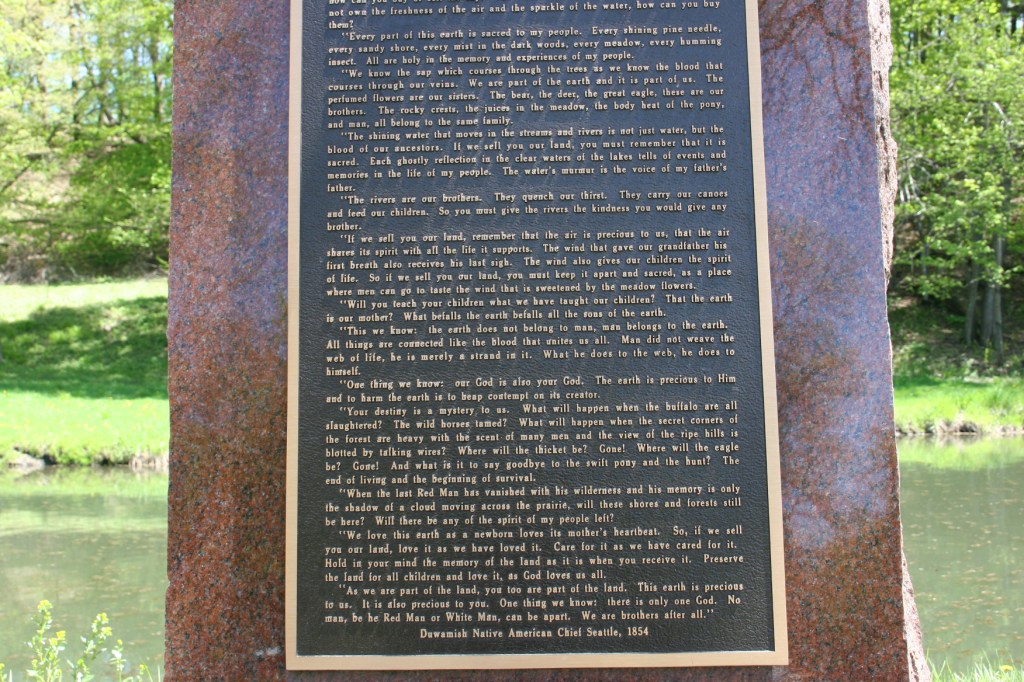
More history on a monument in Mineral Springs Park.


The park on this weather-perfect afternoon proved busy. But not too busy that we felt uncomfortable or crowed. Everyone respected everyone and social-distanced.


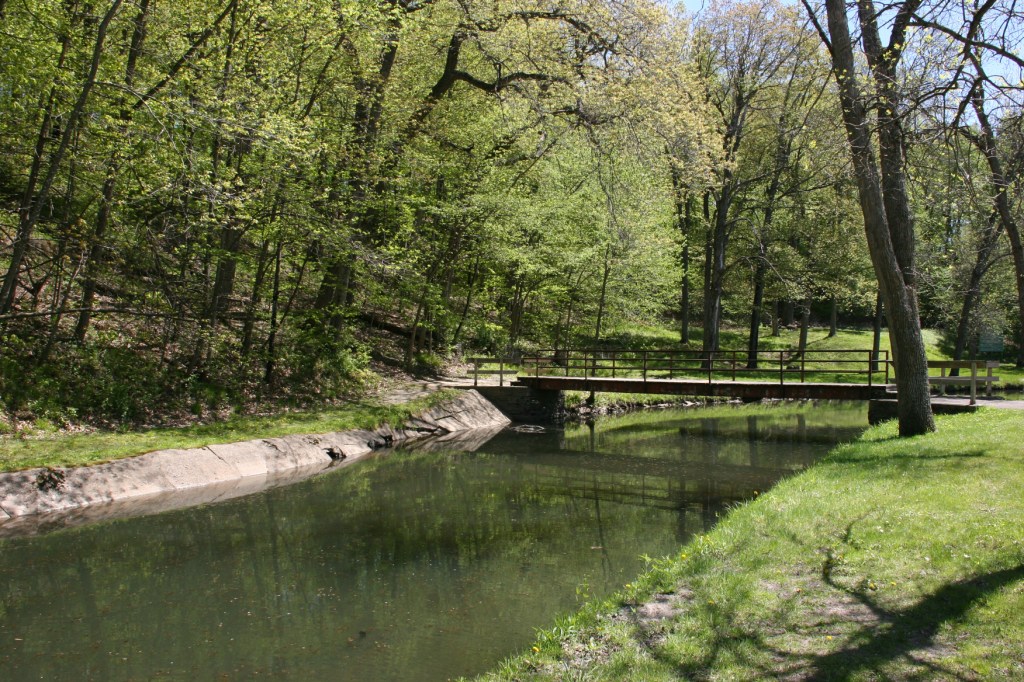
Another view of Maple Creek, which winds through Mineral Springs Park.


In 1875, Owatonna Mineral Springs Company formed with the spring water served for many years on railroad dining cars, according to the City of Owatonna website. One can only imagine the refreshing taste of that water sourced from this place in southern Minnesota, this place where Princess Owatonna, daughter of Chief Wabena, once found healing. So the legend goes…

#

BONUS FINDS:


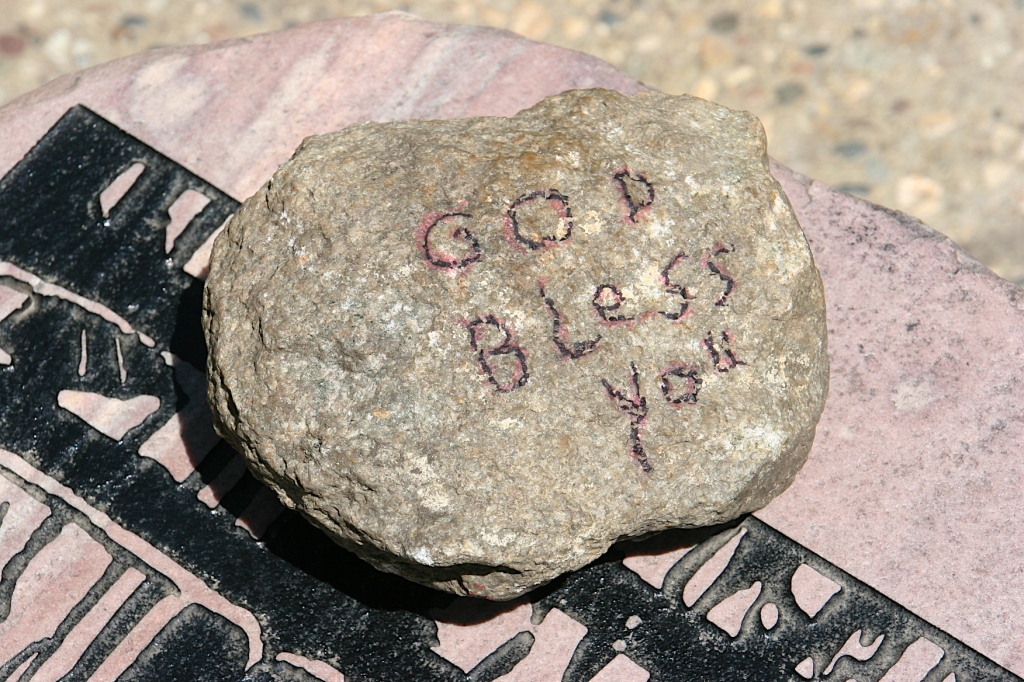
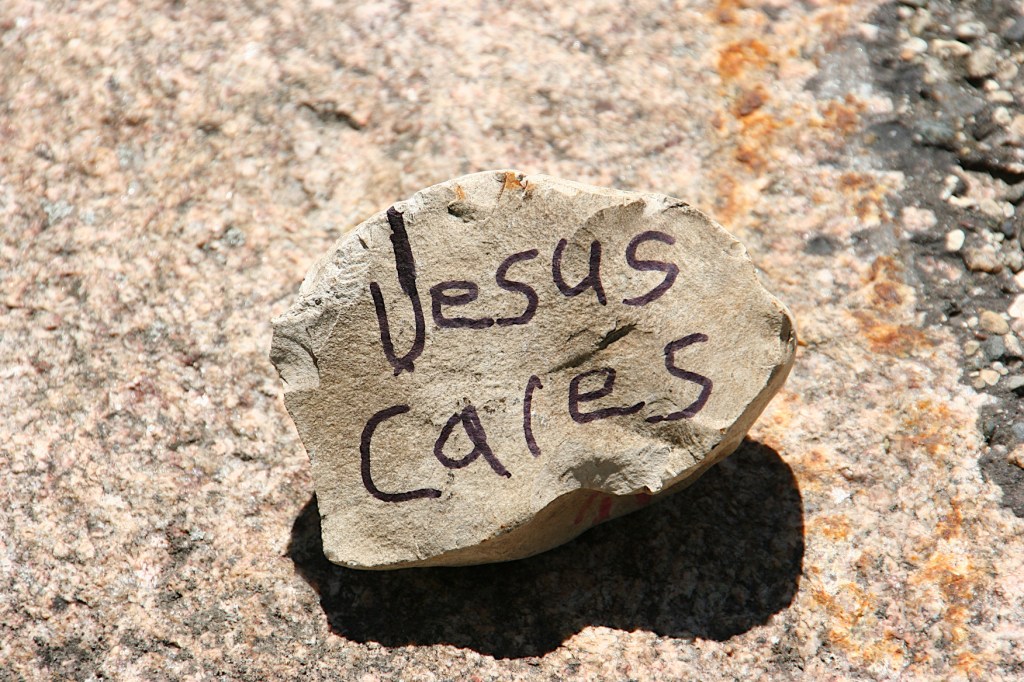
While walking around Mineral Springs Park, we found these messages on stones and a shell left in the park.

© Copyright 2020 Audrey Kletscher Helbling