Minnesota Prairie Roots

Writing and photography by Audrey Kletscher Helbling

“Beets,” a relevant play that bridges differences February 7, 2025

Former Faribault Daily News reporter Pauline Schreiber photographed these Faribault POW camp barracks shortly before they were torn down in 1990. (Photo courtesy of the Rice County Historical Society)

THE SETTING COULD BE FARIBAULT or any other Minnesota community which, in the latter part of World War II, housed German prisoners of war in POW camps. But the setting is at a camp in Greeley, Colorado, and on a farm site in nearby Berthoud. Locations matter not. The story does.

A promo for “Beets.” (Credit: Shattuck-St Mary’s School Facebook page)

Thursday evening, I sat in the sparse audience of the historic Newhall Auditorium on the campus of Shattuck-St. Mary’s School, a private college prep school on Faribault’s east side, watching a story unfold in the theatrical production, “Beets.” An incredibly talented nine-member student cast immersed themselves in the roles of a farm family, German POWs, guards and a family friend to share a bit of history. And much more.

This play about POWs working on the Hunt family’s sugarbeet farm is more than a retelling of history. It is also about relationships, fear, culture and love. It is about the perceived differences that divide us and about the commonalities that unite us.

This is a play for our times. In a nation today divided by politics, by fear, by hatred and animosity, “Beets” is absolutely relatable.

As the storyline evolves, conflicts arise. Farmer Fred Hunt spews his hatred of the Germans. His wife, Isabelle, exudes compassion and love. And their daughter, Anna, settles somewhere in between, leaning initially toward dislike and distrust of the German POWs who have come to work her father’s land. Anna’s thoughts often turn to her brother, Jake, fighting the Germans abroad.
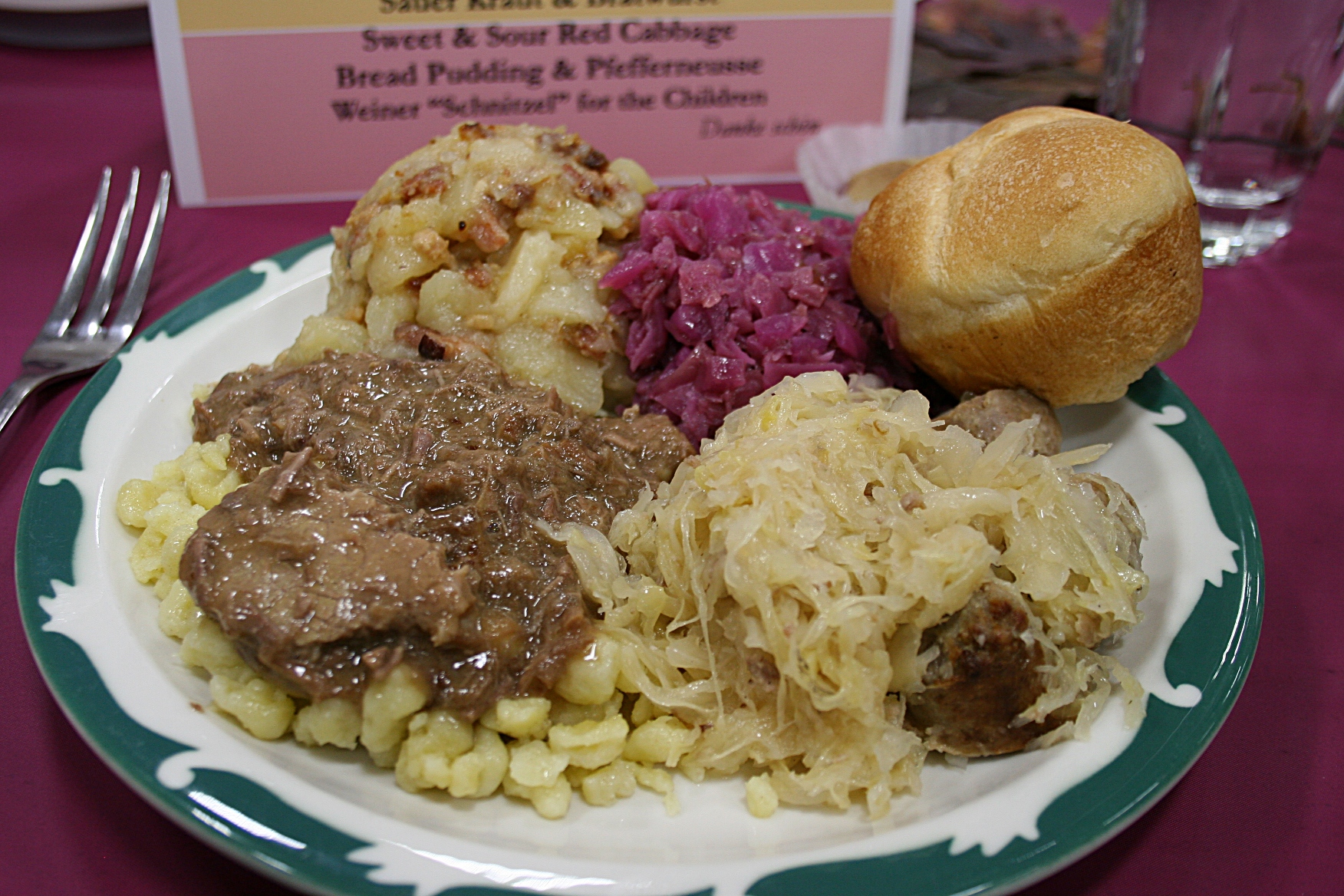
A German meal: sauerbraten and spaetzle on the left, German potato salad, sweet and sour cabbage, dinner roll and sauerkraut and brats. (Minnesota Prairie Roots copyrighted file photo)

Slowly, interaction by interaction, things begin to change. The American farm family and the German prisoners realize they share a love of Bach. (Yes, a German composer.) And while the German POWs profess they will never eat corn, because that’s for pigs and cows—although Anna explains the difference between corn for livestock and sweetcorn—they all understand that they need to eat. The scenes in which Anna and Isabelle serve potatoes and cake to the POWs show how food brings people together. Trust grows. When Fred learns details about POW Dieter Meuhler’s family, he begins to understand the personal side of a man he saw only as an enemy. The walls of distrust, disdain and differences start crumbling, albeit slowly.

It is not lost on me that the Shattuck performers are themselves of diverse backgrounds. That only adds to the performance.

There are differences in beets (these are not sugarbeets), just like in people. (Minnesota Prairie Roots copyrighted file photo)

There are lessons to be learned from “Beets,” written by Rick Padden. First, we are all, at our core, just human beings with the same basic needs. Secondly, to overcome differences, we need to connect on a personal level. We need to open our hearts and minds, to embrace cultural and other differences. We need to show compassion and care, as farm wife Isabelle Hunt did on stage. We need to recognize that love is universal, as Anna and Dieter discovered.

“Beets” is one of those plays I wish everyone could see, especially now in these challenging days. I left the theater at Shattuck-St. Mary’s feeling a sense of hope. The fictional characters in “Beets” changed, for the better. They opened their hearts and minds to each other, despite their differences, or perceived differences. Perhaps we can do the same.

#

FYI: Two performances of “Beets” remain at Shattuck, one at 7 pm Friday, February 7, and the second at 2 pm Saturday, February 8. It’s a two-hour show (includes a 10-minute intermission) I highly recommend to anyone who enjoys well-done theater, history and a play with strong messages relevant to today.

© Copyright 2025 Audrey Kletscher Helbling


A look at German POW camps, including in Faribault January 28, 2023

The Rice County Historical Society, host of the POW presentation. (Minnesota Prairie Roots copyrighted file photo July 2022)

JUST BLOCKS FROM THE VACATED SITE of the former Faribault Canning Company, a group packed a Rice County Historical Society Museum meeting room Thursday evening for a lesson in World War II-related regional history. Specifically, we learned about German Prisoner of War camps in Minnesota and Wisconsin from Matt Carter, executive director of the Dakota County Historical Society. He offered an overview of those camps, which included 15 in Minnesota, one at the canning company in Faribault. Carter is a native of Reedsburg, Wisconsin, home to a POW camp. Growing up, he never learned about the camp in school. That prompted him to later research, write about and present on POW camps in the US.

Former Faribault Daily News reporter Pauline Schreiber photographed the Faribault POW Camp barracks shortly before they were torn down in 1990. (Photo courtesy of the Rice County Historical Society)

WORKING AG-RELATED JOBS

I’ve always held an awareness of Camp Faribault and the prisoners who worked at the canning factory and on area farms. I also knew of the low-slung buildings housing the POWs who arrived here in June 1944. Those barracks were torn down in 1990 during an expansion of Faribault Foods, as the canning company came to be called. The business still exists today, in a sprawling manufacturing and distribution complex opened in 2017 in northwest Faribault’s industrial park.

Back during WWII, with millions of Americans off to serve in the military, POWs like those in Faribault offset the local labor shortage. Faribault Canning requested 200 prisoners to assist during the summer months with pea and sweet corn processing. The company paid the government 55 cents an hour for each POW laborer. That covered food and other living expenses. Prisoners received 80 cents a day for their work. Carter noted that the Faribault-based POWs worked within a 25-mile radius, some also laboring on farms, others installing power poles for Dakota Electric Association and 60 contracted to work for the local Andrews Nursery Company.

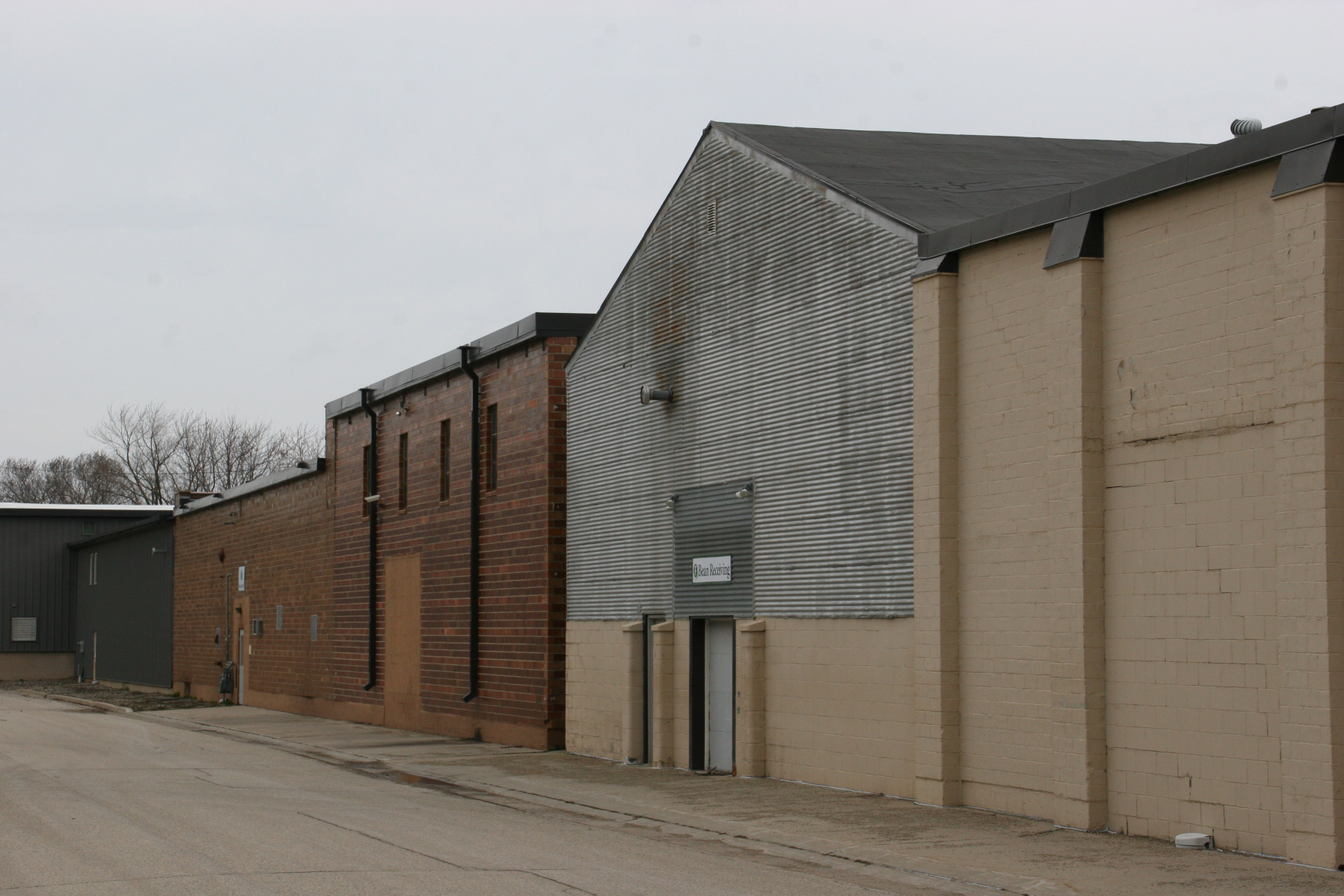
Some of the buildings remaining at the former Faribault Canning Co (Faribault Foods) site. I know nothing about the use or ages of the buildings. (Minnesota Prairie Roots copyrighted photo April 2022)

SETTLING IN AT CAMP FARIBAULT & BEYOND

POW camps were scattered throughout Minnesota with other nearby branch camps, as they were termed, in Owatonna, Montgomery and St. Charles. Camps farther north focused mostly on logging. All were offshoots of barbed wire-secured base camps (where prisoners initially arrived and were processed) in Algona and Clarinda, Iowa. Once prisoners settled in community camps like Faribault, they still remained under guard, although much more loosely watched. An estimated 450,000 – 600,000* prisoners arrived in the US on Liberty Ships during WWII to live in repurposed Civilian Conservation Corps camps, on fairgrounds, even in tents, Carter said. In Faribault, the POWS moved into barracks built by the canning company.

WEDDINGS, PROPAGANDA & “CODDLING”

Within the confines of his just-over-an-hour-long presentation, Carter presented an excellent overview of POW camps, adding some details that I found notably interesting. For example, proxy weddings were performed by local clergy. Under Geneva Convention rules, German prisoners could legally marry women back in Germany. Prisoners would gather flowers for the missing-brides prison camp weddings. Across the ocean their brides perhaps did the same while marrying absent grooms not seen in years.

Carter also shared that prisoners watched newsreels of German war atrocities as part of a reorientation program in the camps. Viewed as propaganda by some POWs, they responded by distributing handwritten propaganda while traveling on secured trains. Baffled by how these leaflets were dropped, officials determined that the papers were dropped down toilets and then onto the rails.

The third bit of shared information that struck me involves food. Newspapers reported how well prisoners ate, how they were being “coddled,” Carter noted. He showed a list of menus, which confirms the generous meals. The reaction was an outcry from an American public living on rationed foods and upset about the treatment of German-held US soldiers. In 1945, POWs were no longer allowed to buy beer, soda or cigarettes. And some of their food choices became less desirable (like hearts and liver).

Once the war ended, prisoners were repatriated, a process that took time. Many later returned to the US because of how well they were treated here, according to Carter. That was encouraging to hear. Even in war-time, kindness existed.

Matt Carter referenced this book during his talk, citing it as a good source of information about POW camps in Minnesota.

DIGGING DEEPER

Today all that remains of the Faribault POW Camp is a marker by the former canning company. If there are stories and photos, I am unaware. But I’m inspired now to dig deeper. I’ve already checked out Prudence by David Treuer from my local library. The novel focuses on a German soldier who escaped from a Minnesota POW camp. I also intend to read Anita Albrecht Buck’s Behind Barbed Wire: German Prisoners of War in Minnesota during World War II.

And maybe some day I’ll travel to Algona, Iowa, to visit the Camp Algona POW Museum and learn more about this place which housed prisoners sent to Minnesota, including to Faribault.

#

*Because of differences and discrepancies in record-keeping, the number of prisoners housed in US POW camps is uncertain. Some sources claim 600,000-plus, while Carter estimates closer to 500,000 prisoners based on his research.

© Copyright 2023 Audrey Kletscher Helbling


Faribault renames airport honoring WASP Liz Wall Strohfus, who proved that girls can fly June 22, 2017

SHE WAS AN AVIATION PIONEER for women, an advocate for female veterans and an inspiration to many. And Saturday afternoon, local celebrity Elizabeth “Betty Wall” Strohfus will be posthumously honored with renaming and dedication of the Faribault Municipal Airport as Liz Wall Strohfus Field. She died in March 2016 at the age of 96.


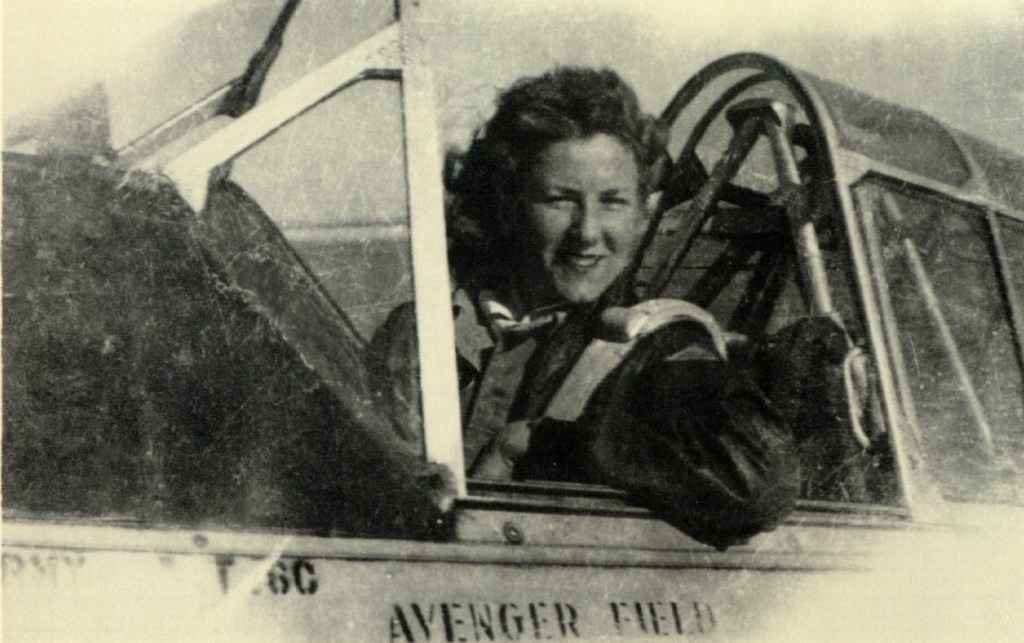
Elizabeth Wall Strohfus, circa 1943, at Avenger Field. (Photo from family archives.)


Strohfus served as a Women’s Air Force Service Pilot (WASP) during World War II. In that job, she trained infantry gunners for battle, taught instrument flying to male cadets and ferried warbirds around the U.S. After her service, she lobbied and succeeded in getting active military duty status for WASPs and burial rights for these service women at Arlington National Cemetery. She is best known perhaps, though, for her inspirational talks primarily to students in 31 states over nearly three decades.

Commercial pilot Cheri Rohlfing, who was inspired by Strohfus, will be among several speakers addressing attendees during a 2 p.m. program at the Faribault airport. U.S. Senator Amy Klobuchar, with whom Strohfus worked on WASP veterans’ issues, will speak first. Others scheduled to talk are Strohfus’ son Art Roberts and Terry Baker, who worked on restoring a BT-13 like the one Strohfus piloted. That plane will be on-site at Saturday’s 1 – 4 p.m. event. Eventually the bomber will find a permanent home at the National WASP Museum at Avenger Field in Sweetwater, Texas, where Strohfus trained.


Faribault based Brushwork Signs designed and created this sign gracing the newly-renamed Faribault airport. Image is courtesy of Brushwork Signs.


The Faribault American Association of University Women, prompted by retired educator Gloria Olson, initiated renaming of the airport and has been planning Saturday’s tribute. “It fits our (AAUW’s) mission—recognition and support of women and girls, along with education of women and girls, which was important to Liz as well,” Olson wrote in an email.

In addition to the airport renaming and placement of new signage honoring Strohfus, a sculpture by renowned Faribault woodcarver Ivan Whillock has been completed just in time for the June 24 dedication. It will hang in the airport lobby.

Family activities and music are also part of Saturday’s celebration along with a display—including memorabilia, photos, posters and a continuously running video telling Strohfus’ story. After the airport event, the Village Theater in historic downtown Faribault will feature two free showings (at 4 p.m. and 5:30 p.m.) of local filmmaker Steve Cloutier’s documentary, “Betty Wall: Girls Don’t Fly.”

Strohfus proved she could fly, joining the Faribault Sky Club and becoming the first woman to solo fly at the Faribault airport in 1942. She acquired a bank loan to join the club by putting her bike up as collateral.

Such tenacity impresses me as do this aviator’s numerous accomplishments. Among her many awards are two Congressional Medals of Honor and induction into the Minnesota Aviation Hall of Fame.


Liz Wall Strohfus. Photo courtesy of Gloria Olson.


AAUW member Olson shared the importance of renaming the local airport in honor of Strohfus for “all her military accomplishments, what she did for women veterans, and women and girls in general, inspiring youth to follow their dreams, all her honors, Faribault icon, everyone’s friend, and…first local site of any significance honoring a woman.”

Strohfus will receive one more posthumous honor. The Faribault City Council recently passed a resolution designating June 24 as Liz Wall Strohfus Day in the city of Faribault.

Memorabilia donated by Strohfus’ son will be added to an exhibit on the aviator already in place at the Rice County Historical Society.

For a woman who was once told by a local banker that “girls don’t fly,” all these tributes prove she could. And she did. And on Saturday, Strohfus will be recognized in her hometown for her many accomplishments in the field of aviation.

FYI: Northfield-based KYMN radio (95.1 FM) will rebroadcast an interview with Strohfus at 10 a.m. Friday. The interview with radio personality Wayne Eddy originally aired on May 30, 2014.

© Copyright 2017 Audrey Kletscher Helbling
Photos are courtesy of Brushwork Signs and of Gloria Olson


Faribault renames its airport in honor of WASP, Elizabeth Wall Strohfus March 4, 2017

Elizabeth Wall Strohfus, circa 1943, at Avenger Field. (Photo from family archives.)

Elizabeth Wall Strohfus, circa 1943, at Avenger Field. (Photo from family archives.)

ELIZABETH WALL STROHFUS traveled the country for nearly 30 years sharing her story of flying fighters and bombers for the U.S. military during World War II.

She served as a parade grand marshal, participated in panel discussions, talked at schools, visited museums, gave countless interviews. But not until now has she been permanently honored and recognized in her hometown of Faribault. This week the City Council approved a resolution renaming the municipal airport as The Faribault Municipal Airport—Liz Wall Strohfus Field. That resolution will be forwarded to the Federal Aviation Administration for final approval.

What an honor for a woman who faced many challenges (simply for being a woman) before and after becoming a Women’s Airforce Service Pilot. She will be the first WASP to have an airport named after her.

That’s quite an accomplishment for Strohfus, who convinced a local banker to lend her $100 to join The Sky Club at the Faribault airport. The then 22-year-old used her bike as collateral and subsequently proved to the “women don’t fly” banker that he was wrong. She could fly. And fly she did, training at Avenger Field in Sweetwater, Texas, with the first class of WASPs to earn their wings. Strohfus went on to train infantry gunners for battle, teach instrument flying to male cadets and ferry B-17 and AT-6 warbirds around the country.

But when the war ended, the WASPS received no recognition for their service to country. Eventually Strohfus, after retiring as an air traffic controller in the late 1980s, began efforts to correct that. She traveled the country sharing WASP stories in her signature down-to-earth storytelling style. She successfully lobbied for the WASPs to be recognized as active military duty and for burial honors at Arlington National Cemetery. This strong and determined pilot also received the Congressional Medal of Honor.

A book about Elizabeth Strohfus written by her son Patrick Roberts. He accompanied her on speaking engagements around the country.

A book about Elizabeth Strohfus written by her son Patrick Roberts. He accompanied her on speaking engagements around the country.

Yet, despite all the accolades, all the efforts, Liz Stohfus valued one thing above all. “Her favorite thing to do was to encourage kids,” son Art Roberts revealed at the City Council meeting. His mother repeated that in the many interviews she gave, telling youth that, “The sky is not the limit.” They could, like her, do anything.

Elizabeth “Betty” Strohfus Wall died on March 6, 2016, at the age of 96. Although she did not live long enough to see her hometown airport named after her, her legacy will live on in Faribault. In addition to new signage naming Liz Wall Strohfus Field, renowned local woodcarver Ivan Whillock is creating a woodcarving to be placed inside the airport. And Roberts will be donating items belonging to his mother.

It’s a wonderful thing my community, led by the American Association of University Women—Faribault Branch, is doing in honor of Strohfus. She embodies a strong American woman who always believed she could fly.

FYI: To view an interview with Liz Strohfus, check out Faribault Community Television and its 1855—Faribault History documentary series produced by local high school students Logan Ledman and Samuel Temple. This is top-quality professional. Click here.

Of additional interest is this story from the Experimental Aircraft Association in Oshkosh, Wisconsin. Click here.

Click here to read a story about how Strohfus and other WASPs were honored at the University of Wisconsin, Green Bay, via a theatrical production.

Learn more about that play, “Censored on Final Approach” by Phylis Ravel, by clicking here. Perhaps a Faribault-based theatre company or the History Theatre in St. Paul could consider performing that play.

Finally, click here to learn more about the National WASP WWII Museum in Sweetwater, Texas. What an honor this would be to Strohfus’ memory to bring the museum’s traveling exhibit, “The WASP: Untold Story, a Photographic Exhibit,” to Faribault.

© Copyright 2017 Audrey Kletscher Helbling


Historic “Wrapped in Love and Glory” honors women of the mill & more in Faribault December 12, 2016

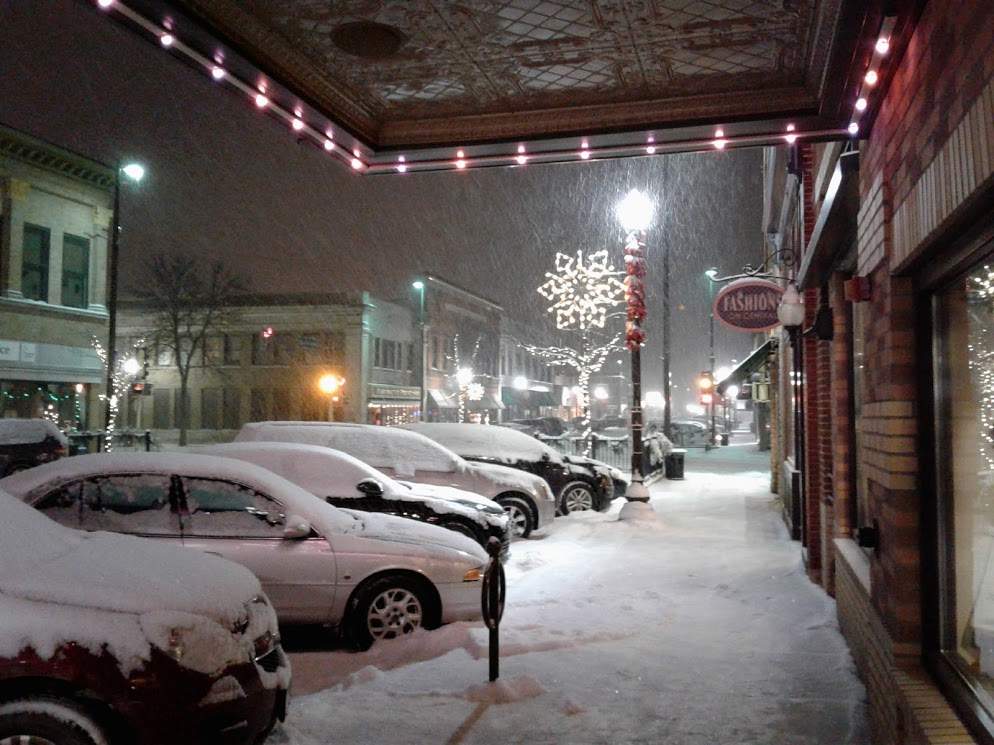
The scene outside the Paradise Center for the Arts during intermission of "Wrapped in Love and Glory."

The scene outside the Paradise Center for the Arts during intermission of “Wrapped in Love and Glory.” I snapped this cell phone photo of Central Avenue while standing under the theater marquee.

SNUGGED INSIDE FARIBAULT’S historic Paradise Center for the Arts on a cold and snowy Saturday evening, I awaited the world premiere of “Wrapped in Love and Glory” penned by native son and playwright Michael Lambert.

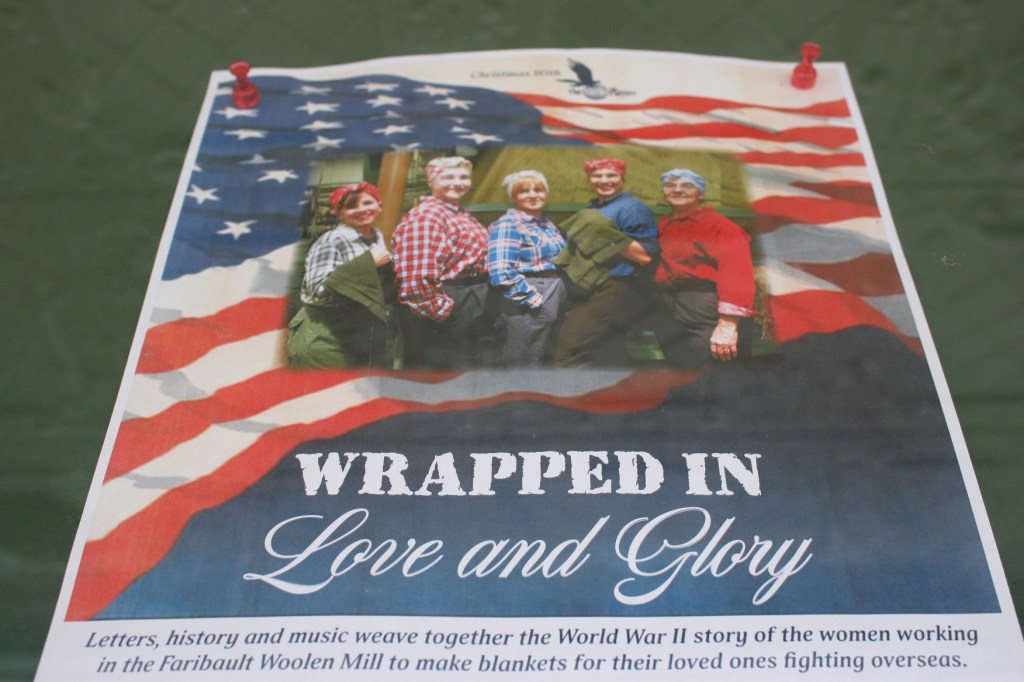
A promotional poster hangs outside the Paradise.

A promotional poster hangs behind glass outside the Paradise.

My expectations—in performance and in the storyline—ran high. It takes a confident writer to pen a play that focuses on local history. And it takes an equally confident cast to perform it before a hometown crowd. Lambert and The Merlin Players did Faribault proud in presenting the stories of local women who wove blankets for American troops at the historic Faribault Woolen Mill during WW II. The mill, still in existence today, continues to weave blankets for the military.

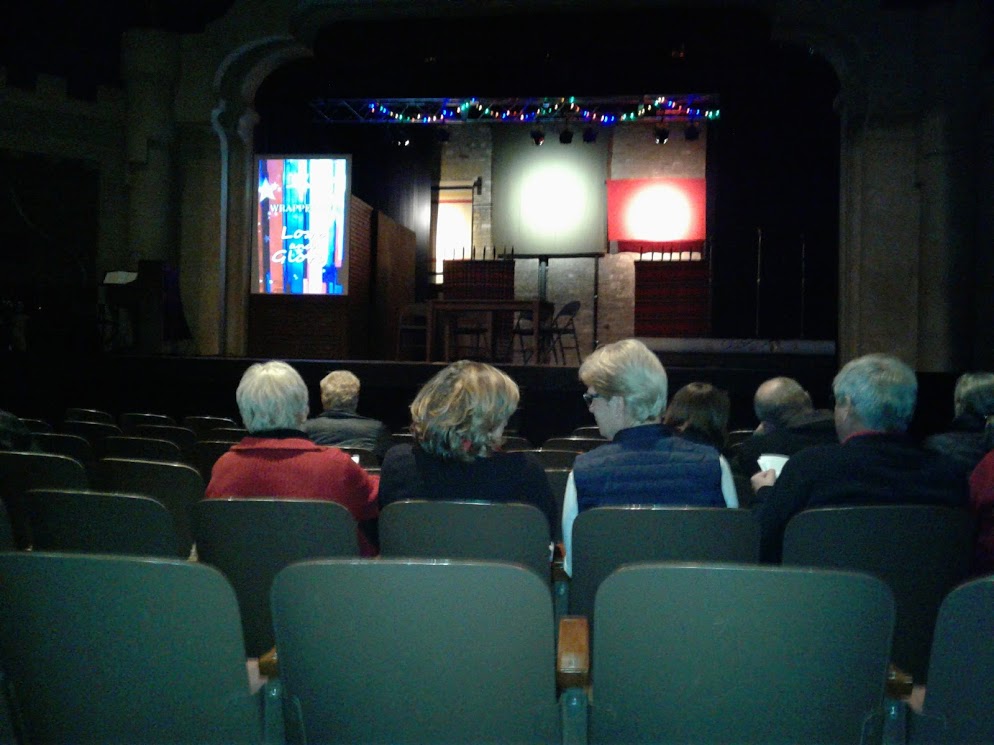
Before the play opened, I took this cell phone image of the set showing Woolen Mill blankets suspended with the video screen to the left.

Before the play opened, I took this cell phone image of the set showing Woolen Mill blankets suspended with the video screen to the left. Lighting was insufficient to truly reflect the simplistic beauty of the display.

Against a backdrop of mill blankets from Lambert’s personal collection, narrators, actresses and singers took the stage of this intimate theatre for the two-hour production. This playwright mixed music of the era, like “Boogie Woogie Bugle Boy,” “Blue Skies,” “I’ll Be Home for Christmas” and 23 other songs in to the narrative. The music, performed primarily by a trio of women in Andrews Sisters style—think synchronized hand motions, swaying and tipping microphones on stands—with the loveliest of voices, ranged from sweet crooning to rhythmic.

Music and dialogue complemented each other as did video clips of actors (soldiers) reading letters written to the women back home. Authentic letters that Lambert gathered from within the Faribault community. Letters with endearments like darling, sweetheart, dearest.

Video stills also featured newspaper headlines, photos and more, adding to the historic context.

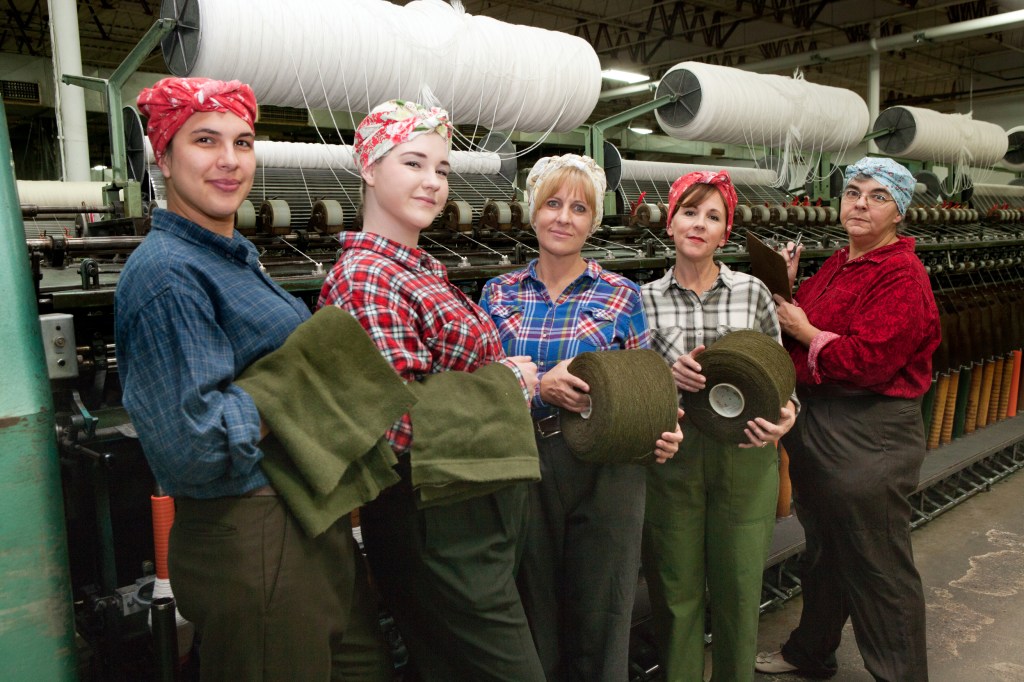
Some of the cast members of "Wrapped in Love & Glory" pose inside the Faribault Woolen Mill. Photo by Edward Brown.

Some of the cast members of “Wrapped in Love & Glory” pose inside the Faribault Woolen Mill. Photo by Edward Brown and courtesy of The Merlin Players.

Lambert wove a lot of history in to “Wrapped in Love and Glory.” History of WW II. And then local history. Of the Faribault Woolen Mill, which contracted with the U.S. government to supply 250,000 drab olive Army blankets and sleeping bags for troops. Of the Cannon River, along which the mill sits. Of WW II pilot and WASP Betty Wall (Elizabeth Strohfus) presented with the Congressional Gold Medal in 2010. Of Heisman Trophy winner Bruce Smith. Of German prisoners-of-war working at the Faribault Canning Company. All flowed in the storyline, along with familiar names like Klemer and Caron.

It was a story that made me consider the dedication of the hardworking women who wove those blankets for American soldiers serving in the cold mountains of Italy, storming the beach at Normandy, or training in places like Chicago. The women who exchanged letters with those soldiers. The women who relied on each other and their inner strength during a time of war and of separation. The women who kept America running.

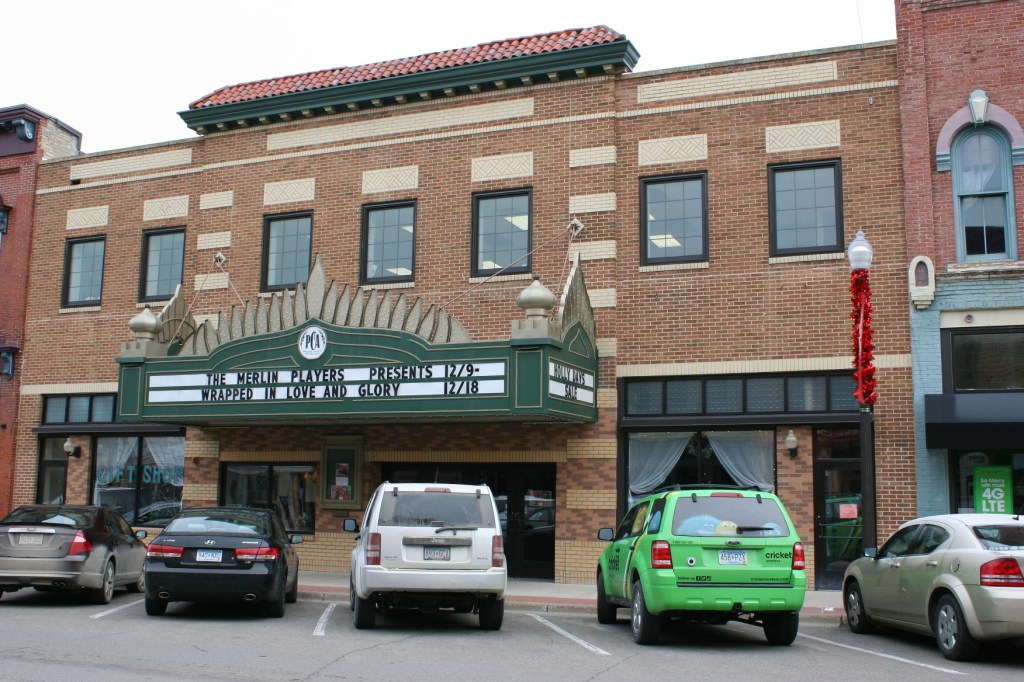
On Saturday morning, before snow began falling, I took this photo of the historic Paradise Center for the Arts.

On Saturday morning, before snow began falling, I took this photo of the historic Paradise Center for the Arts.

FYI: Additional performances of “Wrapped in Love and Glory” are set for 7:30 p.m. December 15, 16 and 17 and at 2 p.m. December 18 at the Paradise Center for the Arts, 321 Central Avenue, in historic downtown Faribault. Call (507) 332-7372 for ticket information. Or click here.

© Copyright 2016 Audrey Kletscher Helbling