Minnesota Prairie Roots

Writing and photography by Audrey Kletscher Helbling

An environmentalist speaks out about dirty socks and underwear July 16, 2010

Filed under: Uncategorized — Audrey Kletscher Helbling @ 7:23 AM
Tags: , , ,

KIDS SAY THE DARNDEST THINGS.

Remember that segment by Art Linkletter on his 1950s -1960s television show, House Party? He would interview kids who responded with “the darndest things.”

Well, recently my 8 ½-year-old nephew Christian produced a comment that would be Art Linkletter worthy.

Here’s how the scenario played out. When Christian’s mom, Jamie, went to do the laundry, she discovered that her son had dropped only one pair of socks and three underwear into the basket of dirty clothes for the week.

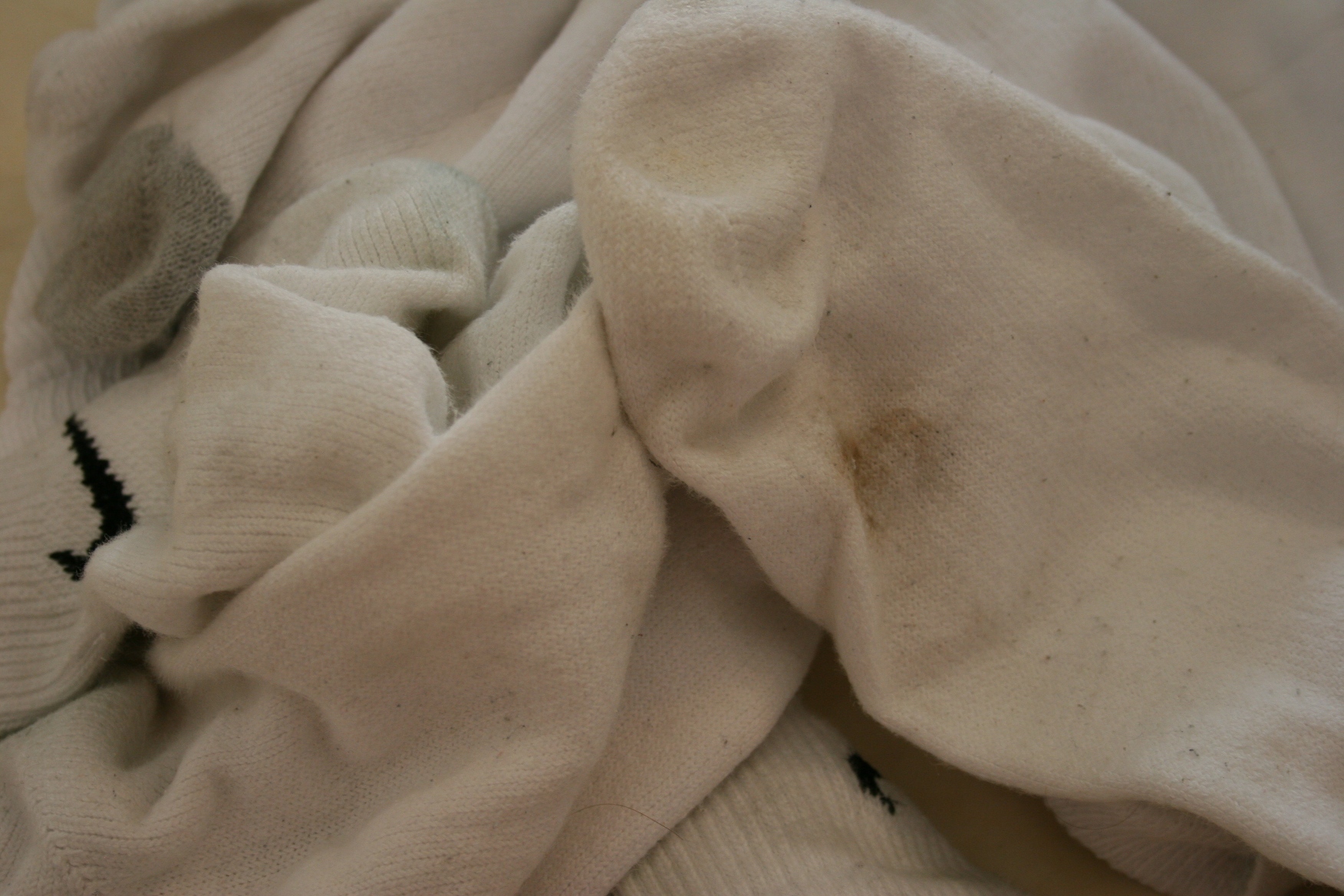
For illustration purposes, please pretend that these dirty socks belong to my 8 1/2-year-old nephew instead of the two big-footed guys in my household.

“I knew he wore socks (and hopefully underwear) every day, so I asked him about it,” she says.

Well, Christian had it all figured out. He explained that he would only change his socks and undergarments on bath nights (Wednesdays and Saturdays) to help save the environment. But that’s not all. His mom wouldn’t have to do the laundry as often.

Now how can you argue with a thoughtful environmentalist like that?

Clearly, when you’re the mom, you can. Jamie instructed Christian that he needed to change his socks and his underwear daily.

Well, I have a little secret, which you probably shouldn’t share with my sister-in-law and certainly not my nephew. When I was growing up, I did not change my underwear and socks every day. It just wasn’t done.

And, get this, my siblings, parents and I bathed once a week—on Saturday night in an old tin tub in the kitchen—whether we needed a bath or not.

Isn’t that just the darndest thing?

© Copyright 2010 Audrey Kletscher Helbling


Can reconciliation ever exist over the U.S.-Dakota Conflict of 1862? July 15, 2010

Filed under: Uncategorized — Audrey Kletscher Helbling @ 6:58 AM
Tags: , , ,

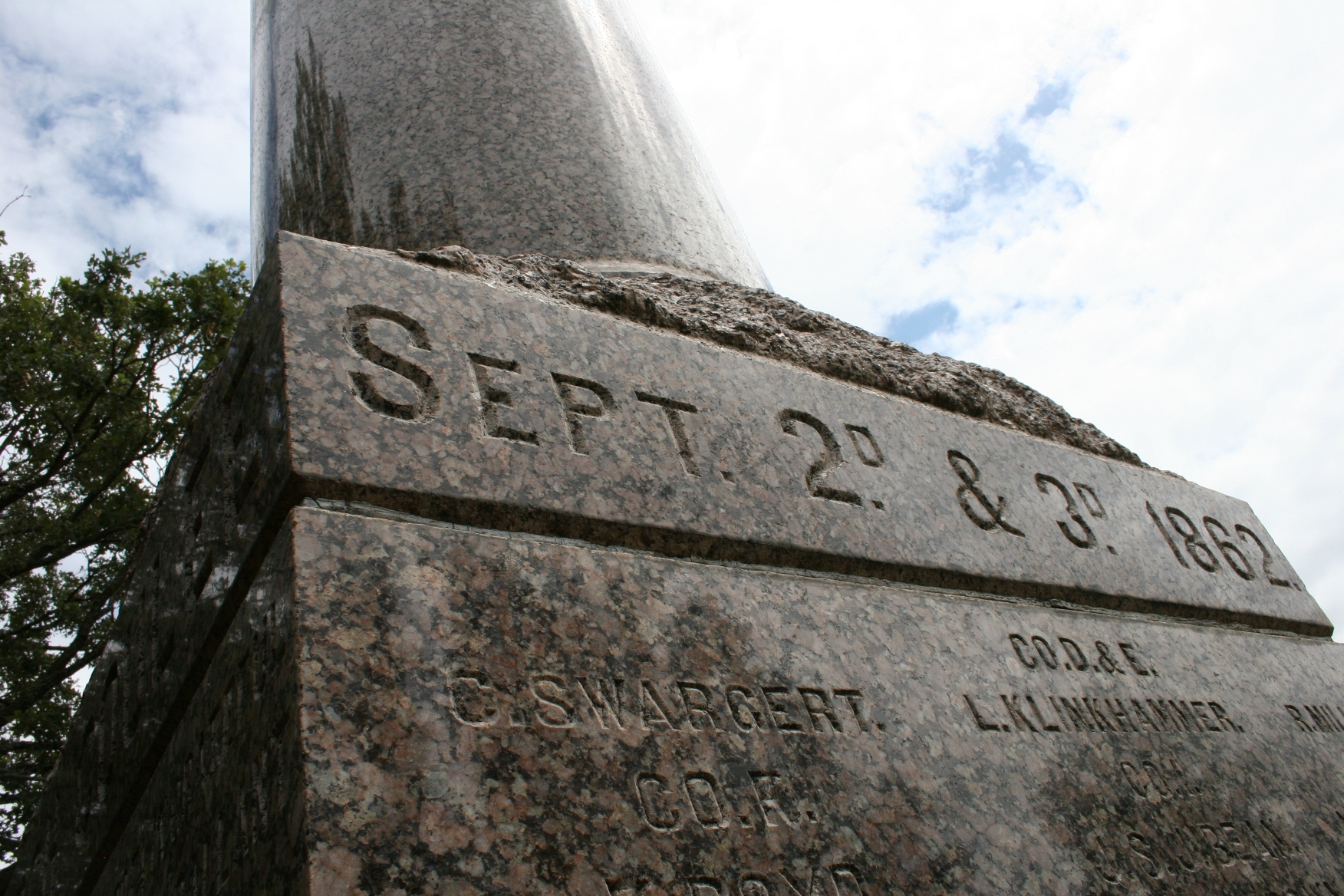
A marker honors soldiers and citizens at the Birch Coulee Monument near Morton. White men and Native Americans fought in the battle at Birch Coulee on September 2 and 3 during the U.S.-Dakota Conflict of 1862.

IF EVER A WAR suffered an identity crisis, it would be the U.S.-Dakota Conflict of 1862. I’m not stating that lightly or in any manner that would indicate disrespect to anyone.

But, in all honesty, I sometimes don’t know how to label the battle between the Dakota people and the white people. I’ve struggled for years with that issue, most recently while writing an essay “Strong Words on Strong Stone at Birch Coulee,” published in Hidden History of the Minnesota River Valley by Elizabeth Johanneck.

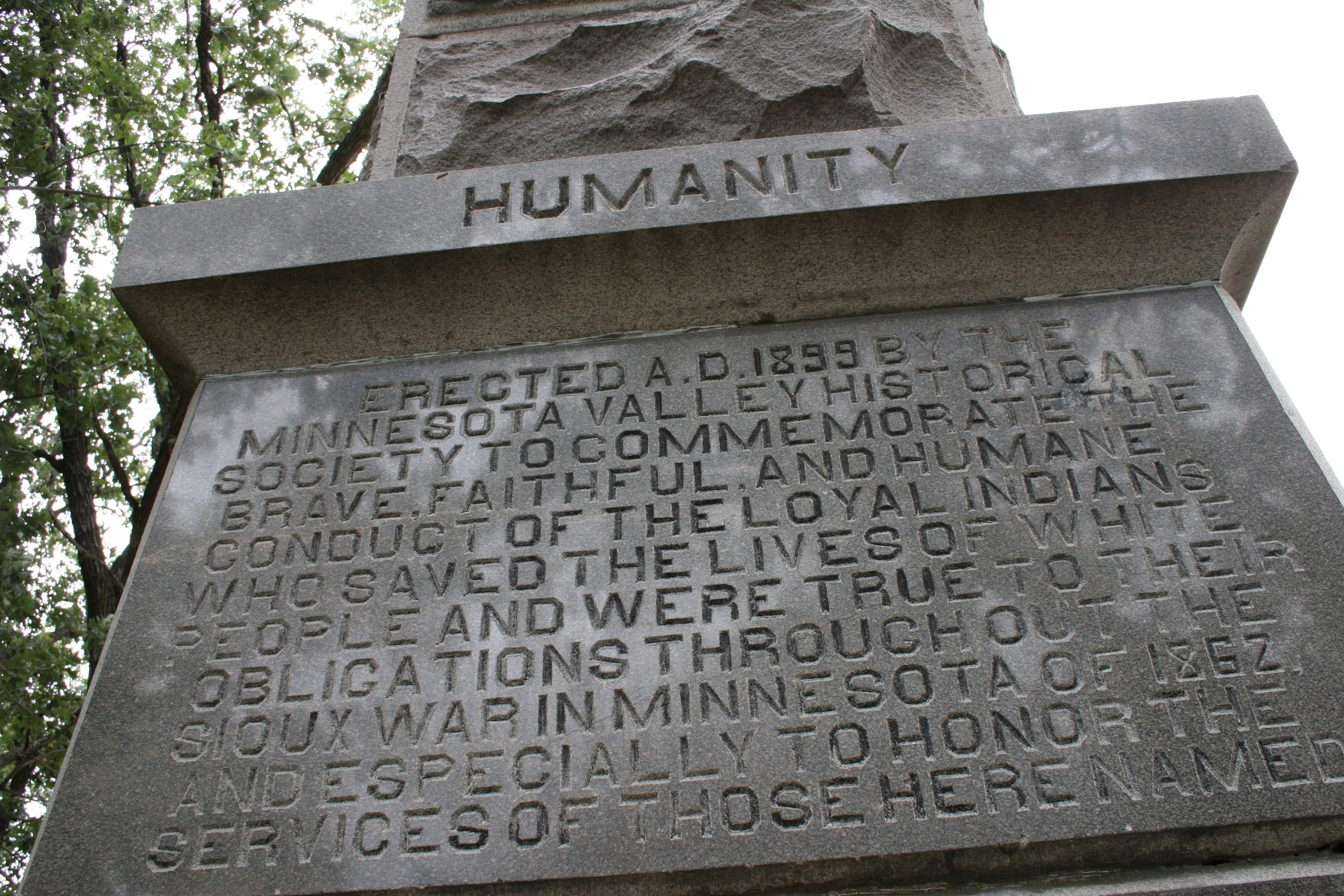
The Loyal Indian Monument at Birch Coulee Monument honors Native Americans and features strong, uppercased words like HUMANITY, PATRIOTISM, FIDELITY and COURAGE.

Back in the 1970s, when I wrote a high school term paper on this conflict, I tagged my research as “The Sioux Uprising of 1862,” the accepted designation then. Prior to that, the word “massacre,” which seems entirely too biased and accusatory, denoted this event in Minnesota history. The conflict has also been termed as an “outbreak,” to me a tag more fitting of a disease.

The name evolved next to “The Dakota War of 1862” (still used by many) and then to the prevailing current-day usage, “U.S.-Dakota Conflict of 1862.”

Apparently, though, that label isn’t set in stone. Recently, while touring the Rice County Historical Society Museum in Faribault, Director Susan Garwood and I discussed the title while standing next to a recently-restored Civil War battle flag carried by Co. C Sixth Minnesota Volunteer Infantry.

Today the word “rebellion” has even been tossed about in defining the conflict, Garwood says.

Right or wrong, I find it interesting that, 148 years after this “war” or “conflict” (or whatever word you choose to define it), the discussion continues. To me, the identity seems to switch with new insights, changing attitudes and/or political correctness.

Garwood also shared that more and more, historians are leaning toward viewing this conflict between the Dakota and the white people as part of the Civil War. After all, Minnesota soldiers, like the Sixth Regiment, fought against the Confederacy and defended the settlers against the Dakota. I suppose in many ways this makes sense since the wars between the North and the South and between the Dakota and the white men occurred simultaneously and were intertwined in defining the history of Minnesota and of this country.

Two Minnesota sites, Fort Ridgely and the location of the Battle of Wood Lake, are among nationally-designated Civil War battlefields. Both have been ranked by the Civil War Sites Advisory Commission of the National Park Service as “needing additional protection.” A Wood Lake Battlefield Preservation Association is working to preserve the battleground that marked the end of the U.S.-Dakota Conflict.
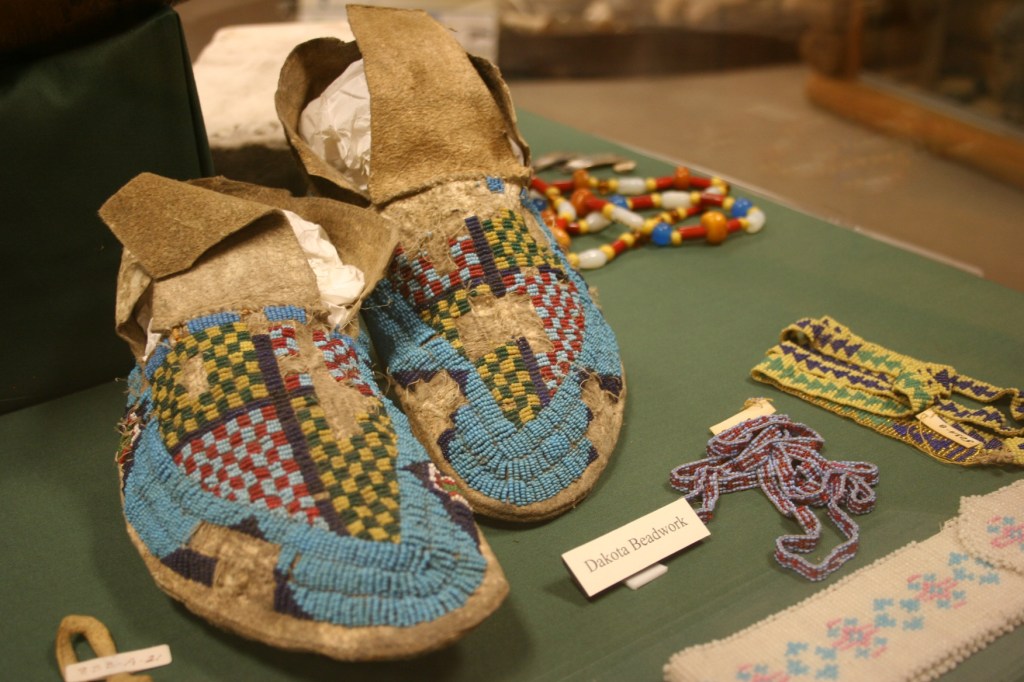
Dakota beadwork displayed at the Rice County Historical Society Museum in Faribault.

I expect that differences in opinion will always exist regarding the “correct” terminology and historical connections for the U.S.-Dakota Conflict of 1862 just as differences exist among people.

I grew up within 15 miles of the Battle of Wood Lake on land that lies between the Upper Sioux Community and the Lower Sioux Indian Community, so I am well aware of the differing perspectives and, yes, even prejudices and discontentment, that lingered when I left the area 36 years ago and which continue today.

Now as the 150th anniversary of the 1862 U.S.-Dakota Conflict approaches in 2012, I wonder, even worry, that deeply-rooted bad feelings, misunderstandings, bitterness and misconceptions will roil to the surface.

I hope that respect, rather than disrespect, define this remembrance.

Already, some efforts are underway to assure that the 150th commemoration includes reconciliation. According to an article in the New Ulm Journal, German polka dancers and Lower Sioux Community chanters, drummers and dancers performed earlier this week at a joint concert in New Ulm, site of several major clashes during the U.S.-Dakota Conflict.

A 150th Anniversary Steering Committee of the U.S.-Dakota War of 1862 has formed and launched a Web site, http://BrownCountyDakotaWarCommemoration.com. Currently, a contest is underway for a logo that represents the U.S.-Dakota War of 1862. The winning design will be used to promote commemorative activities planned for August 2012.

Although nothing has been finalized, committee member Kim Janke tells me her group is planning battle site tours; marker dedications; symposiums; a banquet; dedication of a Brown County Museum exhibit on the War of 1862, “representing the pioneers, Native Americans and what happened during the war;” and more.

All of this gives me hope that someday, perhaps soon, all of us, no matter our differences regarding the U.S.-Dakota Conflict of 1862, can stand together, reconciled, in an unbroken circle of peace.

Dakota beaded moccasins exhibited at the Rice County Historical Society Museum.

© Copyright 2010 Audrey Kletscher Helbling


Brave Bambi and the brainless driver July 14, 2010

Filed under: Uncategorized — Audrey Kletscher Helbling @ 7:09 AM
Tags: , ,

AREN’T FAWNS CUTE?

Yup…until one dashes in front of the car your 16-year-old son is driving.

Fortunately, I wasn’t in the car when Bambi decided that crossing the highway would be a grand idea.

My husband, Randy, who was sitting in the passenger seat, shared the details, out of earshot of our boy. I didn’t want to inquire in our teen’s presence. He’s logging hours and practice time to try for his license. Why unduly upset him?

Rather, we praised him for his quick, and proper, response. No swerving, just braking.

By some miracle, the deer and car did not collide. Randy still can’t figure it out, says the car was as close to hitting the fawn as a vehicle can be.

But the deer wasn’t his only concern. No sooner had our son braked than his dad barked, “OK, go!”

He feared that a tailgating car would slam into the back of their car on this winding, hilly back county road between Faribault and Northfield.

That, of course, led to a discussion about distracted driving, bad driving habits (like texting and talking on cell phones) and the fact that too many people are in too much of a hurry. We ranted for awhile.

And then we pondered, or at least I pondered, what could have been if Bambi and the Brainless Driver had collided with the car driven by our son, our precious, precious son.

© Copyright 2010 Audrey Kletscher Helbling
 

My daughter experiences Argentine healthcare: A “nice” doctor, but… July 13, 2010

Filed under: Uncategorized — Audrey Kletscher Helbling @ 7:15 AM
Tags: , , ,

“I THOUGHT I SHOULD let you guys know that right now I am sick…”

This is not the e-mail news I want to read from my 22-year-old daughter who is living in Buenos Aires, Argentina. She has a fever, runny nose and a cough, all the symptoms of H1N1.

Unfortunately, I am well aware that a year ago Argentina suffered a major outbreak of the illness with a death rate (1.6 percent) more than three times the world average, according to a July 3, 2009, New York Times article. Yet, those deaths ran behind Mexico and the United States. Currently the World Health Organization reports that Argentina has “low activity and only sporadic detections of both pandemic and seasonal influenza viruses during the early part of winter.”

Yet, this provides little reassurance to me, a Minnesota mom with an unvaccinated daughter nearly 6,000 miles away who is exhibiting H1N1 symptoms.

Didn’t I tell her to get the H1N1 vaccine last winter at the University of Wisconsin, La Crosse, where she was finishing her senior year of college? She didn’t and I didn’t push the issue. Now I regret my lackadaisical attitude.

“Please don’t worry about me; I’m sure I will be better soon,” my daughter writes. “I’ve been drinking lots of water and tea. Also, my roommate Lucas has been taking really good care of me, bringing me soup, Kleenex, tea, water etc. Later today when he gets home from work he is going to go w/ me to the doctor.”

OK then, she tells me not to worry, but she feels sick enough to see a physician. This is not good.

But I am here, she is there and I can’t exactly bring her chicken soup. So, as any responsible mom would do, I worry and await her next e-mail.

The next morning she updates me. She doesn’t have H1N1, but a viral infection that should clear up in three days. My daughter relays that the doctor was nice and seemed competent, checking her temperature, blood pressure, heart, throat, symptoms, etc., “all the normal stuff they do in the States.” Alright then, that’s good.

But then she tells me about the free public clinic. “The clinic was probably the worst clinic I’ve ever been to. We had to wait forever to see the doctor, and they only had super-uncomfortable wooden benches in the very cold waiting room. After a while, I decided it would be more comfortable to sit on the floor b/c I could at least put my head against the wall, and Lucas covered me up w/ his jacket. This was a good idea b/c it was indeed more comfy and then 2 different doctors came up to us and tried to get us in sooner b/c I probably looked like crap. Also, the bathroom there was EXTREMELY disgusting! I don’t think any of the toilets flushed, there was no toilet paper (thankfully I had some Kleenex w/ me), and the sinks weren’t working.”

OK, up until that revelation, I was feeling better.

© Copyright 2010 Audrey Kletscher Helbling


Who are these marauding invaders anyway? July 12, 2010

Filed under: Uncategorized — Audrey Kletscher Helbling @ 7:21 AM
Tags: , , ,

OK ALL OF YOU nature-loving entomologist types out there. I need your help.

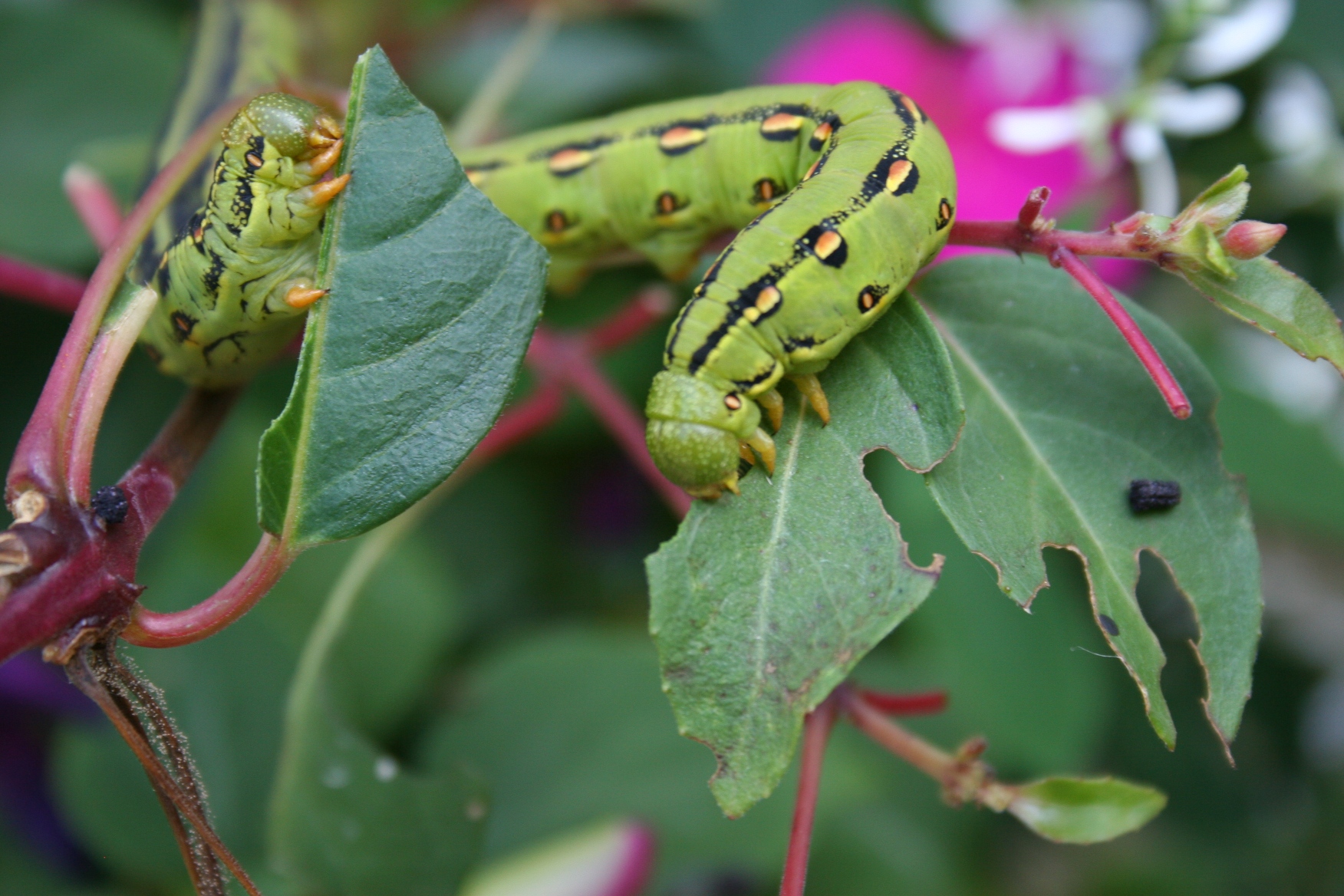
A swarm of larvae has descended upon my potted fuchsia and I would like to identify these invaders.

At first I thought the caterpillar rather cute as I observed an ant scoot across its back and back. Note the singular word “caterpillar.”

An ant about to embark on a journey across the back of this unidentified larva on my fuchsia.

The larva squirms, reacting to the ticklish feet of the ant and that amuses me.

That was day one.

ON DAY TWO, the singular became plural as I counted some 25 larvae feasting on my fuchsia. Did the scout report back, “Hey, this way, over here, look what I found!” followed by “Forward, march!”  from the commander? The powerful army had stripped away the leaves, decimating the unguarded plant.

The larvae stripped the leaves from one fuchsia and were working on the second plant in an adjacent pot.

Munch, munch, munch. The fuchsia leaves quickly disappear.

Then I stood by as a caterpillar consumed an entire leaf, just like that. Now you see it, now you don’t.

They were entertaining, but certainly no longer cute.

I am determined to determine what type of infestation I have in the pots on my driveway. I consulted a master gardener who works at the library and sent me home with Butterflies and Moths, a Golden Guide, published by St. Martin’s Press. She thinks I may be dealing with White-lined Sphinx larvae. Maybe.

But I am confused because these creatures differ in appearance. Are some male, the others female? Does their maturity or size—some are skinny and others are, well, chubby—change their look?

See how this larva differs in appearance from the one in the image above?

Just a different shot of the same larva. FYI, I'm told the pointed "horn" is the tail. Right or not?

Online research confuses me even more.

So, if you are in the know, please give me your two or three or five cents worth. Heck, I’ll even take a dollar’s worth of knowledge.

And, as long as you’re answering my questions, I would like to know why these creepy crawlies prefer fuchsia to the untouched Diamond Frost, non-stop begonia, Wandering Jew and impatiens planted in the same two pots.

From my female perspective, I’m pondering, “Could fuchsia be the equivalent of chocolate to these larvae?”

© Copyright 2010 Audrey Kletscher Helbling
 

A family of the faithful at Moland Lutheran Church July 11, 2010

Filed under: Uncategorized — Audrey Kletscher Helbling @ 12:12 PM
Tags: , , , ,

Moland Lutheran Church, rural Kenyon, Steele County, Minnesota.

IF YOU LOOK BEYOND the pews, the altar, and the stained glass windows, if you listen beyond the music and the sermon and the scripture readings, you will find, within a church, a family.

Here’s what I mean. Recently while photographing an old country church in southeastern Minnesota, I began to notice the personal touches that made me feel welcome, like I had stepped inside someone’s home.

Yes, women greeted me at Moland Lutheran Church during the congregation’s annual Strawberry Festival. But no one showed me around. I simply meandered on my own, with my camera, absorbing my surroundings. And that’s what I prefer.

Perhaps because I’m a writer and a photographer, I take note of my environment more than an ordinary person. I am drawn to that which others might simply pass by.

But rather than try to explain all of this to you, I’ll show you the discoveries I made inside and outside this 1884 Norwegian Lutheran church, the discoveries that led me to a family of the faithful.

I photographed a section of a long photo showing Moland church members gathered for the congregation's 50th anniversary celebration in 1930. The image hangs just outside the nave.

The Henry Underdahl family gifted a memorial stained glass window to the Moland Lutheran Church. Such memorials are a common way to honor family members and their legacy of faith.

I discovered this service roll in the narthex listing congregational members called to serve their country. I found this especially touching. Perhaps congregations should revive this public way of honoring those in the military.

Even after family members have departed this life, their memories are as close as the graves that surround Moland Lutheran. I imagine that many of the early members who filled the pews here also worked the land.

FOR MORE INFORMATION and photos of Moland Lutheran Church, please check my previous posts, “They serve the best food in Minnesota church basements” (posted July 1) and “In praise of preserving country churches” (posted July 7).

© Copyright 2010 Audrey Kletscher Helbling
 

And the winner is… July 9, 2010

Filed under: Uncategorized — Audrey Kletscher Helbling @ 7:37 AM
Tags: , , , ,

DEAR READER,

Please allow me to humbly boast today. (Can I be humble and boast?)

On Wednesday I won the equivalent of the Oscar or the Emmy in blogging. Well, maybe that’s an exaggeration, but…WordPress.com featured my blog post, “In praise of preserving country churches,” on its homepage, in Freshly Pressed.

Big deal, you say. Yes, it’s a very big deal. You see, among the hundreds of thousands of WordPress blog posts out there in the world—and we’re talking like 330,000 or so published on Wednesday—mine was selected as among “the best.” Only 11, that’s as in 10 + 1, were picked for Freshly Pressed.

I shot this picture of Freshly Pressed on my computer Thursday morning. The numbers change often, reflecting changes in post counts. Go to WordPress.com and click on "Earlier" at the left bottom of the screen to find my post.

So now you can understand why I’m giddy, thrilled, happy, elated, and whatever other adjective you may select to describe a blogger who’s overwhelmed with this sudden rise to notoriety in the WordPress blogosphere.

And here’s the interesting aspect of this whole event. I had no clue, absolutely no clue, that I was in contention for this prize. Until Wednesday, I had never heard of Freshly Pressed. Sorry, WordPress.com. But I expose this ignorance to clarify that I don’t write for the fame.

My first hint that something big was brewing for me came in a reader comment. Jason wrote, in part: “I was glad to see this on the freshly posted category on WordPress!”

Huh? So I googled and discovered that WordPress.com daily chooses about 10 posts that “represent how WordPress.com can be used to entertain, enlighten or inspire.” Five guidelines are listed for writing posts that increase your odds of making Freshly Pressed:

  • Write unique content that’s free of bad stuff.
  • Include images or other visuals.
  • Add tags.
  • Cap off your post with a compelling headline.
  • Aim for typo-free content.

Apparently “In praise of preserving country churches” met those criteria.

The homepage of WordPress.com, as photographed Thursday morning. My "In praise of preserving country churches" blog post is on the lower right and was categorized under "art."

And then I got to the warm and fuzzy part: “Why do we do all this? It’s our way of saying we like you. We really like you.”

Well, Freshly Pressed, I really like you, too. As promised, traffic to my blog has soared. Typically I get about 150 views daily. On Wednesday that skyrocketed to 1,052. The following day my numbers still remained high.

Likewise, more readers than ever are commenting, which is good, but also sucks up a lot of time screening and posting. But, hey, I’m not complaining. I value reader interaction.

This “award” from WordPress.com validates that I can blog, and blog well. Considering that I launched Minnesota Prairie Roots only a year ago, I am truly amazed that I have achieved Freshly Pressed status.

My work also has been noticed here in Minnesota as my posts have been featured on Minnesota Public Radio’s Minnesota Today “Blog Box.” and in MinnPost’s “Minnesota Blog Cabin.”

Yet, I don’t blog for the glory, at least not my glory. I blog because I am passionate about writing. I have to write. I love to write. And if in the process my writing is recognized, then that is just reassurance that I am using my God-given talents as I should be.

Audrey

© Copyright 2010 Audrey Kletscher Helbling


Inspired by Dr. Seuss: My sister’s fat cat July 8, 2010

Filed under: Uncategorized — Audrey Kletscher Helbling @ 6:38 AM
Tags: , , ,

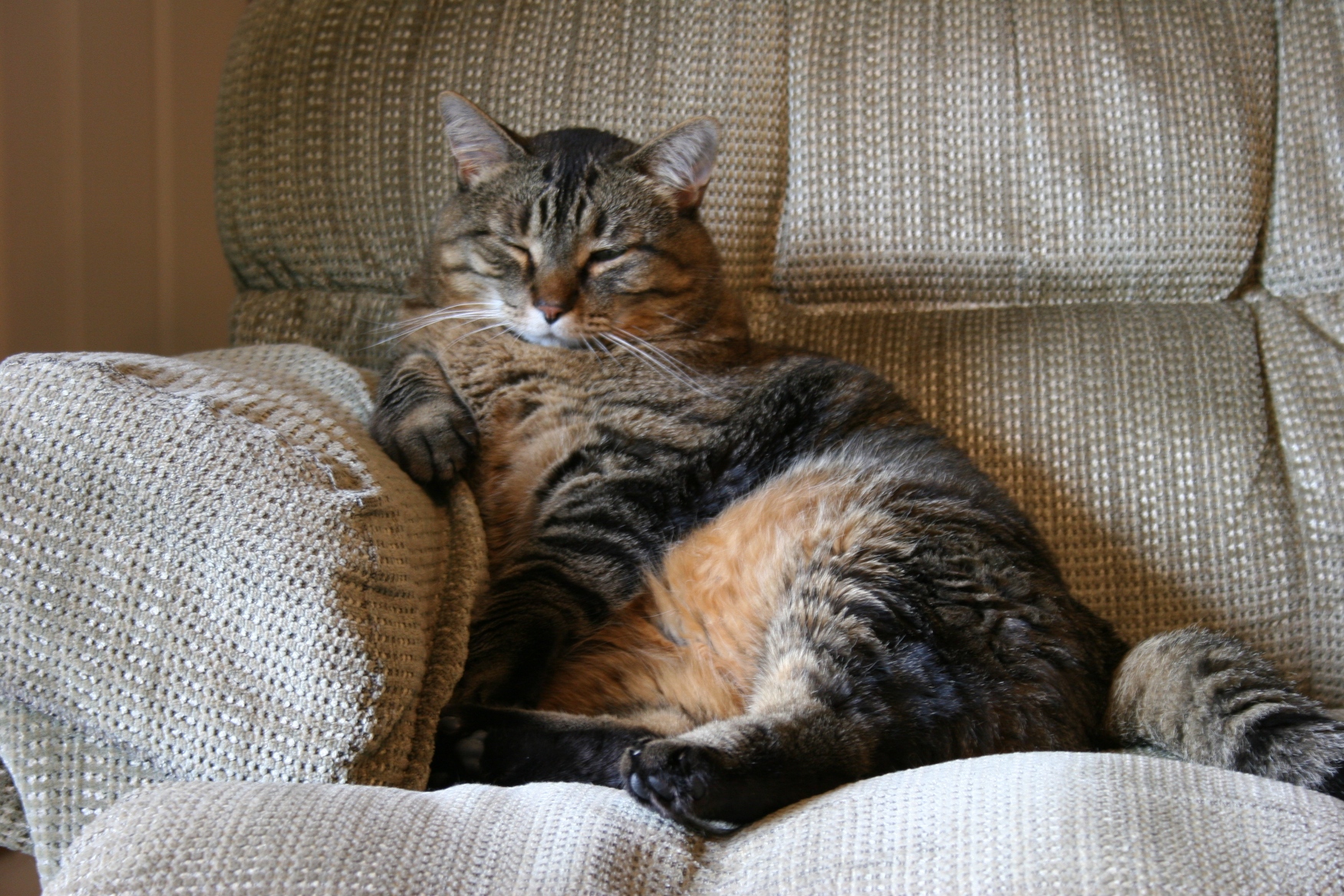
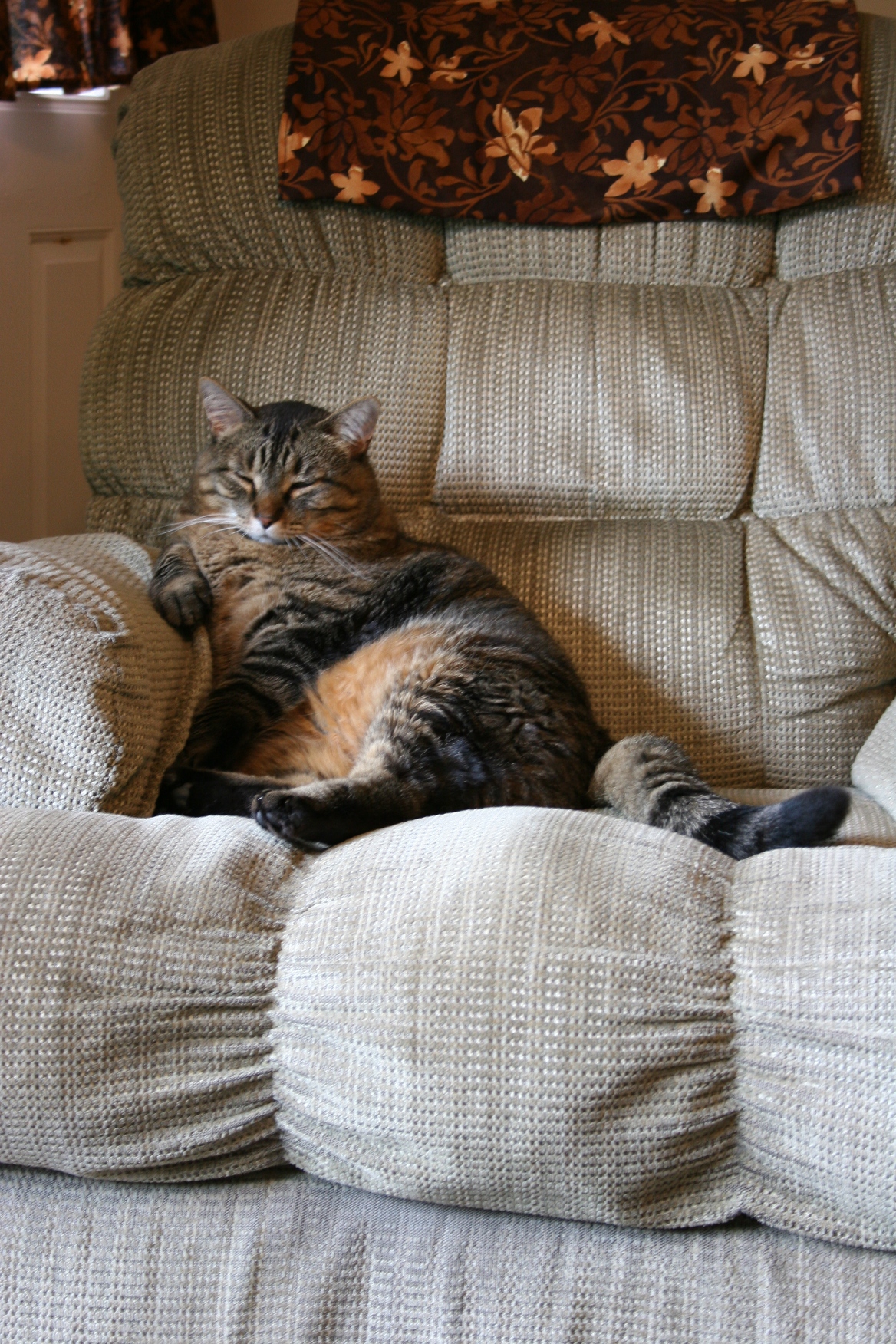
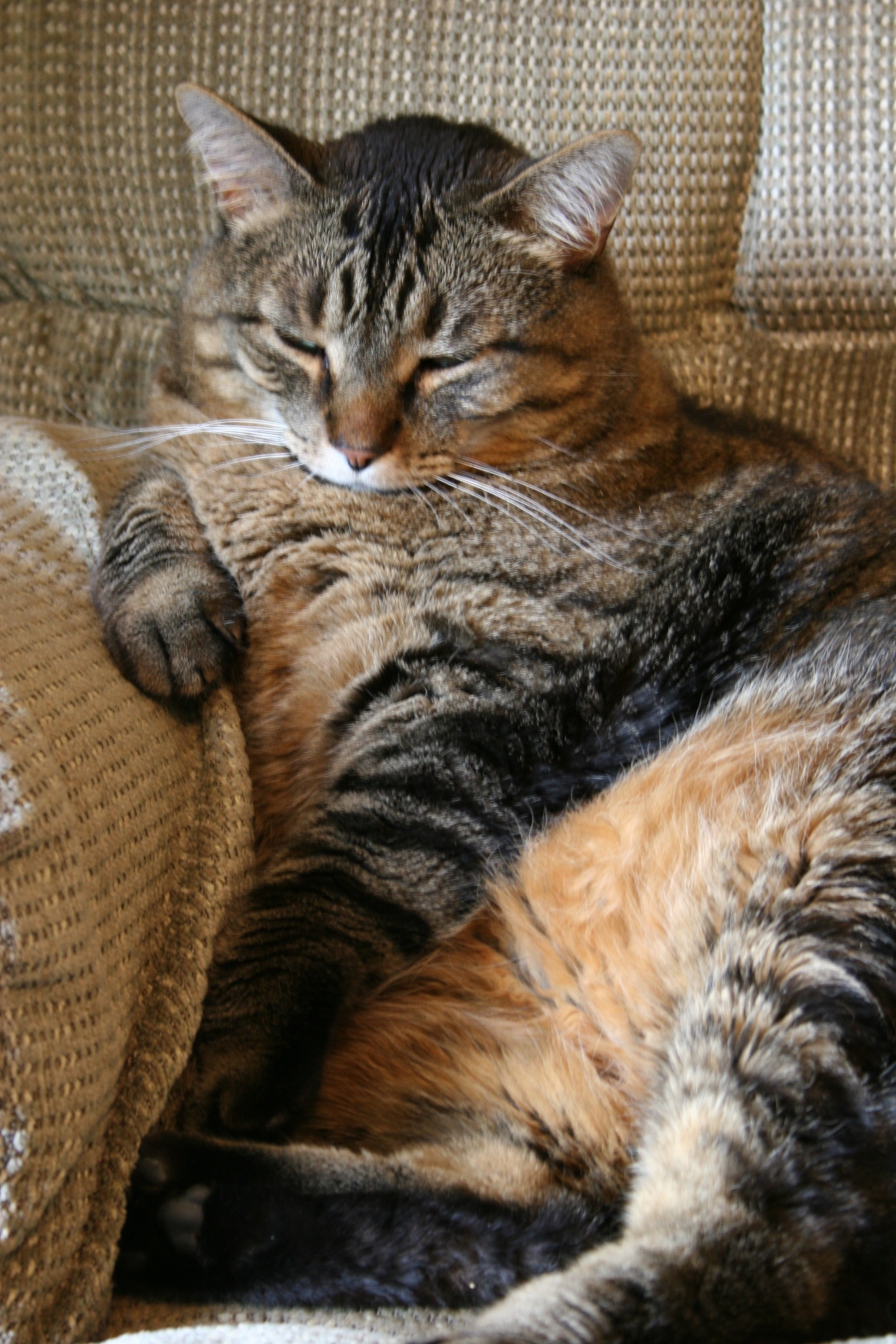
That fat cat sat,

sat in a chair.

Without a care

sat that fat cat

with his kingly air.

© Copyright 2010 by Audrey Kletscher Helbling


In praise of preserving country churches July 7, 2010

Filed under: Uncategorized — Audrey Kletscher Helbling @ 7:16 AM
Tags: , , , , ,

Moland Lutheran Church, a Norwegian Lutheran church south of Kenyon.

ONLY IN RECENT YEARS have I begun to truly appreciate the old churches that dot the Minnesota landscape, their steeples rising heavenward directing the faithful to worship.

Whenever the opportunity arises these days, I slip inside these reverent rural respites to reflect upon the holiness that resides therein. The more churches I visit, the more I am convinced of the necessity to preserve these houses of worship for future generations.

Not only do I treasure the sacred aspect of their existence—rooted deep in the faith of immigrants who settled this land—but I also value the art and the history woven into the very fabric of these buildings.

Whether in stenciled ceilings, hand-carved pulpits, worn floorboards, hand-hewn pews, religious paintings or stained glass windows, I see care, craftsmanship, devotion to God everywhere.

I am inspired and uplifted simply stepping inside the doors of a country church.

Join me on this tour of the 1884 Moland Lutheran Church south of Kenyon in rural Steele County and see for yourself why old country churches like this are worth appreciating, and preserving.

Looking into the sanctuary of Moland Lutheran Church.

Fine craftsmanship is reflected in the handcrafted pulpit, altar and railing.

Art in the details of the Moland pulpit.

The altar painting was transported to the church by horse-drawn wagon from Faribault in 1893. A. Pederson painted this image of "Christ with outstretched arms" based on Matthew 11: 28 - 30 ("Come to me, all you who are weary and burdened, and I will give you rest...").

Norwegian words (I think from Matthew 11) are painted on the altar.

Beautiful details on the bottom of Moland's altar remind me of the altar in the church I attended as a child, St. John's Lutheran in Vesta. Sadly that church was not preserved and is today an apartment building.

© Copyright 2010 Audrey Kletscher Helbling

(Check back for additional Moland Lutheran Church photos to be posted on Minnesota Prairie Roots.)


Where will you find a log cabin library in Minnesota? July 6, 2010

Filed under: Uncategorized — Audrey Kletscher Helbling @ 8:42 AM
Tags: , ,

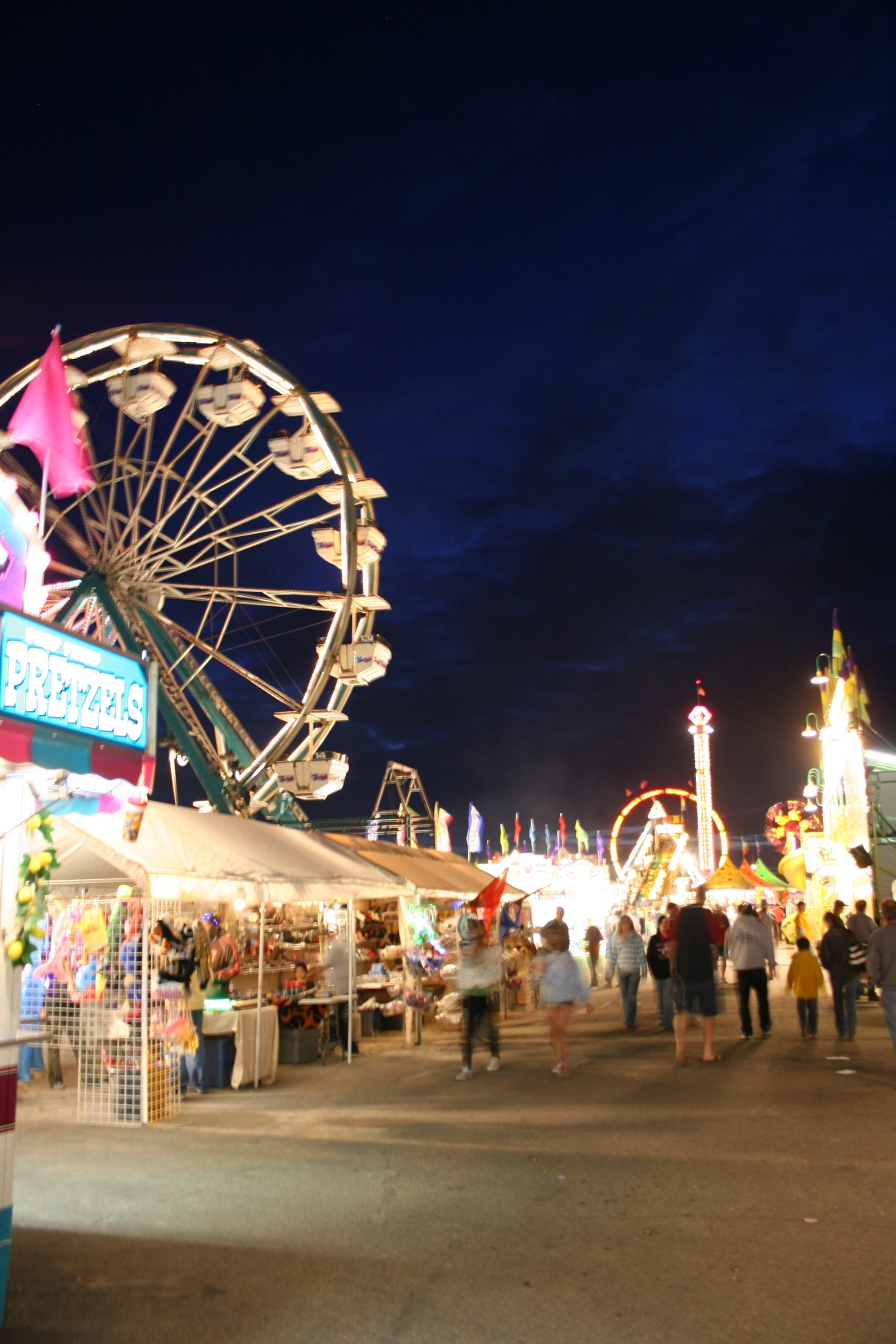
The 2009 Rice County Free Fair.

MINNESOTA MOMENTS’ July/August issue has just published.

And it’s jam-packed with stories from through-out the state, reaching north to Ely and dipping south to Winona.

The cover story focuses on Ely, selected as the magazine’s “Best hometown” for 2010. Now, I’ve never been to this nearly-into-Canada town. But after reading the package of stories, I think this would be worth the long trip north.

As for Winona, my oldest daughter attended college there, so I am familiar with this beautiful Mississippi River town, the setting for Kent O. Stever’s Fourth of July essay.

The other feature story in this issue isn’t really a story, but a photo essay. The eight-page spread highlights images I shot last summer at The Rice County Free Fair in Faribault. As an added bonus, we’ve included a “fair” poem by Frances Ann Crowley. As a published poet, I’m thrilled that we’re occasionally incorporating poetry into Minnesota Moments.

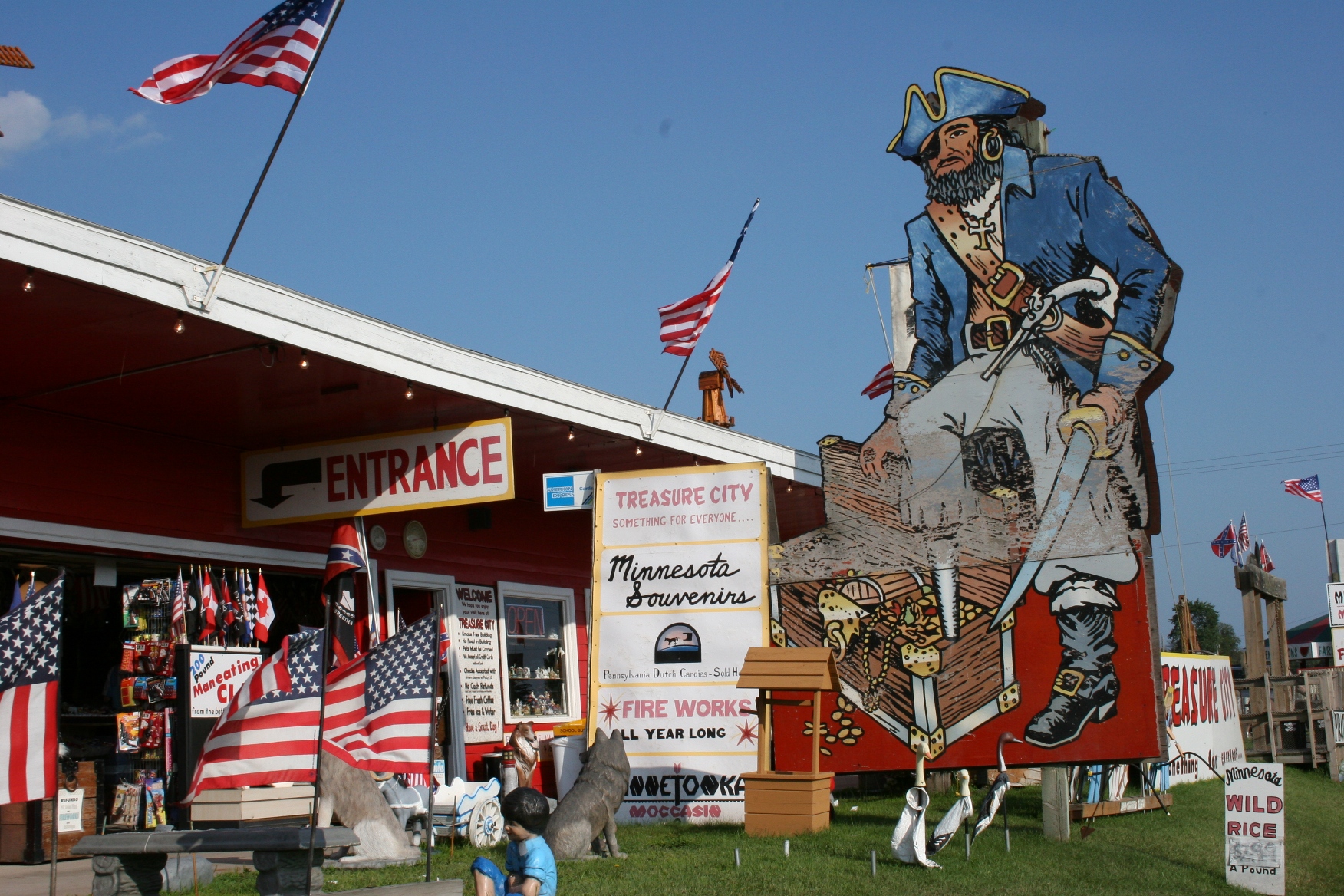
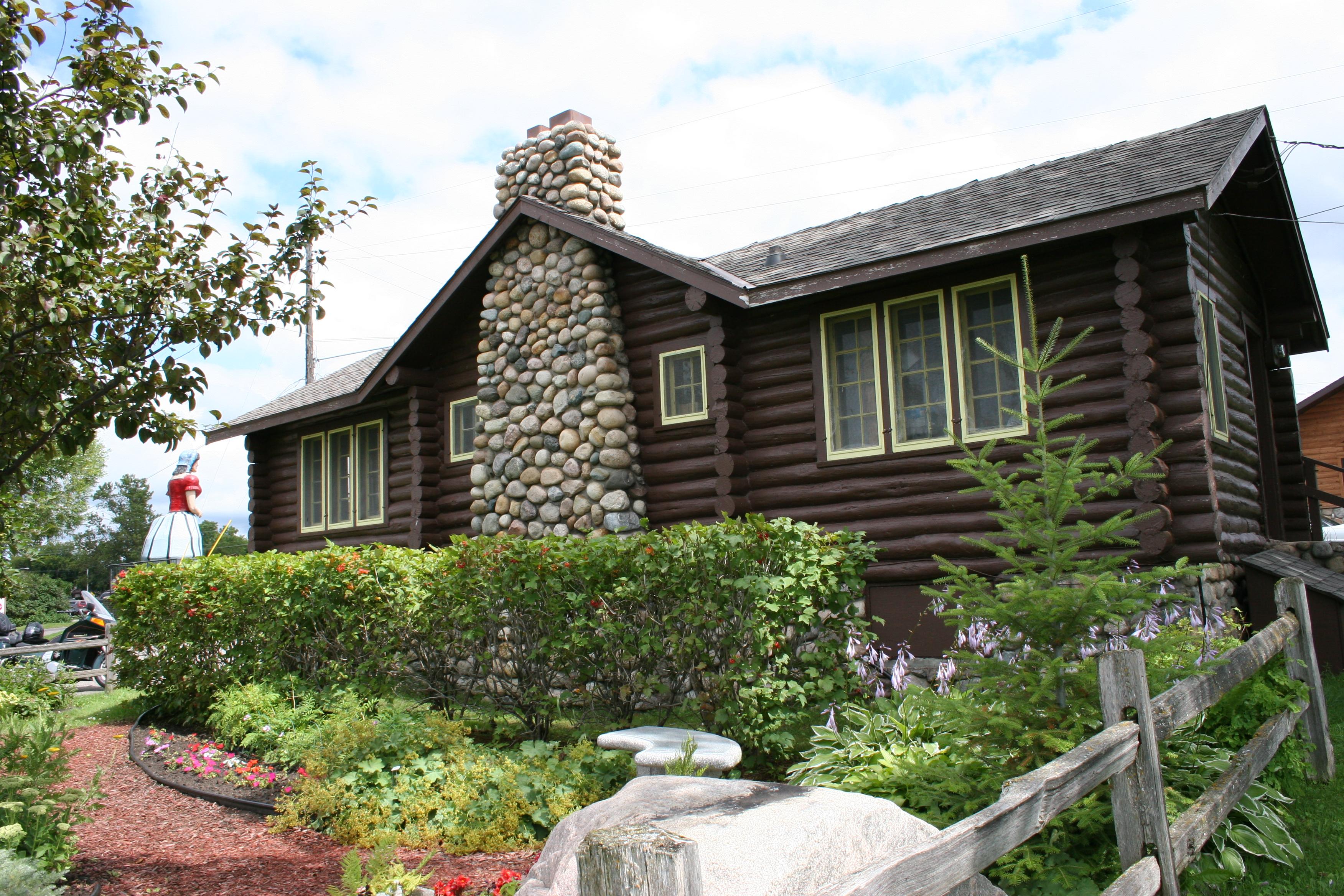
But mostly, I’m pleased to take readers on a journey with me to some interesting places I’ve discovered in Minnesota: Treasure City in Royalton, Franke’s Bakery in Montgomery, the Hackensack Lending Library in Hackensack, Roberds Lake Resort & Campground near Faribault and the Stars & Stripes Garage in Heidelberg.

Treasure City, a kitschy store in Royalton, Minnesota.

A lake-side view of the Hackensack Lending Library. Who is that to the left of the building? Find out when you read my Minnesota Moments story.

This donut sign is posted outside one of the places I write about in the July/August issue. And it's not Franke's Bakery in Montgomery.

I meet the most intriguing people and explore the most interesting places, mostly off the beaten path.

Also, as I do in every issue of Minnesota Moments, I review three books written by Minnesotans. And one is a book of poetry.

Finally, consider entering the Gingerbread Cookie Murder Recipe Contest sponsored by Kensington Publishing Corporation, publisher of New York Times bestselling author and Swanville, Minnesota native Joanne Fluke’s books. She has teamed up with two other writers to pen Gingerbread Cookie Murder, which releases in October. Contest rules and an official entry form can be found on the Minnesota Moments Web site at http://minnesotamoments.com/current/index.html.

© Copyright 2010 Audrey Kletscher Helbling