Minnesota Prairie Roots

Writing and photography by Audrey Kletscher Helbling

“Life can change in an instant”: A Minnesota family in need January 10, 2013

IT IS THE MOMENT we all fear—the late night phone call, the unexpected knock on the door.

For Nina Hedin, a young mother from Glencoe whom I highlighted in a magazine feature about 10 Minnesota bloggers, fear became reality on Saturday afternoon. Her husband, Tom, was seriously injured in a snowmobile accident.

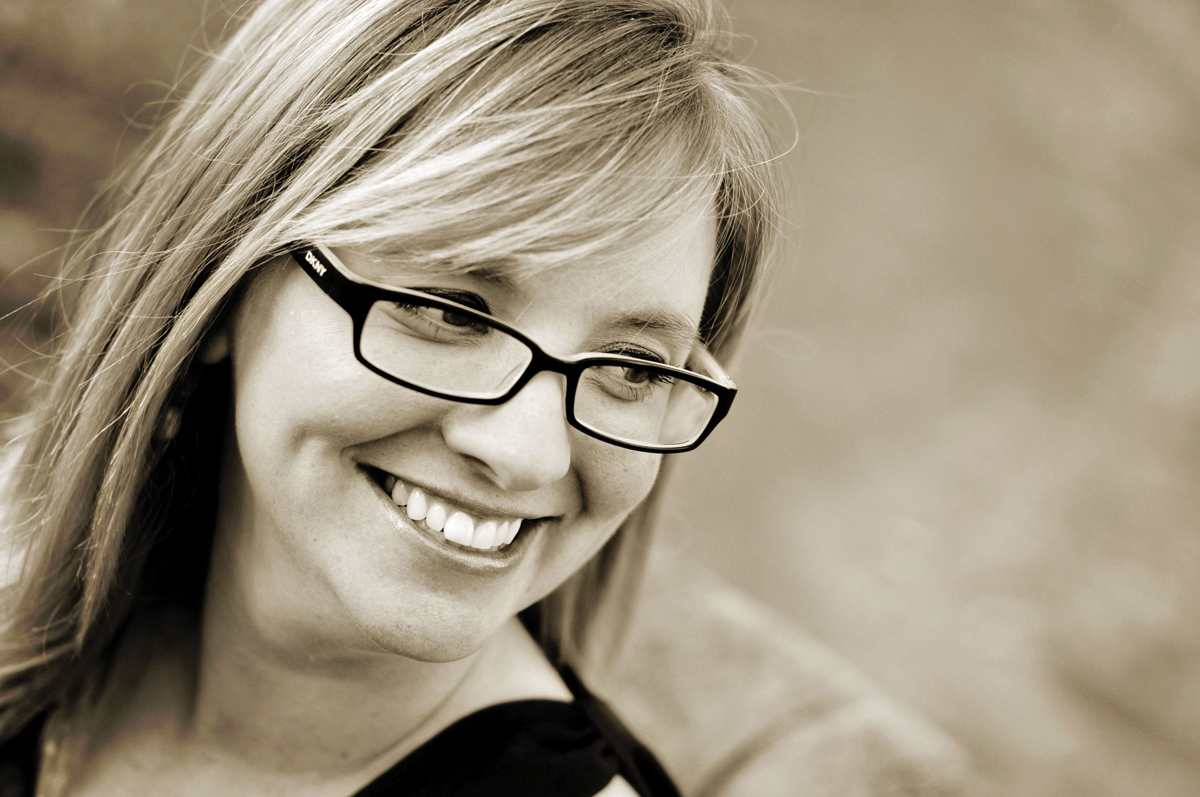
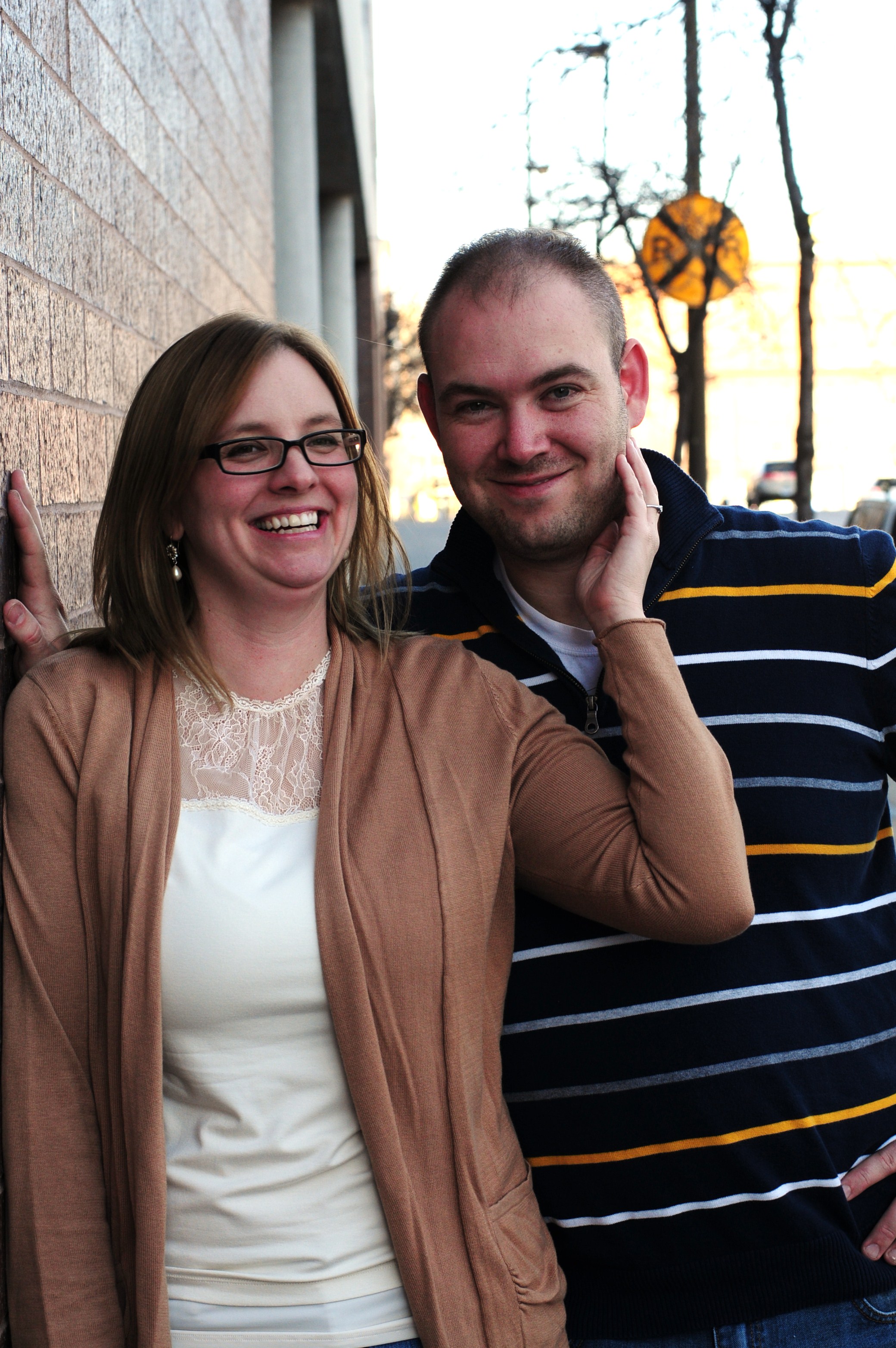
Photo of Nina Hedin published in Minnesota Moments, winter 2012 issue.

I got to know Nina about a year ago, when she was among 10 Minnesota bloggers highlighted in a feature I wrote for Minnesota Moments magazine. This photo of Nina published in that winter 2012 story.

Here then, in Nina’s words, is the beginning of her family’s new reality:

I’ve told this story so many times over the last two days that the words are flying out of my fingers and onto this computer faster than I am thinking them.

Saturday, January 5, Tom left after lunch to ride snowmobile a little bit; he was going to visit a friend just outside of town. Around 3 pm he had still not returned and he had not sent any messages or called. This was VERY unusual for Tom and I was worried. Normally he’ll be out for 30-45 minutes and always, ALWAYS sends me random text messages.

I called friends that Tom sometimes rides with to ask if he had been by.

I hopped online to see if he used our check card anywhere; maybe he stopped for something to eat or there would be another clue.

At 4:30 pm there was a loud knock at the door. My stomach dropped. I knew it would not be good. I knew it. The county sheriff told me that Tom was in an accident and was to be airlifted to HCMC.

Fear, panic, adrenaline…

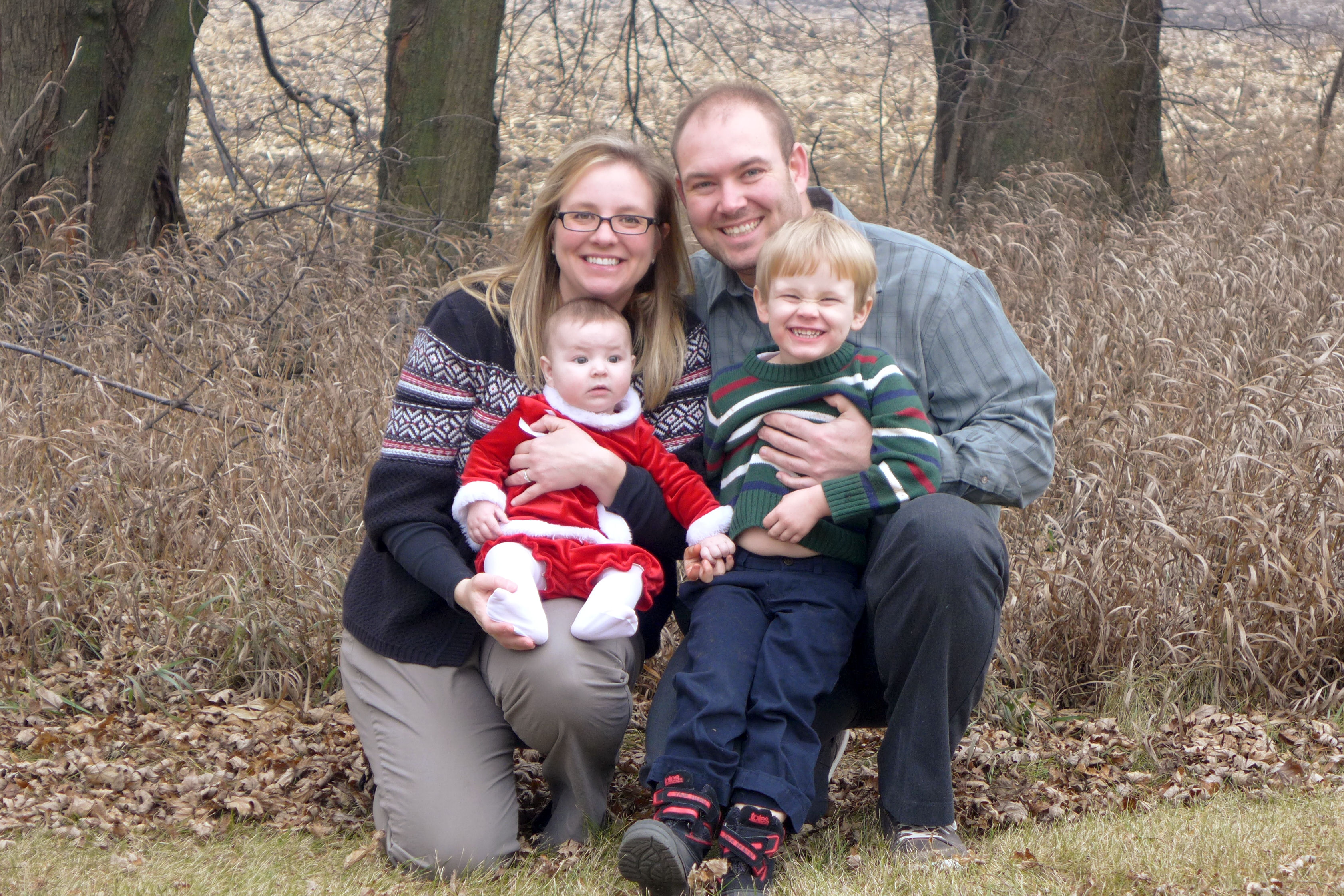
Nina and Tom Hedin with Jack and June.

Nina and Tom Hedin with Jack and June.

This, dear readers, breaks my heart. Even though I’ve never met Nina or her family, I remained connected to Nina after writing that initial magazine feature (which you can read by clicking here). I continued reading her The Adventures of Artsy Nina blog and we exchanged occasional emails. She is a vivacious, creative (she also runs two Etsy shops, Camp Honeybelle and Nina Baran Upcycled Vintage Jewelry)  and caring individual with a delightful sense of humor.

So when the call went out to Nina’s circle of blogging friends to share the Hedins’ story, I didn’t even have to consider. Helping someone in need, especially a friend, is the right thing to do. And the family needs assistance, both financially and in prayer.

Blogging about an evening out with her husband in early December, Nina wrote:  "We held hands and ran the short block home through the first snow fall of the season, laughing and enjoying the end of a good night."

Blogging about an evening out with her husband in early December, Nina wrote: “We held hands and ran the short block home through the first snow fall of the season, laughing and enjoying the end of a good night.”

Here again, in Nina’s words, are the injuries her beloved Tom suffered:

Injuries listed from top to bottom; brain hemorrhage and complications, fractured orbital (eye) socket, facial lacerations, fractured T6 vertebrae, broken and dislocated right wrist, broken left elbow and fractured upper arm, left knee cap broken with severed tendon and puncture wound, right knee ligament injury.

He faces a long, hard road to recovery. As of yet we are unsure of the extent of damage to the brain, and the recovery time/therapy needed for his limbs and back will take months.

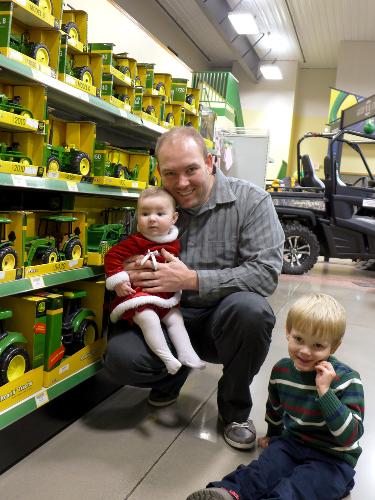
A recent photo of Tom with Jack and June.

A recent photo of Tom with Jack and June.

You can only imagine the insurmountable medical bills this couple in their early 30s, with two children, Jack, 3, and seven-month-old June, will face. An online “Help for Tom Hedin” account has been set up at GiveForward to assist the family with mounting medical and day-to-day expenses. The goal is to raise $100,000 by March 9.

Please consider offering your financial support by clicking here. Together we can make a difference and ease some of this family’s financial worries. Perhaps your friends, church group, family, co-workers, card club, coffee group, etc., can join efforts to collect monies for the Hedins. Every dollar, whether ten or 500, helps.

Because Tom has been with his current employer for only six months, he does not qualify for benefits under the Family and Medical Leave Act. He has been his family’s main source of financial support.

Please also pray for the Hedin family and their medical team. I am a firm believer in the power of prayer.

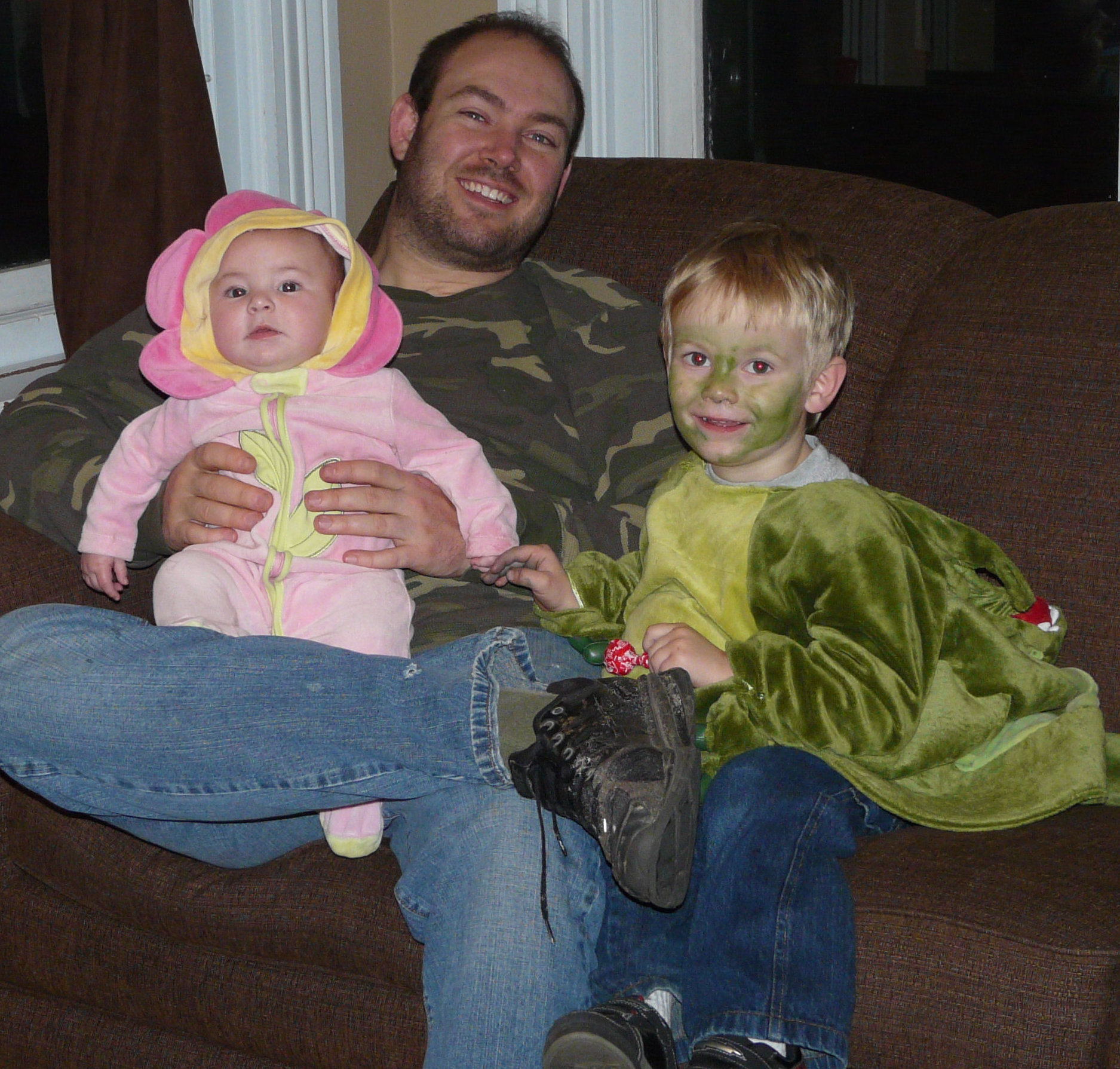
Tom with Jack and June at Halloween.

Tom with Jack and June at Halloween.

In closing, let’s listen to Nina one last time with this excerpt from her January 8 blog post, “Life Can Change in an Instant”:

It’s a cliche. You hear it all the time, think it some of the time, but you don’t really get it until something happens to you and yours.

Life as you know it can change in an instant.

Hug your kids, your husband, your mom, your dad, your neighbor, your friend. You never, ever know what that next moment might bring.

TO OFFER WORDS of encouragement and support and/or to read the latest updates on Tom’s condition, visit his CaringBridge website by clicking here.

NINA’S BLOGGER CIRCLE of friends is already posting her family’s story. Click here to read a post by Montana resident and former Minnesotan Bernie at One Mixed Bag.

Then click here to read a post by Beth Ann from Iowa at It’s Just Life. For every comment posted to her blog during January and February, Beth Ann is donating 50 cents to the Hedin family for medical expenses. This is part of Beth Ann’s ongoing “Comments for a Cause” campaign. So simply by commenting on any of Beth Ann’s posts during the next two months, you will be helping Tom, Nina, Jack and June.

© Text and photos copyright of Audrey Kletscher Helbling and Nina Hedin
Photos courtesy of Nina Hedin


What’s with all those dangling bras in downtown Fargo? November 8, 2012

SO…MY HUSBAND and I are driving through downtown Fargo Saturday afternoon, en route to Zandbroz Variety because I want to see Lake Region Review on bookshelves there. Sometimes I am vain like that. But I’ve had poetry published in the first two volumes of LRR and, as any writer will tell you, there’s a certain thrill in seeing a book, which includes your work, shelved and for sale.

I digress.

Before we reach Zandbroz, which rates as a quite cool variety store, we pass the Hotel Donaldson, locally referenced as the HoDo. This stately brick building anchoring the corner of First Avenue North and Broadway in the heart of downtown Fargo was built in 1893 as an Odd Fellows Lodge. Today it’s been transformed into a hotel, cultural and entertainment center and fine dining establishment. Not that I’ve been inside; I’ve only read this.

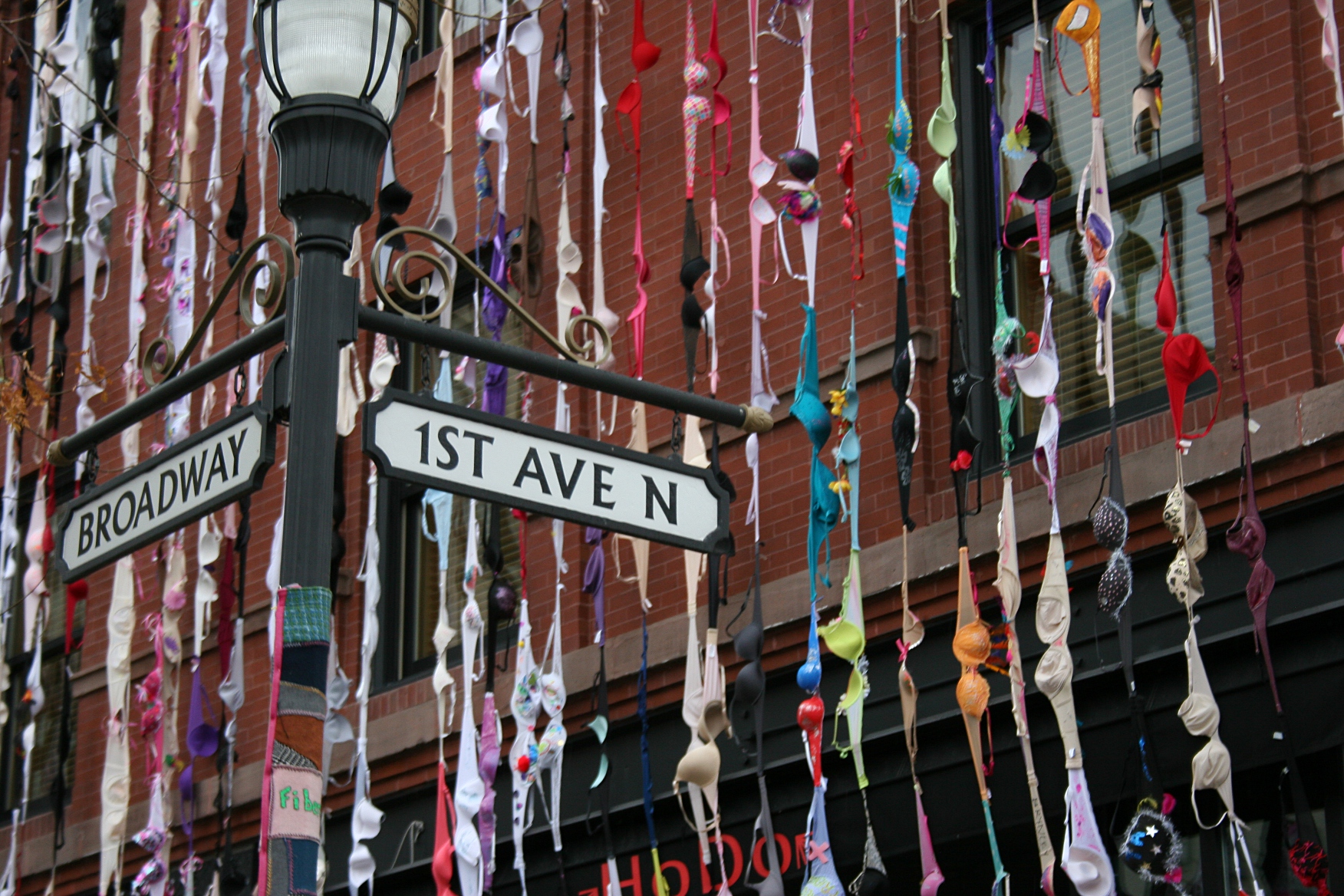
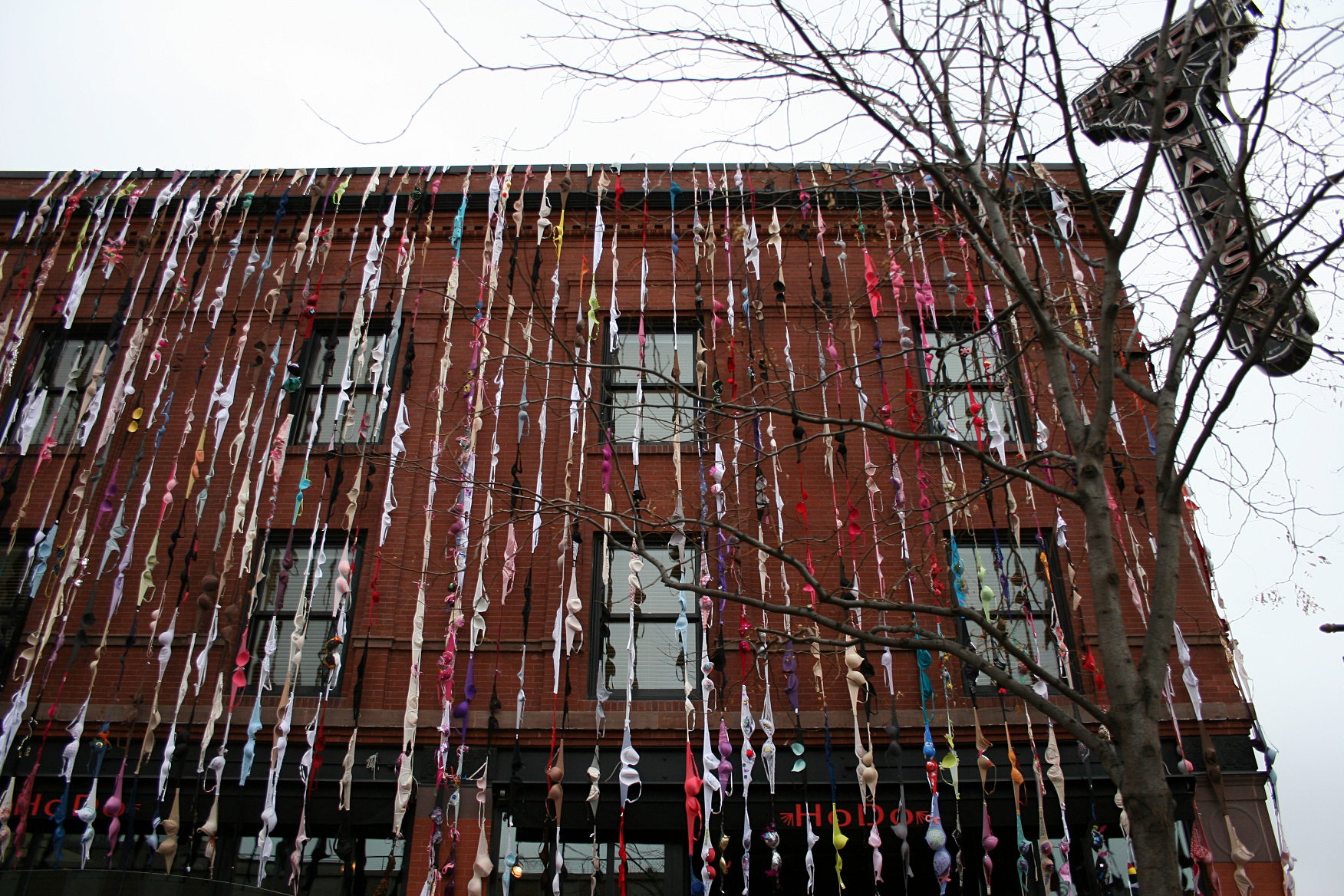
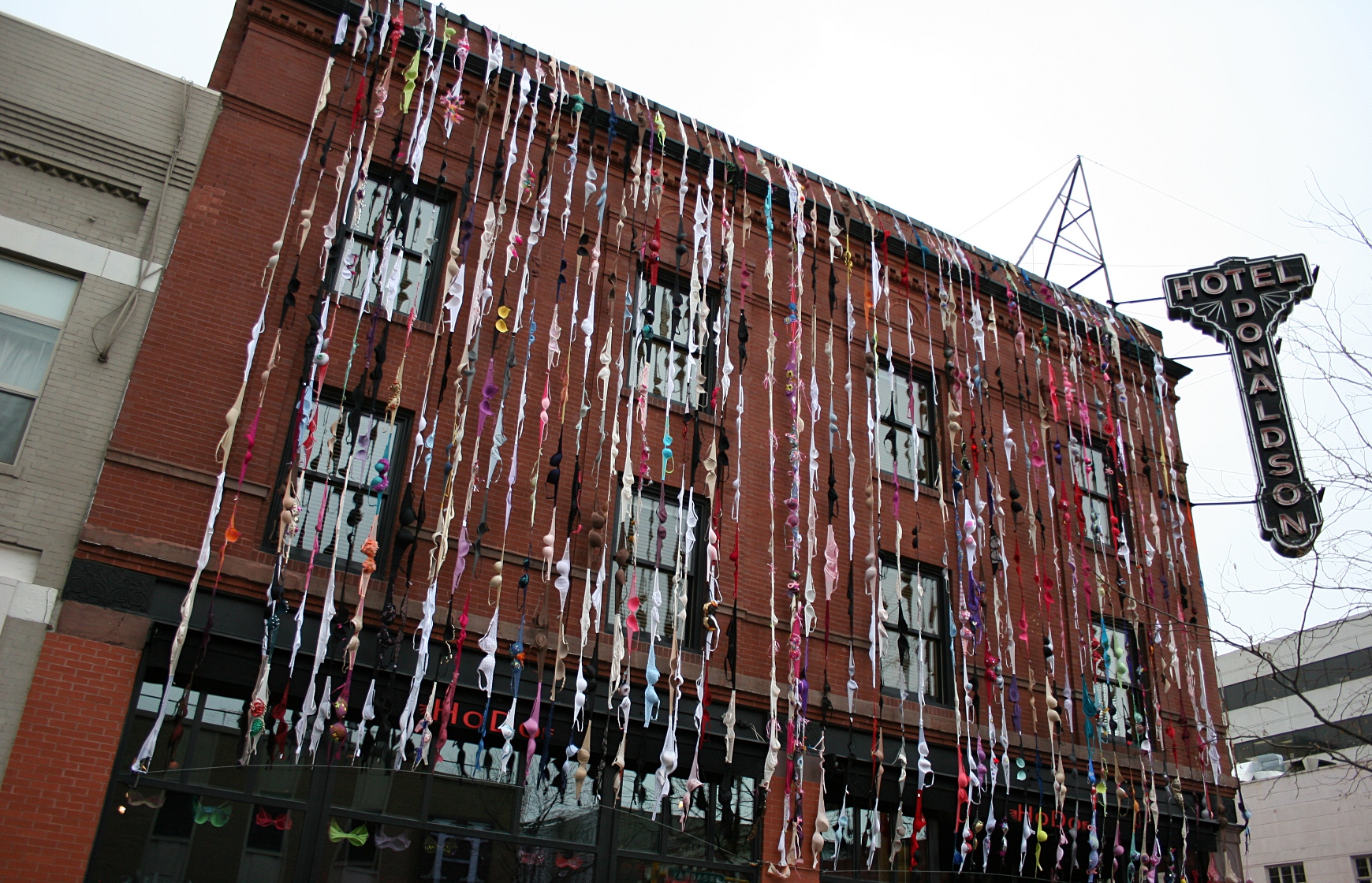
My first view of Bras on Broadway at the HoDo.

And for the month of October and apparently into November, the HoDo has become the canvas for Bras on Broadway.

Looking up on the First Avenue side of the bras dangling from the HoDo.

Yes, you read that correctly. The exterior of the HoDo is adorned/decorated/covered (choose your verb) in strings of bras reaching from rooftop to first floor window level.

The Bras on Broadway art installment on the corner of First Avenue North and Broadway.

Fortunately, as we approach the HoDo, the stoplight turns red, thus allowing me enough time for a quick photo shoot while we wait and then turn the corner onto Broadway. I try not to think about the mist as I stick my camera out the van window and aim the lens upward, hoping I will get a few publishable shots.

Turning onto Broadway, I shoot this scene of Bras on Broadway.

With no parking spaces available, I will figure out what the whole bra thing is about later. And so, at the variety store, I ask, “What’s going on with all the bras on that building?”

“It’s Bras on Broadway at the HoDo, raising funds for breast cancer,” I am informed, but do not press for details given Zandbroz is teeming with shoppers.

According to the Bras on Broadway website, the event “supports those in our area fighting breast cancer by providing accommodations, gas cards and wigs.” Last year $102,000 was donated to the American Cancer Society, bringing the six-year donations total to $264,000. (I couldn’t find a total for 2012.)

This October marks the seventh annual Bras on Broadway with monies raised in a variety of ways: For a minimum $5 and donation of “any old bra,” a bra can be added to the garlands of bras. Teams and individuals collect bras and monetary gifts. Sales of event related merchandise go toward the cause. Artists reinvent wearable and non-wearable bras that are auctioned off.

The Broadway side of the HoDo exhibit.

All of this Bras on Broadway fundraising apparently is finished for this year. Even so, I want to share this story and photos with you because, wow, something like thousands of bras dangling from an historic building in Fargo, of all places, grabs your attention.

And get this, Bras on Broadway hosted a “Deck the Bras” event at the Fargo Civic Center where anyone could bring bras and enhance them with bling and trinkets for the HoDo installment. The mobile mammography truck from the local medial center also showed up at the decorating party.

One final shot of Bras on Broadway as we drive past the HoDo.

Oh, and if you’re wondering, the first two volumes of the regional literary journal Lake Region Review are stocked at Zandbroz Variety, 420 Broadway, just blocks from the Bras on Broadway at the HoDo.

© Copyright 2012 Audrey Kletscher Helbling


The patriotic pride of Harley riders August 16, 2012

Bikers and others gather for a post hospice ride party at Faribault Harley-Davidson.

LONG GONE, at least in my mind, is the image of Harley riders as rough outlaw types roaring along our roadways, storming into towns, raising hell.

When they travel in a pack now, it’s usually for a purpose, like last Saturday’s fifth annual ride to benefit the Faribault Area Hospice.

While my husband and I missed the ride (he doesn’t have a Harley anymore, his 1977 Sportster being totaled more than a decade ago by a teen who ran a stop sign, plowed into the bike and sent Randy to the hospital), that didn’t keep us from checking out the post ride activities and bikes at Faribault Harley-Davidson.

I’ll be the first to admit that attending a biking event isn’t exactly on the top of my to-do list. But sometimes wives go along for the ride, just like husbands accompany their wives to artsy happenings that they’d probably rather skip.

As always, I carried my camera with hopes that maybe, just maybe, I’d find something worth photographing beyond the rows of bikes I knew Randy would be eying.

The Harley dress code: black leather.

Well, it wasn’t the masses of Harleys which caught my attention, but the details on individual bikes. I hope I didn’t make any of the Harley riders, who can appear intimidating in their black leather, nervous. I threaded my way among the parked bikes, bending, crouching, occasionally setting my camera onto the freshly seal-coated asphalt as I snapped photos.

The unique skull kickstand. Any significance to this skull, readers?

And as I wandered, a picture began to develop of the men and women who ride Harleys, or at least those in attendance at The Ride for Hospice party in Faribault. Except for the skulls on one bike and the boney foot kickstand on another, I found nothing particularly unusual.

The flag on the left honors SPC Mathew Kahler, killed in Afghanistan in 2008.

Rather, I discovered a common theme of patriotism among bikers who have served their country and/or want to honor those serving. It was heart-warming and uplifting to see such support.

One of two blessing stickers I noticed on bikes.

Equally pleasing were stickers I spotted on two bikes indicating they had been blessed. I expect blessings were flowing all around on Saturday as these bikers opened their wallets and their hearts to help hospice, an organization which, at some point, touches nearly all of our lives.

Another patriotically adorned bike and a Vietnam veteran’s jacket along with Ernie from Sesame Street.

Proud to be an American and driving an American made Harley-Davidson.

Patriotic patches seem a popular adornment on Harley attire.

These boots, sitting next to a bike, reminded me of the phrase “boots on the ground” when soldiers hit the ground running.

The yellow flag represents the Minnesota Patriot Guard.

Patriotism displayed, right down to the license plate on this bike.

© Copyright 2012 Audrey Kletscher Helbling


46 years of serving pancakes for a cause on Super Bowl Sunday February 2, 2012

Filed under: Uncategorized — Audrey Kletscher Helbling @ 8:10 AM
Tags: , , , , , , , , ,

THEY’RE SYNONYMOUS in Faribault—the Super Bowl and pancakes.

For 46 years, the Faribault Lions Club has sponsored a pancake and sausage breakfast on Super Bowl Sunday, raising funds to support projects that adhere to the club motto: “We serve.”

Let me repeat that. Forty-six years. Wow. You have to admire an organization so committed to helping others. The Faribault Lions expect to feed 1,200 – 1,500 and raise $5,000 at their Super Bowl Pancake Breakfast.

Now I’m no fan of pancakes (ranking them right alongside liver) or of football, but I may have to eat pancakes this Sunday simply to support a worthy cause. I’ll skip the football except for the commercials.

The Faribault Lions provide funding for college scholarships, dictionaries for third graders, food for children in need, and assistance for the visual and hearing impaired, among other projects.

While all are worthy causes, the club’s effort on Sunday to collect used prescription eyeglasses and hearing aids and to raise dollars to assist those with visual and hearing impairments resonates with me.

I’ve worn glasses since age four, after undergoing surgery to correct crossed eyes. Without that surgery, I would have gone blind in my “lazy eye.” I value my vision and know that without corrective lenses, I would struggle to see.

Lions Club International’s commitment to helping those with vision issues stretches back to 1925 when Helen Keller presented this challenge during a speech to the Lions:

Will you not help me hasten the day when there shall be no preventable blindness; no little deaf, blind child untaught; no blind man or woman unaided? I appeal to you Lions, you who have your sight, your hearing, you who are strong and brave and kind. Will you not constitute yourselves Knights of the Blind in this crusade against darkness?

And so with that challenge, the Lions became “Knights of the Blind,” collecting and distributing prescription eyeglasses through clinics world-wide. Can you imagine the joy of giving someone the gift of sight?

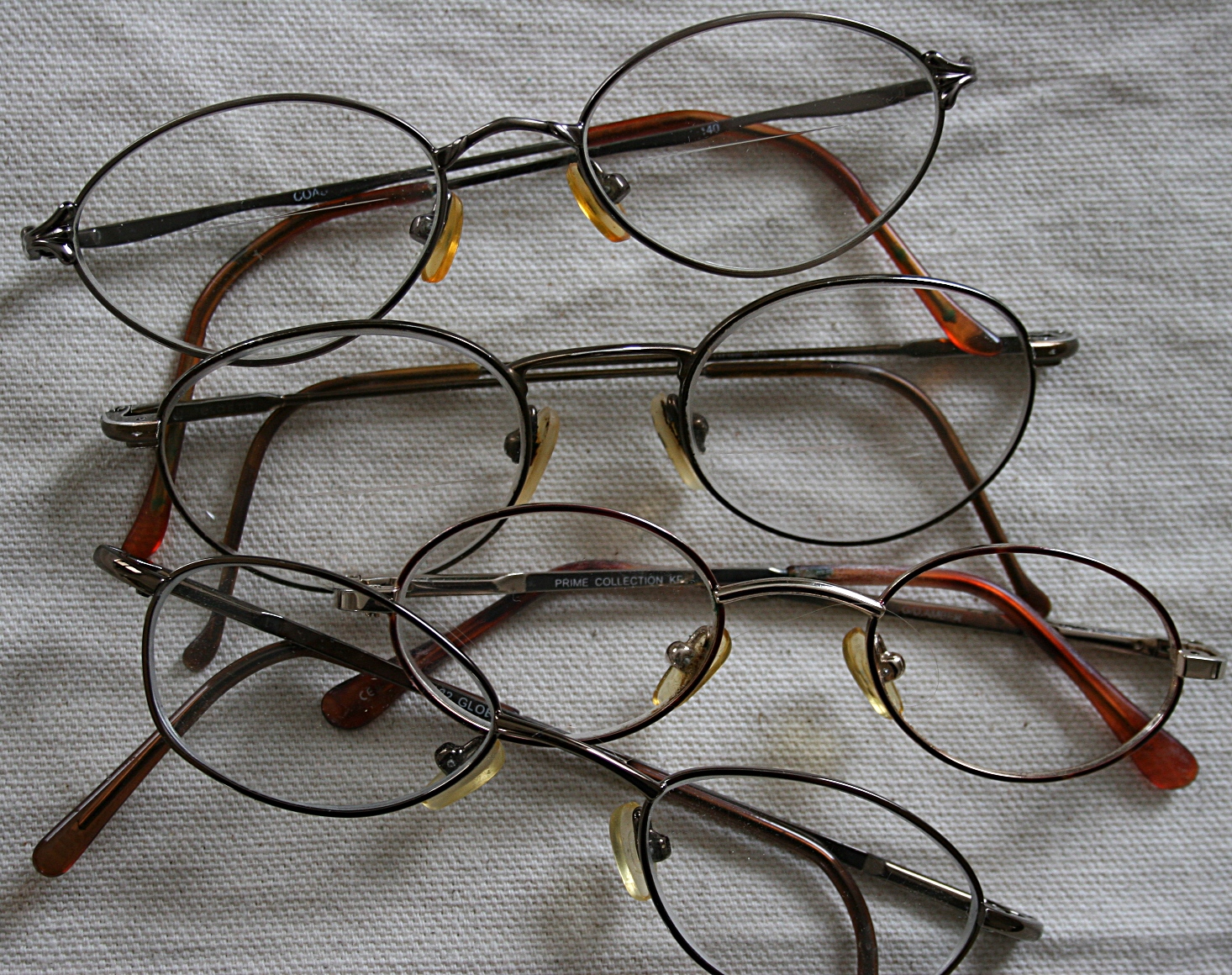
I just rummaged through a dresser drawer and found four eyeglasses that I can donate to the Faribault Lions Club on Sunday.

The prescription eyeglasses I'm donating.

Faribault Lions have also connected with the Minnesota State Academy for the Blind in Faribault, supporting numerous projects there, including an apartment to teach independent living skills.

My community is home to the Minnesota State Academy for the Deaf, perhaps another reason local Lions take such a strong interest in helping those who are hearing impaired.

I am among those with a hearing impairment having lost 70 percent of the hearing in my right ear last March in an episode defined as “sudden sensory hearing loss.” (Click here to read about that.) Unfortunately, a hearing aid will not help with this type of near-deafness.

But for most who suffer from a hearing impairment, a hearing aid will help. The Lions are committed to collecting used hearing aids for distribution to those in need. Can you imagine the joy of giving the gift of hearing?

It’s impressive, isn’t it, how so many worthy causes have evolved from two powerful words: “We serve.”

FYI: The Faribault Lions Club Super Bowl Pancake Breakfast will be held from 7:30 a.m. – 1:15 p.m. on Sunday, February 5, at the Eagles Club, 2027 Grant Street Northwest. Cost is $6 for adults and $4 for those 12 and under.

The Lions are also selling Super Bowl snacks—8-ounce packages of nuts for $5 – $6—to raise monies for their Backpack Blessings Program which provides local children in need with food for the weekends.

It should not go without stating here that many local businesses and volunteers (within and outside of the Faribault Lions Club) contribute to the annual Super Bowl breakfast.

Bring your used prescription eyeglasses and hearing aids, your money and your appetite on Sunday to participate in the “We serve” endeavor.

Click here to learn more about the Faribault Lions Club.

© Copyright 2012 Audrey Kletscher Helbling


The generous gift of a St. Paul woman to a rural Minnesota food shelf January 6, 2012

TODAY I’M TREATING YOU to a gem of a story published yesterday in a weekly community newspaper, The Gaylord Hub.

It’s an inspiring and uplifting story of a St. Paul woman who purposely sought out a rural food shelf as the recipient of a Christmas gift. And a mighty generous one from someone with apparently no connection to Gaylord, a southern Minnesota Sibley County seat town of around 2,300.

Hub officer manager and bookkeeper Elizabeth Reishus shares the tale of generosity in her January 5 “The Word From High Avenue” column as shared with her by Yvonne O’Brien of Sibley County Food Share, Inc.

Writes Reishus:

A woman from St. Paul had called Second Harvest food bank to ask for a list of rural food shelves. Second Harvest was not able to give her that information, but did give her O’Brien’s phone number.

The woman then called O’Brien and asked questions about the food shelf. What percent of families served were minorities? Is the need higher in the summer? What kinds of resources does your food shelf have to rely on for donations?

O’Brien explained that about 40 percent of clients at the food shelf are people of a minority. The need for help increases in the summer when seasonal workers arrive to work at area farms and other agriculture-related jobs. She also explained that unlike bigger towns and cities, we do not have the big chain stores such as Wal-Mart, Target, Cub or Cash Wise that donate food. The Sibley County Food Shelf is maintained through the generosity of area people and some grant money, O’Brien explained.

The St. Paul woman said she would like to send a donation to the food shelf. O’Brien gave the woman the mailing address for donations and expected to receive a check for about $50. She was pleasantly surprised to find that the donation check was for 10 times that amount. The generous mystery woman gave $500 to the Sibley County Food Shelf.

How’s that for Minnesota Nice and for thinking beyond the metro?

Consider the effort this mystery woman took to find just the right place for her $500 donation. What motivated her to seek out a rural food shelf, to ask those specific questions about minorities, to give that much money to a single food shelf?

I’d never really thought, prior to reading Reishus’ column, how small-town food banks typically don’t receive food donations from chain stores, relying instead primarily on the generosity of locals.

So thank you to that woman from St. Paul for thinking beyond the metro area of the need in rural Minnesota and for blessing Sibley County Food Share with $500.

She offers us much food for thought.

FOR MORE INFORMATION about Sibley County Food Share, click here.


Pancakes for paper May 13, 2011

MY KNEE JERK REACTION went something like this: I pay taxes and now the school is hosting a pancake breakfast to buy “needed supplies.”

Because things aren’t always as they seem, I called Faribault High School to inquire about the Pancake Breakfast flier which was mailed to me on Thursday along with my son’s mid-quarter grades and information about ordering a $75 high school yearbook.

When the woman who answered the phone couldn’t help, she transferred me to Assistant Principal Dennis Germann’s voicemail. He explained everything to me in two return phone calls and now I feel much better and more informed.

Faribault Masonic Lodge #9 and Faribault Eagles Club #1460 are teaming up to raise monies for school supplies for students at FHS. Notebooks, inexpensive calculators, paper, project supplies, etc. will be given to students who can’t afford to purchase those basics, Germann told me. He added that nearly 50 percent of FHS students qualify for free or reduced school lunches. Translate that into families that could use some extra help with school expenses. The United Way has provided some assistance in the past with school supplies.

Germann welcomes the monies that will be raised at the Sunday, May 15, Pancake Breakfast from 8:30 a.m. – 12:30 p.m. at the Faribault Eagles Club. Cost of the breakfast, which includes all you can eat pancakes with a serving of sausage and eggs and milk, coffee or juice, is $7 for adults, $5 for students and free for those five and under.

It’s the first time apparently that the high school has been selected as the recipient of this Pancake Breakfast fundraiser. That’s why the flier caught me by surprise and I really didn’t understand the definition of “needed supplies.”

As the parent of a high schooler, and two FHS graduates, I’m happy to see secondary students benefiting from a fundraiser like this. Typically the focus is on elementary age kids. I know how quickly costs add up to buy school supplies for a teen. Last year, if I remember correctly, I forked out $100 for some fancy schmancy calculator my son needed for a math class. Students won’t get fancy calculators like that through this program (I think the school has some available to borrow). But at least they’ll get basic school supplies.

So much has changed in the decades since I graduated from high school and we really only needed 3-subject notebooks, pens, pencils, folders and loose leaf paper.

Now it’s way beyond paper, to needing computers and internet access at home. I bet many families out there can’t afford internet service. Thankfully free internet is available at the public library. But it isn’t always easy for students to get there when they need to do online research.

I wonder also about the cost of class field trips, if some students can’t afford even basic school supplies. I recently wrote a $27 check for my son to go on a field trip to the Science Museum to view the King Tut exhibit. I gave him another $15 for lunch, which even he told me was expensive. How do families with already stretched budgets manage these additional costs?

We shouldn’t need pancake breakfast fundraisers to supplement the cost of education. But we all know times are tough. So thanks, Eagles and Masons, for doing your part to organize this event that will help Faribault families.

© Copyright 2011 Audrey Kletscher Helbling


Help rebuild the parks in flood ravaged Hammond, Minnesota April 28, 2011

An aerial view of Hammond during the flash flood of September 2010. Photo courtesy of Micheal Mann & Tina Marlowe.

SEVEN MONTHS AFTER the raging Zumbro River ravaged the small southeastern Minnesota community of Hammond in a flash flood, residents are still struggling to recover.

That recovery reaches beyond the rebuilding of homes and lives.

Hammond needs more, like help rebuilding its parks.

Hammond resident Tina Marlowe, who was the subject of a series of blog posts I published in March, was recently elected to the Hammond City Council. She’s making it her mission to rehabilitate the East End Park and Ball Field, the basketball court and the Children’s Park.

But Tina can’t do this alone. She’s counting on the generosity of others to donate monies, materials and manpower (womanpower) to the Hammond Park Flood Recovery Project.

First, though, consider what’s been lost. The merry-go-round in the Children’s Park was swept down river to Jarret and was substantially damaged. The ground cover in the park is gone. Picnic tables, grills, fire rings, garbage cans and more were washed away. FEMA will replace some items, but not all.

Hammond's riverside park was all but destroyed by the flood. Marks on the shelter roof show how high the water rose. A baseball field next to the shelter, with a fence around it, is covered by receding floodwaters. Jenny Hoffman took this photo at 10 a.m. on Saturday, September 25, 2010.

The bridge connecting east and west Hammond is barely visible during the flood, which also overtook the town's parks. Photo courtesy of Micheal Mann & Tina Marlowe.

Tina wants to not only rebuild Hammond’s parks, but she wants to improve them, make them more family-friendly, with updated equipment.

Here are some of her ideas: “I would love to put a Pirate Ship System down at the East End. This is a popular camping and gathering area and I thought it would be very symbolic for the kids.

I would also like to put in an outdoor fitness area up at the Children’s Park. These are becoming a very popular alternative to the gym and would serve the community well when you consider our location. What a great financial alternative for families in this area. We would include equipment for adults and the children so the entire family can come down to the park and get some great exercise outdoors—and what better scenery!”

Tina’s vision is a multi-step process that she says could take years to achieve. She has set goals and is determined to help her town of about 230 residents (pre-flood).

Right now she’s asking for cash donations and donations and/or reasonable offers of used playground equipment (like that offered on public surplus from churches and schools), ground cover (sand, wood chips or chipped rubber) and green-treated lumber for dug-outs.

Can you help? If you can, submit a comment with your contact information (which I won’t publish) and I’ll take it from there.

Or, you can call Tina directly at 507-753-2166.

Cash donations should be sent to:

City of Hammond

320 East Center Street

Hammond, MN. 55991

Along with your cash donation, please submit a letter stating that the funds are for the Hammond Park Flood Recovery Project. Include a return address so appropriate charitable giving tax information can be sent to you.

If you are a teacher or the leader of a children’s/youth group, or just a parent, perhaps you can take this project on and rally your kids to help the kids of Hammond.

If you own or work for a company that can provide playground equipment or other materials, considering donating to the cause.

If you are a carpenter capable of building a pirate ship, offer to build one.

If you’re a Boy Scout, student or other young (or older) person looking for a project, you can probably assist in some way. Ask. Offer to help.

I am convinced that Tina’s visions for Hammond’s parks, for her community, can become a reality. Likewise, I believe that all of this can happen within a much shorter time frame than Tina thinks. Let’s aim for this summer.

You can make that happen, for the children of Hammond.

© Copyright 2011 Audrey Kletscher Helbling


Stitches of love April 6, 2011

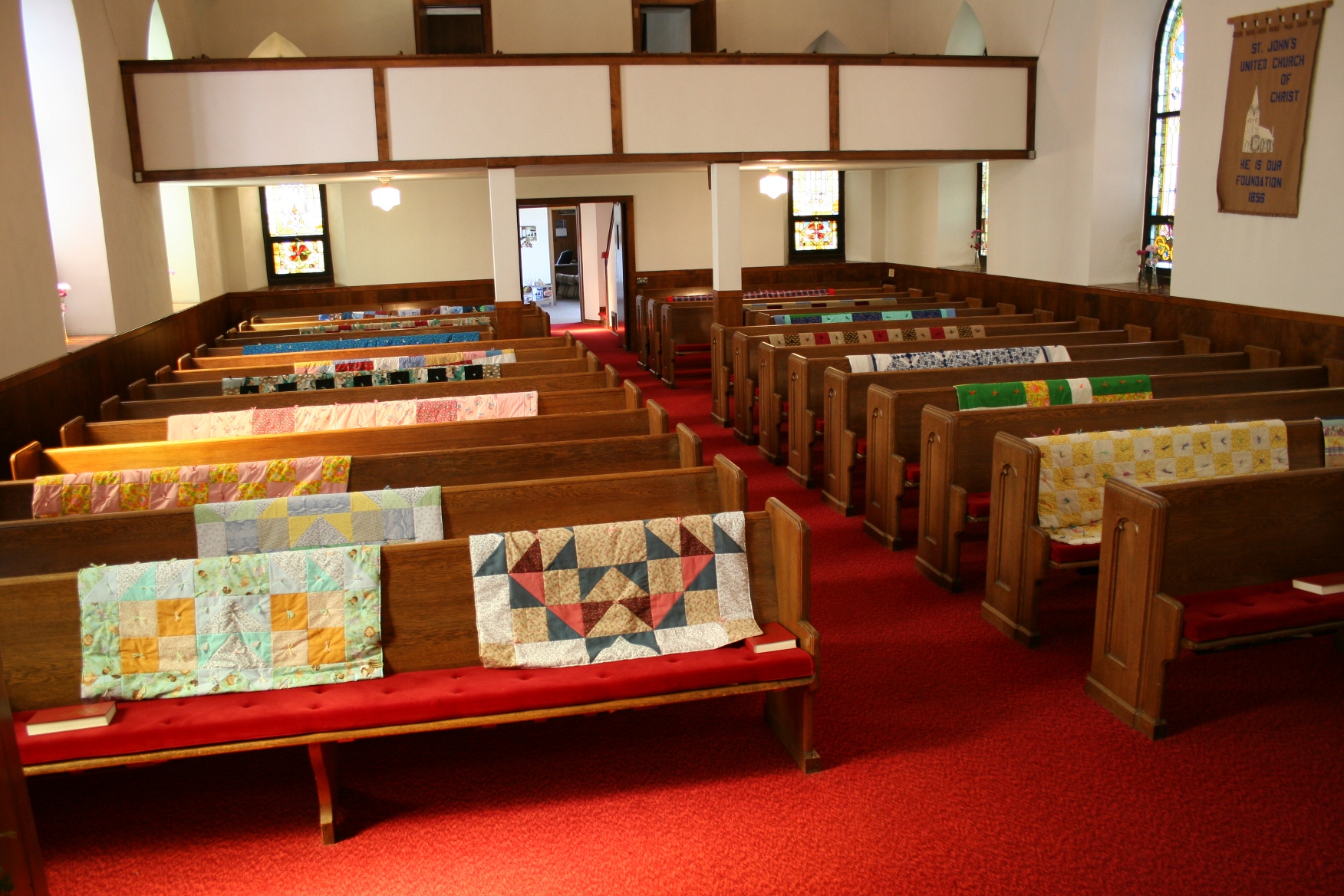
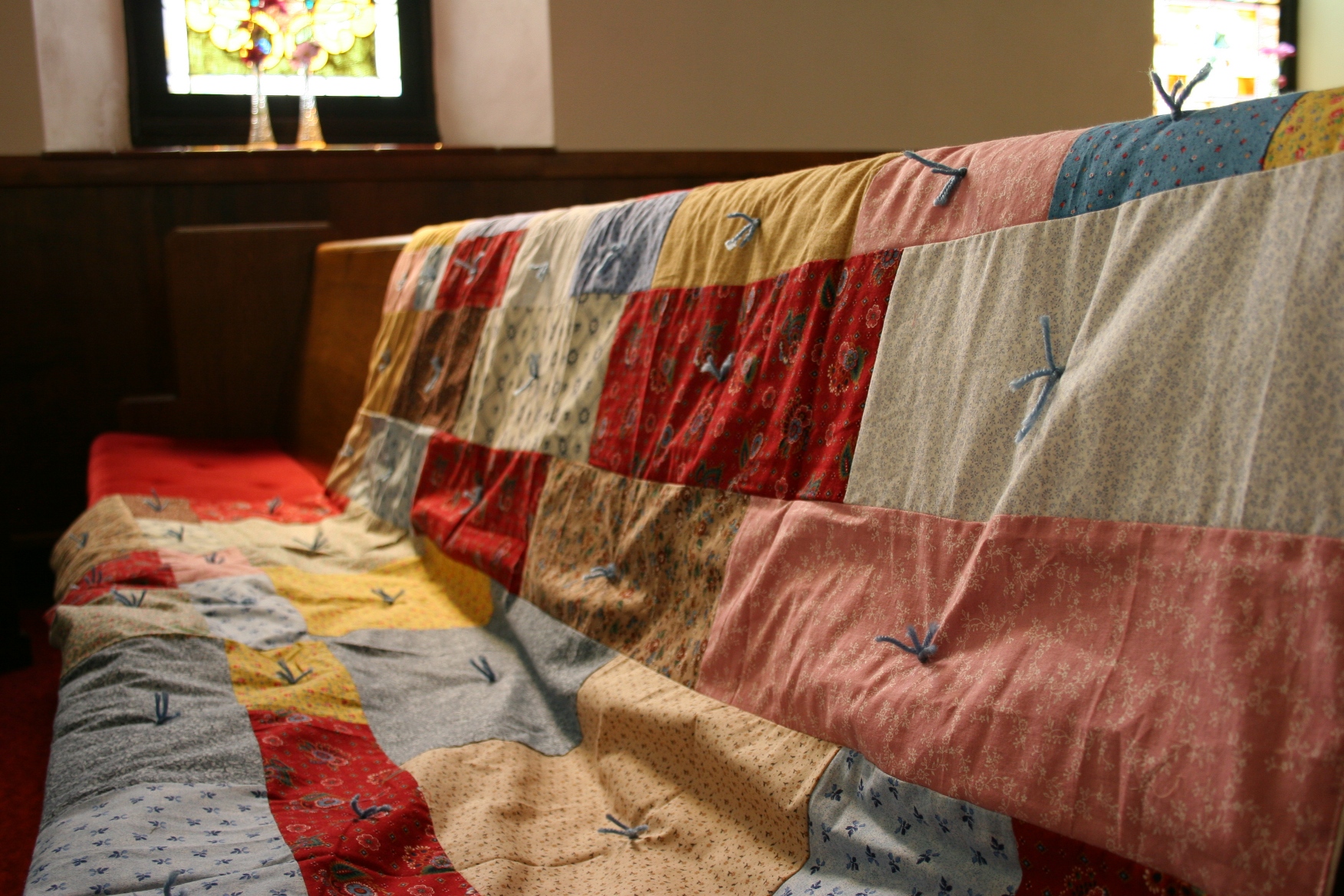
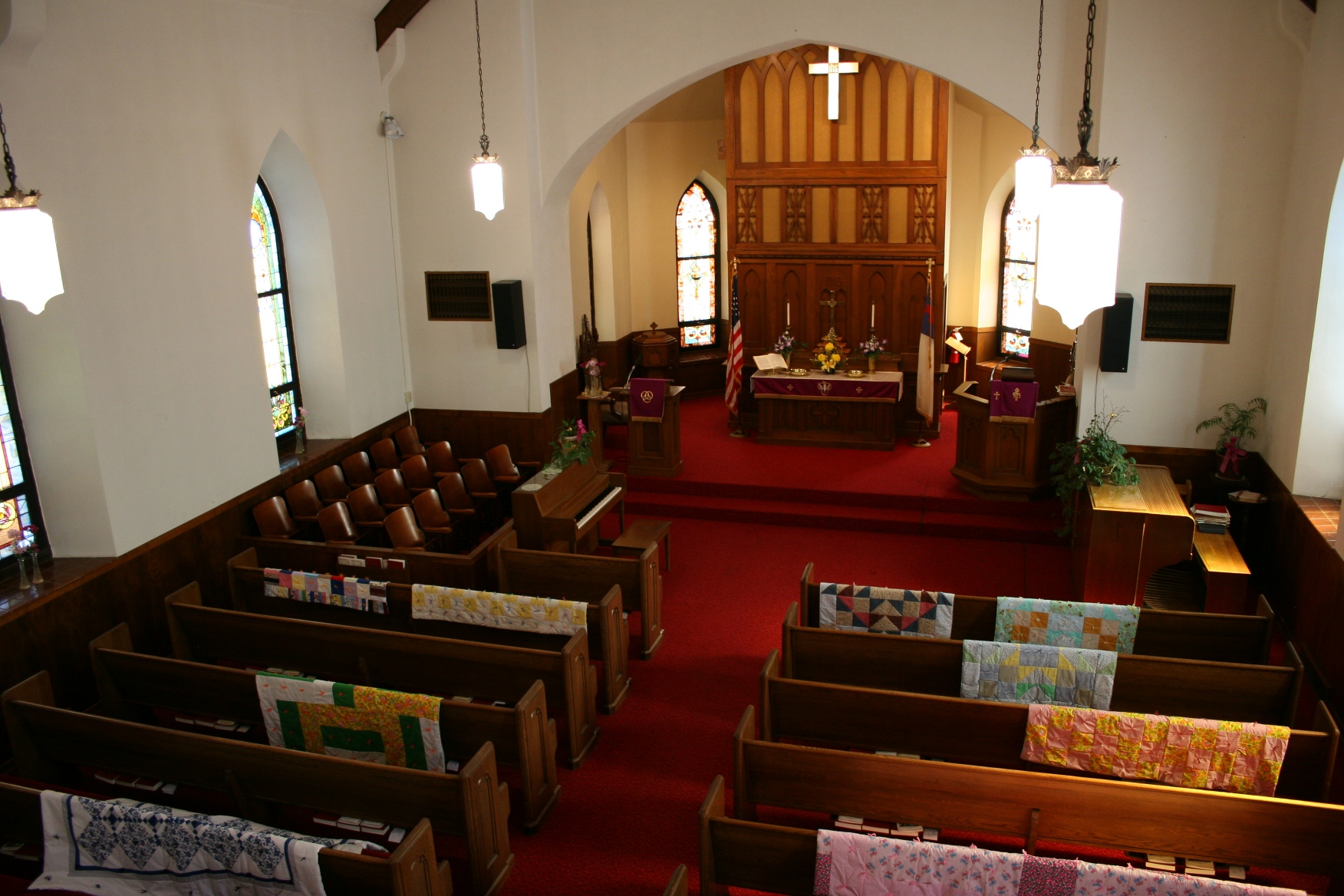
Handmade quilts drape across pews at St. John's United Church of Christ.

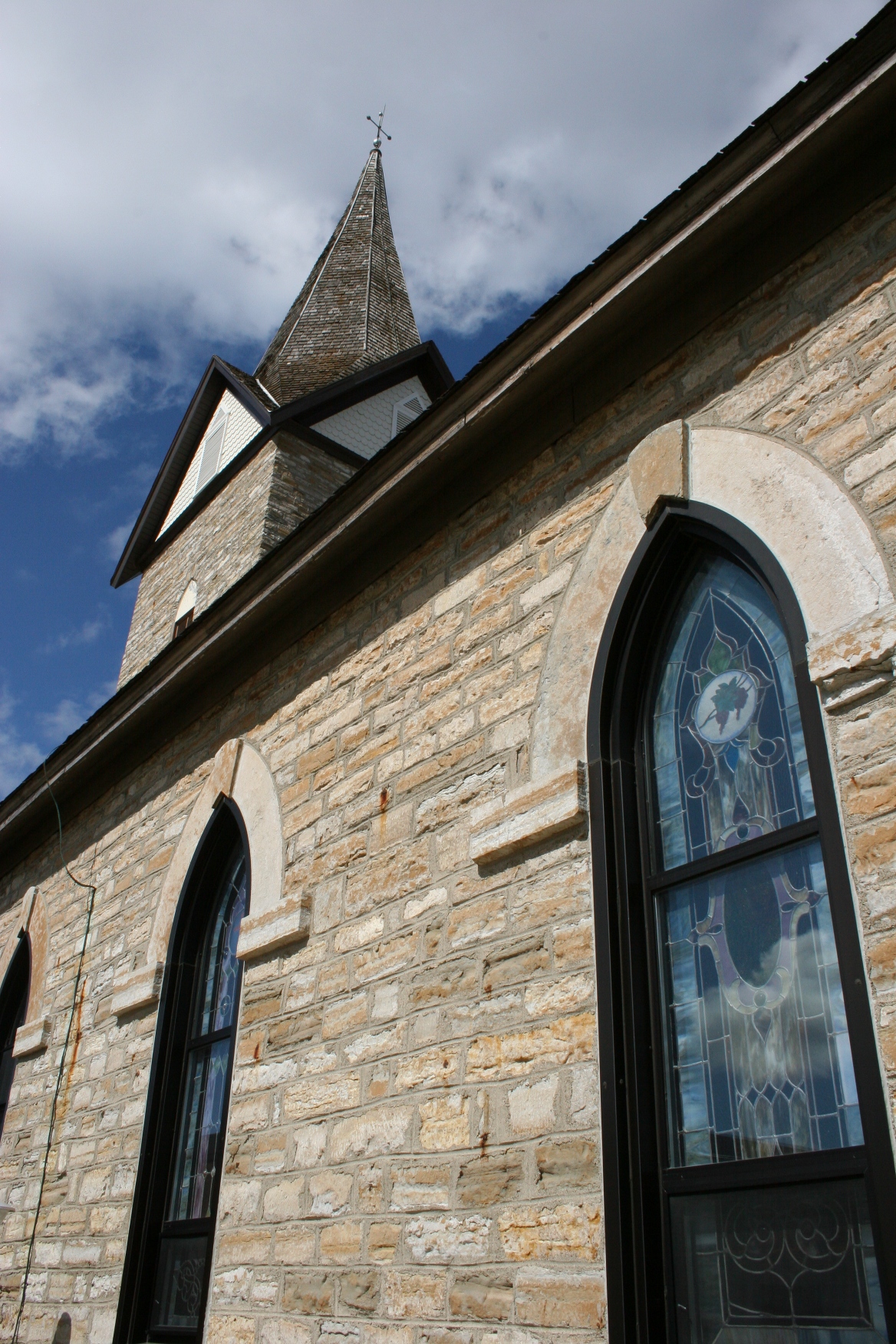
INSIDE THE LIMESTONE CHURCH, patchwork quilts drape across the backs of pews, spilling onto cushy red seat cushions.

Only hours earlier during the Sunday morning church service, worshippers settled onto the quilts handmade by St. John’s United Church of Christ members.

On a Saturday in February, members of the Women’s Guild, and a few husbands, gathered at this country church in Wheeling Township in southeastern Rice County to stuff the quilts with batting, add backings and tie together the layers with snippets of yarn.


St. John's old stone church has been in continuous use for more than 150 years. German settlers founded the congregation in 1856.

This year, according to church member and quilter Kim Keller, the quilters made 13 baby quilts and 13 big quilts.

The handmade blankets will go to graduating high school seniors—two at St. John’s this spring—and to missions, mostly local.


One of the many handmade quilts that will be given away.

As I perused the quilts, I considered the devotion of those who piece together the swatches of fabric, tie together the layers and knot the strands of yarn. These quilts represent gifts that touch the recipients physically, but, more importantly, emotionally and perhaps spiritually.

Stroke the fabric and you can almost feel the love stitched into each quilt.

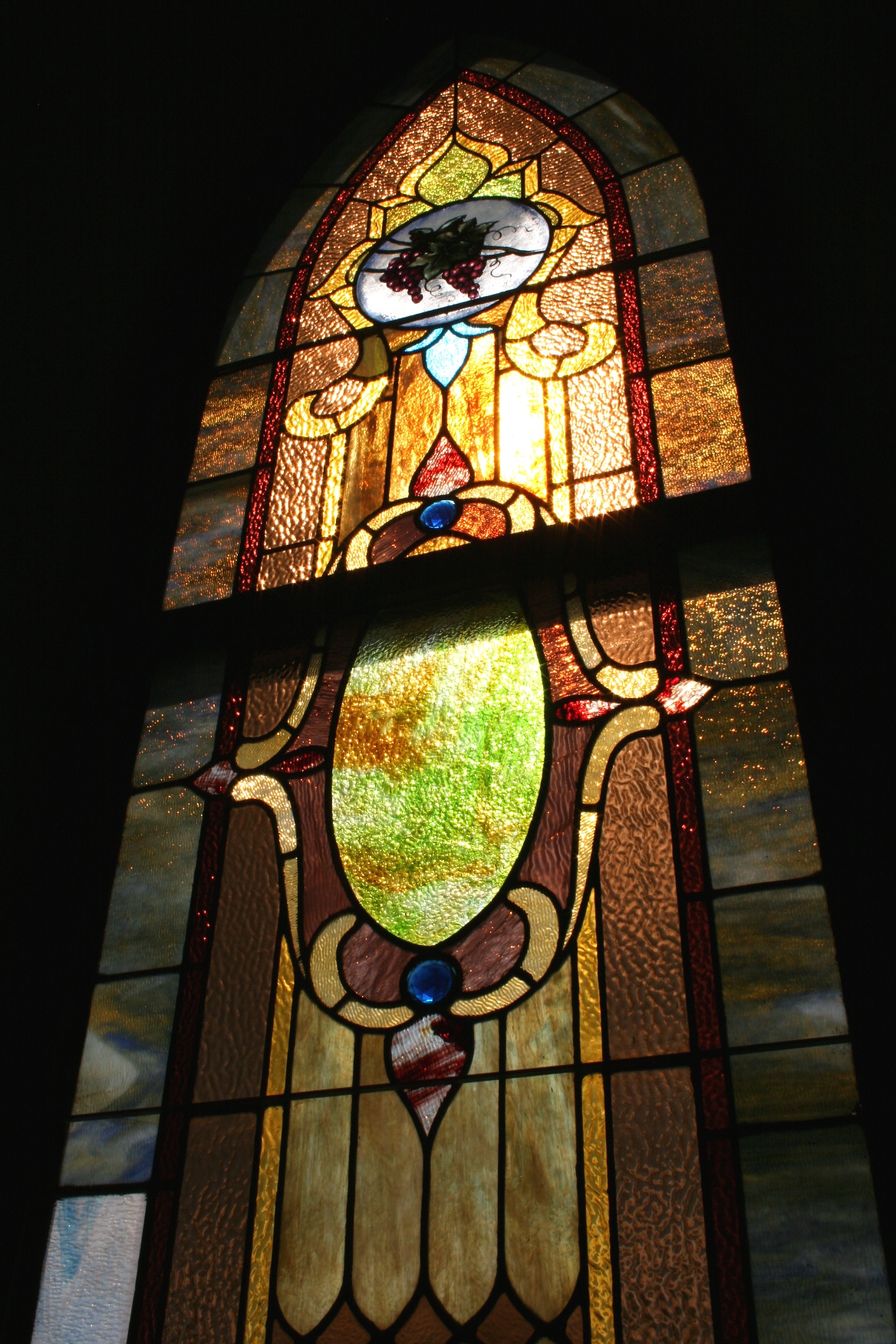
That these blankets are then displayed for worshippers to see, and sit upon, adds another dimension to the project. As I photographed the quilts, as the sun streamed through the church’s restored stained glass windows, I thought of the blessings received by both the givers and the receivers. Joy that comes in selfless giving. Joy that comes in knowing someone cares enough about you and your needs to stitch a quilt.

“It is more blessed to give than to receive.” Acts 20:35

The stained glass windows at St. John's were restored between 2004 - 2006 at a cost of more than $30,000.


A view from the St. John's balcony of the church interior and the quilts.

TEN MILES AWAY in Faribault, about a dozen women at my church, Trinity Lutheran, meet every Wednesday morning from September through May to finish quilts that are donated to those in need. Seamstresses sew the quilt tops at home and then bring them, along with the backings, to church where the Trinity Quilters add the batting and then tie together the layers with yarn.

For 60-plus years now, the women of Trinity have been stitching quilts. “It’s a mission project,”  says long-time quilter Betty Gudknecht. “I want to help other people. You want to do things for the Lord because you want to do it (not because you’re paid).”

With that spirit of giving and serving, the Trinity quilters make about 200 quilts annually. They donate them to places like Minnesota Teen Challenge, the Orphan Grain Train, the Red Cross, Burdens to Blessings, Lutheran World Relief, Lutheran Association of Missionaries and Pilots, and to others in need. Trinity’s graduating high school seniors also receive quilts.

This week the Trinity Quilters are auctioning off three quilts in a silent auction that ends mid-morning on Sunday, April 10. They need the auction money to purchase batting for their 60 x 80-inch quilts. A single roll of recently-purchased cotton batting, which will make 16 quilts, cost $90, and that was at 50 percent off.

In the past, the quilters have gotten creative, using old blankets, mattress pads and even the outsides of electric blankets, as “batting.” They still plan to use those resources, but would also like to use the softer, purchased cotton batting.

While the quilt-makers sometimes buy fabric, most often it is donated.

If you’re interested in bidding on one of the quilts at Trinity Lutheran Church—and I’m sorry, I don’t have photos of the quilts—get your bids in this week.

Cash donations are also being accepted to help the quilters purchase batting.

“It is more blessed to give than to receive.”


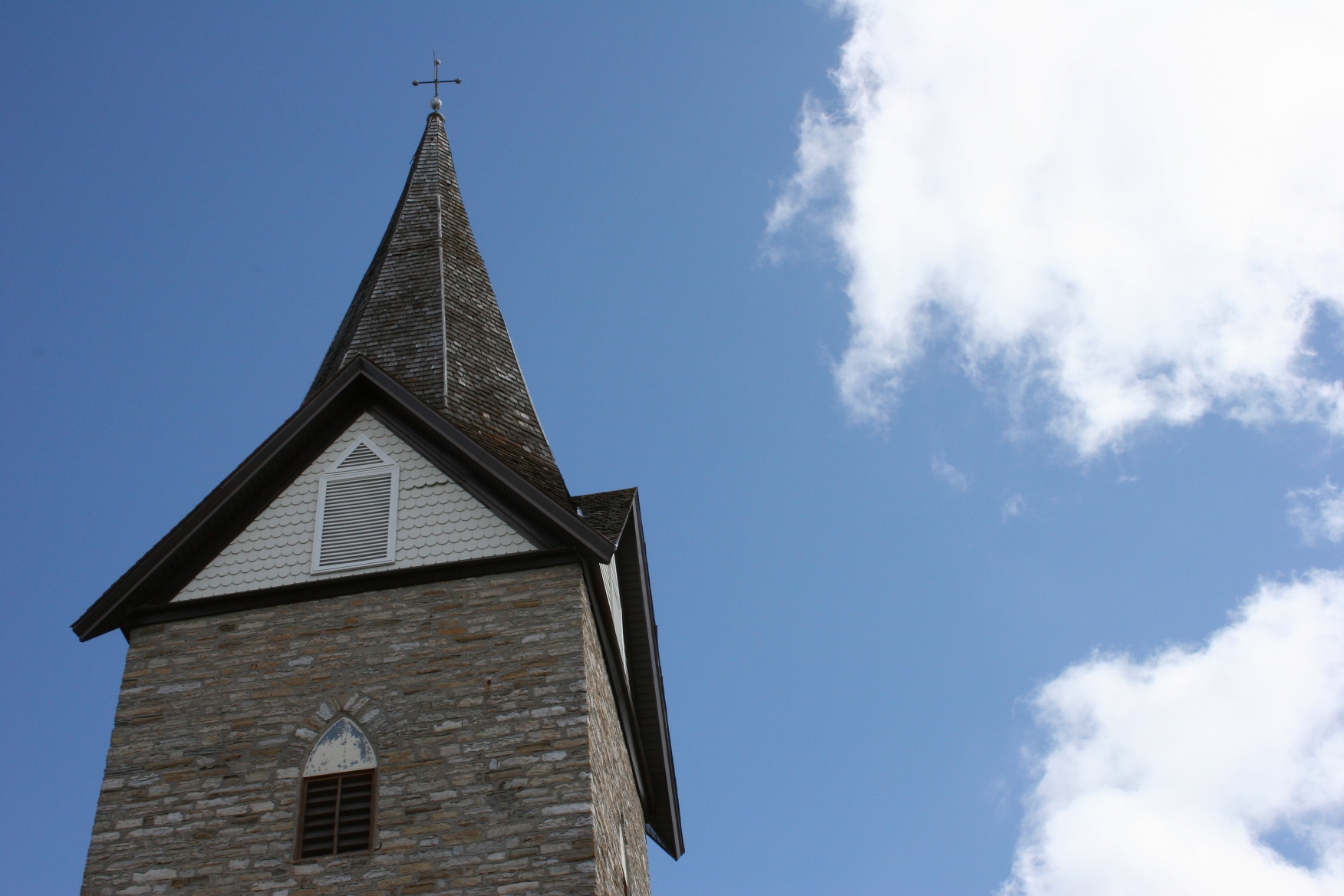
The steeple of St. John's United Church of Christ, Wheeling Township, Rice County, Minnesota.

© Copyright 2011 Audrey Kletscher Helbling


Some fine examples of giving in rural Minnesota April 5, 2011

WHEN I READ through the March 31 edition of The Gaylord Hub, a rural Minnesota weekly newspaper where I worked from 1978 – 1980, something caught my eye.

The 10-page paper was packed with stories about community members helping one another. The quantity of articles impressed me enough to write this post, to emphasize to you that even during these challenging times, Minnesotans are reaching out to one another.

These are stories we need to read among the hard news stories of floods and earthquakes, wars and suicide bombers, rising gas prices and falling property values, the news that causes us to ask, “What is this world coming to?”

The articles I read reaffirm that among all the bad in the world, plenty of good still exists. And often, young people are leading the way to assist those in need.

In Gaylord, the Sibley East Junior High Student Council recently raised $600 for the Sibley County Food Shelf. Likewise, the Gaylord Cub Scouts, Boy Scouts, leaders and parents collected 1,032 pounds of food and $70.65 for the county food shelf in a one-day drive.

Students from Sibley East Elementary Schools in Gaylord and Arlington raised $10,431.32 in the Pennies for Patients fundraiser for the Leukemia and Lymphoma Society, placing in the top 25 among 473 participating schools. How’s that for a small school (between 200 – 499 students) in rural Minnesota?

The adults in the Gaylord area aren’t sitting idly by watching the younger generation pursue charitable giving.

The winner in a local drawing chose Sibley County Food Share, Inc., as the recipient of a $2,500 donation from the Monsanto Fund.

Sertomans, at their weekly meeting, discussed plans for a benefit to help the Lindemann family as their daughter, Paisley, battles cancer.

The newspaper also published a story about an education memorial fund established for Kaylee and Gavin, the young children of Michael Struck, a Minnesota Department of Transportation worker who died after his backhoe was swept away recently in flood waters.

And then, in a front page article, readers learned that $63,000 in donations have been made to Gaylord’s new aquatic center. Donations will be used to buy amenities (play features) for the pool. All 69 donors are listed in an ad published on page 5.

This is just an observation I’ve made over the years—and I think it’s an accurate one—but residents of small towns are often willing to open their pocketbooks to projects that in larger cities would be funded with taxpayer dollars. Why? I think community pride and ownership and the deep personal connections small town residents have to one another prompt such generosity.

Finally, the last philanthropic piece of news was buried deep in a front page article titled “Fire Department receives FEMA grant.” After explaining that the local department has received a nearly $60,000 grant to purchase firefighting equipment, the reporter writes about the annual firemen’s banquet.

And that is where I found this little gem: “Also recognized for their years of service was the ‘kitchen crew’ which helps serve a highly-touted ham dinner. Jim Huffman and Don Pinske have each helped serve the banquet meal for more than 60 years.”

Sixty years. Now that’s dedication and an outstanding example of selfless giving back to the community.

© Copyright 2011 Audrey Kletscher Helbling


Prom economics 101: Lessons in giving March 30, 2011

The 1984 formal I donated to the FHS NHS Prom Dress Drive .

SEVERAL WEEKS AGO my husband stuffed a 1984 lavender formal into the back seat of our car and delivered it to Faribault High School. (I was sick that day or I would have dropped off the old bridesmaid’s dress myself.)

He was donating my dress, which has hung in an upstairs closet for decades, to the FHS National Honor Society’s first-ever Prom Dress Drive.

Naturally, I couldn’t allow this event to pass without asking whether a local high school student will wear “my” dress to the April 30 FHS prom. I also wanted to know how the drive went.

Although several young women tried on my lavender formal and one in particular with sewing abilities considered changing it up, no one bought it, says NHS co-advisor and FHS English language arts instructor Rachael Hoffman.

However, Hoffman, who is also the FHS theater wardrobe director, says she’s keeping my cast-off for possible use in future FHS theatrical productions.

Of 80 – 85 donated dresses, about 15 were sold with prices ranging from $2 – $50 and averaging around $20. Donations included vintage to current fashionable dresses, a few with price tags still attached. Shoes and jewelry were also contributed.

Hoffman, while grateful for the quantity of dresses donated, was hoping for more shoppers. Yet her enthusiasm for the project and its purpose cannot be quelled.

I’ll let her share a story that nearly moved me to tears. “I was overjoyed to hear a student say that she wouldn’t have to order a dress to fit her size this year since she found one at our drive,” Hoffman writes in an e-mail. “You could see on her face that she felt pretty and I really felt that made the drive worth it.

I also think that some of the NHS students who worked at the drive with me got to put themselves in other students’ shoes for a moment. It was a valuable experience.”

Lessons like that can’t be taught in a classroom.

While the project was a fundraiser for the NHS (the group raised about $400), Hoffman says more importantly that it was a service to the students and the community during difficult economic times. “It was my personal hope that a student who could not afford a dress would come and buy one. We did, in fact, have a few students who showed up with this purpose. It was a wonderful reward.”

Lessons like that can’t be taught in a classroom.

Hoffman clearly understands her students. “As a teacher at FHS, I know that many of these young people work jobs not merely for themselves but to contribute to their families in these hard times, or to save for college,” this astute educator observes. “We really wanted to serve our community in this way. Prom is a special occasion and many families cannot afford ‘extras’ right now. We wanted to make this less of a stressor on normal working families and more of an event to look forward to for the students.”

No one left the Prom Dress Drive without a dress, if they wanted one, Hoffman says. Prices were negotiable and most donors told organizers to give away their dresses (if they could not sell them) to anyone who needed a formal.

Lessons like that in giving from the heart can’t be taught in a classroom.

Details on the front of a lovely formal that also hangs in my closet and which my eldest wore in a friend's wedding. It would make a lovely prom dress, but it wasn't mine to give. Maybe next year?

THE GIVING DIDN’T END in Faribault. Extra Prom Dress Drive formals which won’t be utilized locally were donated to Total Care Cleaners. The south metro business sells the dresses for $10 to any prom-goer who needs one. Total Care also gives away $10 in dry cleaning services for each donated dress.

“They were so appreciative of the donations and excited to give more students this option for a prom dress,” says Julie Petersen, a co-advisor for Faribault’s NHS and a FHS Spanish instructor. “The owner said that many of the girls he helps would not be able to go to prom if not for the dresses he gets donated.”

That economic reality extends nationwide. At donatemydress.org, a national network connecting local dress drive organizations across the country, you’ll find a state-by-state listing of groups sponsoring these dress projects. Scroll to Minnesota and you can link to five metro area formal dress drives—Ever After Gowns, Operation Glass Slipper and The Paperbag Princess—and the two businesses-based projects at Vista Images and Total Care Cleaners.

I expect there are other Minnesota dress drives not listed on this website.

At least one of the prom projects, South St. Paul-based The Paperbag Princess, also accepts suits. Some take accessories too. Ever After Gowns will even accept spa products and new makeup.

I commend groups like the FHS National Honor Society for undertaking a drive like this which offers affordable prom attire to young women. NHS members seem to have benefited from the project, in lessons learned, as much as the young women who found prom formals.

Now, if only the cost of attending the FHS prom—$175 per couple for the event to be held at a South Saint Paul night club—would be more affordable…

© Copyright 2011 Audrey Kletscher Helbling