Minnesota Prairie Roots

Writing and photography by Audrey Kletscher Helbling

The comfortable familiarity of Freedom August 19, 2012

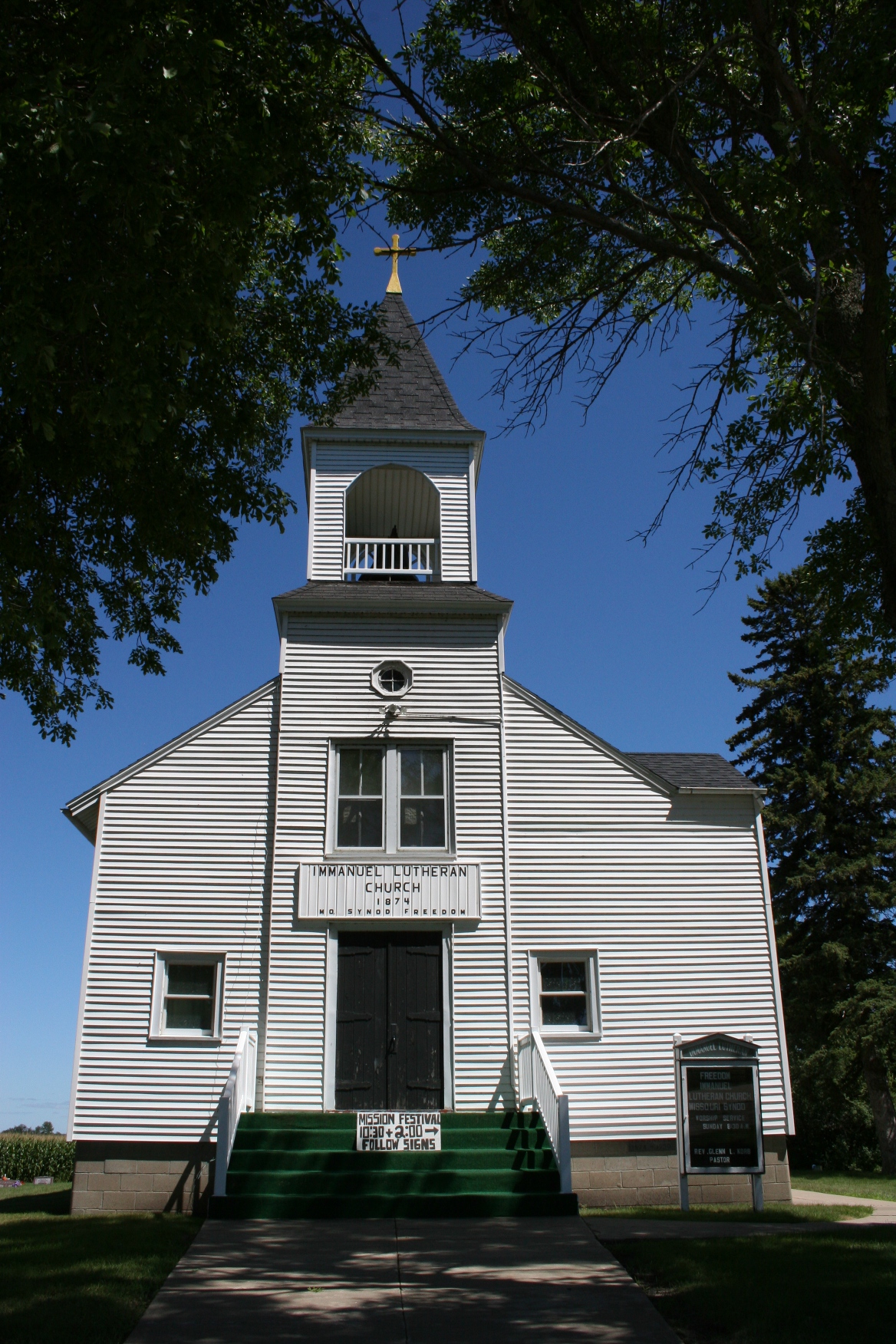
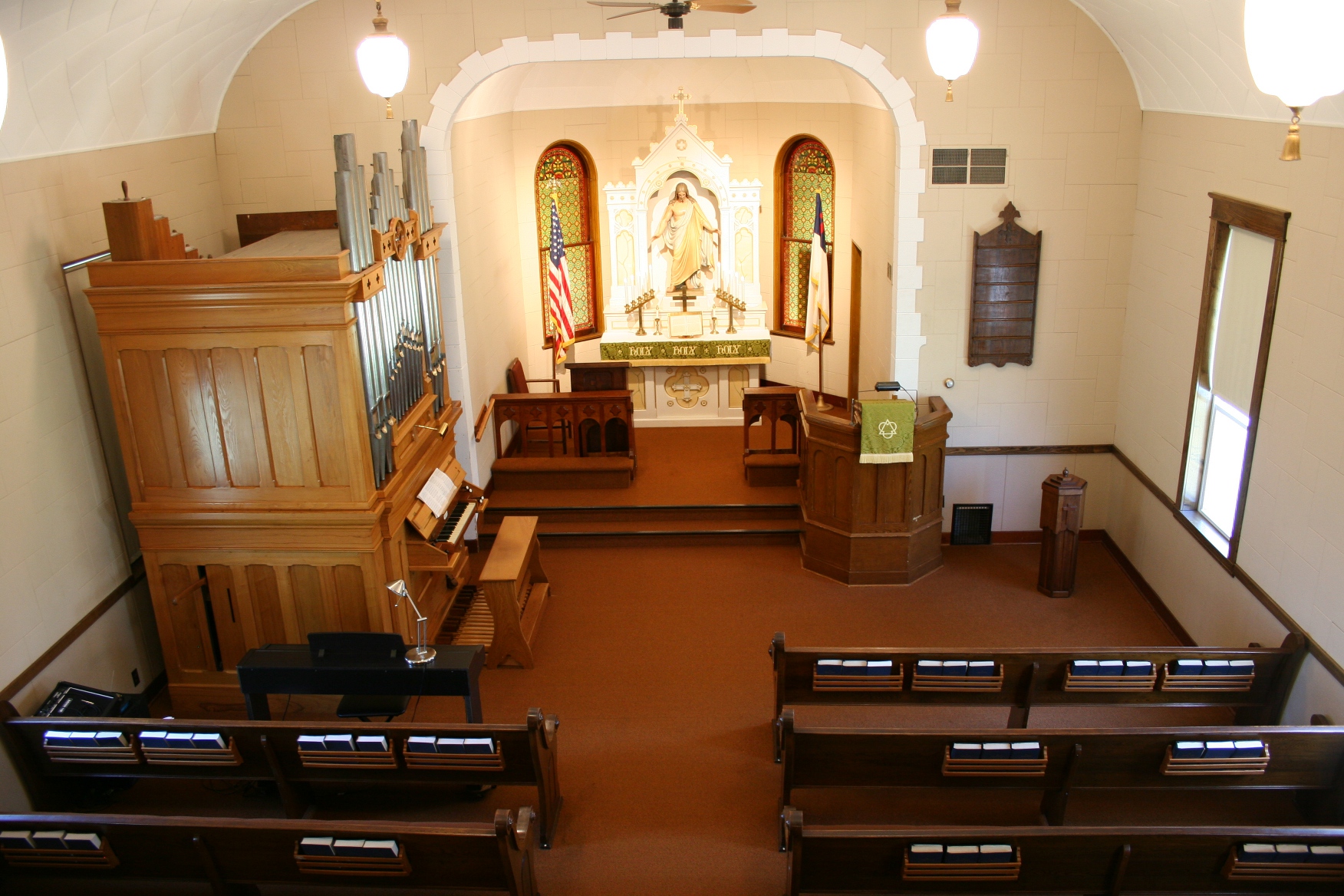
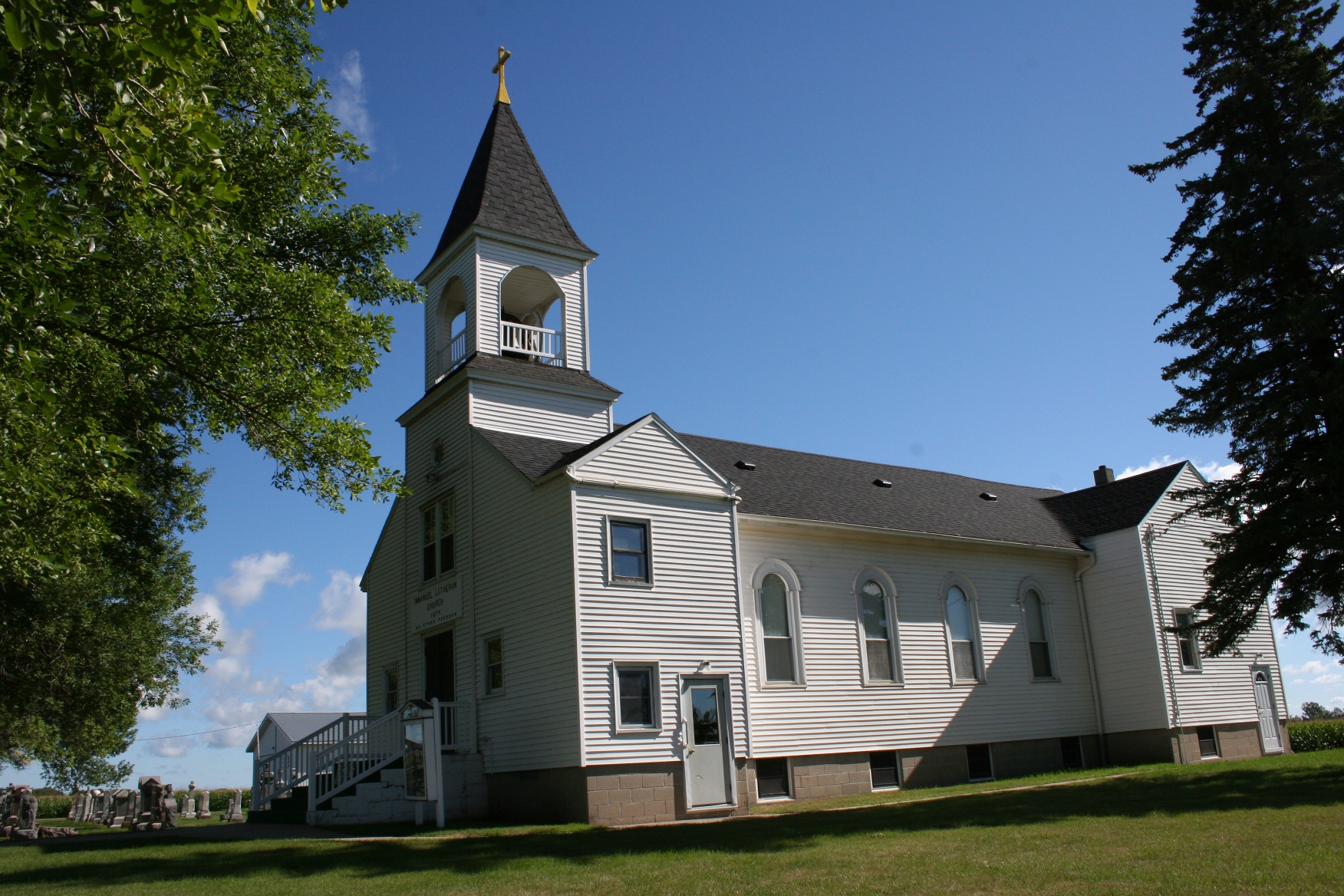
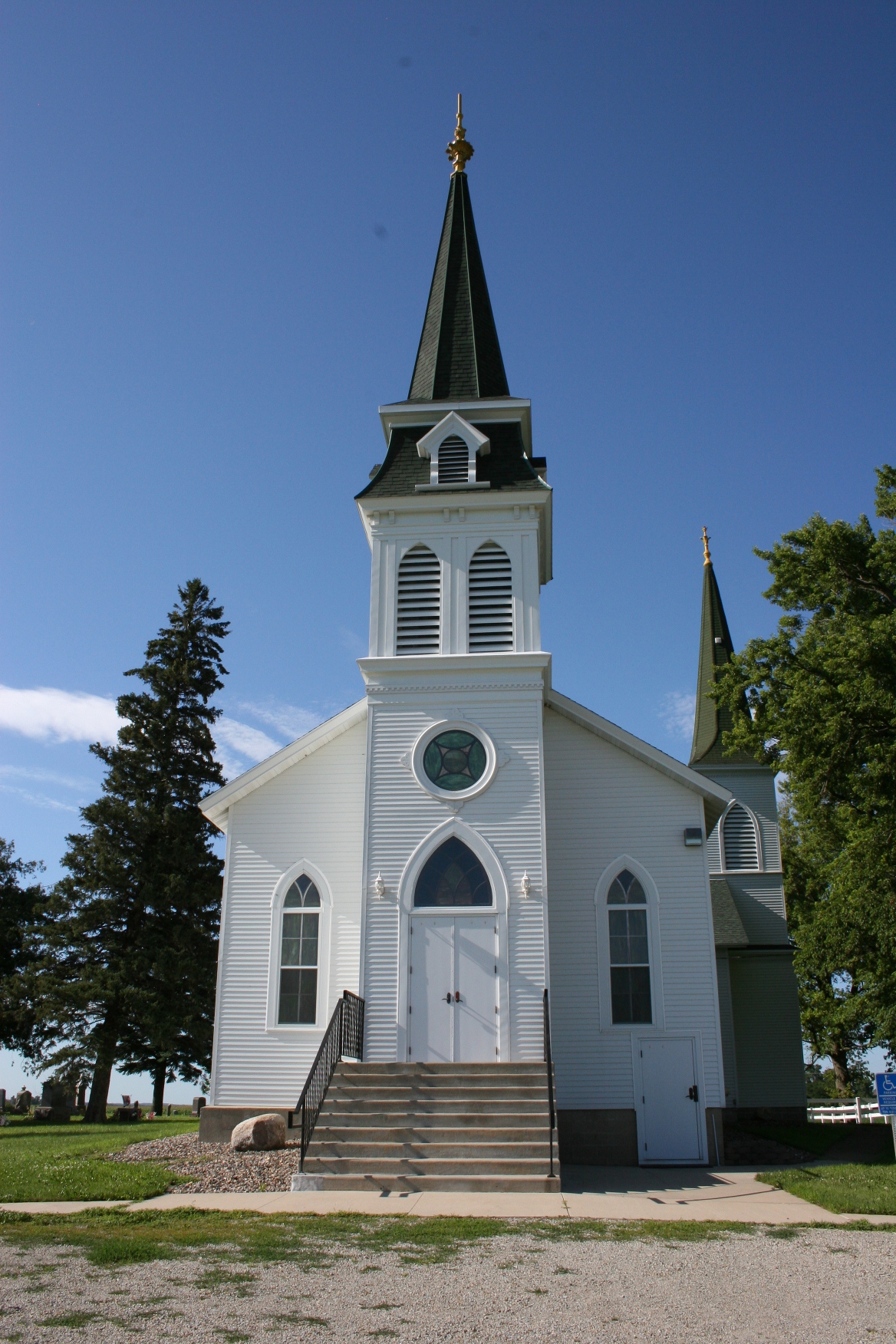
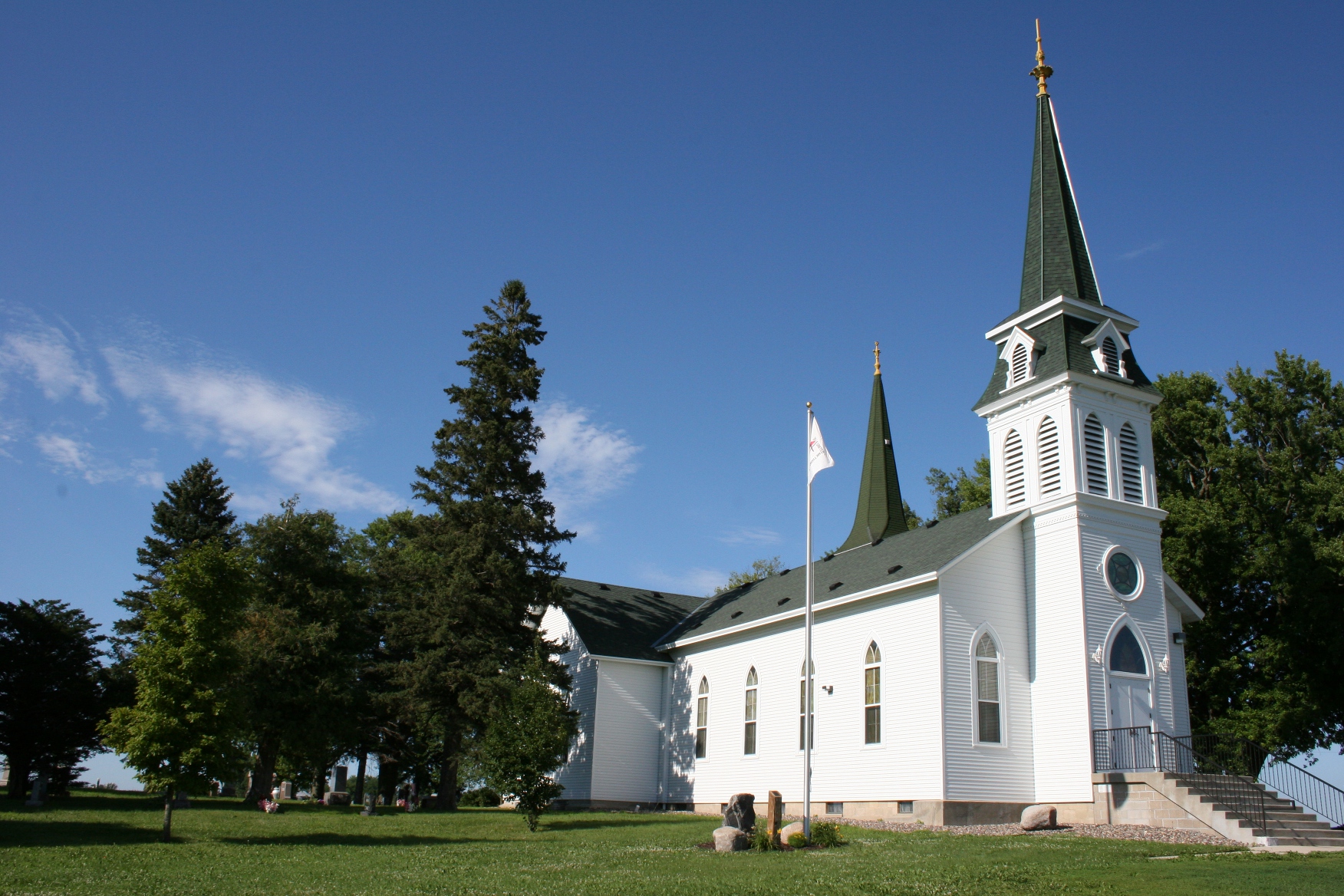
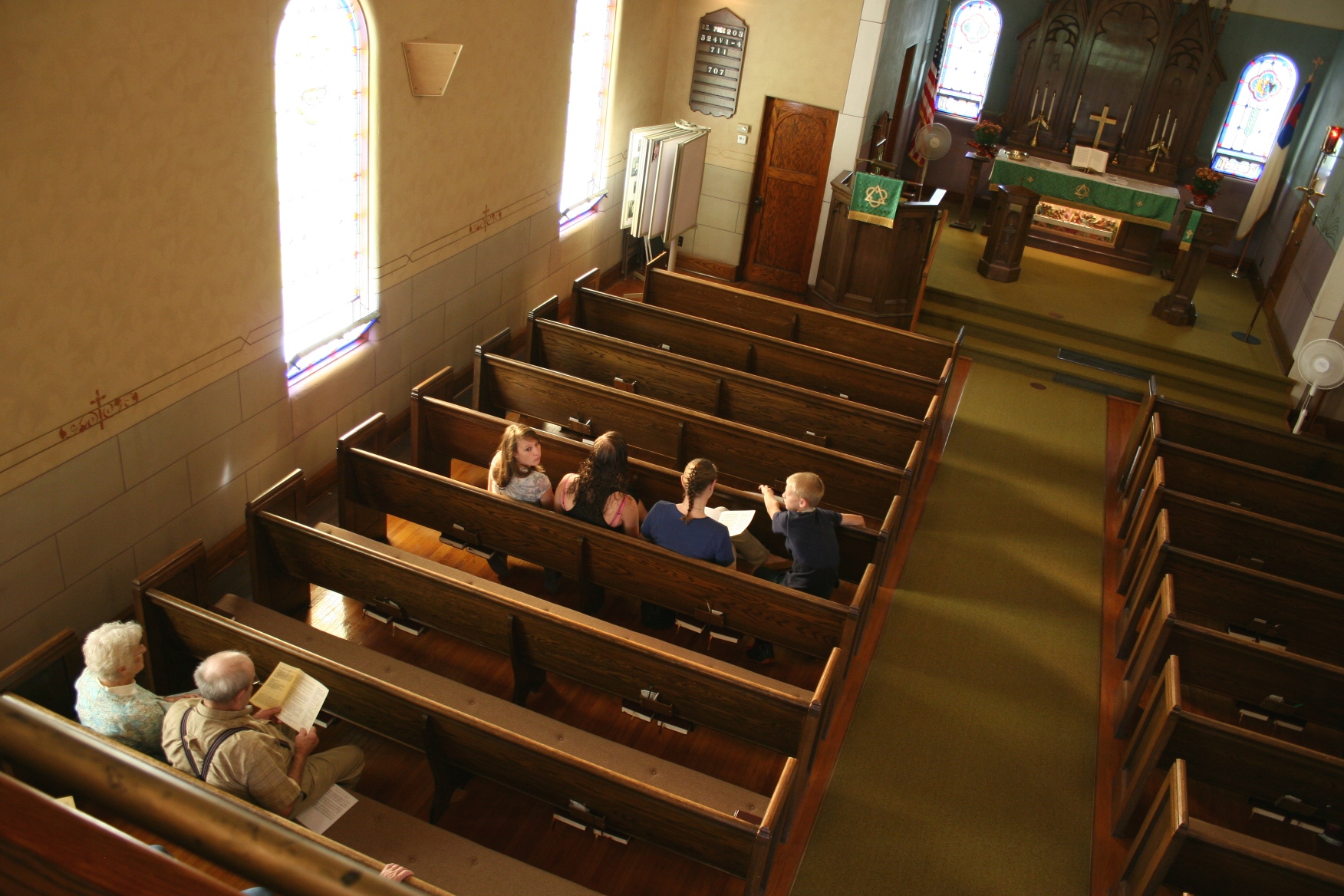
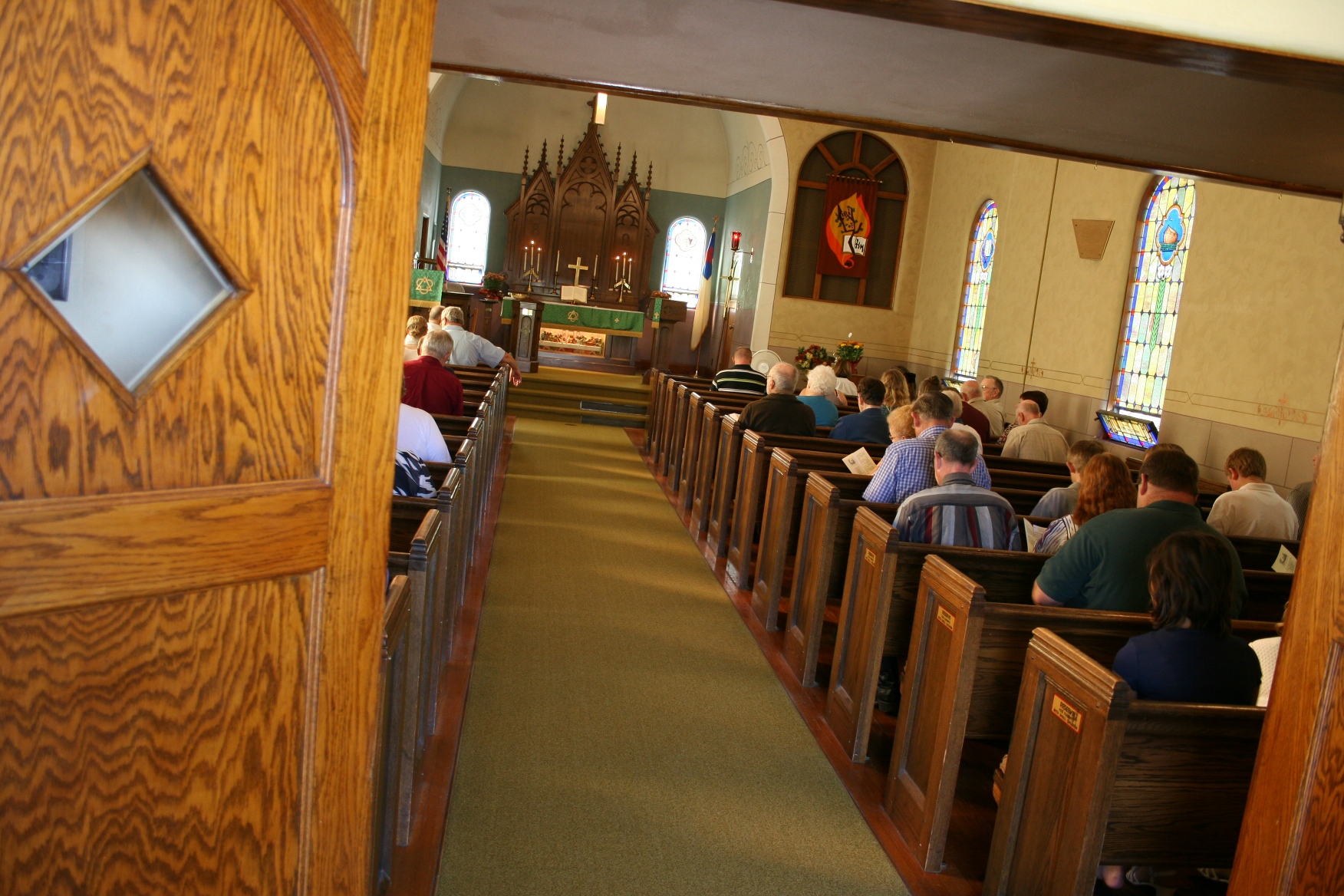
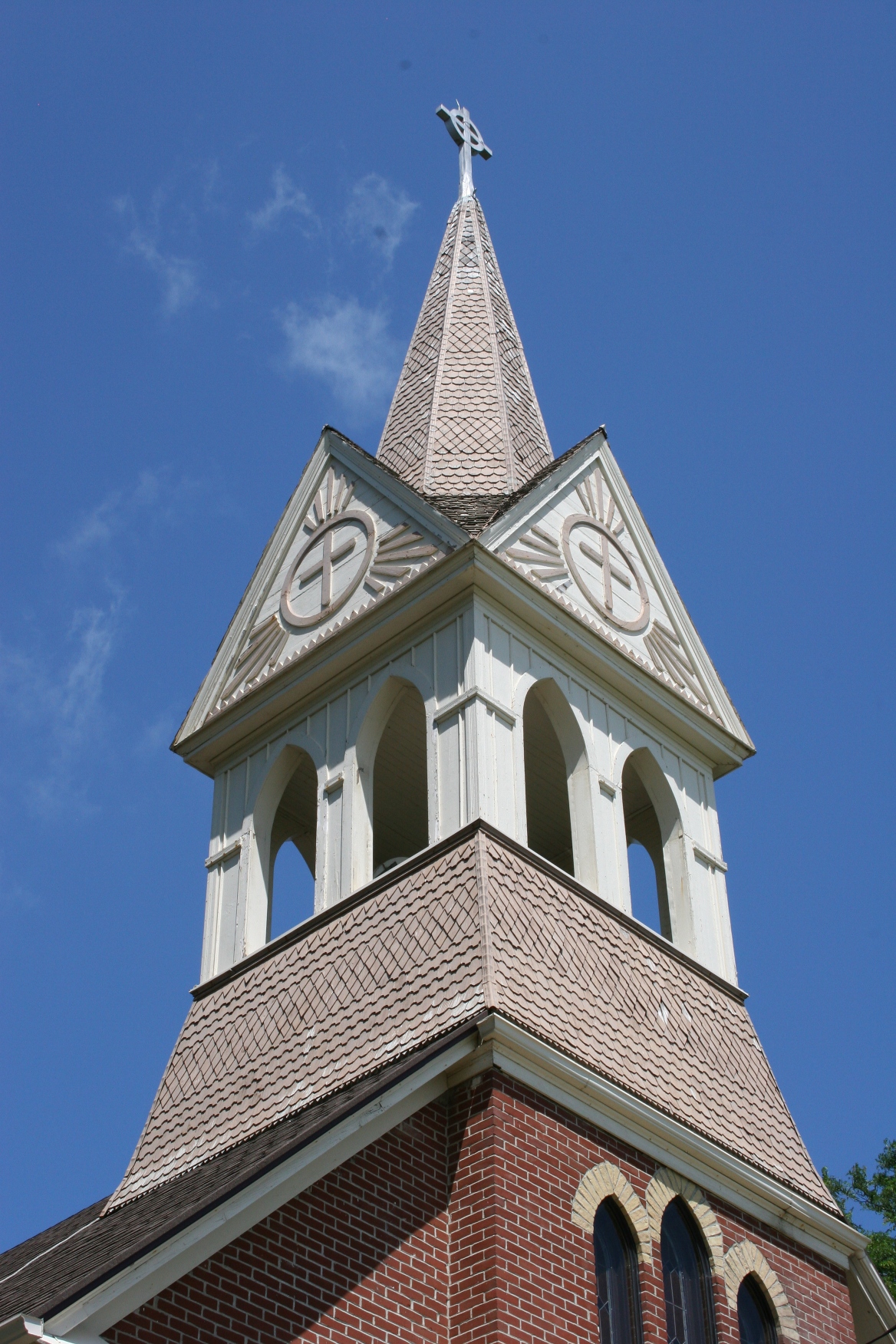
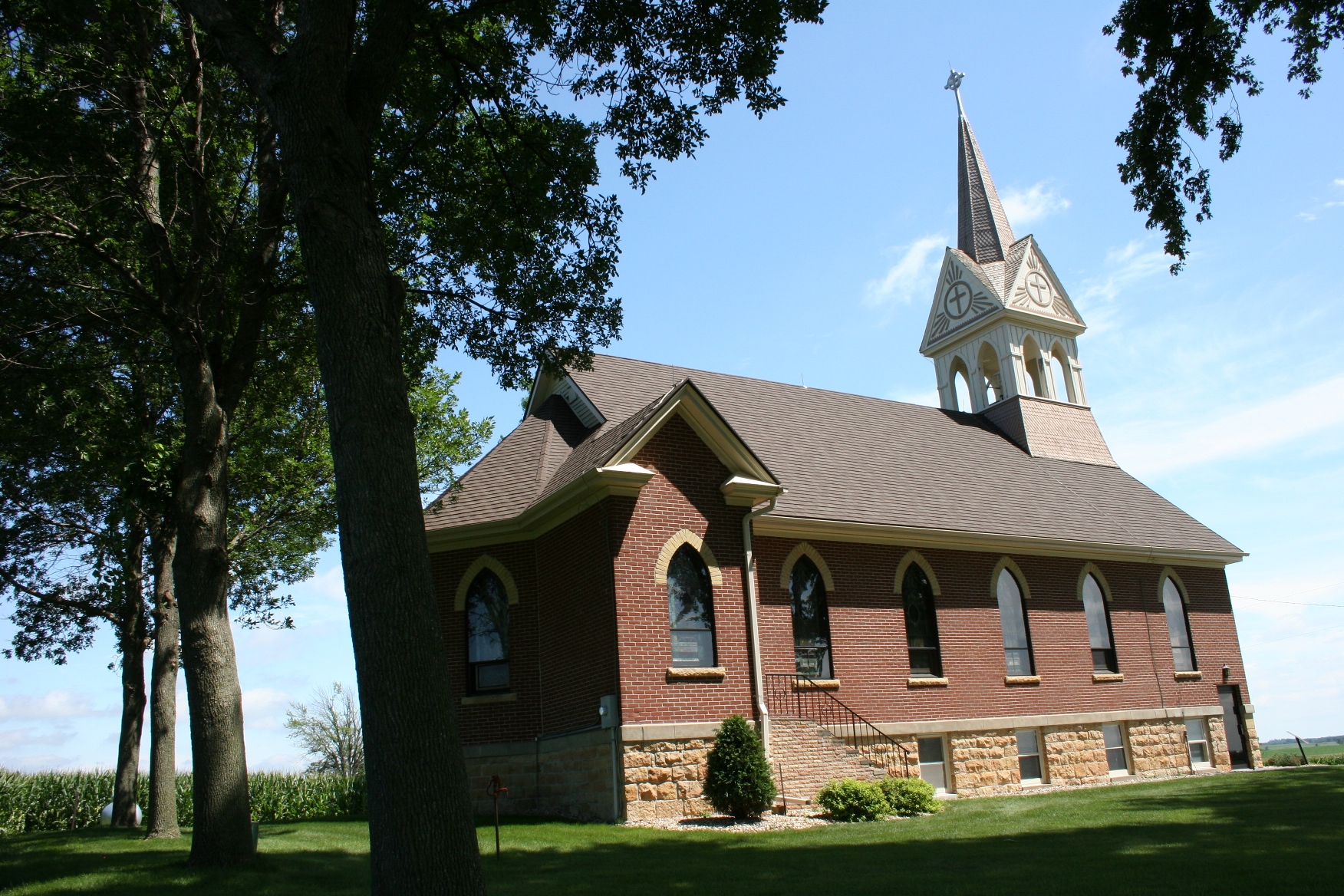
IF YOU’VE EVER STEPPED inside a building and felt like you’d been there before, but you haven’t, then you can relate to the story I am about to share in photos and conversation. Come on. Let’s open the door and enter Immanuel Lutheran Church, Freedom Township, rural Janesville.

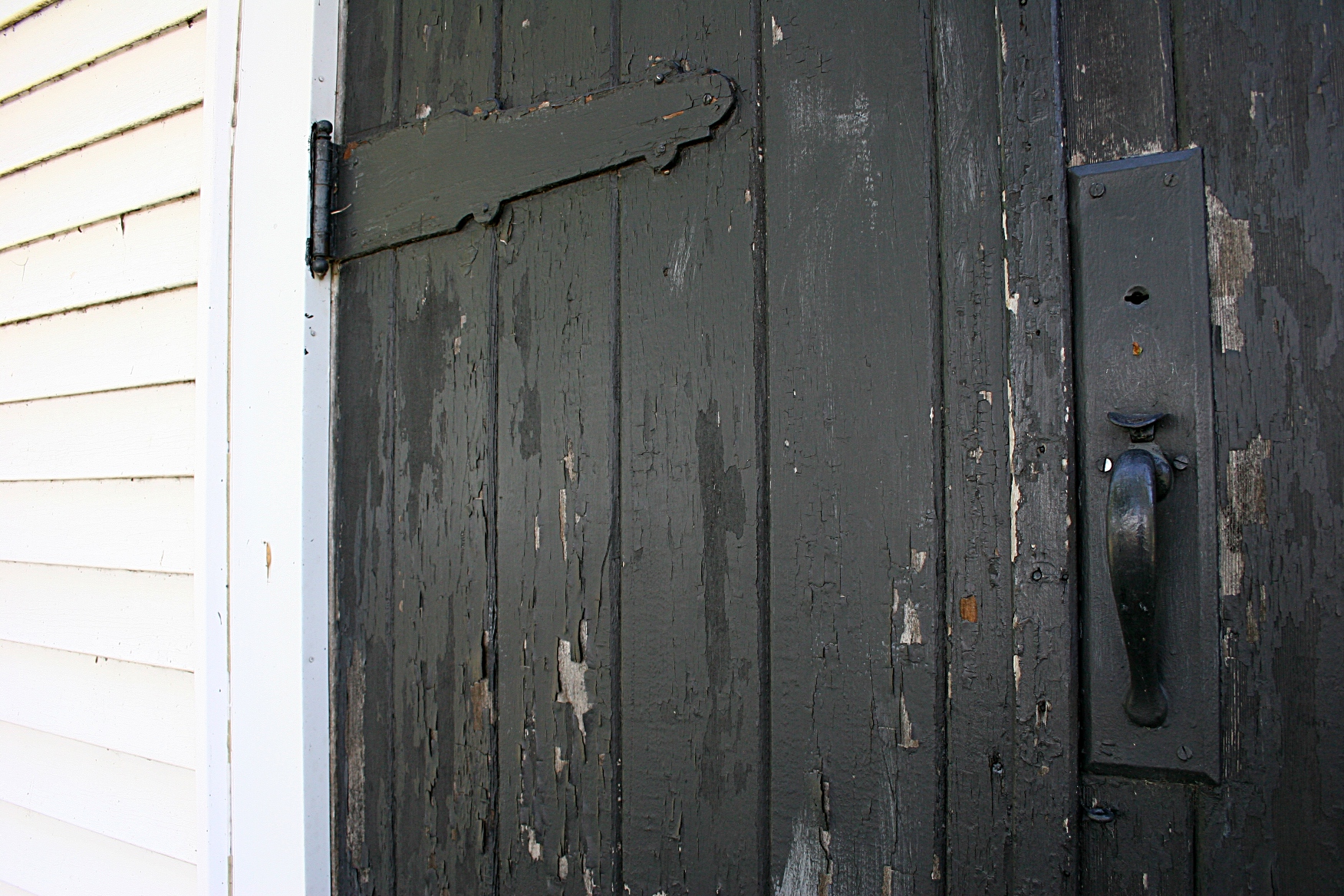
Ah, the double front doors are locked. We’ll try the side door. Good, it’s open. I wonder if there’s an alarm system. I don’t want the Waseca County Sheriff showing up. Let’s go up the stairs to the main level.

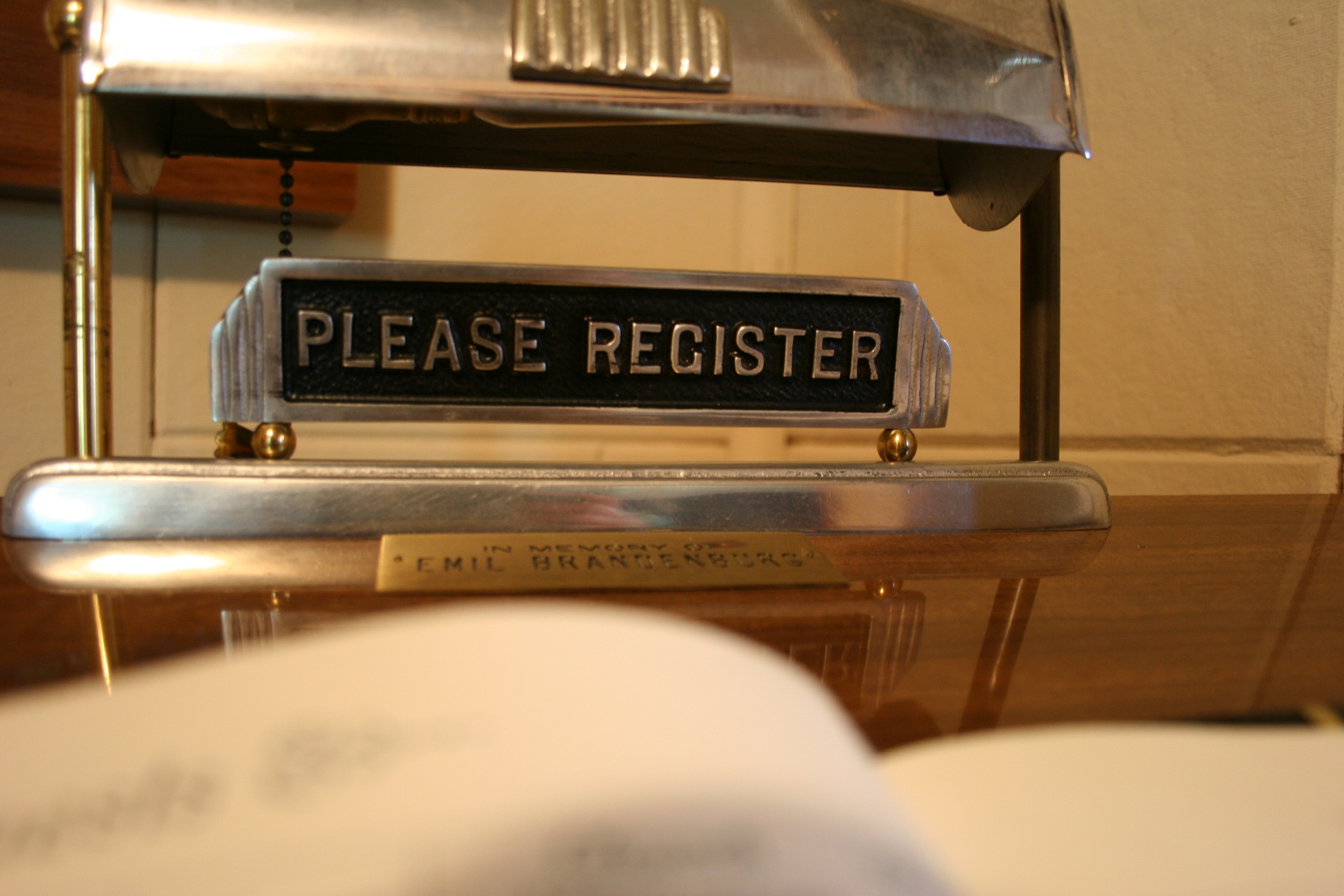
Now where are the light switches? Oh, right there next to the guest register. I like that old light by the guest book. Wonder if it works? Nope. Sorry, almost anything can distract me.

Even with the lights on, it’s kind of dark in here. Maybe we should open the shades. There, that’s better.

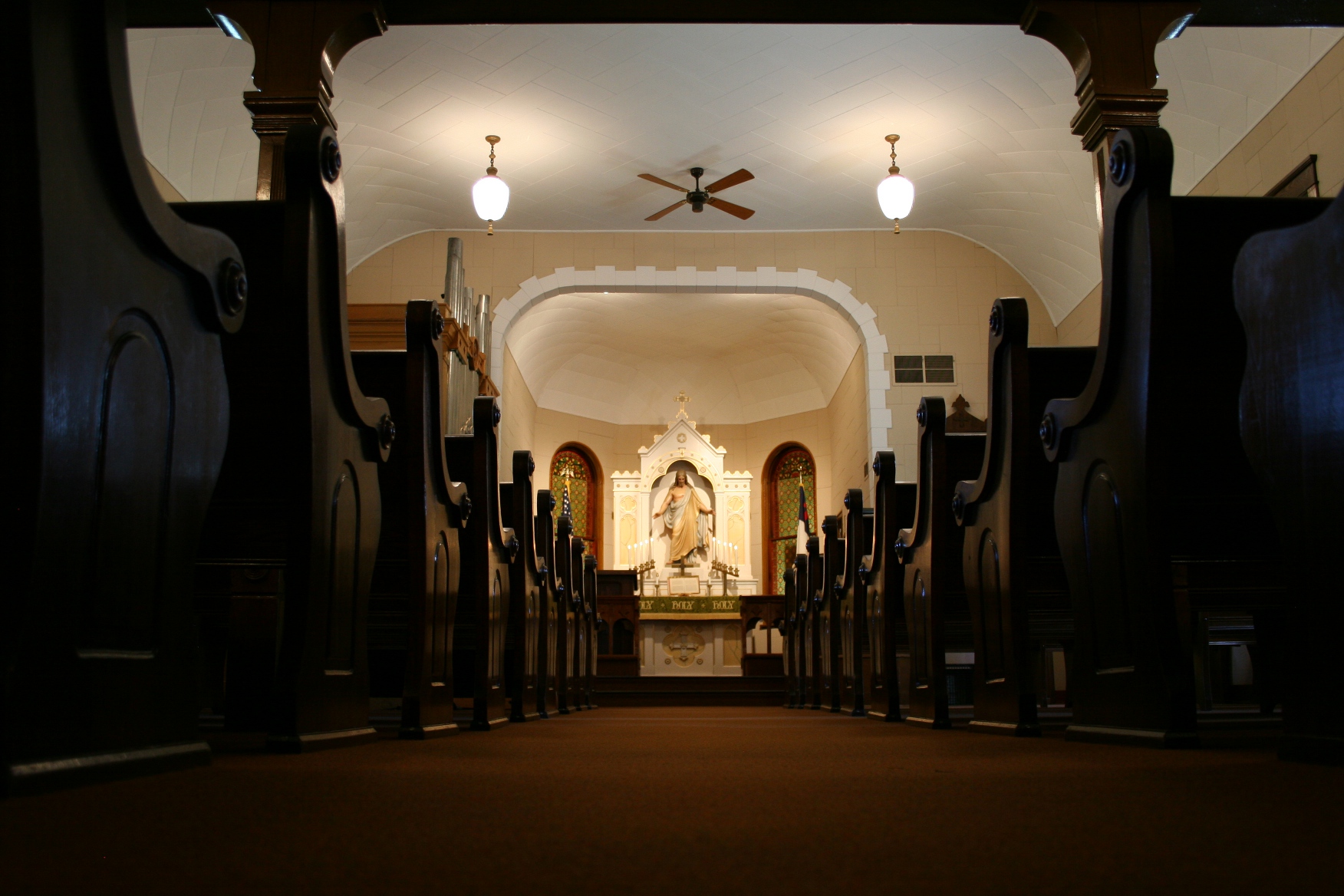
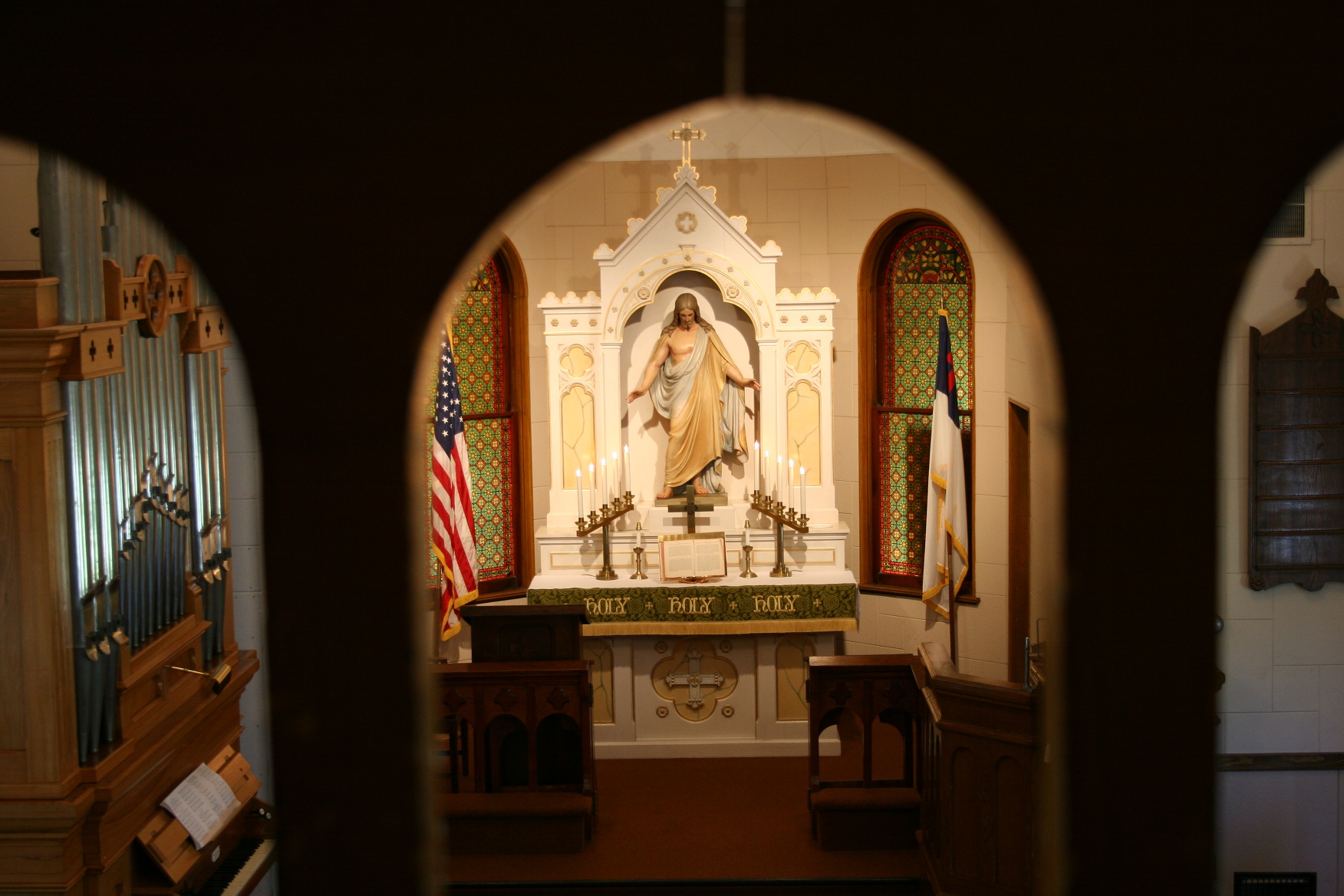
That altar and Jesus statue look familiar. They remind me of the altar and statue in St. John’s Lutheran Church, Vesta, the church where I grew up. And isn’t that organ a beauty?

I wonder if there’s a nice wood floor under that carpet. And what’s hiding under all those ceiling tiles?

Well, instead of standing here wondering, we better keep moving along if we’re going to get to the mission festival at Marquardt’s Grove by 10:30. I have much to see yet and photograph.

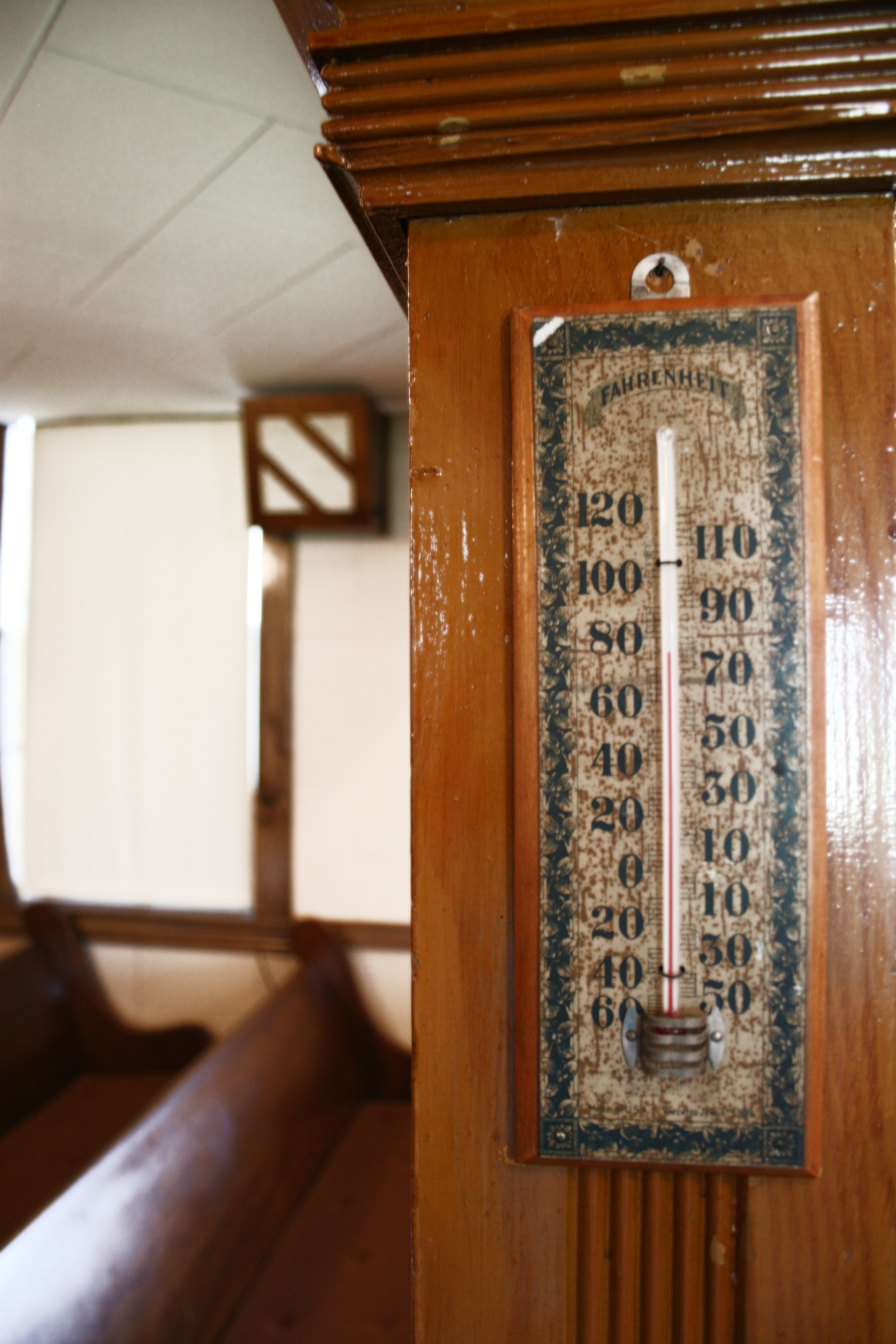
But wait a minute, what’s that over there on that post? An old thermometer. Huh, wonder how long that’s been here?

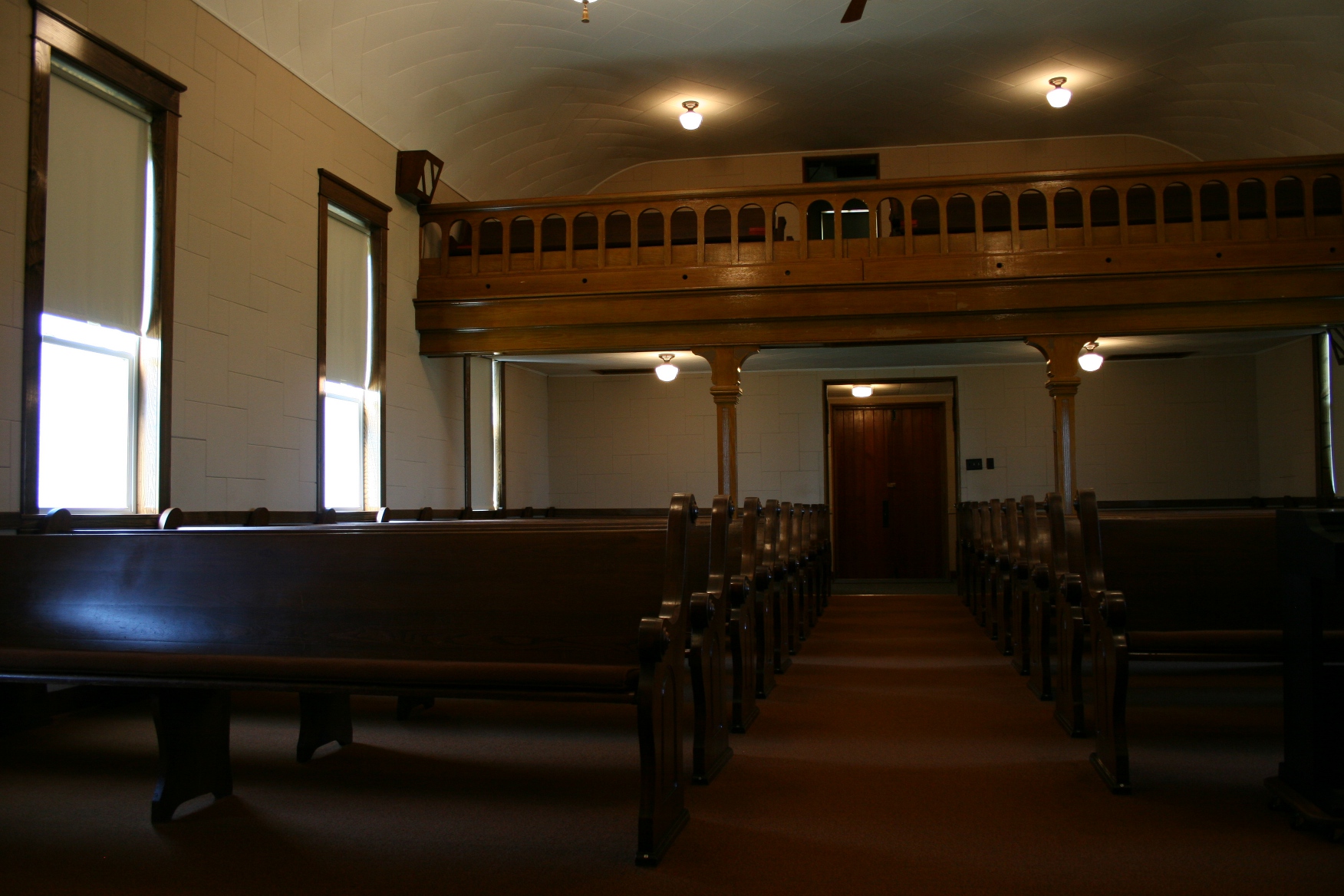
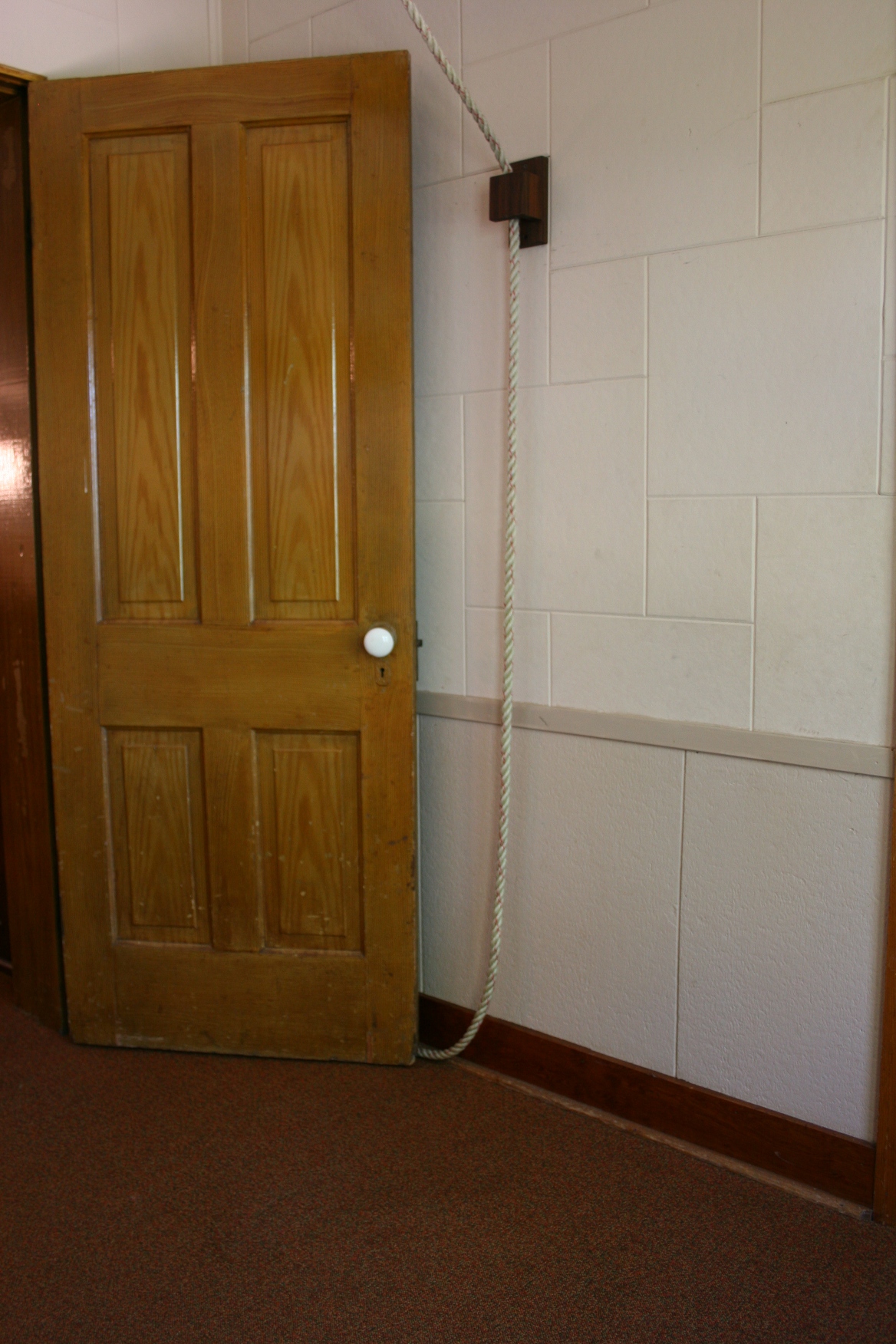
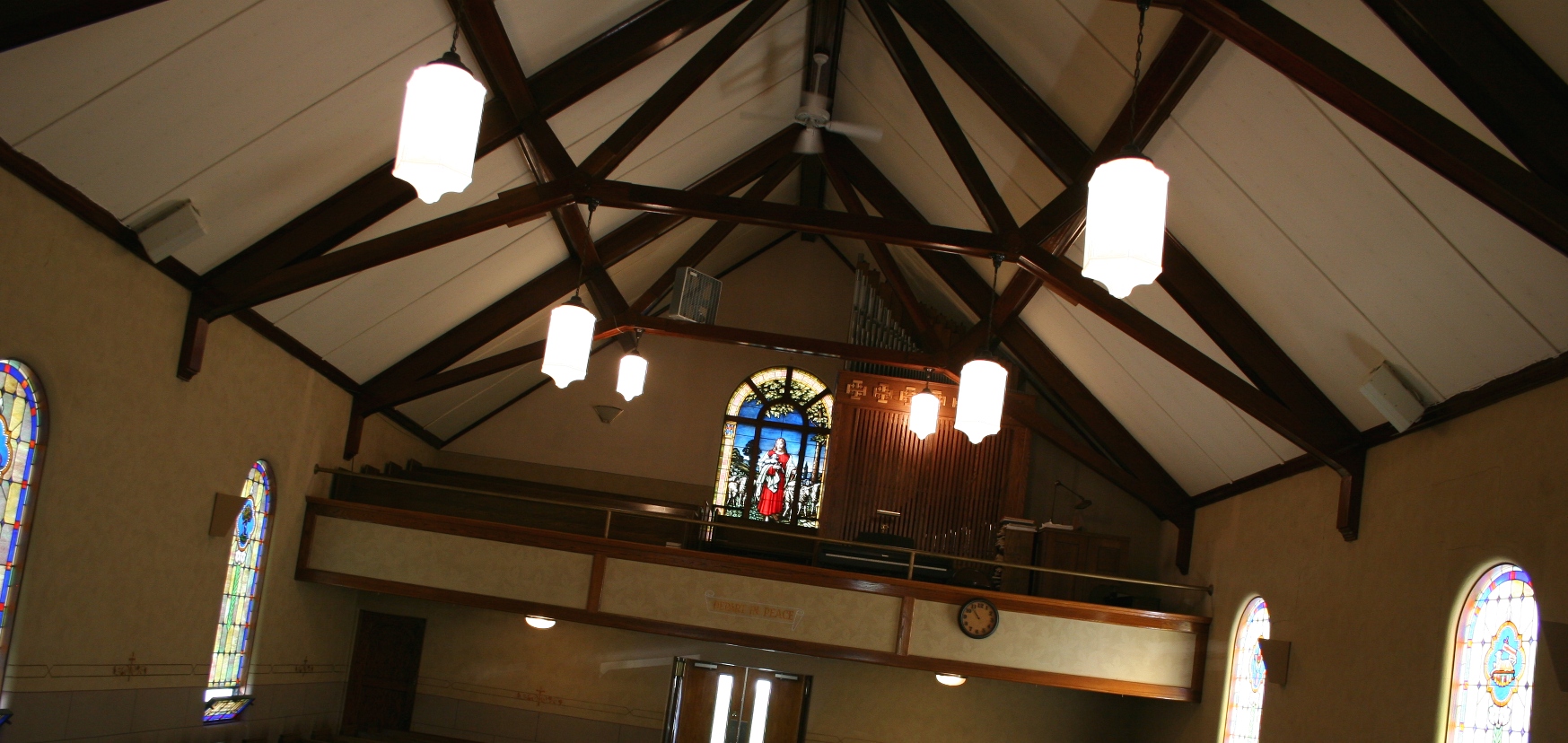
Alright, let’s head upstairs and see what’s in the balcony. It’s kind of tempting to pull that bell rope, isn’t it? Don’t worry, I’ve never given in to such temptation.

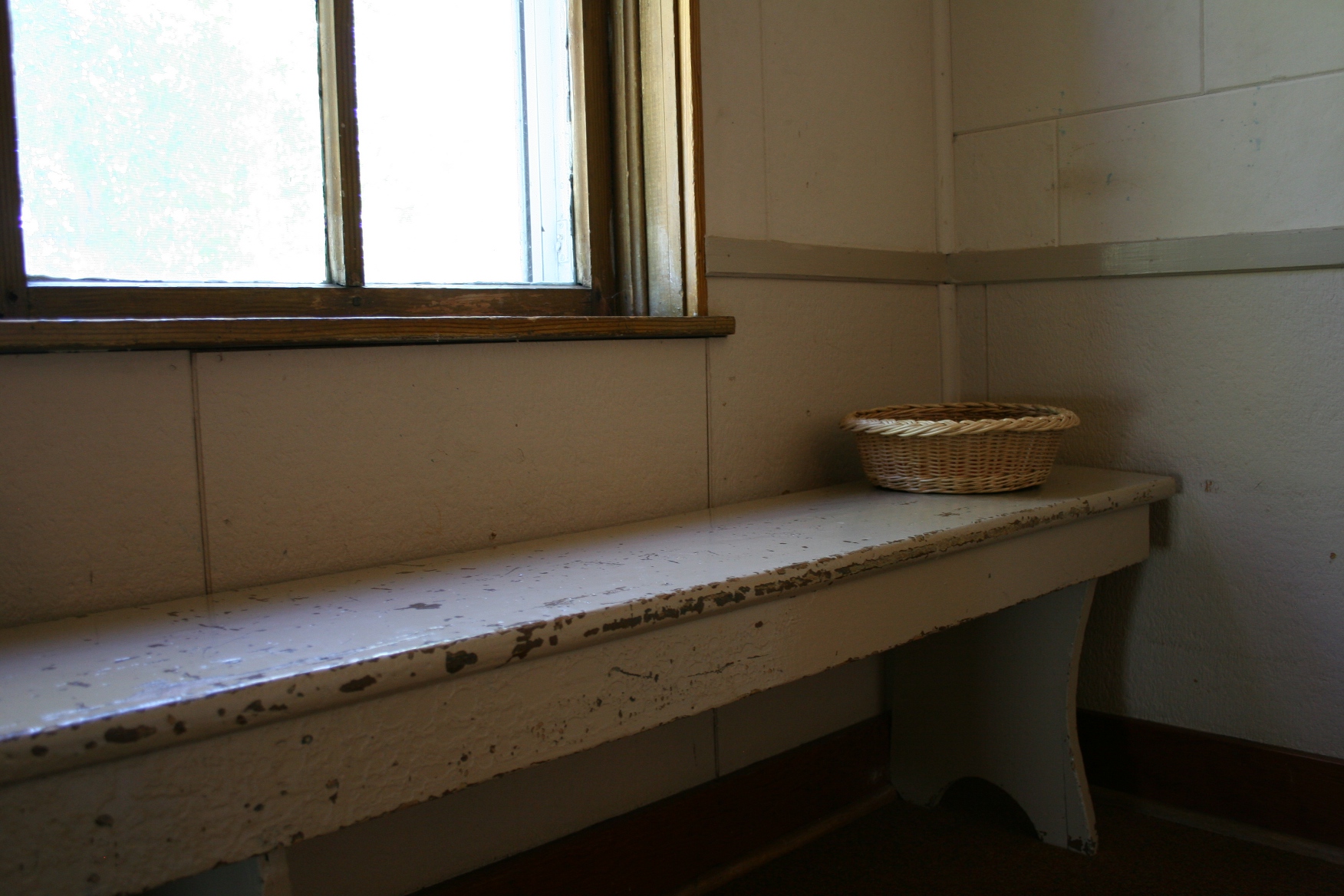
But I will move that wastebasket and stack of Vacation Bible School supplies so I can photograph that time-worn bench. Need to let a little natural light in, though, so I’ll pull up the shades. That’s better.

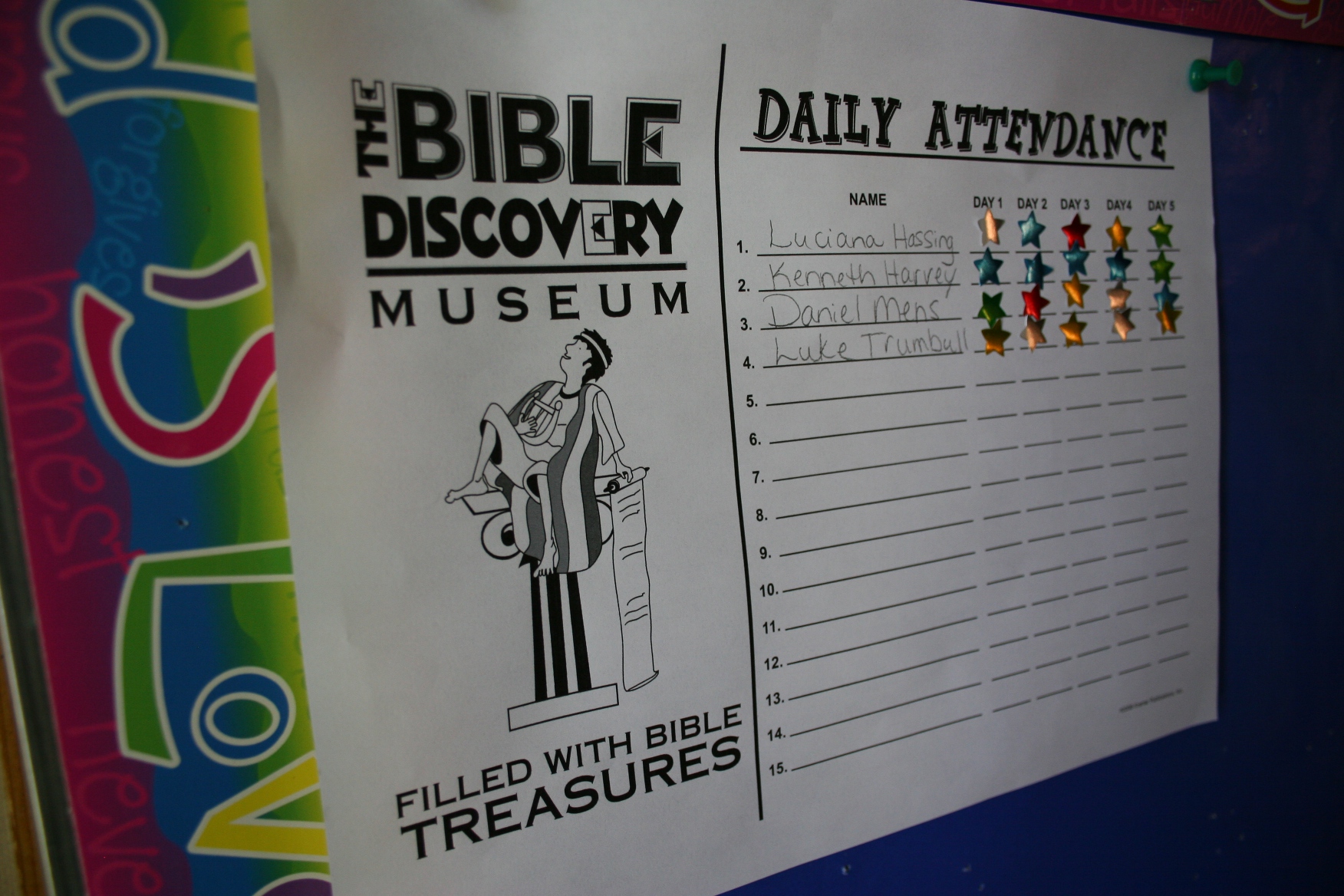
Oh, my goodness, look at those stars on that attendance sheet. I haven’t thought about those shiny, sticky stars in decades. I remember when my Sunday School teacher awarded stars for attendance. I thought they were the greatest thing. The memories…

Time to head down to the basement after I take a few more pictures up here. Yes, I have got a good grip on my camera. I don’t want it tumbling over the balcony railing.

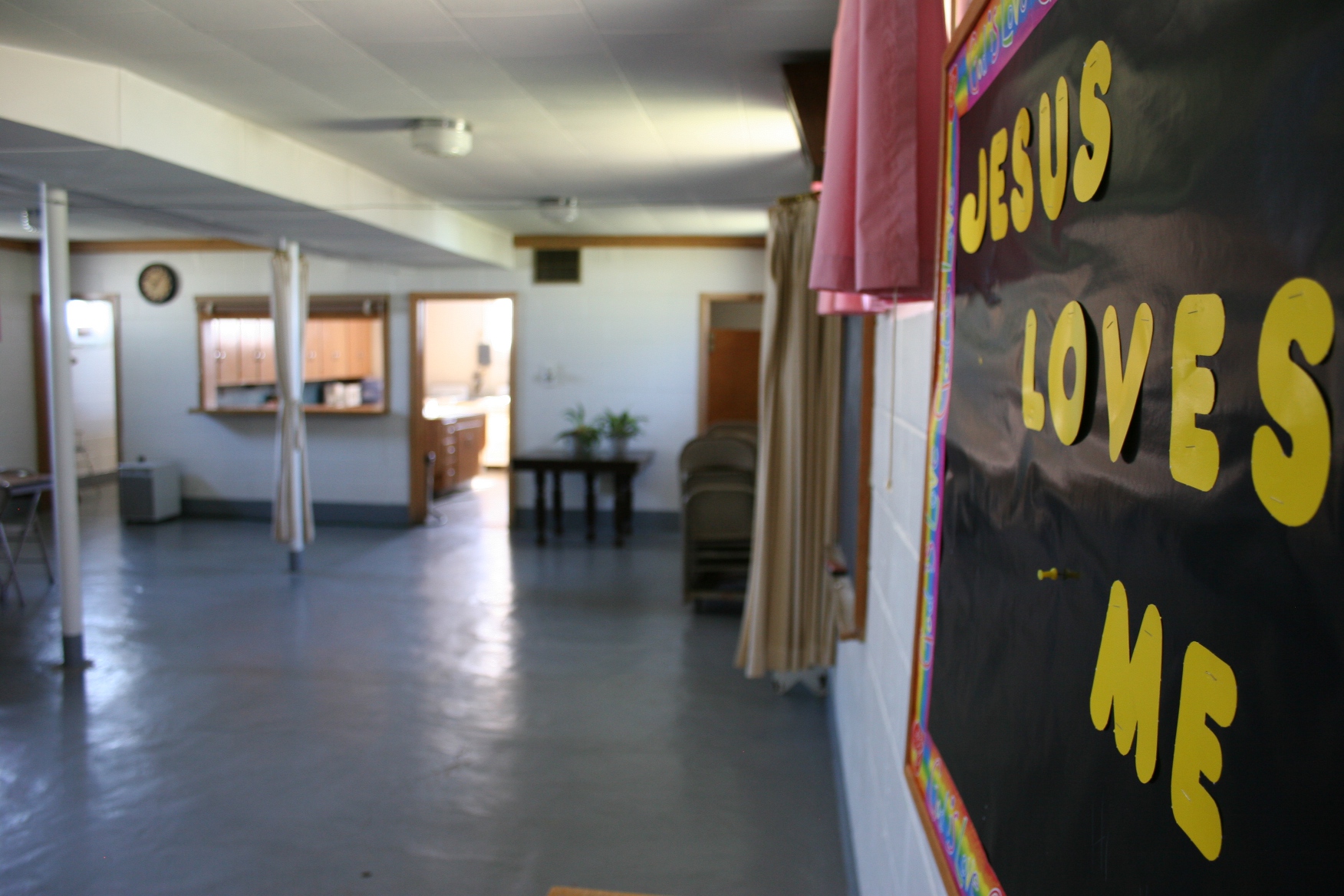
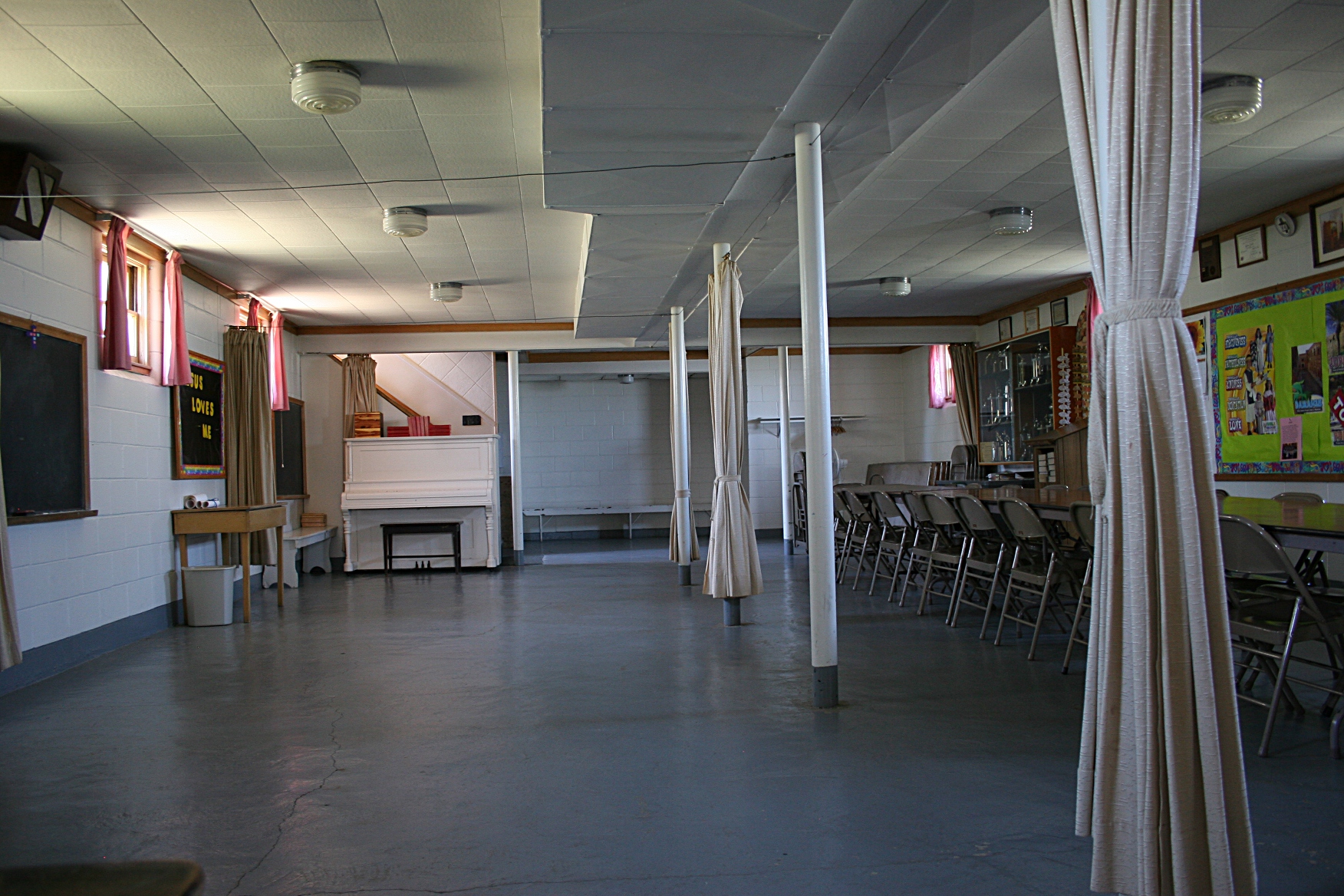
Now, down to the basement we go. I need to pause here for a minute and take it all in.

Those curtains—see those curtains there—St. John’s had those in the basement, too. The curtains divided the basement into classrooms for Sunday School. I didn’t know churches still used those. I can almost hear the grating sound of those curtains closing and opening and remember how we kids had to take turns pulling the fabric closed, then open, at the end of Sunday School. Sweet memories…

Well, I better stop reminiscing because it’s after 10 a.m. and we do need to get to that worship service down the road in the cow pasture.

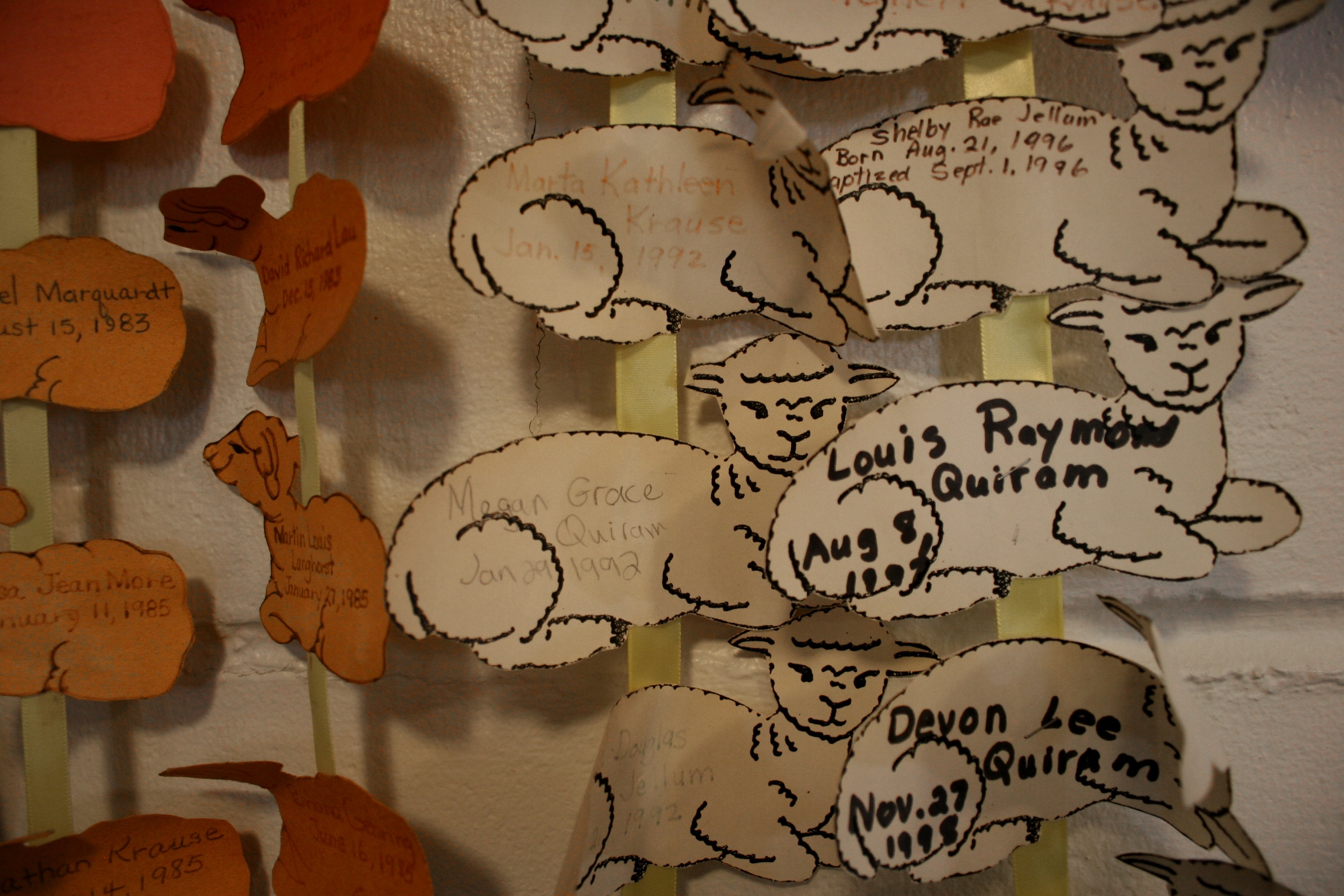
But, wait, I see one more thing I need to photograph…those lambs representing baptized children…

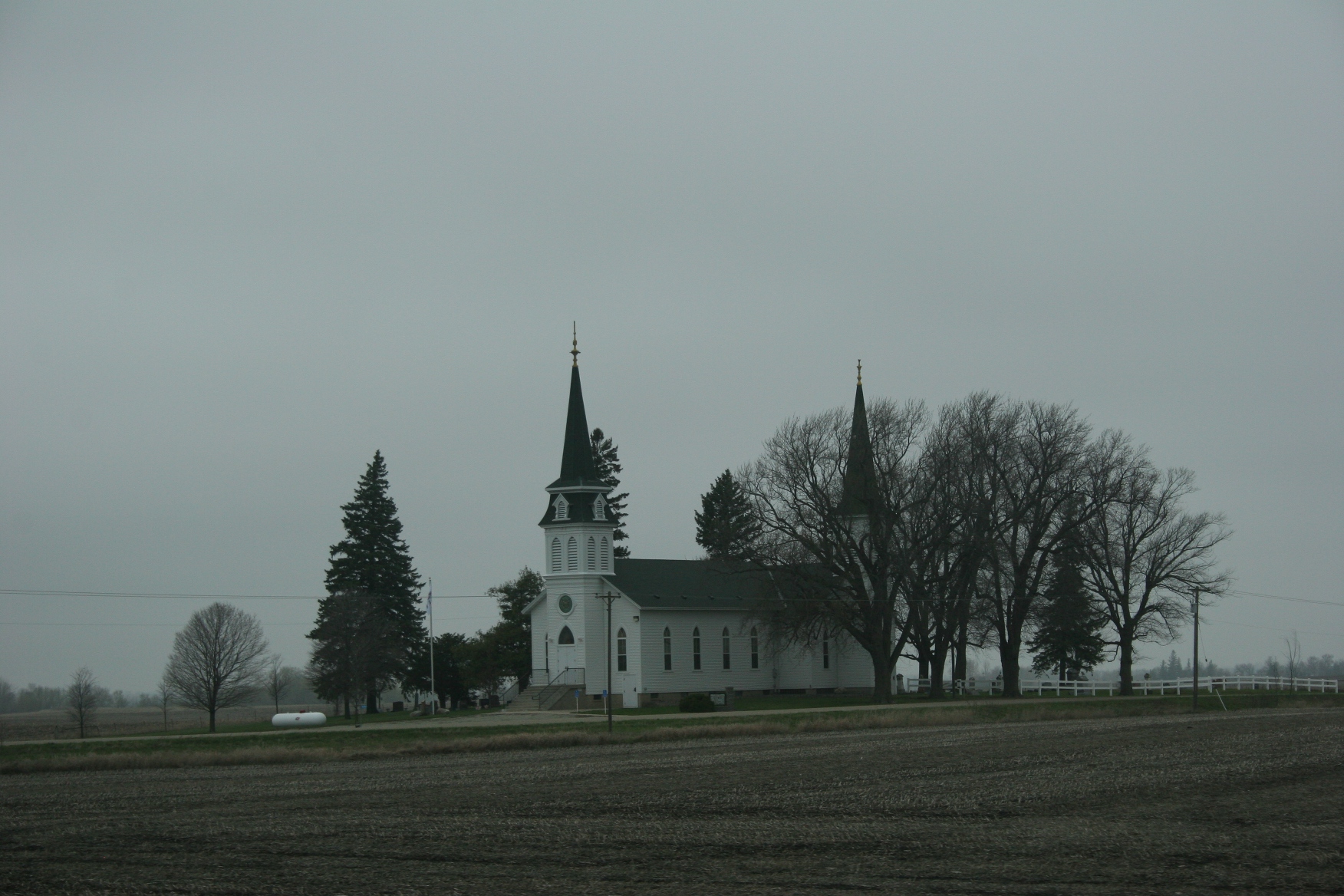
FYI: Immanuel Lutheran Church, commonly known as Freedom Church because of its location in Freedom Township, is located along Waseca County Road 3 about nine miles south of Janesville. Founded in 1874, this Lutheran Church Missouri Synod congregation has a total baptized and communicant membership of 114.

The organ in the church, interestingly enough, came from Trinity Lutheran Church in Faribault where I have been a member for 30 years. When Trinity upgraded to another organ in 1911, the old organ was moved on a sled pulled by oxen some 40 miles to Freedom Church.

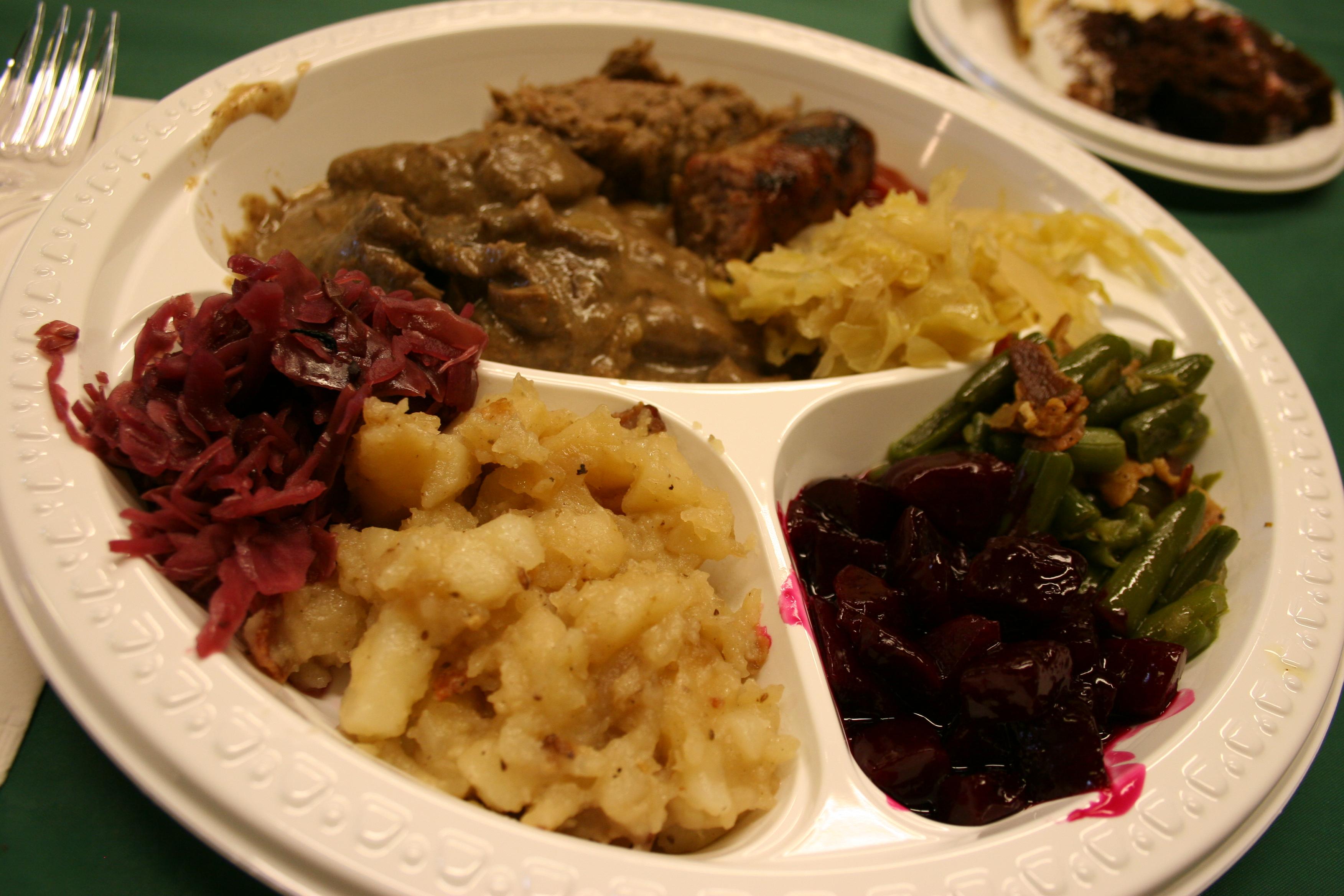
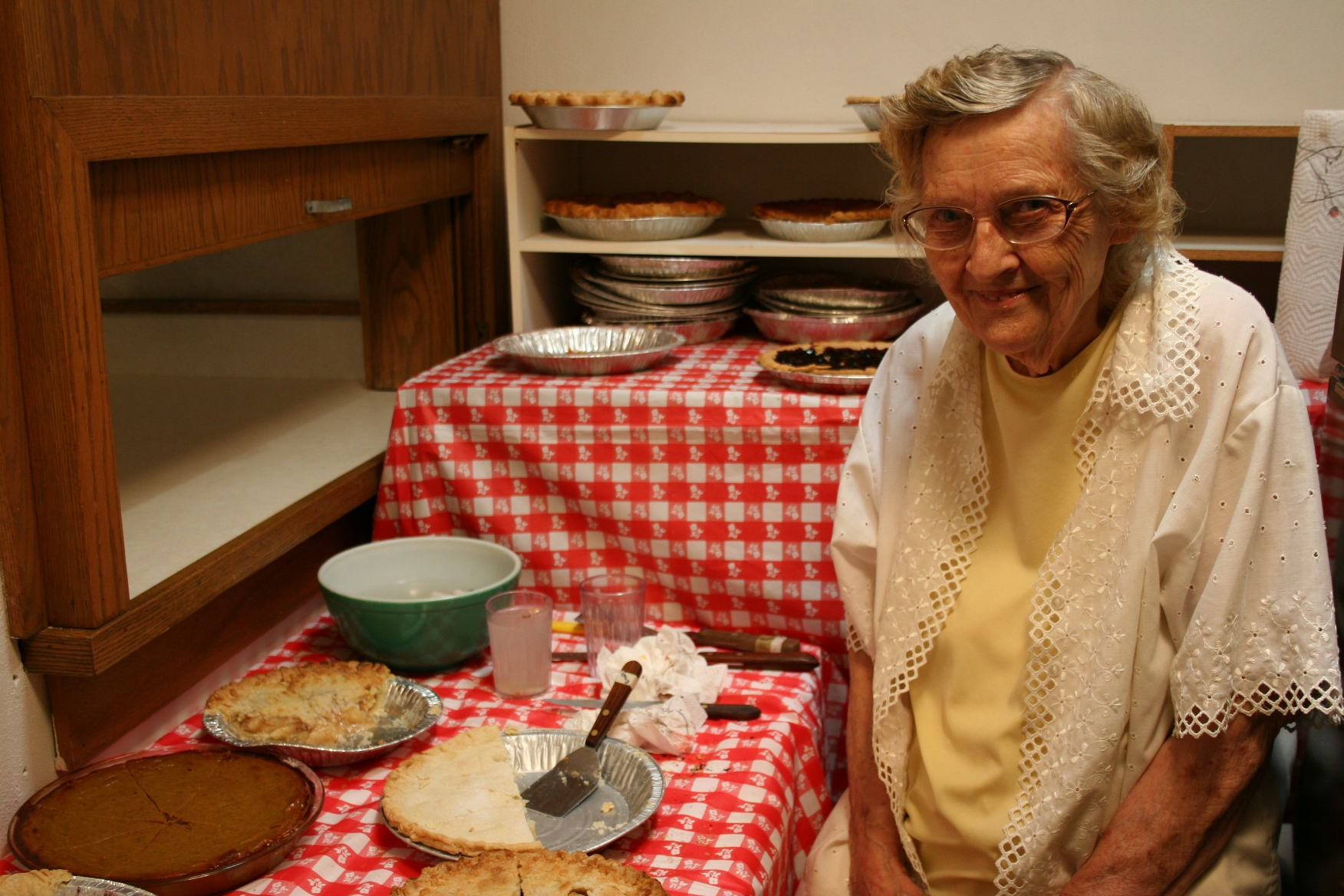
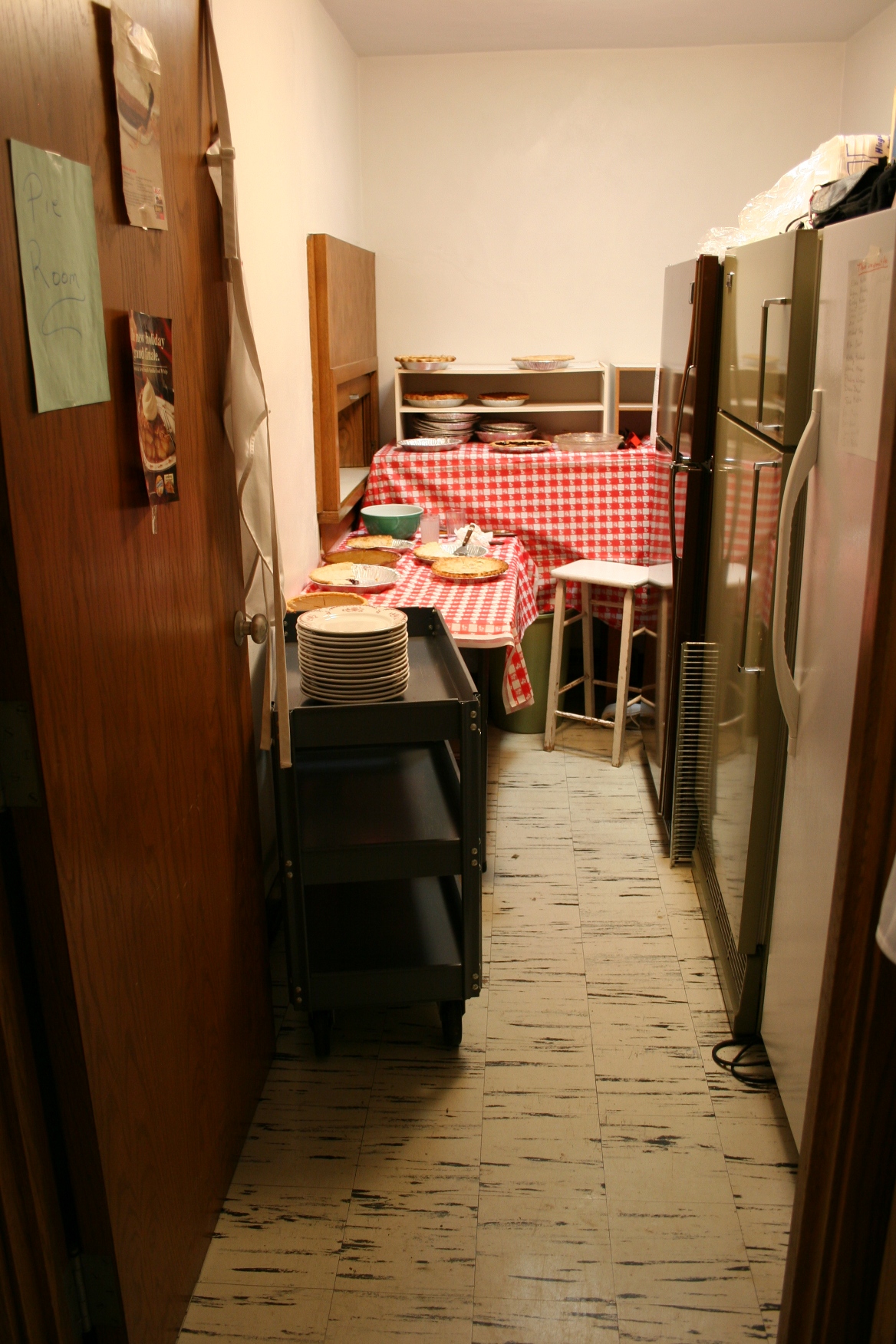
Freedom Church is not typically unlocked, but was open on the Sunday of my visit so members could leave food in the church basement for the mission festival potluck, according to member Joan Quiram. A big thank you to Joan for inviting me to the annual mission festival of Freedom and Wilton churches. You can read and view photos of that event by clicking here and then here.

© Copyright 2012 Audrey Kletscher Helbling


Photographing a mission festival near Janesville August 9, 2012

Filed under: Uncategorized — Audrey Kletscher Helbling @ 6:57 AM
Tags: , , , , , , ,

WHEN I PHOTOGRAPH an event such as the mission festival last Sunday at Marquardt’s Grove, rural Janesville, I slip into my sleuth persona. Hey, I read Nancy Drew mysteries as a young girl, what can I say?

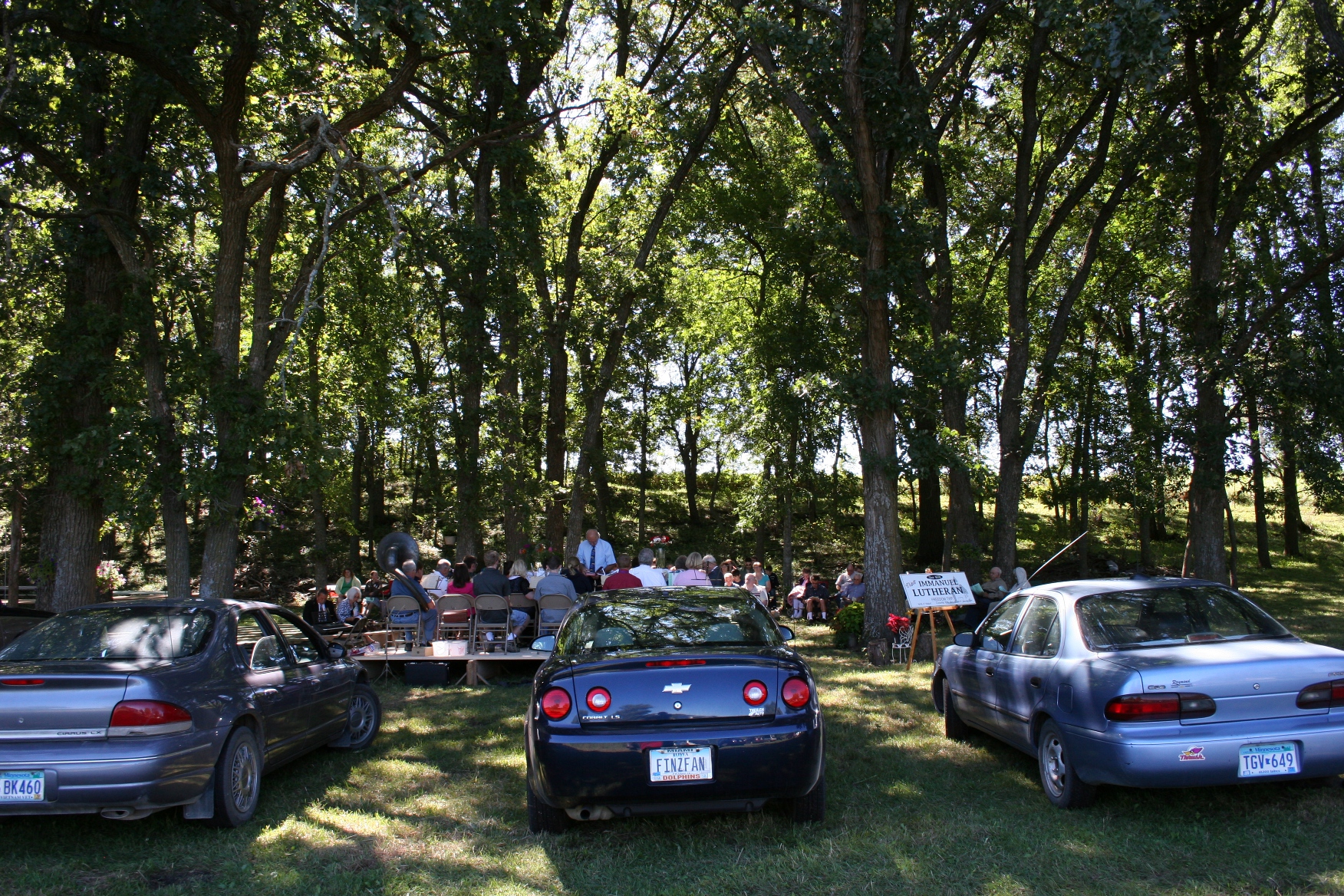
The overall scene at Sunday’s mission fest, looking toward the stage and worship areas.

Perhaps it’s not as much sleuthing as observing which, I suppose, is the essential component of good detective work. First I’ll view the big picture, the overall scene. And then I’ll begin to break it down, to notice the details.

It takes concentration, effort, and an ability to understand the smaller parts which, pieced together, comprise the whole.

This I do all the while also trying to remember what I am hearing and the general mood of the setting. It is not easy because I sometimes become so zoned in on shooting images that I shut down my other senses.

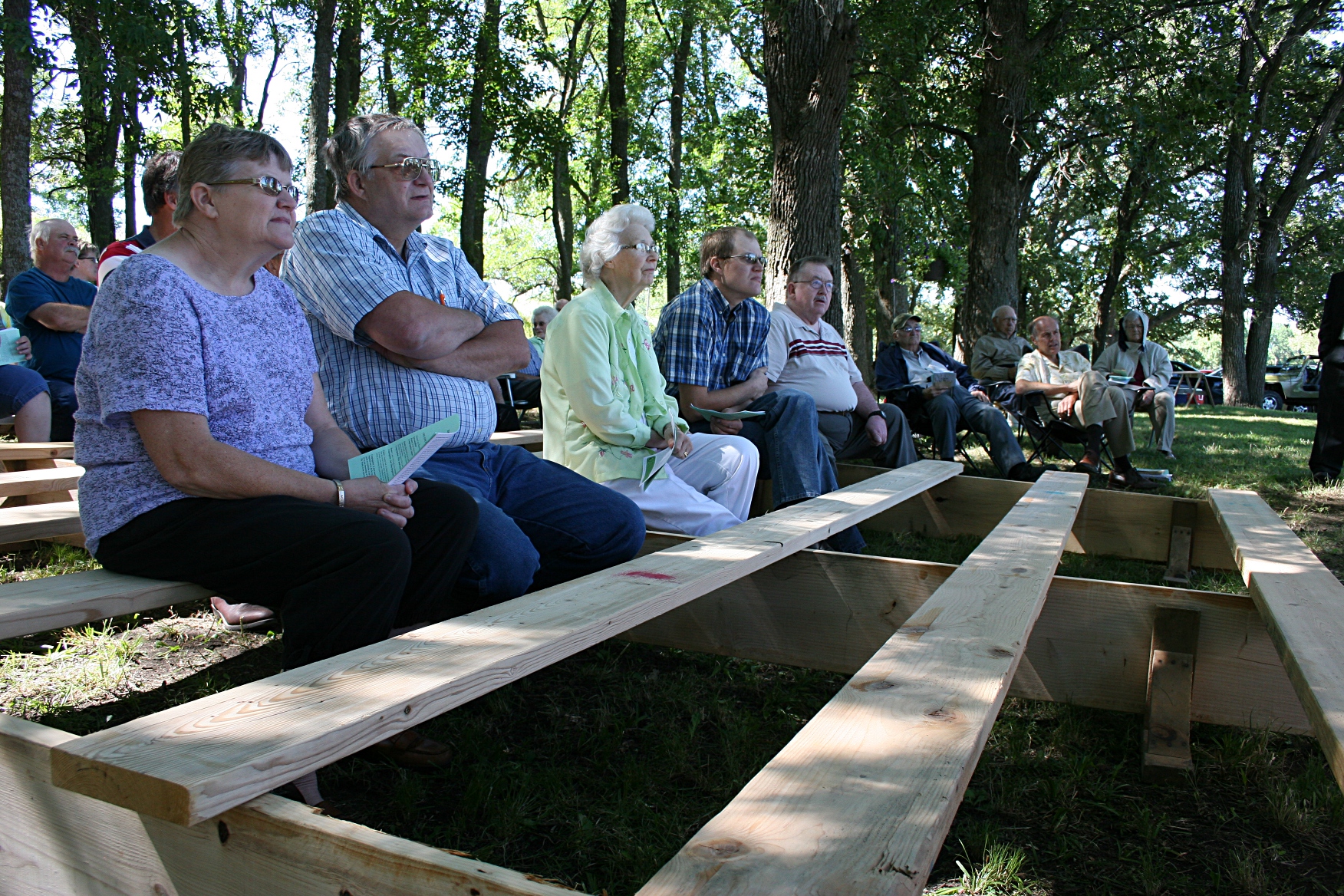
The other challenge comes in being respectful to those attending such events. On Sunday I was especially concerned about that given this was a worship service. I think, I hope, that after awhile worshipers no longer noticed me slinking around trees, weaving my way past temporary plank pews or pointing my camera down at their hands and toward their faces.

Yes, I expect observers sometimes wonder what exactly I am photographing. Digital photography has unleashed my creativity. I aim to tell a story with my photos, to take you there, to show you the details that make life especially interesting.

Here then are some of my detailed photos—the ones you likely would not think of taking—from the mission festival of Freedom and Wilton Lutheran churches.

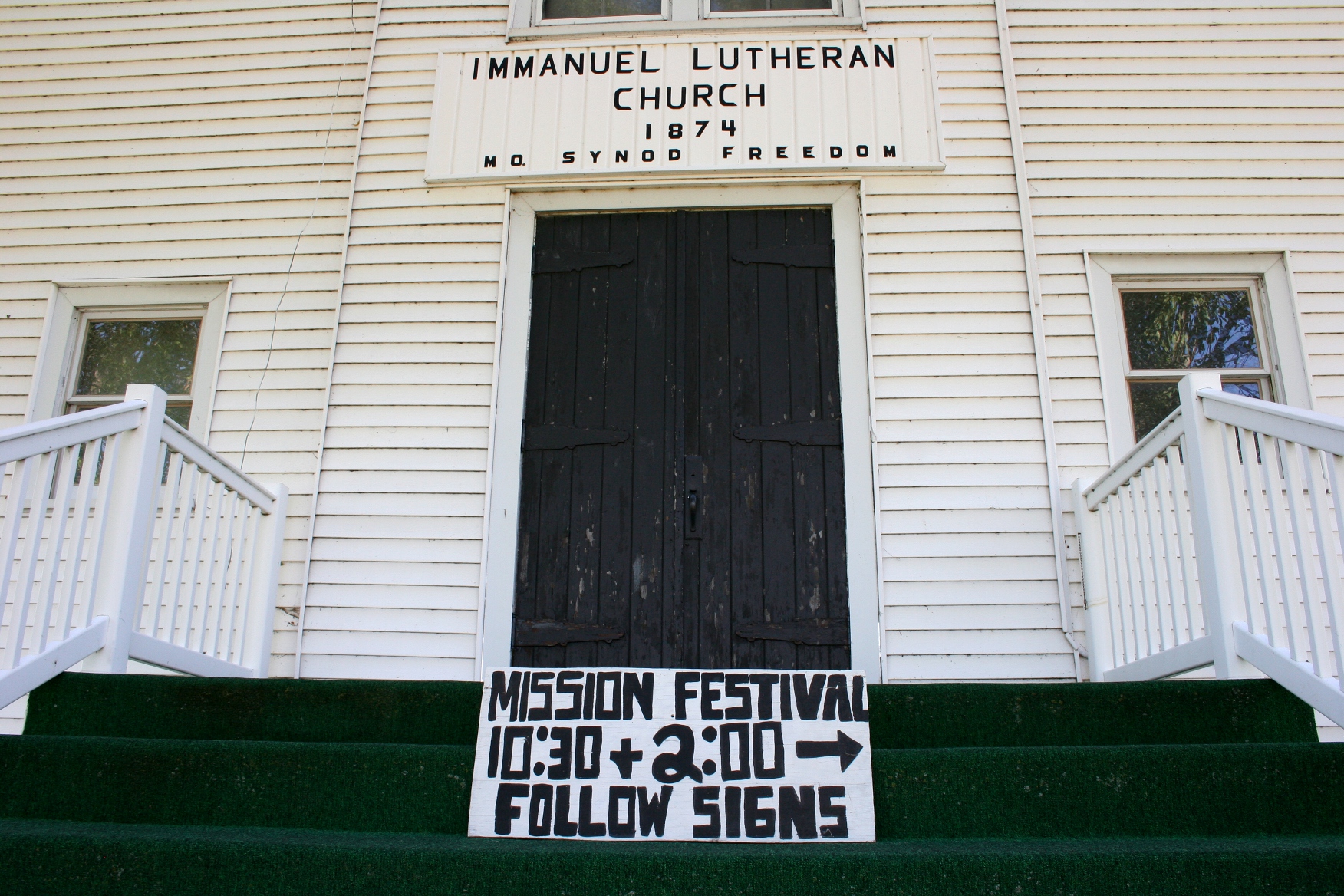
The first detail: the sign on the front steps of Freedom Church about a mile from the mission site in Marquardt’s Grove.

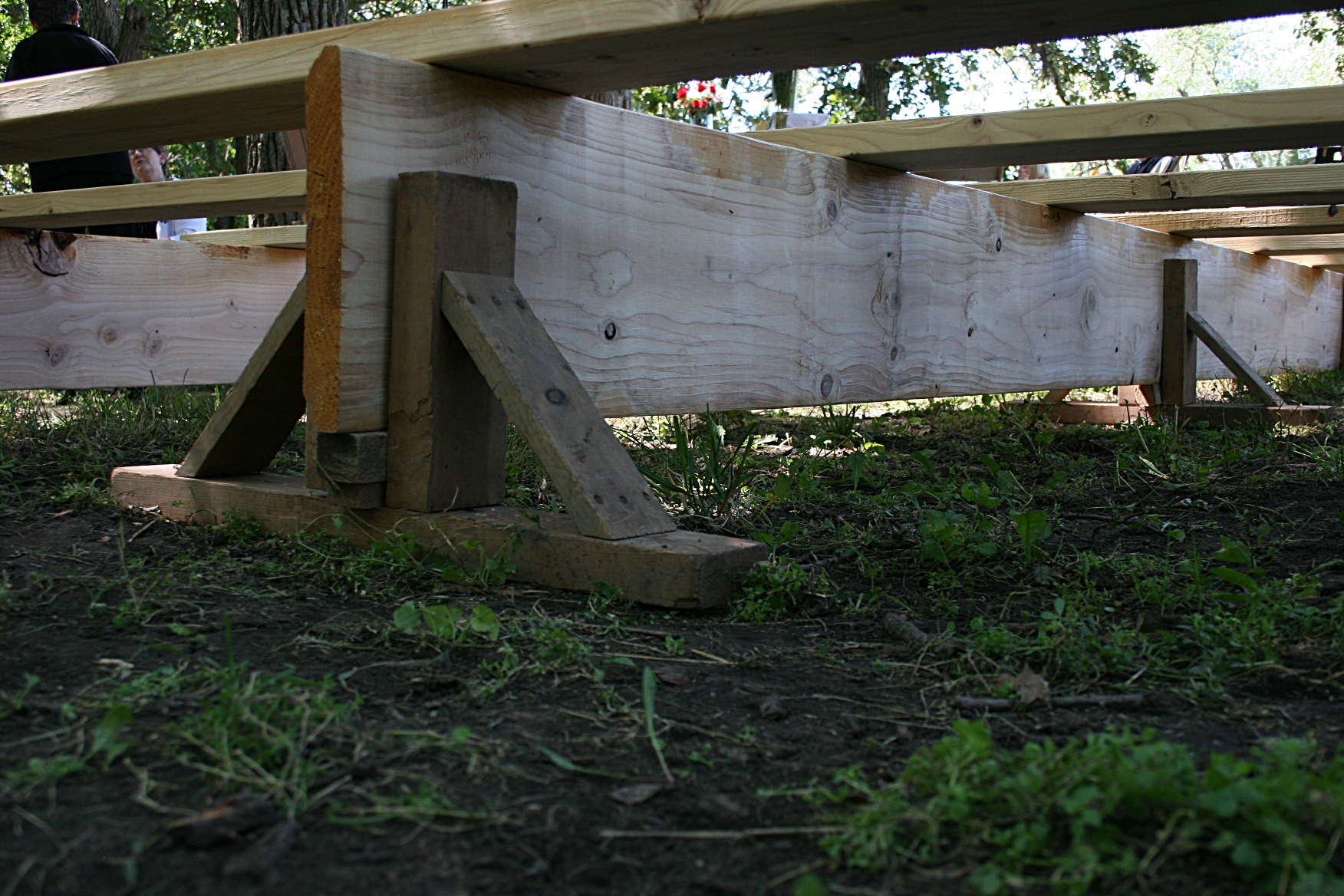
The jacks, as they are termed, which hold the planks in place, have been used for some 60 years. The planks, for the “pews,” are borrowed from a local lumberyard and then returned after the mission festival.

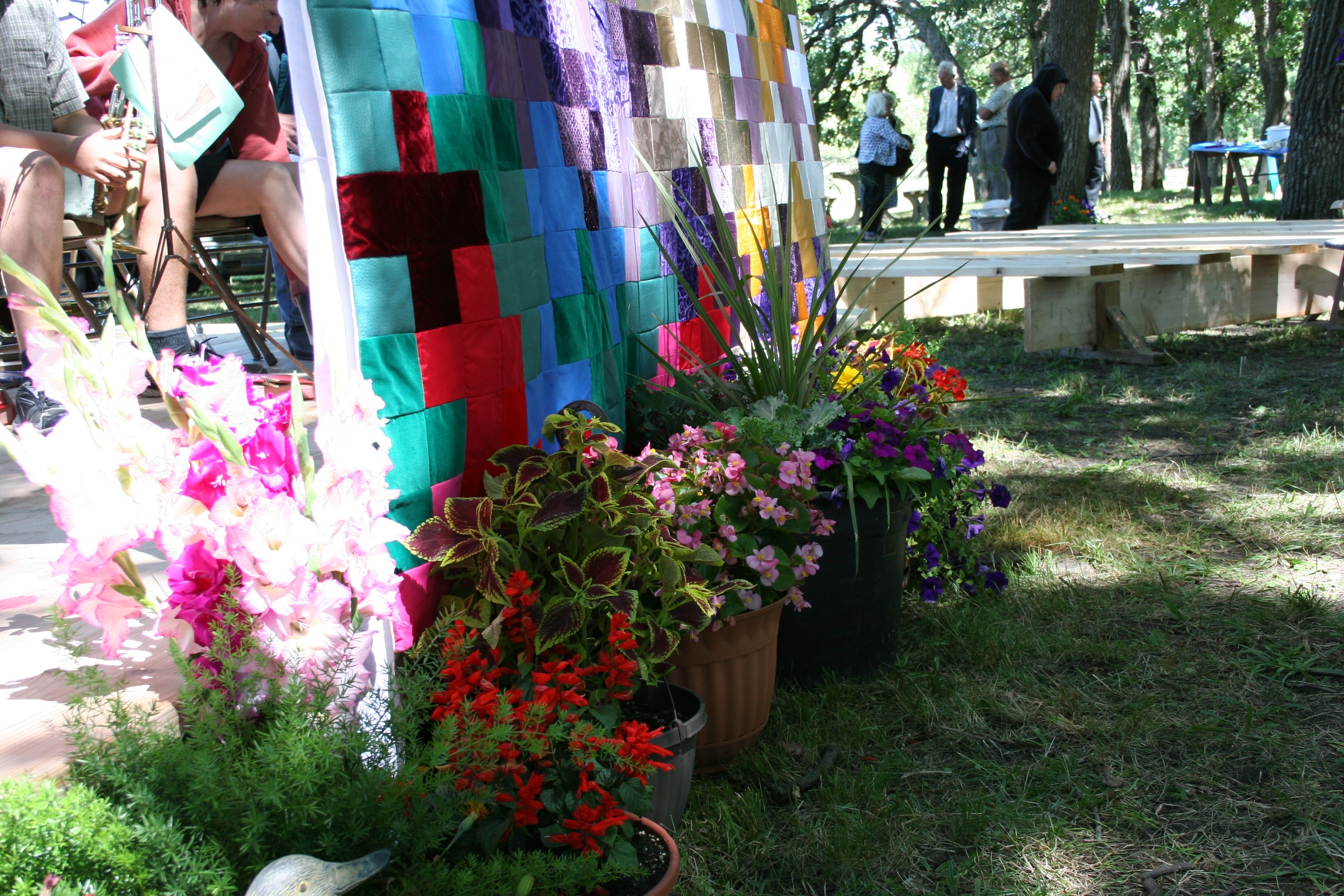
Sharlou Quiram measured the makeshift altar before crafting a cross design quilt of satins, velvets and brocades nearly 10 years ago. It hides the altar, “a bunch of really old board nailed together,” says Len Marquardt, and in use for 60 years. Flowers come from parishioners’ gardens, patios, decks, yards.

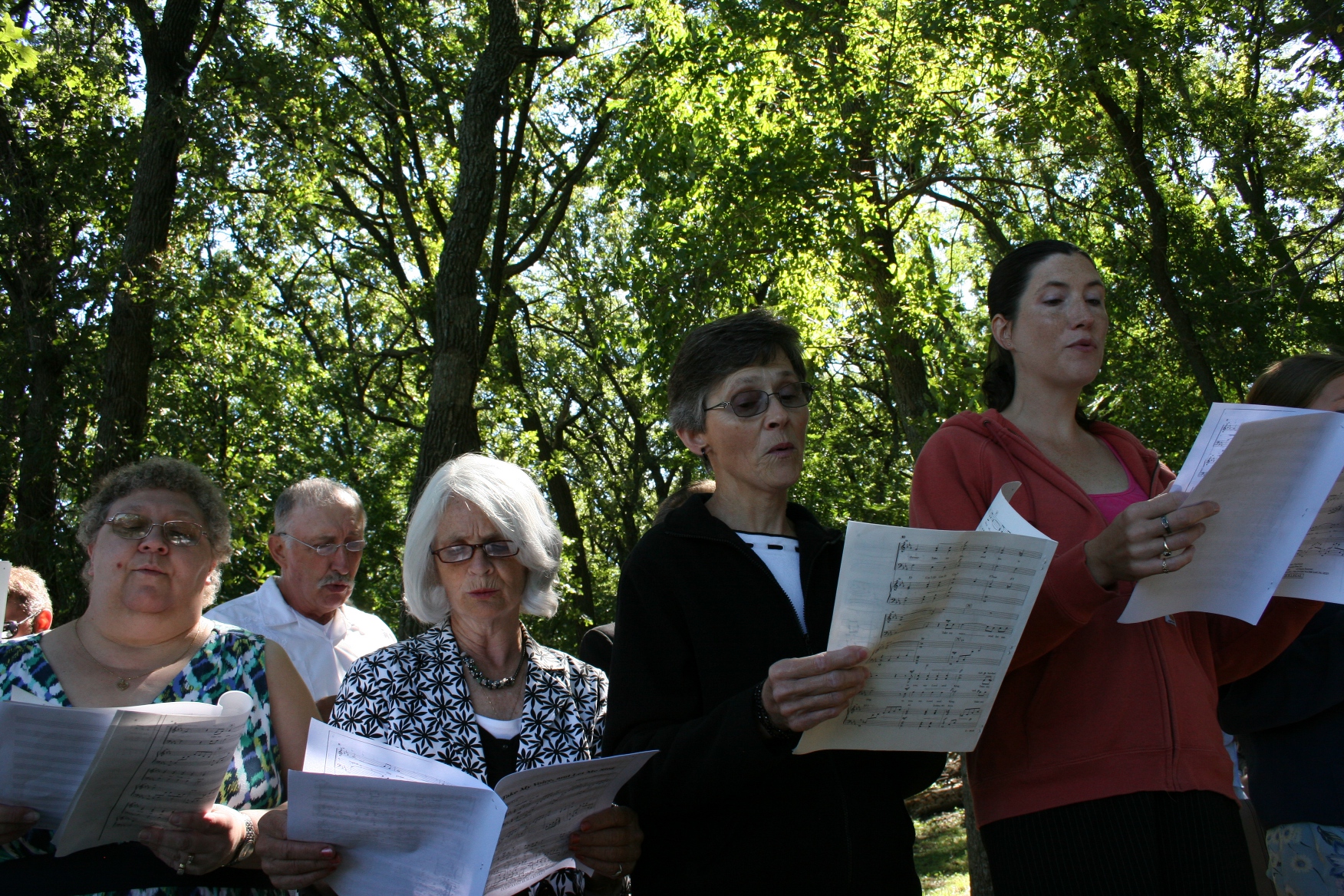
When I took this photo of the choir, I was aiming to emphasize the outdoor setting in the woods.

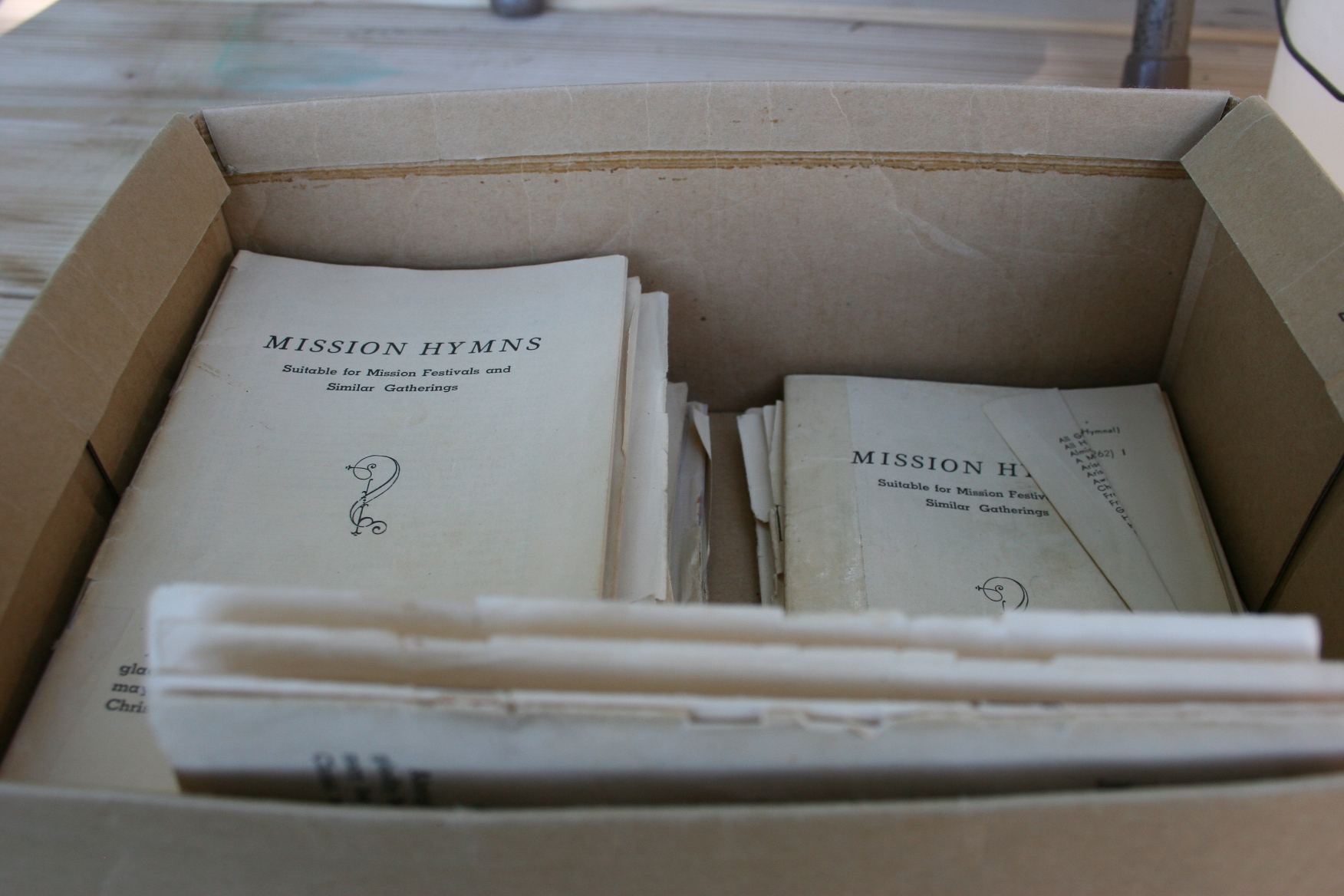
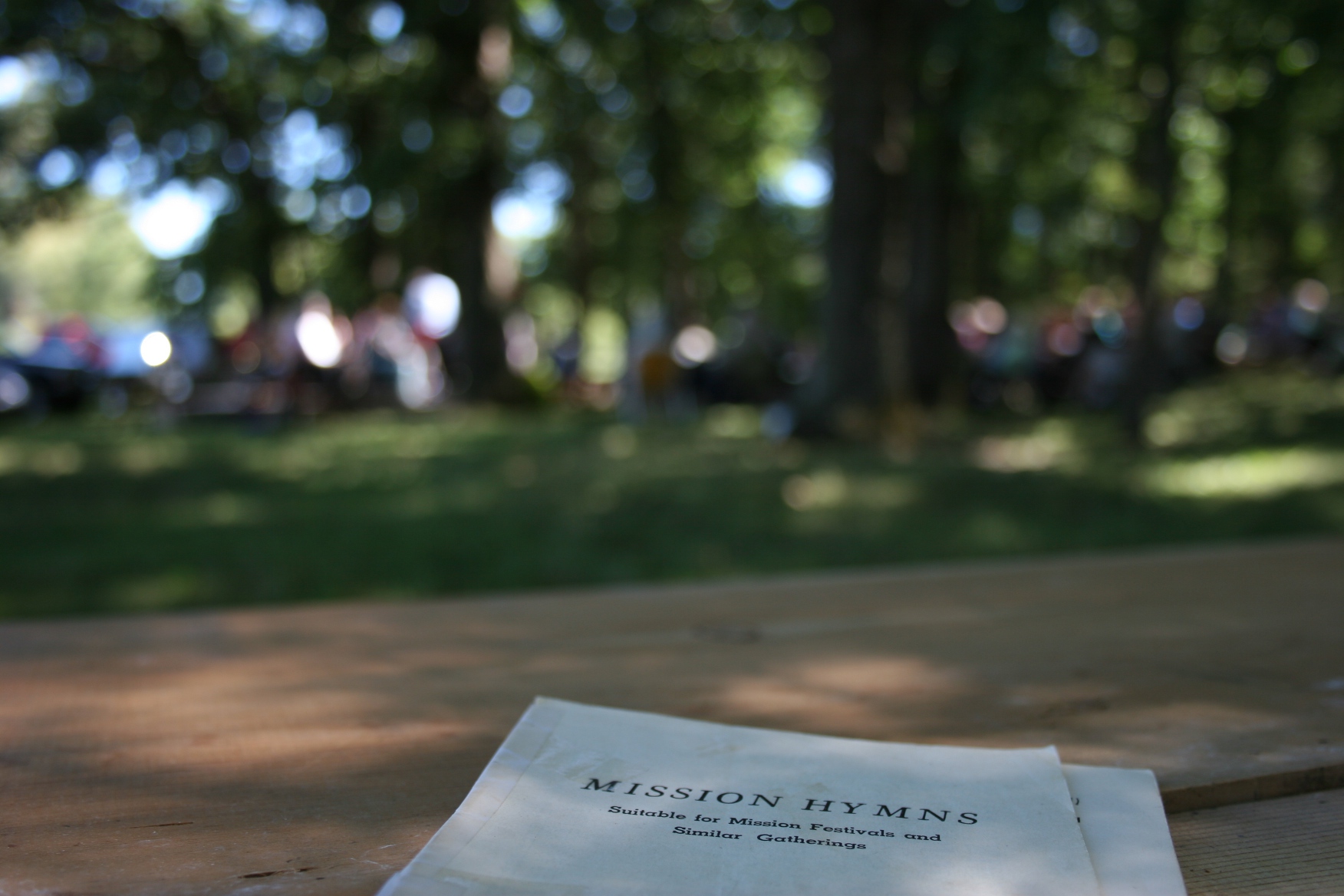
Vintage pocket-size songbooks were boxed and stashed on the stage behind the Freedom Band. The first hymn of the day was “Praise to the Lord, the Almighty.” At the end of the service these books, which have been used for decades, were collected.

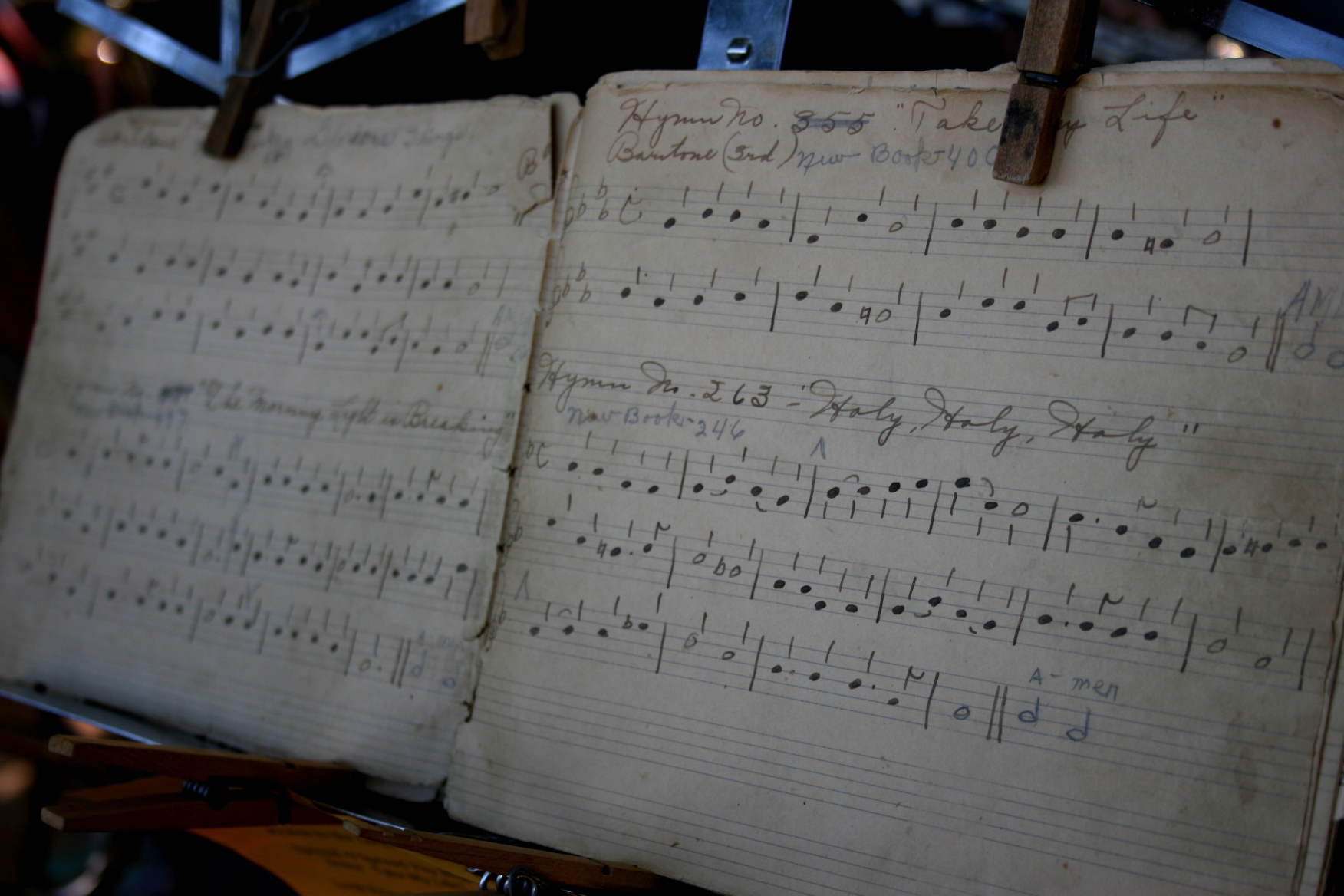
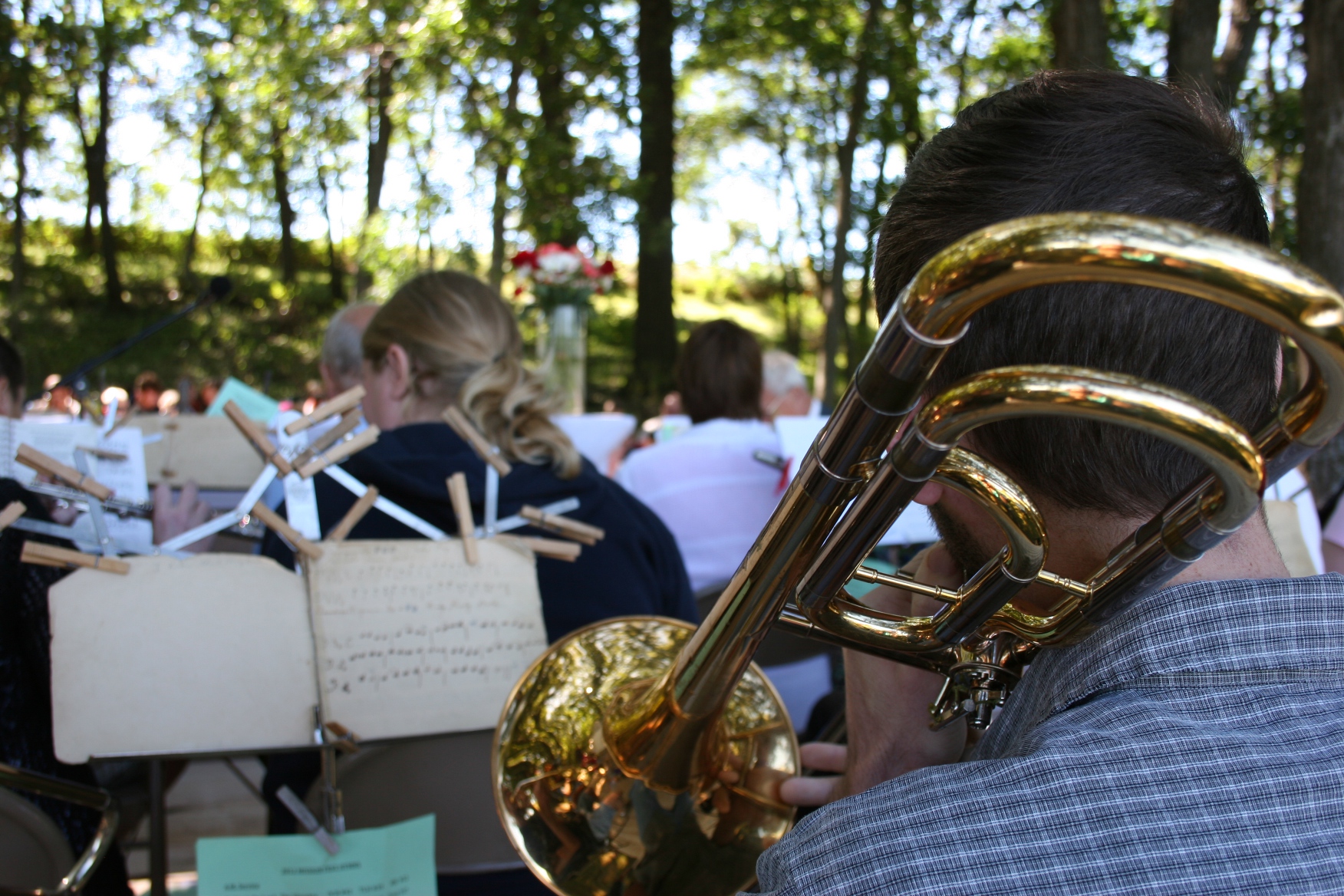
Some of the music used by the Freedom Band was transposed decades ago from a hymnal.

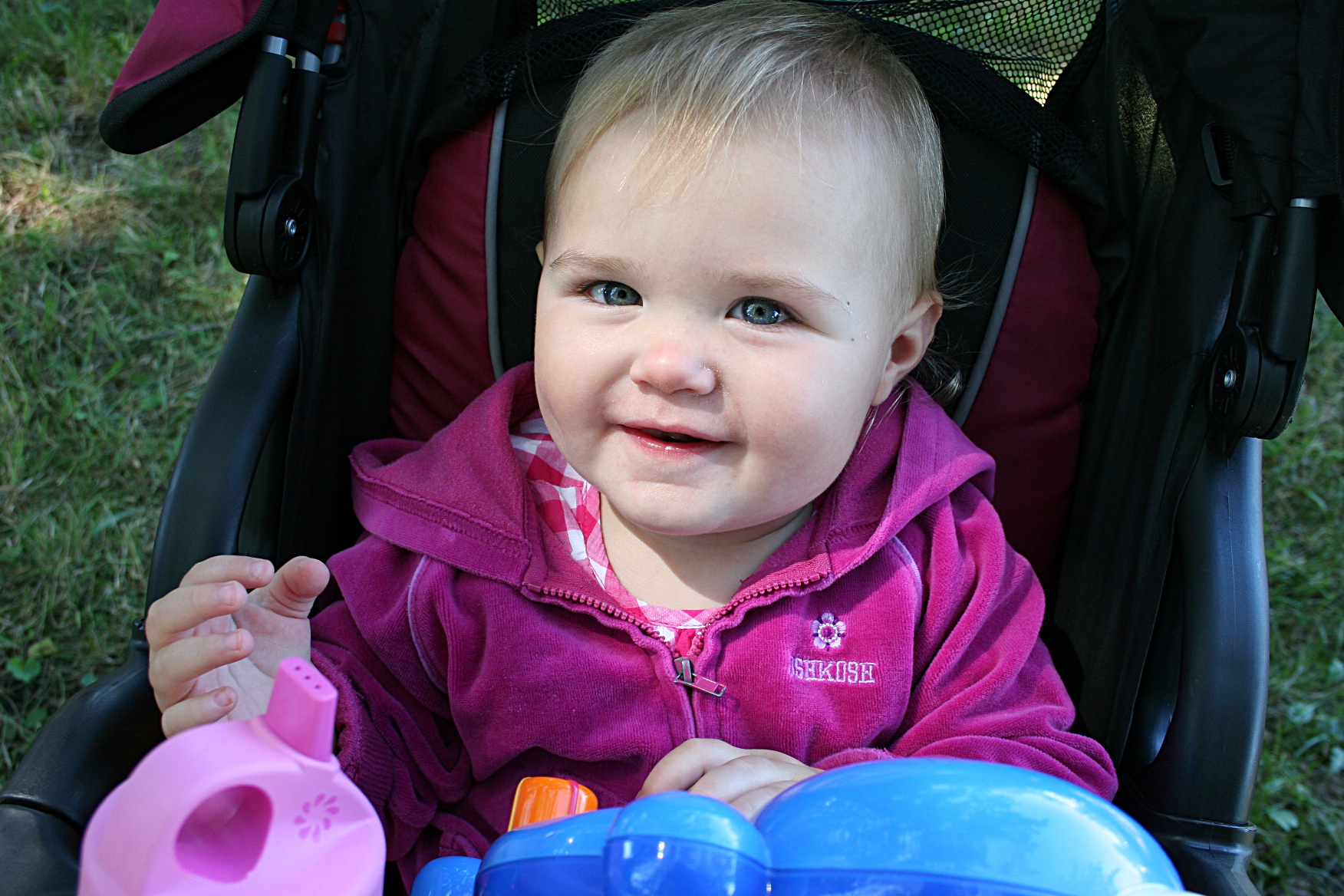
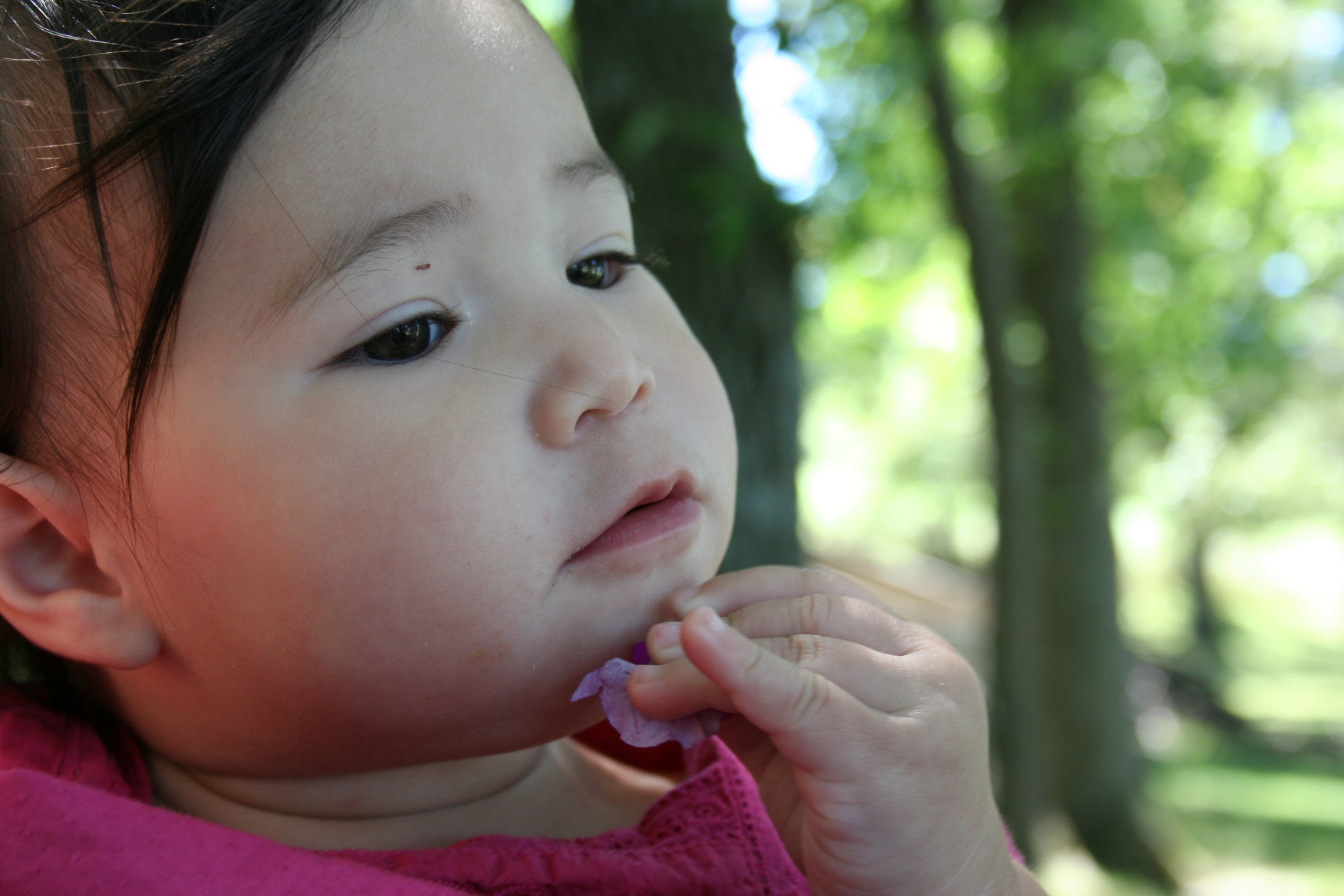
Ava, 15 months, hangs out at the pop and candy stand with her dad, Ben.

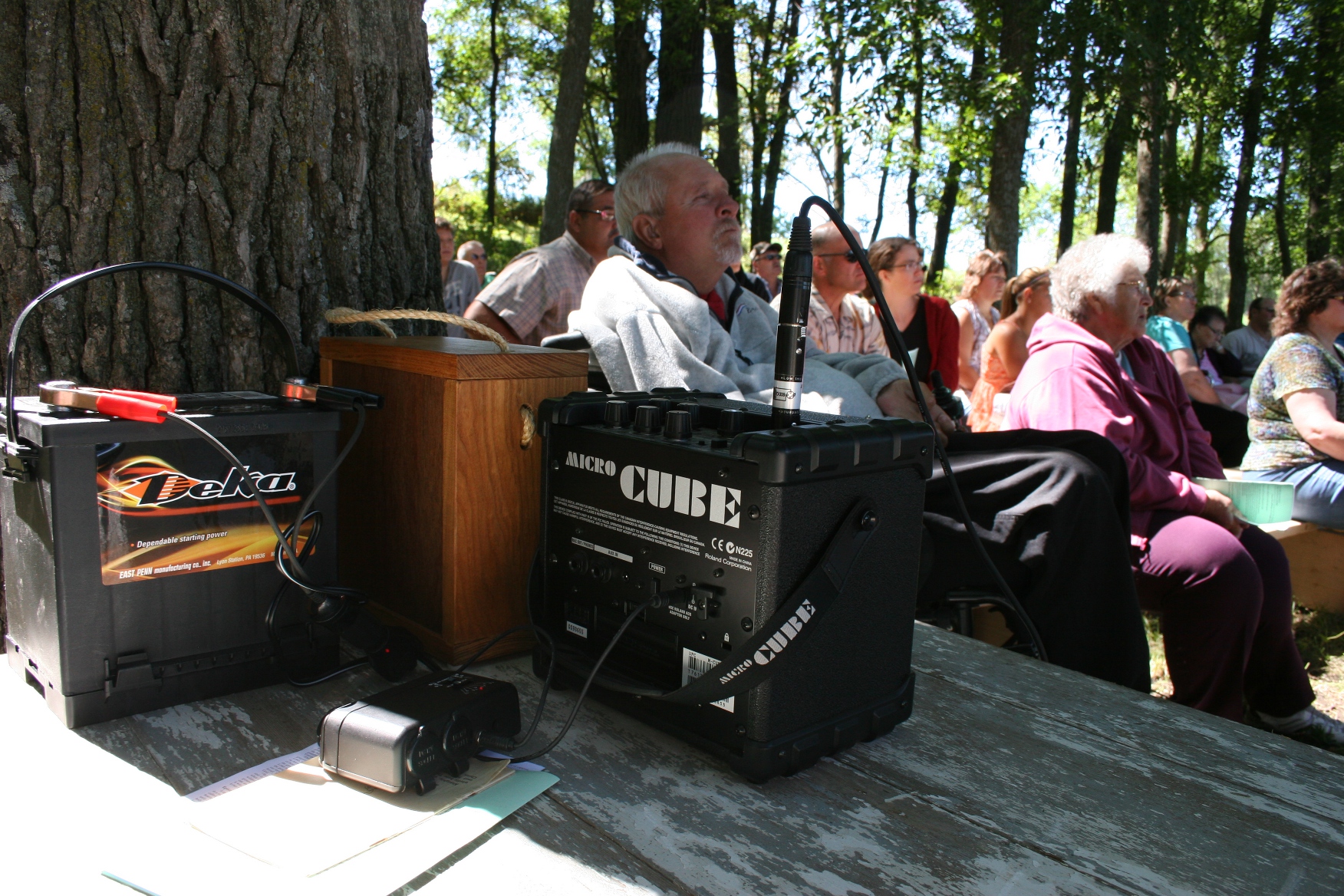
A 12-volt battery and converter amplifier powered the speaker system for the worship service.

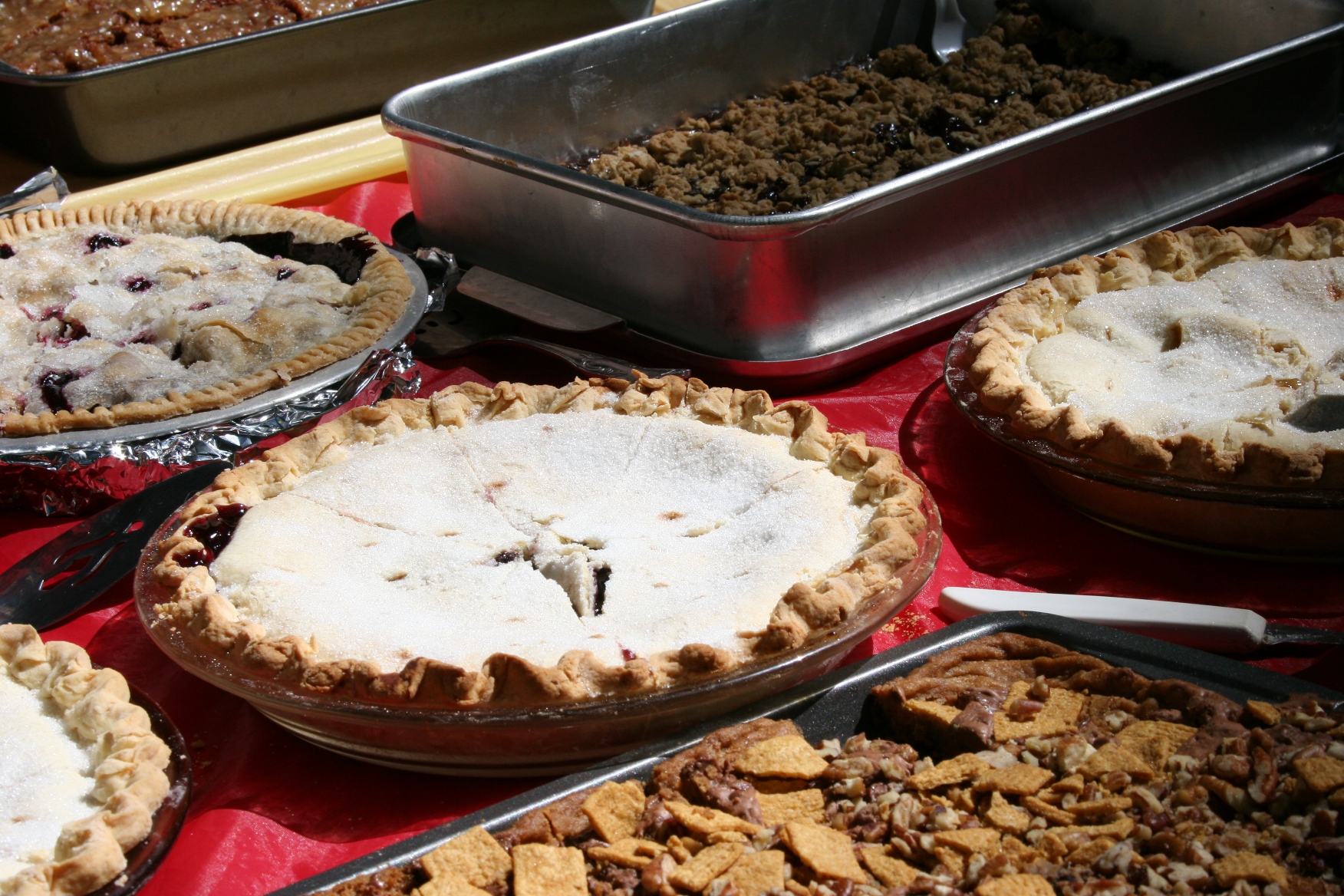
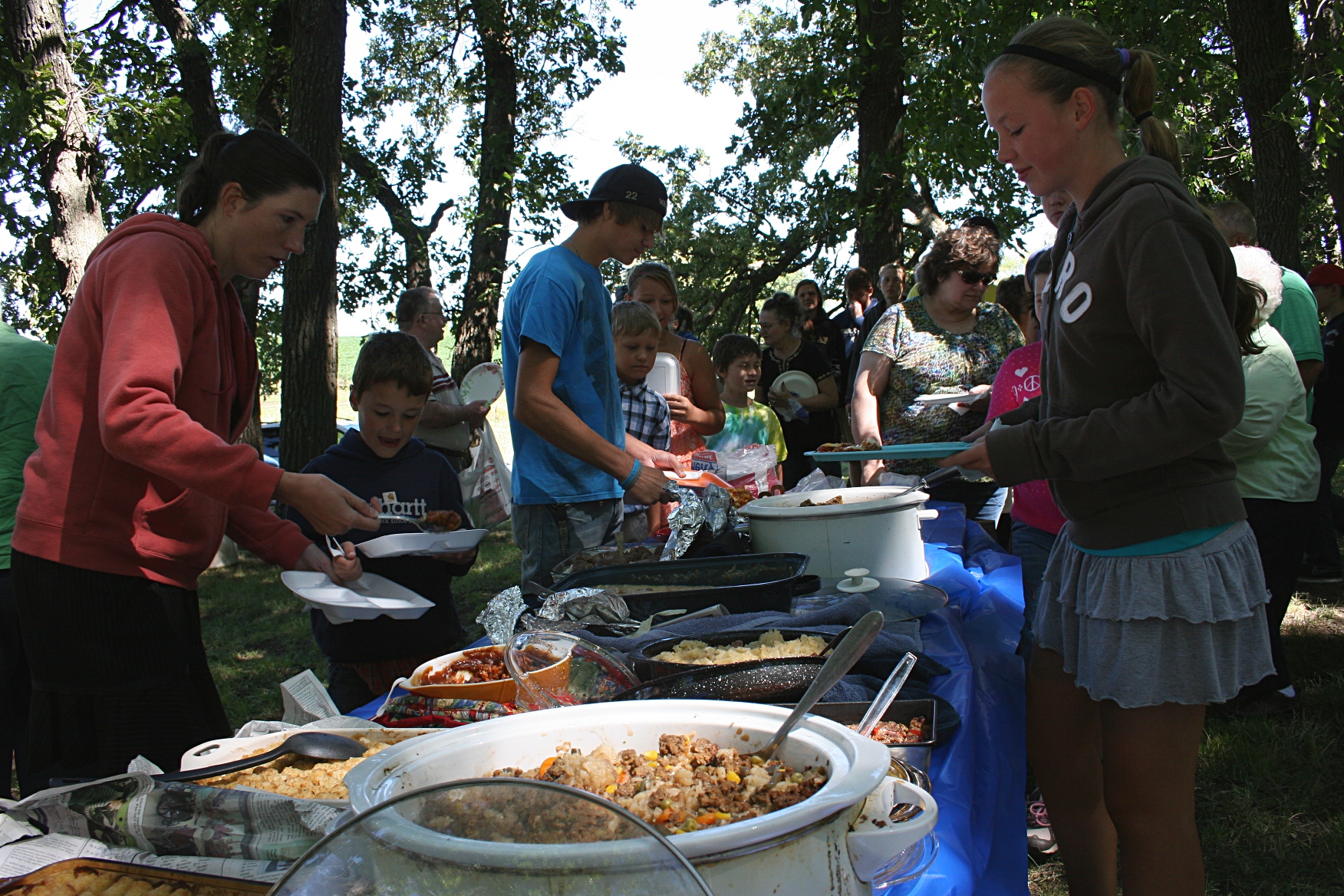
Desserts, including coveted homemade blueberry pie, and an abundance of main dishes and salads lined makeshift tables (boards supported by sawhorses) at the potluck following the worship service.

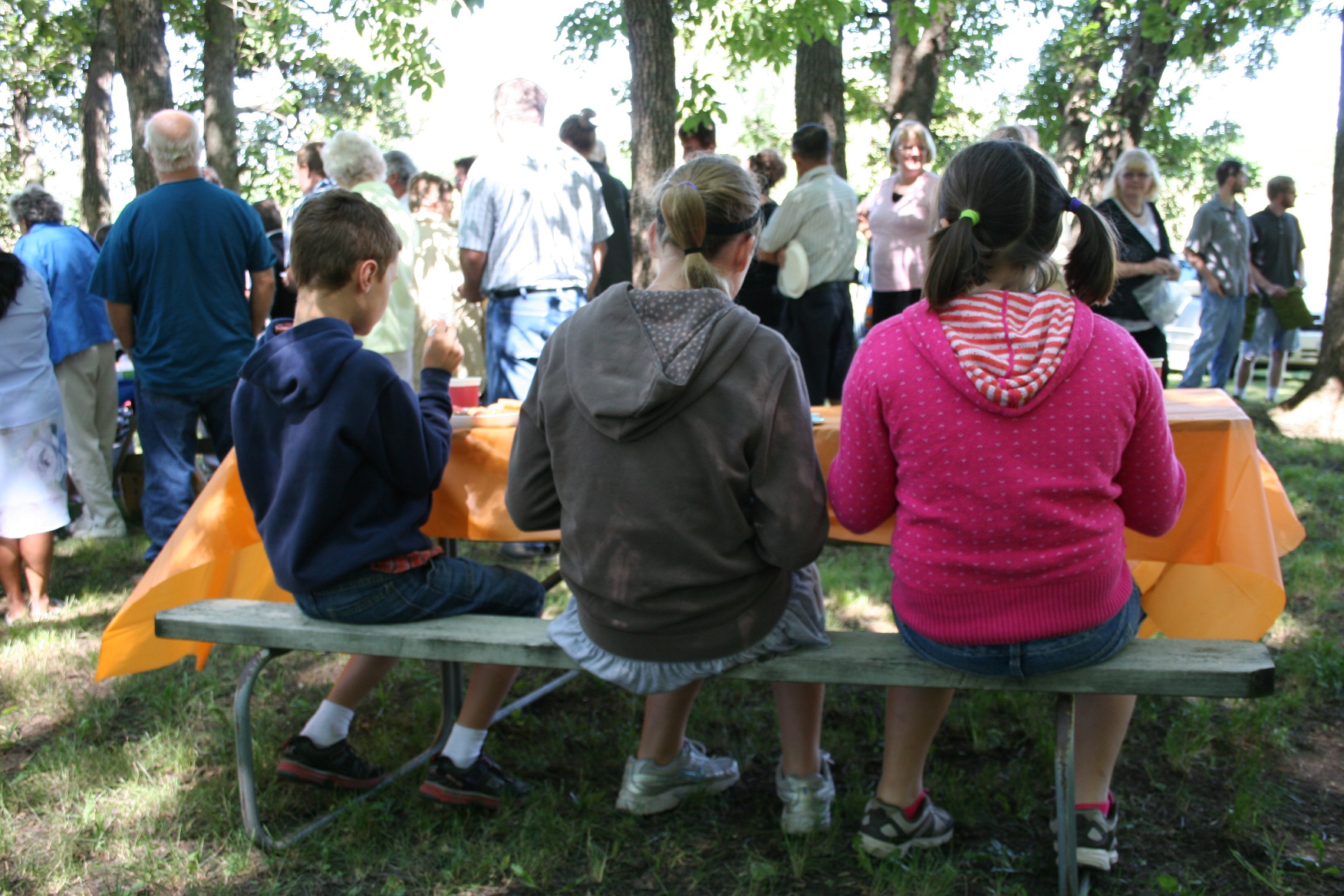
Enjoying the potluck dinner in Marquardt’s Grove while diners wait in line to dish up food. The vivid colors, the contrast of neon orange and hot pink, caught my visual interest as I captured this photo.

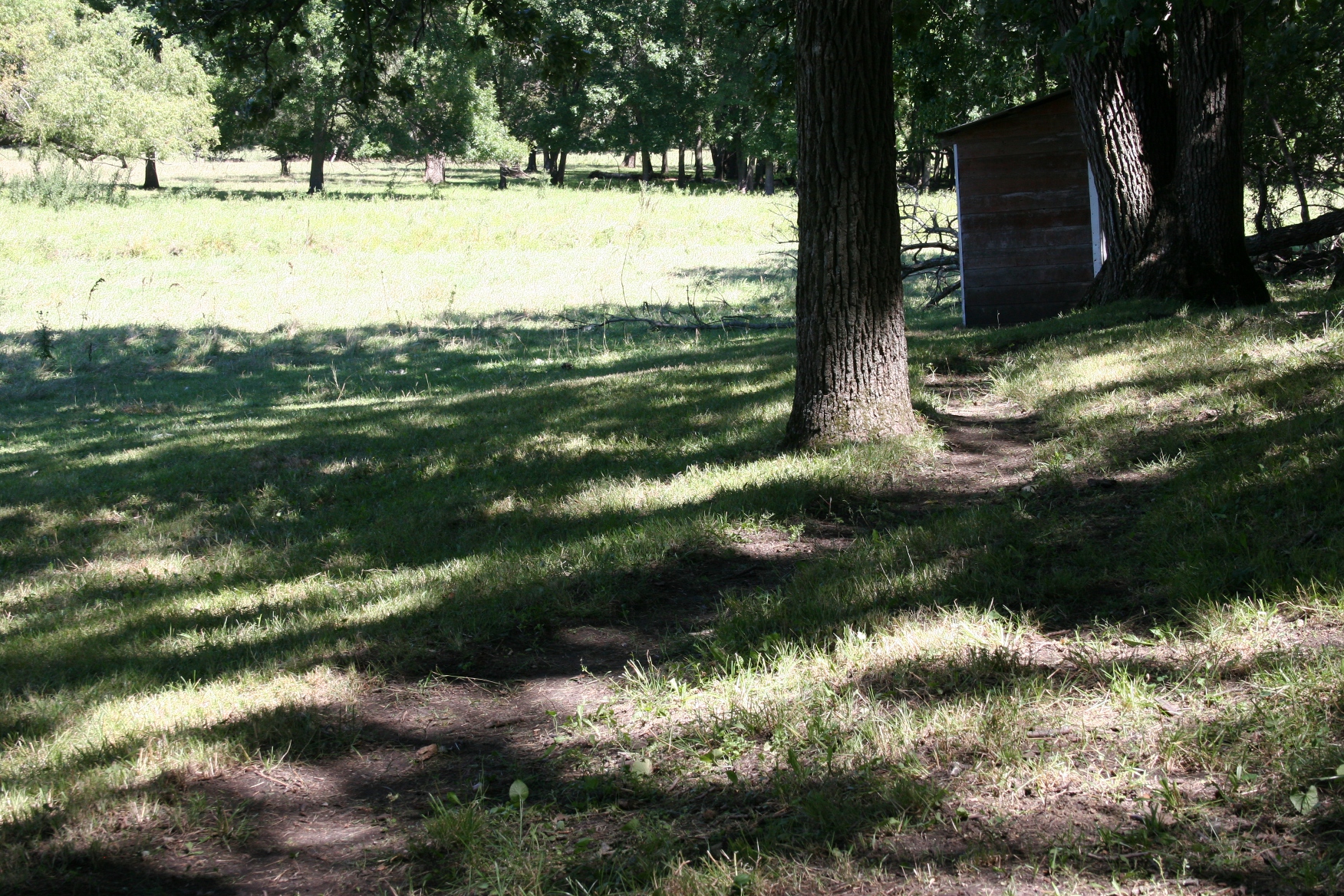
That’s exactly what you think it is, an outhouse in the woods, built from old barn boards. Follow the cow trail and you’re there. The outhouse is meticulously scrubbed every year before the mission fest. The grounds are also cleaned by volunteers who pick up the cow poop and sticks and then mow portions of the pasture as needed. Lynne Holst, wife of guest pastor, the Rev. Dr. Robert Holst, told my husband an interesting story about outhouses. When the Holst family served as missionaries in New Guinea from 1962 – 1968, Pastor Holst asked his wife what she wanted as a birthday gift one year. She thought, then replied, “A new outhouse.” She got her wish.

FYI: Click here to read an earlier blog post about the mission festival.

© Copyright 2012 Audrey Kletscher Helbling


In southern Minnesota: “An old-time mission festival out in the woods” August 7, 2012

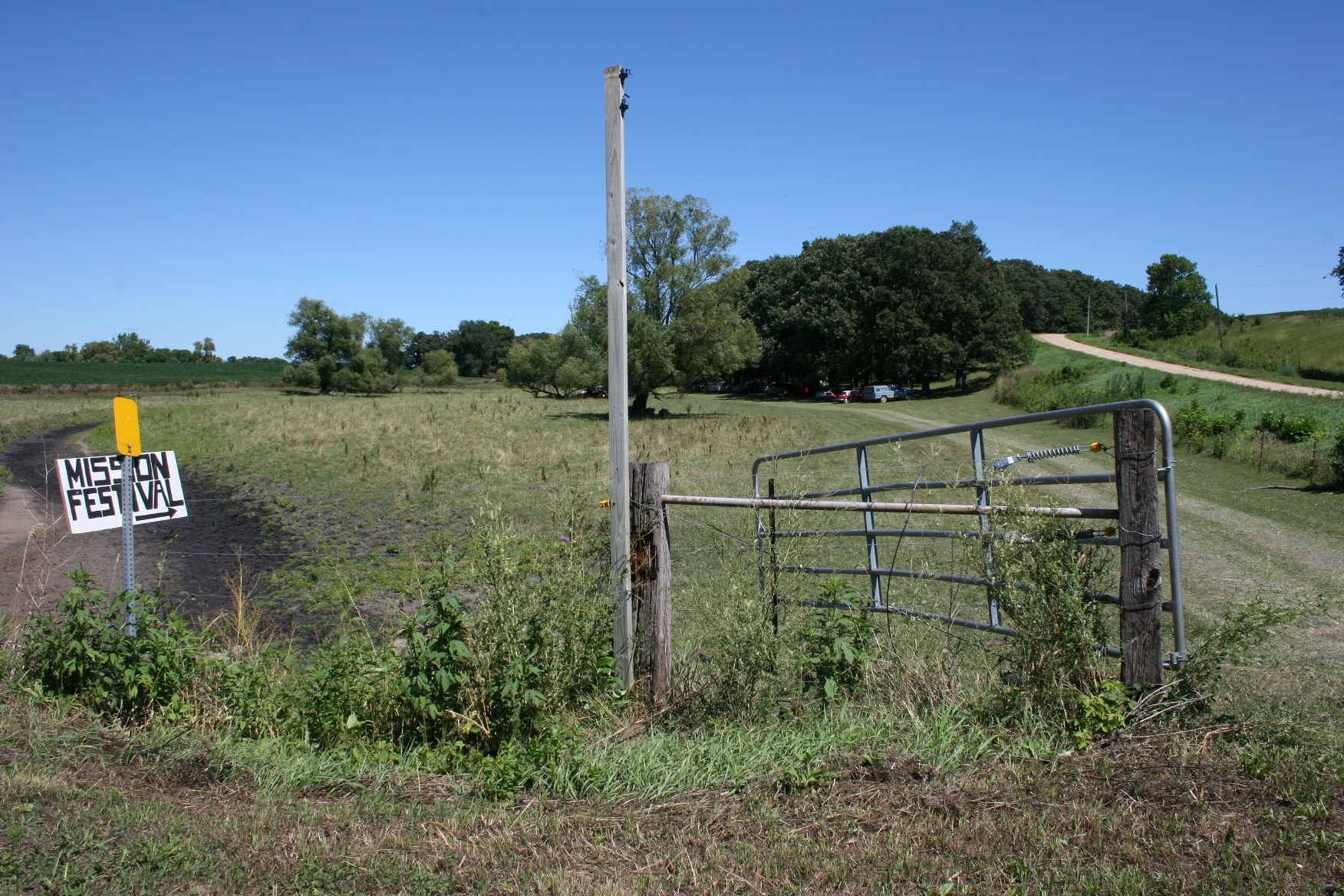
A sign marks the mission festival site at Marquardt’s Grove where cattle gates to the pasture are opened to allow entry. That’s the dry bed of Bull Run Creek on the left.

AT 8 A.M. SUNDAY, Harold Krienke swung his truck into Marquardt’s Grove some 10 miles south of Janesville to help set up for the annual mission festival in the woods near his country church, Immanuel Lutheran.

It was then he spotted the large black cat with the long tail edging dried up Bull Run Creek some 100 feet from the site where worshipers would gather 2 ½ hours later. “It wasn’t a house cat,” Krienke laughs. The cat—perhaps a panther, some speculate—didn’t scare him; it had been seen previously in the area.

Krienke’s animal encounter certainly wasn’t the first, and won’t be the last, at this mission festival held for the past 75 years in a five-acre wooded section of a 70-acre pasture where cattle still graze days before the event. Last year several head of cattle busted through an electric fence and charged across the creek toward the worship site. Another time horses caused a bit of trouble. No harm done, though, as the wayward animals were chased away.

Len Marquardt, who owns the woodlot and pasture, previously owned by his father, Alfred, and Alfred’s father, Gustav, before him, takes it all in stride. A few wandering animals won’t stop him from continuing the tradition of three generations of his family hosting the long-time festival of Freedom Church, as it is commonly known (referencing its location in Freedom Township), and the past two years in conjunction with Trinity Lutheran Church, Wilton Township, also known as the Wilton Church.

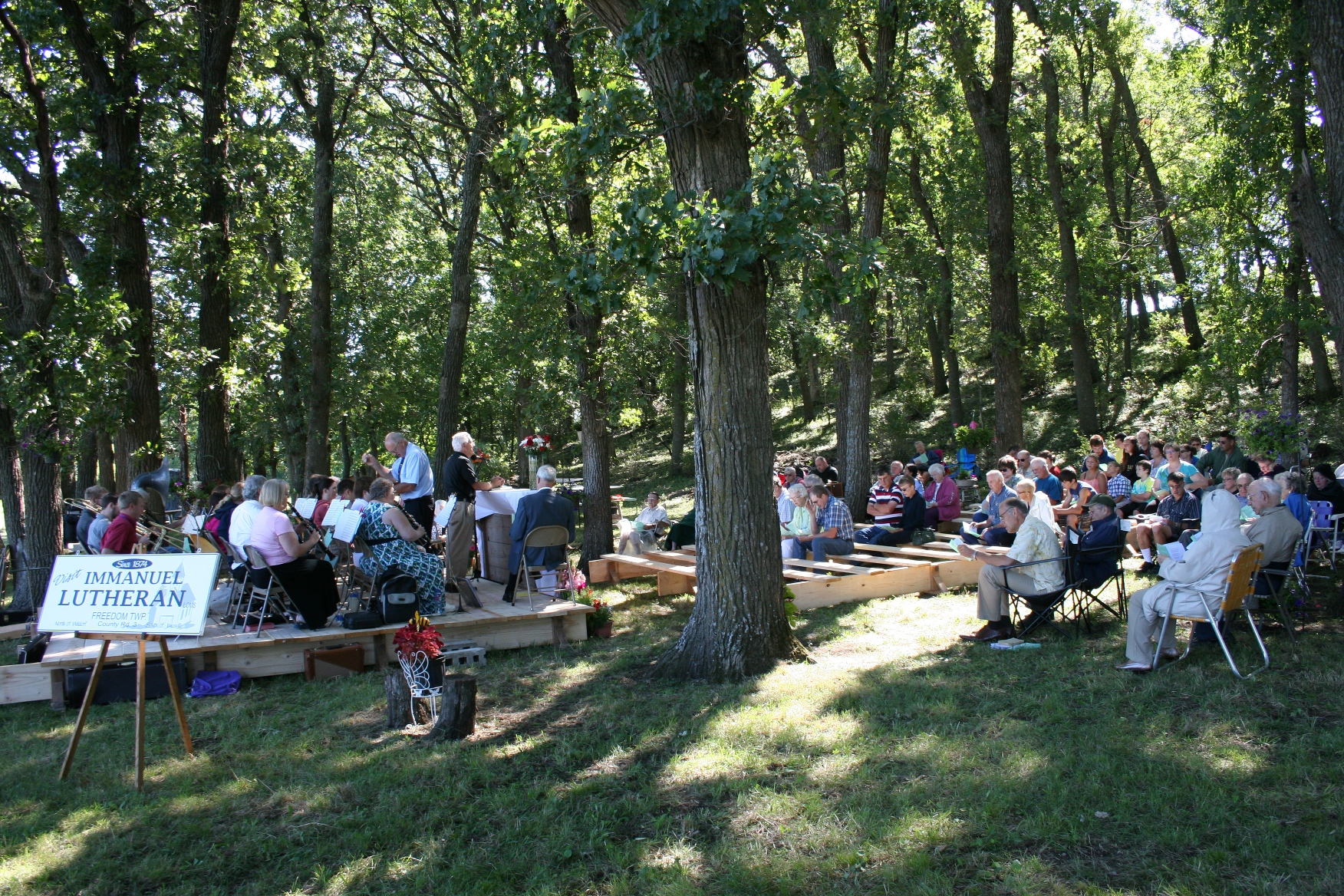
An overview of the worship site with the Freedom Band seated on the stage and the audience seated on plank benches and lawn chairs on the hillside. Freedom and Trinity Pastor Glenn Korb is standing at the makeshift altar.

Len’s heart and soul are committed to what he defines as “an old-time mission festival out in the woods.”

That definition seems apt for this event which, many Freedom members estimate, has been ongoing for a century. In the early days, area farmers took turns hosting the annual summer mission festival. The outdoor worship service has always been held around the same time of year, initially chosen, Len says, because the wheat harvest would have just been completed and farmers would have had more money to donate to the church.

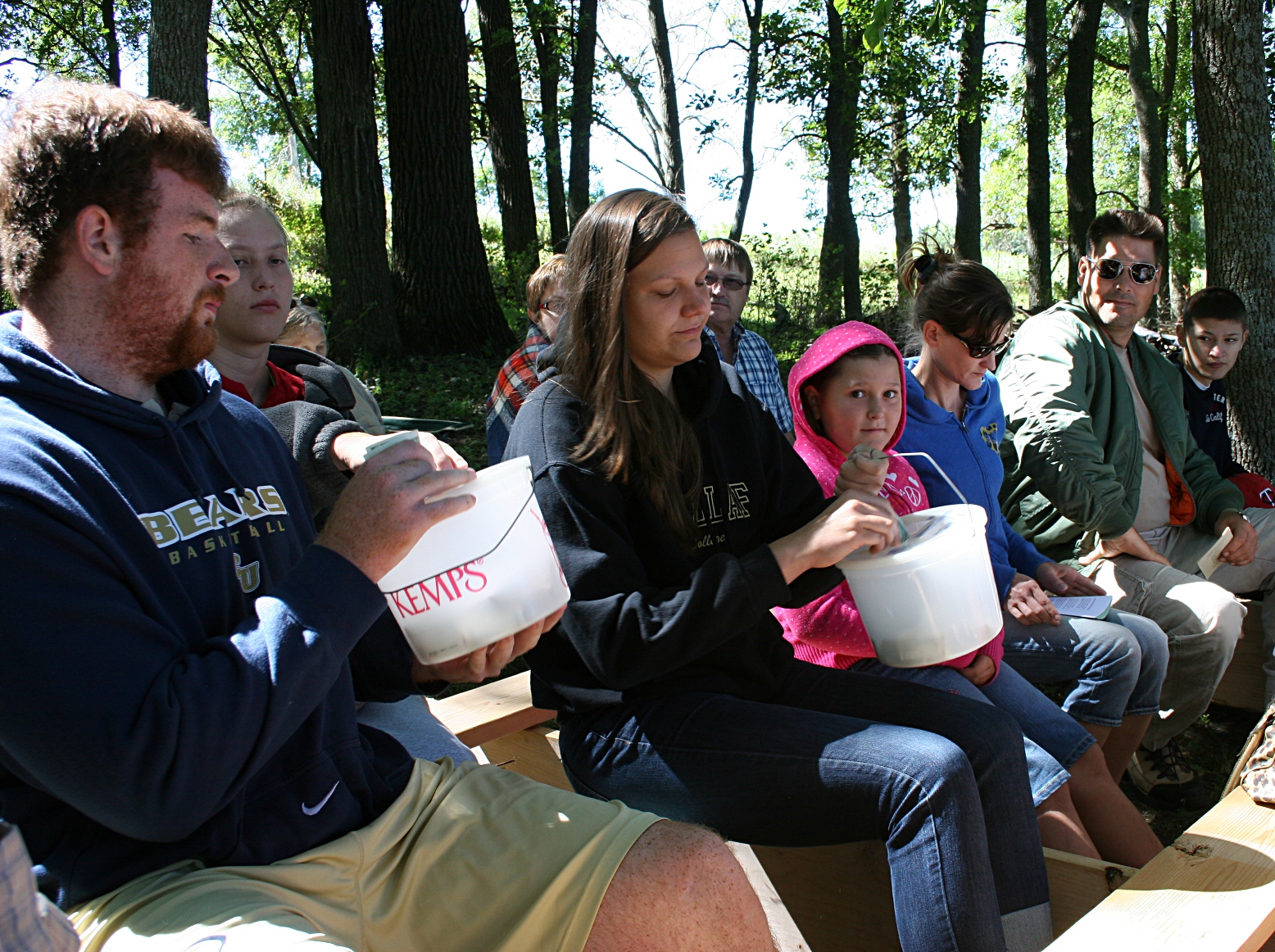
Offerings are collected in ice cream buckets at the mission festival.

Money, though, has never been the focus of the festival although a collection is taken. Rather, the purpose is to “help people to focus on missions,” says Len, who several years ago accompanied his daughter, Julie, and others on a mission trip to Nicaragua. It changed him and he now takes personally the words “Here am I, send me” from the hymn “Hark! the Voice of Jesus Crying.” Julie, now a third-year student at Concordia University in Seward, Nebraska, followed up with a mission trip to Hong Kong and is now considering a career as a missionary.

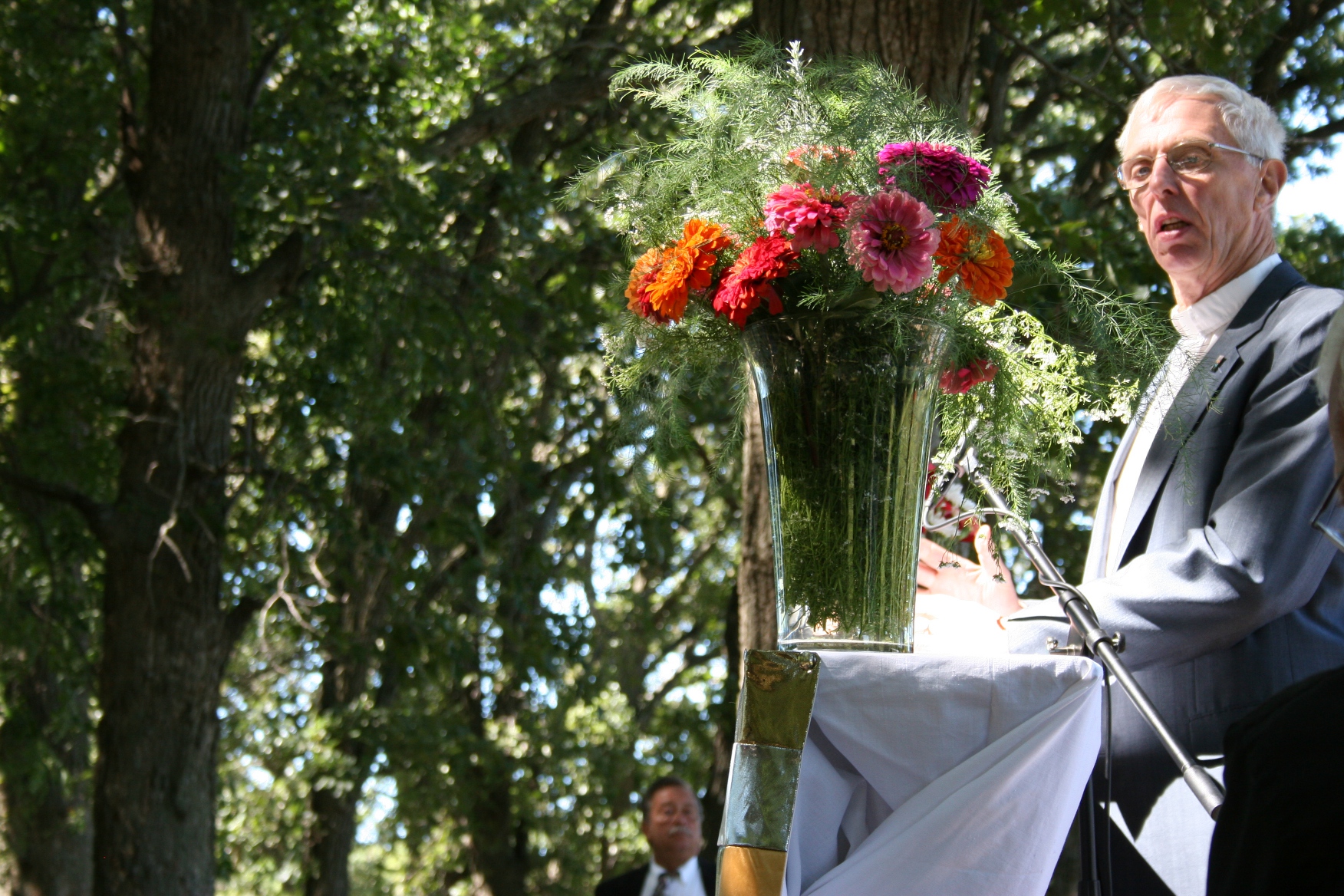
“I think we need to be a church in mission,” Len says as he explains the purpose of the mission fest on his family’s property. The natural setting of farm fields, open pasture and woods, with a cool breeze stirring oak leaves and raising goosebumps on Sunday morning, connected worshipers to the message delivered by the Rev. Dr. Robert Holst, retired president of Concordia University, St. Paul, and a former missionary to Papua, New Guinea.

The Rev. Dr. Robert Holst delivered a message on missions and afterward answered questions about his missionary service in New Guinea. Len Marquardt says the congregation has never had trouble finding a guest pastor as they savor participating in an “old-time mission festival out in the woods.”

As Rev. Holst spoke of his experiences in his sermon, “Global Missions: International Love,” worshipers, sitting among the trees, could easily imagine the primitive ways of the New Guinea people, their belief in spirits, their sacrifice of pigs, their mistrust and misunderstandings and lack of knowledge about God and the challenges the pastor faced in telling them about Christ.

Foreign missions seemed as close as a thought away for attendees like Jeanette Schoenfeld of Wilton Church who enjoys the mission fest because, she says, “It’s like they do in Africa,” worshiping outdoors.

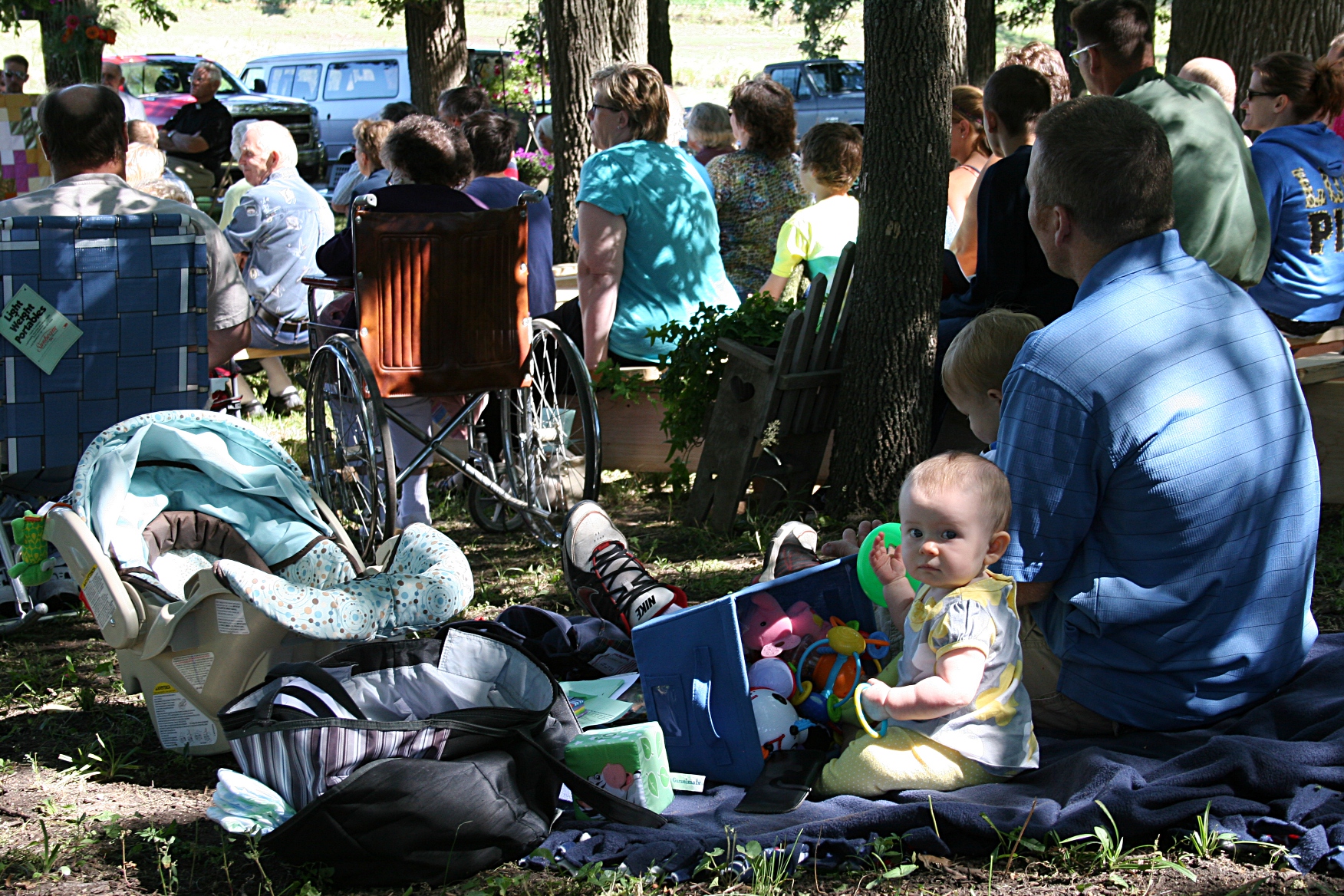
Baby Jaci sits with her dad, Mike, and brother, Bales, during the worship service.

Len Marquardt and others, including his sister, Sally Hodge, appreciate, too, the traditions they are passing from family to family through generations of mission festivals. As Sally samples a vinegary, potato-green bean dish prepared for the mission fest potluck, she glances back to kids racing up the wooded hillside. “I remember tromping up the hills, tromping up the trails, building wood forts…talk about history and family and pleasure in knowing each other…” Sally says as she glances across the table at friend and fellow parishioner Davin Quiram.

All ages, and several generations of families, attended the mission fest on Sunday.

Sally Hodge sings in the choir and usually plays in the band. But this year she didn’t make the practices so was unable to join the Freedom Band. She lives just up the hill from Marquardt’s Grove and grew up on the other side of “just up the hill.”

Davin, like Sally a life-long member of Freedom, concurs as the two reminisce and remember the rare treat of soda pop from the mission fest pop and candy stand, which Davin will later man. The friends don’t recall specific mission speakers or messages from their childhood days, only those racing through the woods and gulping pop memories.

Davin, though, is quick to rattle off the areas of ministry covered by mission speakers in the past 10 years: American Indians, Hispanic, college, Japanese and such.

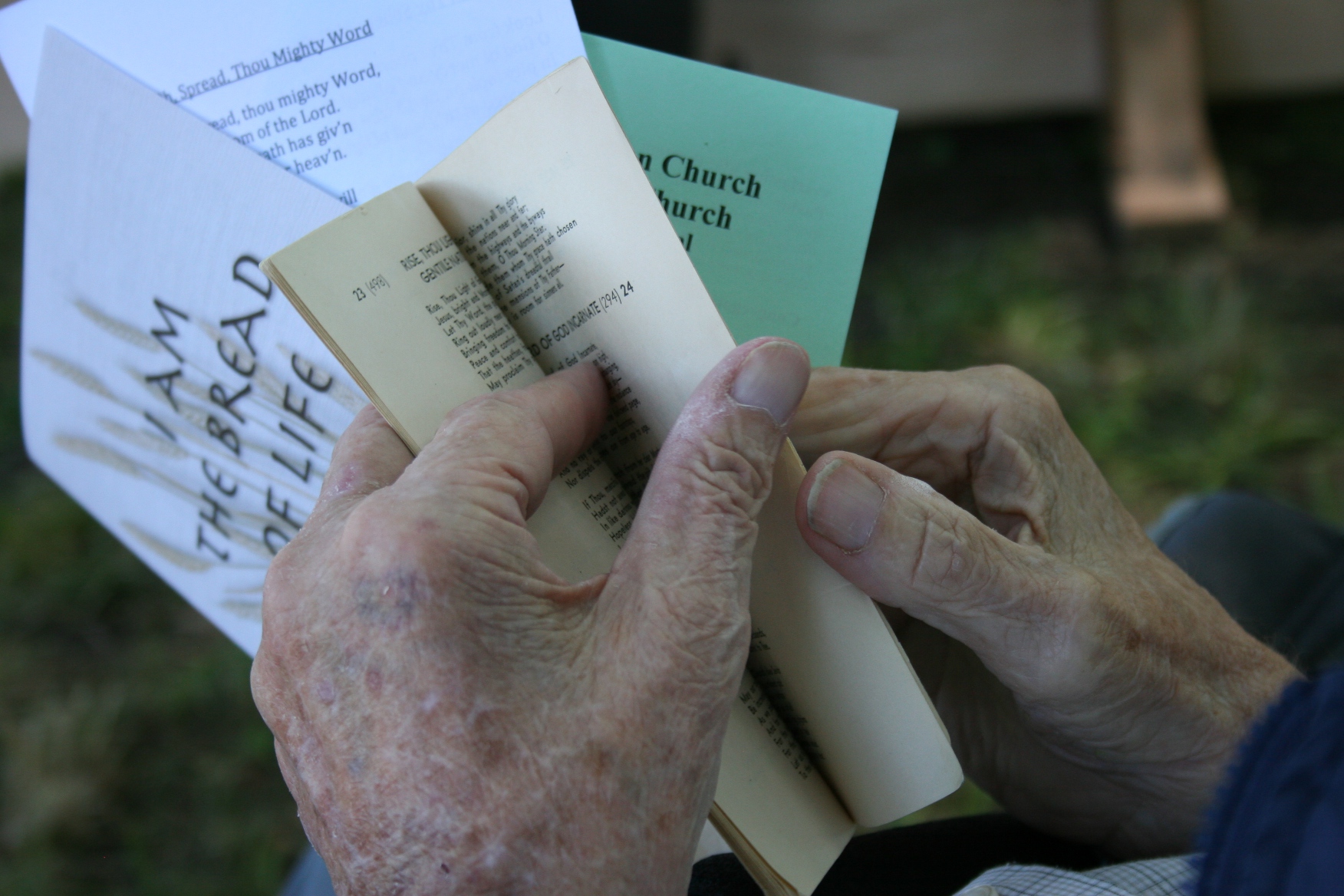
An elderly man turns to a hymn in the old pocket-size songbook that’s been used for decades.

While guest speakers change from year to year, the music remains constant with worshipers singing hymns from the pocket-size Mission Hymns Suitable for Mission Festivals and Similar Gatherings (out of print for 80 years).

Likewise, the Freedom Band, the church band comprised of Freedom members and others from the area and in existence for an estimated 80 years, uses the same familiar music books such as The Church Band Book—Choral Melodies of the Lutheran church for Military Band by A. Grimm, published in 1919 by Antigo Publishing Co., and a handwritten book of music transposed from a hymnal for the band.

The Freedom Band and some of its handwritten music.

The Freedom Band has always played at the mission fest and other area mission events in years gone by. At any time, 5 – 7 members of Sally’s family, the Marquardts, may be playing in the band—all on the trumpet but for one on the sax.

Gemma Lin returned to the mission fest, one year after her baptism there in 2011.

Part of mission fest also includes the occasional outdoor baptism. Sally’s father, Alfred, born in 1911, was baptized at the Freedom Mission Festival. Last year, a century later, two-month-old Gemma Lin of Mankato was baptized in Marquardt’s Grove and her great uncle was baptized the night before at Freedom Church. Aleta Lin, Gemma’s mom, treasures her daughter’s unique baptism and the story of that baptism which will always be a part of family history. She hopes Gemma will, through the years, continue to attend mission fest, a life-long tradition for Aleta, a life-long member of Freedom Church.

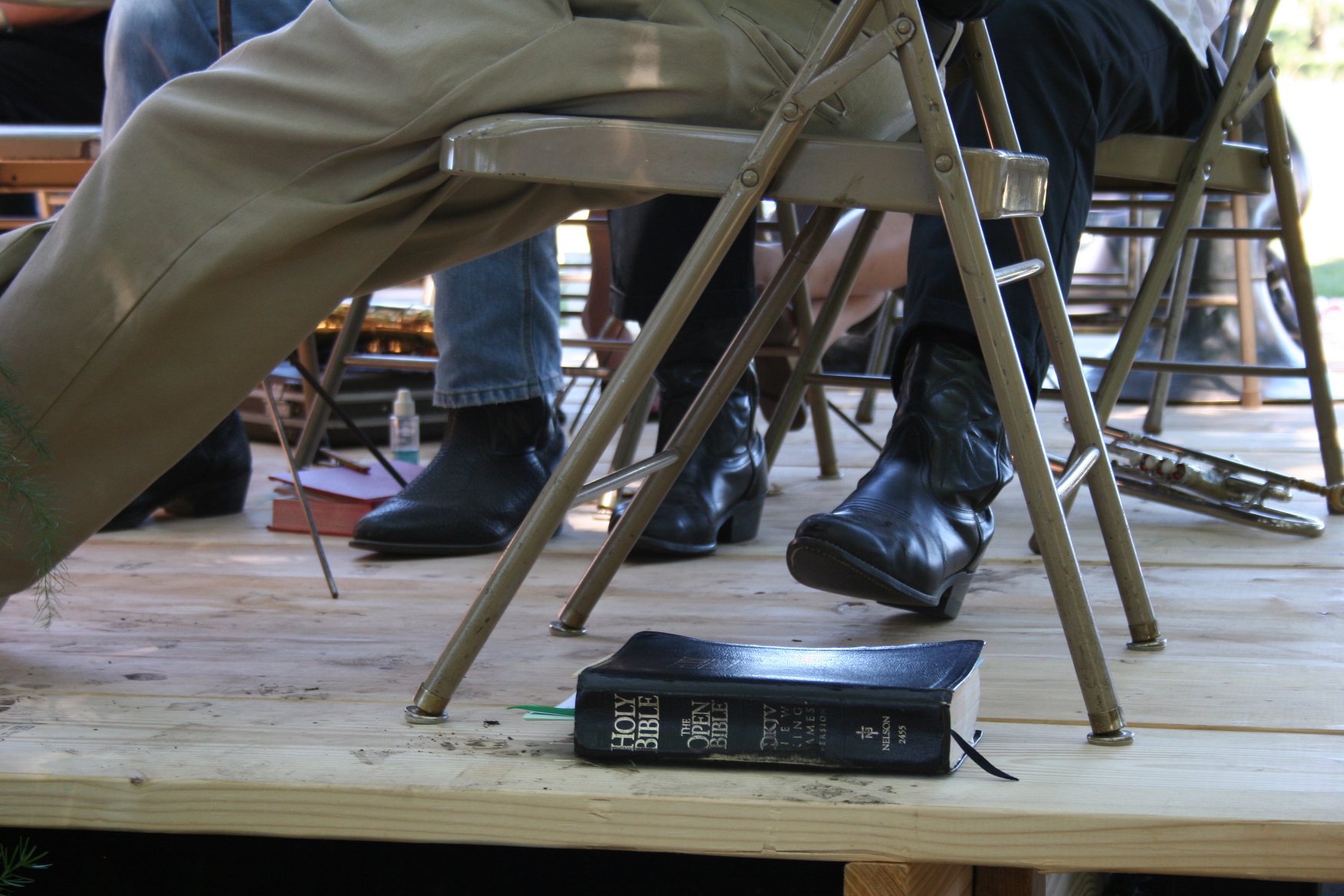
A bible lies on the floor of the stage where the band played and the preachers preached.

For those outside of Freedom, memories of past mission fests also come quickly. Such festivals were once a staple among rural congregations as a time to worship God in the outdoors, to socialize afterward at a potluck dinner and even meet future spouses.

Worshipers line up for a potluck dinner after the worship service.

Guest pastor Holst opened his message by reminiscing about the mission fests of his youth, recalling the washtubs full of soda pop—root beer, 7-UP and Orange Crush—set out by the youth group. He also remembered the ball games between fathers and children.

On Sunday there were no ball games or kids racing for a rare treat of pop. But plenty of kids—from babies to teens—settled onto temporary wood plank benches and lawn chairs or upon blankets or in car seats on the same ground in Marquardt’s Grove that has, for generations, served as an outdoor house of worship on one Sunday in August.

The vintage mini songbook lying on planks and the mission site in the background.

FYI: Check back for an additional post featuring mission fest photos and for a separate photo essay of Freedom Church.

© Copyright 2012 Audrey Kletscher Helbling


Blooming on the prairie March 25, 2012

The former Immanuel church, front, was moved and connected to the Bethel church, back in 1951. The original parish was established in 1857. This photo was taken in the summer of 2011.

WHEN I FIRST SAW this country church last summer south of Morristown, I did a double take. It’s not often you spot two churches merged as one. At least not in the way Bethel and Immanuel became Blooming Grove United Methodist Church in 1951.

Rather than close one church and worship in a single facility, the Methodists opted to actually move one building, Immanuel, nearly four miles east to the Bethel site.

That was quite an event and quite a feat. Maurice Becht remembers in the parish newspaper, The Blooming Grove Methodist Visitor:

I had been helping off and on to get the church ready to move. When it was ready, I was standing off to the side looking when, all of a sudden, the front end of the church went down and the bell tower began to swing like a pendulum. Luckily, they had put a cable from the tower to the other end of the church so it didn’t break off. The front wheels had pulled out from under the church when the bolster slipped. We put it back on wheels and were going around the west side of Wilbert Remund’s buildings when we ran into a soft spot that had to be planked…

Wilbert and Marcella Remund recall:

Lloyd Zerck said that when he got the church moving, it had to be kept going, so Willie put his tractor on. That was just enough to keep it moving…

Eventually Immanuel reached its destination and work then continued to physically join the two buildings. Total project cost was around $16,000 with more than 7,000 hours in donated labor.

Blooming Grove United Methodist Church is located in northeastern Waseca County just off county road 10.

In a poem, “Historic Church in Action,” published in the March 1954 parish newspaper, Albert C. Reineke writes in the fourth verse:

In this alluring and peaceful countryside

Stands “God’s Temple” with towers high,

Two houses of worship now unified.

Sweet memories linger of years gone by.

I have no connection to Blooming Grove United Methodist Church. But I certainly do appreciate country churches and their rich and interesting histories.

"This church with its two steeples is a physical symbol of cooperation, compromise and trust," according to the church website. I photographed the church Saturday afternoon. Even on a hazy March day, Blooming Grove blooms on the prairie. My goal now is to get inside and photograph this church.

© Copyright 2012 Audrey Kletscher Helbling


Worshipping at a country church October 16, 2011

Before worship services on a Sunday morning at Trinity Lutheran Church, North Morristown.

“THERE’S ONE MORE THING to do,” said the Rev. Merle Lebahn, vacancy pastor at Trinity Lutheran Church, North Morristown, before dismissing his congregation. “Give ‘em heaven!”

And so concluded one of the most dynamic worship services I’ve attended in a long time. Pastor Lebahn didn’t deliver a fire-and-brimstone sermon in this country church. But he shared a message memorable both in content and method of presentation.

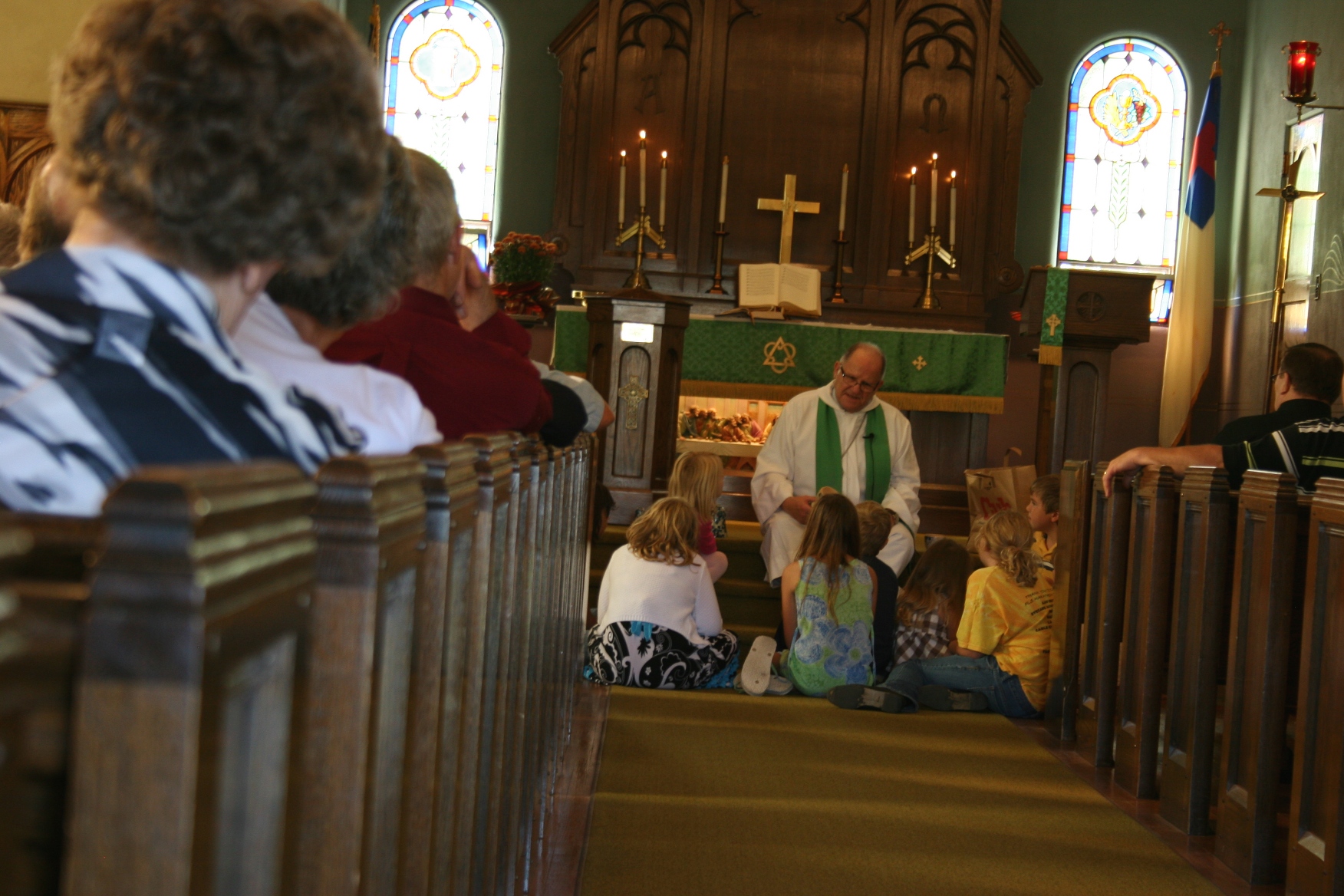
Pastor Lebahn gets front and center when he gives the children's lesson, just as he does during the sermon.

He’s not a preach-from-the-pulpit style of preacher, but rather an up-close, center-of-the aisle, close-to-his-flock kind of clergyman. His voice rises to a near shout when he wants to emphasize a point and then drops to a quiet, gentle cadence to drive home the message.

And that message last Sunday reflected on the gospel lesson from Luke 10 and the story of the Good Samaritan. Remember that bible story about the beaten man lying at the side of the road, passed by many until, finally, a Samaritan stopped to help?

Rev. Lebahn told us we were the beaten ones lying in the ditch until we received Christ.

He talked, too, about crossroads in our lives and about the people God brings into those crossroads.

I could go on and on about that sermon. But I think you get the main point delivered by this 78-year-old clergyman who looks, and acts, considerably younger than a near octogenarian. Consider his foot stomping and arm flailing and constant motion. I got tired just watching from my end-pew position in this sanctuary that holds 26 six-person pews on the lower level and a few more in the balcony.

A view of the balcony in this 1938 rural church.

It’s the type of snug church where you won’t get away with napping during the sermon, like you could anyway under Pastor Lebahn’s watch.

There’s something about worshipping in a small country church like this that you can’t replicate in a modern, large-scale church, even if you incorporate stained glass windows or other elements from an historic building.

I felt a sense of connection, of closeness, on Sunday as the congregation joined in prayer—for those celebrating anniversaries and birthdays and for those in need—and sang old favorite hymns like “Oh, That the Lord Would Guide My Ways.”

Looking from the entry into the sanctuary during worship services.

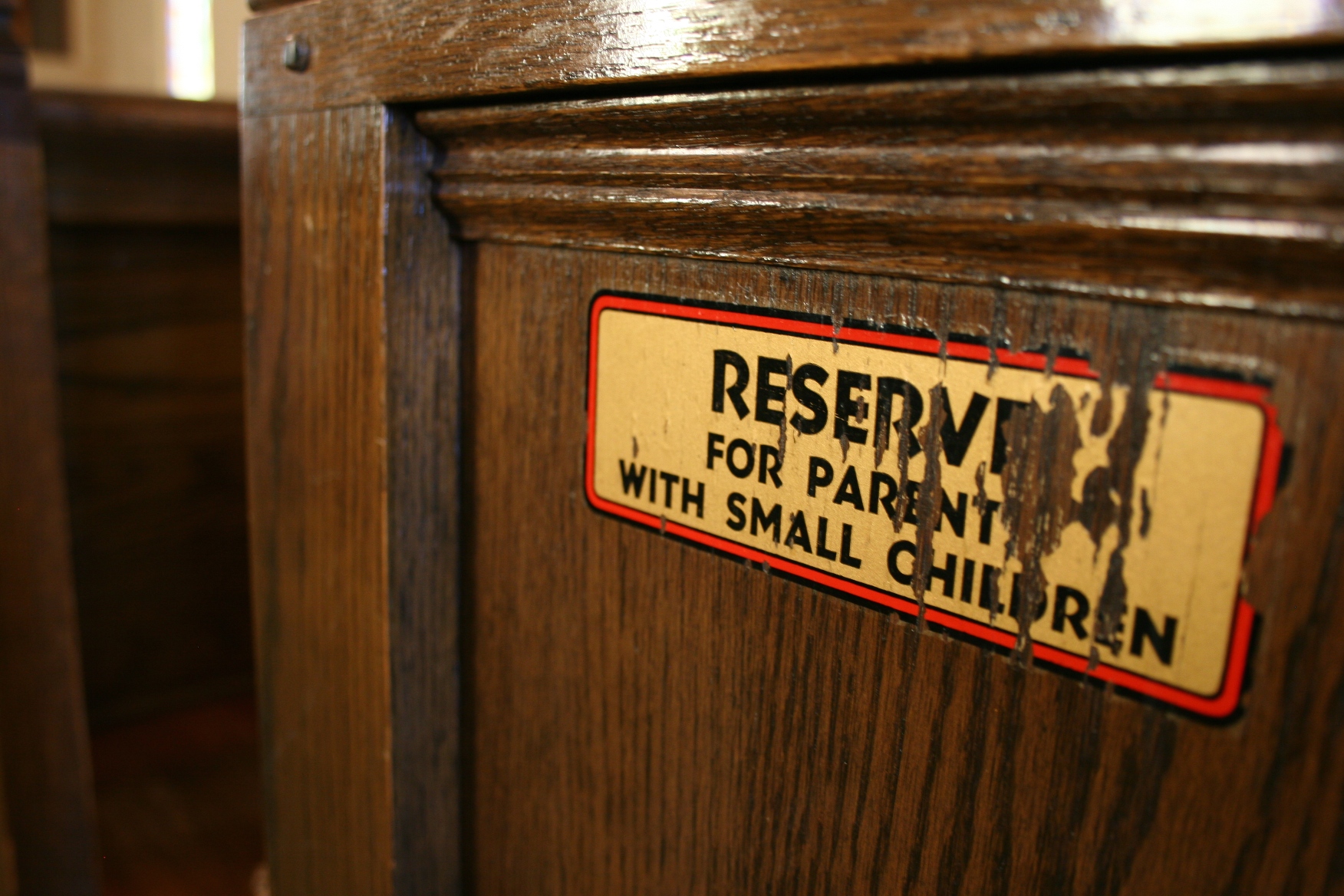
In the back of the church are pews for families with little ones.

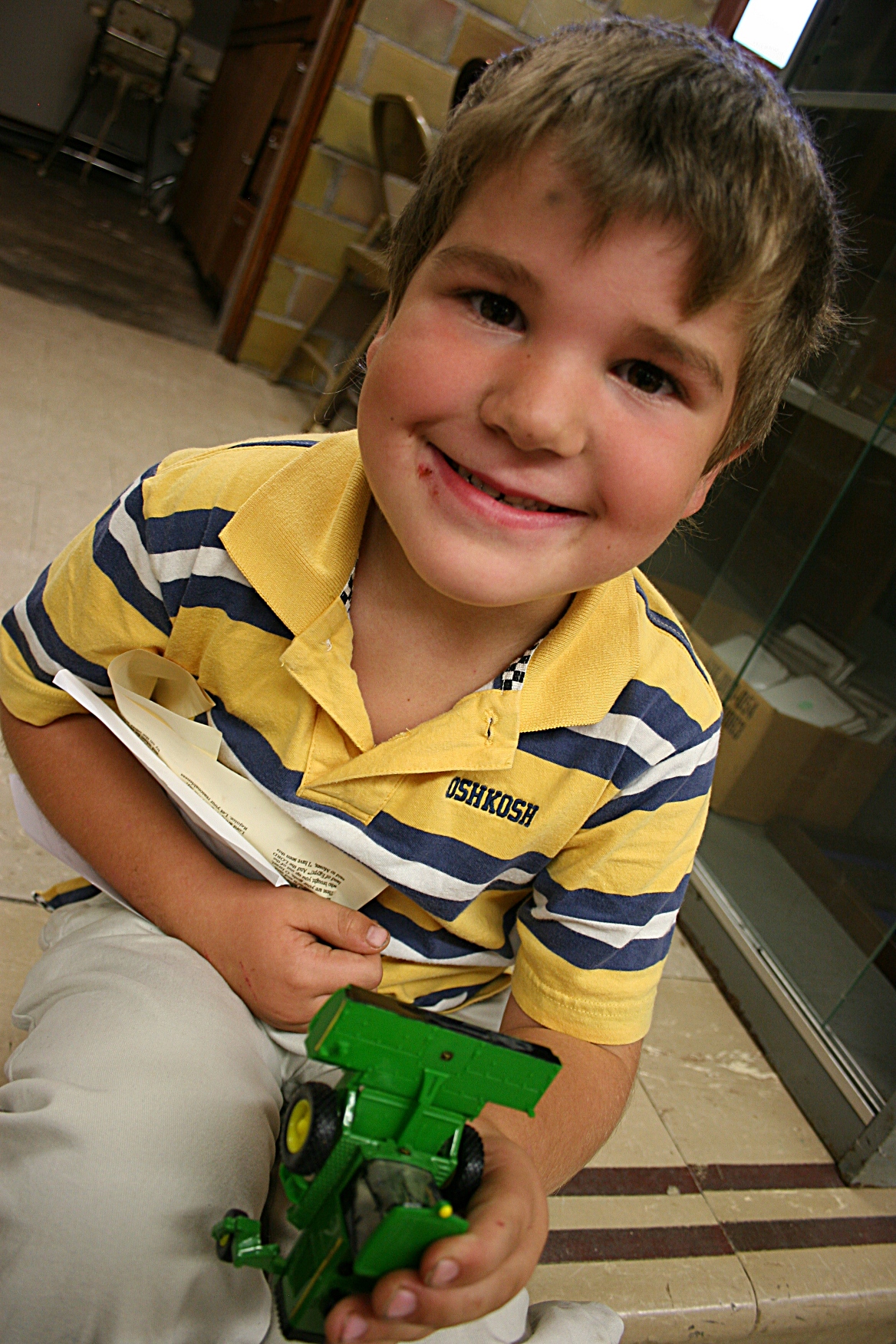
Farm boy, 6-year-old Jonathan, after services in the basement.

You can’t help but feel close when you’re tucked into tightly-jammed pews in a place where a comfortable pair of jeans is as common as a suit and tie and where farm kids like 6-year-old Jonathan bring a mini toy John Deere haybinder to church to keep his little hands busy.

Because just outside the church doors lie fields of corn and alfalfa and soybeans…

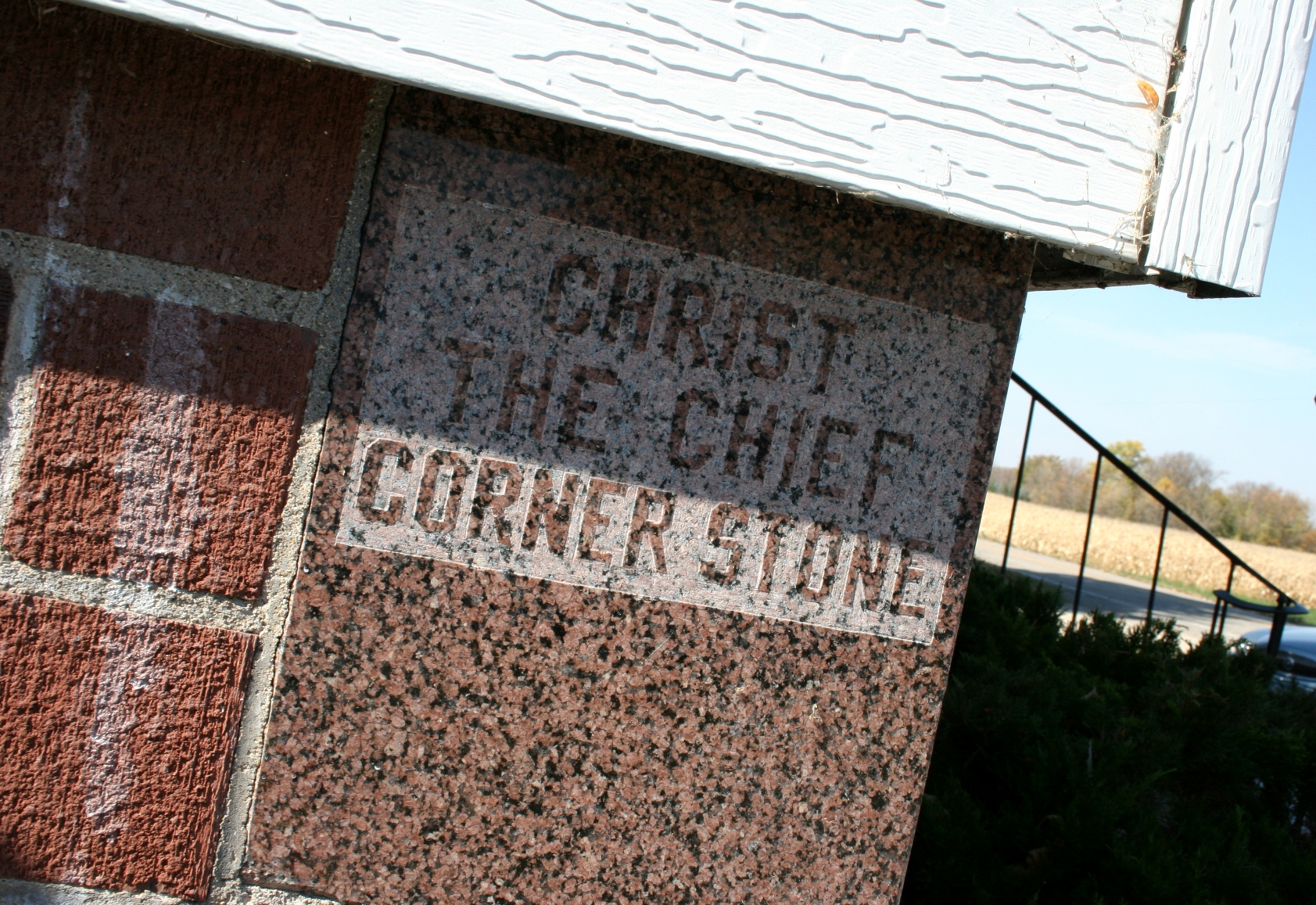
To the right of the cornerstone, in the distance, you can see corn fields.

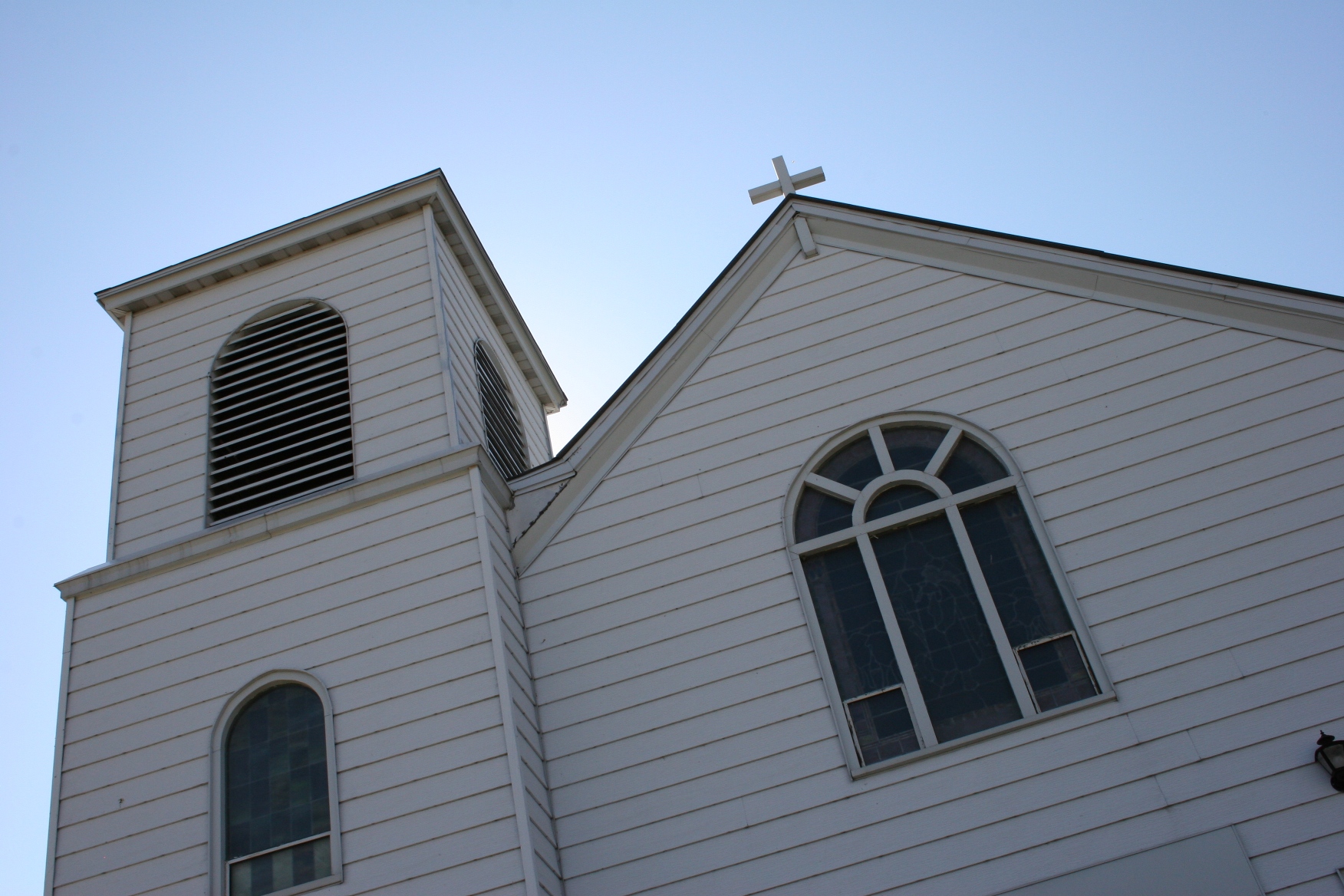
Looking heavenward...

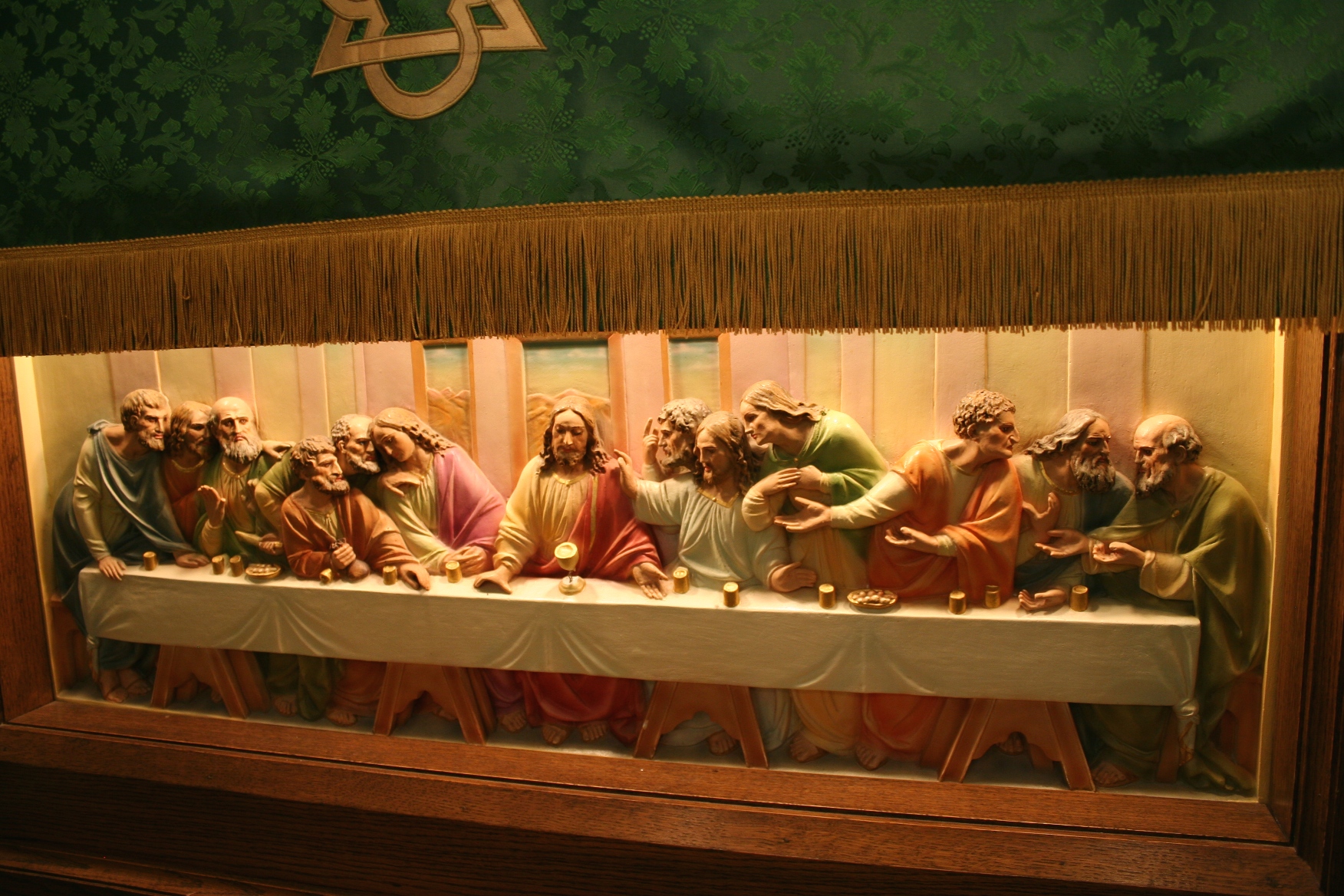
The Last Supper art on the lower part of the altar.

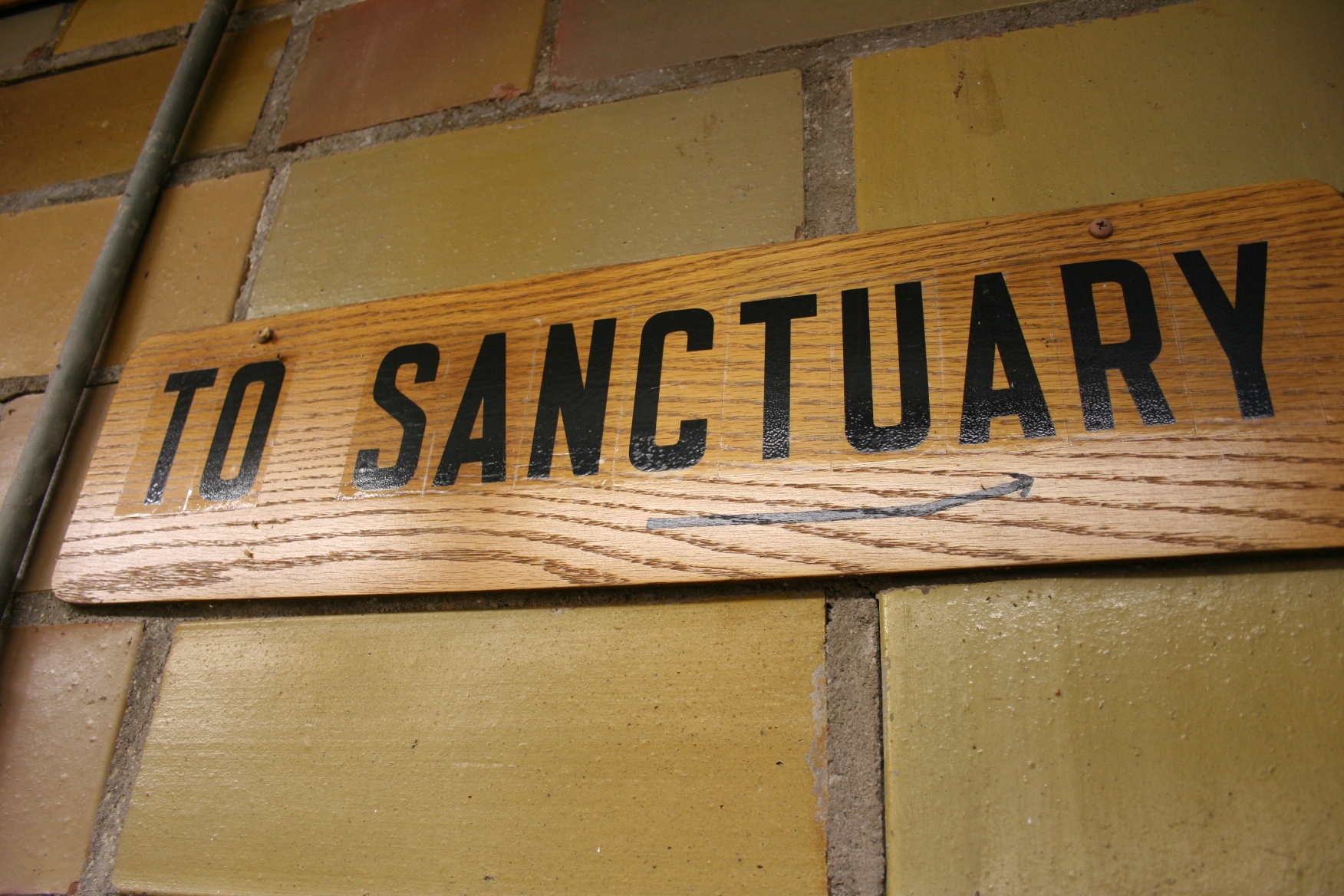
In my next post about this church, I'll take you into the basement where this sign is located.

CHECK BACK FOR A POST about the harvest dinner at this country church following the worship service.

© Copyright 2011 Audrey Kletscher Helbling


A closer look at St. John’s Germanfest October 2, 2011

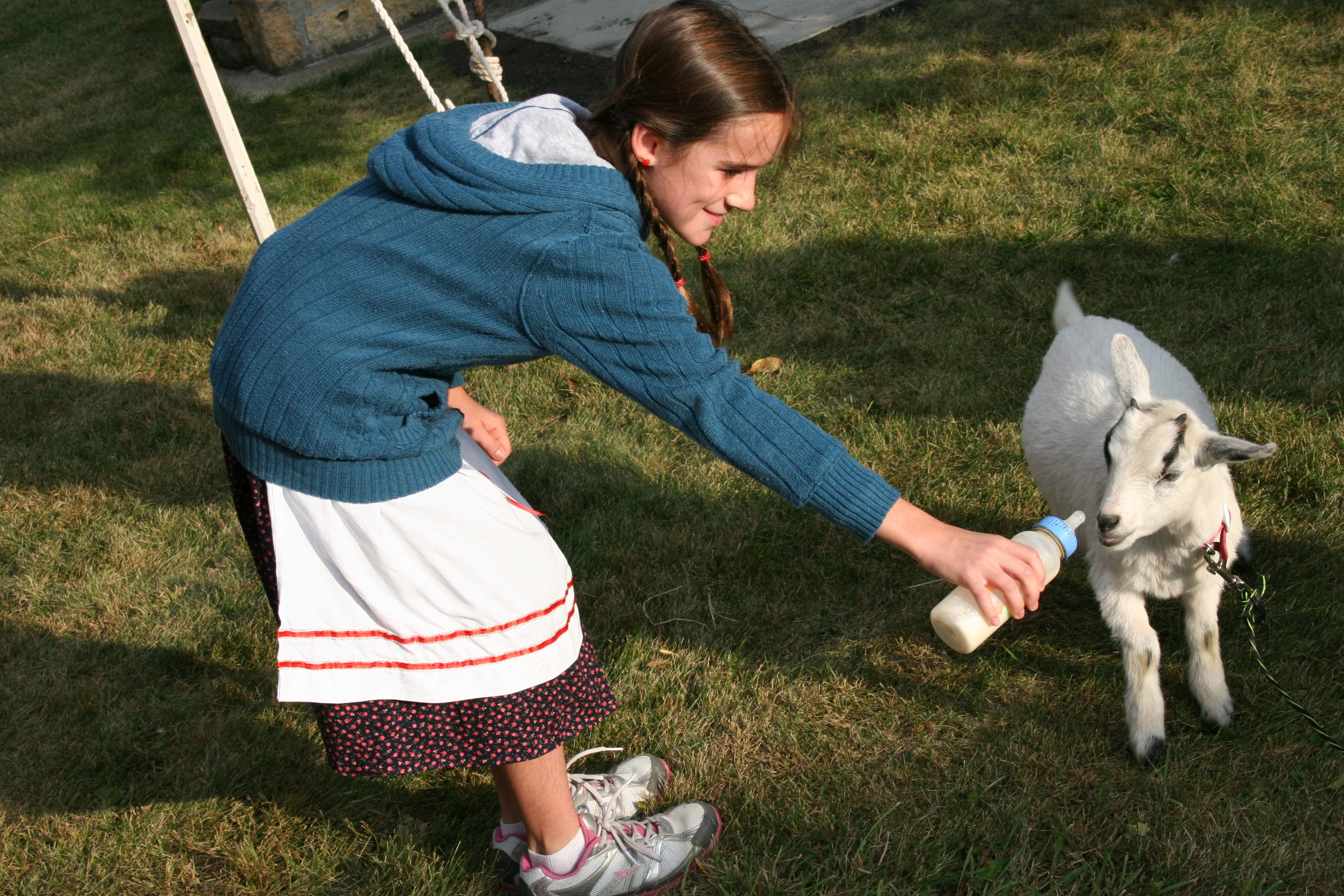
Kassandra and the goat that would soon be hers.

IN MY OPINION, Kim Keller rates as a pretty easy-going mom. I mean, she let her 10-year-old daughter bring a goat home from Germanfest. Honestly, if you were a kid, wouldn’t you want Kim for your mom?

So here’s how I found out about this goat thing. I was wandering the church grounds at St. John’s United Church of Christ, Wheeling Township, last Sunday afternoon during Germanfest searching for photo ops.

I followed a girl leading a wisp of a goat, a kid (not the girl) which seemed a bit stubborn and independent as goats are wont to be. This wasn’t Kim’s daughter and I wasn’t having any luck capturing a photo I liked.

Then along came Kassandra, Kim’s daughter, with a bottle of milk. The goat, which apparently wasn’t all that hungry, didn’t seem too interested in drinking. But Kassandra pursued the goat and I pursued the goat and Kassandra until we both got what we wanted: her the goat, me the photo.

Kim took it all in stride—said it was just another animal to add to the family’s menagerie.

Another goat in the Germanfest petting zoo.

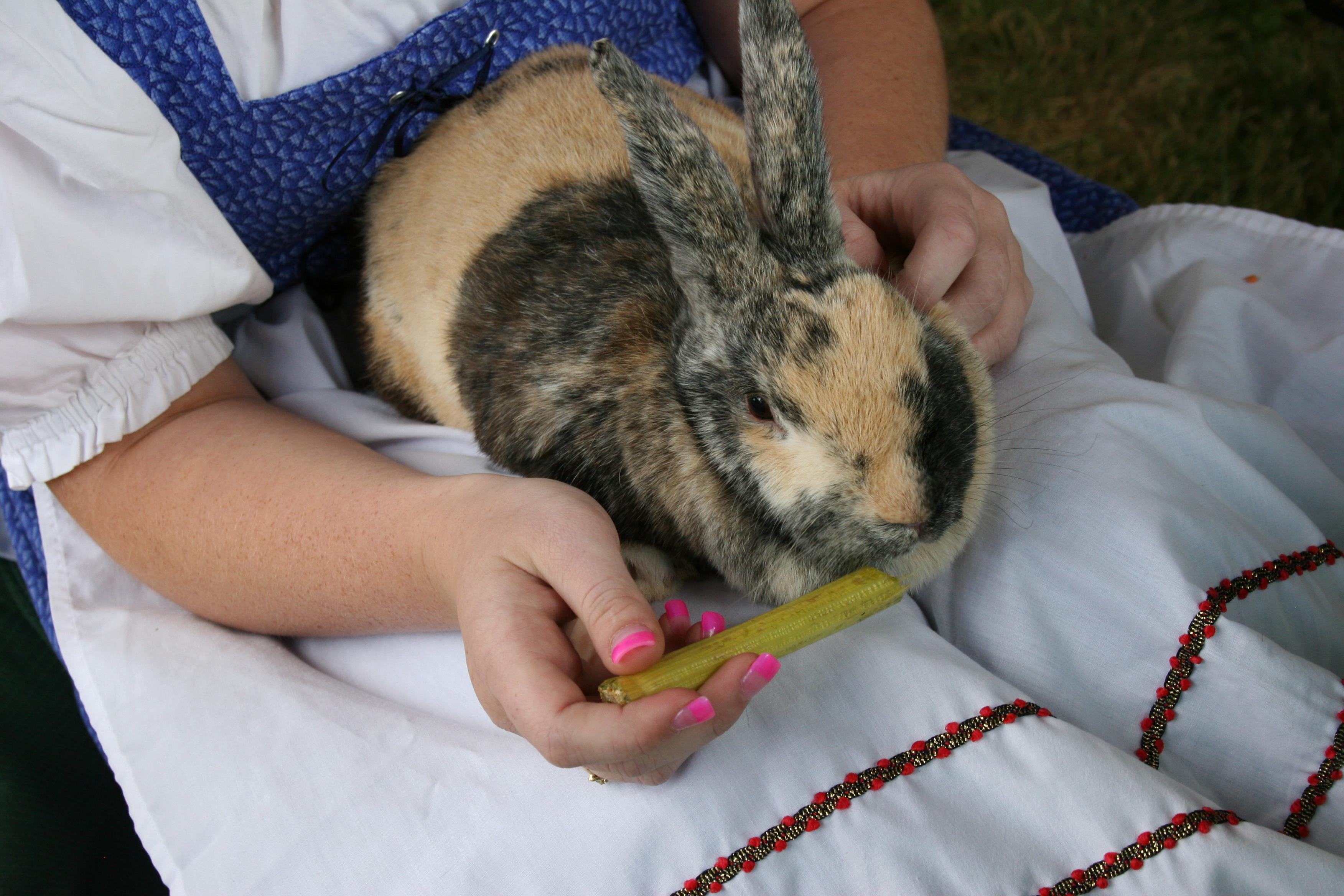
A volunteer dressed in an ethnic German costume tends a petting zoo bunny.

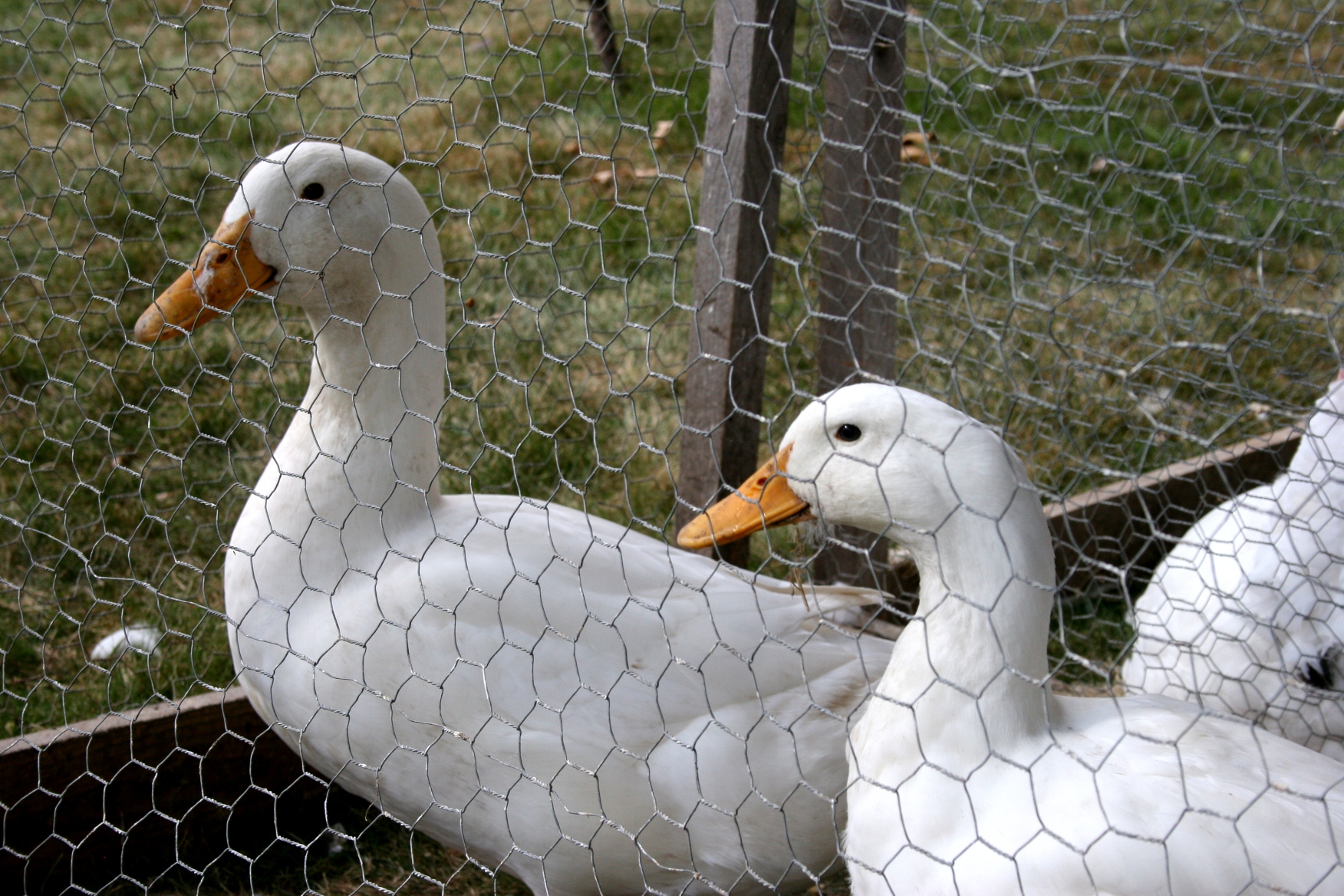
Geese and other fowl were popular petting zoo attractions.

IF YOU’RE A REGULAR FOLLOWER of Minnesota Prairie Roots, you should have figured out by now that I pay attention to detail. You’ll read that in my writing, see it in my photography.

I don’t view situations and scenes like most folks. I’m constantly searching for a new angle from which to shoot a photo or tell a story.

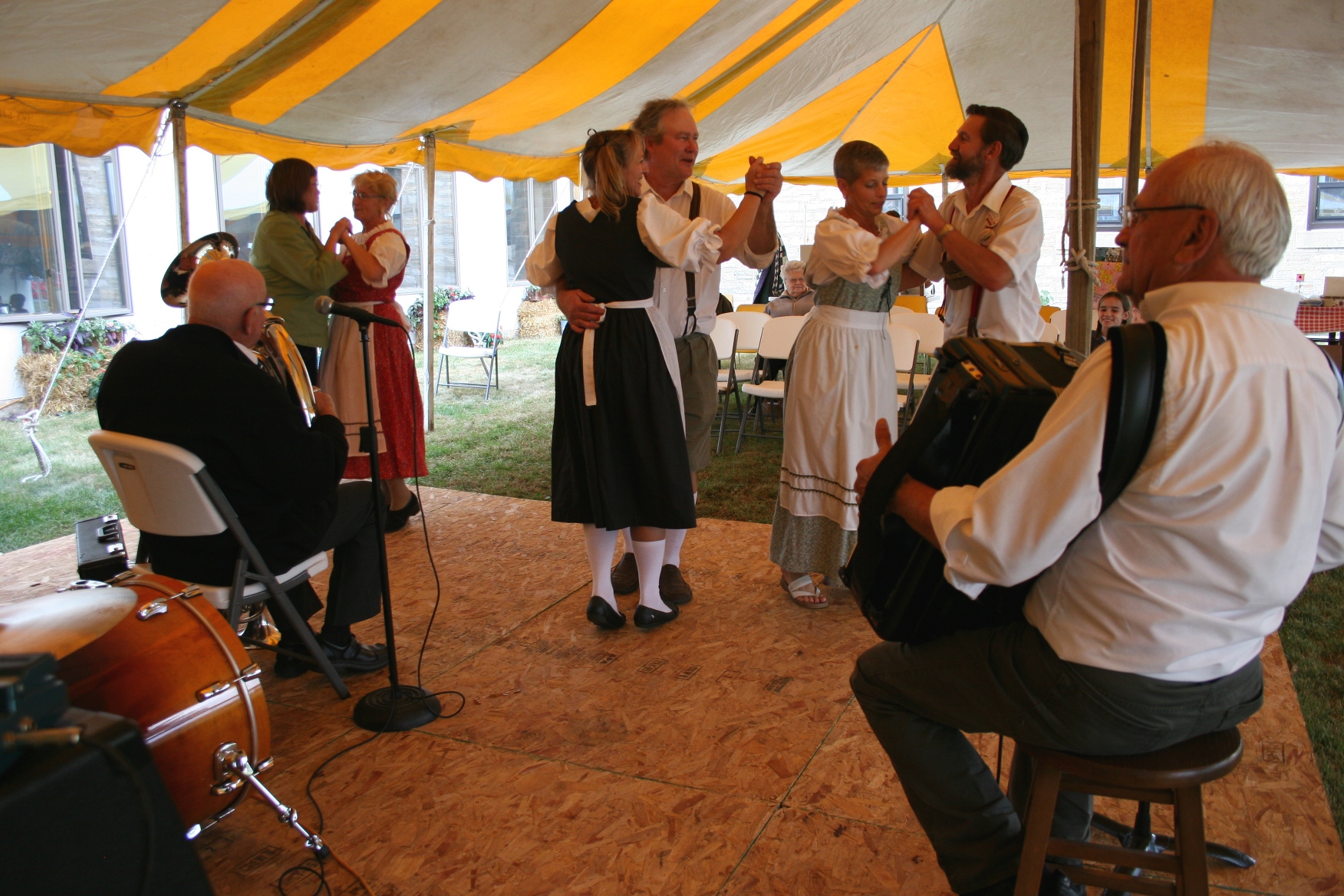
I engage my senses, even though one of them, my hearing, is not what it once was due to sudden sensory hearing loss (and now near-deafness) in my right ear. But I did hear Craig Keller comment from the Germanfest dance floor, as I aimed my camera toward the dancers, that this would be on the internet.

So, Craig, just because you said that, here you are, on the internet.

That's Craig, dressed in his lederhosen, dancing with his partner on the right. On the left is Amy's mom, Annette. The Stuttgart Three is performing.

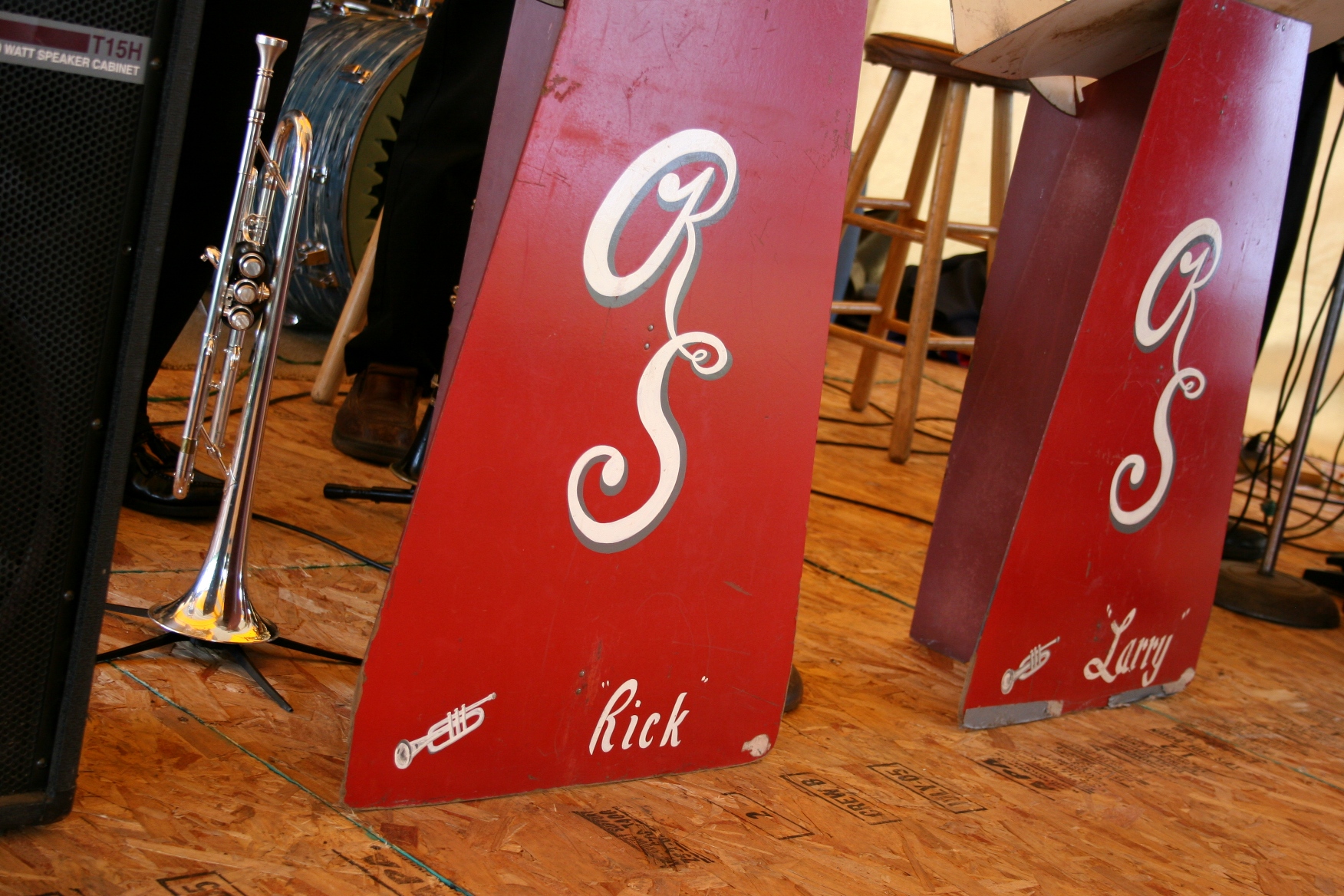
I saw these artsy music stands and thought, “It’s been a long time since I’ve seen something like these.” They jogged my memory of old-time wedding dances in town halls, the chicken dance, dollar dance, polka until you can’t polka any more…

I’VE COORDINATED SOME major public events in my life, namely a school book festival and an art show at my church, several times, not to mention more youth group fundraisers than I care to remember.

But one thing I refuse to do is coordinate anything that involves food. Although I cook and bake, I do not particularly enjoy cooking. I love to bake, but seldom bake because then, you know, I eat the baked goods, which I don’t need.

Now, after that rambling paragraph, let’s get to the point. I am in awe of people like the volunteers at St. John’s United Church of Christ who prepare enough food to feed the multitudes, this year around 700.

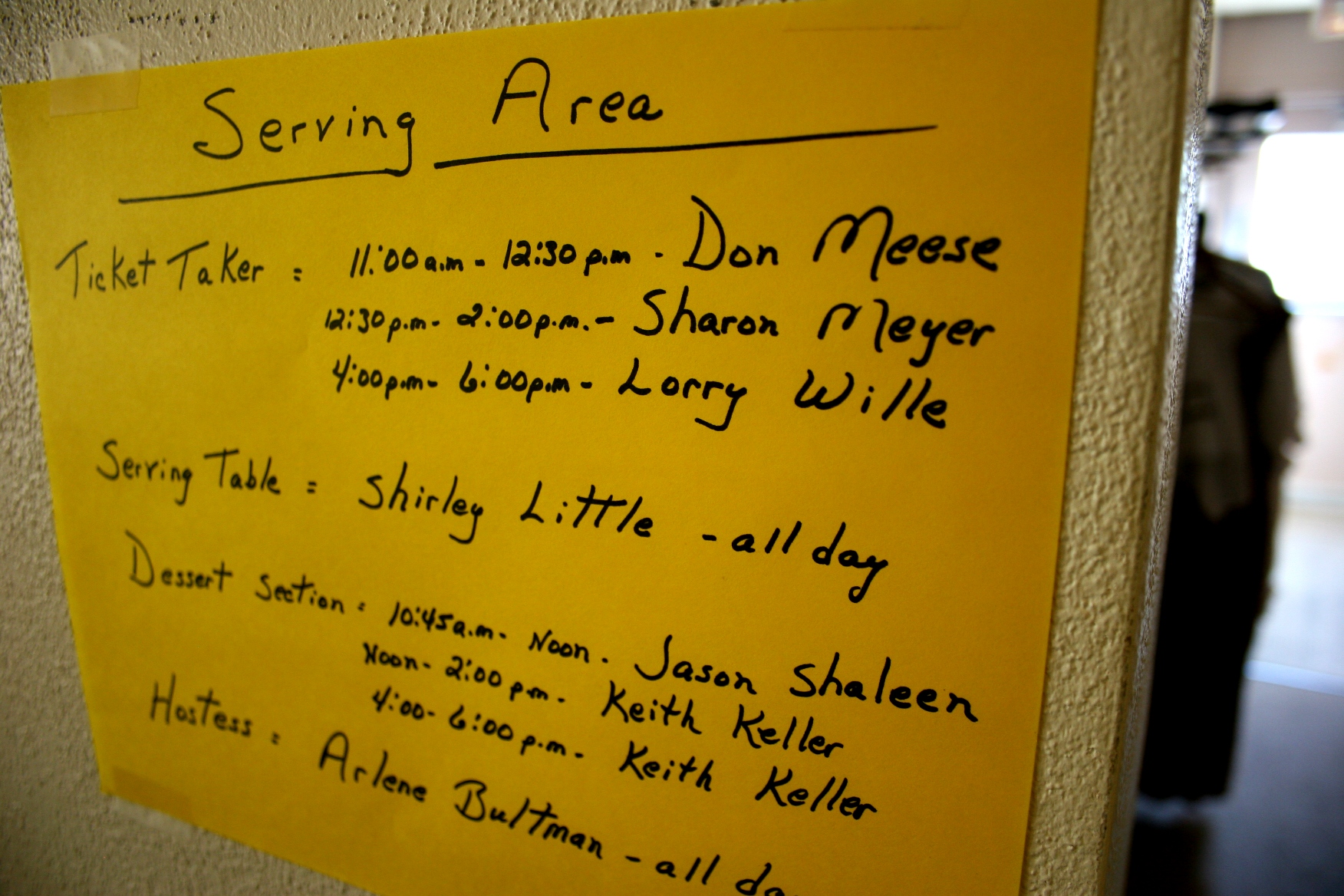
One of the many volunteer worker lists I saw posted in the fellowship hall area.

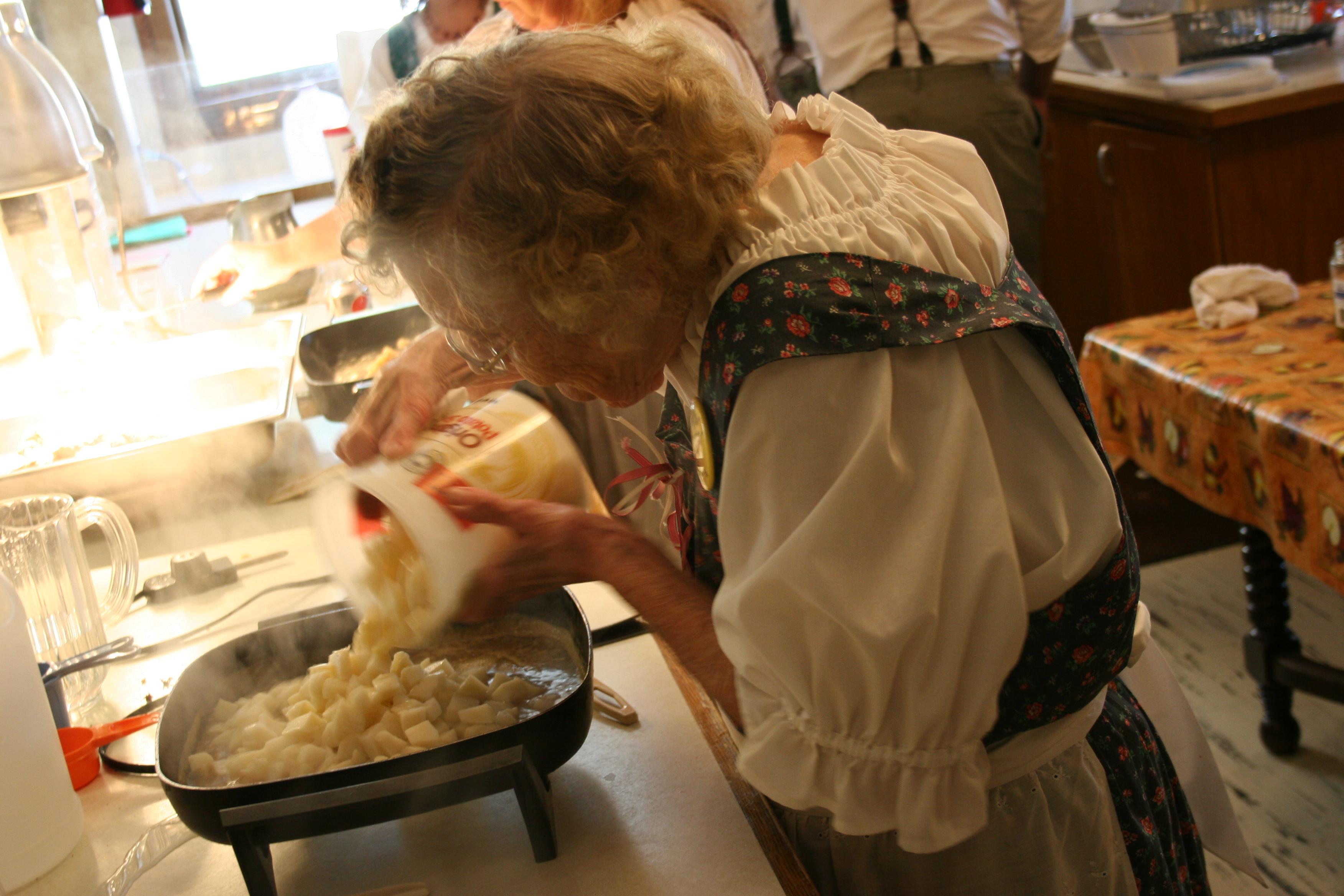
Long-time church member and volunteer Elsie Keller prepares German potato salad.

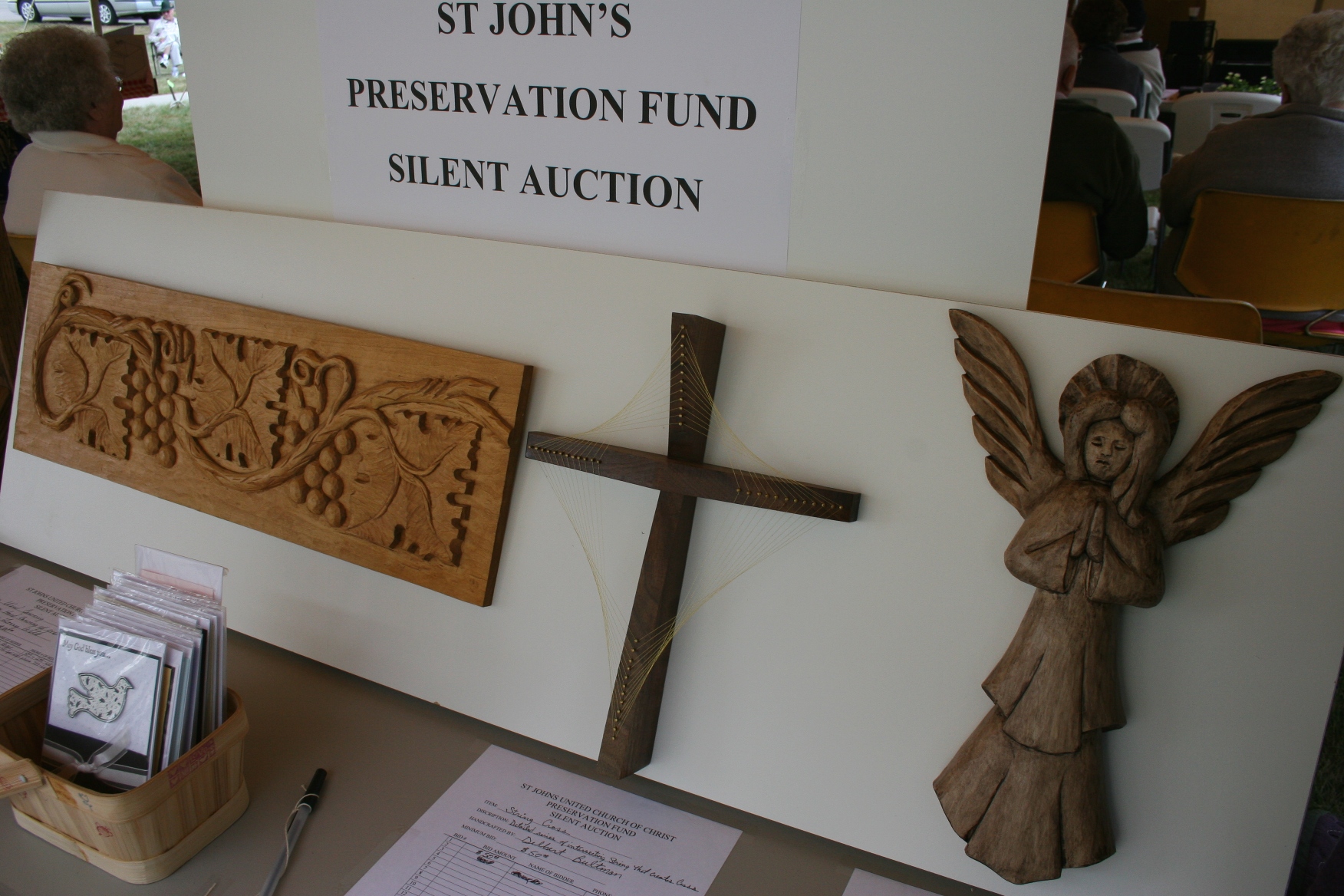
ONE OF THE BEST PLACES to discover artistic talent, I’ve learned, is at silent auctions. Honestly, look what I found at Germanfest.

No words needed.

Woodcarvings for sale at the silent auction.

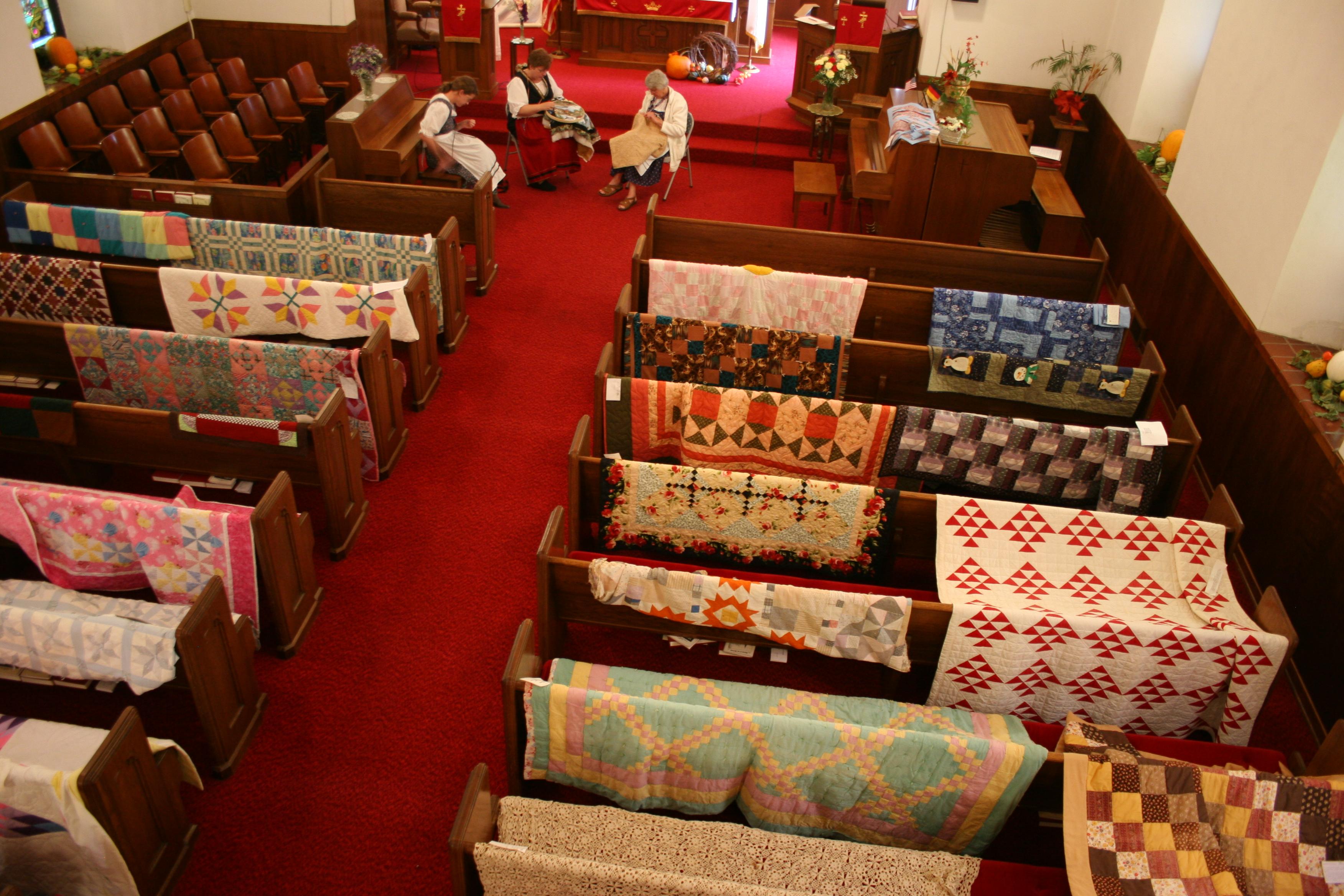
Inside St. John's sanctuary, homemade quilts blanketed the pews. They were not for sale. Each church family was asked to bring a quilt for display along with the story behind it. Up front, three women demonstrated stitching techniques.

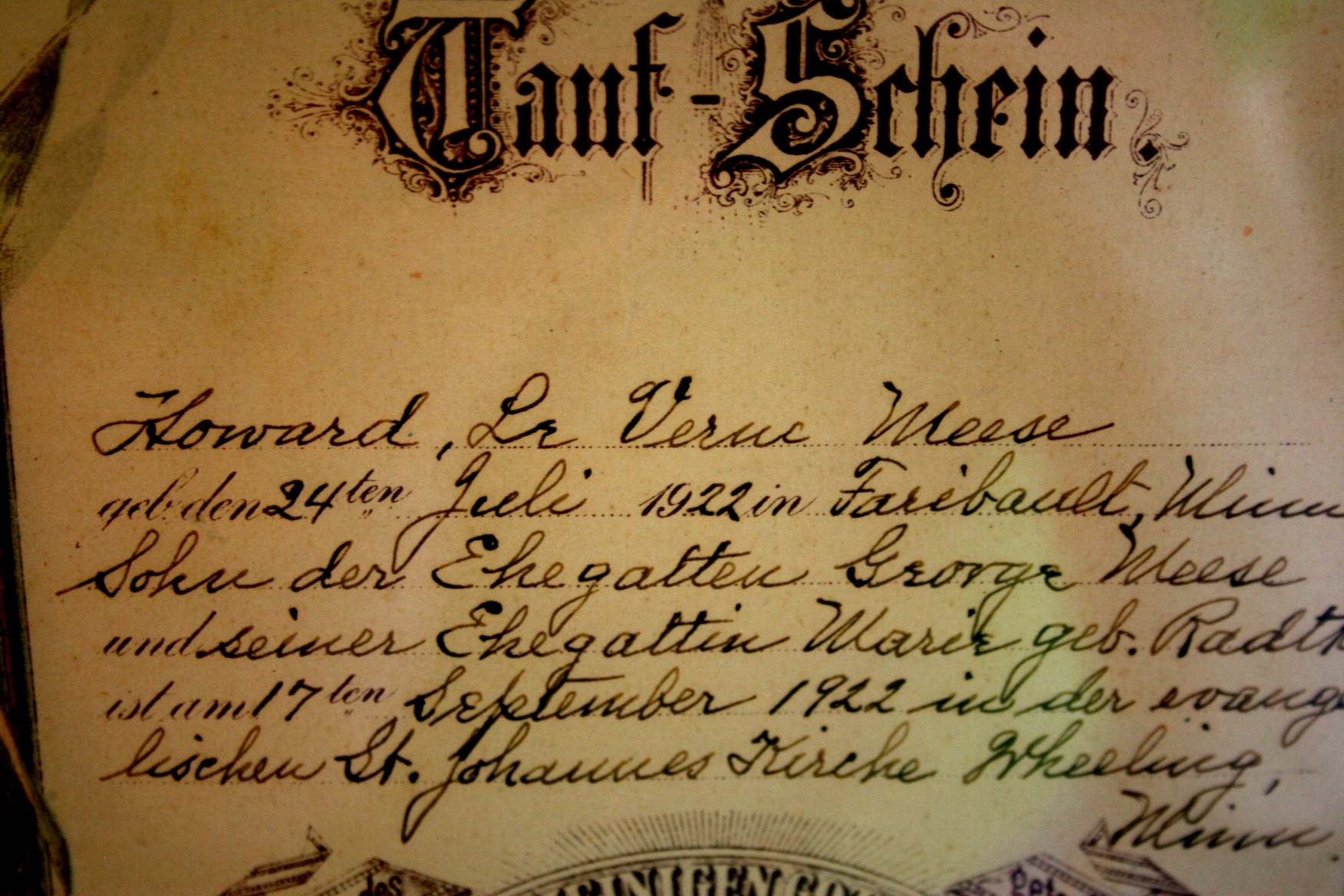
I DON’T KNOW how many Germanfest attendees paused to examine the German books and documents displayed in the church narthex. But I’m always interested in such items because not only am I 100 percent German and interested in “old stuff,” but I once considered majoring in German in college (which means I would not have become a writer; I think I made the right choice).

Sprechen Sie Deutsch?

A Deutsche document from St. John's.

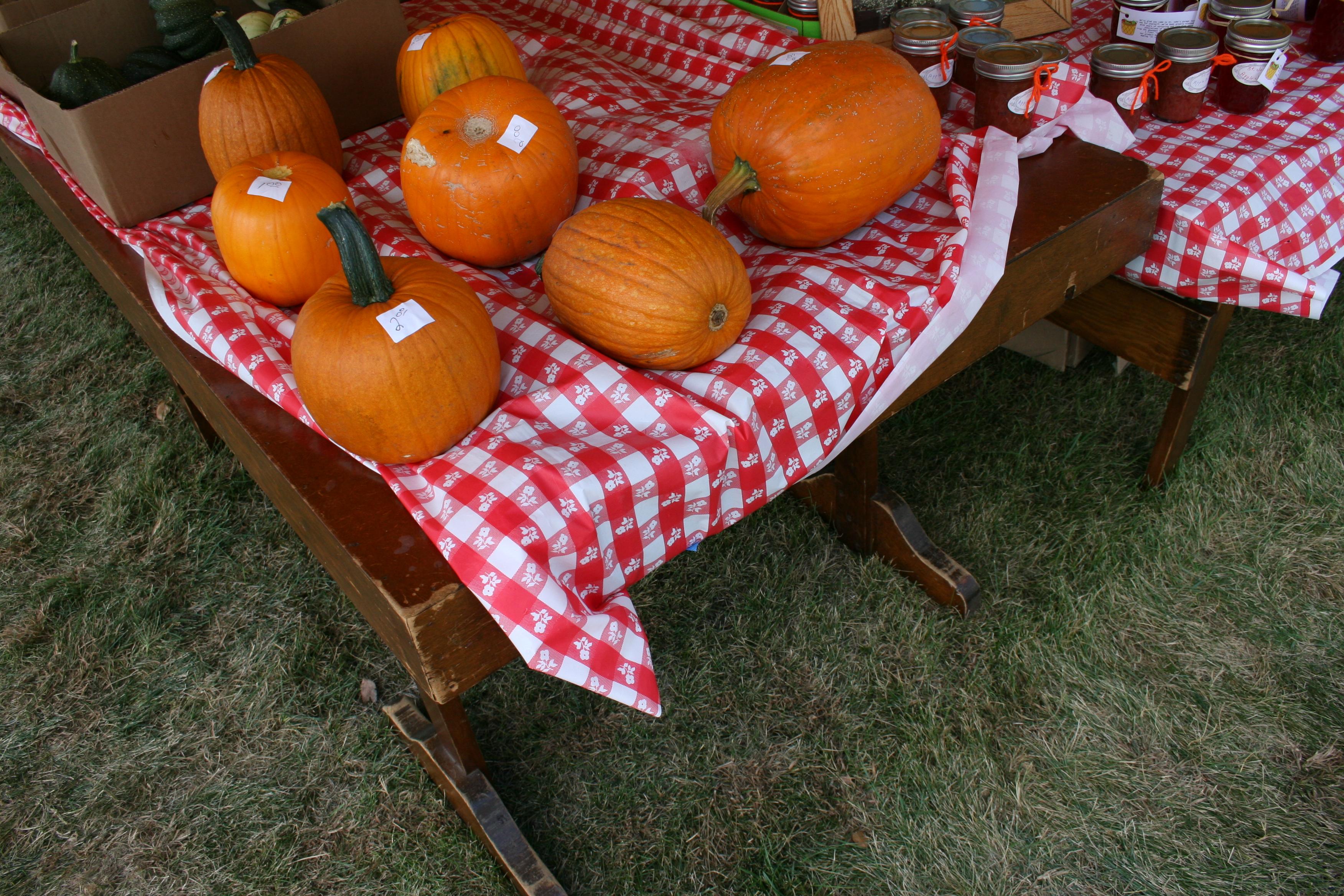
FINALLY, BECAUSE I CAN, I wanted to show you this photo of pumpkins at the farmer’s market section of Germanfest.

To be truthful, though, it wasn’t the pumpkins that interested me as much as the antique table. Those legs caught my eye and I wanted to throw that checkered tablecloth right off the table top and slide my hand across the worn wood.

Country store pumpkins on that old table I noticed.

THE NEXT TIME you’re out and about, I challenge you to notice the details.

© Copyright 2011 Audrey Kletscher Helbling


Connecting to God at country churches August 28, 2011

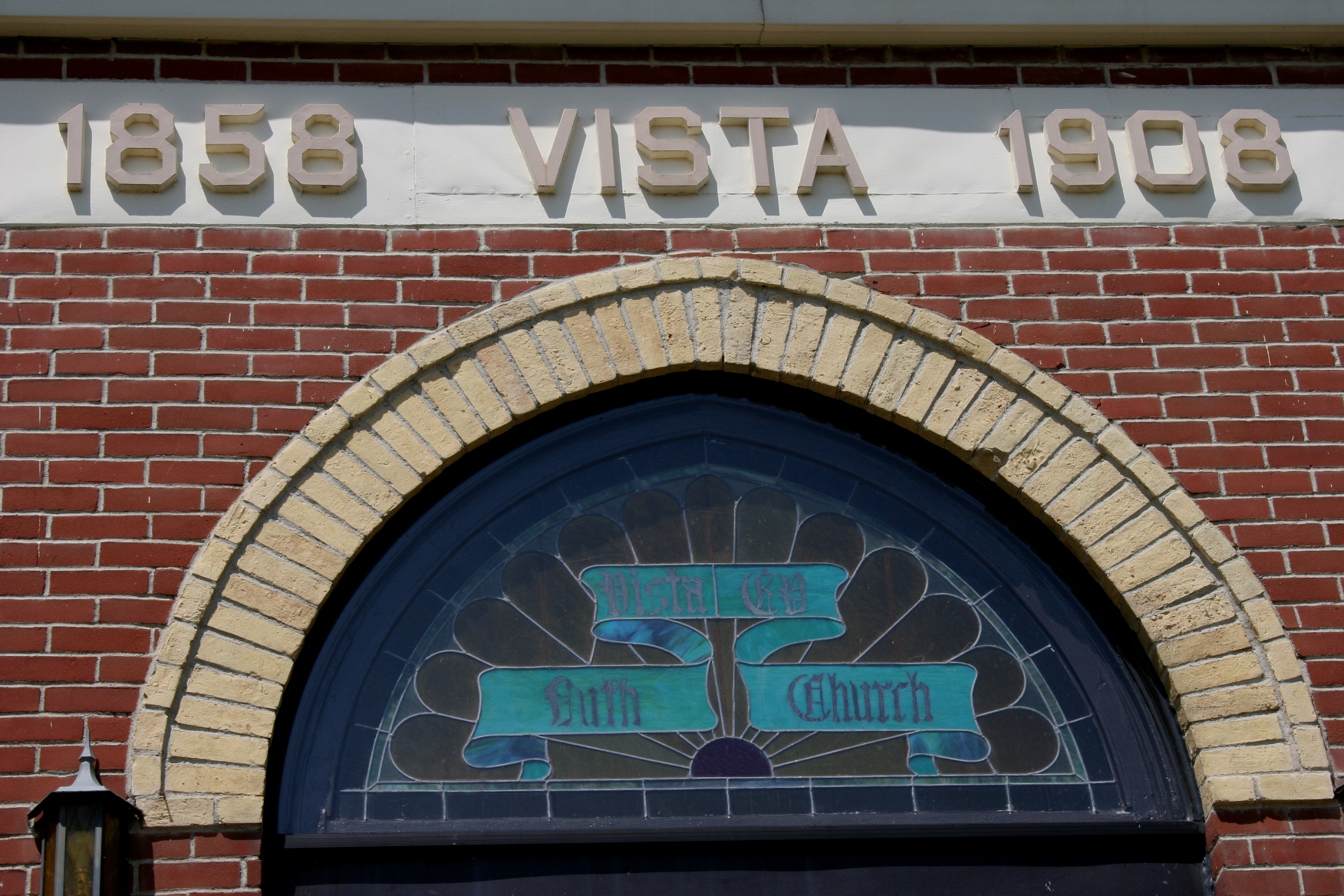
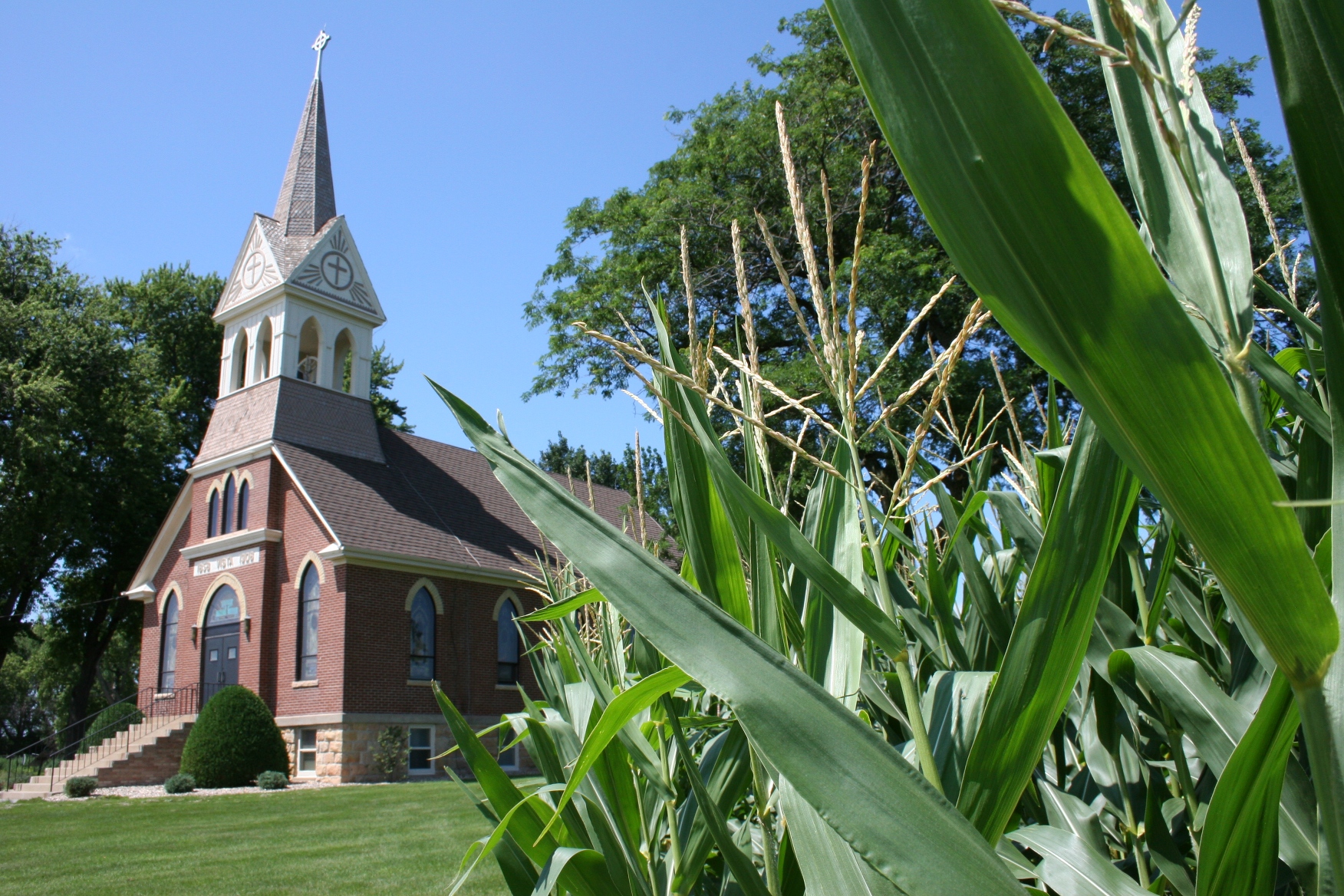
Vista Evangelical Lutheran Church, located at the intersection of Waseca County Roads 20 and 56 northeast of New Richland was built in 1908 and is on the National Register of Historic Places.

DURING THE PAST FEW YEARS, whenever I spot an old country church and have the time to stop and photograph it, I do.

I possess a sincere appreciation for the history, architecture, beauty and art found in these rural houses of worship.

There’s also something about a church in the country that exudes a deep sense of peace not found in a church built in a town and surrounded by homes or businesses, confined by concrete or pavement.

In the country, a church feels more closely connected to God by the sky, the land, the stirring of the wind through the trees, the background buzz of bugs on an end-of-summer day.

Serene. Peaceful. Calm. A certain sense of comfort comes from walking through a country churchyard, through the adjoining cemetery that links to farm fields where congregational forefathers worked the land and, on Sunday mornings, paused to thank God for the blessings bestowed upon them.

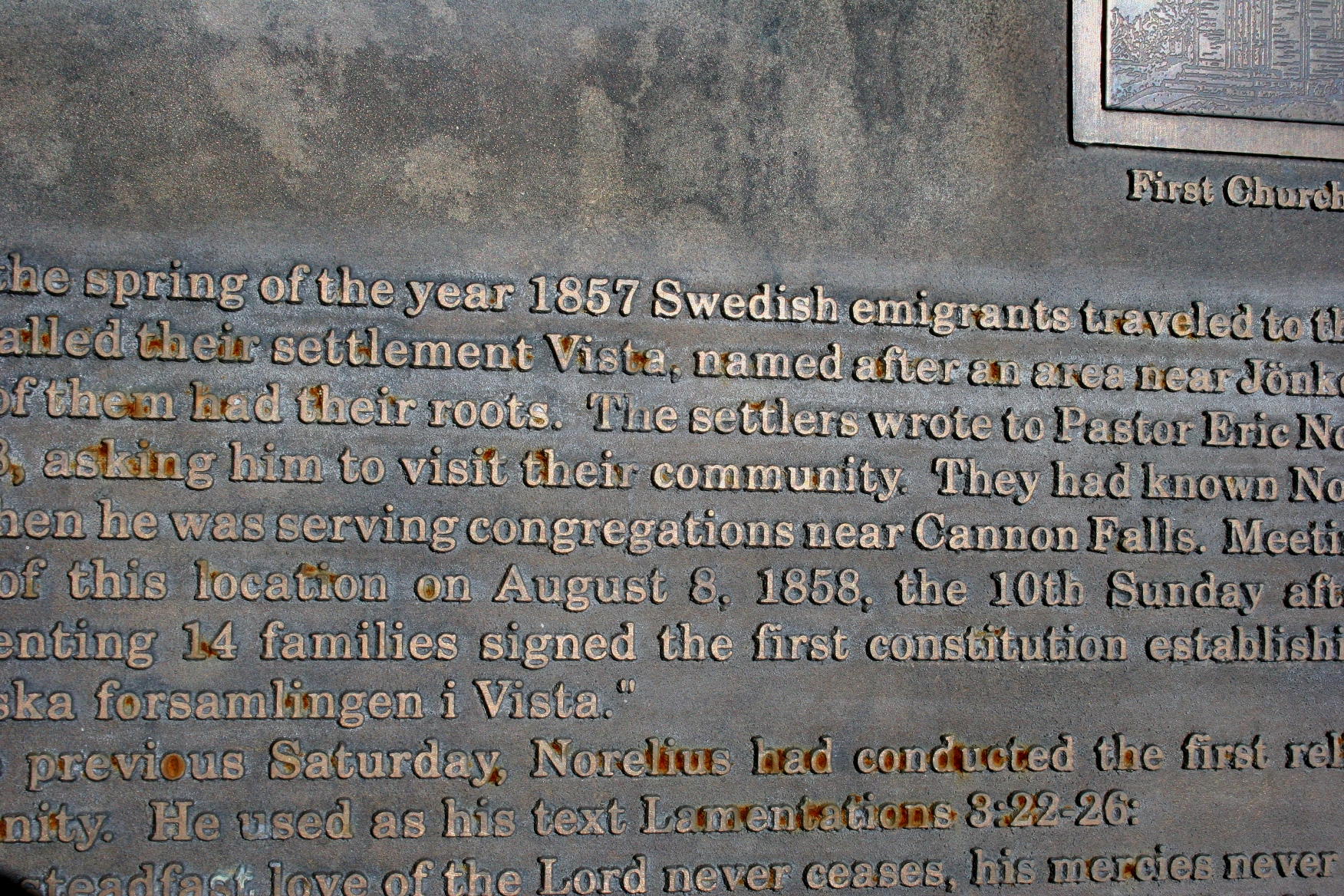
A plaque at Vista details the congregation's Swedish roots and history. Early settlers met on a hill north of the current church on August 8, 1858, and signed a constitution.

Most times on these brief visits to country churches, I find the doors locked. It wasn’t always this way. Perhaps even a decade ago, I could have walked inside. But times are different. Worry about theft requires locked doors.

So I can only imagine the sun streaming through stained glass windows, the worn pews, the ornate altar, the frayed rope of the bell pull.

Nearly every old country church features irreplaceable stained glass windows.

As I circle the church exterior, I consider the families that have come together here to celebrate baptisms and marriages and to mourn the loss of loved ones. Ashes to ashes, dust to dust.

Cornfields snuggle up to Vista's church yard. It's the most beautiful of settings.

Here, standing with my feet planted next to the church next to a corn or soybean field overlooking the picturesque countryside, I can feel the almighty presence of God the Creator as I contemplate words from “Beautiful Savior,” my favorite hymn:

Beautiful Savior, King of creation, Son of God and Son of Man!

Truly I’d love thee, Truly I’d serve thee,

Light of my soul, my joy, my crown.

#

Fair are the meadows, Fair are the woodlands, Robed in flow’rs of blooming spring;

Jesus is fairer, Jesus is purer,

He makes our sorr’wing spirit sing.

Vista's steeple rises above the countryside as a local landmark.

A lovely grassy area of shade trees lies to the north and west of the Vista church.

© Copyright 2011 Audrey Kletscher Helbling

Verses one and two of “Beautiful Savior” are from The Lutheran Worship hymnal.


Presenting Leonardo da Vinci’s The Last Supper at a Minnesota church April 19, 2011

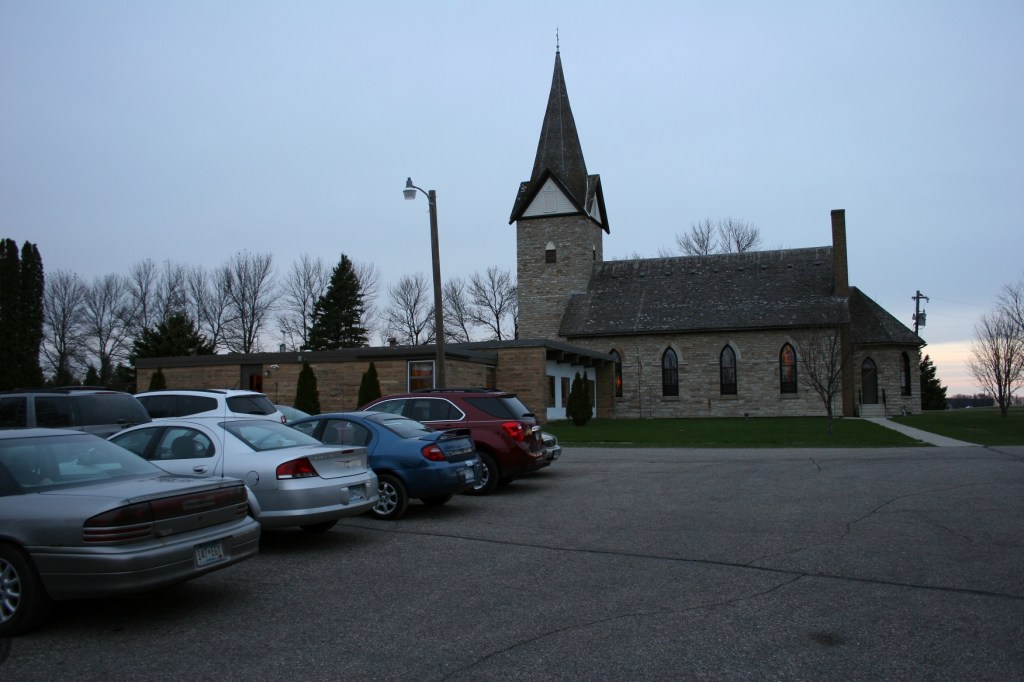
The parking lot at St. John's United Church of Christ, Wheeling Township, is nearly full 20 minutes before the congregation's annual performance of The Last Supper Drama.

AS THE FINAL wisps of daylight dissipate into darkness, the church windows glow with the subtle warmth of welcome on this Palm Sunday evening.

Inside, worshippers are already gathering in the tightly-knit pews, eyes focused on the long table before them.

As I wait, seated in a pew tucked under the rim of the balcony, I study the stained glass windows, the suspended ceiling lights where lady bugs cling, the golden cross high above the altar.

Then, shortly after 8 p.m., after the hymn and the invitation and recitation of The Lord’s Prayer, the drama begins unfolding—for the 49th consecutive year.

St. John’s United Church of Christ, Wheeling Township, is presenting its annual The Last Supper Drama.

The Rev. Lora Sturm provides brief historical background on Leonardo da Vinci’s The Last Supper painting, the visual basis for the evening’s drama.
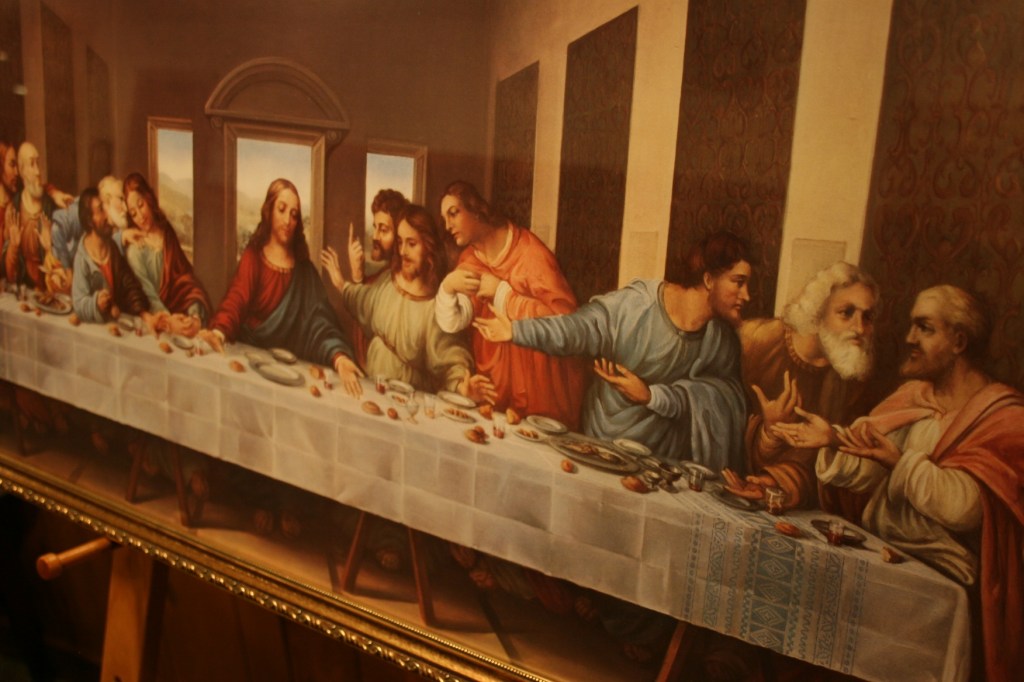
Leonardo da Vinci's painting of The Last Supper inspired the dramatic presentation at St. John's. This print was donated to the church in memory of Arnold Keller.

And then the lights fade, slowly, until a spotlight shines only on the cross. Soon that light and the organ light are extinguished, plunging the sanctuary into near darkness save for the remnants of daylight filtering through the stained glass windows.

A quiet reverence, a sense of anticipation, falls upon the congregation in the moments of silence and darkness before the actors begin filing into the church. Small clusters of men, seemingly engaged in conversation, without words to be heard, walk toward the table set with bread and a chalice and a bag of silver, although I am not sure whether the betrayal money was there initially or was carried in by Judas, the betrayer.

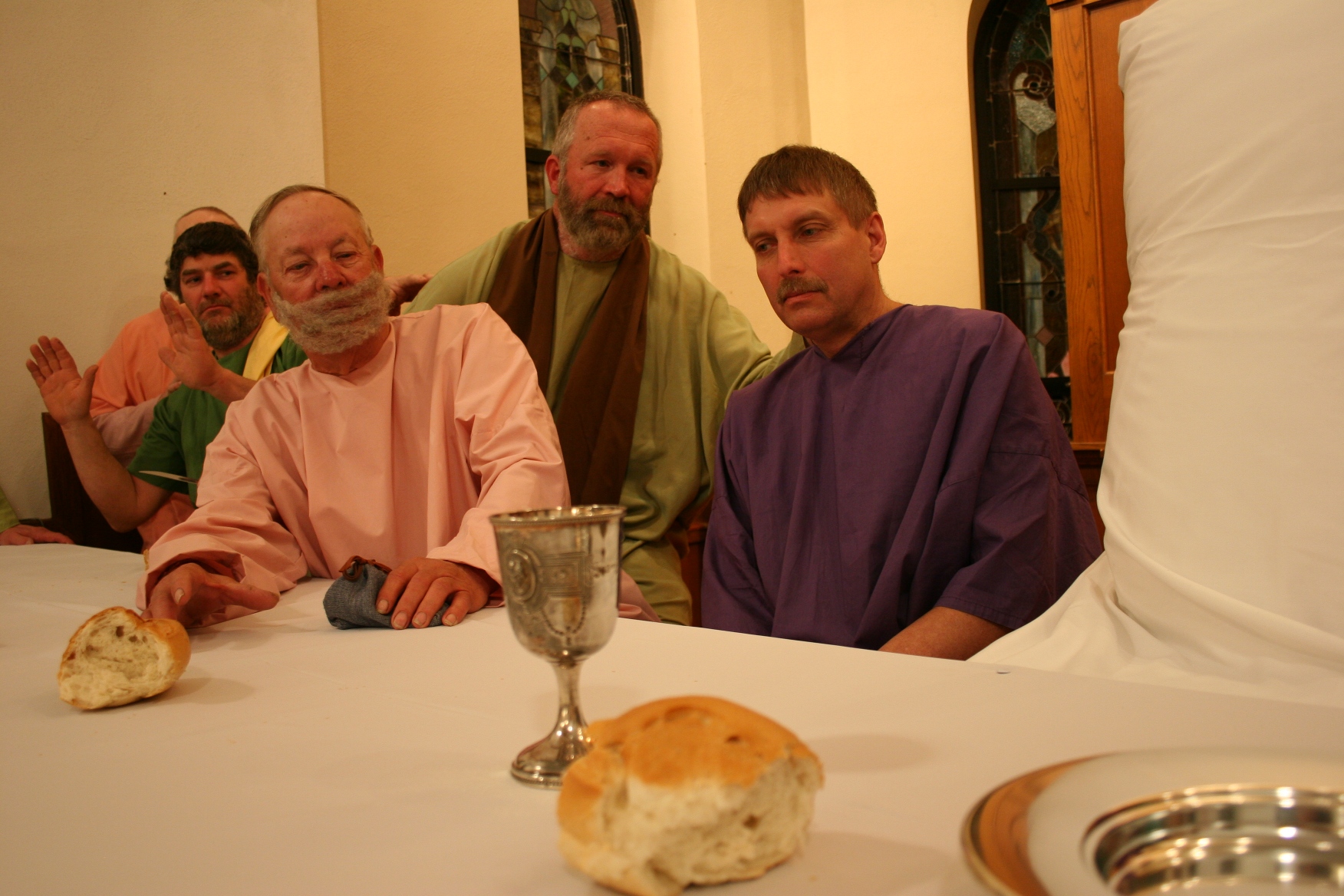
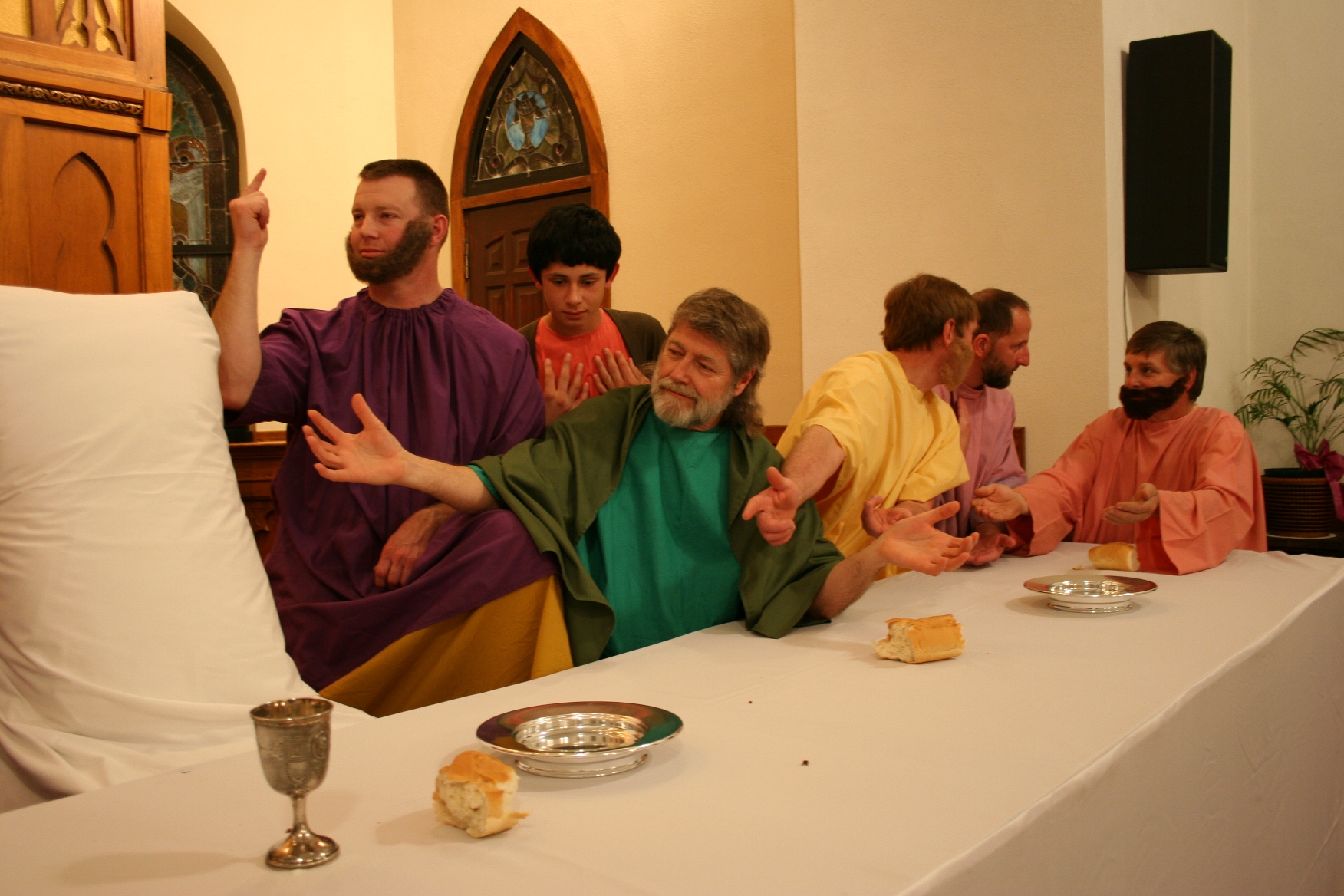
In darkness, these actors, these 12 disciples, pose themselves, replicating the positions da Vinci painted into his famous The Last Supper painting. But no one plays the role of Jesus, represented instead by an empty chair draped in white cloth.
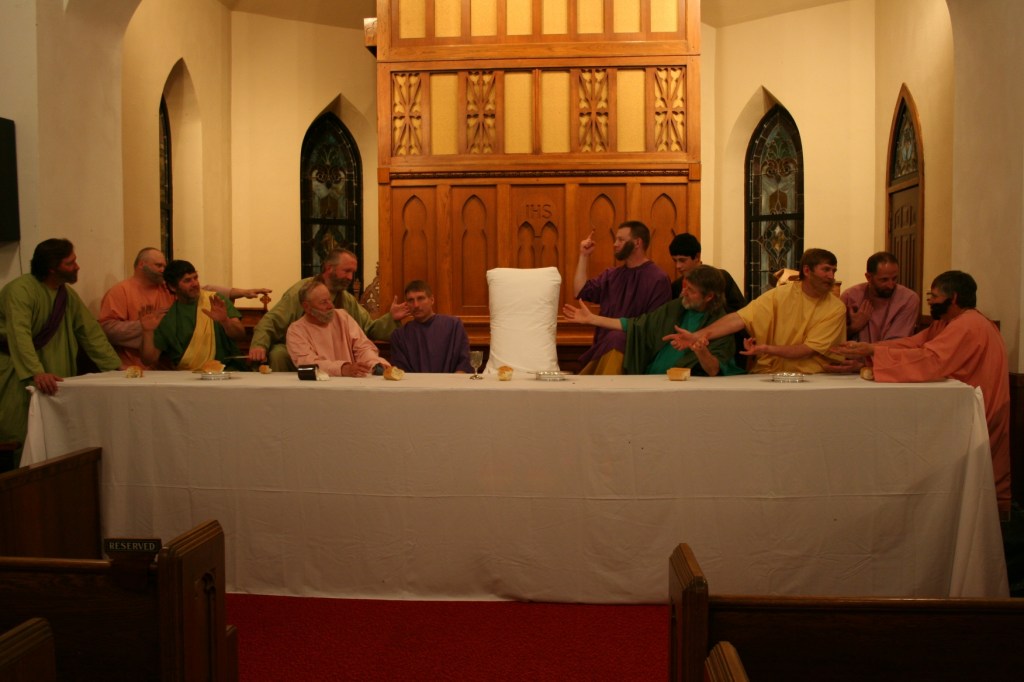
The actors position themselves to replicate da Vinci's The Last Supper, except for Jesus, who is represented by the empty white chair in the middle of the table setting.

When the lights flick on, the frozen scene catches me off guard, even though I’ve previously seen the performance. The stillness fills me with a certain sense of peace, yet uneasiness.

I know what is coming. Words from Scripture that will tell of Jesus’ forthcoming death. The accusation that one of the 12 will betray Christ. It is the moment da Vinci depicts in his art—that moment when the disciples learn that one of them will give up their Lord to death.

Yet, in this script penned by a St. John’s pastor, Walter Rasche, 49 years ago, it is the depth of faithfulness that causes me to pause and look inside. Would I be so faithful as to become a martyr, to die, like the disciples, by stoning or crucifixion or beheading?

In their monologues, each disciple speaks honestly of his struggles, his lack of faithfulness, his travels to preach the gospel, and, then, the blessed words of a better and more abundant life found in following Christ.
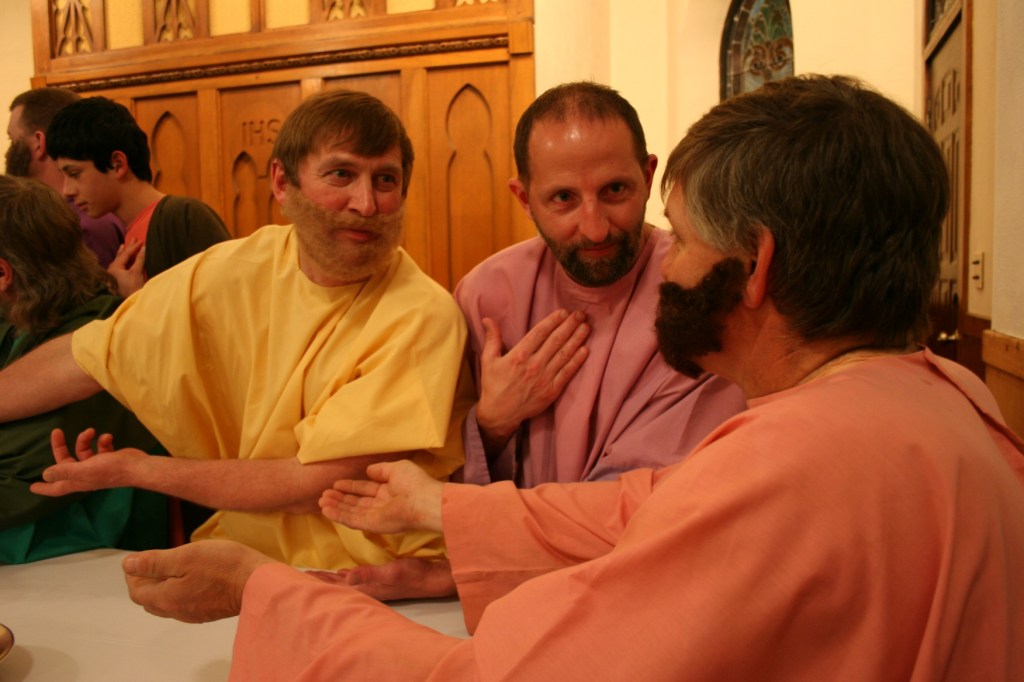
The actors freeze as they role-play the disciples.
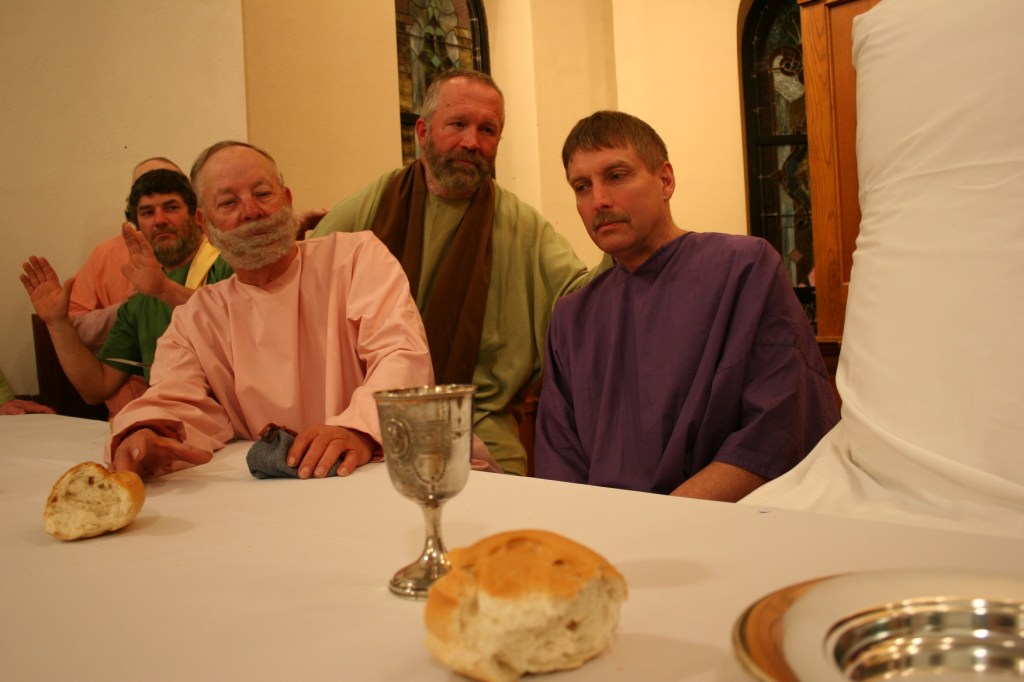
Five of the six disciples sitting to Jesus right with Christ represented by the empty white chair.
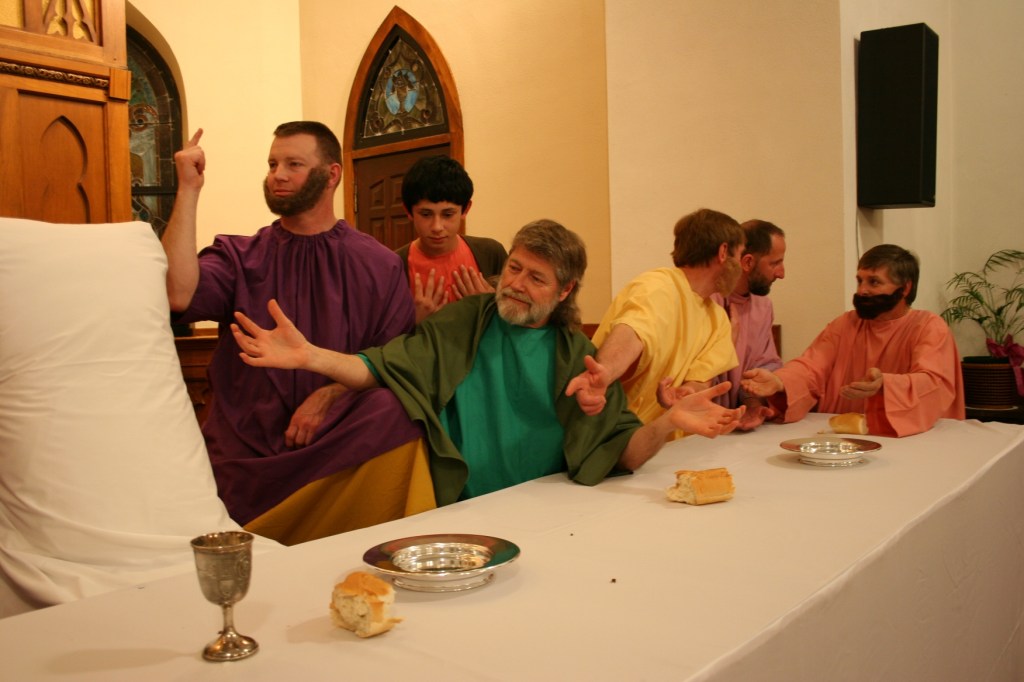
The disciple/actors to Christ's left, including first-time actor, 13-year-old Kyle Keller, the youngest cast member.

Judas’ words—that he regrets betraying Christ with a kiss, turning him over to the authorities for 30 pieces of silver—sting.
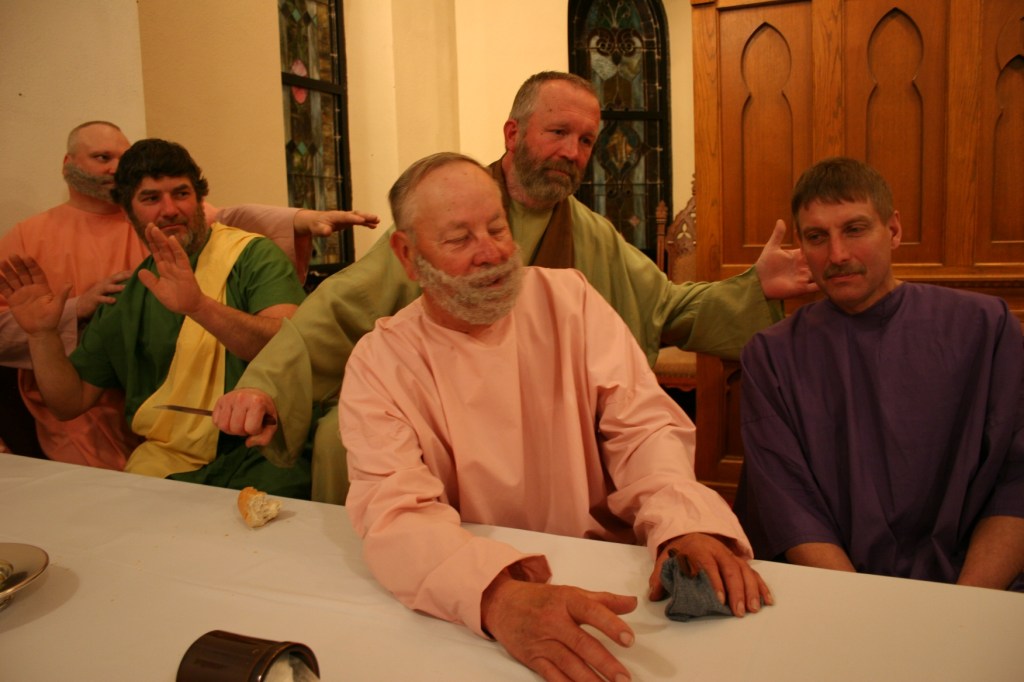
Judas, front, betrays Jesus with a kiss and 30 pieces of silver.

But the pastor’s prayer afterward encourages and uplifts me: “…hear your voice calling us to follow you…you call us to simply follow…”

And then her benediction blesses me with peace: “The Lord bless thee and keep thee…”

As the actors exit, as the worshipers file out of the sanctuary, I linger, waiting for the opportunity to shoot photos, which weren’t allowed during the performance. The men return, pose at the table, some of them telling me how they watched this drama as boys and now role-play as men.

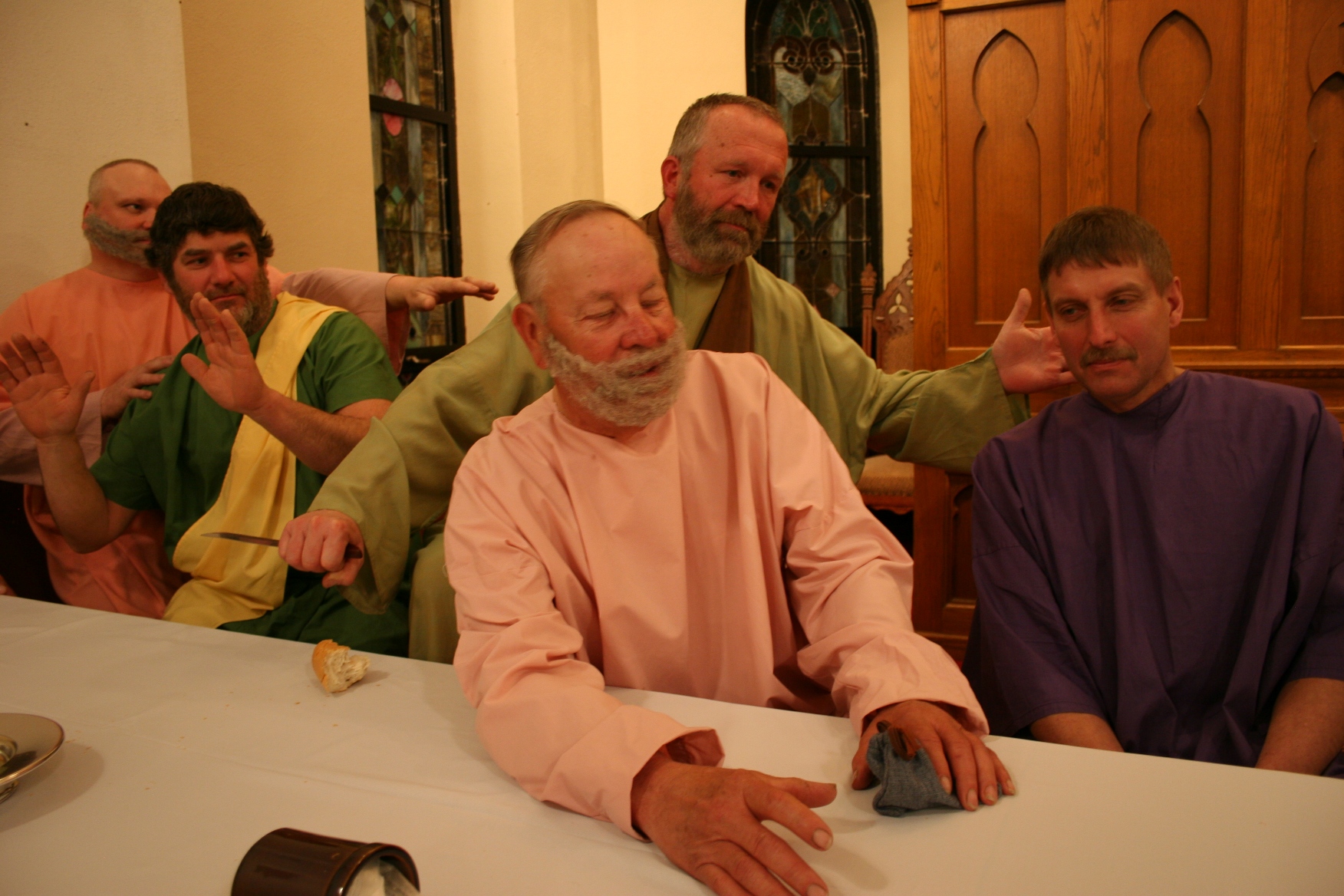
This year a boy-becoming-a-man, 13-year-old Kyle Keller, plays the part of Philip, standing behind his father, Keith, who has assumed the role of Matthew. The seventh grader is the youngest participant ever in the St. John’s re-enactment. He was talked into playing the part, but says now that he’ll be back.

With two casts, the actors (most of them) return every other year to assume the same character roles. Some travel from the Twin Cities back to this, their home church near Nerstrand Big Woods State Park. They speak and gesture like seasoned actors, some growing beards for the occasion, others sporting fake, glued-on facial hair. Sharon Meyer jokes that she has the shaver charging at home, ready to shave off her dairy farmer husband’s beard. Alan Meyer has played the part of Andrew in the evening’s performance.

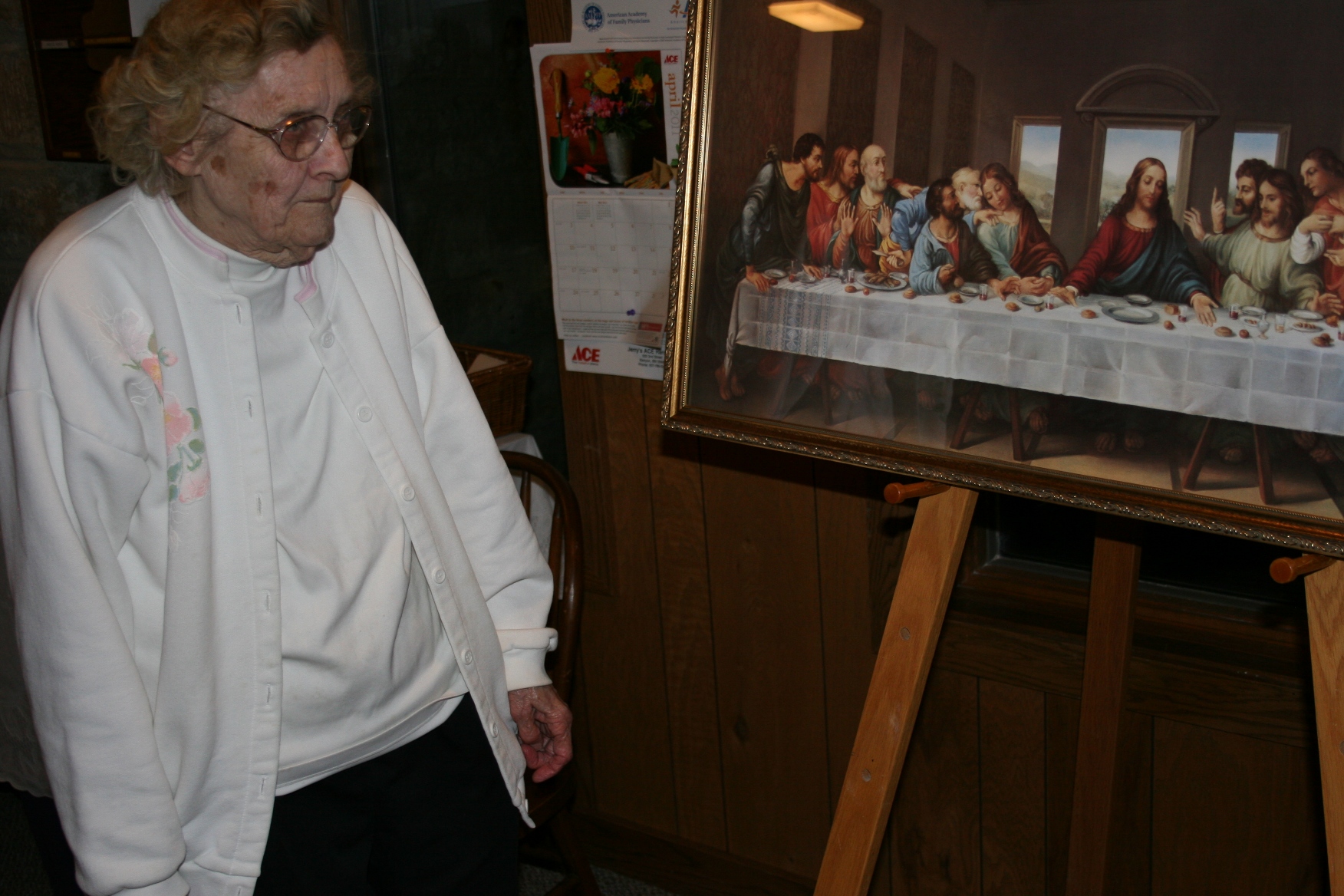
Occasionally, a new cast member like Kyle is recruited. He’s the grandson of Elsie Keller, who stands after the service next to a print of The Last Supper angled onto an easel in the church narthex. The Keller family gave the print to the church in memory of Elsie’s husband, Arnold, who died in 1999. On Palm Sunday the print is moved from its usual spot in the fellowship hall to this place of honor.
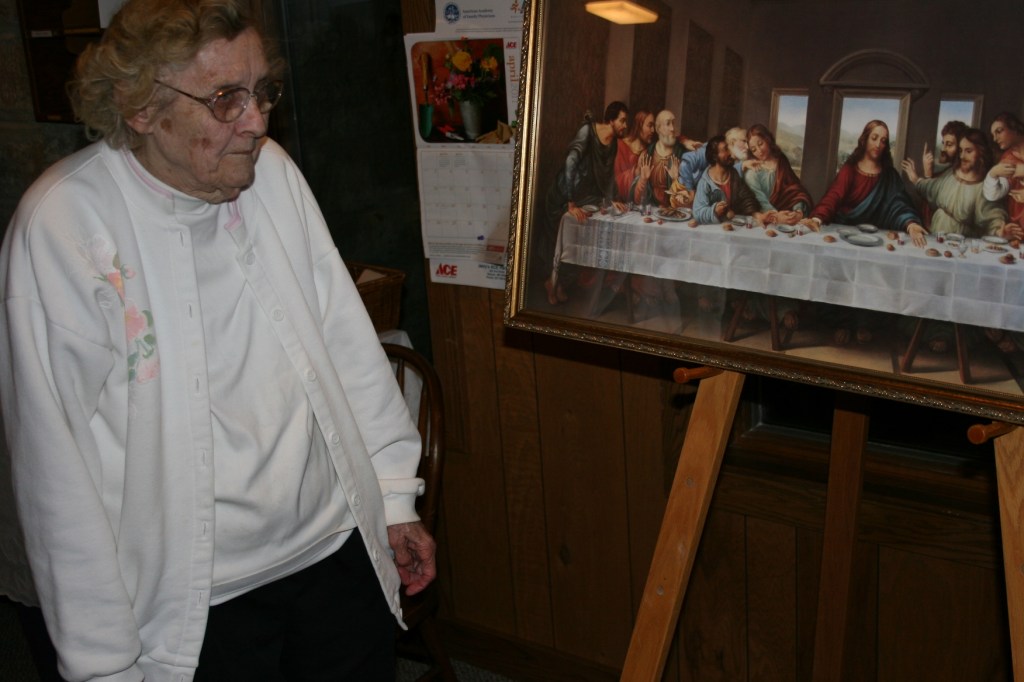
Elsie Keller, 85, stands next to The Last Supper painting given to St. John's in honor of her husband, Arnold.

The evening takes on special significance for this 85-year-old as she watches Thomas and thinks of her husband. Arnold played Thomas in the debut performance at St. John’s and continued with that role for many decades thereafter. Elsie, who was baptized, confirmed and married at St. John’s, as was her husband, hasn’t missed a single performance of The Last Supper Drama.

Her son, Craig Keller, the church organist, tells me that the drama originally was staged on a Wednesday during Lent. At one time there were two evening performances and even an afternoon presentation with the windows covered in black plastic to block out the light.

On this evening, some half-dozen church pews remain empty and I wonder why this place is not packed with a standing-room only crowd.

I’ve been deeply impressed with so many facets of the drama—by the level of commitment within this country congregation to continue a nearly 50-year tradition, by the professionalism of the actors, by the words they’ve shared that make the painting and Scripture and apostles come to life and, certainly, by the actors’ ability to freeze without barely an eye blink or a twitch. How do they do it?
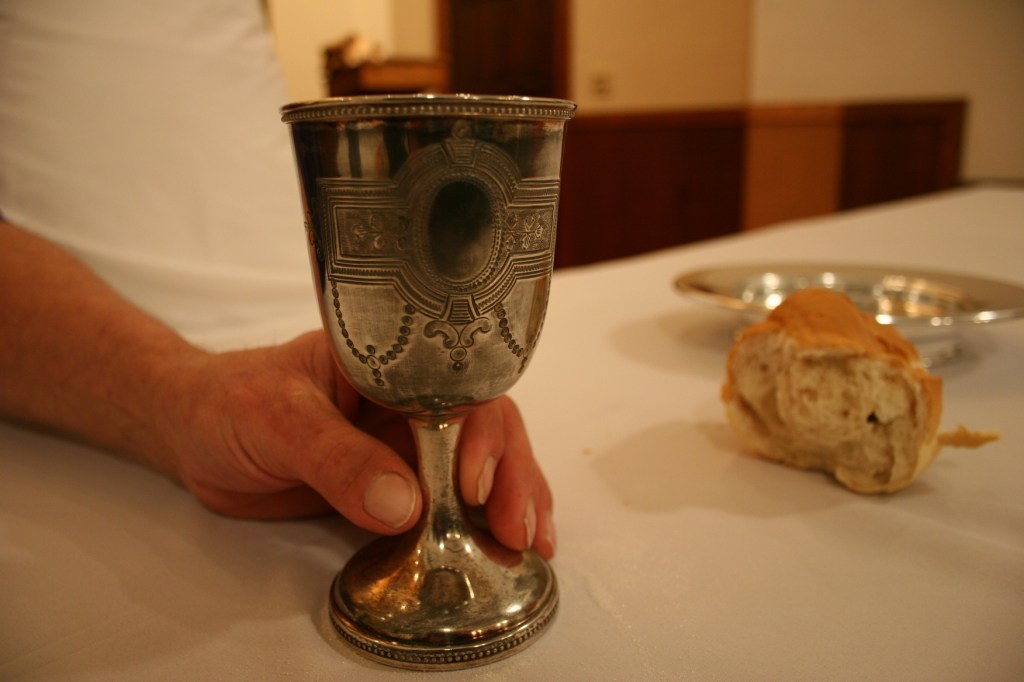
The congregation's original chalice is used each year in the drama.
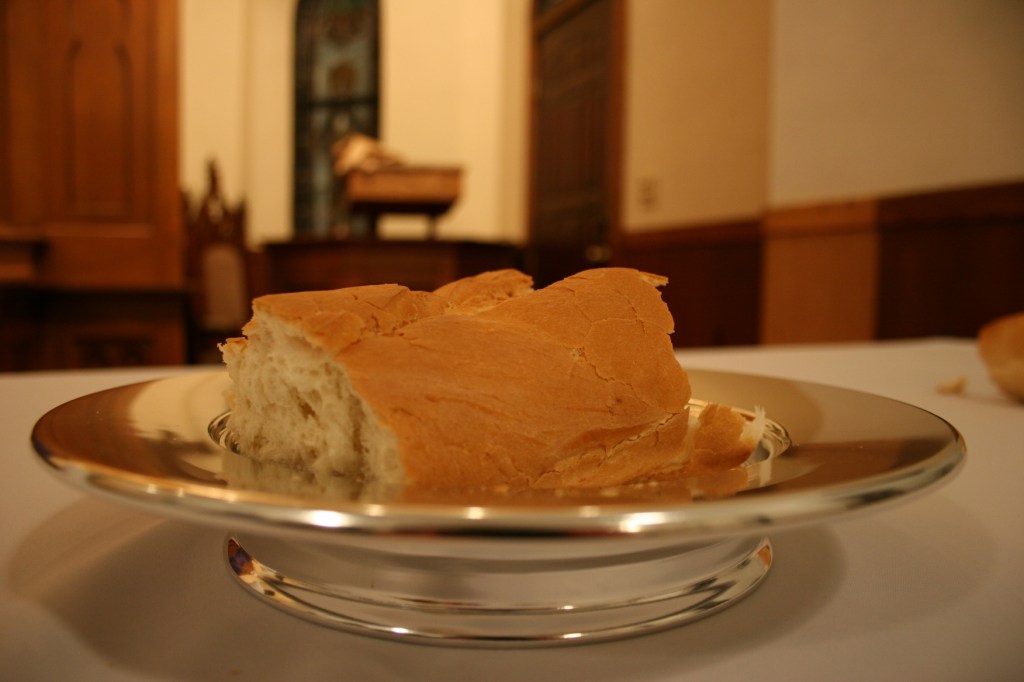
"Take eat, this is my body..." bread on the table during The Last Supper Drama.

FYI: Next year plan to attend the 50th presentation of The Last Supper at 8 p.m. on Palm Sunday. St. John’s United Church of Christ, Wheeling Township, is located about a 15-minute drive east of Faribault on Minnesota Highway 60 and then north on Rice County Road 24. At this point, I expect organizers may add activities to commemorate the 2012 anniversary production.

Credit goes to the following for their parts in presenting this year’ production: directors Shirley Little and Kelly Dahl; co-director Pauline Wiegrefe; organist Craig Keller; narrator Don Katra; prompter Steve Wille; lighting, Ben Heil; greeters Steve and Deb Wille; the youth fellowship ushers; the church council coffee hour servers; pastor Lora Sturm; and actors Alan Meyer, Grant Meese, Craig Mueller, Kyle Keller, Todd Lien, Thad Monroe, Keith Keller, Doug Spike, Marty Budde, Brian Little, Randy Tatge and Paul Meyer.

Thank you all for this exceptional gift during Holy Week.

© Copyright 2011 Audrey Kletscher Helbling


Stitches of love April 6, 2011

Handmade quilts drape across pews at St. John's United Church of Christ.

INSIDE THE LIMESTONE CHURCH, patchwork quilts drape across the backs of pews, spilling onto cushy red seat cushions.
Only hours earlier during the Sunday morning church service, worshippers settled onto the quilts handmade by St. John’s United Church of Christ members.
On a Saturday in February, members of the Women’s Guild, and a few husbands, gathered at this country church in Wheeling Township in southeastern Rice County to stuff the quilts with batting, add backings and tie together the layers with snippets of yarn.
 

St. John's old stone church has been in continuous use for more than 150 years. German settlers founded the congregation in 1856.

This year, according to church member and quilter Kim Keller, the quilters made 13 baby quilts and 13 big quilts.

The handmade blankets will go to graduating high school seniors—two at St. John’s this spring—and to missions, mostly local.


One of the many handmade quilts that will be given away.

As I perused the quilts, I considered the devotion of those who piece together the swatches of fabric, tie together the layers and knot the strands of yarn. These quilts represent gifts that touch the recipients physically, but, more importantly, emotionally and perhaps spiritually.

Stroke the fabric and you can almost feel the love stitched into each quilt.

That these blankets are then displayed for worshippers to see, and sit upon, adds another dimension to the project. As I photographed the quilts, as the sun streamed through the church’s restored stained glass windows, I thought of the blessings received by both the givers and the receivers. Joy that comes in selfless giving. Joy that comes in knowing someone cares enough about you and your needs to stitch a quilt.

“It is more blessed to give than to receive.” Acts 20:35

The stained glass windows at St. John's were restored between 2004 - 2006 at a cost of more than $30,000.


A view from the St. John's balcony of the church interior and the quilts.

TEN MILES AWAY in Faribault, about a dozen women at my church, Trinity Lutheran, meet every Wednesday morning from September through May to finish quilts that are donated to those in need. Seamstresses sew the quilt tops at home and then bring them, along with the backings, to church where the Trinity Quilters add the batting and then tie together the layers with yarn.

For 60-plus years now, the women of Trinity have been stitching quilts. “It’s a mission project,”  says long-time quilter Betty Gudknecht. “I want to help other people. You want to do things for the Lord because you want to do it (not because you’re paid).”

With that spirit of giving and serving, the Trinity quilters make about 200 quilts annually. They donate them to places like Minnesota Teen Challenge, the Orphan Grain Train, the Red Cross, Burdens to Blessings, Lutheran World Relief, Lutheran Association of Missionaries and Pilots, and to others in need. Trinity’s graduating high school seniors also receive quilts.

This week the Trinity Quilters are auctioning off three quilts in a silent auction that ends mid-morning on Sunday, April 10. They need the auction money to purchase batting for their 60 x 80-inch quilts. A single roll of recently-purchased cotton batting, which will make 16 quilts, cost $90, and that was at 50 percent off.

In the past, the quilters have gotten creative, using old blankets, mattress pads and even the outsides of electric blankets, as “batting.” They still plan to use those resources, but would also like to use the softer, purchased cotton batting.

While the quilt-makers sometimes buy fabric, most often it is donated.

If you’re interested in bidding on one of the quilts at Trinity Lutheran Church—and I’m sorry, I don’t have photos of the quilts—get your bids in this week.

Cash donations are also being accepted to help the quilters purchase batting.

“It is more blessed to give than to receive.”


The steeple of St. John's United Church of Christ, Wheeling Township, Rice County, Minnesota.
© Copyright 2011 Audrey Kletscher Helbling