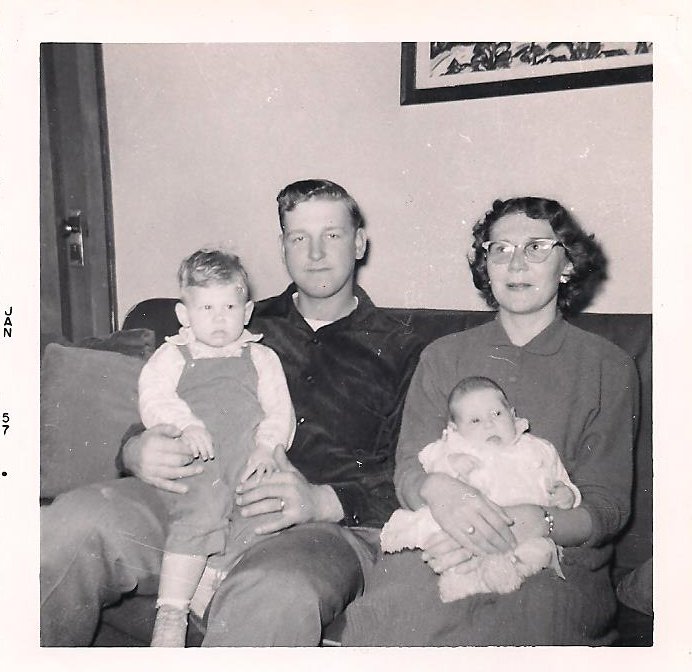
(Minnesota Prairie Roots copyrighted file photo used for illustration only)
THE LAST TIME I shopped for sympathy cards 10 days ago, I thought I’d picked up enough to last a while. But I need more after what has been a really difficult week within my circle.
On Sunday, friends lost their great nephew. Just over a year old, he was struggling to recover from earlier heart surgery. The day prior to his death, this beloved toddler finally came off his heart-lung machine. Those who loved him most felt a collective glimmer of hope even as he remained on a ventilator. And then he died. On Easter morning. I cried great heaving sobs for this darling boy I’d never met, only seen in photos, his body bloated, tubes taped in place, baby fine hair spiking. My heart broke with the sort of grief that rises from deep within a mother’s spirit. Aching. Hurting. Overpowering in its intensity.
Another mother is experiencing similar grief. My cousin’s daughter’s husband died unexpectedly last week, only 18 months into their marriage. How do you, as a mother, console your daughter whose heart is broken? That, too, seems insurmountable. Beyond difficult. As moms, we want to “fix” everything, make it all better. To bear witness to such grief while grieving requires incredible strength. I feel my cousin’s pain as she strives to be there for her now widowed daughter.
And then there are the friends whose nephew died tragically in a recent car accident. When I saw a portrait of the young man and a photo of his one-year-old son, my heart broke for a baby without his daddy, a wife without her husband, parents without a son… So much grief just pouring out for this family.
I wish I could take away the grief, the pain, the suffering. I think when death is unexpected, as it was in all of these situations, it’s decidedly more difficult to accept. We understand when aging parents and grandparents die, even when someone with an aggressive form of cancer dies. We’ve already begun mentally preparing, grieving even before death. But this, these deaths, shock the emotions.
In the all of vicariously grieving, I will do what I can to support my friends and cousin. I’ll purchase more sympathy cards, pen notes written from the heart and pray for comfort to come. I care. Because they are hurting, I hurt.
I NEARLY STOPPED READING the book several chapters in. The content weighed on me, so emotionally heavy that I wondered if I could continue. But then the story line began to unfold in a more hopeful way. And I read on.
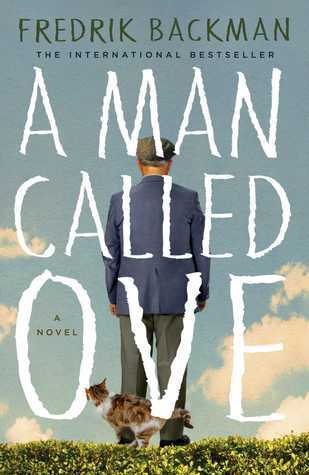
By the time I reached the final chapter of A Man Called Ove, I was so invested in this book, the characters and relationships that formed, the way lives intertwined to save a life, that I wondered why I ever considered not finishing.
This 2014 international bestselling novel by Swedish blogger and columnist Fredrik Backman now ranks as a favorite book of mine. It made me cry. Correction. Sob. I struggled to read the final pages as tears blurred my vision. It’s been awhile since a work of fiction has spawned such a heart-wrenching emotional reaction.
I challenge you to pick up this book and read about aging Ove and his grief and grumpiness and outspokenness and how the edges of his hardness begin to soften. I laughed. I cried. I worried. I felt hopeful. I cheered. I wanted to give Ove a kick in the pants. I pondered. I related.
The mix of emotions elicited by A Man Called Ove tells me one thing. This is a remarkable book. The writing. The way mental health weaves into the story. There’s no avoidance of hard topics—of bullying and trauma and loss and grief and obsessive compulsive behavior and suicide and the way the mind wraps and detours and struggles and copes.
Into all of this, the author brings hope. In new neighbors. In a mangy cat. In a teen with sooty eyes and a determined journalist and a friend with dementia. I appreciate how, in the end, differences matter not. It’s that kind of book. Real. Honest. Heart-breaking.
I did not see the American movie, “A Man Called Otto,” based on the book. I’ve been told it’s good by some, advised by others to watch the Swedish version instead. Usually I’m disappointed in film adaptations. I haven’t seen a movie on the big screen in many years.
This Sunday evening, movies will be front and center in Los Angeles as “best of” awards are presented at The Oscars. I didn’t find “A Man Called Otto” (or any of the actors/actresses) on a quick scroll through The Academy Awards nominees list. Tom Hanks stars as Otto. I’m not into Hollywood events like this, although certainly they are important to honor those who do outstanding work in their craft. Rather, I prefer books, where I can read and then visualize people, scenes, interactions. My imagination unleashes, prompted by the writing of creatives passionate about the written word.
TELL ME: Have you read A Man Called Ove and/or seen the Swedish or American film based on the novel? I’d like to hear your reactions to either or both.
Thank you to readers Ken and Colleen who suggested I read this book.
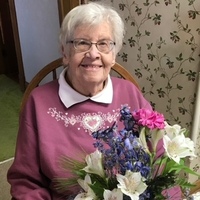
Beata Sampson (Photo source: Sunset Funeral Home obituary)
Beata. What a beautiful name, one I’d never heard before scrolling through a recent list of obituaries from my home region of southwestern Minnesota. I wanted, needed, to learn more about this 98-year-old woman with the Latin-derived (beatus) name meaning “blessed.”
A well-written obituary provides not only basic factual information of birth, life and death, but also enough personal details to tell a story. Beata’s obit speaks to a strong woman born 98 years ago in the Sandager family home in Swedes Forest Township in the northern most part of Redwood County.
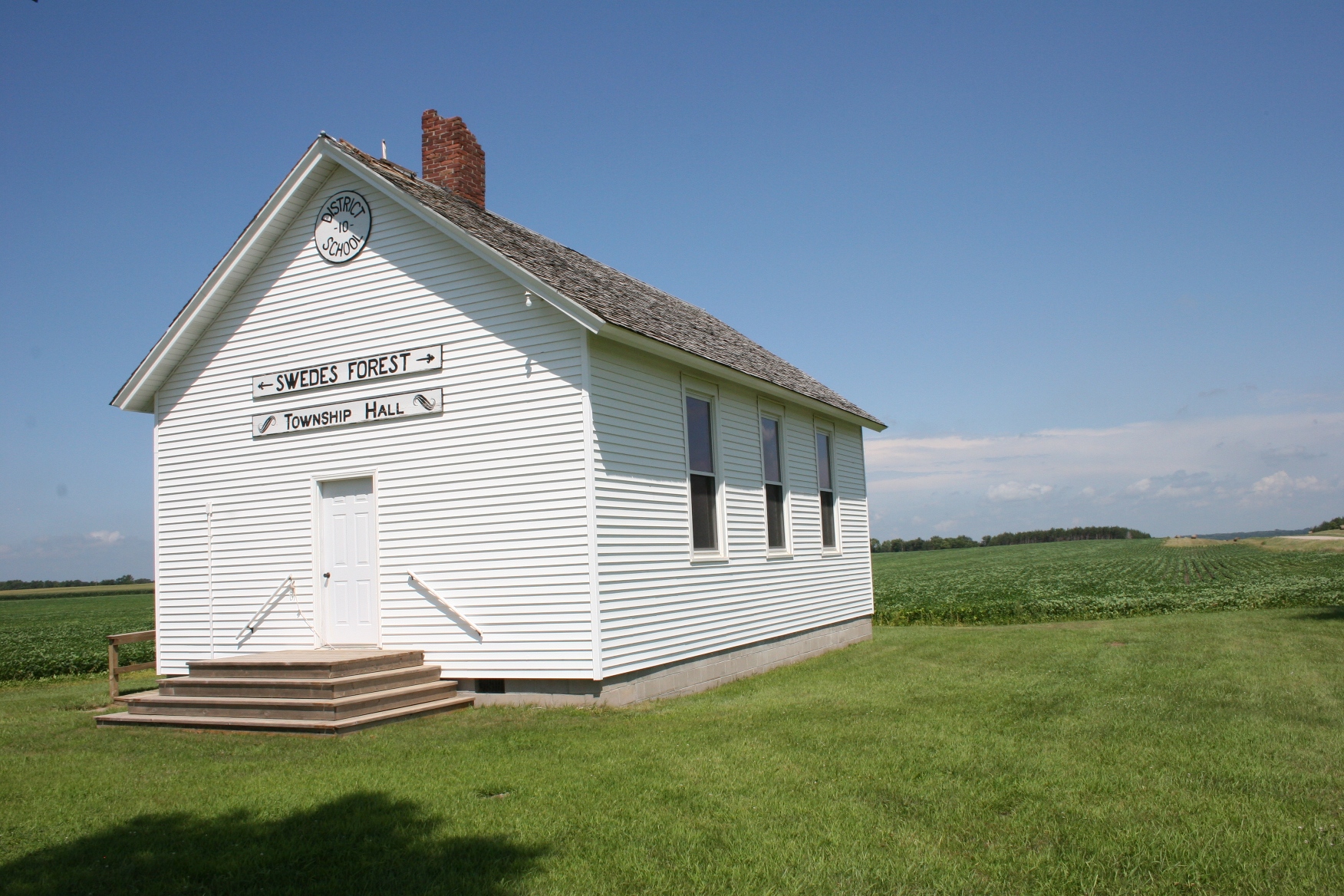
Swedes Forest Township Hall, formerly the District 10 School which Beata attended. (Minnesota Prairie Roots copyrighted file photo August 2011)
Even the township name titles a story—of the Scandinavian immigrants who started settling this area just south of the Minnesota River in 1867. Norwegians, mostly, and Swedes and Danes (like Beata’s Danish-born grandfather, Nils H. Sandager). Knute and Erick and Thor and Ole and Torkel and Turi and Gunhild and Ingeborg… And Beata Ellen’s Norwegian grandmothers, Beret and Ellen, after whom she is named.
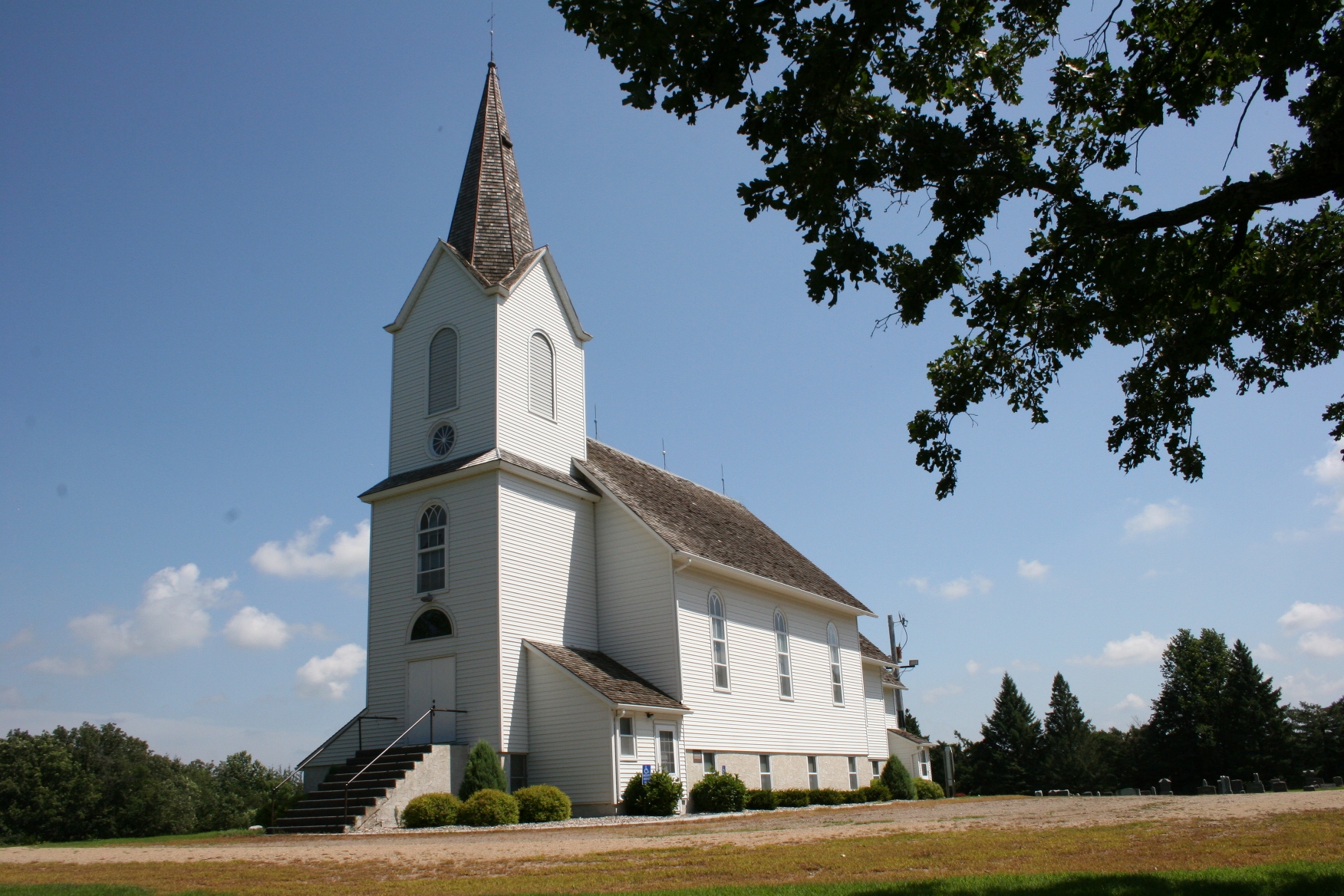
Picturesque Rock Dell Lutheran Church. (Minnesota Prairie Roots copyrighted file photo August 2011)
History runs deep here, all the way back across the ocean. Family history held importance for Beata, who died on February 11 and will be buried today at Rock Dell Cemetery in Swedes Forest Township. This township, this land, this place, it was hers. Beata’s home since her December 27, 1924, birth.
She left only briefly, heading to college in Moorhead in 1942 before returning in 1943 when her father died. Beata was just 18. But her mother, Barbra, and brother Nels needed her help on the family farm. Six years later she would marry Lloyd Sampson, also a farmer. After only 11 years of marriage, Beata was widowed at age 35, her husband dead from cancer.
What strength it must have taken for this young woman and mother of two to endure first the death of her father and then her husband. I’d like to think she had a strong support system of friends and family and neighbors rallying around. A community of people who cared. Knowing rural southwestern Minnesota as I do, I expect that’s true.
Yet, “after a couple years in their big, cold house, Beata and her children (Coral Beth and Joel Loren) moved to live with her mom and brother.” Recognizing the importance of immediate family love and support, of understanding that she needed family near, shows strength, too.
Driving through northern Swedes Forest Township in the summer of 2014. (Minnesota Prairie Roots copyrighted file photo June 2014)
But there’s more, much more, to Beata’s story. In 1979, she became the first woman elected to office in Swedes Forest Township. It took 107 years for a woman to gain an elected seat on the township board. While that seems unfathomable in today’s world, it’s absolutely believable for that time period. Beata served for 24 years as treasurer of Swedes Forest Township.
She followed in the footsteps of her grandfather Nils H. Sandager, who also left a legacy of public service. He was elected township treasurer 12 times and also held the offices of town chair, supervisor and constable for a total of 19 years.
Beata’s local involvement stretches beyond township government. She was active, too, in the Lutheran churches she attended—Rock Dell and Grace. And she found time for the other aspects of life that held her heart—living in the country, the outdoors, flowers, bird watching, family history, family, children, puzzles…and pretty dishes. Yes, this strong strong woman who made history in Swedes Forest Township, who was there for her family, loved pretty dishes. And that, too, says a lot about a woman whose name means “blessed.”
This is a partial photo of Mark DeWitte’s obit published in The Gaylord Hub. I intentionally focused on the information in column two, middle paragraph. (Minnesota Prairie Roots edited photo January 2023)
HE LIVED THE BESTLIFE POSSIBLE.
That statement in the obituary of a 52-year-old Gaylord man may not seem extraordinary. He died on December 21, 2022, of cancer. But nowhere in Mark DeWitte’s obit does it state that hedied after a courageous battle with cancer as is commonly seen in death notices. The only references are to a recent diagnosis and a move home to be with his family while in hospice.
Rather, the health diagnosis which led to that living the best life possible assessment is schizophrenia. Mark was diagnosed at the age of 16, which means he lived with this awful, debilitating brain disorder for 36 years.
DISPELLING THE MYTHS
That Mark’s loving family chose to publicly reveal his schizophrenia in print speaks to the depth of their love, their support and their courage. The misunderstandings attached to this disease all too often create fear and stigma, adding to the challenges of what is already an overwhelming health condition. Visions of violence, split personalities and other negative behaviors too often color schizophrenia with untruths. The National Alliance on Mental Illness defines schizophrenia as “a serious mental illness that interferes with a person’s ability to think clearly, manage emotions, make decisions and relate to others. It is a complex and long-term medical illness.” (I encourage you to read more details about schizophrenia on the NAMI website by clicking here.)
It should be noted that schizophrenia manifests differently in individuals and, although incurable, can often be managed with medication, therapy and more. Managed. Not cured. It’s not easy, but it’s possible to live the best life possible. Mark clearly did that within the confines of his symptoms. But he didn’t do it alone. He had a family who loved him, a community that cared and professionals who supported him. For the past eight years, Mark lived at Aveyron Homes.
Mark’s obituary offers glimpses of what brought him joy: Music. Going out with his brother Mike for beer twice a week. But, most of all, his family brought him joy.
RIPPLING INTOTHE FAMILY
Schizophrenia, like any other long-term health issue, affects the entire family. The DeWitte family acknowledges that, not in any specific statement but rather in their willingness to write about their loved one’s life-long disease. Too often, we fail to recognize or even acknowledge the challenges of a serious mental illness and how it affects those dealing with and touched by it. Generally, there are no meals delivered during a mental health crisis. No “how are you doing?” questions or offers of help. Minimal, if any, compassion. Rather, the reaction is often one of silence, as if not speaking about “it” negates the need to show care or attempt to understand. There are exceptions, of course, and we as a society are slowly shifting towards understanding and acknowledgment and reducing stigmas about mental illness. Still, mental illness remains mostly hidden.
BREAKING THE SILENCE
Mark’s family is breaking the silence via their openness about his schizophrenia. It’s clear from a follow-up public thank you published in their weekly newspaper, The Gaylord Hub, that the community supported them. Linda DeWitte (Mark’s mom) and Michael DeWitte thanked the community for food, cards, flowers, memorials and even for snow removal. I can only assume the community also supported them when Mark was alive.
That Mark lived the best life possible while living with a horrible horrible disease comforts me. His family may not have stated that he died after a courageous battle with schizophrenia. But in my eyes he did.
#
FYI: I encourage you to visit the National Alliance on Mental Illness website (click here) to learn more about mental health issues like schizophrenia, bipolar, depression, anxiety, post traumatic stress disorder and more. NAMI offers information, support and help, including online and in-person support groups. Check your state’s NAMI organization for specifics. NAMI is a valuable resource that can grow knowledge, compassion and understanding.
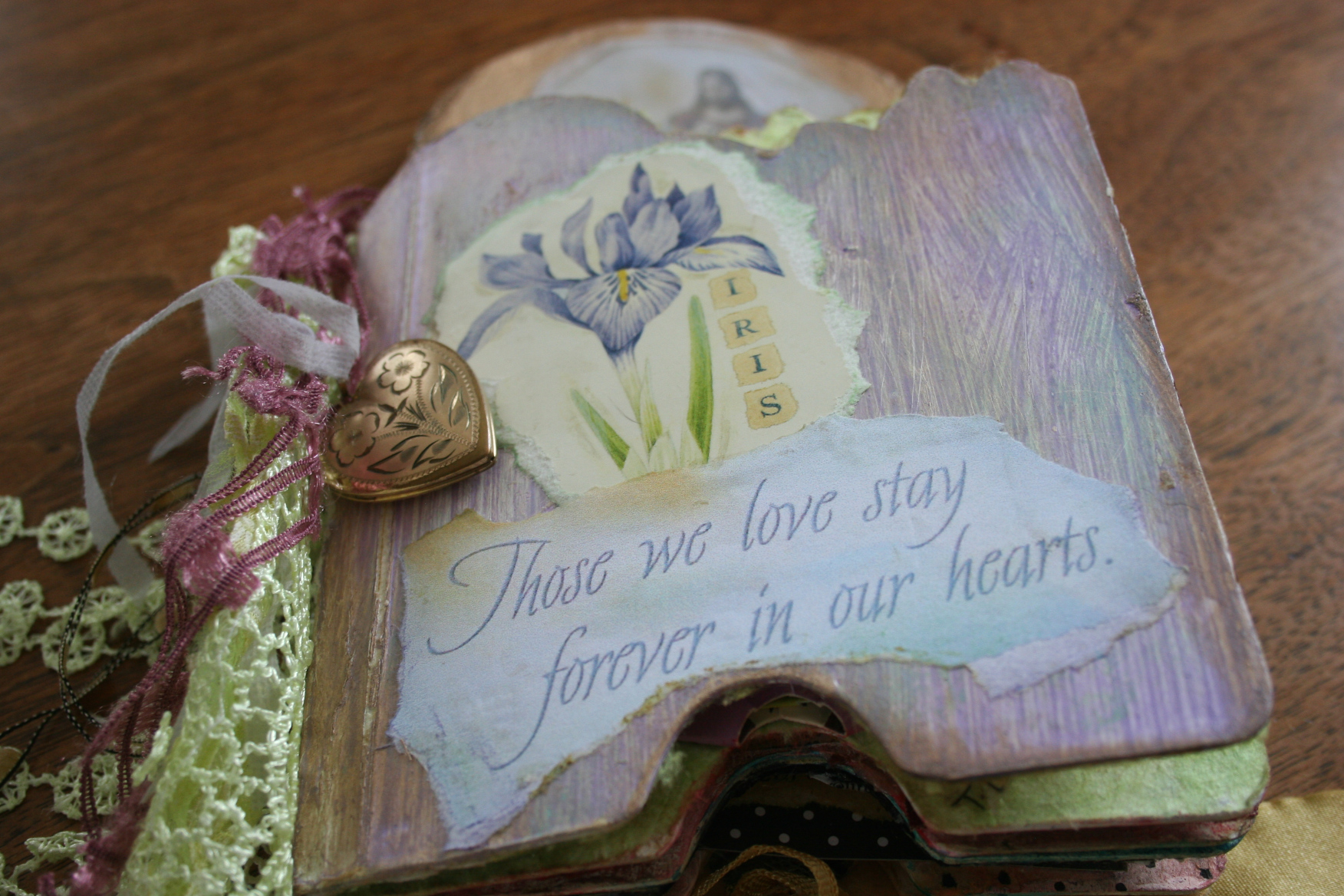
The cover of an altered book my friend Kathleen created for me following the death of my mom. (Minnesota Prairie Roots copyrighted file photo 2022)
THE CALL CAME SHORTLY after 6 pm on a Thursday evening one year ago. In that moment, when my youngest brother’s name flashed on my cellphone screen, I knew. Mom died. Not passed. Not was gone. She was dead.
The news was not unexpected. Yet it was. As much as we think we are prepared for a parent’s death in the light of long-time failing health, we are not. I was not.
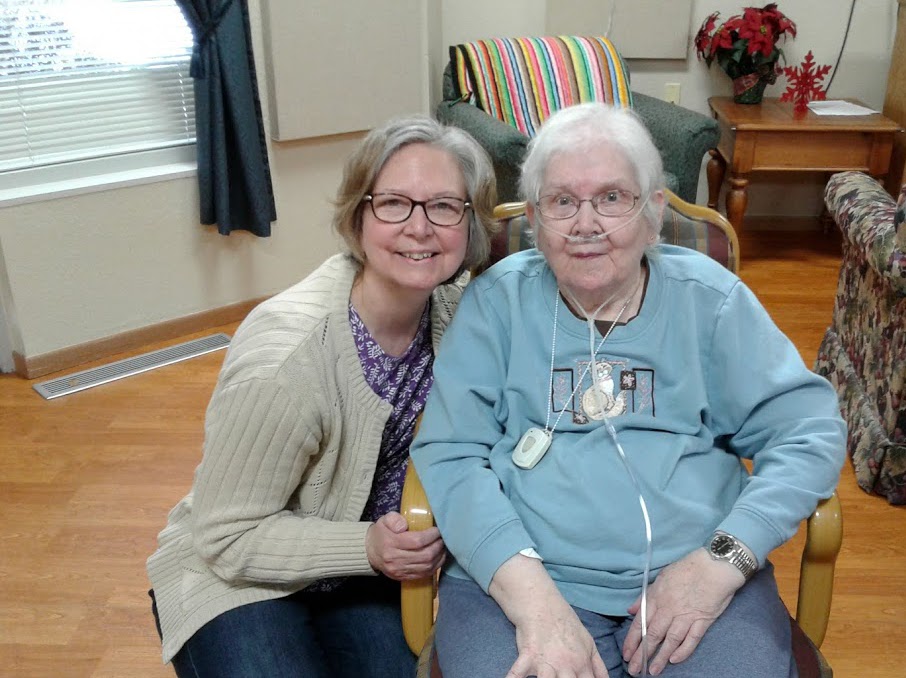
One of my treasured last photos of my mom and me, taken on January 11, 2020. Because of COVID restrictions, I was unable to see Mom much during the final years of her life.(Minnesota Prairie Roots copyrighted file photo January 2020 by Randy Helbling)
A year after that January 13 call, I still have not fully-grieved. Part of that I attribute to the timing of Mom’s death during the height of omicron. For me, there was nothing normal about Mom’s big public funeral (which I did not support) during COVID. No standing in a receiving line beside my siblings. No hand shaking. No hugging. No crying beneath my N95 mask. Just tears locked inside. Feelings held inside. Emotions of feeling disappointed and disrespected in a church packed with unmasked mourners checked.
It is a struggle to let go of such hurt, such pain. But I’m trying. Mom would want me to focus not on her death, funeral and burial, but rather on her earthly life and now her glorious new life in heaven. She taught me well, leaving a strong legacy of faith.
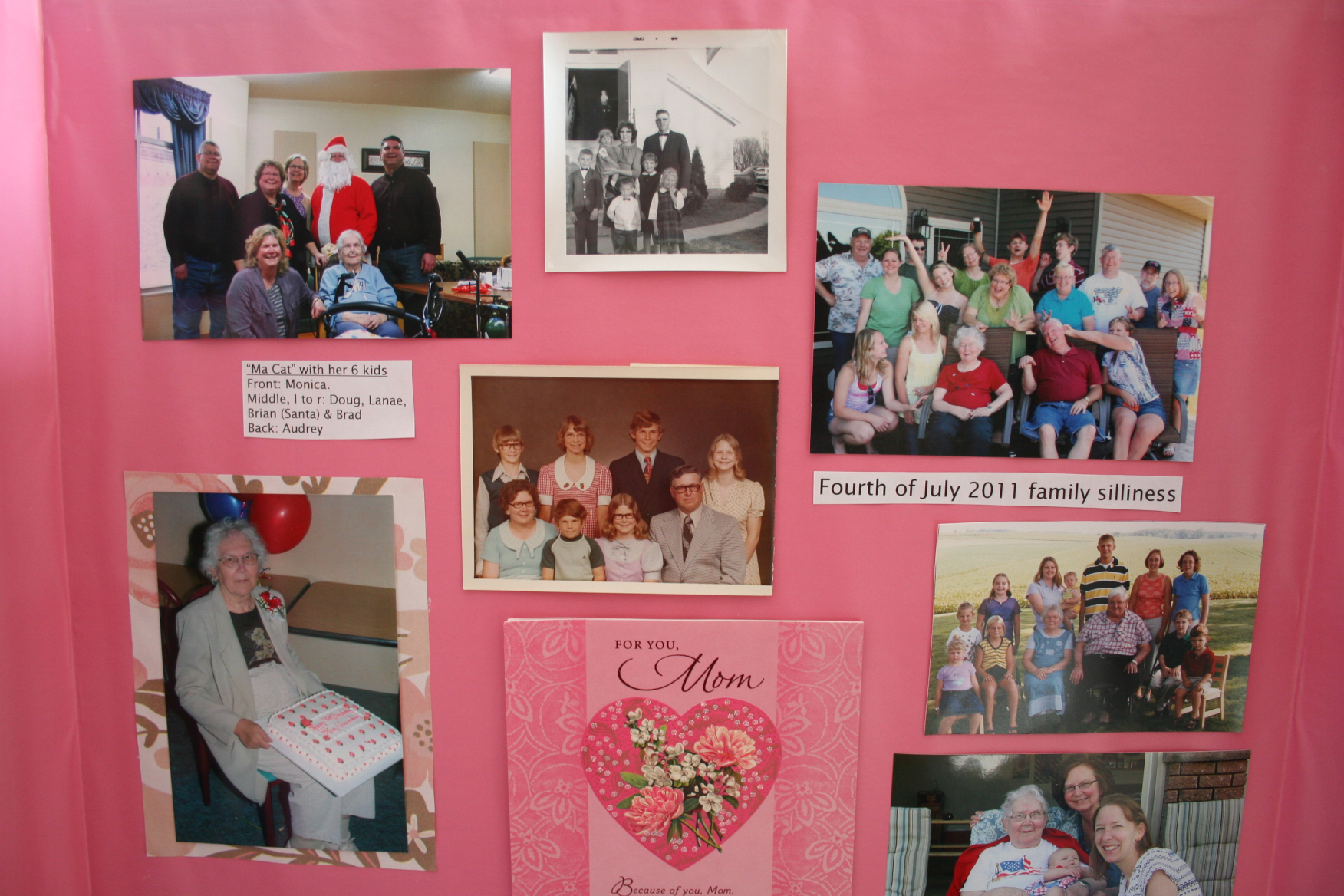
A portion of a family-themed photo board I created for my mom’s January 22, 2022 funeral. (Minnesota Prairie Roots copyrighted file photo 2022)
That legacy is not one simply of beliefs and words, but also one of attitudes and action. My mom was one of the kindest, humblest, gentlest souls I’ve ever known. My five siblings and I would occasionally test her spirit, her patience, her fortitude. But seldom did she express her exasperation. Sometimes I think Mom just had too much to do in the day-to-day running of a household and mothering of six kids to get upset. Wash clothes with the Maytag wringer washer. Can a crate of peaches. Weed the garden. Bake bread. Make supper. Scrub the floor. Iron clothes. On and on and on the list of endless chores went inside and outside our rural southwestern Minnesota farmhouse. She never complained, simply pressed on in her own quiet, mothering way.
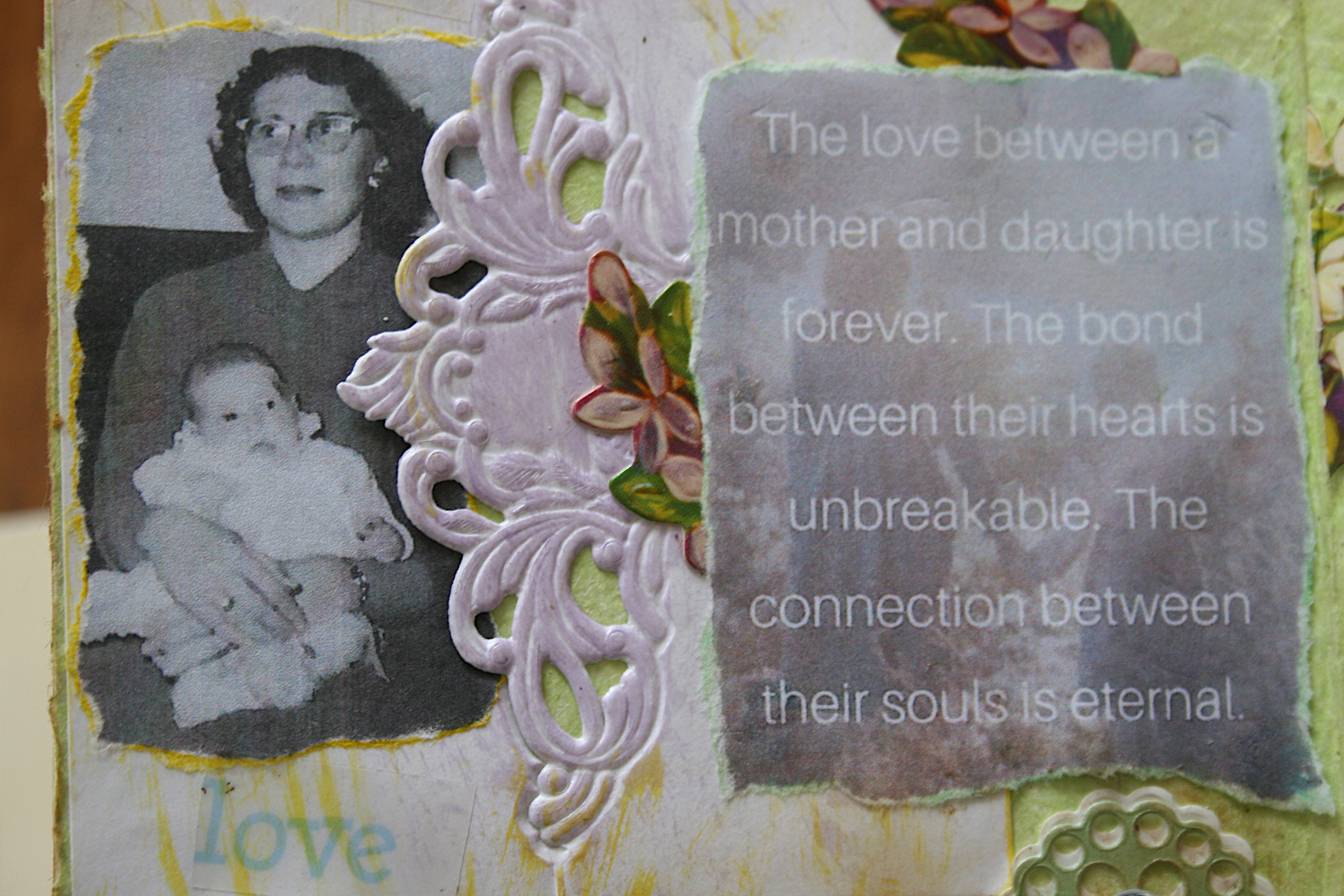
Another page of the altered book features a photo of my mom holding me. I love the quote. (Minnesota Prairie Roots copyrighted photo 2022)
Even with all that family-centered work, Mom found time for outside activities. She was active in St. John’s Lutheran Church, the Legion Auxiliary, Extension Club, Craft Club, Senior Citizens and helped at Red Cross blood drives. Some of this came many years into motherhood, when her responsibilities lessened. I was already gone from home. I once asked Mom if she missed me when I left for college in the fall of 1974. No, she replied. She was, she said, too busy with the other four kids still at home. While I didn’t necessarily appreciate her answer, I understood, and I knew she loved me. Mom was undeniably honest, a trait I hold dear also.
I am forever grateful for the loving sympathy cards, memorials and other gifts I received. (Minnesota Prairie Roots copyrighted file photo 2022)
Honesty. Integrity. Service to others. All were part of Mom’s life story. She lived her faith. These words from the hymn “Beautiful Savior,” sung at her funeral service, fit Arlene Anna Alma Kletscher: Truly I’d love thee, Truly I’d serve thee, Light of my soul, my joy, my crown. The hymn has always been my favorite for its message and its beautiful, poetic imagery.
On the Sunday before the one-year anniversary of my mother’s death, “Beautiful Savior” and “Precious Lord, Take My Hand” were sung during the worship service at my church, Trinity Lutheran in Faribault, some 120 miles from St. John’s in Vesta. The congregation also sang “Precious Lord” at Mom’s funeral. Because of illness, I missed Trinity’s worship service last Sunday. But I listened on the radio, thankful in many ways that I was not in the church pews. Trying to sing the hymns from Mom’s funeral may have proven a breaking point for me, unleashing a year’s worth of grief. Oh, how I miss my mom.
I miss her smile. I miss hugging her. I miss talking to her and remembering with her. I miss calling her every Sunday evening at the same time. I miss sharing photos of my grown children and her great grandchildren. I. Miss. Her. In the hard moments of life—and I’ve had plenty in recent years—I’ve turned to Randy and said, “I just want to be the kid again, to have my mom take care of me.” It is an impossible wish, a longing, a yearning, yet a verbal acknowledgment of my mother’s love.
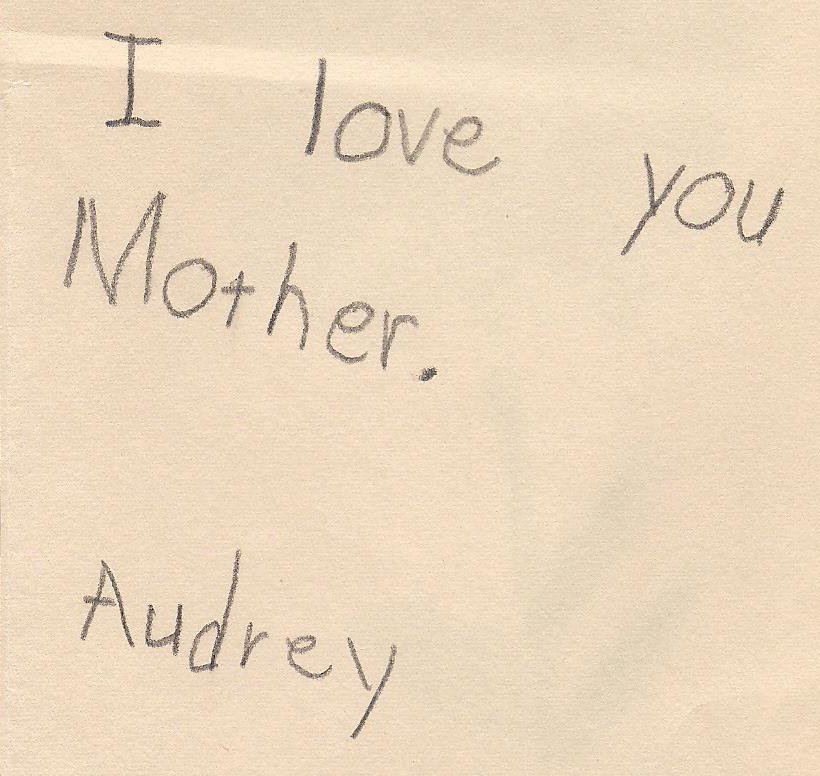
I printed this message inside a handmade Mother’s Day card back in elementary school. Mom saved the card and I am grateful. (Minnesota Prairie Roots copyrighted file photo)
Now, in my year-old grief, I still feel Mom’s love. I see her love, too, in the memory of her lips curving into a slight smile when I saw her for the last time, when I said goodbye and I love you and exited her room at Parkview. That smile proved her final, loving gift to me, her oldest daughter. I’ve locked that moment in my heart to unlock when grief sneaks in, when the pain of missing my mom rises within my spirit.
I unlock, too, the comforting lyrics of “Beautiful Savior”: He makes our sorr’wing spirit sing.
The cover of Walters’ book, published in 1970. (Photo credit: Amazon)
WHEN NEWS BROKE that broadcast journalist Barbara Walters died on Friday at the age of 93, I reacted with disbelief. I didn’t think she was 93, older than my mom would have been if she was still living.
Once I got over that surprise, I began to reflect on Walters’ career as a journalist. As an experienced journalist myself, albeit in print journalism, I connect on a professional level.
BLAZING THE WAY FOR WOMEN
I have always admired Walters, called “a trailblazer” in her field. The description fits. She blazed the way for women in a profession dominated by men. This was true for many women of her time, not just those in journalism. Even I, nearly 30 years her junior, experienced challenges as a female newspaper reporter in the late 1970s and early 1980s. I often felt the sense that men, especially those in positions of power, did not like me. They ignored me, tried to intimidate me, pressured me not to report what had been said at a public meeting. I never caved.
I felt fortunate to have a publisher/editor who backed me up every time, who supported, encouraged and mentored me in my first job at a rural Minnesota weekly. I hope, expect, Walters had the same behind-the-scenes support because some male co-workers didn’t hide their disdain for her. When I watched a clip of her co-anchor dismissively addressing her on the ABC Evening News, I cringed. That Walters maintained her composure is admirable.
SHE DID HER HOMEWORK
There are many reasons to admire Walters. She had a way with interviewees that prompted them to open up to her. Part of that came from being well-prepared. She did her homework—researched backgrounds and prepared questions (written on index cards) well in advance. I followed that same preparatory process for interviews. It works. I relied on my advanced list of questions, my listening skills, my copious note-taking (no recording an interview ever) and my observations to get a story.
Walters never backed down. She asked the tough questions. She perfected the art of the interview. To watch her interviews, especially those from her “The Barbara Walters Special(s)”, is to observe a gifted journalist. She ended each interview with an open-ended opportunity to add what may have been missed in her questioning. I did the same. We were thorough, an indication of the perfectionist trait we share.
THE LESSER-KNOWN FACTS ABOUT WALTERS
In recent days I learned other facts about Walters that reveal her personal side. She learned patience and empathy from her older sister Jackie, who had “a mental disability” (I’m uncertain what that means), Walters once said. She named her daughter Jackie (whom she adopted, following multiple miscarriages) in honor of her sister.
And one final thing. Walters sent handwritten thank you notes and other cards. I do, too. She understood, and I do also, the value in taking time to express gratitude, in the power of the word, whether written or spoken.
Walters leaves a legacy that stretches beyond her trailblazing the way for female journalists. She leaves a legacy, too, of kindness.
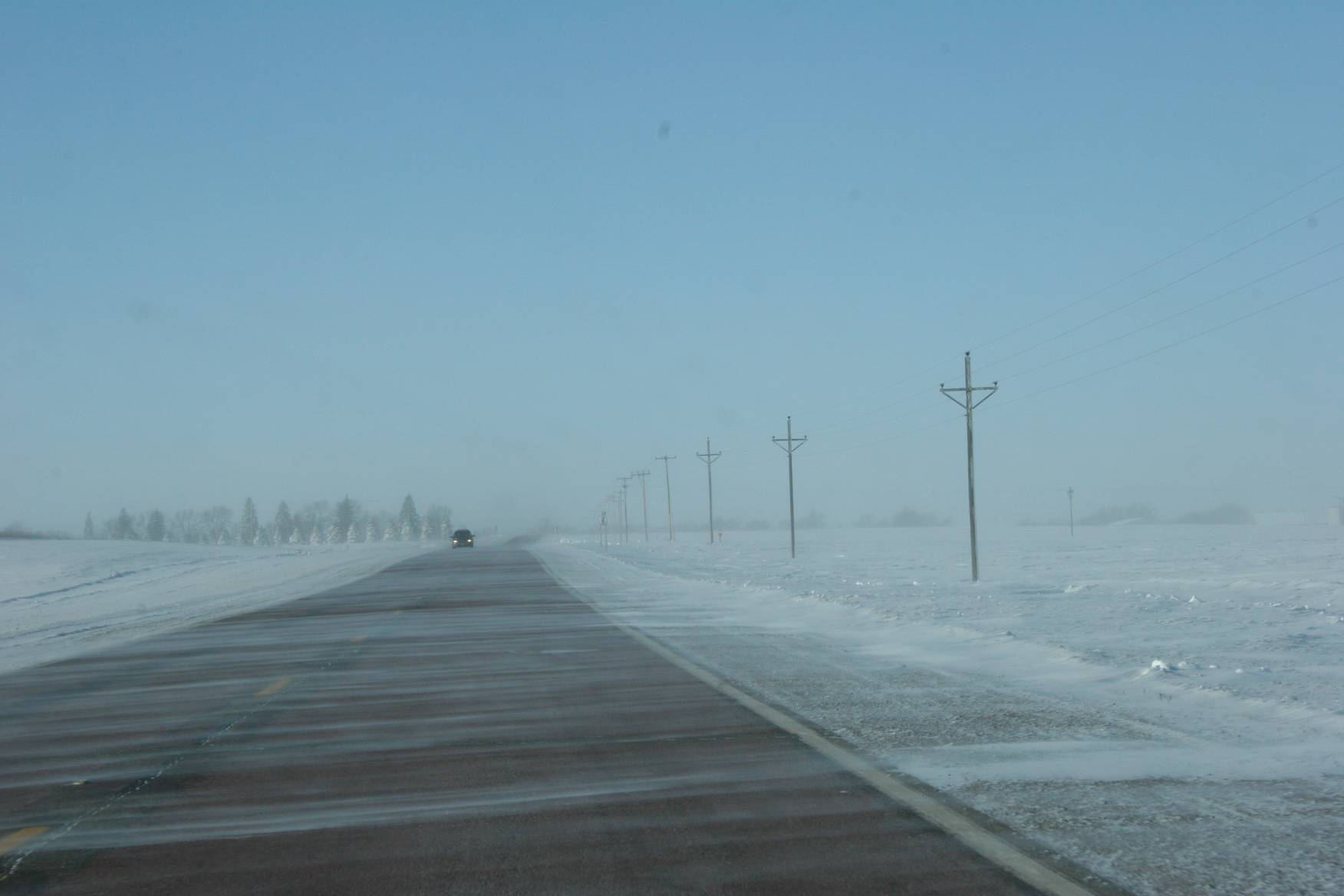
This photo, taken along Minnesota Highway 30 in southwestern Minnesota in January 2010, illustrates how the wind blows snow across the land. Conditions were worse, much worse, in the recent blizzard. (Minnesota Prairie Roots copyrighted file photo January 2010)
SATURDAY MORNING I OPENED the blinds to a winter landscape awash in brilliant sunlight. That’s not particularly unusual for December in Minnesota. But what proved different were the two pillars of light flanking the sun with a rainbow arcing between. Sun dogs glared stronger than the center sun and I couldn’t stop looking at the scene.
I’m no scientist or weather person, but the sun dogs and rainbow have something to do with the frigid temps and ice crystals in the atmosphere. They lasted for hours, a true gift on a morning when I welcomed brightness in my day.
Landing at Minneapolis-St. Paul International Airport. (Minnesota Prairie Roots copyrighted file photo)
PLANS UPENDED BY WINTER STORM
I needed that beautiful light in the midst of Christmas plans that didn’t quite unfold as hoped. I expect many of you experienced the same as this massive winter storm moved from state to state. My son, whom I haven’t seen in a year, had to rebook his canceled flight from Indianapolis. His plane lands early this evening at the Minneapolis-St. Paul International Airport and he arrives here Tuesday morning with his oldest sister and her family. I cannot wait to enfold him in a tight, lingering hug.
Yesterday Randy and I drove the 35 minutes to our eldest daughter’s house for a holiday meal and time together with the four of them, including our two precious grandchildren. We played space BINGO and watched a little artist paint and gave lots of hugs and then celebrated Christmas with a zoom call after our holiday meal. I am thankful for such technology bringing my family together from Minnesota to Wisconsin to Indiana.
For many families, Christmas together never happened, and not just because of canceled flights. All of southwestern (my home area on the prairie) and south central Minnesota were basically shut down by the multi-day blizzard. More than 2,000 miles of roadway were closed, including interstates. Snow gates were dropped into place, blocking access. The Minnesota National Guard was called up to rescue stranded motorists, who shouldn’t have been out in a storm that packed up to 40 mph winds whipping snow into concrete-hard drifts. I understand a blizzard, having grown up on the prairie. Not everyone does.
(Minnesota Prairie Roots edited file photo used for illustration only)
MISSING FAMILY/MOM
I understand the strong yearning to be with family. Being separated from loved ones during the holidays is simply emotionally challenging. I am sort of used to it given only one of my three adult children remains in Minnesota. But the missing never goes away.
This year brought an added dimension of missing. Missing Mom, my first Christmas without her. I thought I was doing fine until the final song at our Christmas Day morning worship service. Only moments earlier, a woman pushed her elderly father to the front of the church to receive Holy Communion. In that moment, my mind flashed to my wheelchair-bound mom. Within minutes, I was crying, trying not to sob. I removed my glasses, wiped the gush of tears with the backs of my hands. I felt Randy’s hand on my back, a loving and comforting gesture.
Later that evening, my friend Gretchen texted asking for prayers. Her mom died unexpectedly earlier in the day. After Christmas Day morning worship. After lunch and gift-opening at her sister’s house in Washington. Now Gretchen and her family are scrambling to book flights from southwestern Minnesota. This broke my heart. To lose one’s mama is hard enough. But to lose her on Christmas Day, even harder. My friend Beth Ann experienced the same two years ago. Christmas will now forever be connected to loss. Yet, Gretchen and Beth Ann are both strong women of faith. Like me, they know we will see our moms again. Together. Just not now.
TELL ME: Are you grieving this holiday season? Did your Christmas plans change due to weather? What’s the weather been like in your area? I’d like to hear your stories on any/all of these topics.
The photo of my mom and son which prompted my grief to surface. (Minnesota Prairie Roots copyrighted photo 1994)
MY FOREFINGER SLID UP the photo toward her face, circling repeatedly as if I could somehow reach into the image and connect with my mom.
It was Sunday afternoon and I was filing through a stash of old photos given to me by a sibling at a family holiday gathering the day prior. I’d never seen the photo taken nearly 29 years ago of Mom cradling my chunky newborn son on her lap. She was 60 then, younger than I am now. The two would eventually form a special bond, despite the geographical distance. When Caleb headed off to college, he would call his grandma occasionally. She shared about the lengthy conversations and I felt thankful. Those phone calls benefited both of them.
Now here I was sitting at my dining room table, caressing that photo, missing the two of them. Mom died in early January. Caleb will, weather permitting, fly into Minnesota later this week for a short stay. I last saw him in early January, shortly before his grandma passed; he couldn’t return for the funeral.
Sunday marked about a year since my final visit with Mom in her long-term care center. That anniversary date and the photo, along with Randy asking me if I was familiar with the song “The Christmas Shoes” (I was) prompted my emotions to swell into full-blown grief. He found the lyrics for me, then played the song about a young boy buying shoes for his dying mother on Christmas Eve. That did it. The lyrics penned by Eddie Carswell and Leonard Ahlstrom in the song released by NewSong in 2000 moved me to tears.
The gingersnap cookies I baked for Mom in 2020. (Minnesota Prairie Roots copyrighted file photo December 2020)
I sobbed, tears gushing down my cheeks. “I miss my mom,” I sputtered, the words emerging as my shoulders heaved in sorrow, my breath ragged. I miss her kindness, her smile, her gentle way. I miss baking gingersnap cookies for her, as I did each Christmas because they were her favorite. I miss hugging her and talking to her, even if she couldn’t respond as her health deteriorated. I miss the essence of her, simply being in her presence. I miss sharing with her about her grandchildren, including that baby boy she cuddled. I miss telling her about the next generation, my two grandchildren. I miss sharing about my latest writing projects. She was always my strongest supporter, happy to hear that I’d had another poem or short story published.
A sampling of the many sympathy cards I received when my mom died in January. (Minnesota Prairie Roots copyrighted file photo January 2022)
This will be my first Christmas without Mom. Those firsts can be tough. I recognize that I am not alone, that many of you have lost loved ones, too, within the past year. I’m sorry. Grief often has a way of erupting during the holidays when families come together, memories surface. Time softens the edges of grief, yet never fully erases it. And that’s OK. To grieve is to have loved.
Light, beautiful light, breaks through the grey as the sun sets.(Minnesota Prairie Roots edited & copyrighted file photo December 2017)
I READ A LOT. News. Books. Obituaries. And sometimes something touches me in a way that makes me want to cry at the cruelty of humanity. That happened this week when I read a tribute on an online obituary for a 45-year-old Faribault-born man.
I didn’t know Allen. I have no idea why he died. But he clearly was loved.
Yet, life wasn’t always easy for him, as his friend Rachel notes in her comment. She remembers the times they hung out on her front porch as teens “talking about nothing at all and everything.” I love the wordage of that remembrance. But then Rachel continues. “He always has (d) a smile and a kind word for everyone even though he was made fun (of) as much as I was.”
In that singular sentence, my heart simply broke. I know Rachel, enough to believe her truth. I admire her for writing that truth, not only about herself, but about the friend she says she will always miss.
Why were people mean to Allen and Rachel? And to me? I, too, was picked on as a child and pre-teen, sometimes even as an adult. Decades later the memories of those hurtful words still sting. Rachel’s comment reveals the same.
Yet, despite the teasing, Allen maintained a positive attitude with his always smile and kind words. That says something for his resilience, his ability to overcome, at least outwardly. He had a good friend in Rachel.
As I reflect on this, I follow the lead of these two friends. If you’ve endured meanness, I think you can go two ways—become just like the bullies or choose to be kind and empathetic. Allen, Rachel and I chose kindness. My compassion for those who are picked on/bullied/teased/made fun of, whether as children or adults, runs deep. In this moment of reading Rachel’s thoughts about Allen, my heart simultaneously breaks and swells with gratitude for these two friends who talked about nothing at all and everything.
A reason to feel grateful,hung on a Gratitude Tree outside the Northfield Public Library. (Minnesota Prairie Roots copyrighted file photo July 2019)
EVEN IN A DECIDEDLY DIFFICULT YEAR, as 2022 has been for me, many reasons exist to feel grateful. I fully realized that upon putting pen to paper to compile a gratitude list during this, Thanksgiving week.
Me with my mom. Oh, how I miss her. (Minnesota Prairie Roots copyrighted file photo January 2020 by Randy Helbling)
The year started with the death of my mom on January 13, during the height of Omicron. It was, undeniably, a challenging time to lose her, not that any time is easy. But COVID compounded the situation, affecting my grief process. Memories from her funeral will always be really hard for me. Ten months later, my focus is one of thankfulness for my mom. She instilled in me care, compassion, kindness…and left a legacy of faith. What a gift. I will also forever feel grateful to the staff at Parkview, who so lovingly cared for Mom for many years like she was family. I am thankful, too, to the many friends who sent comforting sympathy cards and memorials and to my friend Kathleen, who created a memory book honoring my mom.
Wedding guests toss rice at Randy and me as we exit St. John’s Lutheran Church in Vesta following our May 15, 1982, wedding. (Photo credit: Williams Studio in Redwood Falls)
May brought a milestone wedding anniversary for Randy and me. Forty years. I don’t recall how we celebrated, but nothing splashy. I feel thankfulness every day for this man who loves me unconditionally, supports me and still makes me laugh.
Randy and our grandchildren, Isabelle and Isaac, follow the pine-edged driveway at the lake cabin in one of my all-time favorite family images. (Minnesota Prairie Roots copyrighted file photo July 2020)
My immediate family means everything to me. That my two young grandchildren live only 35 minutes away is not something I ever take for granted. From celebrating birthdays and holidays to picking strawberries and apples together to overnights at our house to being there in a crisis, this grandma is grateful for the geographic nearness. There’s nothing like the joy I hold in being a grandmother. The hugs. The snuggles. Reading books. Baking together. Getting down on the floor to play. Scooping the almost four-year-old off the floor and into my arms, little lips pressing a moist kiss upon my cheek.
Twice this year I also embraced dear uncles and an aunt whom I haven’t seen in awhile. I hosted Aunt Rachel and Uncle Bob, visiting from Missouri, for lunch. And I met Uncle John and his son Justin and family for lunch in Northfield. Oh, goodness, the happiness I felt in those hugs from extended family I love dearly.
Flying into Minneapolis St. Paul International Airport. (Minnesota Prairie Roots copyrighted file photo December 2015)
Soon my son, who lives in Indiana, will be back for a short Christmas stay. I cannot wait. I haven’t seen Caleb in a year and I miss him so much at times that it almost hurts. But before then, my second daughter and her husband arrive from Madison, Wisconsin, to celebrate Thanksgiving in Minnesota. You bet I feel grateful for the time we will have together. I miss my girl.
Randy and Isabelle on the dock at the lake cabin. (Minnesota Prairie Roots copyrighted file photo July 2022)
As I write this thanksgiving list, I realize that most gratitude centers on family. That includes time together at a lake cabin owned by a sister-in-law and brother-in-law who open their guest cabin to extended family. Their sharing of this blessing shows such love and generosity of spirit and I feel forever grateful for this place to escape, to enjoy nature, to rest and relax, to rejuvenate, to make memories.
Following a gravel road in Rice County, near Dundas. (Minnesota Prairie Roots copyrighted file photo autumn 2022)
I am thankful also for (in no particular order), country drives with Randy; gathering around a bonfire with friends; writers and journalists and poets and artists; vaccines; medical professionals who provided emergency and extended care this year for those dearest to me; democracy…
My two poems, far left, and center, in an exhibit at the Lyon County Historical Society Museum. (Minnesota Prairie Roots copyrighted file photo September 2022)
Lastly, I am grateful for my creative abilities. To write and photograph bring me incredible joy, and some side income. I appreciate that my creative work is valued, published. My creativity came full circle this autumn when I traveled back to my native southwestern Minnesota to view an exhibit, “Making Lyon County Home,” at the Lyon County Historical Society Museum in Marshall. Two of my poems, “Ode to My Farm Wife Mother” and “Hope of a Farmer,” are posted in the exhibit along with a four-generation family photo and my mom’s high school graduation portrait. After touring that exhibit, I visited Mom’s grave site in my hometown. I stood there atop the hillside cemetery surrounded by corn and soybean fields under a spacious prairie sky feeling overwhelmed by sadness, yet grateful for the love we shared.
TELL ME: What are you especially grateful for this Thanksgiving? I welcome specifics, especially.
Recent Comments