Minnesota Prairie Roots

Writing and photography by Audrey Kletscher Helbling

“Standing at the Grave,” an immigration story November 21, 2025

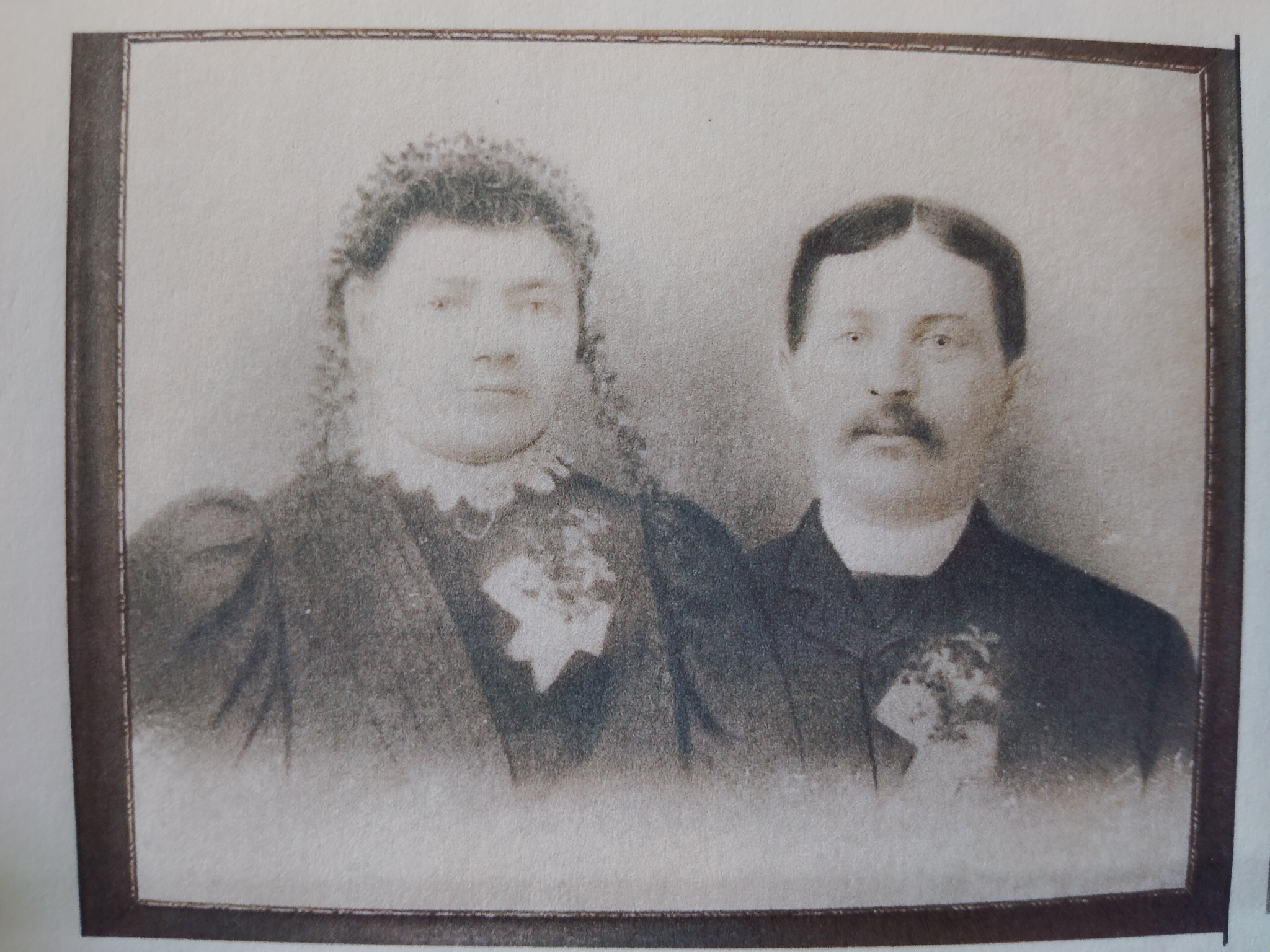
My great grandparents, Rudolph and Mathilda Kletscher, married in 1891. (Photo source: Kletscher Family Tree 2008 produced by Merlin and Iylene Kletscher)

UNLESS WE ARE NATIVE AMERICANS, immigration is part of our family history. On my maternal side, Friedrich and Maria Bode arrived from Germany at the port of New Orleans in October 1852. They would settle in Illinois. Most of the family eventually moved to Minnesota. On my paternal side, my great grandfather, Rudolph Kletscher, landed in Baltimore from Germany in 1886, several years later journeying west to put down roots in southern Minnesota.

I pulled this information from pages of family history uncovered and compiled by family members who have researched our roots in Germany. I am grateful for their work, for the names, dates and places recorded for reference. Sometimes there are stories, or tidbits of stories. But mostly the research reveals documented facts only, not stories.
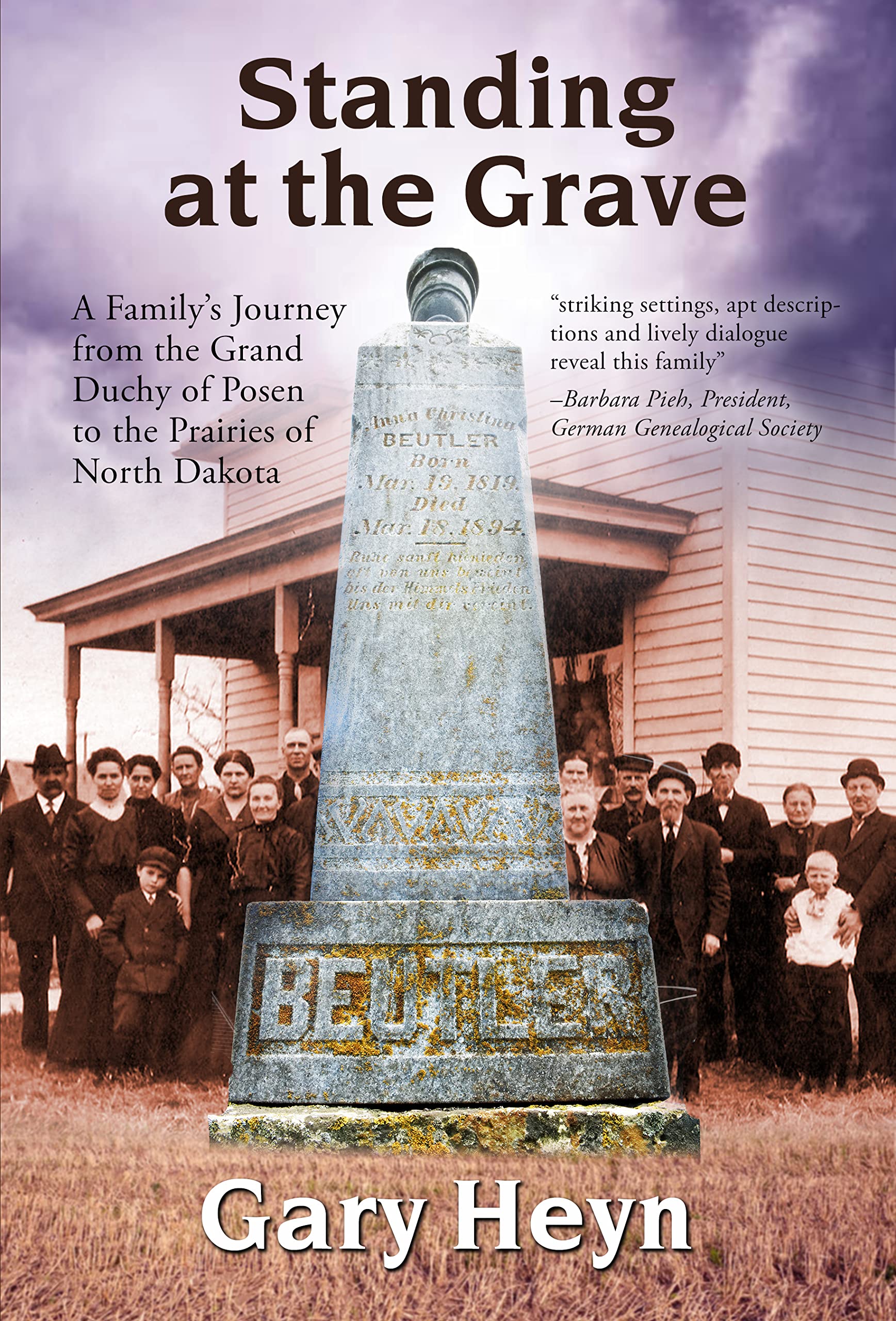
(Book cover sourced online)

It is the stories that interest me most, which explains my interest in reading Standing at the Grave—A Family’s Journey from the Grand Duchy of Posen to the Prairies of North Dakota by Minnesotan Gary Heyn. Books on Central in Faribault hosted Heyn on Thursday evening during a monthly literary event. I was among those in attendance, listening to Heyn read and then answer audience questions. I’d just finished reading his book about his ancestors who immigrated to America from Prussia (now Poland) beginning in 1867 shortly after the Civil War ended.

His ancestors could have been mine. Any of ours. Heyn took basic facts confirmed thorough research at the Minnesota History Center, church records, a Polish history website, old newspapers, even the National Weather Service and gleaned during several trips to Poland to form the foundation for his stories. The dialog and interactions are fictional slices of personal life in Prussia and then in America. Heyn’s characters really come alive when he reveals their fears, their worries, their hardships, griefs, challenges and more in intimate storytelling.
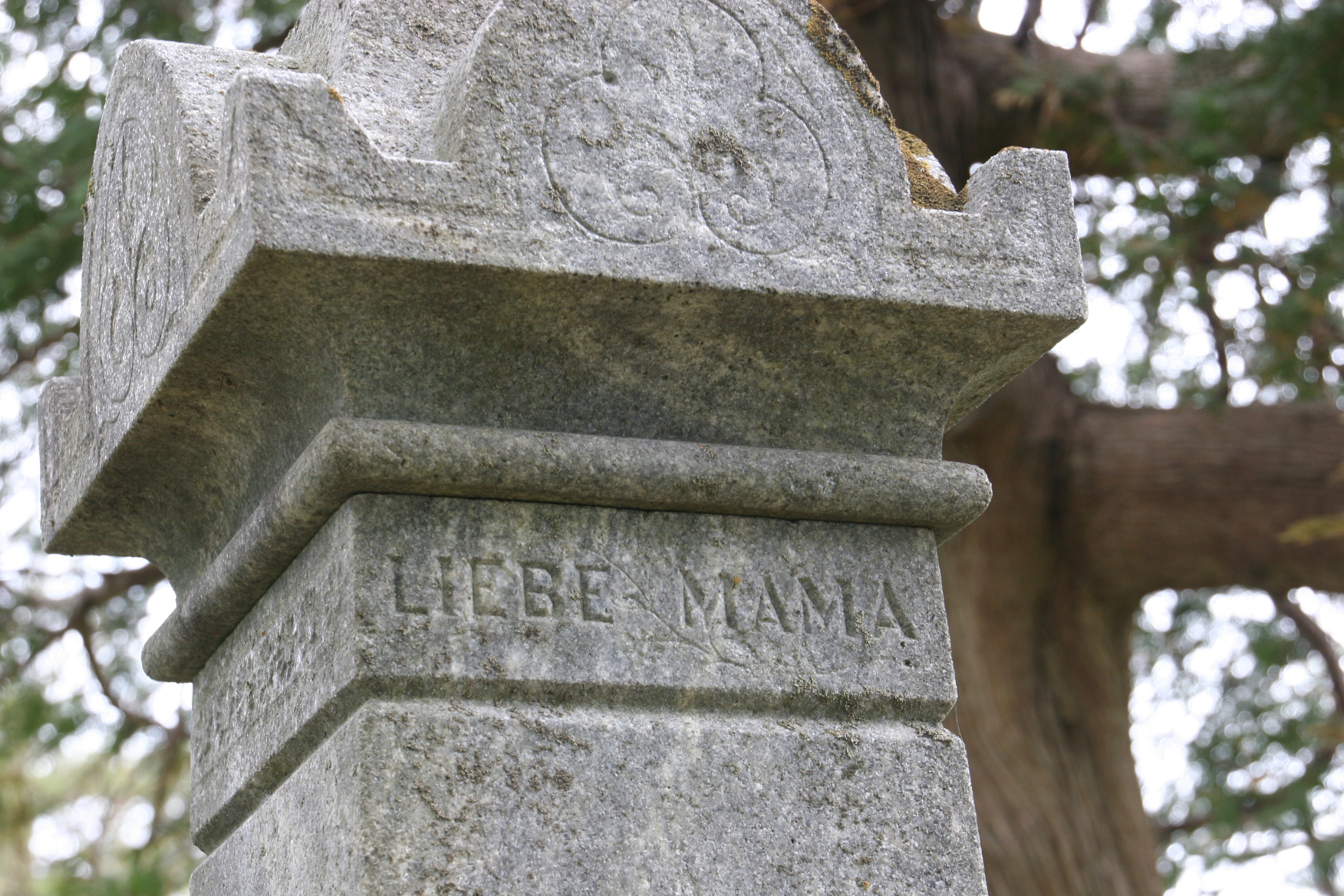
A tombstone in the Immanuel Lutheran Church Cemetery, Potsdam. The German word “LIEBE” means love in English. A Heyn family member is buried in this cemetery. (Minnesota Prairie Roots copyrighted file photo May 2022)

These are, at times, really hard stories. Of death by disease. Of death by accidents. Of death by suicide. Of death by botulism. I appreciate that the author doesn’t avoid tough topics. I understand the worries about weather and crop failure, vicariously stand at the graves of loved ones, recognize the depression a young mother experiences as she looks across the expansive North Dakota prairie, feeling isolated and alone.

But those difficult stories are balanced by the joys of births, of weddings, of the opportunity to claim land through the Homestead Act, to live and love and grow family in a new land rich in opportunity.

Main character, family matriarch Anna, follows her family to America many years after the first, eventually fulfilling her life-long dream of once again owning land, this time 160 acres in North Dakota. Most of the family found land in southern Minnesota, in the Rochester area where the author grew up and first heard the stories of his great grandmother. She lived with his childhood family. That sparked his interest in family history and genealogy, which, after his retirement as an accountant, led to writing Standing at the Grave.
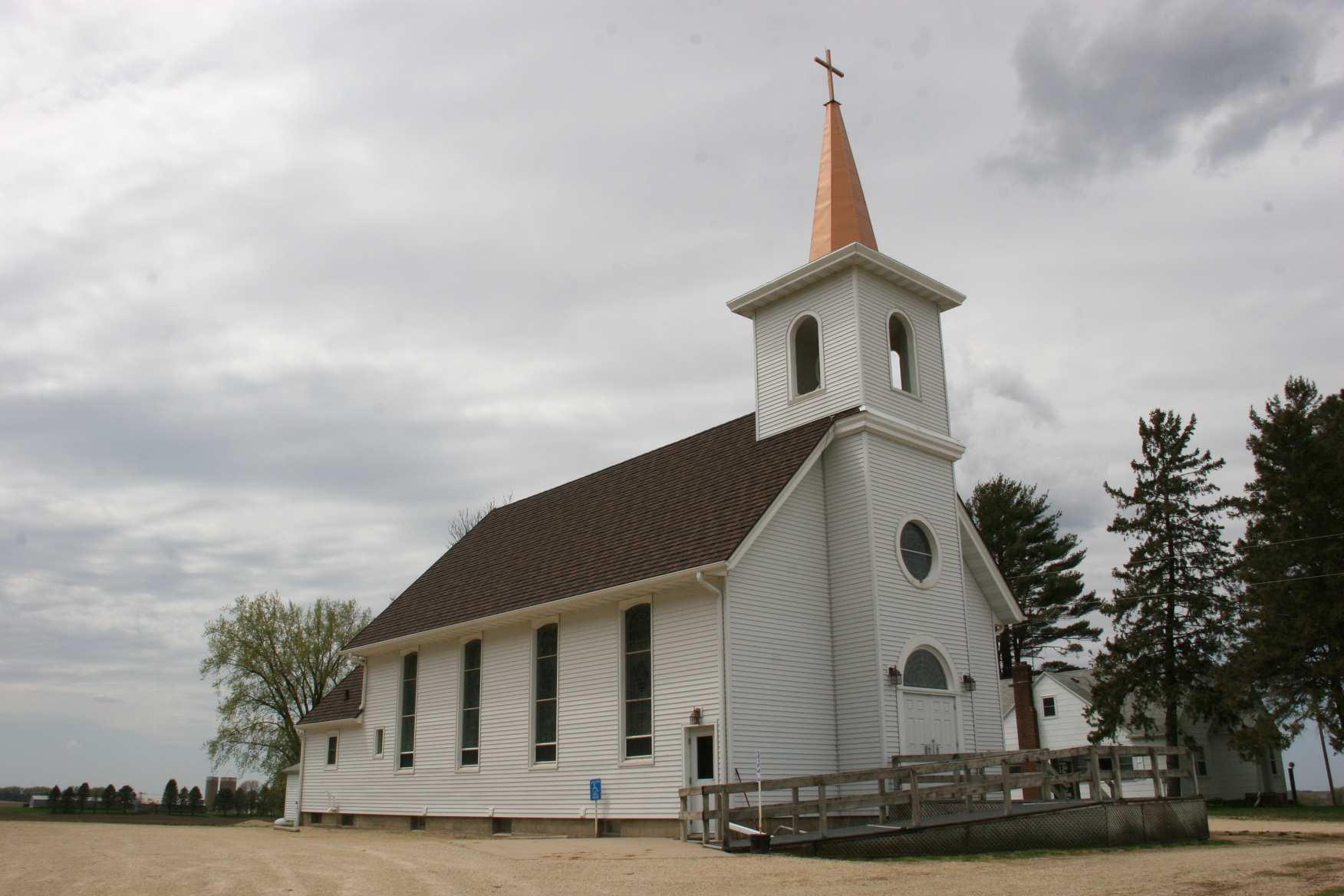
Immanuel Lutheran Church, Potsdam. (Minnesota Prairie Roots copyrighted file photo May 2022)

Southern Minnesotans, especially, will feel at home in places like Elgin, Grand Meadow, Pleasant Valley, Owatonna and more. I’ve even visited and photographed Immanuel Lutheran Church in Potsdam, where Anna stood on the front steps and scanned the countryside below the hilltop church. I’ve walked the cemetery, where Heyn’s ancestor, Willie, lies buried in an unmarked grave.

As much as I appreciate the storytelling in this book, I also appreciate its relevancy to today. Heyn family members new to America in the late 1800s are told to speak English, not German. Sound familiar? (My own mother, who died at age 89 in 2023, spoke German as her first language.) These newcomers to America felt like foreigners, often choosing to live among others from their homeland. Among those who shared their language, culture and customs, who liked bier, sauerkraut, Weihnachtsstollen and Glühwein.

But in times of challenges, Heyn reveals in one story, “…the citizens of this neighborhood, born all across the globe, banded together to help another working man.” That coming together of many nationalities repeats in his book, even as conflicts arise.
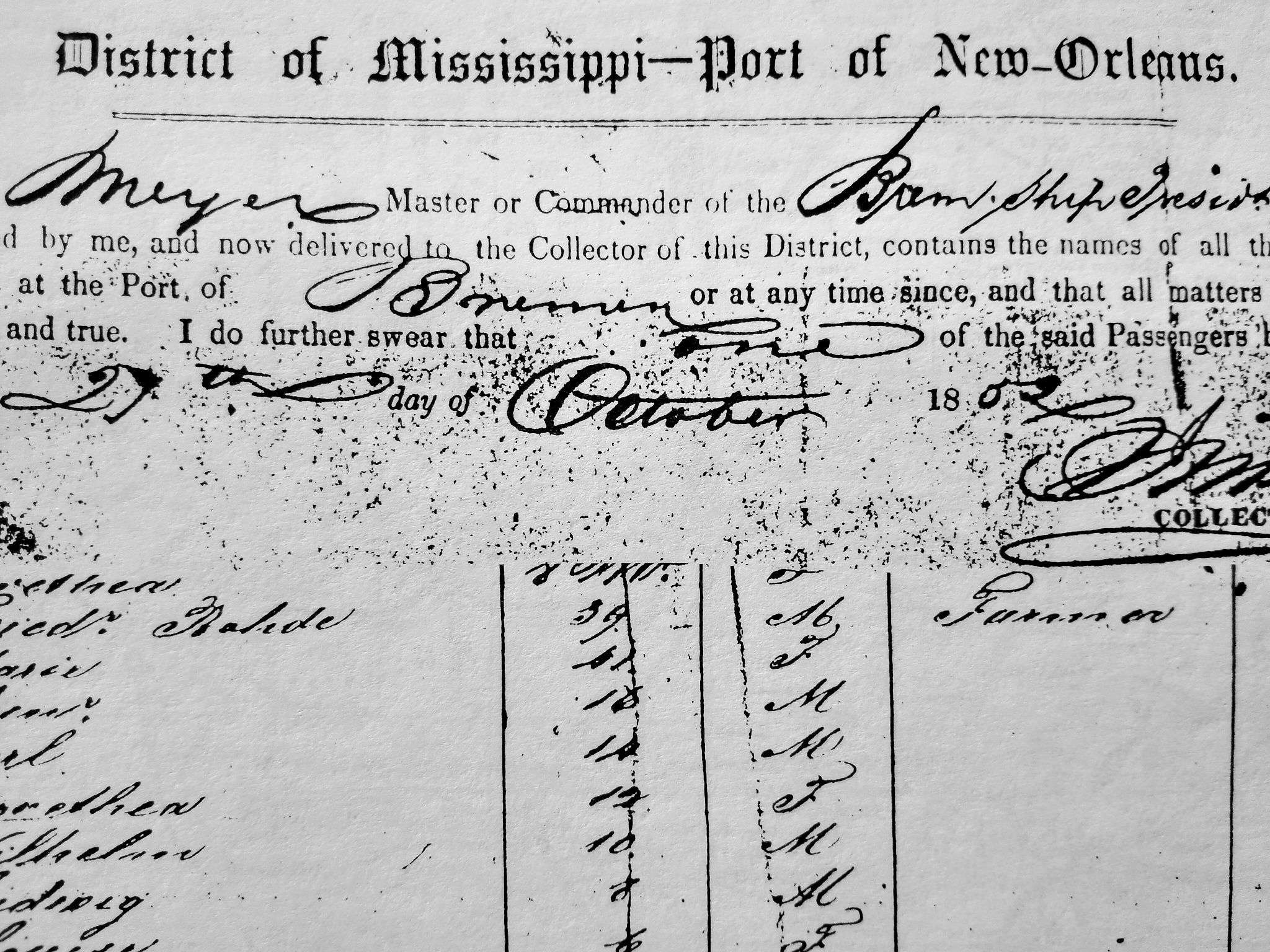
A passenger ship list from the port of New Orleans. (Source: The Bode Family book by Melvin & Lois Bode, 1993)

Heyn, in his writing, reveals the challenges, the dreams, the hopes, the resilience and resolve of his immigrant ancestors. These were strong individuals who relied on each other, their faith and their inner strength to cross a vast ocean for a new life in America. This is their story, but also a universal story of immigration, as relatable today as then.

This book helped me better understand those who came before me from Germany to America from a personal perspective. This book also reminds me of the struggles immigrants still face today in America, especially today.

© Copyright 2025 Audrey Kletscher Helbling


“I Am Minnesota” exhibit features immigrants’ portraits & stories in Faribault November 4, 2025

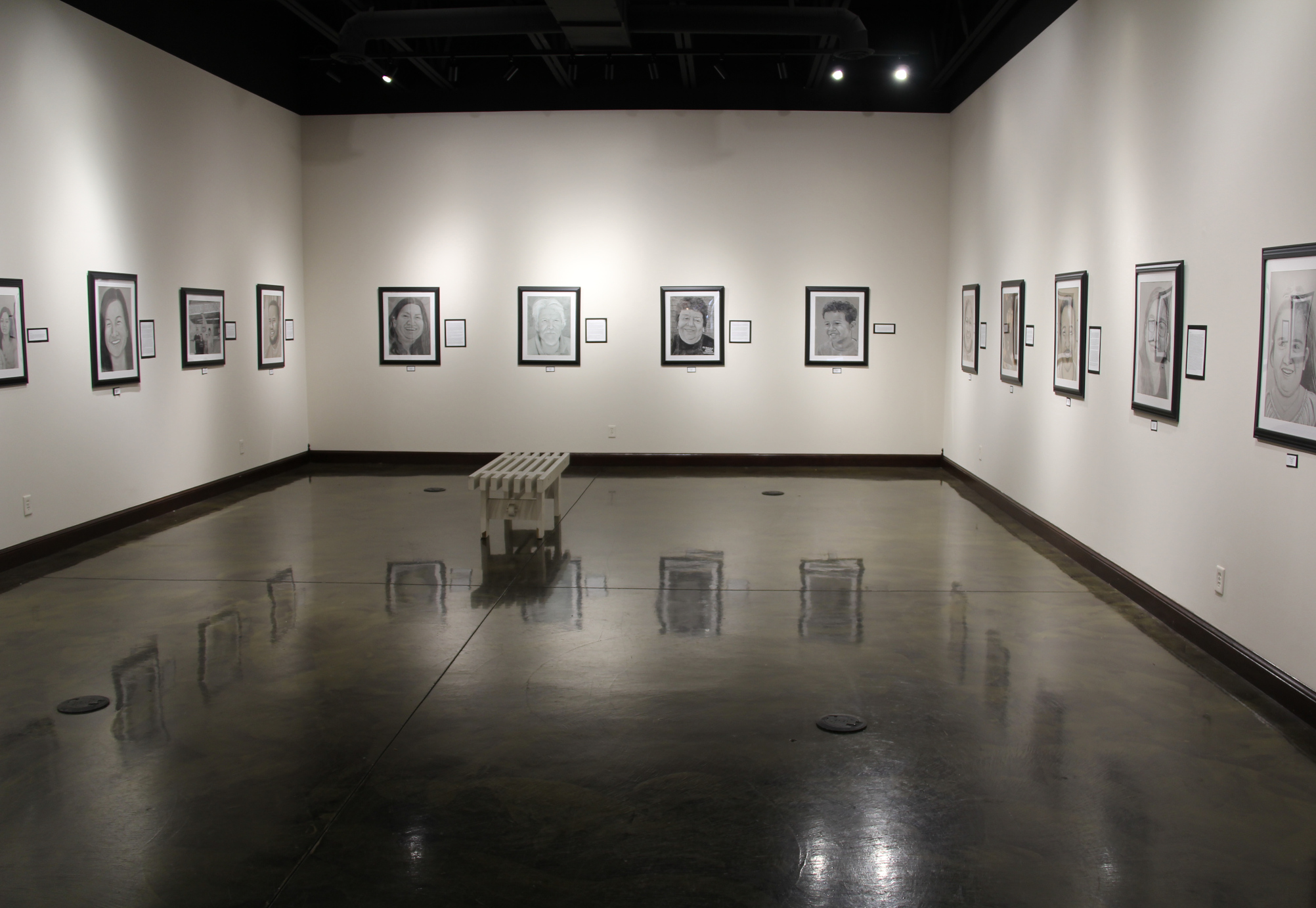
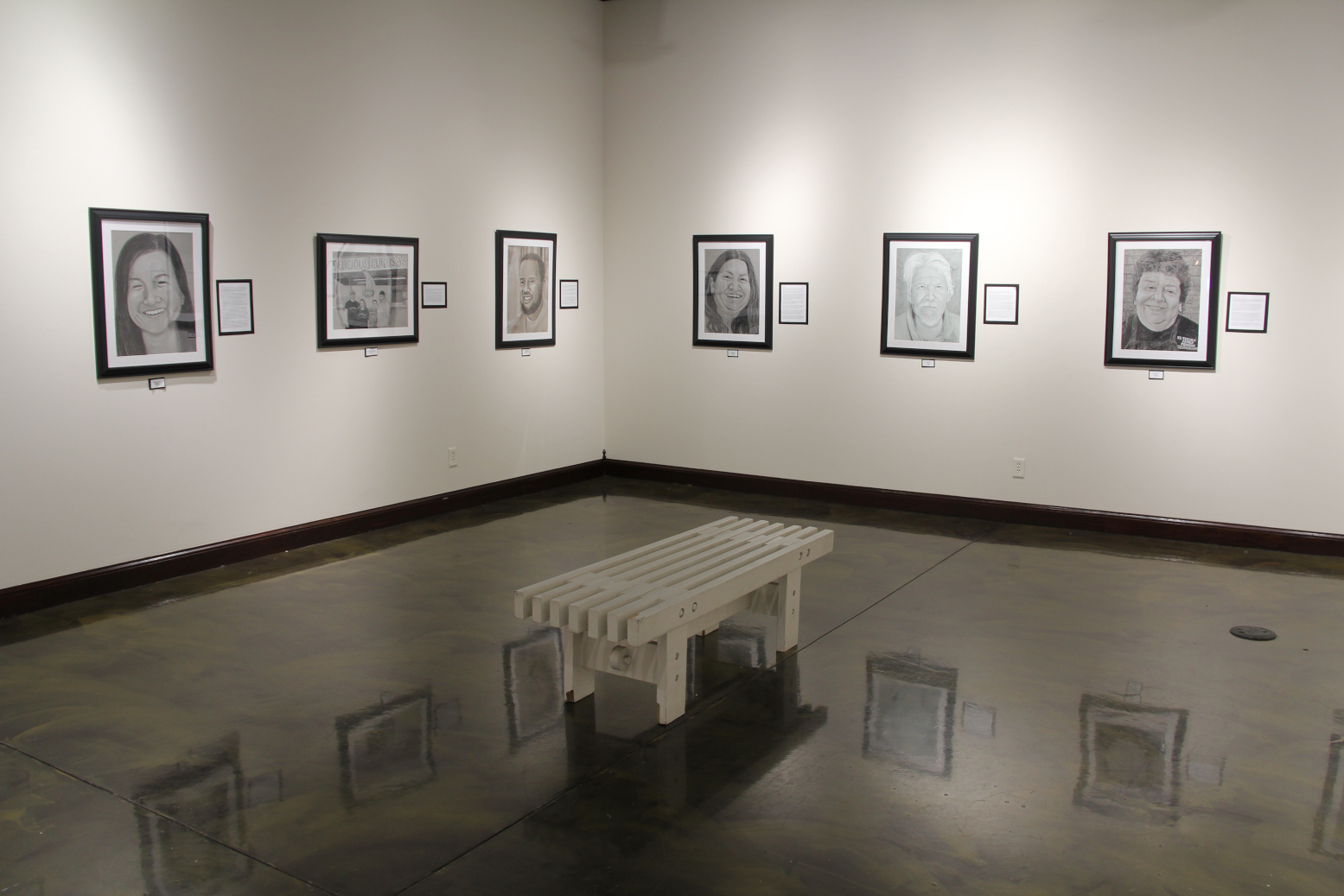
Kate Langlais’ newest installment of her “I Am Minnesota” project fills the main gallery at the Paradise Center for the Arts with nearly 20 portraits. (Minnesota Prairie Roots copyrighted photo October 2025)

EACH TIME I VIEW the portrait art of Faribault artist Kate Langlais, I feel gratitude. Gratitude for the project she’s undertaken to showcase first and second-generation immigrants in my southern Minnesota community. Titled “I Am Minnesota,” this collection of portraits and accompanying first-person stories is now displayed in the main gallery at the Paradise Center for the Arts in downtown Faribault until November 15.

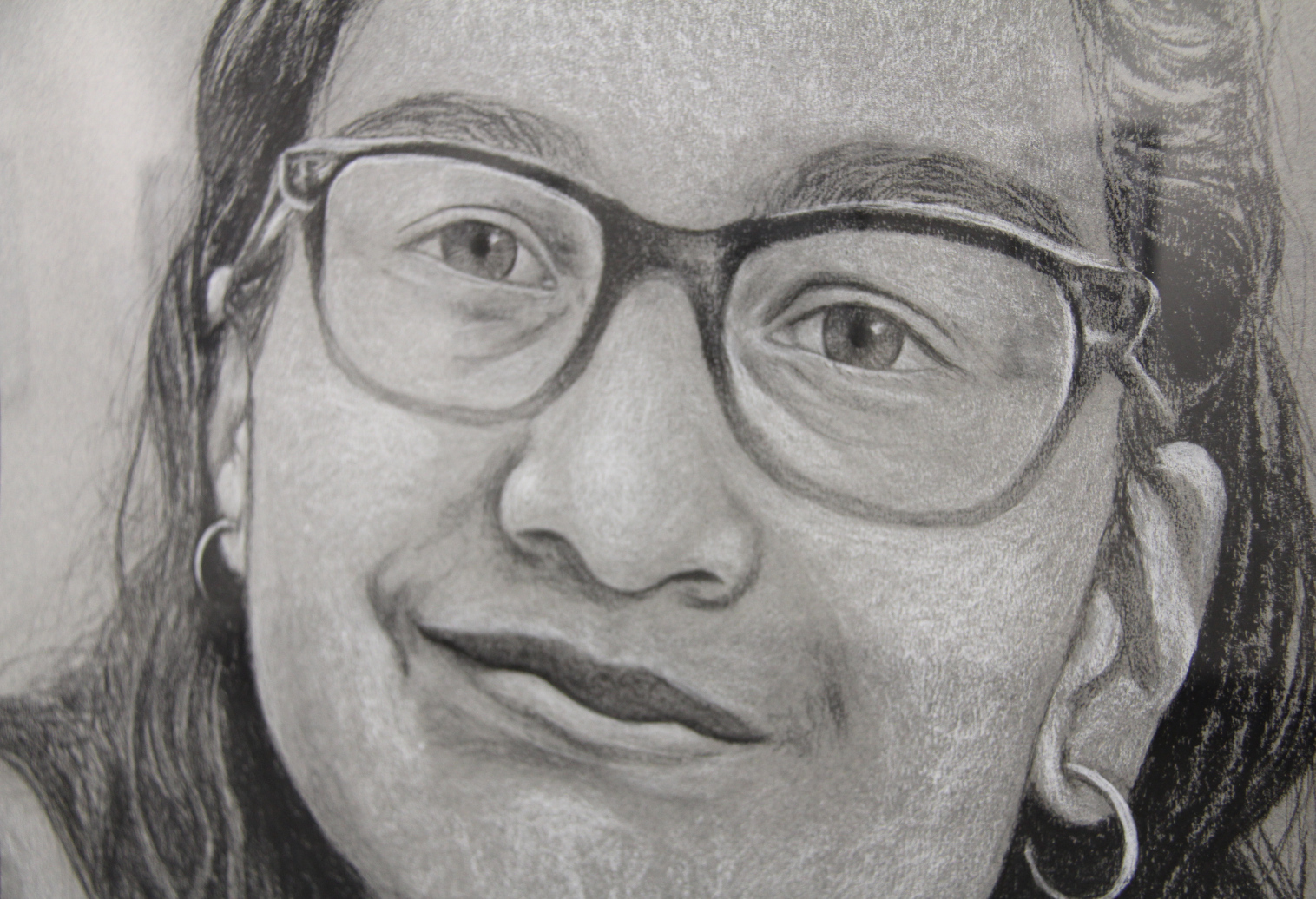
Kylee, as drawn in charcoal by Kate Langlais. (Minnesota Prairie Roots copyrighted photo October 2025)

Every single person in Faribault, Rice County and Minnesota ought to see this enlightening exhibit. In her artist’s statement, Langlais shares her own family story of descending from immigrants. She invites everyone to write their stories in the gallery guestbook and then to take the time to read the posted stories and “open your heart to connecting with all of your Faribault neighbors.”

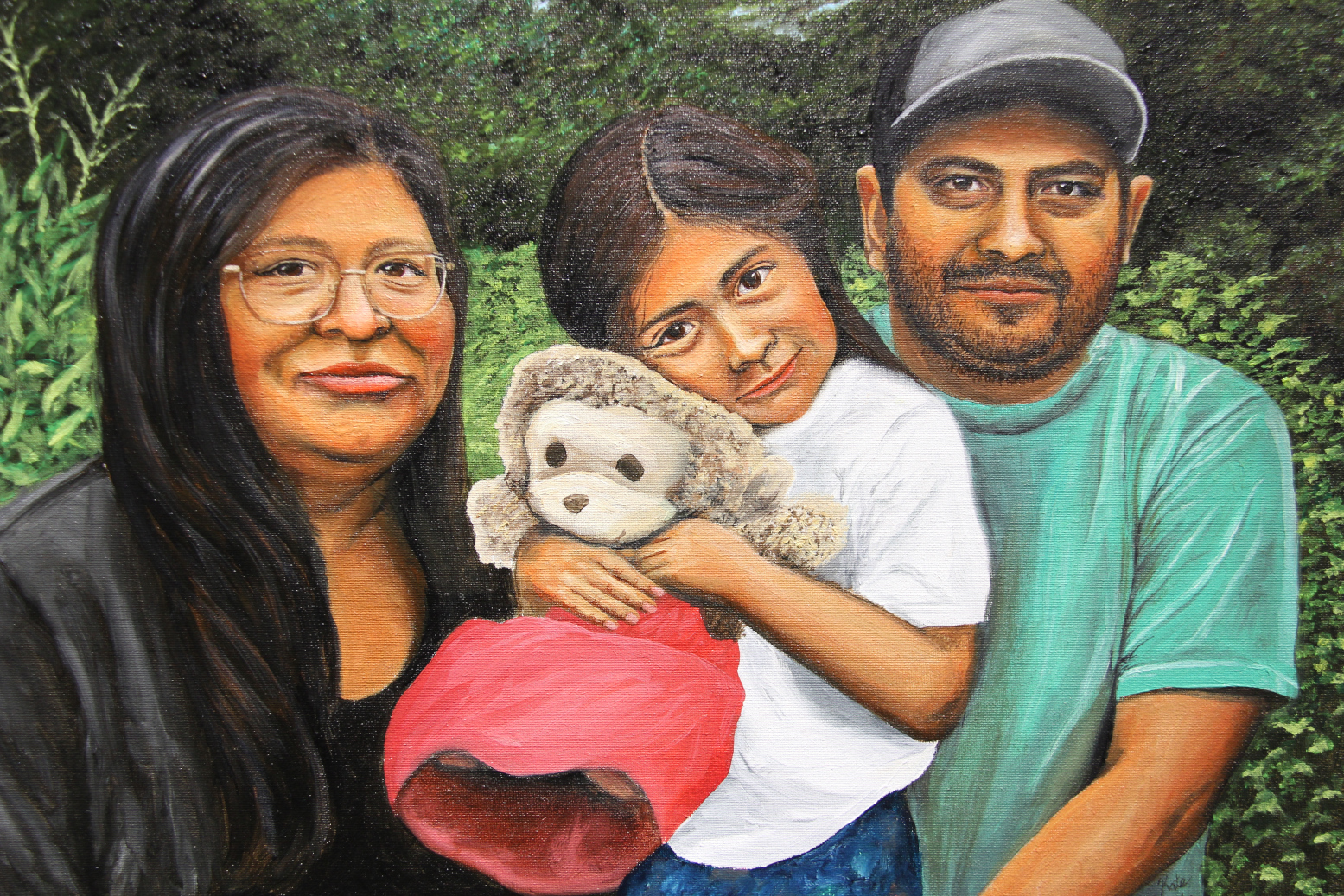
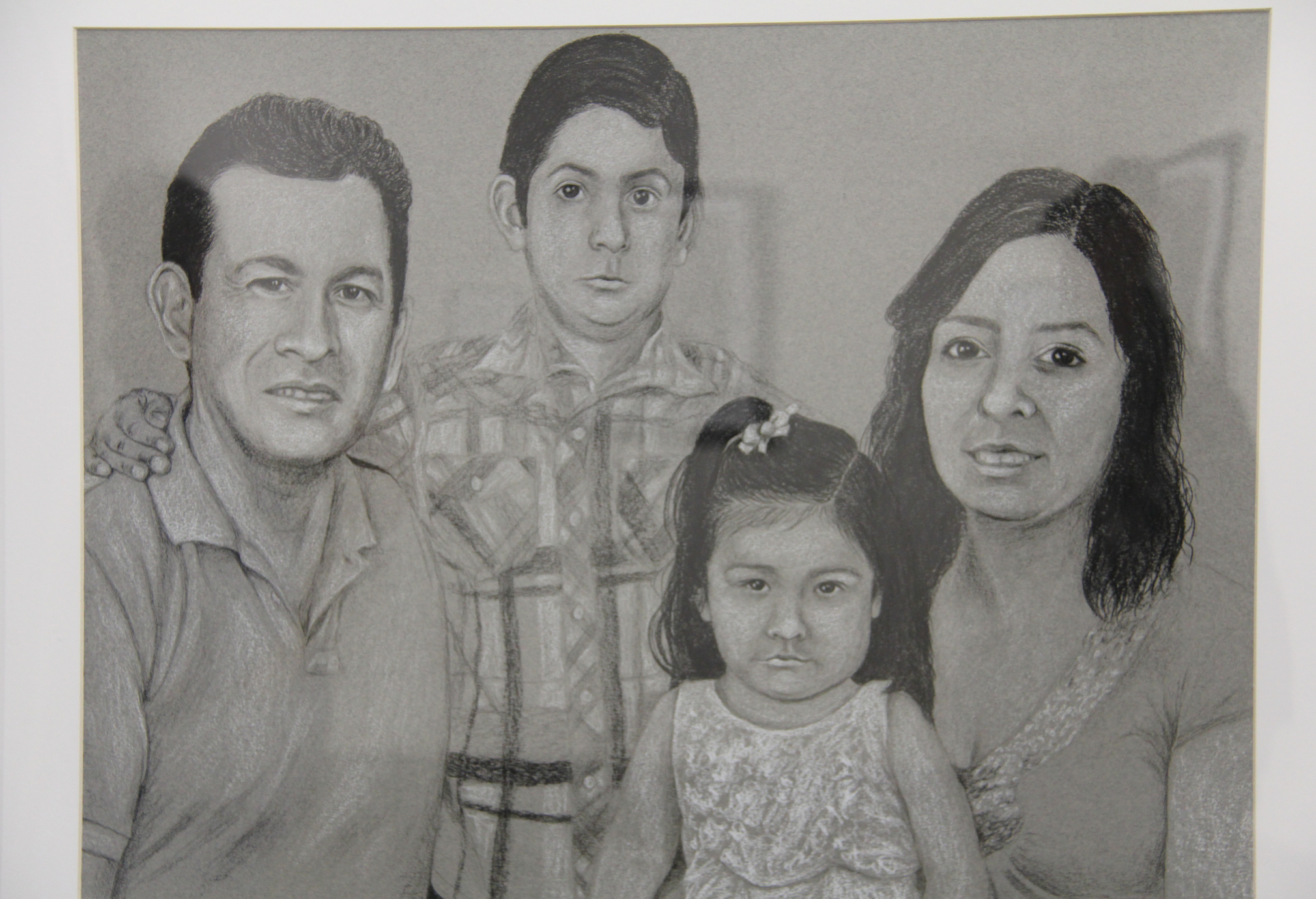
The Monroy Lara Family, an oil on canvas by Kate Langlais. (Minnesota Prairie Roots copyrighted photo October 2025)

I appreciate those words, “open your heart to connecting.” It is when we begin to talk to one another, to meet each other on a personal level, to see each other as individuals, that barriers begin to fall and we become neighbors, even friends.

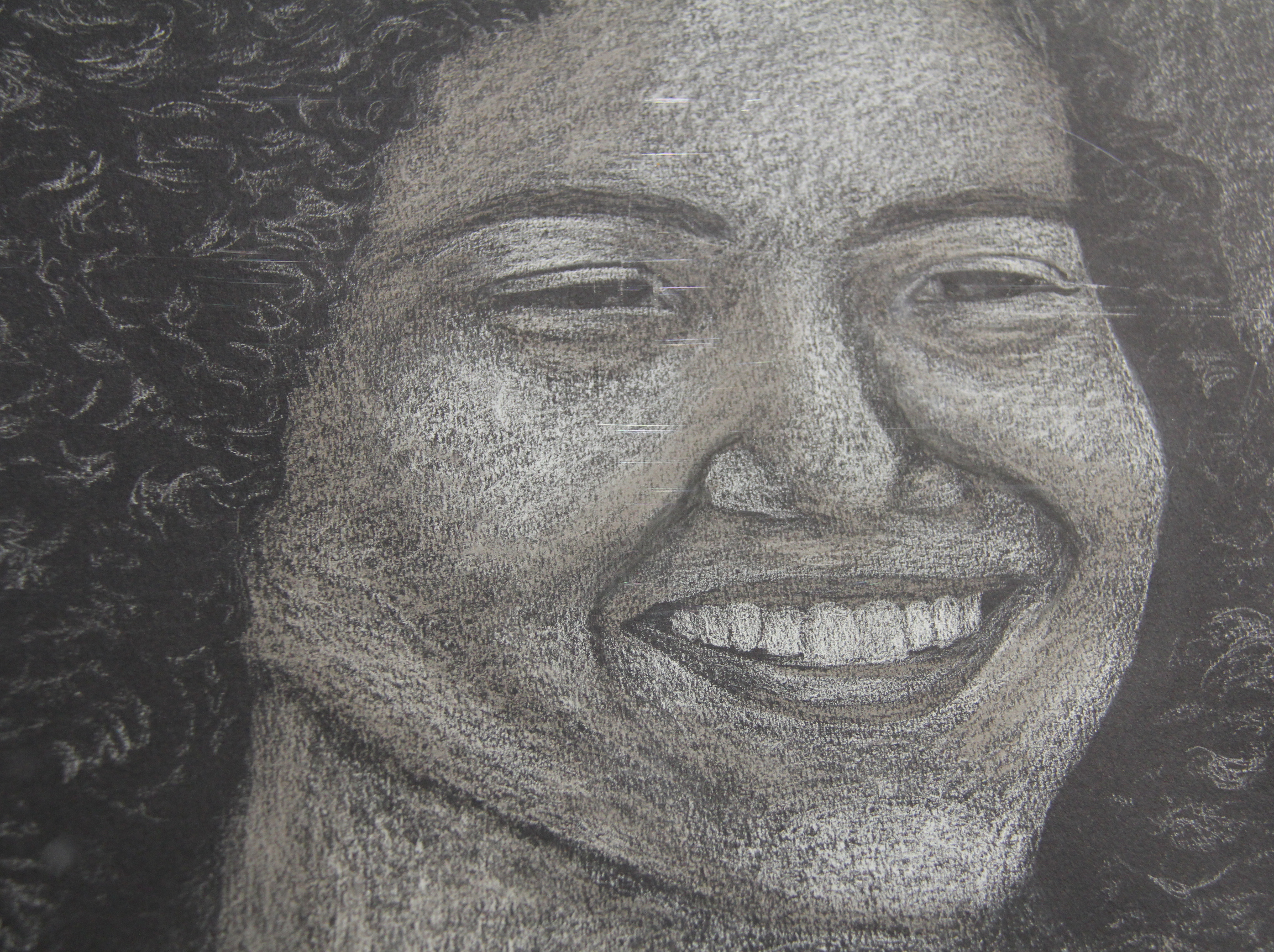
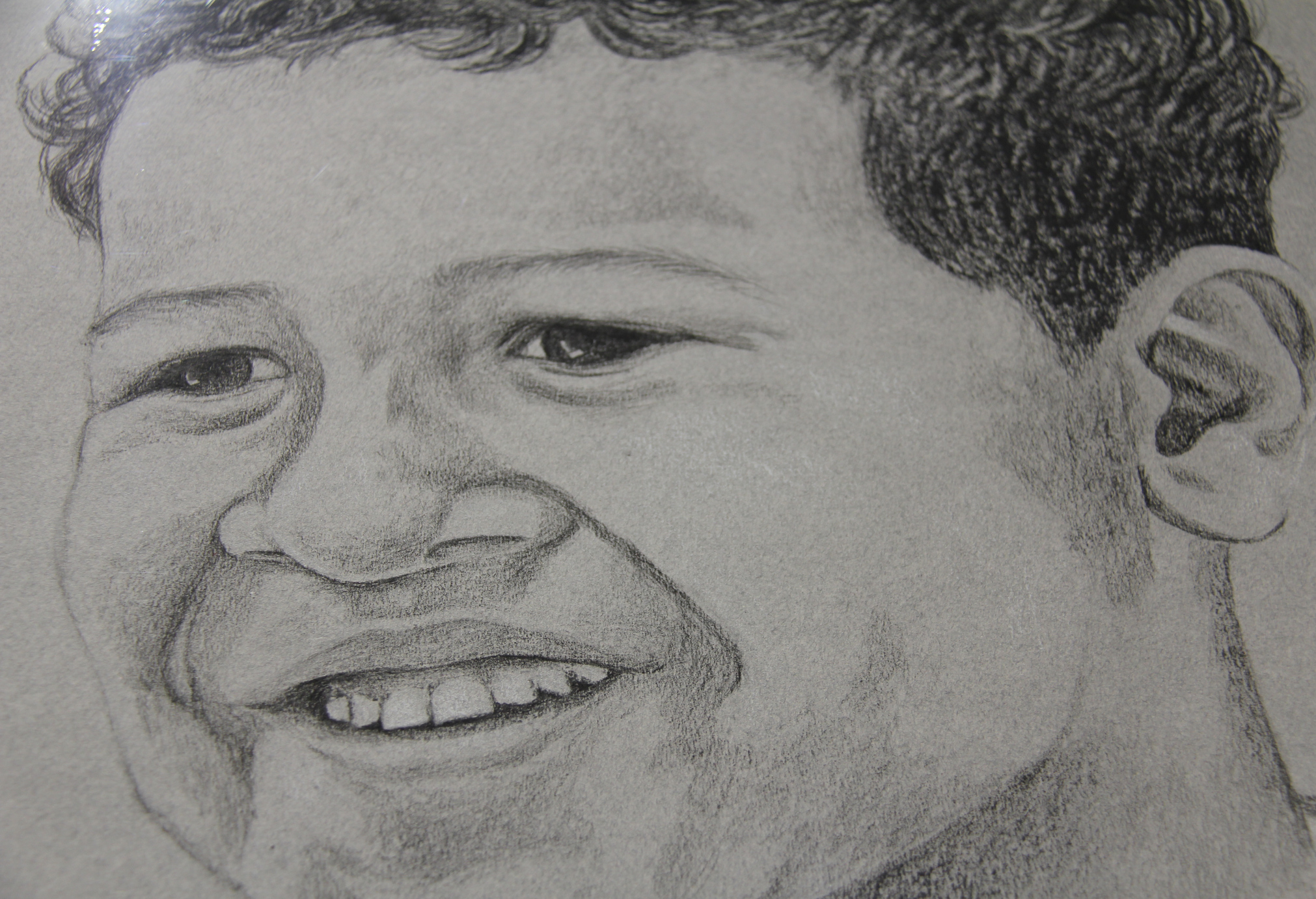
A charcoal portrait of Cathlena by Kate Langlais. (Minnesota Prairie Roots copyrighted photo October 2025)

This “I Am Minnesota” exhibit connects us in a way that is effective. It doesn’t get much more personal than faces and stories. These are the stories of individuals rooted in Africa, Asia, North America, South America and Europe.

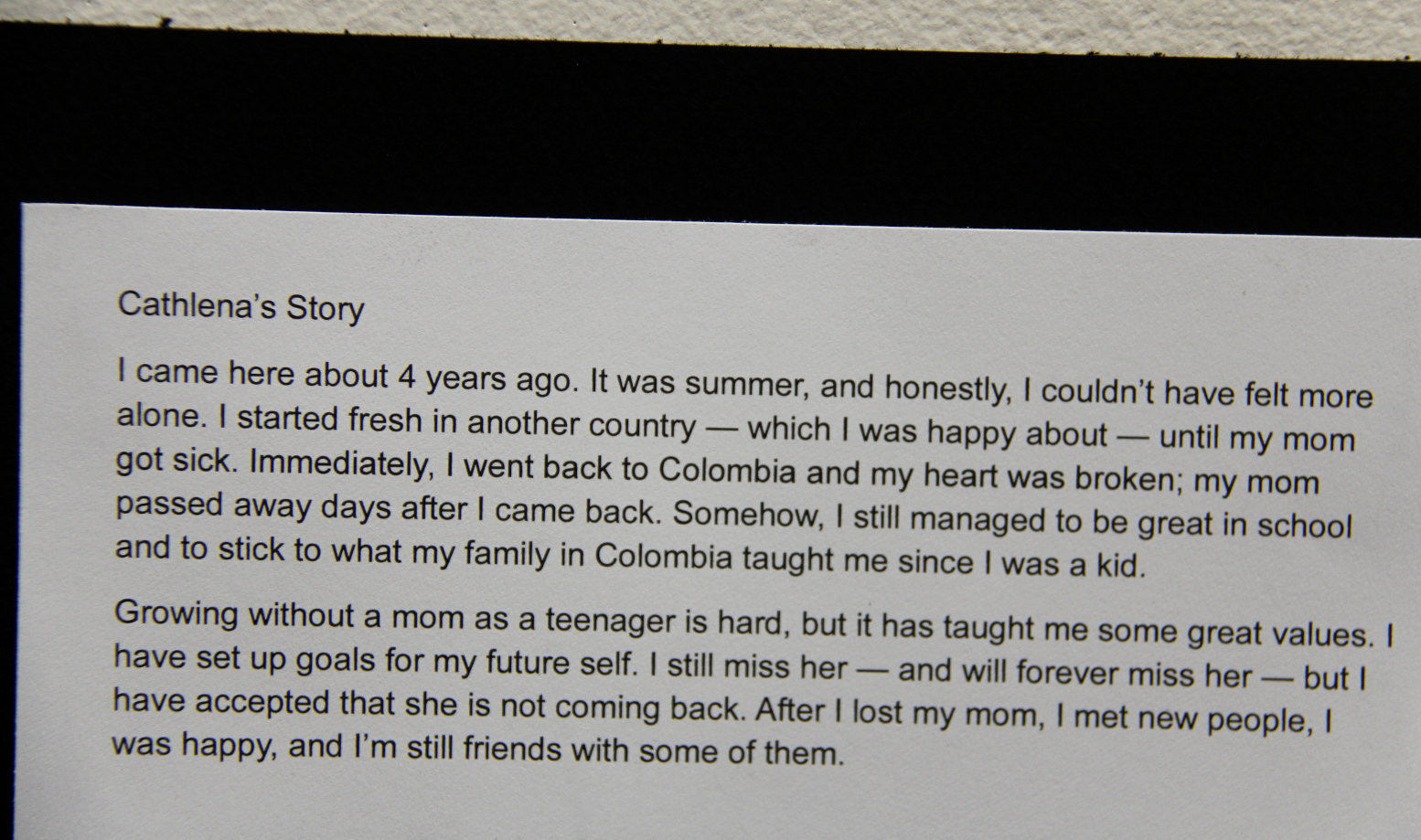
In her own words, Cathlena’s story. (Minnesota Prairie Roots copyrighted photo October 2025)

Viewing this creative project takes time. Some of these portraits I’ve previously seen at smaller exhibits of Langlais’ immigrant-focused work. It’s important to see every face, hear every voice. Like Rosa’s.

The Molina Family as drawn in charcoal by Kate Langlais. (Minnesota Prairie Roots copyrighted photo October 2025)

Born in the US and raised in Texas and Minnesota, Rosa has struggled with racism. She tried to fit in while growing up—reciting the Pledge of Allegiance, joining Girl Scouts, throwing toilet paper at houses… Still, Rosa was told to “go back” to her own country. America is her own country. She was told, too, to “speak English because this is America.” Being bilingual is, in my opinion, a strength in today’s interconnected world.

Another view of portraits in the “I Am Minnesota” gallery exhibit. (Minnesota Prairie Roots copyrighted photo October 2025)

Even among acquaintances, I’ve heard derogatory comments about Faribault’s immigrant population, especially Somalis. I don’t let those negative remarks go unchecked. Rosa says it well: “I just think sometimes that some people forget that their families were once the different ones.”

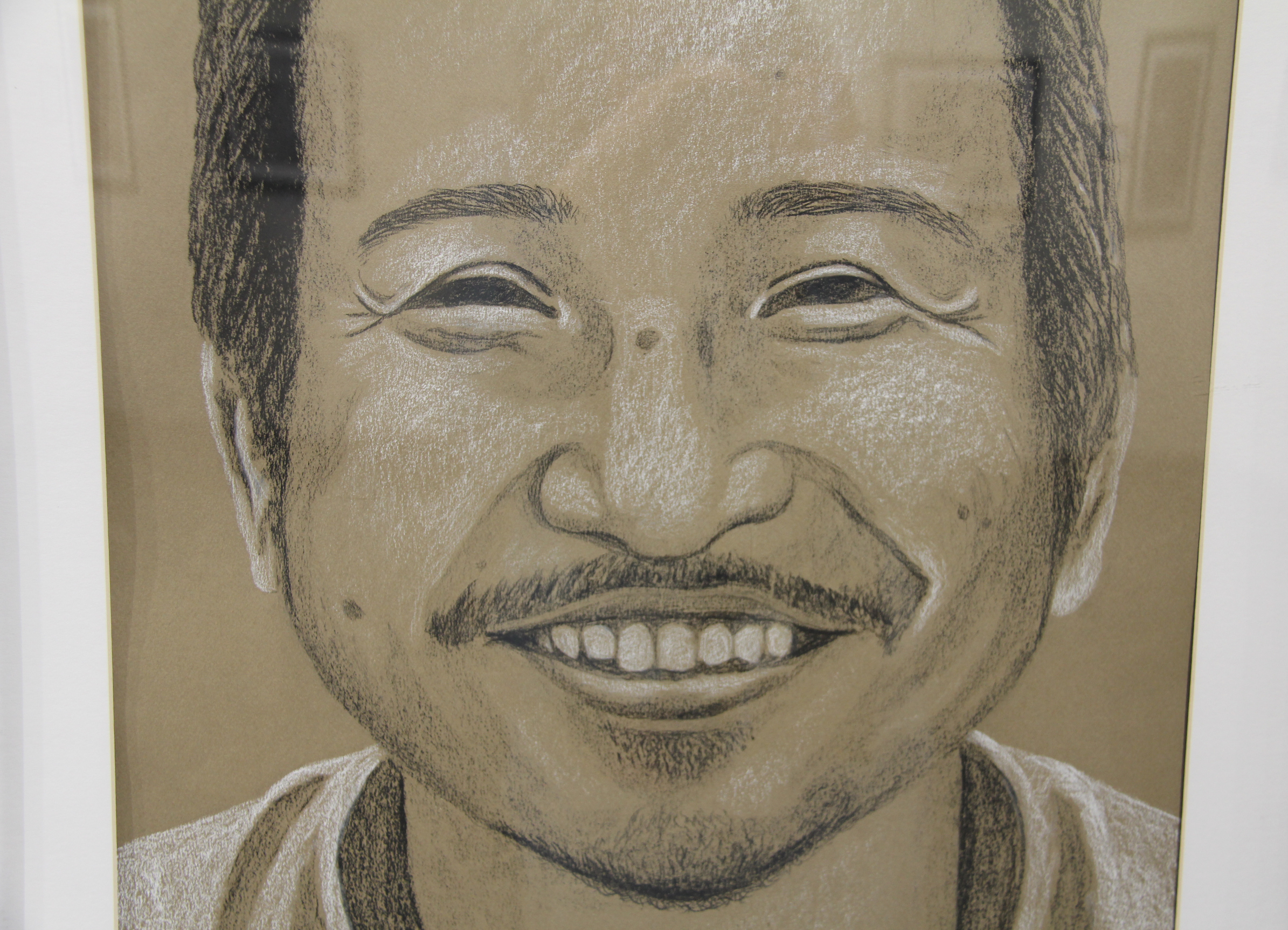
Kate Langlais’ drawing of Sam, born in a Cambodian refugee camp. (Minnesota Prairie Roots copyrighted photo October 2025)

To be “different”—in how you dress, the language you speak, the food you eat, the way you look, your customs and traditions—often makes you a target. The first and second-generation immigrants who shared their stories with Langlais don’t hold back. They’ve been bullied, misunderstood, struggled, been told to assimilate… It’s disheartening at times to read their truth. But these are words we need to read.

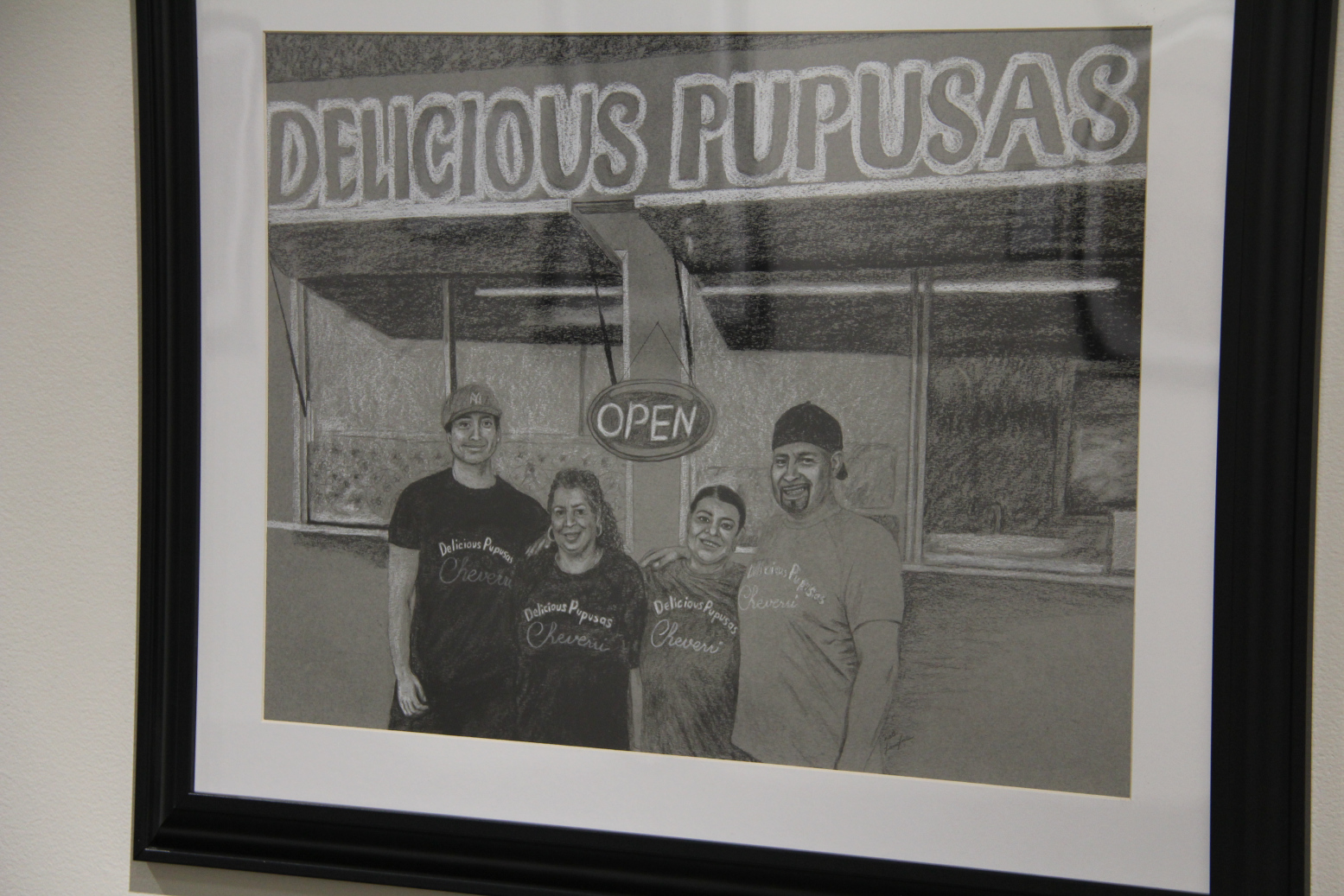
The Echeverria Family operates a successful food truck, Delicious Pupusas, as drawn in charcoal by Kate Langlais. (Minnesota Prairie Roots copyrighted photo October 2025)
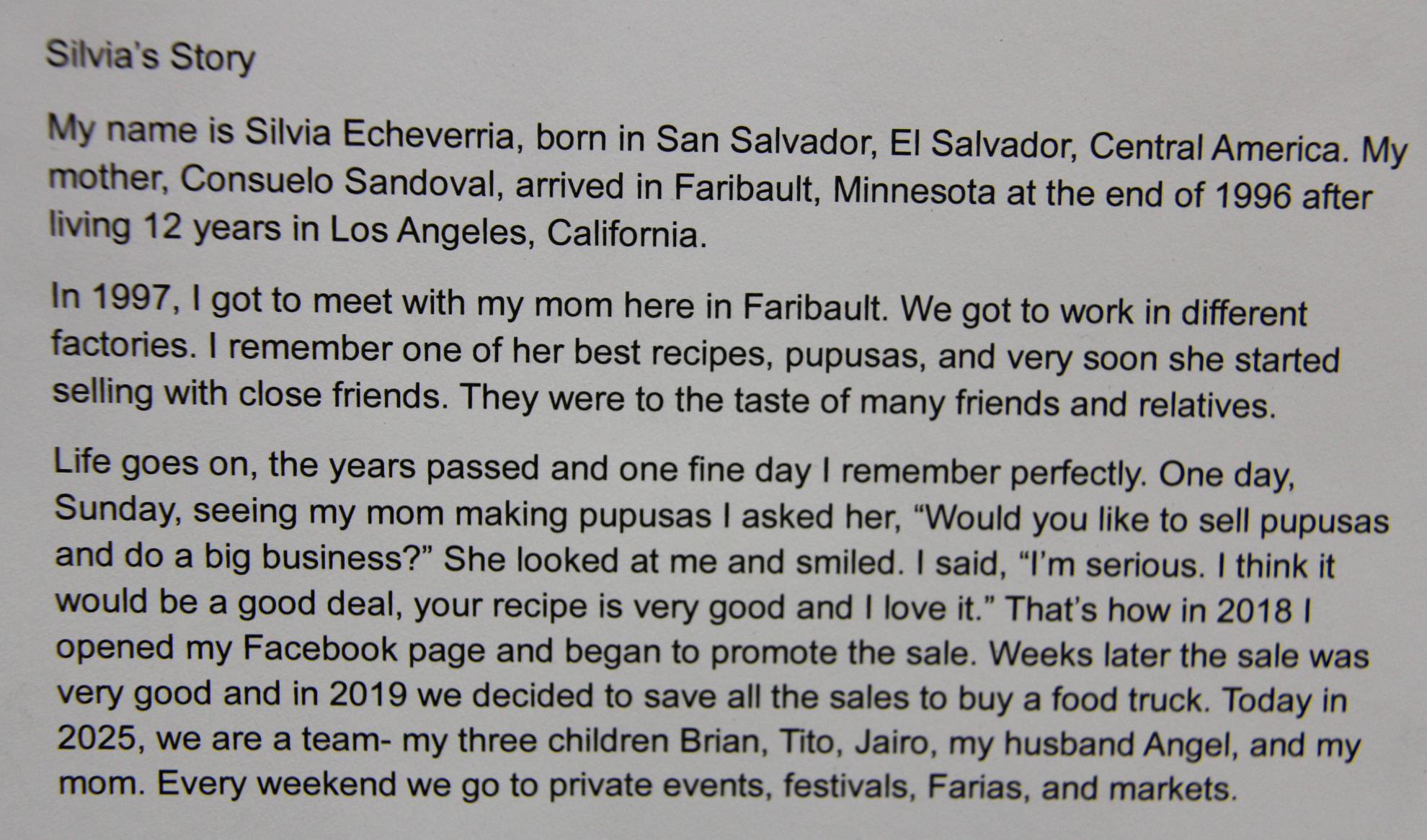
Silvia Echeverria’s story about how her family business came to be accompanies the family portrait. (Minnesota Prairie Roots copyrighted photo October 2025)
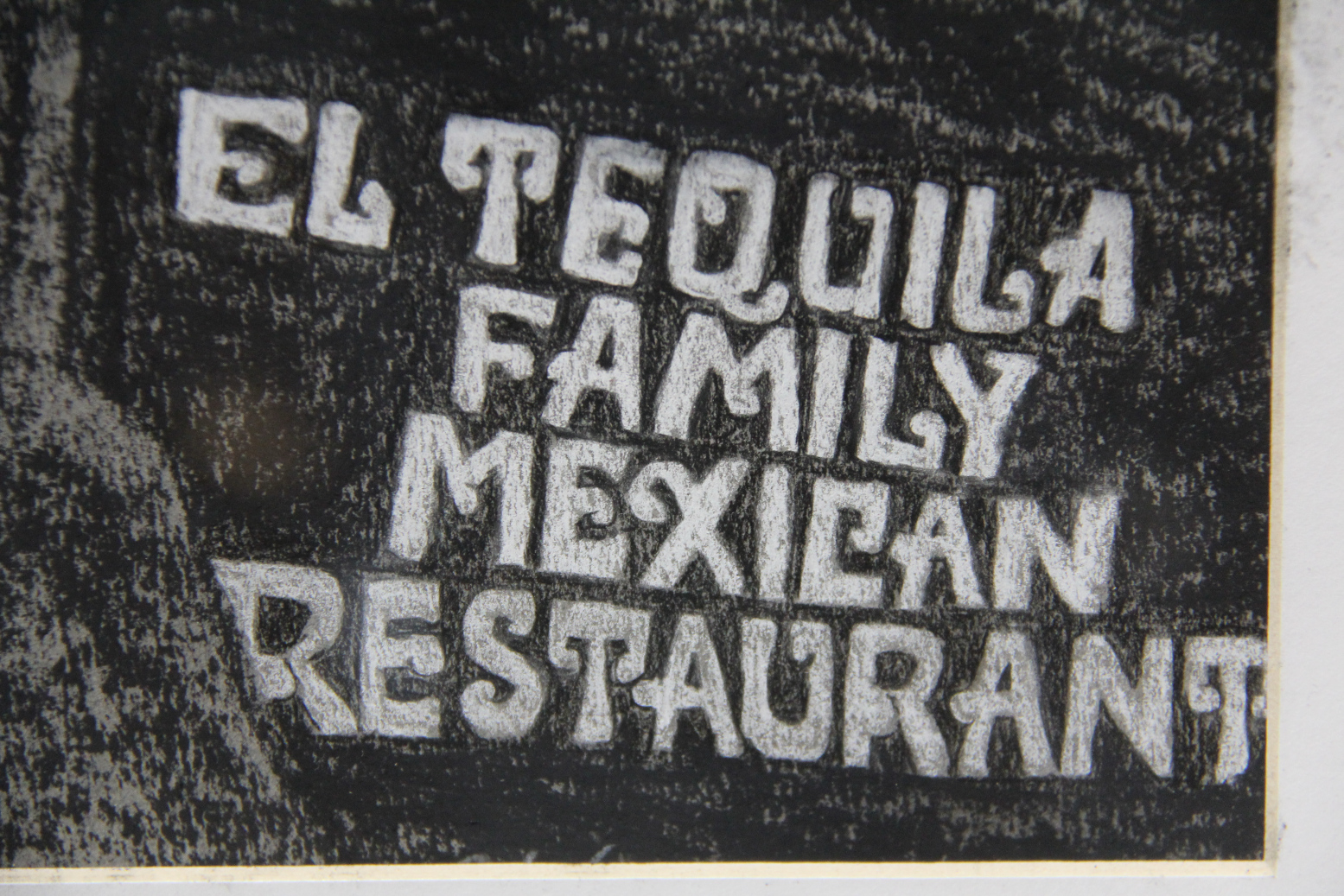
In the corner of another portrait is the name of a popular Faribault restaurant, El Tequila Family Mexican Restaurant in business for 27 years in multiple communities. (Minnesota Prairie Roots copyrighted photo October 2025)

Among all of the tough truths there are beautiful words, too, of friendships, dreams, opportunities, goals, hard work and success. Restaurants opened. A food truck business started. And many other stories of obstacles overcome to achieve personal happiness and professional success.

Charcoal portrait of Dawud, whose family story is rooted in Somalia, by Kate Langlais. (Minnesota Prairie Roots copyrighted photo October 2025)

Second grader Dawud, born in St. Paul and living in Faribault, holds unbridled optimism about his future. “I want to grow up to be a business owner, just like my dad, and travel around the world,” he says. But then he also dreams of becoming a professional basketball or soccer player, like many other Minnesota boys his age. I hope nothing, especially not his immigrant background, holds him back. Ever.

As Marco, who came to the US at age seven shares, “We love autumn, flowers, the sun, nature, and the great opportunities to become better people.”

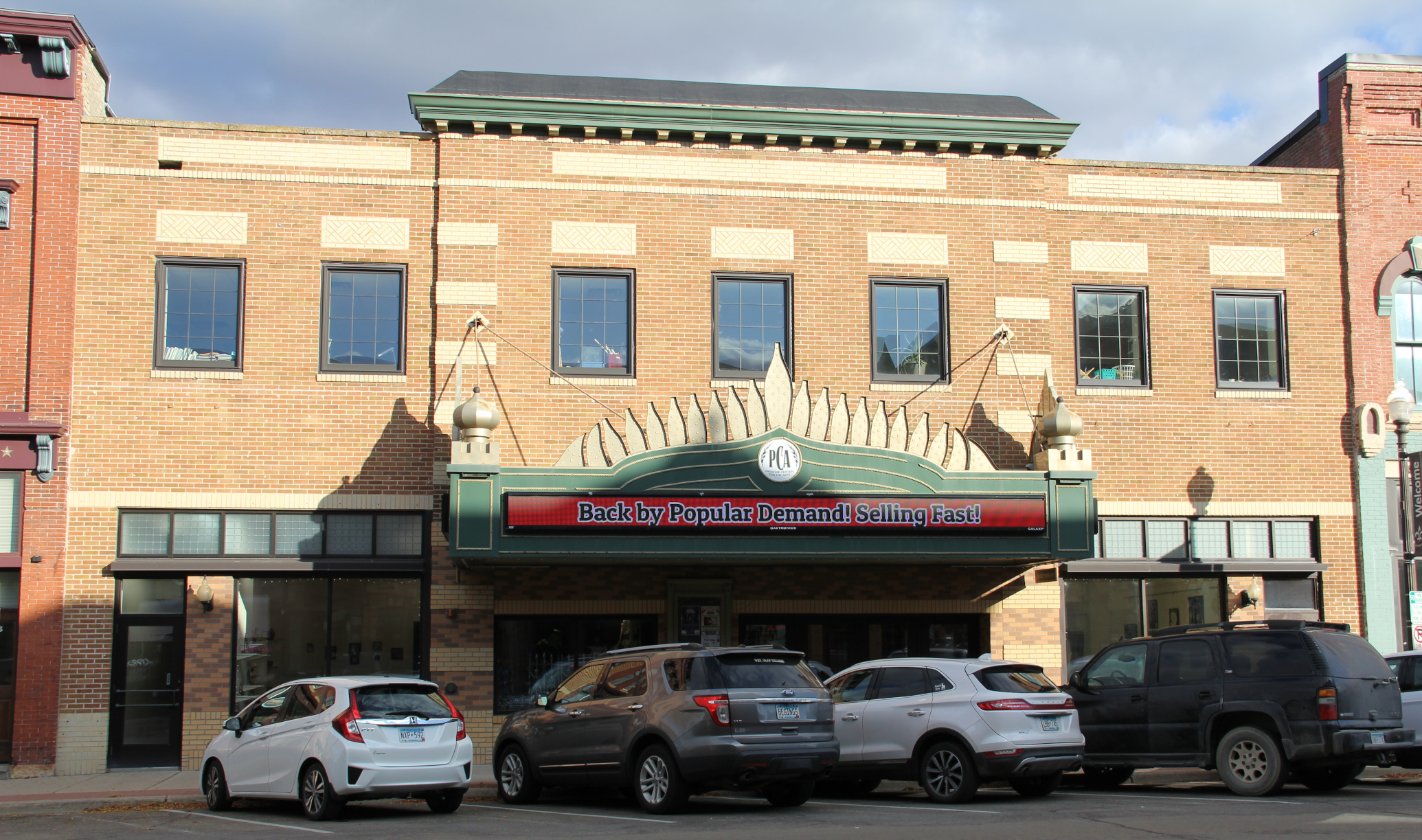
The Paradise Center for the Arts in historic downtown Faribault. (Minnesota Prairie Roots copyrighted photo October 2025)

FYI: The Paradise Center for the Arts, 321 Central Avenue North, Faribault, is open from noon-5 p.m. Wednesday-Friday, from 10 a.m.-2 p.m. Saturday and also during scheduled events and performances.

This exhibit was photographed with permission of the PCA. Portraits are the copyrighted work of artist Kate Langlais. My photos, in some cases, do not show the entire portrait. Please visit this gallery exhibit to view all of the portraits in full and to read the accompanying stories.

© Copyright 2025 Audrey Kletscher Helbling