Minnesota Prairie Roots

Writing and photography by Audrey Kletscher Helbling

Enough August 24, 2018

Filed under: Uncategorized — Audrey Kletscher Helbling @ 5:00 AM
Tags: , , , , , , ,

I EXPECTED IT. As soon as I read that the suspect in the murder of small town Iowa college student Mollie Tibbetts is an alleged illegal immigrant, I knew this would become a political issue. I knew, too, that the venom of hatred in this country would strike like a coiled snake.

From the President to too many politicians (including right here in Minnesota) to everyday Americans, the poison is spreading. A young woman is dead and that seems to have been lost in the spewing of anger and hatred and pushing an agenda for immigration reform.

Enough.

Beyond that, the family which operates Yarrabee Farms, where the suspect was employed, is receiving death threats, threats to burn down their buildings, even threats to kill their dog.

Enough.

What has happened to common decency in this country? What has happened to respect for a grieving family? What has happened to the ability to see crime as crime and not something linked to an individual’s skin color or residency status?

I know there are those who will disagree with me, who will jump all over this post and argue. But, because this is my personal blog, I will not give hatred a platform. I choose to honor Mollie.

In the words of Yarrabee Farms co-owner Craig Lang, also a Republican candidate for Iowa Secretary of Agriculture this summer: “…now is not the time to discuss immigration.”

Now is the time to respect a family and community which are grieving. They, and Mollie, deserve more than the politicization of her death.

#

NOTE: I moderate all comments. I decide what publishes here.

© Copyright 2018 Audrey Kletscher Helbling


Why a community should care about its alleys January 25, 2018

Filed under: Uncategorized — Audrey Kletscher Helbling @ 5:00 AM
Tags: , , , , , , , , , , ,

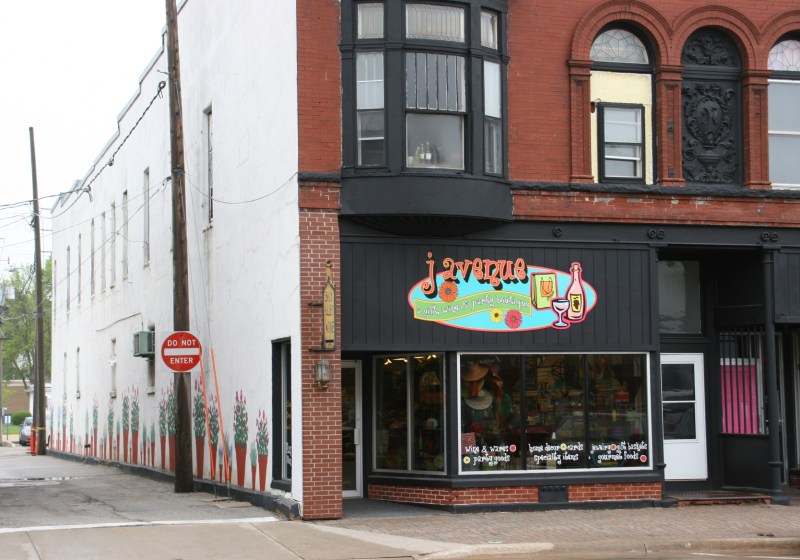
This alley of art in Clear Lake, Iowa, impresses me. Minnesota Prairie Roots file photo 2015.


I NOTICE DETAILS, always have. This heightened awareness weaves into my work. I write and photograph with a strong sense of place, a quality instilled in me long ago by growing up on the prairie. In that vast space of sky and land, every nuance of the environment imprints upon the soul.

My reactions to a place evolve from first impressions, most often viewed through my camera lens. I see the world in details of color, balance and perspective, of light and mood and texture and more.


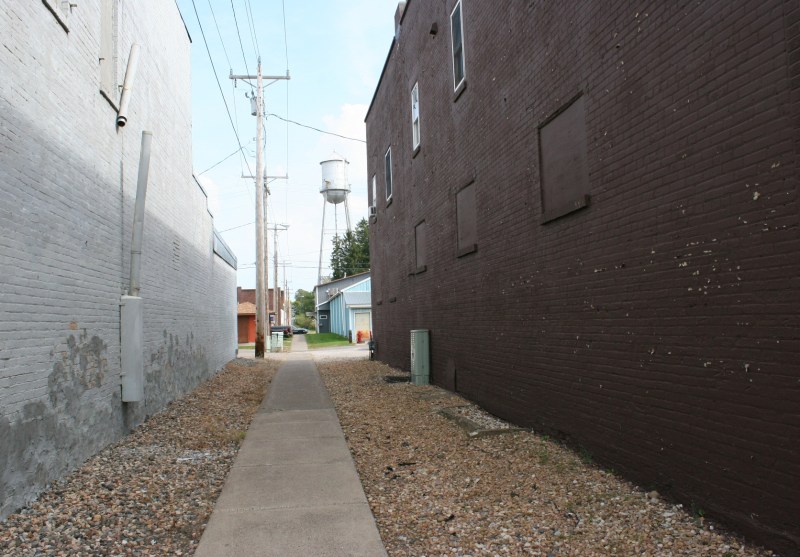
An alley in Milaca, photographed in September 2017.


With that background, you can perhaps better understand why, when photographing a community, I notice more than the slick fronts of buildings, the parks and other attractions tourism offices promote. I look beyond those to the alleys, the roof lines and even the sidewalks. The details.


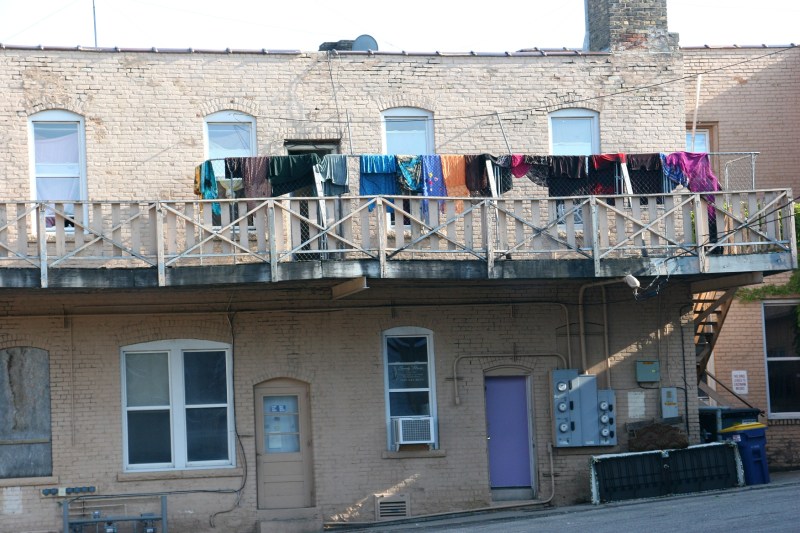
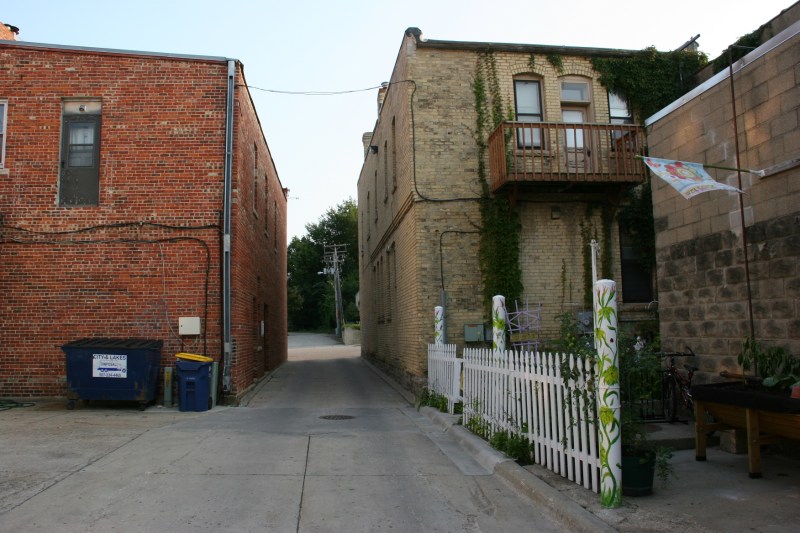
The scene along a balcony on the back side of a building along Third Street N.E. in downtown Faribault, just across the alley from the post office is one of my favorite alley photos for the story it tells. Minnesota Prairie Roots file photo July 2015.


It is the alleys in particular that draw my visual interest and show me the side of a community often overlooked. And too often neglected. There’s much to learn in those alleyways about people and places and cultures and even socioeconomic status.


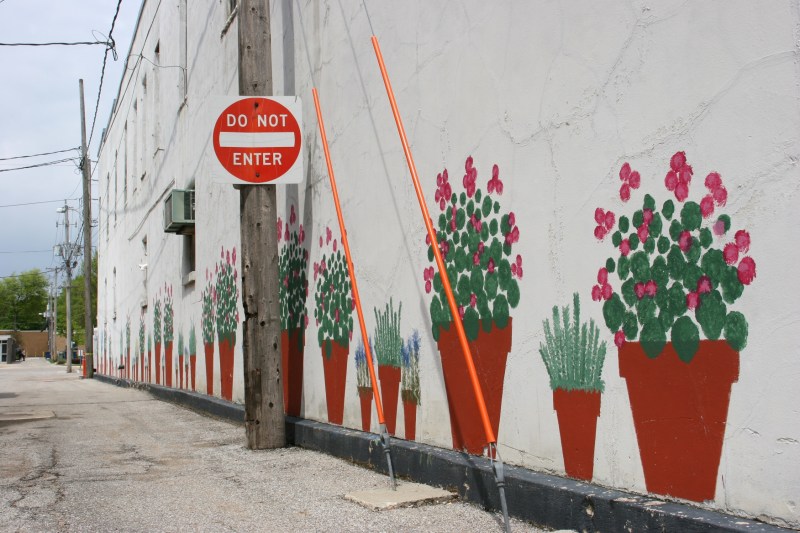
I love the sweet surprise of these floral paintings brightening an alley in downtown Clear Lake. Minnesota Prairie Roots file photo May 2015.


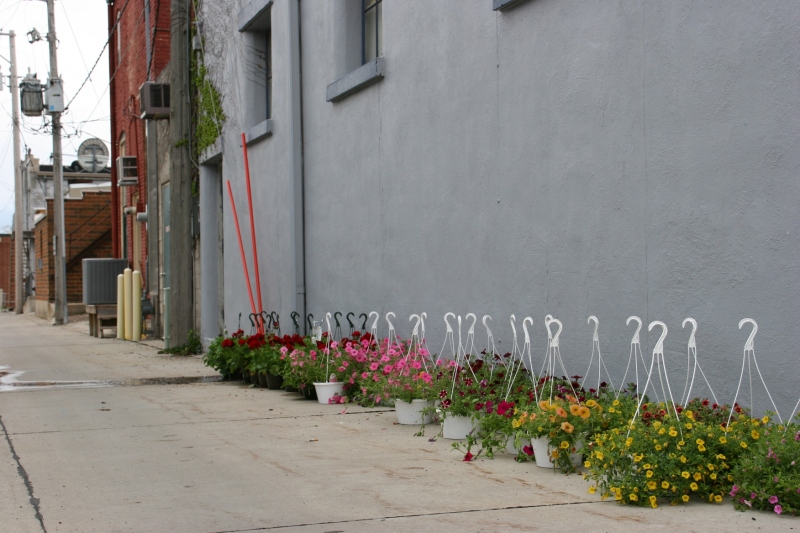
Hanging baskets line the alley behind Larson’s Mercantile in Clear Lake, adding a splash of color to the downtown. Minnesota Prairie Roots file photo May 2015.


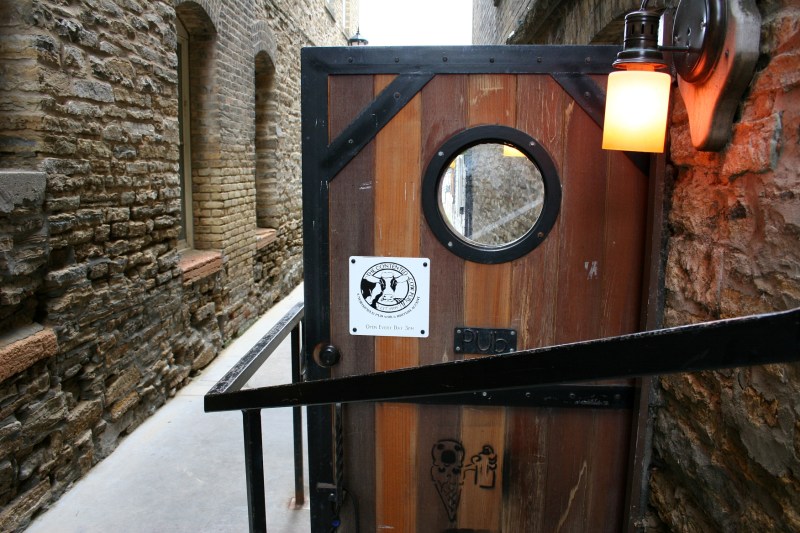
The Contented Cow opens onto a riverside space between buildings in historic downtown Northfield. Minnesota Prairie Roots file photo October 2014.


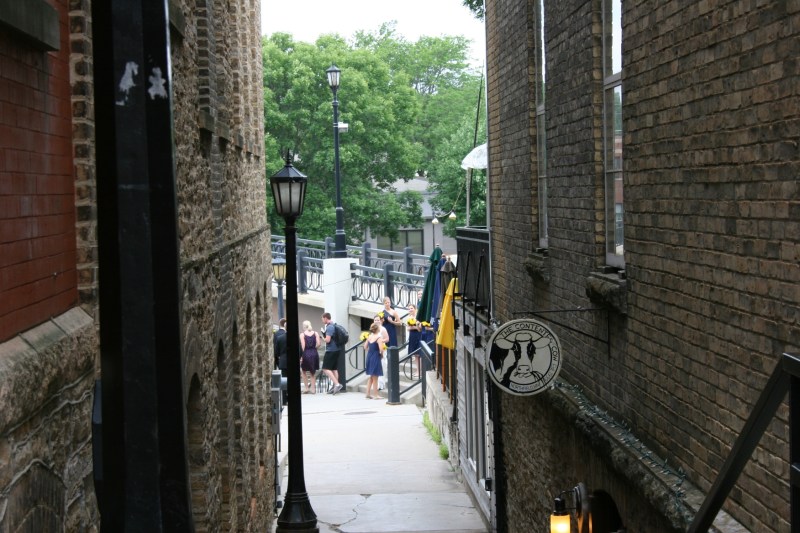
Looking further down that narrow space, I photographed a wedding party gathering near the Cannon River. Minnesota Prairie Roots file photo.


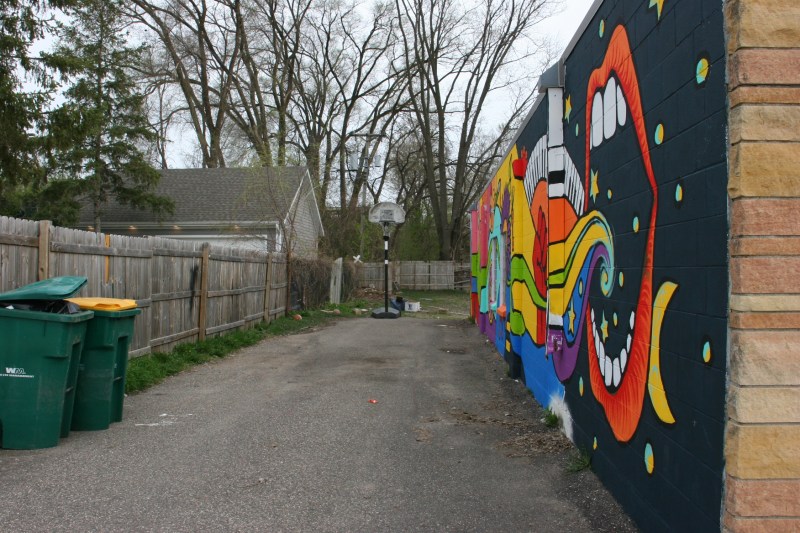
A mural on The Key (youth center) building in downtown Northfield. Minnesota Prairie Roots file photo April 2017.


Through the years, I’ve documented many behind and between businesses scenes with my camera. I’ve seen how a community can convert an alley into a lovely and inviting space. Clear Lake, Iowa, and Northfield, Minnesota, especially, have succeeded with this attention to detail beyond storefronts.


Michelle’s Garden, right next to the alley behind buildings along Faribault’s Second Street and Central Avenue. Minnesota Prairie Roots file photo September 2015.


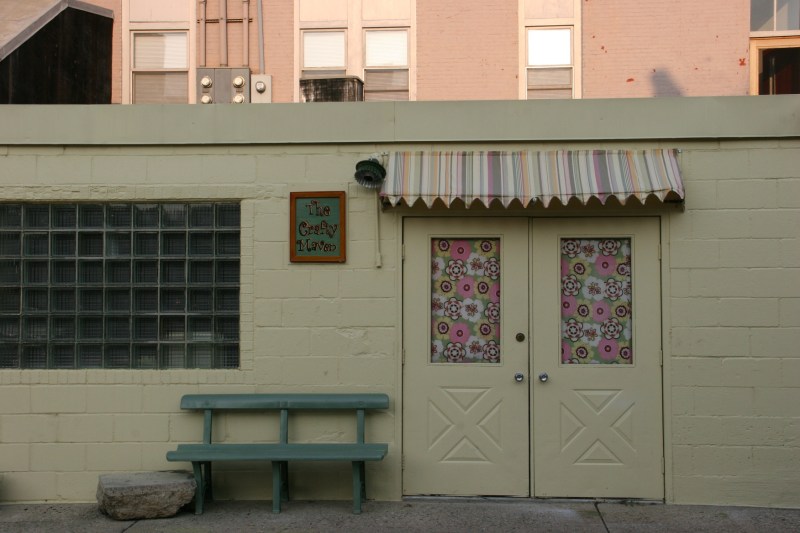
The back of The Crafty Maven (now closed) sat right across the alley from the garden. Minnesota Prairie Roots file photo September 2015.


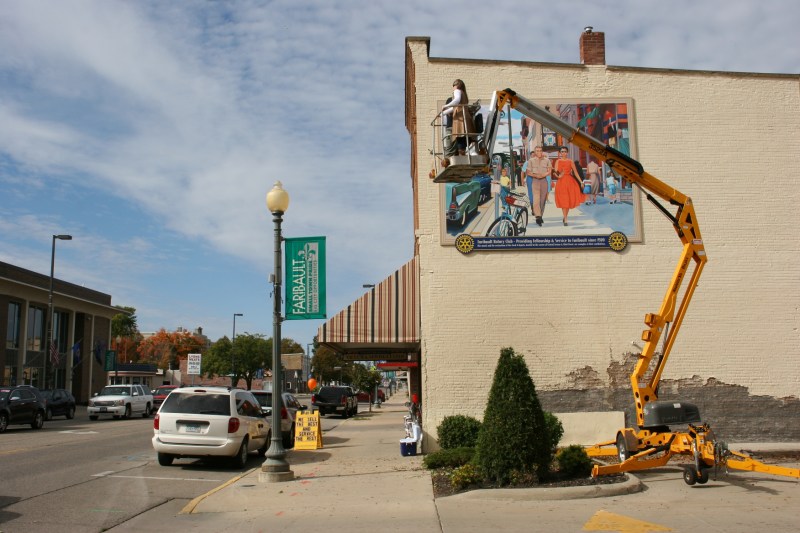
This mural of an iconic scene from downtown Faribault was installed along an alleyway visible from busy Minnesota State Highway 60/Fourth Street in the heart of downtown. Minnesota Prairie Roots file photo.


My community of Faribault, too, boasts an alley-side mini park and an alleyway mural creating a more inviting downtown. But dumpsters overflowing with garbage in other sections of the downtown counterbalance the positive efforts.


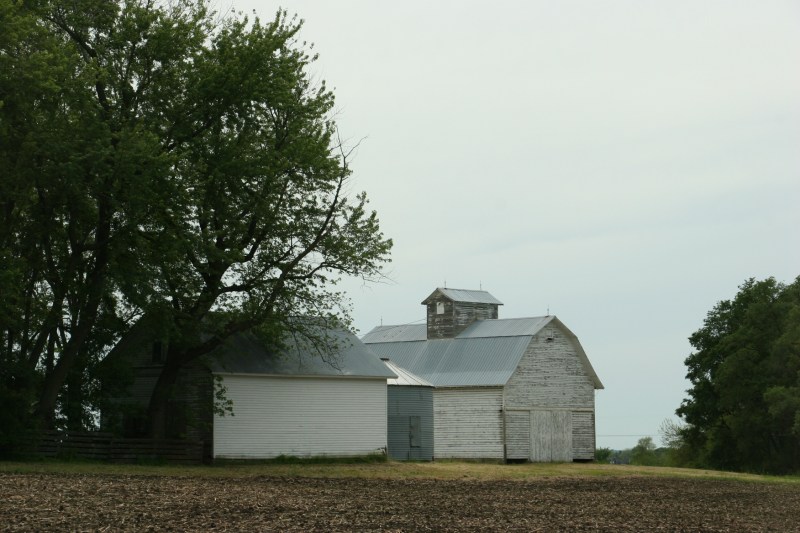
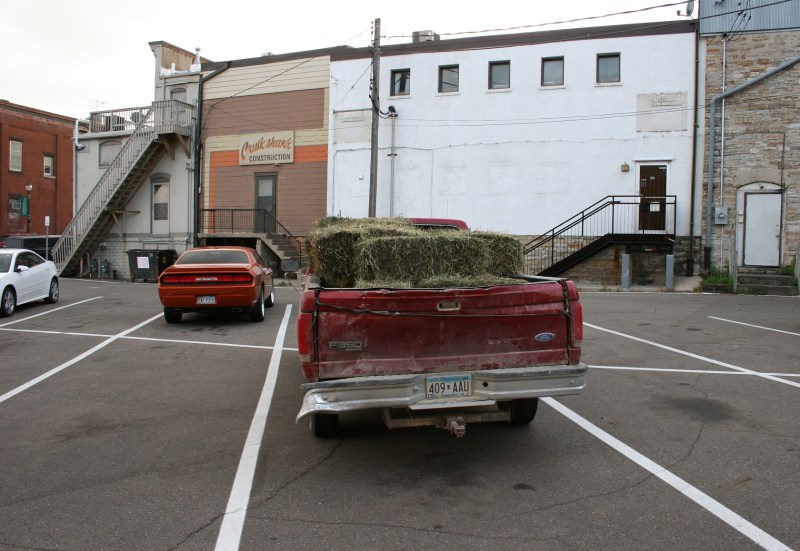
The behind buildings parking lot scene in downtown Faribault highlights the area’s ag base. Minnesota Prairie Roots file photo August 2014.


In my opinion, every community should pay closer attention to the details. They are part of the whole, of the impression visitors gather of a place beyond the side we’re supposed to see.

THOUGHTS? I’m interested, especially, in hearing how your community or other communities have beautified alleys and/or backs of businesses.

© Copyright 2017 Audrey Kletscher Helbling


Scenes from the road in Iowa June 8, 2017

Filed under: Uncategorized — Audrey Kletscher Helbling @ 5:00 AM
Tags: , , , , , , , ,

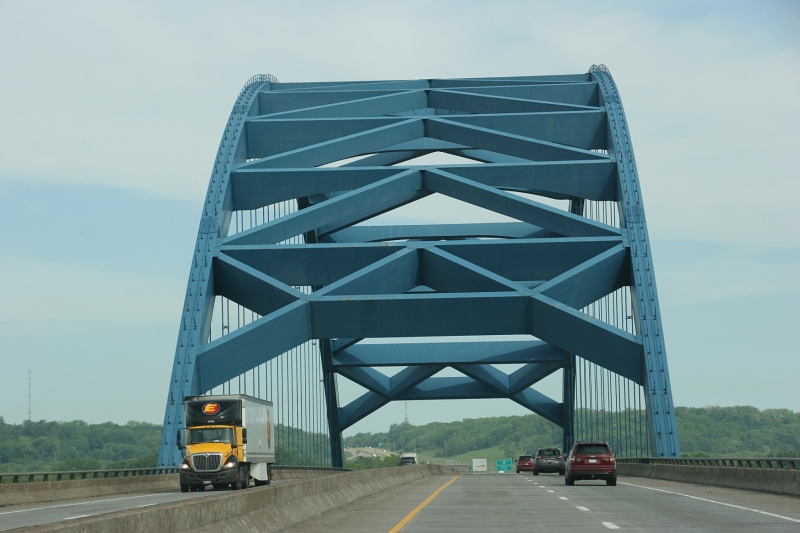
Westbound from Illinois into Iowa along Interstate 80. Minnesota Prairie Roots file photo May 2016.


IN IOWA EXISTS a comfortable familiarity for me. It’s not that I’ve explored much of this state, except the northern fringes. But Iowa feels like a friendly next door neighbor or cousin, the ruralness of this land creating an instant bond.


For in Iowa—the Iowa I’ve seen—the lay of the land, the length of the sky, the scenes of barns and fields and small towns connect to my rural southwestern Minnesota roots.


I feel at home in Iowa, the place that is often the butt of Minnesota jokes. Outside the Twin Cities metro and the lakes and woods of northern Minnesota, our landscape mostly duplicates that of our southern neighbor.


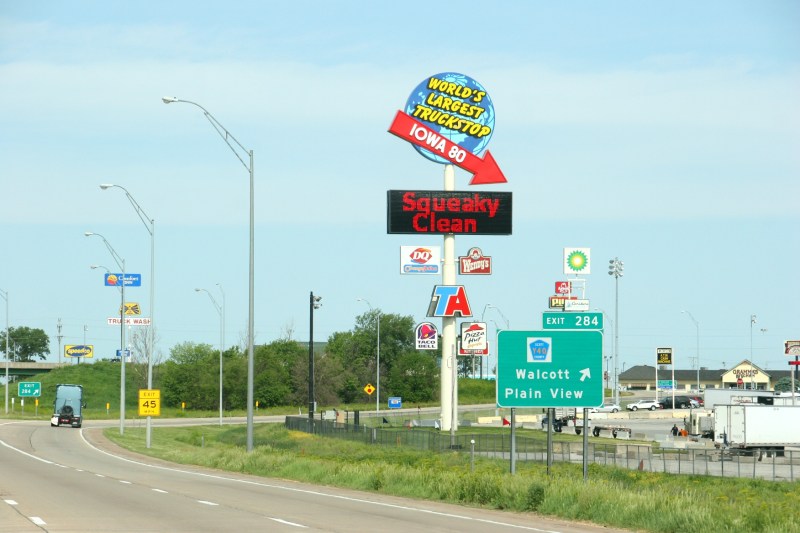
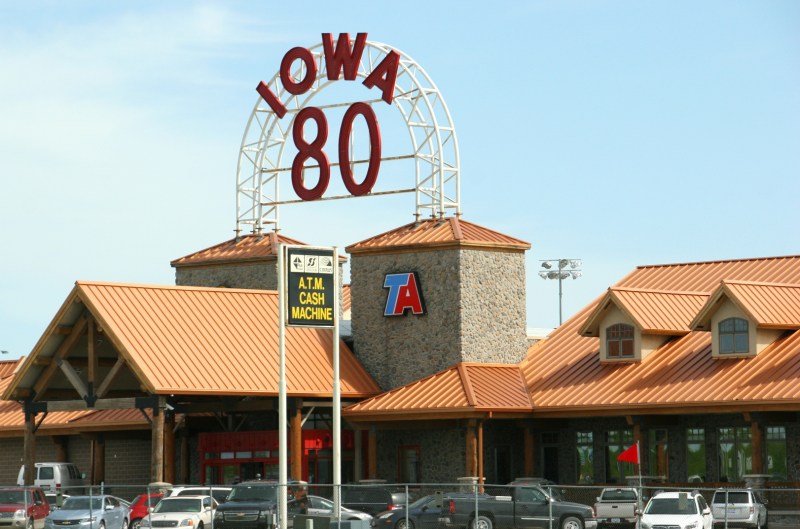
The world’s largest truck stop, with eight restaurants, a movie theater, dentist and much more, has been open near Walcott off I-80 in eastern Iowa since 1964.


It’s OK to admit you like Iowa. Some of my favorite trips have been to Iowa communities—Clear Lake, Mason City, Decorah, McGregor, Marquette and Dubuque. These towns possess character and hold natural and historic interest for me.


Iowa 80, the world's largest truck stop.

Iowa 80, the world’s largest truck stop.


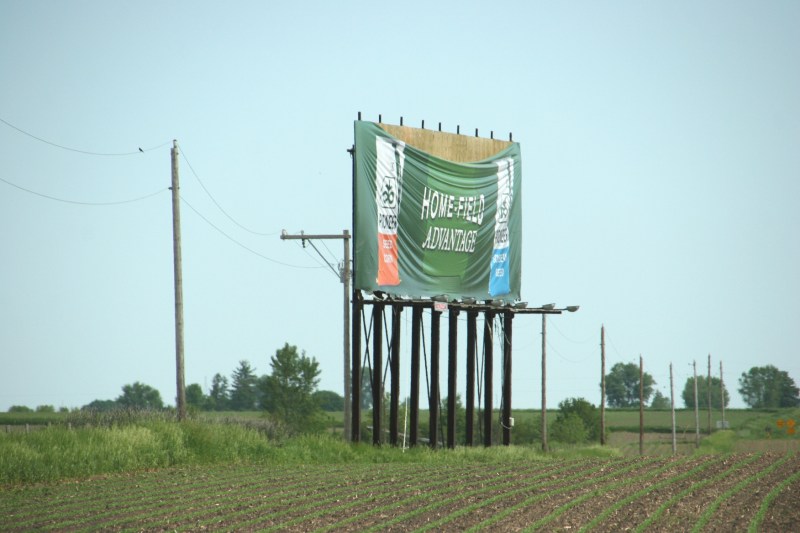
You know you’re in America’s agricultural heartland when you see a billboard advertising Pioneer seed.


Sometimes we need to step outside our boxes of preconceived ideas about a place and simply explore. Leave the metro and drive a gravel road, stop in a small town, delight in the simplicity of a rural landscape. Iowa and many parts of Minnesota are more than the middle of nowhere. If we choose to slow down, we begin to notice the nuances that define a place, that make it worth our time to visit and to appreciate.


TELL ME: If you’ve traveled to Iowa, what community would you suggest visiting and why? Or, if you haven’t been there, tell me what a visitor should see in your state or country?

© Copyright 2017 Audrey Kletscher Helbling

NOTE: All images were taken in late May 2016 on a return trip from Minnesota to Boston.


The art of an interstate rest stop in Iowa June 7, 2017


PRIME VACATION SEASON is almost upon us and that means many of you will soon hit the roads. And when you travel, especially long-distance, rest stops hold necessary importance.

A year ago, my husband and I drove 2,800 miles from Minnesota to Boston and back to attend our son’s graduation from Tufts University. Some days we spent up to 10 hours in the van. The need to stretch our legs, to pee and to take a break from roadway fatigue led us to many an interstate rest stop.

Hands down, Iowa has the best rest areas. Indiana, not so much.
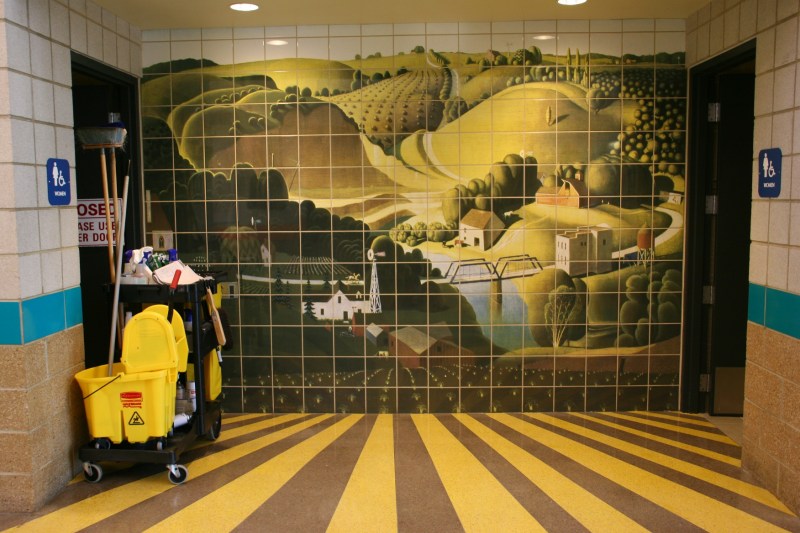
 

The rest stop along Interstate 380 near Cedar Rapids honors artist Grant Wood and features his rural themed work on ceramic tile. The floor design mimics crop rows.


So what makes Iowa’s interstate rest areas so appealing? Themed rest stops, of which there are 16. These are centers of art and history as much as places to take a bathroom break, to picnic, to gather travel info and to stretch. And bonus, the sole facility we visited was clean.
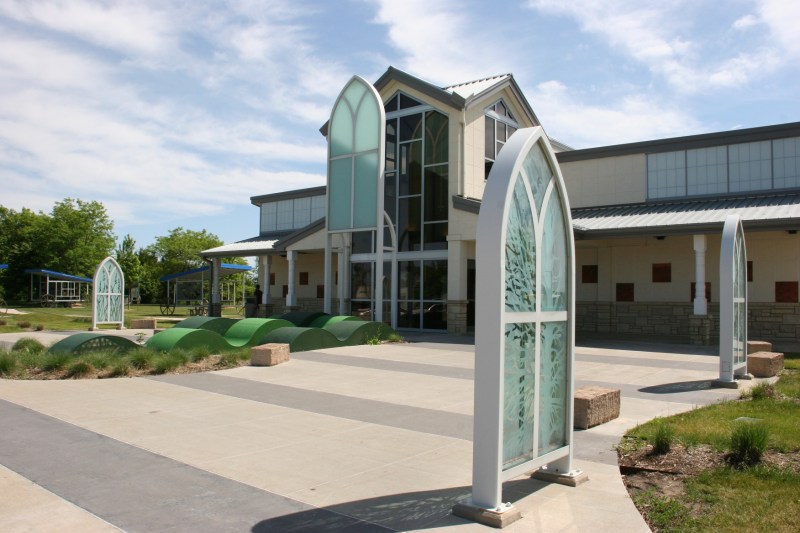
 

My first view of the rest stop focusing on Iowa artist Grant Wood, who was born 40 miles to the northeast and then moved to Cedar Rapids with his family in 1901.


On our return trip from Boston, we stopped at the Grant Wood Rest Area northbound along I-380 south of Cedar Rapids in Linn County. At the time, I knew nothing of these unique stops for travelers. So imagine my surprise when we pulled off the interstate and into a place that looked like a cultural art center in the middle of, well, Iowa fields.
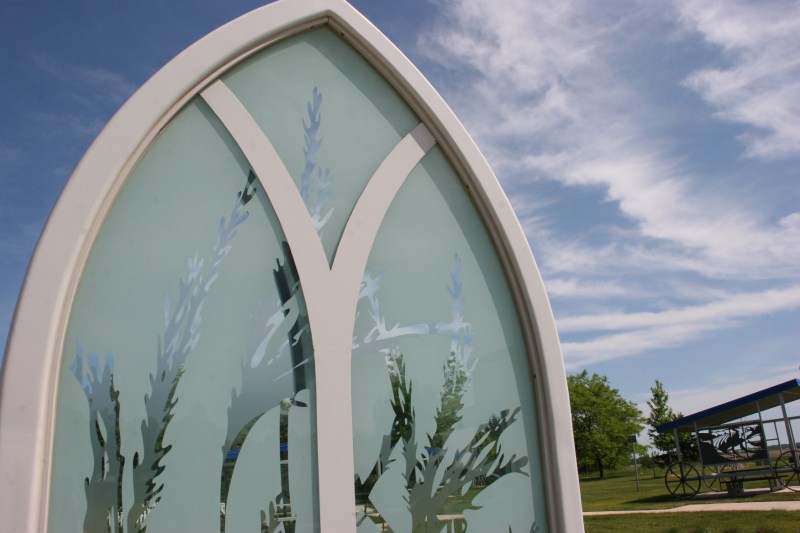
 

The many windows incorporated into the rest stop mimic the farmhouse windows in Wood’s “American Gothic” painting.
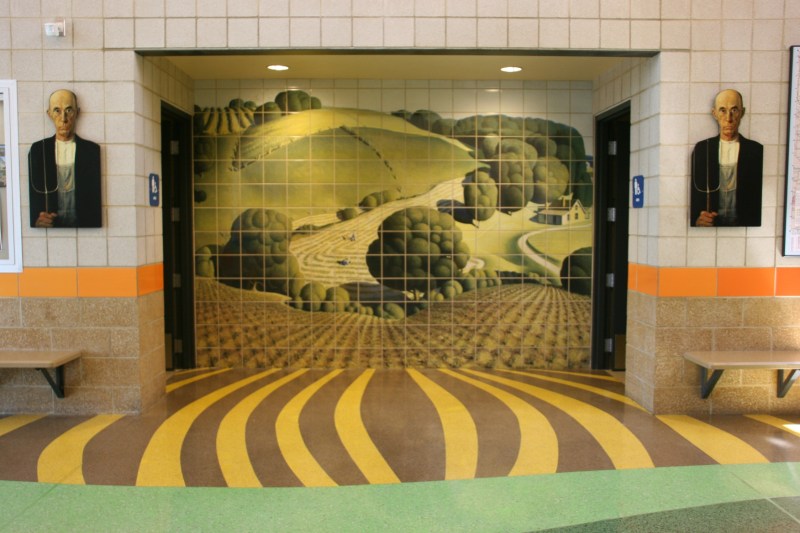
 

Wood’s work featured the rural Iowa landscape. Here his art is showcased in ceramic tile inside the rest area building.
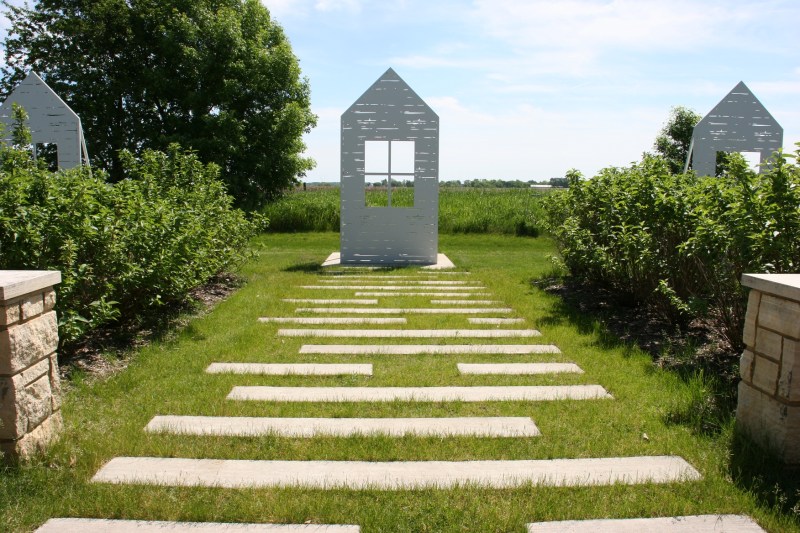
 

Behind the rest stop building, visitors can consider the view through these window props.


Completed four years ago, “The View From Our Window: Grant Wood in Iowa” rest area honors Wood, painter of “American Gothic.” In my limited knowledge of Iowa art, this painting of a farm couple standing in front of a farmhouse is symbolic of Iowa as I view it. Rural, through and through. David Dahlquist of RDG Dahlquist Design Studio in Des Moines created the art at this interstate stop.
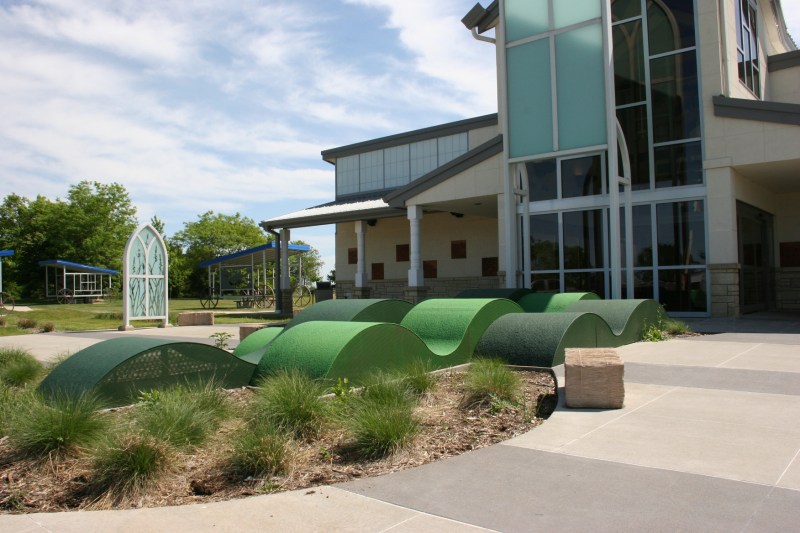
 

The green “waves” represent Iowa cropland.
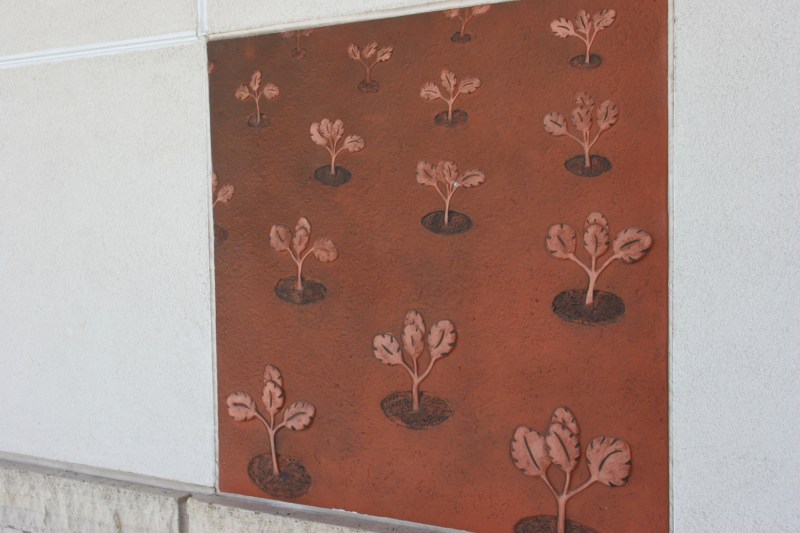
 

Emerging soybean art inside the rest stop structure.
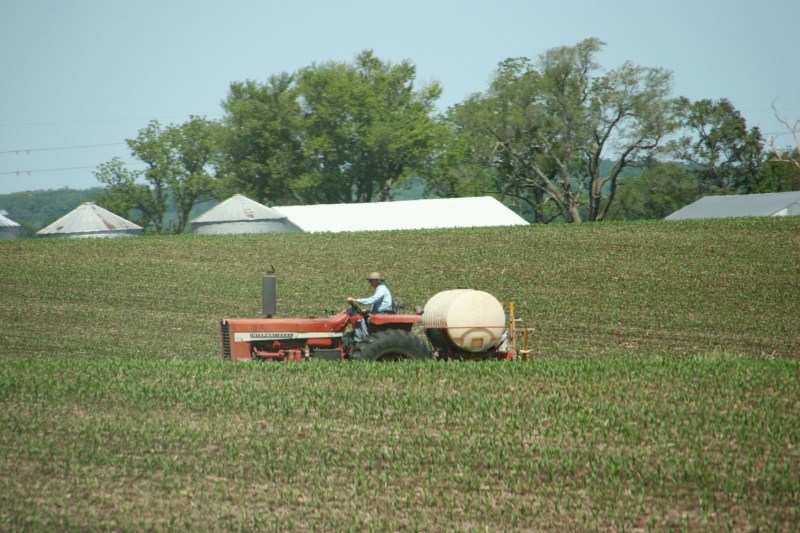
 

Real life farming in Iowa.


For this weary traveler, the Grant Wood rest area proved a welcome respite from the interstate and from the countless other rest stops that were nothing more than functional spaces to meet travelers’ basic needs. Expanding that purpose beyond—to include art and history—made an impression upon me.
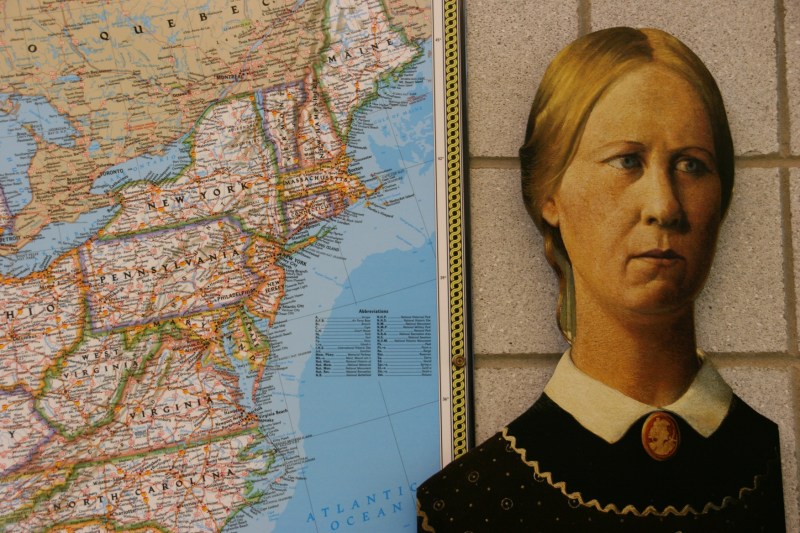
 

Travelers can get a view of the U.S. on a map situated next to a duplicate of the farm woman Wood painted in “American Gothic.”


In other sections of Iowa, you can, for example, learn about Lewis and Clark at the southbound I-29 rest area at Sergeant Bluff.
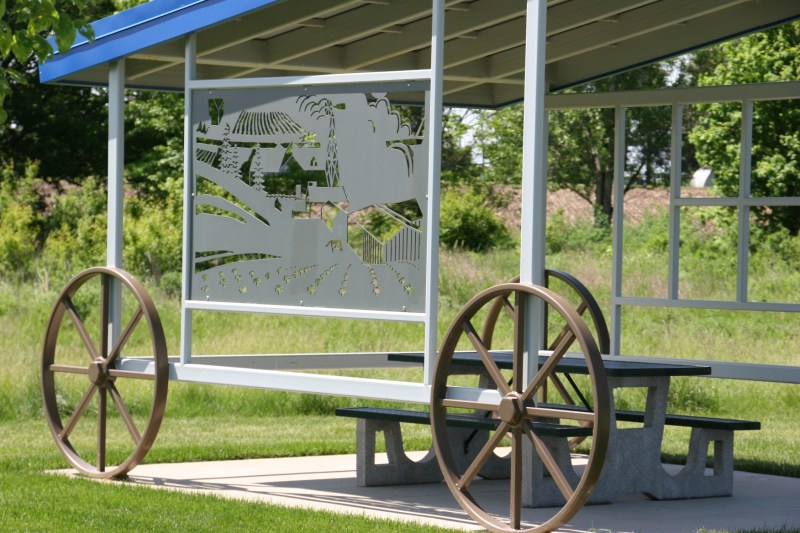
 

Picnic areas are sheltered by machinery like structures.


These themed Iowa rest areas are most prolific along I-80. The Mississippi River is the focal point of the westbound stop in the Davenport area. Eastbound, the rest area at Grinnell highlights pioneers while one in Cedar County focuses on the Underground Railroad.
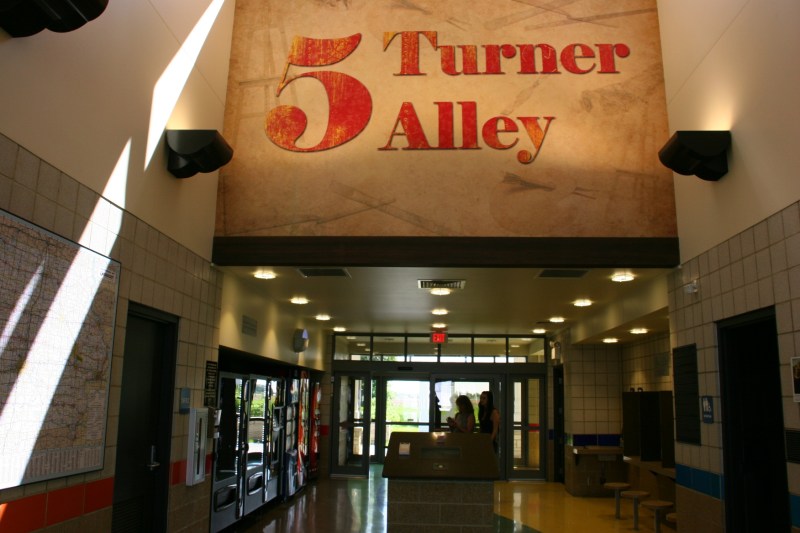
 

This sign inside the rest stop building honors Wood’s artist’s loft, 5 Turner Alley, in Cedar Rapids.


If you’re so inclined and looking for an inexpensive way to view public art and learn history in Iowa, you could plan a trip around visiting Iowa’s themed rest areas. If anything, it would be quite the unique vacation story.


TELL ME: Have you come across other such unique public interstate rest areas in your travels across the country? Or, offer your opinion of these Iowa rest areas.

FYI: Click here to visit the Iowa Department of Transportation website showcasing Iowa’s themed rest areas.

© Copyright 2017 Audrey Kletscher Helbling


And the Pulitzer Prize goes to… an editor in rural Iowa April 13, 2017

Art Cullen is in the center of this photo on The Storm Lake Times website. That’s his brother to the right, his son to the left.


HE BEAT OUT WRITERS from the Houston Chronicle and The Washington Post.

He is Art Cullen, 59-year-old editor of The Storm Lake Times. On Monday he won the Pulitzer Prize in editorial writing “for editorials fueled by tenacious reporting, impressive expertise and engaging writing that successfully challenged powerful corporate agricultural interests in Iowa.”


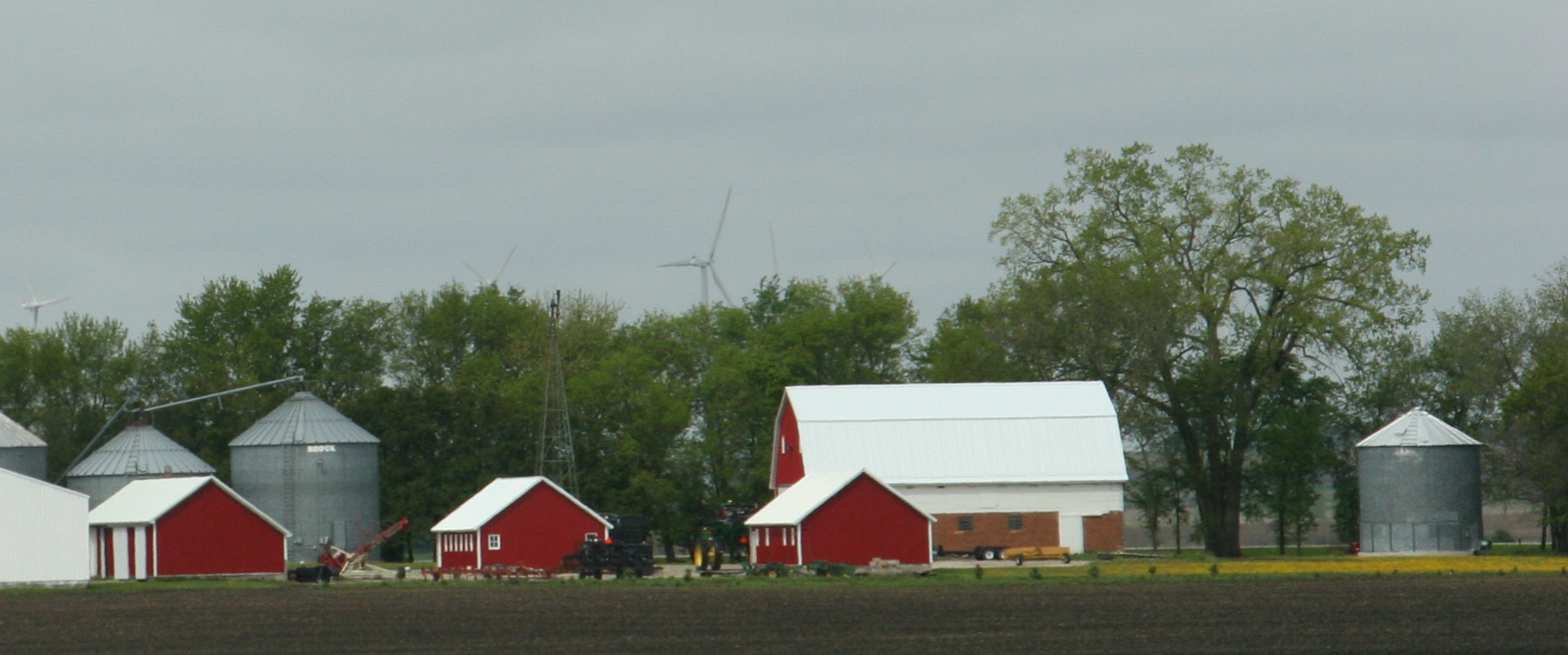
A farm site just across the Minnesota-Iowa border on the west side of Interstate 35. Minnesota Prairie Roots file photo.


That’s right. Rural Iowa. The state that welcomes visitors to “Fields of Opportunities.” The land of corn and beans and hogs. I like Iowa, just an hour south of my Minnesota home. It reminds me of my native rural southwestern Minnesota with fields, farm sites, small towns and wide open spaces.

That a writer from a northwestern Iowa community of around 10,000, from a newspaper with a circulation of 3,000, won the Pulitzer Prize delights me. You don’t need to be big city famous or work for some well-known newspaper to be recognized and honored. You just need to do outstanding work. It’s not easy being a journalist in a small town. I remember. I worked as a reporter, photographer and more at Minnesota weeklies and dailies decades ago.

To take a strong stand on the editorial page like Cullen did against corporate ag takes guts. And a deep understanding that the editorial page is the heart of the newspaper. As a journalism student at Minnesota State University, Mankato, in the late 1970s, I heard repeatedly that message of editorial importance. It ranked right up there with the basics of reporting—who, what, when, where, why and how.


Small farming communities define Iowa. This is downtown Garner, just across the Minnesota/Iowa border. Minnesota Prairie Roots file photo.


Cullen clearly understands community journalism and the accompanying responsibilities of a strong editorial voice no matter the risks. And there are risks—financial and otherwise. Express an unpopular opinion and you risk raising the ire of advertisers, subscribers and others. Read a sampling of Cullen’s editorials, and you begin to understand why he won the Pulitzer Prize. Here’s a man determined to consider the facts and then offer his common sense opinion.

I doubt Cullen’s new-found fame as a Pulitzer Prize winner will change how he approaches his job at The Storm Lake Times, a newspaper he co-owns with his brother and where his wife and son also work. I expect he will continue to work with the enthusiasm of a man passionate about community journalism. I appreciate that family-run newspapers like his still exist in an age when too many towns/cities have lost their hometown papers to newspaper chains. When that local ownership is lost, quality and quantity of local coverage usually diminishes.

The Storm Lake Times remains undeniably local. Alongside a photo and headline announcing the Pulitzer Prize are stories about a cat sanctuary, a second grader finding a four-leaf clover and a popular area fishing spot. It doesn’t get much more down-to-earth rural, more “this is still life in Iowa even when you win the Pulitzer Prize” than that.

© Copyright 2017 Audrey Kletscher Helbling


Iowa, rooted in rural July 16, 2015

Filed under: Uncategorized — Audrey Kletscher Helbling @ 5:00 AM
Tags: , , , , , , , ,

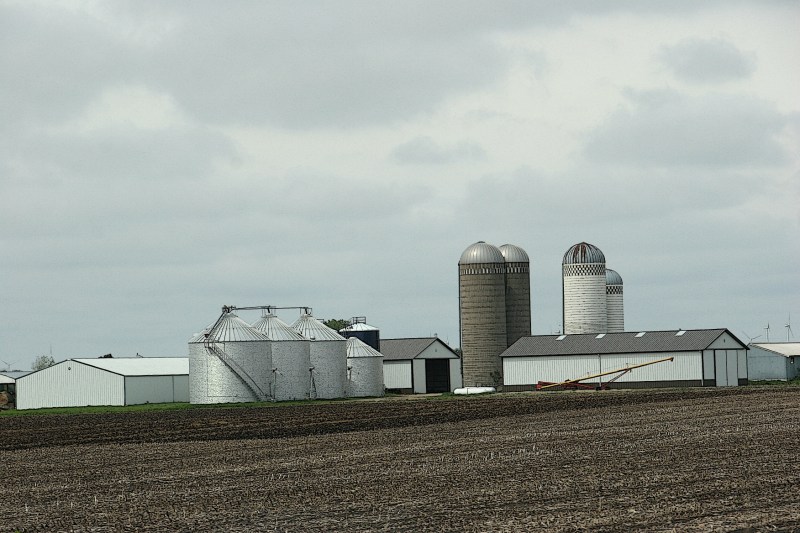
THE PEOPLE OF IOWA WELCOME YOU. Fields of Opportunities. Thus reads the sign welcoming southbound travelers crossing into Iowa from Minnesota along Interstate 35.

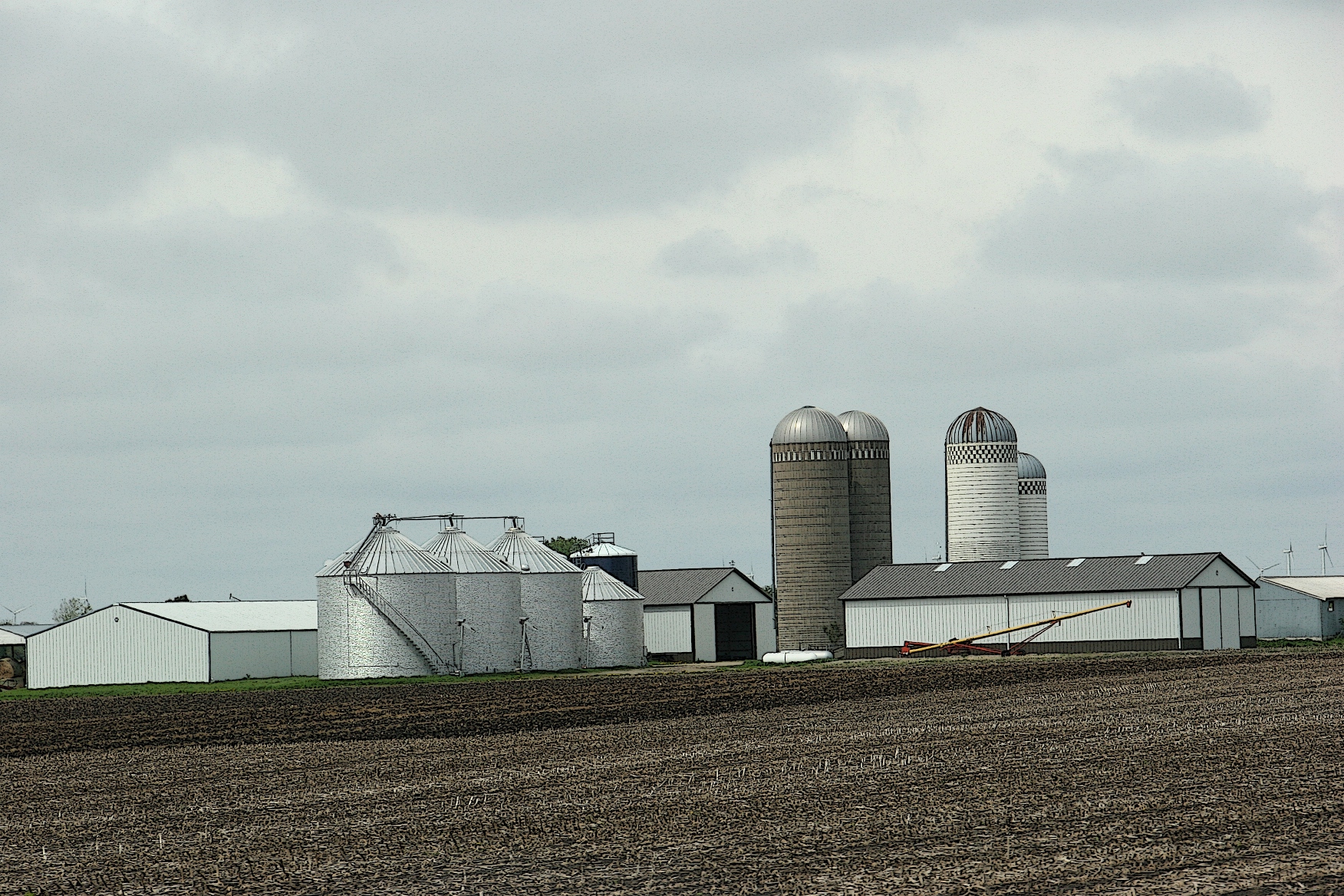
A farm site just across the Minnesota-Iowa border on the west side of Interstate 35.

A farm site just across the Minnesota-Iowa border on the west side of Interstate 35.

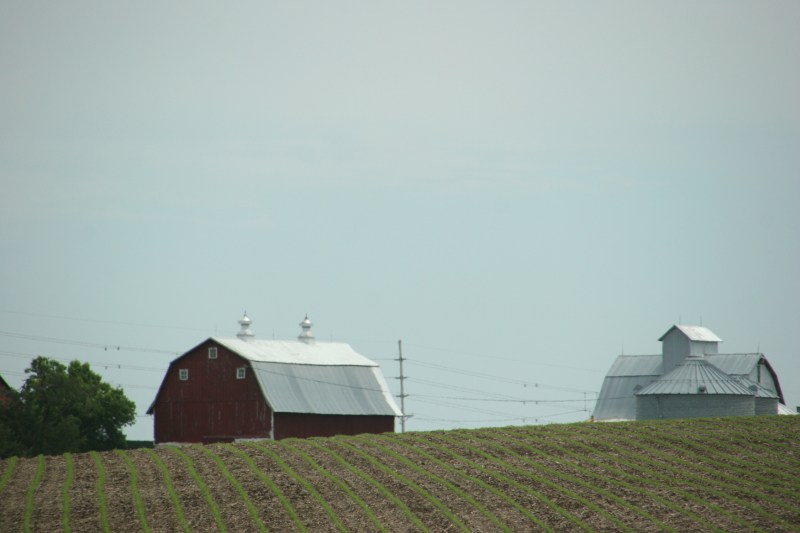
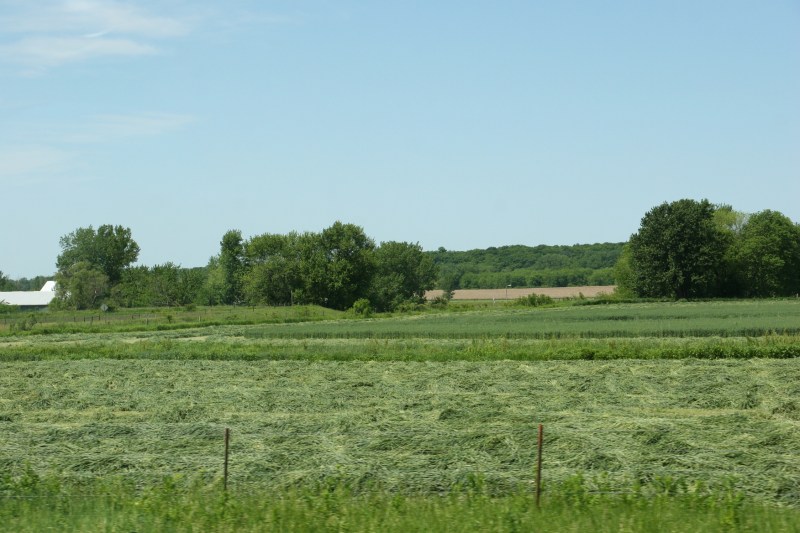
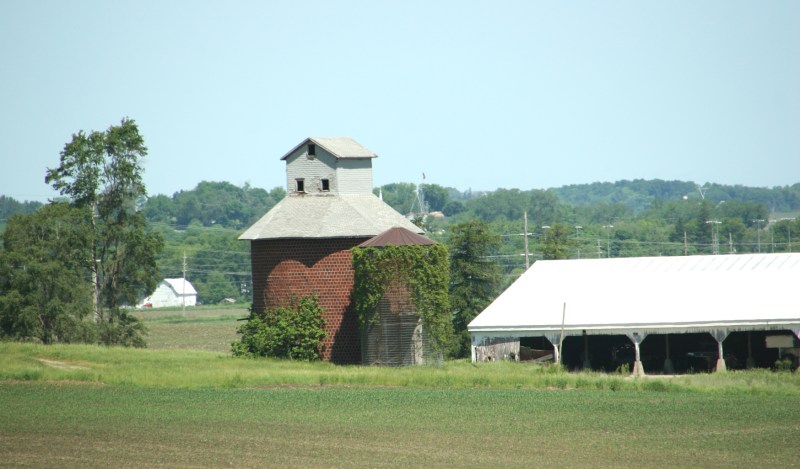
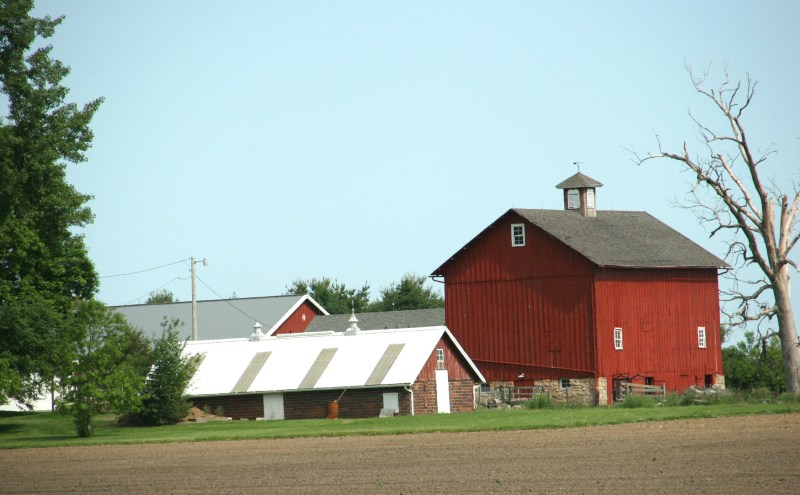
It seems a fitting slogan for a state that’s rural in nature, that stretches fields across the landscape. Sure, larger cities like Des Moines, Dubuque, Ames and Iowa City exist. But it is the small towns and farm sites and the people who live therein which best define this agricultural based state.

I expect all too many travelers have dismissed Iowa, failed to explore her Main Streets and backroads as they zoom along the Interstate, focused only on making good time to reach a destination. I have been guilty of that myself.

Between Iowa's northern border and Clear Lake, west side of I-35.

Between Iowa’s northern border and Clear Lake, west side of I-35.

On a mid-May trip to Clear Lake in northern Iowa, my husband and I traveled I-35 there, but then took backroads home. We drove through small towns and through the countryside, sometimes stopping, sometimes not. Randy has reminded me if we stopped everywhere I wanted to stop, we would never get anywhere. He is right.

So here are some snapshots from northern Iowa taken through dirty and rain-spotted car windows:

The tornado shelter sign caught my eye in Ventura, a small town just west of Clear Lake.

The tornado shelter sign caught my eye in Ventura, a small town just west of Clear Lake.


Along U.S. Highway 18 in the Ventura/Garner area.

Along U.S. Highway 18 in the Ventura/Garner area.


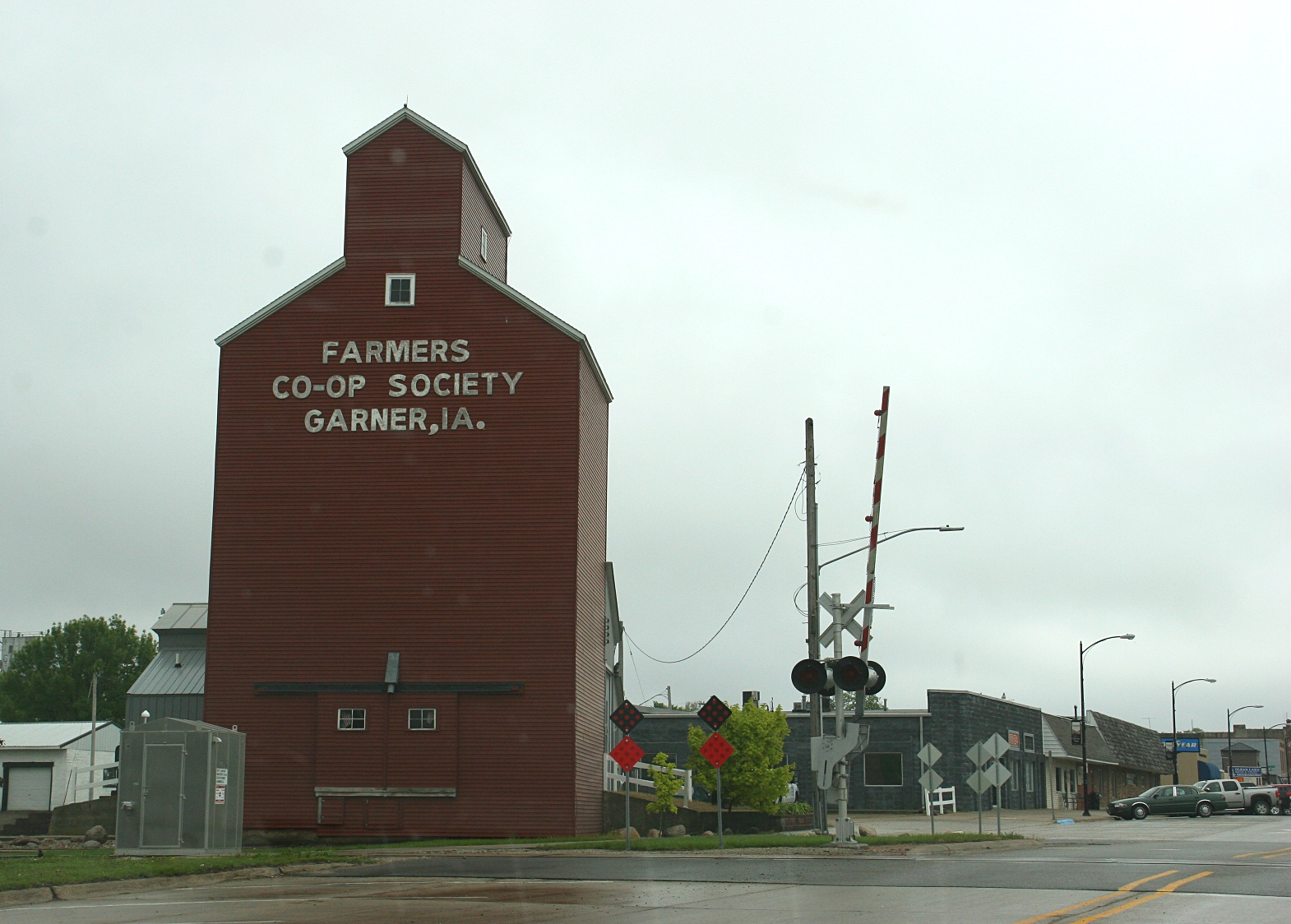
The Red Elevator, restored in 2009, gloriously graces the entry to Garner's Main Street. Garner is located west of Ventura.

The Red Elevator, restored in 2009, gloriously graces the entry to Garner’s Main Street. Garner is located west of Ventura.


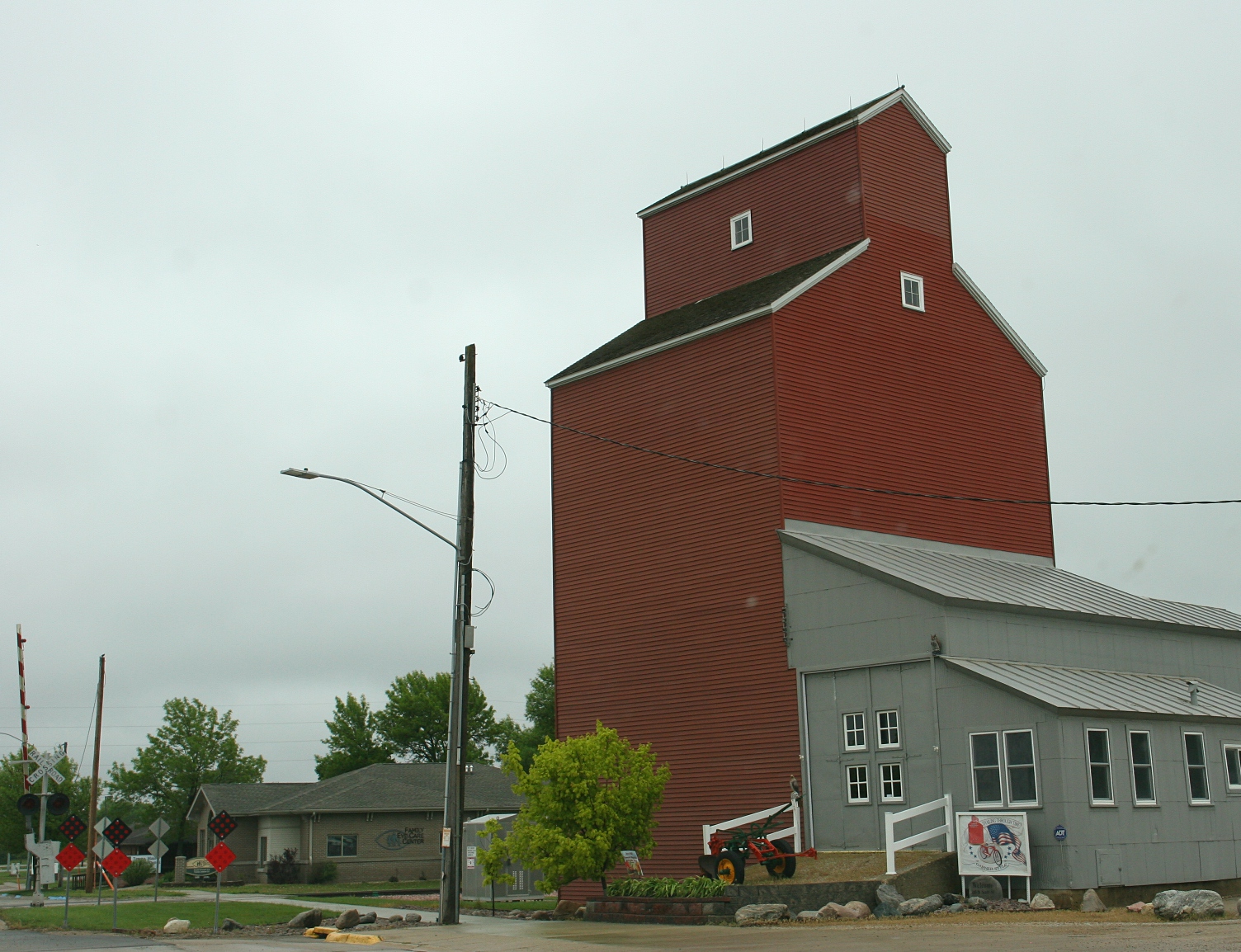
Just another view of the historic elevator. We should have stopped to inquire about its current usage and history.

Just another view of the historic elevator. We should have stopped to inquire about its current usage and history.


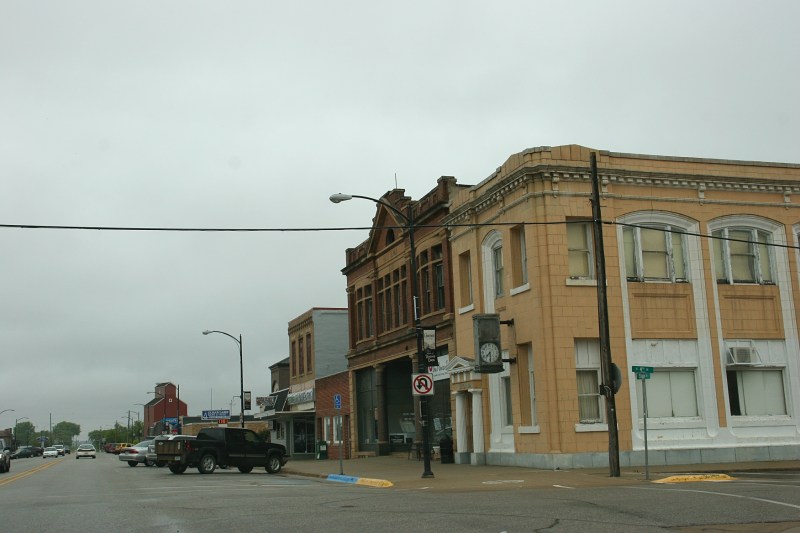
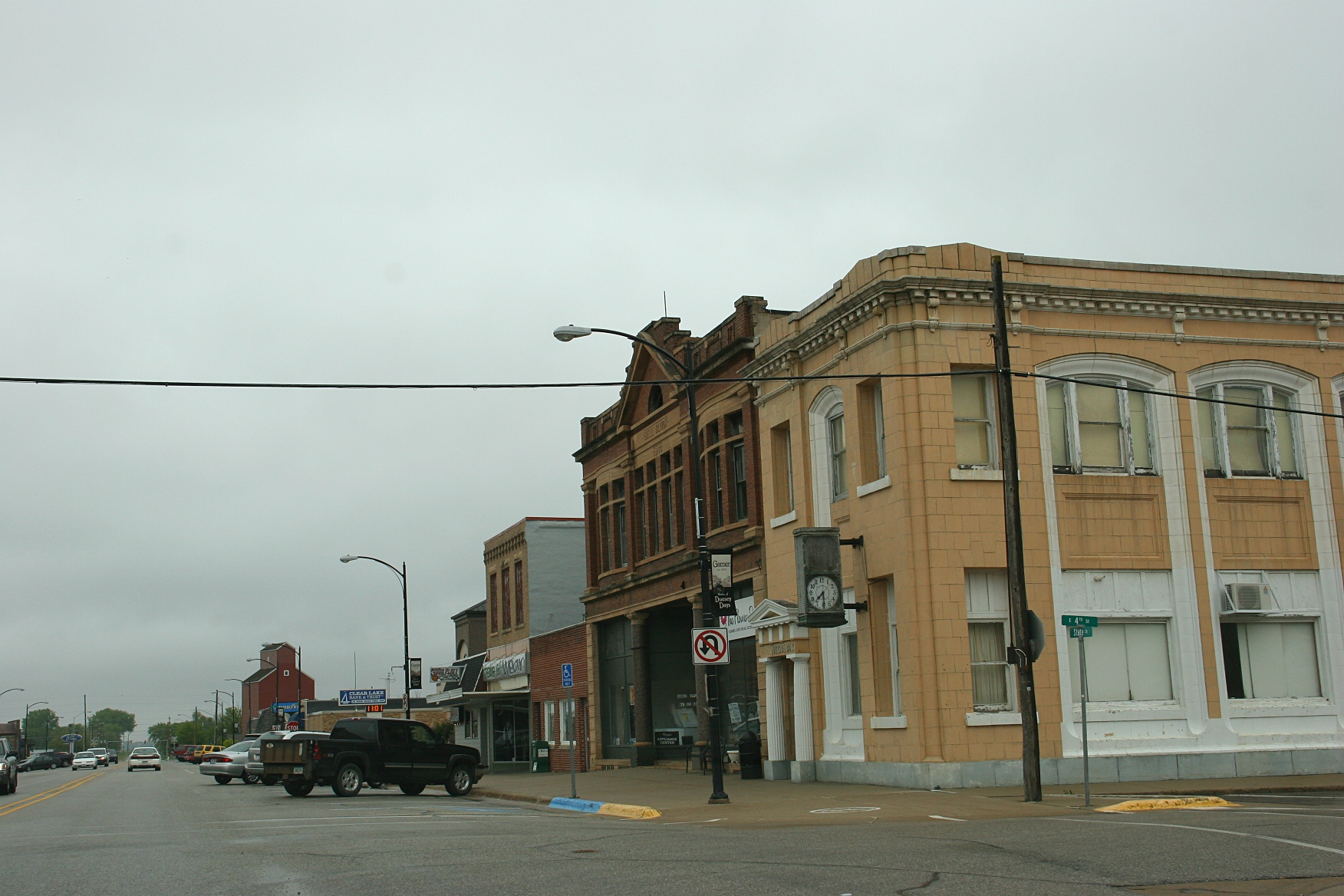
Garner's downtown.

Garner’s downtown with some lovely historic buildings. I would love to see the old corner building, and the clock hanging from it, restored.


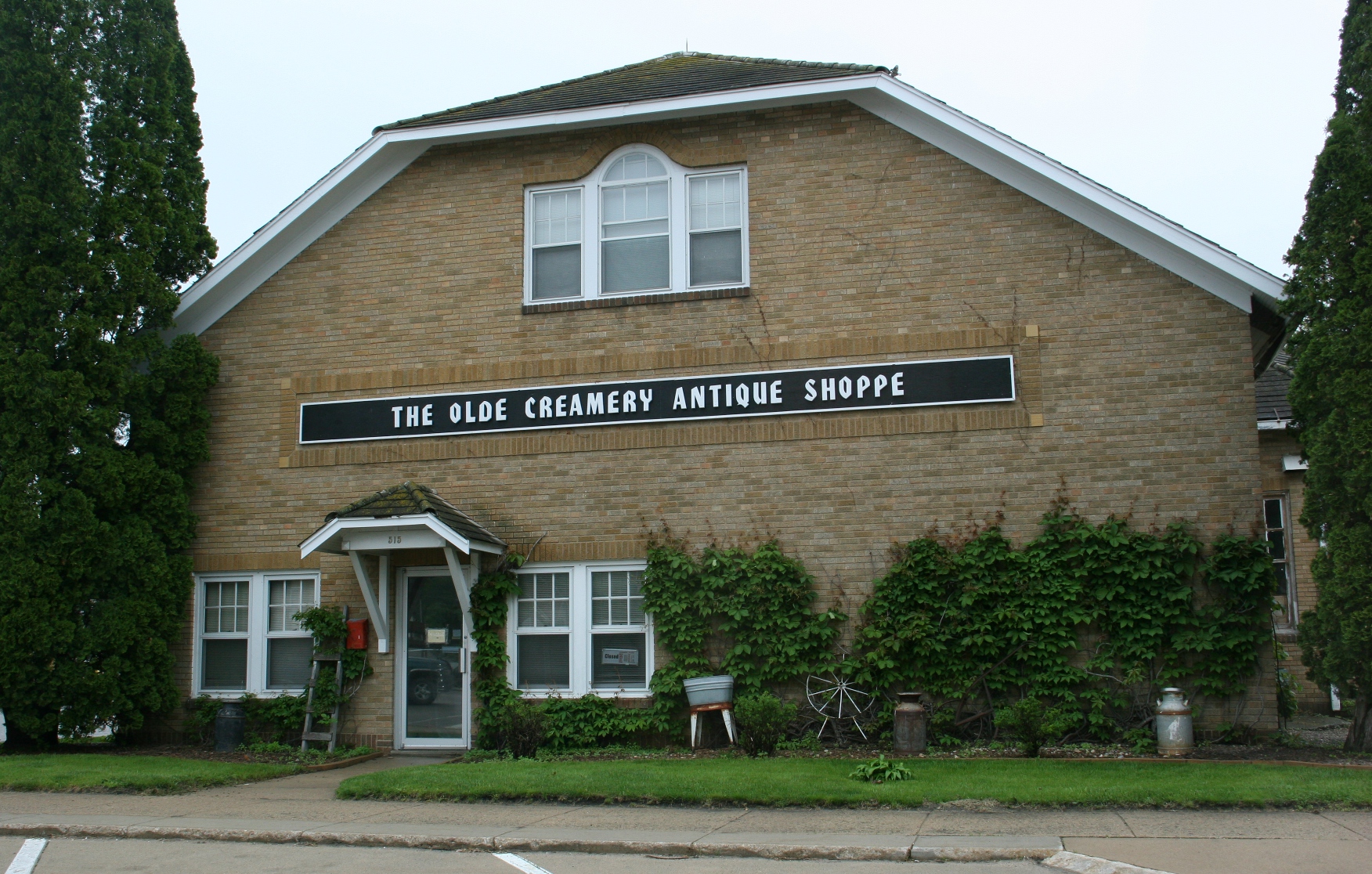
A perfect place for an antique shop in Garner.

A perfect place for an antique shop in Garner.


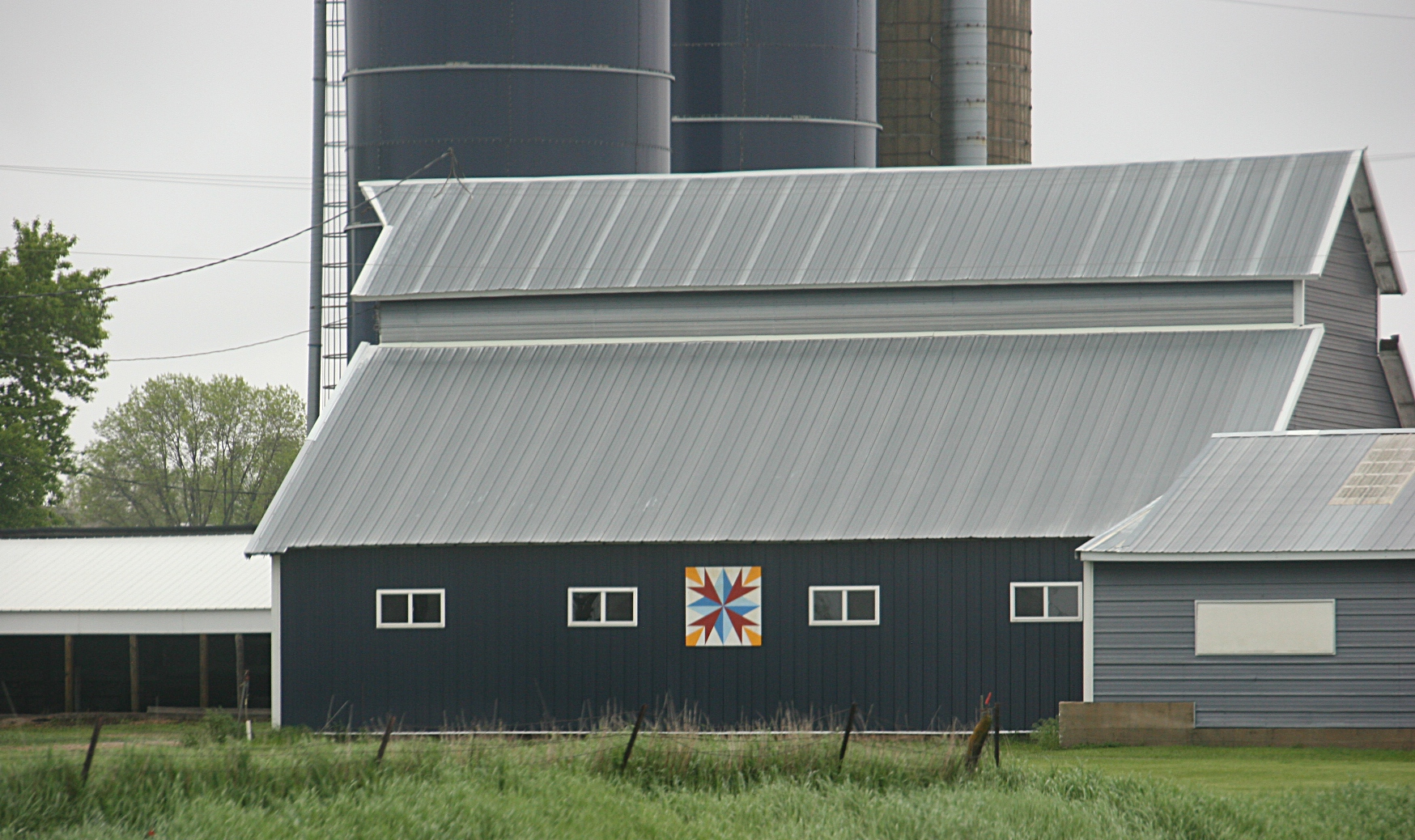
Iowa is known for its barn quilts and I spotted several, including this one near Garner.

Iowa is known for its barn quilts and I spotted several, including this one near Garner.


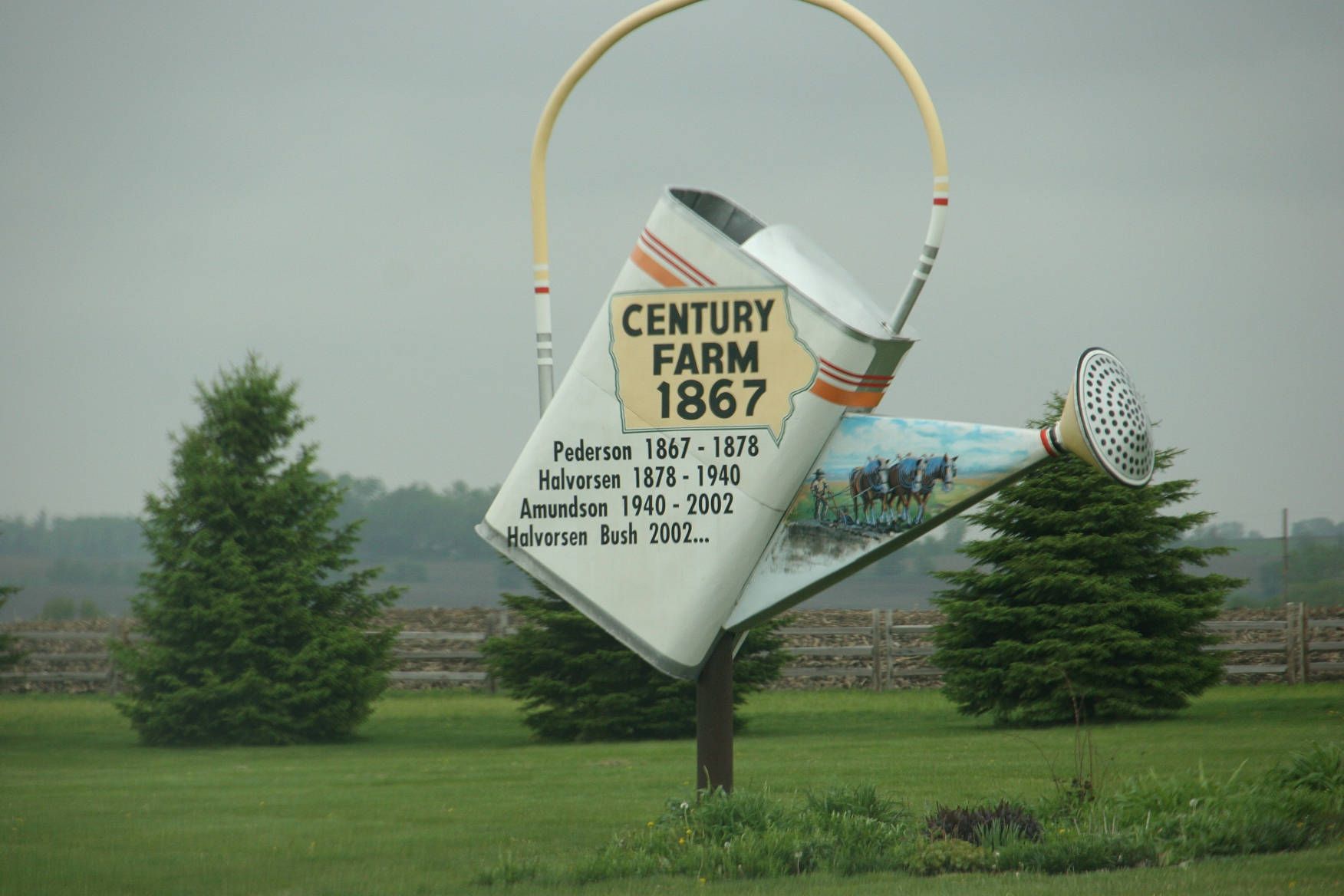
A century farm marker near Forest City.

A century farm marker near Forest City.

© Copyright 2015 Audrey Kletscher Helbling
 

Reflections on graduation & time passages June 11, 2015

Filed under: Uncategorized — Audrey Kletscher Helbling @ 5:00 AM
Tags: , , , , , , ,

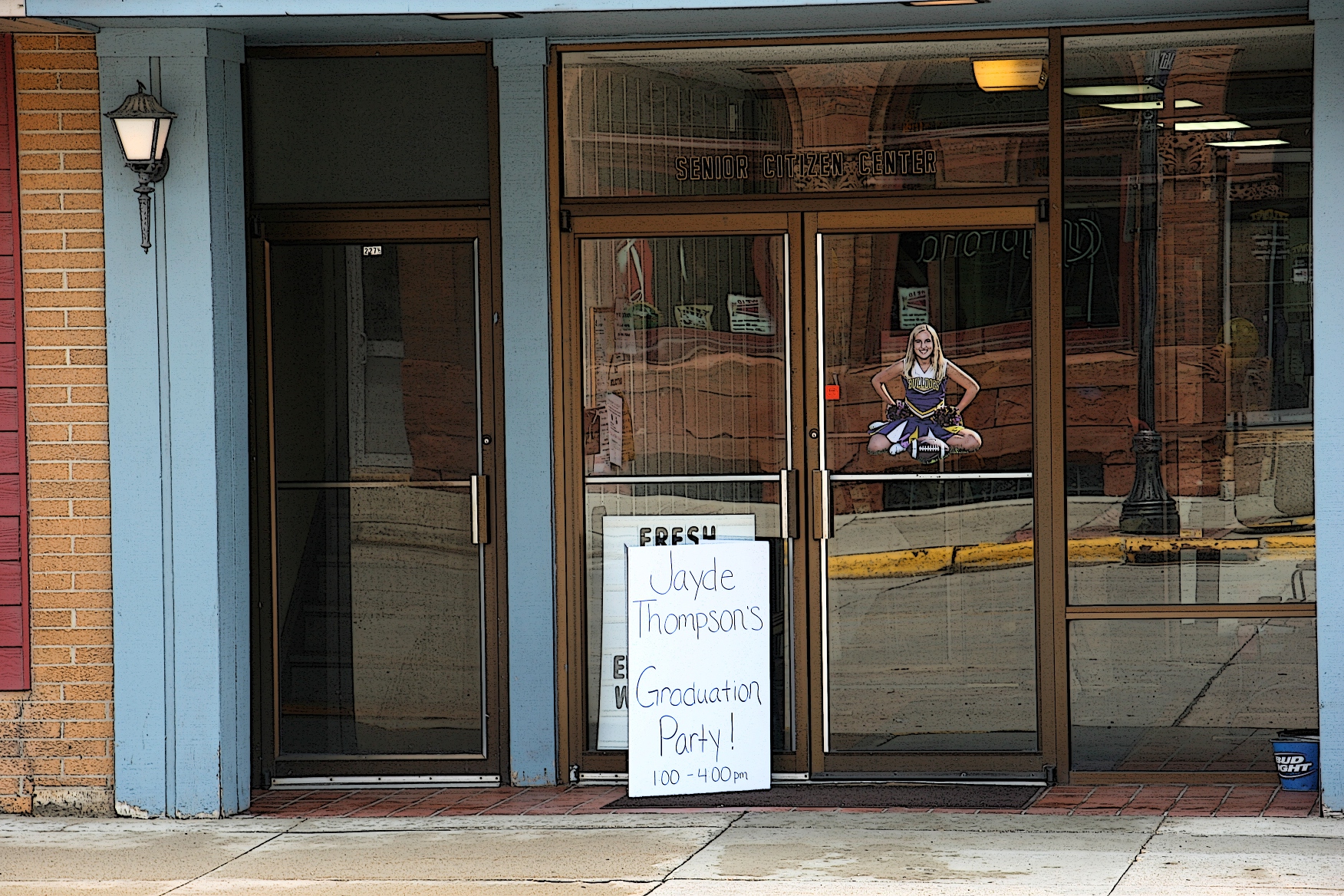
ON THE AFTERNOON MY HUSBAND and I dined at Teluwut in Lake Mills, Iowa, family and friends were filtering into Jayde Thompson’s graduation reception across the street at the Senior Citizen Center.


Lake Mills Iowa grad reception signs


The juxtaposition of that reception venue was not lost on me. Young and old. Beginnings and endings.

Not that senior citizen is an end. But it’s nearer ending than beginning. And although those of us who qualify for senior citizen status may sometimes feel young at heart, we no longer fit the physical definition of young.

All too many days now I wonder how the years vanished. I was once a Jayde Thompson, albeit not a cheerleader, embarking on life, eyes focused on the future. Today it’s not as much about the future as about yesterday. Or perhaps it’s that I think more now about my children’s futures.

May and June mark periods of transition for many families. Passage of time. Ceremony and applause and tears. Moving forward and standing still. Time gone. Youth beginning that all too quick movement of days, weeks, months and years that propel into the future, to wondering where yesterday went.

© Copyright 2015 Audrey Kletscher Helbling
 

Part VII: The character of Clear Lake, Iowa June 10, 2015

Filed under: Uncategorized — Audrey Kletscher Helbling @ 5:00 AM
Tags: , , , ,

CLEAR LAKE IS AN IOWA town with character.

Downtown Clear Lake offers an abundance of locally rooted eateries.

Downtown Clear Lake offers an abundance of locally rooted eateries.

It’s memorable in the sort of way that’s good. Main Street good. Welcome to our town good. Meander through the shops, dine in home-grown eateries good.

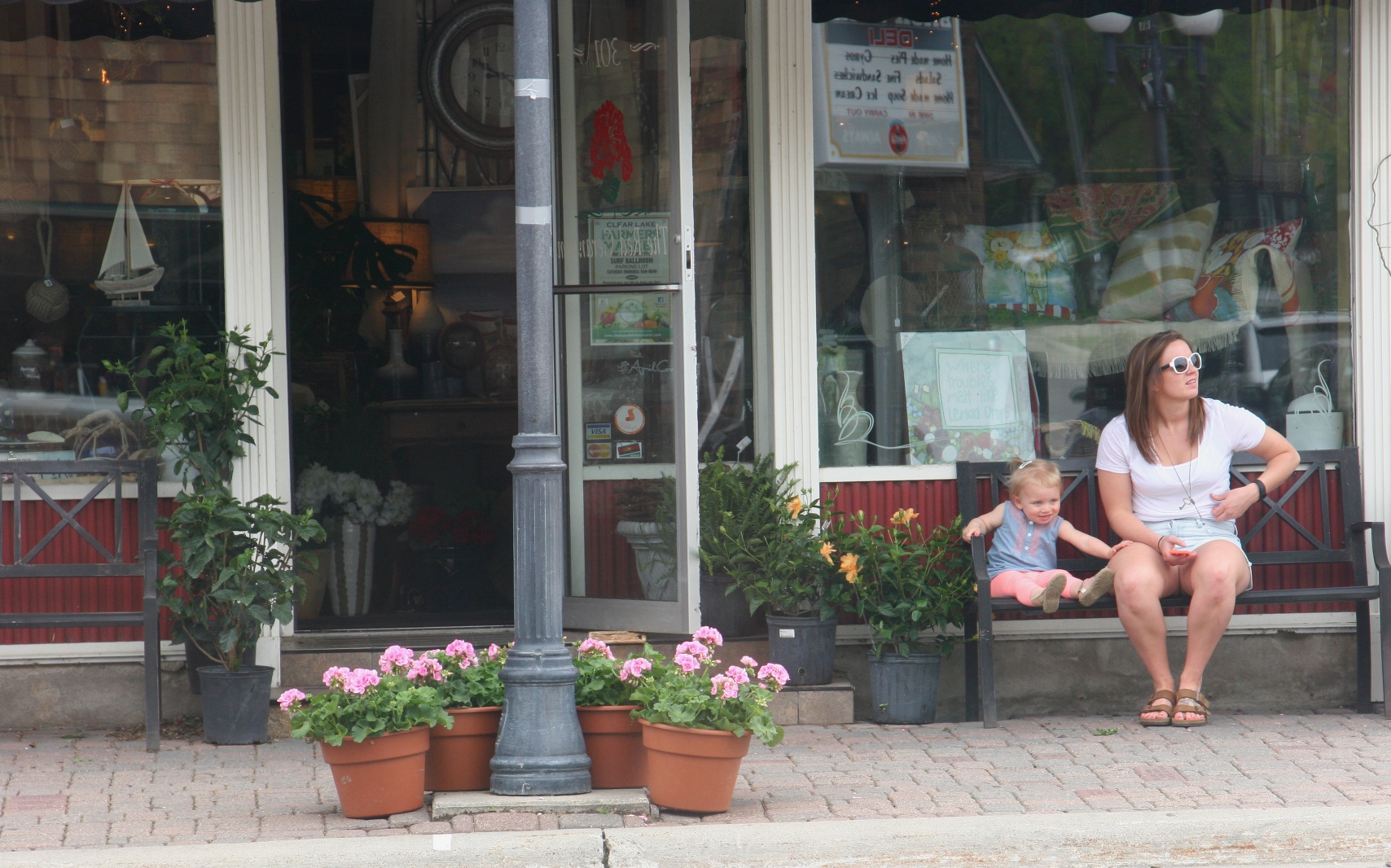
Relaxing outside a Clear Lake floral and gift shop, The Red Geranium.

Relaxing outside a Clear Lake floral and gift shop, The Red Geranium.

People watch. Kick back on a bench. Dip your toes in the lake or dig them into sand.

Even the backs of buildings possess visual charm.

Even the backs of buildings possess visual charm.

Fish or shop. While away a day or two. Take in the local history of the Surf Ballroom. Or simply amble downtown, right into a Norman Rockwell type scene.

Larson's Mercantile, like an old-fashioned five-and-dime, has a back corner devoted to fabric.

Larson’s Mercantile, like an old-fashioned five-and-dime, has a back corner devoted to fabric.

Walk the aisles of the mercantile.

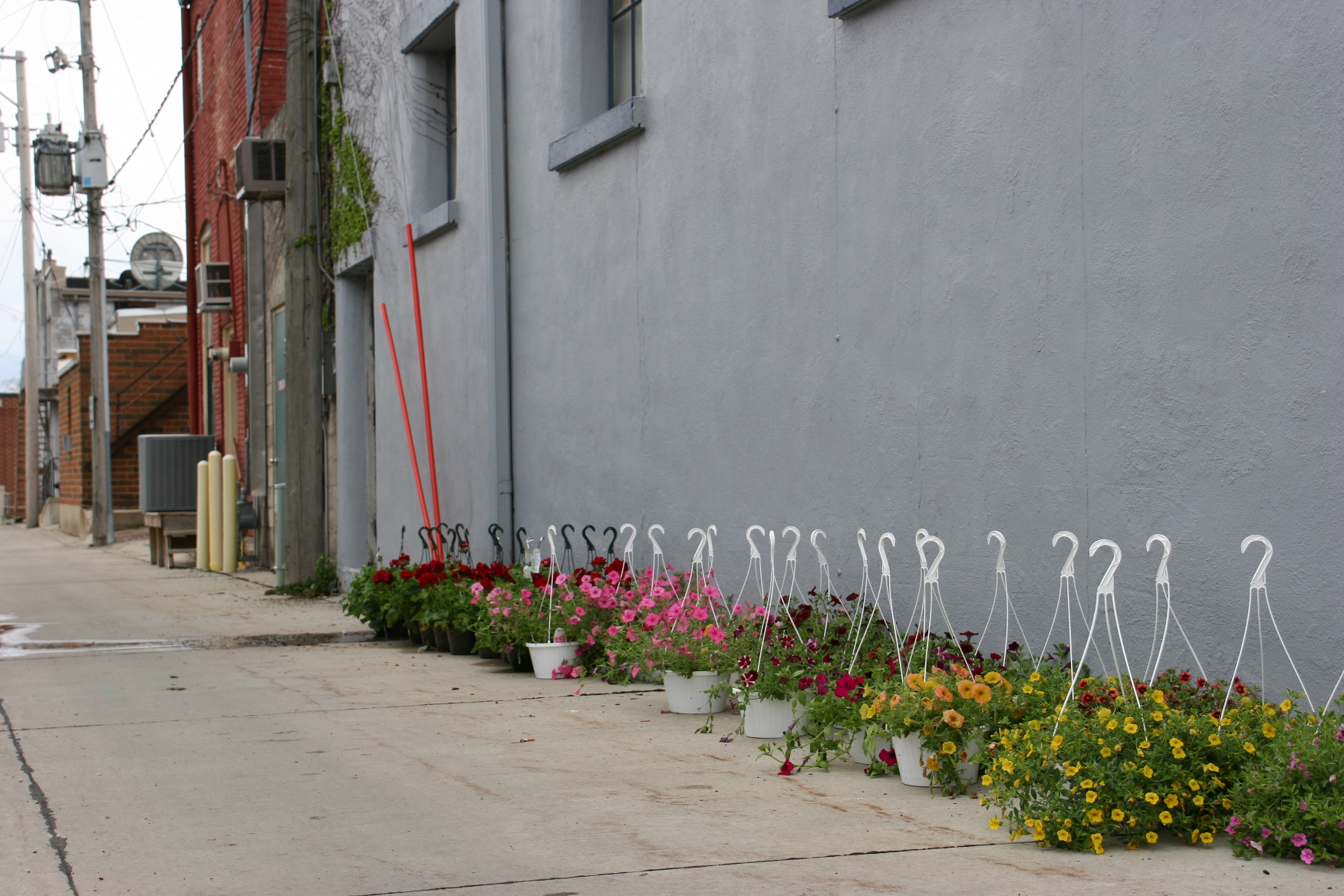
Hanging baskets line the alley behind Larson's Mercantile.

Hanging baskets line the alley behind Larson’s Mercantile.

Take the back route through the alley.

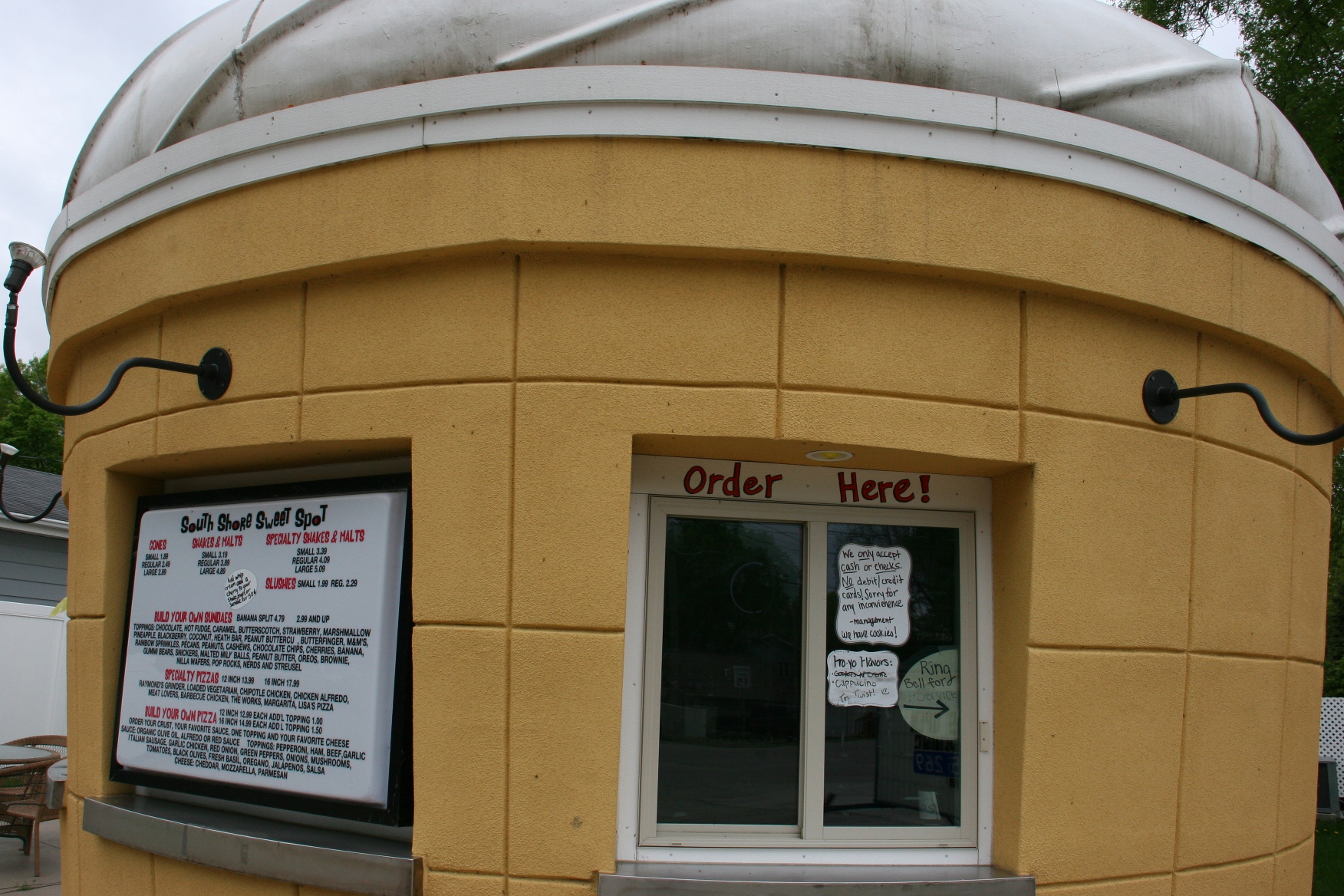
Order a treat from South Shore Sweet Spot, shaped like an ice cream cone.

Order a treat from South Shore Sweet Spot, shaped like an ice cream cone.

Eat ice cream. Drink beer. Grab a burger.

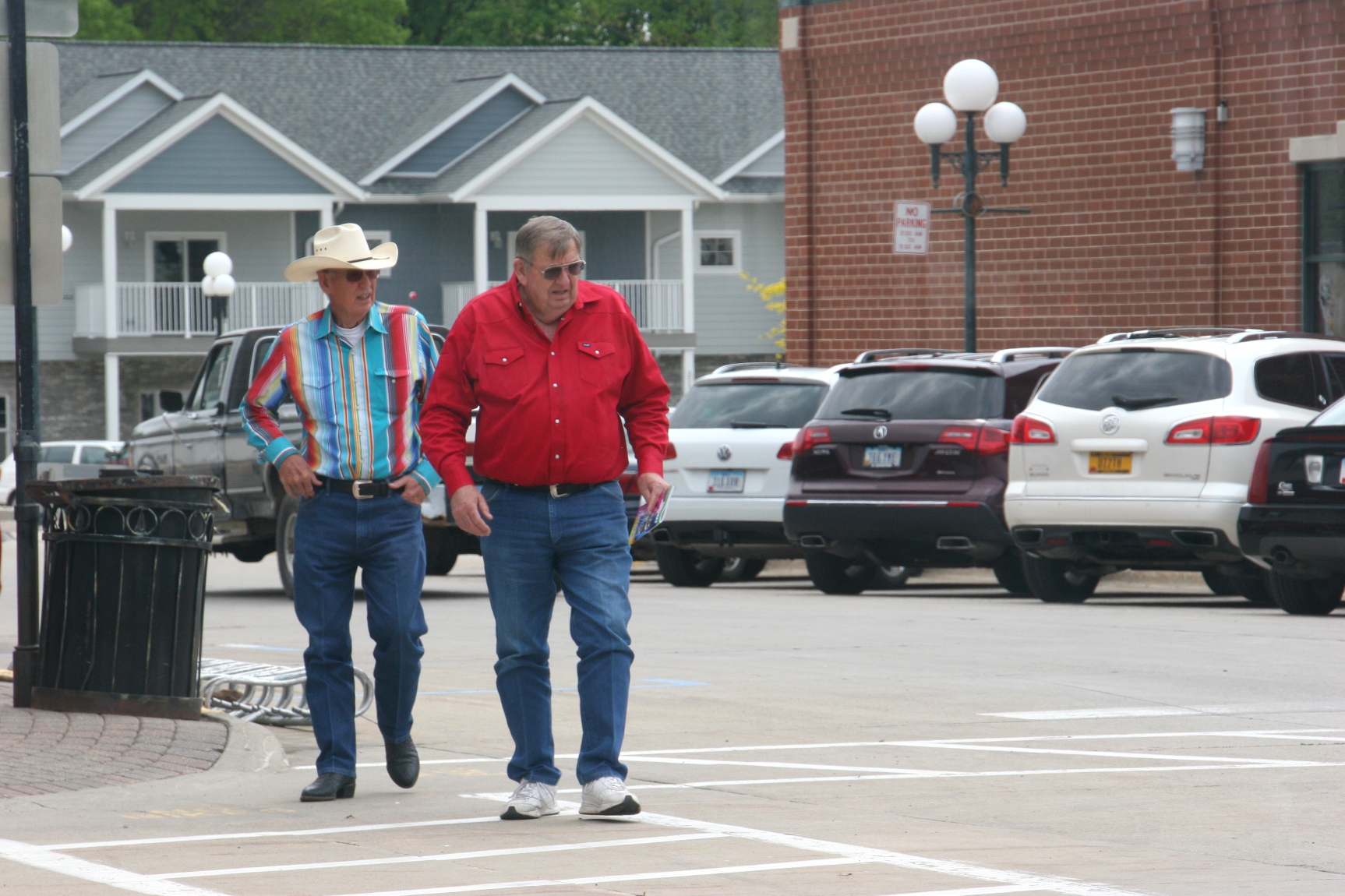
From a window side counter (common in Clear Lake eateries) in a downtown restaurant, I photographed these guys crossing Main Avenue.

From a window side counter (common in Clear Lake eateries) in a downtown restaurant, I photographed these guys crossing Main Avenue.

Come in your cowboy hat or no hat.

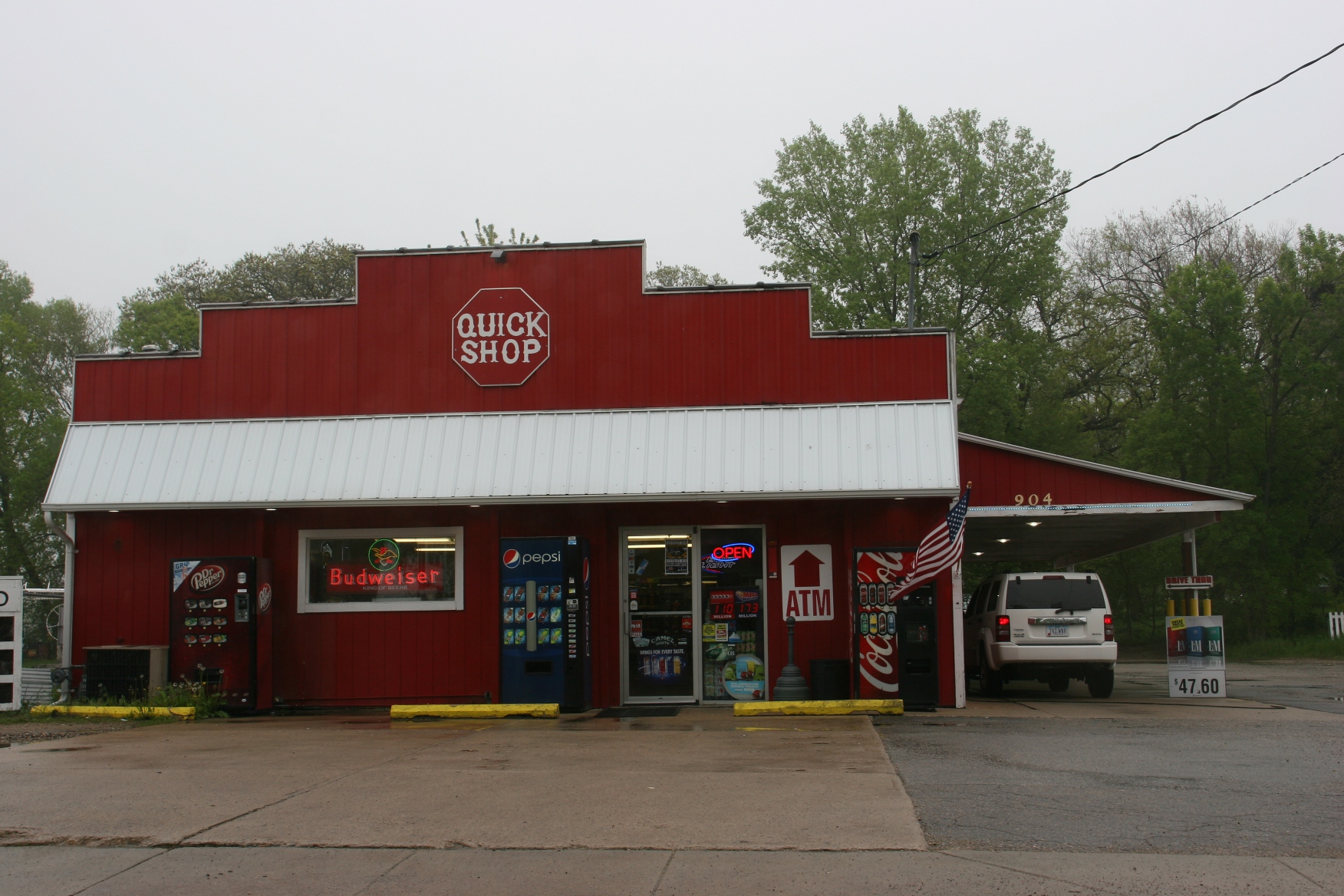
Something I've never seen until visiting Clear Lake: a drive-through liquor store.

Something I’ve never seen until visiting Clear Lake: a drive-through convenience/ liquor store.

Clear Lake beckons with Americana charm rooted in character and small town Iowa friendliness.

FYI: This concludes my seven-part series on Clear Lake. Check back for more posts from my recent overnight visit to Iowa.

© Copyright 2015 Audrey Kletscher Helbling
 

Part VI: The Little Chapel off the Interstate in Clear Lake June 9, 2015

Filed under: Uncategorized — Audrey Kletscher Helbling @ 5:00 AM
Tags: , , , , , , , ,
My husband, Randy, leaves the Guardian Angel Roadside Chapel as Scott Kennedy and his nephew finish cleaning.

My husband, Randy, leaves the Guardian Angel Roadside Chapel as Scott Kennedy and his nephew finish cleaning.

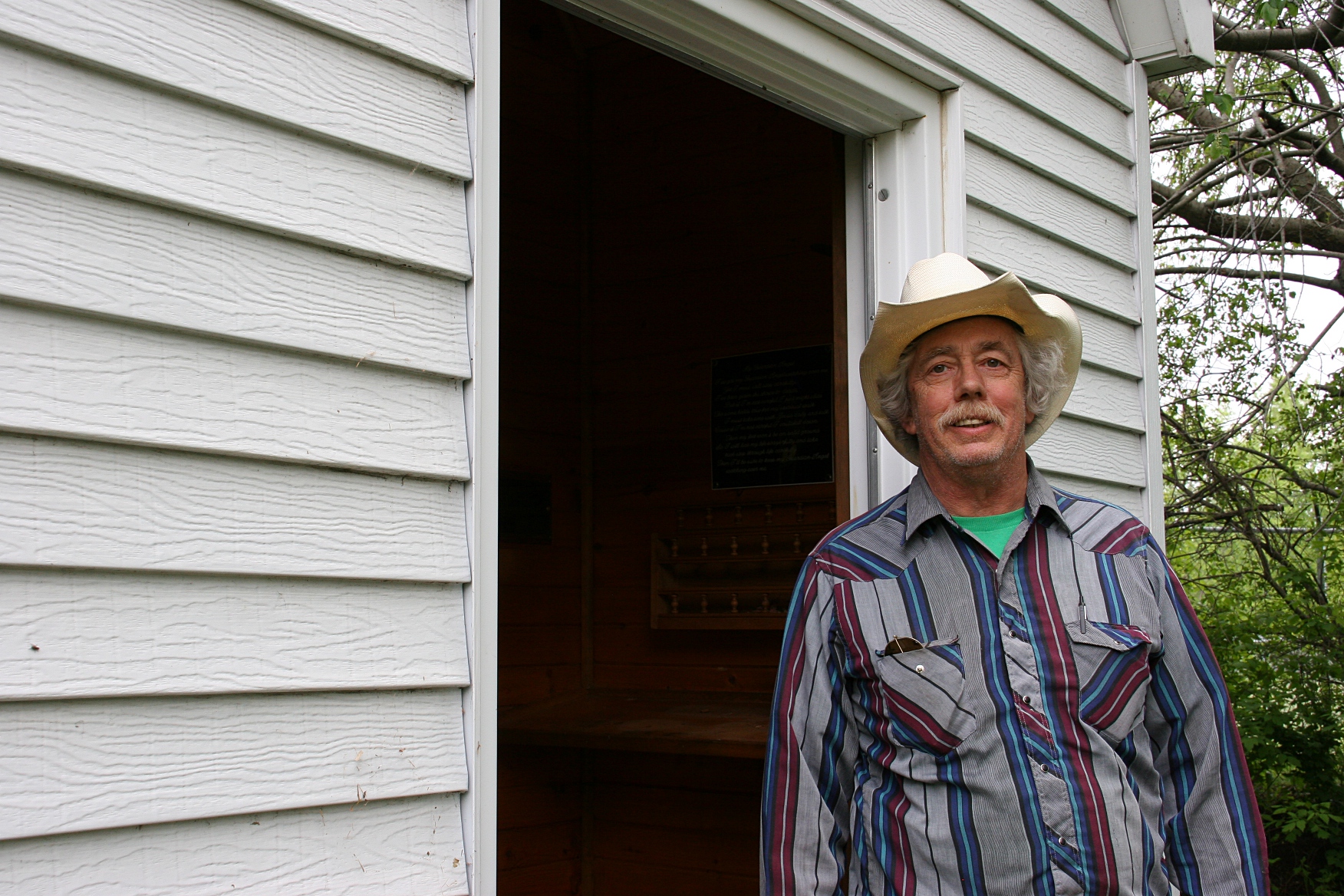
WHEN WE FINALLY FOUND the Guardian Angel Roadside Chapel tucked into the woods along South 24th Street in Clear Lake, Iowa, after we’d asked for directions and still drove by the unmarked landmark, we met Scott Kennedy.

Scott Kennedy outside the chapel built in honor of his aunt.

Scott Kennedy outside the chapel built in honor of his aunt.

He was there with his nephew, an Iowa State University student from the western U.S., cleaning the chapel and grounds for a funeral the next day.

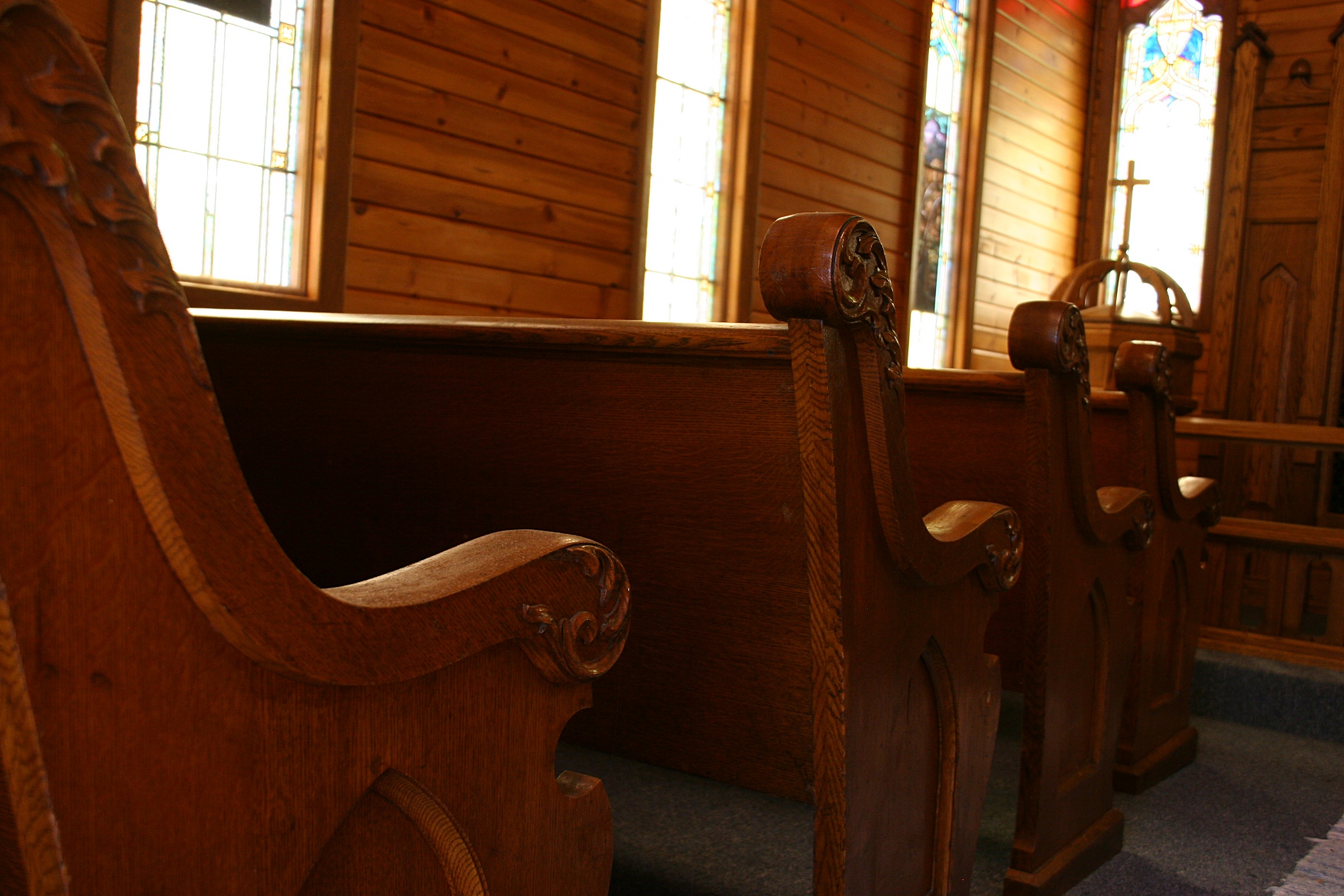
I forgot to count the pews.

I forgot to count the pews. But I believe there are eight or ten, each seating only a few people.

It’s difficult to envision a funeral inside this miniscule place of only a few short pews. But one was planned and the mess from an invading squirrel needed to be swept and gathered into garbage bags. Although I did not see it, my husband spotted the succumbed squirrel.

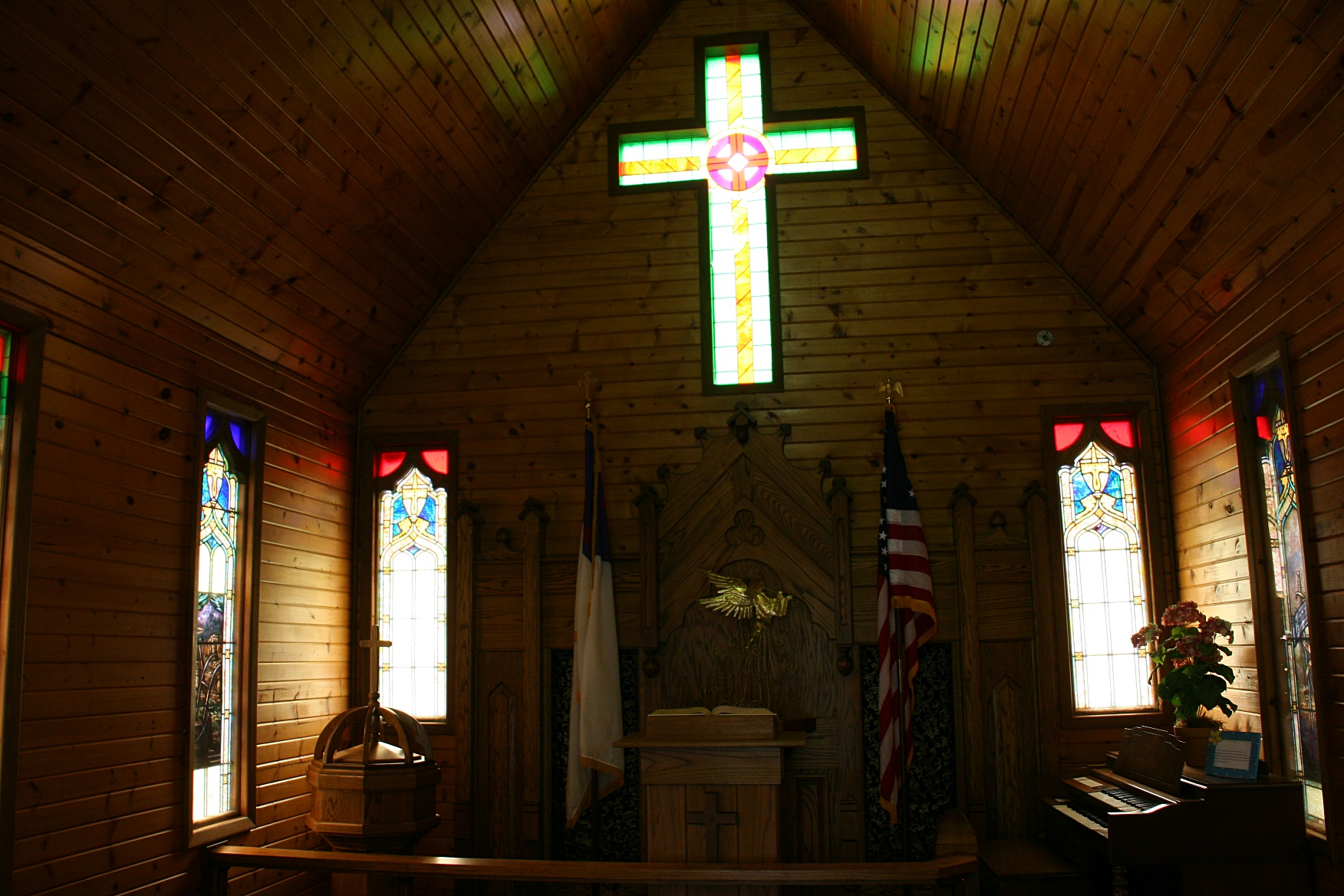
The day was overcast, the chapel dark, making photographing it a challenge.

The chapel is beautiful in its craftsmanship. This place is truly a labor of divine love.

I was more focused on the chapel interior with its beautiful center stained glass cross crafted by a local artist and side stained glass windows salvaged from Zion Lutheran Church. The cross was designed to attract the attention of travelers along nearby Interstate 35.

This truly is a functional church with altar, organ and baptismal font.

Exiting the chapel grounds.

Exiting the chapel grounds.

I was especially delighted to find my favorite bible verse—the scripture that has guided me through some rough patches in life—inscribed on a dedication plaque inside the entry: We know that in all things God works for good with those who love him.—Romans 8:28. Serendipitous? Perhaps. But more likely divine.

It is the divine intervention of God which led Scott and others to construct the Guardian Angel Roadside Chapel in 1991 in honor of Scott’s aunt, Marguerite Williams. She was convinced that God protected her from kidnapping by a band of gypsies while growing up in Clear Lake. And later, while working at a Chicago medical clinic, Marguerite again experienced God’s protection when she encountered a gang of hoodlums.

It was hoodlums, or more accurately criminals, who set fire to the first Guardian Angel Chapel a year after it was built, Scott shared. The blaze was to distract responders from a break-in across town. Undeterred, Scott and others determined to rebuild this chapel which was rededicated on April 4, 1993.

An informational paper I found inside the chapel states its purpose:

This chapel was built as a witness to Christ. It is the hope and prayers of the builders that people worshipping here will be closer to Christ and will have their own guardian angel look after them.

This is looking toward the highway off which the chapel sits atop a hill in a wooded area.

This is looking toward the highway off which the chapel sits atop a hill in a wooded area.

FYI: The chapel is open daily from dawn until dusk, although I am uncertain whether it’s open during the winter months.

Check back tomorrow for my final installment in this seven-part series on Clear Lake, Iowa.

© Copyright 2015 Audrey Kletscher Helbling
 

Part V: The artsy side of Clear Lake, Iowa June 8, 2015

Filed under: Uncategorized — Audrey Kletscher Helbling @ 5:00 AM
Tags: , , , , , ,

ART IS, PERHAPS, in the eye of the beholder.

I loved the sweet surprise of these floral paintings brightening an alley in downtown Clear Lake.
I loved the sweet surprise of these floral paintings brightening an alley in downtown Clear Lake.

In Clear Lake, Iowa, I beheld an abundance of art. Everywhere. In the local arts center. Inside and outside shops. On historic buildings. In words, colors, designs, shapes. Sometimes obvious, sometimes not so much.

Historic buildings, like this one housing Thrifty White Drug, oftentimes are detailed in art.
Historic buildings, like this one housing Thrifty White Drug, oftentimes are detailed in art. You have to look up to see this intriguing sculpture.

Look up. Look down. Look around. Simply look and you will see it.

Creative window displays draw shoppers into businesses like Lake Lifestyle.

Creative window displays draw shoppers into businesses like Lake Lifestyle.

I appreciate a community with details that visually please me. And Clear Lake does. In so many artsy ways.

South Shore Sweet Spot was not yet open for the season when I visited Clear Lake. But I could admire the artsy architecture. No mistaking this for anything but a place to buy ice cream treats.

South Shore Sweet Spot was not yet open for the season when I visited Clear Lake. But I could admire the artsy architecture. No mistaking this for anything but a place to buy ice cream treats.

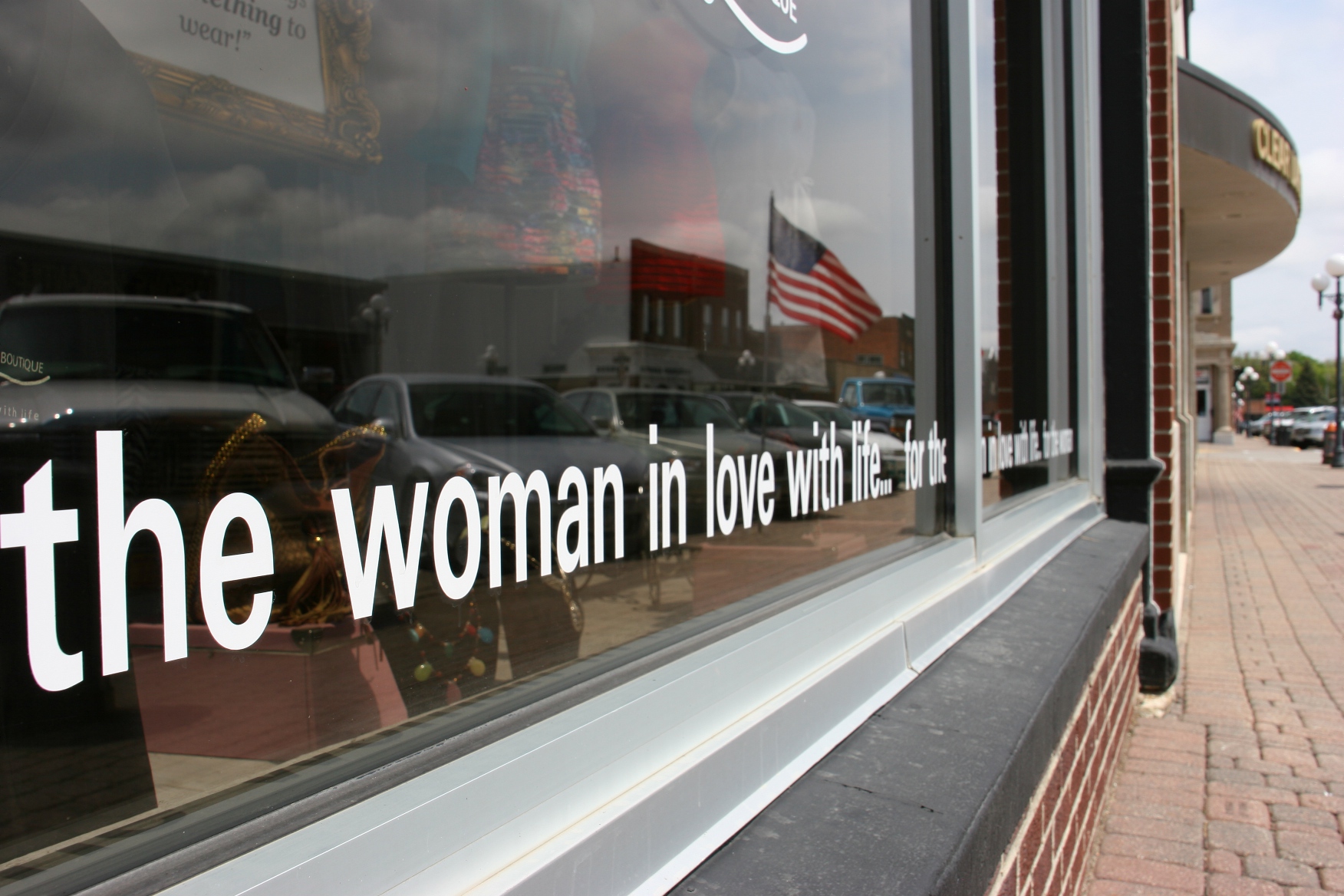
On a downtown shop window.

On a downtown shop window, inspiring words. Poetry really.

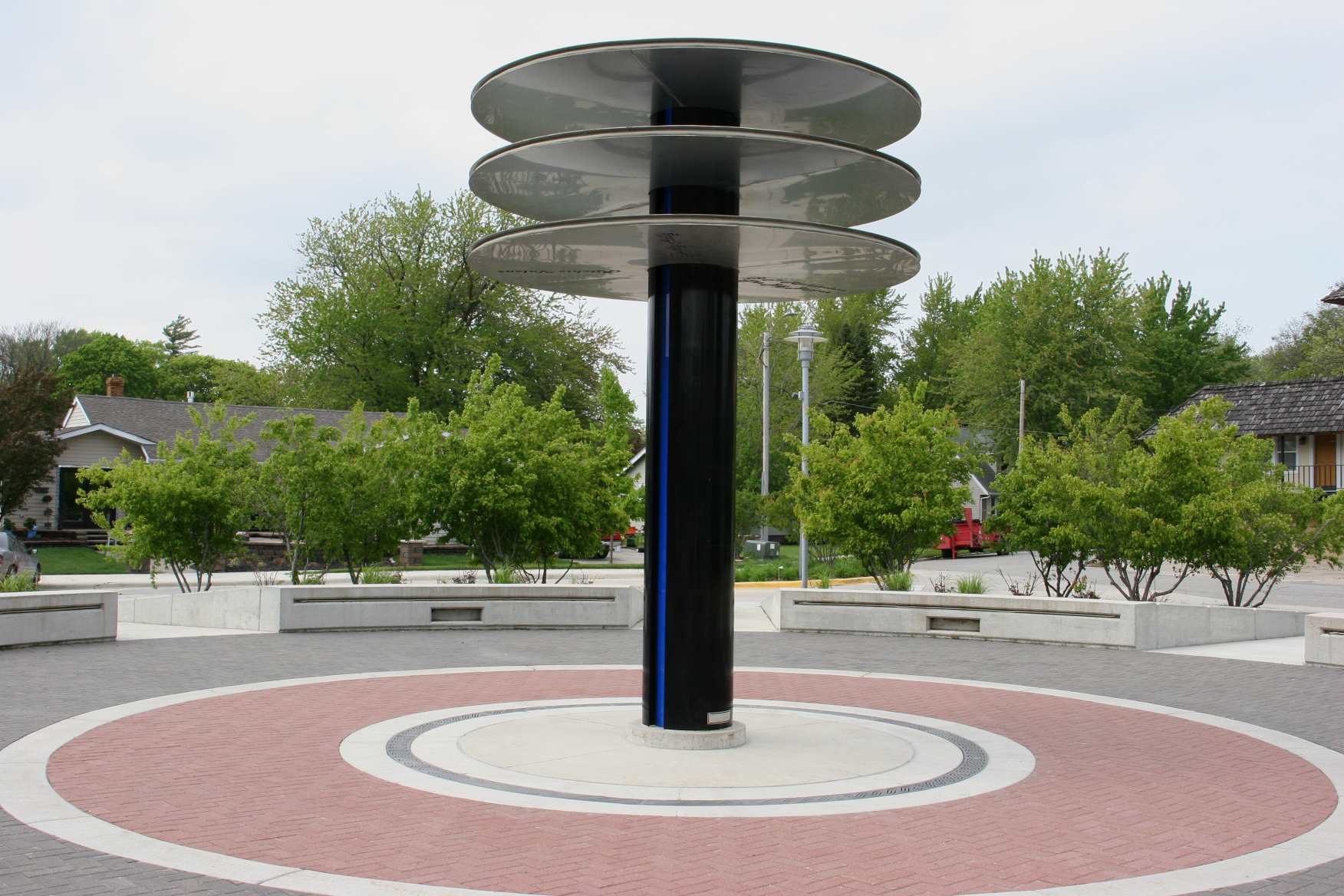
This stacked album sculpture in Three Stars Plaza next to the Surf Ballroom honors Buddy Holly, Ritchie Valens and J.P. "The Big Bopper" Richardson. All three musicians died in a 1959 plane crash near Clear Lake after performing at the Surf.

This stacked album sculpture in Three Stars Plaza next to the Surf Ballroom honors Buddy Holly, Ritchie Valens and J.P. “The Big Bopper” Richardson. All three musicians died in a 1959 plane crash near Clear Lake after performing at the Surf.

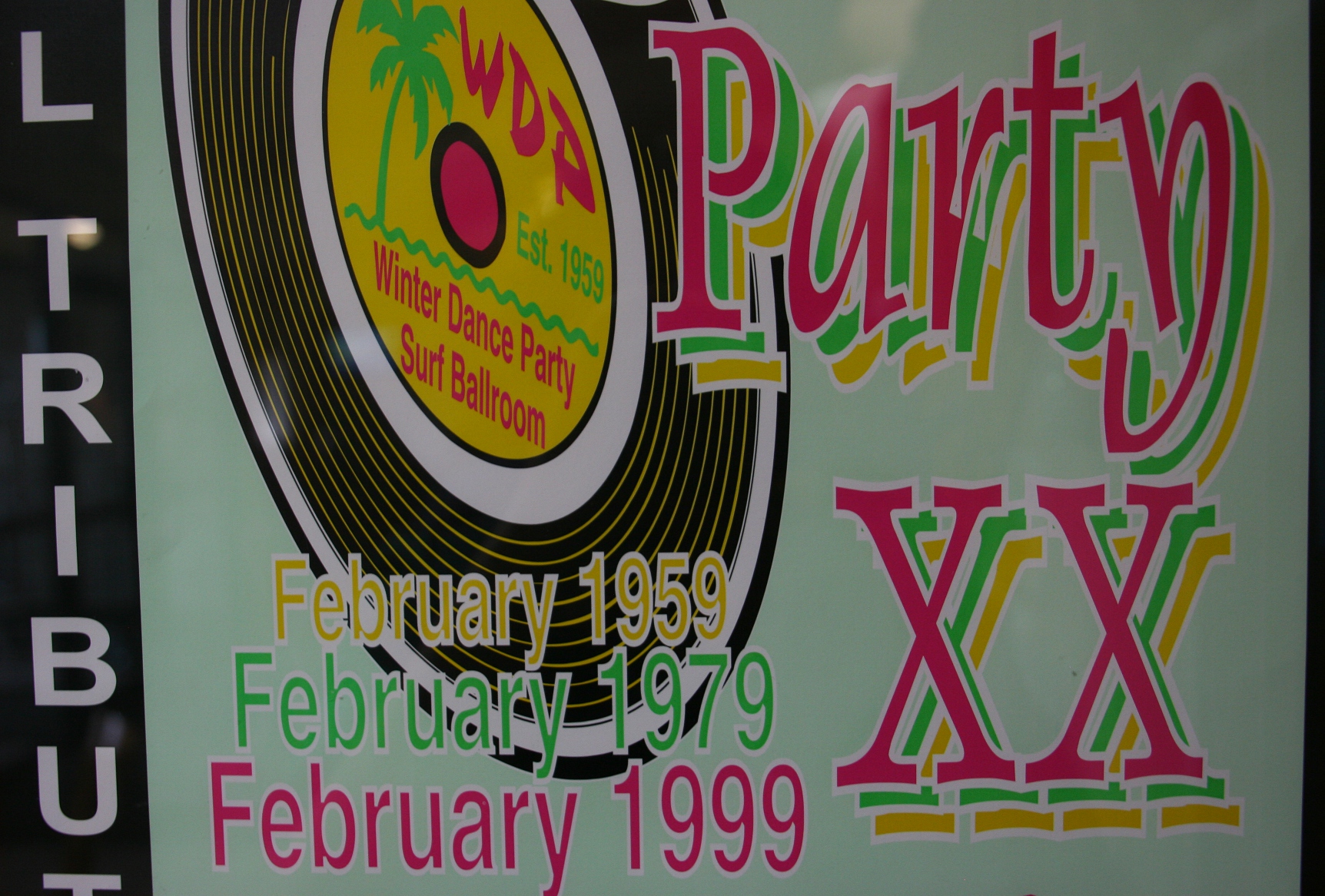
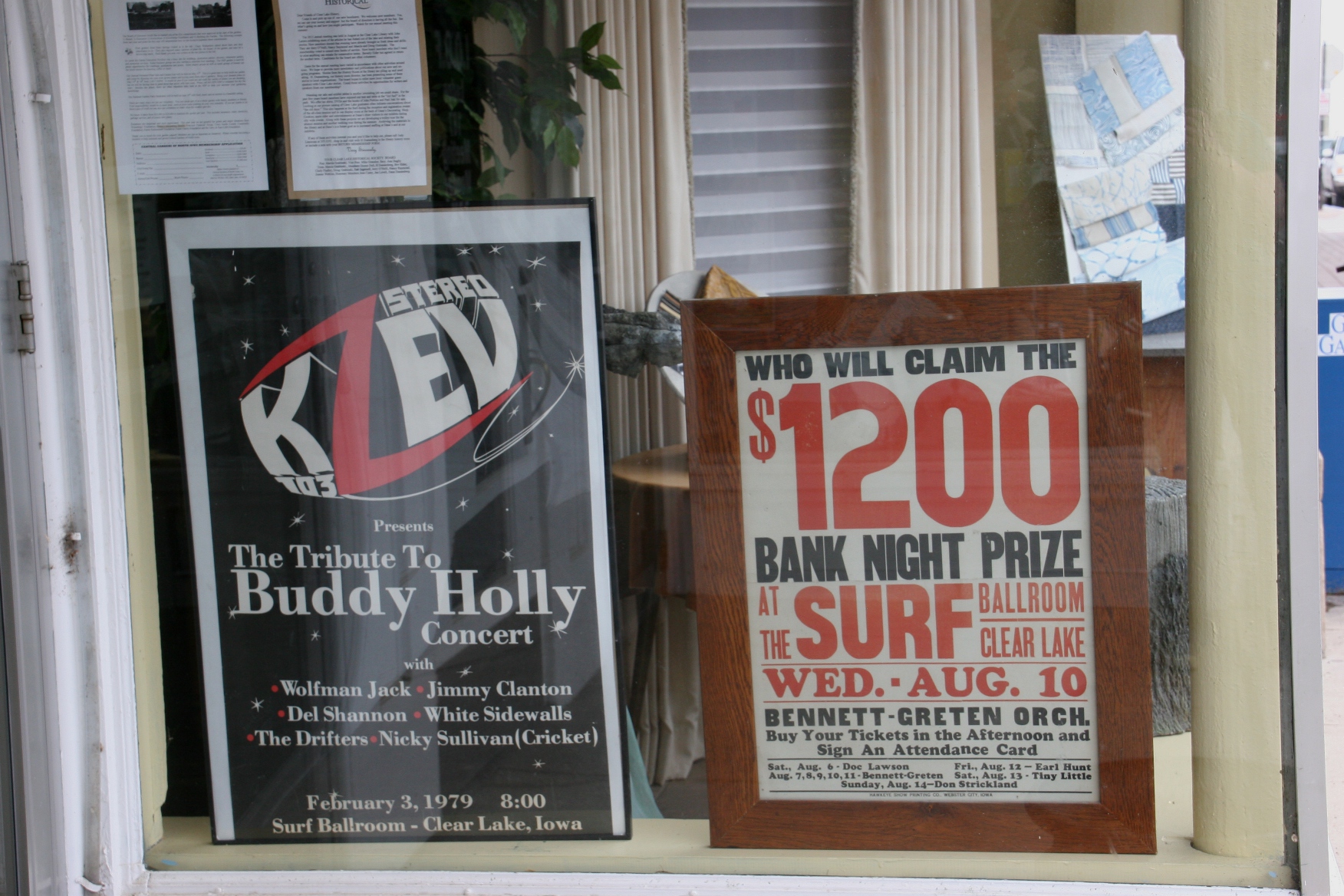
All around town you'll see posters from the annual Winter Dance Party at the Surf Ballroom. I found this one at the AmericInn Hotel.

All around town you’ll see posters from the annual Winter Dance Party at the Surf Ballroom. I found this one at the AmericInn Hotel.

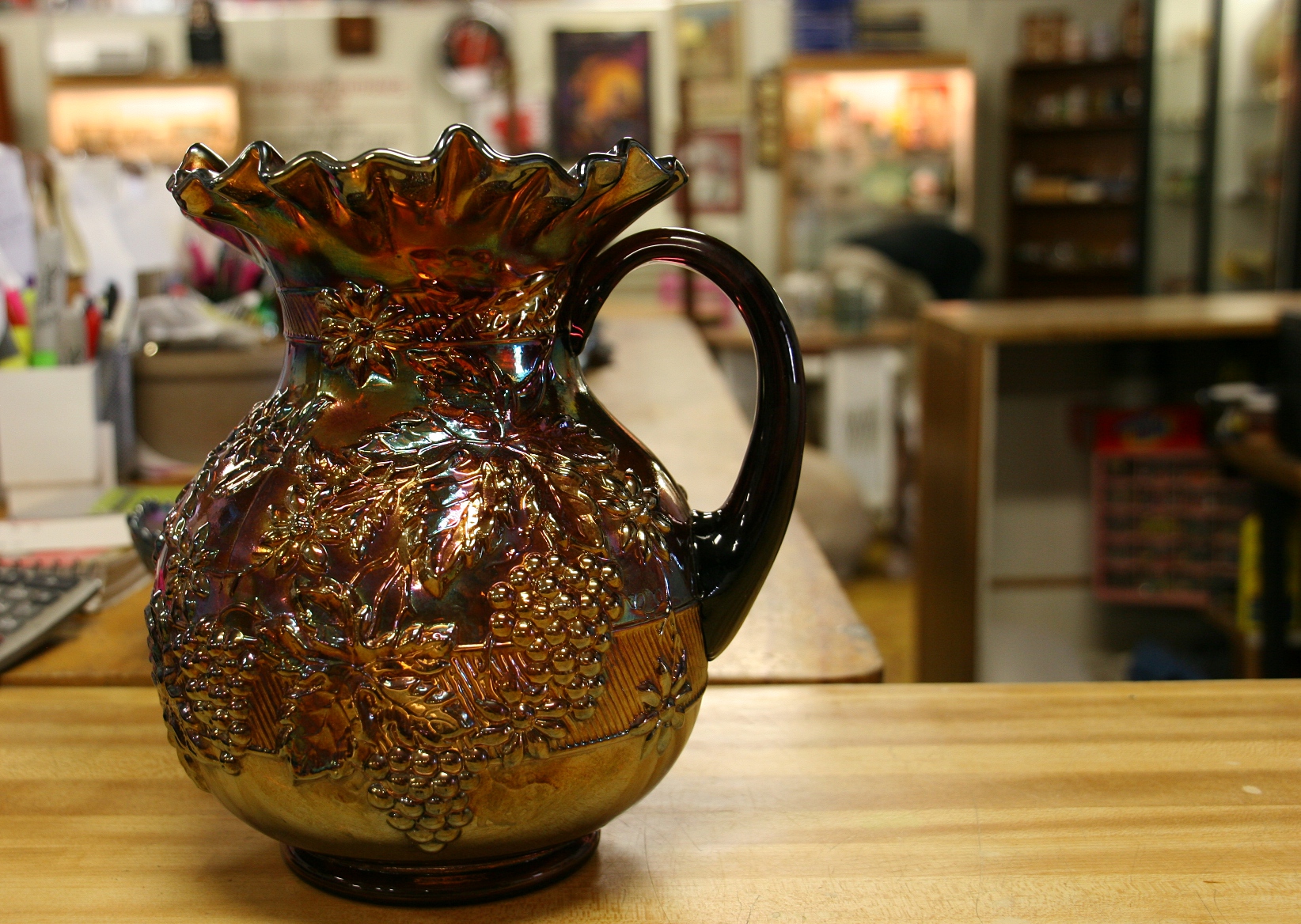
Even collectible glassware is art, including this Carnival glass pitcher at Collectors Wonderland.

Even collectible glassware is art, including this Carnival glass pitcher at Collectors Wonderland.

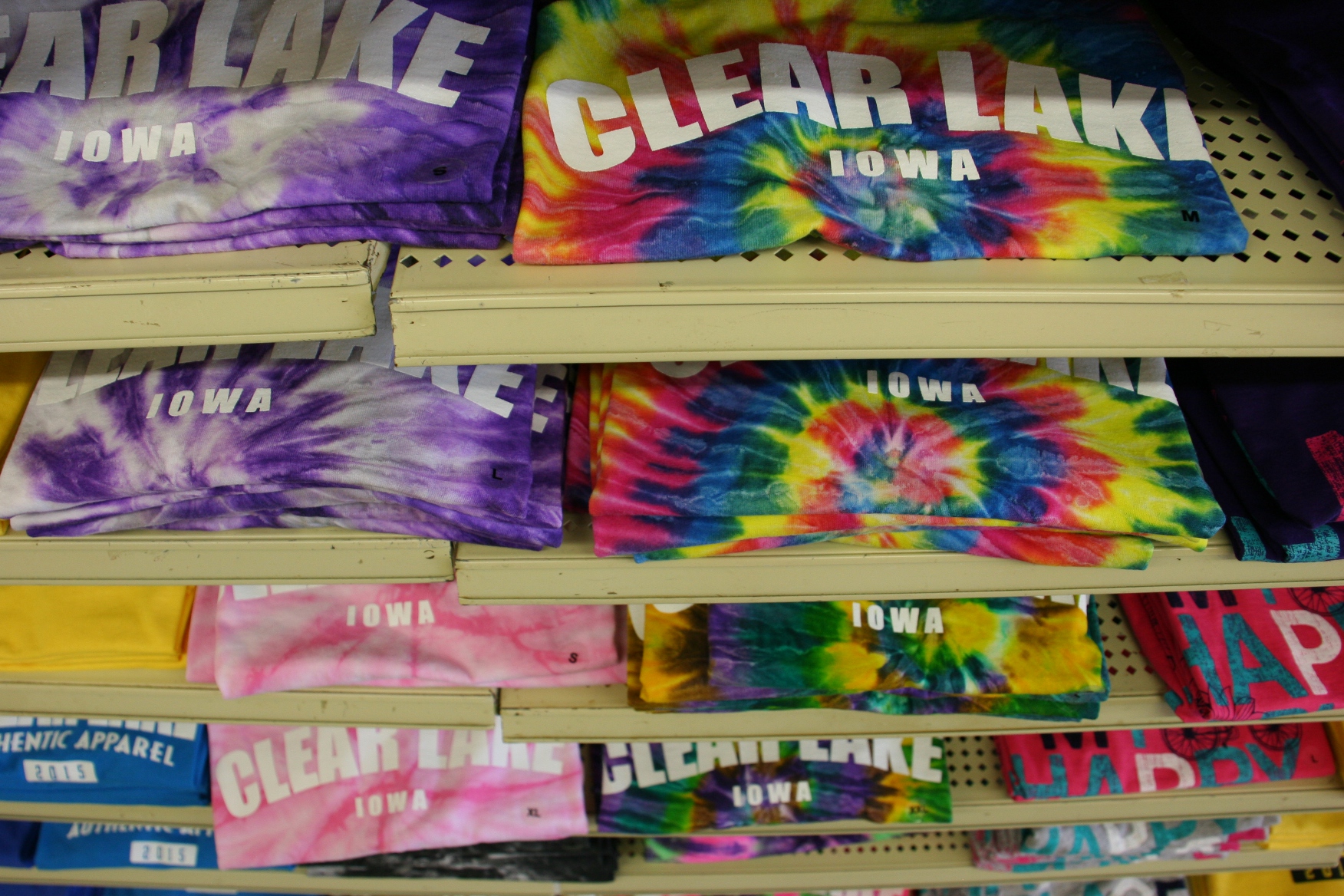
Shelves and shelves of Clear Lake apparel fill shelves at Larson's Mercantile.

Shelves and shelves of artsy Clear Lake apparel fill shelves at Larson’s Mercantile.

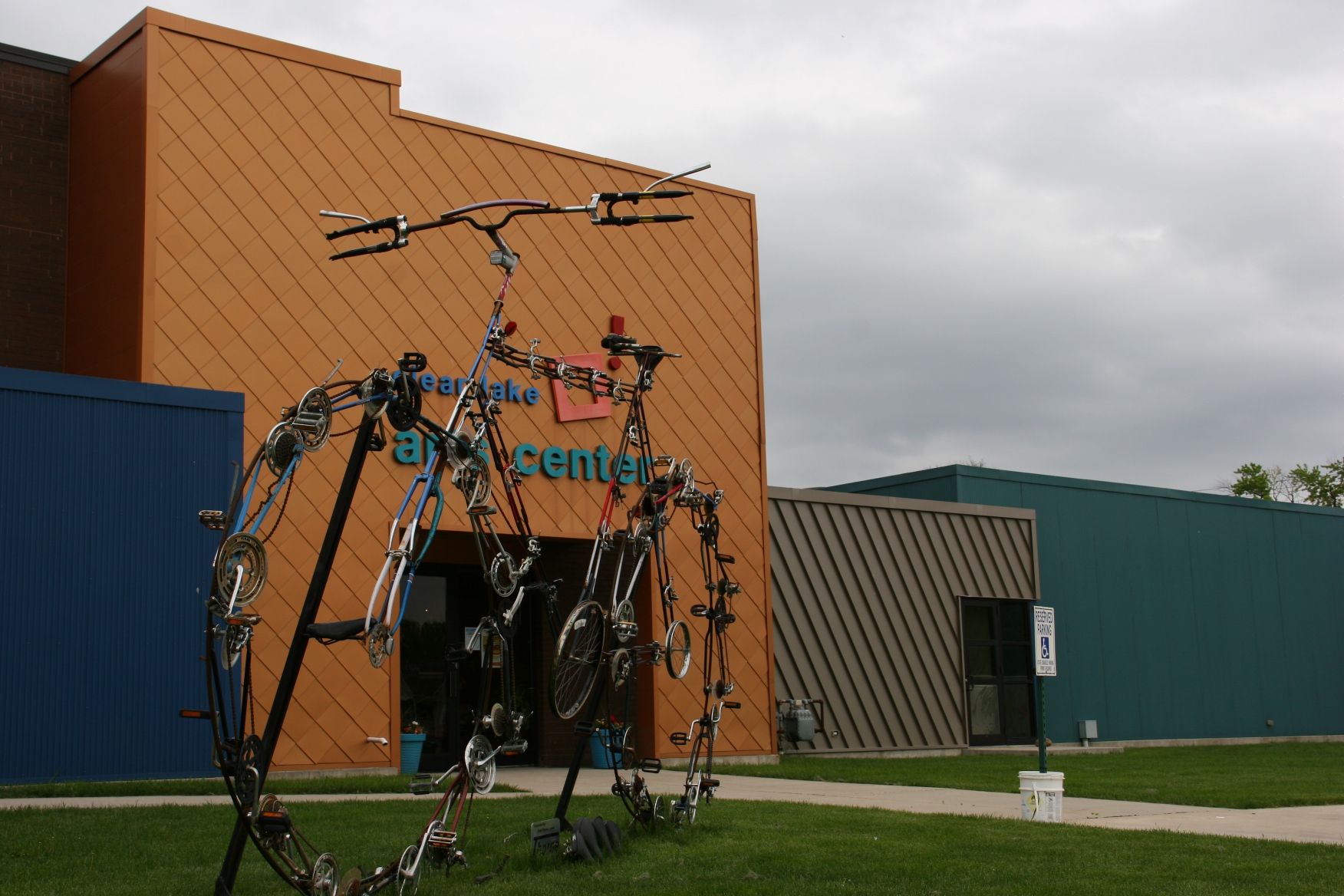
The Clear Lake Arts Center centers the arts in this community. It's impressive.

The Clear Lake Arts Center centers the arts in this community. It’s impressive.

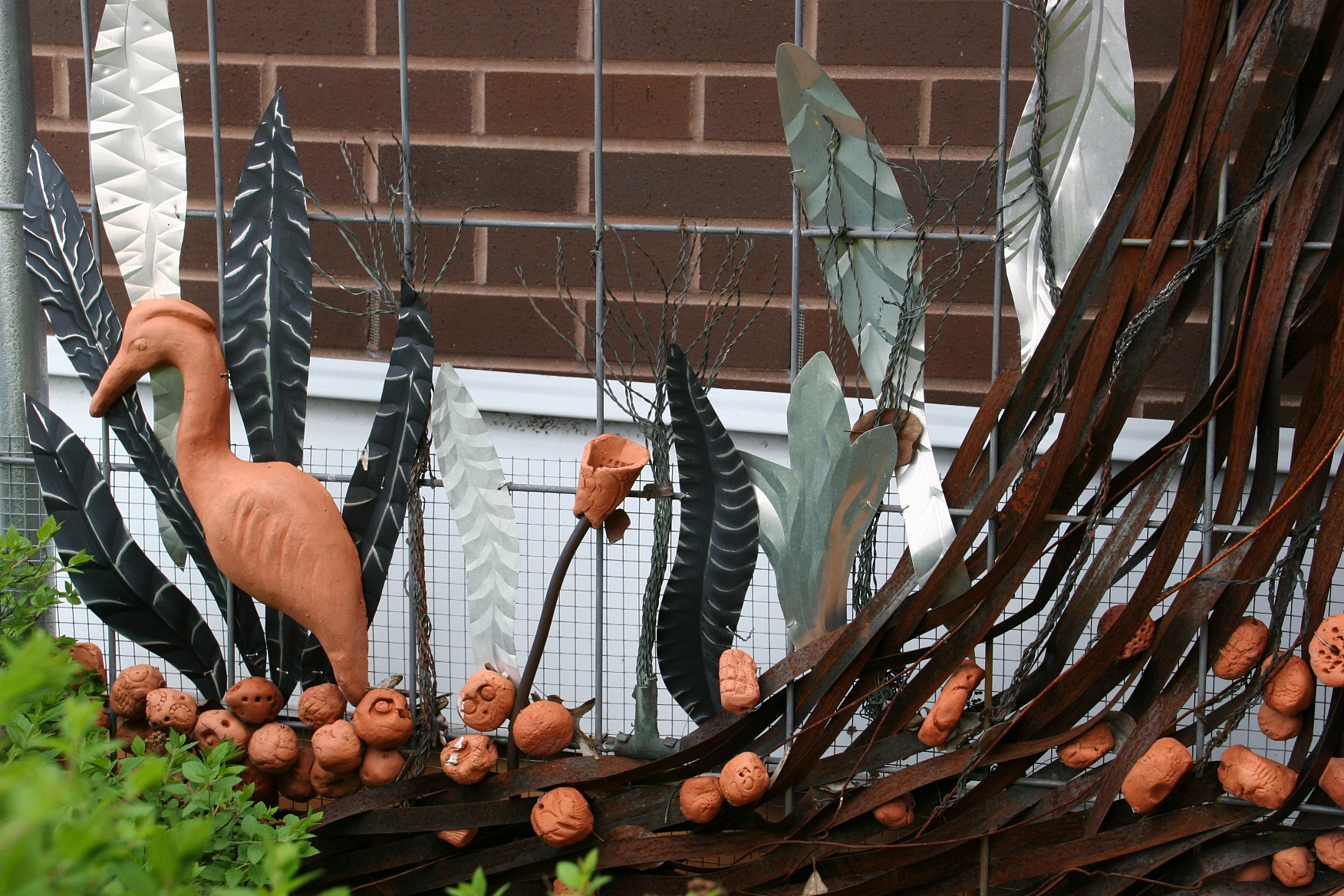
Iowa artists Pam Dennis and Ryk Weiss collaborated with local students and adults to create this tree sculpture from cattle panels, metal banding and clay. It is located at the Clear Lake Arts Center.

Iowa artists Pam Dennis and Ryk Weiss collaborated with local students and adults to create this tree sculpture from cattle panels, metal banding and clay. It is located at the Clear Lake Arts Center.

The tree sculpture (above) calls for an up close study of details.

The tree sculpture (above) calls for an up close study of details.

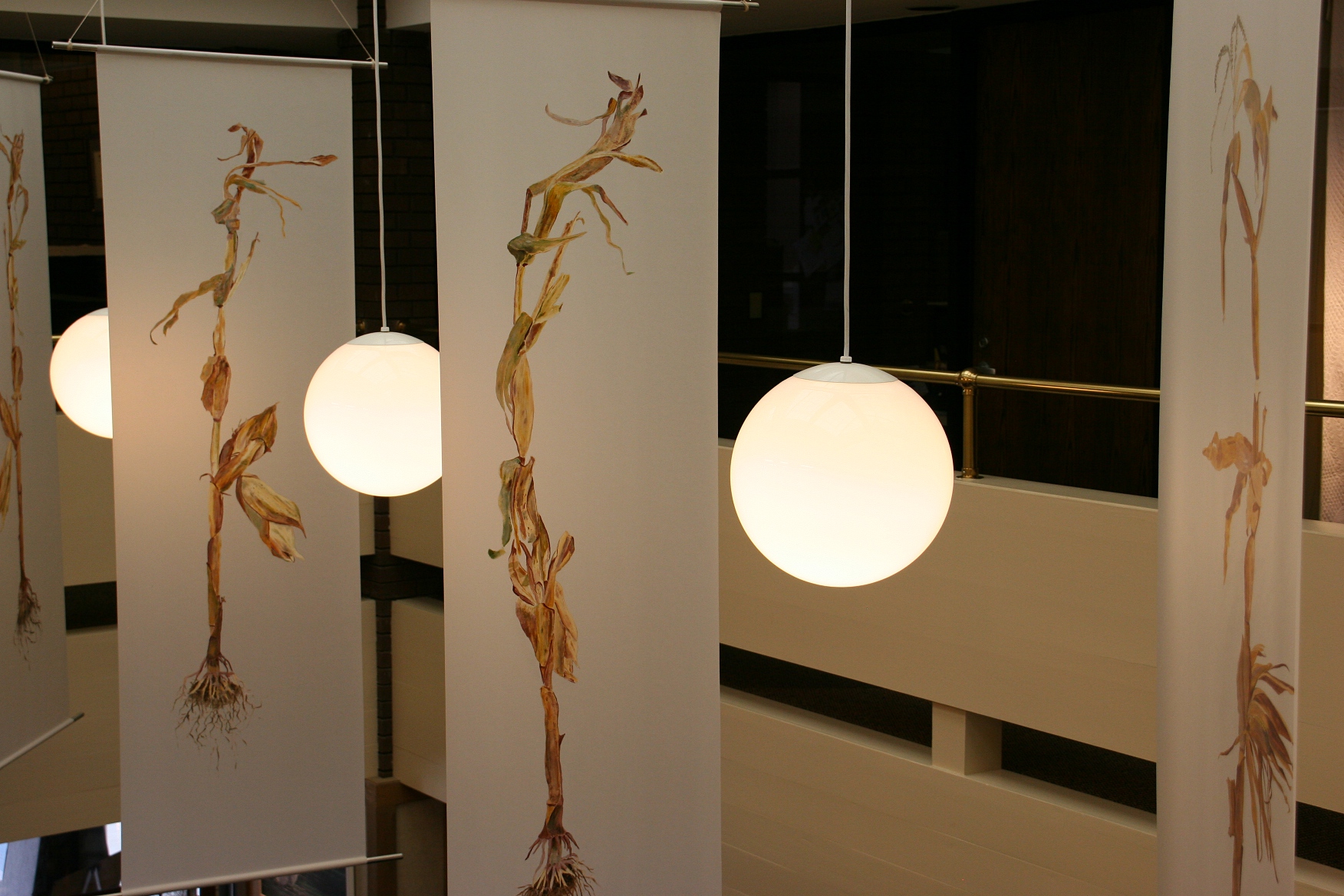
Inside the Clear Lake Arts Center, I delighted in these cornstalk panels suspended from the ceiling.

Inside the Clear Lake Arts Center, I delighted in cornstalk panels suspended from the ceiling.

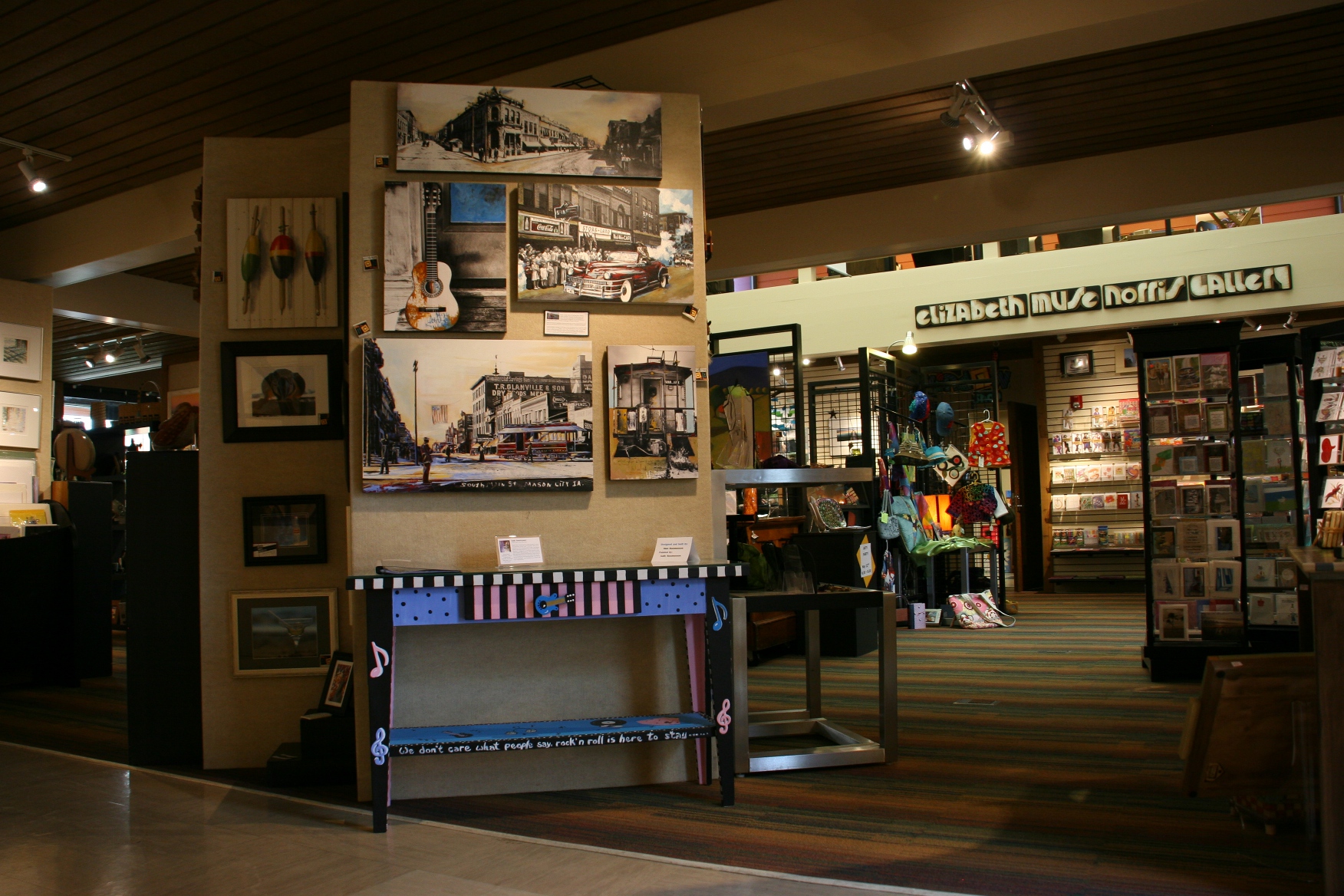
The arts center galleries showcase an abundance and variety of outstanding art.

The arts center galleries showcase an abundance and variety of outstanding art.

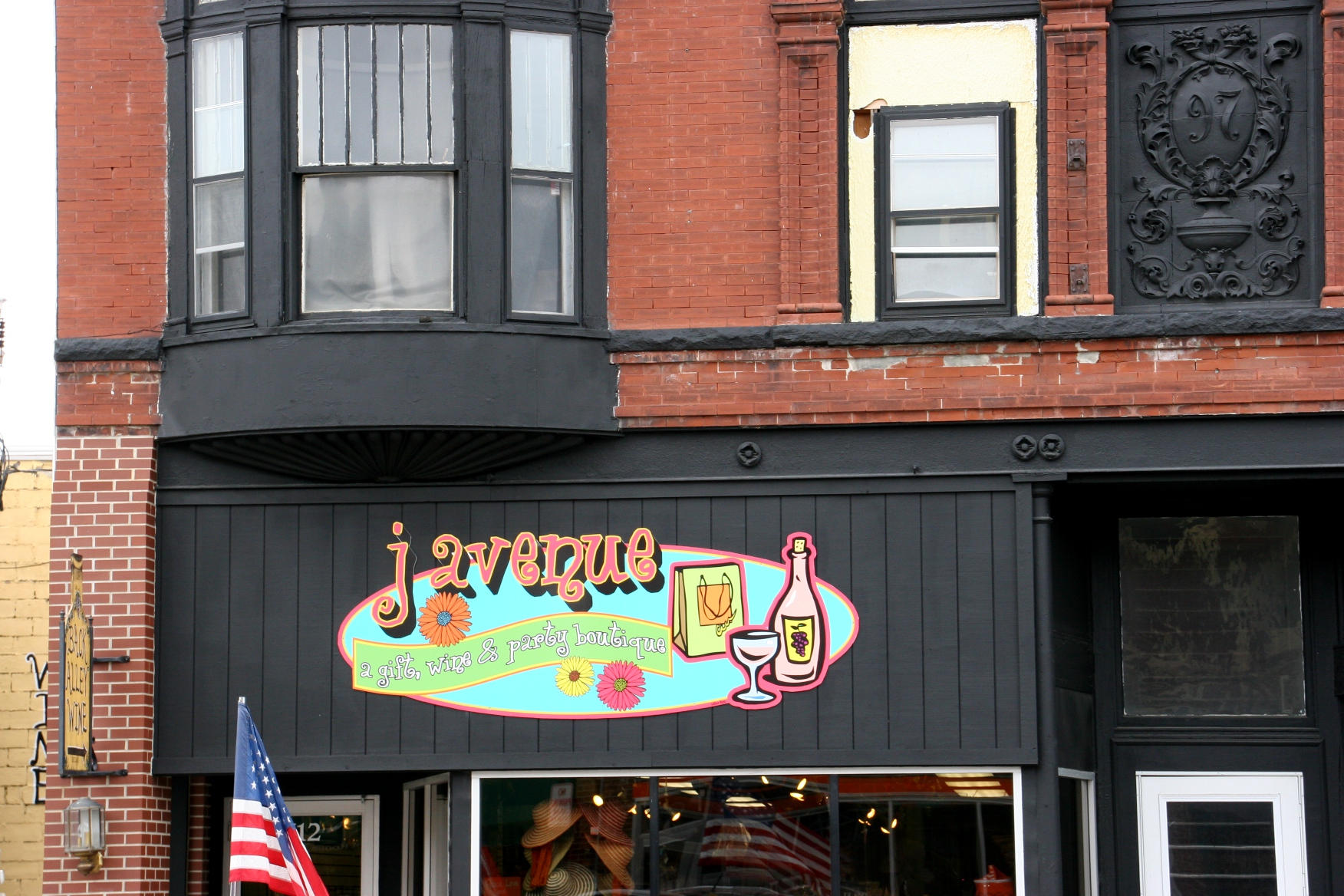
There's art in signage and architecture.

There’s art in signage and architecture.

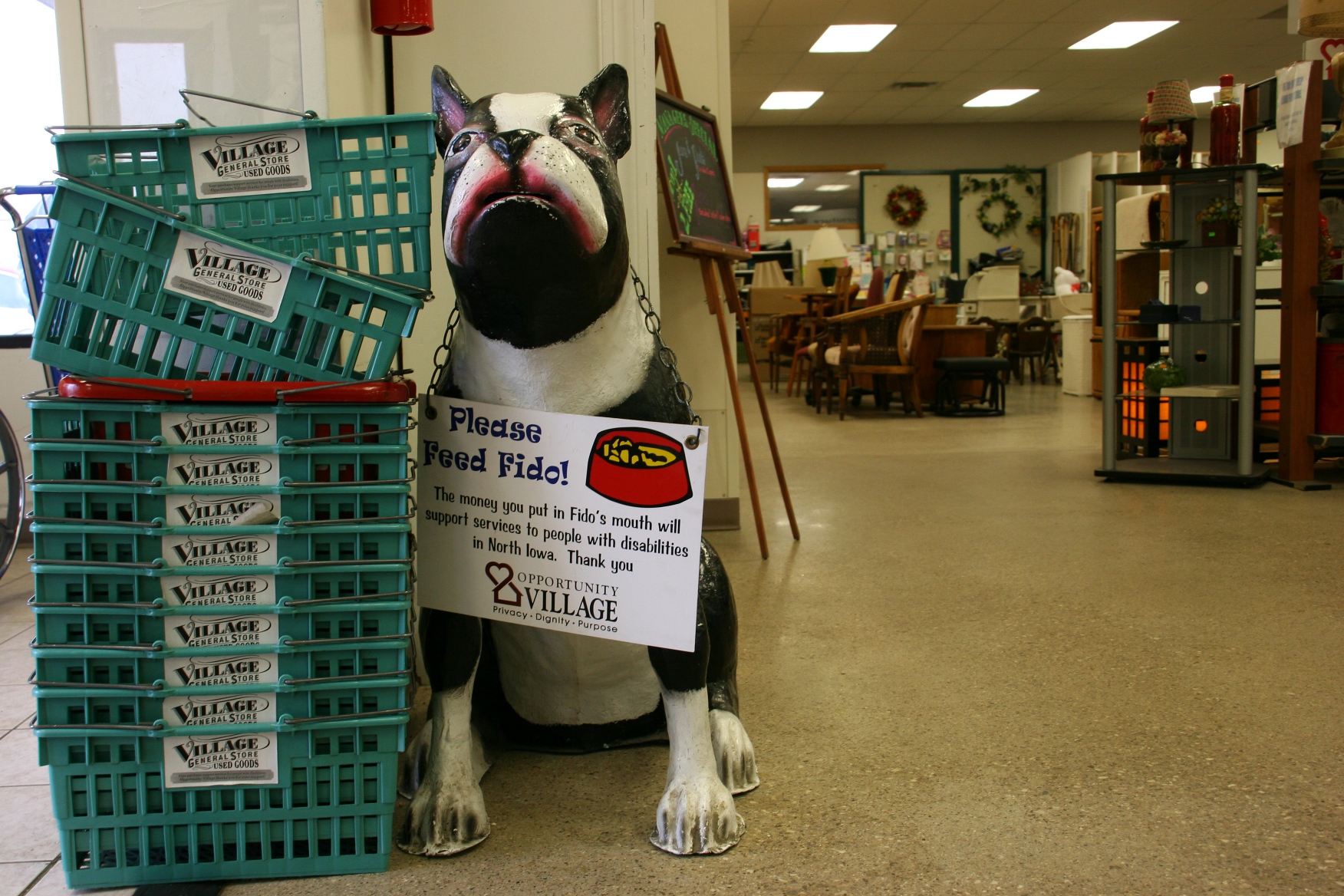
An artsy scene (in my opinion) at the Village General Store, a second-hand store along the highway.

An artsy scene (in my opinion) at the Village General Store, a second-hand store along the highway on the north side of town.

Signage always grabs my attention, including these graphically pleasing signs in a downtown window.

Signage always grabs my attention, including these graphically pleasing signs in a downtown window.

Window displays, like this one at Collectors Wonderland, are art in themselves.

Window displays, like this one at Collectors Wonderland, are art in themselves.

FYI: Check my posts from last week to read my first four photo stories from Clear Lake, located along Interstate 35 in northern Iowa. Two more installments remain in this series.

© Copyright 2015 Audrey Kletscher Helbling