

“THE SMALL LITTLE LUNCH became more than enough.” That statement, made during the Rev. Bruce Stam’s sermon at Trinity Lutheran Church in Faribault on Sunday morning, really resonates with me in this week of thanksgiving.
Stam was referencing the feeding of the five thousand as recorded in all four gospels and specifically in John 6:1-13. In that story, Jesus and his disciples are faced with a hungry crowd and nothing to feed them. That is until Andrew notices a boy with five small barley loaves and two small fish or, as Stam termed it, “a happy meal.” I laughed. I appreciate humor in sermons.
I expect the disciples were not laughing, but rather were highly-skeptical when Jesus suggested that the boy’s meager meal could feed thousands. I would feel that way, too. But Jesus took the loaves and the fish, gave thanks and there was enough to feed everyone. With leftovers.
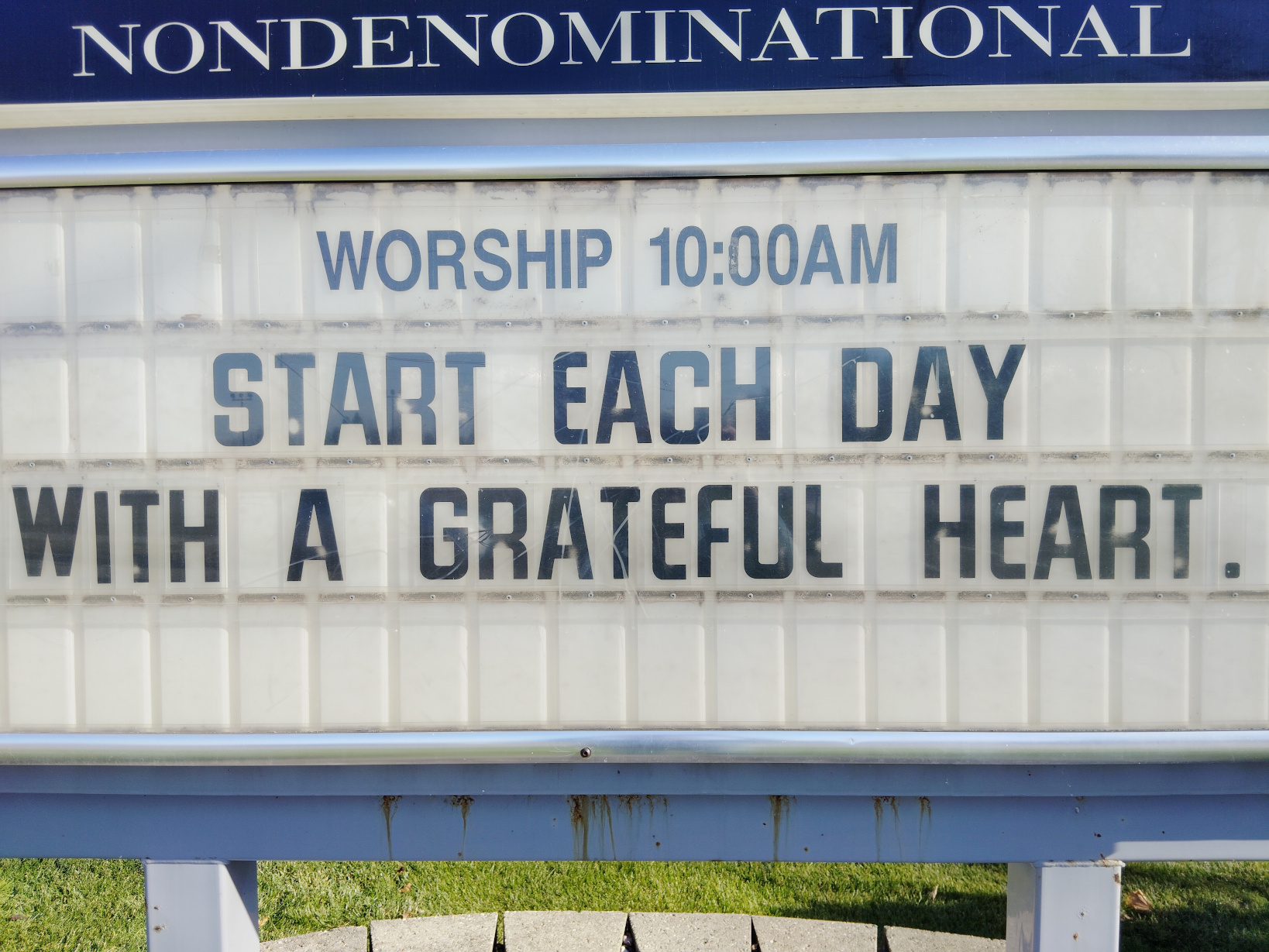
There are several takeaways from this miracle of feeding 5,000 people. First, God provides. That’s clear and Stam emphasized that point. In my own life, I’ve seen God provide again and again to meet my needs whether physical, mental, emotional or spiritual. I live in a house that is paid for. I have enough to eat. I have loving and supportive family and friends. I’ve had excellent healthcare. The list goes on and on. It’s not that I have the biggest, best or most. But I have enough.
And on that referenced day during biblical times, there was enough bread and fish in a small boy’s lunch to miraculously feed thousands. Jesus, the Rev. Stam said, opened his heart to compassion and fed the hungry.
As I jotted sermon notes, I began to better understand how Jesus taught compassion on that day. He could have ignored the hungry crowd, although that may have been a bit difficult to do given the sheer numbers. Rather, Jesus fed them. His disciples handed out the bread and fish and gathered the leftovers. They were learning an important lesson in compassion as active participants in a compassionate and caring act.
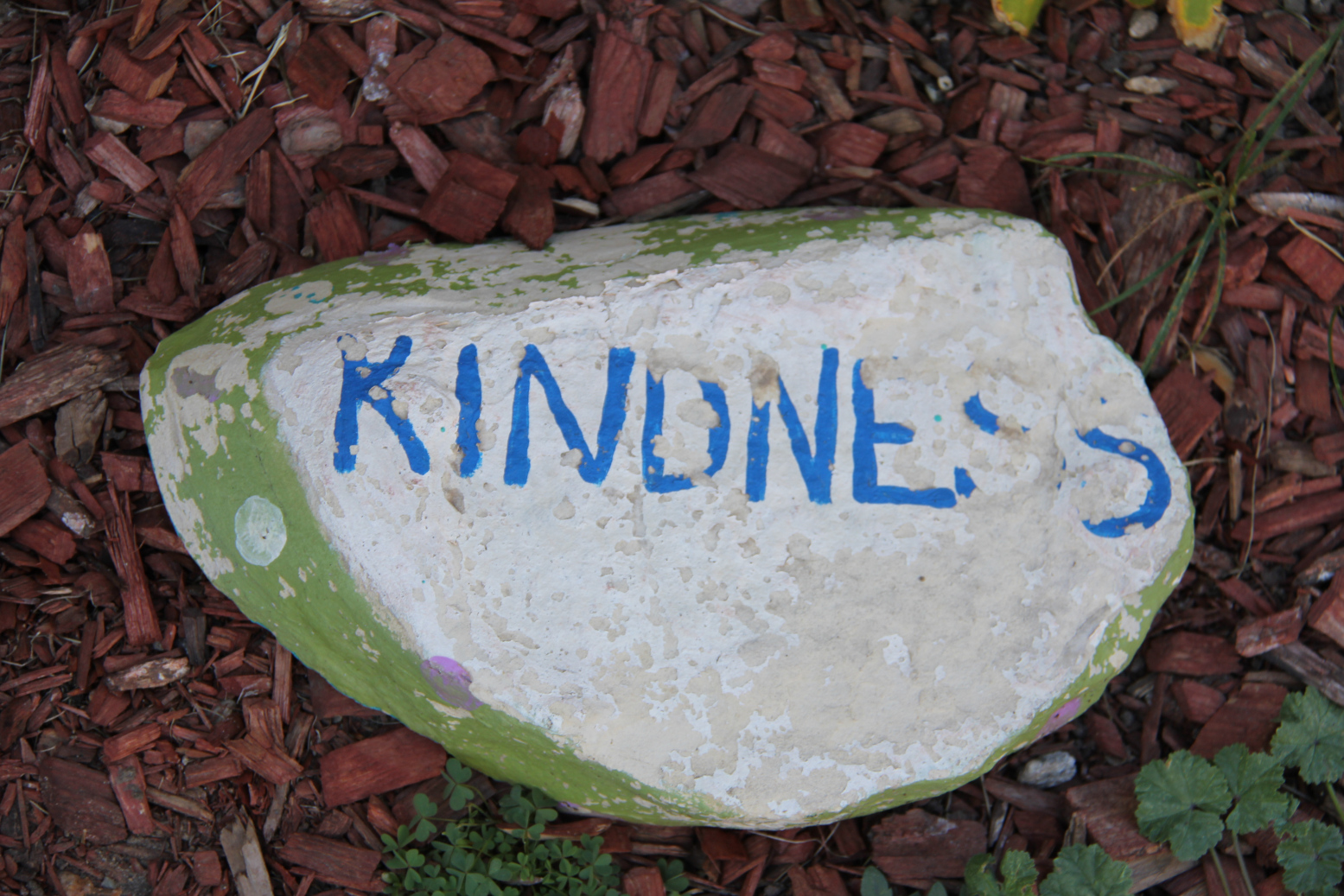
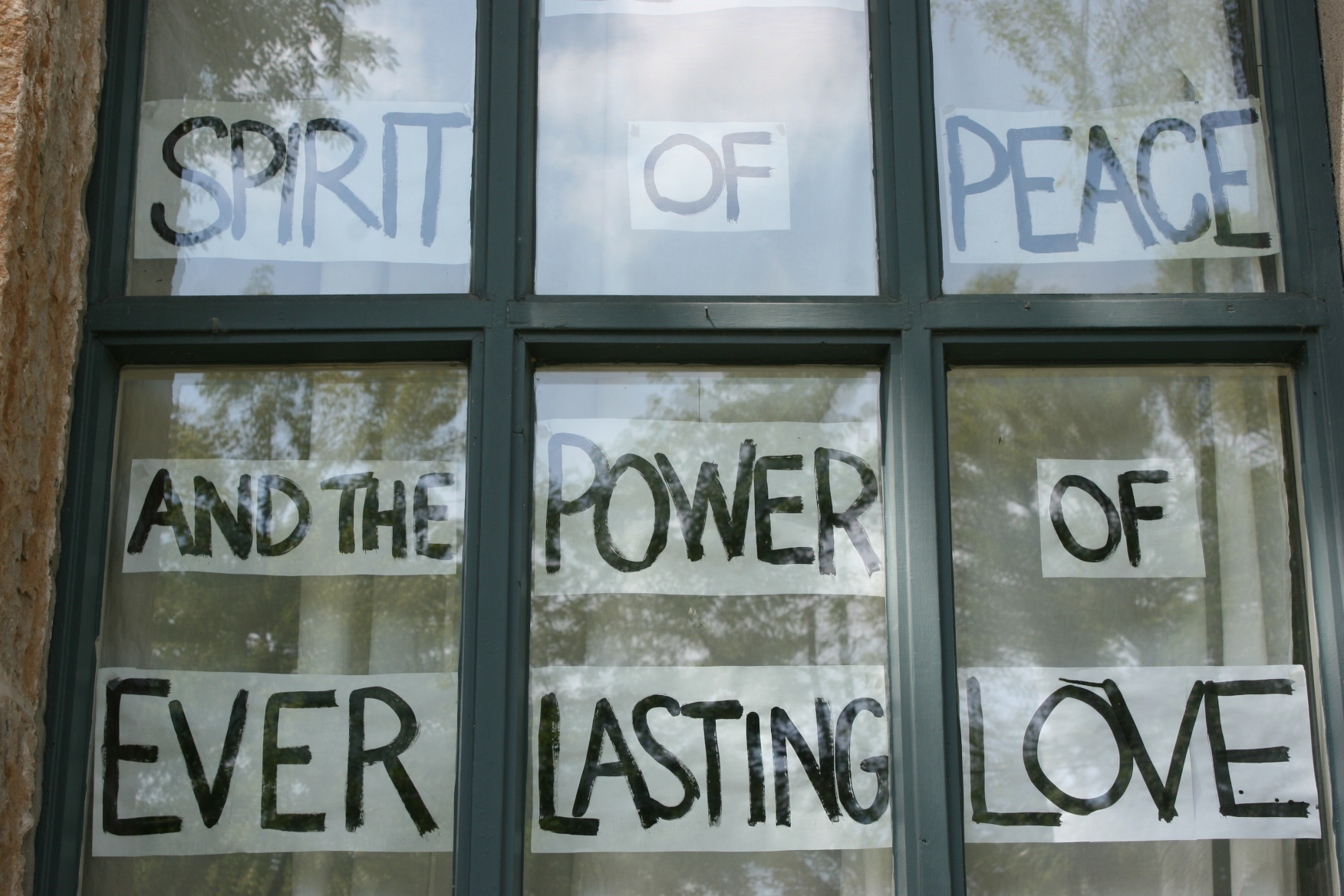
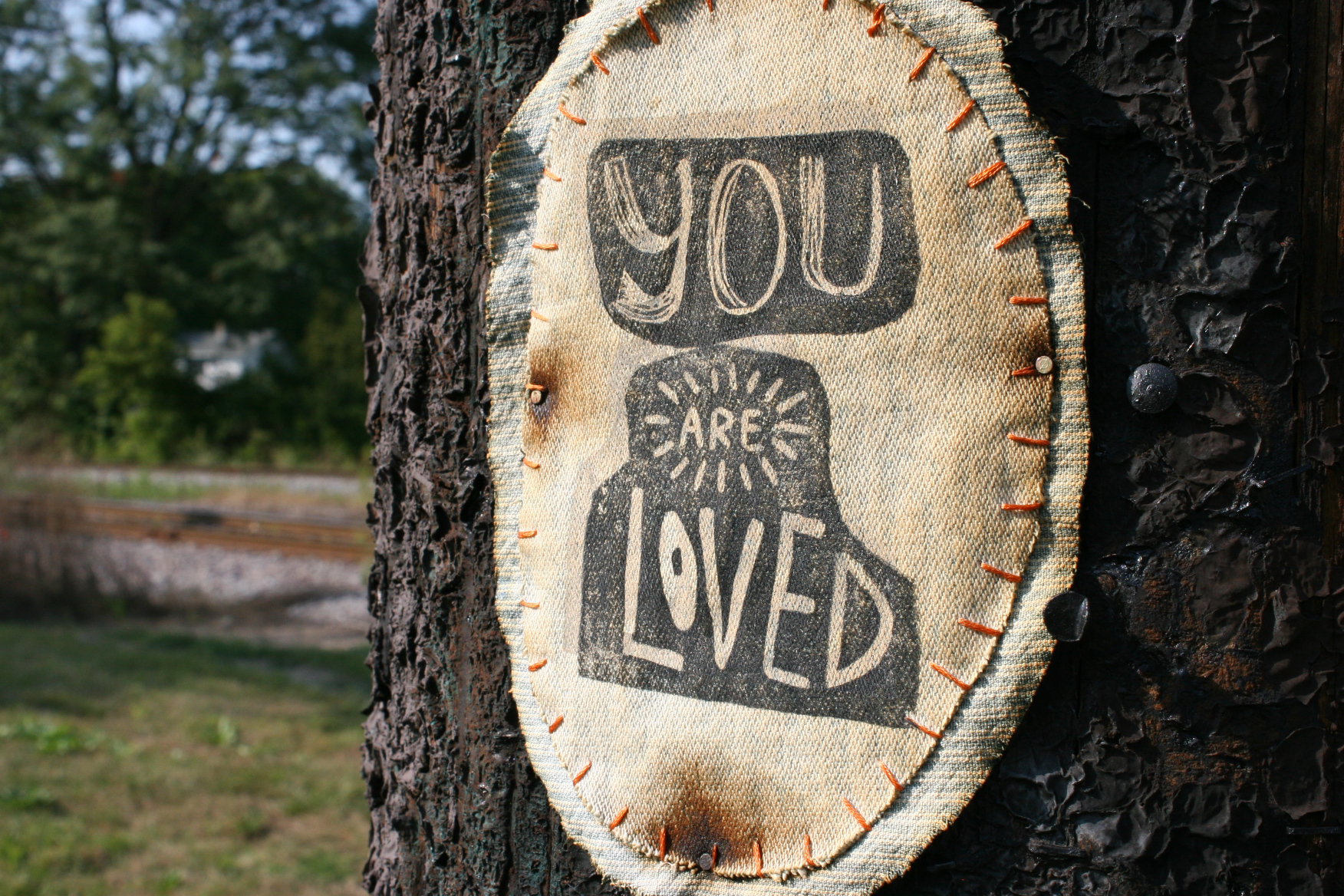
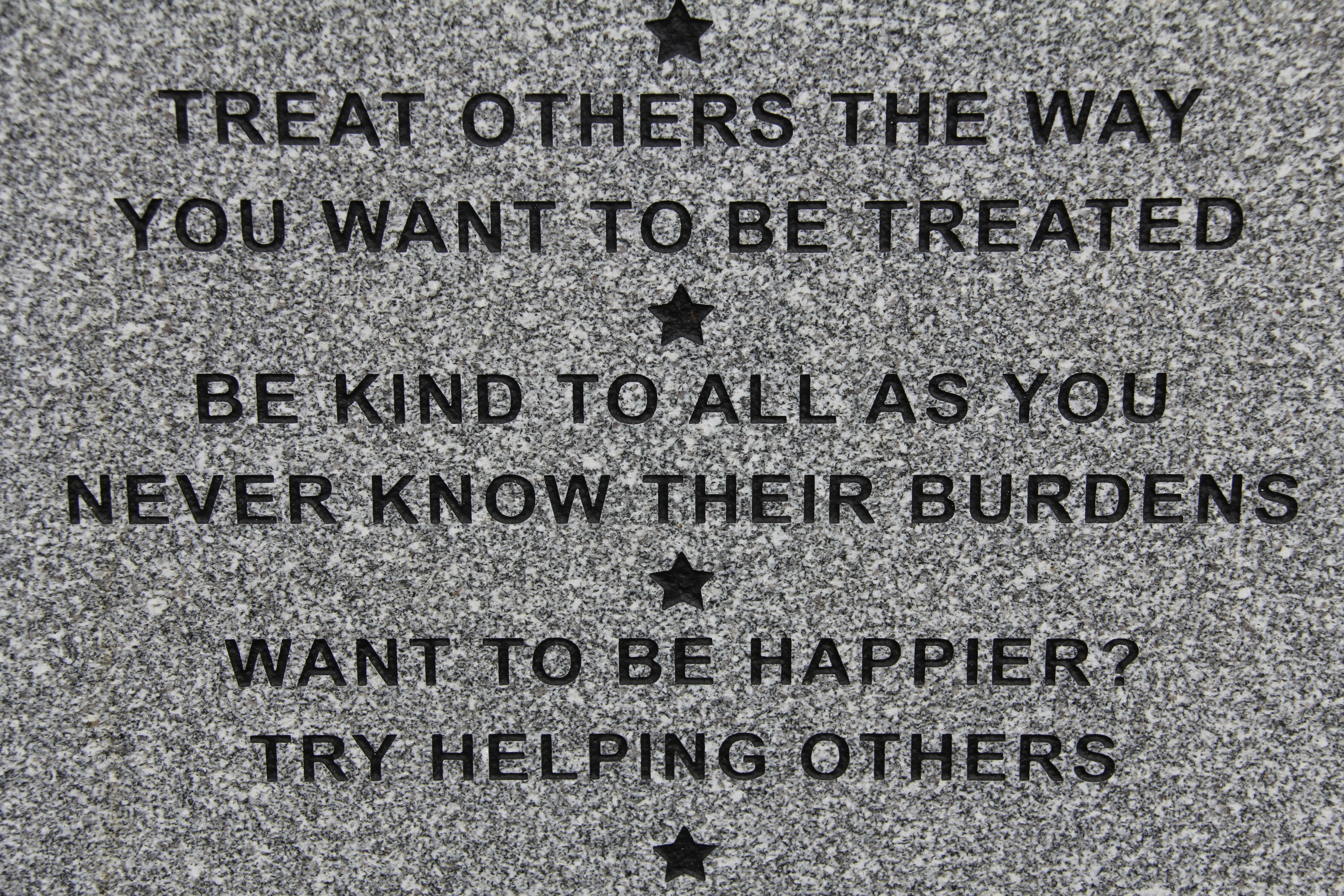
Just like the disciples, we are each capable of compassion, of giving to others. Perhaps we only have a happy meal to share. Or maybe we have an entire Thanksgiving feast to offer. I’m speaking figuratively here. The point is that, as the Rev. Stam said, this world needs compassionate love. And we can give that through monetary and food donations, volunteerism, kindness, anything really that shows care and love for our fellow human beings.
Finally, in the biblical feeding of the five thousand, two other words resonate with me. And those are “gave thanks.” Jesus gave thanks when he took the loaves and fish and then multiplied them. This week “thanks” is the focus, or should be the focus, of our thoughts.
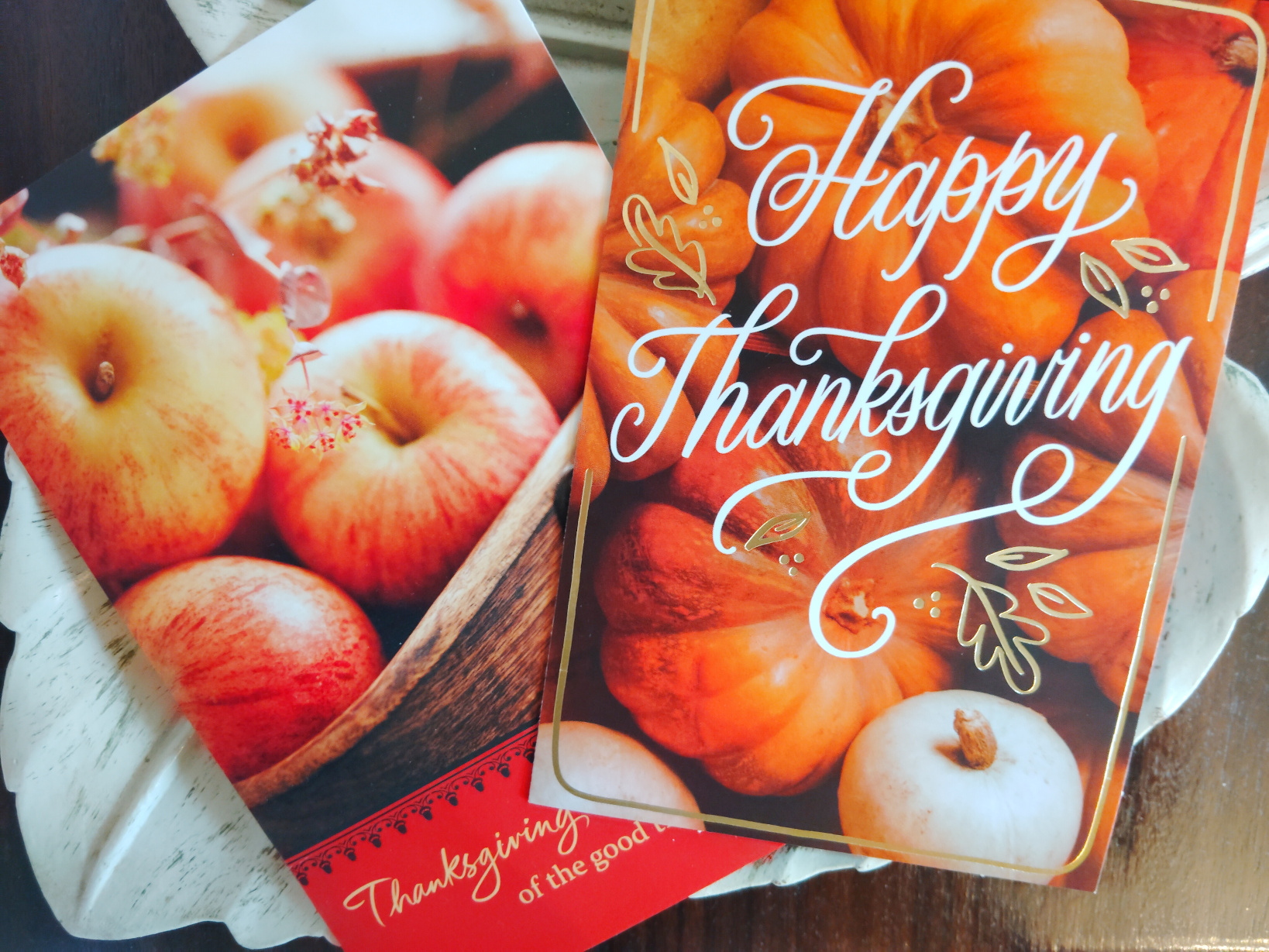
I am thankful for you, dear readers. I am thankful for everyone who tells me how much they appreciate my writing and photography. I am thankful for my family, especially the birth of my second grandson in January. I am thankful for time spent at a family lake cabin. I am thankful for freedom of speech. I am thankful for a locally strong arts scene. I am thankful for friends, those who are long-time and those I’ve only just met. I am thankful for too many reasons to count…
Happy Thanksgiving, everyone! May you always be blessed with “enough” and with a heart of compassion.
TELL ME: What are you especially thankful for this Thanksgiving?
© Copyright 2025 Audrey Kletscher Helbling




















 Minnesota Prairie Roots
A Christmas message from southern Minnesota December 24, 2025
Tags: America, birth of Jesus, Christmas, Christmas message, commentary, history, holiday, immigrants, Jesus, King Herod, Minnesota, opinion, refugees, United States
THERE’S MUCH TO PONDER this Christmas as we find our nation in turmoil. Anger simmers and boils. Discord rises. Oppression continues. Peace in our country, let alone throughout the world, feels more elusive than ever. These are difficult days.
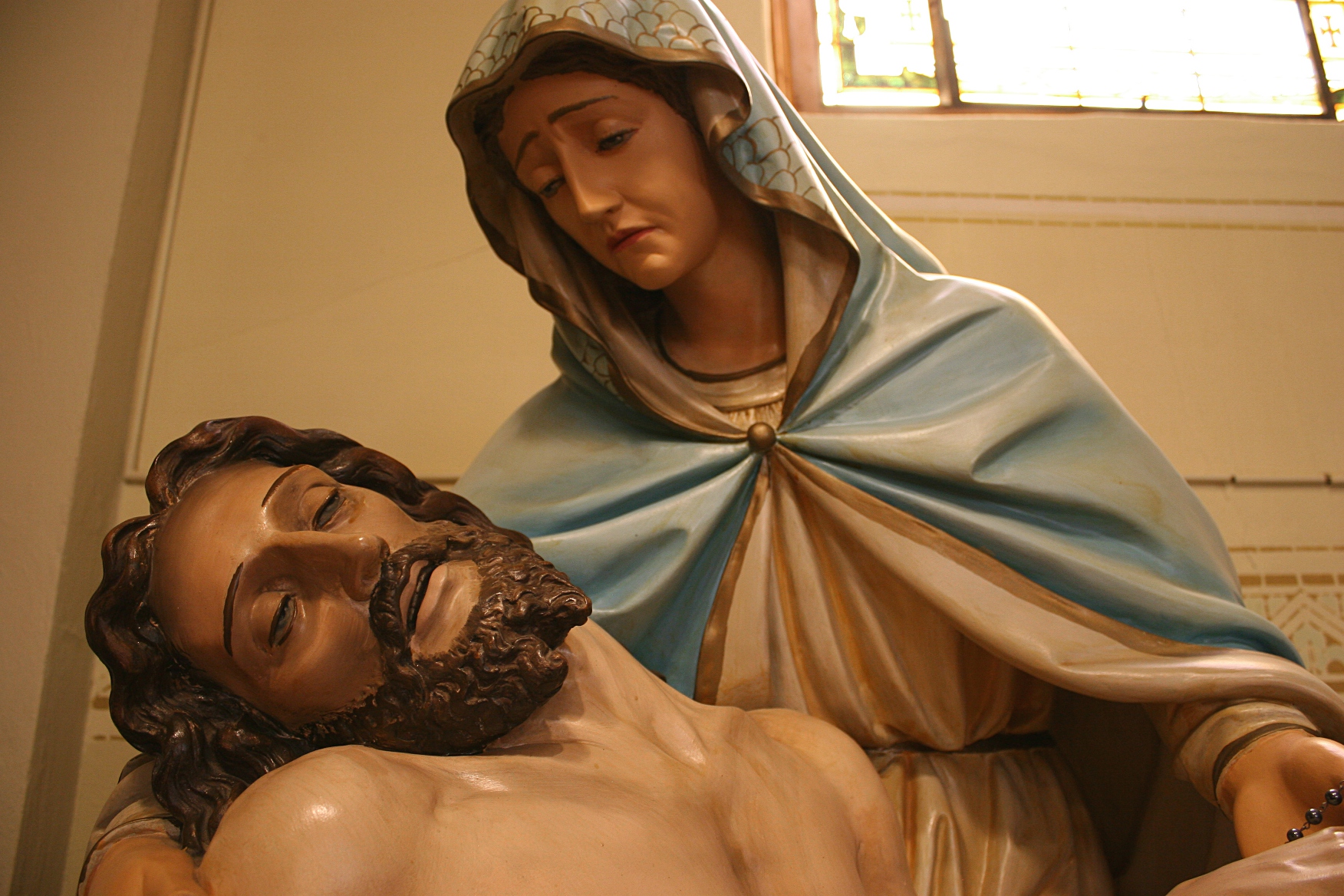
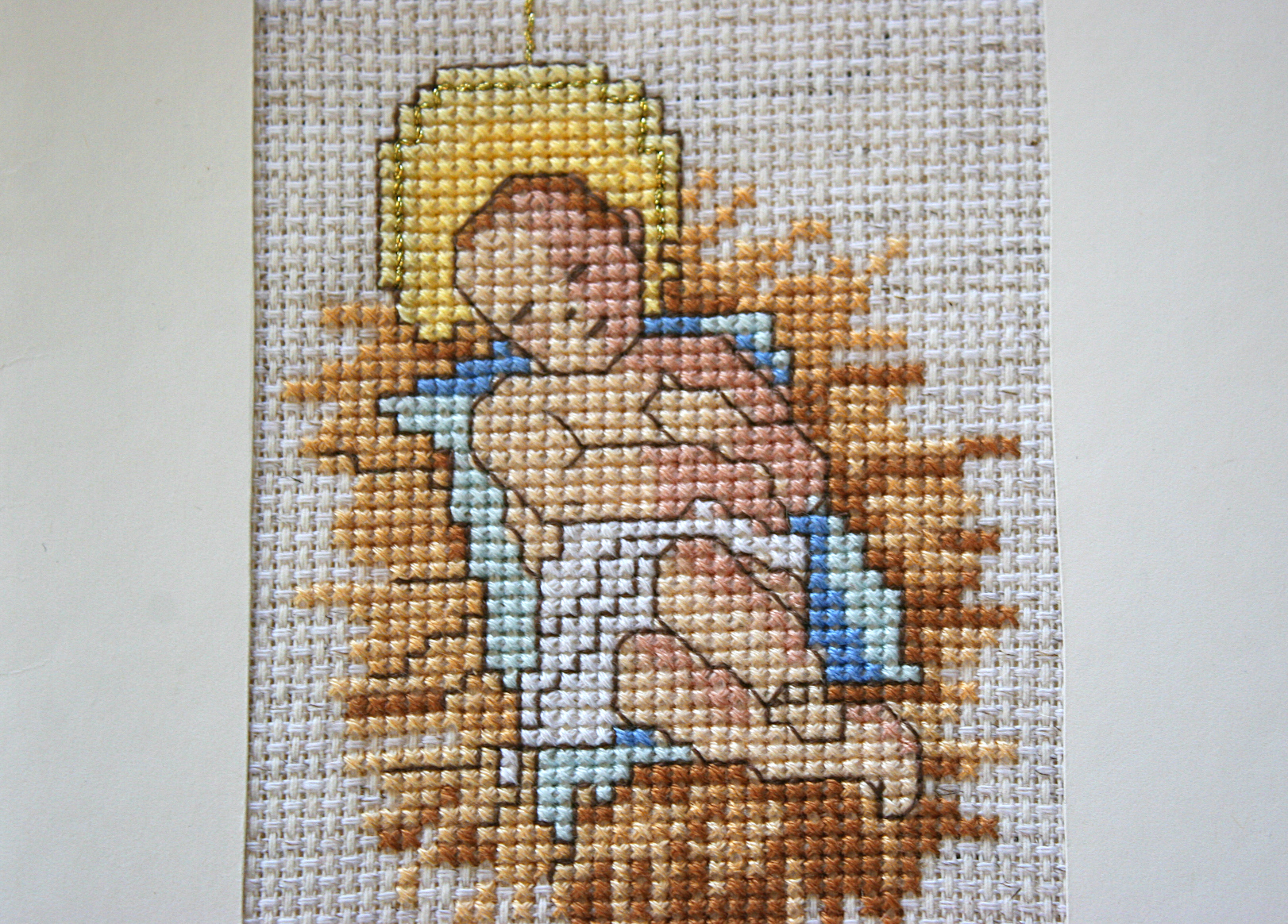
Likewise, the newborn Jesus and his parents faced similar challenges some 2,000 years ago. They were refugees who fled their Judean homeland for Egypt under the threat of an oppressive and violent leader. King Herod ordered all baby boys in Bethlehem to be killed after learning that a “King of the Jews” was born there. He feared being replaced. When I consider a leader so cold, calculating and cruel that he would mandate the killing of any boy age two and under to retain power, well, it seems unconscionable. But it was reality. And, had I been Mary, I also would have done everything possible to save my son.
Consider that in the context of today. Here. In America. Threats to our immigrants may not be as severe as death, although some have died in ICE custody. But detention and deportation, or the threat thereof, are very real. This is happening all over the U.S., including right here in my southern Minnesota community.
For example, locally-based HealthFinders Collaborative, a community health center serving the underserved and uninsured in my area, has issued a statement that their patients, staff, volunteers and others do not feel safe due to visibly present federal agents in our communities. People are canceling appointments. People are afraid. In response to the very real fear people are feeling, HealthFinders is expanding virtual visits and is locking clinic doors. I expect those living in biblical times felt similar angst under the authoritarian rule of King Herod. No wonder Mary and Joseph fled with Jesus to Egypt.
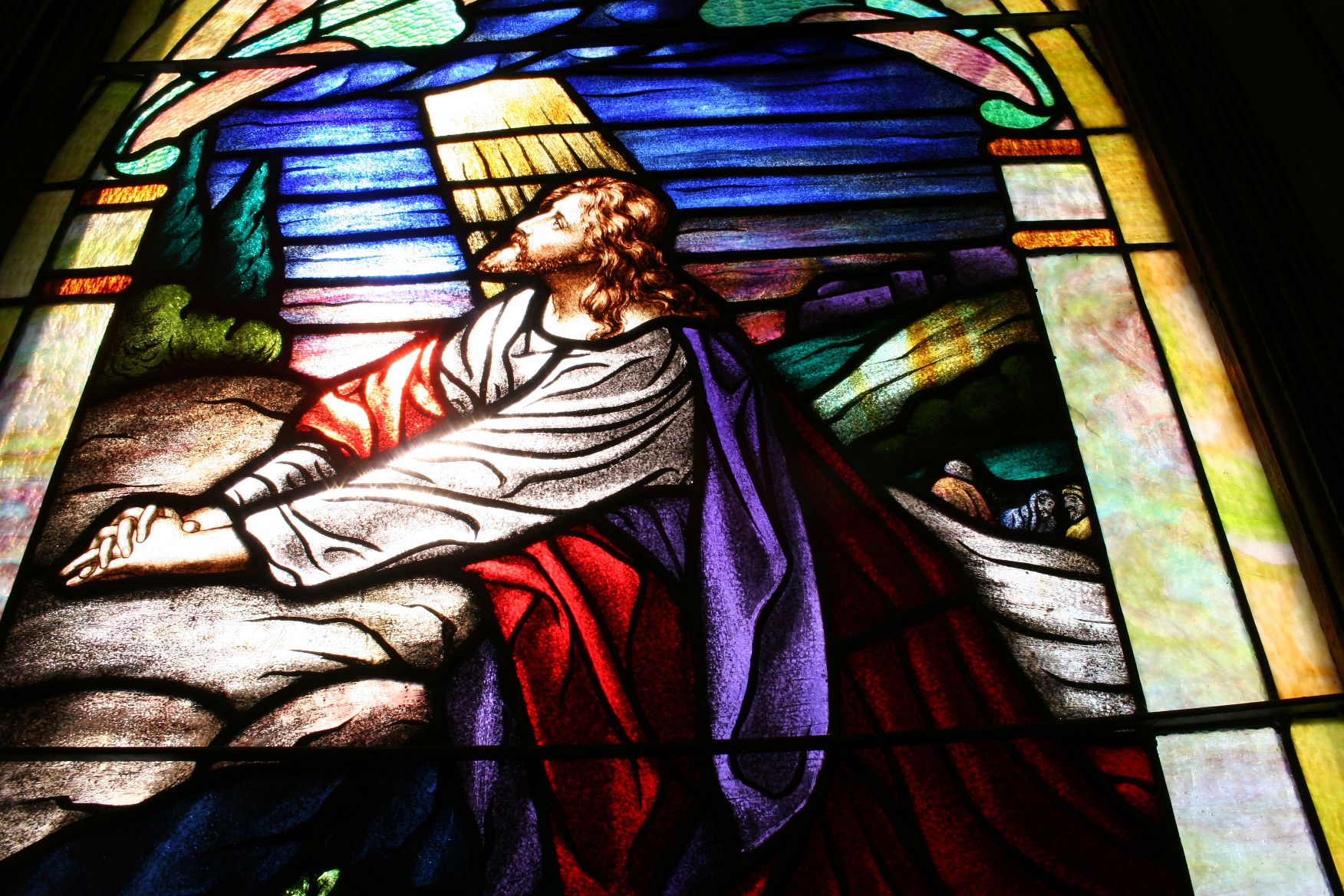
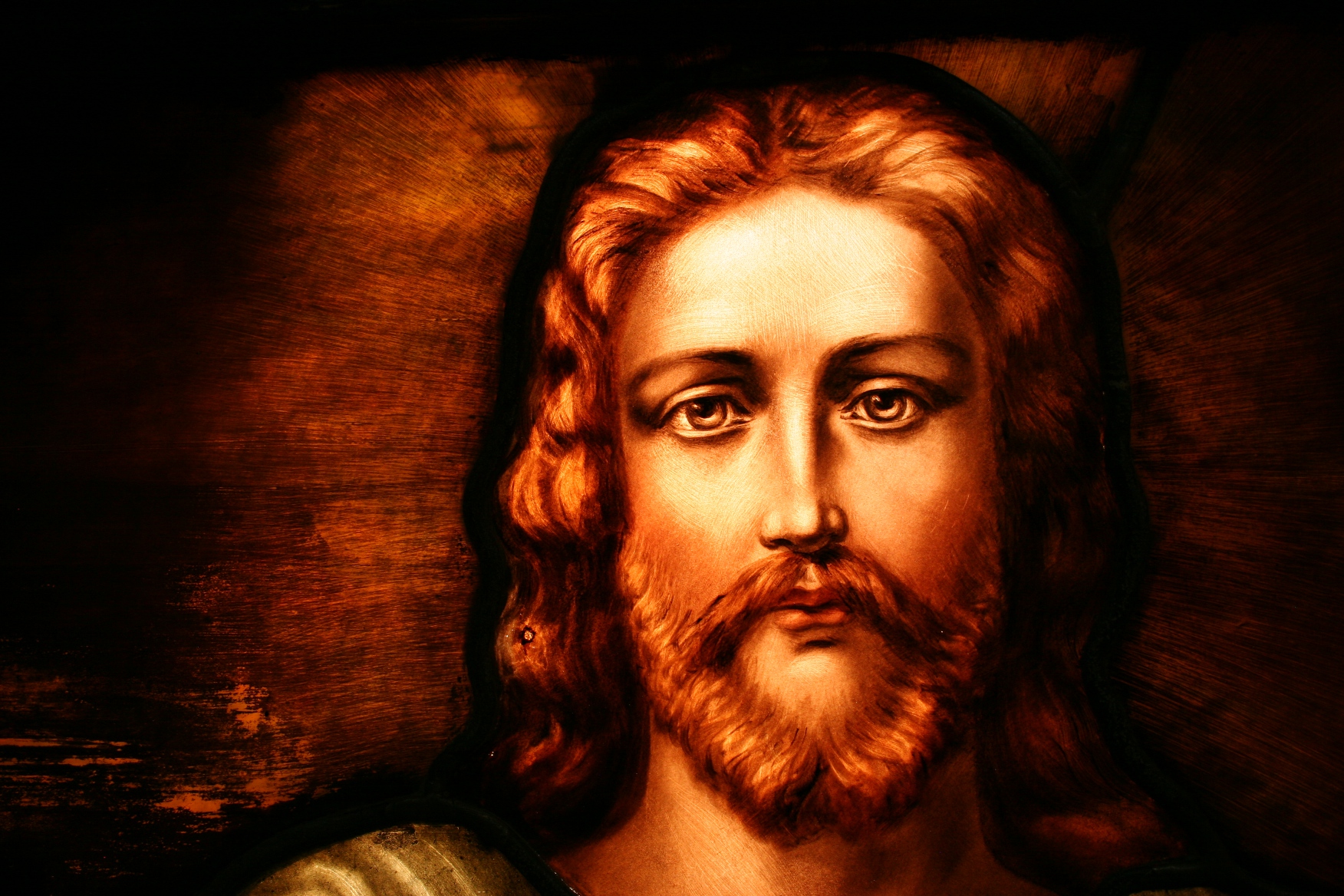
This Christmas I can’t pretend everything is OK while hatred, disparaging rhetoric and injustices run rampant in this country. As a woman of faith, I look at Jesus and see how he lovingly embraced people. He showed love, care, compassion, kindness. To all. He would not be alright with certain groups of people being hated on. He would not be OK with people targeted, hunted, gathered, detained, sent away. Poof. Gone.
If there’s any message to take away from Christmas this year, it’s that we need to stand up for our neighbors. Ask ourselves the once-trendy question, “What Would Jesus Do?” We need to voice our concerns. Resist. Help. Encourage. Follow Jesus’ lead of serving, loving and supporting those who need us most right now. And that’s not the King Herods who choose power over humanity.
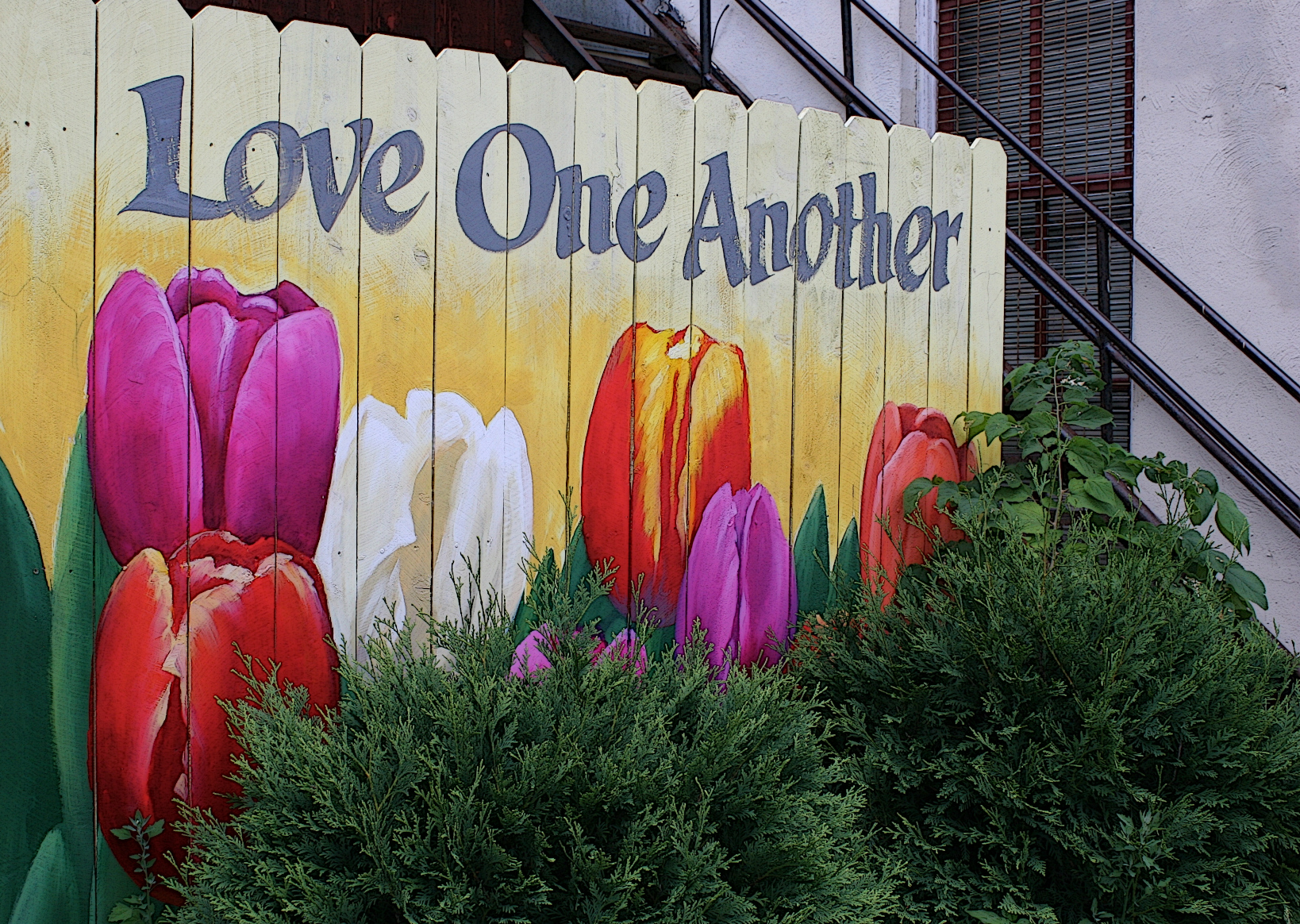
In closing, I hold hope that we, as individuals and a nation, will stand strong against that which oppresses us, that which is inhumane and that which is just plain wrong. We all, whether people of faith or not, inherently understand the difference between right and wrong, good and evil. Let us live as people who care about goodness, kindness, compassion, love and peace.
© Copyright 2025 Audrey Kletscher Helbling