Minnesota Prairie Roots

Writing and photography by Audrey Kletscher Helbling

Exploring the Kasota Prairie on an October afternoon October 7, 2010


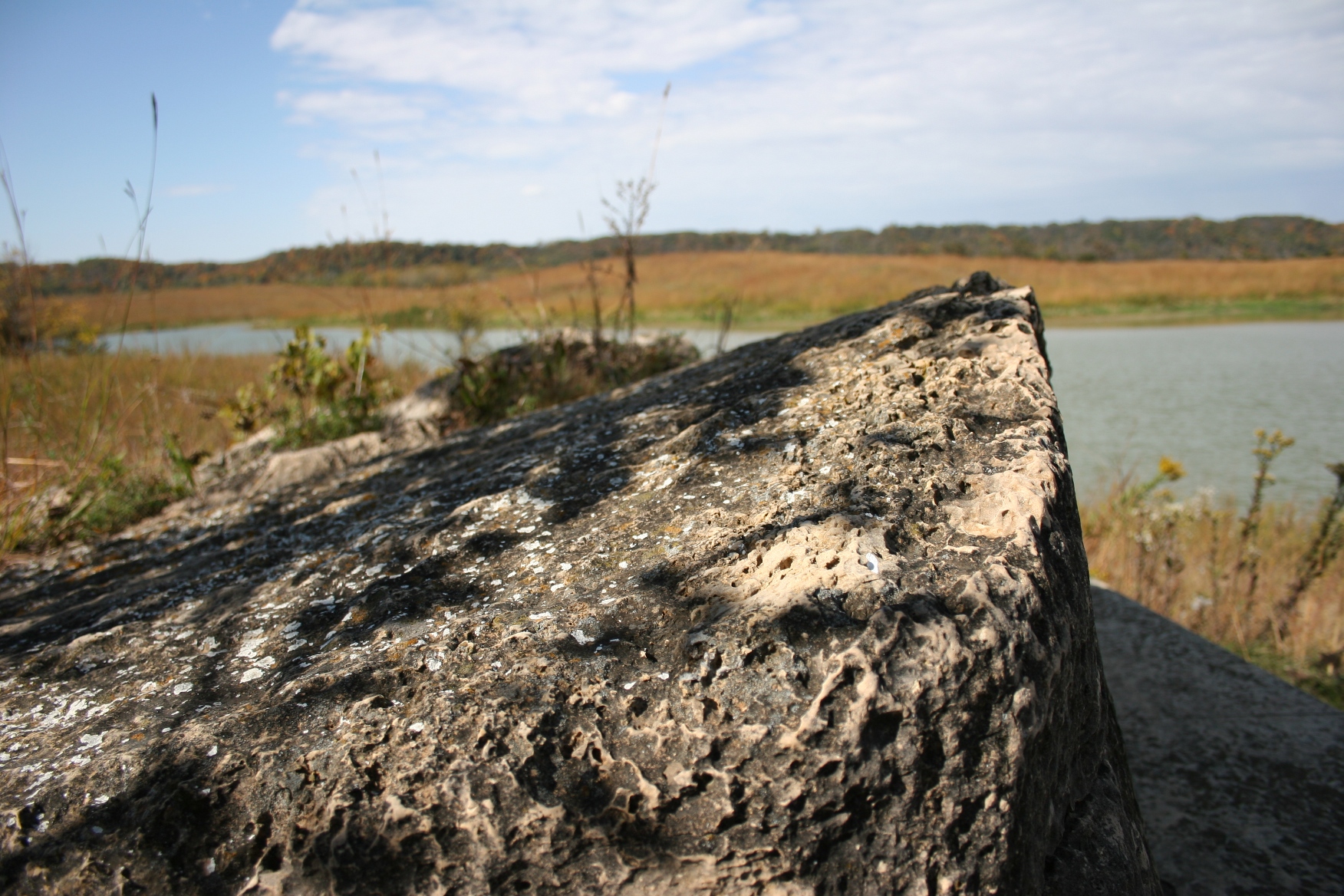
A rock juts into the Kasota Prairie.


I CAN HEAR, in the distance, the steady thrum of traffic, presumably from U.S. Highway 169 or perhaps from nearby Minnesota Highway 22. I’m uncertain because I’ve never been here before and I haven’t consulted a map to pinpoint my location.

If not for the endless drone, I could be standing in the middle of a remote South Dakota or western Minnesota prairie.

But I am in south central Minnesota, at the Kasota Prairie, on a 90-acre remnant of the prairie land which comprised one-third of our state before 1850. Here native prairie grasses remain and grazed lands have been restored.
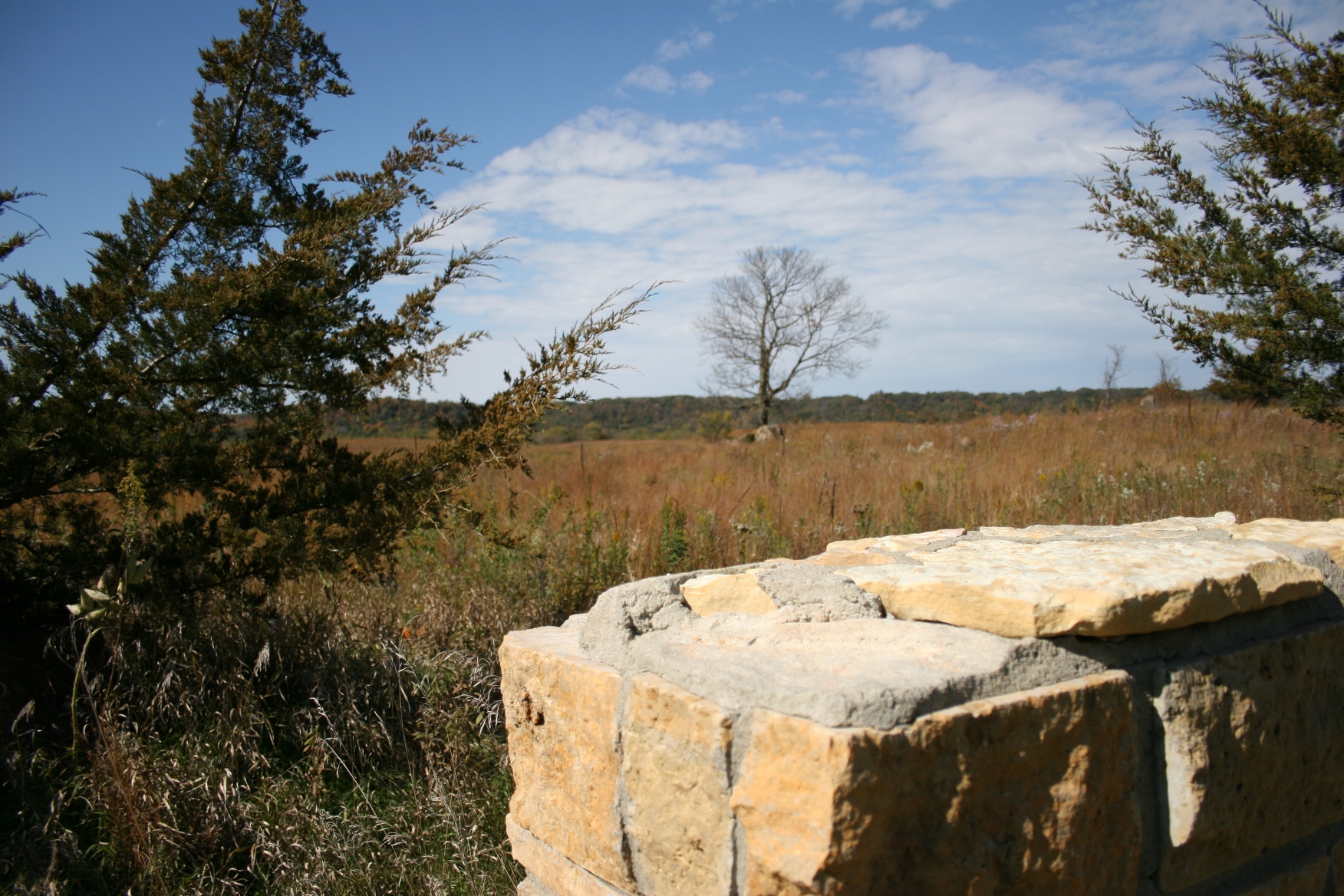


A view from the parking lot with a stone wall framing the prairie.


On a Friday afternoon, my husband and I discover this scenic spot in the Minnesota River valley two miles from Kasota. Because I favor the sweeping, wide open spaces of the prairie, the place of my roots, to the cramped confines of wooded land, I am comfortably at home here.

Prairie meets sky at Kasota. Stems of grasses dried to the muted earthen shades of autumn sway in the wind, mingling with the wildflowers and the berries I can’t always identify.

Occasionally a block of ancient rock juts through the soil, breaking the vista of plant life.
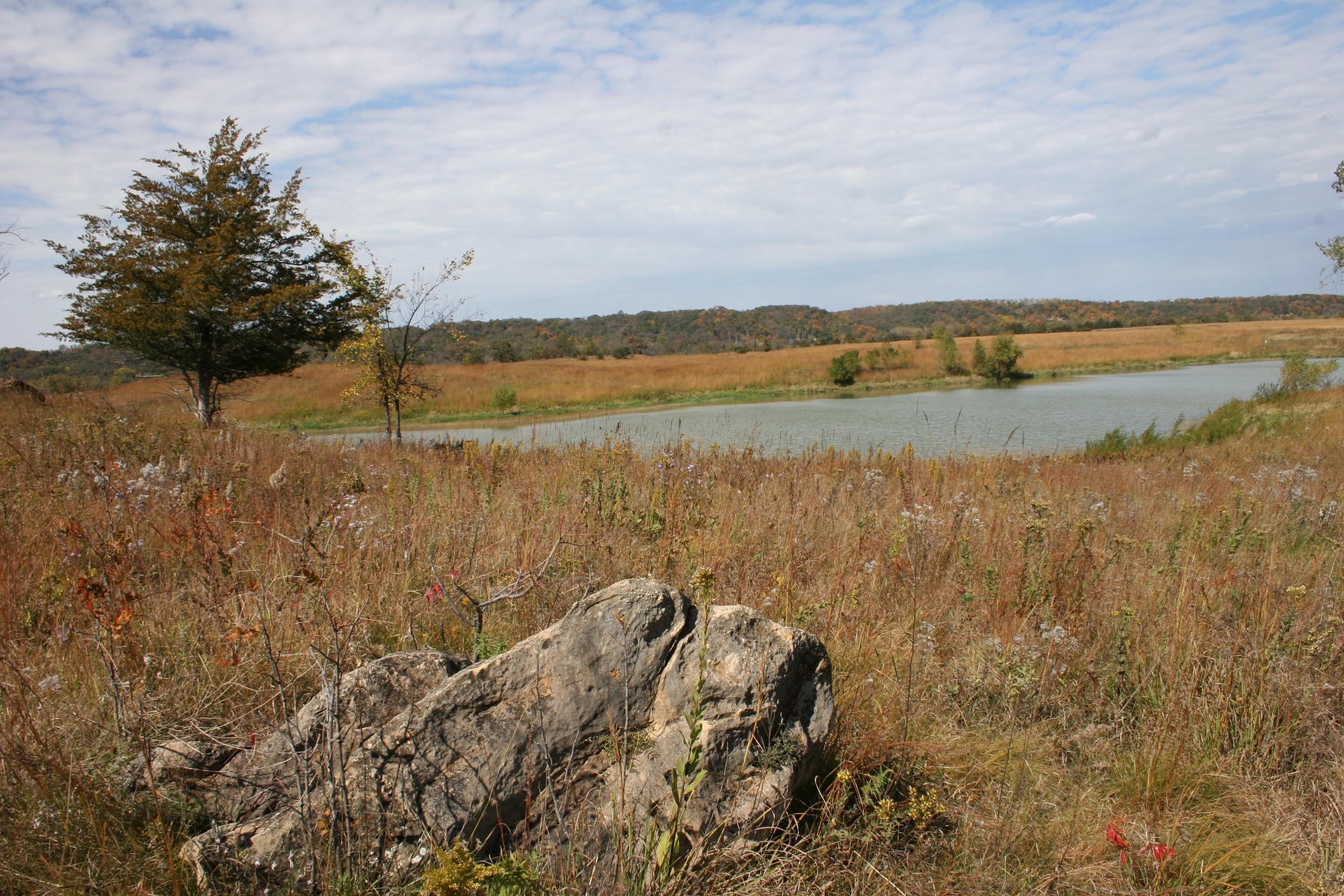


Water, rock, sky and prairie meld in this scenic Kasota Prairie landscape.


I pause often along the walking trails, even stray from the trampled paths, to examine the mottled stone, to admire a lone, rock-encircled barren tree atop a hill, to identify the red berries of wild roses, to study a clutch of feathers left by a predator, to take in the distant hillside of trees tinted in autumn colors.
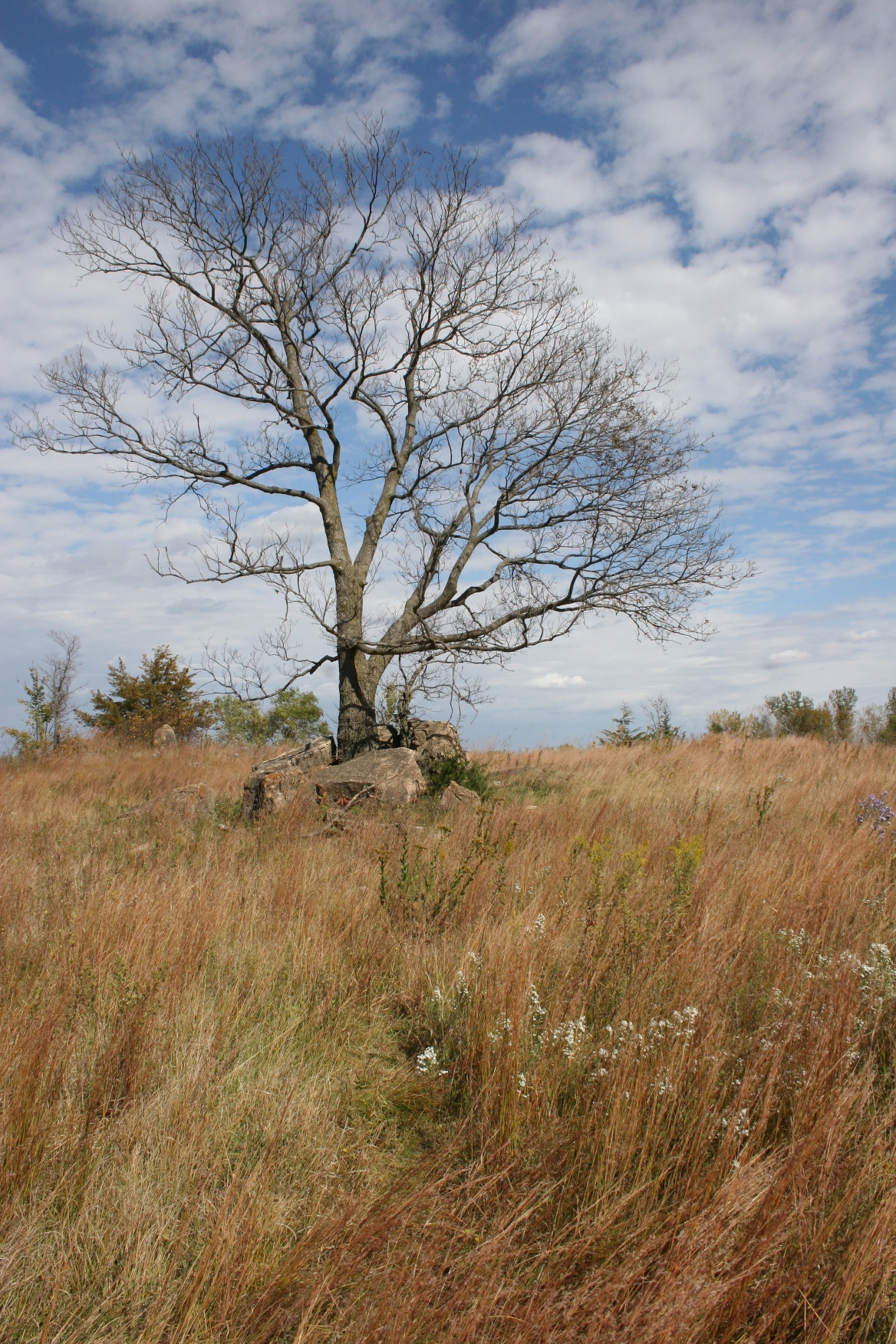


My favorite image from the Kasota Prairie, a barren tree encircled in rock.
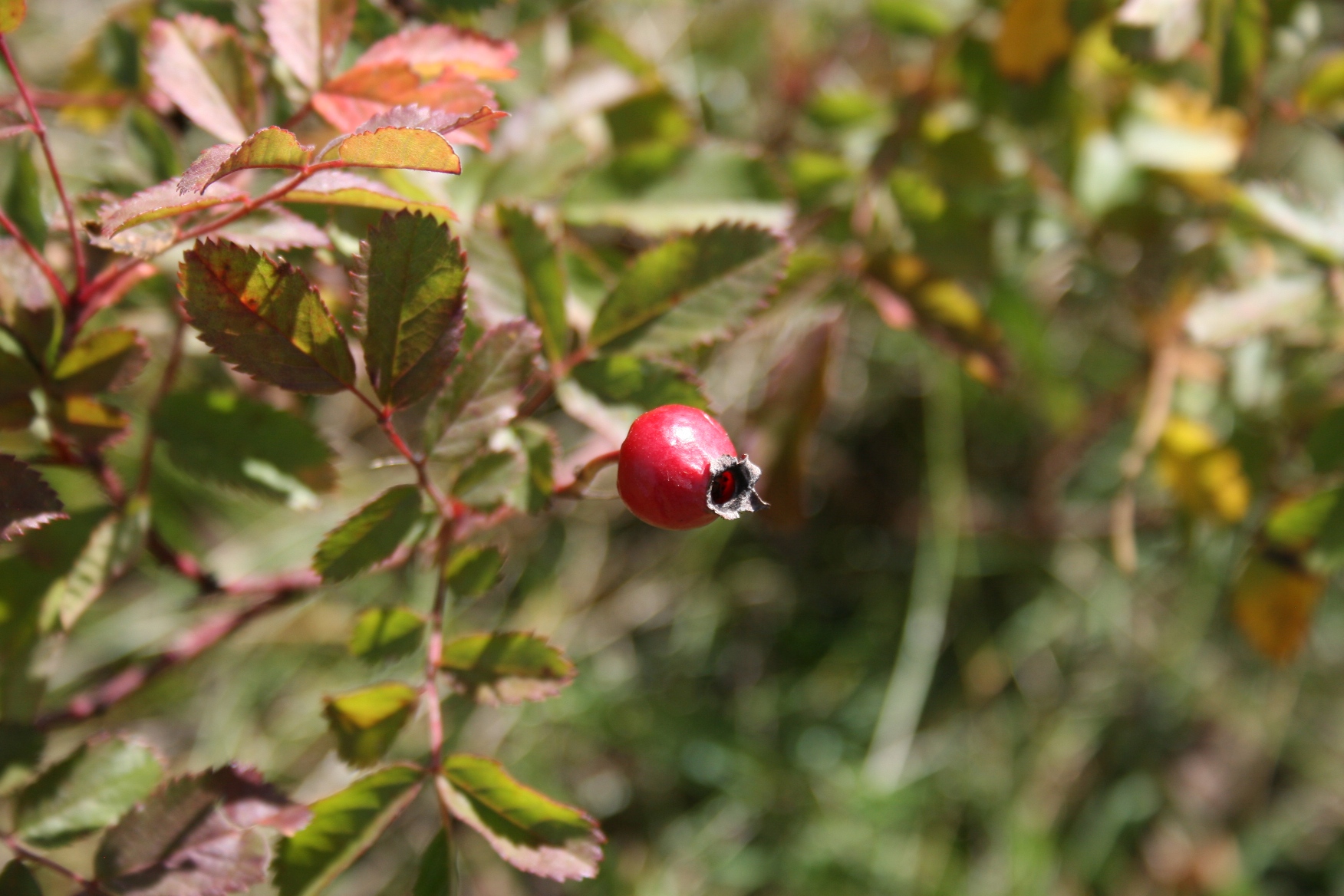


Wild rose berries on the Kasota Prairie.
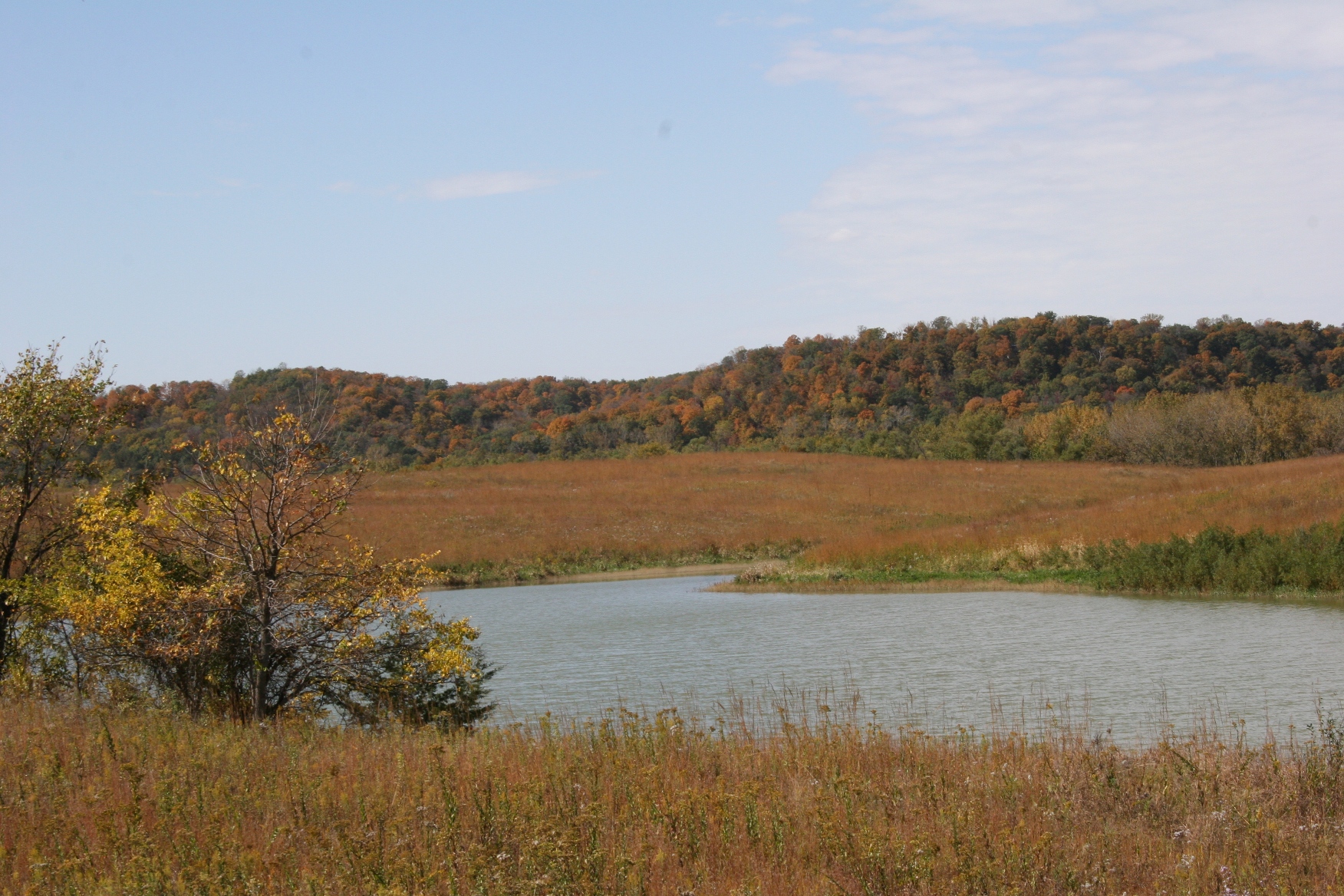


Trees on a distant hillside change colors under October skies.


There is so much to appreciate here. Wind. The sky, quickly changing from azure blue wisped with white to the angry gray clouds of a cold front. Land, rolling out before me, unbroken except for sporadic pockets of water, the occasional tree or cluster of trees and those rocks, those hard, ancient rocks that interrupt this land, this Kasota Prairie.
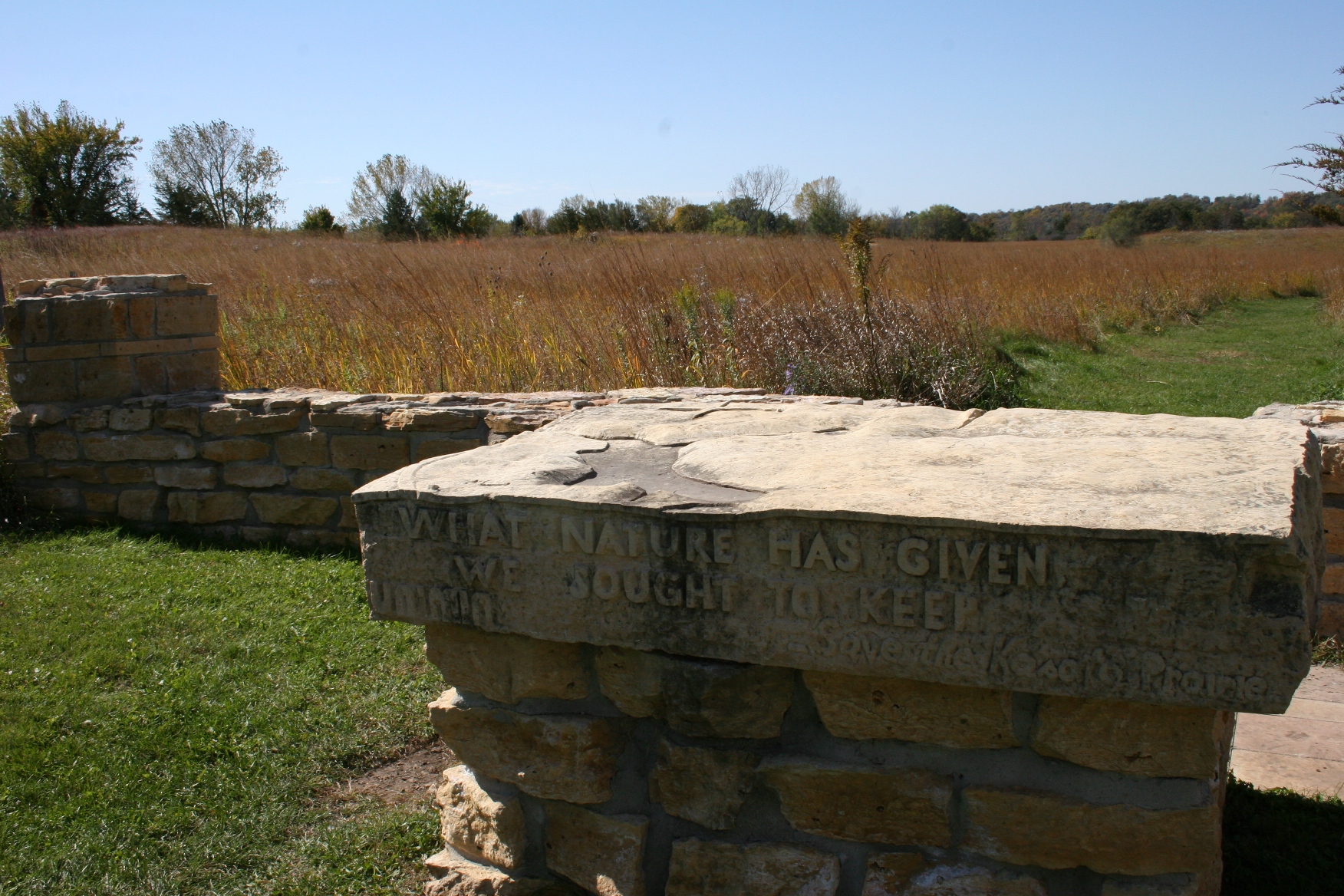


A sign marks the Kasota Prairie entrance.
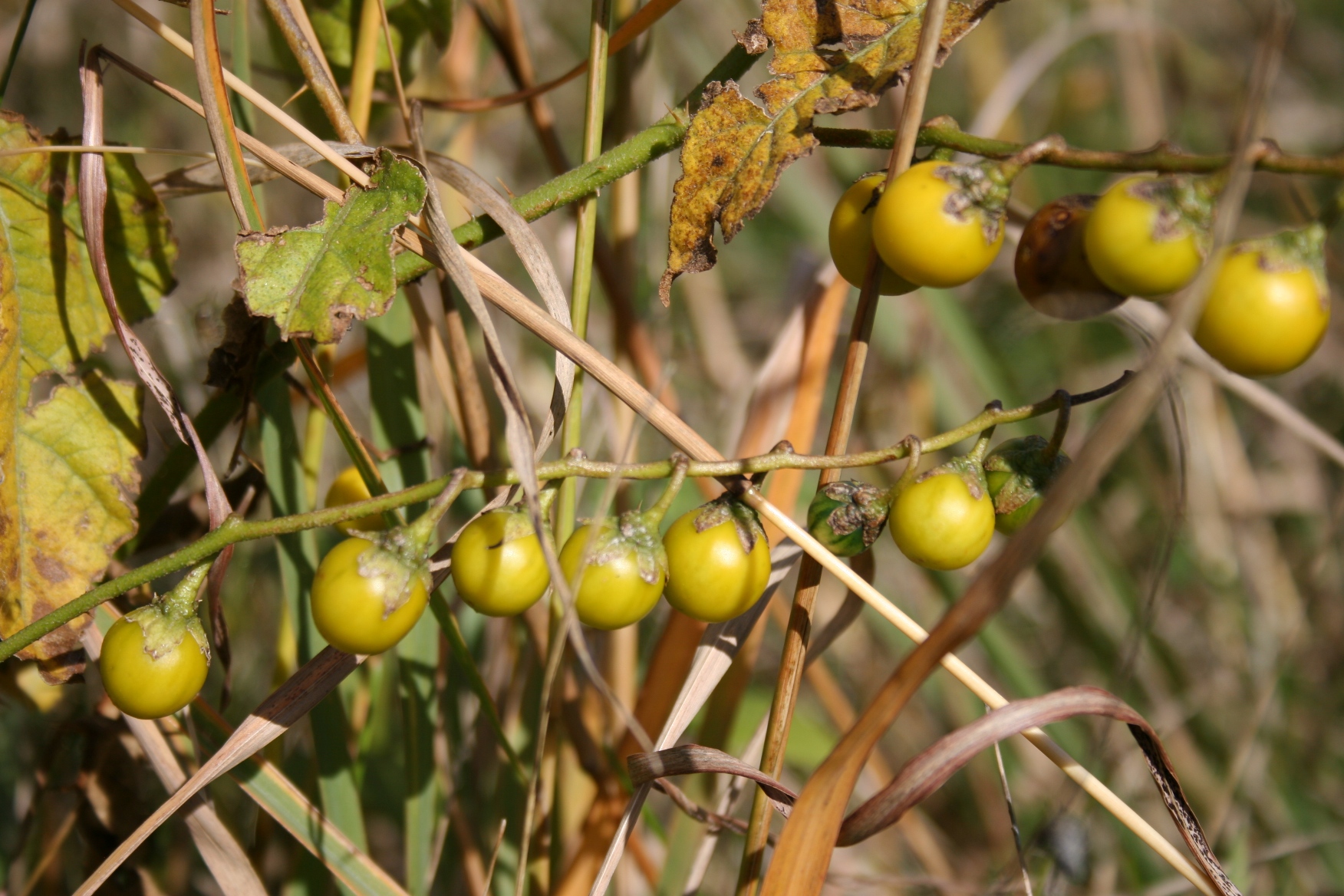


To truly appreciate the prairie, notice the details, like the berries growing among the grasses.
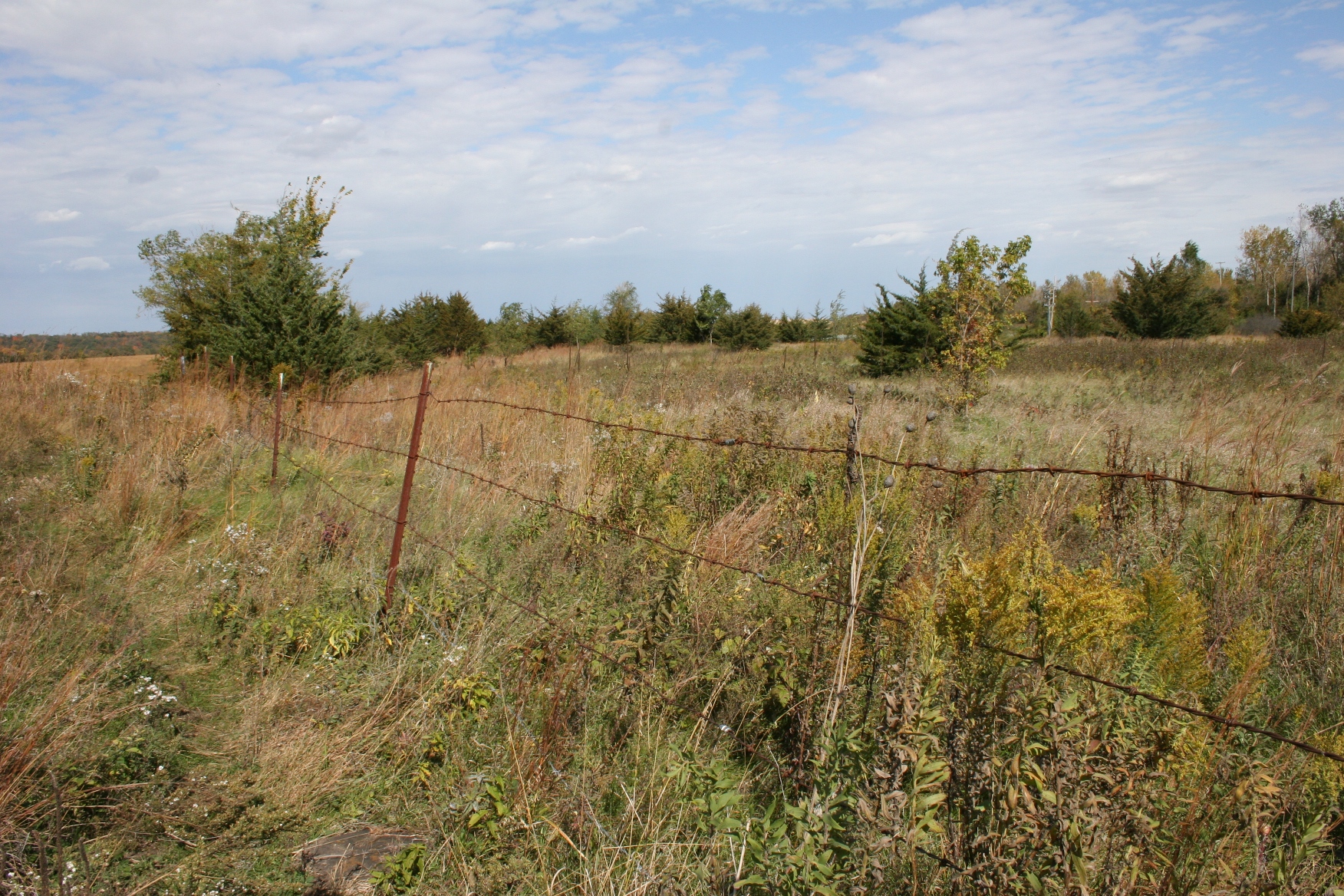


A narrow path runs along the barbed wire fence border line of the prairie.


FYI: To find the Kasota Prairie, take Le Sueur County Road 21 one mile south of Kasota. Then turn west onto township road 140 and go one mile.

© Copyright 2010 Audrey Kletscher Helbling


Barns full of memories October 6, 2010

Filed under: Uncategorized — Audrey Kletscher Helbling @ 7:39 AM
Tags: , , , , , ,

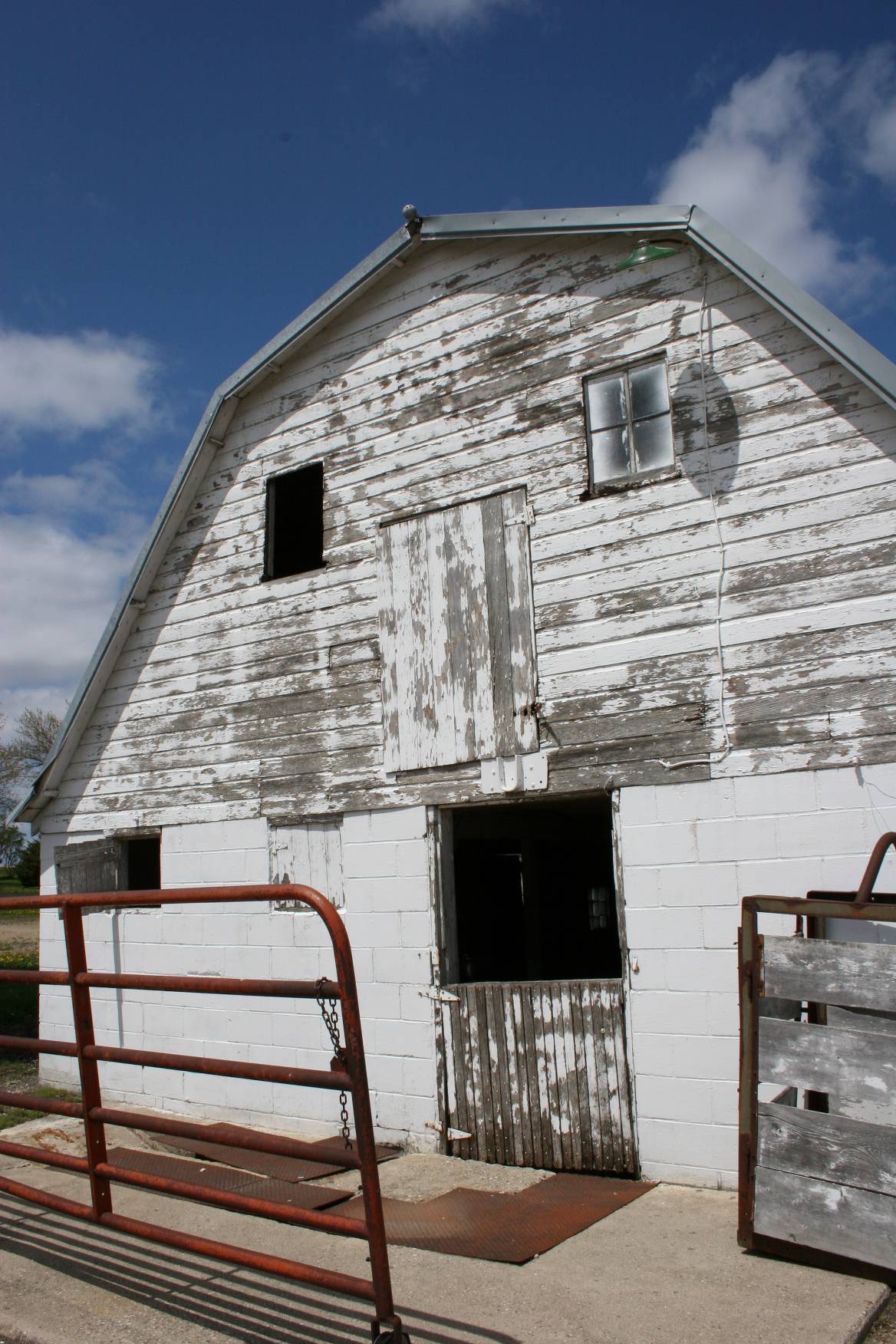
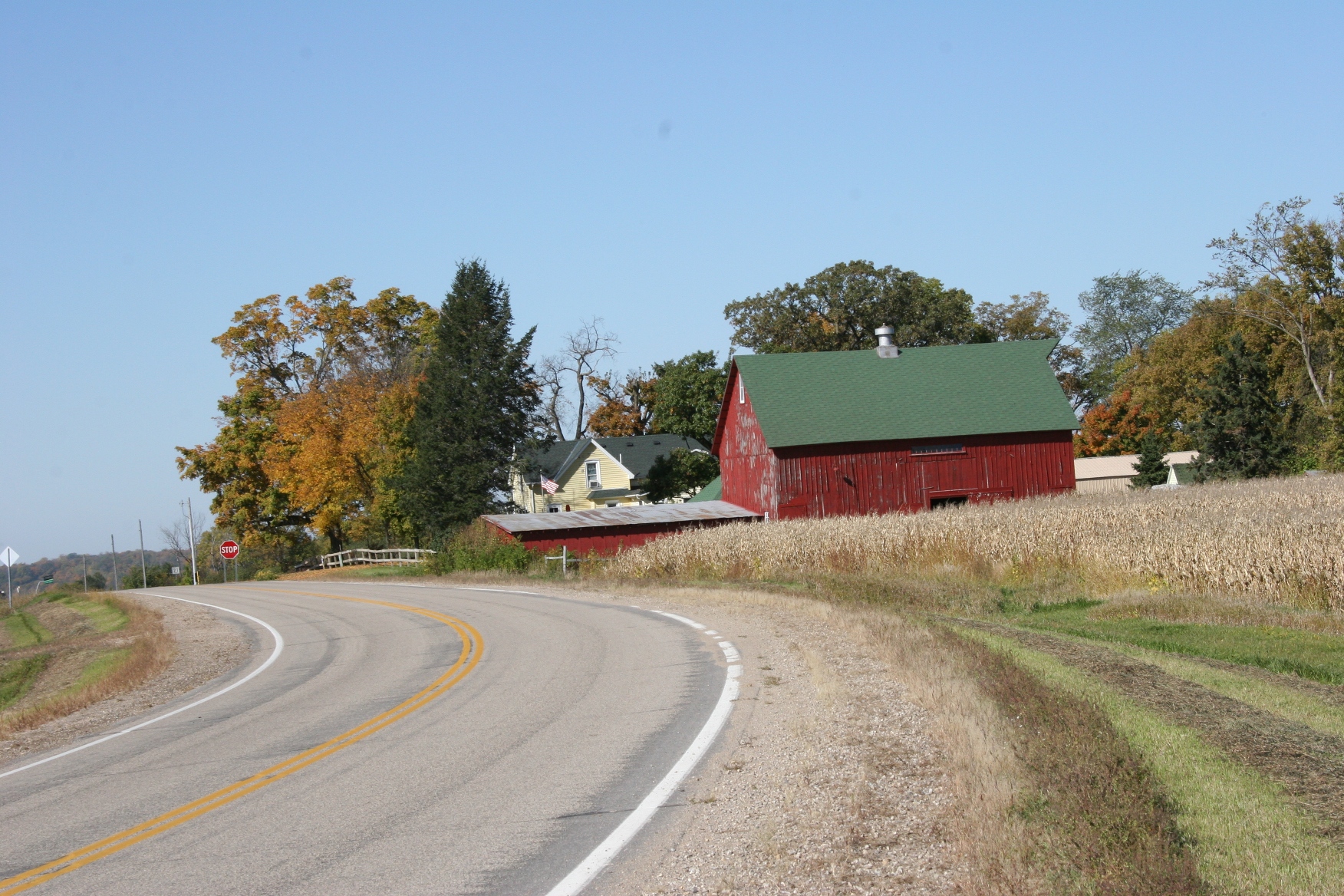
I photographed this barn along Le Sueur County Road 21 while on a recent drive to see the fall colors.

LIKE COUNTRY CHURCHES and abandoned farmhouses, old barns draw me close, calling me to not only look, but to truly see.

All too often these days, though, my view is periphery, a quick glimpse from a car window of a barn that stands straight and strong or crooked and decaying.

Because these are not my barns on my property, I typically settle for photographing them from the roadway, although I would like nothing more than to meander my way around the farmyard.

Barns evoke memories—of sliding shovels full of cow manure into gutters, of dumping heaps of pungent silage before stanchions, of pushing wheelbarrows overflowing with dusty ground feed down the narrow barn aisle, of dodging streams of cow pee, of frothy milk splashing into tall metal pails, of Holsteins slopping my skin with sandpaper tongues.

Such memories come from years of hard work on my childhood dairy farm in southwestern Minnesota. That barn stands empty now, has for longer than I care to remember. No cows. No kids. No farmer. No nothing.

I have only my memories now and those barns, those roadside barns, which symbolize the hope, the fortitude and the dreams of generations of Minnesotans.

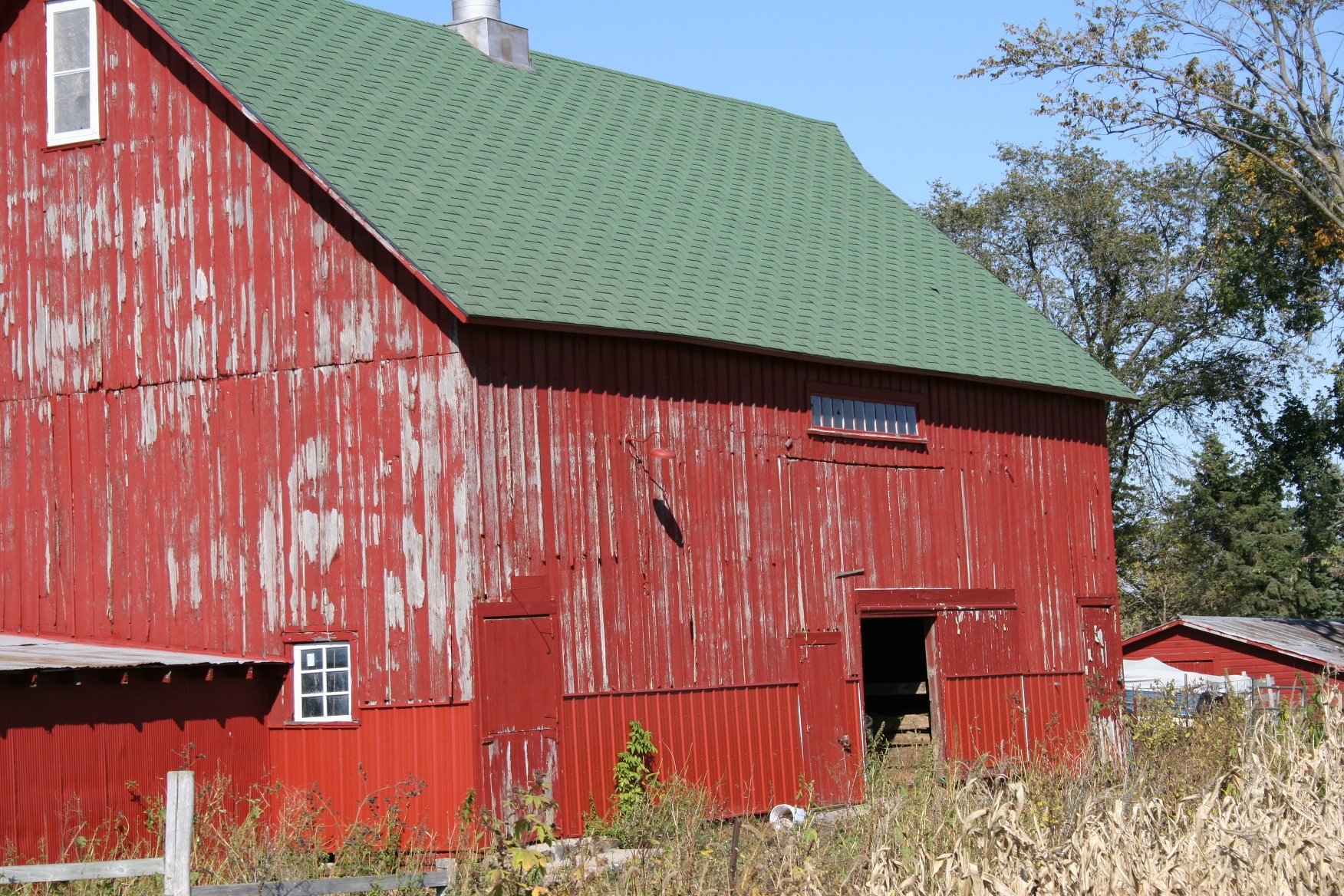
The early 1950s barn on the Redwood County dairy farm where I grew up is no longer used and has fallen into disrepair.

A close-up image of the red barn (above), snapped while driving past the farm.

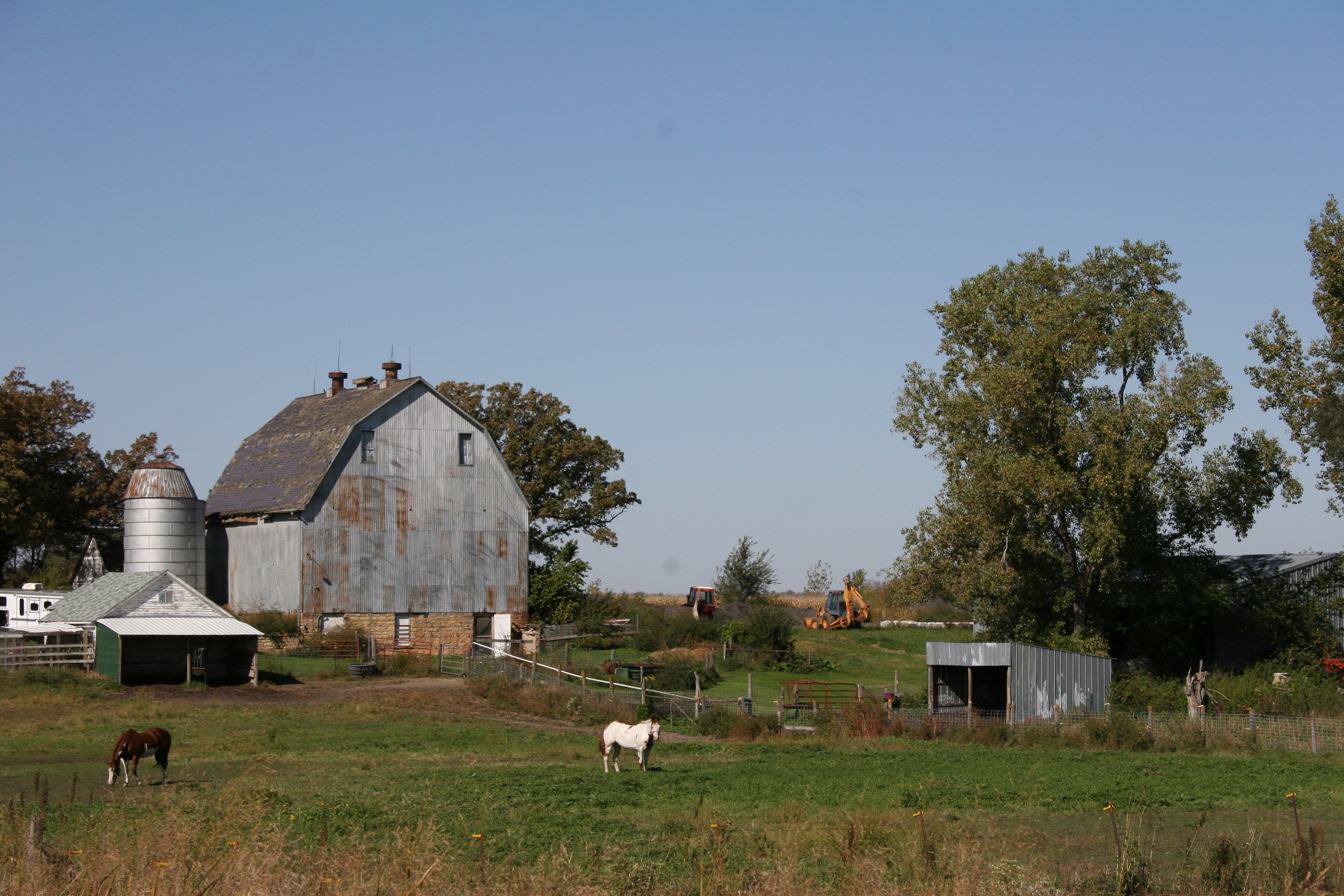
Another barn in Le Sueur County.

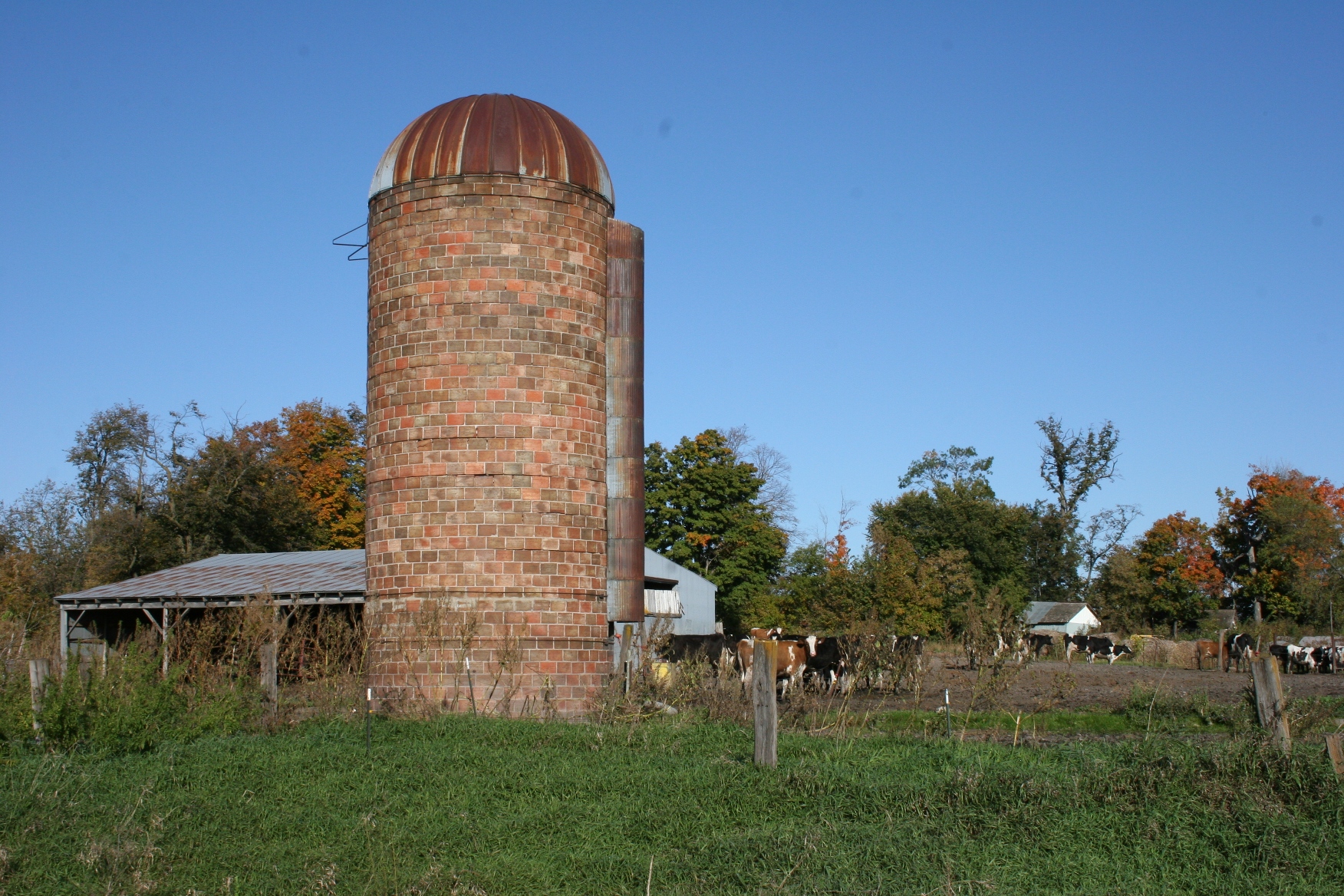
Old silos, like this one along Rice County Road 10, also intrigue me. Growing up on a farm, I climbed into the silo to throw down silage for the cows. Below my brother scooped up the silage to feed cows on his side of the barn. It took me awhile to figure out what he was doing, and that was making me do half his work.

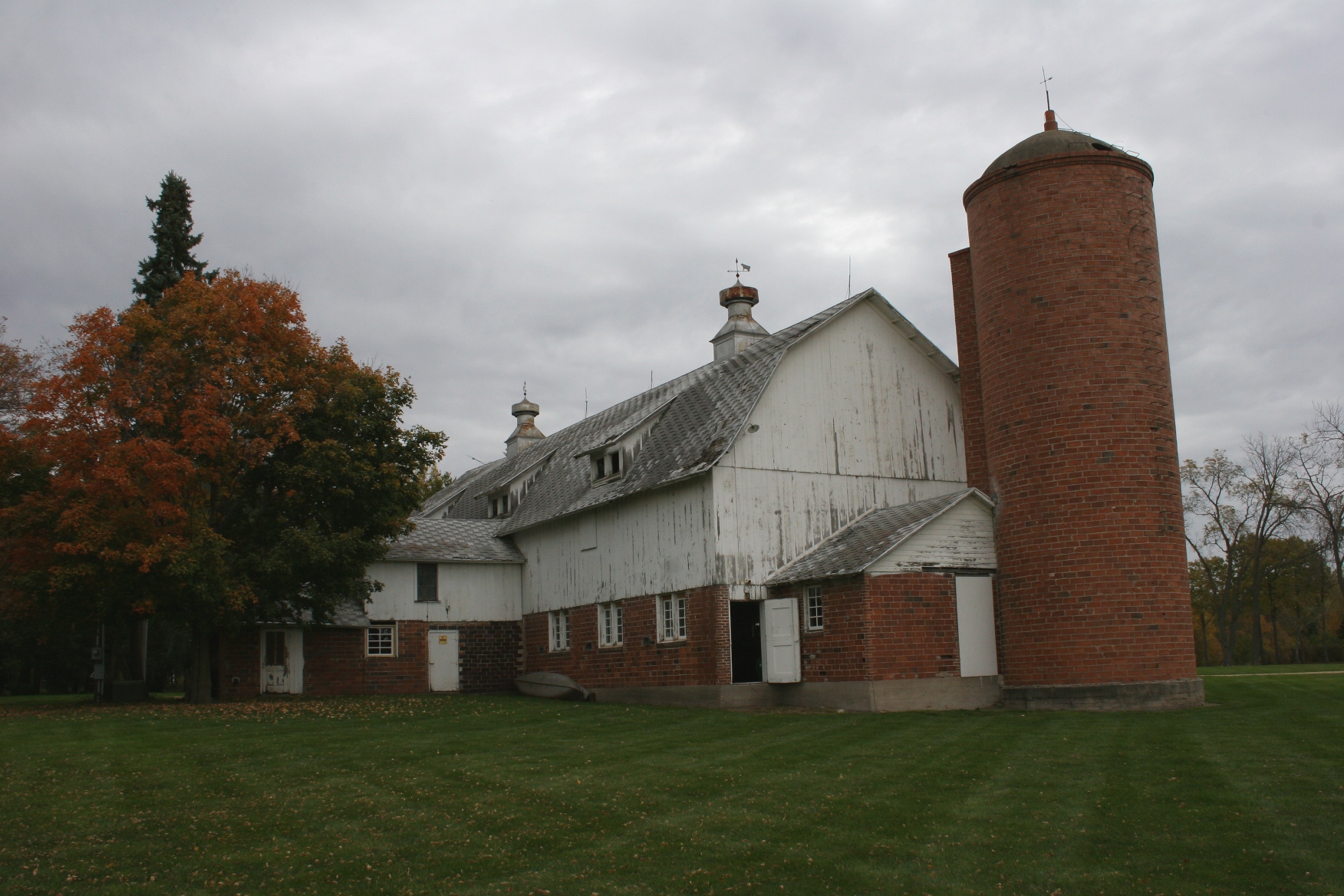
If ever a barn could impress, it would be this one I spotted on the Le Sueur/Blue Earth County line, I believe along Le Sueur County Road 16. I doubt I've ever seen such a stately barn.

Here's another angle of the sprawling old barn. Yes, I trespassed and tromped across the lawn to capture this photo. Imagine the dances you could host in this haymow. What a fine, fine barn.

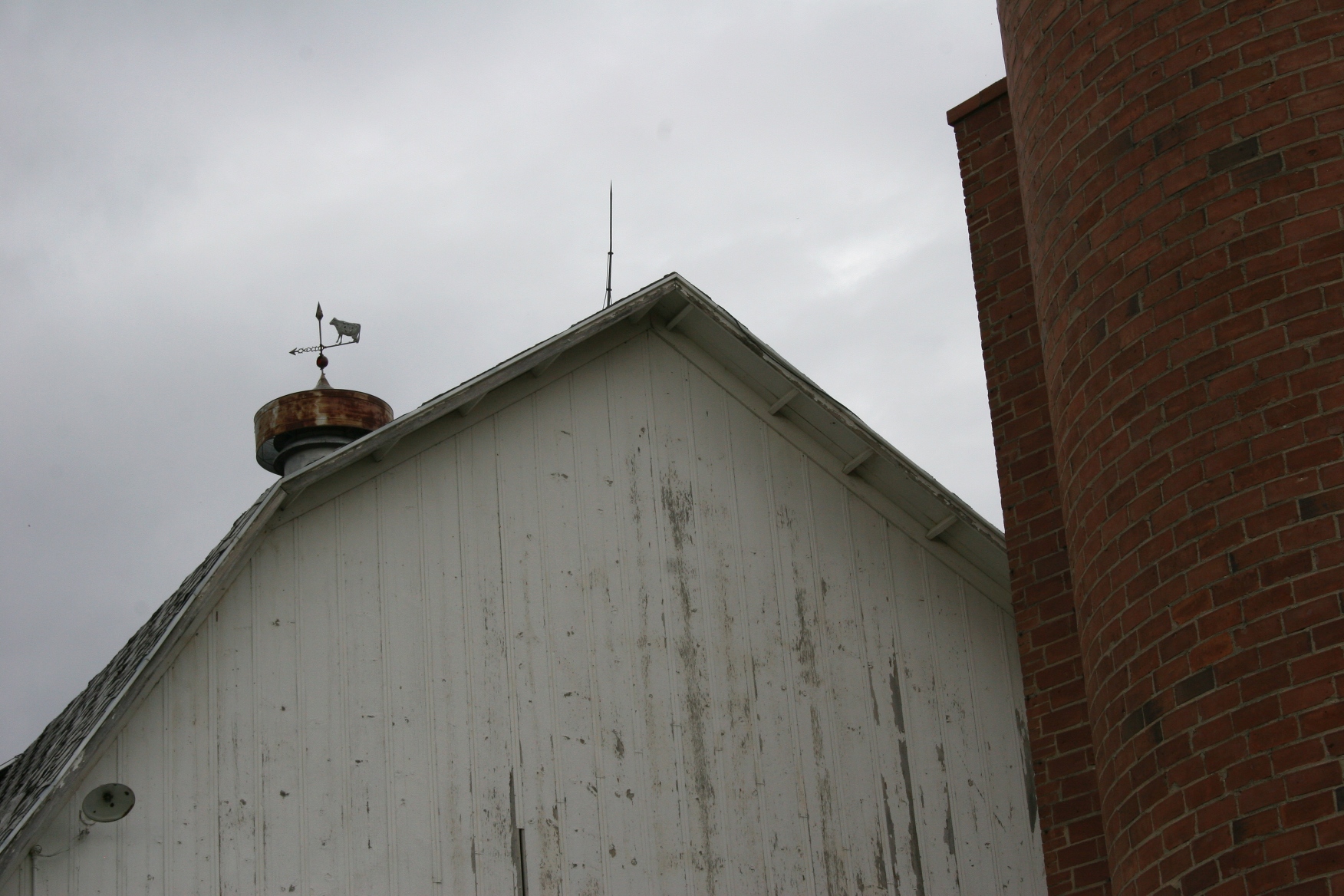
I zoomed in even closer to capture the barn roof and a portion of the silo.

© Copyright 2010 Audrey Kletscher Helbling
 

Step into yesteryear at the stark, yet welcoming, Ottawa Town Hall September 17, 2010

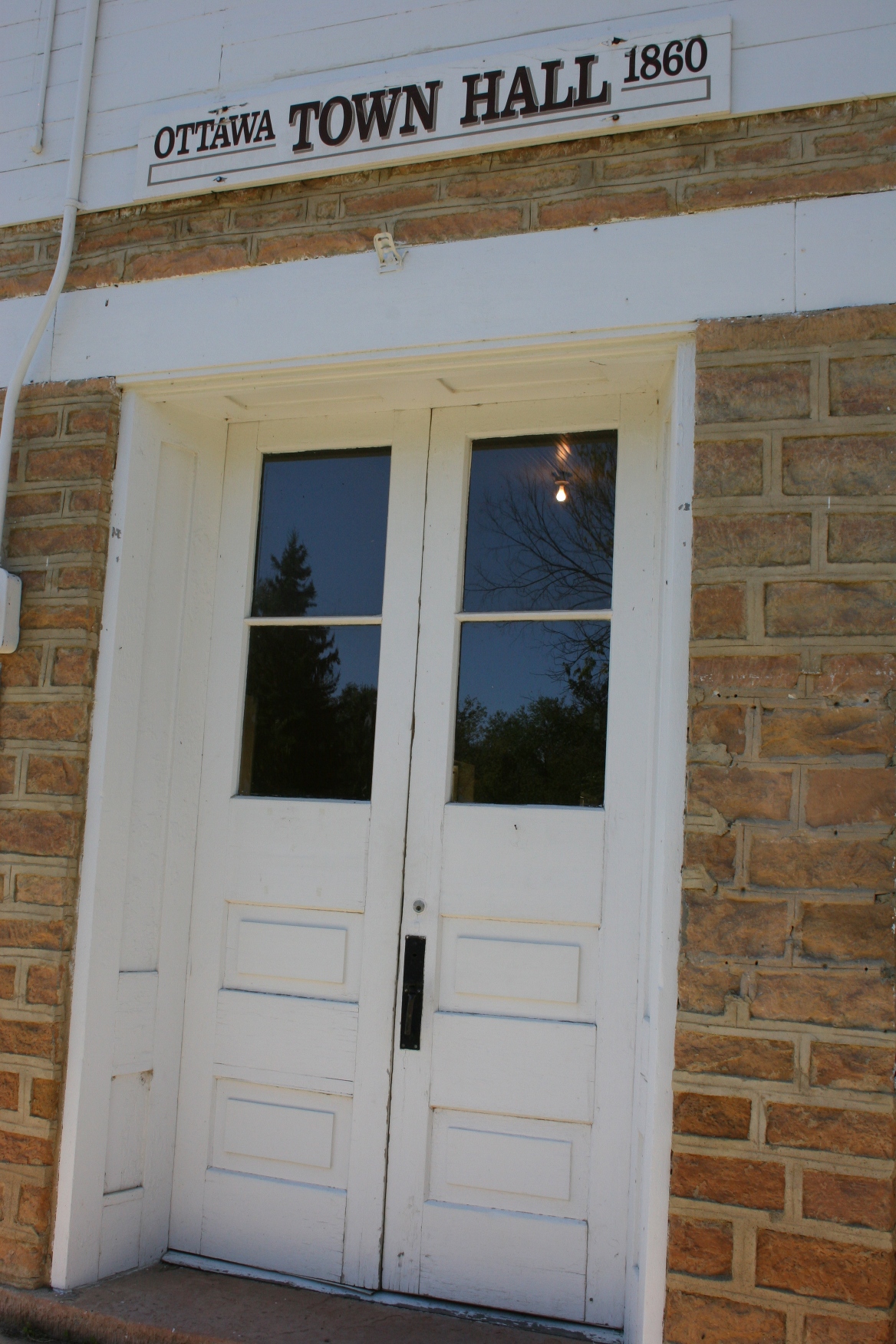
The Ottawa Town Hall was built in 1860 from local limestone.

I ABSOLUTELY COULD NOT believe my good fortune. After peering through a front window into the old town hall and wondering why the lights were on, I pulled (or pushed; I can’t recall which) on the front door. Much to my elation, the door gave way.

Let me preface this by saying that in the past when I have clicked door latches or turned knobs on historic buildings, mostly churches, I’ve met resistance, meaning I was locked out.

I tried the door latch and the door was, to my surprise, unlocked.

But, ah, to feel the door sway, allowing me entrance, gave me that momentary feeling of surprised satisfaction. And look, just look, at what awaited me inside the Ottawa Town Hall.

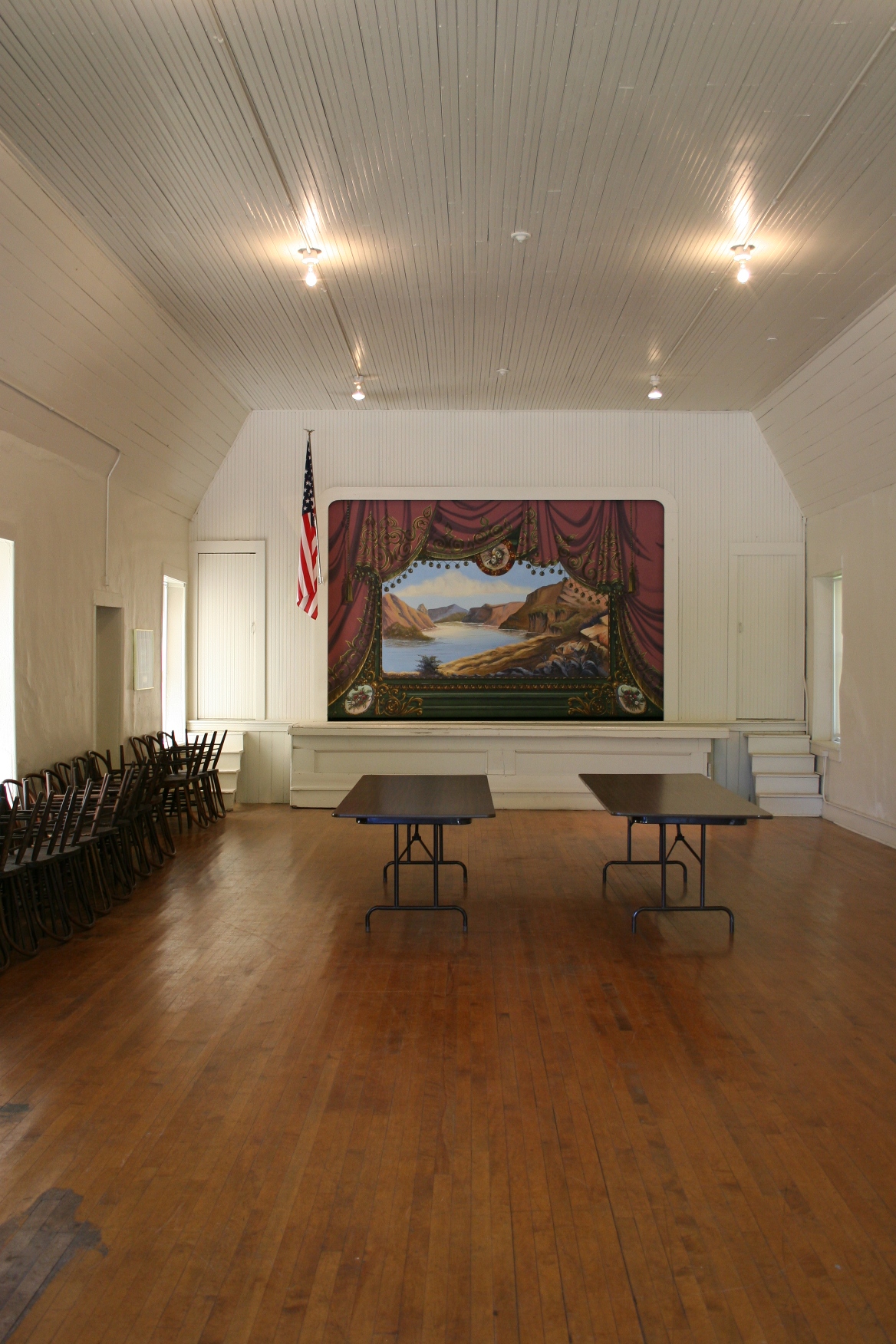
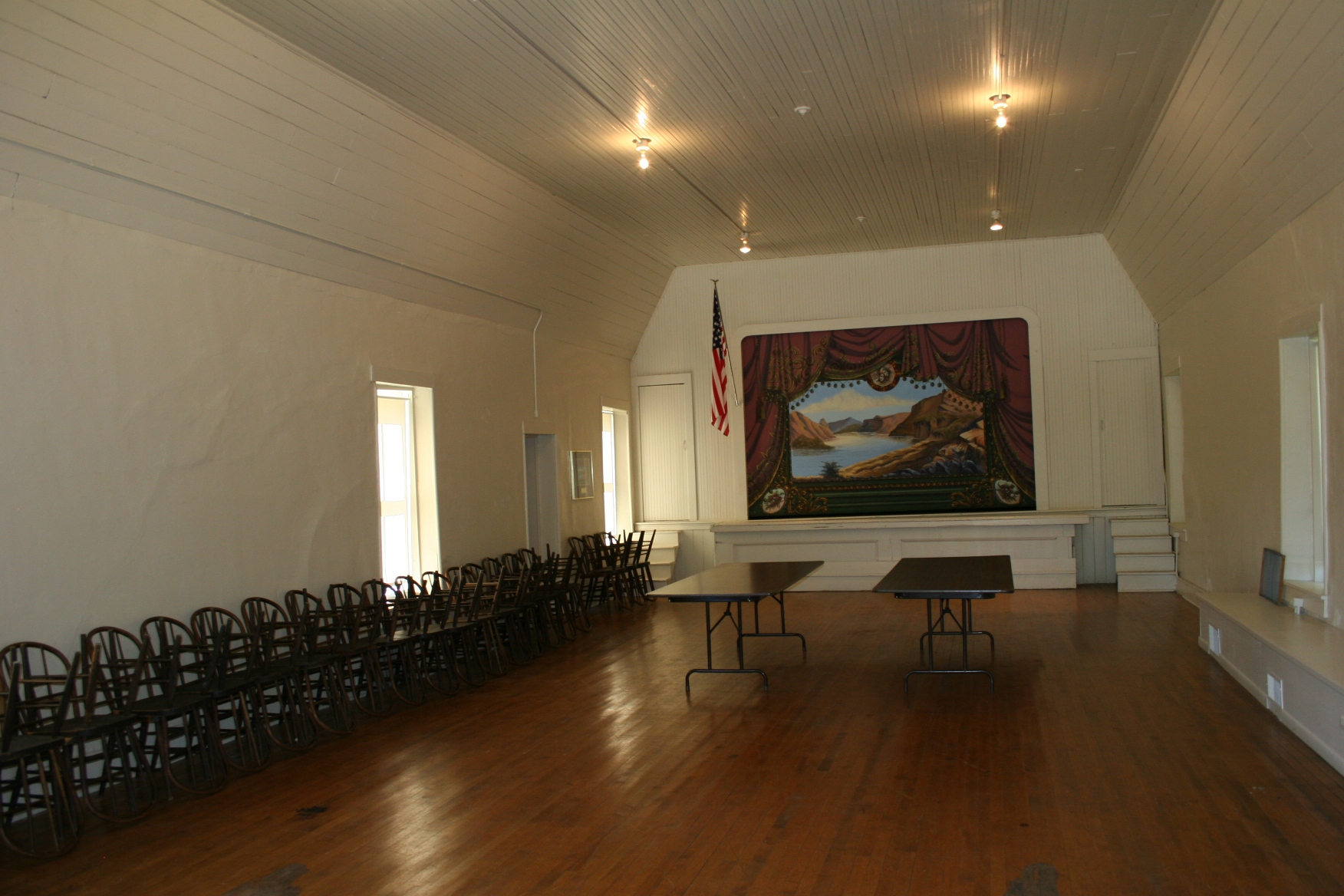
Inside, the stark room stretched out before me.

Simplistic beauty best describes the interior of this former general store constructed in 1860 from local limestone and today among six Ottawa buildings on the National Register of Historic Places.

To find this village platted in 1853 along the Minnesota River, follow winding Le Sueur County Road 23 northeast of St. Peter. And when you get there, after reading the historical marker and picking up a self-guided tour brochure from the town hall kiosk, try the door.

If you’re as fortunate as me, you’ll step into yesteryear, onto scuffed wood-plank floors, into a building that has been the Ottawa Town Hall since 1902.

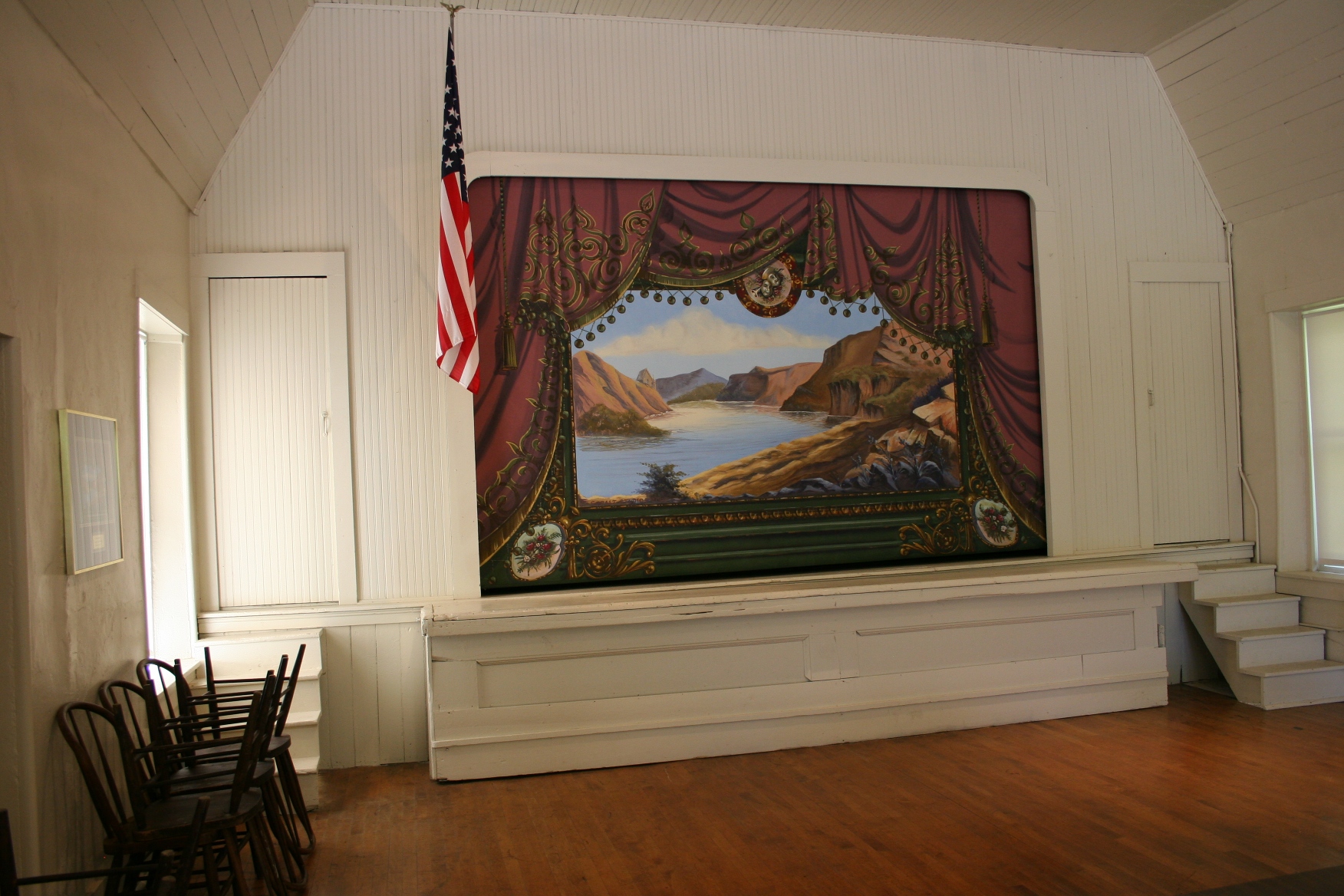
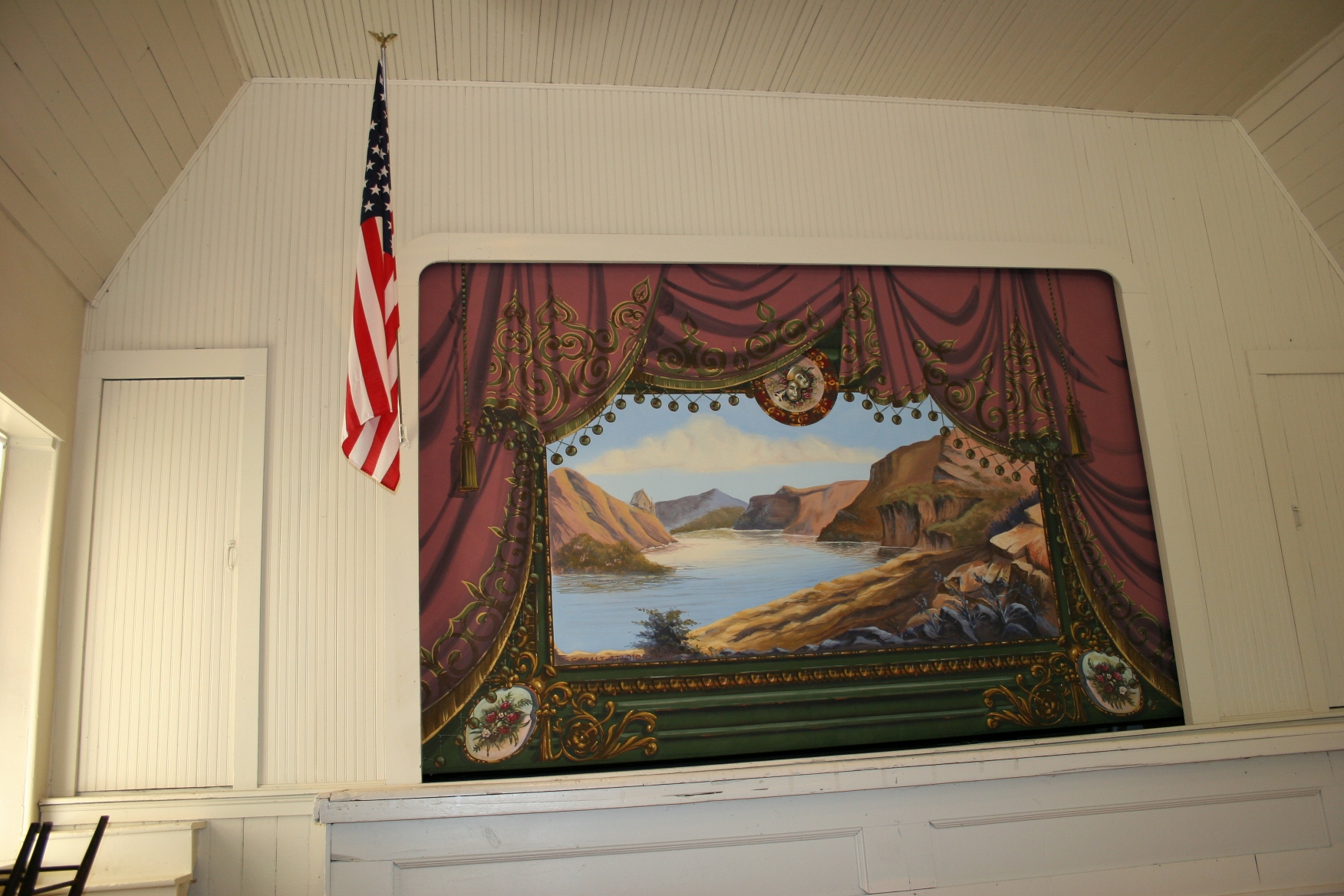
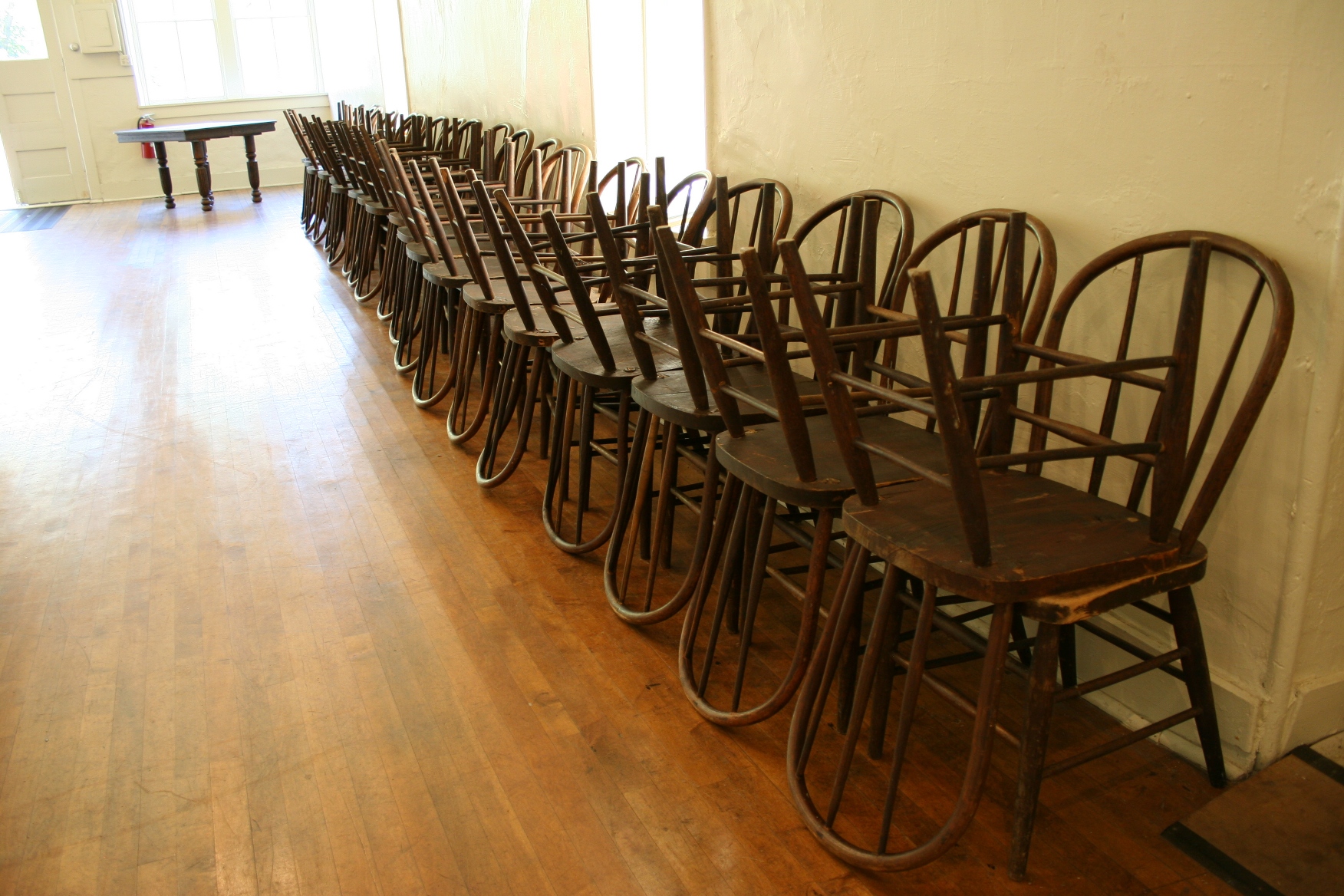
If you’re like me, you’ll stand there for a moment or two or three taking in the atmosphere of this place. You can see history in the beadboard walls and ceiling, in the stage flanked by steps and adorned with a scenic canvas curtain reminiscent of melodrama days, in the lone American flag, in the curved-back wooden chairs stacked precisely along the wall.

The stage intrigues me. Who performed here? Do actors and actresses ever grace this stage today?

I tugged at the two side doors that would have given me access to the stage. But, alas, they were locked.

I stroked the stiff canvas of the stage curtian and admired the painted florals.

Ottawa Town Hall chairs

Even the stacked chairs seemed a sculpture of historic art.

If you like “fancy,” you won’t appreciate the starkness of a room awash in white under the blazing light of bare bulbs.

For me, though, there’s something about this town hall that soothes, comforts, makes me feel right at home, as if the door was meant to be left unlocked, the lights switched on in an inviting welcome.

Though rather plain, the town hall possesses a certain welcoming charm.

© Copyright 2010 Audrey Kletscher Helbling