Minnesota Prairie Roots

Writing and photography by Audrey Kletscher Helbling
And the 2024-2025 Minnesota snowplow name winners are… February 13, 2025

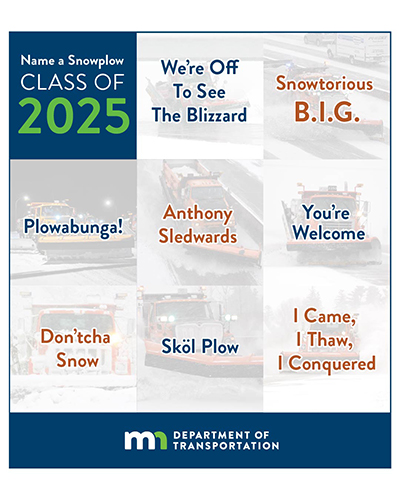
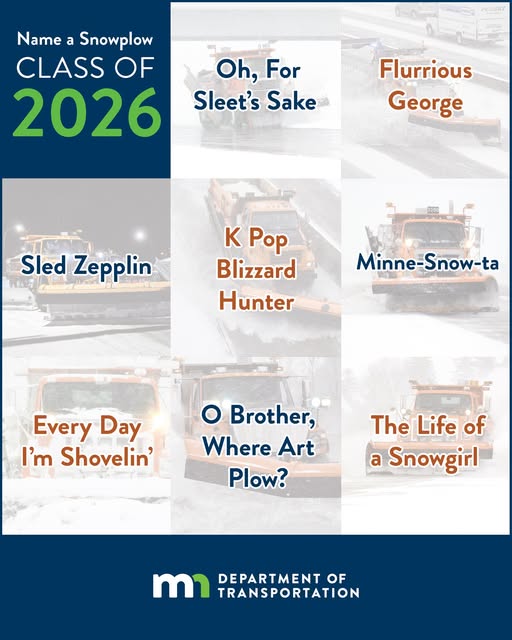
(Graphic from the Minnesota Department of Transportation)

IN MINNESOTA, we’re not off to see The Wizard, but the blizzard. Or maybe we wish we were heading for the Emerald City. But the people have voted, and We’re Off to See the Blizzard topped the eight names selected for the Minnesota Department of Transportation’s annual Name a Snowplow Contest.

Polls closed last Friday with 23,400 people voting for up to eight names on a list of 50. That was narrowed from some 7,300 submissions.

A snowplow in my native southwestern Minnesota will now bear the name spun off from a line in “The Wizard of Oz” starring native Minnesotan Frances Gumm, aka Judy Garland. Her hometown of Grand Rapids (Minnesota, not Michigan) is located in MnDOT’s District 1 on the northeastern side of our state. A plow in that region will be tagged SKOL Plow, a tribute to the Scandinavian cheer chant for the Minnesota Vikings. That name came in at number seven in the polls.

Teenaged Mutant Ninja Turtles, popular superhero characters. (Minnesota Prairie Roots copyrighted file photo)

Here in southeastern Minnesota, Plowbunga! will now mark one of MnDOT’s big orange snowplow trucks. Does that reference Cowabunga! of “The Teenage Mutant Ninja Turtles” fame? I think so. My girls loved those cartoon superheroes, turtles in a half shell. Plowabunga! was the third top vote-getter.

Coming in second was Snowtorious B.I.G., which totally baffled me. So I googled and found connections to snow, drugs and sweaters.

Anthony Sledwards also had me stumped. Turns out Anthony Edwards is a star basketball player for the Minnesota Timberwolves. That explains it. I don’t watch sports. Travel in the Twin Cities metro and you will soon see Anthony Sledwards plowing snow.

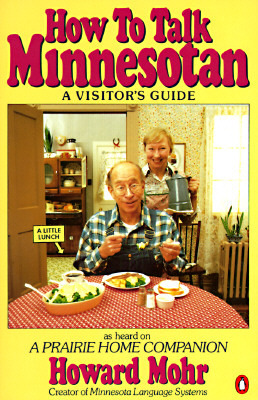
The original version of “How to Talk Minnesotan,” published in the 1980s, is a primer to Minnesota language. (Book cover sourced online)

The fifth and sixth place winners, You’re Welcome and Don’tcha Snow, honor Minnesota Speak, phrases (or versions of) spoken by Minnesotans. Don’tcha know?

Rounding out the top ten is I Came, I Thaw, I Conquered, which will go on a plow in District 7, South Central Minnesota.

So there you go. How did I do with my picks? Three of my eight choices—We’re Off to See the Blizzard, SKOL Plow and Catch My Drift (#9 and which I really really like)—finished in the top ten.

I’m not sayin’ take me to Jackpot Junction, Mystic Lake, Treasure Island or any other casino in Minnesota because I’m not that good at picking winners. But I am sayn’ this annual contest is a whole lot of fun and certainly breaks up a long Minnesota winter.

© Copyright 2025 Audrey Kletscher Helbling
 

Name that Minnesota snowplow January 29, 2025

Blowing snow reduces visibility along Rice County Road 25/197th Street East near Faribault on January 18, 2020. (Minnesota Prairie Roots copyrighted file photo 2020)

WITH THE LONG WINTERS we have here in Minnesota, we find creative ways to get through this lengthy, lingering season. That includes naming our state-owned snowplows.

It’s that time of year again when voting opens in the Minnesota Department of Transportation’s Name That Snowplow Contest. Yup, we started naming our snowplows in 2020. Not all of them, of course, because MnDOT has a large fleet of big orange snowplows. Rather, eight names are selected for a snowplow in each of MnDOT’s eight districts.

The contest, and, yes, this is a contest, garnered more than 7,300 submissions for the 2024-2025 season. Guidelines called for witty, unique and Minnesota or winter-themed names. Rules banned profanity, political connections (thank you, MnDOT) and such. In other words, Minnesotans needed to exercise Minnesota Nice in suggesting snowplow names.

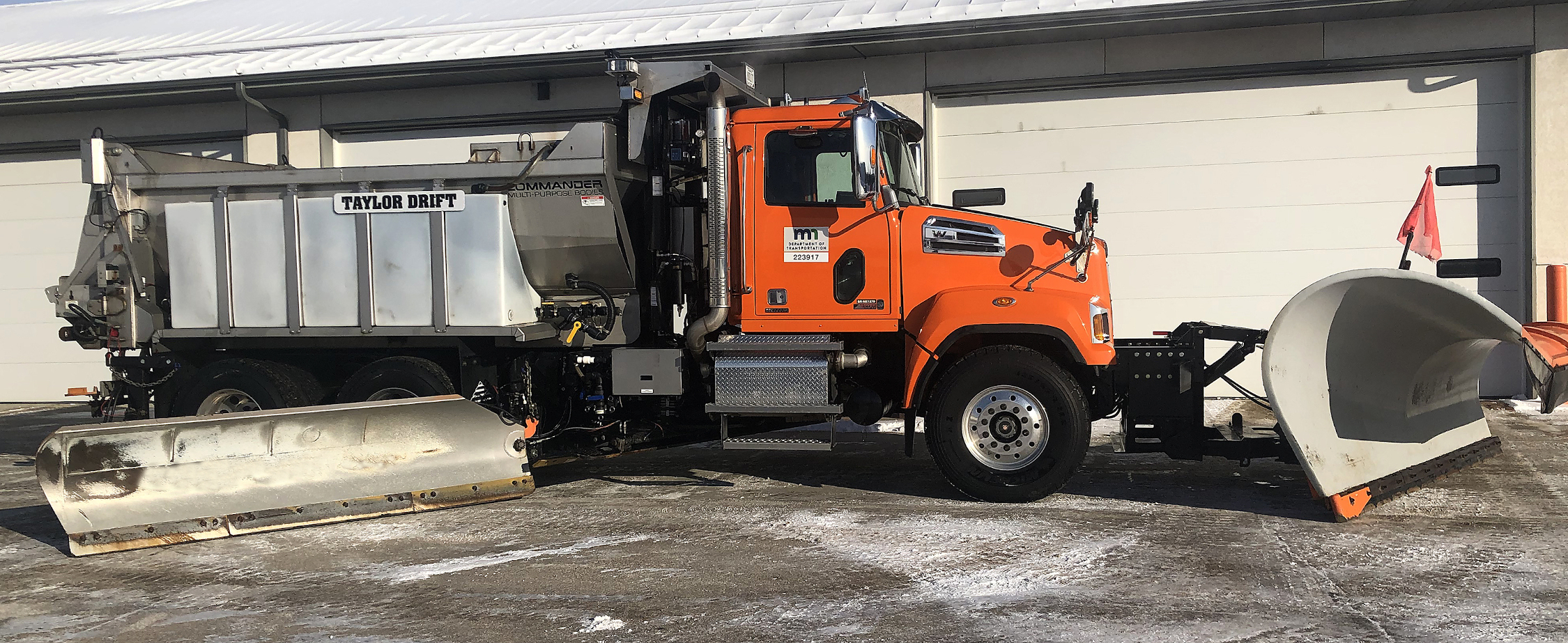
In a nod to Taylor Swift, a snowplow in MnDOT’s District 2 was named Taylor Drift in the 2024 contest. (Photo credit: Minnesota Department of Transportation)

MnDOT staff reviewed the submitted names and narrowed the choices to 50. How would you like that job? Now the public has until noon on Friday, February 7, to vote for up to eight names. Just like in any election, you can vote only once. But not at the ballot box. Vote online.

Scrolling through the list of names, I picked my favorites. Now, if my choices influence your picks, I offer no apologies. You can vote your conscience.

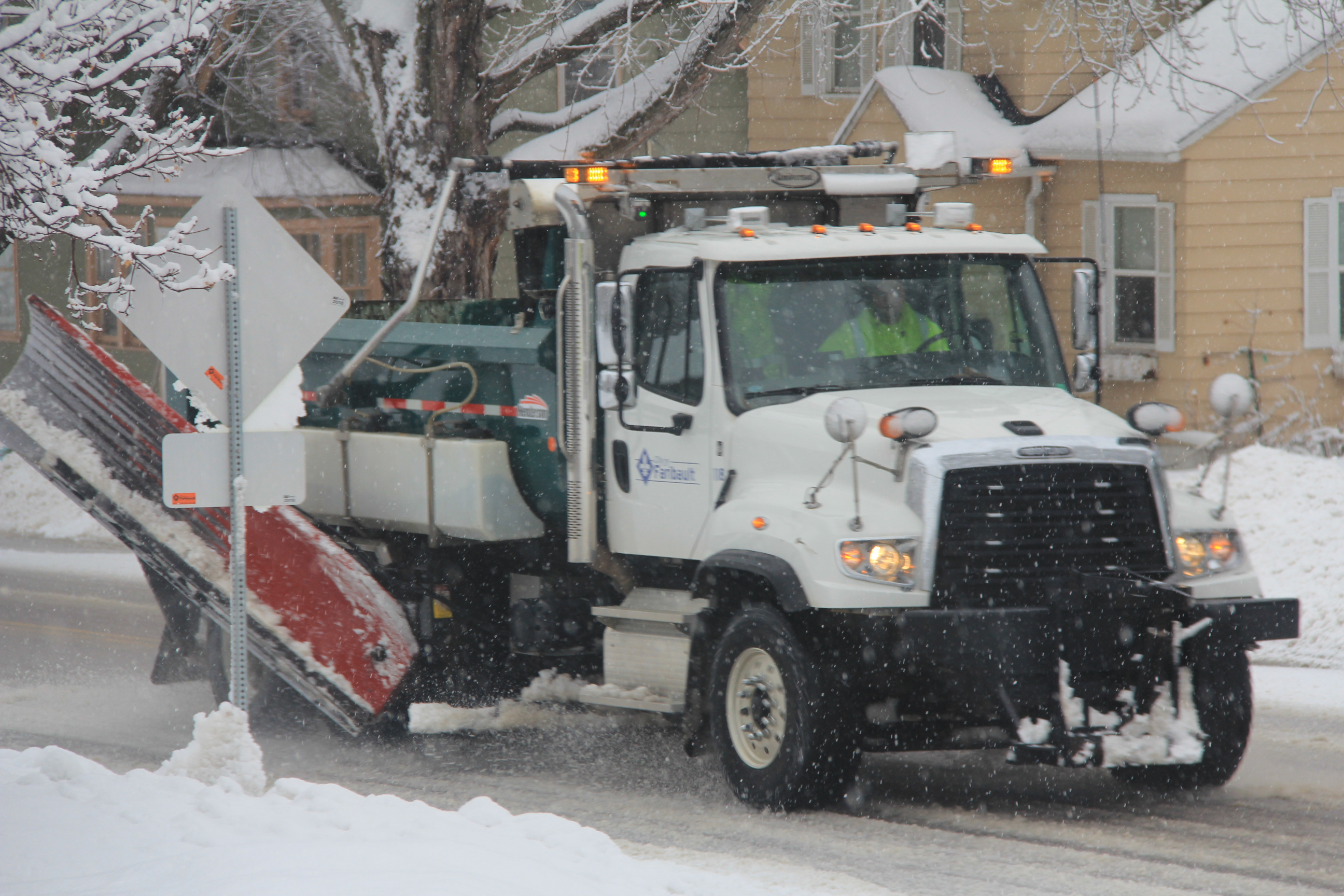
A City of Faribault truck plows snow in the winter of 2023. (Minnesota Prairie Roots copyrighted file photo 2023)

I’m voting for these names, listed in alphabetical order and followed by my reasons for selecting them:

Bob Chillin’—A tribute to native son, singer, songwriter and poet Bob Dylan, who is not a complete unknown.

Catch My Drift—Just because it’s catchy and this is what snowplows do, especially on my native prairie.

Little Plow on the Prairie—A nod to author Laura Ingalls Wilder and the TV series, Little House on the Prairie, set in Walnut Grove, Minnesota (the show, not the book).

Make Snowbegone—A reference to writer Garrison Keillor’s fictional Lake Wobegon and also the way many Minnesotans feel in the deep of a snowy winter.

MinneSNOWta N’ice—Obviously referring to Minnesota weather and the “Minnesota Nice” moniker tagged to Minnesotans.

SKOL Plow—Even if the Minnesota Vikings did not get to the Super Bowl (again), we remain (mostly) loyal to our team and are fond of our Scandinavian cheer chant, SKOL!

Snow Place Like Home—A clever twist on the phrase, “There’s no place like home” from The Wizard of Oz. Judy Garland, Dorothy in the film, was born Frances Ethel Gumm in Grand Rapids, Minnesota.

We’re Off To See the Blizzard—And, yes, that would be a spin off “We’re off to see the wizard (of Oz).” Snowplows are, indeed, sometimes off to see the blizzard.

There you go. Exercise your right to vote in a nonpartisan election. Just for fun. To vote, click here.

© Copyright 2025 Audrey Kletscher Helbling
 

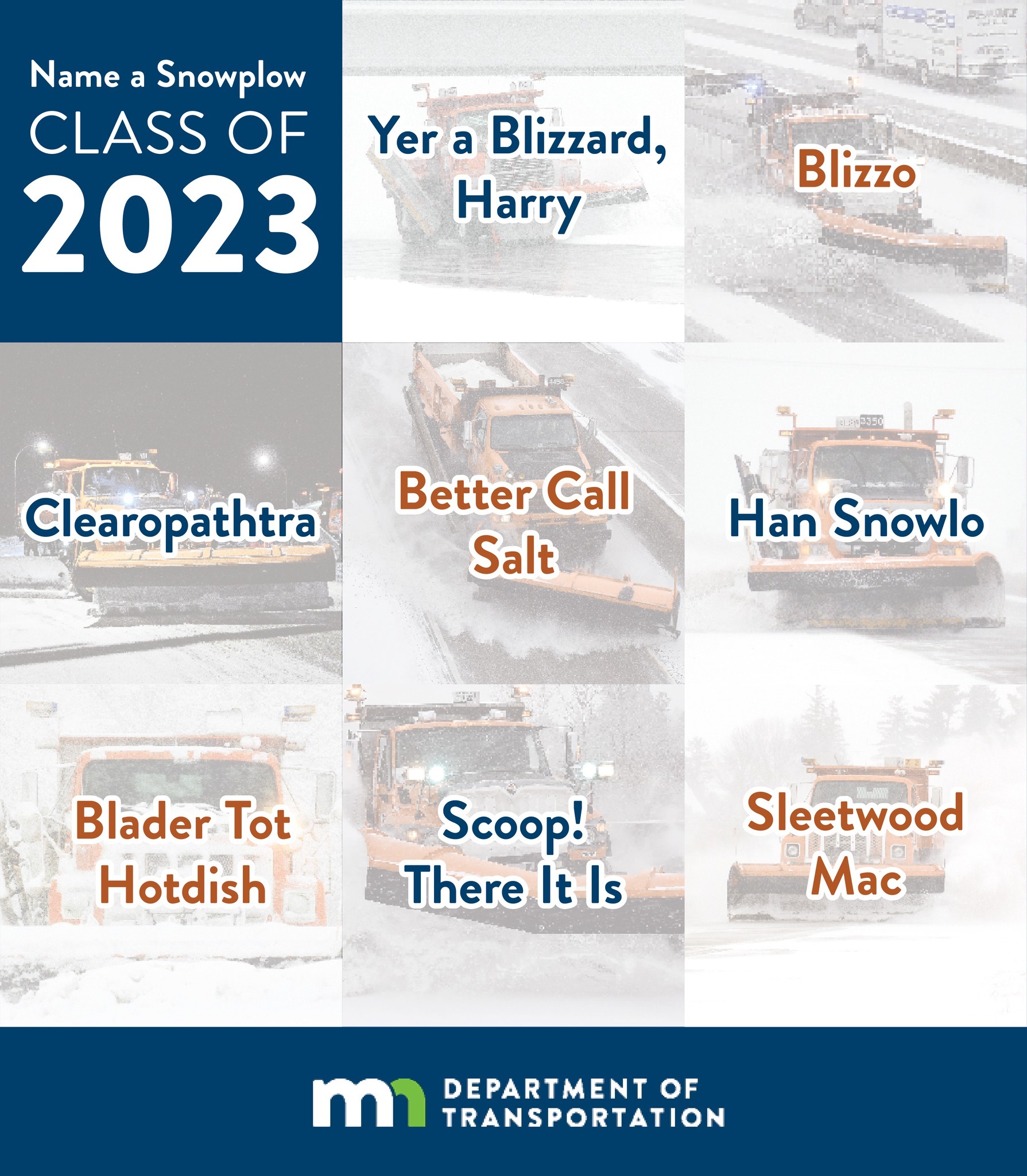
And the winning snowplow names in Minnesota are… February 10, 2023

Source: Minnesota Department of Transportation Facebook page

SORRY, TAYLOR SWIFT, but you just missed getting a version of your name printed on a snowplow in Minnesota. That’s according to results of the 2022-23 Minnesota Department of Transportation’s Name a Snowplow Contest. “Taylor Drift” came in at number nine, right behind “Sleetwood Mac,” a tribute to Fleetwood Mac, a band especially popular in the 70s and 80s. With only a 476-vote difference, I suppose Swift could call for a recount.

Topping the winners’ list is “Yer a Blizzard, Harry,” a reference to Harry Potter. The name will go on a MnDOT snowplow assigned to southwest Minnesota.

Placing second is “Blizzo,” an obvious reference to superstar singer Lizzo, who lived in Minneapolis when launching her career. “Blizzo” will, rightfully so, grace an orange snowplow truck in the Twin Cities metro.

This contest, in its third year, has become quite a hit in Minnesota with 10,400-plus names submitted, then narrowed to 60 before polls opened to online voting. Suggestions that made the ballot were chosen based on uniqueness, Minnesota-specificity and frequency of submission. Some 64,000 people voted, able to select up to eight names. The top eight names will be emblazoned on eight plows in MnDOT’s eight districts.

“Scoop! There It Is” is going on a truck in my district of southeast Minnesota.

I was happy to see “Blader Tot Hotdish” coming in at number six. That was my personal favorite, a reference to Minnesota’s iconic Tater Tot Hotdish (aka “casserole” in other regions of the country). I’ll need to travel all the way to northwest Minnesota to see that moniker on a truck.

Minnesota is not the first cold weather place to have a little winter fun with snowplow tagging. Scotland apparently started this trend in 2006 seeking names for its “gritters,” as the plows are called. The Michigan Department of Transportation, the State of Vermont Agency of Transportation, and the cities of Indianapolis and Lafayette (where my son lives), Indiana, also hold snowplow naming competitions.

With winters as long as they are in places like Minnesota, I embrace the distraction of naming snowplows. When Taylor Swift rolls into Minneapolis for her sold-out concerts in late June, all the snow drifts should be gone. She’ll rank number one among fans packing U.S. Bank Stadium, fans who have likely long forgotten that “Taylor Drift” just missed going on a Minnesota road tour.

FYI: For a complete, detailed list of voting results in the MnDOT Name a Snowplow Contest, click here.

© Copyright 2023 Audrey Kletscher Helbling
 

Winter diversion: Vote for Minnesota snowplow names January 26, 2023

Graphic credit: MnDOT website

NEWS THAT VOTING has opened for the Minnesota Department of Transportation’s “Name a Snowplow” contest came at just the right time—as two clipper systems bring more snow into a state already overwhelmed by snowfall this winter. Voting comes also as the coldest air since mid-December is about to descend, dropping temps to below zero this weekend in most parts of Minnesota.

It’s been quite the winter. So this MnDOT contest is providing a humorous mental respite from the cold and snowy reality of January in Minnesota, with three months of winter to go.

Three years ago MnDOT launched its first snowplow naming competition, inviting the public to submit names for the big orange trucks that clear our state highways of snow and ice. This year 10,000 names were submitted, which have been narrowed down to 60 choices. Online voting is open until midnight, Friday, February 3. The winning names will grace eight snowplows in MnDOT’s eight districts.

I breezed through the names, quickly choosing my top three. Participants can vote for up to eight. I chose Blader Tot Hotdish (a reference to Minnesota’s culinary delight, Tator Tot Hotdish), Orange You Glad to See Me (picked for obvious reasons) and Spirit of ‘91 (a reference to the Halloween Blizzard of 1991, a multi-day blizzard which dumped single storm record snowfalls throughout the state; three feet in Duluth).

Last year’s winners included Ctrl Salt Delete (an obvious tech reference to the salt used to de-ice roadways), Blizzard of Oz (actress Judy Garland, aka Dorothy, born as Frances Gumm in Grand Rapids, MN.) and No More Mr. Ice Guy.

And in the 2020-2021 contest, Plow Bunyan (honoring legendary Minnesota lumberjack Paul Bunyan), F. Salt Fitzgerald (Minnesota-born novelist F. Scott Fitzgerald) and Duck Duck Orange Truck (a reference to Minnesotans’ insistence that the game Duck, Duck, Goose is, indeed, Duck, Duck, Gray Duck) were among the winning names.

I love this diversion from talking solely about the weather, as we Minnesotans are inclined to do, especially in winter.

This contest also puts a positive spotlight on MnDOT, which too often delivers the bad news of road closures, crashes, road construction, impossible driving conditions and more. “Name a Snowplow” is, simply put, genius creative marketing.

FYI: To vote, click here and follow instructions to cast your ballot. I don’t see any rules requiring Minnesota residency to vote.

© Copyright 2023 Audrey Kletscher Helbling
 

More than Bridge 4667 in the Minnesota River Valley April 12, 2021

AS DAD GUIDED HIS CHEVY Impala along Highway 19 into the Minnesota River Valley near Morton with our family sandwiched inside, I felt a sense of exhilaration. The change in landscape—from flat prairie farm fields to hills and valley—excited me. It was like driving into another world, albeit only 20 some miles east of our farm place.

We were headed to The Cities, as we called, and I still term, Minneapolis and St. Paul. Our destination—my aunt and uncle’s house along Bryant Avenue South in Minneapolis. Once or twice a year, our family of eight, plus Grandpa, packed into one vehicle for the several hours long drive.

It wasn’t often we traveled. Dad milked cows, so one of his brothers had to do the chores for a day. On the morning of departure, we arose early, our nervous energy palpable. Soon we were on our way, stopping to pick up Grandpa in Redwood Falls, then aiming east toward the Minnesota River Valley.

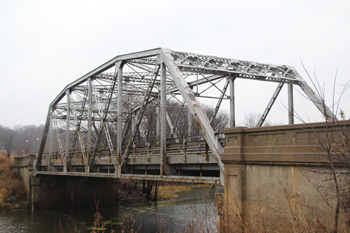
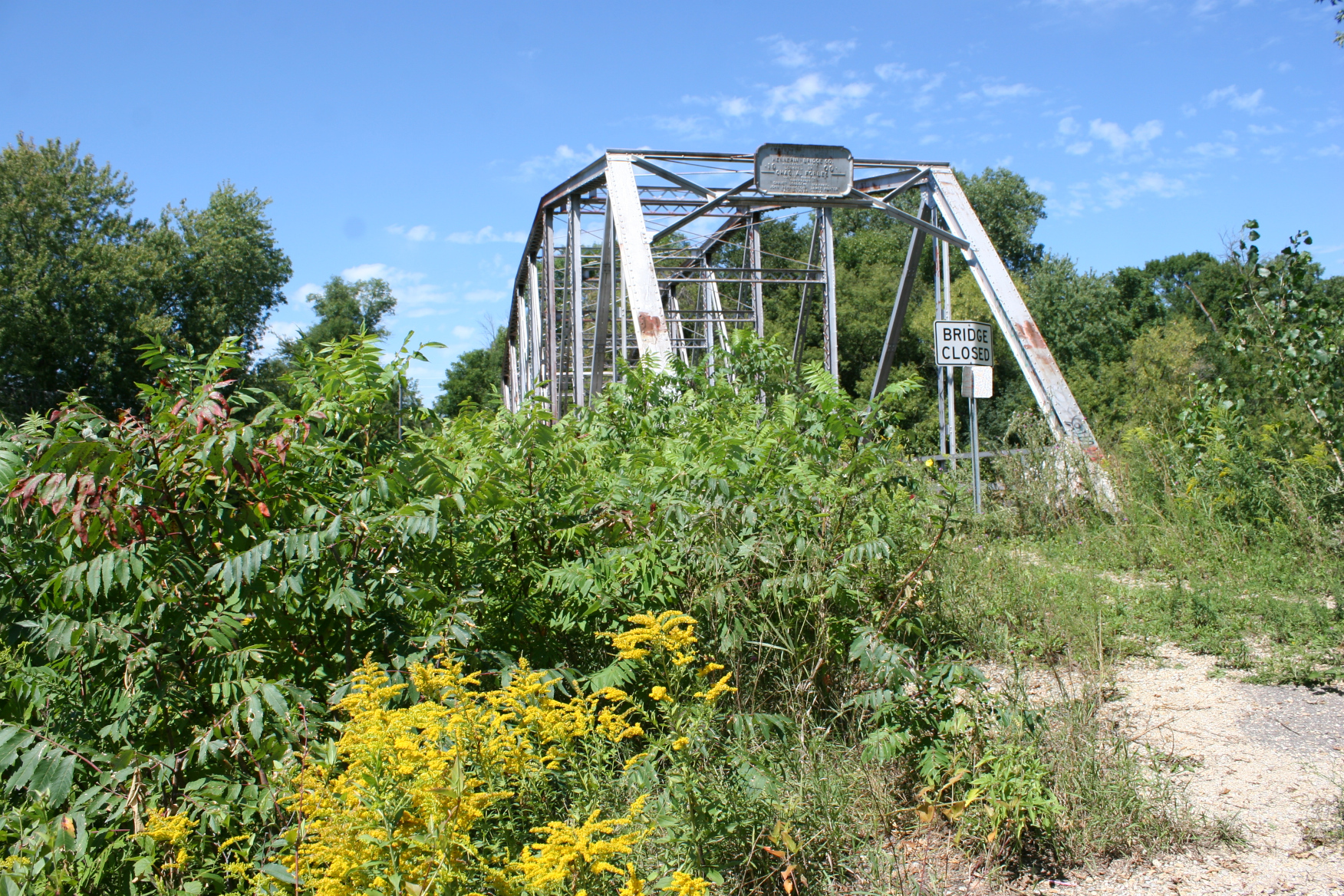
The Sulphur Lake Bridge (Bridge 4667). MnDOT image from the KLGR radio website.

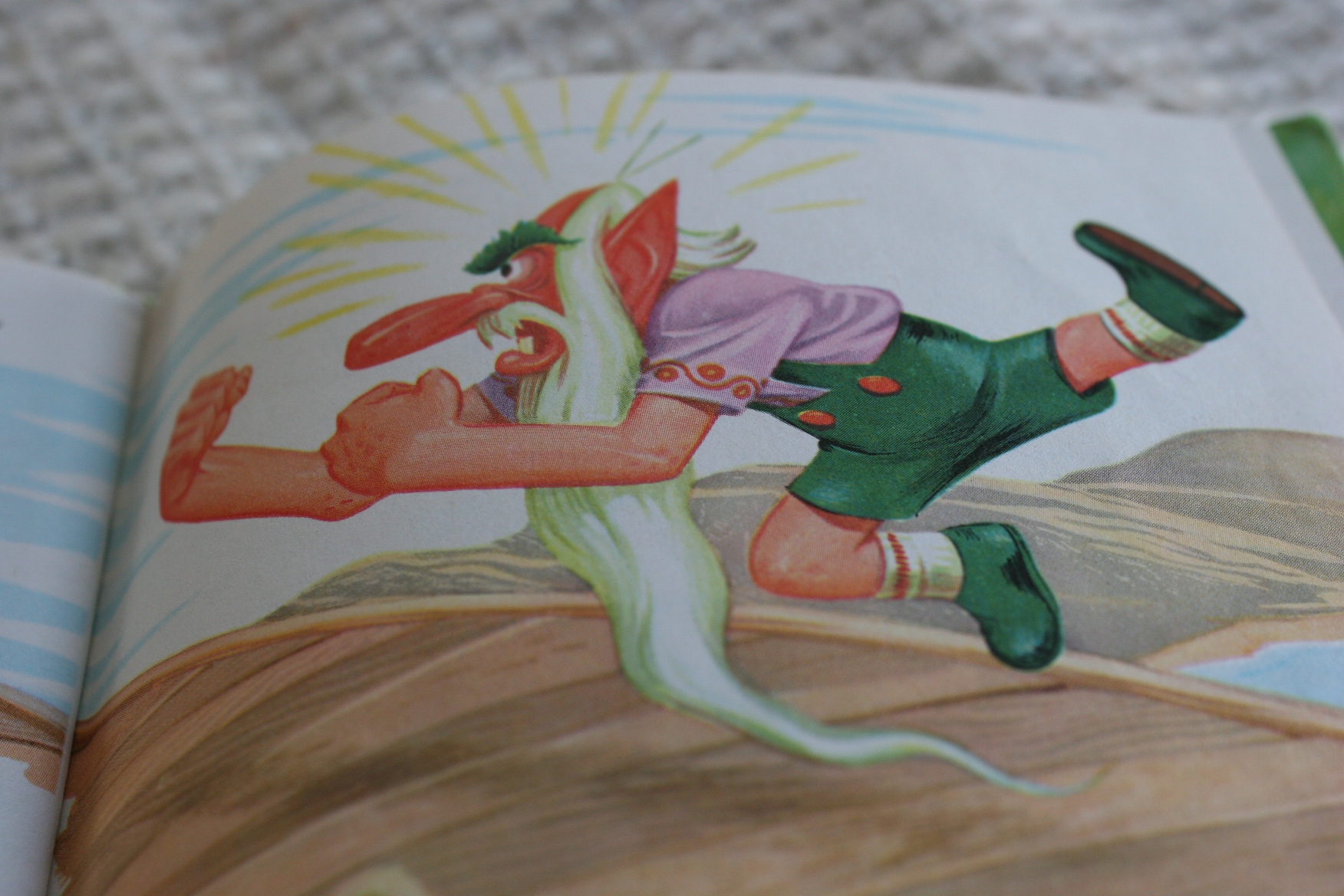
Sweeping into the valley, all of us kids were on high alert, waiting for the moment when the Chevy would cross The Troll Bridge over an overflow channel of the Minnesota River.

This is what I pictured lurking beneath the bridge near Morton. This illustration comes from Three Billy Goats Gruff. Minnesota Prairie Roots file photo.

When the tires hit the bridge deck, we started pounding on the roof of the car. To scare away the trolls.

One of my favorite childhood books, gifted to me by a blog reader. Minnesota Prairie Roots file photo 2017.

I have no idea how this tradition started. But I suspect it was an effort by our parents to keep us from getting bored and fighting as siblings are wont to do when sitting too close together for too long. Well, this temporary distraction worked. And the memory of that roof pounding tactic to scare off trolls has stuck with me more than half a century later. To this day, I associate aged truss bridges with those rare family trips to Minneapolis. This also connects to one of my favorite childhood storybooks, Three Billy Goats Gruff. In that tale, three goats attempt to cross a bridge under which a troll lurks.

Such are the prompts and content of memories.

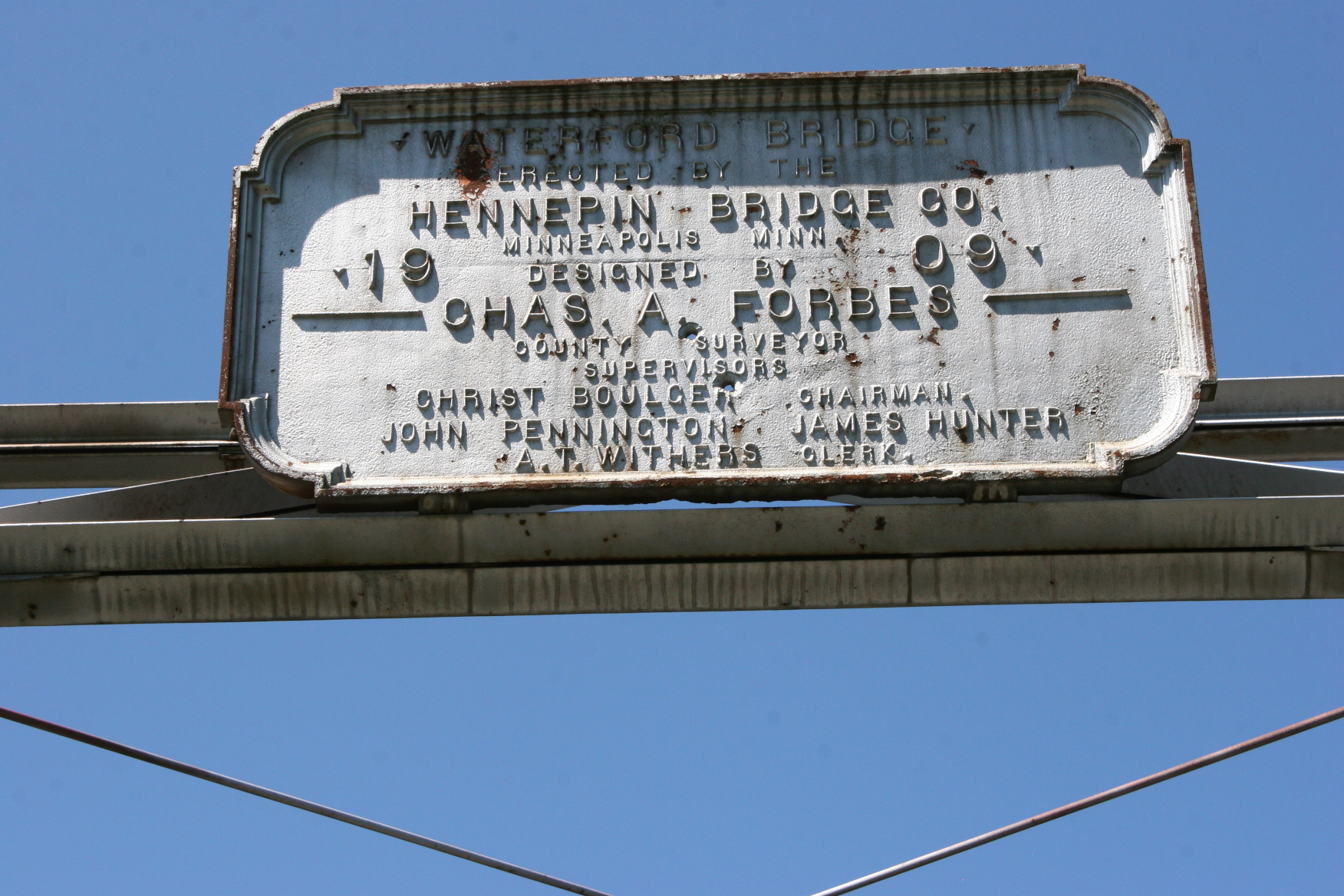
Historical details on a sign posted high above the bridge deck of the historic Waterford Bridge over the Cannon River in Dakota County. Minnesota Prairie Roots file photo August 2020.

Because of that, I reacted with dismay when I read on the website of Redwood Falls-based KLGR radio that The Troll Bridge, formally known as Sulphur Lake Bridge (Bridge 4667) is being removed this fall. Apparently the 1927 historic bridge, which was bypassed in a 1994 road improvement project and then closed in 2010 to all traffic, has deteriorated to “in poor condition overall” status. This saddens me. When we lose a bridge that was among the largest constructed in the state during a Minnesota Highway Department bridge construction program in the late 1920s, we lose an important part of architectural, local, and sometimes personal, history.

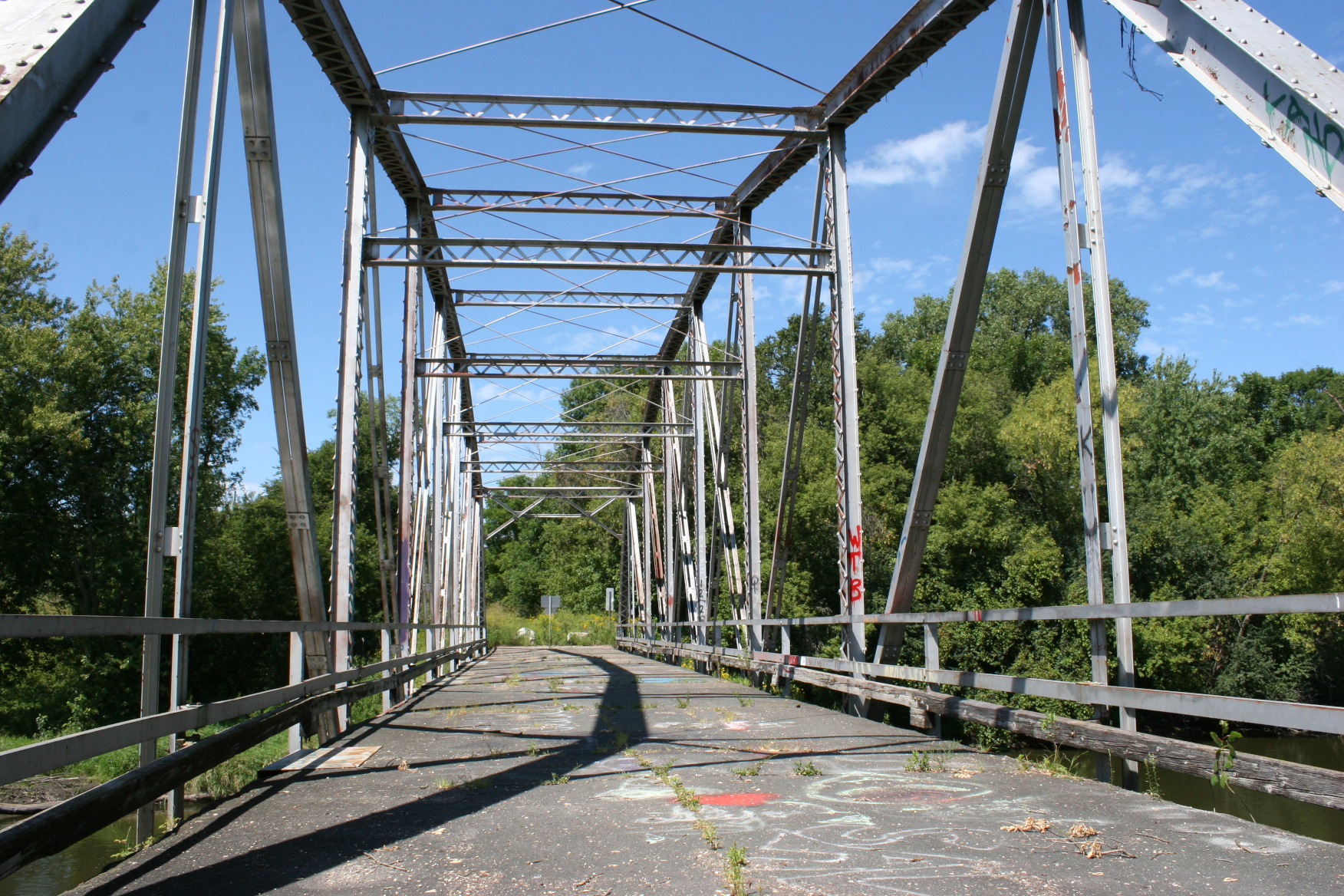
Weeds, wildflowers and other plant growth surround the abandoned Waterford Bridge of similar construction to the Sulphur Lake Bridge. Minnesota Prairie Roots file photo August 2020.

Cost of removing the 169-foot long bridge with a 117-foot riveted Camelback through-truss main span is estimated at $980,000. I recognize the Minnesota Department of Transportation did its homework in reaching this decision. But still…I wish this bridge could be saved.

The historic Waterford Bridge. Minnesota Prairie Roots file photo August 2020.

Some historic Minnesota bridges have been saved—more than 40 in the past 20 years, according to MnDOT. Others are on a list for rehabilitation. Like the Waterford Bridge I visited and photographed last summer near Northfield in Dakota County. Other bridges have been relocated with one currently listed as an “available bridge”.

The aged bridge in Honner Township in Redwood County will soon join the list of “lost bridges” documented by MnDOT. It may be Sulphur Lake Bridge (Bridge 4667) to officials in St. Paul. But to me, this will always be The Troll Bridge. The bridge of family memories.

© Copyright 2021 Audrey Kletscher Helbling
 

Pass the salt, please, or not February 20, 2020

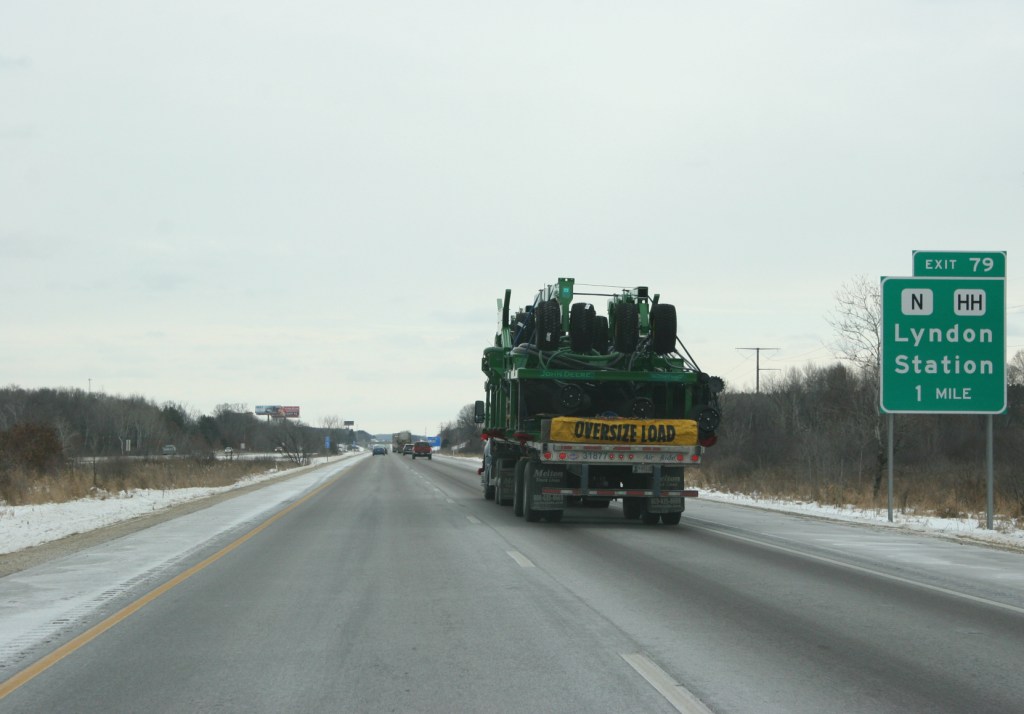
Interstate 90 in Wisconsin is noticeably white from road salt. It was like this all the way from La Crosse to Madison last weekend.


WHEN YOU’RE ON THE INTERSTATE for nearly four hours, you start to notice things. Like the semi drivers seemingly nodding behind the wheel as their rigs hit the rumble strip or drift toward your lane. Or the guy driving with his window open on a cold February afternoon because maybe, just maybe, he’s trying to stay awake. Or the driver who can’t wait even a second as he tailgates, then swoops around on the right before cutting in front of you.

All of this happened on a recent trip to and from Madison, Wisconsin, along Interstate 90. In addition to the questionable, and often frightening behavior (especially by four professional truck drivers), I noticed something else—a heavily-salted interstate. I-90 in Wisconsin stretched before Randy and me like ribbons of white.


There was much less salt, if any, on I-90 in southeastern Minnesota.


By contrast, I-90 in Minnesota appeared mostly clear of road salt. Why the difference in bordering states? I don’t know the stance Wisconsin takes on salting to cut snow and ice. But I do know that the Minnesota Department of Transportation is shifting toward a more conservative use of salt due to concerns about salt entering our waterways. We are, after all, The Land of 10,000 Lakes.


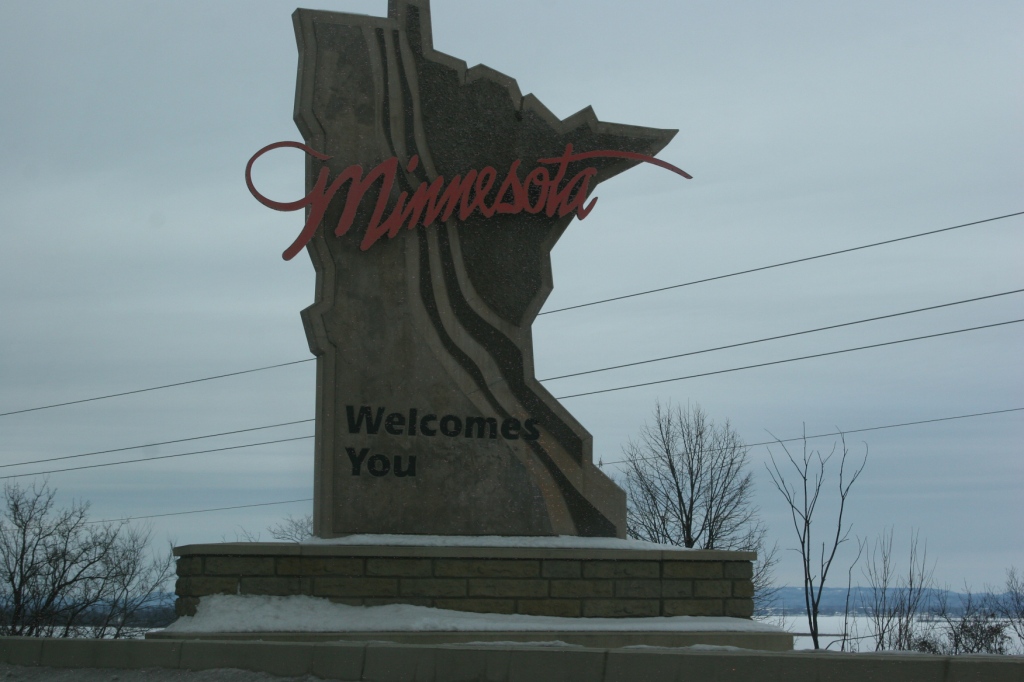
This sign along I-90 welcomes travelers to Minnesota along the Mississippi River by La Crosse, Wisconsin.


In media reports I’ve heard and read, MnDOT is taking a technological and scientific approach to treating roads in an effort to reduce salt usage. That includes pre-treating roads before storms (which uses less salt), relying on calibrations, factoring in temperature and other data to determine how roadways should be treated. It’s no longer simply a load up the trucks with salt and sand and chemicals and get out there mindset.

I appreciate this respect for our natural resources, this shift in thinking. Just remind me of that the next time I complain of icy roads or sidewalks. Or the next time Randy and I throw salt down on our icy driveway or sidewalk.

© Copyright 2020 Audrey Kletscher Helbling
 

Thoughts on mass transit in Minnesota: memories & more January 15, 2015

MY EAST COAST COLLEGE son enthuses about mass transit, specifically about the T in Boston. It’s his go-to form of transportation if he’s not walking or unicycling.

The lack of wide-spread mass transit in Minnesota frustrates him. As I see it, cars, cost, lower population, and a much larger geographical area all factor into less public transportation availability here than out East.

I’ve reminded him that many a compact East Coast state would fit inside Minnesota’s borders. We don’t have nearly as many people living here as there.

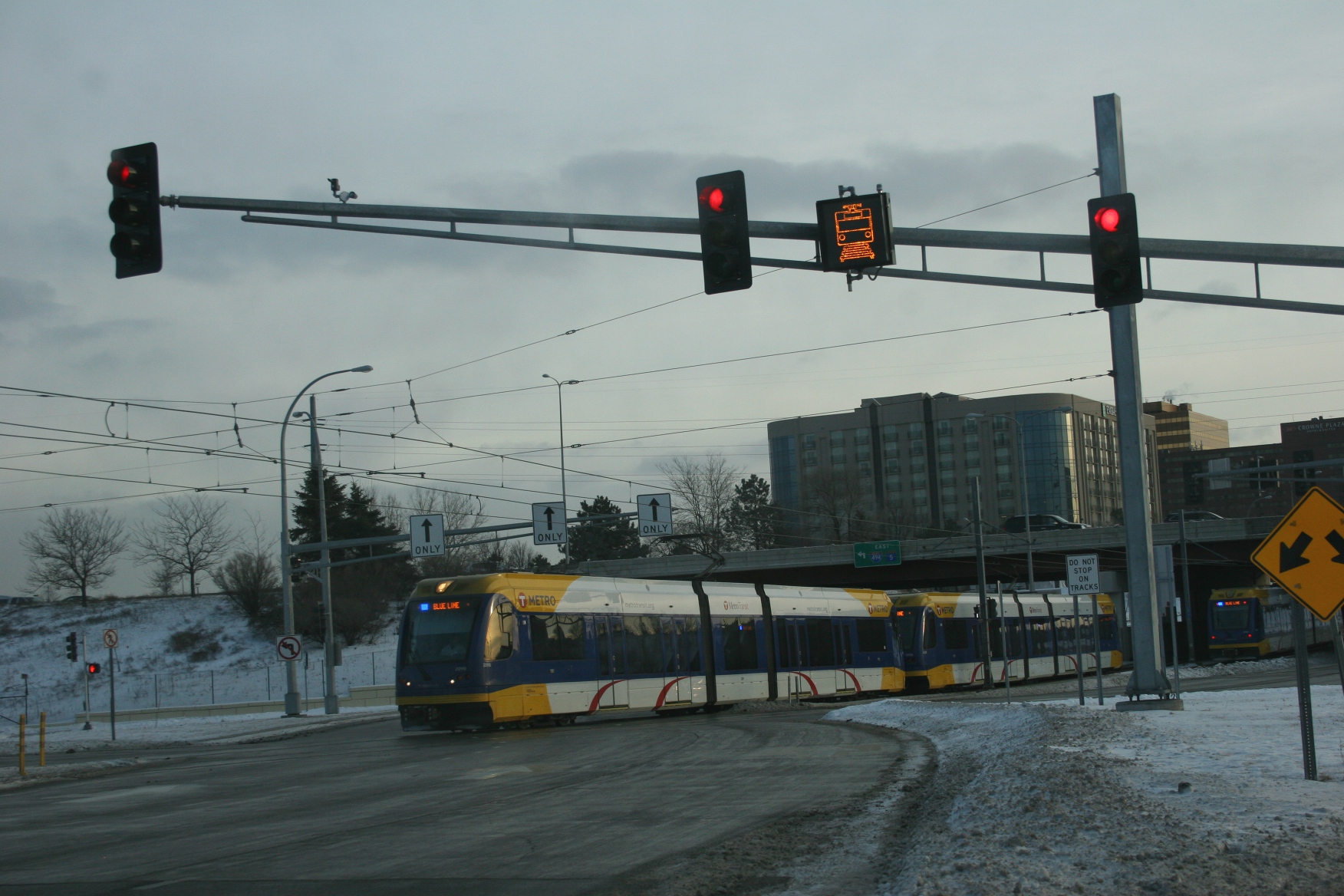
The light rail heads toward the Minneapolis-St. Paul International Airport.

The light rail heads toward the Minneapolis-St. Paul International Airport.

To be fair, mass transit exists in Minnesota’s larger communities and cities with bus service and, in the Twin Cities metro, light rail. And even in rural areas, limited bus service is available in some counties.

Decades ago, when I visited my Aunt Rae and Uncle Bob each summer, riding the Greyhound bus solo from my Uncle Harold’s gas station along Highway 19 in Vesta in southwestern Minnesota all the way to downtown Minneapolis, I experienced big city mass transit.

An excited nervousness jittered through me as Rae and I boarded a Minneapolis city bus to wherever she wanted to take me. To the Munsingwear warehouse to sort through piles of fabric. Or maybe downtown to view an art exhibit. Specific destination details mostly elude me now all these decades later.

But the wonderment of wheeling along narrow city streets, the bus pulsating to a stop, door swishing open, passengers boarding, remains with me. To be young and in the big city hustle far from corn and soybean fields and bellowing cows opened my eyes.

I saw beyond rural. I saw the possibilities. Another life. Another world.

Not that I ever fell in love with the big city. But riding the bus through Minneapolis sparked something inside me. A yearning for art galleries and music and museums and architecture. A library. An appreciation for people who didn’t look like the German Lutherans and Catholics back home. An almost dizzying awareness of noise and lights and motion. And tall buildings.

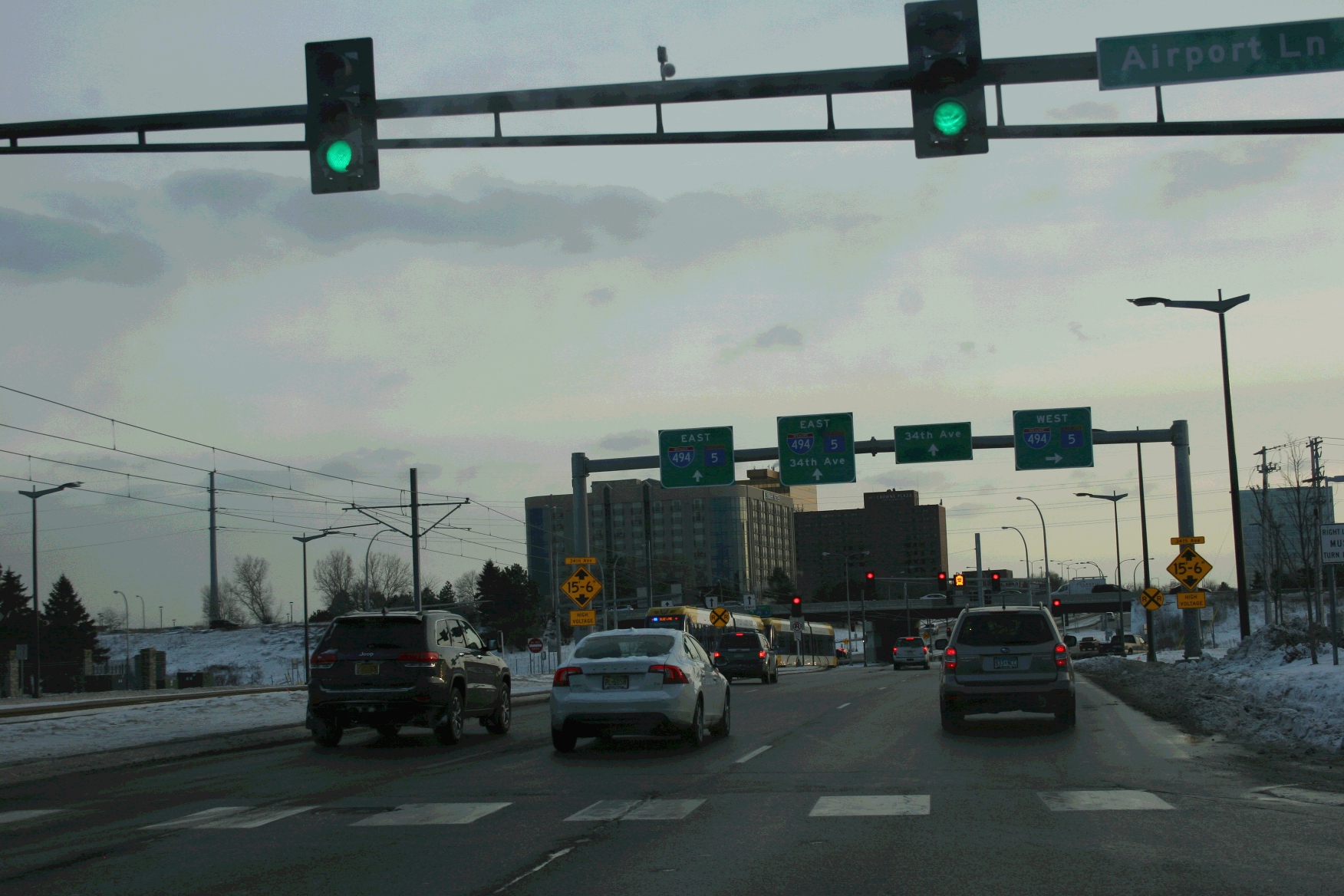
Vehicle traffic and light rail meet at this oddly configured intersection near the Minneapolis-St. Paul International Airport.

Vehicle traffic and light rail meet at this oddly configured and confusing intersection near the Minneapolis-St. Paul International Airport.

I wonder if, today, a young girl from outstate Minnesota boards the Metro Blue Line (light rail) with her parents, perhaps headed to Target Field for a Twins game or to the Mall of America, and feels the same thrill I experienced decades ago riding the bus through the streets of Minneapolis.

Does she imagine the possibilities, study the faces, note the traffic, delight in her destination, desire to explore more of the city? Or is she overwhelmed by it all, wishing only to leave?

FYI: The Minnesota Department of Transportation has a statewide rail plan for an inter-city passenger rail line running from the metro to my community of Faribault and perhaps farther south. This proposal is in the early discussion stages. Click here to learn more.

Copyright 2015 Audrey Kletscher Helbling
 

Hope for one of Minnesota’s most dangerous rural highways March 29, 2013

IF YOU EVER HAVE traveled U.S. Highway 14 west of North Mankato, you will understand why I am thrilled that something is finally being done to improve a small stretch—the 10 miles between North Mankato and Nicollet—of this deadly roadway.

Heavy traffic on U.S. Highway 14 between Nicollet and North Mankato late last Sunday afternoon.

Heavy traffic on U.S. Highway 14 between Nicollet and North Mankato late last Sunday afternoon.

Based on my more than 30 years of traveling Highway 14, I can unequivocally tell you that this rural roadway rates as dangerous. Think narrow lanes, heavy traffic, speeding, few opportunities to pass safely and too many drivers passing when they shouldn’t be.

Read this revealing information from the Minnesota Department of Transportation:

The U.S. Highway 14 corridor between New Ulm and North Mankato in Nicollet County recorded 250 crashes from 2006 to 2010. This overall crash rate is consistent with comparable rural state highways. However, 11 of those crashes had either a fatality or a serious injury, leaving this portion of Hwy 14 with a fatal and serious injury crash rate 50 percent greater than comparable rural state highways. Safety in the area from North Mankato to Nicollet and at the intersection of Hwy 14 and Hwy 15 north of New Ulm is of particular concern.

Did you catch that statistic? A fatal and serious injury crash rate 50 percent greater than comparable rural state highways. Impressive and scary, huh?

You'll see lots of semis traveling this stretch of rural Minnesota highway.

You’ll see lots of semis traveling this stretch of rural Minnesota highway. This recently-installed buffer strip now runs all the way between North Mankato and Nicollet.

In recent years, when traveling to southwestern Minnesota to visit family, my husband and I often have taken the “back way” to Nicollet from Faribault, passing through towns like Le Center, Cleveland and St. Peter, to avoid that horrible 10-mile stretch of Highway 14 from North Mankato. We’ve checked mileage and travel time and found both routes to be nearly identical.

Entering the construction zone, westbound on Highway 14 in North Mankato.

Entering the construction zone, westbound on Highway 14 in North Mankato.

But many times we still take Highway 14 between North Mankato and Nicollet. Now it’s a bit safer with a buffer, traffic sticks (to prevent passing) and rumble strips recently added between lanes. Those changes marked the first stage of efforts to make this area of roadway safer.

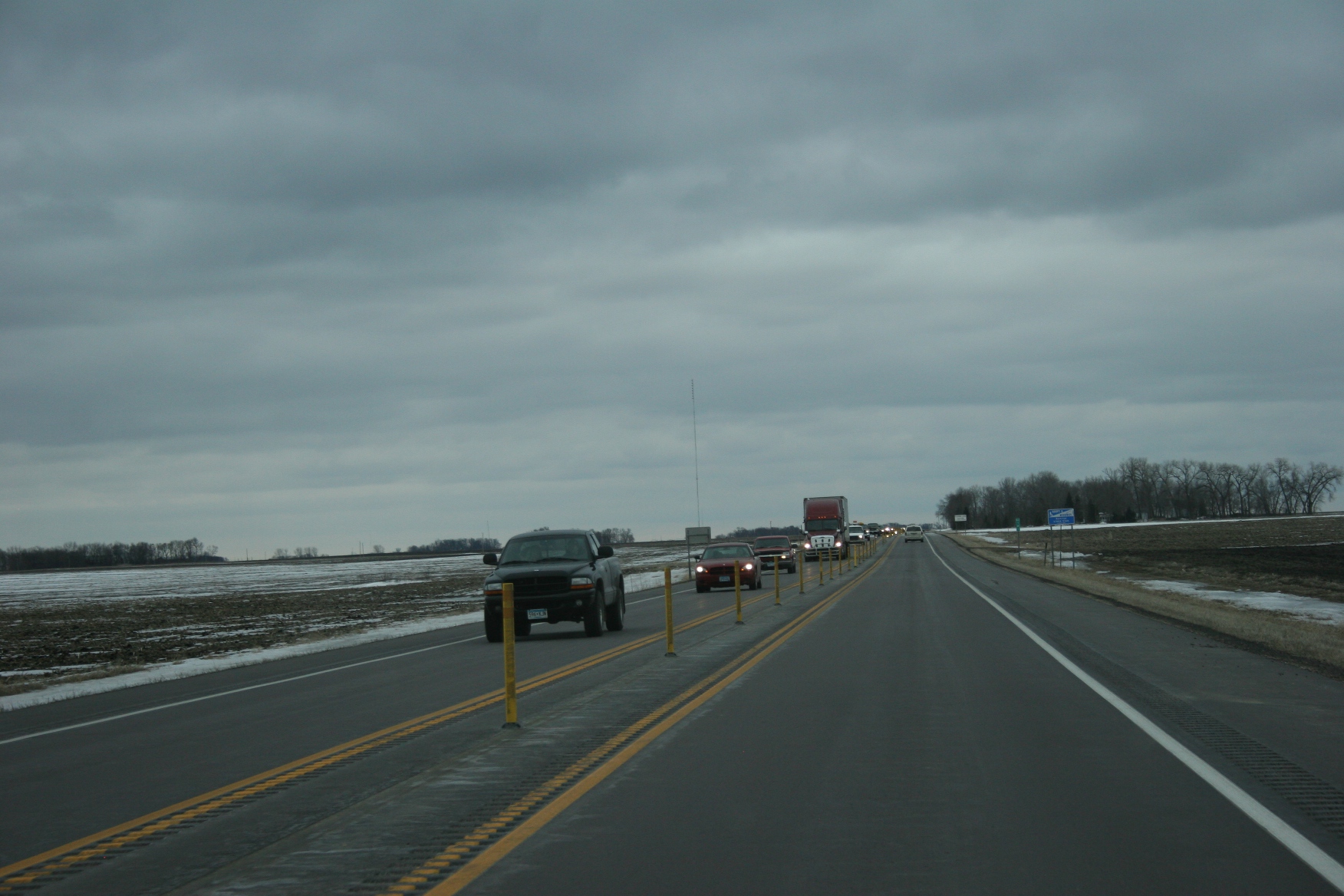
We were driving eastbound in this Highway 14 construction area in North Mankato when I snapped this photo.

We were driving eastbound in this Highway 14 construction area in North Mankato when I snapped this photo.

Sometime in 2017 or 2018, construction is expected to begin on a project which will extend the four-lane all the way from North Mankato to Nicollet. Finally.

That still leaves about 15 miles of dangerous Highway 14 travel between Nicollet and New Ulm.

Ten miles are a start in saving lives along this notorious rural roadway. But I, personally, will not be satisfied until the entire 25-mile stretch between North Mankato and New Ulm becomes a four-lane.

Highway 14 slices through agricultural land, as seen in this photo taken between Nicollet and Courtland.

Highway 14 slices through agricultural land, as seen in this photo taken between Nicollet and Courtland.

IF YOU’VE EVER driven Highway 14 between North Mankato and New Ulm, I’d like to hear your stories and thoughts about travel there.

To see the entire listing of 2013 MnDOT road construction projects slated for Greater Minnesota, click here.

© Copyright 2013 Audrey Kletscher Helbling
 

U of M study on teen texting and driving targets rural Minnesota February 25, 2013

WE’VE ALL HEARD the warnings about texting and driving. You’ve likely even spotted someone texting and driving. I haven’t.

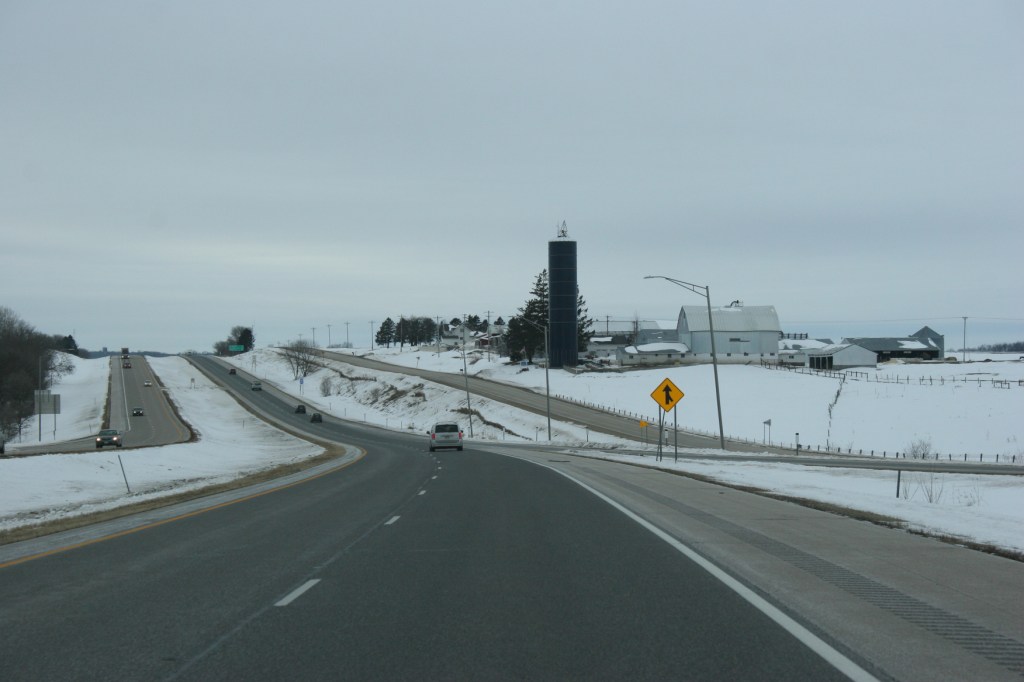
Interstate 94 sometimes seems to run right into the sky as you drive west.

Interstate 94 in western Minnesota. Minnesota Prairie Roots file photo.

But a brother-in-law, who is a trucker, recently shared a story about watching a young woman lose control of her car along Interstate 94 in western Minnesota while texting. Somehow she managed to keep her car on the road and avoid a crash. My brother-in-law claims the incident happened so fast that the driver never took her eyes off her cell phone.

Stories like that scare me.

Now researchers at the University of Minnesota’s Intelligent Transportation Systems (ITS) Institute are undertaking a study of young drivers and texting practices in 18 Minnesota communities, most of them rural and Faribault among them.

I first learned of the study in a news brief published in the Faribault Daily News soliciting 20 newly-licensed 16-year-olds from the Faribault area to participate in the year-long study. Intrigued, I contacted Nichole L. Morris, a research associate in the U of M’s HumanFIRST program in the ITS Institute. She is working on this project, funded by the ITS Institute and the Minnesota Department of Transportation, along with a team of researchers.

My phone, not a smart phone, but with an important message.

My phone, not a smart phone, but with an important message.

The 300 teens selected for the study will be equipped with smartphones to collect and transmit driving data in real-time for their first full year of independent driving. Researchers will collect data until May 2104 with group data reported to MnDOT and then made public in early 2015.

“These results will hopefully shed light on what areas are most problematic for teen drivers, what can be done with our technology to improve the safety of teen drivers and what changes, if any, should be implemented to our teen driver laws to prevent more teen driving fatalities,” Morris says.

Eighty percent of teen fatal crashes occur in rural areas, Morris says, explaining why the project is targeting 18 mostly rural Minnesota communities. Faribault was selected for the study because of its population and low commuting rate. She declined to name the other 17 communities or any hypotheses to avoid adding bias to the study.

But, says Morris, “My hope is that we find some key answers to reduce crash and fatalities for teen drivers in Minnesota and nationwide. This is such an important issue because traffic crashes are the leading cause of fatalities for teens. The rate at which we lose our sons and daughters on the road is unacceptable and it is a charge to all citizens to help to become the solution to this problem.”

The passion Morris, who holds a Ph.D. in Human Factors Psychology, possesses for this project is palpable. “It is an exciting opportunity for parents and teens to be a part of the solution to end teen traffic fatalities.”

Eighteen communities in rural Minnesota are included in the teen texting and driving study.

The study is targeting rural Minnesota. Minnesota Prairie Roots file photo.

As of Friday morning, 216 Minnesota teens from the selected communities had been recruited for the study. About 10 more are needed from the Faribault area.

To apply, a teen must be 16 years of age, currently have a driver’s permit, receive provisional licensure between now and April 30, start the study within a month of getting licensed, drive at least 2-4 times a week, have no physical limitations that prevent driving and have parental permission.

Qualifying teens should contact Morris via phone at 612-624-4614 or email at nlmorris@umn.edu

Besides offering teens an opportunity to help find solutions to teen traffic fatalities, the project is also paying a $25 monthly incentive ($300 to be paid at the end of the year-long study) and providing smartphones with free monthly data, text and talk plans for a year.

© Copyright 2013 Audrey Kletscher Helbling