Minnesota Prairie Roots

Writing and photography by Audrey Kletscher Helbling

Pequot Lakes: In the heart of Paul Bunyan land July 28, 2021

Babe the Blue Ox, public art and photo op in Pequot Lakes. Minnesota Prairie Roots copyrighted photo.

ONLY RECENTLY HAVE I begun to explore the central Minnesota lakes region and small towns therein. Thanks to the generosity of a sister-in-law and brother-in-law, who are sharing their guest lake cabin with extended family, going Up North to the cabin is now a reality rather than a life-long dream. I feel incredibly blessed and grateful to experience what, for many Minnesotans, is a multi-generational part of their summers.
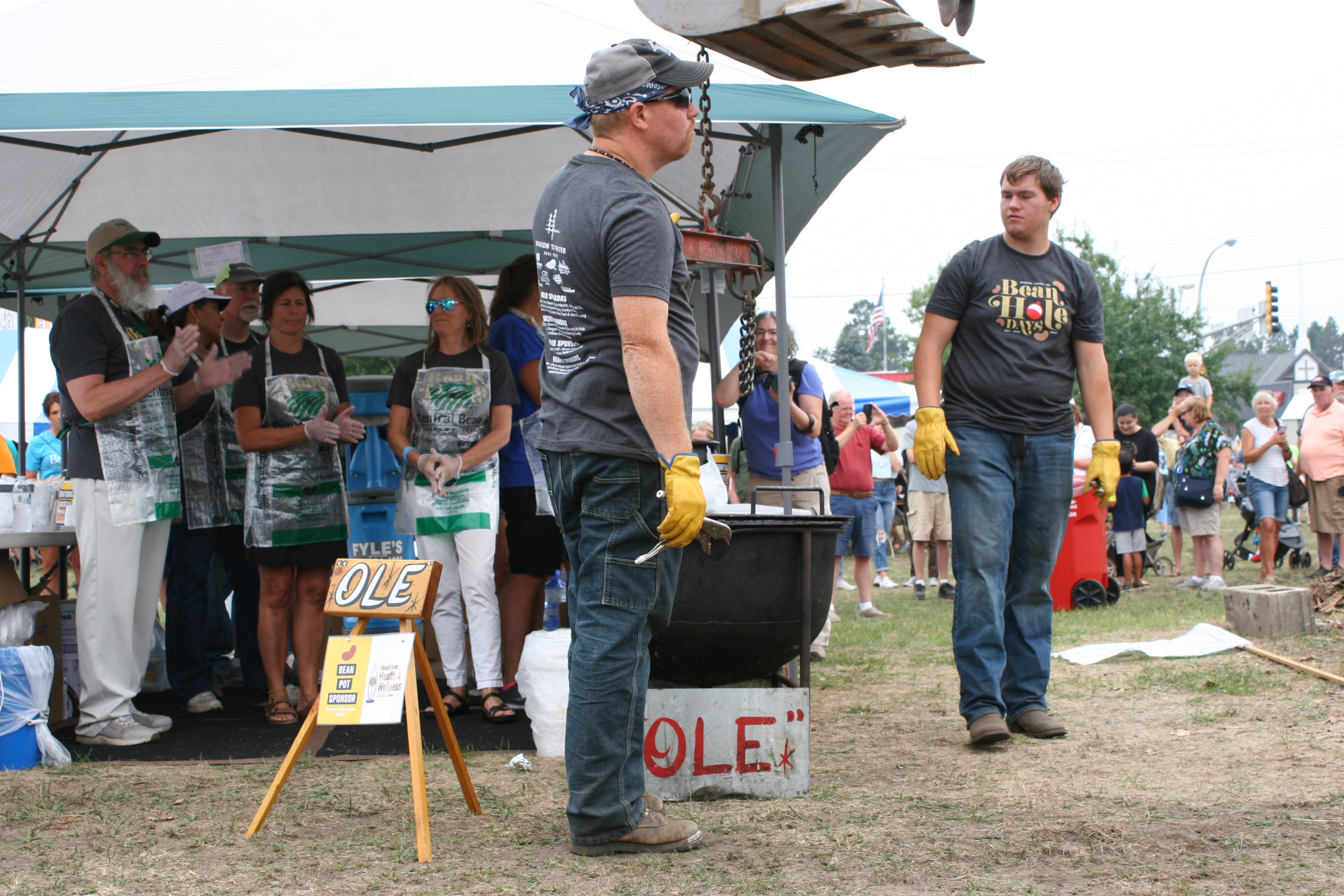
Kettles of baked beans, lifted from an underground pit, await serving during Pequot Lakes’ recent Bean Hole Days. Minnesota Prairie Roots copyrighted photo.

On our last trip North, Randy and I attended Bean Hole Days in Pequot Lakes. We’ve previously explored that small town by popping into shops, including the unique Thurlow Hardware. Pequot landmarks itself with a bobber-shaped water tower. That would be the bobber from Paul Bunyan’s fishing pole.
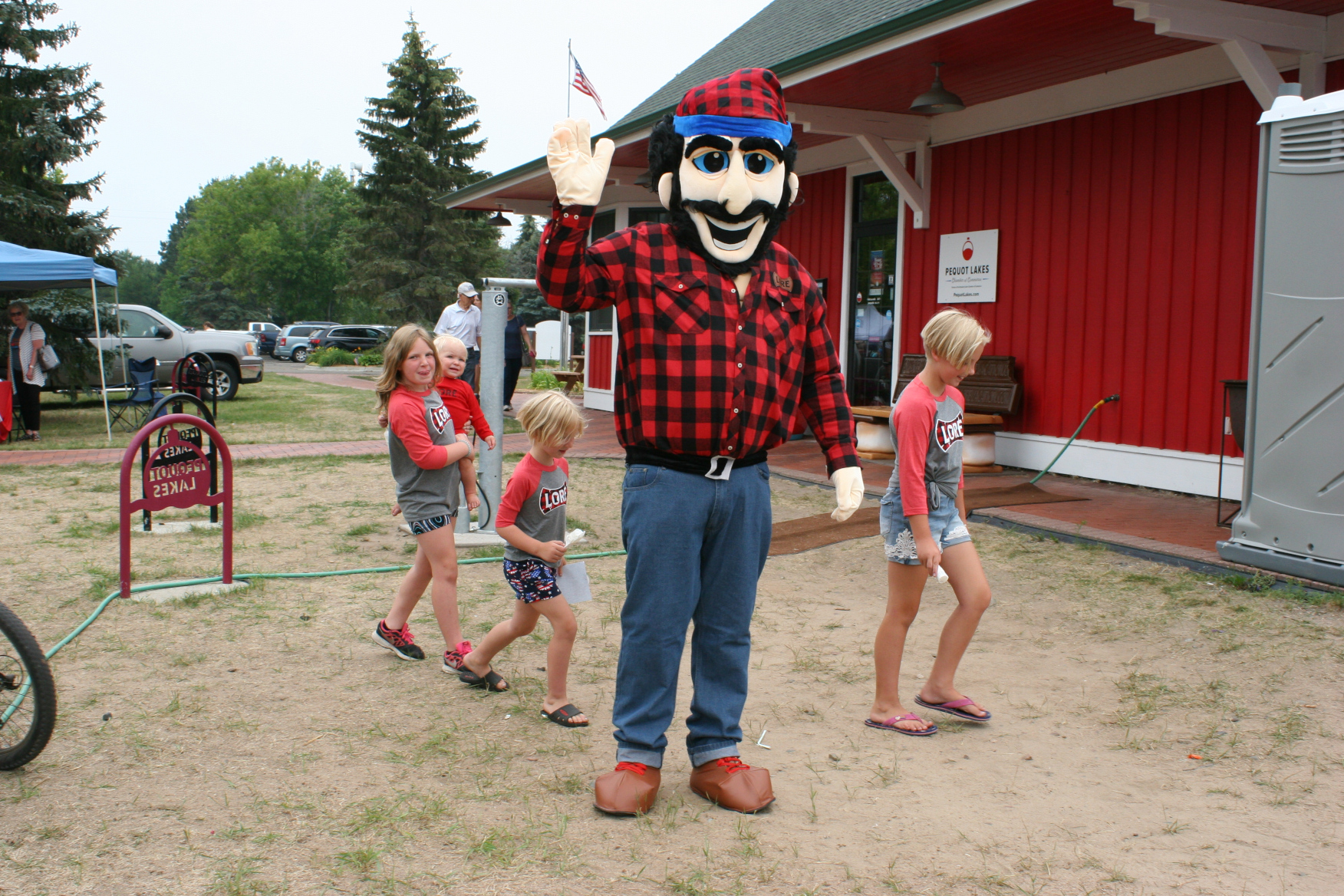
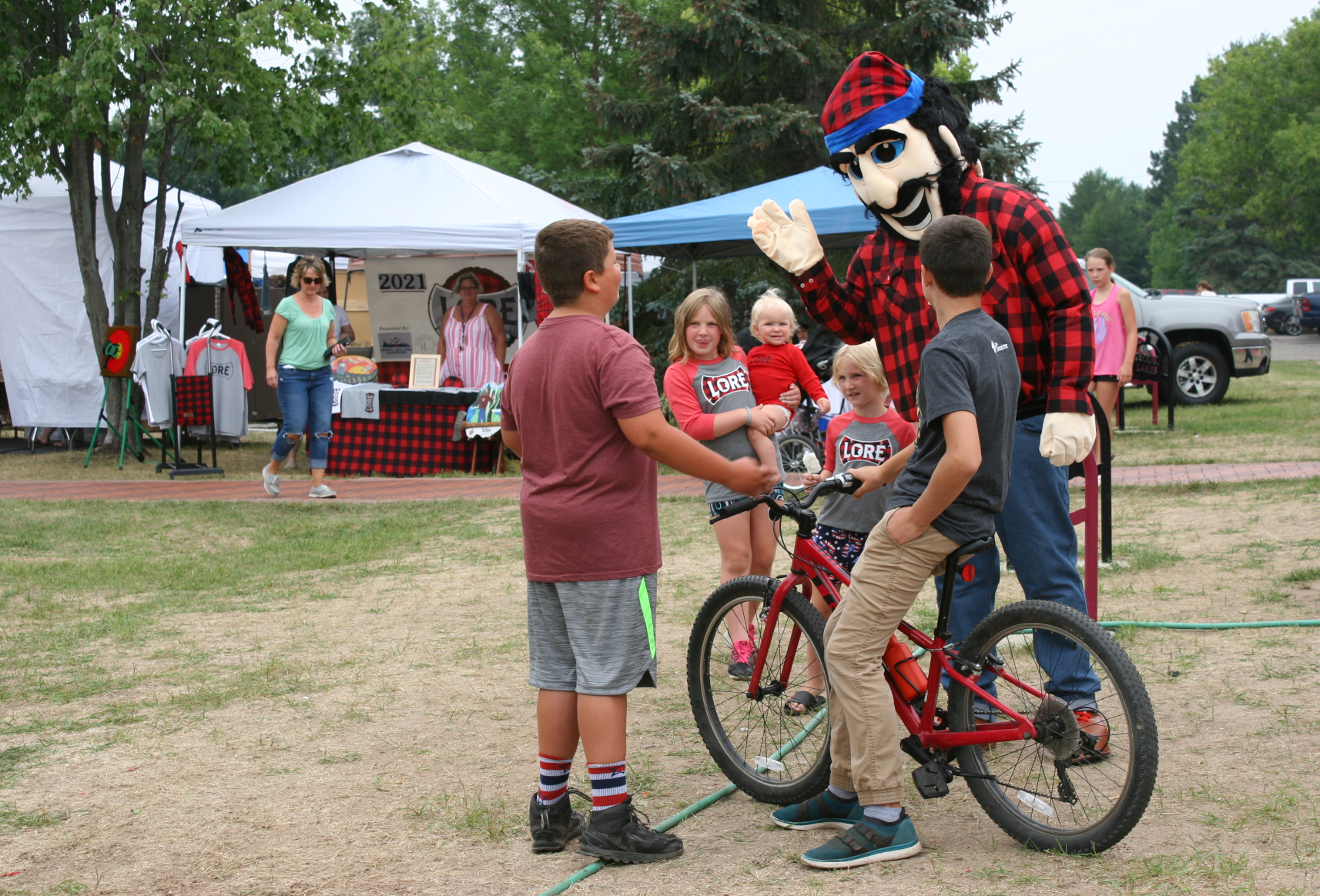
A friendly Paul Bunyan mingles with the crowd during Bean Hole Days. Minnesota Prairie Roots copyrighted photo.

This is Paul Bunyan land. The place of lumberjack lore. So different from my home in southeastern Minnesota. Paul and his side kick, Babe the Blue Ox, are universally appealing, creating a strong tourism branding identity for this region.
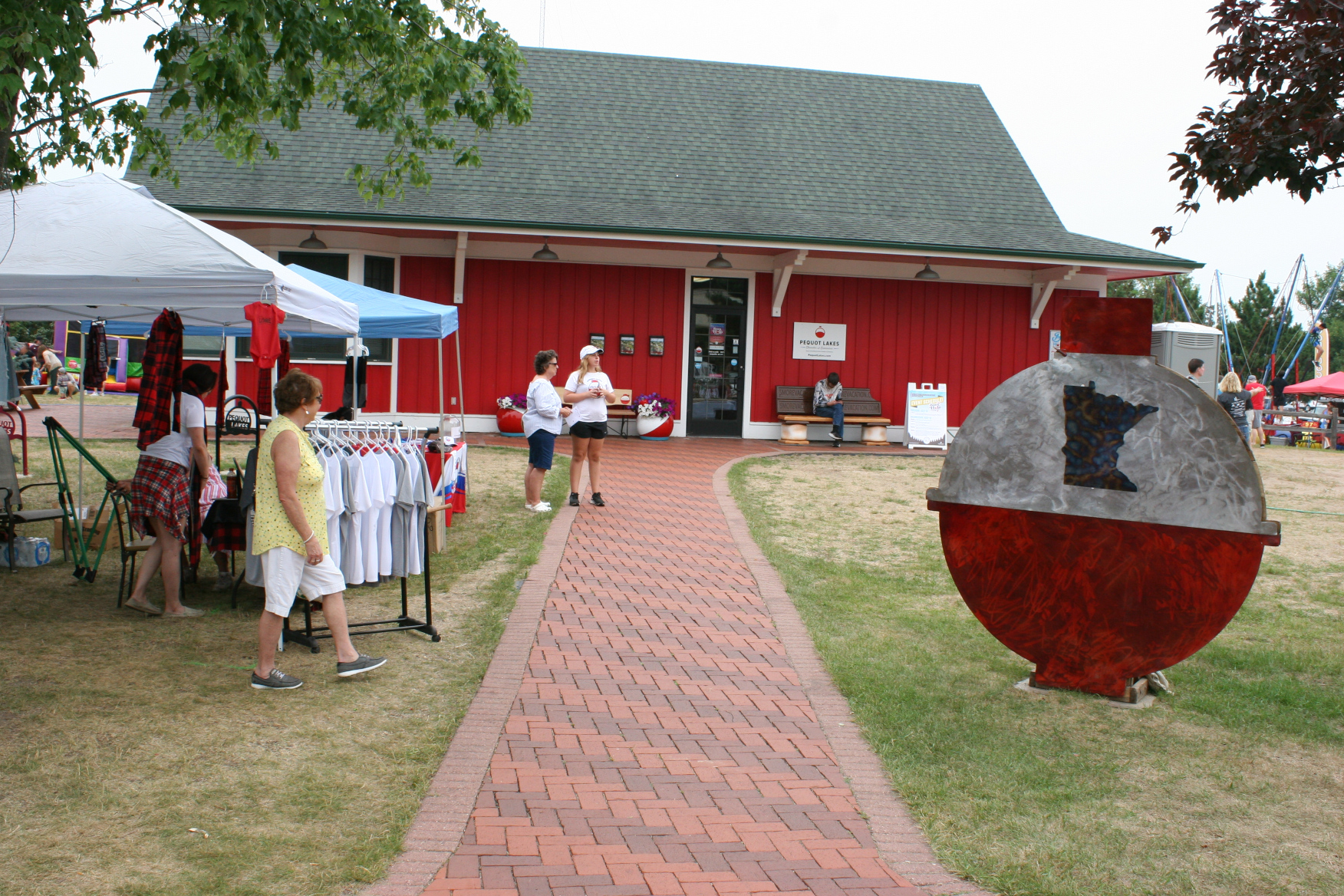
In Trailside Park, bobber sculpture and the Chamber of Commerce and Tourism office draw visitors. Minnesota Prairie Roots copyrighted photo.

The Paul Bunyan Trail from Brainerd to Bemidji runs through the heart of Pequot Lakes in Trailside Park.
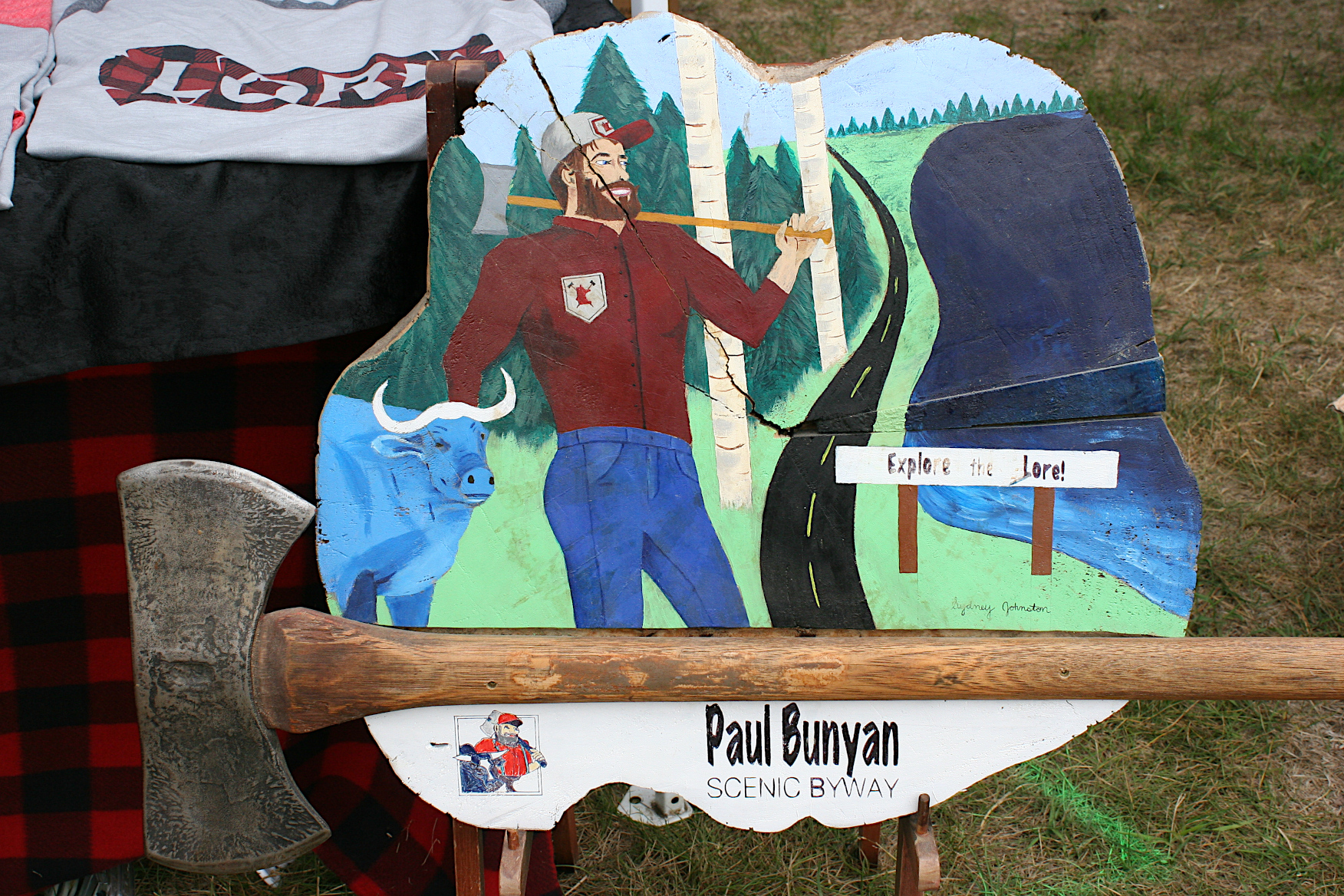
Paul Bunyan art promoting the scenic byway, spotted at Bean Hole Days. Minnesota Prairie Roots copyrighted photo.

And the Paul Bunyan Scenic Byway, a 54-mile route along county roads in scenic northern Crow Wing County and a portion of Cass County, also passes through Pequot Lakes.
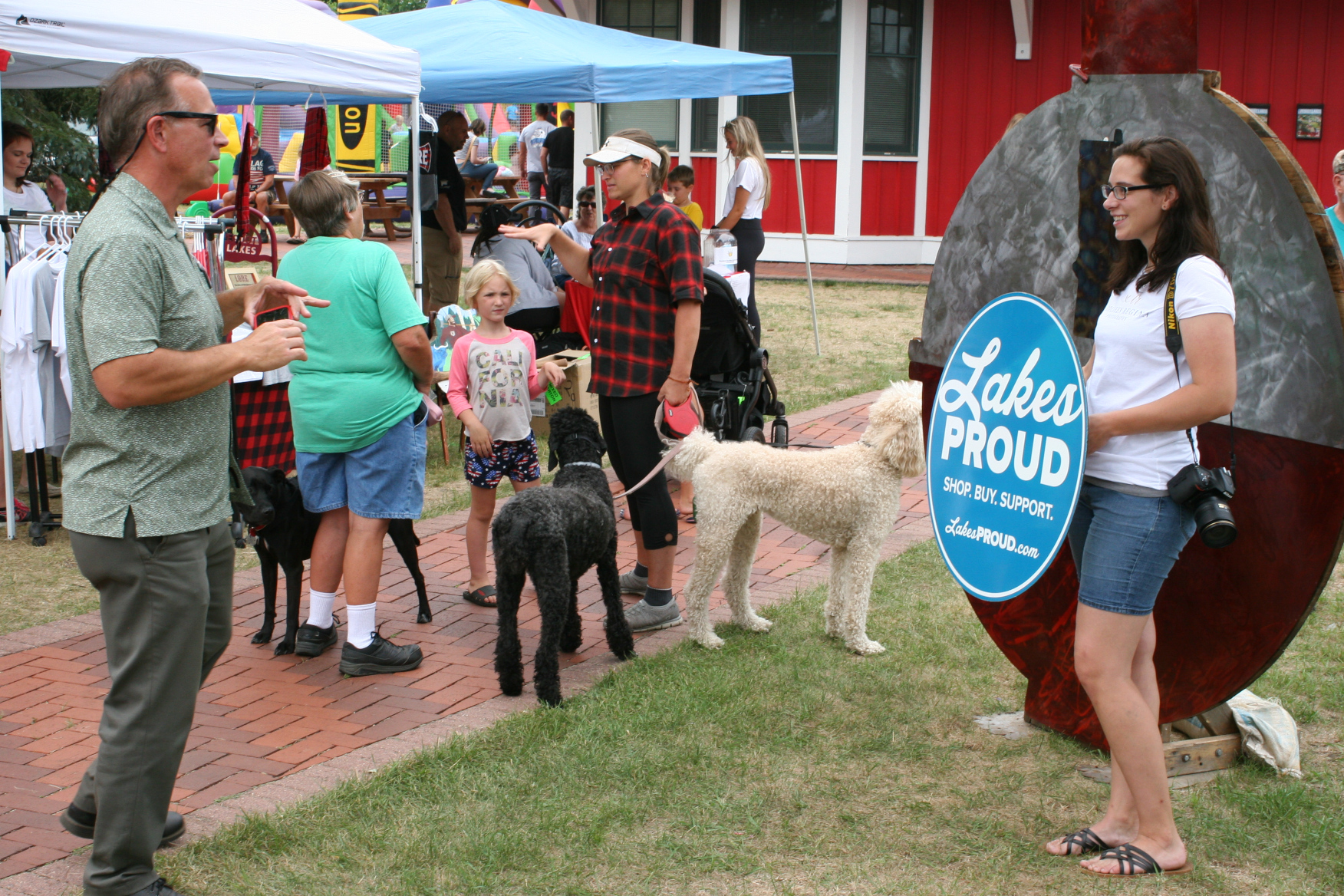
The bobber sculpture proved popular with visitors during Bean Hole Days. Minnesota Prairie Roots copyrighted photo.

To visit this region is to appreciate and embrace the stories and character of Northwoods strong Paul Bunyan. And his sweetheart Lucette Diana Kensack (seen in Hackensack, a bit farther to the north).
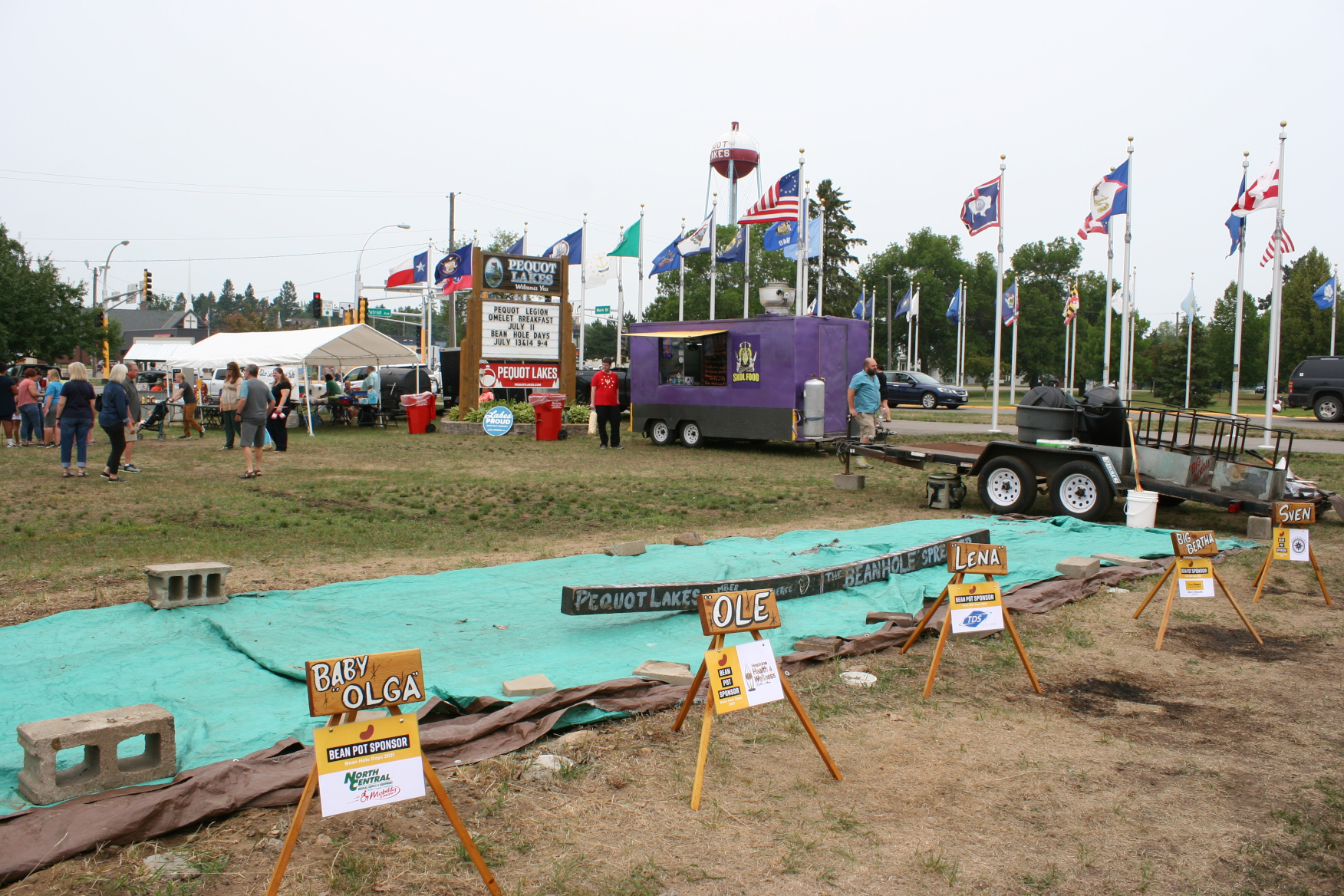
Kettles of beans bake in a covered pit. Each is named. Minnesota Prairie Roots copyrighted photo.

I appreciate how hard the good folks of this area work to brand this region and to create events that entertain and also provide visitors with unique experiences. Bean Hole Days, for example, rates as unlike anything I’ve ever attended. I loved everything about it from the people to the phenomenal homemade beans baked underground in Paul Bunyan-sized kettles.
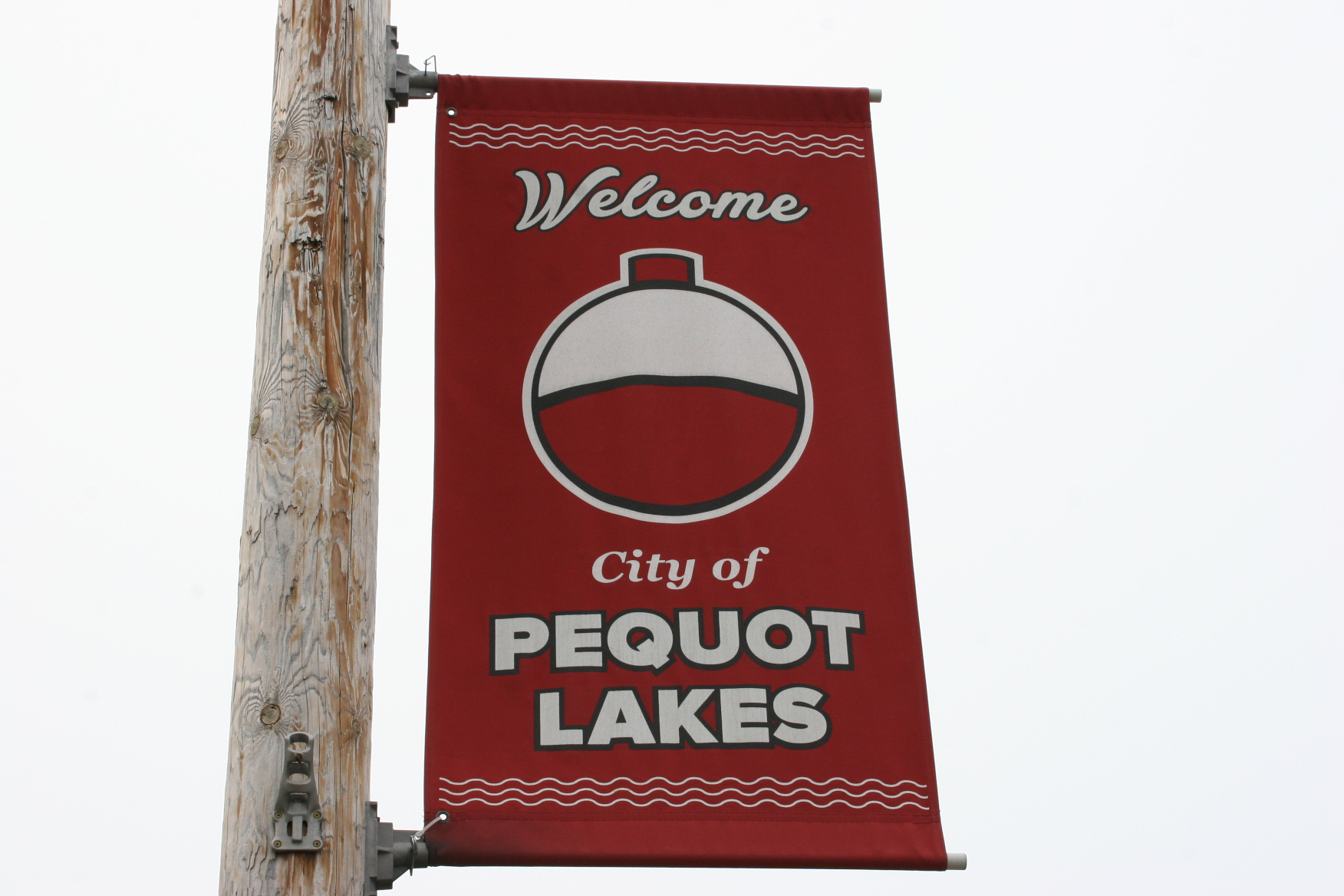
The bobber brands Pequot Lakes. Minnesota Prairie Roots copyrighted photo.

In about 10 more days, on Saturday, August 7, Pequot Lakes hosts another celebration—a Chokecherry Festival. Chokecherries are a tiny stone fruit often used in making jellies and jams. Pequot Lakes calls itself the Chokecherry Capital of Minnesota. I’m quite familiar with these berries, having picked more pails full than I care to remember while growing up on a southwestern Minnesota farm.
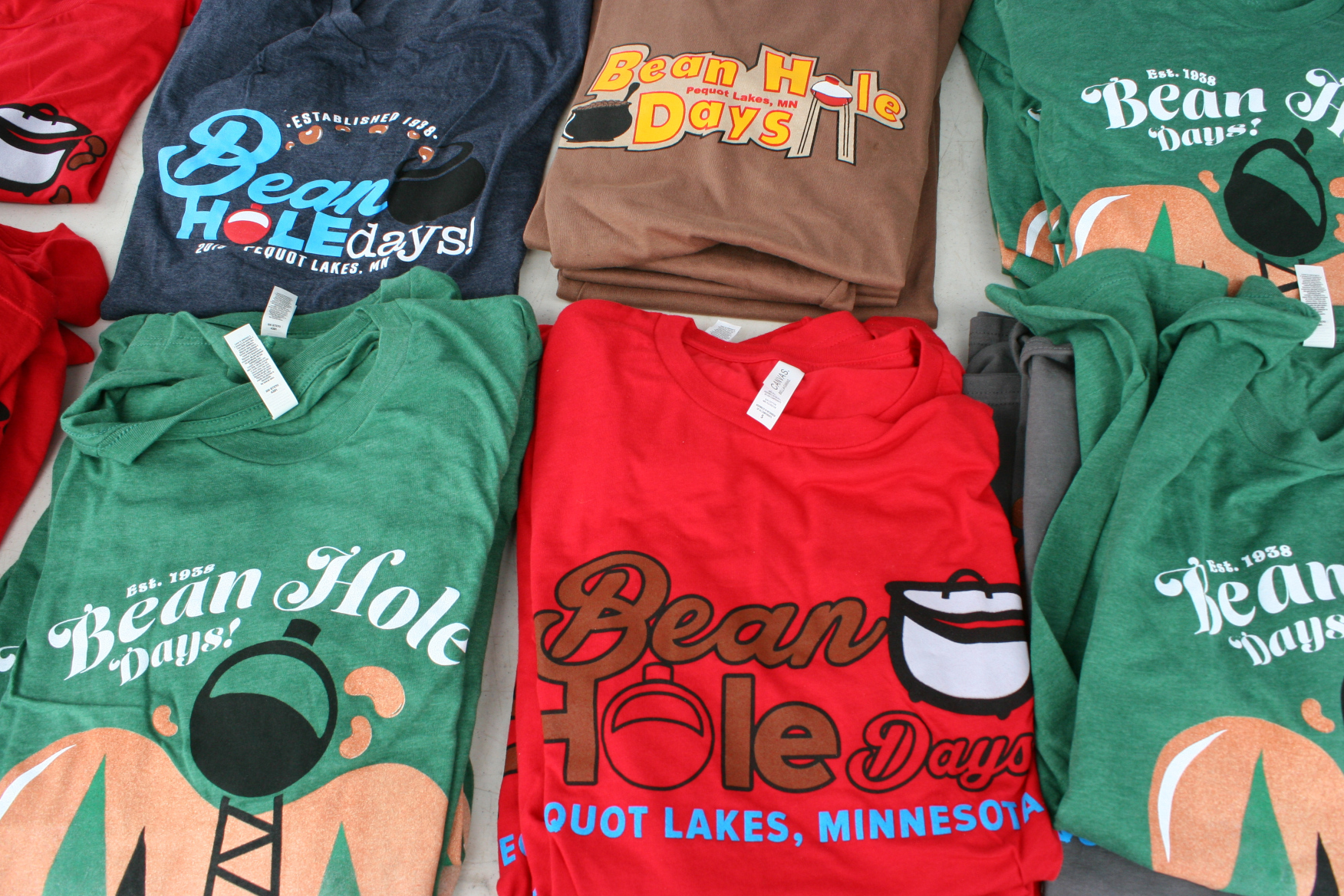
I expect vending of tees at the Chokecherry Festival, just like at Bean Hole Days. Minnesota Prairie Roots copyrighted photo.

That aside, it doesn’t appear the Pequot Lakes celebration includes any chokecherry harvesting. But it does feature a Pit Spitting Contest and a Chokecherry Culinary Contest with four categories. Jams/jellies/preserves, pastries, wine and originality.
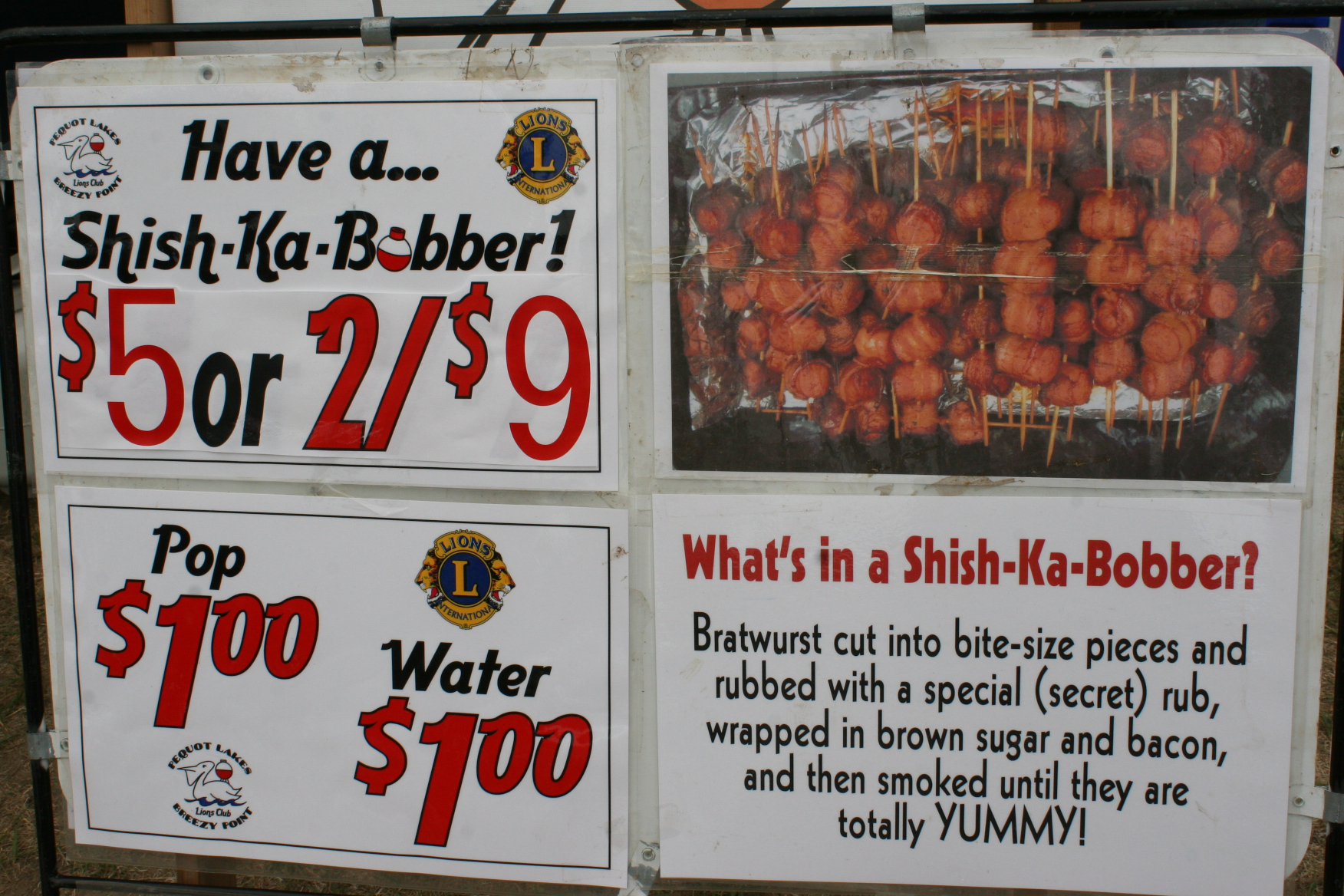
Festival food offered by the Pequot Lakes/Breezy Point Lions Club. Minnesota Prairie Roots copyrighted photo.

And just like at Bean Hole Days, the 9 a.m. – 4 p.m. event in Trailside Park includes an Arts-Crafts Fair, food vendors, kids’ activities and more.
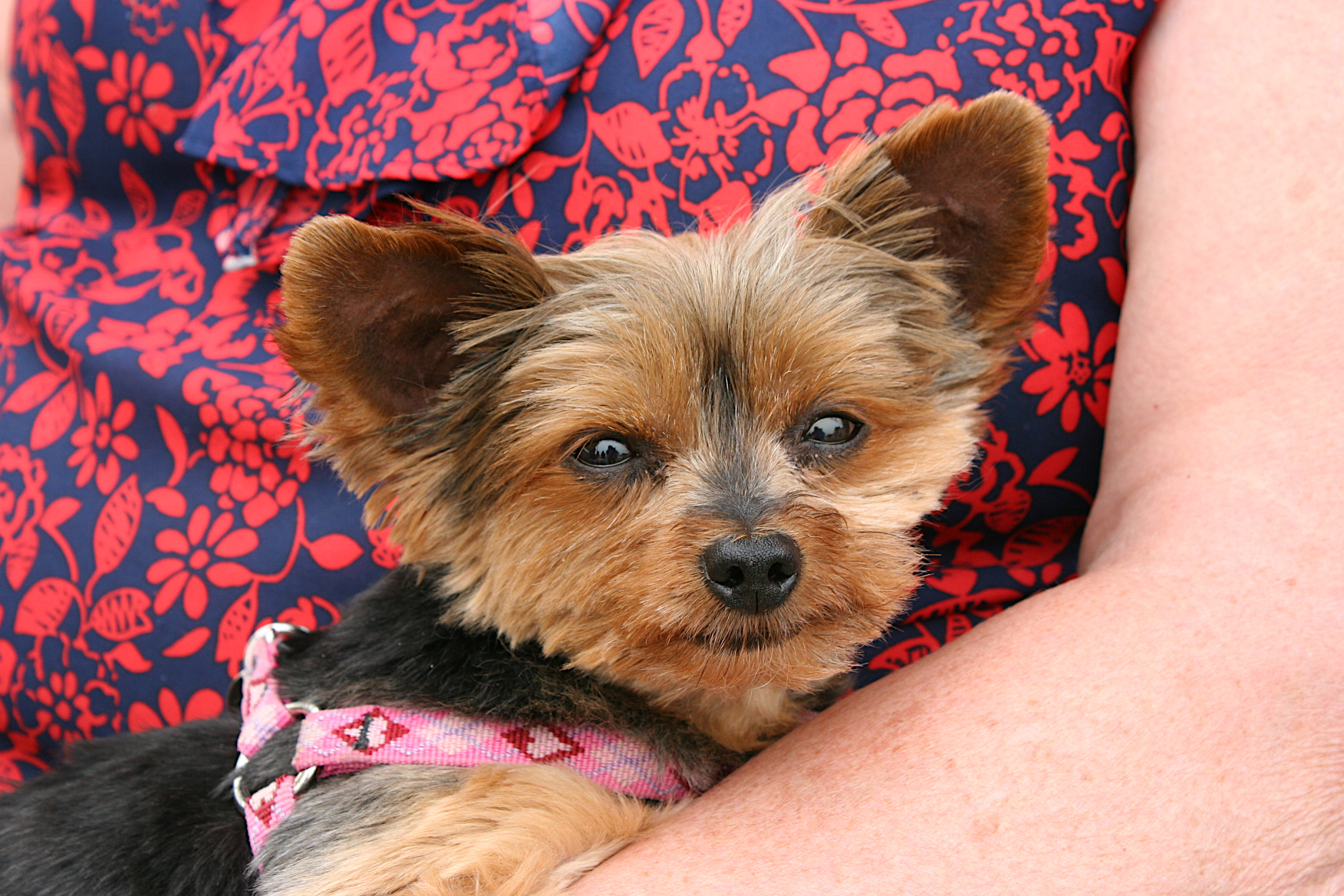
Dogs are welcome. I photographed this one in the arms of a Arts/Crafts Fair vendor at Bean Hole Days. Minnesota Prairie Roots copyrighted photo.

I encourage you to take in small town celebrations like those offered in Pequot Lakes and neighboring communities in Paul Bunyan land. To do so is to experience the Northwoods culture, at least the side that draws tourists to town.

#

This marks the third, and final, in a series of posts on Pequot Lakes.

© Copyright 2021 Audrey Kletscher Helbling


The art of Bean Hole Days July 27, 2021

Pottery from When Pigs Fly Studio, Nisswa, MN. Minnesota Prairie Roots copyrighted photo.

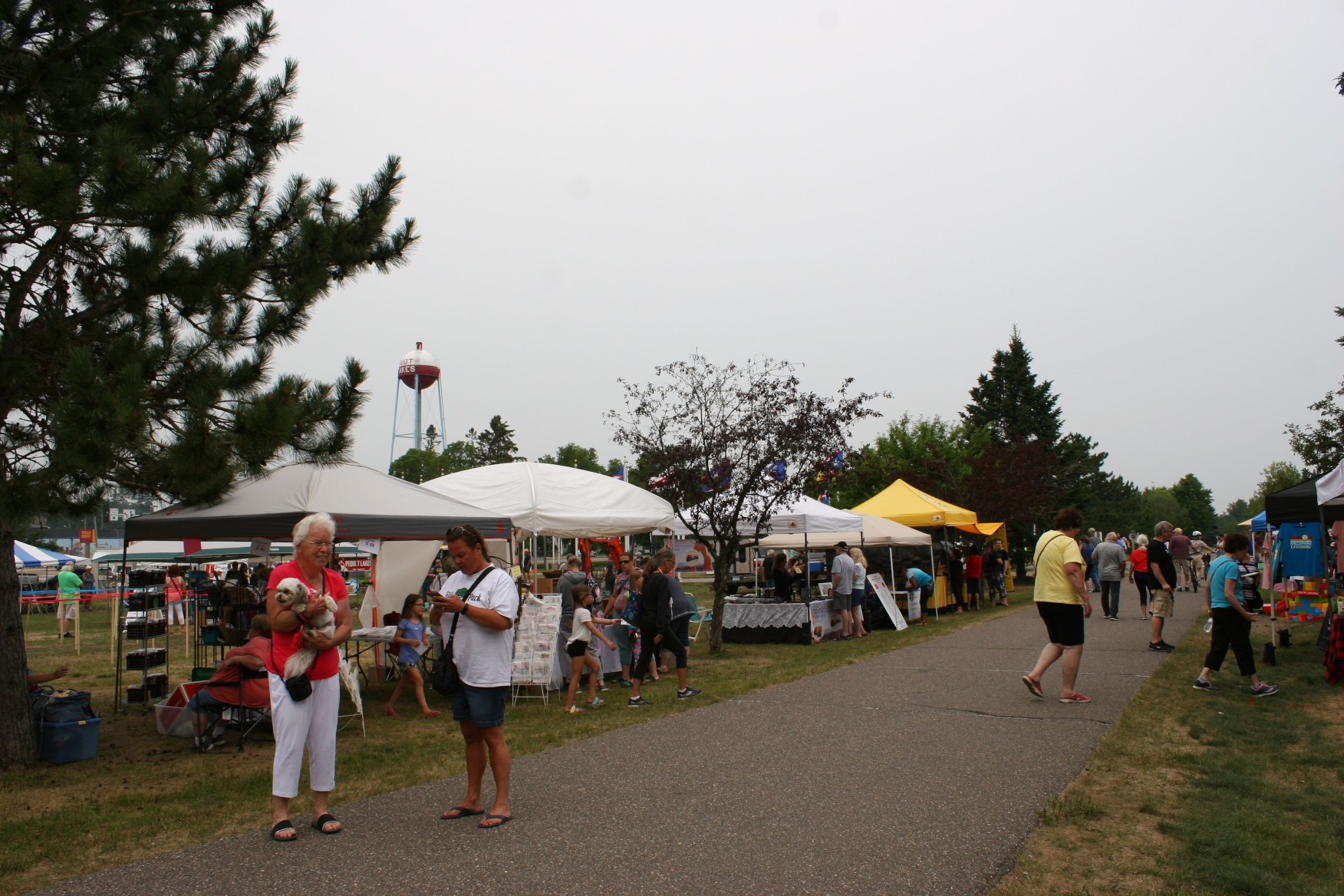
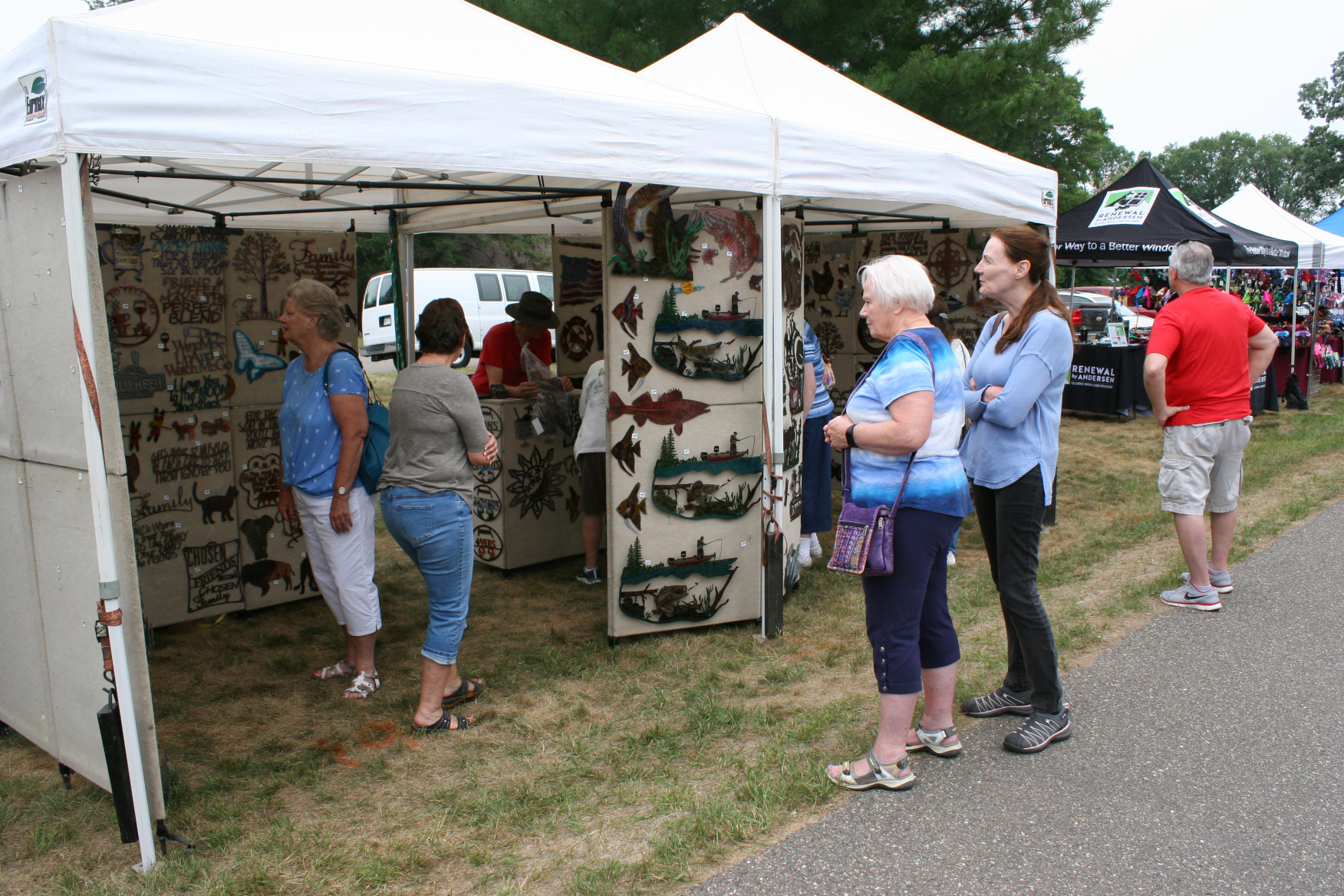
FROM POTTERY TO DYED CLOTHING and much more, creative works filled tents and spaces lining a paved path through Trailside Park during Pequot Lake’s recent Bean Hole Days.

Lots and lots of arts and crafts, some with outdoor themes for cabin country. Minnesota Prairie Roots copyrighted photo.

While beans, baked in massive kettles in an underground pit, highlight this festival, the Arts & Crafts Fair adds another appealing dimension. I always enjoy meandering among vendor booths, occasionally chatting it up with these creatives.

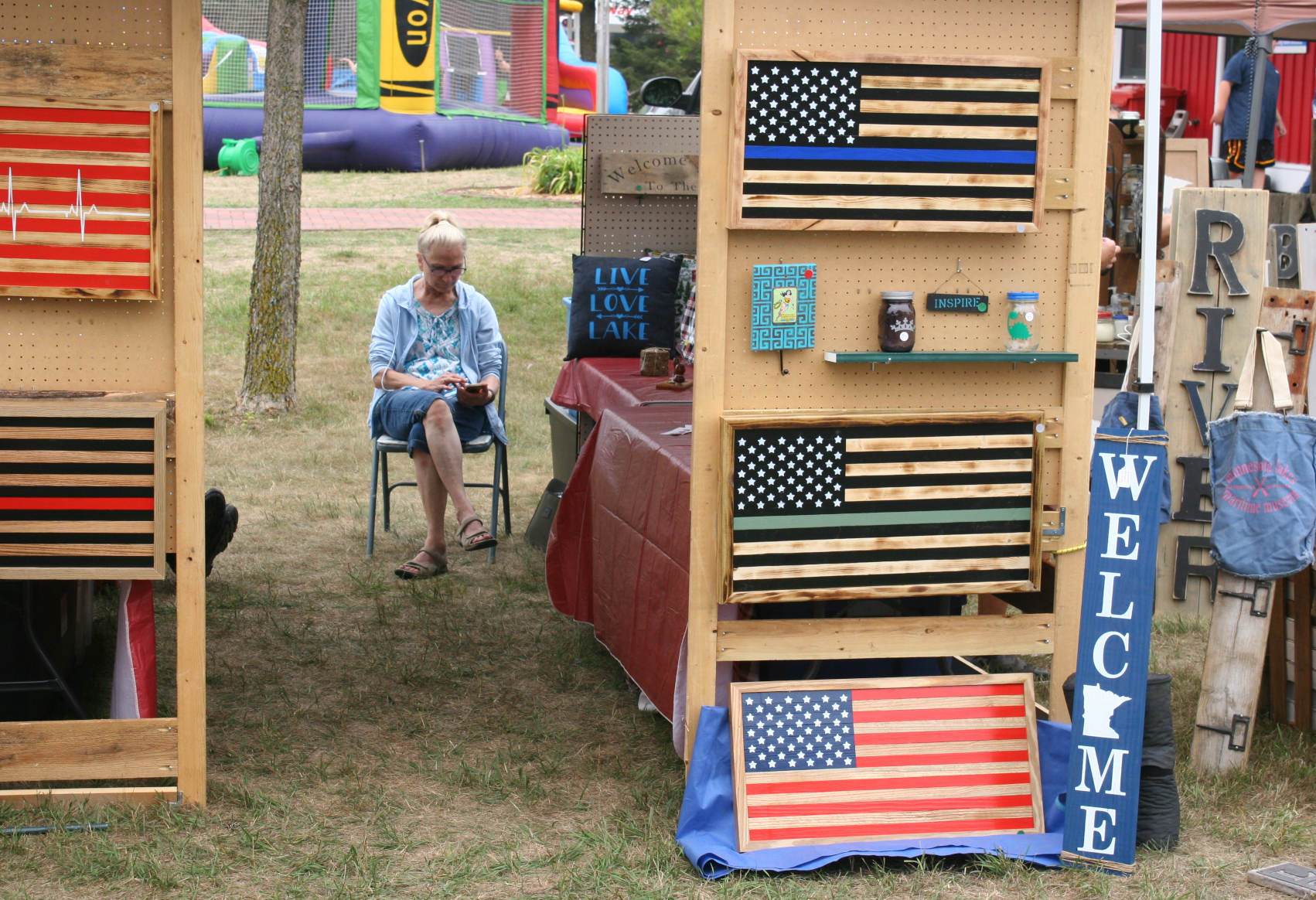
Featuring flags crafted from wood. Minnesota Prairie Roots copyrighted photo.

A time existed when I, too, created with my hands. As a teen, I sewed nearly all my clothes. I also stitched dresses for my paternal grandmother. I loved sewing. But college, life as a working professional and then motherhood ended that. Perhaps some day I’ll return to sewing and embroidery, two favorite hands-on crafts. For now I keep my hands primarily on my keyboard and DSLR camera.

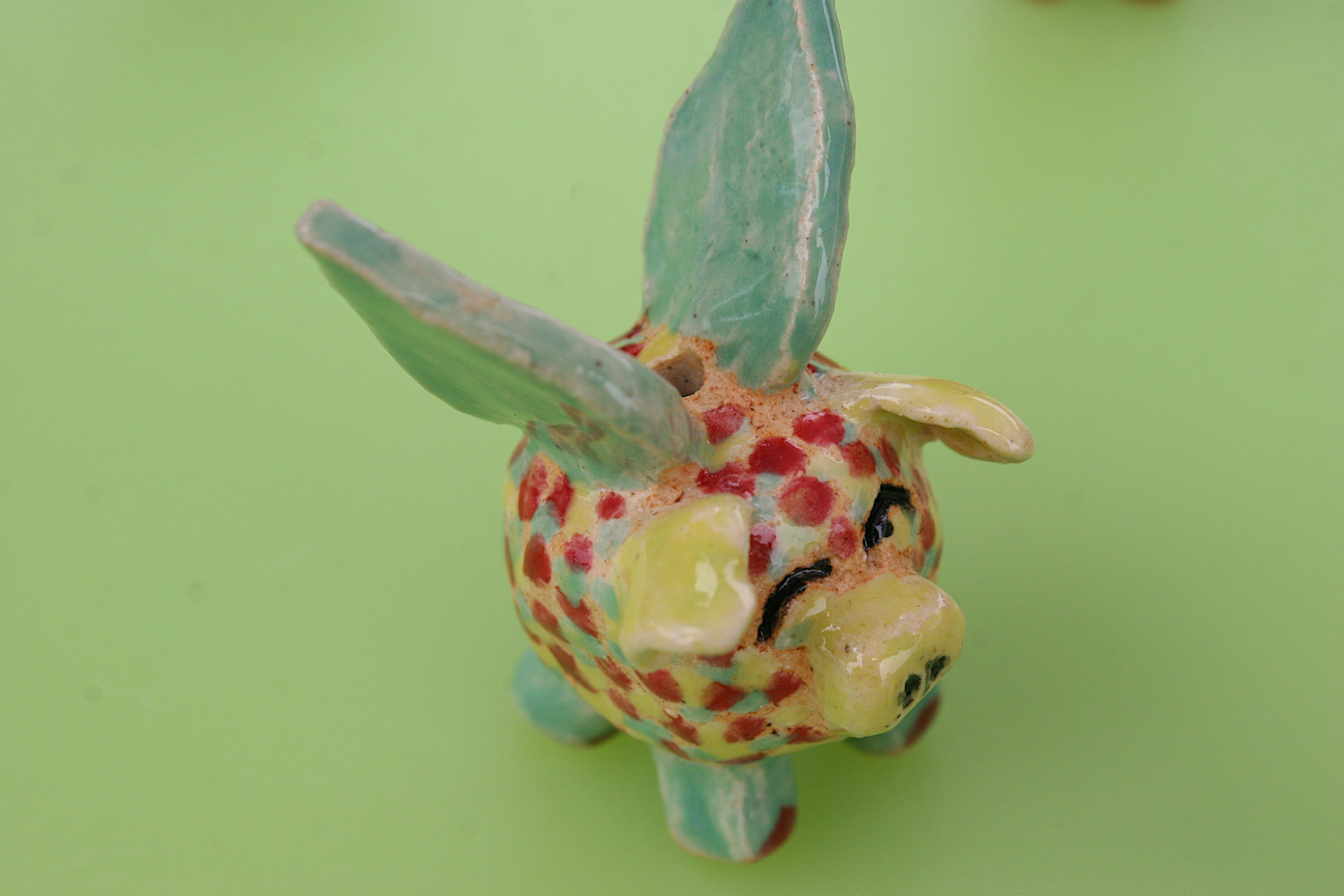
A Flying Pig by Alice Harris. Minnesota Prairie Roots copyrighted photo.
Artists’ statement. Minnesota Prairie Roots copyrighted photo.
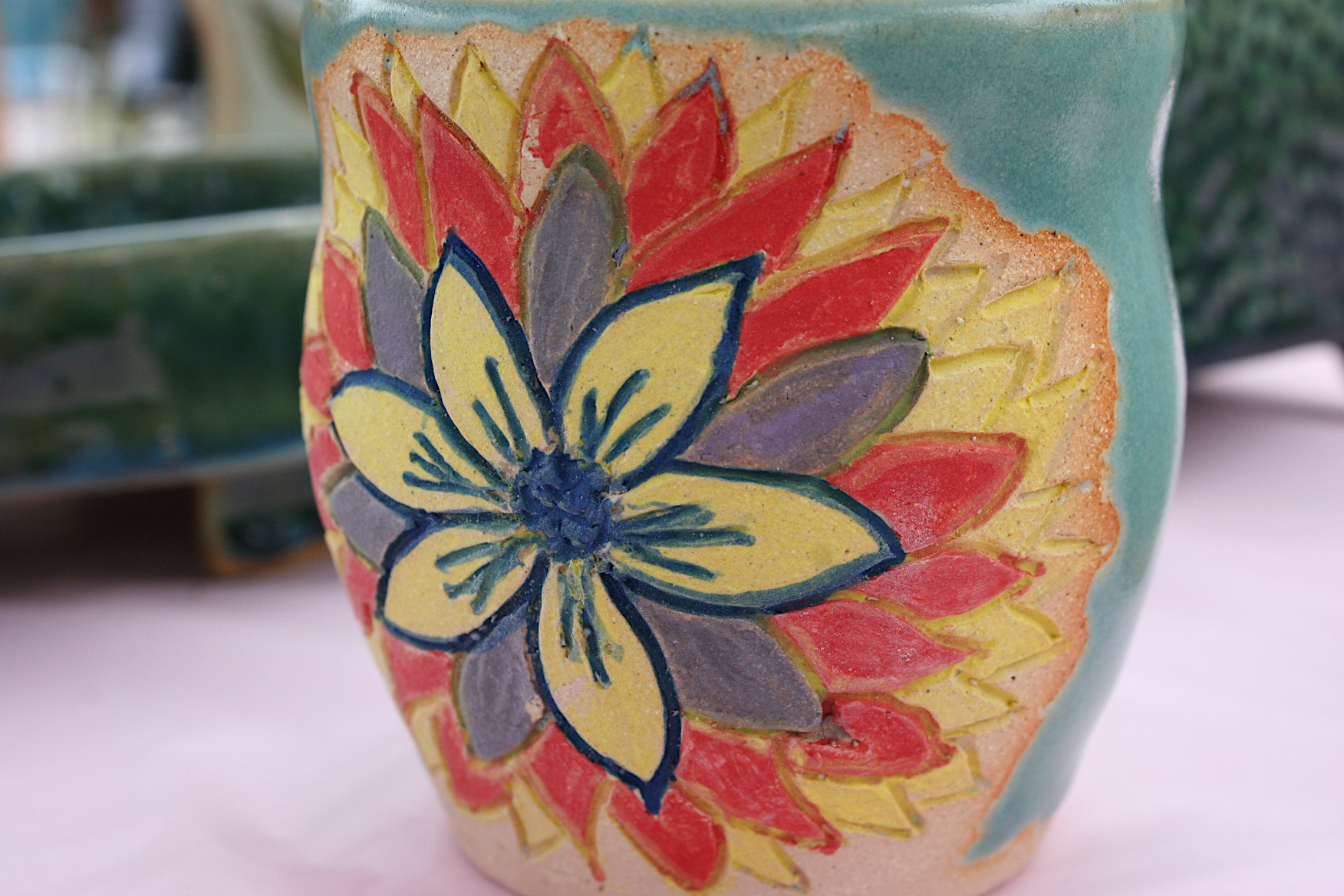
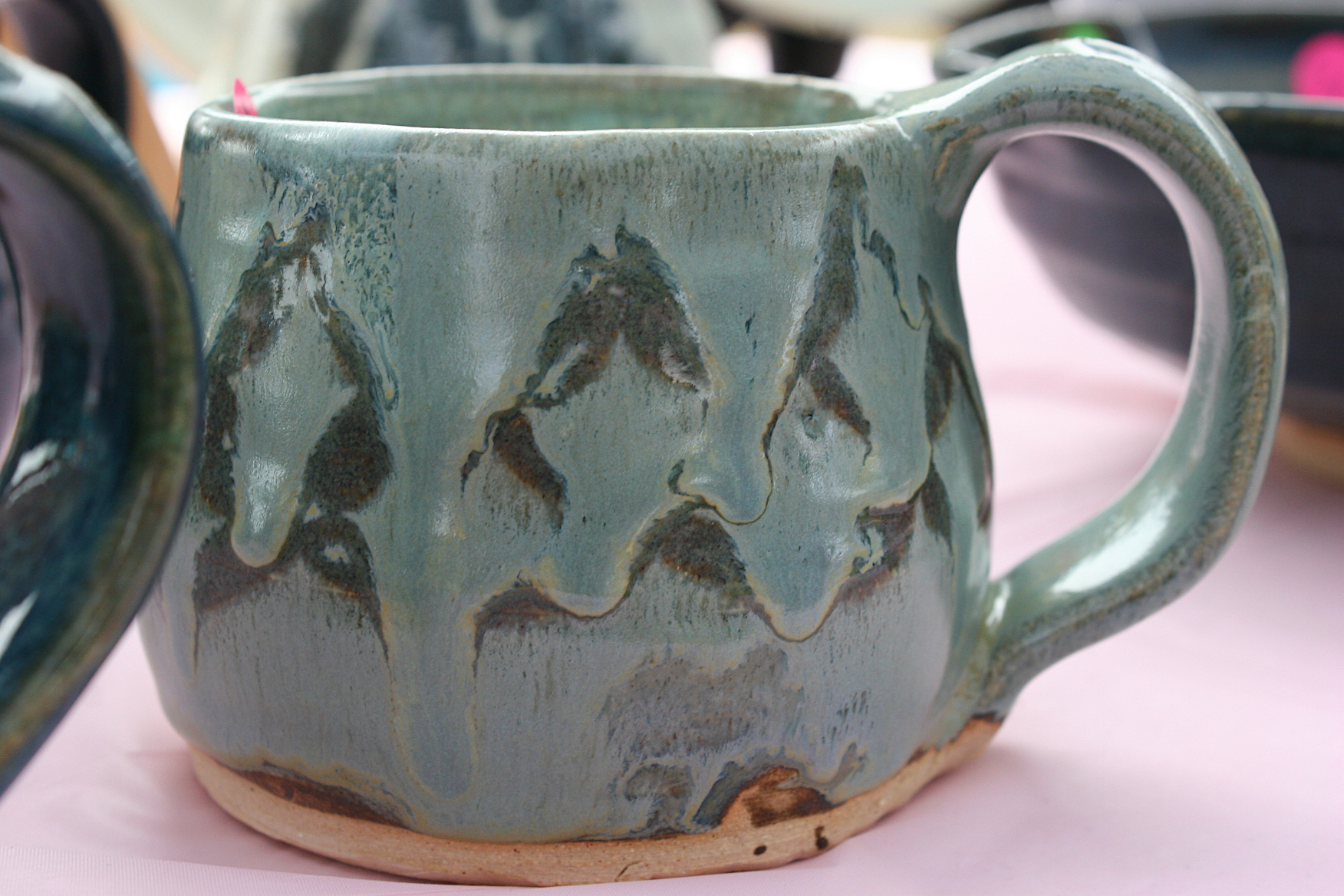
A mug by Dale Goodhue. Minnesota Prairie Roots copyrighted photo.

I admire the creative work of others, including those vending in Pequot Lakes. Like the pottery of Alice Harris and Dale Goodhue, Minnesota residents in the summer, Georgia residents in the winter. They create out of their When Pigs Fly Studio in Nisswa. Alice crafts the pigs while Dale creates more practical pottery pieces like mugs and plates. What a difference in approaches to pottery.

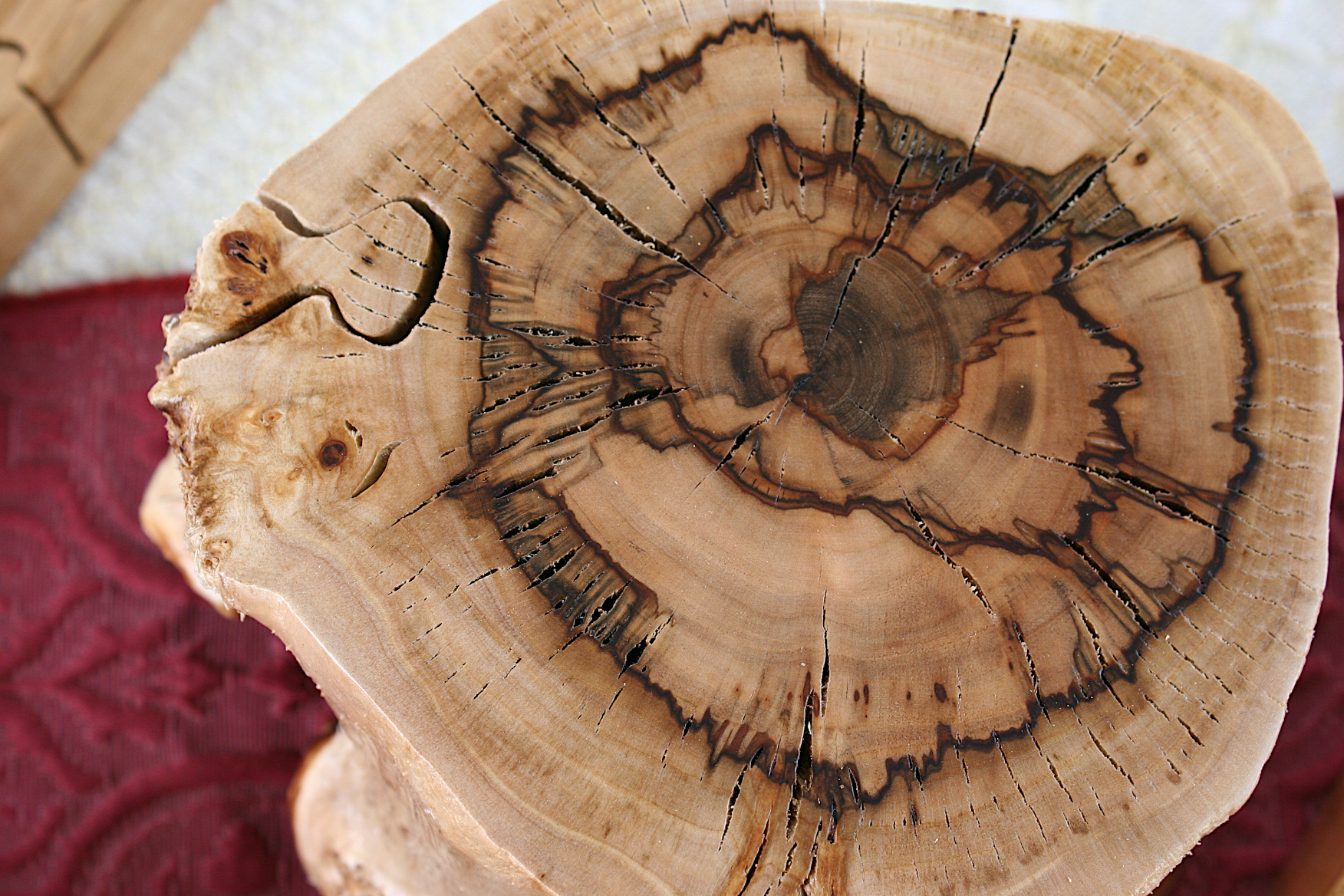
A Puzzle Box crafted by Ken Spurlin. Minnesota Prairie Roots copyrighted photo.

Perhaps the most unusual art I discovered are the Puzzle Boxes crafted by Ken Spurlin of Nevis. He takes a chunk of wood and then saws it into a puzzle with a hidden space inside. It’s magical.

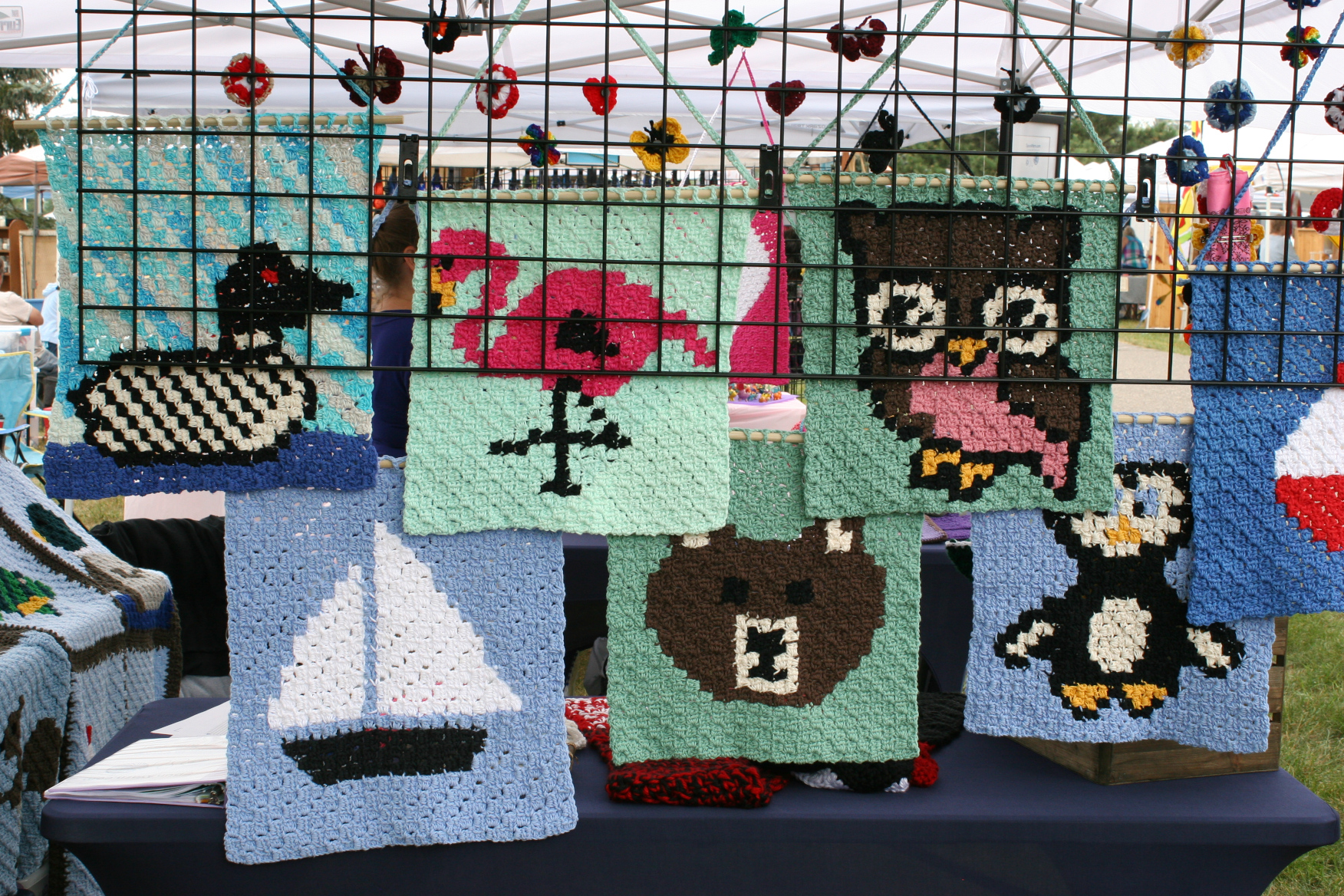
Crocheted art from Spun A Yarn. Minnesota Prairie Roots copyrighted photo.

When I spotted crocheted panels in the Spun A Yarn booth, I engaged in conversation with the artist, who, as it turns out, is also a freelance fiction editor and writer. Miranda Darrow (her pen name) creates “crochet with character.” Her crocheted loon panel caught my eye given the northwoods location of the Arts & Craft Fair. Loons are common on area lakes.

Vending dyed goods and other art. Minnesota Prairie Roots copyrighted photo.
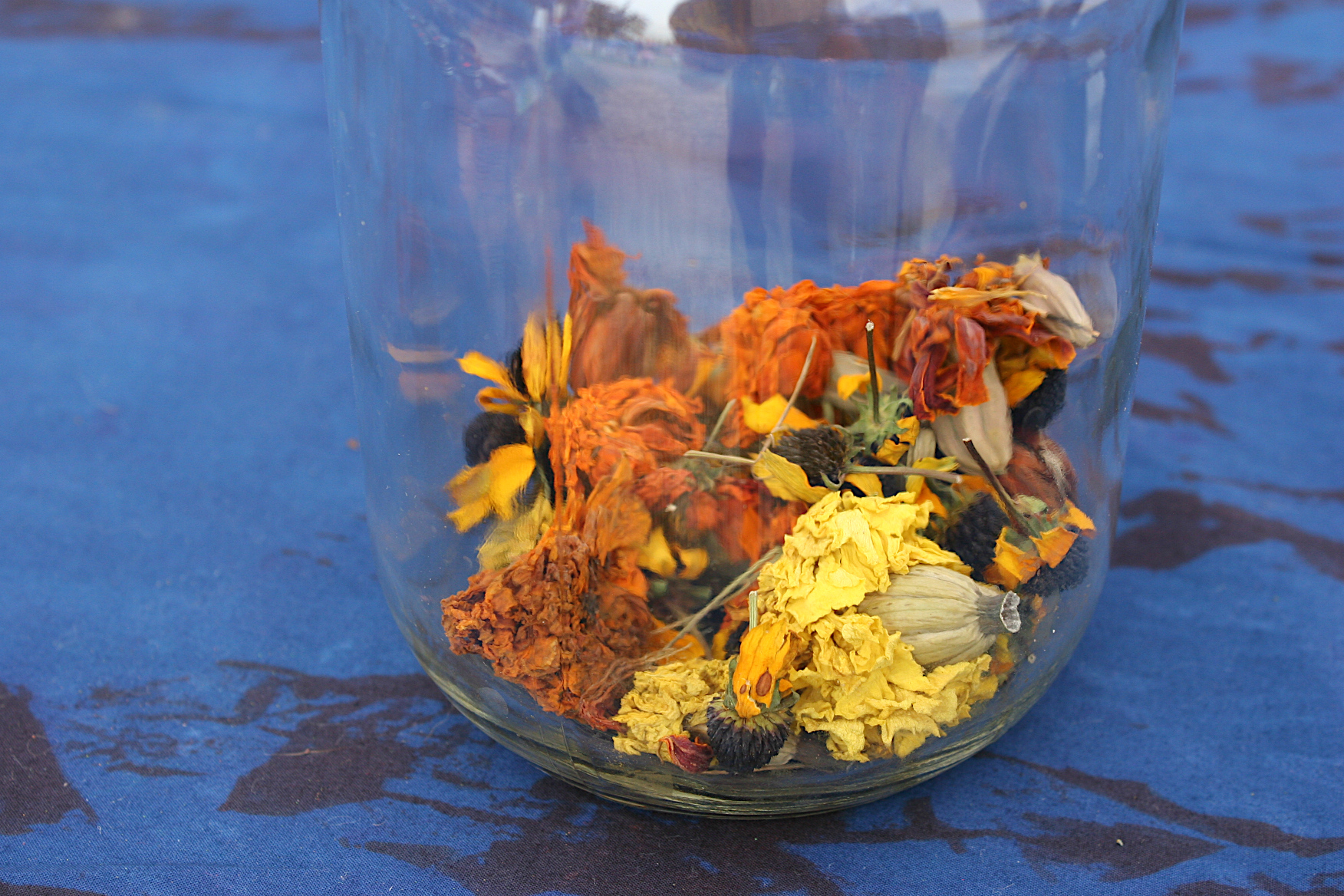
Used for natural dyes. Minnesota Prairie Roots copyrighted photo.
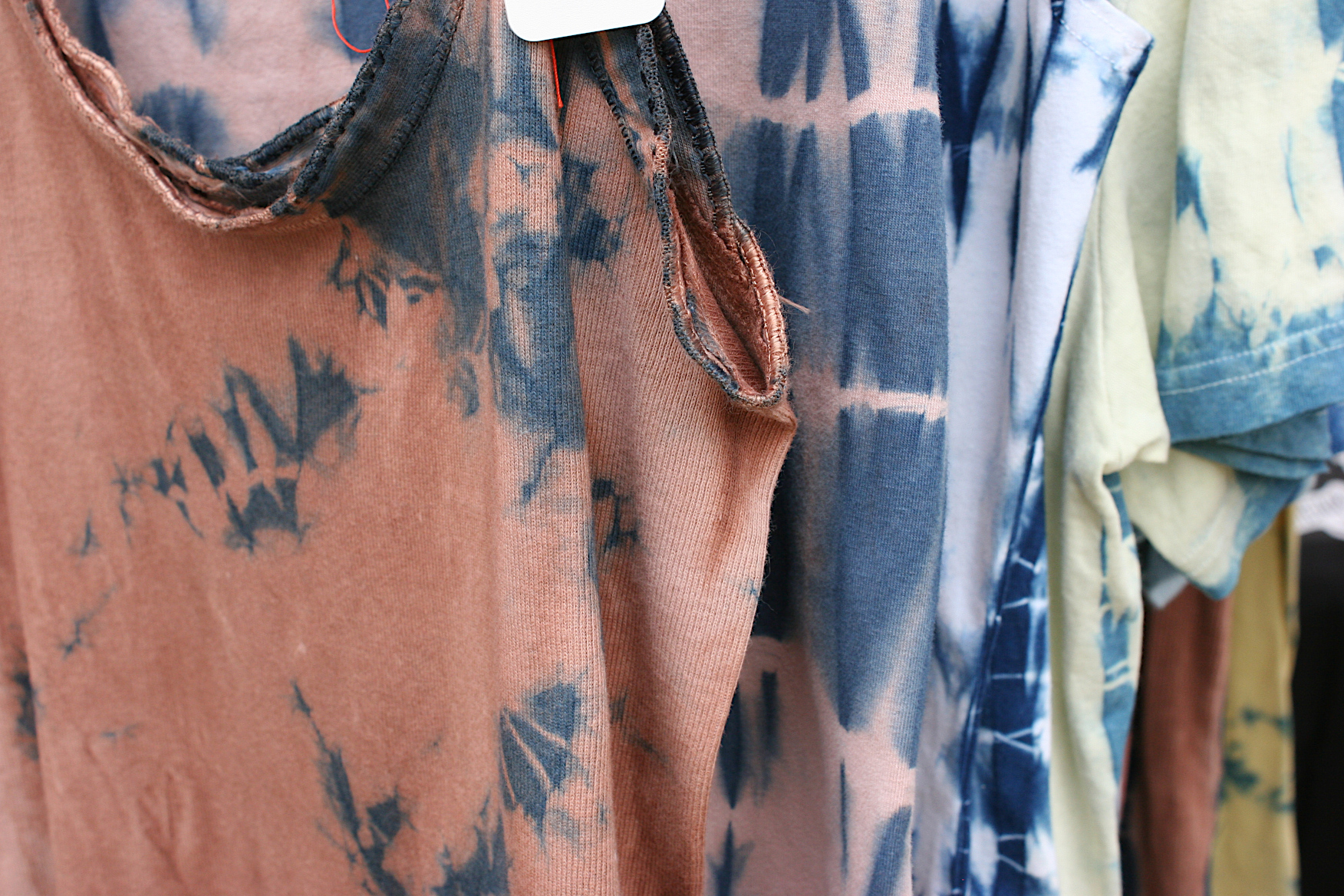
A sampling of the dyed clothing. Minnesota Prairie Roots copyrighted photo.

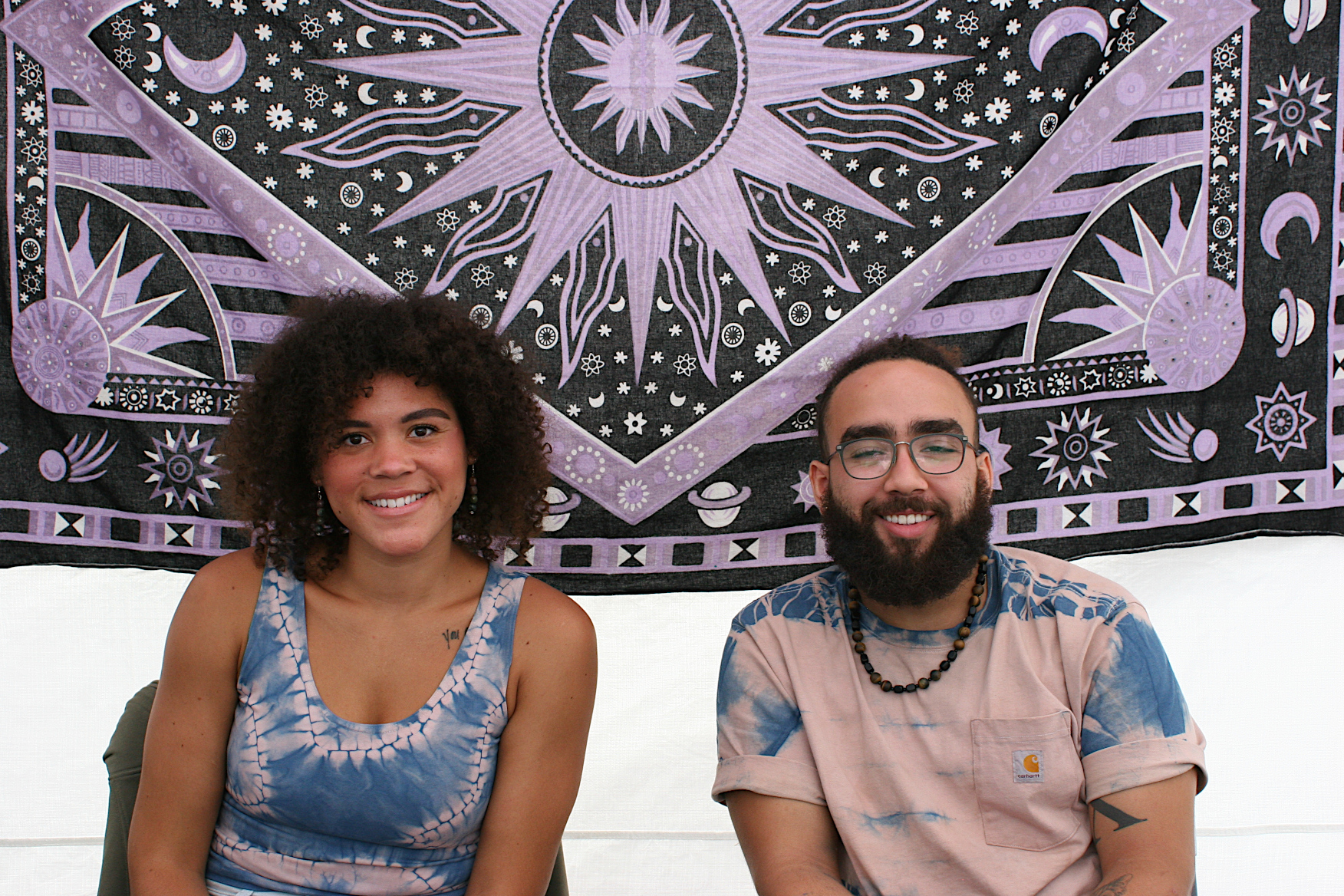
A creative backdrop and vendors dressed in dyed clothing caused me to stop and peruse the art of Shea J Maze and Diaspora Textiles. Memories of tie dying in the 70s flashed back. But unlike the chemicals I used to dye tees, these items are dyed naturally. A jar of dried flowers sitting on the table proved that. Beautiful, soft hues define this natural dying method.

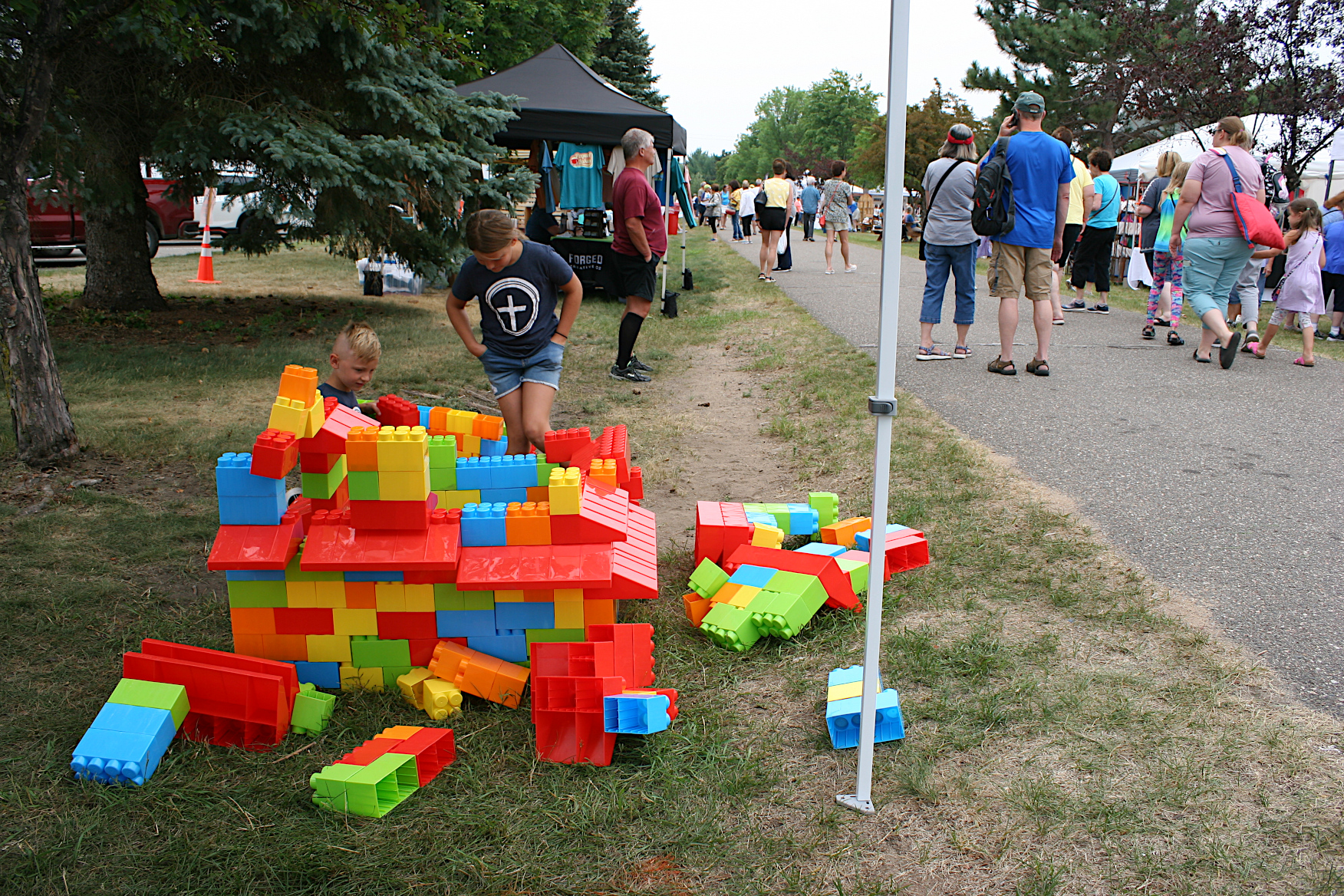
Kids play at the Wondertrek booth. Minnesota Prairie Roots copyrighted photo.

Farther along the trail, the bold colors of mega blocks drew kids (and me) to the booth of Wondertrek Baxter Children’s Museum. The museum is an in-process undertaking.

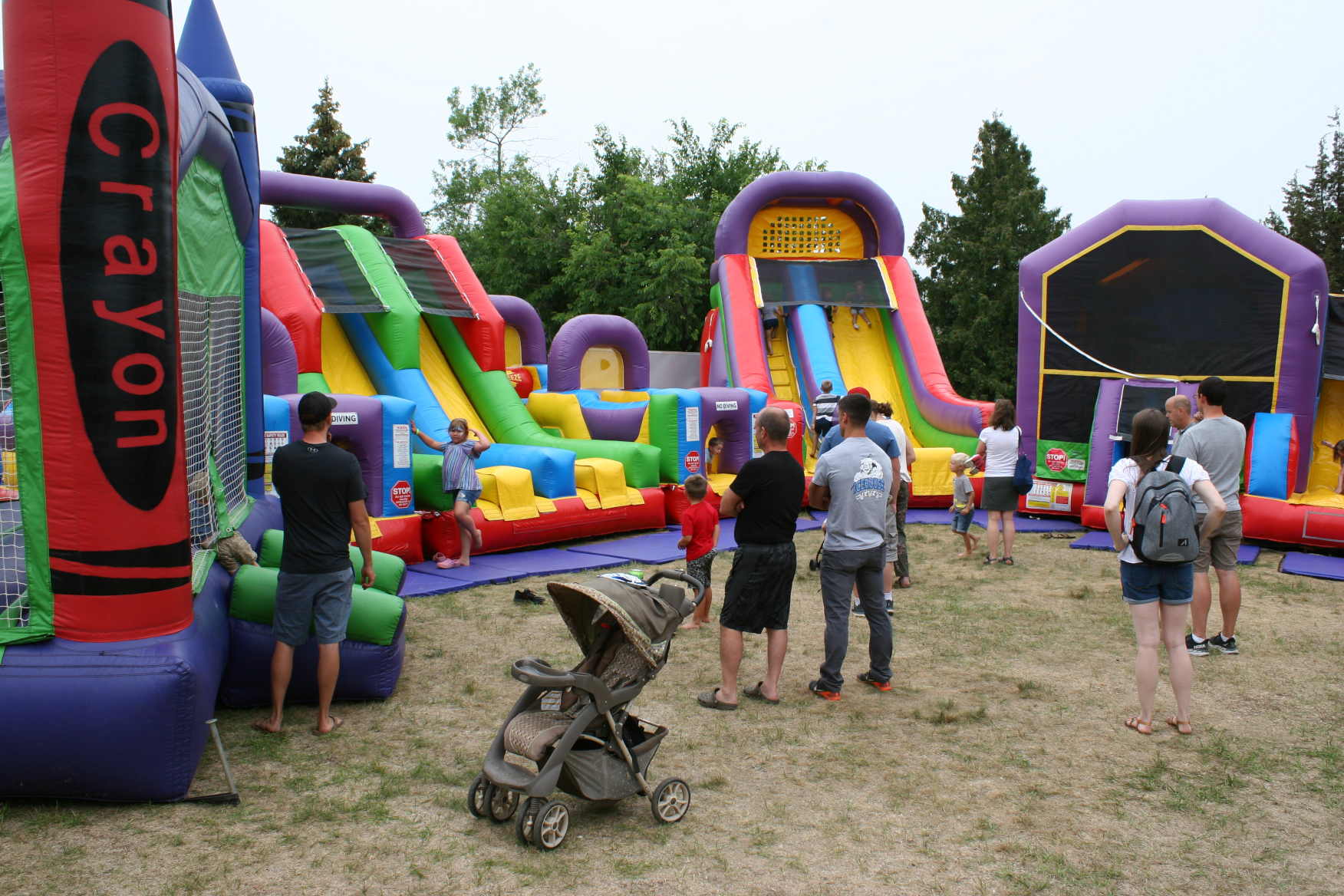
Bean Hole Days included a small carnival. Minnesota Prairie Roots copyrighted photo.

Across the park, inflatables splashed color into the landscape in temporary, interactive public art.

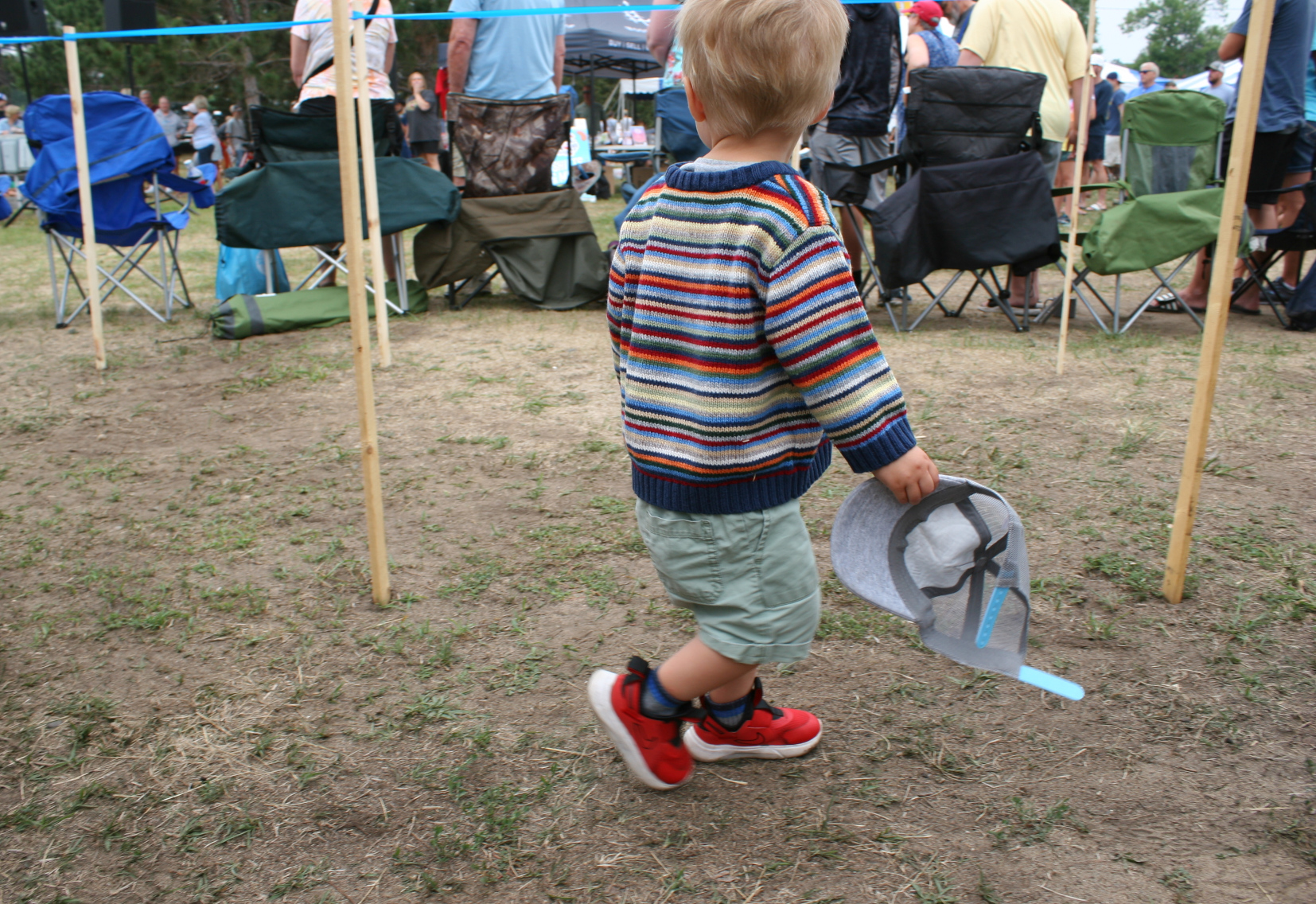
Loved this little guy’s colorful sweater. Minnesota Prairie Roots copyrighted photo.

I can see art most anywhere, including in the striped sweater worn by a preschooler wandering the fest grounds. Handcrafted or not, I don’t know. But I found it visually appealing, albeit seemingly too warm for the hot and humid July day.

Oh, the sweetness of this little girl, providing entertainment as people waited in line for free baked beans. Minnesota Prairie Roots copyrighted photo.

While I’ve only shown you a sampling of the arts and crafts featured in Pequot Lakes, I hope this entices you to attend Bean Hole Days next summer. Not only for the delicious baked beans but also for the art.

#

Please check back for one final post (of three) on Pequot Lakes Bean Hole Days.

© Copyright 2021 Audrey Kletscher Helbling
 

A flavor of the Minnesota northwoods at Bean Hole Days July 26, 2021

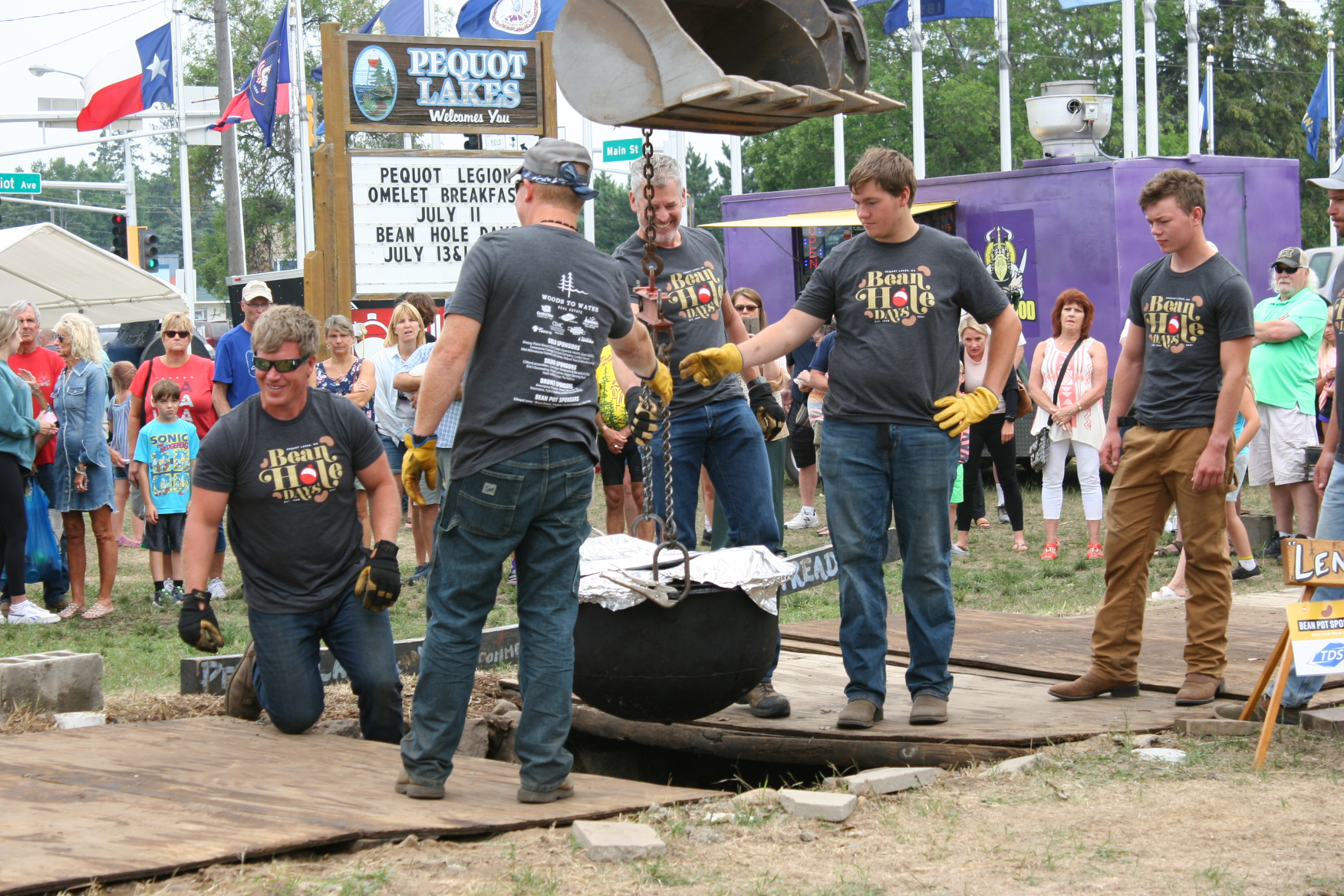
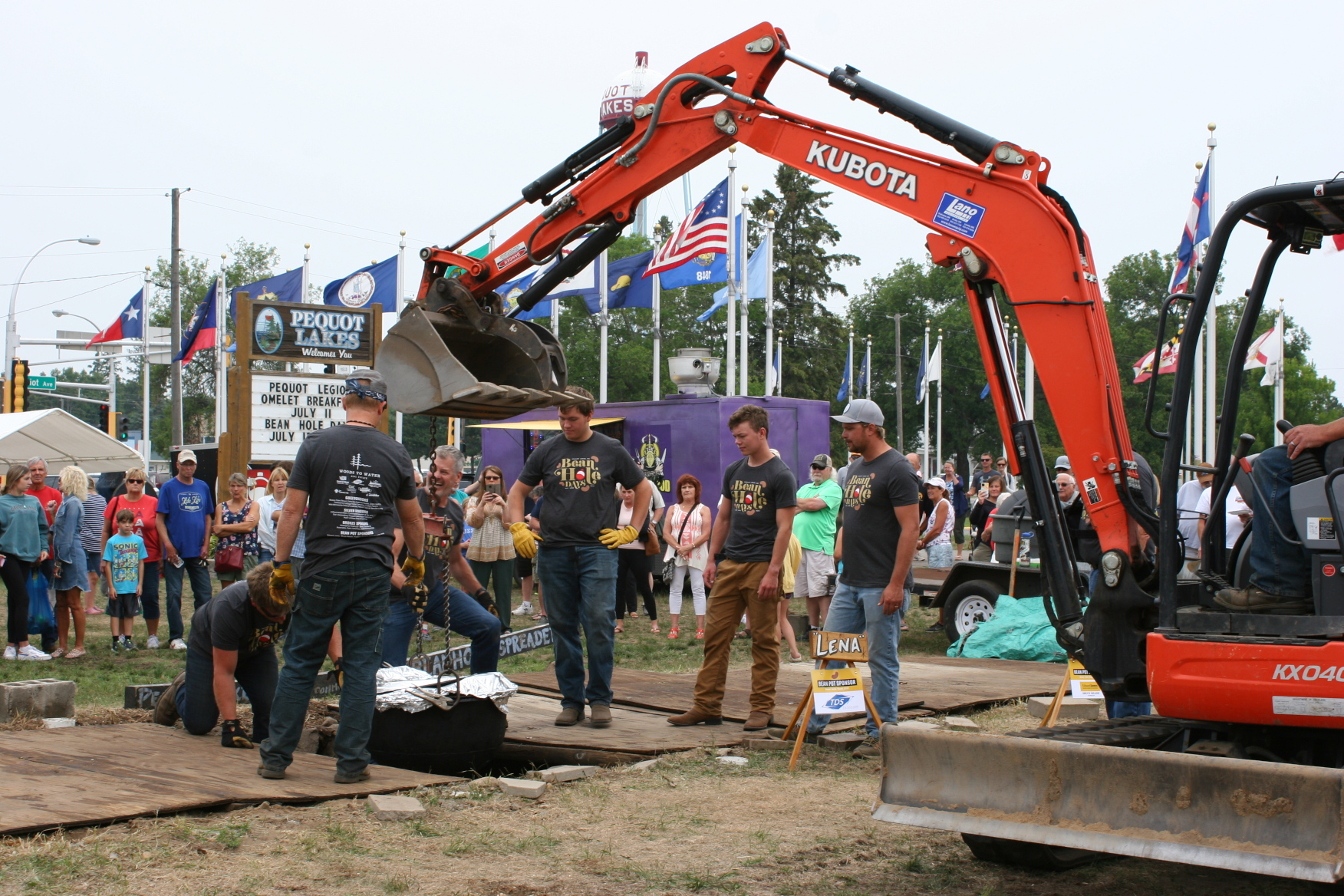
The Bean Hole crew guides a kettle of beans from an underground cooking pit at Bean Hole Days in Pequot Lakes. Minnesota Prairie Roots copyrighted photo.

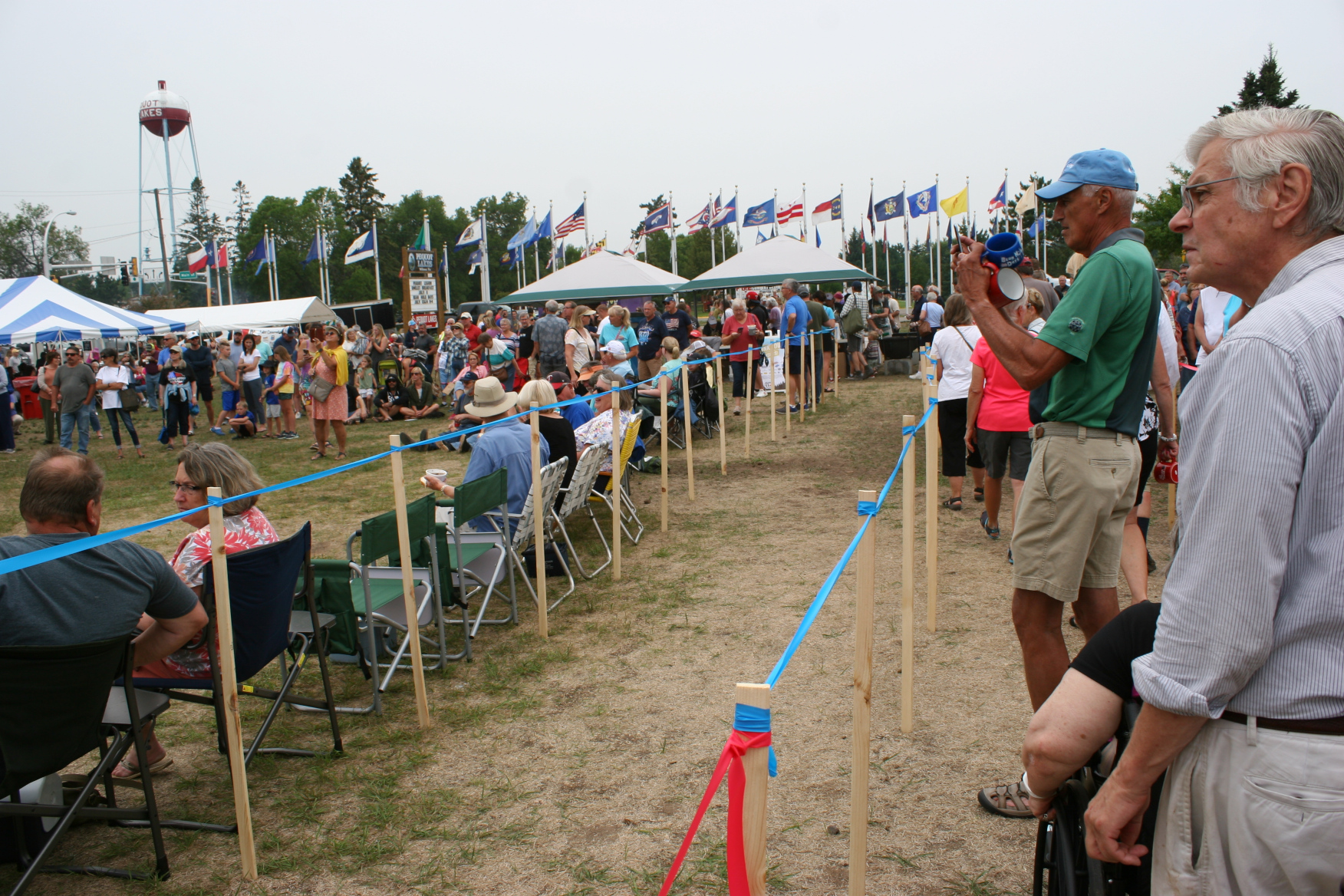
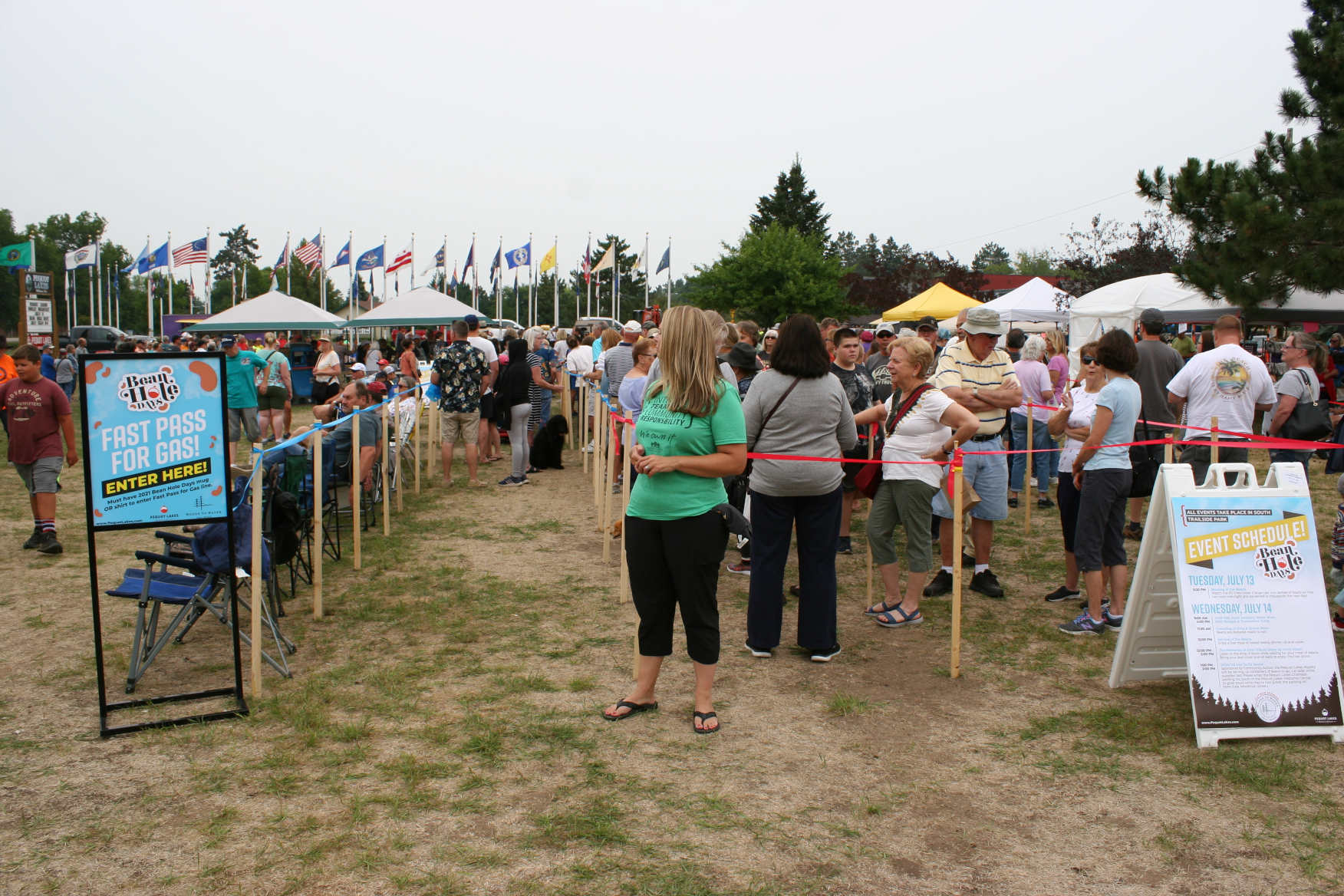
LONG LINES FORMED an hour before the event in makeshift narrow aisles crafted from stakes and ribbon. Folks waited not for Paul Bunyan, although he was there, working the crowd. And not for Elvis, although he performed. Rather, they waited for a serving of baked beans.

Thousands line up for a bowl of baked beans. Minnesota Prairie Roots copyrighted photo.
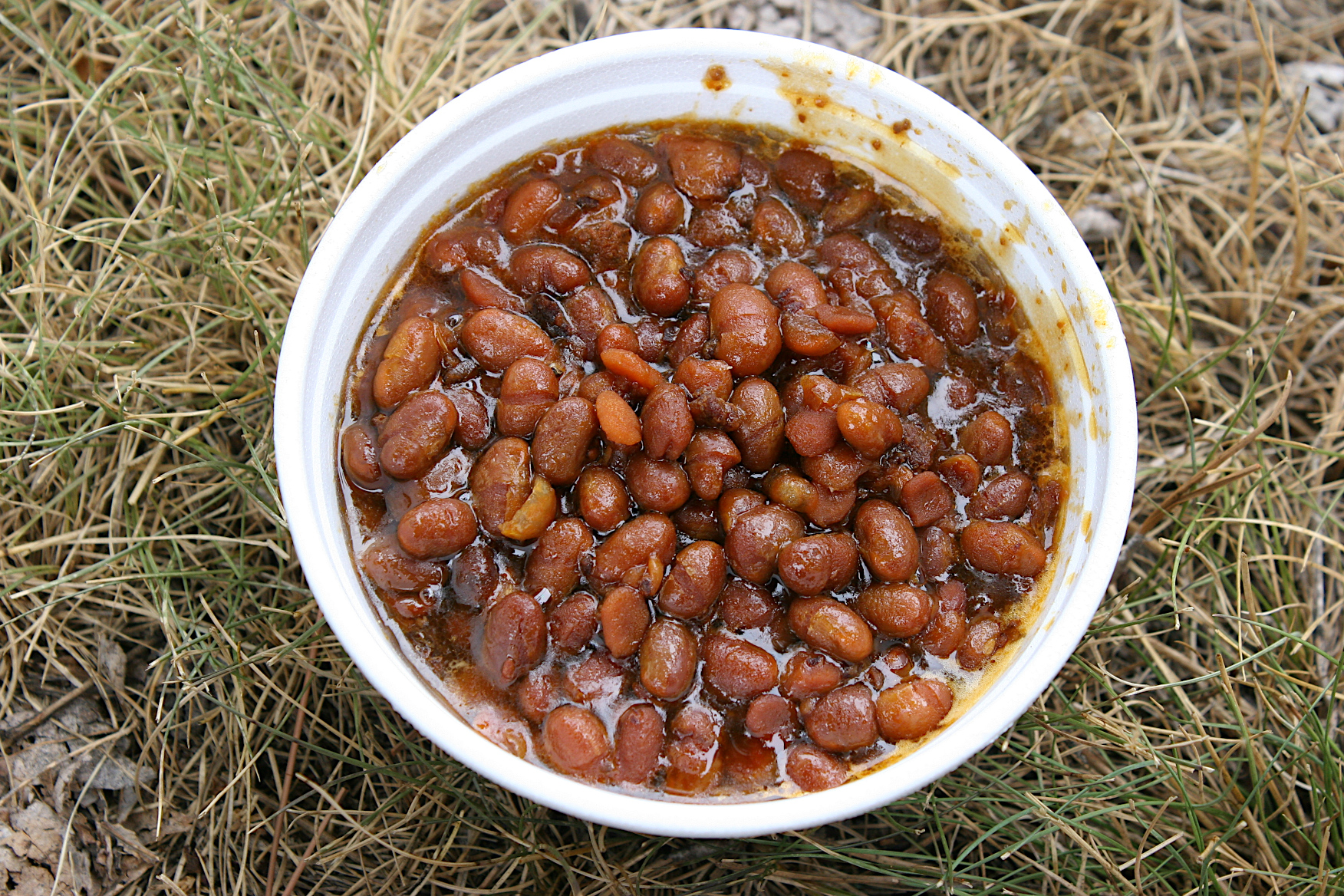
My bowl of baked beans. The beans are fee with donations accepted. Minnesota Prairie Roots copyrighted photo.
Lifting the kettles from the pit requires machinery and manpower. Minnesota Prairie Roots copyrighted photo.

This scene unfolded on Wednesday, July 14, during Bean Hole Days in Pequot Lakes, a small town in the central Minnesota lakes region. Randy and I, staying at a family member’s guest lake cabin south of nearby Crosslake, attended for the first time. And it was quite the experience. I mean that in a truly positive way. While I don’t like waiting, waiting for a generous serving of bacon-laced navy beans baked in a wood-fired pit proved well worth my time. I’ve never tasted better homemade baked beans.

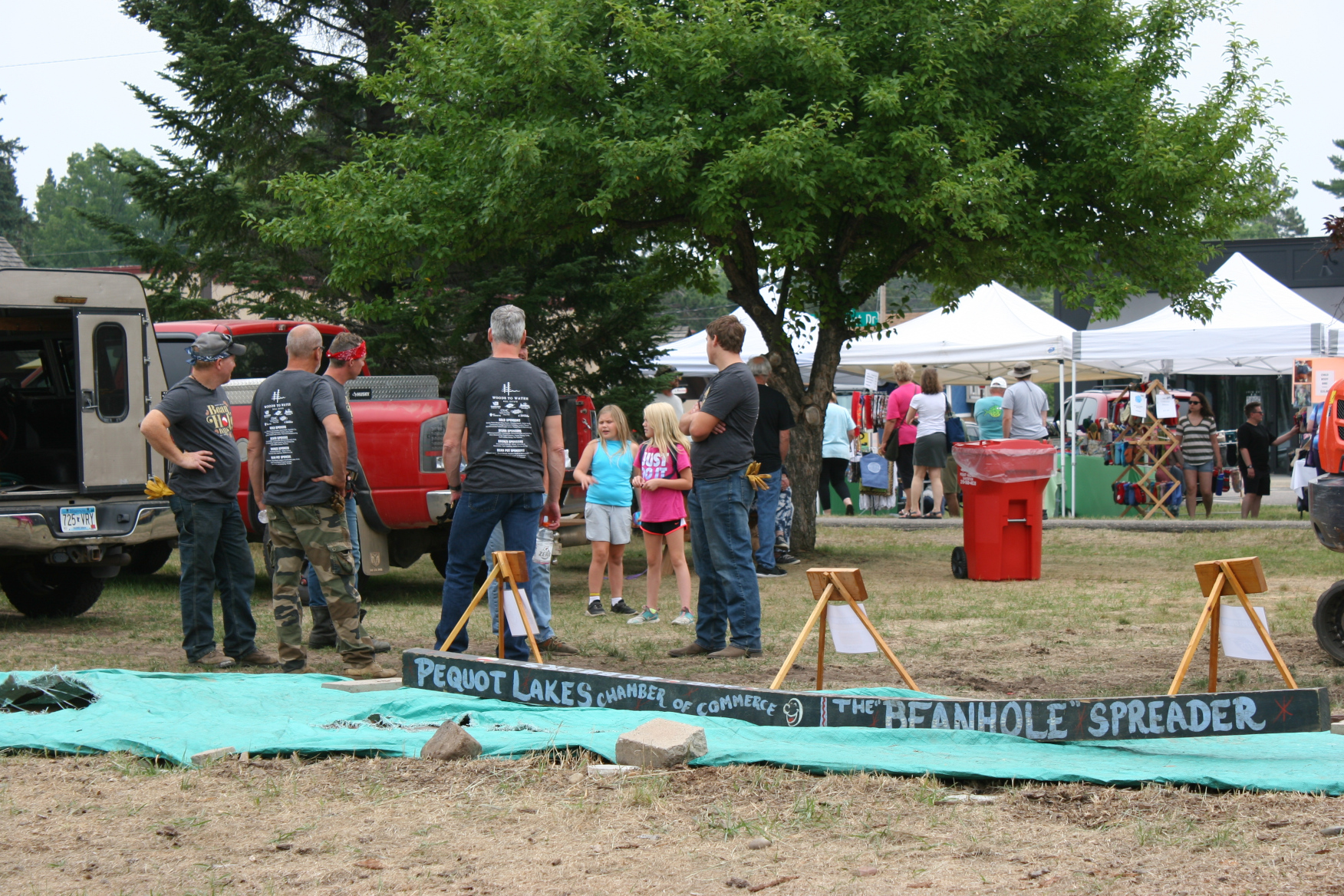
The bean crew waits near the pit where the beans bake. Minnesota Prairie Roots copyrighted photo.

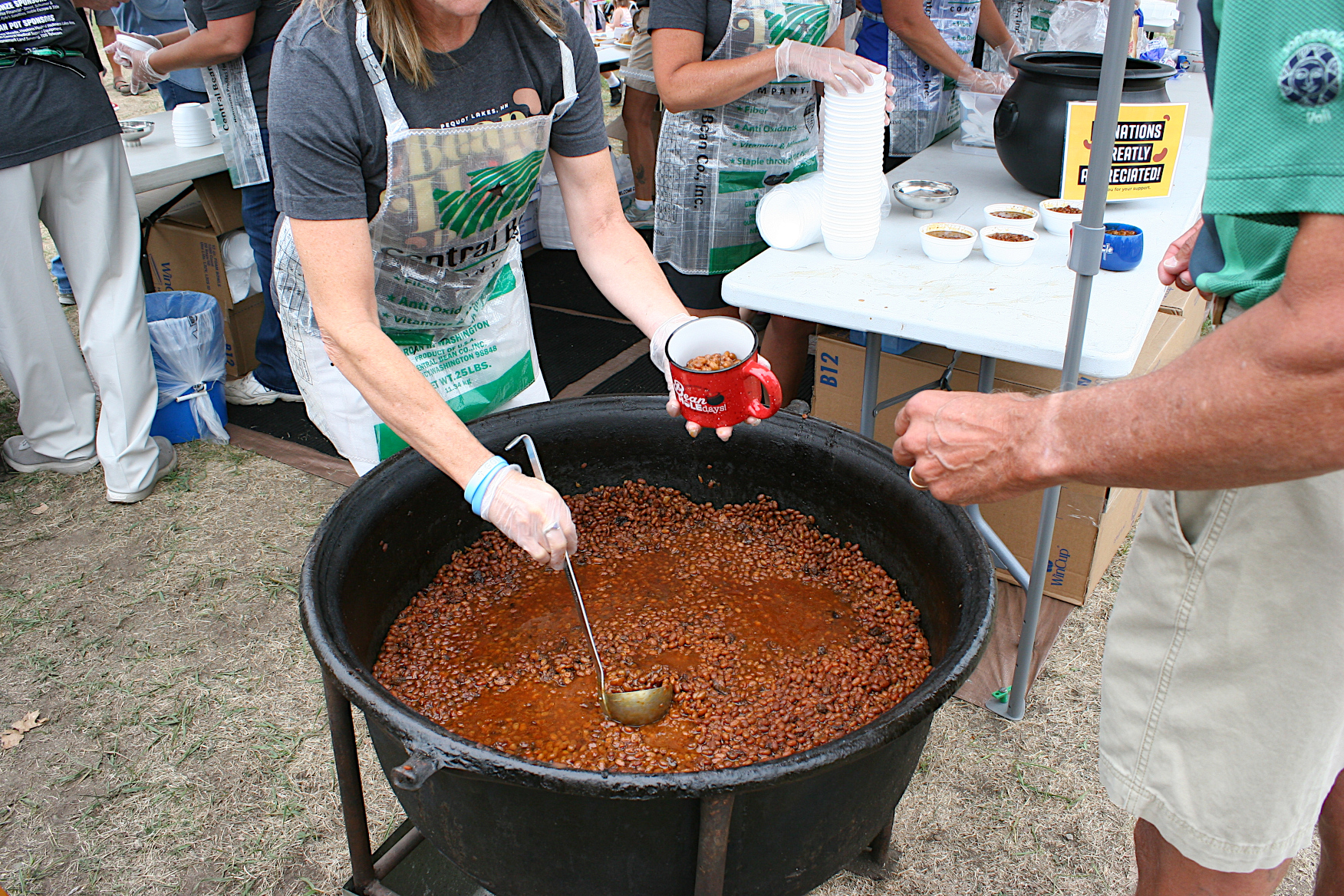
The process of crafting these beans is impressive. I missed the prep and lowering of massive cast iron kettles into the ground Tuesday. But in chatting with a bean crew member on Wednesday, I learned that the 350 pounds of navy beans were soaked and partially cooked with propane before lowering the cauldrons into the pit of wood coals for overnight baking. And yes, it takes a knowledgeable team and machinery for this operation.

Almost ready to serve beans. Minnesota Prairie Roots copyrighted photo.

My bean crew source wasn’t sharing details about ingredients, with the exception of 126 pounds of bacon mixed into the beans. The special “sauce,” which definitely tastes of molasses, is a guarded secret. And that’s all right. It adds to the mystery, the intrigue.

Lining up for beans under the direction of a volunteer. Minnesota Prairie Roots copyrighted photo.

From my observations, volunteers have this bean-baking down to a science. And they should. Bean Hole Days began in 1938 as a way for local businessmen to thank farmers for their business. Today, the focus seems more on drawing vacationers into town—to the local shops and restaurants. While waiting in line for 45 minutes, I chatted with couples from Baxter and the Twin Cities.

We arrived early with plenty of time to check out the arts and crafts. Minnesota Prairie Roots copyrighted photo.
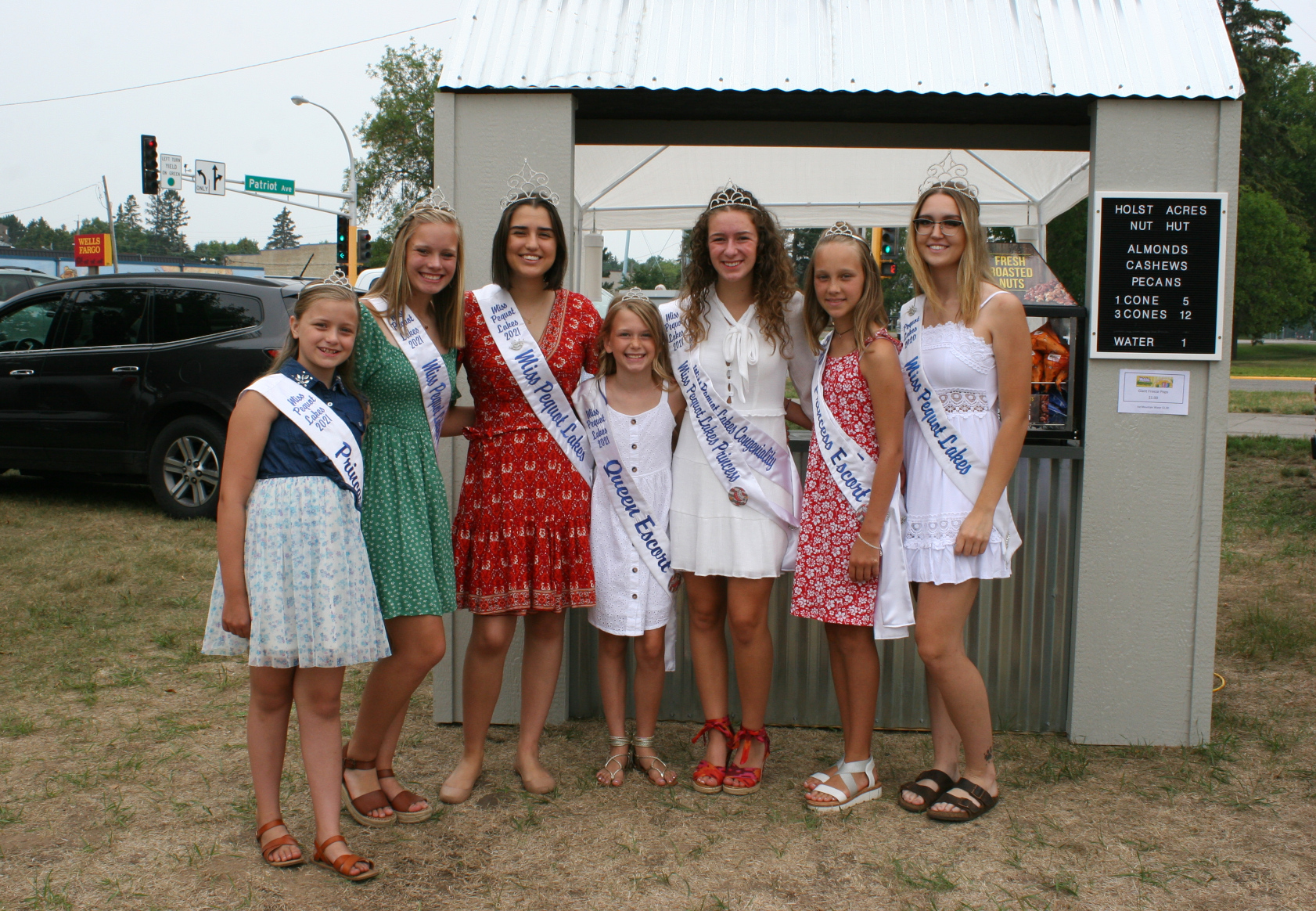
Bean Hole Days royalty. Minnesota Prairie Roots copyrighted photo.
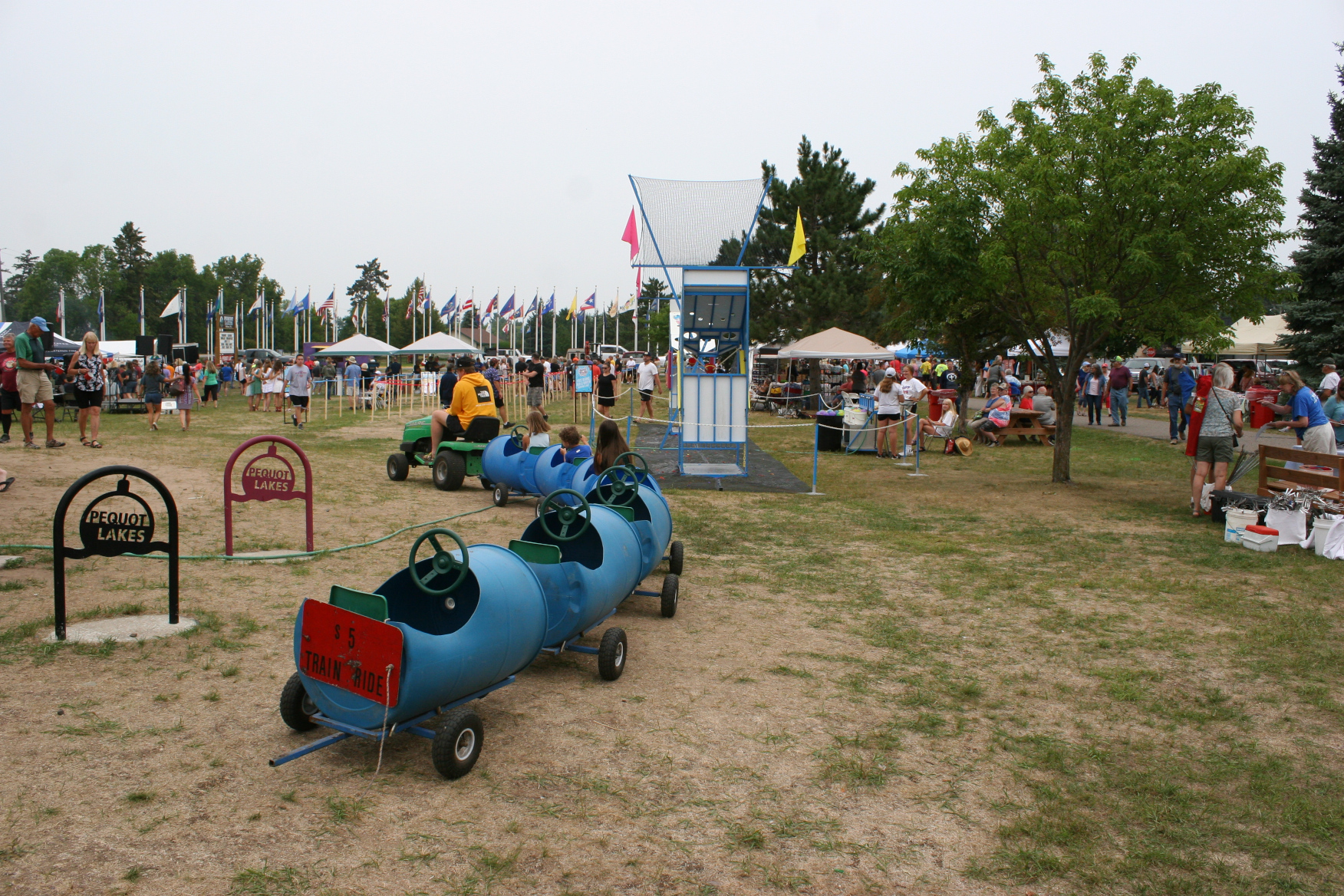
An old-fashioned barrel train weaves through the festival grounds. Minnesota Prairie Roots copyrighted photo.

This event at Trailside Park is about much more than beans. It also features an arts and craft fair, a small kiddie carnival, food vendors and crowning of Bean Hole royalty. And this year free COVID-19 vaccinations.

These friendly vendors sold art (Shea J. Maze) and naturally-dyed goods (Diaspora Textiles). Minnesota Prairie Roots copyrighted photo.

I enjoyed chatting with vendors, mingling, watching. And photographing.

Paul Bunyan greets Bean Hole Days attendees. Minnesota Prairie Roots copyrighted photo.

Bean Hole Days, because of its location in Pequot Lakes among lakes and pines in cabin country, reflects the Minnesota northwoods and all that entails. Fishing. The town water tower is shaped like a bobber. Paul Bunyan and Babe the Blue Ox. Paul shook hands, posed for photos and generally welcomed guests. Babe and bobber sculptures provided photo ops.

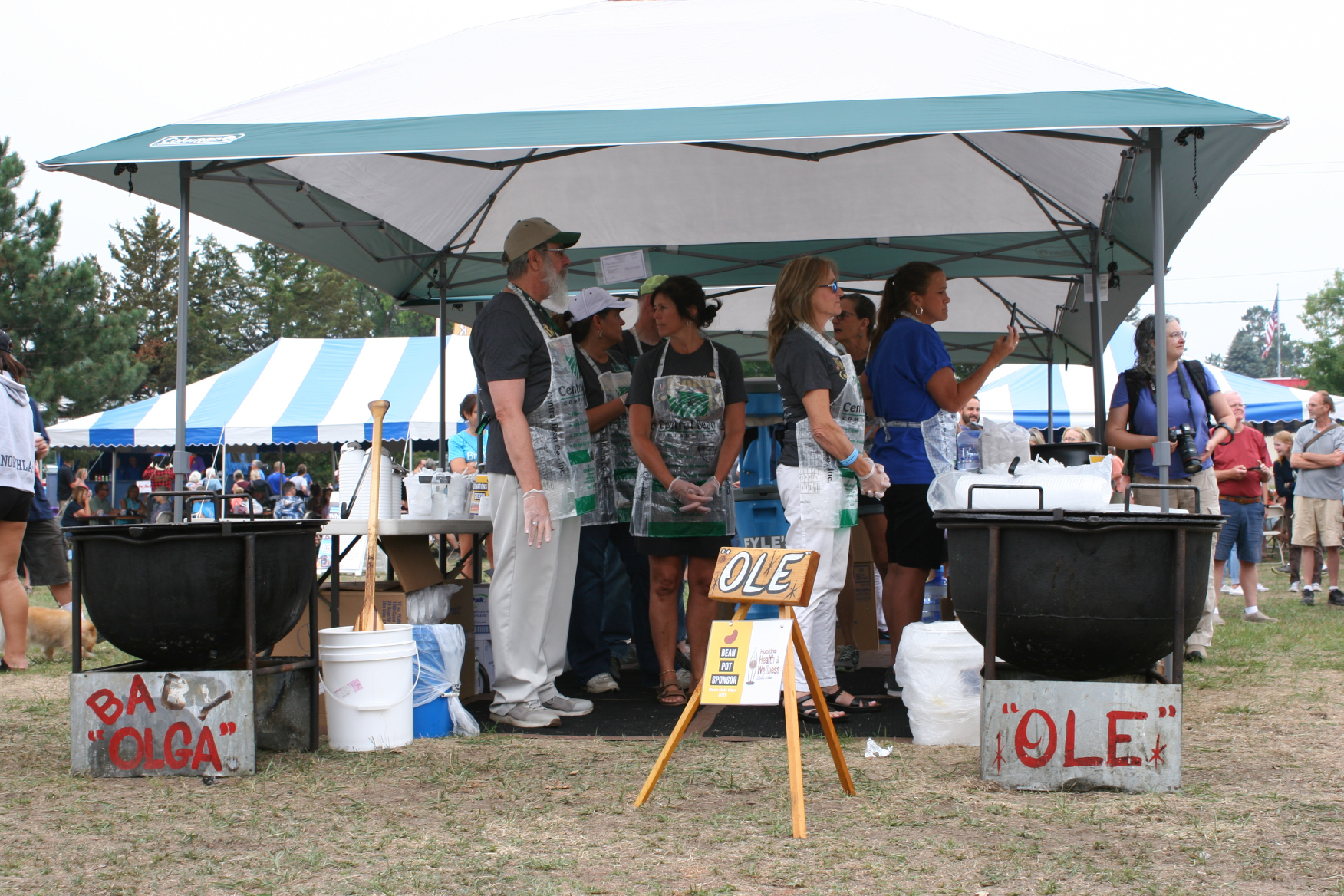
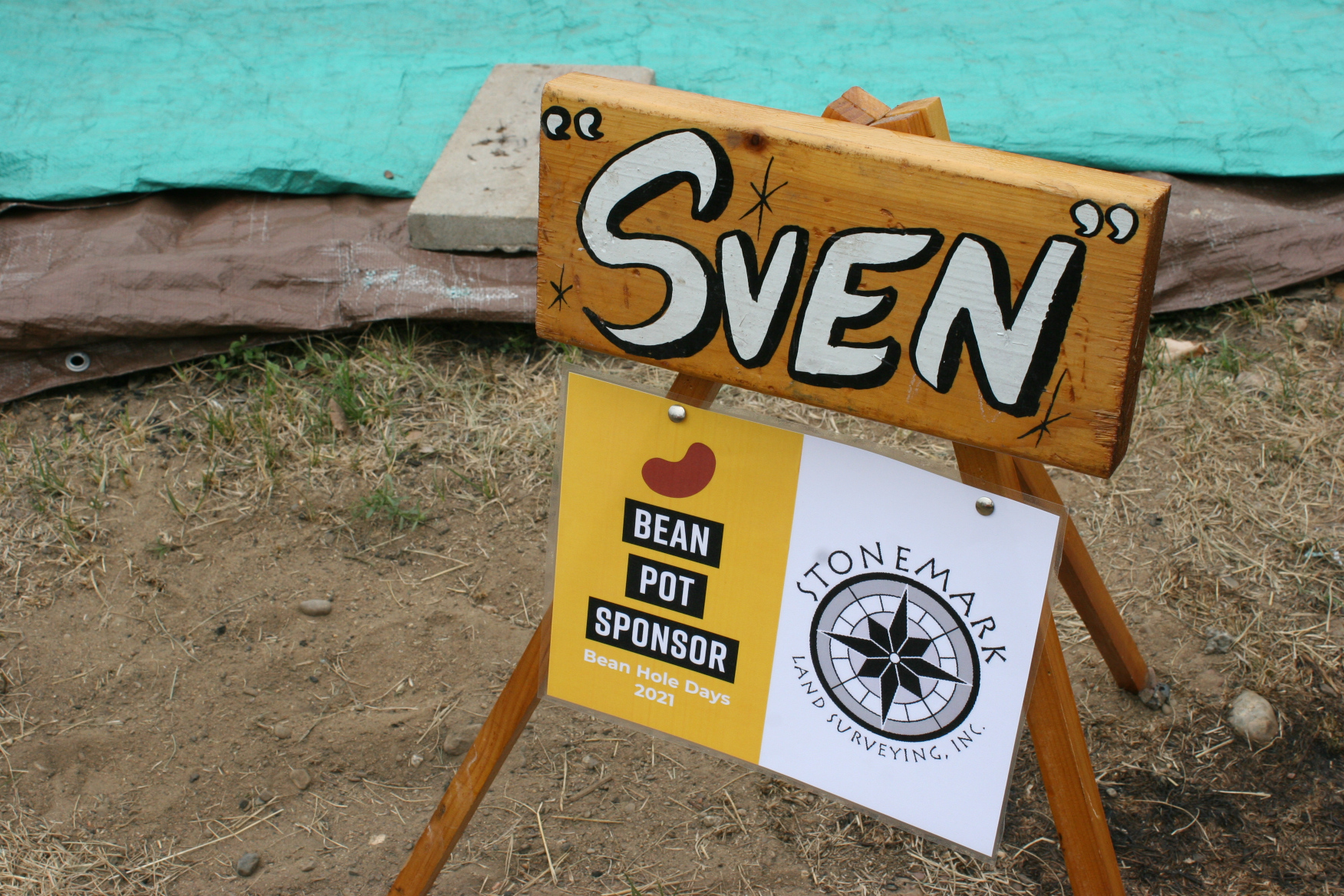
The kettles of beans are given Scandinavian names. Minnesota Prairie Roots copyrighted photo.

Even the kettles of beans, sponsored by area businesses, feature names connecting to the region’s heritage. Lena. Sven. Ole. And more.

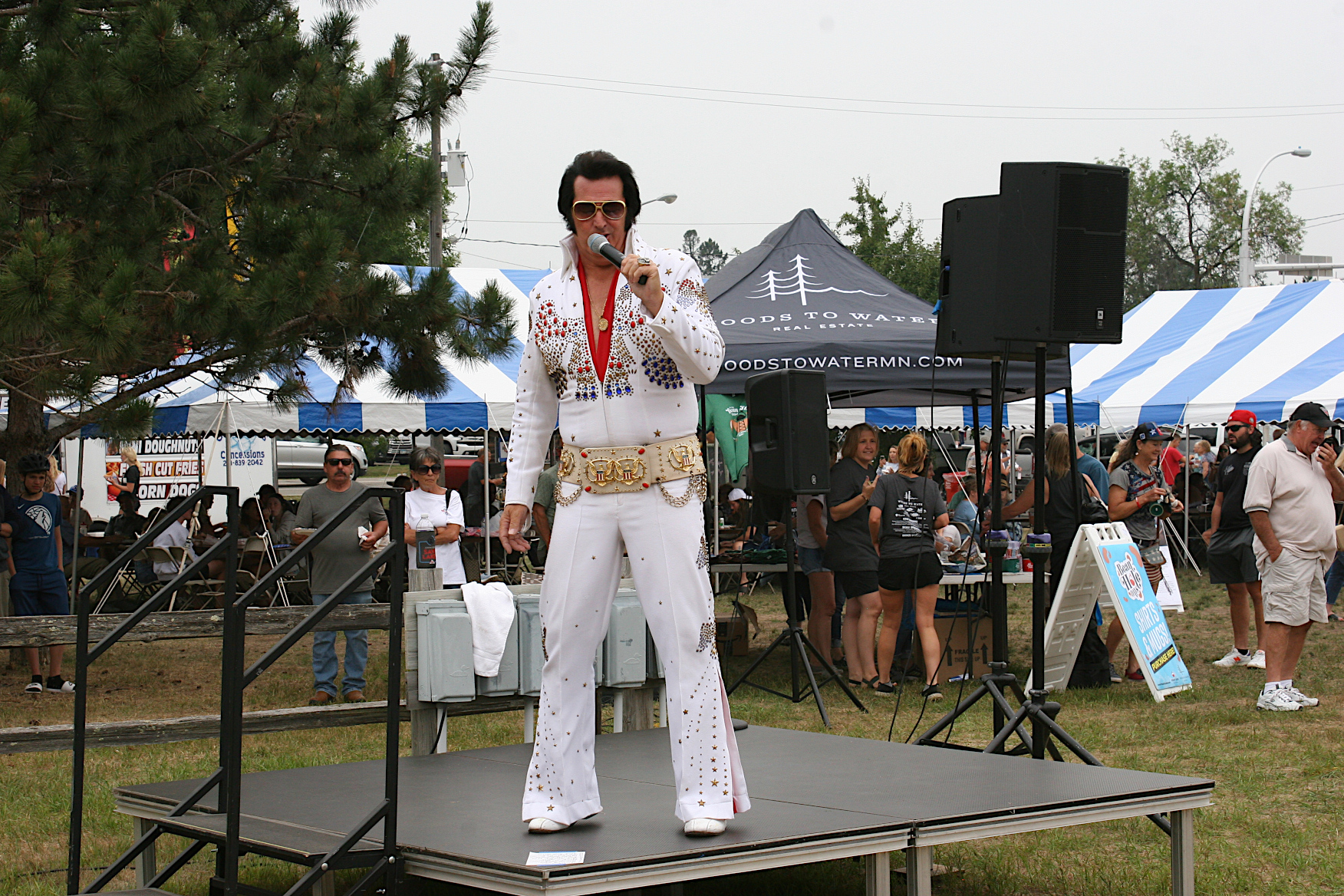
Elvis entertains the waiting crowd. Minnesota Prairie Roots copyrighted photo.
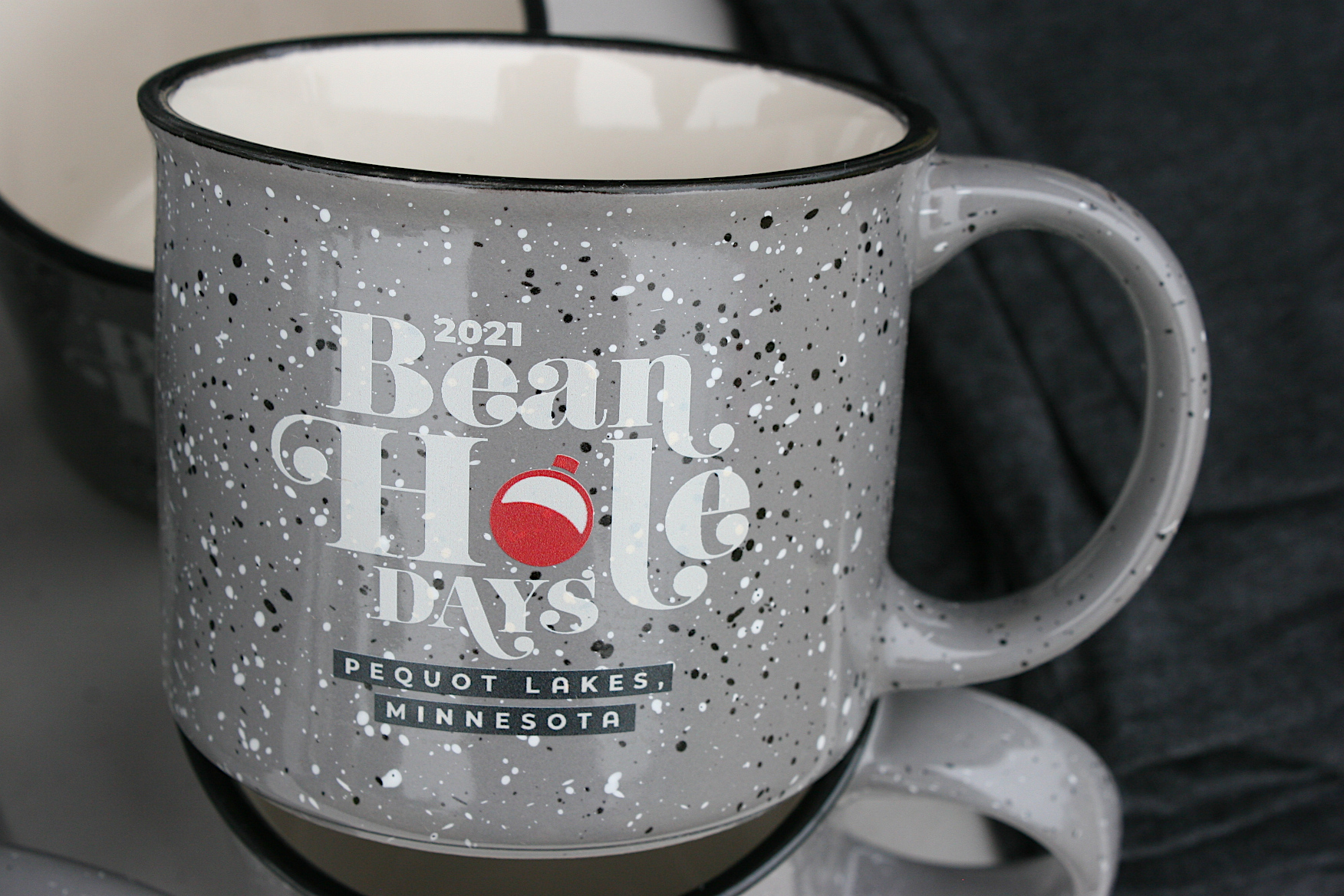
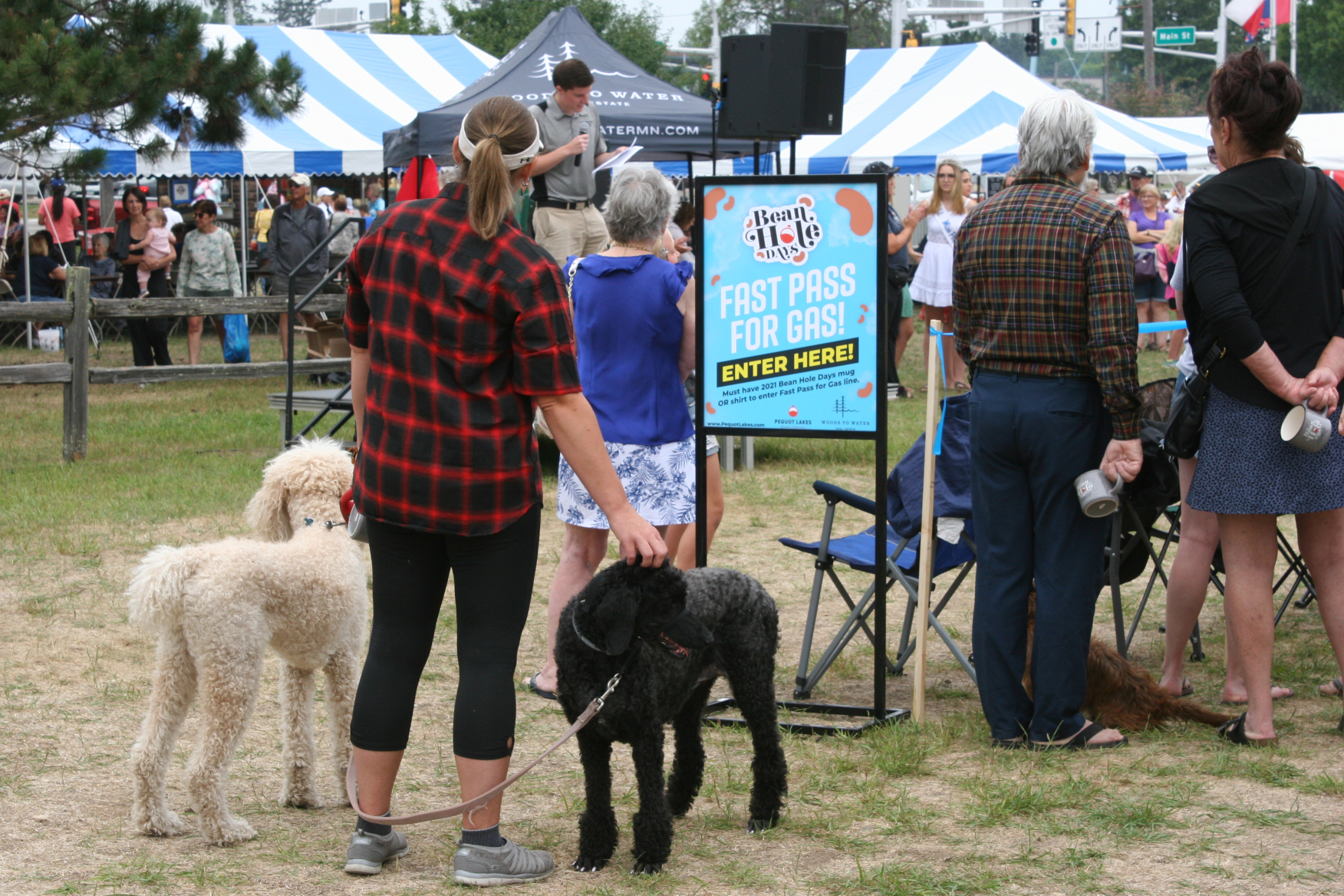
This mug allows you to go in the fast/first serving line. Minnesota Prairie Roots copyrighted photo.
Buy a mug and enter the fast lane. Minnesota Prairie Roots copyrighted photo.

As I waited in line for beans, I danced to the music of Elvis performing live. That garnered a compliment from a volunteer guiding guests to the right serving kettles. Those who purchased a 2021 Bean Hole Days mug advanced through the FAST PASS FOR GAS line. I appreciated the humor. While Randy and I didn’t buy mugs, we left a donation.

Volunteers ladle generous portions of baked beans. Some people brought their mugs from past years. Minnesota Prairie Roots copyrighted photo.

And we left full of beans and appreciative of all the people who put together this unique small town Minnesota northwoods experience.

#

Please check back for more photos from Bean Hole Days as I couldn’t possibly fit everything into a single post.

© Copyright 2021 Audrey Kletscher Helbling
 

Milkweeds flourish at River Bend July 23, 2021

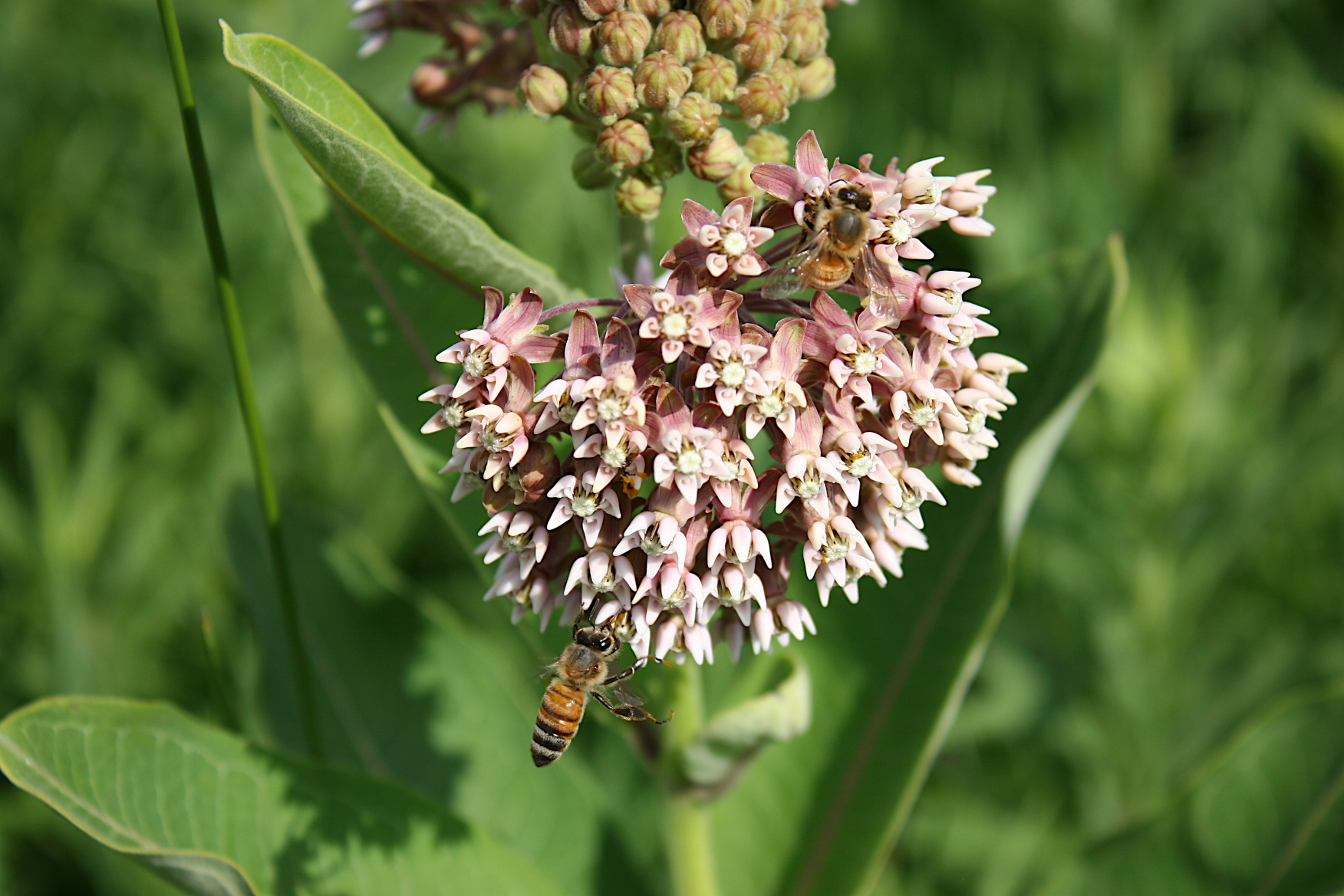
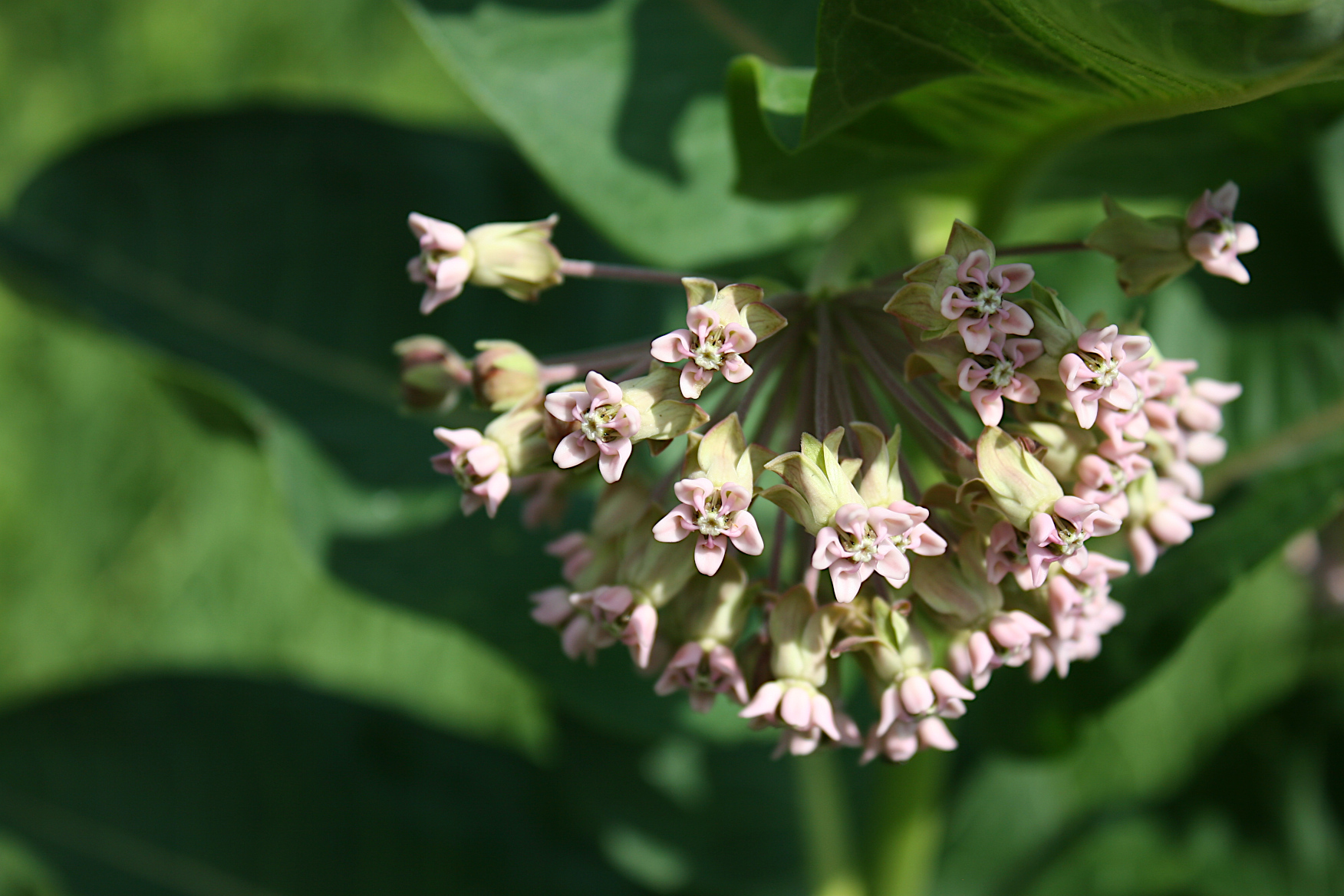
Bees feed on a milkweed flower at River Bend Nature Center, Faribault. Minnesota Prairie Roots copyrighted photo.

IN MY MESS OF FLOWERBEDS, which are anything but orderly, random milkweeds grow. Some sprouted in the lawn. Others simply popped up among the phlox and ferns and iris and greenery, seeds blown by the wind, dropping to the ground, rising now toward the sun.

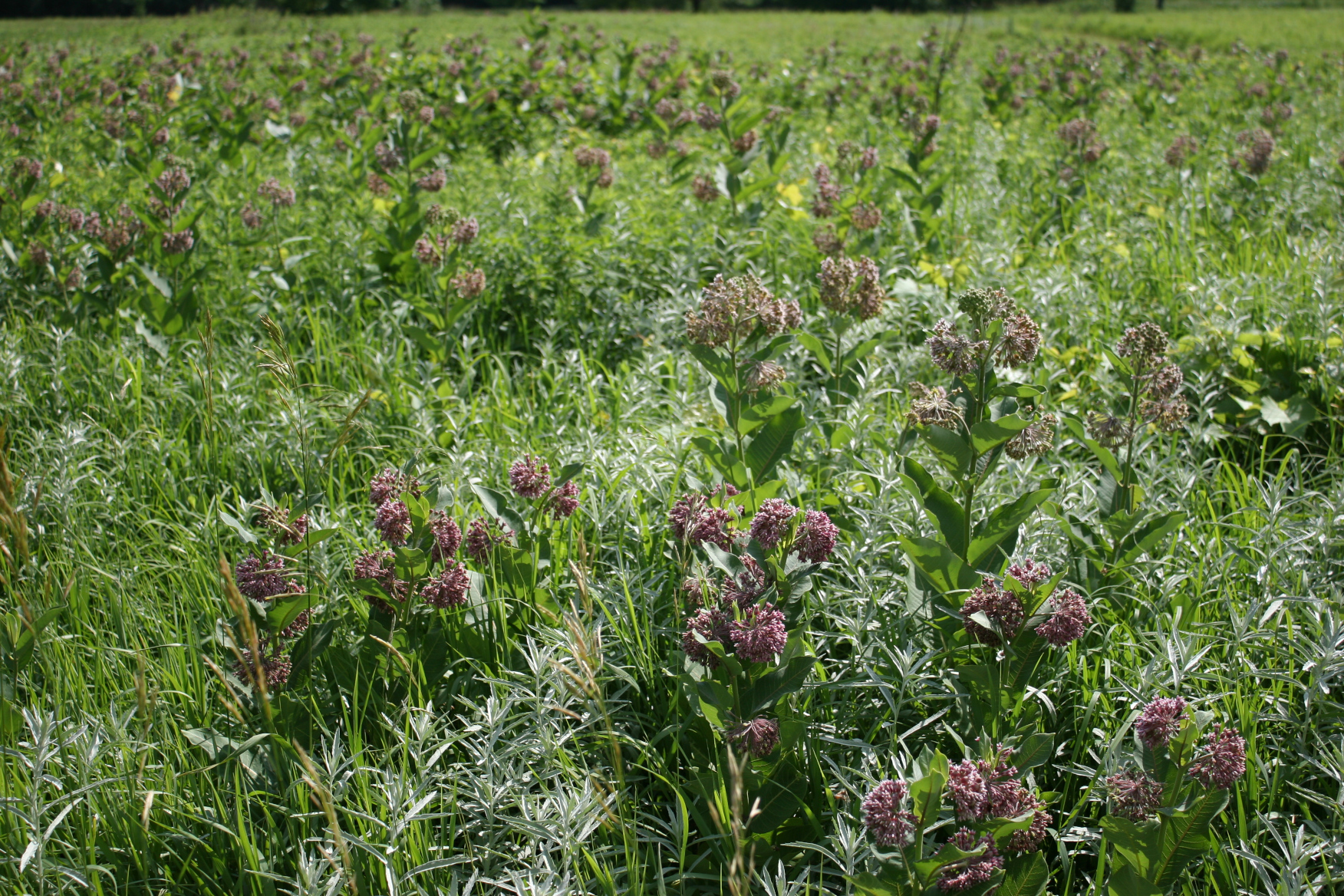
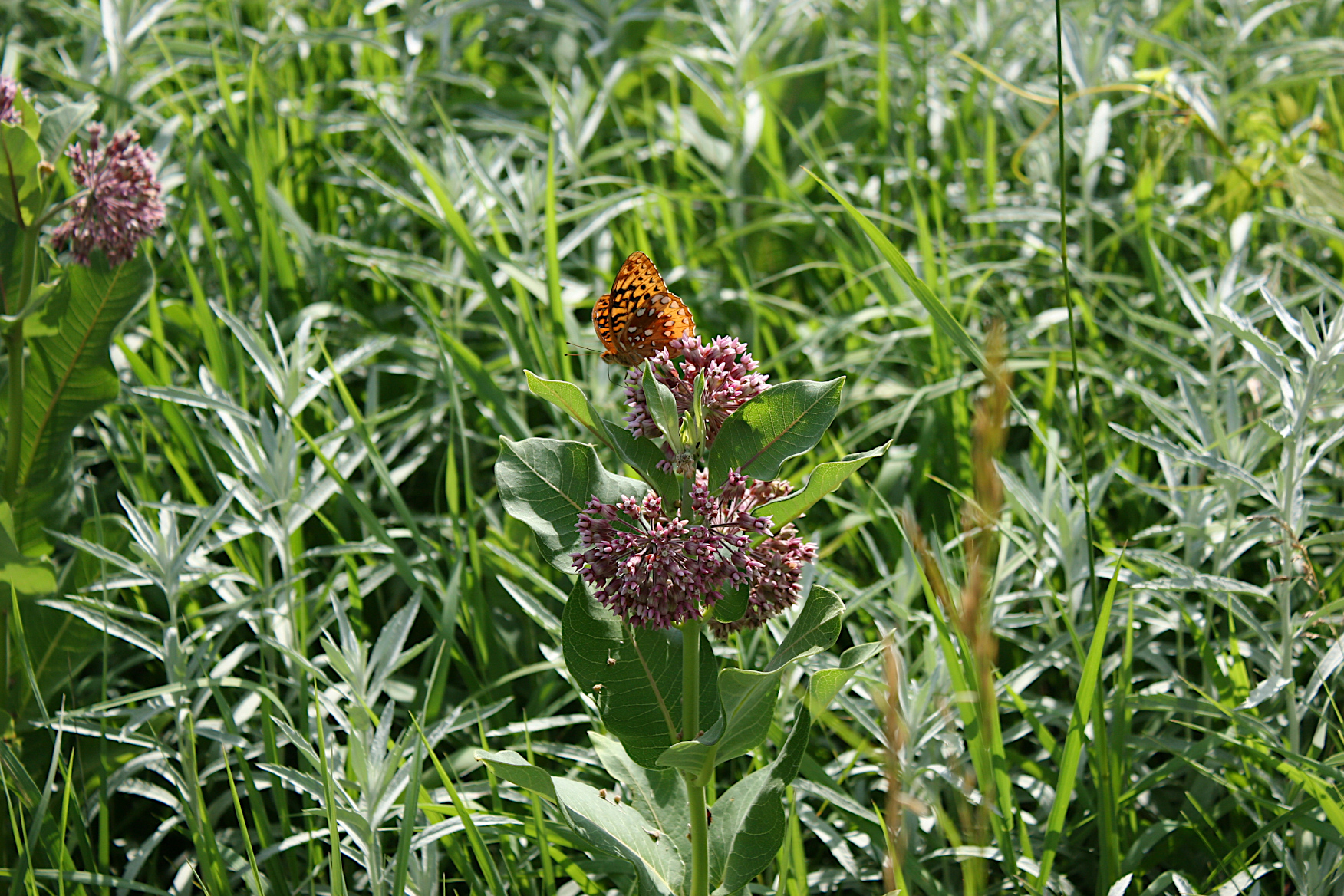
Milkweeds thrive on the prairie at River Bend. Minnesota Prairie Roots copyrighted photo.

Back in the days of my youth, I would have yanked these milkweeds from the soil under the direction of my farmer father. Remove those weeds from the corn and soybean fields. I know better now. Milkweed plants are essential to the monarch butterfly.

I love the dusty hue of the common milkweed. Minnesota Prairie Roots copyrighted photo.

The milkweed is the host plant for the monarch. They lay eggs on the leaves, the larvae then feeding on those leaves.

The milkweed attracts more than just monarchs. Minnesota Prairie Roots copyrighted photo.

Without milkweeds, the monarch would become extinct.

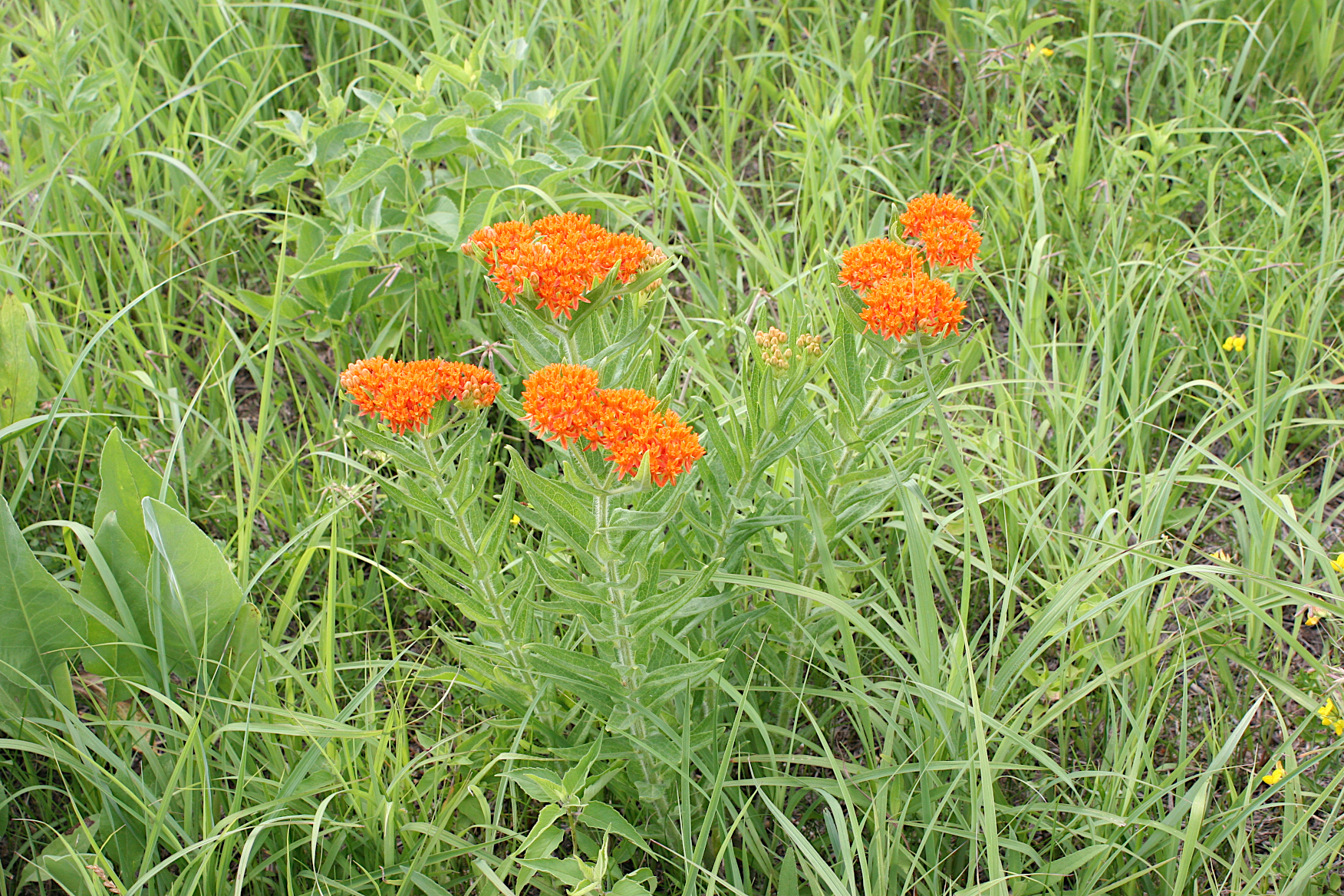
Butterfly milkweed, although much less abundant, also grows at River Bend. Minnesota Prairie Roots copyrighted photo.

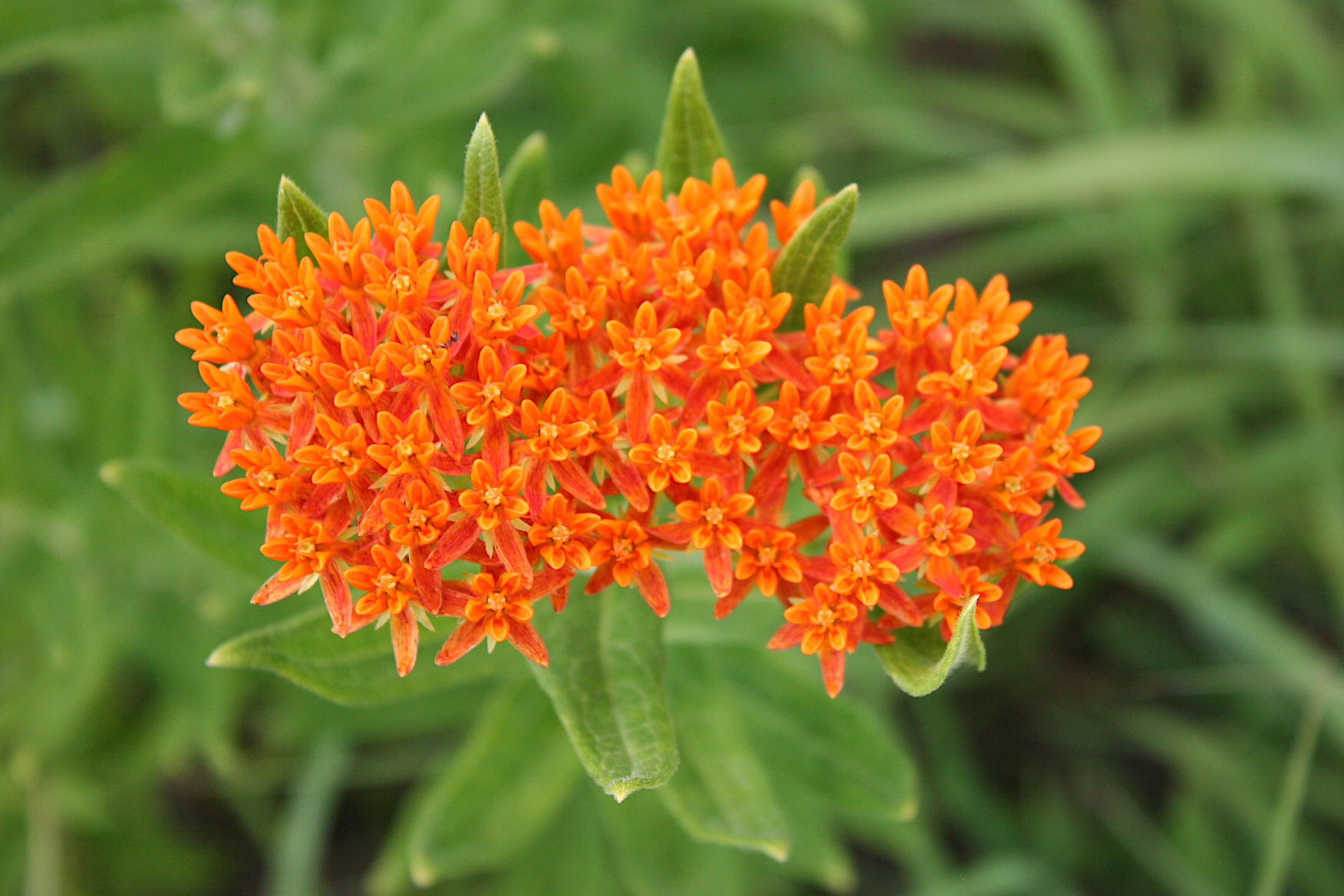
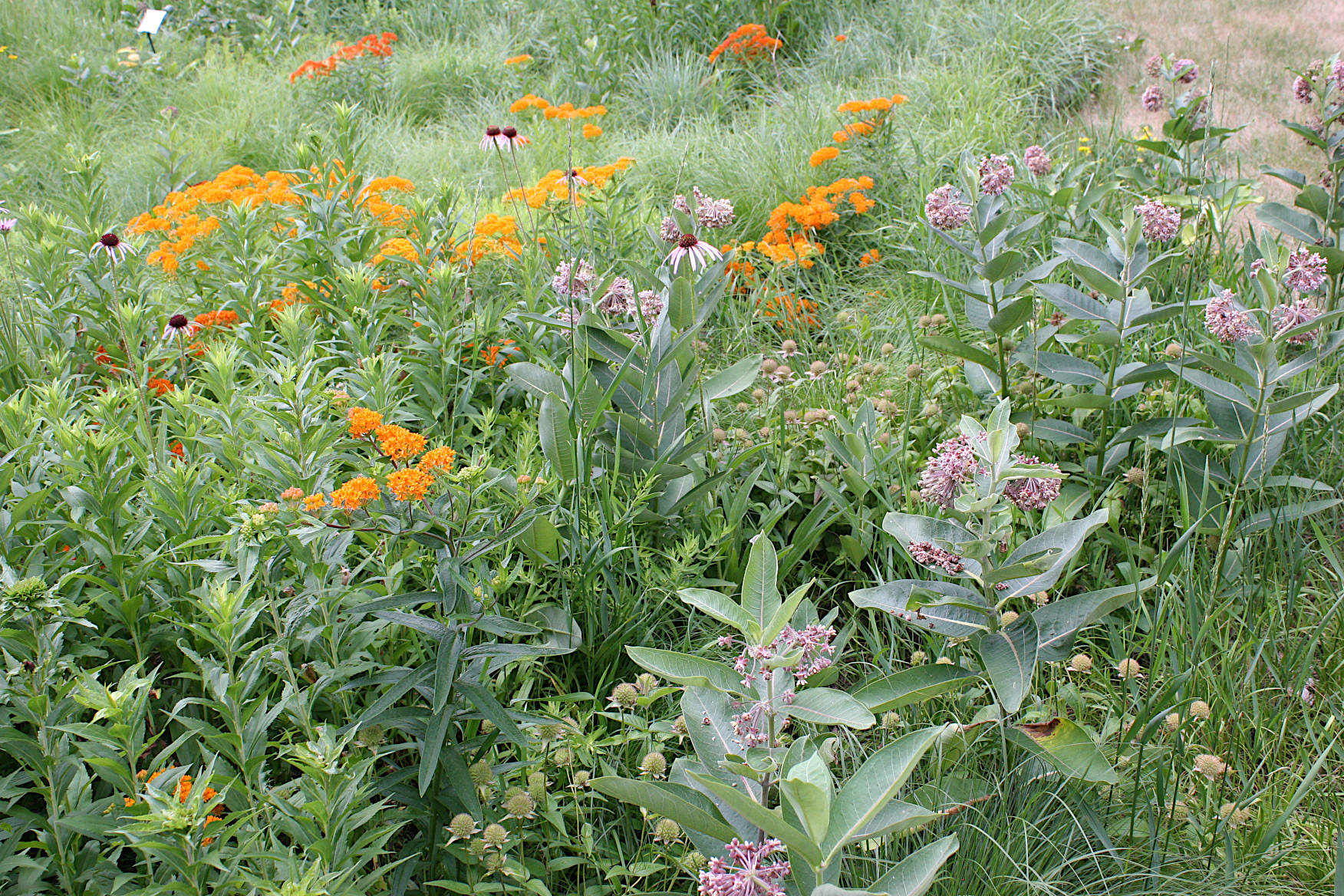
More and more, if you take note, you will see milkweeds growing. At River Bend Nature Center in Faribault, fields of common milkweed, dusty pink in color, grow, as do some of the more flashy orange butterfly milkweed.

The exceedingly brilliant butterfly milkweed, up close. Minnesota Prairie Roots copyrighted photo.

I appreciate the value of this plant in the natural cycle, in sustaining the monarch butterfly population. This is but one example of how we are all intertwined. Every creature. One dependent on the other.

Milkweed and flowers flourish on the River Bend prairie. Minnesota Prairie Roots copyrighted photo.

I marvel at this intricate world God created. I love to watch a monarch butterfly flit through the air, settle on a blossom, drink its fill of nectar, then rise and fly. Delicate, yet sturdy. Dependent on milkweed and other flowers, yet free.

What a lovely and beautiful sight in a world where beauty is too often missed in the busyness of life, among all the weeds.

© Copyright 2021 Audrey Kletscher Helbling
 

Hope, help & tragedy in Faribault July 22, 2021

I photographed this woman’s shirt at a public event in Northfield. The message refers to struggles with mental illness. Minnesota Prairie Roots file photo.

IF YOU’VE FOLLOWED my writing long enough, you understand my dedication to increasing awareness on two important issues—domestic violence and mental health.

This week, both made headlines in my community. I can’t let this opportunity slide without sharing what’s happened/is happening in Faribault. We need to stay informed, to choose awareness over sticking our heads in the sand. Understanding leads to action and, perhaps, saving lives.

First the really good news for Faribault and the surrounding region (according to the Faribault Daily News): Our local hospital, District One, and Rice County Social Services are collaborating on new adult outpatient mental health services. The hospital, part of Allina Health, will offer a day treatment program and a partial hospitalization program for adults dealing with mental illnesses. Social services will provide referrals.

Photographed at the Northfield Public Library. Minnesota Prairie Roots file photo.

To say I am thrilled is an understatement. This is so needed in Rice County and the surrounding rural areas. Our access to mental health care, especially during or following a crisis, is limited. Waiting time to see a psychiatrist, if that doctor is even accepting new patients, can be up to six weeks. Can you imagine waiting six weeks if you were experiencing a heart attack? You would likely die. Individuals facing mental health issues—from depression to anxiety to bipolar to schizophrenia and more—deserve, and need, immediate access to local care. As do their families.

To get treatment and support locally, rather than traveling to the Twin Cities metro, will ease some of the stress during an already stressful situation. Even with this improvement in services, though, we really need more mental health professionals to alleviate the shortage and meet the area’s needs.

Stress, while a bit of a buzzword, is part of life. And this week my community feels especially stressed by a murder-suicide, which left a 32-year-old woman dead, allegedly shot by her 27-year-old boyfriend, who then killed himself. It’s devastating. Two young people dead in an apparent act of domestic violence.

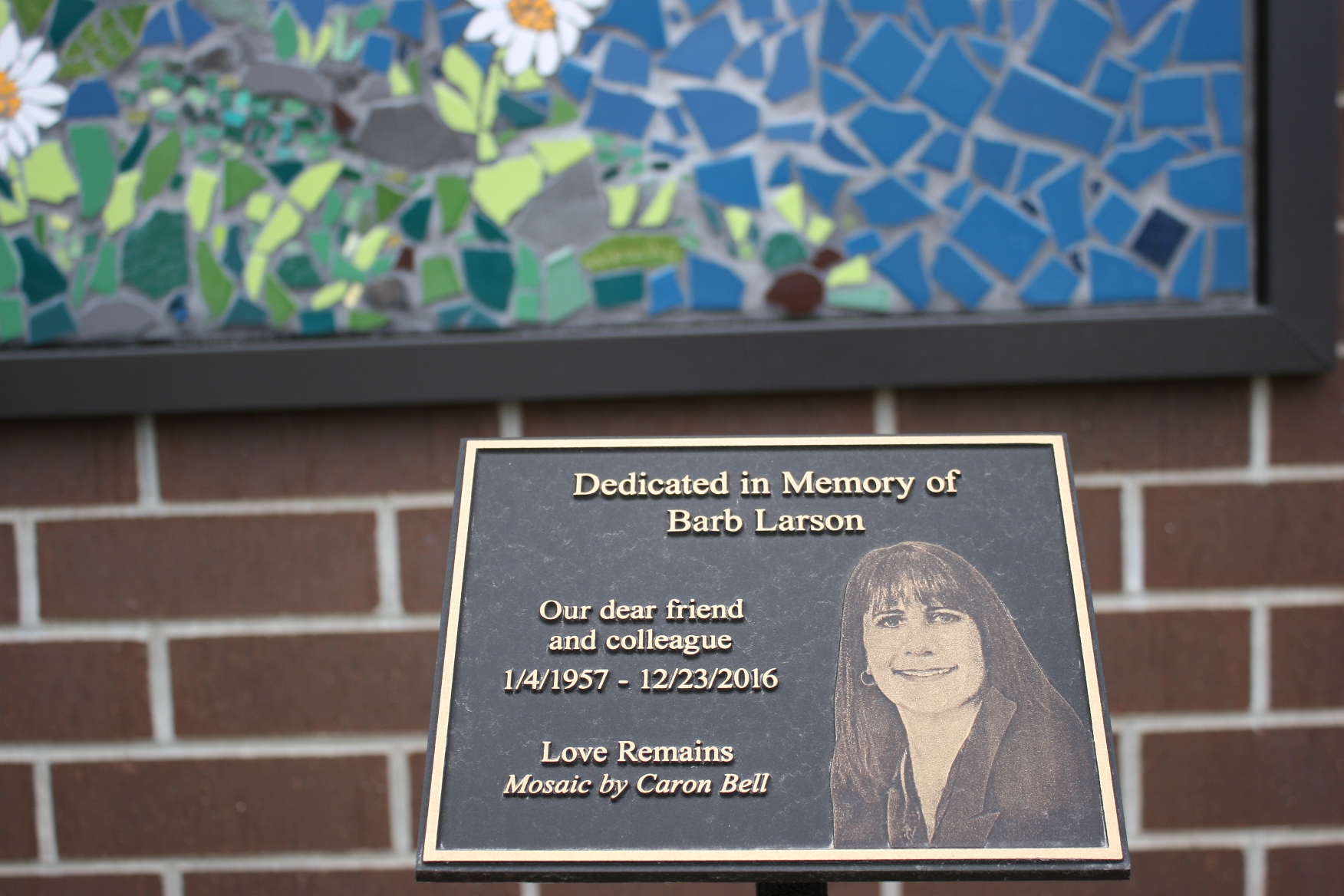
A mosaic on the exterior of the Faribault Chamber of Commerce & Tourism office honors employee Barb Larson, murdered there on December 23, 2016. Minnesota Prairie Roots file photo.

My heart breaks every time I read of such murder-suicides, or any act of domestic violence. Shortly before Christmas 2016, Barb Larson was shot and killed by her ex-husband, who then took his own life, in a high profile case in Faribault. She worked for the local tourism office. He was a retired police officer. That crime shook Faribault to its core.

Likewise, I expect the murder of Amanda Schroeder on Monday evening is prompting similar angst. And increasing awareness of the ongoing crime of domestic violence. HOPE Center, which advocates for victims of domestic and sexual violence, is already reminding the community that advocates are available to listen, help and support. 24/7.

In both of these situations—domestic abuse/violence and mental health crises—people are here to help. I feel thankful to live in a community that cares. No one ever needs to feel alone, to face life’s challenges and stresses solo.

Warning signs of domestic abuse/violence from a previous community event on the topic. Minnesota Prairie Roots file photo.

I know Amanda tried. She called 911. To make that call took strength and courage. Still, she died. If Amanda’s death can save one life, can result in one person safely leaving an abusive partner, then something positive has come from this tragedy.

Where does all of this leave us as individuals? I encourage you to educate yourself on domestic abuse/violence and mental illness. Then take that knowledge and show your care and compassion to those who need it. To those experiencing challenges. And their families. Listen. Support. Encourage. Refer to professionals. Be that person who chooses not to ignore, but rather to be there. To engage. To understand. To uplift. To care.

© Copyright 2021 Audrey Kletscher Helbling
 

MAN HIGH II: Historic journey toward space from a Minnesota iron mine pit July 21, 2021

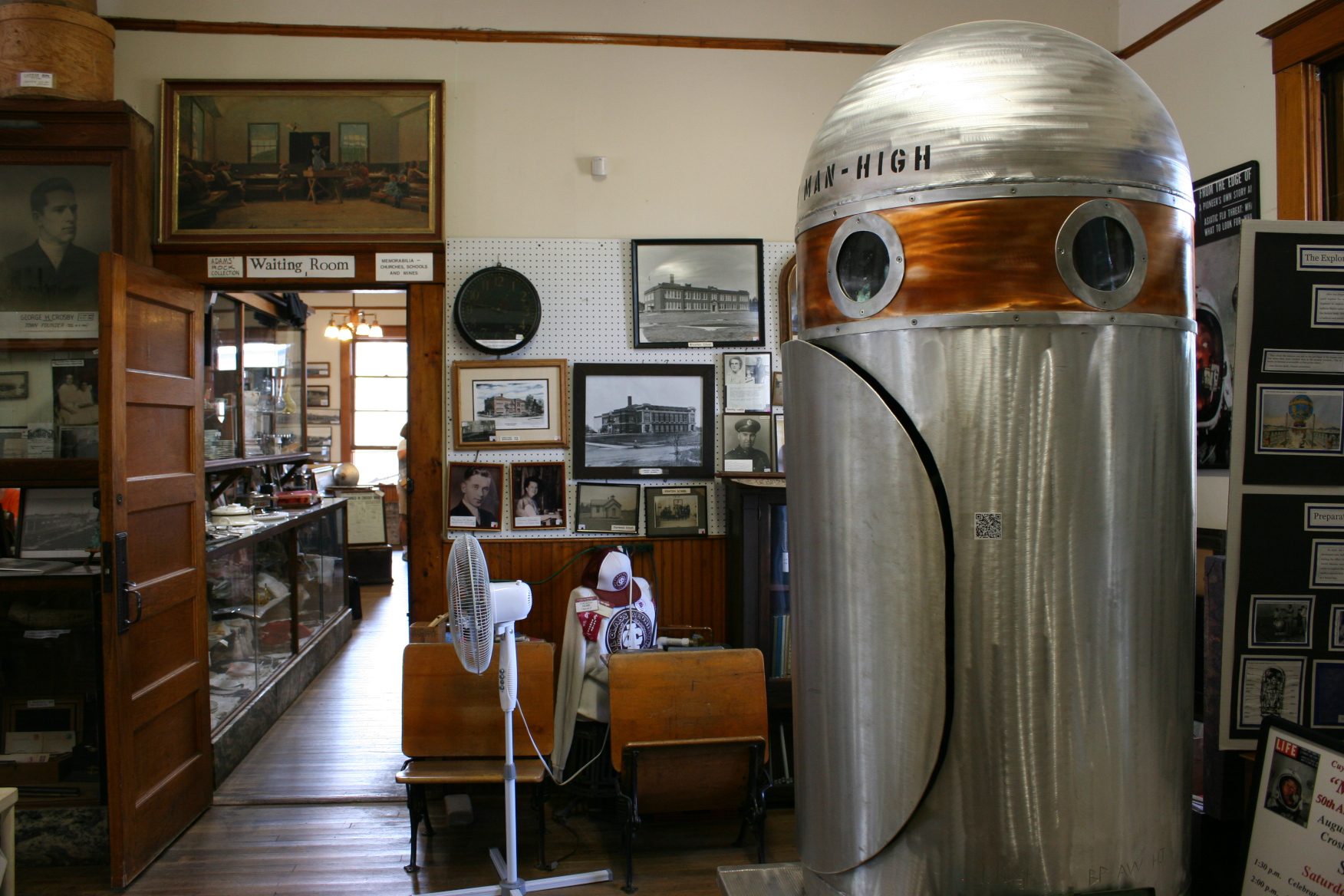
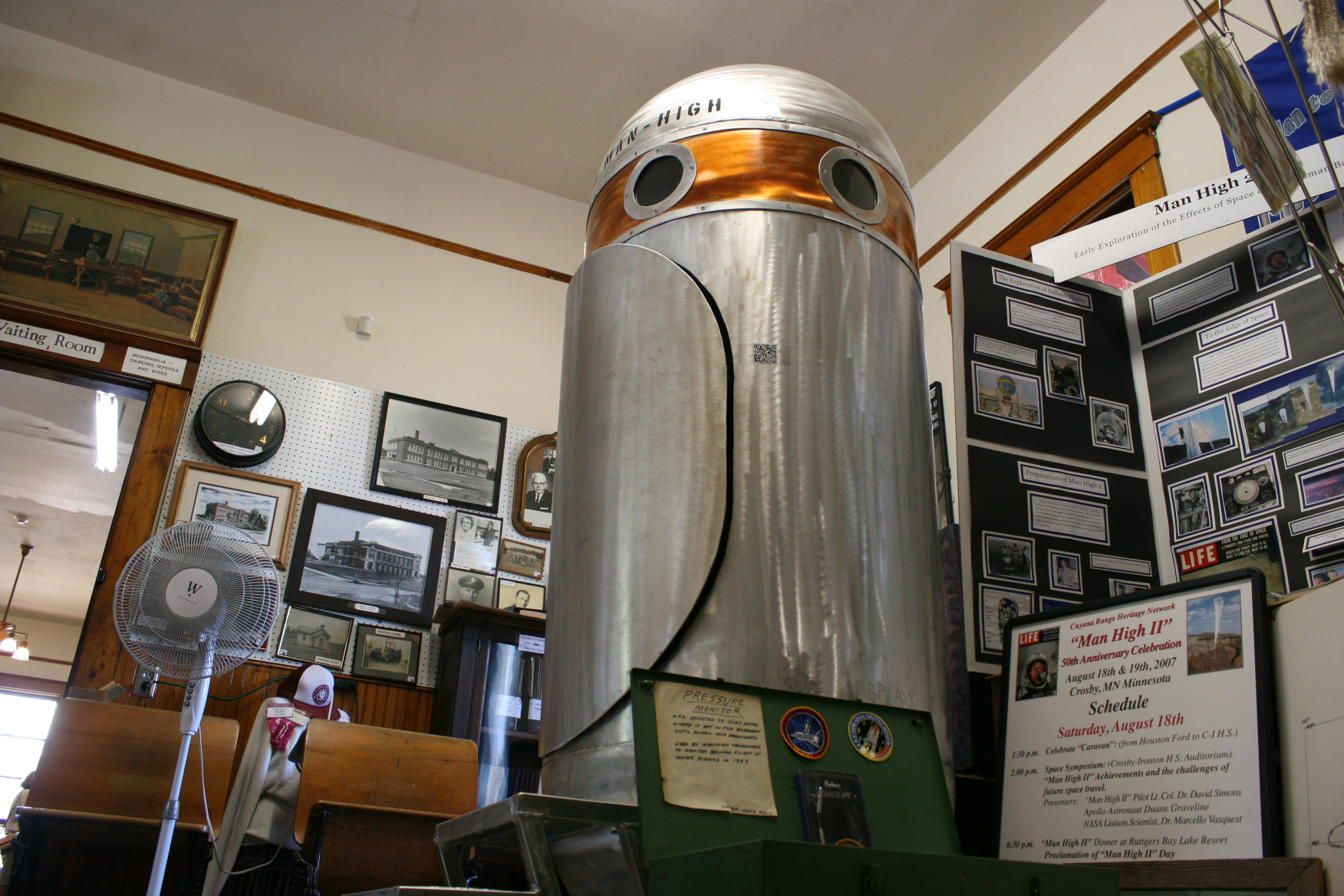
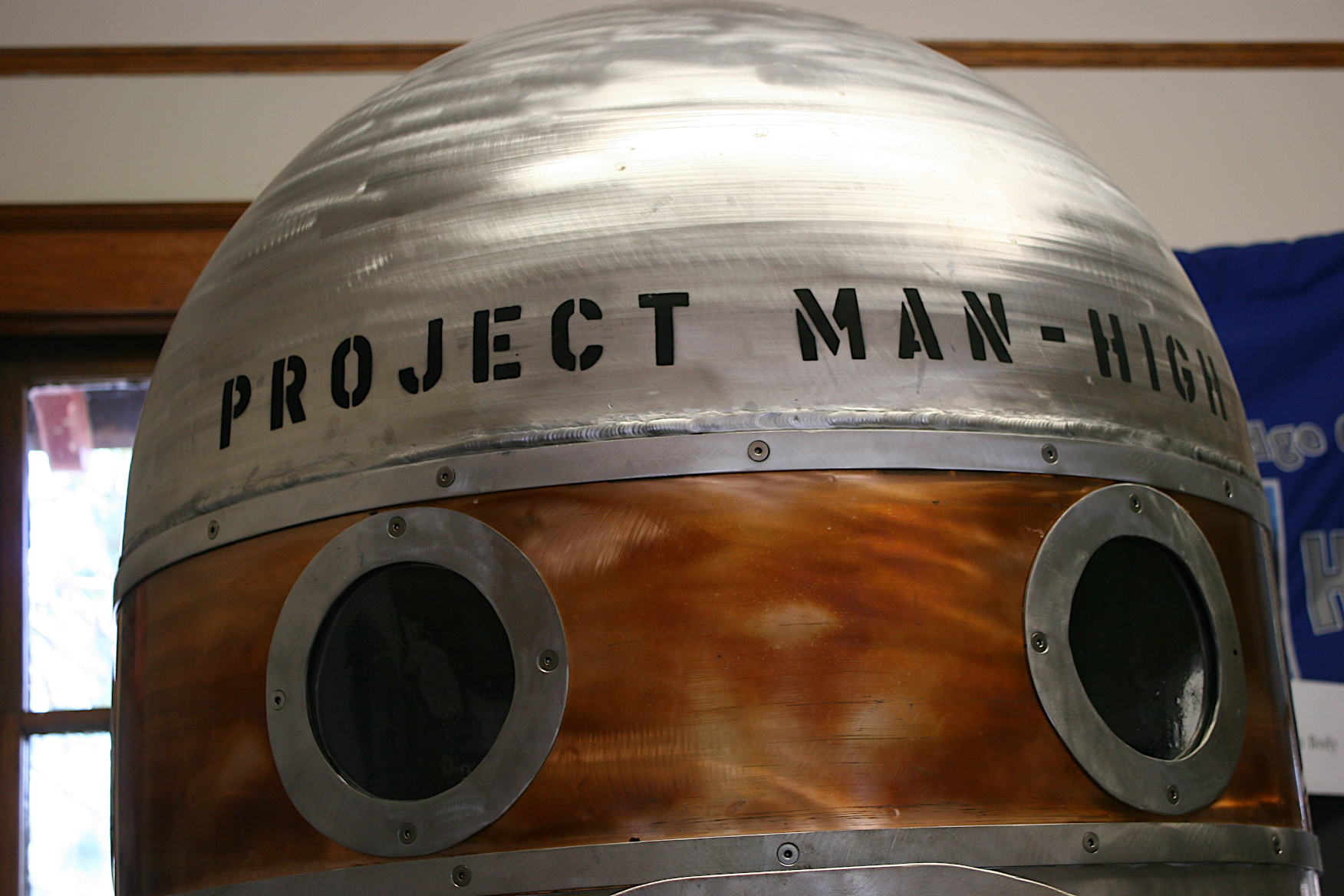
A view of MAN HIGH II, a capsule launched in Minnesota in 1957, laying the groundwork for future space travel. This replica sits in a Crosby, MN., museum. Minnesota Prairie Roots photo.

WHEN JEFF BEZOS, founder of Amazon, and three others blasted into space Tuesday morning aboard Blue Origin’s New Shepard rocket from the west Texas desert, the world watched.

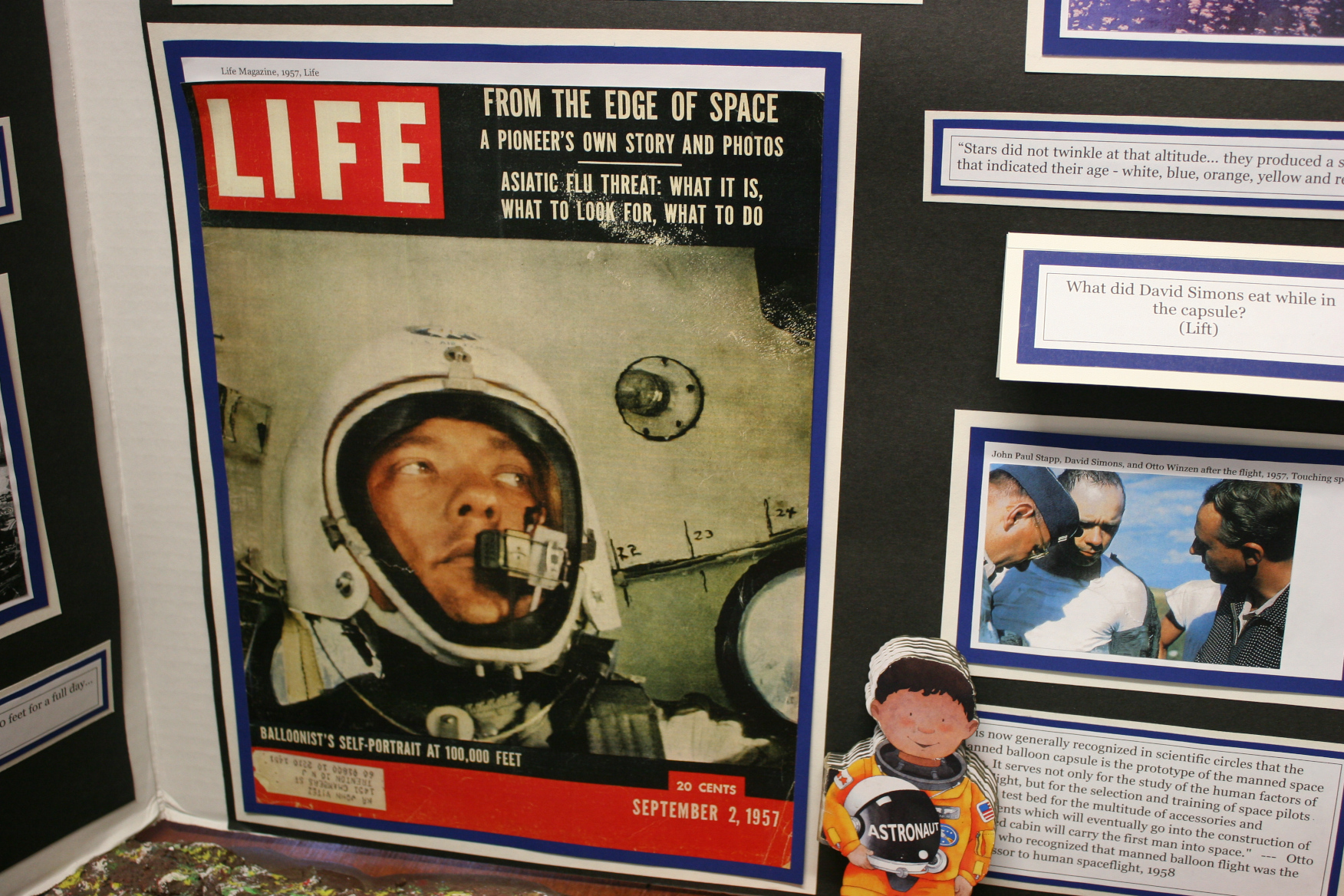
Major Simons made the cover of LIFE magazine in 1957. Minnesota Prairie Roots photo.

But when Air Force Major David Simons lifted toward the edges of space in a capsule the size of a telephone booth on August 19, 1957, from a Minnesota iron ore pit, far fewer watched. Yet, the journey of MAN HIGH II to an altitude of 19 miles (a new record) was equally, if not more, significant.

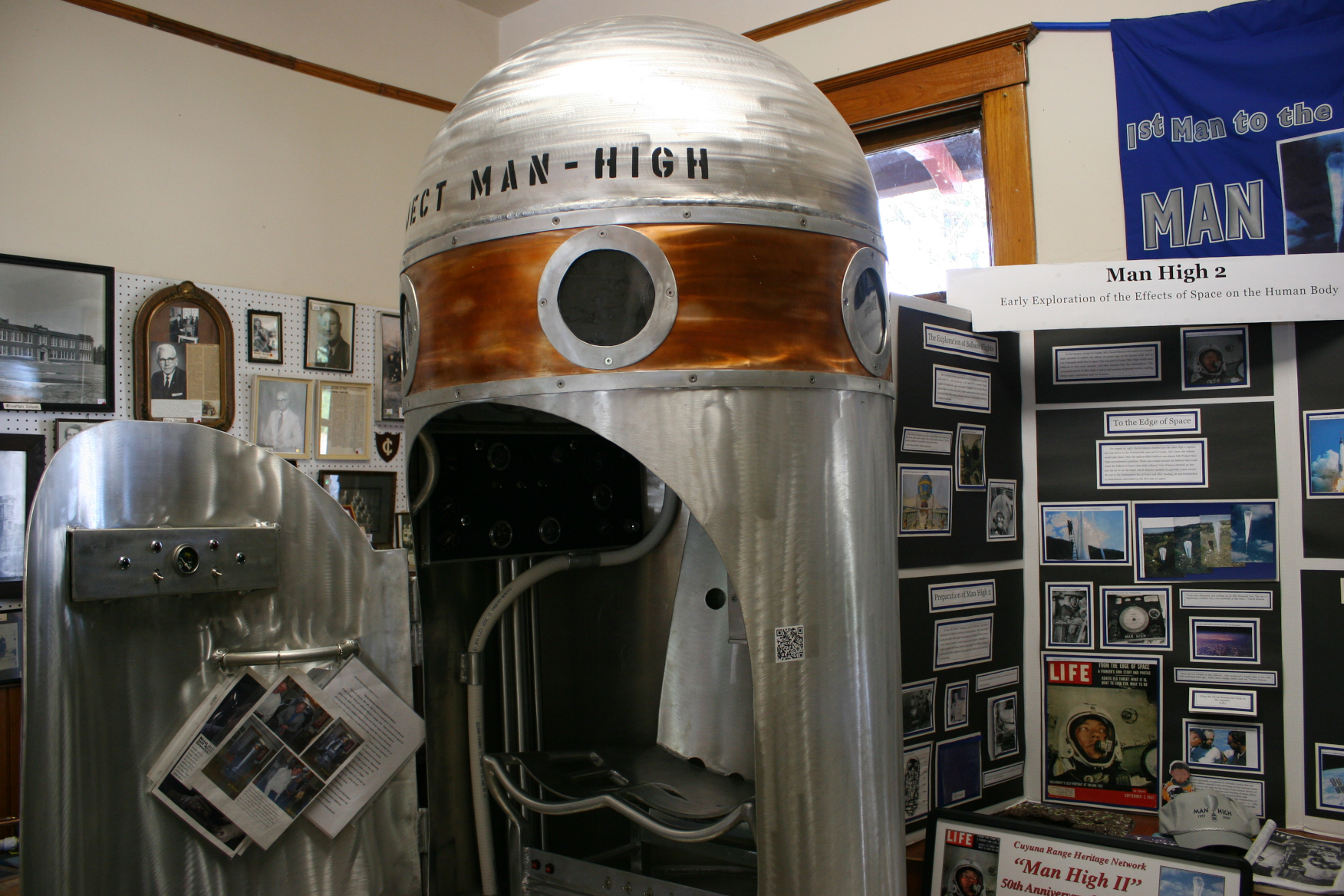
A full view of the replica capsule shows just how small this spaceship. Minnesota Prairie Roots photo.
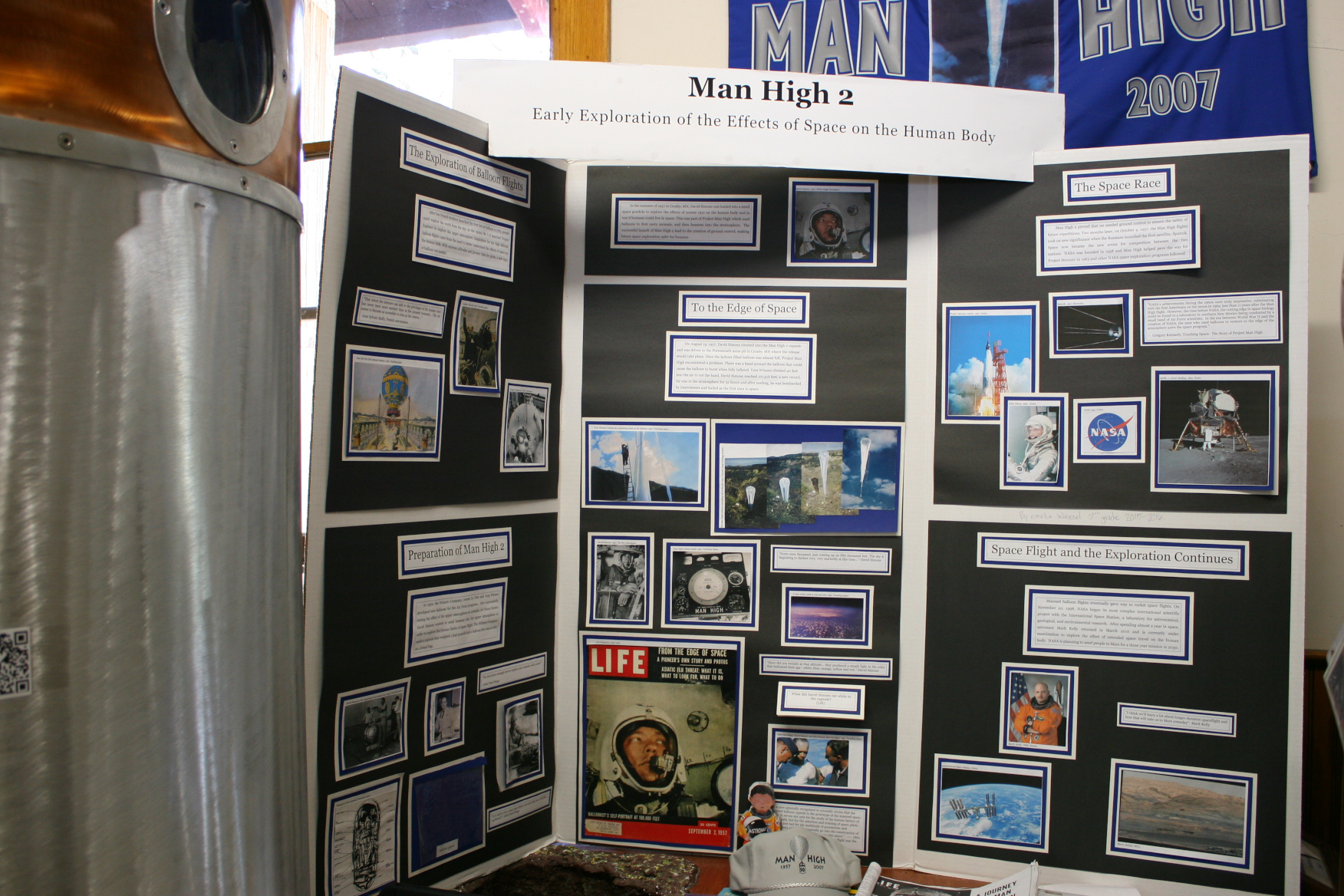
A student created this informative MAN HIGH display, now part of the museum exhibit. Minnesota Prairie Roots photo.
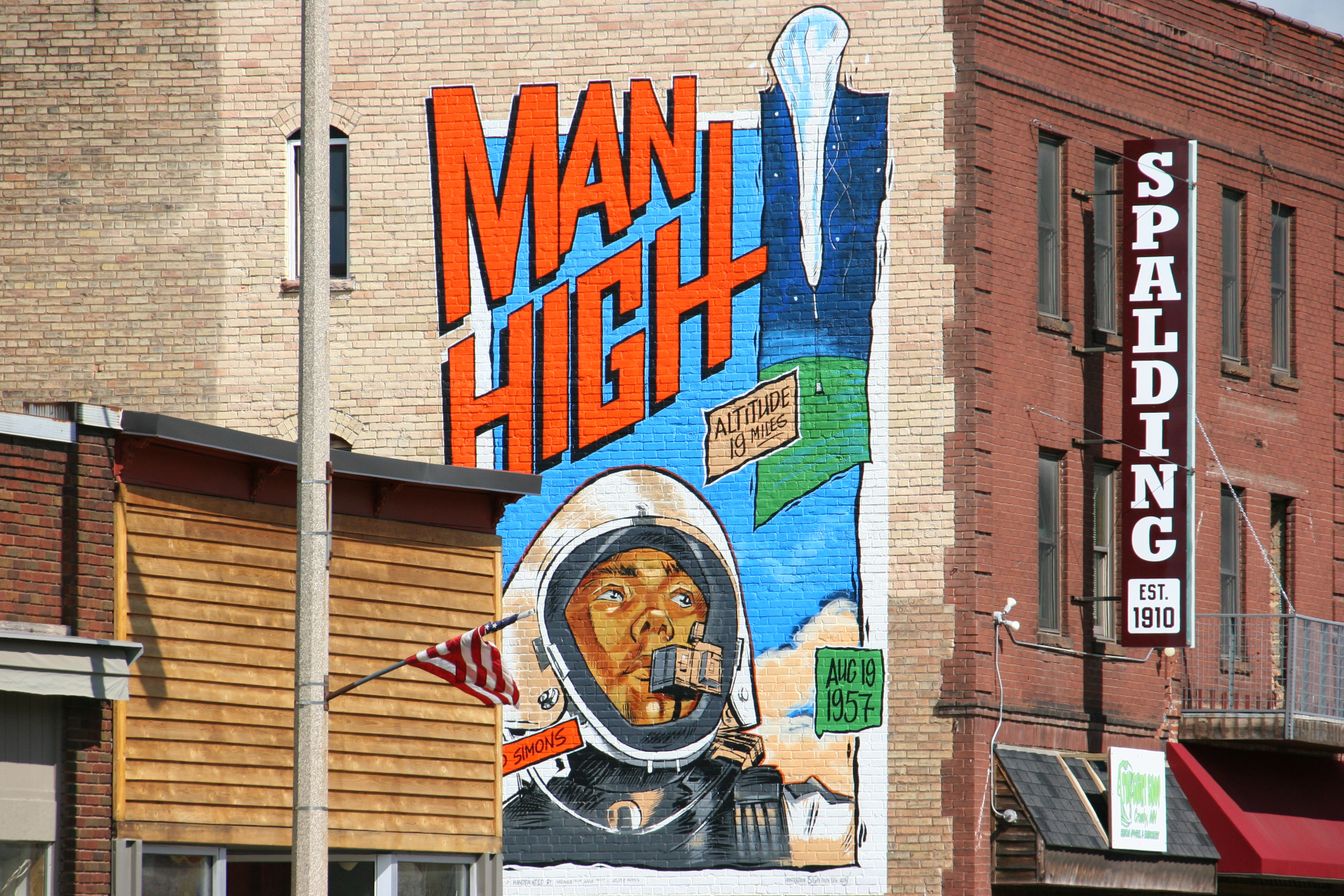
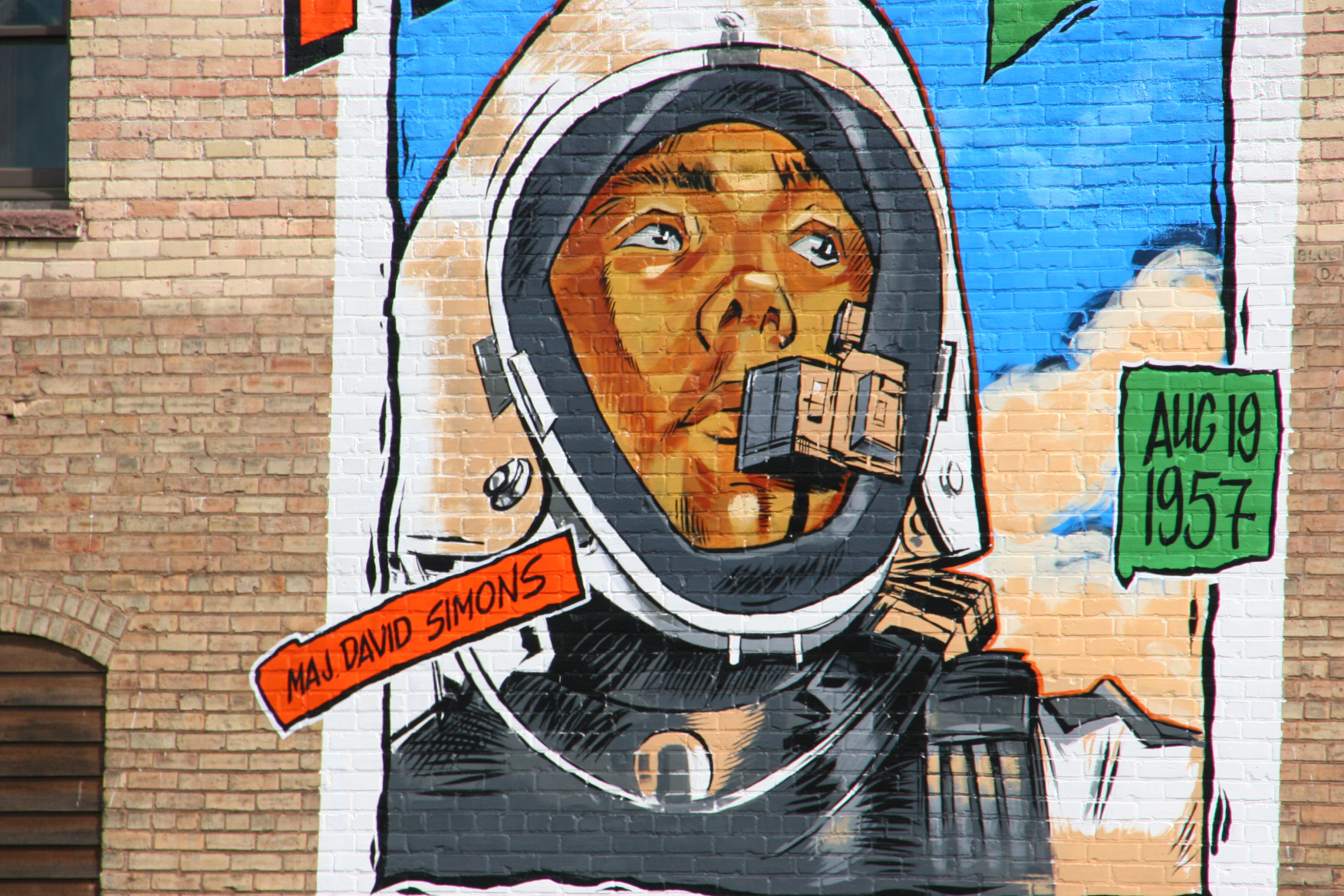
A mural in downtown Crosby honors PROJECT MAN HIGH. Minnesota Prairie Roots file photo 2020.

I learned about this unknown, at least to me and I expect many others, event last week while vacationing in the central Minnesota Brainerd lakes area. A replica capsule and exhibit at the Soo Line Depot Museum in Crosby tell the story of this amazing flight toward space. The museum defines PROJECT MAN HIGH as the “first manned space flight.” Simons, 35, an astronaut, scientist and medical doctor, proved man could survive just on the edge of space, for at least 32 hours.

The astronaut aboard MAN HIGH viewed the world through these windows, small compared to the spacious windows in the 2021 Blue Origin’s New Shepard. Minnesota Prairie Roots photo.

This 1957 mission was kept intentionally secretive given the time period. Months later the Soviet Union launched the world’s first artificial satellite, Sputnik. The space race was on.

Museum visitors can climb into the mock capsule. The actual seat was a sling type seat, different than the one placed in the replica. Minnesota Prairie Roots photo.

That Minnesota played an important role in the U.S. efforts to win that race is significant. And, of all places, this happened in an iron mine pit outside a small mining community on the Cuyuna Range. A 200-foot wide paper-thin balloon holding 3 million cubic feet of helium lifted the capsule skyward from the base of the Portsmouth iron mine pit. Eventually the spaceship landed in a flax field near the North Dakota/South Dakota border. And, as our tour guide Tim told me, Simons was met by a rancher and a young boy on horseback. That boy showed more interested in an arriving helicopter than the capsule, so the story goes.

Major David Simons, depicted on a mural in Crosby. Minnesota Prairie Roots file photo 2020.

The story of MAN HIGH II truly impresses me, especially after seeing the small size of the replica capsule and feeling the thinness of the helium balloon. (The actual capsule is displayed at the National Museum of the US Air Force in Dayton, Ohio.) Simons was one brave man to confine himself inside that tight space for 44 hours. He was sealed in well before arriving at the iron mine pit from South Saint Paul. Claustrophobia got the best of another candidate. I would feel the same. Simons endured much—lack of sleep, extreme temperatures, uncertain weather, and the very real fear that he could die if the thin helium balloon developed even a crack.

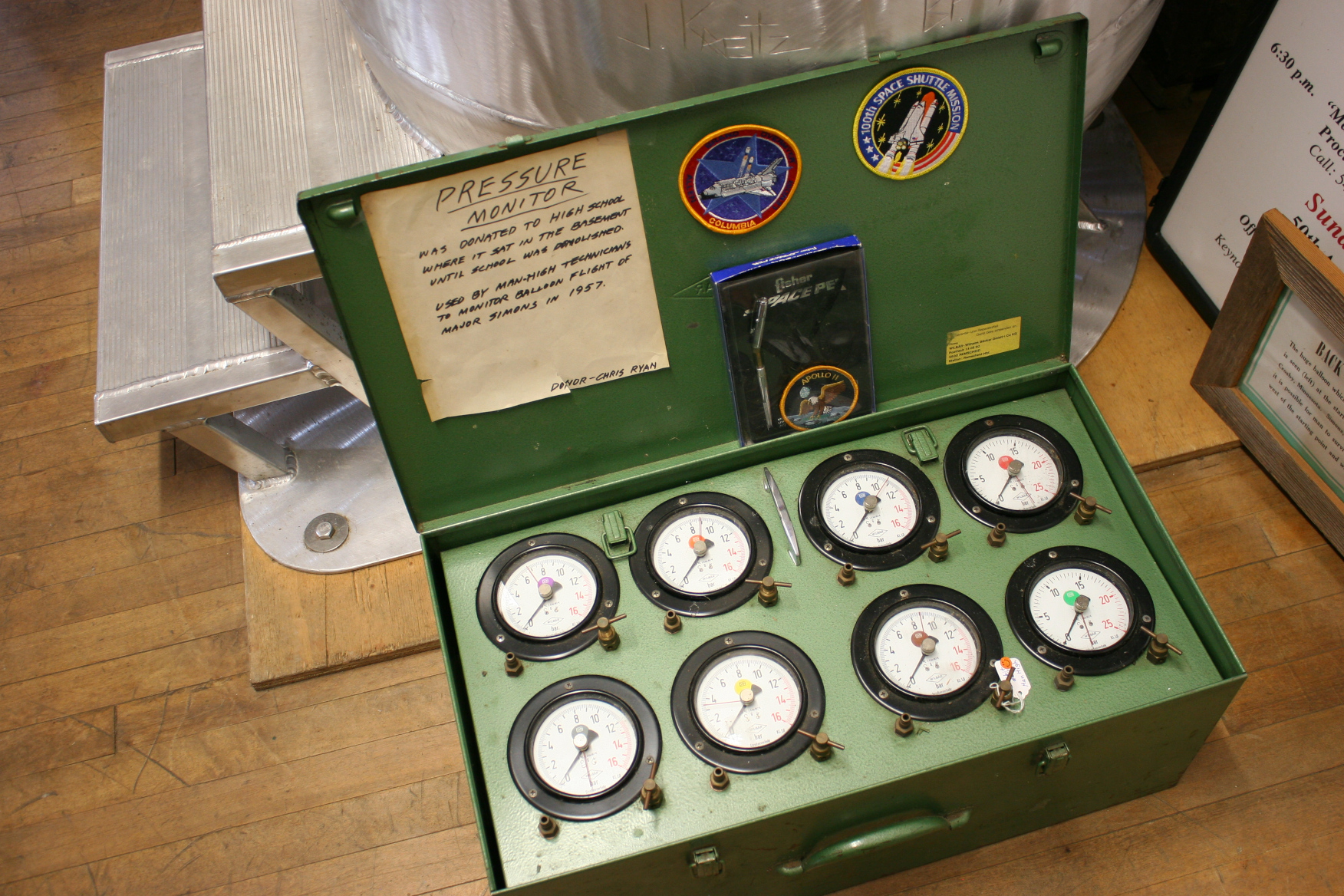
1957 technology: Technicians used this pressure monitor to monitor the MAN HIGH flight. The equipment sat in the basement of the local high school until the school was demolished. Minnesota Prairie Roots photo.

As much as Jeff Bezos and crew made history with their 62-mile high, 10-minute and 25-second space journey, using the best technology possible, the flight of MAN HIGH II 64 years ago from a Minnesota mine pit impresses me even more. The people behind the 1957 flight truly represent pioneering in space. They blazed the trail for men to land on the moon and, yesterday, for civilians like Bezos to pursue space travel.

The Soo Line Depot Museum showcases local history. Minnesota Prairie Roots photo.

FYI: The Soo Line Depot Museum in Crosby houses a detailed display on MAN HIGH II. You can climb inside the replica capsule for a photo. Tour guide Tim was especially knowledgeable. You can also visit the site of the launch, the Portsmouth Pit by Crosby, although I didn’t this time. Next trip. I encourage you to check out the Crosby museum, which also highlights Minnesota’s worst mining disaster. More on that in an upcoming post.

© Copyright 2021 Audrey Kletscher Helbling
 

Take time at River Bend July 15, 2021

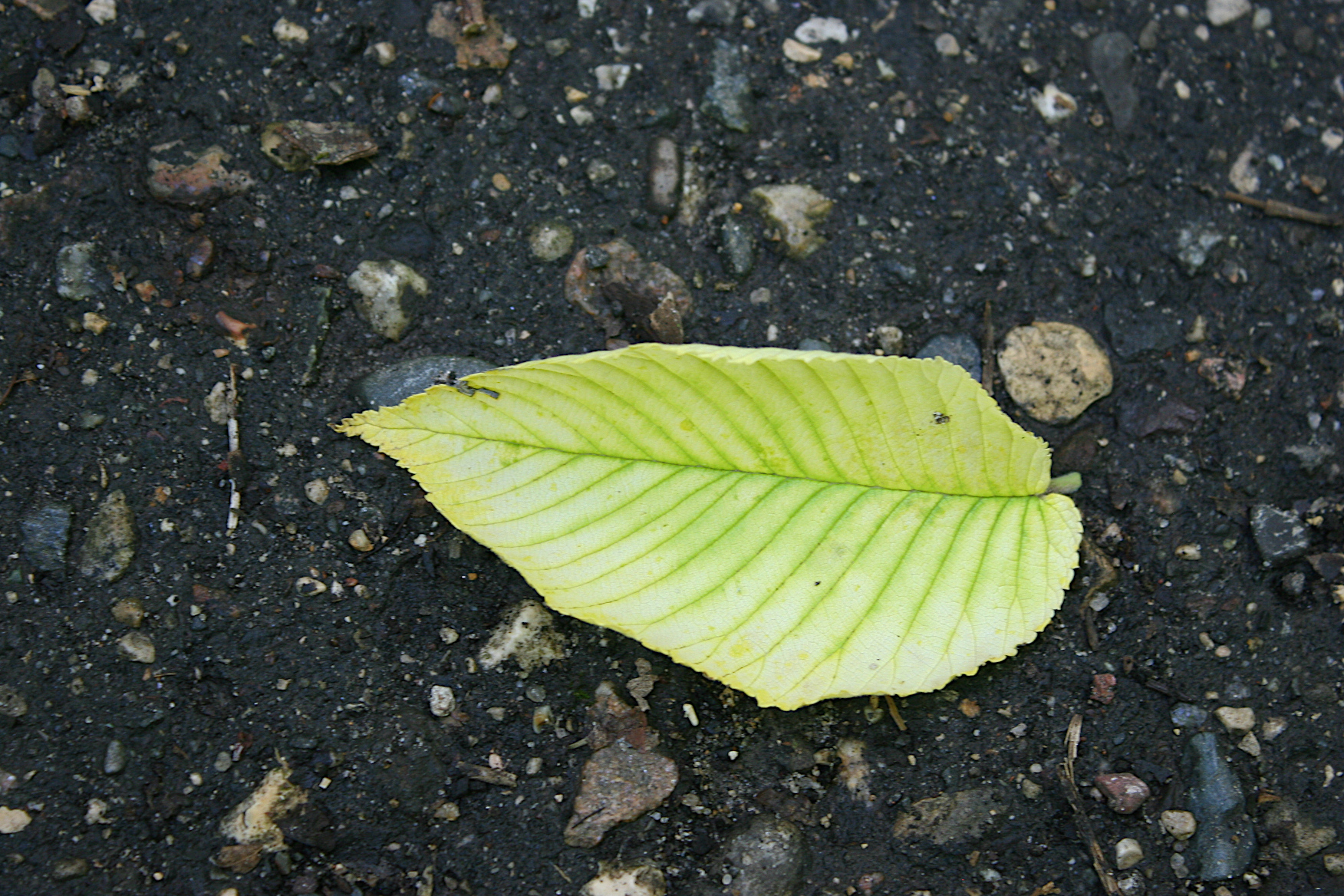
I noticed this beautifully veined leaf lying on a trail at River Bend. Minnesota Prairie Roots photo June 2021.

TAKE TIME. Two simple words. Take time to pause. To look and truly see. To focus on the details. To appreciate the beauty of our natural world.

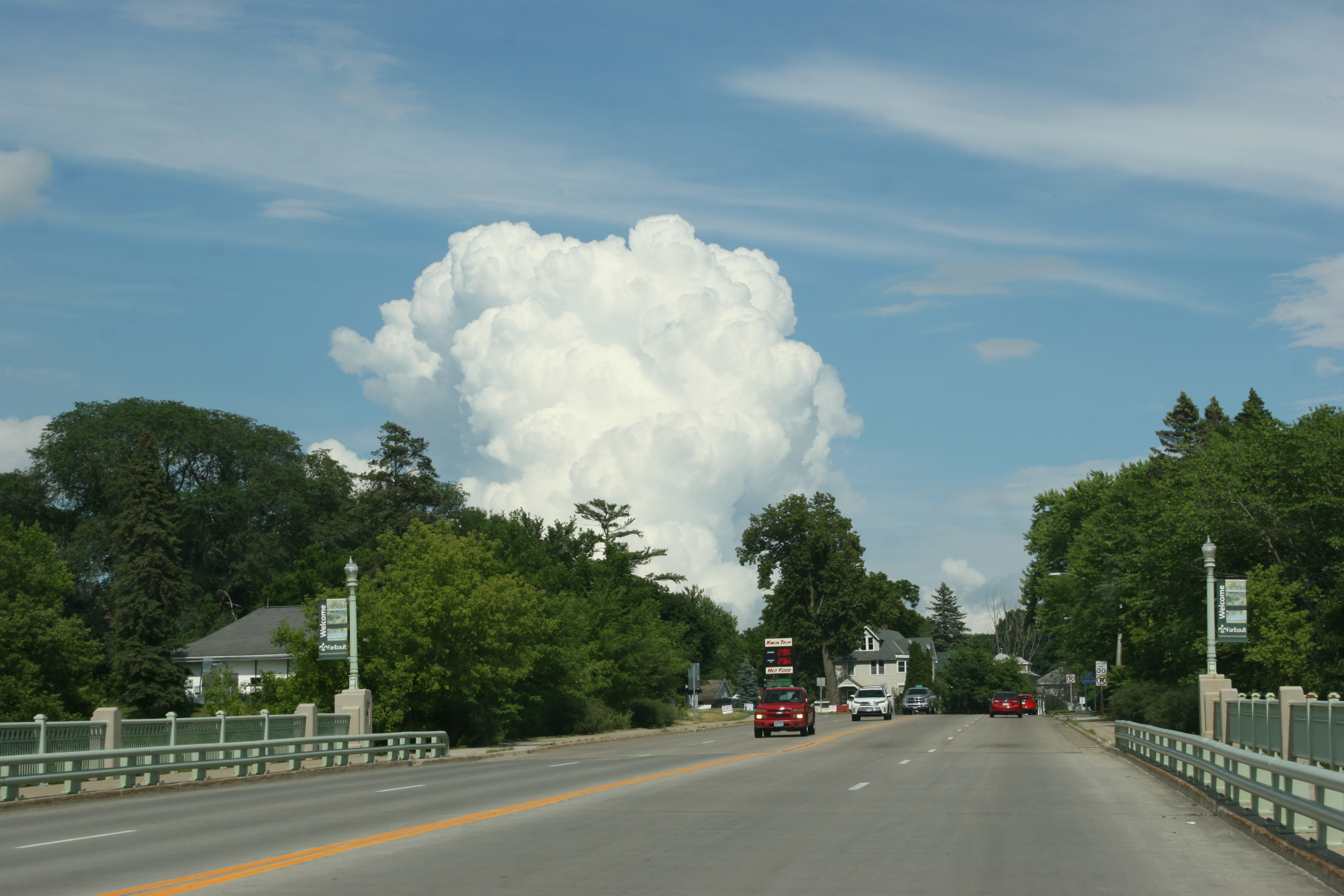
Crossing the viaduct on the way to River Bend Nature Center on Faribault’s east side. Minnesota Prairie Roots photo June 2021.

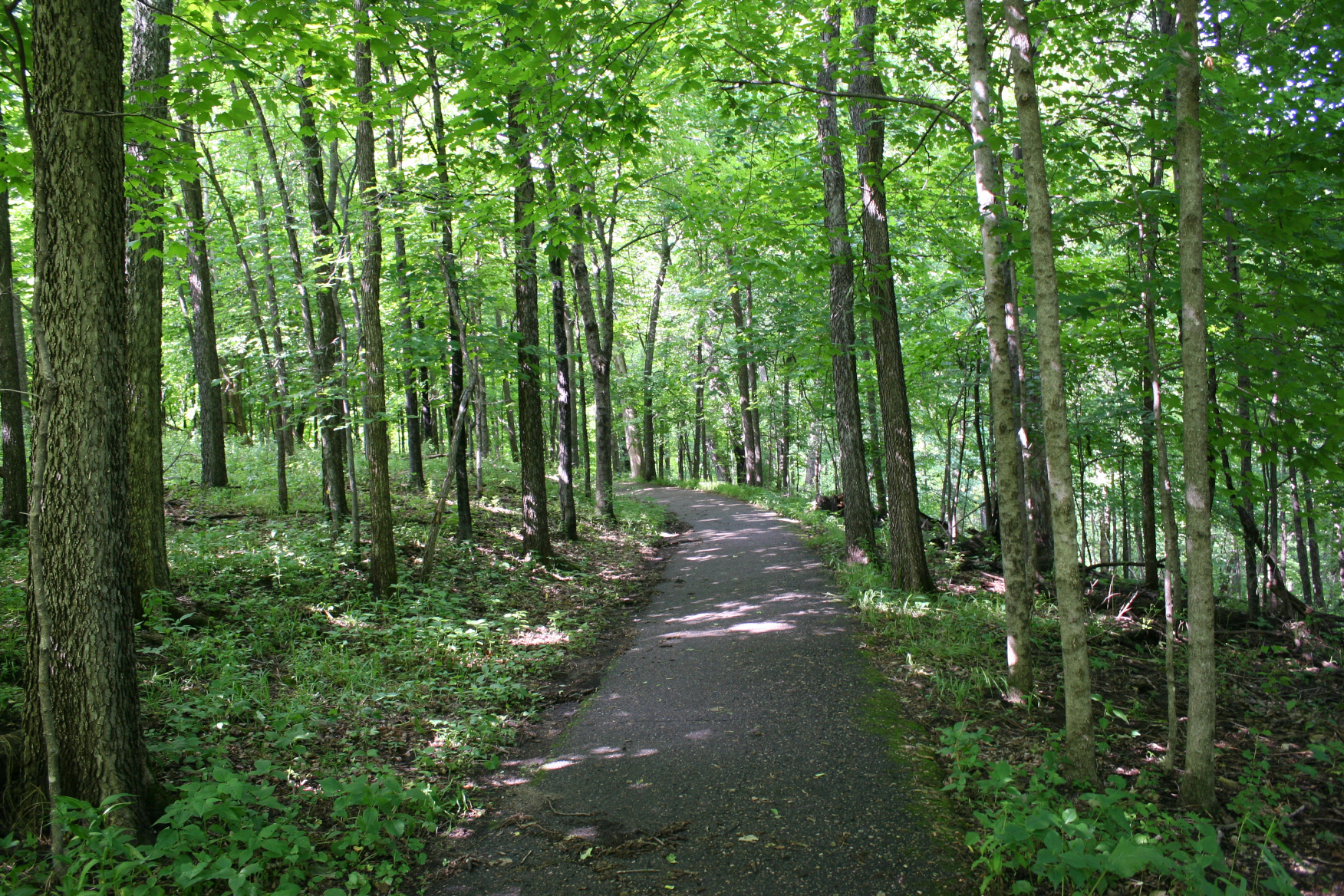
In Faribault, River Bend Nature Center offers a prime place to immerse one’s self in nature. And I did just that on a recent walk through the woods and then into the prairie.

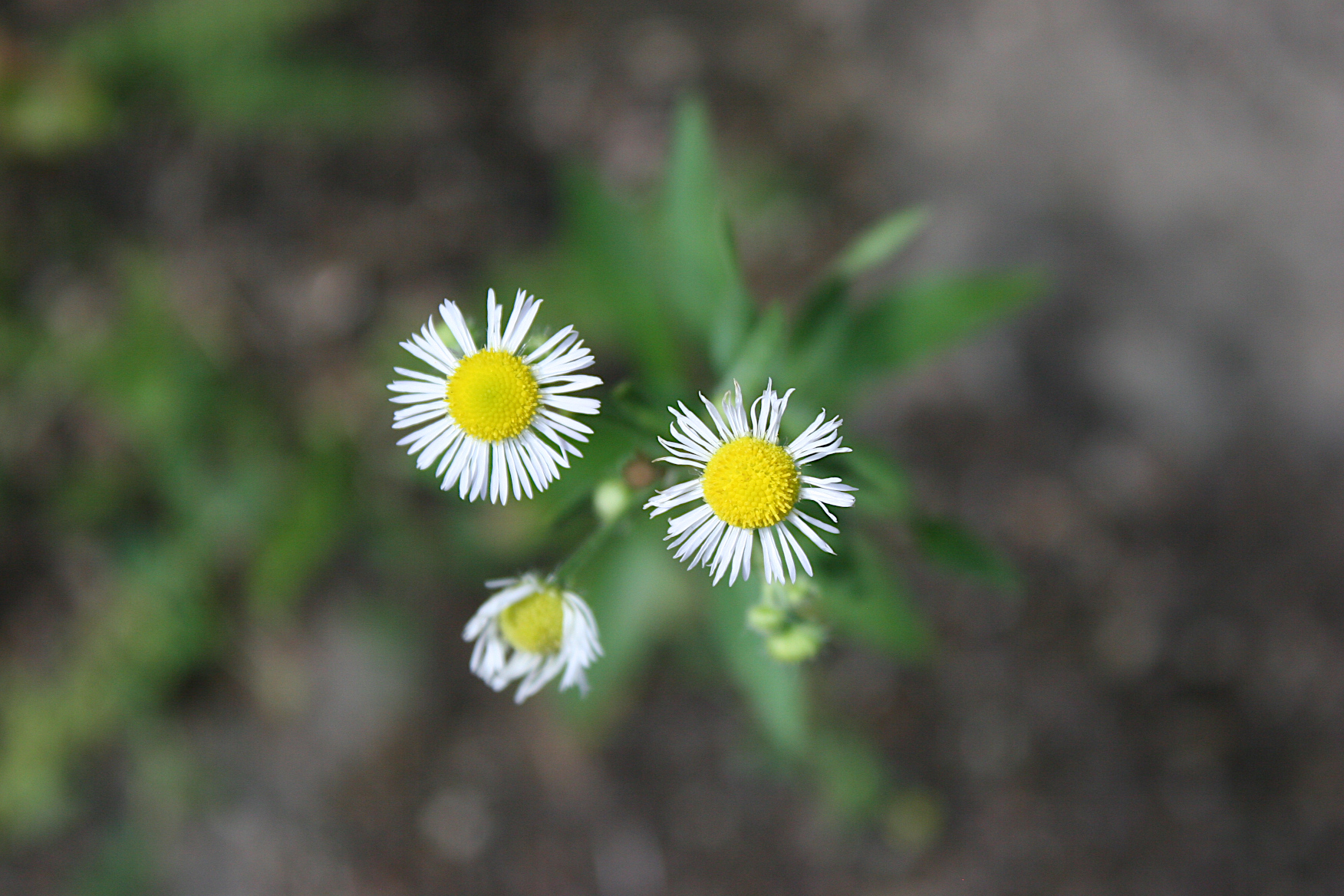
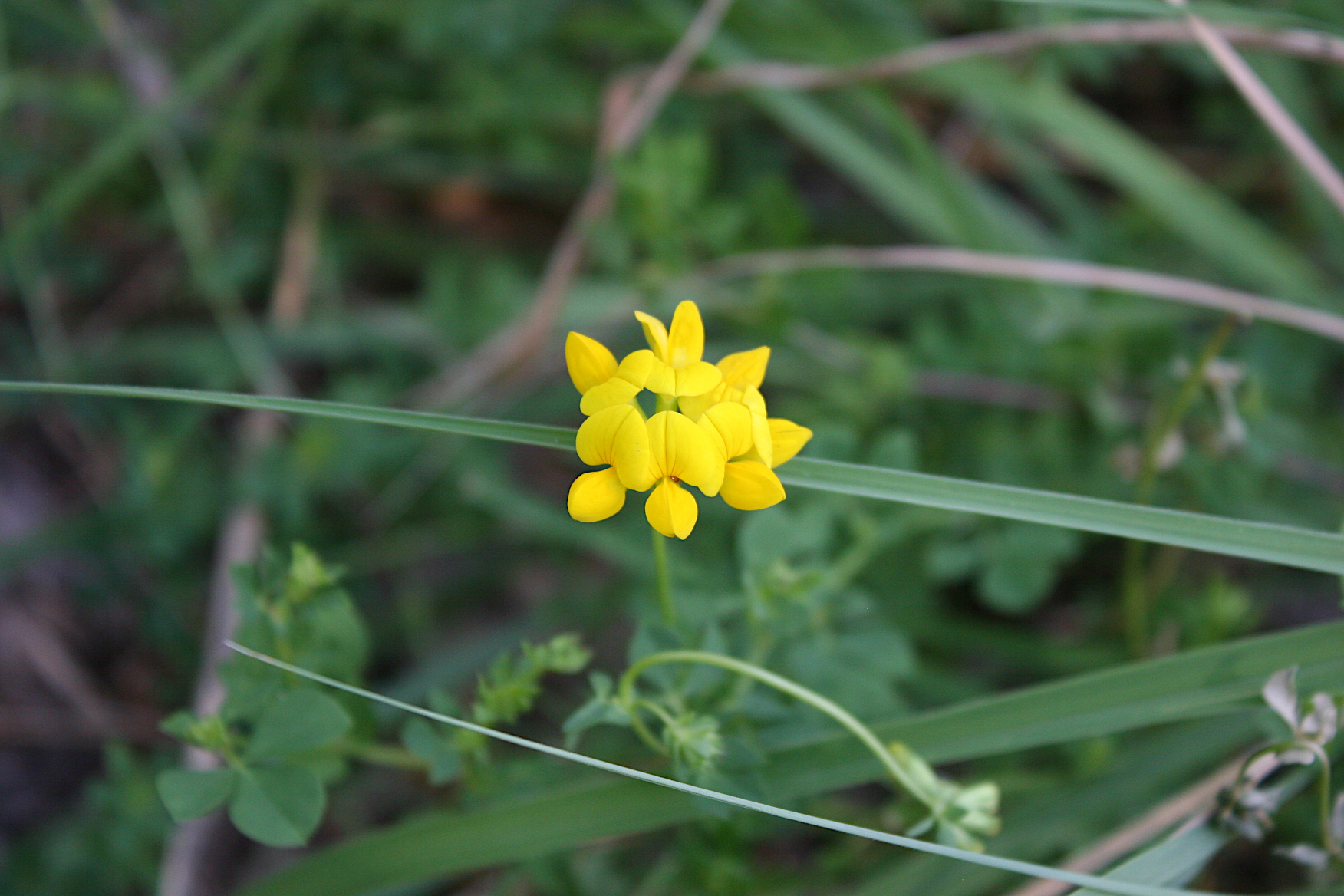
Flowers… Minnesota Prairie Roots photo June 2021.
A jolt of color in the woods. Minnesota Prairie Roots photo June 2021.
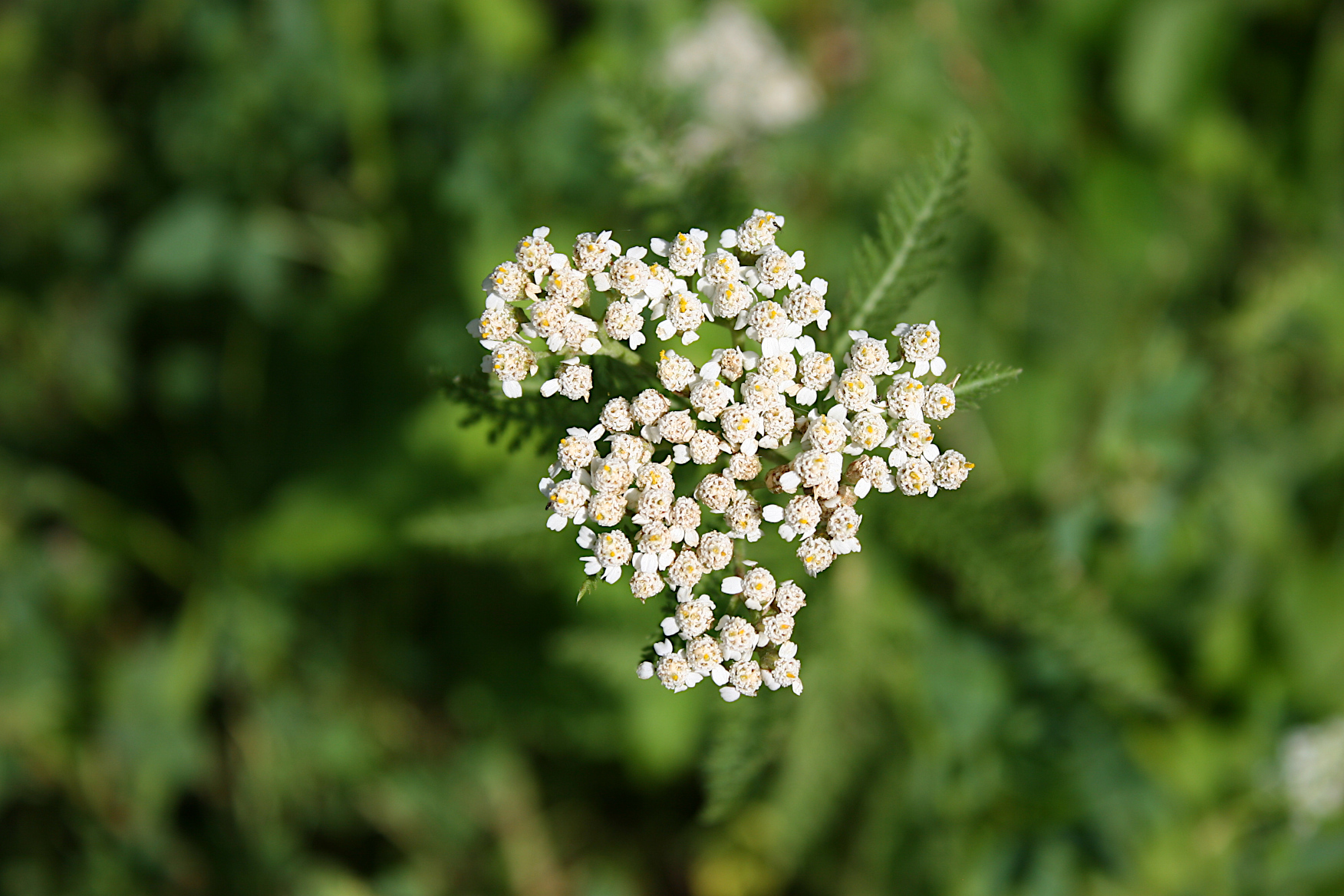
Lacey flowers. Minnesota Prairie Roots photo June 2021.

I usually carry my camera while at River Bend. That causes me to really notice my surroundings. This most recent visit, I spotted an abundance of wildflowers. From woods to prairie, flowers thrive in the summer heat.

Minnesota Prairie Roots photo June 2021.

A plaque on a bench reminds hikers to take time to smell the flowers, although I didn’t dip my nose into any blossoms. Rather, I appreciated the simple beauty of color splashed in the otherwise green woods.

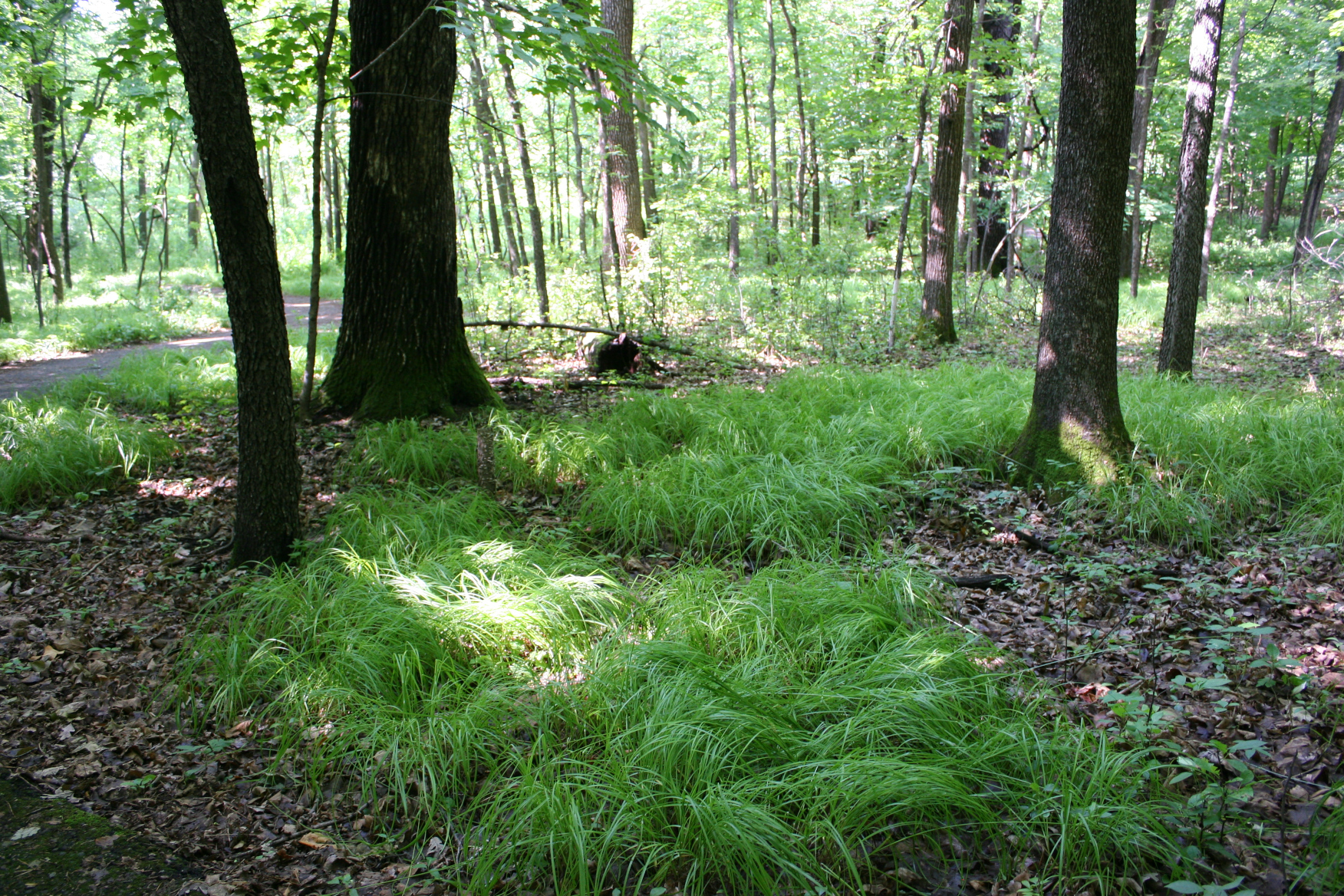
On the way to the Turtle Pond, I spotted this interesting grass. Minnesota Prairie Roots photo June 2021.
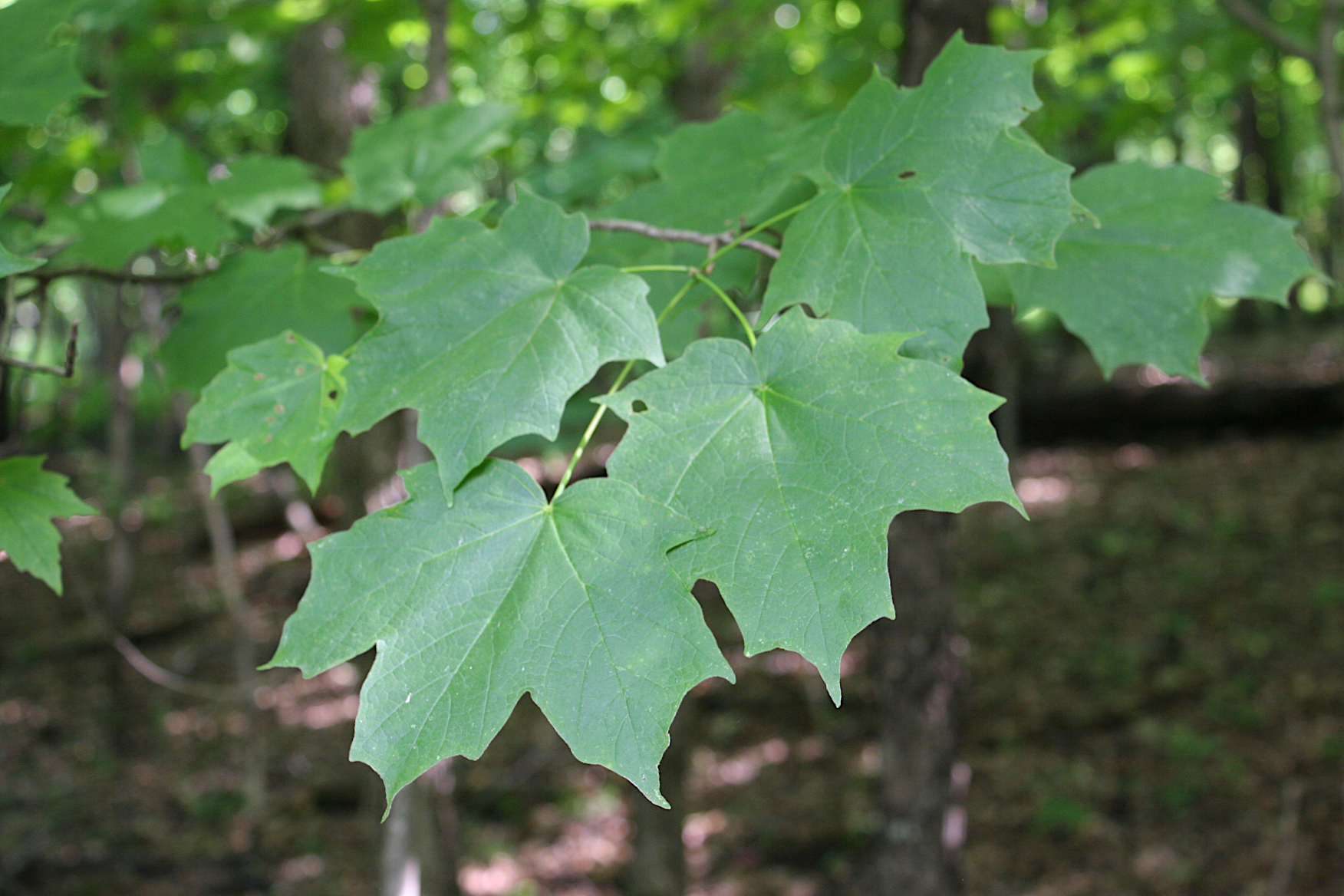
Maple leaves. Minnesota Prairie Roots photo June 2021.
Minnesota Prairie Roots photo June 2021.

Even the greenery holds visual appeal in the rolling droop of grass, the lace of maple leaves, the woods that hug trails.

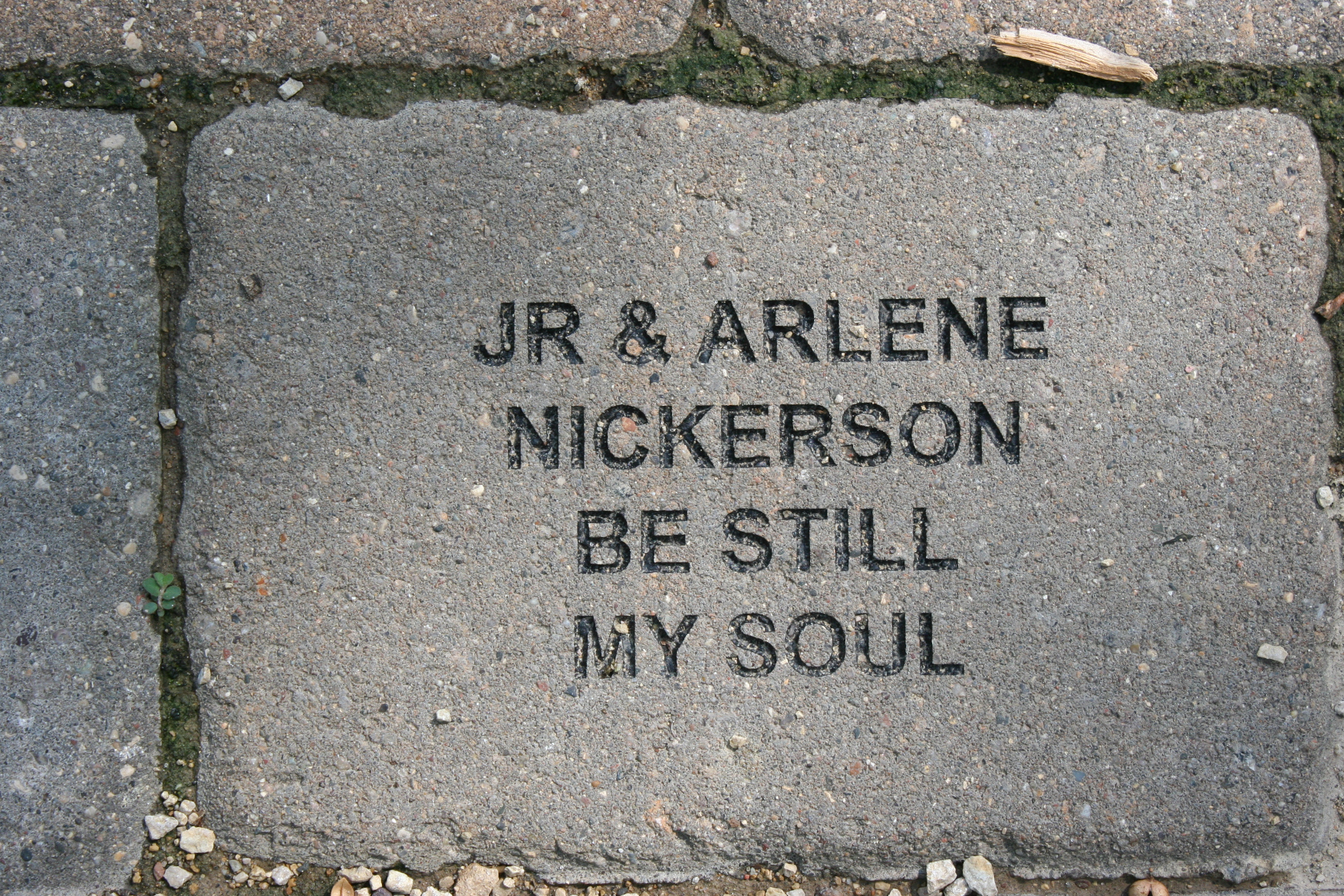
This paver in honor of my friend’s parents reminds me of Psalm 46:10. Minnesota Prairie Roots photo June 2021.

Messages on pavers at Honor Point, overlooking the Straight River, inspire. Be still. Pause. Appreciate.

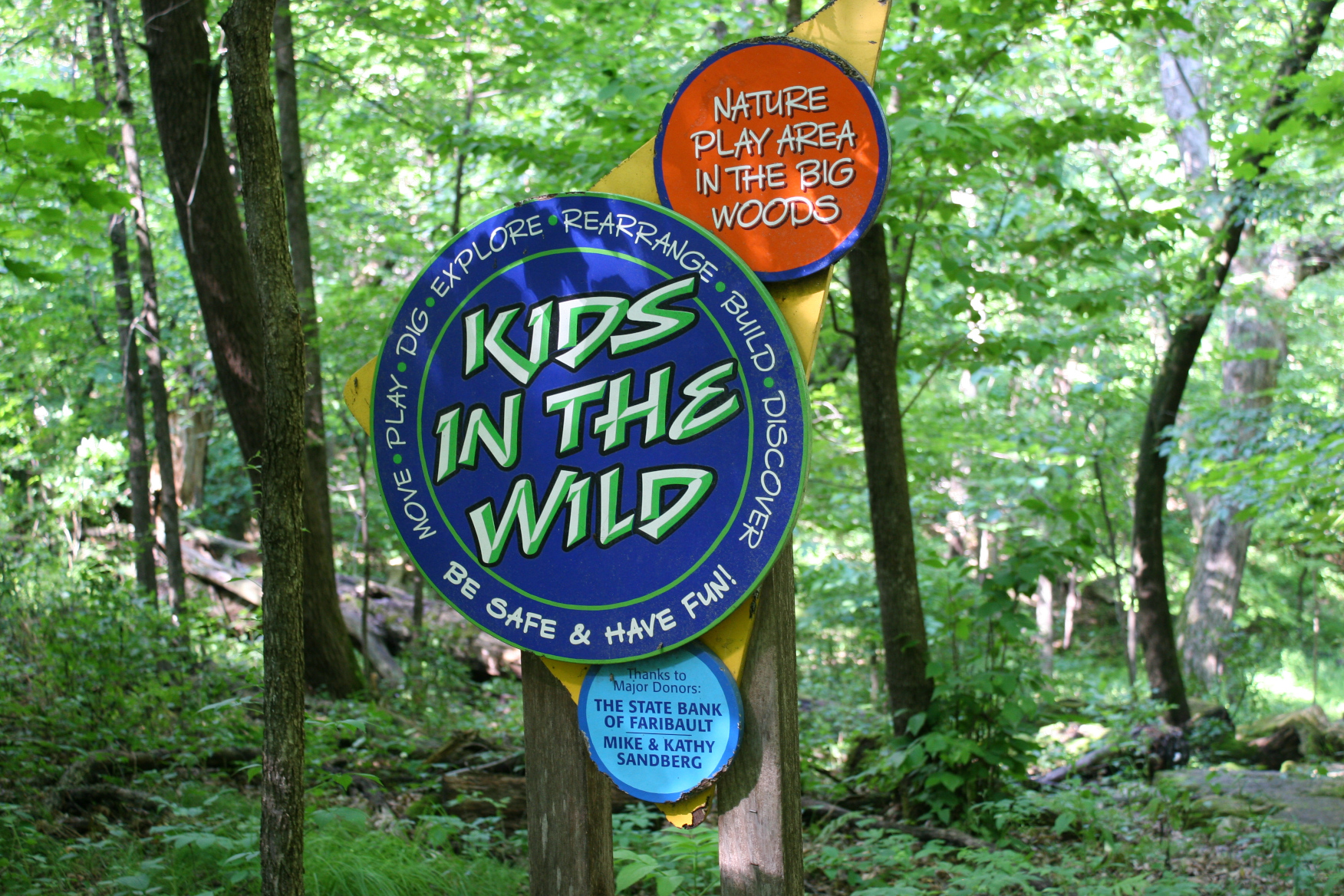
River Bend features a natural play space for kids in the woods. Minnesota Prairie Roots photo June 2021.

There’s something to be said for being still. Simply being. Listening. Connecting to the earth. Perhaps remembering how you felt as a child, exploring.

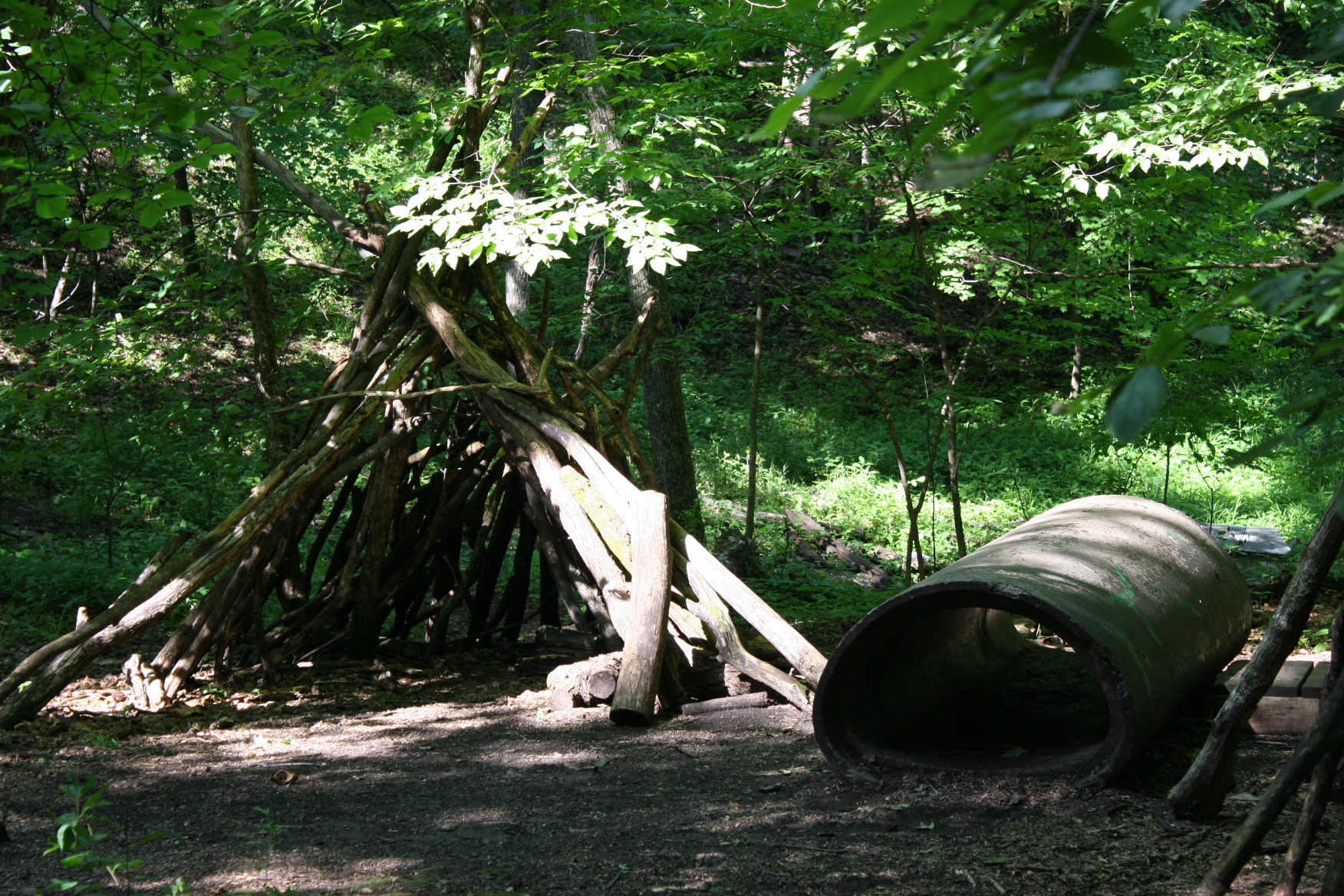
A fort and “tunnel” in the kids’ play area. Minnesota Prairie Roots photo June 2021.

In my youth, I “lived” outdoors, coming indoors only to eat and to sleep. With my siblings, we built forts in the grove, rode our bikes along dirt trails, hid in prairie grasses higher than us.

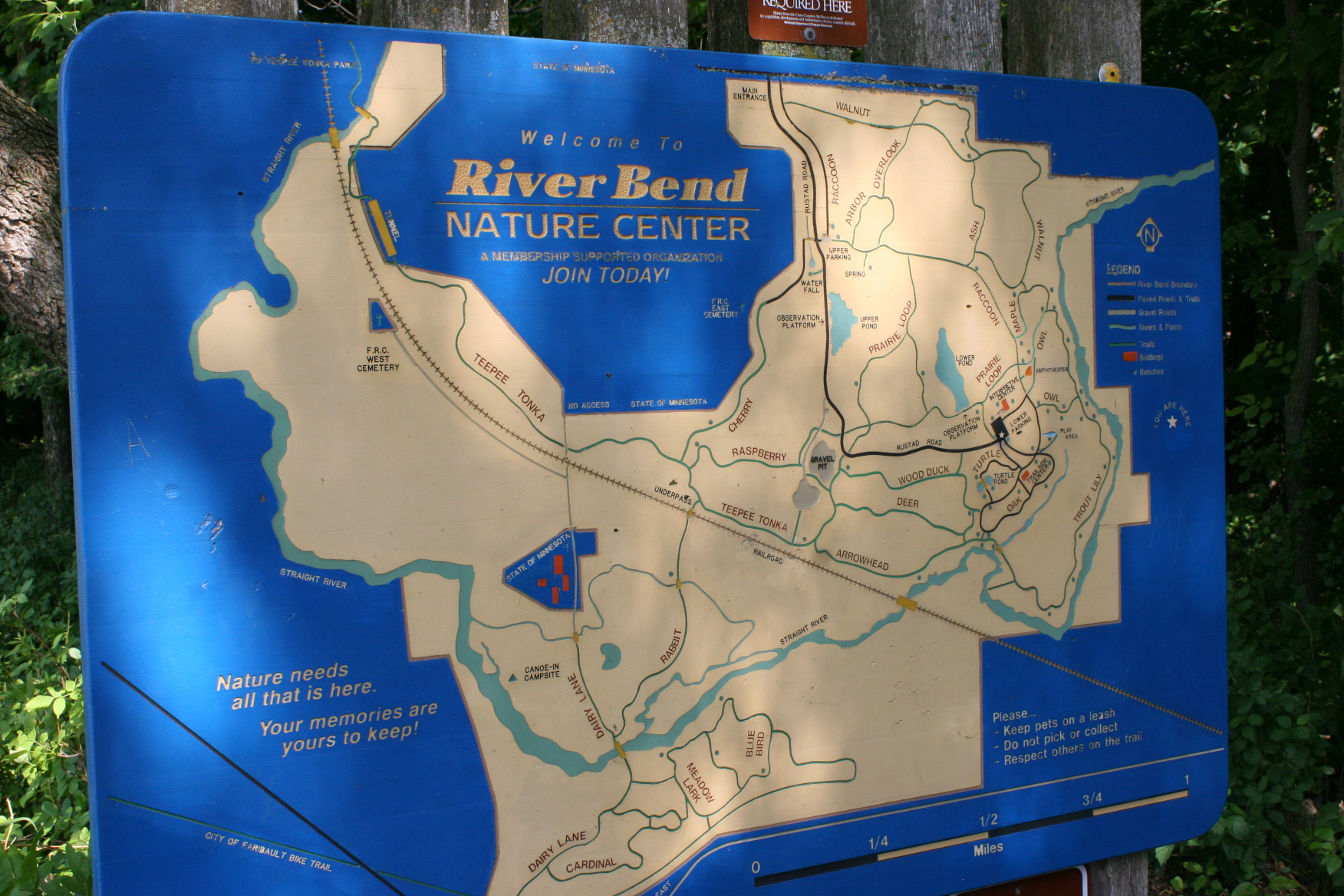
At the edge of the woods, a map details River Bend. Minnesota Prairie Roots photo June 2021.

I took time. Time to play in nature. To become part of it. To imagine. When I hike at River Bend, I reclaim that childhood joy.

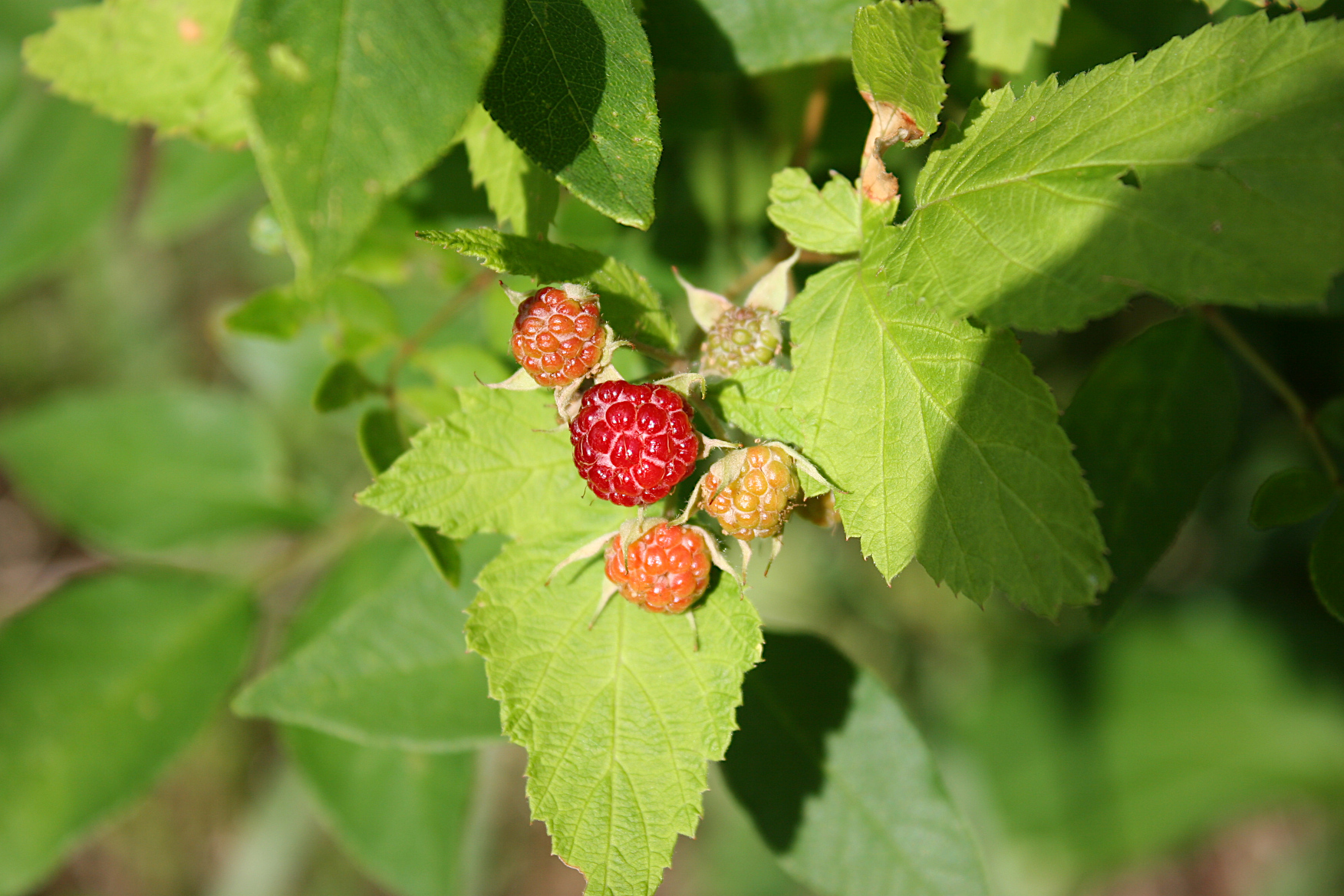
Wild raspberries edge the woods near the prairie. Minnesota Prairie Roots photo June 2021.

I savor the moments. The sights. The tastes. The scents. The sounds. All that which defines the natural world.

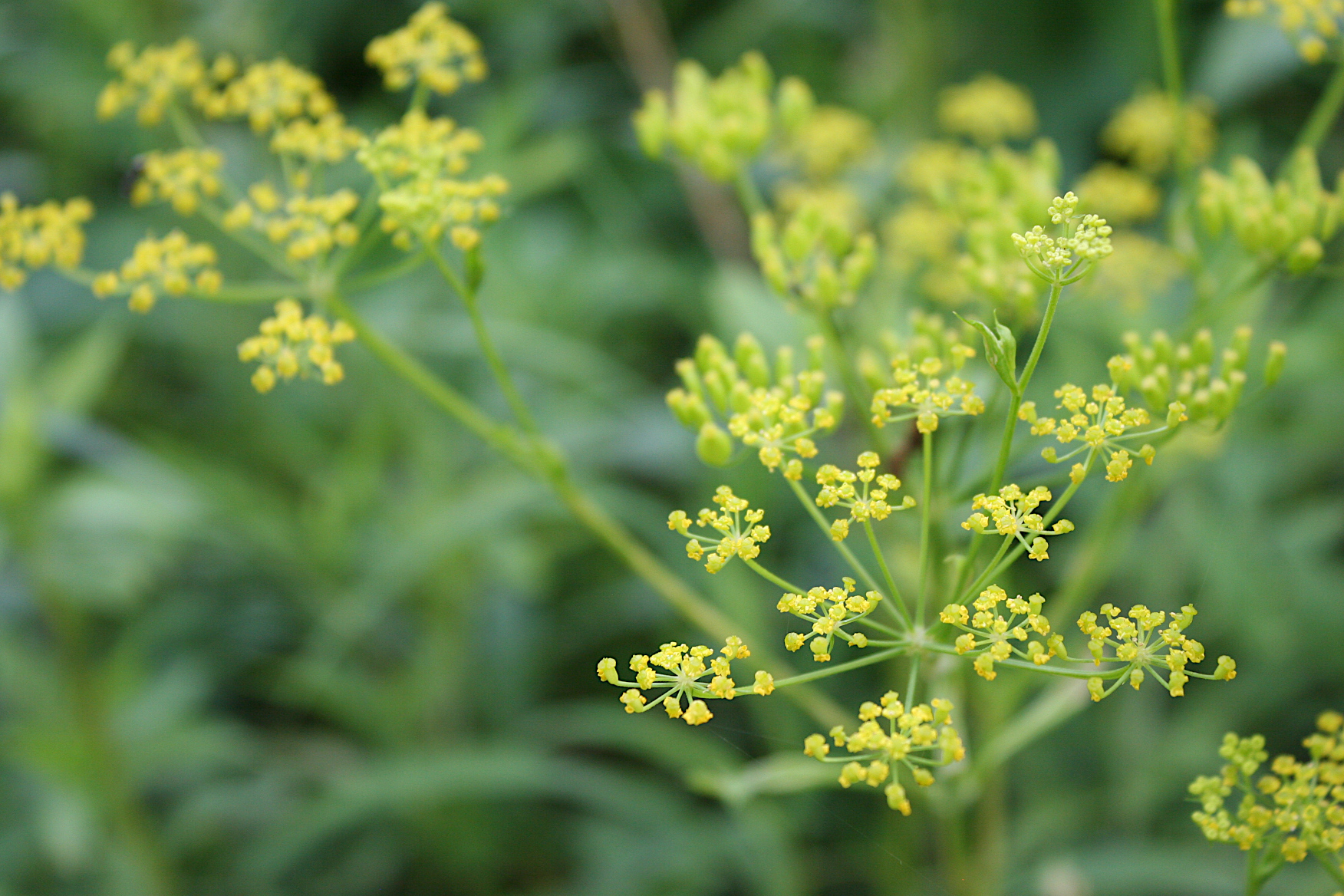
To be avoided: wild parsnip. Minnesota Prairie Roots photo June 2021.

WARNING: Stay away from this plant, wild parsnip. It looks a lot like dill and is growing alongside trails. Wild parsnip will burn your skin. Do NOT touch it.

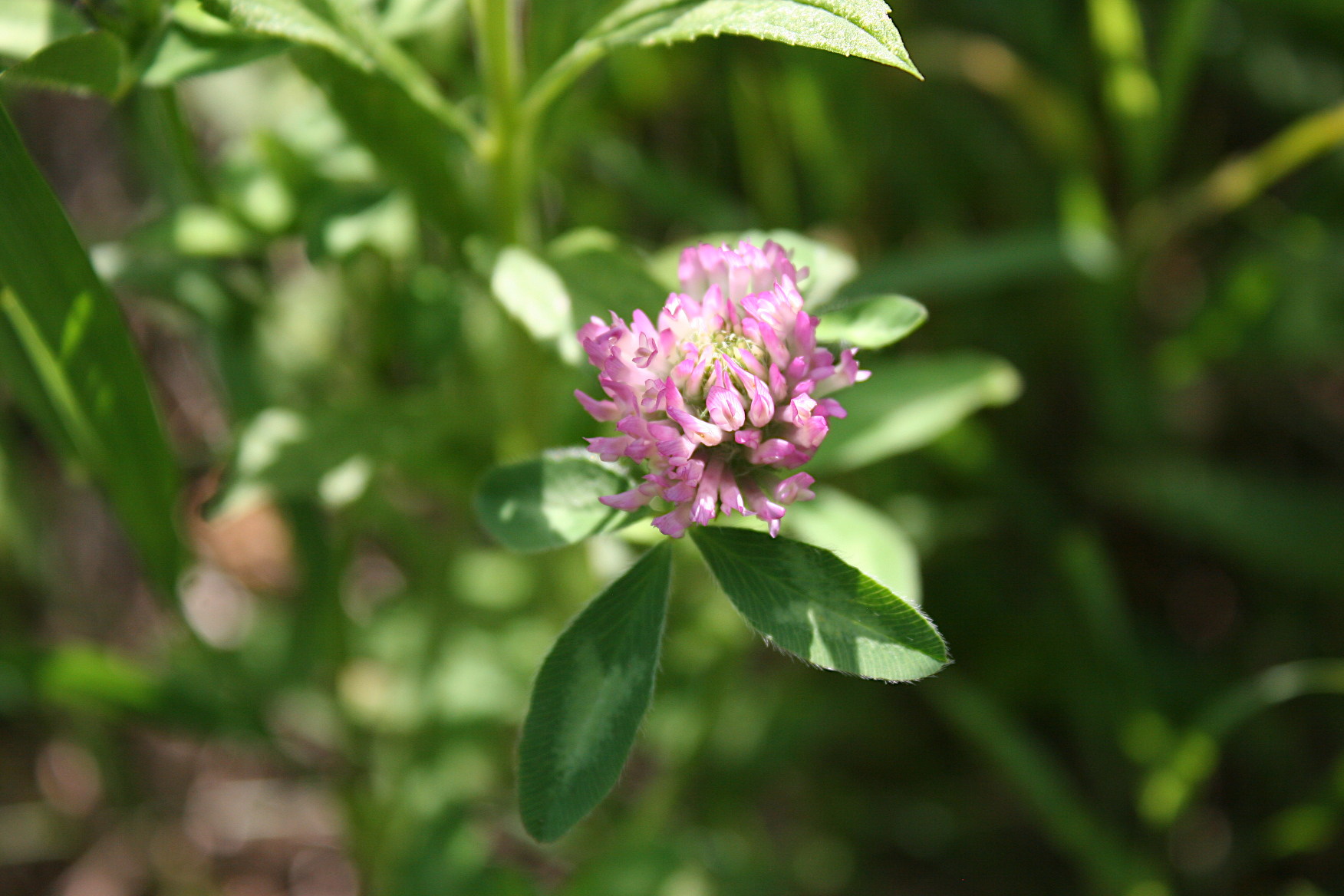
Clover grows in sun dappled spots in the woods by the prairie. Minnesota Prairie Roots photo June 2021.

PLEASE CHECK BACK for more photo rich posts from my recent visit to River Bend. Next, I’ll take you into the prairie.

© Copyright 2021 Audrey Kletscher Helbling
 

A look back at the 1918 pandemic in Northfield & similarities to today July 14, 2021

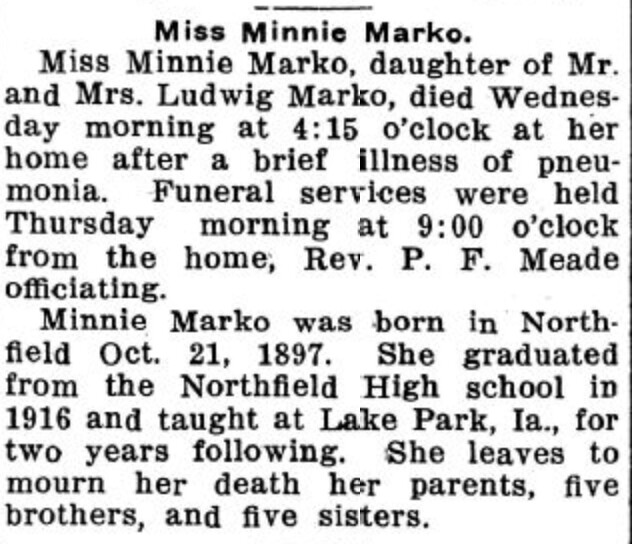
Minnie’s obit, published in the Northfield News. Source: Timeline on NHS website.

FIRST DEATH BY INFLUENZA

Minnie Marko died at her home after a brief illness of pneumonia, according to her obituary published in the November 15, 1918, issue of the Northfield News.

The death of the 21-year-old is just one of many topics in a timeline, “1918-1920 Influenza in Northfield, Minnesota.” Three Carleton College students worked with the Northfield Historical Society to create the timeline in 2020.

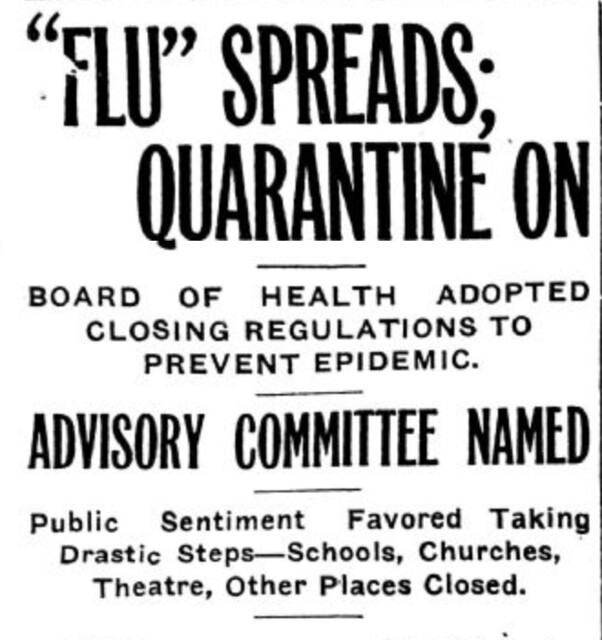
Headlines in the November 15, 1918, Northfield News. Source: Timeline on NHS website.

It’s an interesting read, showing the striking similarities between the Spanish flu and the COVID-19 pandemics. Thanks to Northfield writer and photographer Margit Johnson for featuring the research in a recent post on her blog, Elevation99. I recommend you read Margit’s post and then follow the link to the timeline.

I did just that, scanning headlines like these:

IT’S UP TO YOU TO FIGHT THE FLU (10/25/1918)

FOUR STUDENTS AT ST. OLAF DIE DUE TO INFLUENZA (11/21/1918)

NO CHRISTMAS CHURCH SERVICE IN NORTHFIELD (12/22/1918)

COLLEGES RETURN, WITH RESTRICTIONS (1/1919)

BELOVED CARLETON PROFESSOR FRED B. HILL DIES OF INFLUENZA (1/29/1919)

As I read the headlines and the brief summaries that followed, I considered how quickly information, and misinformation, spreads today. I considered how public health officials then, and now, recognized the seriousness of the virus and took efforts to stop the spread of the virus. The State Board of Public Health forbade public funerals and ordered wearing of gauze masks on streets and in public buildings in November 1918. Sound familiar?

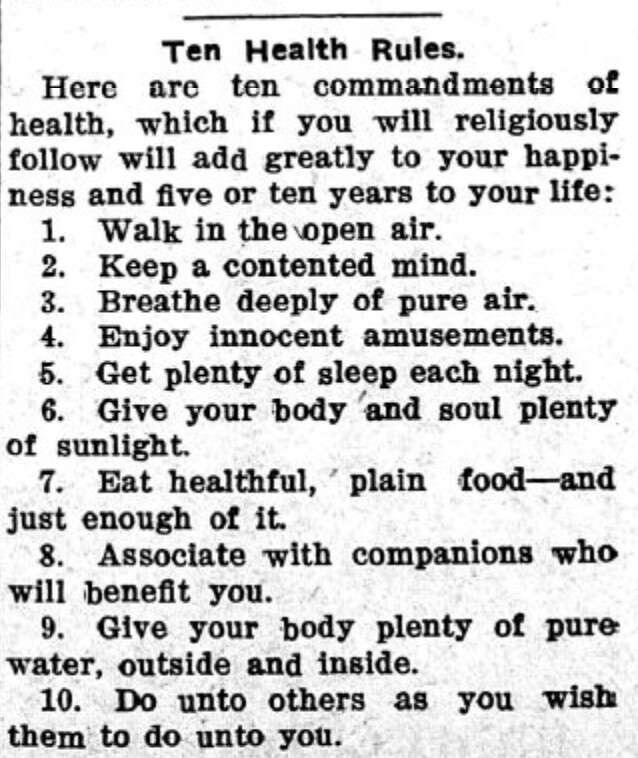
Health Rules published in the February 13, 1920, Northfield News. Source: Timeline on NHS website.

But perhaps the timeline entry that struck me most personally was this item in a list of Ten Health Rules published in the February 13, 1920, Northfield News:

10. Do unto others as you wish them to do unto you.

Think about that as it relates to COVID-19. Just like in 1918, our choices today affect more than ourselves. Before COVID numbers dropped in our country due to vaccinations, too many people refused to wear masks (and to wear them properly over mouth AND nose). And now people are refusing vaccination for reasons ranging from political to distrust of the vaccine (and thus of science) to believing the virus won’t make them seriously sick or kill them. It can and it does.

History tells us to expect a resurgence of the virus if such me-centered attitudes and behaviors prevail. As in 1918, the message that bears repeating is this: This is not just about us individually. This is about all of us. About caring for one another. About understanding that our choices affect the health, and thus the lives, of others.

People are still getting sick and dying from COVID-19. That’s especially true in states with low vaccination rates. Missouri, for example, has the most aggressive Delta variant outbreak, according to recent media reports. In Minnesota, Crow Wing and Cass Counties (in the heart of lake and cabin country) are experiencing a noticeable increase in COVID cases. All of this concerns health officials. And it should concern us, too, especially those who are not vaccinated, whether by choice or because they are too young for vaccination. This virus can mutate, as it did into the highly-contagious Delta variant, putting people at an even higher risk of serious illness and death.

The grief of those losing loved ones today is no less than the family of Minnie Marko, 21, who died in 1918 in Northfield. Minnie didn’t have the option of a vaccine. We do.

#

FYI: I’d encourage you to read my June 11 post about a 46-year-old Minot, N.D., man who regretted not getting vaccinated. Rob Tersteeg died of COVID. His dying wish was that his journey with this “vicious virus” would convince others to get vaccinated. He made his wife promise to get their kids vaccinated. His family grieves, just like Minnie’s.

© Copyright 2021 Audrey Kletscher Helbling
 

Visiting Mom as the pandemic wanes July 12, 2021

Filed under: Uncategorized — Audrey Kletscher Helbling @ 5:00 AM
Tags: , , , , ,
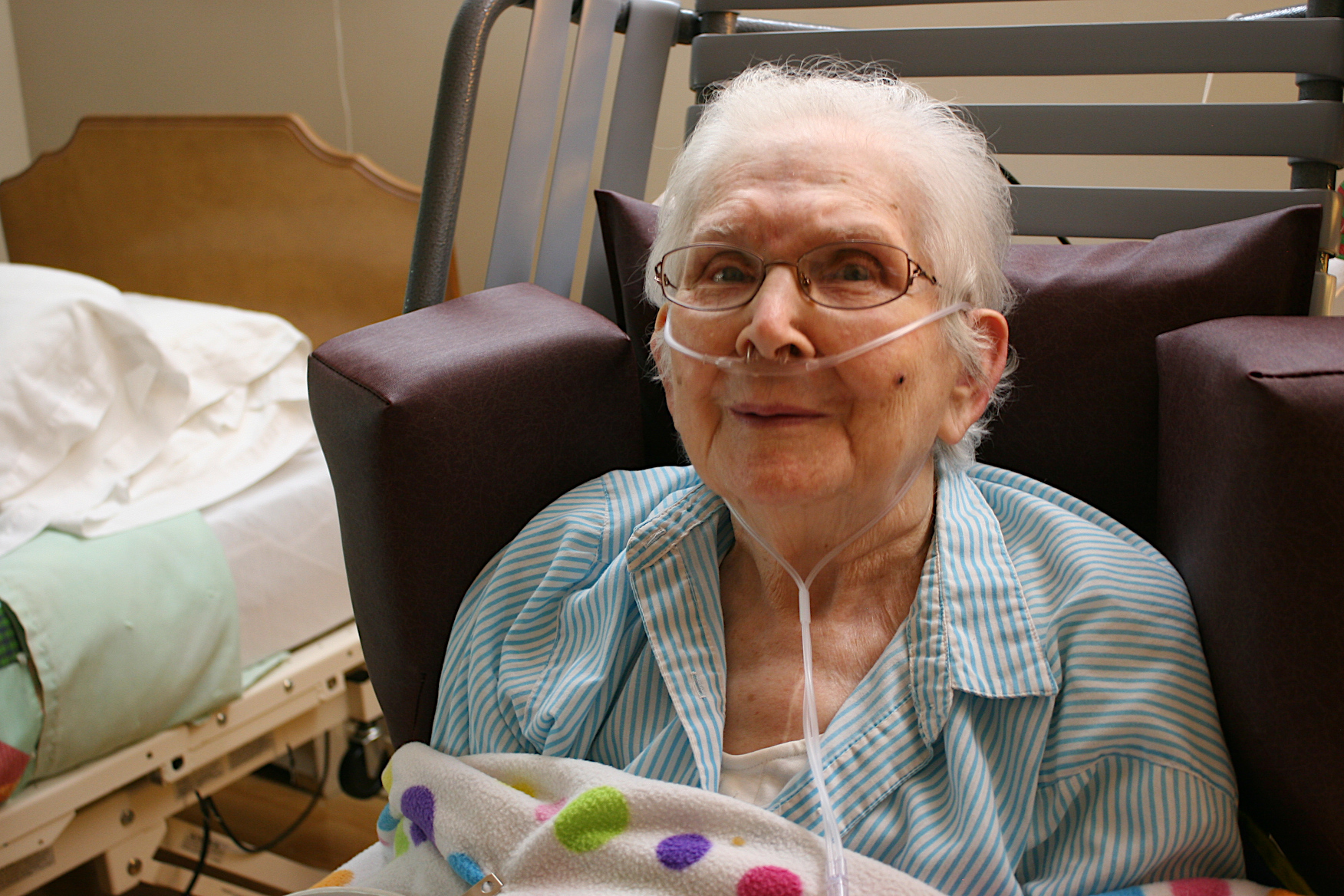
My mom. Minnesota Prairie Roots photo.

EVERY VISIT WITH MY MOM in her care center proves emotional for me. I always leave in tears. I cry at the gratitude I feel for seeing her one more time. I cry at the thought that this may be the last time I see her this side of heaven. I cry at her declining health. I cry at the time lost with her during the COVID-19 pandemic when care centers shuttered, and rightly so.

This last visit on July 3 was different, though. Not because I didn’t cry upon departure. I did. But rather, I was able to remove my face mask once inside Mom’s room (since I’m fully-vaccinated) and then hug and kiss her for the first time in 16 months. To do that brought me joy almost beyond words. There’s such healing power in touching someone you love. I can only imagine how Mom felt.

The moment Mom saw me as staff wheeled her into her room, her face lit up. I could see the light in her eyes, the smile hidden by her face mask. For her to recognize me as her eldest daughter started our 9 AM visit in a joyful way.

With our masks removed, I moved a folding chair close, then reached under Mom’s fleece throw to grasp her right hand. Mom pulled back, my hand too cold. Then I leaned in, kissed her forehead, wrapped my arms around her, careful not to displace the oxygen tubes which enable her to breathe.

Those first minutes together felt overwhelmingly emotional in the way that only a mother and daughter can respond to one another. This is the woman who loved and nurtured me, who raised me in the faith, who taught me that kindness and compassion and serving others are more important than prestige and wealth. What a blessing to be raised by her. I shall be forever grateful.

As I settled in for our visit, I pulled a stash of vintage photos from a cloth bag. I’d emailed the care center social worker in advance, asking what I could bring that would make Mom happy. Jessie suggested old photos. She was spot on. Mom reacted in such a positive way to photos of herself at age four, of her parents in 1956, of Dad (“That’s my husband,” Mom said), of my oldest brother and me as preschoolers… Mom identified family in the photos and smiled and talked. Our visits aren’t ususally this engaging. Typically I’m the one talking with minimal response from Mom. Clearly her memories of long ago are much stronger than recent and short-term memories. I promised to bring more old family photos next visit.

All too soon, our time together ended and I was hugging Mom goodbye, tears edging my eyes well before I exited her room. I expect by afternoon, she’d forgotten that Randy and I stopped by. But that’s OK. This isn’t about me. Rather, this is about my 89-year-old mother, who is in hospice. This is about her and her needs, about bringing her joy and love on a Saturday morning through hugs and kisses and a clutch of old family photos.

© Copyright 2021 Audrey Kletscher Helbling
 

Celebrating Faribault’s diversity at international fest July 10 July 8, 2021
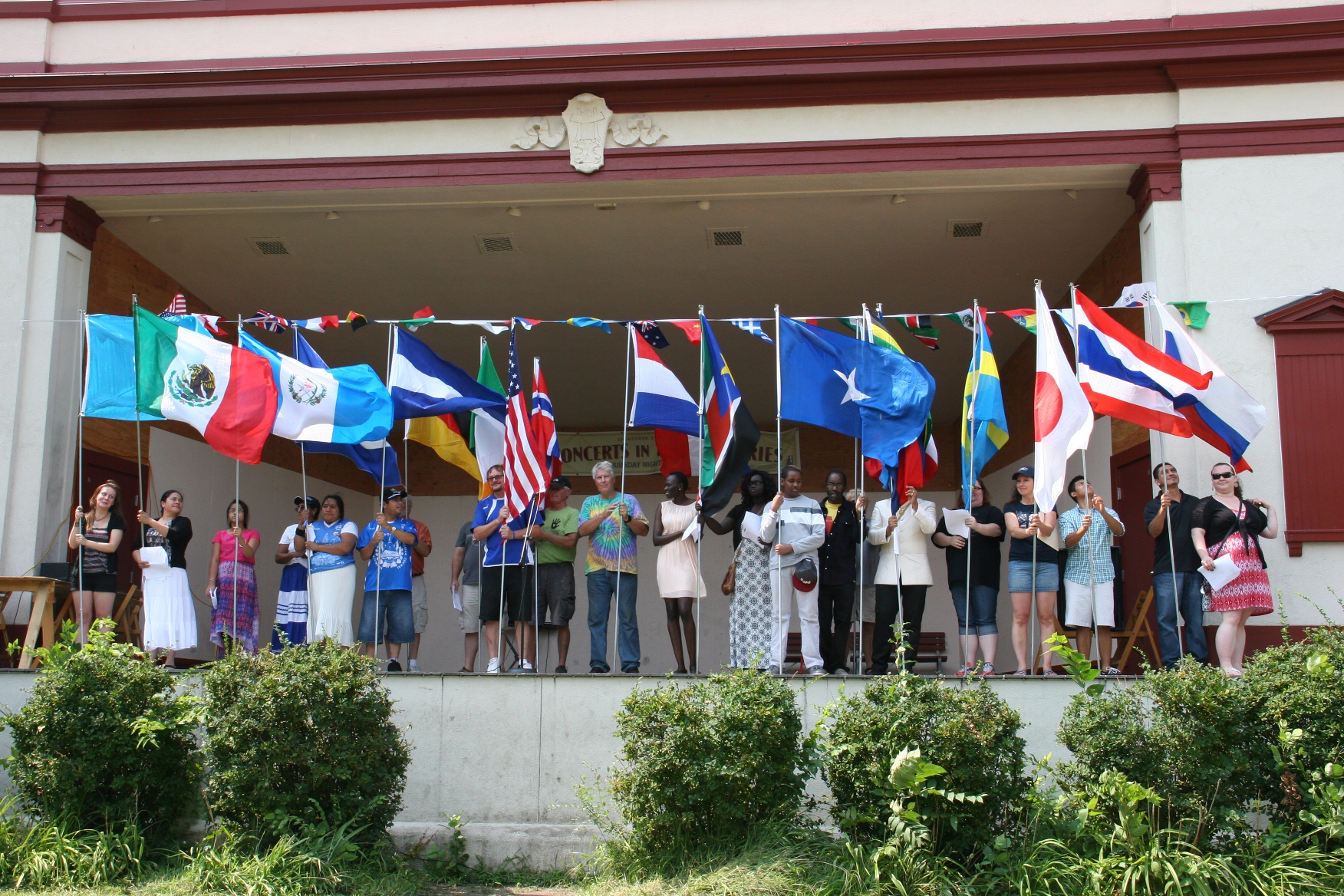
Flags representing the many countries from which Faribault residents came are displayed at a past International Festival Faribault. Minnesota Prairie Roots file photo.
DECADES AGO, in high school and then in college, I studied the German language. I grew fluent in the native tongue of my forefathers. I felt a sense of accomplishment as my skills advanced. I decided I would major in German in college, until I determined journalism would be a better path. I’ve never regretted that decision because I love words, no matter the language.

My second daughter, though, pursued a foreign language major, earning her college degree in Spanish (much more practical than German) and then becoming a Spanish medical interpreter. Until the pandemic ended that career.
Friends, Nimo Abdi, a sophomore at Faribault High School, left, and Nasteho Farah, a senior when I photographed them in 2012 at the International Festival. Minnesota Prairie Roots file photo.

I share this to lay the foundation for my personal appreciation of other cultures. I’ve never traveled internationally and not all that much domestically, so I welcome the opportunity to experience other countries and cultures locally. From 10 am – 4 pm this Saturday, July 10, diverse cultures focus the 16th annual International Festival Faribault in Central Park.

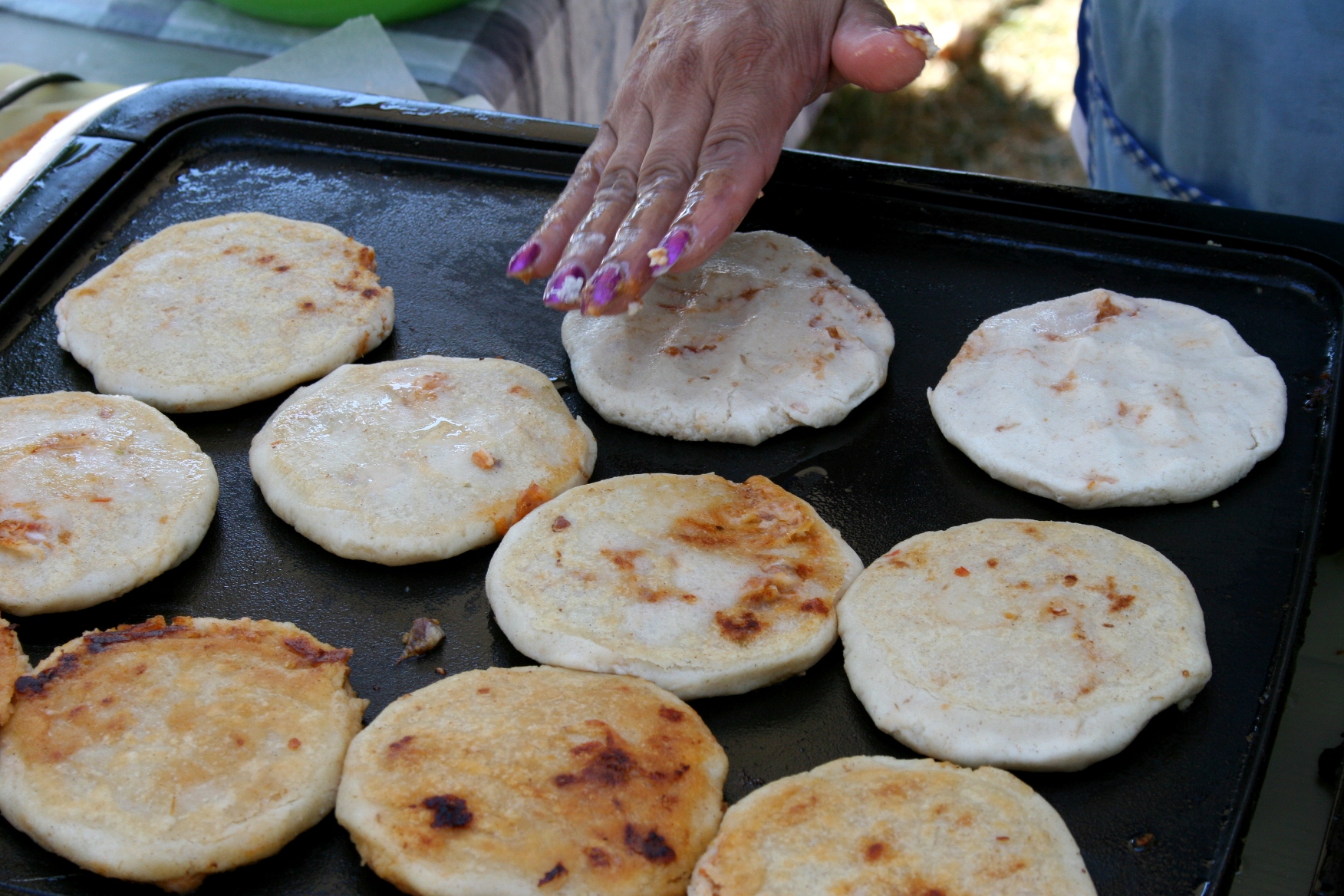
Pupusas served at the 2011 International Festival. Minnesota Prairie Roots file photo.
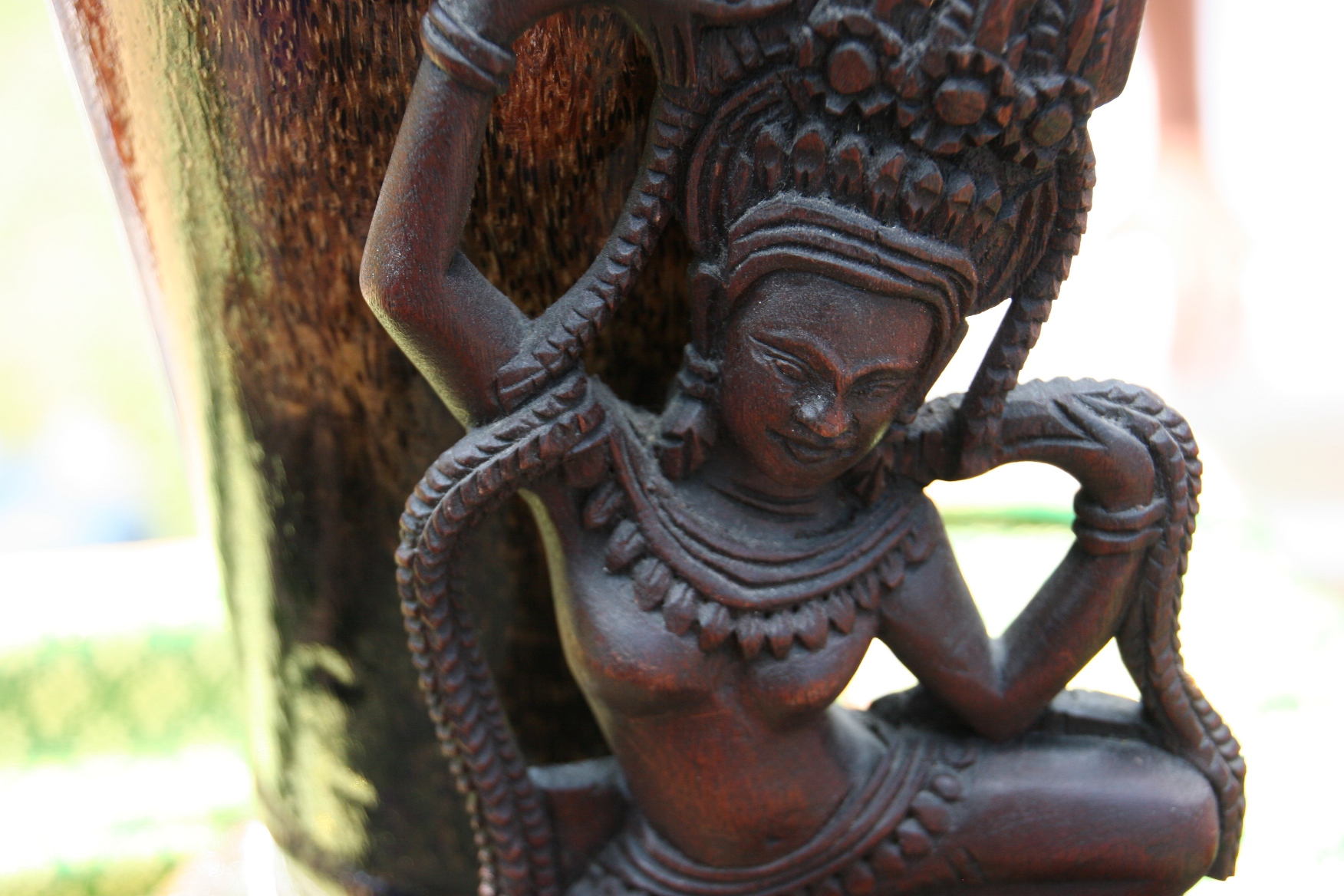
Cambodian art at the 2015 fest. Minnesota Prairie Roots file photo.
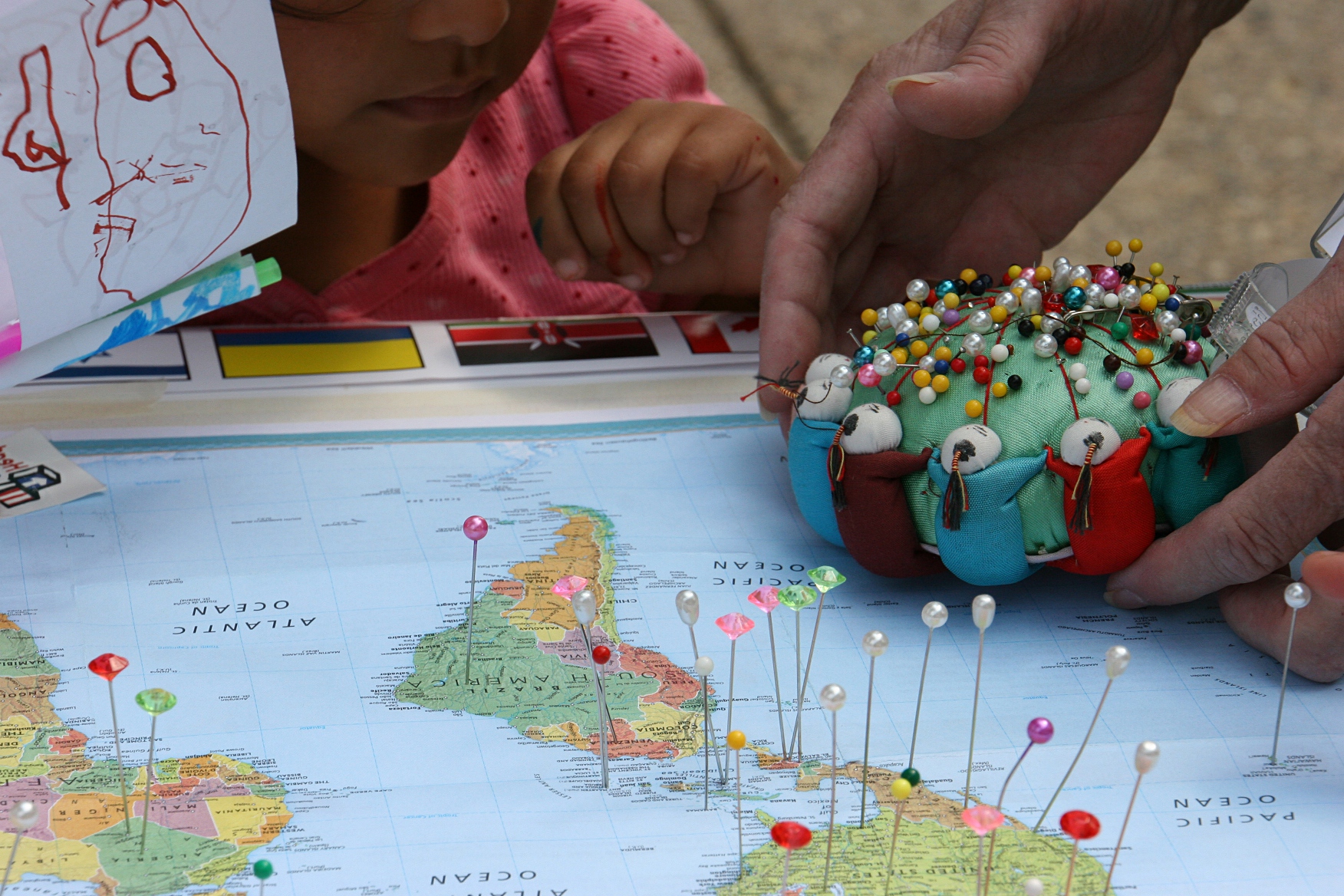
Attendees marked a world map with their countries of origin during a previous festival. Minnesota Prairie Roots file photo.

The fest is promoted as “a global bazaar-style event featuring food, music, dance, presentations and goods from around the world.” I’ve attended several times, although not recently, and always enjoyed this Neighbor Meeting Neighbor celebration. Many of those participating in the fest are local residents, shopkeepers and vendors.

This sculpture of Alexander Faribault trading with a Dakota trading partner stands in Faribault’s Heritage Park near the Straight River and site of Faribault’s trading post. Faribault artist Ivan Whillock created this sculpture which sits atop a fountain known as the Bea Duncan Memorial Fountain. Minnesota Prairie Roots file photo.

Faribault truly is an ethnically diverse community with a size-able immigrant population and with long-time residents rooted in many countries. Founding father Alexander Faribault, for example, was of French-Canadian and Dakota heritage. Our newest residents come from places like war torn Somalia.

A recently-completed mural in downtown Faribault, LOVE FOR ALL, celebrates our city’s diversity. Minnesota Prairie Roots file photo 2021.

While we’ve struggled in the past to accept one another, I feel like things are settling, that we are beginning to celebrate our differences and recognize the value of those differences.

Downtown Faribault during a Car Cruise Night in 2015 reflects our diversity. Minnesota Prairie Roots file photo.

Newcomers to Faribault are here to stay. They live, work and play here. Attend school. Own businesses. And that’s reason to celebrate. We are a stronger community because of our diversity.

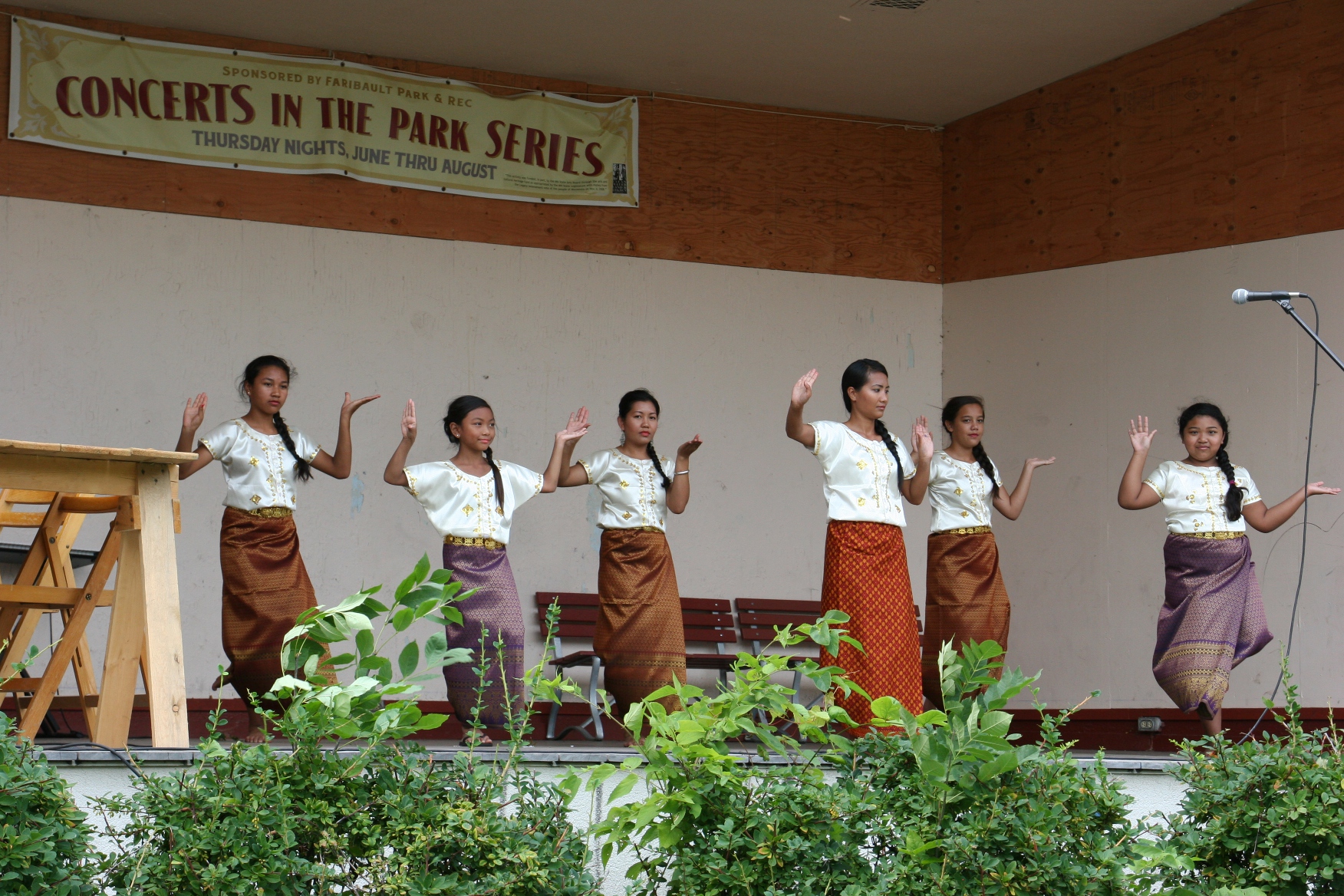
Cambodian dancers. Minnesota Prairie Roots file photo 2015.
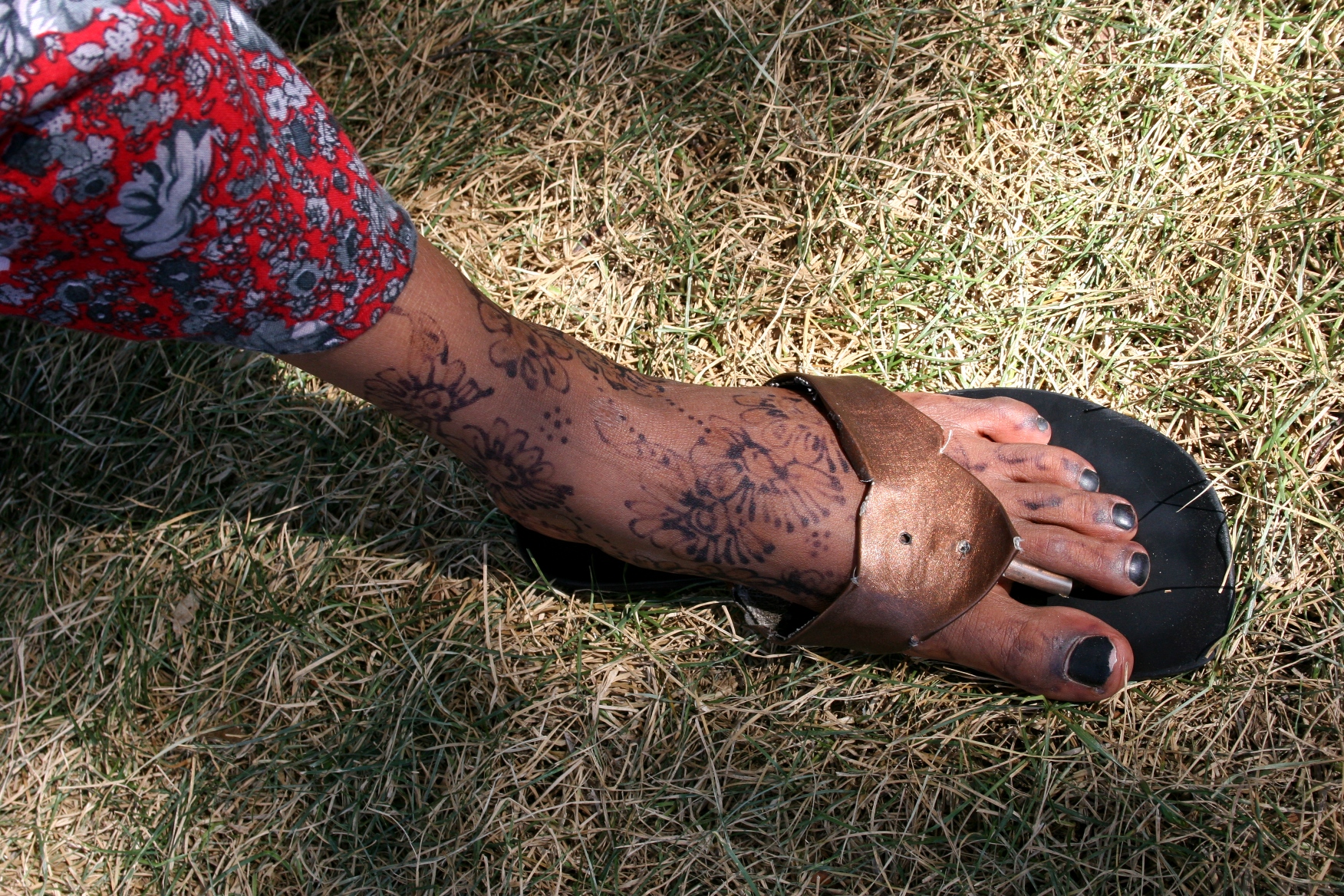
A young girl’s henna stained foot, photographed at the 2011 fest. Minnesota Prairie Roots file photo.
A little girl stands on the opposite side of the group of children waiting to swing at the pinata. Minnesota Prairie Roots file photo.

I encourage locals and people from out of town to attend Saturday’s International Festival Faribault. International dancers, music, a flag ceremony, arts and crafts, kids’ activities (including the popular pinata breaking), henna and food from around the world will be among the offerings. Perhaps someone will represent the German heritage by serving sauerkraut and brats or pumping out polkas on an accordion…

© Copyright 2021 Audrey Kletscher Helbling