Minnesota Prairie Roots

Writing and photography by Audrey Kletscher Helbling

Heading back home to the southwestern Minnesota prairie for Christmas December 26, 2010

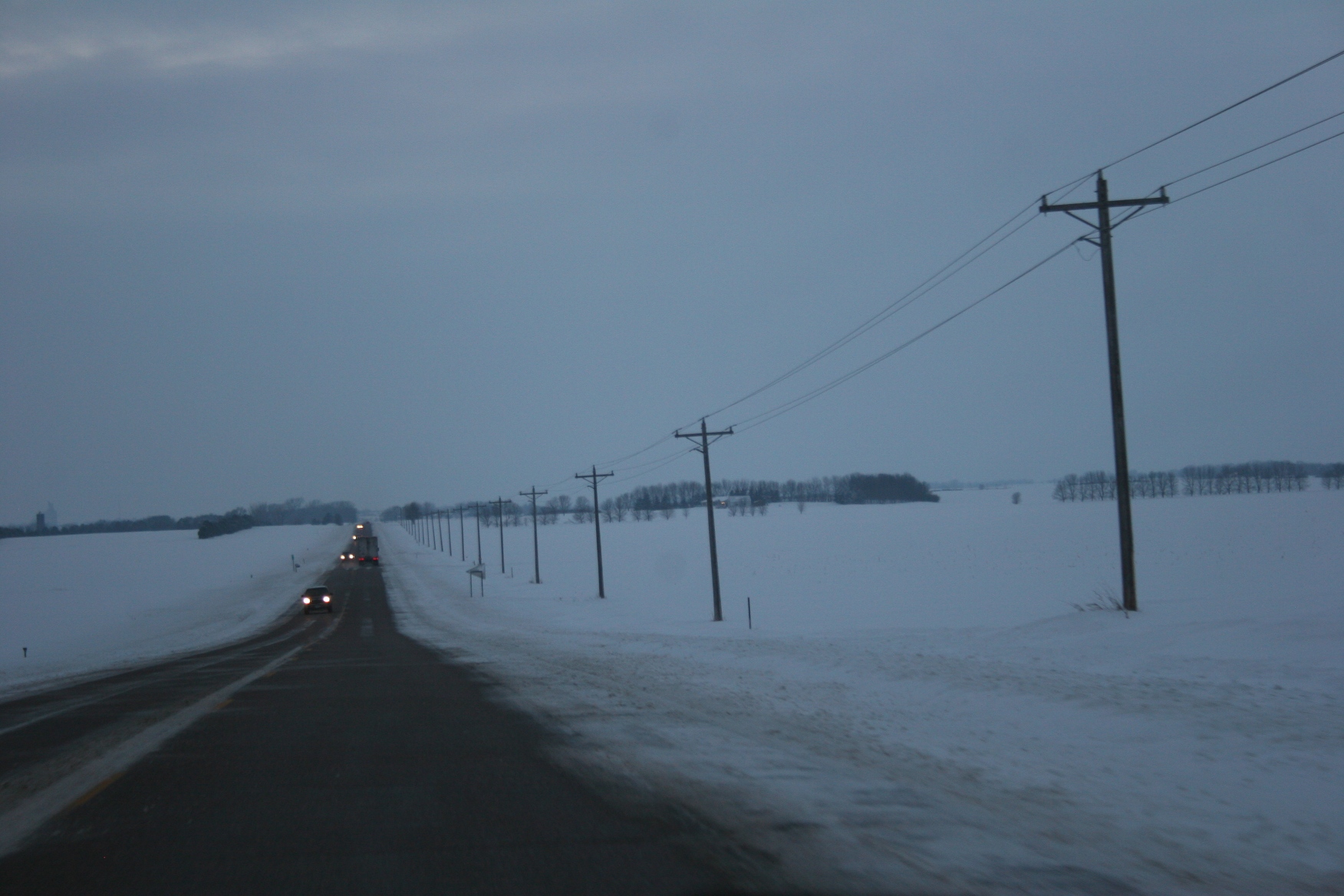
We drove along U.S. Highway 14 as we traveled to southwestern Minnesota for Christmas. This stretch is between the Sanborn corners and Lamberton.

FOR THE FIRST TIME in decades, my family and I celebrated Christmas Eve with my mom and four of my five siblings, and their families, “back home” on the southwestern Minnesota prairie.

It was my mom’s wish that all of us be there, attending Christmas Eve church services with her at our home church, St. John’s Lutheran in Vesta.

Our Christmas together was as wonderful and memorable and as full of laughter and love as I expected it would be.

Initially, I doubted that we would make the 2 ½-hour trip west given the steady snow that began falling early Christmas Eve, slicking the highways and creating difficult driving conditions. But by the time we left Faribault around 2:30 p.m. Friday, the snow had stopped and major highways were clear.

So, with the trunk packed full of luggage, air mattresses and sleeping bags, presents and coolers, the five of us crammed ourselves into the car (along with pillows and board games on our laps) for the journey to Redwood County. We were headed first to my brother’s house just north of Lamberton.

When we got to New Ulm, nearly 1 ½ hours into the trip, I dug my camera out of the camera bag wedged near my feet and snapped occasional photos of the prairie. It is the land I most love—the place my kids call “the middle of nowhere.”

A train travels east along U.S. Highway 14 between Essig and Sleepy Eye while we travel west.

I love this land of plowed fields and wide open spaces, of small-town grain elevators occasionally punctuating the vast skies, of cozy farm sites sheltered by barren trees.

I love, especially, the red barns accented by the fresh-fallen snow, portraying an agrarian beauty that perhaps only someone who grew up on a farm can appreciate.

As much as I have disliked all of the snow we’ve had this winter, I saw only a beautiful winter wonderland when I was back home for Christmas on the prairie.
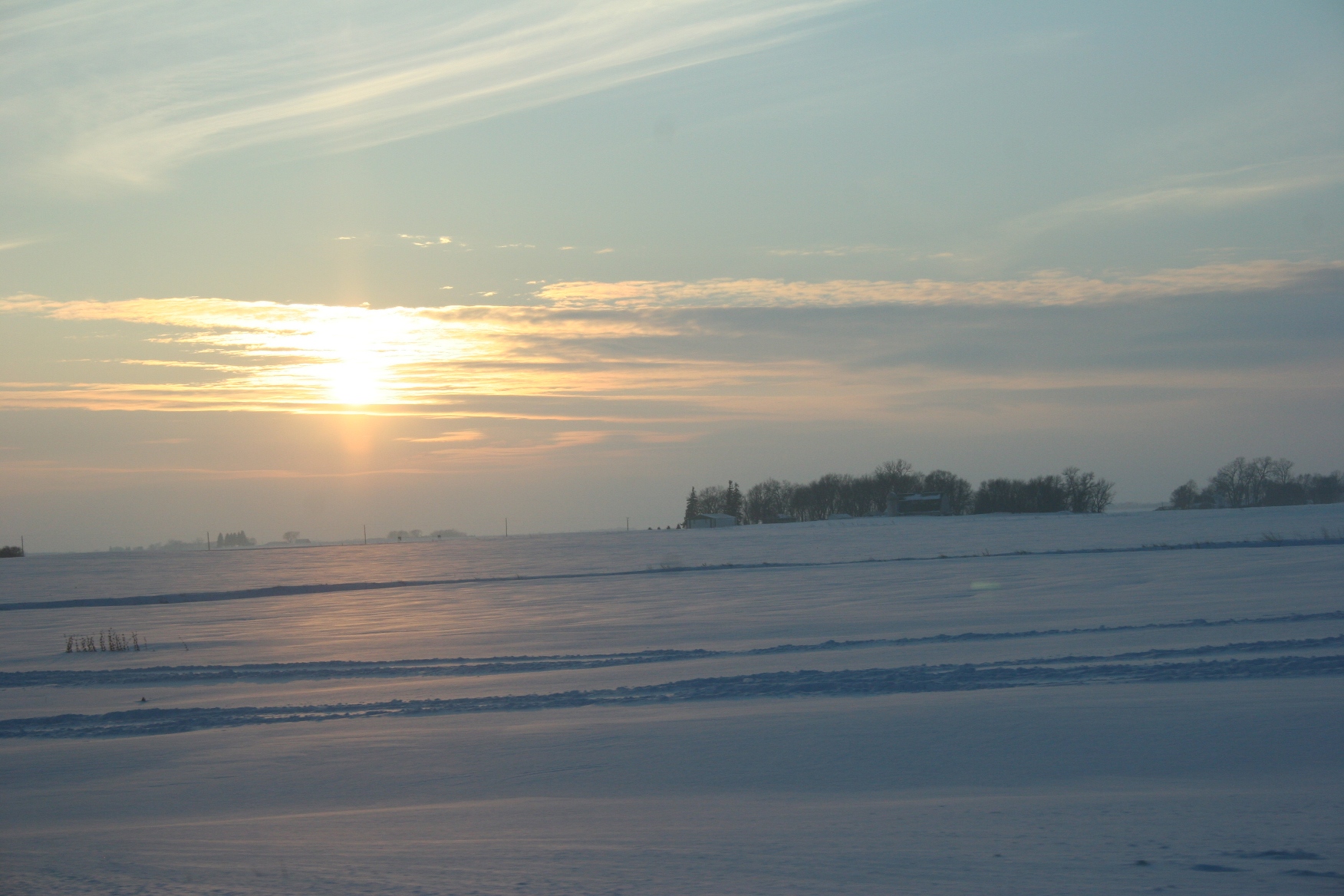
The sun begins setting over the prairie as we head west, passing through Sleepy Eye and Springfield before reaching Lamberton. We saw only occasional glimpses of sun on a mostly gray day.
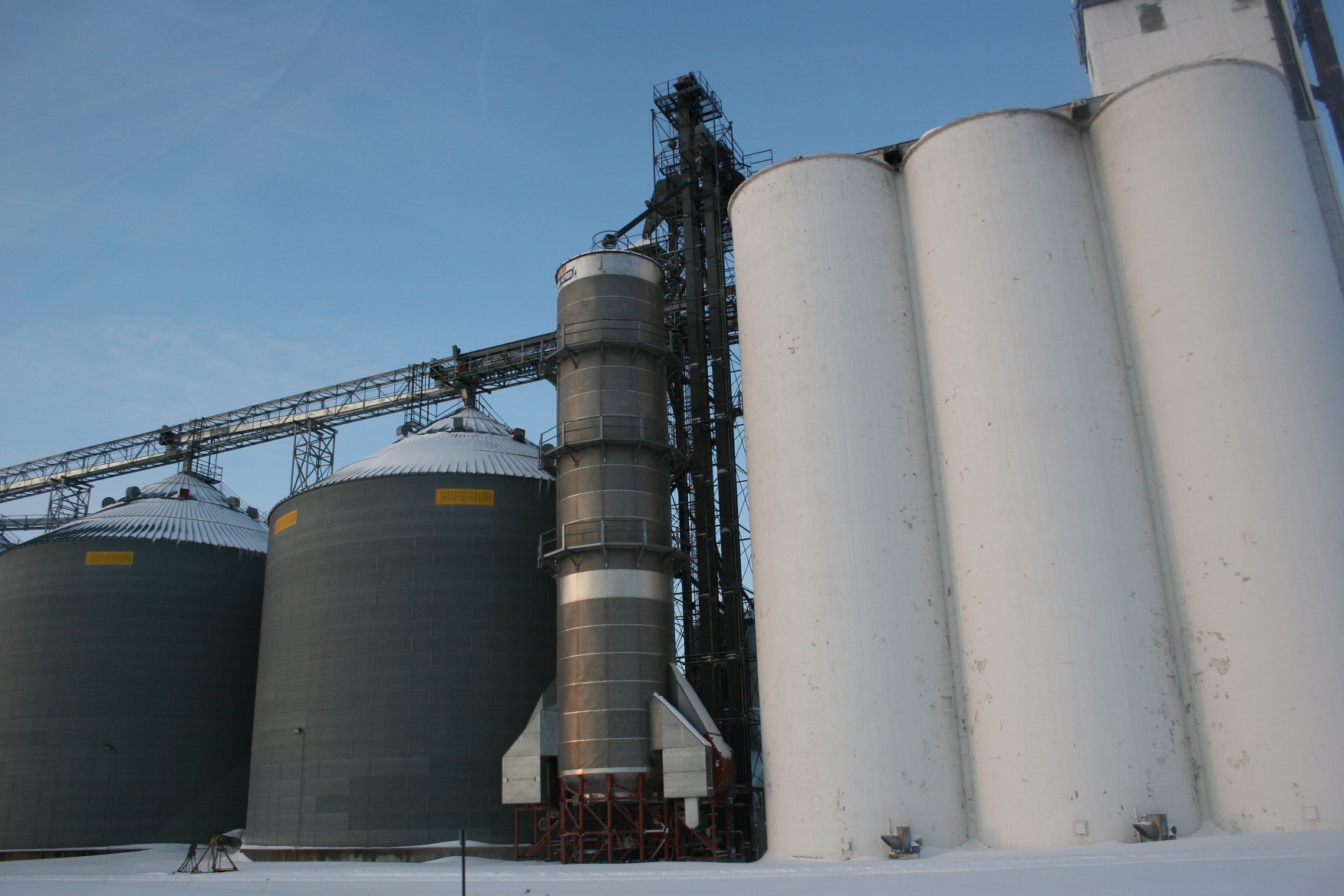
The elevators in Sleepy Eye. Small-town prairie elevators like this can be seen for miles away.
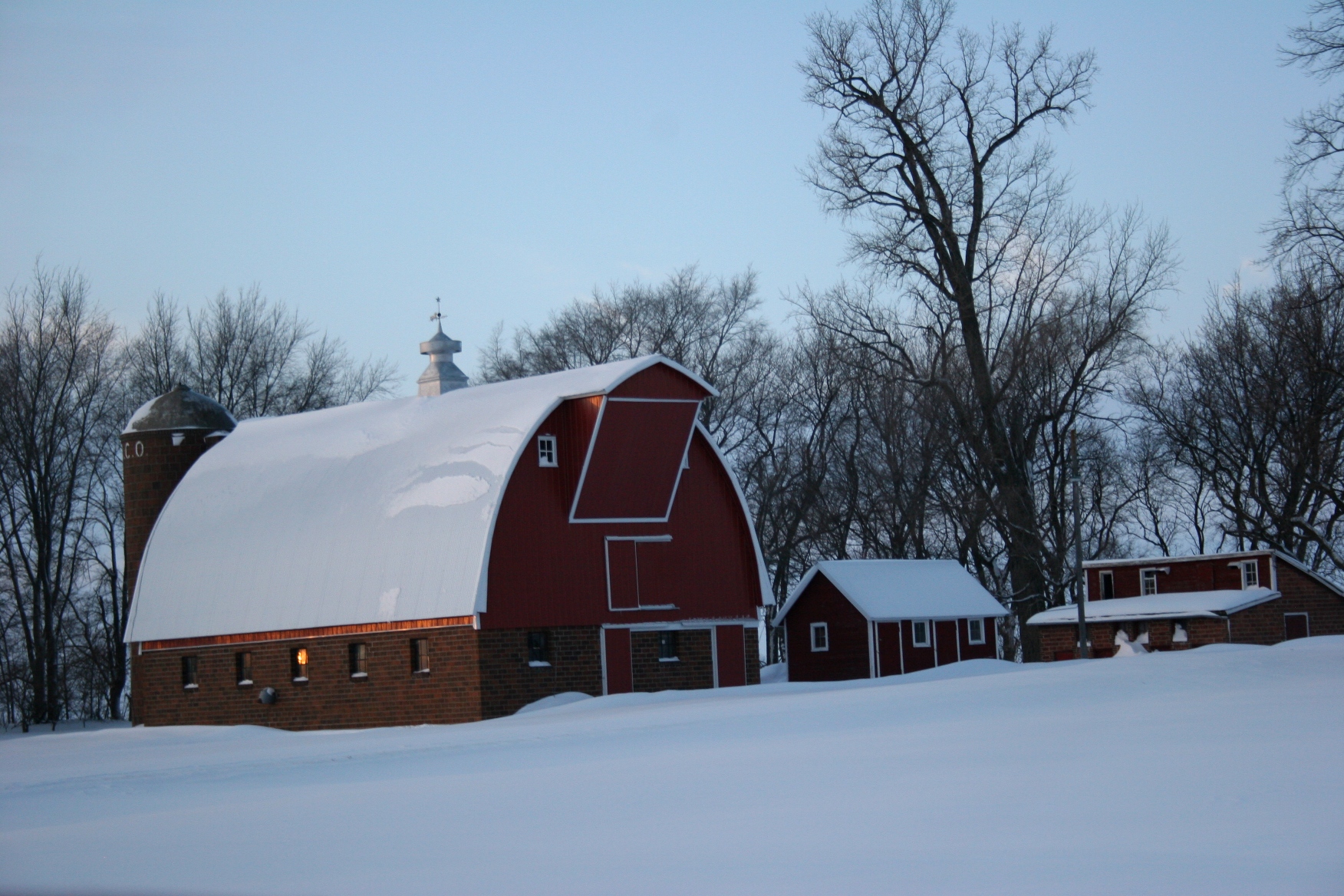
One of many picturesque barns along U.S. Highway 14.
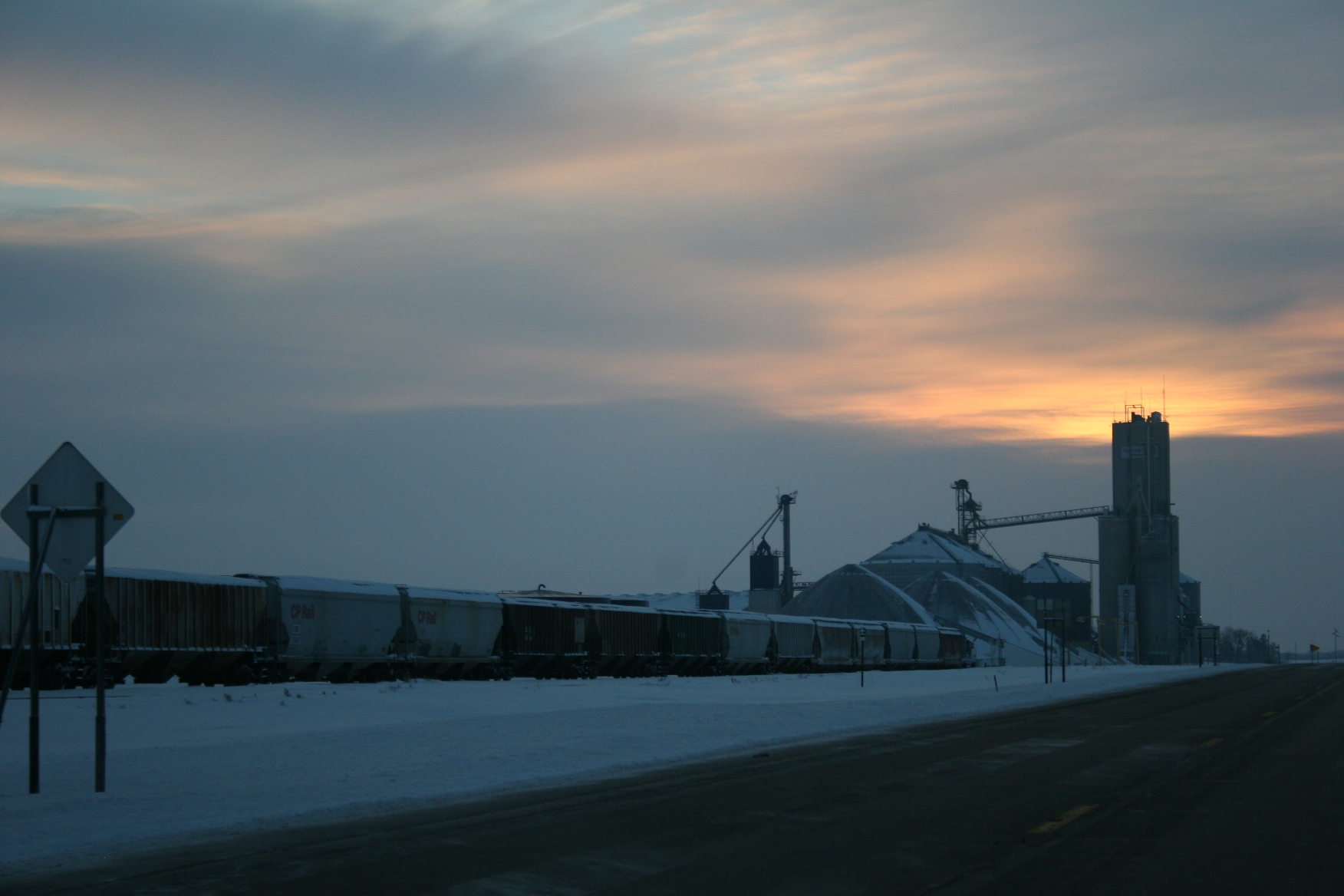
Elevators and trains are a common site along U.S. Highway 14 in the rich farmland of southwestern Minnesota. We've nearly reached our destination when I photograph this elevator complex near sunset.

© Copyright 2010 Audrey Kletscher Helbling


A questionable vintage beer ad September 18, 2010

Filed under: Uncategorized — Audrey Kletscher Helbling @ 8:27 AM
Tags: , , , ,

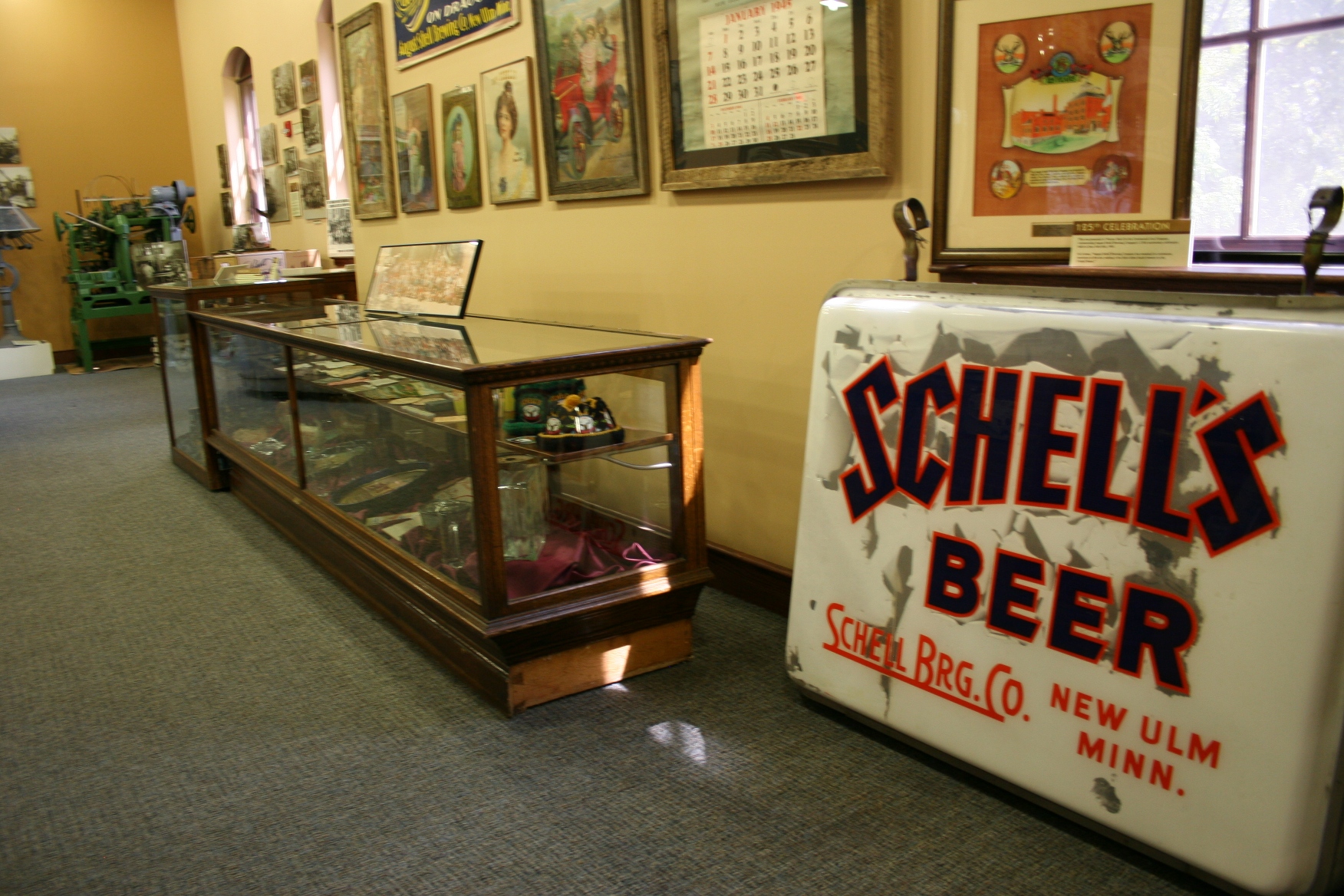
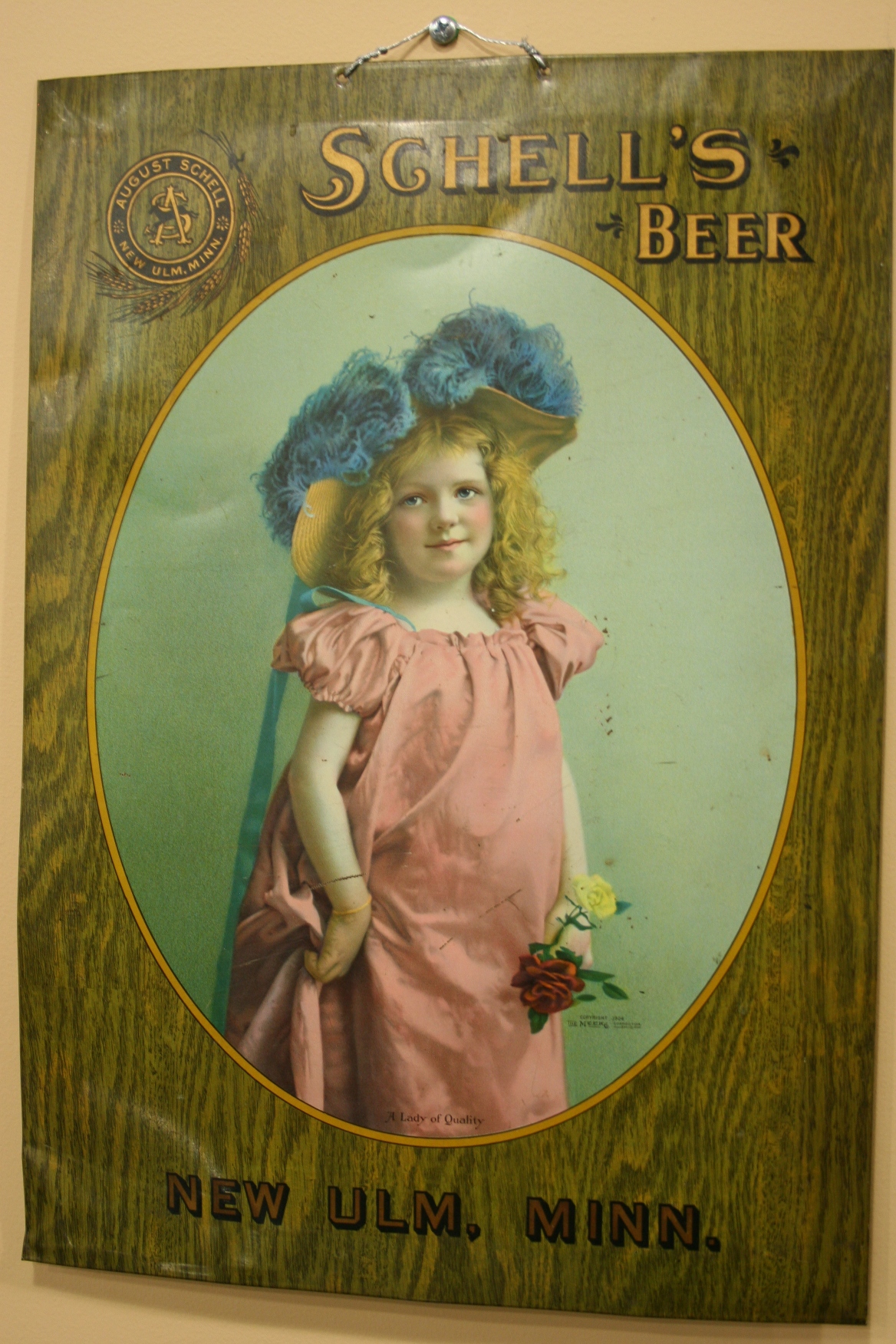
WHEN I SAW this vintage advertising signage recently at the August Schell Brewing Company Museum in New Ulm, I had to wonder, “What were they thinking?”

But I expect that back in the early 1900s, peddling beer in this manner was socially-acceptable. Can you imagine the uproar, though, if this occurred today, and rightfully so?

What you can’t read in this photo are the words directly under the girl’s image: “A Lady of Quality.” That really got me. Again, I’m certain such word choice was not considered inappropriate for that time period.

I wonder what the public will think years from now about some of our current-day ads. I’m not talking Schell’s advertising. I’m talking advertising in general.

Will anyone wonder, “What were they thinking?”

© Copyright 2010 Audrey Kletscher Helbling
 

Hunting for deer at August Schell Brewing Company September 3, 2010

Filed under: Uncategorized — Audrey Kletscher Helbling @ 7:54 AM
Tags: , , , , , ,

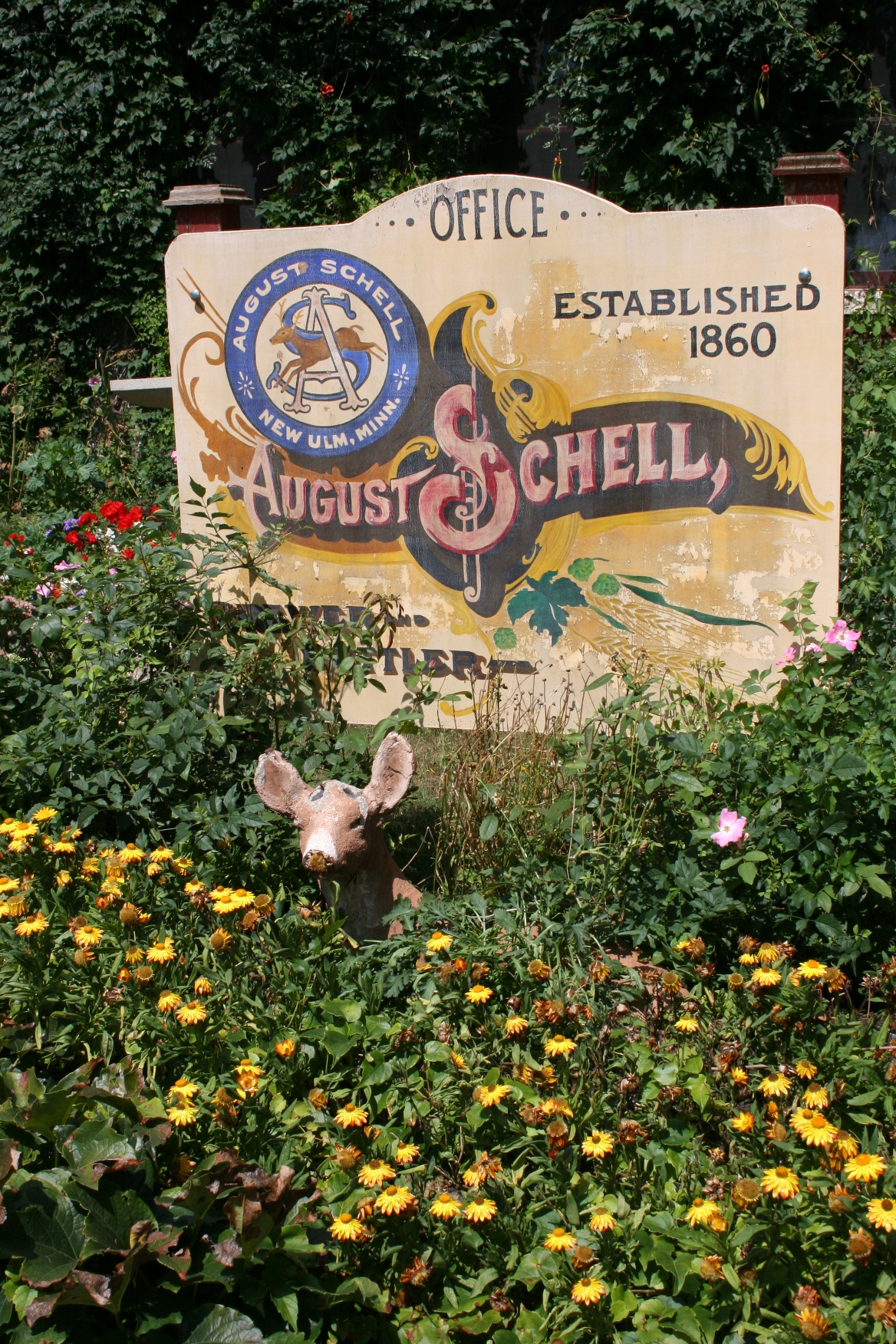
August Schell Brewing Company sign and deer by the corporate office.

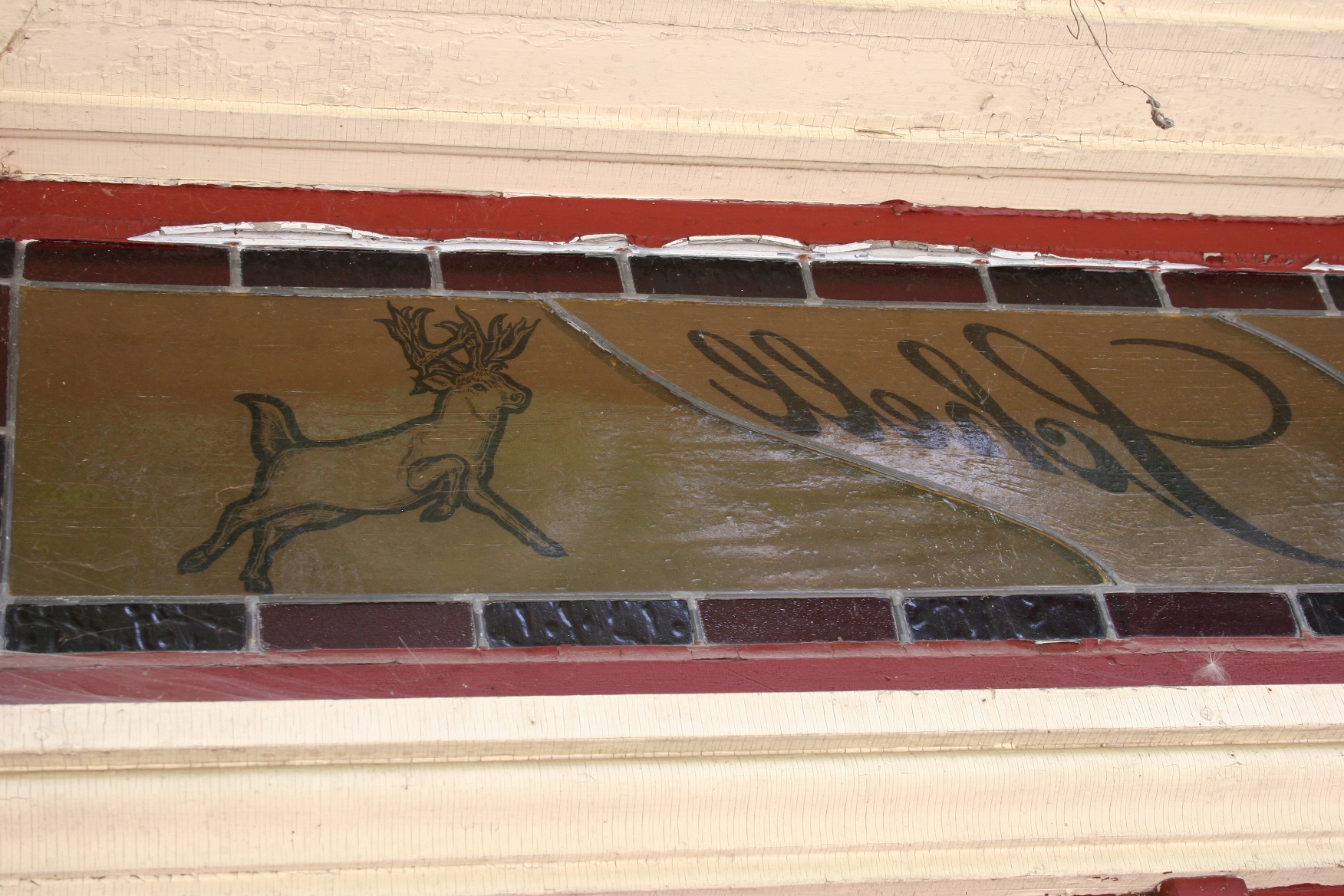
I MUST ADMIT THAT prior to my recent tour of the August Schell Brewing Company, I had never really thought about the deer image that brands this New Ulm beer.

But, as our tour guide explained, company founder August Schell loved the white-tail buck.

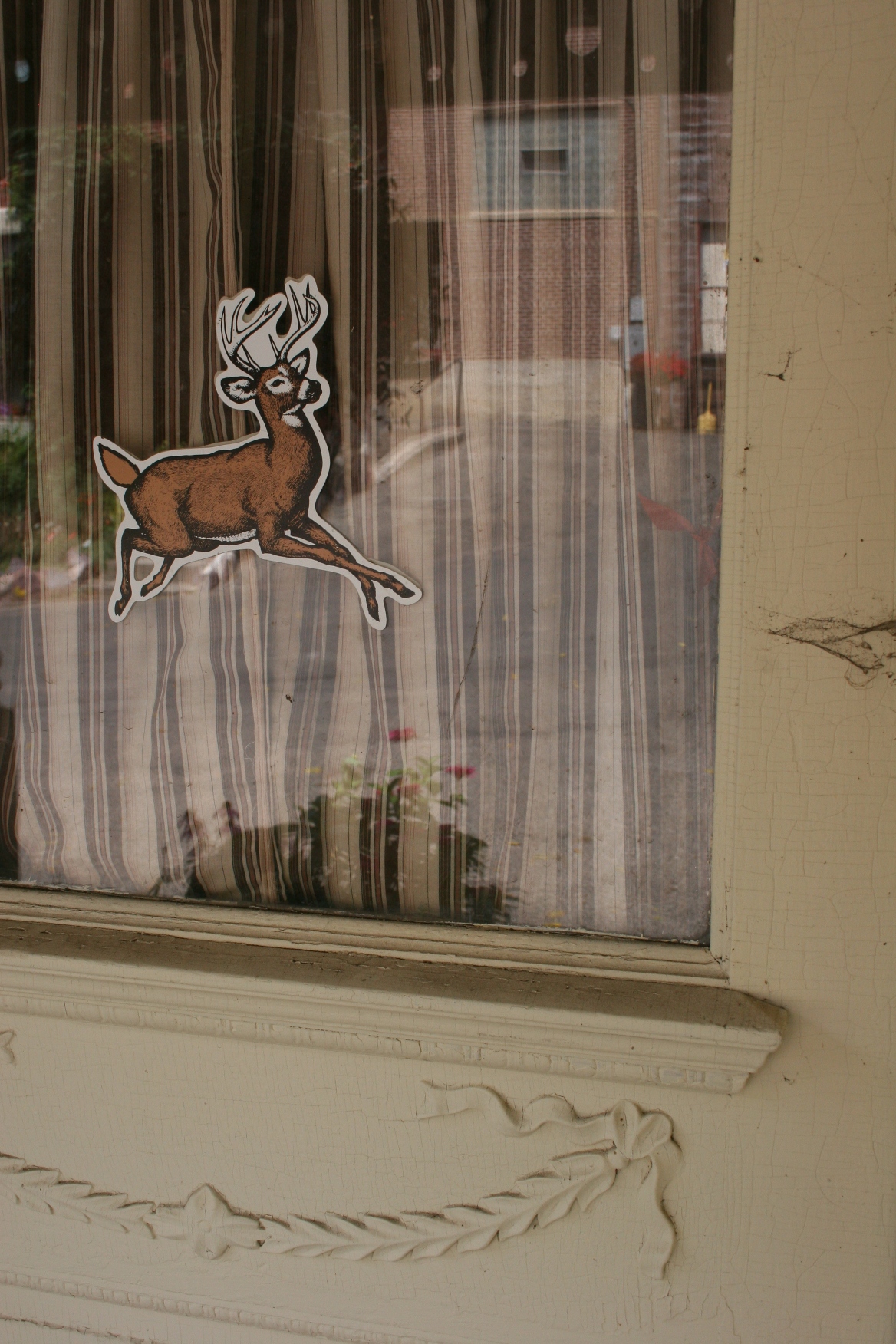
Indeed he did. Everywhere I turned and walked and looked, I saw deer on the Schell’s company grounds. Only the real deer, which typically are visible to the public, were not around because of health issues, or something like that.

All of these deer got me thinking. Maybe the brewery could add a deer “hunt” to its tours as an activity for children and teens. I bet most kids don’t find the tour all that interesting because it’s geared primarily for adults. A deer scavenger-type hunt would provide an entertaining diversion for the younger generation, or for all ages. I saw grandparents with their grandchildren and I’m certain the elders would welcome a cross-generational activity like this.

So here’s my idea: Create a printed sheet of historical facts that lead to various deer on the grounds. For example, one clue might be “Welcome to the Black Forest, a re-creation of August Schell’s homeland.”

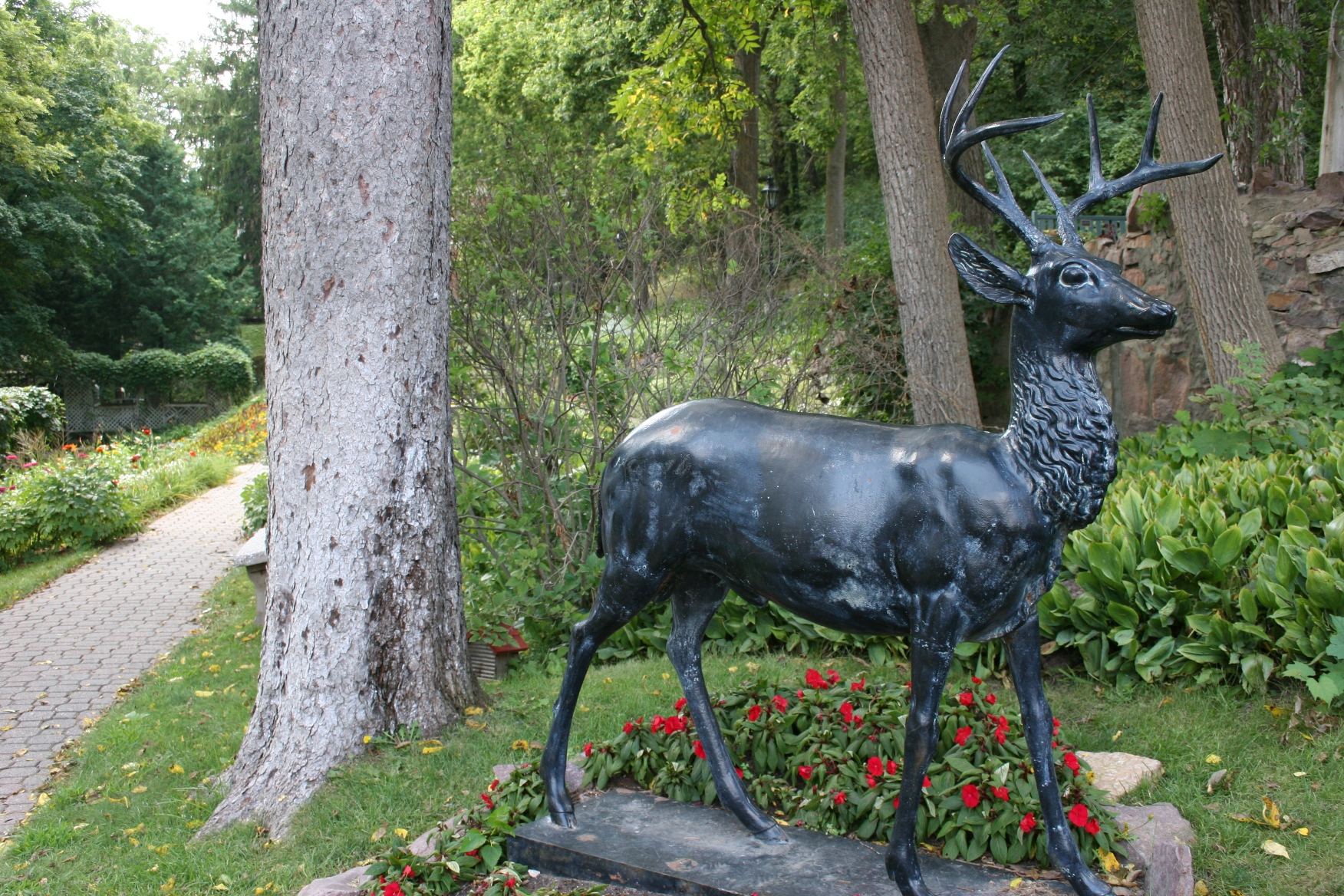
A stately buck statue stands on the edge of the wooded area which resembles August Schell's native Black Forest.

Or: Only the Schell’s company president can live here.

A deer image above an exterior door on the Schell's retirement mansion, where only the president may live.

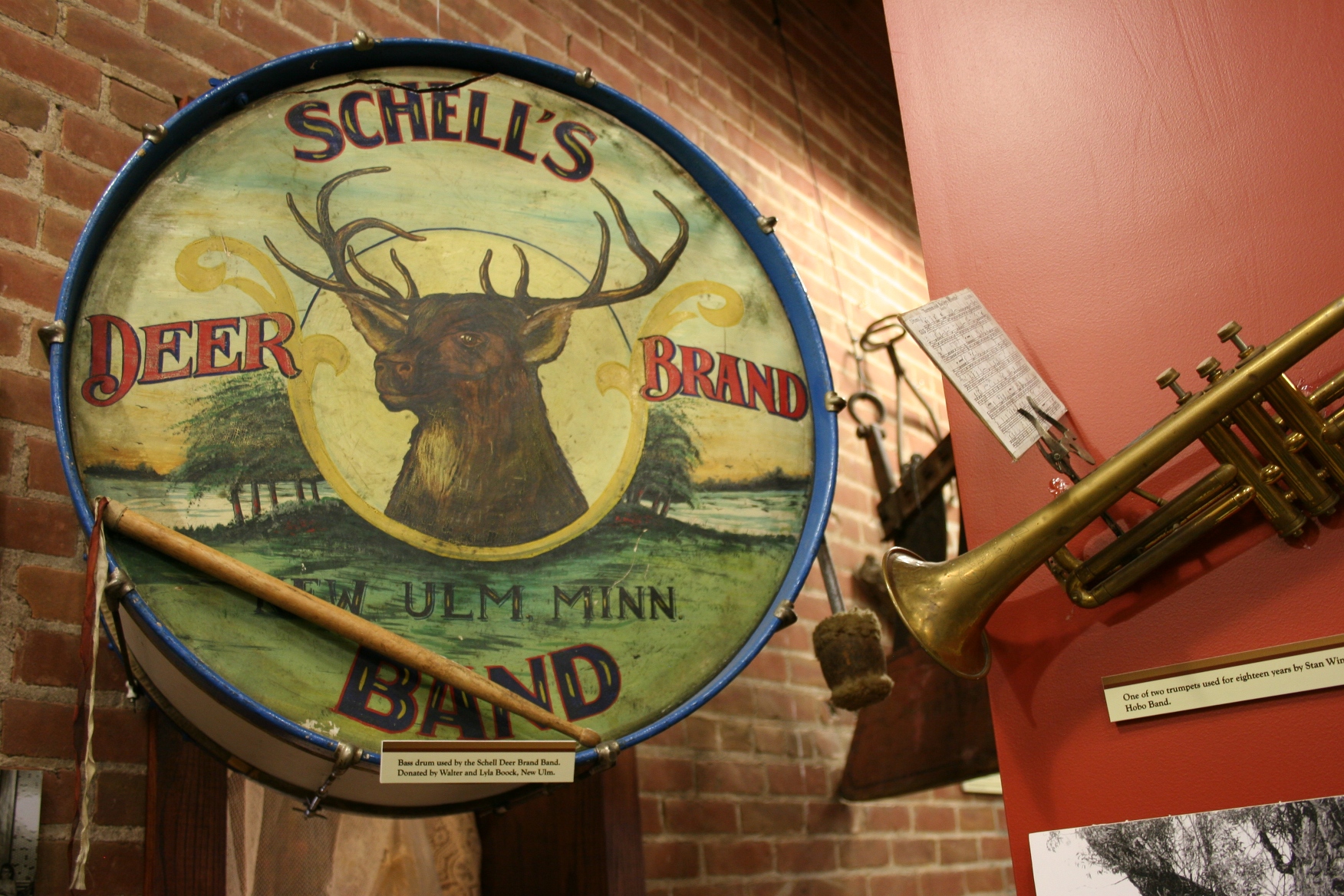
Or: Land a bass when you find this deer.

A Schell's Hobo Band bass drum in the brewery museum.

Game participants would search for the deer, all the while learning about Schell’s and its history. And the brewery would be imprinting the deer brand upon the unsuspecting guests.

Of course, to reward the deer hunters, Schell’s could offer some little deer-stamped trinket to be claimed in the gift shop after the hunt.  (That would increase gift shop traffic, which could also increase sales.) The kids would be happy. The parents and grandparents would be happy.

What do you think? Should Schell’s give my idea a shot?

A deer-branded 150th anniversary beer mug in the gift shop.

A Schell's deer emblem on the door of the house that once was home to brewery workers during the company's early years.

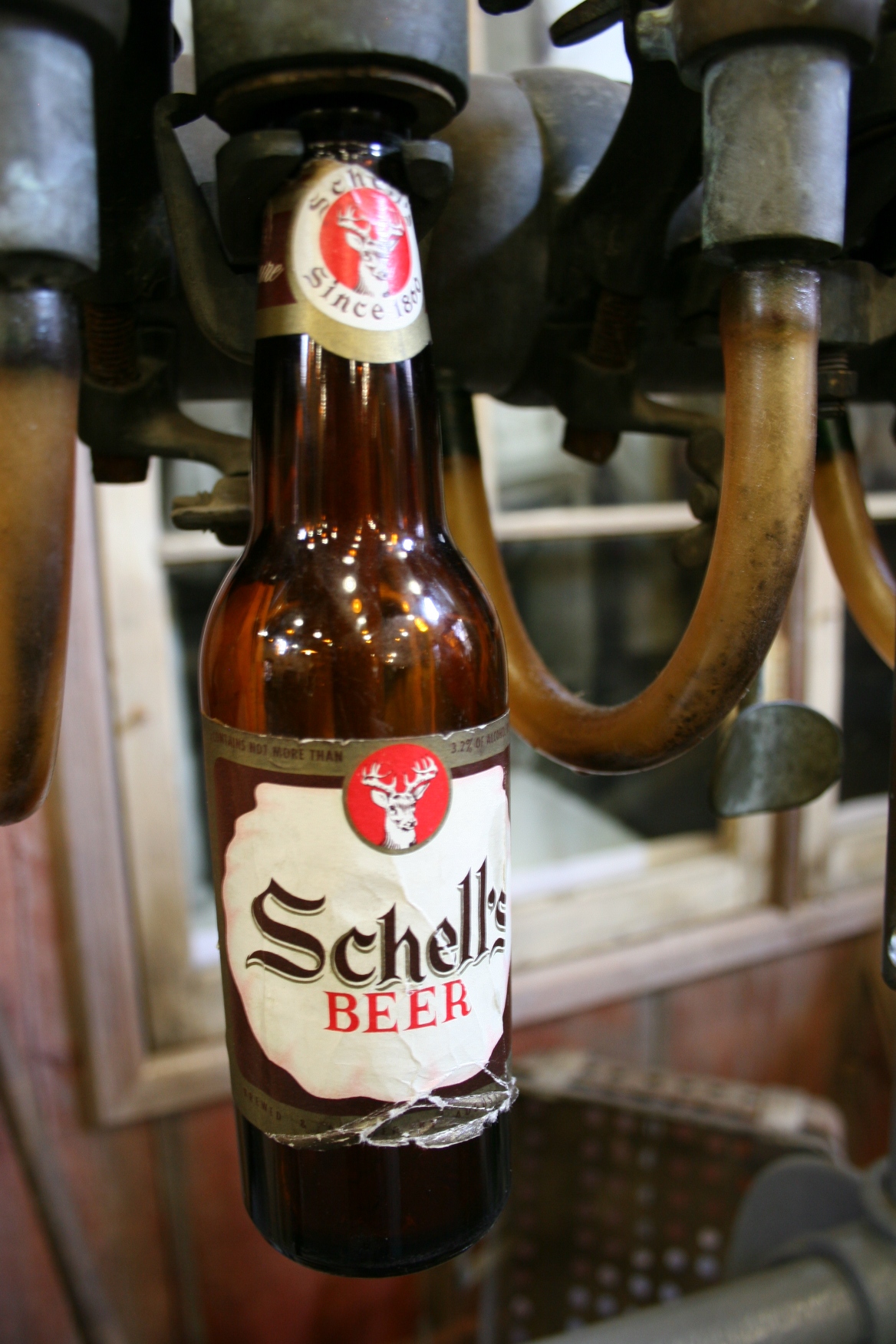
Bottling Schell's deer beer, a museum display.

A successful hunt: Deer antlers form a light in the commons area that links the gift shop and museum on the main floor.

FYI: MANY DEER, a whole herd actually, also can be found in the Schell’s hospitality room. But because that room, where beer is served, remains closed except during the tour or for special occasions, none of those deer are included in my proposed hunt. But if they were, here’s one of the more interesting bucks:

A carved deer light in Schell's hospitality room.

AS A SIDE NOTE, in the book Land of Amber Waters: The History of Brewing in Minnesota by Doug Hoverson, you’ll find a photo of the original Schell’s family home, today the company office. Look closely at that image on page 35 and you’ll see deer antlers stuck on the front of the brick house, between the front first and second floor windows.

© Copyright 2010 Audrey Kletscher Helbling
 

The football-playing gnomes of New Ulm August 31, 2010

Filed under: Uncategorized — Audrey Kletscher Helbling @ 7:12 AM
Tags: , , , , ,

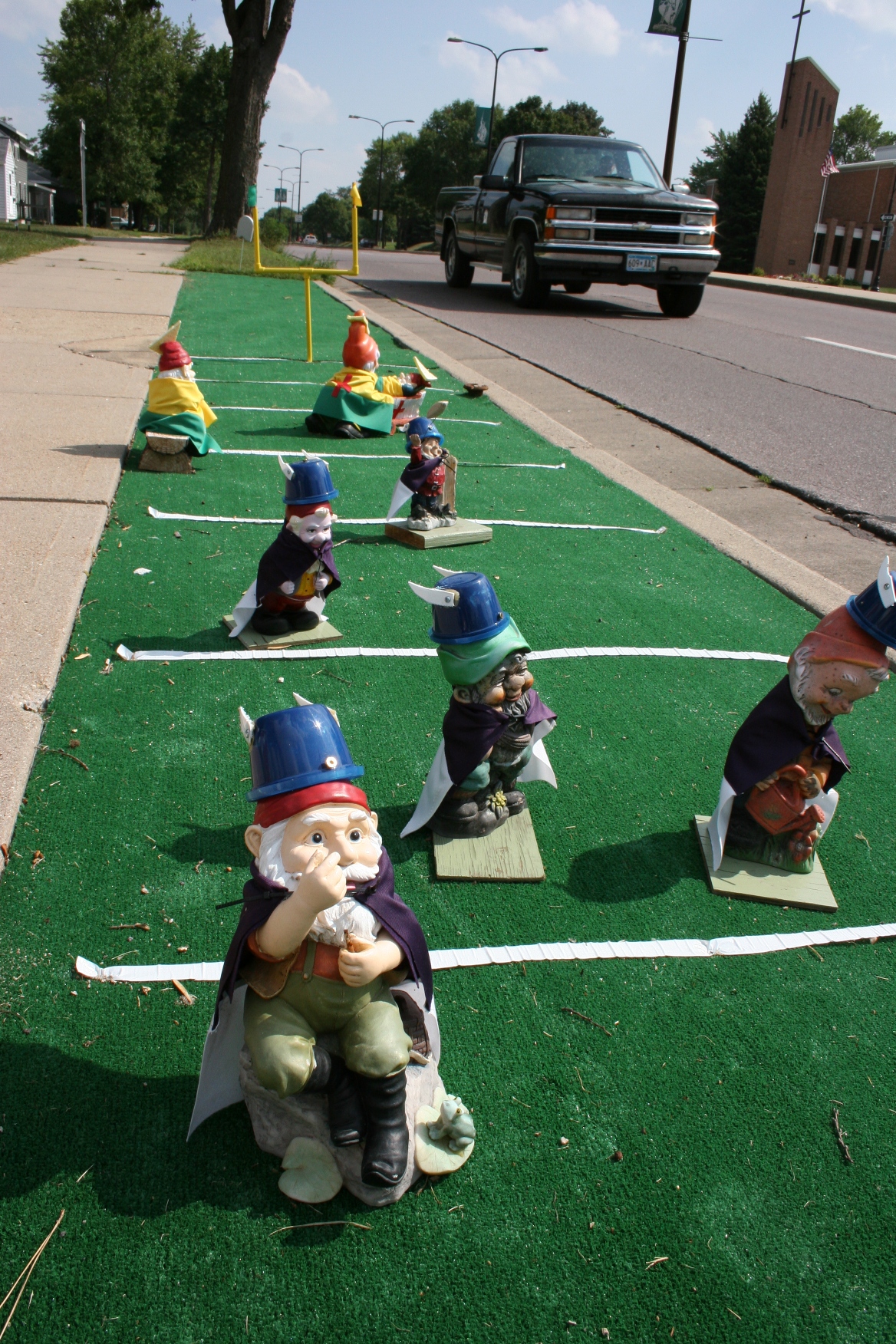
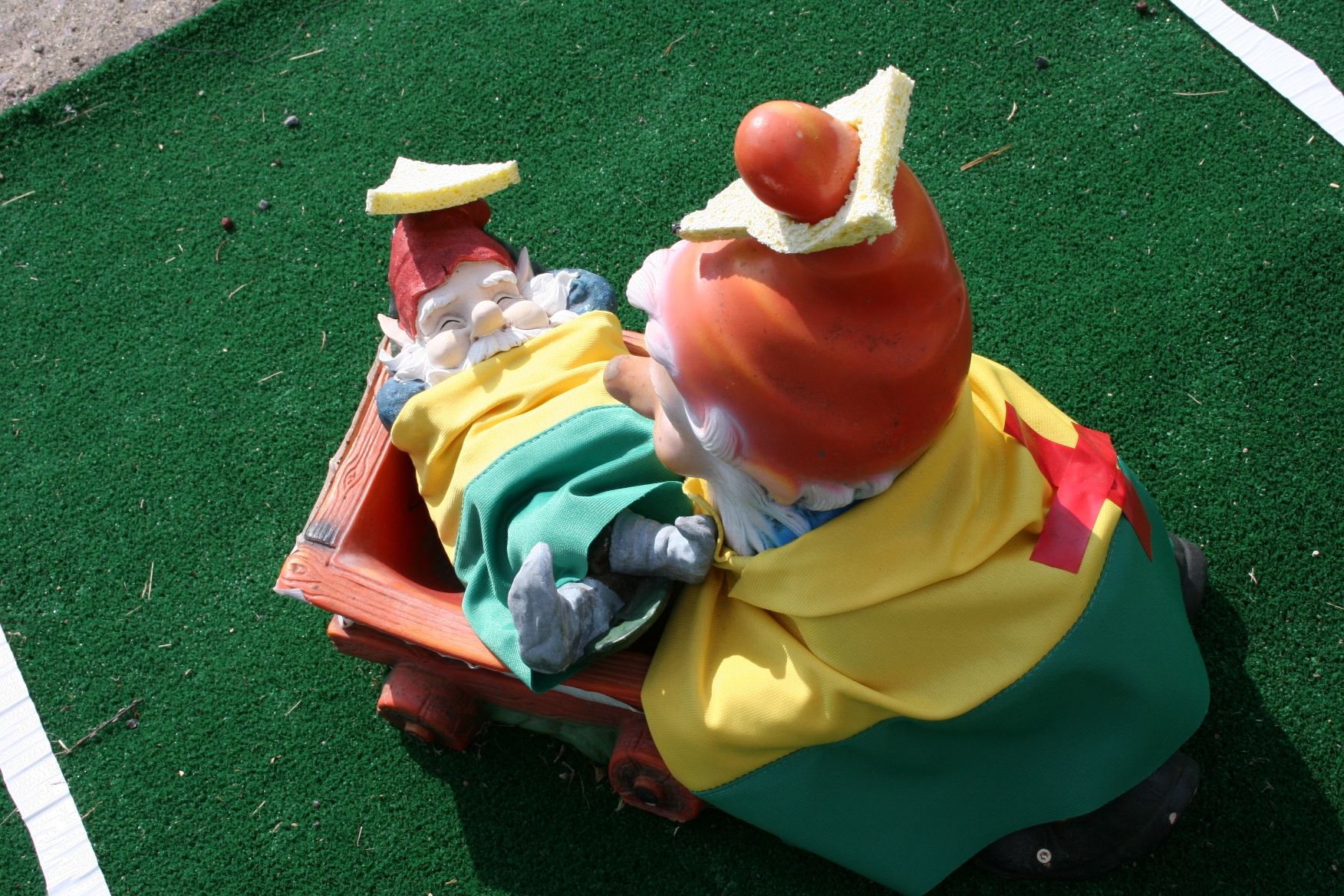
Gnomes line a section of boulevard along S. Broadway Street in New Ulm.

IF YOU’RE ZIPPING along Broadway Street in New Ulm, you might not notice the gnomes strategically lining a stretch of boulevard turf between South Sixth and Seventh Streets. Or if you do spot them, you might wonder, “What the heck was that?” And you’d likely keep right on driving.

But not me. I stopped to check out the gnomes on a recent visit to this German city that seems overrun with these curious little legendary elfins that supposedly live in the depths of the earth and hoard treasures.

The Broadway gnomes aren’t your ordinary gnomes, although at least half of them appear to be treasure-hoarders. More on that later.

Rather, these elfins comprise two football teams—the Minnesota Vikings and their archrival, The Green Bay Packers.

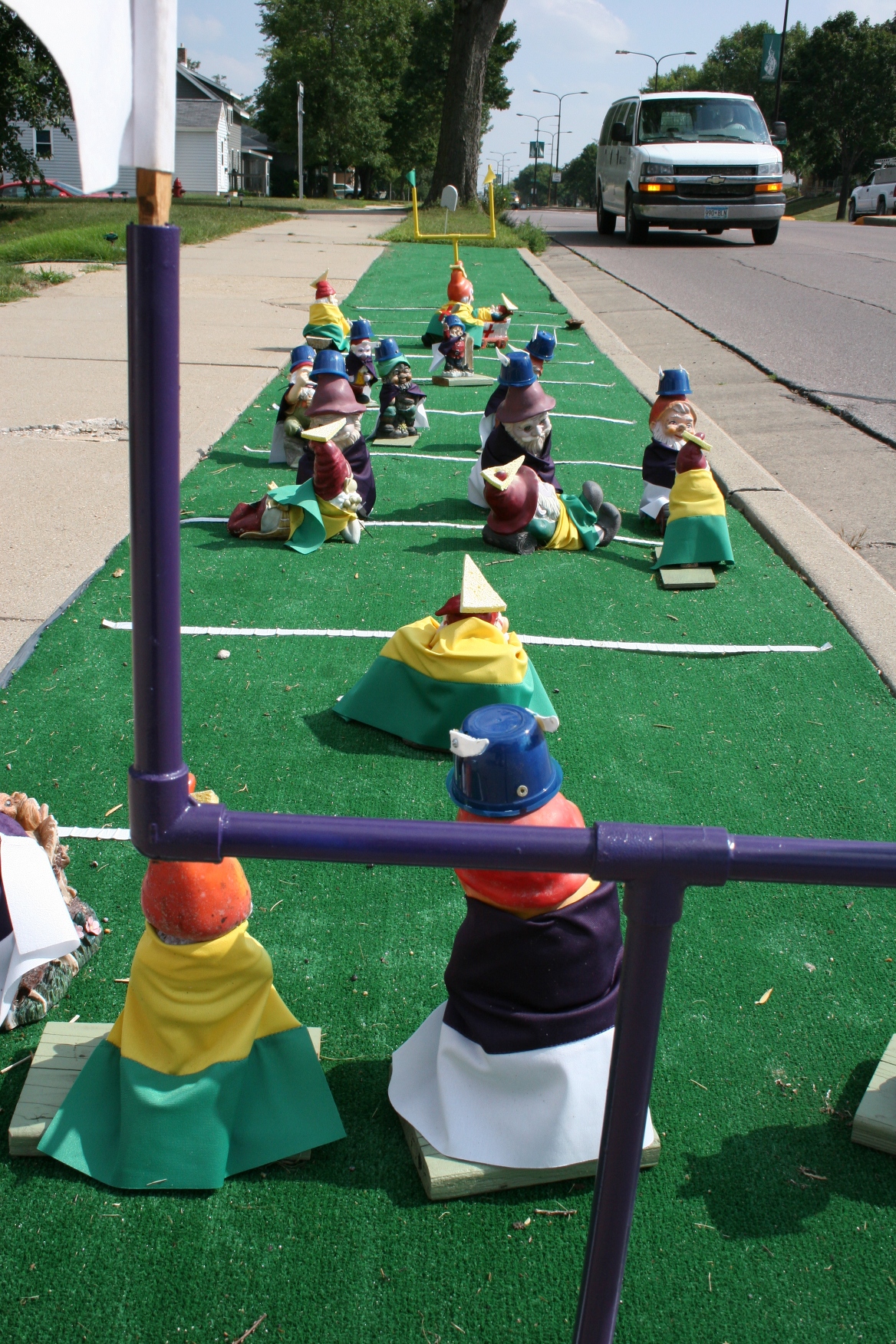
The Minnesota Vikings and The Green Bay Packers play football on a stretch of artificial turf along Broadway.

The creator of this curious football game has distinguished the teams by draping gnomes in purple capes and in green and gold capes. The Vikings sport homemade “helmets” that are more blue hats with tacked on horns than purple helmets. And The Packers appear to be wearing sponges, AKA protective cheese slices, atop their helmet-less heads.

But, hey, I give this sports artist an “A” for creating an original and durable work of roadside art.

This isn’t exactly the safest place to play football, though, I quickly learn as I crouched to take photos just feet away from the heavy traffic. One topple or misstep and I’d find myself sidelined with an injury, or worse.

I see a few tackled, injured, or maybe just wind-blown, Packers lying on the turf. A medic is even carting one off the field. I wonder if, occasionally, a Wisconsinite walks by and covertly knocks over a Vikings gnome. Come to think of it, I didn’t check to see if the football players are secured in place.

An injured Green Bay Packers gnome is carted off the field.

But of one fact I’m certain, these green-and-yellow outfitted football-playing gnomes remain true to their hoarding nature. They’re guarding their treasure, keeping the Vince Lombardi trophy away from the Scandinavian gnomes in this German city.

#

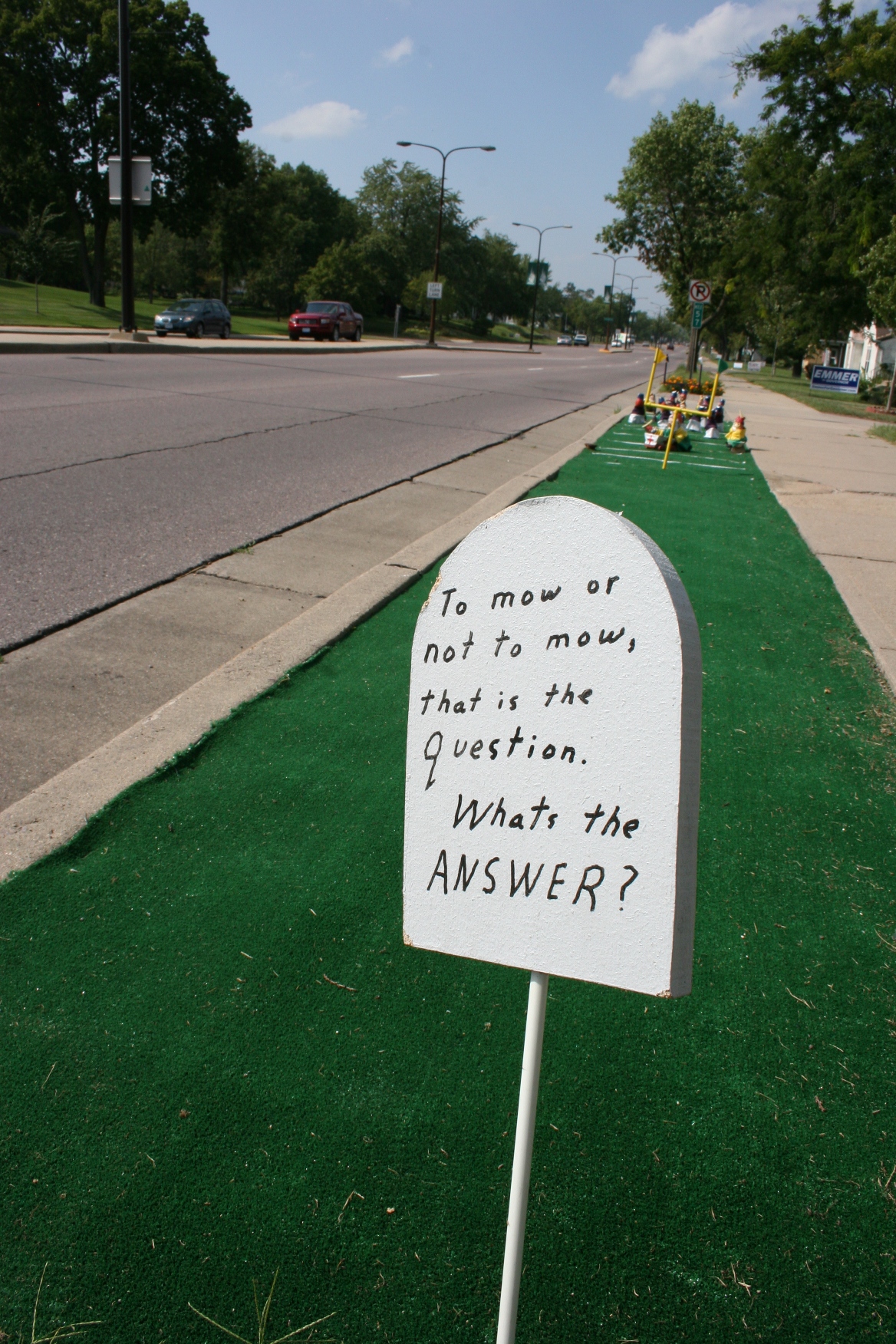
AT THE END of the football field, I discovered this sign: “To mow or not to mow, that is the question. Whats the answer?”

A homeowner makes a statement along a New Ulm boulevard.

Is the sign designer making a literal statement about mowing grass here? (I wouldn’t feel safe mowing this close-to-the-busy-busy-roadway boulevard.)

Or is the writer making a statement about the need for a new open-air football stadium with real grass versus artificial turf?

#

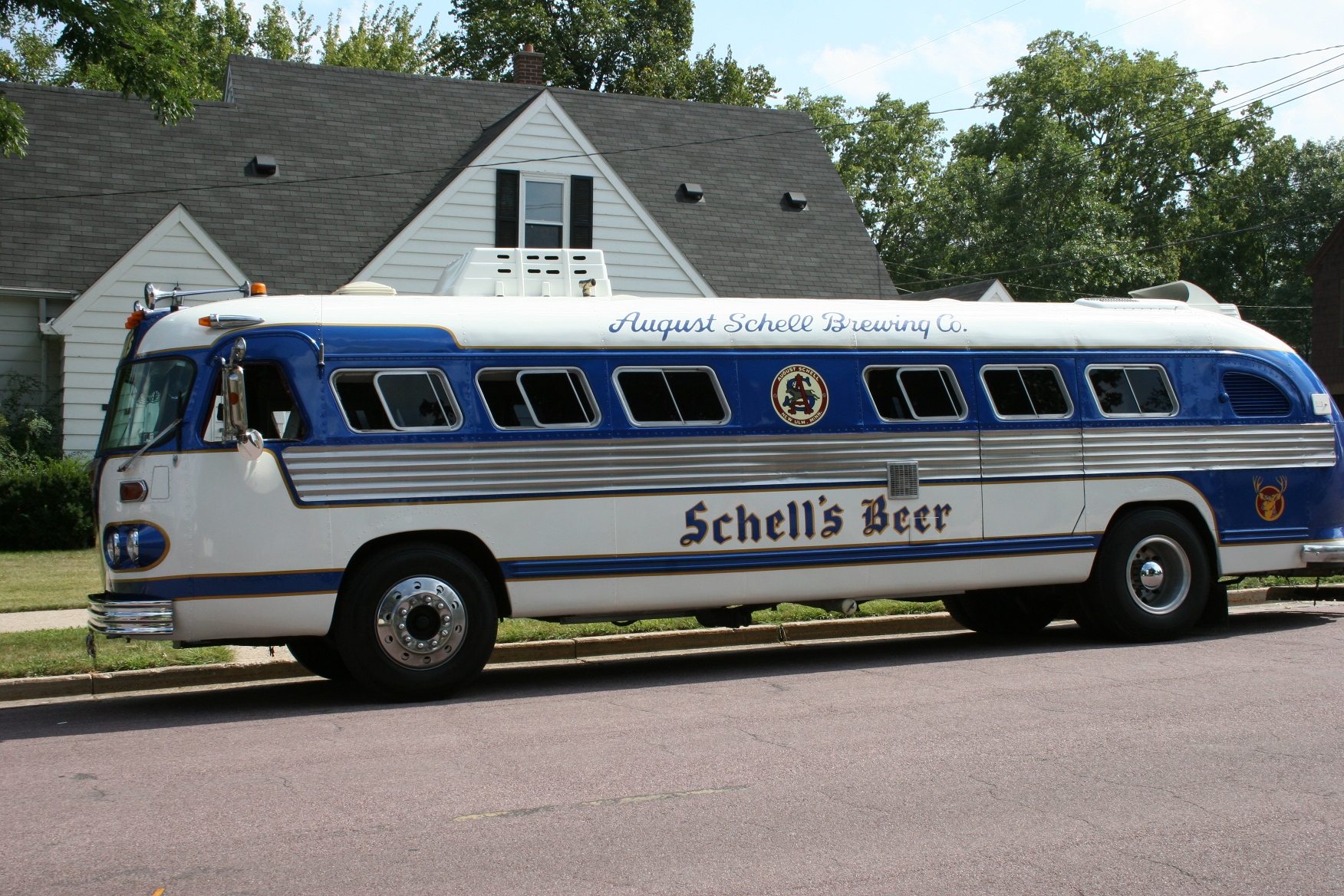
THEN, COINCIDENTALLY (or not), just around the corner from the Broadway football field, I spied this (team?) bus.

The Schell's beer bus was parked near Broadway Stadium.

© Copyright 2010 Audrey Kletscher Helbling
 

Learn a little history, drink a little beer on the August Schell Brewing Company tour August 28, 2010

Filed under: Uncategorized — Audrey Kletscher Helbling @ 8:45 PM
Tags: , , , , , ,

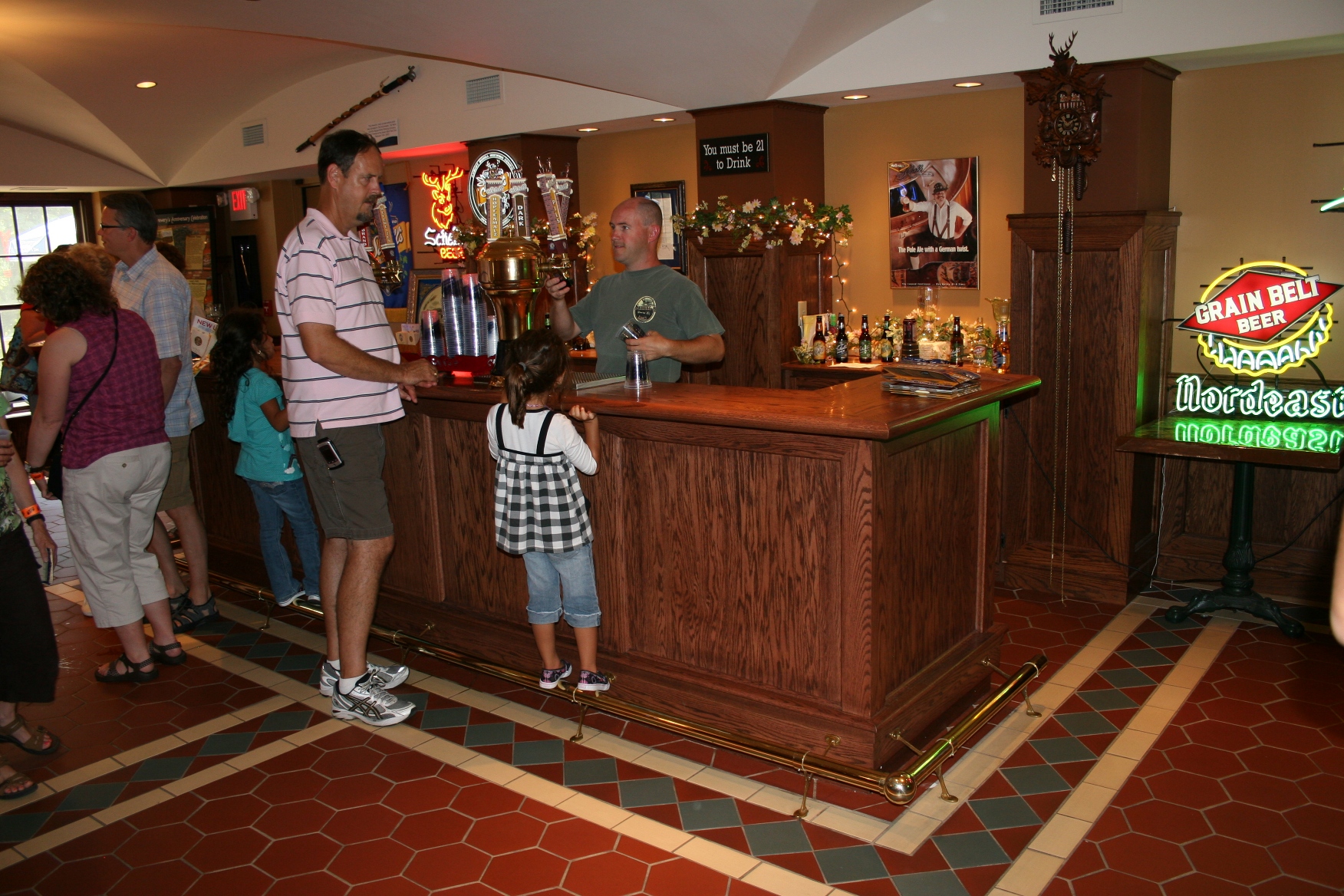
Visitors line up for free tap beer or 1919 root beer following a Schell's brewery tour.

“OK, LET’S DRINK some beer,” our tour guide Matt says, pulling six-packs from a walk-in cooler and distributing bottles among tables in the hospitality/tap room of August Schell Brewing Company.

But before we pour and swig, our bartender instructs us to fill our plastic cups only to the black line, meaning we’ll get about 1 ½ ounces of beer per sample.

On this steamy summer day, the beer goes down fast among the adults who’ve just toured this second oldest family brewery in the United States.

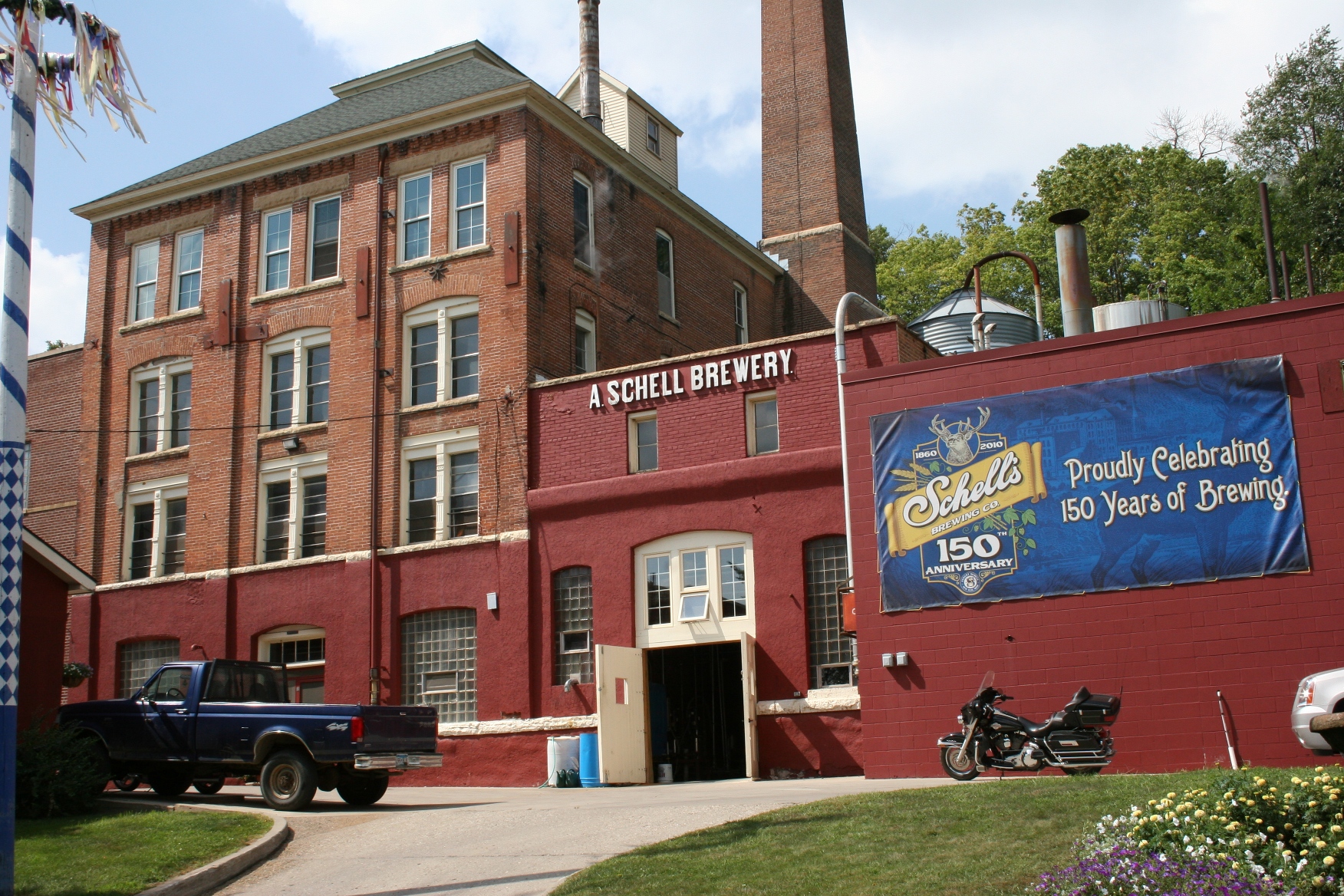
The Schell's brewery is celebrating 150 years in business.

Schell’s has been a New Ulm mainstay since 1860, this year celebrating 150 years in the beer business. That fact surfaces repeatedly during the tour and during the beer tasting session when we are served Hopfenmalz, an amber lager style beer selected by popular vote as the company’s 150th anniversary beer. Matt also passes out other Schell’s beers like Hefeweizen, Pils and Dark, which “isn’t heavy in any way,” but earns the name because of its dark color, he says.

Given the “dark” label, I wouldn’t have tried this beer. Our guide is right, though. Schell’s Dark doesn’t taste dark and this is a beer even I’ll drink.

A sip of Hefeweizen, however, causes me to screw up my face and wish I could toss the sample. Instead, I grab another cup, abandoning the beer “with a beautiful balance of cloves and banana flavors.” I prefer bananas in banana bread, not beer, thank you.

That aside, I’ve enjoyed this historic tour of the brewery tucked in the woods along the banks of the Cottonwood River. The site was carefully selected by August Schell, the flour mill machinist turned brew master, for its natural beauty, artesian springs and riverside location.

Schell was recreating his home in Durbach, Germany, our guide says. I don’t ask, but from what I know of this area in the 1860s, few trees grew here, not exactly like the Schwarzwald back in Deutschland. Perhaps that explains why Matt later tells us that Schell brought pines here from the Black Forest.

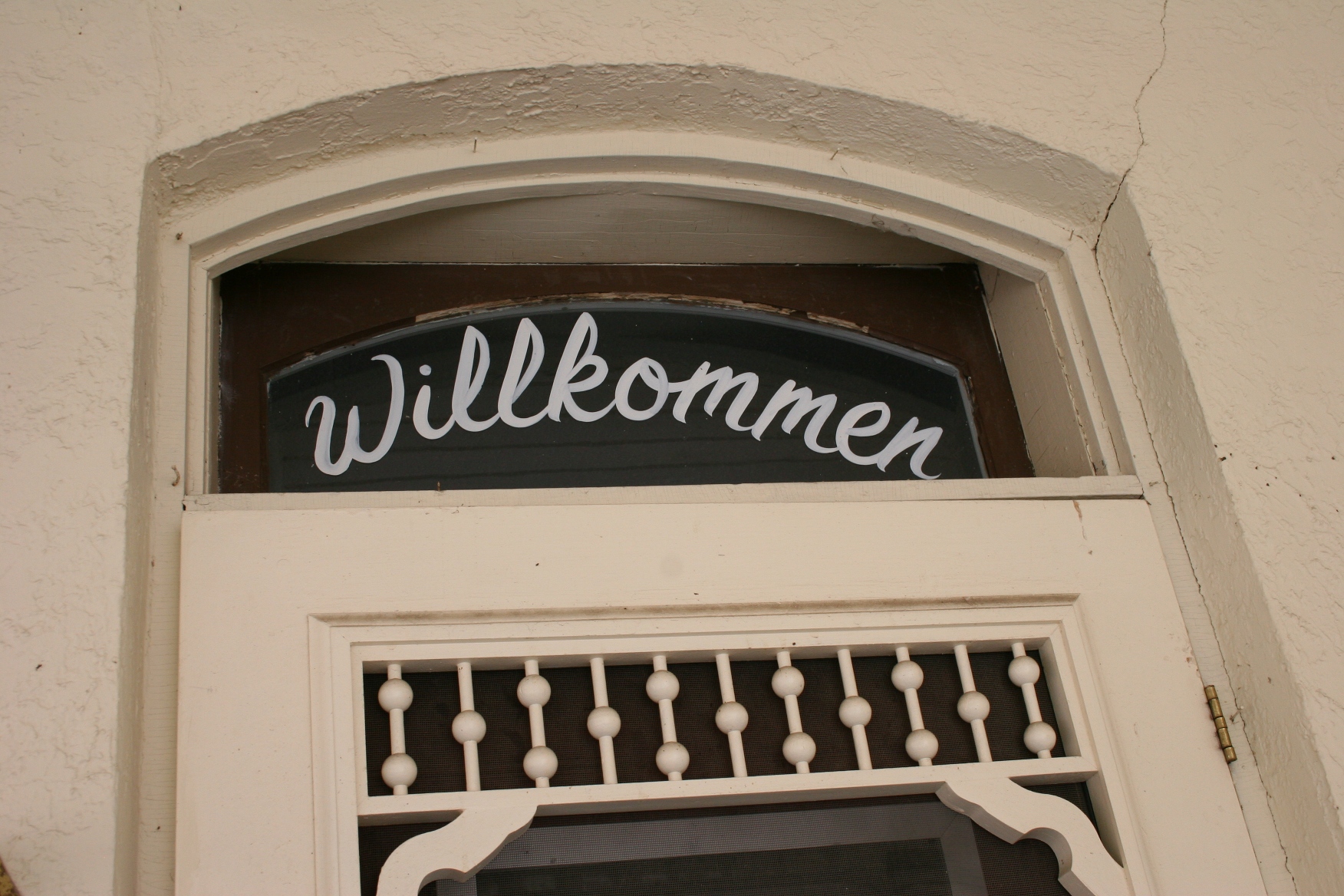
German words can be found in numerous locations at the brewery, including this welcome sign above the doorway to the house once occupied by the Alfred Marti family. Just don't ask your guide to interpret the German.

He also informs us that caves were hand-dug under the brewery, into the hill and under our feet. We are standing on a paved area between two old brick homes and the original family home, now the current-day corporate office. Beer and ice, harvested from the Cottonwood River, were stored in the caves.

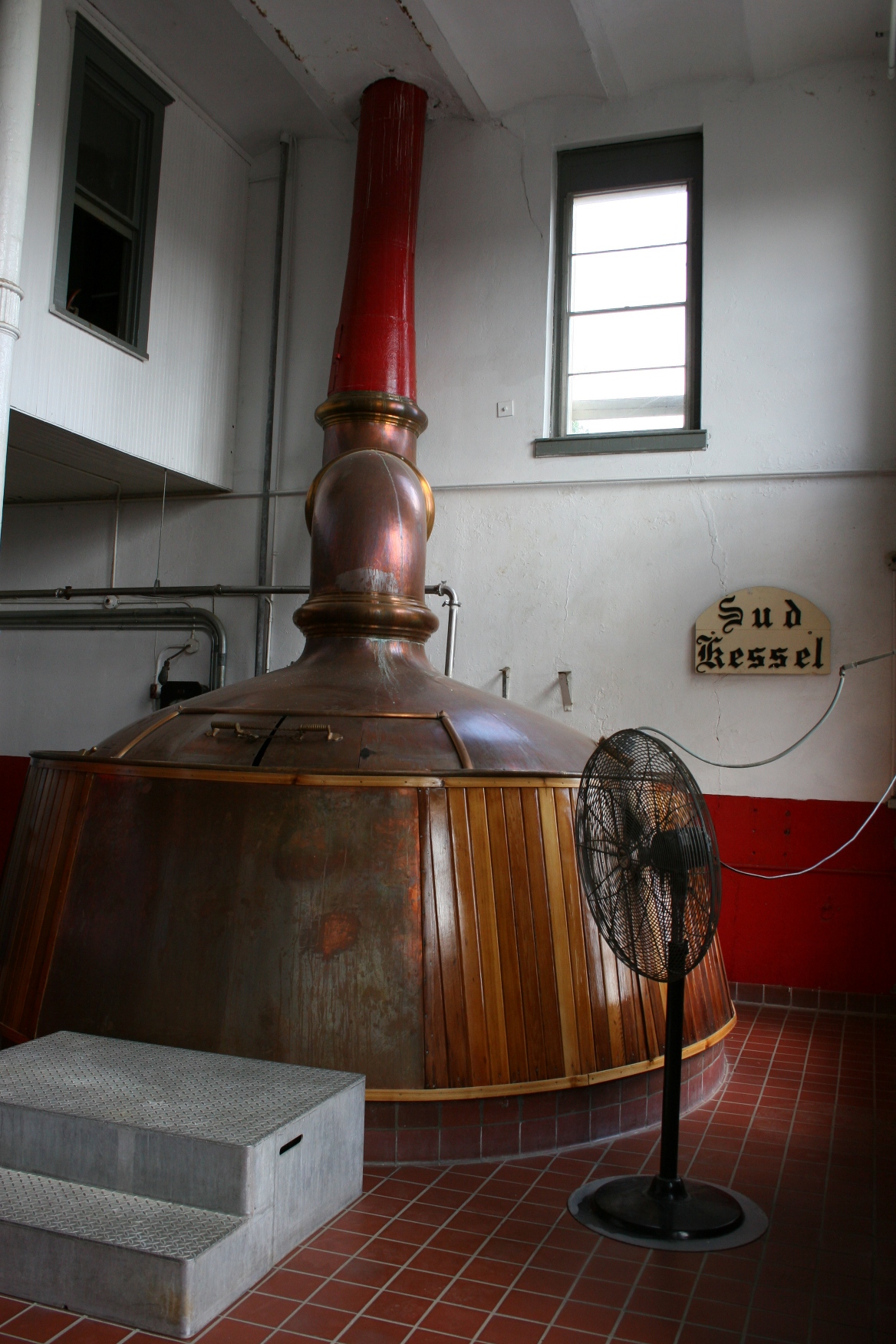
Disappointingly (but understandably), we don’t see any of today’s modern beer-making operation, only Schell’s traditional 1860s brew house, used until 1999. Here we view a hand-hammered copper vessel, Sud Kessel, purchased for $25,000 in 1895. It holds 3,500 gallons of beer, which translates to 38,000 12-ounce bottles or cans. Now that’s a lot of beer.

This is the only peek you'll get of the beer-making process: Schell's vintage Sud Kessel, used from 1895 - 1999.

But you can’t buy any beer at the brewery, our guide says, because it’s against the law to sell it on-grounds. The samples and a 12-ounce glass of beer or Schell’s 1919 root beer come with the $3 tour fee.

Plenty of history also comes with the guided tour and a visit to the company museum.

The Schell's museum is jam-packed with plenty of information, memorabilia and, yes, even beer bottles.

Among the more interesting facts I learned are these:

  • After the death of her husband, Emma Marti ran the brewery for six years until 1940. As our guide emphasizes, for a woman to run a brewery in that time period certainly ranked as unique. Perhaps Schell’s ought to name a beer in Emma’s honor. Or have they?
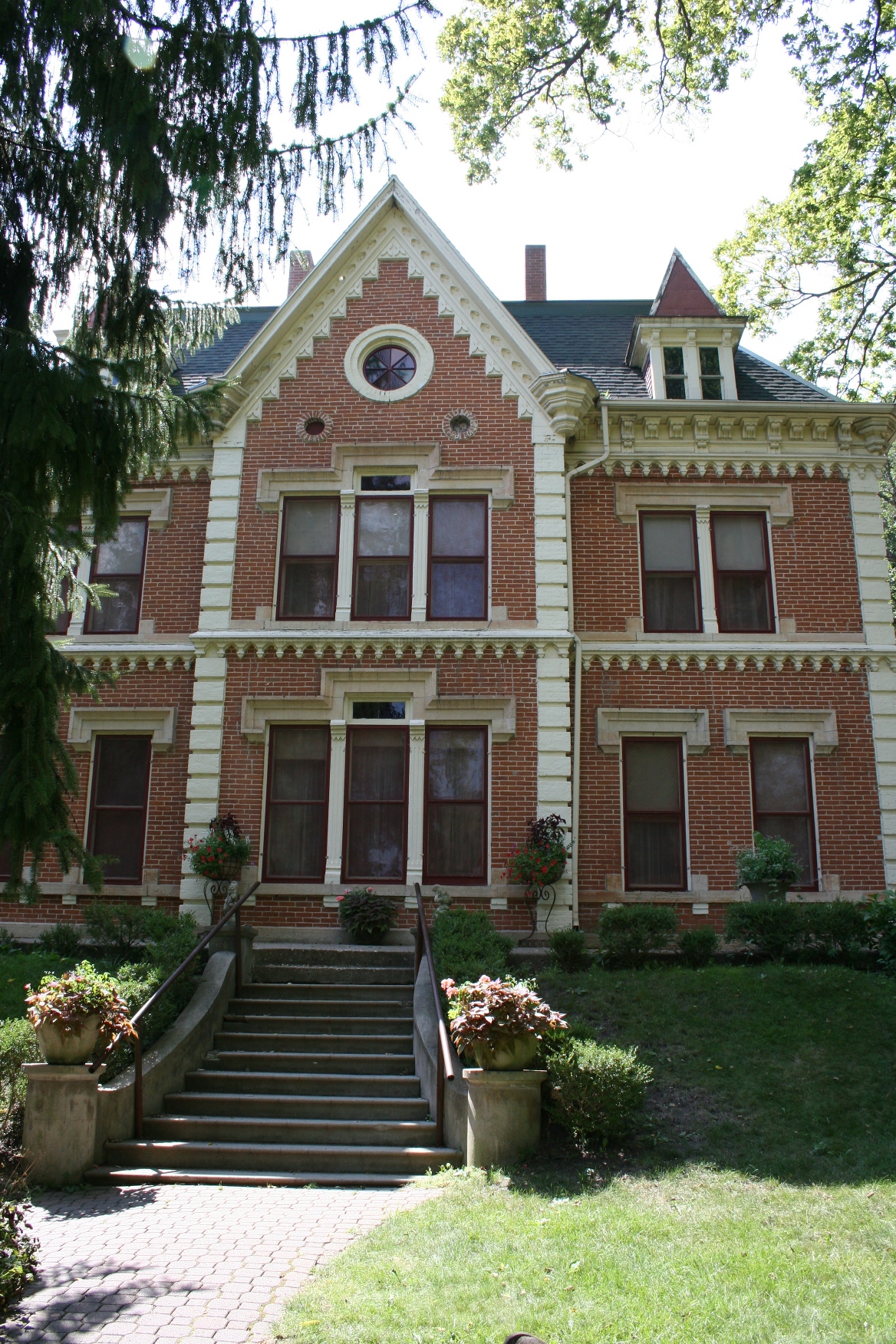
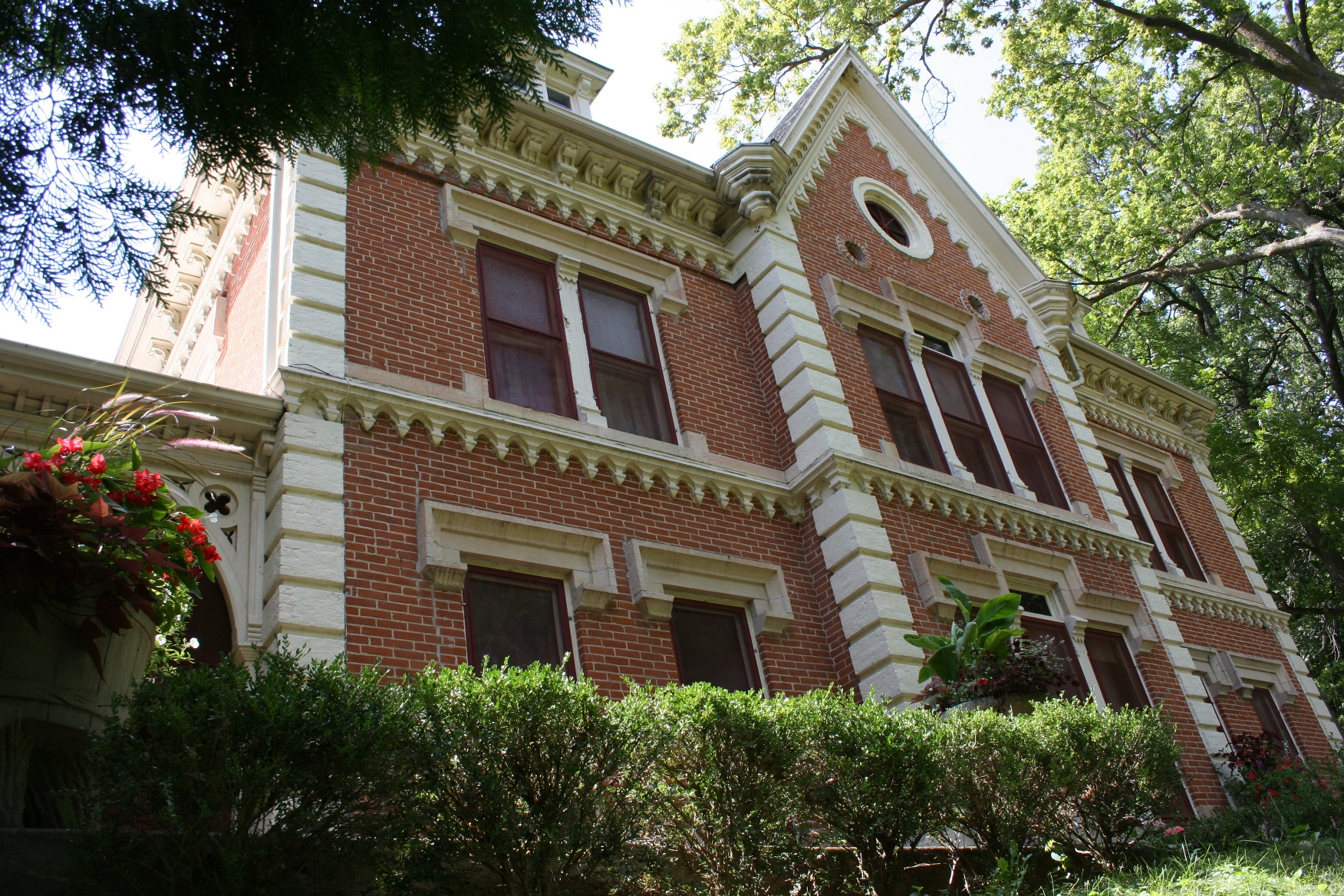
  • Company bylaws allow only the Schell’s president to live in August Schell’s on-site retirement mansion. Because he wants his privacy, current president Ted Marti lives elsewhere, Matt says. The home was last occupied in the 1990s. (Umm, I wouldn’t mind living in a mansion.)

August Schell's retirement mansion, currently unoccupied.

A close-up shot of the mansion, re-emphasizing the point that I could be happy living here.

  • Schell’s changes its “Snowstorm” beer recipe annually. The reason: “There are no two Minnesota snowstorms alike and therefore we are going to change our ‘Snowstorms’ every year,” Matt tells us, quoting president Marti. Ah, Mr. Marti, you clearly know your Minnesota winters as well as you know your beers.

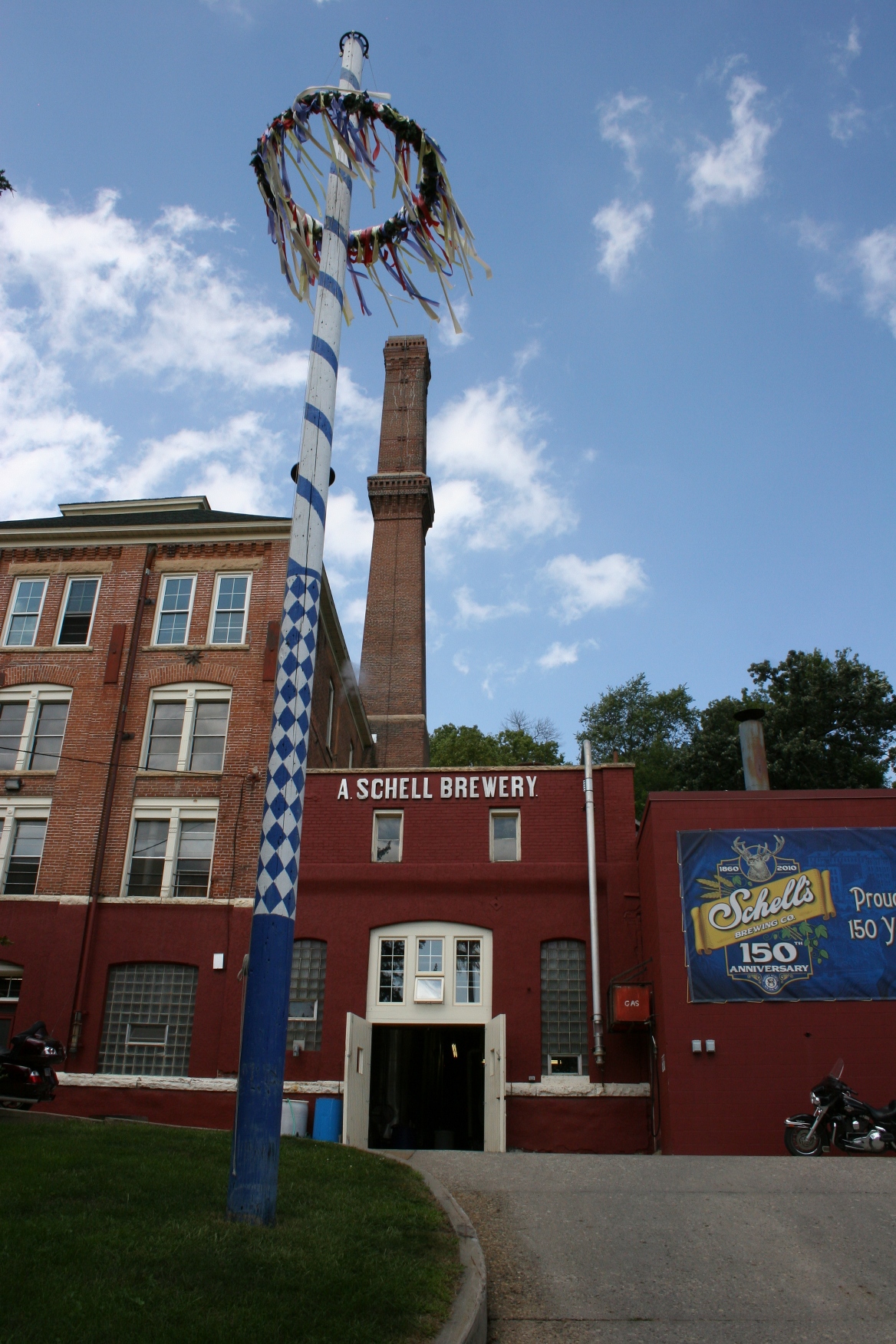
Another view of the brewery. And, no, I don't know anything about the decorative post and failed to ask our tour guide. I had already asked more questions than anyone on the tour, so...

SCHELL’S WILL HOST a two-day 150th birthday celebration, Schellabration, on September 17 and 18. During that event, you can see areas of the brewery not typically seen on the regular tours.

WHAT’S WITH ALL the white-tailed deer at the brewery? Revisit Minnesota Prairie Roots for the answer and for photos and an idea I have related to those deer.

© Copyright 2010 Audrey Kletscher Helbling