Minnesota Prairie Roots

Writing and photography by Audrey Kletscher Helbling
Reflecting on bee lawns, invertebrate inns, learning & the future August 29, 2024

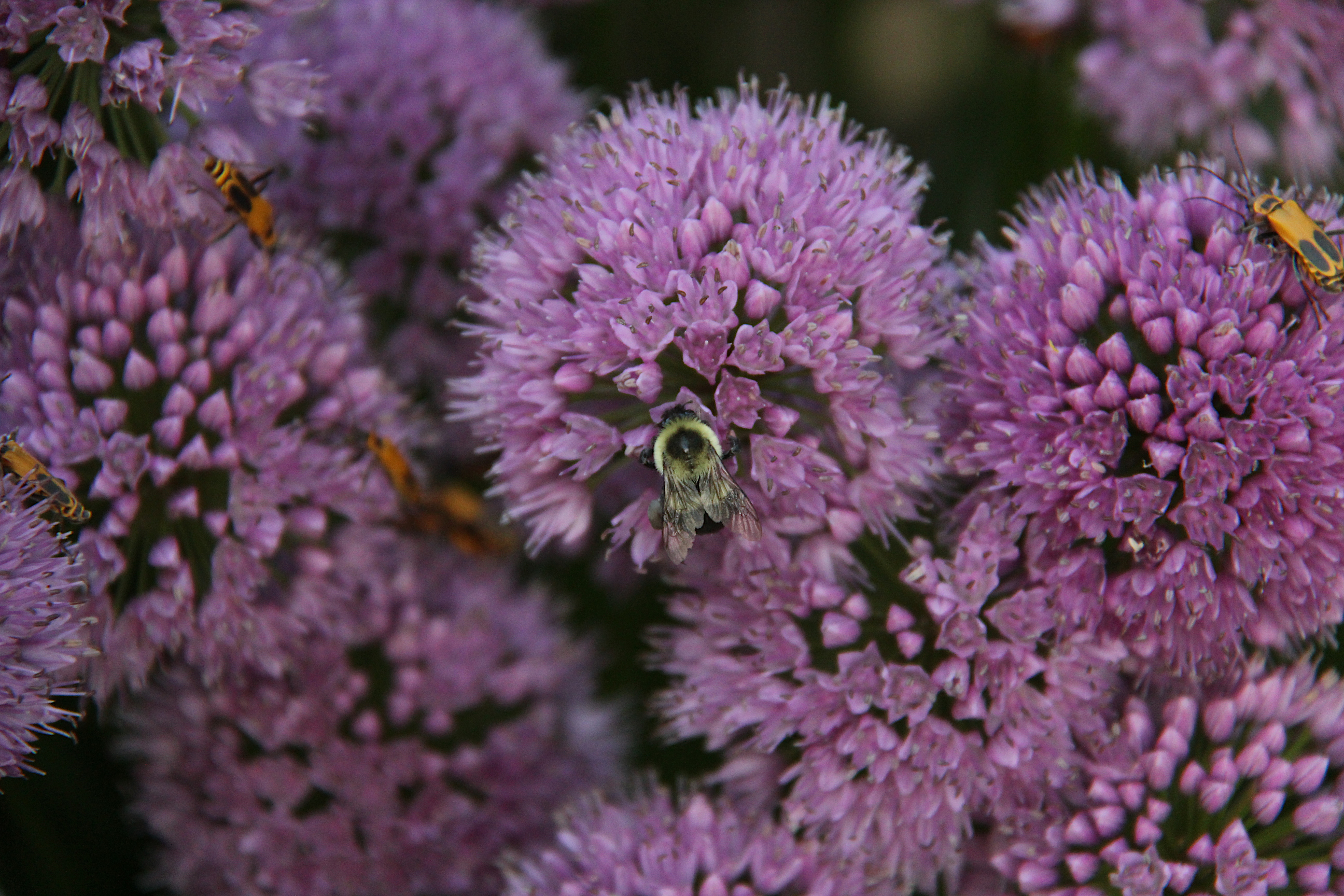
I spotted this bee and other bugs on flowers in the Rice County Master Gardeners’ Teaching Gardens. (Minnesota Prairie Roots copyrighted photo August 2024)

ADMITTEDLY, I NEVER EXCELLED in science. I sort of just got by, learning what I needed to learn to get reasonably good grades in science class. But if I was to go back to the classroom, I’d listen more intently, ask more questions, figure out how the information I was taught actually related to me and my world. In other words, I wouldn’t simply absorb, regurgitate and then move on, which seemed to be the way subjects were taught when I was a student.

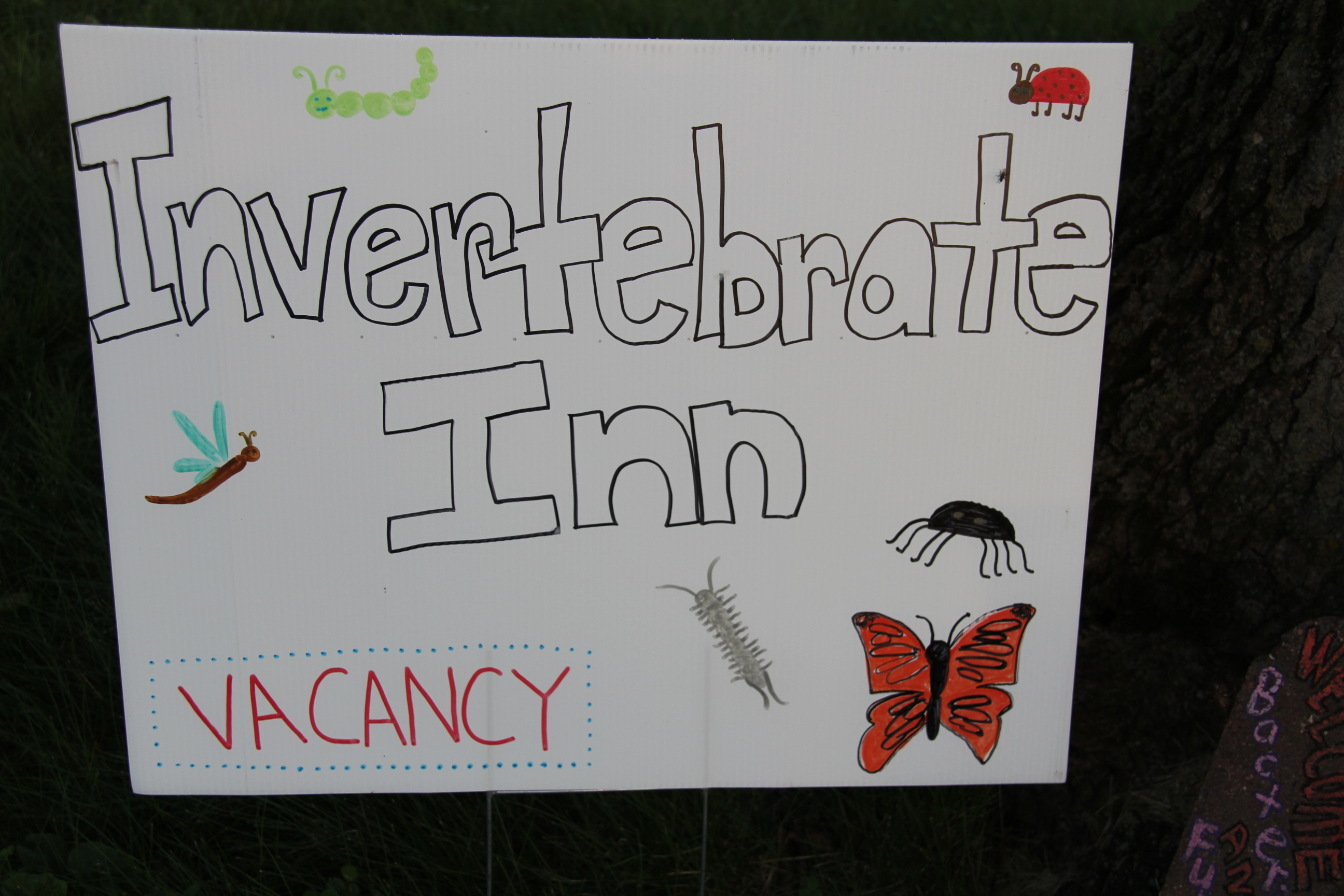
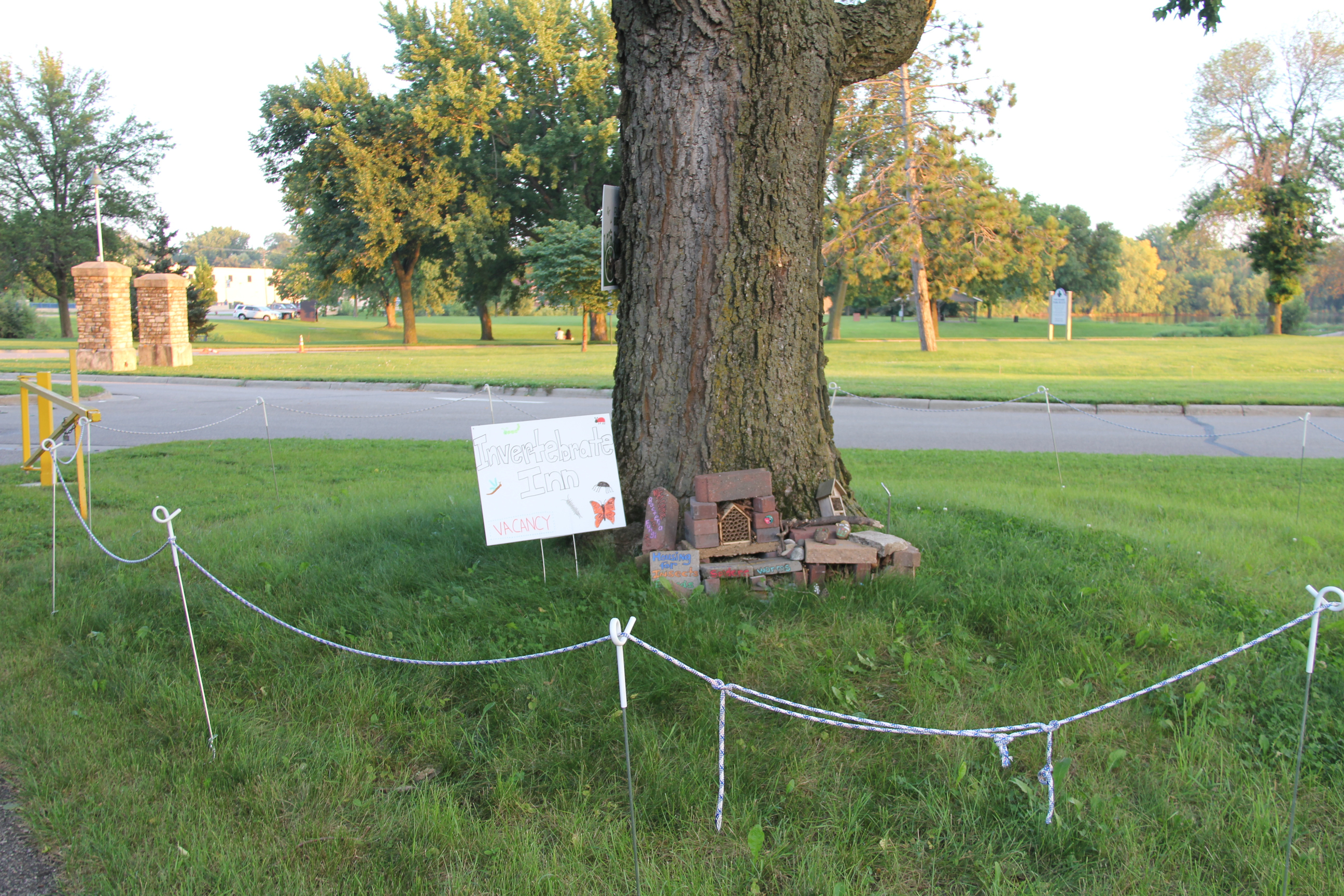
This sign drew me to the base of a tree, where I found an inn and a bee lawn. (Minnesota Prairie Roots copyrighted photo August 2024)
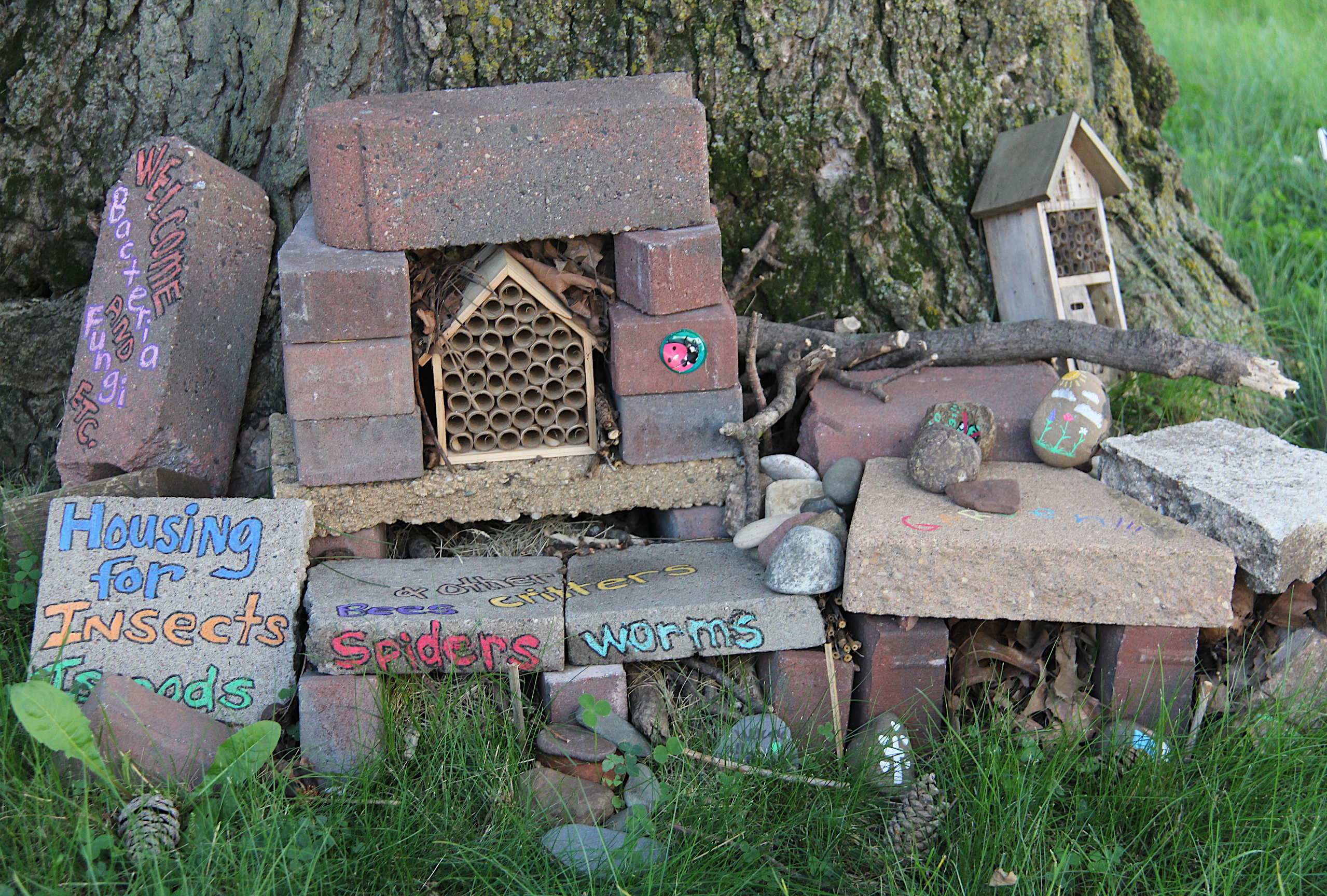
Bricks, stones, sticks and more comprise this haphazard housing unit. (Minnesota Prairie Roots copyrighted photo August 2024)
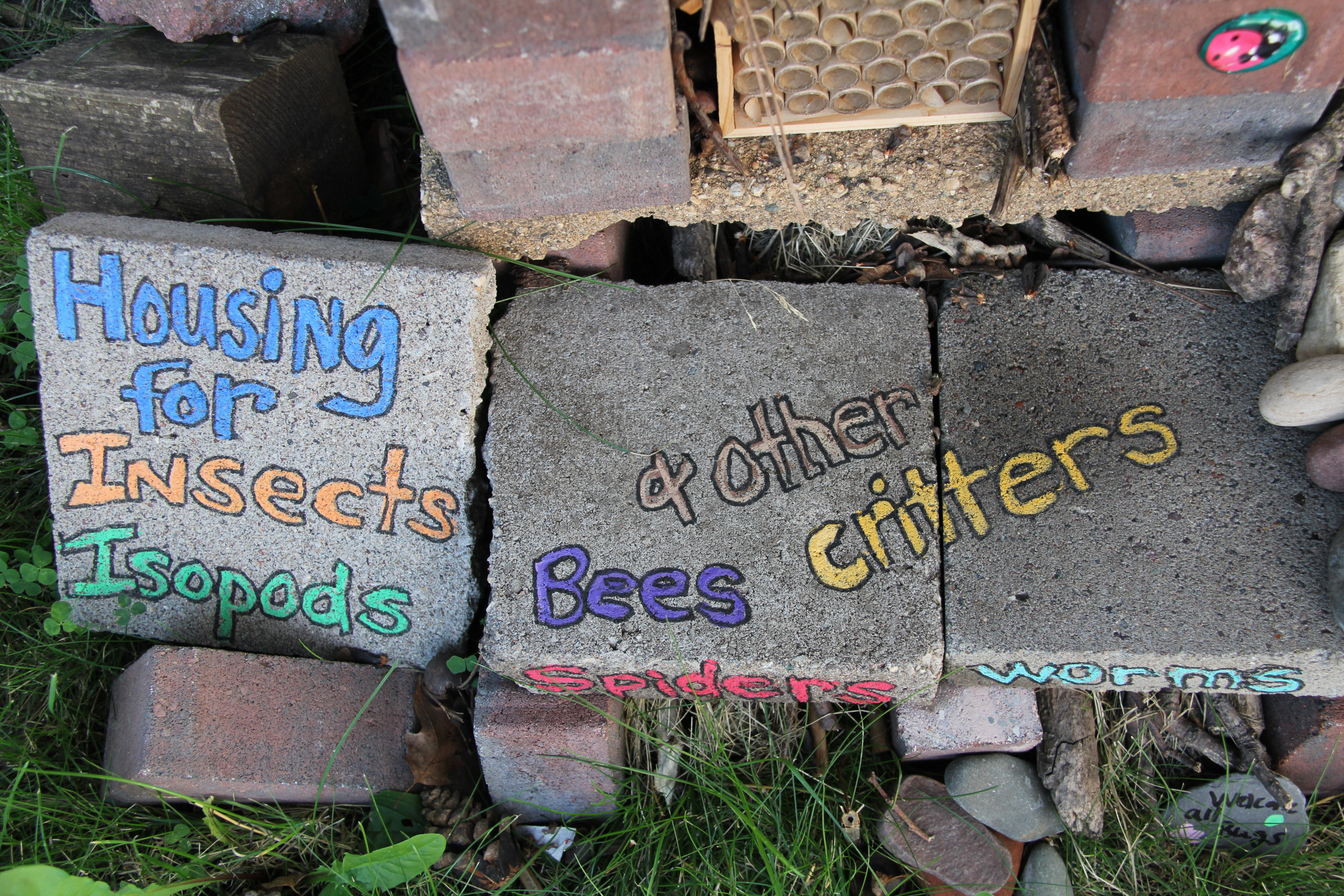
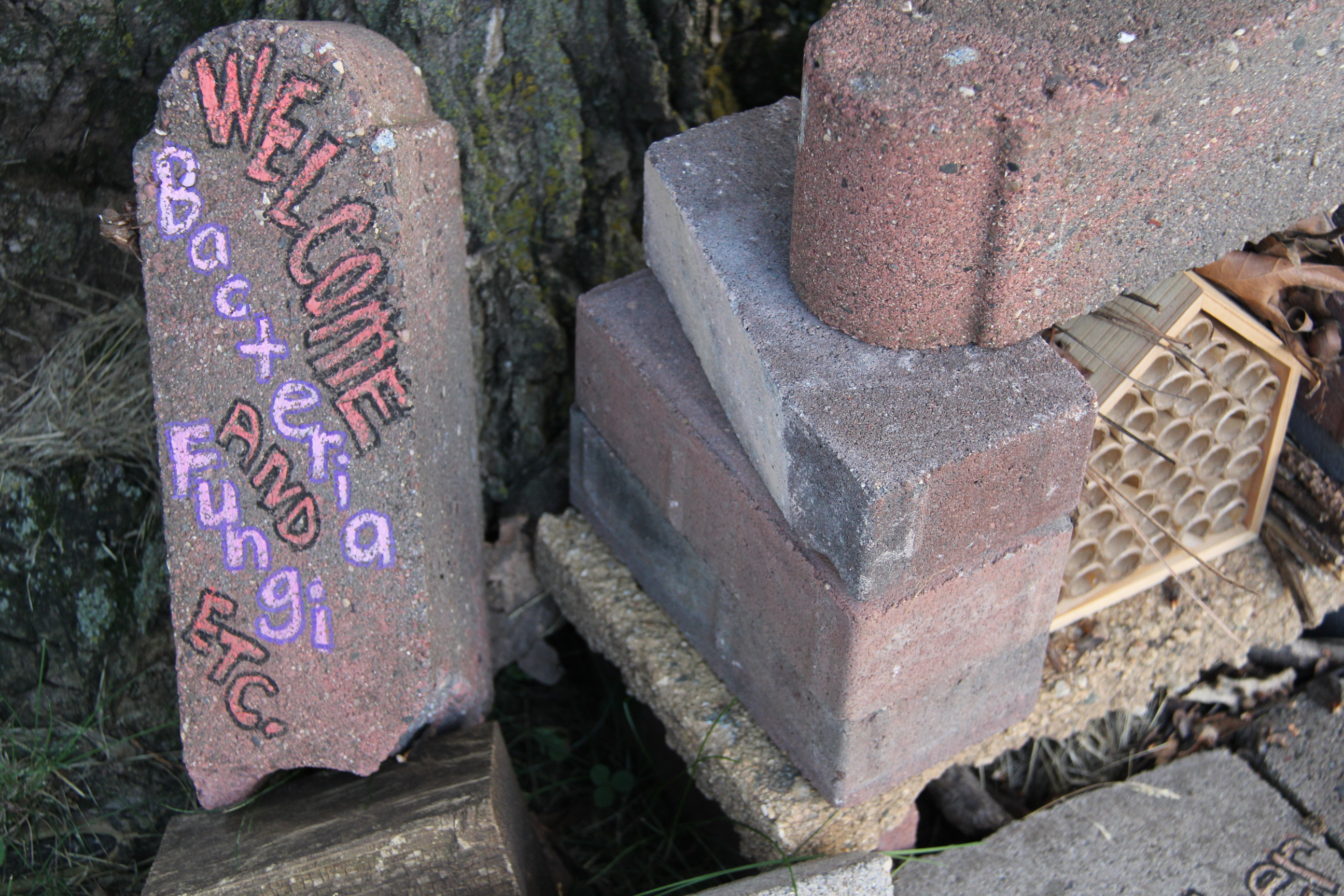
Identifying signage on the Invertebrate Inn. (Minnesota Prairie Roots copyrighted photo August 2024)

Now, as an adult, and an aged one at that, I realize that the core of learning is not memorization. It is rather taking in information that sparks interest, raises questions, causes independent thinking. I am still learning well into my sixties, this year marking 50 years since I graduated from high school.

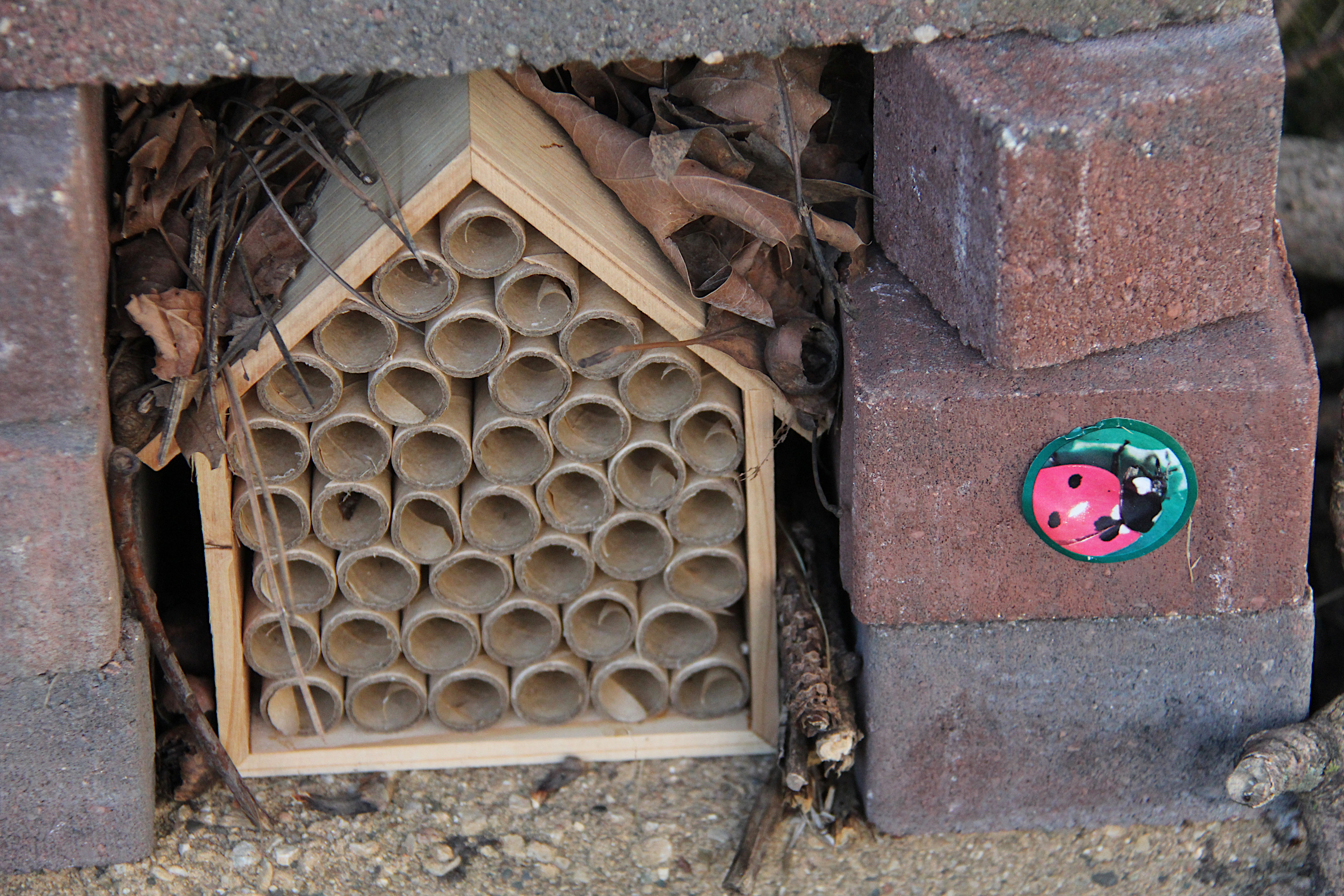
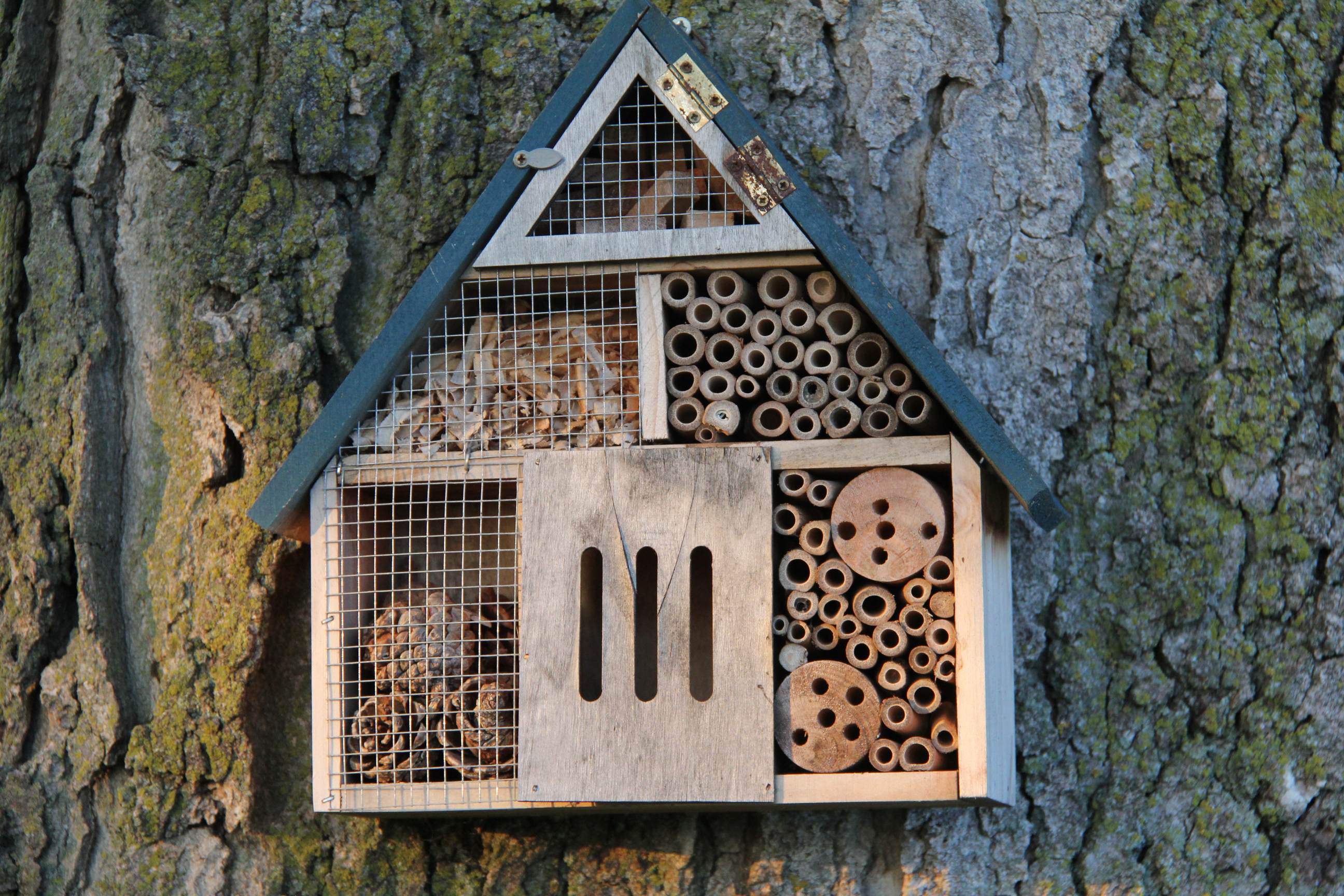
I trust this structure would be a good home for a bug. (Minnesota Prairie Roots copyrighted photo August 2024)

Today I learn because I want to, not because I need to take some class for credits or to earn a degree.

The bee lawn was roped off when I visited. (Minnesota Prairie Roots copyrighted photo August 2024)
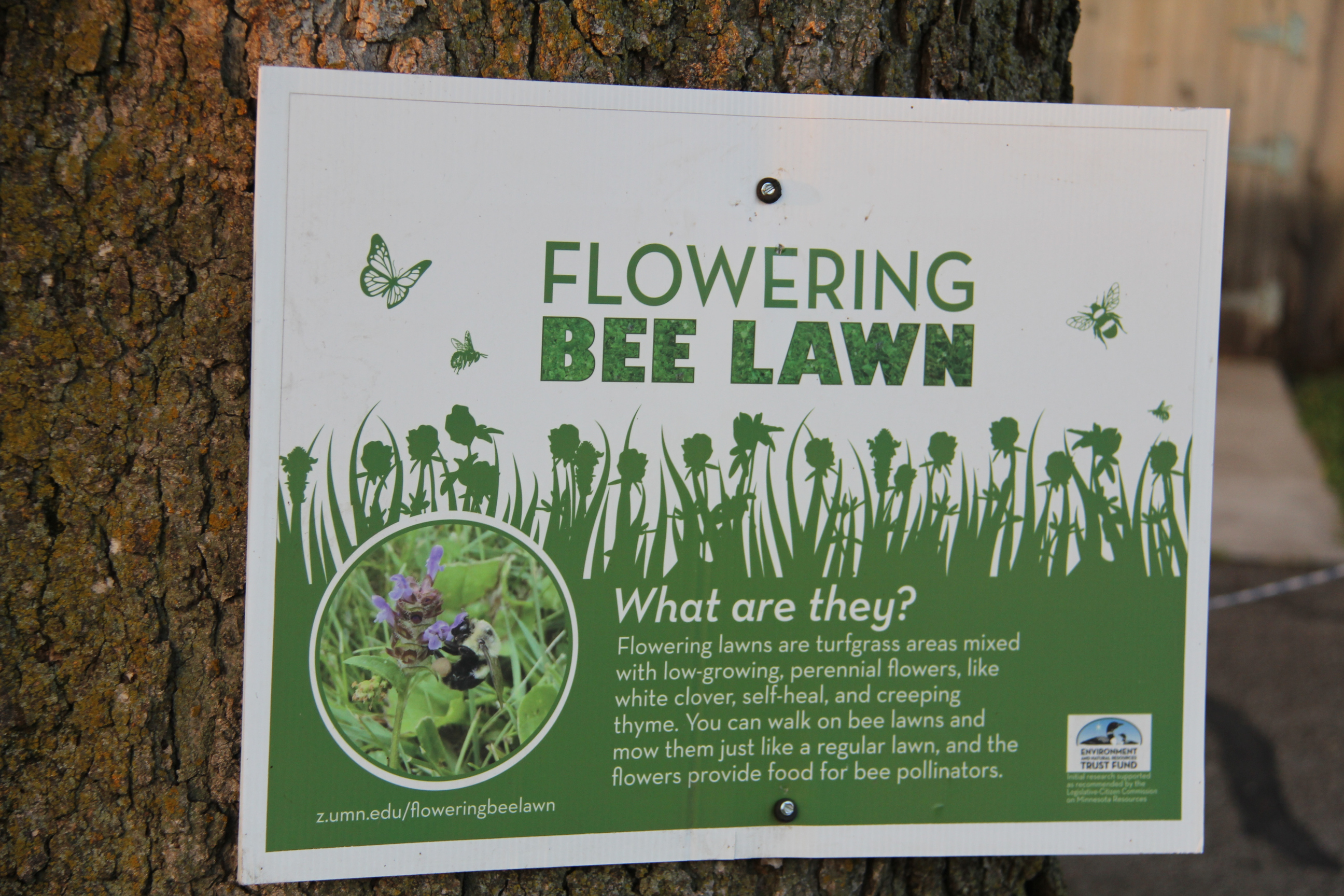
Signage on the tree explains a flowering bee lawn. (Minnesota Prairie Roots copyrighted photo August 2024)
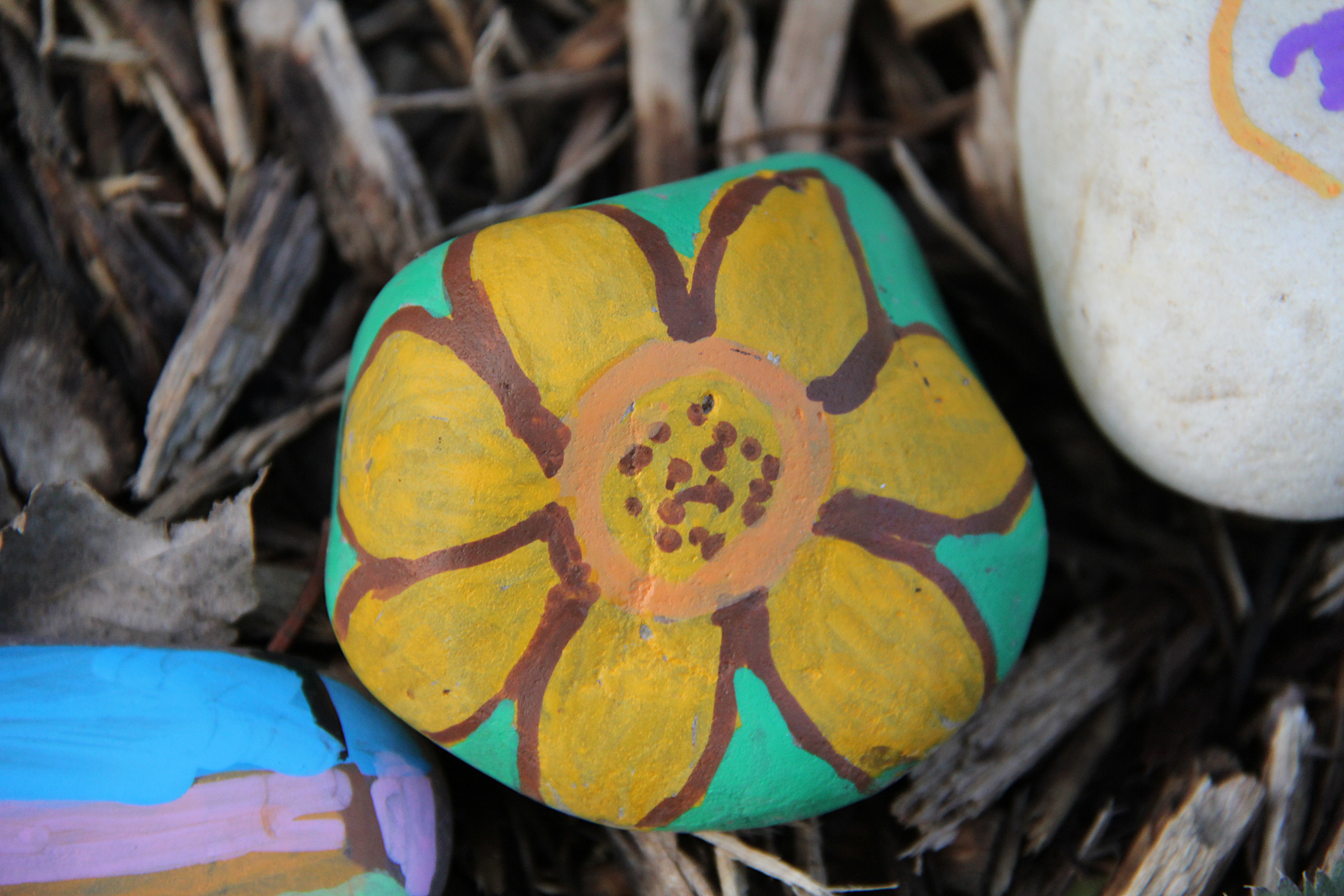
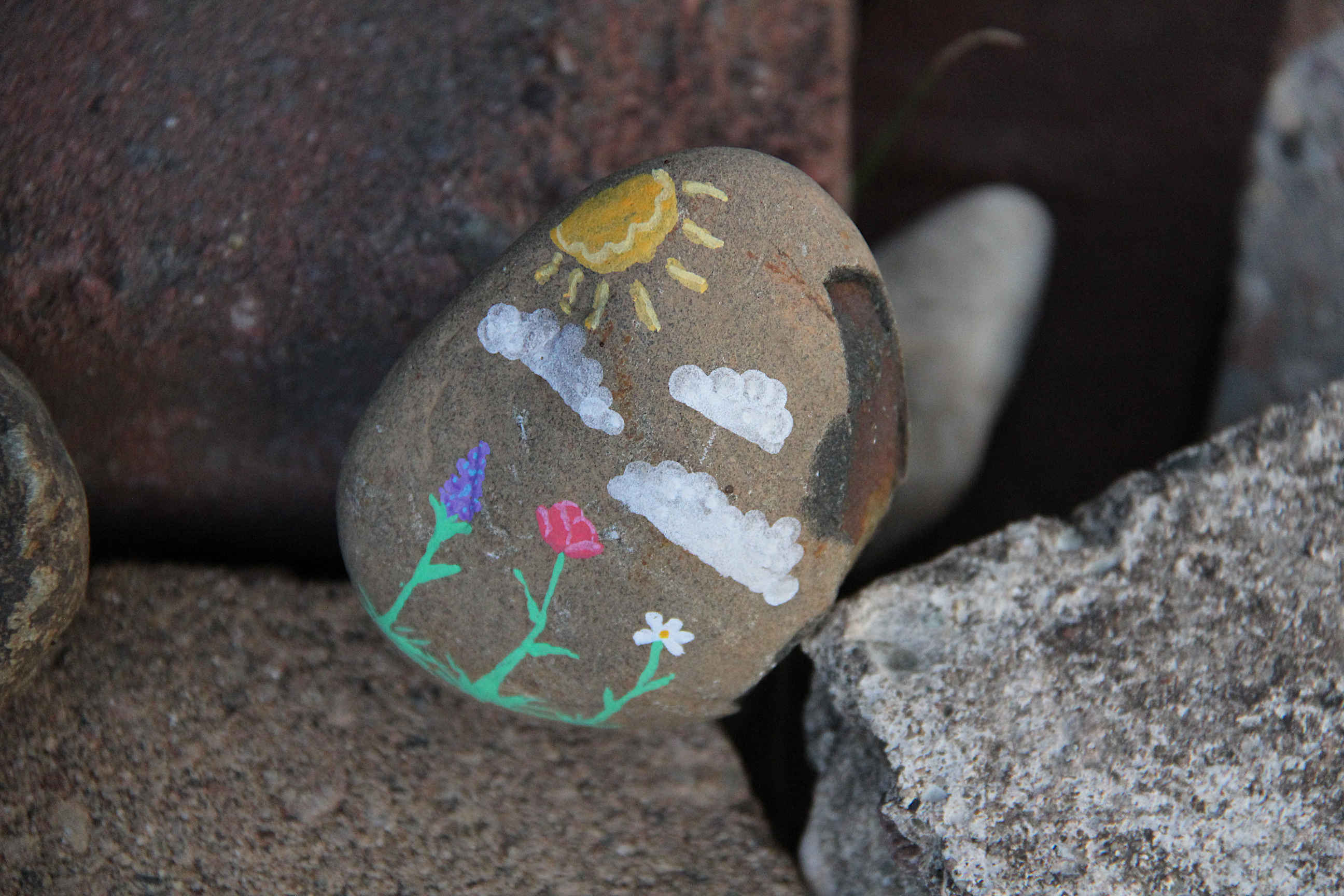
Fitting floral rock art in the inn. (Minnesota Prairie Roots copyrighted photo August 2024)

My latest delve into science was prompted by a visit to the Rice County Master Gardeners Teaching Gardens in Faribault. There I spotted an Invertebrate Inn and a bee lawn, recent additions to the beautiful gardens located at the Rice County Fairgrounds. These are not exactly novel ideas. But I’d not previously considered them much and how they benefit the natural world. Low-lying bee lawns, with their clover and other flowers like creeping thyme, provide nectar and pollen for pollinators.

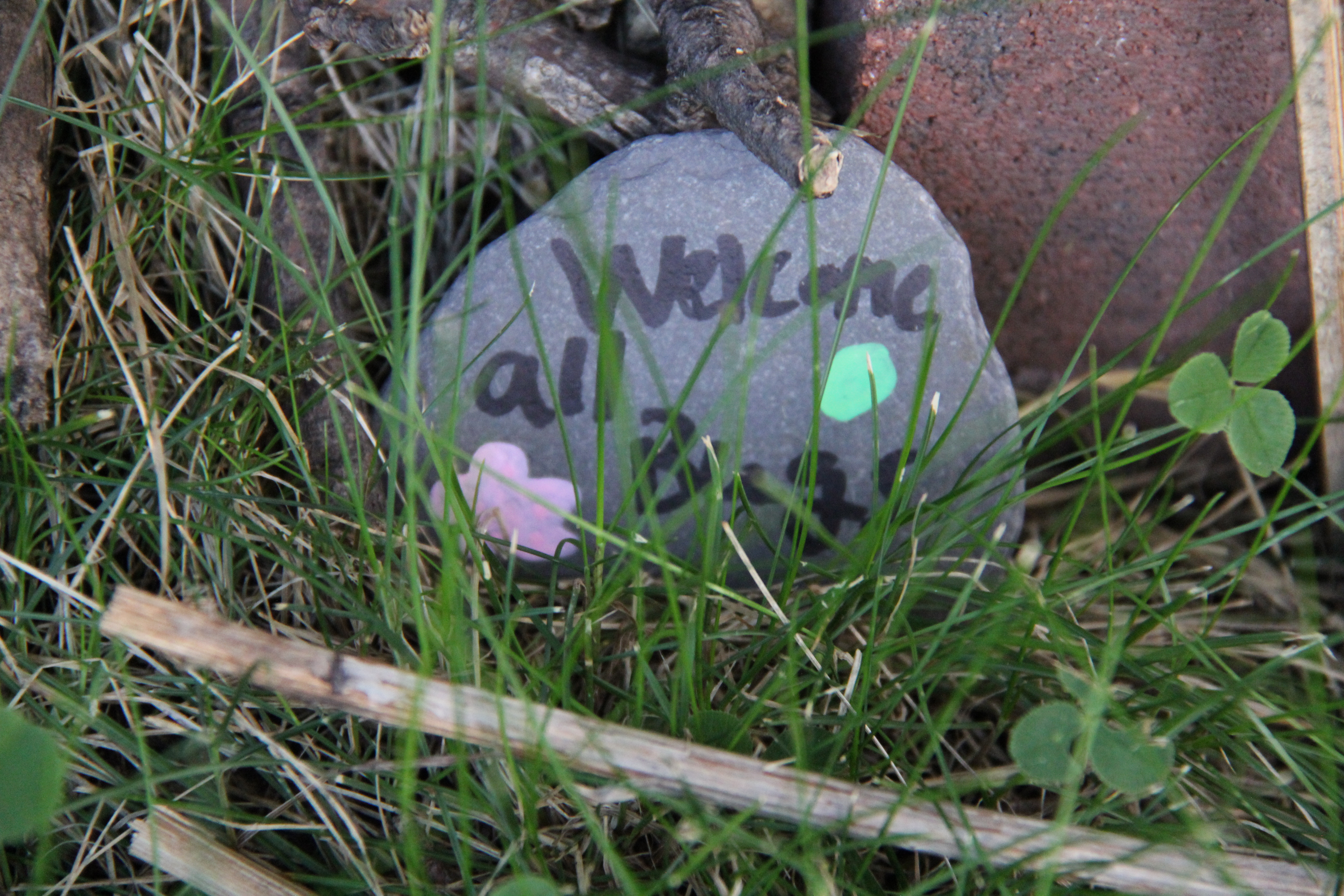
At the inn, a welcome sign for guests. (Minnesota Prairie Roots copyrighted photo August 2024)

In some ways, the inn and the bee lawn remind me of childhood days on the farm with our grass anything but weed-free and manicured. Dandelions and clover were prolific. No weedkiller or insecticides were used except on crops. No nothing applied to the grass, because who cared and who had time to nurture a lawn when there were crops to plant and cultivate and animals to tend?

Housing for more than just insects, isopods, bees, spiders, worms and other critters. (Minnesota Prairie Roots copyrighted photo August 2024)

Times have changed as farming and yard care have evolved. Insecticide and herbicide usage is prevalent. We would be naive to think this has not affected pollinators like butterflies and bees. And so when I discover something like a bee lawn and an Invertebrate Inn, I feel a spark of joy, a sense of gratitude for those who create them.

High rise housing. (Minnesota Prairie Roots copyrighted photo August 2024)

I want my grandchildren to understand that this world they’ve been given is one that needs to be nurtured and appreciated, taken care of in a way that perhaps my generation did not. Sure I celebrated Earth Day, wore Earth Shoes and spouted environmental platitudes of the 1970s. But did that really mean anything, make any long-lasting impact? It was a beginning, I suppose.

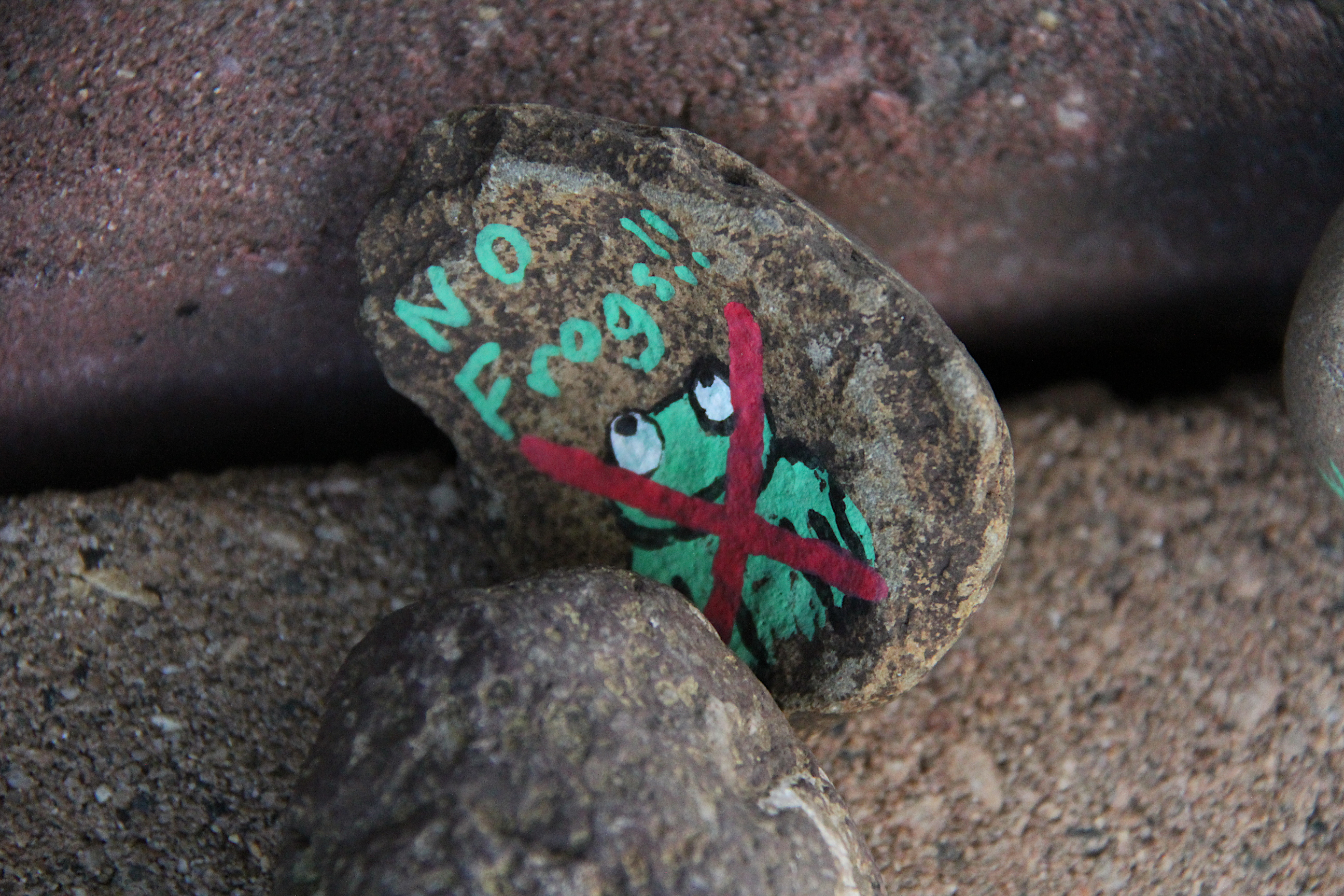
Frogs are banned from the inn. (Minnesota Prairie Roots copyrighted photo August 2024)

I want my grandchildren to ask questions in class, seek out information, learn in a way that is focused on curiosity rather than feeding back facts. I want them to care about the bees and the butterflies and the bugs.

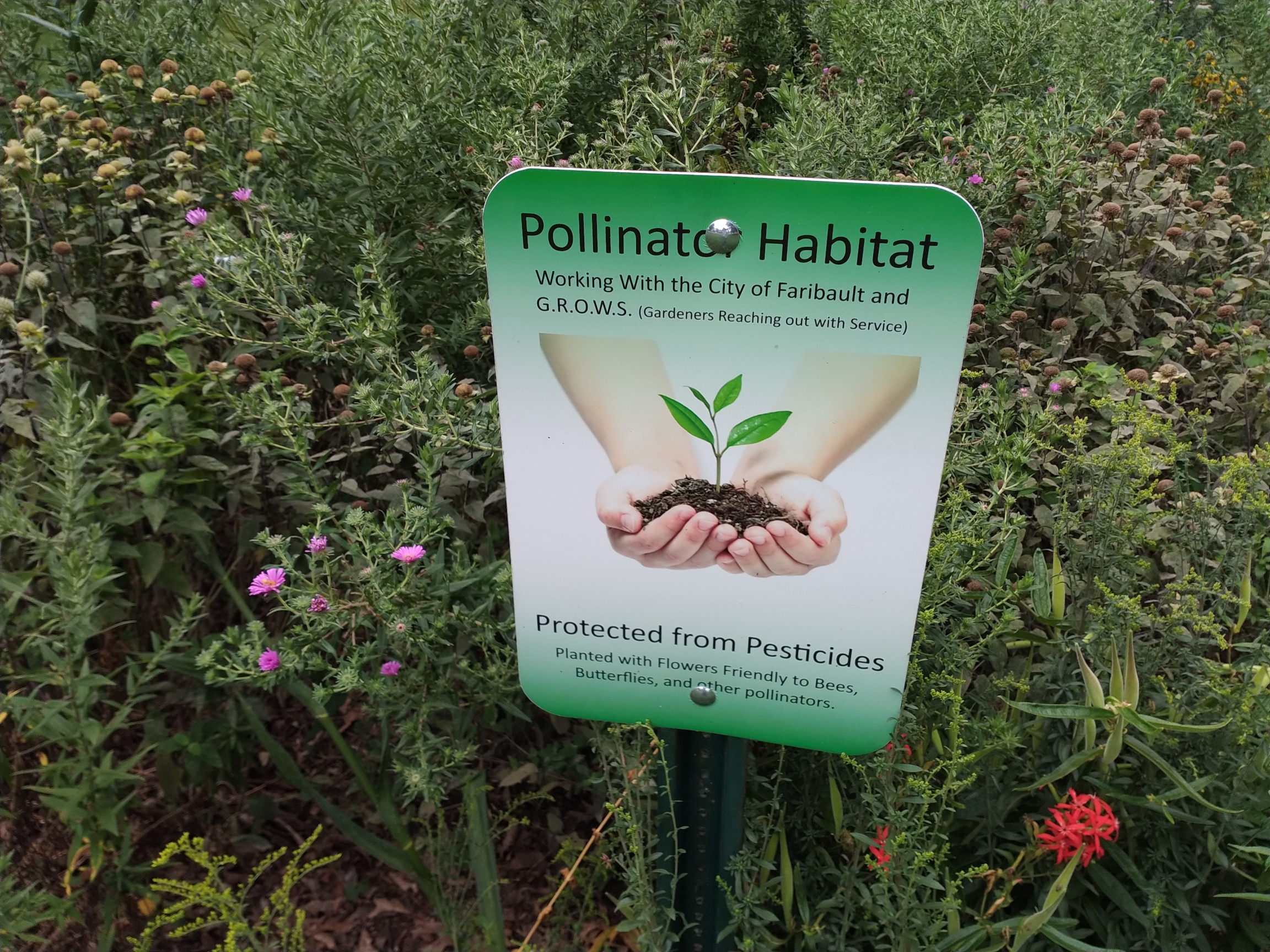
There are other bee lawns, pollinator gardens, etc., in my community, including this one in Central Park. (Minnesota Prairie Roots copyrighted photo August 2024)

I want them to connect with nature, to understand that what they do, or don’t do, to the earth matters. I want them to get their hands dirty in the soil, overturn rocks, hold bugs, pick up worms, plant flowers and, most of all, appreciate this natural world of ours. The science of it. The beauty of it. The peace it brings to the soul. The joy it brings to the spirit. And I want them to care. Always.

FYI: Click here to watch an informative video about creating a bee lawn by Faribault master gardener Jayne Spooner.

© Copyright 2024 Audrey Kletscher Helbling
 

Milkweeds, monarchs & memories in Minnesota August 20, 2024

Monarch on the common milkweed flower. (Minnesota Prairie Roots copyrighted file photo 2023)

I’VE ALWAYS HELD a fascination with milkweeds. Their clusters of vanilla-scented dusty pink flowers draw me to a plant that seems more flower than weed. Unless you were my dad, who wanted the common milkweed removed from his acres of soybeans. Yes, I hoed or pulled plenty of milkweeds from the fields on my southwestern Minnesota childhood farm.

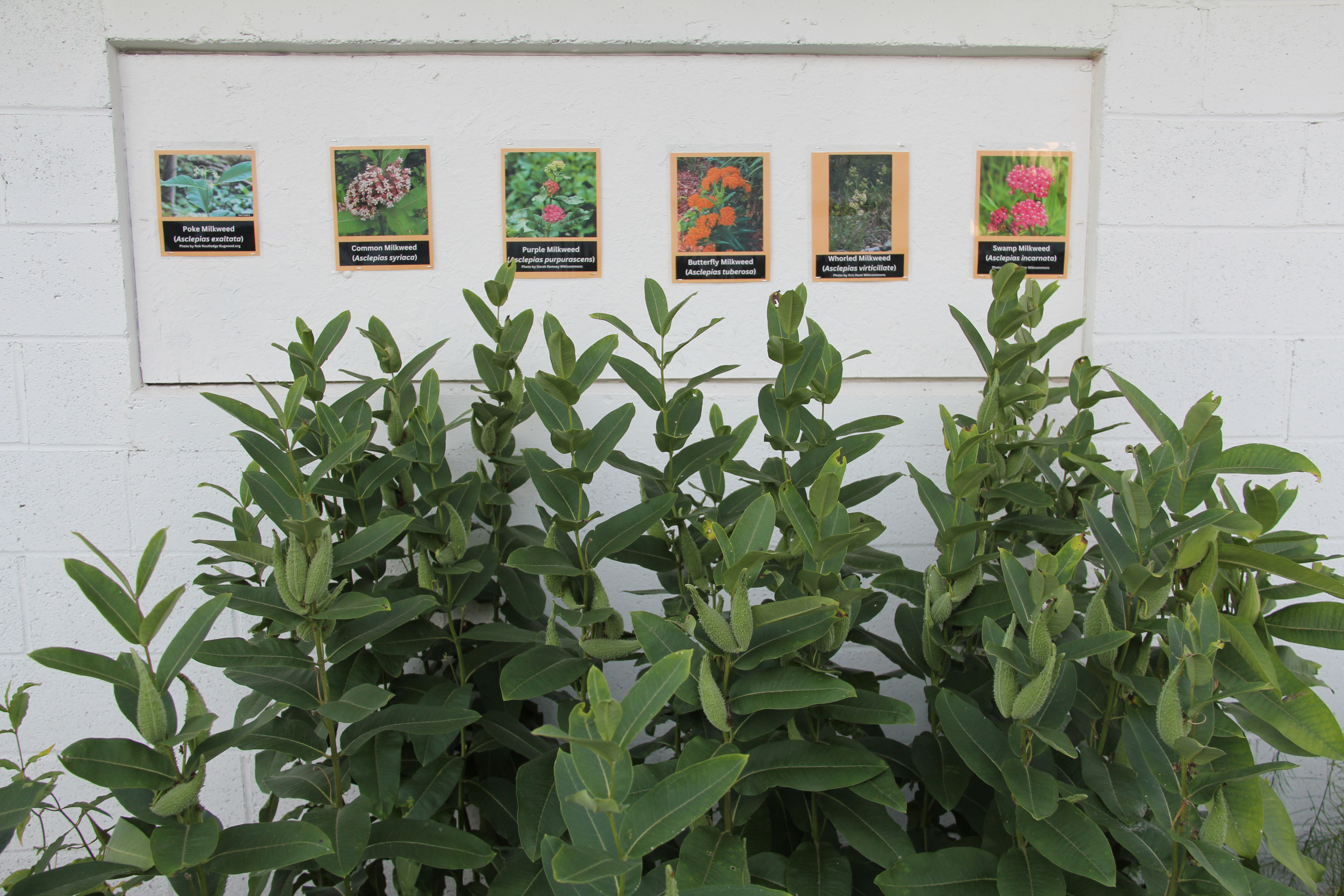
Milkweeds grow next to the conservation building at the Rice County Fairgrounds against a backdrop of identifying milkweed photos. Those include six types: common, poke, purple, butterfly, whorled and swamp. (Minnesota Prairie Roots copyrighted photo August 2024)

My thinking has shifted since then. Today I plant, rather than eradicate, milkweeds. Dad, if he was still alive, might wonder how his farm-raised daughter strayed so far from hoeing to growing.

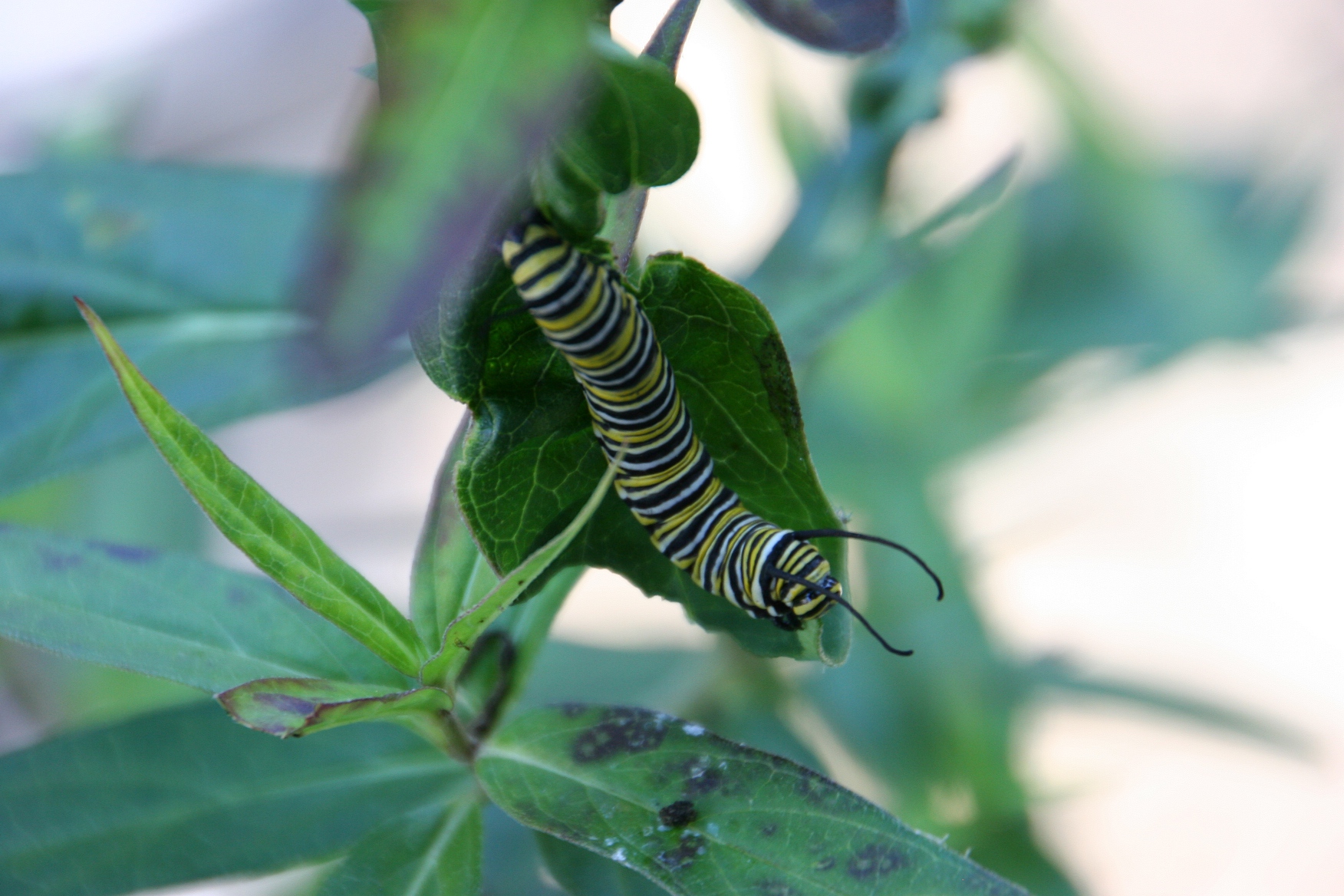
A monarch caterpillar. (Minnesota Prairie Roots copyrighted file photo)

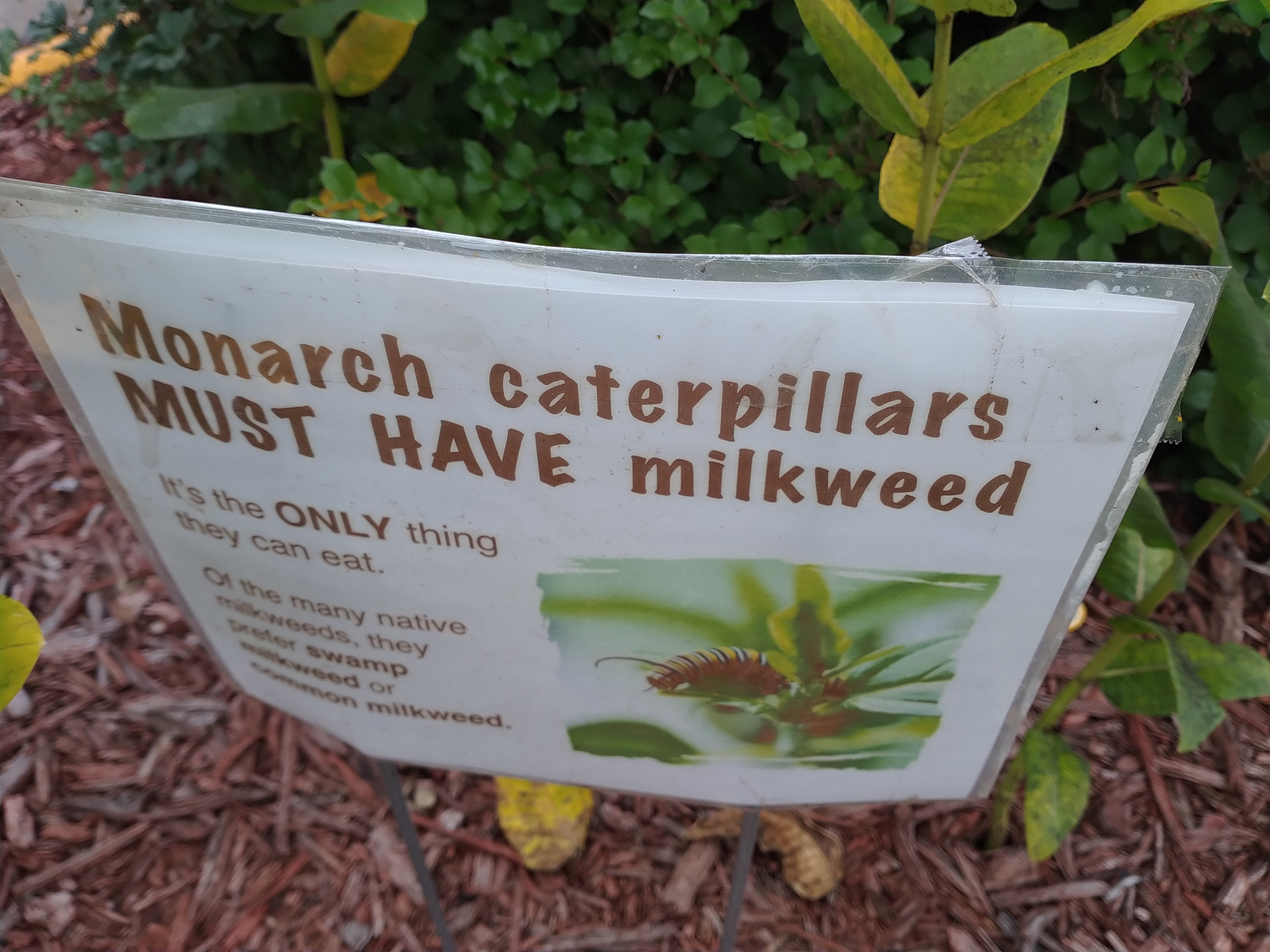
The answer is easy. Long ago I learned the value of milkweeds to our monarch butterfly population. The butterfly lays its eggs on milkweed leaves. And milkweed is the sole source of food for monarch caterpillars. If we want the monarch population to grow, thrive and survive, we need milkweed plants. It’s that simple.

A sign at Hy-Vee grocery store explains the importance of milkweed to monarchs. (Minnesota Prairie Roots copyrighted photo August 2024)

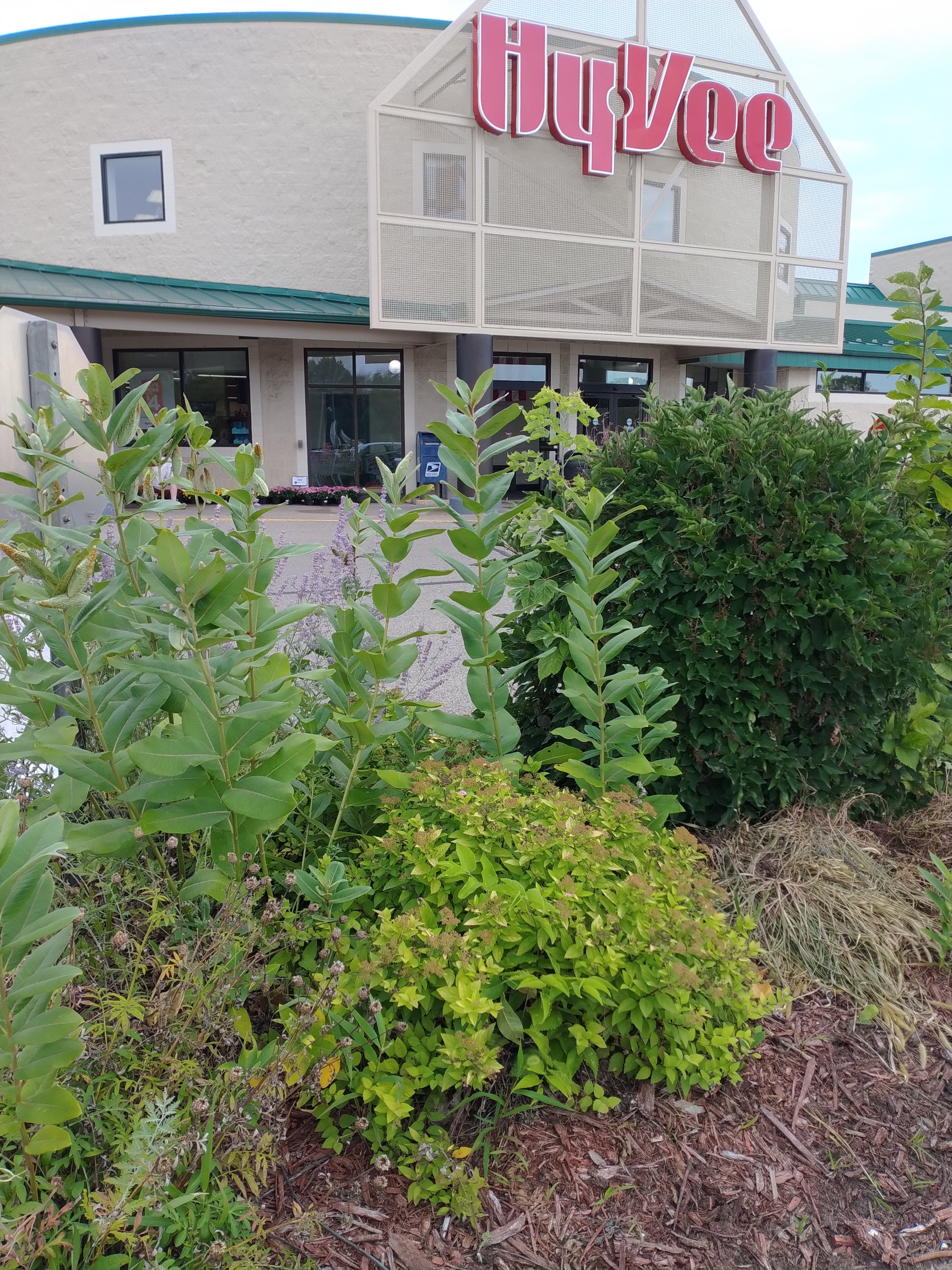
More and more I’ve spotted milkweeds growing in public places in and around Faribault. River Bend Nature Center. Falls Creek County Park. The Rice County Master Gardeners’ Teaching Gardens. Beside the conservation building at the Rice County Fairgrounds. Even in flowerbeds at Hy-Vee grocery store.

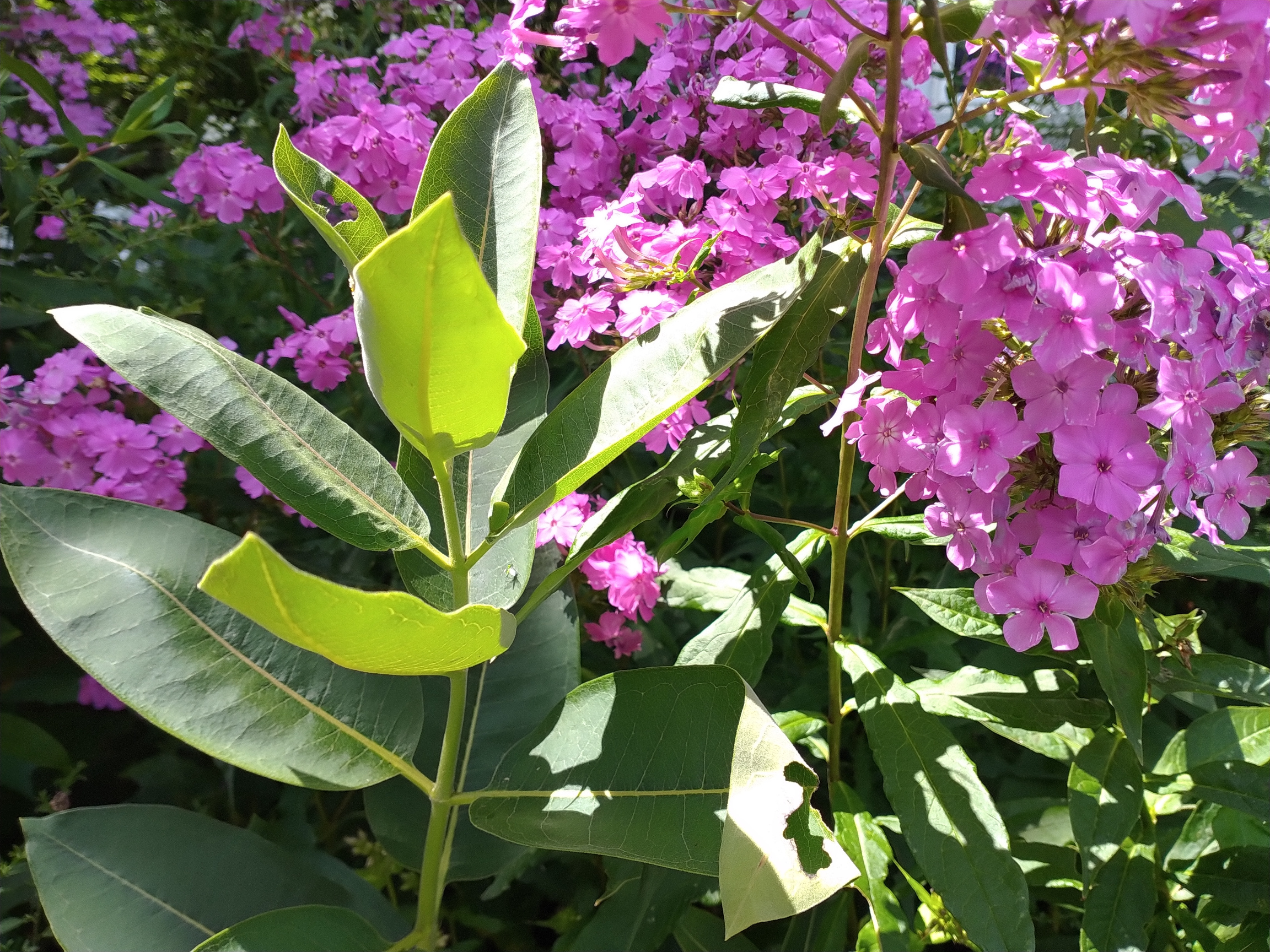
Milkweeds grow among phlox. (Minnesota Prairie Roots copyrighted photo August 2024)

If you walk by my house, you’ll see stray milkweeds popping up here and there. Along a retaining wall. Among the prolific phlox in my messy flowerbeds. The husband has orders not to mow, pull or otherwise remove milkweed plants.

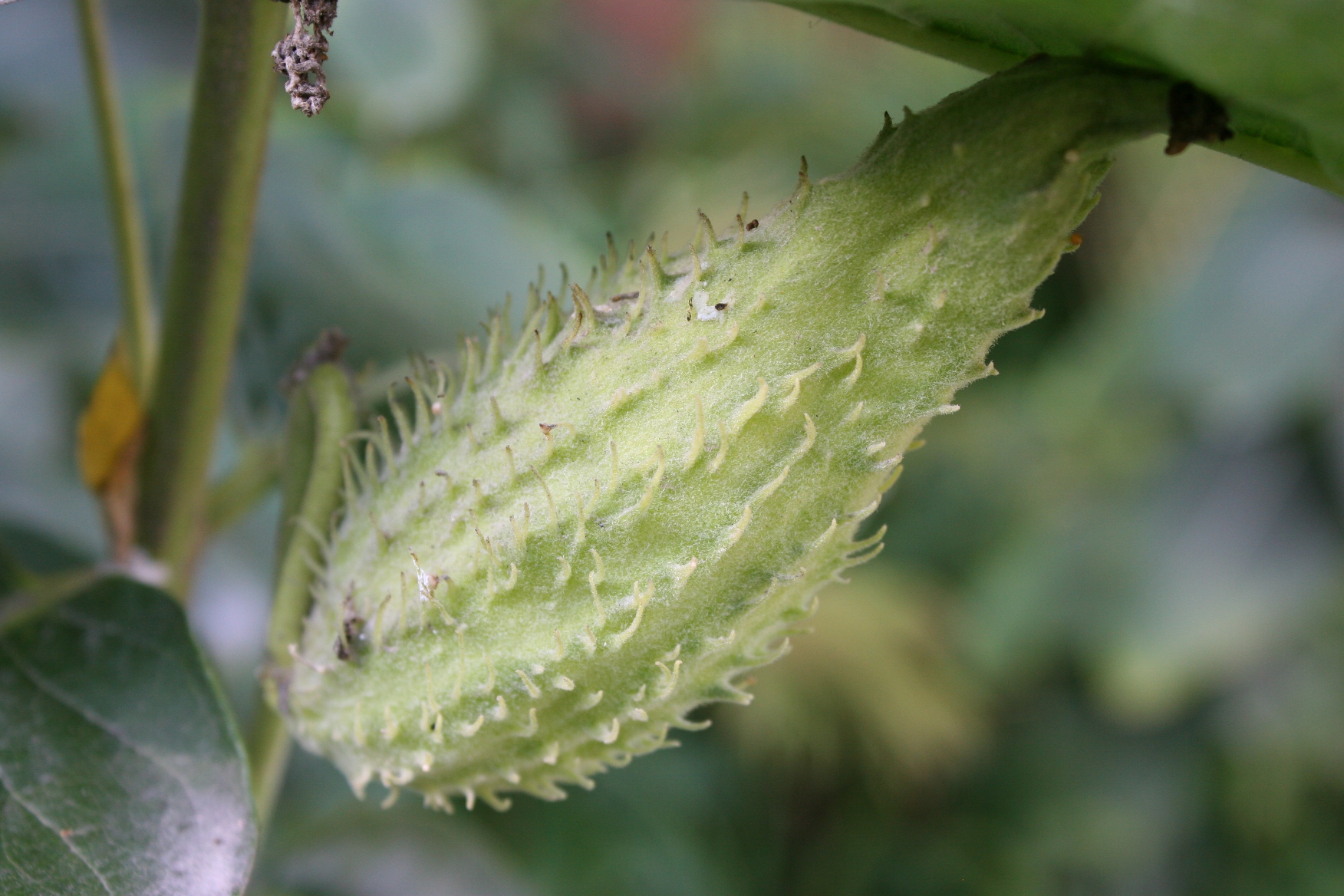
An unripened milkweed pod. (Minnesota Prairie Roots copyrighted file photo)

This time of year, seed pods are forming on milkweeds. Perhaps it’s the writer, the poet, in me that loves the shape of those fat green pods that will eventually dry, burst open and spread seeds on wisps of white fluff carried by the wind.

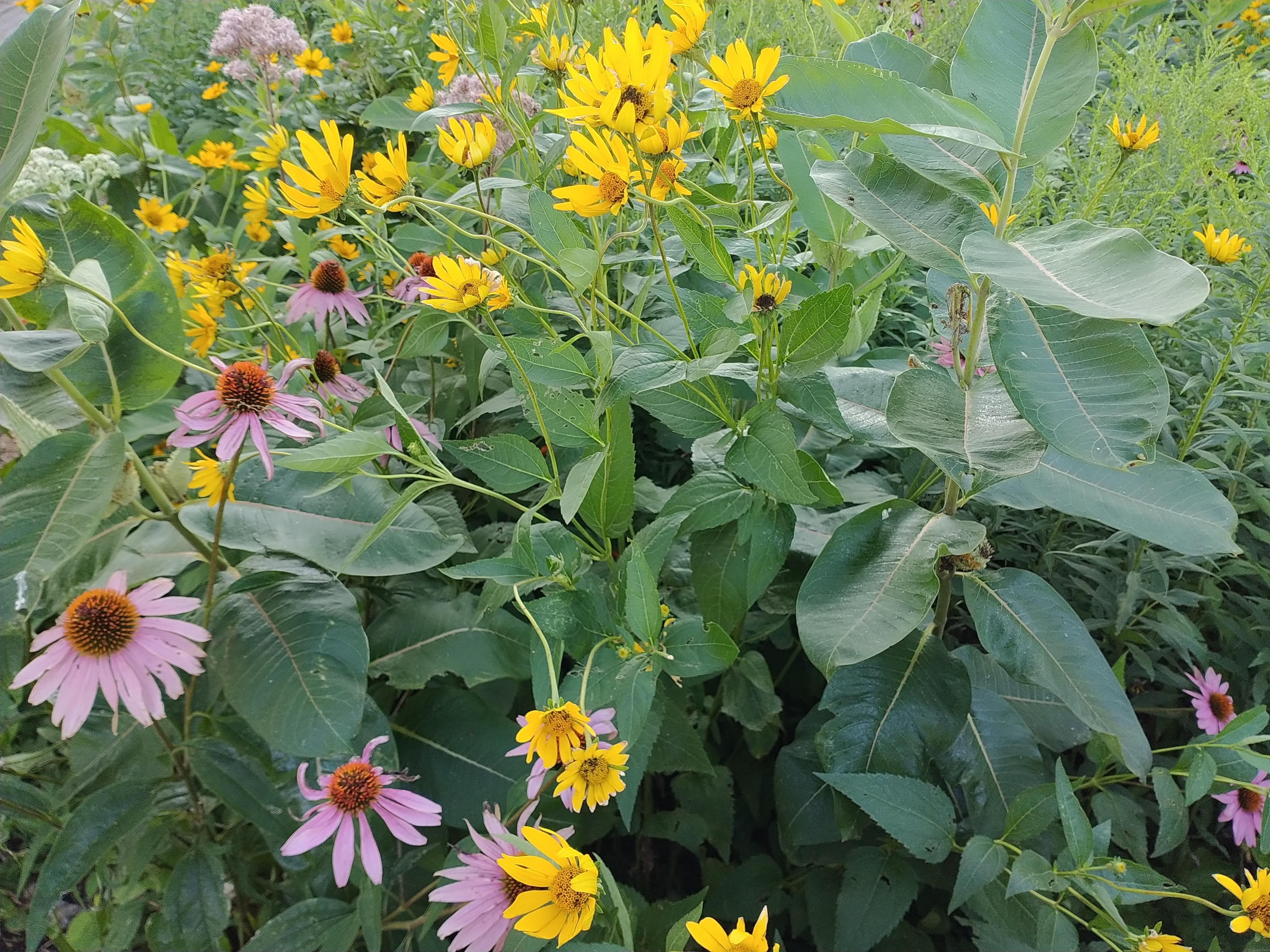
Milkweeds flourish among prairie flowers in the Rice County Master Gardeners Teaching Gardens, Faribault, (Minnesota Prairie Roots copyrighted photo August 2024)

Seeds wing across the landscape, just like monarchs. I remember a time when monarchs were prolific. Yes, even in rural Minnesota where I labored to get rid of milkweed plants.

I discovered milkweeds planted outside Hy-Vee. (Minnesota Prairie Roots copyrighted photo August 2024)

Naturalists, gardeners and others are working hard now to bring back the monarch population. It’s taken time, effort and education to convince people to plant milkweeds for monarchs. I don’t expect butterfly numbers will be what they once were—when monarchs flitted everywhere. But we have to start somewhere, do something. And that begins with each of us. Educating ourselves. Caring. And then deciding that milkweeds really aren’t weeds after all. They are vital to the survival of the monarch butterfly. It’s OK to plant milkweed seeds or allow nature to plant them.

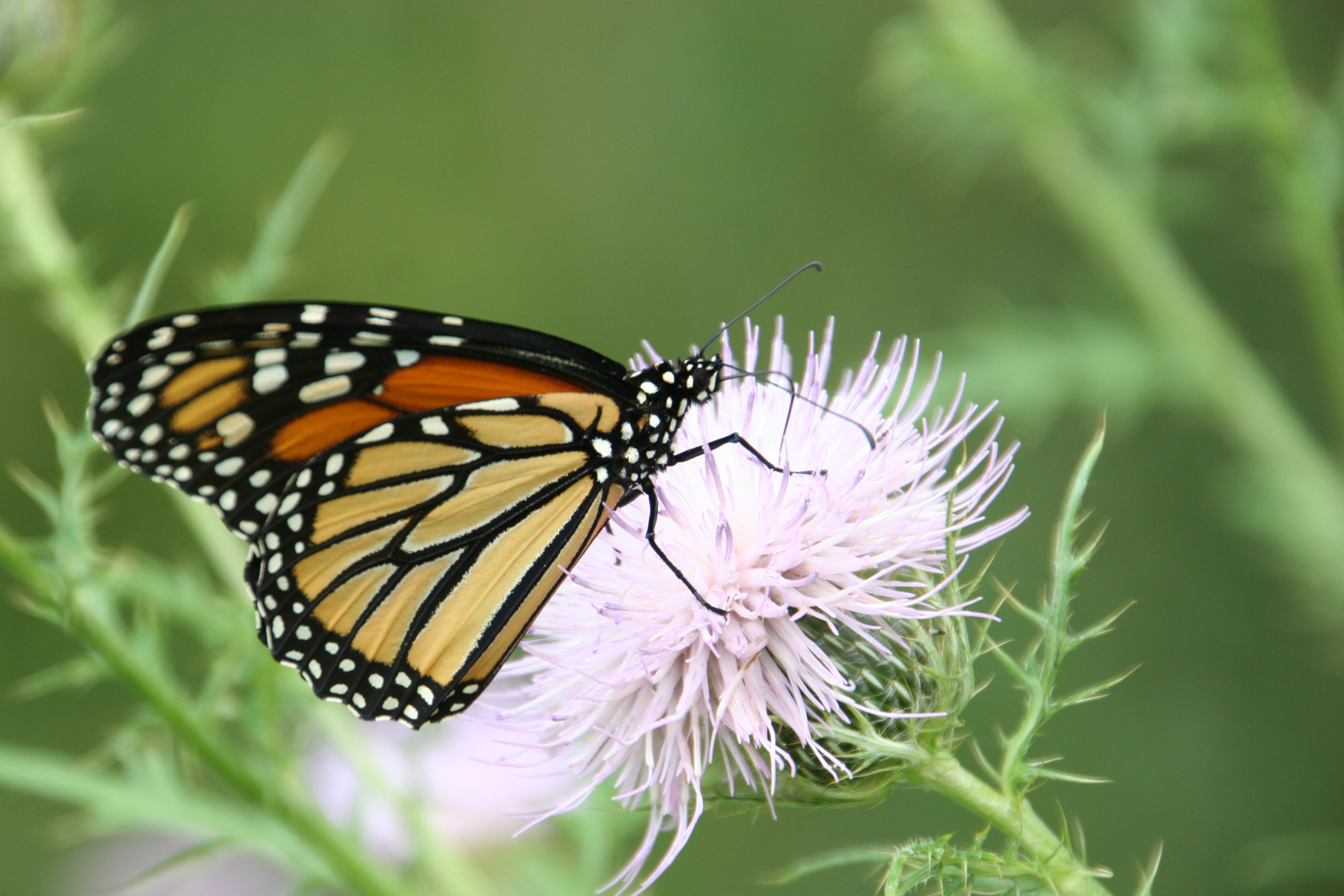
Monarch on a thistle flower. (Minnesota Prairie Roots copyrighted file photo)

I, for one, delight in watching monarchs flit about my yard. They are magical as only a butterfly can be. Delicate, yet strong. Poetically beautiful. Carrying memories and grace on their wings.

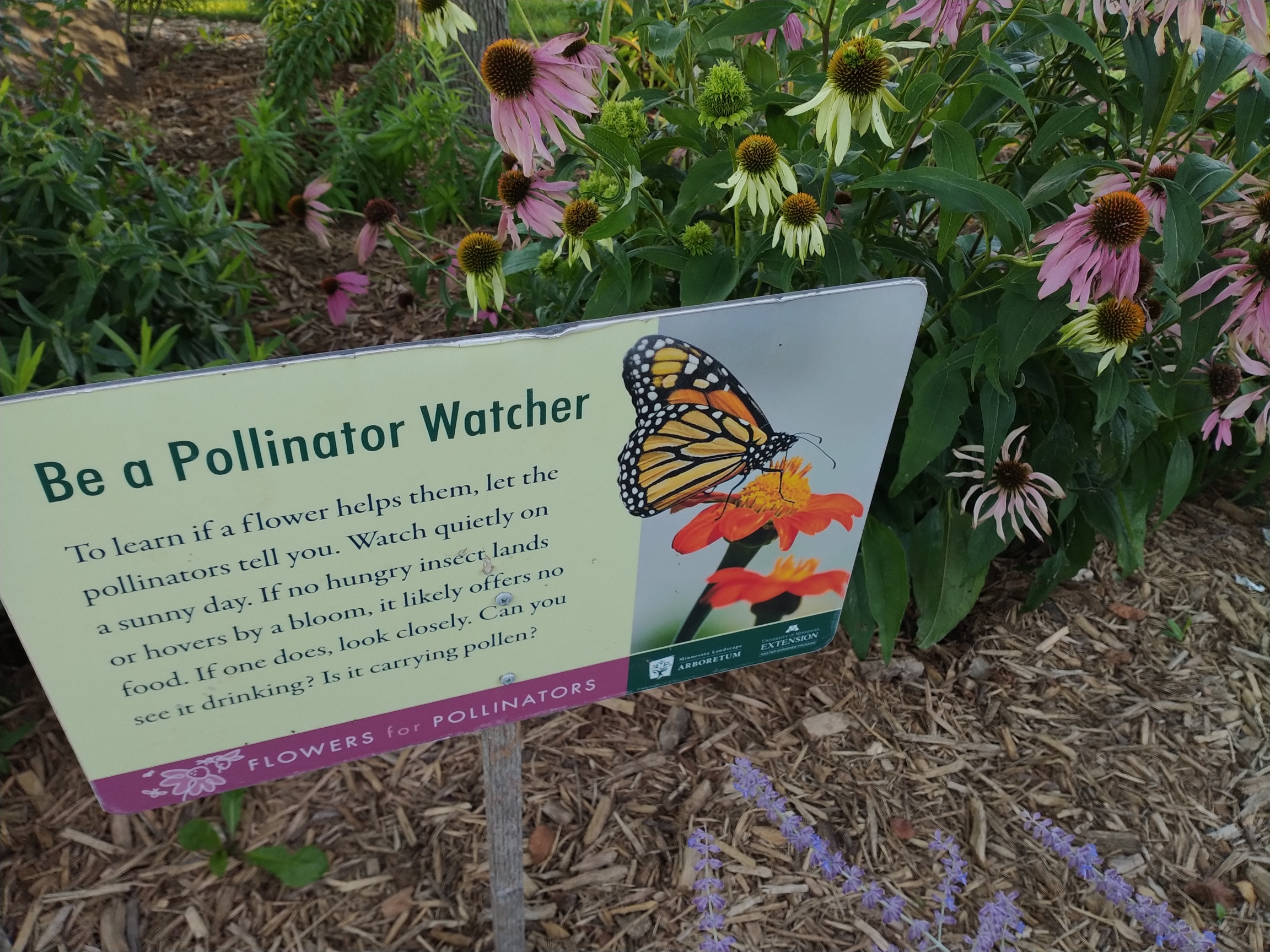
An educational sign among the flowers at the Rice County Master Gardeners Teaching Gardens. (Minnesota Prairie Roots copyrighted photo August 2024)

FYI: Nerstrand Big Woods State Park is hosting a “Monarchs and Milkweeds” presentation at 10 a.m. Saturday, August 24, in the park’s amphitheater. Kathy Gillispie, who raises monarchs from eggs, caterpillars and chrysalises, will speak about her experiences with monarchs. The program is free, but a state park parking pass is needed to enter the rural Nerstrand park.

© Copyright 2024 Audrey Kletscher Helbling
 

Going Up North to a Minnesota lake cabin August 6, 2024

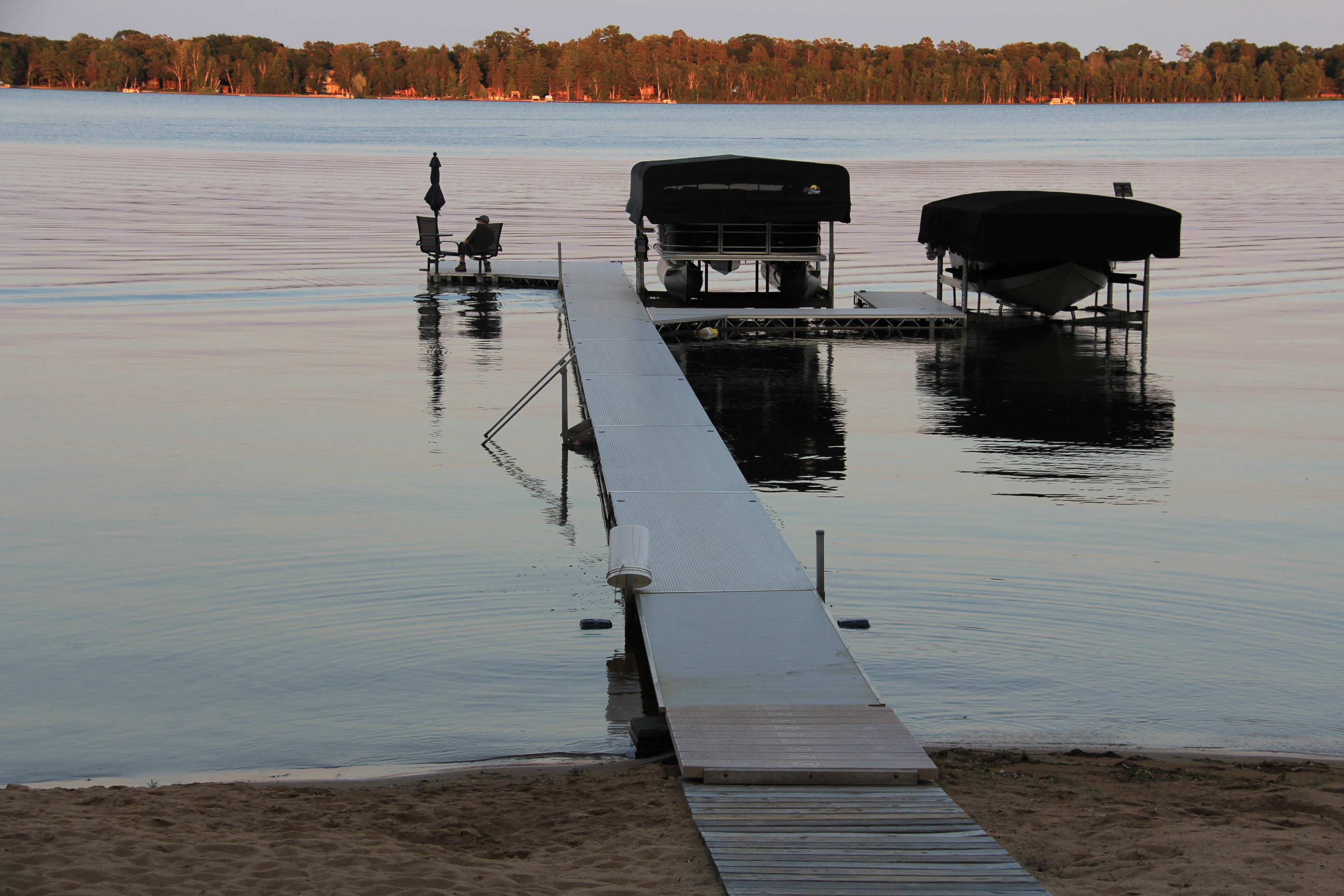
Relaxing on the end of the dock as the sun sets at Horseshoe Lake. (Minnesota Prairie Roots copyrighted photo July 2024)

LAKE, SKY, TOWERING PINES, CABIN. Those define summer Up North for many Minnesotans. Not until recent years did I, too, become one of those heading north to the cabin for a week. That’s thanks to a brother-in-law and sister-in-law who generously share their Northwoods paradise with extended family.

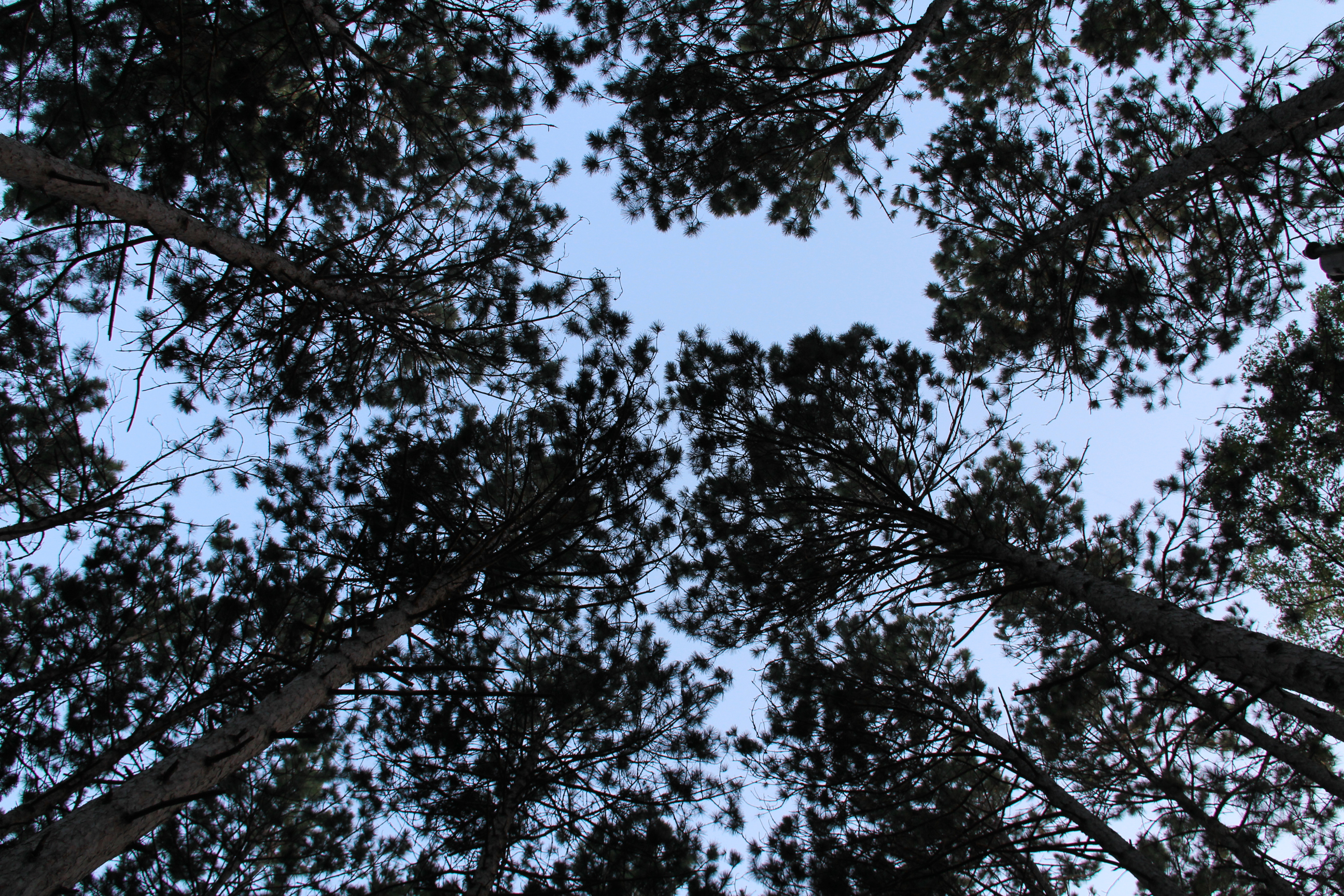
I aimed my camera straight up toward the tops of towering pines. (Minnesota Prairie Roots copyrighted photo July 2024)

Randy and I love spending time with our eldest daughter, son-in-law and two grandchildren at the cabin on Horseshoe Lake south of Crosslake. We are bonding, building memories and connecting with nature in a way that differs from southern Minnesota.

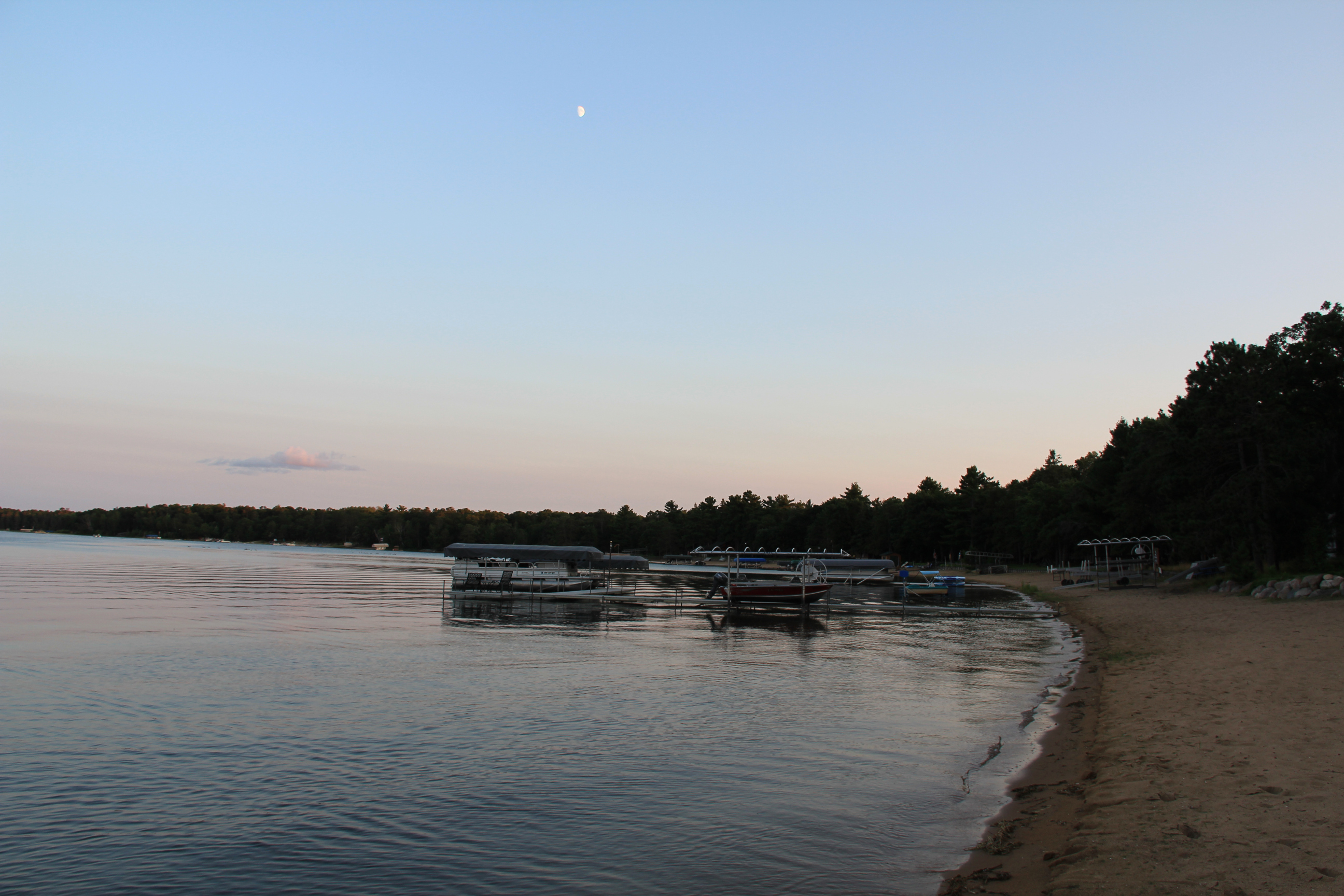
Treelines open to the beach along Horseshoe Lake as the sun sets, the moon rises. (Minnesota Prairie Roots copyrighted photo July 2024)

The Brainerd Lakes Area has a decidedly different look and feel than the lower half of our state. Dense woods, primarily pine, hug roads and homes, opening to beautiful, pristine lakes.

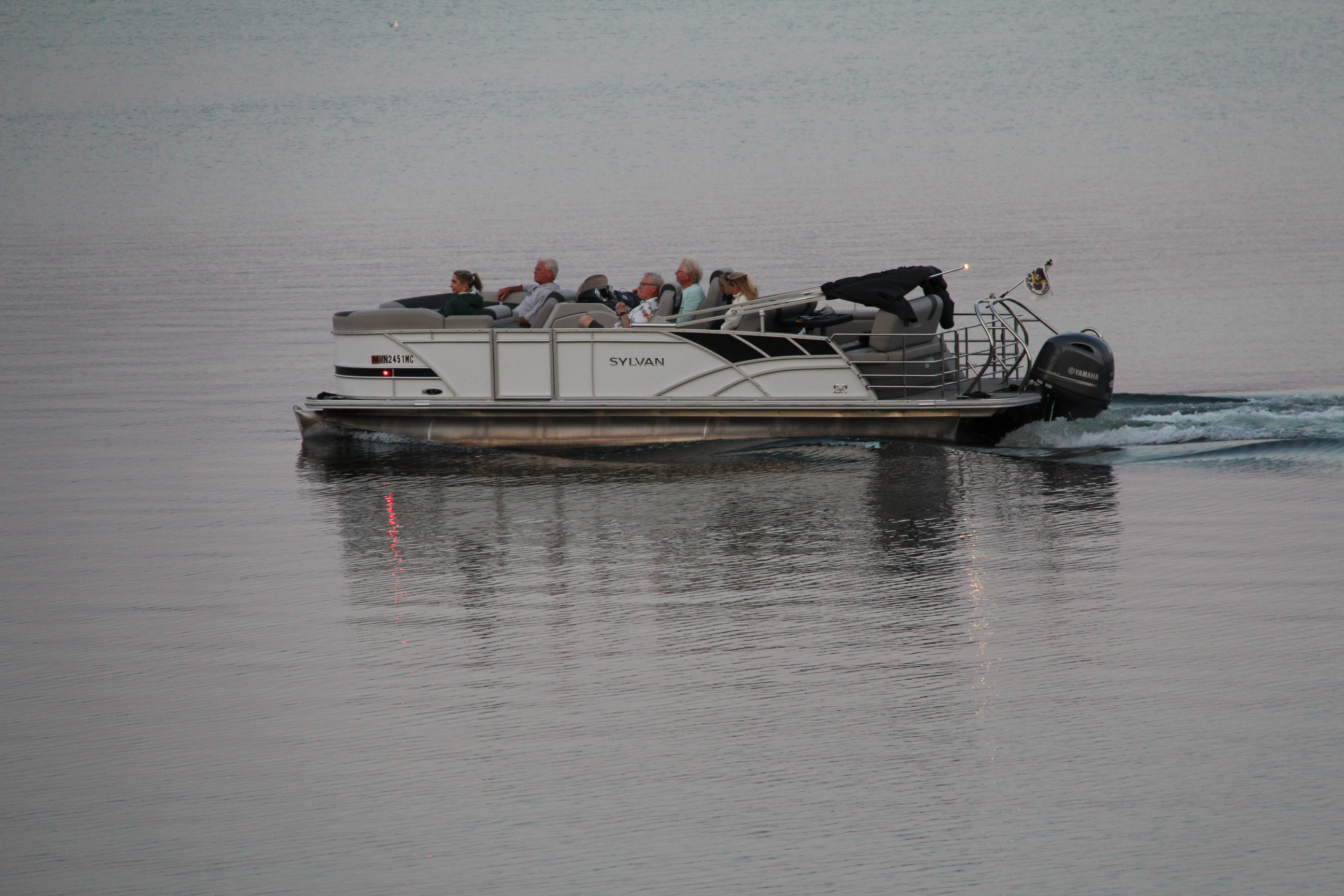
As day shifts toward night, pontoons motor around Horseshoe Lake. (Minnesota Prairie Roots copyrighted photo July 2024)
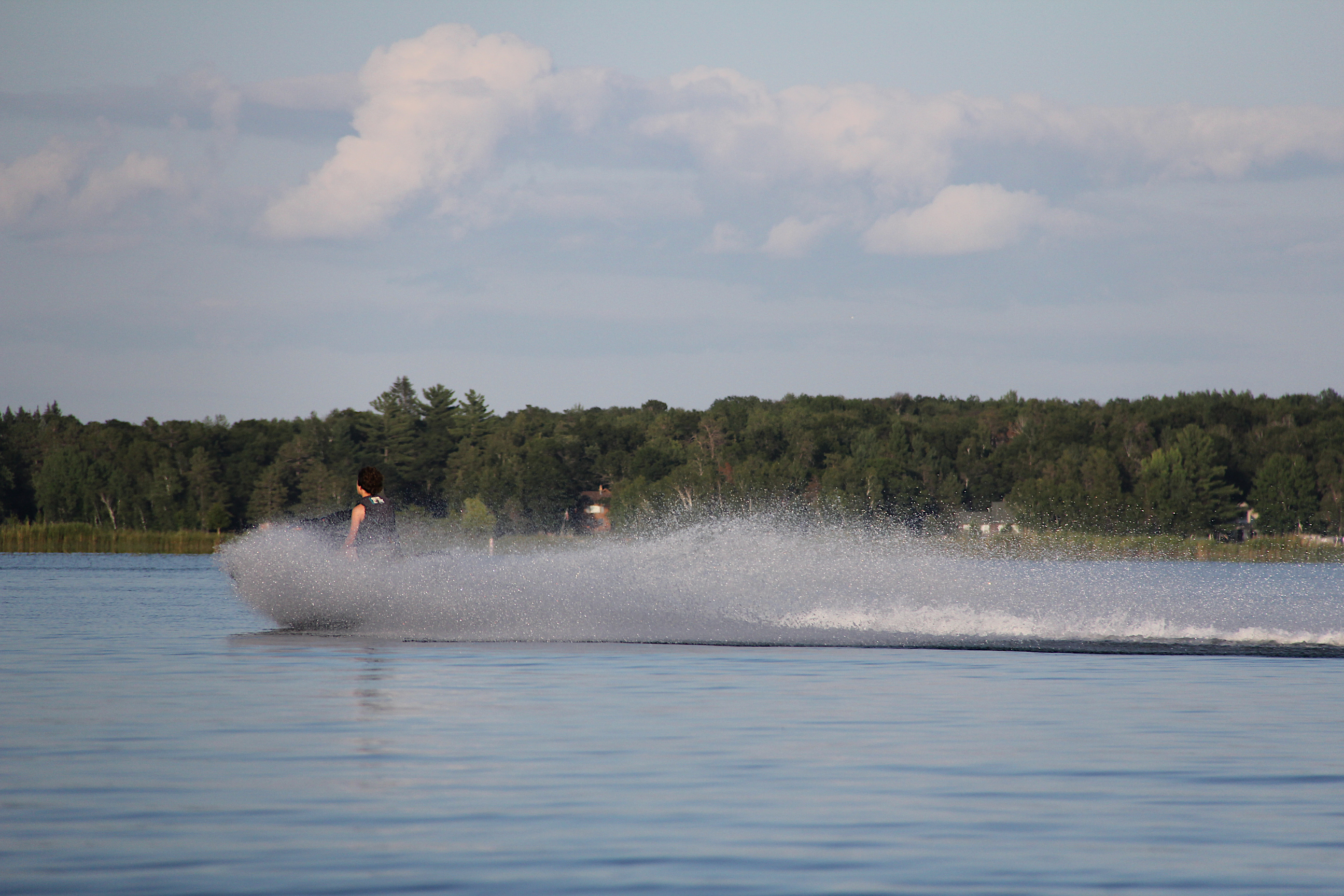
There are plenty of jet skis, too, speeding across the lake. (Minnesota Prairie Roots copyrighted photo July 2024)
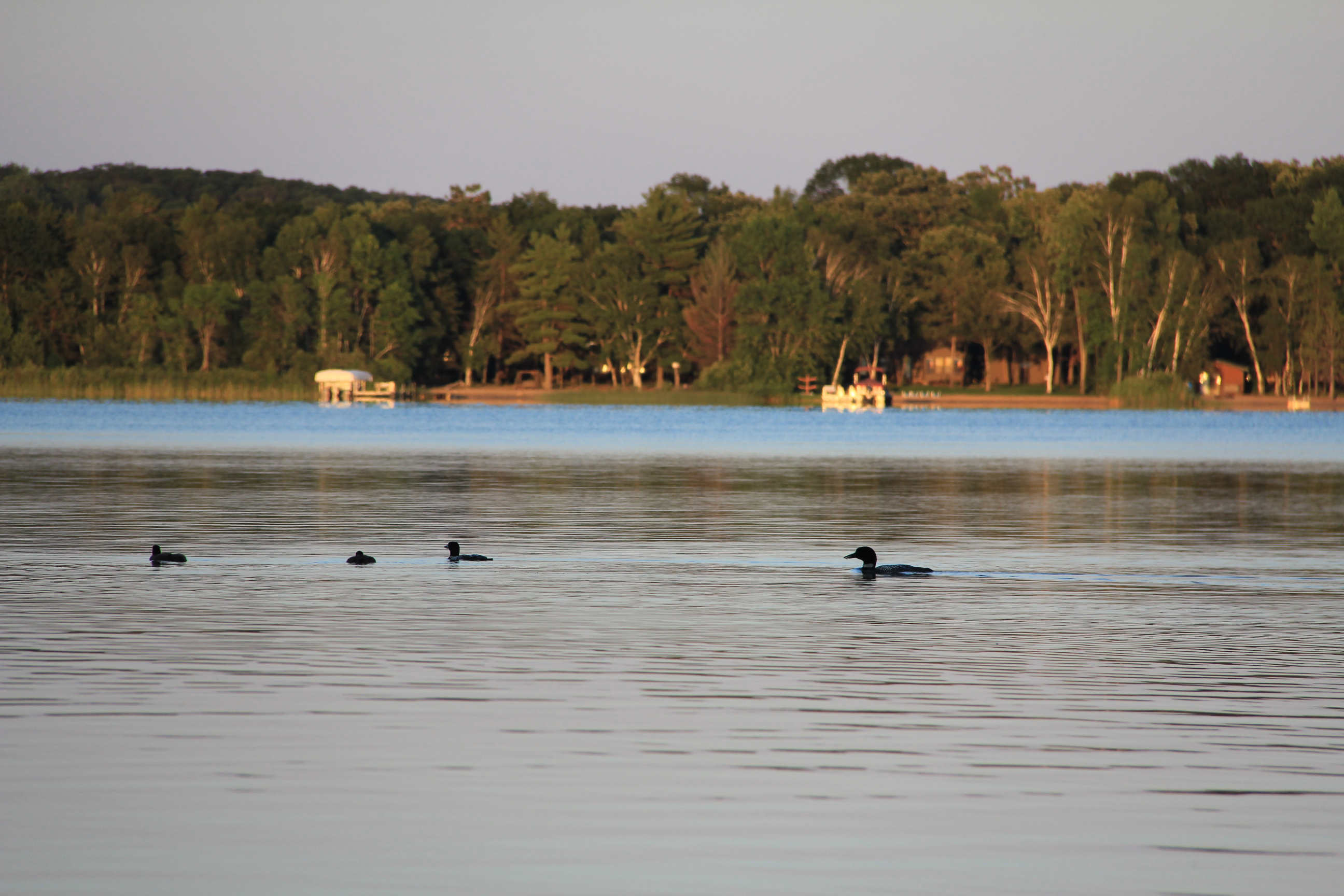
A loon family glides across the lake at sunset. We saw and heard the loons often, but none swam near enough for close-up photos. (Minnesota Prairie Roots copyrighted photo July 2024)

Up here it’s all about fishing, campfires, watching the sun set or rise, lying in a hammock, drinking coffee lakeside, grilling, eating meals outdoors, observing the loons, reading on the beach, dipping your feet in the water, kayaking, paddle-boarding, boating…

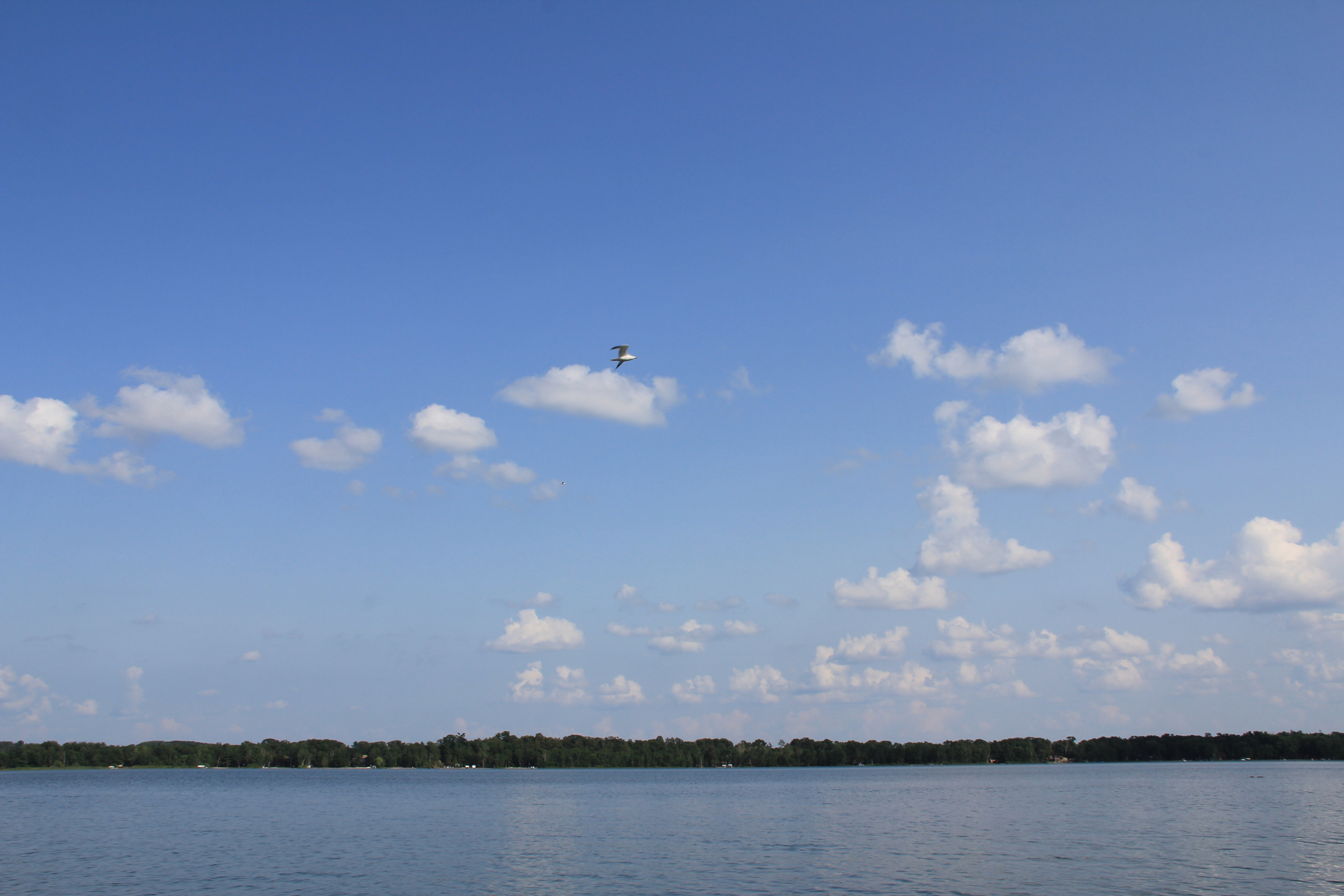
A gull wings across the wide sky on a perfect July afternoon. (Minnesota Prairie Roots copyrighted photo July 2024)

In essence, vacationing Up North means forgetting about the stresses, pressures, deadlines and routines of daily life. It means leisurely mornings, relaxing lakeside, days without time.

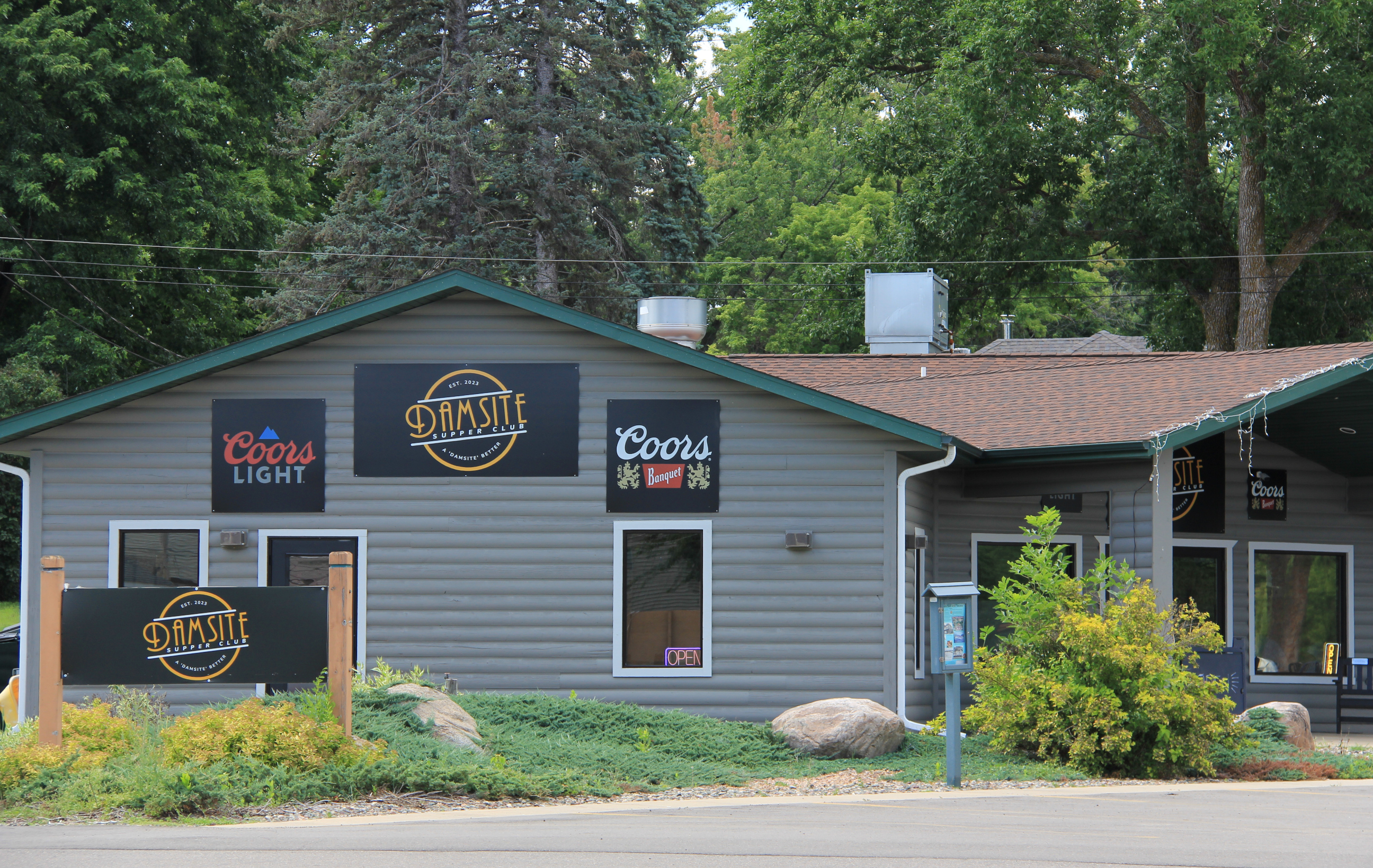
I had the best pulled pork sandwich here when Randy and I lunched with friends Sue and Charley at the Damsite Supper Club. (Minnesota Prairie Roots copyrighted photo July 2024)

Up North also means trips into town—Nisswa to peruse the shops; Crosslake for ice cream at Lake Country Crafts & Cones, a beer at 14 Lakes Craft Brewing Company, carry-out pizza from Rafferty’s and thrift store shopping; Bean Hole Days in Pequot Lakes; and this trip, lunch with friends at the Damsite Supper Club in Pine River a half hour to the north.

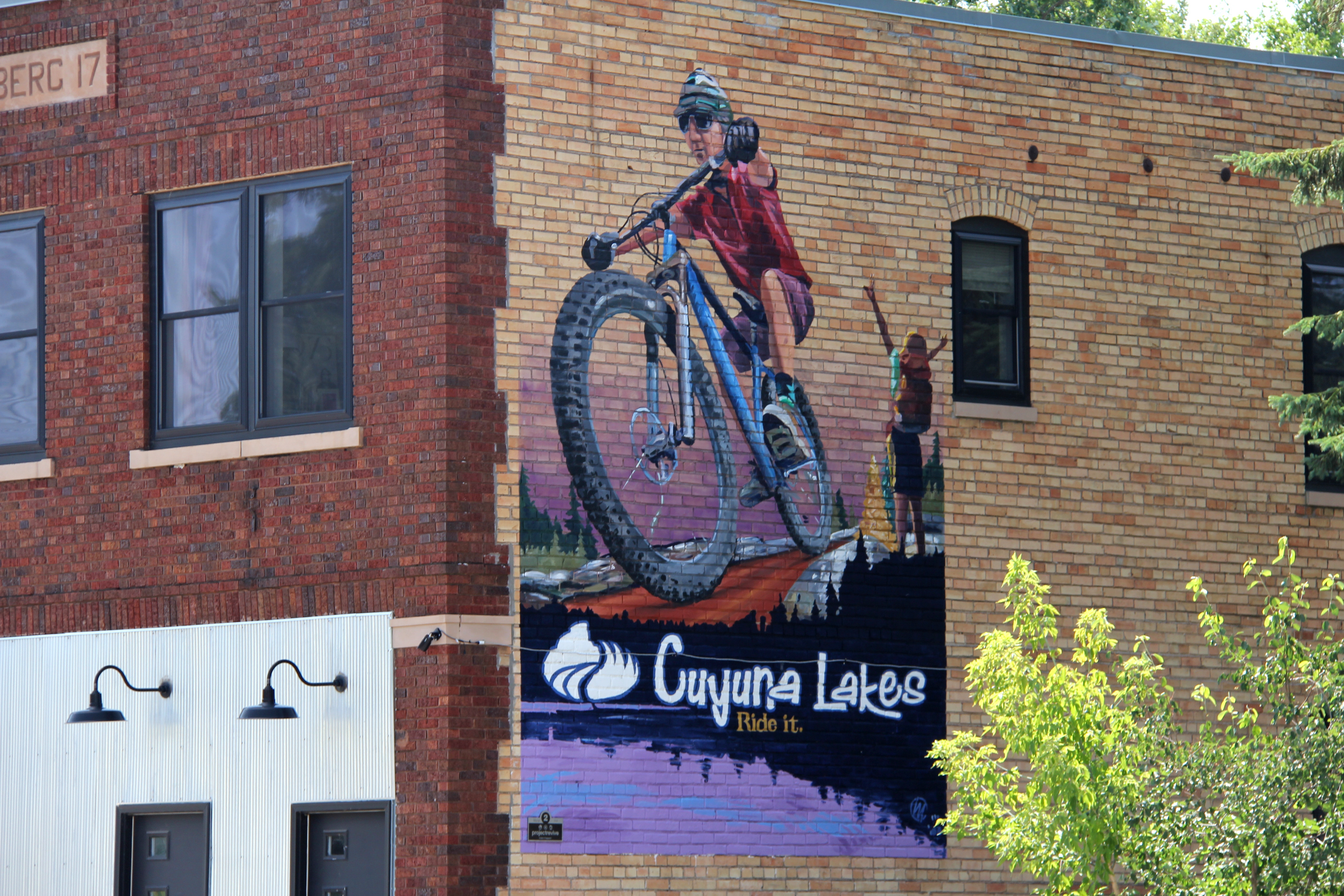
A mural in Ironton promotes cycling in the region. (Minnesota Prairie Roots copyrighted photo July 2024)
Randy photographed me with my new friend outside Nord Hus Scandinavian Goods in Crosby. (Minnesota Prairie Roots copyrighted photo July 2024 by Randy Helbling)

This stay we also drove to nearby Crosby and Ironton, towns nestled next to each other and deeply rooted in Iron Range history. We’ve only just begun to explore those communities, which are remaking and branding themselves as the Cuyuna Lakes region, drawing mountain bikers to an extensive recreational trail system, vacationers to local eateries and shops. MacDaddy’s Donut Garage in Ironton is on my list of bakeries to visit.

The Blueberry Special at Valeri Ann’s. (Minnesota Prairie Roots copyrighted photo July 2024)

Valeri Ann’s Family Foods in Merrifield, a short drive from the cabin, has become our source for decadent caramel rolls, one big enough for two to share and tasting almost as good as the ones my mother-in-law made. This time we also tried the breakfast specials, one featuring a dinner-plate-size blueberry pancake, the other with wild rice and more incorporated into scrambled eggs. Wild rice is another Northwoods signature food, grown and harvested in the region and parts farther north.

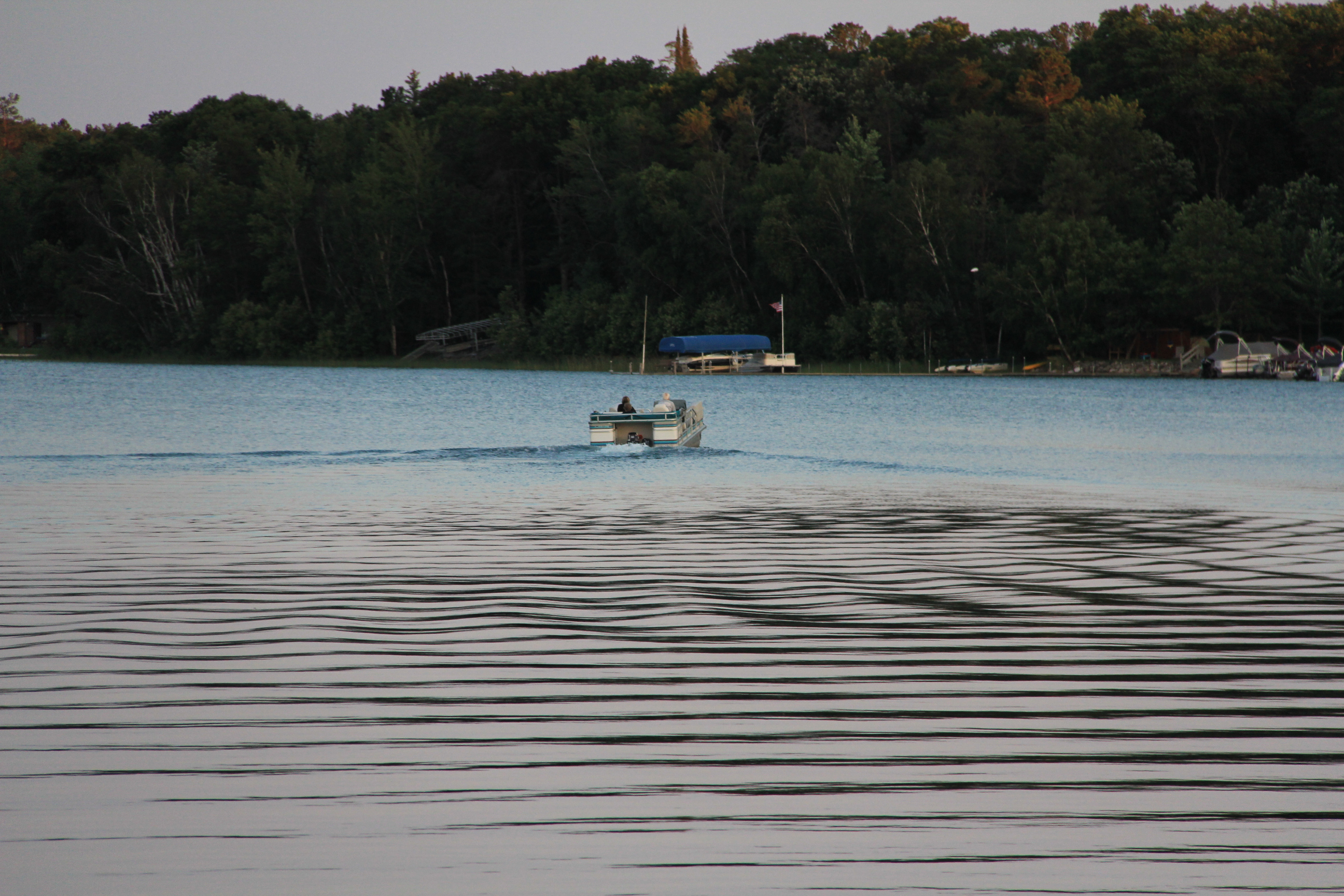
I love how the water ripples, like a work of art, as a boat crosses Horseshoe Lake at sunset. (Minnesota Prairie Roots copyrighted photo July 2024)

As I’ve explored and vacationed in the Northwoods, I’ve grown a deeper appreciation for Minnesota and its diversity of geography, topography and lifestyle. There’s so much to love about this state, from north to south, east to west. Ah, summertime…and going Up North to the cabin.

© Copyright 2024 Audrey Kletscher Helbling
 

In search of gnomes at Mission Park July 22, 2024

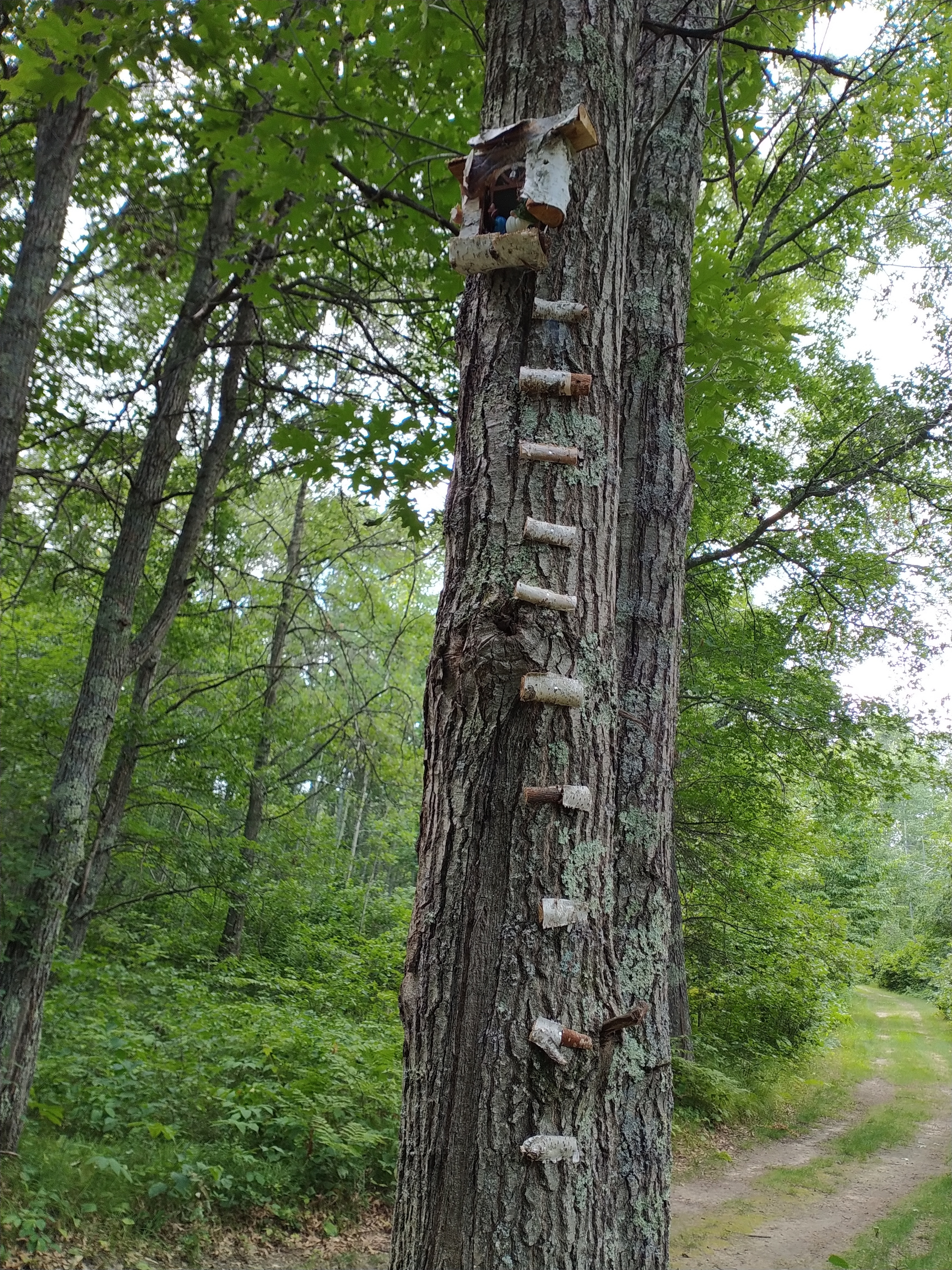
A ladder leads to these tree gnomes along a trail. (Minnesota Prairie Roots copyrighted photo July 2024)

CALL IT A TREASURE HUNT or a scavenger hunt, whatever the word choice, both equate a search for something hidden. Count me in.

While vacationing last week in Crow Wing County’s Chain of Lakes area, I happened upon gnomes at Mission Park north of Merrifield. The gnomes are a recent addition to this township park, which Randy and I walk whenever we stay at a family member’s nearby lake cabin.

I remember my sister-in-law mentioning last summer that gnomes were moving into the park. But I’d forgotten until I read a sign posted at the park entry. I felt giddy with the possibilities of spotting these mythical creatures. The dwarfs are the subject of folklore. And of good luck.

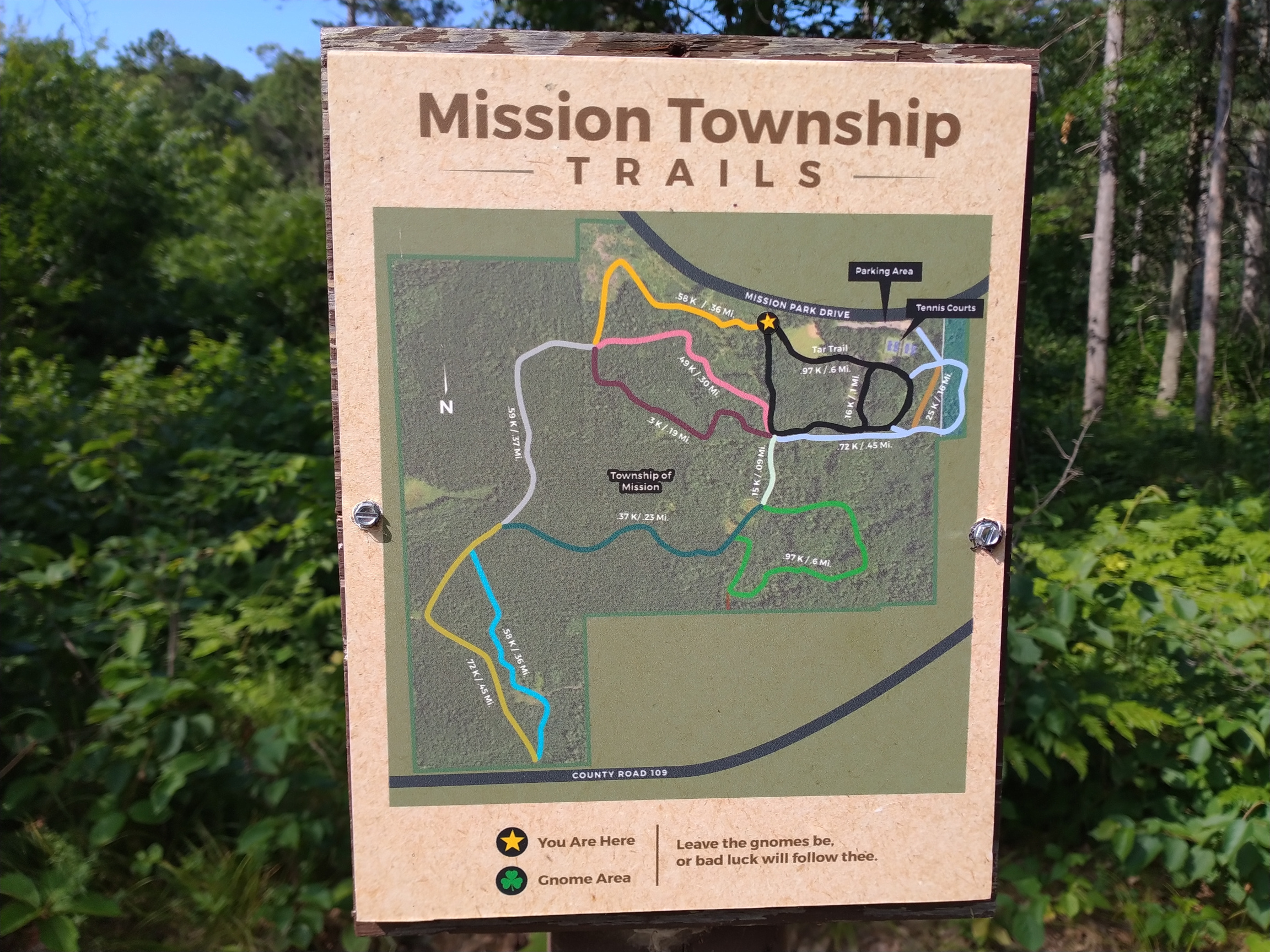
Signs like this in Mission Park identify trails and notify visitors of gnomes. (Minnesota Prairie Roots copyrighted photo July 2024)

The sign warned: Leave the gnomes be, or bad luck will follow thee. No problem there. I’d adhere to the rules rather than climb a tree to take them and risk falling in the process.

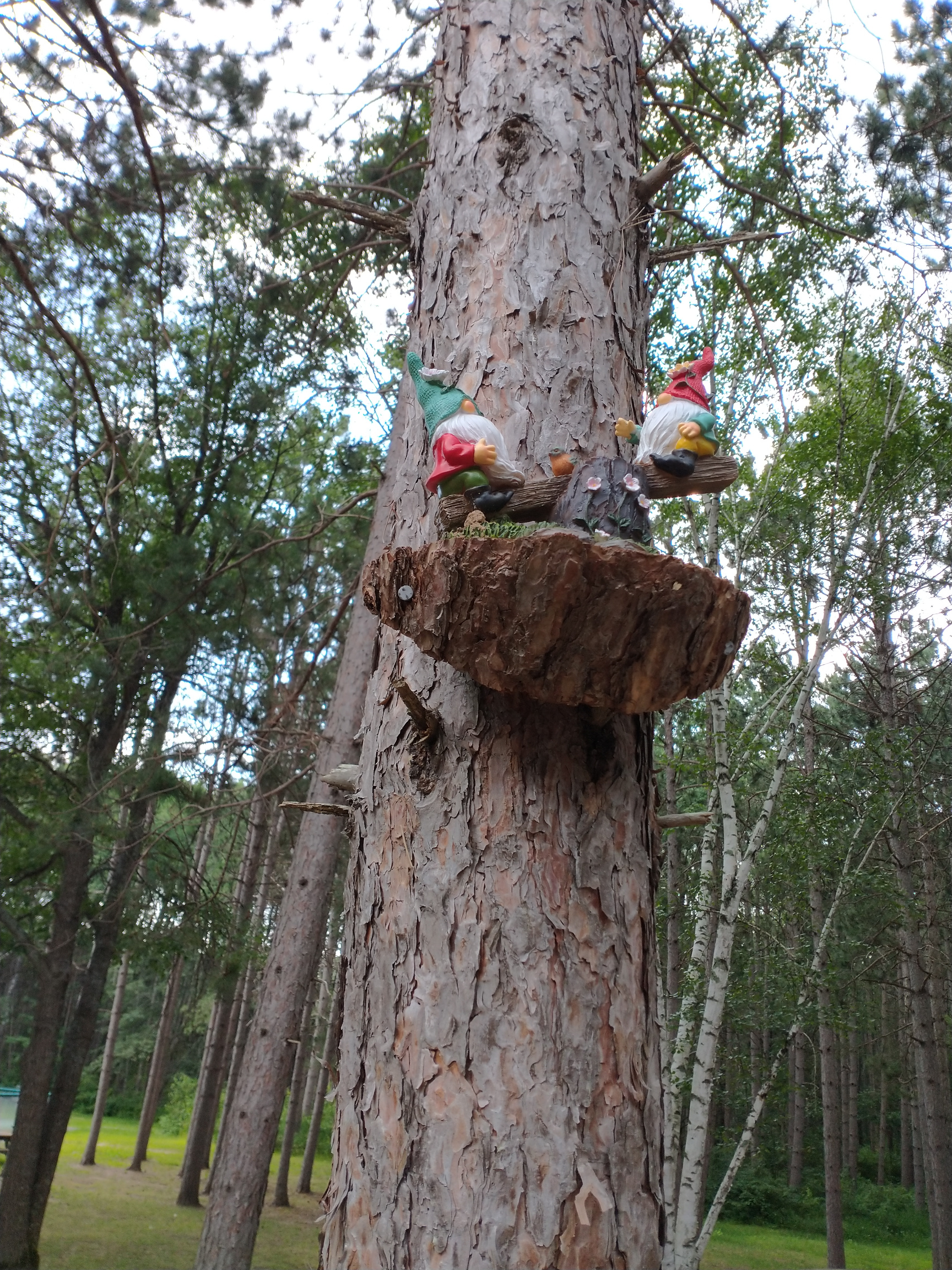
Gnomes on a teeter totter by the playground. (Minnesota Prairie Roots copyrighted photo July 2024)

I spotted my first gnome in a tree next to the playground. Then we hit the Tar Trail. And, yes, it’s appropriately named given the path is the only paved one in the park.

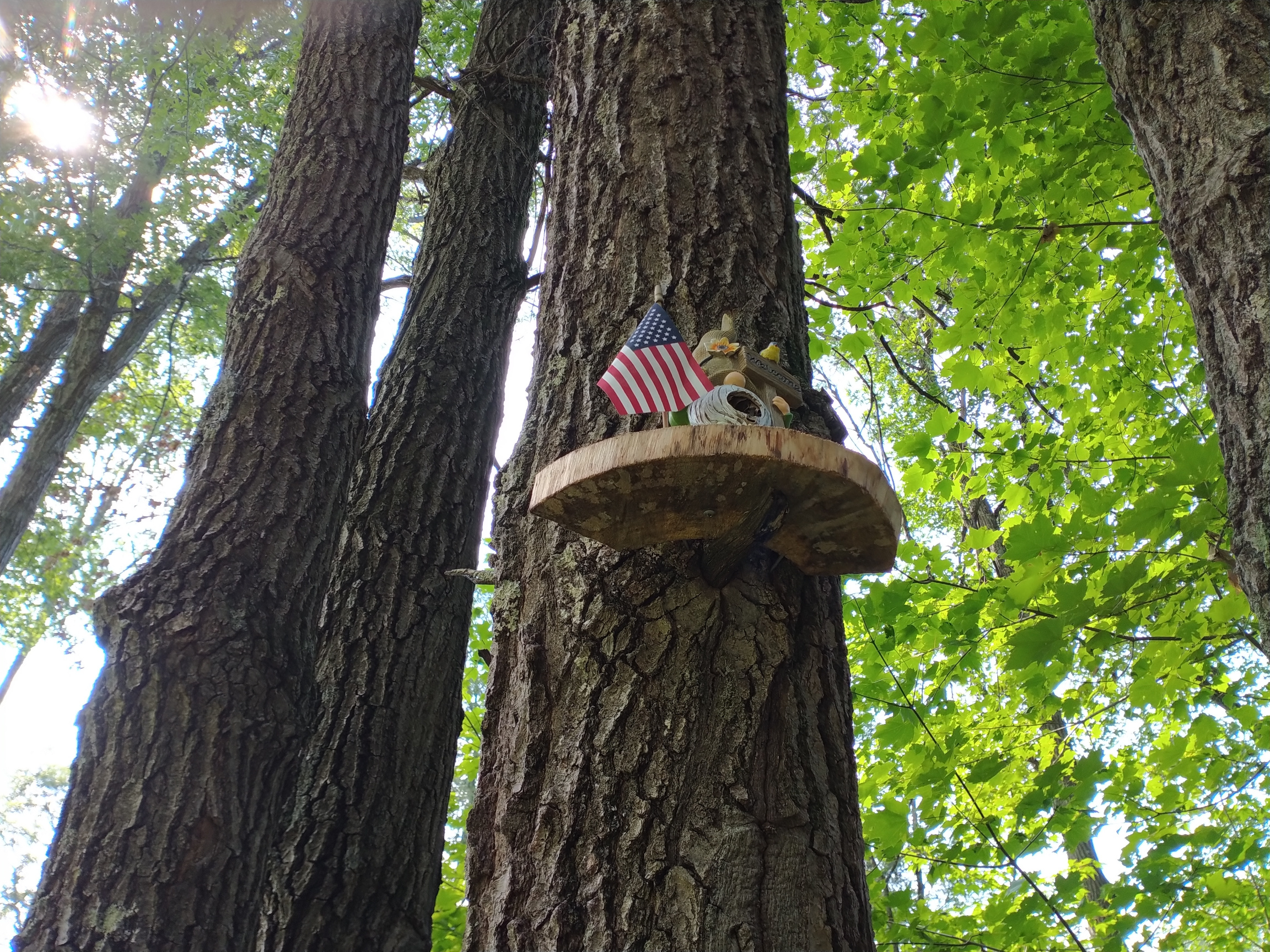
Gnomes at home in the woods. (Minnesota Prairie Roots copyrighted photo July 2024)

We walked at a fast pace. Any pause in movement brought Minnesota’s state bird, aka the mosquito, in to full attack mode. Still, several were successful in biting me. I stopped only to snap quick photos of several gnomes with my cellphone. There would be no lingering with my 35 mm camera, zooming in with my telephoto lens, during this visit. Nope. Gnomes may intrigue and delight me, but not enough to feed myself to the mosquitoes.

The bonus tree face. (Minnesota Prairie Roots copyrighted photo July 2024)

And so Randy and I hurried along the 3/4-mile loop, me swatting away bugs while trying to spot tree gnomes in the midst of the woods. I found only three tree gnome sites, plus a bonus face on a pine. But it was enough to satisfy me. I’ll resume my gnome search upon a return here in the fall, when the weather cools and mosquitoes are perhaps less prevalent.

Whimsical gnomes are a fun addition to a park that offers pickleball, tennis and basketball courts, disc golf, horseshoes, a playground, picnic shelter, ball fields, pollinator garden and more for locals and vacationers. I love walking here, where trees stretch tall, where the wind roars like waterfalls through treetops, where, now, gnomes have settled comfortably into the woods.

© Copyright 2024 Audrey Kletscher Helbling
 

Wildlife observations from along the flooded Cannon River in Faribault June 25, 2024

An egret flies over the Cannon River by the barely visible dam at North Alexander Park on Friday evening. (Minnesota Prairie Roots copyrighted photo June 21, 2024)

WILDLIFE SENSES, understands, picks up on nuances that we as humans often fail to notice in our heads-bent-to-our-smartphones, busy scheduled lives.

A blue heron perches on the edge of a tree along the Cannon River by the park-side dam. (Minnesota Prairie Roots copyrighted photo June 21, 2024)

The recent flooding is a prime example. I saw countless cellphones raised to record floodwaters and rising rivers. I carried my 35 mm Canon camera, drawn just like everyone else to document the historic natural event unfolding before me along the Cannon River in Faribault.

An egret and blue heron seem to be checking out the river as a red-winged blackbird sits among the grasses to the right. That’s the Faribault Mill in the background, railings for the park-side dam in the foreground. (Minnesota Prairie Roots copyrighted photo June 21, 2024)

But I also noticed the wildlife. They, too, were observing. Watching the water. And watching people invade their river habitat by the hundreds. I sensed how uncomfortable the egret, blue heron, ducks and red-winged blackbirds were amid all the human chaos. So many people and so much traffic.

Flying high above the flooded river. (Minnesota Prairie Roots copyrighted photo June 21, 2024)

I expect they longed for quiet. Peace. A respite from the attention. A return to normalcy. No more peering eyes. No more crowds gathering.

A bullhead partially emerges from shallow water on dam’s edge as it tries to swim up the floodwaters. (Minnesota Prairie Roots copyrighted photo June 21, 2024)
Another bullhead attempts to swim up river. (Minnesota Prairie Roots copyrighted photo June 2021)

And then there were the fish, primarily bullheads, but a few bass, attempting to swim up through water that was rushing down, spilling over the edges of the dam by North Alexander Park. The fish appeared determined to make it to the other side, to the quieter waters of the widened river. It seemed a losing cause to me. But who am I to discourage a stubborn bullhead? If anything, it was fascinating to watch.

A duck family swims in the shallow floodwaters next to the top of the dam. (Minnesota Prairie Roots copyrighted photo June 21, 2024)

Finally, I observed a mama duck and her brood aside the top of the dam. They began edging, descending toward the river. Foolish ducks, I thought, judging the mother mallard. And then I voiced my concern out loud, “Stop, you’ll drown!”

The ducks move toward the deep river. (Minnesota Prairie Roots copyrighted photo June 21, 2024)

I can only imagine the thoughts of that mother and her six ducklings. “Did that woman really say that, warn us to stay out of the water lest we drown?” If ducks could laugh, the seven of them would have chortled, chuckled, carried on and then shared what they’d heard me say. Quack. Quack. Quackity. Quack.

A mallard drake swims in the Cannon River, nowhere near the female duck and ducklings. (Minnesota Prairie Roots copyrighted photo June 21, 2024)

But it was my husband who spoke for them. “They’re ducks, Audrey,” Randy said. “They can swim.”

An egret stands watchful and tall, next to the water rushing, roiling over the dam. (Minnesota Prairie Roots copyrighted photo June 21, 2024)

Uh, yeah. He was right. But it was the mom in me emerging, the protective spirit that, in that moment, did not separate wildlife from human so focused was I on the dangers of the swollen, swift-moving river.

© Copyright 2024 Audrey Kletscher Helbling
 

Riverside observations June 13, 2024

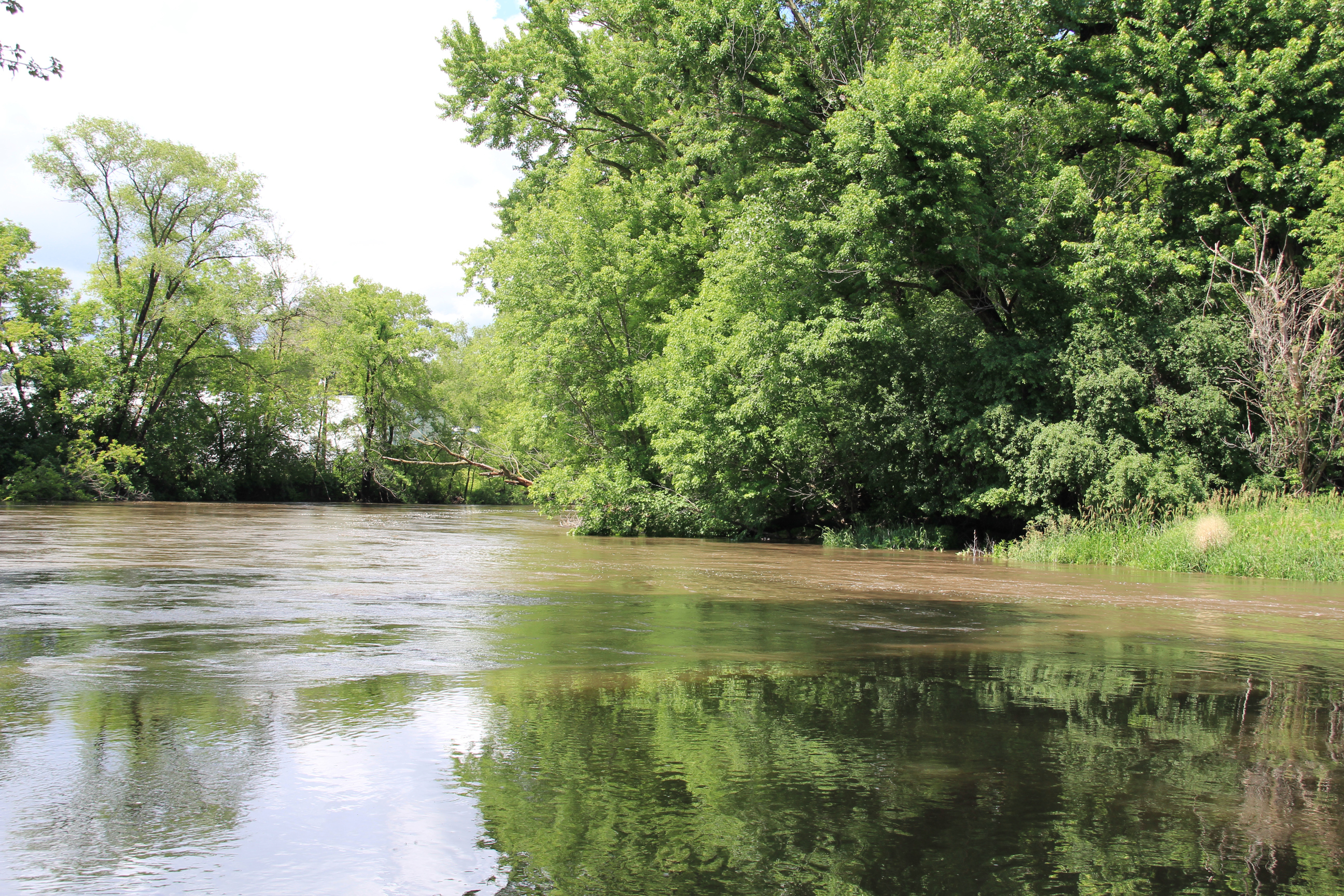
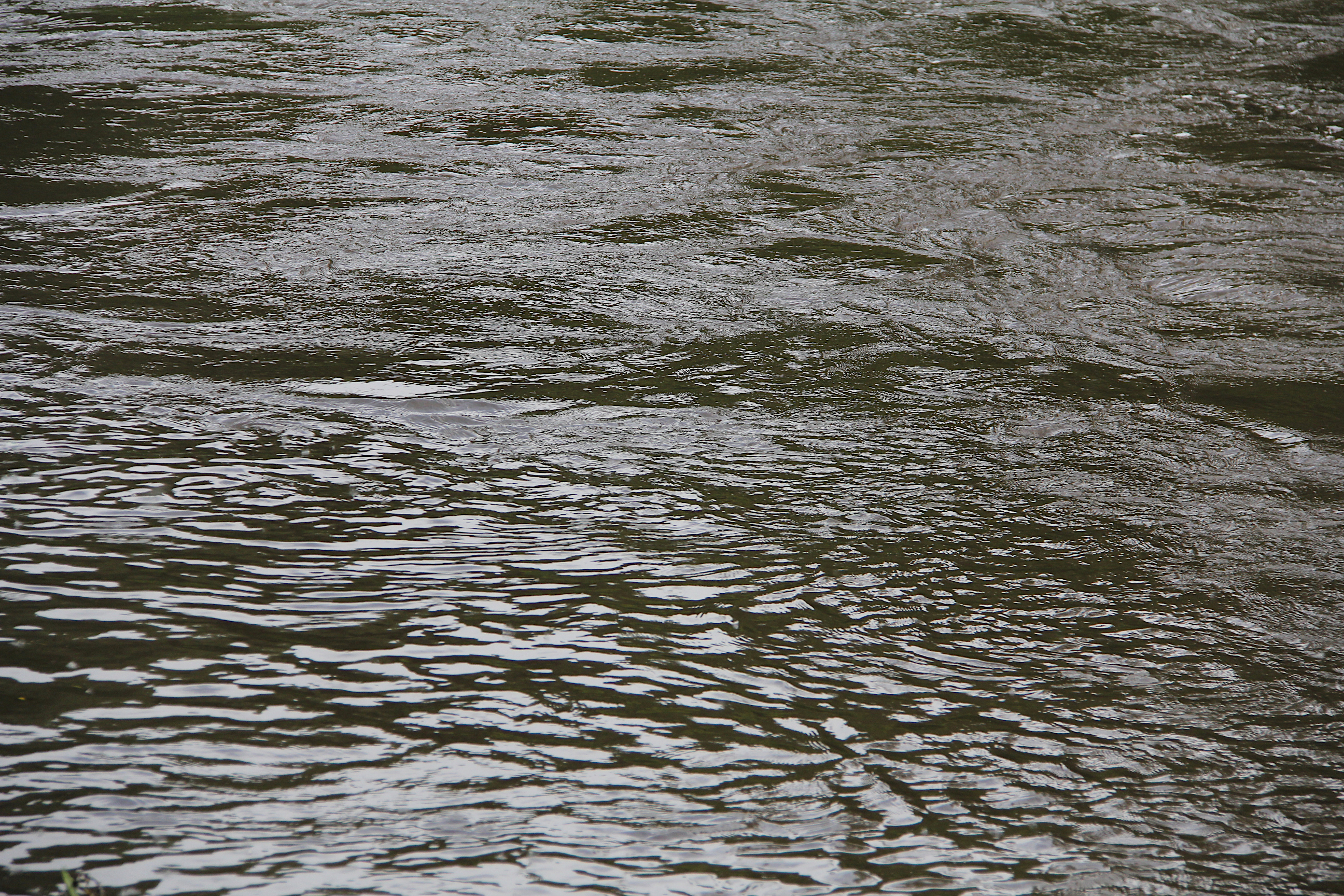
River reflections. (Minnesota Prairie Roots copyrighted photo June 2024)

THE SHRILL TRILL OF TREE FROGS cut through the woods along the river. Yet, the frogs remained unseen, despite their overwhelmingly loud voices seemingly screaming for attention. Nature is odd like that sometimes. Raucous, but stealthy enough to remain hidden.

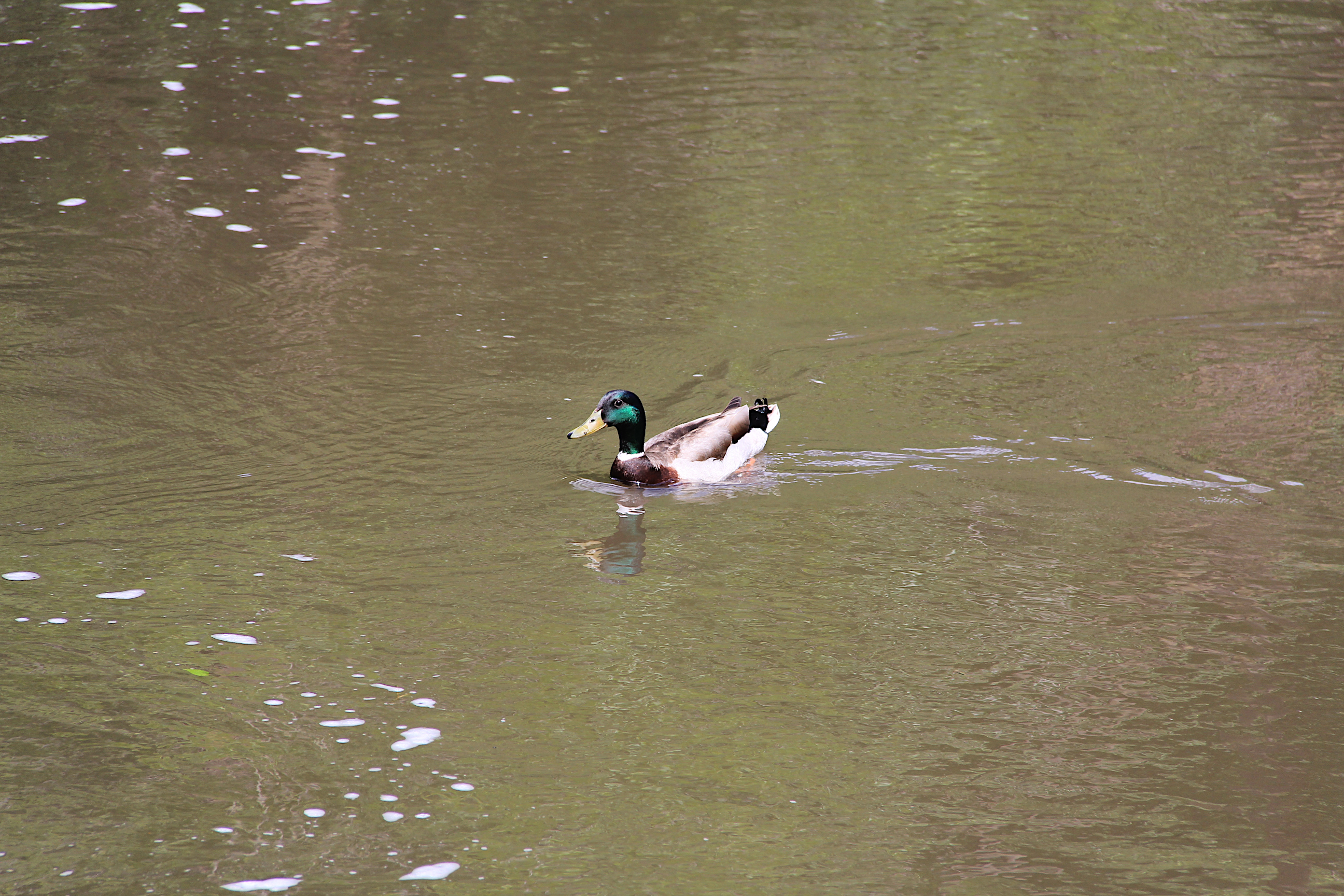
A mallard drake adds a spot of color to the dirty river water. (Minnesota Prairie Roots copyrighted photo June 2024)

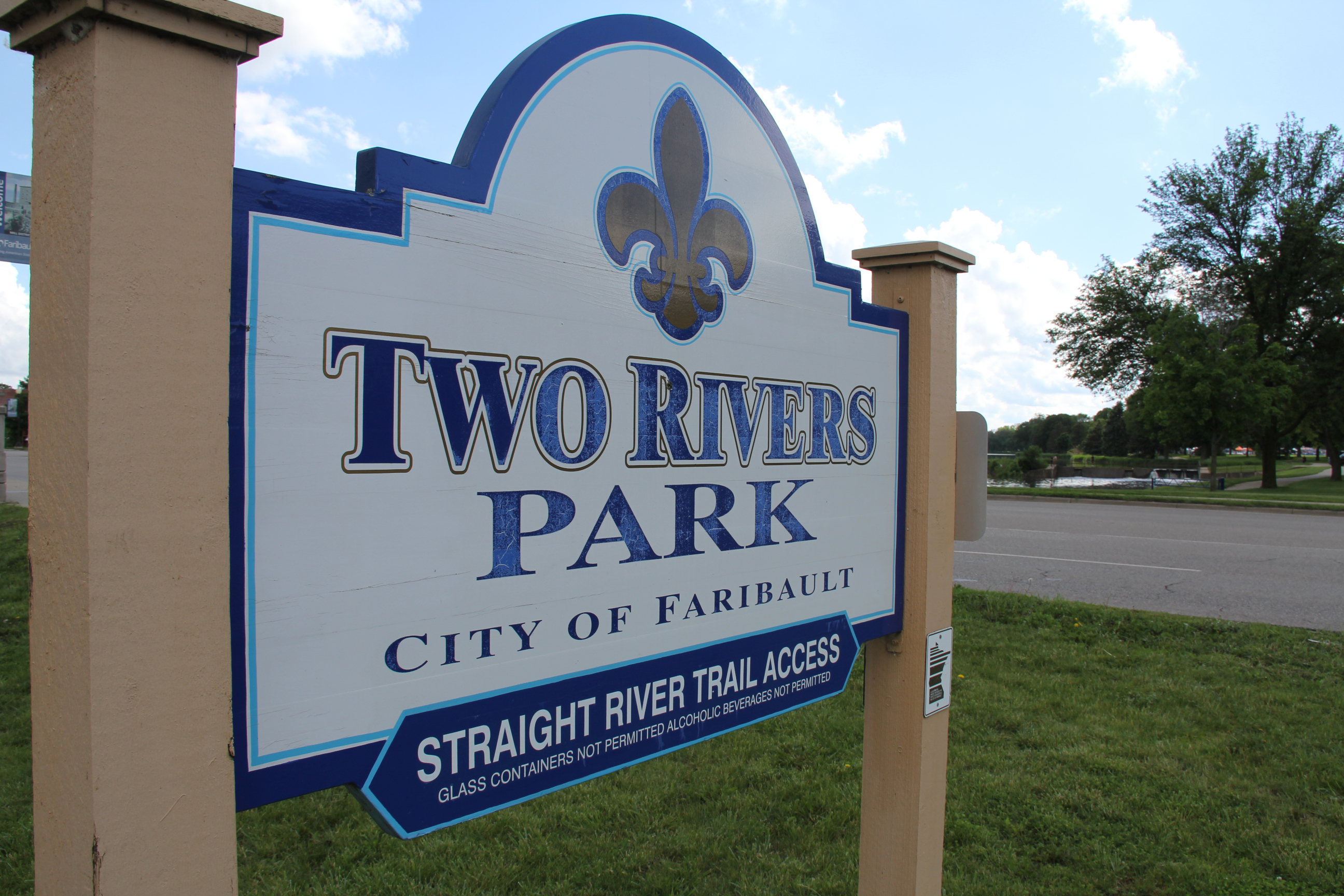
Yet, on this walk along the Cannon River near Two Rivers Park in Faribault, not all creatures stayed unseen by me. A mallard drake swam in the river, shimmering iridescent neck and head contrasting sharply with water muddied by recent heavy rains.

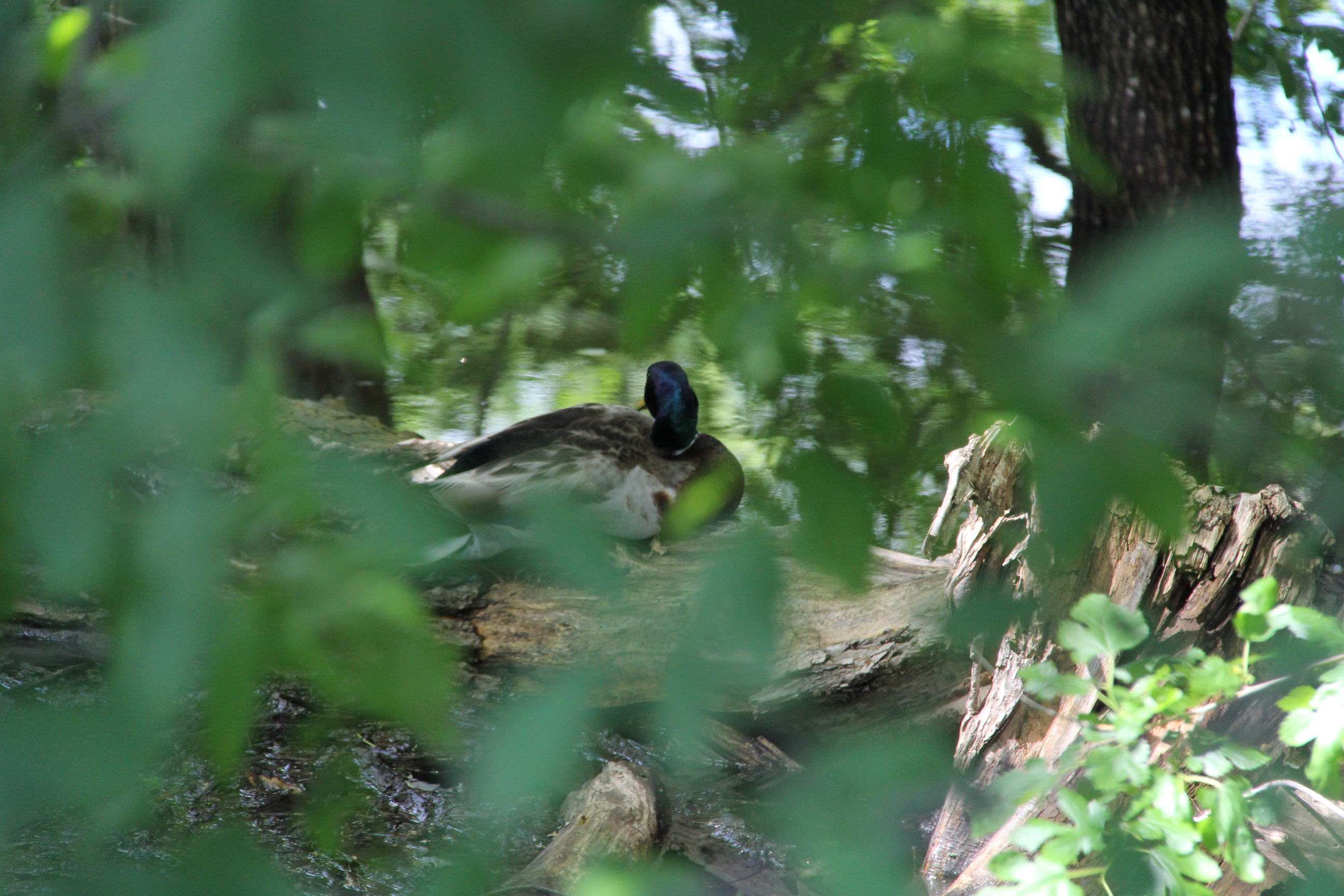
A mallard drake nearly hidden from view along the wooded edge of river backwaters. (Minnesota Prairie Roots copyrighted photo June 2024)

Through a curtain of leaves, I spotted a second drake settled on a fallen limb. Sometimes you have to look closely to notice nature in a natural landscape.

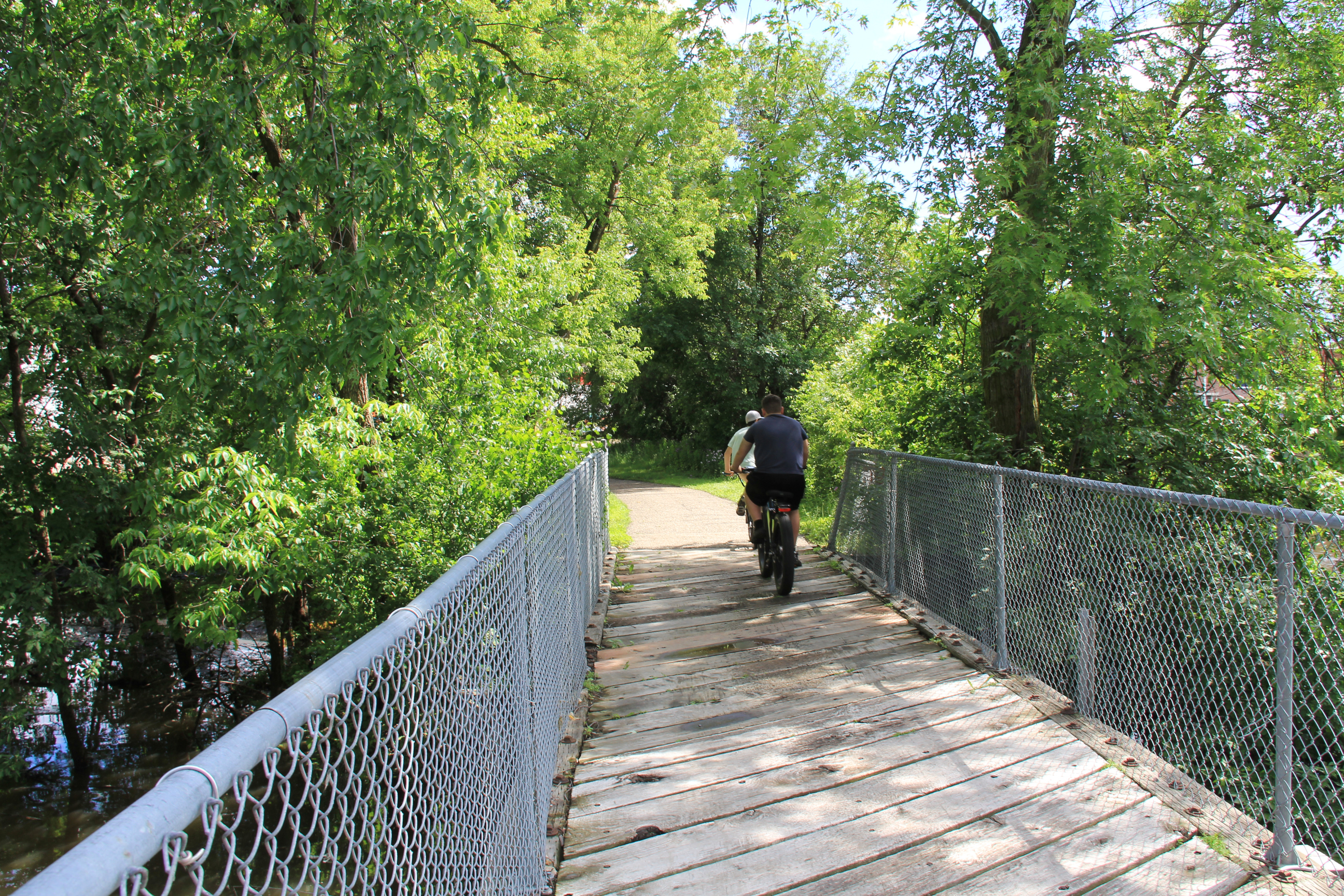
Crossing the river along the Straight River Trail near Two Rivers Park. (Minnesota Prairie Roots copyrighted photo June 2024)

I doubt the two youth pedaling the bike trail across the river bridge, along the river, around the bend beside the woods, noticed.

Two rows of boxcars parked near the former Faribault Canning Company by the Straight River Trail were painted with graffiti. (Minnesota Prairie Roots copyrighted photo June 2024)

They likely noticed the parked boxcars, though, painted with graffiti. Bold. Vivid. Graphics seemingly screaming for attention. Messages undecipherable to me. Street art. Public art. Boxcar art. Perhaps even some gang graffiti.

The rushing, rippling Straight River by the Straight River Trail near Fleckenstein Bluffs Park. (Minnesota Prairie Roots copyrighted photo June 2024)
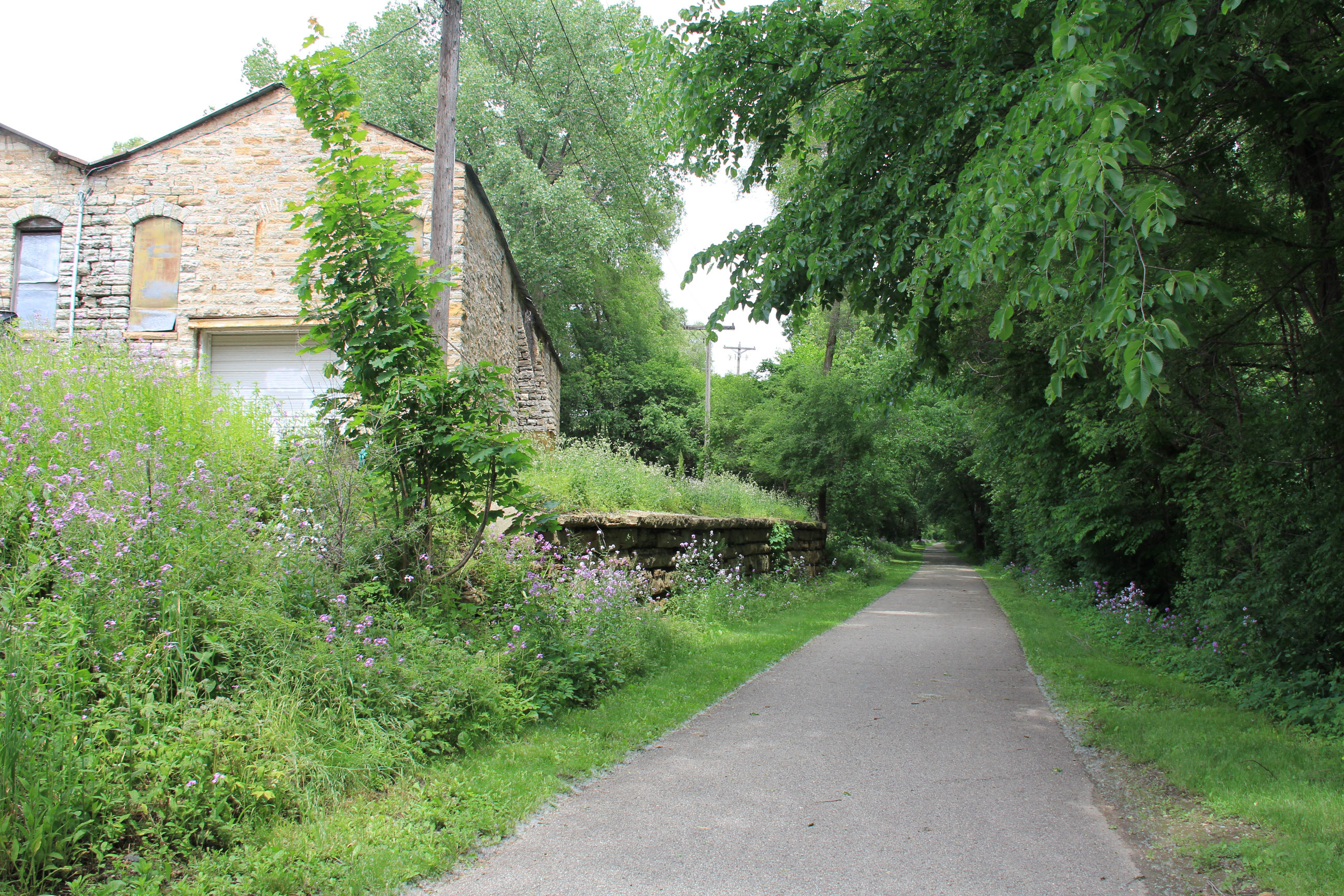
A portion of the Straight River Trail that runs through Faribault. (Minnesota Prairie Roots copyrighted photo June 2024)
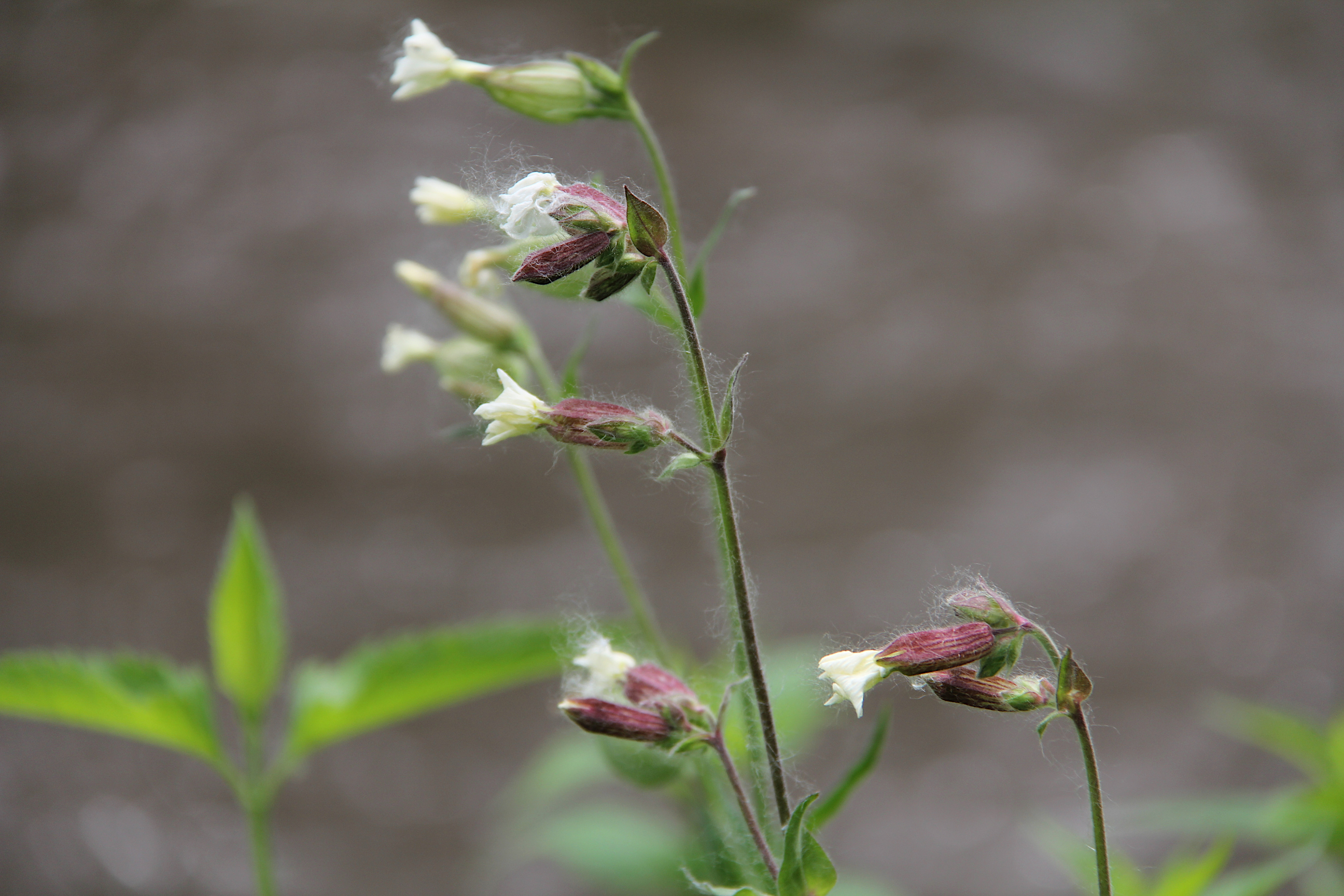
Wildflowers grow along the Straight River bank. (Minnesota Prairie Roots copyrighted photo June 2024)

Nature paints her own art in reflections and ripples upon water’s surface, in a canopy of trees draping a trail, in a clump of wildflowers or weeds, depending on perspective.

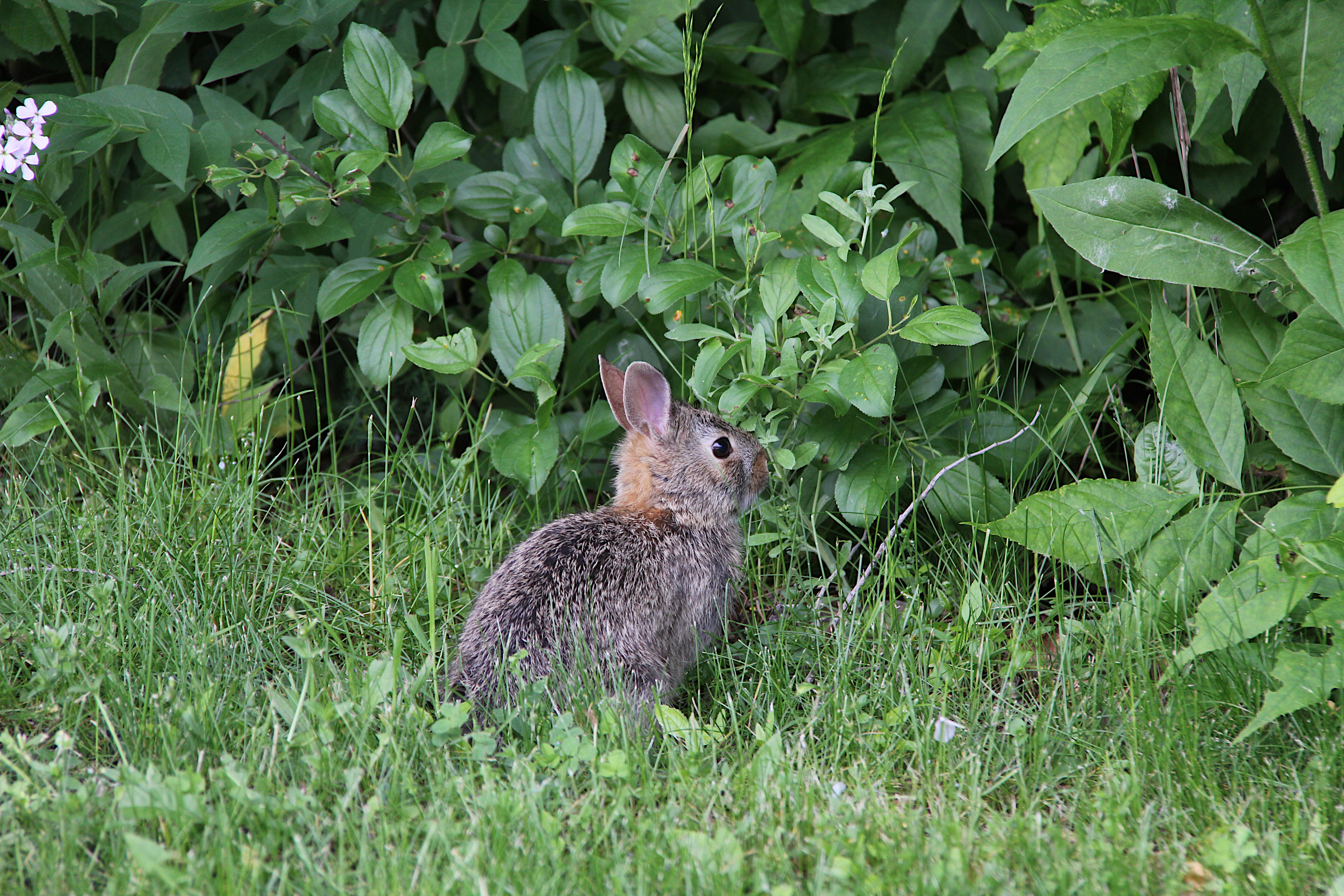
I got mighty close to this rabbit before it hopped away. (Minnesota Prairie Roots copyrighted photo June 2024)

I noticed all of this and a juvenile bunny hunkered at woods’ edge, attempting to appear unseen in a statue still pose. I crept nearer and nearer, clicking my camera until the rabbit eventually decided inaction was likely not the safest option. I posed no threat. But a young creature of the wild doesn’t understand that.

I’m thankful for city parks and trails that give me access to the river and nature in general. (Minnesota Prairie Roots copyrighted photo June 2024)

And so this is what I noticed, along the river. Floral and fauna. Noise of tree frog and nearby traffic. Scared rabbit. Duck upon muddy waters. Paint upon boxcars. Me, trying to find my place in the all of it, here beside the river.

© Copyright 2024 Audrey Kletscher Helbling
 

The art of the river in Northfield June 11, 2024

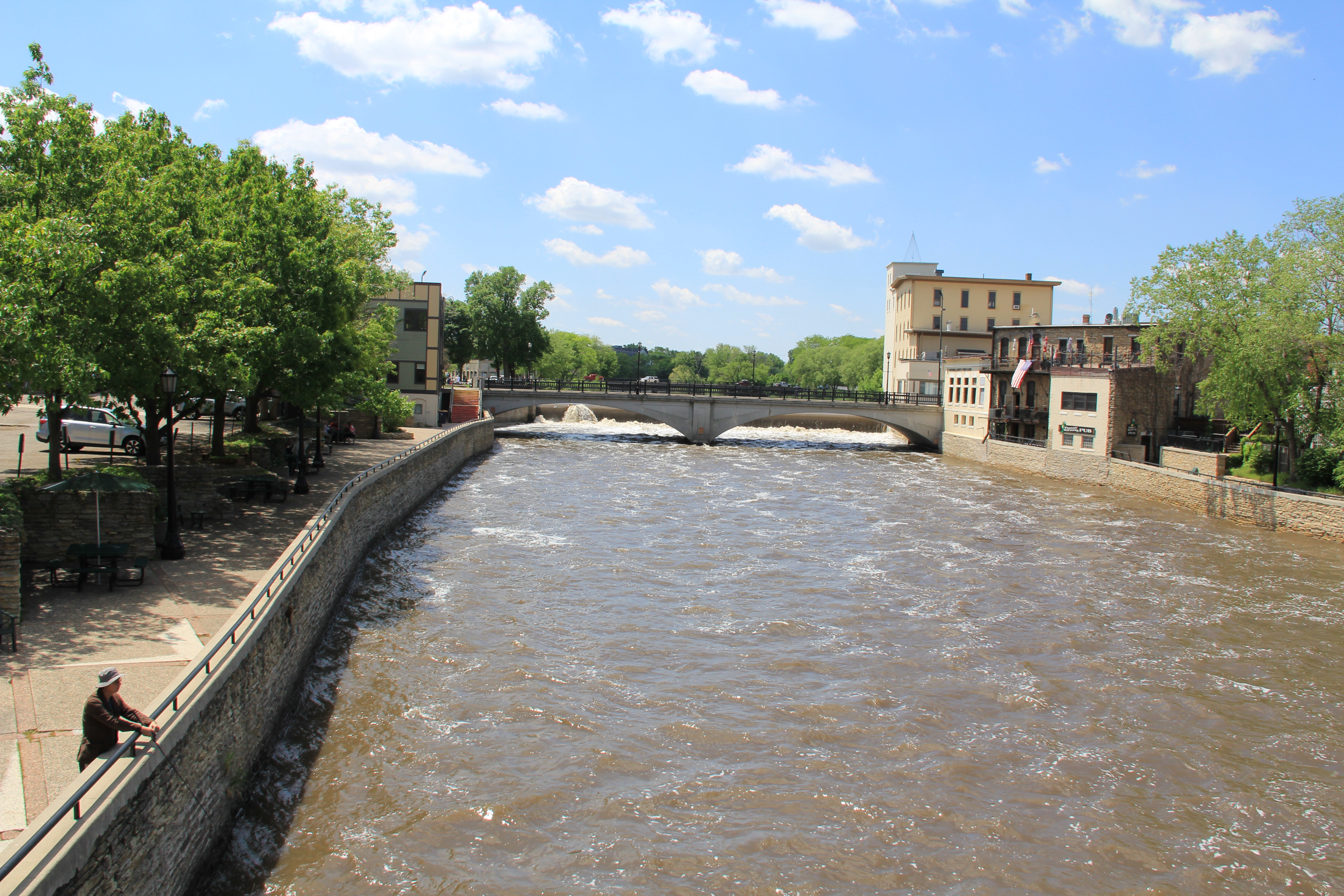
Looking down on the Cannon River from the pedestrian bridge, historic Ames Mill (and dam) in the distance, Riverwalk on each side of the river, where a man fishes, lower left. (Minnesota Prairie Roots copyrighted photo May 2024)

TO WALK ALONGSIDE a river, to watch a river, to hear a river is to experience the arts. A river, with its movement, is like a poetic dance. A river, when roaring over rocks or a dam, is like music. A river, too, is like watercolor flowing fluid and free.

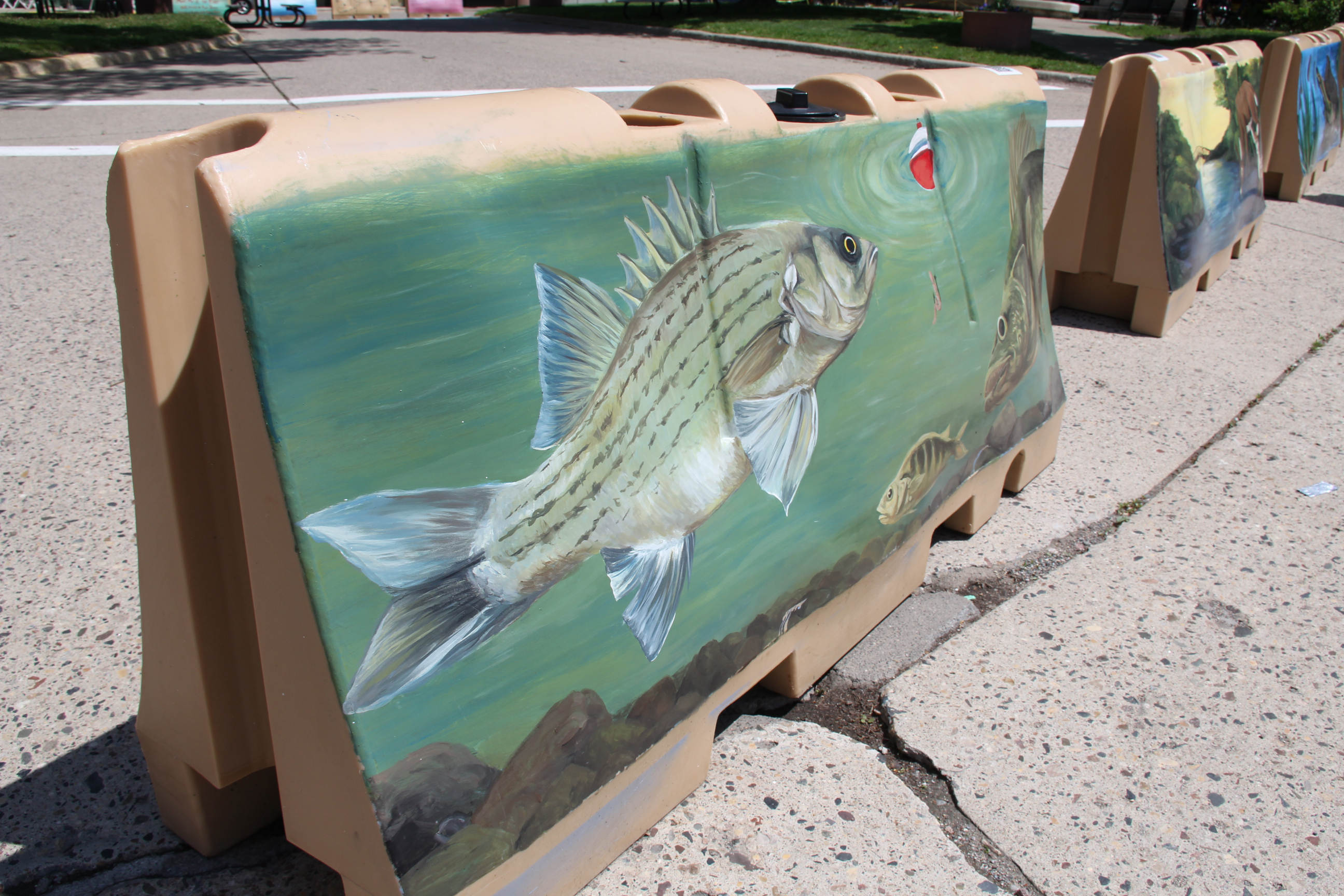
Part of the “Creatures & Features of the Cannon River” art project by Kate Woodstrup and Kathy Larson Ness. (Minnesota Prairie Roots copyrighted photo May 2024)

In Northfield, the Cannon River and art flow one into the other along the Riverwalk in the heart of an historic downtown. This southern Minnesota community, in 2023, highlighted the river and the arts through the Artists on Main Street program. Eight art projects were chosen for these latest public art installments.

Part of the “Meet Me at the River” art. (Minnesota Prairie Roots copyrighted photo May 2024)

Recently I followed the Riverwalk to see the work of several creative placemaking artists. A $25,000 grant from the Minnesota State Arts Board and $10,000 from the City of Northfield 1% for the Arts Program funded last year’s “Meet Me at the River” artwork.

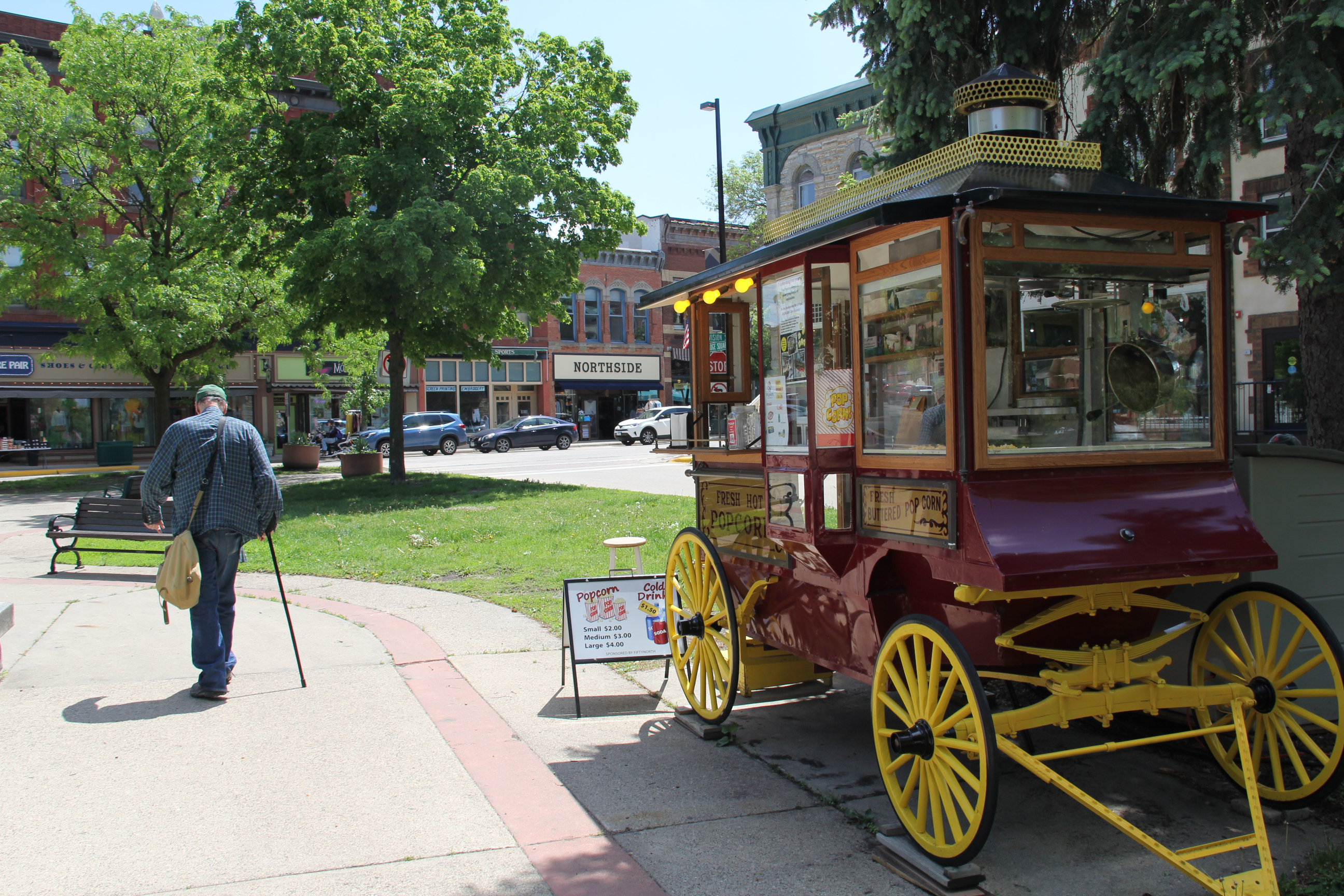
The popcorn wagon, operated by volunteers from FiftyNorth. (Minnesota Prairie Roots copyrighted photo May 2024)

I started at Bridge Square, a community gathering spot along the Cannon. The park centers the downtown business district. It’s a place to picnick, to meet, to buy popcorn from the popcorn wagon, to listen to music or to simply enjoy the outdoors next to the river.

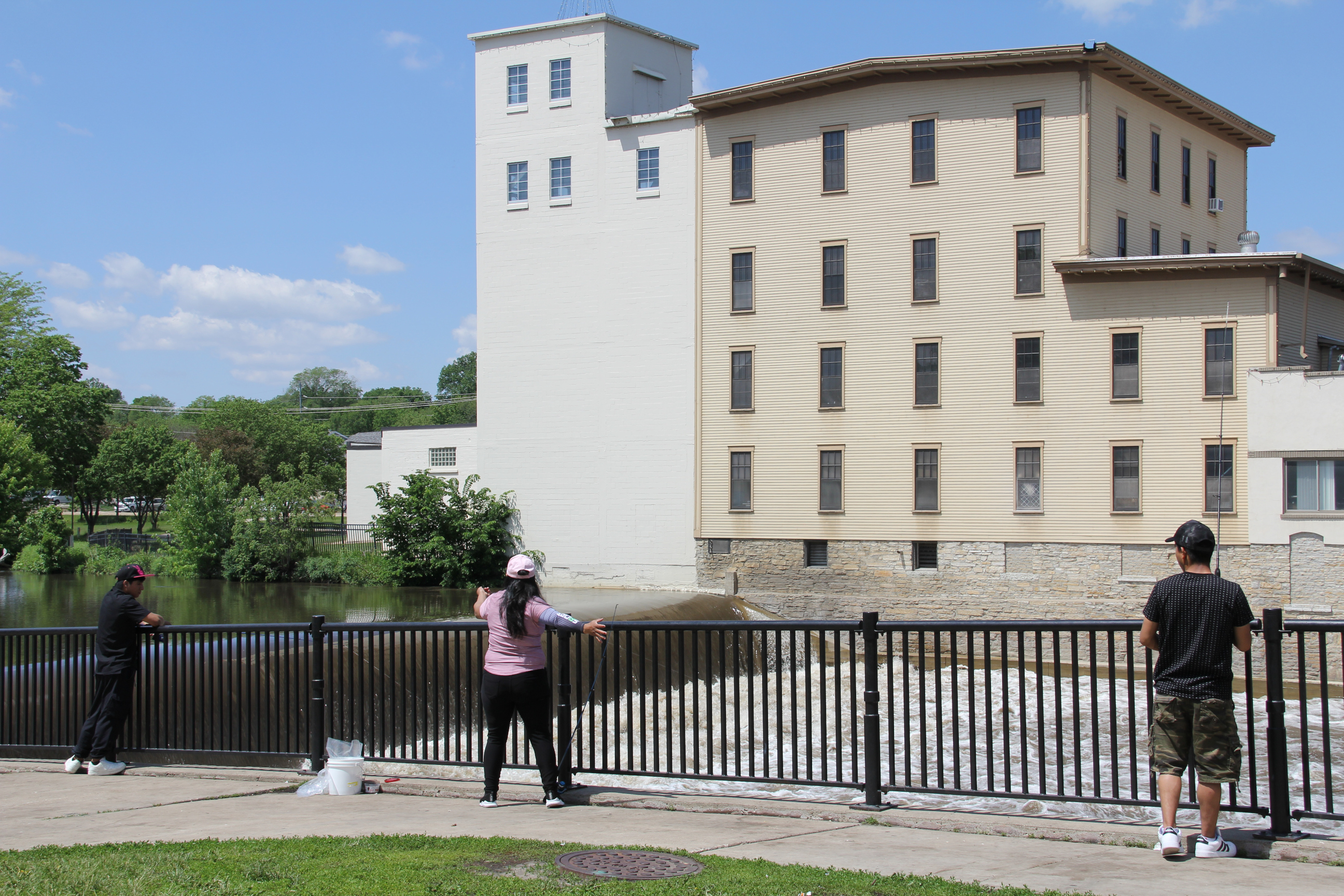
Fishing the Cannon River at the Ames Mill Dam. (Minnesota Prairie Roots copyrighted photo May 2024)

Here water rushes over a dam next to the historic Ames Mill. Anglers dangle lines in the water from the Riverwalk. It’s a popular fishing spot. Definitely a “Meet Me at the River” site.

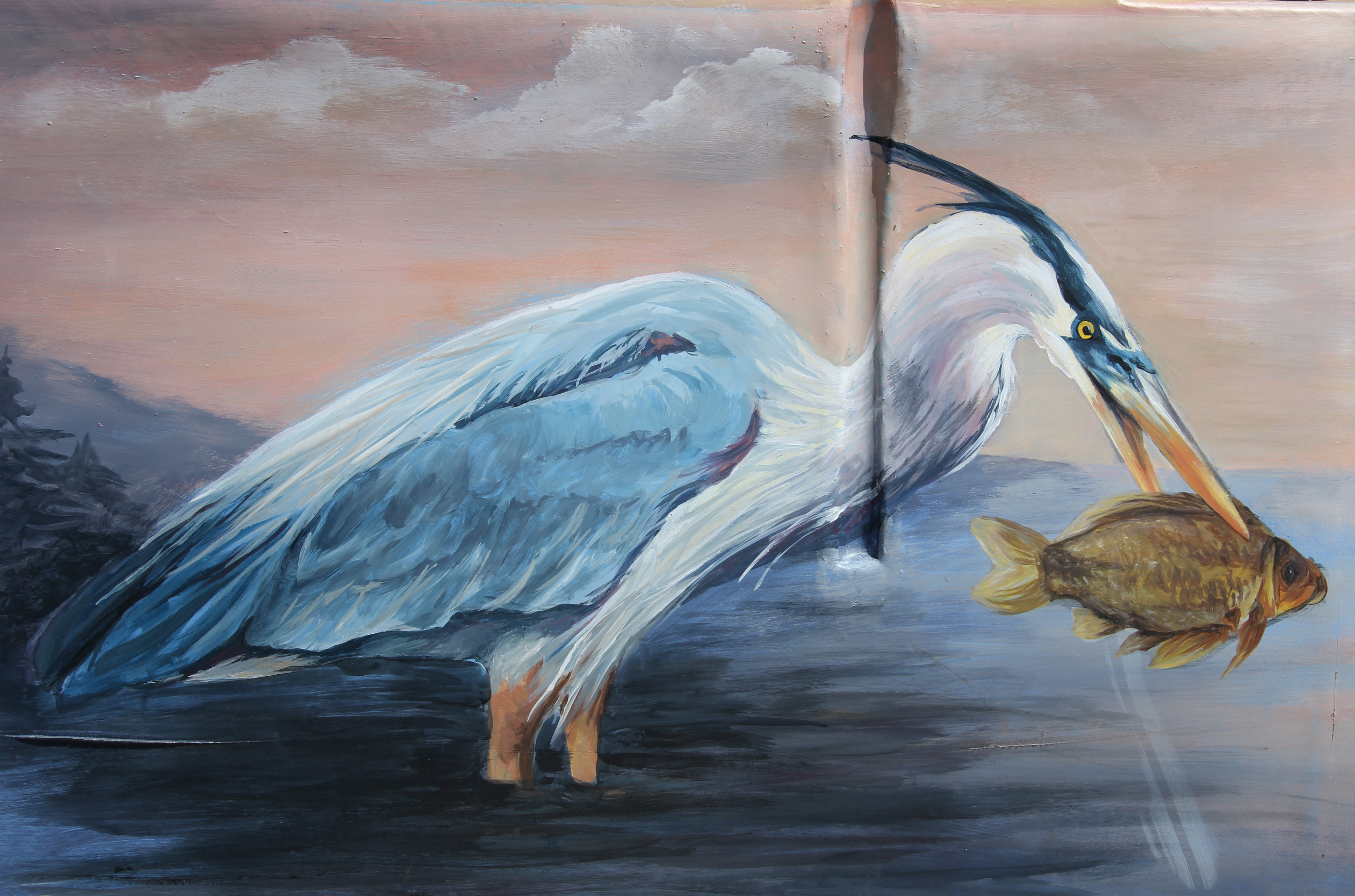
Blue heron art for “Creatures & Features.” (Minnesota Prairie Roots copyrighted photo May 2024)
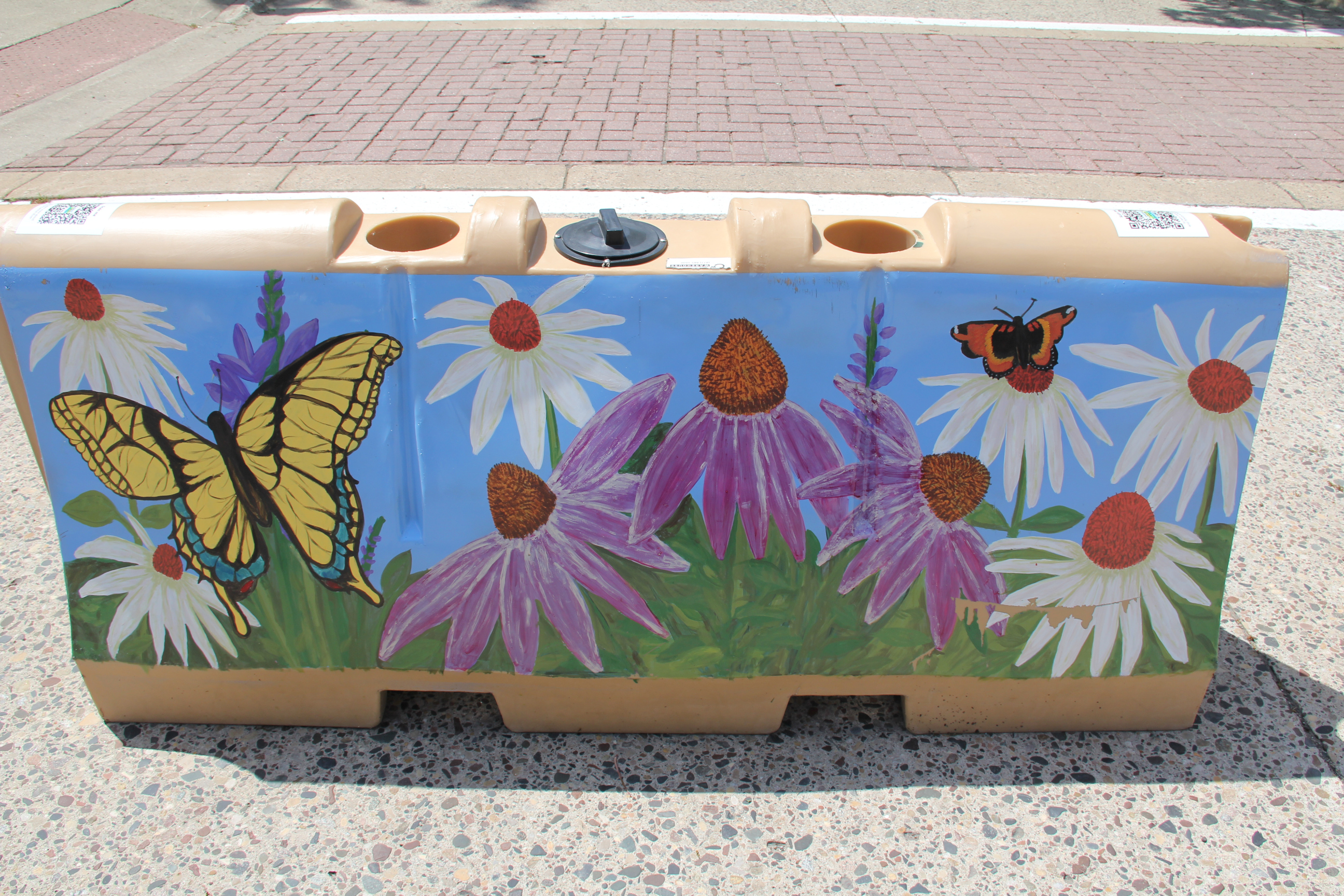
Butterflies and plants native to the Cannon River area. (Minnesota Prairie Roots copyrighted photo May 2024)
Among fish found in the Cannon, striped bass. (Minnesota Prairie Roots copyrighted photo May 2024)

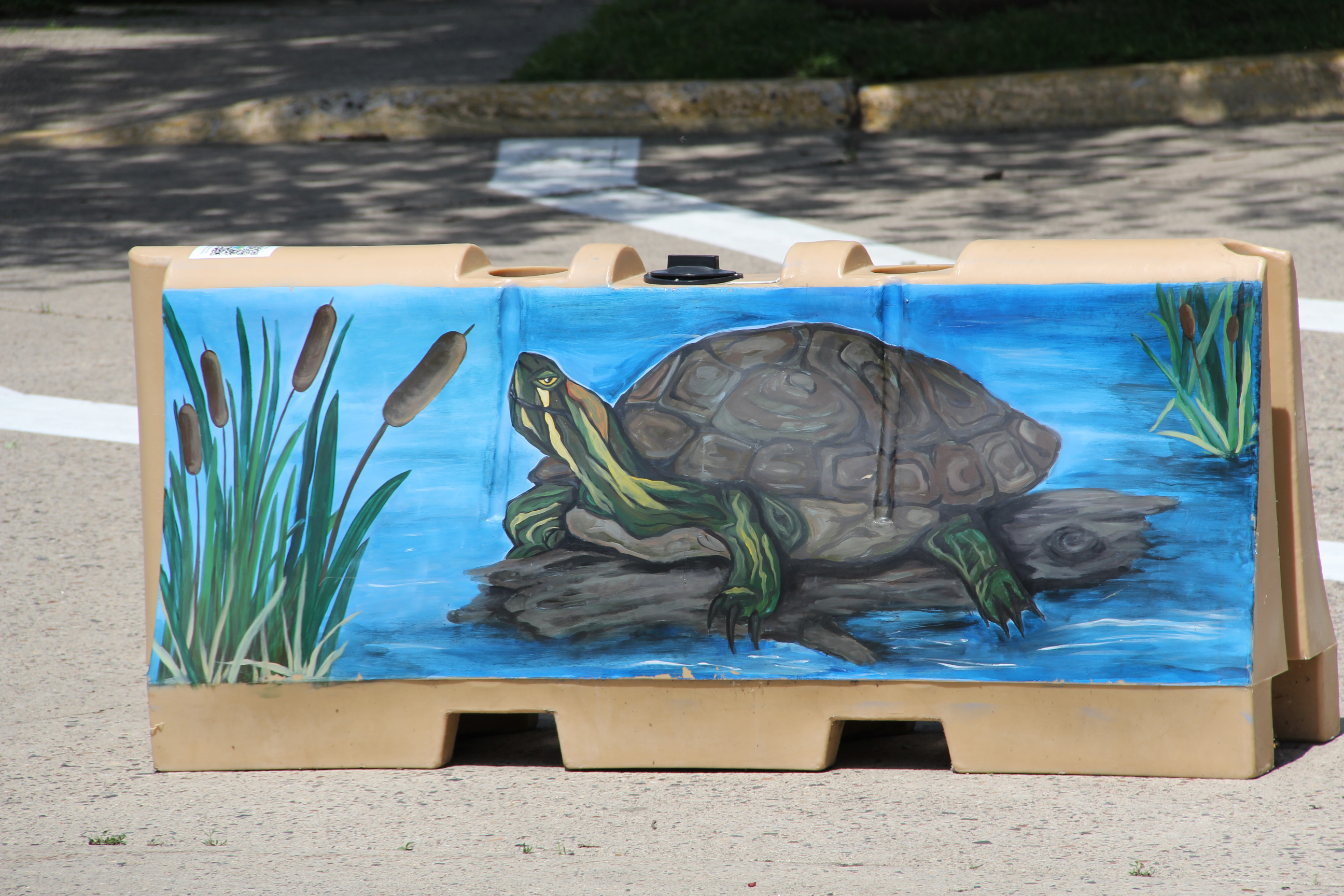
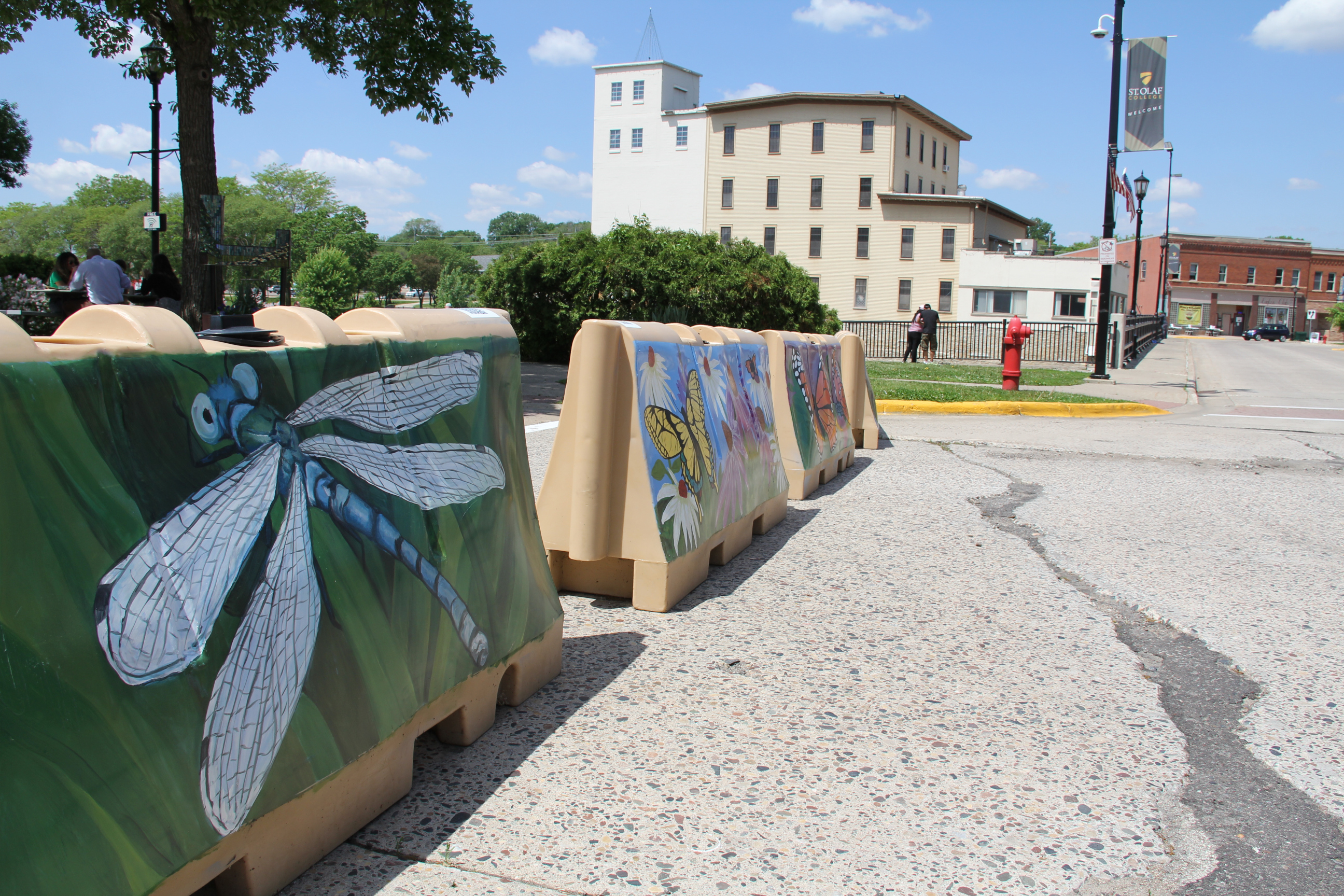
Artists Kate Woodstrup and Kathy Larson Ness added their art to Bridge Square via “Creatures & Features of the Cannon River” painted onto 11 plastic barriers that block traffic, keeping the square safe for pedestrians. A striped bass, blue heron, turtle, beavers, deer, frogs, butterflies, a dragonfly, native flowers and grasses, and more showcase life in and along the river. It’s a visual, nature-themed delight appealing to all ages. Part science. Part ecology. Part environmental awareness. Part art.

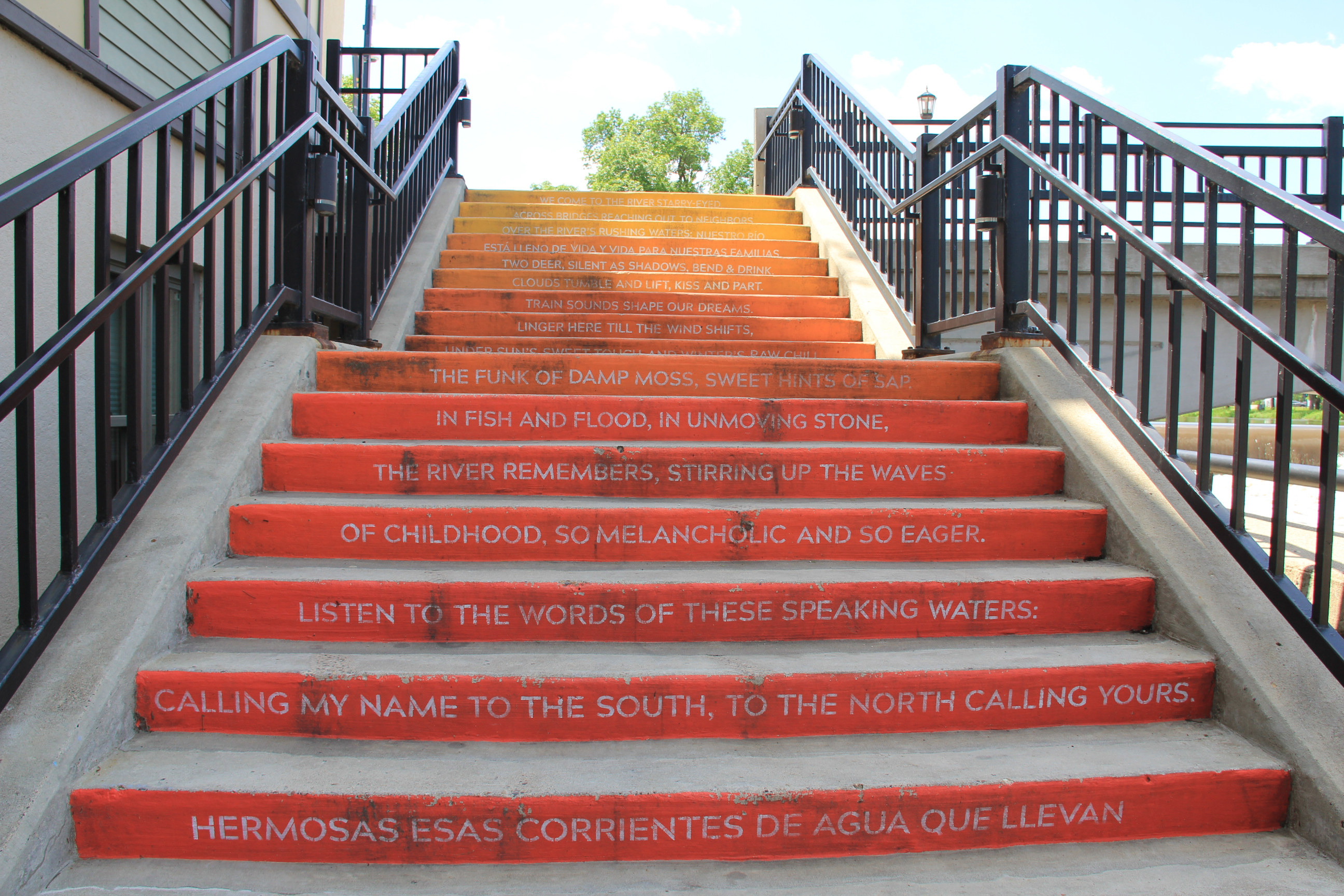
These “Poem Steps” lead up to Bridge Square, down to the Riverwalk. (Minnesota Prairie Roots copyrighted photo May 2024)

From Bridge Square, I aimed north, down the “Poem Steps,” a river poem collaboratively crafted by 17 Northfield poets during a past public arts project. Northfield has a strong community of poets. The city also stamps poetry into concrete as part of the Sidewalk Poetry initiative. The literary arts thrive in this college city.

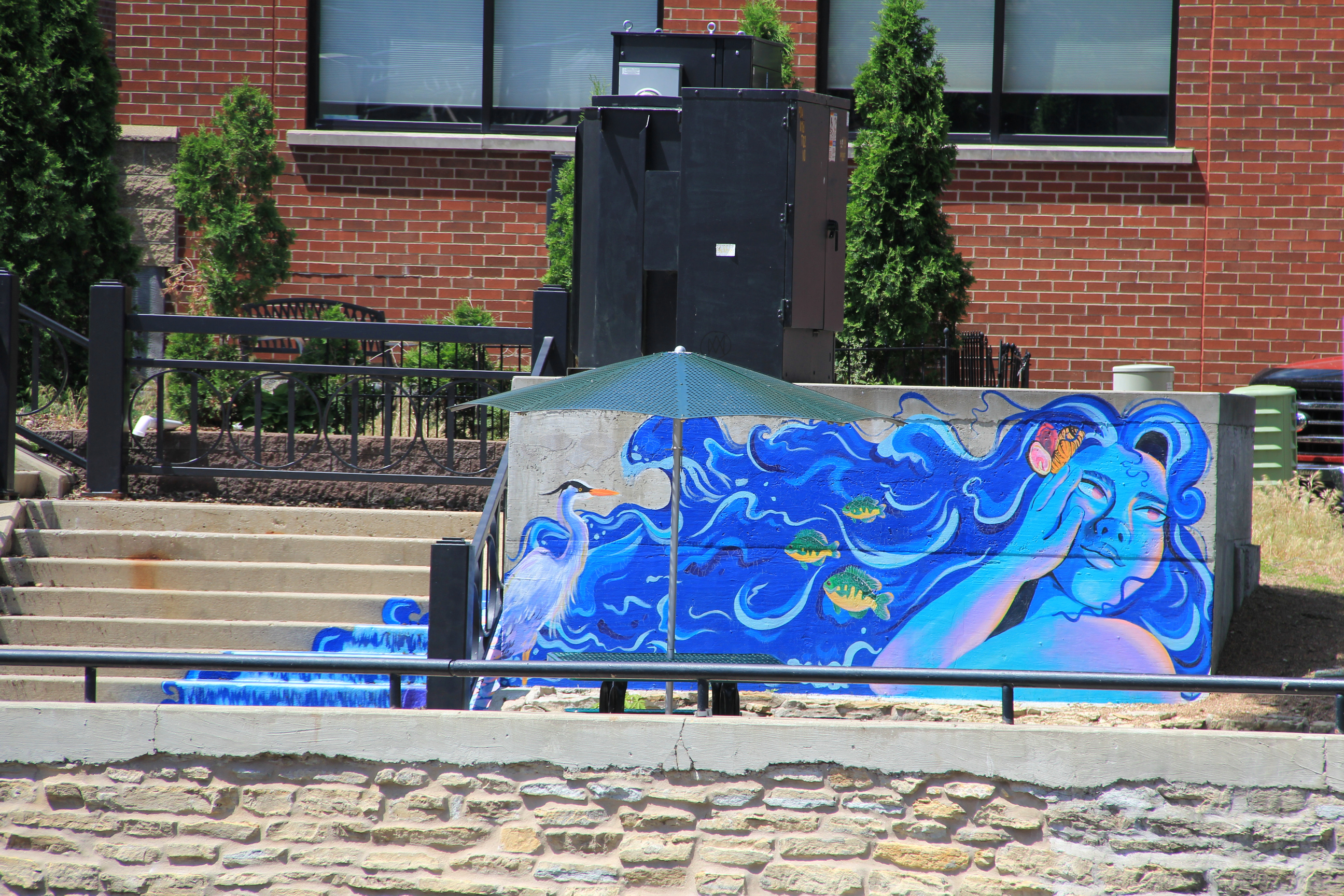
“Lady Cannon” mural on the west side of the river along the Riverwalk. (Minnesota Prairie Roots copyrighted photo May 2024)
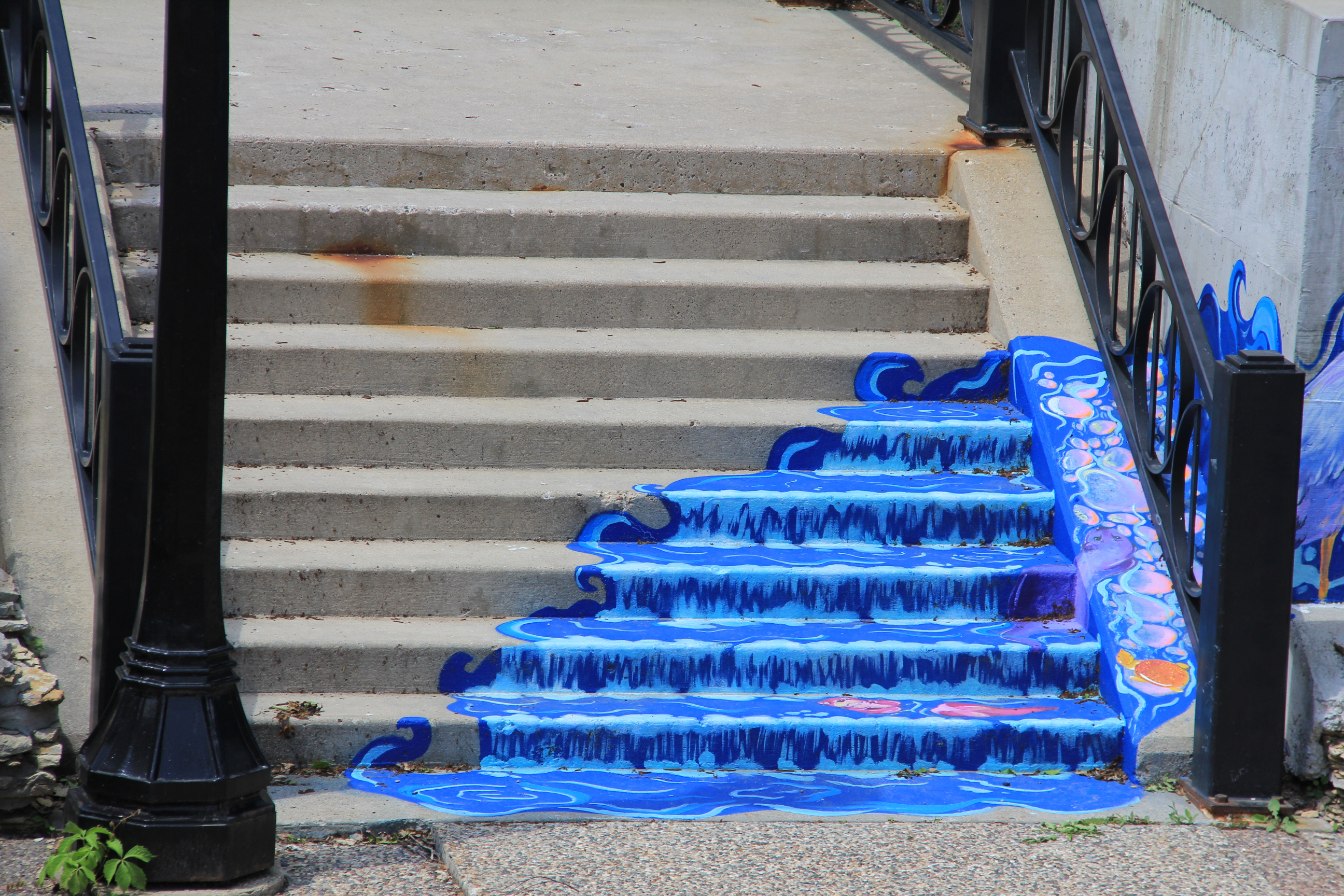
The goddess’ hair, like water, spills down steps. (Minnesota Prairie Roots copyrighted photo May 2024)

Next up, I spotted a colorful mural across the river. Maya Kenney and Raquel Santamaria created “Lady Cannon,” a water goddess whose flowing blue hair depicts the river. Fish weave into her locks and a heron stands riverside. This personification of the river connects people to the Cannon on a personal level. I crossed the pedestrian bridge for a closer look.

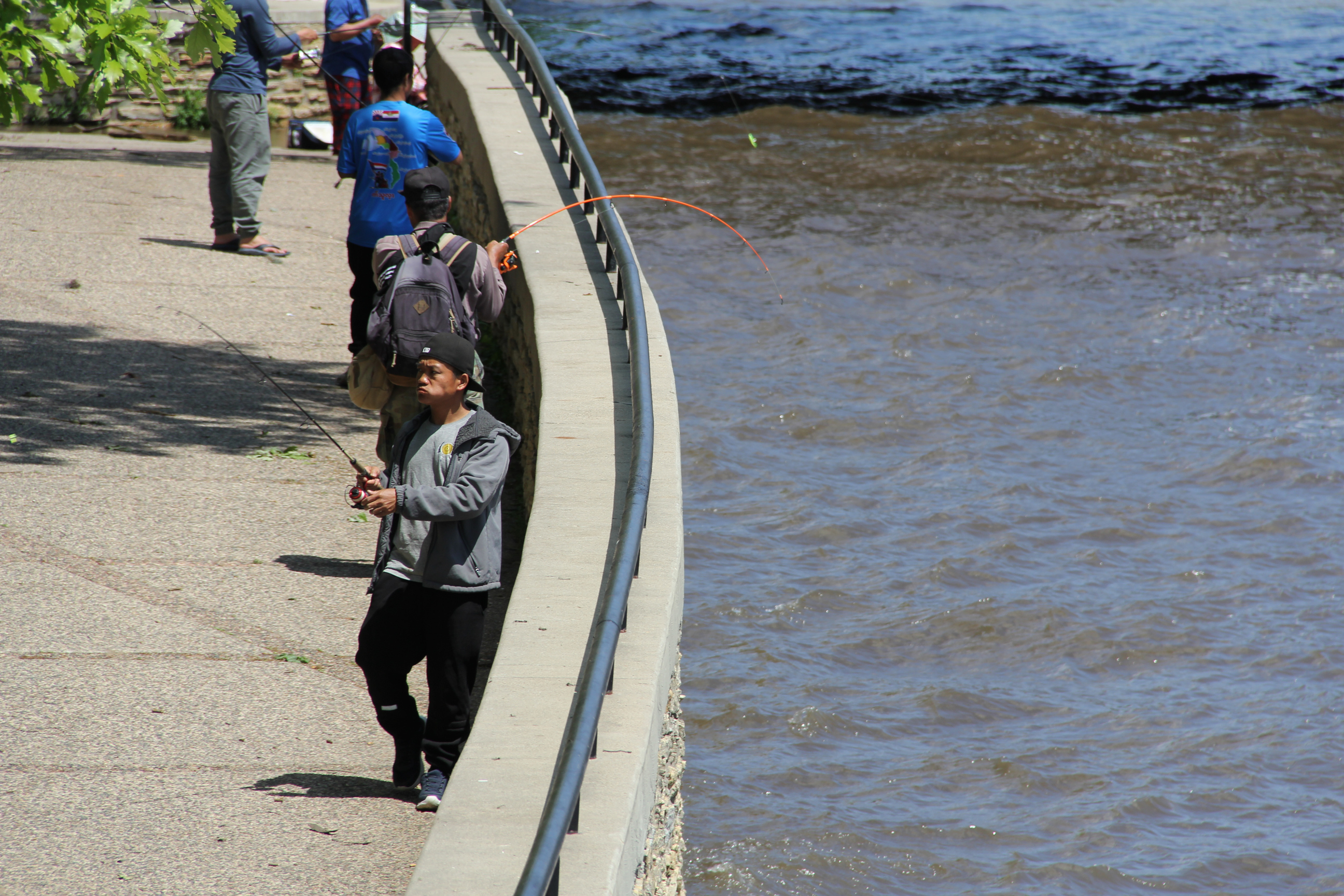
Fishermen line the Riverwalk on a May afternoon to fish the Cannon. (Minnesota Prairie Roots copyrighted photo May 2024)

A short distance from “Lady Cannon,” anglers stood nearly shoulder-to-shoulder fishing the river.

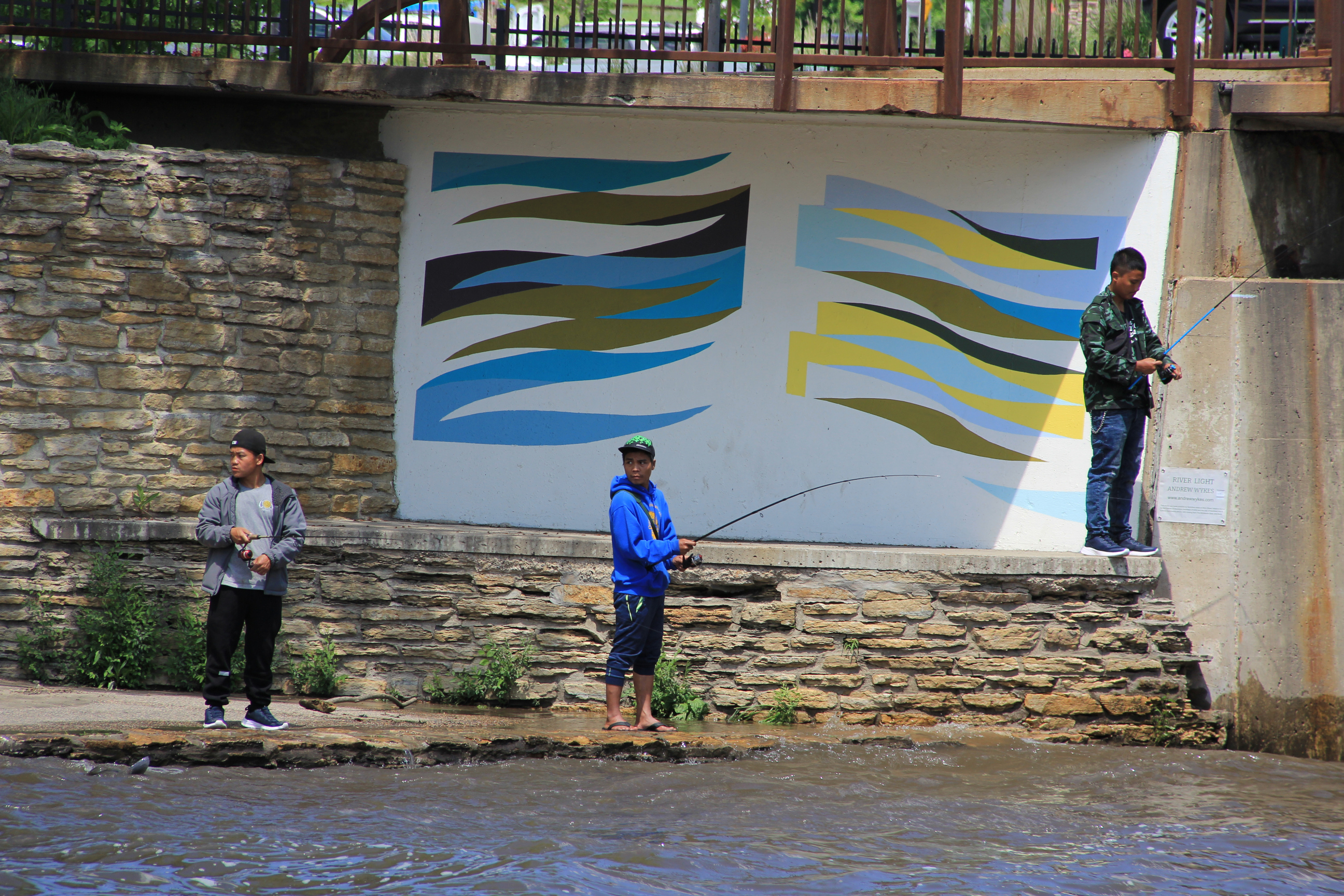
Fishing next to “River Light,” a mural by Andrew Wykes. (Minnesota Prairie Roots copyrighted photo May 2024)

Farther down, under the Second Street bridge, a trio of young men dropped lines in the water against backdrop art created by Andrew Wykes. His simplistic abstract mural, “River Light,” captures the movement, color and beauty of the Cannon River.

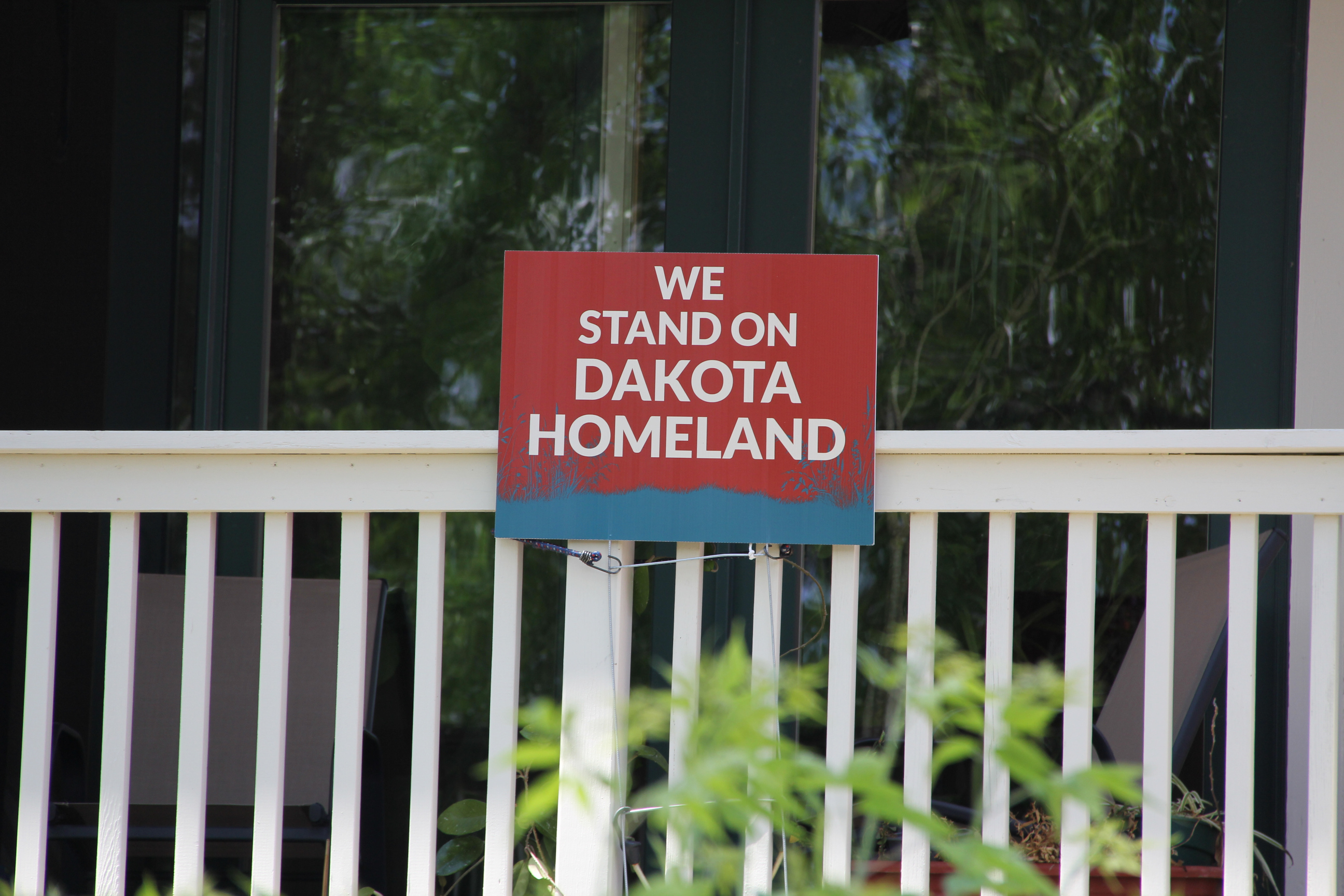
A sign spotted along the Riverwalk recognizes the Dakota’s homeland. (Minnesota Prairie Roots copyrighted photo May 2024)

The relationship between the river and people stretches back to a time long before these artists added their creative interpretations of the river and river life. A bold sign posted on a second story balcony high above the Cannon reads: WE STAND ON DAKOTA HOMELAND. Long before we became “Meet Me at the River,” the Dakota found, followed, fished this river. I appreciate the reminder that Indigenous Peoples were the original inhabitants of this land along the Cannon. They wrote the poetry, heard the music, watched the water dance, experienced the art of the river long before me, long before “Meet Me at the River.”

© Copyright 2024 Audrey Kletscher Helbling
 

Minnesota delight: Grilling & al fresco dining June 6, 2024

Filed under: Uncategorized — Audrey Kletscher Helbling @ 5:00 AM
Tags: , , , , , ,
Chops, seasoned potatoes and asparagus made on a charcoal grill and served on my mom’s 1970s Spring Blossom Green Corelle dinnerware, set on a vintage tablecloth. (Minnesota Prairie Roots copyrighted photo June 2024)

SCENT OF GARLIC permeates the air as Randy lifts the lid from his Weber grill, smoke momentarily pouring out. He flips the pork chops, adjusts the packets of potatoes and asparagus. I can hardly wait to taste the food he’s preparing. It’s always delicious.

I feel fortunate that my husband enjoys grilling year-round. Yes, even in the depths of a Minnesota winter, although he draws the line on cooking outdoors when a snowstorm rages. I appreciate the break from meal prep. And there’s nothing quite like food cooked over charcoal. Randy is a purist when it comes to grilling. No gas grill for him.

He’s a meat-and-potatoes man. So if I want something beyond the basics, I come up with a vegetable side. On this day, it’s fresh asparagus purchased at the Faribault Farmers’ Market. Asparagus is one of my favorite veggies. I keep it simple, drizzling the spears with olive oil and sprinkling them with freshly ground pepper and sea salt.

We dine outdoors this time of year. Randy carries the card table up from the basement. I select a vintage tablecloth from my vast collection. And then we settle onto lawn chairs grabbed from the garage. Nearby a tabletop fountain, which he gifted me years ago on our wedding anniversary, burbles. It helps mask the constant din of traffic along our busy street.

If the mosquitoes and flies aren’t hovering, it’s a lovely dining experience.

There’s nothing quite like dining alfresco in Minnesota this time of year. If you live in a mostly warm weather state, you perhaps take eating outdoors for granted. I don’t. Once the weather warms here, I prefer to eat outdoors—on our patio or, on the rare occasion we eat out, on a restaurant patio/deck. We also often pack sandwiches, yogurt, fruit and nuts for a picnic lunch at an area park. It’s all about being outside, sunshine warming our backs, breeze brushing our skin, birds singing, lush green filling our vision.

Great food consumed outdoors, now that’s a Minnesota dining experience that feeds body and soul.

© Copyright 2024 Audrey Kletscher Helbling
 

A tale of two rivers: Muddy, menacing & mesmerizing June 4, 2024

Fishing at the dam by Father Slevin Park in Faribault. (Minnesota Prairie Roots copyrighted photo June 2024)

RIVERS REEL US IN, like fish to bait. There’s something about water, especially a river. It’s mesmerizing, soothing, poetic and, right now, rather dangerous.

The rushing Straight River, photographed just off the Straight River Trail near Fleckenstein Bluffs Park. (Minnesota Prairie Roots copyrighted photo June 2024)

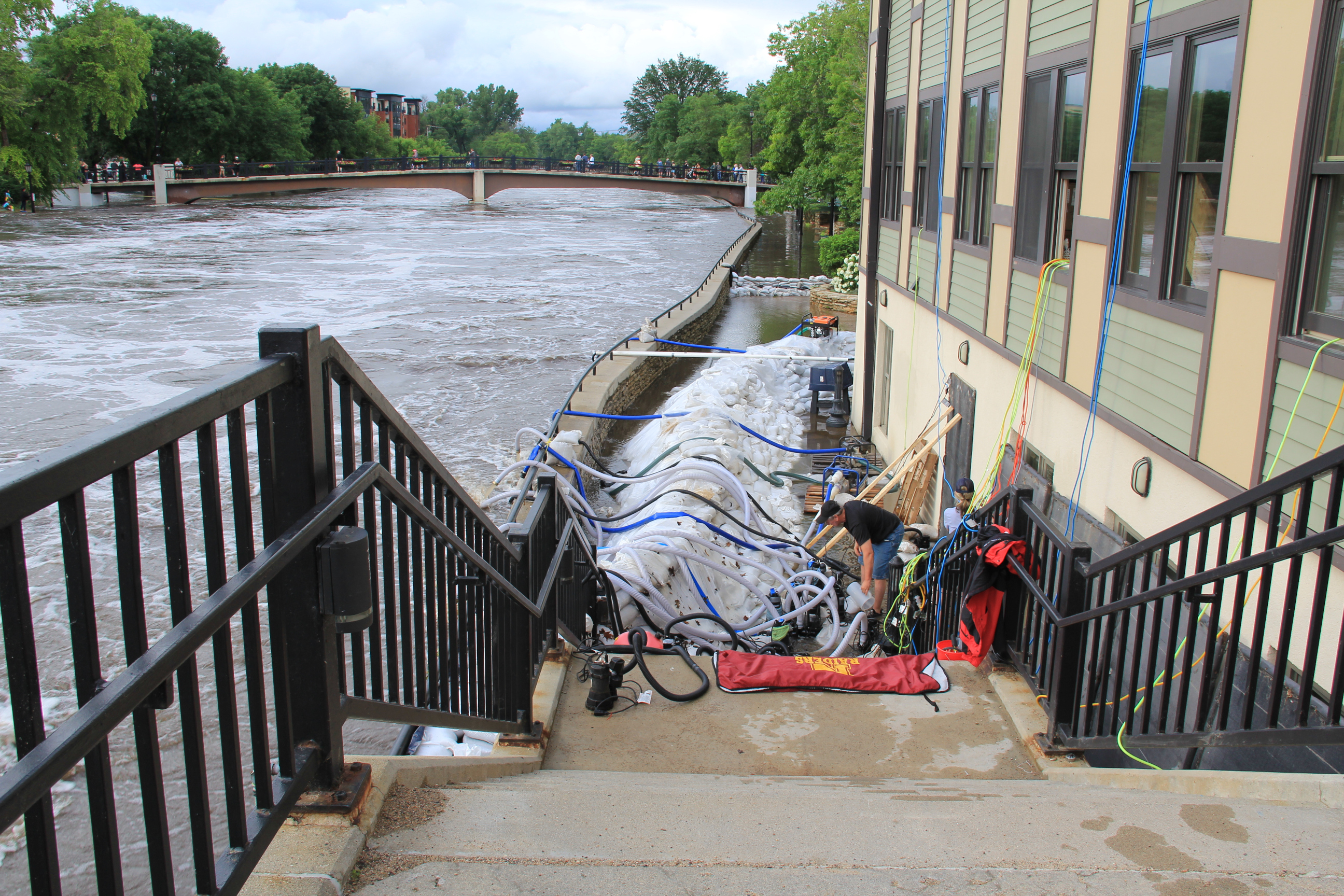
Recent days found me watching the two rivers—the Cannon and the Straight—which flow through Faribault. They are full to overflowing, muddied and rushing after significant rainfall dropped an unofficial 3.5 inches into my rain gauge over the weekend. That followed weeks of heavy rain.

On the day I photographed this dock at Two Rivers Park, it was nearly submerged by the Straight and Cannon Rivers, which meet here. The dock typically sits high above the water. In retrospect, I should have stayed off this dock, which doesn’t seem all that safe. (Minnesota Prairie Roots copyrighted photo June 2024.
The City of Faribault has closed a section of a recreational trail running under the Second Avenue bridge due to flooding from the Cannon River. (Minnesota Prairie Roots copyrighted photo June 2024)

River levels are high, replenished after a near snow-less winter and the drought of 2023. But enough is enough. We need consistent sunshine and for the rain to stop. And for people to take extra care around fast-moving rivers.

Muddy marks on this plant show how high the roiling Straight River rose, just off the Straight River Trail near Fleckenstein Bluffs Park. (Minnesota Prairie Roots copyrighted photo June 2024)

The Rice County Sheriff’s Department has advised people to be cautious on local waterways and to stay off the Cannon River. Six young people and three adults were recently rescued from the Cannon after their canoes and kayaks overturned. I saw drone footage of rescuers plucking people from the river. They were wearing life jackets, clinging to fallen trees. They got out alive. They were fortunate.

Fallen trees and limbs like these in the Straight River near Fleckenstein Bluffs Park present a hazard to anyone on the water. (Minnesota Prairie Roots copyrighted photo June 2024)

Local rivers are snagged with obstacles, especially trees downed by a 2018 tornado. The current is fast, the water swift-moving, dangers hidden below the surface. Watercraft can easily capsize, turning an outing into tragedy or near tragedy.

Fishing the muddy Cannon River at Two Rivers Park. (Minnesota Prairie Roots copyrighted photo June 2024)

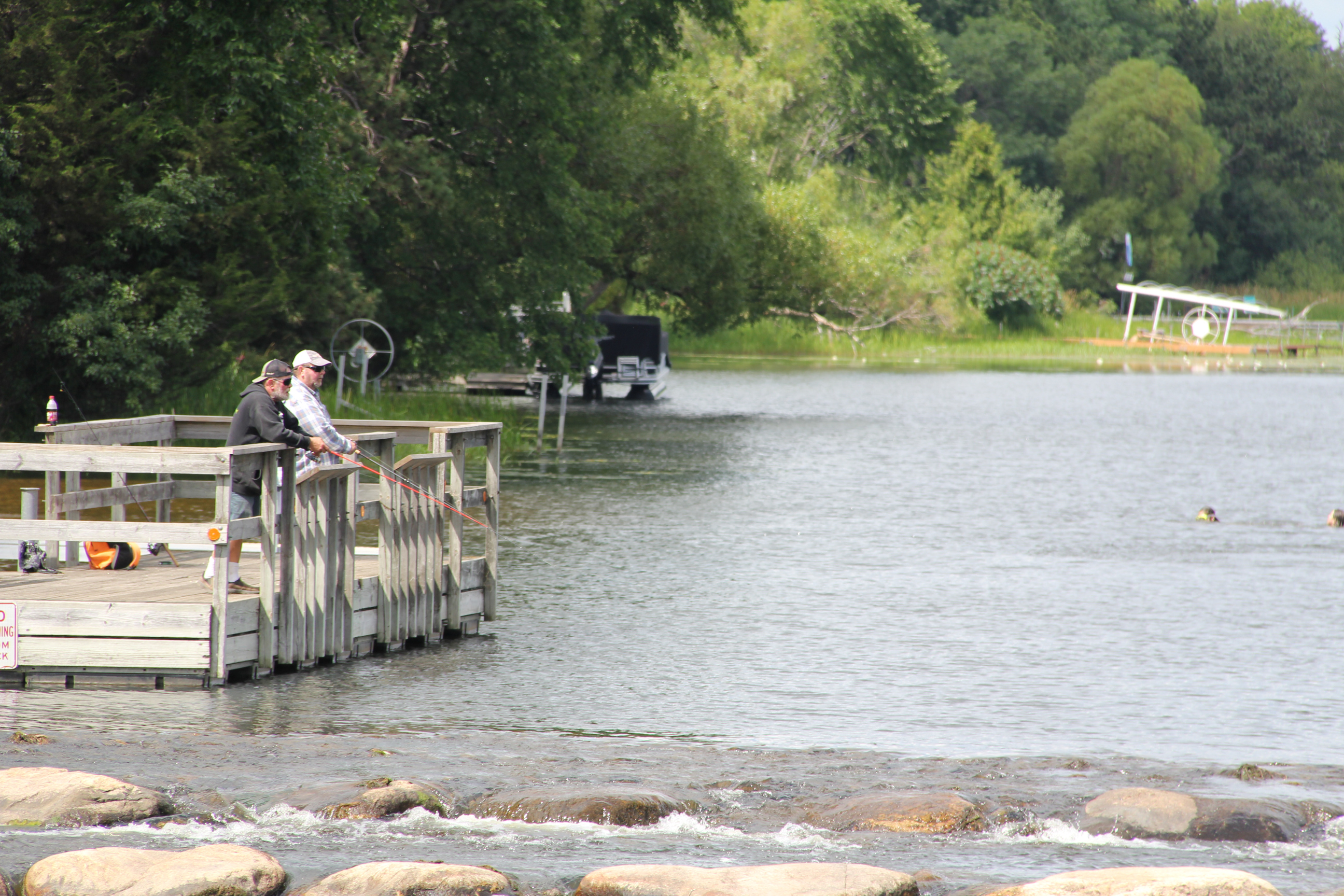
I observed anglers safely fishing along the river bank at Two Rivers Park, above the dam by North Alexander Park and by the Woolen Mill Dam. These have always been popular fishing spots in town, although at Two Rivers most people fish from the dock. That was nearly under water when I stopped by. I didn’t visit the King Mill Dam, but I anticipate anglers were lining the shoreline there also.

The Cannon River is high and swift-moving at Two Rivers Park. The park was the staging scene for a recent water rescue. (Minnesota Prairie Roots copyrighted photo June 2024)

An abandoned bobber tossed into the water where the Cannon and Straight rivers converge showed just how swift the current. I have no doubt the river could quickly pull a person under who’d fallen from a canoe or kayak.

Relaxing along the Cannon River in North Alexander Park, the Faribault Woolen Mill on the opposite shoreline. (Minnesota Prairie Roots copyrighted photo June 2024)
The iconic, historic Faribault Mill sits aside the Cannon River. (Minnesota Prairie Roots copyrighted photo June 2024)
This photo taken several days ago shows the minimal drop over the Woolen Mill dam, with raging river below. (Minnesota Prairie Roots copyrighted photo June 2024)

It’s easy enough to get misled by the water. Sit aside the wide stretch of the Cannon before it spills over two dams and the scene looks tranquil. The water’s surface is smooth, reflecting sky and trees and the historic woolen mill. But when the water spills over the dams, it transforms into something muddy and menacing, not to be messed with.

The scenic Cannon River and dam near the Faribault Mill. (Minnesota Prairie Roots copyrighted photo June 2024)

Respect the rivers, I say, even if it is tempting to launch a canoe or ease into a kayak. River levels will drop in due time as summer unfolds. There will be ample opportunity to get on the water, to enjoy the river scenery, to delight in the natural beauty of Mni Sóta, Dakota for “land of sky tinted waters.”

© Copyright 2024 Audrey Kletscher Helbling
 

Color my world with spring May 14, 2024

Filed under: Uncategorized — Audrey Kletscher Helbling @ 5:00 AM
Tags: , , , , , , , , , , , ,
Looking up toward flowering branches and the bold blue sky of spring. (Minnesota Prairie Roots copyrighted photo May 2024)

SPRING IN SOUTHERN MINNESOTA looks a lot like colors in a new box of crayons. Sharp. Bold. Vibrant. Vivid green grass. Bold blue sky. Hot pink tree blossoms. Spring flowers bursting bright reds and yellows. These are the hues of spring.

Color everywhere… (Minnesota Prairie Roots copyrighted photo May 2024)

The landscape is a page upon which nature colors over gray. The world explodes in color, a welcome visual delight to winter weary eyes.

Growing goslings explore the river bank. (Minnesota Prairie Roots copyrighted photo May 2024)

I can’t get enough of this, even after more than sixty years of observing the seasonal transformation during April into May. It never gets old—this morphing of the seasons. How beautiful this world around us, teeming with new growth, new life.

Goose and goslings aside ducks along river’s edge. (Minnesota Prairie Roots copyrighted photo May 2024)

Every spring I await the goslings and ducklings. They are pure fluffy cuteness. I admire from afar, keenly aware of their protective parents. I dodge goose poop, not always successfully, to get within viewing range. But I respect their space.

Beautiful scene: a mallard drake swimming on the river. (Minnesota Prairie Roots copyrighted photo May 2024)

I find myself mesmerized by waterfowl as they forage for food along the shoreline or glide through the river, water rippling a trail. Reflections trace tranquility upon the water’s surface. All is quiet and good in that peaceful scene.
A squirrel, nearly camouflaged by a tree. (Minnesota Prairie Roots copyrighted photo May 2024)

But not all is still. On land, squirrels scamper up trees, root in the ground. I never tire of their antics, amazed by their acrobatic skills, their Olympian abilities to leap with precision, climb with speed. They are really quite amazing even if sometimes a nuisance when digging up lawns and in flower pots.
A squirrel peeks over a limb on a leafing tree. (Minnesota Prairie Roots copyrighted photo May 2024)
There’s so much to appreciate in this season not only visually, but in sound, too. Chirping birds, especially raucous this time of year. Trill of peepers in ponds and wetlands. Rustle of a rabbit across dried leaves. Call of a rooster pheasant in flight. Whisper of the wind through leafing treetops.

Fragrant blossoms blanket branches. (Minnesota Prairie Roots copyrighted photo May 2024)

And then the scent, oh, the distinct, earthy smell of spring. Soil. Rain. Flowers. I dip my nose into apple blossoms, their fragrance a reminder of apples to come, of apple crisp pulled from the oven, of pies baked in Grandma’s kitchen.

Lilacs are budding and flowering. (Minnesota Prairie Roots copyrighted photo May 2024)

But it is lilacs which, for me, hold the strongest scent of spring. Perhaps because of the memories connected to this flowering bush. I remember bouquets of lilacs filling my childhood farmhouse, their heavy perfume masking the odor of cow manure. The lilacs came from my bachelor uncle’s nearby farm. Mike would bring bouquets to his sister-in-law. Or my mom would drive the washboard gravel roads to pick her own. Today, my husband brings me bouquets of lilacs each May, understanding the memories and love these blossoms represent.
Bleeding hearts, one of the first flowers of spring. (Minnesota Prairie Roots copyrighted photo May 2024)

This is spring in Minnesota to me. All of it. Bold. Beautiful. Bright. Me, feeling like a kid giddy with joy over a box of new crayons.

© Copyright 2024 Audrey Kletscher Helbling