Minnesota Prairie Roots

Writing and photography by Audrey Kletscher Helbling

For the love of reading: Faribault’s east side now home to a little library August 6, 2012

Filed under: Uncategorized — Audrey Kletscher Helbling @ 7:18 AM
Tags: , , , , , ,

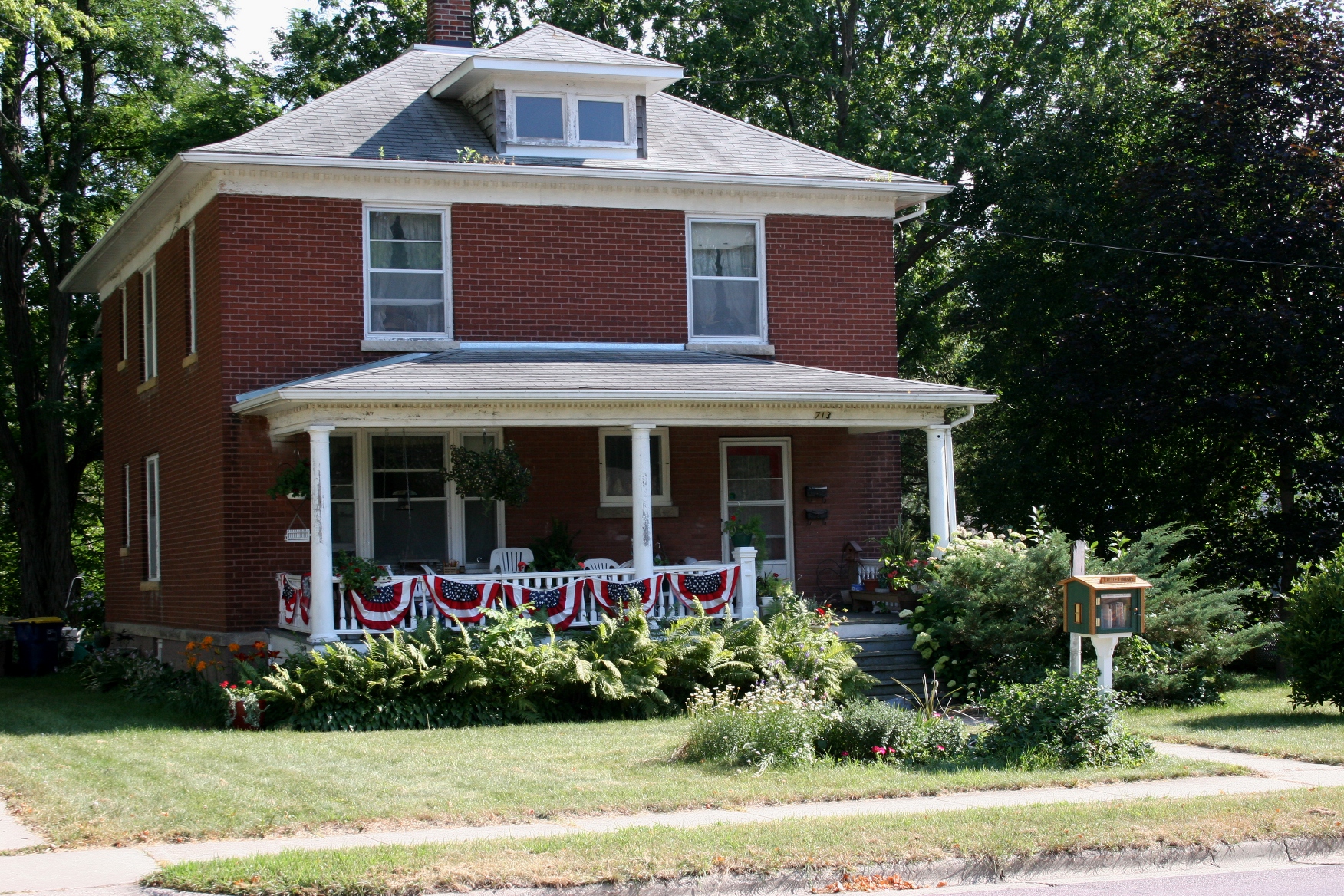
Pat Rice’s little library, right, installed about a month ago in her front yard, 713 Ravine Street, Faribault.

PAT RICE LOVES TO READ. That passion, short and simple, inspired this retired audiologist to recently install a little library in her front yard on Faribault’s east side.

Hers is among four little libraries—one officially registered as a Little Free Library—now gracing neighborhoods in my community.

The little library seems a natural outreach for this woman who reads 100-plus books a year, belongs to a local book club, accepts donations for the American Association of University Women, Faribault chapter’s annual book sale, and serves on the Buckham Memorial Library Advisory Board.

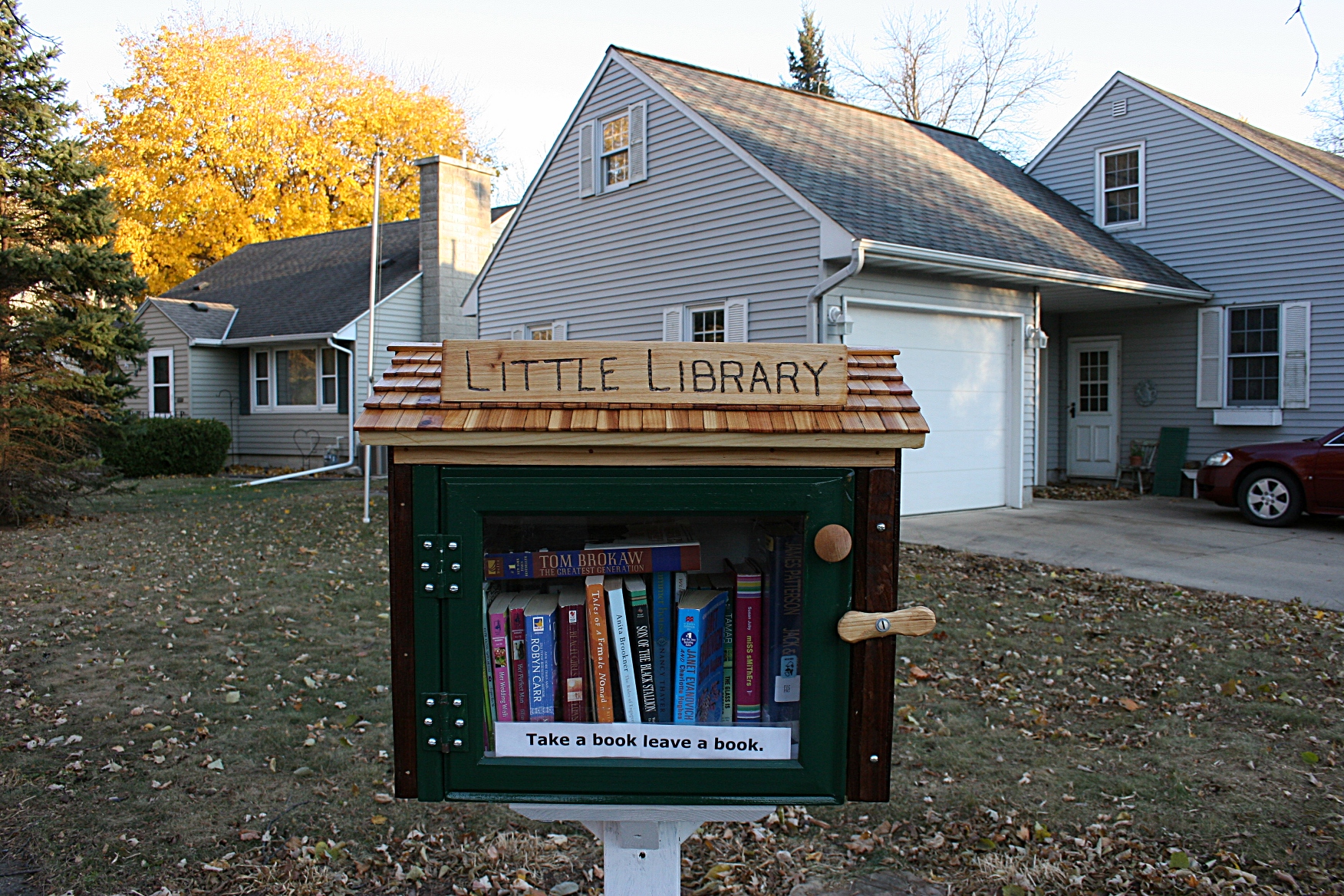
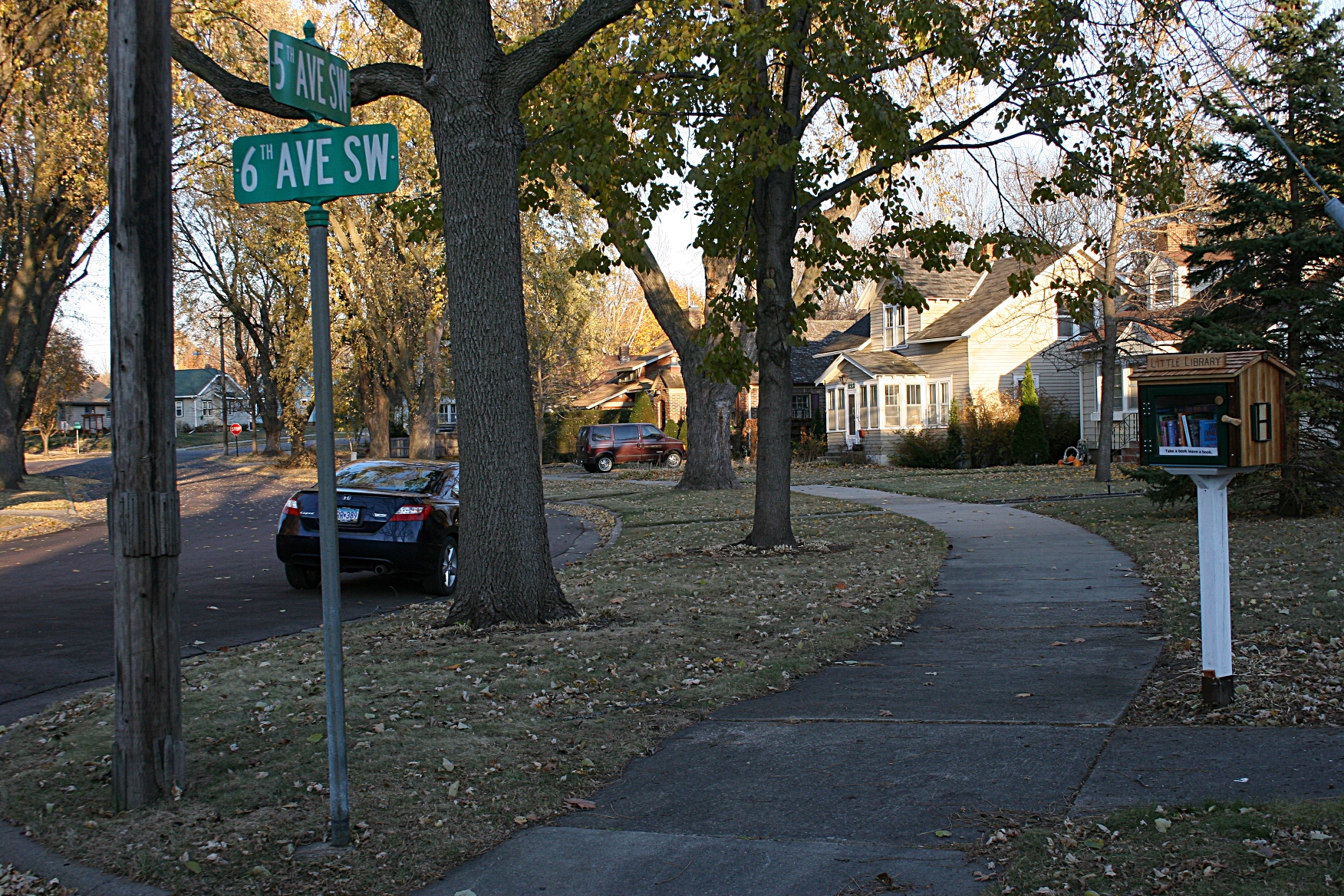
The Smiths’ Little Free Library, located in their yard at 825 Sixth Ave. SW.

It was her connection with another library board member, Joan Smith, that led to the establishment of Faribault’s first Little Free Library last fall. Pat read an article about a little library and passed the story along to Joan whose husband, Dale, crafts elaborate birdhouses. Dale adapted his birdhouse pattern and built a little library which is posted on a corner of the Smiths’ southwest Faribault front yard. It’s open 24/7 to anyone who wants to take and/or leave a book.

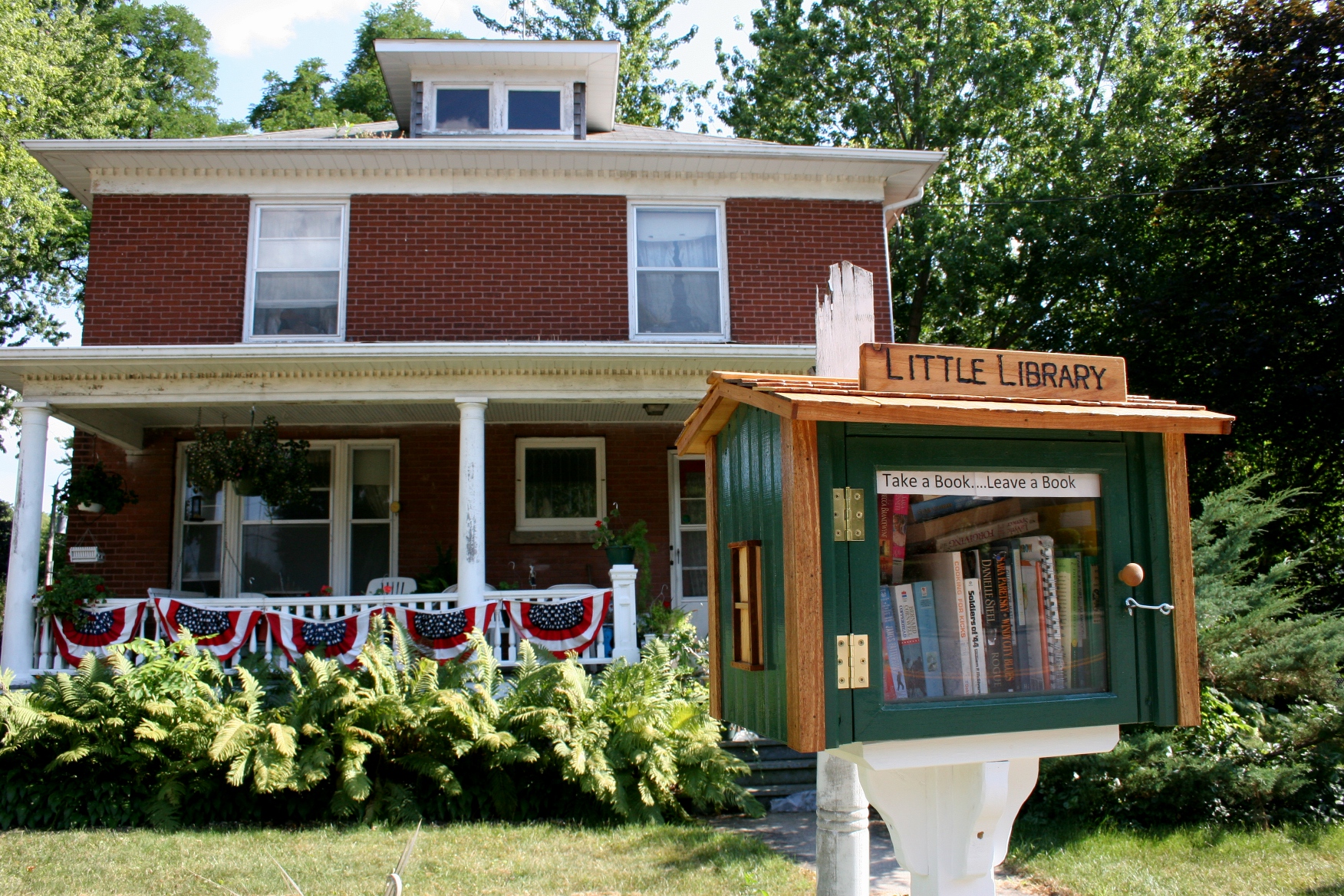
And now, thanks to Dale’s efforts, Pat has a near-duplicate little library in her front yard at 713 Ravine Street.

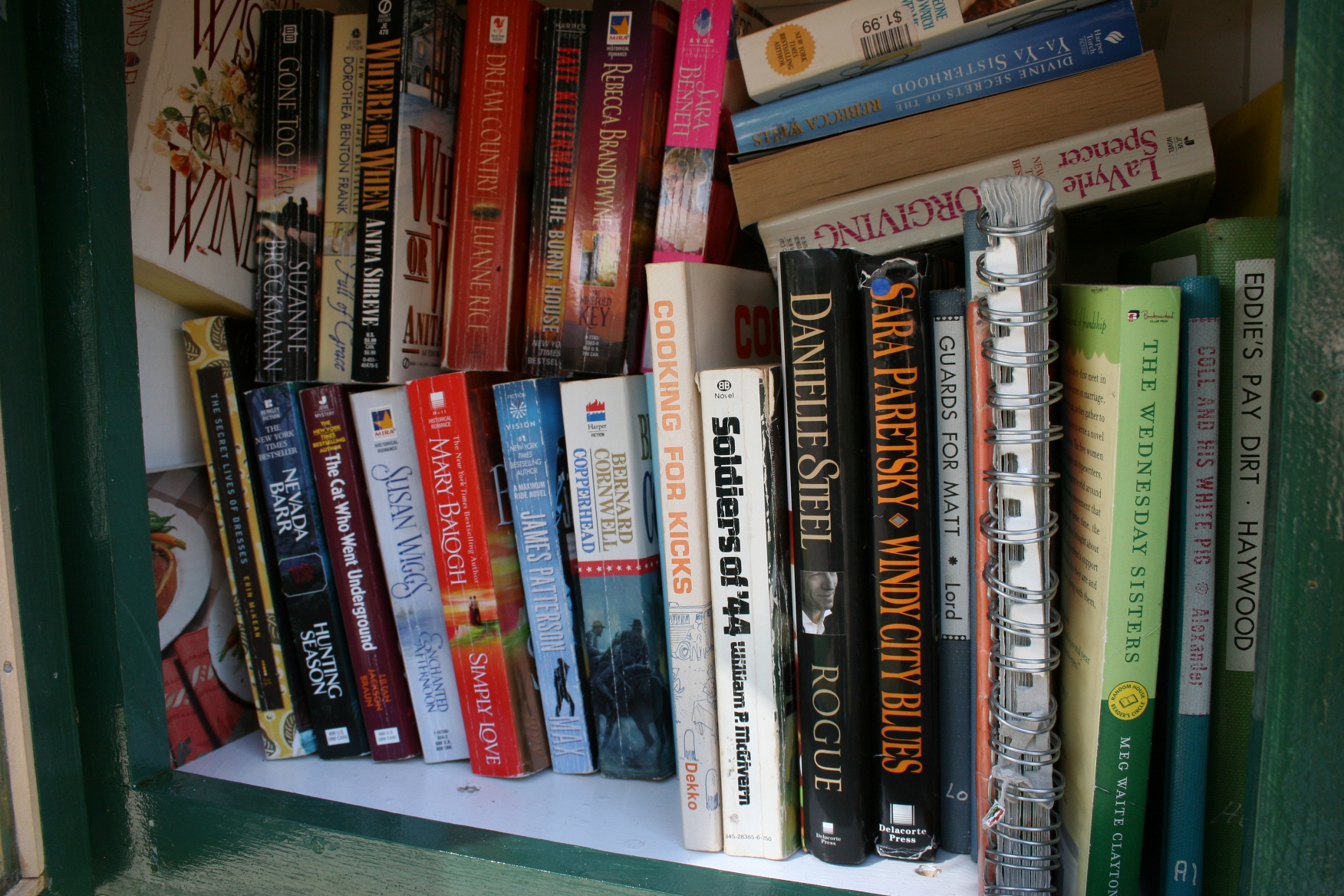
The books recently stashed in Pat’s little library.

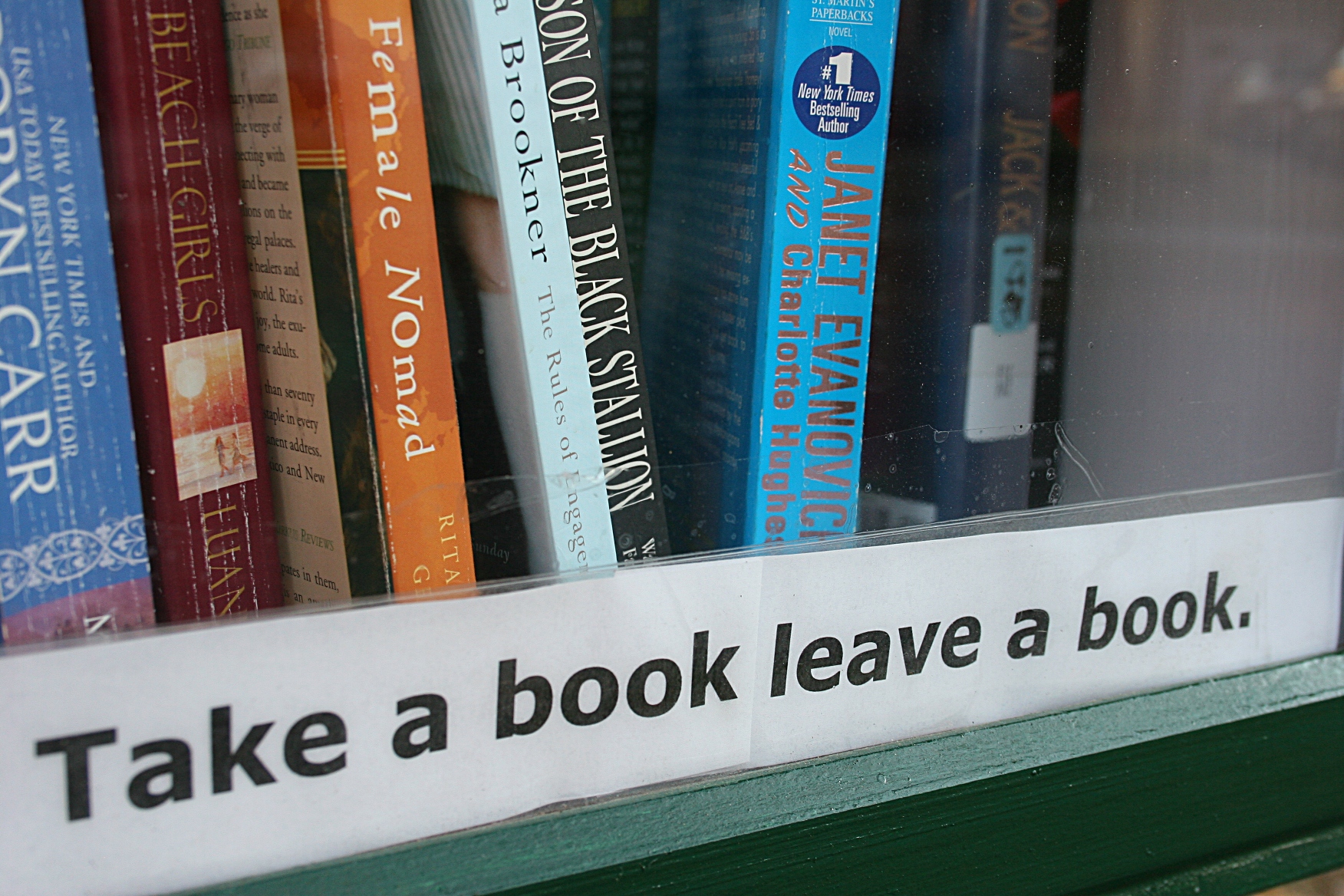
She’s stocked it with mostly a variety of paperbacks (adults tends to favor romances and mysteries, she says), several cookbooks and some children’s books. Pat plans to add more children’s books, even though few kids live in her neighborhood.

But she enjoys children’s books. “I love the illustrations,” says this long-time reader who remembers, as a four-year-old, stretching on her tiptoes to print her name on her first library card at the Camden Library in Minneapolis. That marked a memorable moment for a preschooler whose family had no extra money for books. Acquiring that orange library card—yes she remembers the color—allowed her access to thousands of books, fostering a life-long love of reading.

To this day, Pat still appreciates, and buys, children’s books. She has a little library full of them in the upstairs of her stately brick home. That stash includes a collection of 40 ABC themed titles. Among her favorites are the books of Grand Marais author and illustrator Betsy Bowen who specializes in woodblock prints.

Whenever Pat needs a baby gift, she gives a book.

There’s no doubting this woman’s passion for books. She doesn’t have a television, at least not one that’s plugged in. “I would rather read,” says Pat. She counts Jan Karon, Thomas Gifford and Minnesotan John Sanford among her favorite writers. On a recent 20-hour trip to Virginia, she and a friend listened to four books on audio.

Dale Smith built Pat’s little library, which is open to anyone. Pick up or drop off a book if you’re walking or driving by.

Now she’s hoping the little library in her front yard will encourage others to read due its easy accessibility. “I think there’s a lot of people who don’t use libraries,” Pat says. She cites a story shared by Dale Smith about a man who chose a Zane Grey book from the Smiths’ Little Free Library. It was the first book the man had read in 40 years.

For a voracious reader like Pat, that’s encouraging and reaffirms her reasons for establishing a little library in her east Faribault neighborhood.

#

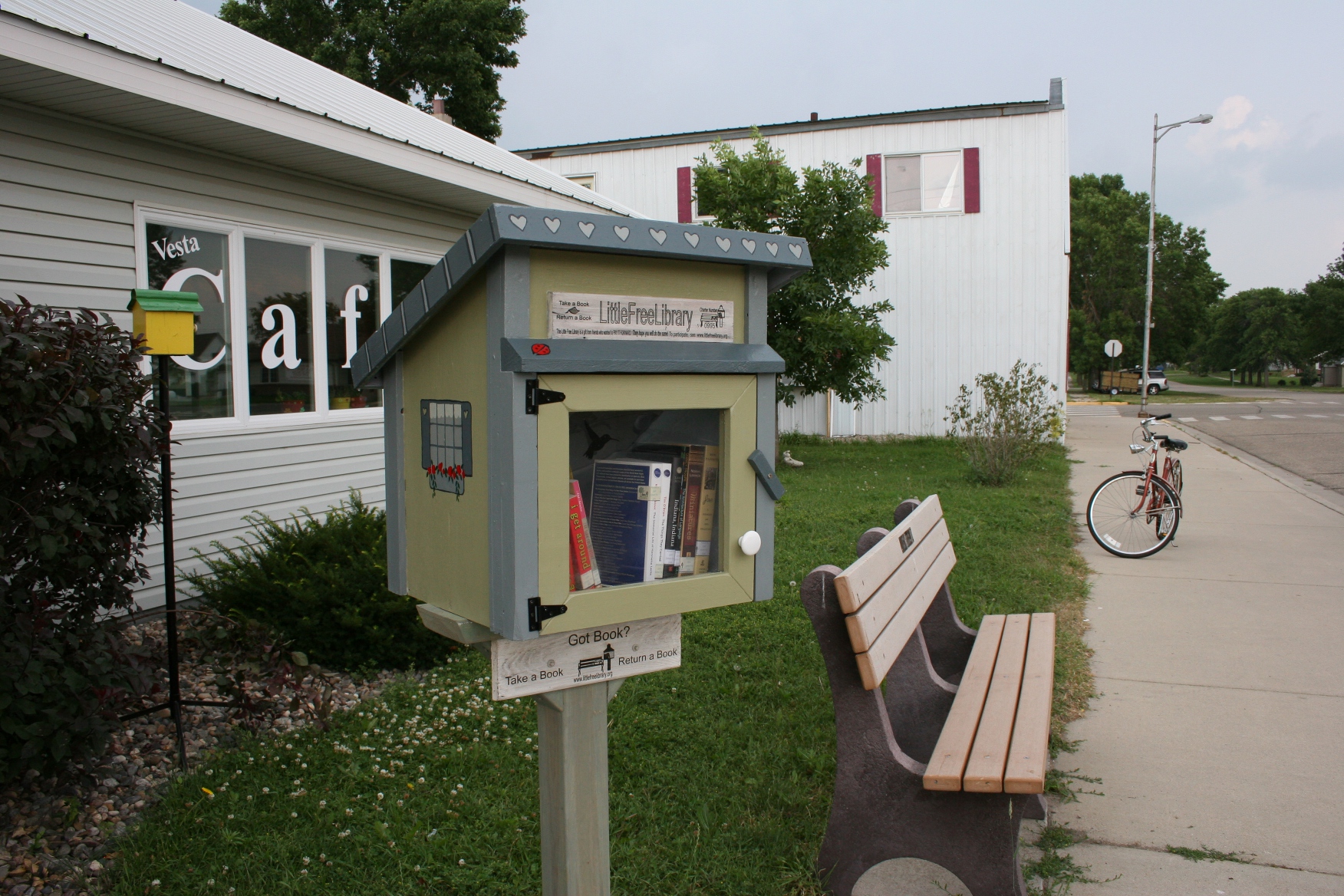
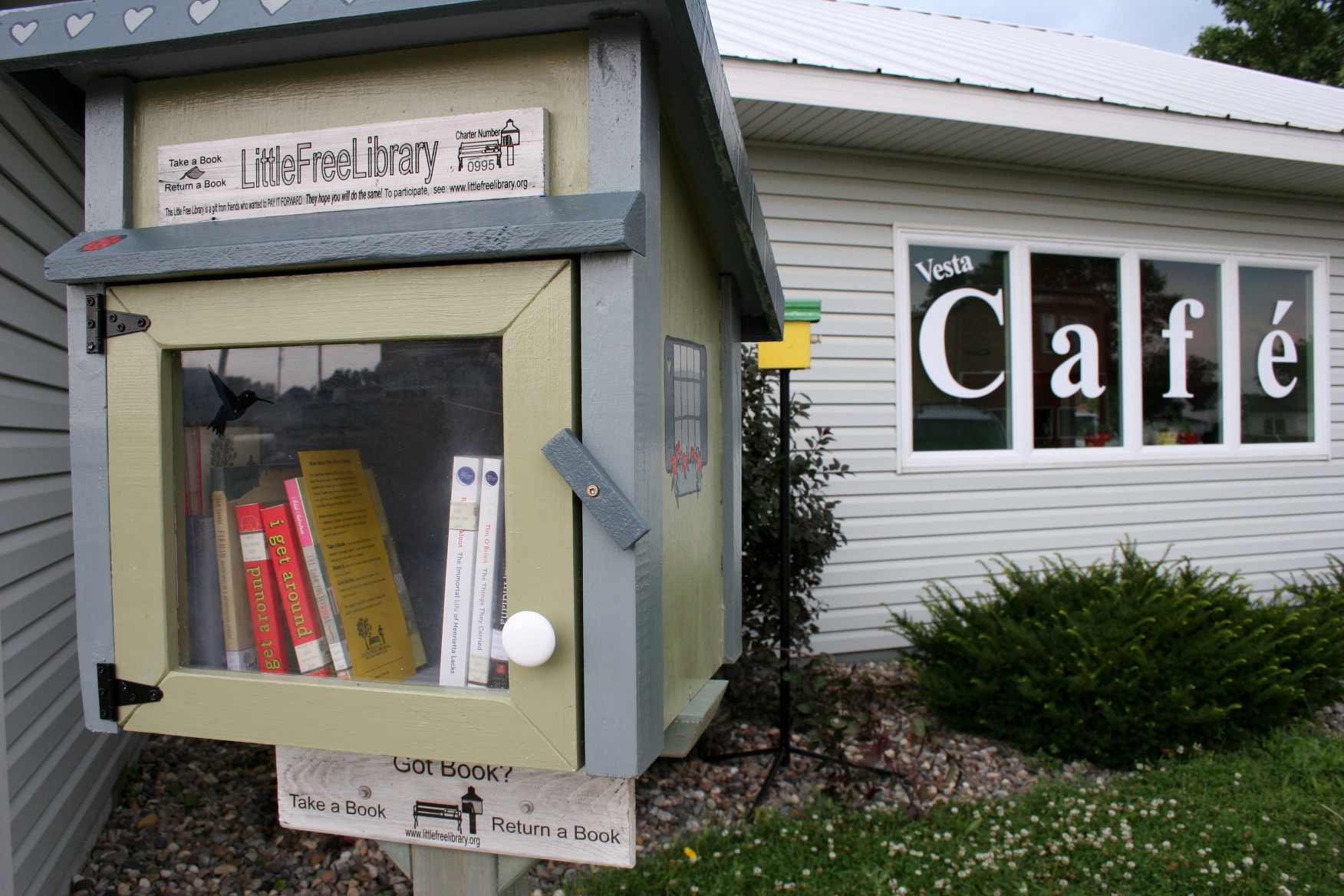
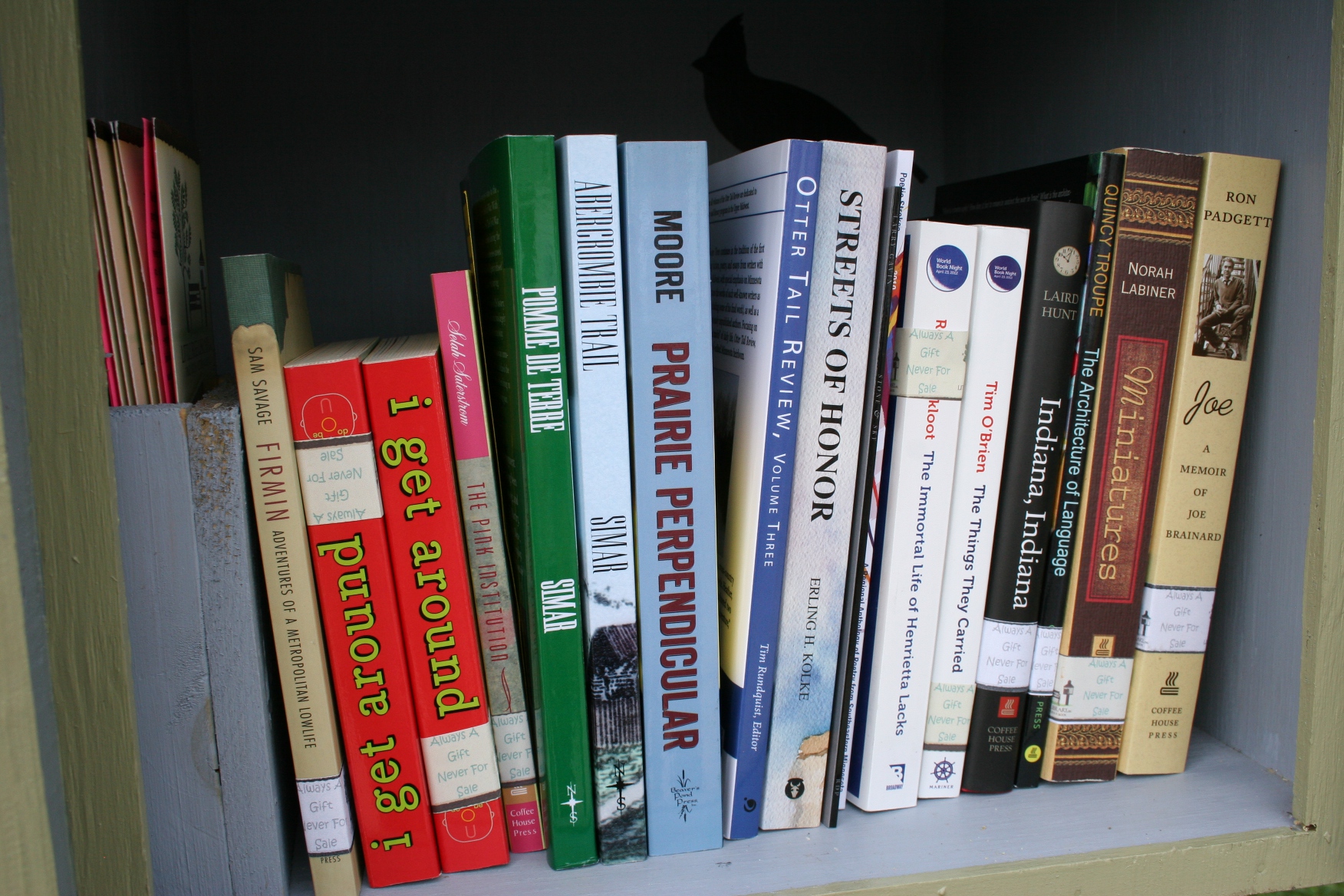
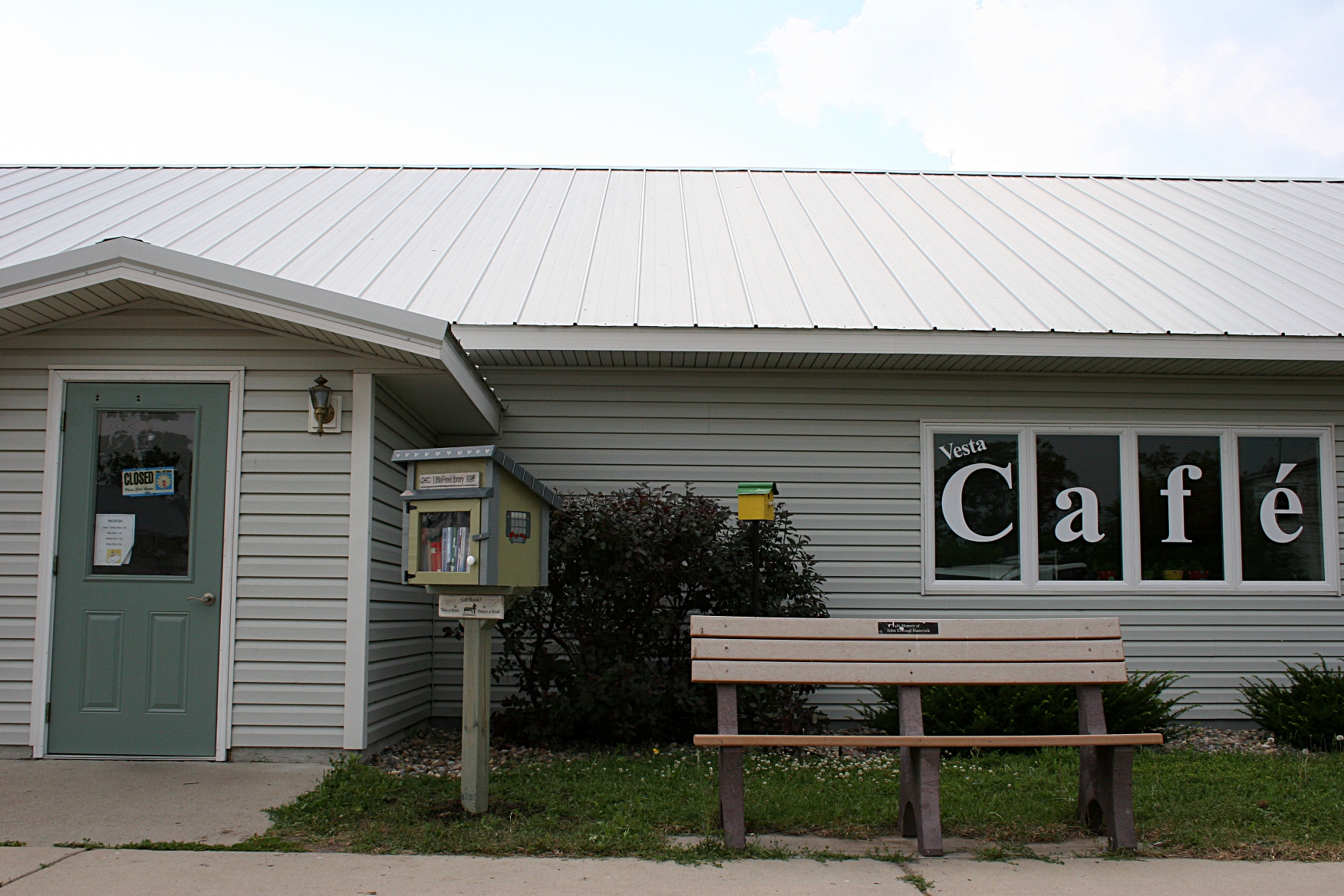
FYI: I plan to scout out the other little libraries in Faribault and post about them in addition to updating you on the LFL installed in my hometown of Vesta a month ago by Todd Bol, co-founder of the Little Free Library project.

© Copyright 2012 Audrey Kletscher Helbling


You can help: Establishing “water coolers of literacy” in rural Minnesota November 17, 2011

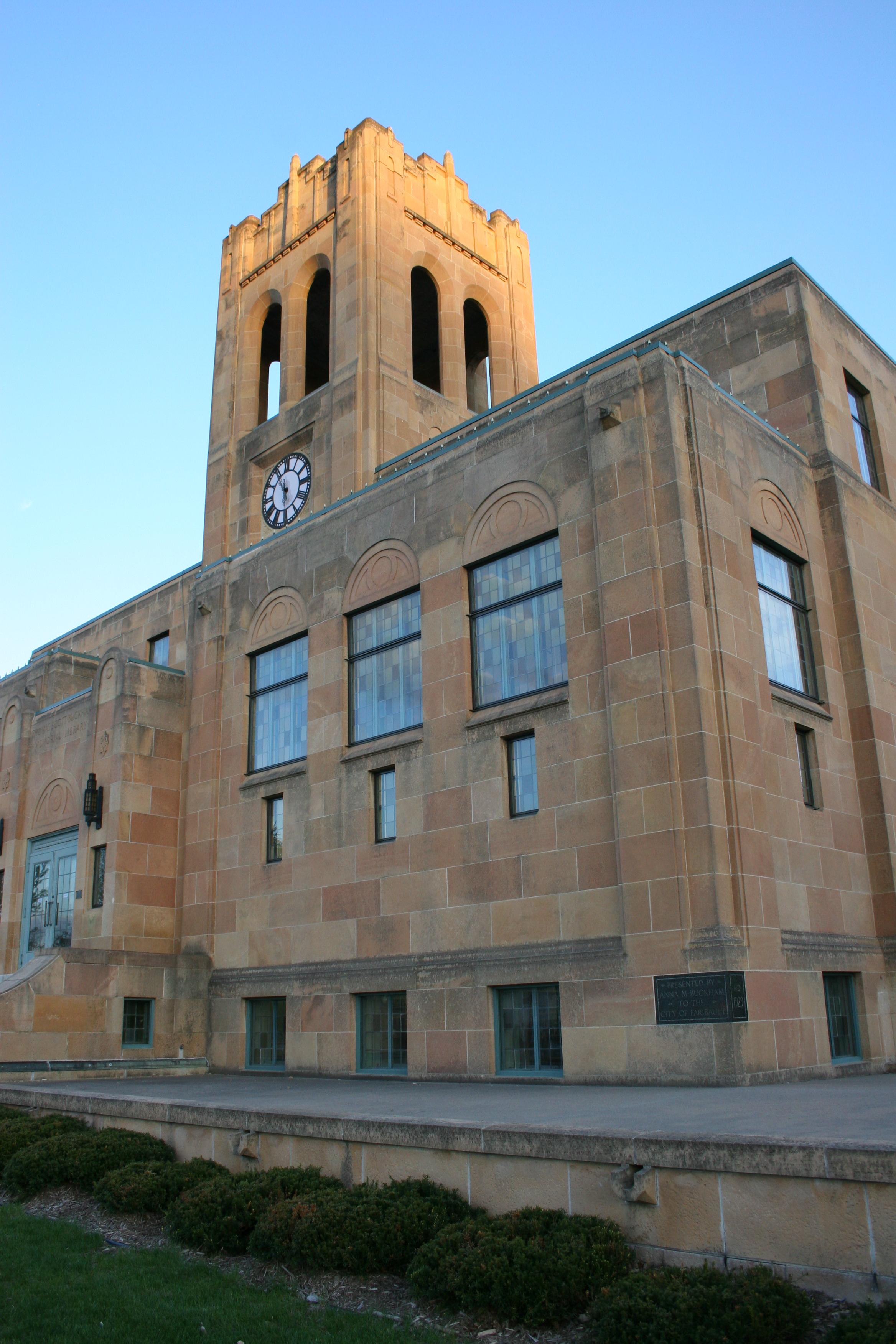
Buckham Memorial Library, Faribault

WHEN A NOTICE arrived in my e-mail in-box on Monday that Kathryn Stockett’s The Help was available for me at the local public library, I was thrilled. I’d been number 45 on the waiting list. I figured maybe I’d get the book in say seven years, long after I had forgotten it. Instead I waited only a few months.

Around 6:30 p.m. Monday, on my way to a church meeting, I stopped at Buckham Memorial Library in Faribault to pick up this bestselling novel. Much to my dismay, the library appeared closed. It was. And then I remembered the budget cuts that had trimmed evening hours to only Tuesdays and Thursdays.

As frustrated as I sometimes am about shortened night-time hours, I shouldn’t complain. At least I have a library in my community, unlike my hometown of Vesta in southwestern Minnesota. Like two dozen other small towns in Redwood, Cottonwood, Murray and Pipestone counties, Vesta residents rely on the services of the Plum Creek Bookmobile to deliver library materials. (Click here to learn more about that bookmobile.)

Once a month the bookmobile pulls onto Vesta’s Main Street, just as it does in towns like Currie, Iona, Revere and other towns you’ve probably not heard of unless you live or grew up in that rural area of Minnesota.

Given how often I use the Faribault library, I’d have a tough time with only once-a-month library access via a bookmobile. But I know that residents of these rural communities, like my 79-year-old mom, are grateful for their library on wheels.

Can more be done, though, to get books into the hands of these rural residents more frequently? I don’t expect that will come via public library systems with already financially-strapped budgets.

That’s why I’m particularly excited about the nonprofit Little Free Library project, co-founded two years ago by Todd Bol, a native of Stillwater now living in nearby Hudson, Wisconsin. I spoke at length with Bol earlier this week about this endeavor which places birdhouse-sized mini libraries mostly in front yards and in some public locales.

A Little Free Library seems the ideal way to fill a void in small towns without libraries.

But the problem lies in connecting to these sparsely-populated areas and growing these libraries. Bol wanted to pick my brain on how to best reach these communities and spread the word about opening a Little Free Library.

A recently-opened Little Free Library in a southwest Faribault neighborhood.

Several weeks ago a little library opened in Faribault. I learned about Dale and Joan Smith’s front yard library in the local daily newspaper on the same day I read about one opening in Detroit Lakes. Minnesota now has about a dozen Little Free Libraries with orders for some five more, Bol says. Two of those are going to Lakefield near Worthington in the southwestern corner of the state.

That’s the area I want to target for these libraries which operate on the premise of “Take a book, leave a book.” No library cards. No fee. No anything except a steward of the library and the sharing of donated books.

In a blog post published last week about the Smiths’ library, I challenged Vesta area residents to open a Little Free Library. Thus far, no one has responded.

Bol’s nonprofit is there to help, offering everything from advice to publicity to ready-built mini libraries. Those physical libraries range from a basic no-frills model priced at $375 to original art deluxe models listed at $1,000.

Or, like the Smiths in Faribault, you can build your own and then become a Little Free Library member, for a recommended $50 donation. That entitles you to benefits like a sign, sharing of your story online, listing on the LFL world-wide map and more. (Click here for membership details.)

With monies donated through the LFL’s “Pay It Forward” program, funding is available for underwriting library costs, for signs, donations of the library structure, etc.—all aimed toward helping others open village libraries. Currently the nonprofit is assisting soldiers with placing libraries in Afghanistan. No application process exists to apply for funds, but Bol hopes to eventually establish one.

Some 200 officially-registered Little Free Libraries have opened world-wide, according to Bol, who is especially excited about one planned for the Minneapolis Sculpture Garden. He’s also thrilled about an upcoming story in an Italian fashion magazine.

Defining himself as a “social entrepreneur by profession,” Bol focuses on change and making a difference. He views a Little Free Library as “a water cooler of literacy.” That comes from a man who says he “leans toward dyslexic” and reads primarily social engineering, quirky nonfiction and history books.

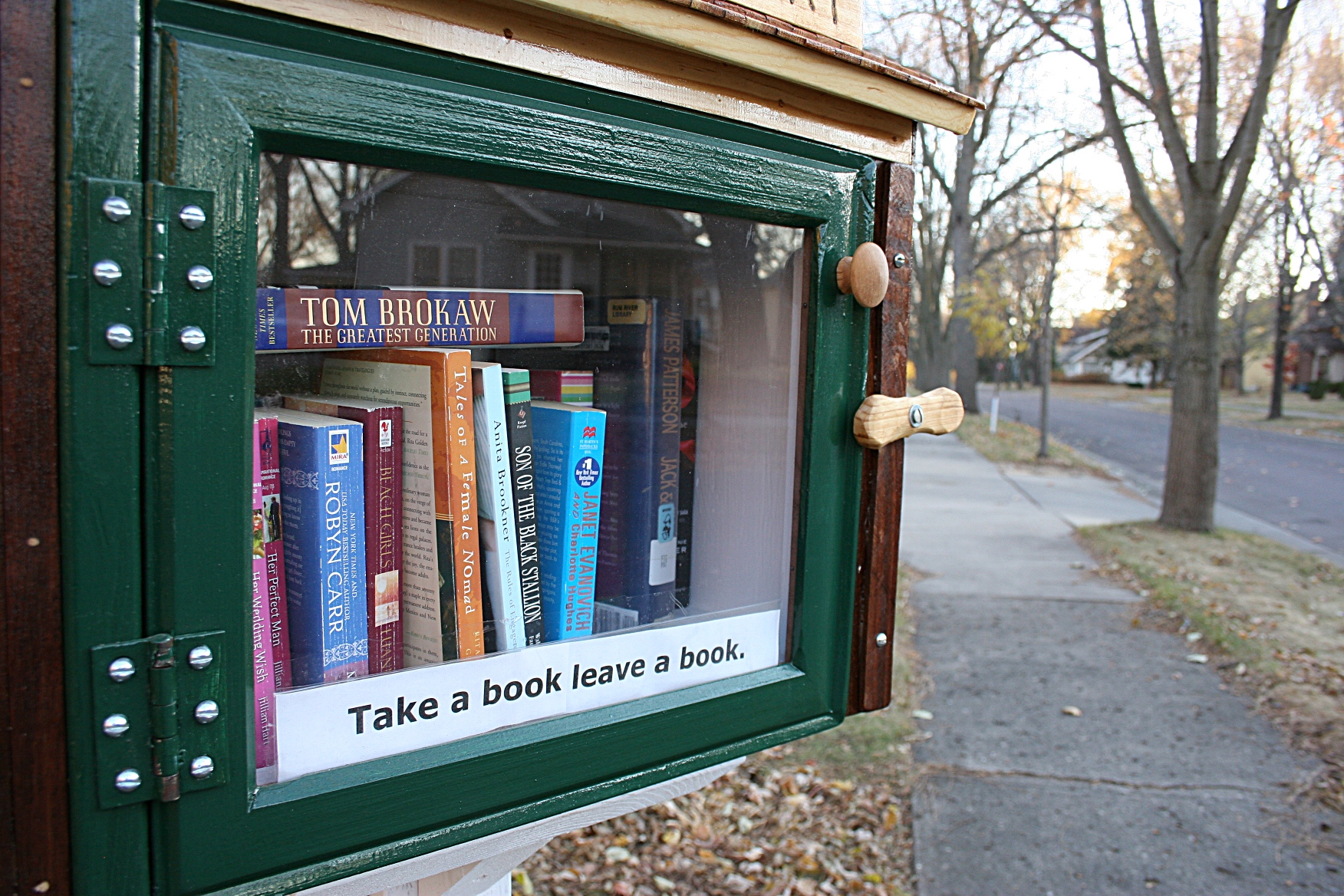
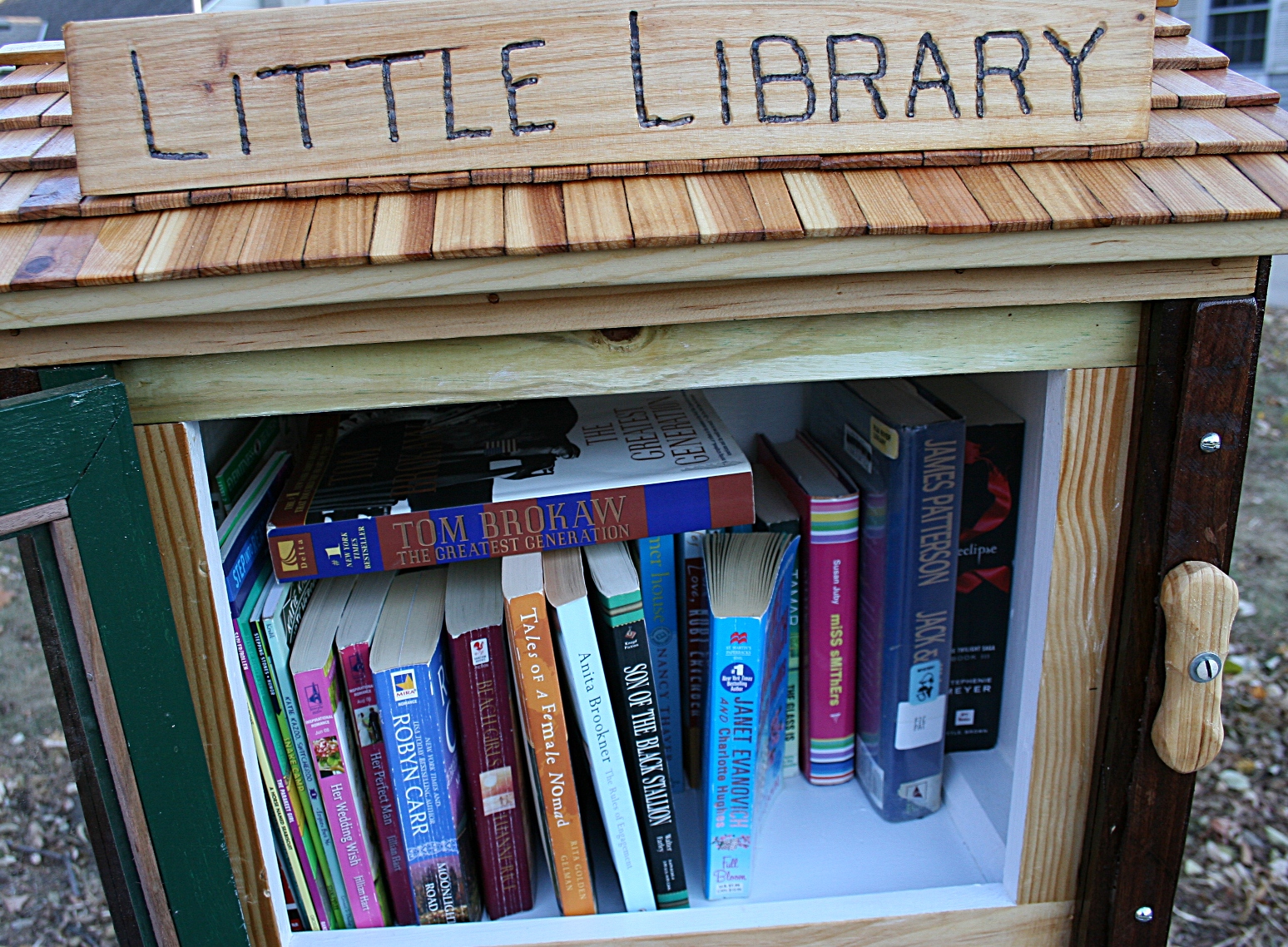
The Smiths of Faribault have filled their Little Library with a variety of books.

A LFL, Bol continues, becomes not only a place to get and give books, but also a community gathering spot, a “unique space of conversation” to discuss reading, books, education and more.

“There’s a sense of community being built through Little Free Libraries,” its co-founder says. He sees social interaction between neighbors who previously may not have met or spoken. A front yard library brings them together.

Bol remembers the moment he realized he was onto something with the Little Free Library concept. He had built and placed a schoolhouse-shaped library in his Hudson front yard honoring his mom, June A. Bol. When folks stopped by to shop at a garage sale he was holding and saw the mini library, they were intrigued. “That’s cute. Can I build it?” customers inquired.

From that spark of community interest, this social entrepreneur and his friend Rick Brooks of Madison, Wisconsin, ran with the idea and co-founded the Little Free Library movement.

Today Bol’s looking to engage others, like me, in spreading the word about these mini libraries. I didn’t come up with a brainstorm of an idea when we talked about how to best reach places like the small towns of southwestern Minnesota without libraries. I only suggested establishing a LFL in the area and then contacting small-town daily and weekly newspapers and radio stations in a publicity blitz.

He suggested a contest that would give away a Little Free Library, something he’s previously done.

Bottom line, it’s going to take networking to grow Little Free Libraries in more remote and rural areas.

Once the interest is established, it’s going to take individuals, families, neighbors and/or organizations to build and tend these libraries—perhaps a 4-H club or a 4-Her, a Boy Scout or Girl Scout, a church youth group, a Friends of the Library organization, a woodworker, a service club like Sertoma or Rotary or…

IF YOU HAVE ideas, any ideas, on how to grow Little Free Libraries in rural Minnesota, please submit a comment and share.

IF YOU HAVE a Little Free Library, plan to open one or need assistance in opening one, submit a comment. Most of all, tell others about this project.

FINALLY, if anyone is specifically interested in opening, building or funding a Little Free Library in my hometown of Vesta, let me know. It’s always been my dream to have a library in Vesta.

CLICK HERE for detailed information about the Little Free Library project.

© Copyright 2011 Audrey Kletscher Helbling


For the love of reading: Little Library opens in Faribault November 10, 2011

Buckham Memorial Library, Faribault

GROWING UP on a farm in rural southwestern Minnesota, all I ever really desired in my hometown was a library, a place where I could check out books and then read to my heart’s content.

Today Vesta, population around 340, still doesn’t have a library, although the bookmobile stops along the one-block Main Street once a month.

Fortunately I have, for nearly 30 years, lived within blocks of Buckham Memorial Library in Faribault. I go there often as did my three children, all of whom possess a deep passion for reading.

Just like Joan Smith of Faribault.

Joan, a member of the Rice County Library Board, loves reading and books so much—she can’t pass up a bookstore—that she and husband Dale have opened a library, in their front yard on Faribault’s south side.

As part of a growing world-wide “Little Free Library” movement, this retired couple decided, when encouraged by fellow book lover and library board member Pat Rice, to start a free library.

Dale, known for the log cabin style birdhouses he crafts and sells, had the skills to build the little library. The Smiths sized up books before deciding on the dimensions of 18 inches wide and 12 inches deep.

I counted 31 books in the Smiths' Little Library when I stopped to photograph it. "We all find ourselves with too many books," Joan says. "We need a place to share them." Her place is a Little Library.

That's the Smiths' house to the right at 825 Sixth Ave. SW. Feel free to knock on the door to drop off books, ask questions or thank them. Or simply drop by, open the library plexiglass door and take and/or leave a book.

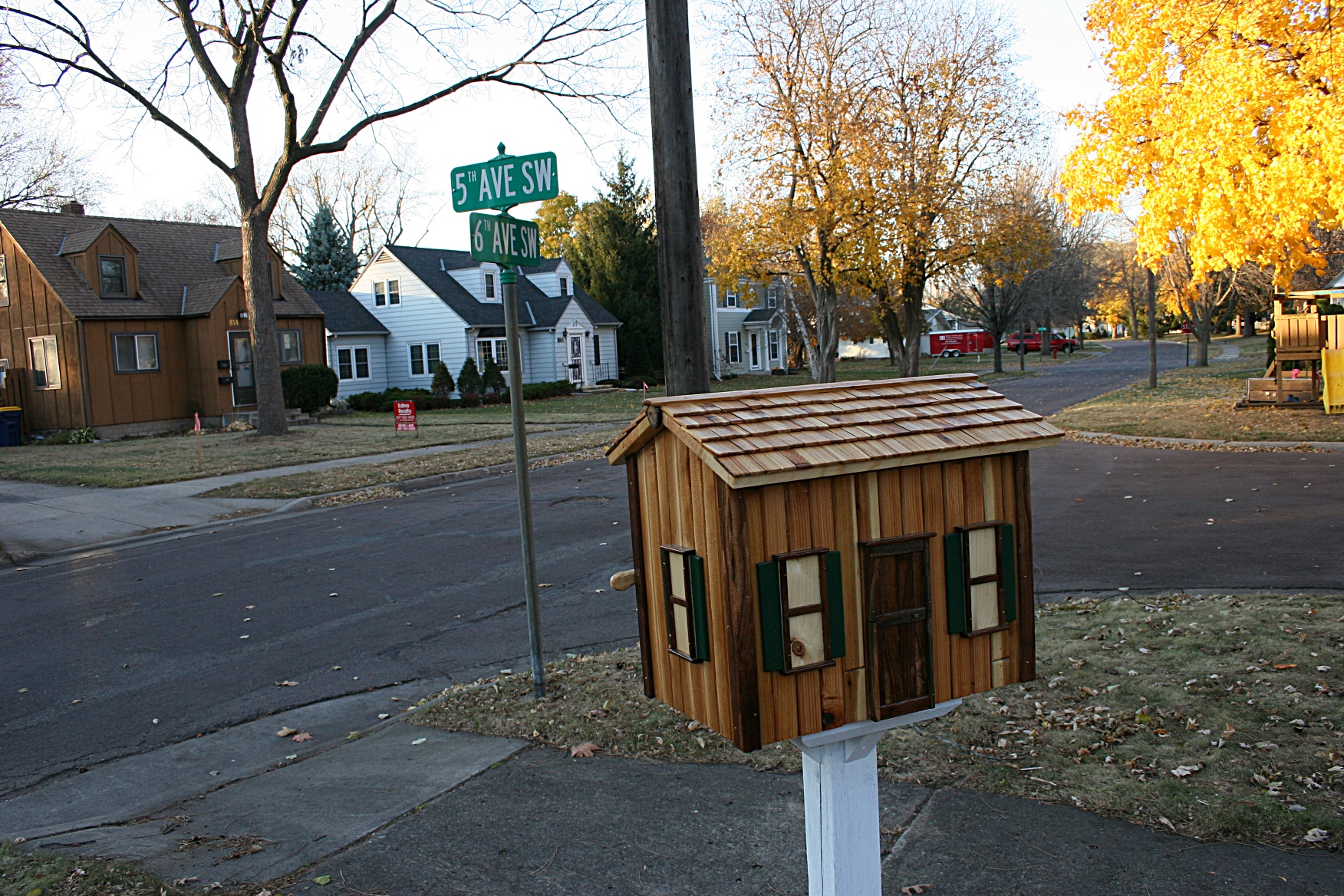
Shortly before Halloween, the Little Library, situated atop a post at Joan’s eye level and within about a foot of the Fifth and Sixth Avenues Southwest sidewalk intersection, opened. (And, yes, folks, I got that right; two avenues do intersect by the Smiths’ house at 825 Sixth Avenue Southwest.)

Detailed with doors, windows and shutters, the Little Library stands at the intersection of Fifth Ave. S.W. and Sixth Ave. S.W. Here's a back view of the library Dale built.

Joan gushes over a project that shares her passion for reading and which she hopes will get others excited about reading and using the local public library.

“It’s (Little Library) another step toward reading and becoming a lover of books,” she enthuses.

Joan enjoys books, always has, ever since she was a young child living in Mankato, the childhood home of author Maud Hart Lovelace. Her mother read Lovelace’s Betsy-Tacy series to Joan as well as Little Women by Louisa May Alcott.

Later, when the family settled in the Faribault area, Joan attended a country school with less than two dozen old books on a library shelf. But her mother took her to Buckham Memorial Library, a place with plenty of books.

Joan understands the importance of reading to success in education. Although few children live in her neighborhood, Joan encourages her neighbors to grab a book from the Little Library when the grandchildren visit. She also wants the Faribault community to know: “This is for everybody and you’re welcome to come.” Already, those outside the neighborhood are stopping at the library.

It’s a library without rules or library cards. Take a book. Take a book and leave a book. Leave a book. Whatever works, Joan doesn’t care as long as people are reading.

You never know what books you'll find in the Little Library. Joan says she momentarily panicked after spotting a book with a library label. Turns out the donated book was a library discard.

She’s stocked the Little Library with books gathered from her home and from family members: mysteries and westerns, easy-reader children’s books and picture books, classics and the popular vampire series for teens and, well, whatever Joan collects, buys or no longer needs.

And, yes, the Smiths are accepting donations to their library. They’ve been asked, “What if everyone starts bringing you books?”

“That wouldn’t be a problem,” Joan responds. If she can’t use the books in their library, she’ll donate them wherever they are needed.

Dale Smith is open to considering requests to build little libraries. But the couple encourages interested individuals to construct their own libraries. (Dale’s pretty busy with that birdhouse building.)

Joan hopes their Little Library in southwest Faribault inspires others to open mini libraries and to read, yes, to read.

The Little Library is located right next to the sidewalk in the Smiths' front yard.

A front view of the Little Library looking toward Fifth Avenue Southwest.

FYI: Click here to visit littlefreelibrary.org for details on this library movement, including locations of existing libraries and how to start your own.

The website lists the following Little Free Library sites in Minnesota:

If you know of a Little Free Library in your neighborhood or plan to open one, submit a comment. I’d like to hear.

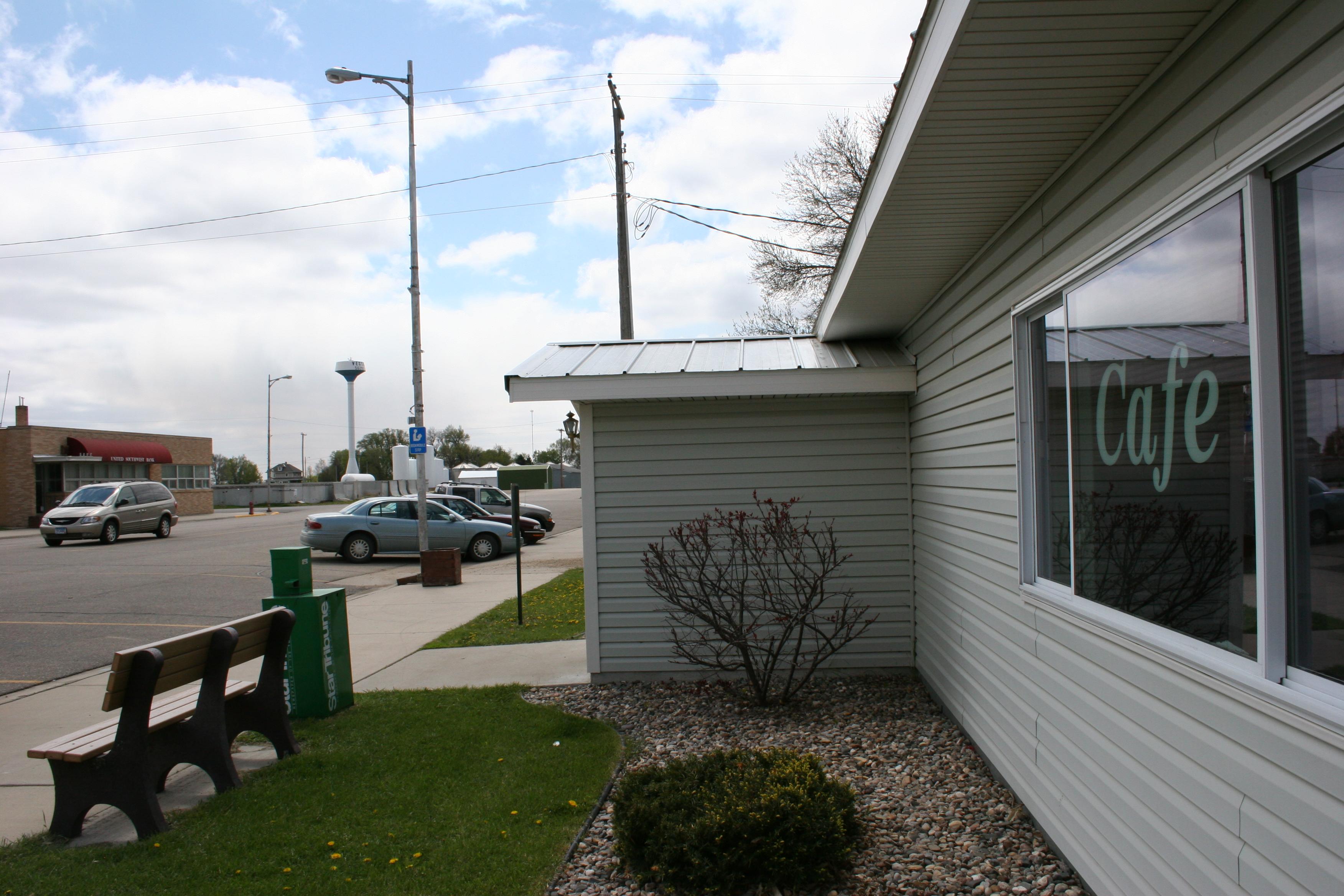
I’D LIKE TO CHALLENGE the residents of Vesta to start a Little Free Library. How about in or near the Vesta Cafe? Make my dream of a library in my hometown come true. I’ll even bring some books for the library the next time I’m “back home.”

Main Street Vesta and the Vesta Cafe, perhaps the perfect spot for a Little Free Library.

And I was thinking… maybe I should open a Little Free Library. I live along a well-traveled street in Faribault with lots of kids in the neighborhood. I love books, love to read…  Say, Dale, are you up to building another library?

© Copyright 2011 Audrey Kletscher Helbling
 

For the love of reading April 20, 2011

I’VE ALWAYS LOVED to read.

And I’ve passed that love of reading on to my three children, two of whom are now adults and one who is 17. They are all readers.

Even before my girls started school, I read the Little House books by Laura Ingalls Wilder to them.

Every summer, the folks of Walnut Grove, Minnesota, produce an outdoor pageant based on Laura Ingalls Wilder's Little House books. Many pageant attendees arrive at the show site dressed in period attire and then climb aboard a covered wagon prop there.

Then I read the Betsy-Tacy book series by Maud Hart Lovelace to my girls. I even nicknamed my second daughter Tib, after the curly-haired, fun-loving Tib in Lovelace’s books. To this day, our family occasionally, fondly, calls her Tib.

A snippet of a mural by artist Marian Anderson in the Maud Hart Lovelace Children's Wing at the Blue Earth County Library in Mankato, Minnesota. The painting depicts the main characters in Lovelace's books, from left, friends Tib, Tacy and Betsy.

Now that I think back on those days of snuggling on the couch with my two girls and later with my son, I am impressed that these preschoolers would sit still for long chapter books. But they did. Of course, I also read picture books and easy-reader books to them.

Long after my trio stopped sitting on my lap or leaning into my shoulders, listening to the stories I read, they continued reading.

Even my boy, my teen. This surprises me. At 17, he still pops out the leg rest on the reclining couch, stretches out his lanky body, grabs a book and reads. For hours. He also reads in bed when he should be sleeping.

There was a time, during his elementary and middle school years, when I checked under his bed for a flashlight and books. He got smart to that and simply hid them elsewhere. So I stopped searching, not wanting to squelch his love of reading even if it meant he wasn’t getting enough sleep.

Today he still reads when he should be sleeping. While I encourage him not to read into the wee hours of the morning, I can’t exactly stop him.

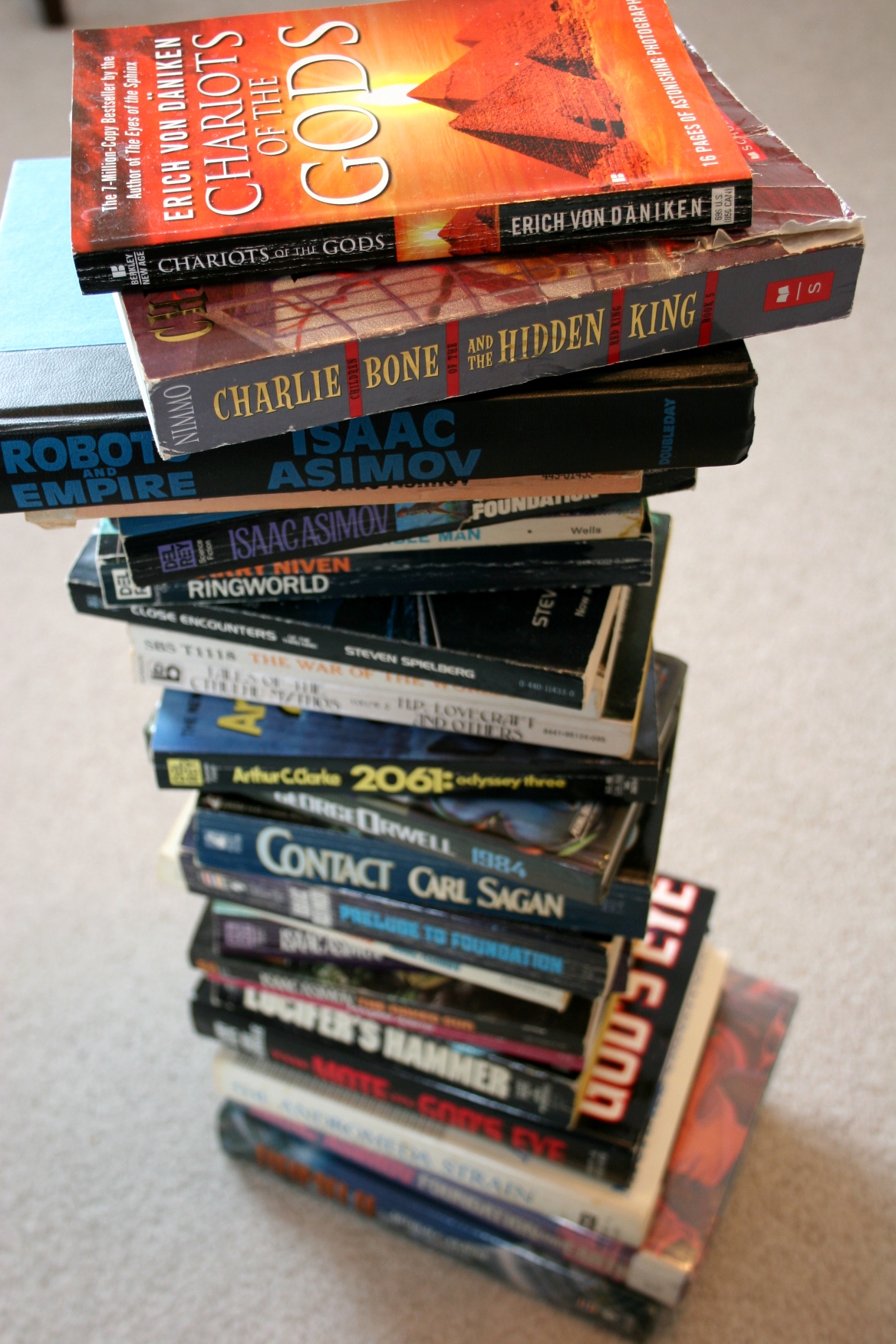
Right now he has two dozen science fiction books stacked in the middle of his bedroom floor: I, Robot and Second Foundation by Isaac Asimov, The Invisible Man and The War of the Worlds by H.G. Wells, Ringworld by Larry Niven, 1984 by George Orwell, Stranger in a Strange Land by Robert A. Heinlein…

Science fiction books stacked on my teen's bedroom floor.

Some of the books have copyrights nearly as old as me.

My son found these books at a used book sale sponsored by the local branch of the American Association of University Women. The AAUW holds the sale annually to raise funds for local reading projects. It’s a worthy cause.

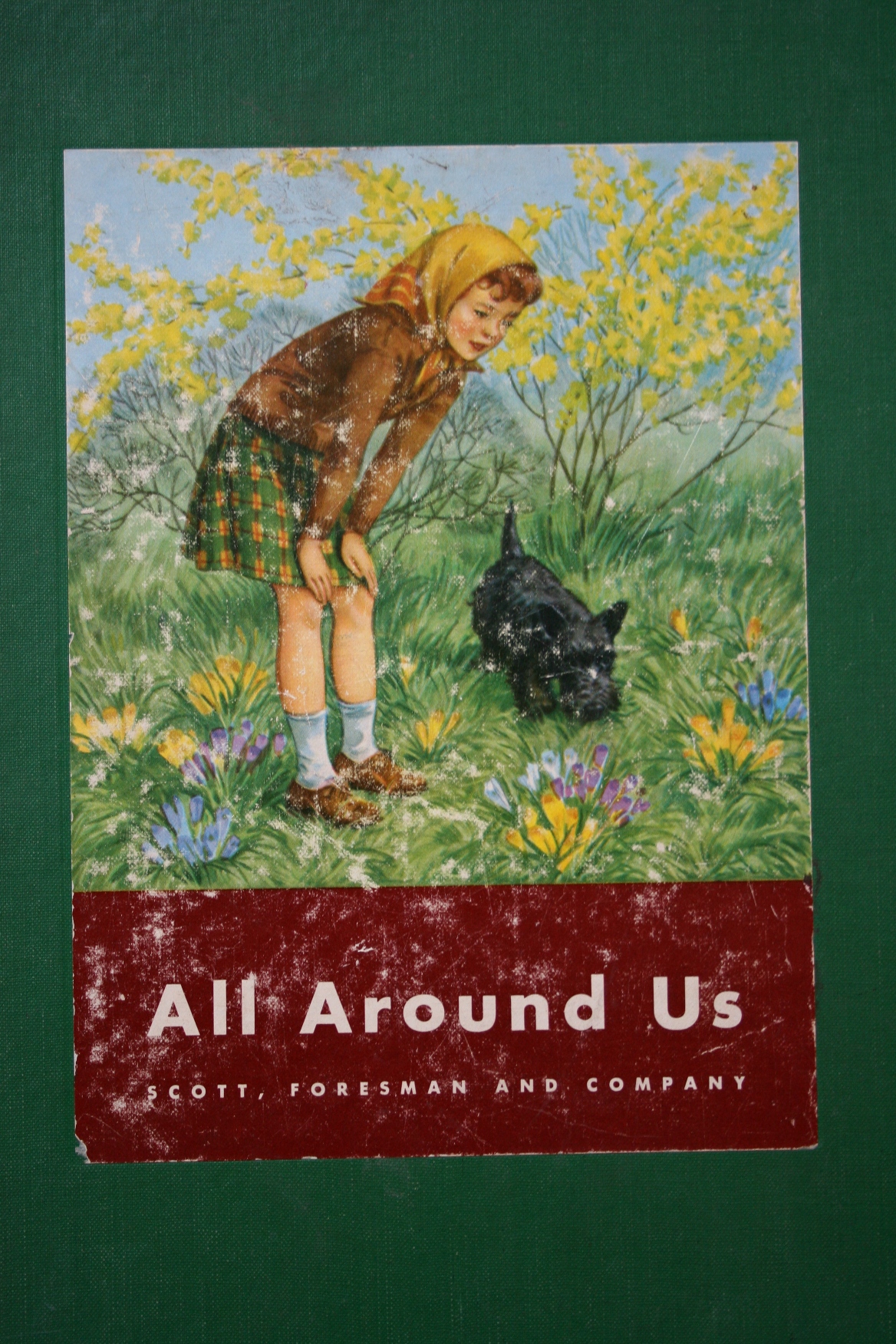
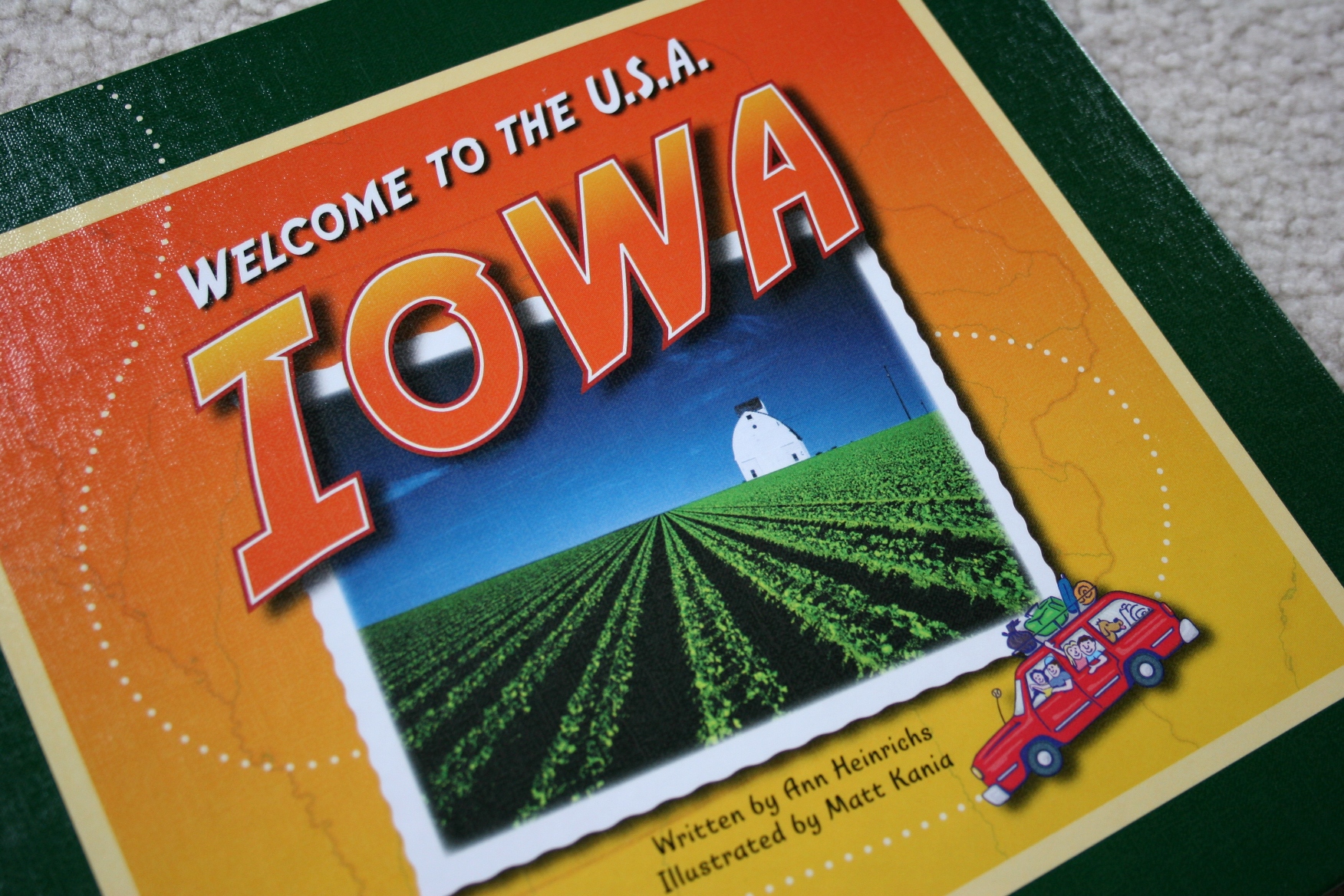
Well, Saturday, we “donated” $25 to the cause, dropping that amount for a box full of two dozen science fiction books, a Star Wars video, two Bach CDs, a nonfiction book about Iowa and a vintage elementary school textbook. The last two items on that list were my selections. I seldom buy books for myself, preferring to check them out from the library because I’ll read a book only once. My teen will read a volume multiple times.

I picked up a 1951 edition of this children's textbook at the used book sale. One of the women working the sale said she used it in her classroom and really liked the book. So did I. But I purchased it for the beautiful vintage art.

I found this brand new book for my niece, who will graduate from high school in about a month. She will attend an Iowa university. I thought she might enjoy this children's nonfiction book that will introduce her to her new home state. Either that or she'll think her aunt (me) is crazy for giving her such an unusual gift. If anyone else wants an Iowa book, you'll find a box full at the sale.

Typically I would not pay $25 for nearly 30 used books, some of them well-used. But how could I deny these books to my teen, who said he can’t even find some of the older books in the library system? Yes, he has a well-used library card.

The older women working the book sale seemed impressed with my gangly teen who managed to fill an entire cardboard box with books. They even offered him a several-dollar discount when I told him he would need to pay half the cost of the books. I only thought it fair. I’ve never been the type of mom to buy my kids something simply because they want it. The son didn’t argue.

I had to restrain myself from buying an armful of children’s picture books. For years I bought used books for the library at the Christian day school my children attended. After I stopped volunteering a dozen years later, breaking that buying habit took a bit of resolve.

Since I passed on the many fabulous children’s books, I did the next best thing. I e-mailed two friends with young children and encouraged them to shop at the sale.

HOW ABOUT YOU, do you buy books at used book sales, garage or rummage sales or elsewhere? Have you always loved to read? And, if you have children, do they also love being read to or reading on their own?

FOR ANYONE WHO lives in the Faribault area, today, April 20, is the final day of the book sale, which runs from 3 p.m. – 7 p.m. in the old Hallmark store at the Faribo West Mall. I’m pretty certain you’ll find plenty of deals on books as the AAUW will just want “to get rid of” their remaining inventory.

© Copyright 2011 Audrey Kletscher Helbling
 

“Little House on the Prairie” originated as a book series, remember August 4, 2010

Filed under: Uncategorized — Audrey Kletscher Helbling @ 7:28 AM
Tags: , , , , ,

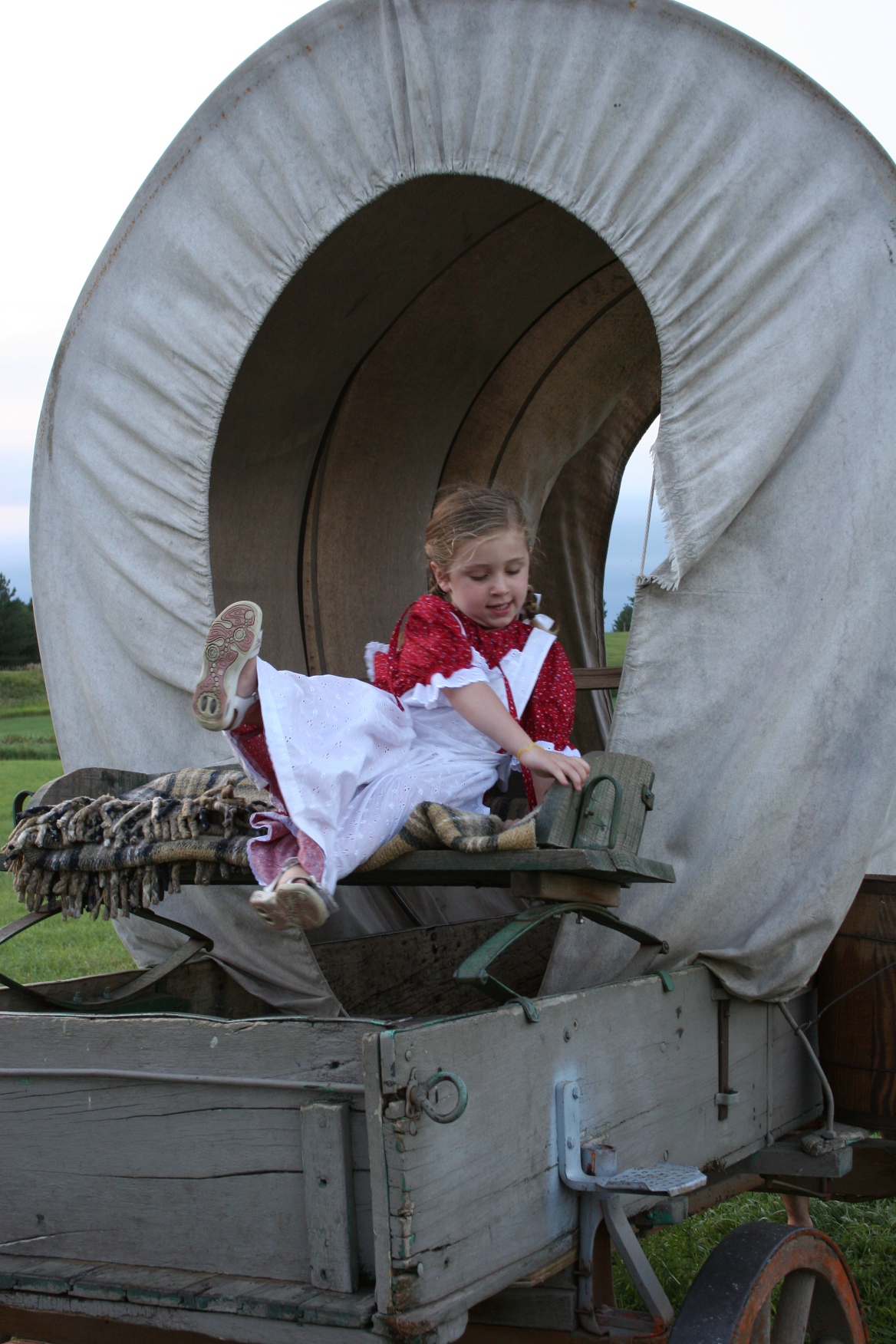
A Laura look-alike climbs onto a covered wagon at the Laura Ingalls Wilder Pageant site near Walnut Grove recently.

WHENEVER THE TOPIC of “Little House on the Prairie” surfaces, folks cannot believe that I know the stories from the books and not the television show.

But years before the long-running TV series aired, in a school in a small town some 20 miles north of Walnut Grove, my teacher read, yes, read, Laura Ingalls Wilder’s books to me and my classmates daily after lunch. I have fond memories of sitting there in my desk at Vesta Elementary School raptly listening to Mrs. Kotval read of the Ingalls family’s life on the prairie, my prairie.

At the time, back in the mid-1960s, I simply loved hearing the mesmerizing accounts of prairie fires and of blizzards, of fiddle-playing and of grasshopper plagues, of mean Nellie Oleson and of kind, kind Mary, Laura’s older sister. Wilder’s descriptive writing drew me in—into the dug-out, onto the seat of the covered wagon, into the country school. Simply put, I adored the Little House books.

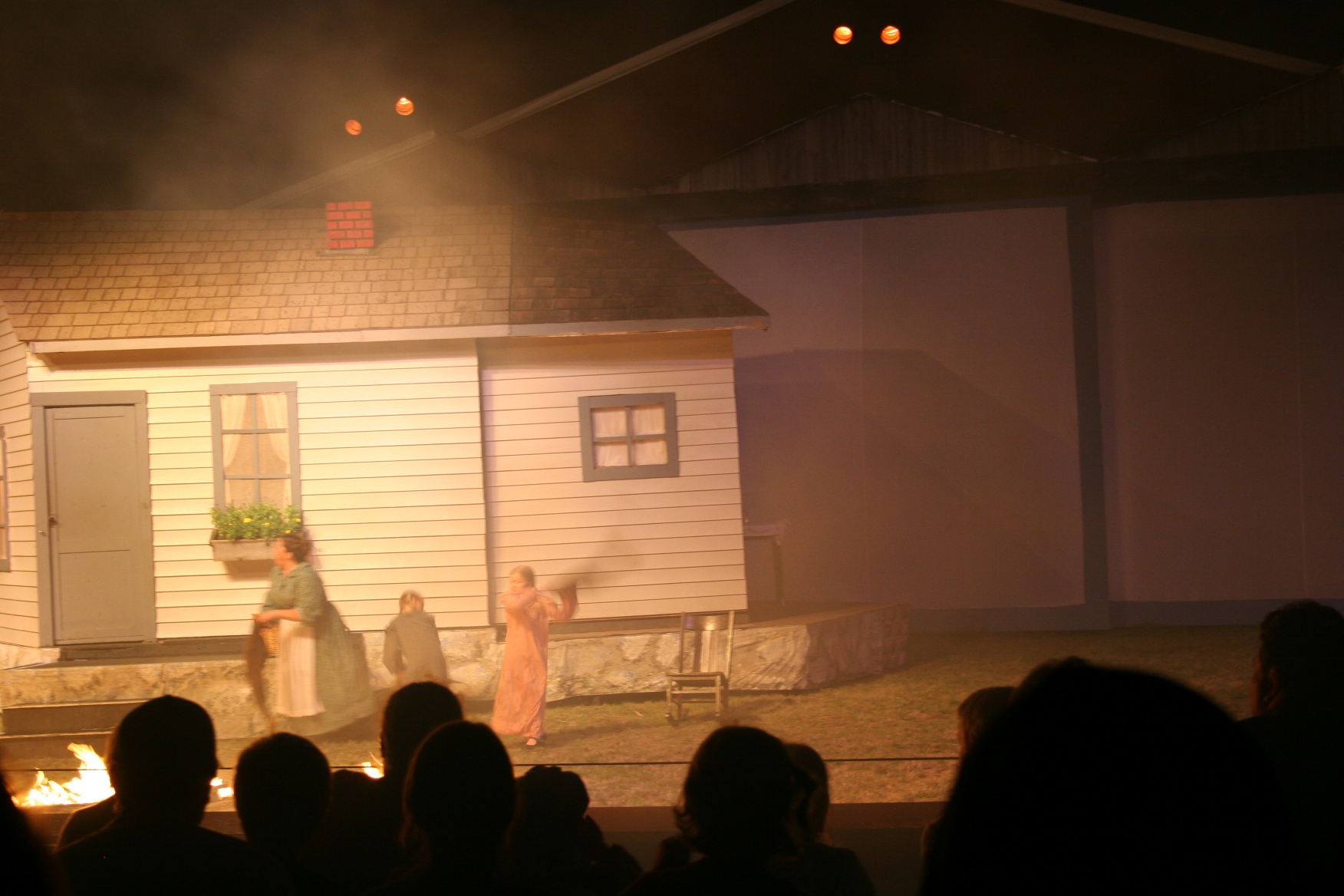
A prairie fire scene from the Laura Ingalls Wilder Pageant, presented every July at a hillside amphitheater along the banks of Plum Creek near Walnut Grove. I've seen the pageant three times in its 33-year history.

Honestly, I don’t recall my teacher emphasizing that neighboring Walnut Grove, the Ingalls’ family home from 1874 – 1876 and from 1877- 1879, was the setting for On the Banks of Plum, Creek. Truly, what mattered most to me was the telling of a good story to which I felt connected.

You would think then, given my early exposure to the Little House books, that I would have become a devoted fan of the television series. I wasn’t. The show aired in September 1974, my first year of college. I had no time for TV then or in the years that followed.

However, I recall seeing an episode or two or three. Of those I remember only the inaccuracies of mountains in Walnut Grove and of day-trips to Mankato. Despite the producers’ clear lack of prairie-landscape and geographic-distance knowledge, they offered good, wholesome family entertainment that has endeared generations, just not me.

I remain unimpressed by the hoopla over the television series and the big to-do about those, like Michael Landon (Charles “Pa” Ingalls) and Melissa Gilbert (Laura Ingalls), who starred on the show.

It is the books, the writing of Laura Ingalls Wilder, that impress me, that take me back to elementary school days, when my teacher gave me the gift of reading.

Years later I would pass that gift along to my daughters by reading the Little House books to them. Even as preschoolers they would snuggle against me on the couch, leaning in close as page after page I read of prairie fires and of blizzards, of fiddle-playing and of grasshopper plagues, of mean Nellie Oleson and of kind, kind Mary, Laura’s older sister.

I worry that today’s generation is growing up without that intimate knowledge of Wilder’s writing, accepting instead the embellished Hollywood version of life on the prairie. Even my 8 ½ and 12-year-old nieces, who recently attended the Laura Ingalls Wilder Pageant, “Fragments of a Dream,” in Walnut Grove with me and other family members, had not read the books. I was surprised, disappointed even.

I mourn that loss of connection to the written word, that ability to create, to envision, to perceive, yes, to imagine a scene, a setting, a place, simply through reading.

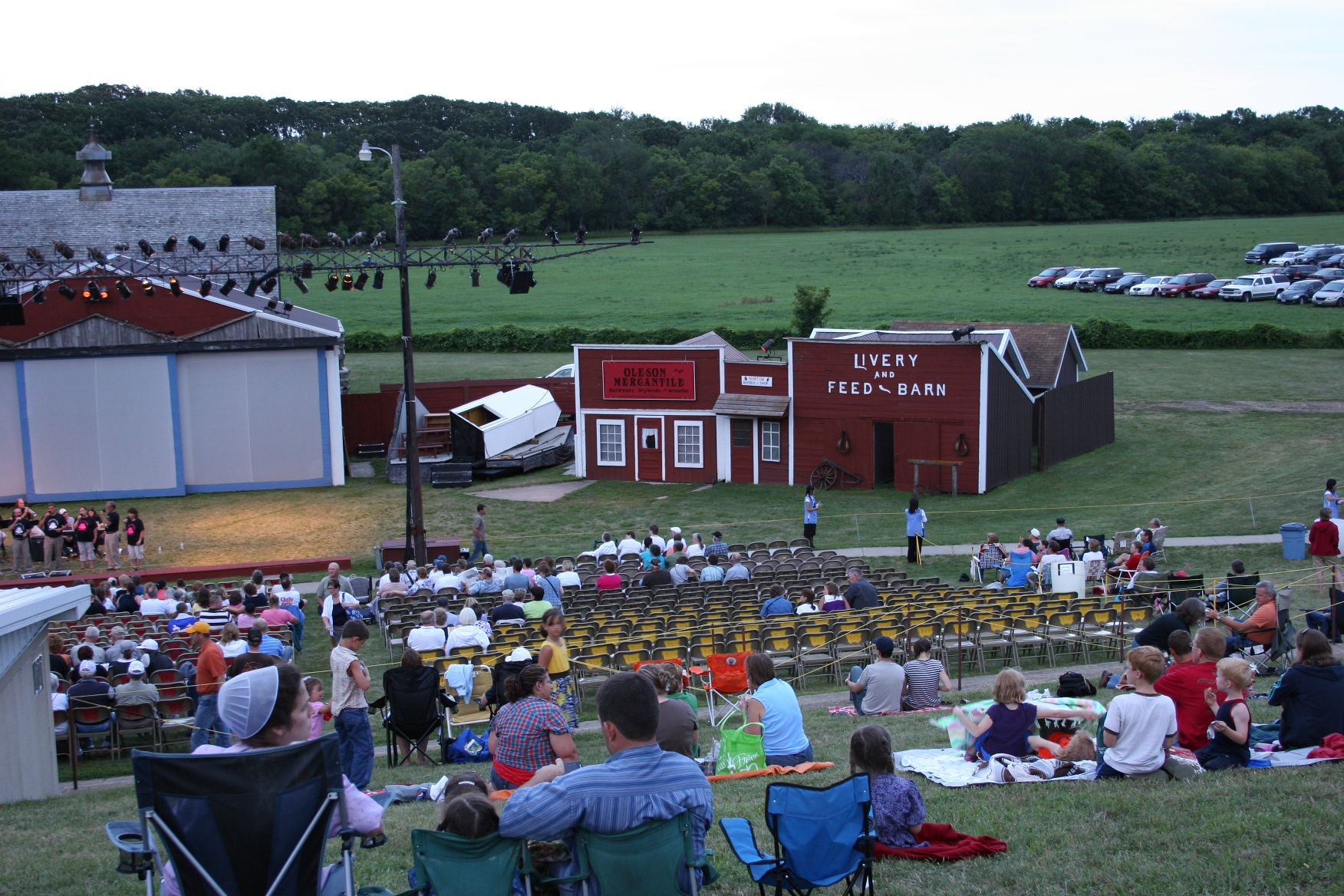
For 33 years, Walnut Grove area residents have presented the Laura Ingalls Wilder Pageant based on Wilder's stories. I've found the pageant to be true to the books, the acting superb, the setting beautiful.

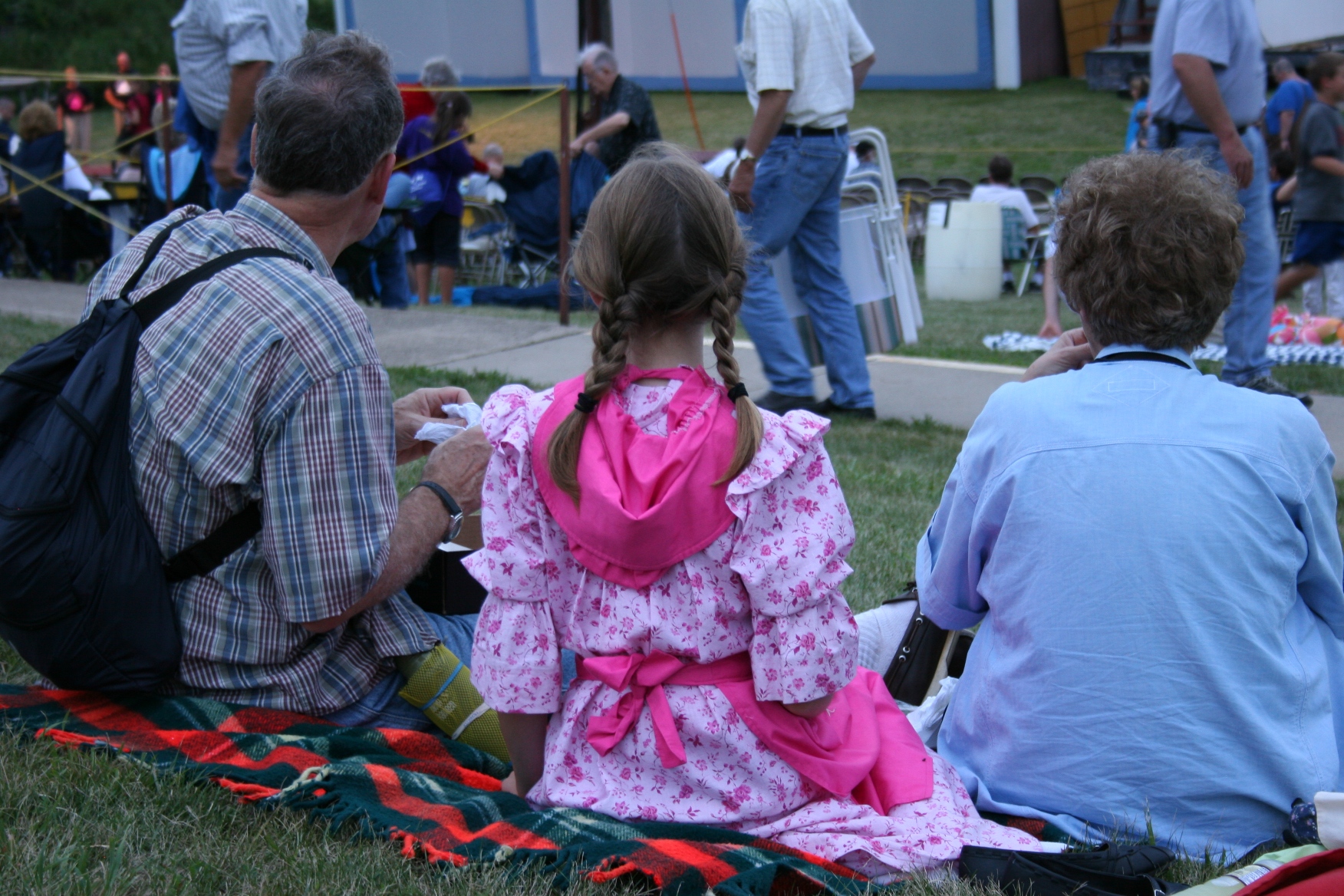
Devoted "Little House" fans come to the pageant dressed in prairie dresses and bonnets.

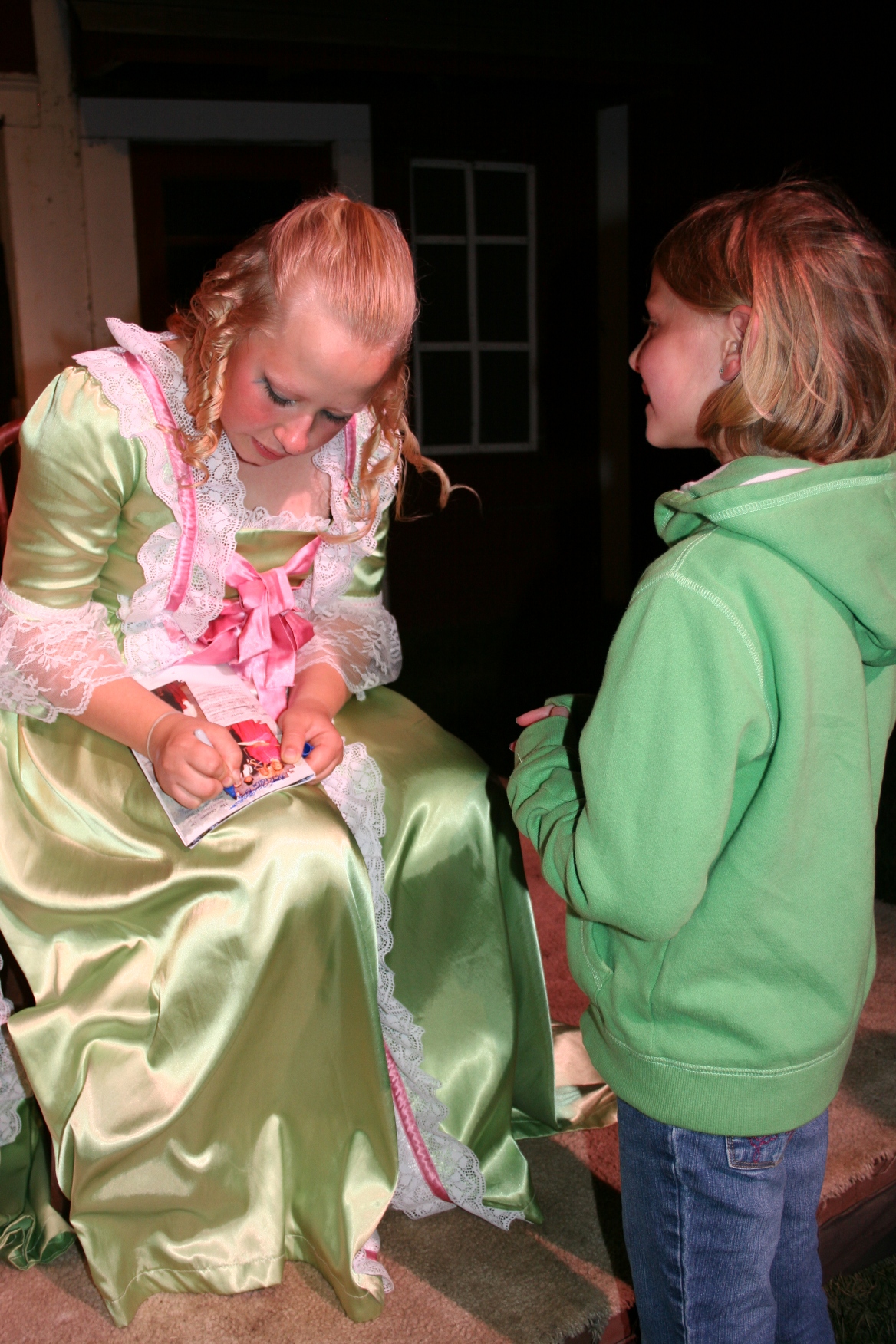
Amy Van Dorsten, 15, played the coveted role of mean and spiteful Nellie Oleson in this year's pageant. My niece Cortney insisted on getting Nellie's autograph after the performance.

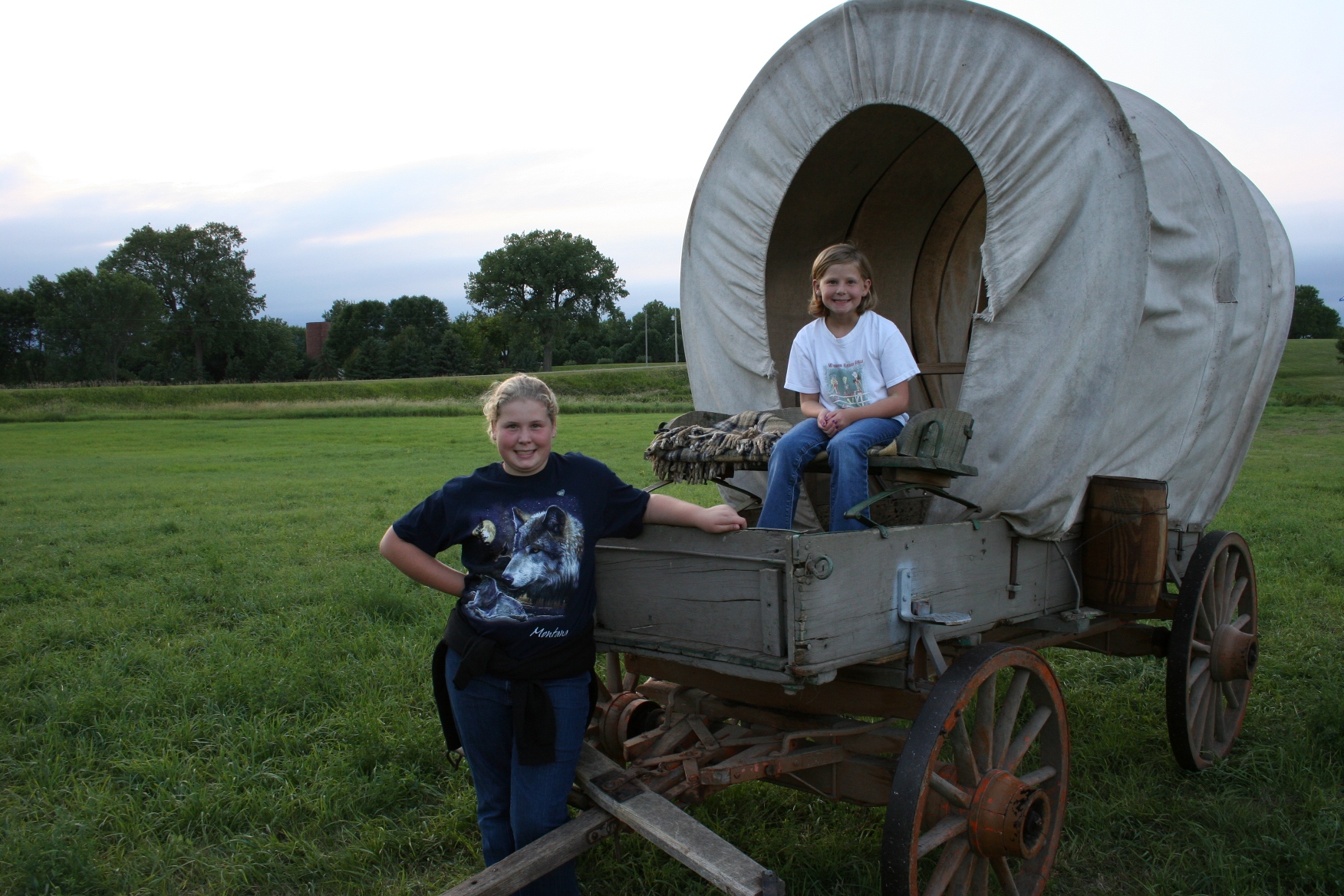
A covered wagon near the pageant grounds entrance provides photo ops for Little house fans like my nieces.

© Copyright 2010 Audrey Kletscher Helbling


The Case of the Lying Teen and the Hypocritical Mom April 13, 2010

Filed under: Uncategorized — Audrey Kletscher Helbling @ 8:16 AM
Tags: , , ,

AS THE HANDS on the clock nudge closer to 11 p.m. Sunday, I feel my anxiety level rise.

What has been months in the planning is about to reach a dramatic conclusion.

But I am tired, exhausted really. And for the past hour or more, I have been fighting sleep. I want this all to end so I can go to bed.

Just another 30 minutes, I tell myself, and it will be done.

In the meantime, I need my 16-year-old son to get out of here.

“Caleb, stop reading and go to bed,” I strongly, emphatically, protectively suggest. “You have school tomorrow.”

He lifts his head, turns from the pages of his book to look at me.

“You hypocrite,” he accuses.

I can’t argue with that other than to say that I’m the mom and I don’t have school tomorrow and if I want to stay up late and finish reading a thrilling mystery, I can.

Before my boy heads off to bed, he leans in to hug me. “Where’s your book?” I ask, noting that his science fiction anthology, The Starry Rift, Tales of New Tomorrows edited by Jonathan Strahan, is not on the couch or anywhere in my view.

He smiles a lying grin. “It’s in my backpack,” he says, his smile growing bigger.

I know better.

But what can I say? I am a hypocrite.

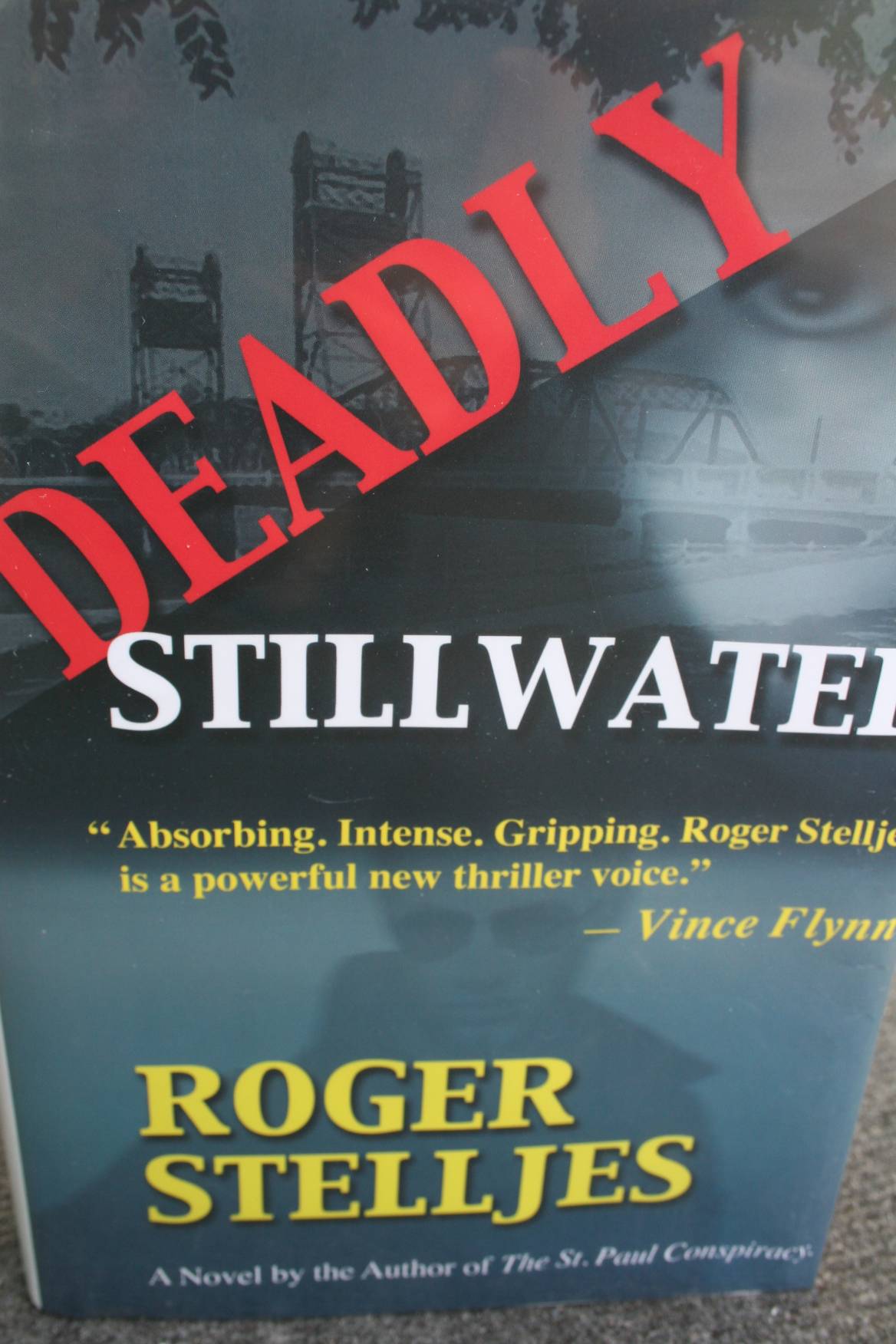
Deadly Stillwater by Roger Stelljes

As he heads upstairs, I turn back to my book, Deadly Stillwater by Twin Cities writer Roger Stelljes. The police are hot on the trail of the kidnappers.

This story line is not calming me. I am, in fact, becoming more agitated with each flip of a page.

I close the book.

I need my sleep.

The police will just have to wait until morning to solve this crime. And they do, before noon.

Now it’s Tuesday morning, and my teen is hurrying downstairs for breakfast. I spy a book tucked in the crook of his arm.

“Were you reading last night?” I ask.

“Maybe,” he answers. At least he’s not flat out lying this time.

“Do you have those tests today?” I inquire, referring to the Minnesota Comprehensive Assessment tests.

“Yeah, reading,” he says.

“Then you shouldn’t have stayed up late,” I admonish.

“I was practicing,” he shoots back.

© Copyright 2010 Audrey Kletscher Helbling