
HE ARRIVED IN MINNESOTA as a teenage refugee from Somalia. Today Ibrahim Khalif heads the nonprofit Faribault Youth Empowerment Center. And Thursday evening this well-spoken young man with a sense of humor spoke to nearly 60 people at Buckham Memorial Library. We gathered to learn about Somali history and culture in a “Building Bridges Across Cultures” talk.
I am a firm believer that knowledge, understanding and personal connections do, indeed, build bridges.
Ibrahim presented a whole lot of information with accompanying slides. So, rather than attempt to cover everything, I’ll share some highlights.
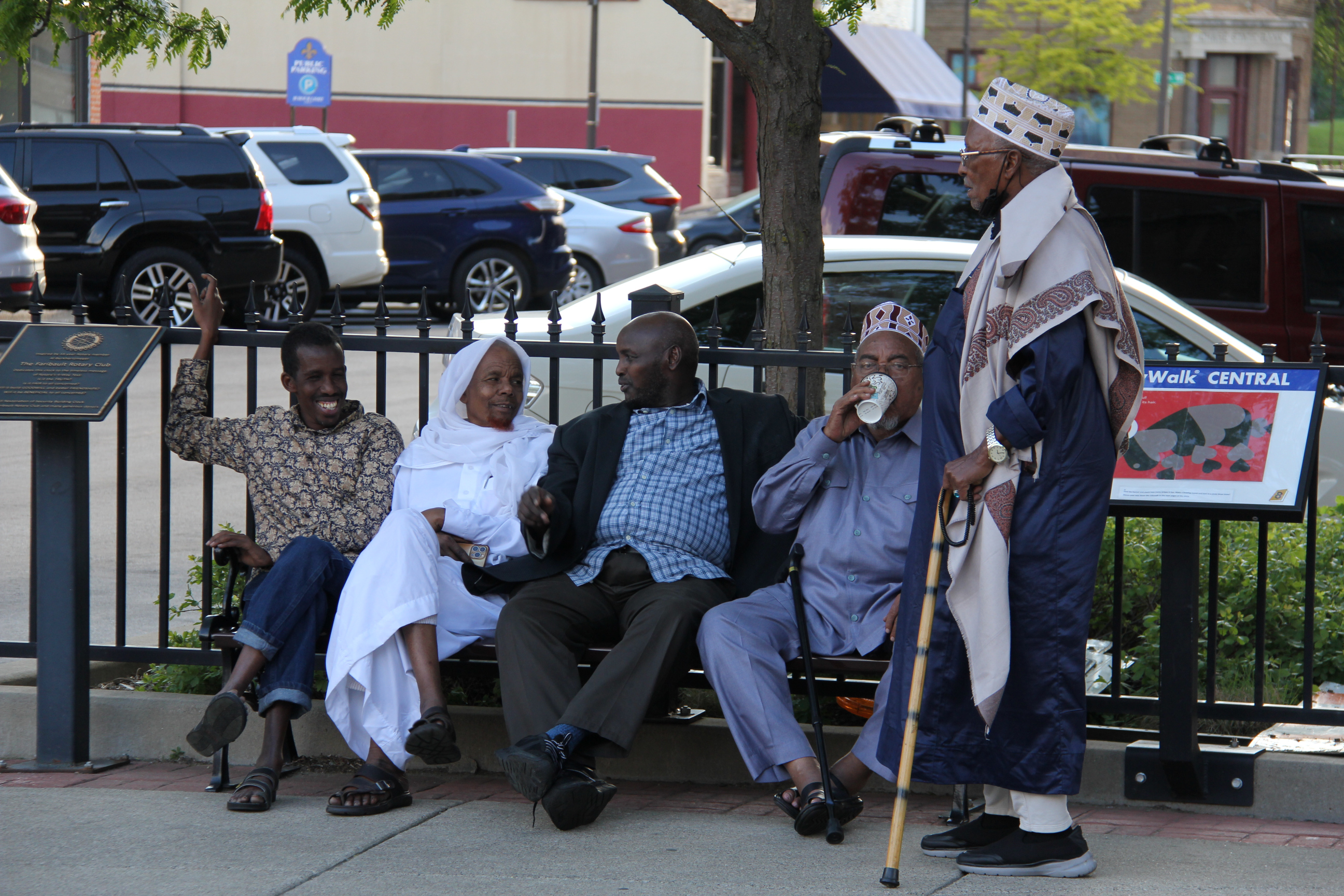
The Somalian culture is an oral culture, Ibrahim said. That was not new to me, mostly because I’ve heard complaints through the years of locals fearing the Somali men who gather on street corners in downtown Faribault. I knew these men met outside to chat and share news, much like men everywhere meet for coffee and playing cards. Many Somalis live above businesses in downtown Faribault and street corners are their front porches.
ARRIVING IN FARIBAULT
In the early 2000s, Somalis began arriving in Faribault, many from refugee camps, Ibrahim said. They fled a civil war that started in 1991 with faith-based organizations—Lutheran and Catholic—helping them resettle in America. Ibrahim showed before and after the civil war pictures of Somalia that revealed absolute devastation. He also showed images of crowded refugee camps.
Minnesota is home to the largest population of Somalis, some 25,000, outside of Somalia. Thousands call my community home. Ibrahim shared that they came to Faribault for a quiet life, to be close to family already here (family is deeply-valued), for the education system, affordable housing and jobs not requiring English-speaking skills. He specifically named the local turkey processing plant as a place of employment.
Challenges upon arrival included, as you would expect, language barriers, an educational system unprepared for an influx of Somali students, difficulty making friends, racial discrimination and more, Ibrahim said.
VETTING
While I was taking notes, I starred Ibrahim’s statement that refugees undergo rigorous security vetting and screening by the FBI before they are allowed into America. I found that especially pertinent in these times when Somali refugees have been targeted by the federal government and called “garbage” by the president who wants them out of the U.S. Yes, Somalis are worried, Ibrahim acknowledged. Yet, he sounded upbeat, emphasizing several times how much he loves Faribault.
LEARNING
I appreciated that Ibrahim engaged us via asking us to repeat Somali phrases that will help us connect with our Somali neighbors. I admit, I struggled. But I tried and trying is a start. He encouraged us to love each other, to break the ice even with something as simple as a smile. To build partnerships.
But a hug or a handshake with someone of the opposite sex, unless initiated by the person, is unacceptable in Somali culture. Both my friend Ann and I publicly admitted breaking that cultural rule, unbeknownst to us. I am a hugger.
I am also an appreciator of personal details, like Ibrahim’s memory of drinking water from a dirty creek in Somalia and how much his elderly parents miss goats and cattle.
LAUGHING
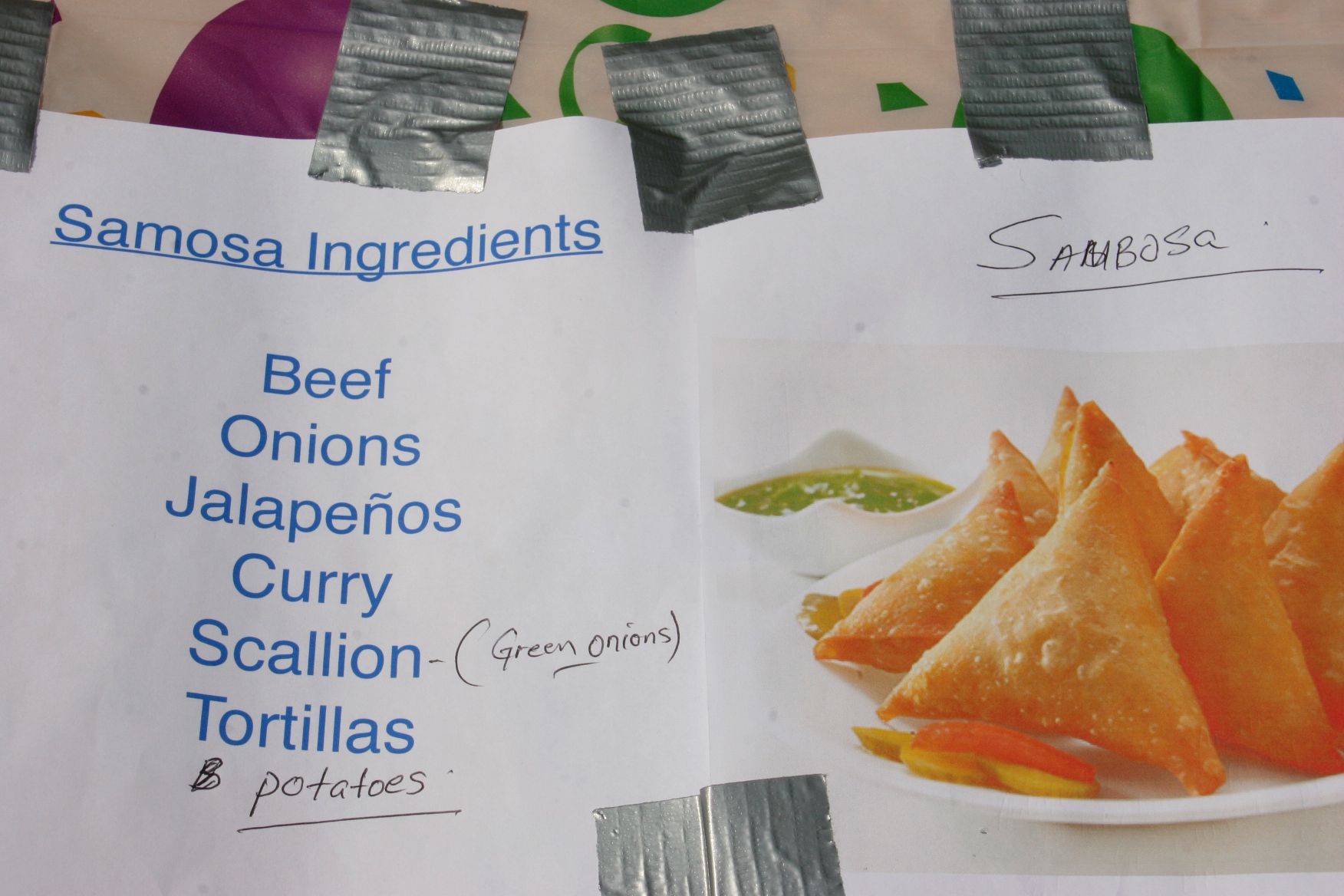
I also appreciate Somali food, enjoying a savory sambusa Ibrahim brought in a heaping tray to the event. When an audience member asked about his favorite Somali food, Ibrahim replied, burgers and fries. The crowd erupted in laughter.
It felt good to laugh. In the midst of everything happening in Minnesota with ICE, we need laughter. And we need individuals like Ibrahim, standing strong and helping build bridges across cultures.
© Copyright 2026 Audrey Kletscher Helbling




 Minnesota Prairie Roots
Resilience in a song December 5, 2025
Tags: Abbie Betinis, Christmas concert, commentary, Faribault, Faribault High School Choir, holiday concert, Minnesota, music, resilience, Somali Americans, strength, The Cathedral of Our Merciful Saviour
AS THEY SANG, I felt my spirits rise, moved by the rhythm of “Resilience” and its empowering lyrics.
This upbeat music, these words, were exactly what I needed to hear Thursday afternoon inside the Cathedral of Our Merciful Saviour as the Faribault High School Choir performed a holiday concert.
Resilience, we are strong; shoulder to shoulder keep movin’ on…stand up…yes, we can…
The beat of that song composed by Minnesotan Abbie Betinis and the message it carries…,well, it fit the day. It was a day when I awakened to a vivid nightmare running rampant through my mind. A dream of ICE agents in a black sedan converging on a community and chasing people out of a building. Gathering them, taking them away and me photographing and screaming at ICE to show some compassion and humanity.
I needed to hear “Resilience,” written by a musician who has taught at nearby St. Olaf College and elsewhere and published the Justice Choir Songbook.
As I watched and listened to the teens perform inside the historic Cathedral, I thought of the Native Americans who long ago worshiped here, befriended by Bishop Henry Whipple. They were not always welcome in this community. But inside the walls of this massive cathedral, they found a place of acceptance.
And then I thought of those young people standing before me, strong in voice, delivering a message that didn’t sound at all like a Christmas song on the surface. But really, it was. Shoulder to shoulder keep movin’ on… The song felt joyful. Uplifting. Moving. Inspirational.
In a selection of songs about light, a Norwegian dala horse, decking the halls, a silent night and more, “Resilience” stood out. I suggested to the students afterwards that they should stand downtown along Central Avenue and sing of strength, resilience and standing shoulder to shoulder. I told them how much they had uplifted me, how much I appreciated and needed to hear that song. And one young man said he was glad he brought me joy via their music.
After those conversations over lemonade and sweet treats, I headed home via Central Avenue. Between stops at a gaming store and a used bookshop, I popped into a corner business run by Somali Americans. Inspired by those high school musicians and deeply troubled by the hateful words directed by our president toward Somalis in Minnesota, I walked into the shop packed with colorful merchandise. “I just want to tell you how happy I am that you are here, that you are in our community,” I said. “I’m sorry for everything that’s happening.” My emotions rose. My voice cracked. Tears edged my eyes.
Then the Somali American man reached out and hugged me. He thanked me, told me it was OK, as did a woman sitting nearby. It was not my intention to cry. But everything just bubbled out. The worry. The concern. The injustice. The sorrow I feel over these Minnesotans being singled out and attacked, told they are “garbage” and are not wanted in this country. They who either fled a war-torn country or were born here and are working hard, like the two Somalis I met, to make a living and home in America.
I left that shop feeling the strength of my neighbors. Resilience, we are strong; shoulder to shoulder keep movin’ on…stand up…yes, we can…
© Copyright 2025 Audrey Kletscher Helbling