Minnesota Prairie Roots

Writing and photography by Audrey Kletscher Helbling

Words that resonate from Northfield poet Becky Boling April 24, 2025

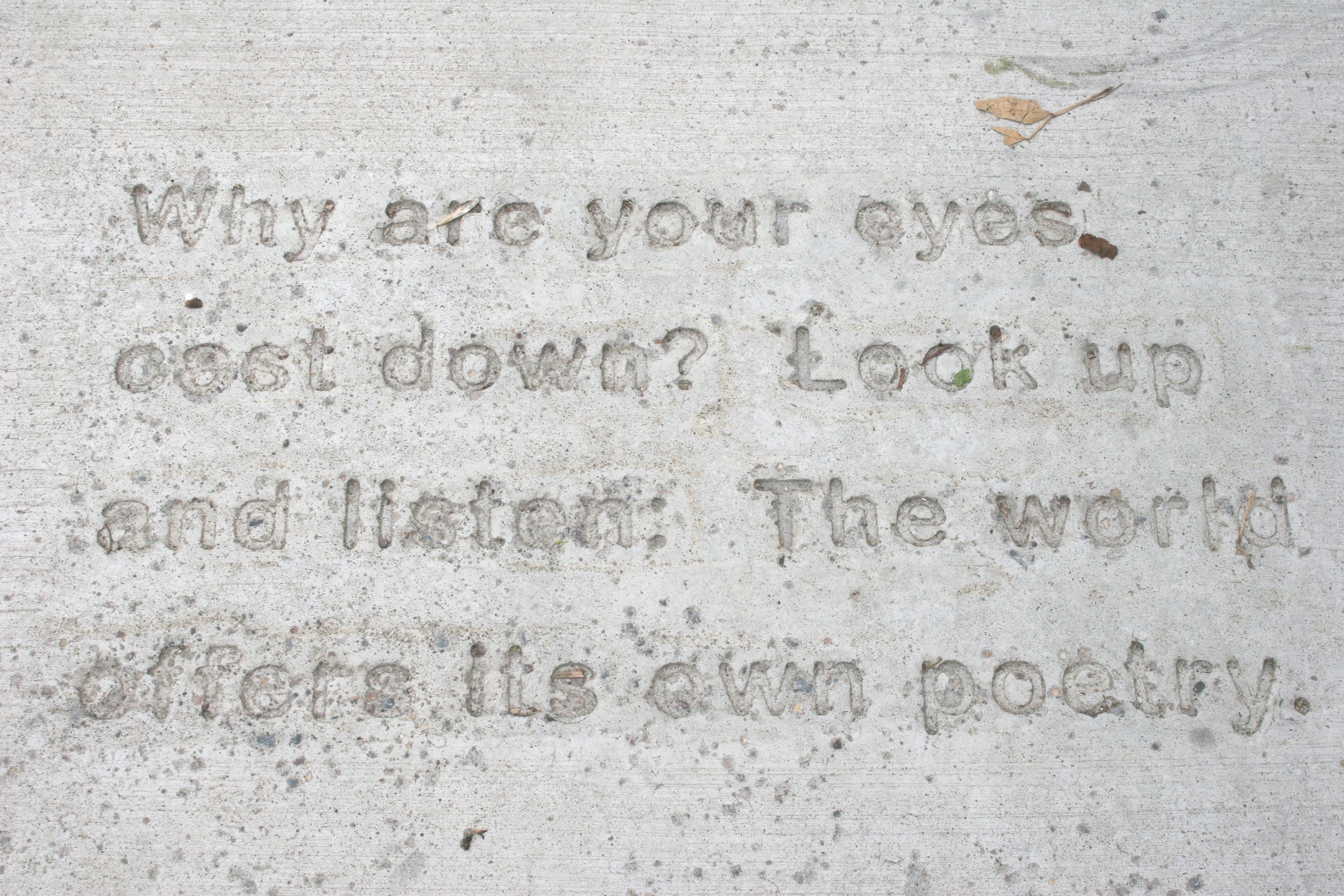
Sidewalk poetry in downtown Northfield, Minnesota, carries a powerful message. (Minnesota Prairie Roots copyrighted file photo)

I DON’T READ MUCH POETRY. I probably shouldn’t admit that given I’m a published poet. But I suspect most of you also are not big poetry readers. Yet, we all should be, especially me.
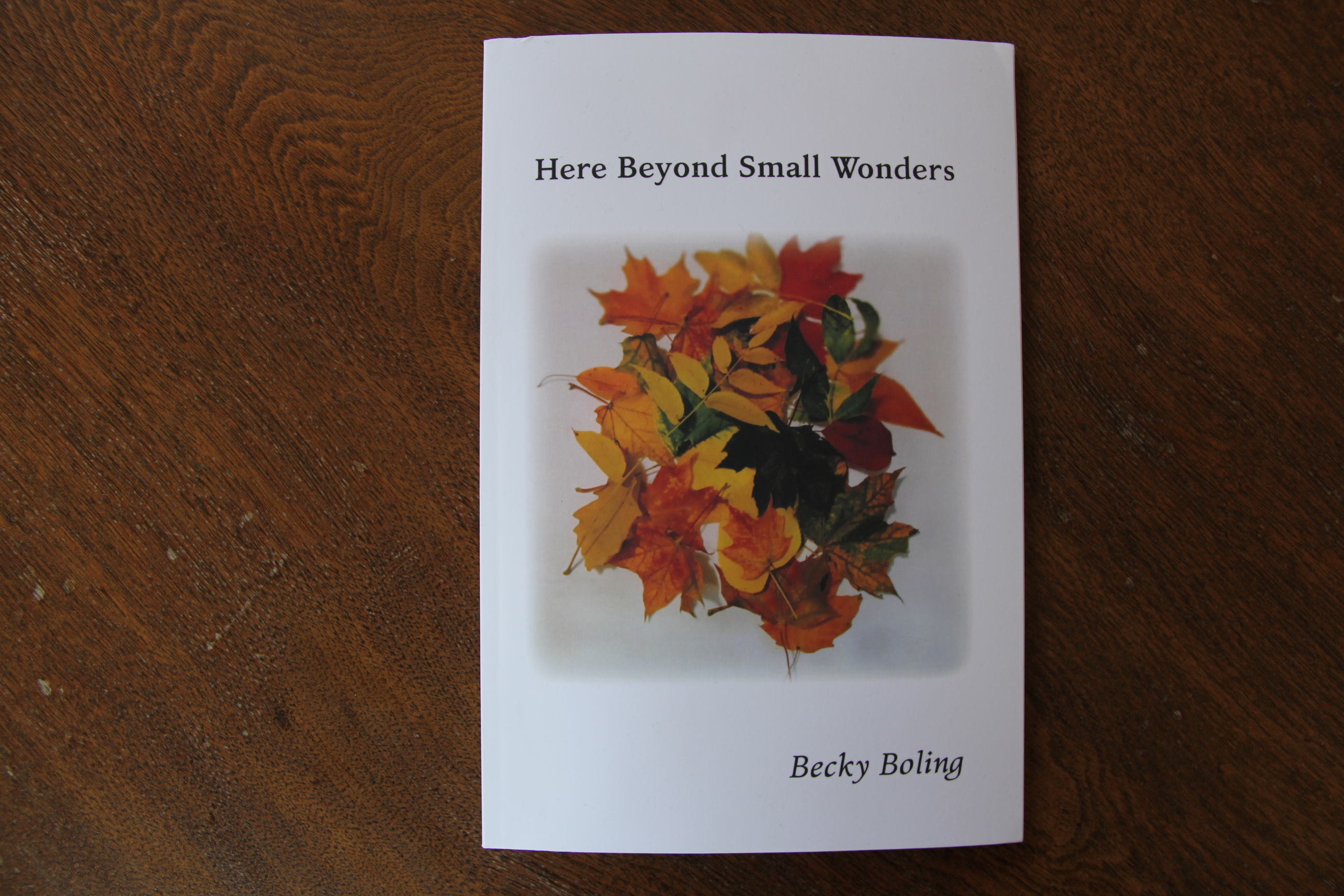
Becky Boling’s recently-released first collection of published poetry. The cover features the poet’s artwork. (Minnesota Prairie Roots copyrighted photo April 2025)

Poetry offers a creative way to view the world, to experience life, eliciting a whole range of emotional responses that connect us to each other, to the earth, to the past and present, and much more. I get excited when I discover a poet whose work truly resonates with me. And that would be the poetry of Northfielder Becky Boling.
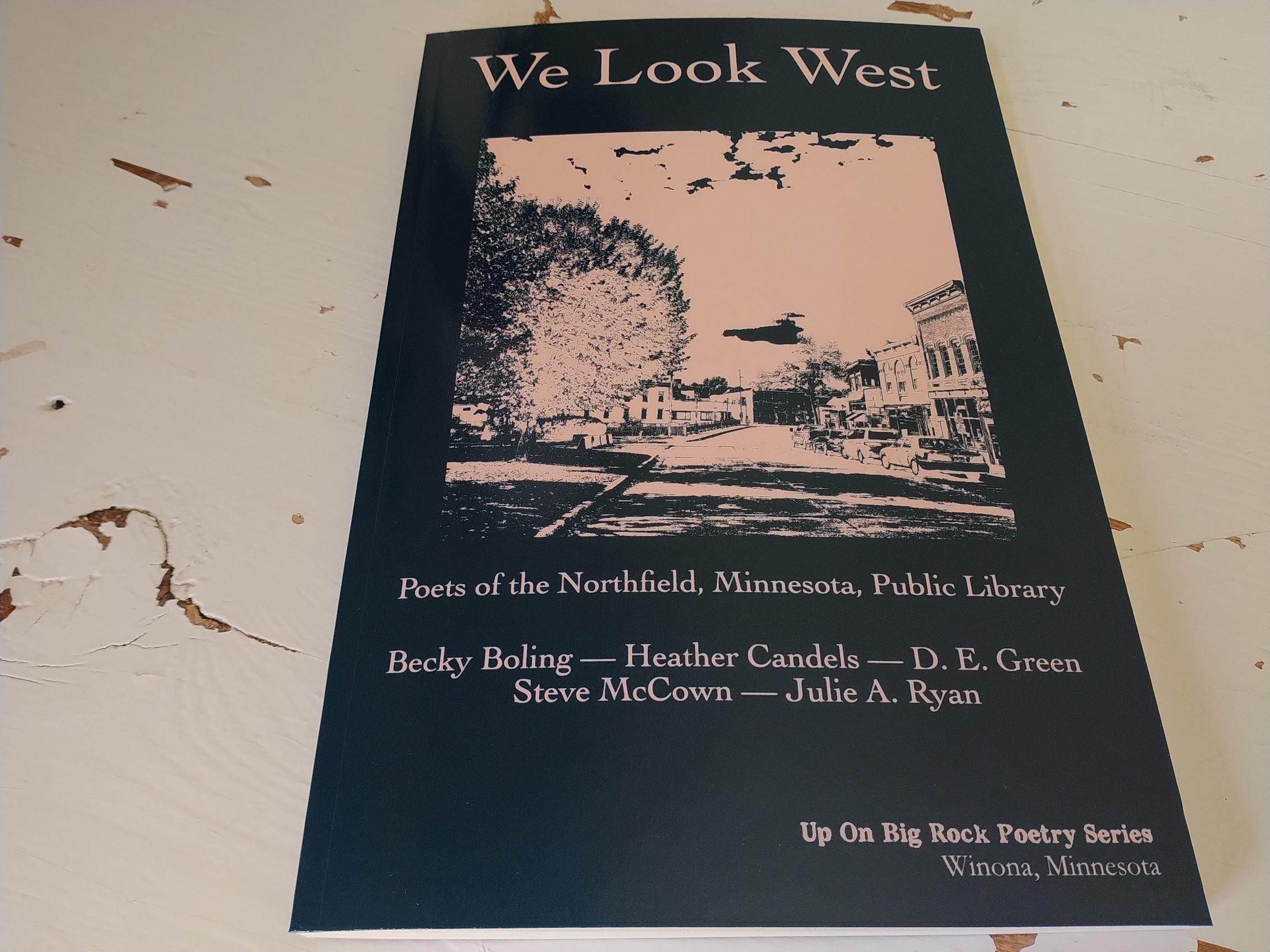
We Look West was published in early 2024 by Shipwreckt Book Publishing Company. (Minnesota Prairie Roots copyrighted file photo 2024)

A year ago, I met Boling when she dropped off a copy of the anthology, We Look West, a collaboration of the Poets of the Northfield Public Library. It includes her work and that of four other talented poets. I love the collection which takes the reader from the sunrise to the sunset of life. The poetry therein is so understandable and relatable.

A box holds bagged poems included in the “Poetry in a Bag” project. (Minnesota Prairie Roots copyrighted file photo 2024)

In May 2024, Boling, I and several other poets participated in a community poetry reading for the “Poetry in a Bag” project coordinated by Mercado Local, a Northfield marketplace for immigrants. Our poems were printed, rolled and bagged before distribution within our communities.

I would see Boling again in September 2024, when she and the other Northfield poets read from We Look West at Books on Central, a Rice County Area United Way used bookshop in Faribault.
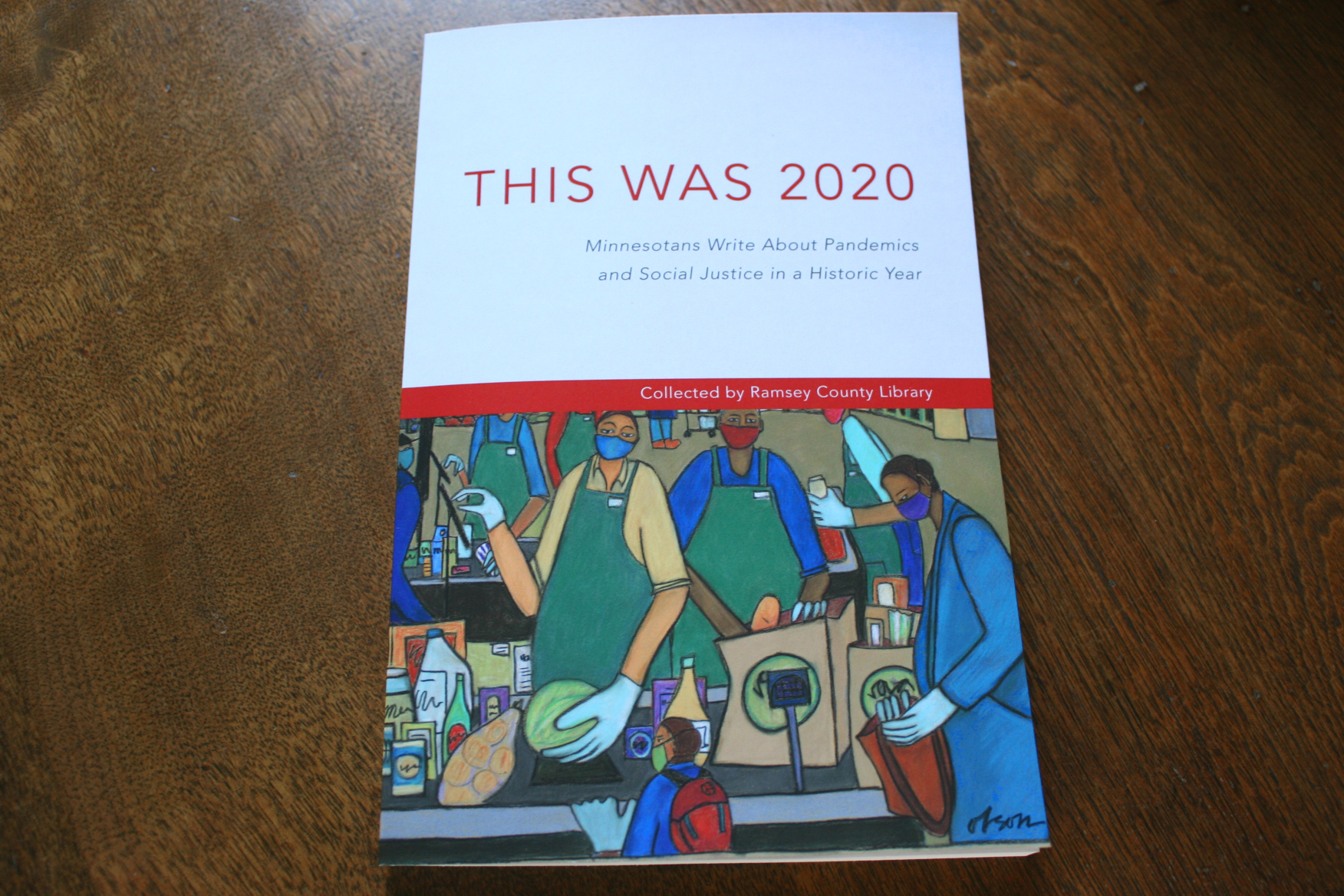
Selected prose and poetry about the pandemic and social justice issues were published by the Ramsey County Public Library in this anthology. (Minnesota Prairie Roots copyrighted file photo)

Somewhere along the line, I discovered that Boling’s “Pandemic Haiku” had published in This Was 2020—Minnesotans Write About Pandemics and Social Justice in a Historic Year. My poem, “Funeral During a Pandemic,” was chosen for publication in that same anthology during a competitive process. That book would go on to win the 2021 Minnesota Author Project Award in the Communities Create category.
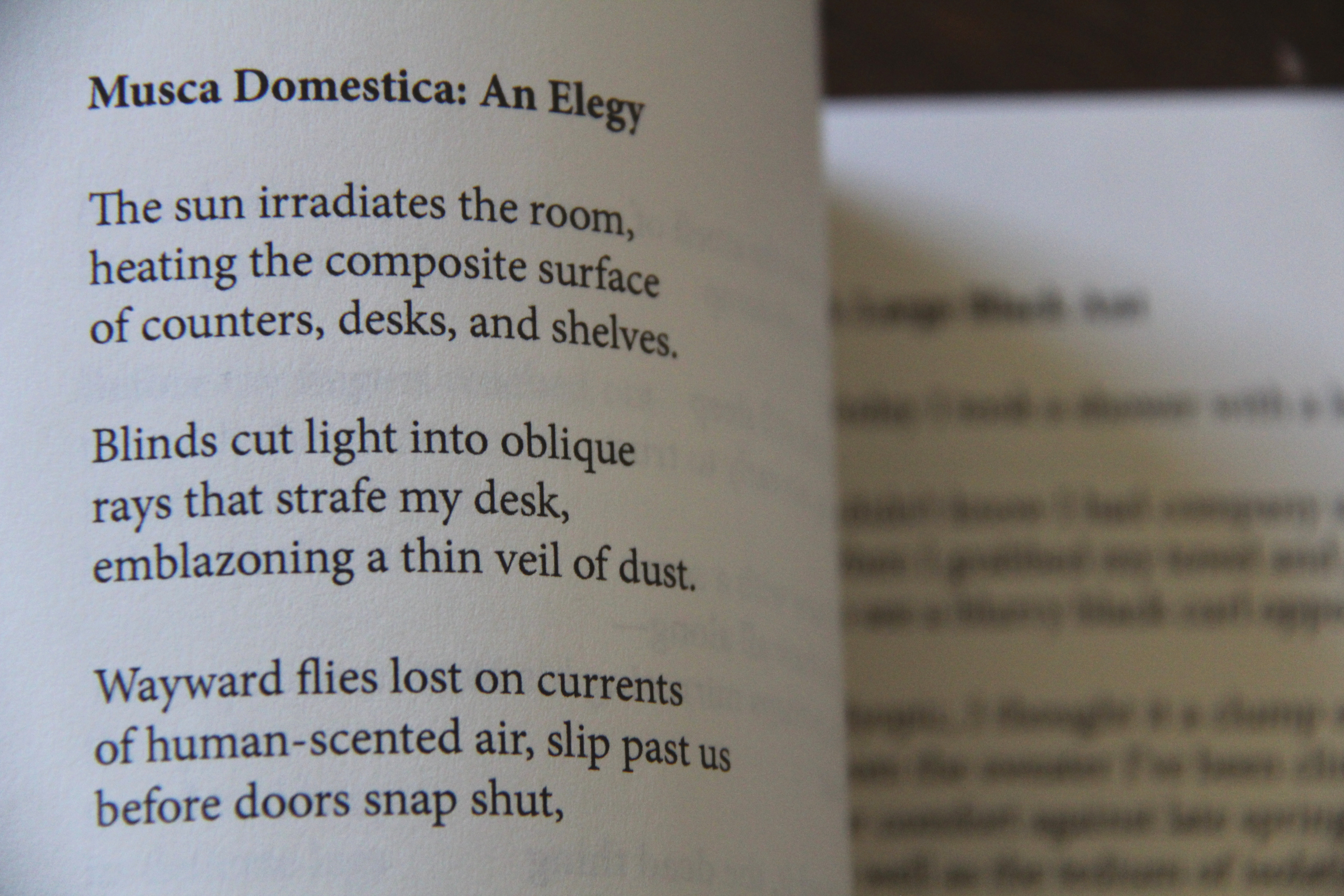
The poetry of Becky Boling in her first published collection featuring 37 of her poems. (Minnesota Prairie Roots copyrighted photo April 2025)

Because of those shared experiences, shared publications and shared love of words, I feel a sisterhood with Boling. So when she asked if I wanted a copy of her first solo poetry collection, I responded with an enthusiastic, “Yes!” Within the pages of Here Beyond Small Wonders, I found what I’ve come to expect from Boling—detailed writing, often about the most ordinary subjects—a dead mouse, a fly, walnuts… Topics you may not even consider poetry-worthy. But Boling has this ability to observe and engage all of her senses to craft words into connective, meaningful poetry.
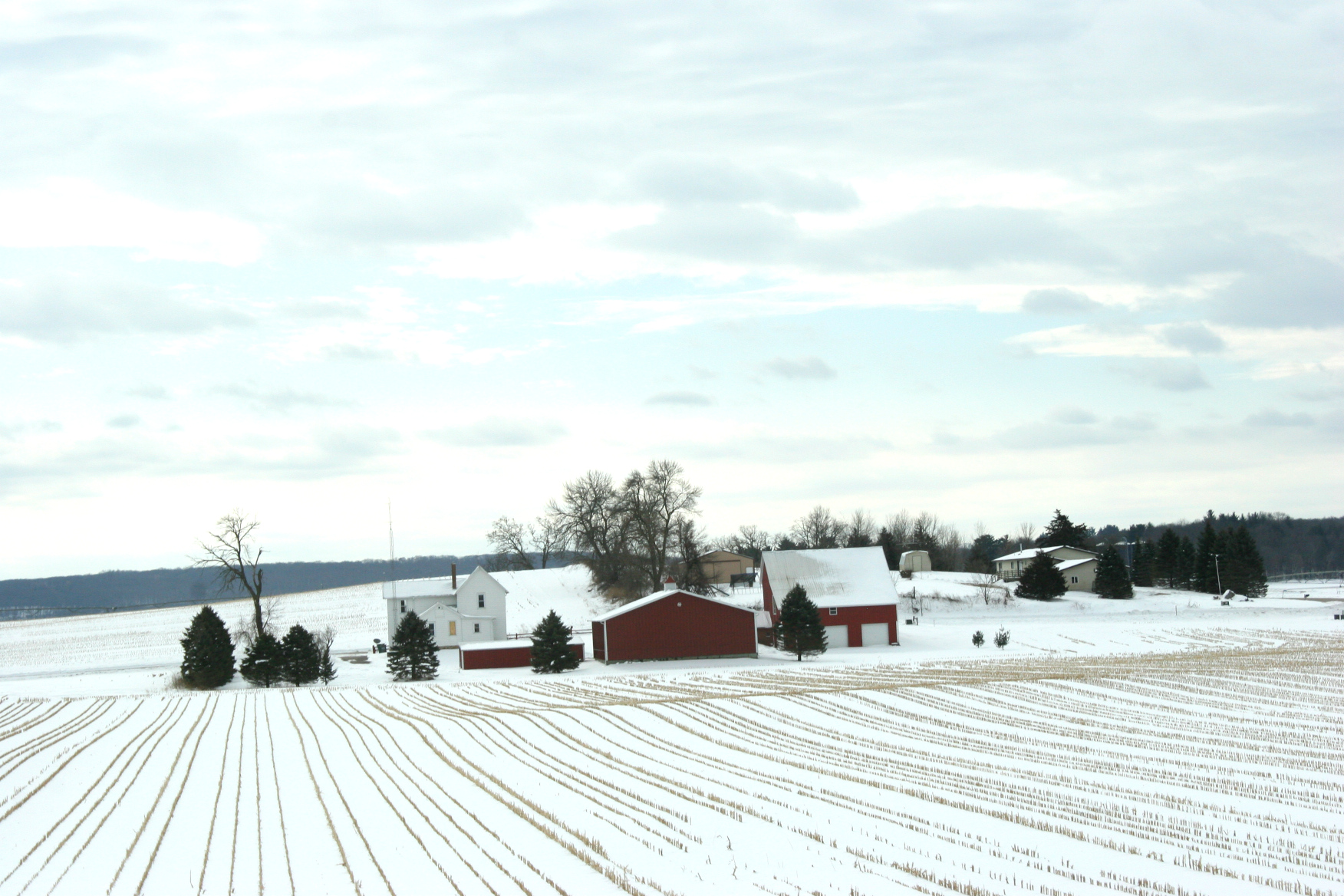
A Wisconsin farm site photographed from Interstate 90 could be a poetry prompt. (Minnesota Prairie Roots copyrighted file photo)

In her poem “Snow Pond,” she defines poetry: Poetry, like freezing temps, seizes the moment, recasts it—through the physics of sight, memory, language—resurrects it anew into patterns, sound and light, marks on a snowy page that glisten and melt on tongue, alight on the inner eye. That definition of poetry is among the best I’ve read, because it is poetry.

Clothespins on my clothesline clip clothing, not beach towels. (Minnesota Prairie Roots copyrighted file photo)

Anyone who writes poetry recognizes the challenges of finding just the right word, of stringing words together in a new, creative and succinct way, of connecting on an emotional level. But Boling makes the process look easy, taking the reader along with her, whether into her yard or onto the sandy shores of Lake Michigan. In her poem “Clothesline,” she writes of beach towels dancing in the wind. She takes the reader to the beach, to the sights, scents and sounds along the inland sea. I feel her fingertips unclipping the dried towels at end of day as she gathers them like weary babes into my open arms. I did not see that end coming. That element of surprise is, too, a mark of a gifted poet.

Kid-sized Adirondack chairs on a Minnesota beach. (Minnesota Prairie Roots copyrighted file photo)

Her “Adirondack Chair in Snow” is another favorite of mine in Boling’s collection of 37 poems published by Finishing Line Press. She writes of the typically-lakefront chair wedged into a snowbank outside her mother’s apartment building. But this poem is about so much more than an out-of-place chair buried in snow. Boling uses personification to write about her mother. In those six verses, I found myself missing my own mom, who died during the pandemic in January 2022. Boling’s emotions, my emotions, weave together in her writing and in my reaction.

My own artsy autumn leaf image, of leaves in the Cannon River. (Minnesota Prairie Roots copyrighted file photo)

In one of her longest poems, Boling writes about the transition to autumn in “Persephone’s Bouquet.” Unfamiliar with this Greek goddess, I learned that Persephone’s descent into the underworld is associated with the start of winter. Autumn themes Boling’s poem as the author gathers hot-pepper reds, creamy yellows…brazen scarlet…leaves, something I also enjoy doing in fall. But this is a poem about life, too, not just about a change in seasons. Plus, the poem connects to the cover of Here Beyond Small Wonders, Boling’s own autumn leaf art.

Her first collection of poems is about nature and place and seasons and life. Moments experienced. Details noticed right down to a tar-dark county roadhorse flies, green heads glistening in the sunreedy breath trembling into song. Boling, in her words, opens herself to a pool of words. And I, for one, embrace her poetic writing.

#

FYI: Becky Boling is a retired professor of Spanish and Latin American literature at Carleton College in Northfield. Her poetry and prose have been widely-published in literary journals and anthologies. She also served as a Co-Poet Laureate of Northfield. Click here to find Here Beyond Small Wonders on the Finishing Line Press website.

© Copyright 2025 Audrey Kletscher Helbling


Celebrating poetry during April, National Poetry Month April 3, 2025

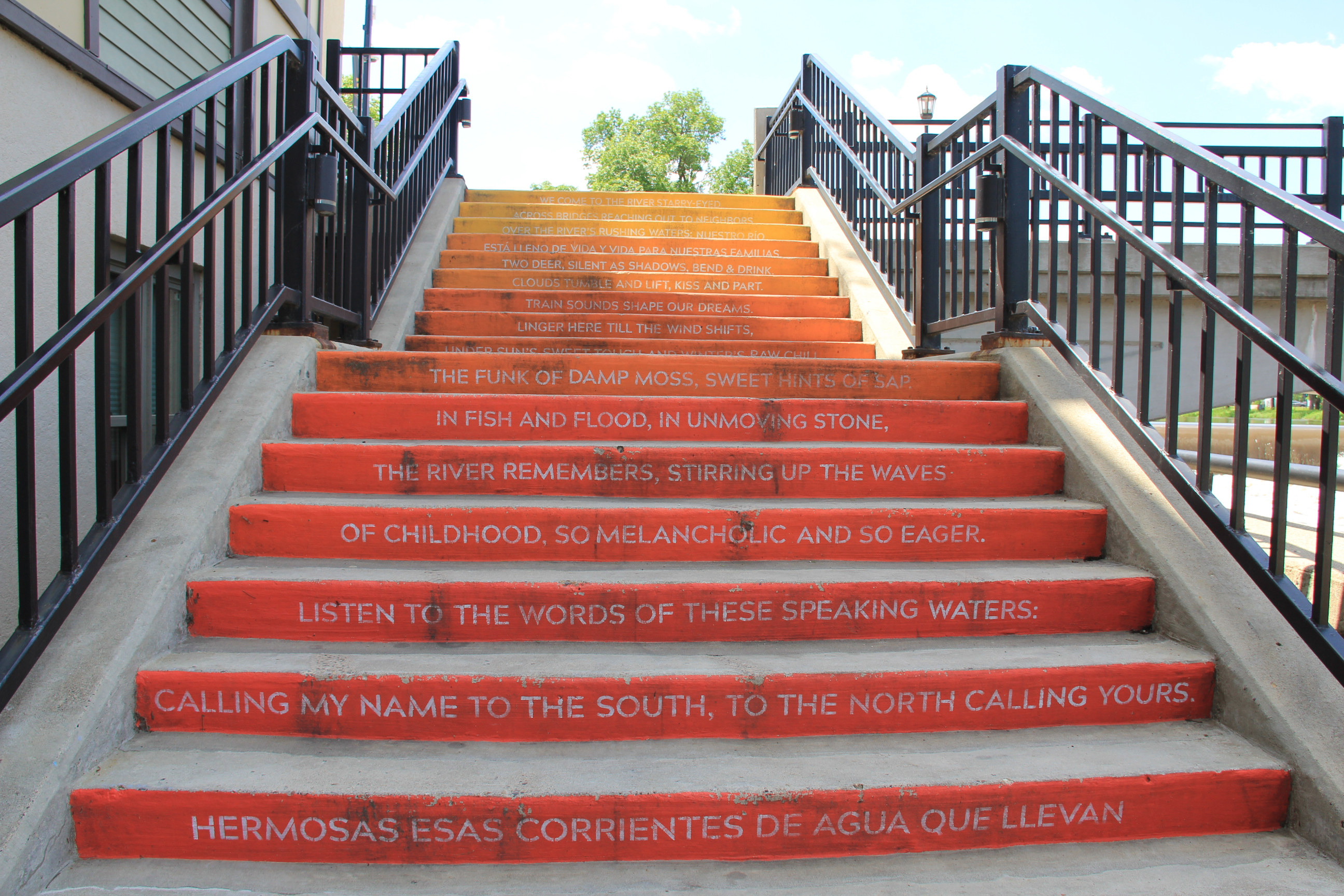
The Riverwalk Steps Poem alongside the Cannon River in the heart of downtown Northfield. (Minnesota Prairie Roots copyrighted file photo)

I FEEL FORTUNATE to live in an area of Minnesota which values poetry. Some 20 minutes away in Northfield, poems imprint upon concrete throughout the city as part of the long-time Sidewalk Poetry Project. Along the Riverwalk, a poem descends steps. In the public library, a poem graces the atrium.

Sidewalk poetry in downtown Northfield carries a powerful message. (Minnesota Prairie Roots copyrighted file photo)

But that’s not all in Northfield. This city of some 21,000 has a poet laureate, currently Russ Boyington, who fosters poetry, organizes and publicizes poetry events, and leads an especially active community of wordsmiths. These are published poets, serious about the craft.

This anthology published in 2024. (Minnesota Prairie Roots copyrighted file photo)

Five seasoned Northfield poets recently collaborated to publish a collection of their work in We Look West. Even if you think you don’t like poetry, you will find something in this anthology which resonates. These poets take the reader through the seasons of life with humorous, sad, nostalgic, reflective and introspective poems. This anthology is especially fitting for anyone closer to the sunset, than the sunrise, of life.

A serene country scene just north of Lamberton in southern Redwood County on the southwestern Minnesota prairie. (Minnesota Prairie Roots copyrighted file photo)

April, National Poetry Month, marks a time to celebrate poets like those in Northfield and beyond. In my own community of Faribault, we have an especially gifted poet, Larry Gavin, a retired high school English teacher and writer. He’s published five collections of his work. Larry writes with a strong sense of place, his poems reflective of his love of nature, of the outdoors. A deep love of the prairie—he attended college, then lived and worked for a while in my native southwestern Minnesota—connects me to this remarkable poet. Plus, Larry has the rich voice of a poet, which makes listening to him read his poems aloud an immersive, joyful experience.

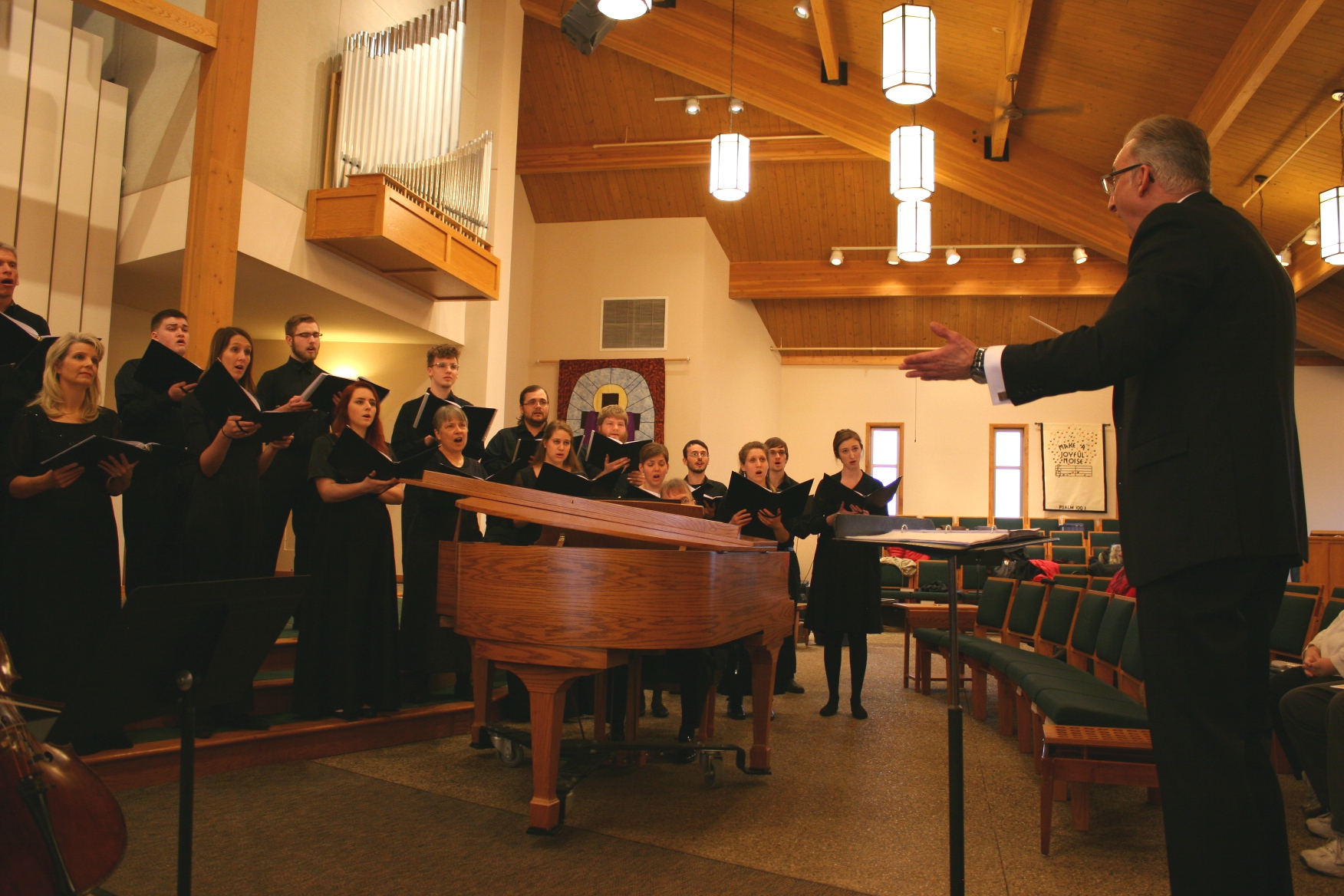
A chamber choir, directed by composer David Kassler, performs artsongs written from poems in 2017, mine included. (Minnesota Prairie Roots copyrighted file photo)

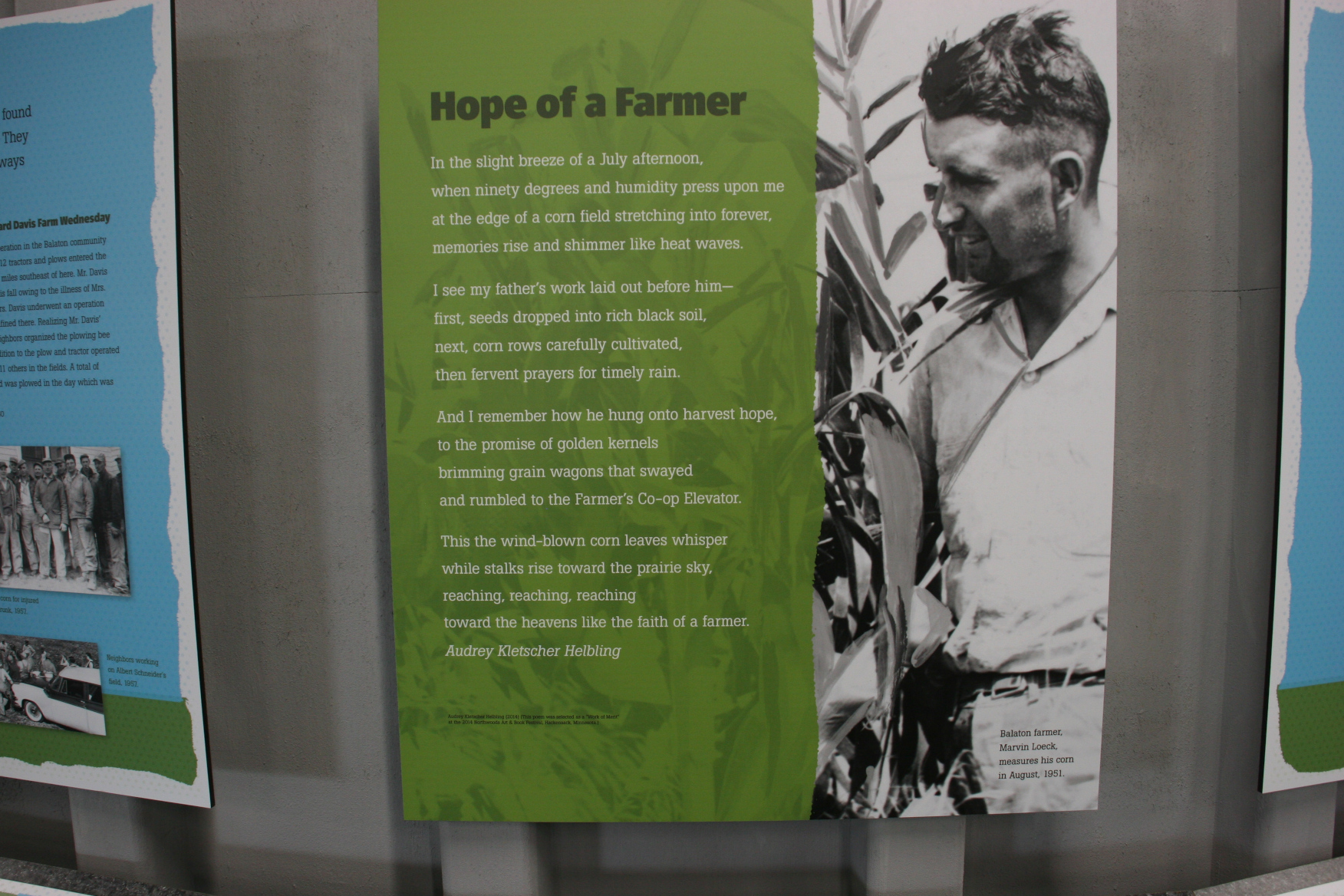
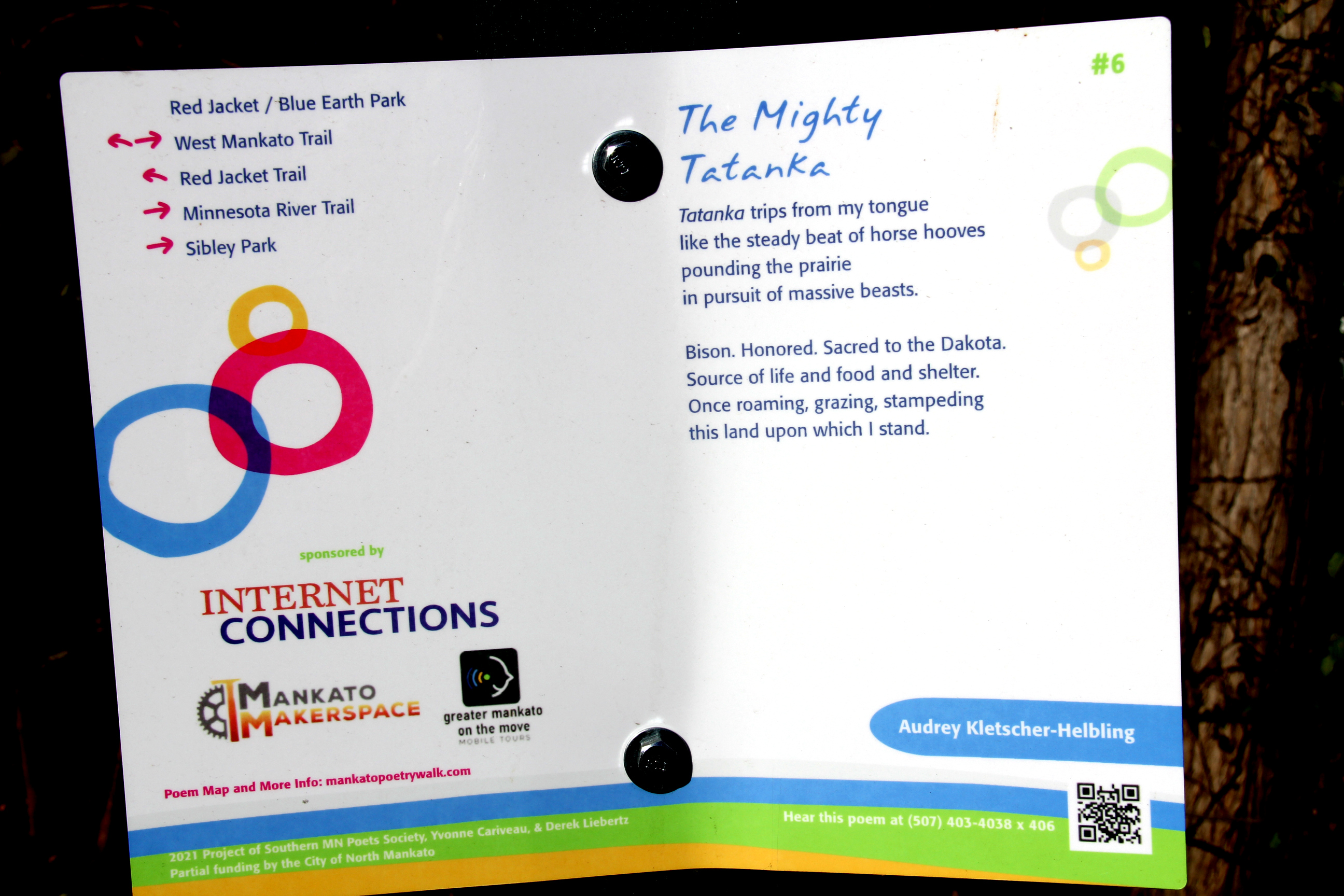
I, too, write poetry and am a widely-published poet, although certainly not as much as many other Minnesota poets. From anthologies to a museum, from the Mankato Poetry Walk & Ride to poet-artist collaborations, billboards and more, my poems have been out there in the public sector. Perhaps the most memorable moment came when a chamber choir performed my poem, “The Farmer’s Song,” during two concerts in Rochester in 2017. David Kassler composed the music for the artsongs.

Two of my rural-themed poems are included in an exhibit, “Making Lyon County Home,” at the Lyon County Historical Society Museum in Marshall. (Minnesota Prairie Roots copyrighted file photo)

Poetry has, I think, often gotten a bad rap for being stuffy, difficult, too intellectual and unrelatable. And perhaps it was all of those at one time. Butt that’s not my poetry. And that’s not the poetry of Larry Gavin or of the five We Look West Northfield poets or most poets today. The poetry I read, write and appreciate is absolutely understandable, rich in imagery and rhythm, down-to-earth connective.

My most recent poem selected for the Mankato Poetry Walk & Ride. Poets must follow character and line limits in writing these poems. This is a competitive process. (Minnesota Prairie Roots copyrighted file photo)

When I write poetry, I visualize an idea, a place, a scene, a memory, an emotion, then start typing. The words flow, or sometimes not. Penning poetry is perhaps one of the most difficult forms of writing. Every word must count. Every word must fit the rhythm, the nuances of the poem in a uniquely creative way.

Not the pancakes Grandpa made, but the pancakes and sausages made at the annual Faribault Lions Club Pancake Breakfast. (Minnesota Prairie Roots copyrighted file photo)

One of my most recent poems, “Pancakes with Grandpa,” was inspired by an exchange between my husband, Randy, and our grandson Isaac, then four. It was printed in Talking Stick 32—Twist in the Road, an anthology published in 2023 by northern Minnesota based Jackpine Writers’ Bloc. It’s a competitive process to get writing—poetry, fiction and creative nonfiction—in this collection.

So, in celebration of National Poetry Month, here’s my pancake poem, penned by a poet who doesn’t particularly like pancakes.

Pancakes with Grandpa

Batter pours onto the hot griddle,

liquid gold spreading into molten circles

molded by the goldsmith.

The collectors eye the coveted coins

that form, bubble, solidify

in the heat of the electric forge.

Appetite fuels imagination

as Grandpa’s coins fire

into golden brown pancakes.

Piled onto a plate, peanut butter spread,

syrup flowing and a nature lesson

in maple tree tapping.

The four-year-old forks the orbs.

“Peanut butter pancakes make me happy!”

he enthuses to the beaming craftsman.

© Copyright 2025 Audrey Kletscher Helbling
 

Look to Books on Central as “We Look West” September 3, 2024

(Minnesota Prairie Roots copyrighted file photo 2024)

THEY ARE SEASONED WRITERS, also well-seasoned in life. They are Becky Boling, Heather Candels, D.E. Green, Steve McCown and Julie A. Ryan, collectively The Poets of the Northfield Public Library. And at 6 p.m. Thursday, September 5, they will gather at Books on Central, 227 Central Avenue North, Faribault for a poetry reading followed by a Q & A.

If you happen to be one of those people who claim a dislike of poetry, I encourage you to reconsider and come to this literary event. The poetry this group will read comes from their recently-published anthology, We Look West. Their poems are down-to-earth relatable. Trust me. I’ve read this 116-page book, loved it and reviewed it. (Click here to read my review.)

The writing within the pages of this volume are stories of life, in poetry form. Poems that transition from east to west, from the sunrise to the sunset of our lives.

They’re written by poets with extensive publishing credentials. Four have taught at the high school or college level. The fifth comes from a strong literary and visual arts background. Two are Pushcart nominees.

I’ve met Boling and Green and read poetry with them at an event at Mercado Local in Northfield. They are a wonderful married couple, comfortable and friendly. No stuffy poets here. And no stuffy poems. Just plain good writing that moves the spirit, fills the soul, imprints upon the heart.

I look forward to hearing The Poets of the Northfield Public Library read selected poems and then share the stories behind their poetry. As a poet, I’m always interested in learning what inspired a particular poem.

And if you have questions, ask away. Writers welcome engagement as they share their passion for poetry, the craft of writing.

FYI: Books on Central is a second-hand book shop run by the Rice County Area United Way and staffed by volunteers. Proceeds from the bookstore benefit organizations and nonprofits throughout the county.


Looking west in a new poetry collection by five Northfield poets April 18, 2024

Just-published, a 116-page anthology featuring the poetry of five Northfield, Minnesota, poets. (Minnesota Prairie Roots copyrighted photo April 2024)

ON AN APRIL AFTERNOON when gray skies reverberated thunder and unleashed sheets of rain upon parched southern Minnesota, I read their words, table-side lamp pooling light onto pages. It felt right, to cozy under a fleece throw, to immerse myself in the poetry of Becky Boling, Heather Candels, D.E. Green, Steve McCown and Julie A. Ryan on a day meant for sheltering indoors.

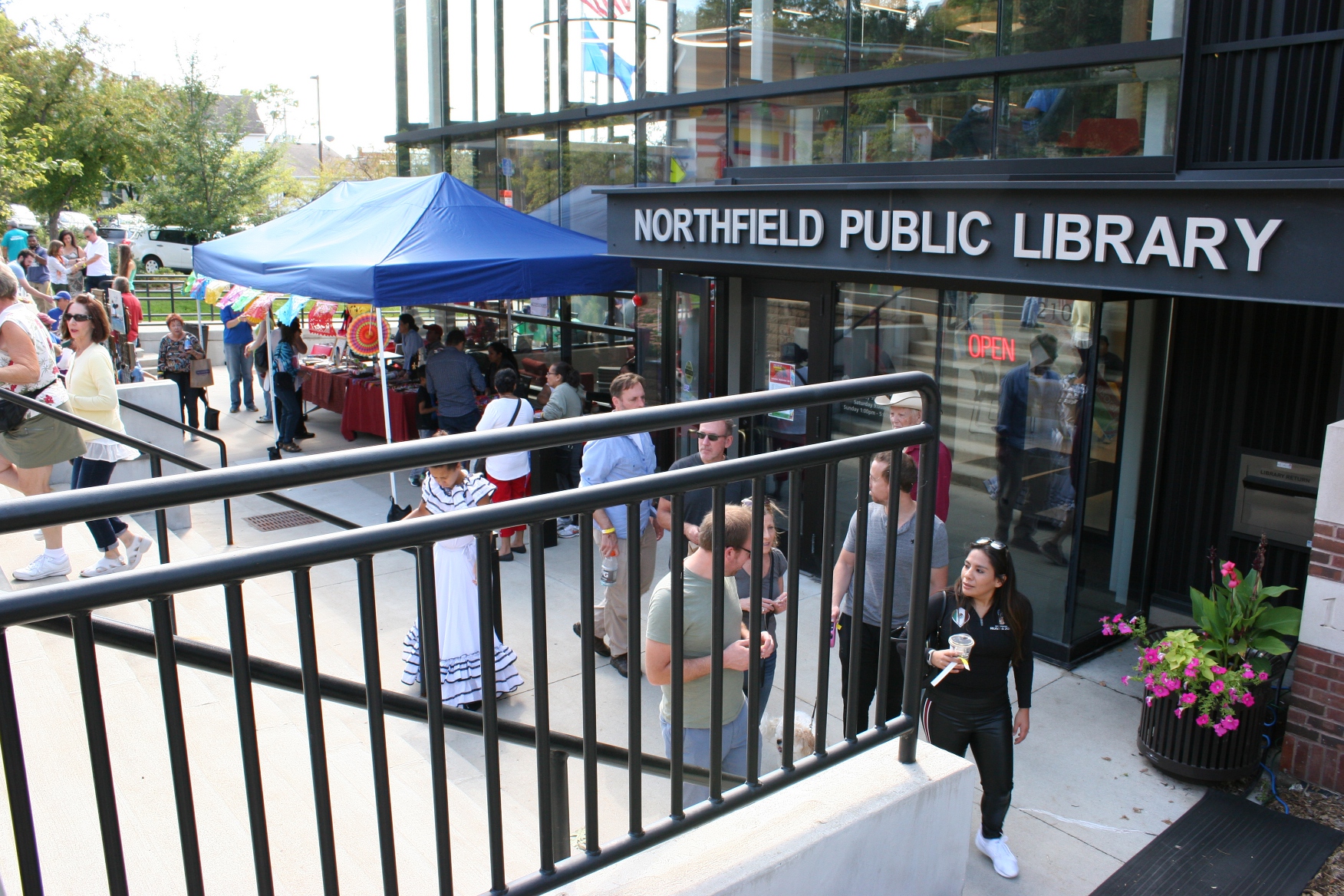
Outside the Northfield Public Library during a 2019 celebration of Hispanic Heritage Month. (Minnesota Prairie Roots copyrighted file photo September 2019)

Their collective poetry, printed in the recently-released anthology, We Look West, is decidedly reflective, introspective and individually unique. Unique in voice and style for this group of writers tagged as Poets of the Northfield, Minnesota, Public Library. This book is part of the Up on Big Rock Poetry Series published by Winona-based Shipwreckt Books Publishing Company. It showcases the work of not only seasoned writers, but also poets seasoned in life. This is a relatable read, especially for Baby Boomers like me.

Antiques on 4th in Cannon Falls. (Minnesota Prairie Roots copyrighted file photo October 2021)

Youthful memories of grandmothers, homemade ice cream, small towns as they once were and much more flow through the pages. At times I feel as if I’m reading about “the dusty excess of nostalgia” of my life, as Steve McCown writes “In an Antique Store.” His mention of a Tom Thumb toy cash register sends me back to a long ago Christmas. His poems are sparse, yet fully-descriptive in the way of language carefully-culled by a man who taught high school and college English.

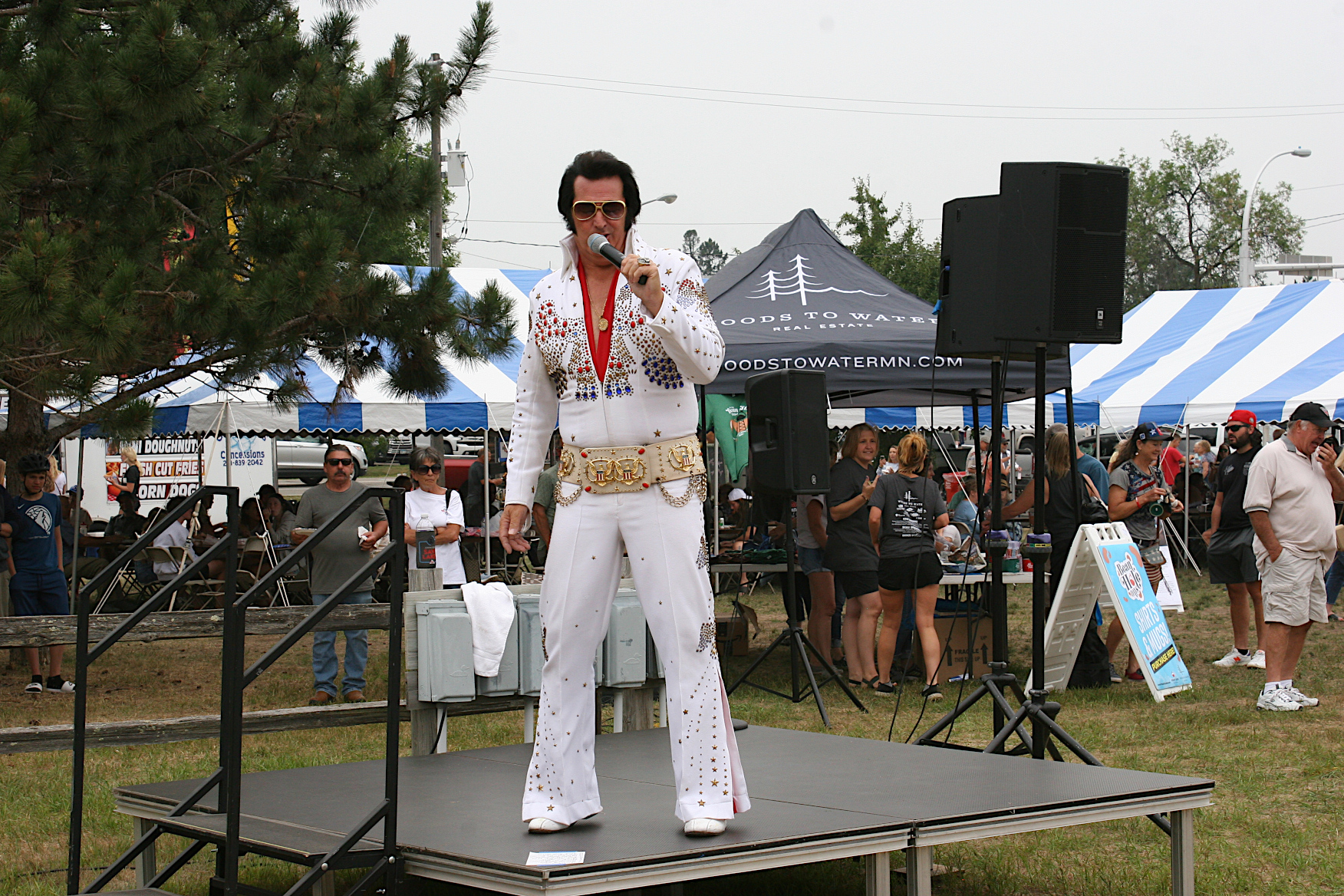
An Elvis impersonator performs during Bean Hole Days in Pequot Lakes. (Minnesota Prairie Roots copyrighted file photo July 2021)

Likewise, Julie A. Ryan, has me reminiscing with “Candy Cigarettes,” the chalky white sticks of fake cigarettes that I, too, “smoked” in the 1960s. Ryan paints with her words, revealing the visual artist side of her creativity. She mentions Van Gogh and painting and also leans into music within her poetry. Especially powerful is her poem, “’68 Comeback Special,” in which she shares about a near-death experience, of almost meeting Elvis. Her final poem, “We Look West,” titles the book, summarizing well the transition of life from sunrise/birth to sunset/death. That themes the anthology, the movement of life from east to west.

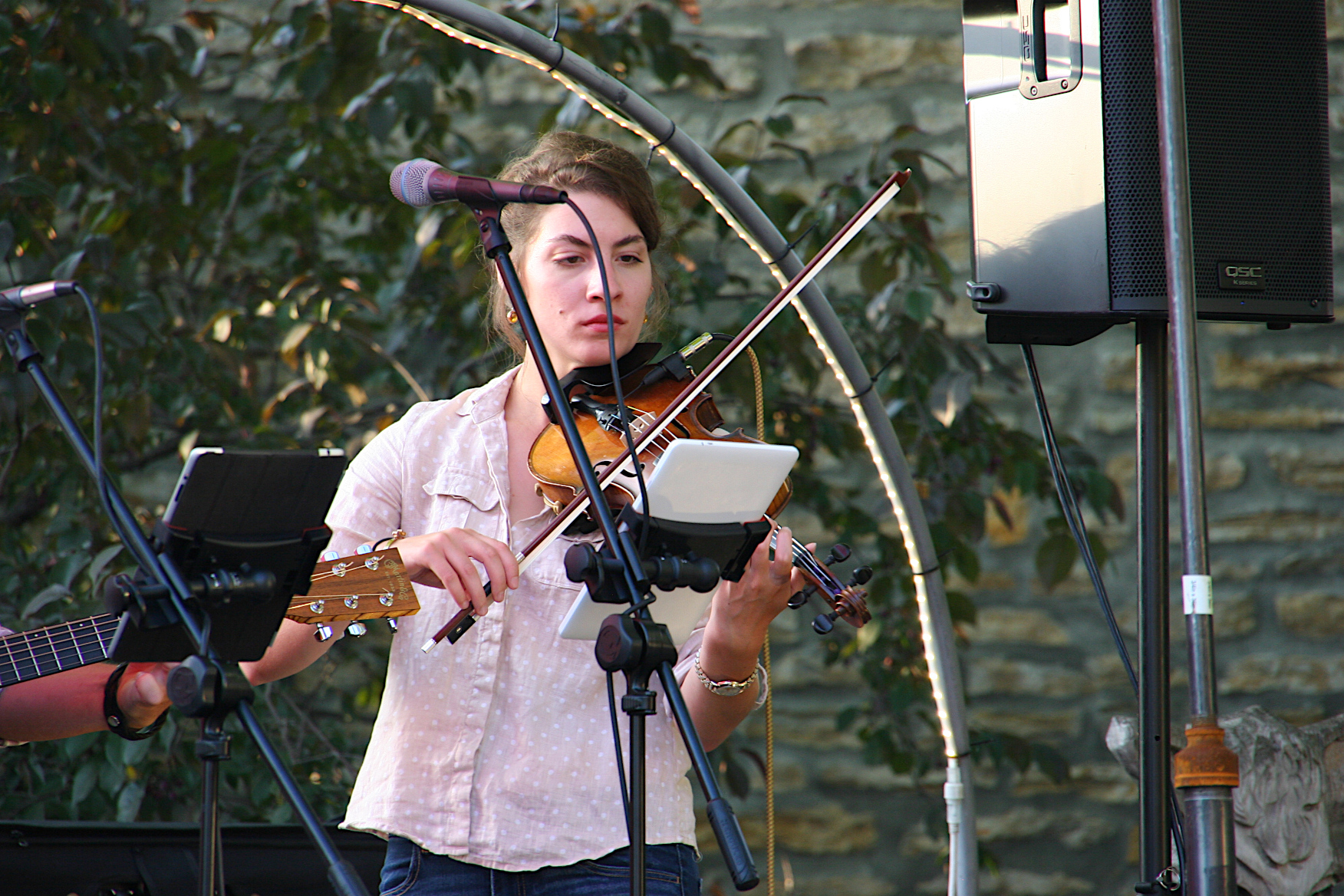
Performing at The Contented Cow in downtown Northfield. (Minnesota Prairie Roots copyrighted file photo August 2020)

In her poetry, Becky Boling moves readers through life from playground monkey bars to motherhood to contemplating old age. I am particularly drawn to “Violin Lesson,” in which Boling observes her young son learning to play the violin. From a deep cushioned armchair, she is caught up in the artistry, the beauty, the movement as am I through her observational writing. And then she closes with the emotional thought of not wanting the moment to end, of understanding that some day she will let her son go. As the mother of three, I feel her sadness at the lesson completed. I expect in her 36 years of teaching Spanish and Liberal Arts at Carleton College in Northfield, Boling has observed the movement of young people whose parents let them go to learn and grow their independence.

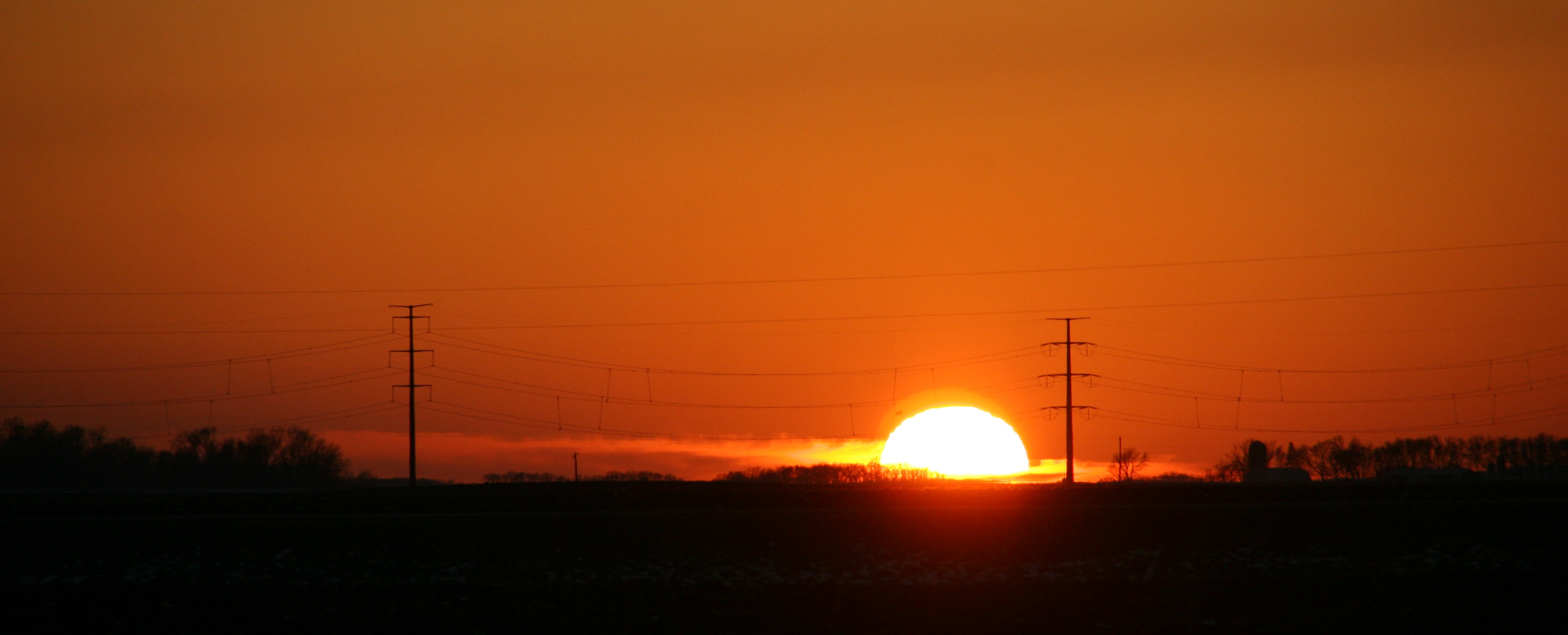
A southwestern Minnesota prairie sunset between Redwood Falls and Morgan. (Minnesota Prairie Roots copyrighted file photo)

D.E. Green, who taught English for 33 years at Augsburg University, has likely seen the same. His poems reflect life and love. Particularly endearing is his poem, “For Becky: Love Sonnet after Neruda,” written for Boling, to whom he’s married. (They also share the position of interim co-poet laureates in Northfield.) His appreciation for and study of Shakespeare show in this love poem, as touching as any love poem I’ve read. “I love you unthinkingly/like a deep breath, a careless yawn, a sigh,” he writes. Beautiful. Green also reflects on his life lived “good enough” and on life during retirement. His poetry should be required reading for anyone closer to west than to east.

My mom lived in a care center, confined to a wheelchair in the end years of her life. I took this photo of her hands about a year before her January 2022 death. (Minnesota Prairie Roots copyrighted file photo December 2020)

Heather Candels, too, reflects on her passing life in a poem aptly titled “Passing.” But it is “Situation Comedy,” a poem about a 104-year-old woman living in a care center, which elicits an especially emotional reaction from me. I can picture the centenarian shoving her walker (as my octogenarian mom did) to the dining room, then sitting with Grace and Lloyd, whom she secretly calls Grease and Lard. “Something has to be funny about all this,” Candels writes. The former English teacher is a gifted storyteller who brings unexpected emotional lines to her writing.

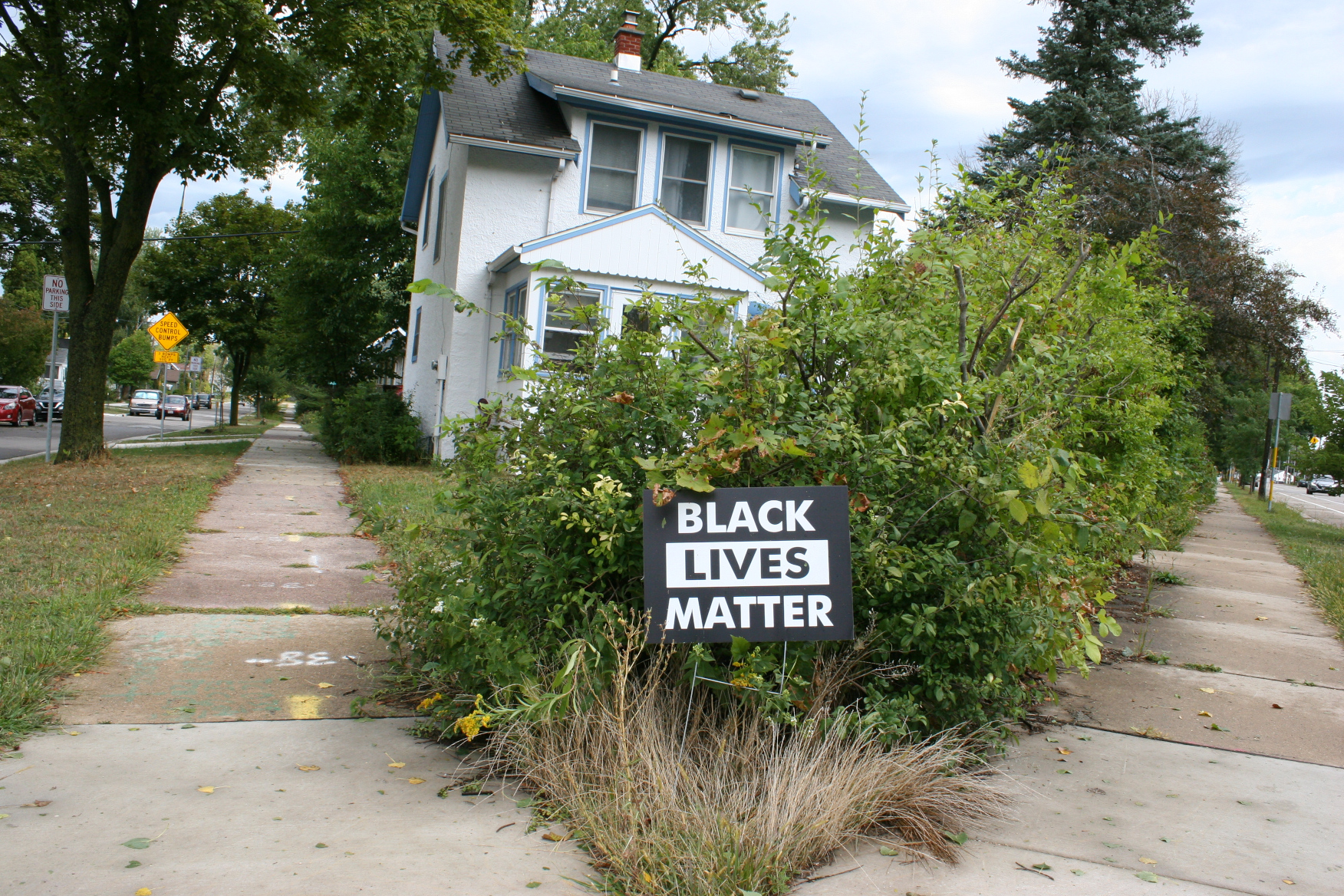
In “A Sign,” Heather Candels writes about racial injustice via white lilies of the valley and “their colonies spreading underground/roots nurtured by the rich dark soil…” This poem alone is reason enough to buy this anthology. Photo taken in Madison, Wisconsin. (Minnesota Prairie Roots copyrighted file photo September 2020)

And then there are the poems that touch on tough topics, on social issues, on disparities. Climate change. Evidence in the Nuremberg Trials. Racial injustice. Poetry doesn’t right life. But it opens our minds, causes us to think, reflect, perhaps take positive action as we move from east to west.

#

FYI: The five Minnesota poets included in We Look West will launch their anthology during a reading and book signing at 7 pm on Thursday, May 16, at the Northfield Public Library. I encourage you to attend if you live in the area. If not, I suggest you buy a copy of this 116-page anthology through an independent bookseller. These poets are gifted writers, this collection a must-read whether you’re a Baby Boomer or not.