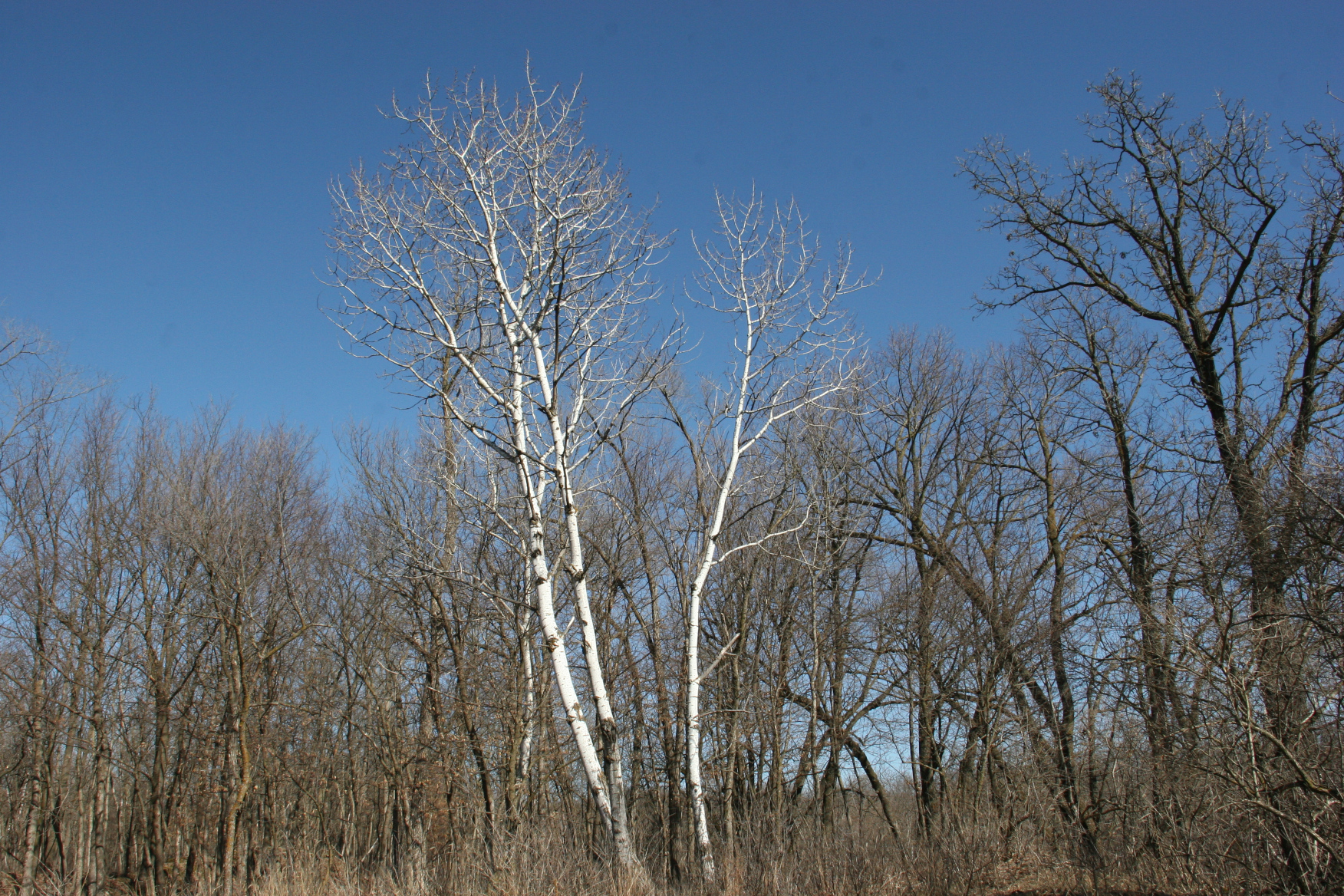
Inside the woods at River Bend Nature Center, Faribault, MN. (Minnesota Prairie Roots copyrighted photo March 2022)
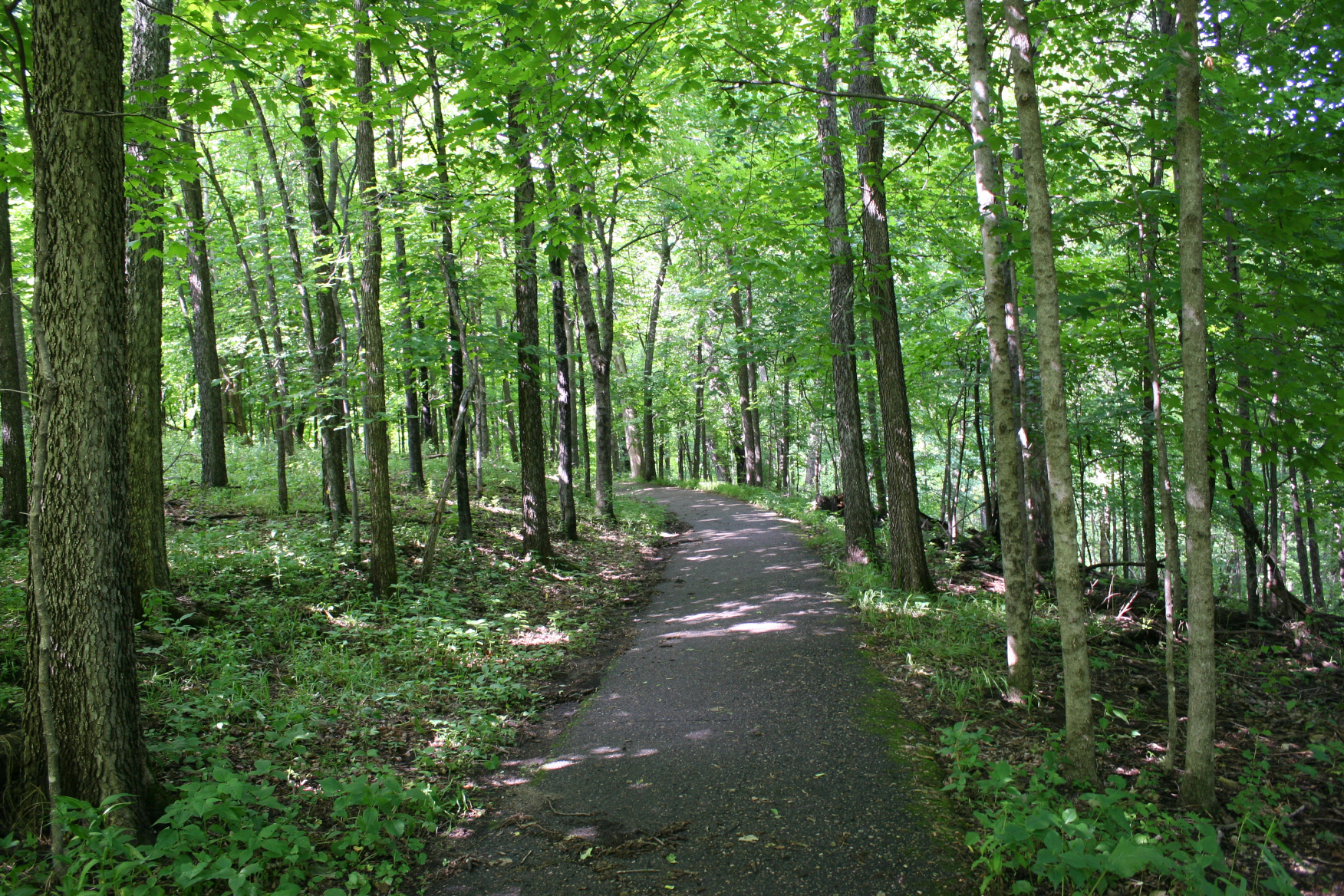
FOR SOMEONE LIKE ME who grew up on the prairie, woods are not a natural fit. I’ve always felt a bit out of place in the density of trees. Uncomfortable even. But time and distance from a landscape of big sky and wide open spaces have eased me into the woods.
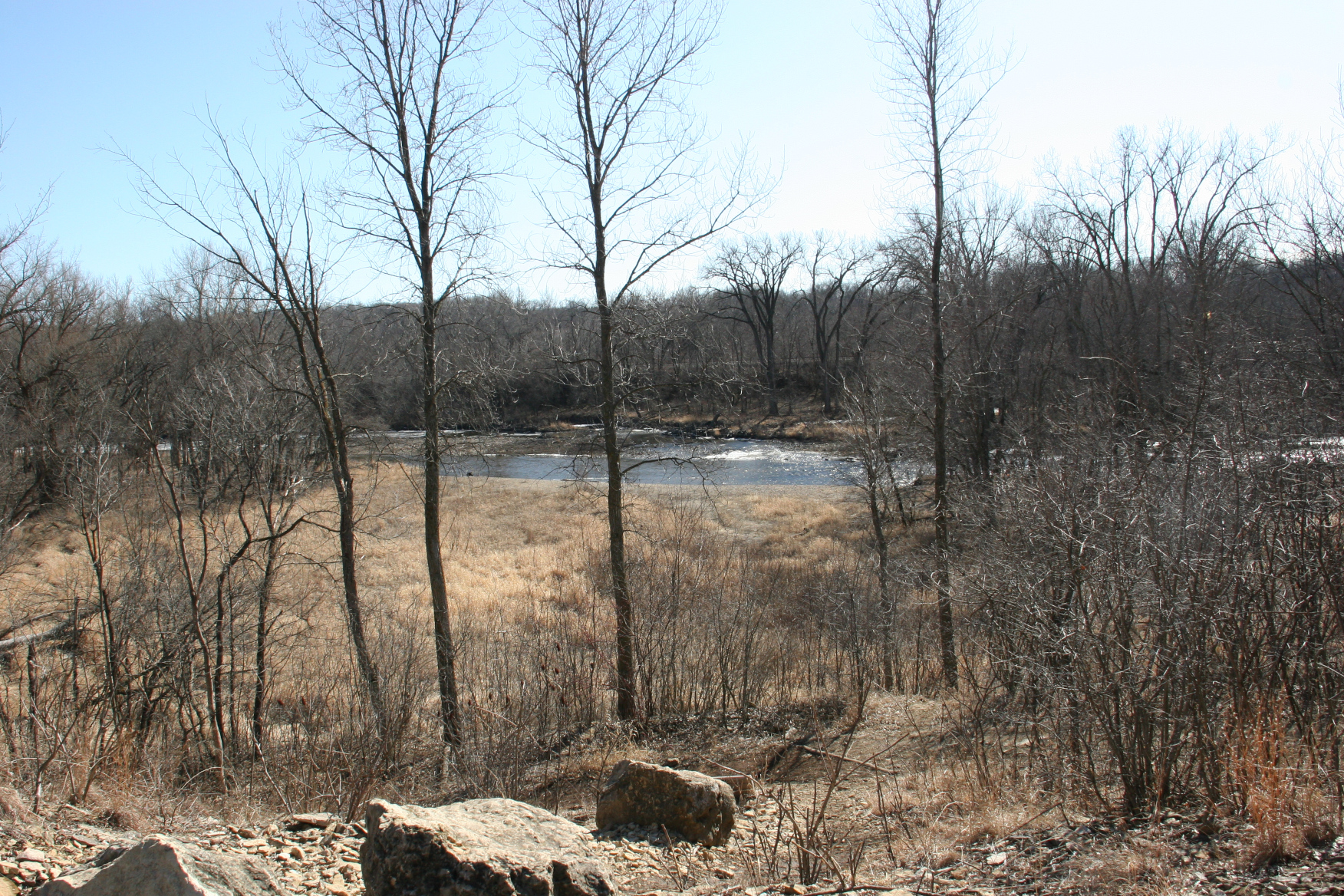
A view of the Straight River from Honor Point. (Minnesota Prairie Roots copyrighted photo March 2022)
I appreciate woods, as long as there aren’t “too many” trees. I need to see glimpses, even vistas, of openness. River Bend Nature Center in Faribault offers both. Prairie and woods.
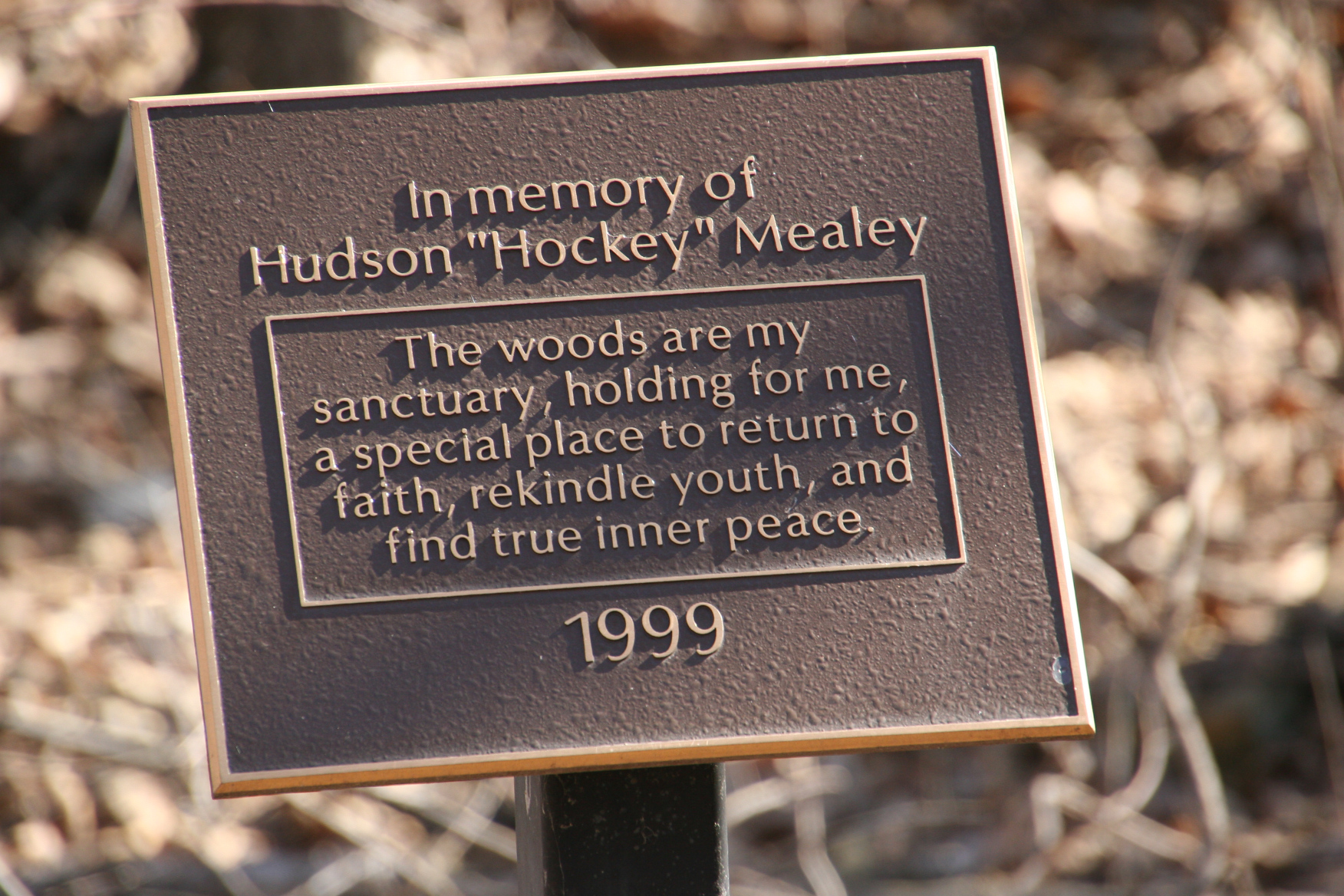
Love this quote on a memorial sign at River Bend. (Minnesota Prairie Roots copyrighted photo March 2022)
On a recent visit, I followed trails into the woods. And, as always, I noticed the beauty therein. I view the natural world through many lenses. Close-up. From afar. With an artsy perspective. But mostly with a deep appreciation.
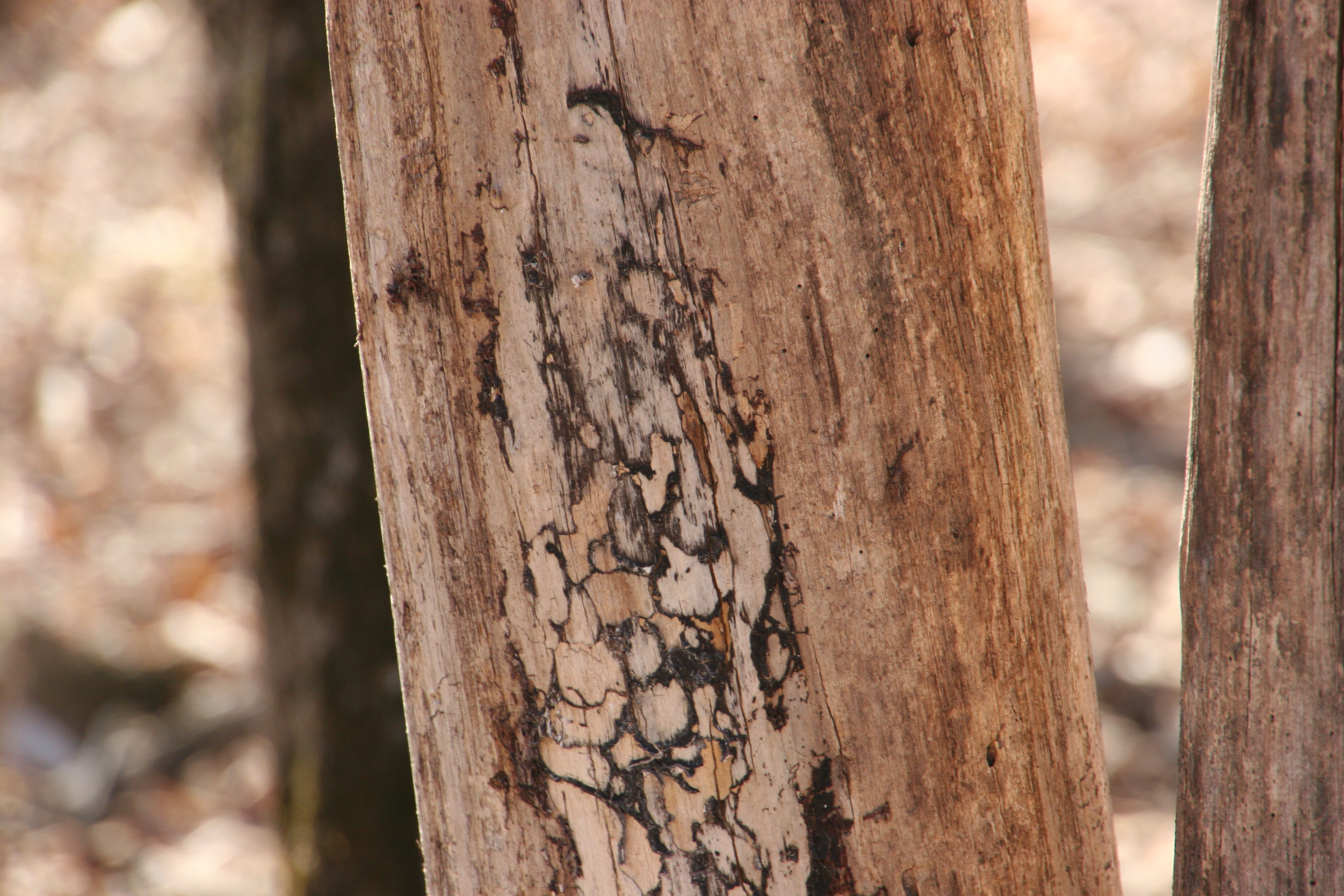
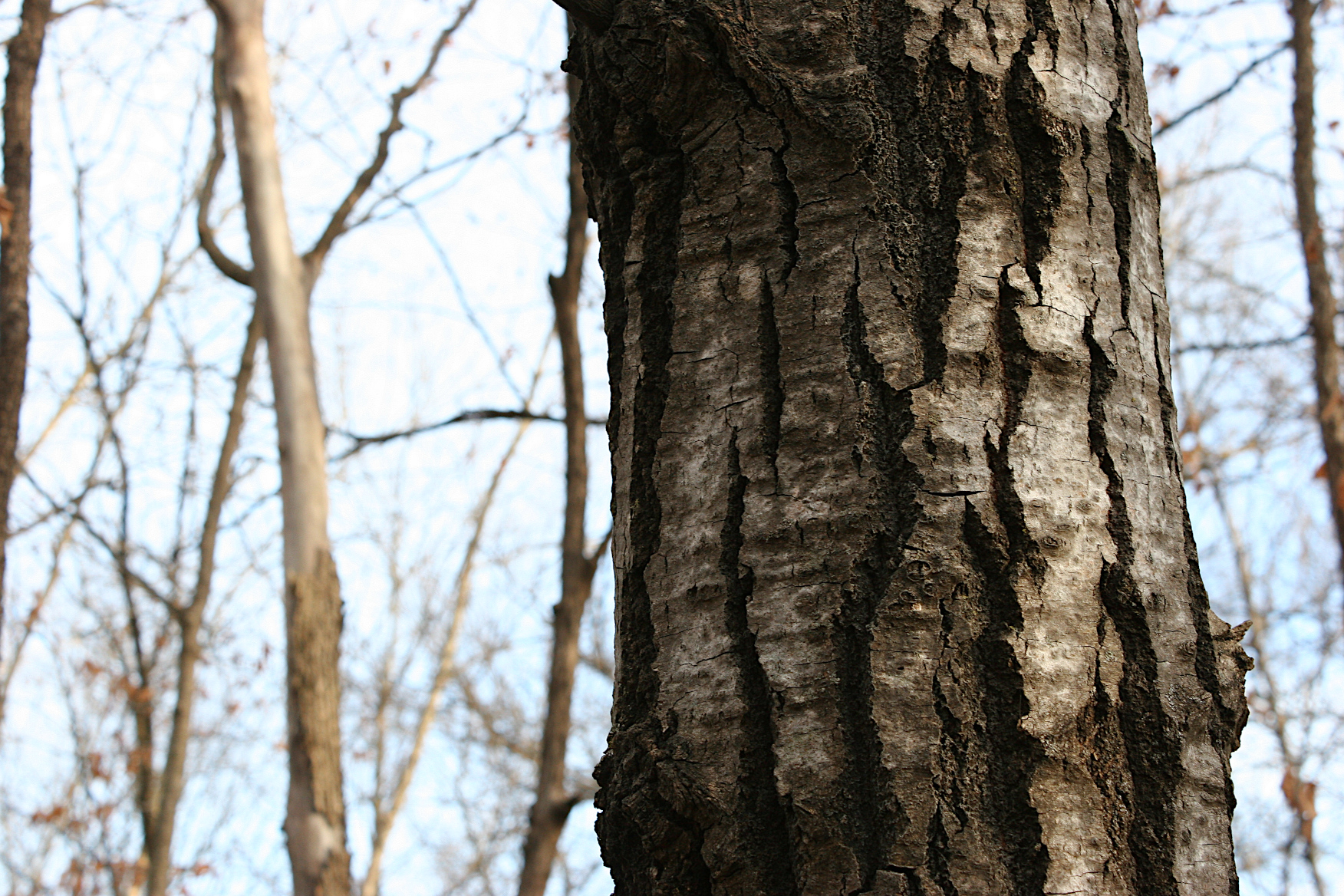
This mottling on a tree trunk looks like art to me. (Minnesota Prairie Roots copyrighted photo March 2022)
It doesn’t take much to catch my eye, to cause me to pause and reflect. Photograph. Delight. Savor the moment, the scene.
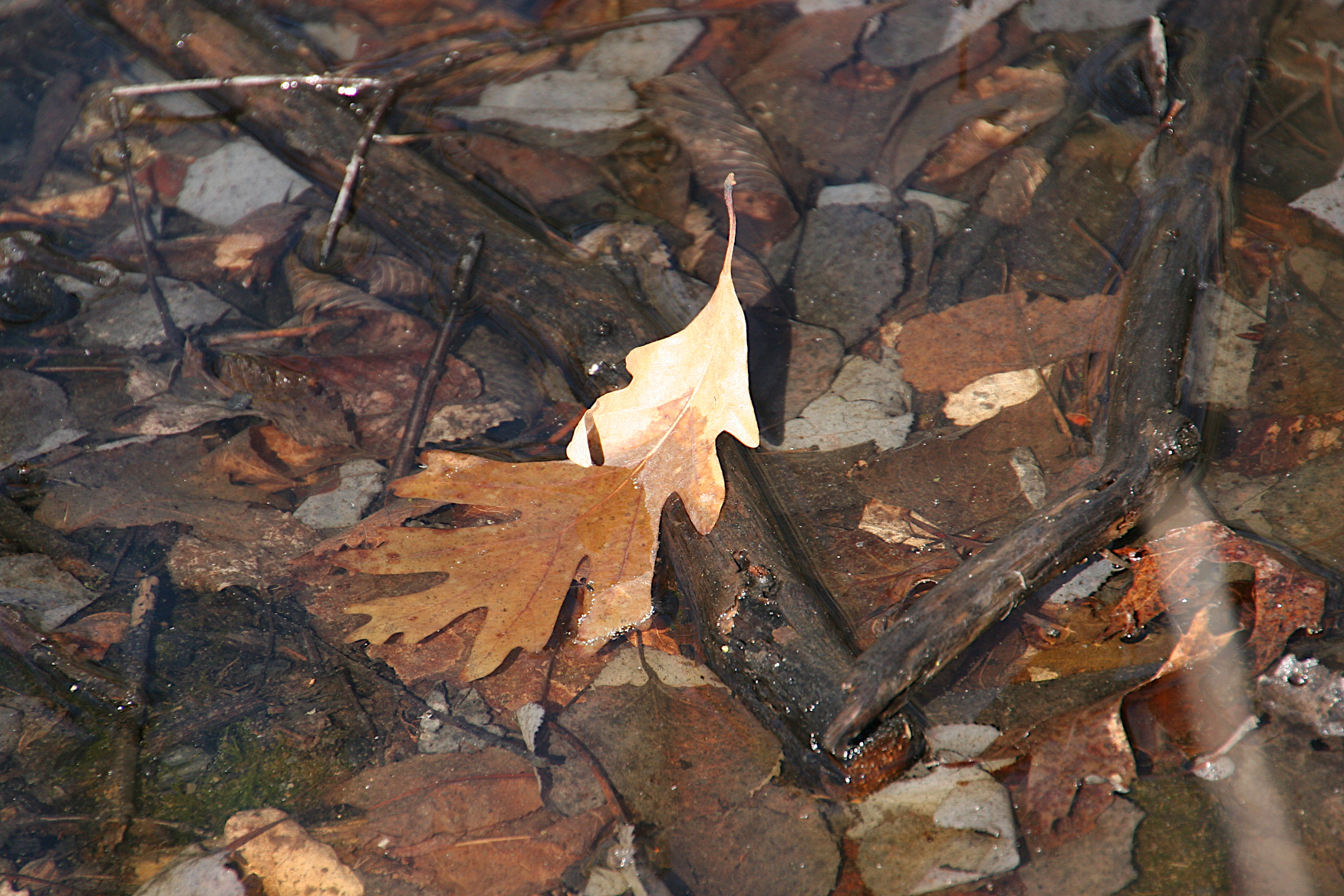
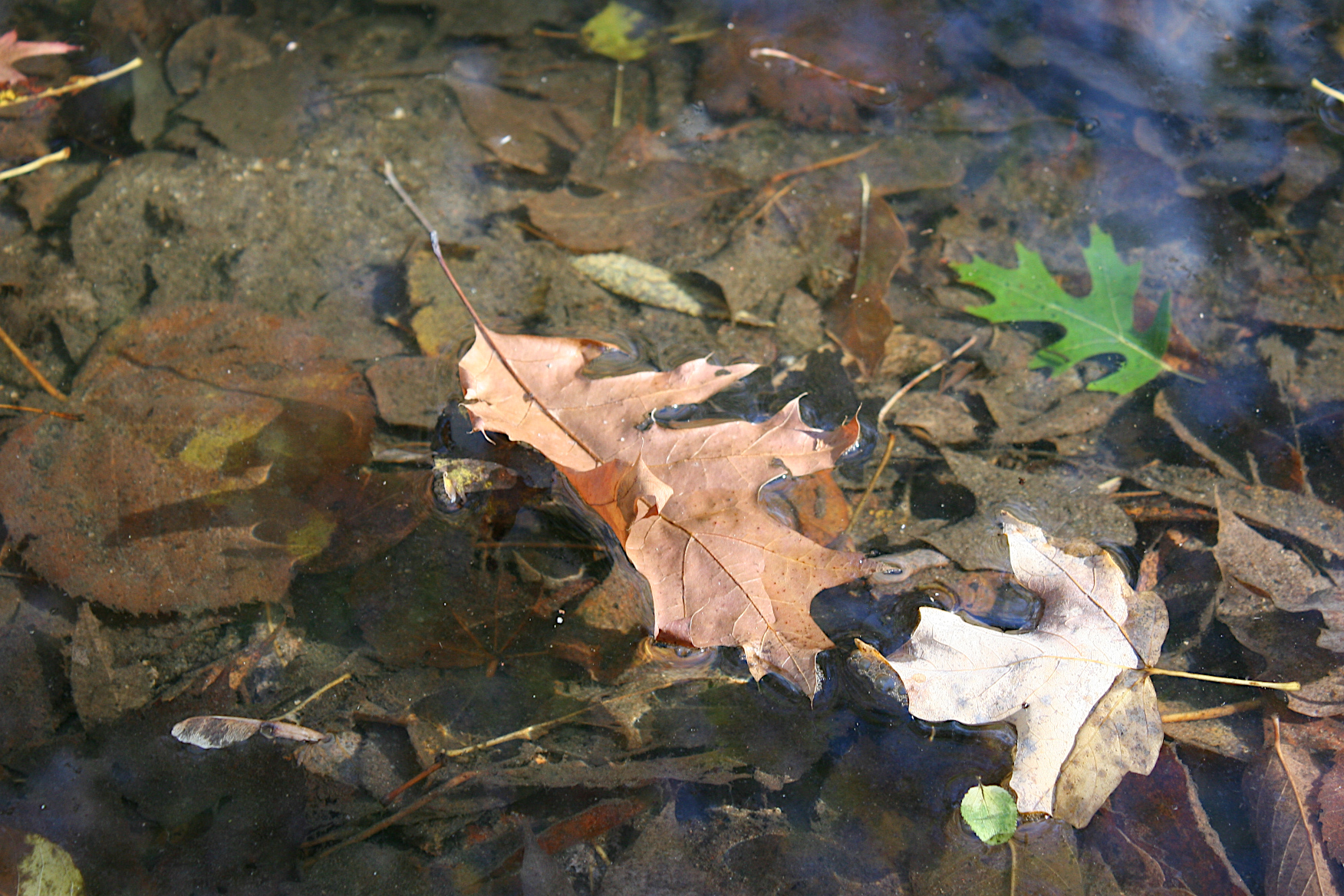
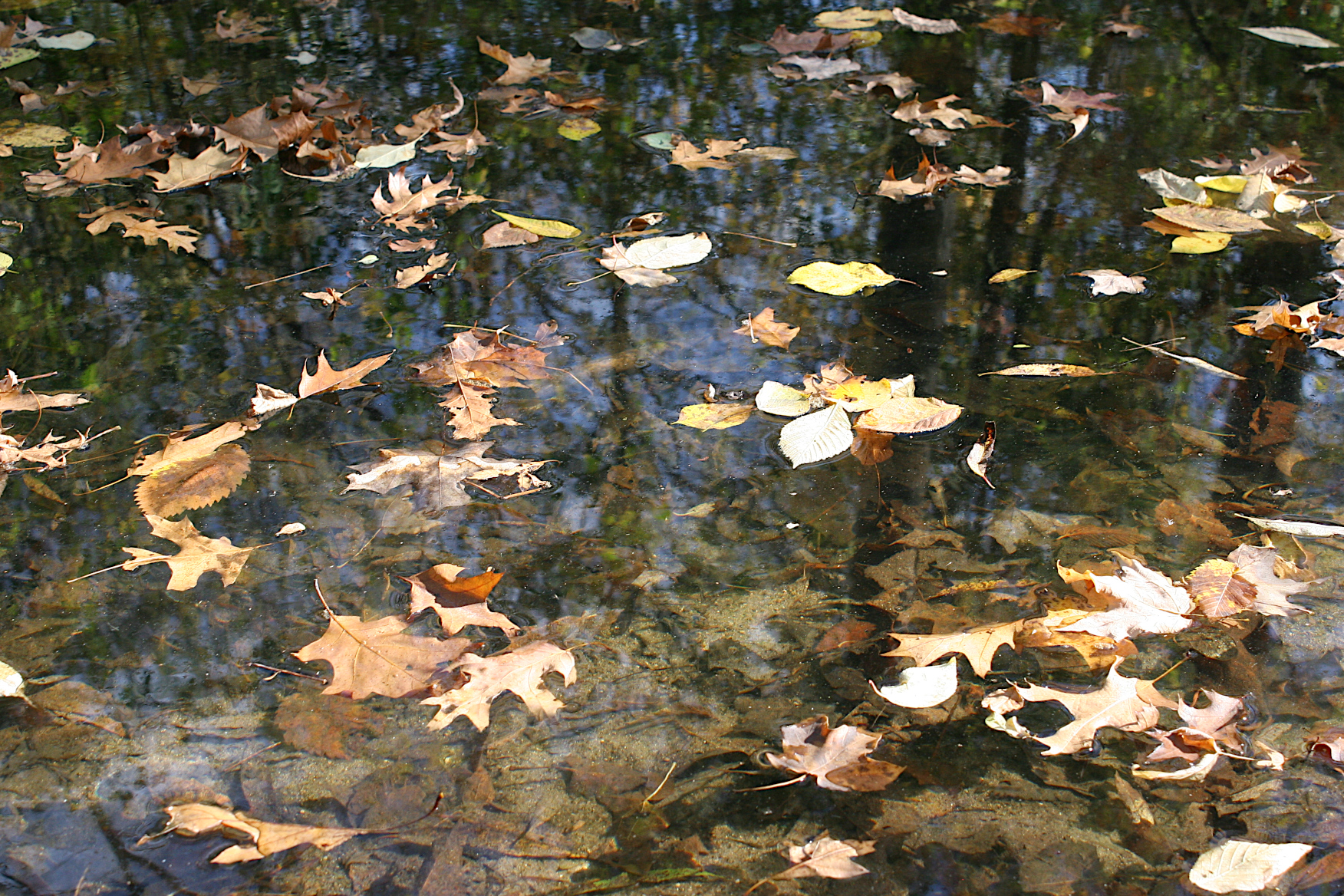
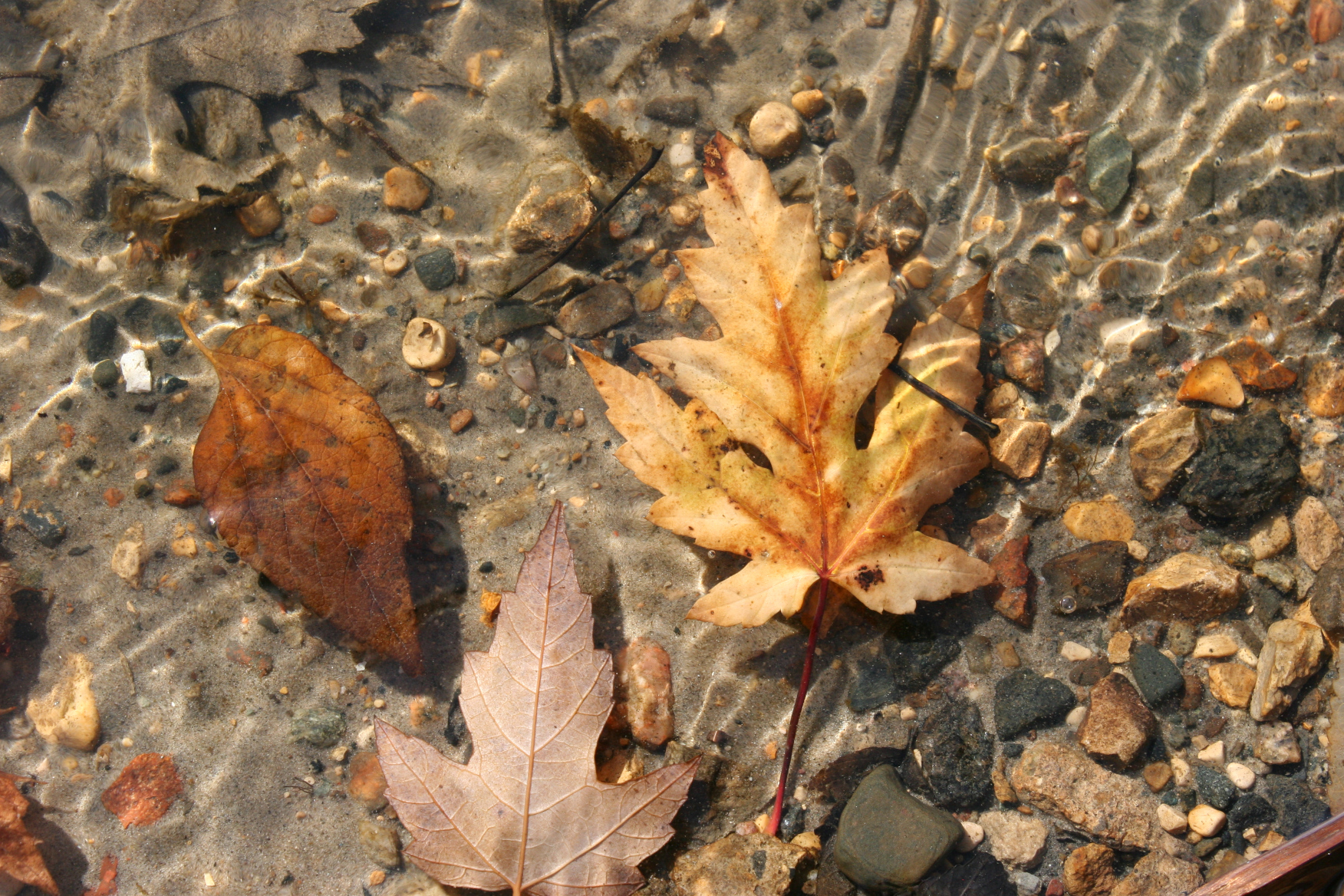
I’m always drawn to leaves in water, here in a melting snow puddle along a trail. (Minnesota Prairie Roots copyrighted photo March 2022)
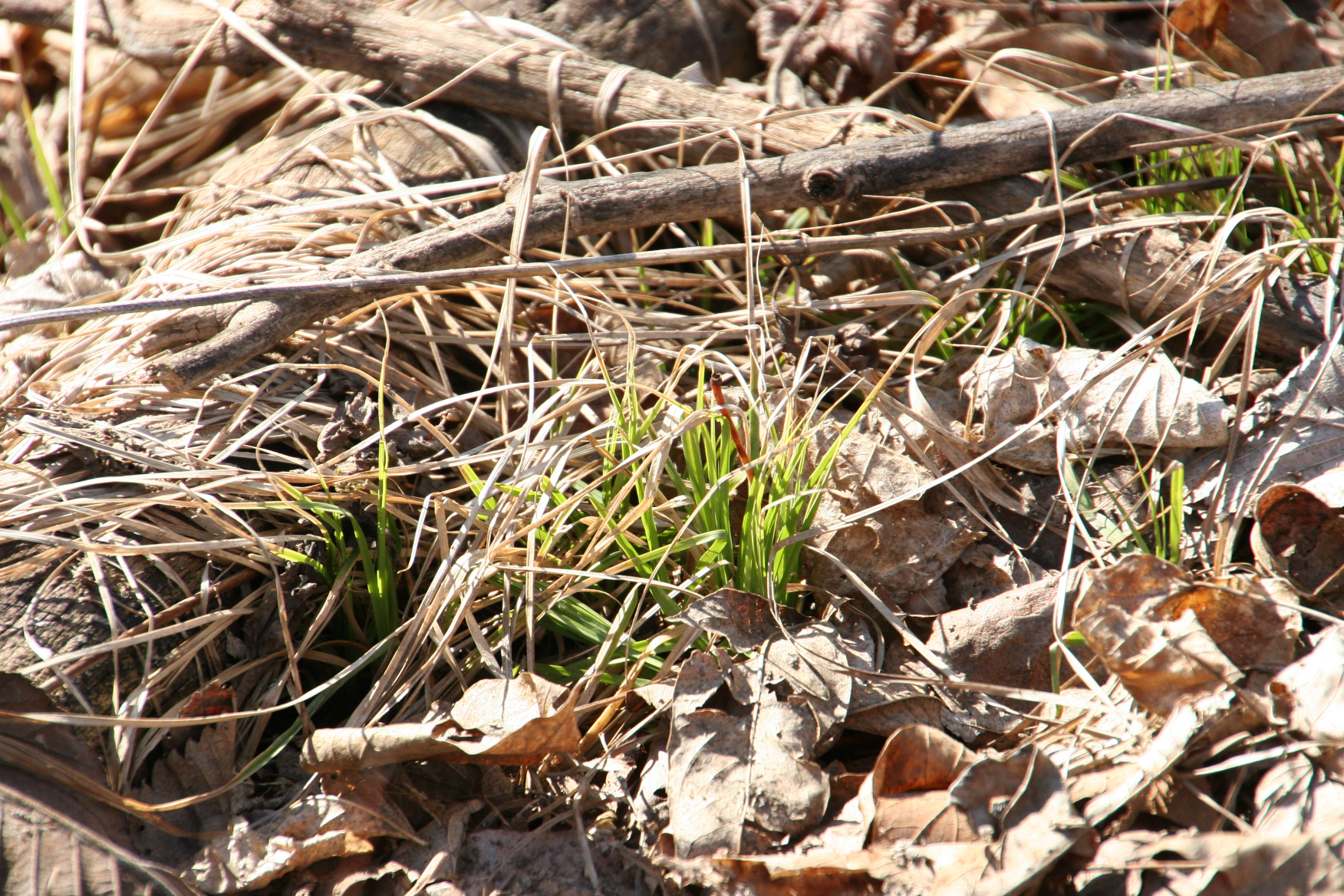
Loved spotting this patch of green in mid-March. (Minnesota Prairie Roots copyrighted photo March 2022)
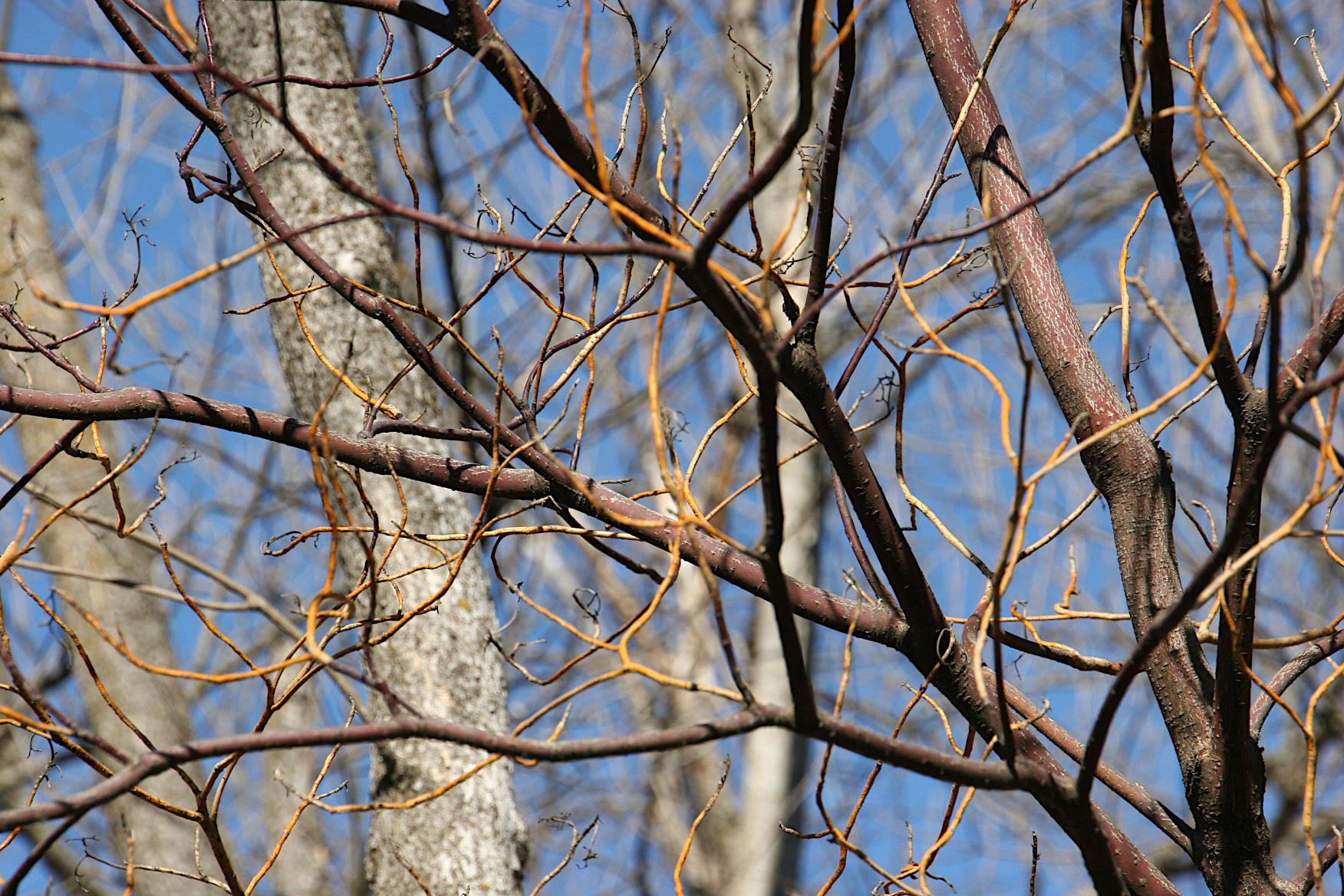
Tangled branches and blue sky. Beautiful. (Minnesota Prairie Roots copyrighted photo March 2022)
If you walk with me into the woods, you won’t fast track from Point A to Point B. Sometimes I go at a rapid pace. But most of the time, I can’t. Because I simply see too much. Poetry in puddled leaves. Spring in a patch of green grass. Abstract art in a mottled tree trunk. Dancers in twisted branches.
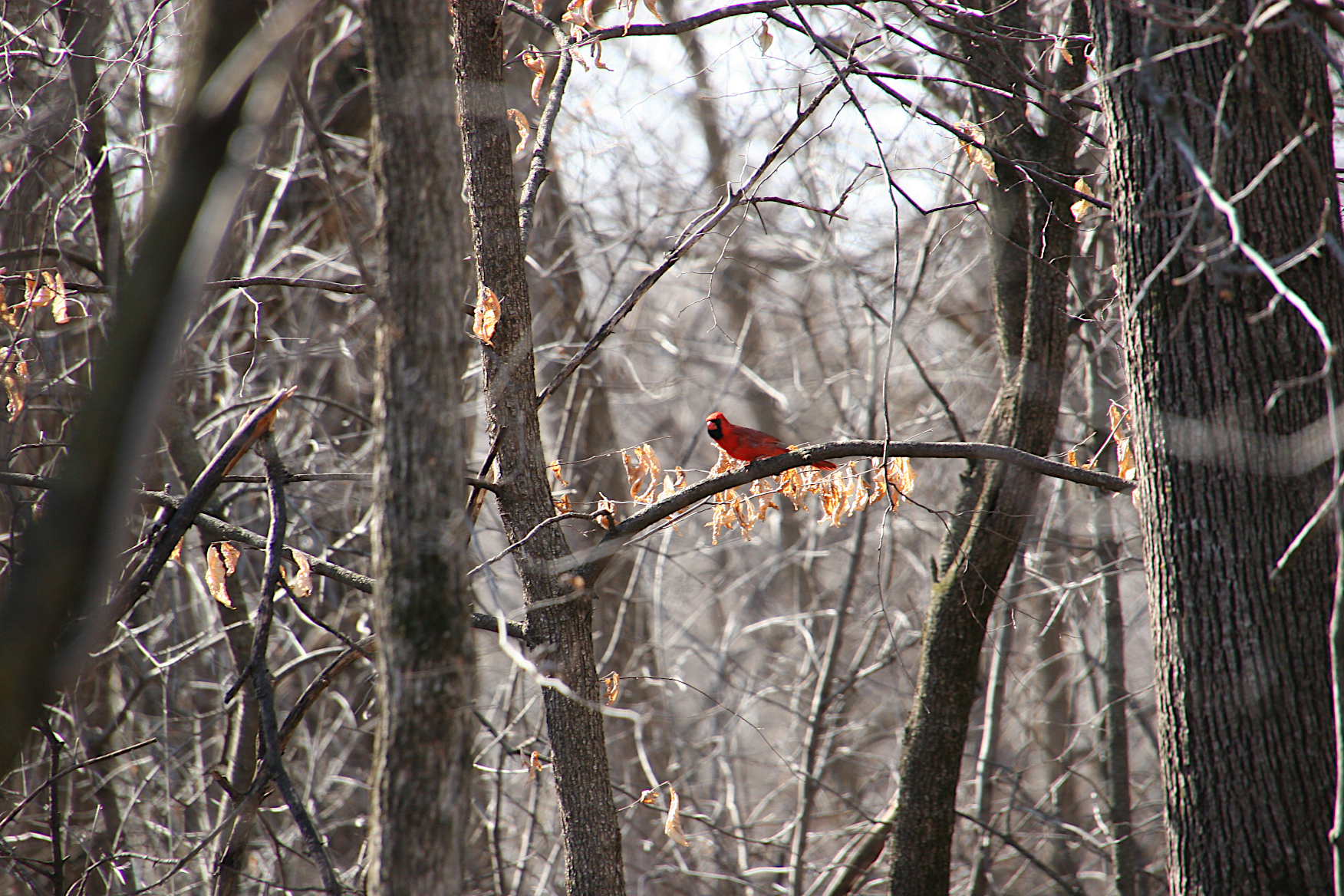
It took me awhile to get this focused shot with my zoom lens of a flitting cardinal. (Minnesota Prairie Roots copyrighted photo March 2022)
Sights and sounds draw me to linger in the woods. The shrill call of a cardinal and a flash of red cause me to pause. I wait. Listen. Photograph.
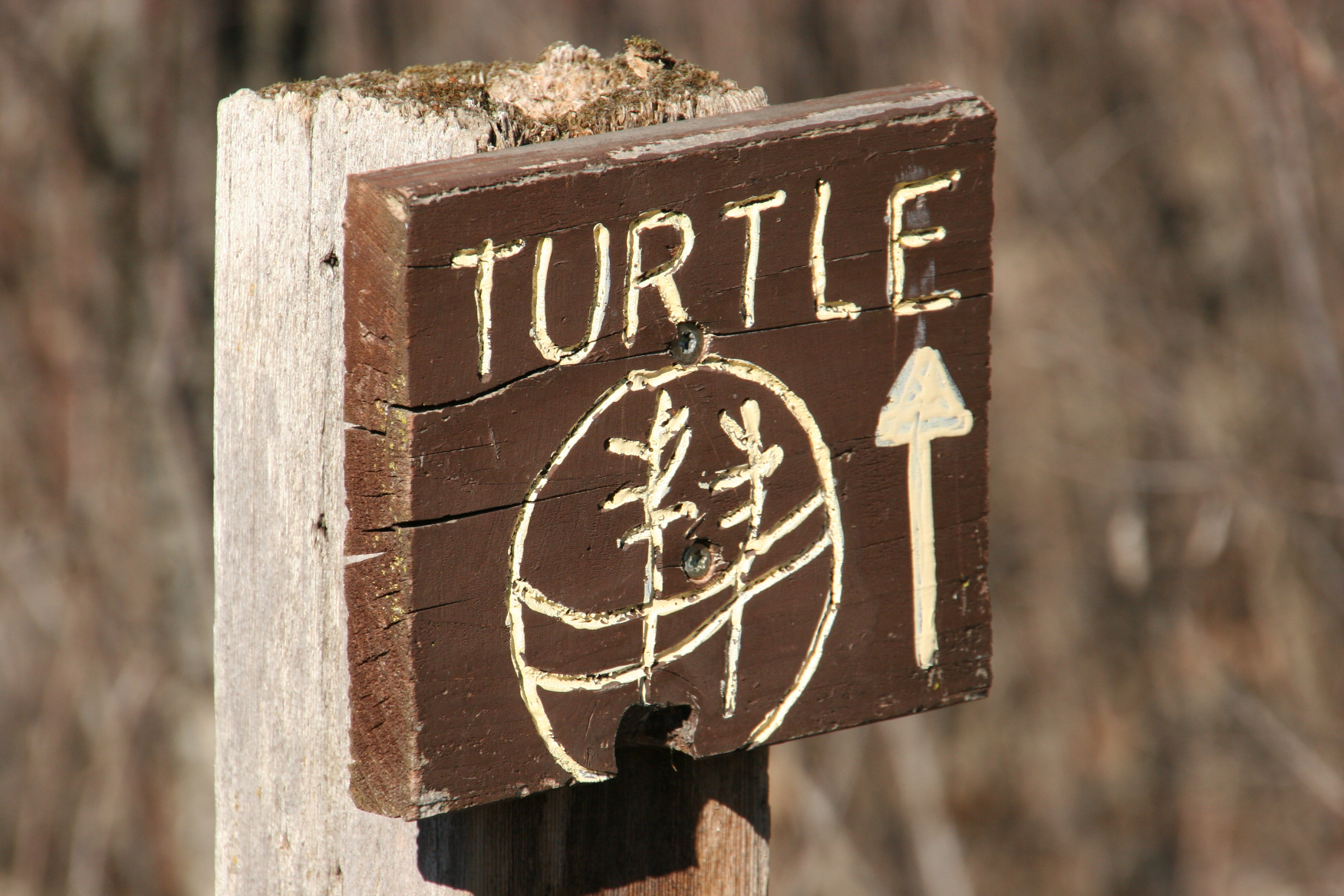
The sign pointing to the Turtle Pond, where the turtles had not yet emerged on my March 19 visit. (Minnesota Prairie Roots copyrighted photo March 2022)
I feel such a sense of wonderment in it all. A peace, too, that comes only from immersing one’s self in the natural world. In the chaos and noises of life, the woods are on this day, indeed, my sanctuary.
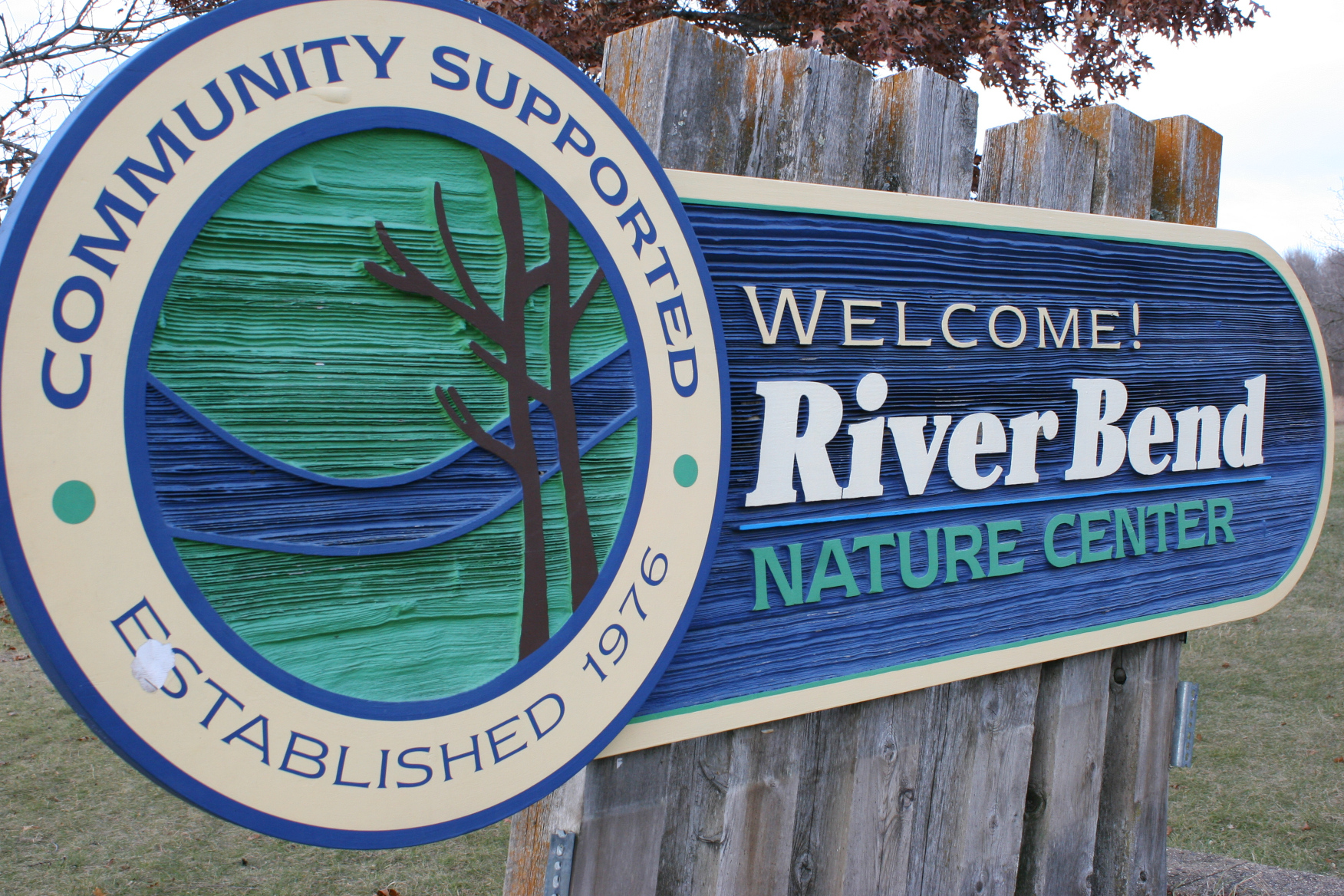
This sign stands near River Bend Nature Center’s interpretative center. (Minnesota Prairie Roots copyrighted file photo November 2021)
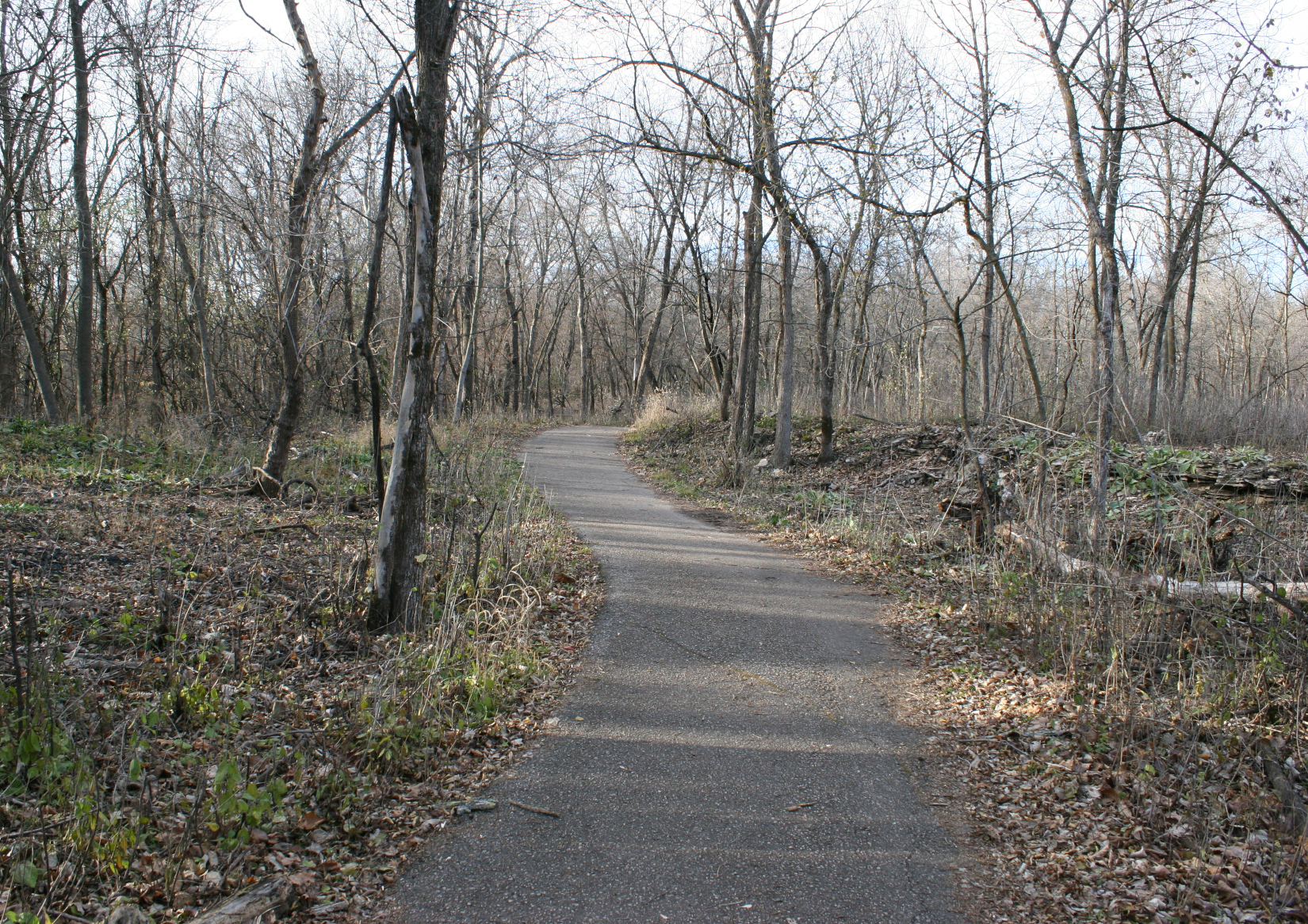
MONTHS AGO,BEFORE SNOW FELL and the season officially transitioned to winter, I followed a paved trail into the woods at River Bend Nature Center and then a grassy path to a wetlands overlook.
River Bend, on Faribault’s east side, rates as a favorite outdoor destination. That November day I embraced the lingering remnants of autumn, now overtaken by the cold and snow of winter.
Rugged bark draws my eye as I hike. (Minnesota Prairie Roots copyrighted file photo November 2021)
Even in the muted hues of autumn’s end, beauty exists.
But, for me, taking in the evolving landscape stretches beyond simply seeing that which unfolds before me. It’s also about looking back. To my childhood on the southwestern Minnesota prairie.
One of many wooded trails in River Bend. (Minnesota Prairie Roots copyrighted file photo November 2021)
When I hike the wooded trails of River Bend, I see my younger self riding my bike through the grove back on the farm. Except the bike was a horse, not a bike. I grew up in the era of TV Westerns—of “Rawhide” and “Bonanza.”
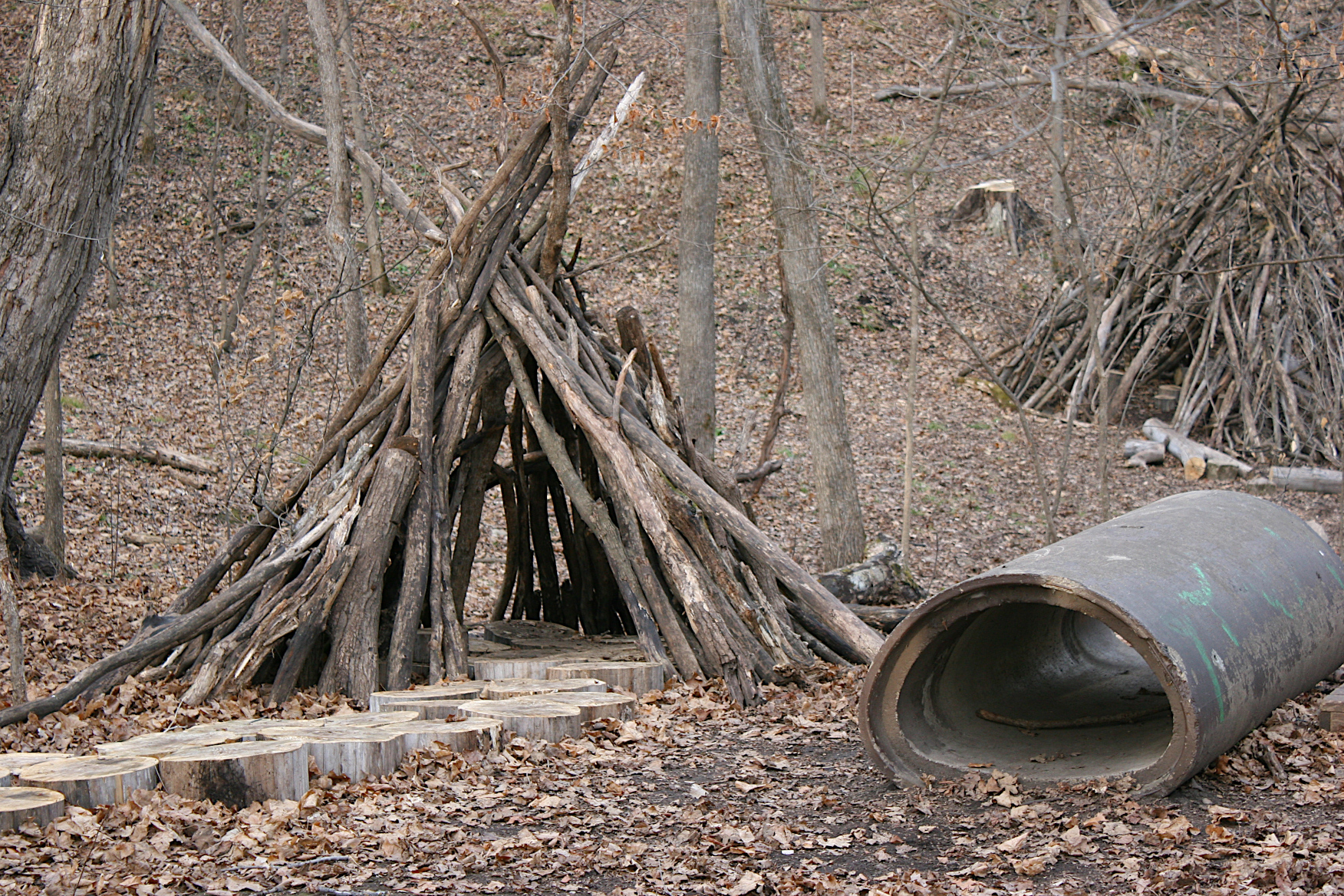
The kids’ play area at River Bend. (Minnesota Prairie Roots copyrighted file photo November 2021)
Fallen branches at River Bend angled into a shelter resemble those built by me and my siblings. We also constructed buildings by looping baler twine around tree trunks. And we crafted a house, too, from discarded wire fencing. Oh, the imaginations of farm kids let loose in the grove.
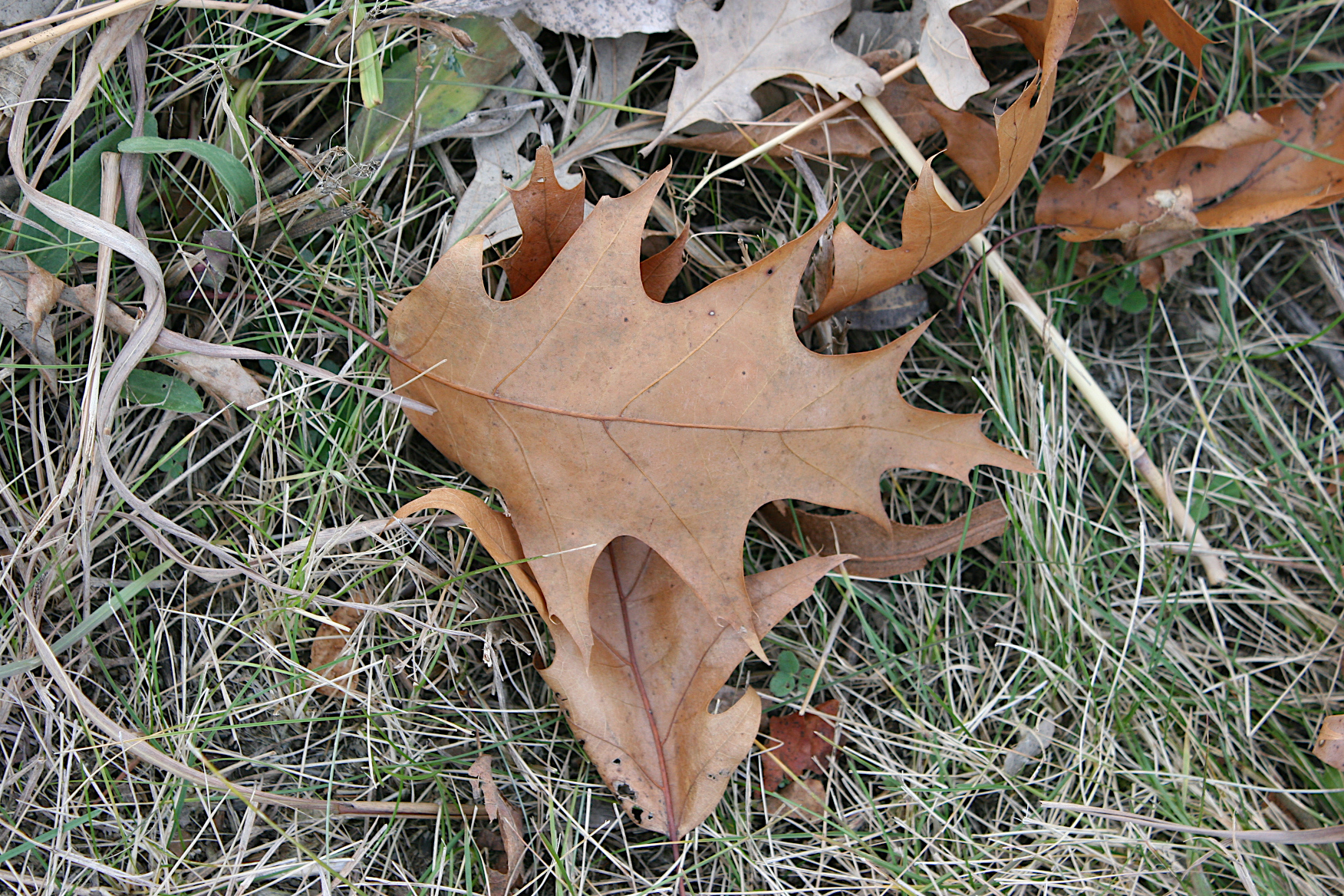
Dried oak leaves. (Minnesota Prairie Roots copyrighted file photo November 2021)
Dried leaves scattered in the woods bring more memories. Each autumn, I gathered fallen leaves into piles, then dropped the leaves into lines. Walls. Constructing leaf houses filled many a recess at Vesta Elementary School. And many an autumn day for my siblings and me.
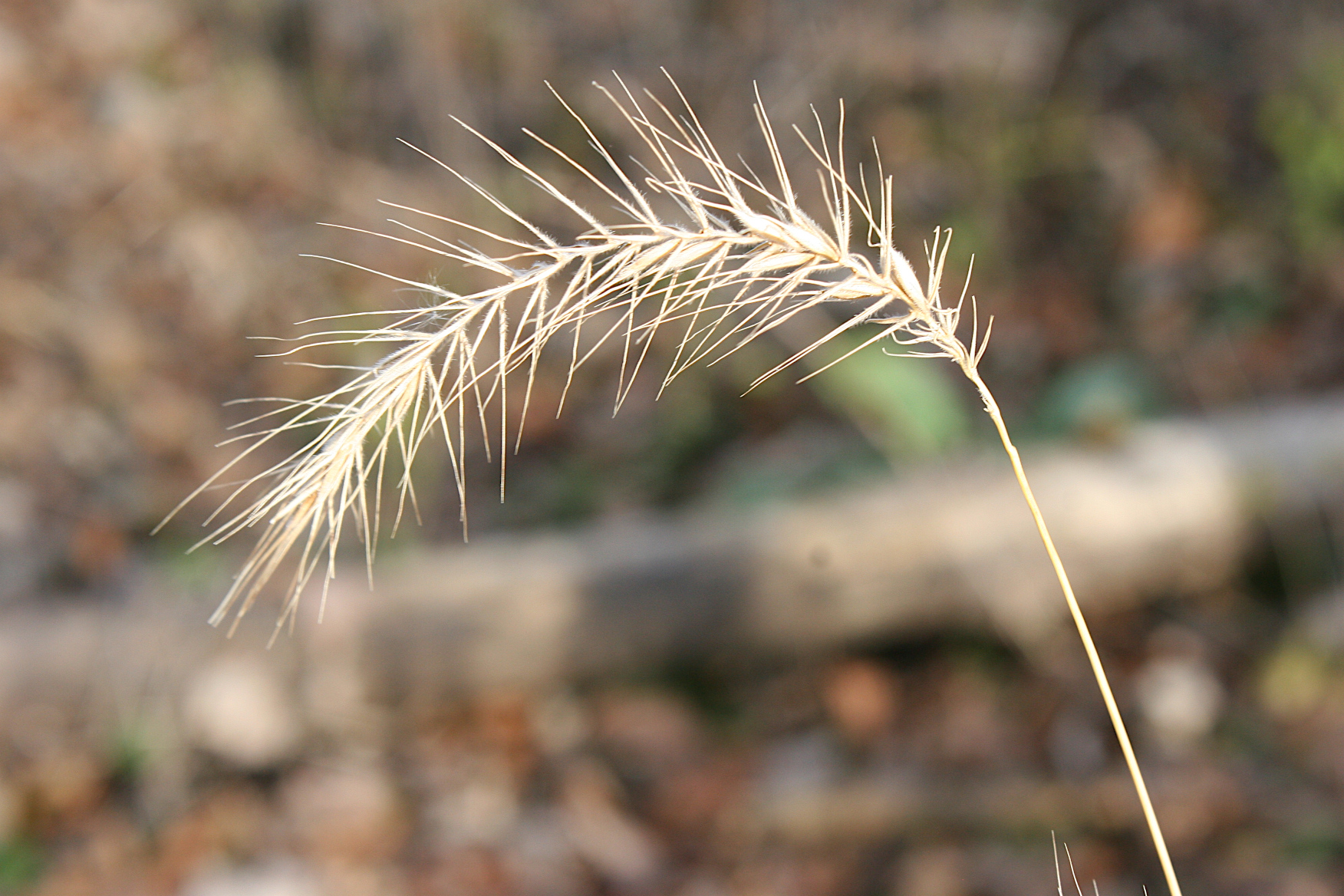
A single dried grass stem holds simple beauty. (Minnesota Prairie Roots copyrighted file photo November 2021)
I recall, too, hiding in tall grass between the granary and the south grove. When I scan the prairie expanse of River Bend, I imagine myself vanishing. Hiding from brothers with cap guns holstered at their sides. Yes, I owned a cap gun, too, and wore a straw cowgirl hat, although we called them cowboy hats back then.
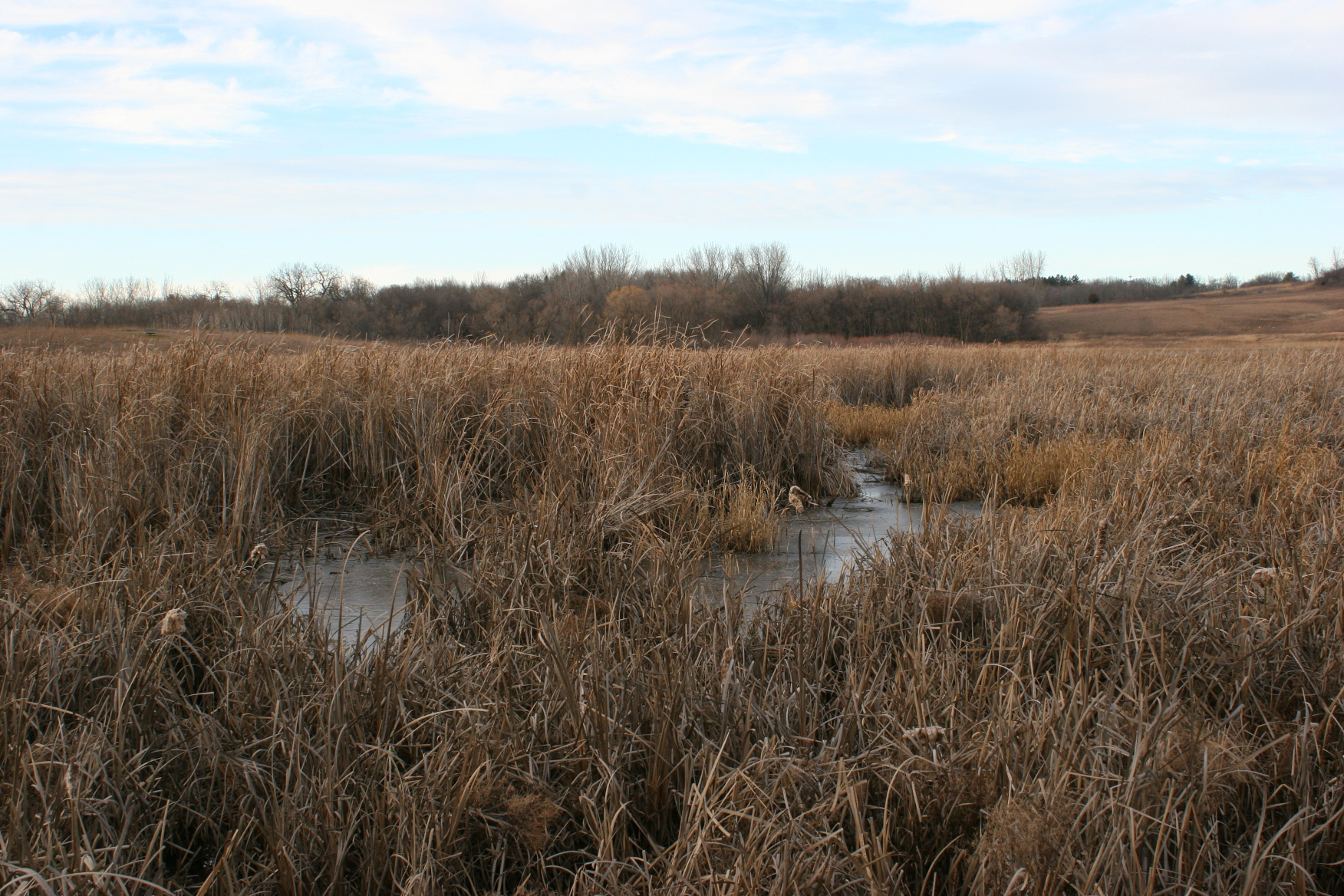
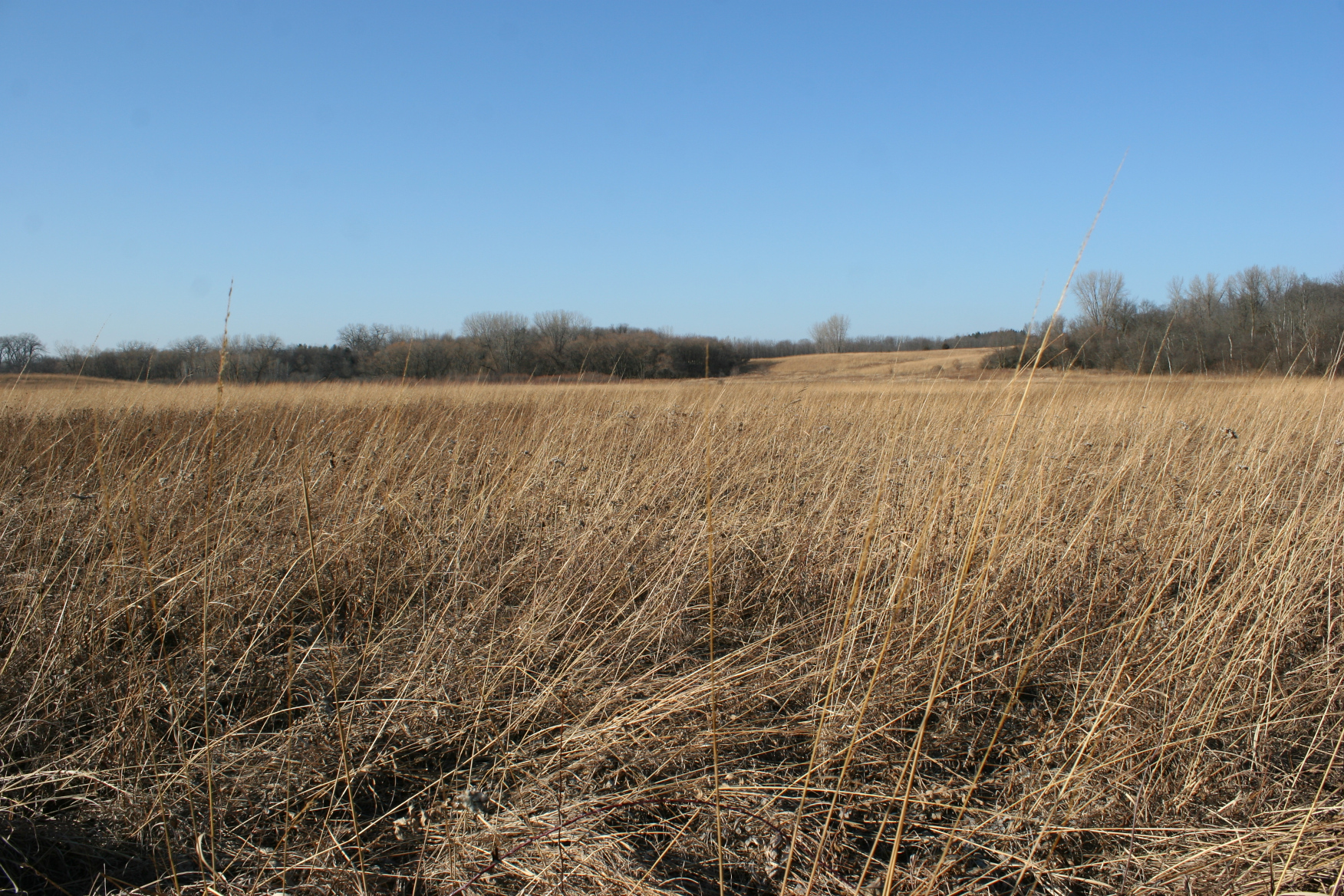
The wetlands on prairie’s edge. (Minnesota Prairie Roots copyrighted file photo November 2021)
My father owned a gun, which he used once a year to hunt for pheasants in the slough hole (as we redundantly termed the slough on our farm). When I look across the wetlands at River Bend, I think of the one time my oldest brother and I accompanied Dad to the low lying pothole to hunt for pheasants. I don’t recall whether that hunt was successful. Eventually, Dad drained the slough to add more tillable acreage. I often wonder about the sensibilities of draining prairie potholes and how that affected the land. The undrained wetlands of River Bend are mostly dry in this drought year.
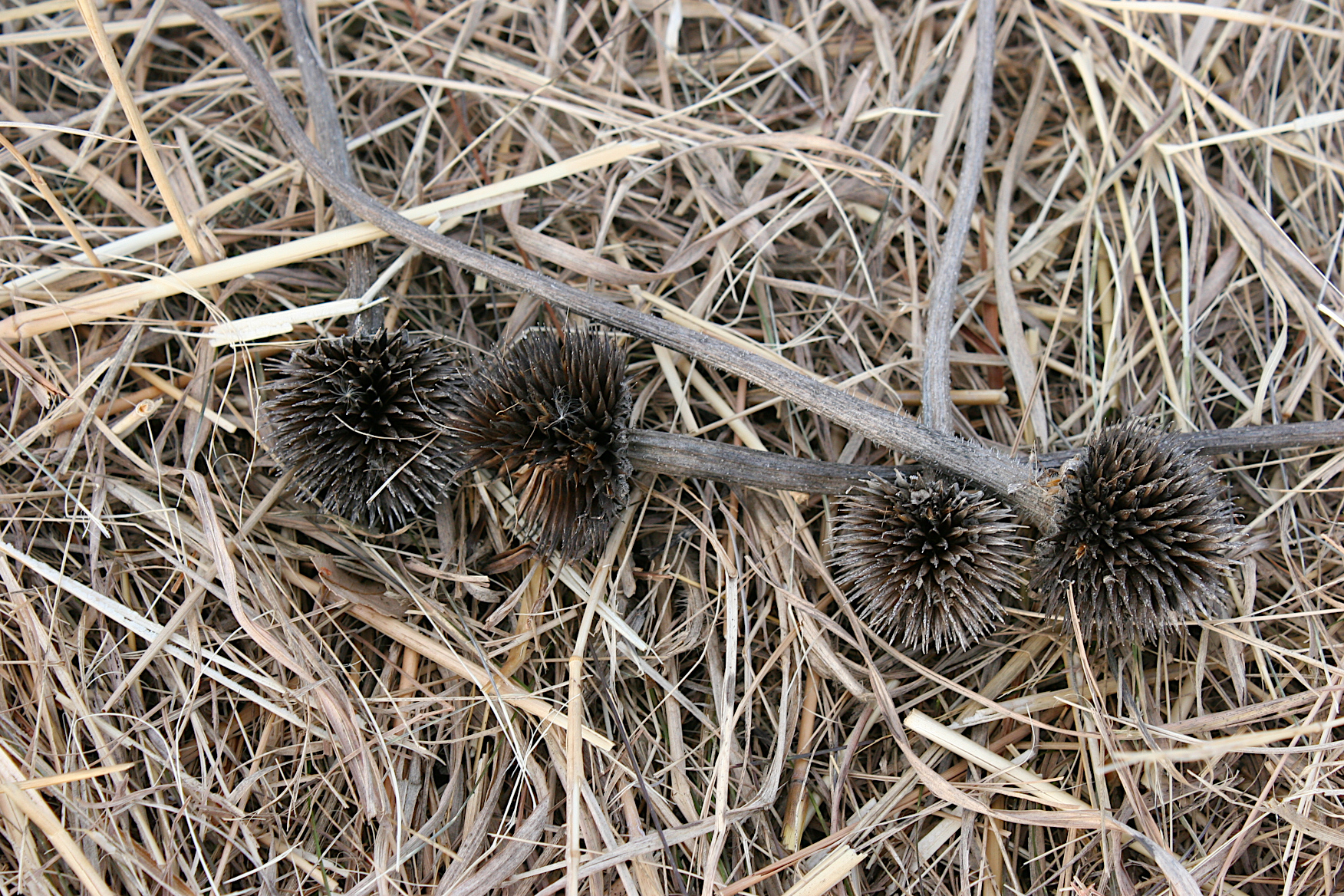
While walking the prairie, I spotted dried seedheads. Coneflower seeds lying atop the grass, where they will eventually reseed. Nature recycling.
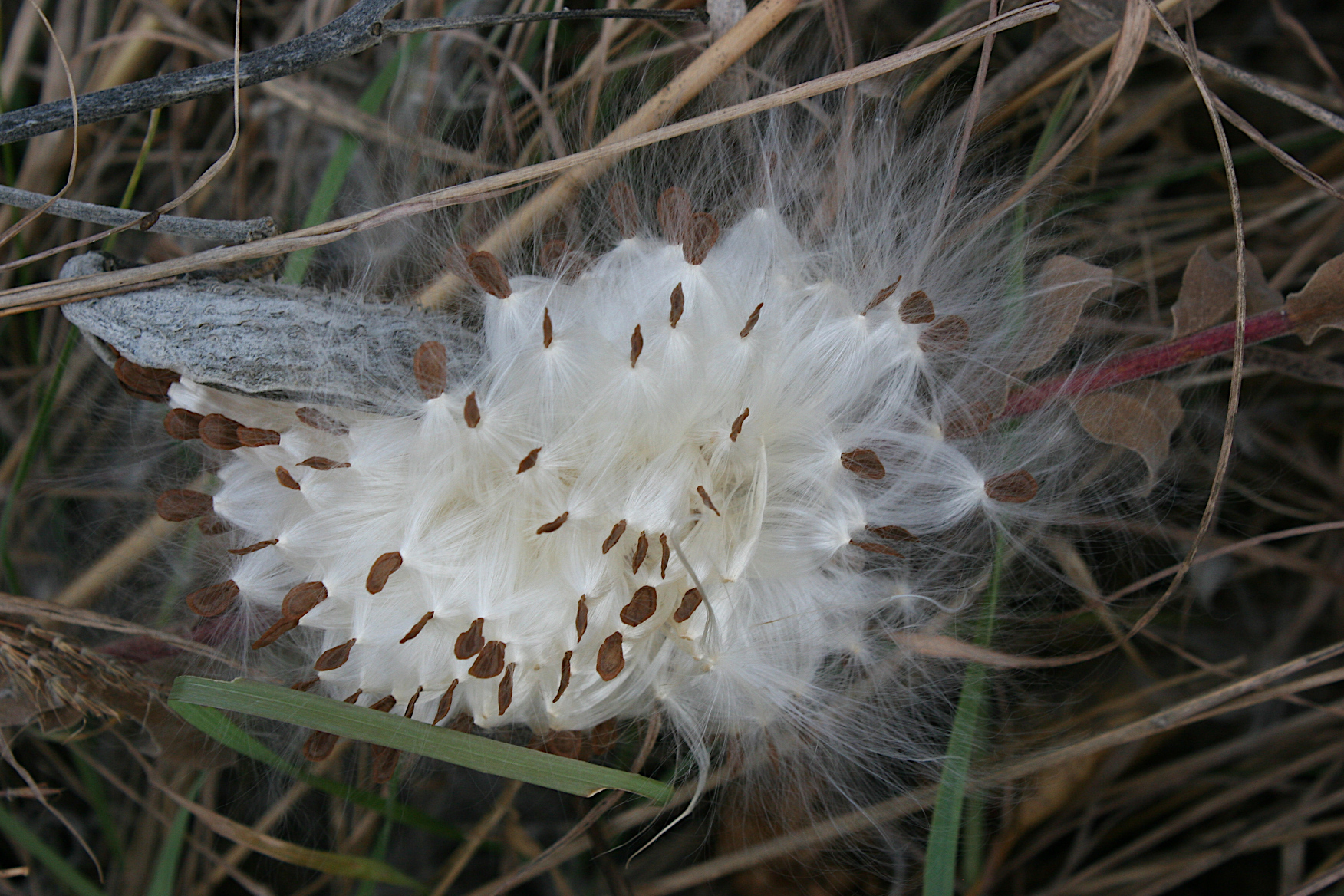
Milkweed pods, too, flourish in River Bend’s prairieland. Back on the farm, I pulled milkweeds from soybean fields. “Walking beans” is the correct term. Walking between soybean rows pulling unwanted weeds—especially cockleburs and thistles. Only detasseling corn ranks as worse. I’ll walk beans or shovel manure any day (and I did plenty of that) over corn detasseling on a hot and humid July day.
A dried milkweed pod burst open on the prairie. (Minnesota Prairie Roots copyrighted file photo November 2021)
Those dried milkweeds at River Bend bring one final memory. And it is a Christmas memory. One year I crafted a Christmas ornament for my Aunt Rachel from a milkweed pod and a discarded holiday card. (My mom saved everything.) I cut out an elfin girl dressed in a glittery red suit, her face framed by a pointy hood. Then I taped the cut-out to a toothpick and stuck the impish child into the downy snow of an open milkweed pod. Beautiful.
These are the childhood memories sparked by my November walk through River Bend Nature Center. I feel grateful for this sprawling natural space, for the peace it brings me as I follow trails into the present. And into the past.
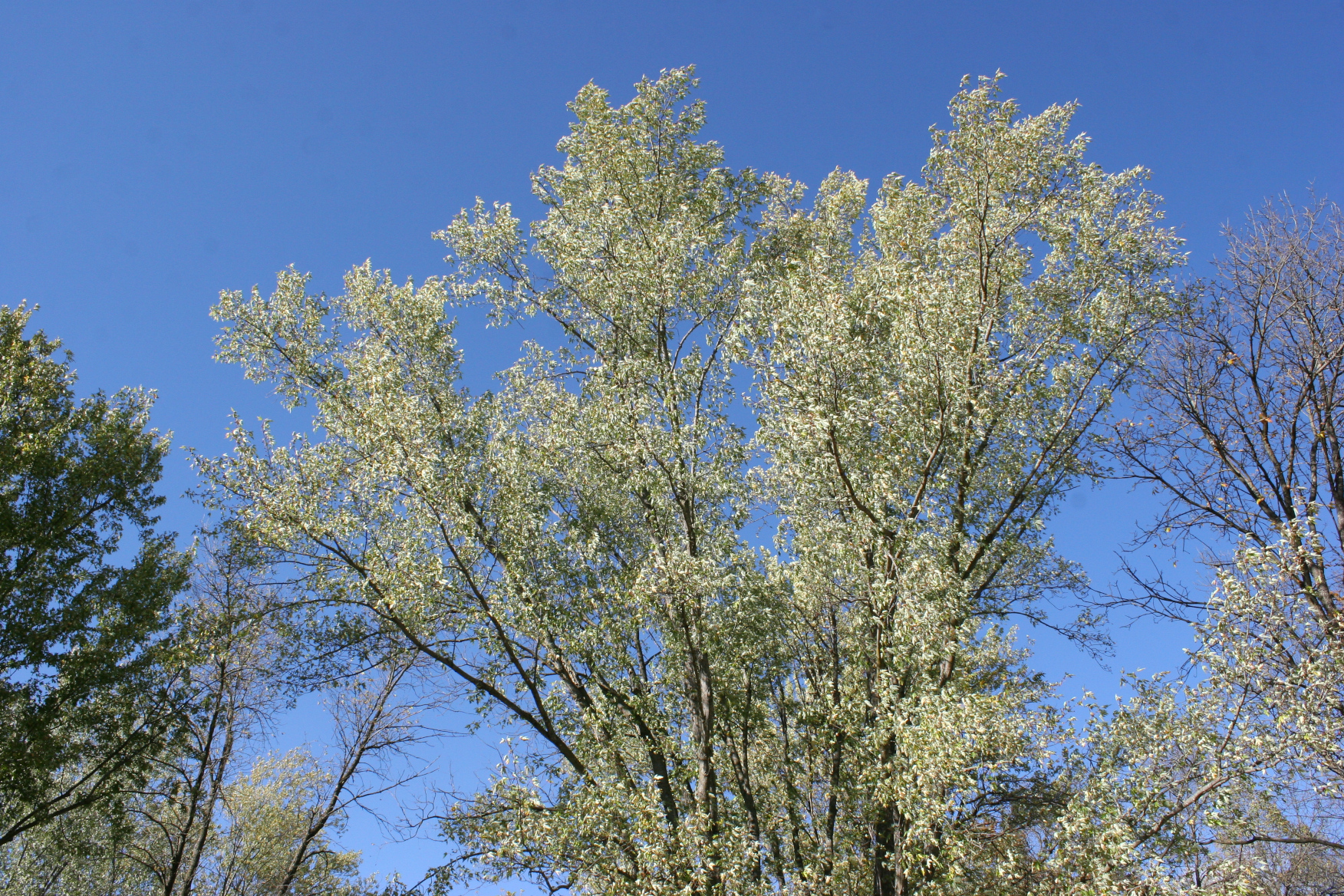
On the expanse of grass outside the woods, silver maples shimmer against the blue sky of autumn. Minnesota Prairie Roots copyrighted photo October 2021.
A MILE EAST OF FARIBAULT just off Minnesota State Highway 60, the 61-acre Falls Creek County Park offers an escape into the woods. Mostly undiscovered, it’s rare to encounter others while hiking here.
Last Sunday afternoon, Randy and I headed to the park, pulling into the vastly over-sized gravel parking lot pocked with potholes. From there, we headed downhill across a grassy expanse, past the picnic shelter and toward an opening in the woods.
A wooden footbridge over Falls Creek allows entrance to narrow dirt trails. There are no maps to guide hikers, so you must rely on visual cues, obscured in October by fallen leaves. But we’ve been here before, always taking the main trail following the creek.
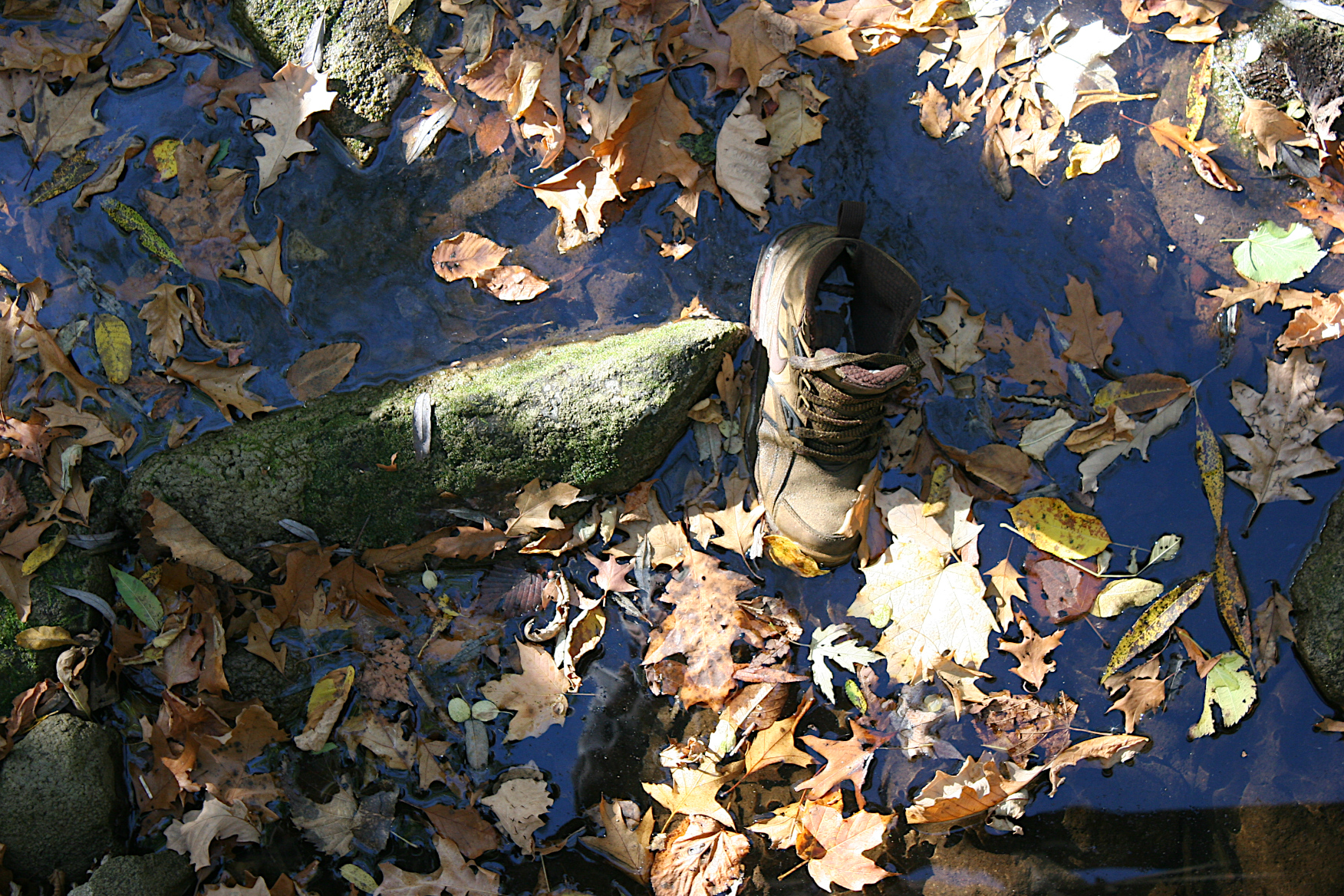
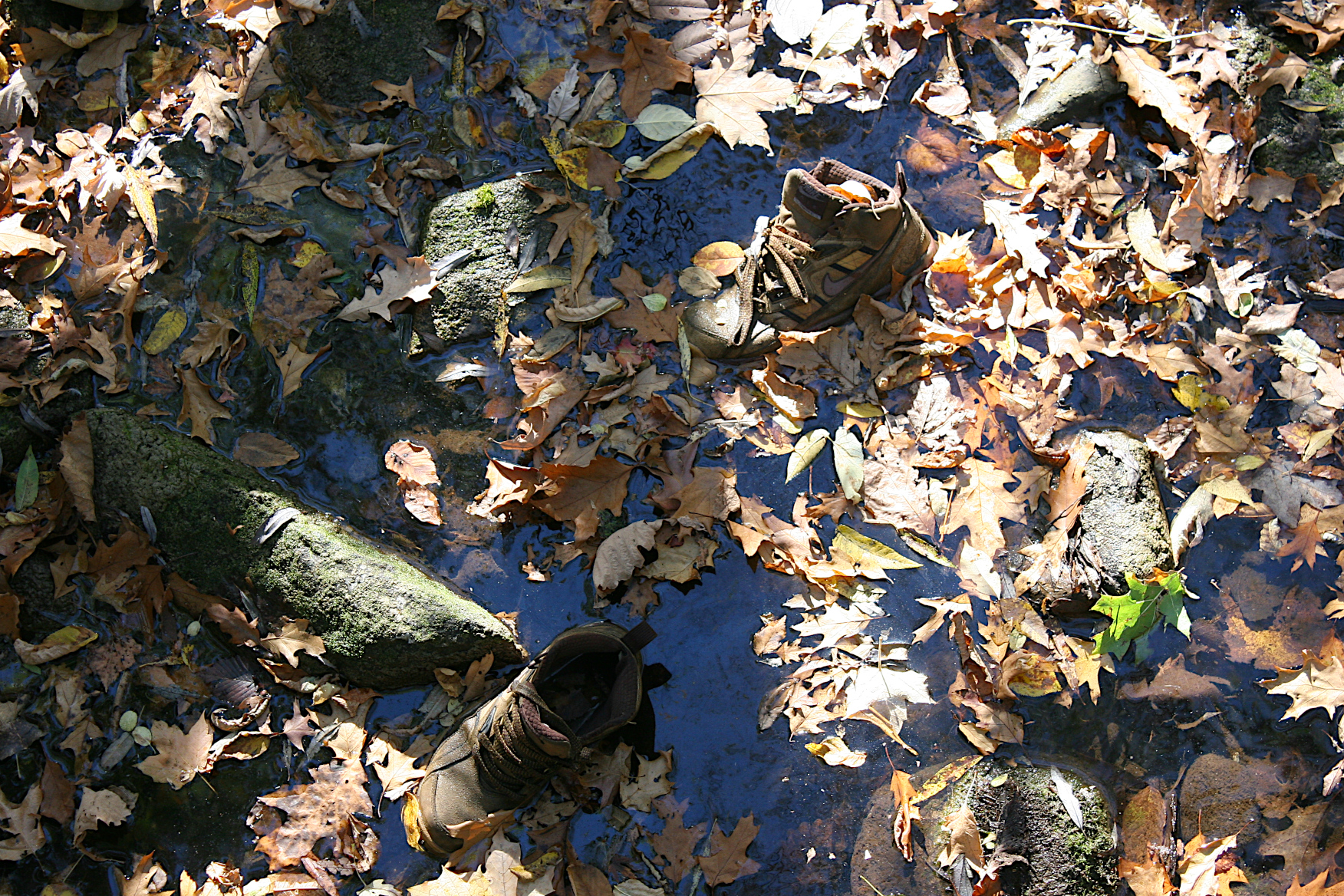
An unusual find in the creek: shoes/boots. Minnesota Prairie Roots copyrighted photo October 2021.
The creek is always my first stop. I pause on the bridge, typically to watch water rush over and around rocks. But this visit, the shallow water pooled, littered with leaves and a pair of hiking boots—perfectly good hiking boots from the looks of the shoes. I wondered how they landed there, in the water.
In the places where water remains in the creek, leaves float.Minnesota Prairie Roots copyrighted photo October 2021.
Mostly, the creek bed was dry, a result of this year’s drought. In areas where water remains, minnows darted. The water is at least clear, a rarity in this agricultural region.
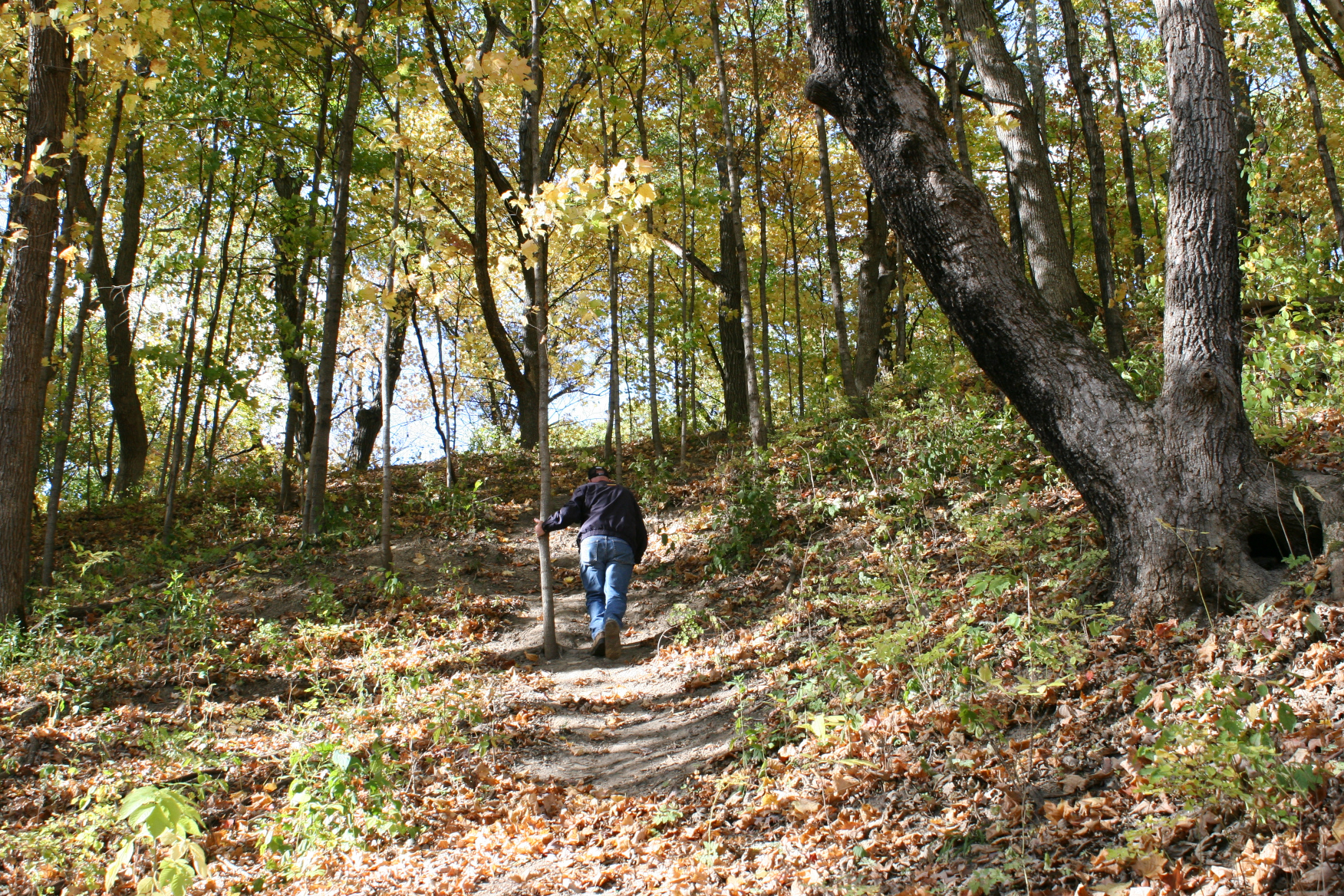
Randy scales a steep hill into the woods. Minnesota Prairie Roots copyrighted photo October 2021.
A short distance into the woods, Randy spotted a worn path up a steep hillside. I’d never noticed this during prior visits. Before I could dissuade him, he hoofed his way up, slipping and sliding and grabbing onto trees. When Randy lost his footing, I feared he would tumble and injury himself. As much as I yearned to follow, I recognized my limitations and my desire to keep my bones in-tact.
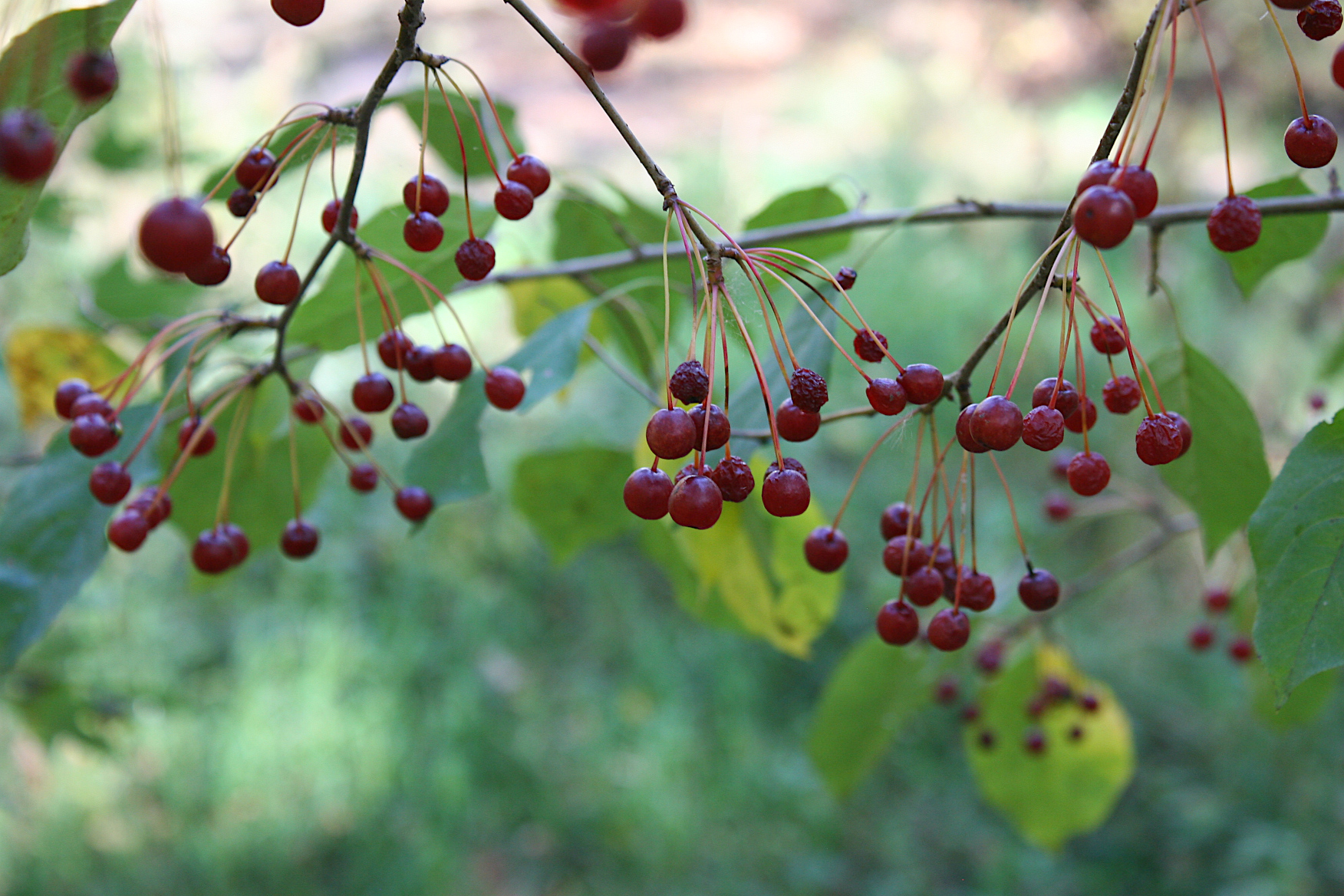
Berries jolt color into the woods. Minnesota Prairie Roots copyrighted photo October 2021.
As he disappeared along the hilltop treeline, I continued along the creek route. But soon my mind went to that niggling place of worry, about the time I reached the point where the path sidles next to the eroded creek bank. One misstep and I could plunge over the edge. Not that it’s that high. But far enough to cause injury.
I backtracked, dug in my backpack for my cellphone (hoping for service), and then called Randy. He answered. “I didn’t come here to walk alone,” I told him, also inquiring about his location. He couldn’t pinpoint that except to say that he would head back. I feel thankful that Randy, unlike me, possesses a good sense of direction.
Remembering the hiking boots/shoes in the creek. Minnesota Prairie Roots copyrighted photo October 2021.
“I don’t like being out here alone,” I added, noting that I’d observed two people on the path, too far away for me to clearly see them. Obviously those hiking shoes dumped in the creek prompted the beginning of a mystery plot in my writer’s brain.
Despite that concern, I aimed for the strangers…finding a cordial couple about my age examining mushrooms on a decayed tree. We talked mushrooms and my missing husband and they offered to help find him should need be. Their story of getting lost in these very same woods did nothing to assure me that Randy would find his way back. But he did. At a different point, where an unseen spring ran down the hillside and he did more slipping and sliding, this time in mud.
Randy follows the leaf-laden trail as it edges close to the eroded creek bank. Minnesota Prairie Roots copyrighted photo October 2021.
We reversed course and, together, followed the creek-side path deeper and deeper into the woods…until turning around and retracing our steps. I wished again for a trail map guide.
Near the footbridge, pools of water remain, collecting the fallen leaves of autumn. Minnesota Prairie Roots copyrighted photo October 2021.
We veered briefly off the path to another trail leading to the creek. Again, no water. Only rocks on a dry creek bed.
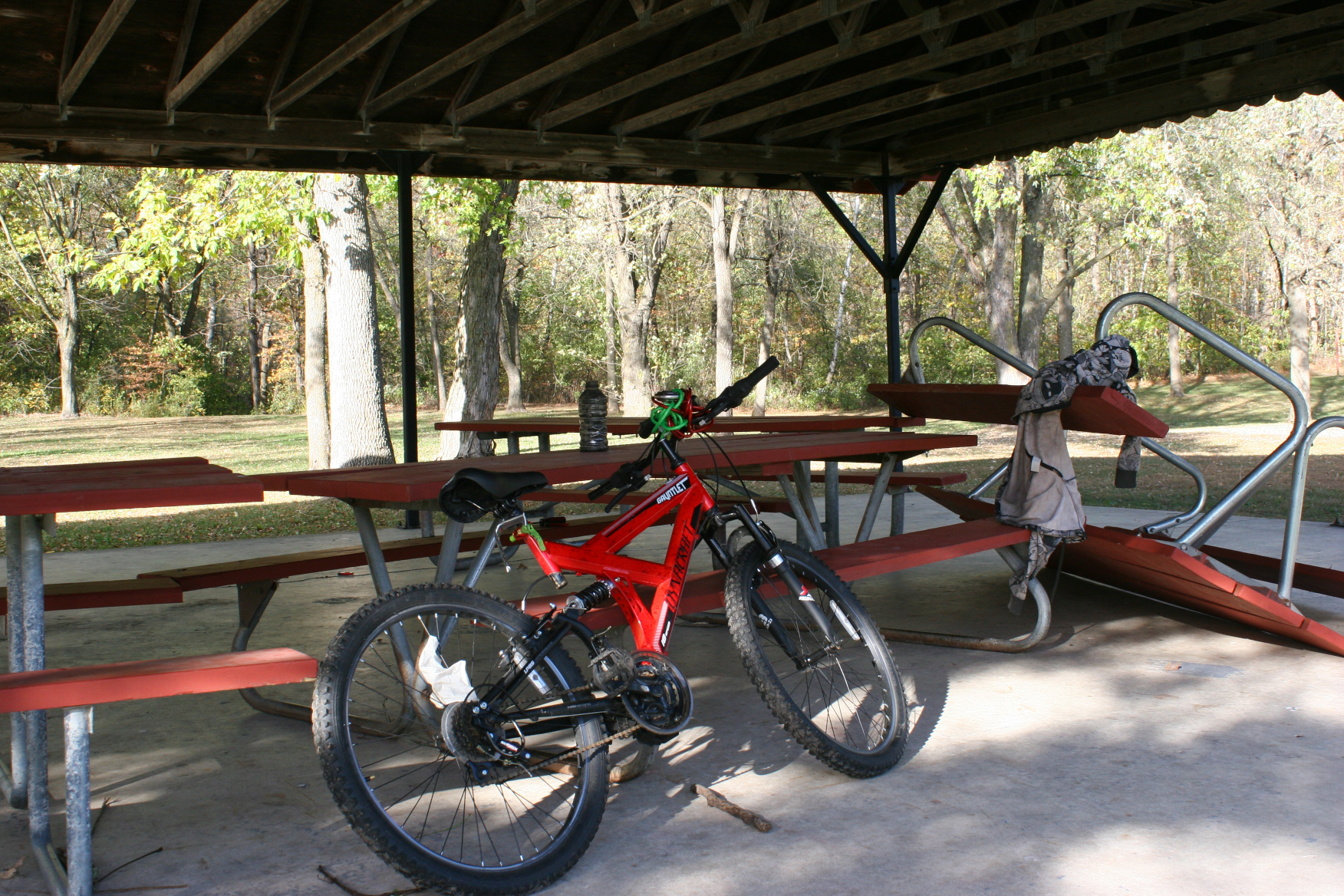
Seemingly abandoned in the shelter. Minnesota Prairie Roots copyrighted photo October 2021.
Then it was back to the main route, a pause on the bridge to again wonder about those hiking boots and then a pause at the shelter to speculate about an abandoned bike, jacket and beverage bottle.
Not a soul remained at Falls Creek Park. At least no one visible to us. Only mysteries—of abandoned and tossed belongings and of unmarked trails leading deep into the woods.
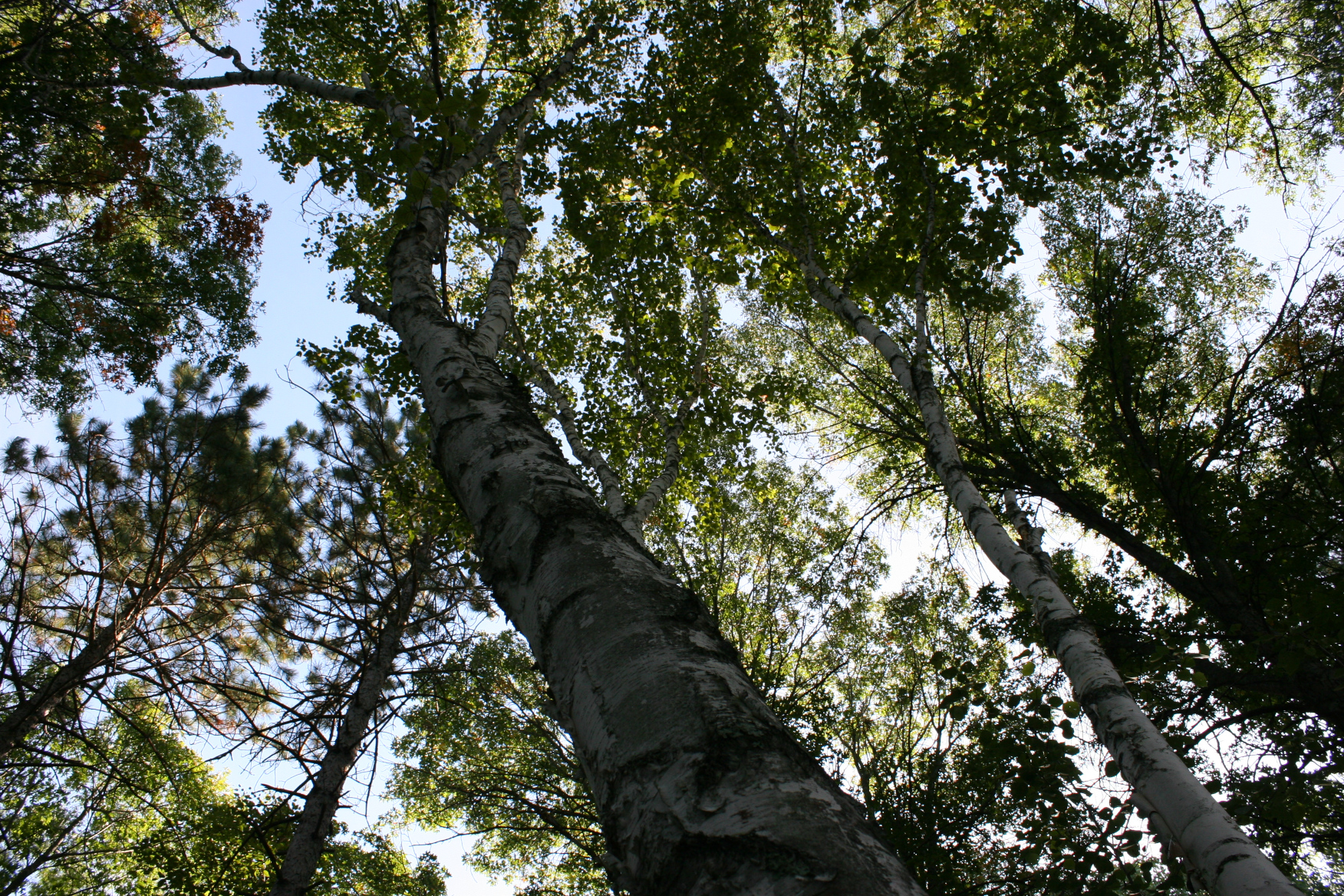
Looking skyward toward the trees inside the woods at Mission Park, Merrifield, MN. Minnesota Prairie Roots copyrighted photo September 2021.
A QUIET PLACE TO BE.
That message banners signs in Mission Township in the heart of central Minnesota’s lake country. The nearly 35-square-mile rural community is, indeed, quiet, if you tuck yourself in among the woods, off the main routes Up North to the cabin.
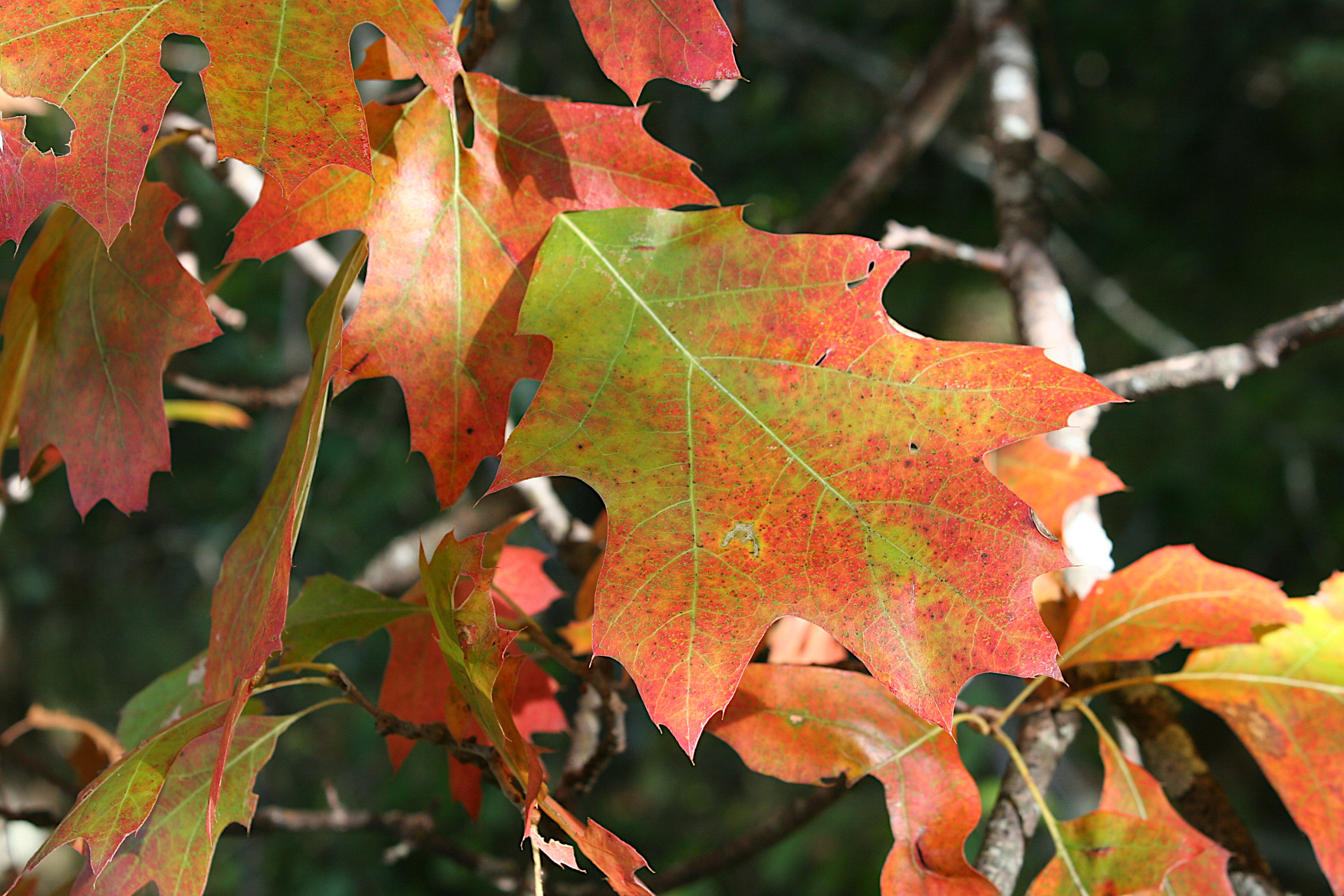
Leaves are changing color in the park. Minnesota Prairie Roots copyrighted photo September 2021.
From mid-May fishing opener well into autumn, until the first hard freeze, vacationers and seasonal cabin owners travel into and through Crow Wing County to reach their personal and resort destinations. And now Randy and I, too, are living the Minnesota Up North experience thanks to family who are sharing their lake property. Thrice this year we’ve spent time at the cabin, each visit heading to nearby Mission Park.
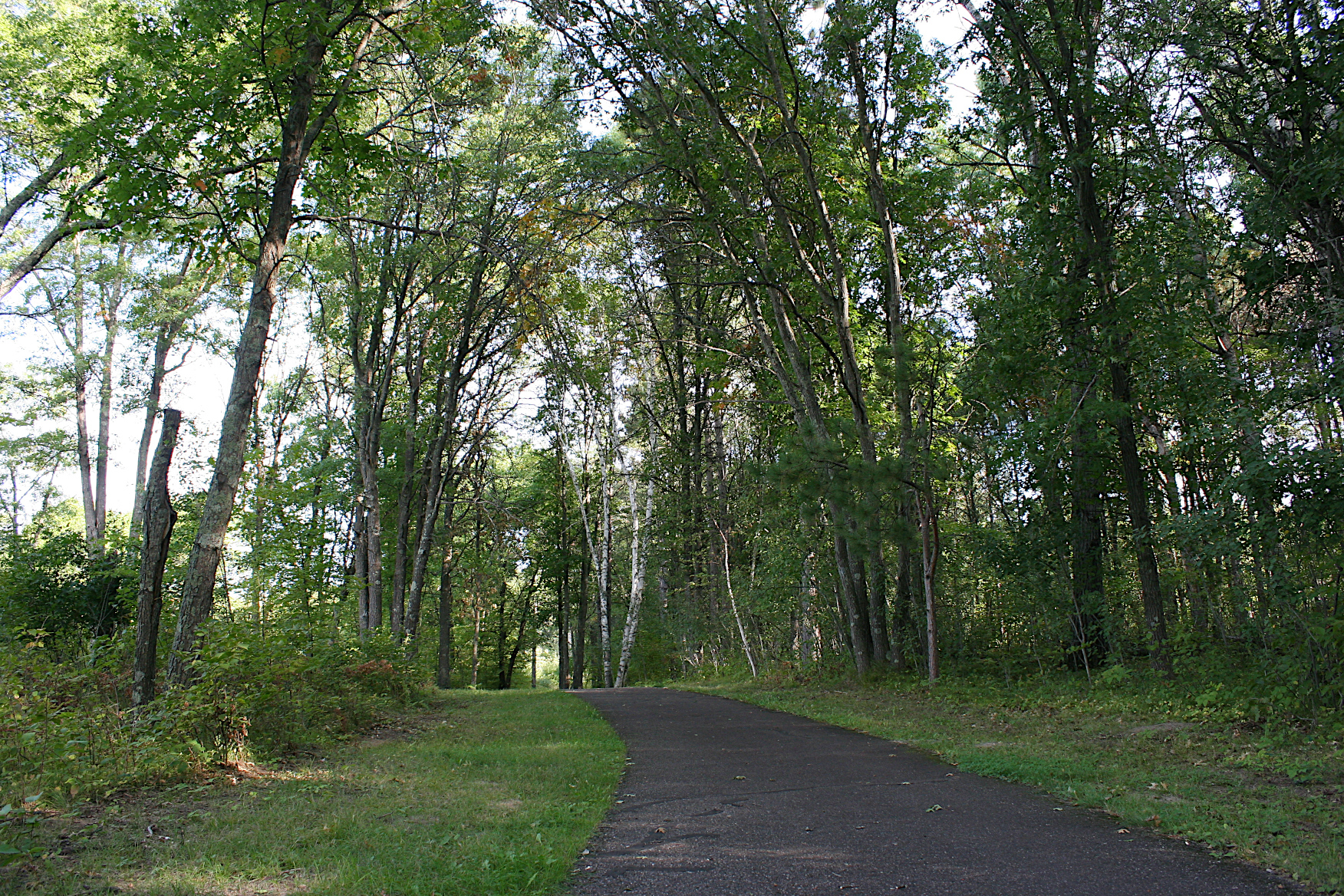
We typically follow the well-maintained paved trail. Minnesota Prairie Roots copyrighted photo September 2021.
The close-to-the-cabin proximity of the park and its 3/4-mile paved hiking trail draw us to this quiet spot in the woods. During our most recent stay in mid-September, we twice hiked in the park. Here leaves are already turning color and I paused often to photograph the autumn hues.
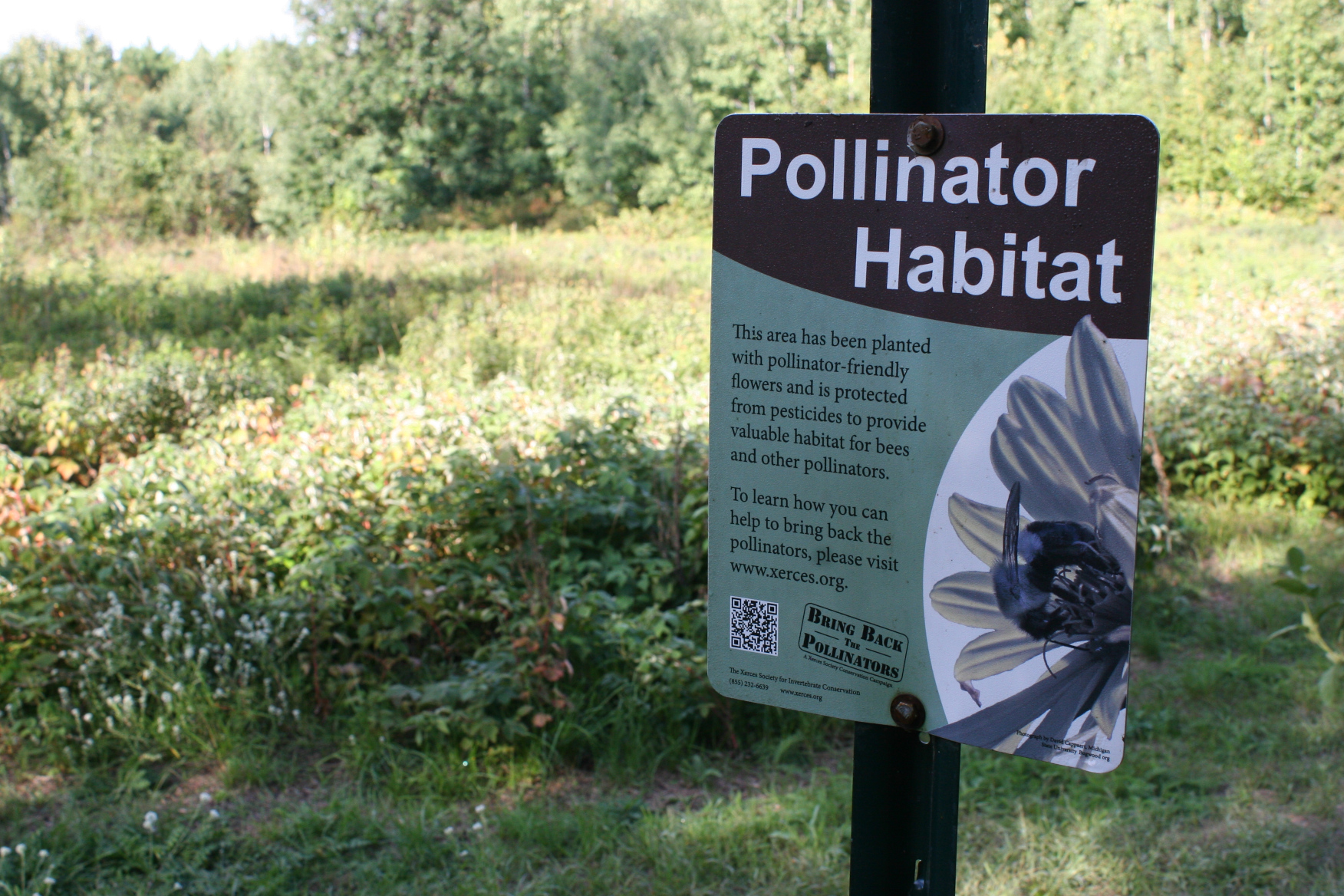
In an open spot in the woods, a pollinator garden has been started. I caught the end of the season. Minnesota Prairie Roots copyrighted photo September 2021.
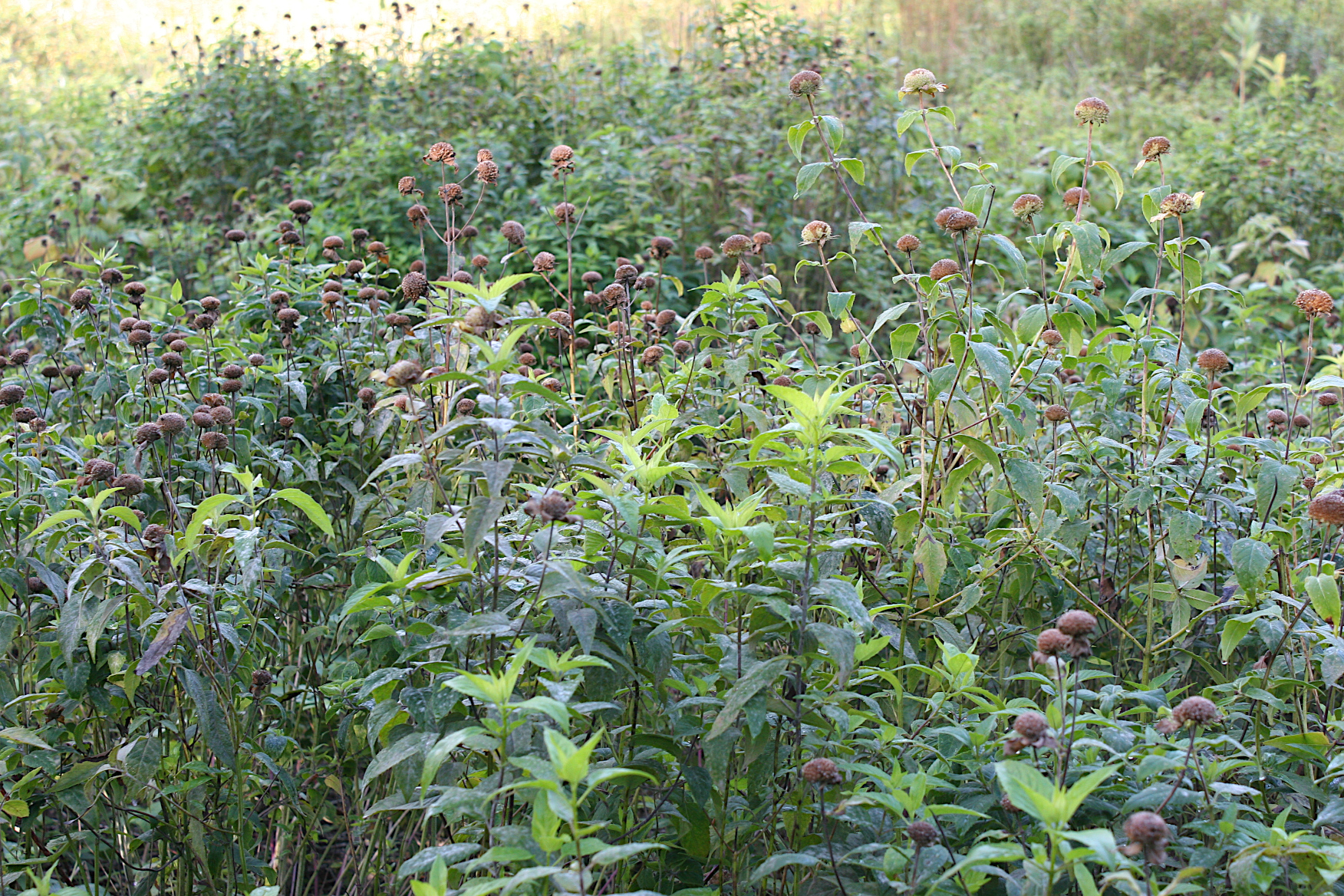
Seed heads in the pollinator garden. Minnesota Prairie Roots copyrighted photo September 2021.
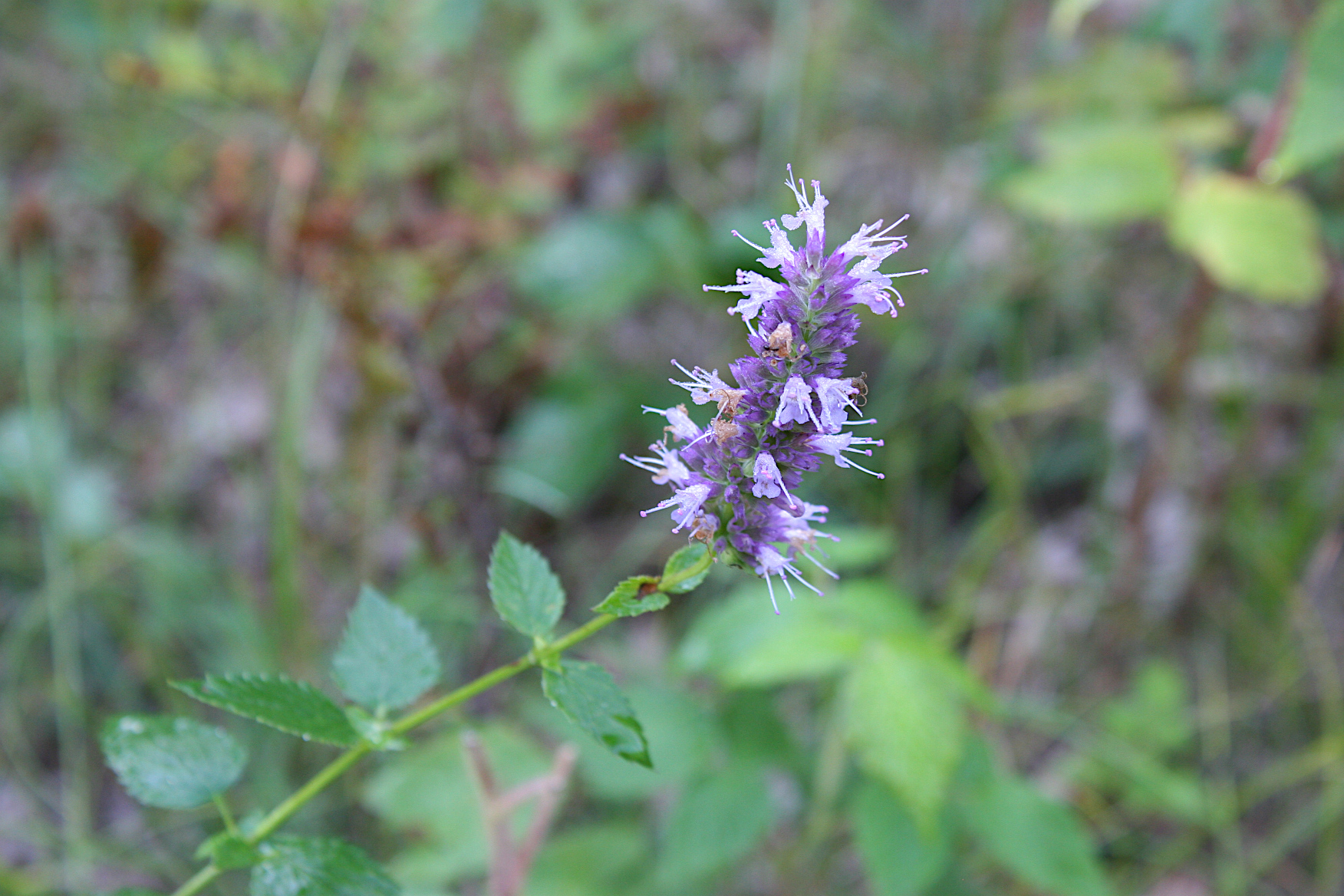
I spotted a few wildflowers still blooming along trails. Minnesota Prairie Roots copyrighted photo September 2021.
Once, while detouring along a mowed grass path to a pollinator garden, I also stopped to examine a pile of dung. It glistened in the sun, indicating freshness to my untrained non-expert eyes. The sheer volume of excrement led me to wonder…bear? Later, when I shared this with my brother-in-law who is especially knowledgeable about the outdoors, I determined this likely was not bear scat given the lack of acorns and other such matter in the pile. That said, bears (yes, plural) have been sighted in the area, according to the brother-in-law and a park worker who advised to “Make yourself as big as possible and don’t run” if you encounter a black bear. Alright then. Thank you.
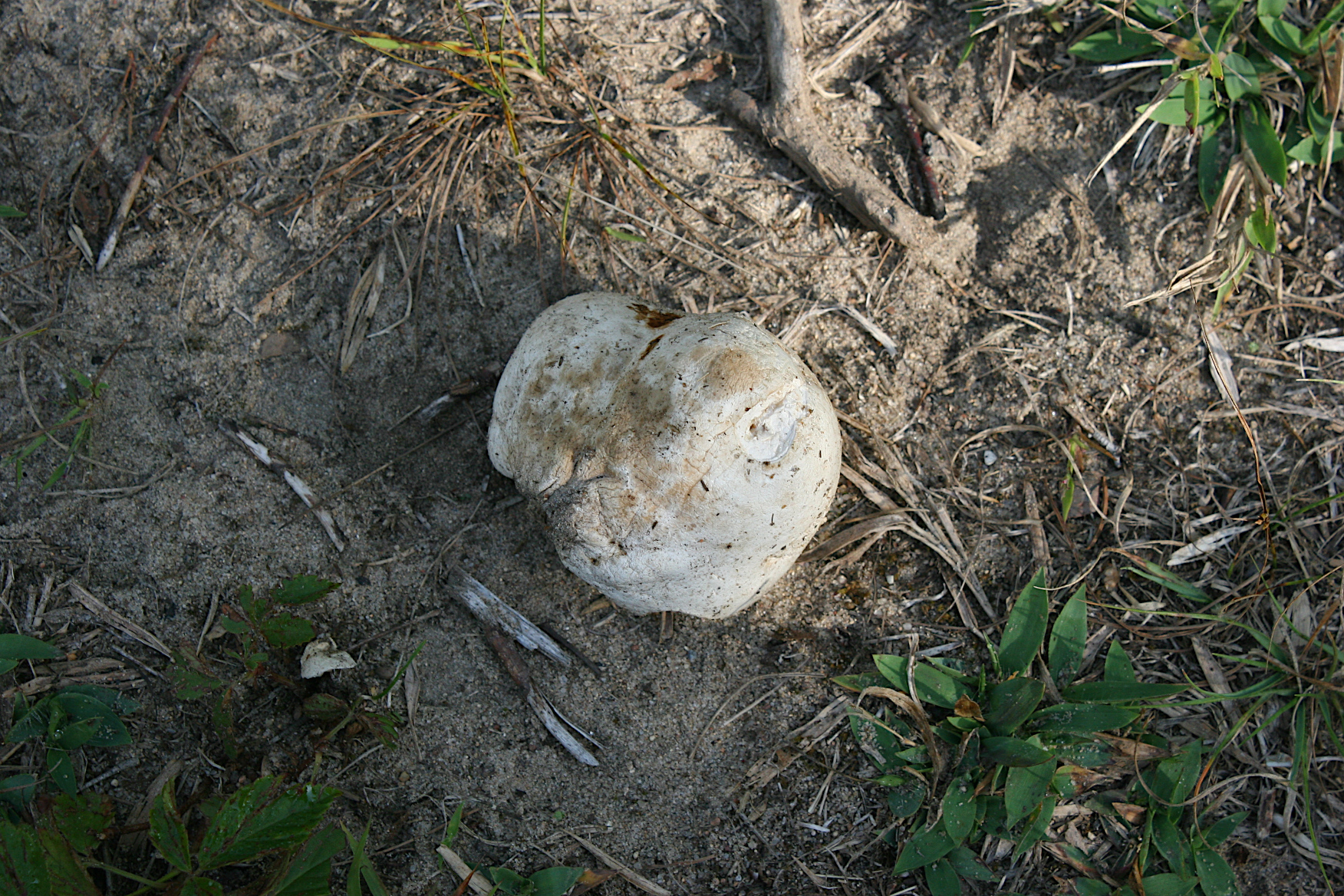
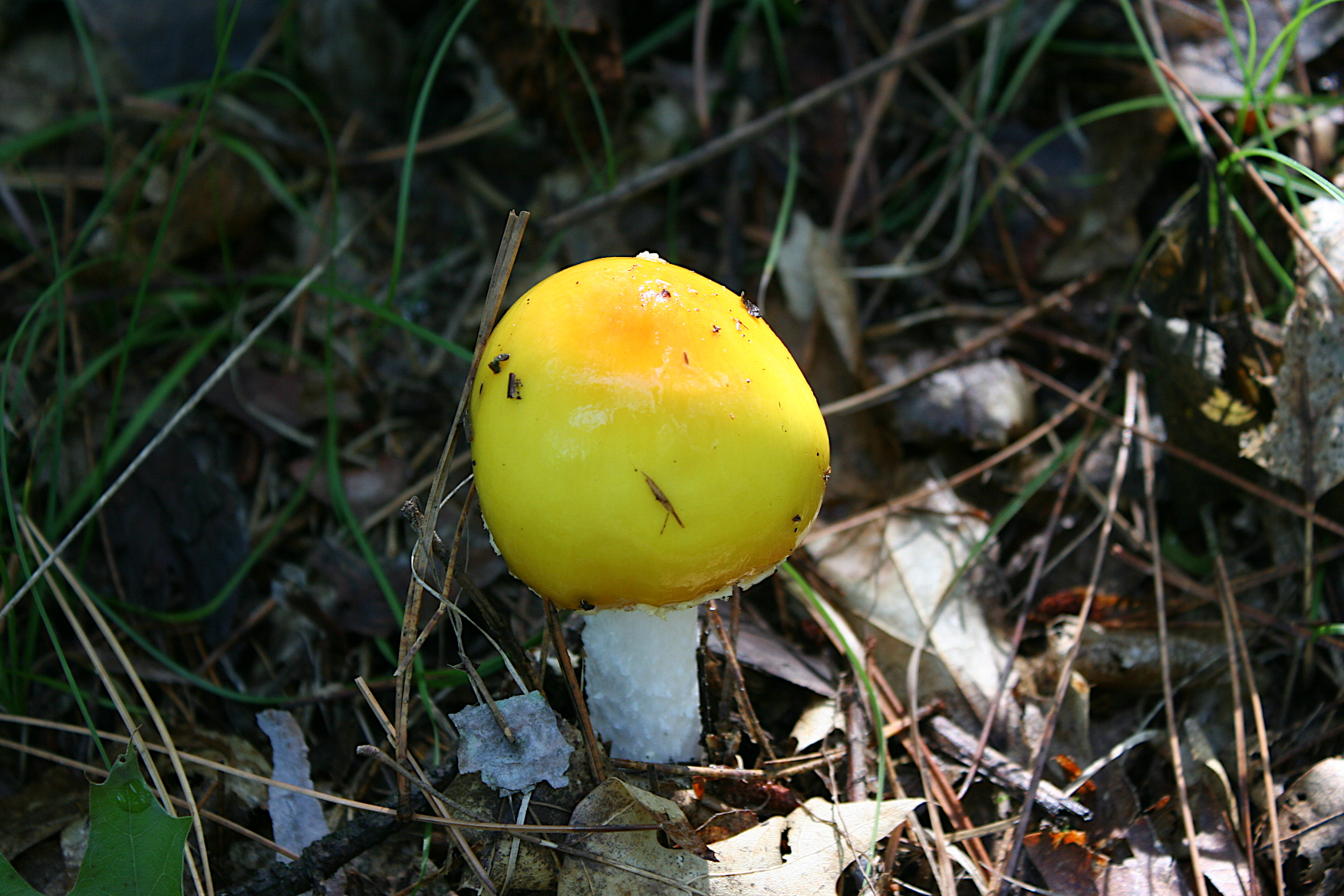
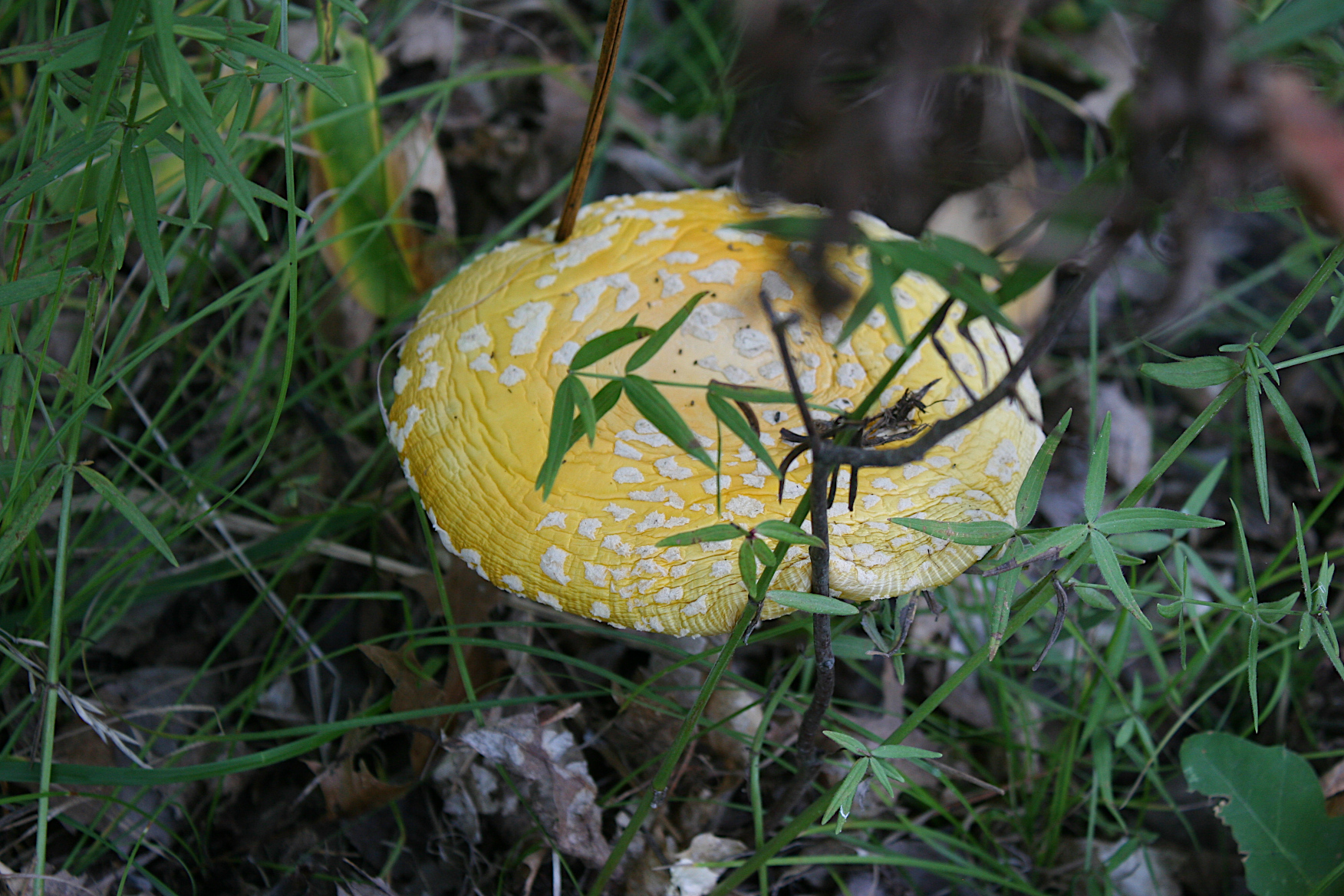
Among the colorful mushrooms I found. Minnesota Prairie Roots copyrighted photo September 2021.
Another unknown to me mushroom, nearly camouflaged. Minnesota Prairie Roots copyrighted photo September 2021.
I have never seen a mushroom in this vibrant hue. Minnesota Prairie Roots copyrighted photo September 2021.
As long as he was parceling out advice, I asked about the many wild mushrooms growing in the park. That, he said, was not within his realm of knowledge. Nor is it in mine. So I admired the fungi, in varieties and hues I’ve never seen. Ever. Anywhere. Bold yellow and orange. Stunning. Still life art.
Discovered growing on the forest floor, a large disc-shaped mushroom. Minnesota Prairie Roots copyrighted photo September 2021.
If quick research is correct, the more colorful the mushroom, the more likely it’s poisonous. Deadly. Nope, you’re not going to catch me picking mushrooms in the woods. I’ll settle for photographing them, as much as I like the taste of (store-bought) portabella mushrooms.
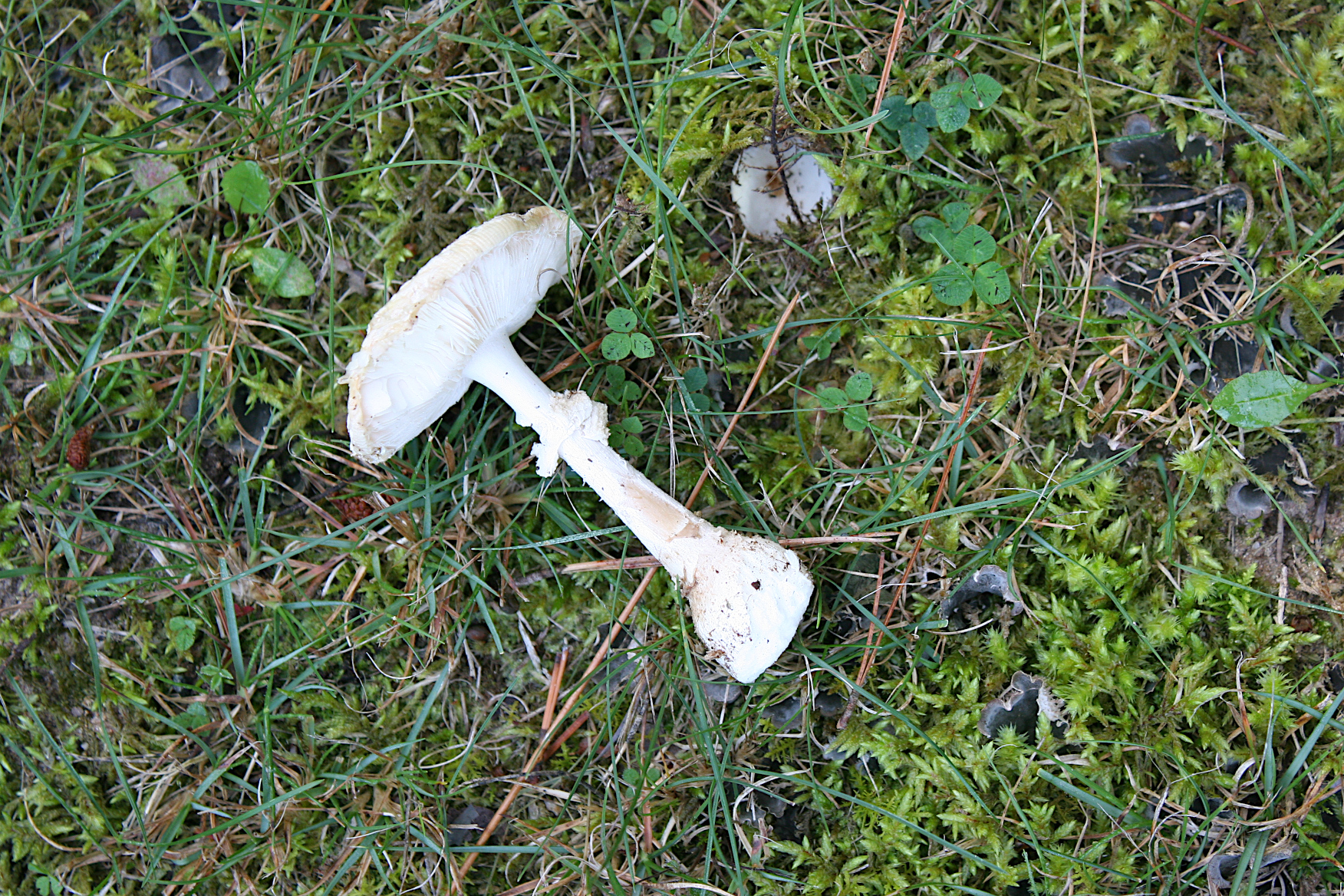
I spotted this broken off mushroom on the grass at woods’ edge. Minnesota Prairie Roots copyrighted photo September 2021.
The park employee noted, however, that a guy knowledgeable about mushrooms forages for them here.
Set among the slim jackpines, a picnic area. Minnesota Prairie Roots copyrighted photo September 2021.
If you’re not into mushroom hunting or photography or hiking, Mission Park offers plenty of other options—tennis and pickleball courts, a disc golf course, ball fields, horseshoe pits, playground, picnic shelter and much more.
Every single time we’ve hiked through this park, the motto, A QUIET PLACE TO BE, holds true. Here you can hear the quiet, even as you listen for bears.
#
PLEASE CHECK BACK for more photos from Mission Park and a post on the area’s connection to my Faribault church.
If you are familiar with mushrooms, feel free to educate me on those I photographed.
A jolt of color in the woods. Minnesota Prairie Roots photo June 2021.
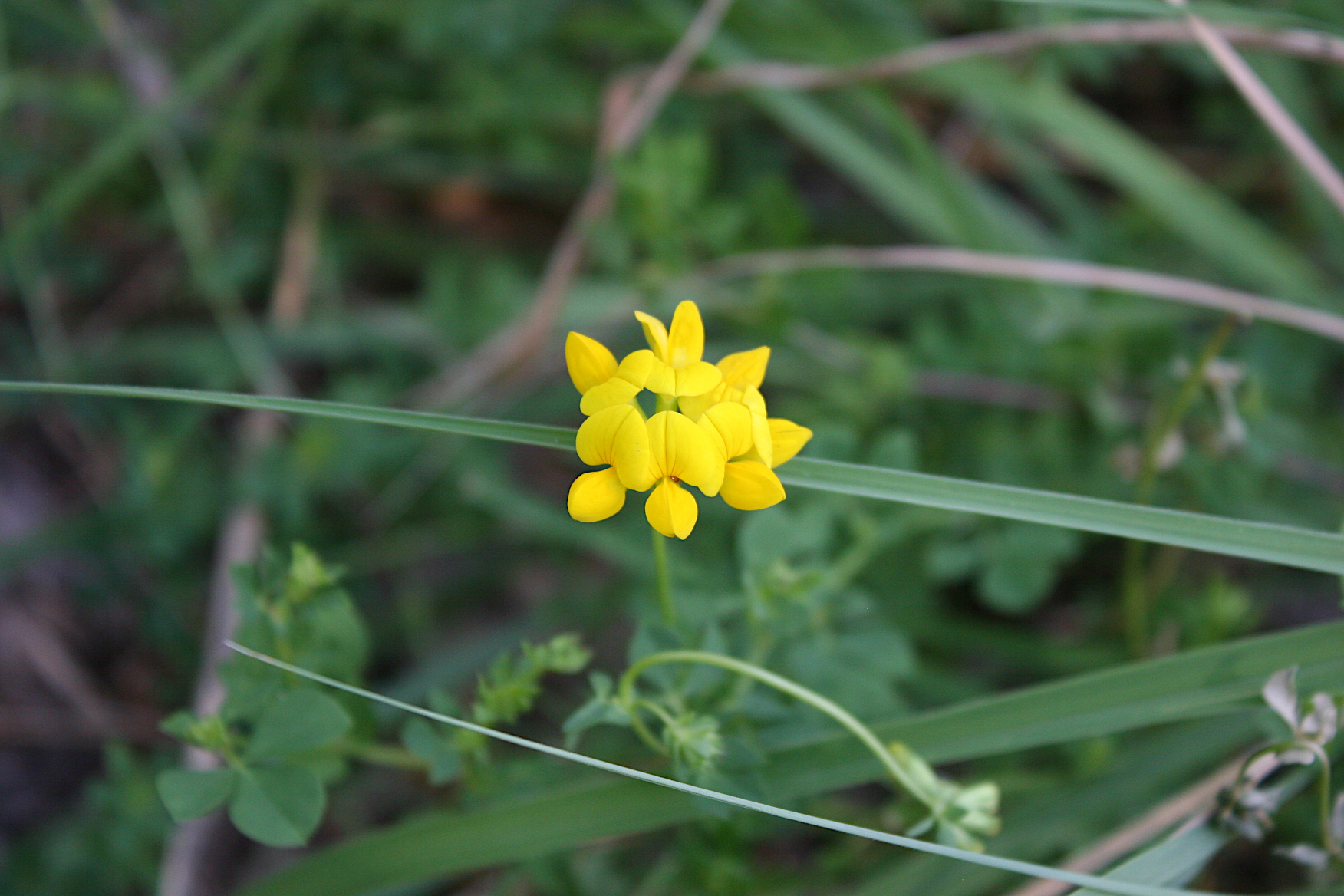
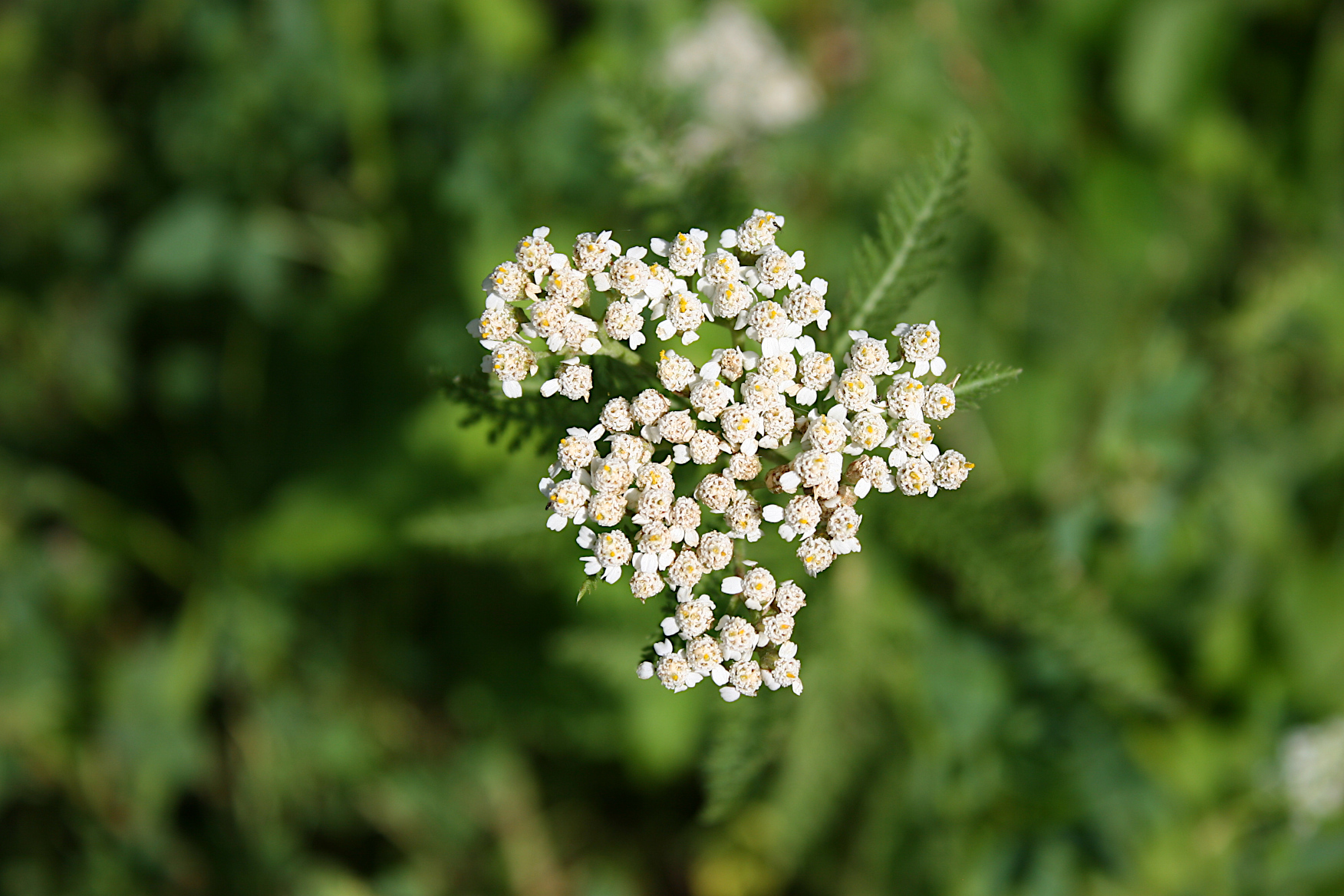
Lacey flowers. Minnesota Prairie Roots photo June 2021.
I usually carry my camera while at River Bend. That causes me to really notice my surroundings. This most recent visit, I spotted an abundance of wildflowers. From woods to prairie, flowers thrive in the summer heat.
Minnesota Prairie Roots photo June 2021.
A plaque on a bench reminds hikers to take time to smell the flowers, although I didn’t dip my nose into any blossoms. Rather, I appreciated the simple beauty of color splashed in the otherwise green woods.
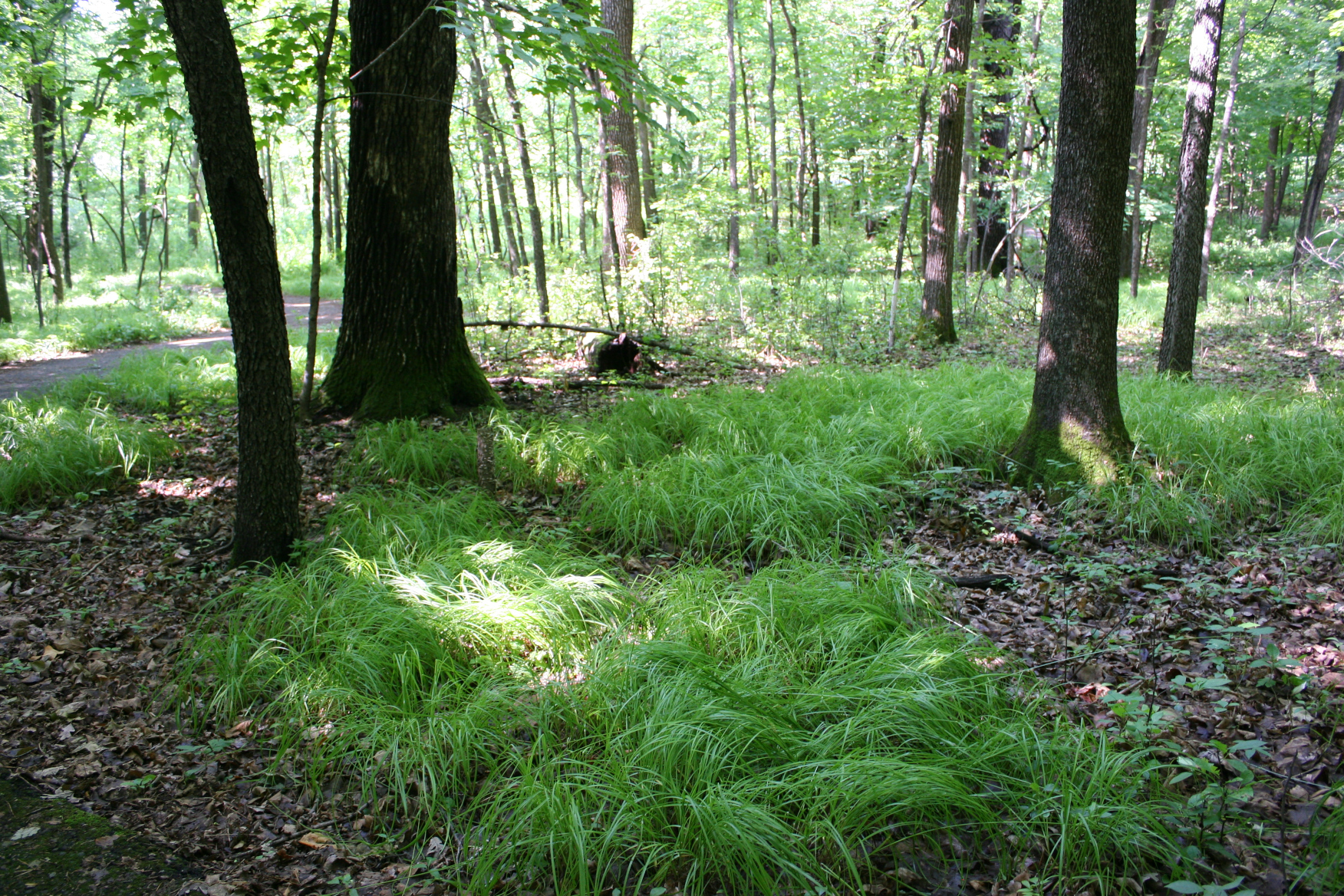
On the way to the Turtle Pond, I spotted this interesting grass. Minnesota Prairie Roots photo June 2021.
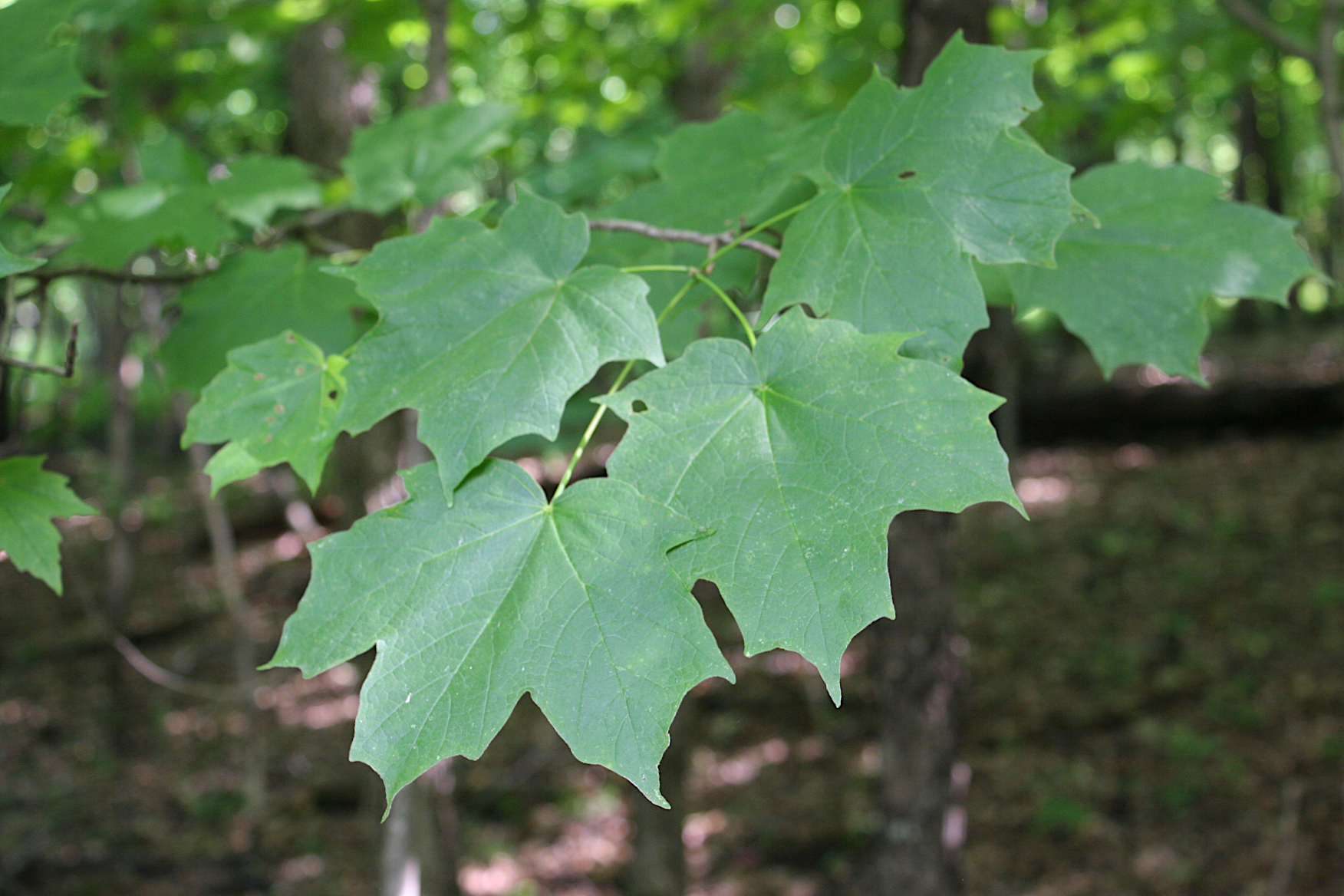
Maple leaves. Minnesota Prairie Roots photo June 2021.
Minnesota Prairie Roots photo June 2021.
Even the greenery holds visual appeal in the rolling droop of grass, the lace of maple leaves, the woods that hug trails.
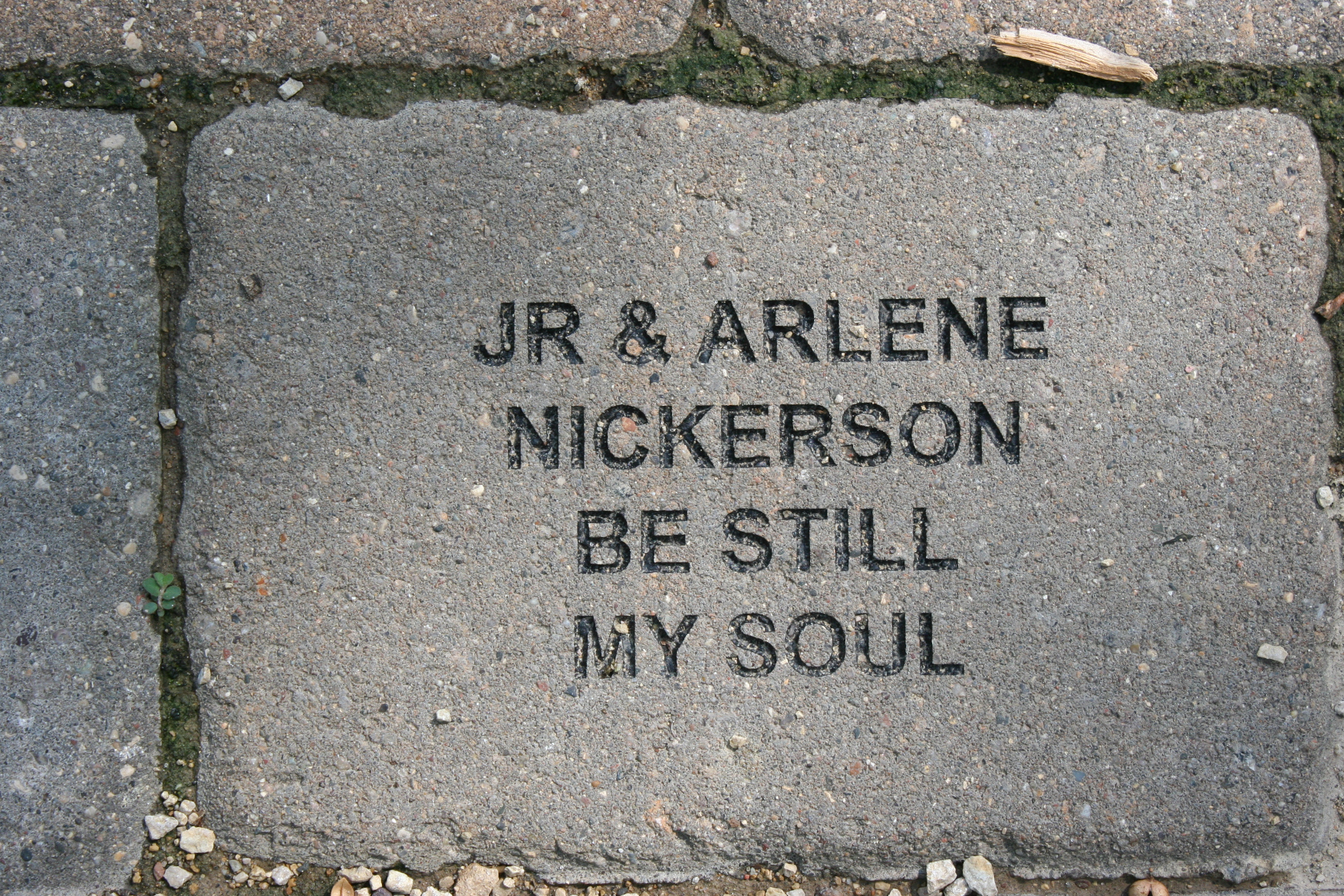
This paver in honor of my friend’s parents reminds me of Psalm 46:10. Minnesota Prairie Roots photo June 2021.
Messages on pavers at Honor Point, overlooking the Straight River, inspire. Be still. Pause. Appreciate.
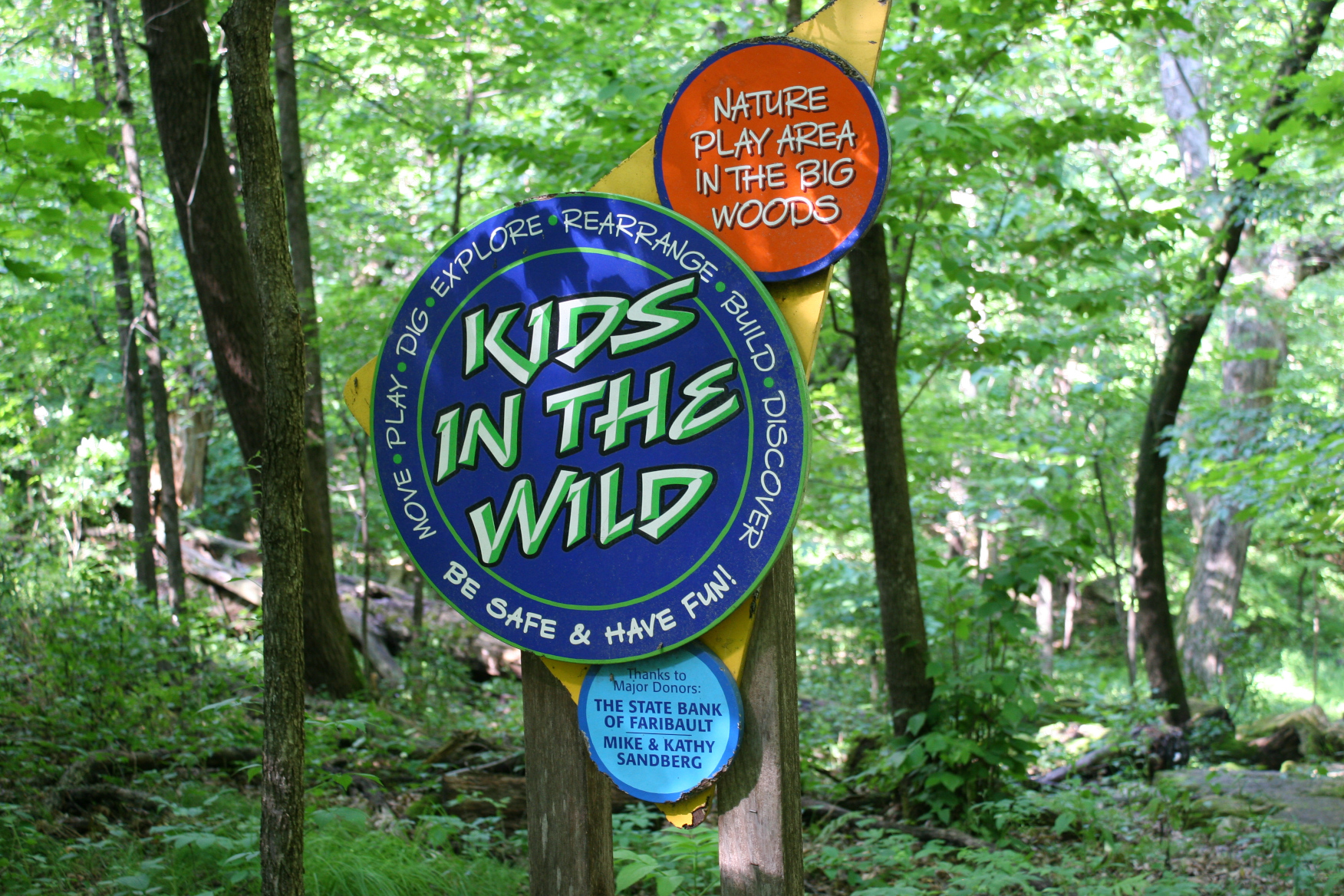
River Bend features a natural play space for kids in the woods. Minnesota Prairie Roots photo June 2021.
There’s something to be said for being still. Simply being. Listening. Connecting to the earth. Perhaps remembering how you felt as a child, exploring.
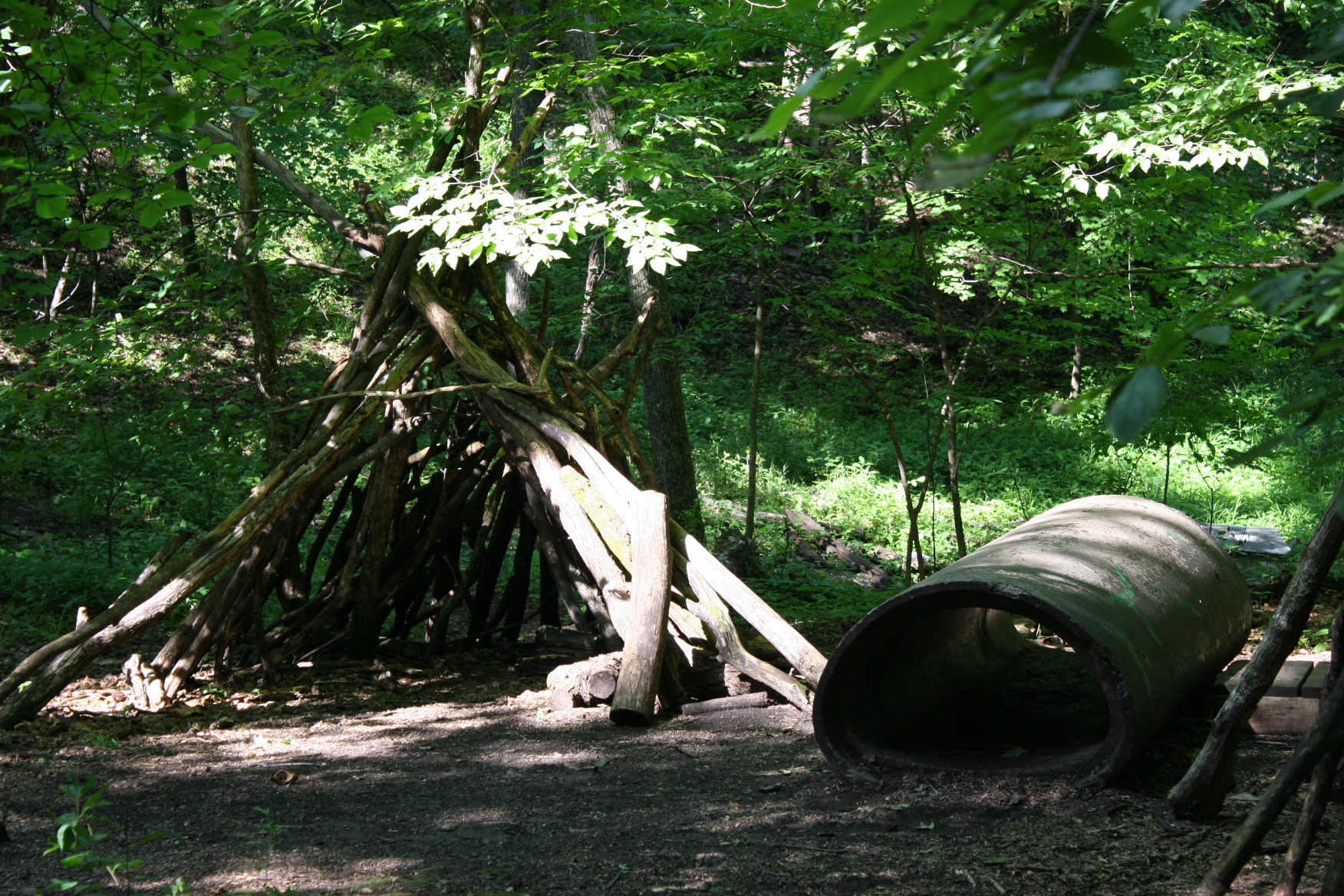
A fort and “tunnel” in the kids’ play area. Minnesota Prairie Roots photo June 2021.
In my youth, I “lived” outdoors, coming indoors only to eat and to sleep. With my siblings, we built forts in the grove, rode our bikes along dirt trails, hid in prairie grasses higher than us.
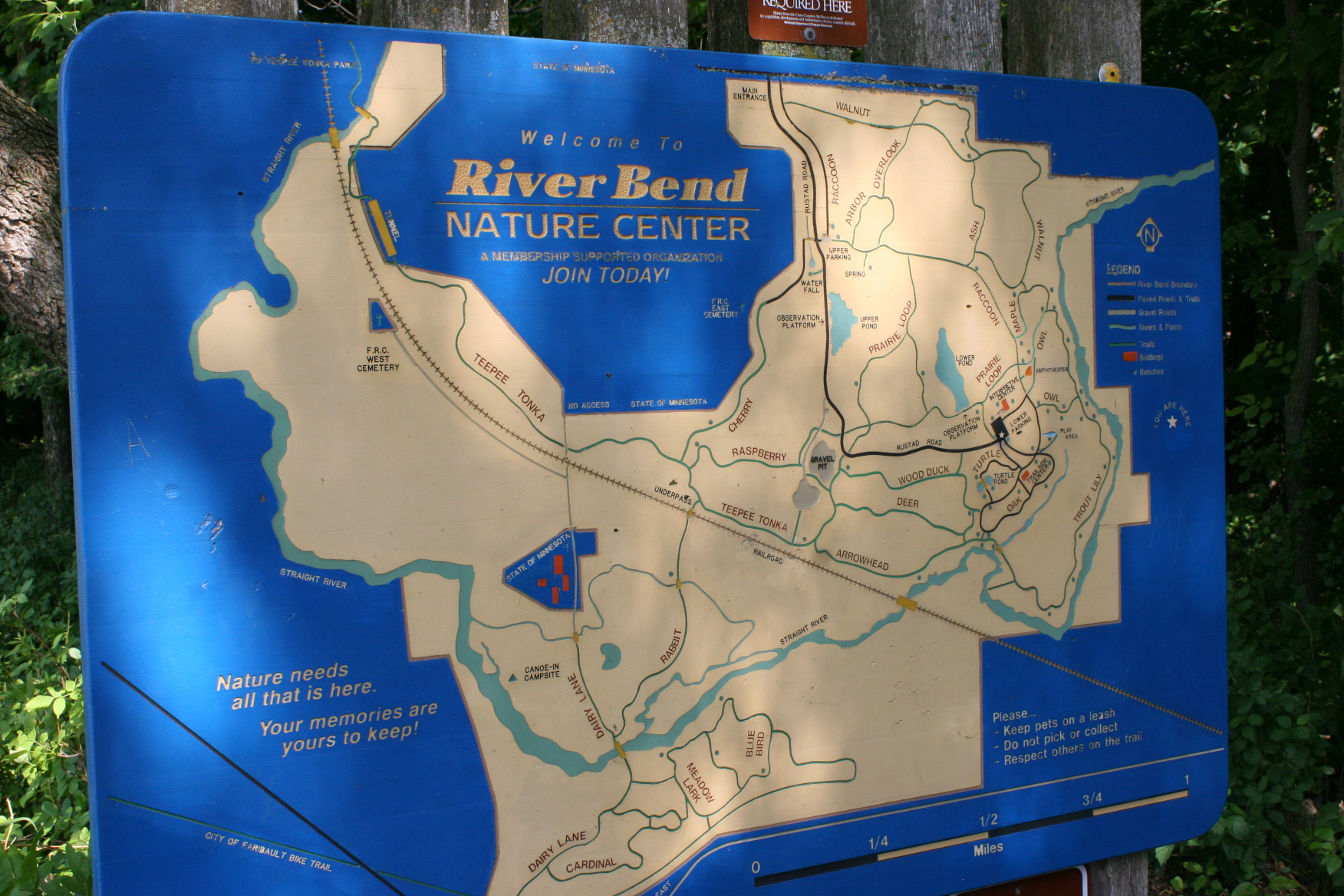
At the edge of the woods, a map details River Bend. Minnesota Prairie Roots photo June 2021.
I took time. Time to play in nature. To become part of it. To imagine. When I hike at River Bend, I reclaim that childhood joy.
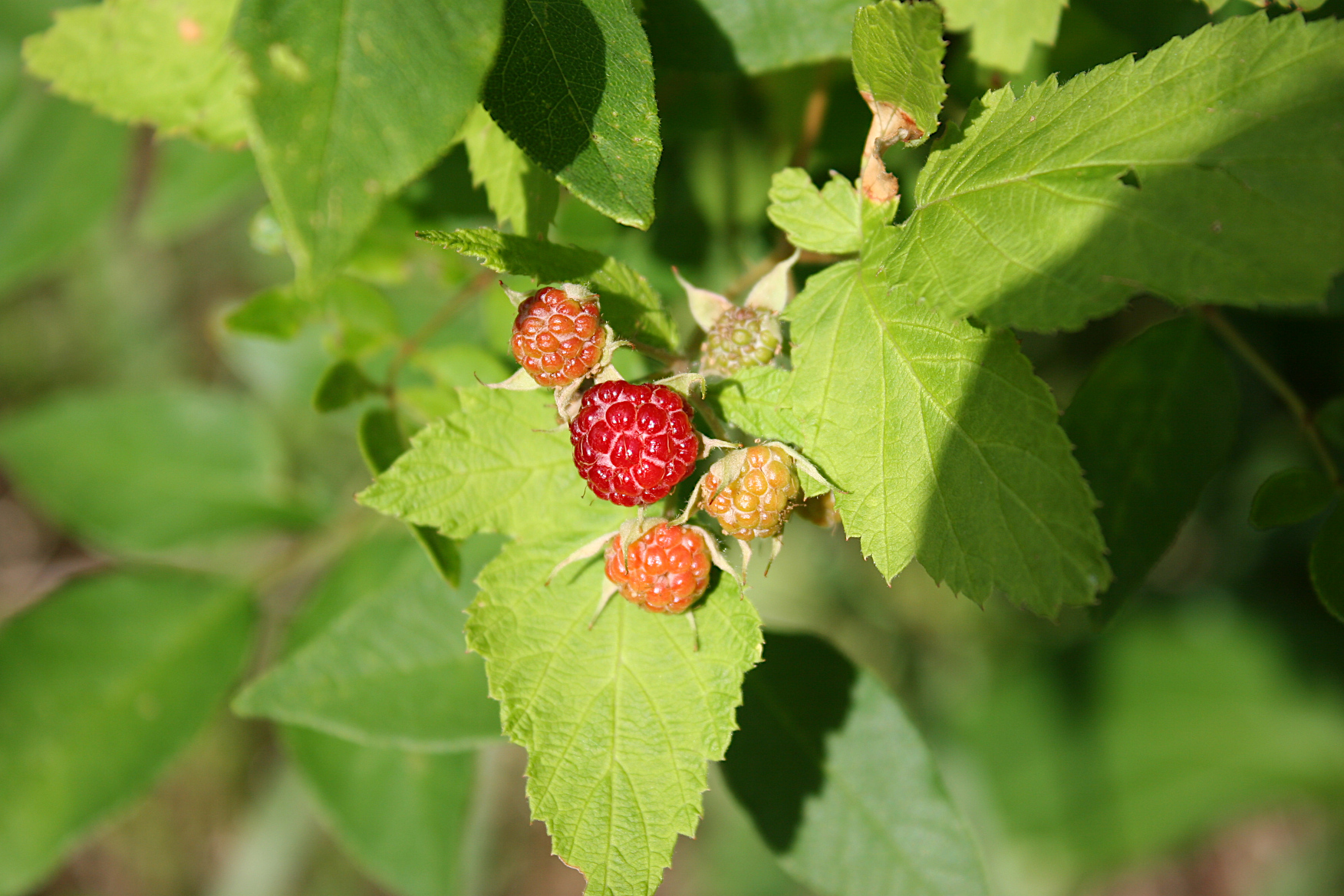
Wild raspberries edge the woods near the prairie. Minnesota Prairie Roots photo June2021.
I savor the moments. The sights. The tastes. The scents. The sounds. All that which defines the natural world.
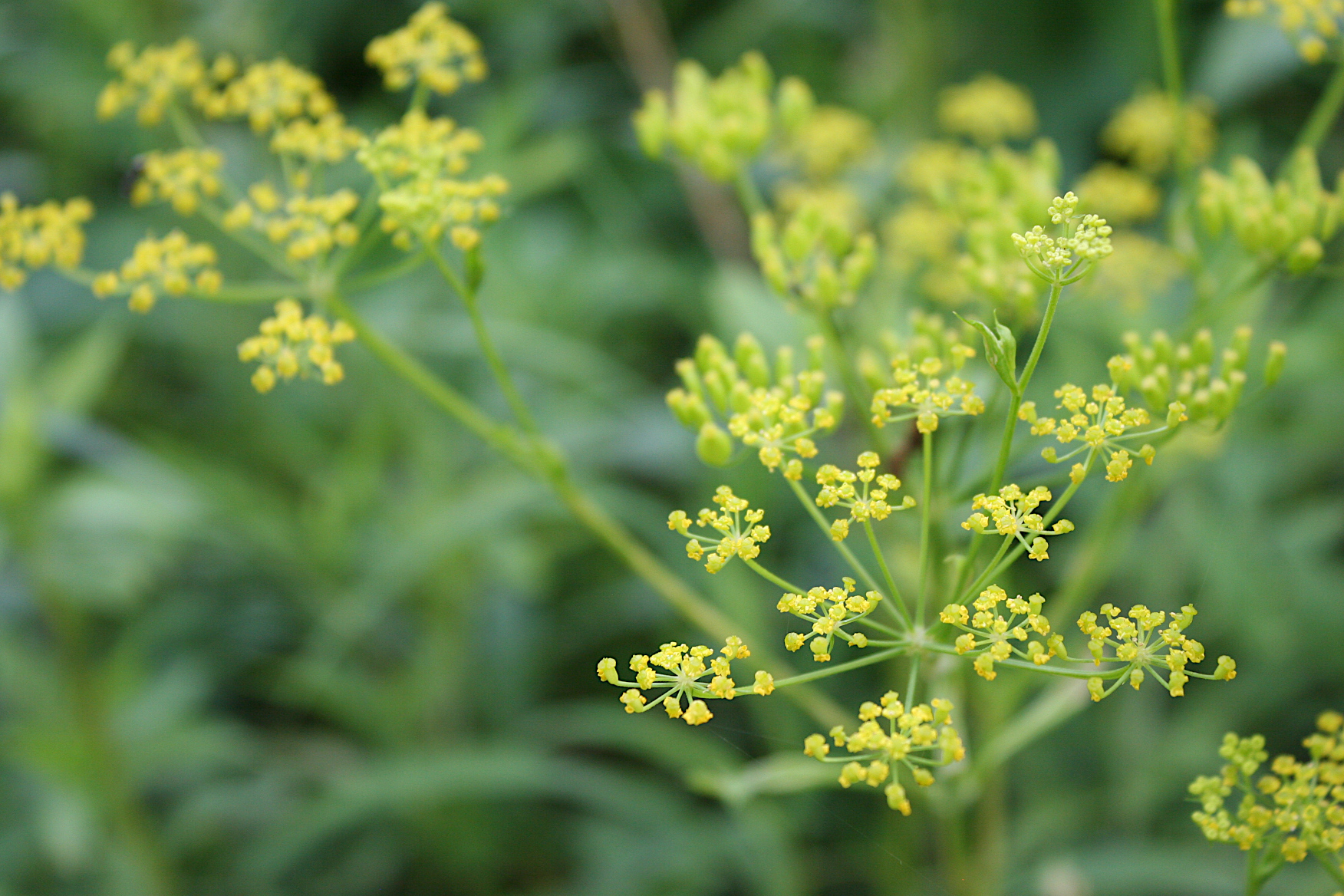
To be avoided: wild parsnip. Minnesota Prairie Roots photo June 2021.
WARNING: Stay away from this plant, wild parsnip. It looks a lot like dill and is growing alongside trails. Wild parsnip will burn your skin. Do NOT touch it.
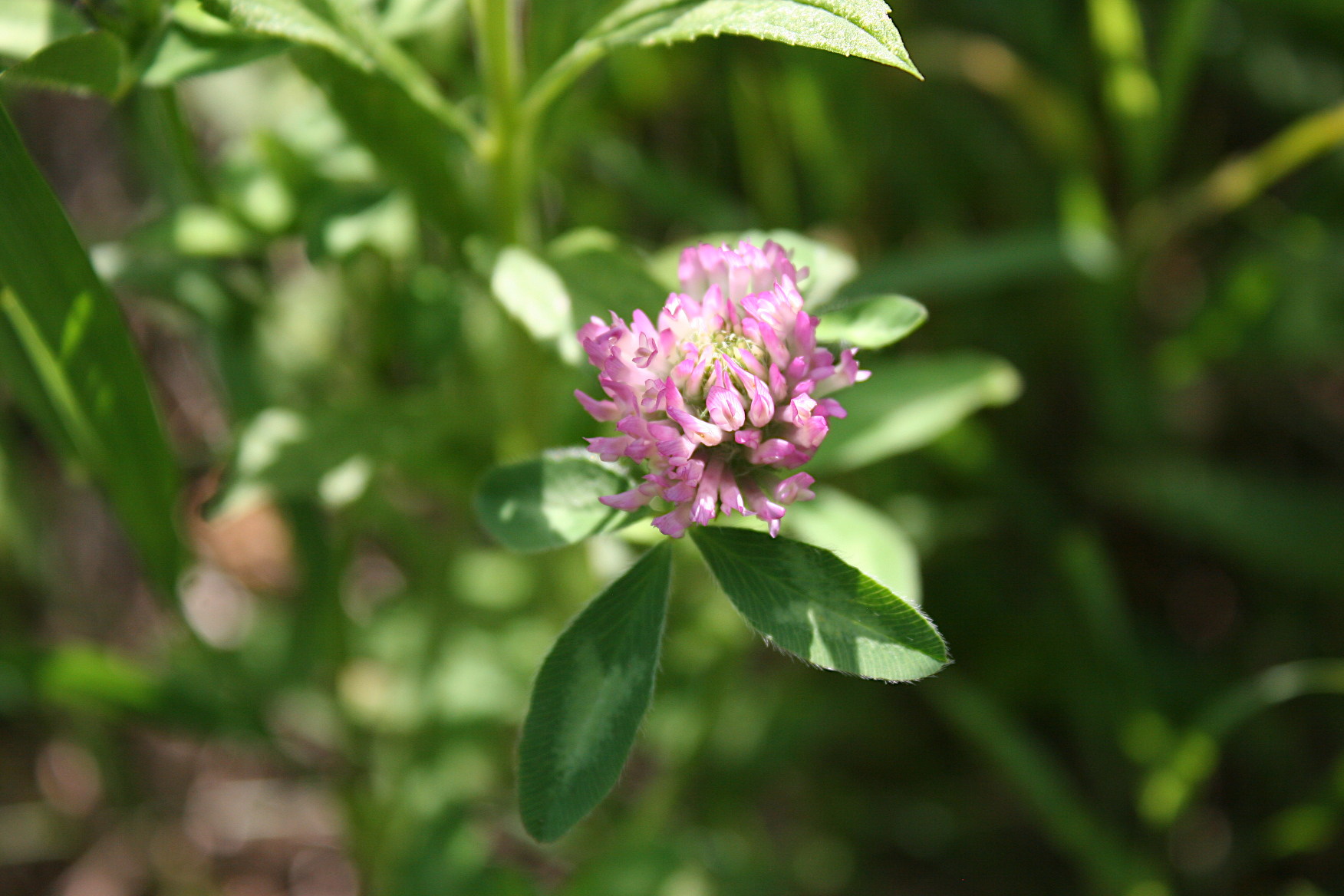
Clover grows in sun dappled spots in the woods by the prairie. Minnesota Prairie Roots photo June 2021.
PLEASE CHECK BACK for more photo rich posts from my recent visit to River Bend. Next, I’ll take you into the prairie.
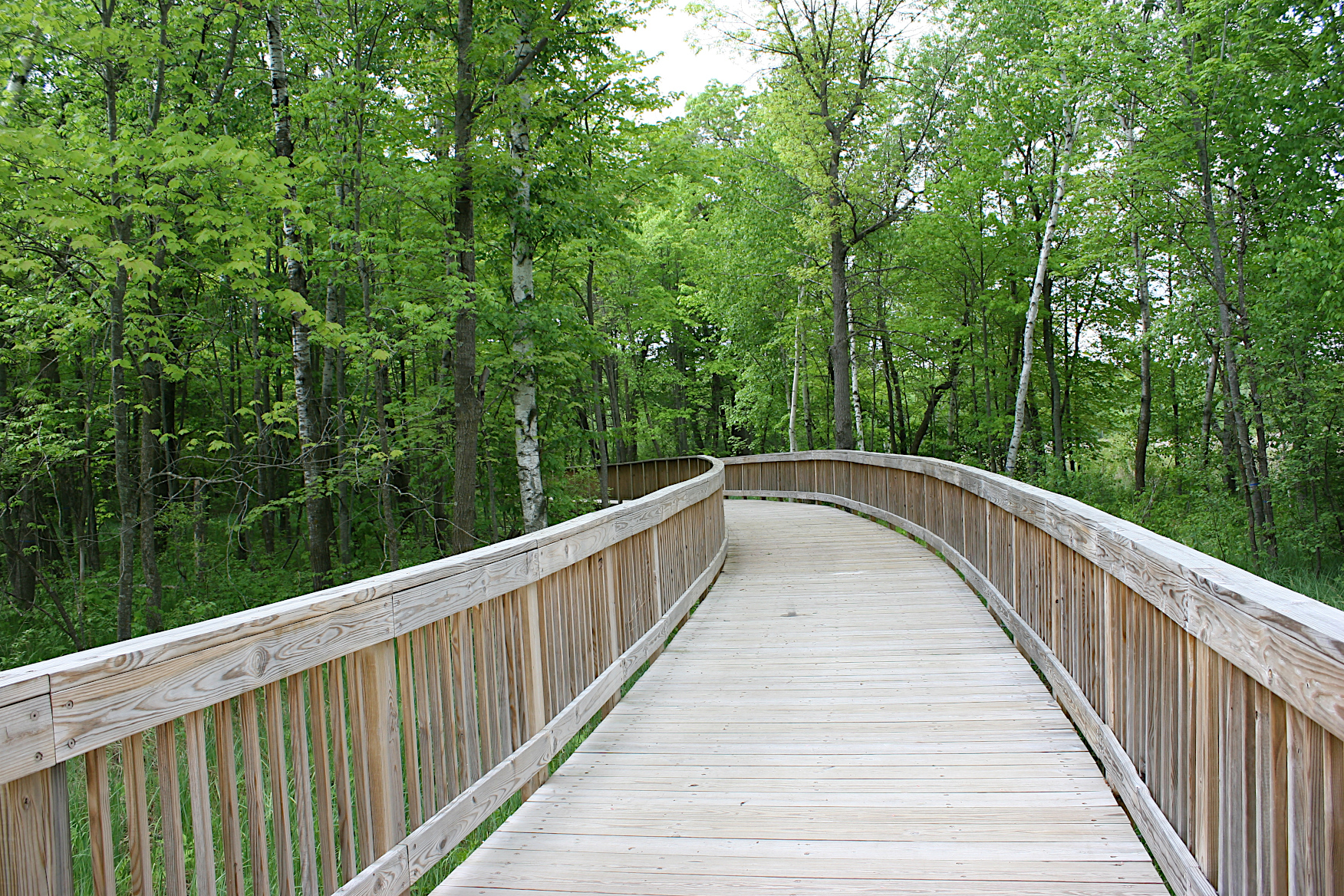
Into the woods via a boardwalk at Grams Regional Park, Zimmerman, Minnesota. Minnesota Prairie Roots copyrighted photo May 2021.
AFTER MULTIPLE VISITS to Grams Regional Park, Randy and I feel comfortably familiar with this 100-plus acre natural area. The Sherburne County park in Zimmerman has become a lunch-time stopping point on our way to a family lake cabin south of Crosslake.
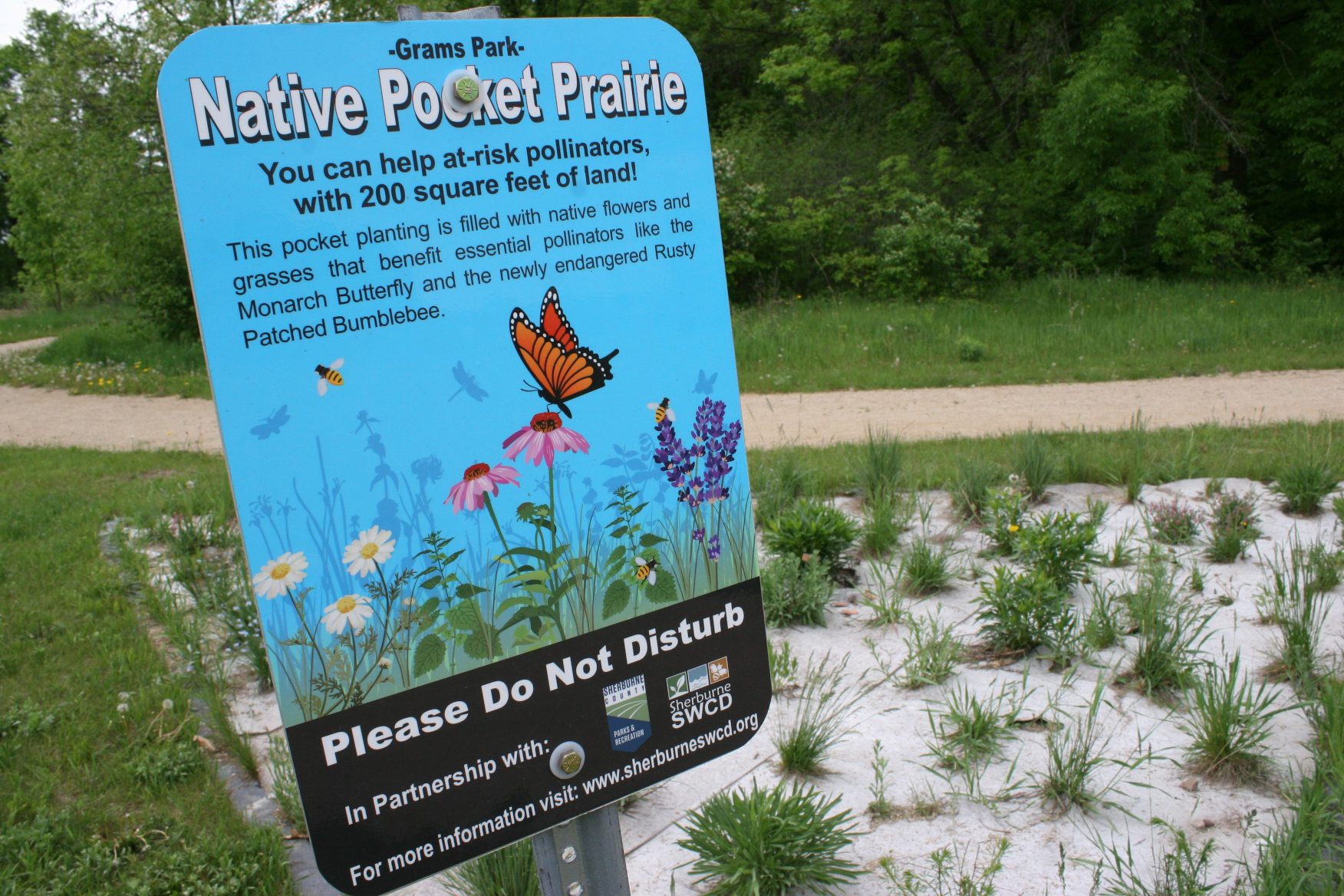
Flowers bloom in a Native Pocket Prairie Garden at Grams. Minnesota Prairie Roots copyrighted photo May 2021.
We exit US Highway 169 onto county road 4, drive a short way, then turn left and snake back to the park across the road from Lake Fremont. Here, among the oaks, we eat our picnic lunch before stretching our legs.
Into the woods at Grams Park. Minnesota Prairie Roots copyrighted photo May 2021.
The park features two miles of trails and boardwalks in a diverse landscape of open natural space, oak forest, tamarack bog and wetlands.
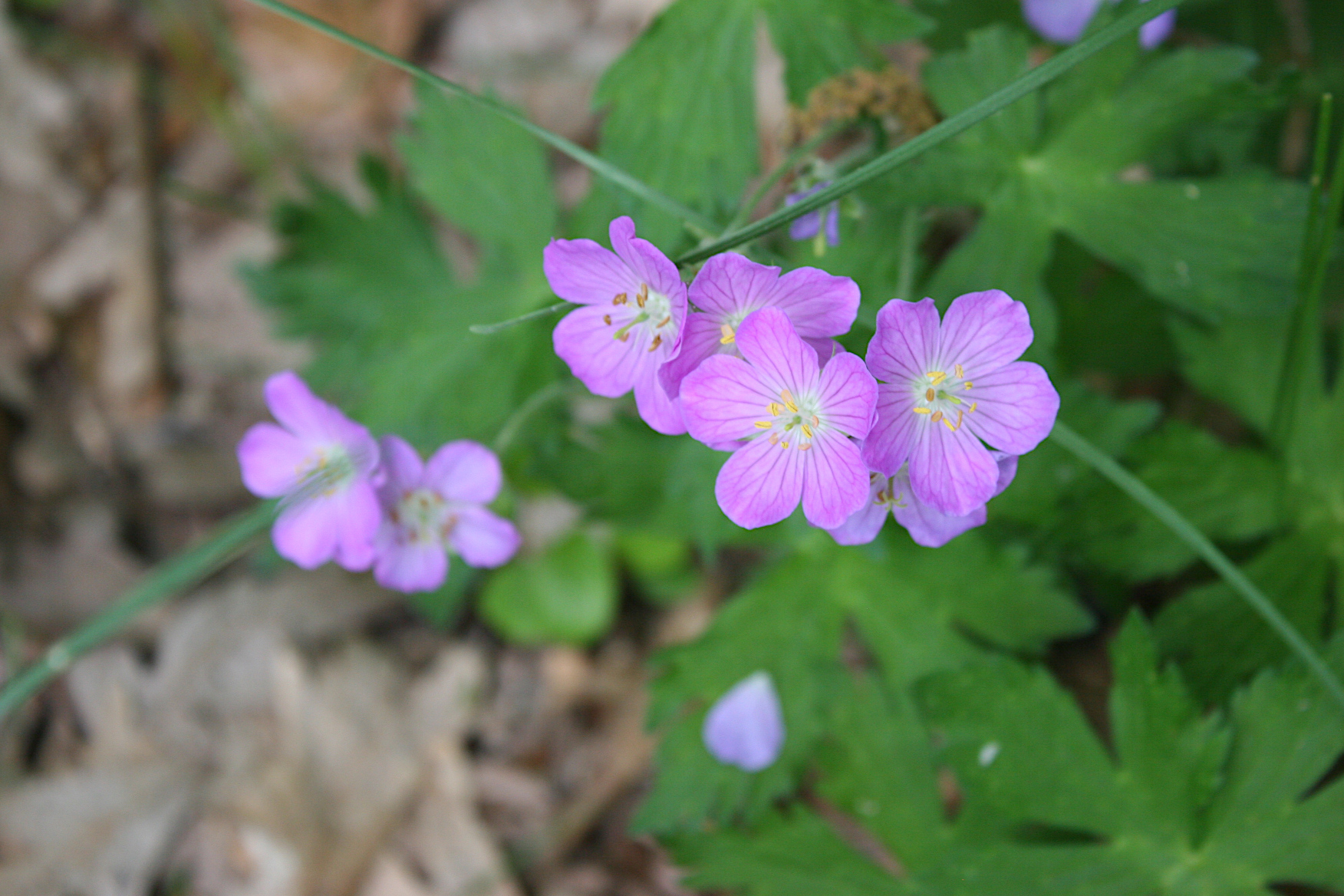
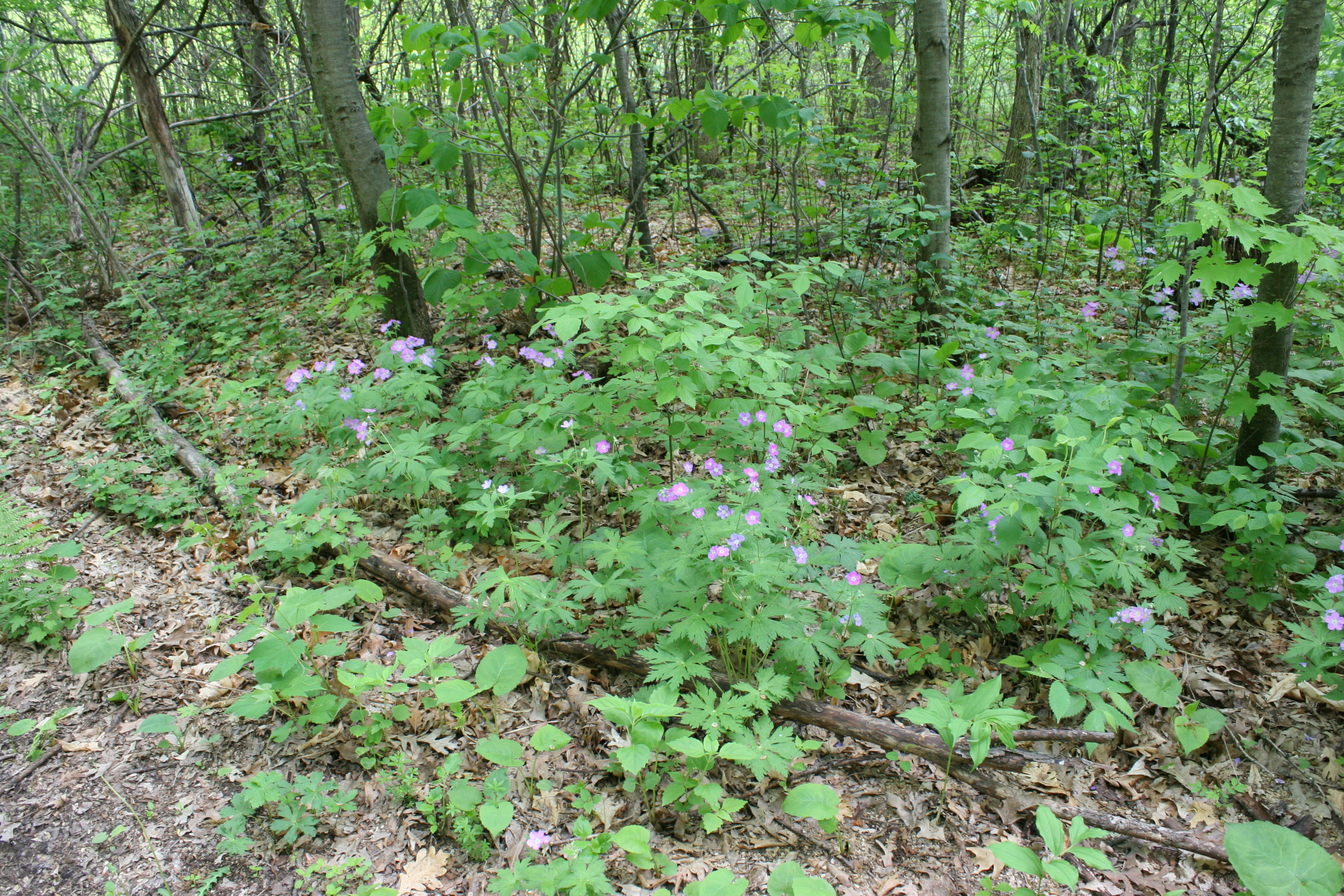
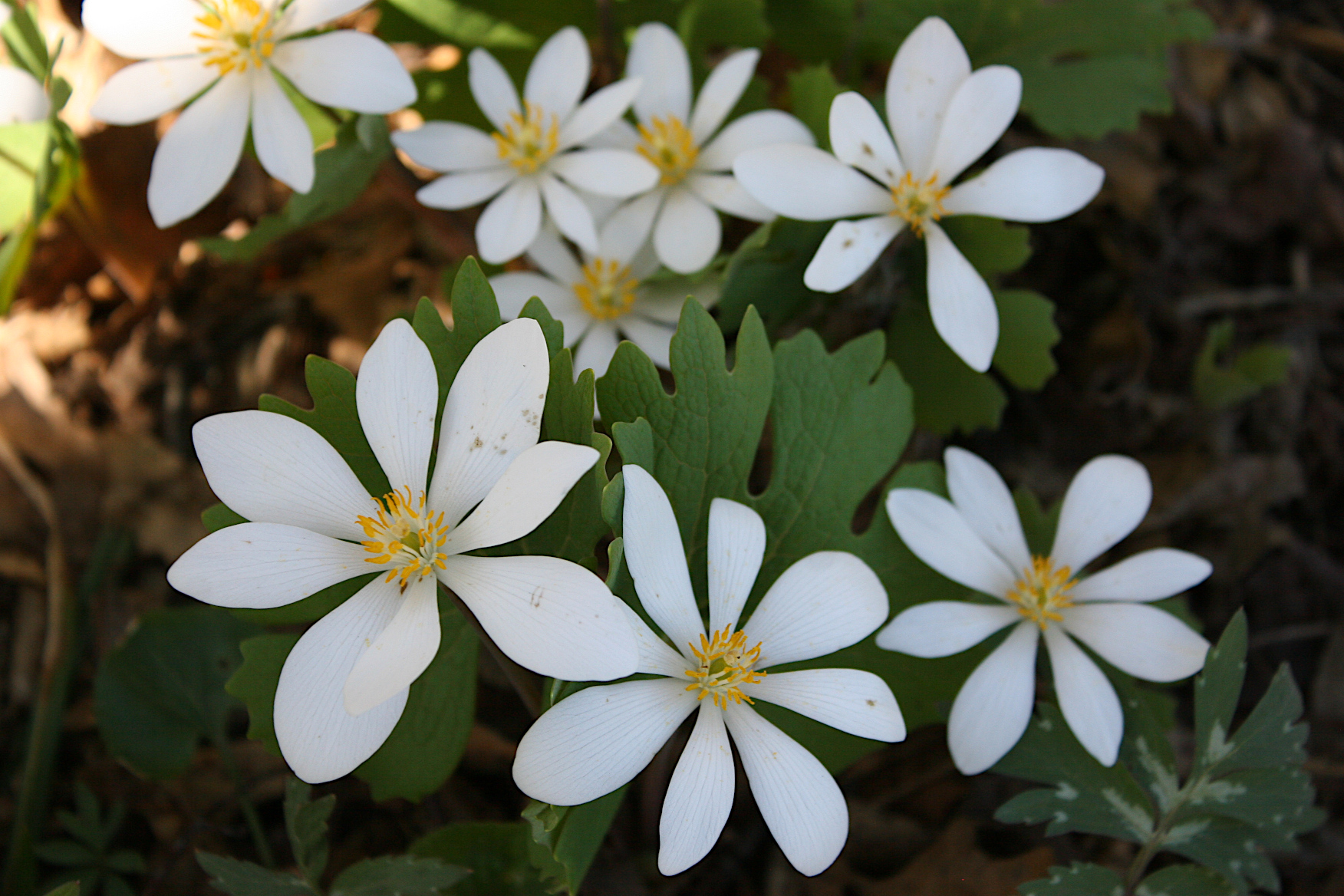
Wildflowers bloom in the woods in mid-May. Minnesota Prairie Roots copyrighted photo May 2021.
An overview of those same purple flowers. Minnesota Prairie Roots copyrighted photo May 2021.
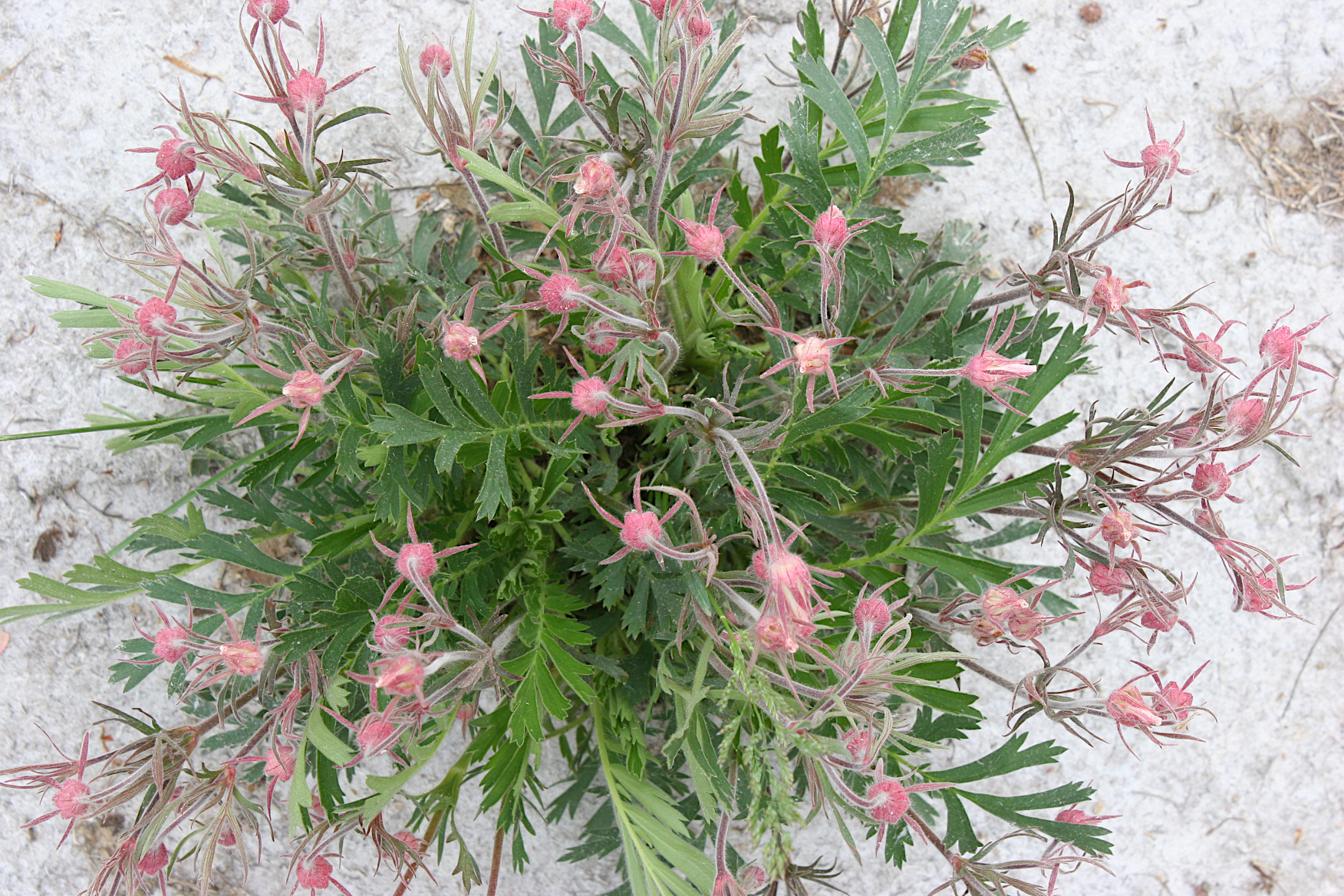
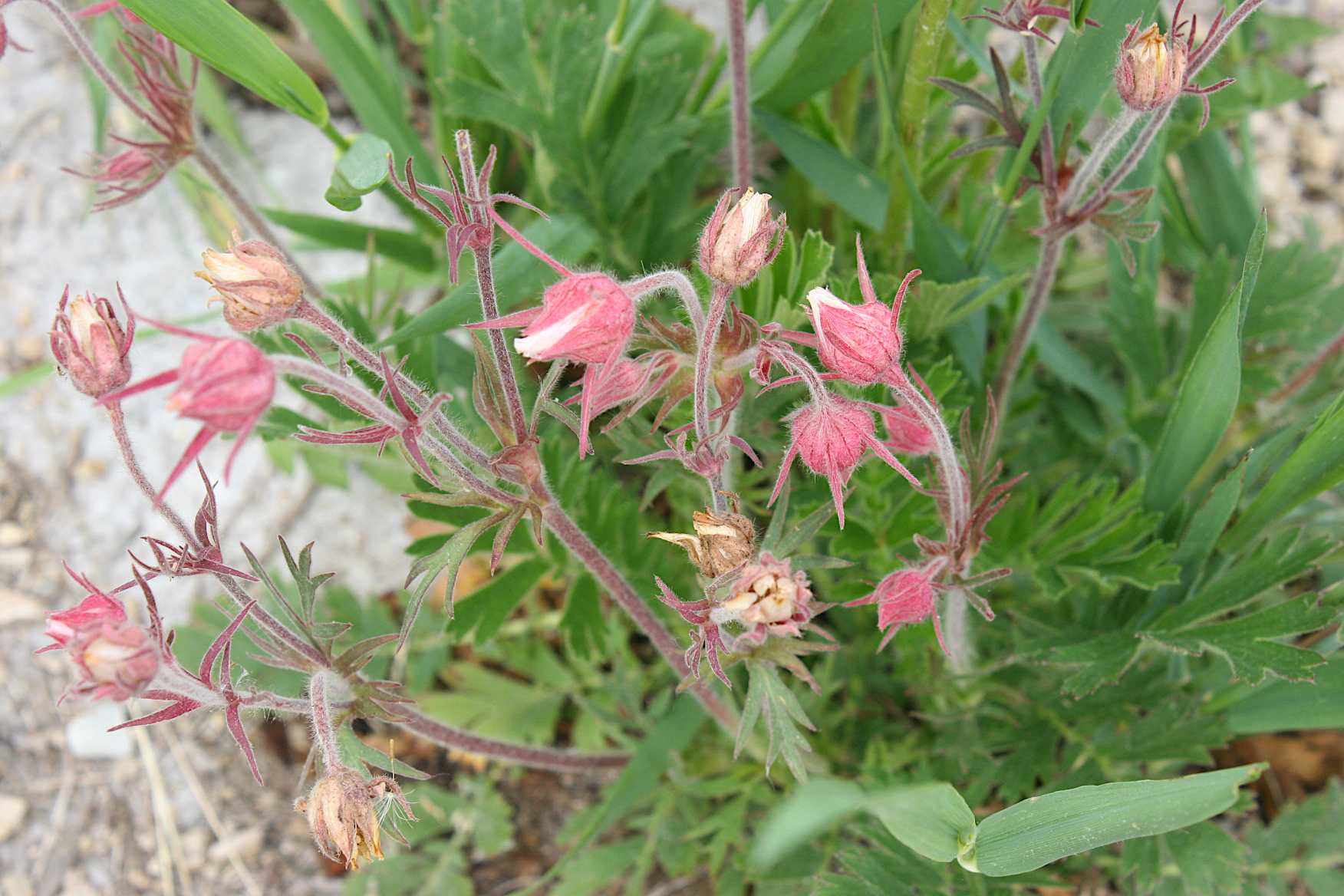
Flowering in the Native Pocket Prairie Garden. Minnesota Prairie Roots copyrighted photo May 2021.
We’ve enjoyed the wildflowers of spring, the wild raspberries of summer and the flaming hues of autumn here in this quiet natural setting.
I appreciate this aspect of the park. Minnesota Prairie Roots copyrighted photo May 2021.
Beautiful prairie flowers in the garden. Minnesota Prairie Roots copyrighted photo May 2021.
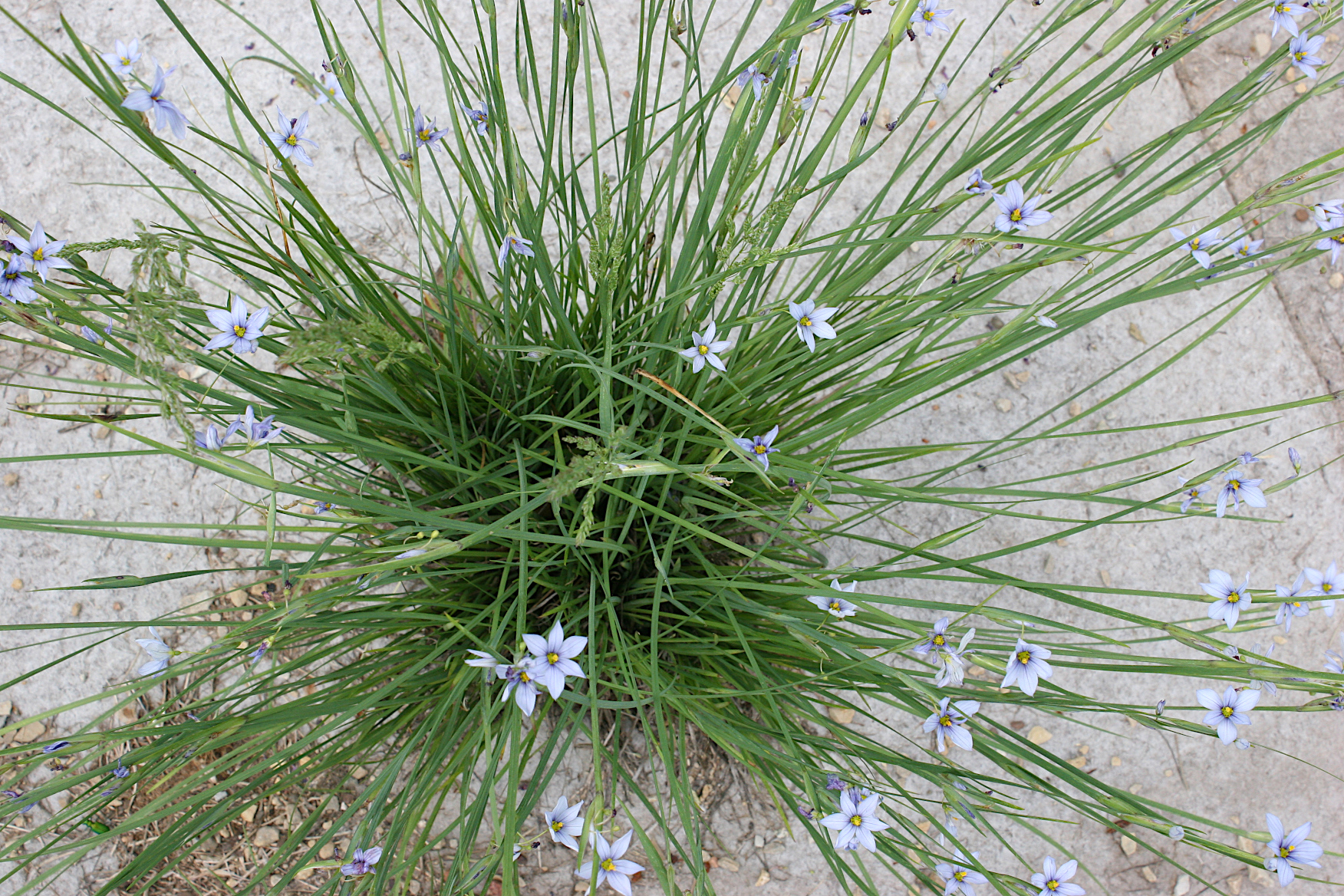
A flowering prairie grass in the prairie garden. Minnesota Prairie Roots copyrighted photo May 2021.
On our most recent stop in late May, we met a couple, Connie and Dale, lunching at the same picnic table we’d used prior to a hike through the park. It was a chance meeting which turned out to be a history lesson. Connie’s grandparents moved onto this land in 1919. She grew up here and eventually convinced her mother to sell the property to Sherburne County. The county, according to information on its website, acquired the park land from Howard and Marvel Grams in 2002.
A work in progress at Grams Park. Minnesota Prairie Roots copyrighted photo May 2021.
Spotted while walking in the park. Minnesota Prairie Roots copyrighted photo May 2021.
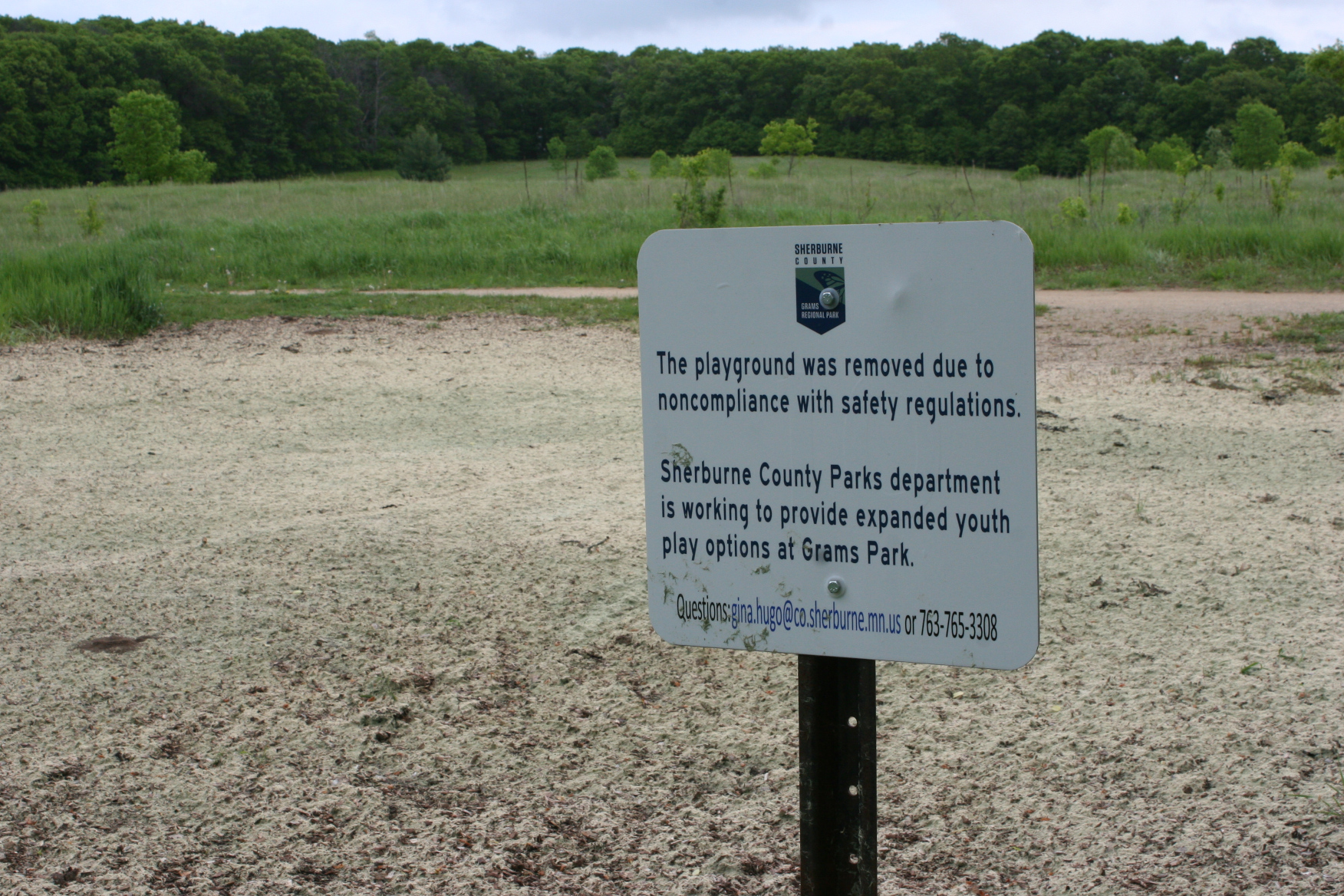
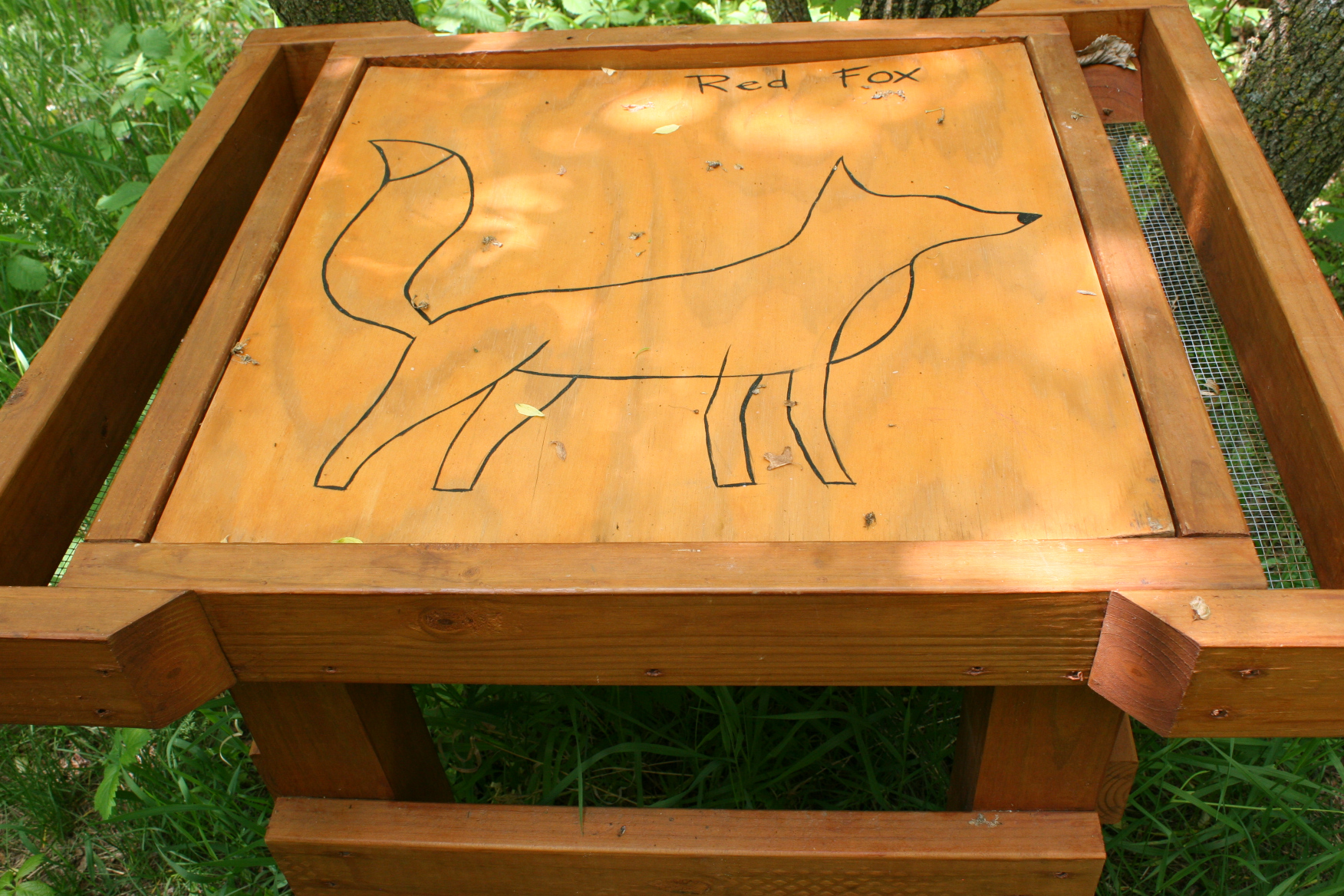
Photographed in an educational/play space for kids. Minnesota Prairie Roots copyrighted photo May 2021.
Had the property not been sold to the county, it would have become a housing development, Connie said. I could hear her gratitude that the Grams family legacy is one of a park and not of houses. I shared how much we enjoy this natural space.
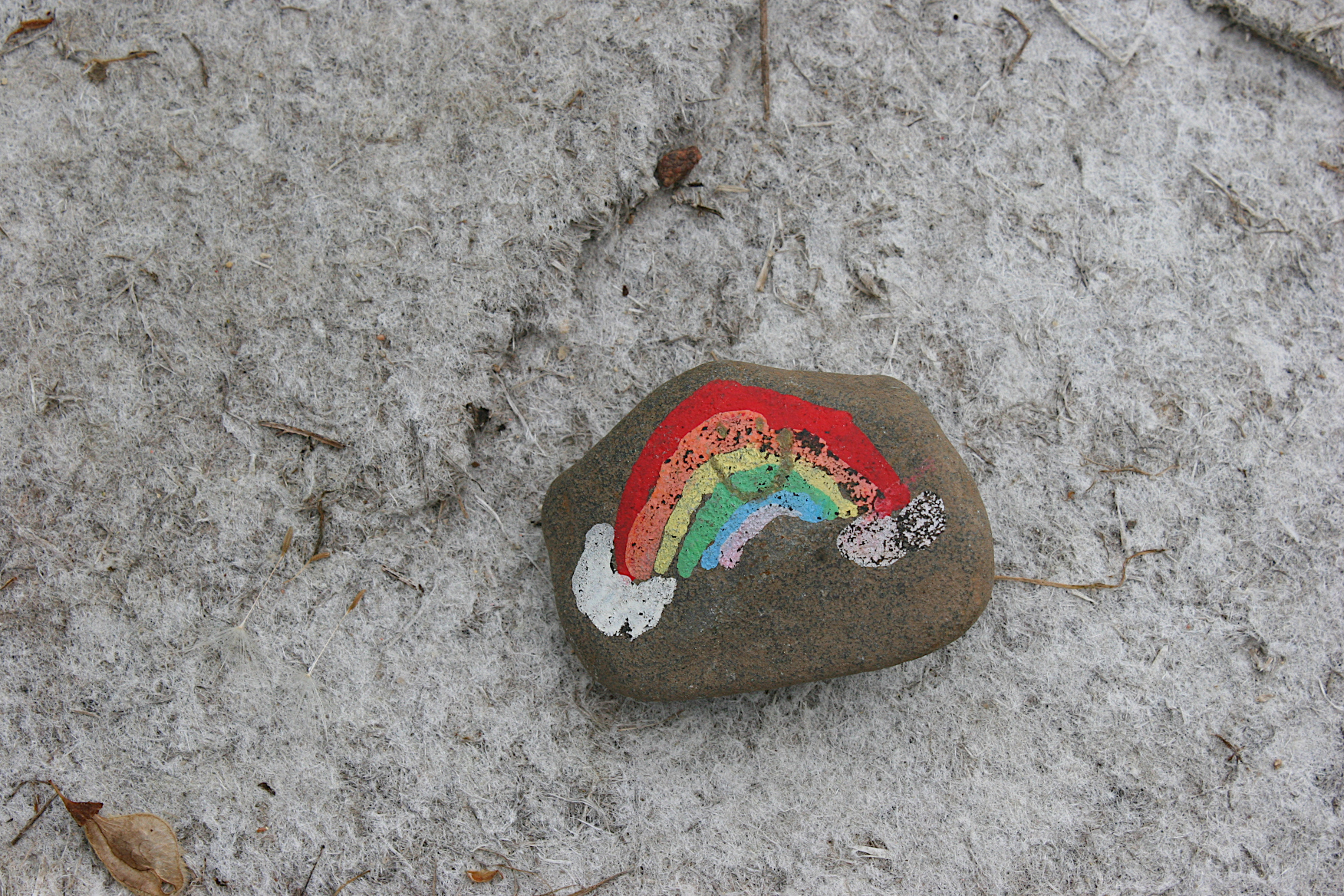
Another found, painted stone in the park. Love this. Minnesota Prairie Roots copyrighted photo May 2021.
Connie also pointed to a nearby 200-years-plus-old oak tree, now under study. I couldn’t help but think how an oak often symbolizes a family tree. The Grams family may have owned this land at one time and grew their family here. But now the branches have spread to include the broader family of those of us who appreciate this place among the oaks.
Spring wildflowers at Kaplan’s Woods. Minnesota Prairie Roots photo.
FLOWERS OF SPRING EMERGE in the woods. Among layers of dried leaves. Among fallen limbs. Sometimes blanketing hillsides.
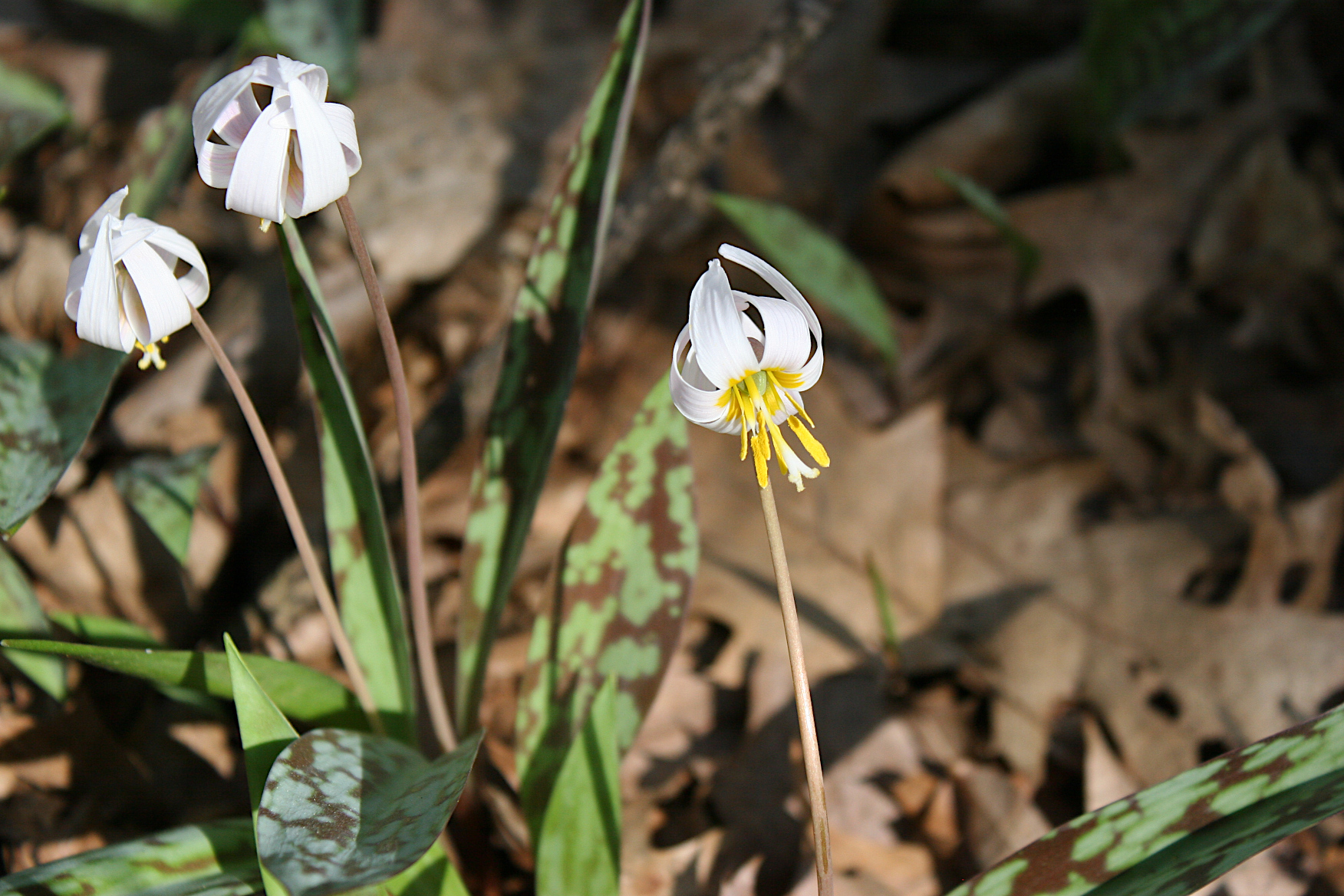
White trout lilies. Minnesota Prairie Roots photo.
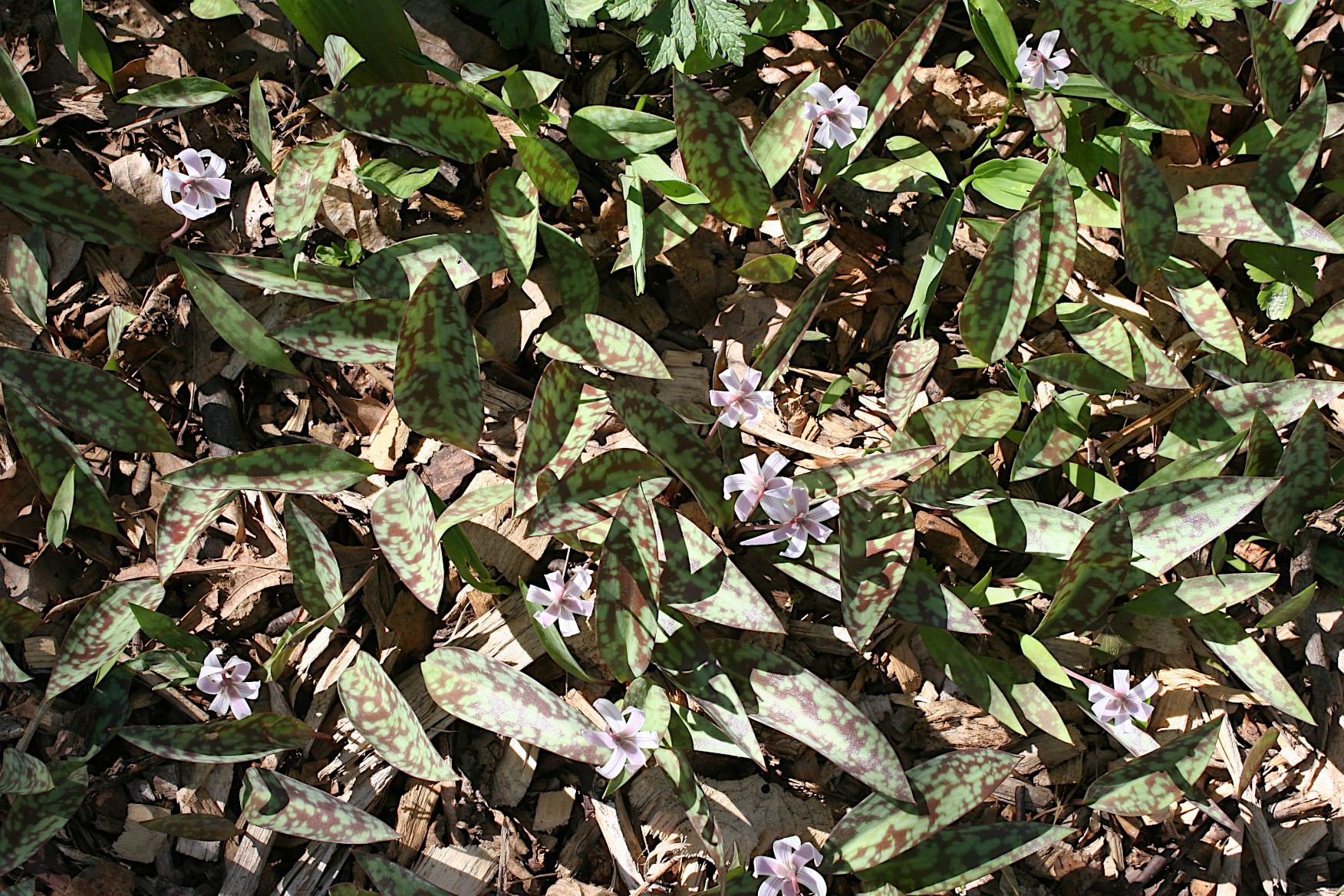
A mass of white trout lilies in the woods. Minnesota Prairie Roots photo.
An unidentified, by me, wildflower cluster. Minnesota Prairie Roots photo.
Saturday morning, as Randy and I hiked through Kaplan’s Woods Park in Owatonna, I found myself searching the edges of the wood chip covered trails for wildflowers.
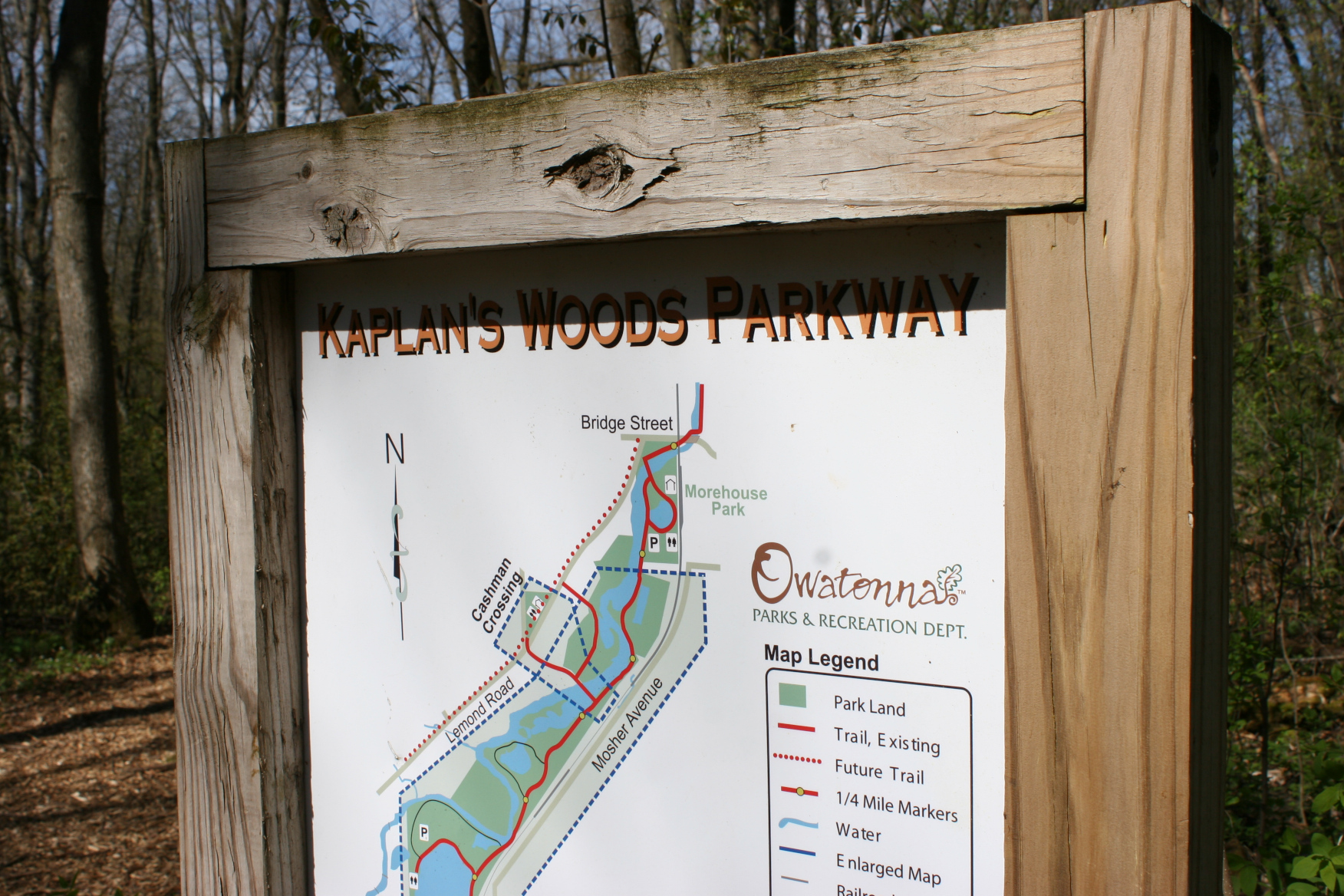
A sign inside the woods details the Parkway. Minnesota Prairie Roots photo.
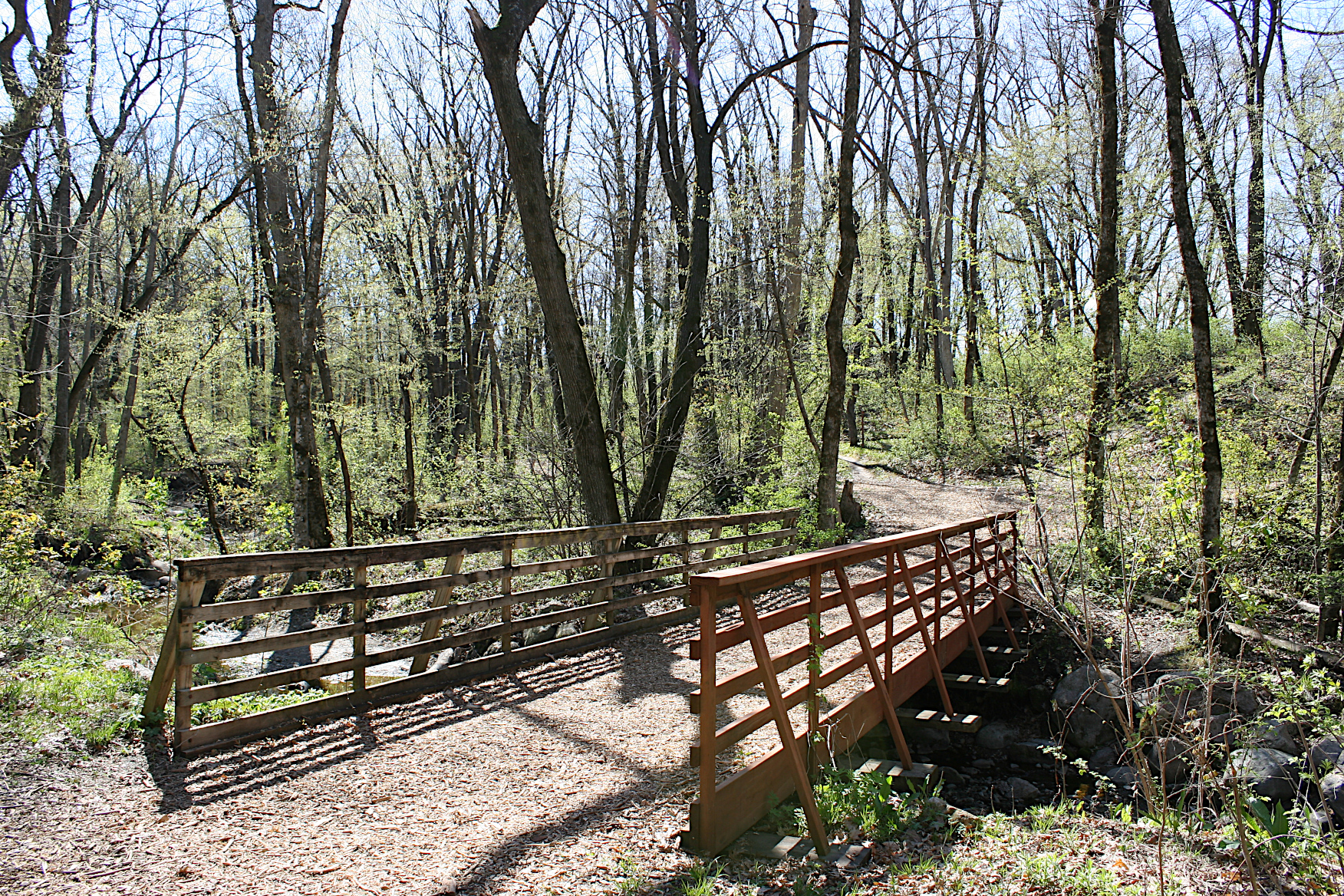
I love this foot bridge which crosses the creek and leads into the woods. Minnesota Prairie Roots photo.
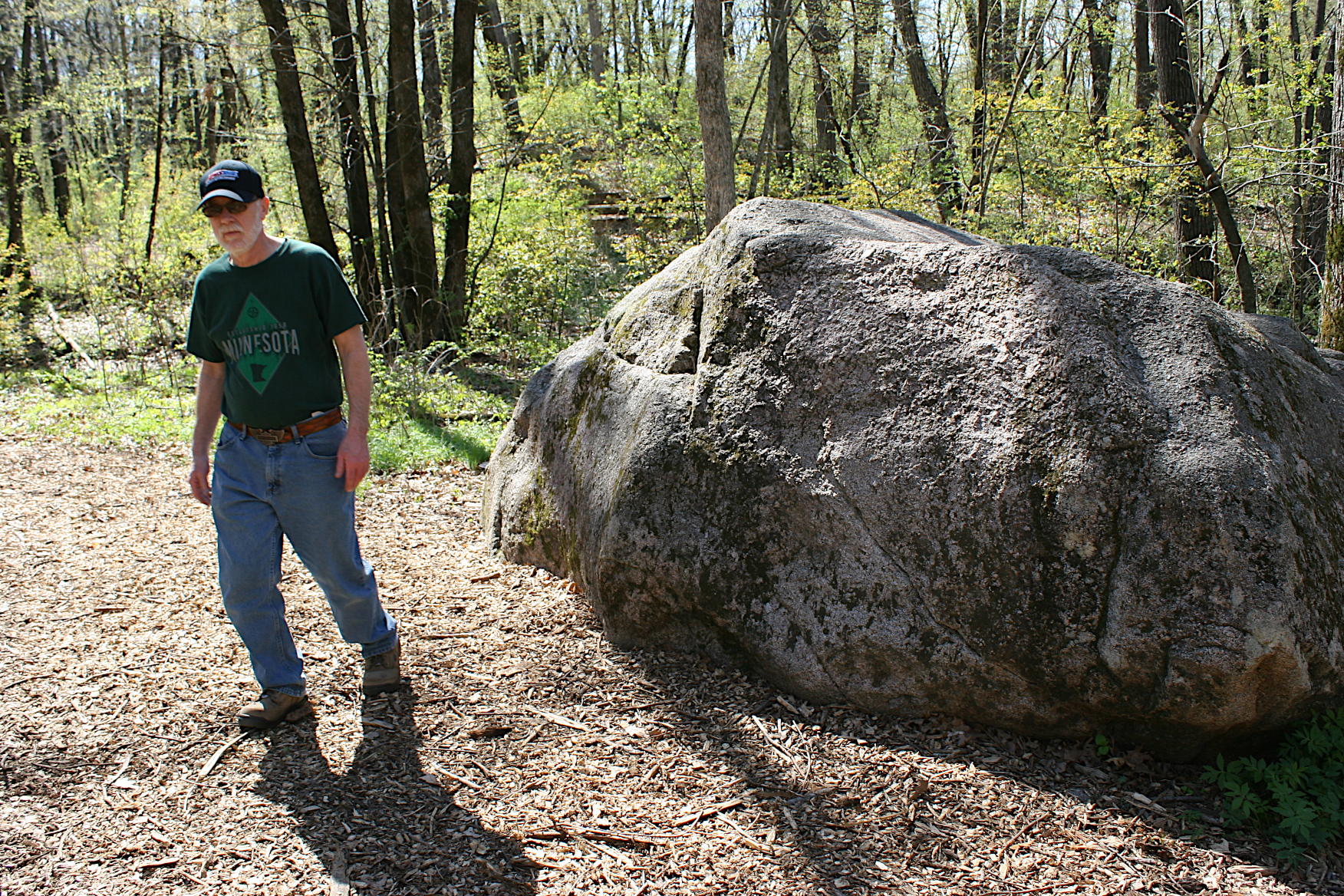
Near the creek, this solo boulder seems out of place in the woods. Minnesota Prairie Roots photo.
This time of year, especially, I crave flowers. They represent the shifting of seasons, of plant life erupting as the landscape transforms.
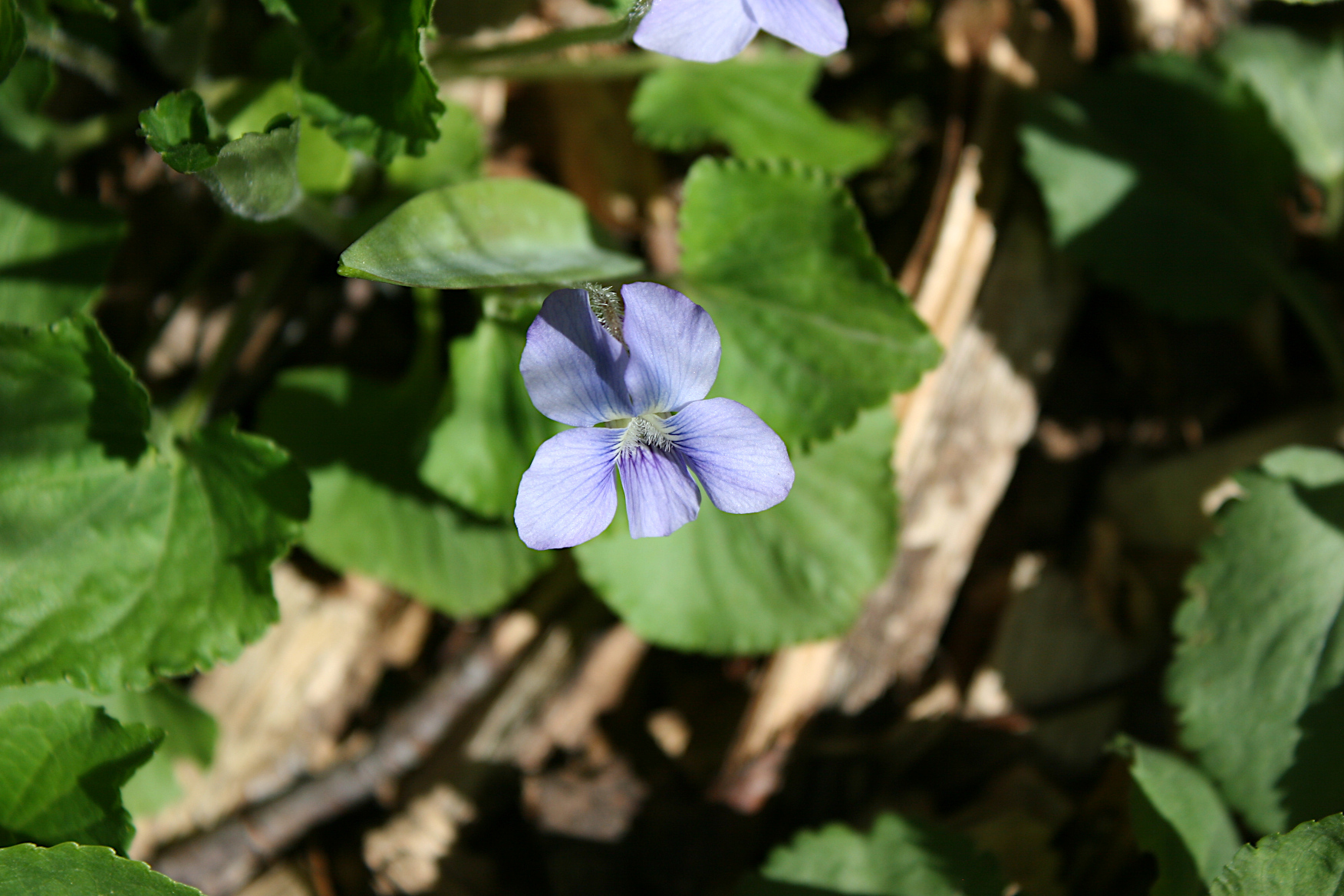
Dainty violets are among the spring wildflowers. Minnesota Prairie Roots photo.
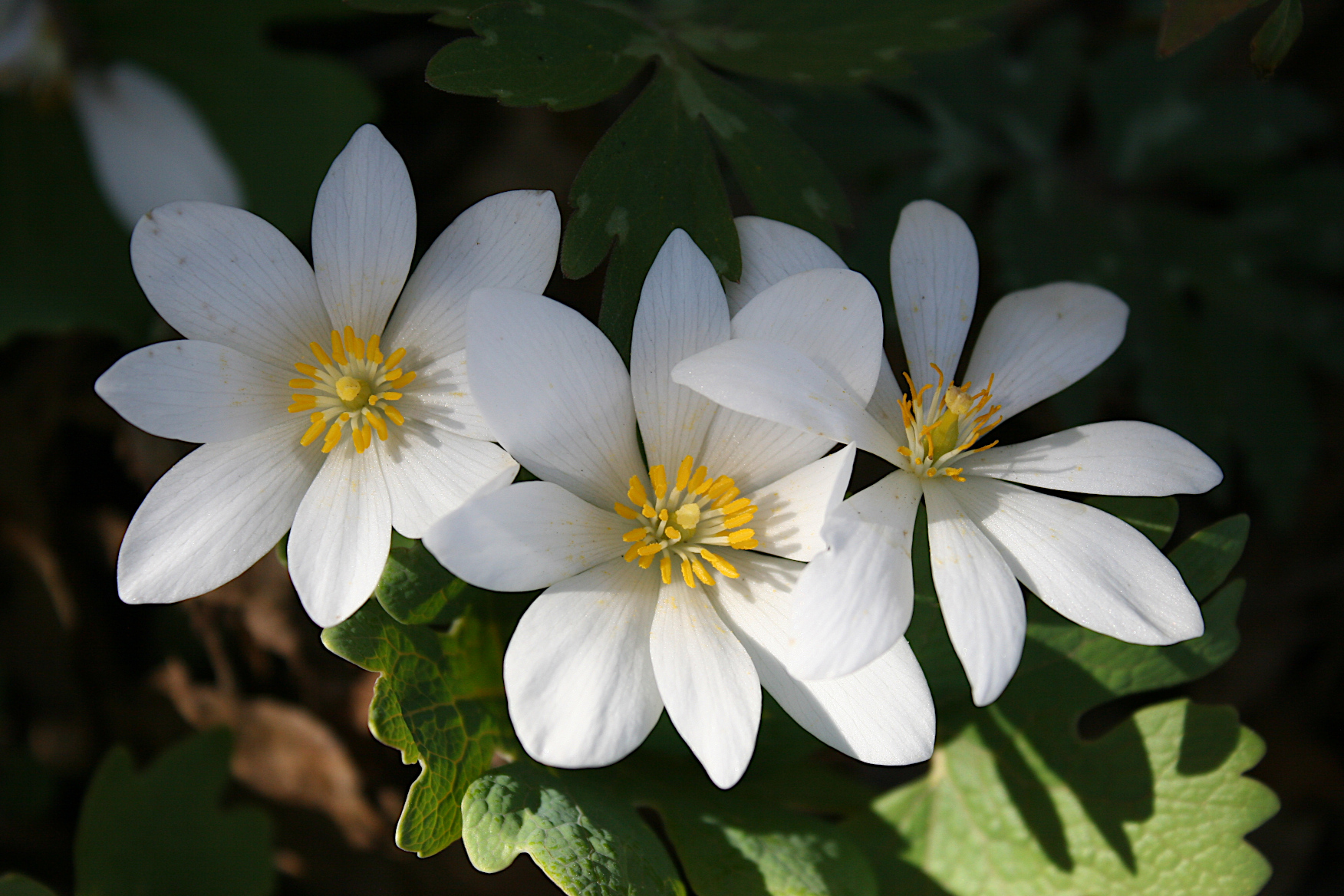
The largest of the wildflowers I saw. Can anyone identify these? Minnesota Prairie Roots photo.
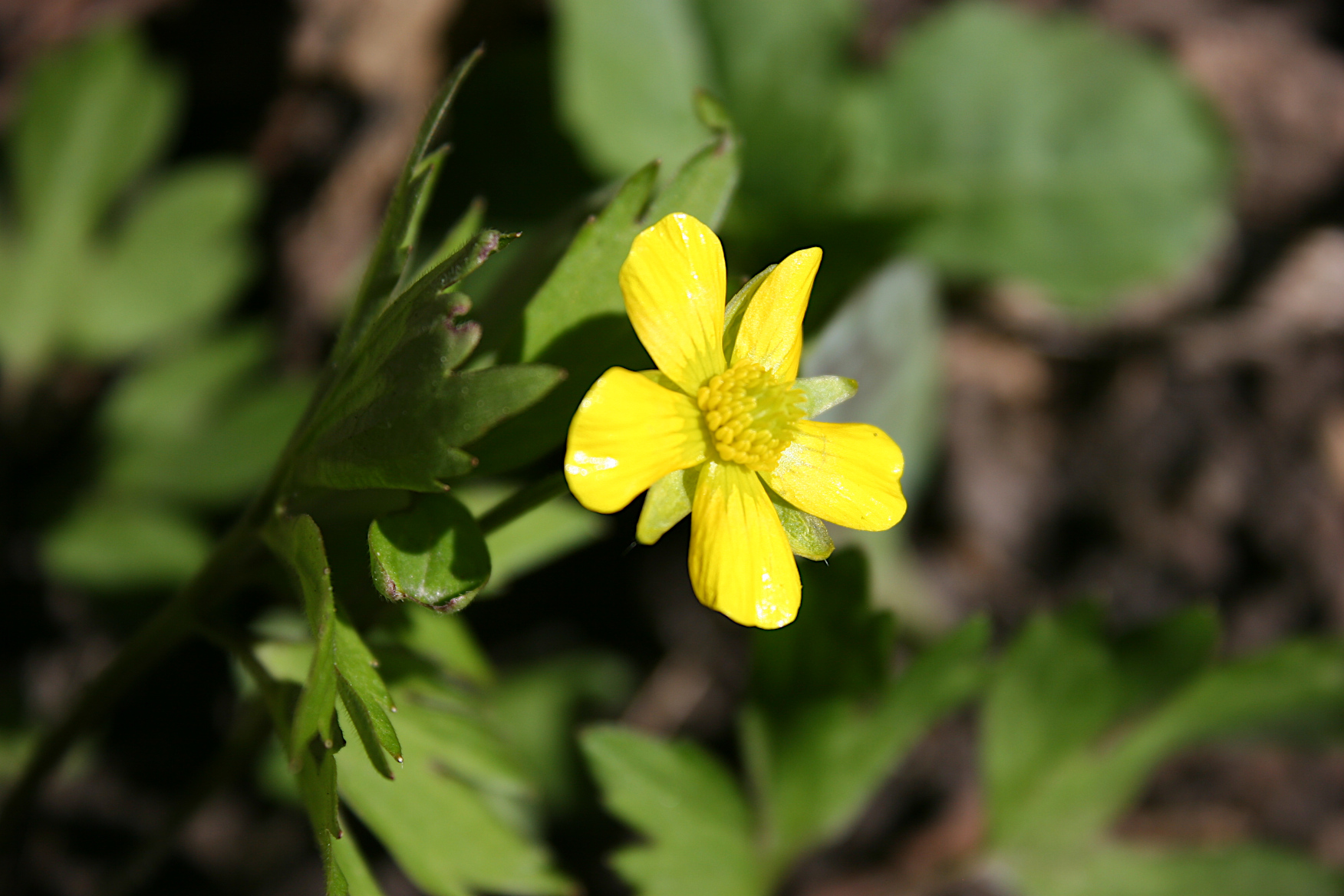
The brightest of the flowers I spotted, this one also unknown to me. Minnesota Prairie Roots photo.
Green begins to fill the woods, accented by bursts of violet and yellow and white hugging the earth. Low to the ground, easily missed if you focus only on the trail ahead.
Low water. Minnesota Prairie Roots photo.
We have walked Kaplan’s only a few times and this visit I noticed the low water level of the creek that winds through the woods.
I noticed also the noise of traffic from nearby Interstate 35. Motorists en route somewhere on an incredibly warm and sunny morning in southern Minnesota. I hope that at some point they paused to appreciate the day. The sun. The trees. Maybe even the wildflowers. And the brush strokes of green tinting the landscape.
AS SPRING EASES INTO MINNESOTA, I embrace the transition of seasons in indecisive weather and in the subtle greening of the landscape.
A greening vine in the otherwise muted landscape.
I don’t trust that winter has really, truly, exited. Yet, these early glimpses of spring assure me that the bulk of winter lies behind us.
Randy walks in the woods.
I saw that in the woods of Falls Creek County Park on Sunday afternoon. Randy and I hiked in this 61-acre park a mile east of Faribault off Minnesota State Highway 60. It’s a relatively unused park, one of the reasons we are drawn here.
Water rushes under the bridge and over rocks.
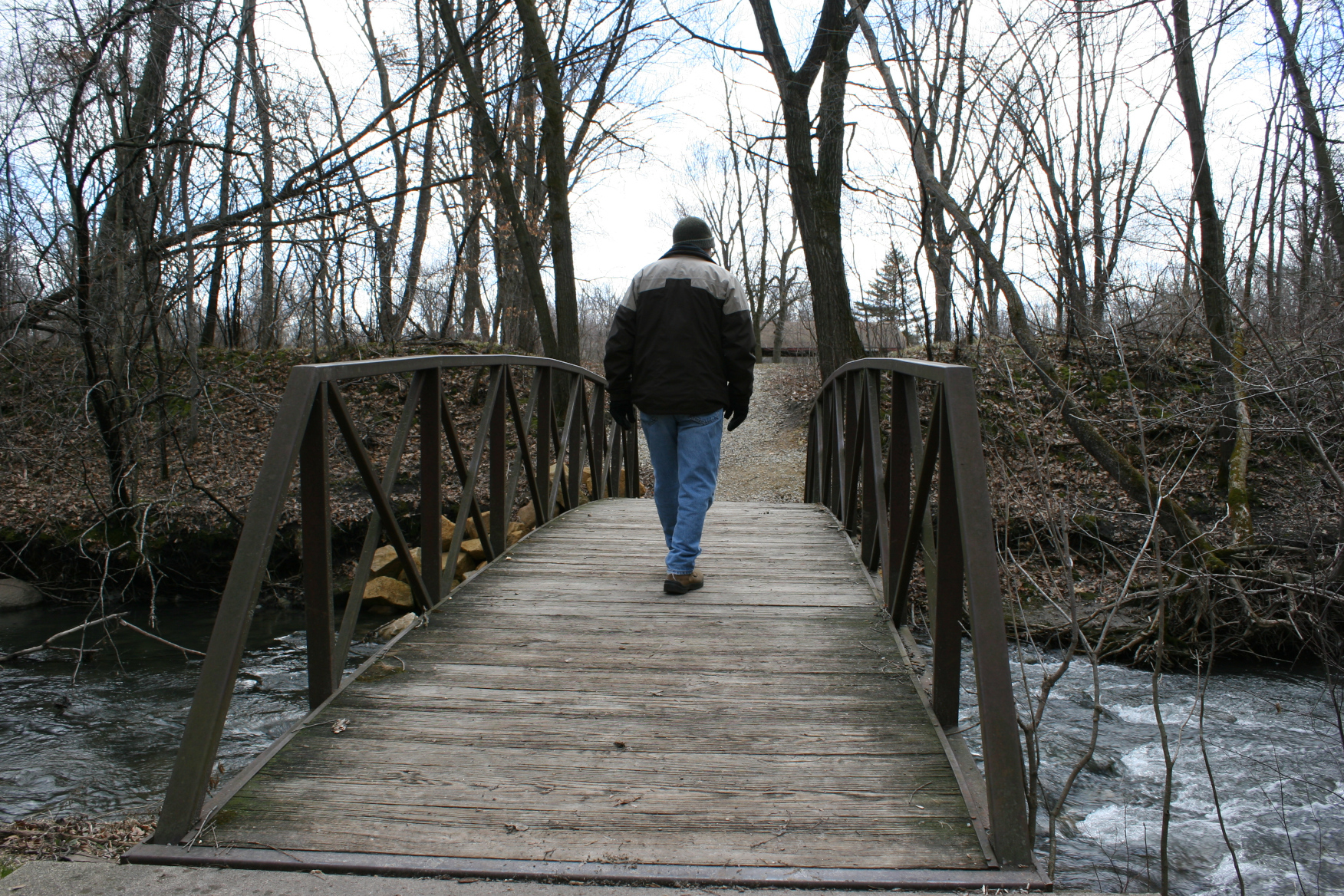
Here a dirt hiking path curves along the waterway winding through woods. Access to that path comes via an arched pedestrian bridge. There water rushes over rocks and we always pause to appreciate the soothing sound of rushing water.
The creek meanders, wide in some areas, narrow in others.
In places, the creek runs clear.
A fork in the creek.
And we also always walk to the side of the creek, to examine the water at the bend, before it flows under the bridge. Recent rain left that water muddied. Later we would find the creek flowing clear.
Loving the light, color and texture on this tree trunk moss.
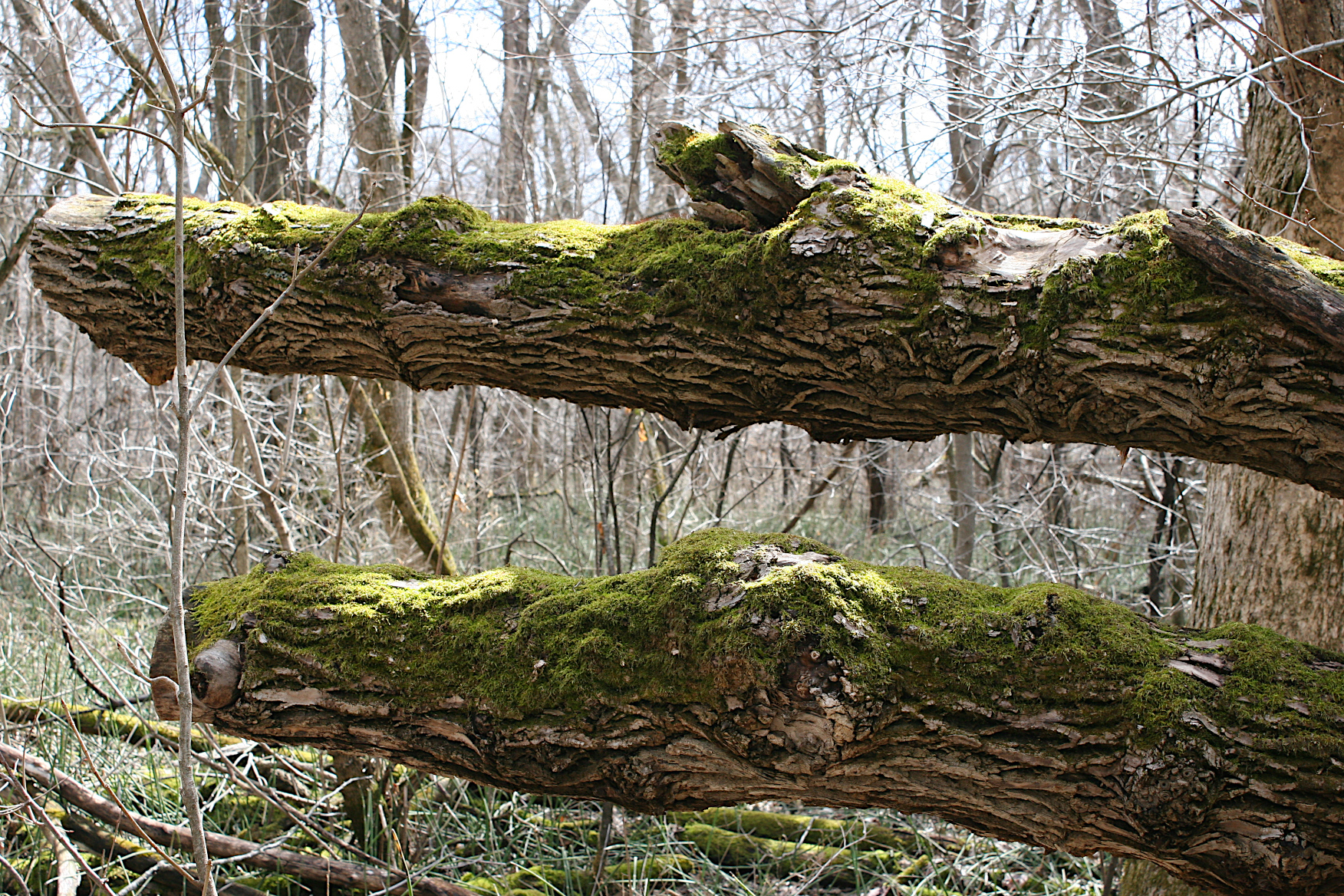
Entering the woods, I determined to photograph signs of spring in the muted landscape. That requires focus. Examples of spring are elusive and seen mostly in vivid green moss carpeting fallen tree trunks.
A fallen tree provides a canvas for art.
But I can photograph only so much moss. Thus I expanded my perspective. Nature writes details upon the landscape. Even in a scene of mostly muted browns.
Hillsides of trees rising
and fungi laddering
and dried leaves curling.
Nature’s “antlers.”
And the branches of a tree twisting like antlers.
Nature’s sculpture.
And felled trees that appear like natural sculptures.
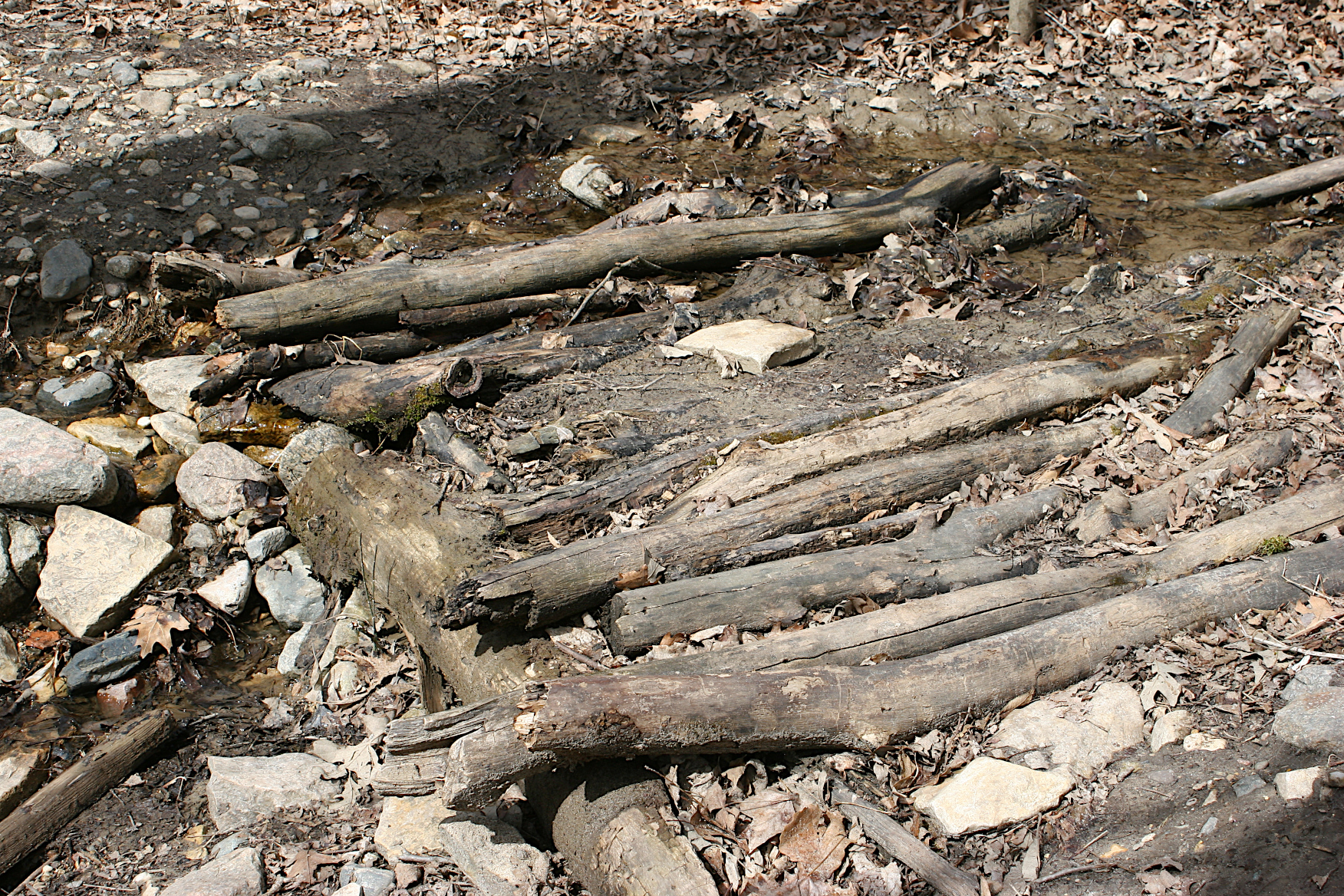
The makeshift bridge.
All of these nuances I noticed as we walked, as I stopped to take in my surroundings, as Randy steadied me while I crossed a makeshift branch bridge across a spillway.
Randy crosses the bridge out of the woods.
There is much to see in this seasonal transition, if only we pause to appreciate. To look. And really see. To hear. And really listen. It’s there. The poetry of wind and water and woods and words.
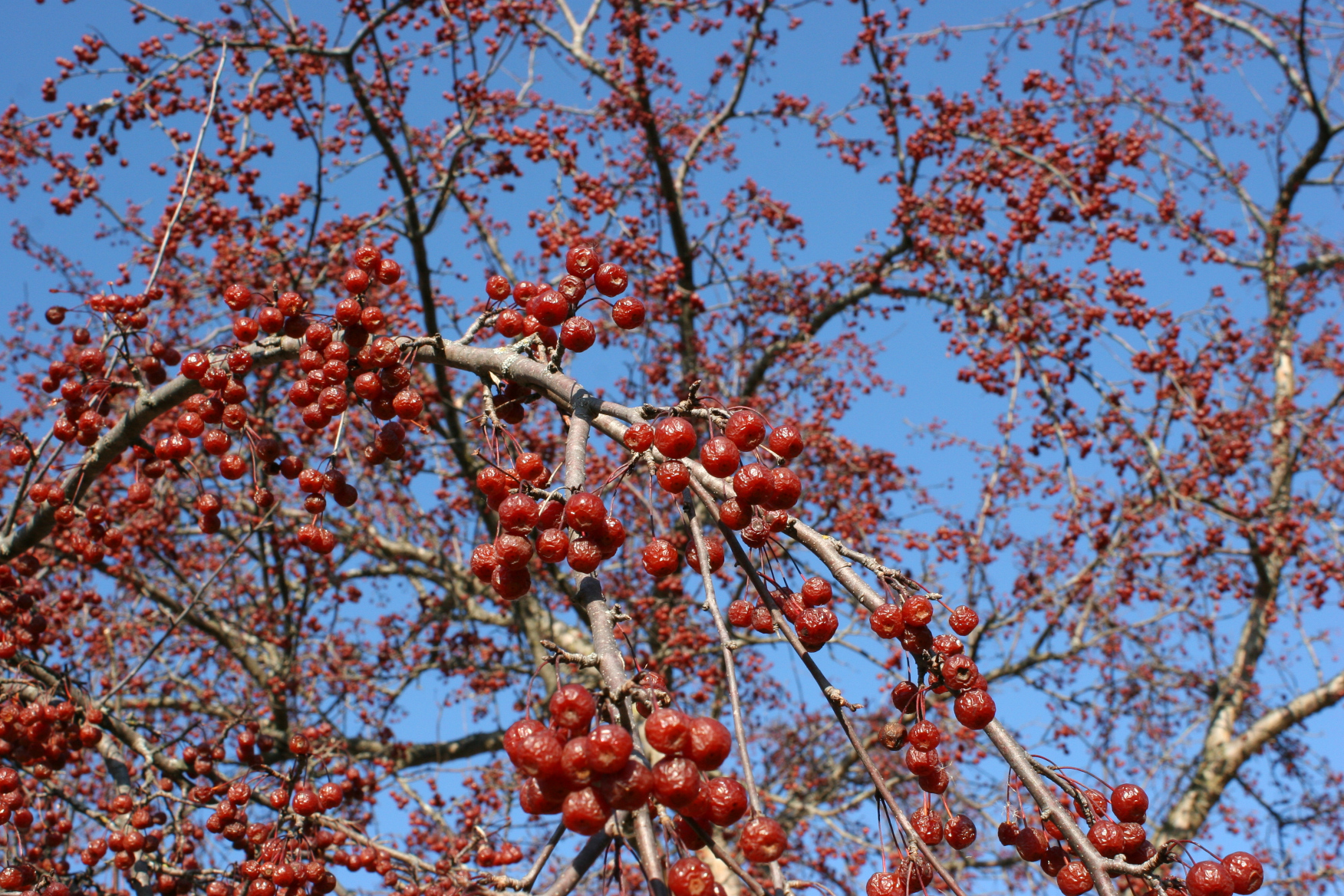
Outside the River Bend Nature Center interpretative center, berries pop color into the November sky.
NOVEMBER 2020, while a dreadfully awful month for COVID-19 in Minnesota, brought the gift of some lovely days. Weather-wise. Any November day without snow and with temps in the 40s or higher delights me. Warm, sunny, blue-sky, snow-less days in the 11th month mean a shorter winter.
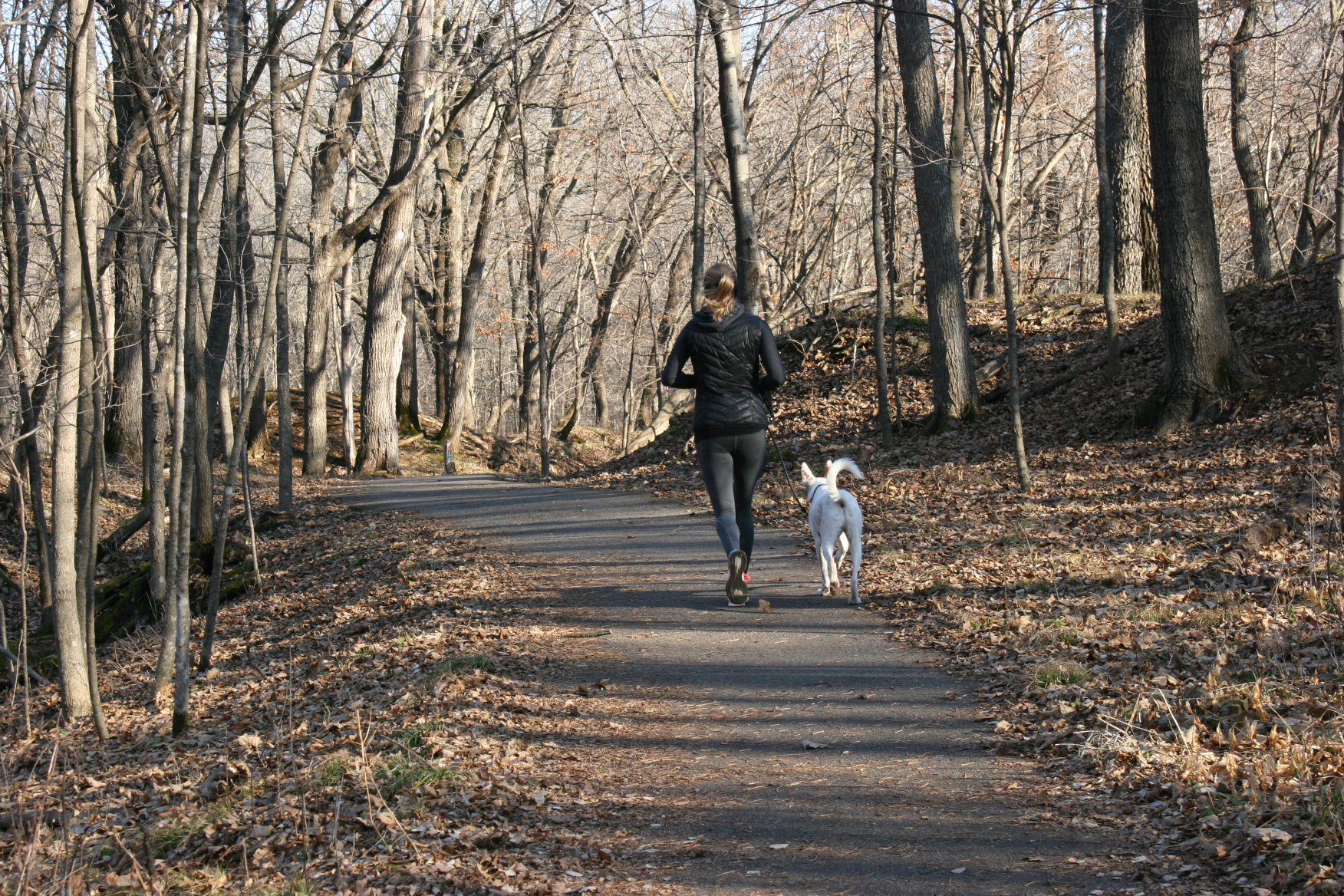
We crossed paths with this jogger running her dog.
On one of those above-average afternoons in early November, Randy and I headed across the viaduct to the east side of Faribault and River Bend Nature Center. It’s one of our favorite local spots to hike and immerse ourselves in the peace, solitude and beauty of the outdoors.
River Bend, appreciated by so many who come here to explore.
This marked the busiest we’d ever seen River Bend outside of a scheduled event. Yet, despite the high number of parked vehicles, we didn’t encounter all that many people in the nearly 750-acre nature center. Exactly what we had hoped.
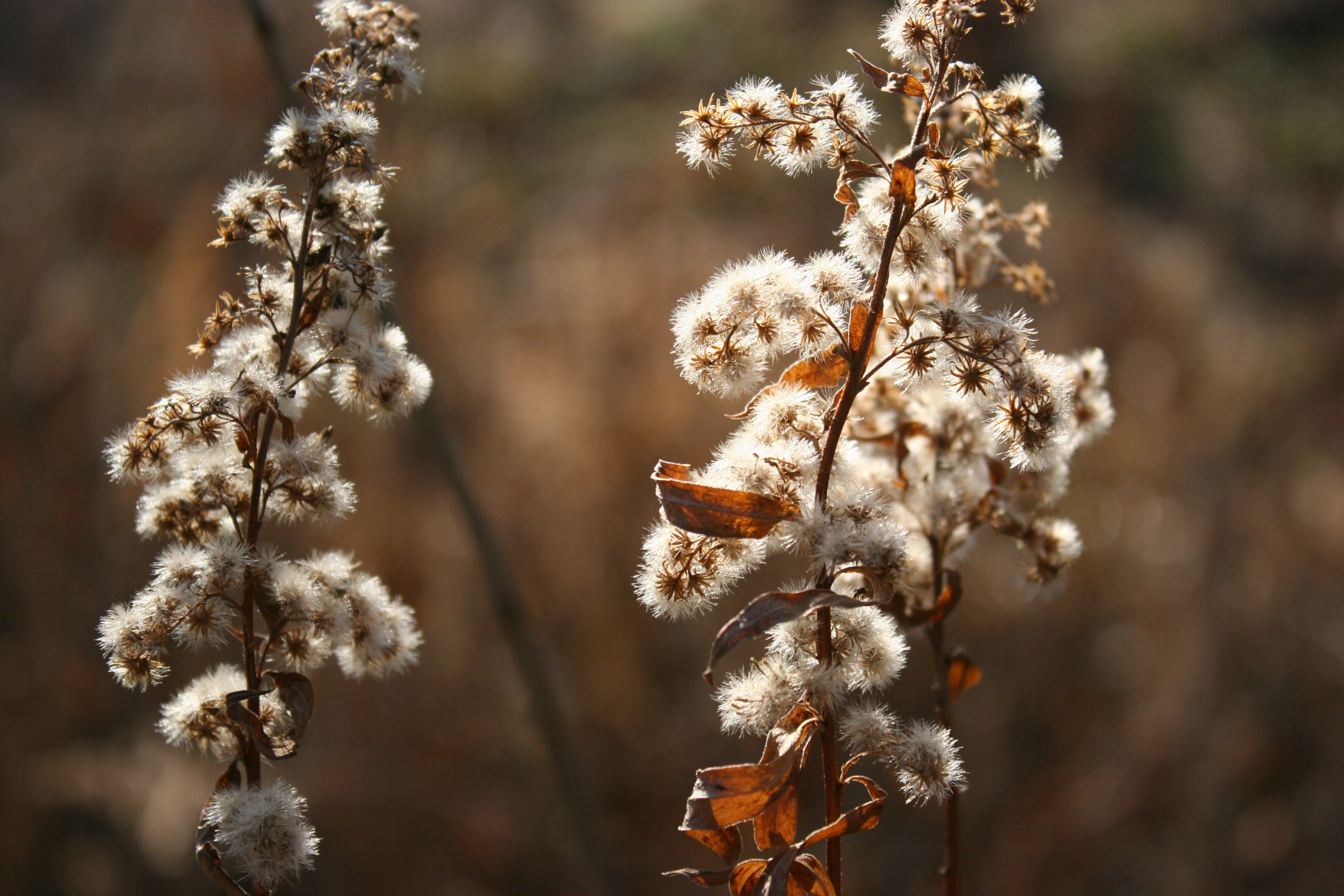
There’s a certain beauty even in dried plants.
Any visit here always finds me with camera slung over my shoulder or around my neck. Even in the mostly grey and muted browns of November, I can still find something to photograph. Each season presents a unique perspective of nature when focused through a viewfinder. I love that about photography, how it invites me to notice the details in my surroundings.
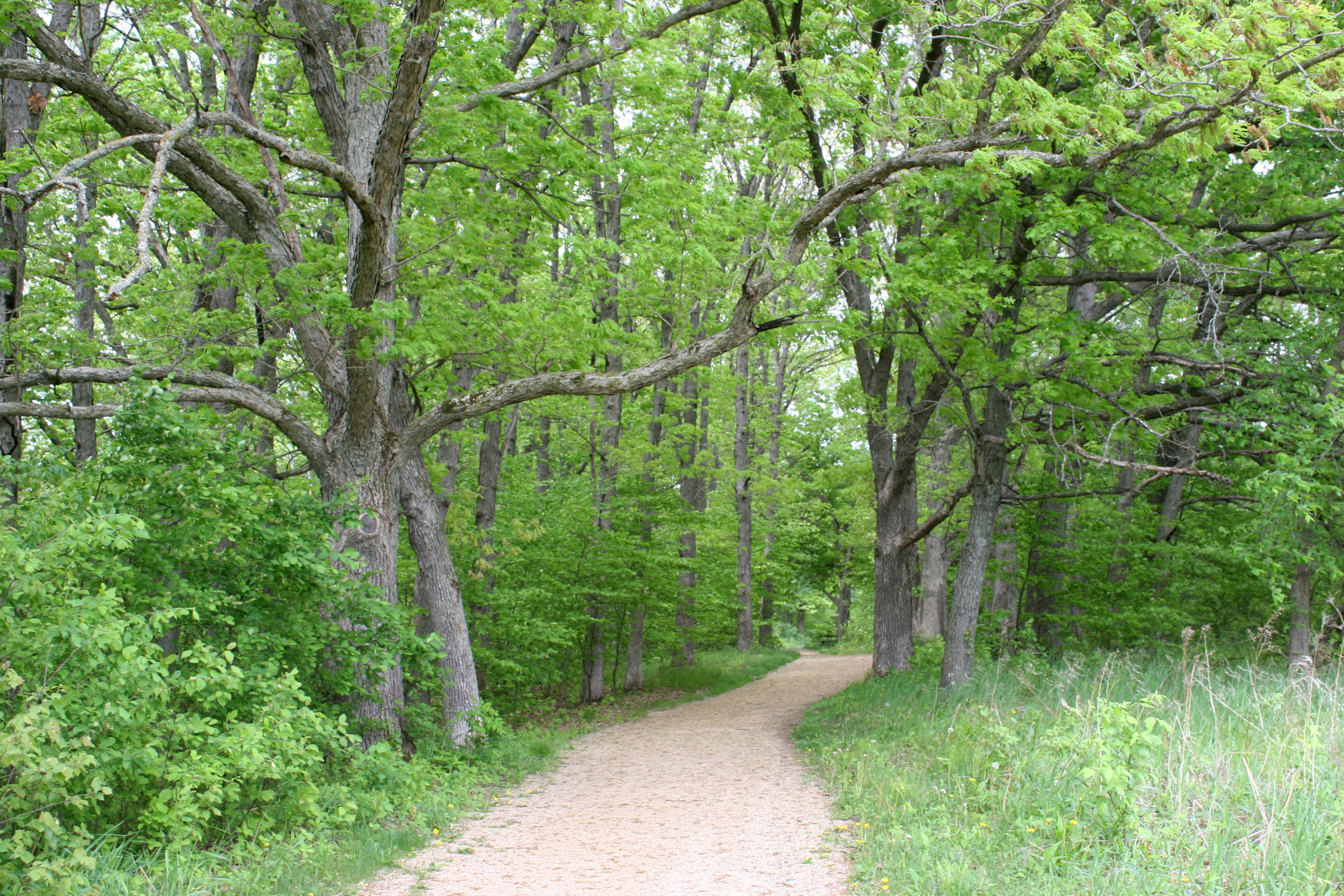
Into the woods at River Bend…
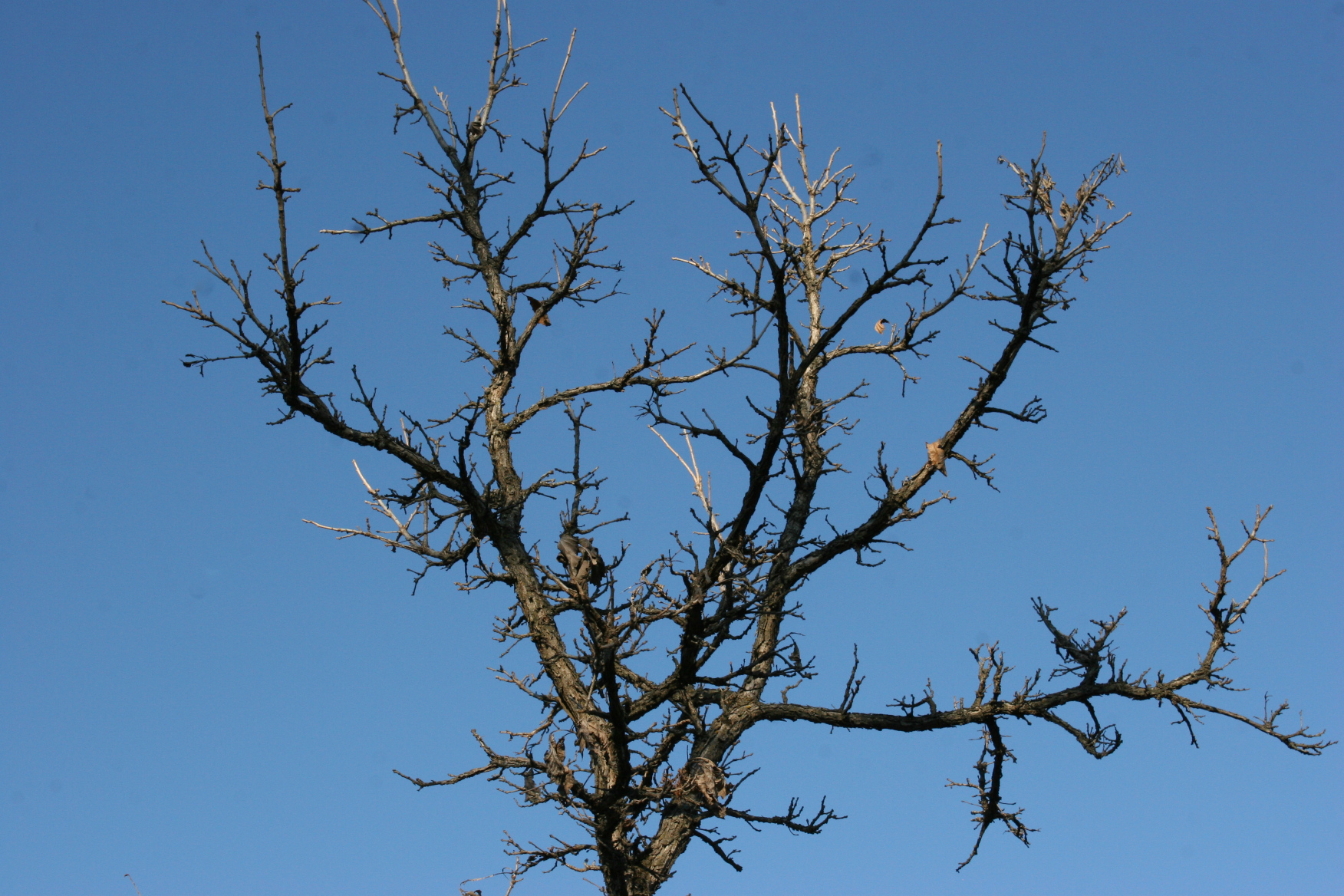
I noticed artistic beauty in the bare branches of a lone tree.
I’m always intrigued by fungi on trees, stumps or elsewhere in the woods.
And so we walked along paved paths into the woods. Occasionally I paused to document a discovery with my camera. Whatever caught my eye or interest. Or whatever Randy noticed and thought I may want to capture. I appreciate his awareness of our surroundings, too, and how he values my interest in photography.
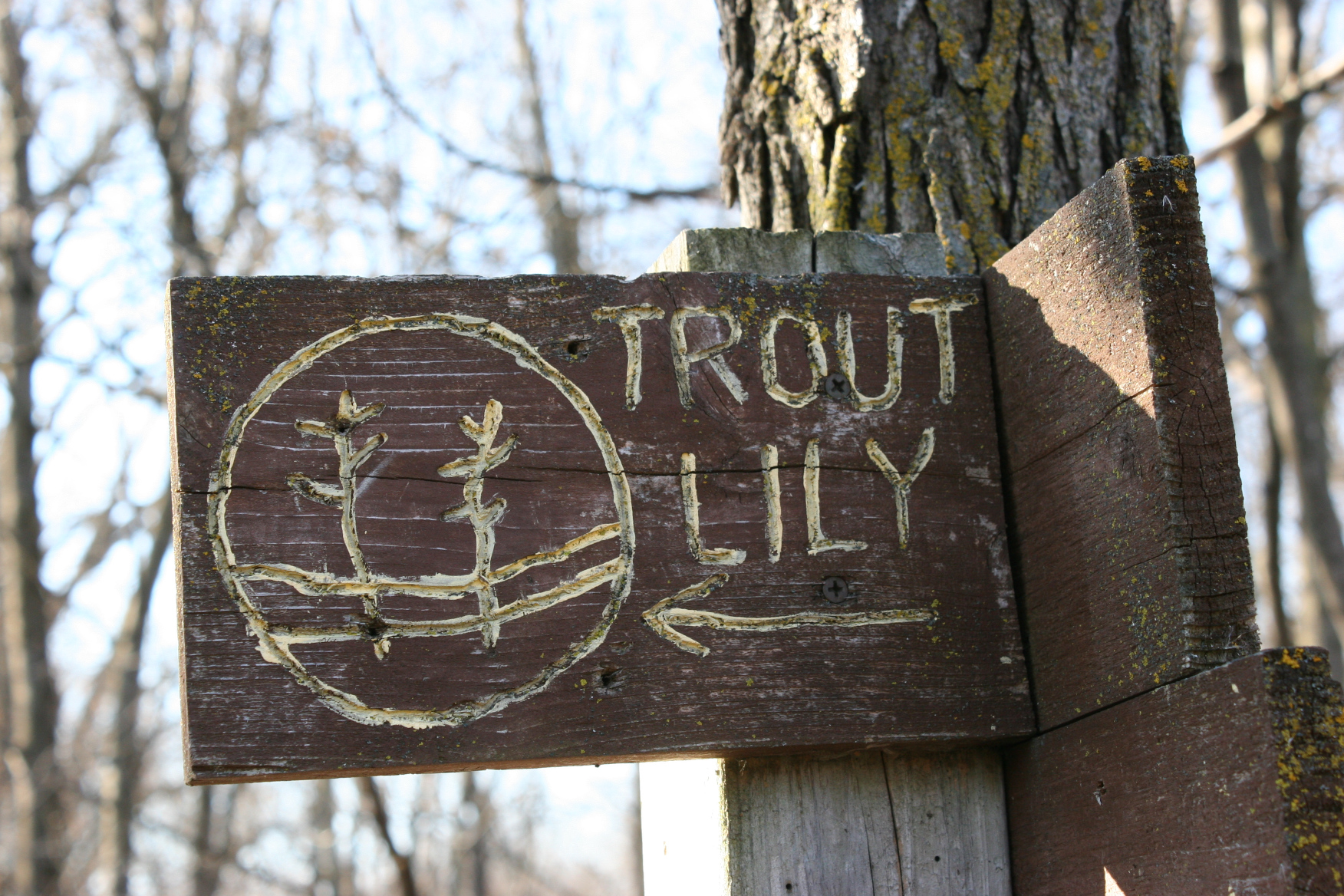
One of the few places on earth to find the dwarf trout lily in the spring.
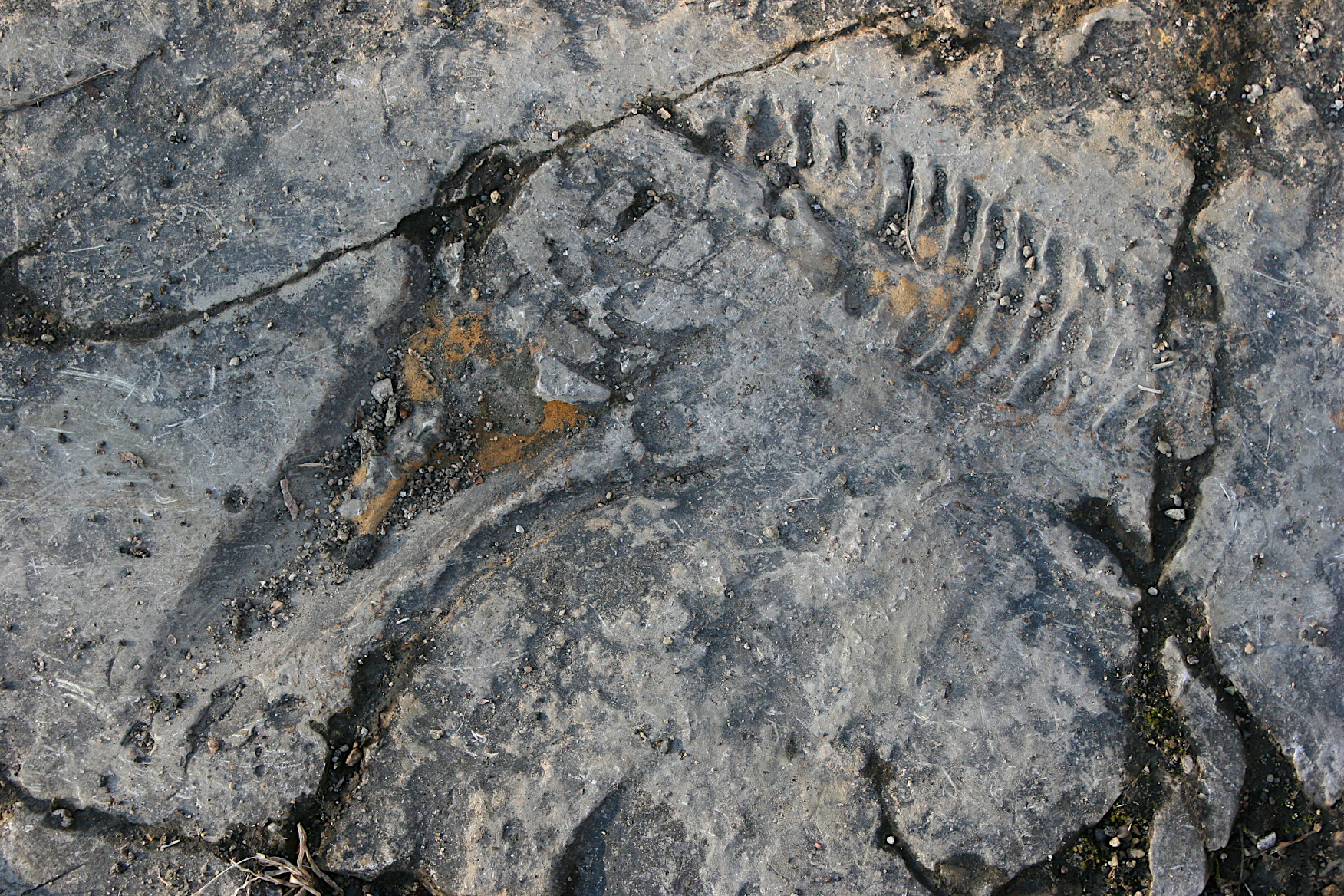
Not far from the Straight River overlook, Randy spotted what we presume to be a fossil in stone.
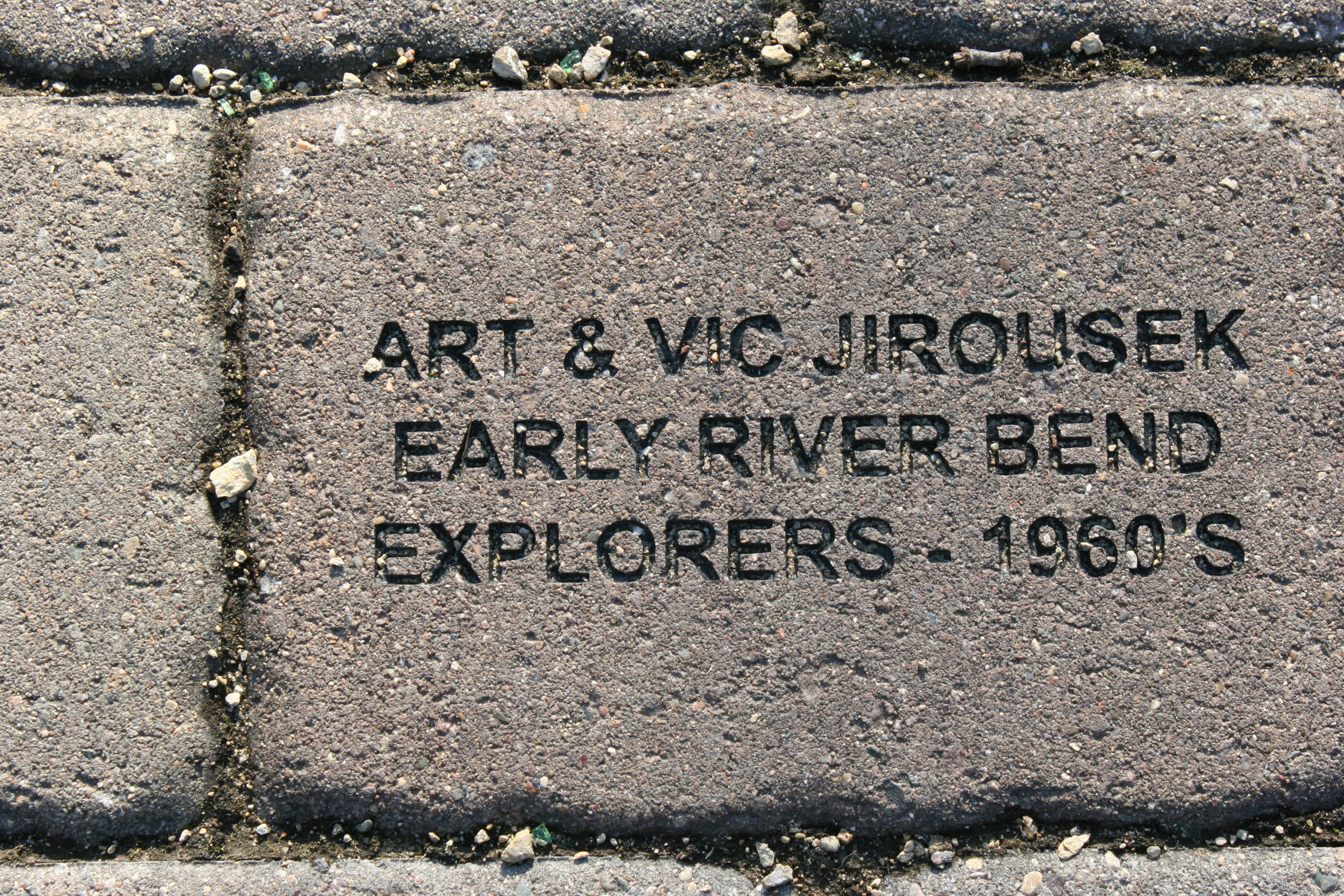
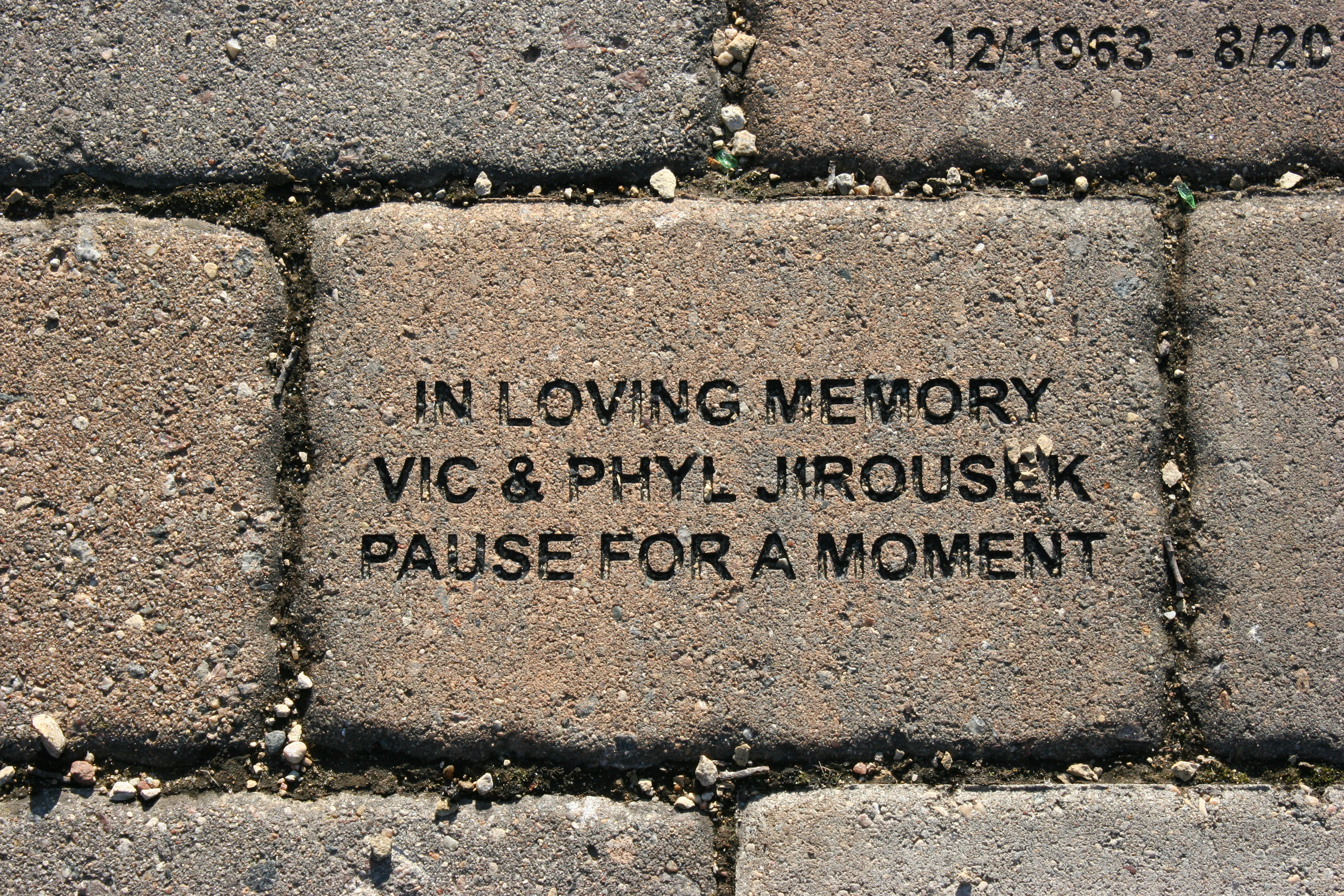
A personalized paver at the overlook.
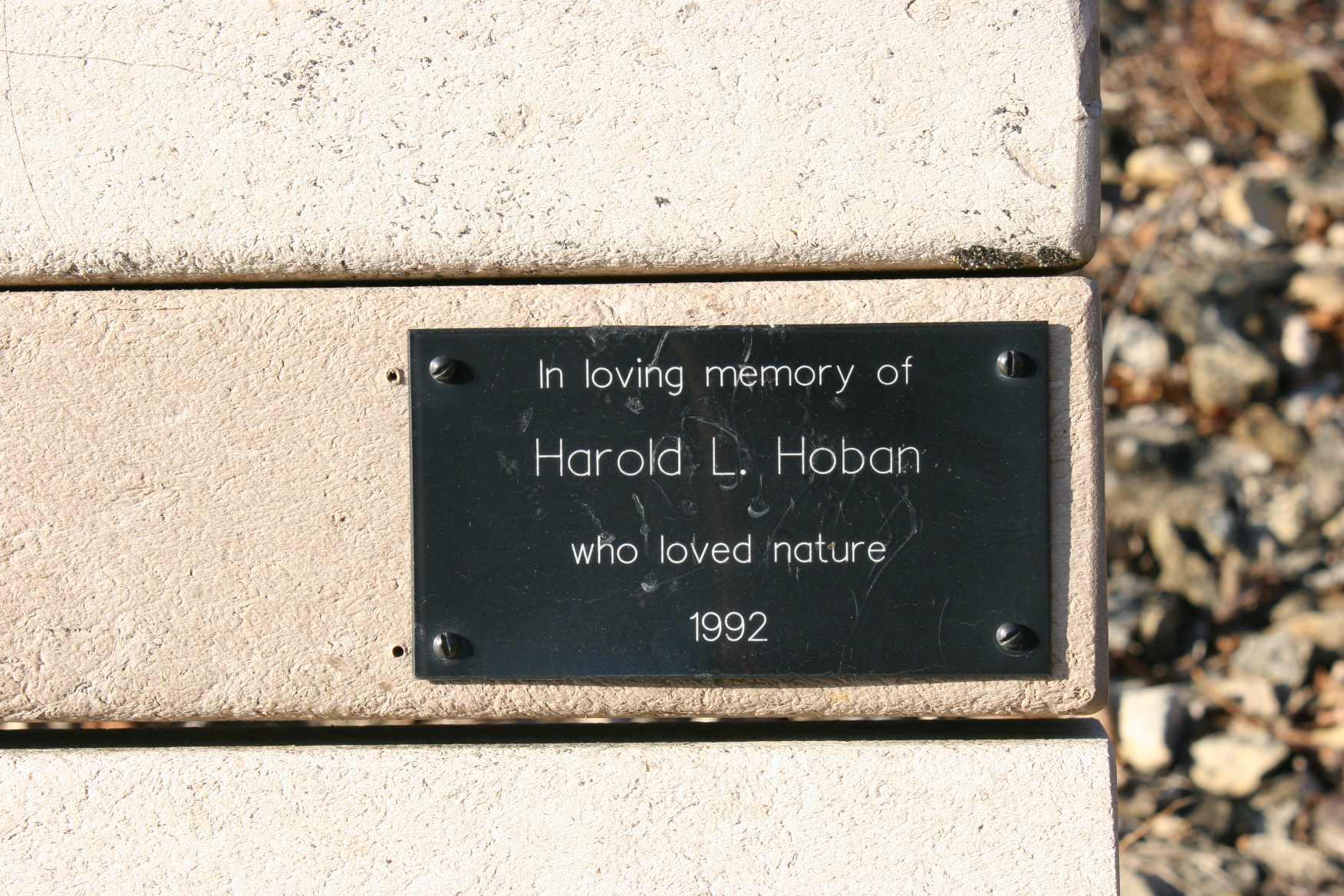
At an overlook above the Straight River, near the Trout Lily Trail and near fossils imprinted in stone, I stopped to photograph pavers that speak to others’ love of this place.
Later I would find a bench marker noting the same.
The woods open to and edge the prairie, where I feel particularly at home.
There’s so much to love about River Bend from the woods to the prairie, from the river bottom to the waterfall.
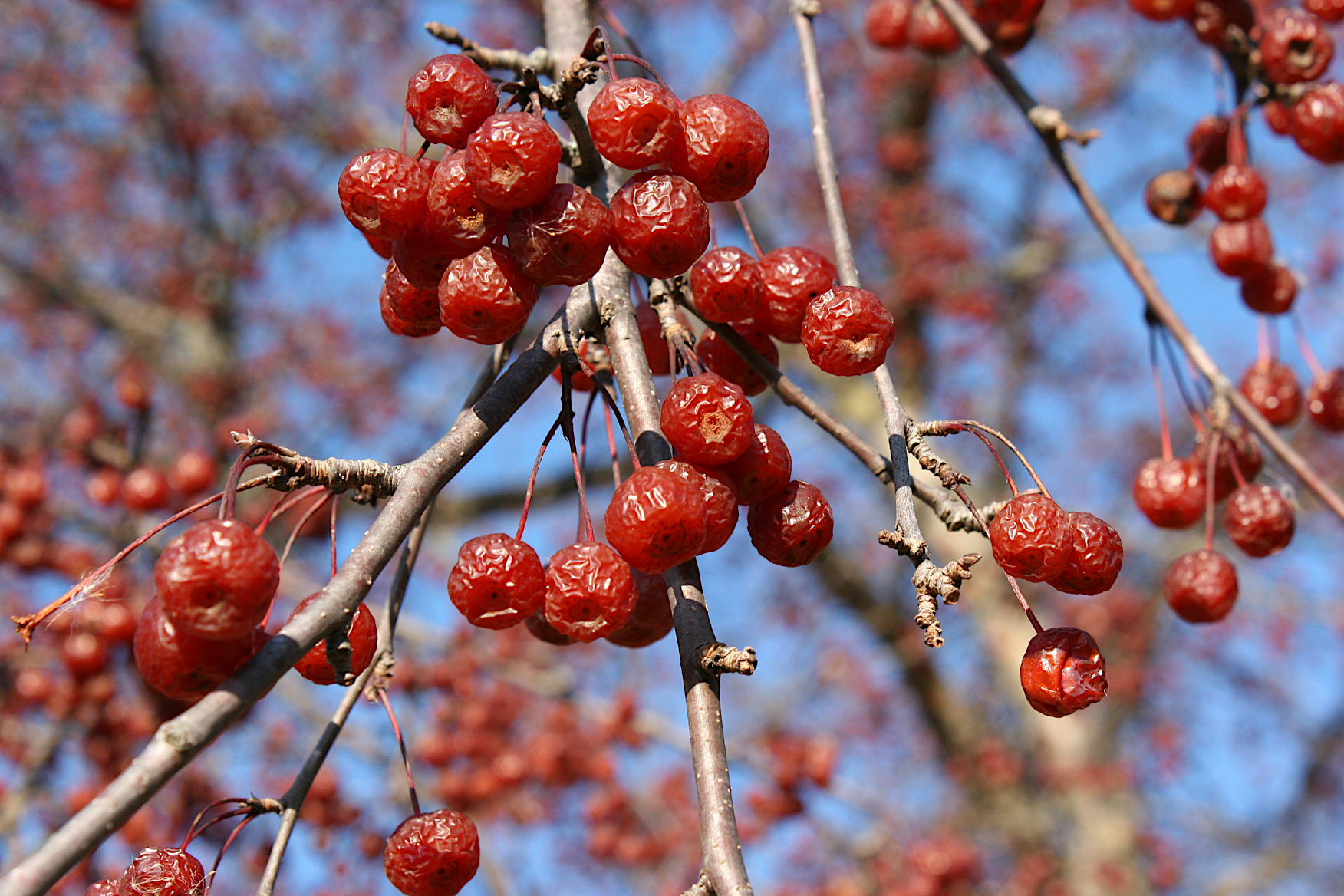
The only bold color in the November landscape.
Mostly, I simply enjoy being here, immersed in the quiet, in the details of earth and sky. Taking in the trees, now barren of leaves, except for the stubborn oak. Wrinkled berries still clinging to branches.
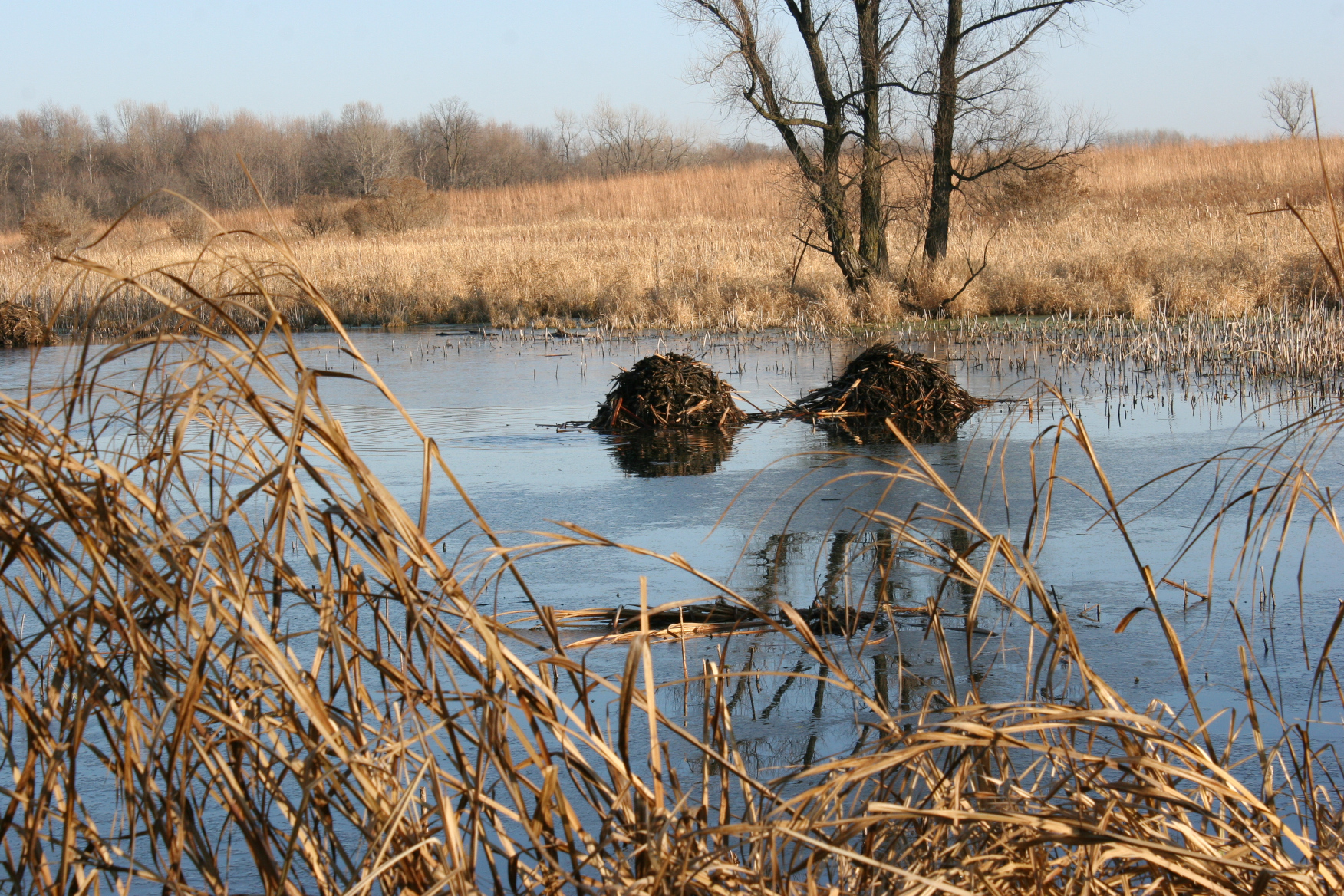
I watched a muskrat swim near these houses in the pond.
And, out of the woods, I observed a muskrat swimming in the pond not yet iced over.
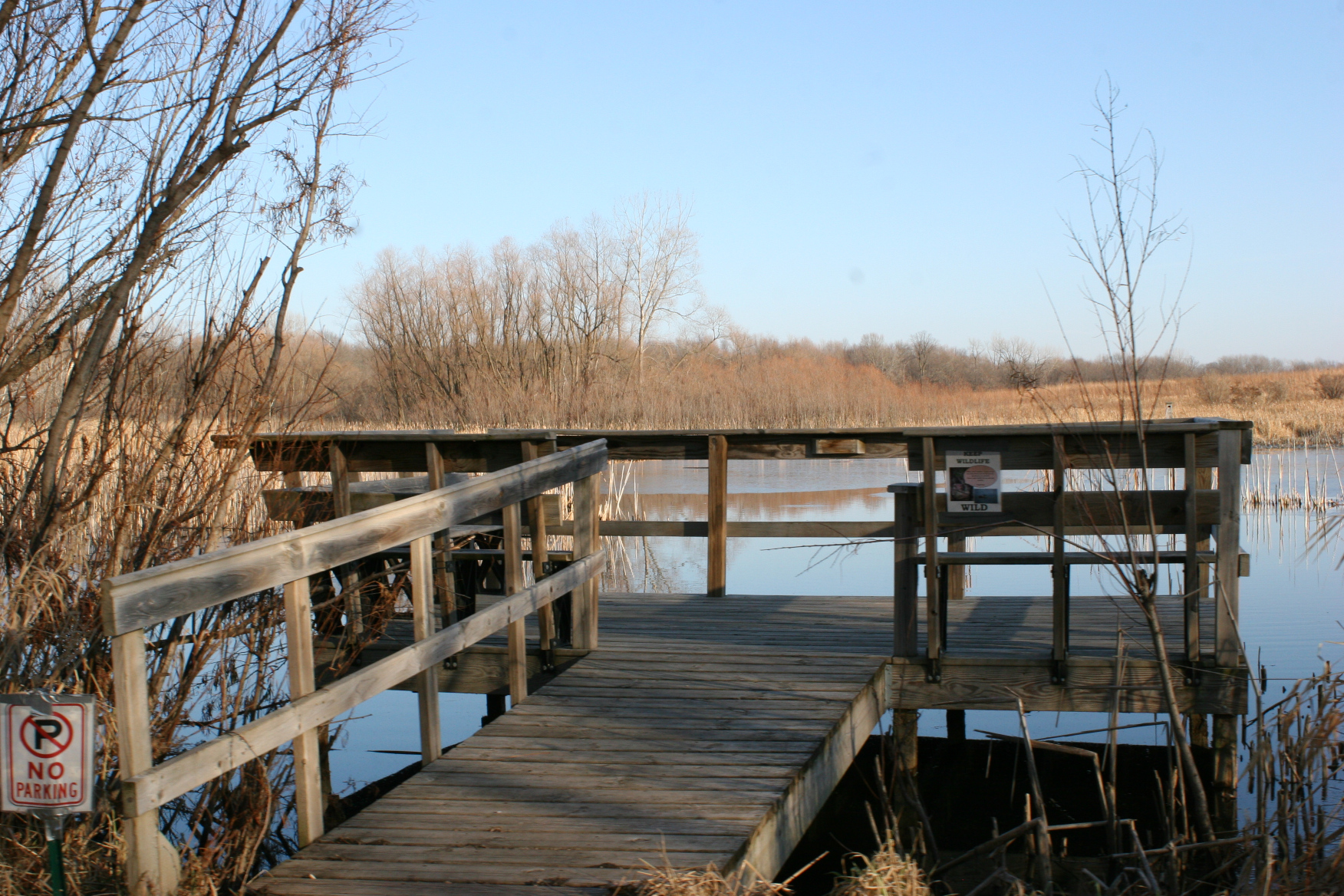
The look-out dock along pond’s edge.
This unseasonably warm November day proved uplifting, reminding me that even in a month when COVID-19 raged in Minnesota, places to find peace remain. Enduring. A bit of bright hope in an otherwise typically grey and dreary month.
SOME DAYS I WISH I could simply disappear, vanish into the woods or wheel across the prairie like the Ingalls family to an unknown destination. Far from reality. Far from COVID-19.
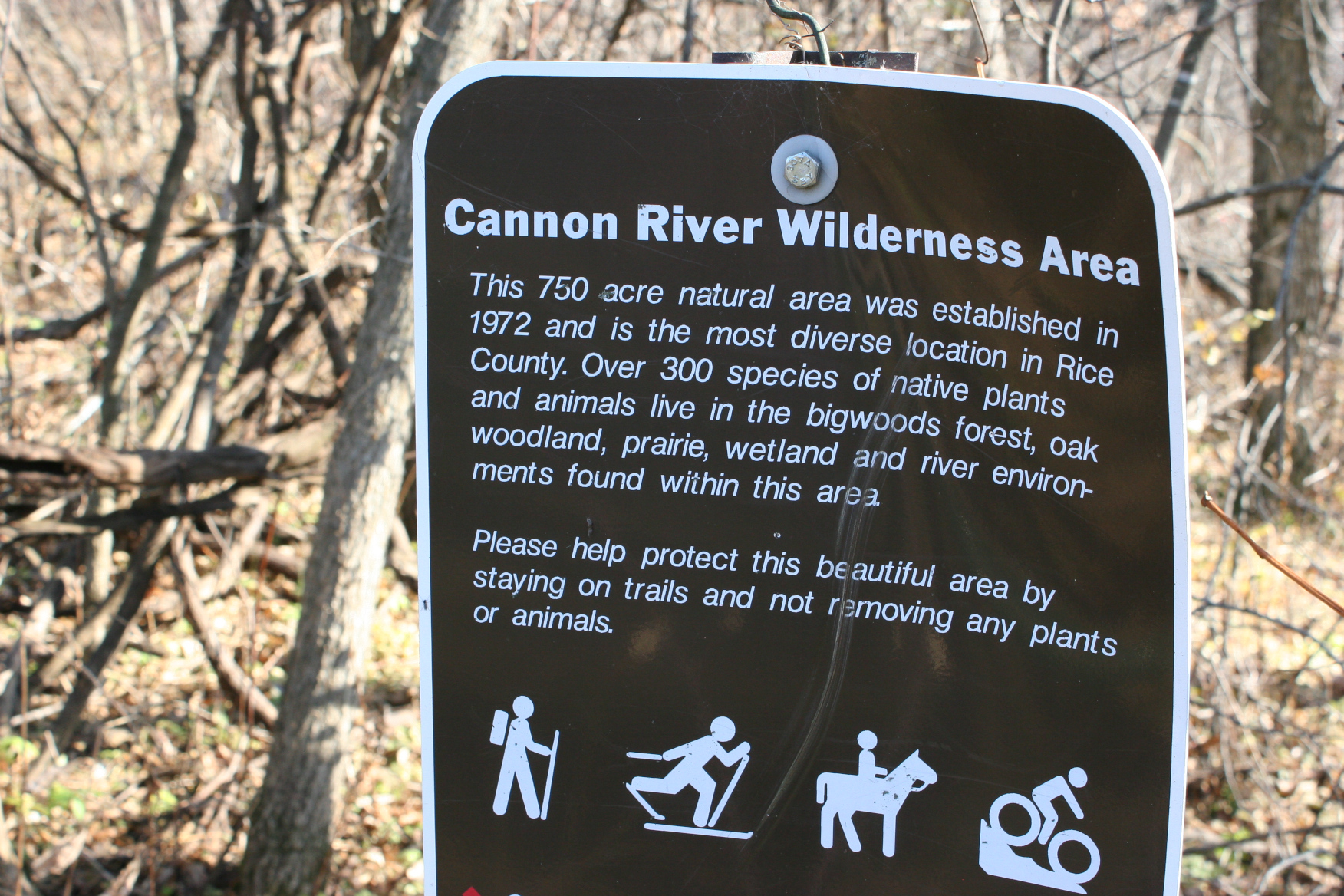
But, since I must live in the context of a pandemic, in the place I call home, I look for places to escape nearby. And, on a recent Sunday afternoon, Randy and I disappeared into the Cannon River Wilderness Area between Faribault and Northfield off Minnesota State Highway 3.
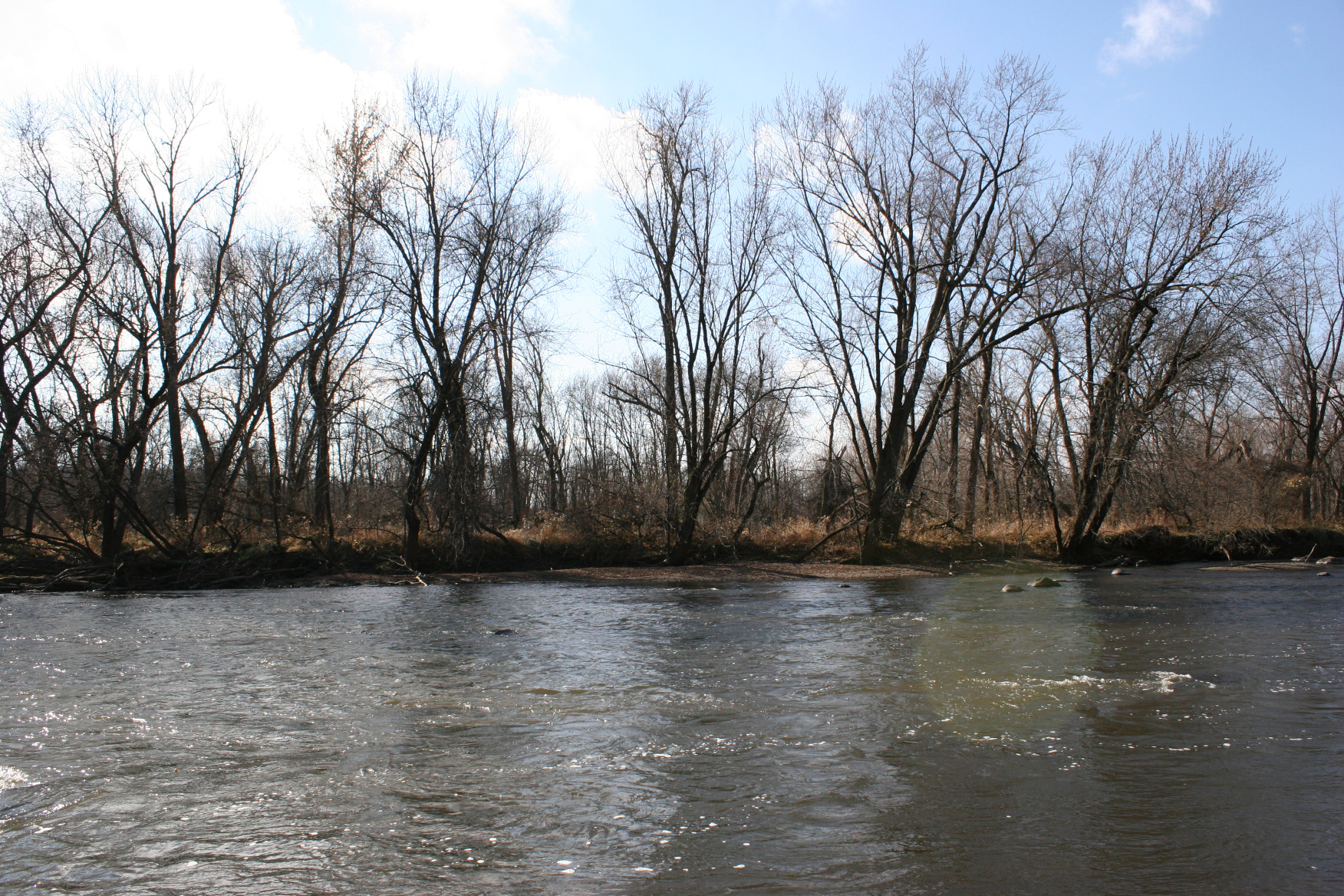
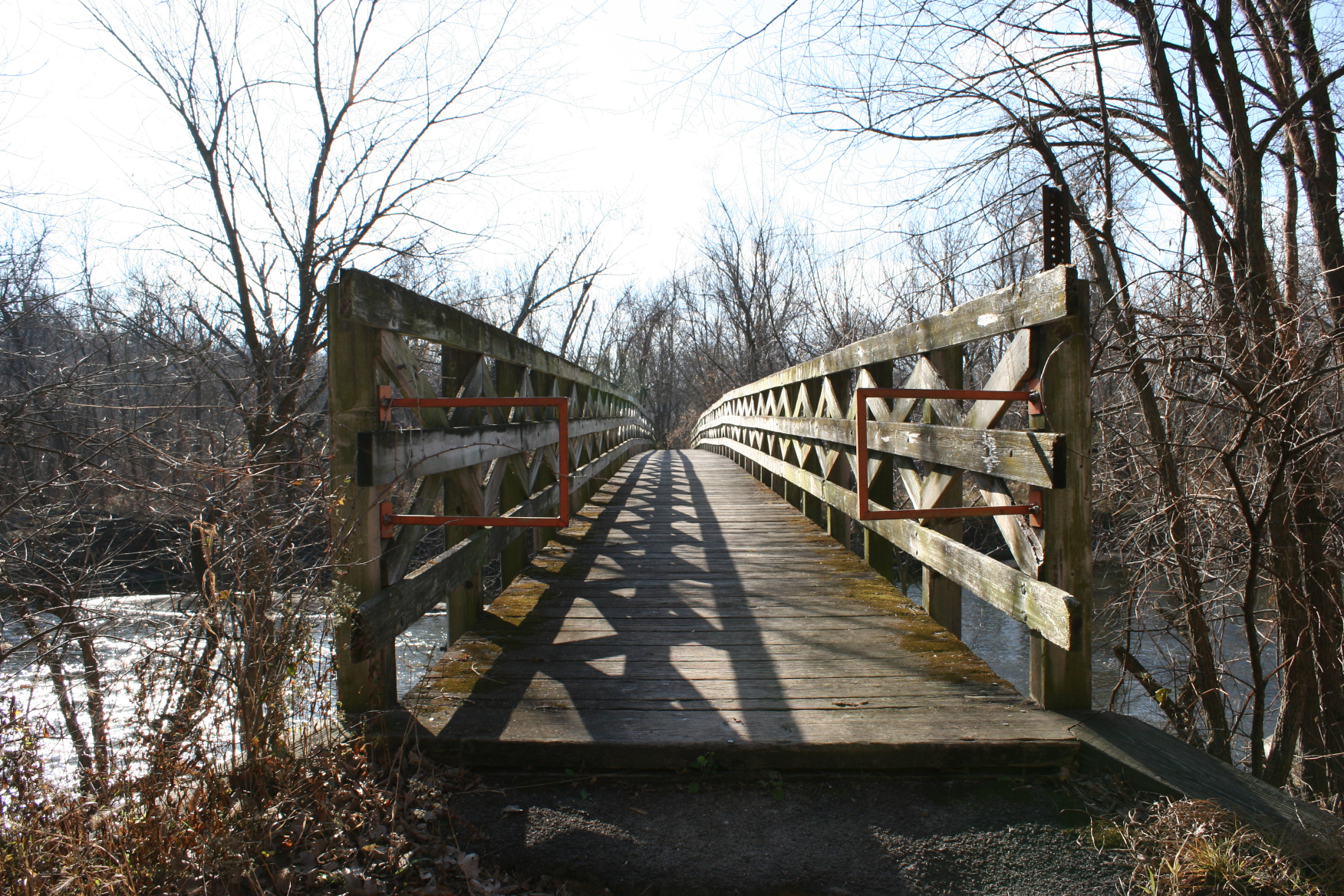
In the nearly 40 years we have lived in Rice County, we’ve only stopped here once, many years ago for a family picnic, but never to hike. On this day we followed the rutted gravel road along the river, past a junkyard and into the wilderness parking lot. We walked a short path to the Cannon River, then a longer one along the river to a foot bridge.
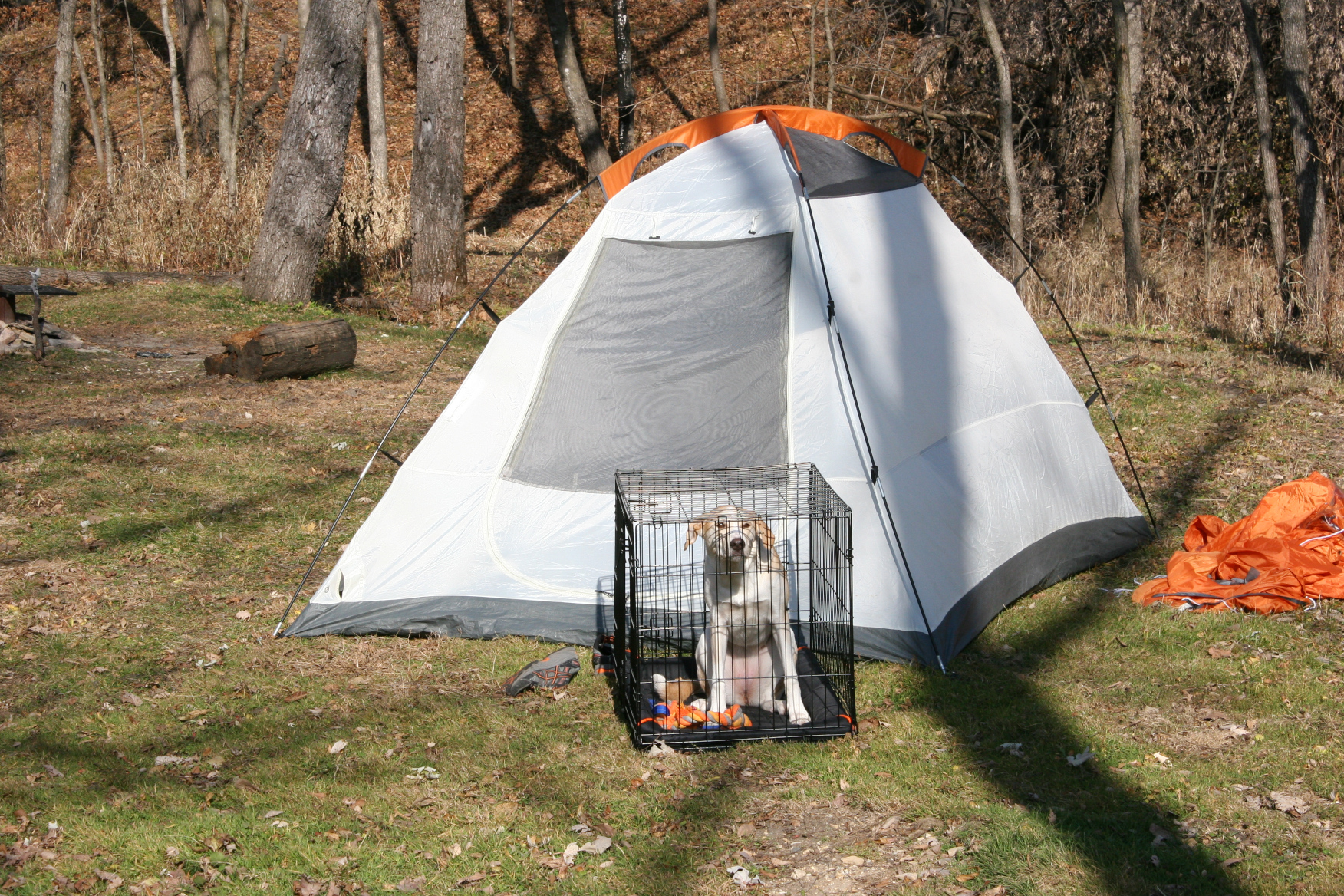
To get there, we passed two tents in the primitive camping area. I delighted in watching a young family gathered in the woods near river’s edge, enjoying the outdoors, away from distracting/detracting technology. At the next tent down, I observed a caged dog.
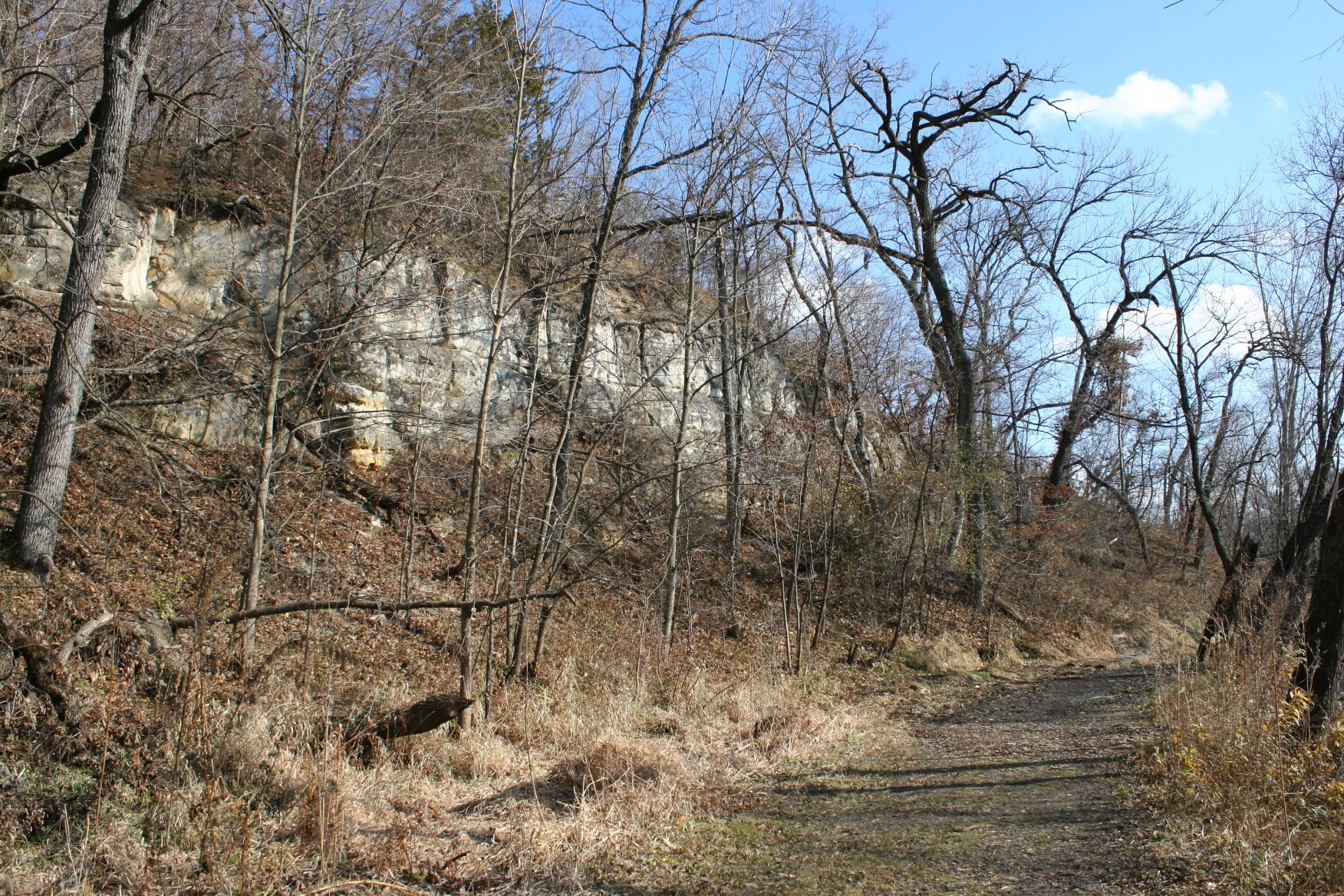
After passing the campers, we spotted a hillside bluff of limestone looming to the side of the trail.
Springs bubbled water across the muddy path partially covered by a thin layer of wood chips. I found myself tensing at the thought of traversing mud. My slip-on shoes, unlike Randy’s treaded boots, offered zero traction. And, with a history of two falls, one on rain-slicked wooden steps that resulted in a broken wrist and subsequent surgery to implant a plate, I felt angst.
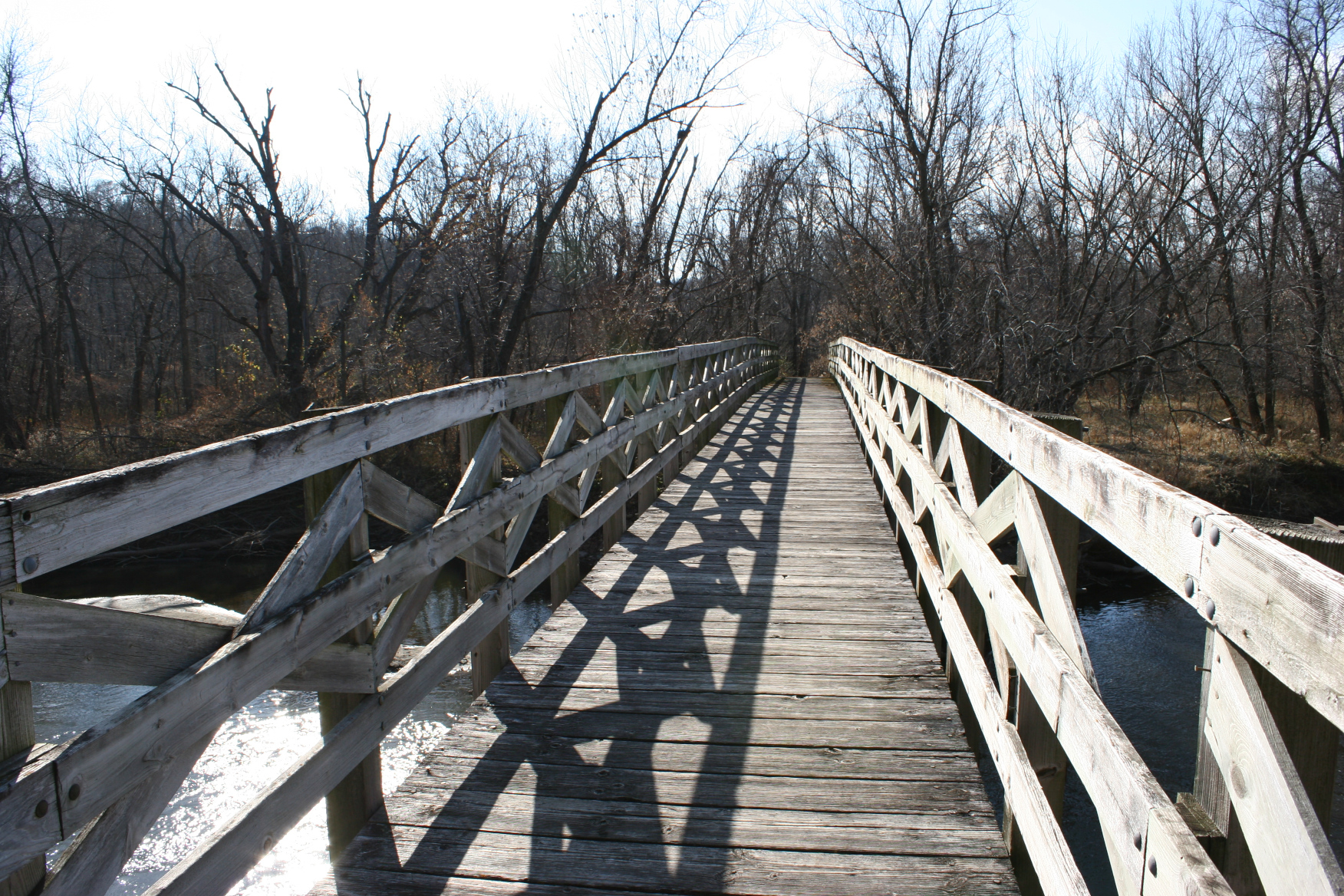
But Randy offered his hand to steady me as we walked across mud, atop slippery rocks and balanced on railroad ties. Eventually, we reached the pedestrian bridge over the Cannon.
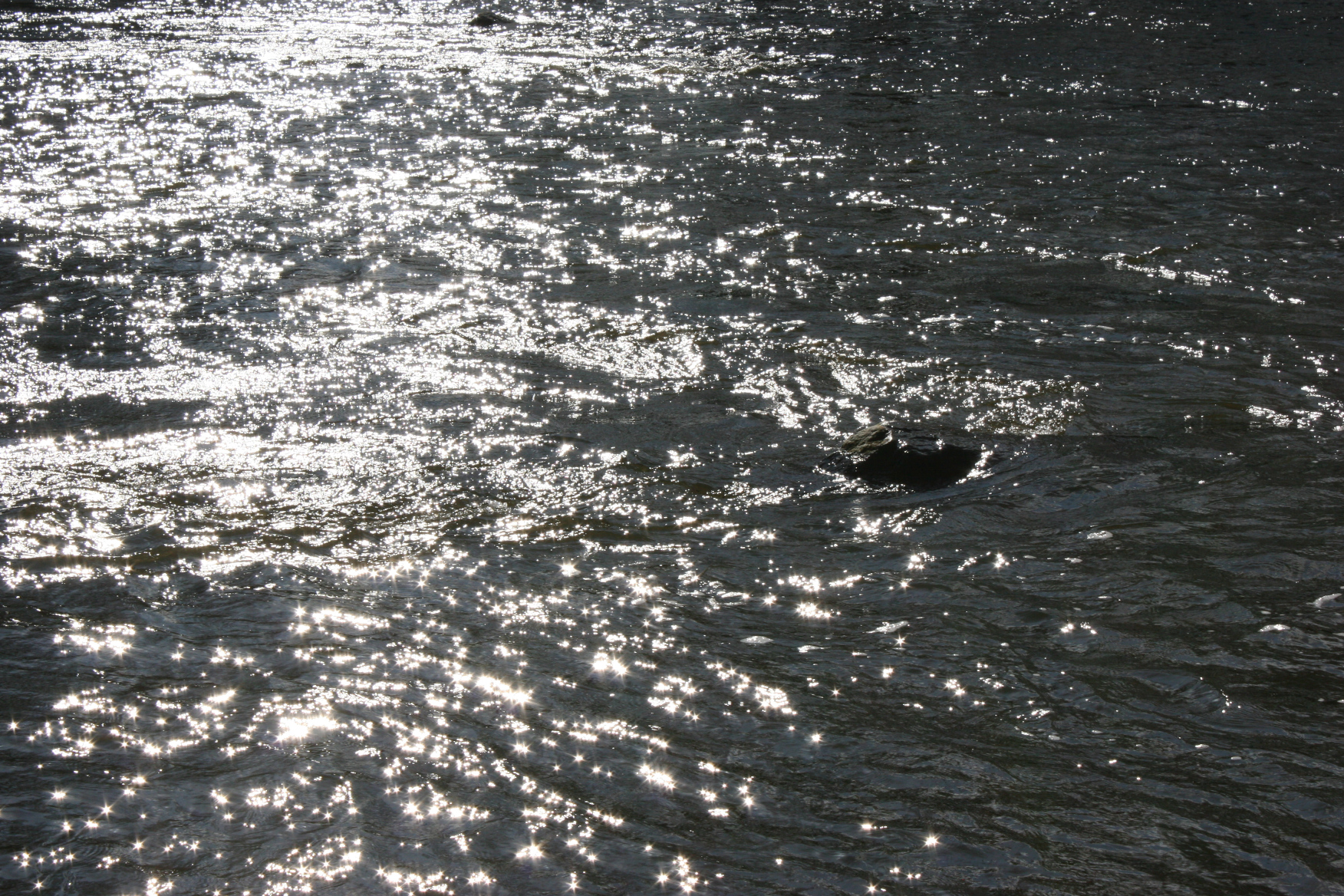
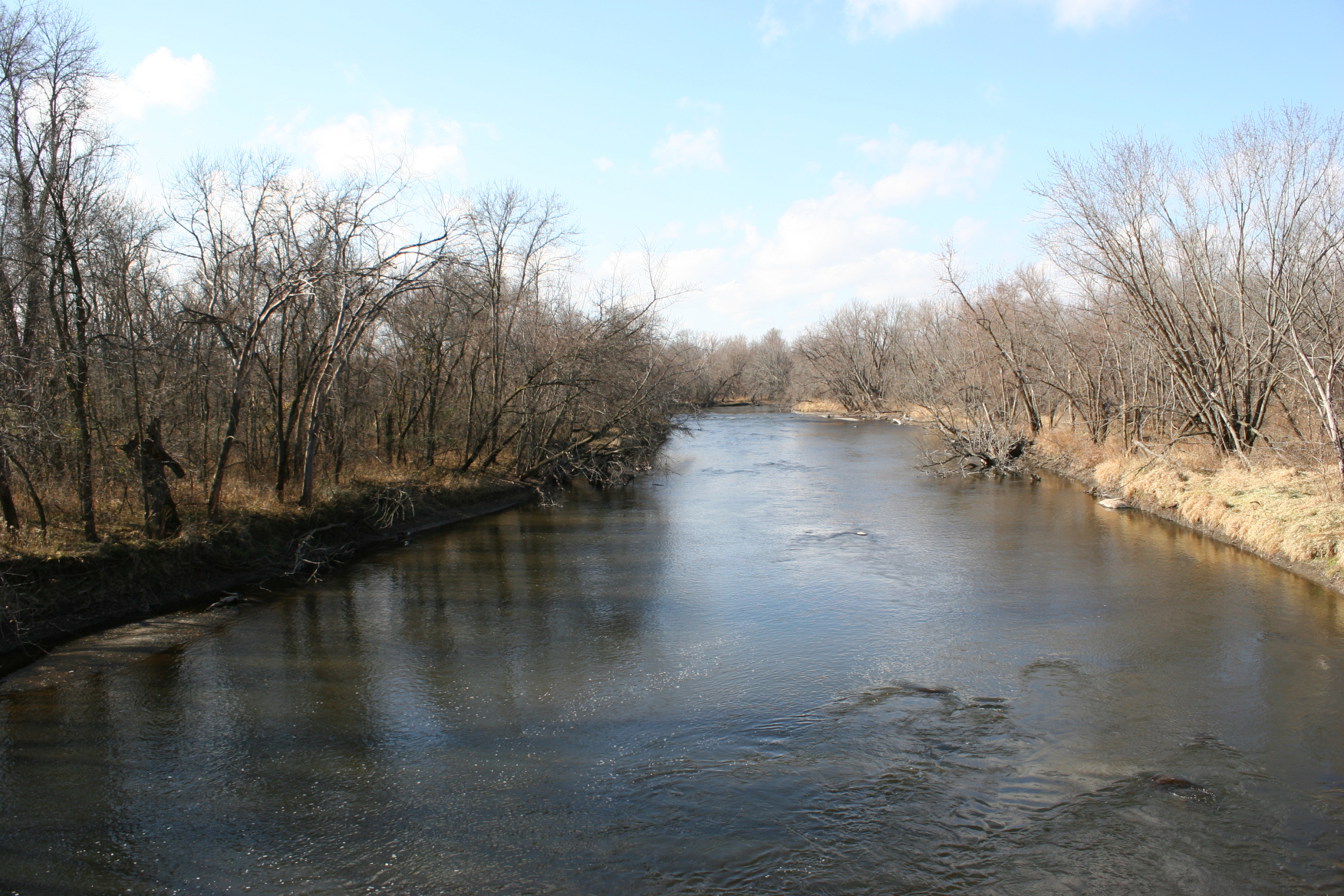
If anything soothes me, it is water and wind. And, on this early November day, I stood on that wooden bridge, taking in the elements that calm me. River rushing over rocks. Wind roaring through woods.
The sun, too, warming me and casting artsy criss-cross shadows upon the bridge deck.
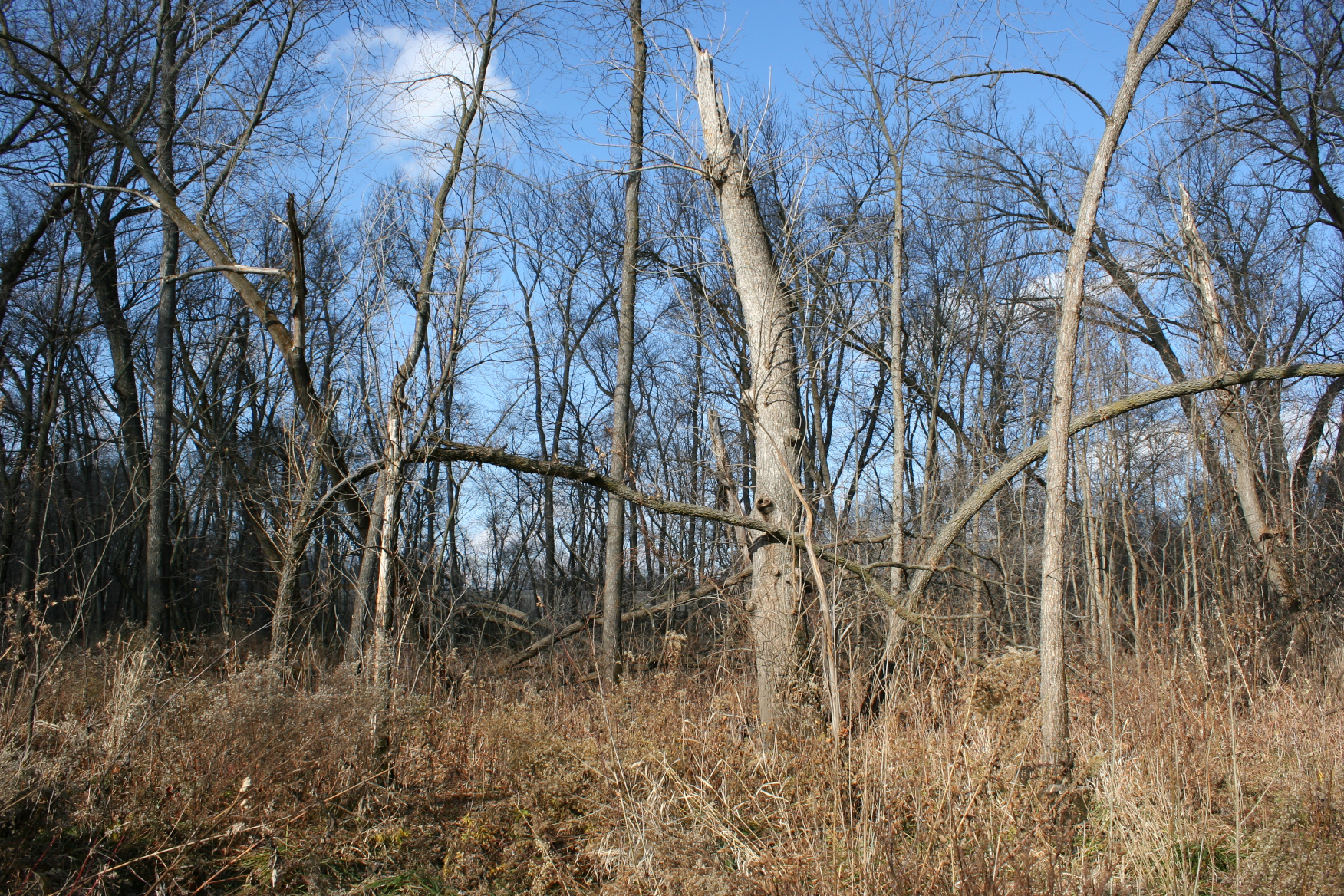
Then I noticed the trees. Tornado trees, I term them. Two years ago, in September 2018, tornadoes ravaged Rice County, including the 800-acre Cannon River Wilderness Area. Evidence of the storm remains in fallen trees, limbless trees, trees stripped of branches. In the woods. In the river. Along the riverbank. Thoughts of tornadoes invite distress as I recall the 1968 deadly tornado in Tracy, Minnesota, a storm I remember from my childhood in southwestern Minnesota. Some things you never forget.
But for a short time, I forgot about COVID as I immersed myself in the natural world. Even among tornado trees, some of which groaned in the strong wind.
As Randy and I retraced our steps along the muddy path, I focused on getting safely back to the parking lot without falling. But in a single step onto a rounded rock, my shoes slipped and I felt myself falling to the right. Thoughts of another broken bone flashed. As did the likelihood that my camera would be destroyed. Yet, Randy, who had been gripping my hand, caught me, even as he, too, nearly landed in the mud. I felt gratitude for his strength, for his support, for his care. We have traversed many a difficult journey through life. Together. And for that I am grateful, especially during a global pandemic.


















 Minnesota Prairie Roots
Recent Comments