Minnesota Prairie Roots

Writing and photography by Audrey Kletscher Helbling

Playing Scrabble for the love of words January 20, 2012

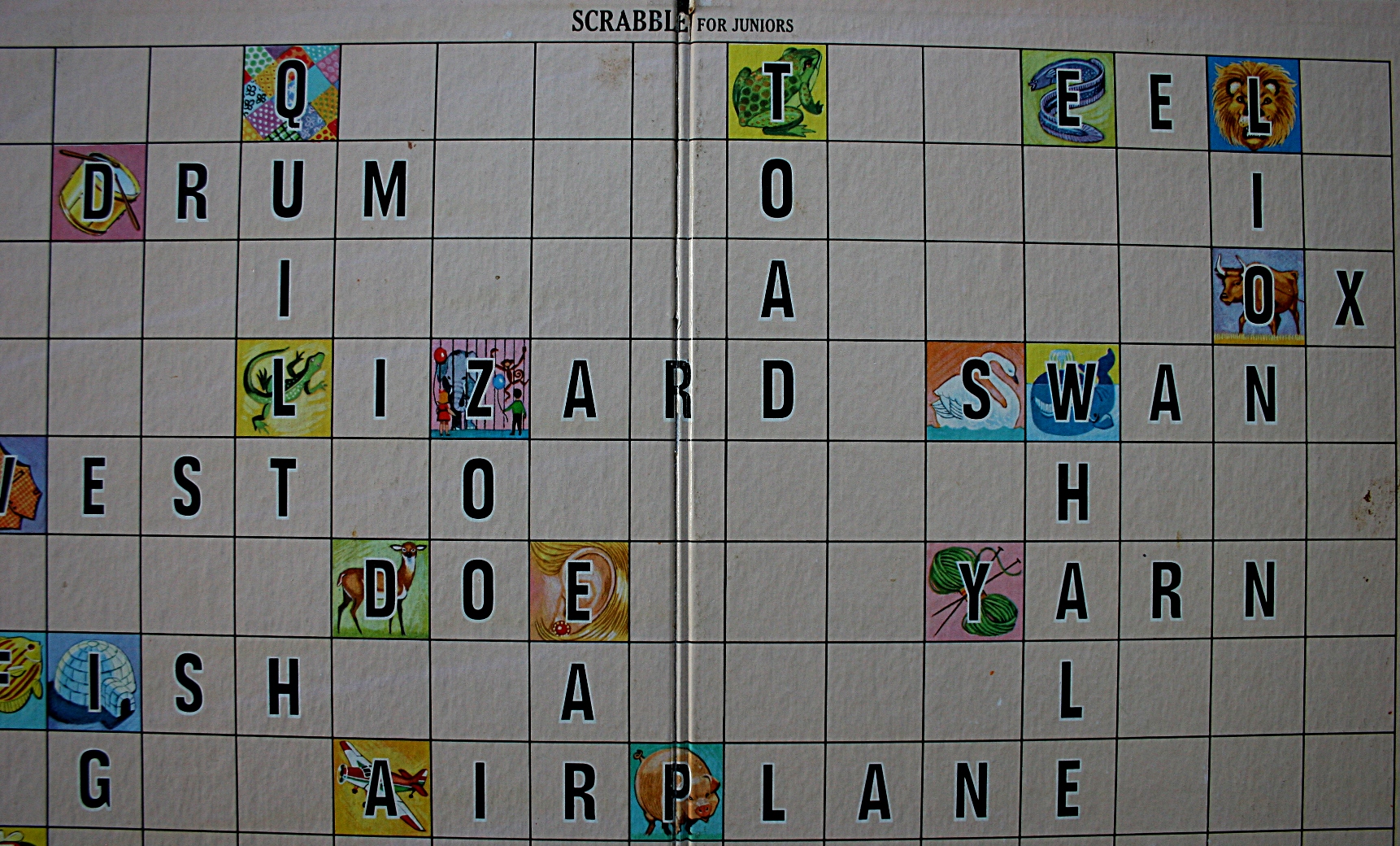
Letters from a 1960s Scrabble for Juniors game. The player who laid down a tile to complete a word printed on the game board earned a red counter. The player with the most counters won the game.

MY FINGERS SLIDE across the smooth, one-eighth-inch thick, blue cardboard squares imprinted with letters. B, M, C, R, O, A…and the dreaded Q, if I’m without a U.

In these tile letters, I touch childhood memories of gathering around the Formica kitchen table set upon worn red-and-white linoleum tiles to play Scrabble for Juniors.

The cover of the vintage Scrabble game for kids from my childhood.

It is the early 1960s and this “crossword game for children” manufactured by Selchow & Richter Company, Bay Shore, N.Y., marks my introduction to Scrabble, which today, in the grown-up version, remains my favorite board game.

Imagine that.

Imagine then me, a wee wisp of a grade school girl leaning across the table to snatch letters from a box lid, shaping those letters into a word and then, triumphantly, carefully, lining the letters upon the playing board, all the while scolding my siblings for bumping the table.

To play on this side of the vintage Scrabble board, players laid letters down to complete the pre-printed words. Lay down the last letter tile in a word, and you earned a red counter chip.

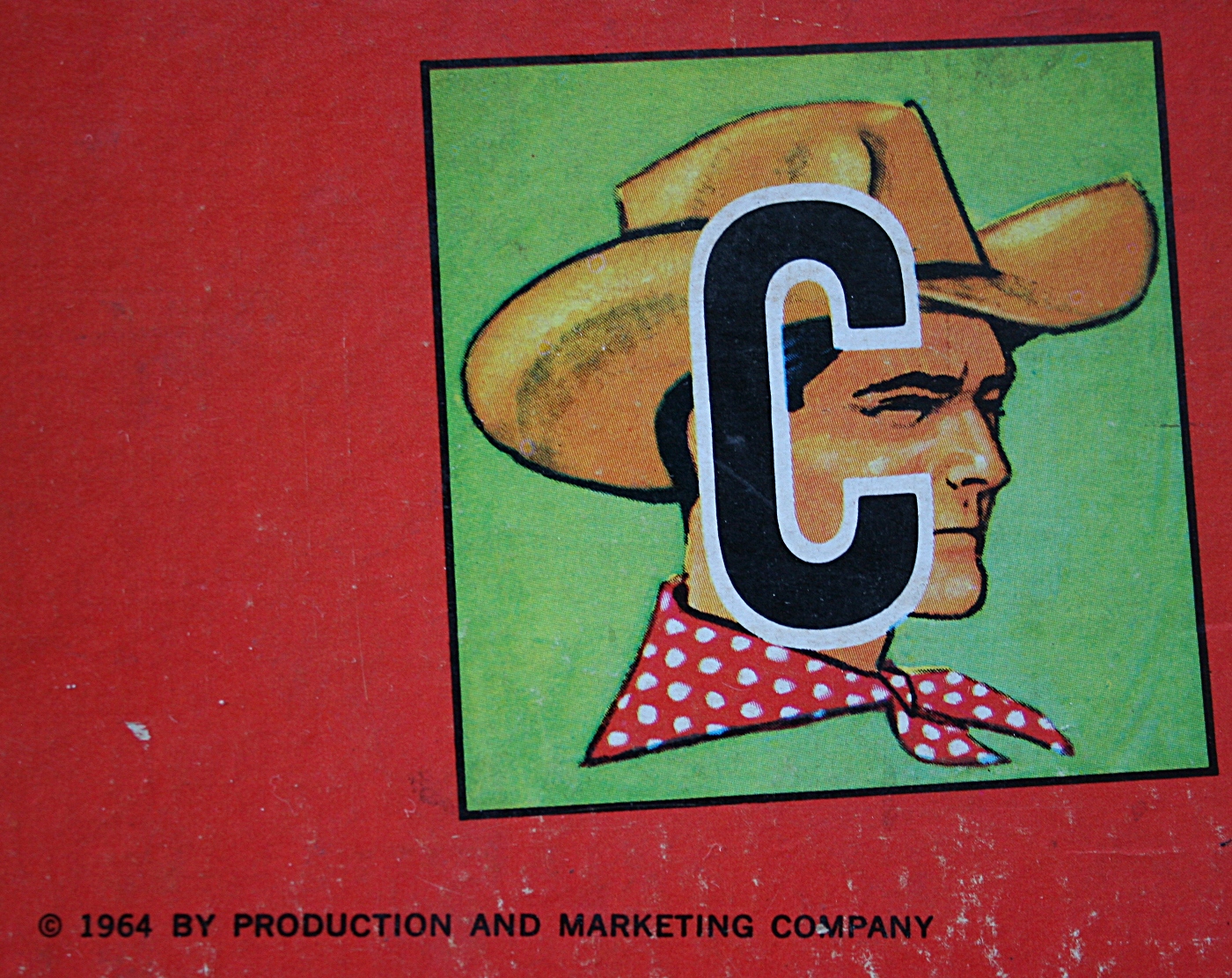
The 1960s Scrabble box cover includes an image of a cowboy at a time when television westerns were popular.

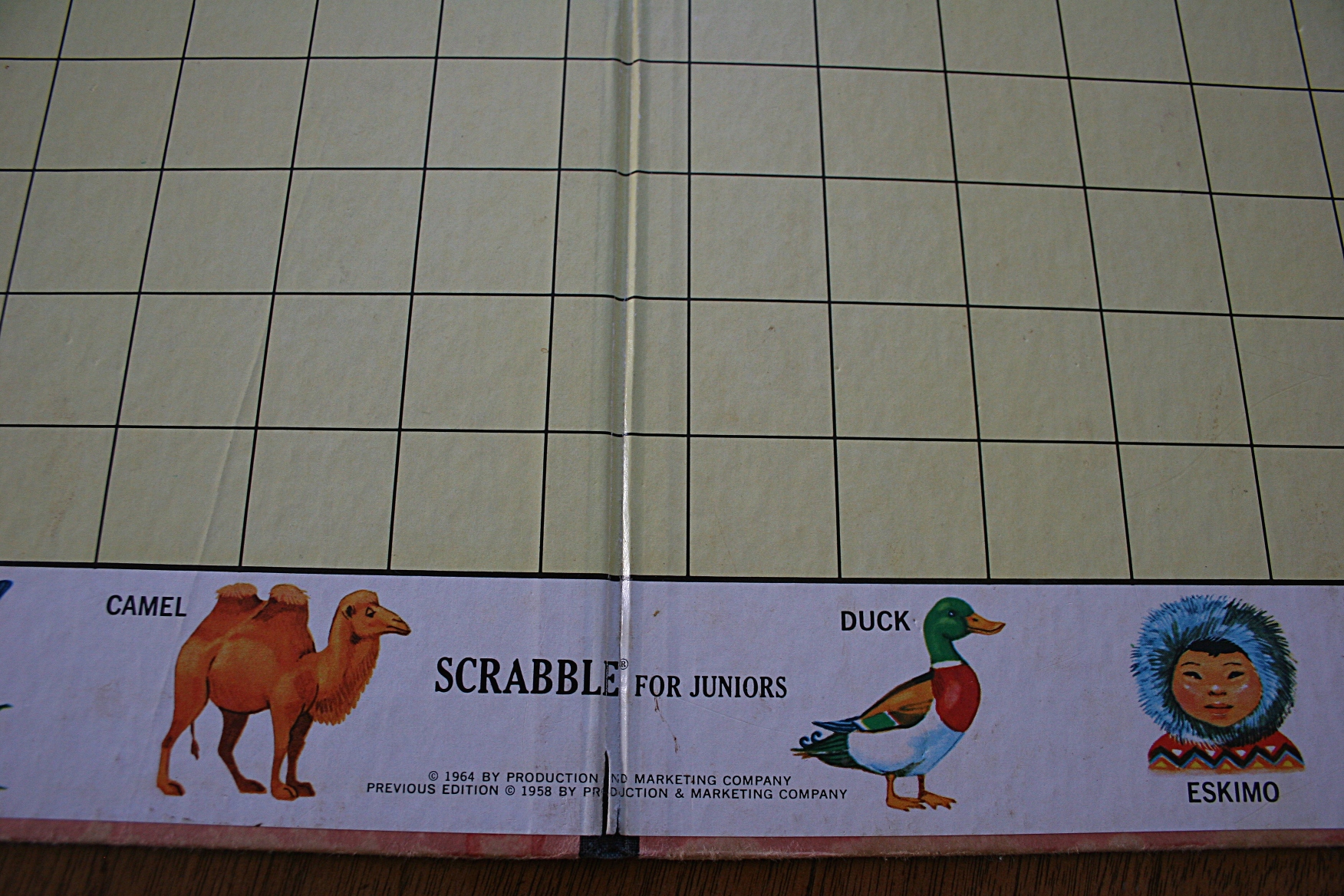
On the flip side of the vintage board, players created their own words, earning one point for each tile in each word formed or modified. As I recall, I couldn't get my siblings to play this side of the board too often.

While I’m certain my brothers and sisters wanted to win, I doubt their interest in this word game ever matched my passion. I delighted in unscrambling the letters into words. Words. Glorious words. Through my cat-eye glasses, I could envision the possibilities.

My earliest memories are of words read aloud from books. Books. Glorious books. At age four, after surgery to correct crossed eyes, I remember Dr. Fritsche at the New Ulm hospital asking me to look at a book. I could see. The pages. The words. The pictures.

Can you imagine how my parents must have worried about their little girl’s vision, how, as a poor farm family they scraped together enough money for the surgery that would keep me from going blind in one eye? I am, to this day, grateful for the gift of sight.

Those are my thoughts on this morning, the day after I heard a bit of trivia on the radio about Scrabble, information that proved to be false. Scrabble was not invented in 1955 as the radio announcer shared.

Rather, Alfred Mosher Butts, an unemployed architect, conceived the idea during the Great Depression and trademarked it in 1948.

For those of you who appreciate trivia, here’s some Minnesota trivia to tuck away in your brain: Jim Kramer, a proofreader from Roseville, Minnesota, won the U.S. Scrabble Open in 2006. This past year, he ranked fourth in the Division 1 section of the National Scrabble Championship and earned $1,000. Three other Minnesotans—from Minneapolis, Rosemount and Spring Lake Park—were among the 108 players participating in the Division 1 competition.

What, I wonder, initially drew these Minnesotans to Scrabble? Did they, like me, gather around the kitchen table as a child to grab letters from a box, form the letters into words and then slide those letters onto a playing board? Do they, like me, love words?

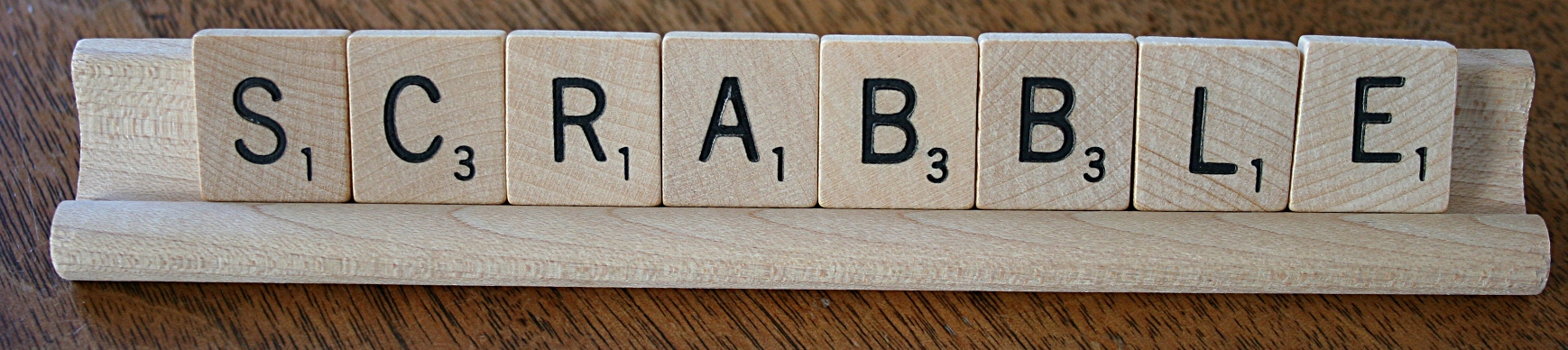
Letters in the adult version of a Scrabble game I received as a Christmas gift in the 1970s.

LET’S HEAR FROM YOU. What’s your favorite board game and why? What are your memories of playing board games as a child? Do you still play board games?

As any Scrabble player would know, I could not legitimately make the word "Minnesota" in a Scrabble game. But this is my blog and these are my rules. If anyone is ever up to a game of Scrabble, I'll play. The guys in my house just don't seem to enjoy word games.

© Copyright 2012 Audrey Kletscher Helbling


Words matter: Prejudice and acceptance in Faribault July 14, 2011

Filed under: Uncategorized — Audrey Kletscher Helbling @ 7:42 AM
Tags: , , , , , , , , , ,

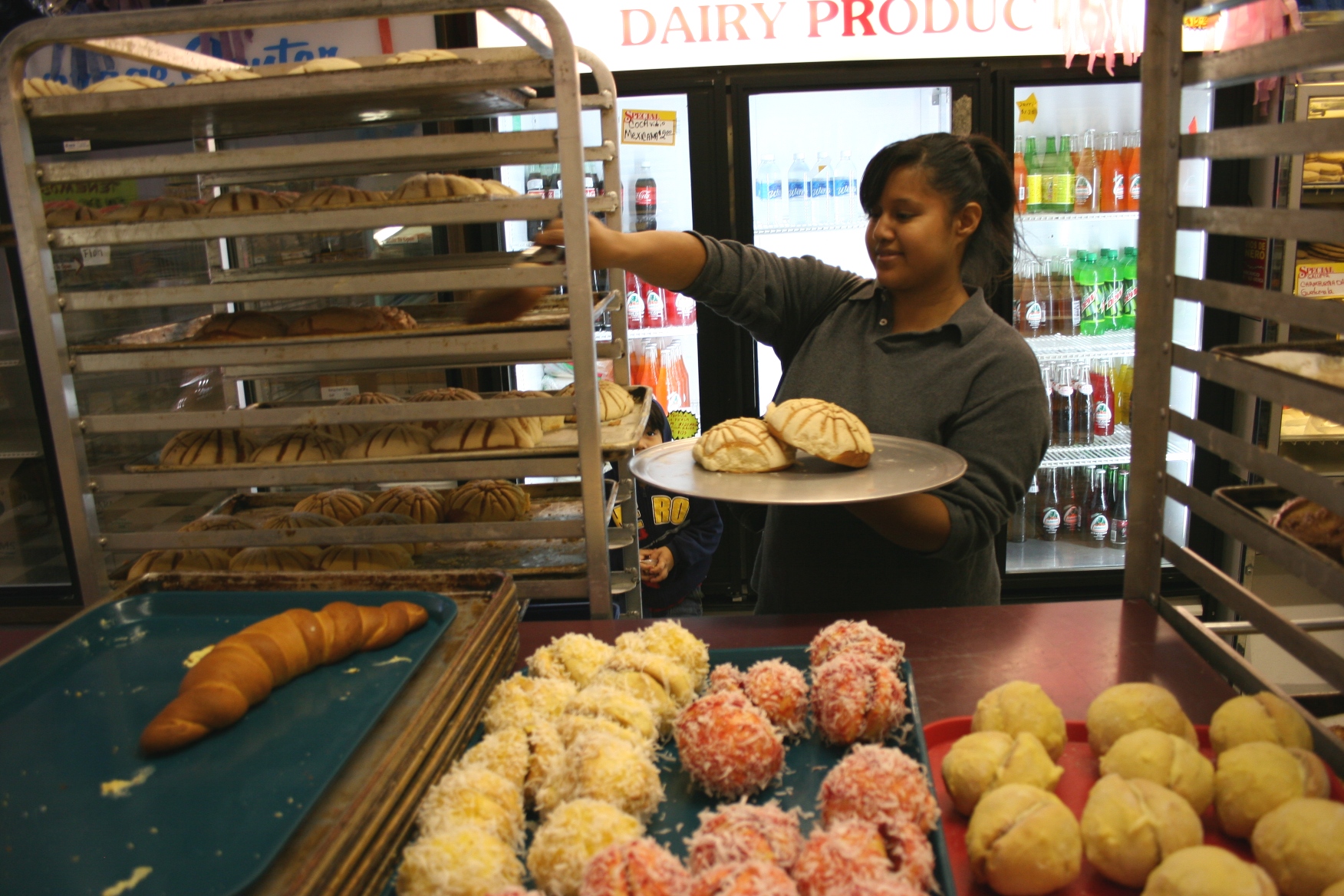
Faribault is home to a sizable Hispanic population. This file photo was taken at a downtown Faribault Mexican bakery, which has since come under new ownership. The bakery was once at the center of a controversy over its exterior color and was repainted when some local businessmen donated money for a new paint job.

EVERY TIME I HEAR a derogatory comment about an ethnic group, I am still surprised. I don’t know why.

Perhaps the fact that this is 2011, and not 1960, factors into my belief that people have overcome their prejudices toward those with skin colors different than their own.

Then I hear a statement like this: “Willow Street is becoming a little fill in a Spanish word here.” I hadn’t heard the word before, which is why I can’t remember it. But I know for certain that it was unkind and derogatory and cutting toward the Hispanic population that lives in my community of Faribault, specifically along my street.

I couldn’t allow the slam to go unchallenged, especially since it was spoken just as I was about to enter, of all places, my church for Sunday morning worship.

In an immediate moment of incredible self control, I responded by telling this clearly prejudiced individual that there are “good whites” and “bad whites,” just like there are “good Hispanics” and “bad Hispanics.” I knew I had to keep my response simple so he would understand. I also told him that my Hispanic neighbors are “good neighbors.”

With those words tumbling off my tongue, I walked into the sanctuary, attempting to dismiss my anger and focus on an attitude of forgiveness.

I also consciously shifted my thoughts to an exchange I witnessed a day earlier. As a Somali mother walked into a Faribault grocery store with her adorable preschool-aged daughter, a Caucasian couple engaged the woman in conversation. They inquired about the little girl and asked her name.

“Amira,” the Somali mother answered and smiled.

“That means ‘princess,’” the man said and continued to share a story about another Amira he knew. All the while, the mother beamed. When they parted, he told the pair, “God bless you.”

I was trailing behind, thinking how my Aunt Dorothy has always called me her “Little Princess,” even now, today, when I am in my 50s. That endearing nickname has always made me feel so loved. Words can make such an impact.

As the Somali woman continued down the grocery store aisle with her daughter tagging behind, I blurted, “She’s so cute.”

The mother of the little princess turned and rewarded me with a smile, a universal human expression that bonds all humans no matter their skin color.

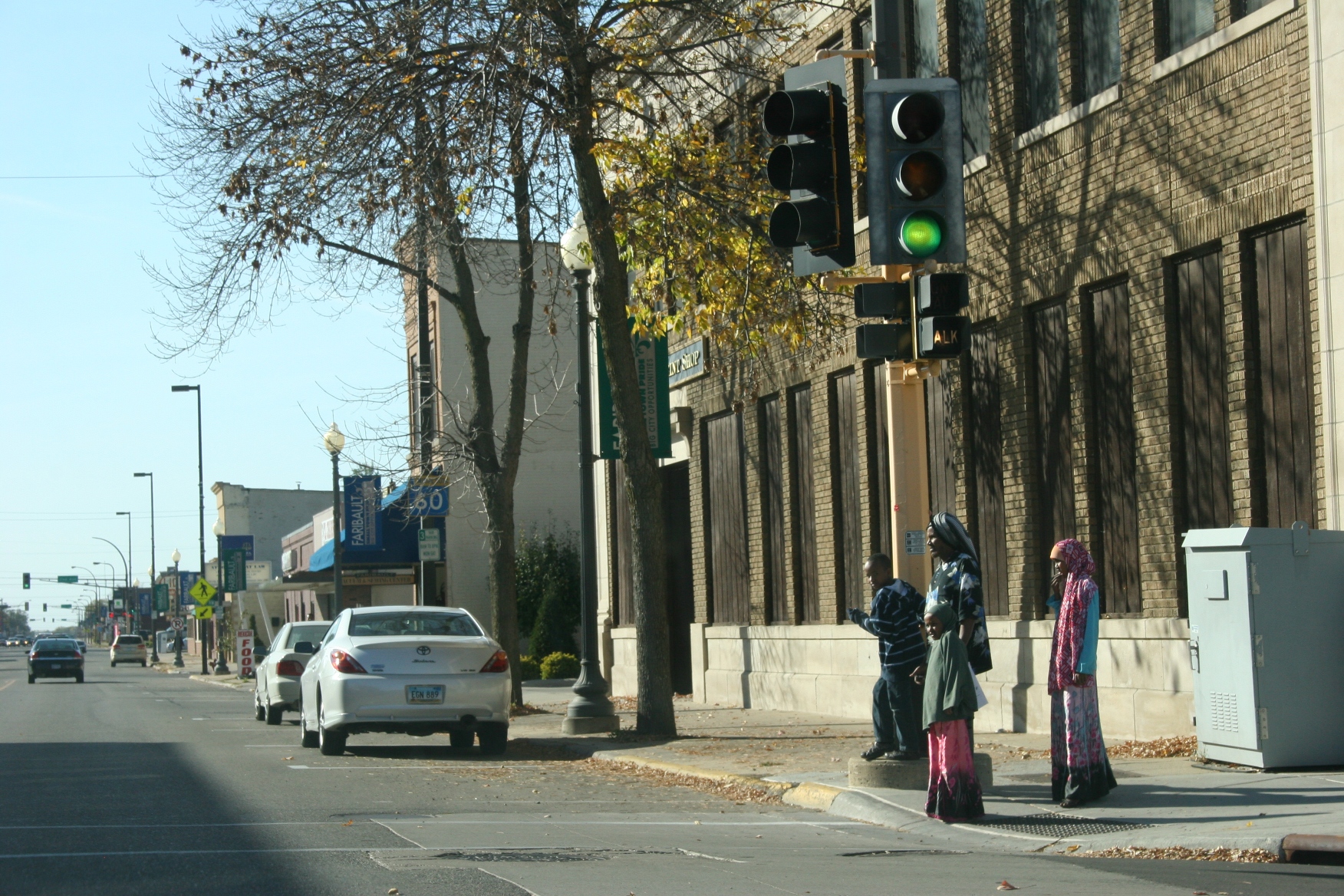
In this file photo, a Somali family waits to cross a downtown Faribault street.

CLICK HERE TO READ one of many posts I wrote related to the exterior colors of two ethnic restaurants in downtown Faribault. The color of the Mexican bakery, which has since changed hands, generated heated discussion within the community in 2009 and 2010.

© Copyright 2011 Audrey Kletscher Helbling


At the WordWalk: Why I won’t eat tuna June 28, 2011

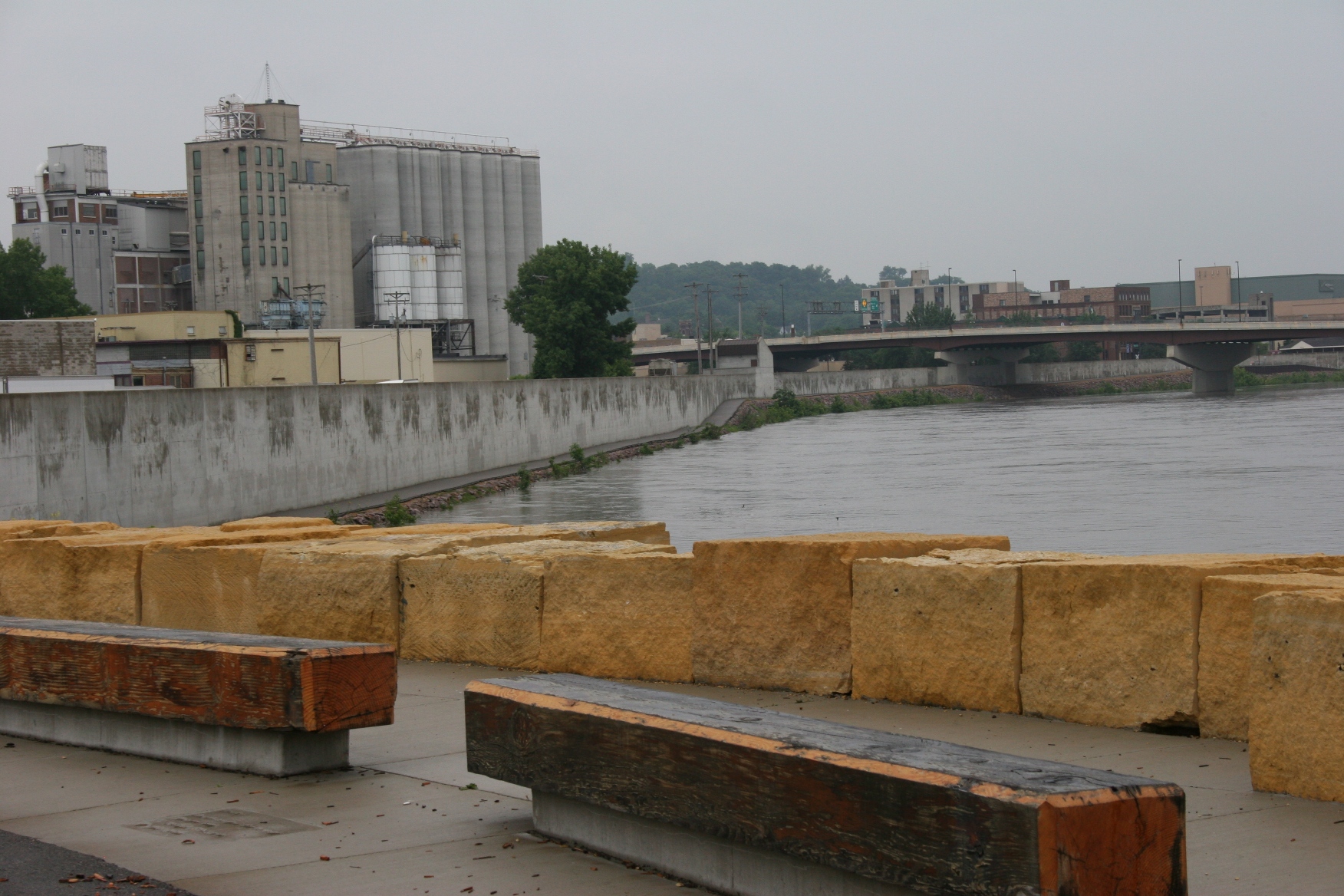
A view of the Minnesota River as seen from Riverfront Park, looking toward downtown Mankato.

THE MANKATO PARK SEEMS, in many ways, an ideal setting for poetry.

The usually playful Minnesota River bumps against the land here, acting on this Saturday afternoon like a willful, unruly child.

On the other side of Riverfront Park, across the tracks, historic buildings stand like forlorn children, neglected, waiting for someone to care.

Overhead, moody skies pout.

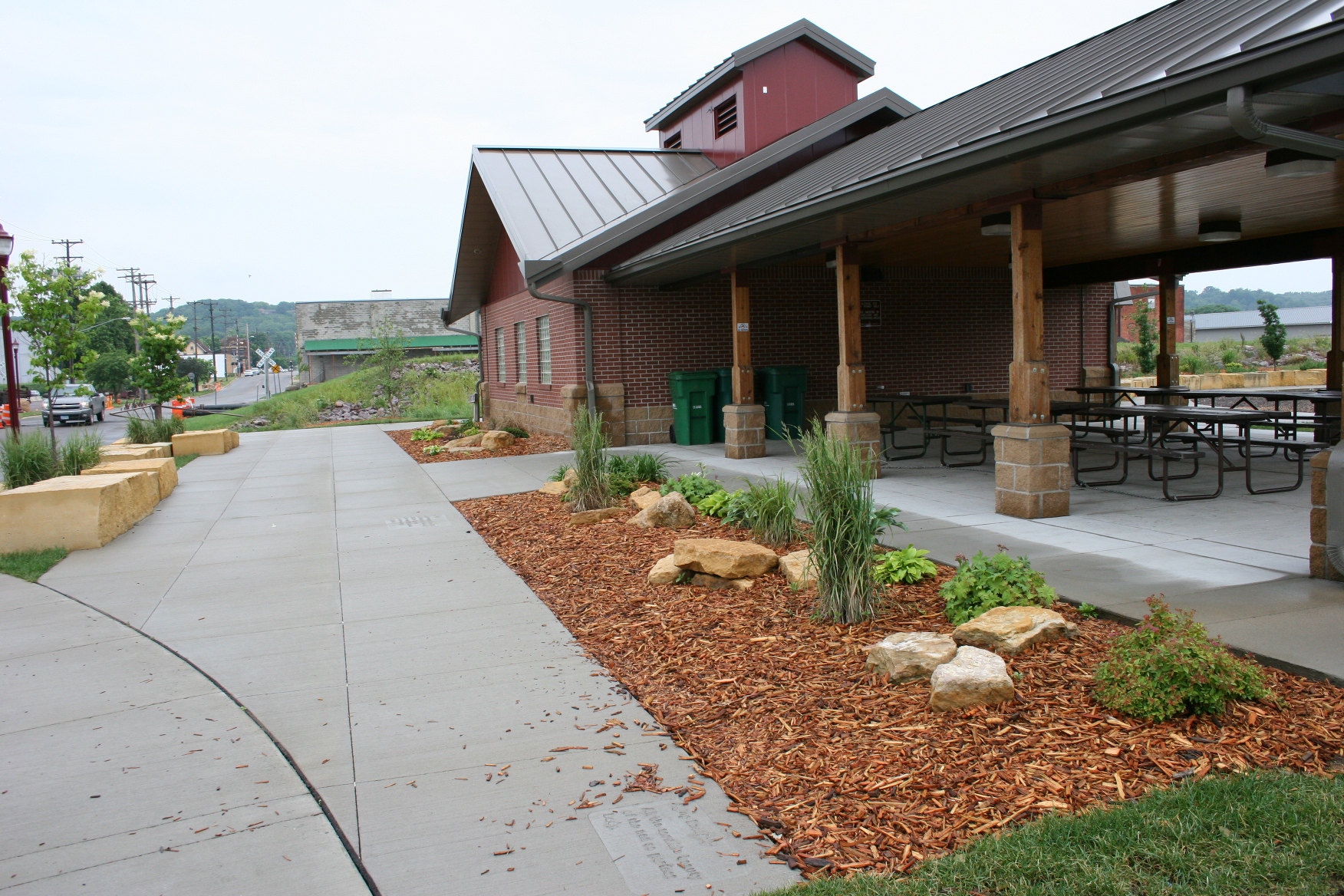
I have come here at this late afternoon hour to read the poetry imprinted upon cement. Occasionally the sky spits rain at me as I follow the gray sidewalk which mimics the gray day.

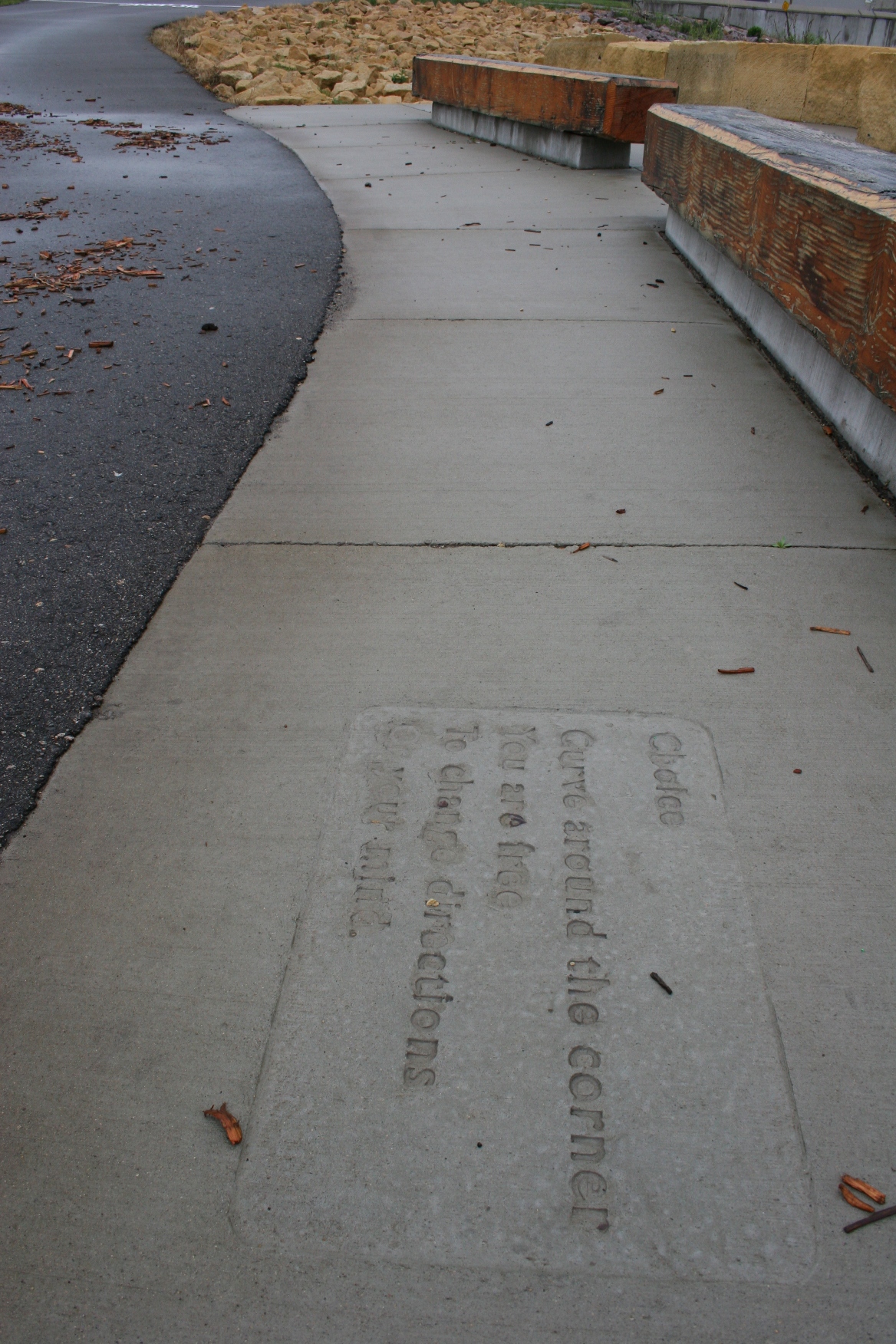
"Curve around the corner/You are free/To change directions/Or your mind," reads this poem by Marlys Neufeld of Hanska.

I read:

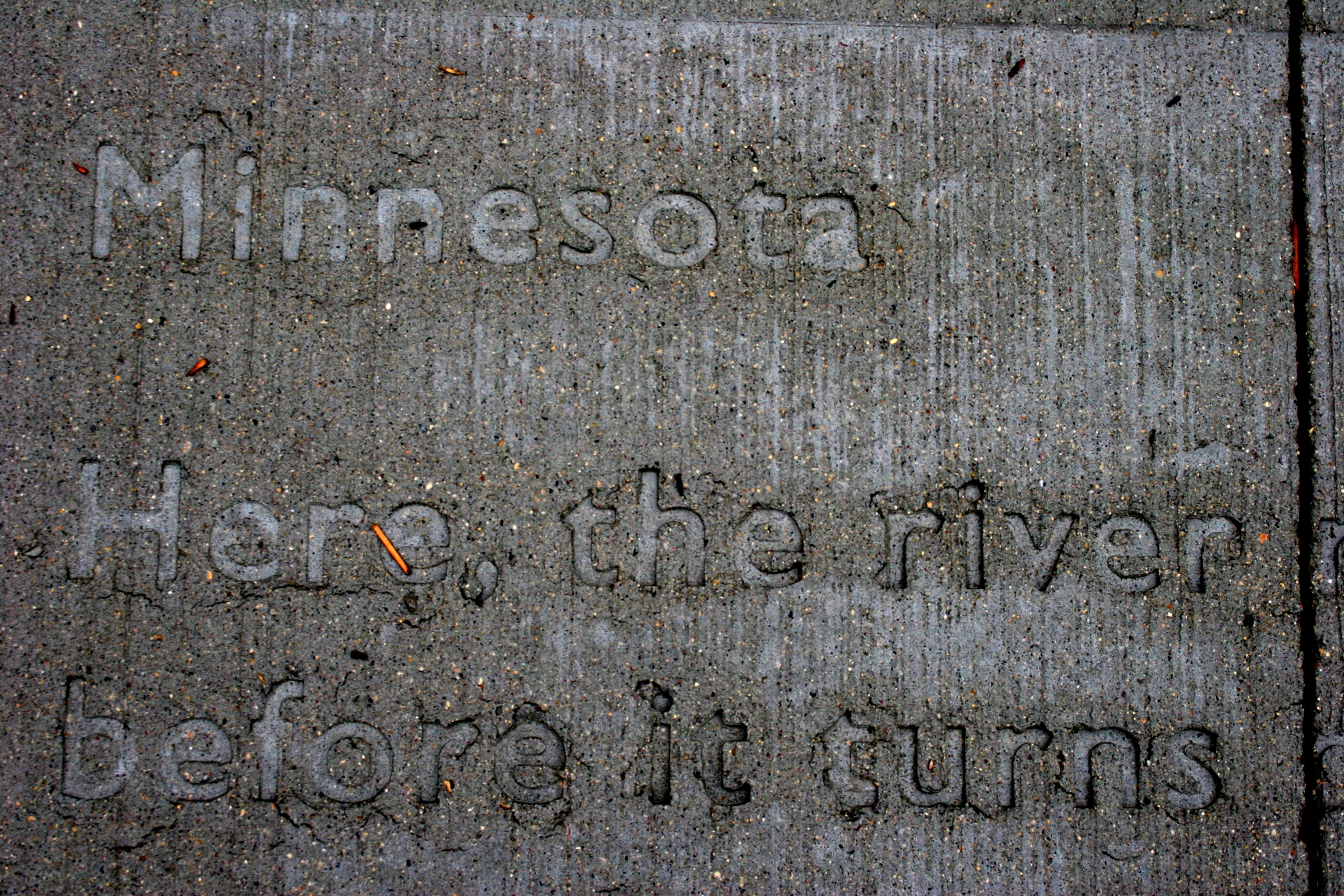
Minnesota

Here, the river rests its elbow

before it turns north to meet

the father of them all.

Here we made 38 mistakes

we now try very hard

not to forget.

A snippet of the poem, "Minnesota." I've edited this image so that you can better read the words. The poems are, unfortunately, a bit difficult to read because of a lack of color contrast between the letters and the cement.

The poem by Ikars Sarma of Mankato refers to the hanging of 38 Dakota here on December 26, 1862. A heavy thought to match the heaviness of the sky, the raging of the river, the anger that still simmers over this shameful moment in this city’s history.

I move on.

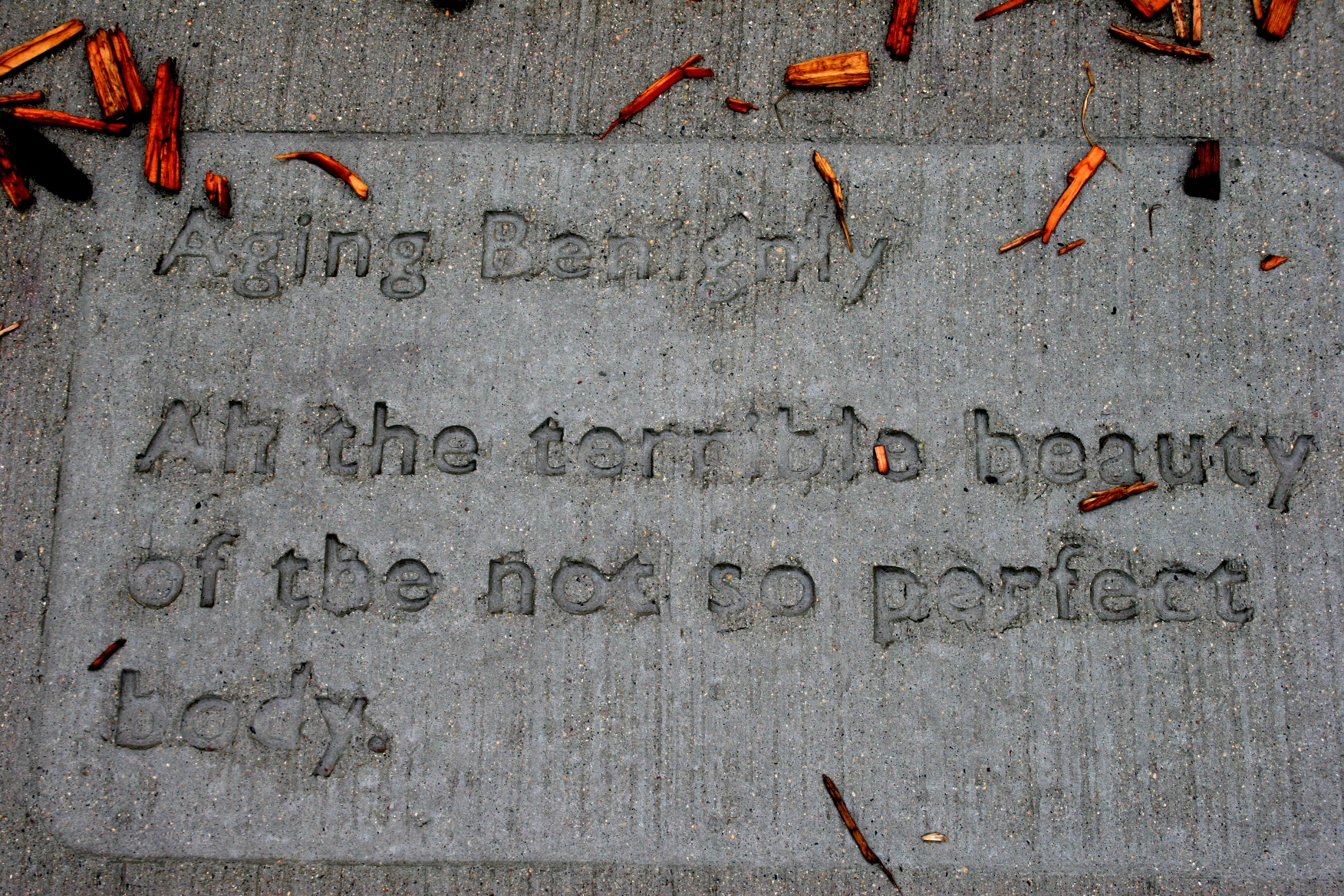
Susan Stevens Chambers of Good Thunder writes:

Aging Benignly

Ah the terrible beauty

of the not so perfect

body.

In this edited photo, read Susan Stevens Chambers' poem about aging.

Nearby kids scramble up a rock wall as I struggle to lift my aging bones from the sidewalk where I have bent close to read and photograph Chambers’ poem.

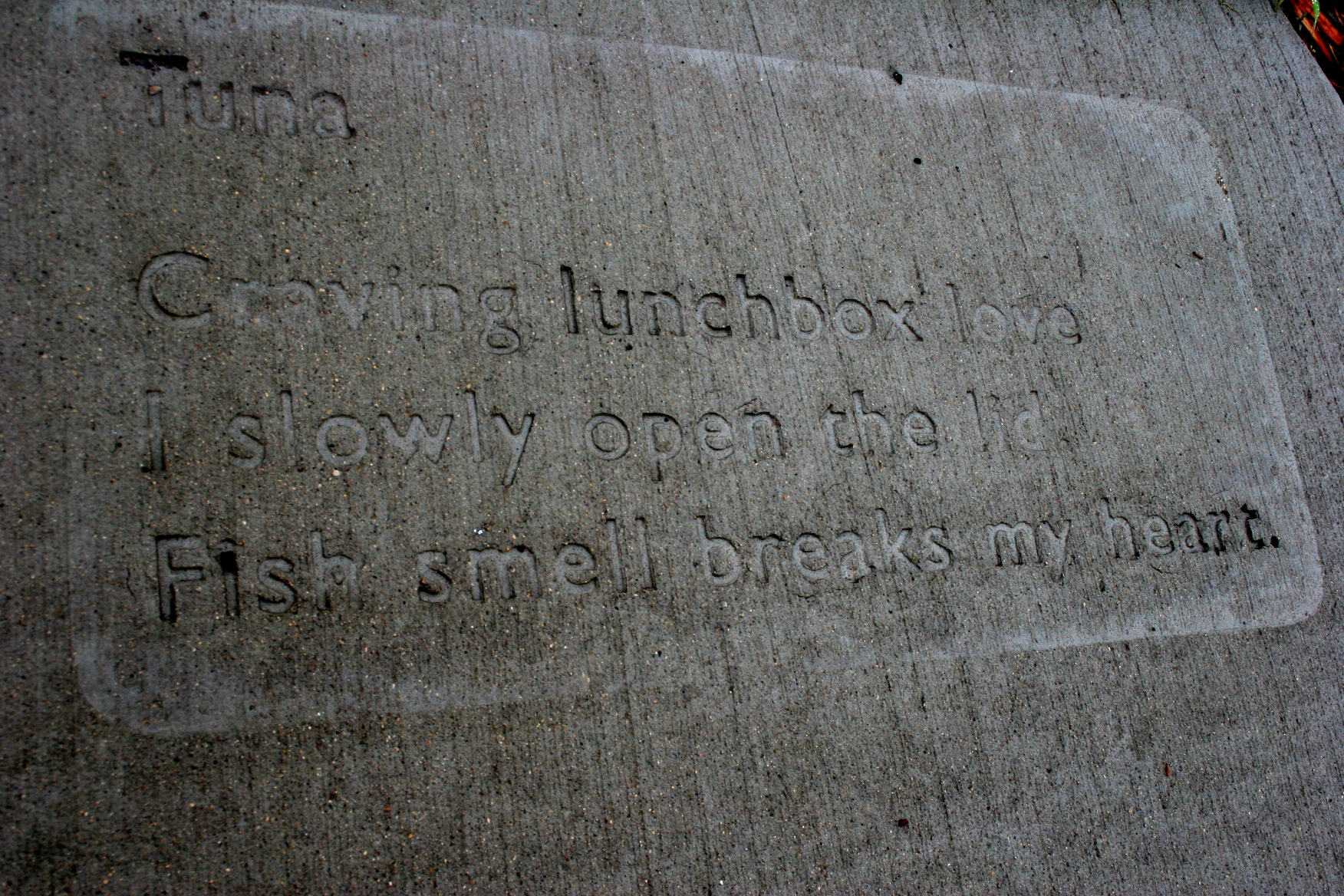
Then I laugh at the words penned by Mankato resident Yvonne Cariveau:

Tuna

Craving lunchbox love

I slowly open the lid.

Fish smell breaks my heart.

The poem that causes me to remember all the tuna I ate during my last two years of college.

Exactly. I ate too much tuna in this college town between 1976 and 1978. I could write my own poem about cramming tuna sandwiches while cranking out stories at the Mankato State University (I still can’t call it Minnesota State University, Mankato) student newspaper, The Reporter.

Deadlines and words.

Words and deadlines.

Tuna. Words. Deadlines.

Cariveau’s writing reminds me of those years so long ago when I was young and only beginning my journey into the poetry of life.

WordWalk poems are imprinted on the sidewalk circling this restroom/shelter facility at Riverfront Park in Mankato.

FOR MORE INFORMATION about Mankato’s public sidewalk poetry, WordWalk, click here and here. At least two other Minnesota cities, of which I am aware, have sidewalk poetry: St. Paul and now Northfield.

WHAT’S YOUR OPINION on sidewalk poetry? Do you like it, or not? Would you like to see more such public poetry in Minnesota communities? Why or why not?

© Copyright 2011 Audrey Kletscher Helbling


Bratty Boy Scouts March 11, 2011

Filed under: Uncategorized — Audrey Kletscher Helbling @ 8:38 AM
Tags: , , , , , , ,

APPARENTLY I’M NOT ALONE in noticing, appreciating and photographing interesting signs.

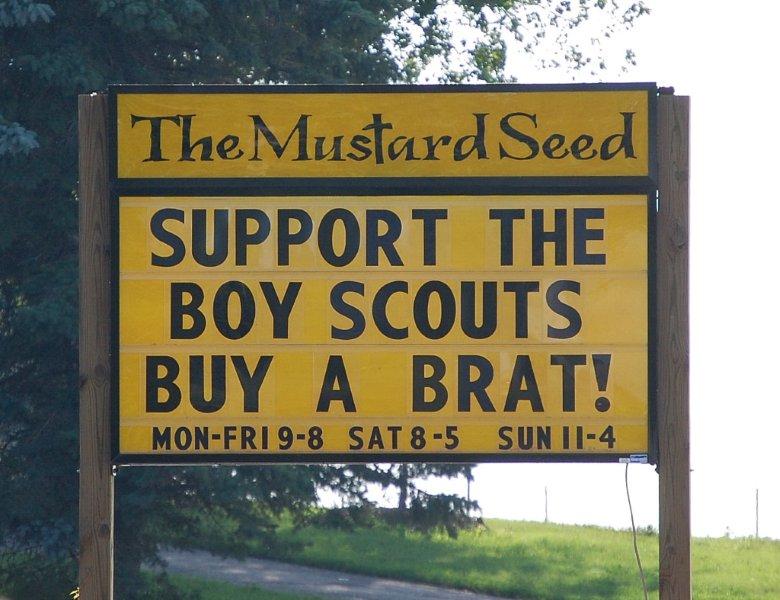
After reading my post this week about the Antique Maul in Sleepy Eye, photographer Harriet Traxler of rural Carver e-mailed a photo of a sign supporting the Boy Scouts. The only problem—read the words the “wrong way” and they take on an entirely different meaning.

Here’s the sign Harriet spotted several years ago in front of a garden store along U.S. Highway 212 between Chaska and Cologne, Minnesota.

“I did a double take and had to turn around and get a couple of photos before they changed it because I knew it wouldn’t be there the next day and it wasn’t,” Harriet says. “Sometimes it is all in how you read it!”

Brats (as in food) or brats (as in bratty Boy Scouts)?

But Harriet wasn’t finished sharing her silly word stories. “We were once on a road trip to Florida and we stopped at a small cafe in Georgia to have breakfast,” she says. “No one in our group knew what ‘grits’ were so several had to try that (cereal like cream of wheat). Someone at the next table saw a sign on the counter that said ‘Polish Sausage’ and asked the waitress how they ‘polished their sausage.’ We are still laughing at that one.”

SO HOW ABOUT YOU? What humorous or intriguing signs have you spotted while you’ve been out and about? Watch for them. You’d be surprised how many can have double meanings.

© Text Copyright 2011 Audrey Kletscher Helbling

© Photo Copyright 2011 Harriet Traxler