Minnesota Prairie Roots

Writing and photography by Audrey Kletscher Helbling

Worrying about the Wisconsin tornadoes April 10, 2011

Filed under: Uncategorized — Audrey Kletscher Helbling @ 9:49 PM
Tags: , , , , , , ,

FOR THE PAST 1 1/2 HOURS, after receiving a text from my second daughter that she is hunkered down in the basement of her Appleton, Wisconsin, apartment, I have been worrying.

Her area of Wisconsin has been under a tornado warning.

So, for awhile, we texted back and forth, until finally, I thought it easier to call.

She didn’t seem scared, only worried about predicted hail and about her car sitting out in the parking lot.

Me? My daughter’s safety is top on my list. She is on call tonight for her job as a Spanish medical interpreter and I wanted to make sure she stayed put.

I made the mistake of logging onto the severe weather chatline on the area’s television station, FOX 11 WLUK-TV. Reports of tornadoes and strong winds and damaged buildings are streaming in.

Minute after minute, I read aloud, to my girl, the live chat comments. Finally, she said, “Mom, I think you’re scaring yourself.”

She would be right. I’m afraid of tornadoes, which could have something to do with the Tracy tornado of June 13, 1968, which killed nine. I lived, back then, only 25 miles from that southwestern Minnesota town.

But on this stormy night in Wisconsin, I’m afraid of a tornado six hours away in a state where I know few towns by name, let alone the counties where tornado warnings have been issued.

I recognize Menasha and Oskosh and Appleton and Little Chute.

And as I read the live chat comments, I realize that half of what I’m reading may be untrue.

So I read this comment to my daughter: “If people could type only what they know to be true that would be helpful!”

For the mom back in Minnesota, that would be very helpful.

And then my daughter tells me she has to go, that work is calling. And I tell her, emphasizing each word, “Don’t go anywhere.”

I’m hoping she will listen.

I tell her dad to call her.

But before he can, my cell phone rings. My daughter was asked to interpret over the phone. But because she was hunkered in the basement, without everything she needed for work, the scheduler told her to stay put.

For that I am thankful.

The last time I checked the National Weather Service, the storm was moving away from Appleton, toward the Green Bay area.

I’ve asked my daughter to let me know if there’s any storm damage in her area of Wisconsin.

But for now, I think I’ll log off that live severe weather chat line and call it a night. Oh, and I’ll say a prayer for our Wisconsin neighbors, adding a prayer also that my daughter doesn’t get called out on this stormy night.

Copyright 2011 Audrey Kletscher Helbling


A beauty queen moment April 9, 2011

Filed under: Uncategorized — Audrey Kletscher Helbling @ 9:22 AM
Tags: , , , , ,

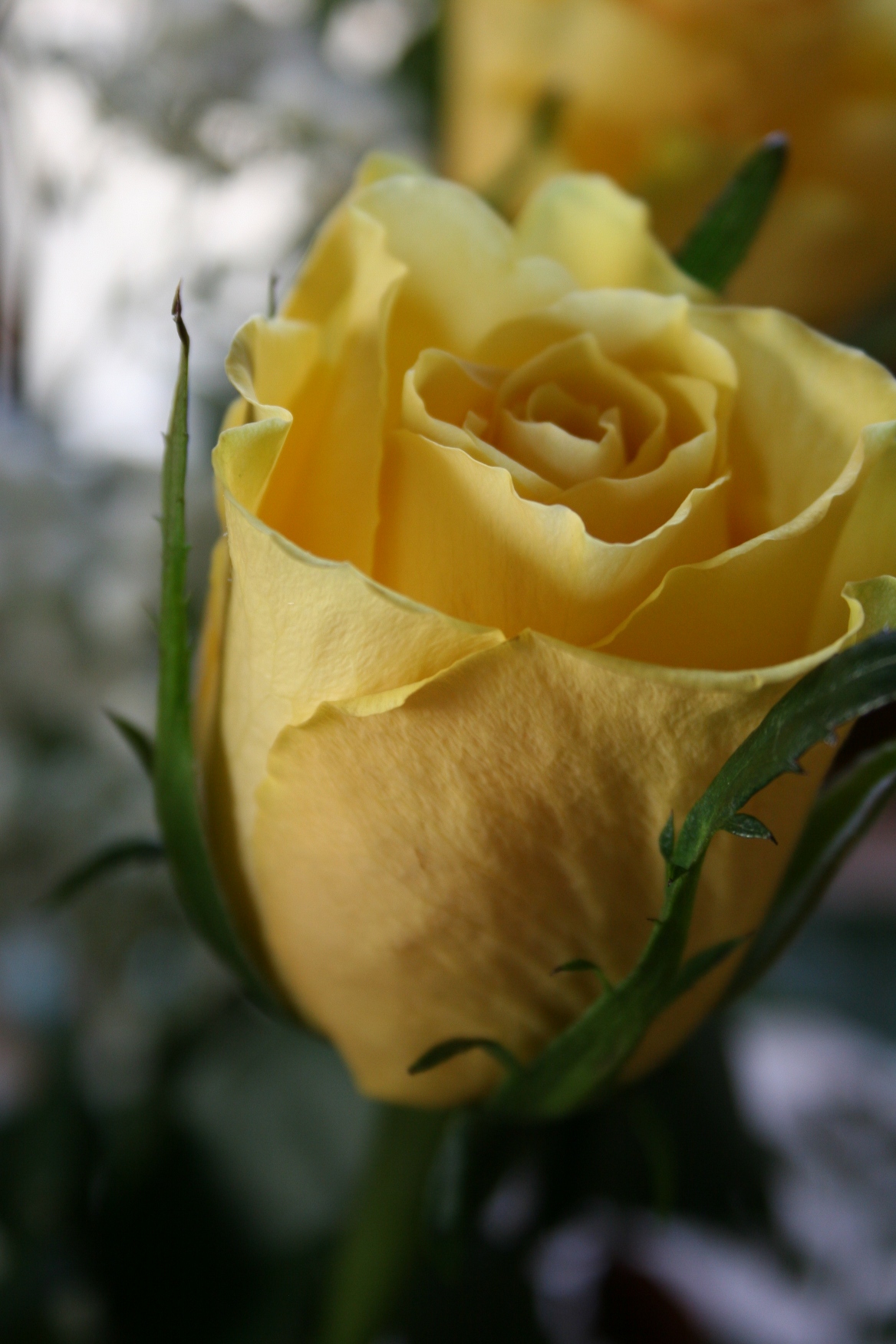
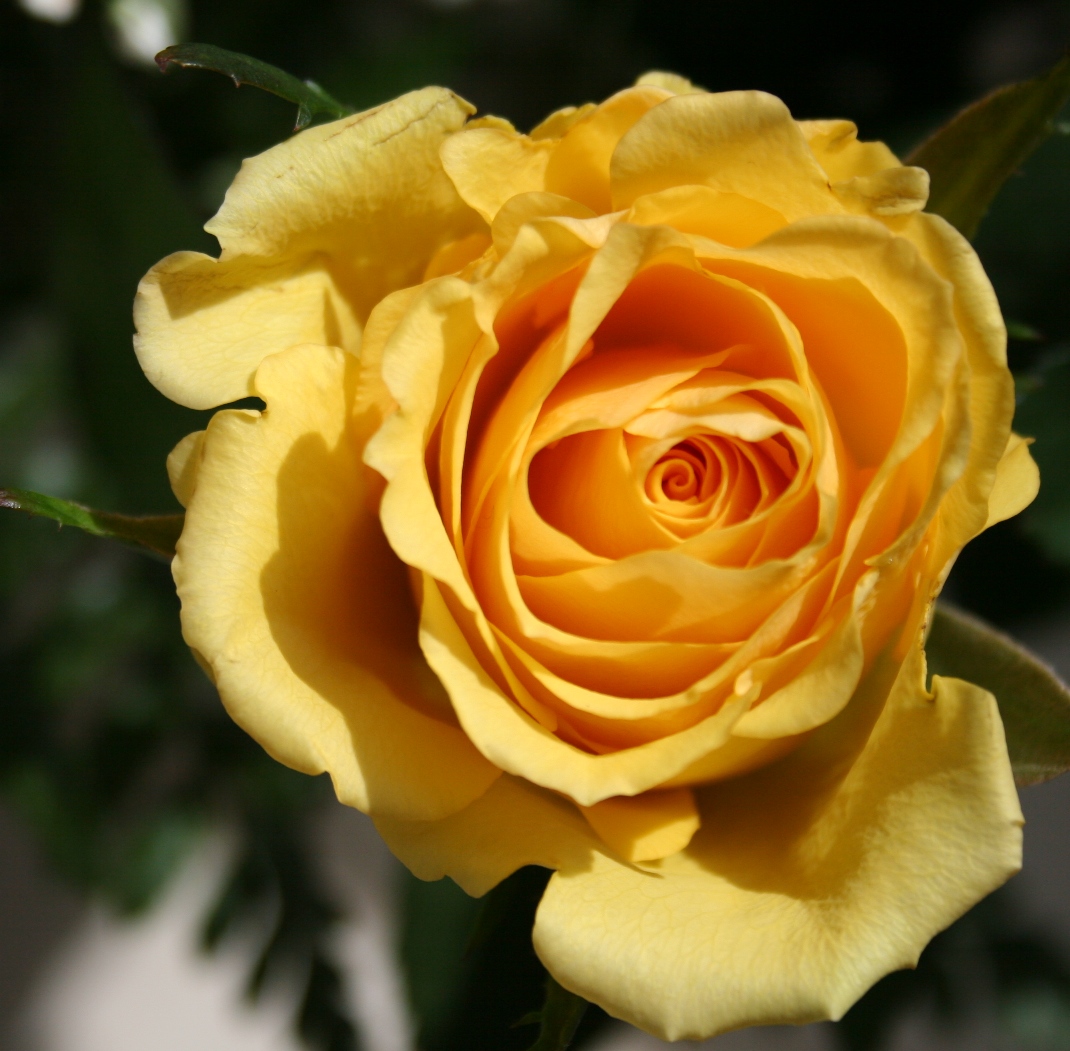
Six yellow roses and babies breath comprised the bouquet my husband gave to me.

HE STRODE ACROSS the living room with a bouquet of cellophane-wrapped buttercup yellow roses.

The flowers were unexpected, as flowers often are from him.

I stretched my hands to accept the roses, to pull him close, kiss him and tell him how very much this surprise meant to me, how I appreciated the sweetness of it all.

He intuitively seems to understand when I need a day-brightener, a gesture of love and care and concern. And I did, need the roses, to cheer me.

It’s been a difficult past month facing a sudden sensory hearing loss that has left me with near deafness in my right ear. He has been there to support me, to listen, to embrace me in the moments when I feel overwhelmed.

I love this about my husband. In his own quiet way, he understands.

I love that he is teaching our son the art of giving—from the heart—not for an occasion or a have-to or a celebration. Our son will understand that flowers should be all about love.

All of this I thought as I arose from the recliner where I had been reading, slanted the wrapped bouquet across my arms and spontaneously sashayed across the living room, hips swaying, right arm waving in a beauty queen wave.

At that moment I felt as if I had won the crown. And I had.

© Copyright 2011Audrey Kletscher Helbling


Remembering the start of the Civil War April 8, 2011

THE FIRST AND LAST TIME I attended a Cannon Valley Civil War Roundtable meeting, I was impressed by the collective knowledge this Faribault-based organization possesses of the Civil War. The session opened with each member sharing a historical snippet about the conflict.

Even guests like me were expected to offer something, anything. I was getting nervous as my turn neared and I couldn’t think of anything intellectually impressive to share. I had come solely because I wanted to see the slave documents that a guest speaker was bringing to the gathering. I didn’t expect this.

But then I remembered my tour of the Minnesota State Capitol months earlier. I could tell them, although I’m sure they knew, that a Howard Pyle painting, The Battle of Nashville, hangs in the Governor’s Reception Room. The artwork, according to the Capitol tour guide, is among the most noted of the Civil War and depicts the bloody conflict at Shy’s Hill, often defined as the war’s decisive battle.

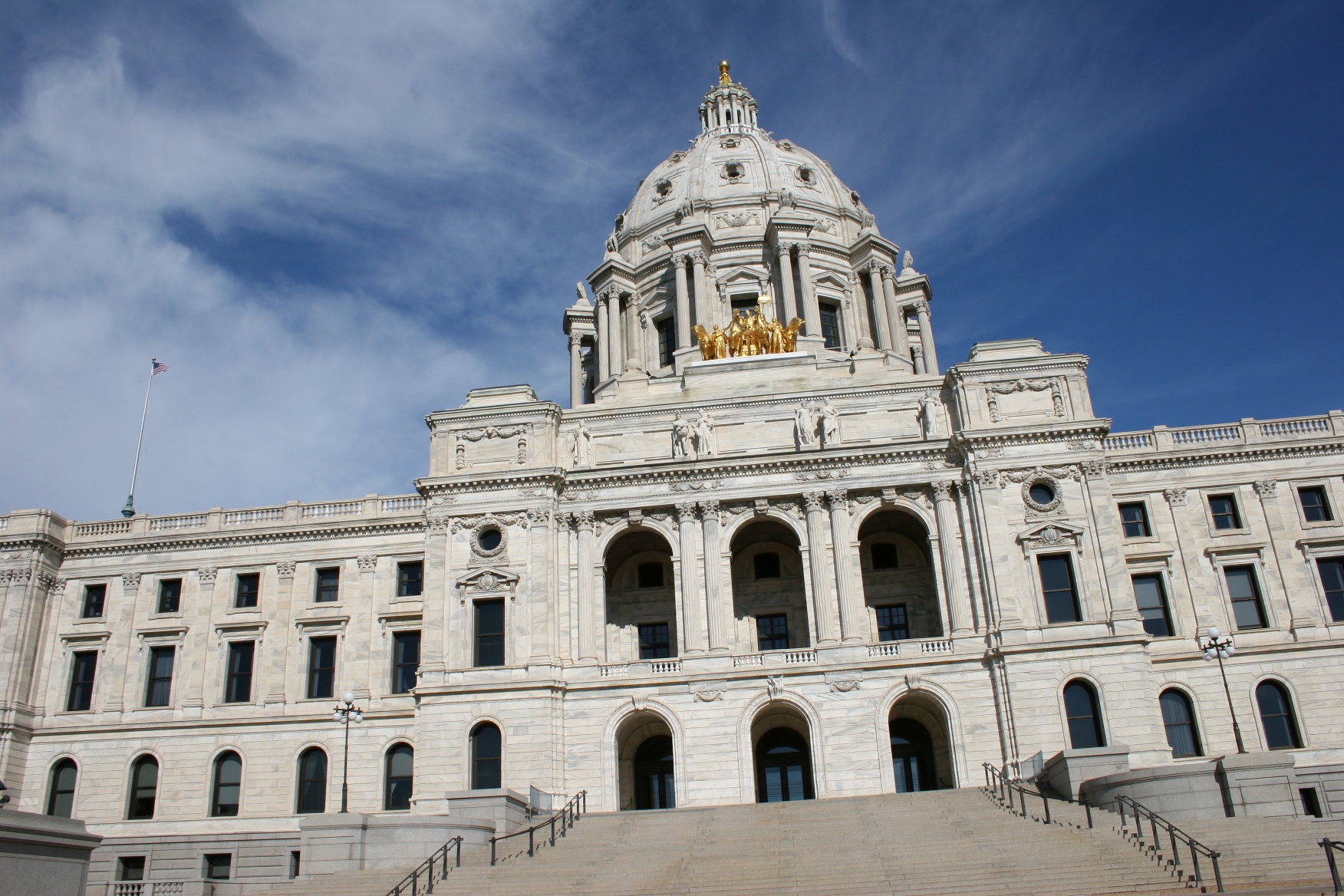
And just to make sure the Roundtable members understood that I wasn’t completely Civil War illiterate, I also told them that the inclusion of white Georgia marble in Capitol construction drew the ire of Civil War veterans. The marble comprises much of the building’s exterior.


Georgia marble graces the exterior of the Minnesota State Capitol.

I doubt my tidbit facts impressed them, but I tried.

If you’re like me, not well-versed on the details of the Civil War, this year—the 150th anniversary of that conflict—offers the perfect opportunity to learn more. The Minnesota Historical Society has a lengthy list of educational activities planned to commemorate the anniversary.

This Saturday, April 9, for example, is “Civil War Flag Day at the Capitol” featuring three recently-conserved Minnesota Civil War flags and one from the Spanish-American War. The 11 a.m. – 4 p.m. event, with a 1 p.m. program, also includes Civil War artifacts, reenactors, children’s activities and more.

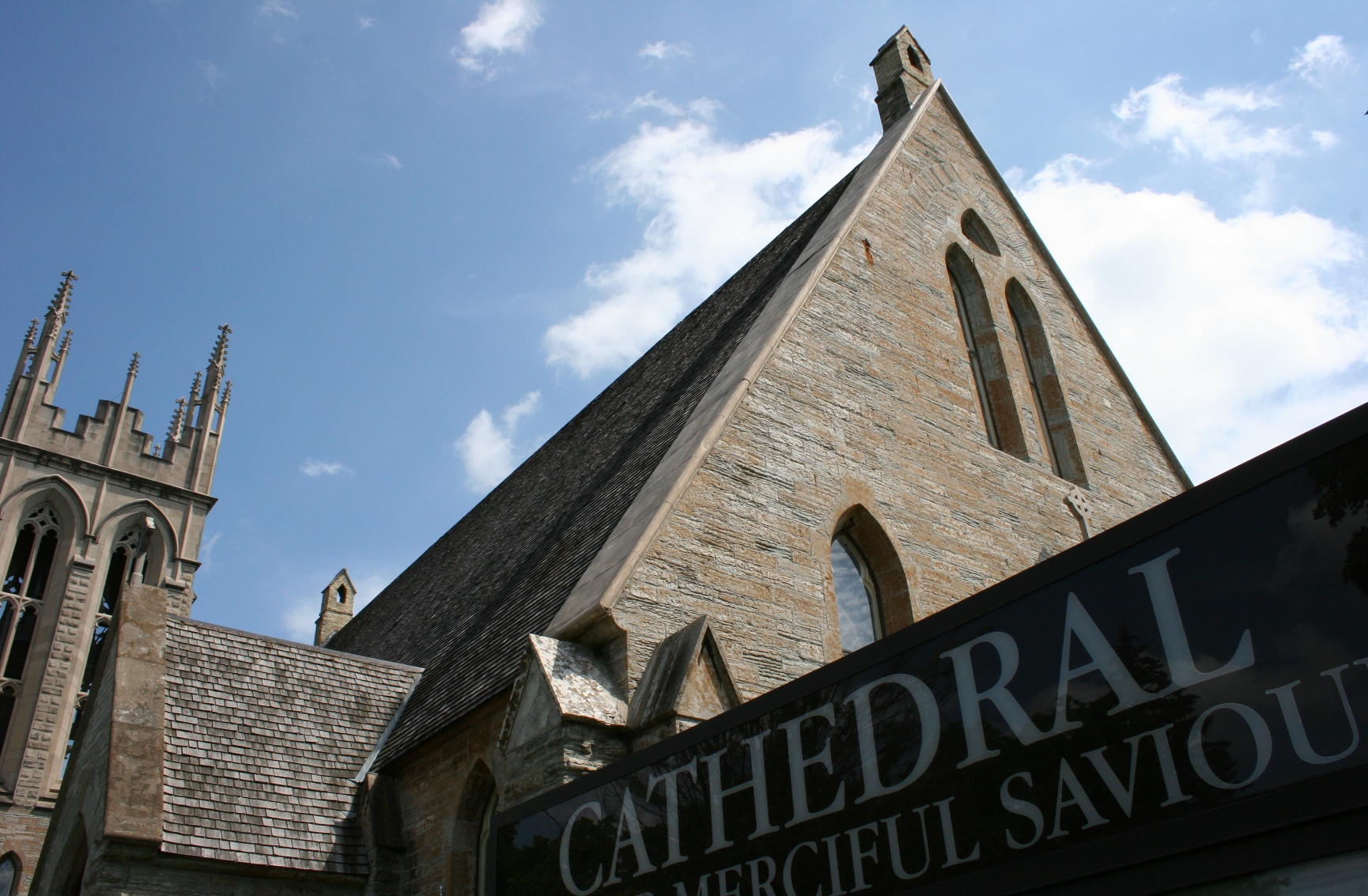
I won’t be at the State Capitol on Saturday because I’ll be attending “Recognition of the Fall of Fort Sumter—The Beginning of the Civil War” hosted by the Cannon Valley Civil War Roundtable and the Rice County Historical Society from 1 p.m. – 4 p.m. in Faribault. On April 12, 1861, the Confederates fired on Fort Sumter, starting the Civil War. Saturday’s event will be held at the Guild House of the 1862 historic Cathedral of Our Merciful Saviour, 101 NW Sixth Street.


The Guild House is attached to the historic Cathedral of Our Merciful Saviour across from Central Park in Faribault.

I expect that some of the items on display at the Guild House will be artifacts—Abraham Lincoln photos and postcards, Civil War uniform buttons—I saw at the 2009 Roundtable meeting. Back then the presenter failed to bring his slave documents. Slave bills will be displayed on Saturday. There’ll also be weapons and money, buckles and bonds, and more.


Civil War uniform buttons and insignias displayed at a 2009 Cannon Valley Civil War Roundtable meeting.

This Civil War postcard was among the items a collector brought to a Cannon Valley Civil War Roundtable meeting.

An 1840 Philadelphia Derringer, like the pistol used to assassinate President Abraham Lincoln. A collector brought the pistol to the Roundtable meeting I attended in 2009.

Jan Stevens, an area Civil War enthusiast who creates replica historical clothing will dress in period clothing and greet visitors. Another reenactor will recruit visitors to join the cause.

Civil War music will fill the Guild House. Author Richard G. Krom, great grandson of a Civil War soldier from nearby Morristown, will sign and sell copies of his book, The 1st MN Second to None.

Finally, I’m looking forward to once again examining the recently-restored Rice County Civil War battle flag of Company C, Sixth Minnesota Volunteer Infantry. I’ve seen the flag only once before, viewing it at the county historical society under the watchful eye of Director Susan Garwood.

I was disappointed then that Garwood wouldn’t allow me to photograph the flag, even when I promised to turn off the flash on my camera. She wouldn’t be swayed.

But I’ll have my camera with me on Saturday and I’ll try again.

I expect the Civil War artifact collector whom I first met at the 2009 Roundtable meeting will be there too. He, thankfully, allowed me to photograph his historical pieces. But he wouldn’t allow me to publish his name in a blog post I wrote then. He looked me directly in the eye and demanded anonymity to protect his substantial investment. He wasn’t joking when he told me he knew where he could find me.

FYI: This weekend’s activities at the Capitol and in Faribault are free and open to the public. However, donations to the Rice County Historical Society will be accepted at the Faribault event where homemade pie and coffee will be served.

© Copyright 2011 Audrey Kletscher Helbling
 

Horse/Pferd crazy in Minnesota und Deutschland April 7, 2011

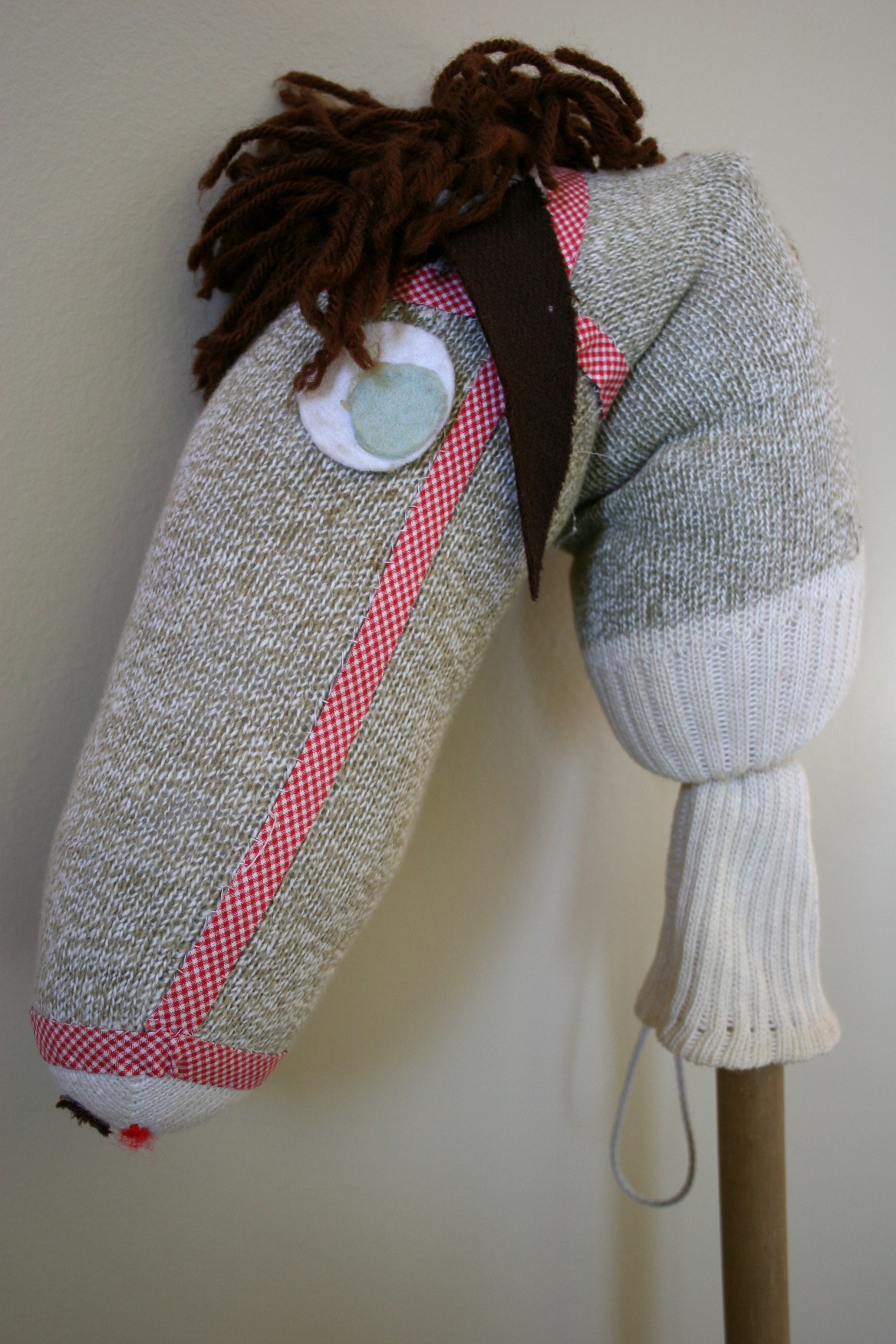
This isn't my stick horse; mine is long gone. But my parents made stick horses for my two daughters 20-plus years ago. This horse belongs to one of them.

GROWING UP ON A SOUTHWESTERN Minnesota farm, I wanted a horse. Bad. Really, really bad.

But Dad wasn’t buying my and my siblings’ pleas to “Please, please, pretty please, Dad, can we get a horse?”

He stood firm in his belief that horses were dangerous. And then he would give us the facts to back up his fear. Dad would regale us over and over again with the tale of the boy he’d seen lying in the Redwood Falls Hospital with a hoof print embedded in his forehead. Whether that story was entirely true or a bit of exaggeration, I’ll never know. I only knew, unequivocally, that Dad didn’t want any of his six kids kicked in the head by a horse.

I think he also had concerns about keeping an animal that wasn’t earning its keep on our dairy and crop farm. With tractors, he didn’t need horses that, in his opinion, would do nothing except consume corn and hay that he needed for the cattle.

And so my siblings and I improvised. Socks with eyes, mouths and ears and with yarn manes sewn on and then jammed onto sticks became our horses. Stick horses. I rode mine around the farmyard so much that I easily could have ridden to Montana and back.

These were the days, too, of television westerns like Gunsmoke, Bonanza, Rawhide. These were the days of shooting cap guns and, even though this is certainly not politically-correct today, of playing “cowboys and Indians.”

When my siblings and I weren’t riding our stick horses with guns blazing, we were riding our bicycles. Up and down the driveway. On the rock-hard dirt paths we’d carved through the grove. We pedaled furiously, escaping robbers and savages on our bikes turned horses.

On occasion, we also straddled empty barrels, slipping our feet into stirrups we’d fashioned from baler twine. We were, if anything, innovative, resourceful and imaginative.

Dad wasn’t giving us our horse, so we made do.

For my oldest brother, making do also meant attempting to ride a steer. I don’t recall that he was ever bucked off. But I also don’t remember that he succeeded in his mission.


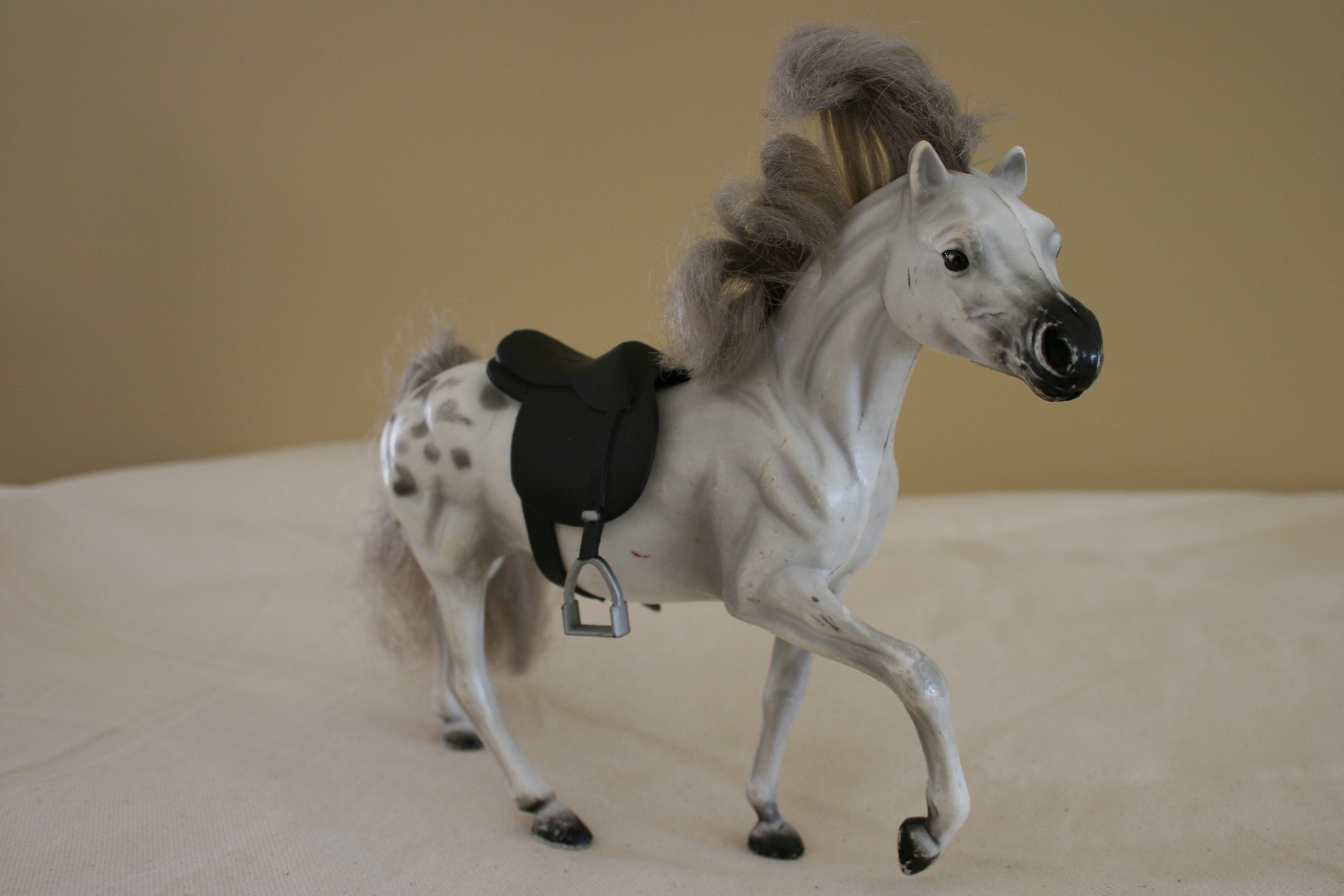
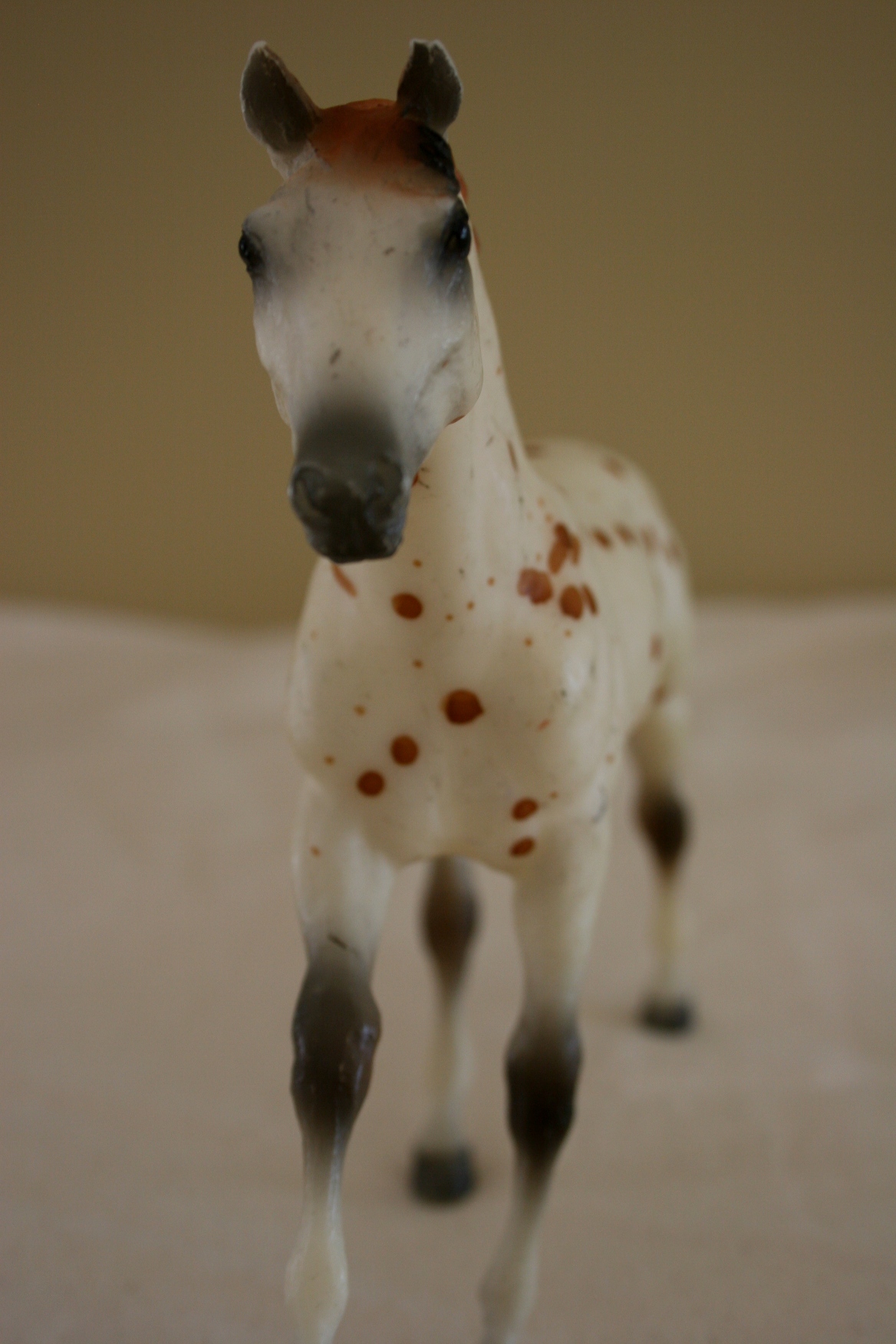
My second daughter went through a phase, when she was about four years old, of being obsessed with horses. She drew horse pictures non-stop. I read every horse book to her available through the southeastern Minnesota library system. And I bought her toy horses, all of which are still in a plastic tote for her to someday claim.

All of which brings me to this story. Have you heard about the 15-year-old German girl who trained a cow that she can ride like a horse? Her parents, like my dad, told her she couldn’t have a horse. So she improvised.

Shortly after Luna was born on the family’s farm two years ago, Regina Mayer started working with the animal. Her persistence paid off as she can now saddle up and ride the cow like a horse. Luna even is trained to jump over hurdles.

I like the spunk of this teen. Knowing what I know about cattle, I realize just how determined Regina had to be to get her “horse.”

Apparently my brothers, sisters and I weren’t determined enough. So, instead, we settled for sticks, bikes and barrels. And, on occasion, we cajoled a relative into riding her horse from several miles away to our farm. She would allow us to climb into the saddle for a walk around the farmyard. It was then that I discovered I really didn’t feel all that comfortable riding a horse. But I never told my dad. Not once.


One of the many horses in my second daughter's collection.

© Copyright 2011 Audrey Kletscher Helbling
 

I’d rather not be in Vegas April 6, 2011

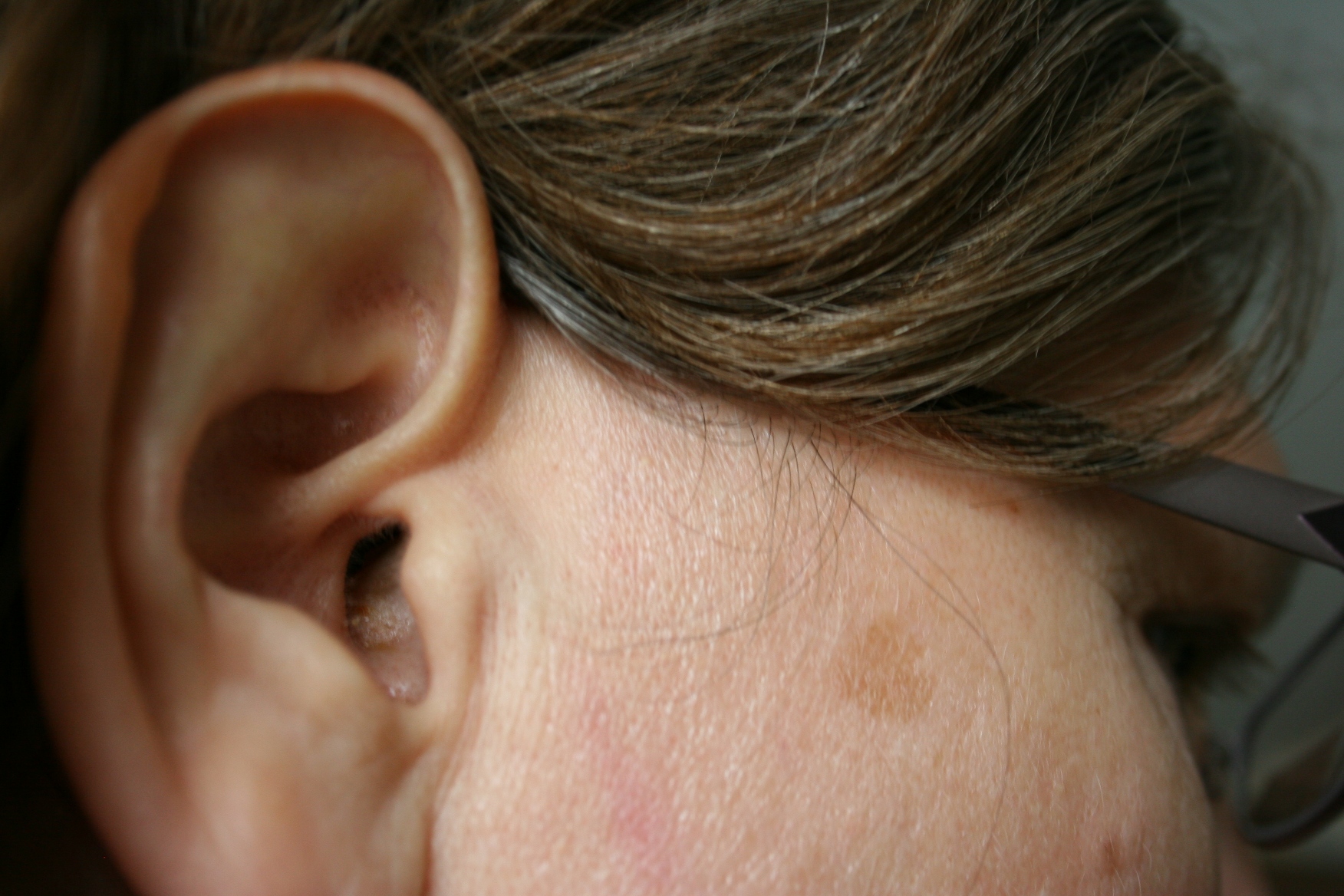
I've lost 70 percent of the hearing in my right ear due to a sudden sensory hearing loss.

I AM NOT A RISK TAKER.

I’ve walked through a Minnesota casino twice and failed to pull a single lever on a slot machine or drop a single coin.

I prefer to play it safe, to not risk losing for the slim possibility of winning. It is the reason I don’t buy lottery tickets. I feel like I’m throwing away my money.

That is partially why a decision I am currently facing is so incredibly difficult.

Do I have surgery or not?

Will I be among the 25 in 100 who benefit from a sac round window graft? Even the name of the surgery is daunting. I don’t know enough right now about the outpatient ear surgery to decide.

But I have the statistics. For only one in four patients, the surgery successfully restores some hearing. But the percentage of hearing regained is perhaps only 20 percent. The slim possibility exists—about two percent—that the surgery could cause me to lose all of my hearing in my right ear. That really doesn’t matter given I’m basically deaf in my right ear anyway due to a sudden sensory hearing loss that occurred a month ago.

I currently have only 30 percent hearing in that ear. I hear only “noise,” nothing as distinguishable as a word. I also suffer from tinnitus, ringing in my right ear.

On Tuesday when I met with a renowned ear specialist in Minneapolis, I was presented with the surgery option. I was not expecting this, was not prepared with a list of questions. My immediate thought was this: “I don’t want to have more surgery.”

Already in my life, I’ve had seven surgeries, the first at age four to correct my vision. Since then, I’ve had oral surgery to remove my wisdom teeth, three Caesarean sections, inguinal hernia surgery and my last, total right hip joint replacement, not quite three years ago.

I am not anxious to rush into another surgery.

But time is of the essence. Apparently the sooner the surgery is done after the hearing loss, the better. I don’t understand why and I didn’t think to ask.

My doctor offered no recommendation on the surgery. I asked. He says he doesn’t recommend, only presents the options and information and allows the patient to decide.

I am at the point now of researching, pondering, praying, considering a second opinion, losing sleep over this decision.

What should I do?

Should I risk throwing away $3,000—my health insurance deductible? Should I risk not having the surgery if it could restore even a small percentage of my hearing? (A hearing aid will not help with the type of hearing loss I have.) Should I risk the risks that are always there whenever you have surgery?

I’m not a gambler. But right now I feel like I’m in Vegas.

© Copyright 2011 Audrey Kletscher Helbling
 

Stitches of love

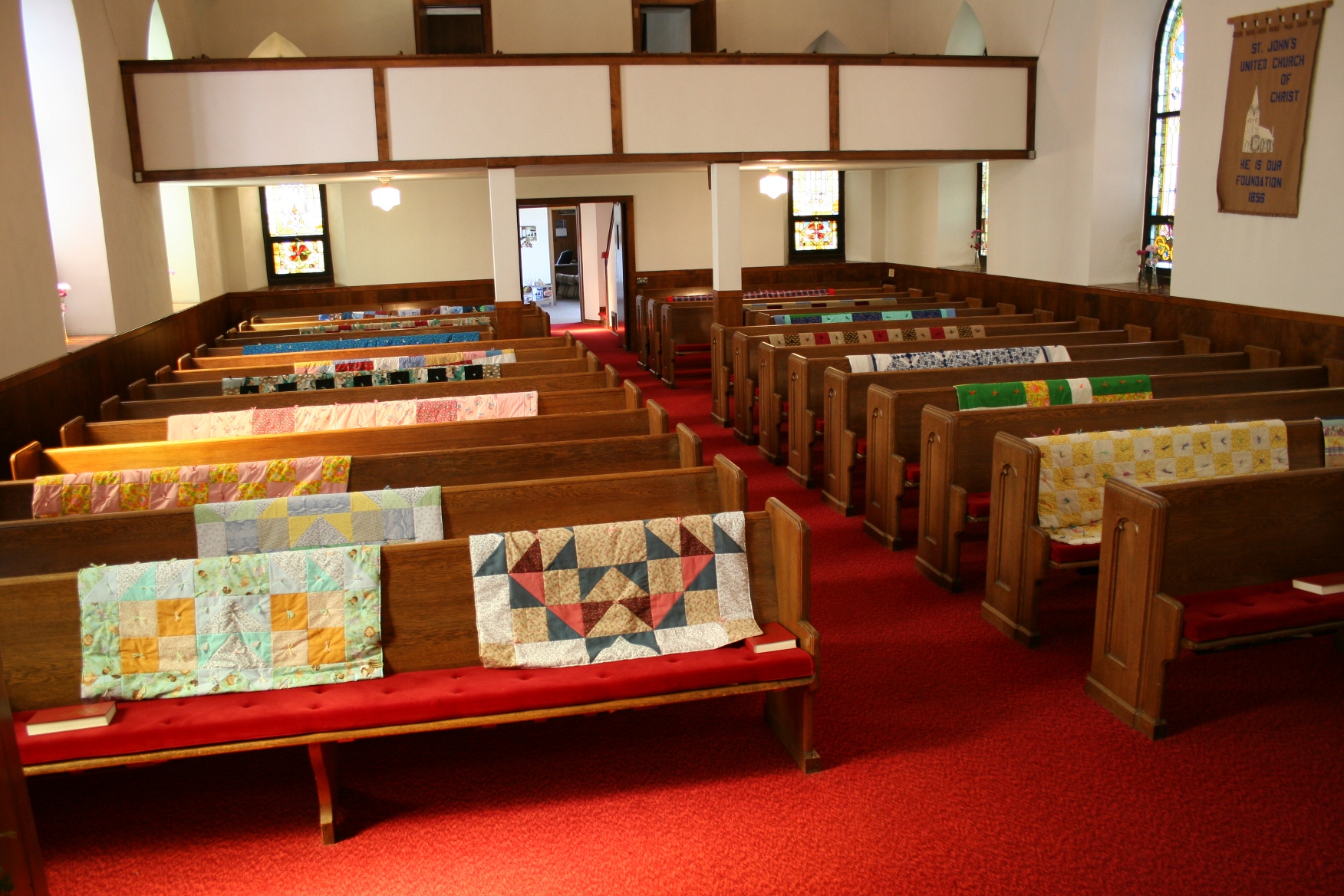
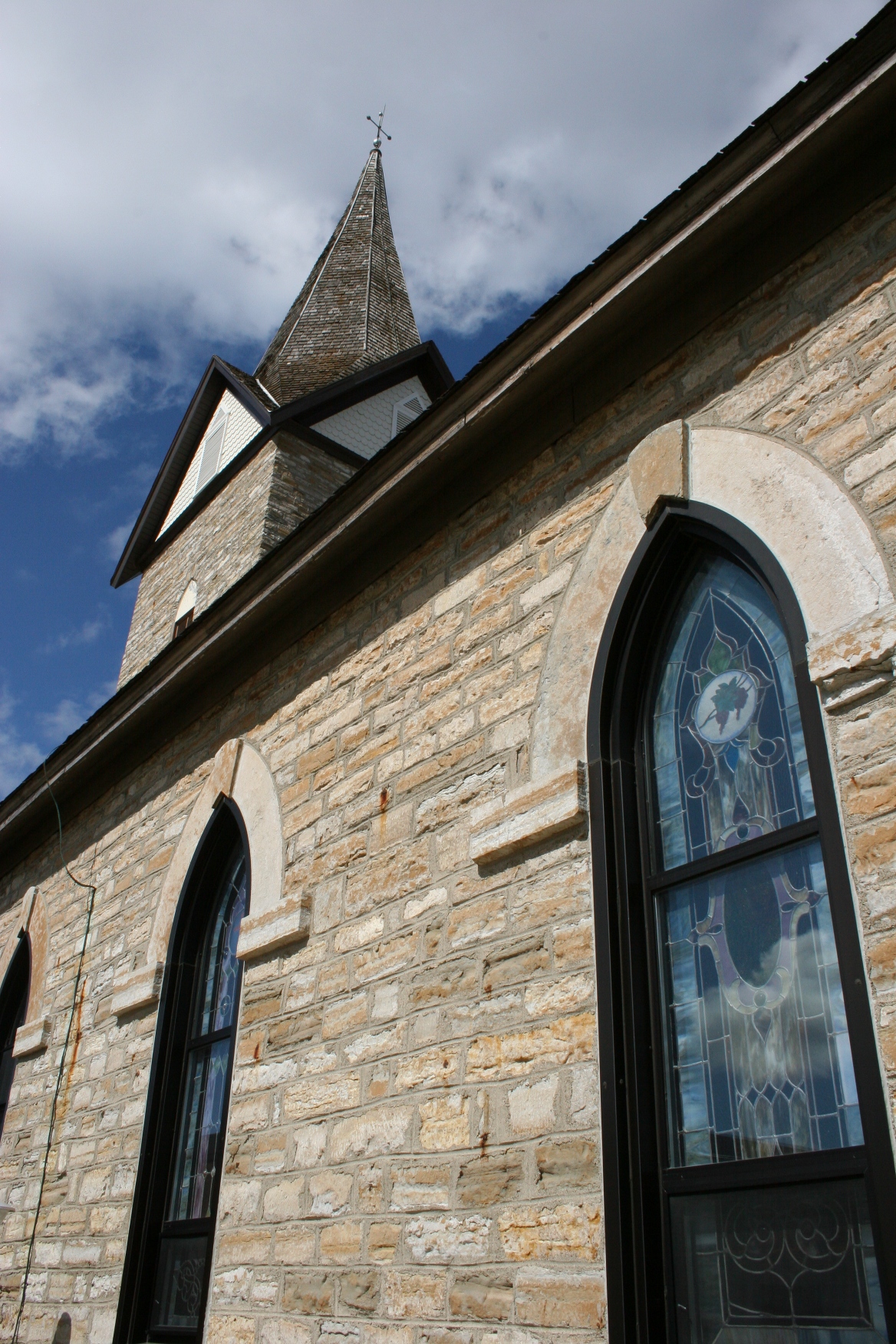
Handmade quilts drape across pews at St. John's United Church of Christ.

INSIDE THE LIMESTONE CHURCH, patchwork quilts drape across the backs of pews, spilling onto cushy red seat cushions.

Only hours earlier during the Sunday morning church service, worshippers settled onto the quilts handmade by St. John’s United Church of Christ members.

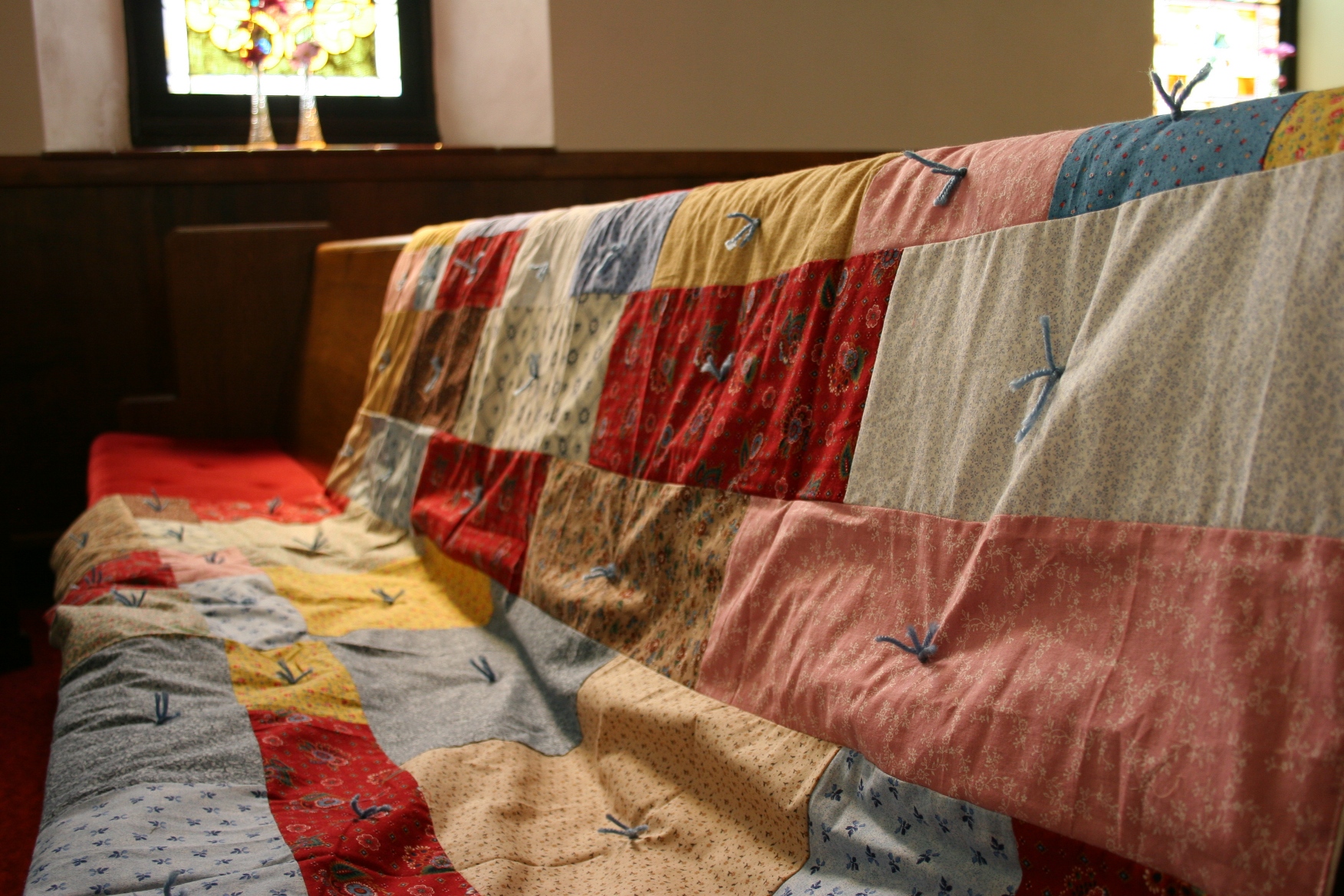
On a Saturday in February, members of the Women’s Guild, and a few husbands, gathered at this country church in Wheeling Township in southeastern Rice County to stuff the quilts with batting, add backings and tie together the layers with snippets of yarn.


St. John's old stone church has been in continuous use for more than 150 years. German settlers founded the congregation in 1856.

This year, according to church member and quilter Kim Keller, the quilters made 13 baby quilts and 13 big quilts.

The handmade blankets will go to graduating high school seniors—two at St. John’s this spring—and to missions, mostly local.


One of the many handmade quilts that will be given away.

As I perused the quilts, I considered the devotion of those who piece together the swatches of fabric, tie together the layers and knot the strands of yarn. These quilts represent gifts that touch the recipients physically, but, more importantly, emotionally and perhaps spiritually.

Stroke the fabric and you can almost feel the love stitched into each quilt.

That these blankets are then displayed for worshippers to see, and sit upon, adds another dimension to the project. As I photographed the quilts, as the sun streamed through the church’s restored stained glass windows, I thought of the blessings received by both the givers and the receivers. Joy that comes in selfless giving. Joy that comes in knowing someone cares enough about you and your needs to stitch a quilt.

“It is more blessed to give than to receive.” Acts 20:35

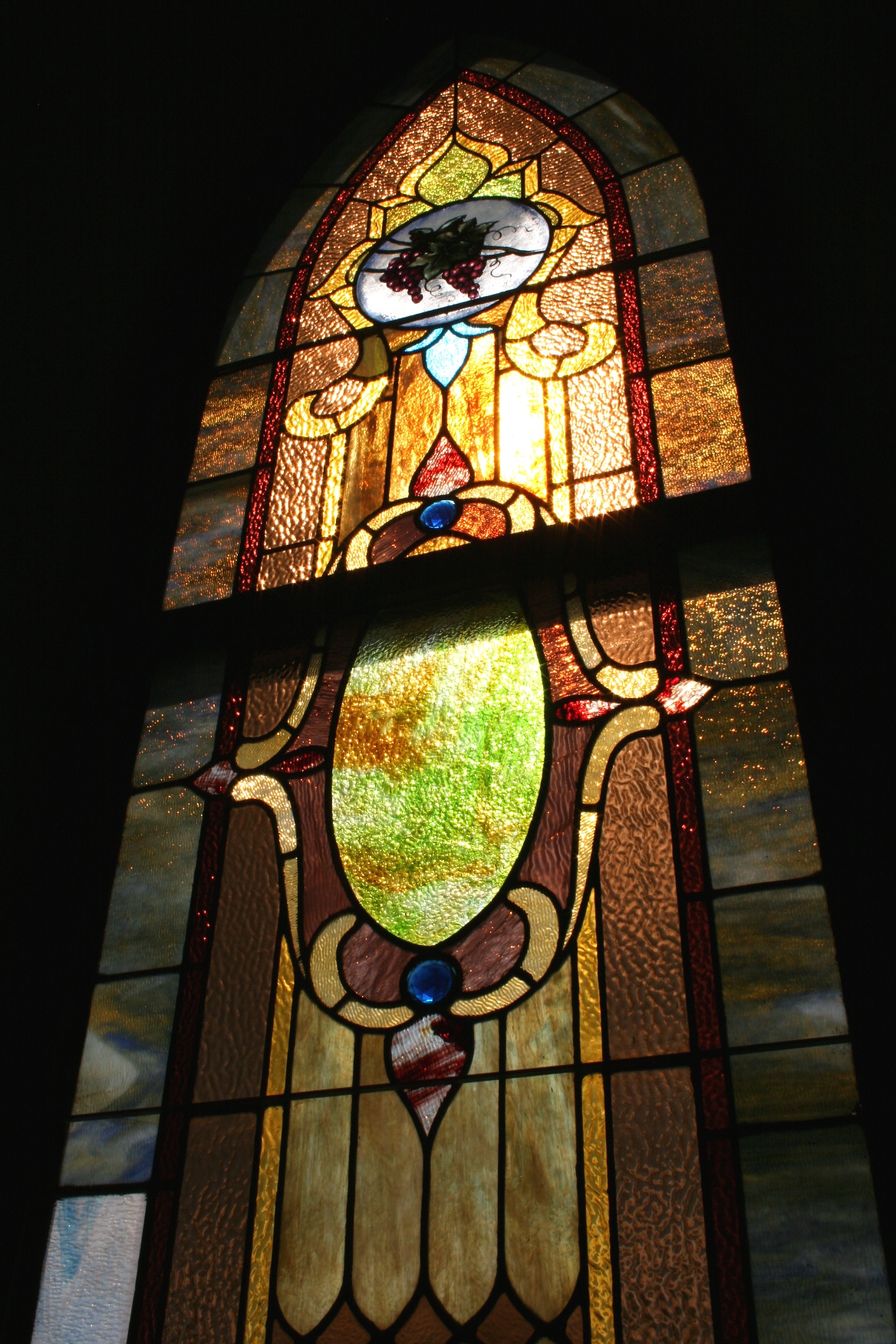
The stained glass windows at St. John's were restored between 2004 - 2006 at a cost of more than $30,000.


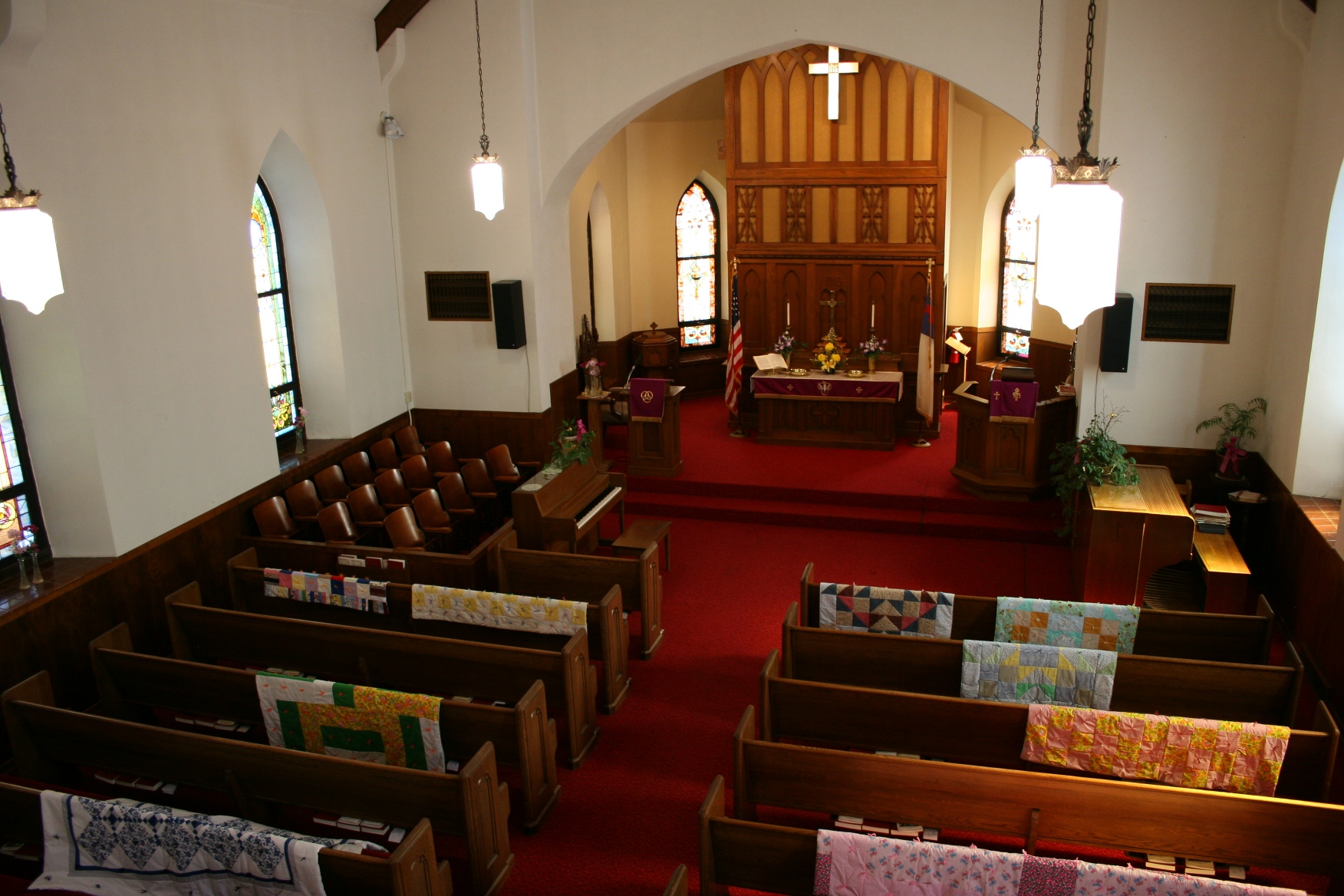
A view from the St. John's balcony of the church interior and the quilts.

TEN MILES AWAY in Faribault, about a dozen women at my church, Trinity Lutheran, meet every Wednesday morning from September through May to finish quilts that are donated to those in need. Seamstresses sew the quilt tops at home and then bring them, along with the backings, to church where the Trinity Quilters add the batting and then tie together the layers with yarn.

For 60-plus years now, the women of Trinity have been stitching quilts. “It’s a mission project,”  says long-time quilter Betty Gudknecht. “I want to help other people. You want to do things for the Lord because you want to do it (not because you’re paid).”

With that spirit of giving and serving, the Trinity quilters make about 200 quilts annually. They donate them to places like Minnesota Teen Challenge, the Orphan Grain Train, the Red Cross, Burdens to Blessings, Lutheran World Relief, Lutheran Association of Missionaries and Pilots, and to others in need. Trinity’s graduating high school seniors also receive quilts.

This week the Trinity Quilters are auctioning off three quilts in a silent auction that ends mid-morning on Sunday, April 10. They need the auction money to purchase batting for their 60 x 80-inch quilts. A single roll of recently-purchased cotton batting, which will make 16 quilts, cost $90, and that was at 50 percent off.

In the past, the quilters have gotten creative, using old blankets, mattress pads and even the outsides of electric blankets, as “batting.” They still plan to use those resources, but would also like to use the softer, purchased cotton batting.

While the quilt-makers sometimes buy fabric, most often it is donated.

If you’re interested in bidding on one of the quilts at Trinity Lutheran Church—and I’m sorry, I don’t have photos of the quilts—get your bids in this week.

Cash donations are also being accepted to help the quilters purchase batting.

“It is more blessed to give than to receive.”


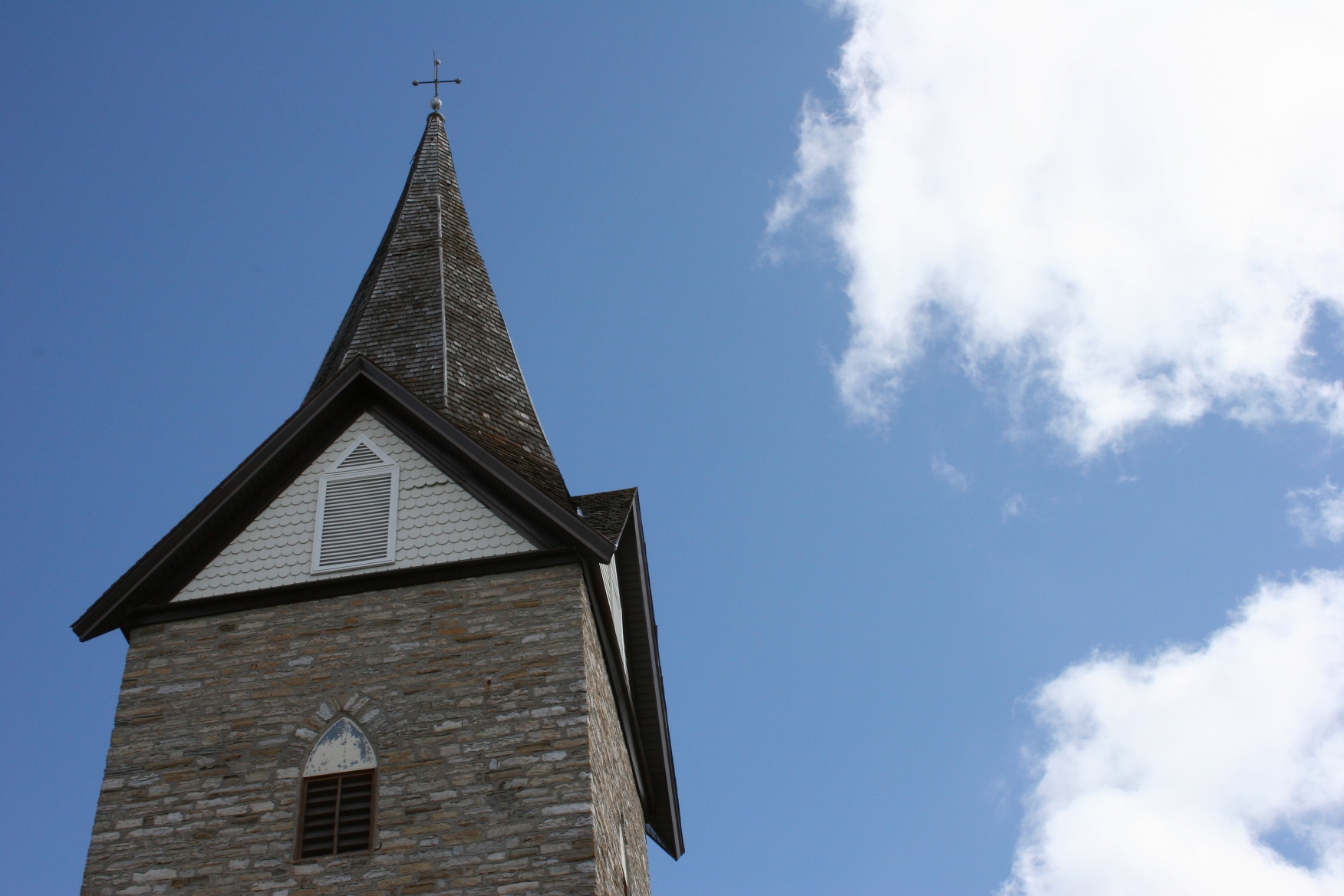
The steeple of St. John's United Church of Christ, Wheeling Township, Rice County, Minnesota.

© Copyright 2011 Audrey Kletscher Helbling
 

Some fine examples of giving in rural Minnesota April 5, 2011

WHEN I READ through the March 31 edition of The Gaylord Hub, a rural Minnesota weekly newspaper where I worked from 1978 – 1980, something caught my eye.

The 10-page paper was packed with stories about community members helping one another. The quantity of articles impressed me enough to write this post, to emphasize to you that even during these challenging times, Minnesotans are reaching out to one another.

These are stories we need to read among the hard news stories of floods and earthquakes, wars and suicide bombers, rising gas prices and falling property values, the news that causes us to ask, “What is this world coming to?”

The articles I read reaffirm that among all the bad in the world, plenty of good still exists. And often, young people are leading the way to assist those in need.

In Gaylord, the Sibley East Junior High Student Council recently raised $600 for the Sibley County Food Shelf. Likewise, the Gaylord Cub Scouts, Boy Scouts, leaders and parents collected 1,032 pounds of food and $70.65 for the county food shelf in a one-day drive.

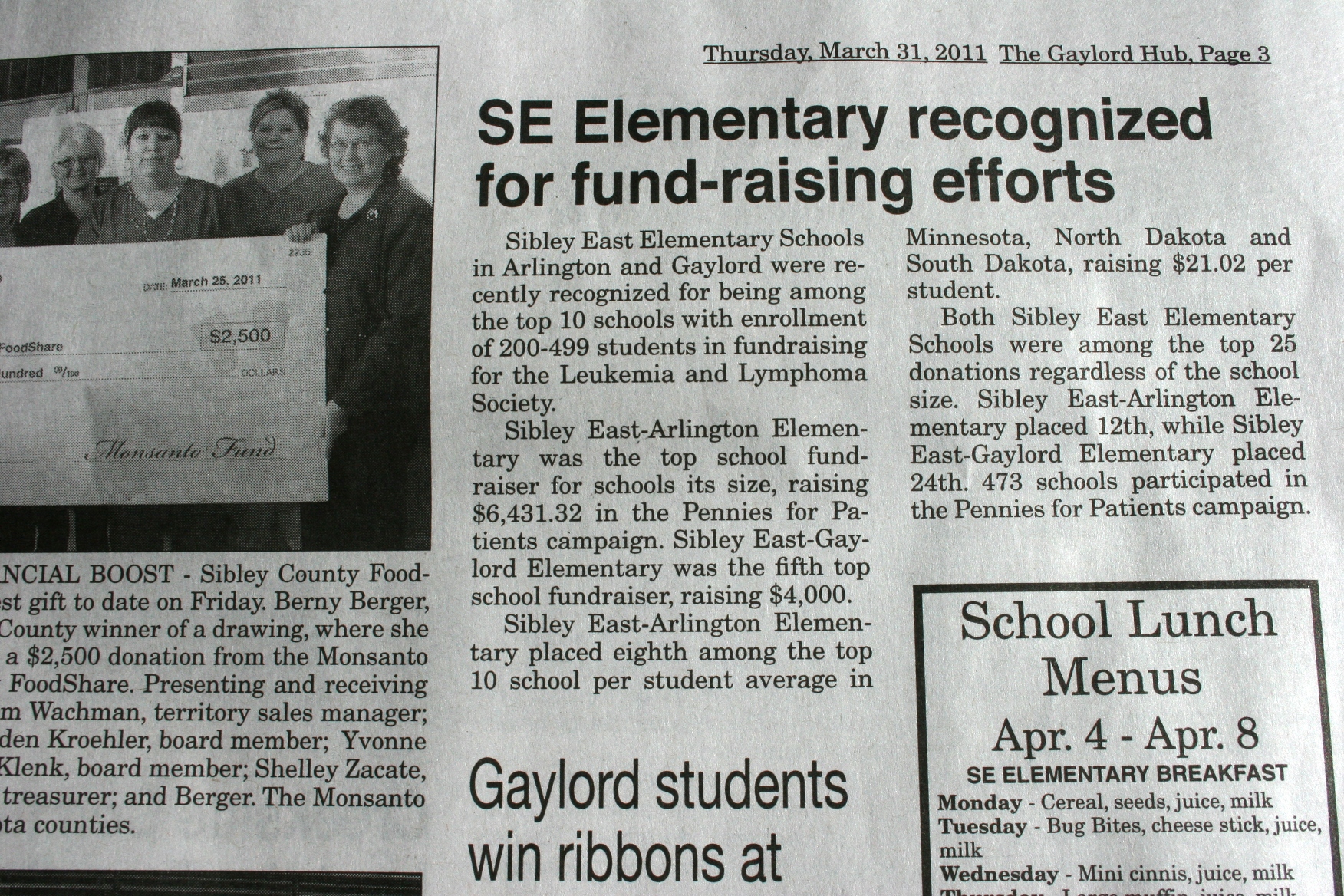
Students from Sibley East Elementary Schools in Gaylord and Arlington raised $10,431.32 in the Pennies for Patients fundraiser for the Leukemia and Lymphoma Society, placing in the top 25 among 473 participating schools. How’s that for a small school (between 200 – 499 students) in rural Minnesota?

The adults in the Gaylord area aren’t sitting idly by watching the younger generation pursue charitable giving.

The winner in a local drawing chose Sibley County Food Share, Inc., as the recipient of a $2,500 donation from the Monsanto Fund.

Sertomans, at their weekly meeting, discussed plans for a benefit to help the Lindemann family as their daughter, Paisley, battles cancer.

The newspaper also published a story about an education memorial fund established for Kaylee and Gavin, the young children of Michael Struck, a Minnesota Department of Transportation worker who died after his backhoe was swept away recently in flood waters.

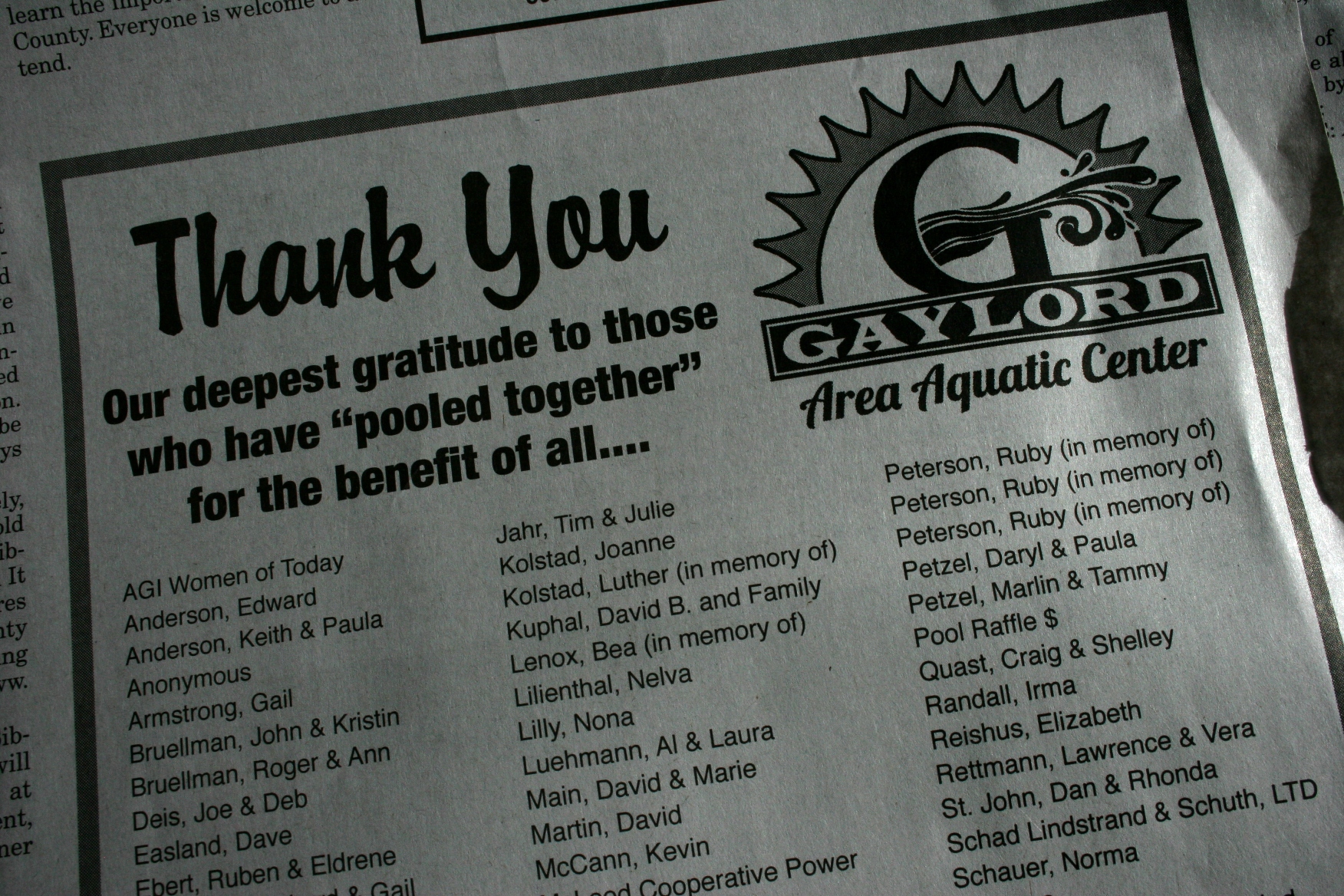
And then, in a front page article, readers learned that $63,000 in donations have been made to Gaylord’s new aquatic center. Donations will be used to buy amenities (play features) for the pool. All 69 donors are listed in an ad published on page 5.

This is just an observation I’ve made over the years—and I think it’s an accurate one—but residents of small towns are often willing to open their pocketbooks to projects that in larger cities would be funded with taxpayer dollars. Why? I think community pride and ownership and the deep personal connections small town residents have to one another prompt such generosity.

Finally, the last philanthropic piece of news was buried deep in a front page article titled “Fire Department receives FEMA grant.” After explaining that the local department has received a nearly $60,000 grant to purchase firefighting equipment, the reporter writes about the annual firemen’s banquet.

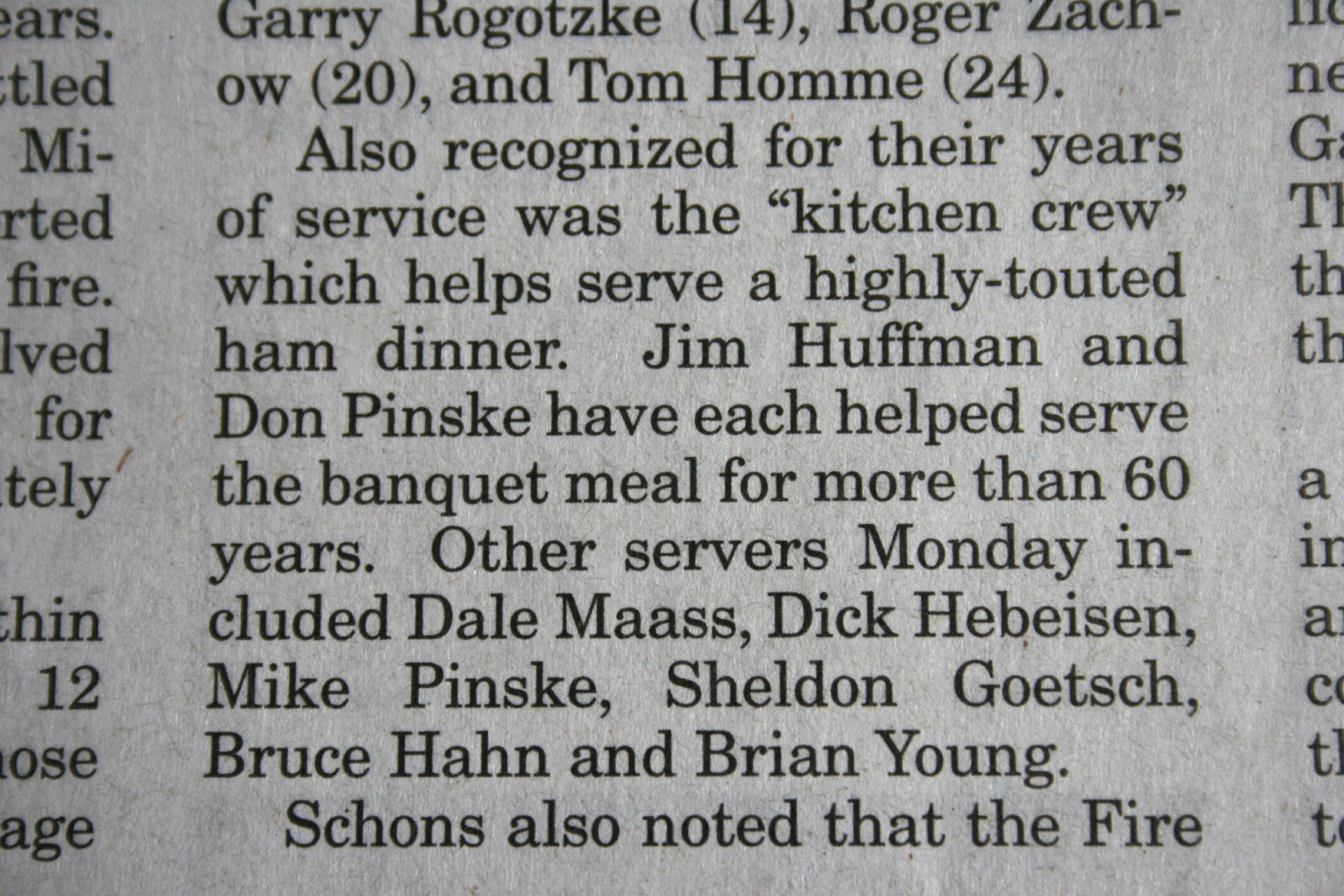
And that is where I found this little gem: “Also recognized for their years of service was the ‘kitchen crew’ which helps serve a highly-touted ham dinner. Jim Huffman and Don Pinske have each helped serve the banquet meal for more than 60 years.”

Sixty years. Now that’s dedication and an outstanding example of selfless giving back to the community.

© Copyright 2011 Audrey Kletscher Helbling


Honoring the memory of my dad April 4, 2011

Elvern Kletscher's 1950s military photo

HIS OBITUARY READS IN PART: From 1952-1953, he served in the U.S. Army during the Korean Conflict. He served on the front lines, receiving the Purple Heart after being wounded…He enjoyed his weekly visits with his veterans support group. He enjoyed bird watching, making horseradish and tomato juice with his family.

Elvern Kletscher passed away Thursday, April 3, 2003, at the Sunwood Good Samaritan Center in Redwood Falls, Minnesota at the age of 72 years and 29 days.

Yesterday, on the eight-year anniversary of my father’s death, I failed to remember. How could I? How could I forget the day he died, the day I lost my dad? How could I?

It breaks my heart that I would forget. This failure to remember the date of his death seems like a dishonor to the father I loved. He was a man who worked hard tending the earth, who loved his family and God. He was a soldier who served his country and, because of his time on the killing fields of Korea, suffered from a lifetime of demons that at times robbed me of my father.

But in the end, in his last days, I came to terms with the issues that sometimes made life with him difficult and challenging. I saw only the goodness as I stood at his bedside in the Veterans Administration Hospital where he lay dying of cancer and congestive heart failure.

As I held his hand, stroked his thick white hair, held a straw to his lips, I tried to be brave, to cheer him, to comfort him.

But when I couldn’t keep my emotions in check any more, I fled his room, stood outside his hospital room and wept.

Once I pulled myself back together, I returned to his bedside, listened to him tell me he was going to a better place, that he wanted all of us to take care of Mom. And then I cried, right there, holding nothing back because I couldn’t no matter how hard I tried.

Two days later, after being transported back to his home county, into a nursing home, my dad died.

And on April 7 we buried him, deep in the soil, in the hillside cemetery that overlooks his beloved prairie, the place where, except for his time in the military, he lived his entire life.

On that gloomy April day of biting cold wind, I held my mom close, my arm wrapped around her shoulders as she shivered uncontrollably. Together with my siblings we huddled inside a tent, next to the coffin.

As the guns fired in a military salute, as taps sounded their mournful wail, as my mom accepted a carefully folded American flag, I wept.

Today I weep, too, as I remember the father I loved.

© Copyright 2011 Audrey Kletscher Helbling


A lesson in Minnesota sales taxes

Filed under: Uncategorized — Audrey Kletscher Helbling @ 7:09 AM
Tags: , , , , , , , , ,

How much does your community tax purchases?

“ARE YOU A SEVEN?” she asked.

“What?” I asked her to repeat what she’d just told me over the phone.

“Are you a seven?” she repeated.

Still, I didn’t understand. Then she—the saleswoman at J.C. Penney in the Burnsville Shopping Center—explained that sales tax rates vary, depending on where you live in Minnesota. She wondered if I lived in an area with a seven percent rate.

Huh? I had no idea, about the rate or that such differences existed.

I live in Faribault. Is that a “seven,” or some other number?

The helpful saleswoman, who was trying to calculate the cost of pleated shades (which I’m not buying because they are way too costly at nearly $400 for two windows, but which I really, really want), was confusing me. Apparently orders shipped to my home would be taxed based on where I live, or something like that.

Not one to simply let this piece of information slip through the recesses of my brain, I googled “Minnesota sales tax” and ended up on the Minnesota Department of Revenue sales tax rate calculator website. It’s an easy-to-use site where I could type in Minnesota zip codes, a dollar amount and, zip, the sales tax rate appeared. The calculator covers Minnesota and local general sales and use taxes. Any other special taxes, such as those on entertainment, liquor, dining and lodging, are not figured into the totals.

First, I needed the nine-digit zip codes for my sample towns. Once I had those zip codes from a U.S. Postal Service link, I typed the numbers and my sample dollar amount of $10 into the tax calculator website.

I quickly discovered that Faribault is not a seven. Our sales tax rate, like that of my brother who lives in Redwood County in rural southwestern Minnesota, is 6.875 percent. We would each pay 69 cents in sales tax on a qualifying $10 purchase in our parts of Minnesota. We have no extra taxes, just the 6.875 state-wide basic sales tax levied by the state.

My daughter who lives an hour away from me in south Minneapolis, however, will pay more for purchases made in her area. The sales tax rate for her address is 7.775 percent. That breaks down to the standard state sales tax rate, plus an additional 0.15 percent levied by Hennepin County, 0.5 percent by the city of Minneapolis and 0.25 percent for Transit Improvement. She would pay 78 cents in taxes on a $10 purchase.

In Woodbury, where my youngest brother and his family live, a 0.25 percent Transit Improvement levy is also in place. It’s the only extra sales tax in that city, so tax on a $10 purchase there would be 71 cents.

I was surprised to learn that St. Cloud also has an extra tax, of 0.5 percent, pushing the sales tax rate there to 7.375 percent. That helped pay for an airport and other projects. You’d pay 74 cents sales tax on a $10 purchase.

But my biggest surprise came when I typed in a friends’ nine-digit zip code up in Duluth. There the local government has imposed a one percent additional general sales tax, pushing the sales tax in that port city to 7.875 percent. The tax on a $10 purchase is 79 cents. Authorized in 1973, that special tax “may be used for any city purpose, as determined by the city council.” It has no expiration date and is the longest-running local sales tax listed on a September 2010 document from the Minnesota House of Representatives Research Department.

Now, if you’re like me, you’ve just gotten a good basic education on sales tax rates in Minnesota.

Funny, isn’t it, how that J.C. Penney employee’s seemingly simple question—“Are you a seven?”—educated me about sales tax rates in Minnesota.

THE MINNESOTA LEGISLATURE is considering legislation that would loosen current restrictions on local sales taxes. Under the proposal, cities or groups of cities could impose local sales taxes with local voter approval. Twenty-two Minnesota cities currently have a local option sales tax.

© Copyright 2011 Audrey Kletscher Helbling


Crocus promises April 3, 2011

Filed under: Uncategorized — Audrey Kletscher Helbling @ 11:21 AM
Tags: , , , , , , ,

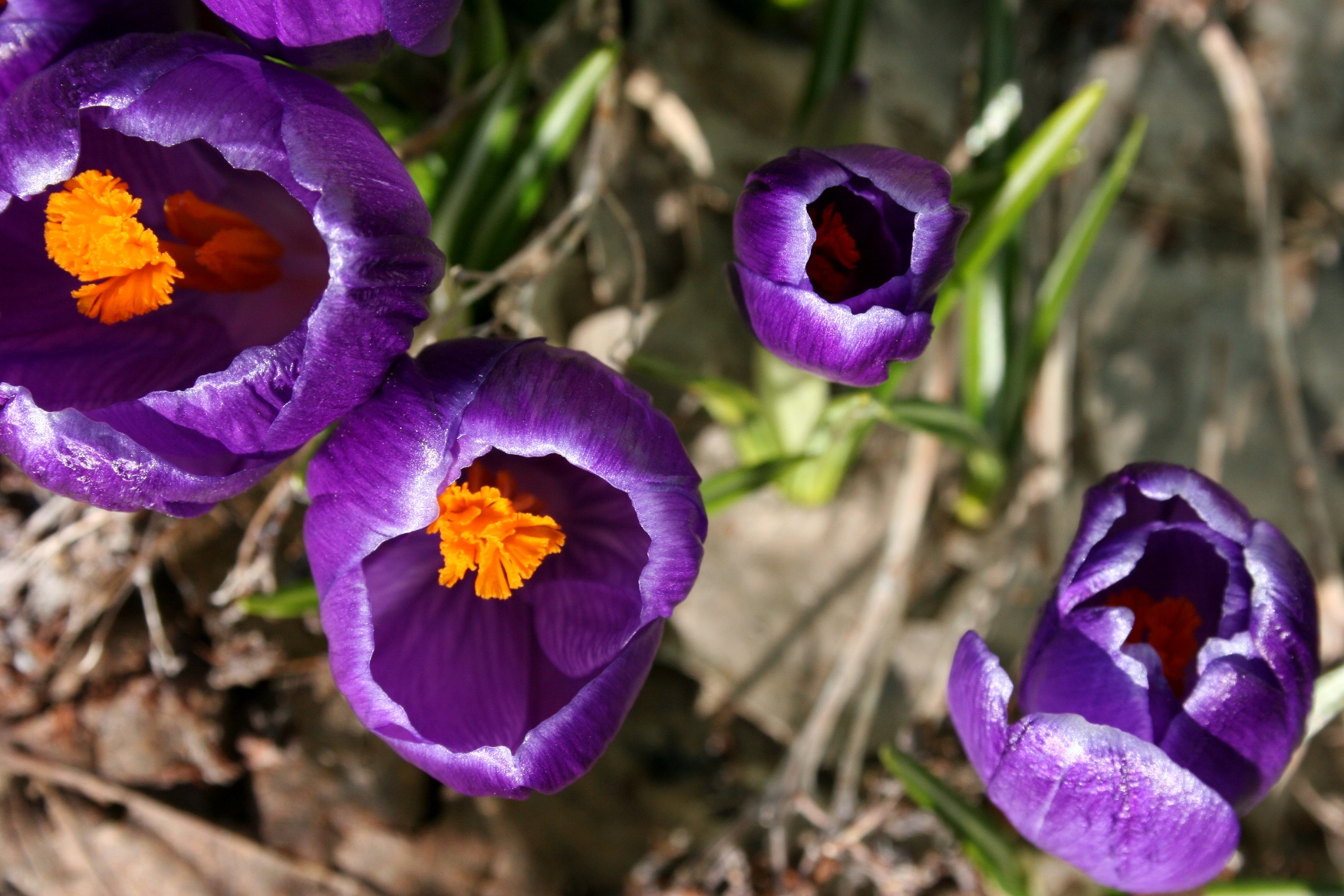
THE FIRST FLOWER of spring has sprung in my Minnesota front yard. It is the crocus, beautiful to behold because it symbolizes, for me, the end of winter.

New life.

Hope for warm, sunshine-drenched days and the promise of summer.

Bouquets of colorful zinnias. Sweet perfume of peonies. Hydrangea mopheads leaning to kiss the earth. Geraniums mixed with fragrant alyssum in patio pots.

As the tight purple petals of the crocus open to the warmth of an April day, my gardener’s eyes open, too, to a new season of possibilities.

Copyright 2011 Audrey Kletscher Helbling