IN THREE YEARS of exploring Wisconsin, I’ve learned a few things:
Wisconsinites are crazy about their Packers.
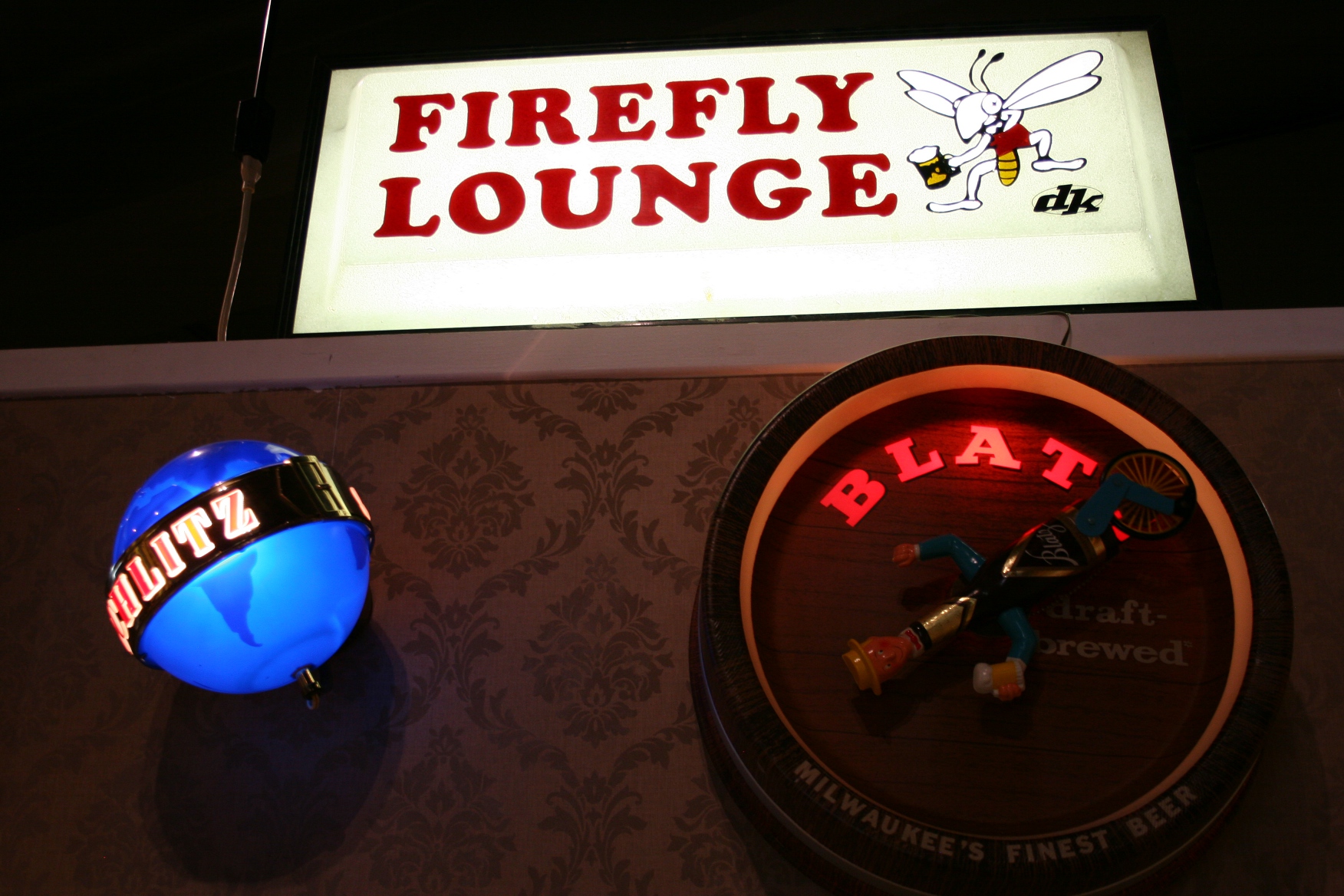
Wisconsinites love their brats.
Cheese is, indeed, big in Wisconsin.
And, finally, Wisconsin residents love their beer.
Not necessarily in that order.
I base this on observations such as green and gold brat buns sold at an Appleton grocery store where staff wear Packer attire on game day; liquor stores directly connected to grocery stores, walk-in beer coolers at convenience stores and an abundance of bars everywhere, seemingly packed on game day; a decrease in highway traffic during Packers games; frequent homemade roadside signs advertising brat fries; and busy specialty shops focused on selling cheese.
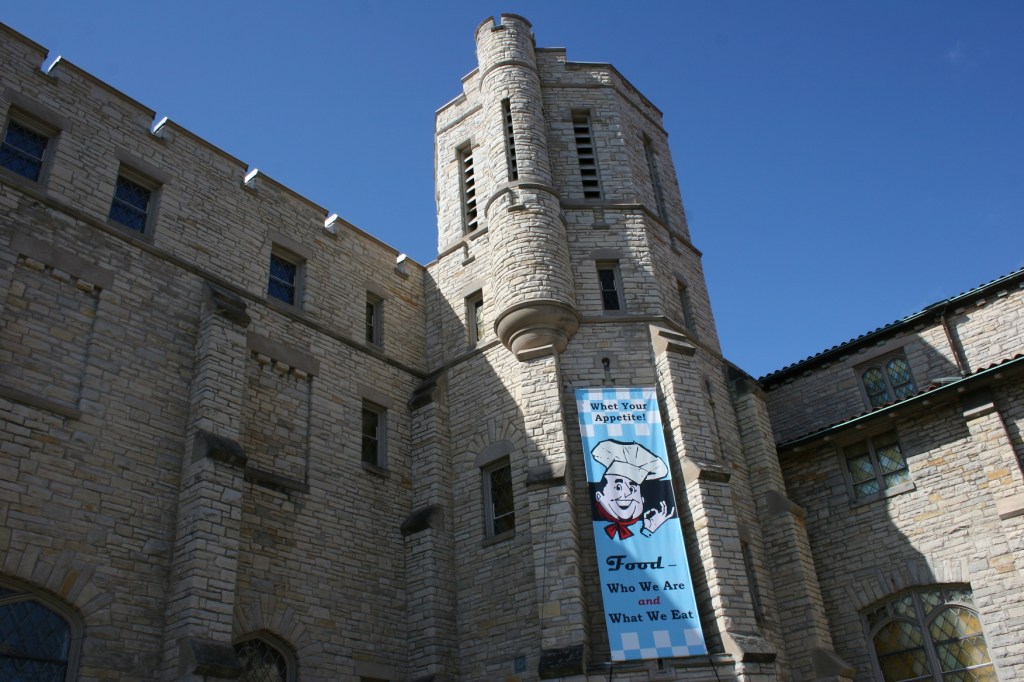
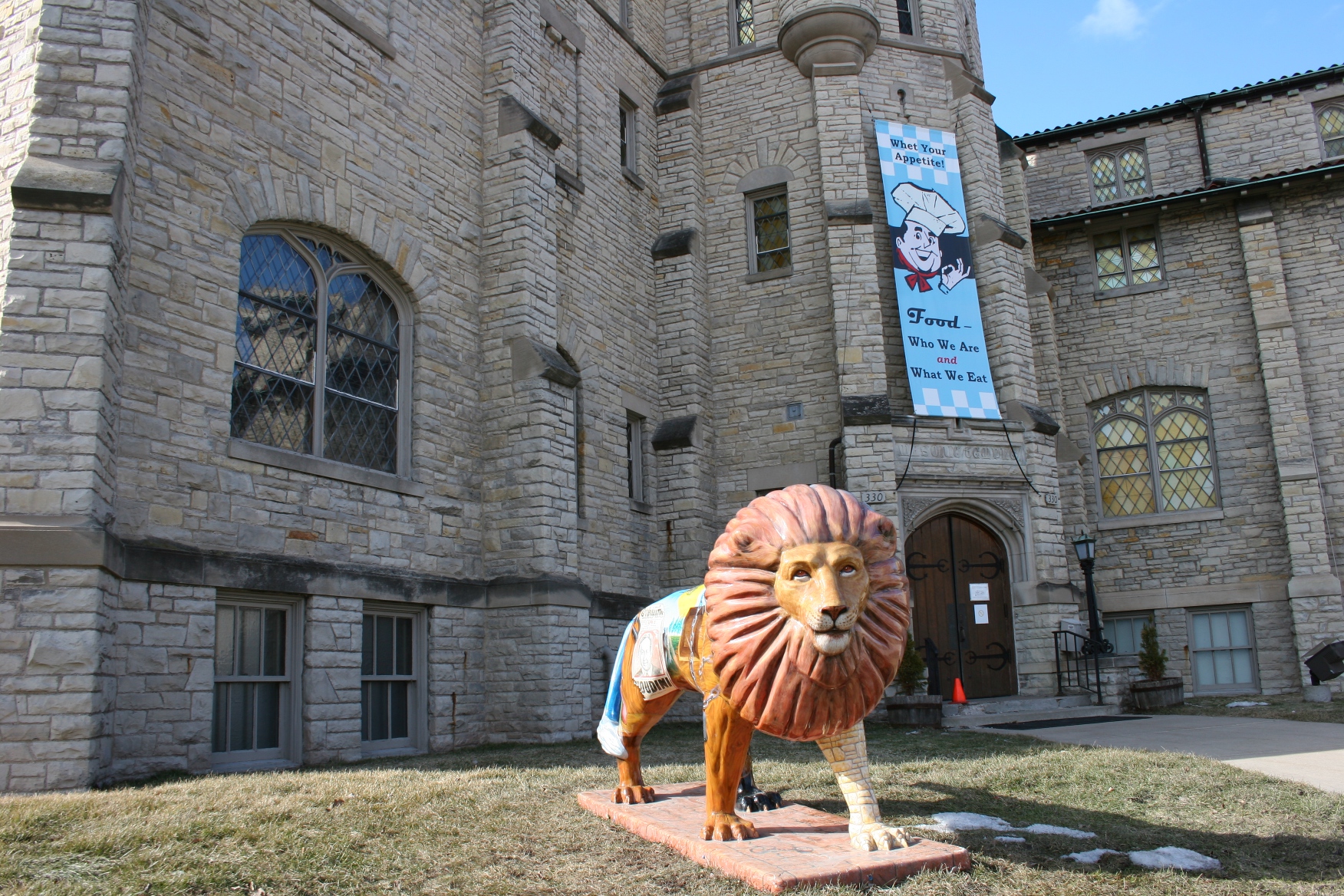
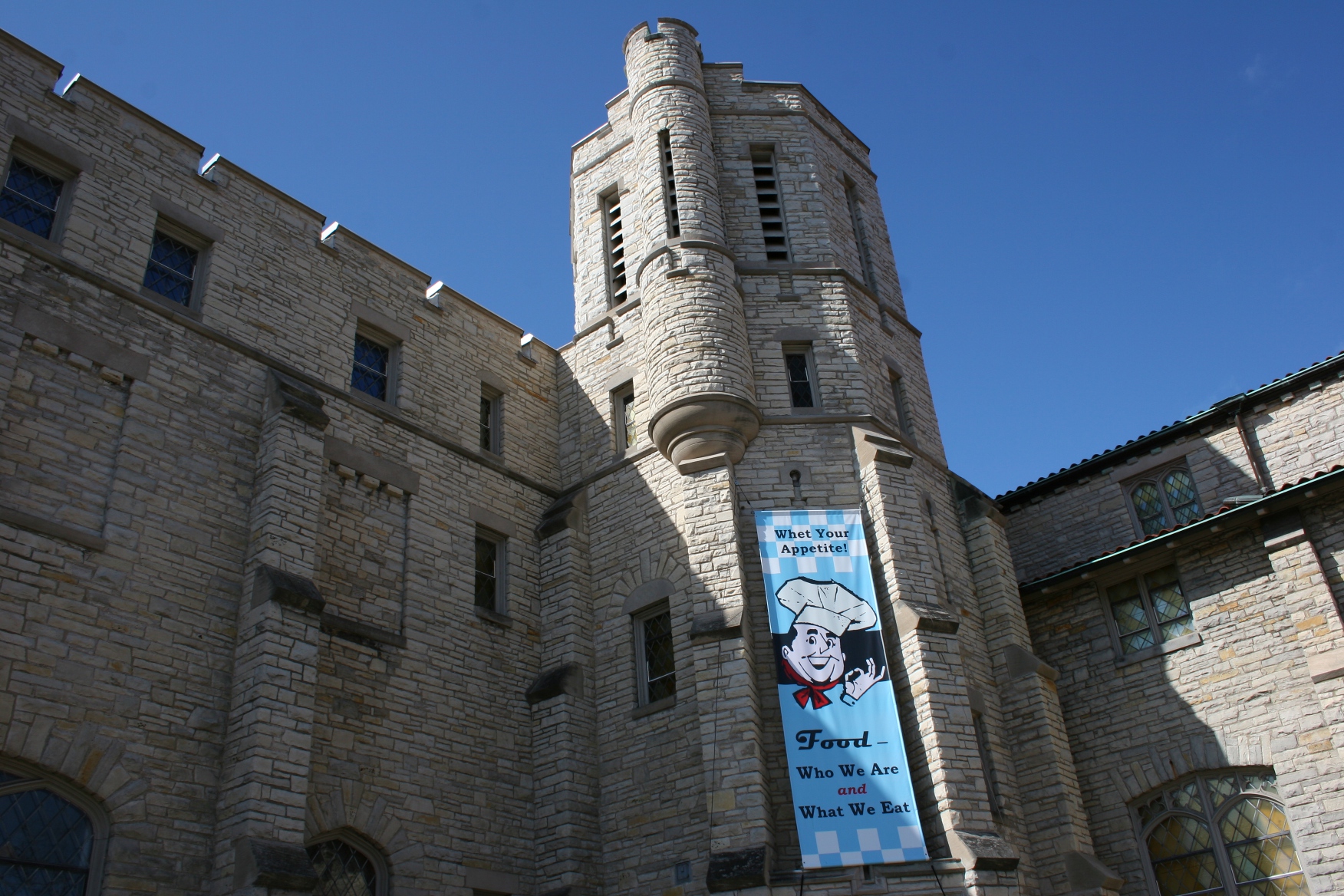
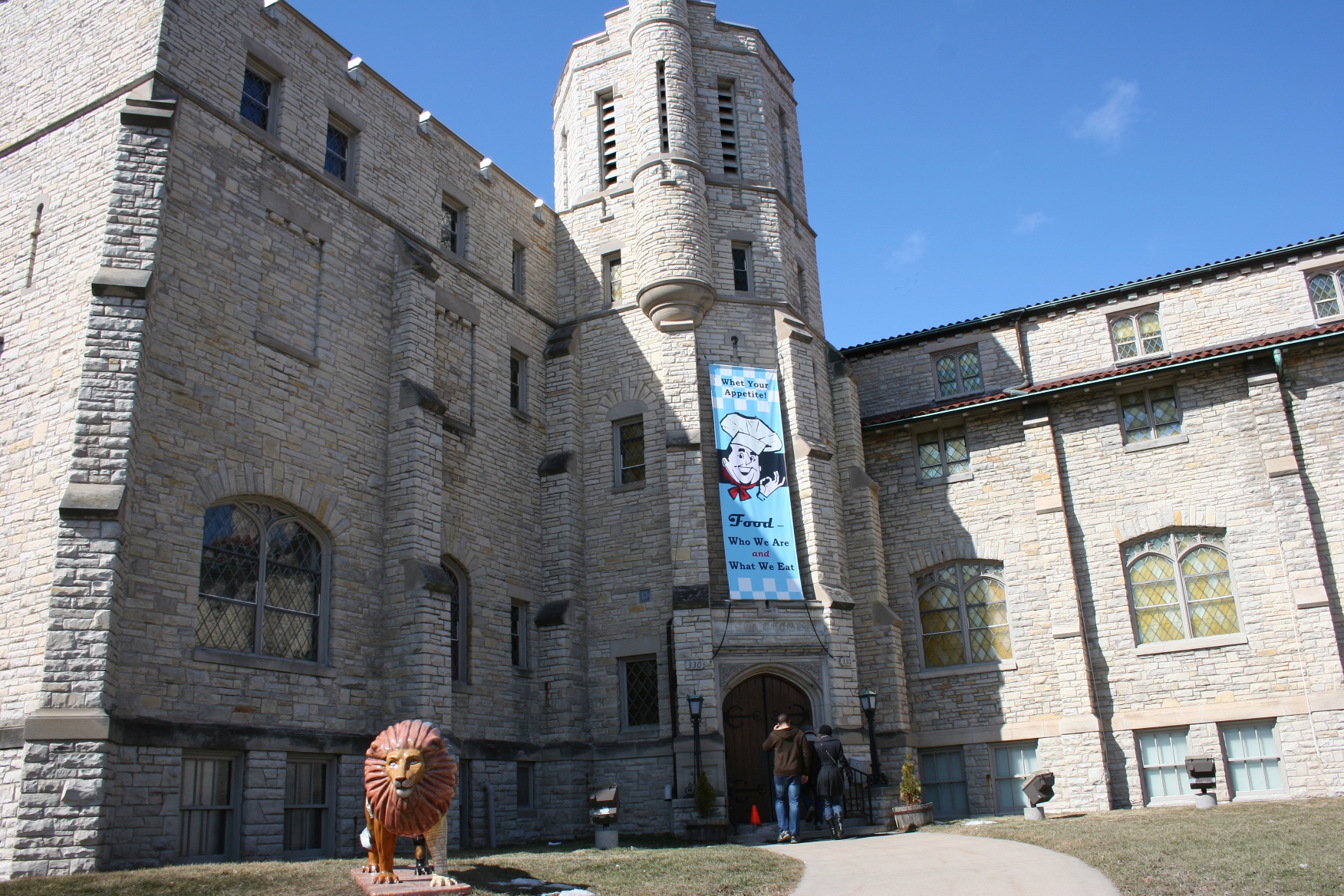
A banner welcomes visitors to the featured exhibit on food at the History Museum at the Castle, 330 East College Avenue, Appleton, Wisconsin.
Now an exhibit, “Food: Who We Are and What We Eat,” at the History Museum at the Castle in downtown Appleton (that’s in eastern Wisconsin south of Green Bay) confirms my observations and conclusions about Wisconsin.
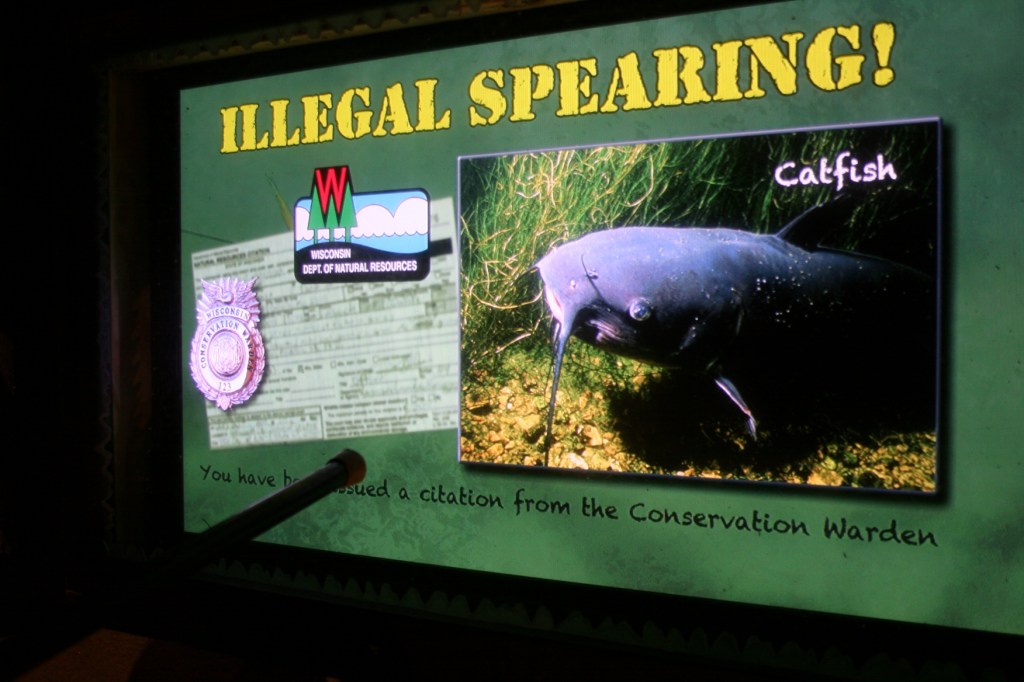
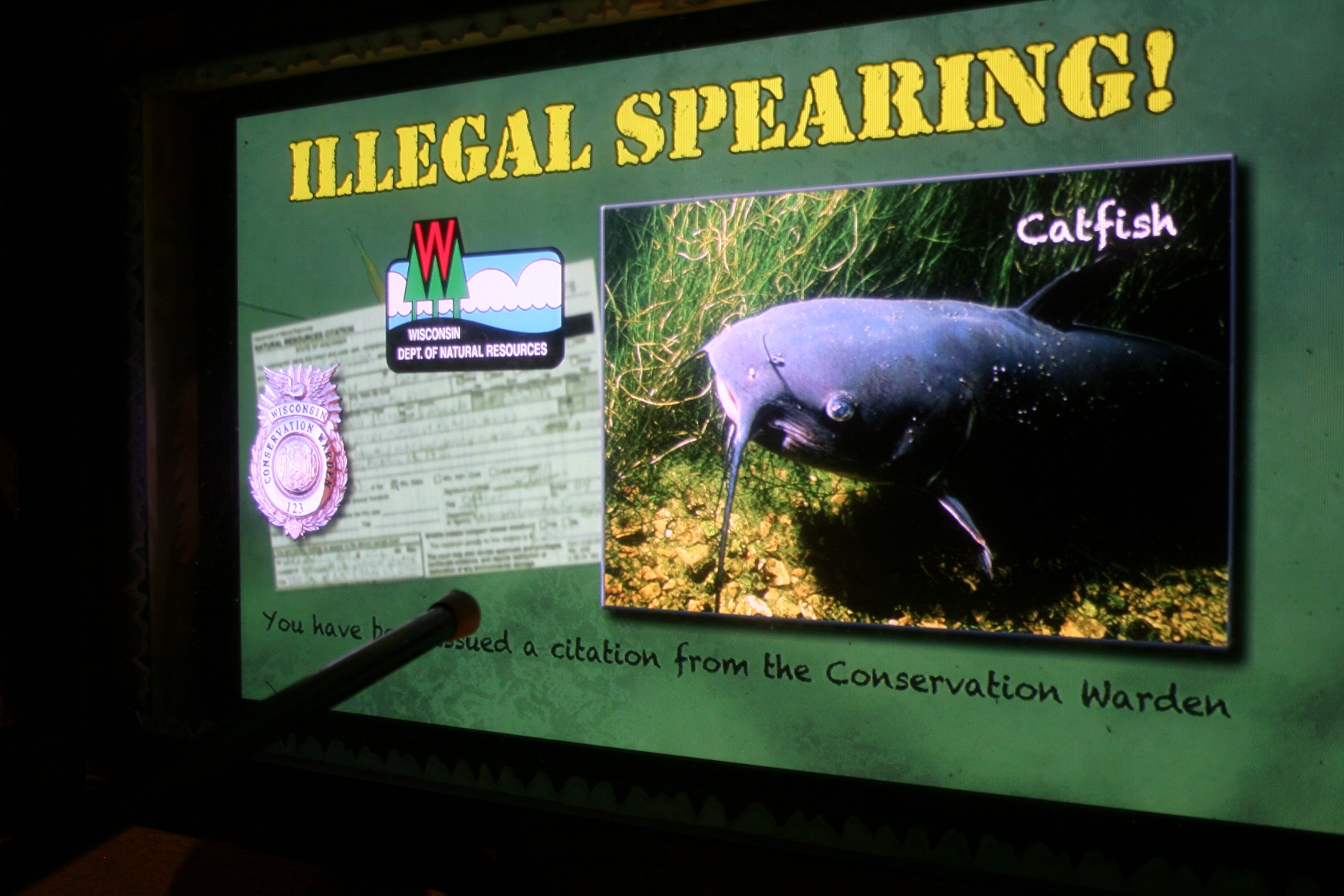
In an interactive portion of the exhibit, in a fish house, visitors can try spearing a sturgeon. In this case, my daughter “speared” a catfish instead by thrusting a “spear” at the shadowy fish lurking below the water’s surface. You best know your fish.
The informative and interactive exhibit—try spearing a sturgeon—explores the origins of iconic Wisconsin food traditions.
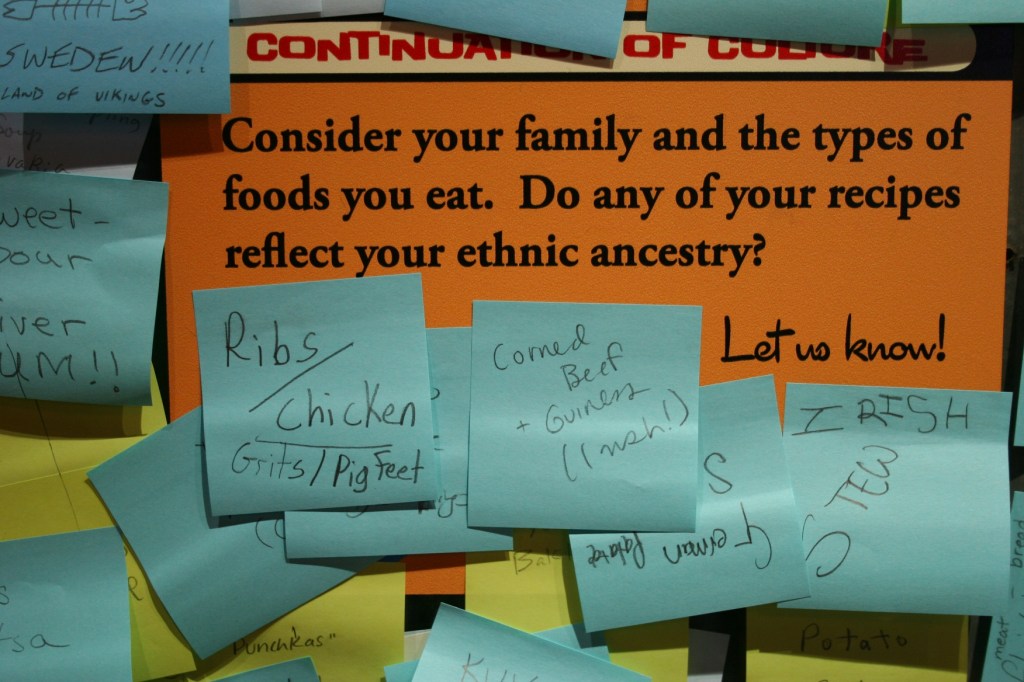
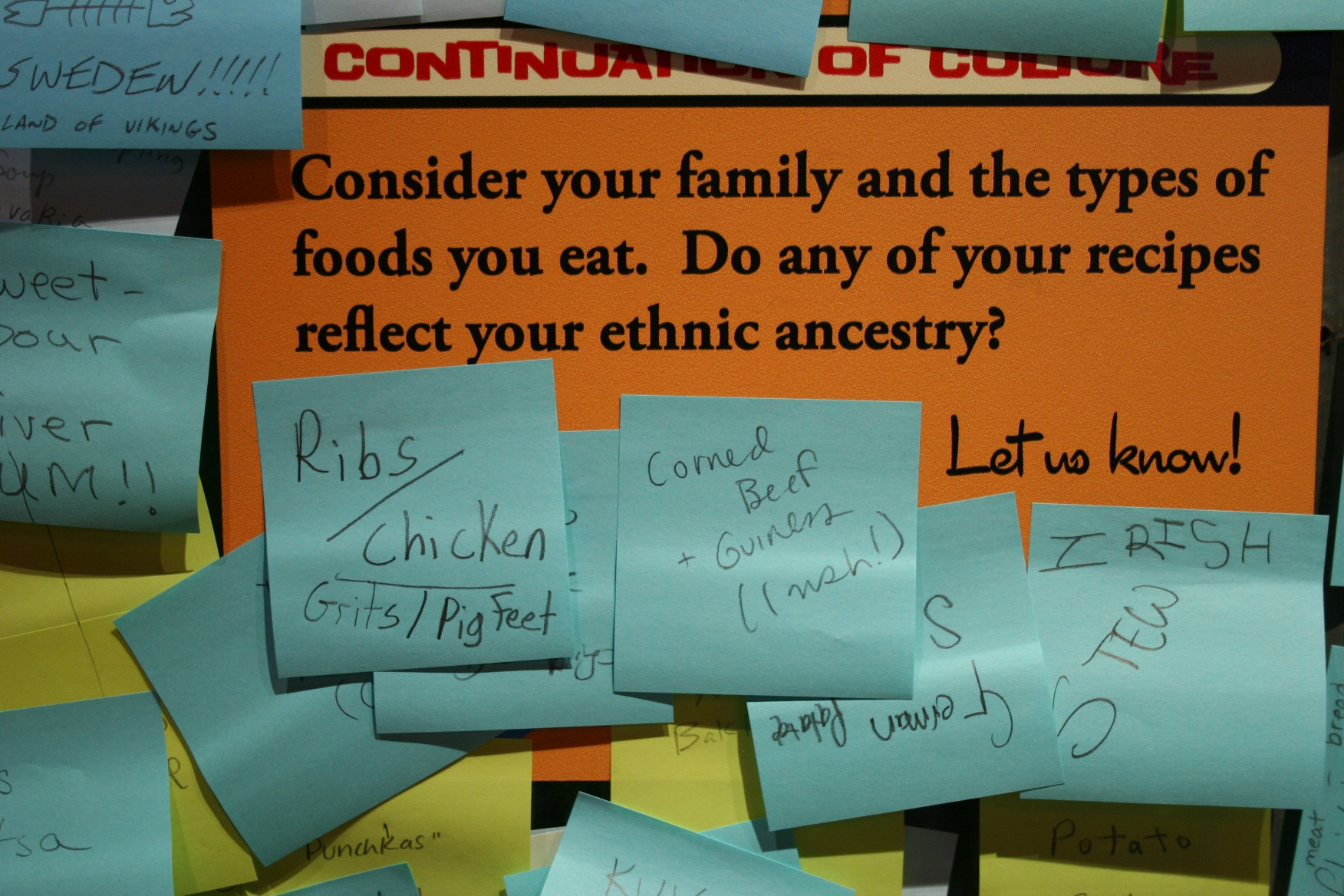
Visitors uses post-it notes to list favorite foods reflecting their ethnicity.
“From sauerkraut to egg rolls, each food has a story to tell about our regional values and community-making,” so notes a line in the wealth of exhibit information. I’ll admit that I didn’t read all of the info. I am more a visual and interactive learner in a museum setting. But I appreciate the depth of research summarized here.
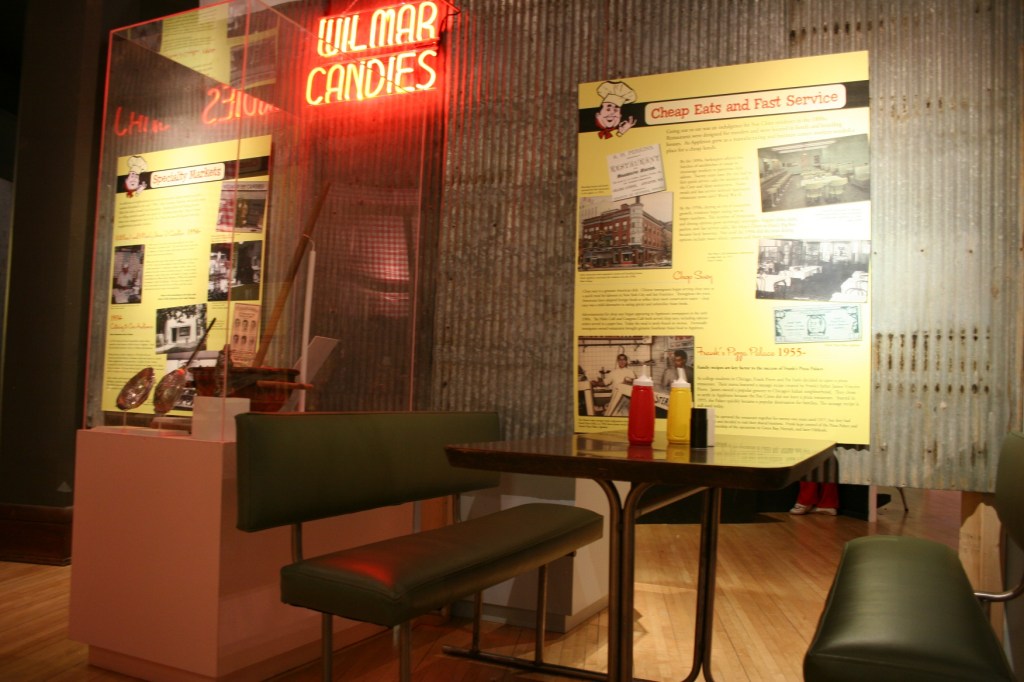
A snippet of the expansive food exhibit.
That said, join me on this photographic tour of “Food.”
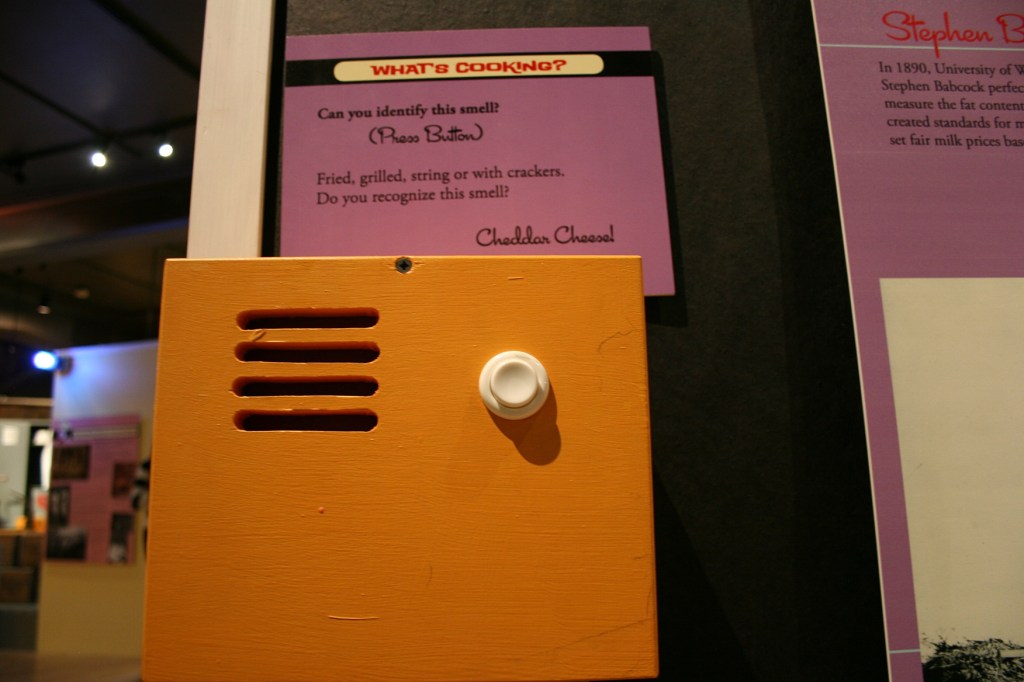
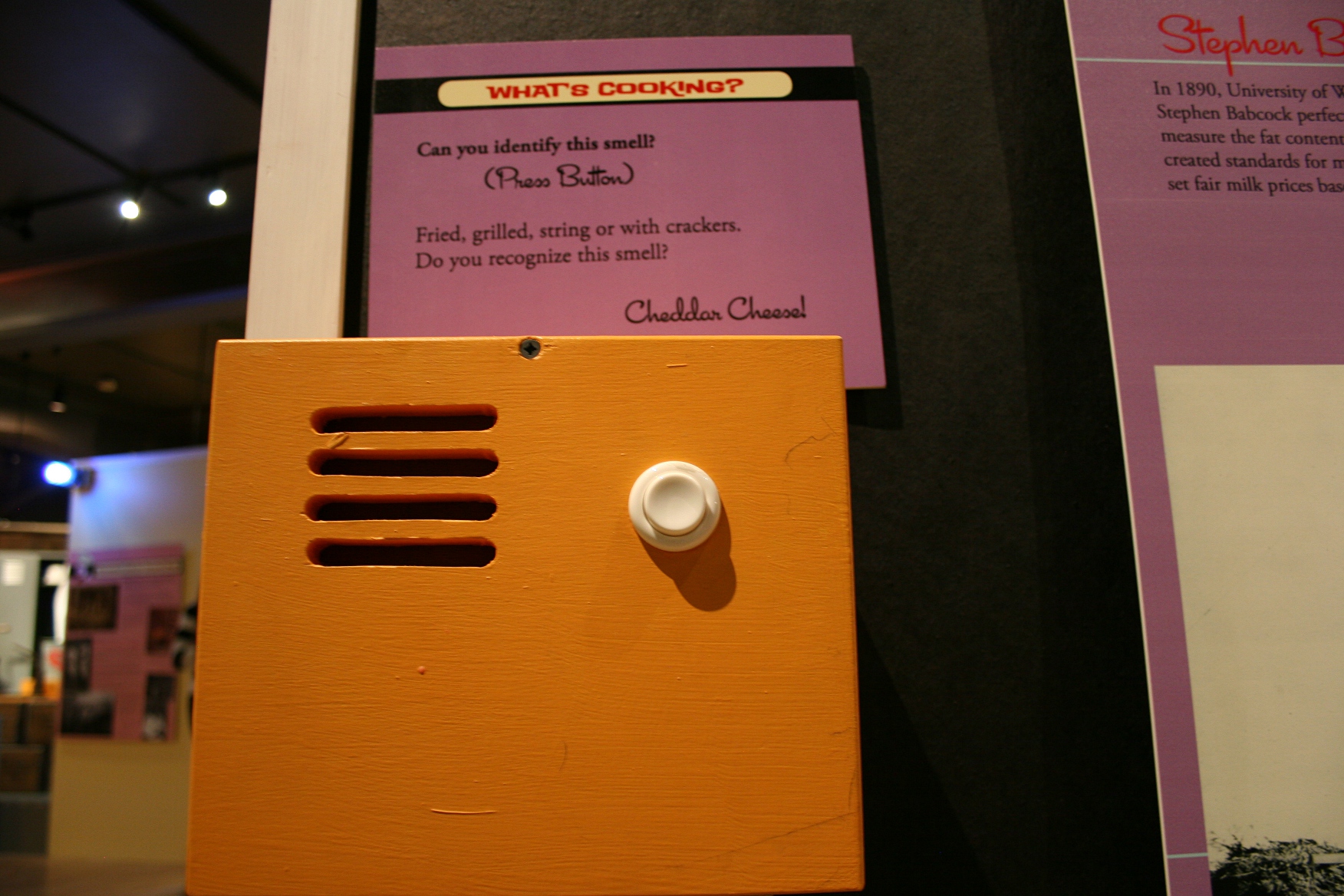
Via museum magic, you can press the button and smell cheddar cheese wafting from the golden box.
Smell the cheese.
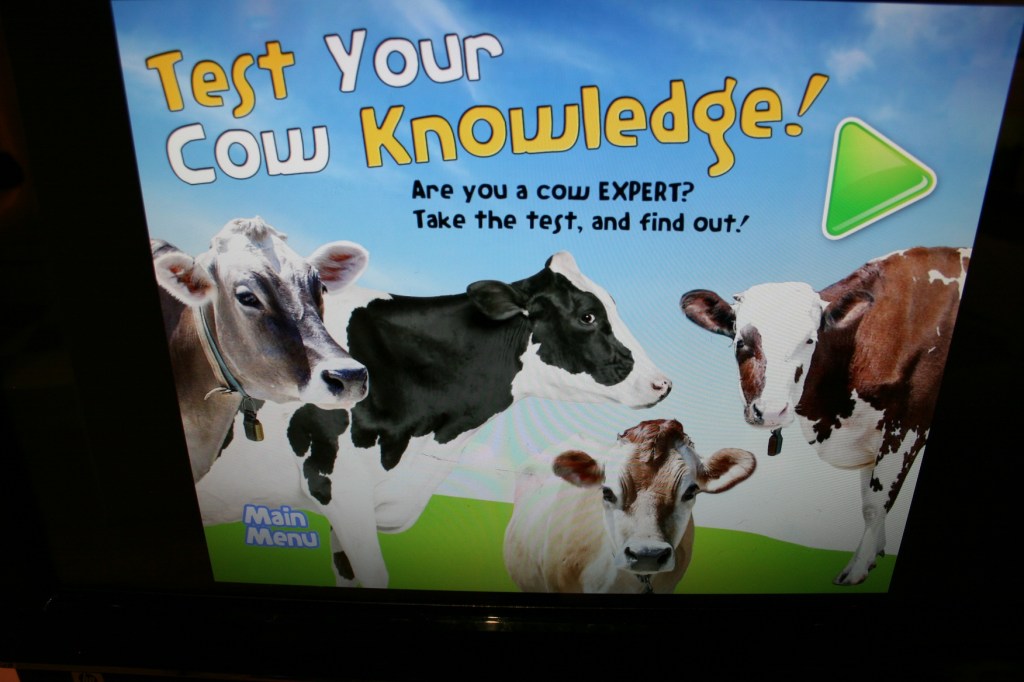
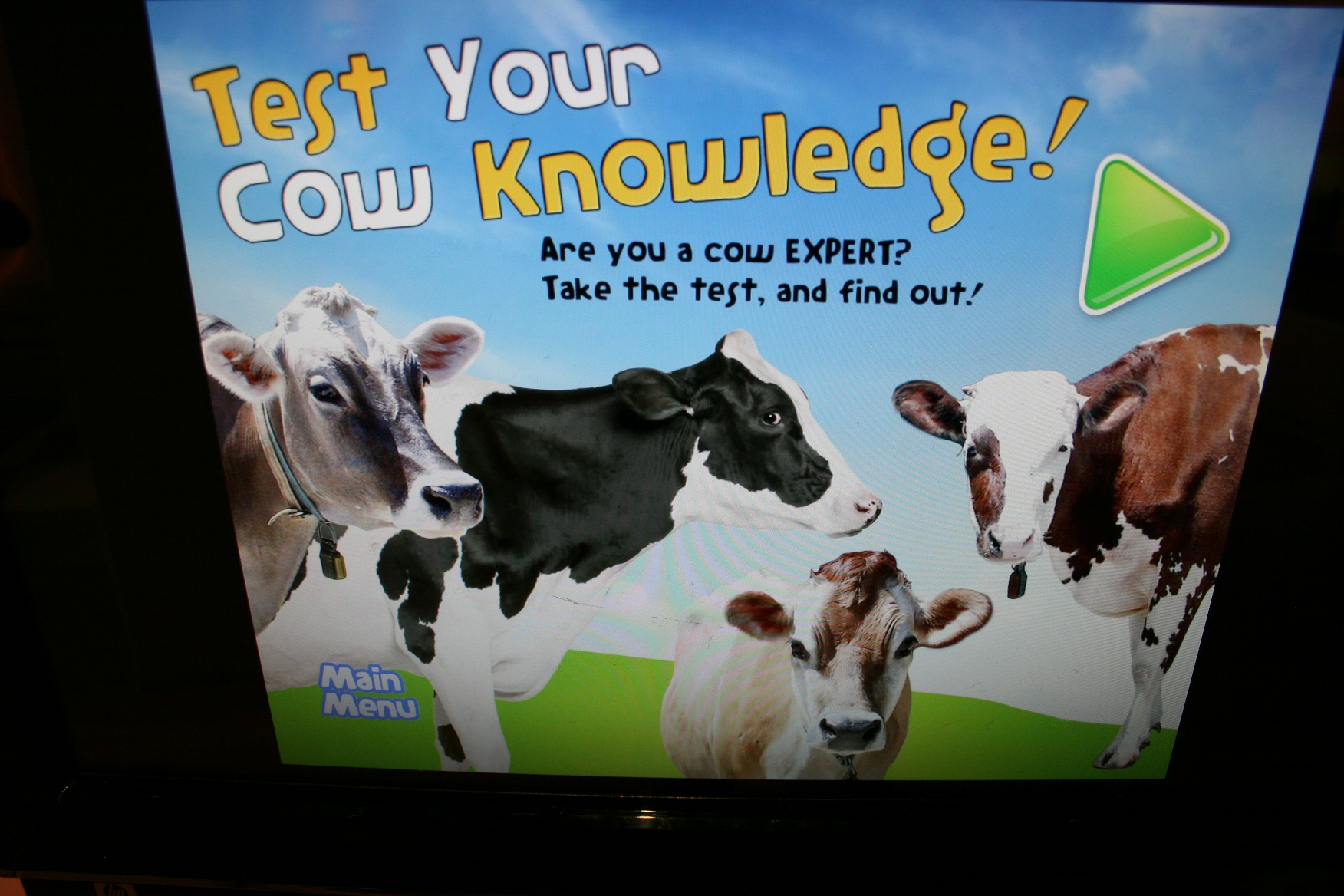
Test your cow knowledge on this interactive screen. Wisconsin is, after all, termed “America’s Dairyland.”
Test your knowledge of cows.
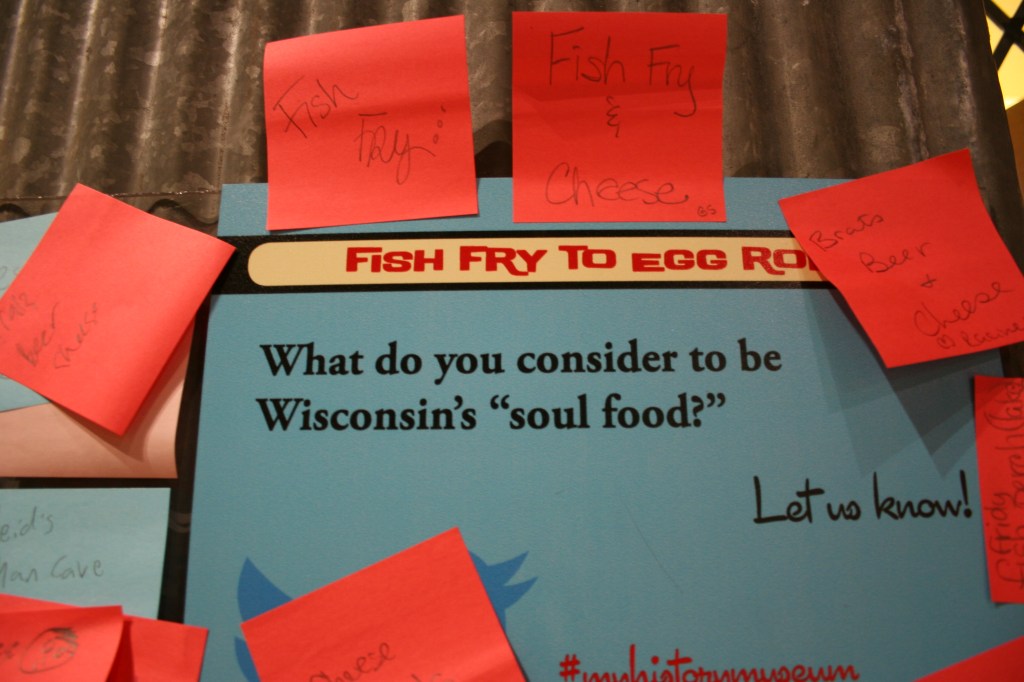
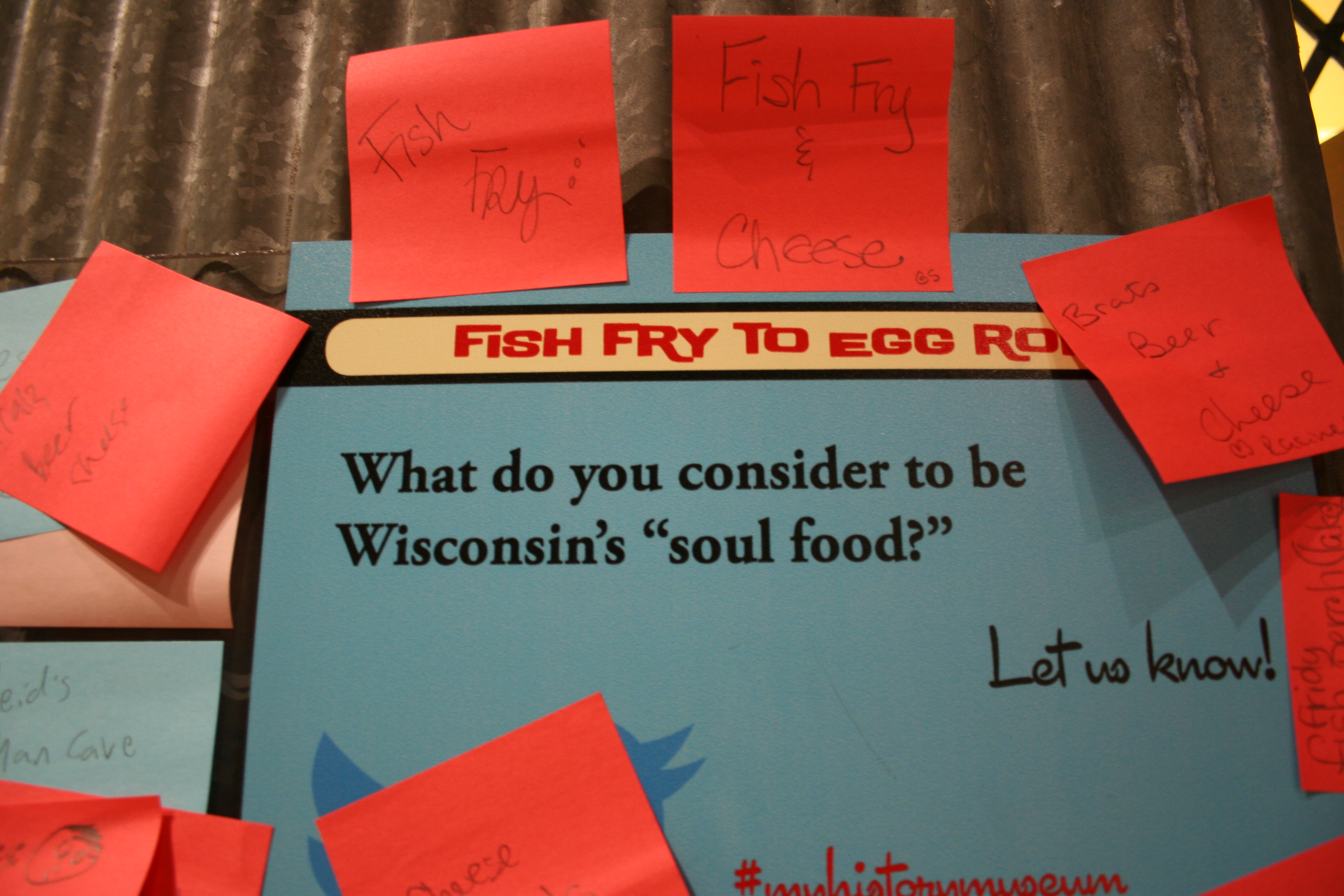
See how visitors answered this question about Wisconsin’s “soul food.” Cheese, brats, beer, fish fry… Add your own answer.
Define Wisconsin “soul food.”
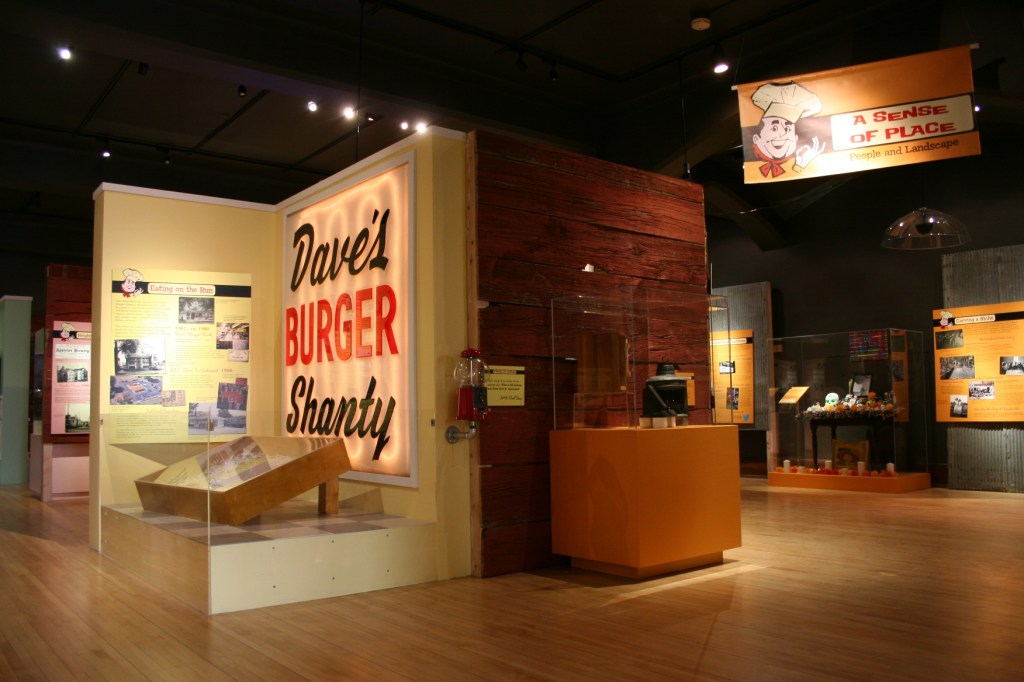
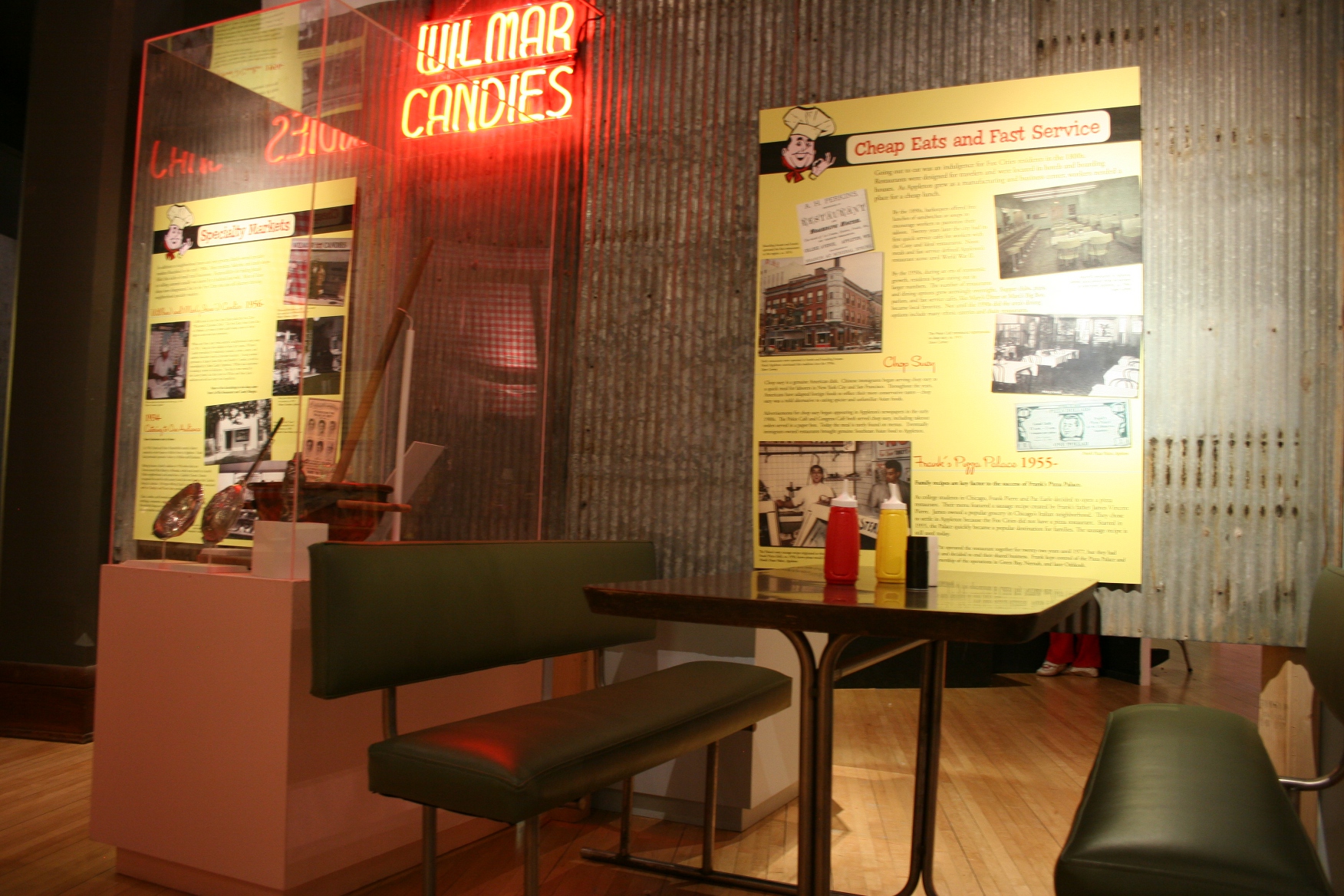
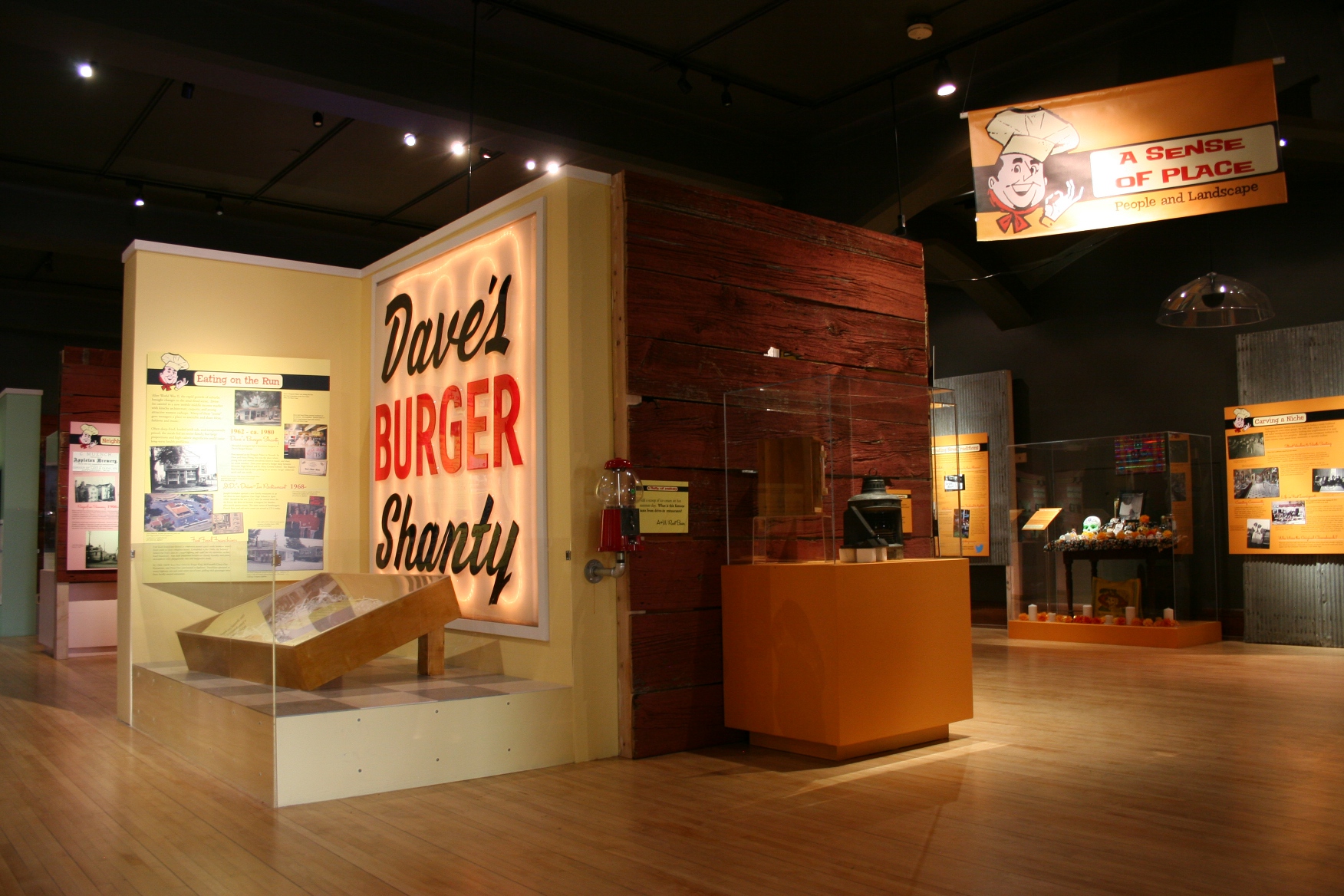
A portion of the exhibit focuses on place, like burger joints and supper clubs, etc.
Reminisce about supper clubs and burger stands.
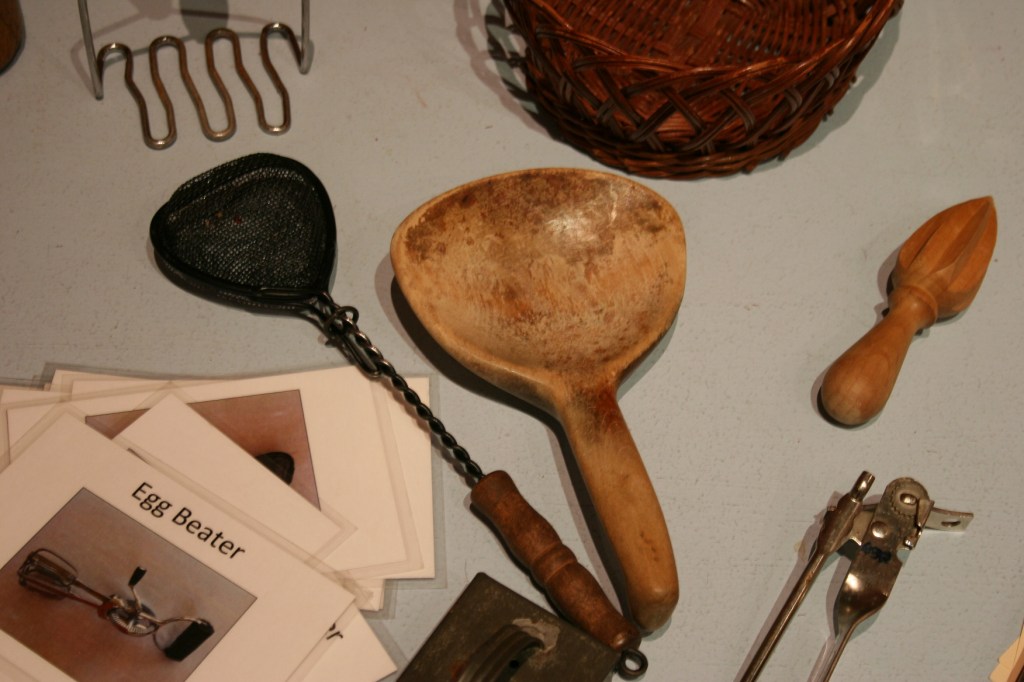
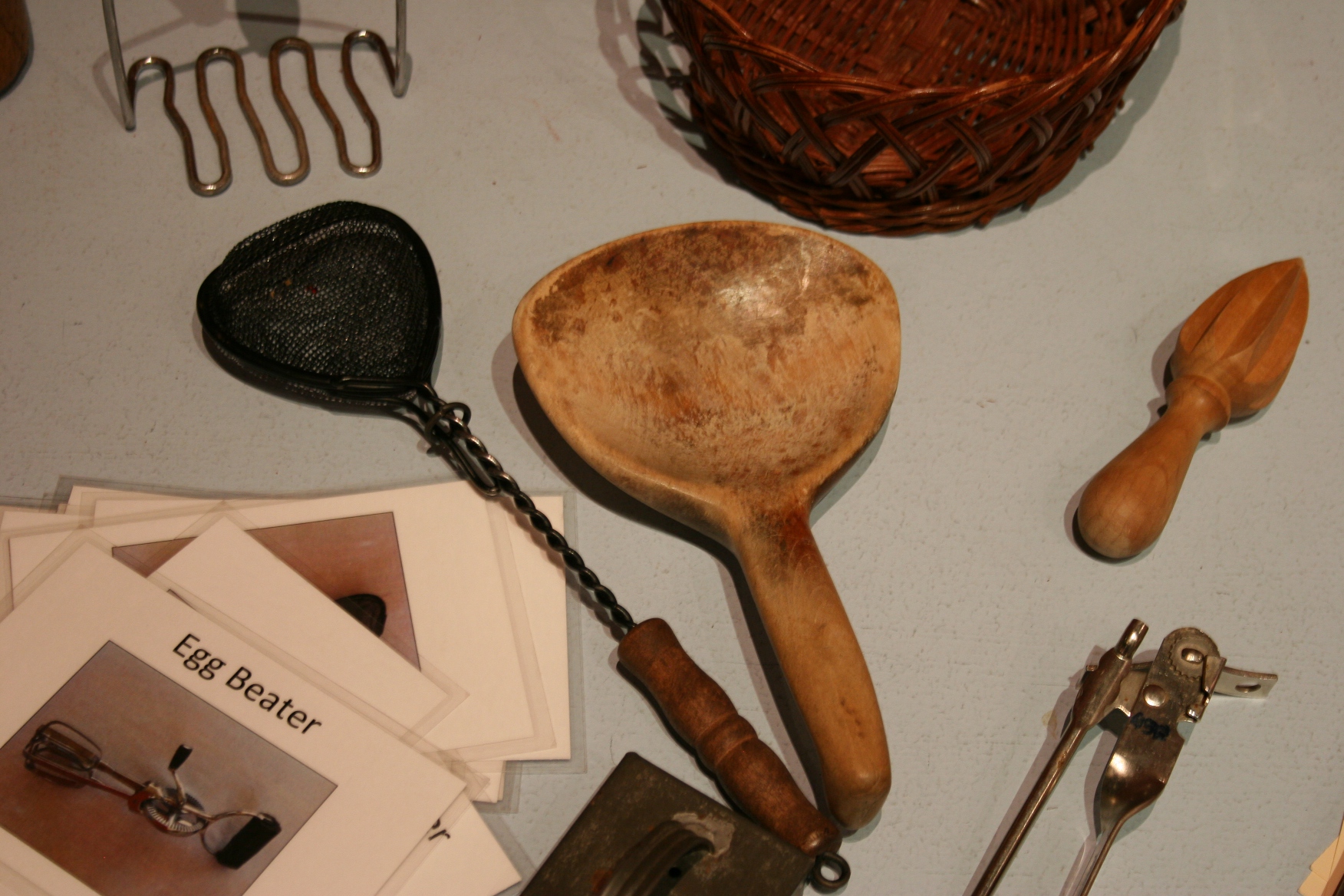
Old kitchen utensils for visitors to identify.
Identify old kitchen tools…
Celebrate the food traditions of Wisconsin:
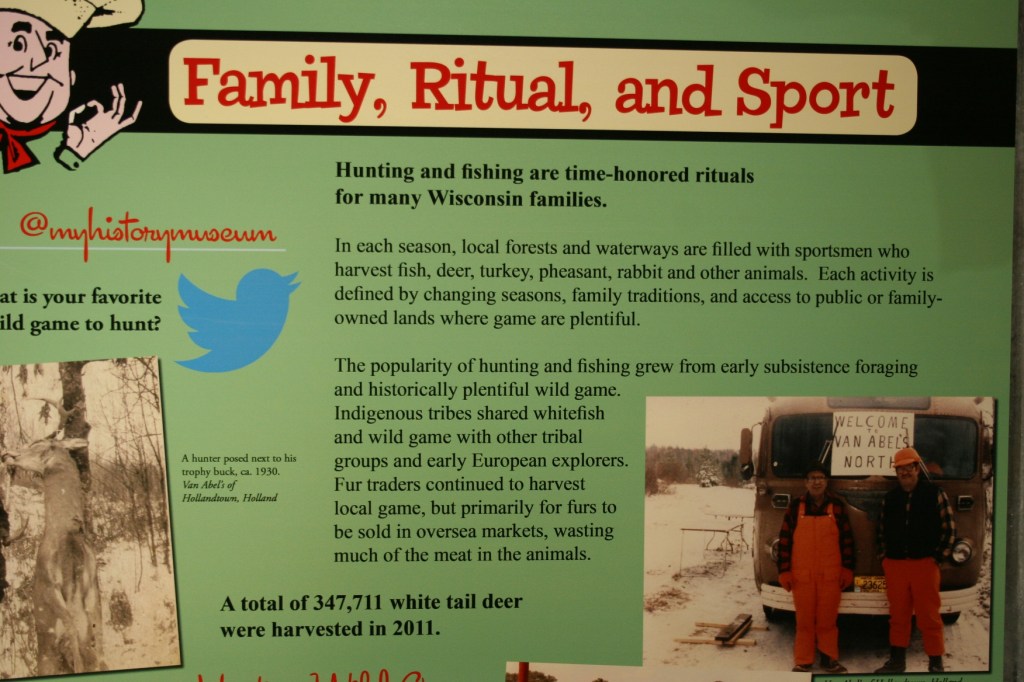
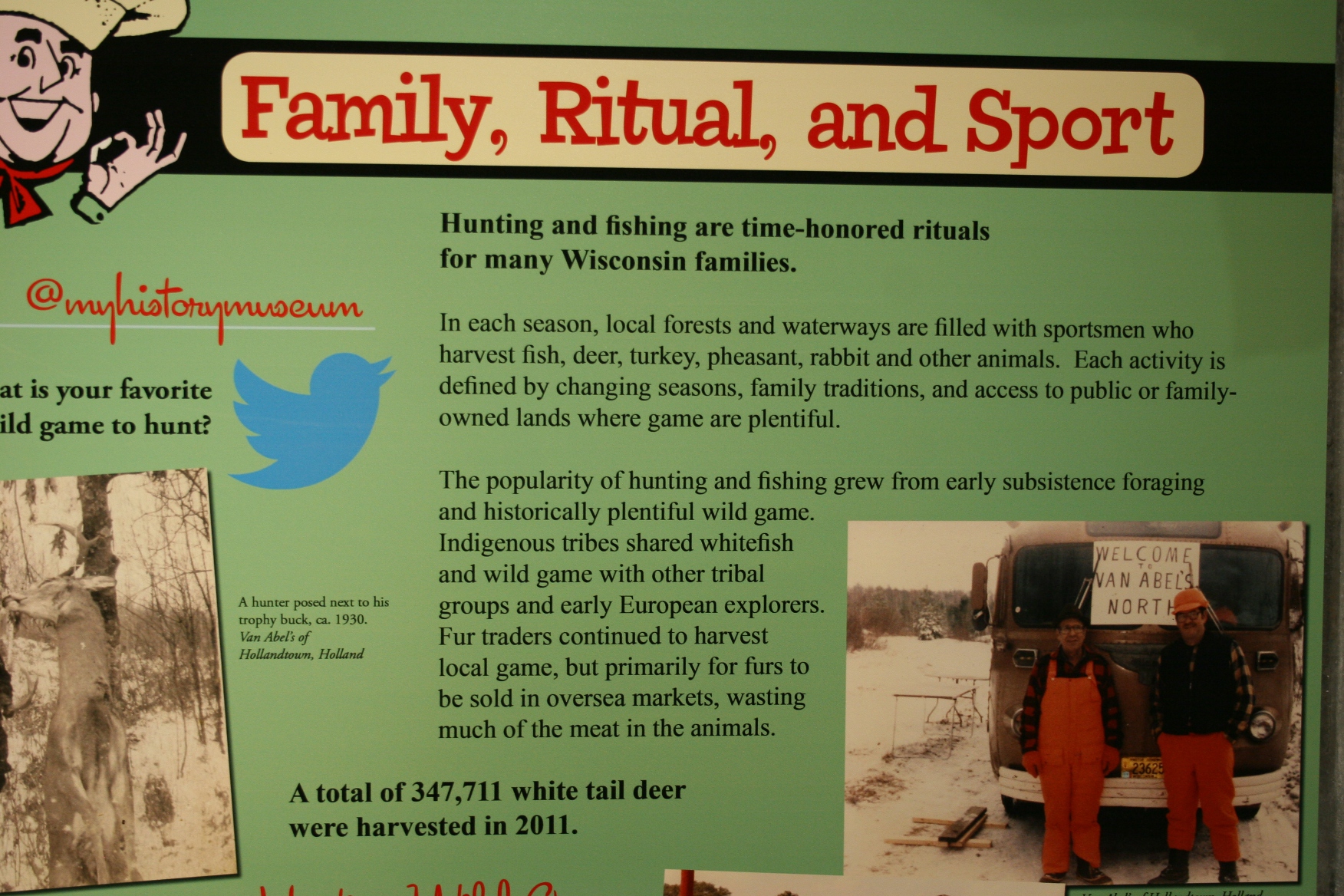
Hunting and fishing are a major part of sports and food culture in Wisconsin.
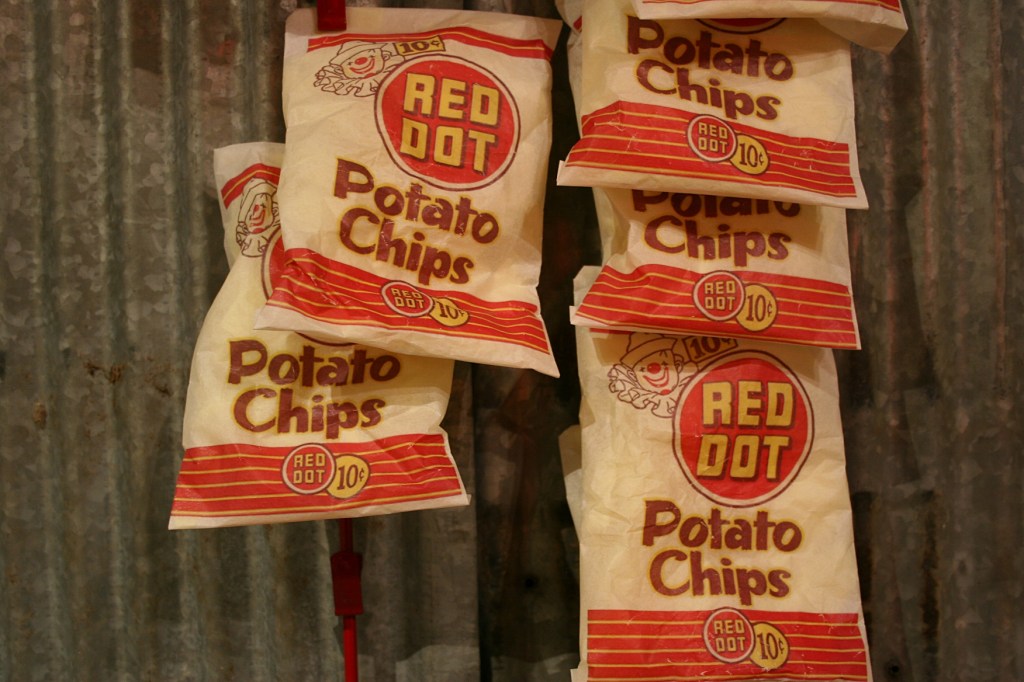
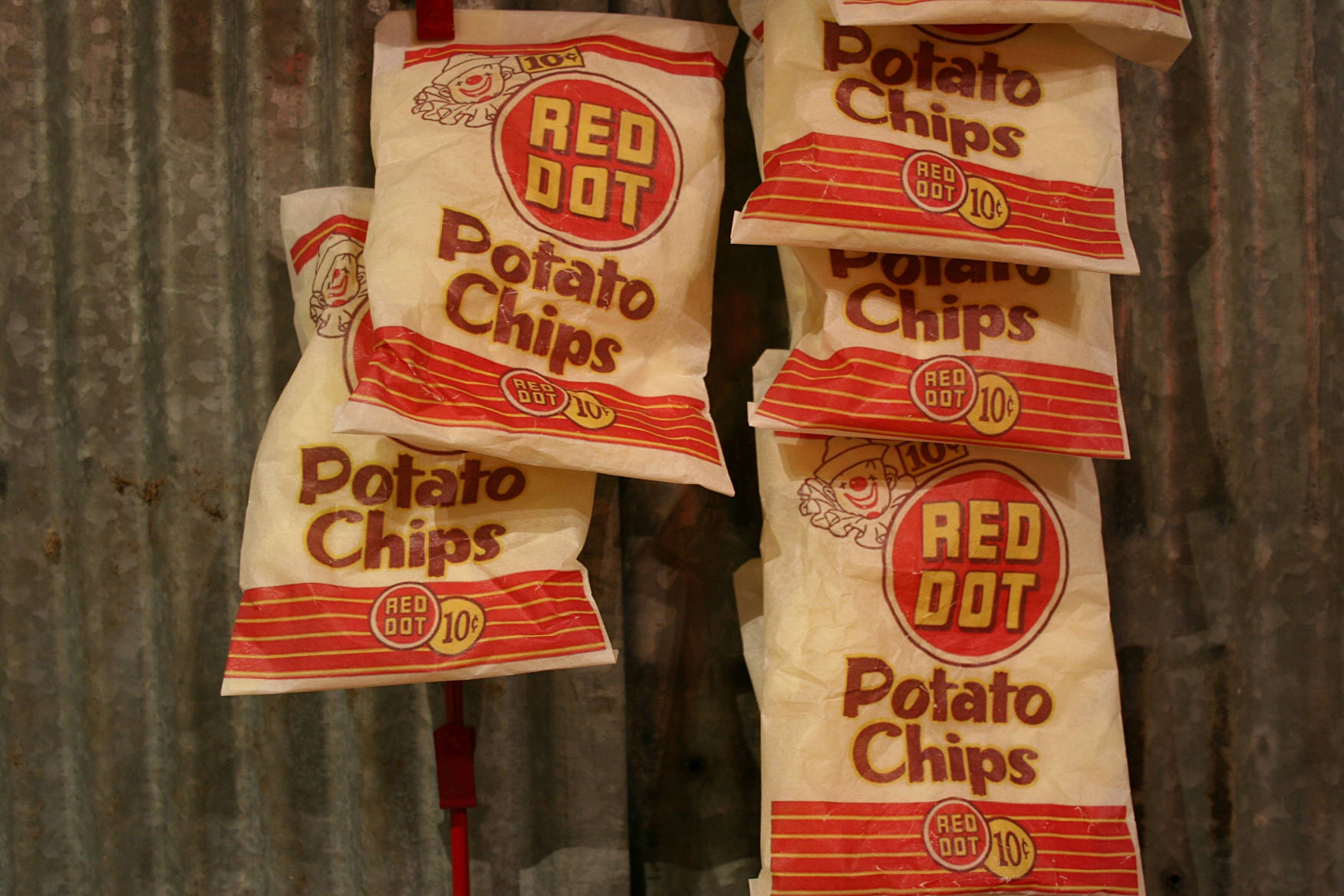
Red Dot potato chips were produced by Red Dot Foods of Madison, Wisconsin, and were once a top potato chip brand.
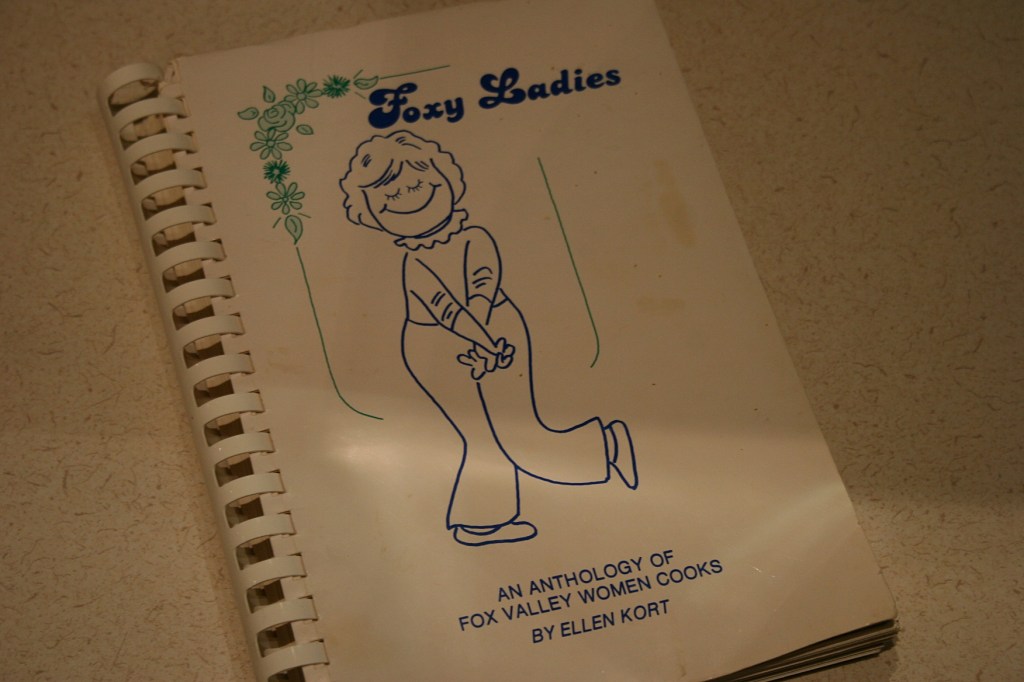
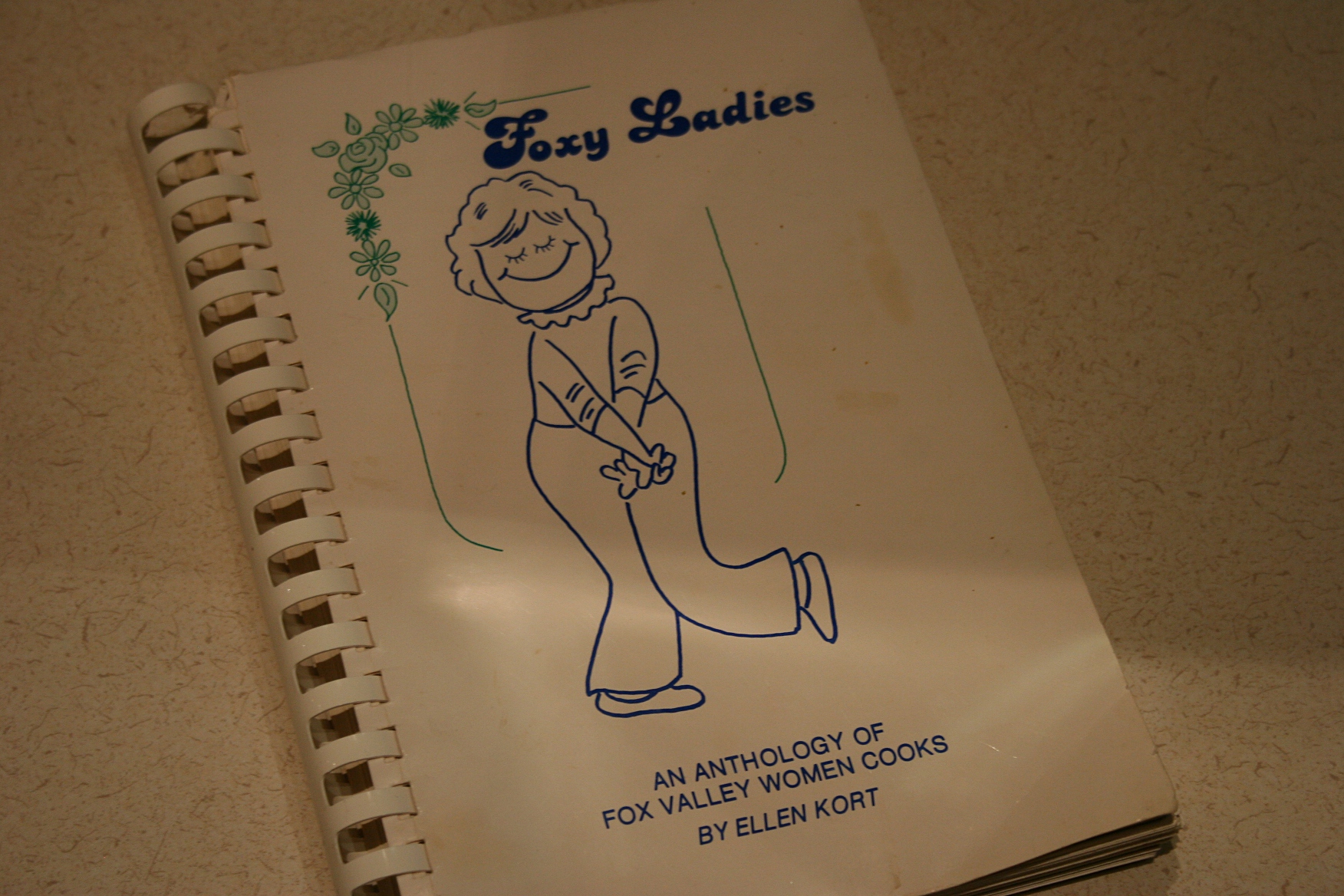
Cookbooks are on display and vintage recipes available for the taking at the exhibit. The Appleton, Wisconsin, region is known as the Fox Valley after the Fox River which runs through the area.
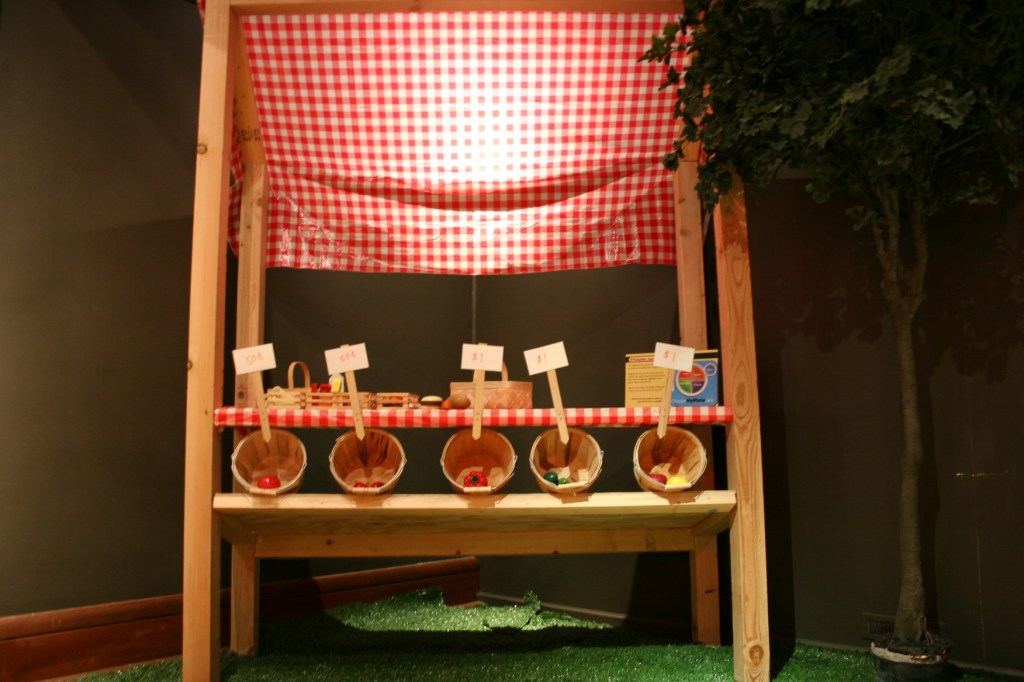
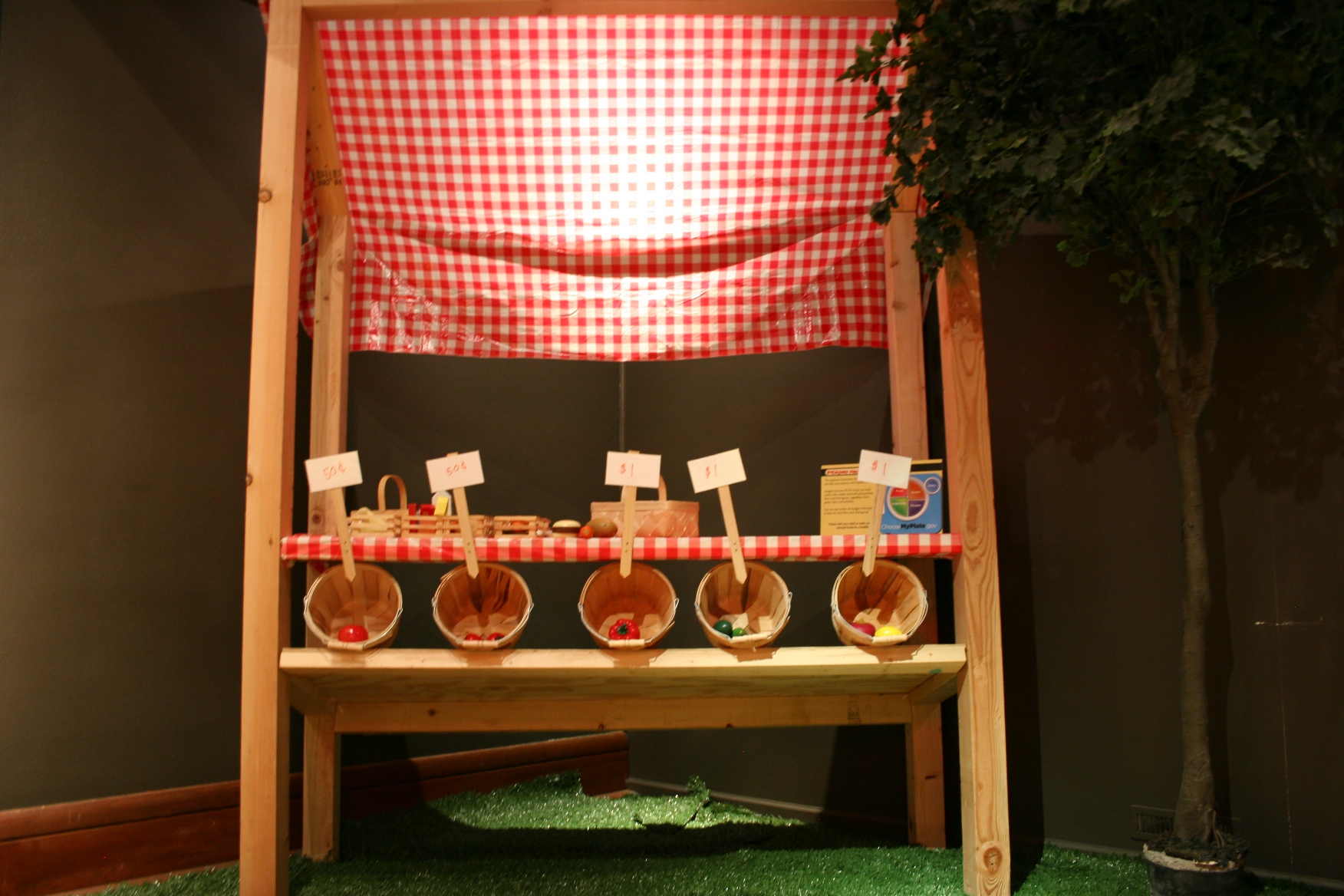
In the Marketplace, visitors are encouraged to choose healthy fresh foods.
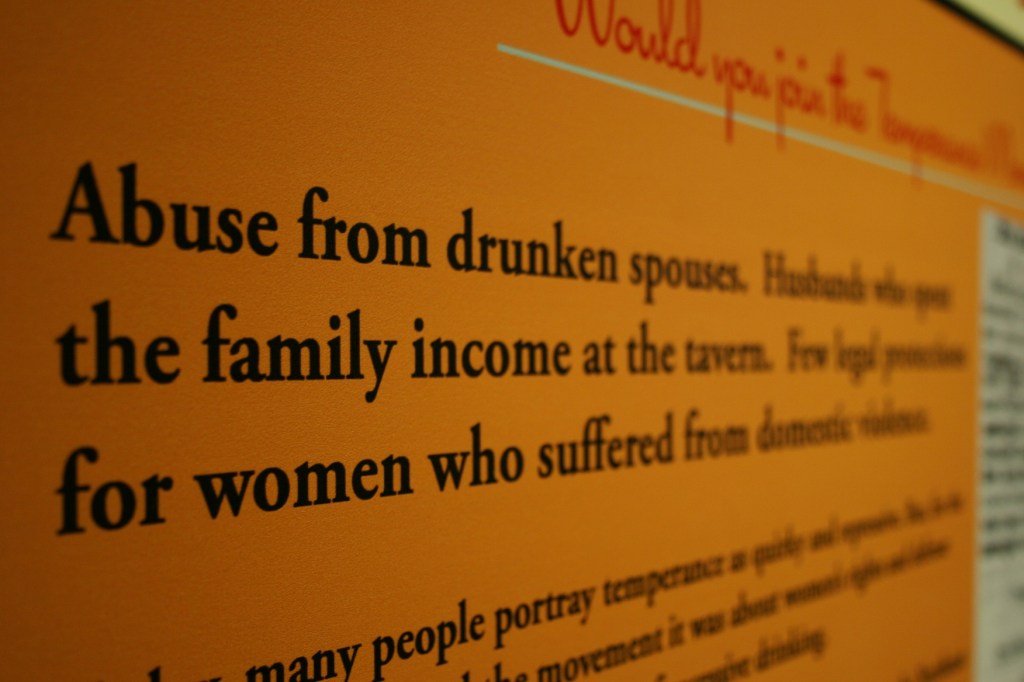
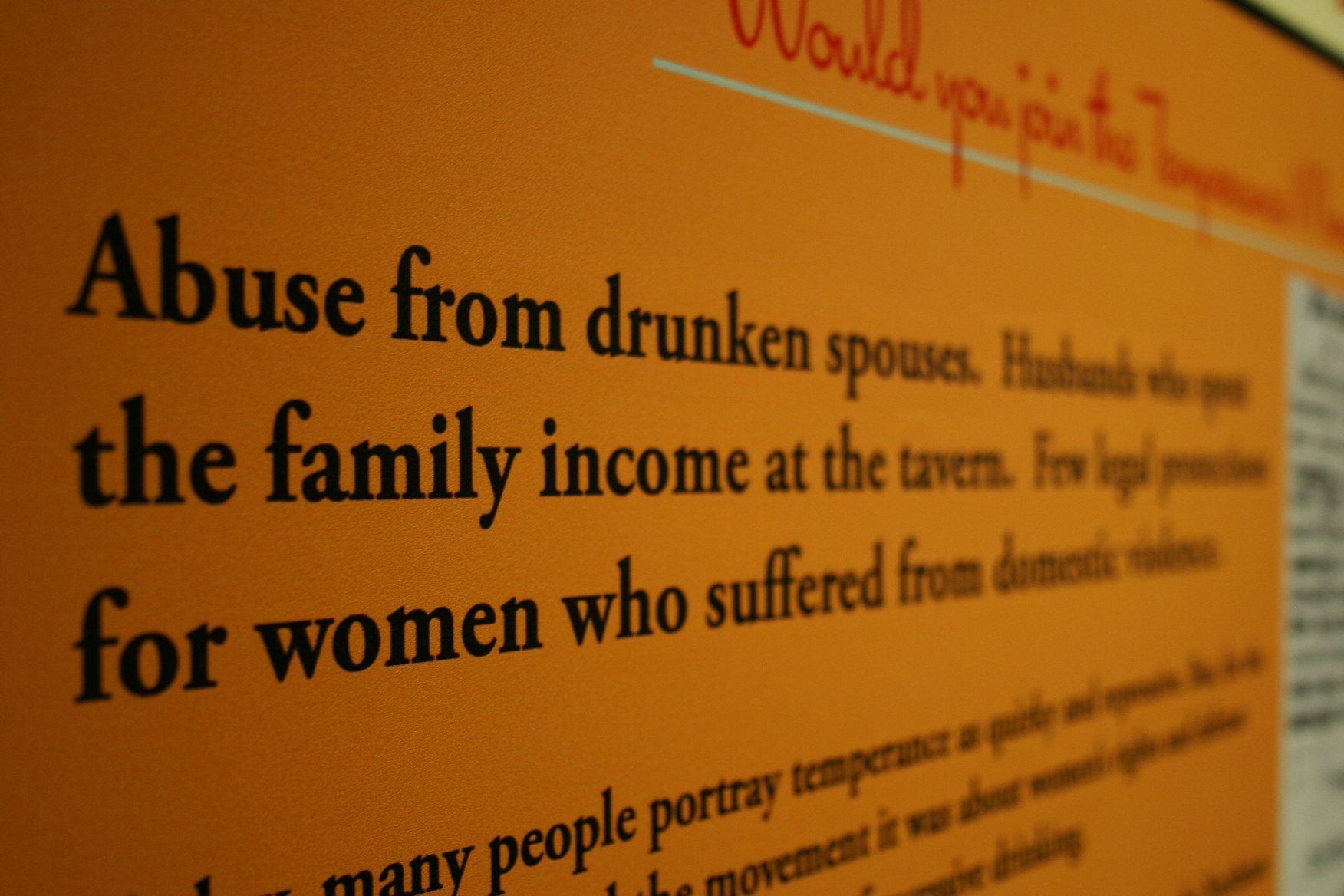
Another display focuses on the empowerment of women via the Temperance Movement. One of the Appleton Police Department’s major objectives in 2014 is to combat domestic violence.
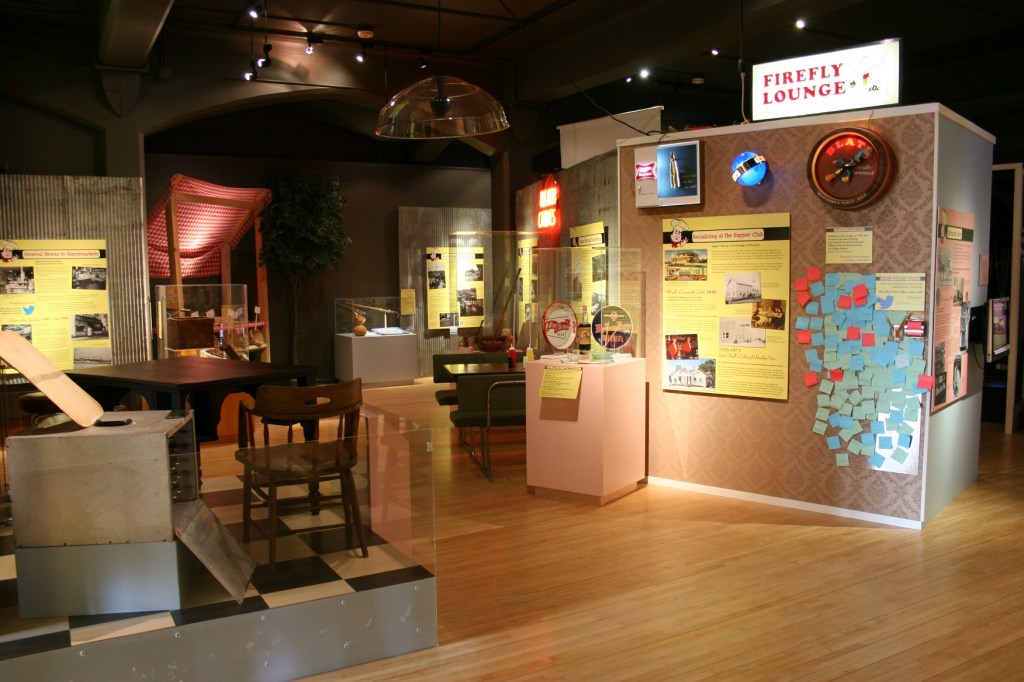
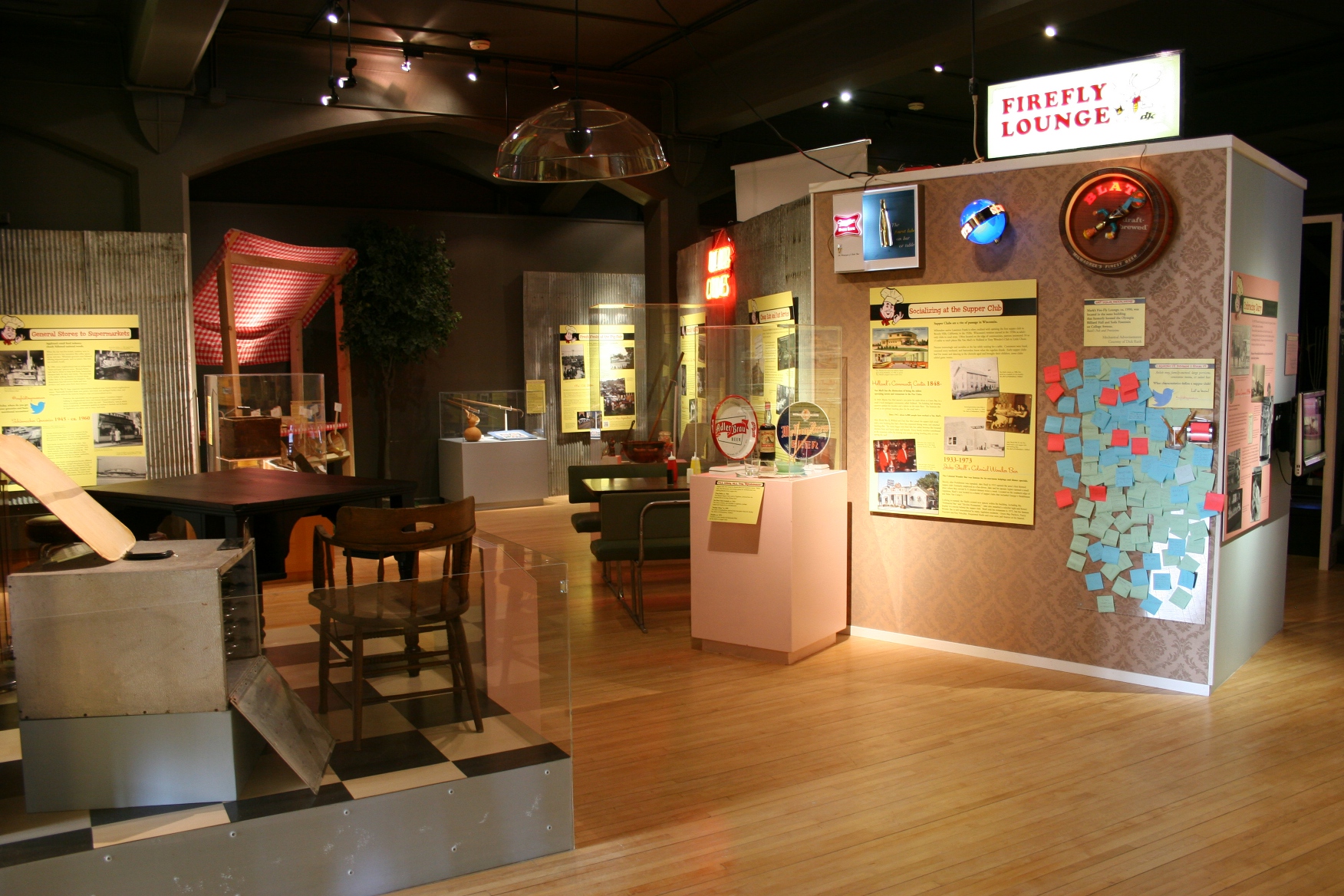
The exhibit on the right focuses on supper clubs. Visitors are invited to write characteristics defining a supper club. Answers included, among many others, pickled beets and herring at salad bar; dim lighting; cocktail hour; tavern in front, buffet in back; and old fashion jukeboxes.
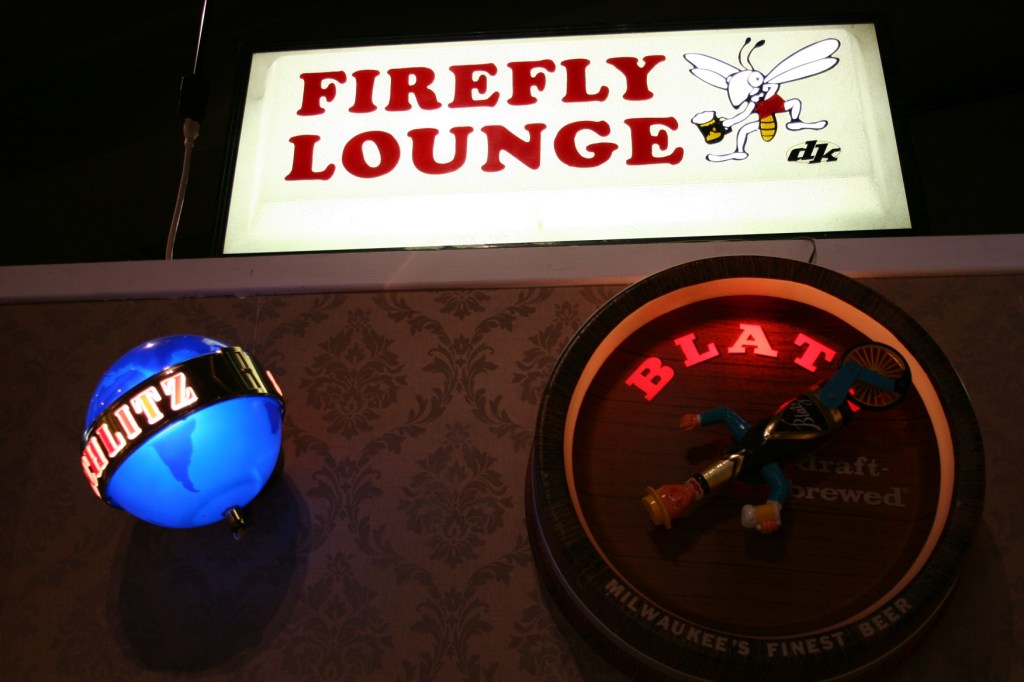
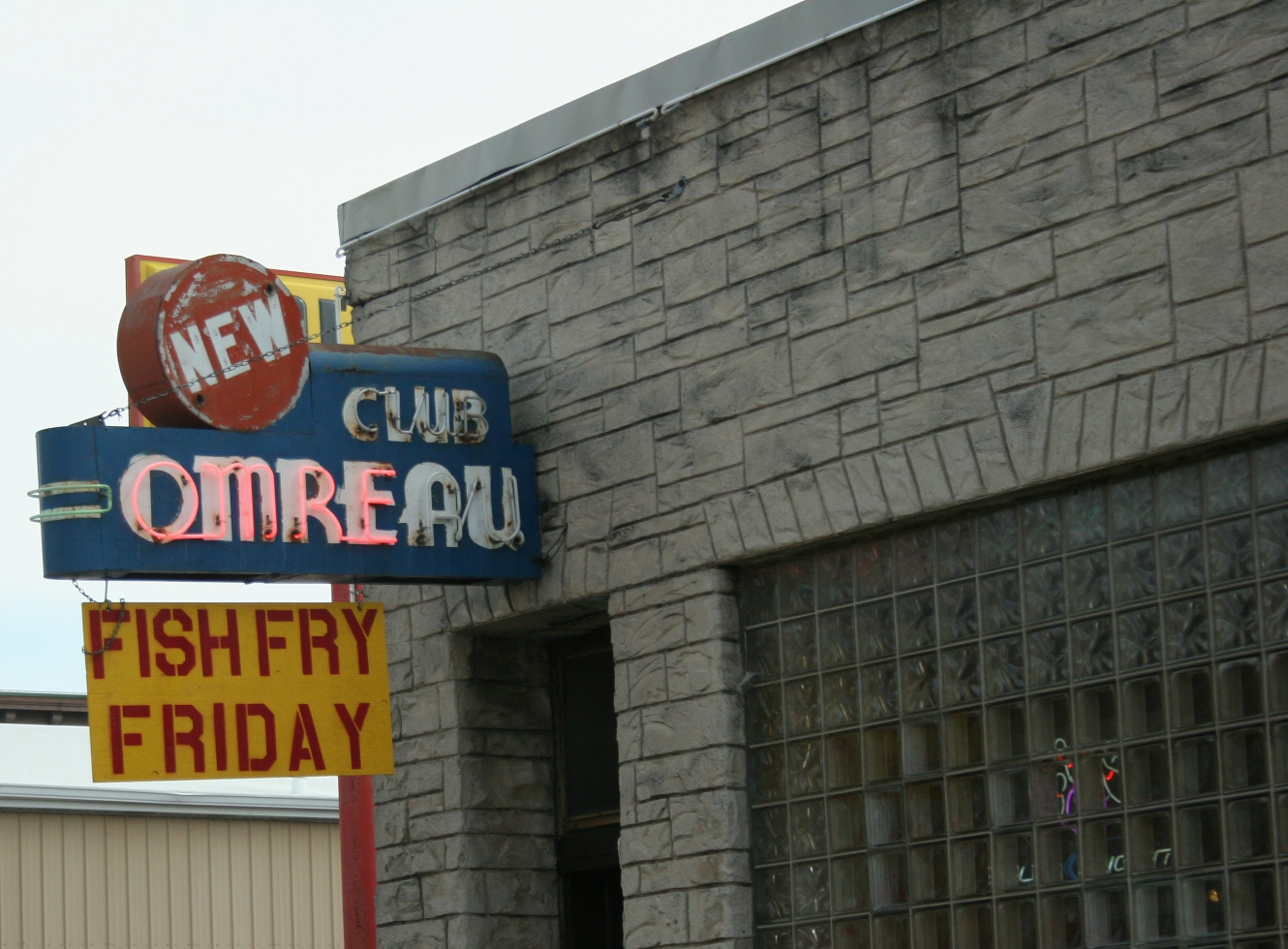
Supper club/bar signage close-ups.
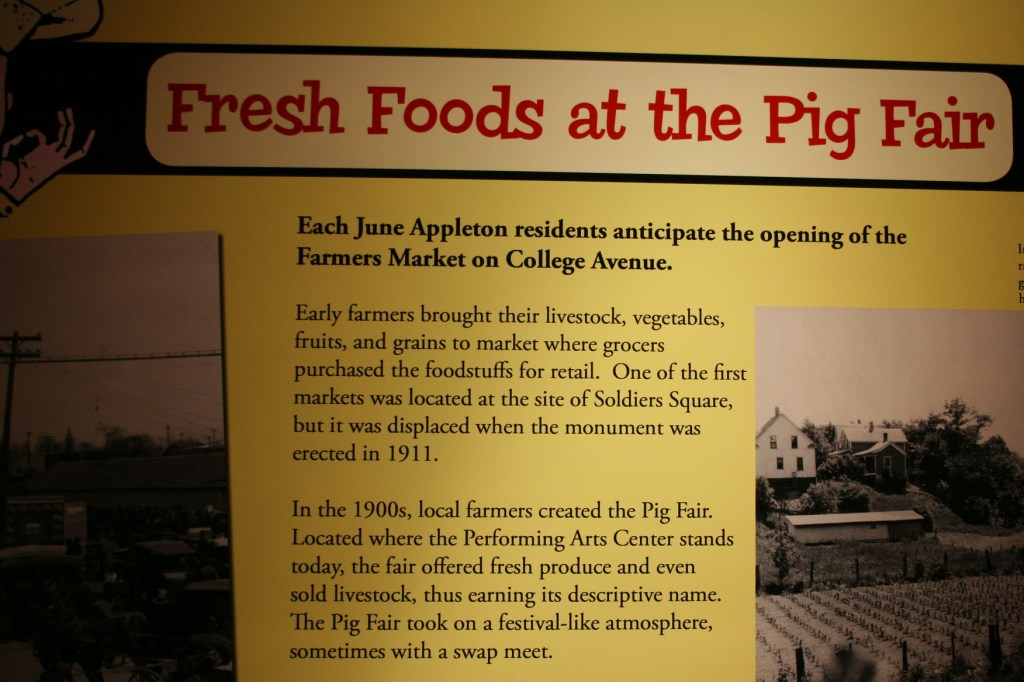
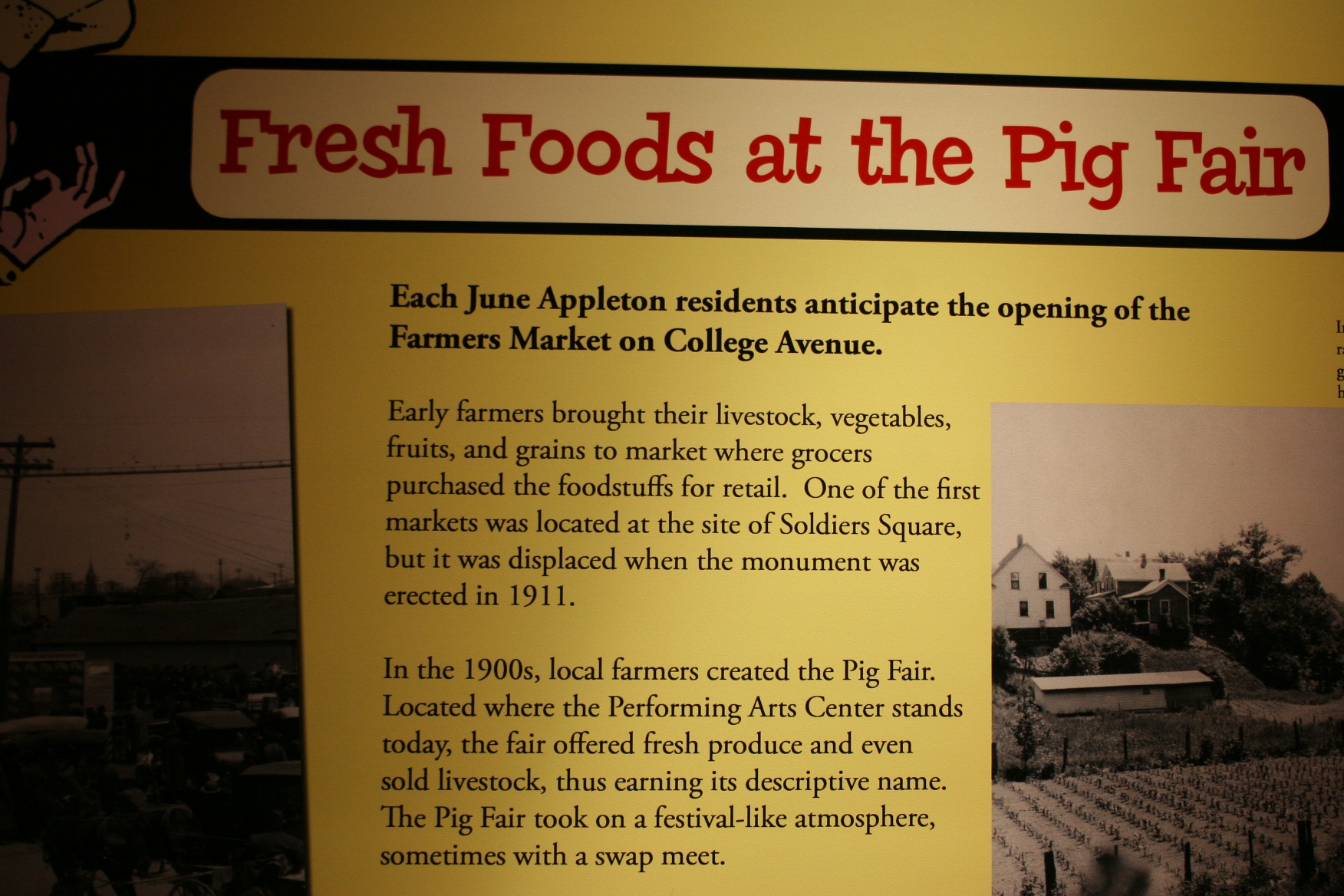
The Pig Fair…
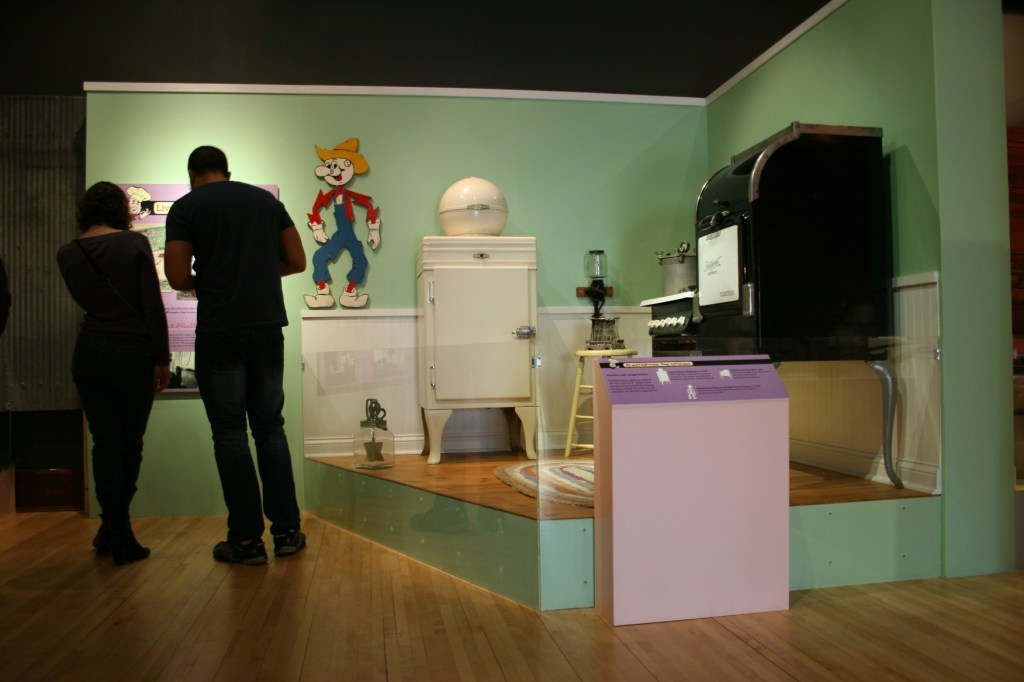
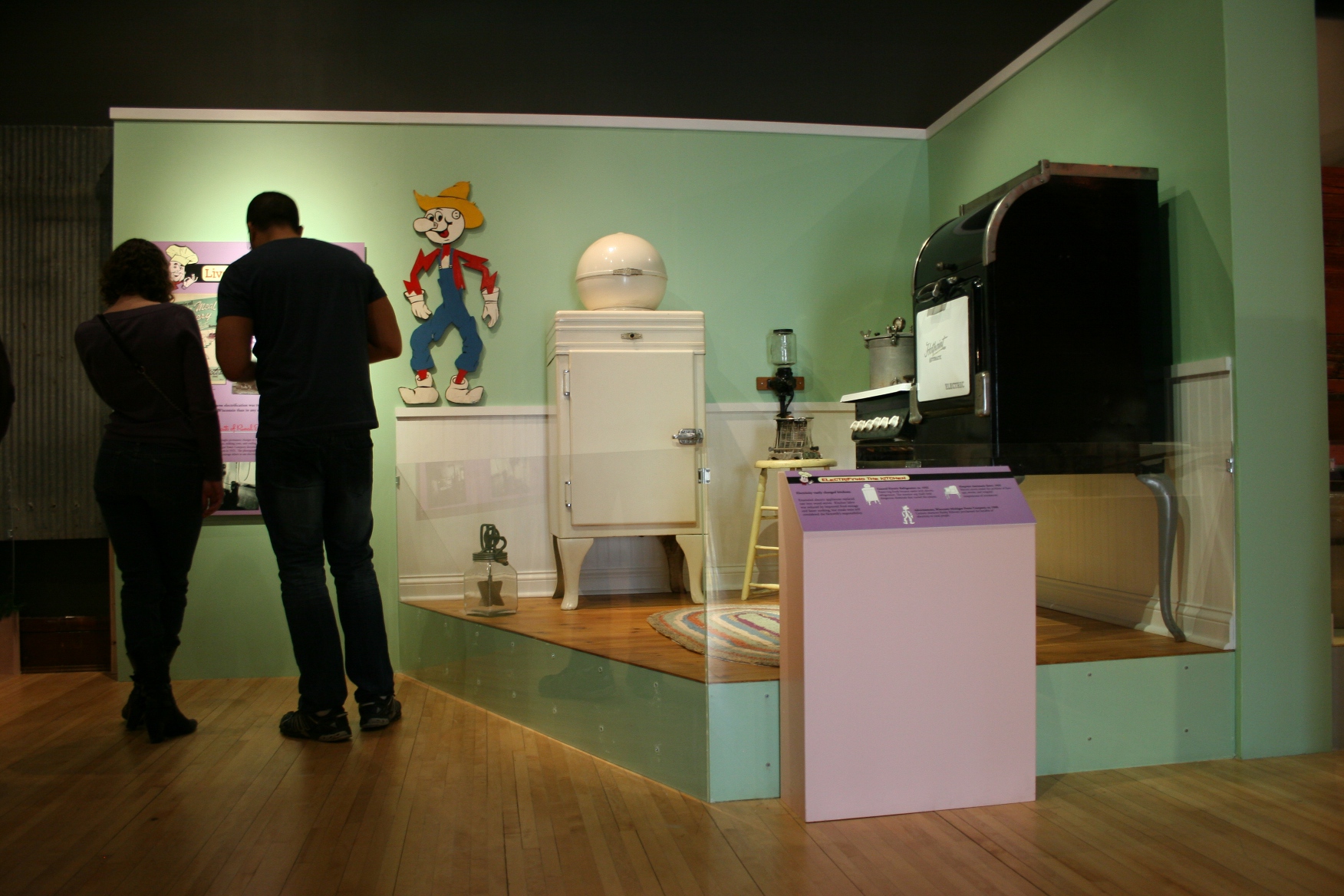
A section on electricity highlights Appleton as having the first home electrified by water power in 1882. And, yes, that’s Reddy Kilowatt there on the wall.
And then afterward, grab a cold one. It seems only fitting to honor Wisconsin’s love of brats, beer, cheese and Packers. Cheers.
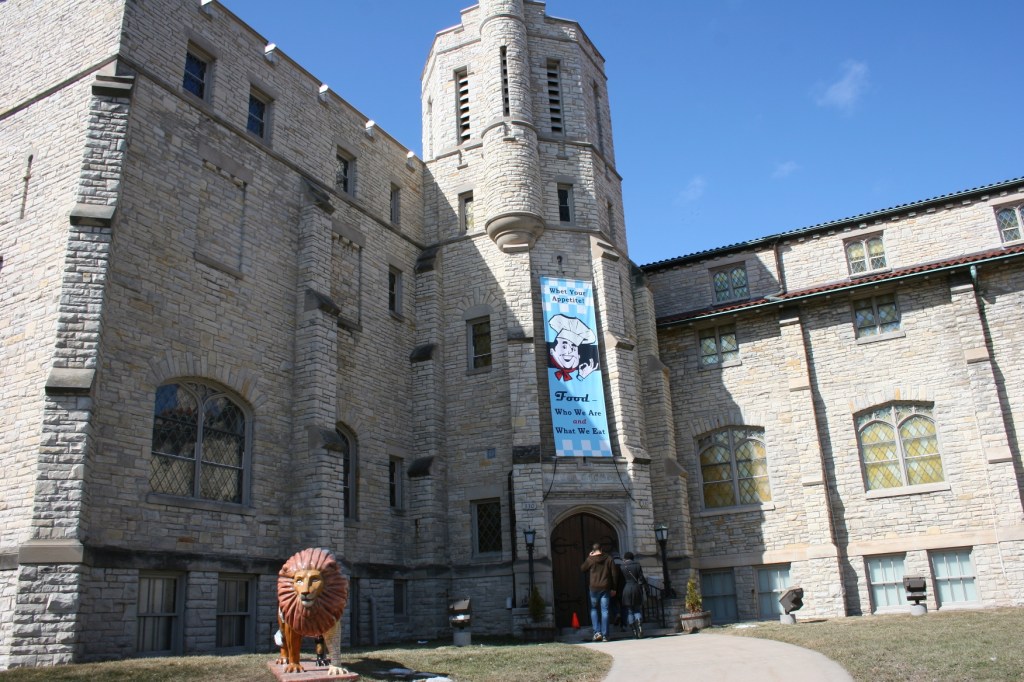
The impressive and historic History Museum at the Castle.
FYI: The “Food: Who We Are and What We Eat” exhibit continues through the fall of 2014 at the Castle. There’s much more to see here, including exhibits on local history and a permanent Harry Houdini exhibit. Houdini claims Appleton as his hometown.
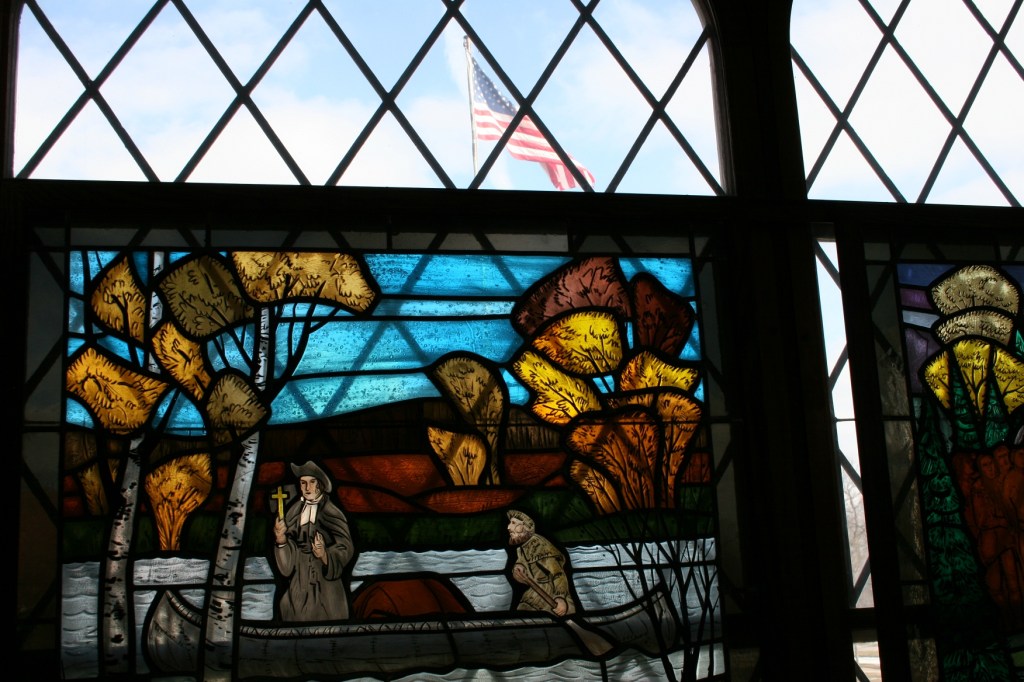
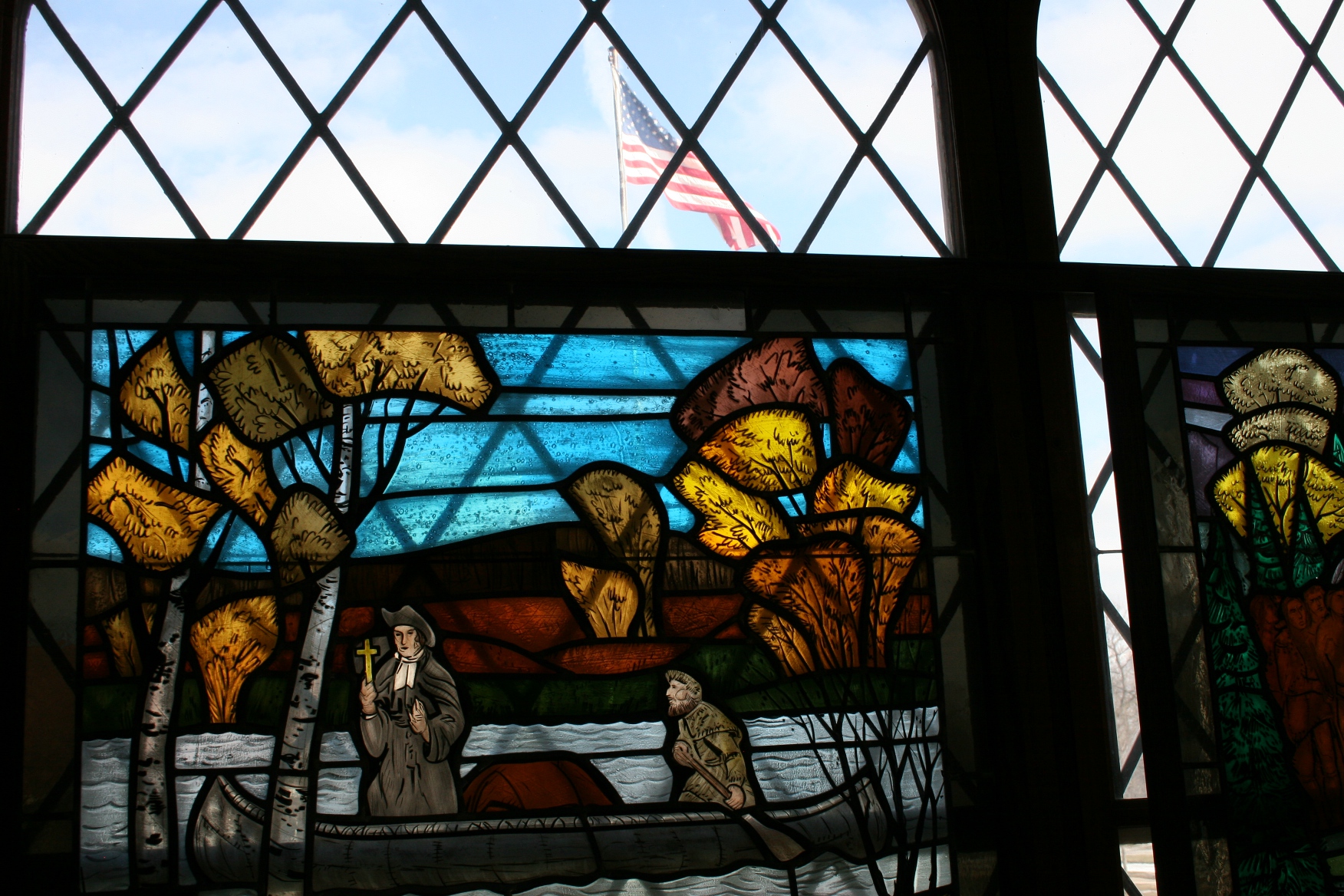
Don’t miss the incredible stained glass windows in the Siekman Room.
The castle itself is a lovely complex built in 1923 as a Masonic temple and today is on the National Register of Historic Places. Click here to learn more about the History Museum at the Castle.
© Copyright 2014 Audrey Kletscher Helbling




On the protest line, twice on June 14 June 16, 2026
Tags: Appleton, commentary, democracy, faith, Faribault, Flag Day, ICE detention center, Interstate 35 protest, June 14, Medford, Minnesota, Minnesota Speaker of the House Melissa Hortman, No Kings Day protest, protest, protest signs
IF NOT FOR THE DATE, June 14, Sunday would have been like most Sundays for me. Off to early church, then bible study and back home for brunch.
But June 14, 2026, was not just another Sunday. This date marked the one-year anniversary of the politically-motivated assassinations of Minnesota Speaker of the House Melissa Hortman and her husband, Mark, and the shootings of State Senator John Hoffman and his wife, Yvette.
June 14 also marked Flag Day.
And June 14 marked another No Kings Day event, nationally a concert and locally several protests.
I began my Sunday in church, where the pastor’s sermon focused on love. That seemed a fitting topic given the day. I jotted notes, taking away the key point that true love is “the willingness to do good.” The pastor applied that to both the love between and among people and the love God has for us as sinners unworthy of his love. Of course, the sermon got much more in-depth. I left church and bible study feeling loved and more determined than ever to show love in my actions. And words.
A quick change into jeans, a tee, denim jacket and tennis shoes and hair pulled into a pony tail and baseball cap placed atop my head, I was ready to join the weekly protest along Minnesota State Highway 60 in Faribault. The organizer changed the usual 11 a.m.-noon Saturday protest to Sunday because of the national No Kings Day event.
Randy and I were ready with new signs, mine themed to the national event wording: Rise up. Sing out. I added “Resist.” I’ve been publicly resisting the actions of the current administration for more than a year now. I cannot imagine remaining silent and therefore complicit.
Forty of us stood strong outside the Rice County government services building on Sunday, holding our protest signs, conversing, listening to Vietnam era protest music strummed on a guitar and sung by several protesters. It felt empowering to be there among like-minded individuals, raising our voices, trying to make a difference, creating awareness and, yes, showing love.
Love came in a heartbreaking sign carried by a little girl whose friend was deported to Mexico with her family. “Protect our friends,” her message read. She’d drawn, with the help of her mom, two girls holding hands. One brown, the other white. Two pink hearts filled out the poster.
This is love, when a little girl creates a love-filled message that calls upon adults to “Protect our friends.” Urging us “to do good.”
I carried a similar two-sided sign, NO ICE PRISON IN APPLETON stenciled on one side, RISE UP, SING OUT, RESIST on the other. Plans are underway to open an ICE detention center in an abandoned private prison owned by CoreCivic in Appleton in far western Minnesota. The little girl who carried the sign asking us to “Protect our friends” is likely unaware of this planned prison. She knows only that someone took her friend, whom she misses.
This little girl is among the reasons we protest. We care about our children, about the country they will inherit, about our democracy.
Five hours after the Faribault protest ended, Randy and I stood with 10 others on a bridge over Interstate 35 by Medford, each of us holding a single letter to spell out two messages: NO WAR and NO KINGS. As 25-30 southbound vehicles per minute zoomed by below, we stood strong with our letters plastered against the fence, small American flags in between, large American flag flying in the brisk wind at the beginning of our line. Down the road in Owatonna, a similar group faced northbound traffic on the Bridge Street overpass with the same messages.
It felt good to be here, to make new friends, to commiserate, to uplift, to wave, to show travelers on the interstate below that we love this country enough to protest threats to democracy, injustices, war,…the abundance of words and actions that are anything but loving.
© Copyright 2026 Audrey Kletscher Helbling