Minnesota Prairie Roots

Writing and photography by Audrey Kletscher Helbling

Visiting down-home Indian Island Winery August 30, 2011

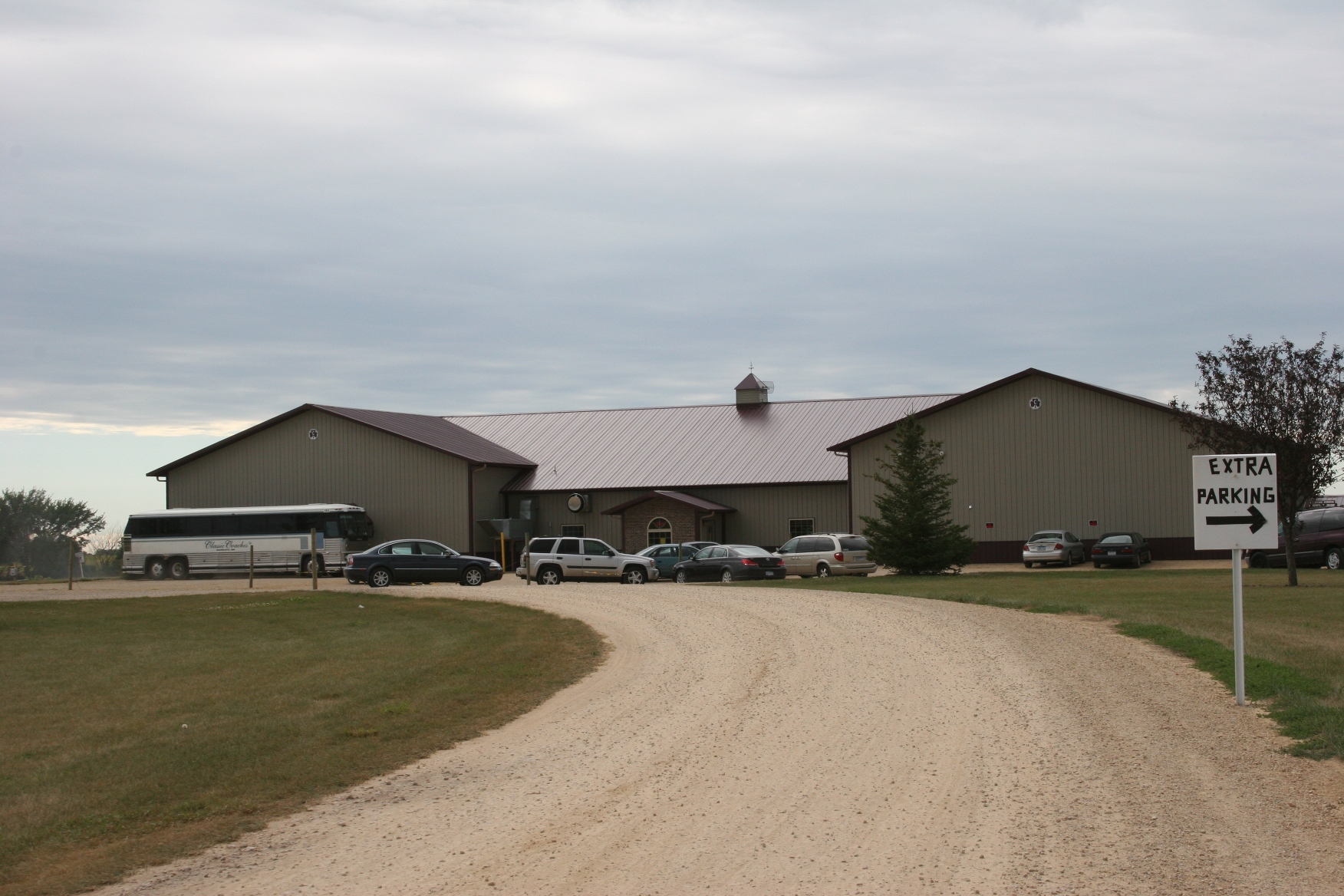
This building complex houses one of southern Minnesota's newest wineries.

IF YOU DIDN’T KNOW, you likely would think, from a distance, that the sprawling pole shed along Waseca/Blue Earth County Road 37 several miles south of Smith Mills is just another farm building planted among acres and acres of soybean and corn fields.

But you would be wrong. This is home to Indian Island Winery, among southern Minnesota’s newest wineries.
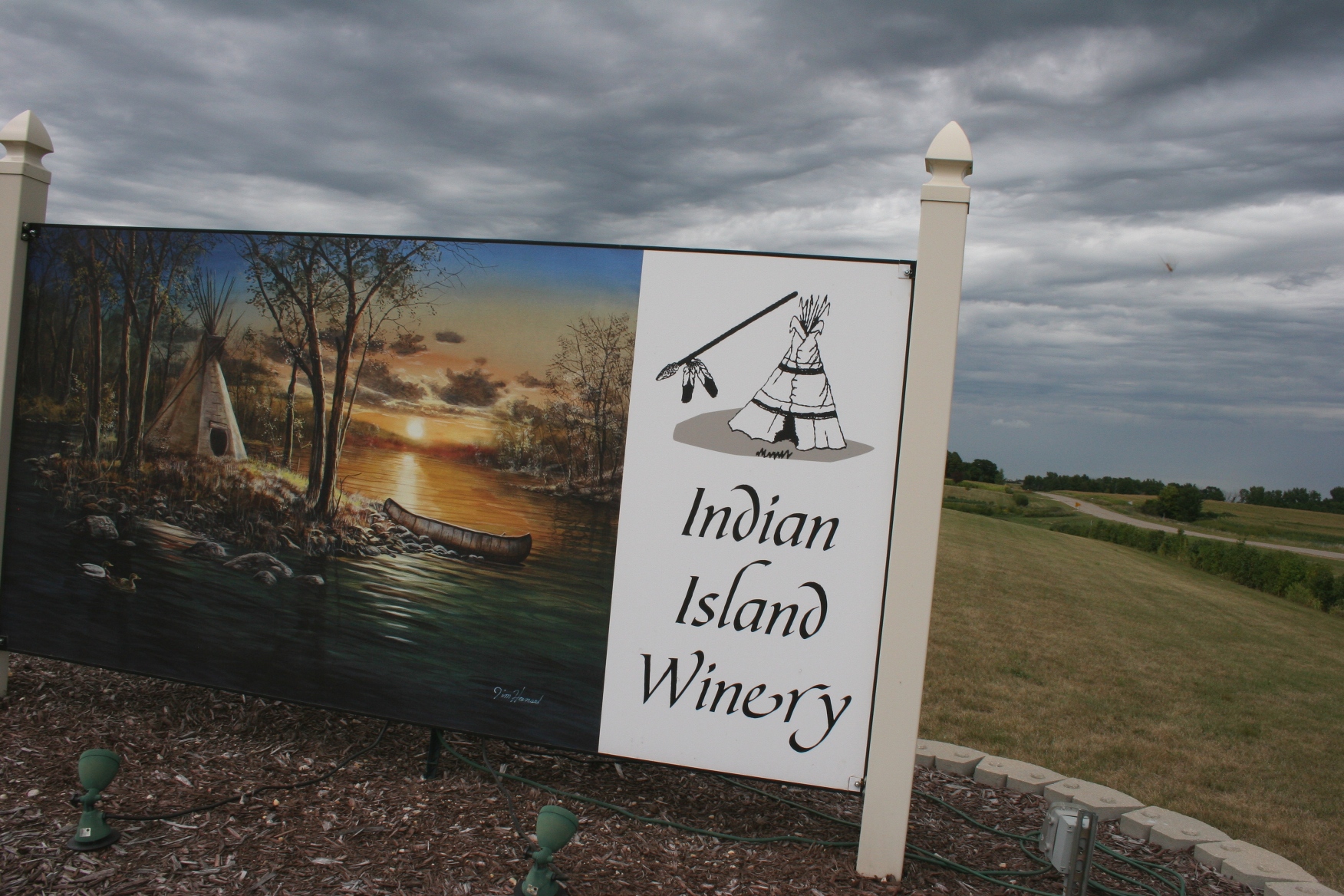
Minnesota artist Jim Hansel created the artwork, "Native Lands," for Indian Island Winery. Considered one of America's premier wildlife, nature and landscape artists, Hansel is legally blind.

Sunday afternoon my husband and I drove west from our Faribault home to check out the winery with the intriguing name, drawn from the Native Americans who once used this land—at one time nearly surrounded by water—as their summer hunting camp.

Inside the winery, you’ll see the artifacts, found on this property, to back up the historical context of this place. And, no, this site was not a Native American burial grounds.
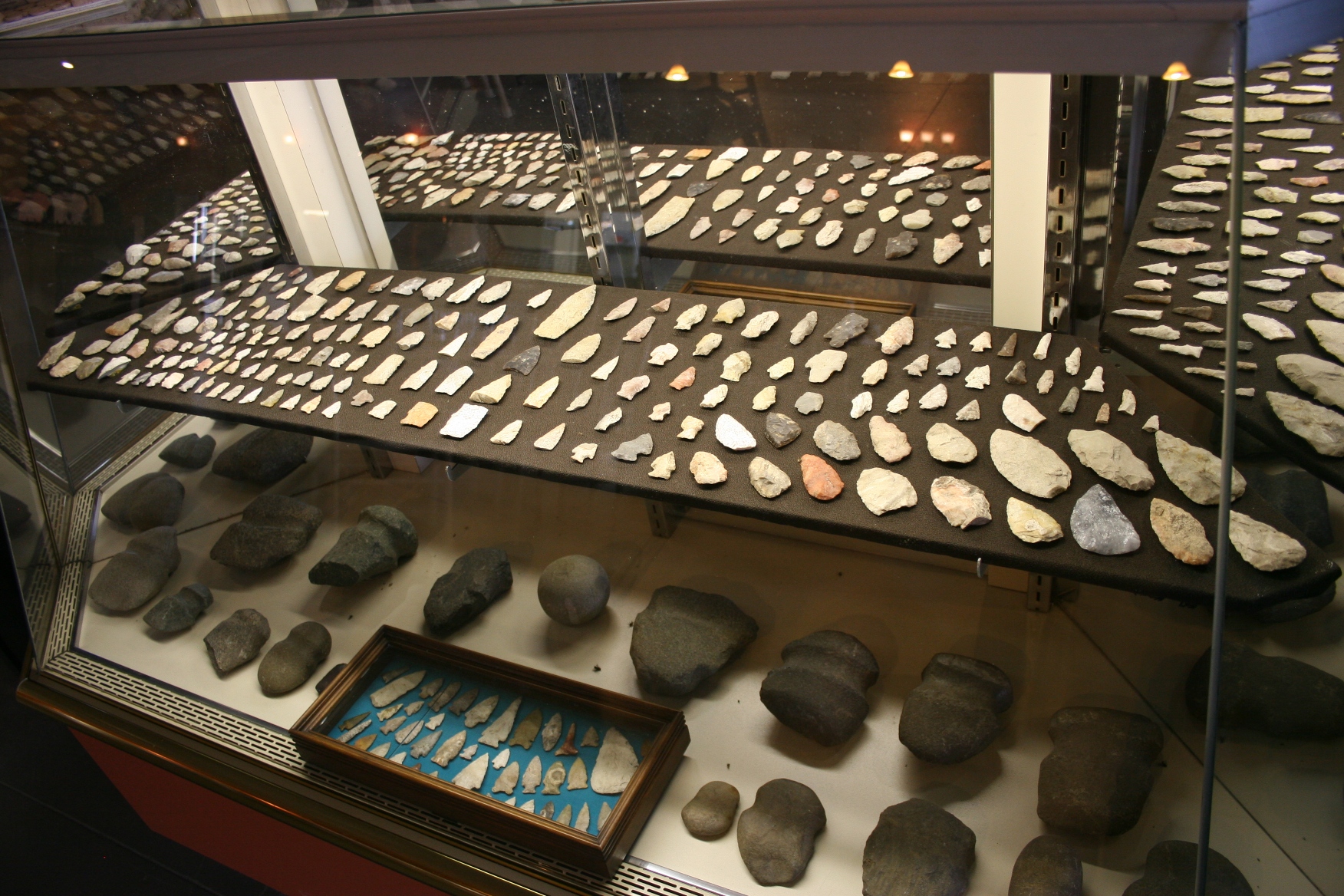
Indian artifacts found on-site and displayed inside the winery.

Tour the winery and/or the vineyard and the Winter family will fill you in on the grape-growing and harvesting and wine-making process. We opted in on the winery tour, out on the vineyard tour given I wanted to photograph the vineyard and didn’t want to hold up a whole trolley full of tourists.

Instead, Tom Winter, who is a partner in the business along with his parents, Ray and Lisa, his wife Angela, and his sister Angie, invited us to follow the trolley out to the grape fields and explore on our own.
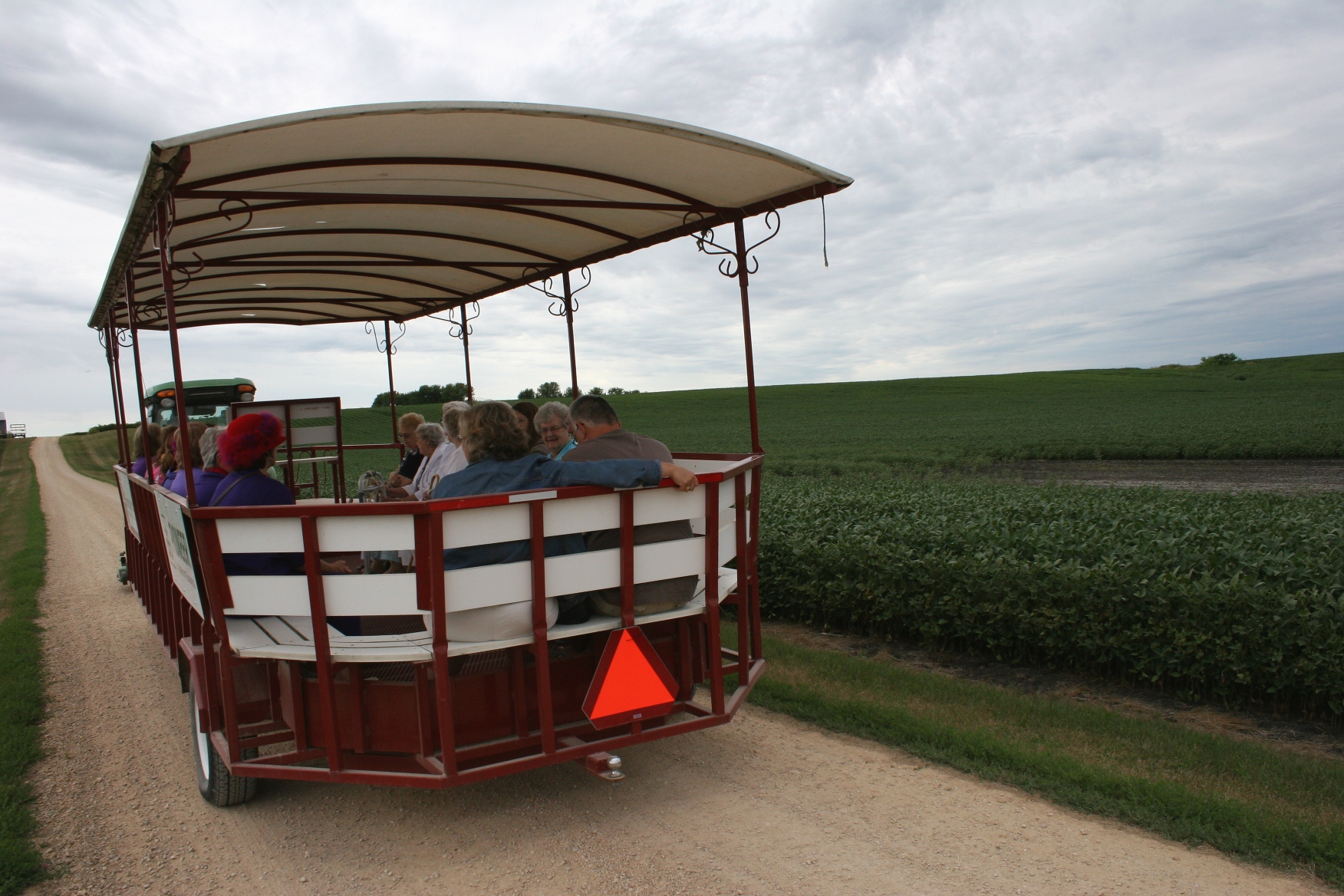
Visitors experience the country as they ride past soybean fields on the way to the vineyard.

That no qualms invitation warmed me up to the Winter family right then and there. And, if I was to choose a phrase defining our visit to Indian Island, that would be “down-home, country friendly.”

From Tom’s broad smile, to his and Angela’s adorable 7-month-old son to the charming college student tending the wine-tasting bar to the bucolic setting, everything about Indian Island speaks  “Welcome, we’re happy to have you here in this place we love.”

And clearly the Winters love this land, and each other, as they reside on various building sites within view of the winery and vineyards. “Close, but not too close,” Tom laughs, adding that a cousin also lives nearby.
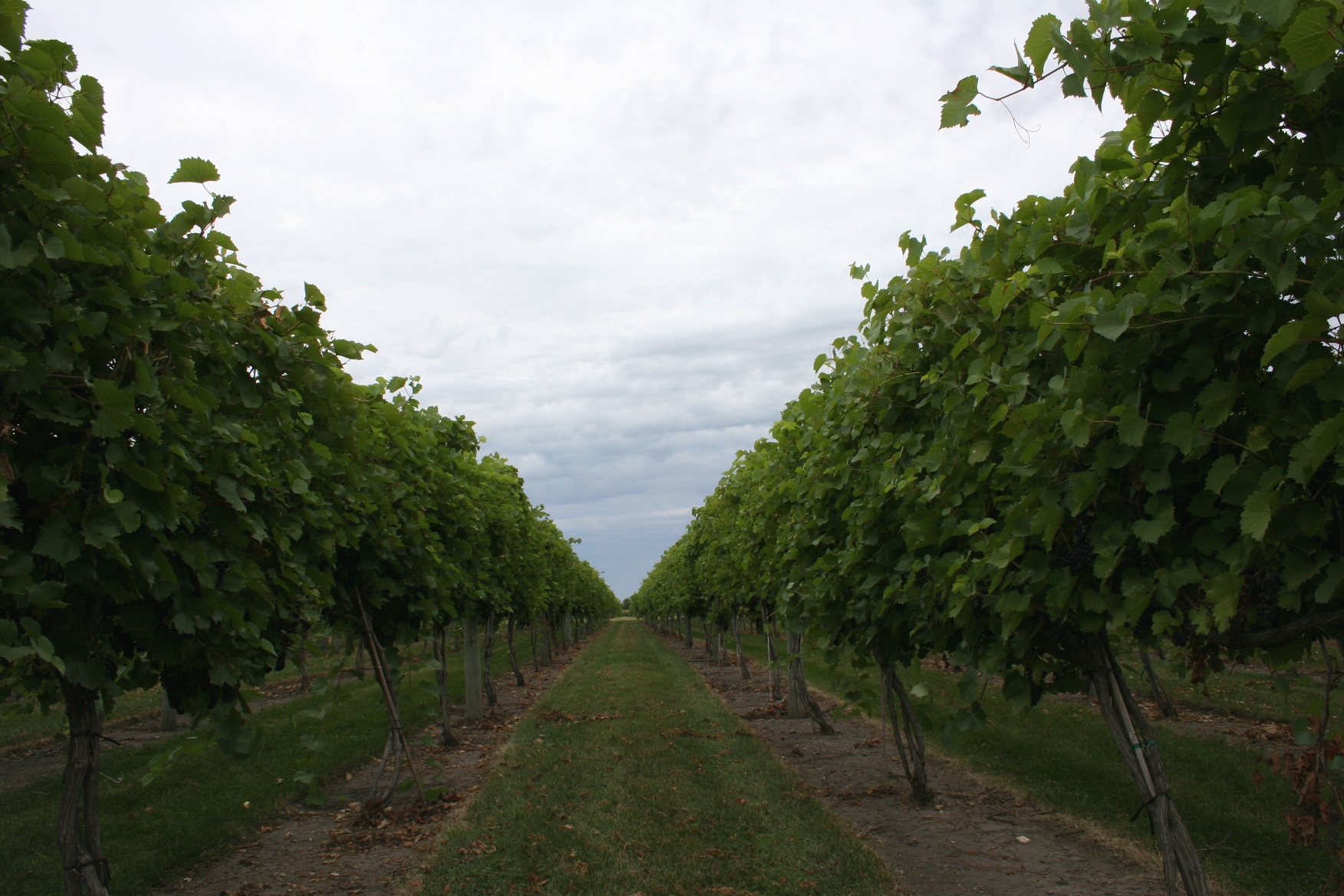
Indian Island's vineyard covers 13 acres. Here's a view between rows of plants.
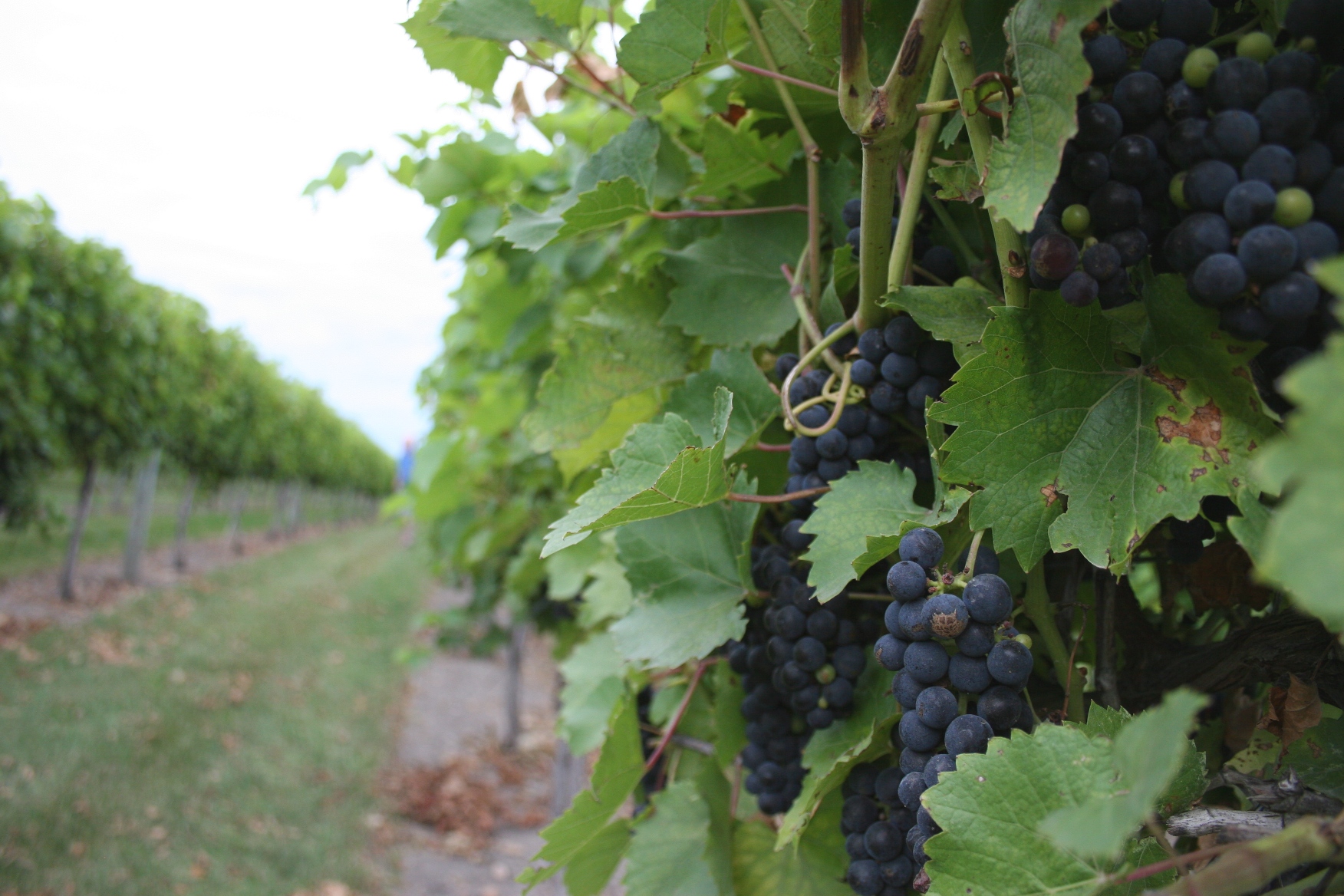
Clusters of grapes hang heavy on vines awaiting the harvest.
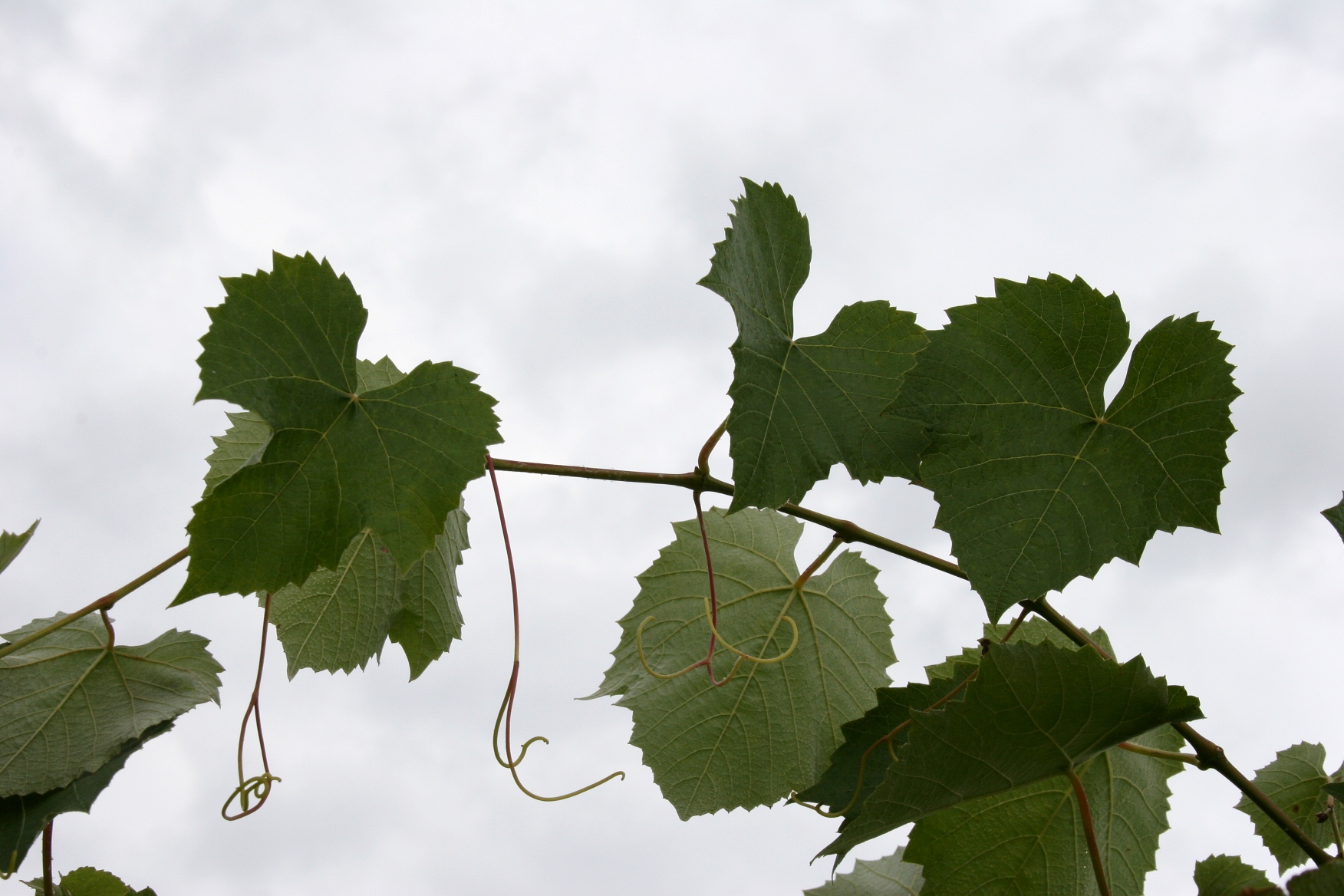
Grape leaves arc above the rows.
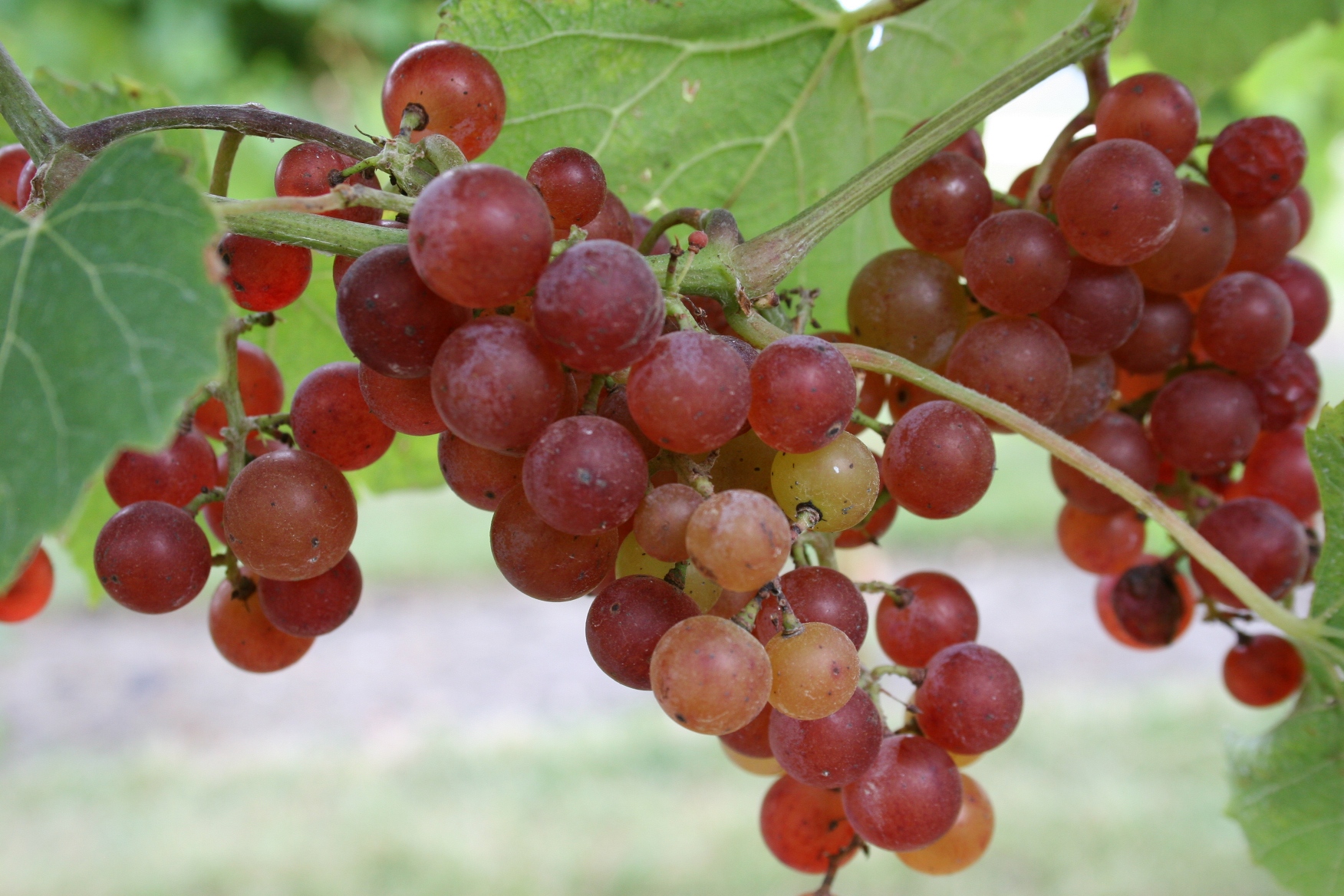
I don't know grape types, but my husband and I found many varieties in the vineyard.
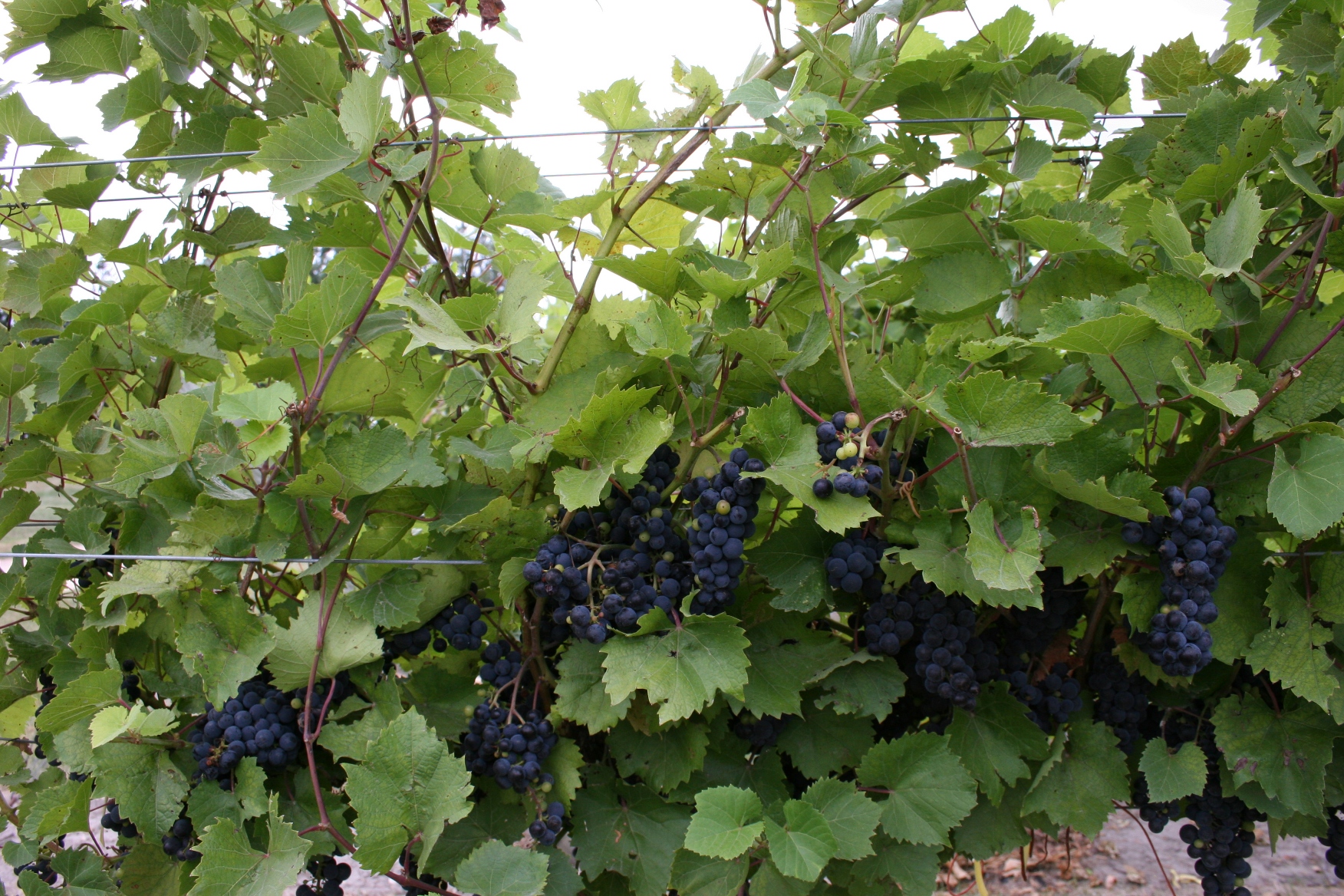
Masses of grapes and individual grapes made for some lovely photos.
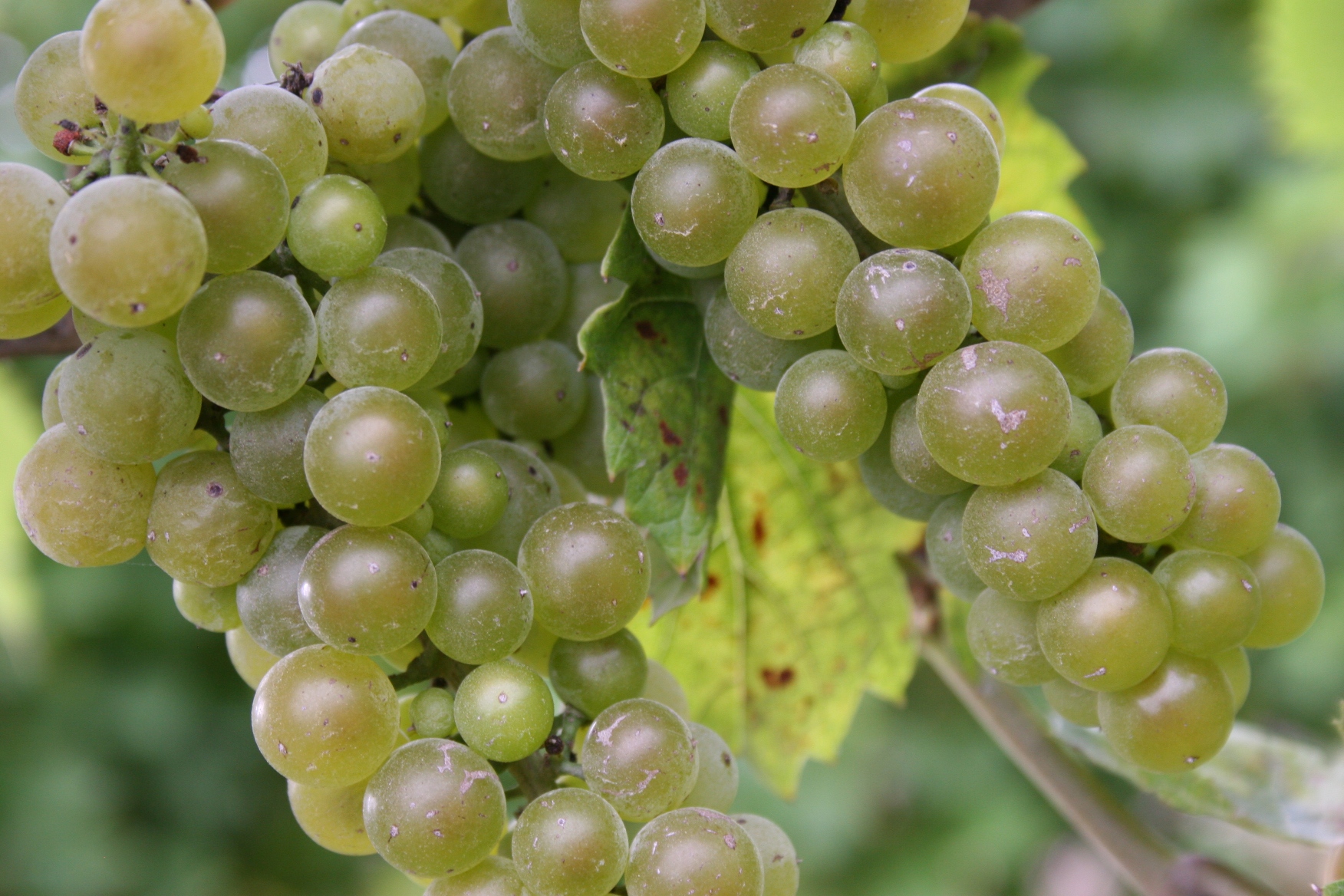
The thing we noticed about the vineyard grapes is that they don't look at all like the types of larger grapes sold in grocery store produce departments.
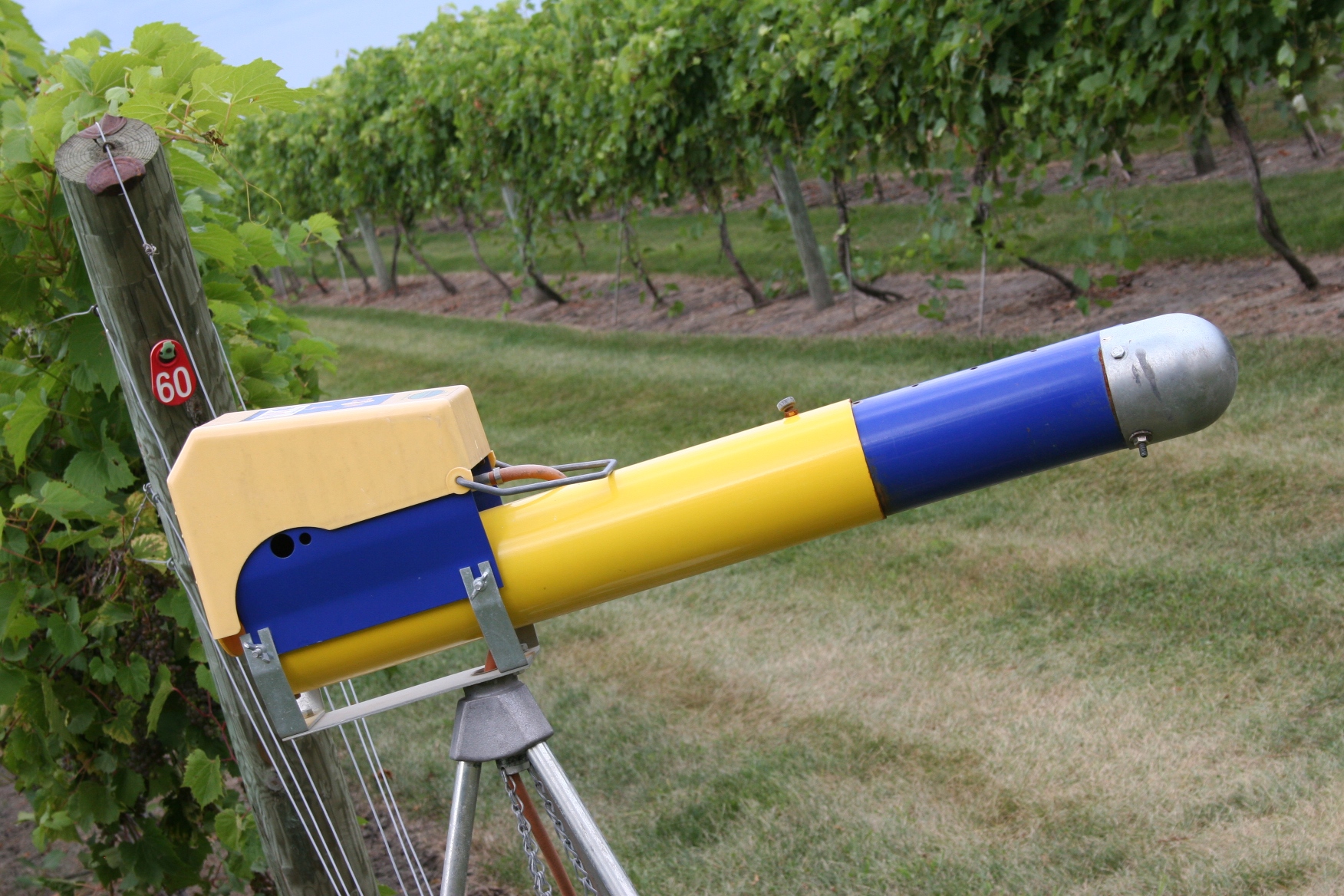
Tom Winter warned us about the LP-fueled cannon before we headed for the vineyard. The cannon "fires" periodically to scare away the birds. Likewise, a loudspeaker system intertwined among the grapes broadcasts the voices of squawking birds, all to keep real birds away from the fruit.

During the winery tour, Tom says several times, “My sister’s the winemaker.” Even though Angie Winter makes the wine, this family works together, from Angela keeping the books to Tom pinch-hitting as a tour guide when he isn’t working in other facets of the winery to… Earlier this year, the Winters were named Waseca County’s Farm Family of the Year.
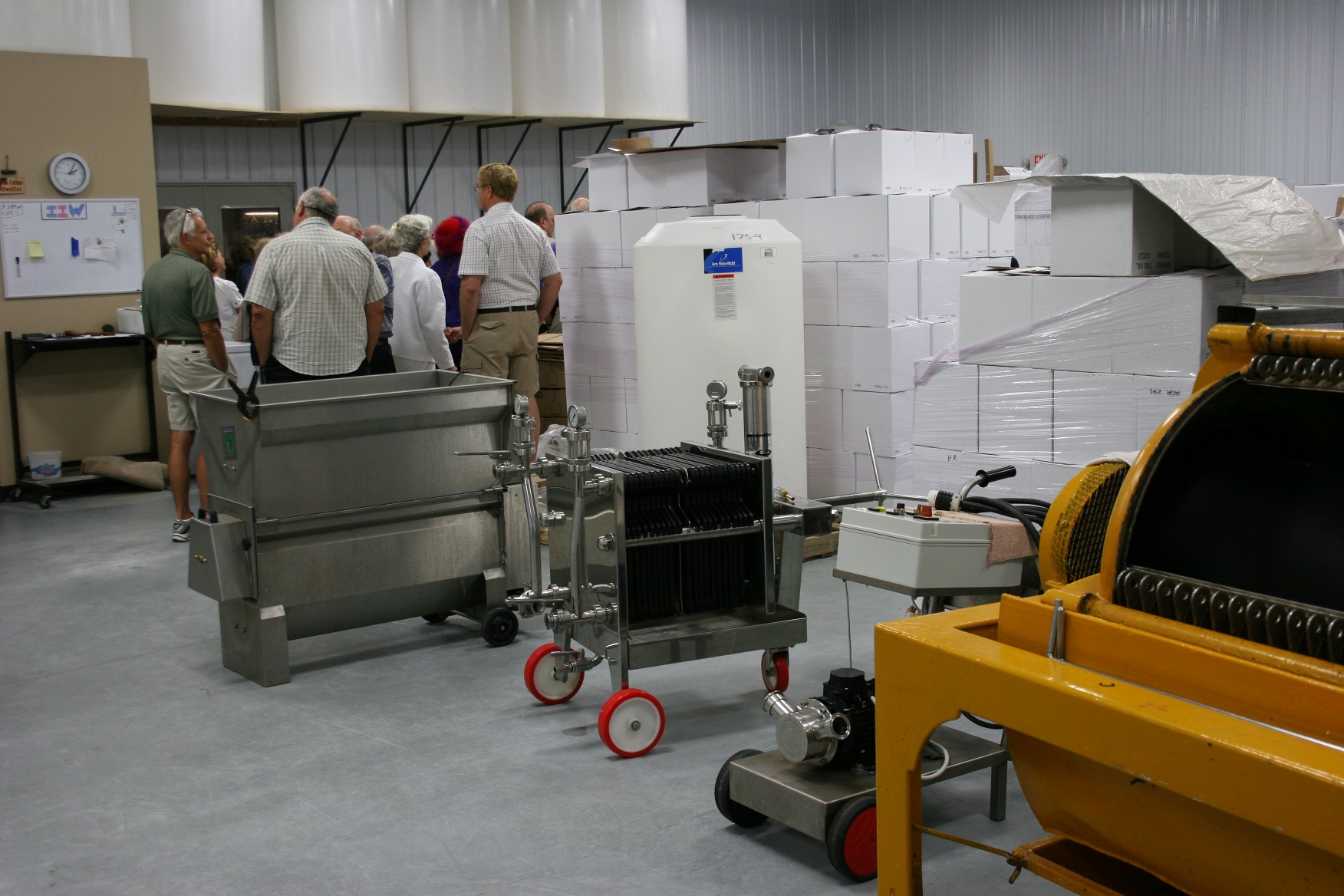
Visitors learn about the press, filter, crusher and other equipment in the wine-making room.
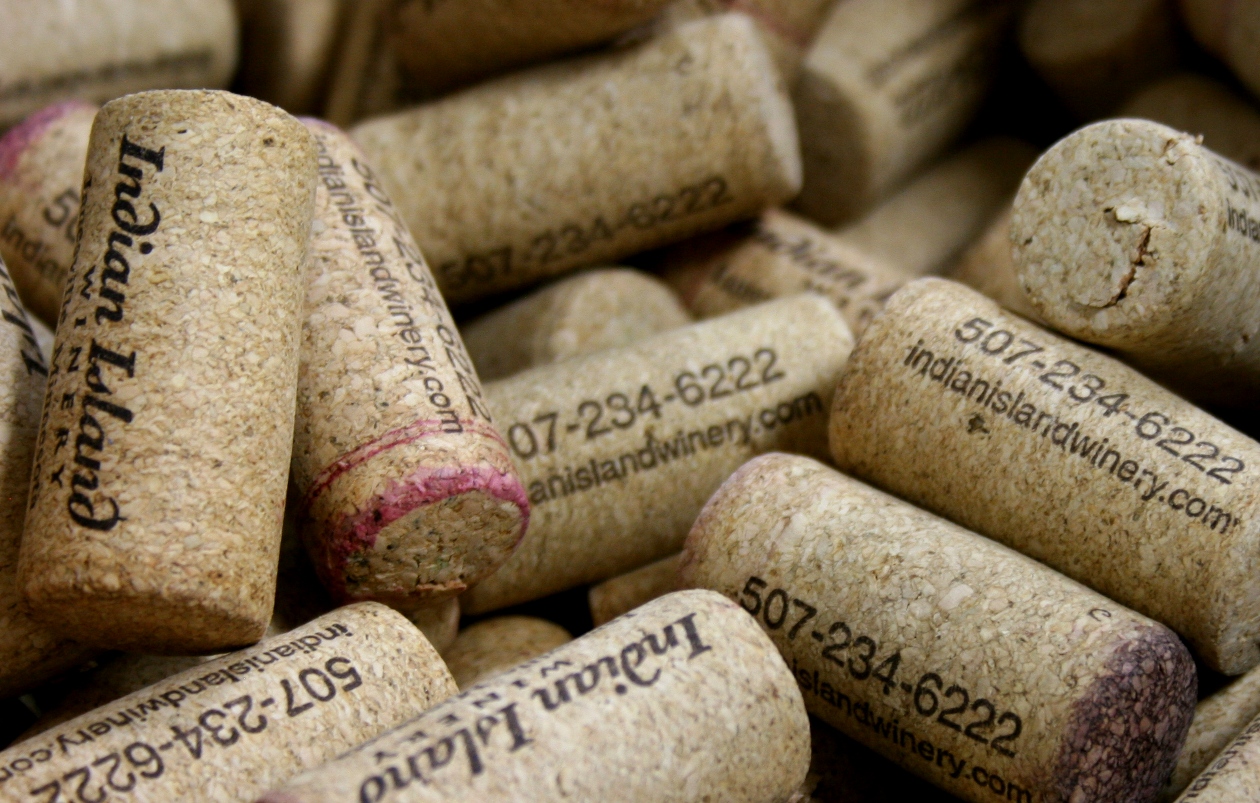
A box full of corks in the wine-making section of the business.

Together, after only a few years in the wine business, the Winters have accumulated a long list of awards—the most recent the coveted Minnesota Governor’s Cup (aka gold medal) in the 2011 International Cold Climate Wine Competition for their Frontenac Rosé.

The Winters’ wine beat out 250 other entries to take the top honors, Ray Winter says.
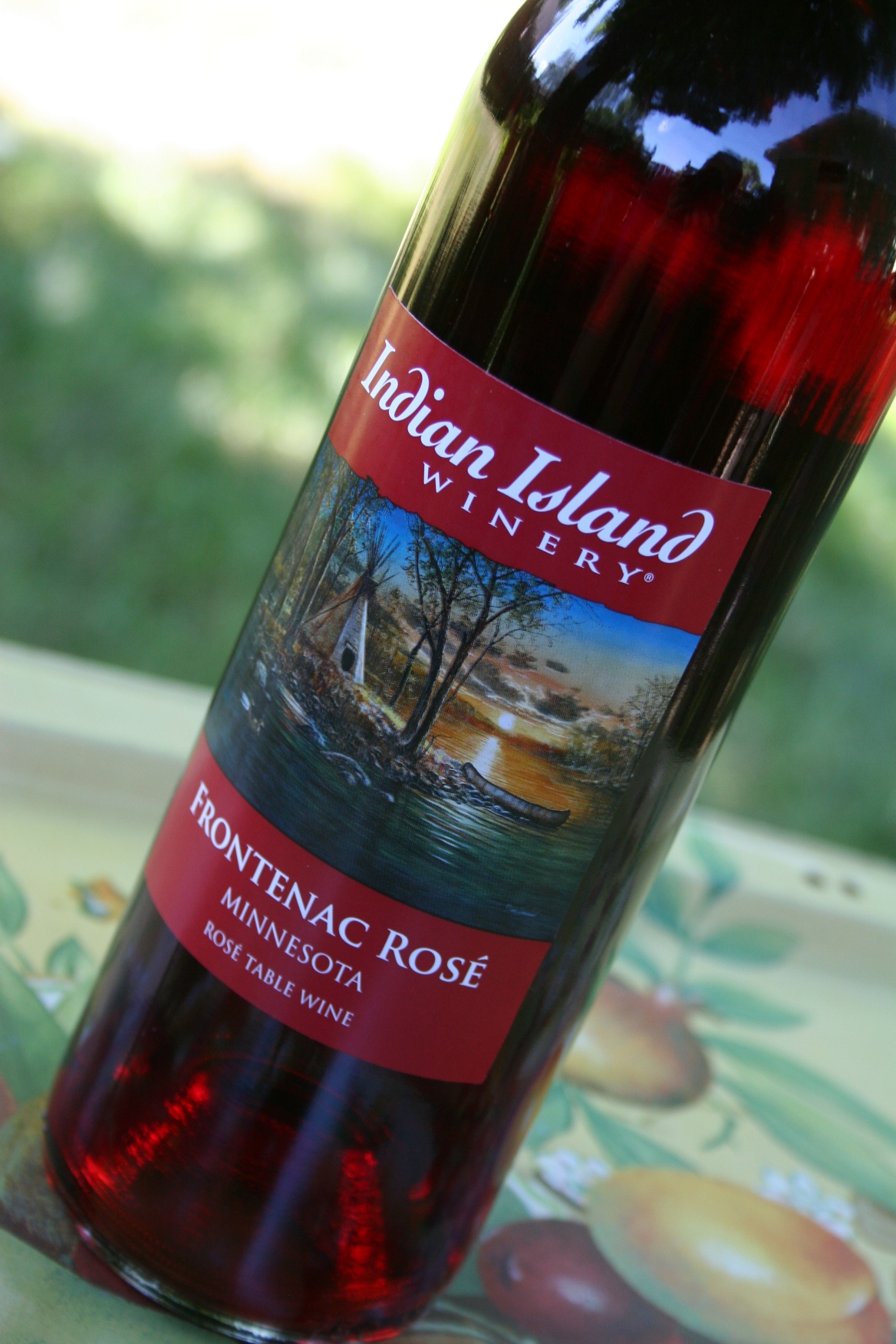
Winner of the 2011 Governor's Cup, Frontenac Rose.

Inside the machine shed style building, which looks nothing like a storage place for farm machinery, you can (for $5 and you get to keep an Indian Island wine glass) sample four pre-selected wines and three others at the wine bar. You’ll find Maiden Blush, this year’s bestseller, and wines with names like Dreamcatcher, Prairie Wind and St. Pepin.
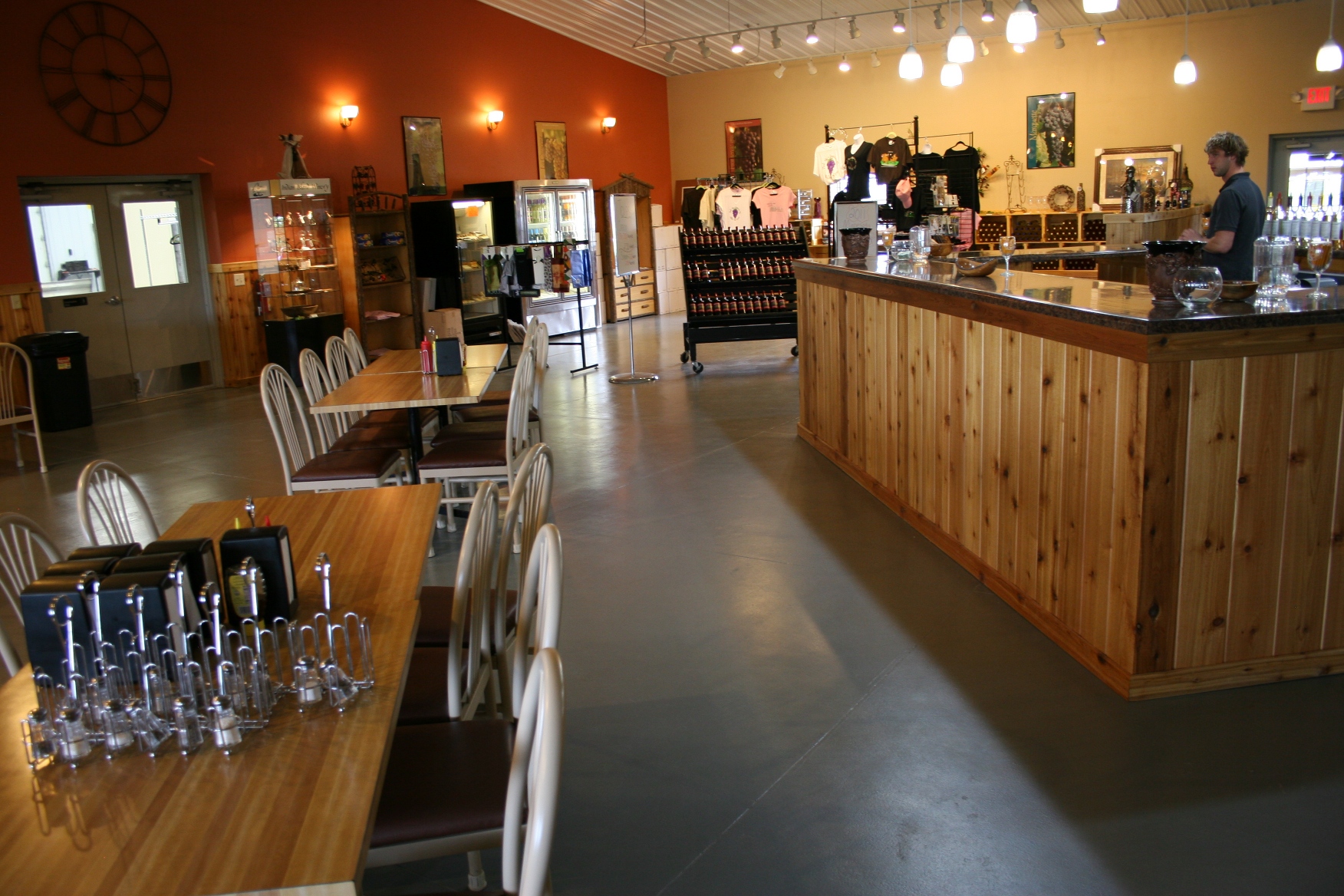
You can sample wines (17 are on the current wine-tasting list) and/or enjoy a meal inside or outside the winery.
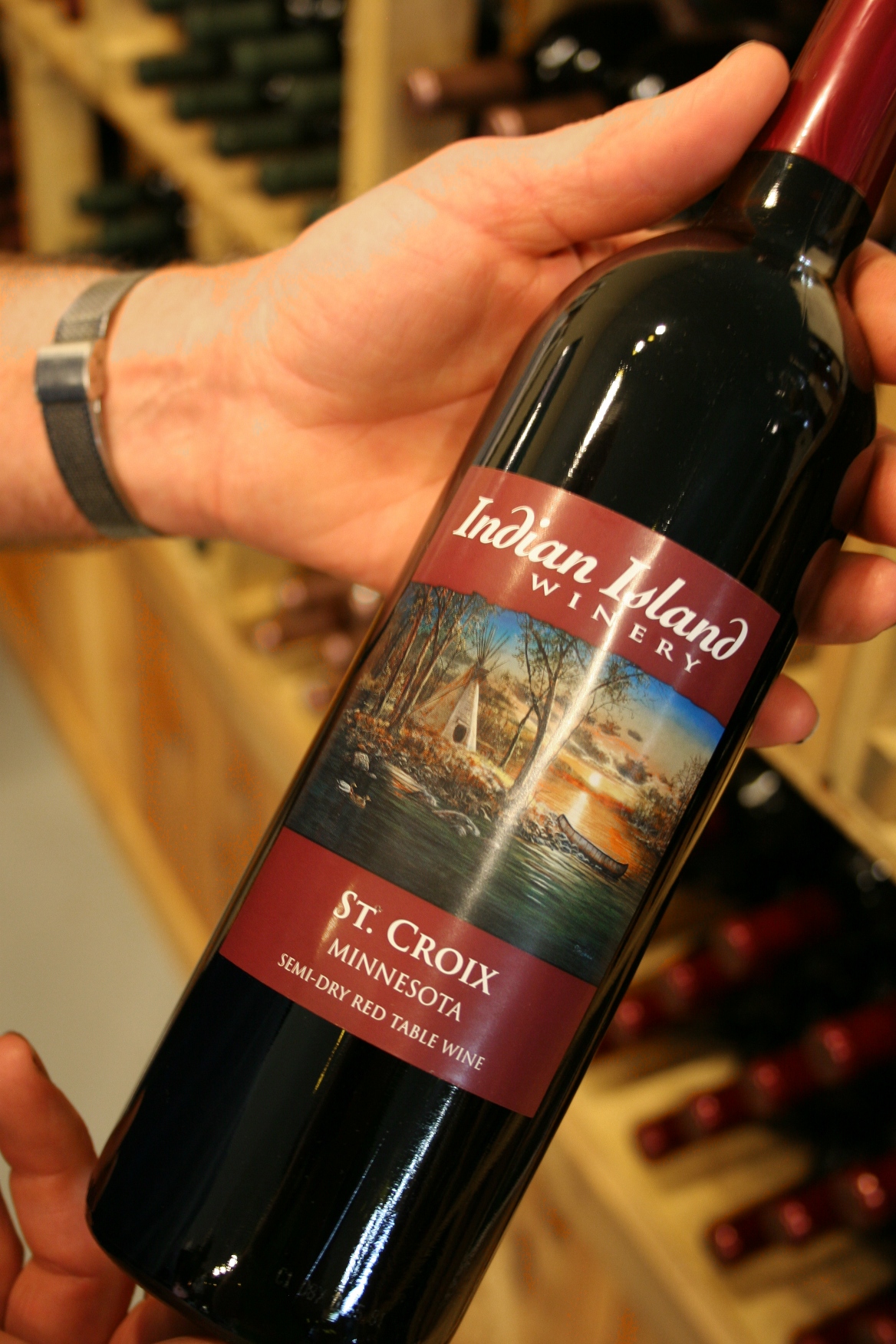
One of the many winery offerings: St. Croix, a semi-dry red table wine.
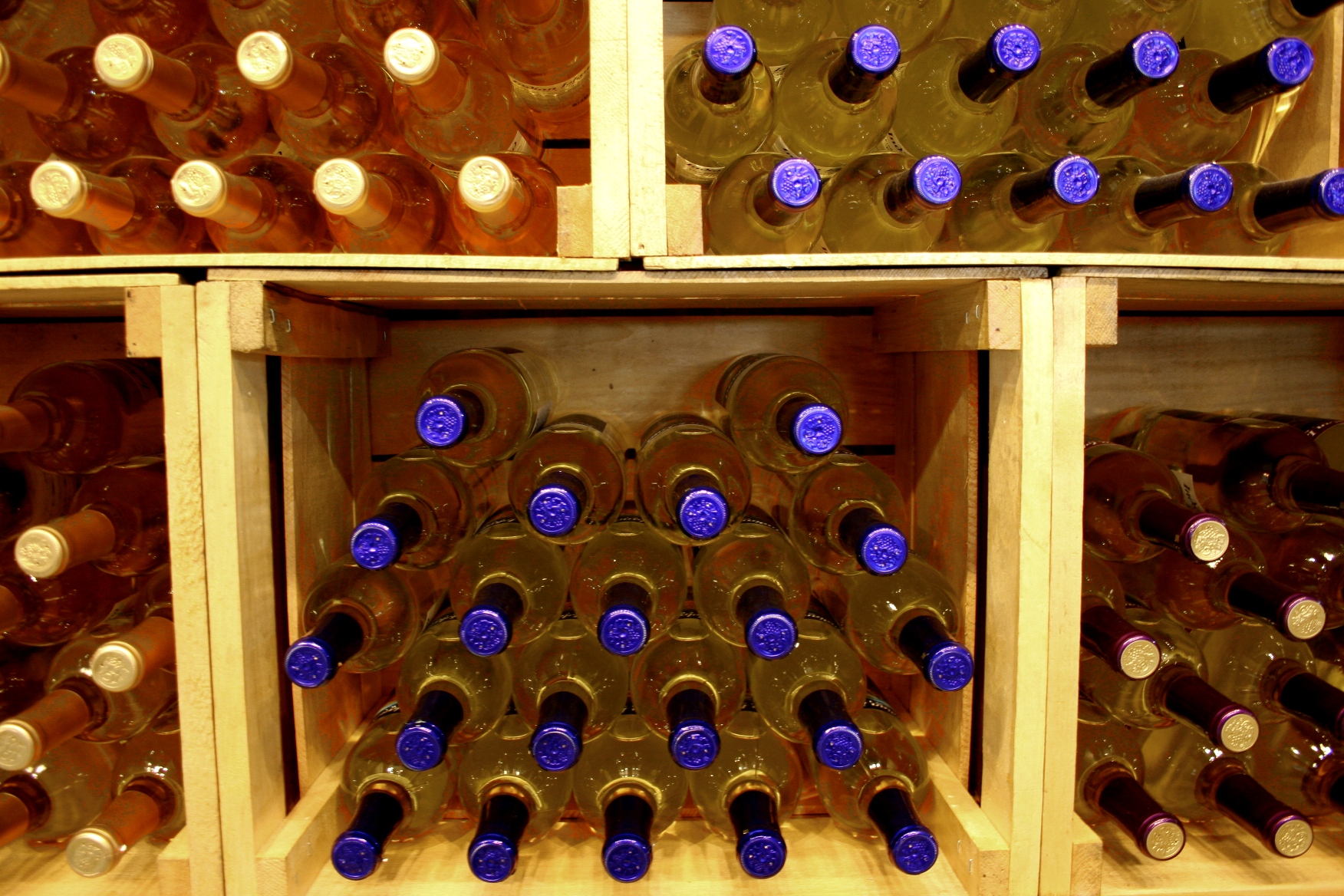
Grab a bottle of wine from the vast selection at Indian Island Winery.

If all goes well with this year’s crop, Indian Island plans to offer wines made from only Minnesota-grown grapes. Most grapes will come from the family’s own vineyards with some also coming from local contractors.

For now, Indian Island makes only grape wine. I have yet to sample any, although my husband and I picked up bottles of Maiden Blush and Frontenac Rosé.

The bartender suggested we return: “Come back in the evening, have a glass of wine and watch the sun set.”

That sounds like a plan to me, to this former southern Minnesota prairie farm girl who appreciates nothing more than the sun slipping below the horizon in a serene setting like that at Indian Island Winery.
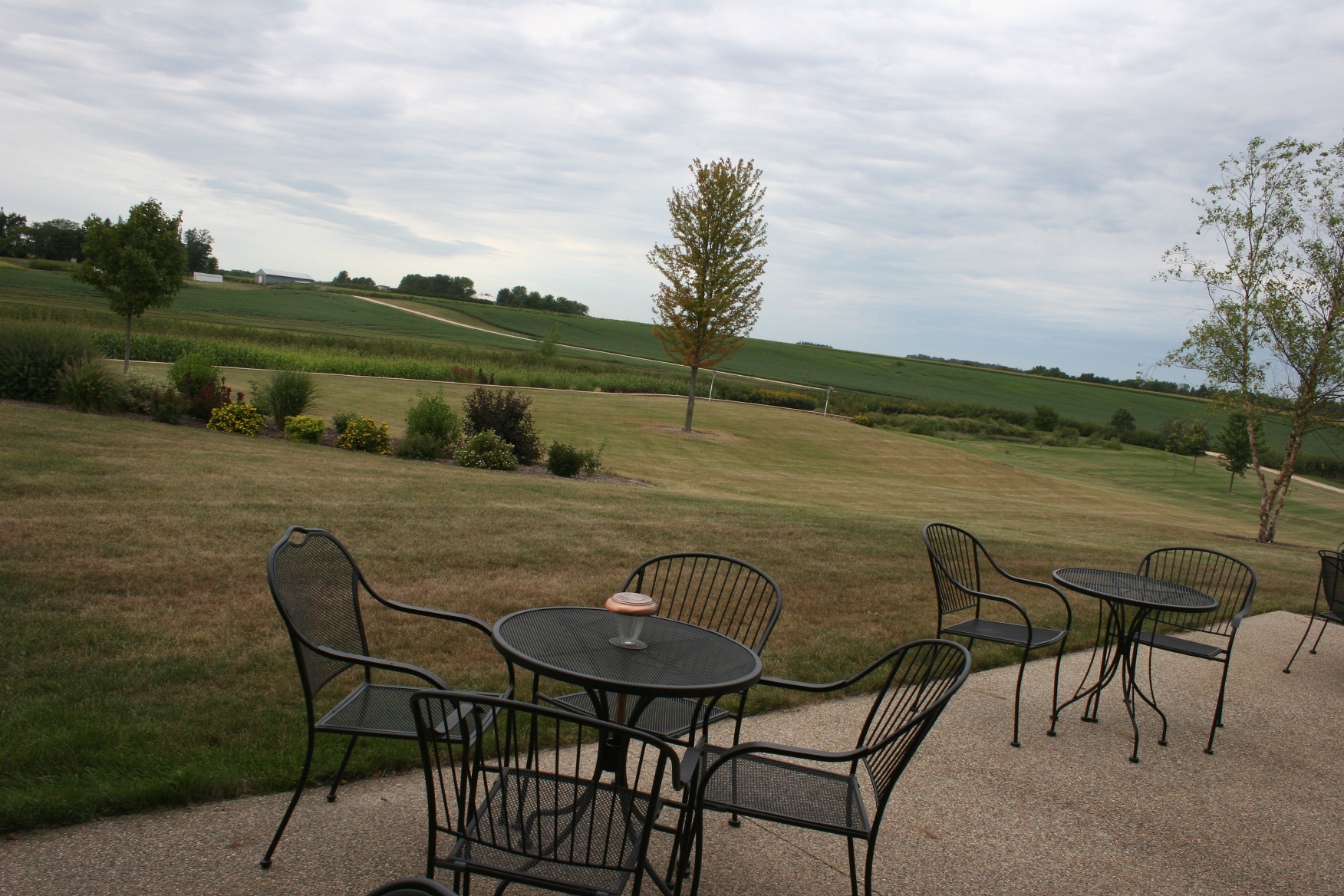
I can picture myself sitting on the patio at Indian Island, sipping wine and watching the sun set.

FYI: Indian Island Winery is among places featured in the “Minnesota River Sips of History” wine, beer and history trail tour. Click here for more information on this tour that will take you to places like August Schell Brewing Company in New Ulm, Fieldstone Vineyards in Redwood Falls, the historic R.D. Hubbard House in Mankato, Gilfillan Estates between Morgan and Redwood Falls, and more. The sites are hosting special events the weekend of October 21 – 23.
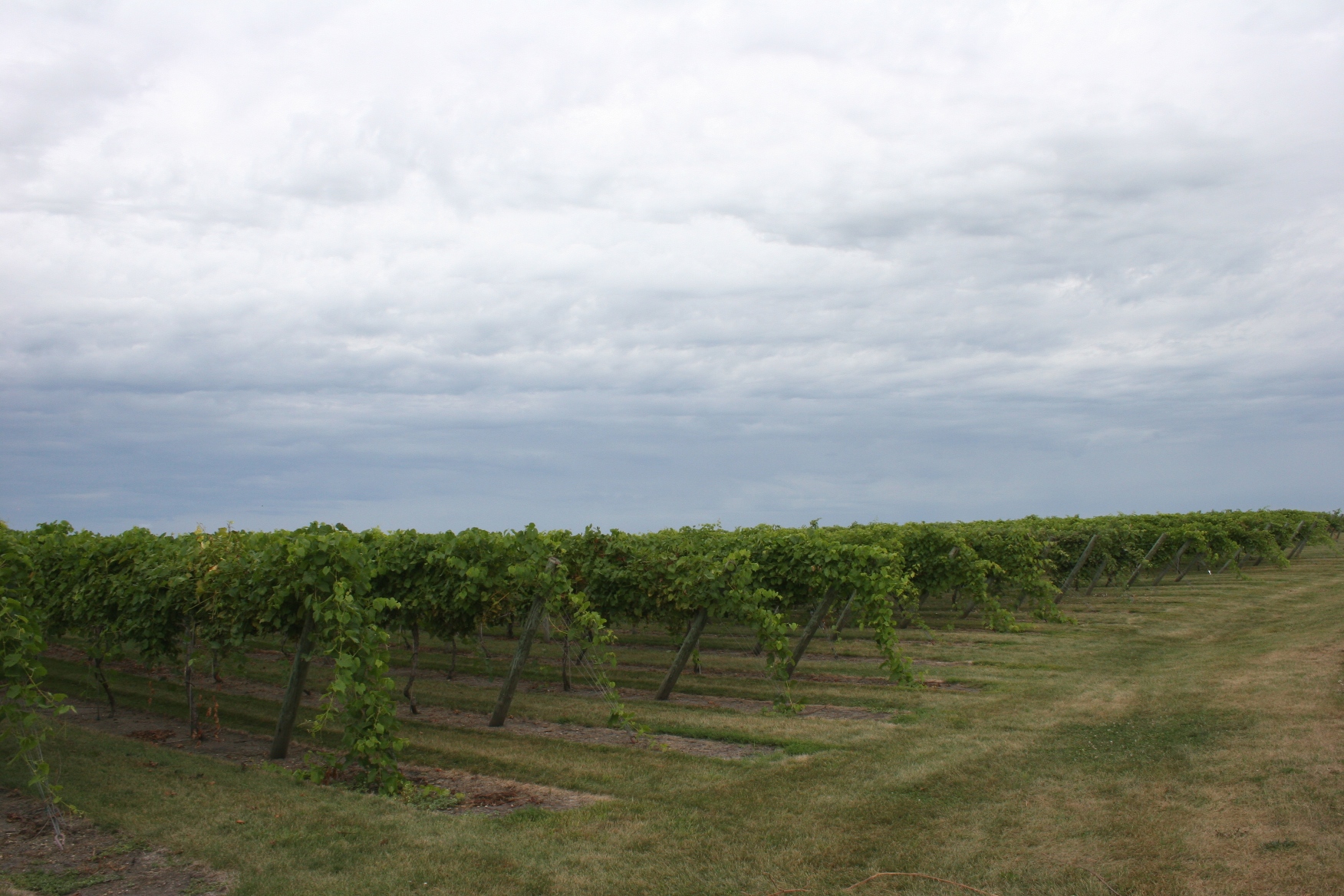
Indian Island is among about 30 wineries in Minnesota and is located southeast of Mankato. The business aims to use only Minnesota grapes, most grown on-site.

FYI: Click here to learn more about artist Jim Hansel who created the signature artwork that graces Indian Island wine labels.

© Copyright 2011 Audrey Kletscher Helbling


How a loser becomes a champion August 29, 2011

Filed under: Uncategorized — Audrey Kletscher Helbling @ 7:23 AM
Tags: , , , , , , ,

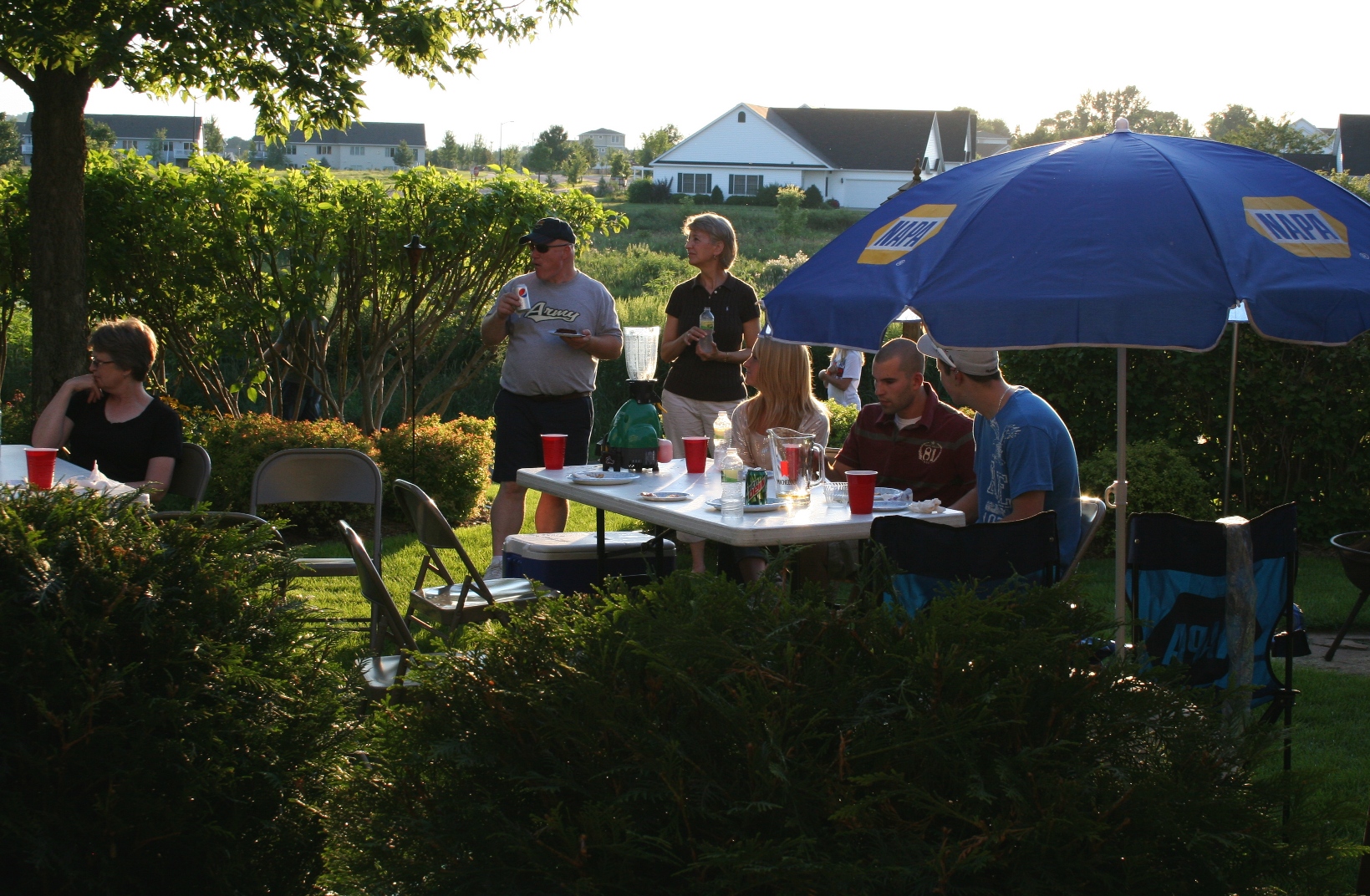
Northfield NAPA employees, spouses/significant others and guests gathered recently for a backyard pizza party that included bean bag and ladder golf competitions on a perfect summer evening.

IF YOU WERE TO RATE your athletic abilities on a scale of 1 to 10, with 10 ranking as Olympic status, how would you rank yours?

I don’t hesitate. Mine would fall off the scale in the minus category. I doubt I possess an athletic bone in my body. And if I do, I haven’t found, or even looked for, it. And I don’t care. I simply don’t care. Sports have never held priority in life. I don’t watch sports, care which team wins or loses, or think athletes are God’s gift to the world.

Personally, my minimal sports participation typically does not involve anything intensely competitive.

That is why, every January and every August, I cringe when I hear that sporting competitions are part of my husband’s company Christmas and pizza parties. I suppose you could then ask, “Why do you go to these parties, Audrey?” And I would tell you because of the superb food and the people.

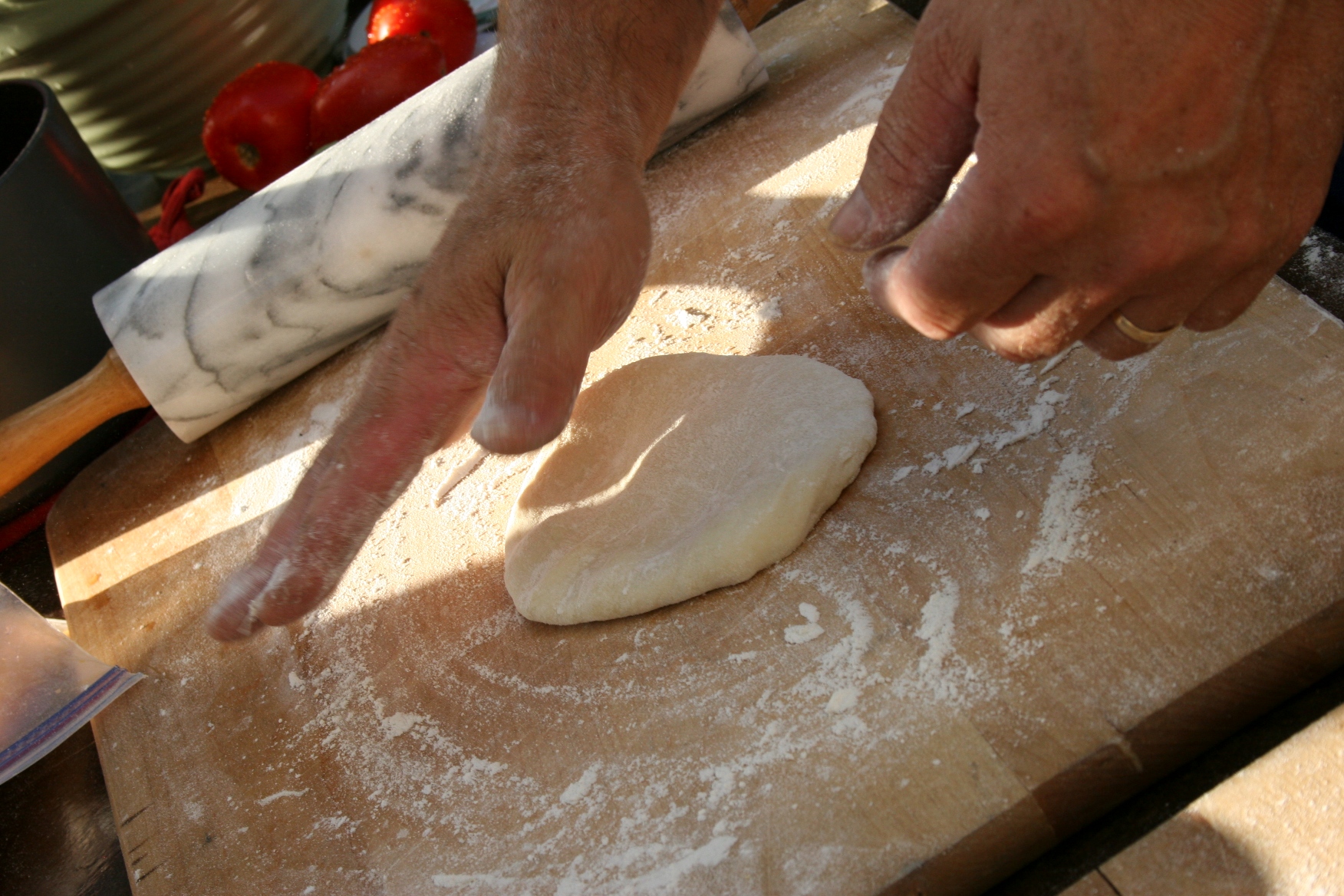
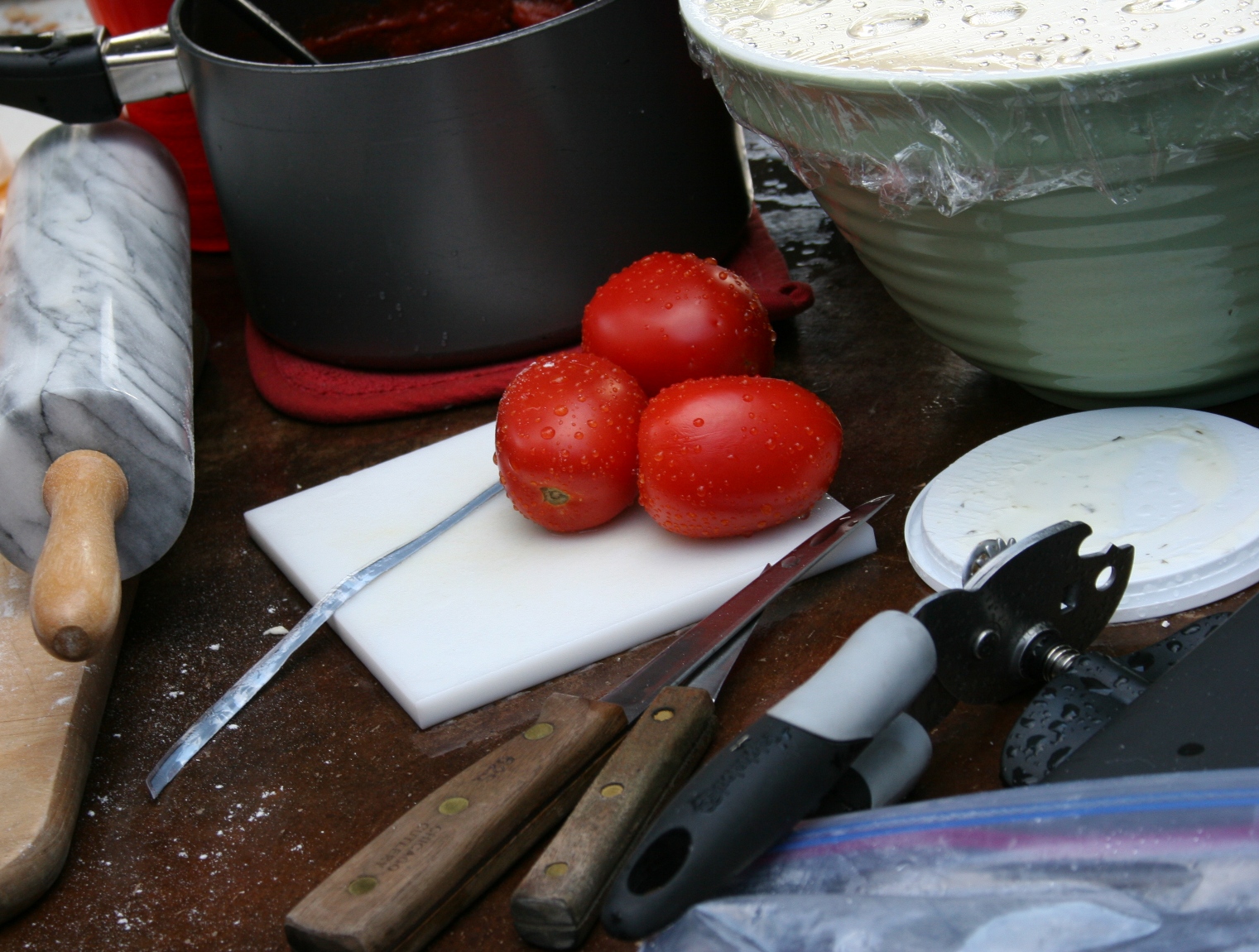
Everything is homemade, even the dough for the pizza crust.

Fresh ingredients top the pizzas made by Dan, this year with two in-training assistants.

The pizzas are baked in a wood-fired outdoor oven. I would rather eat at Dan and Jan's house any day over dining at a restaurant. And I'm not saying that because Dan's the boss. He and Jan are fantastic cooks.

I’ve tried, oh, yes, I’ve tried to level the playing field. “Can we please play Scrabble?” I’ve asked the husband’s boss several times. Dan just smiles and places me in a bracket along with all the other spouses/significant others and employees. I play along, putting minimal effort into whatever event because I know I’m just not good enough to win. You might say I have a loser’s attitude.

About now you’re thinking, well, with an attitude like that…, and you would be right. But if you were the last kid picked for the softball team, if you were the skinny-armed girl the brawny boys chose to plow through when playing Red Rover, if you struggled with physical education classes under the duress of teachers who expected you to perform as well as the best athlete in the class, if you grew up on a farm and never had the opportunity to participate in sports, wouldn’t you possess an athletic inferiority complex, too?

I thought so.

At the holiday party, I never know which I should wish for—to shoot pool, throw darts or play Wii bowling. All, in my unathletic hands, are potentially dangerous. Thus far I have not inflicted any injuries upon groins or eyes while lining up pool shots or throwing darts. But Wii bowling, which I have not yet attempted, makes me nervous. If anyone could manage to wipe out the boss’ big screen TV, it would be me.

On a recent weekend, when we were in the boss’ backyard for the annual pizza party and I was on deck to play ladder golf with my husband as my partner, I made sure I was flinging the dual golf balls toward the public walking path and not toward the neighbor’s house windows.

Smart woman, I am.

The spouse and I got a bye on the first ladder golf round because the other team didn’t show up. We won the second game in just two throws each. Then suddenly we were in the championship game. How did that happen? I started to get all nervous because a crowd was gathering to watch. If there’s one thing I don’t like, it’s a group watching me compete. Throws my game, like I ever had a game anyway.

Neither the husband or I could throw worth a darn. But then neither could the dad half of the other team. The 12-year-old was making us all look like losers, although even I was aiming better than my spouse.

Here I am, posing like one of the girls on The Price is Right. I will keep my day job as a writer and photographer.

After what seemed like an interminably long time of tossing into the blinding sun and facing those pressing crowds (OK, more like a handful of people), we won. I had actually, really, truly won a competitive sporting event.

And I got a prize—a humungous cooler on wheels—which would not fit into the trunk of our car but which my spouse managed to shove onto the back seat. We do not own a compact car; it is a 1995 Chrysler Concorde.

At first I was super excited about my prize. But then I got realistic. I started thinking: “When will we ever use a cooler that big? We’ll need a lot of ice. Hmmm, that will take up a significant storage space that we don’t have in our house. If we haul that in the car, we won’t have room for the boy in the backseat.”

For now we’ve stashed the oversized cooler in the basement and, honestly, it’s bigger than the dorm fridge we have down there for the pop and beer. You could fit a small child inside the cooler. It would make a good toy box if I had kids young enough to need a toy box.

I expect we’ll lug it up the stairs next spring when our youngest graduates from high school and we need a cooler to stash beverages for the graduation party. After that…, well, I don’t know.

But I’ve been thinking… Anybody want to come over for a little Scrabble competition? I’ve got this great prize…

JUST IN CASE THE BOSS is reading this post, thank you for the cooler. It really is a nice prize as is the gift certificate my spouse won to an area chain restaurant. But if I were you, I wouldn’t put me in the Wii bowling competition at the holiday party. Just sayin’.

I could have won this umbrella-dual folding lawn chair set. I like my cooler just fine, thank you.

© Copyright 2011 Audrey Kletscher Helbling
 

Connecting to God at country churches August 28, 2011

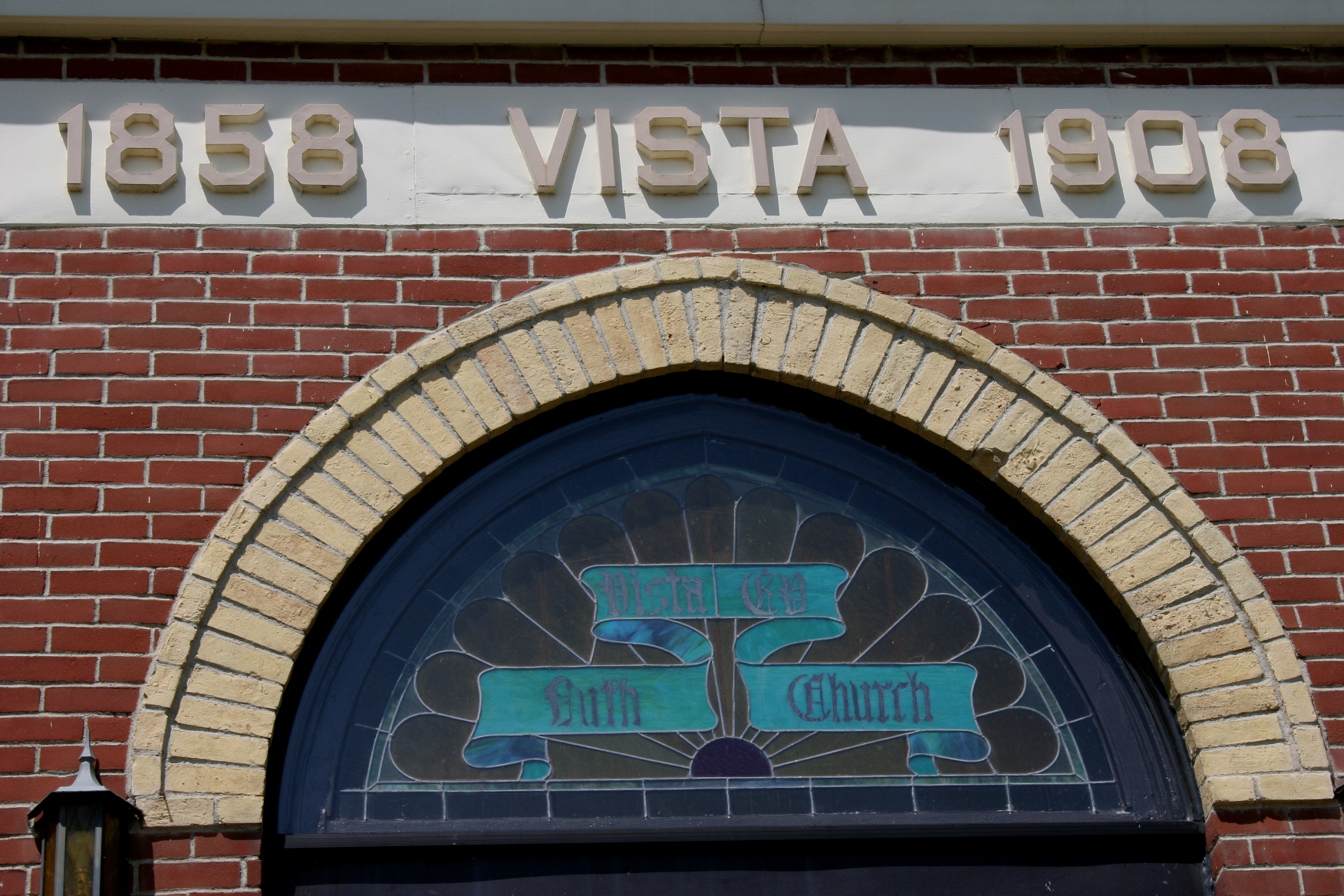
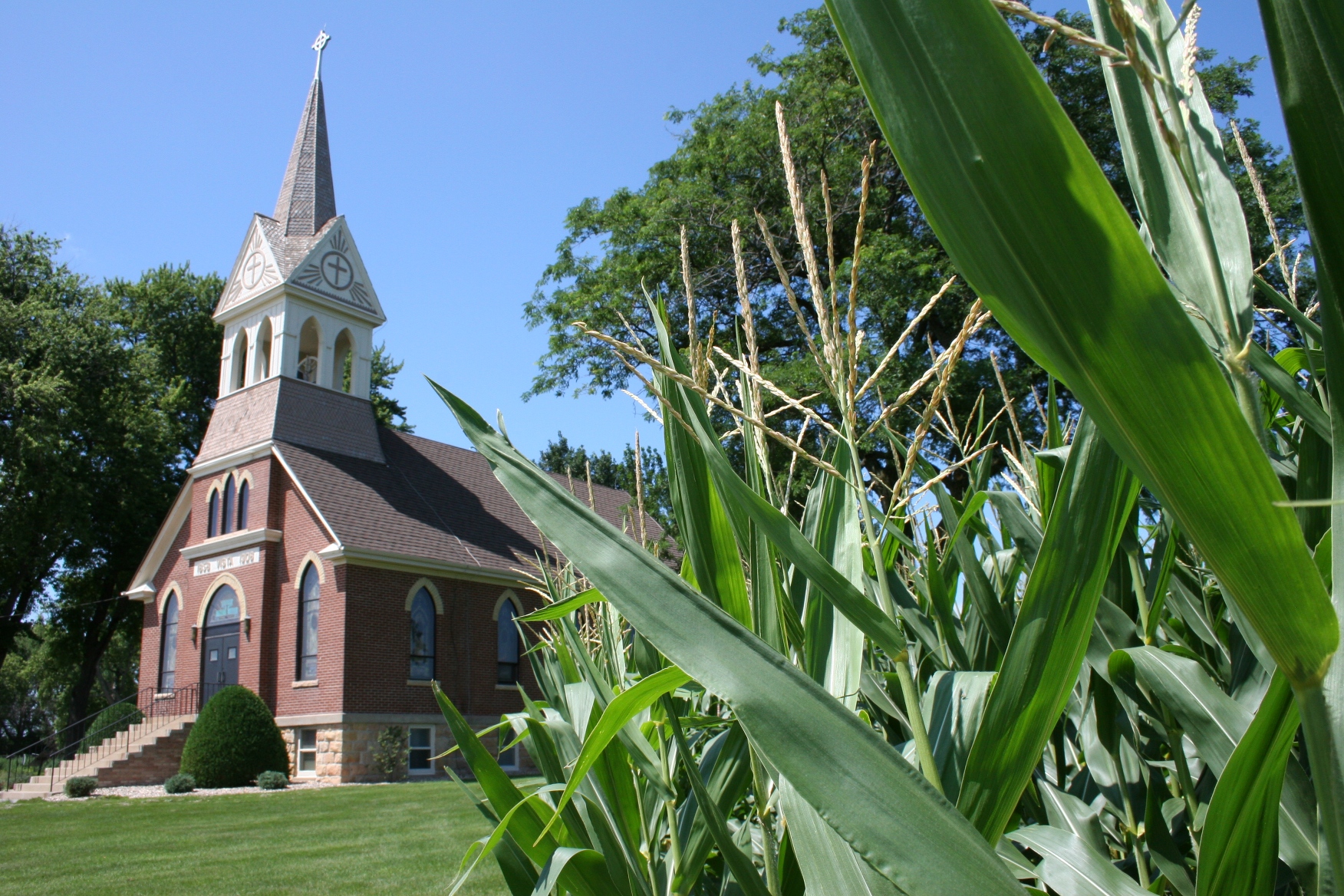
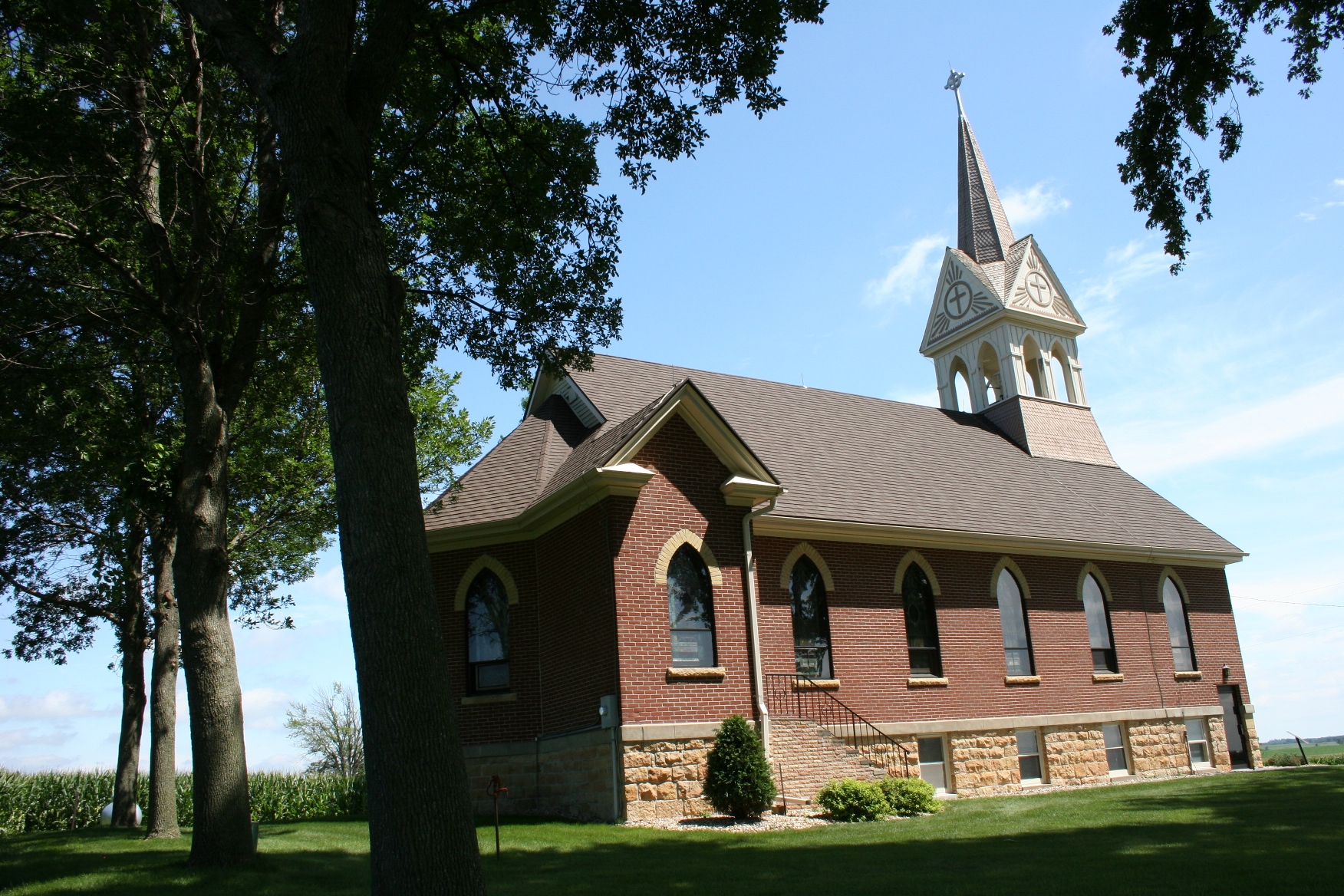
Vista Evangelical Lutheran Church, located at the intersection of Waseca County Roads 20 and 56 northeast of New Richland was built in 1908 and is on the National Register of Historic Places.

DURING THE PAST FEW YEARS, whenever I spot an old country church and have the time to stop and photograph it, I do.

I possess a sincere appreciation for the history, architecture, beauty and art found in these rural houses of worship.

There’s also something about a church in the country that exudes a deep sense of peace not found in a church built in a town and surrounded by homes or businesses, confined by concrete or pavement.

In the country, a church feels more closely connected to God by the sky, the land, the stirring of the wind through the trees, the background buzz of bugs on an end-of-summer day.

Serene. Peaceful. Calm. A certain sense of comfort comes from walking through a country churchyard, through the adjoining cemetery that links to farm fields where congregational forefathers worked the land and, on Sunday mornings, paused to thank God for the blessings bestowed upon them.

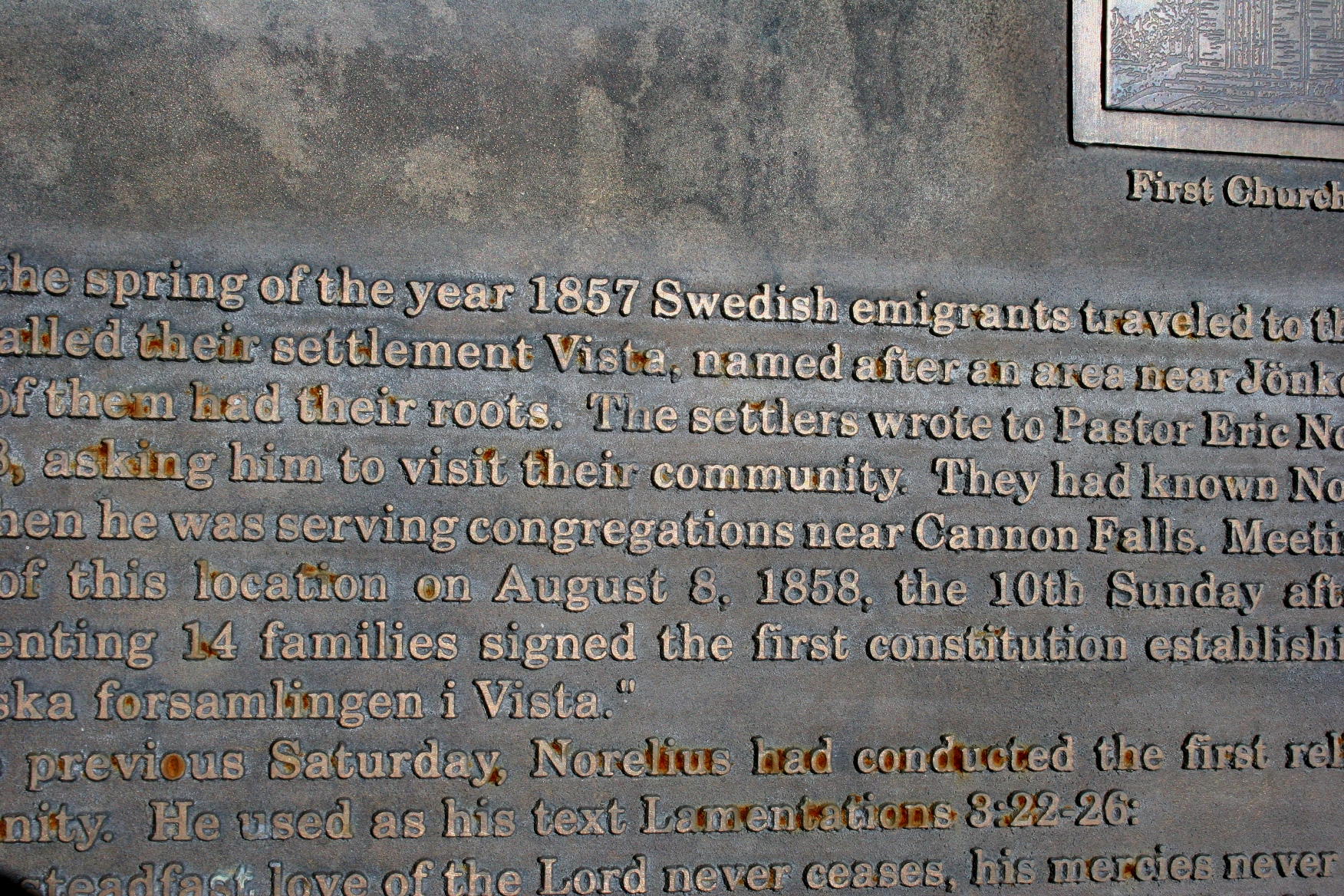
A plaque at Vista details the congregation's Swedish roots and history. Early settlers met on a hill north of the current church on August 8, 1858, and signed a constitution.

Most times on these brief visits to country churches, I find the doors locked. It wasn’t always this way. Perhaps even a decade ago, I could have walked inside. But times are different. Worry about theft requires locked doors.

So I can only imagine the sun streaming through stained glass windows, the worn pews, the ornate altar, the frayed rope of the bell pull.

Nearly every old country church features irreplaceable stained glass windows.

As I circle the church exterior, I consider the families that have come together here to celebrate baptisms and marriages and to mourn the loss of loved ones. Ashes to ashes, dust to dust.

Cornfields snuggle up to Vista's church yard. It's the most beautiful of settings.

Here, standing with my feet planted next to the church next to a corn or soybean field overlooking the picturesque countryside, I can feel the almighty presence of God the Creator as I contemplate words from “Beautiful Savior,” my favorite hymn:

Beautiful Savior, King of creation, Son of God and Son of Man!

Truly I’d love thee, Truly I’d serve thee,

Light of my soul, my joy, my crown.

#

Fair are the meadows, Fair are the woodlands, Robed in flow’rs of blooming spring;

Jesus is fairer, Jesus is purer,

He makes our sorr’wing spirit sing.

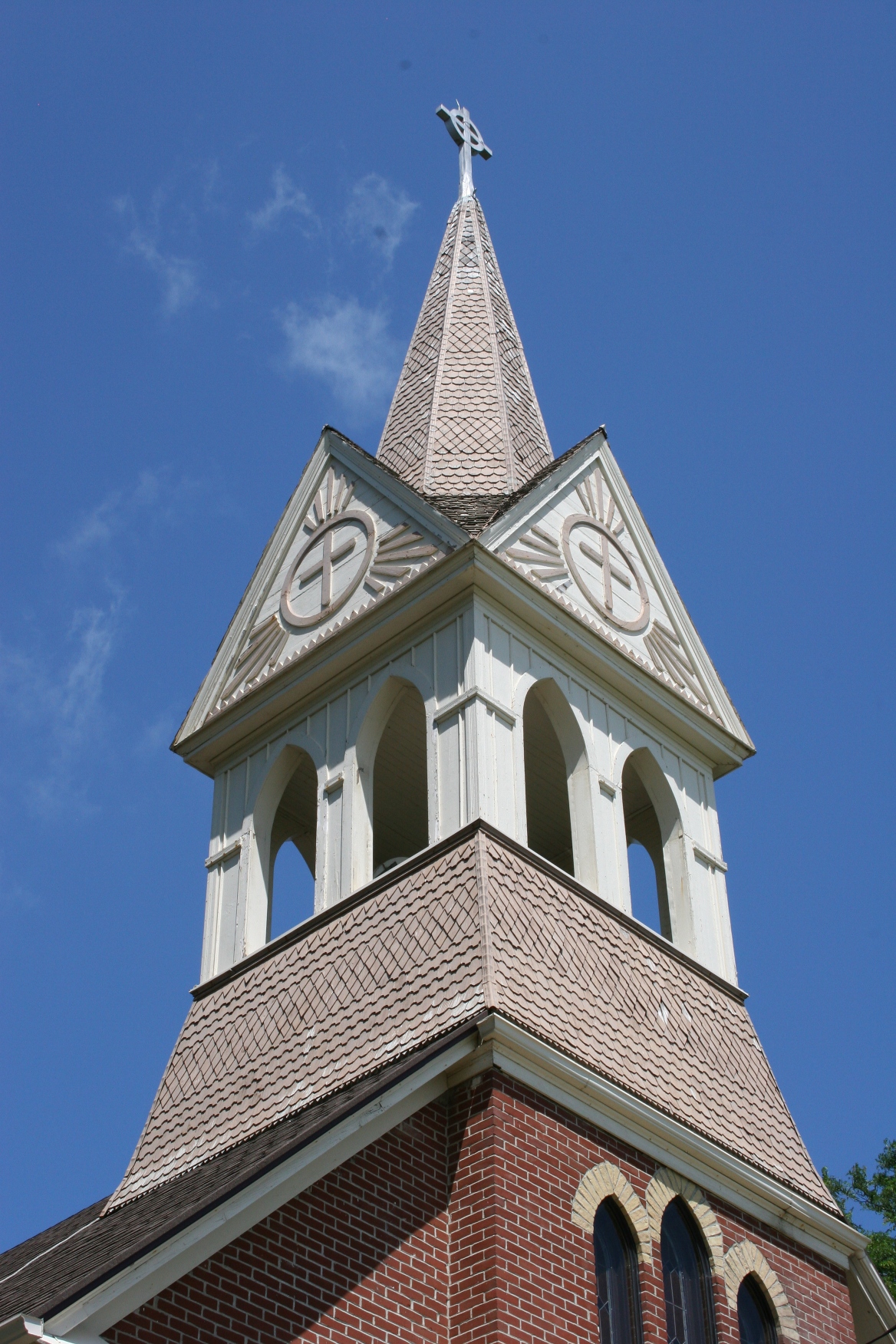
Vista's steeple rises above the countryside as a local landmark.

A lovely grassy area of shade trees lies to the north and west of the Vista church.

© Copyright 2011 Audrey Kletscher Helbling
Verses one and two of “Beautiful Savior” are from The Lutheran Worship hymnal.


Hotdish, but not on a stick August 26, 2011

TYPICALLY MY POSTS focus on a single subject. But not today. I’m serving hotdish. And since the Minnesota State Fair opened Thursday, pretend it’s hotdish on a stick, which actually can be purchased, with cream of mushroom dipping sauce, from vendors Ole and Lena’s. Ja, sure, ya betcha.

This year you’ll also find, for the first time at the Great Minnesota Get Together, chocolate covered jalapeno peppers.

Now, you might think Minnesotans would hesitate to try jalapeno anything given our primarily Scandinavian and German taste buds. But I can tell you that two summers ago I found Dennis Gare pushing chocolate covered jalapenos at the Faribault Farmers’ Market and they were selling like lefse at a Norwegian dinner.

Dennis Gare's chocolate covered jalapenos, which I photographed two years ago.

At the time, Dennis told me the jalapenos were creating quite a buzz among customers and vendors. He’s one of those savvy marketing types who create atypical foods—like pickled eggs and horseradish—that will attract customers and increase sales.

I checked in with Dennis last Saturday and jokingly asked if he was the vendor peddling the chocolate covered jalapeno peppers at the State Fair. Nope. That would be Andre’s Watermelon. But he was a little worried about the fieriness of the over-sized jalapenos on a stick.

If you attend the State Fair and try a chocolate covered jalapeno pepper, submit a comment. I’d like to report back to Dennis down at the Faribault Farmers’ Market. Click here to read my July 20, 2009, post about Dennis’ jalapenos.

SINCE I’M ON THE SUBJECT of the State Fair, I need to give a shout-out to the new Princess Kay of the Milky Way, 18-year-old Mary Zahurones from Pierz, a community of about 1,300 north of St. Cloud in Morrison County and along Minnesota Highway 25, a main route to the Brainerd Lakes area.

The new princess had her head carved in a 90-pound block of butter at the fair yesterday.

Anyway, I know a little about the princess’ hometown of Pierz. My husband graduated from Pierz Healy High School in, well, let’s just say a long, long, long time ago. The new princess graduated from my spouse’s alma mater several months ago, and you’ll find her princess photo proudly showcased on the District 484 website home page.

Two other interesting tidbits about Pierz: The town was originally called Rich Prairie, but was renamed after a Catholic priest, Father Francis Xavier Pierz. He is recognized as “The Father of the Roman Catholic Diocese of Saint Cloud,” having settled in central Minnesota in 1852 as a missionary to Native Americans and having attracted many German Catholic immigrants to the area. You’ll find a statue of the good Father in a Pierz park, moved there last year from the St. Cloud Hospital.

Secondly, if you like bologna, and I don’t, but apparently central Minnesotans do, you can check out Bologna Days every Wednesday at the Red Rooster Bar & Grill in Genola (just south of Pierz) or every Thursday at Patrick’s Bar & Grill in Pierz. Really. This information is listed in the F.A.Q.’s section of the city website and, no bologna, I have seen a Bologna Days sign with my very own eyes.

Magnetic Catholic: St. Francis of Assisi

AS LONG AS WE’RE TALKING Catholic here, even though I’m Lutheran, I simply must point you to the “Magnetic Catholic” paper (well, not really paper) dolls which I first learned about from a Michigan writer on her blog, House Unseen. Click here to read that post and then click here to see the Magnetic Catholic Etsy shop.

I swear—oops, probably shouldn’t be swearing—you’ll have your socks charmed right off you by the likes of the Blessed Mother Teresa of Calcutta, St. Francis of Assisi and the Blessed Pope John Paul II.

ONE MORE THING, totally unrelated to Catholics, dairy princesses, or anything on a stick.

But, apparently the latest trend among hip, young Minneapolitans is to carry iced coffee or similar drinks around in a (Mason/Ball/Kerr) pint canning jar.

I learned this from my eldest, who drove down to Faribault Thursday evening so her personal mechanic/Dad could check her car. After we gathered home-grown tomatoes, flowers and a few other niceties for her to take back home to south Minneapolis, she asked if I had any canning jars.

A hip canning jar.

I know my daughter well enough to realize she didn’t need them for canning. Heck, I don’t even can.

So we traipsed down to the basement and poked around until we found two pint jars, rings and lids. She was one happy Uptowner.

SO THERE, I HOPE YOU enjoyed your serving of hotdish. Mighty tasty, huh?

© Copyright 2011 Audrey Kletscher Helbling
 

Discovering a Monet painting near St. Charles August 25, 2011

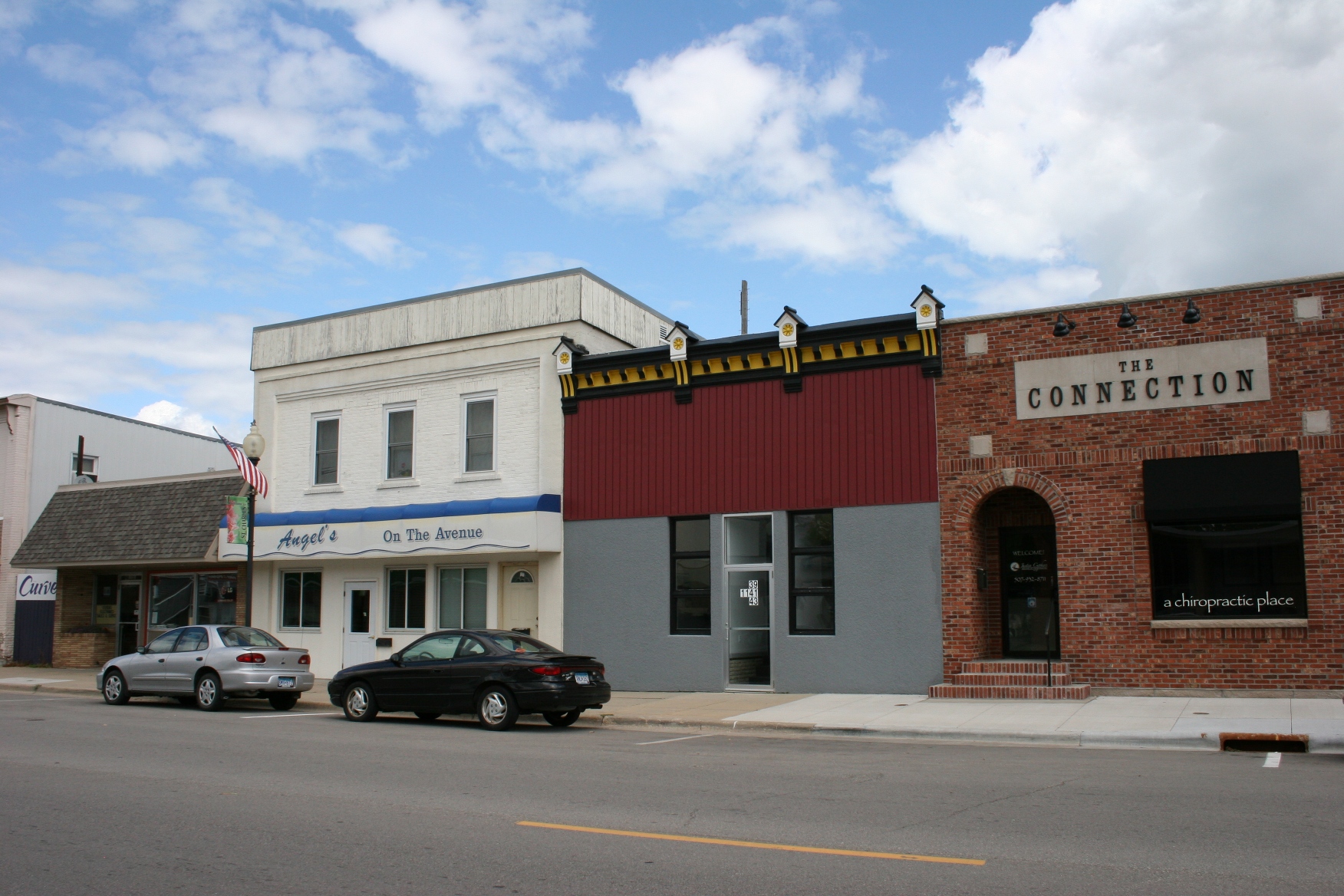
A section of downtown St. Charles, Minnesota, on a recent summer afternoon.

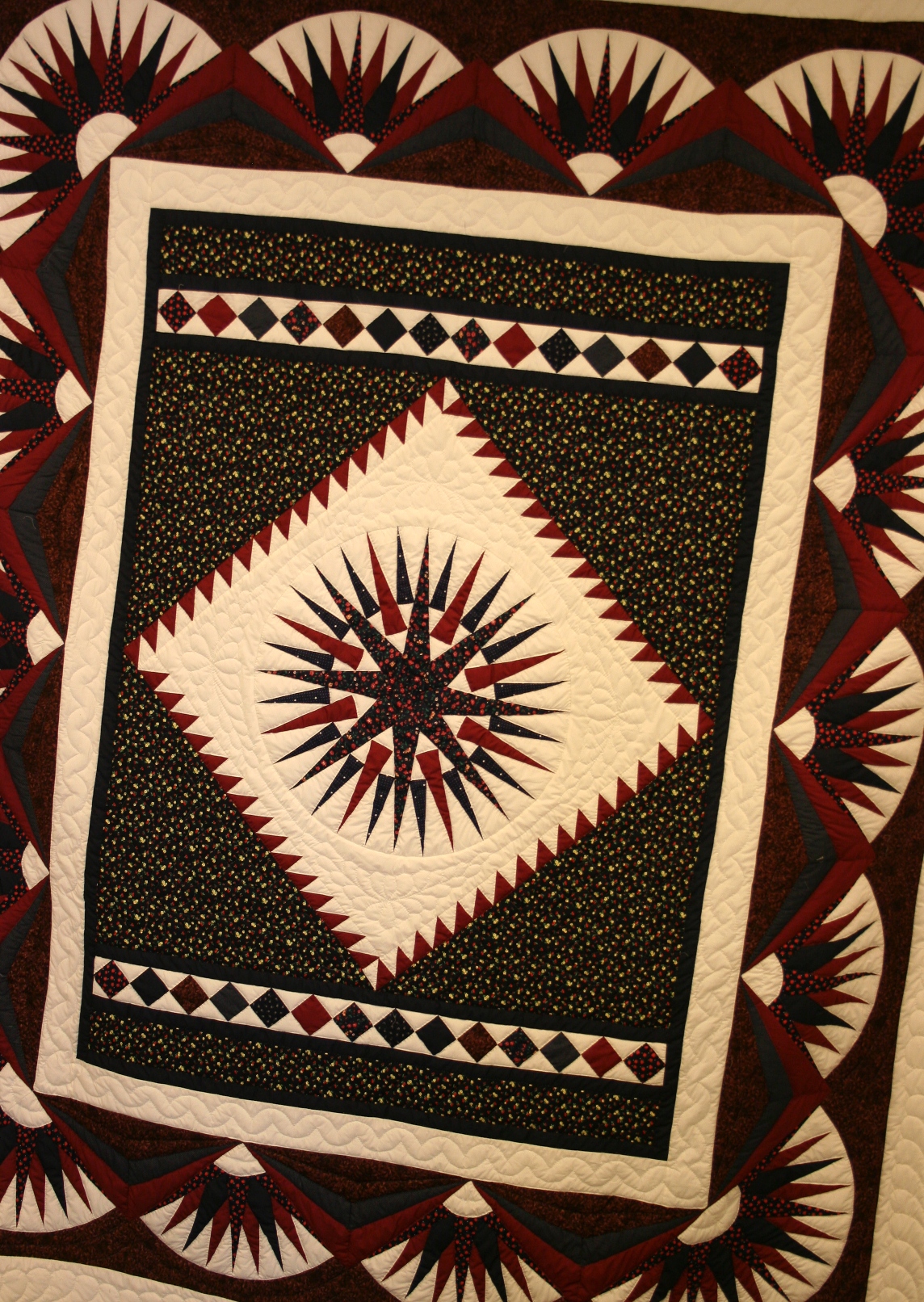
A quilt made by local southeastern Minnesota Amish and sold at the Amish Market Square.

MID-AFTERNOON ON A TUESDAY and we are dining at the Whitewater Café in downtown St. Charles.

We’ve driven to this southeastern Minnesota community of 3,300, sandwiched between Interstate 90 and U.S. Highway 14, because we’re meandering home from a family vacation to Wisconsin.

I’ve specifically placed St. Charles on our route back to Faribault for two reasons: the Amish and the gladiolus.

Before dining at the fishing-themed Whitewater Café in downtown, we stopped at Amish Market Square just off I-90 where you can gas up, eat, buy products handmade by the Amish and pose for a photo in an Amish buggy. While I admired the stunning hand-stitched quilts—priced around $1,500—and the wood cutting boards and more, I didn’t climb into that buggy for a photo. I wanted authentic Amish, not tourist Amish.

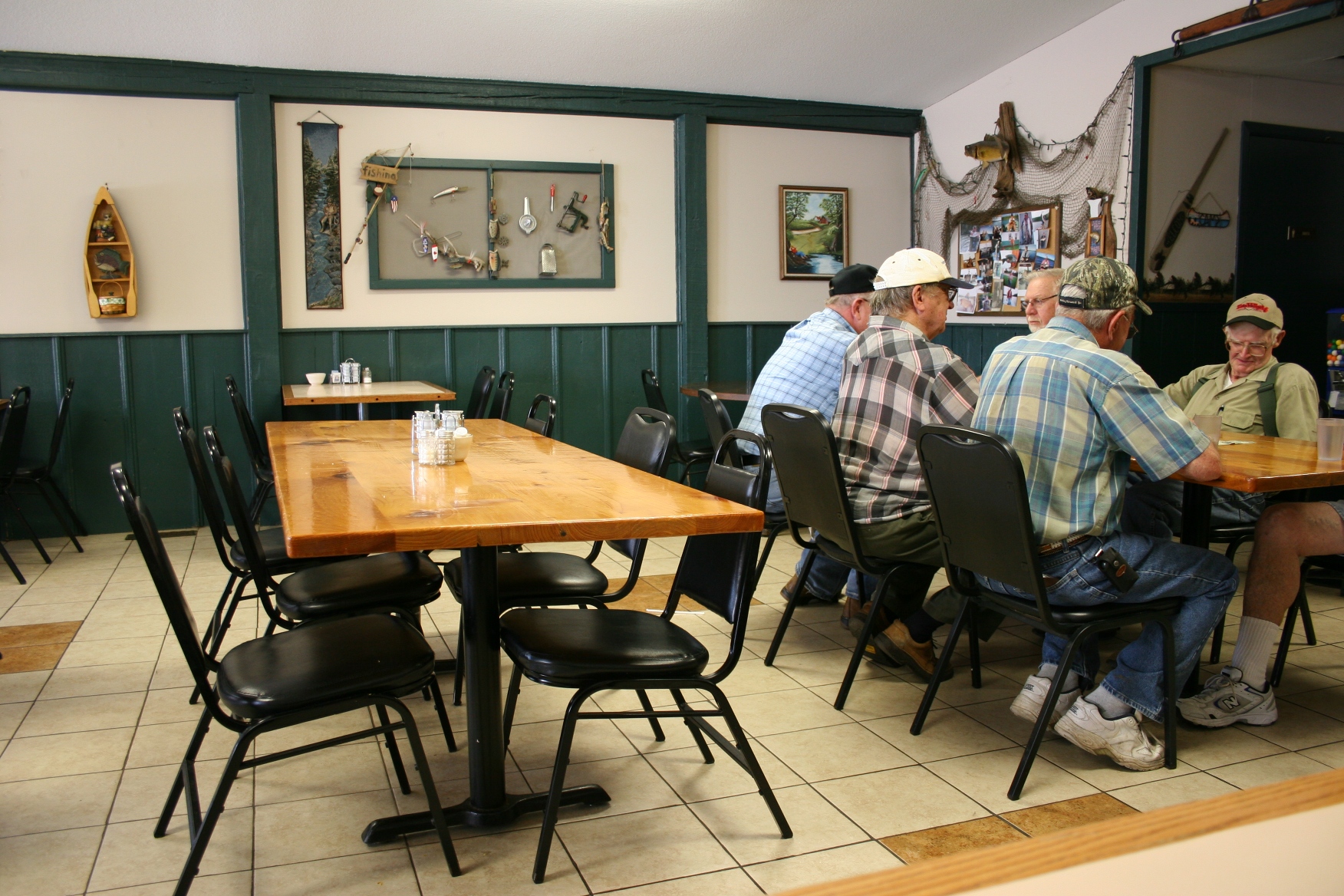
That would come later, after lunch downtown, next to “The Table of Knowledge,” aka a group of local guys who gather each morning and afternoon to shoot the breeze, drink coffee and, when asked, give directions to the gladiolus fields and Amish farms.

I didn’t get any of their names, but one of those friendly club members—and I use that term loosely here—found a Winona County map in the restaurant and highlighted a route that would take us southeast of St. Charles past Amish farms and then back north to the glad field just south of Utica. He praised the hardworking Amish, two of whom were working on a fence on his farm at that very moment. He picks them up in the morning, then drives them home at the end of the work day.

These friendly locals at the Whitewater Cafe gave us directions to the glad field and Amish farms.

We left the restaurant, opting to view the flower field first by following Highway 14 east of St. Charles, turning south onto Winona County Road 33 into Utica until we found the rows of gladiolus just outside of town. It should be noted that the flower-growing location changes annually to keep the plants disease-free. Last year the glads were grown next to St. Charles, so the knowledgeable locals told us.

Up until that moment, I’d thought mostly of gladiolus as “funeral flowers,” a moniker that has stuck for decades based on my memories of glads at every funeral I ever attended as a child. Interesting how you associate something with an impressionable event, isn’t it?

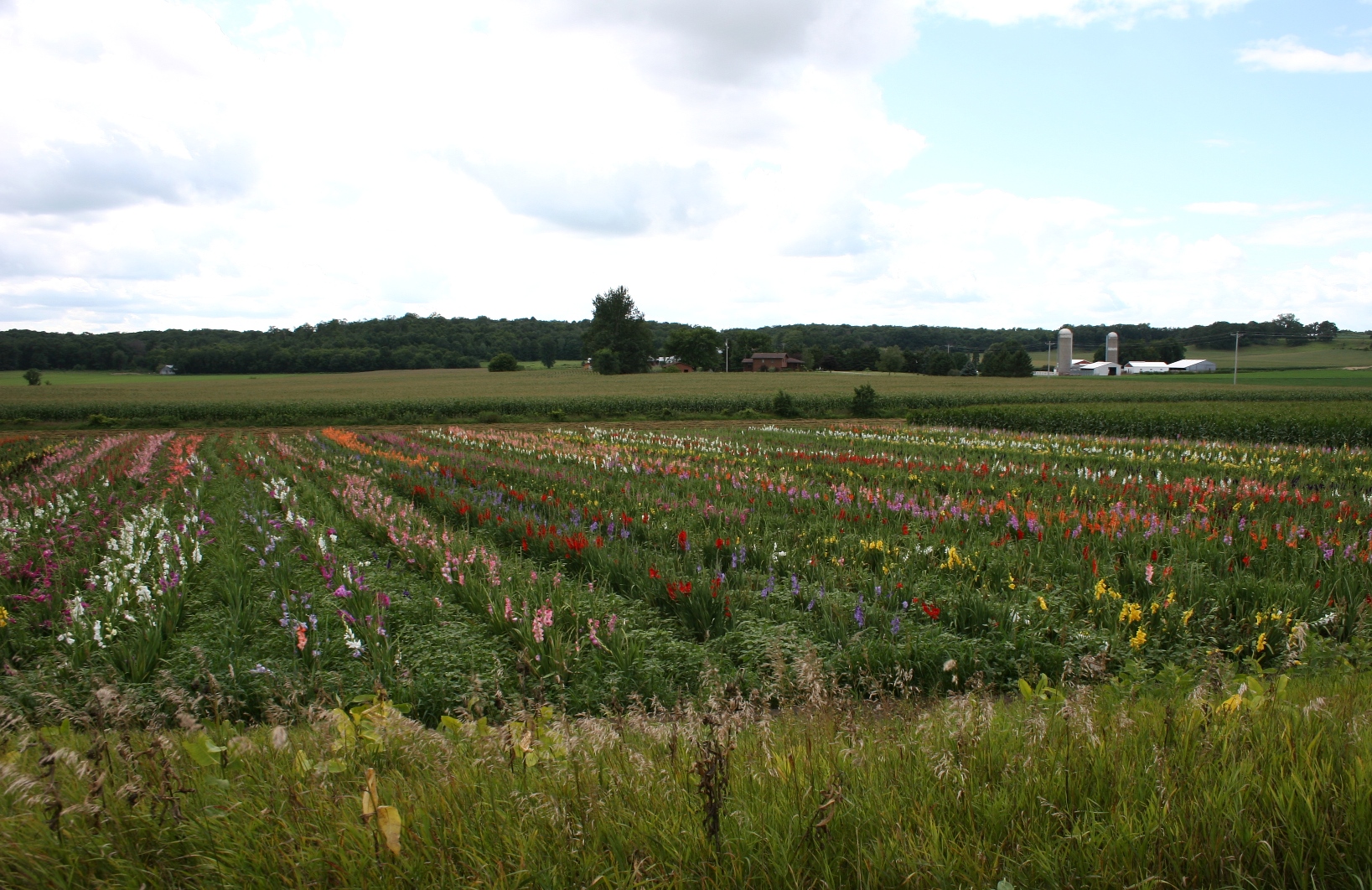
As we slowed the car to get an overview of the gladiolus in the field below, I felt as if I was viewing a painting by Claude Monet. Soft pinks and purples and blues—punctuated by splashes of brilliant red, and broken by lines of green, tight-clasped buds and foliage—created a surreal scene against the backdrop of corn, farm places, sky and a distant tree line.

A view of the gladiolus field just south of Utica along Winona County Road 33.

This is as close as I got to the glads, standing along the shoulder of the road photographing them.

I hoped for a close-up look, but found no signage indicating we could stop at a next-door building site to view or purchase flowers.

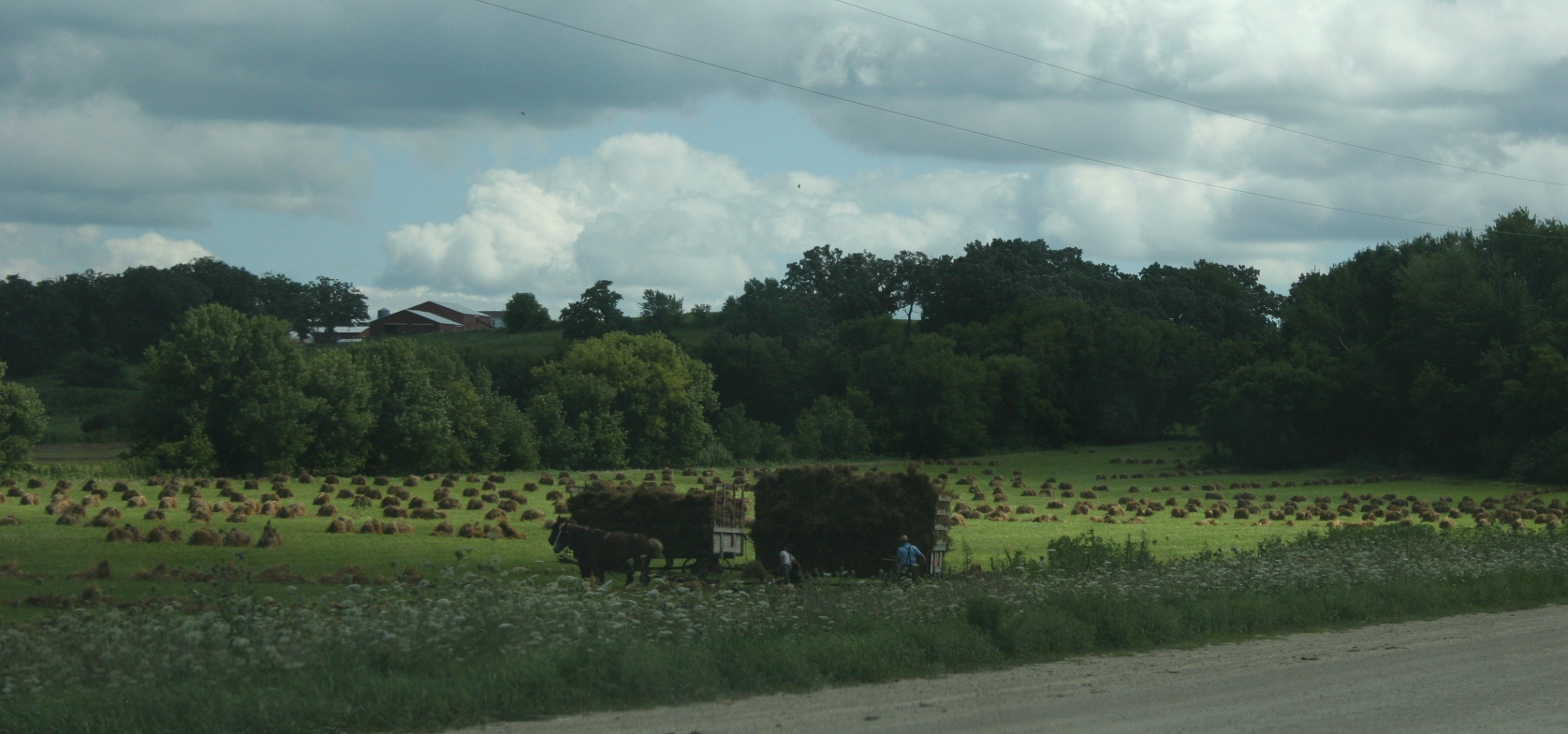
And so we drove on, further south and then west past several Amish farms—past the horses and wagons, the laundry on clotheslines, the shocks in fields and the Amish men throwing bundles high atop a wagon, their arm muscles bulging from seasons of labor.

An Amish farm site southeast of St. Charles.

We came upon this pastoral scene south of St. Charles, where the Amish were pitching bundles onto wagons.

Heading back into St. Charles, I wished I could spend more time here, in this town promoted on its website as “The Gateway to the Whitewater Valley,” and made world-famous by Carl Fischer, now deceased. He was the world’s leading hybridizer of new and distinctive gladiolus and established Noweta Gardens in 1945.

Each August this Minnesota town celebrates Gladiolus Days, which is happening right now and continues through Sunday, August 28. For a schedule of events, click here.

I fully intend to return some day to experience this festival, to this place where, if you look, you will see southeastern Minnesota’s version of a Monet painting.

The gladiolus field before me could have been a Claude Monet painting.

MORE PHOTOS OF ST. CHARLES:

The main road through downtown St. Charles, the "Gateway to the Whitewater Valley."

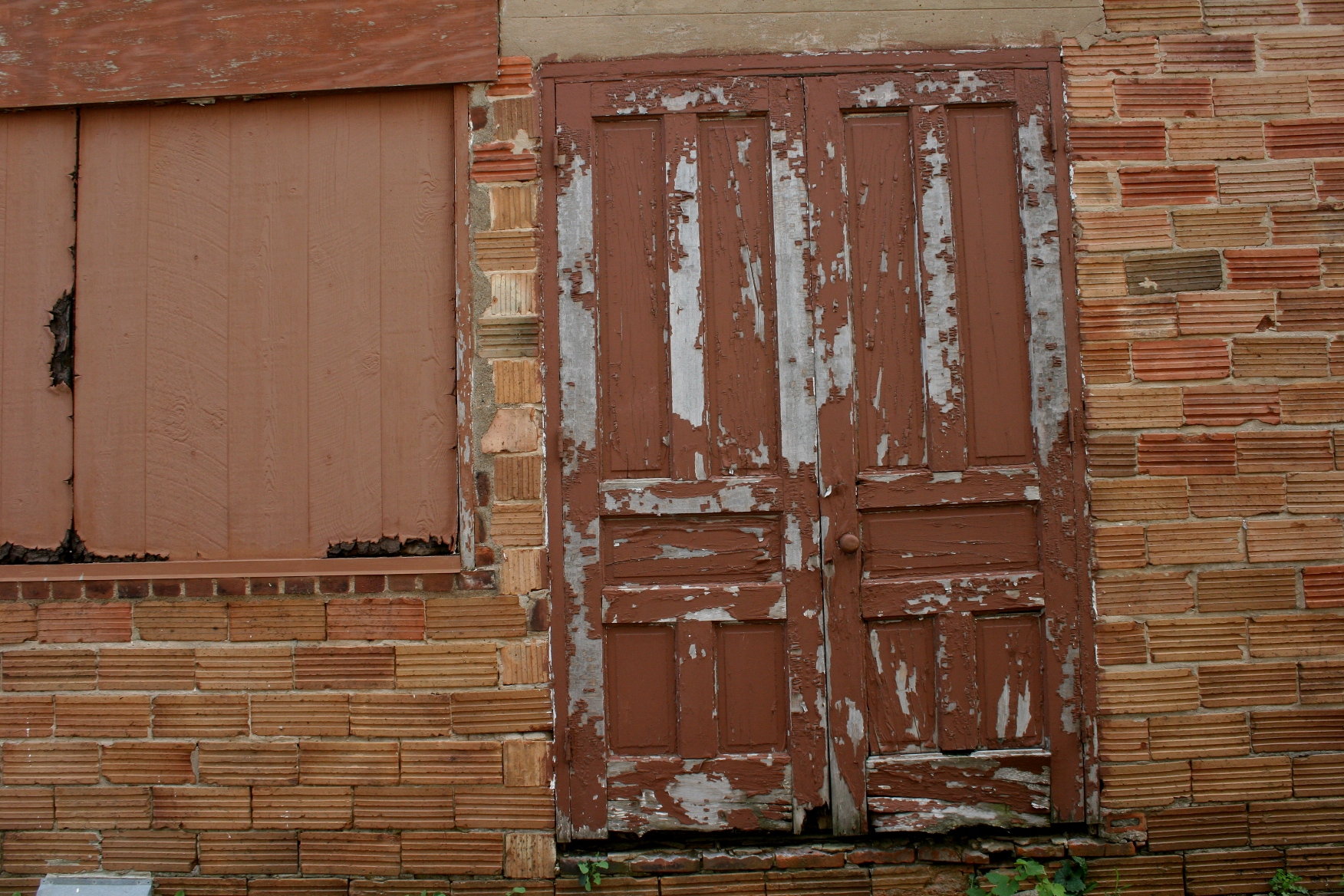
I discovered these weathered doors, found them charming, so photographed them in downtown St. Charles.

More downtown St. Charles businesses.

The post office and a pizza place along St. Charles' main drag.

I refused my husband's offer to photograph me in this Amish buggy at the Amish Market Square just off I-90.

© Copyright 2011 Audrey Kletscher Helbling


Who you gonna call when the bugs invade?

Filed under: Uncategorized — Audrey Kletscher Helbling @ 7:33 AM
Tags: , , , , ,

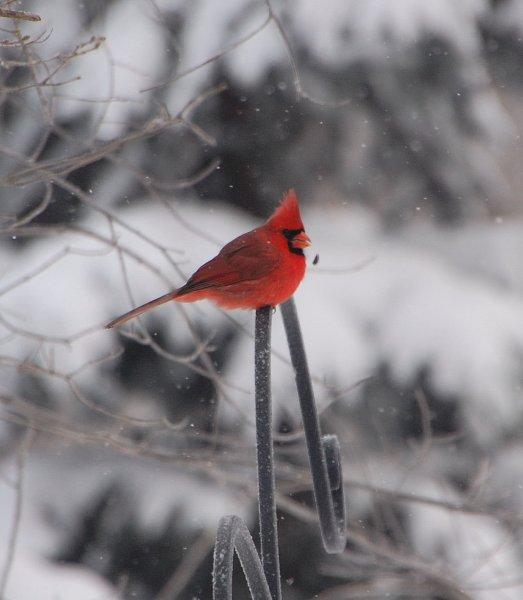
Because I did not get a photo of the female cardinal, I am showing you a photo of a male cardinal taken by my friend Harriet Traxler, an excellent photographer. Scroll to the end of this story for more info about Harriet's work.

CRAZIEST THING HAPPENED Wednesday morning as I hung laundry outside on the clothesline. I heard a scritch-scratch and looked up to see a female cardinal fluttering atop the metal chimney on our house. She would fly away, come back, land on the stack, fly away and then repeat the entire process.

I was baffled until I noticed a spider web the size of a car tire suspended between the chimney and the angled roof.

As I watched, wishing mightily that I had my camera in my hands, the cardinal flew toward the center of the cobweb where, even from the ground, I could see an oversized insect. Maybe the spider?

She flapped and hovered and poked at the web, trying to grab her breakfast.

About then I decided I had enough time to race inside to my office, grab my Canon and snap a picture. I was wrong. In the short time I went missing, the determined bird nabbed the trapped bug. Darn.

Have you ever seen anything like this?

AS LONG AS WE’RE TALKING BUGS, has your home been invaded by gnats—or whatever they are—which are attracted in the evening to flicked-on lights. Tuesday night, when I walked into the kitchen around 9, I found the floor pocked with these pesky winged creatures. I immediately summoned my husband.

“What am I supposed to do?” he asked.

I pulled a sexist comment from my brain: “You’re the man of the house. Protect me.”

He laughed, then laughed some more when I suggested sweeping them into a dustpan.

“They’ll fly away,” he said, wheeling out the vacuum cleaner, a bug’s version of an EF-5 tornado.

EARLIER IN THE EVENING my spouse saved me from two wasps wandering a window screen in the dining room, directly behind the chair where I dine.

“I don’t want to get stung,” I emphasized, reminding him of how my skin swells and itches every time a mosquito bites me. “What do you think would happen if I was stung by a wasp?”

He probably didn’t need the reminder as less than two weeks ago my right hand swelled to about twice its size (I might be exaggerating just a tiny bit, but not much) from two mosquito bites. That resulted in a trip to the doctor followed by a stop at the pharmacy. Those two bites set me back a couple hundred bucks. But at least the infection didn’t spread to my artificial hip, which would have cost me thousands.

Anyway, bottom line, my husband’s done a superb job as my personal Bug Buster. And whenever he’s not available, I have that cardinal as back-up.

FYI: Except for centipedes, I am not afraid of bugs and will deal with them whenever I must. However, I will avoid killing stinging insects if my bug-busting husband is available. Why risk getting stung?

VISIT THE BARNS OF SIBLEY COUNTY website by clicking here to learn more about Harriet Traxler, her photography and the barn books she’s published. She is also currently working on a book of historical fiction.

© Text copyright 2011 Audrey Kletscher Helbling
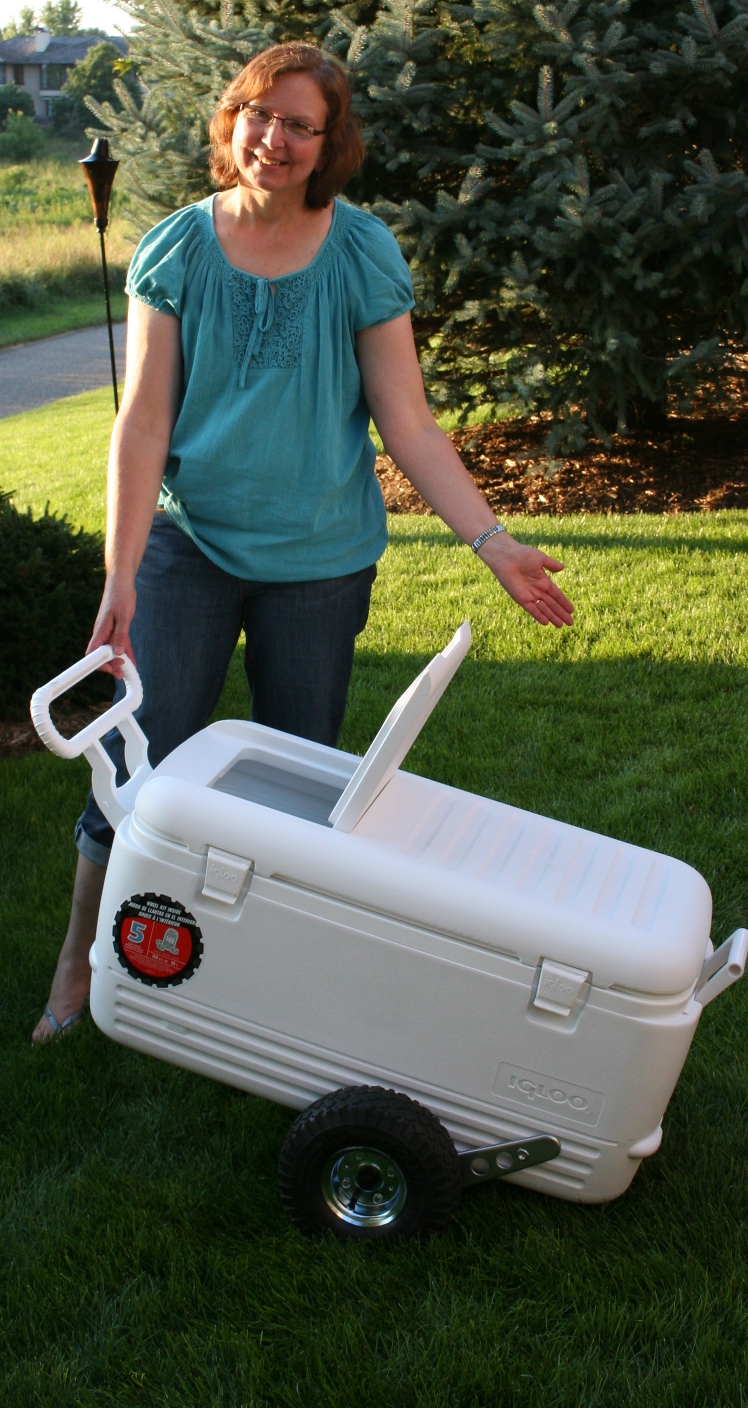
Photo by Harriet Traxler


A close-up look at the Veseli Ho-Down August 24, 2011

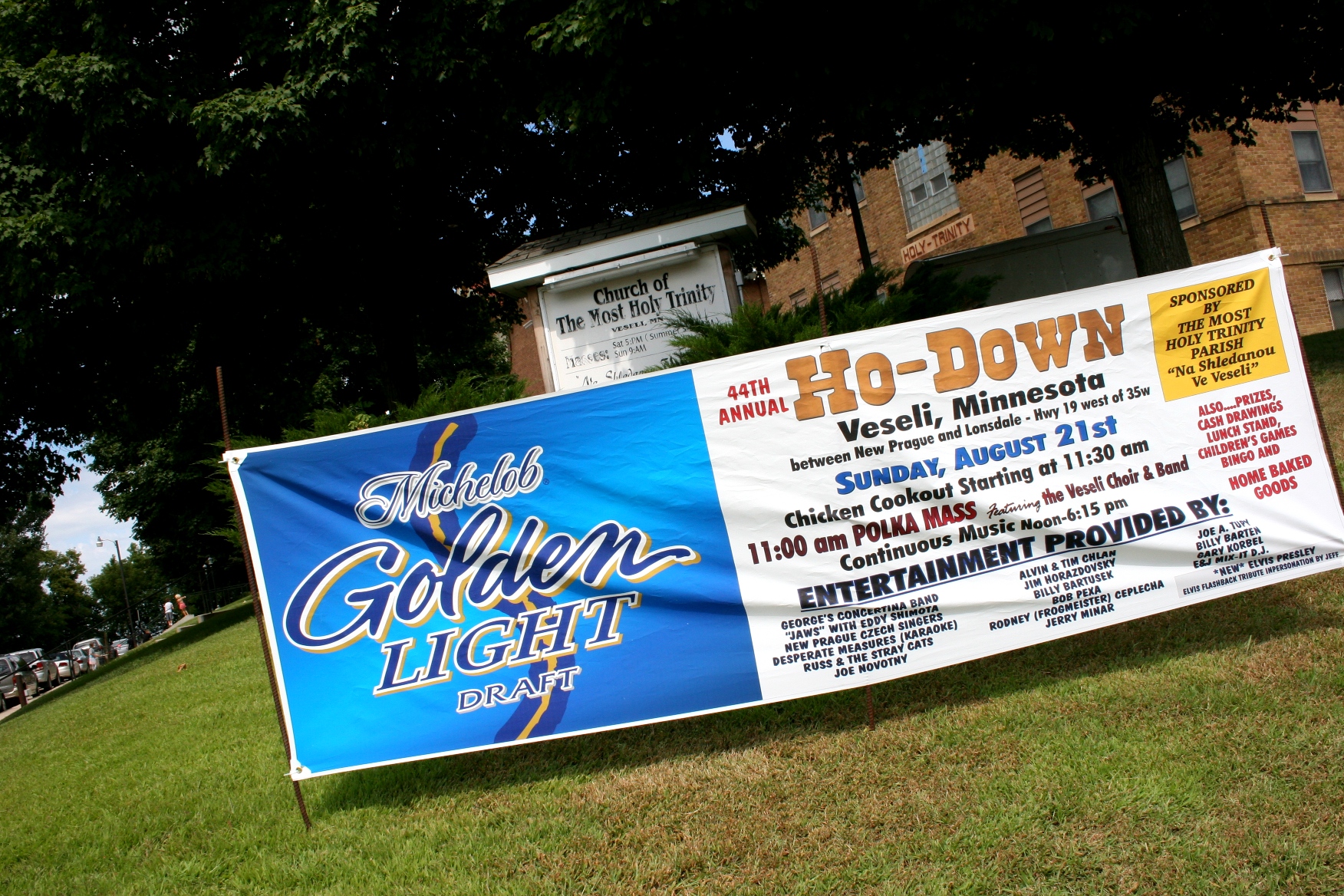
A banner below the hill by Most Holy Trinity Church and school welcomed attendees.

WHENEVER I ATTEND an event like the Veseli Ho-Down, or go anywhere, I notice the details.

That skill has evolved from my years as a writer, fine-tuned also by my work as a photographer. Photography encourages me to seek the faces, even the hands and feet, of individuals in a crowd to tell a story in an unexpected way.

I apply that same method to photographing buildings and activities, anything really. Give an overall picture, but then move in to showcase the often overlooked details.

That said, as promised in a previous post, below are more photos from the festival my husband and I attended on Sunday at Most Holy Trinity Catholic Church in Veseli, near Lonsdale in northwestern Rice County. Enjoy the details, from my perspective, of the Veseli Ho-Down.

First...the crowd...and then a closer look at individuals, and more, at the festival...

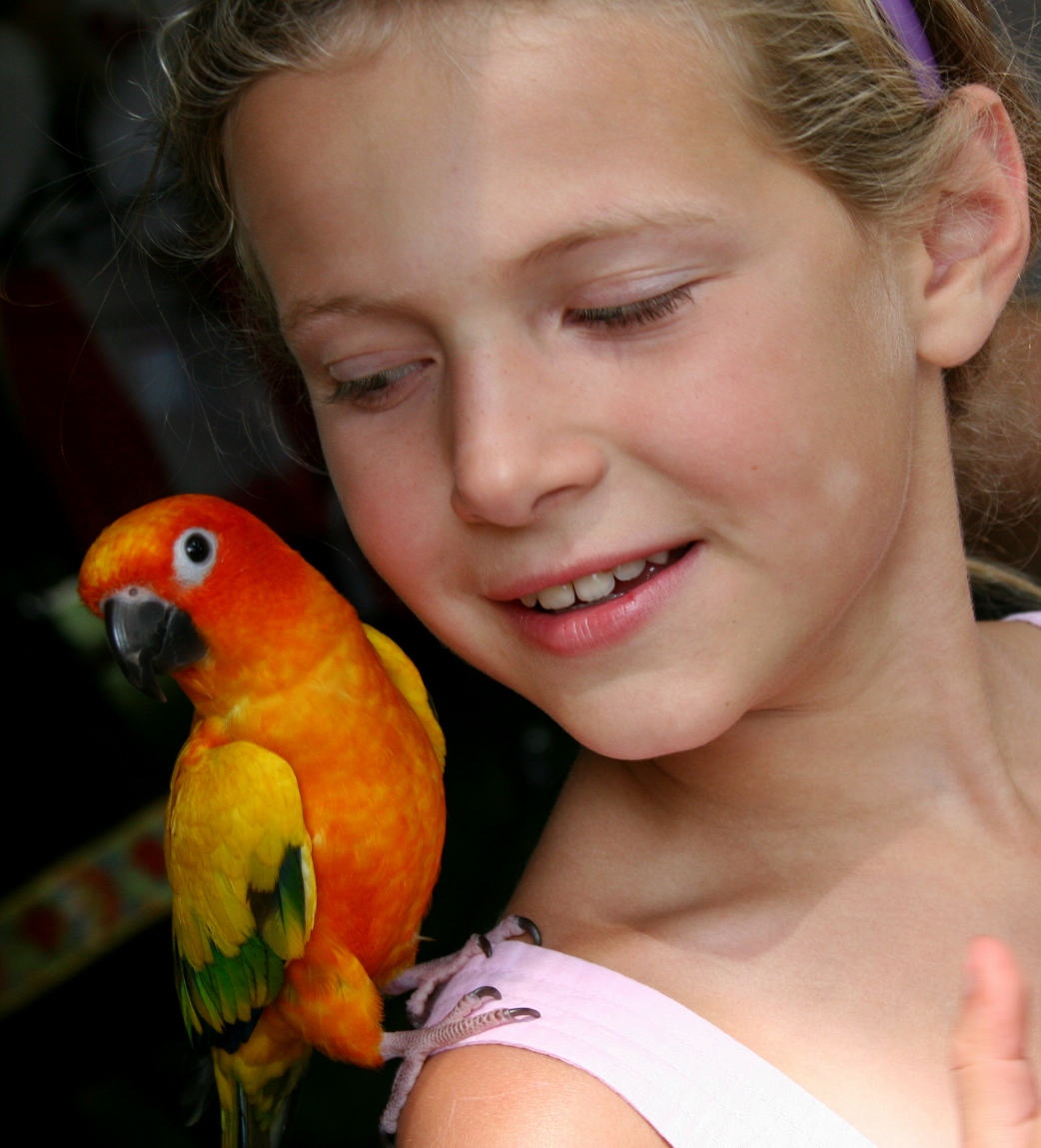
An employee from a Bloomington group home brought residents and their therapy bird, Buddy, to her hometown for the Ho-Down. The parakeet (is that correct?) quickly attracted the attention of fest-goers like this girl.

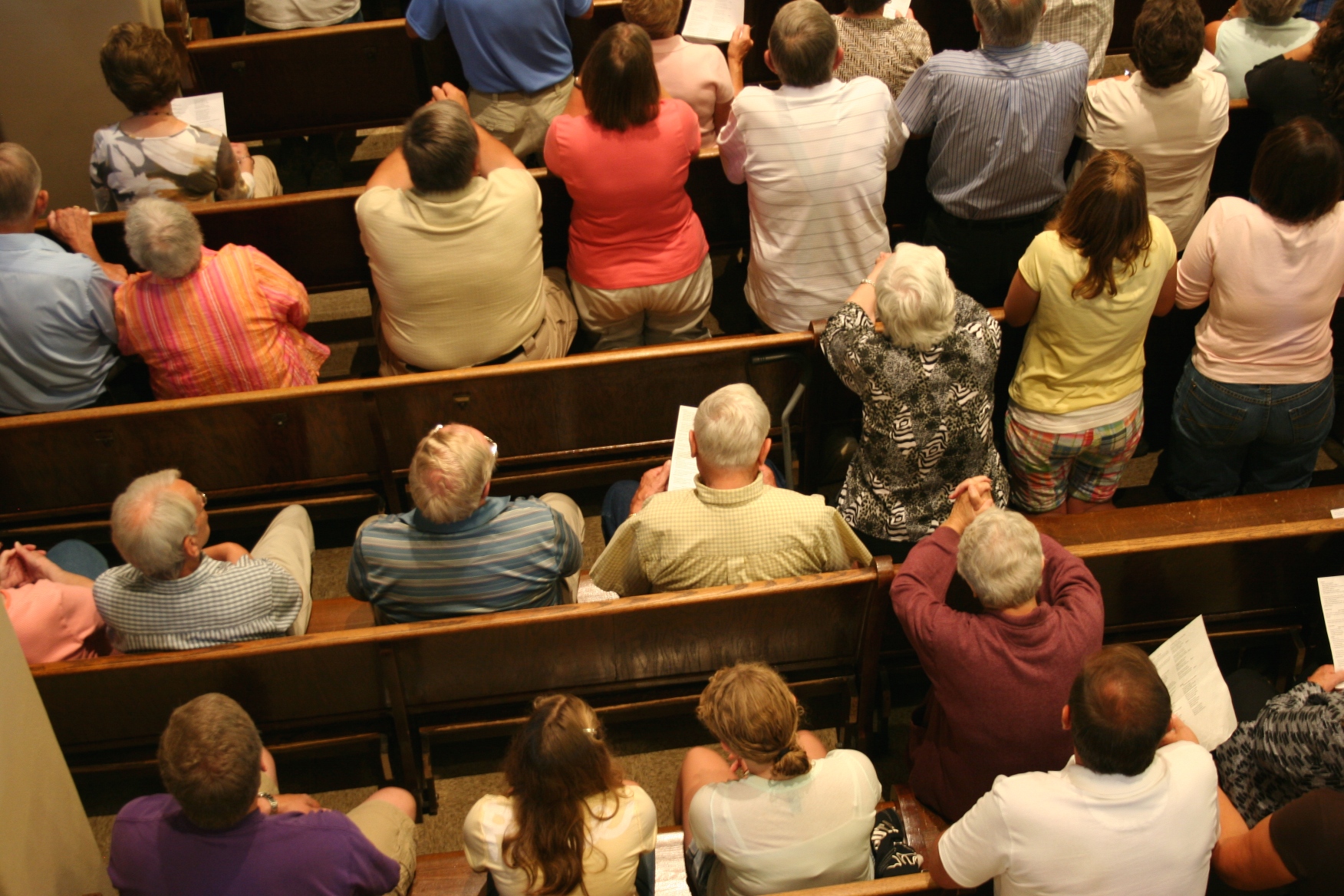
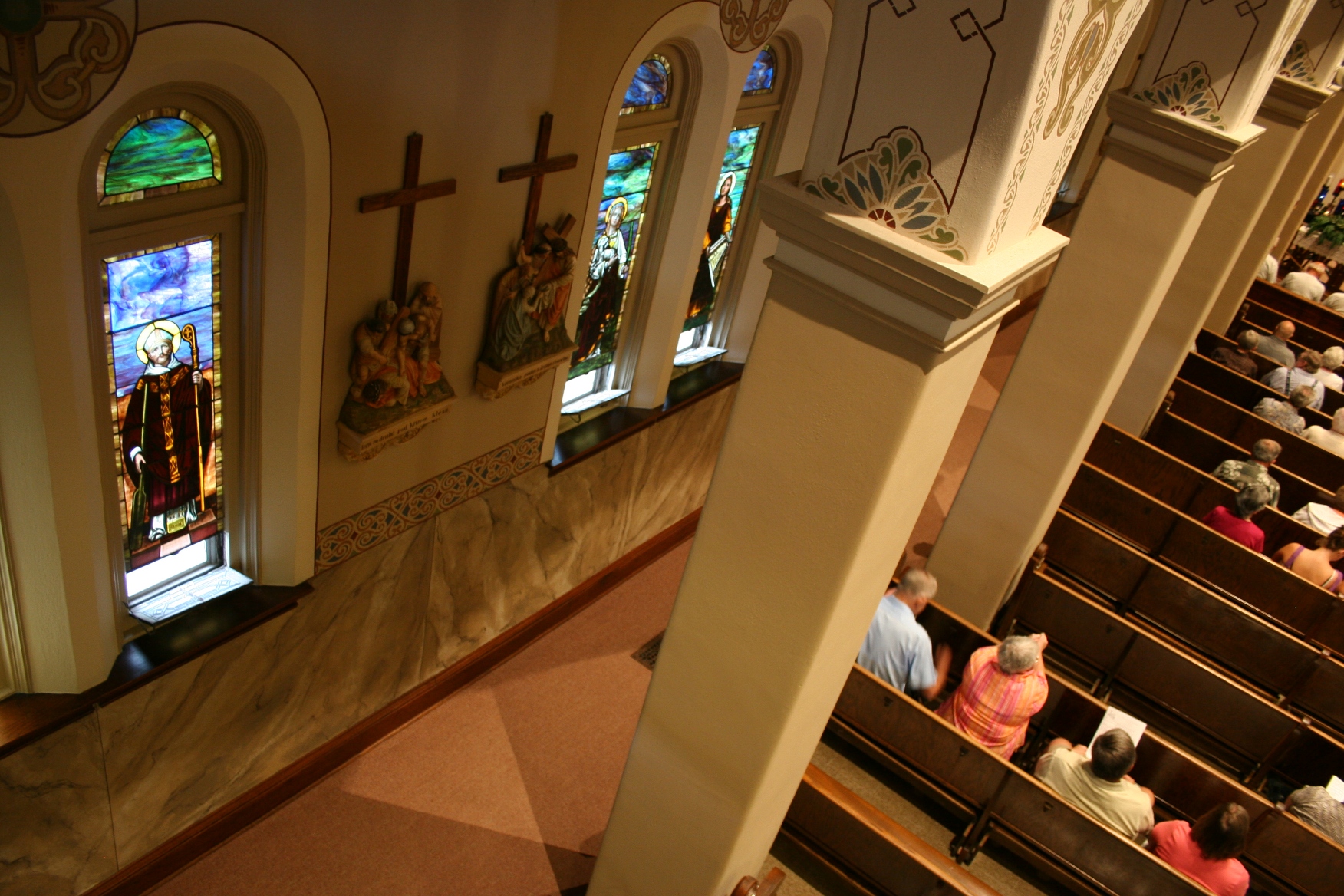
An 11 a.m. polka mass started the day's activities. I took this snippet image of worshipers from the balcony of Most Holy Trinity. I'll feature detailed photos of the church in another post, so check back.

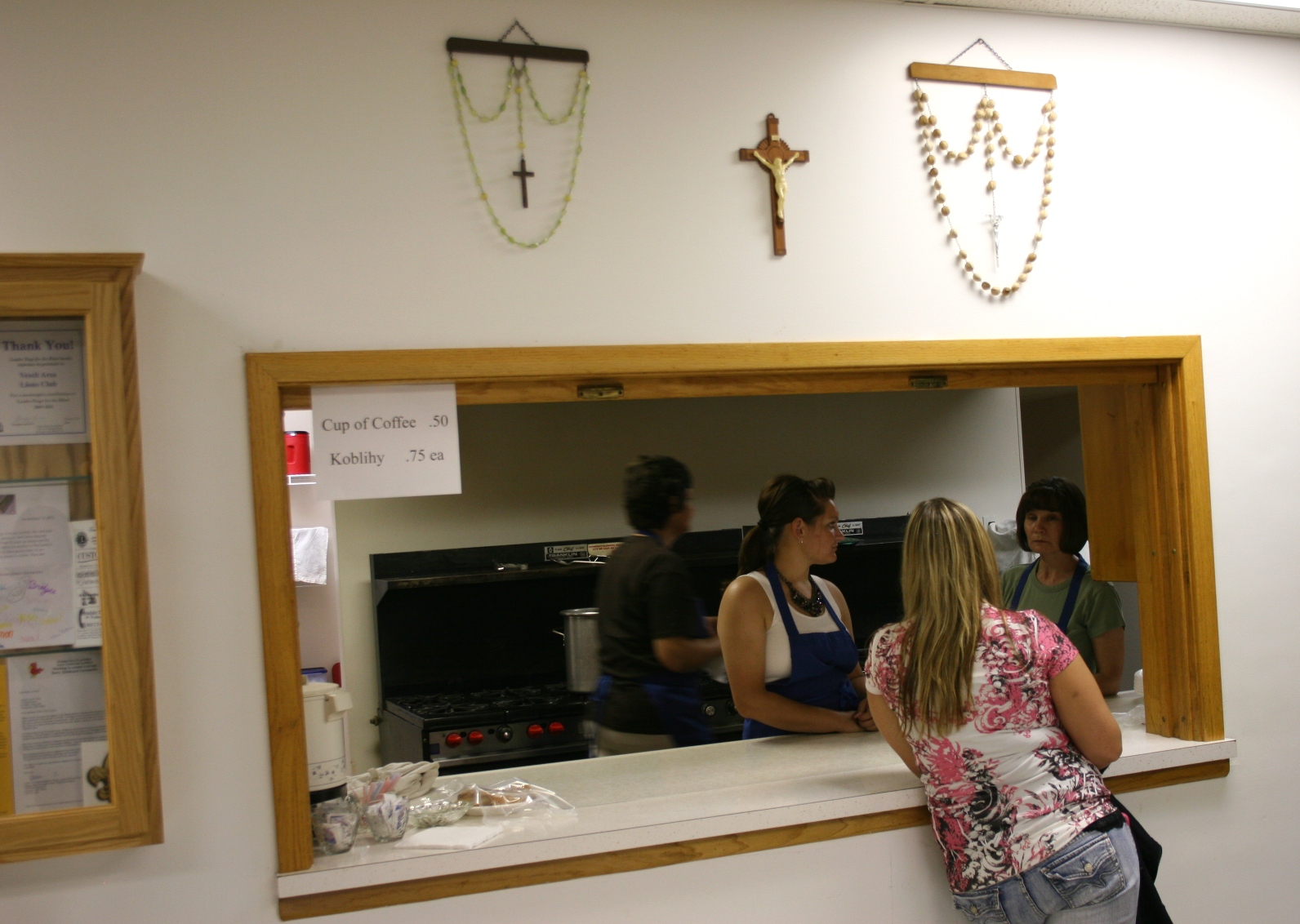
While technically not the best photo, I still like this image for the story it tells of women taking a break from their work in the church basement. When I noticed the rosaries and cross above the kitchen window opening, I knew I had to photograph this scene. The volunteers were selling baked goods.

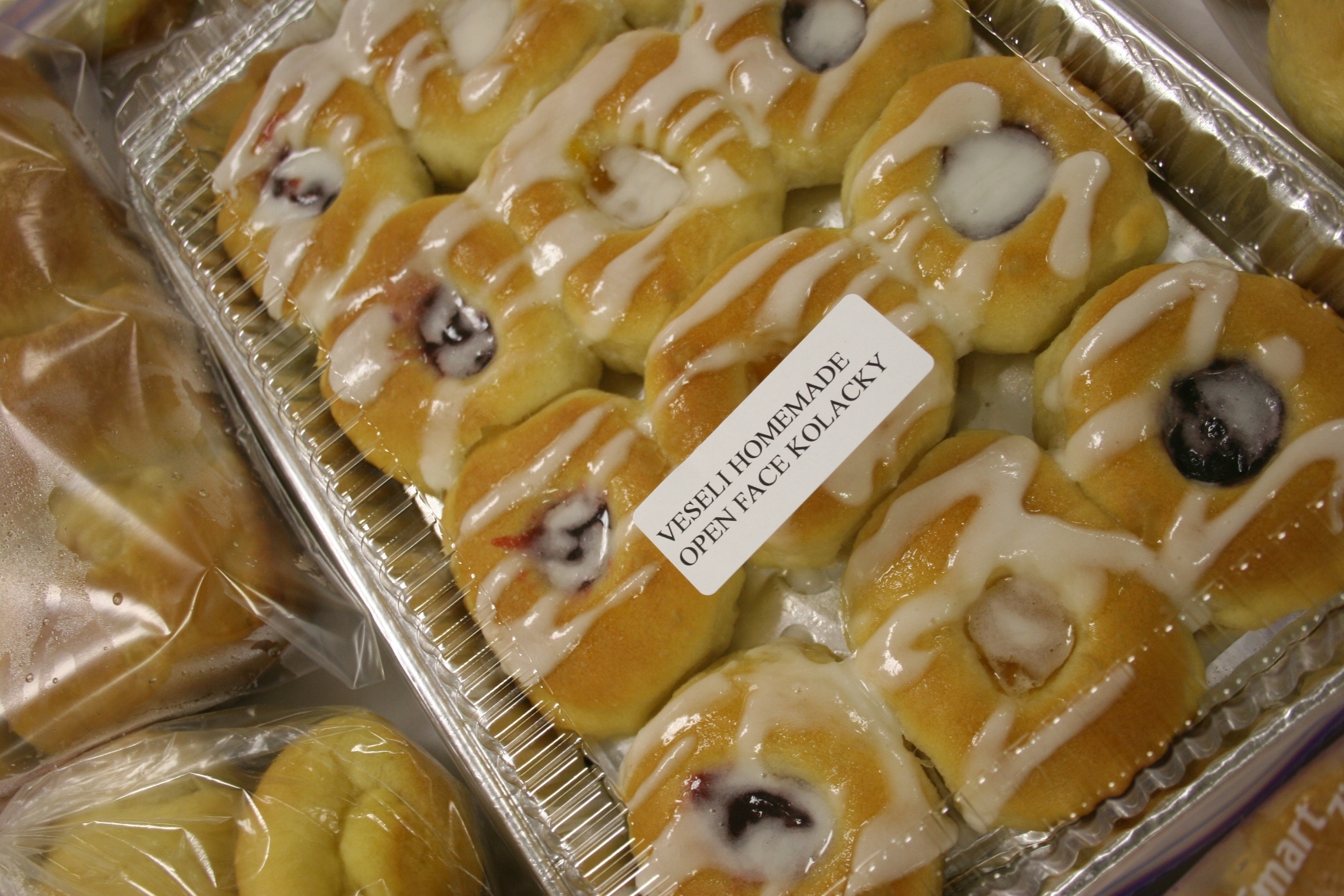
Kolacky, a Czech pastry, were among the many ethnic baked goods sold at the festival.

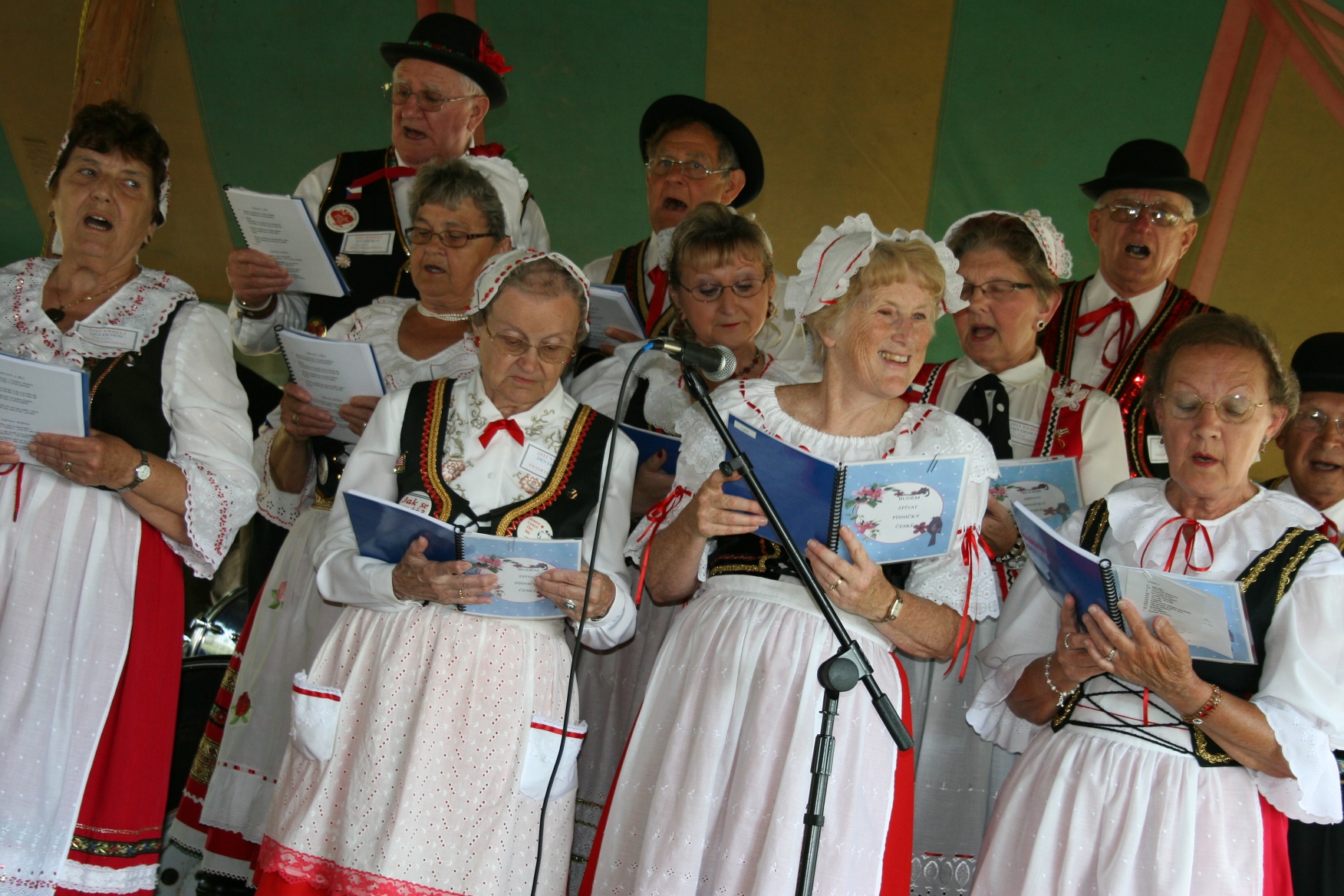
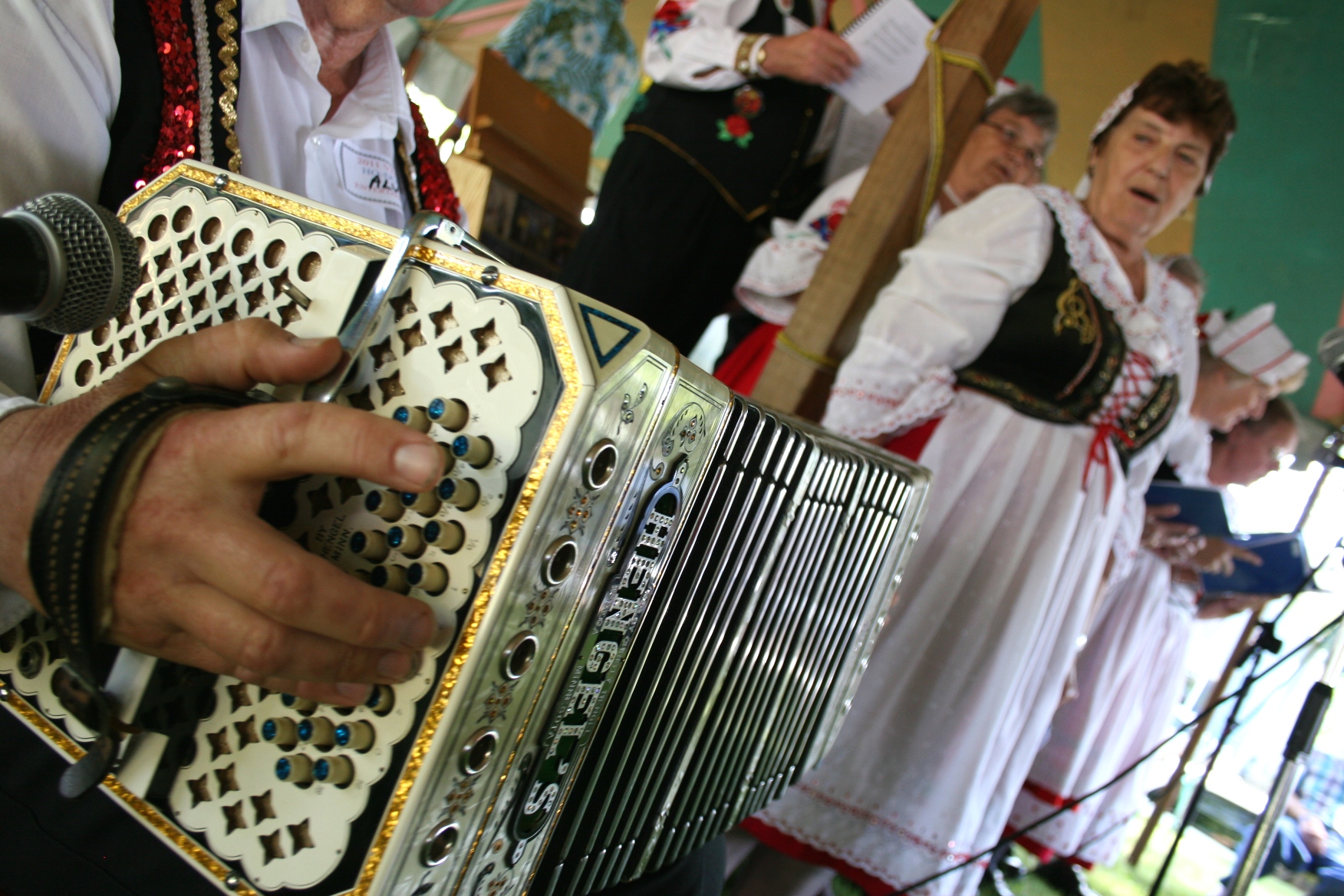
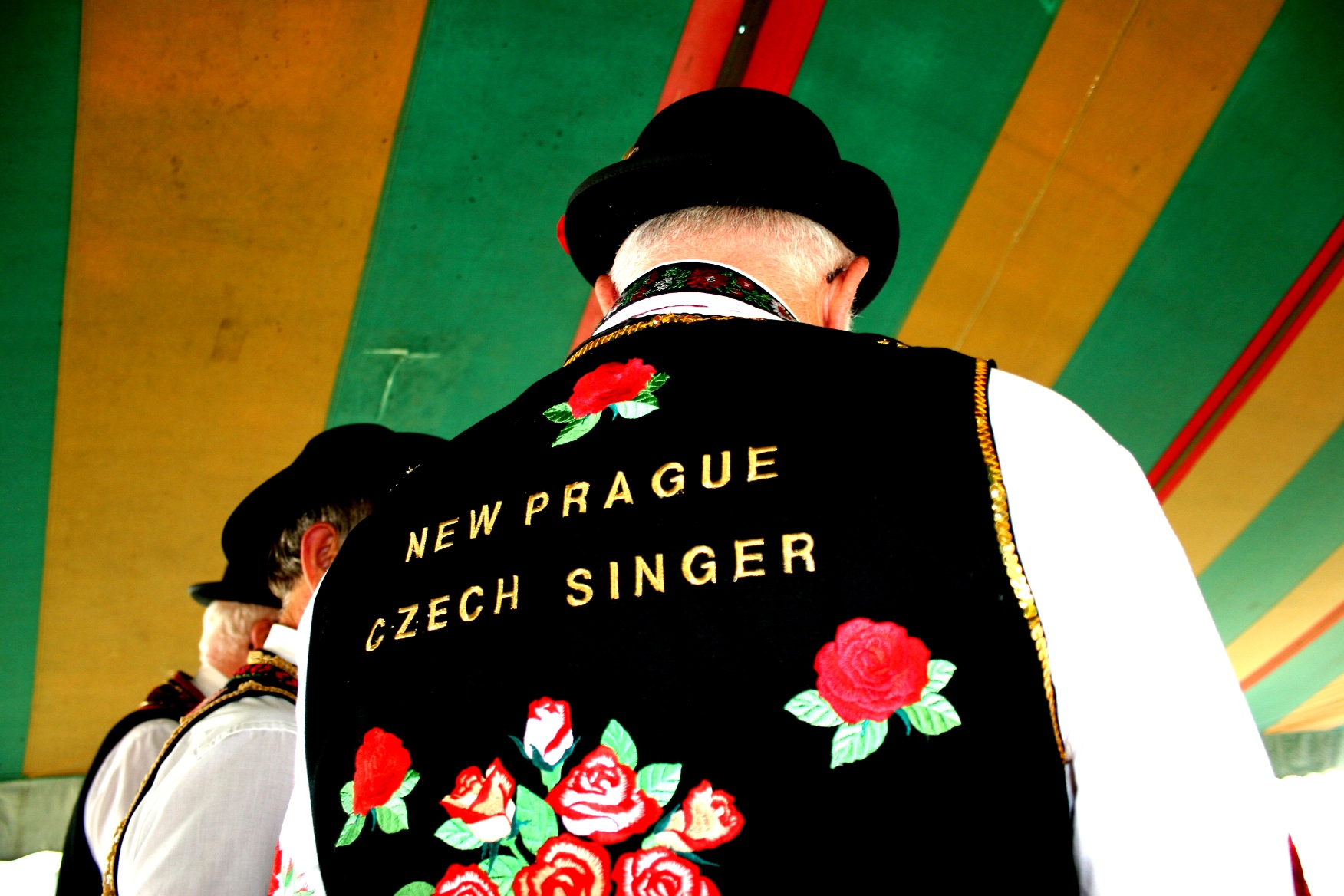
The New Prague Czech Singers performed in their mother tongue under a tent in mid-afternoon.

I upped the contrast on this image to make the colors pop on this costume worn by a Czech singer.

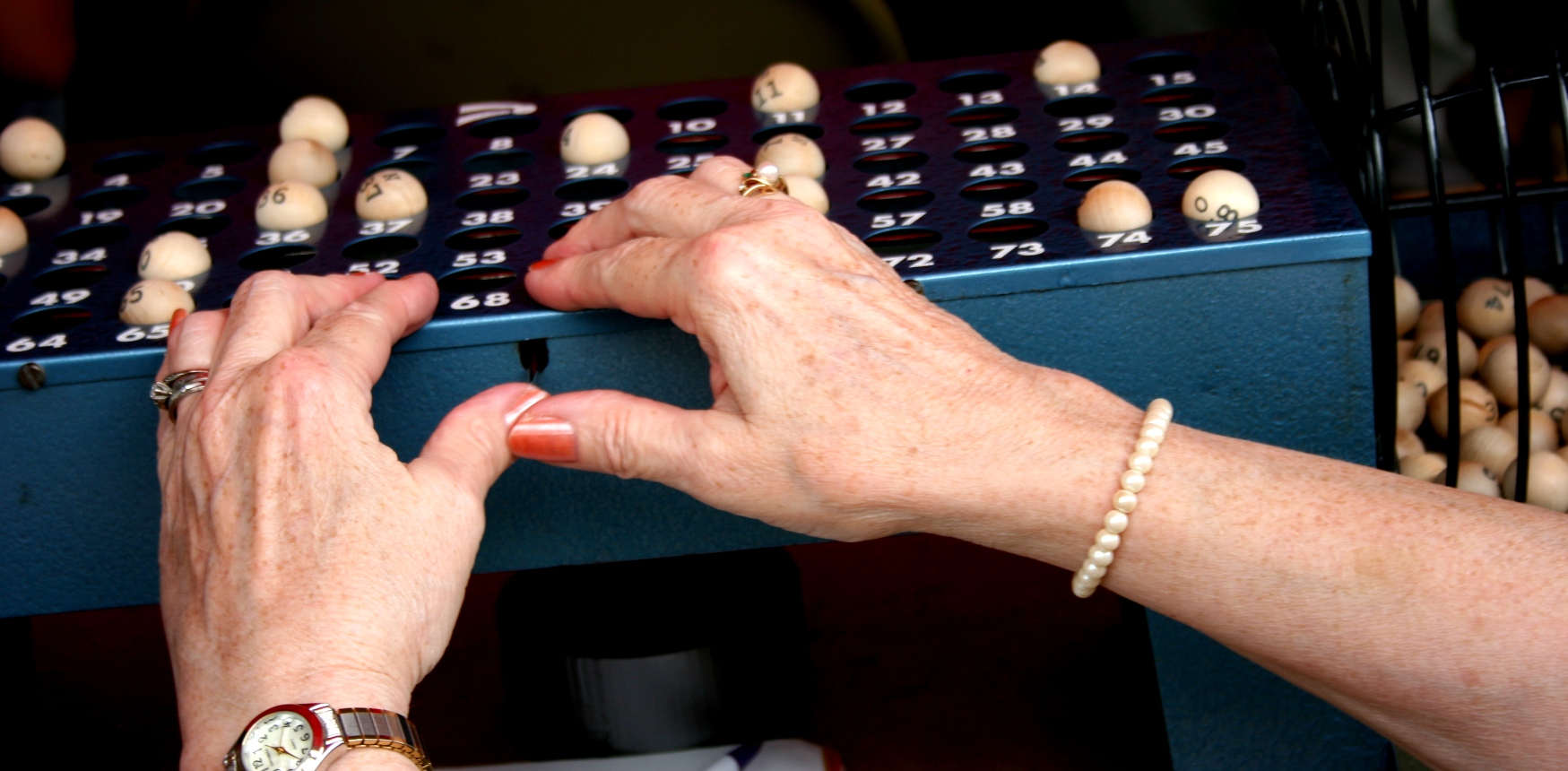
The hands of the bingo number caller, or whatever you call a person who calls bingo numbers.

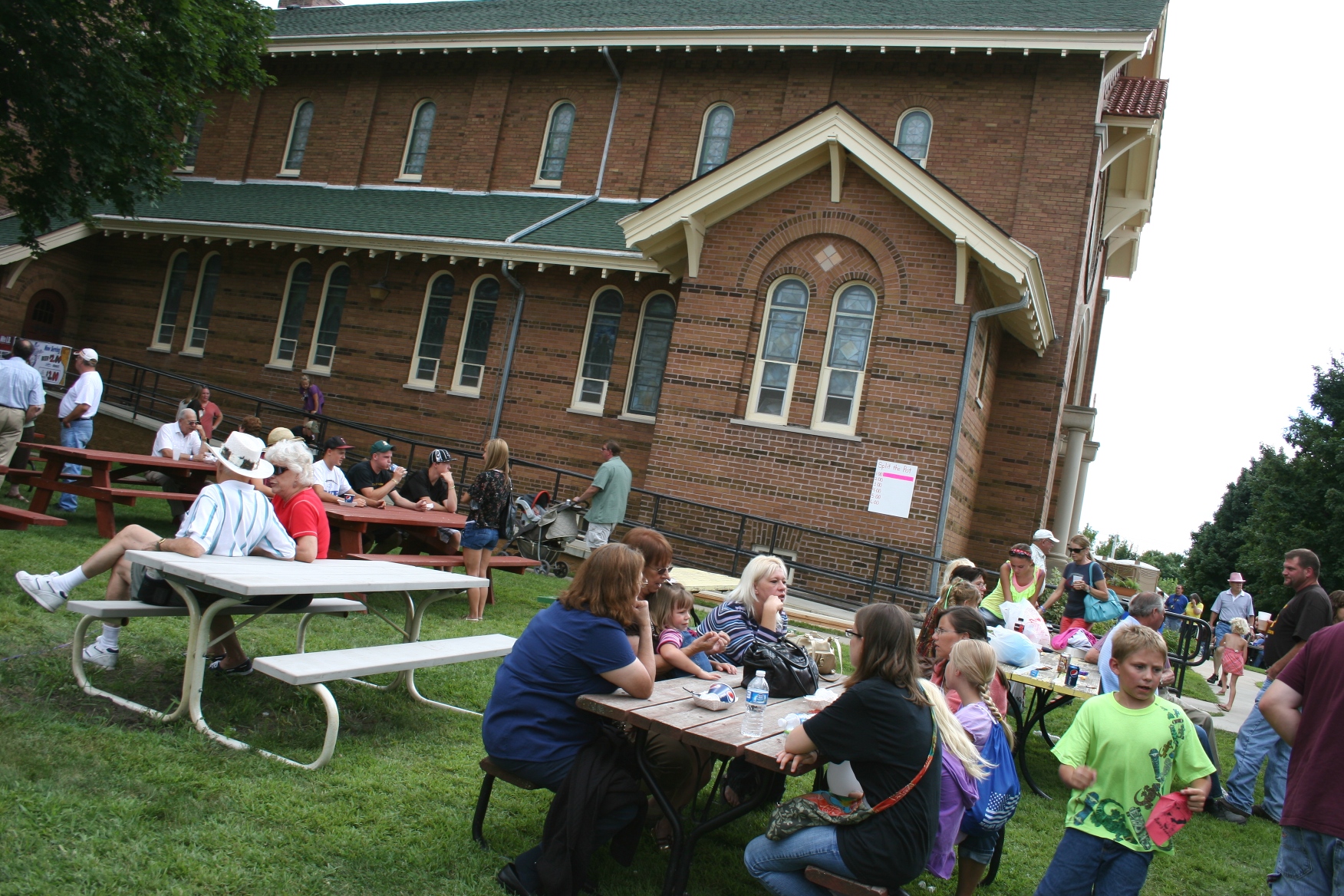
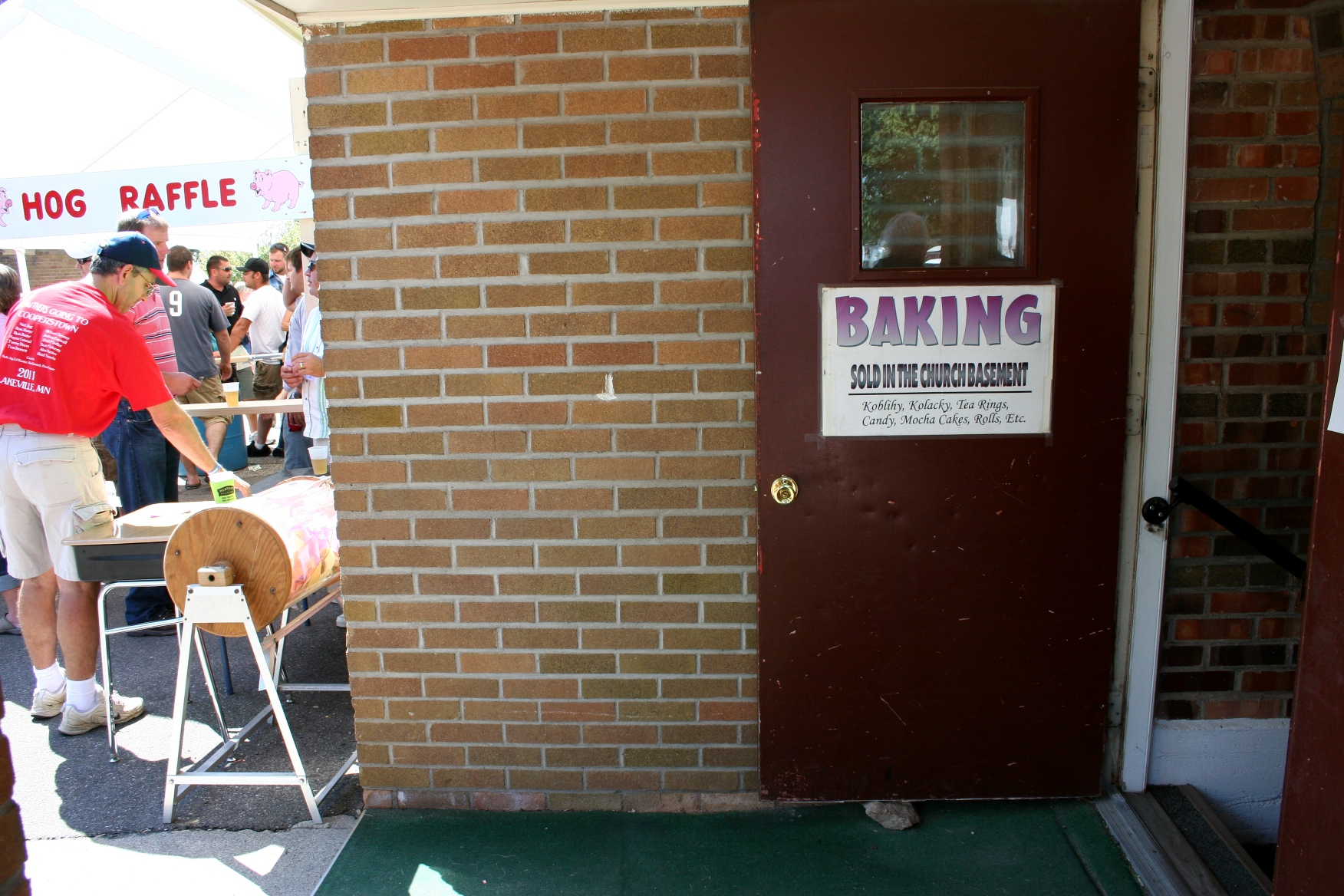
A sign on a propped-open-with-a-rock church basement door directs fest-goers to the bake sale. To the left in the photo is the station for the hog raffle.

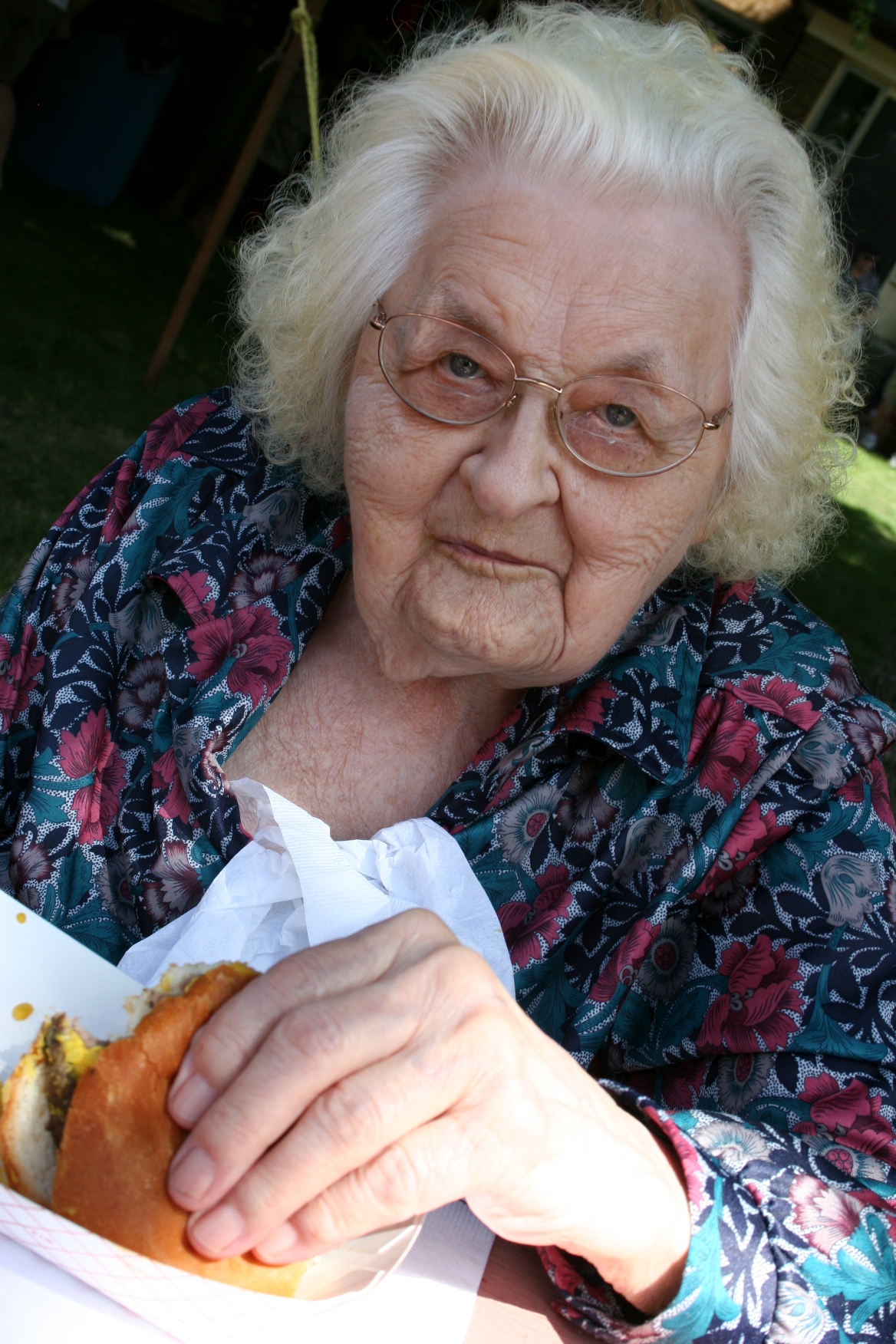
I met 94-year-old (almost 95) Celia enjoying a burger in the company of her great niece, Brenda. I was charmed by her beautiful face and quiet elegance. Ceila grew up near Webster and today lives on a farm with her bachelor son near Lonsdale. Celia typically attends about a half-dozen area church festivals each summer. Her great aunt likes visiting with people and enjoys the Czech music, Brenda says. A few weeks ago Celia won $100, half a hog and $10 playing bingo at the Immaculate Conception Church festival in Lonsdale. She's one lucky lady.

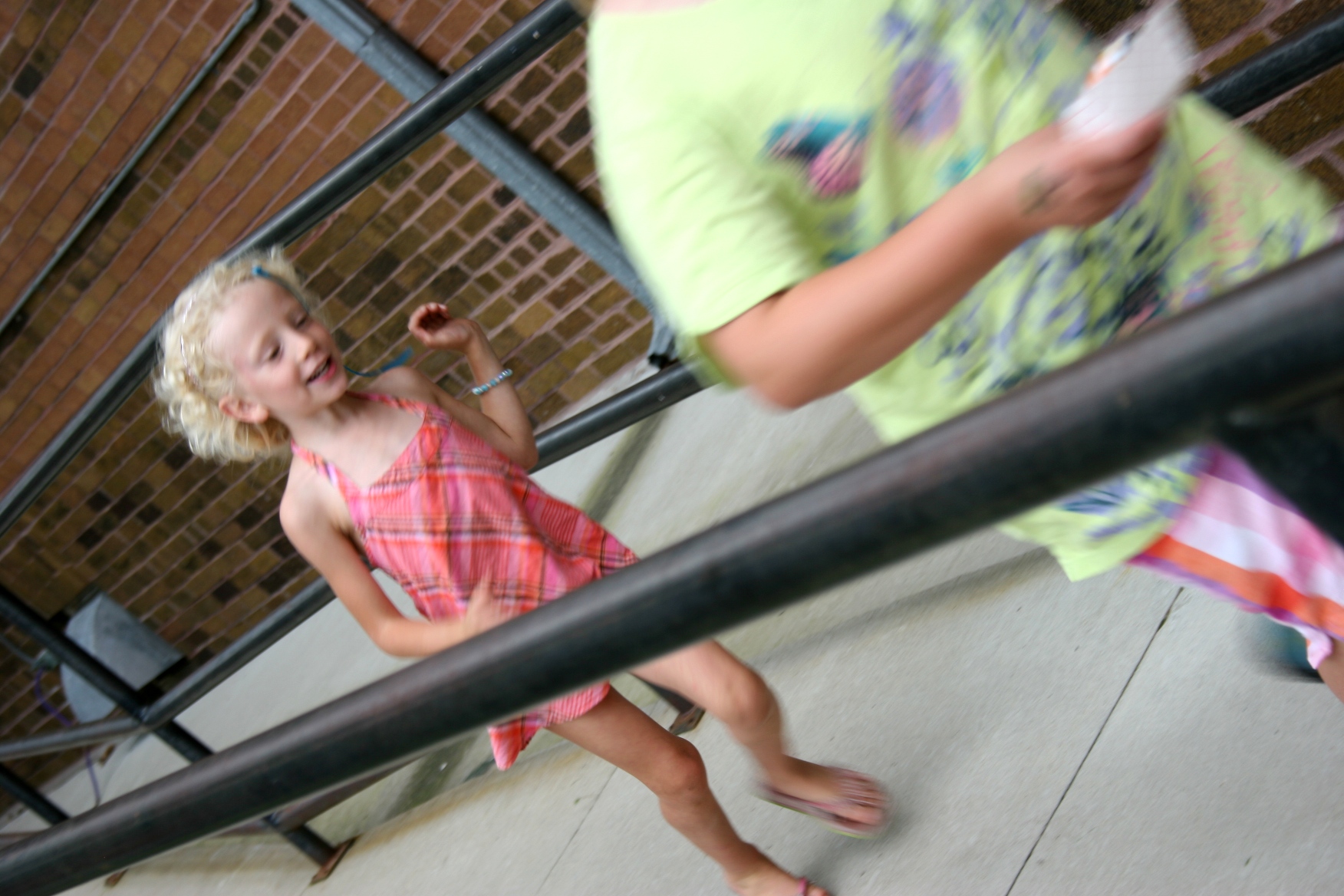
The kids, as kids will, chased each other up and down the handicapped entrance to the church.

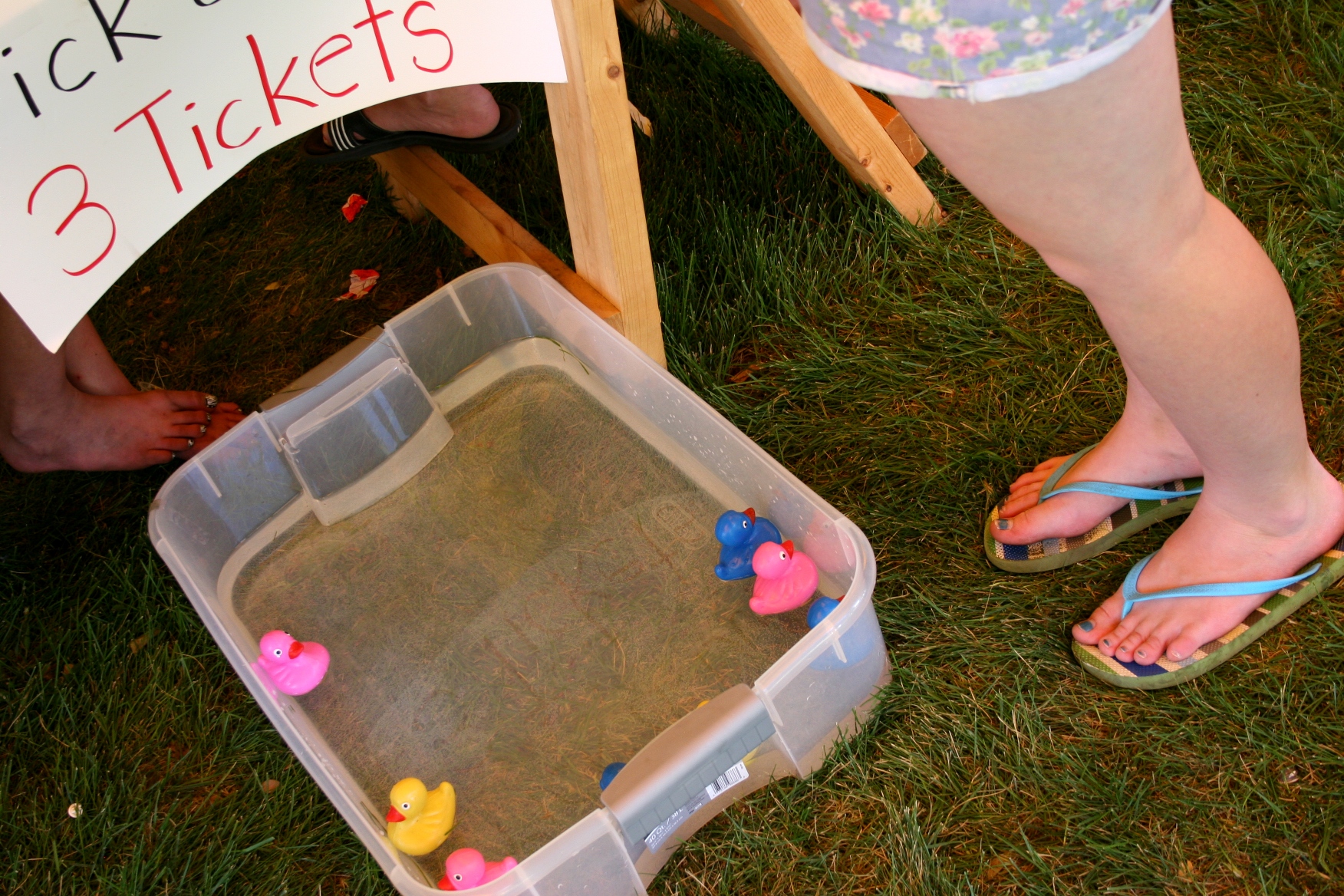
Waiting for customers at the duck pond in the kids' games tent.

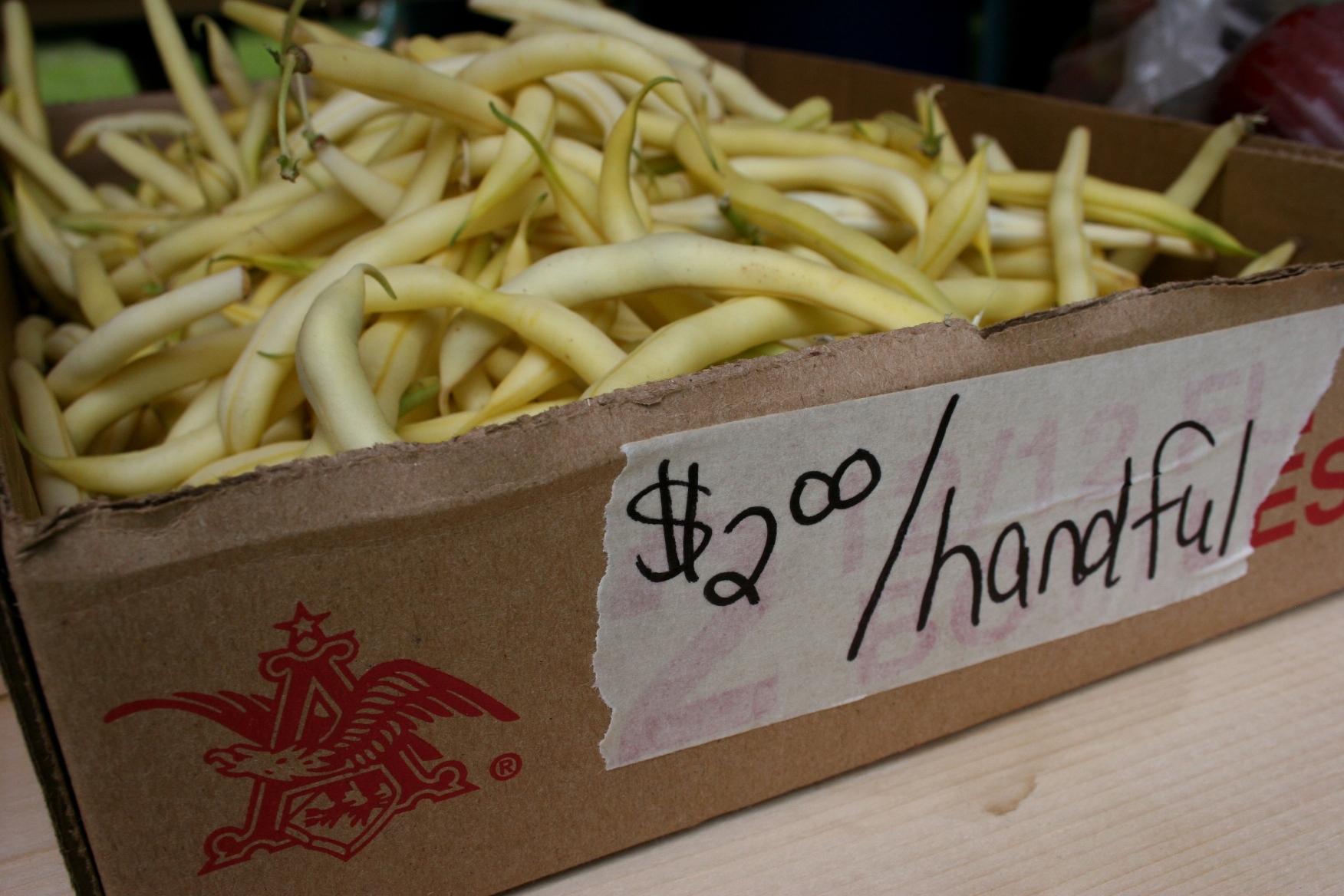
I laughed when I saw this sign on yellow beans for sale. That's an interesting way to sell produce.

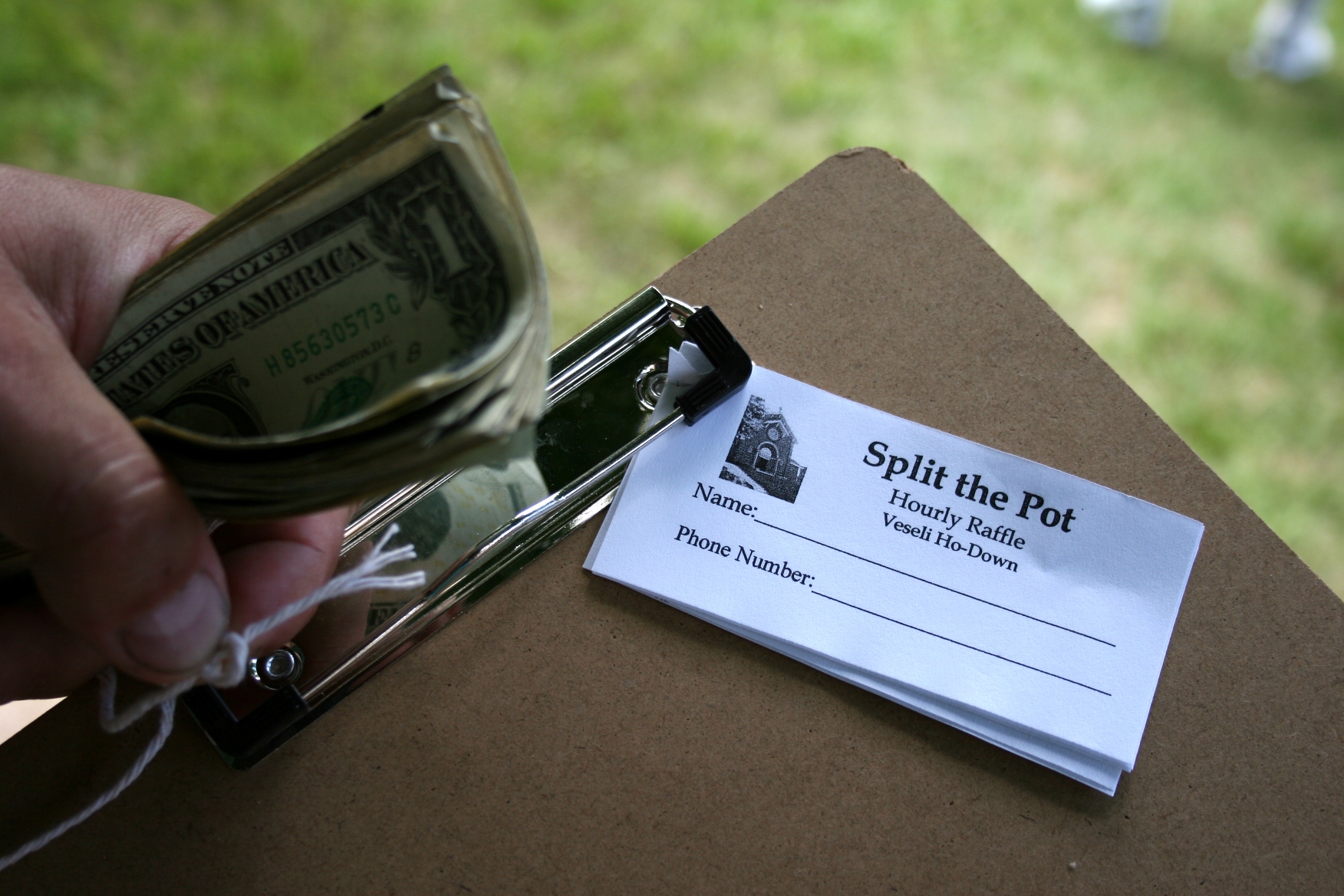
I am Lutheran. We do not do raffles. But everywhere I turned at the Ho-Down, someone was pedaling raffle tickets. As I waited in line for the chicken dinner, two men pushed Split the Pot raffle tickets. For $1, you buy a ticket. Every hour a winner is selected and gets half the money. The rest goes to the church. No, we did not win, but we contributed to Most Holy Trinity. These guys hustled the grounds all afternoon.

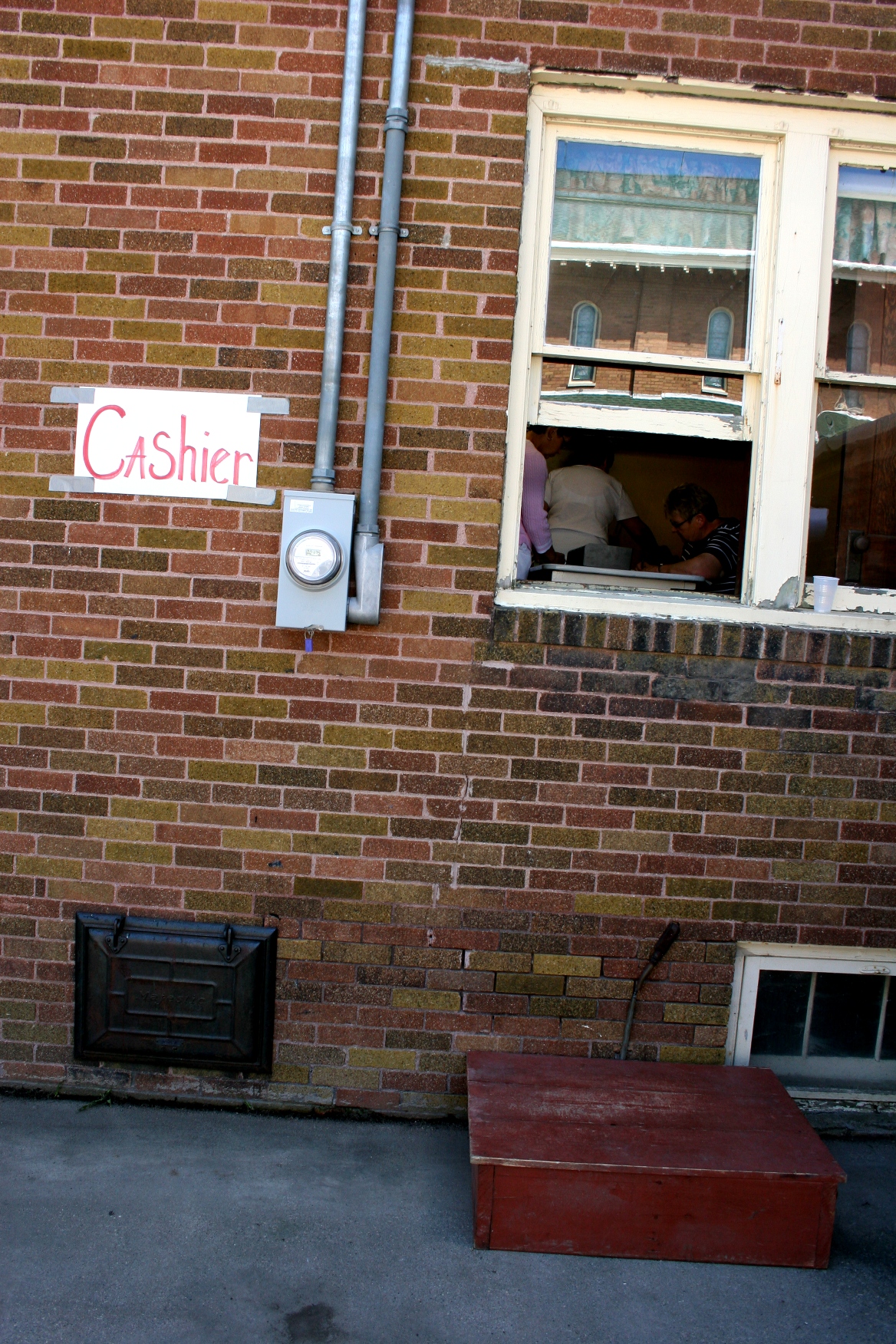
And where did all that raffle and other money go? Right through the cashier's window in the former Catholic school. I walked by this building numerous times before I noticed the sign, the open window and the well-worn step-up step. It's details like this that tell the complete story of small-town events like the Veseli Ho-Down.

© Copyright 2011 Audrey Kletscher Helbling


Celebrating the Czech heritage at Veseli Ho-Down August 23, 2011

AROUND 10:15 a.m. we pull into Veseli, population 200, in northwestern Rice County and are directed to a parking spot on a ball field just below Most Holy Trinity Catholic Church. My husband Randy and I have barely exited our car when Fritz and young Joe arrive in their golf cart, offering us a ride around the block so we don’t have to climb the steep hill to the church.

We learn on the short jaunt that this marks the 44th annual Holy Trinity celebration, which began as a typical church festival but today has evolved into the Veseli Ho-Down.

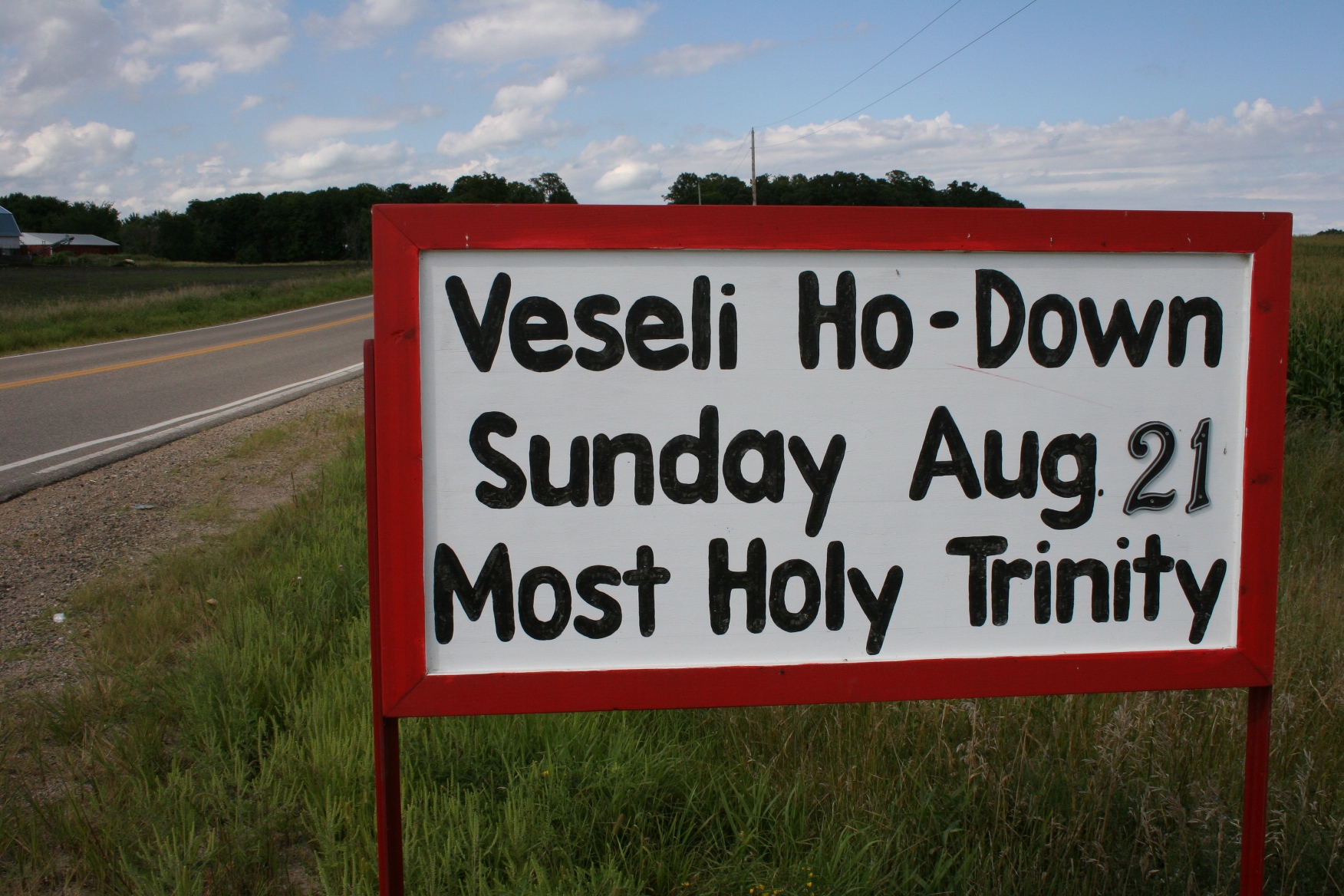
A sign several miles from Veseli directs motorists to the Ho-Down.

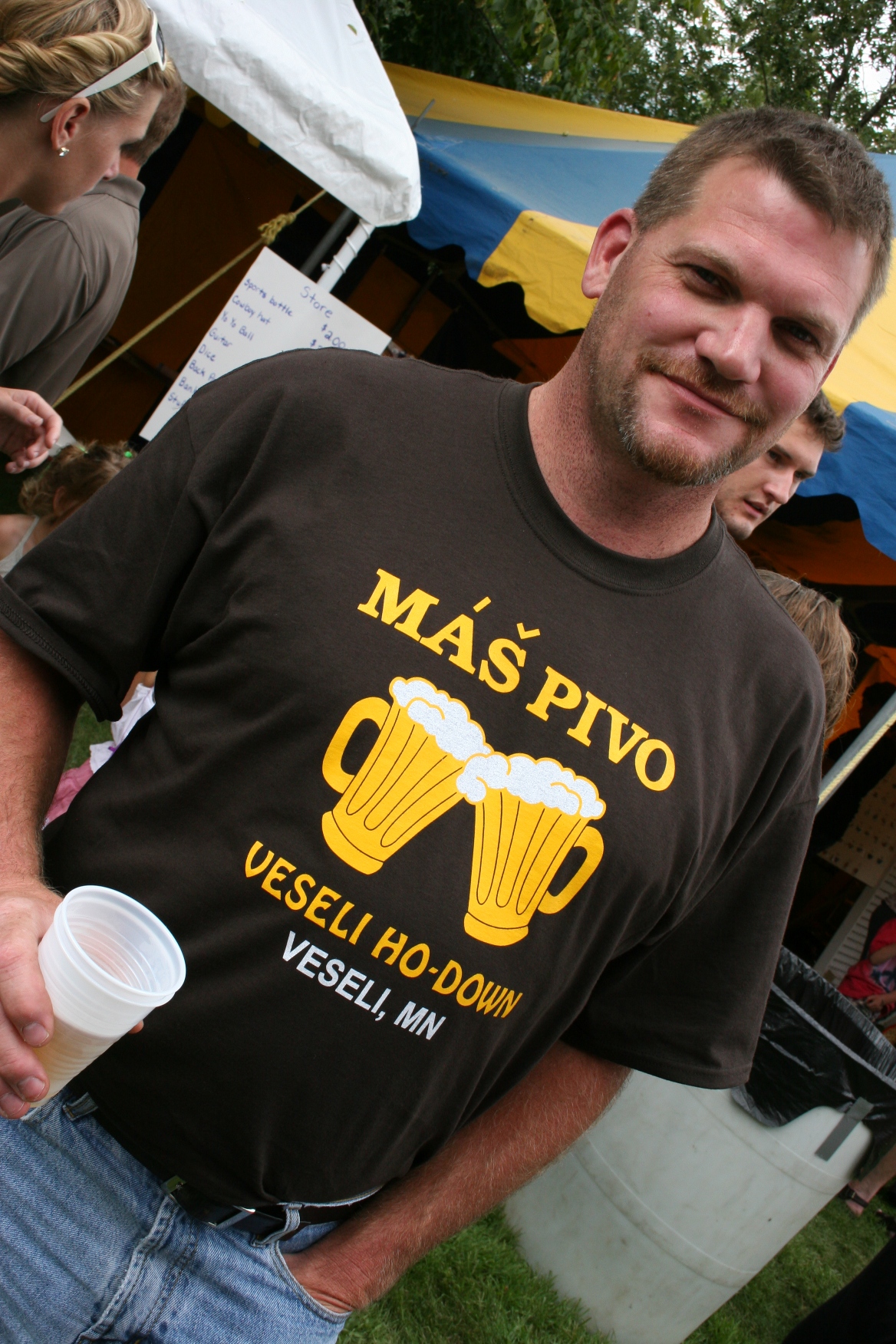
A fest-goer sports a Veseli Ho-Down t-shirt.

It is an event complete with a polka mass, raffles galore, a chicken dinner, kids’ games, home-baked Czech goodies, bingo, entertainment by 11 musical groups and beer, lots of beer.

In between all the activity, you’ll catch snippets of the Czech mother tongue, spoken by the old-timers from Veseli, Lonsdale, Montgomery, New Prague and Webster.

But you needn’t be Czech, or even Catholic, to enjoy this event that swells Veseli’s population on this Sunday in August. I’m Lutheran and I’m German. Chat it up with those attending, and you’ll discover that many grew up in Veseli, or the area, and are back for the day to celebrate, support the church and mingle with family and friends.

John Hertaus Jr. and his wife, Joseth (she’s part French and has a name of French origin), coordinate the chicken dinner served from a tent to around 1,000 diners. Down the hill and around the corner by Novak’s Garage, volunteers grill the 514 chickens, which are then placed in surplus military issue containers and hauled on a wagon to the church grounds.

The Hertauses keep a watchful eye on the entire chicken dinner, which was added to the festival, along with the polka mass, about 20 years ago upon the suggestion of John Jr.’s parents, John Sr. and Rita.

Well before 11 a.m., attendees are already buying $10 tickets for the chicken dinner and filing into the sanctuary. By mass time, worshippers pack the pews, fill folding chairs along the side aisles and overflow into the church entry. Without a program—they ran out—I can’t follow the worship service, so I just sit and stand and fold my hands and bow my head when I am supposed to do so.

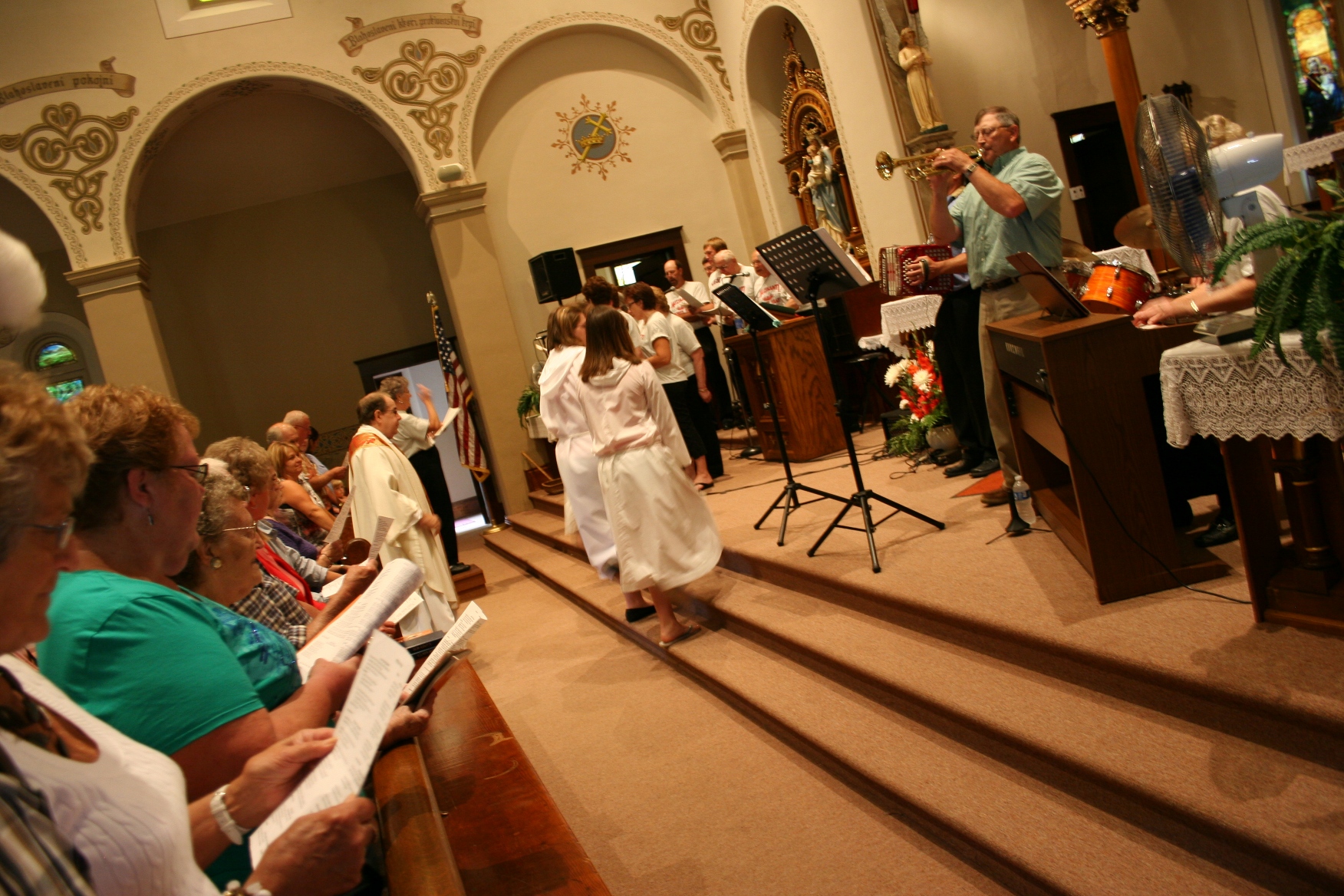
The polka mass begins.

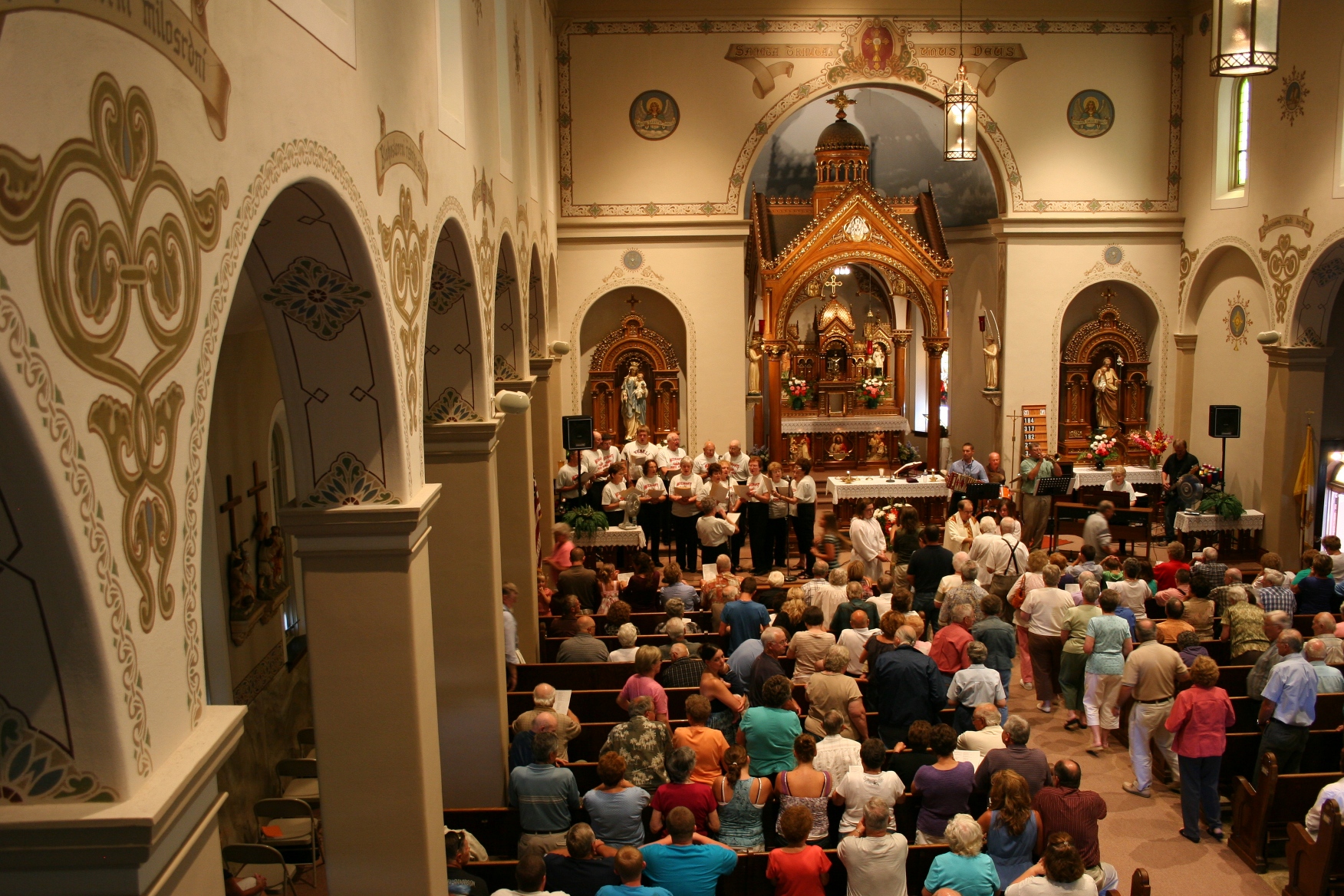
A view from the balcony of Most Holy Trinity Catholic Church.

Soaring pillars, stenciling and stained glass windows define the sides of the church.

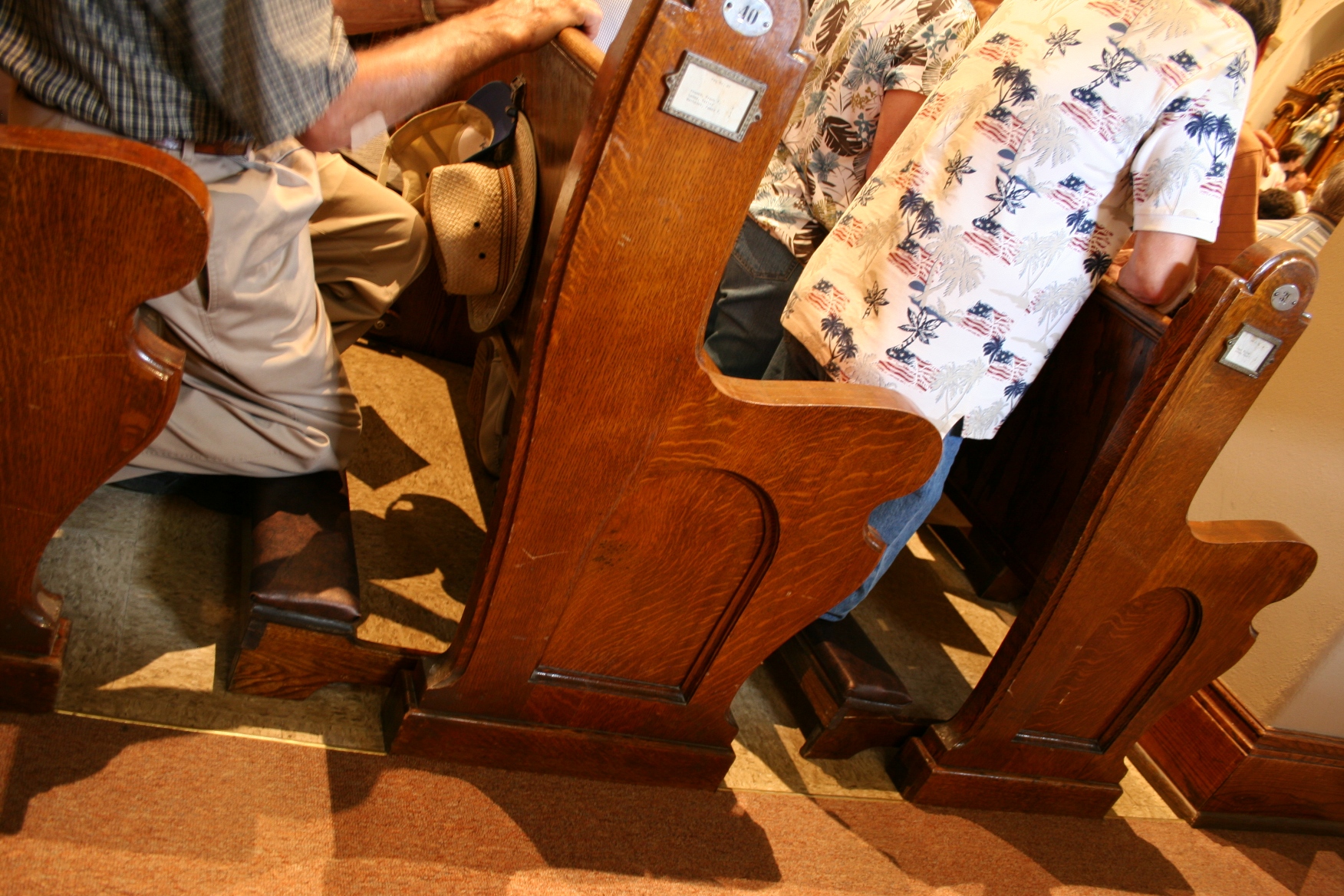
In this image, notice the details: the hats attached to clips on the back of the pew and the name tags, with parishioners' names, tagging the pew ends. I asked my husband, a former Catholic, about the name tags. He said that in some churches families rented pews. I don't know whether that is still practiced at Holy Trinity.

In between, I take photos, plastering myself against the thick support pillars that block my view of the altar area. I slip upstairs for awhile to get a bird’s eye view of the crowd. Back in my wall-hugging folding chair, I notice the details—the name tags attached to pew ends, the pew back clips for hats, the stenciled walls and ceiling, the stained glass windows, the time-worn wood, the cracked plaster walls, the ornate altar, the sway of hands and feet and bodies to music that seems more suited for an old-time dance than a church service.

Yet, even though I can’t understand any of the words sung with the concertina, trumpet, drums, keyboard and bass guitar due to acoustics and my hearing loss, I still feel spiritually uplifted by music that shouts praise instead of party.

Muzikante, pojd’te hart, tu pisnicku, co mam rad,

Dneska budem ja a moje pany, Panu Bohu dekovat.

Ted and Dorothy Winczewski drove two hours from Coon Rapids to celebrate their 57th wedding anniversary after reading about the polka mass in The Catholic Spirit. “It was just something to do, something spiritual,” Dorothy says. The polka music reminds her of the wedding dances she attended in New Prague while growing up in nearby Shakopee. “I loved it.”

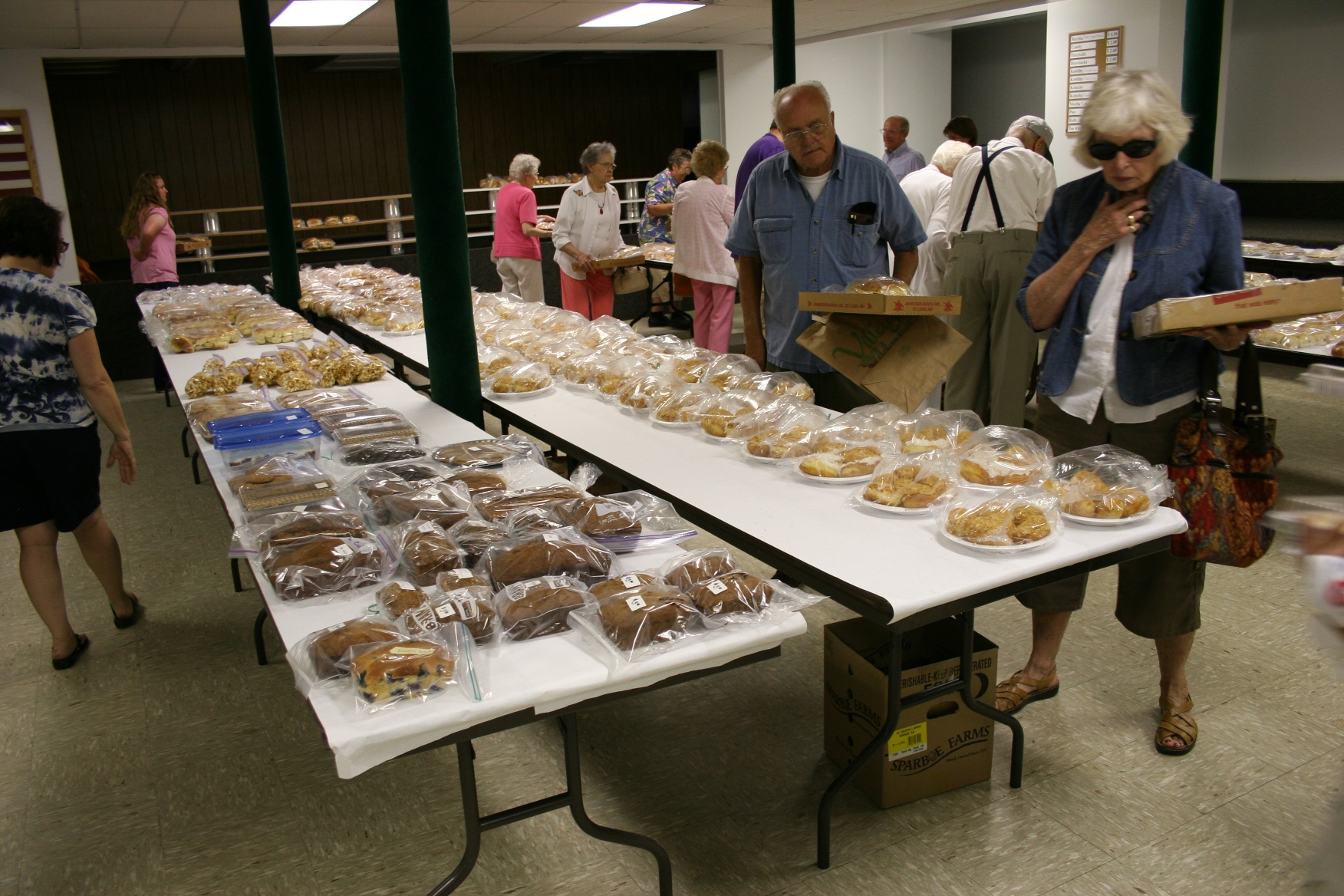
Shoppers look over the mostly Czech baked goods filling tables in the church basement.

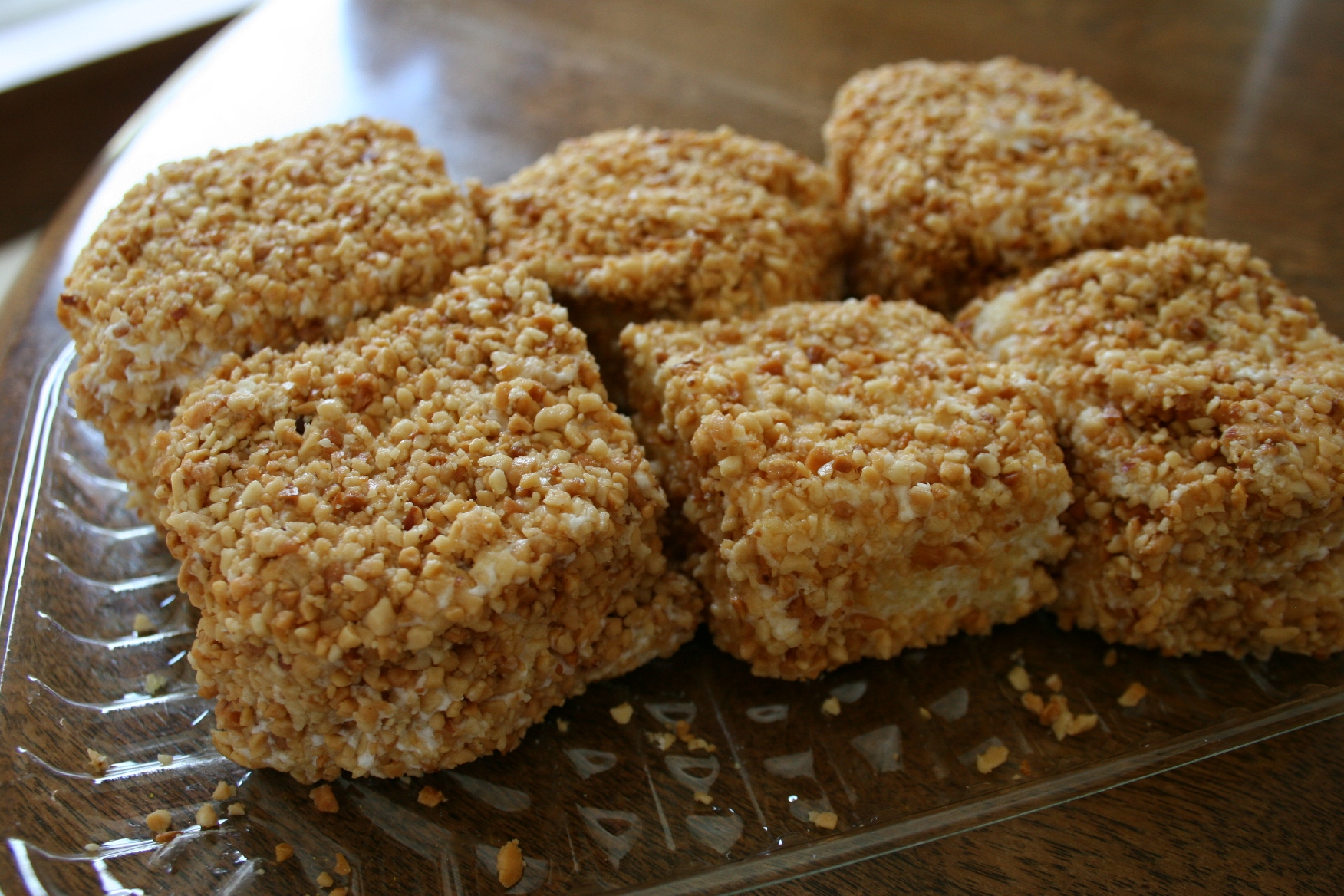
The mocha cakes we bought.

In the church basement, while perusing the tables covered with Czech and other treats like kolacky, buchta, koblihy and mocha cakes, I meet a native of nearby Montgomery now living in Bloomington who has orders from his coffee group to pick up poppyseed kolacky. He does.

Most of the goods are baked on-site. And, yes, my husband and I leave with koblihy (like raised doughnuts) and mocha cakes (absolutely divine yellow mini-cakes frosted on all sides and rolled in nuts).

As we wander the church grounds, I am struck by the universal age appeal of this festival. From weeks-old babes to those in their 90s, the Ho-Down draws everyone. And they are friendly lot.

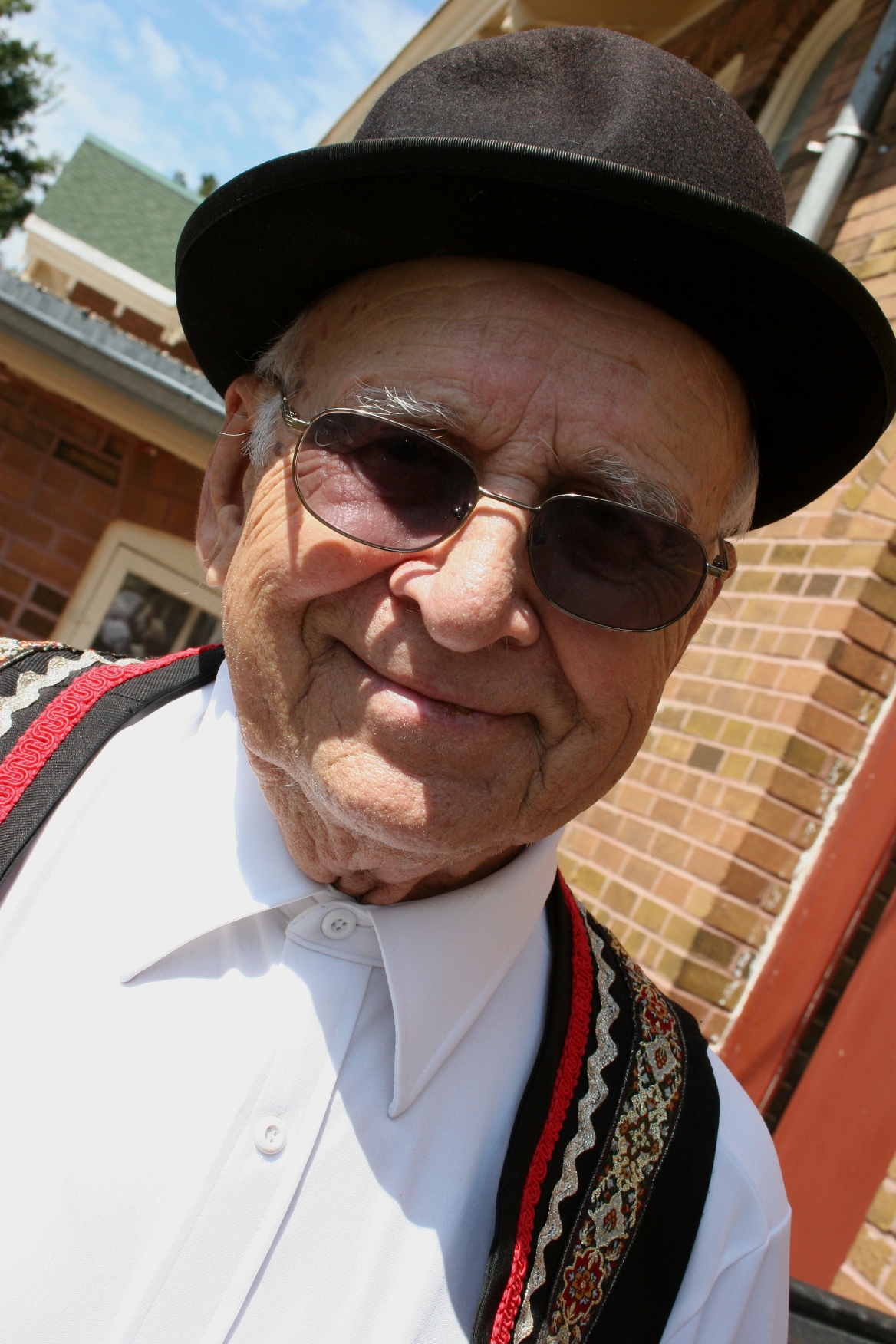
Clarence Smisek

When I approach 88-year-old Clarence Smisek of New Prague, dressed in an ethnic costume as a long-time member of the New Prague Czech Singers, he flashes a broad smile and informs me that Veseli means “to be happy.” He’s right. I later check Google translate. This Czech, who grew up a mile south of Veseli, was baptized at Holy Trinity and up until recently gave tours of the church, seemed a happy fellow.

He also tells me that Smisek means “to smile,” although I can’t verify that.

Ask Clarence to define the Czech people, and he’ll tell you this: “They are hard-working people and they are generous.”

I agree, based on the hard work, time and energy that I know goes into planning and carrying out a successful festival like the Veseli Ho-Down.

But I’d add two more adjectives to Clarence’s description of the Czech. That would be fun-loving and friendly.

CONTINUE SCROLLING BELOW for more Ho-Down images and then check back for additional posts featuring festival photos. Also scan The Catholic Spirit, your local newspaper or elsewhere, and plan to attend a Minnesota church festival this fall.

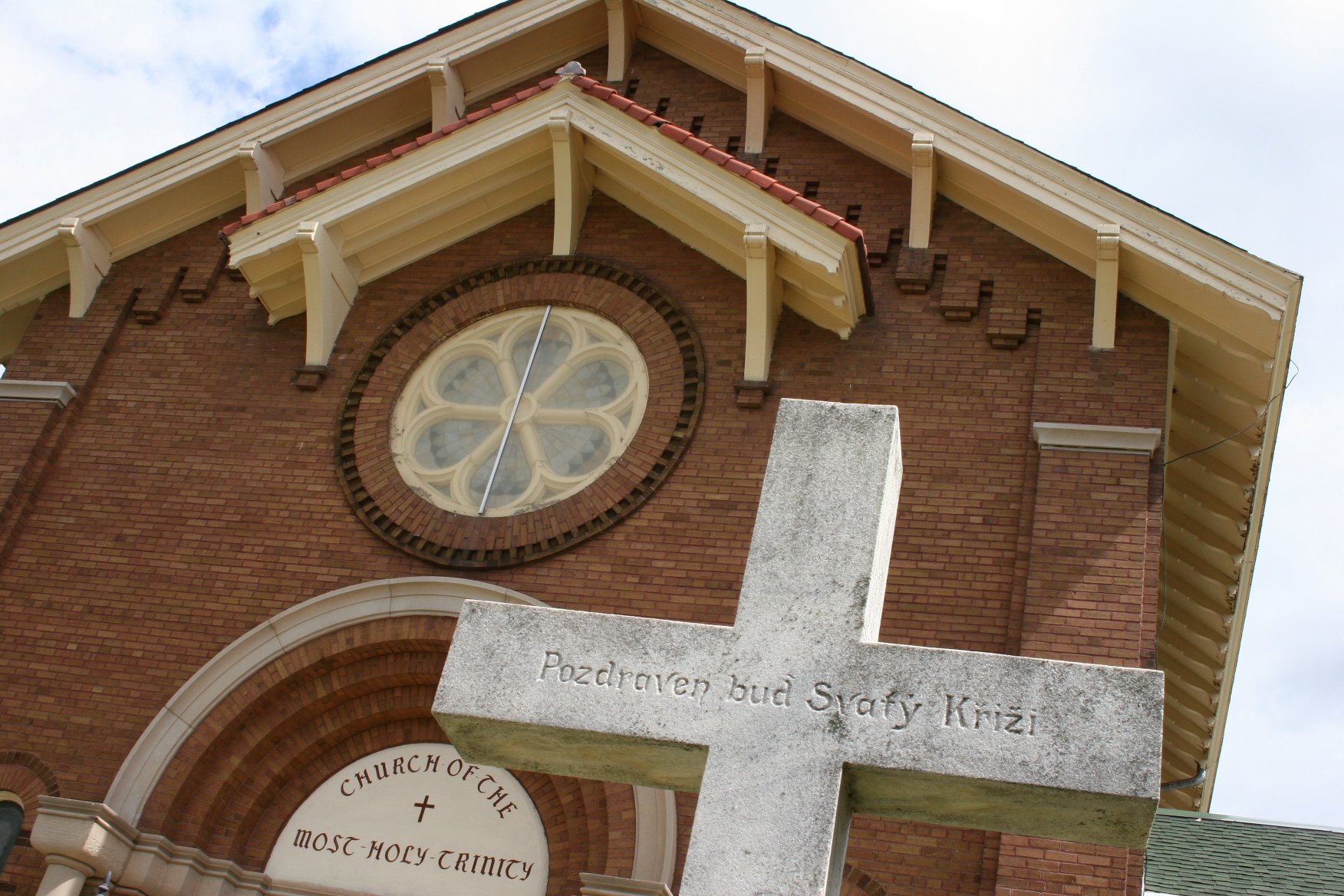
The front of the historic 1905 Most Holy Trinity Catholic Church, Veseli.

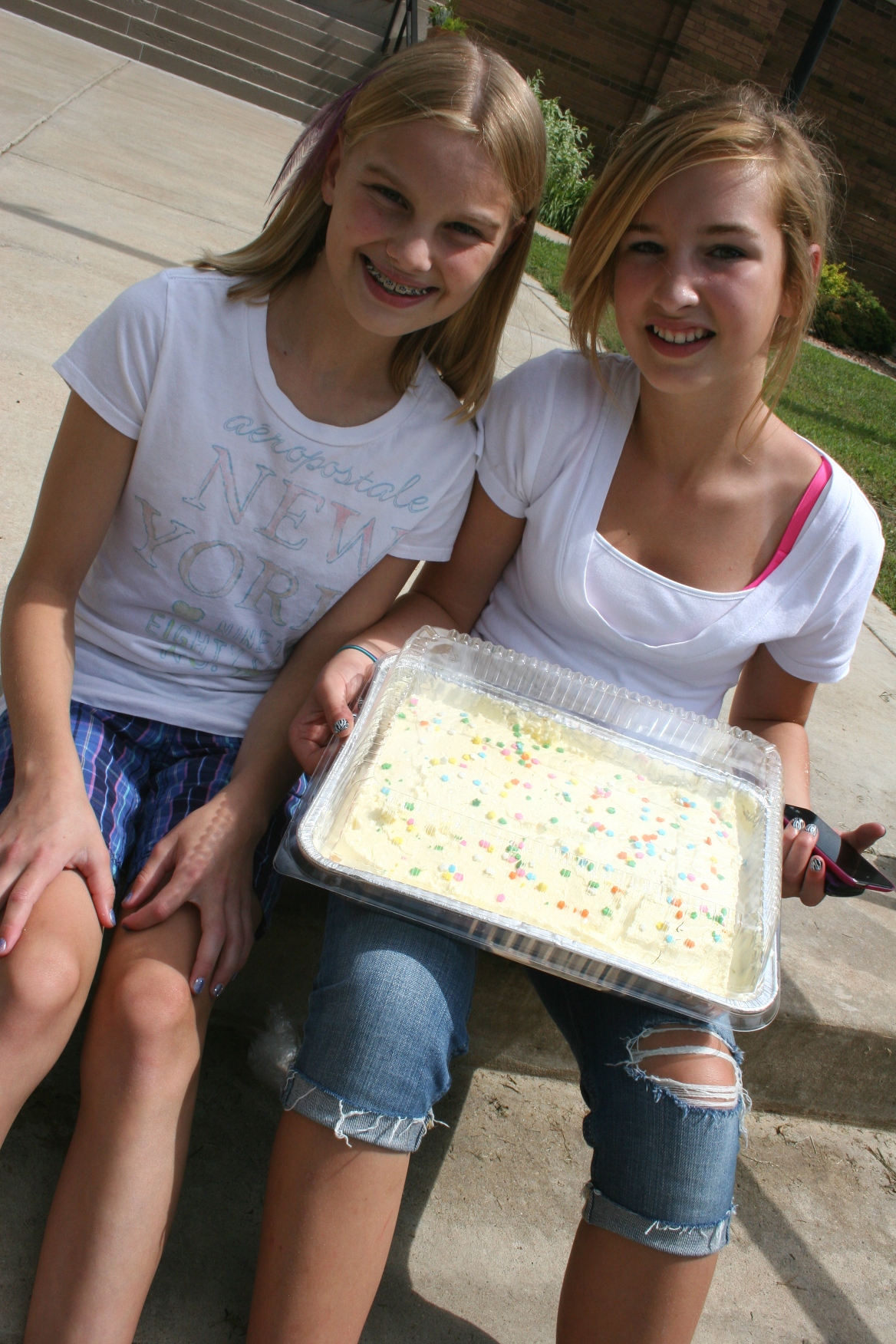
I found cousins Kayla, right, and Brianna sitting on the bank of steep steps leading to the church entry. Kayla, who attends Holy Trinity, won a cake in the cake walk and later would help with clean-up at the tattoo station. Brianna was visiting from Zumbrota.

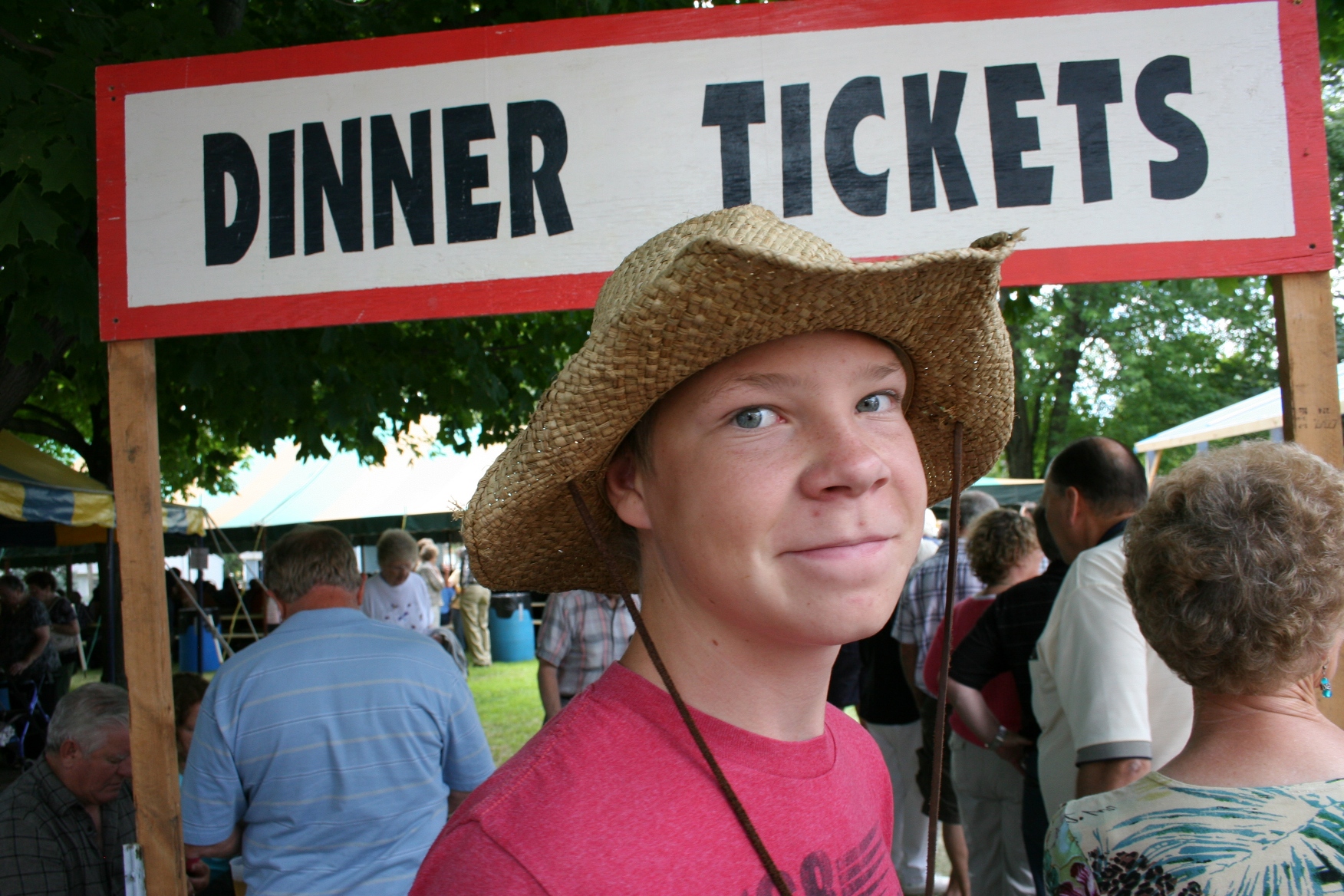
I waited in line for my chicken dinner next to Bradley, 15, of New Prague and his grandma, Janet, from Veseli. They picked up 11 dinners. Bradley didn't wear the hat just for the Ho-Down. He wears it every day.

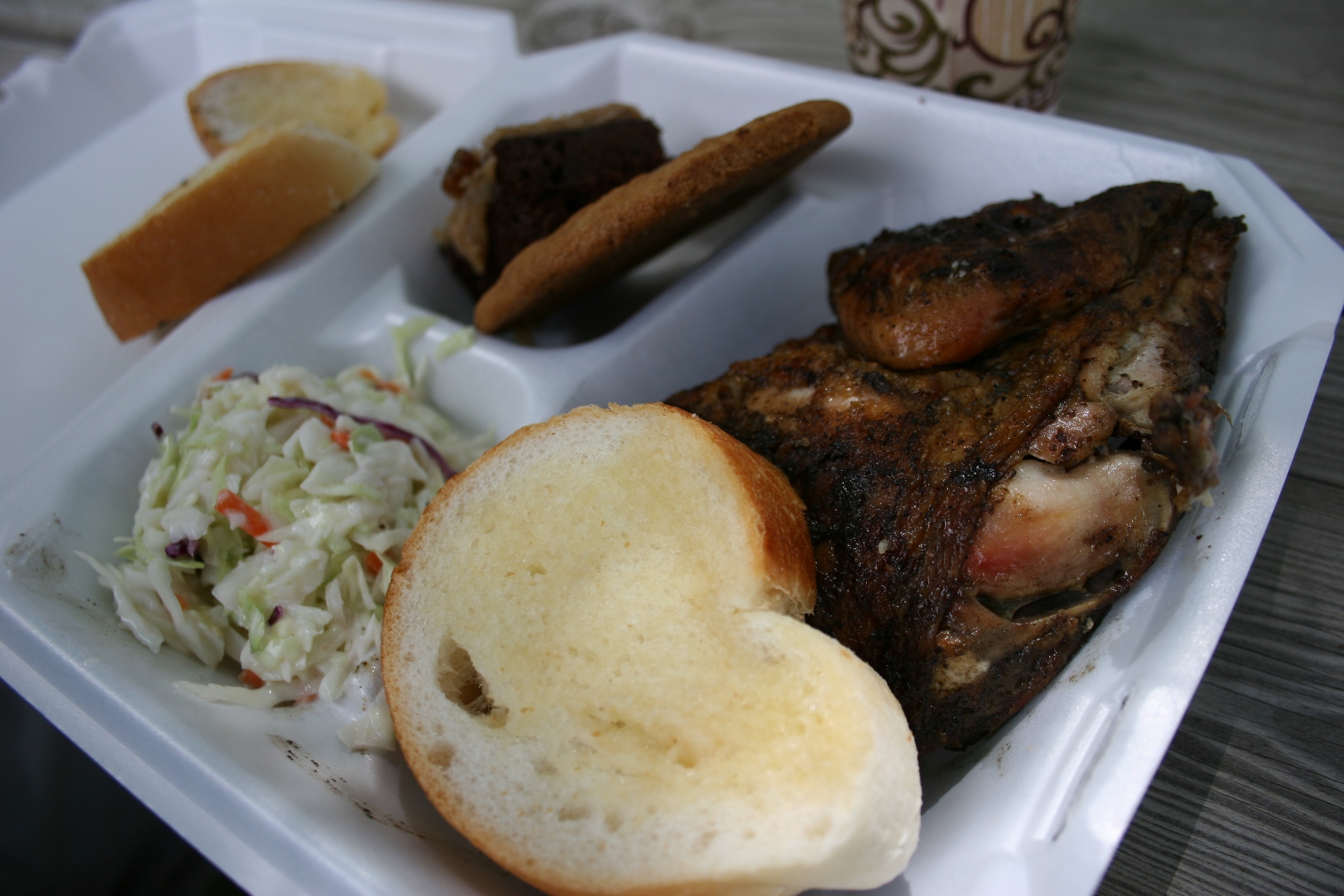
My husband and I split a single chicken dinner (half a chicken.)

A volunteer staffs a Spin-the-Wheel prize booth that proved popular with kids. A blue tarp providing shade over the game area lends a bluish tint to this photograph.

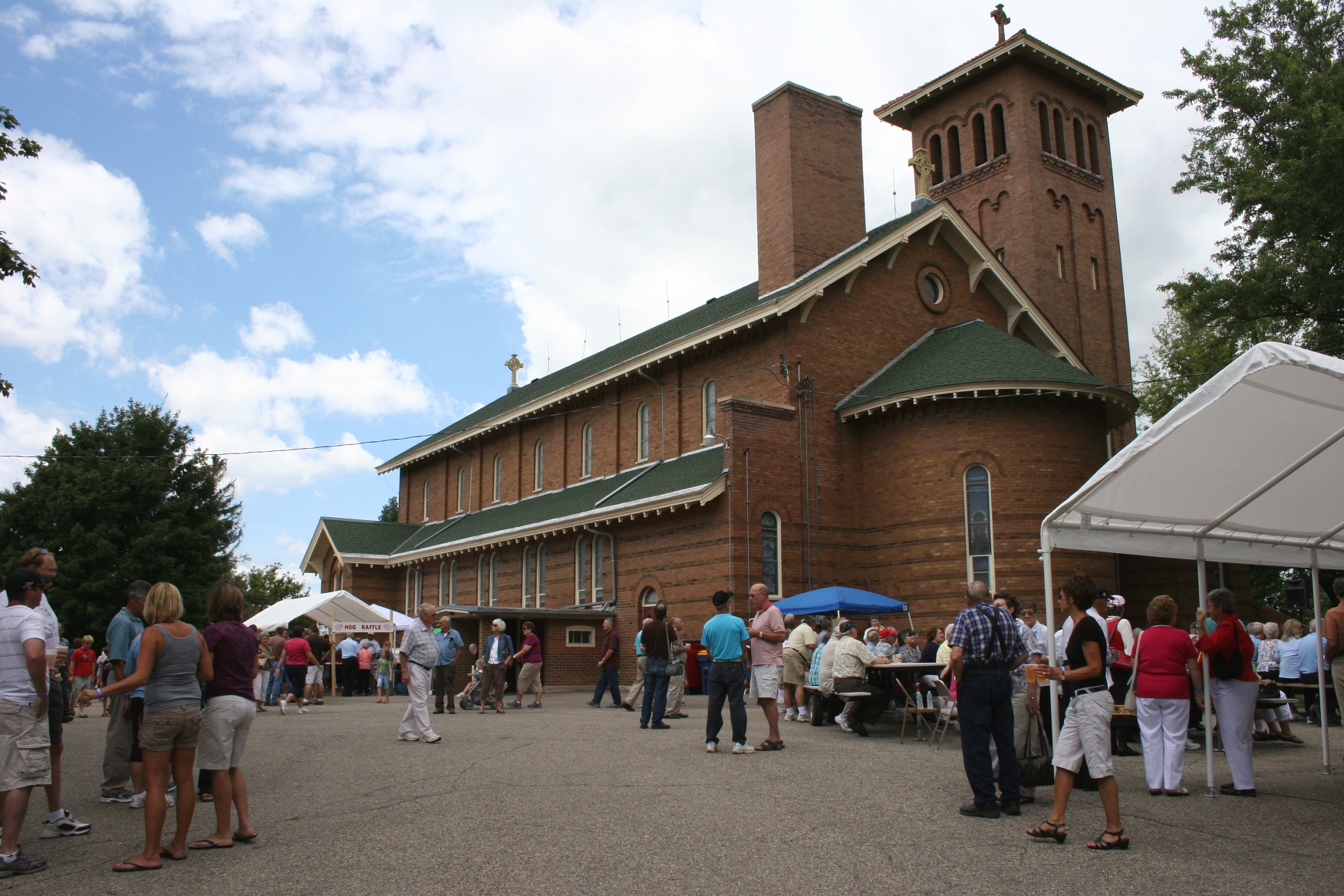
A partial view of the festivities from the back side of the church.

The New Prague Czech Singers sing during the mid-afternoon, one of 11 musical groups who donated their time and talents. The youngest member of the group is her 50s and learned Czech from her grandmother.

© Copyright 2011 Audrey Kletscher Helbling


Art, history and community meld at Faribault car cruise-in August 22, 2011

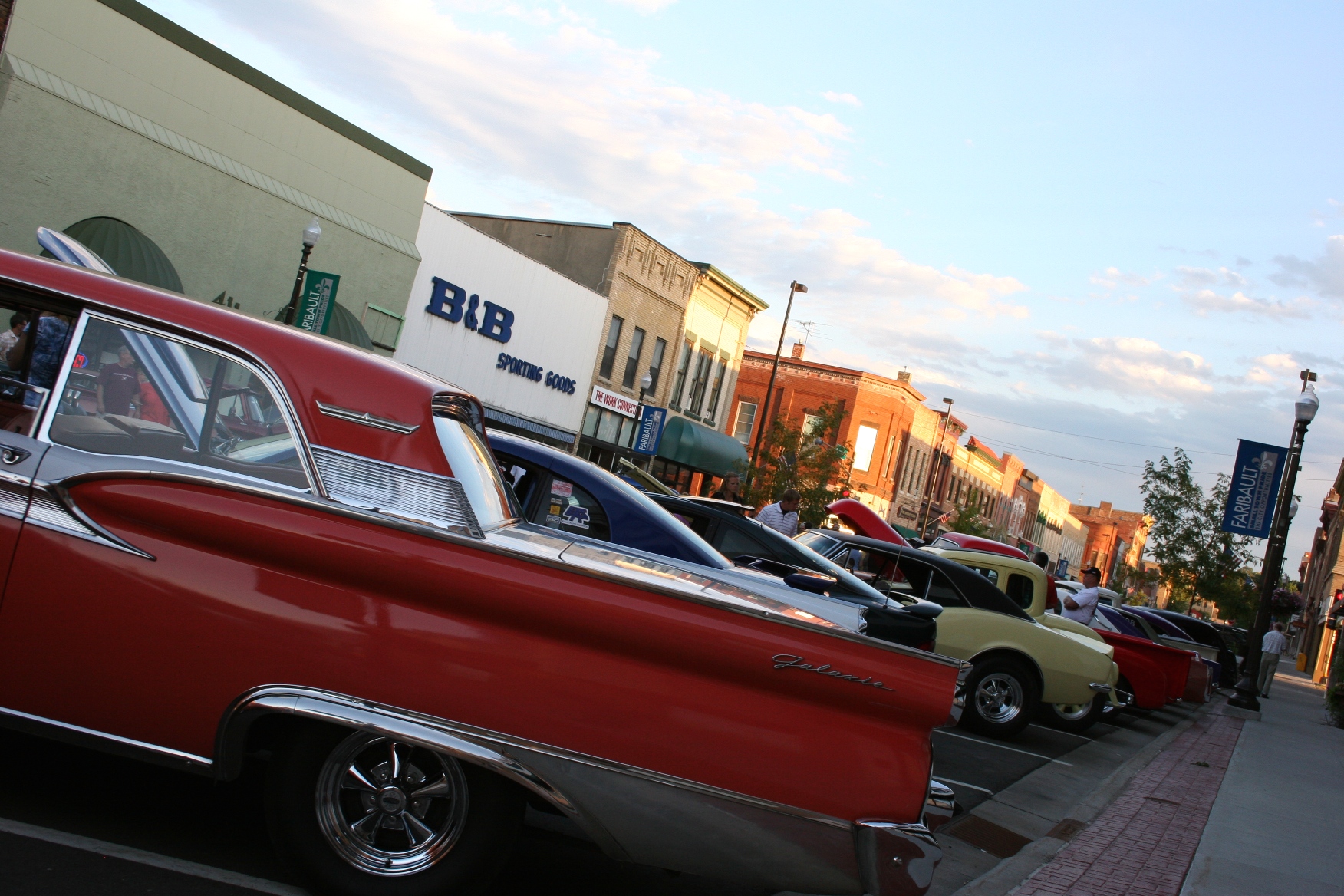
I CAN’T DIFFERENTIATE a Ford from a Chevy. But I can distinguish a Mustang from a Cadillac.

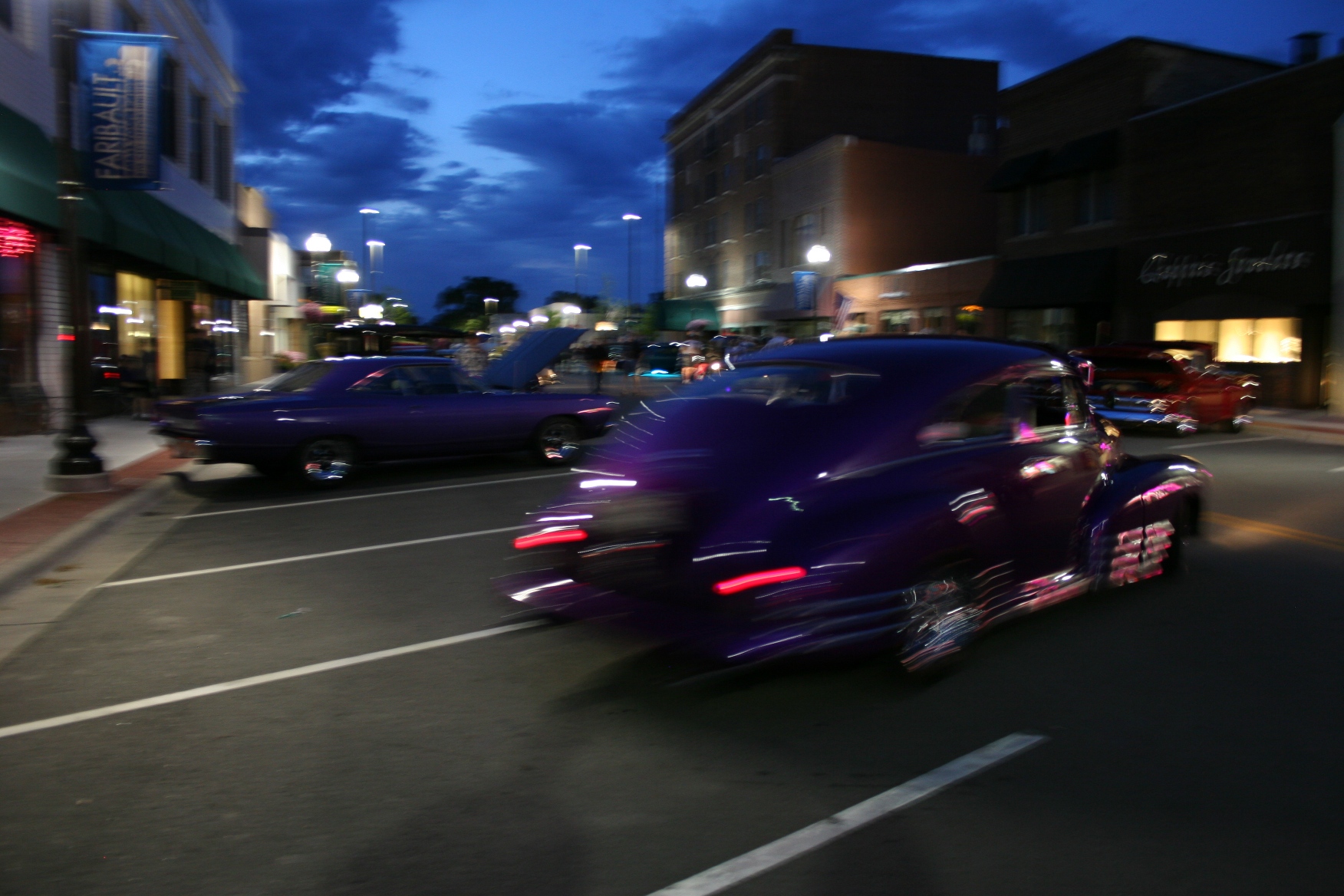
You needn’t know cars, however, to appreciate a car cruise-in like the one I attended Friday evening in the 400 block of Central Avenue in historic downtown Faribault. The monthly cruises are new to my community and, if I’m correct, Friday’s show marked the first this summer that hasn’t been rained out.

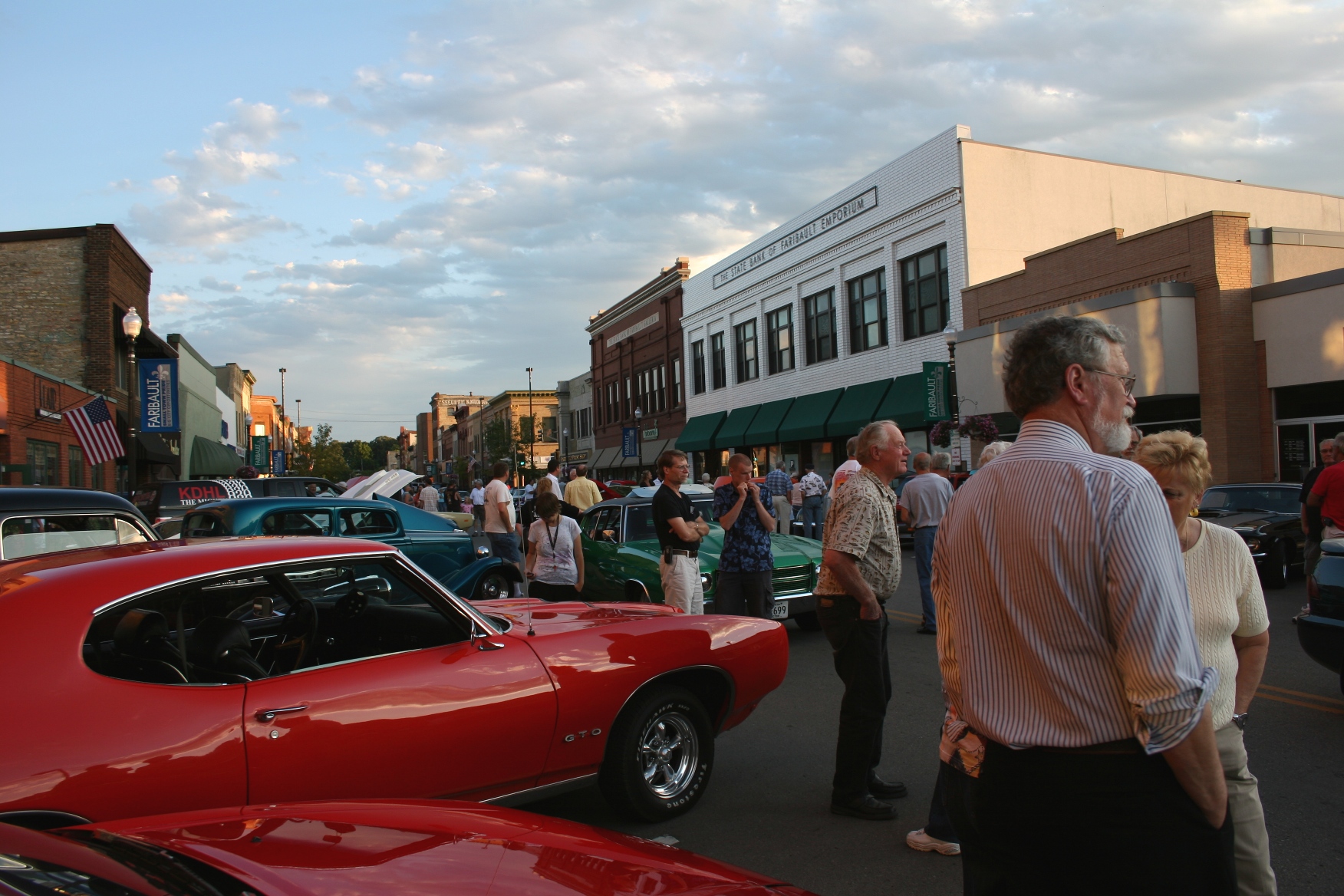
Downtown Faribault Car Cruise Night, looking southeast on Central Avenue.

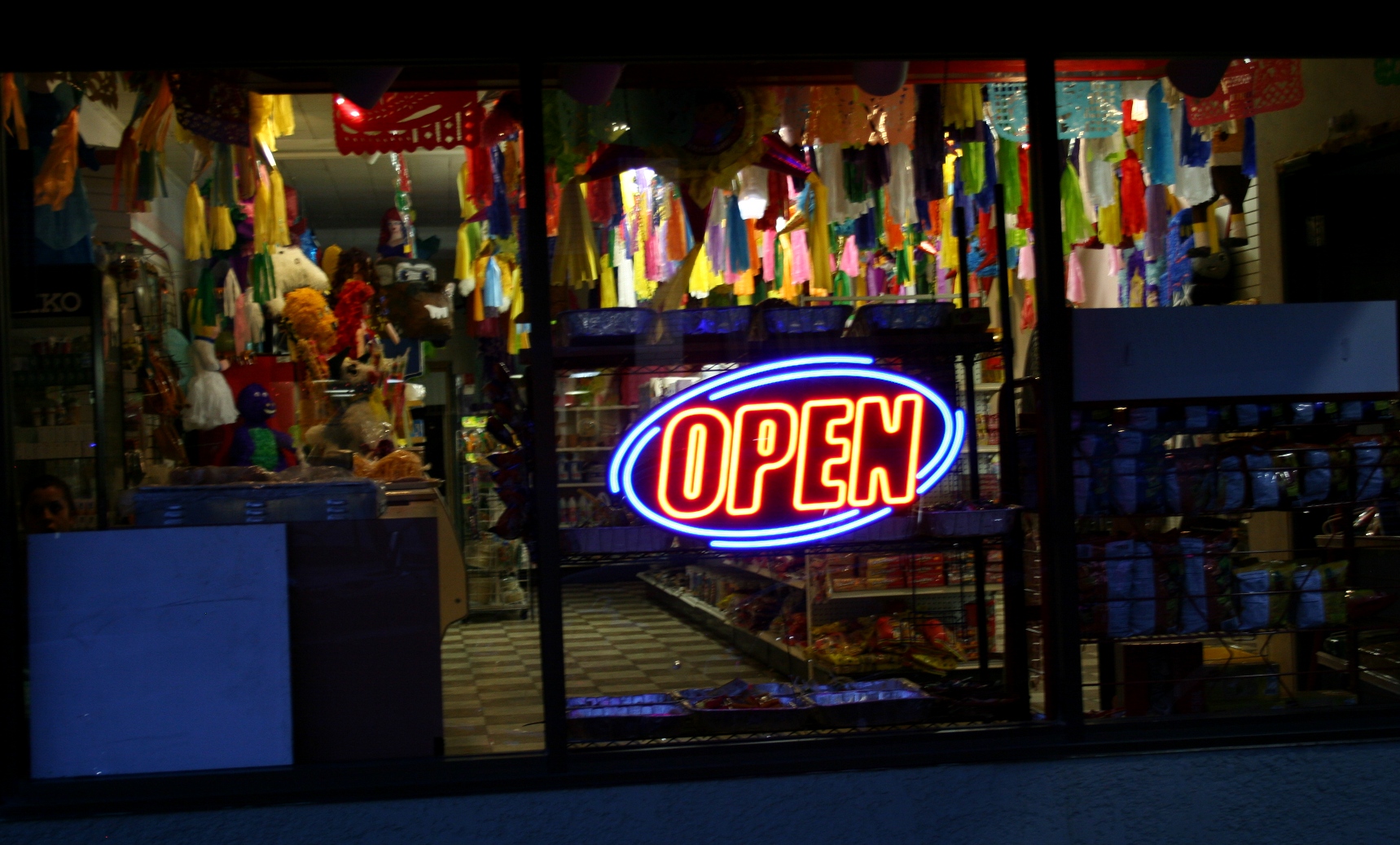
Just several of the many vintage vehicles, these parked by a Mexican store and bakery.

For me, a car cruise-in is all about art, history, community and having a good time. However, for my automotive machinist husband, the one who got me interested in these shows, it would be mostly about the cars or trucks. He’s my go-to guy whenever I question the make, model or year of any vehicle on display, which is often.

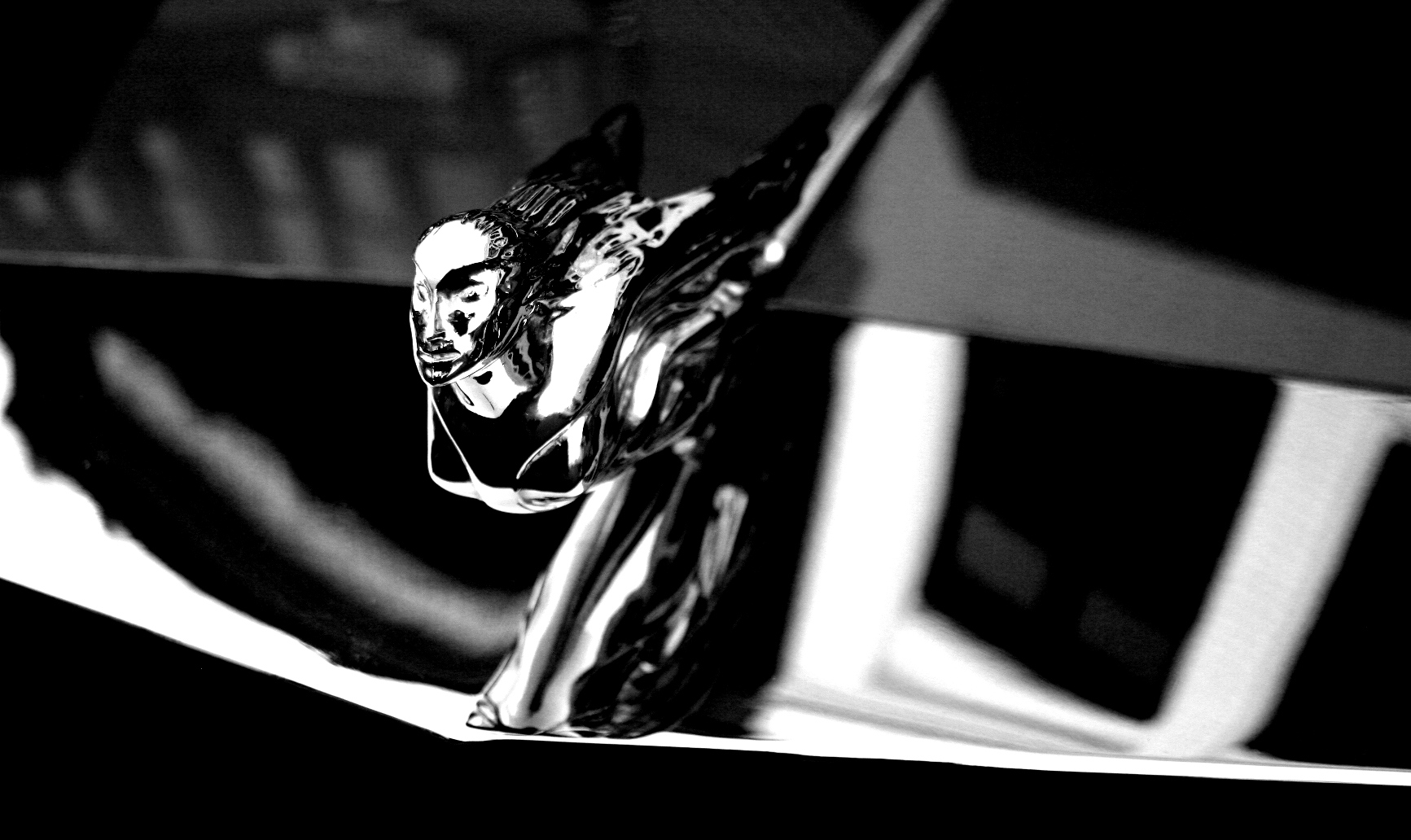
While he’s more interested in what’s under the hood or in the overall design, I appreciate the hood ornaments, wheel covers, taillights, the curve of metal—the details that, to me, represent, mini artscapes.

I switched this photo to black-and-white to show off the hood ornament, a work of art.

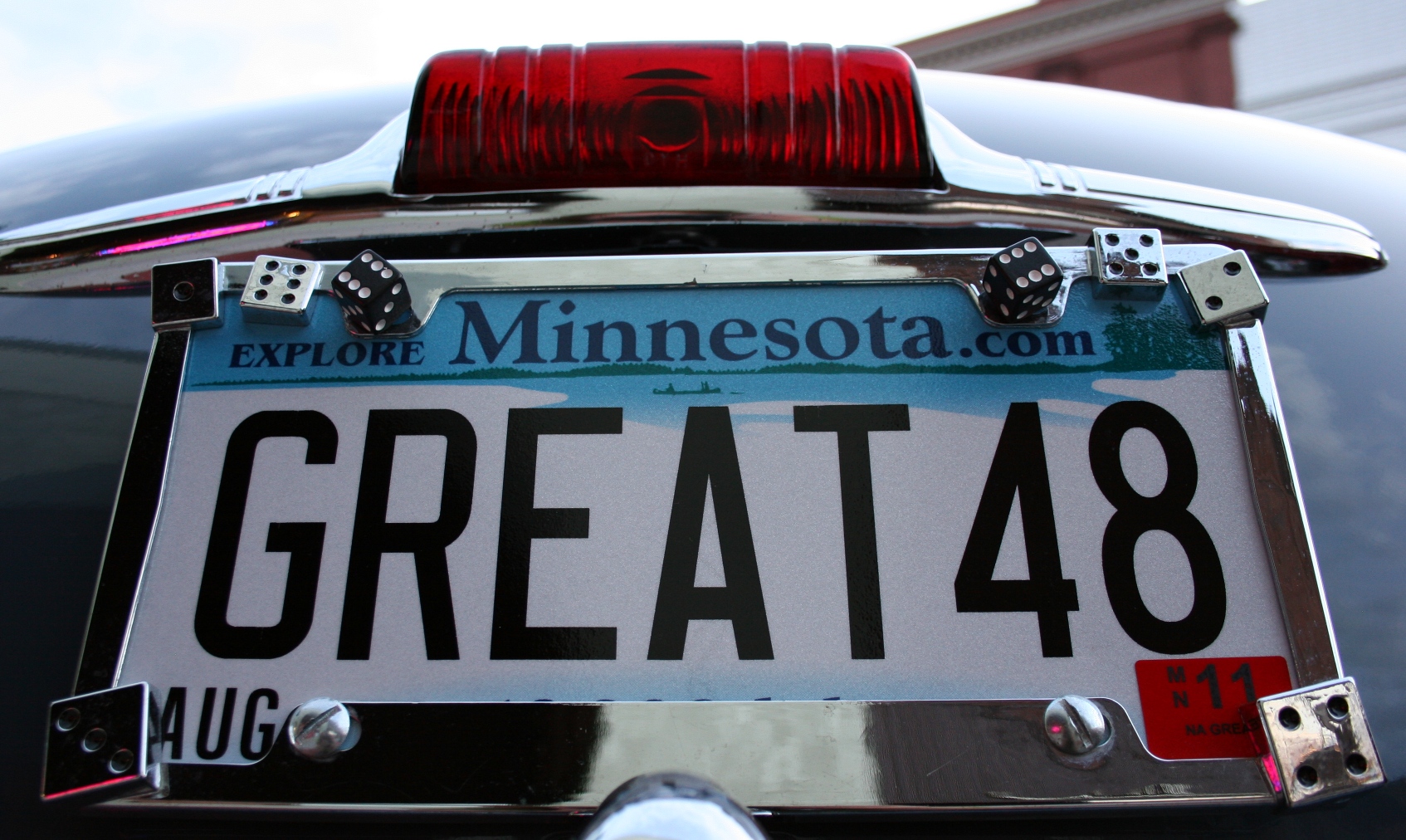
A 1948 Dodge sported this artsy license plate.

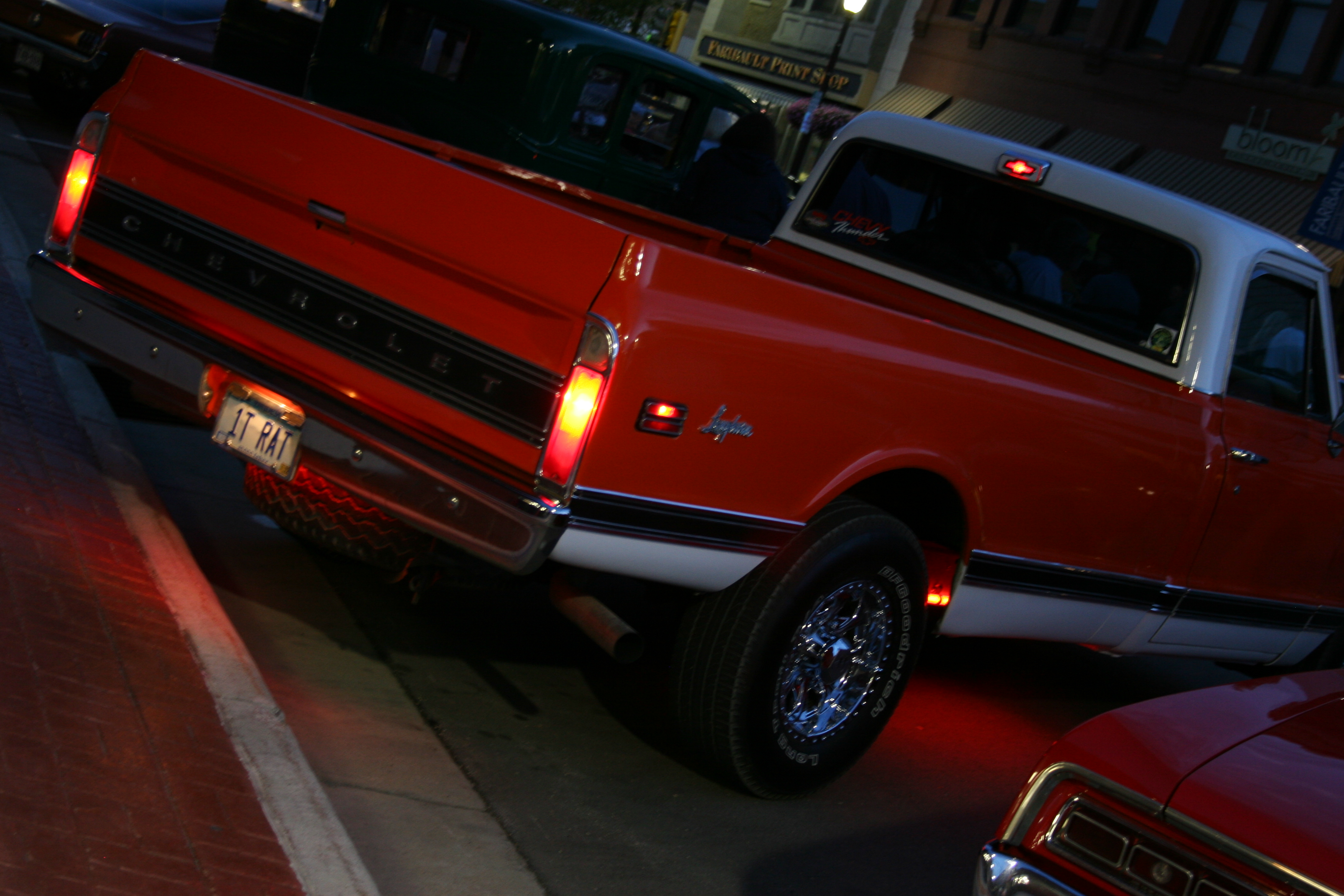
Call this art, or humor, Ron Lehnen posed this "Halloween Rat" under the hood of his 1970 Chevrolet pick-up truck with the "rat motor."

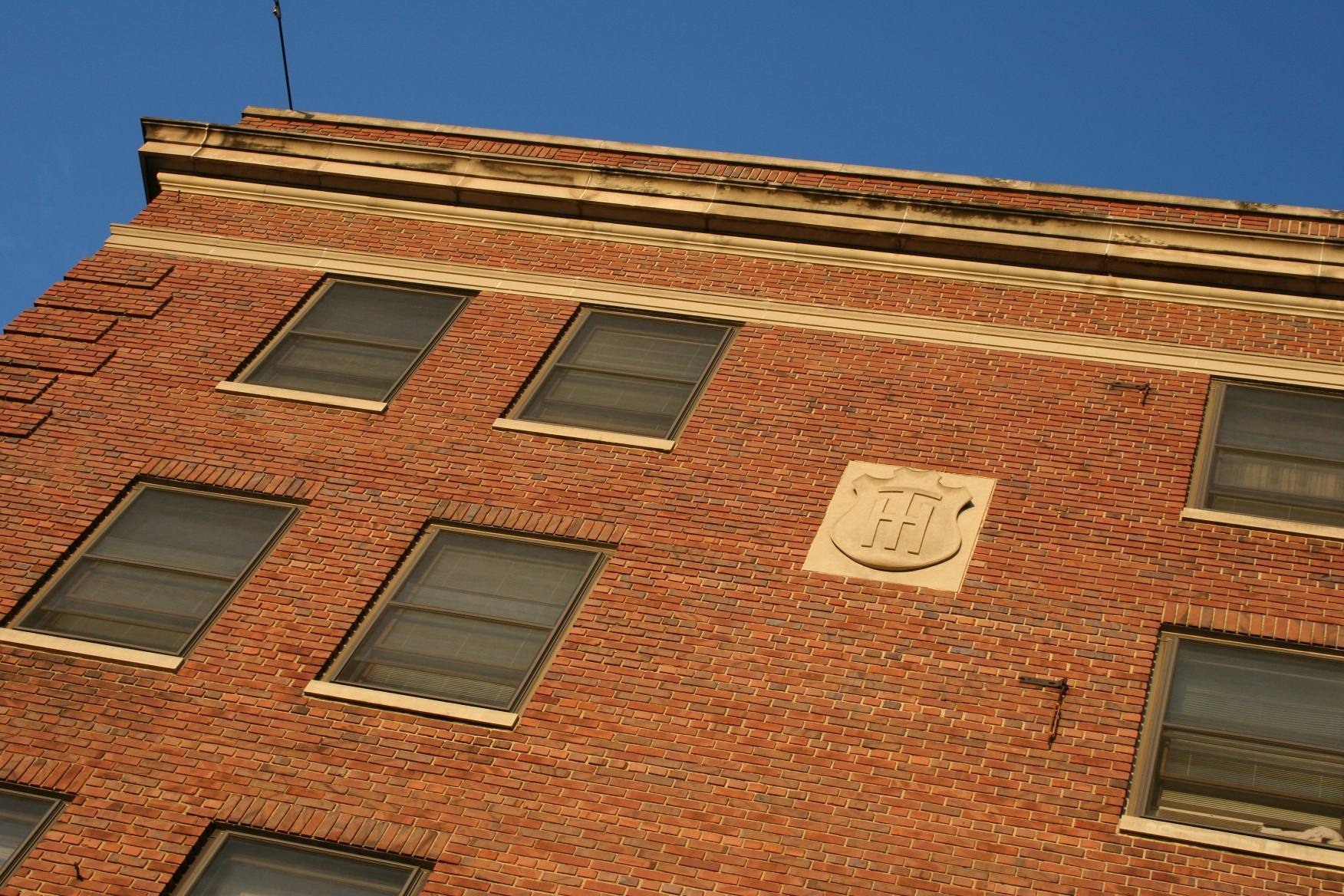
On Friday, in Faribault, I also appreciated the art of neon lights flashing in storefront windows, the slant of sun against brick during that magical hour around sunset, and clouds that painted the sky on a perfect summer evening of temps in the low to mid 70s.

The setting sun cast a lovely light on the historic Hotel Faribault.

Merchandise and flashing neon lights created a colorful visual at a Mexican store in the car cruise block.

Toss in period tunes and music by the likes of Johnny Cash, my favorite country western singer, played on-site by local radio station Power 96, and the mood was set for hanging out and chatting it up with folks I hadn’t seen in awhile.

Car cruise attendees visited with one another, creating a sense of community.

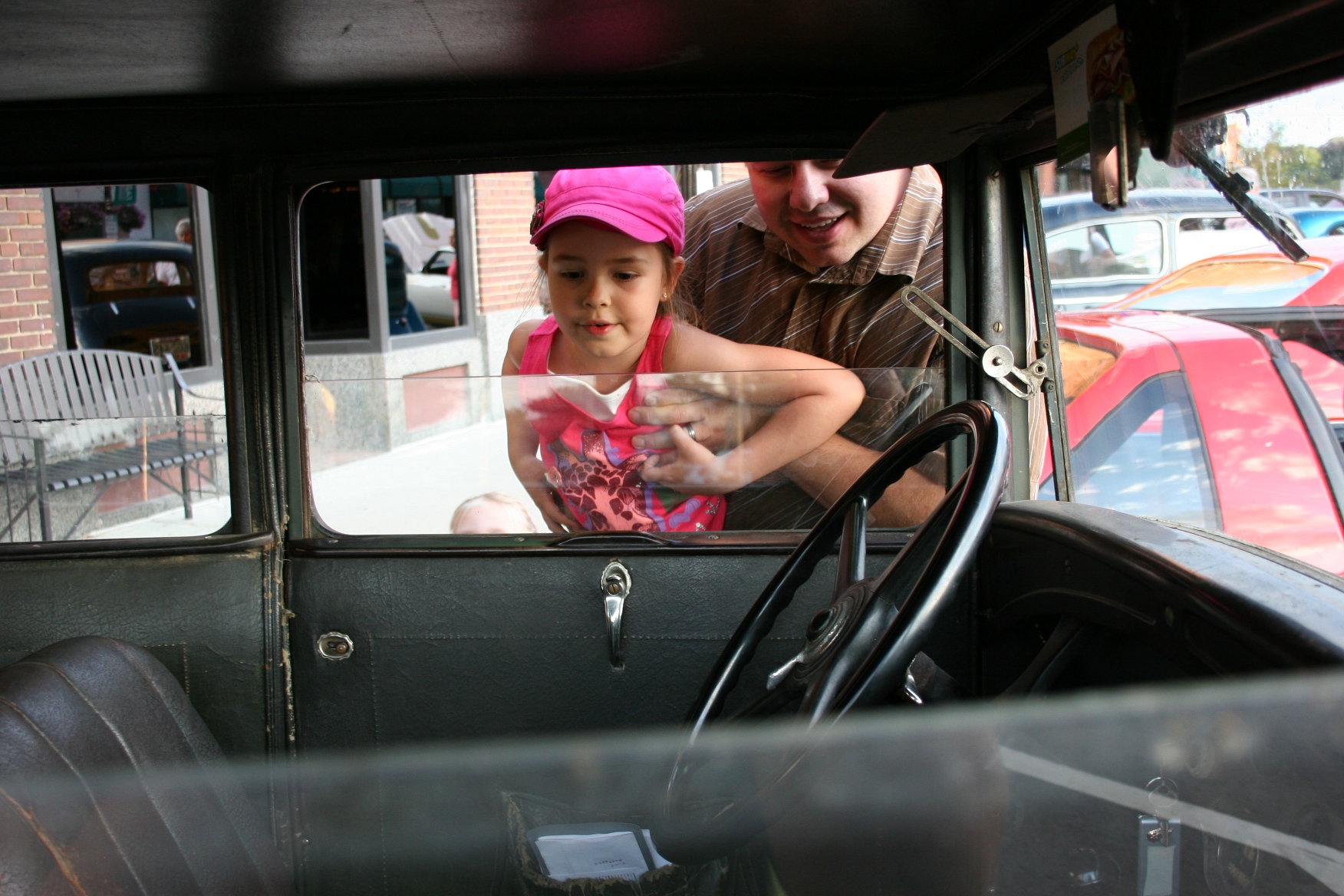
Aaron shows his 6-year-old daughter, Lexi, the interior of a vintage car.

Ted told me about his new grandson, Jaxson. Kathy told me about the need for rain in the Courtland area, where my maternal roots lie and where her husband had traveled that day to farm with his brother. Lowell told me about the $8.99 steak dinner he’d just enjoyed down the street at the Signature Bar and Grill.

Food was the only item missing from cruise night, although I could have stepped into the Mexican bakery or walked to a restaurant along Central Avenue if I had really wanted something to eat. Maybe, eventually, organizers will encourage places like the bakery or nearby restaurants to set up food stands outside their businesses.

The next Downtown Faribault Car Cruise Night is set for 6 p.m. – 10 p.m. Friday, September 16. However, I’d advise coming well before 10 p.m. as the event pretty much ended around 9 p.m.

The 1970 Chevrolet pick-up with the rat motor. My husband owned an orange truck like his, only a year newer or older, I can't recall which. A steer wandered onto a roadway. He hit it and that was the end of his pick-up truck, many years before I met him. So I've only heard the story...never seen the truck.

Lowell and Deb Melchert leave the cruise in their 1947 Chevrolet as the event winds down.

YOU MIGHT ALSO CHECK out Woody’s Hump Day Cruise In on Wednesday evenings in downtown West Concord. Two remain, including one this Wednesday, August 24, and also on September 7. That cruise-in runs from 5:30 p.m. – 9 p.m., or until dark.

Hastings also hosts the Historic Hastings Saturday Night Cruise-in from 5 p.m. – 9 p.m. with the remaining events set for September 3 and 17 and October 1.

© Copyright 2011 Audrey Kletscher Helbling
 

Take me out to the (vintage) ball game in Faribault August 20, 2011

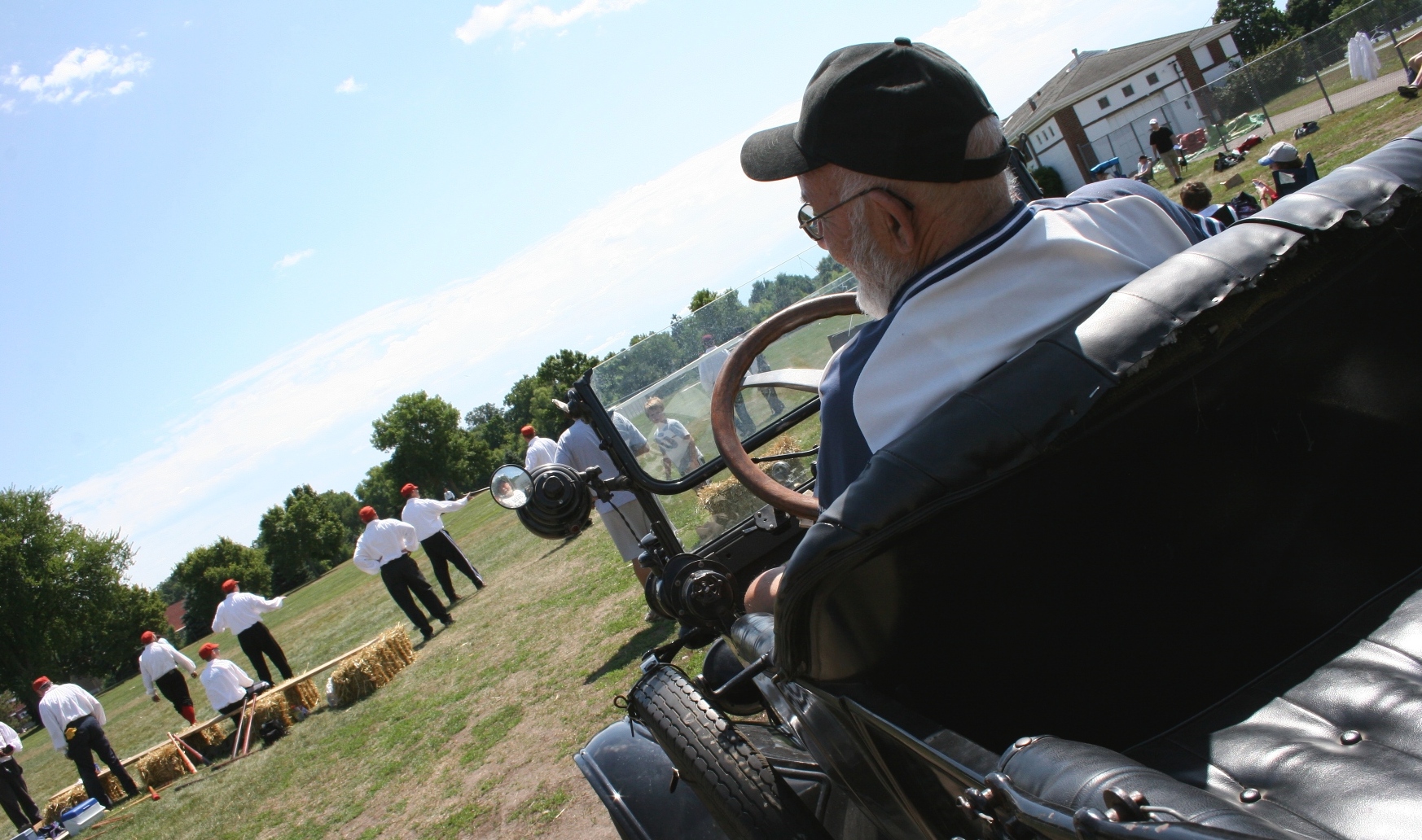
Curly Schreckenberg watches the vintage baseball match from his Model T Ford.

FRANK “CURLY” SCHRECKENBERG pulled into the Rice County Fairgrounds in his 1918 Model T Ford, a fitting mode of transportation Saturday afternoon for a vintage baseball game between the Northfield Silver Stars and the Rochester Roosters.
“There’s nothing like old-fashioned,” Schreckenberg said as he sat behind the wheel of his Model T, occasionally glancing over at the competition played with 1860 rules. No gloves. No called balls and strikes. No sliding. No spitting. No swearing…
Striker (batter) up!

Schreckenberg’s a fan of ball games. He played church league softball from age 38 – 71, mostly as a pitcher. “I loved playing ball,” he said. “I loved the fellowship.” He was dressed in the uniform of First English, his team for most of his 33 church league years.

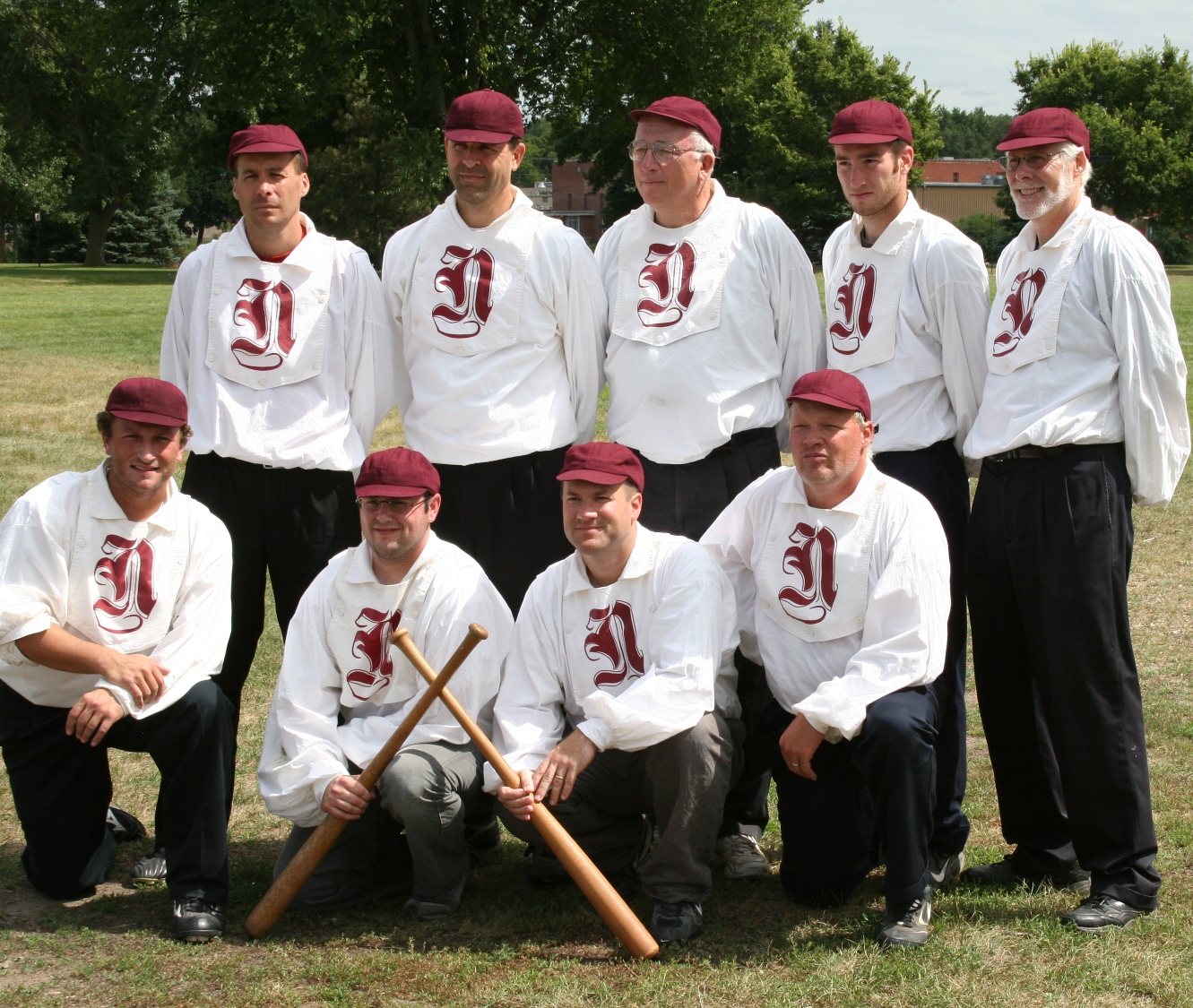
His antique car drew lots of attention from the players and from the crowd gathered Saturday for the vintage match. The Silver Stars whooped the Roosters by a score of 6 to 1. Afterward, the players posed for a team photo by the Model T.

With team members sporting names like Cow Pie, Rabbit, Goose, Woodchuck, Bean Field and Admiral, no one seemed to take the event too seriously. Rather, the match focused more on bringing history to life.

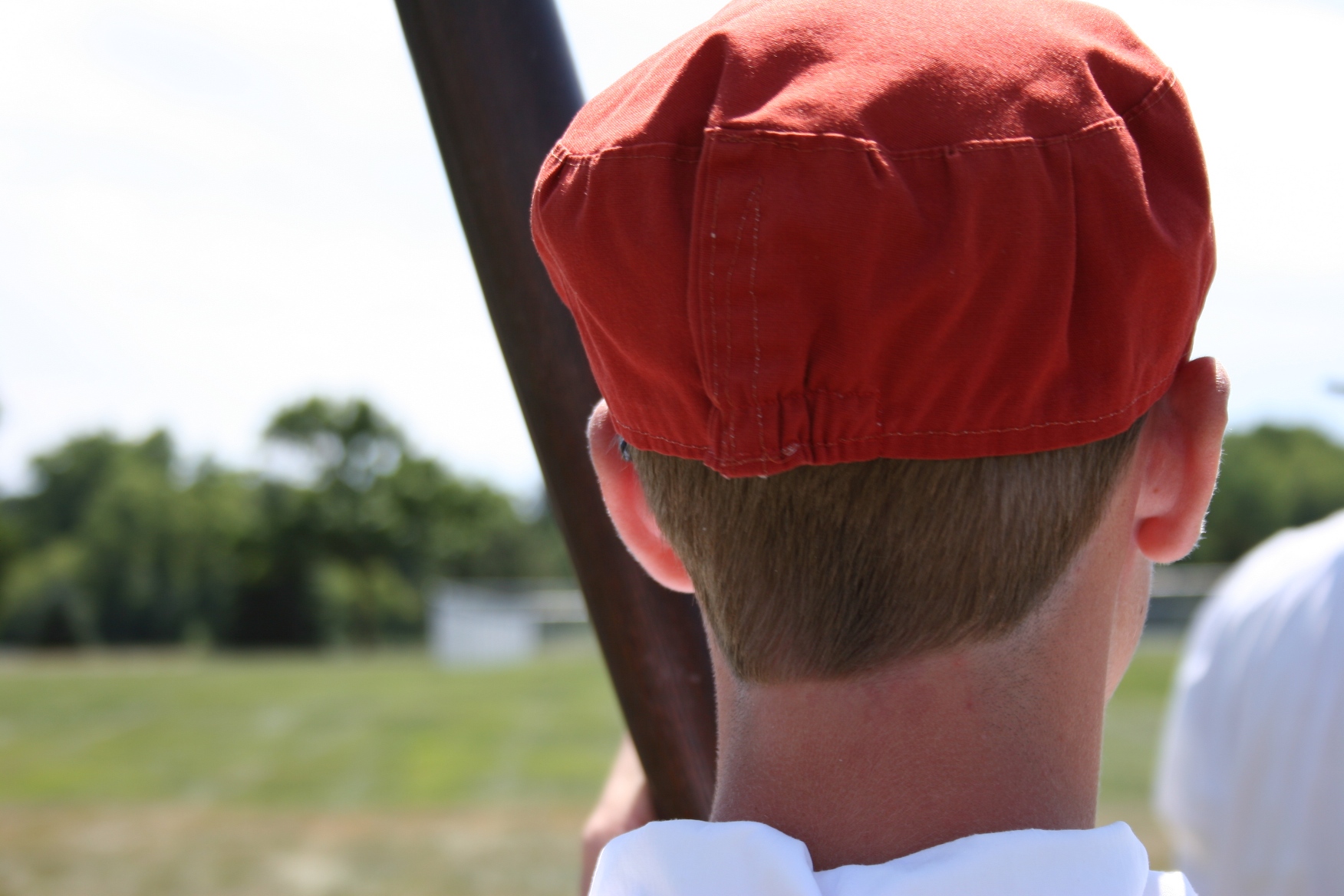
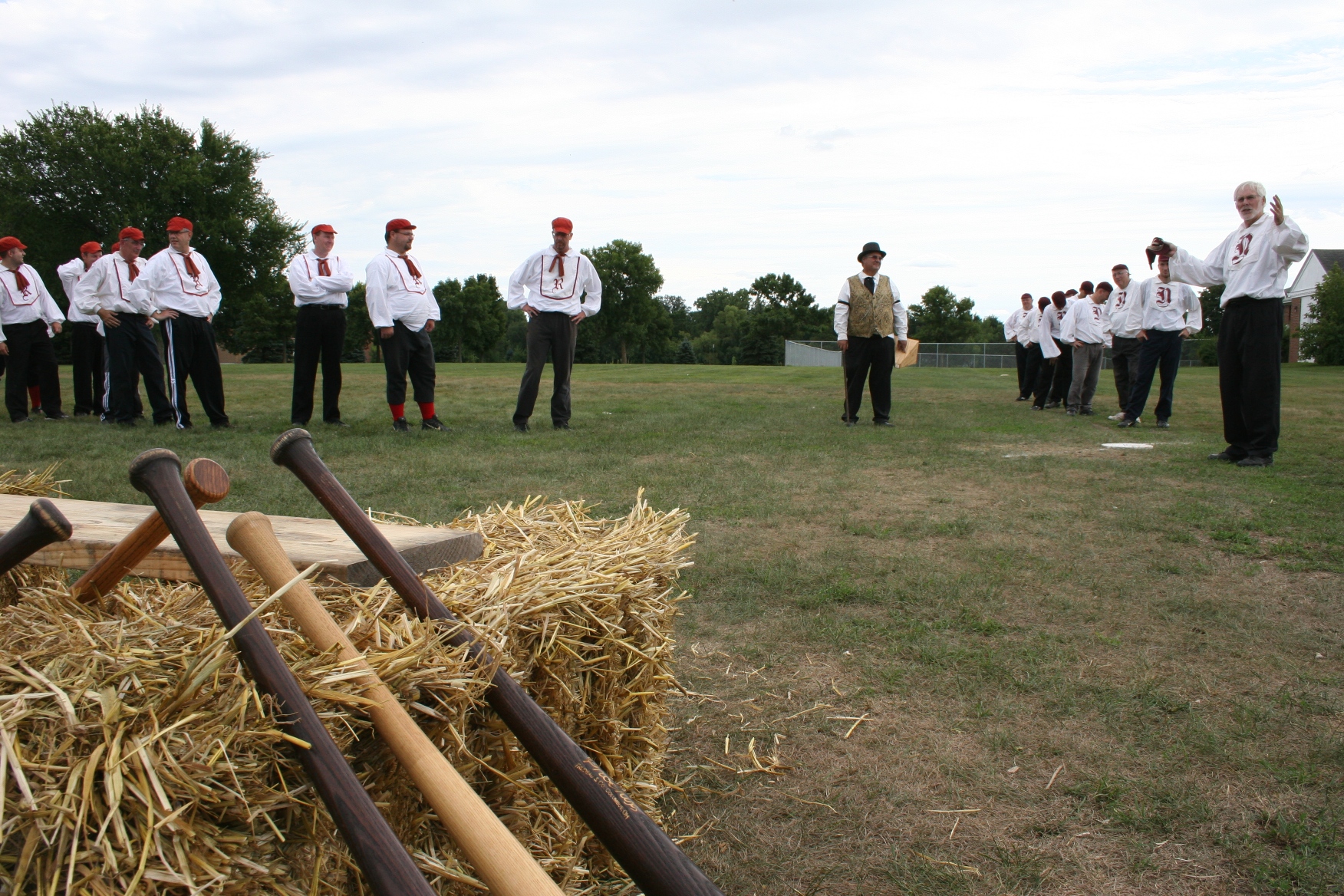
Out on the ball field, the players, dressed in vintage uniforms, tried to stay true to the mid-19th century time period.

The Rochester Roosters, the scorekeeper and the umpire posed for a photo after the match.

Likewise, the Silver Stars from Northfield gathered for a team photo.

“Watch the daisy cutters (sharp grounders),” Rabbit, aka Scott Richardson, from the Silver Stars advised.

“Don’t run me over, Tar Cutter,” another player warned.

“I think the whole team ought to be fined.”

“Way to hustle, Bryan,” a teammate said, slipping up on a name.

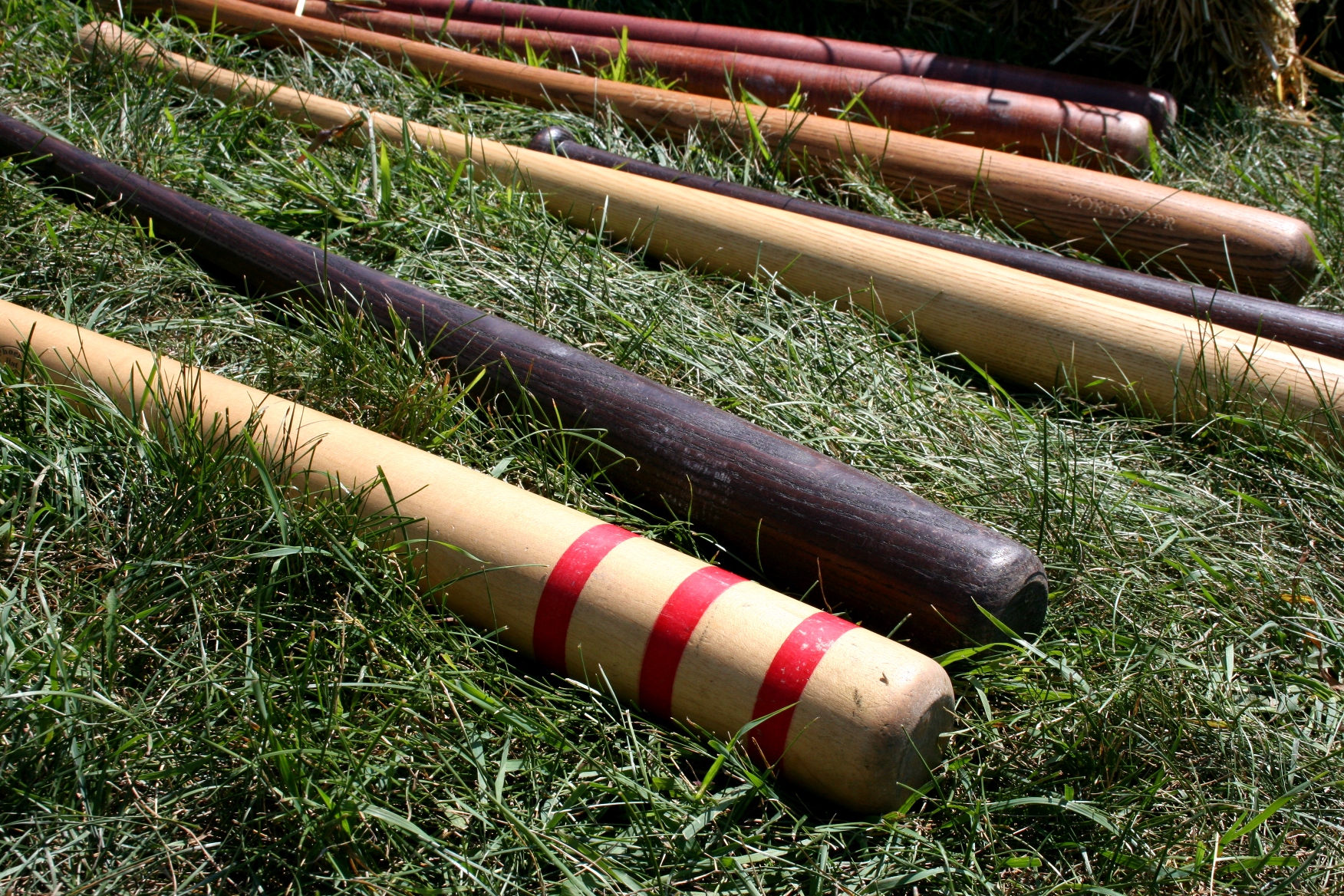
Wooden bats clustered on the grass behind the players' bench before the match.

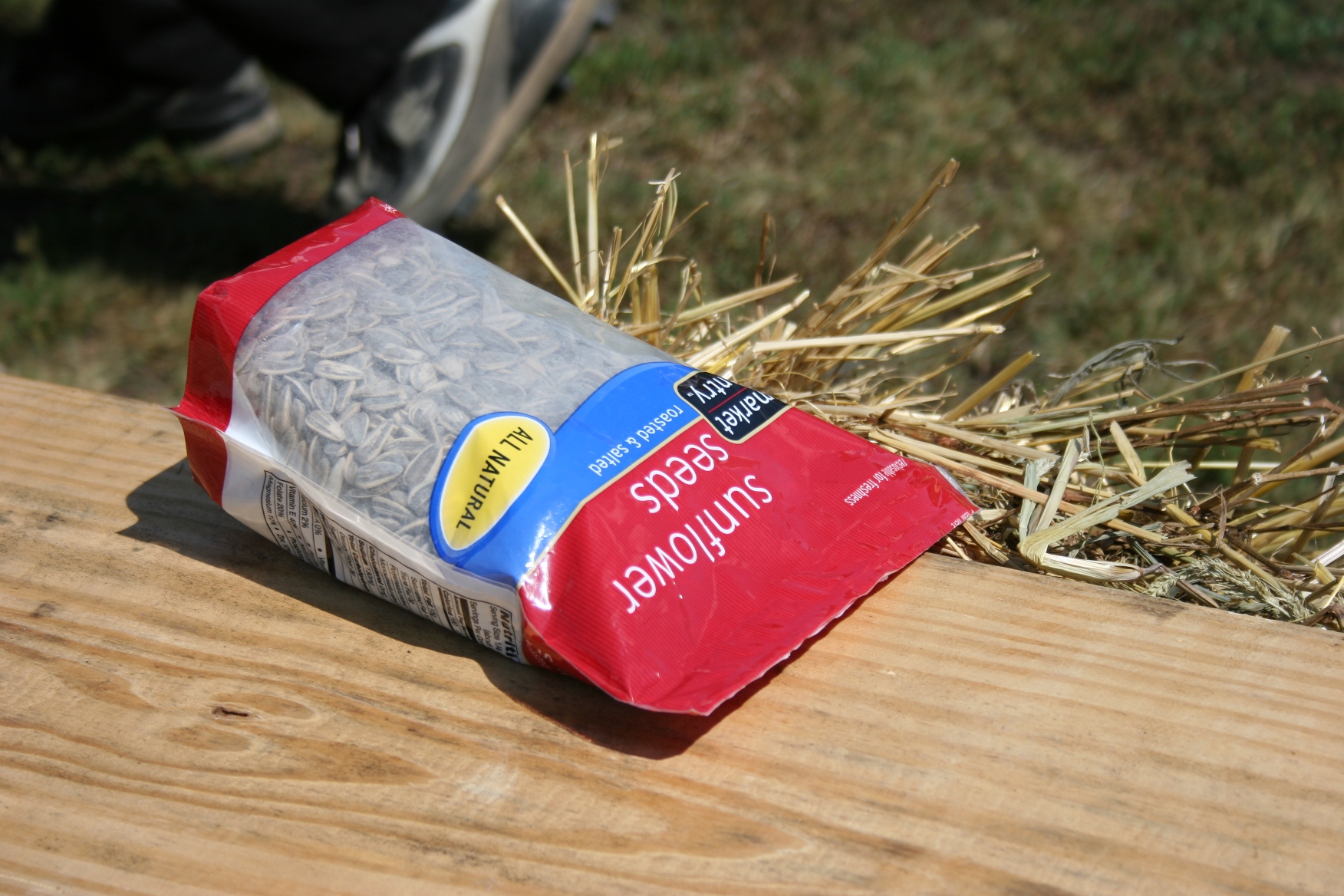
Players munched on sunflower seeds on the Silver Stars bench.

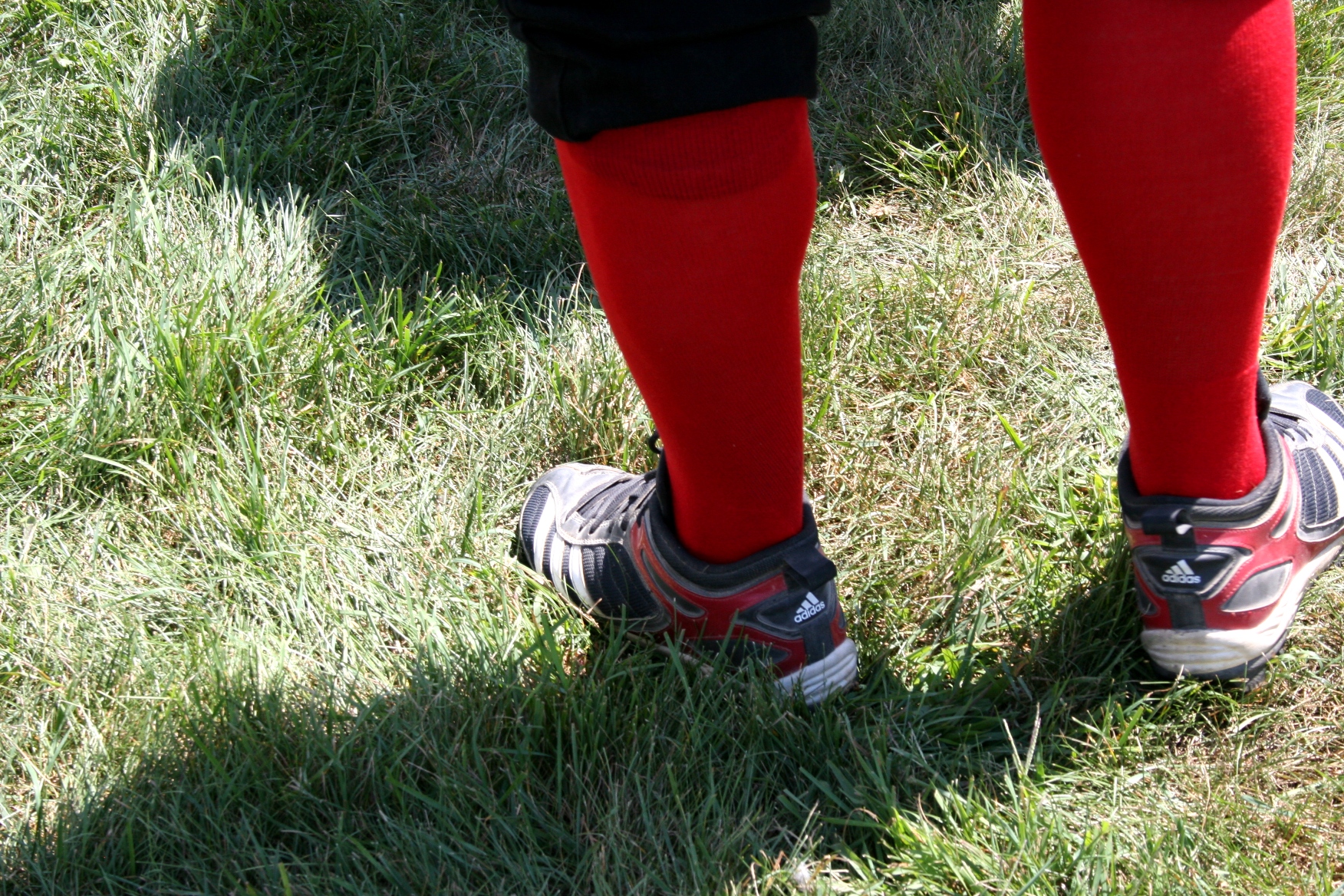
At least one Rochester Rooster player sported period style stockings.

Wooden bats and gloveless hands. Bags of sunflower seeds and peanuts. Wood planks balanced between straw bales. Root beer floats. Bell-ringing when an ace (run) was scored. Good-natured bantering. All set a period mood for the 1 ½-hour match (game) between the two teams.

Occasionally a player pulled a cell phone from a pocket, sipped on Gatorade, clicked a digital camera. Ethnic music from a Hispanic celebration across the fairgrounds carried to the ball field, adding to the relaxed setting.

“It’s a beautiful day for a baseball game,” at least one fan was overhead saying.

Indeed, it was a perfect August afternoon for a vintage baseball match in Faribault, even for someone like me who doesn’t get into baseball, but can appreciate living history.

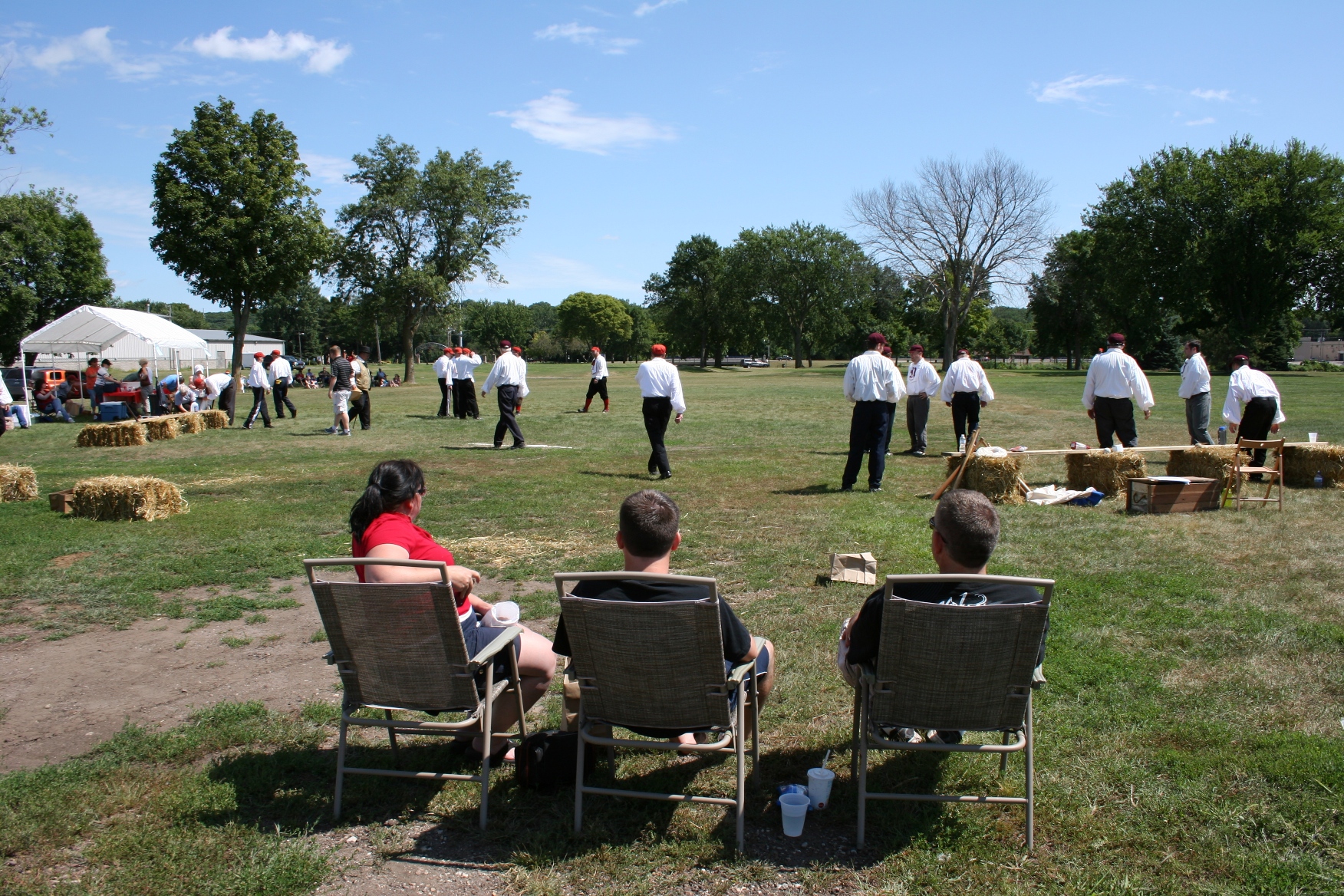
Fans sat in the sun, but most sat under shade trees for the match hosted by the Rice County Historical Society.

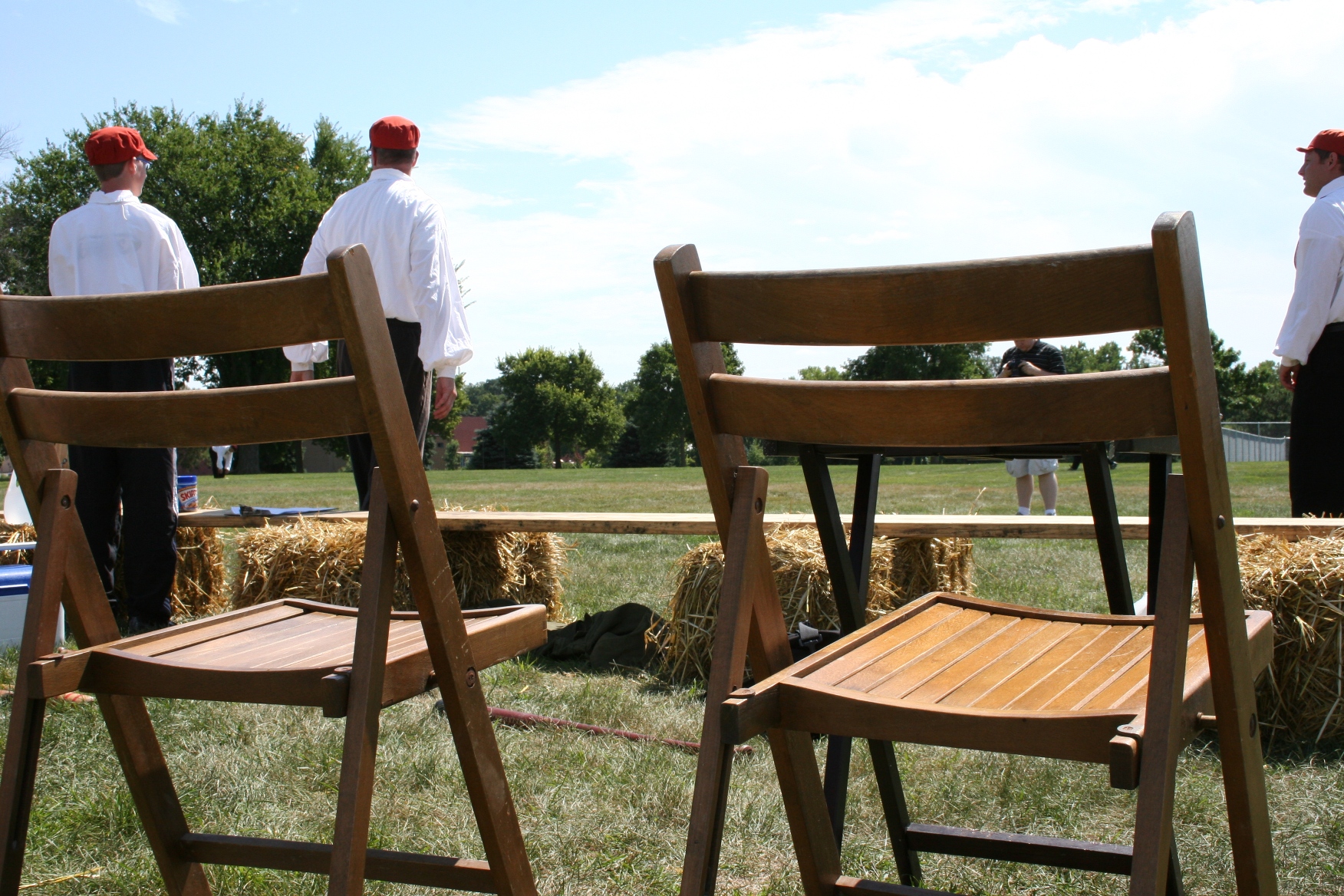
Some attendees even brought vintage style wooden folding chairs.

Roosters' bench time and one dirt and grass-stained white uniform.

A young player for the Rochester Roosters.

The end of the match with the victorious Silver Stars on the right and the Roosters on the left.

FYI: Minnesota has some eight vintage baseball teams, I was told on Saturday by the game’s umpire. Most of those are in the eastern part of the state and include teams like the Apple Jacks from La Crescent, the Afton Red Sox and the St. Croixs. The Minnesota teams also compete with Wisconsin teams like the Osceola Onions and the Milwaukee Cream Citys.

© Copyright 2011 Audrey Kletscher Helbling