Minnesota Prairie Roots

Writing and photography by Audrey Kletscher Helbling

Poking around Montgomery, Minnesota April 9, 2013

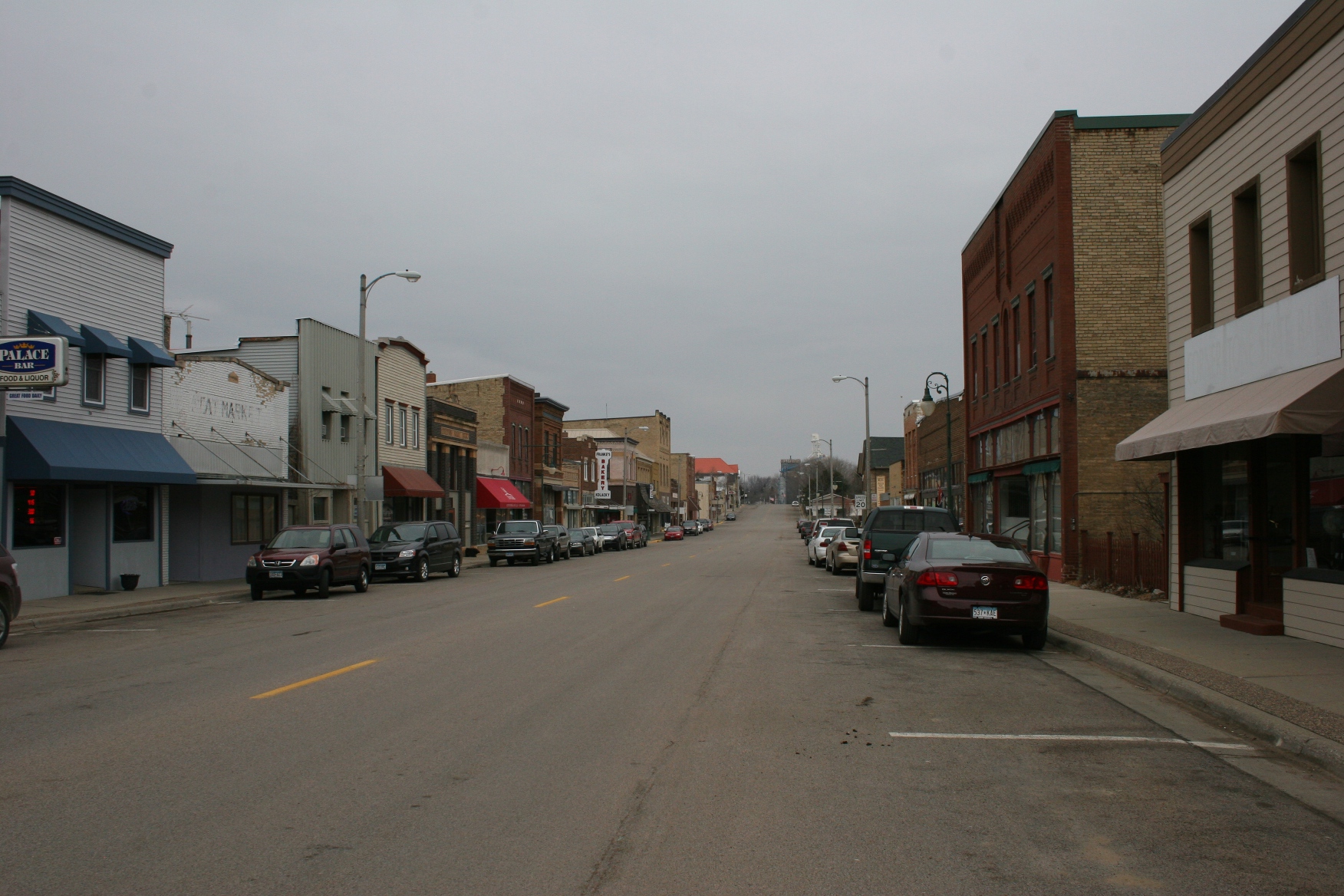
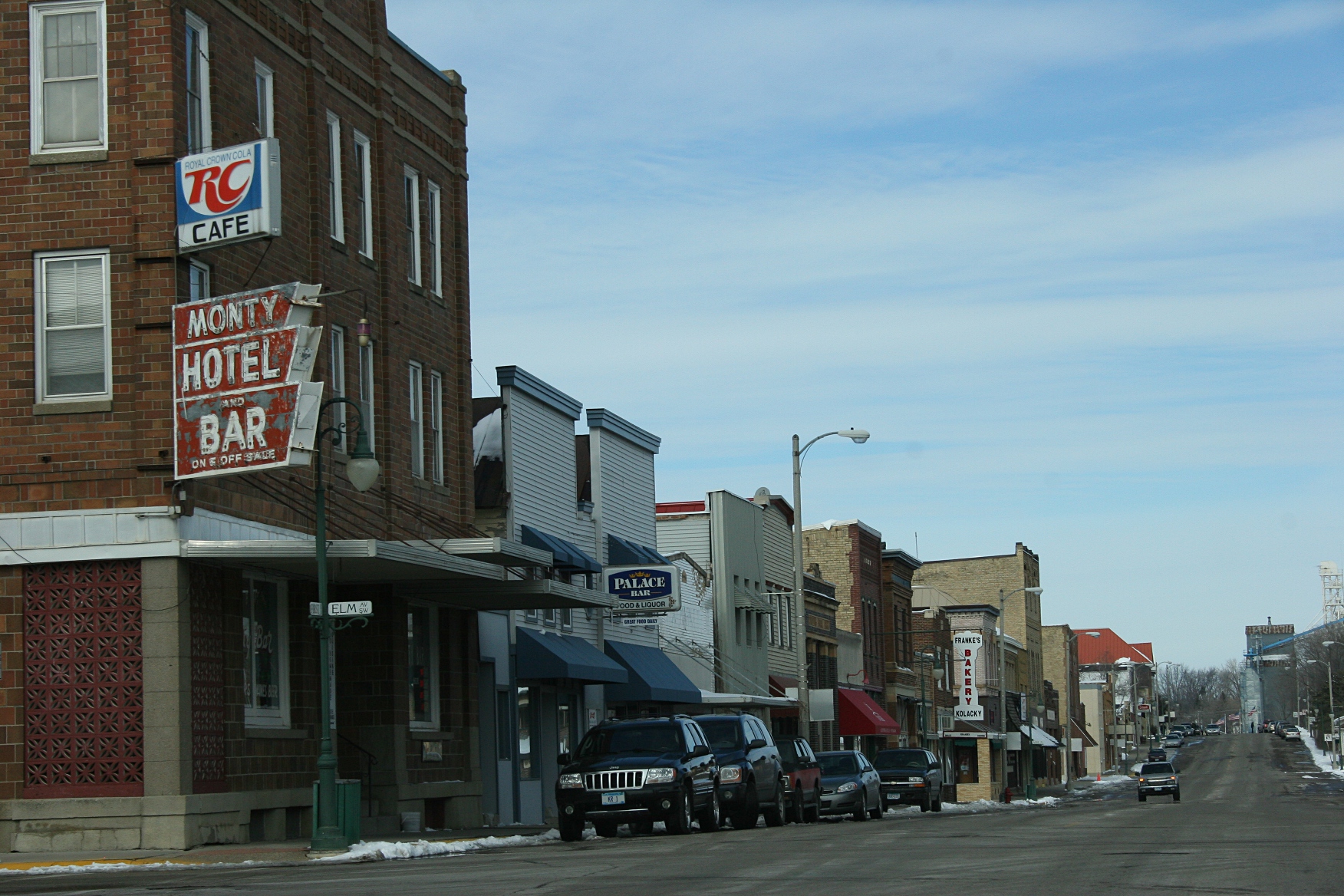
A shot of Main Street Montgomery.

A shot of First Street in Montgomery’s downtown business district.

MONTGOMERY, IN MY OPINION, may be one of small town southern Minnesota’s best-kept secrets.
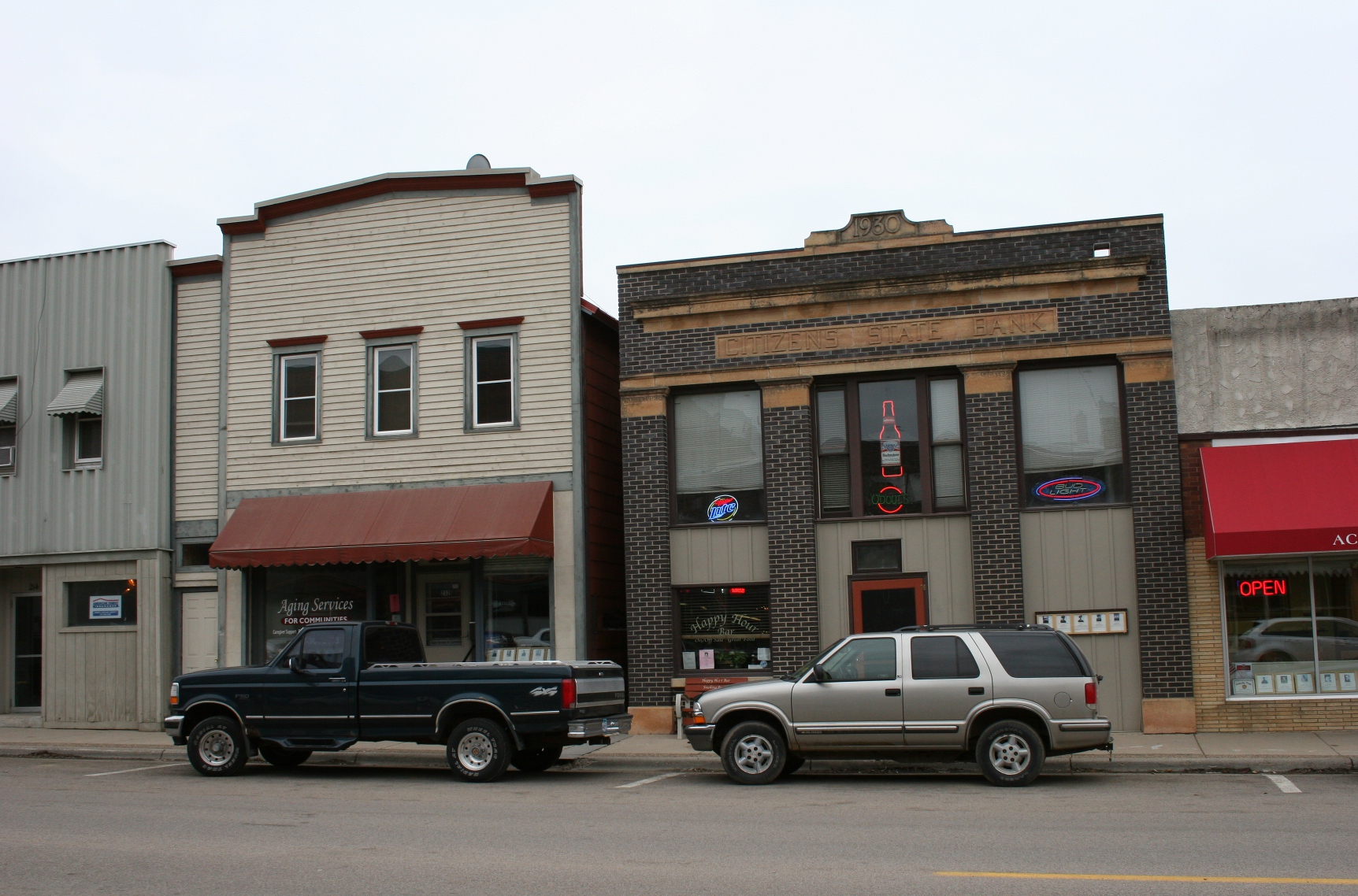
A wealth of historic buildings still stand in Montgomery, one reason I am particularly drawn to this community. Walk inside many businesses and you will find original tin ceilings and wood floors.

A wealth of historic buildings still stand in Montgomery, one reason I am particularly drawn to this community. Walk inside many businesses and you will find original tin ceilings and wood floors.

If you appreciate historic buildings, ethnic charm, friendly folks and one-of-a-kind home-grown businesses all packaged in a Main Street reminiscent of yesteryear, you’ll delight in Montgomery.

Dogs roaming and kids rollerblading along the sidewalks of Main Street.

Dogs roaming and kids rollerblading along the sidewalks of First Street.

On Saturday, my husband and I drove a half hour northwest of Faribault to check out this Czech community’s downtown. We meandered from thrift shop to bakery to thrift shop to drugstore and quilt shop, and even bopped into an old-fashioned barbershop before visiting the town’s newest corner shop, Rani’s, and then walking a block north to order pizza for a late lunch.
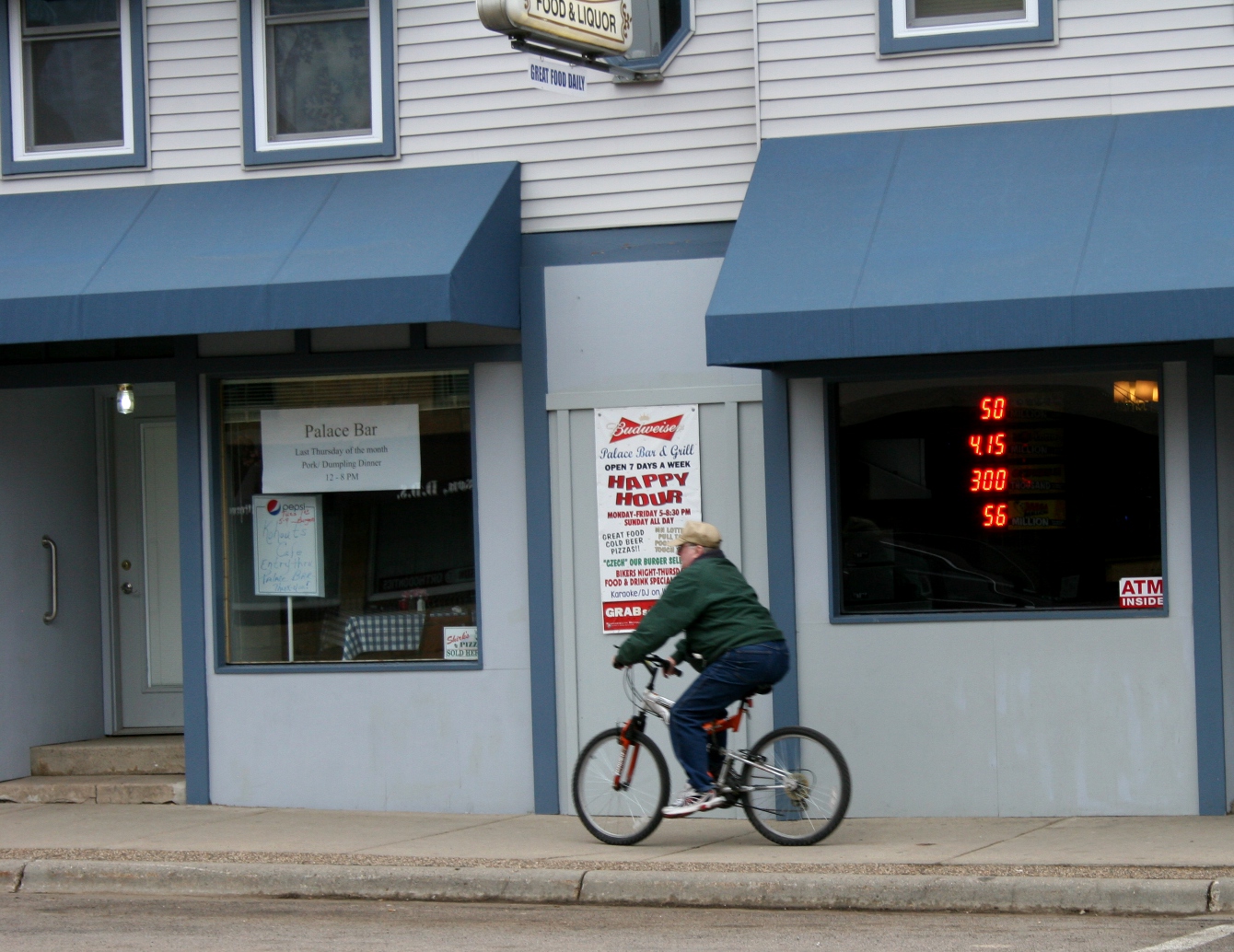
Biking in downtown Montgomery.

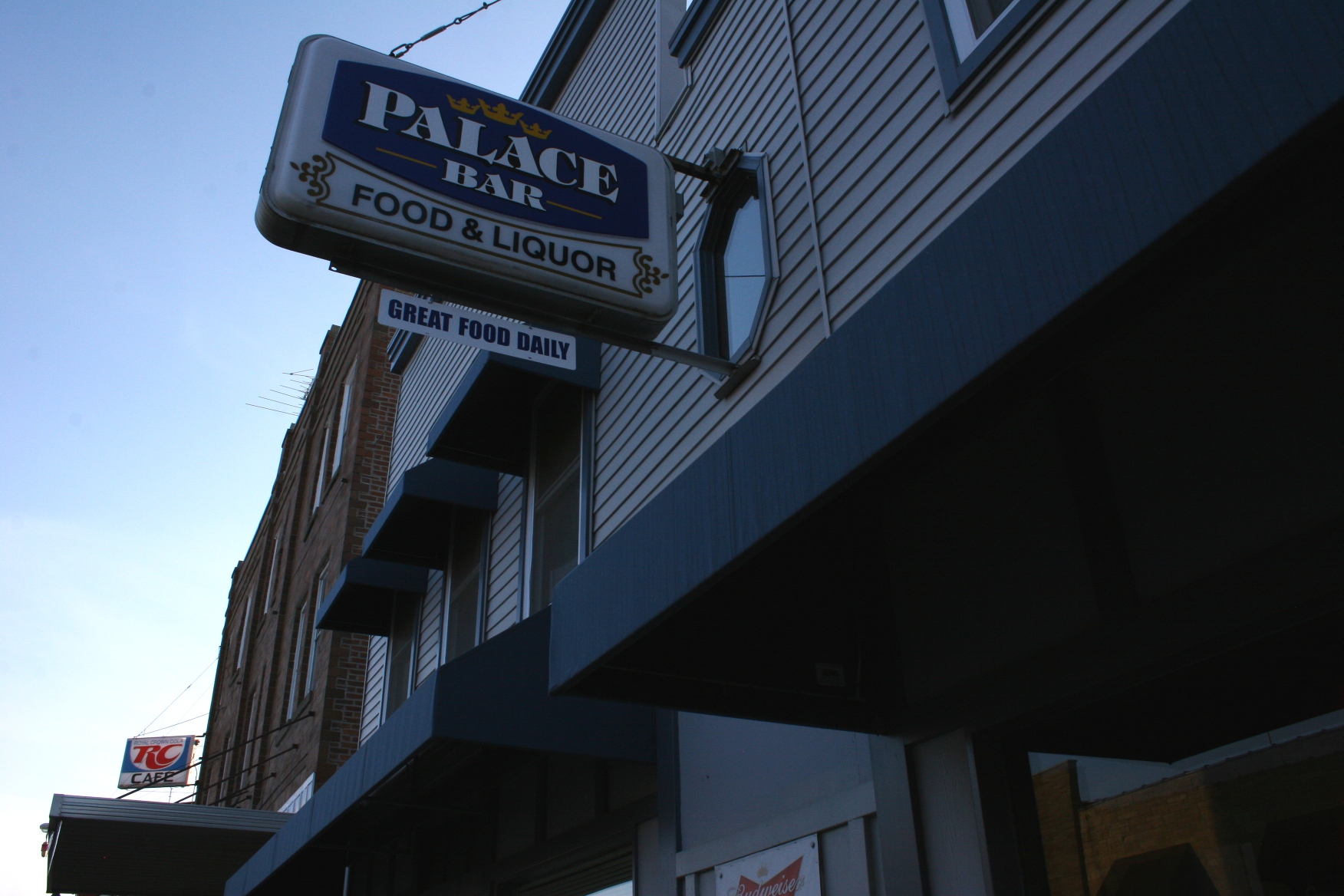
Biking in downtown Montgomery past the Palace Bar which advertises a Pork/Dumpling Dinner from 12 – 8 p.m. on the last Thursday of the month.

Afterward, we perused Big Honza’s Museum of Unnatural History, hit up another antique store and, finally, caught a Czech import shop on the way out of town.

The White Front Saloon, one of many bars we spotted.

The White Front Saloon, one of many bars we spotted.

But we didn’t hit a single of the half-dozen or so bars. Nor did we take in the 24th annual Miss Czech Slovak MN Pageant over at the American Legion, although several shopkeepers inquired whether we were in town just for that.
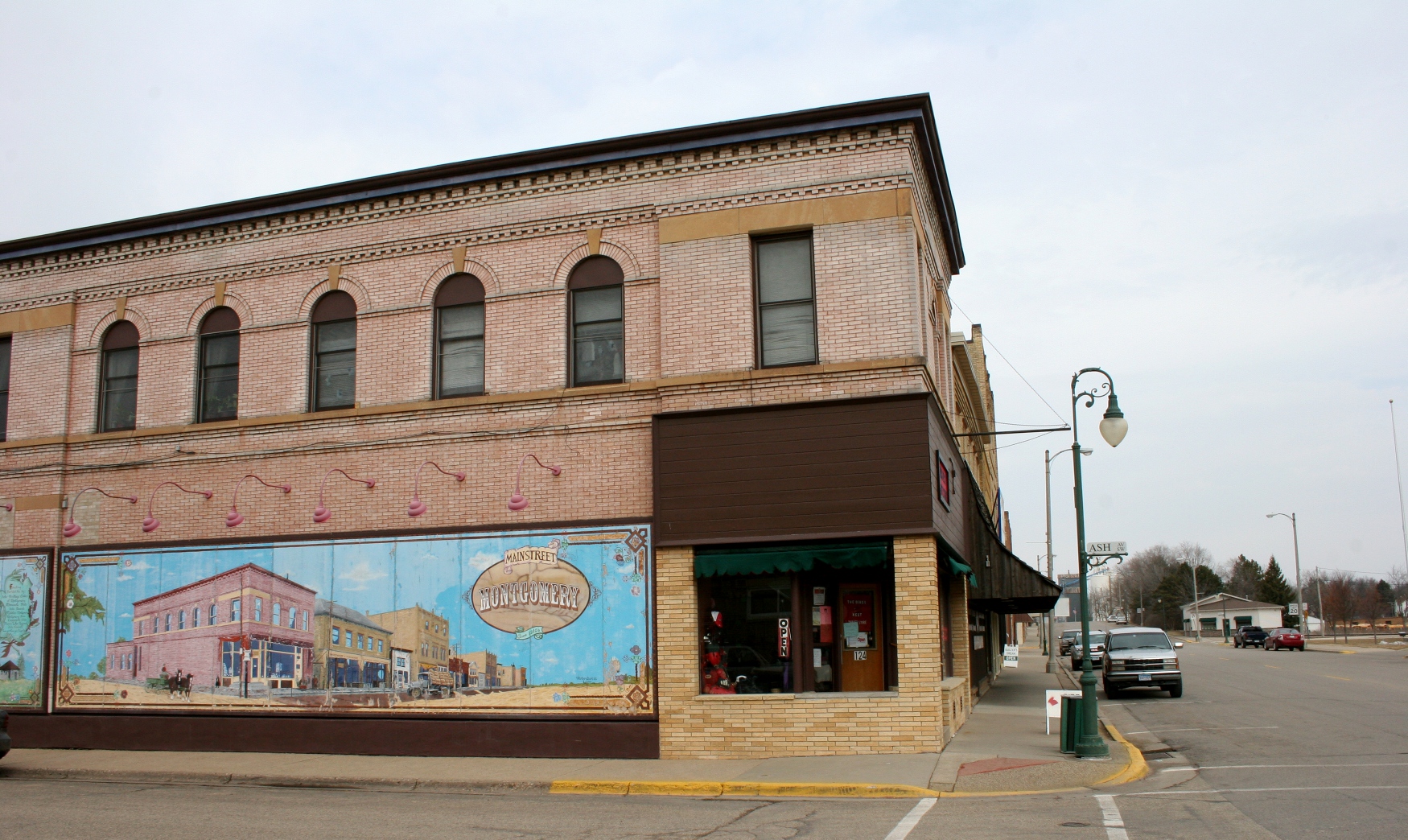
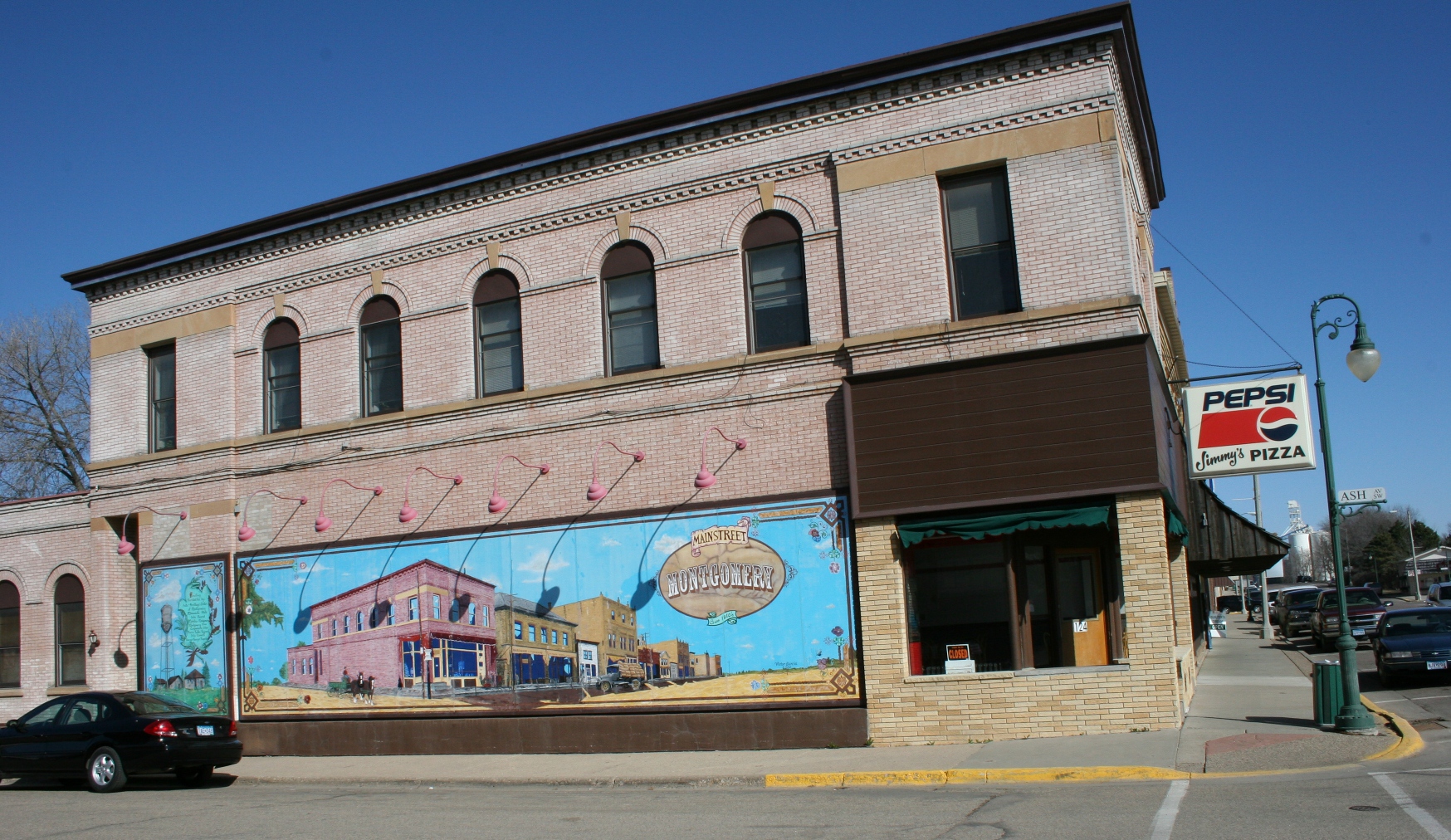
A Main Street mural

A downtown mural graces the side of the Bird’s Nest, a thrift store.

Nope, just two empty nesters poking around this self-proclaimed Kolacky Capital of the World.
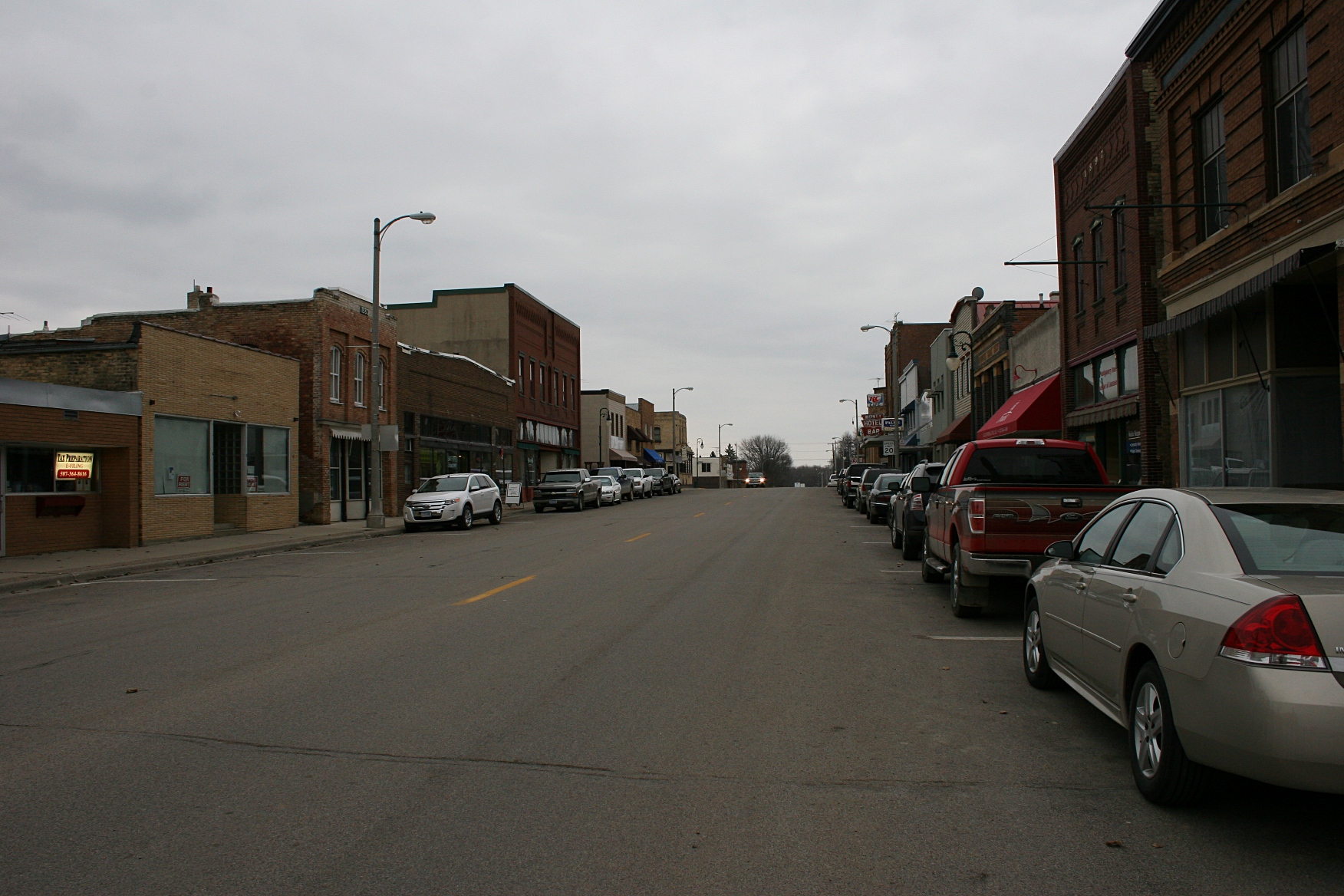
Another shot of the Main Street business district.

Another shot of the downtown business district.

CHECK BACK for a series of posts featuring the places we visited in this Le Sueur County community of around 3,000. You can click here to read my post about Main Street Barber. Also check my March 4 – 8 archives for additional stories focusing on the artsy side of Montgomery.

For those not in the know, a kolacky is a Czech pastry. Montgomery celebrates Kolacky Days each July, this year the 26th through the 28th.

BONUS PHOTOS:
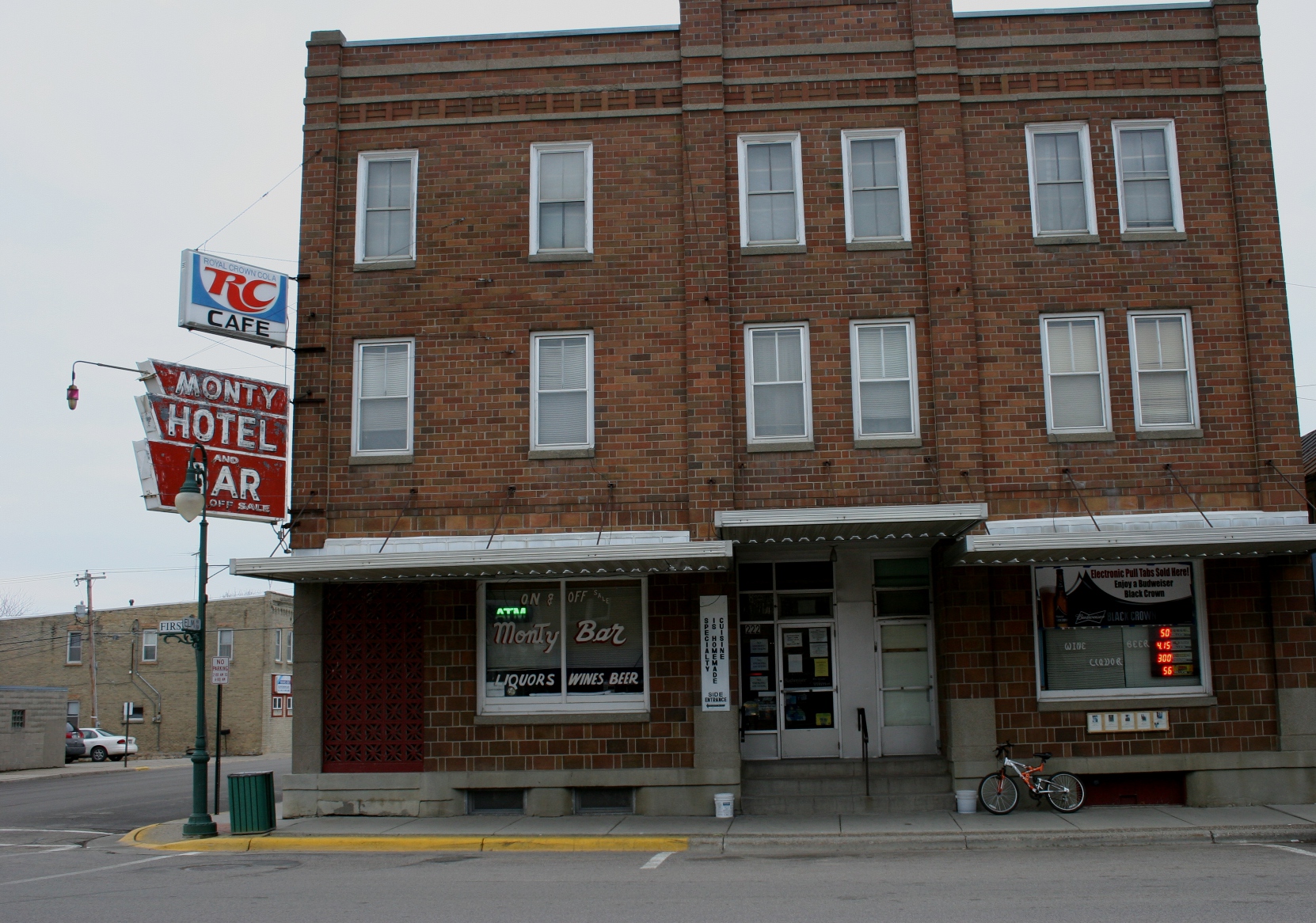
One of my favorite buildings and attached vintage signage. I need to return and explore this place.
One of my favorite buildings and attached vintage signage. I need to return and explore this place.

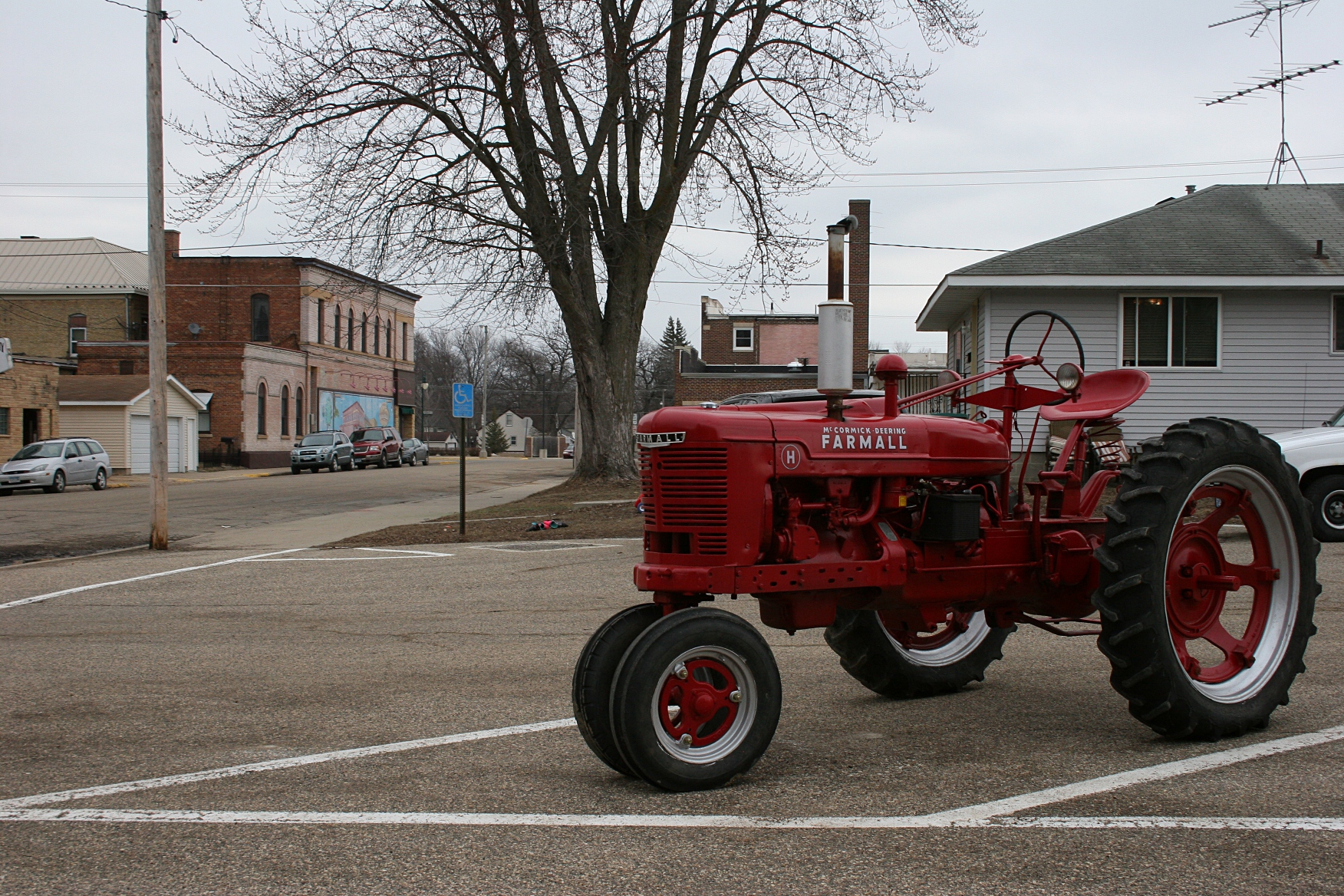
A block off the main drag, we spotted this tractor. "It's for sale," a man yelled from a window somewhere.

A block off the main drag, we spotted this tractor. “It’s for sale,” a man yelled from a window somewhere.

A parting shot of that historic Main Street.

A parting shot of that historic downtown.

© Copyright 2013 Audrey Kletscher Helbling


Part I: Touring historic downtown Montgomery, Minnesota, not Alabama March 4, 2013

A snippet overview of First Street in downtown Montgomery.

A snippet overview of First Street in downtown Montgomery late on a Sunday afternoon.

EARLY ON A SUNDAY AFTERNOON in the dead of a Minnesota winter, downtown Montgomery, except for vehicles clustered around Hilltop Hall for a theatrical performance and around locals bars, is mostly quiet.

A mural on the

A mural depicts downtown. Minnesota Prairie Roots file photo.

The occasional pick-up truck cruises First Street, the main north-south route through the heart of this Le Sueur County farming community of nearly 3,000 noted for its strong Czech heritage.

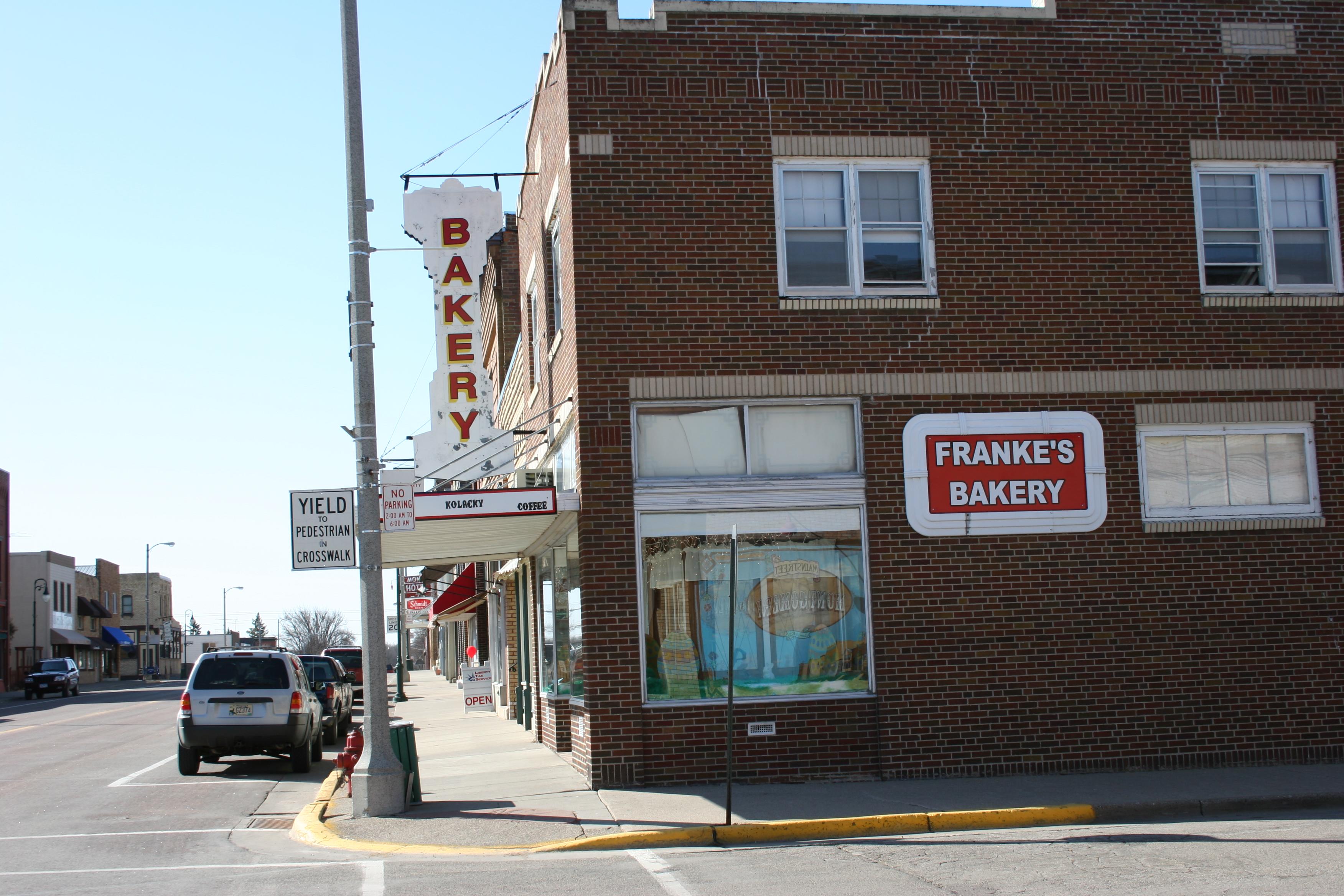
Although this self-proclaimed “Kolacky Capital of the World” lies only about 25 miles northwest of my Faribault home, I’ve never really explored the town except to attend three plays at Hilltop Hall and to write a magazine feature story about Franke’s Bakery. The 99-year-old bakery specializes in kolacky, a folded Czech pastry filled with poppy seeds or fruit.

Franke's Bakery. Minnesota Prairie Roots file photo.

Franke’s Bakery. Minnesota Prairie Roots file photo.

On this Sunday afternoon the bakery is closed. And so are most other businesses. Without distracting vehicles, I can fully appreciate the historic architectural qualities of this downtown. From the aged brick buildings to the vintage signage to the woodframe storefronts that always remind me of something out of a Western, I am smitten with these buildings, this business district.

I must, I tell myself, return to Montgomery when these businesses are open. I can only imagine what discoveries await me.

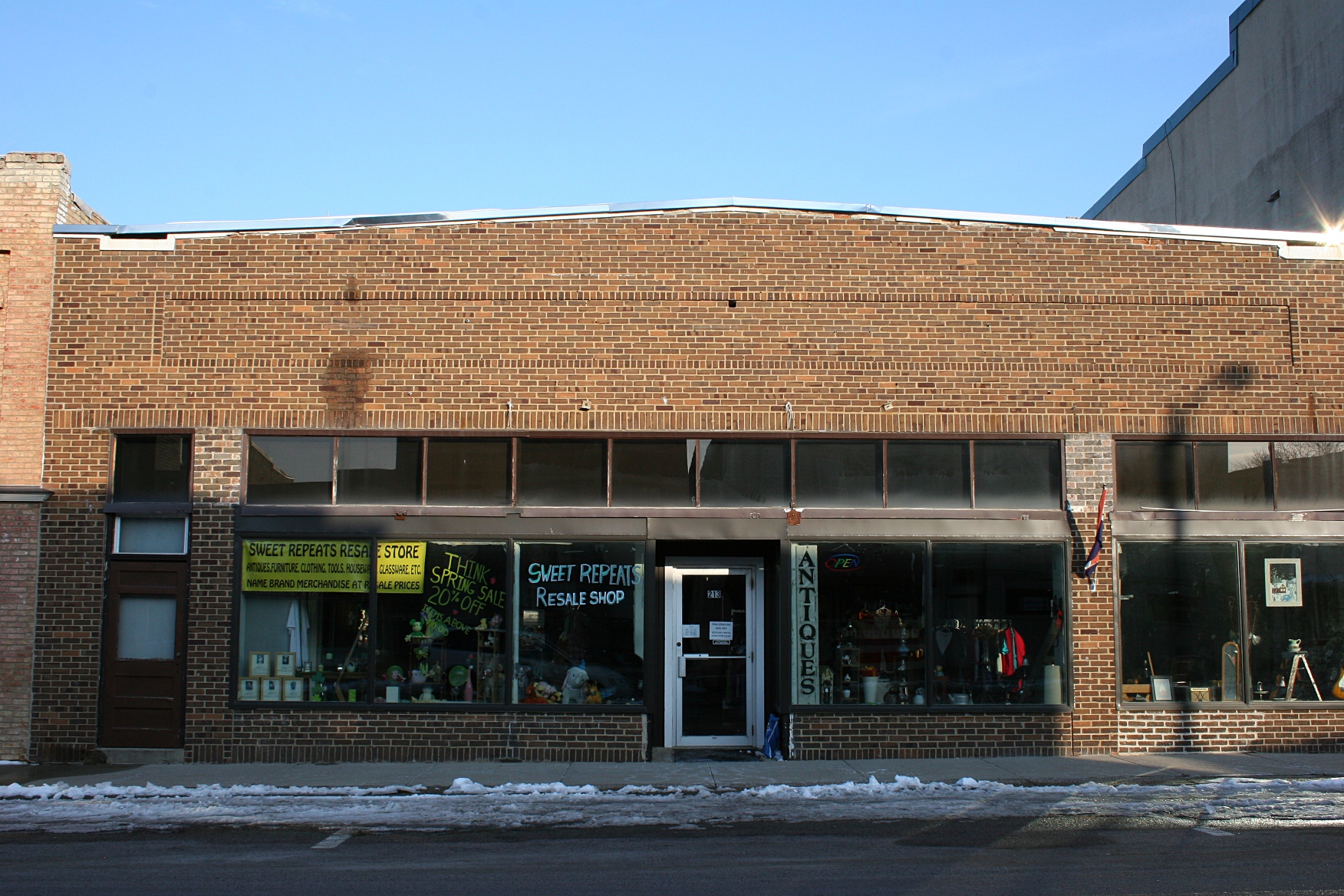
I love antique shops and thrift stores, so you can bet Sweet Repeats Resale Shop is on my list of places to check out.

I love antique shops and thrift stores, so you can bet Sweet Repeats Resale Shop is on my list of places to check out.

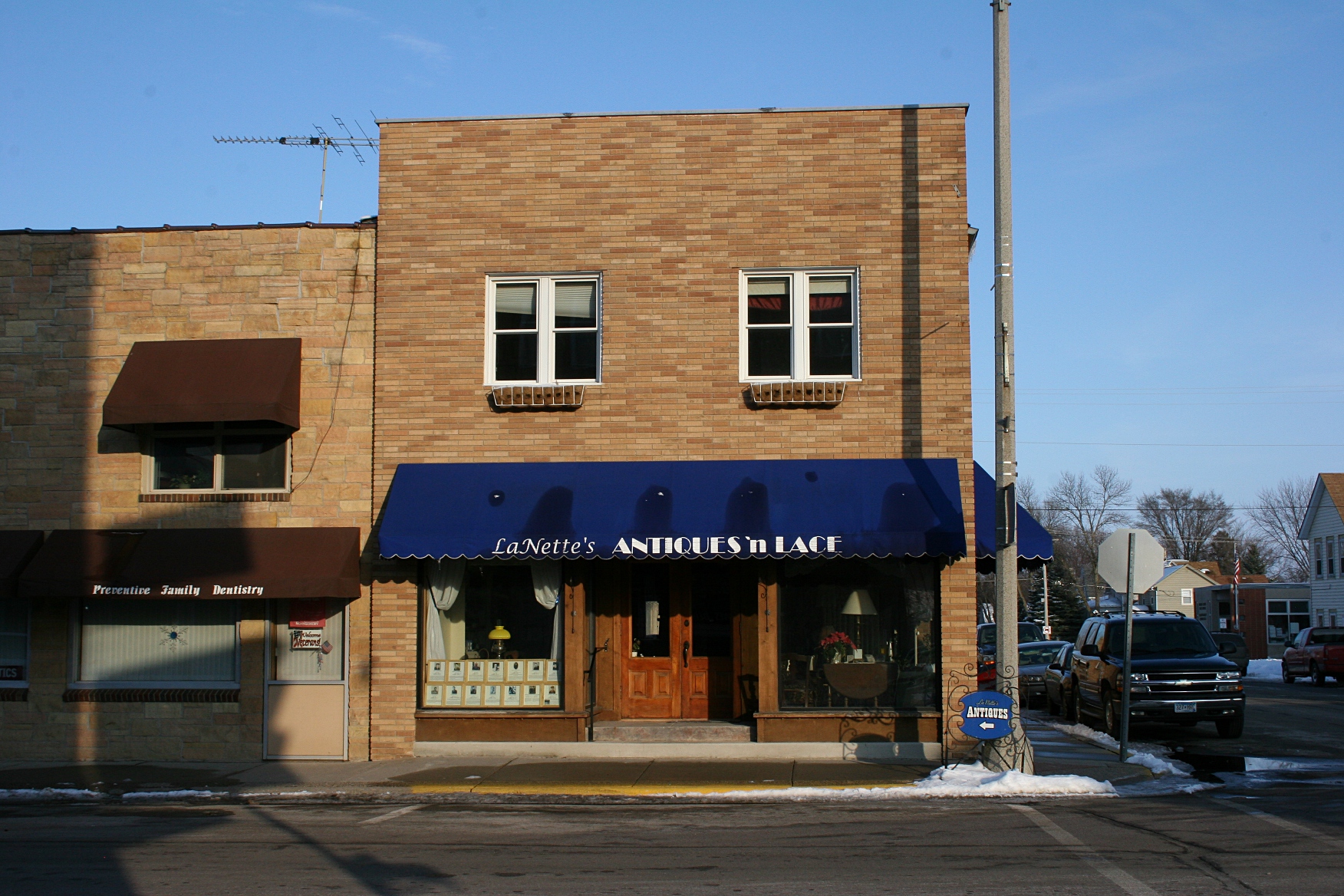
Look, another antique shop, La Nette's Antiques'n Lace.

Look, another antique shop, La Nette’s Antiques’n Lace.

Lots of super cool vintage signage in Montgomery.

Lots of super cool vintage signage in Montgomery.

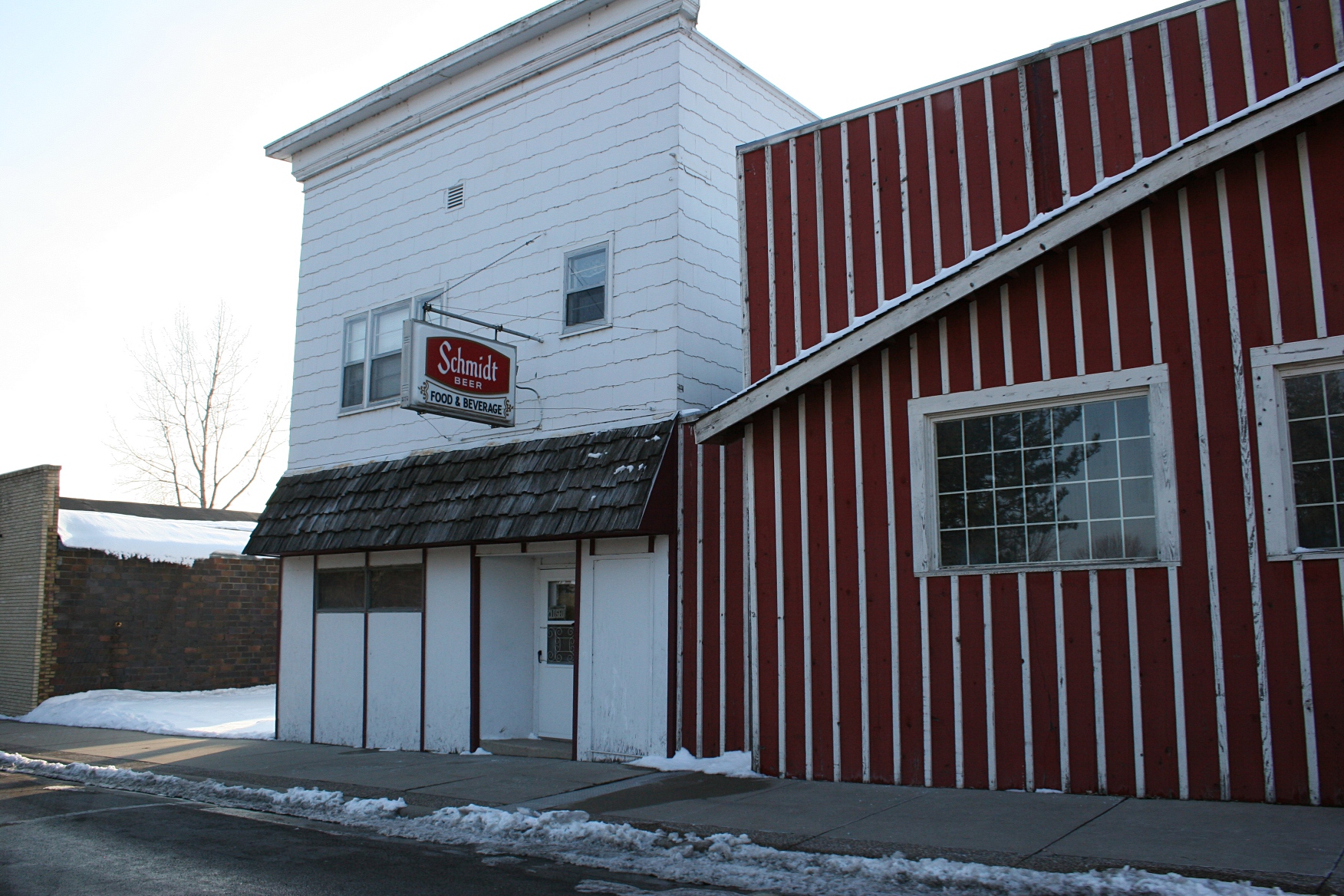
Because my eldest daughter is in love with a Schmidt boy (nothing to do with the beer), I had to photograph this sign. The striped building is the local meat market.

Because my eldest daughter is in love with a Schmidt boy (nothing to do with the beer), I had to photograph this sign. The striped building is the local meat market.

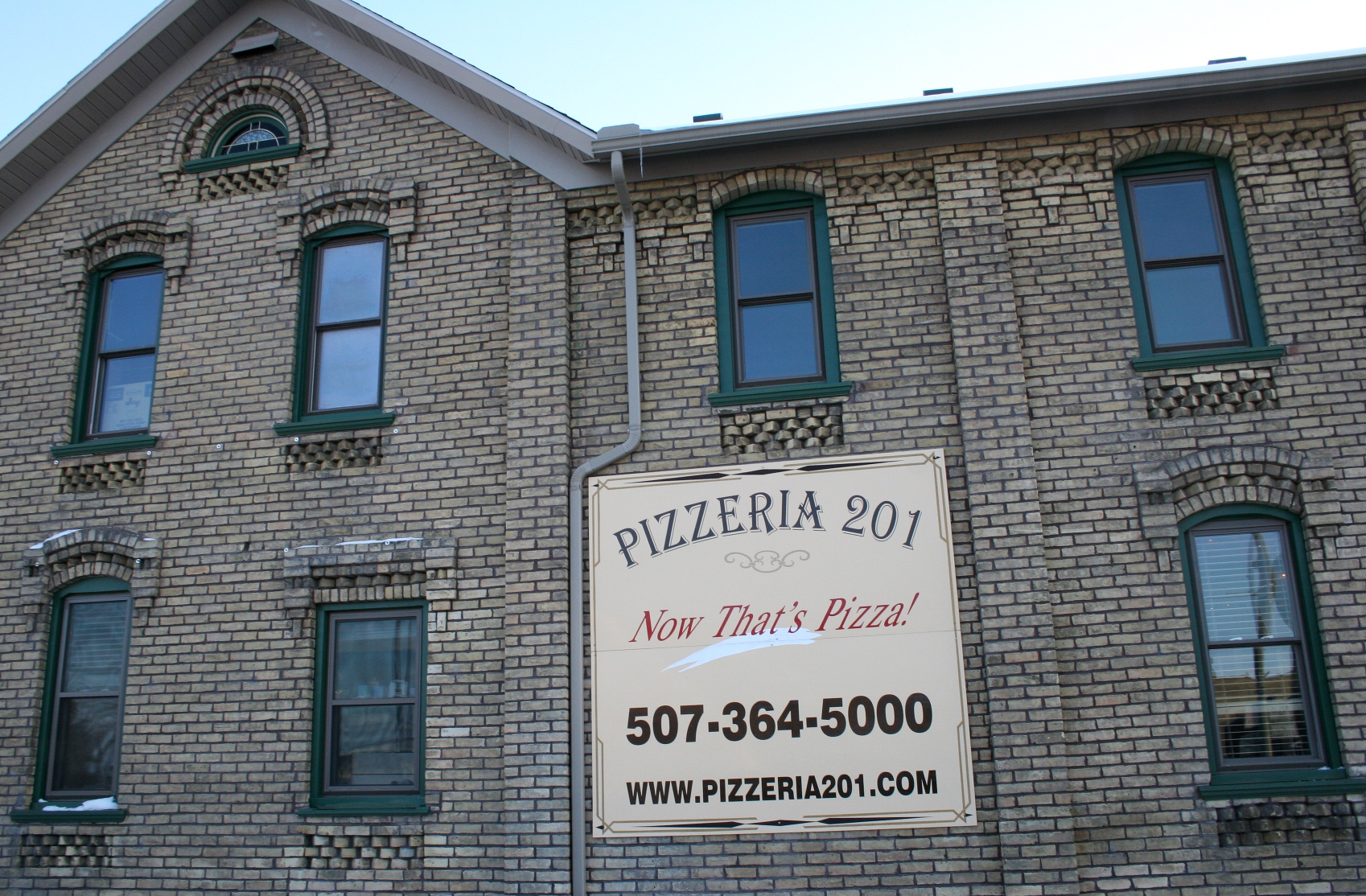
On the National Register of Historic Places, the historic Westerman Lumber Company office and house is home to Pizzeria 201. The restaurant makes homemade pizzas, a wide selection of Italian foods and more.

On the National Register of Historic Places, the historic Westerman Lumber Company office and house is home to Pizzeria 201. The restaurant makes homemade pizzas, a wide selection of Italian foods and more. I’ve heard rave reviews about the food.

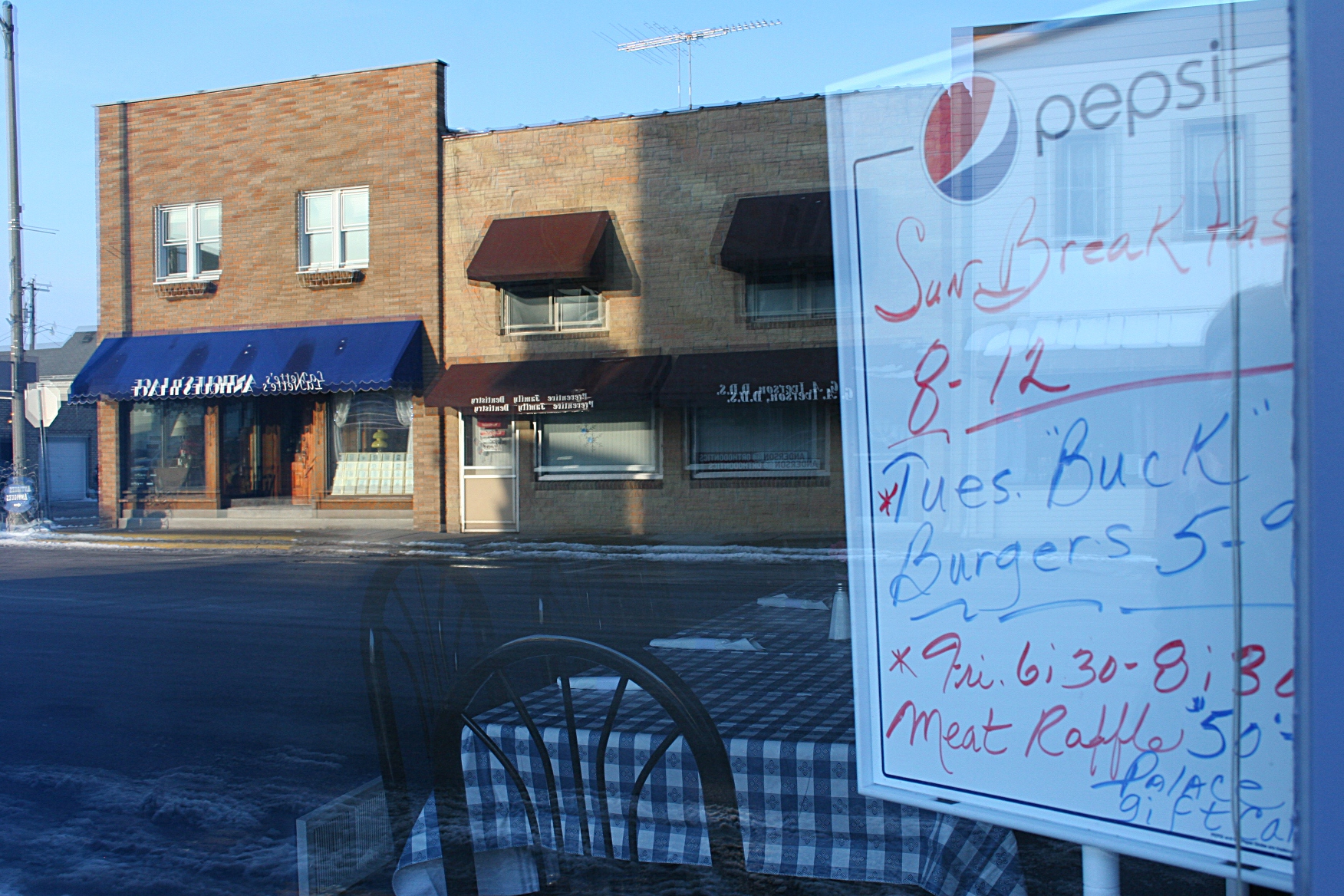
So small town: burgers and a meat raffle promoted on a whiteboard in a restaurant window.

So small town: burgers and a meat raffle promoted on a whiteboard in a restaurant window.

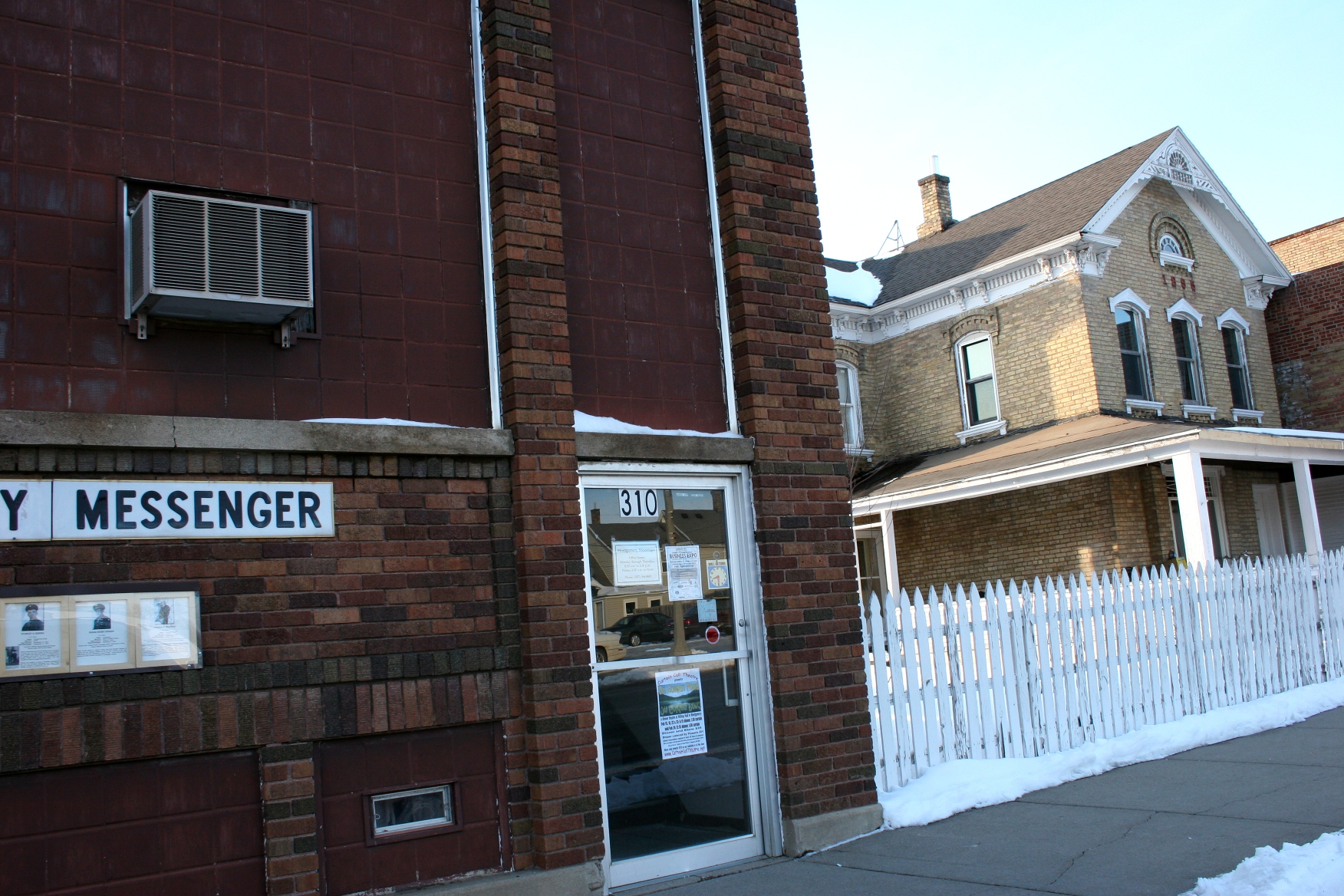
I don't expect I'll get inside this vintage 1800s house tucked between businesses on First Street, but I could try. That's the office of the local newspaper, The Montgomery Messenger, on the left.

I don’t expect I’ll get inside this vintage 1800s house tucked between businesses on First Street, but I could try. That’s the office of the local newspaper, The Montgomery Messenger, on the left.

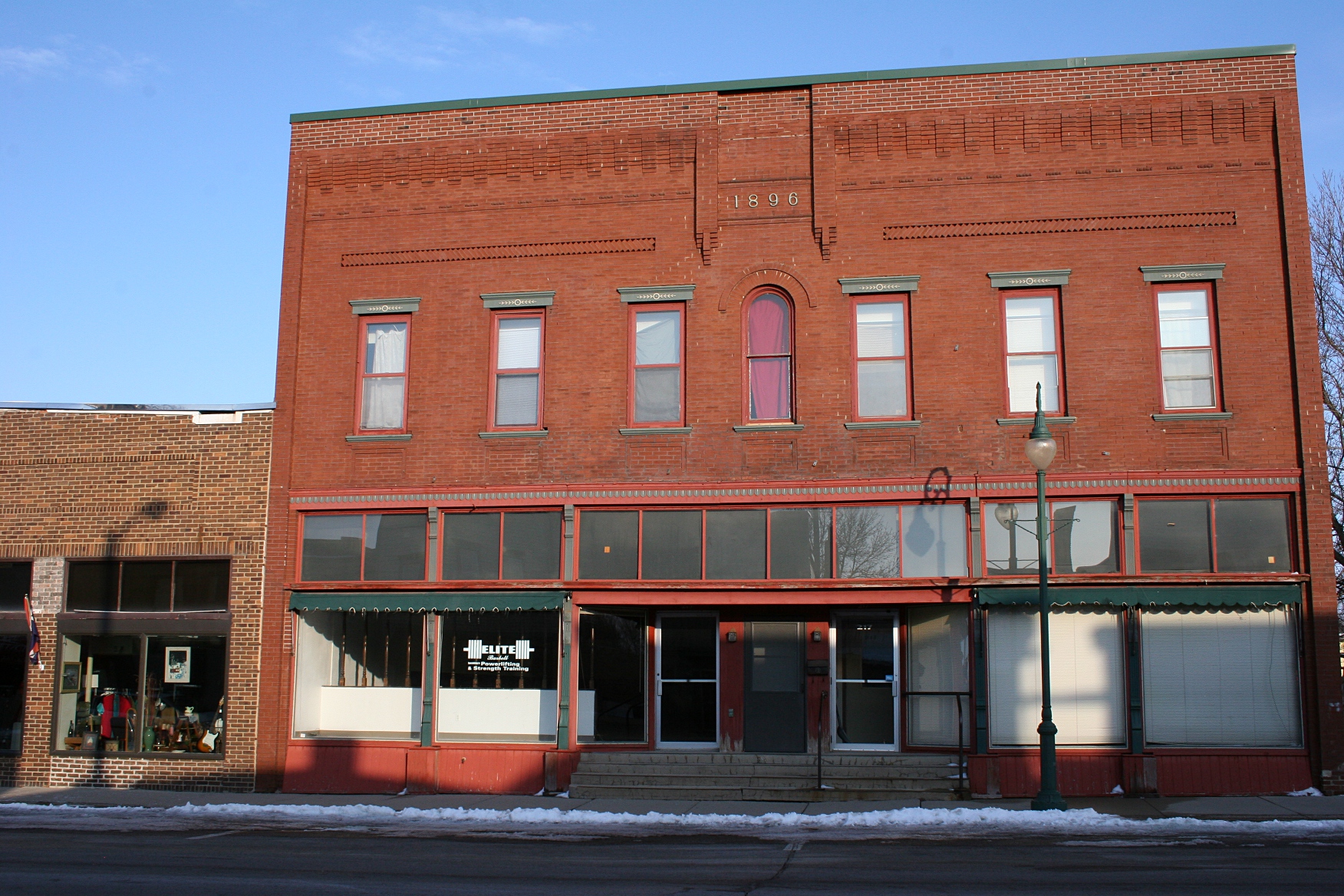
I absolutely love these small towns that have kept their historic buildings.

I absolutely love these small towns that have kept their historic buildings like this one dated 1896.

TOMORROW, IN THIS FIVE-PART SERIES from Montgomery, I take you to Hilltop Hall, which I’ve visited thrice. After that, we’ll go inside Franke’s Bakery, with photos from my 2010 visit there; I don’t expect much has changed. Next, I’ll show you how this community honors its veterans in a unique way. And then, to end my five-part series on Montgomery, I’ll show you several bonus photos from the town.

© Copyright 2013 Audrey Kletscher Helbling
 

Jolts of color: OK or not? January 23, 2013

Filed under: Uncategorized — Audrey Kletscher Helbling @ 7:52 AM
Tags: , , , , , ,

AS A 1970s ERA TEEN, I painted my basement bedroom a vivid lime green.

That vivid house in Lansing.

That vivid house in Lansing. Minnesota Prairie Roots file photo.

Would I paint my house that psychedelic hue? No. But someone in Lansing, north of Austin, did as seen in this photograph I shot several years ago. Would you dare brush this green onto your abode?

In 2009, the owner of Los 3 Reyes Bakery painted his rented building in a vivid green shade that some neighboring business owners deemed unsuitable for historic downtown Faribault. The objectors approached Mariano Perez and asked him to repaint his bakery exterior. When he told them he couldn’t afford to repaint a building he’d just painted, they pooled their money to buy paint.

Now you might think that was a kind gesture. I don’t see it that way. To this day I wonder why Perez was shoehorned (or whatever word you want to use) into changing his building color to a softer gray-green. At the time, I interviewed Perez and he told me the bright green represented a “happy color” common in his native Mexico and his culture. Click here to read my interview with Perez, who no longer owns the bakery.

That bakery story came rushing back today as I sorted through photo files searching for bright-colored buildings I’ve photographed through the years. I intended to publish a post that would add a jolt of color to a wintry January day in Minnesota.

But then I started thinking about that bakery and about why buildings are painted the colors they are and if we have any right to tell a property owner what color he/she can/can’t paint a building.

Perhaps a color is chosen based on personal preferences. Remember that lime green bedroom of mine? I doubt my mom really liked the color, but she didn’t demand I paint the walls pink.

The NAPA store in Fergus Falls.

The NAPA store in Fergus Falls. Minnesota Prairie Roots file photo.

Perhaps a color connects to the identity of a business as in NAPA Auto Parts’ signature blue and gold. My husband works for NAPA and he will tell you just how much I dislike that strong, strong blue. Dislike is a toned-down version of my actual opinion. You can bet that you won’t miss a NAPA store in Any Town, USA. And that’s exactly as the company intends.

Perhaps a color relates to culture as in the case of the Mexican bakery.

Whatever the reasons, I view paint color as mostly a matter of personal choice.

However, I will agree that, in certain contexts, color guidelines are necessary to retain the character of a historic district. That was the argument in the bakery situation and for months the subject of debate among locals and the Faribault Heritage Preservation Commission. I can’t even honestly tell you what they finally decided. Bakery owner Perez was not, at the time, violating any type of guidelines.

What are your thoughts on building colors?

Just to get the conversation going, here are several more examples of colorful buildings I’ve photographed in recent years.

Dad's Good Stuff in New Richland

Dad’s Good Stuff in New Richland. Minnesota Prairie Roots file photo.

I grew up on a dairy farm and the color of the Calf Fiend in Redwood Falls reminds me of calves, but not in a positive way.

I grew up on a dairy farm and the color of the Calf Fiend in Redwood Falls reminds me of calves, but not in a positive way. Minnesota Prairie Roots file photo.

It's the trim on this building in Kenyon that caught my eye.

It’s the trim on this building in Kenyon that caught my eye. Minnesota Prairie Roots file photo.

The City Limits in Sleepy Eye

The City Limits in Sleepy Eye. Minnesota Prairie Roots file photo.

© Copyright 2013 Audrey Kletscher Helbling
 

Lovin’ Hastings’ historic downtown October 30, 2012

Filed under: Uncategorized — Audrey Kletscher Helbling @ 6:51 AM
Tags: , , , , , , , ,

Just a sampling of the historic buildings in downtown Hastings, Minnesota.

WHY I’VE NEVER VISITED historic Hastings, a Mississippi River town an hour from my Faribault home, prior to a few weeks ago remains a mystery to me.

Jammed with building after building after building hearkening from yesteryear, Hastings’ downtown holds precisely the type of architecture and vintage imprint that I find especially appealing.

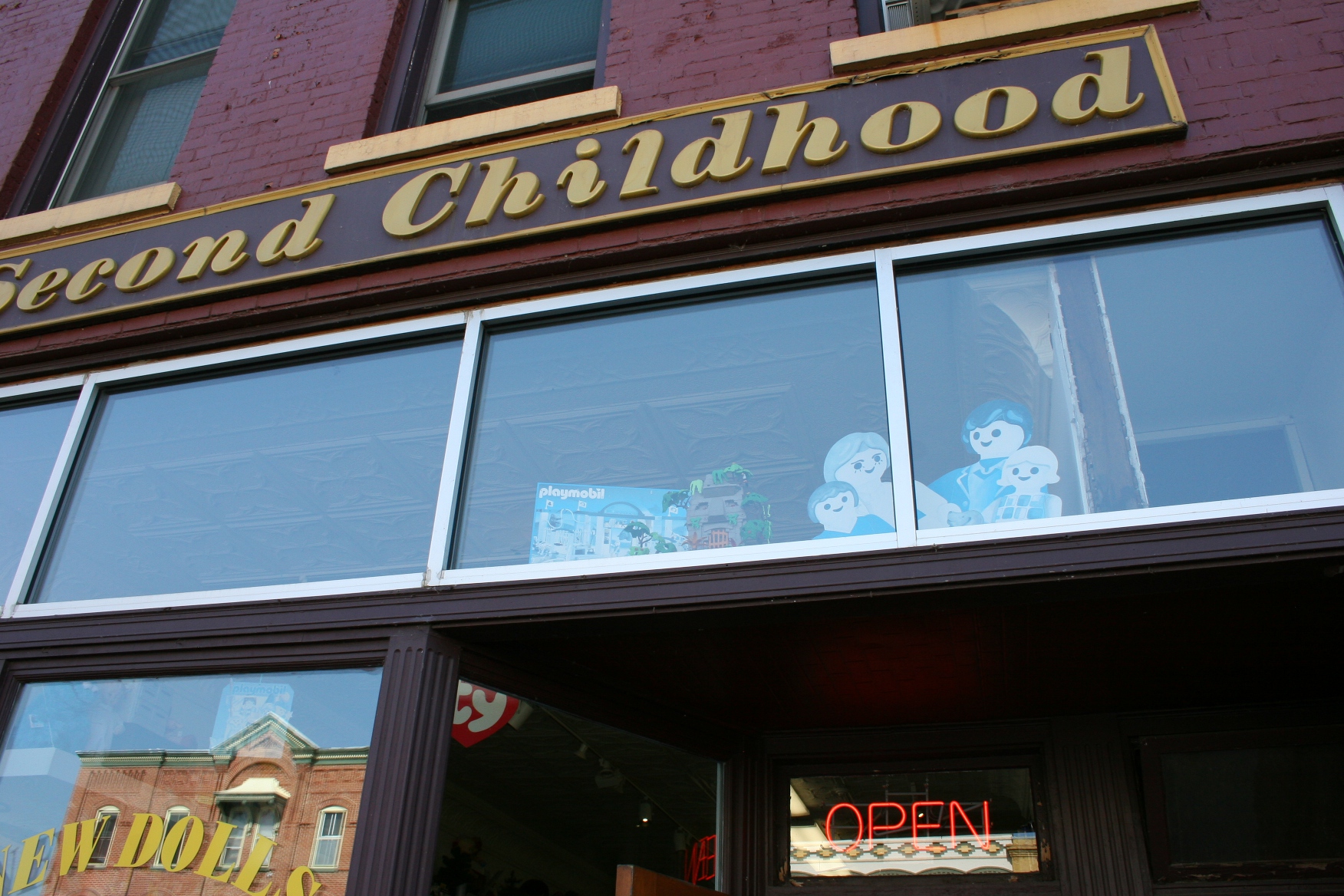
Looking up at Second Childhood Toys.

I could just stand there and gawk at the upper floors of these mostly brick buildings—at the arched windows, the detailed trim, the dates that define a building’s birth—for a good spell.

Stroll the sidewalks of downtown Hastings at a leisurely pace and step inside the many charming shops.

But the sidewalk level, too, offers an equal amount of charm with a multitude of antique and gift shops, a sweet spot to sample ice cream or candy, and more.

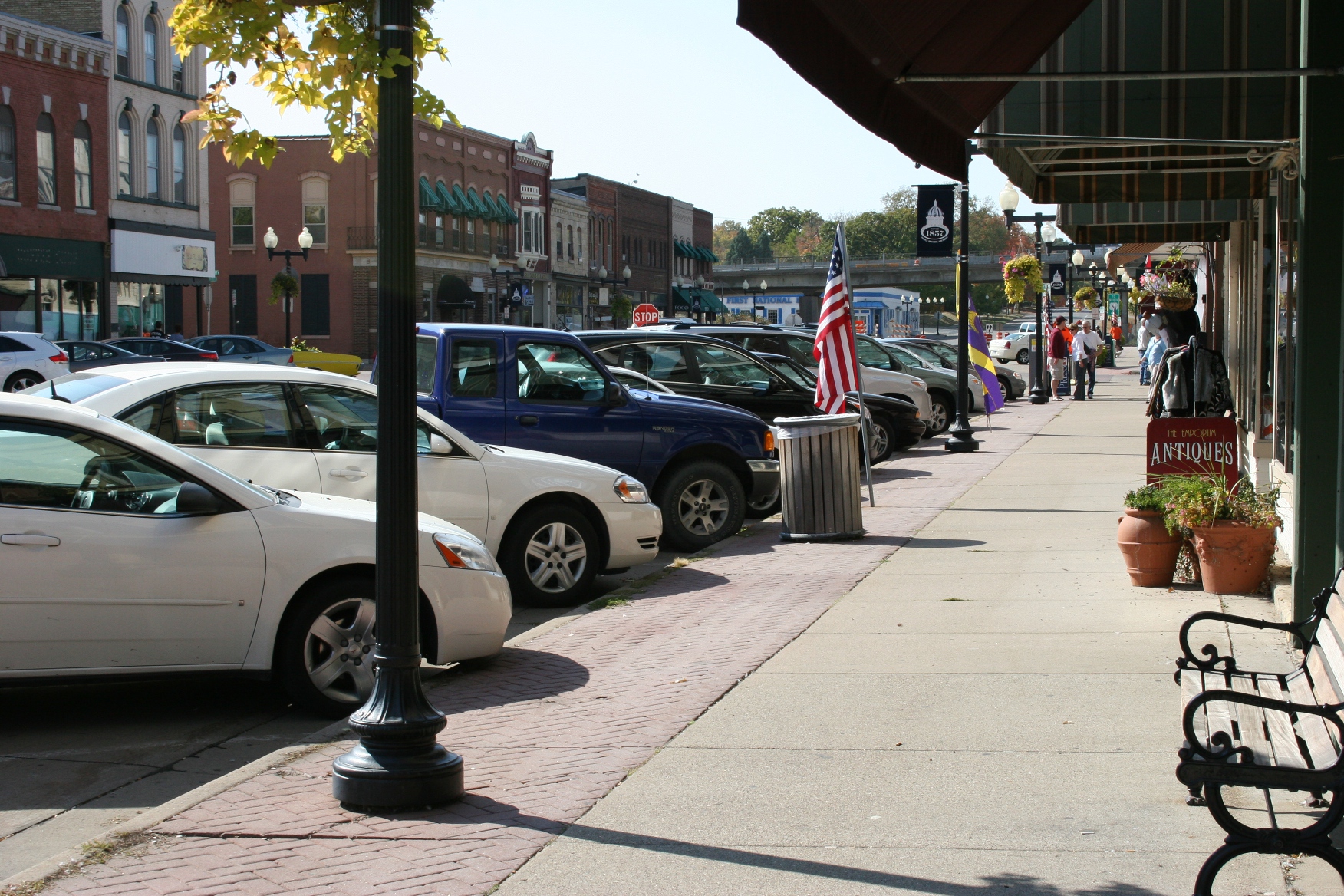
Relaxing on an early autumn afternoon in downtown Hastings, when the weather was still warm.

It’s the kind of Main Street where folks lollygag, where locals relax on a bench and sip coffee, where a dog lazes in the middle of the sidewalk and no one minds skirting around the canine, where trolls lurk near the bridge.

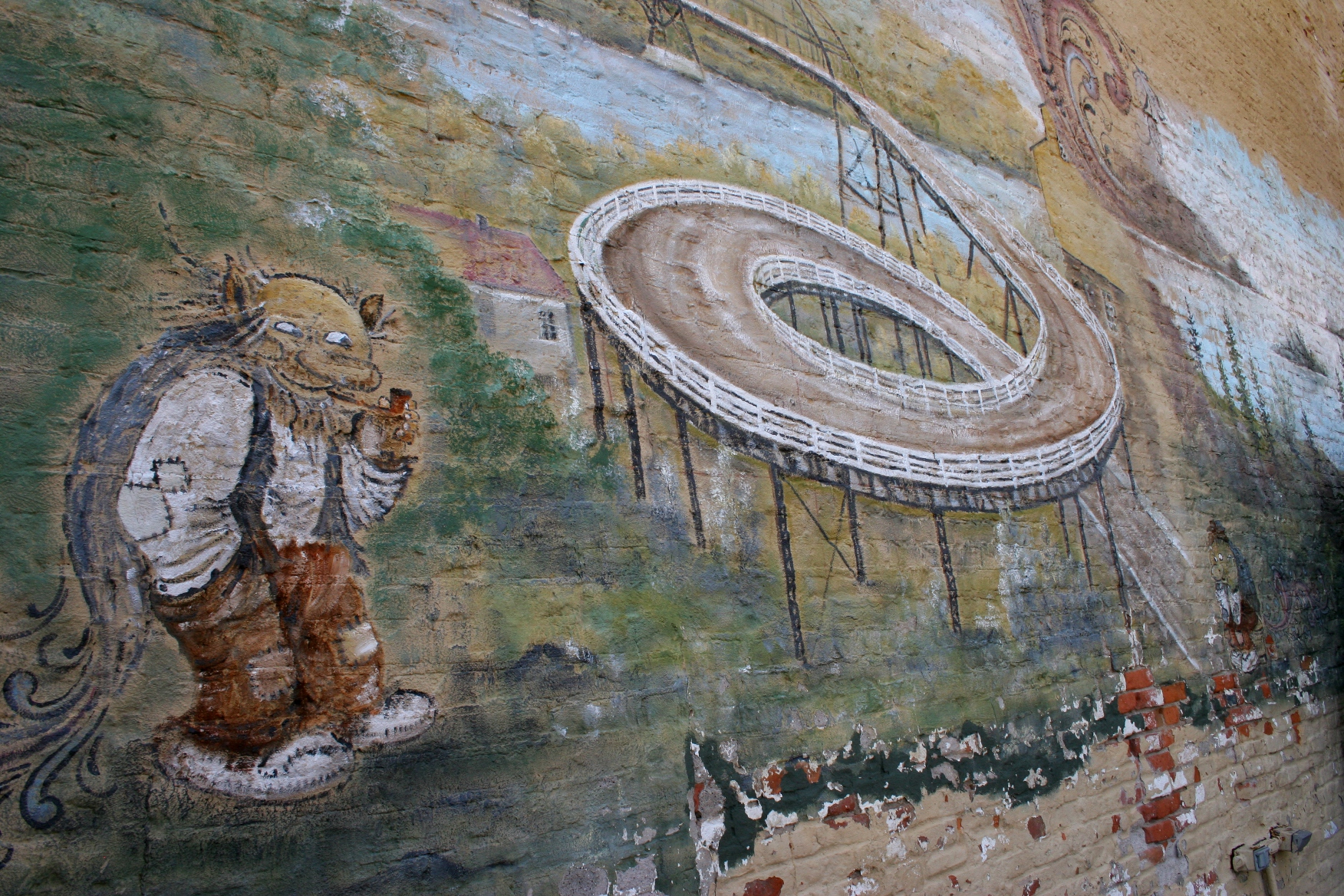
In Oliver’s Grove 1819, a downtown park, I found this mural of trolls and the old spiral bridge which once crossed over the Mississippi from Hastings to Wisconsin. Hastings was originally called Oliver’s Grove after Lt. William G. Oliver who arrived here in 1819.

This describes the Hastings I found on a Saturday afternoon in early autumn. Hastings, with its historic district, reminds me of Faribault’s downtown. Except Faribault seems to be mostly undiscovered.

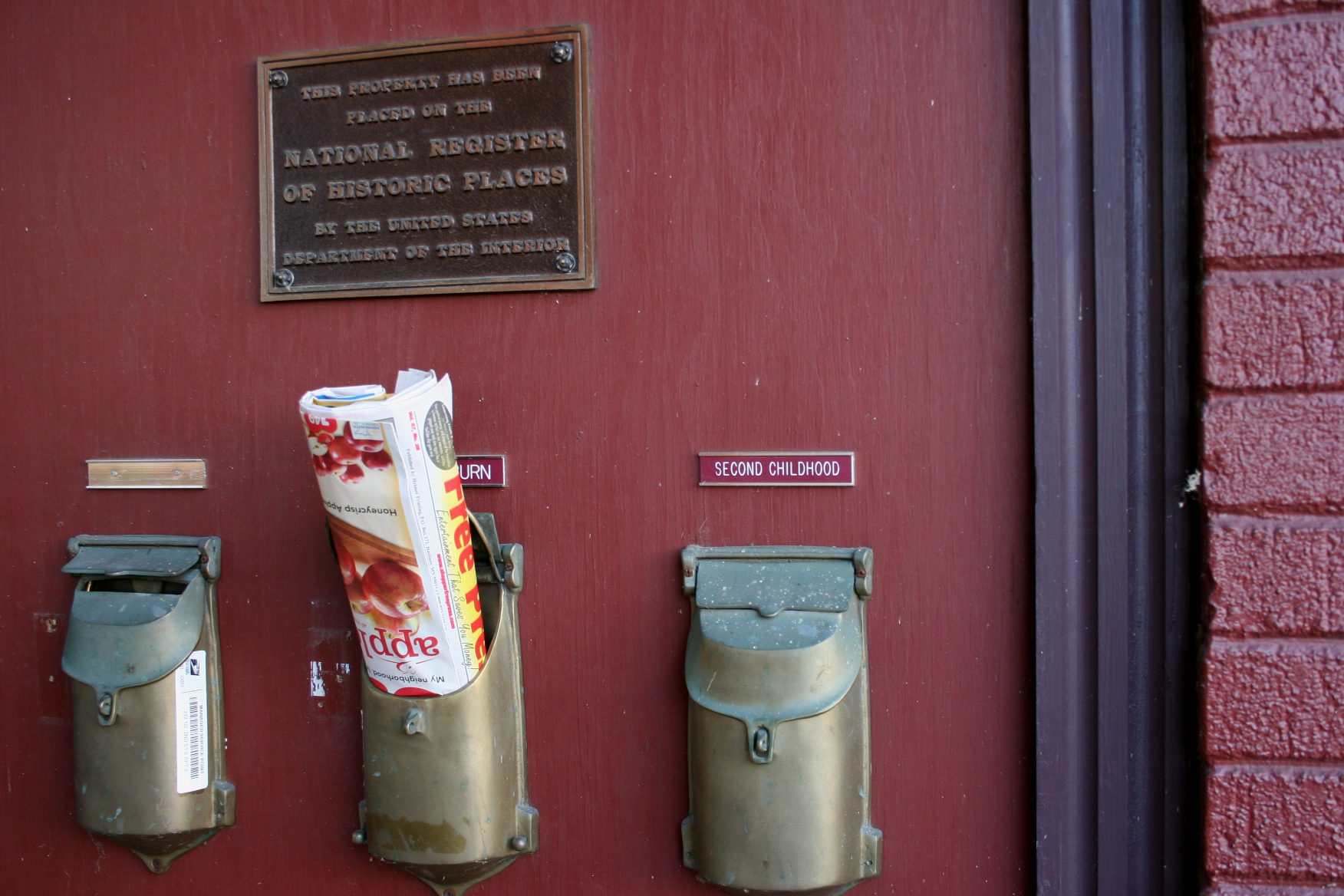
Mailboxes and an historic marker on a door in the business district.

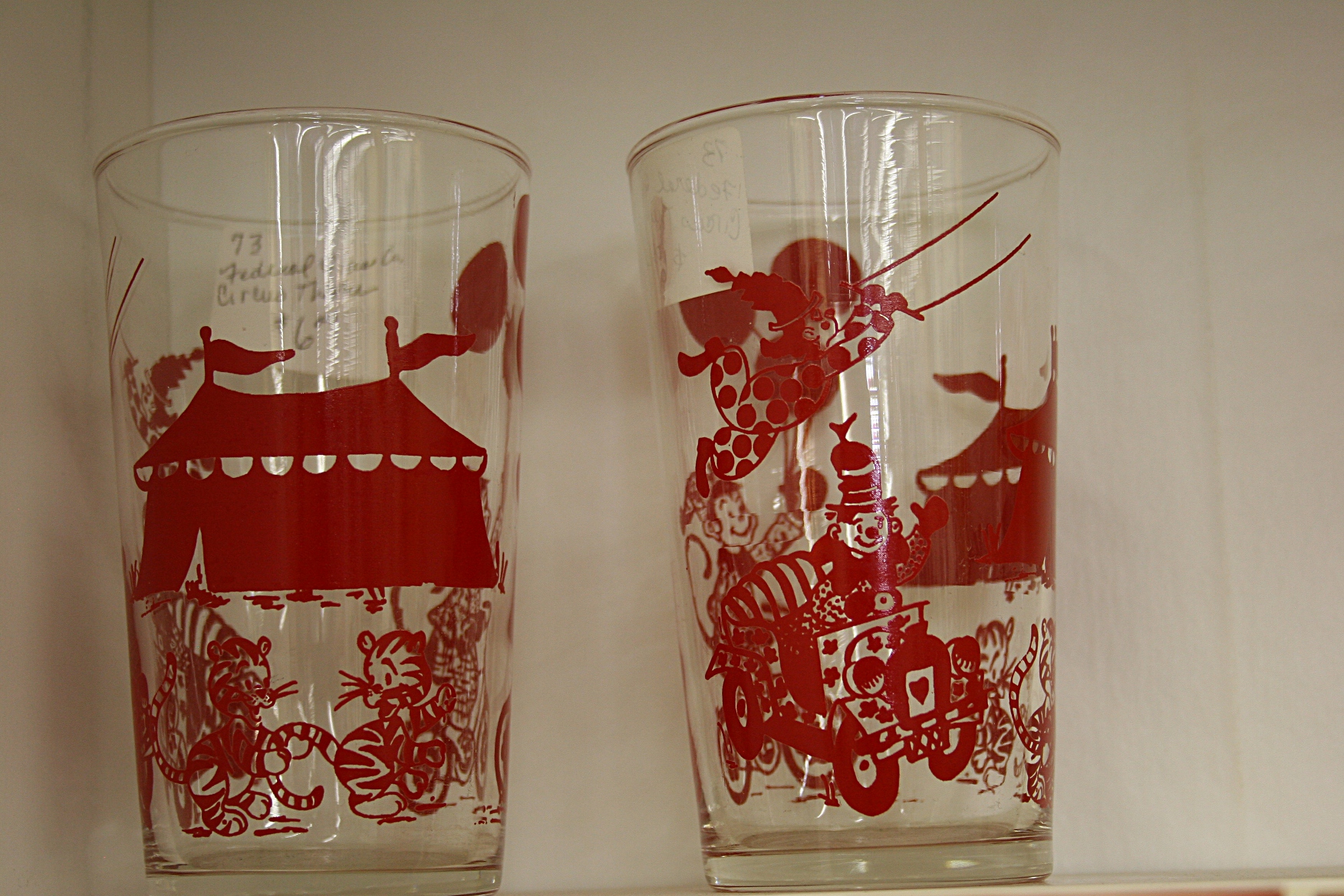
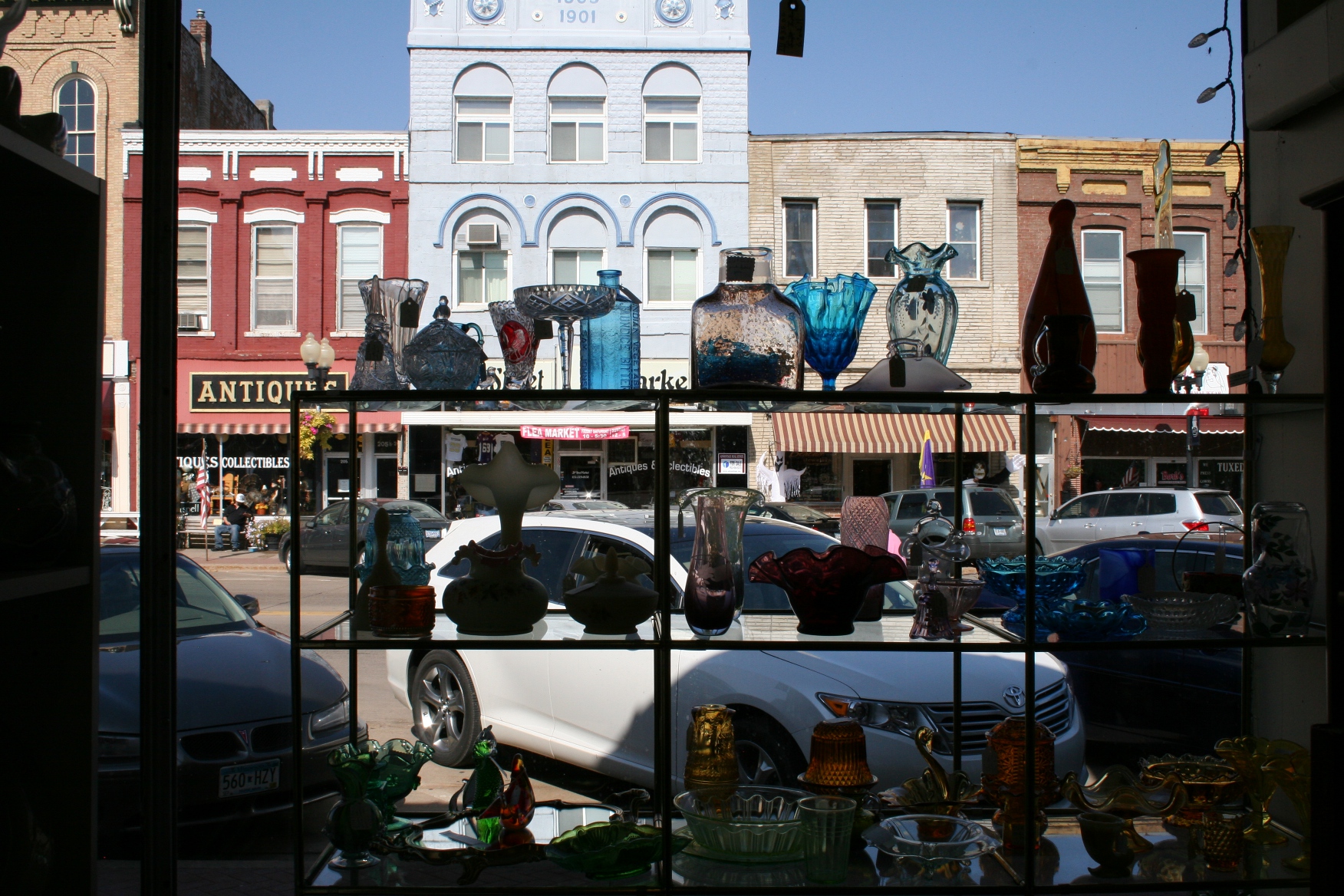
These circus glasses caught my eye inside an antique shop, Second Street Antiques and Collectibles, I believe. It was difficult for me to resist purchasing these as I collect vintage glassware.

Inside the same antique shop, looking across the street at a row of historic buildings.

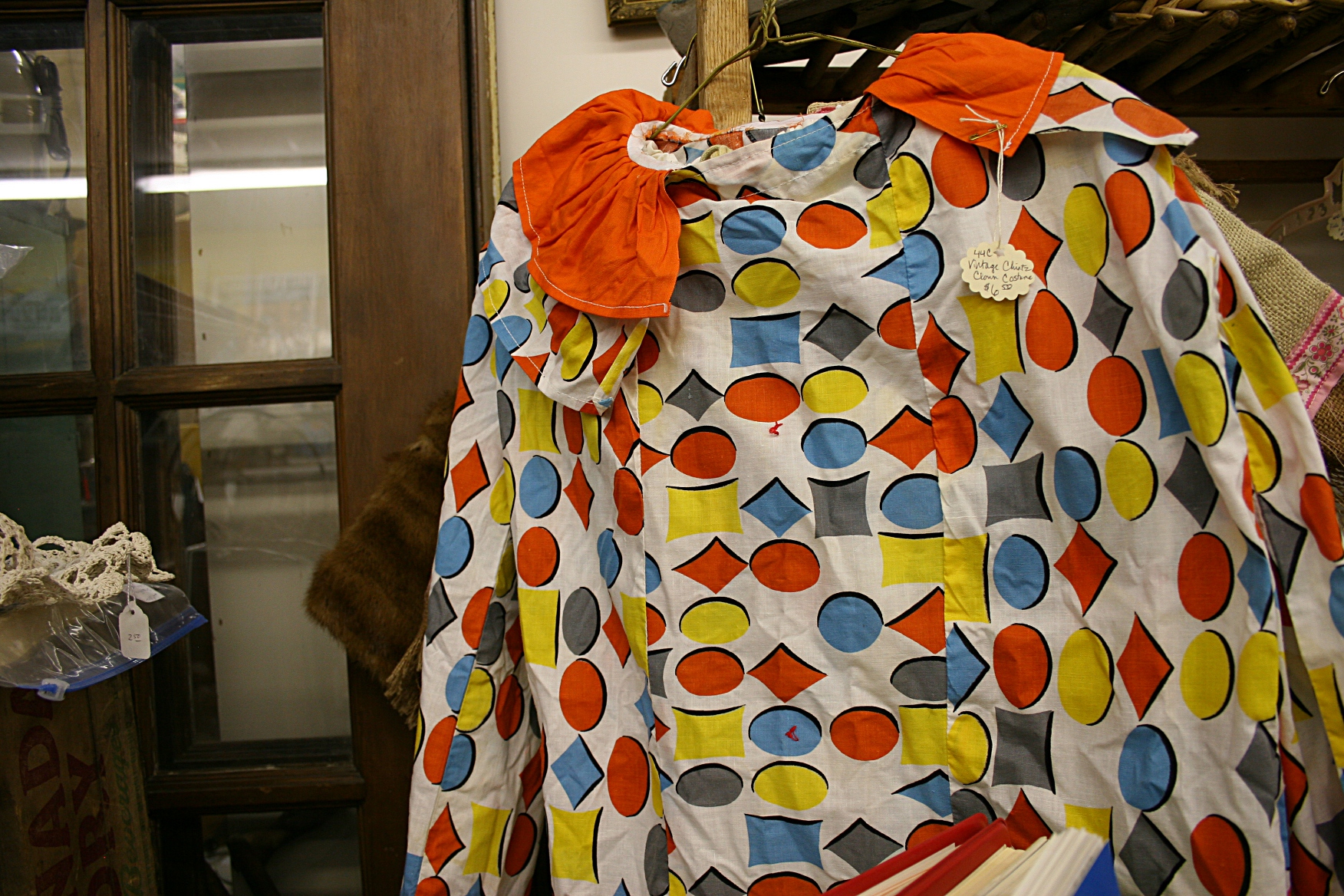
Just in time for Halloween…a vintage clown costume in the same antique mall.

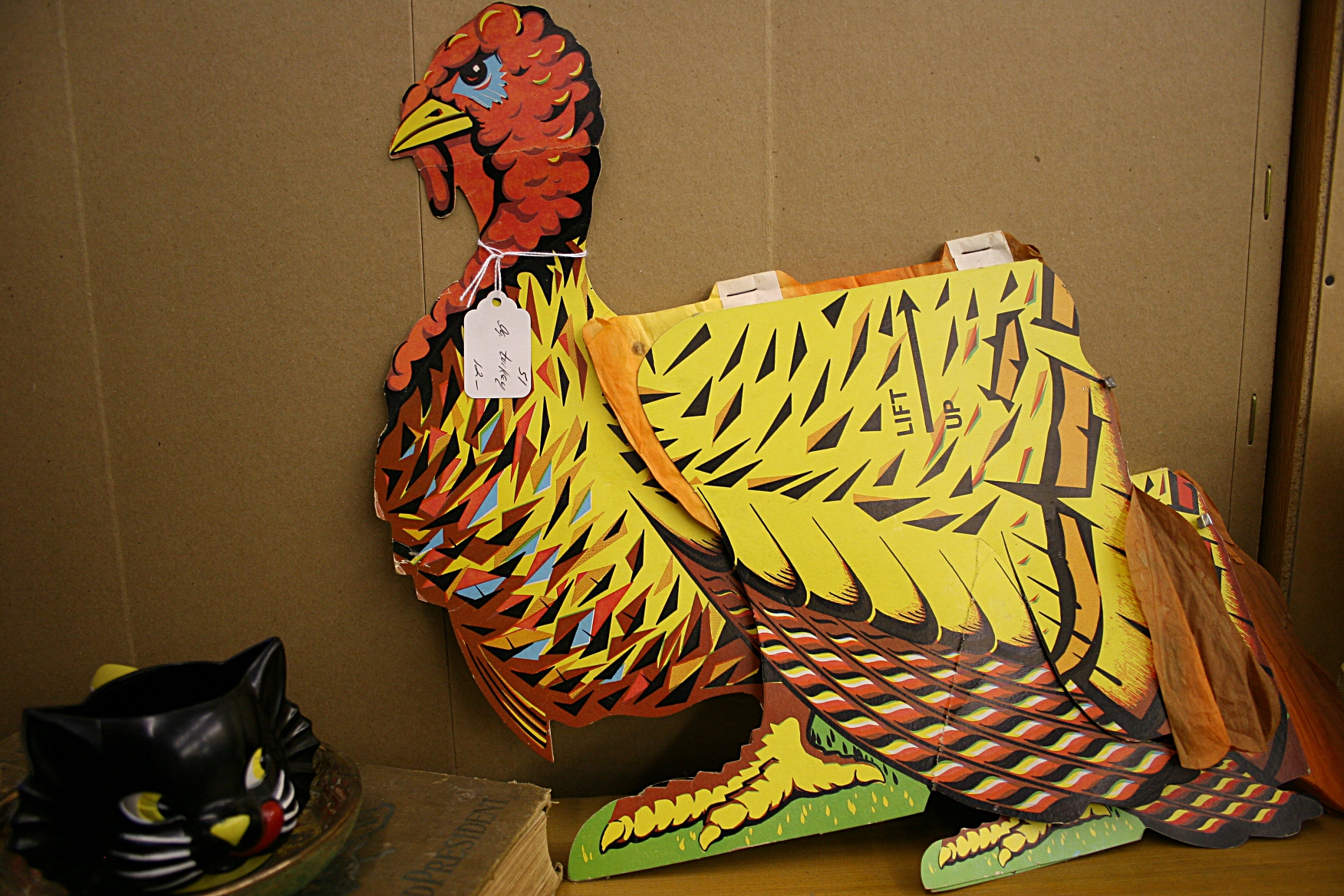
A vintage turkey decoration for the table, a few booths over from that Halloween costume.

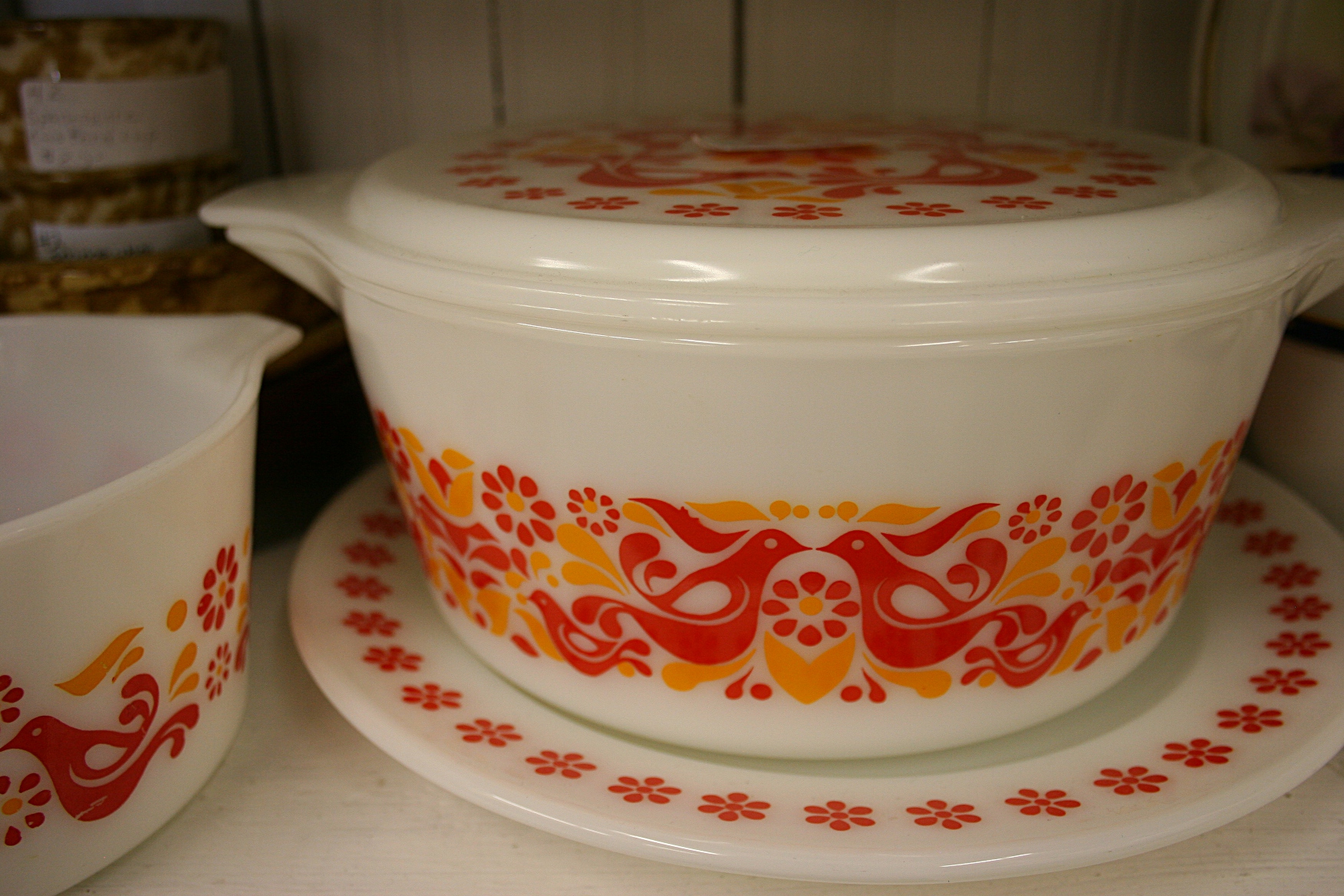
One more seasonal find, a casserole in autumn hues.

So many antique shops to visit and not enough time to see them all.

Walking the dog in historic downtown Hastings on a warm and sunny Saturday earlier in autumn.

PLEASE CHECK BACK for more posts from historic Hastings.

© Copyright 2012 Audrey Kletscher Helbling


The corner bar in Canton October 17, 2012

If you can take your eyes off the vintage phone booth, you’ll notice a beer sign suspended from ZZs Tap (bar) along Canton’s Main Street.

PEER DOWN THE ONE-BLOCK Main Street of Small Town, USA, and your eyes likely will land on a bar or two anchoring a business district comprised of primarily vacant and crumbling buildings.

That’s an over-generalization, of course, but sadly all too true for many once-thriving small towns.

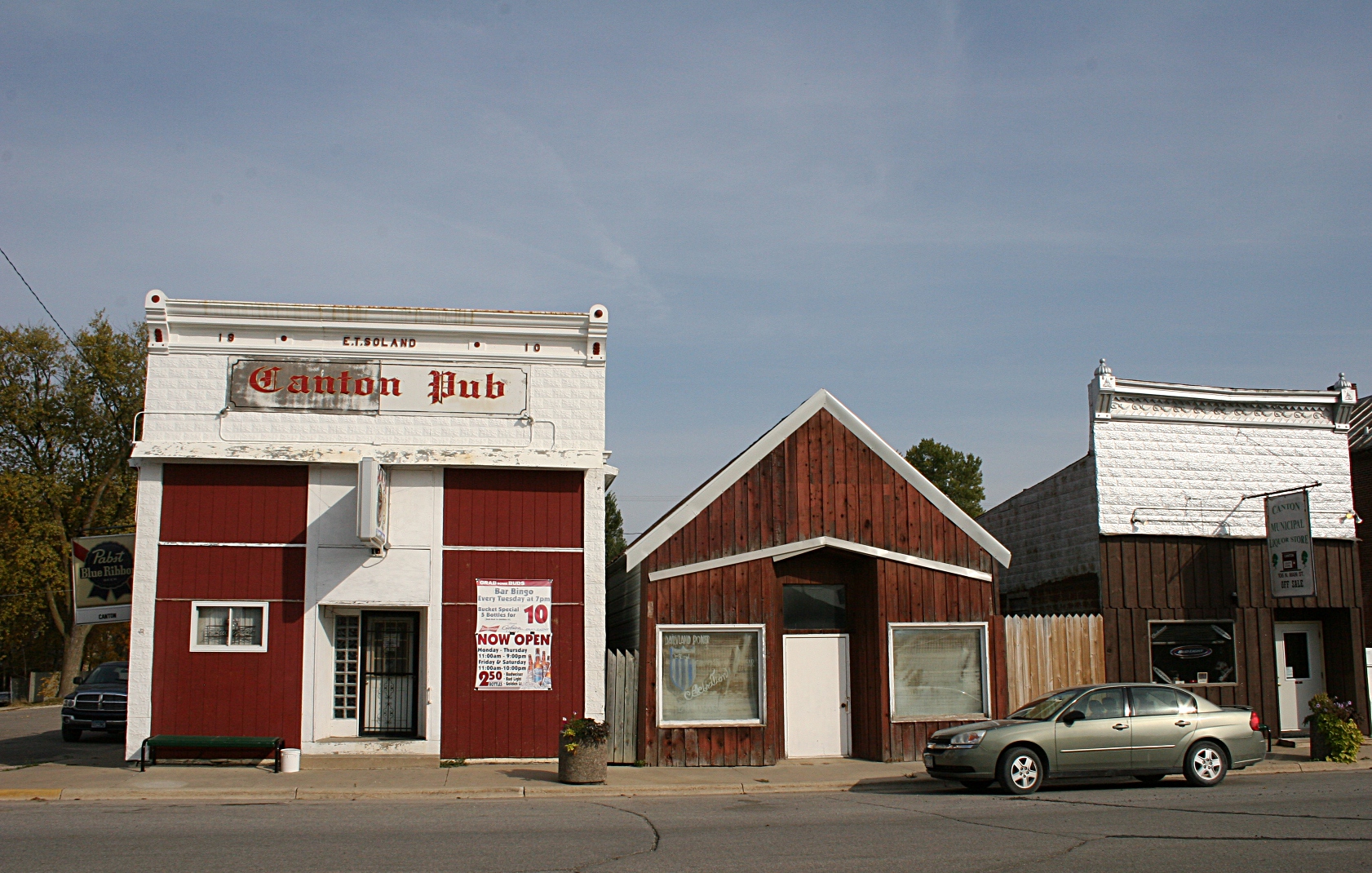
That’s the Canton Pub on the left and the Canton Municipal Liquor Store on the right with an unknown business sandwiched in between.

While hardware stores and grocery stores, even hometown cafes and barber shops, have closed, the corner bar typically endures.

I’ve never been a frequent bar customer and honestly can’t remember the last time I stepped into a small town bar where heads swivel when a stranger enters. You know what I mean, right?

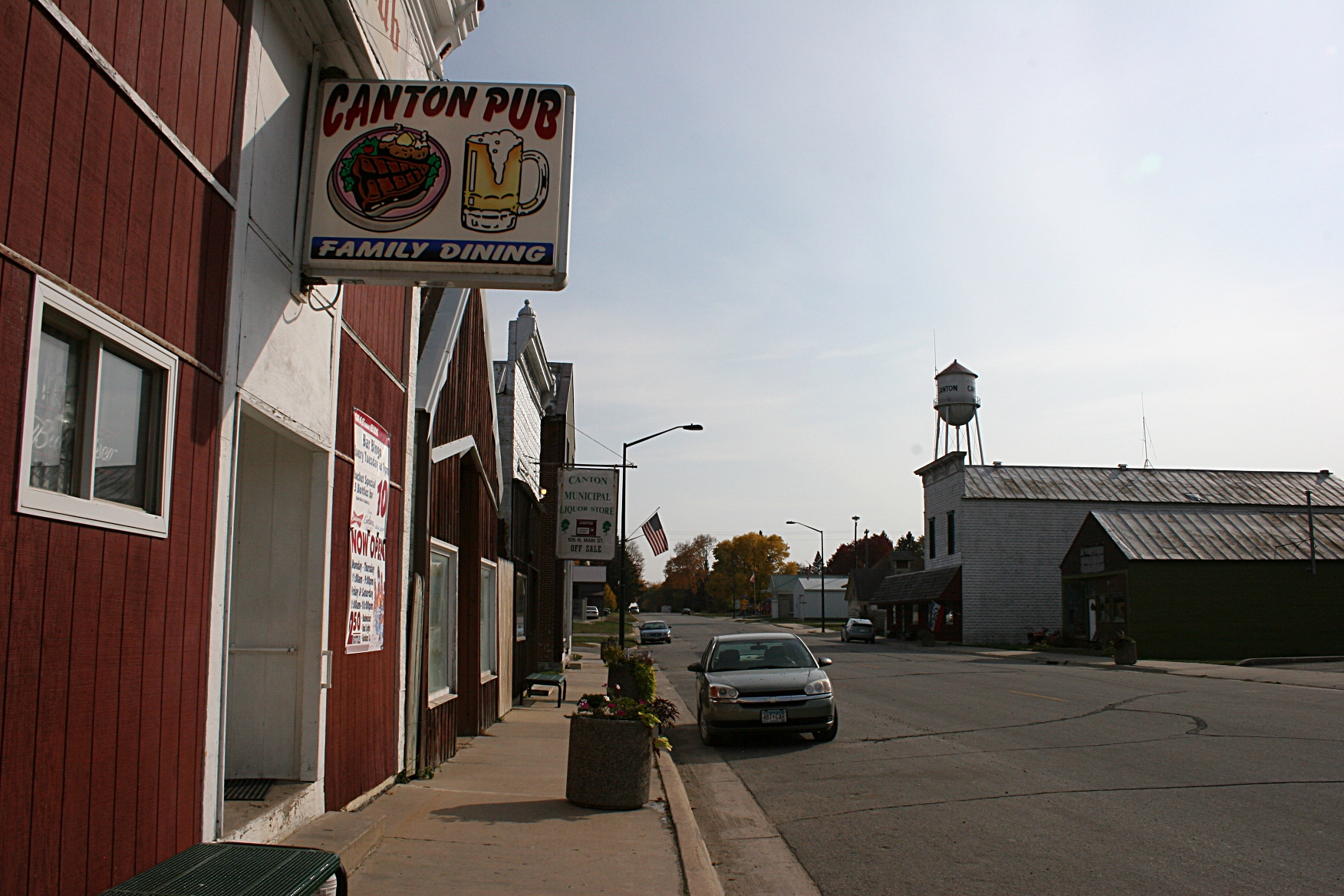
Food and drink and Tuesday night bar bingo can be found at the Canton Pub.

On a recent stop in Canton, a town of 328 nudging the Iowa border in southeastern Minnesota, I spotted the Canton Pub. I didn’t even try the pub door to see if I might slip inside for a cold one on an autumn afternoon.

I was too busy photographing the beer signs.

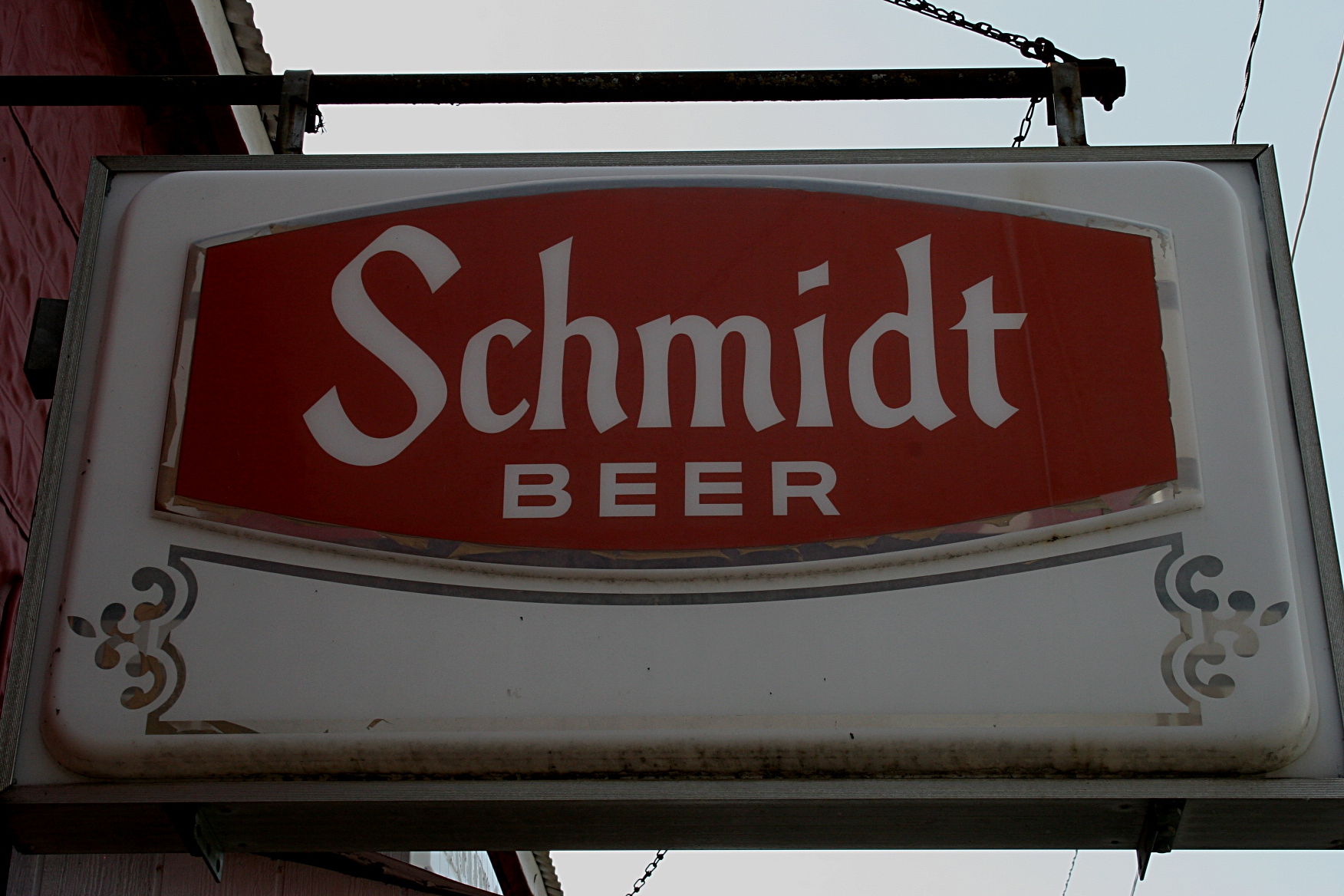
I photographed this sign at the Canton Pub for my oldest daughter’s boyfriend, Marc Schmidt, who recently relocated to the Twin Cities from LA.

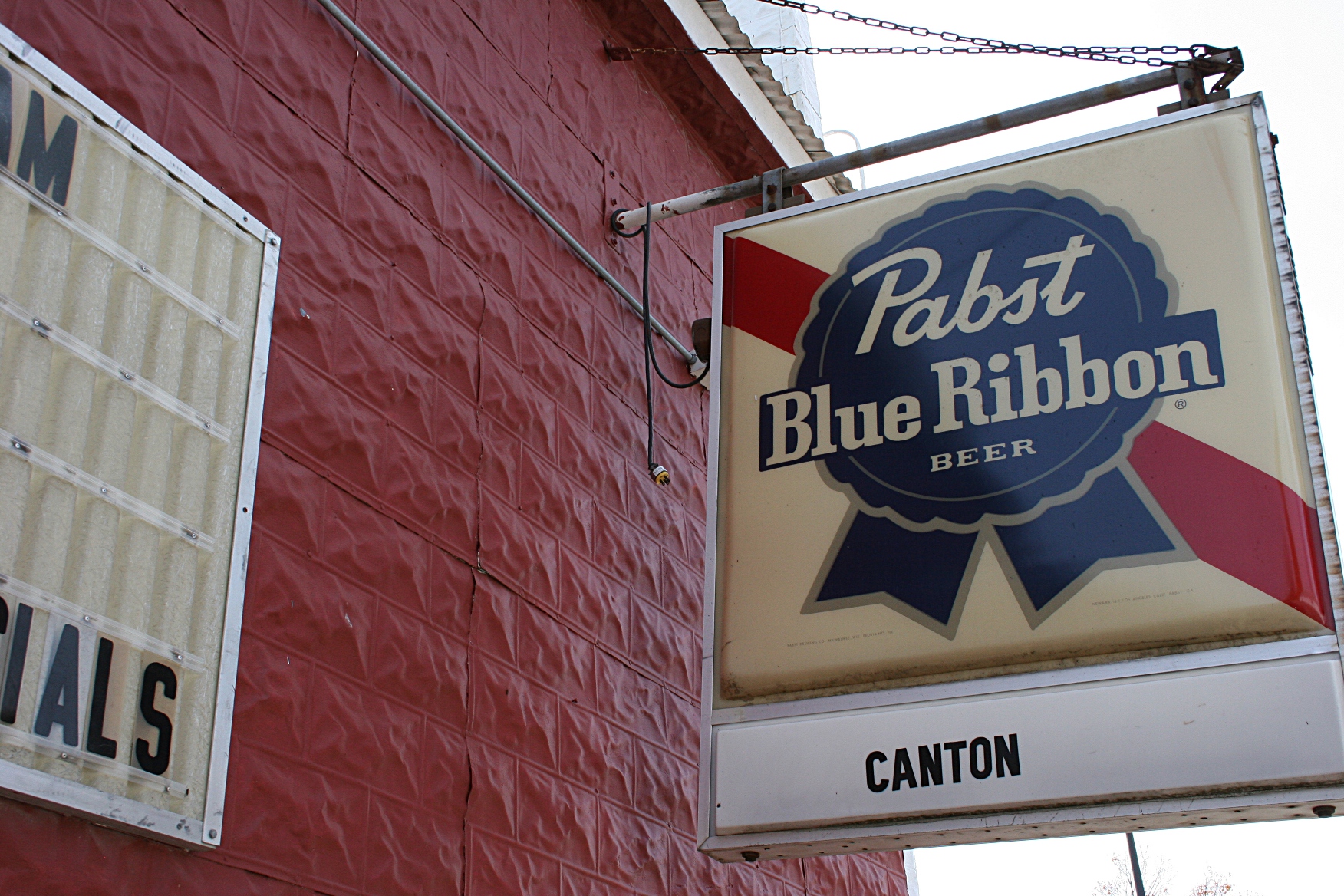
Another beer sign on the Canton Pub.

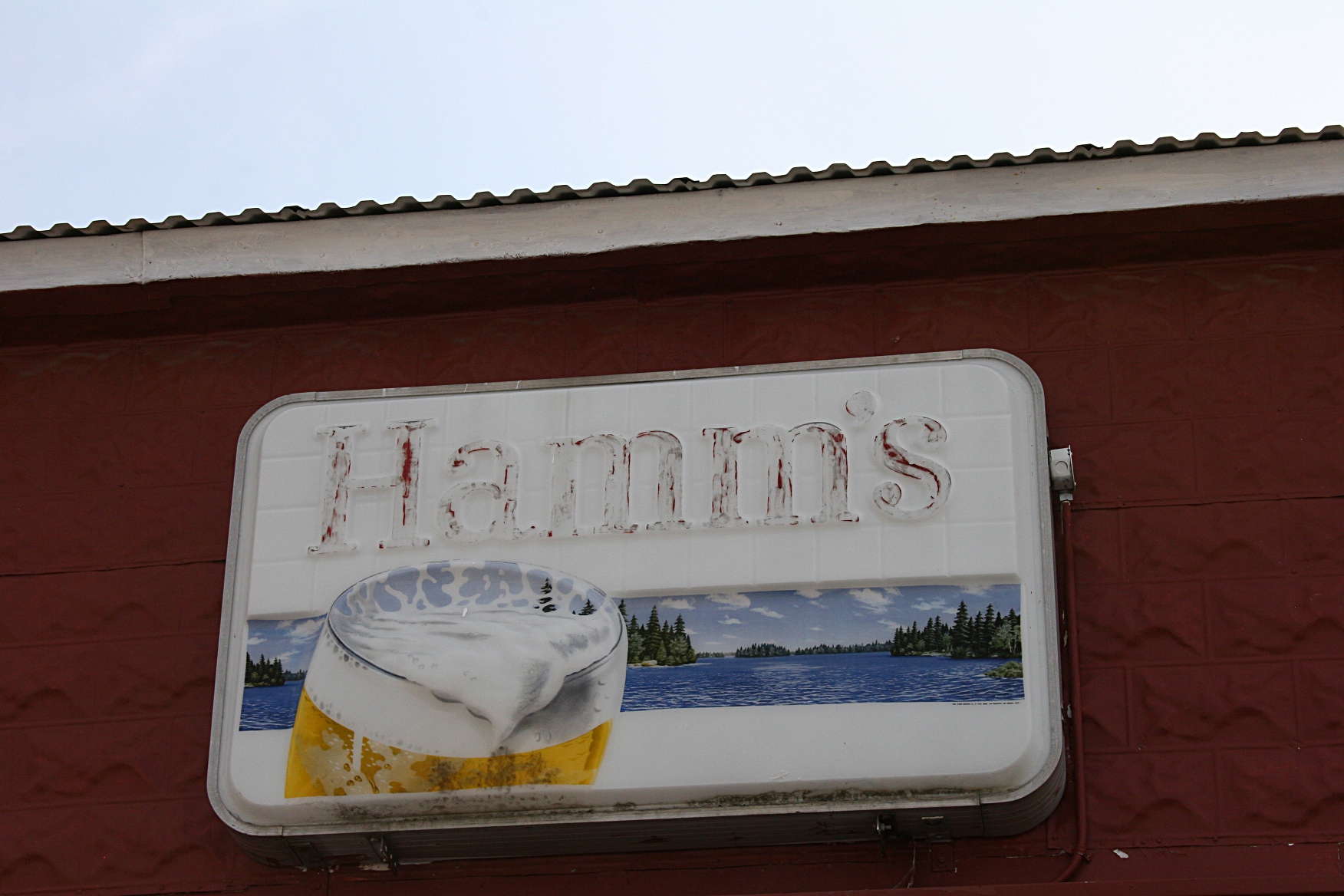
I almost missed the classic “land of sky blue waters” Hamm’s sign until my husband pointed it out at the Canton Pub.

CHECK BACK FOR ANOTHER post from Canton. There’s more to see in this small town than the bars.

© Copyright 2012 Audrey Kletscher Helbling


Main Street Wabasso, home of the White Rabbit April 25, 2012

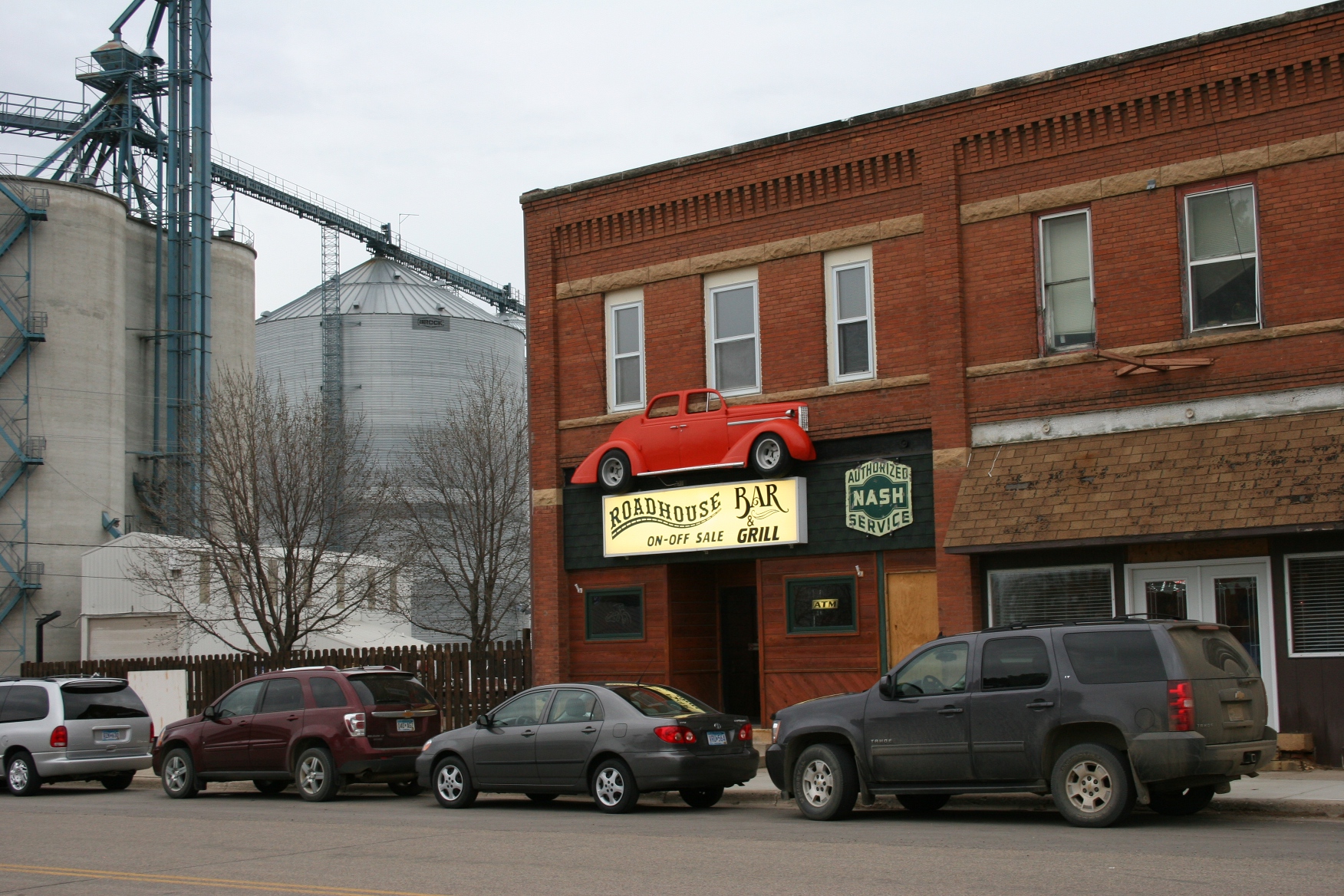
The Roadhouse Bar & Grill is a popular gathering and dining spot in Wabasso. During the summer, old car enthusiasts and motorcyclists gather here for Tuesday evening "Roll-ins" that draw up to 1,000 people. There's plenty of outdoor seating on a sprawling patio where a hamburger bar is set up for the popular event. The Grill also offers an extensive burger and sandwich menu with reasonable prices.

WITH A HALF HOUR wait before we could be seated at the Roadhouse Bar and Grill in Wabasso on a recent Saturday evening, I hit the sidewalk determined to photograph the Main Street of this small southwestern Minnesota town where I attended high school.

This road-side sculpture welcomes travelers to Wabasso, which means white rabbit.

I have, through the decades, discovered minimal familiarity among most Minnesotans with Wabasso, a Redwood County farming community of around 650 that links to Henry Wadsworth Longfellow’s poem, “The Song of Hiawatha.”

Longfellow writes in his section on the Four Winds:

“Honor be to Mudjekeewis!”
Cried the warriors, cried the old men,
When he came in triumph homeward
With the sacred Belt of Wampum,
From the regions of the North-Wind,
From the kingdom of Wabasso,
From the land of the White Rabbit.

I’ve always been told that Wabasso is an Indian word meaning “white rabbit.” I never learned of the poetic connection until researching on my own; English teachers at Wabasso High never taught this, that I recall. I doubt many of the locals are aware of Longfellow’s reference.

Wabasso is decidedly proud of its white rabbit namesake, though. You’ll find an oversized rabbit statue along State Highway 68 on the south side of town. The public school mascot is, of course, a white rabbit. And, as I found, even local businesses support the Rabbits via storefront signage.

Wabasso’s downtown business district is typical rural Minnesota with a mix of well-kept and deteriorating buildings that border a broad street. Attempts to modernize once stately brick buildings with wood and metal fail and make you wish for a money bag of gold to restore such structures to their original grandeur.

But for now, in this economy, one must choose to appreciate the imperfections of Main Street as adding character to a community like Wabasso, home of the white rabbit.

A broad view of a block along Wabasso's Main Street on a recent Saturday evening.

Wabasso is a strong agricultural-based community. The outgoing Future Farmers of America Minnesota State President Hillary Kletscher (my niece) graduated from Wabasso High School in 2011.

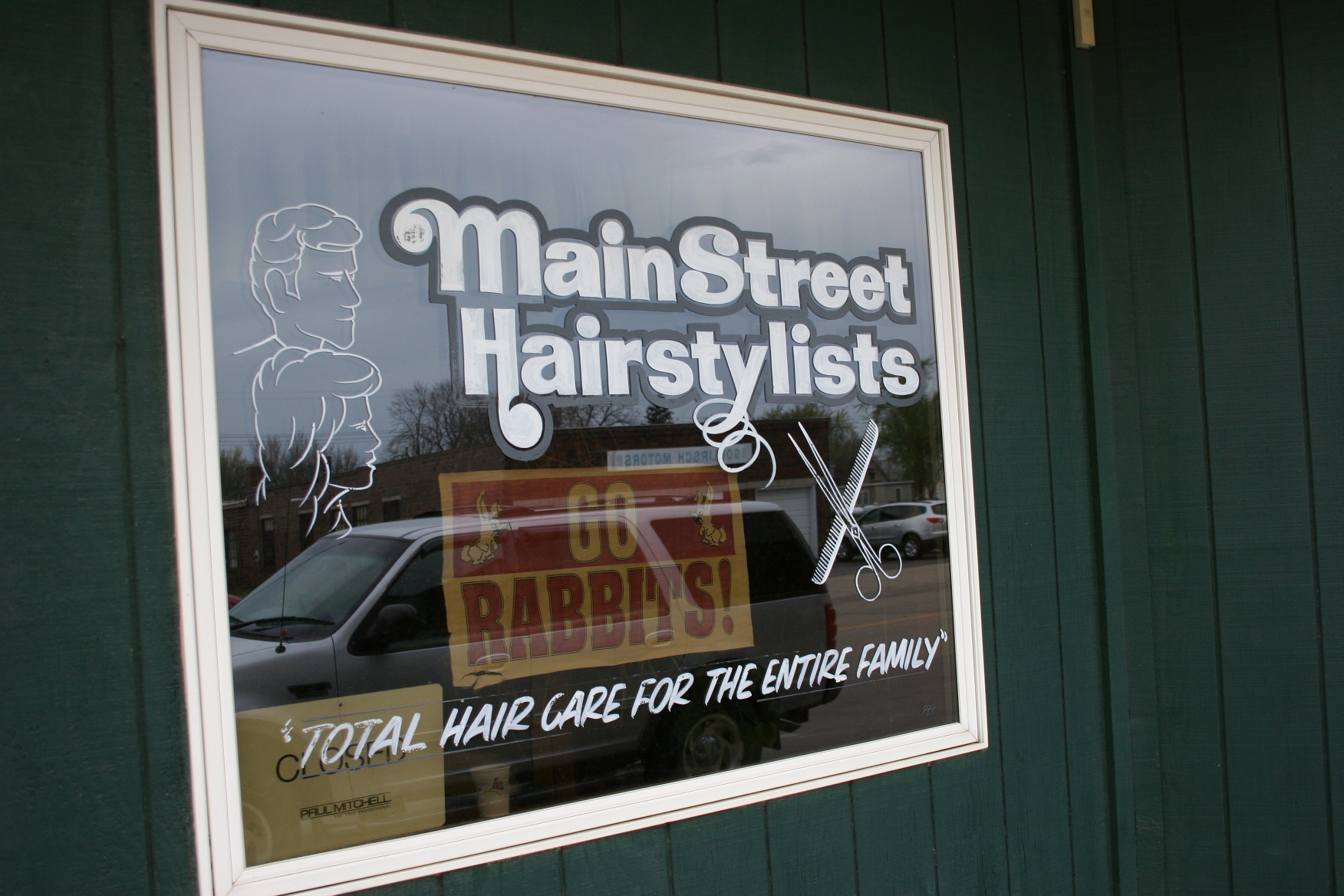
A sign supporting the high school sports team hangs in a salon window.

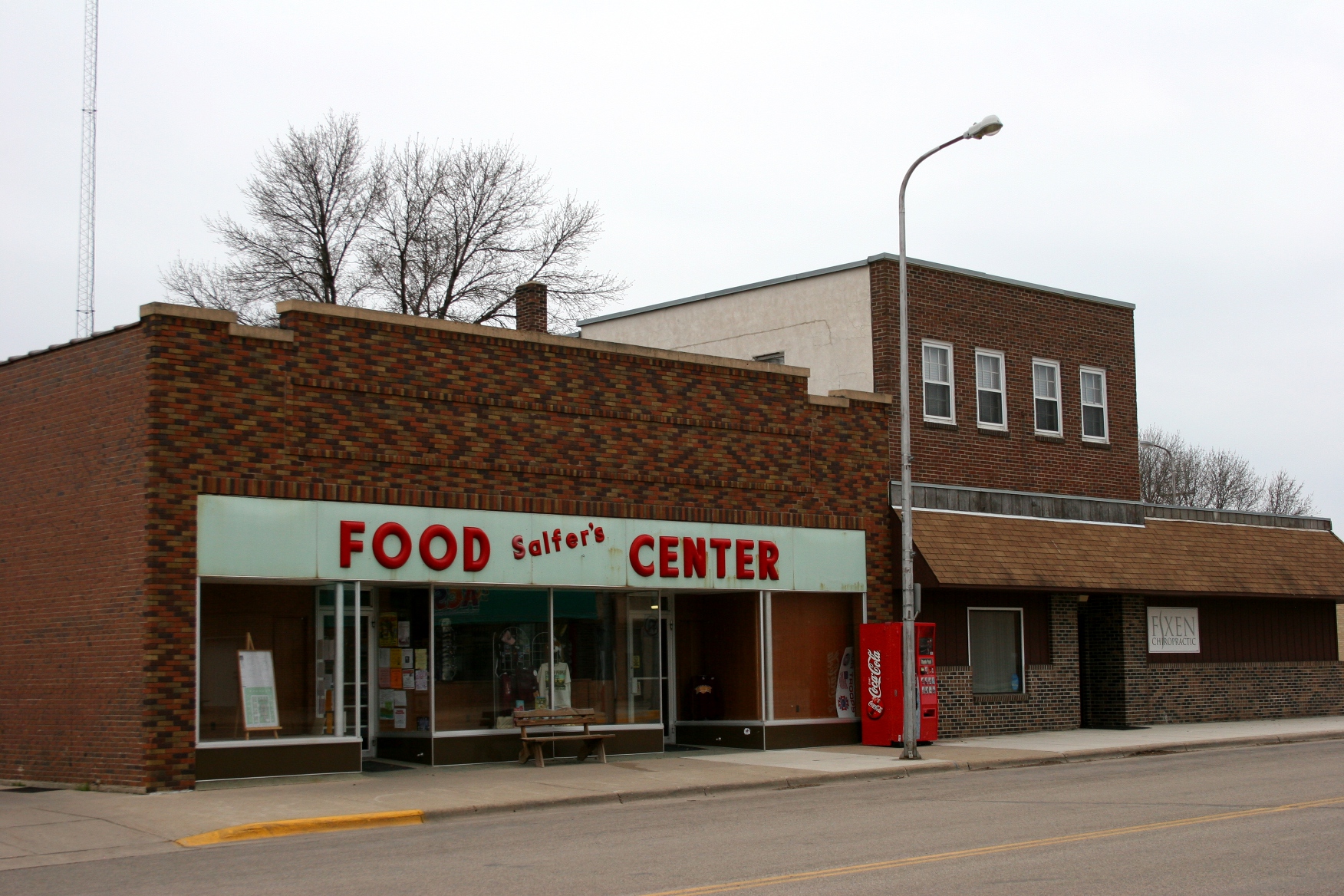
Wabasso is fortunate enough to still have a grocery store.

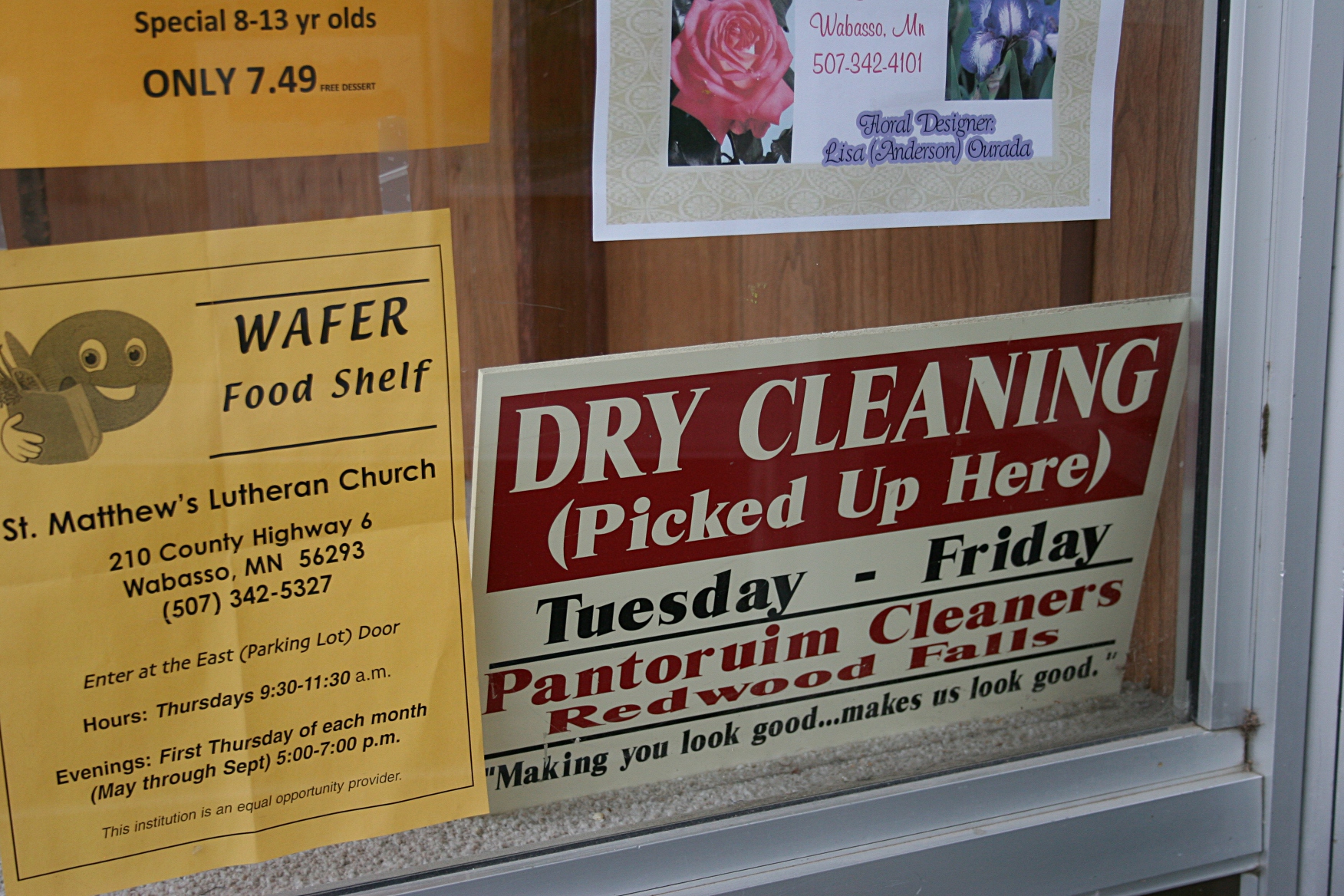
Signage in the window of Salfer's Food Center.

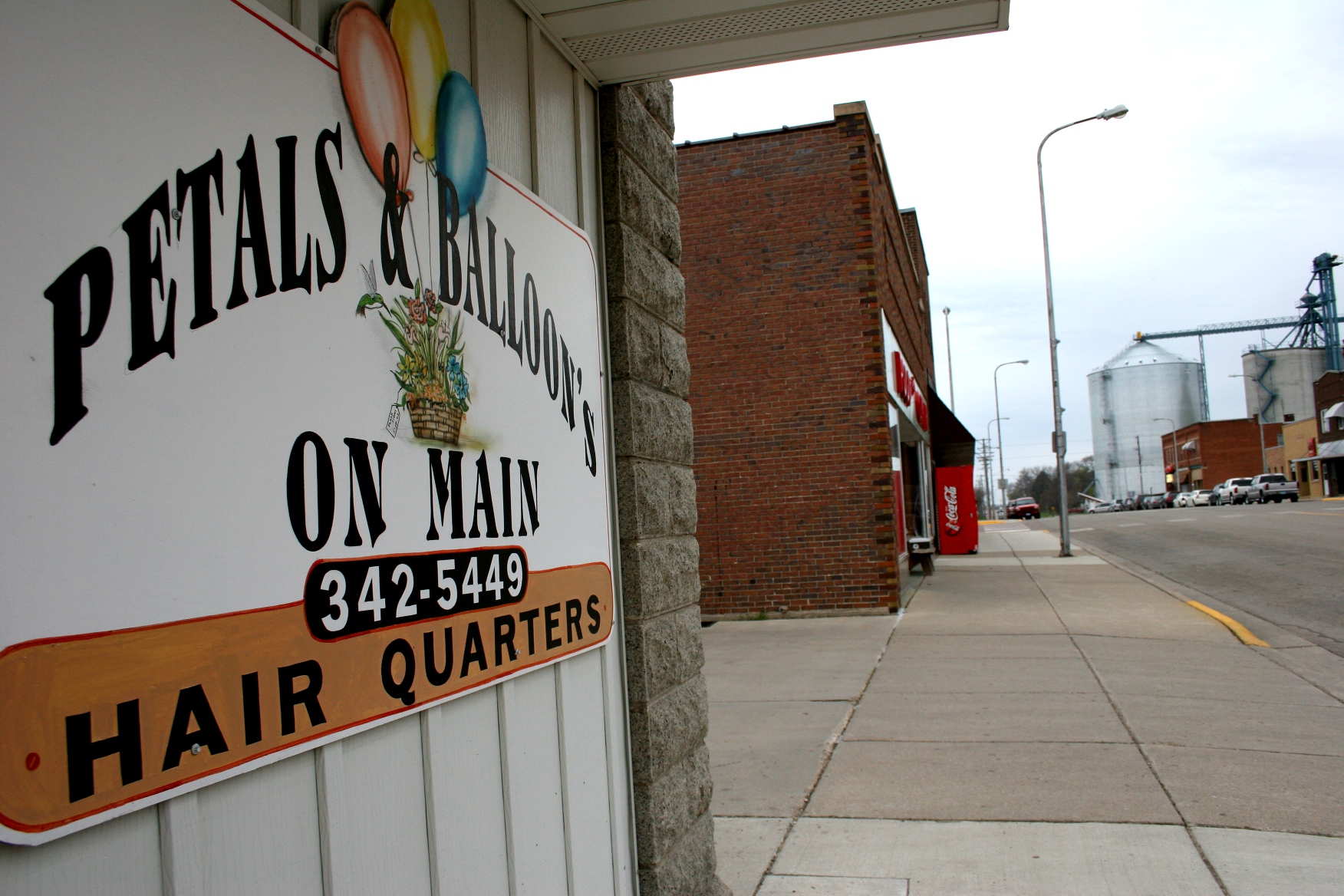
My WHS class of 1974 classmate Marcis owns this combination floral shop and hair salon along Main Street. Marcy was also waiting tables at the Roadhouse the Saturday evening I was in town.

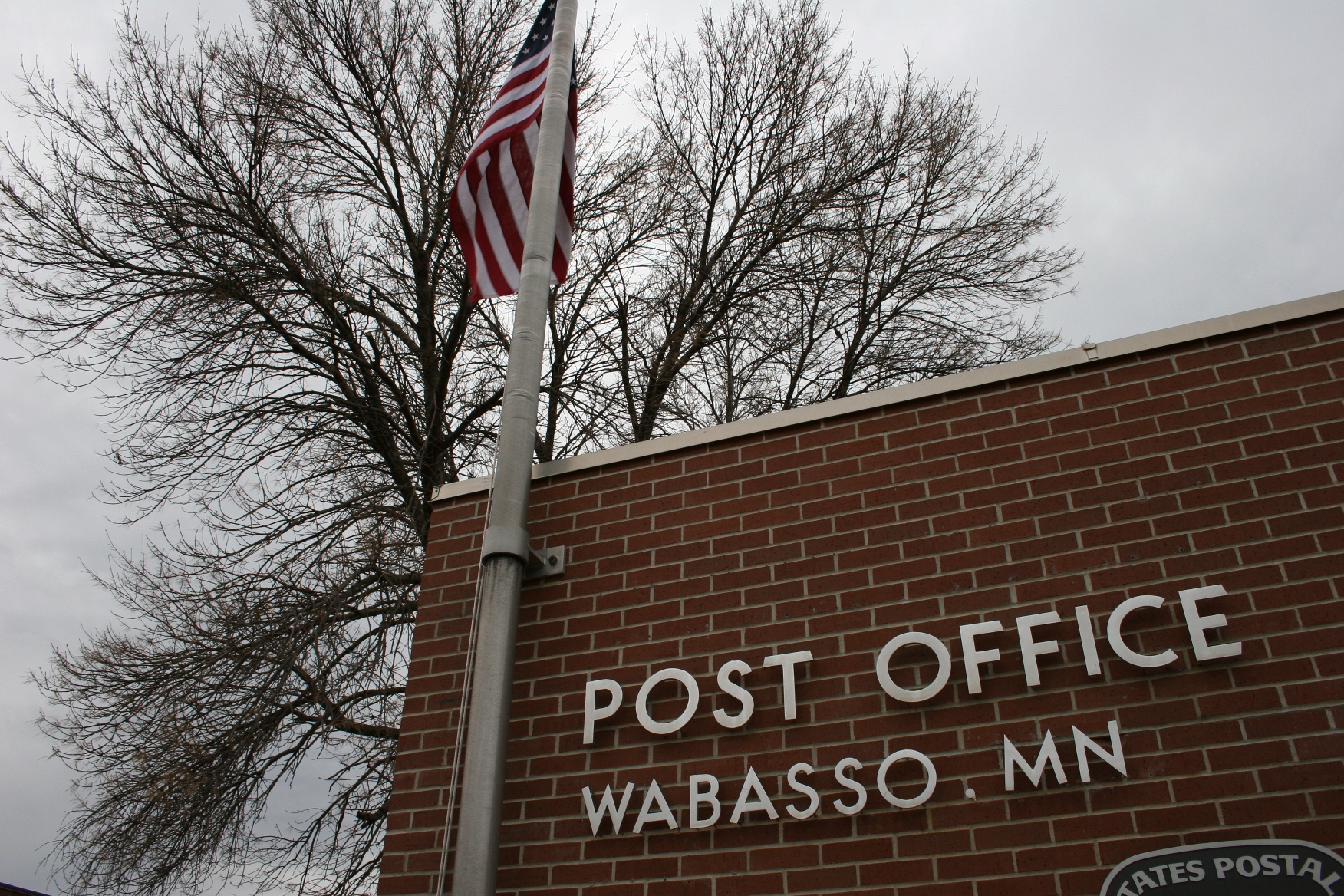
Wabasso is fortunate to also still have a post office, unlike more and more rural communities in Minnesota.

THE PHOTOS IN THIS POST are similar in content to those printed in the just-published spring issue of Minnesota Moments magazine. Photographer Ryan Ware of Chaska and I contributed 16 images from 14 small towns to a photo essay titled “Touring Main Street in Small Town, Minnesota.” The essay is only a small sampling of the hundreds, perhaps even thousands, of images we have taken of small towns and rural areas. Both natives of southwestern Minnesota, Ryan and I share a passion for photography that connects us to our rural roots. I would encourage you to check out Ryan’s photos at his Fleeting Farms blog by clicking here.

CLICK HERE to reach the Minnesota Moments website.

CLICK HERE for more information about the Roadhouse Bar & Grill.

CLICK HERE to learn more about Wabasso.

© Copyright 2012 Audrey Kletscher Helbling


If you appreciate old buildings, you must visit historic downtown Appleton, Wisconsin January 9, 2012

I’M NOT A MALL KIND OF GIRL. Never have been. Never will be. If you want to while away an afternoon window or power shopping at a sprawling indoor mall, don’t ask me.

But invite me to explore an historic downtown and I can’t get there fast enough. I delight in the detailed architecture, the charming ambiance, the folksy shops, the comfortable feel and the visual appeal of a downtown that hearkens more to yesteryear than to the modern day 21st Century.

A row of old buildings in downtown Appleton, Wisconsin, on a December morning..

Knowing this about me, you’ll understand exactly why I am so enthralled with downtown Appleton, a city of 72,400 in eastern Wisconsin and home to the 7-acre College Avenue Historic District with 27 buildings dating from 1857-1932 on the National Register of Historic Places.

This downtown is my kind of place—described as “one of Wisconsin’s folksiest, funkiest and friendliest downtowns.”

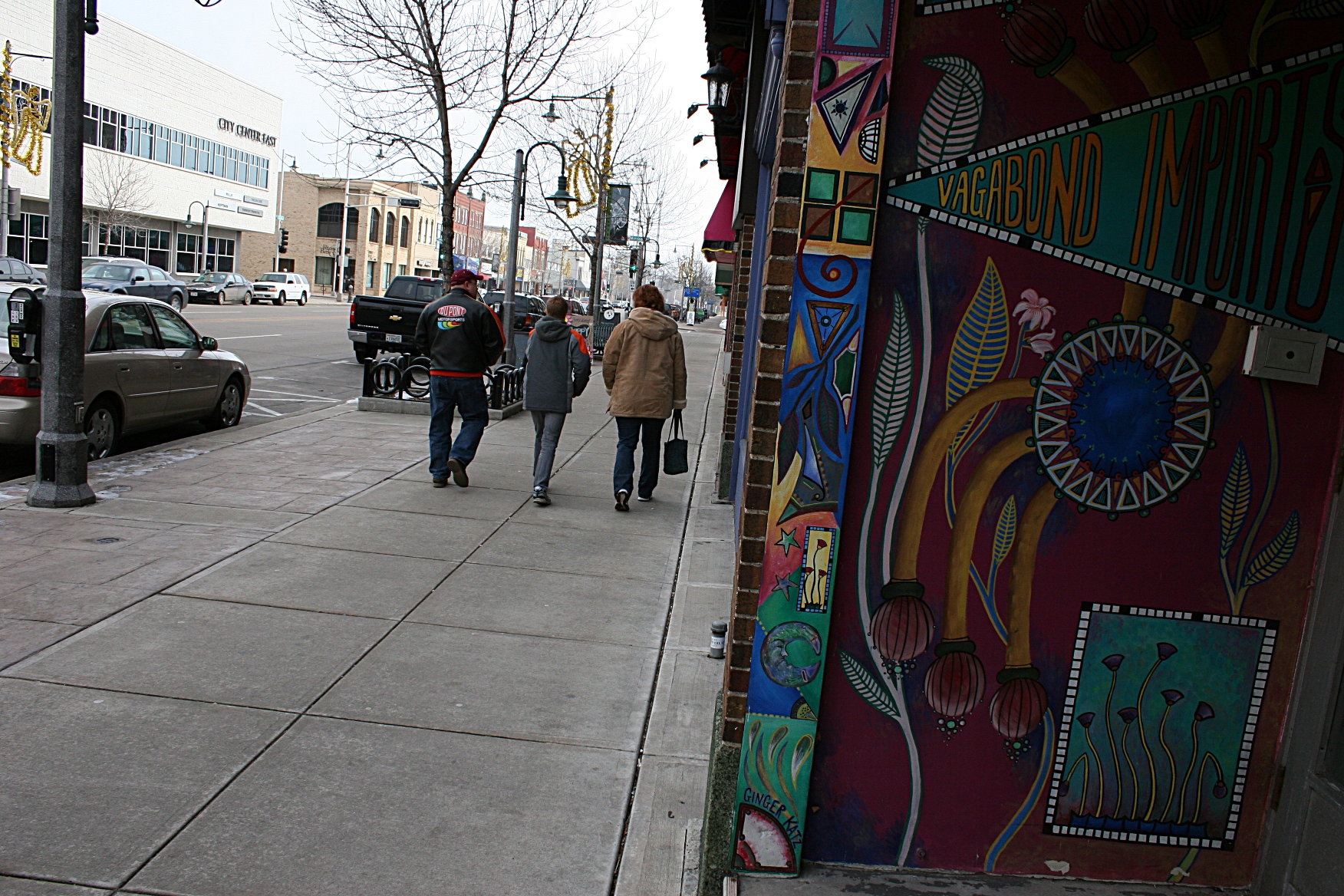
The exterior of funky Vagabond Imports.

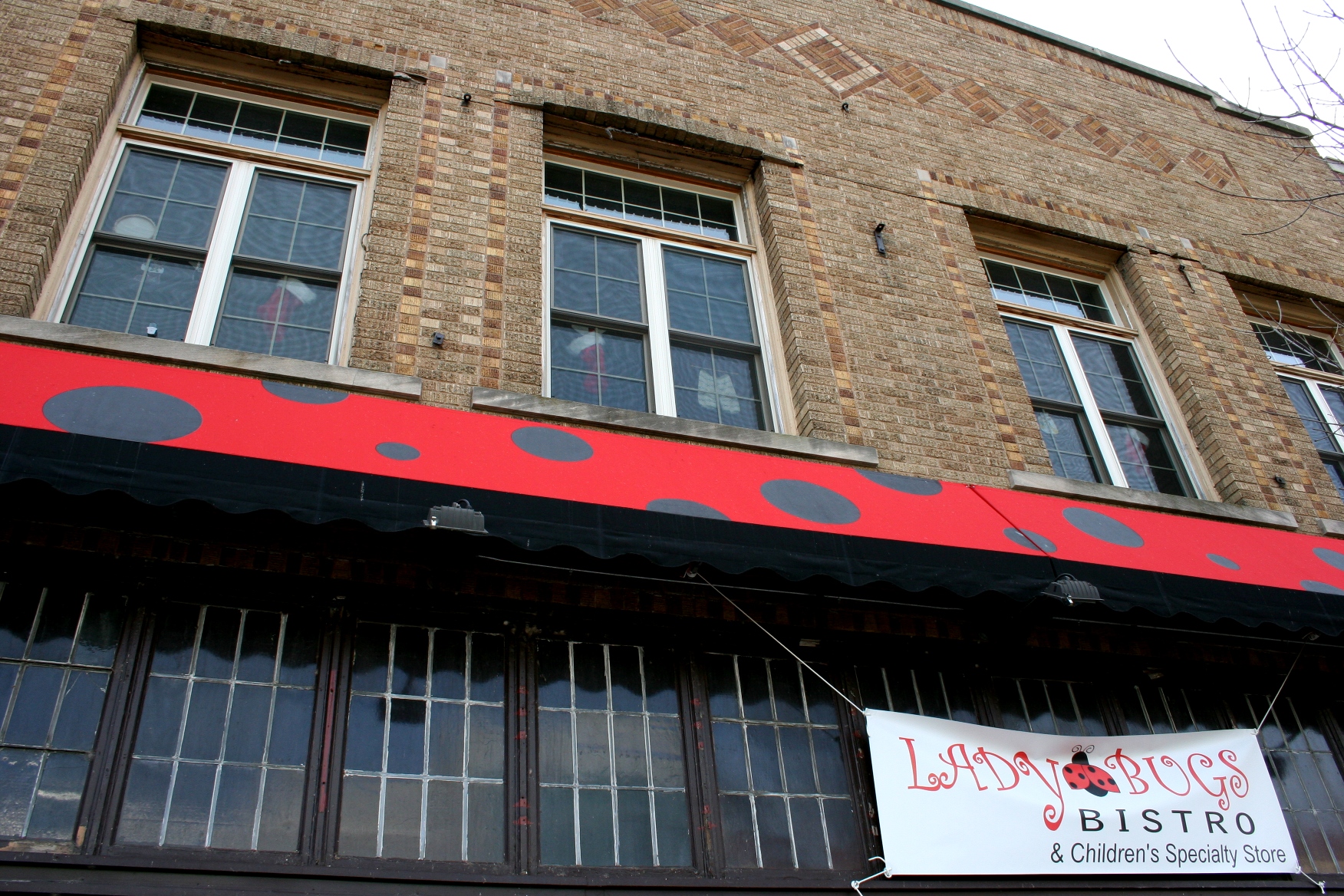
Loved the downtown signage, especially on Lady Bugs Bistro & Children's Specialty Store.

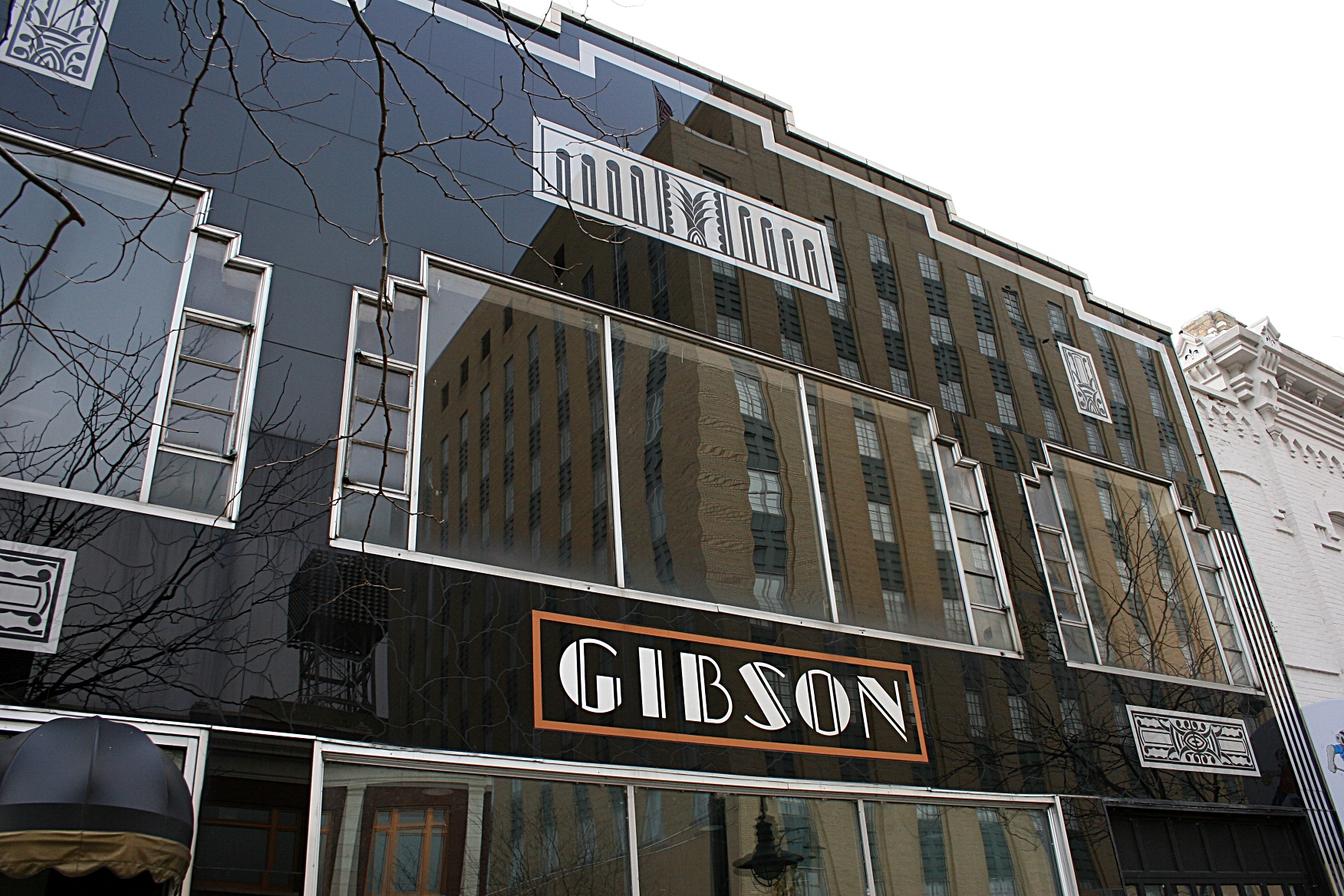
One of the more unique downtown buildings brought to mind the Roaring 20s and flappers and F. Scott Fitzgerald.

I’ll add photogenic to that list of superlative adjectives.

During my brief tour of downtown Appleton recently, I couldn’t stop gawking at the lovely aged buildings with their artsy signage. Even the more modern buildings meld nicely with the old, a sometimes difficult transition to make.

Downtown Appleton, along College Avenue, melds the new with the old.

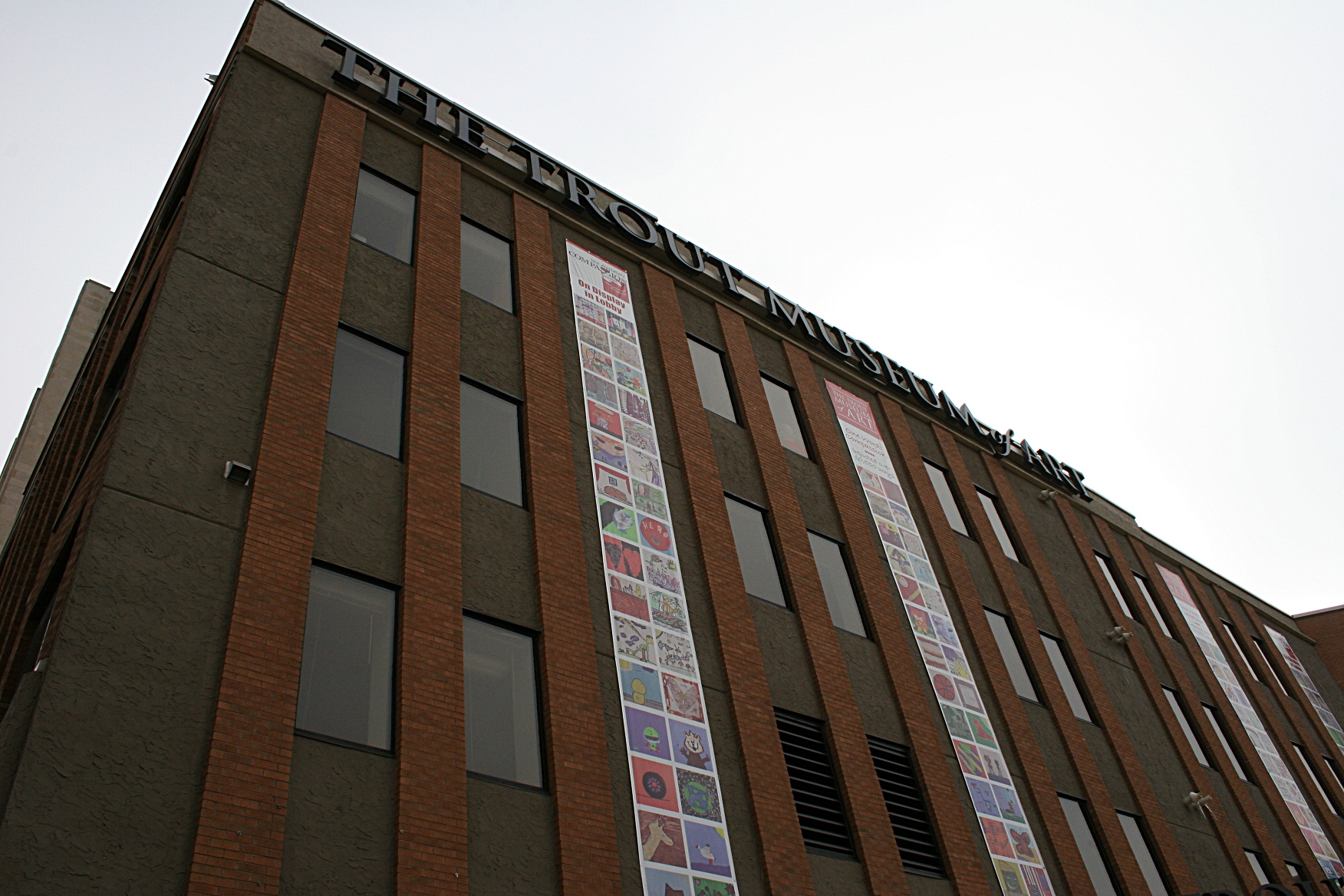
The Trout Museum of Art moved into the Riegel building in 2002.

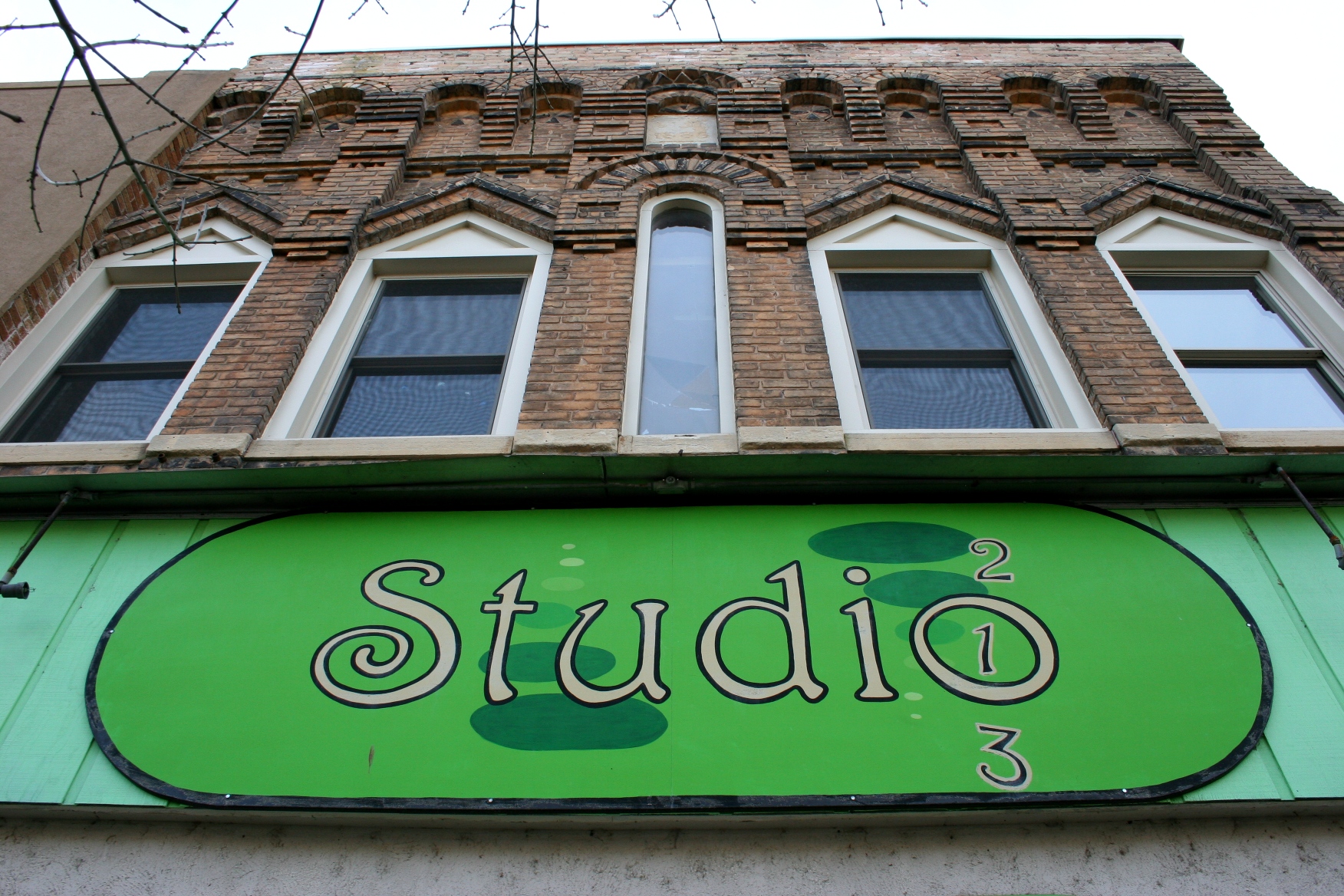
Studio 213 features art, collectibles and handcrafted items.

I found myself wishing for more time to explore and photograph the details of this historic district. However, my husband and second daughter, whom I’d accompanied downtown (the daughter lives in Appleton), will only put up with so much of my photographic dawdling.

So on this Saturday, the photo shoot was short and sweet. But I’ll be back to further embrace a downtown that’s already romanced her way into my heart.

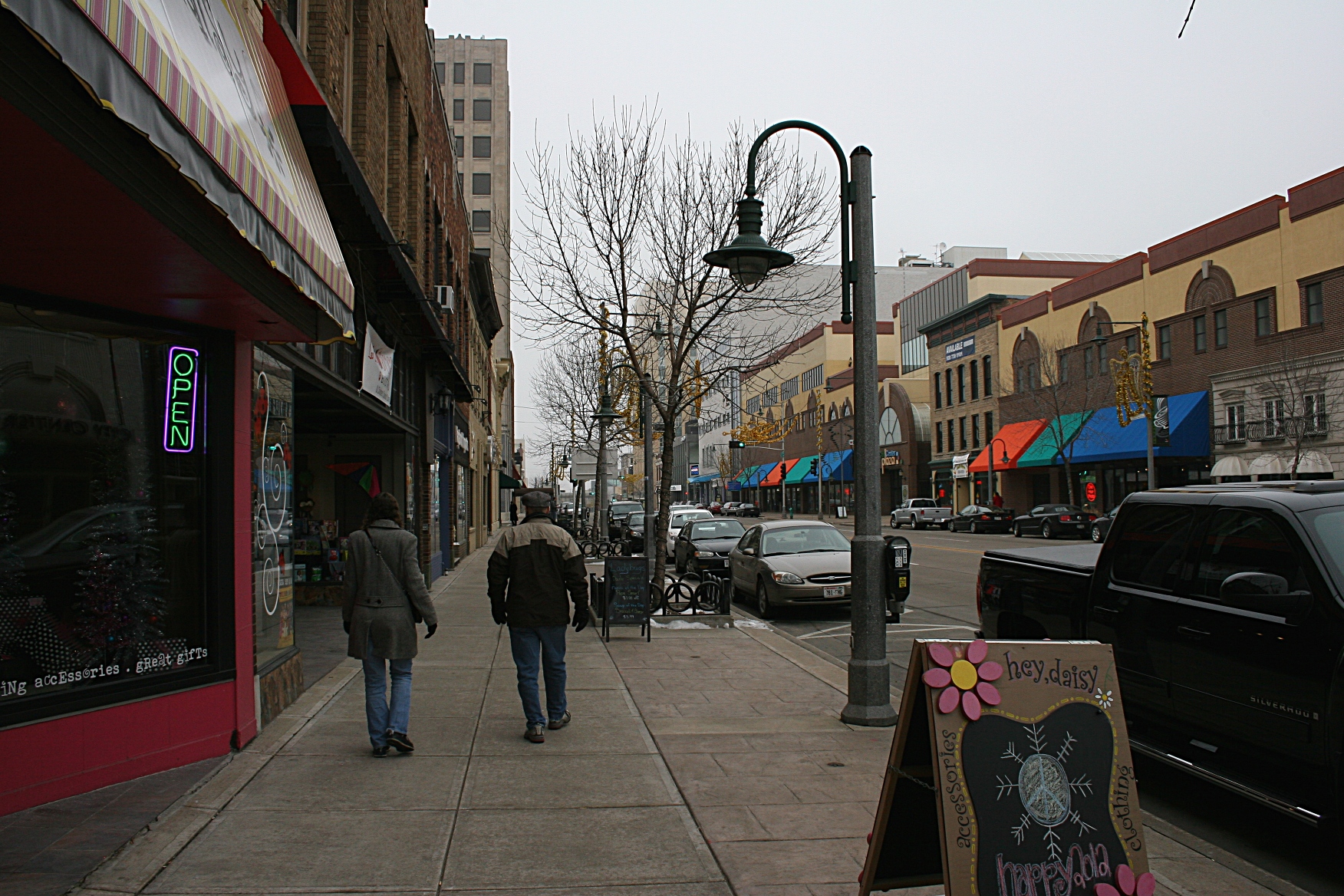
My husband and second daughter head toward the Winter Farm Market at City Center (colorful awnings to the right) while I linger to photograph the street scape and hey, daisy.

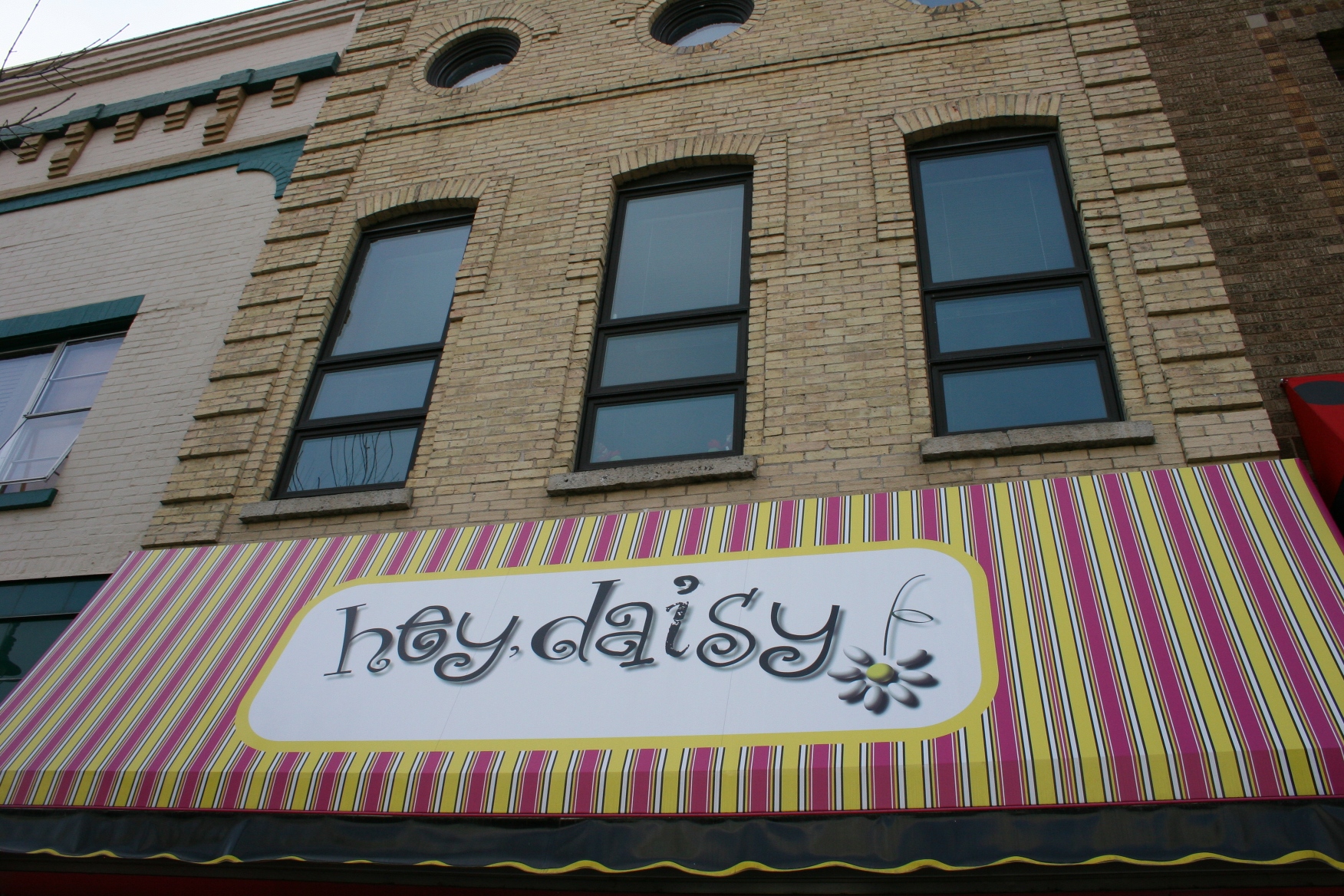
The charming front of hey, daisy, a women's clothing, accessories and gift store.

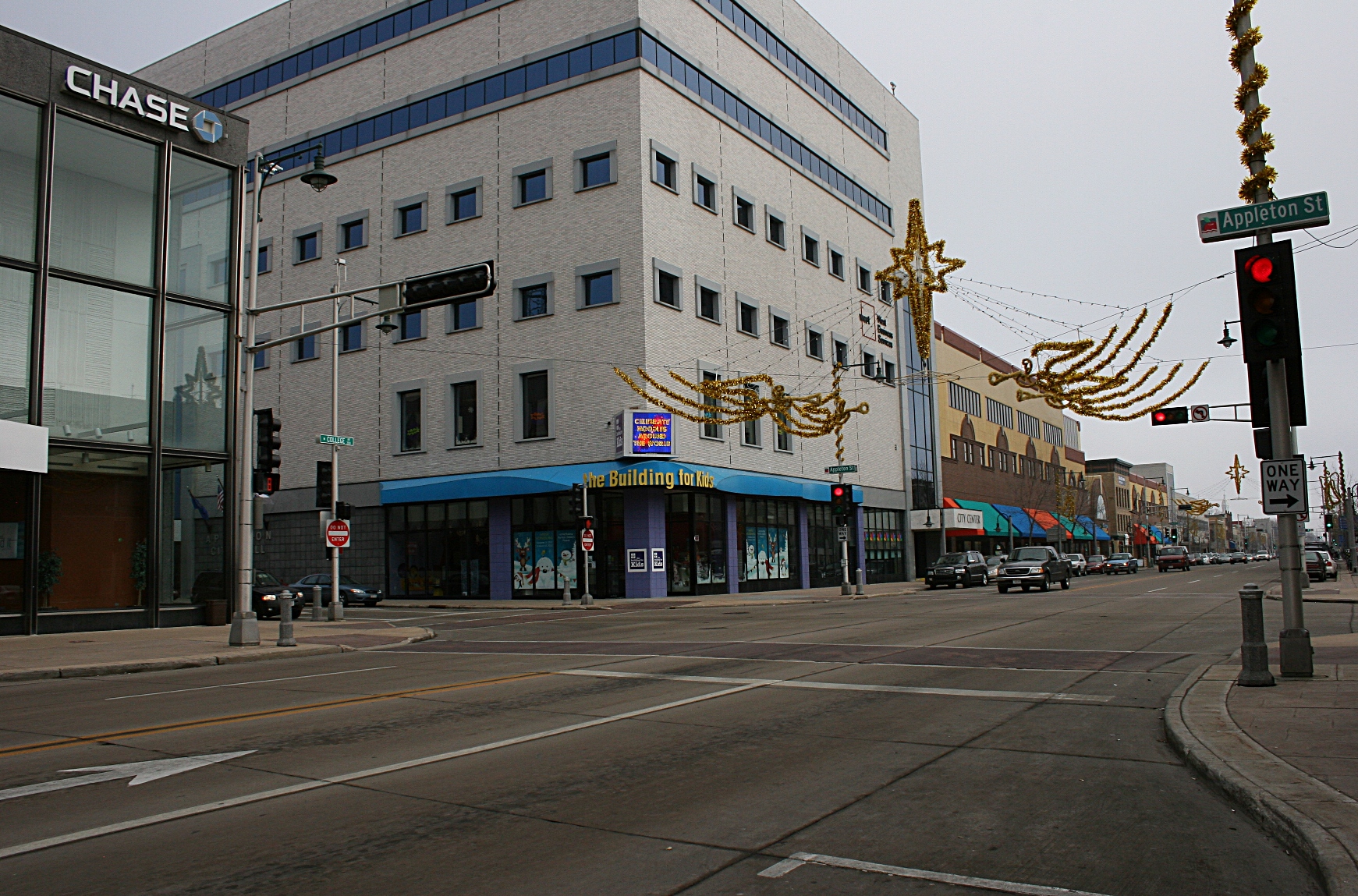
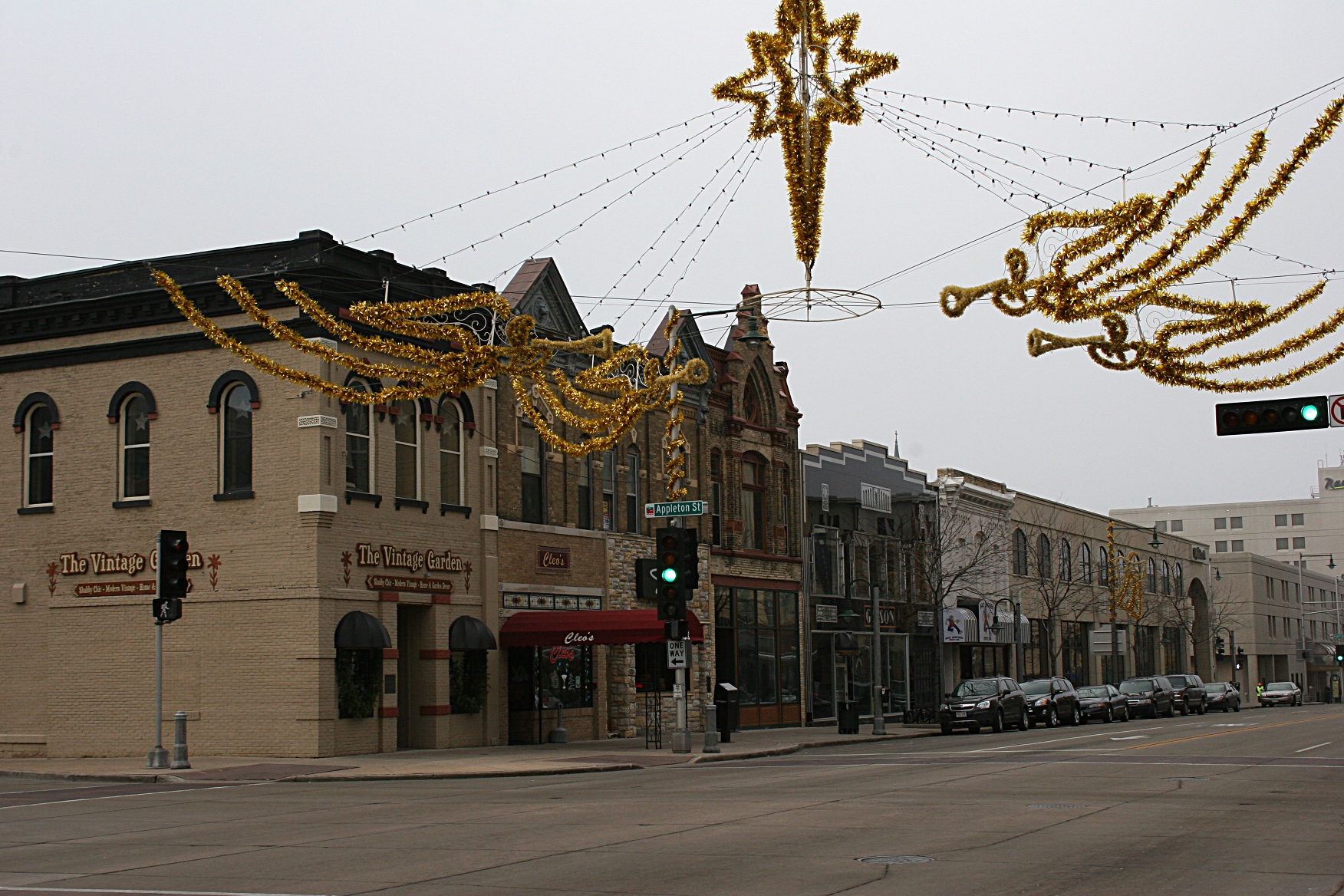
Downtown Appleton decorated for the Christmas season.

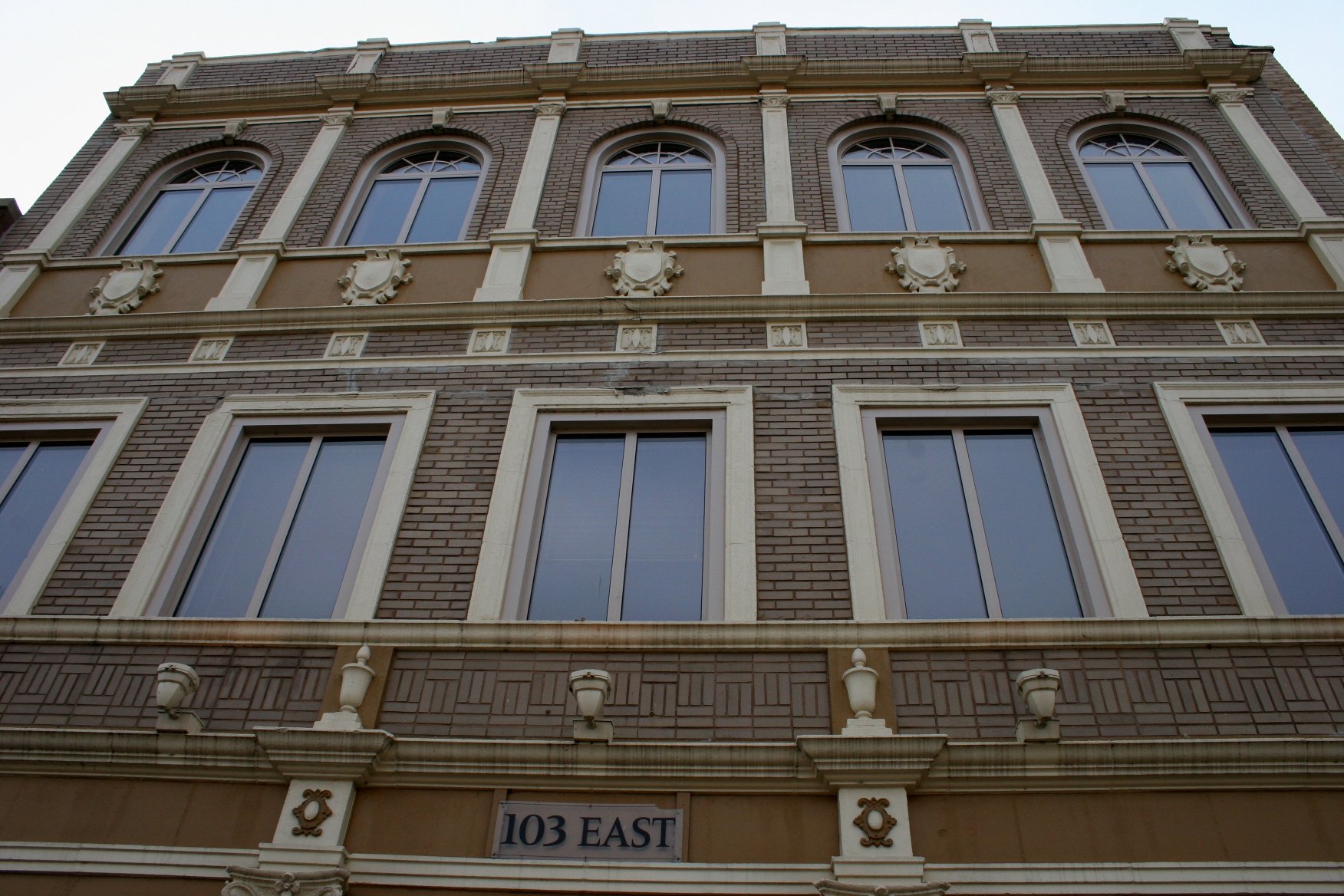
Another beautiful historic building at 103 East College Ave. in downtown Appleton.

© Copyright 2012 Audrey Kletscher Helbling


Downtown Faribault in December in black & white December 22, 2011

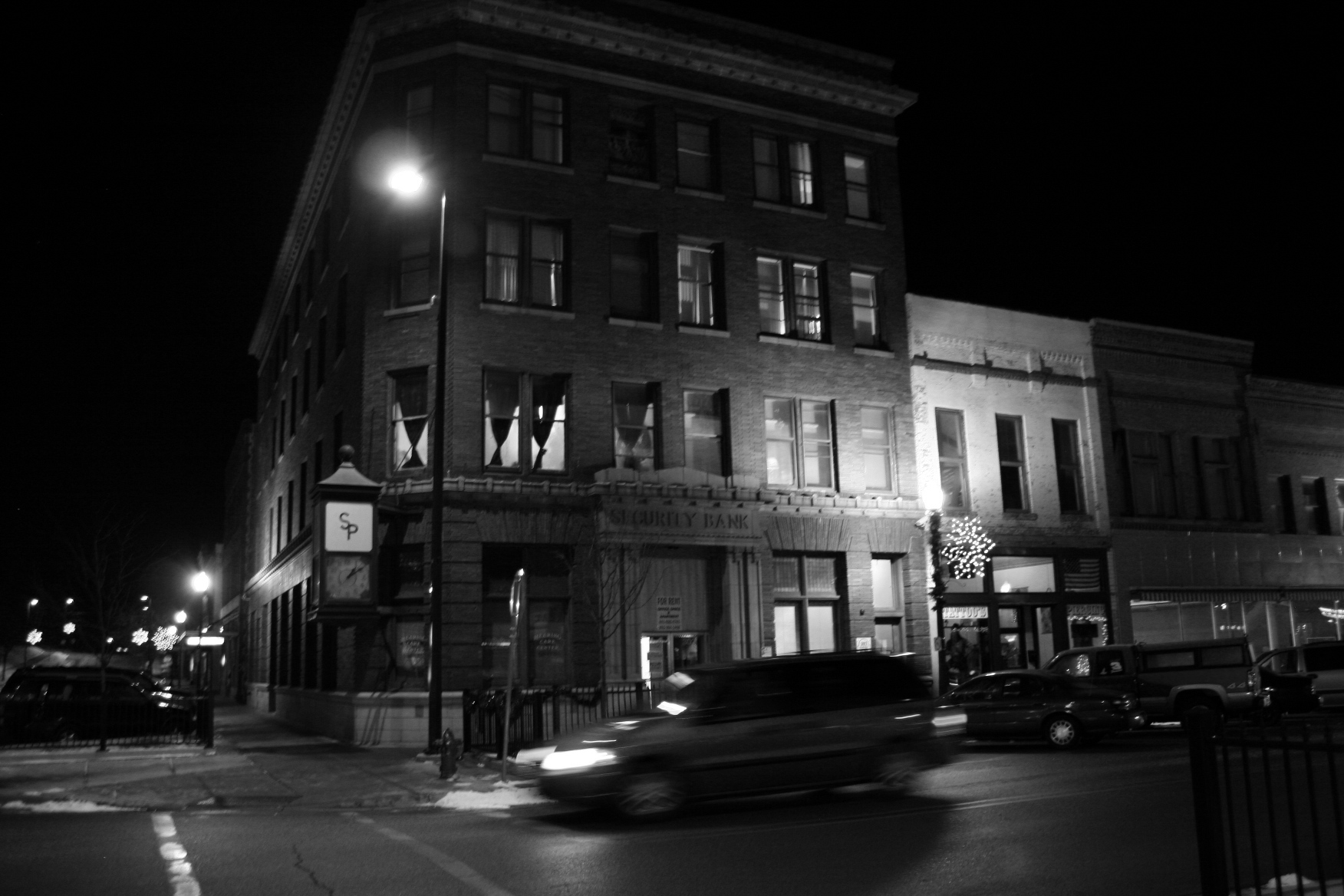
The former Security Bank building anchors a corner of Central Avenue in downtown Faribault.

PHOTOS DEVOID of distracting color possess a certain surreal, dreamy quality and a vintage feel that have always appealed to me.

Some of the best images I’ve seen hearken from years ago which just goes to prove that technology doesn’t always equate better results.

While filing through photos I shot in historic downtown Faribault on Saturday afternoon and evening, I decided to play with my photo editing tools and desaturate several images. I liked the results so much that I stripped every frame of color.

The results, I think, impress even more upon the viewer the history of this early Minnesota community that stretches back to its founding by fur trader Alexander Faribault in 1852.

We’re a city rich in history with 40 properties on the National Register of Historic Places.

With that perspective, please join me on a quick photo tour of the downtown area. Certainly much more comprises our downtown than what you see in the seven images here.

I invite you to explore on your own, to immerse yourself in the history that defines Faribault.

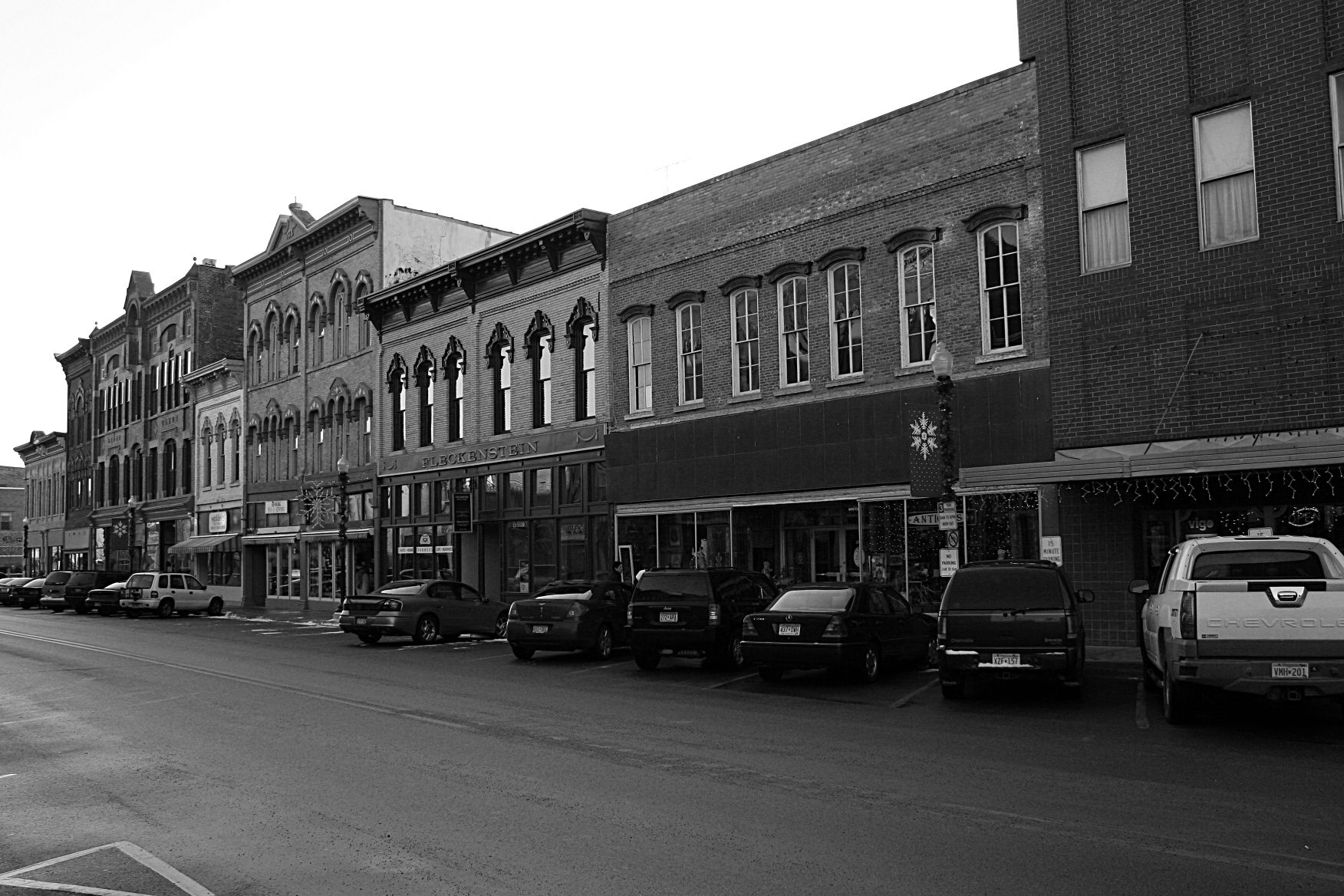
Historic buildings along Central Avenue.

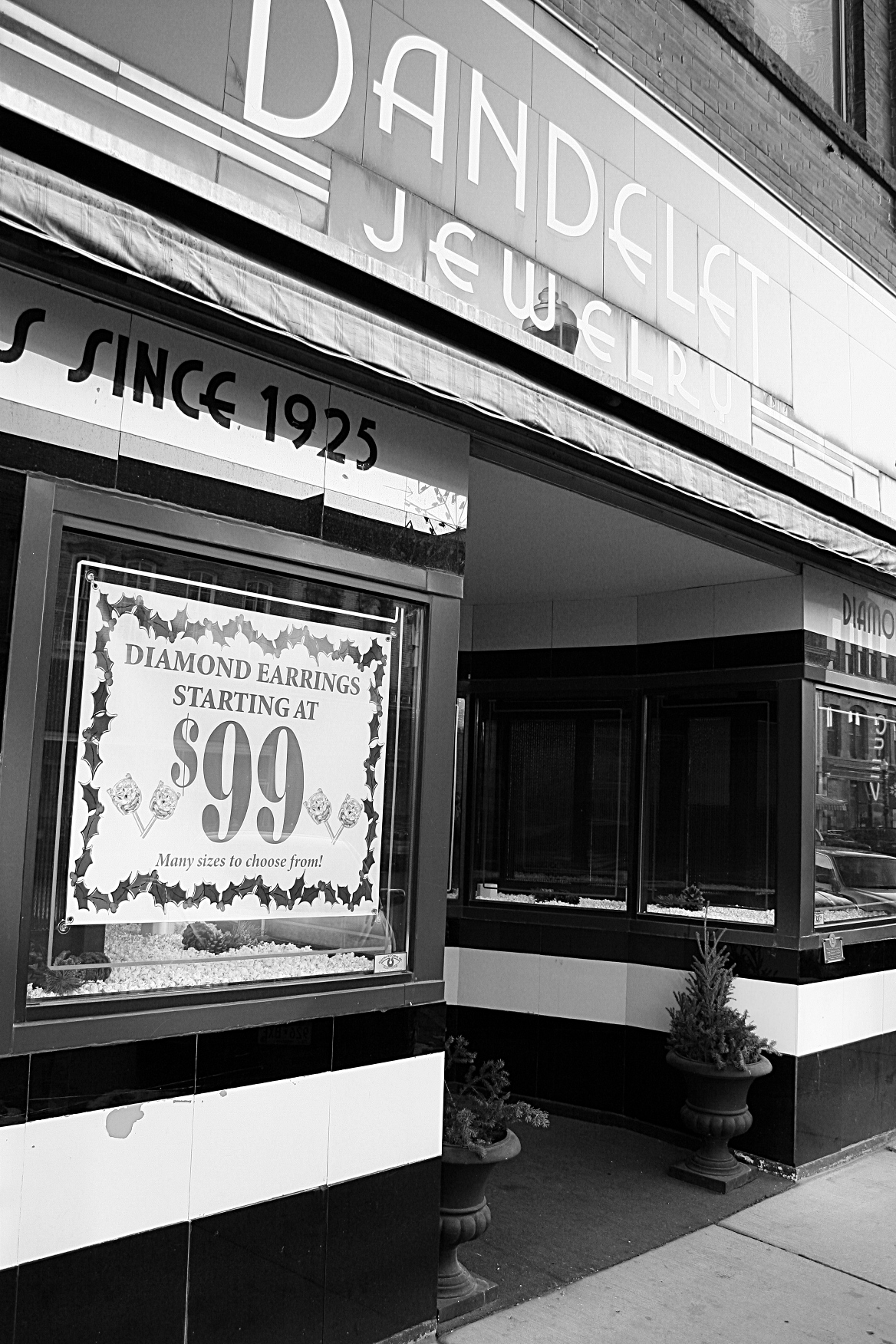
Dandelet Jewelry occupies the former 1882 Dandelet Dry Goods building, which was renovated in 1985.

A scene from the movie, "Grumpy Old Men," was shot in the former drug store to the right in this image. Today the building houses a pawn shop.

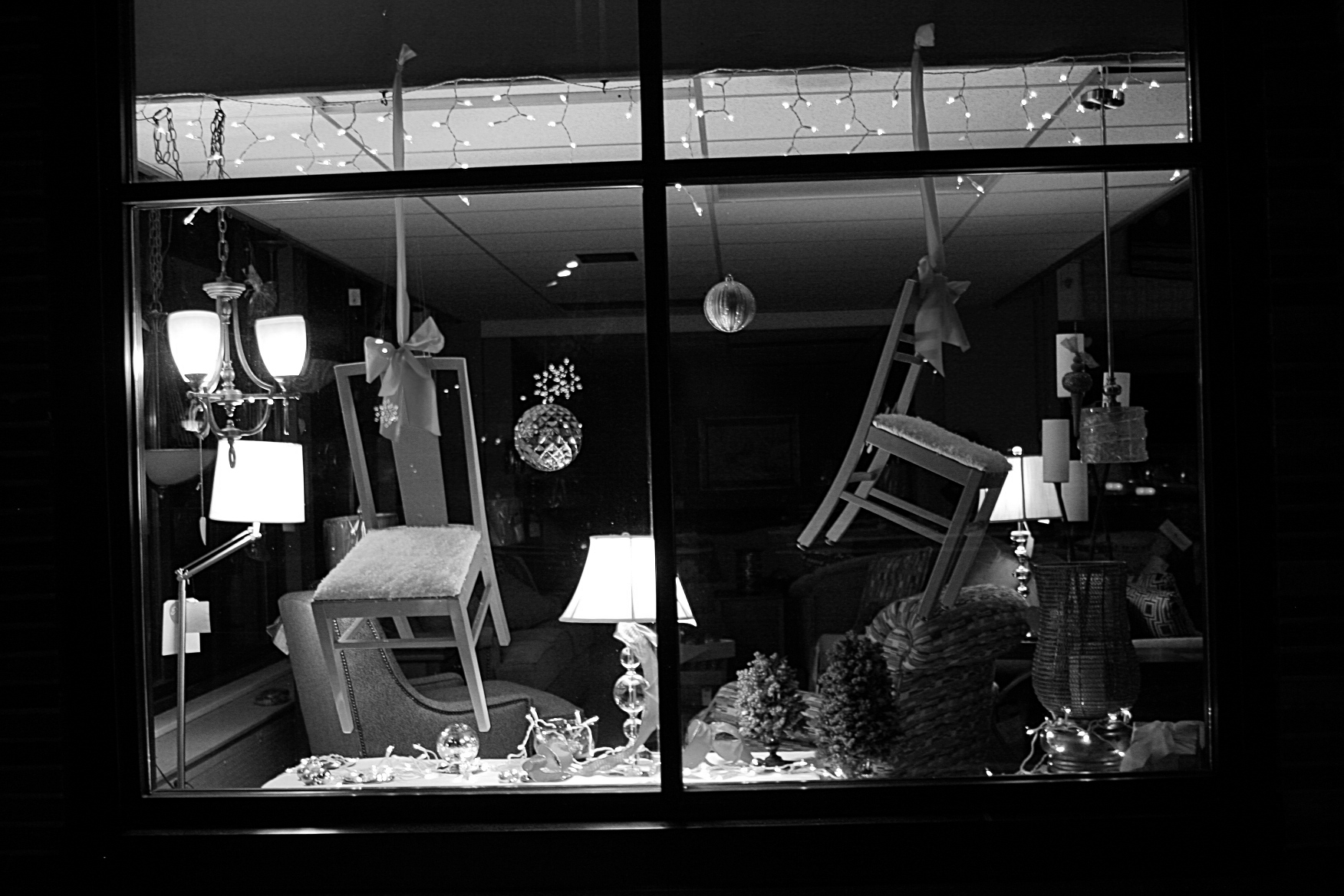
A holiday display window at Erickson Furniture, in business since 1956 and located along Fifth Street Northwest just a block off Central Avenue. Erickson Furniture won first place in the Main Street window decorating contest with its suspended green chairs, holiday ornaments and lights.

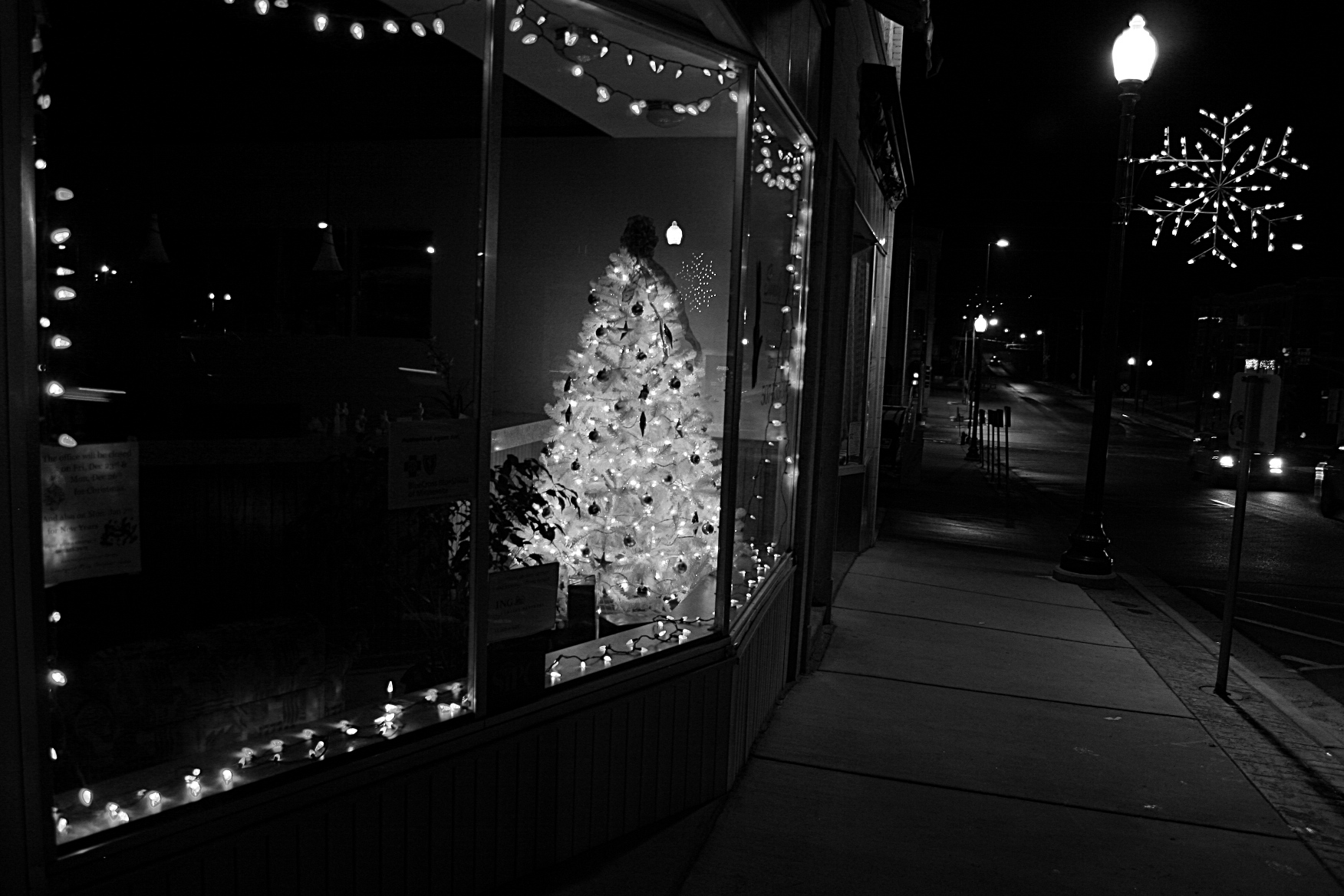
Holiday decorations in a business window along Third Street Northwest just off Central.

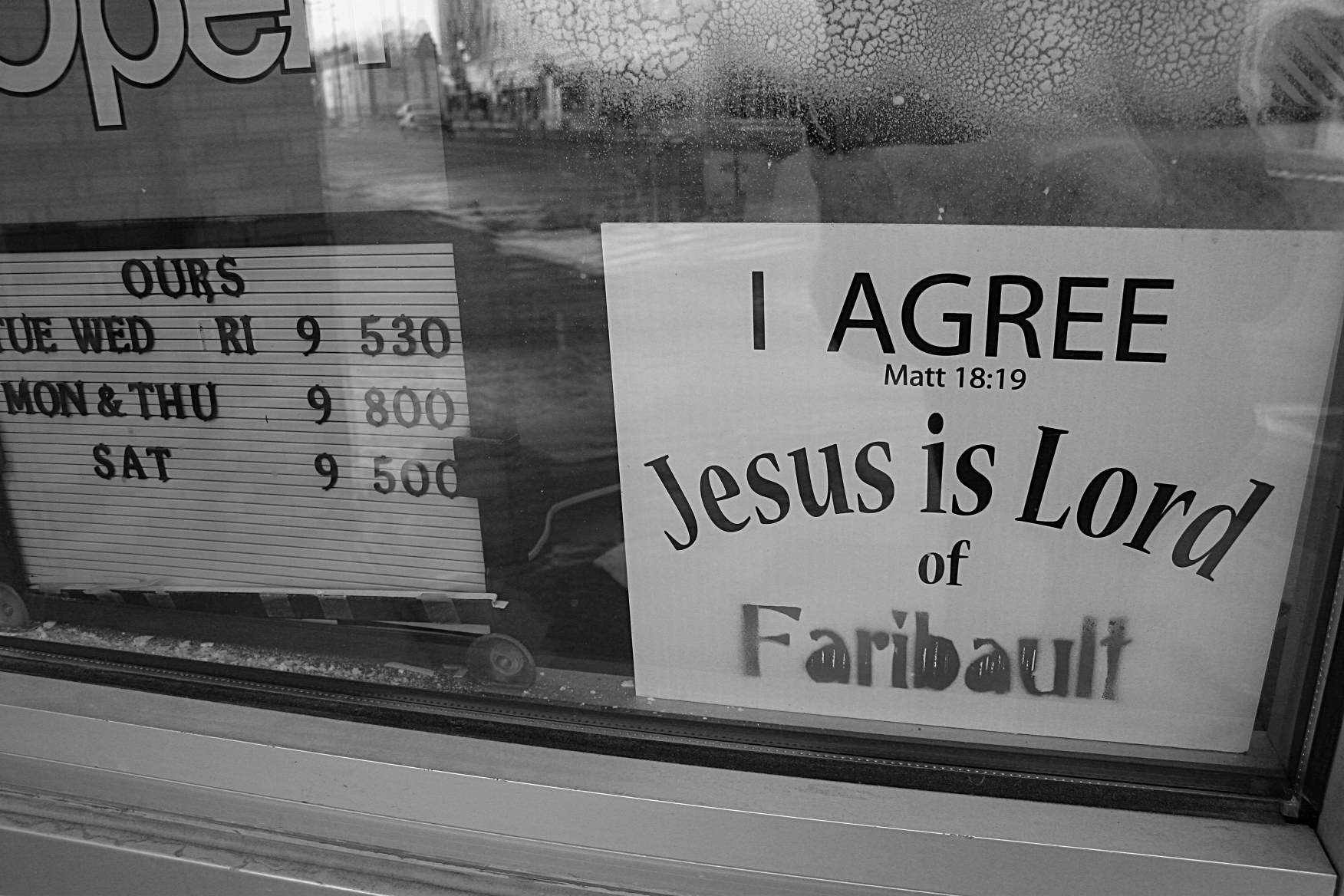
A sign in the window of Burkhartzmeyer Shoes, a third-generation family-owned shoe store founded in 1949.

CLICK HERE to read a previous post about Faribault’s historic downtown.

Copyright 2011 Audrey Kletscher Helbling


Appreciating historic downtown Faribault, especially in her holiday finery December 21, 2011

Strolling along Central Avenue in historic downtown Faribault late on a Saturday afternoon in December.

SATURDAY AFTERNOON, while my husband shopped for dress shoes at Burkhartzmeyer Shoes in historic downtown Faribault, I meandered a block north to view Central Avenue dressed in holiday finery.

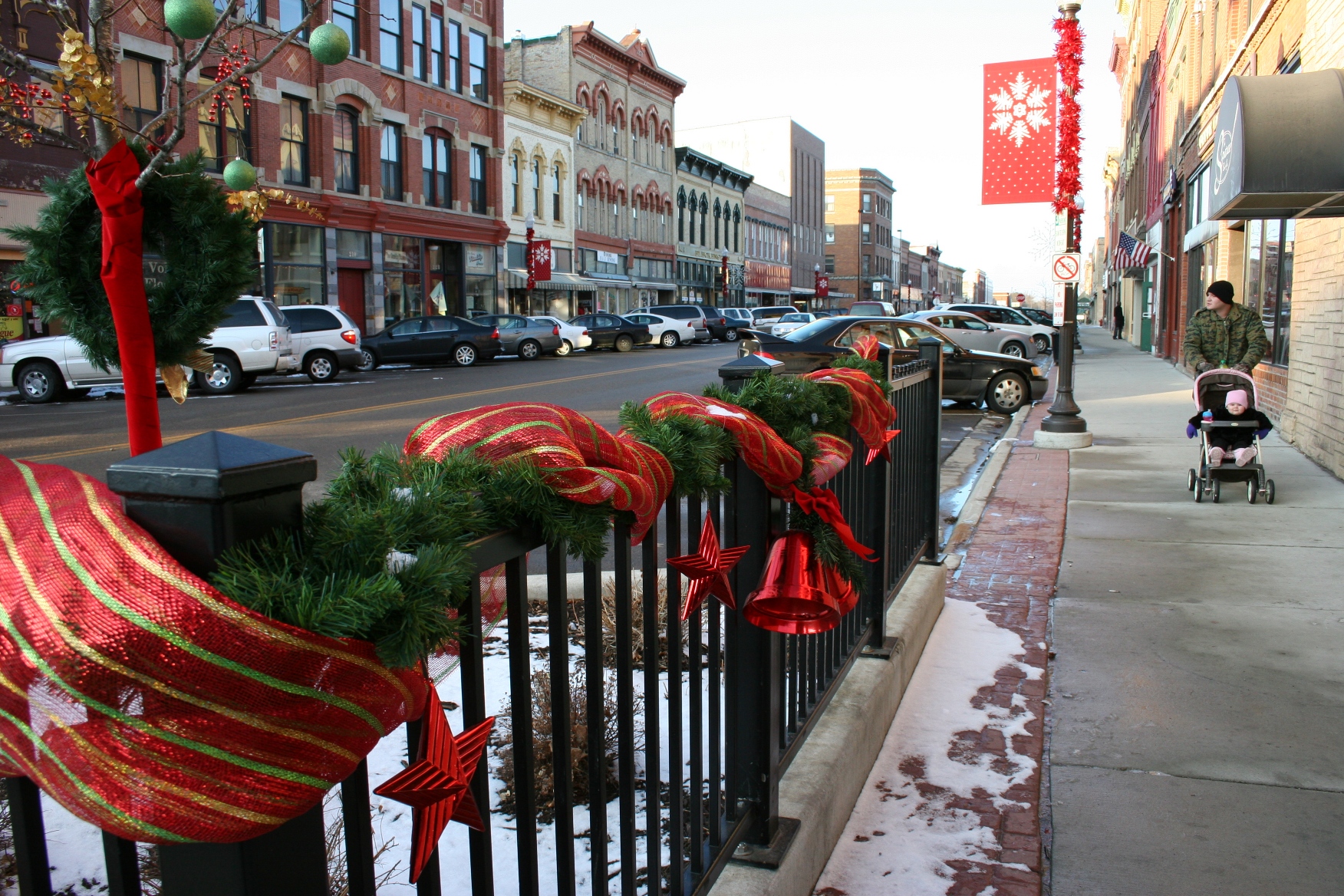
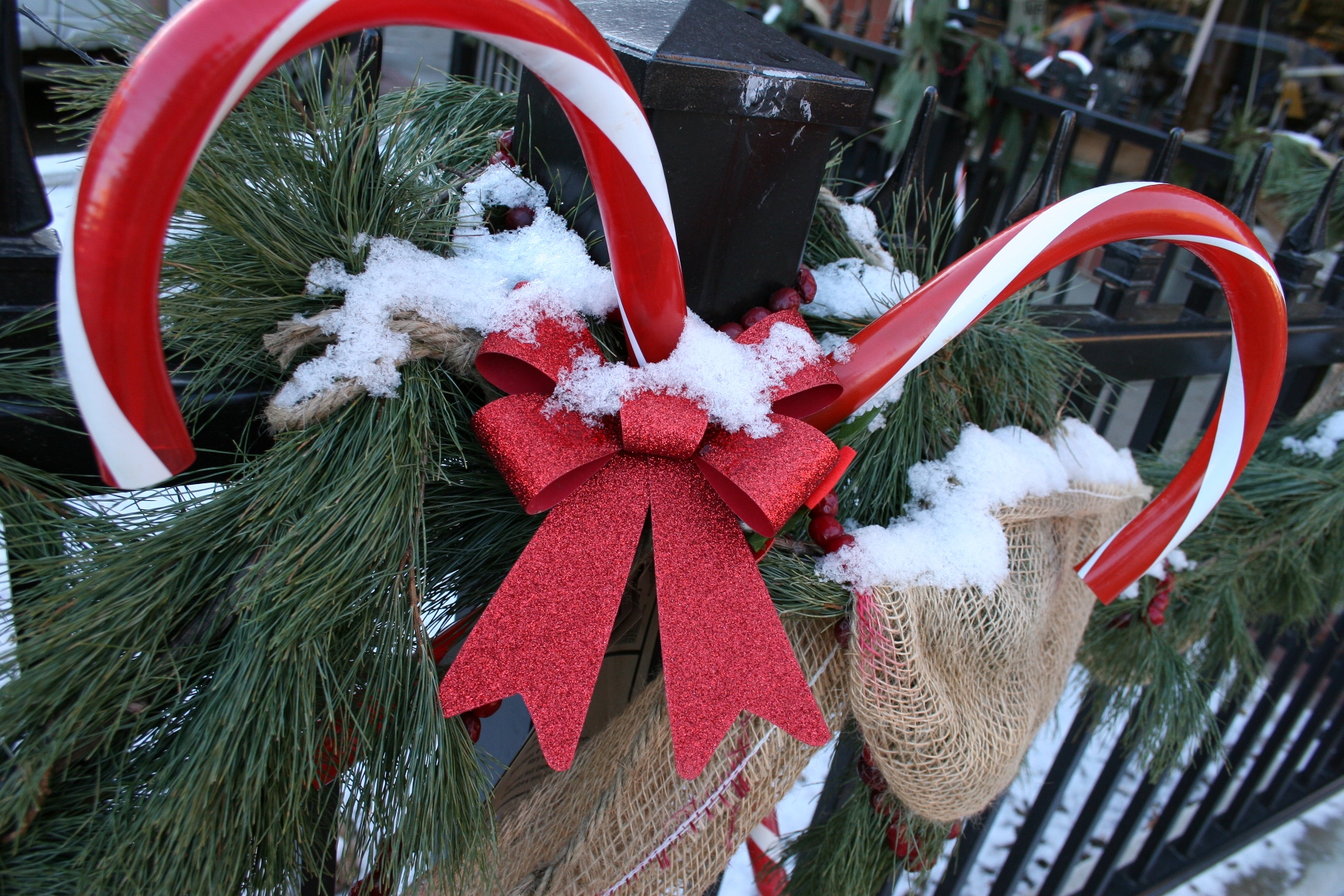
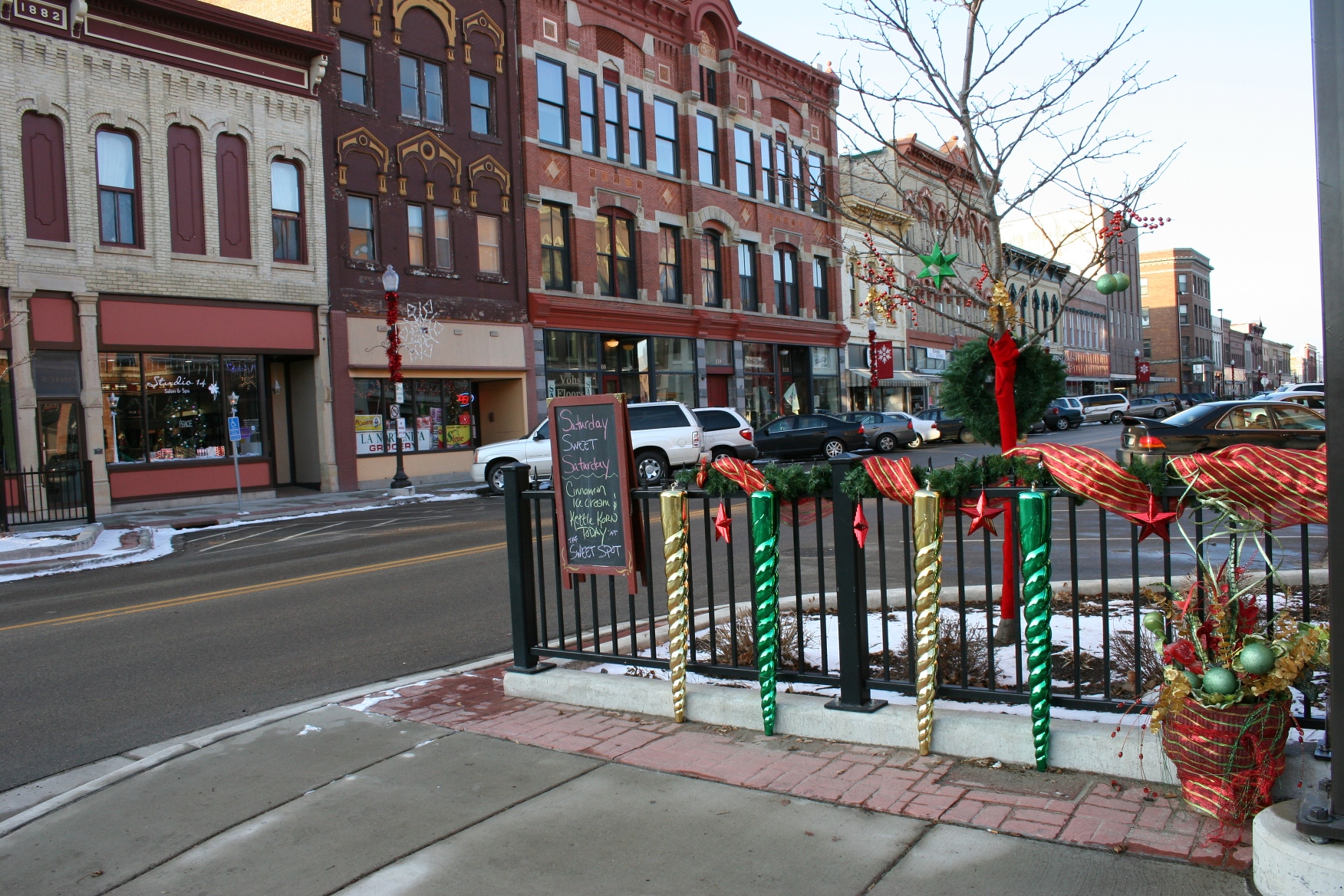
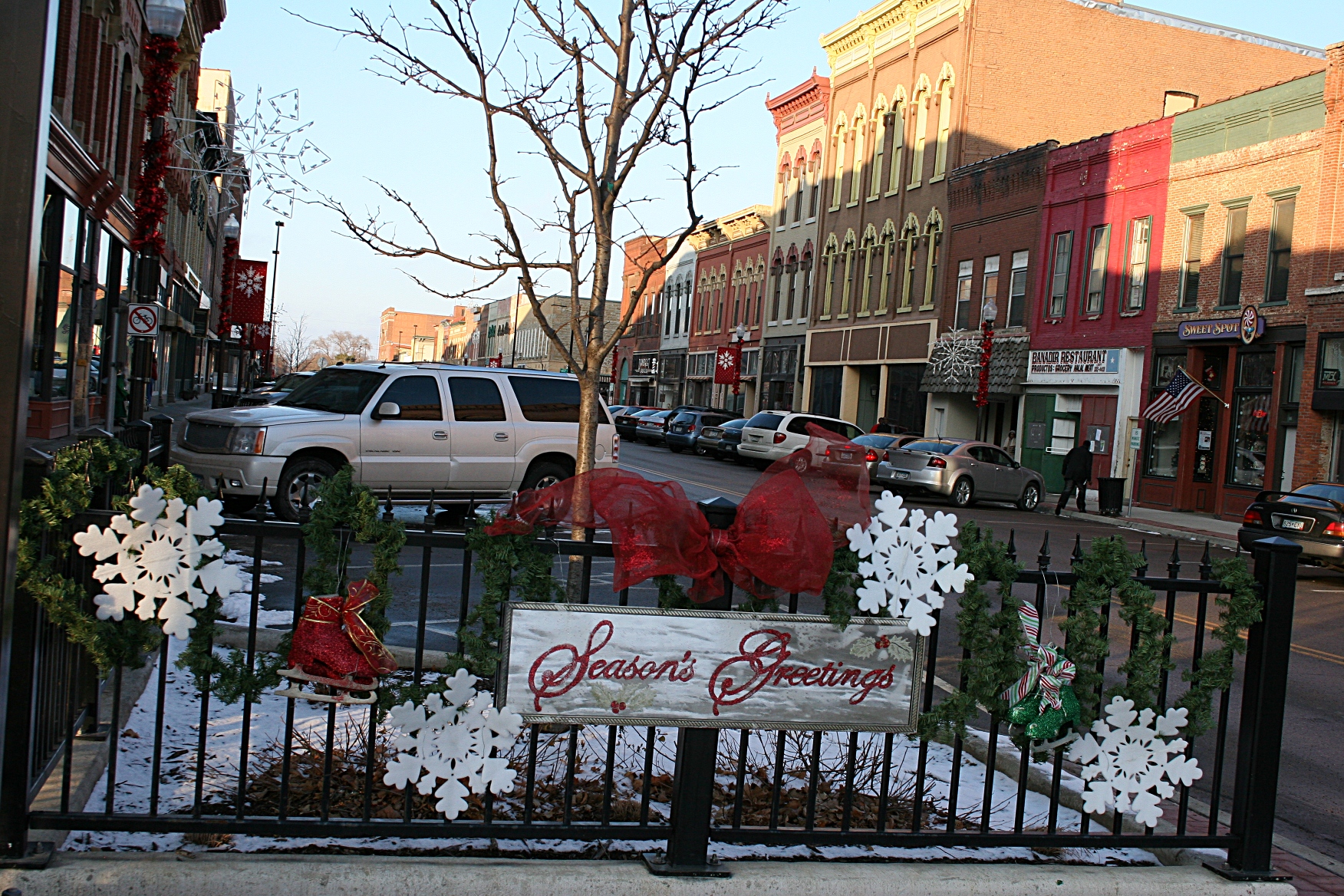
She’s stunning with sparkles and ribbons and Christmas reds and greens befitting any holiday party.

Keepers Antique Store decorated the wrought iron fencing on a downtown street corner as part of a "Winter Wonderland" themed decorating contest.

Honestly, I love the look and feel of my downtown. Even without the glitz and glamour of the holiday season, Faribault shines. The old brick buildings, the comforting small-town vibe, the ease of parking, the slow pace and the friendliness of shopkeepers appeal to me.

Next to the Signature Bar & Grill, a lovely holiday-bedecked street corner.

An elf outside The Crafty Maven, "featuring a unique mix of new and vintage items."

Quotes from Charles Dickens' "A Christmas Carol" portrayed in store-front windows.

I am always surprised when locals fail to appreciate downtown. How can you not value this treasure of a business district with arched windows, decorative trim and more on vintage buildings that impart an historic and homey feel to our town? Perhaps because I didn’t grow up here, I can truly see the beauty that native residents often overlook.

Another seasonally-decorated street corner charms visitors to Central Avenue.

I am always surprised, too, that Faribault hasn’t been discovered—like Red Wing or Stillwater or Wabasha or neighboring Northfield—as a destination city. The potential exists to draw tourists here into our specialty shops and arts scene. It’s not for a lack of effort, but…we’re not there yet.

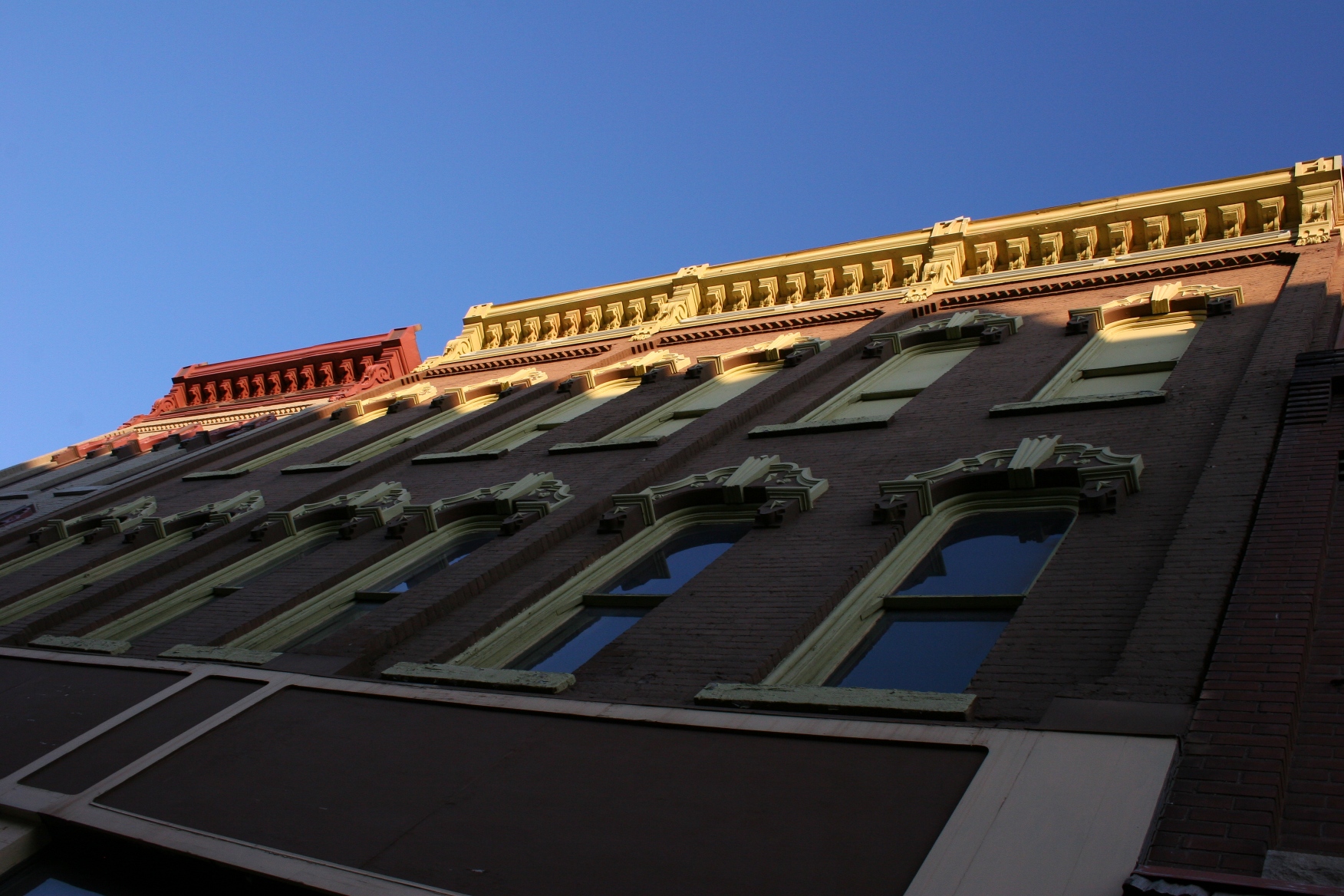
I aimed my camera skyward as the setting sun caught the tops of historic buildings along Central Avenue.

First, we need to sell our own residents on the value of Central Avenue, our Main Street. Do we truly realize how fortunate we are to have a solid, core downtown like ours with a deep history and an inviting character?

Mega malls and strip malls and Big Box retailers—and I shop at those places, too—have nothing on Main Street.

Yes, I grew up in the 1960s and 1970s, meaning my perspective evolves from memories of shopping in a downtown, not a mall.

When I stroll along Central Avenue in Faribault, nostalgia accompanies me. And she’s a mighty fine friend to walk with, especially during the holiday season.

Outside Keepers Antique Store, a rustic vignette charms.

Across the street at That Scrapbooking Place, a punch of color on the front window backed by a holiday display and reflections of historic buildings.

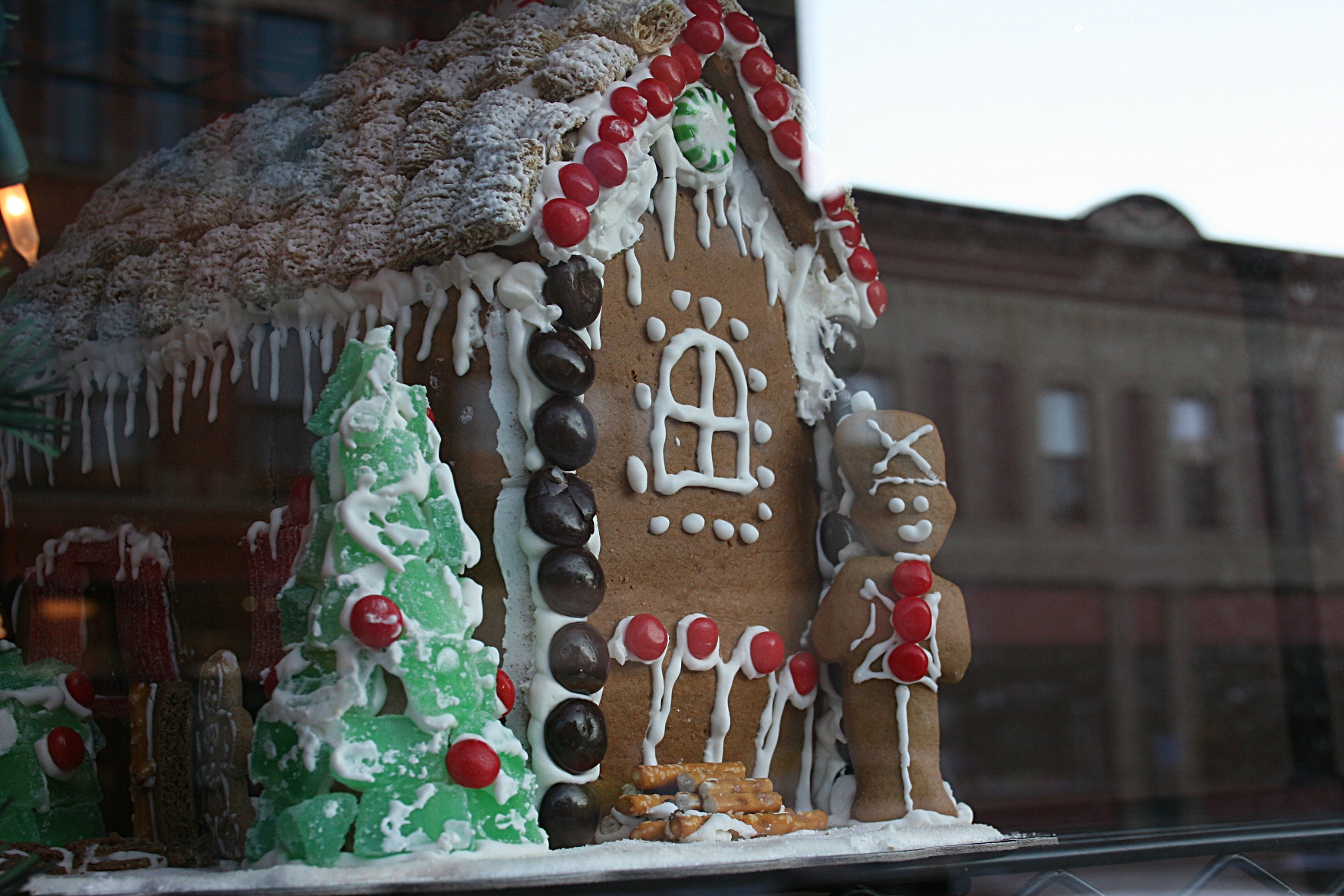
Sweet, dreamy gingerbread houses fill the display window at Sweet Spot, a Central Avenue candy and ice cream shop. I love how the reflection of an old building across the street melds with the gingerbread house.

IF YOU’VE NEVER been to Faribault, consider a trip here. We’re located along Interstate 35, just an hour south of Minneapolis. You’ll find antique, craft, candy, cheese and many other specialty shops and businesses, hometown eateries, as well as an arts center, along Central Avenue. If you have a specific question about Faribault, ask and I’ll answer.

LOCALS,  if you haven’t been downtown in awhile, I’d encourage you to park your vehicle, walk and appreciate your town. She’s all glammed up right now and a wonder to behold.

READERS, PLEASE CHECK back on Thursday for more Central Avenue holiday-themed images.

© Copyright 2011 Audrey Kletscher Helbling
 

Appreciating Main Street December 6, 2011

Filed under: Uncategorized — Audrey Kletscher Helbling @ 8:01 AM
Tags: , , , , , , , ,

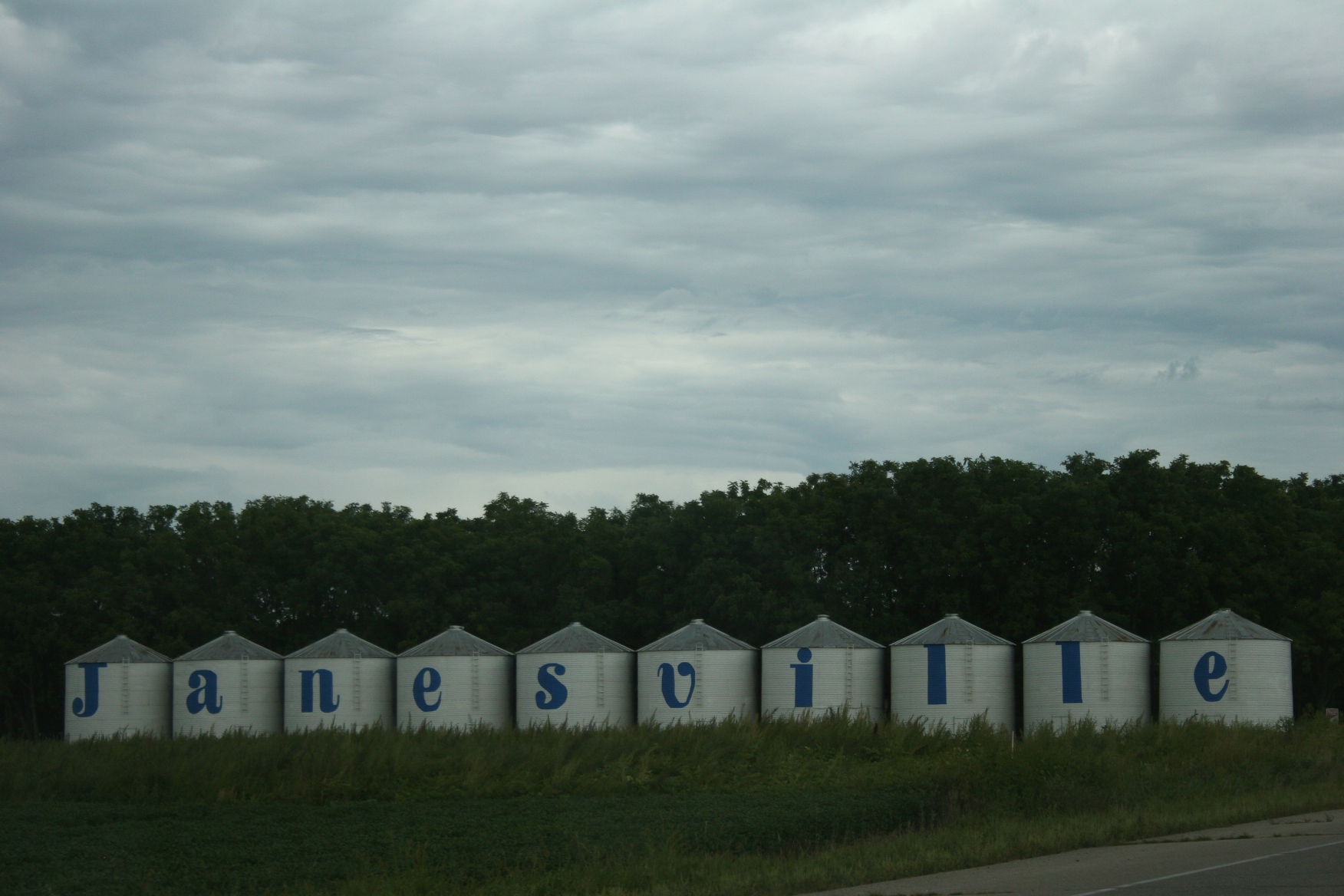
Entering Janesville from the west along old Highway 14, you'll see this grain bin signage welcoming you to town.
I REMEMBER YEARS ago driving through the heart of Janesville along well-traveled U.S. Highway 14 in southern Minnesota. The town of 2,100 teemed with traffic following this main east-west route.

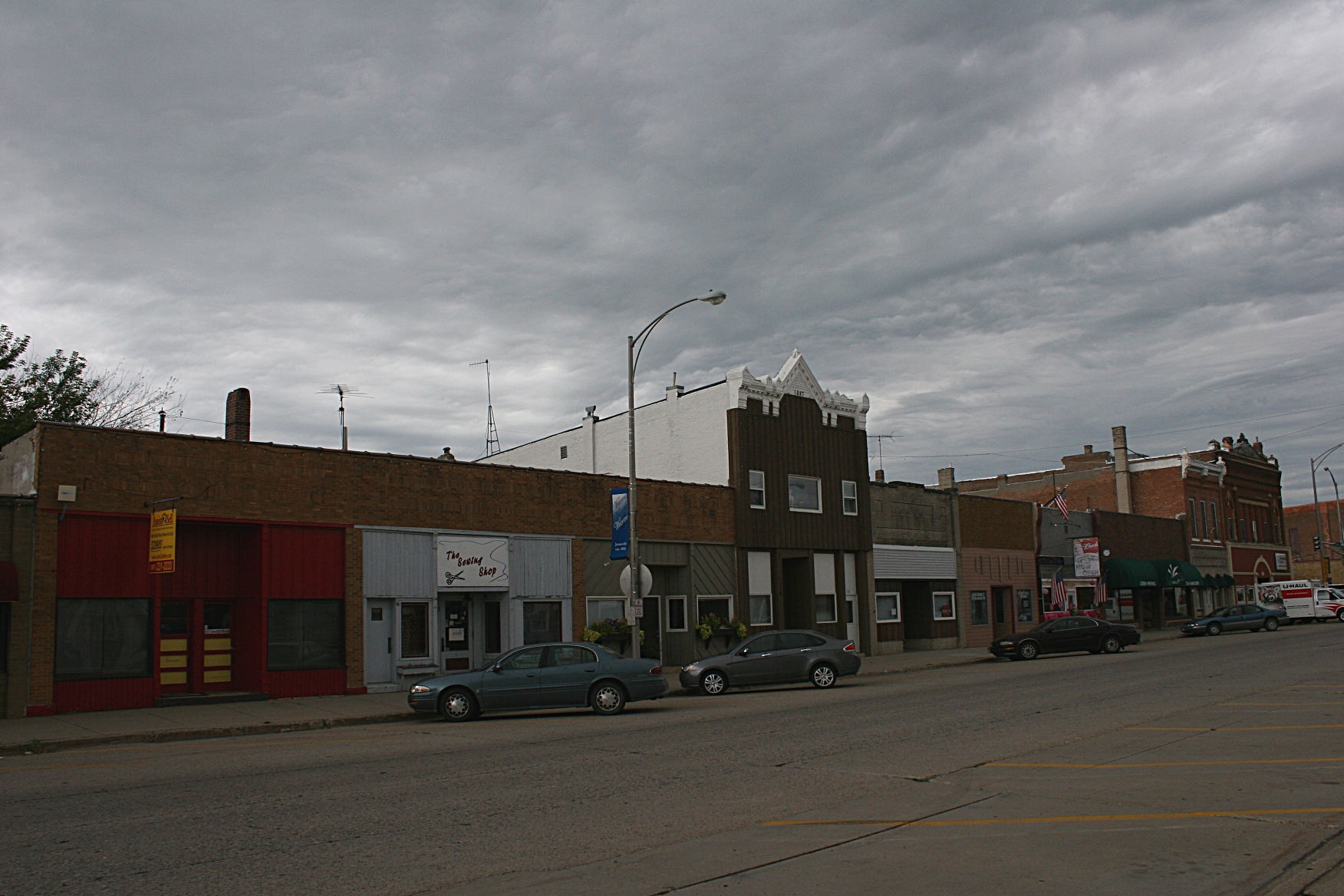
Today, as motorists bypass Janesville along the four-lane highway completed in 2006, the town barely stirs on a Sunday afternoon. Certainly, I should have expected this change when I drove into Janesville several months ago. Yet, the stillness, the boarded up buildings, the quiet Main Street surprised me. It shouldn’t have. What other result should I expect when a major highway reroutes around a town?

Janesville's downtown business district on a Sunday afternoon in August.

I possess no stake in this community nor am I critical of the Highway 14 improvement. The fixes to this treacherous roadway were necessary for motorists’ safety. I wish all of Highway 14 across Minnesota was a four-lane route, especially the deadly stretch between Mankato and New Ulm.

But back to Janesville…I’d never turned off the highway into the downtown business district, never in all the years I’d passed through this community along the old Highway 14. I’m almost ashamed to write that. But Janesville was just one more town to slow me down in getting from one destination to another.

Therein lies part of the problem. We are all in too much of a hurry, way too much of a hurry.

We need to pause, to turn off the interstates and highways and drive onto Main Street in Small-Town, U.S.A., park our vehicles and walk. Look at the buildings. Peer in the windows. Admire the character of old buildings. Stroll into a business and make a purchase. Strike up a conversation with a local.

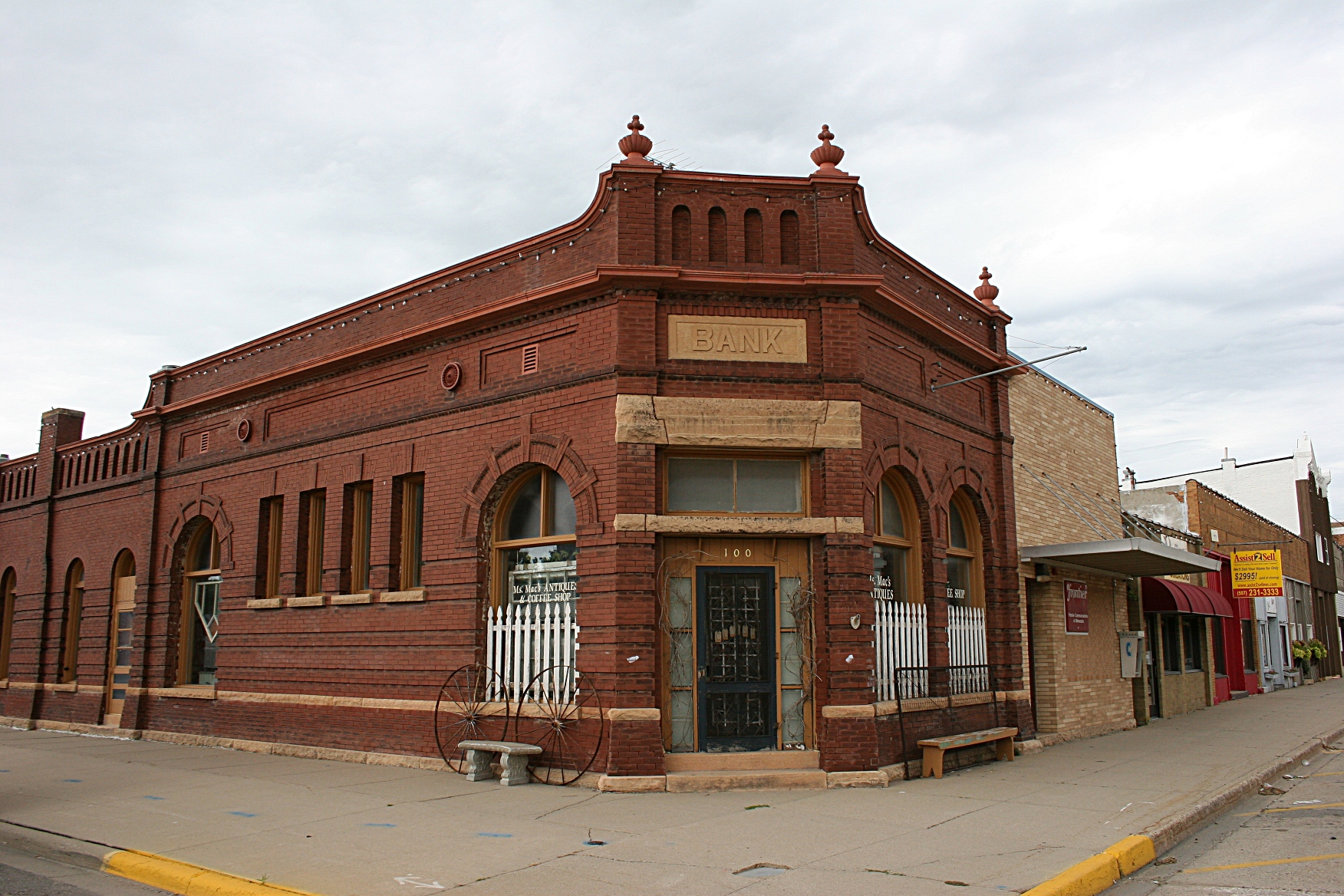
An antique store anchors a a downtown corner across from the elevator.

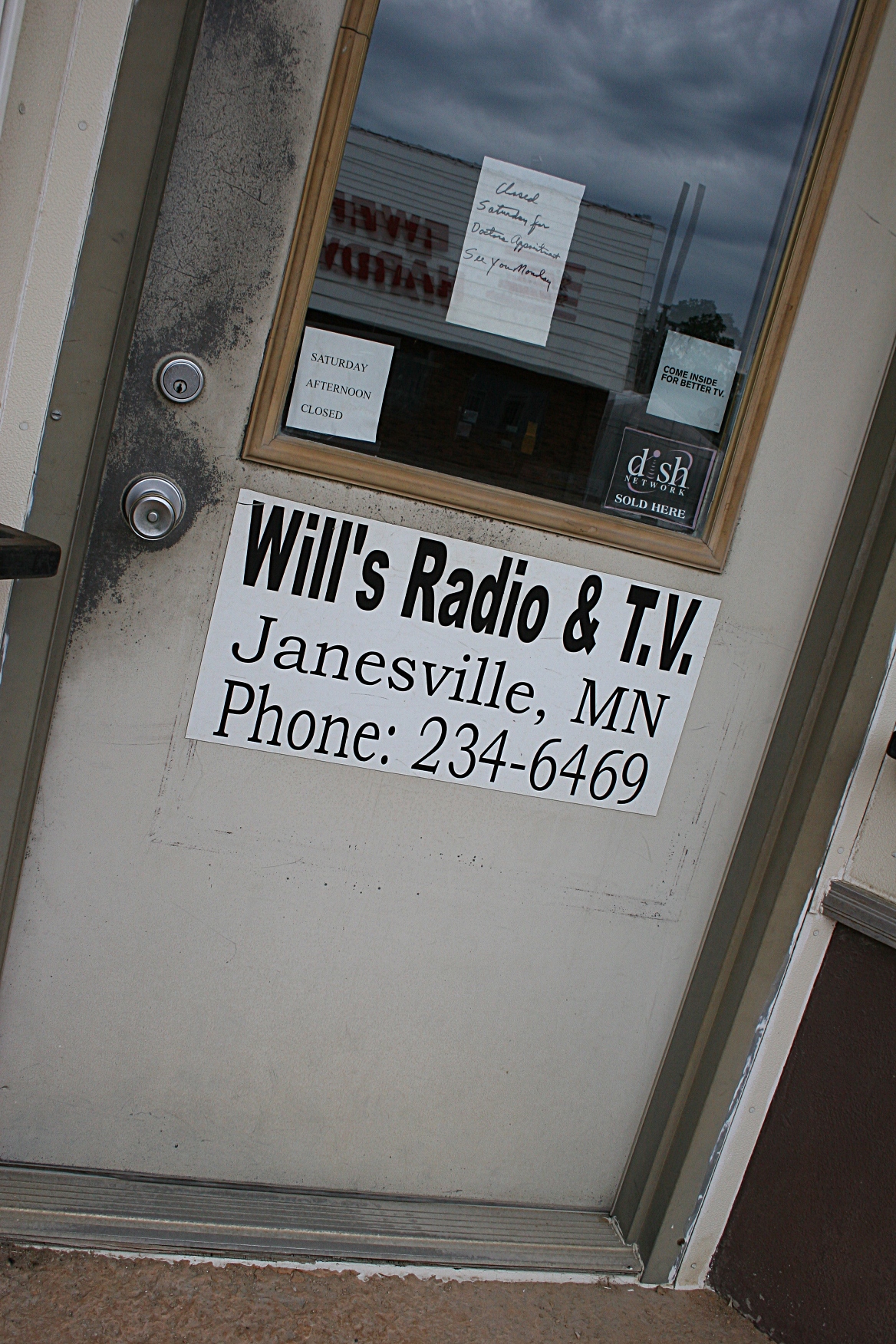
The entry to a radio and TV shop.

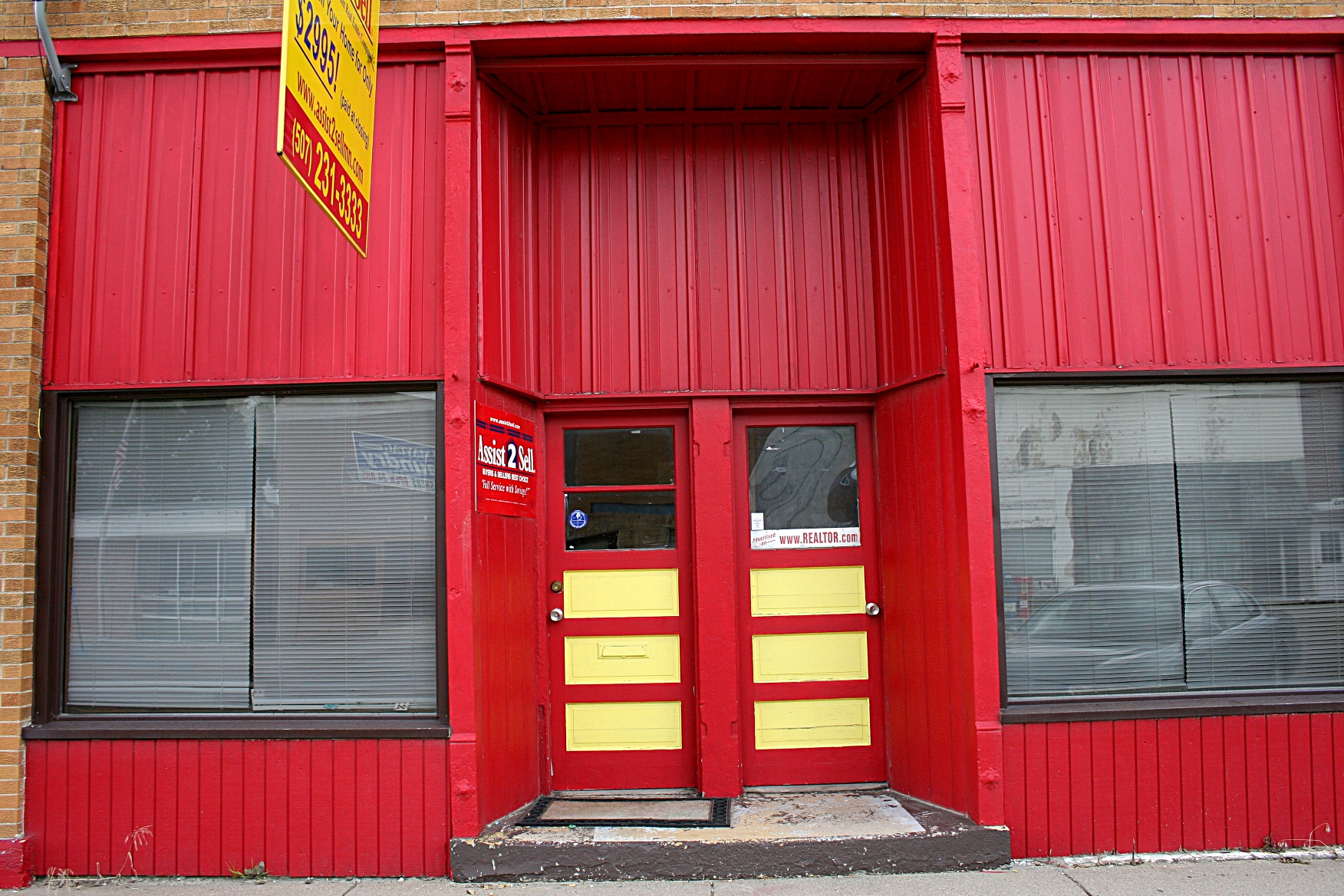
A jolt of color in downtown Janesville.

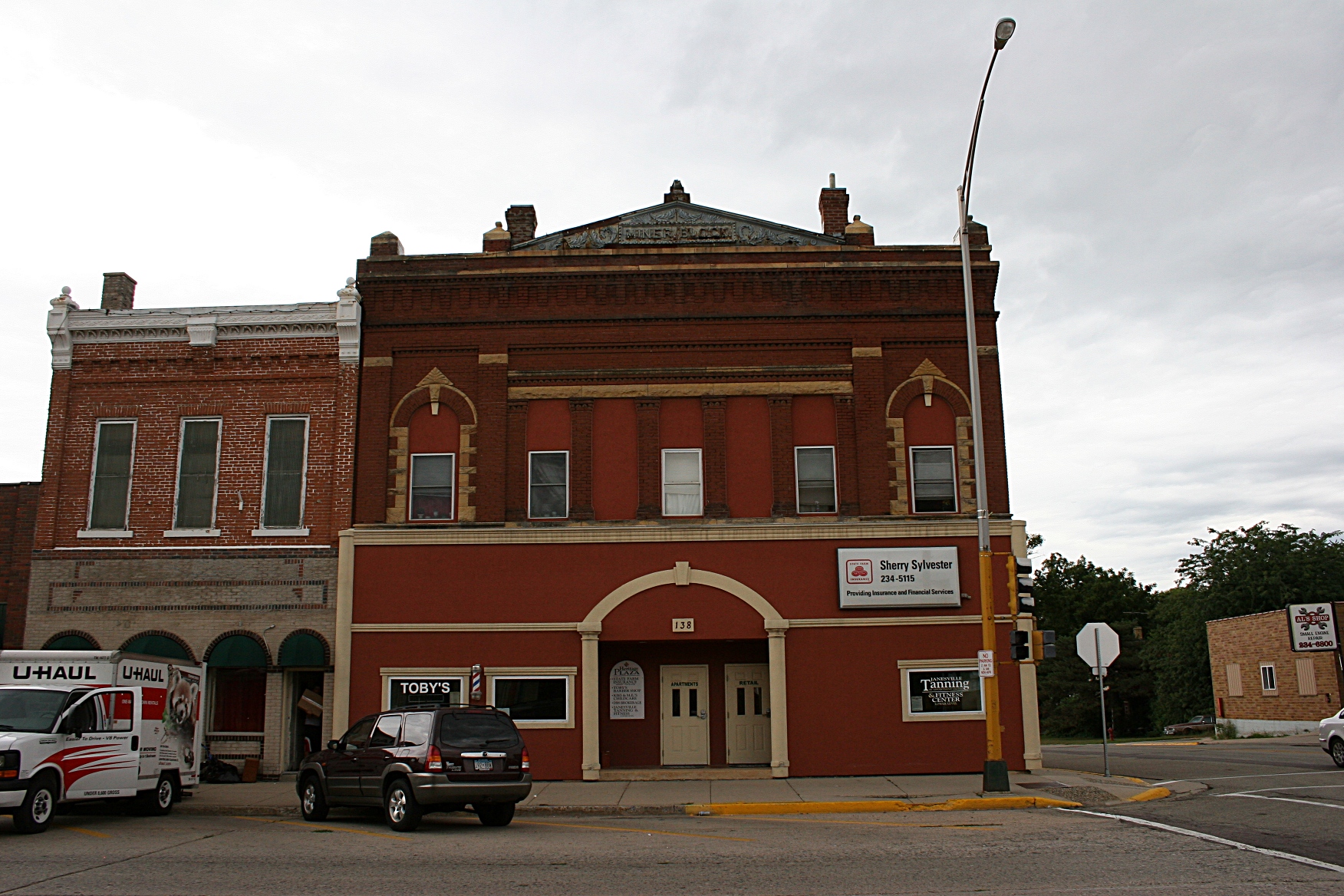
Lovely historic brick buildings grace the downtown. So much potential exists here.

I noticed this beautiful tile outside a former bank.

More potential in this building...

The past preserved in lettering on the side of this brick building.

The intersection at old Highway 14.

I encourage each of you, wherever you live, to take the time to appreciate the small towns in your region or the Main Street in your community.

If you live in a metropolitan area, consciously choose to drive out of the city and into a rural area and onto Main Street.

If you already live in a rural area, choose to appreciate what you have, to remain positive and upbeat about your local businesses.

I expect that if I was to drive into Janesville on a week day, I’d find a busier downtown than the one I discovered on a Sunday afternoon in August. I can’t judge a community by one visit, of that I’m sure. But I do know that I can choose to slow down, look and appreciate Main Street in Small-Town, U.S.A.

So can you.

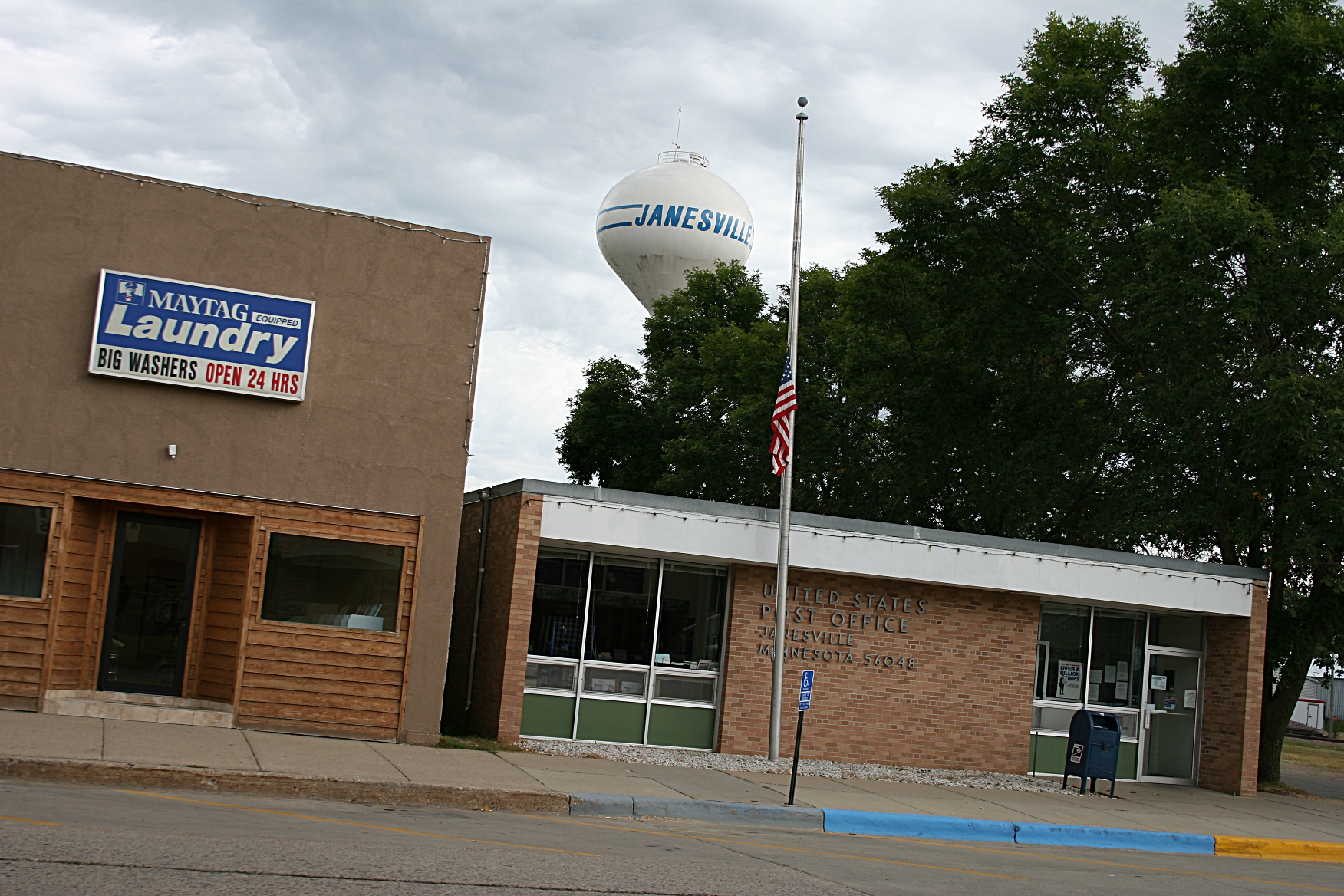
The post office, a community meeting place in small towns like Janesville.

NOTE: All of these images were taken in downtown Janesville on a Sunday afternoon in August.

© Copyright 2011 Audrey Kletscher Helbling