Minnesota Prairie Roots

Writing and photography by Audrey Kletscher Helbling

In celebration of country churches June 26, 2013

Fine craftsmanship defines the sanctuary.

Fine craftsmanship defines the sanctuary.

STEP INSIDE AN AGED COUNTRY CHURCH anywhere and you will be drawn in by the history, the craftsmanship, the holiness of a house dedicated to God and the fellowship of the faithful.

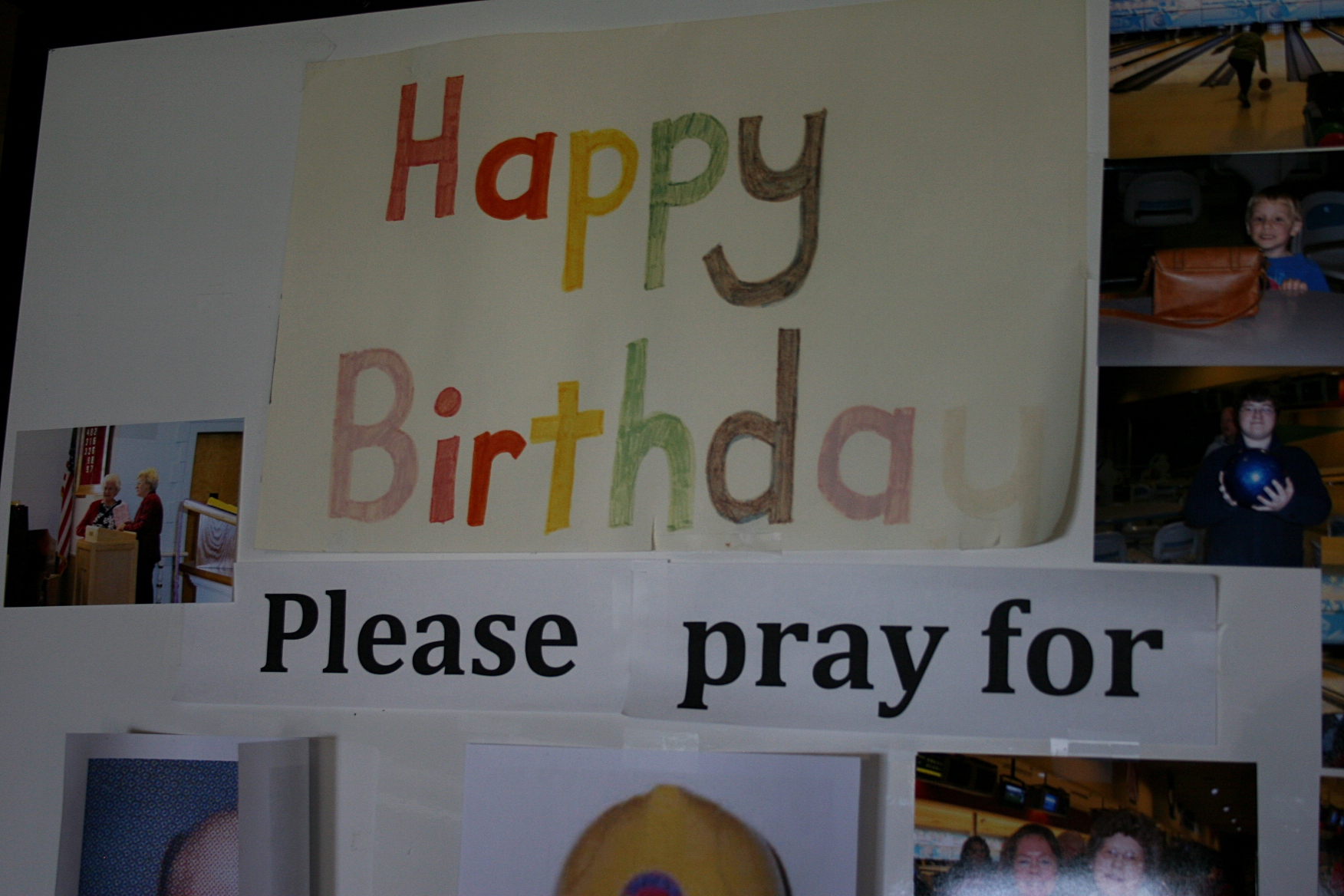
A poster board with photos and well wishes stands in the church entry.

A poster board with photos and well wishes stands in the Moland Lutheran Church entry.

You need only pause and look, really look, to see the care, the love, the devotion, which fill such a sacred place.

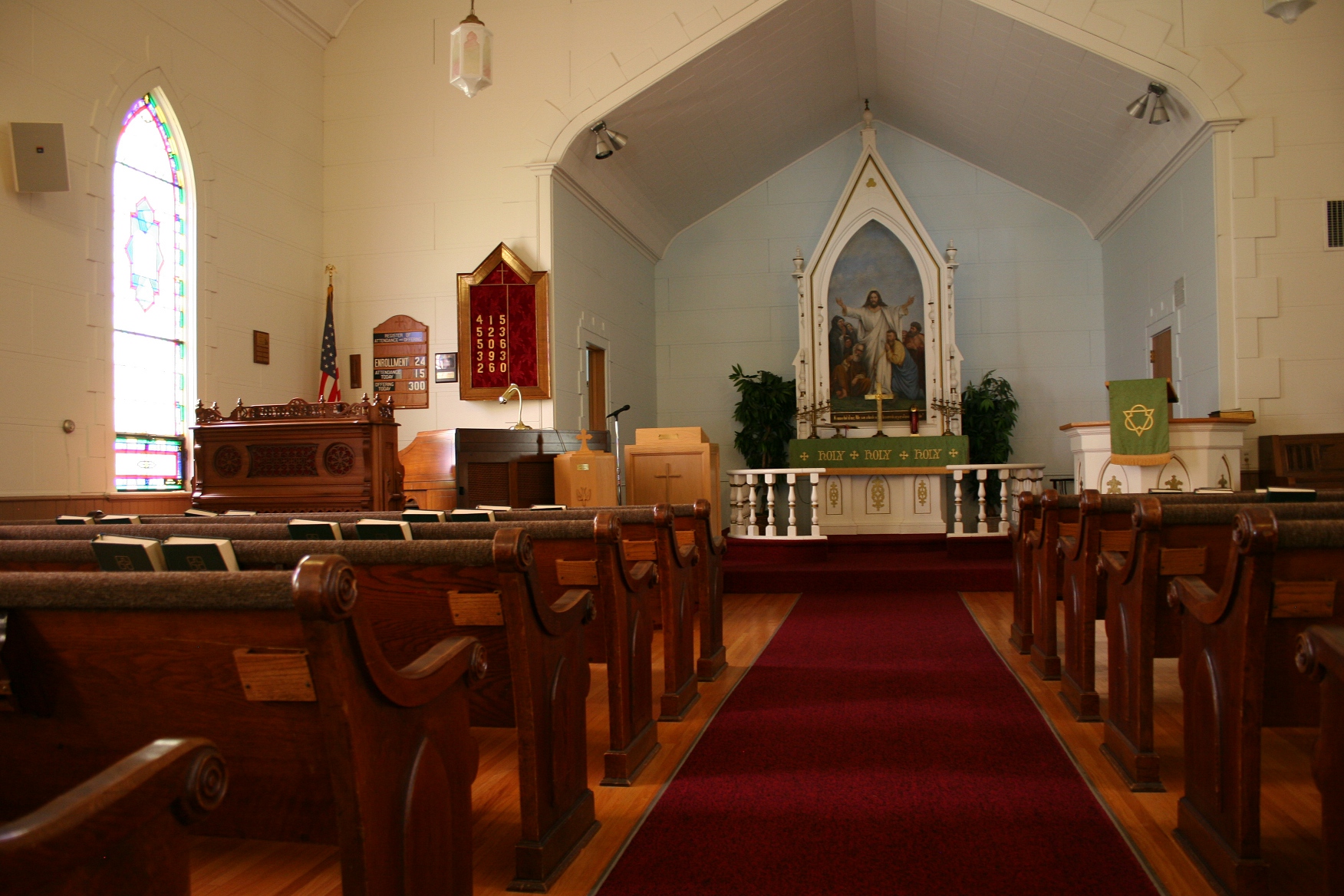
Moland features architecture common in country churches.

Moland features architecture common in country churches.

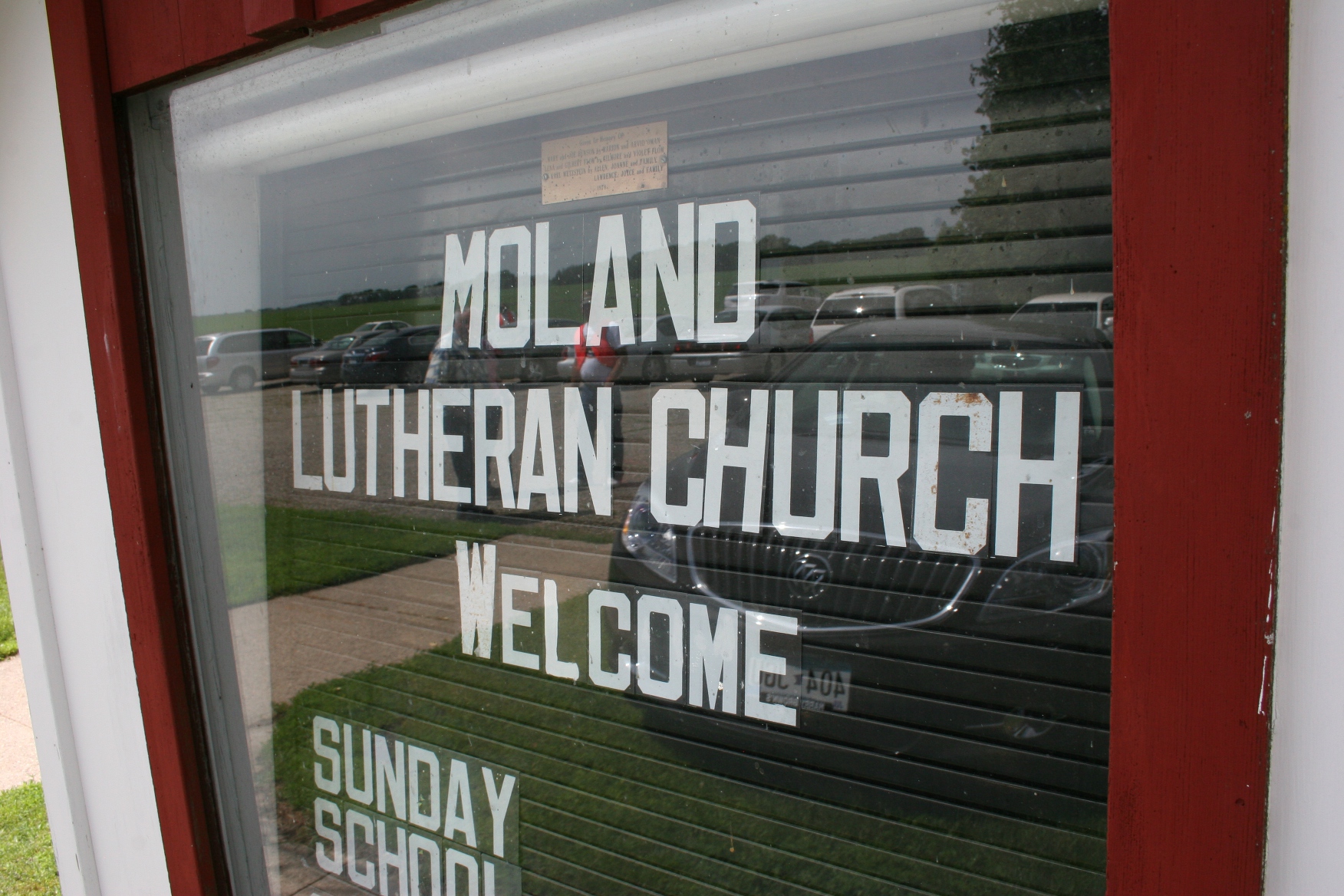
Join me on a photographic tour of Moland Lutheran Church, 7618 Northeast 84th Avenue, rural Kenyon, Minnesota. The church, built by Norwegians in 1884, still holds Sunday morning worship services, currently led by the Rev. Nancy Edwardson.

Worship service is at 9 a.m. on Sunday.

Worship service is at 9 a.m. on Sunday. These photos were taken during the congregation’s June 23 strawberry festival.

From 25-30 worshipers fill the pews each week. And if that number seems too few to keep these doors open, do not underestimate the strength of a congregation rooted deep in this place, connected to this church building, this spot of land in rural Minnesota.

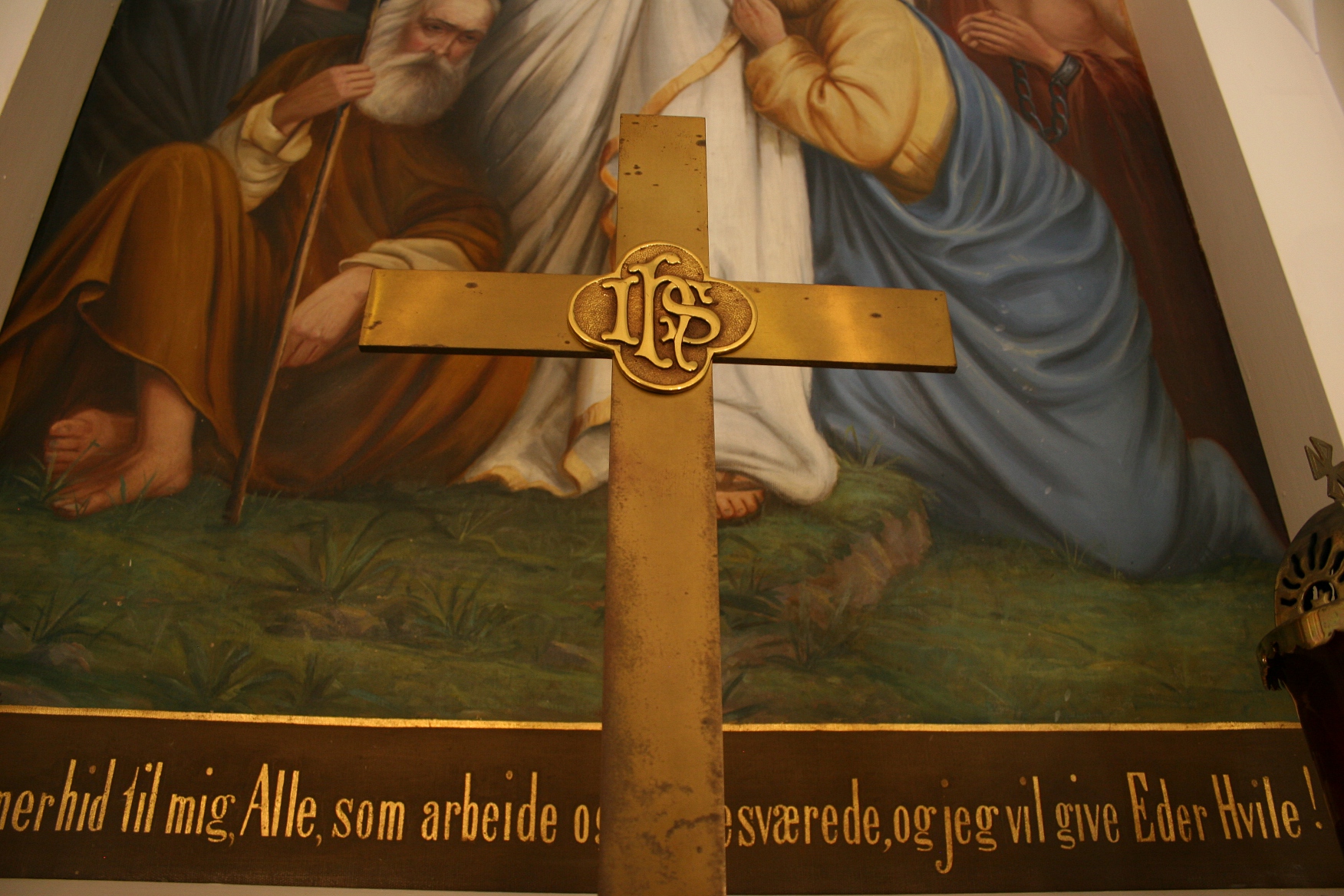
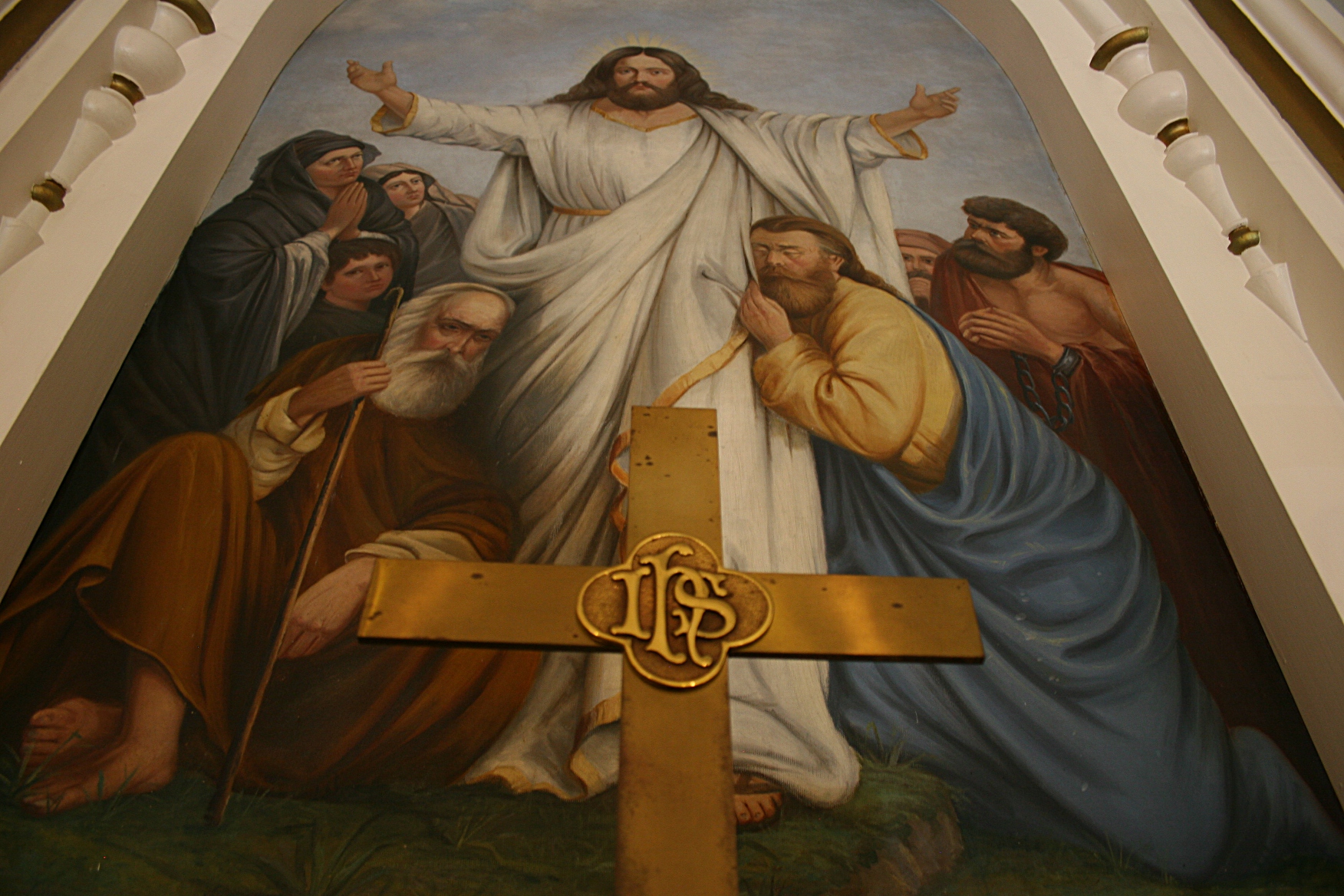
A verse from Matthew graces the altar.

A verse from Matthew graces the altar.

A full view of the altar painting done by A. Pederson and based on Matthew 28 - 30.

A full view of the altar painting done by A. Pederson and based on Matthew 28 – 30.

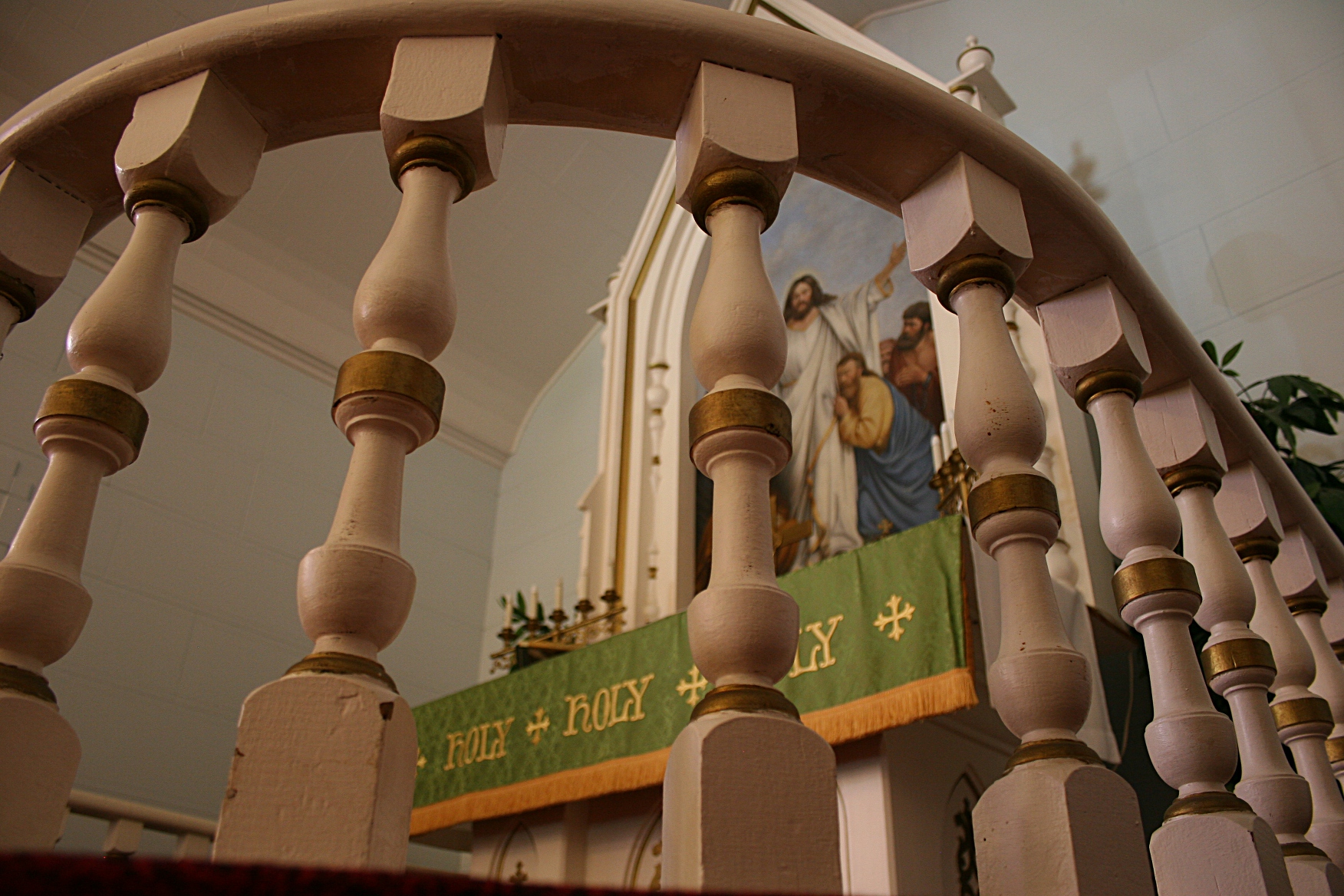
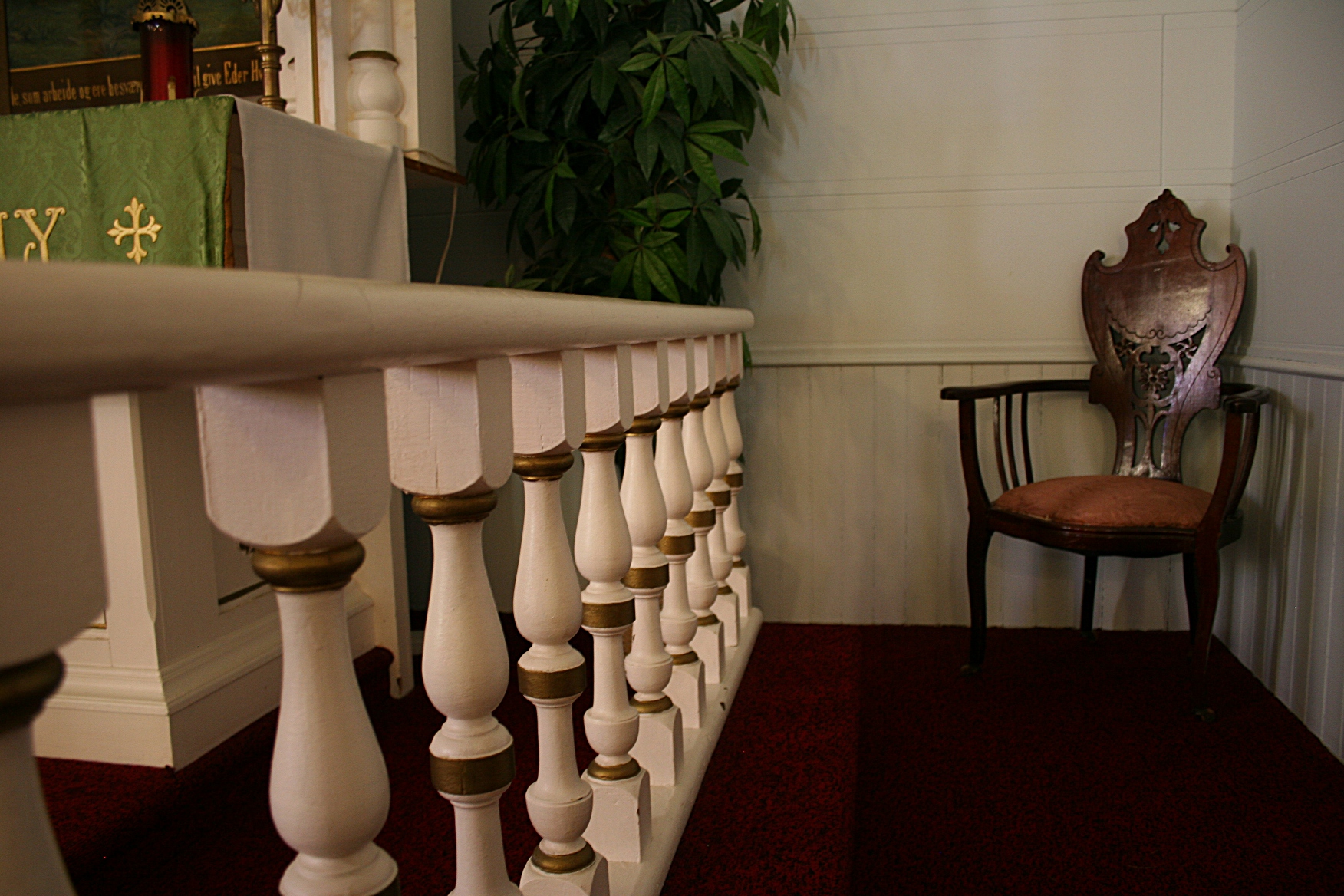
One can only imagine how many faithful kneeled at this altar railing.

One can only imagine how many faithful have knelt at this altar railing.

Or how many pastors have occupied this chair.

Or how many pastors have occupied this chair.

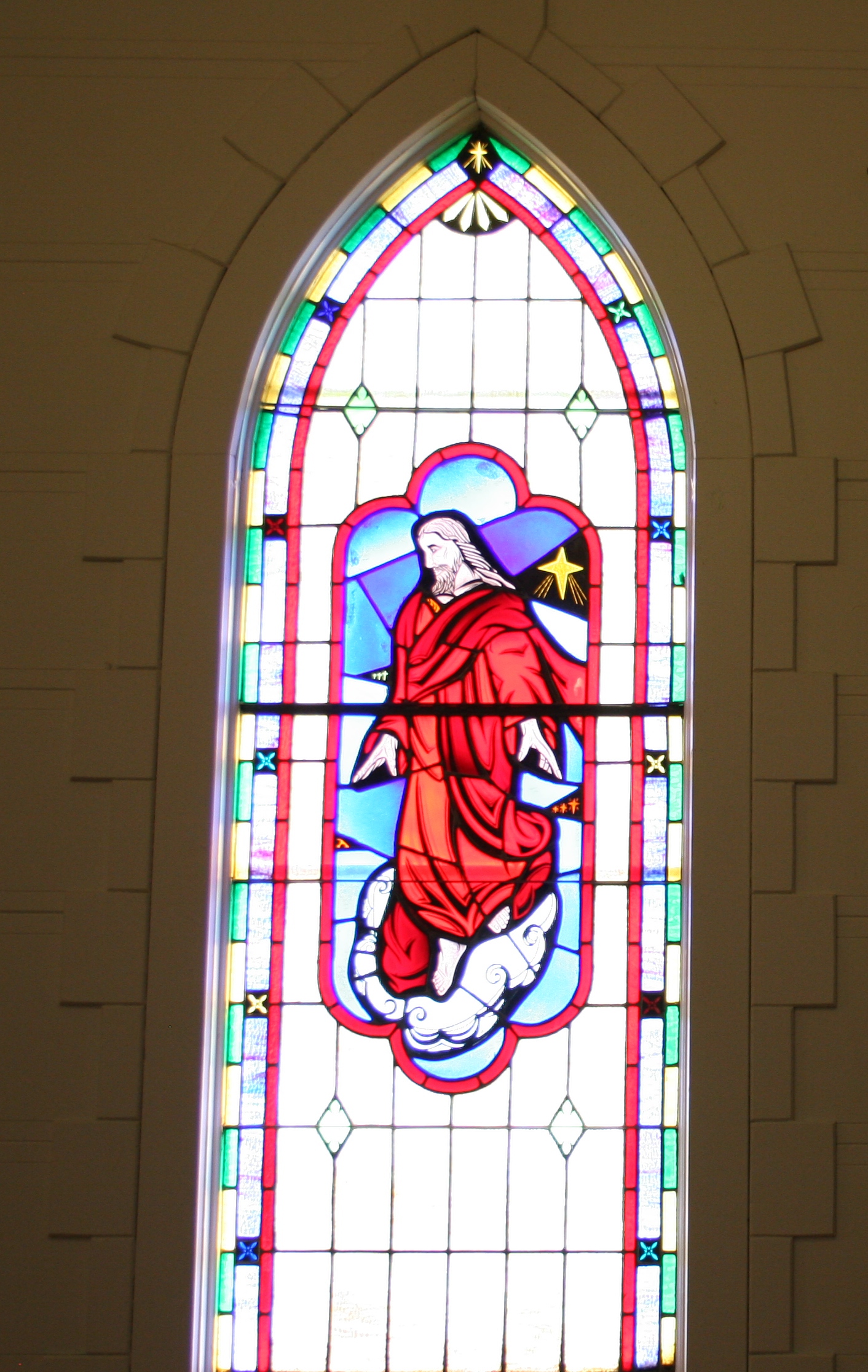
Stunning stained glass windows grace the sanctuary.

Stunning stained glass windows grace the sanctuary.

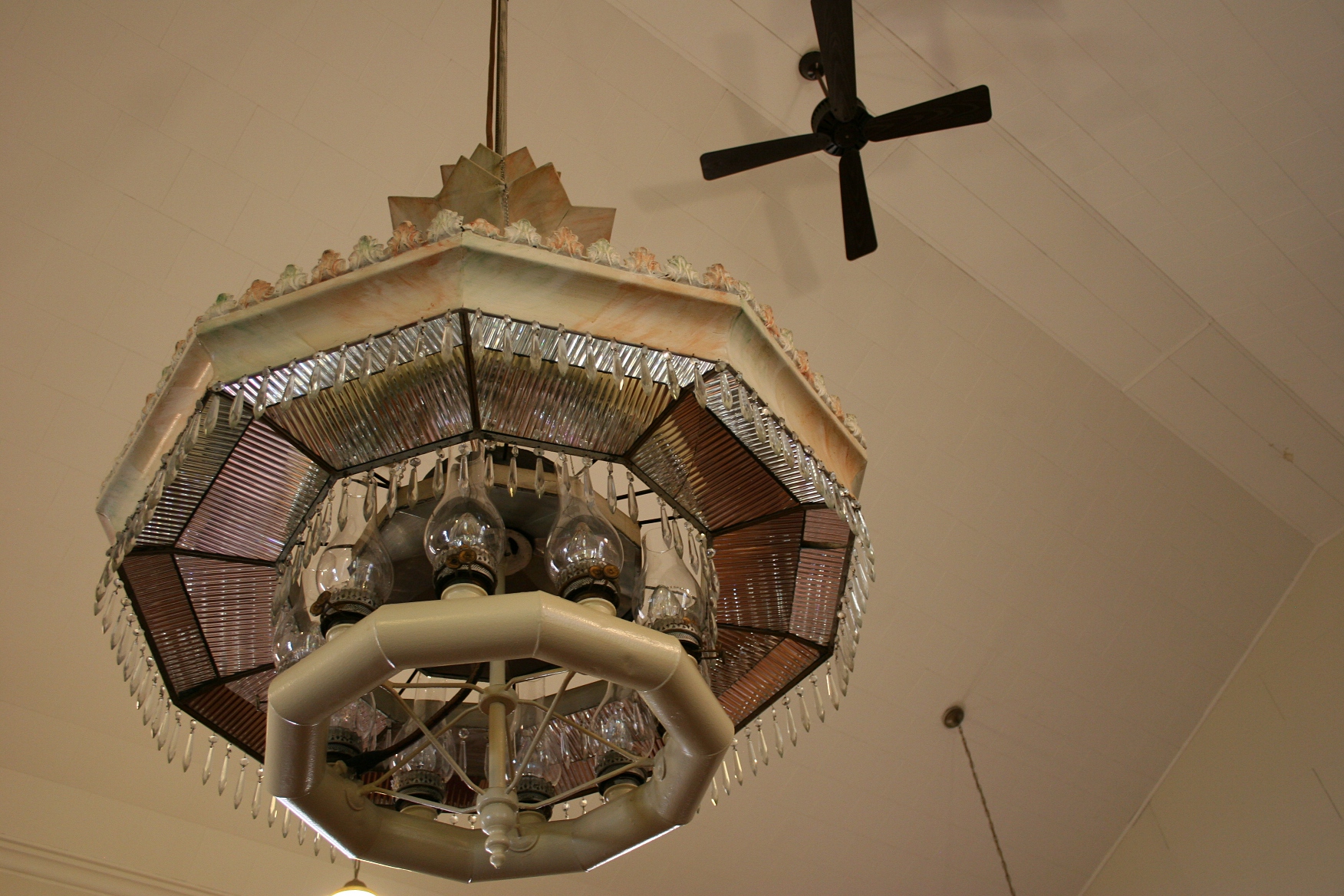
Suspended from the ceiling is this incredible historic light fixture.

Suspended from the ceiling is this incredible historic light fixture.

Stats, posted in a corner behind the organ at the front of the church.

Stats, posted in a corner behind the organ at the front of the church.

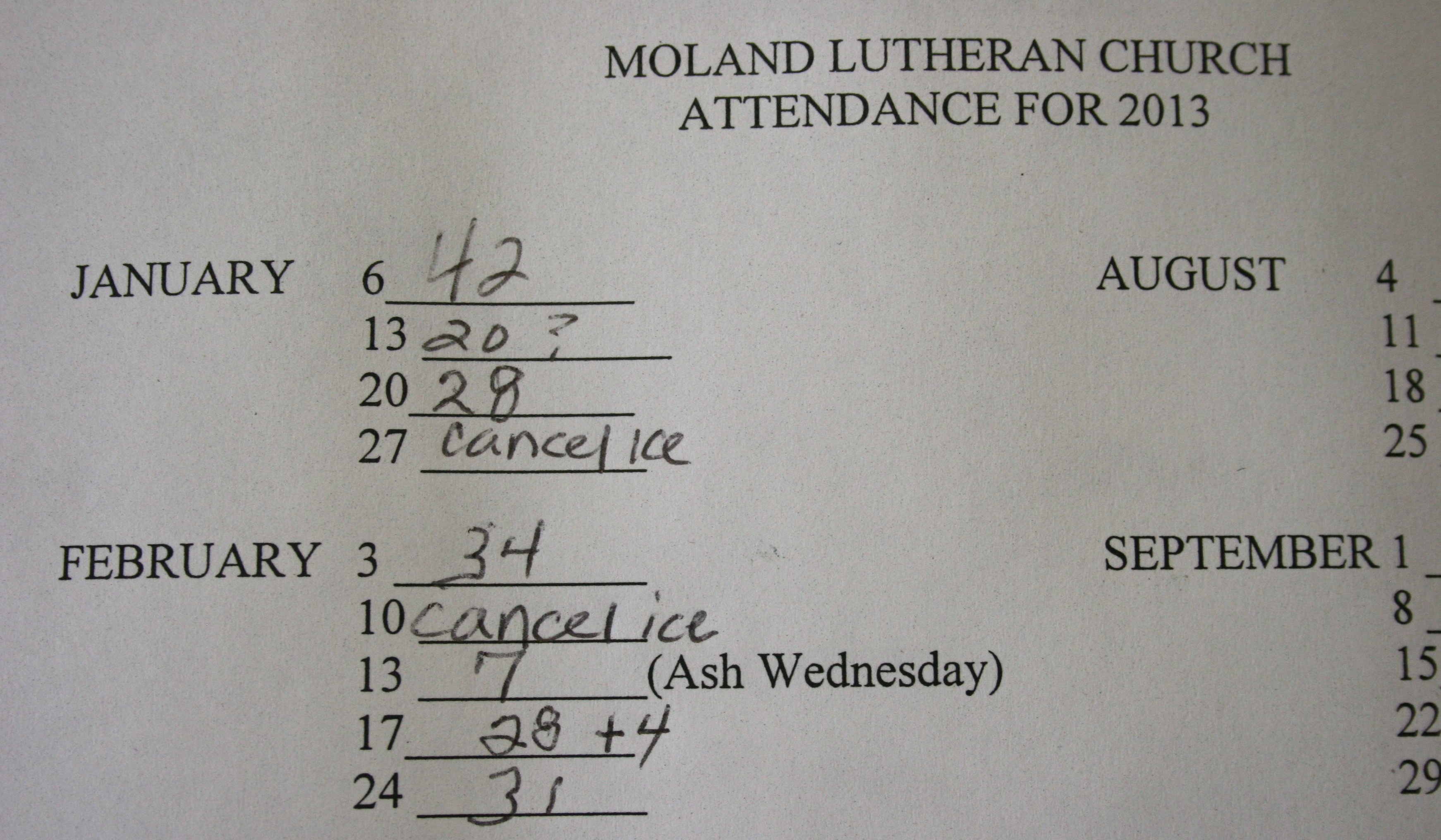
And more stats posted on paper just outside the sanctuary.

And more stats posted on paper just outside the sanctuary.

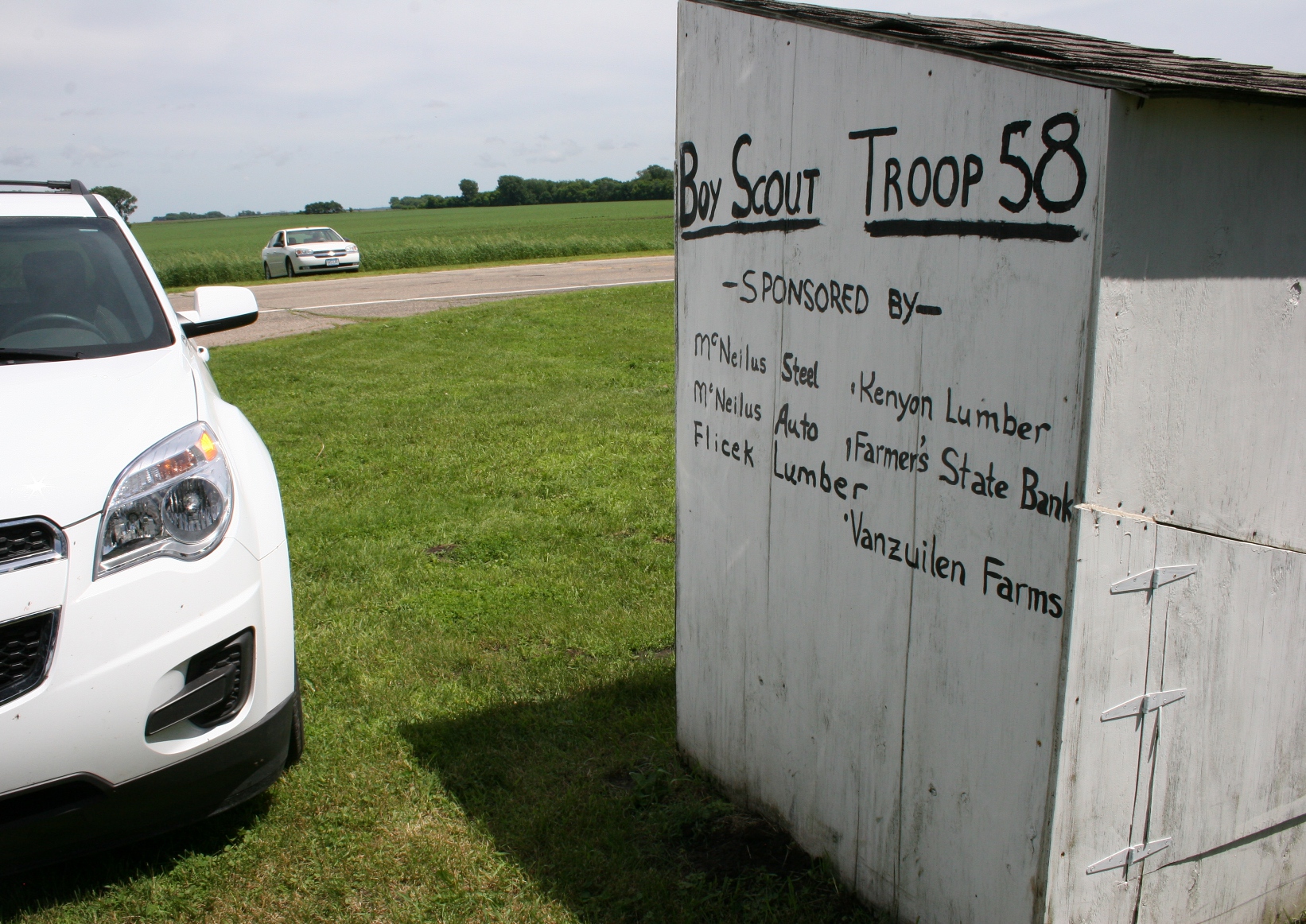
And, on the edge of the church property, this sense of community.

And, on the edge of the church property, this sense of community.

TO VIEW A PREVIOUS post about Moland Lutheran, click here. And then click here for another post.

To view my post about the Moland Lutheran Strawberry Festival, click here.

Copyright 2013 Audrey Kletscher Helbling


Discovering Vasa, an historic Swedish settlement in Minnesota March 25, 2013

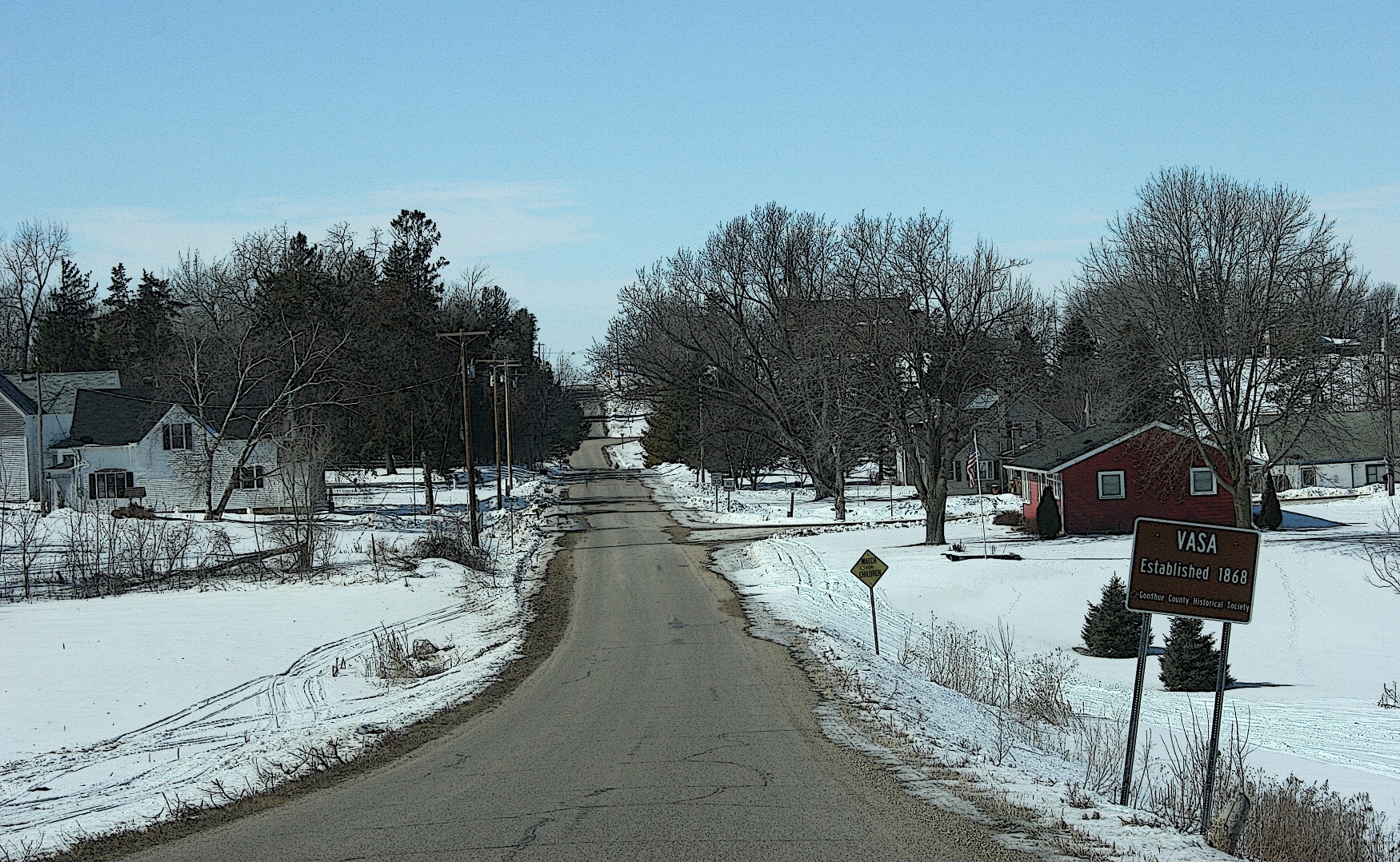
Driving into Vasa, established in 1868, according to a the historical marker, right.

Driving into Vasa, established in 1868, according to a the historical marker, right.

IT DOESN’T TAKE MUCH to draw me off the appointed route.

Recently, a sign for a church soup luncheon caused my husband and me to veer off Minnesota Highway 19 near Red Wing into historic Vasa, established in 1868.

We opted not to partake of the soup, although that was a tough call given my love of soup and church dinners. But we were under a time crunch with limited hours to get to Red Wing and back.

So Randy and I did a quick drive through Vasa, named in honor of King Gustav Vasa, Swedish ruler from 1523-1560. Hans Mattson encouraged Swedish immigrants to settle here in this place originally known as Mattson’s Settlement.

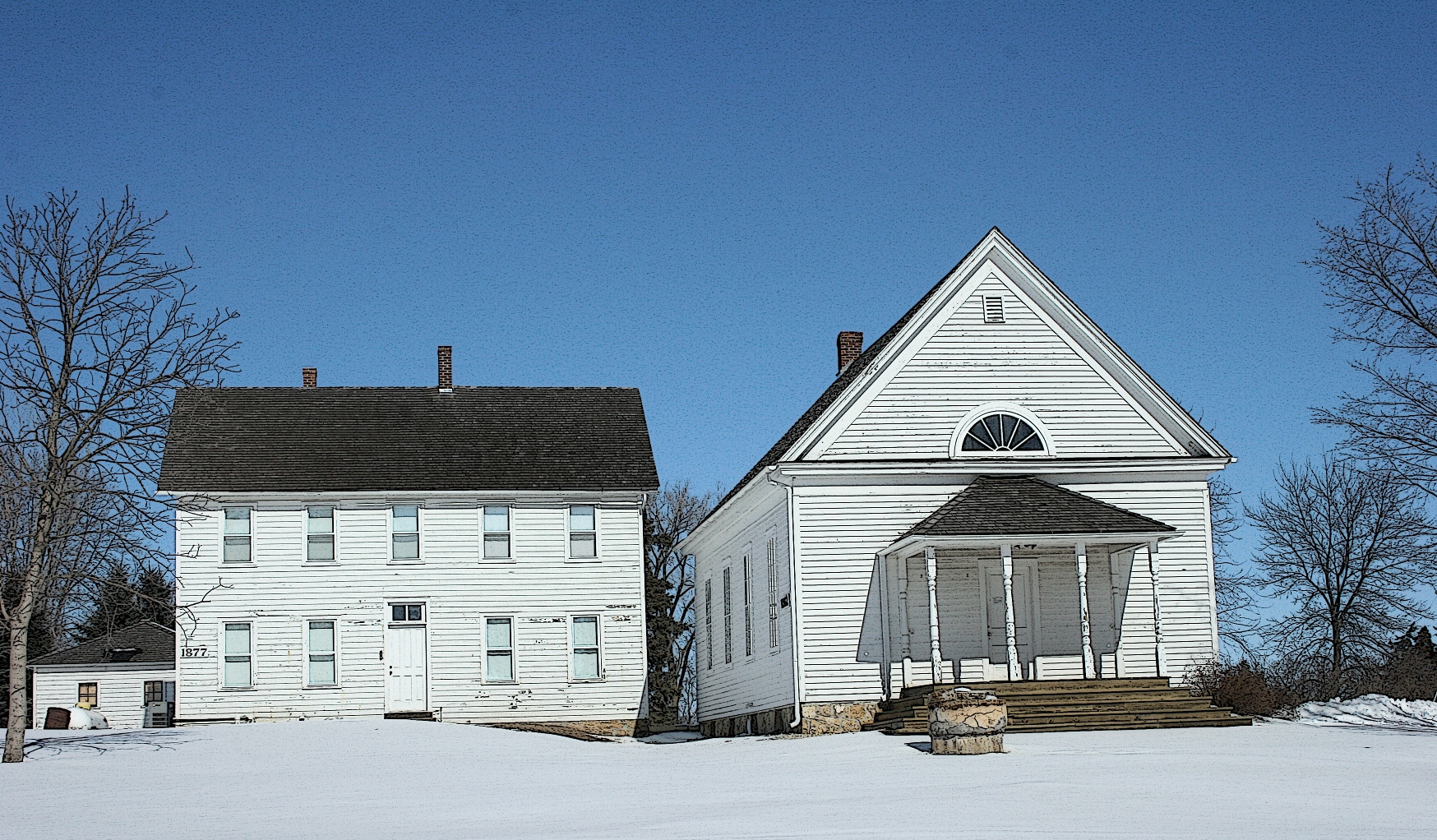
Several of Vasa's old buildings.

Several of Vasa’s old buildings.

From an outsider’s perspective, there’s not much to the several blocks long Vasa—some houses, an abandoned creamery, by the looks of it a former schoolhouse or town hall, then Vasa Lutheran Church atop the hill with the Lutheran Center across the road.

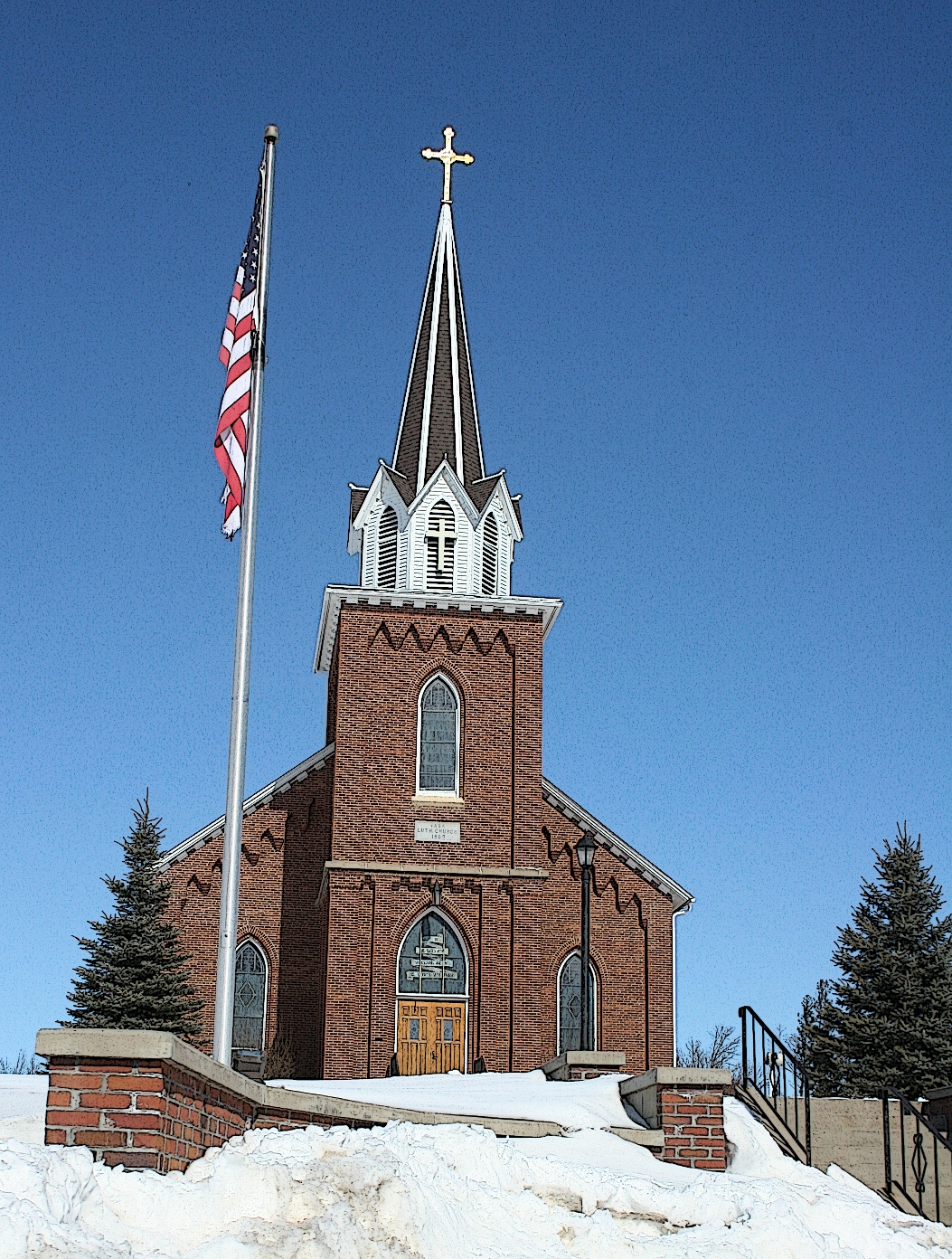
Vasa Lutheran Church, the congregation which started Lutheran Social Services, originally Vasa Children's Home.

Vasa Lutheran Church, the congregation which started Lutheran Social Services, originally Vasa Children’s Home. Construction on this church building began in 1867 with dedication in 1870.

Turns out, though, as I would later learn, that this seemingly obscure town along the highway is “the most intact and unchanged of the original Swedish colonies of Minnesota.” Vasa is designated on the National Historic Register as the Vasa Historic District with 19 structures of historical significance. I should have done my homework before we headed into Goodhue County.

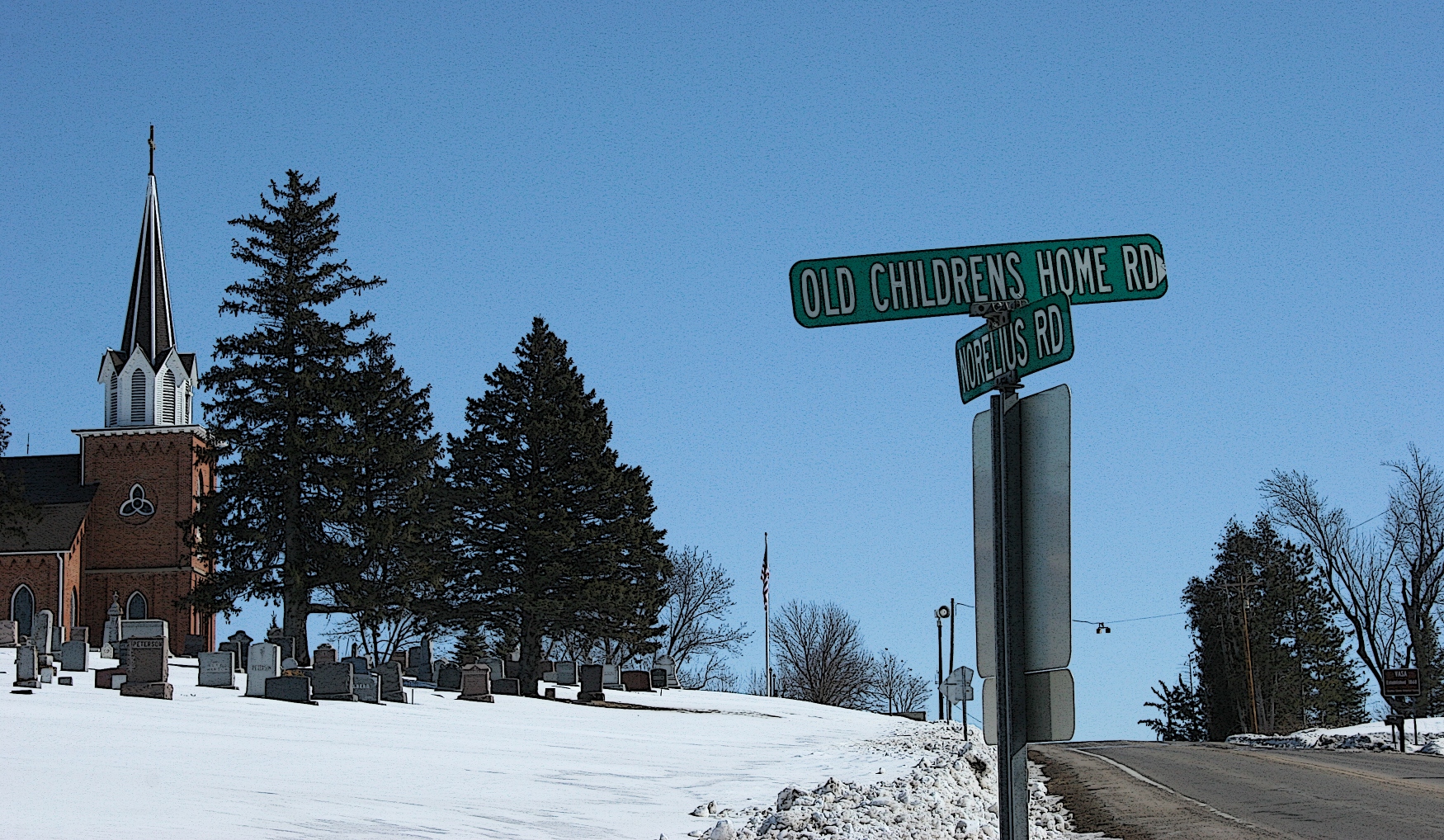
This street sign led me to investigate and learn about the Vasa Children's Home.

This street sign led me to investigate and learn about the Vasa Children’s Home.

While in Vasa, I spotted an OLD CHILDRENS HOME RD street sign by the church. When Randy turned the car onto that road, he should have kept going. My instincts told me a story awaited us. Instead, we turned into a drive leading around the church. Had we continued along Old Children’s Home Road, we would have discovered the former Vasa Children’s Home built in 1899 and today a private residence. The home opened in 1865 in the Vasa church basement when four orphans arrived in town. This is considered the birthplace of Lutheran Social Services.

See what you learn when you detour off the planned route.

FYI: To learn more about the history of the Vasa Children’s Home, click here.

To learn more about Vasa Lutheran Church, click here.

For historic info on Vasa, click here. Also click on the highlighted phrases within the post for additional information.

© Copyright 2013 Audrey Kletscher Helbling
 

Fifty-one years of presenting The Last Supper Drama at a rural Minnesota church March 22, 2013

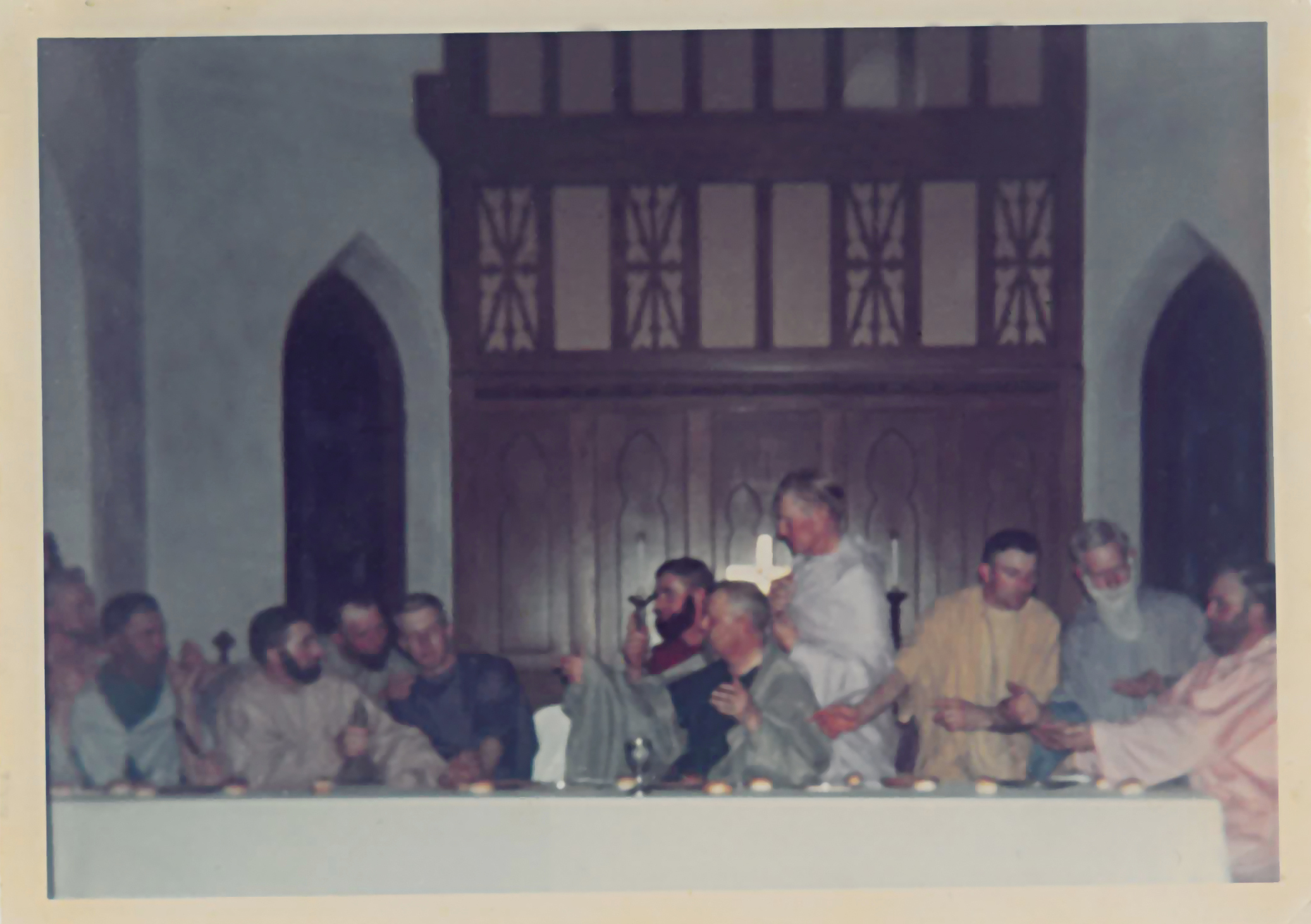
St. John's members portray the disciples in this undated vintage photo, the first record of a photograph from The Last Supper Drama. Actors, from left to right, are Luverne Hafemeyere, Earl Meese, Vicgtor Luedke, Howard Meese, Virgil Bosshart, Arnold Keller, P.L. Golden, Alvin bosshart, Paul Bauer, Elmer Covert Sr. and Arnold Bauer. Photo courtesy of St. John's.

St. John’s members portray the disciples in this undated vintage photo, the first record of a photograph from The Last Supper Drama. Actors, from left to right, are Luverne Hafemeyere, Earl Meese, Vicgtor Luedke, Howard Meese, Virgil Bosshart, Arnold Keller, P.L. Golden, Alvin bosshart, Paul Bauer, Elmer Covert Sr. and Arnold Bauer. Photo courtesy of St. John’s.

THOUSANDS OF MILES from Milan, Italy, in the flat farm fields of Rice County in southeastern Minnesota, Leonardo da Vinci has left his mark on a small congregation.

For 50 consecutive years, St. John’s United Church of Christ, Wheeling Township, has presented The Last Supper Drama, a theatrical interpretation of the master artist’s most famous painting created in 1495 as a mural in an Italian monastery.

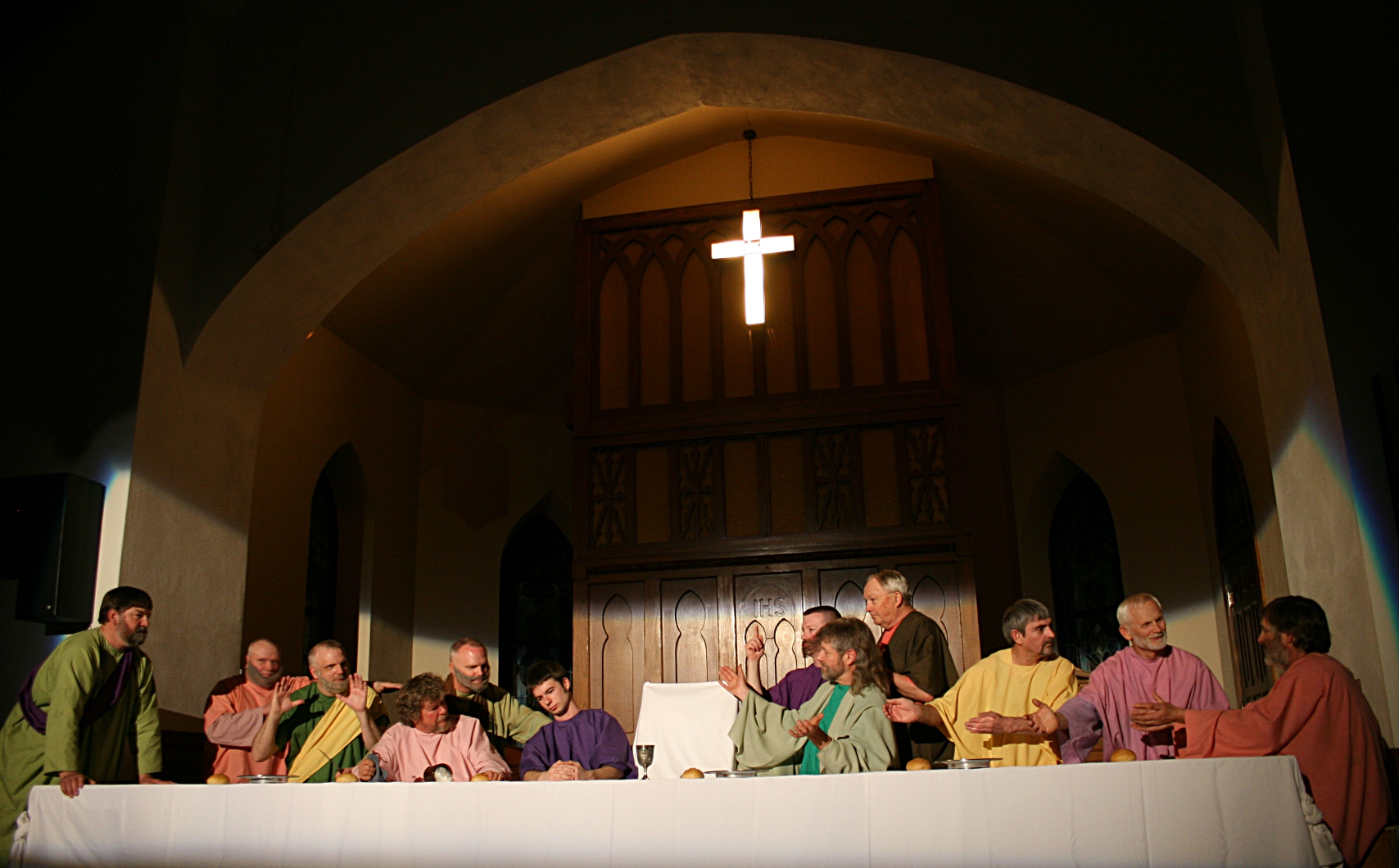
St. John's 50th presentation of The Last Supper Drama in the sanctuary.

St. John’s 50th presentation of The Last Supper Drama in 2012.

I penned those two opening blog post paragraphs during Holy Week 2012, shortly after attending the St. John’s performance.

So update that number. The congregation is slated to present its 51st The Last Supper Drama at 8 p.m. on March 24, Palm Sunday.

I’d advise attending because you don’t get more grassroots basic than this in the retelling of Christ’s final meal with his 12 disciples via a script penned by a long ago St. John’s pastor.

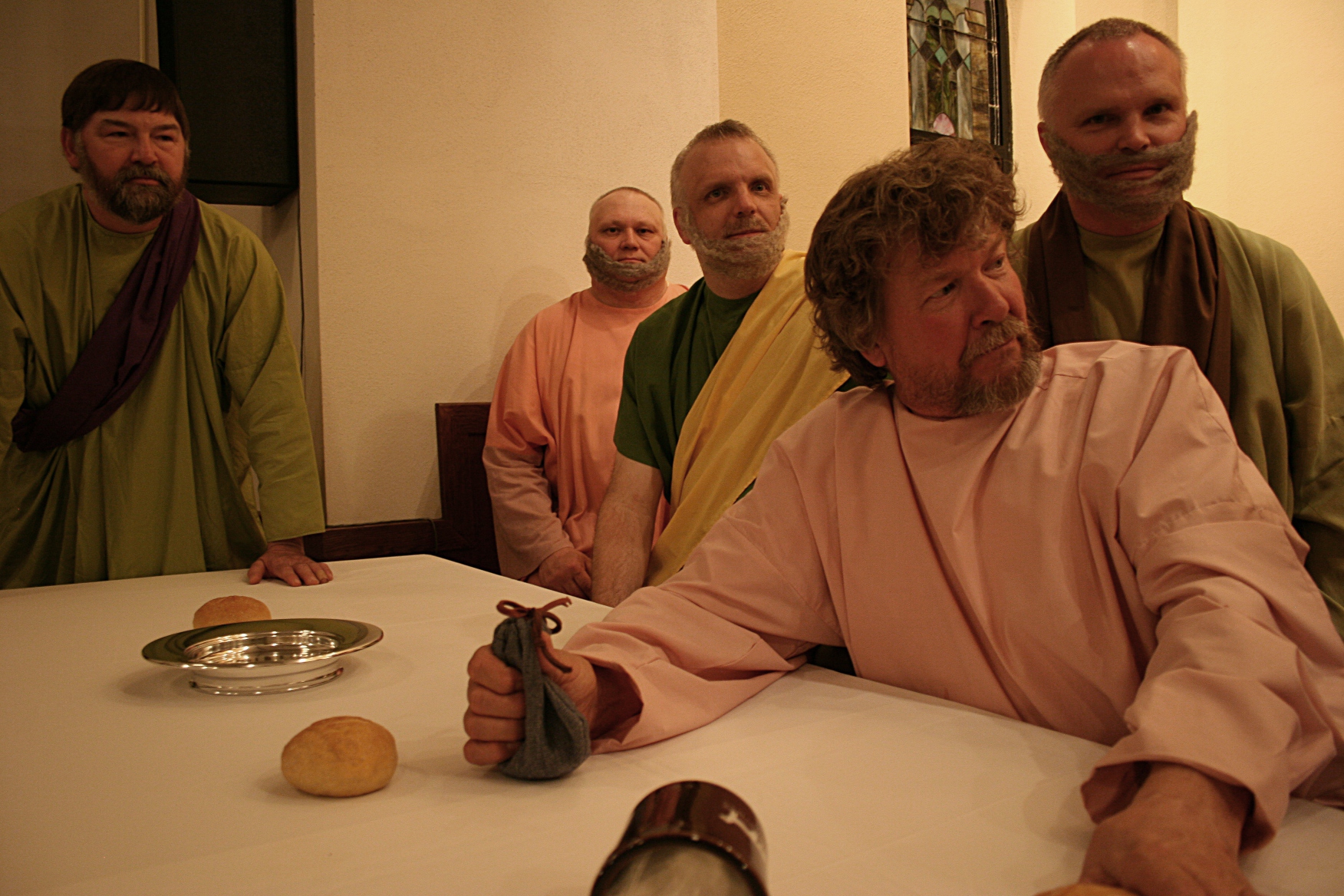
Judas grips the bag of silver, his reward for betraying Christ.

Judas grips the bag of silver, his reward for betraying Christ, as seen in the 2012 drama.

Each disciple speaks of his personal relationship to Christ, making this a particularly introspective drama presented by members and former members of St. John’s.

The parking lot at St. John's United Church of Christ, Wheeling Township, is nearly full 20 minutes before the congregation's annual performance of The Last Supper Drama.

The parking lot at St. John’s United Church of Christ, Wheeling Township, is nearly full 20 minutes before the congregation’s annual performance of The Last Supper Drama.

Truly, there’s something about slipping inside this rural 1800s limestone church as evening melds into night, settling upon aged pews among those who have worshiped here for generations, that is particularly comforting.

It is good for the soul to sing and pray and listen, to sweep your thoughts into a meditative mindset for Holy Week.

That this country congregation continues with a tradition begun in 1963 impresses me. Such uninterrupted longevity is a testament to faith, an appreciation of history and a clear understanding that still today, perhaps more than ever, The Last Supper Drama needs to be shared.

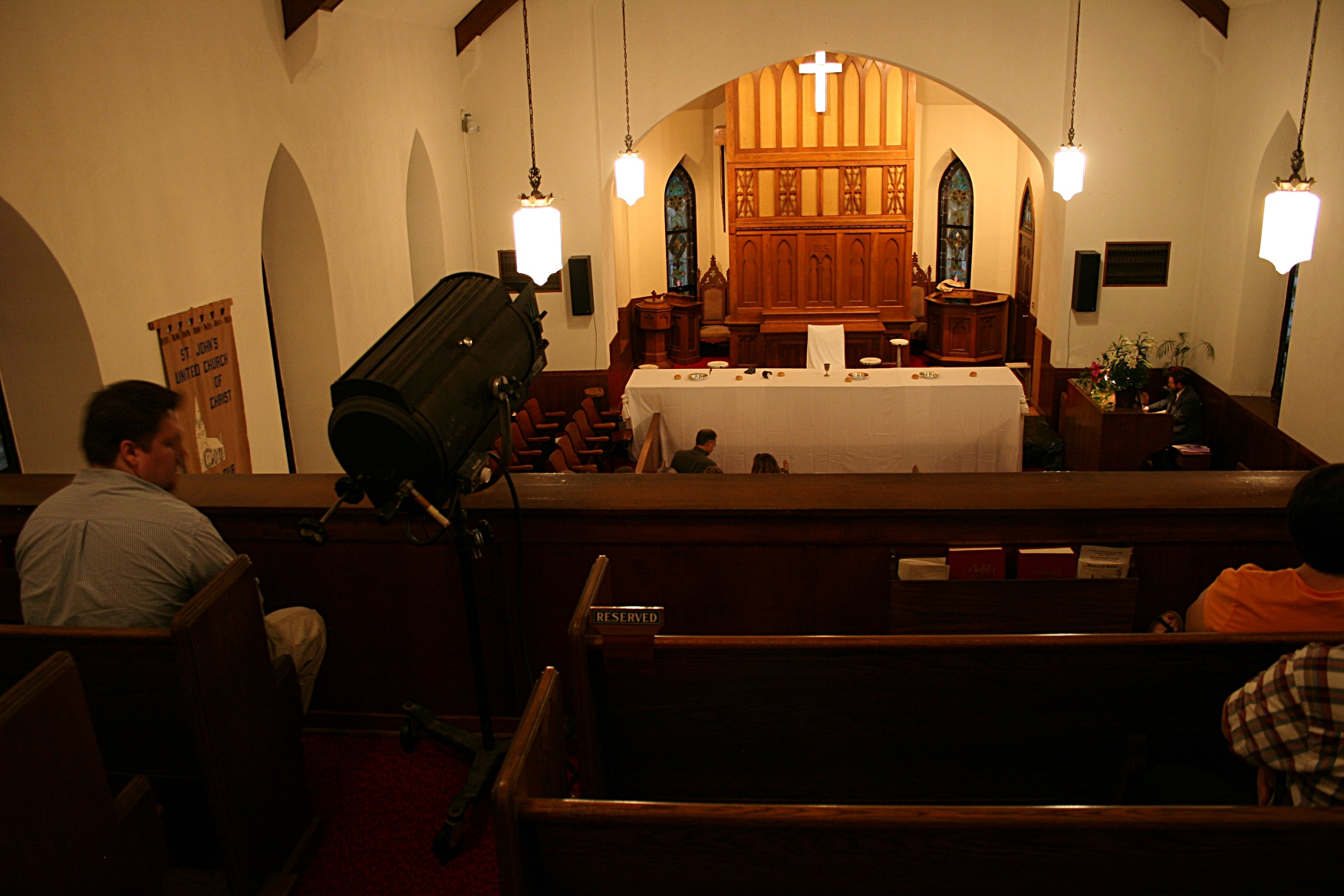
A view from the balcony before the drama begins shows the spotlight to the left and The Last Supper table below. The actors enter, spotlighted in the dark church, to take their seats at the table. There they "freeze" in place to mimic Leonardo da Vinci's painting.

A view from the balcony before the drama begins shows the spotlight to the left and The Last Supper table below. The actors enter, spotlighted in the dark church, to take their seats at the table. There they “freeze” in place to mimic Leonardo da Vinci’s painting.

FYI: St. John’s United Church of Christ, Wheeling Township, is located 10 miles northeast of Faribault. Take Minnesota State Highway 60 east for eight miles and then turn north onto Rice County 24. Drive two miles to 19086 Jacobs Avenue.

Click here and then here to read my detailed The Last Supper Supper Drama posts from 2012.

Click here to read my post from 2011.

© Copyright 2013 Audrey Kletscher Helbling
 

At Trinity Family Game Night: Thou shalt laugh January 13, 2013

“TRICK OR TREAT,” I blurted upon my turn, realizing in the very moment I shouted those words that I had erred big time, as in a major brain fart moment.

My teammates’ mouths dropped. Their laughter chastised, mocked me. I could hear their question—“What were you thinking, Audrey?”—even though they dared not speak it aloud in the church fellowship hall setting. They exercised that bit of restrained Christian charity.

But I deserved the laughter. Who would respond “trick or treat” to a Family Feud question about a popular holiday greeting? Me.

First, the specific Family Feud game version we were playing focused on Christmas, a theme I failed to remember. Second, Halloween may be a holiday for kids, but not officially.

Thus went the annual Trinity Lutheran Church, Faribault, Family Game Night Christmas Party on Saturday, an event that always brings laughter. Lyda, who attended with her husband, Sean, and daughters, Rosemary and Anne, summarized the get together quite well in an email thank you to party planner Billie Jo. “We haven’t laughed this much in a long time,” Lyda wrote. Me either.

Laughter is good for the soul, even if the laughter is sometimes because of you.

Mandy, left, and Billie Jo vie to open a gift wrapped in multiple layers of boxes and wrapping paper and secured with layers of duct and packaging tape.

Mandy, left, and Billie Jo vie to open a gift wrapped in multiple layers of boxes and wrapping paper and secured with layers of duct and packaging tape. Rules called for contestants to dress in scarves, hats and mittens before attempting to open the gift.

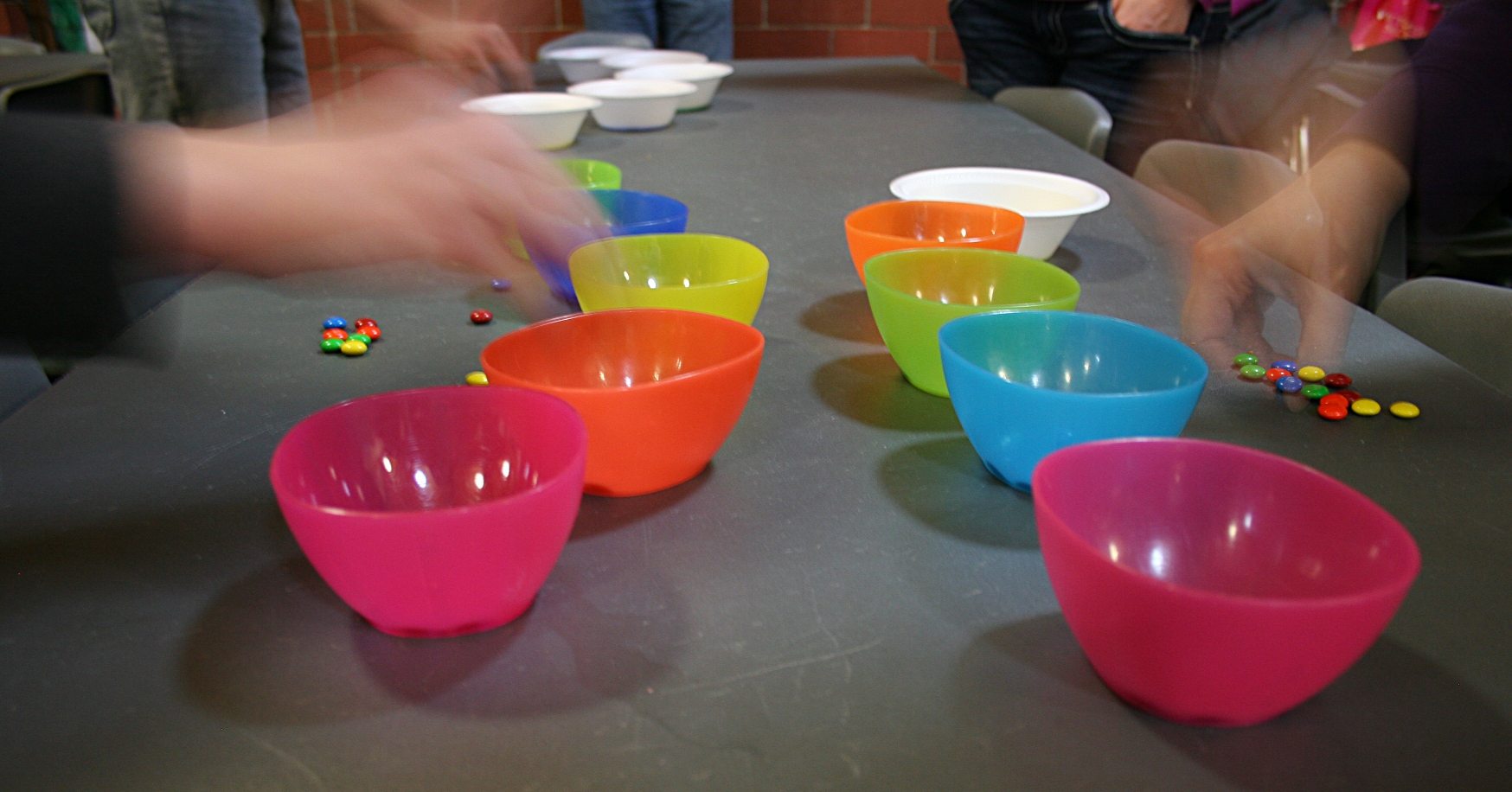
From the exchange of white elephant gifts (more on that shortly) to the drawing of a Christmas scene upon a paper plate placed atop our heads, to tearing snowmen from paper tucked behind our backs to the pushing/near-wrestling/grabbing involved in the competitive unwrapping of a single gift secured in layers of paper and rolls of duct and packaging tapes to parceling M & Ms into bowls, the evening’s activities showcased comedic competitiveness.

Racing to sort M & Ms by color is not as easy as it looks.

Racing to sort M & Ms by color is not as easy as it looks.

Honestly, you would not expect grown-ups to behave like this, especially in church. But, and this is just my thought, I think sometimes we all need to act like kids, to let loose and freewheel our way through life, if but for a few moments.

We competed for prize packages like this snowman poop.

We competed for prize packages like this snowman poop.

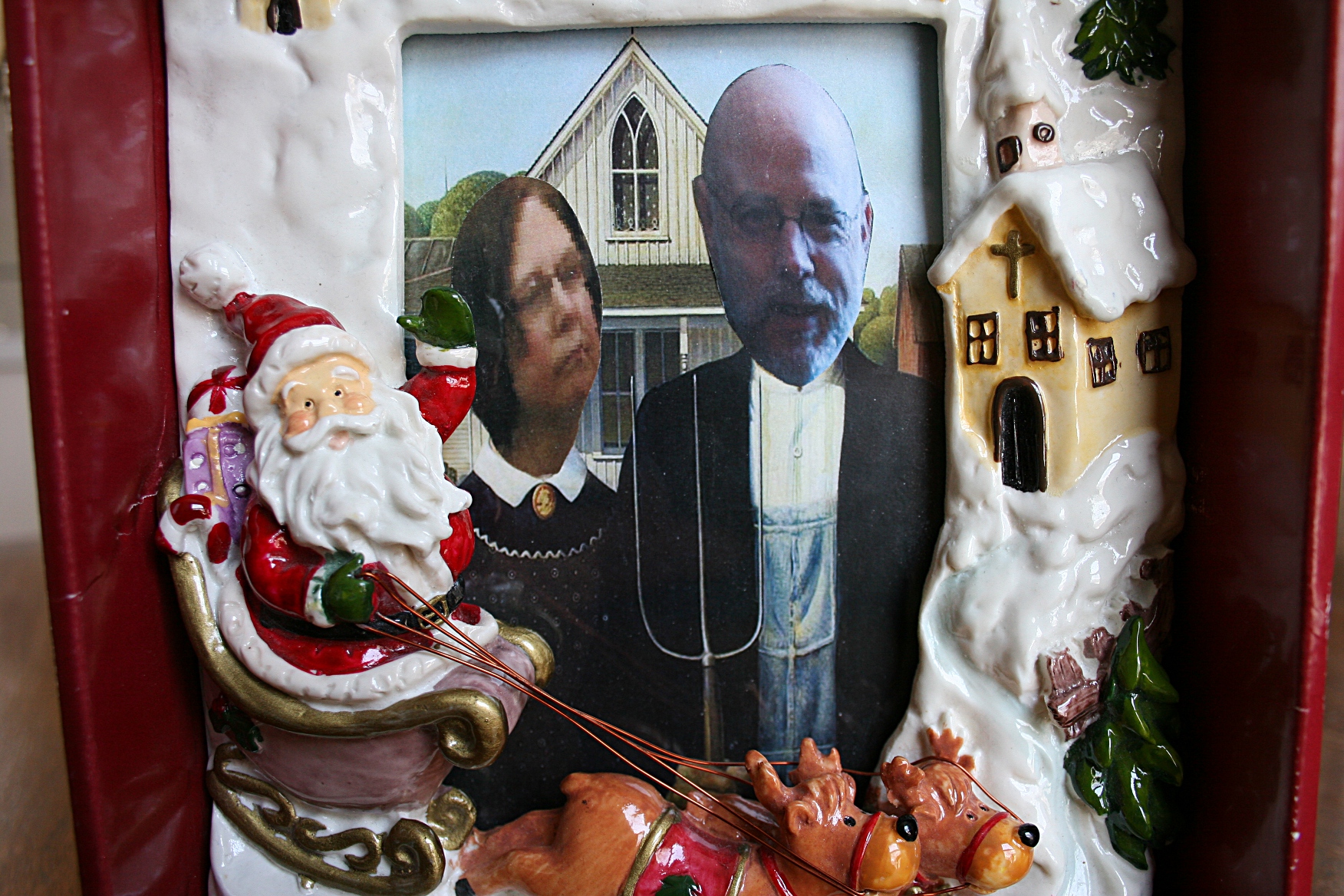
Now if you’re thinking my Family Feud Halloween stupidity rates as the evening’s most memorable moment, you would be wrong. It ties with Jeff’s unwrapping of a white elephant gift which has become a Family Game Night Christmas Party tradition. For years, a gaudy holiday photo frame has circulated into the gift exchange. And, at some point, photos were added. Unbeknownst to Jeff, he grabbed the wrapped photo frame.

I knew, just knew, that my friend Jesse (who is a doctor, but not a medical doctor—so says his son Noah) would wrack his brilliant librarian brain until he came up with an incredibly creative photo to insert into the frame. Little did I know that my husband and I would be the subjects of Jesse’s creative efforts.

Jesse totally outdid himself. We party-goers erupted into thunderous laughter upon seeing his version of artist Grant Wood’s American Gothic.

The modern day version of Grant Wood's American Gothic painting was created by artist Jesse and features my husband and me. Outstanding, isn't it?

This modern day version of Grant Wood’s American Gothic painting was created by artist Jesse and features my husband and me. Outstanding, isn’t it? The garish frame will be regifted next year with a new photo inserted.

The only disappointment was that Jesse could not witness our reaction; he was home with his two youngest children who were ill. However, I asked Jesse’s wife, Tammy, to tell him I would be seeking revenge, to which there was some response about revenge belonging to the Lord. OK then, get back at/get even.

And I can get even, because that hideous photo frame is now in my possession. Yes, I actually stole the frame from Jeff at one point during the game because I really did not need a silverware tray from a dishwasher or two can coolers. My husband later stole this from Jeff—apparently for the can coolers.

I expect we broke many of the 10 Commandments Saturday evening what with stealing, infliction of bodily harm, mocking, maybe even coveting of some gifts, over-indulgence (ahem, consumption of too much chocolate)…

But we redeemed ourselves with laughter and with love.

Another of the wonderful prizes awarded to game winners.

Another of the coveted prizes awarded to game winners.

© Copyright 2013 Audrey Kletscher Helbling


Appreciating the beautiful craftsmanship of a Minnesota church December 23, 2012

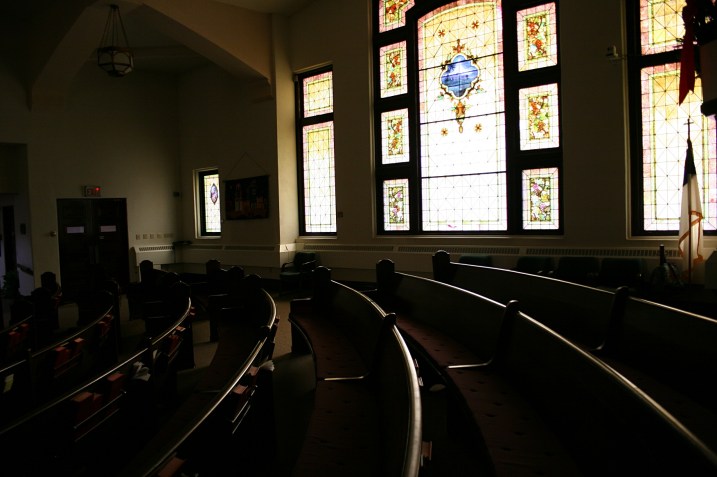
A snippet of the pews and beautiful stained glass window.

A snippet of the pews and beautiful stained glass windows.

THE PEWS ARC in graceful curves in this holy house where the muted grey gloom of a December afternoon filters through the western wall of stained glass windows.

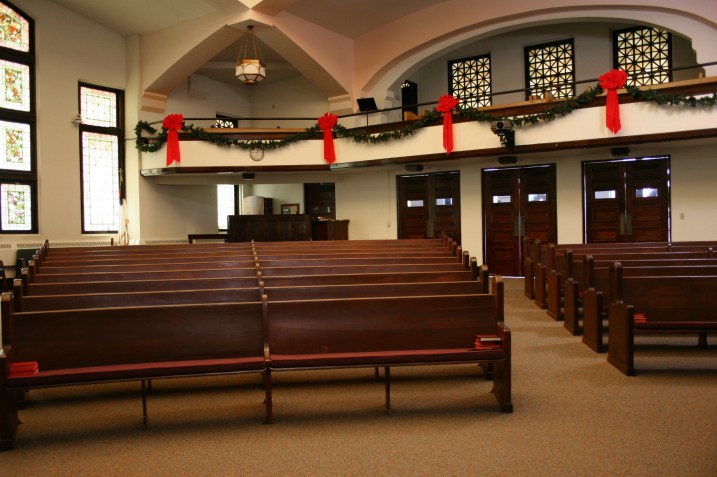
Just another interior view, looking toward the balcony.

Just another interior view, looking toward the balcony.

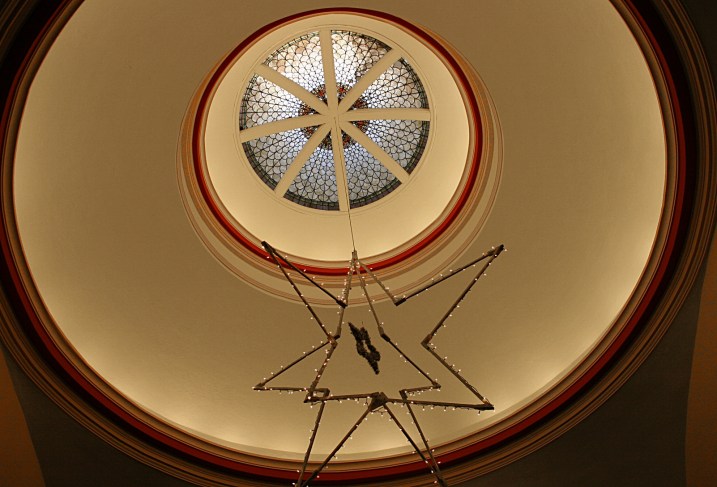
Dark wood fills this place. If not for the glorious side windows and the stained glass dome, darkness would prevail.

Focusing on the altar area and the eastern stained glass window.

Focusing on the altar area and the eastern stained glass windows.

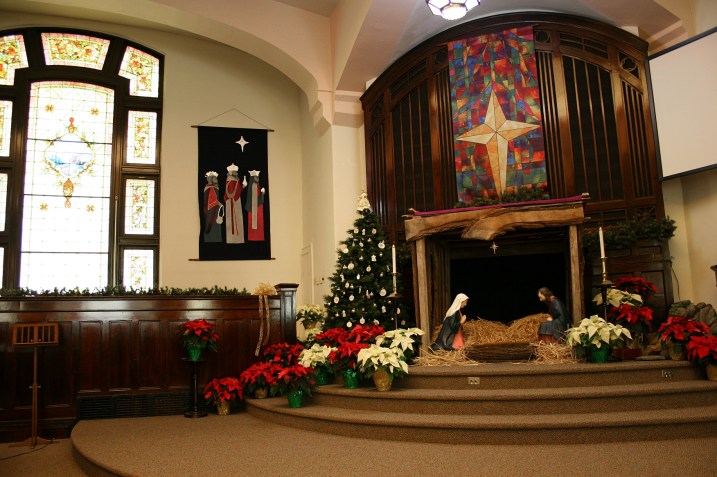
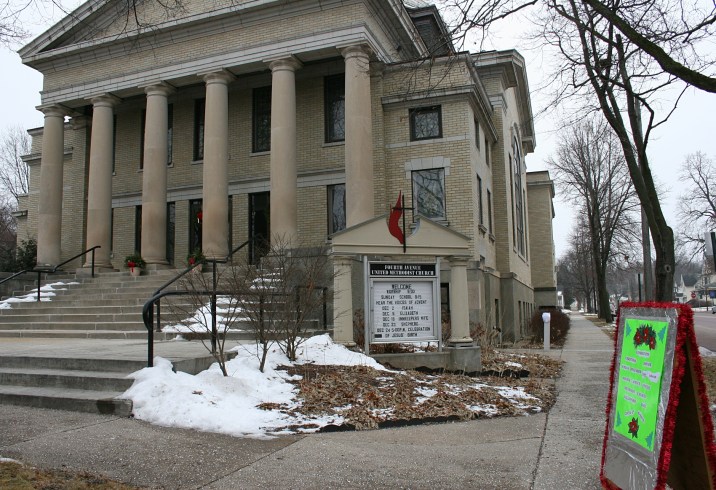
Like so many churches in my southeastern Minnesota community, Fourth Avenue United Methodist Church in Faribault is steeped in history, bathed in beauty. One need only stand within this sanctuary, dedicated in December 1915, to feel the overpowering influence of the past in fine craftsmanship.

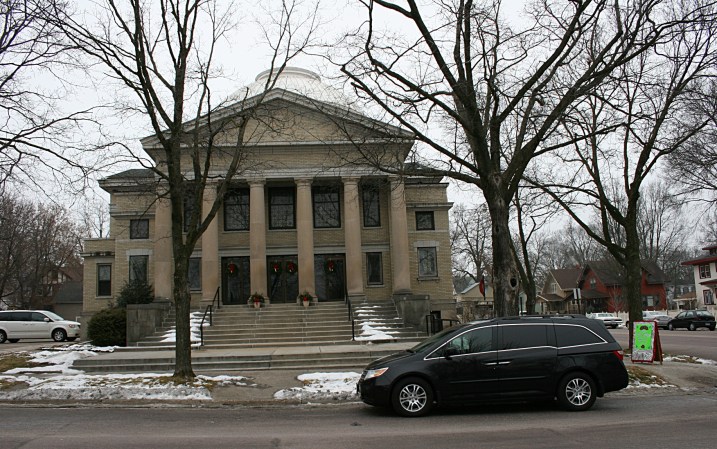
The obvious Greek influence in the church architecture.

The obvious Greek influence in the church architecture.

It is humbling to consider the hours devoted with hands-on manual labor to create such a reverent place resembling a Greek temple, particularly noticeable in the exterior stately Tuscan style columns.

I don’t pretend to know much about architecture.

But I do recognize beauty.

Looking up at a Christmas star suspended from the center stained glass dome.

Looking up at a Christmas star suspended from the center stained glass dome.

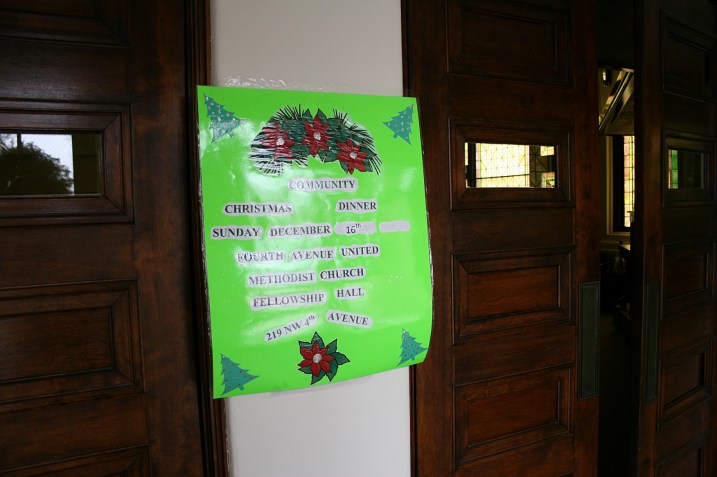
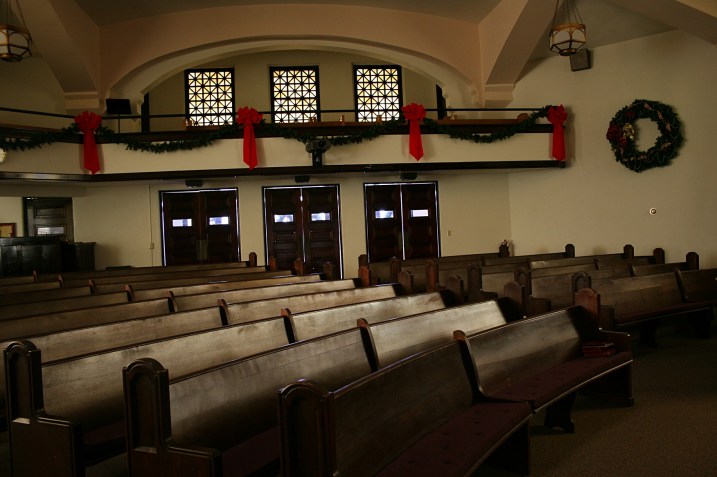
Three sets of heavy wooden doors lead into the sanctuary. To read about the Community Christmas Dinner, check my December 17 post.

Three sets of heavy wooden doors lead into the sanctuary. To read about the Fourth Avenue United Methodist Church annual Community Christmas Dinner, check my December 17 post.

Another view of the sanctuary.

Another view of the sanctuary.

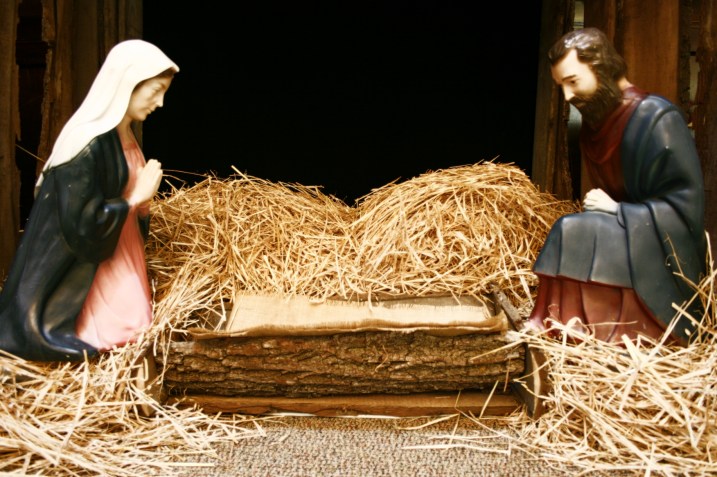
Editing tools were applied to this photo of Mary and Joseph, lending a dreamy quality to the image.

Editing tools were applied to this photo of Mary and Joseph, lending a dreamy quality to the image.

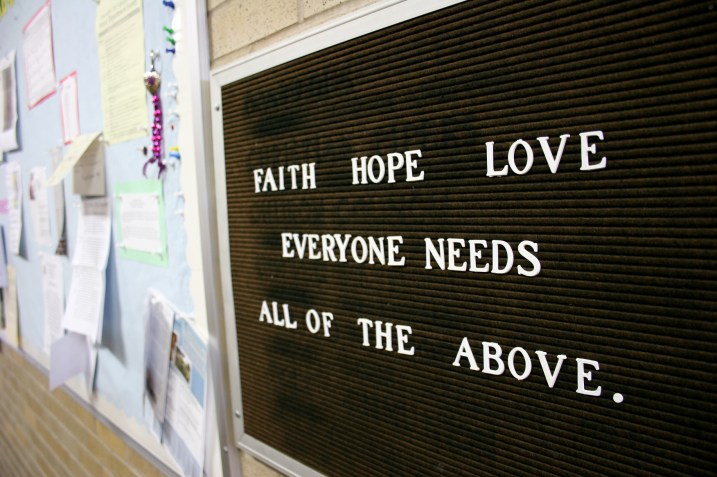
I noticed this message posted in a church hallway.

I noticed this message posted in a church hallway.

© Copyright 2012 Audrey Kletscher Helbling
 

All about caring & community at the church basement Christmas dinner December 17, 2012

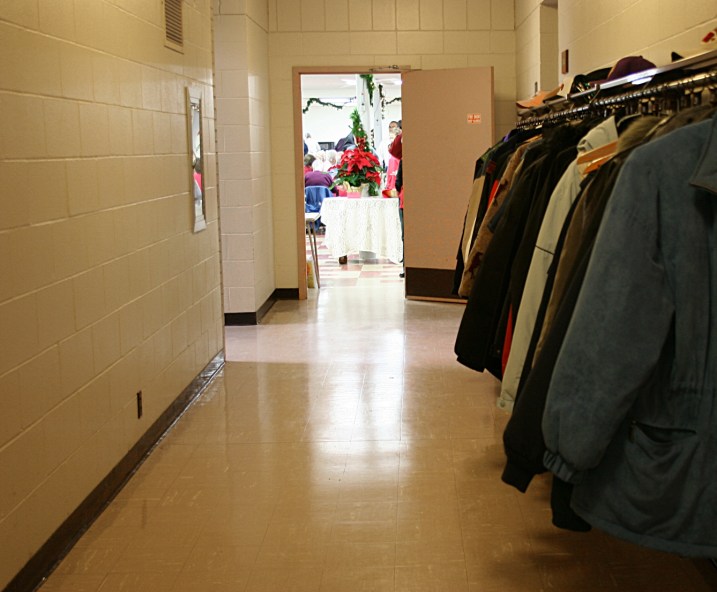
We hung up our coats and headed to that doorway into the basement dining room.

Guests hung up their coats before heading for the dining room.

WE SHRUGGED OFF our winter coats, my husband and I, and secured them onto hooks before following the tantalizing aroma of turkey and meatballs into the church basement dining area.

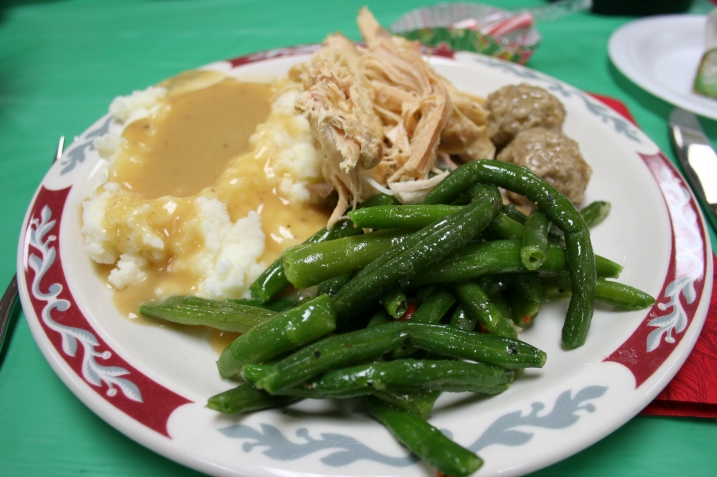
My meal, minus the cranberries, bread and cake which were also served.

My meal, minus the cranberries, bread and cake which were also served.

I grabbed a plate and the volunteers passed it down the line, spooning on mashed potatoes and gravy, green beans, turkey and two Swedish meatballs.

Then I heard the clatter, the sound of a cane falling upon tile and saw the elderly man directly behind me lying face down, motionless, on the floor between the serving line and the table for take-outs.

Volunteers expected to serve around 225 diners at the free Community Christmas Dinner. A free will offering could be given.

Volunteers expected to serve around 225 diners at the free Community Christmas Dinner. A free will offering could be given.

“Call 911,” I ordered my husband. I knew, given my hearing loss, that I wouldn’t be able to hear above the drone of conversation filling the basement at the Fourth Avenue United Methodist Church Community Christmas Dinner.

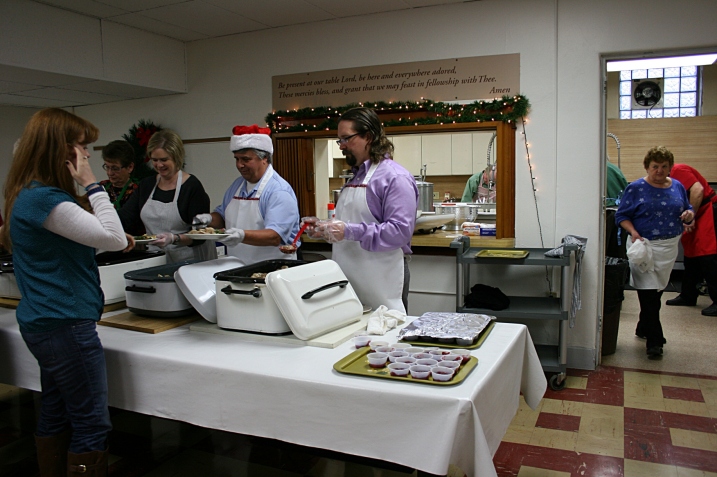
A sampling of the volunteer crew it takes to put on the Christmas dinner.

A sampling of the volunteer crew it takes to put on the Christmas dinner.

At some point, a server took the plate from my hand. “Give it to someone else,” I said.

“Is there a nurse here?” I asked as a cluster gathered around the fallen man. I mostly wanted someone to be with him, down there on the floor, comforting him until the paramedics arrived. And there was and that relieved me although I was still very much worried.

I felt helpless standing there, camera bag slung over one shoulder, camera on the other. I couldn’t simply take back my plate, sit down like nothing had happened and enjoy my Christmas meal.

Eventually, the man was eased off the floor and onto a chair and I sought out my husband who stood outside the glass doors in the bitter cold talking on the phone with the emergency dispatcher. I relayed that the man was now sitting and alert. And I wondered why the rescue squad had not yet arrived from two blocks away, knowing full well from personal experience that time seems to stand still when you are in need of emergency services.

And so the story ended. No broken bones. No heart attack. Not even shattered eyeglasses as the unsteady aged man tripped on a table leg and plunged forward, his fall broken only by the shoe of the woman scooping mashed potatoes at the beginning of the serving line.

If not for that shoe, he would have smashed face first onto the tile.

It seemed a Christmas miracle.

And so I stepped back into the serving line, the crew filling my plate for the second time. I pondered how grateful I am to live in a community where volunteers cook and serve savory meals in church basements and, when in a time of need, are there to comfort and assist.

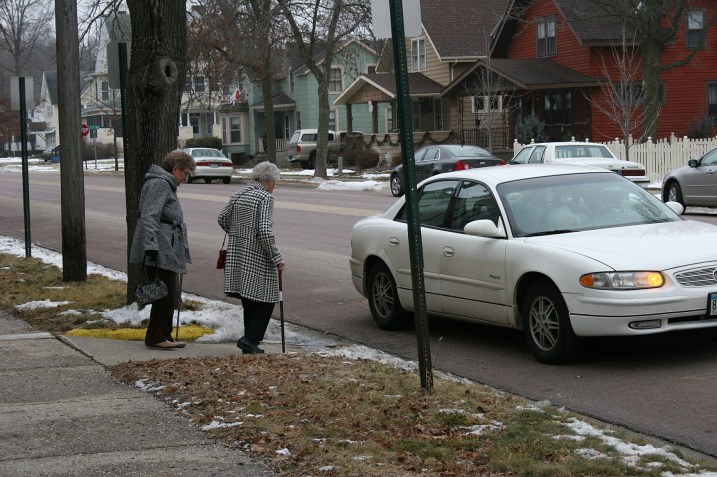
Friends gave friends rides to and from the church dinner.

Friends gave friends rides to and from the church dinner.

The beautiful Fourth Avenue United Methodist Church in Faribault. I'll take you inside the sanctuary in a follow-up post.

The beautiful Fourth Avenue United Methodist Church in Faribault. I’ll take you inside the sanctuary in a follow-up post.

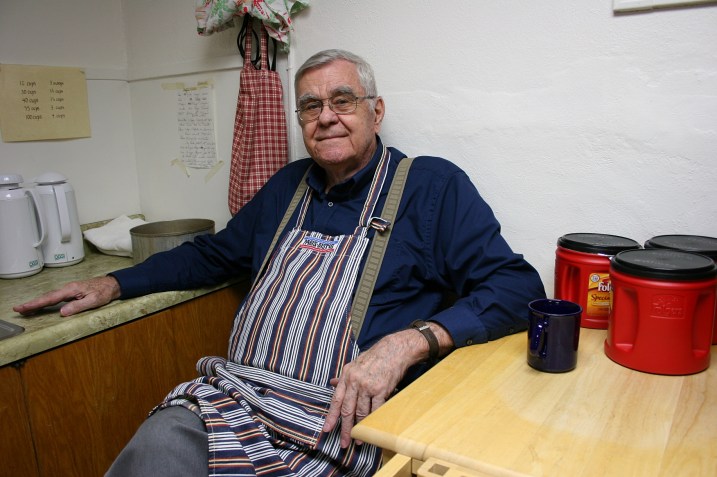
Coffee maker Dan Tersteeg mans the coffee corner. The coffee makers always use Folgers coffee, he says, because it works best with Faribault's water.

Coffee maker Dan Tersteeg mans the coffee corner. The coffee makers always use Folgers, he says, because it works best with Faribault’s water.

I noticed this full coffee cup setting on a cupboard lined with holiday decorations. During the congregation's Lenten soup luncheons, desserts fill the shelves.

I noticed this full coffee cup sitting on a cupboard lined with holiday decorations. During the congregation’s Lenten soup luncheons, desserts fill the shelves.

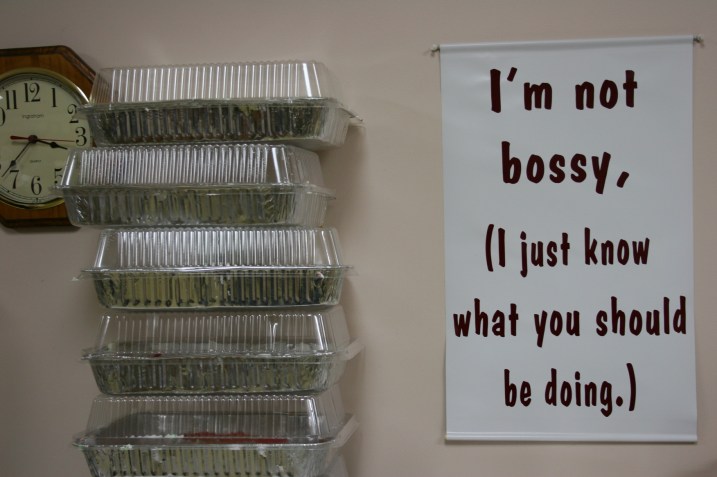
Inside a room labeled "Fourth Avenue Room," where women were slicing Christmas cake, among other tasks, I found this sign posted.

Inside a room labeled “Fourth Avenue Room,” where women were slicing Christmas cake, among other tasks, I found this humorous sign posted.

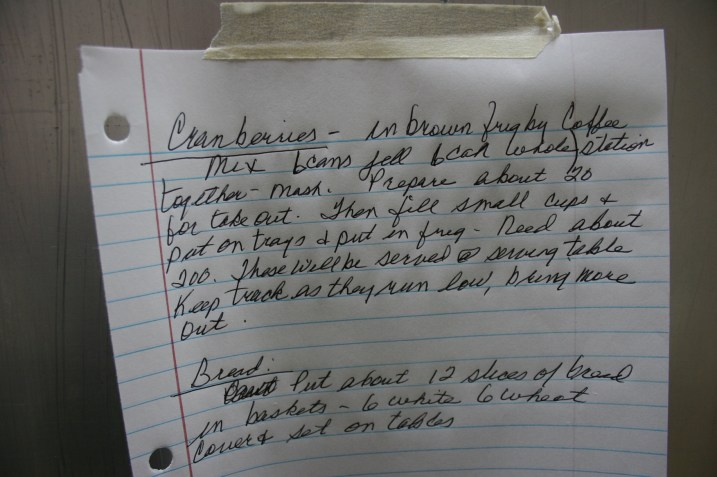
And then these directions, too, posted, perhaps, by the boss?

And then these directions, too, posted, perhaps, by the boss?

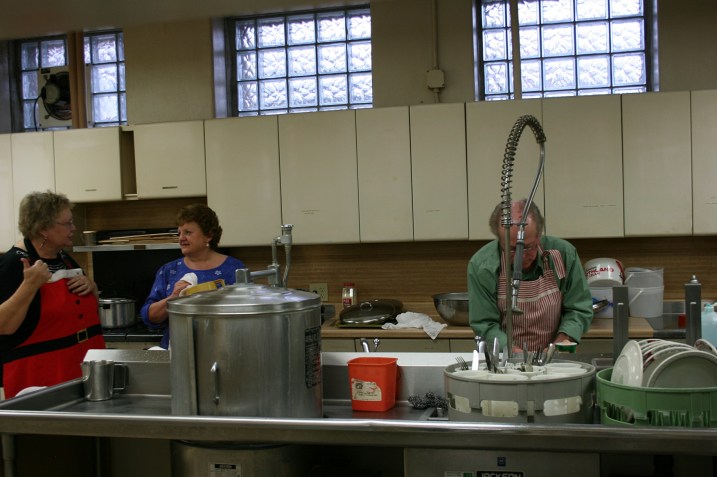
In the kitchen, a team of workers tended the food and washed the dishes, etc.

In the kitchen, a team of workers tended the food and washed the dishes, etc.

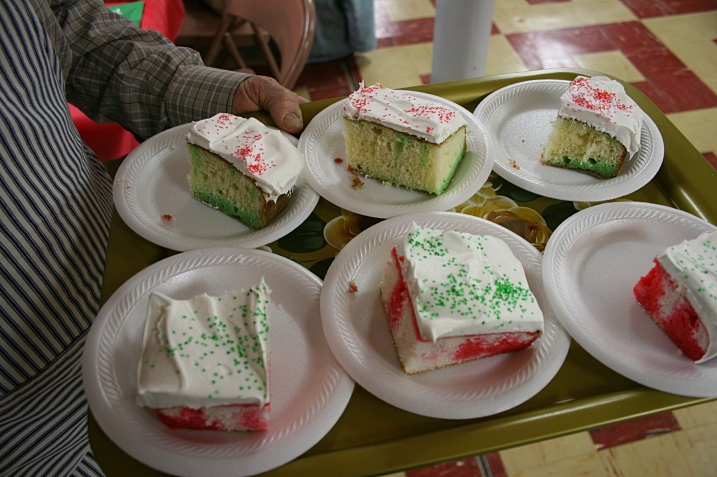
And another worker handed out Christmas cake.

Another worker handed out slices of festive and delicious Christmas cake.

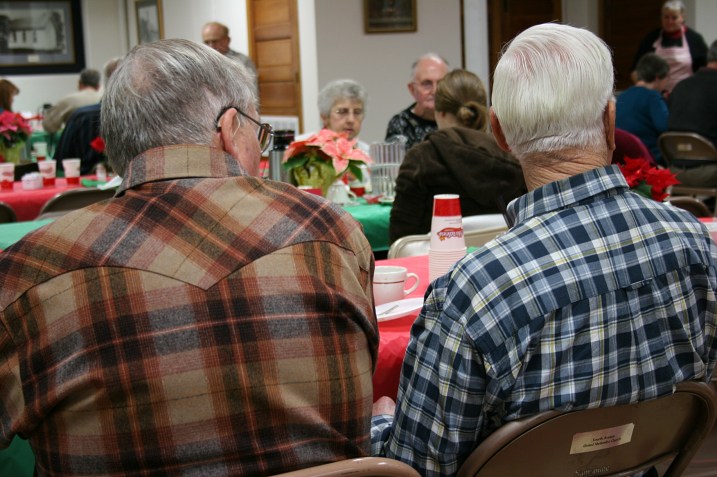
Diners enjoyed each other's company and observed the goings-on.

Diners enjoyed each other’s company and observed the goings-on.

Some of the guests took home gifts of poinsettias which served as table centerpieces.

Some of the guests took home gifts of poinsettias which served as table centerpieces.

A street-side sign welcomes diners to the free Community Christmas dinner.

A street-side sign welcomes diners to the free Community Christmas dinner.

© Copyright 2012 Audrey Kletscher Helbling
 

Photographing a choral festival: It’s in the details November 20, 2012

Filed under: Uncategorized — Audrey Kletscher Helbling @ 8:00 AM
Tags: , , , , , , , ,

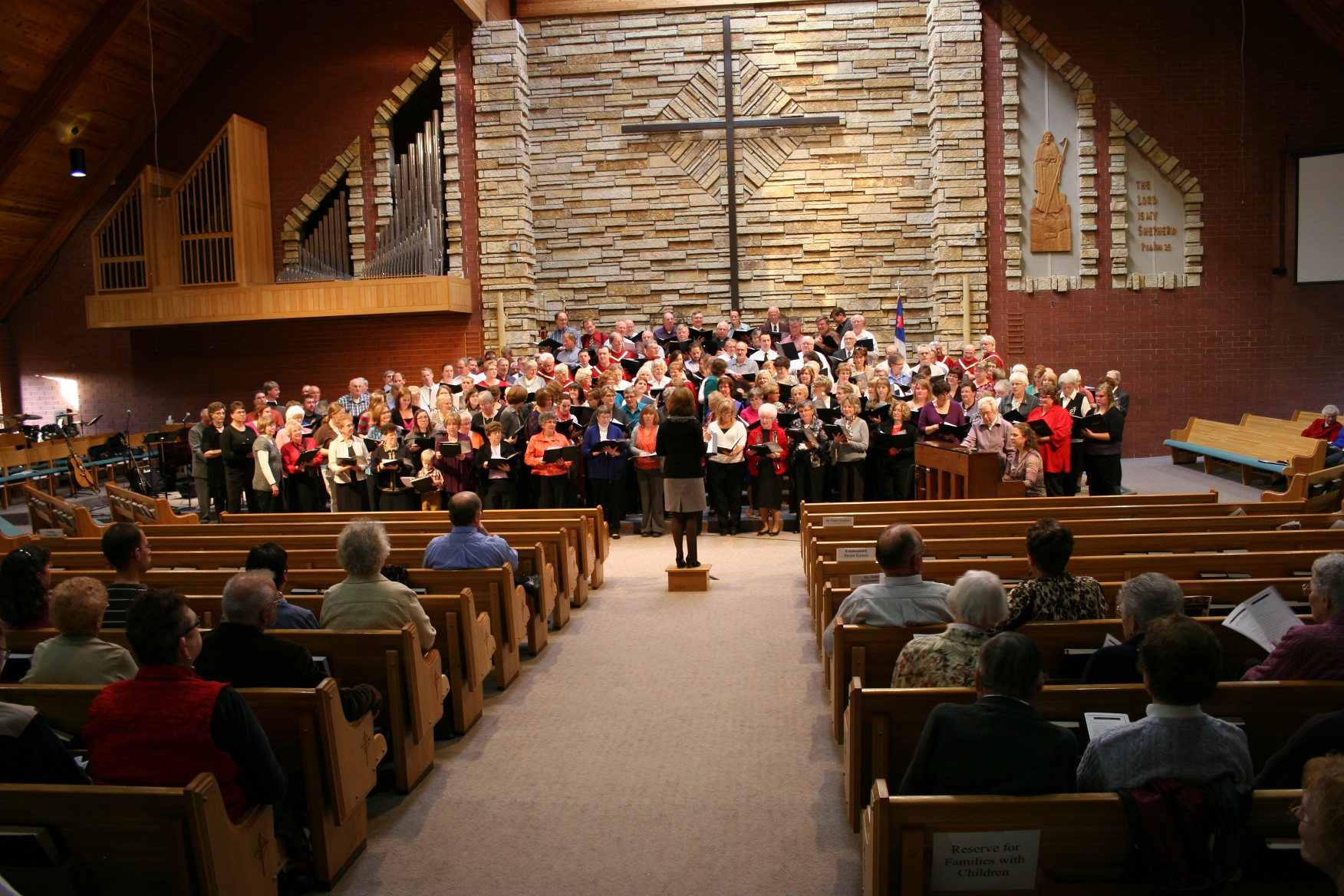
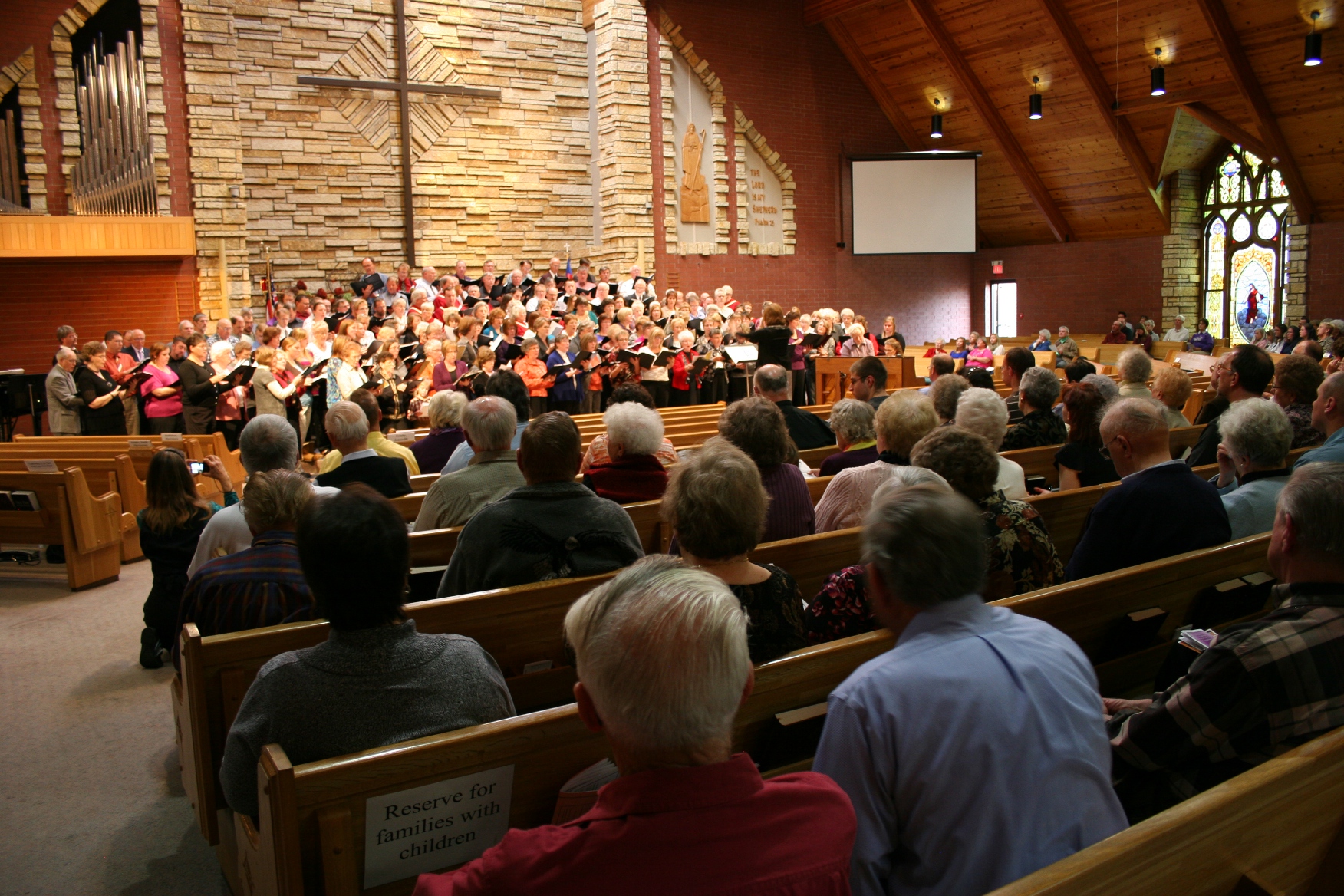
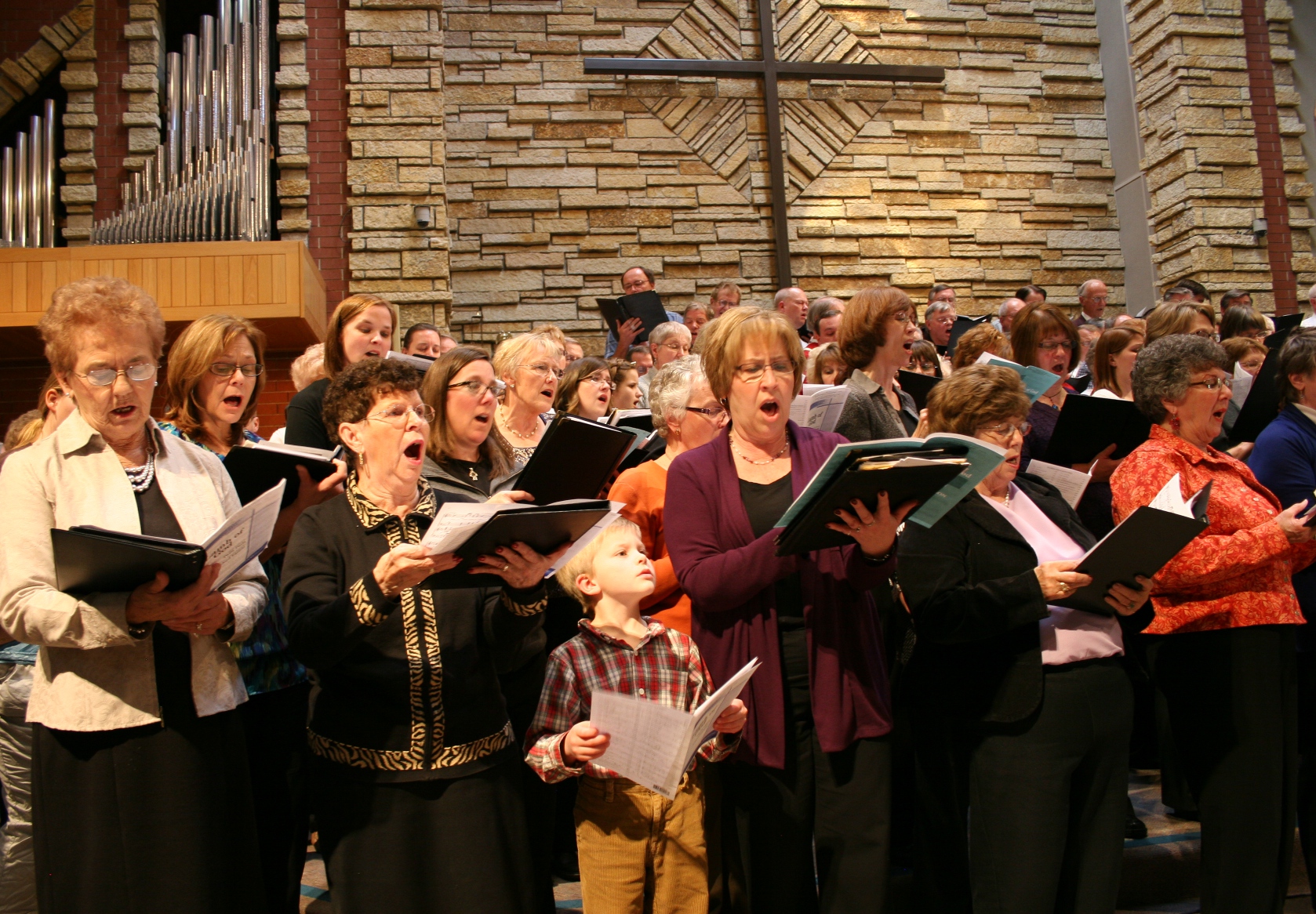
MY VOLUNTEER ASSIGNMENT was to photograph the mass choir comprised of 250 singers from 11 churches.

Choir members from 11 churches sing four songs in closing the choral festival.

That shot came near the end of a 1 ½ hour Festival of Choirs event Sunday afternoon at my church, Trinity Lutheran in Faribault. Choir members from churches in Eagan, Faribault, Inver Grove Heights, Janesville, Morristown, Northfield, North Morristown, South St. Paul, Stewartville and Waseca performed separately before joining in singing four songs of praise, thanksgiving and hallelujahs.

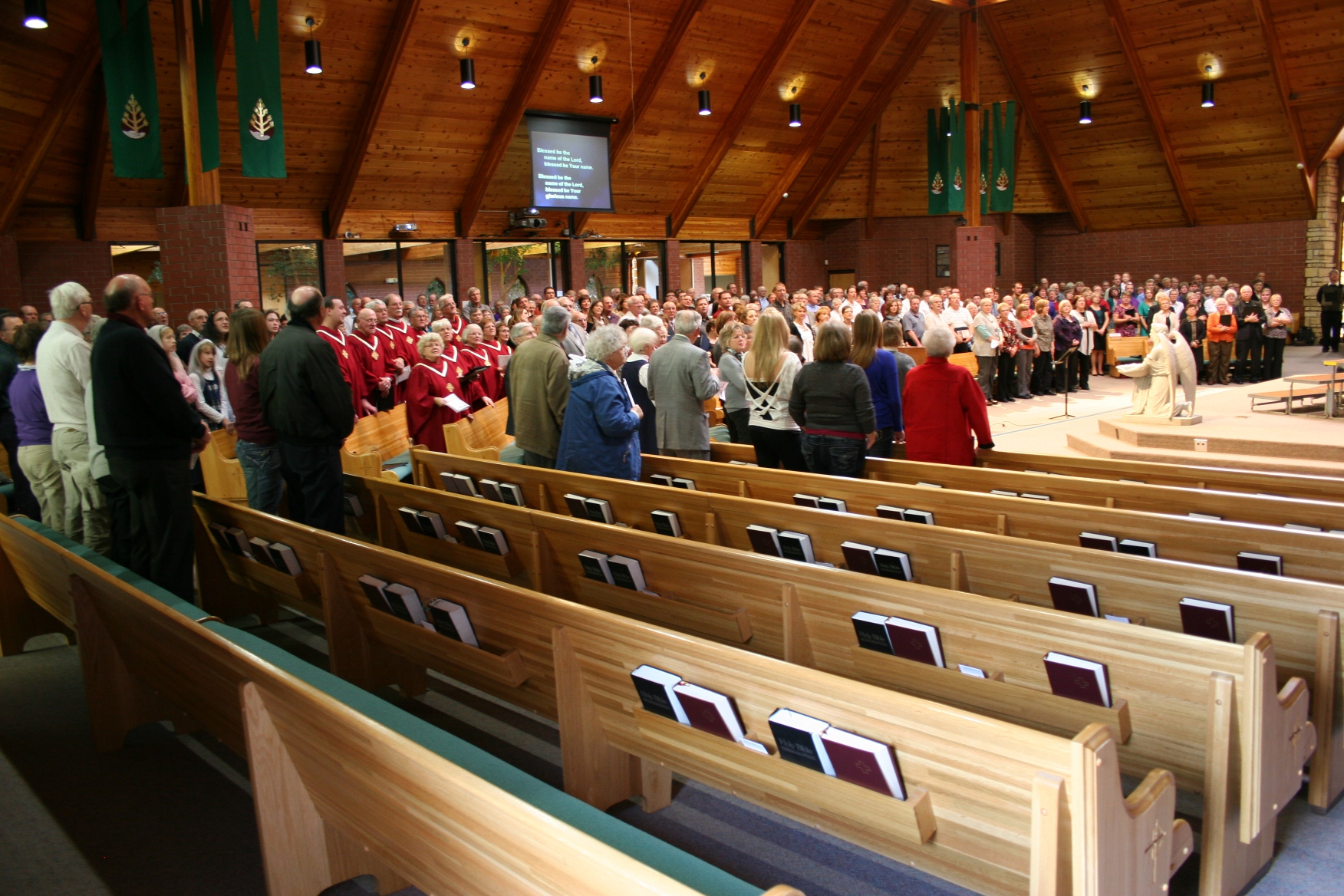
Congregation and mass choir, a side view.

Now, when I cover an event like this, I do not simply stand at the back of the church aiming my camera lens forward. Oh, no. I rove, searching for photo ops and angles that will tell a story. That is the photojournalist, and artist, in me emerging.

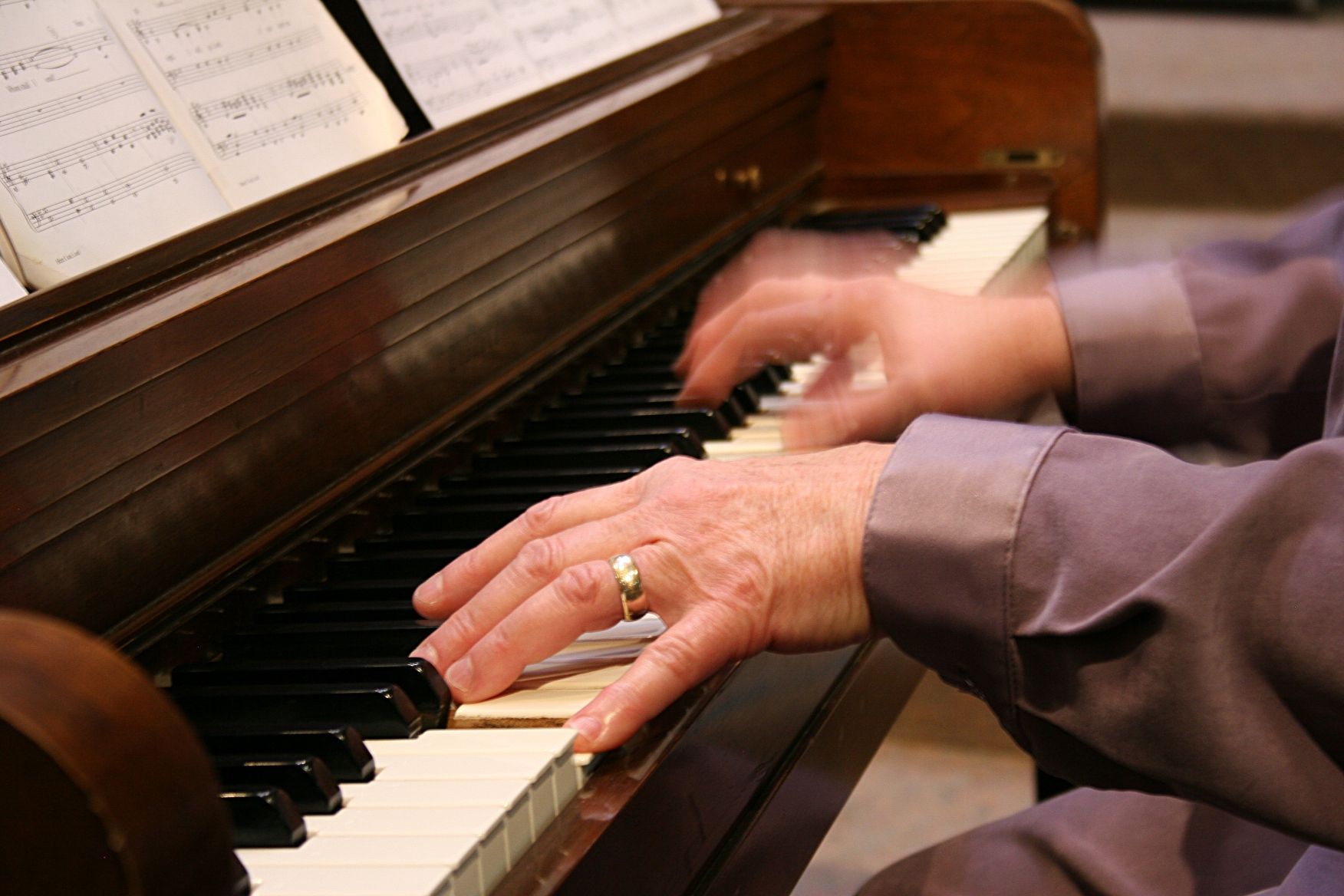
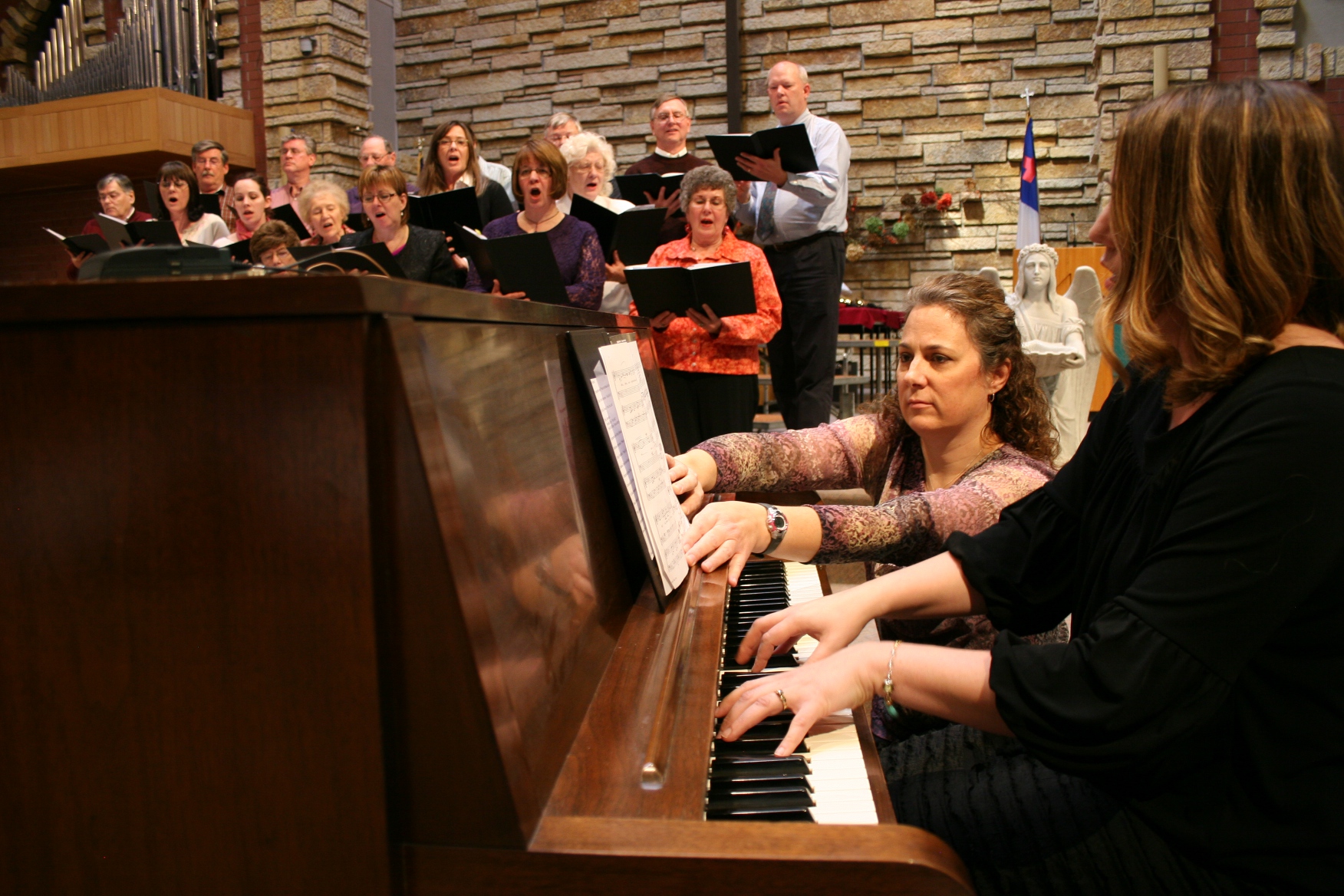
A piano’s player’s hands.

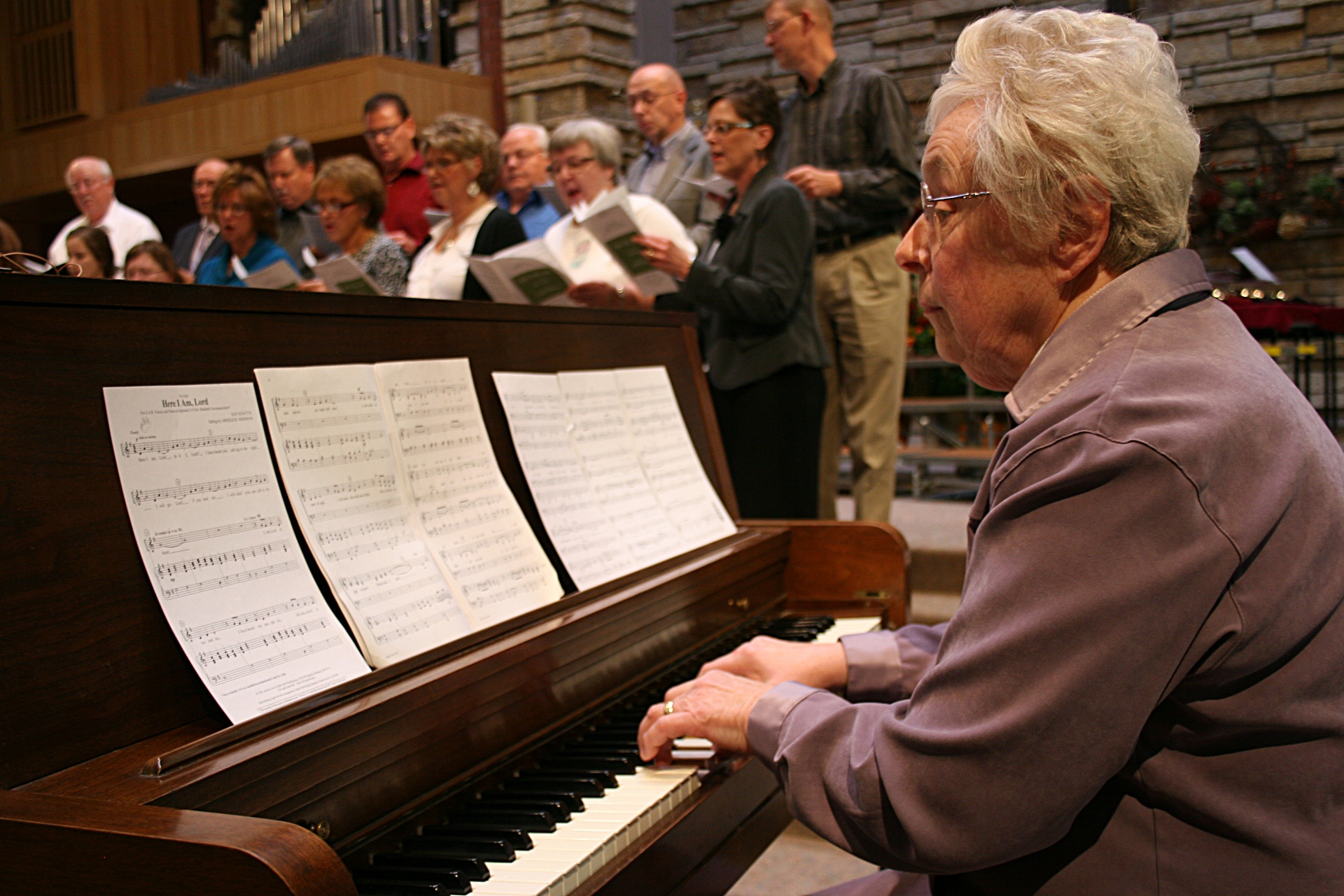
That same piano player and the choir she accompanied.

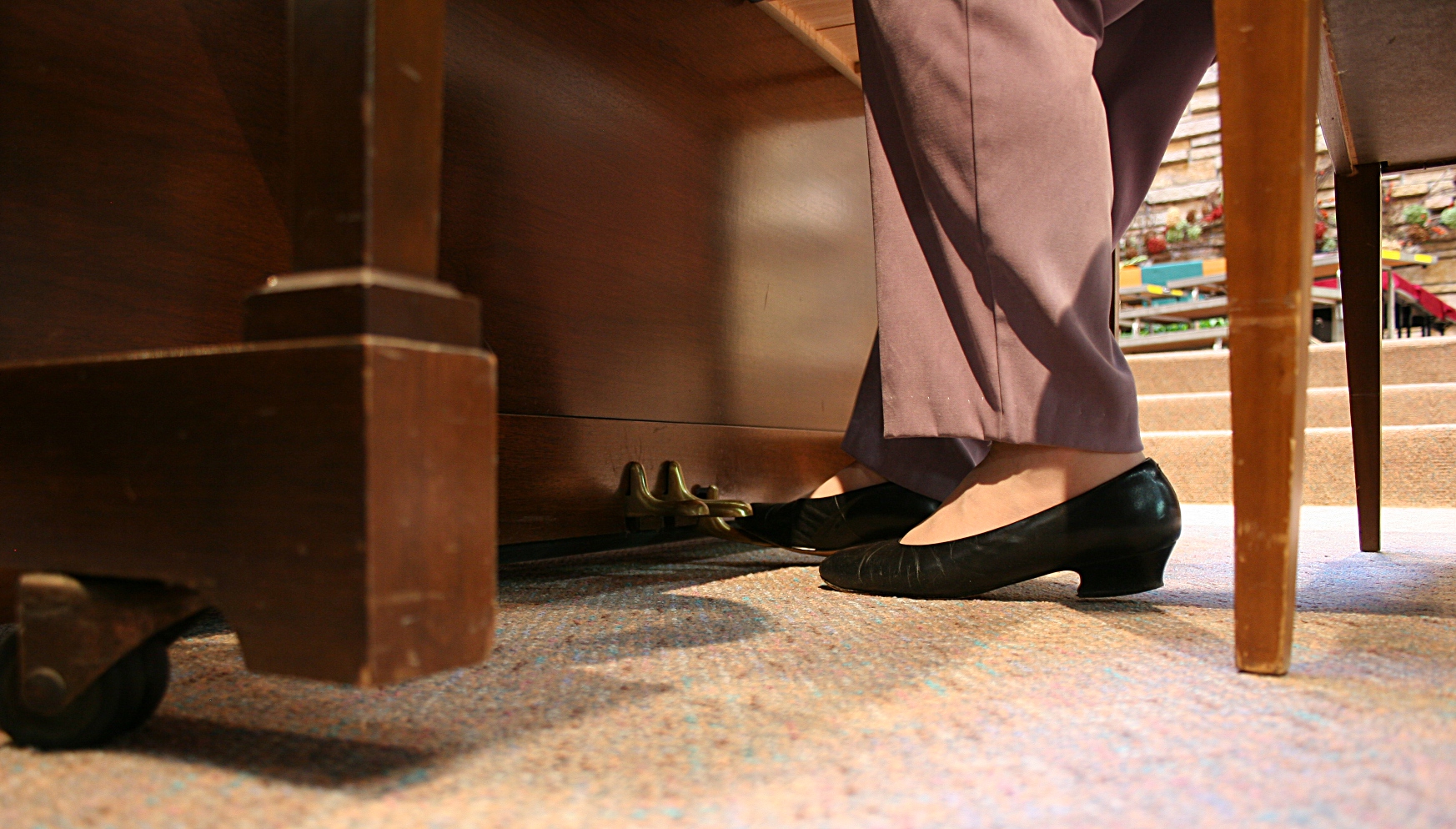
And, of course, the piano player’s feet working the pedals.

My pastor promised that if anyone got upset about me ranging here and there taking photos, they could speak to him. With that pastoral blessing, I set to work, moving from side-to-side of the sanctuary, tucking myself behind pillars, crouching beside pews, scooting along pews, crawling, squatting and, finally, for that mega choir group shot, climbing onto a chair.

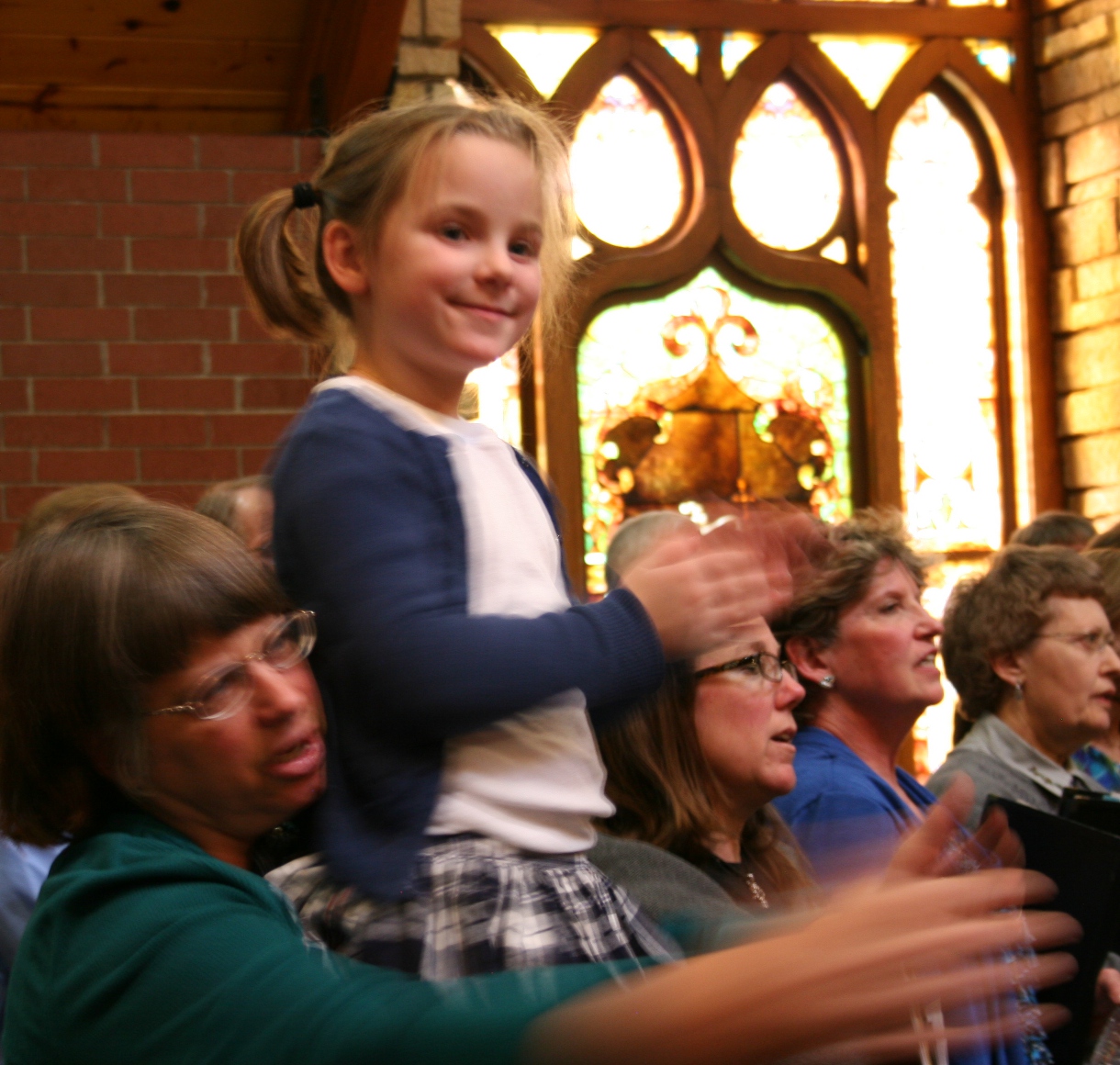
Proof that even kids need someone to lean on while standing on a pew. This is not technically a perfect image. But look at that little girl’s face. Pure joy as she and, I assume, grandma, clap to the music.

At one point, I even slipped off my shoes and stepped onto a back pew, leaning on a stranger’s shoulder for balance. A spongy pew cushion does not make for a stable perch.

Because I shoot without flash, I knew I had to hold my camera perfectly still with each shot. I also knew that would not happen. But that is the beauty of shooting digital. Overshoot and you’re bound to have enough “good” photos.

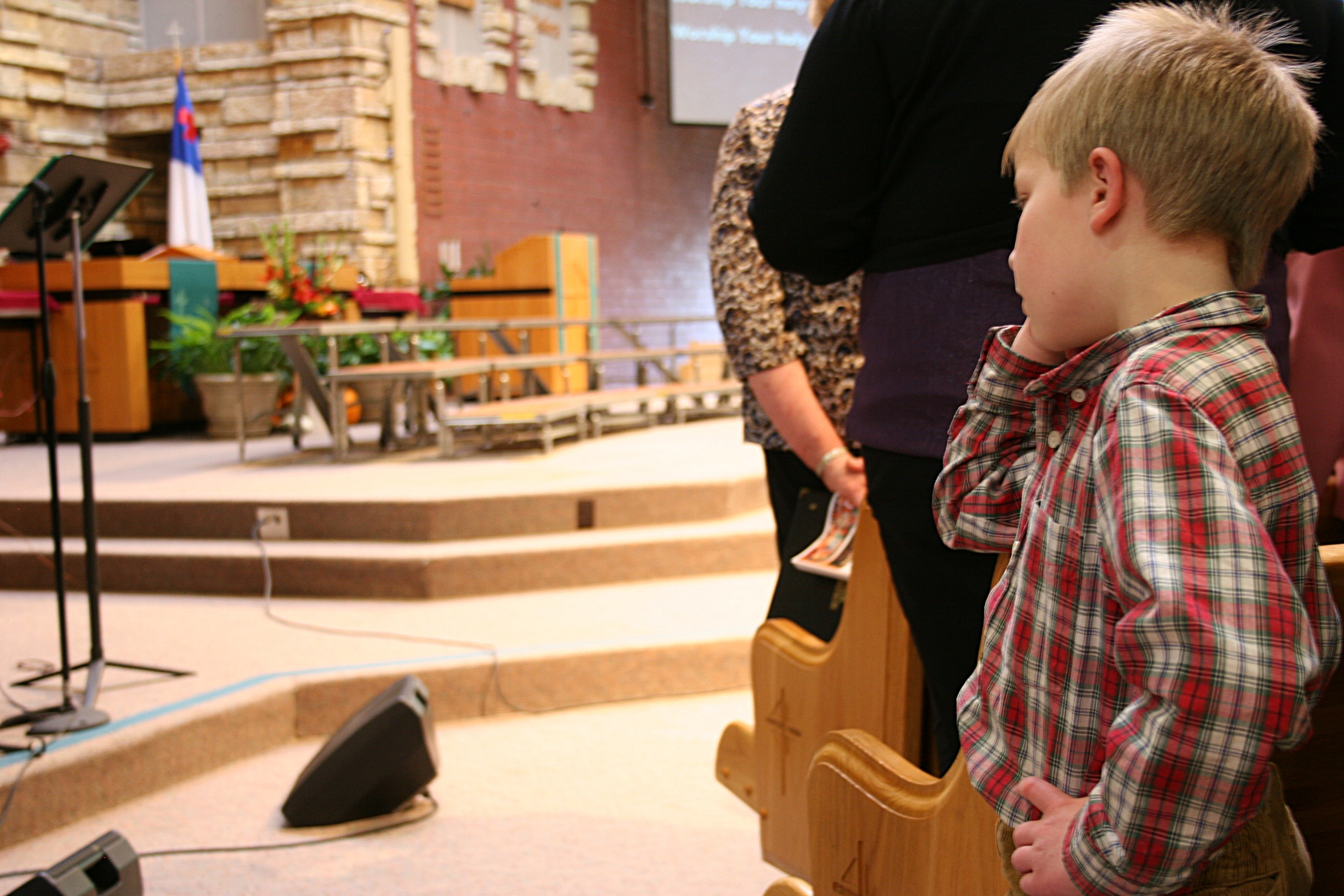
I watched this boy, a member of the Trinity Lutheran Church, North Morristown, choir, for awhile before capturing this moment.

I was also acutely aware that simply photographing choirs performing at the front of the church would not make for particularly interesting shots. So I watched for the personal moments, the snippets that comprise the whole.

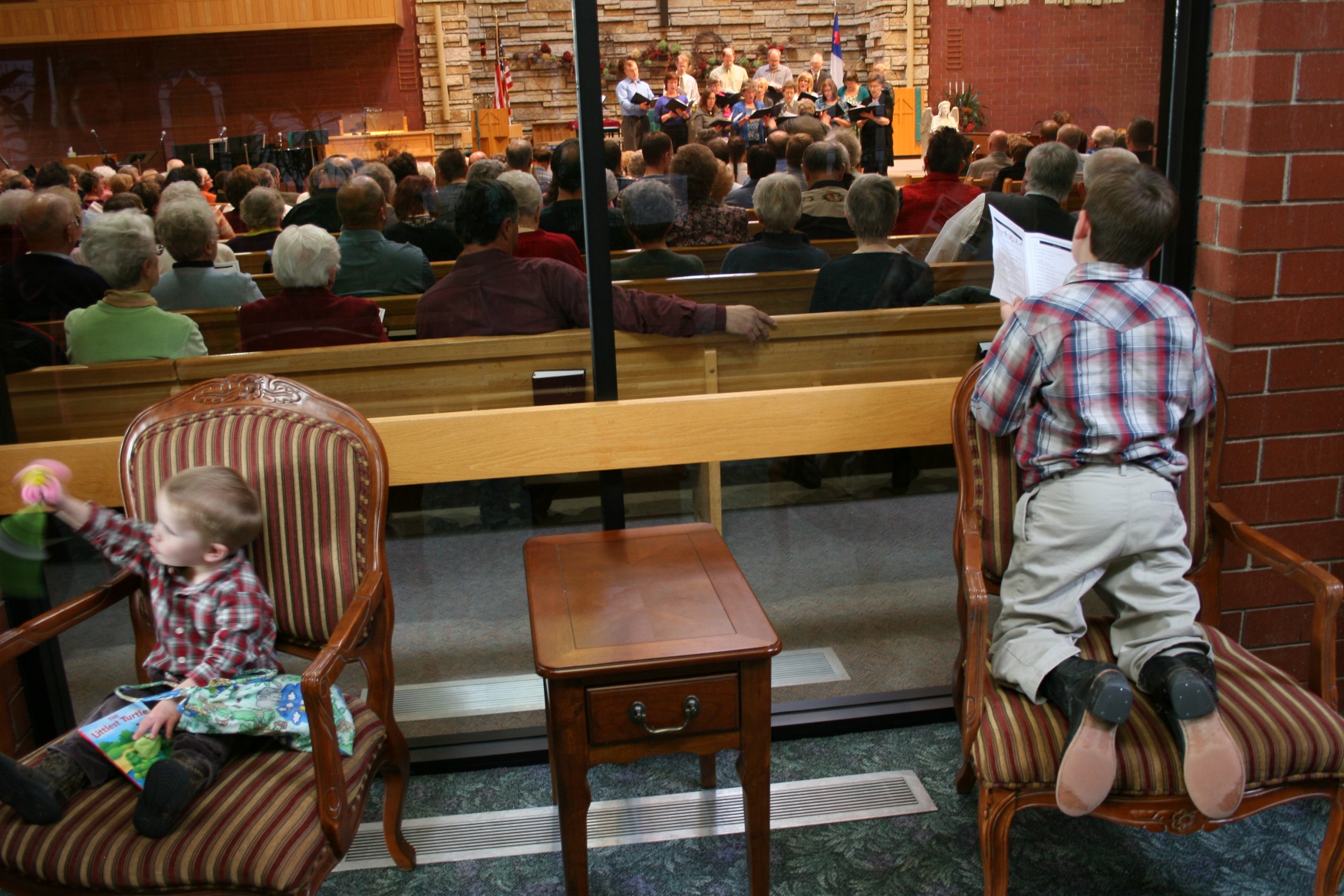
My favorite photo of the day came quite unexpectedly as I was walking through the narthex. These brothers, brothers to the boy in the above image, were hanging out in the narthex with their mom, one watching the concert, the other not.

That takes patience and observation—consciously choosing to notice individuals and details—and often a bit of luck.

I wanted to show all perspectives of the concert, including that of the pianists.

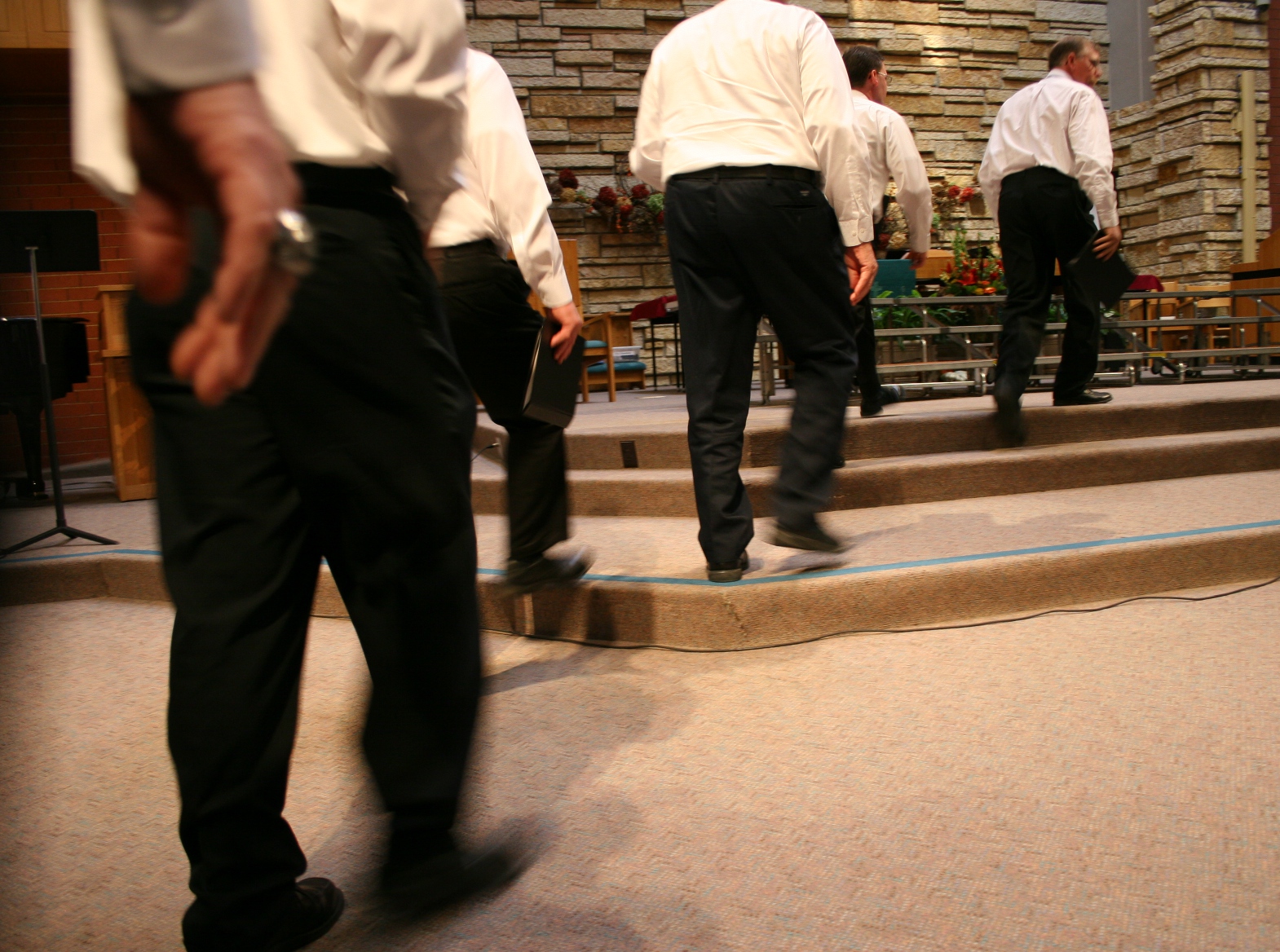
I happened to be on the floor, saw the men from Peace Lutheran walking toward the steps and took one quick shot.

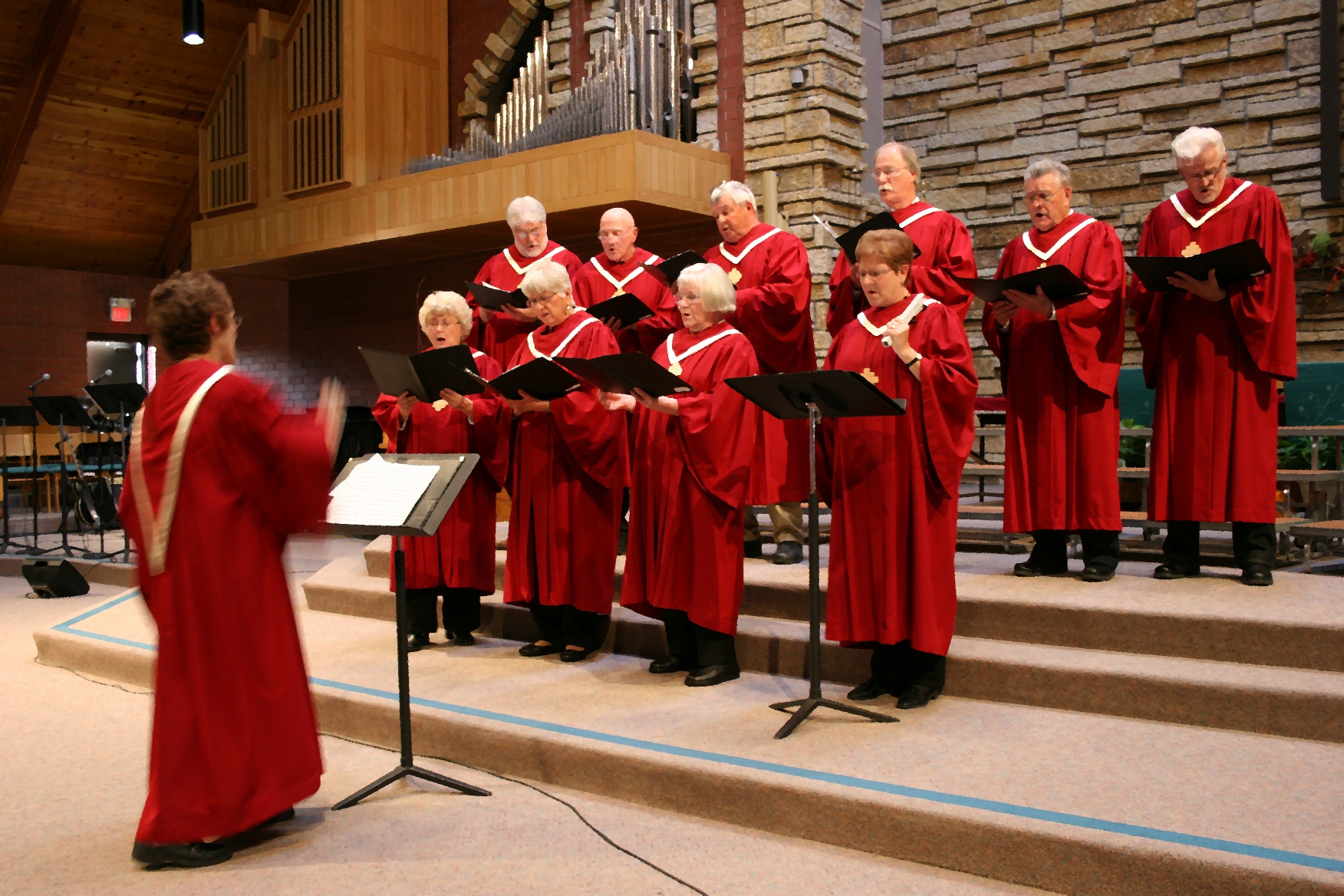
And then I raced to the opposite side of the sanctuary to get this photo of the Peace, Faribault, choir singing.

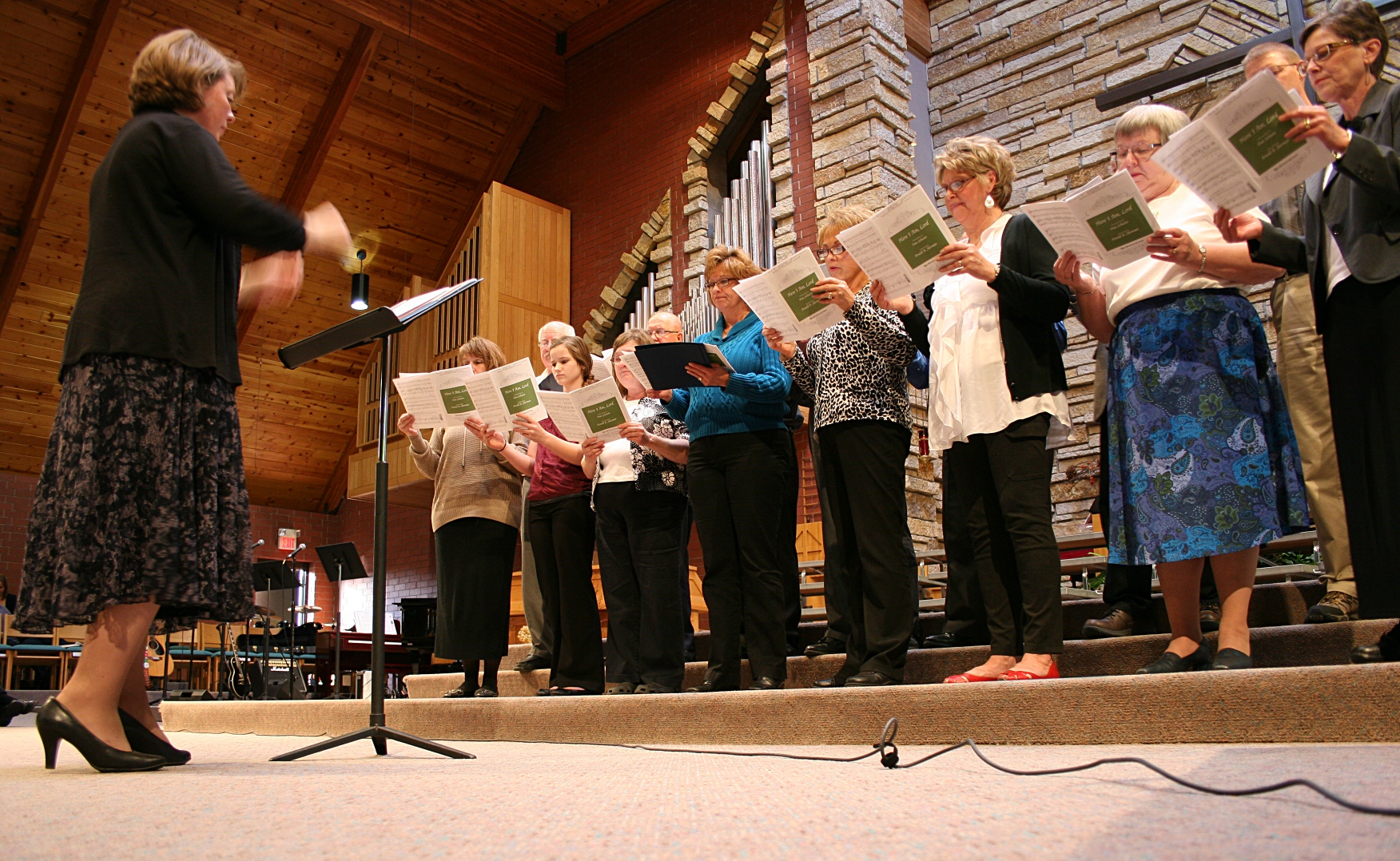
The director of the Trinity Lutheran Church, Northfield, choir exhibited such enthusiasm that I simply had to catch her in motion.

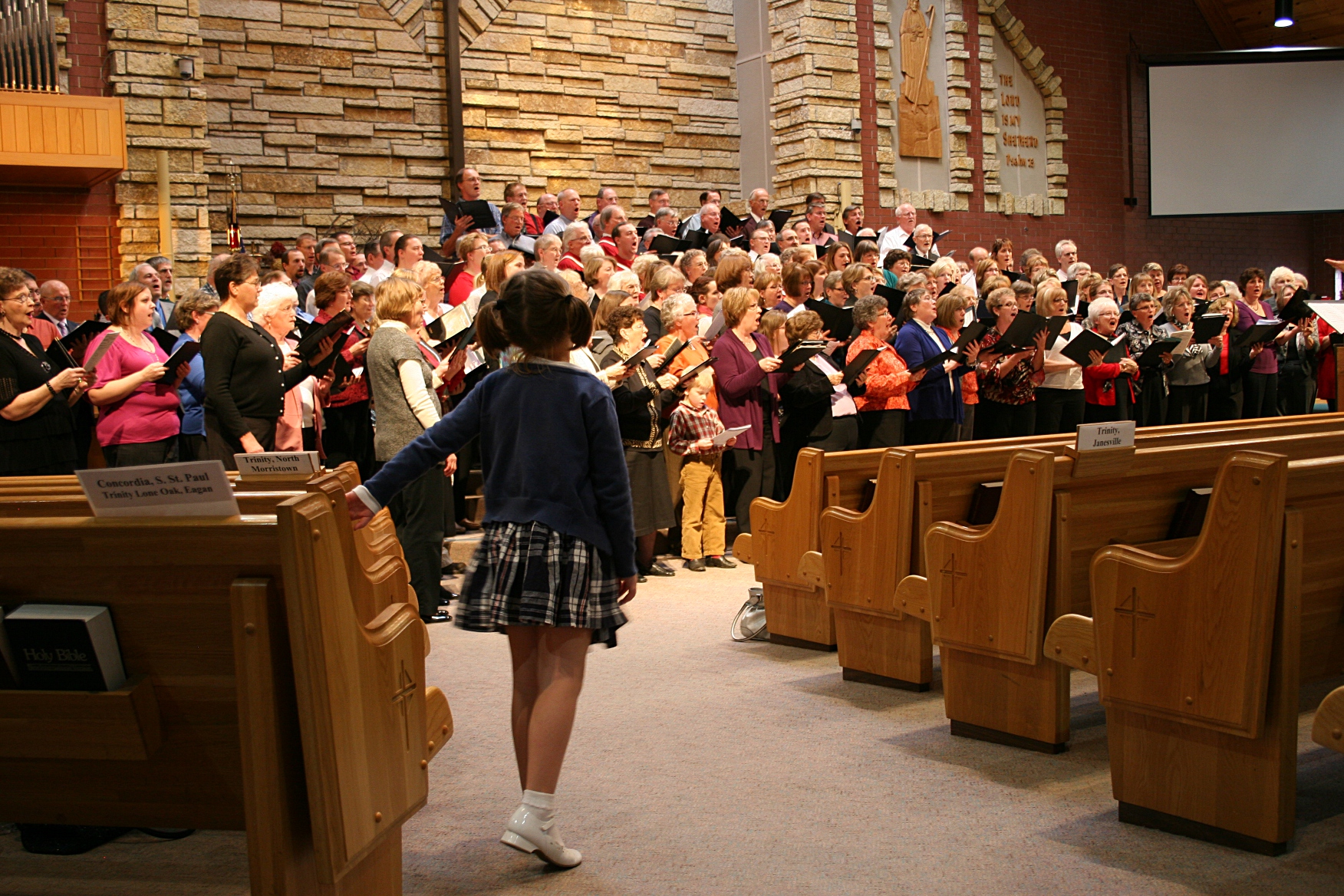
Remember that little girl from earlier? There she is again, watching. She makes me smile.

I set my camera on a front pew and aimed up for this perspective.

The mass choir can quickly become that, simply a mass, unless you focus. I chose to see the individuals, specifically the little boy in the front row who had lost his place in the music.

While noticing the details is vital to a photo essay, so is the broader view.

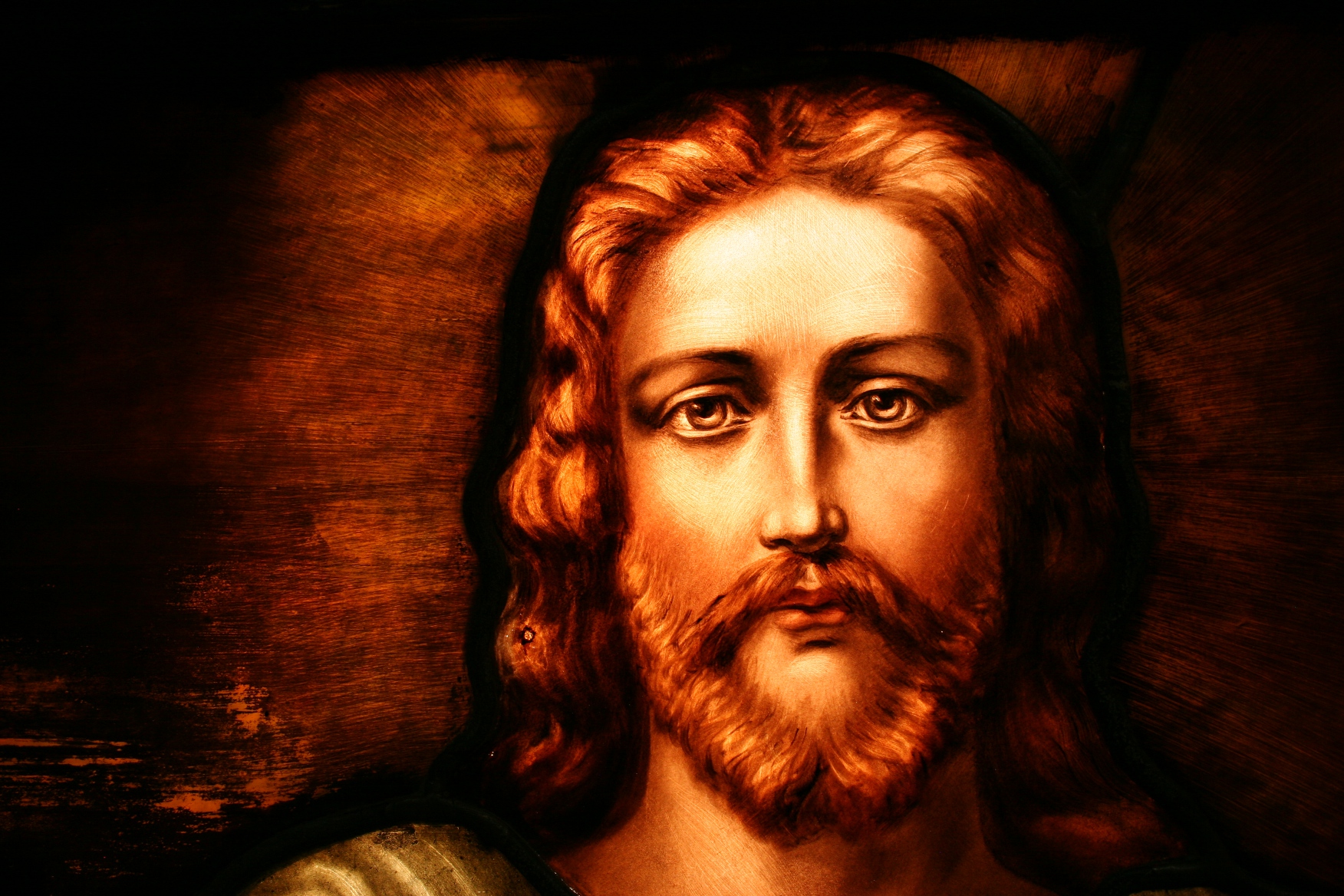
The light of late afternoon made the western stained glass window glow in golden tones. Here’s a snippet, Christ’s face.

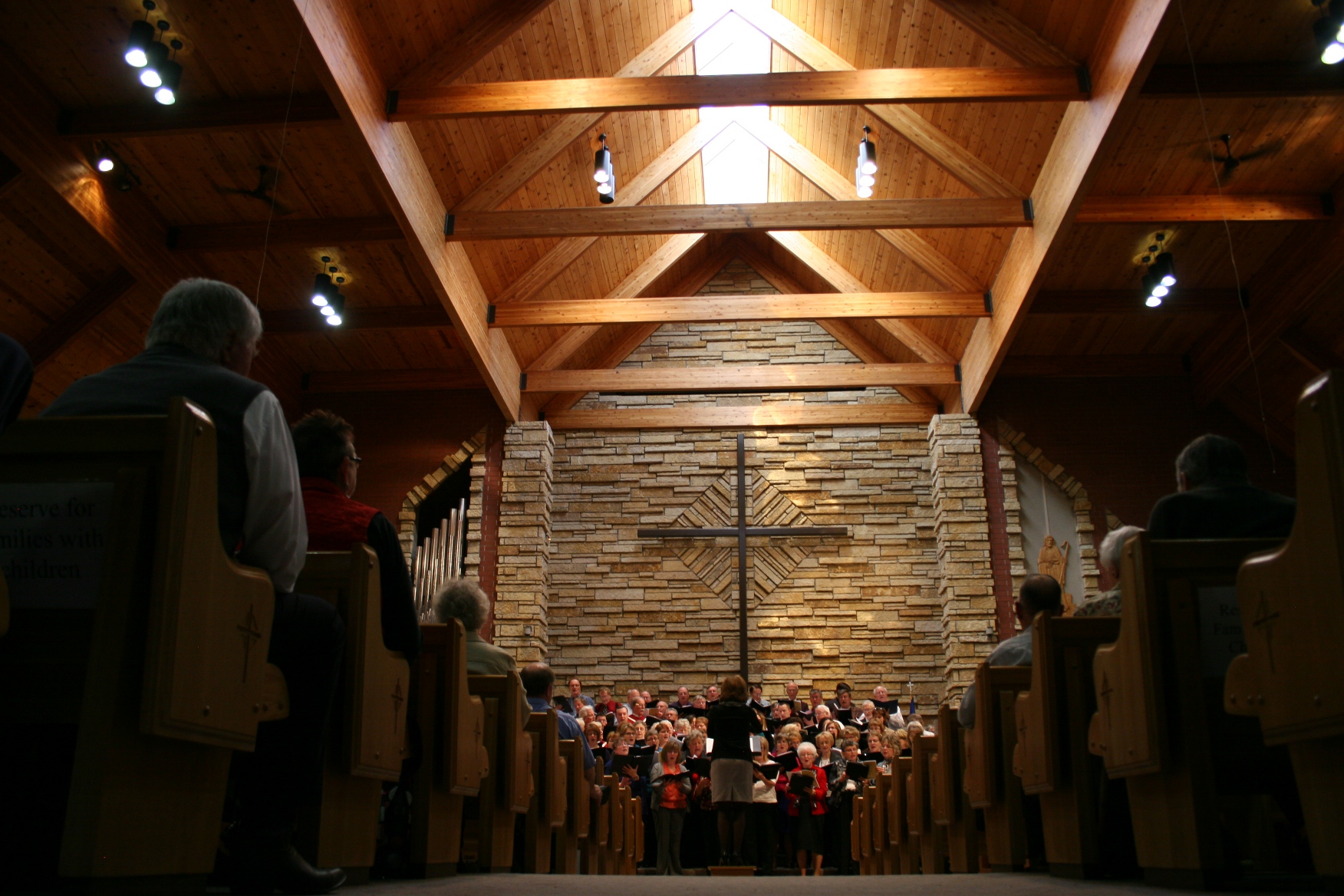
I placed my camera on the floor and shot this mass choir and congregation image, the angle drawing your eye to the cross.

The mass choir disbands and the concert ends.

TO THE ORGANIZERS OF and participants in the choral festival, thank you for blessing us with your musical talents. I cannot read a single note and thus so appreciate those of you who do and who share your gifts.

© Copyright 2012 Audrey Kletscher Helbling
 

Touring Hopperstad Stave in Moorhead November 13, 2012

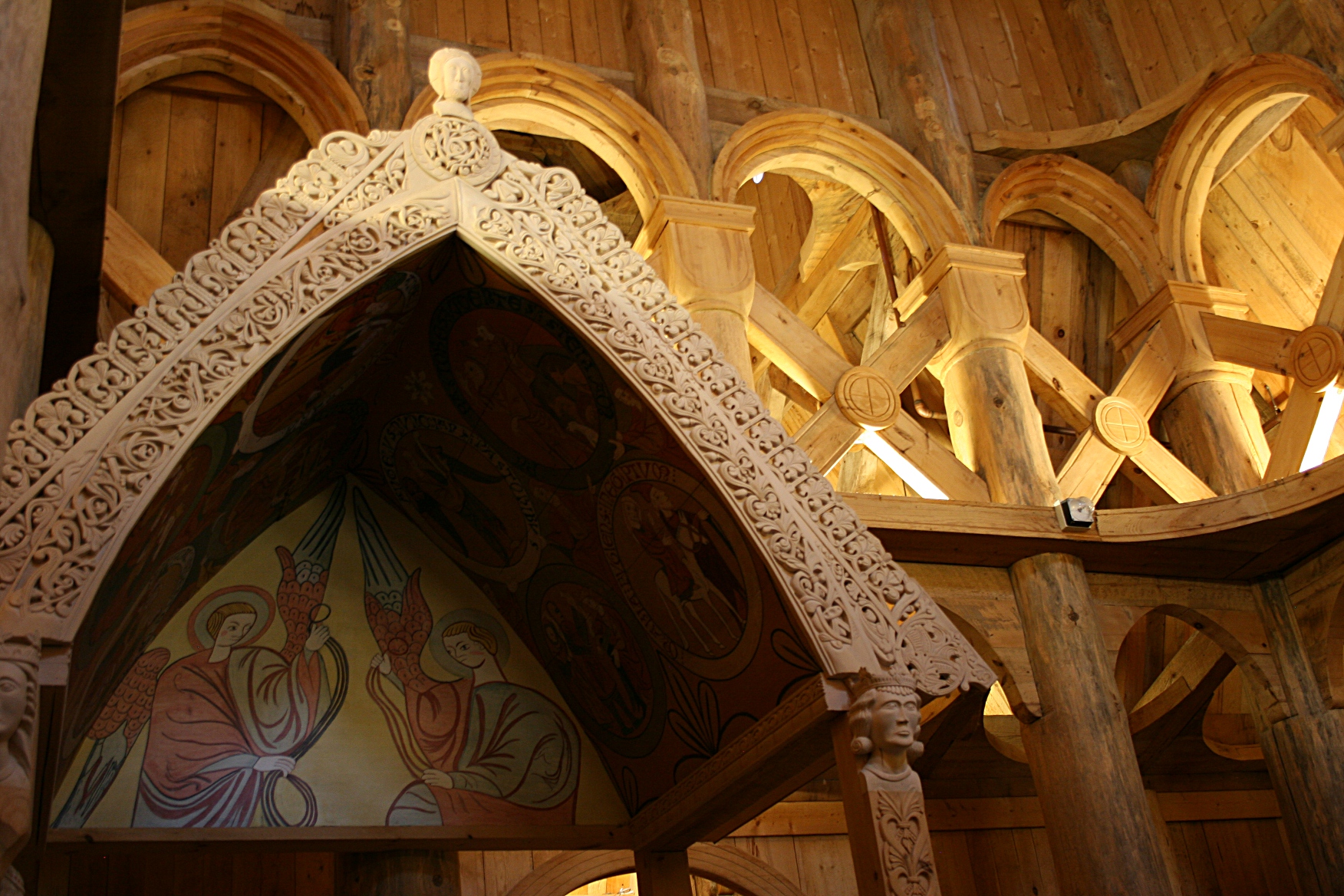
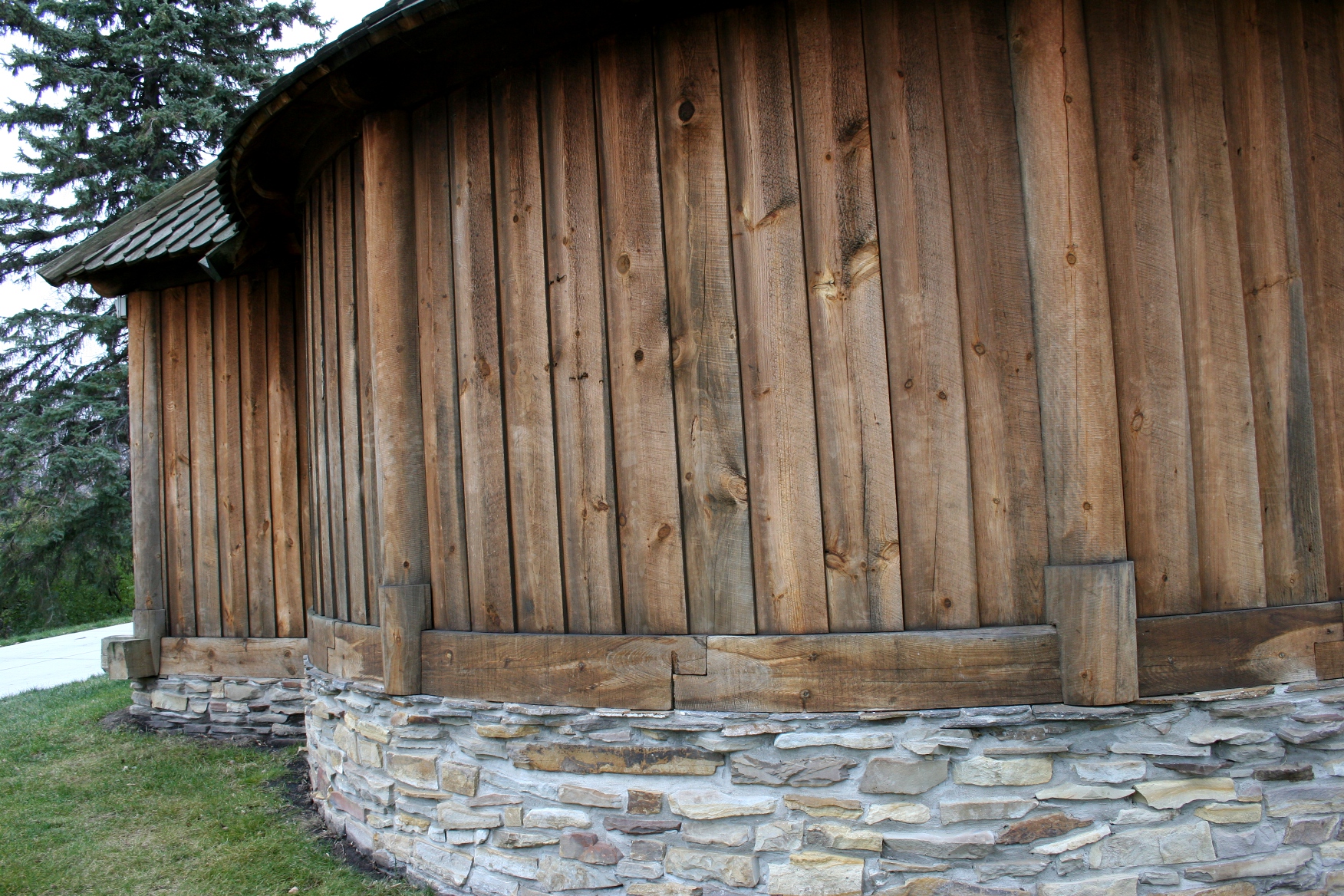
A replica of Hopperstad Stave, a church built in 1140 in Vik, Norway. This replica was constructed in 1998 in Moorhead, Minnesota from cedar, redwood and pine. This is a rear view of the Minnesota stave.

OUR YOUNG TOUR GUIDE spewed information so fast that I could not have written down details about the Hopperstad Stave had I tried.

And, I simply must say this, but I was distracted by the political sticker stuck on her coat, quite inappropriate, I thought, to display while leading a public tour at a public facility only days before the November election. But I did not want to create a scene, so I kept my lips pressed together.

She had already rankled me earlier by informing my husband and me that we likely would not be able to tour the Norwegian church at the Hjemkomst Center in Moorhead because the museum was short-staffed. On a Saturday. We had just driven nearly 300 miles. Do not tell me this after I have paid my admittance fee.

Forgive me for venting. But I needed to confess before taking you inside the replica Norwegian church built in 1998 by Guy Paulson, a retired researcher from North Dakota State University. I do not want such negative thoughts rattling around in my head while showing you God’s house.

A side view of the stave and the Celtic cross which stands near it. The stone cross replicates one located in the church yard of Loen Nordfjord, Norway. The cross represents the period in which Celtic missionaries came from the British Isles to convert Vikings to Christianity.

Yes, apparently the situation changed so that the young woman could leave her admission station to take a group of visitors, including my husband and me, inside the stave. Hallelujah.

Norwegian themed mugs for sale in the Hjemkomst Center gift shop.

I am not Norwegian. I know nothing of Norwegian architecture, have eaten lutefisk only twice, will consume lefse if offered and certainly do not say, “Uff da.”

But I want to assure you that I now am aware of how to pronounce stave. The word does not rhyme with “gave.” The “e” is silent, the “a” short.

I can also tell you that, from the exterior, the Hopperstad Stave resembles a Viking ship.

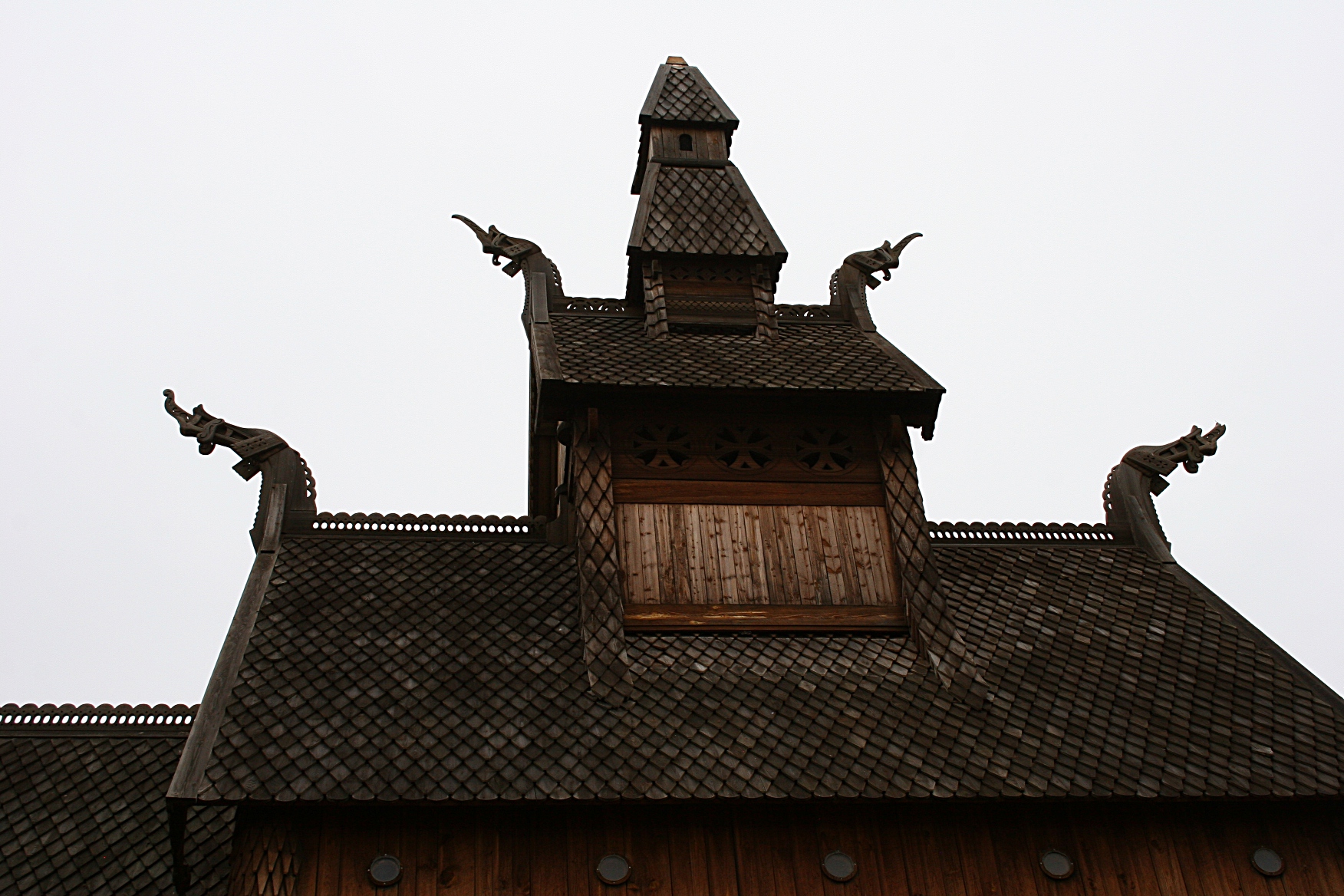
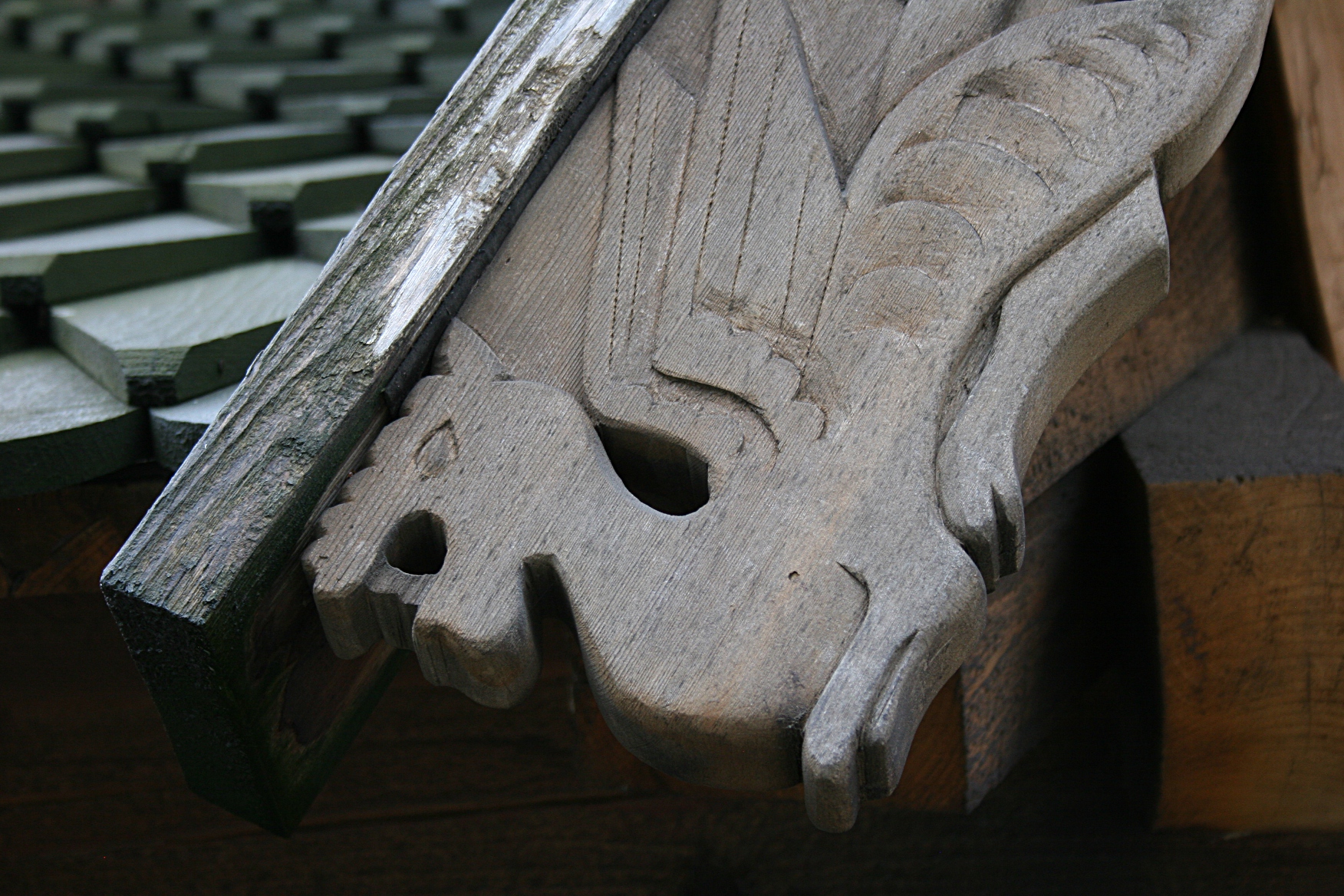
The roofline which mixes crosses, the symbol of Christianity, and dragons, once a symbol of pagans.  Obviously, the crosses are not visible at this angle.

Carved dragons and crosses mark peaks of the multi-layer roofed church which looms dark and foreboding.

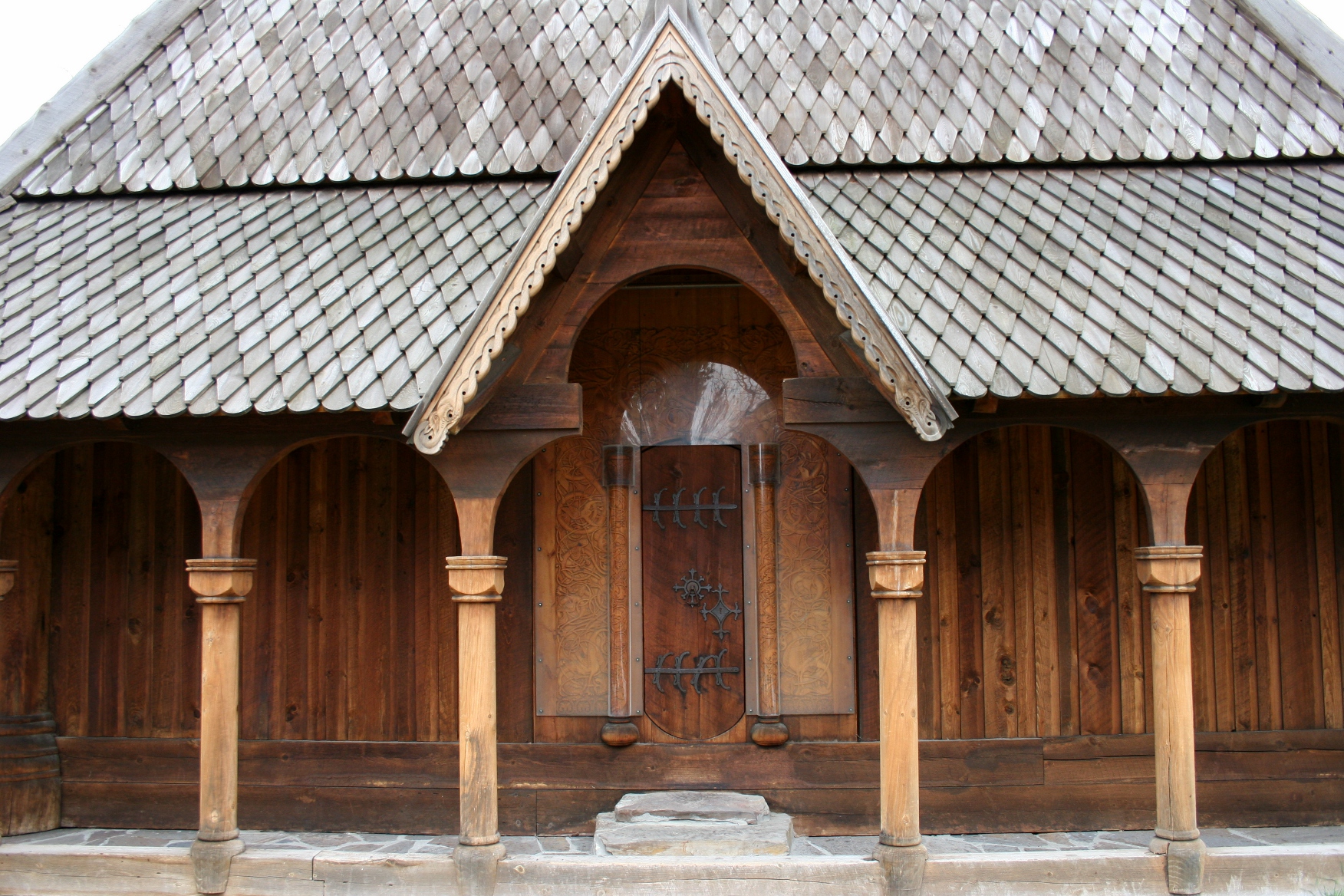
Most of us stepped up and walked through that narrow front door. Others chose to walk around to a handicapped accessible and wider side door.

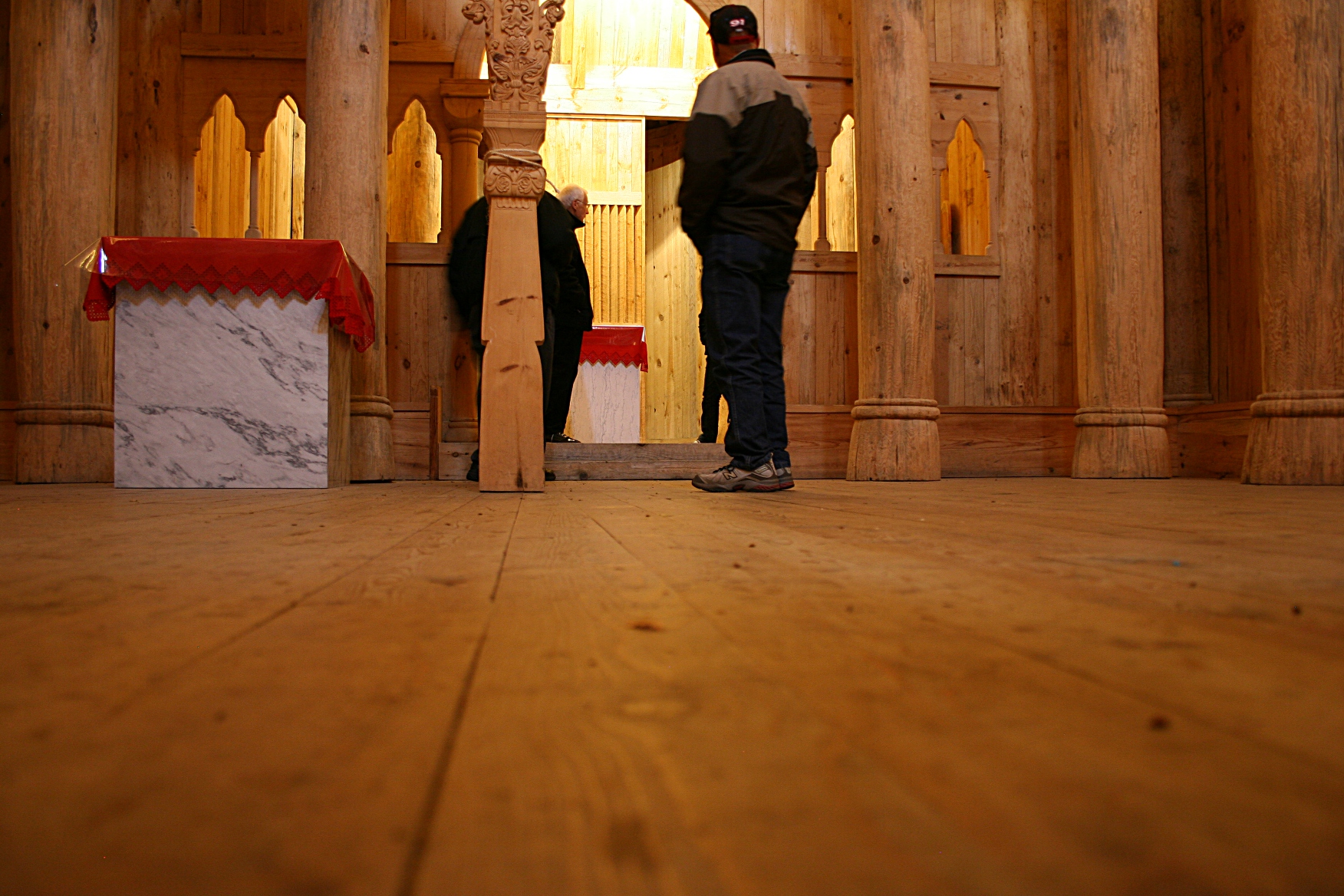
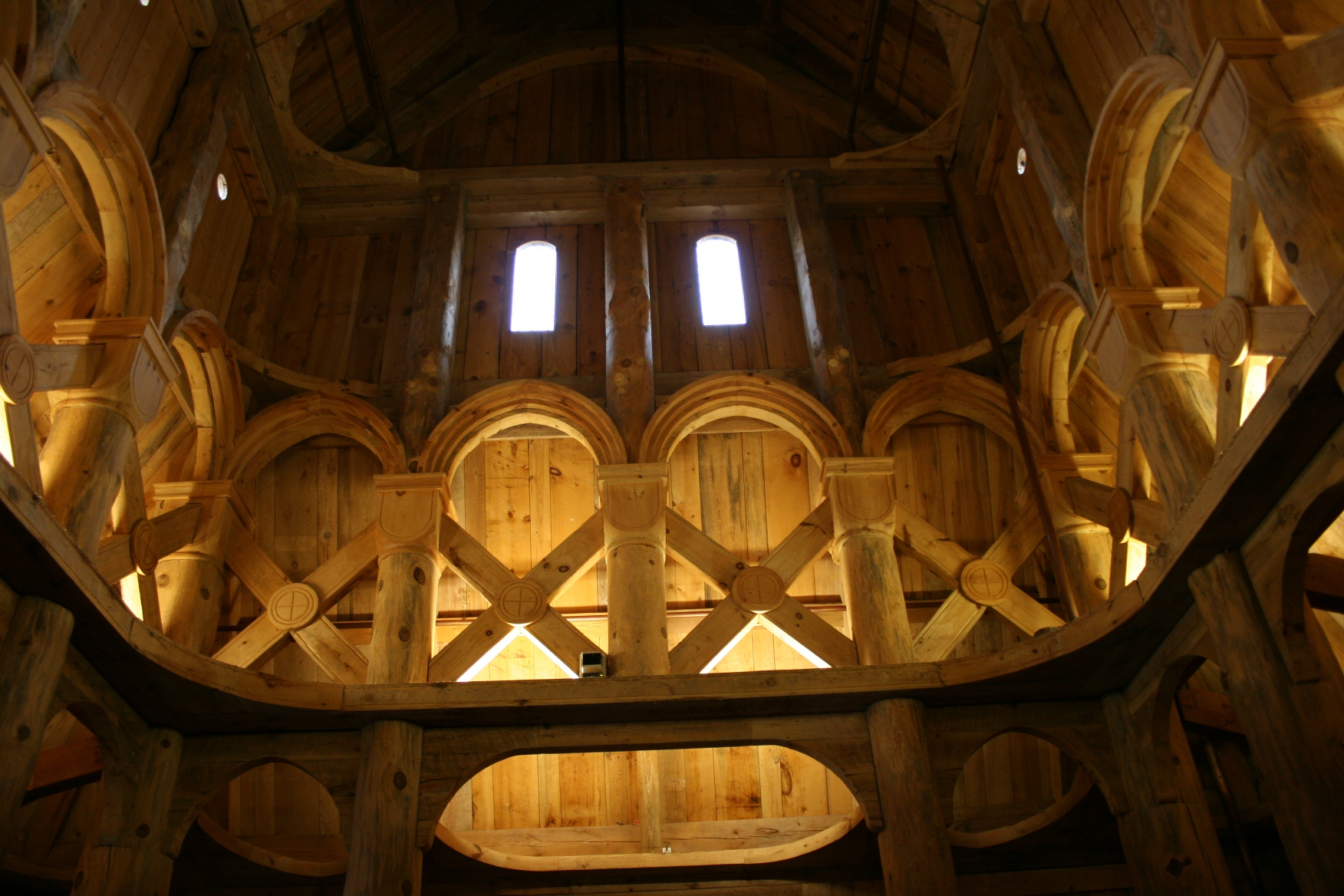
Stepping, and I do mean stepping, through the narrow doorway, I found the interior nearly equally as dark as the exterior. Missing are the eye level windows I’m accustomed to in the older Lutheran churches here in Minnesota.

An overview of the church shows the small chapel and altar on the left where more intimate religious ceremonies, such as baptisms, could take place. The main altar sits in the background and near center in this image.

Missing also are the pews. Worshipers would stand through services. And those with leprosy or other illnesses (think back to the 1100s) would wait outside the sanctuary, peering through a tiny opening cut into a side wall.

Detailed carvings and paintings define the chapel area.

Other details escape me except that Guy Paulson, who built and donated the stave to the city of Moorhead, carved the intricate designs inside and outside the church. The craftsmanship of his work is exquisite.

Really, sometimes remembering the visual details, rather than the rapid-fire of information overload, is the best way to take a tour.

Amen and amen.

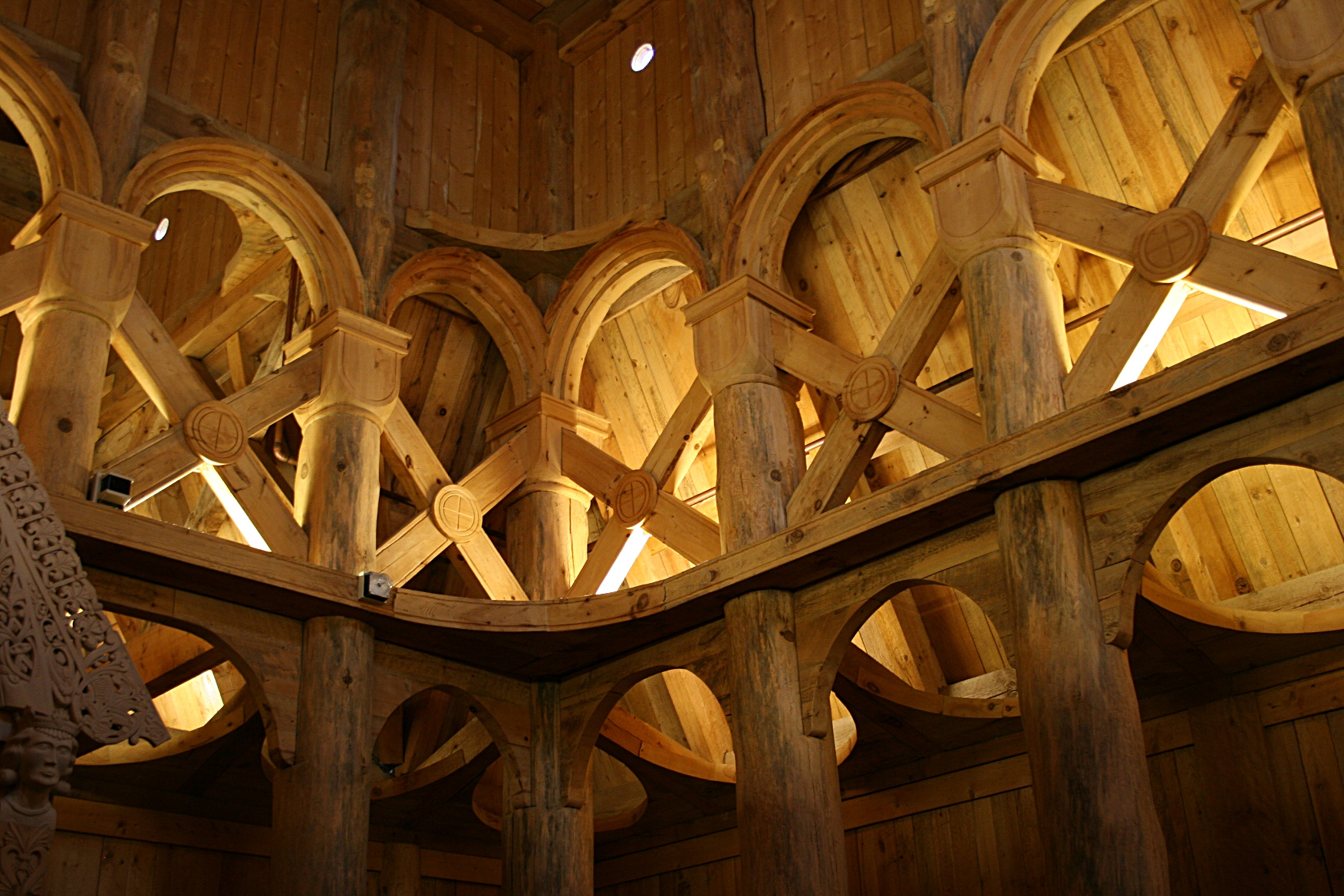
Looking up at the beautiful construction.

Another painting inside the chapel area.

There are no ground level windows, only above. This is looking toward the back of the church, above the narrow entry door.

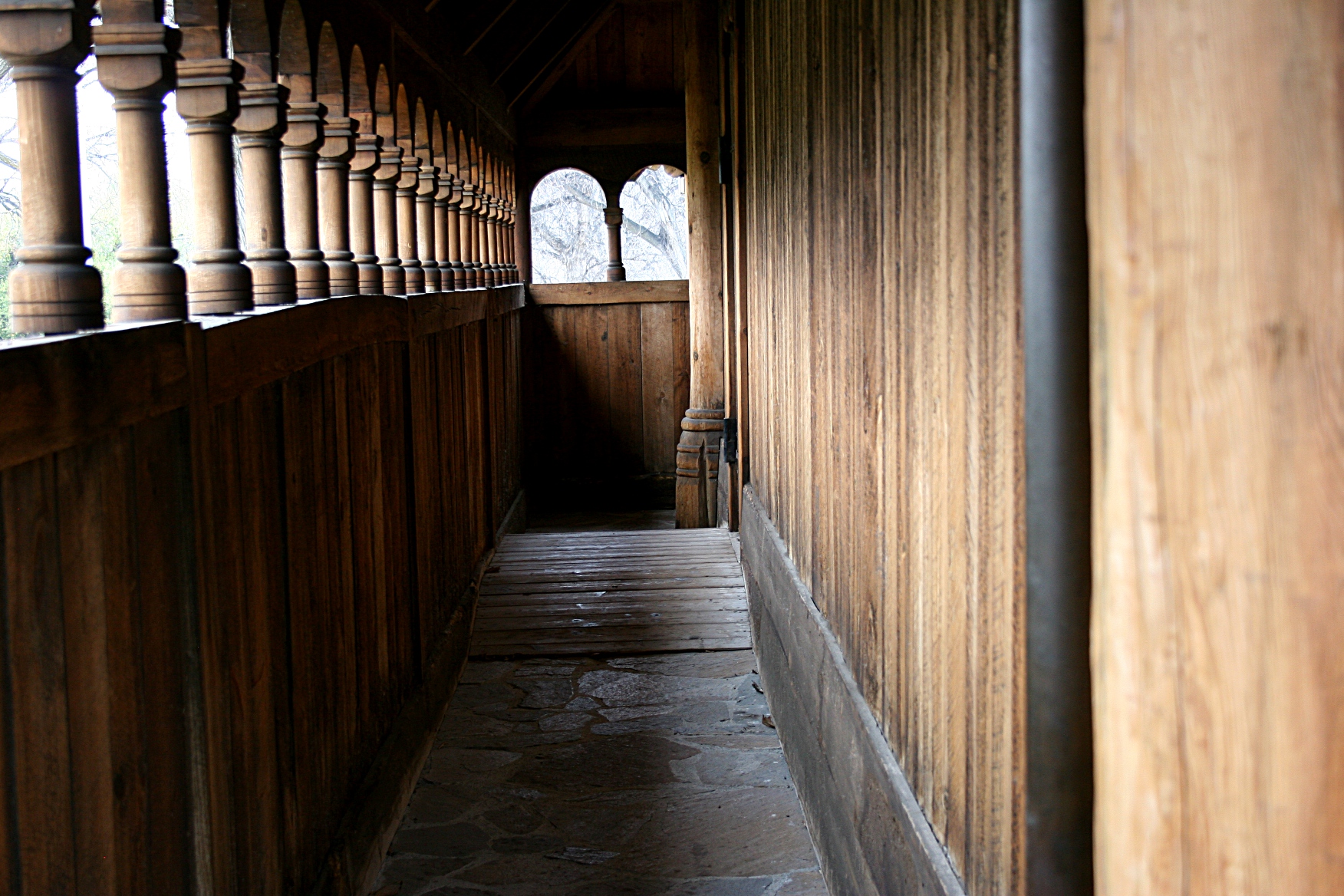
Two exterior hallways buffet the building. In the original church in Norway, those with diseases like leprosy would wait here as they were not allowed inside for worship.

A close-up shot detailing construction.

Dragon carvings are everywhere, inside and out, this one at the edge of the roof.

© Copyright 2012 Audrey Kletscher Helbling
 

If only I’d known the prize was chocolate… July 7, 2012

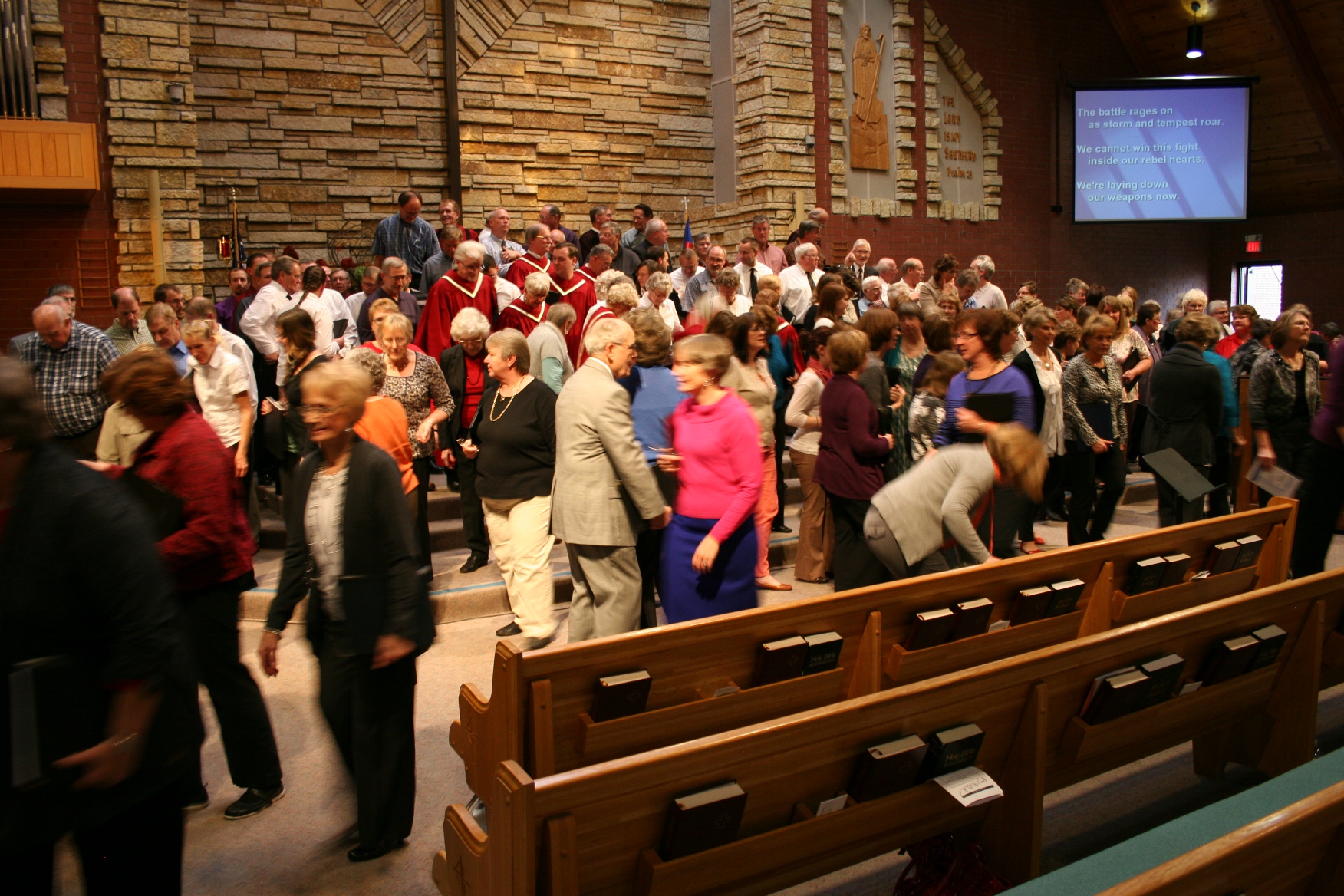
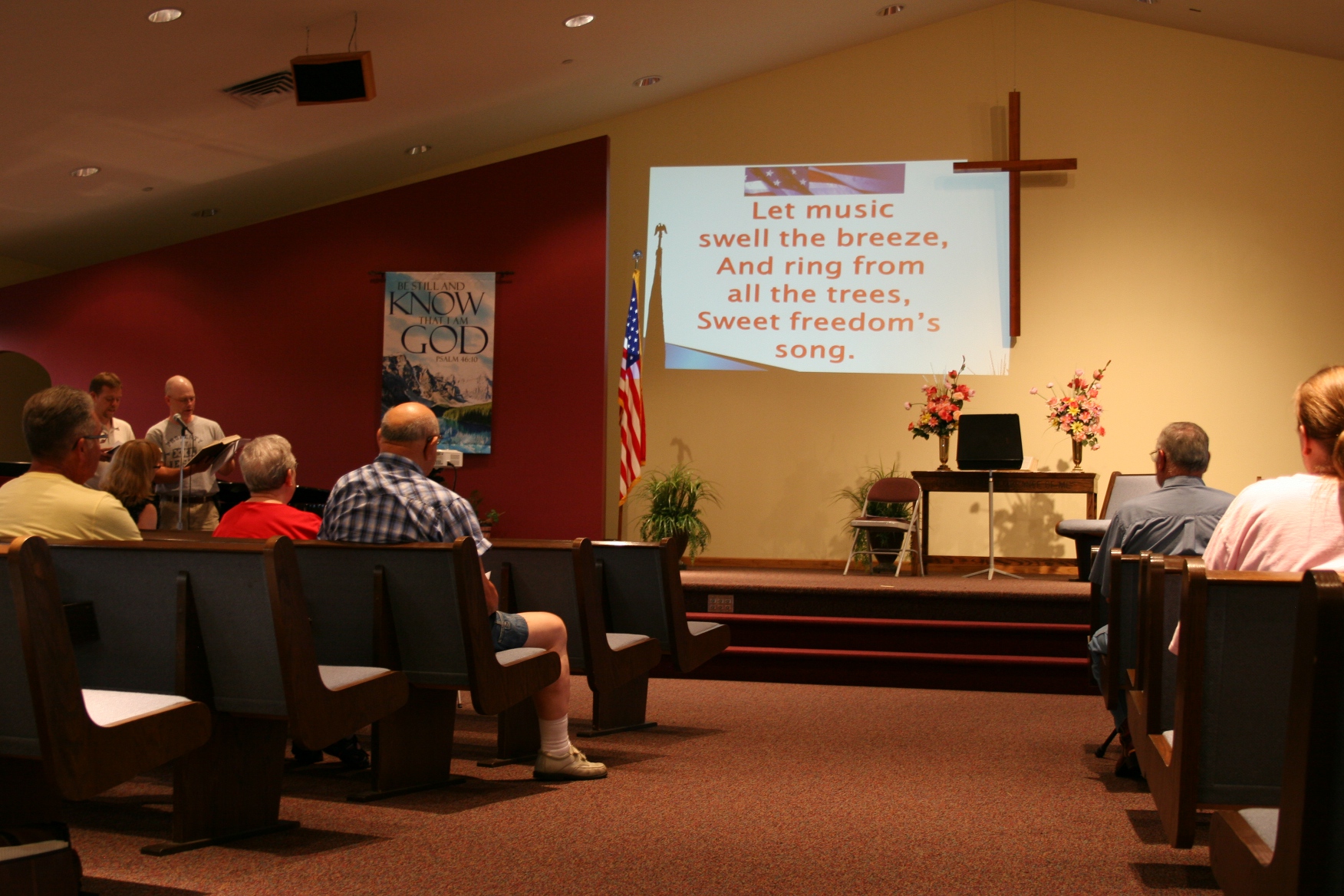
The words for “My Country, ‘Tis of Thee” are projected onto a screen at the front of Bethel Ridge Lutheran Brethren Church.

WHEN WAS THE LAST TIME you listened to a reading of the Preamble to the Declaration of Independence?

Or the last time you sang “My Country, ‘Tis of Thee,” or “The Battle Hymn of the Republic” or “God Bless America?”

When did you last place your hand across your heart and recite The Pledge of Allegiance?

Have you ever taken a patriotic quiz and realized how much you’ve forgotten about American history or perhaps never have known?

All four of the above, plus quotes from our nation’s founding fathers and leaders, were included in a Patriotic Program I attended on the Fourth of July at Bethel Ridge Lutheran Brethren Church in Faribault.

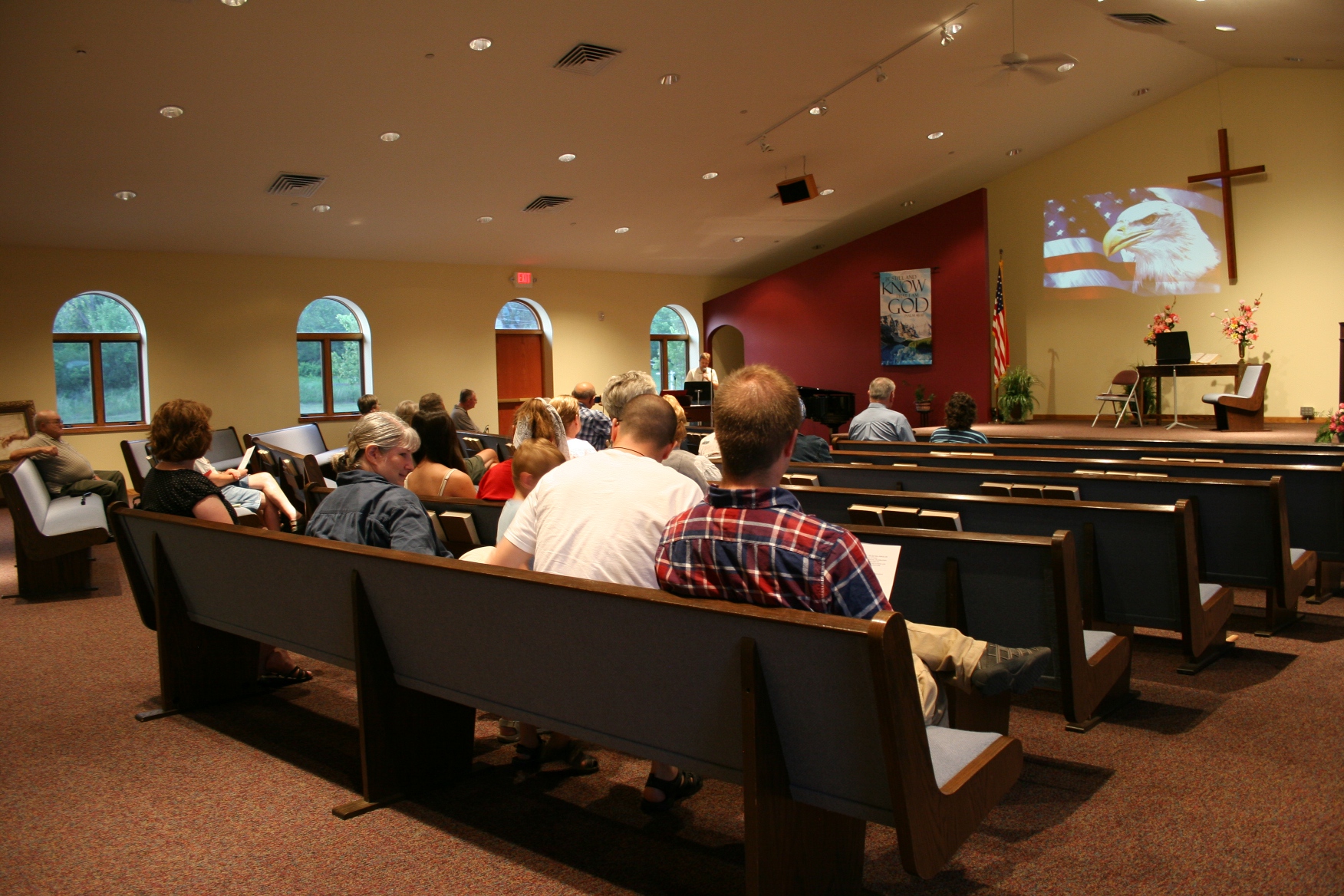
An audience overview at the July Fourth Patriotic Program.

Although the number in attendance was small—around 30—I’m quite certain those of us attending left inspired, uplifted and certainly more knowledgeable.

Let’s test your smarts. What’s the longest possible time a person could now serve as President of the United States? What was our nation’s first Constitution called? Who was our country’s first Vice President?

Had you correctly answered those three questions (10, The Articles of Confederation and John Adams) and six more at Bethel’s Patriotic Program, you would have won a Hershey’s milk chocolate candy bar. The winning team missed only one of 10 questions. I cried foul. My team, which included a history major, missed three. I contended to a program leader that, had I known chocolate was on the line, we all would have tried harder.

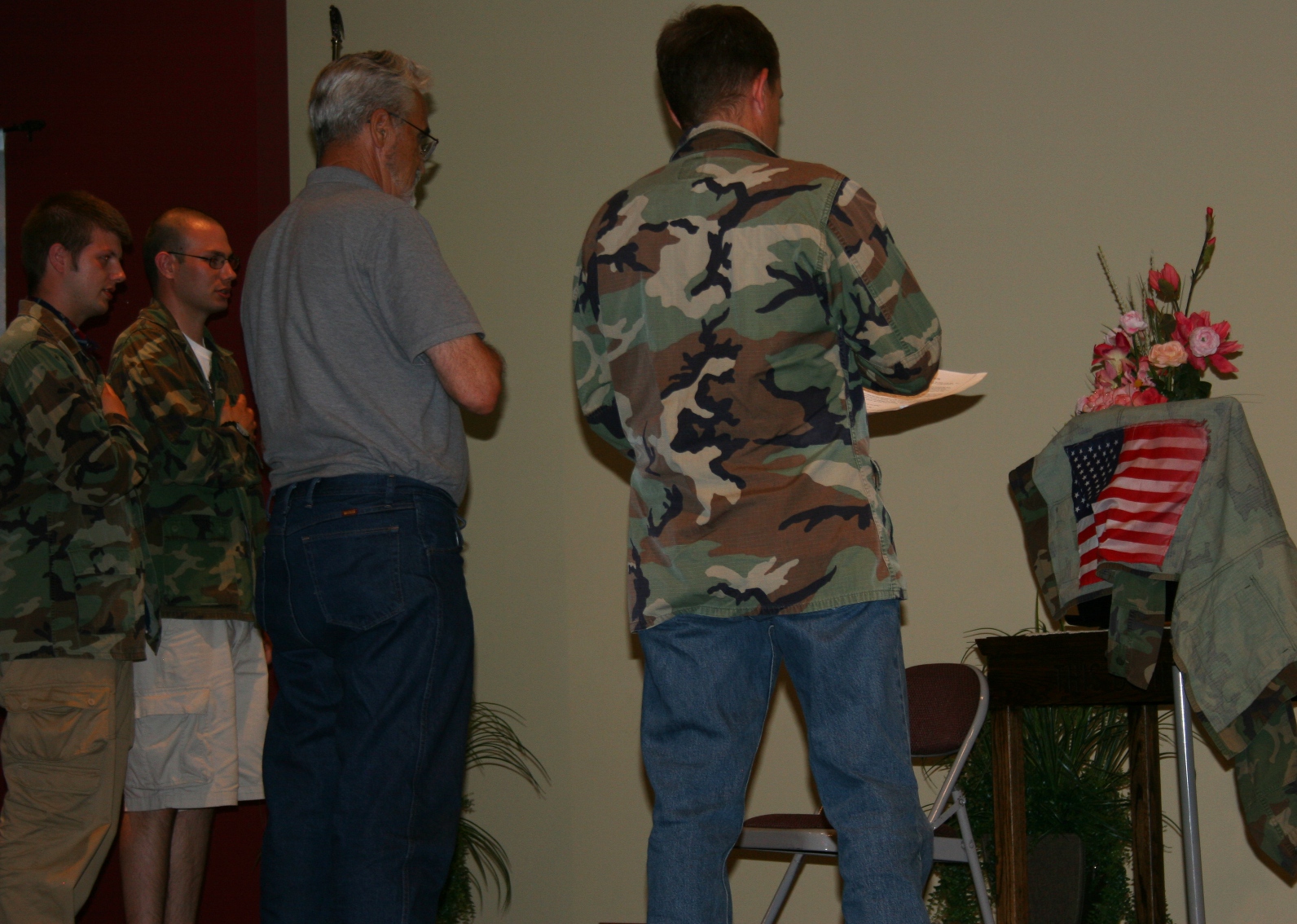
Performers in a skit recite The Pledge of Allegiance along with audience members. The skit was based on a supposedly true story of an American soldier who was captured by the North Vietnamese. As the story goes, he stitched an American flag inside a shirt using a bamboo needle and fabric from clothing and other items.

Before and after the competition we settled into our pews, listening to quotes by the likes of George Washington, James Madison, Ulysses S. Grant, Abraham Lincoln, Theodore Roosevelt and more.

“It is impossible,” said President George Washington, “to (rightly) govern the world without God and the bible.”

Said President Theodore Roosevelt: “A thorough knowledge of the bible is worth more than a college education.”

And apparently a thorough knowledge of American history is worth a chocolate candy bar.

© Copyright 2012 Audrey Kletscher Helbling
 

“…take this house into your protection” July 5, 2012

Filed under: Uncategorized — Audrey Kletscher Helbling @ 7:01 AM
Tags: , , , , ,

IT HAD BEEN AWHILE, I suppose, since they needed extra hymnbooks at a Sunday morning worship service.
But this past Sunday at my home congregation, St. John’s Lutheran in Vesta, the ushers and elders pulled out and dusted off surplus hymnals before distributing them to worshipers seated in the social hall overflow section.
The last time I saw those hymnbooks, they were stacked on counters in the church kitchen. And the fellowship hall, where I was sitting on a folding chair, was crammed with pews and pew cushions, banners, a dismantled statue of Jesus, and an assortment of items moved there from the sanctuary following a damaging summer storm.
Hymnals were stacked on the kitchen counter after the storm.

The pews and other items from the church were moved into the undamaged social hall.

St. John’s, hours after a July 1, 2011, storm. Photo courtesy of Brian Kletscher.

A year ago, a storm packing 90 – 100 mph winds ripped half the roof from St. John’s sanctuary, leaving the congregation without a permanent home for 10 months. Members worshiped at their sister congregation, Peace Lutheran in nearby Echo, before returning on May 6 to their church in Vesta.

St. John’s, one year after the storm with a new roof and an addition.

However, the dedication of the addition—which includes an office, storage space, handicapped accessible bathroom and enlarged narthex—and rededication of the repaired sanctuary were delayed two months to coincide with the one-year anniversary of the July 1 storm.

Standing inside St. John’s sanctuary in September 2011, I listened to the wind flap the tarp that covered the damaged roof.

A view of the same ceiling/roof area a year later.

On Sunday, I attended the service of prayer and thanksgiving, of dedicating the addition and rededicating the sanctuary “to the glory and the service of the Lord,” according to the Rev. Dale Schliewe.

Worshipers gathered July 1, 2012, in the repaired sanctuary with overflow into the social hall.

Singing words like “Christ is our cornerstone, on him alone we build…built on the rock secure…here is the day’s dedication…,” we celebrated.

It felt good to be there, in my home church, the building in which I was married, the place where I have mourned the deaths of loved ones, the sanctuary where I have celebrated confirmations and baptisms and weddings and many Christmases and Easters.

It was good to be home, to bow my head and fold my hands and pray: “…contine to take this house into your protection… Be with us always to bless, to keep and to save.”

Amen.

The southern half of the roof was ripped off by high winds and toppled onto the bell tower, which was removed. It was attached to the sides of the entry, as seen in this image from September 2011

Here you see the addition to the south side of the church. Worshipers now enter through south-facing doors.

© Copyright 2012 Audrey Kletscher Helbling