Minnesota Prairie Roots

Writing and photography by Audrey Kletscher Helbling

Inside the colorful Big Woods of Minnesota October 5, 2011

EVERY TIME I HEAR the words “Big Woods,” author Laura Ingalls Wilder and her book, Little House in the Big Woods, pop into my mind. It’s a natural reflex given my deep love for the Little House books. Think grade school teacher reading the series to her students after lunch and me growing up about 20 miles from Walnut Grove, Wilder’s brief childhood home on the southwestern Minnesota prairie.

That all said, Laura was born in 1867 in a log cabin in the Big Woods of Wisconsin some seven miles from Pepin.

I visited the Ingalls’ home site many years ago with my family, when my girls were elementary age and we were deep into reading the Little House series. The Big Woods and cabin are long gone, replaced now by open prairie and a replica cabin.

Yet, only a short drive east of my Faribault home, I can experience the Big Woods at Nerstrand Big Woods State Park. I have no idea if these woods are anything like those in Wisconsin in the late 1800s. But I like to think they are.

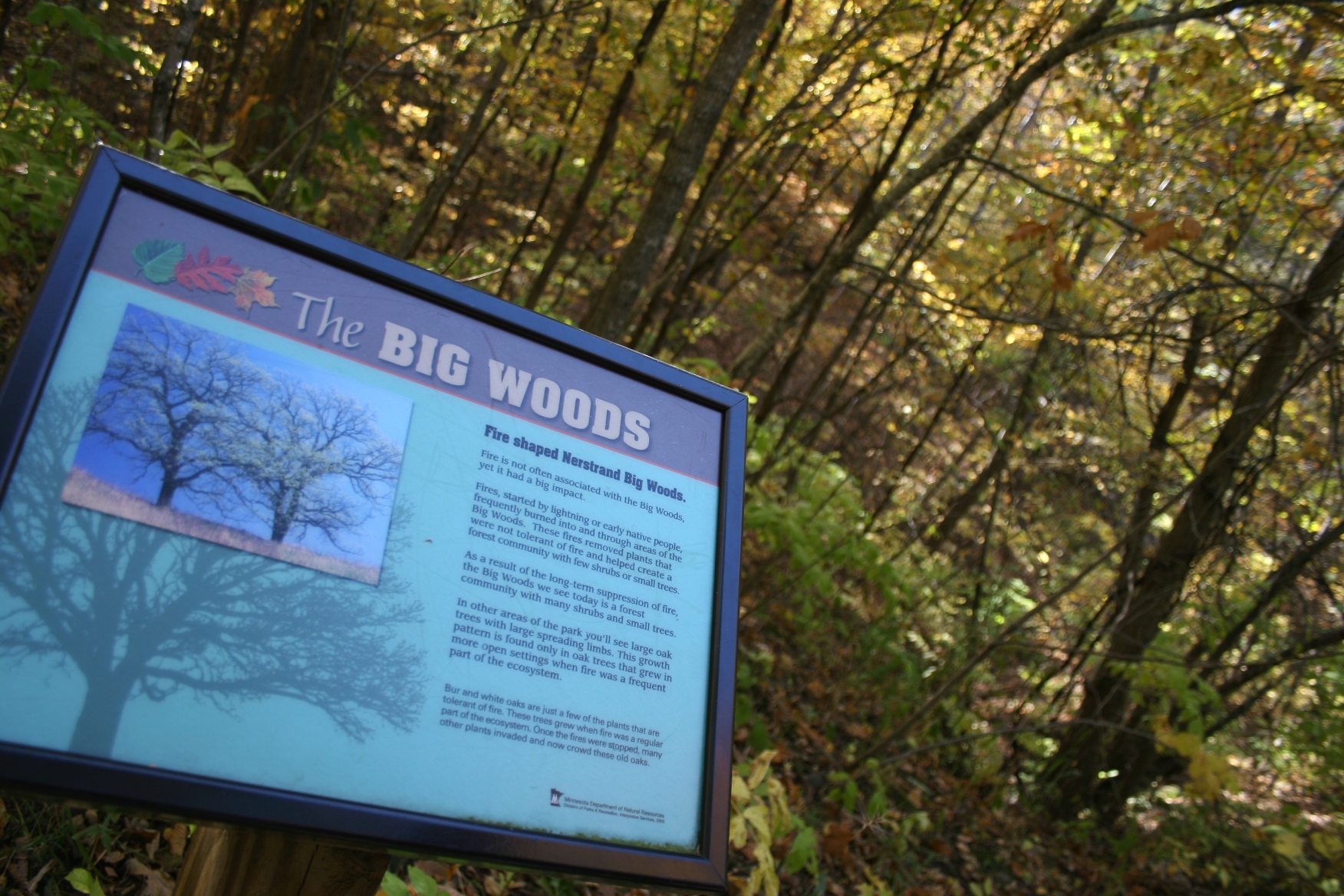
An informational sign along a trail in Nerstrand Big Woods State Park.

Check out the history section of the Minnesota Department of Natural Resources website and you’ll find this information about the Nerstrand woods:

“When the first settlers arrived in 1854, they discovered an island of woods in the vast oak savanna prairie which now makes up Nerstrand Big Woods State Park. Sugar maple, basswood, oak, hickory, aspen, elm, ash, and ironwood trees shade the land.”

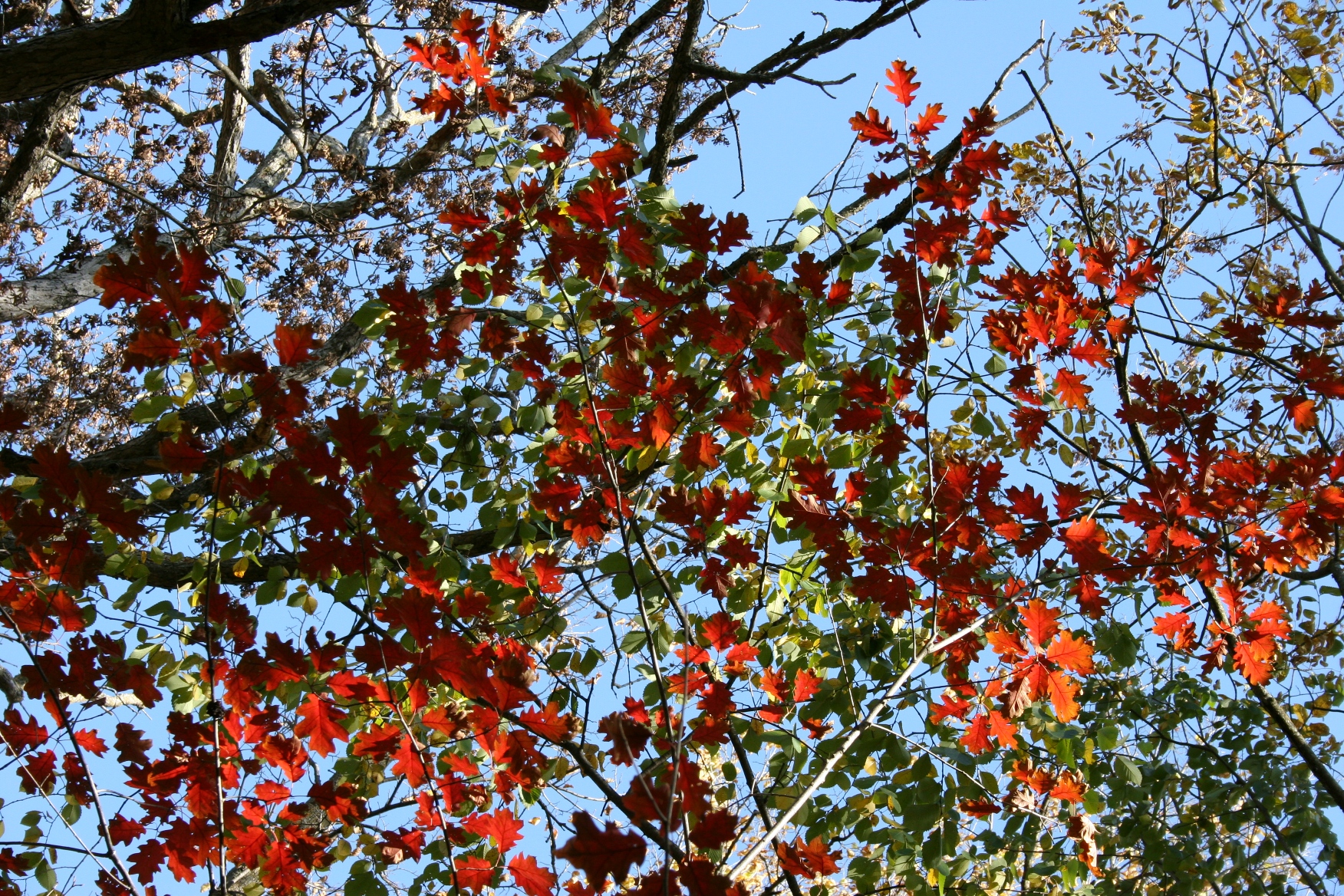
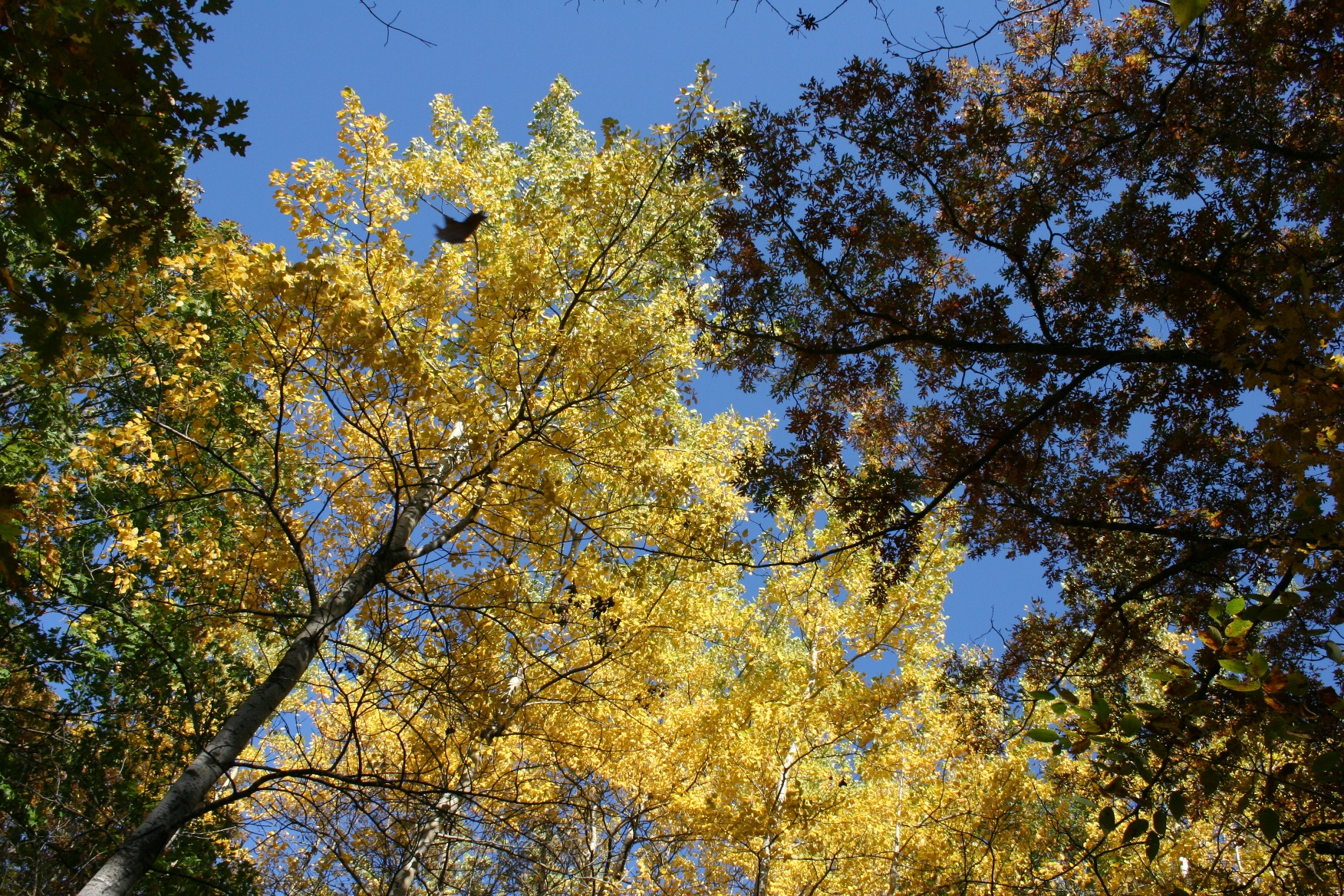
I spent half my time in the Big Woods looking, and aiming, my camera skyward.

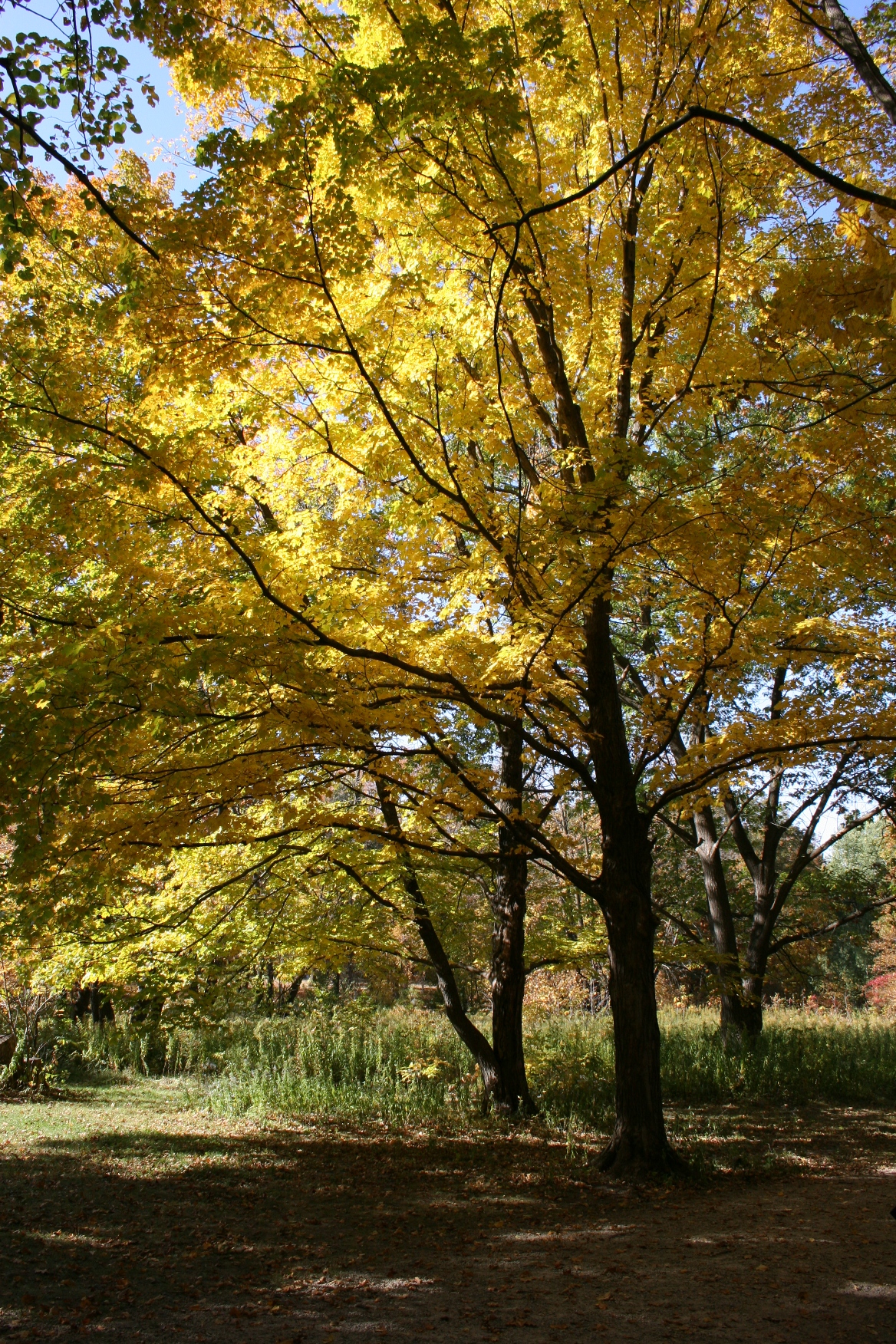
The park boasts a lovely picnic grounds sheltered by trees like this one.

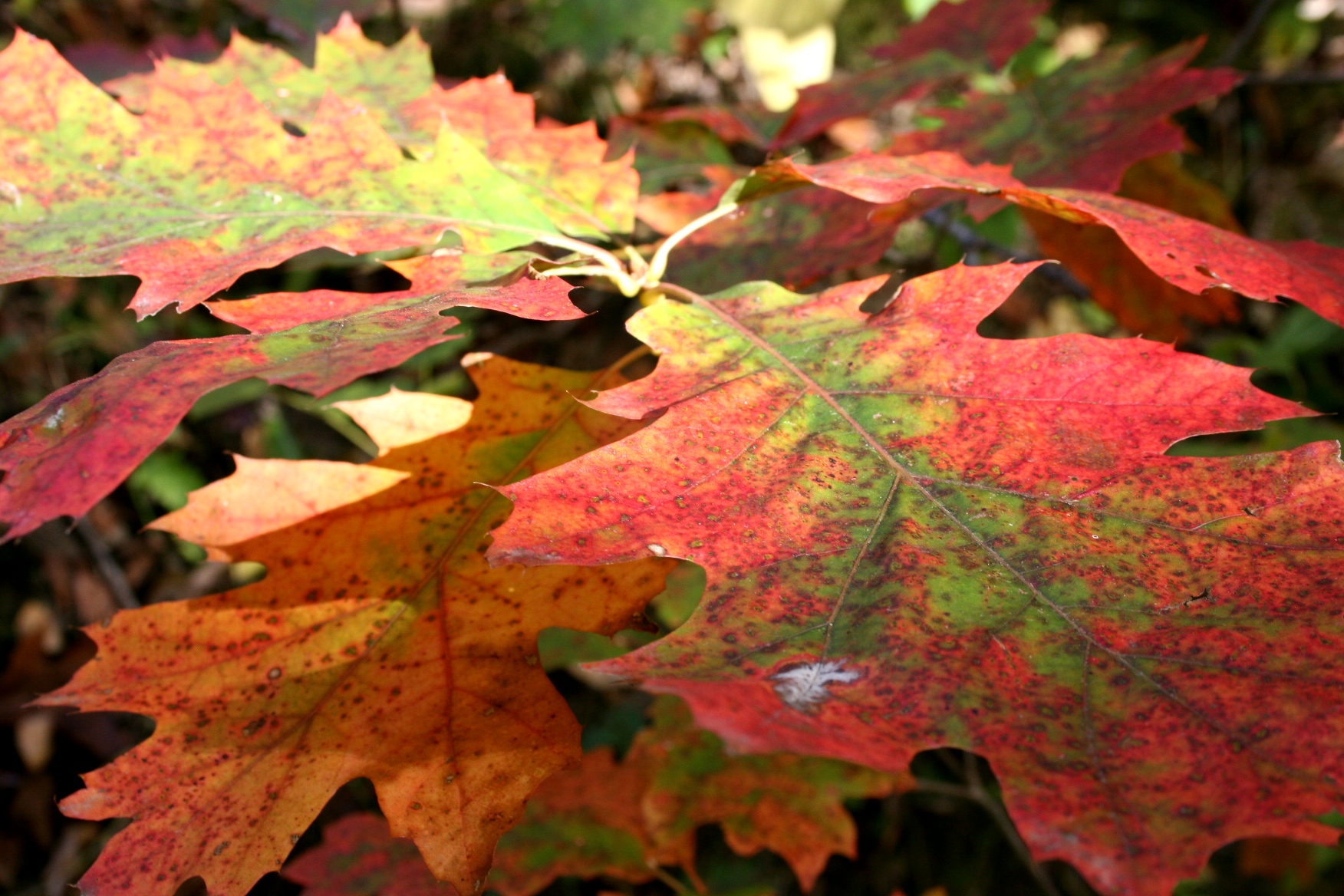
A close-up look at oak leaves changing color.

This time of year those trees flame in fiery hues, making Nerstrand a popular destination for viewing fall colors in Minnesota.

Sunday afternoon, following a fall color drive to the Sogn Valley area in northwestern Goodhue County, my husband and I stopped briefly at this state park just west of Nerstrand. We managed to find a space in a parking lot packed to overflowing in this park teeming with visitors.

If you’re seeking a quiet, people-free escape, you won’t find it here on a weekend.

But you will find a perfect fall experience complete with the earthy scent of decaying leaves; brilliant reds and yellows painted on the cobalt palette of sky; drifts of leaves to plow through; the crisp crunch of leaves beneath feet; a spirit of friendliness among visitors hiking into the Big Woods; a respite from the busyness of life; and an opportunity to savor the fleeting days of autumn in Minnesota.

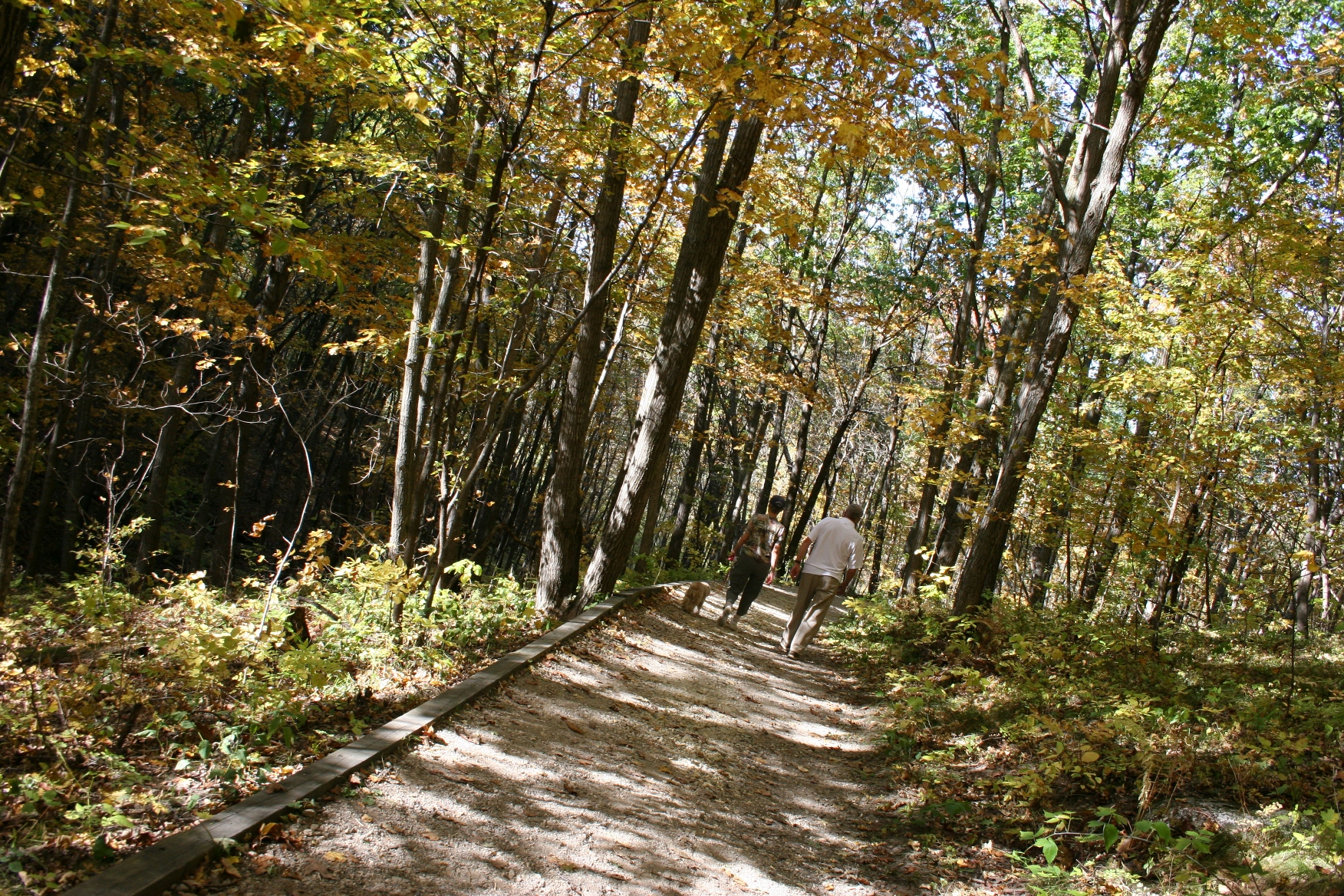
Everywhere trees provided a colorful canopy of color.

Well-kept and well-traveled paths take hikers deep into the Big Woods.

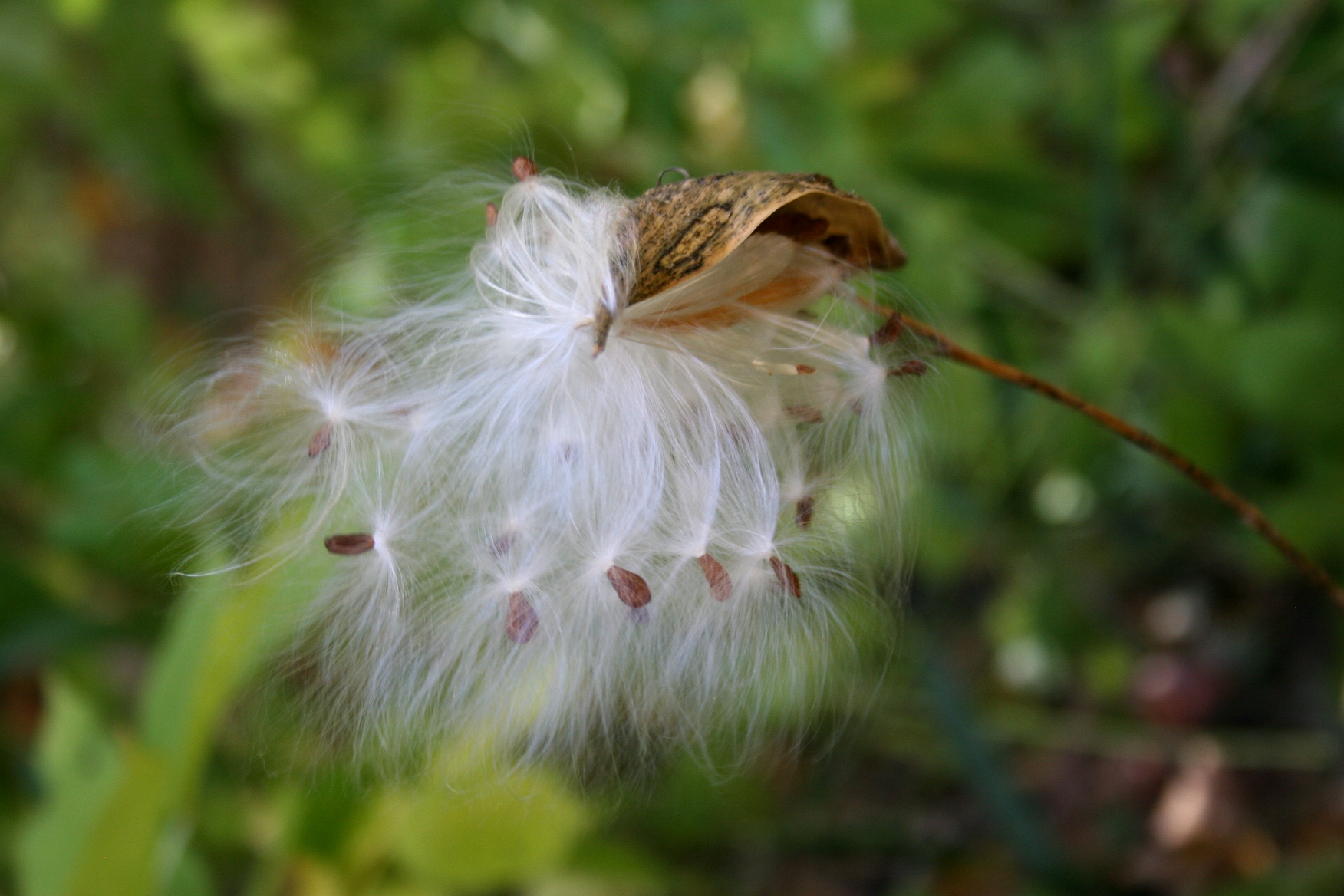
Along the path, a bursting milkweed pod.

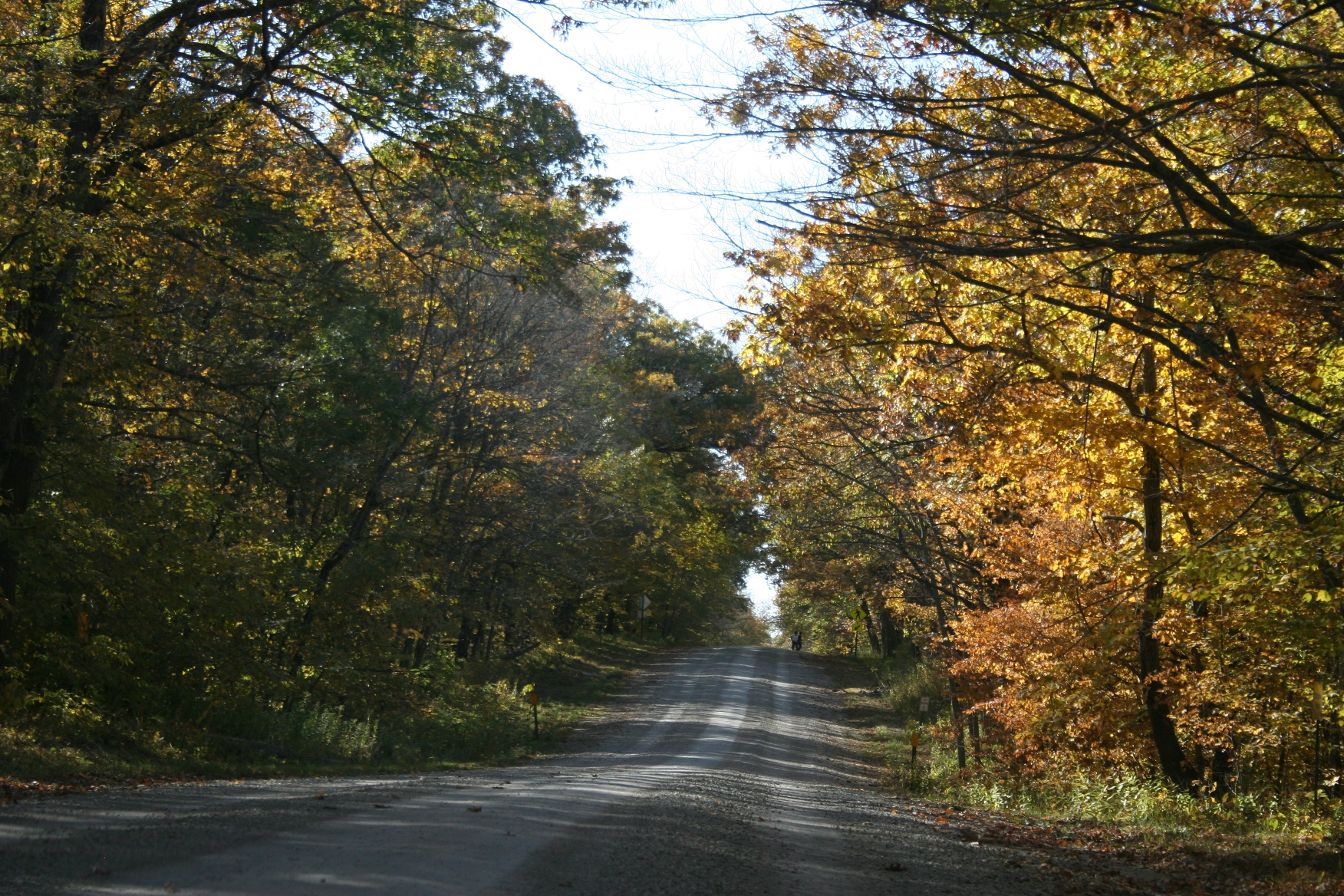
Follow this gravel road west of the park entrance for three miles to Caron Park.

BEYOND THE STATE PARK, there’s more to see at places probably known mostly to the locals:

Follow the gravel road (Rice County Road 88) west of the state park three miles to Caron Park, a 60-acre county park that is a remnant of the Big Woods. You’ll find 1.5 miles of hiking trails here, a lovely waterfall and few people. Late Sunday afternoon we saw a single truck parked in the parking lot.

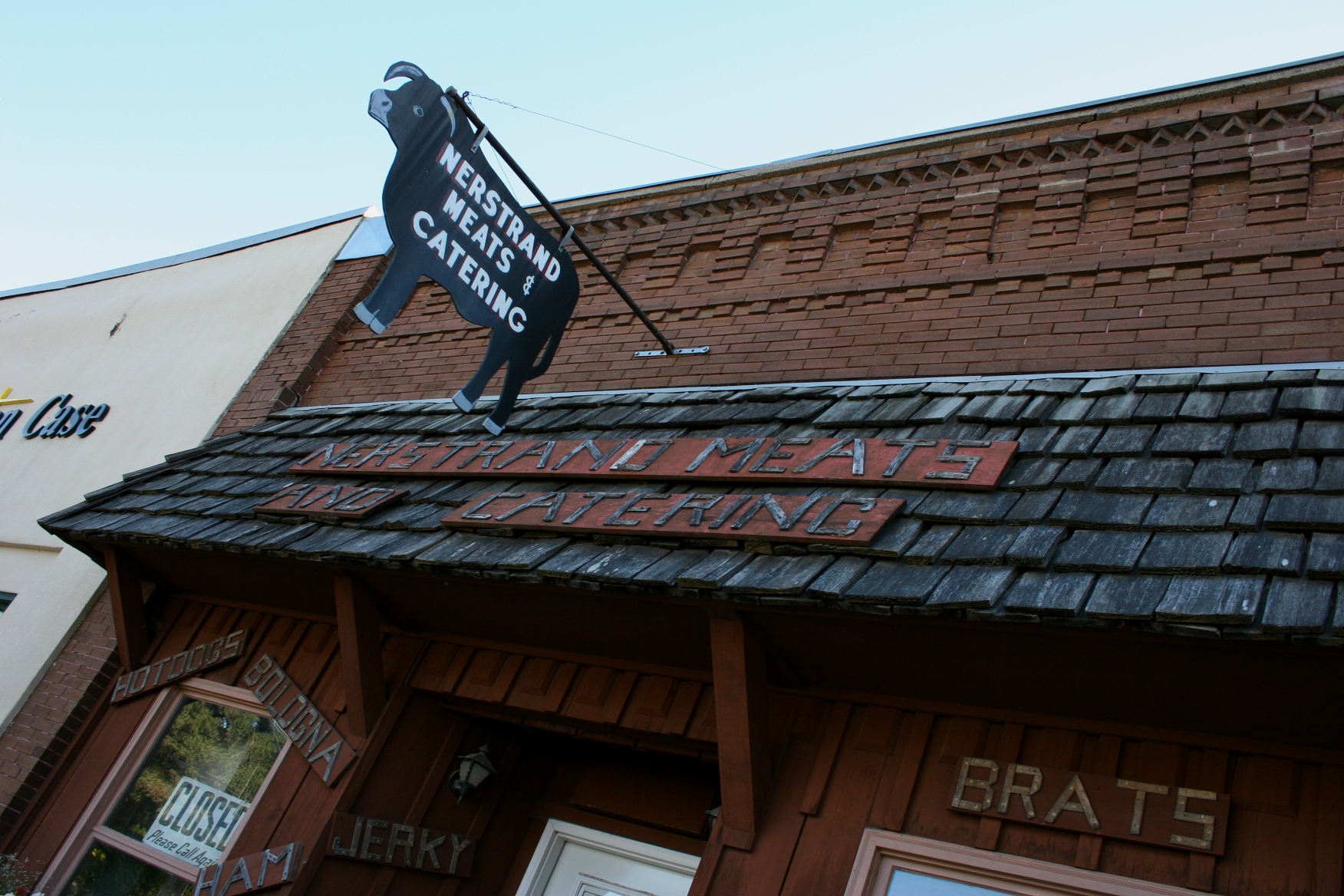
Nerstrand Meats & Catering, a family-owned business since 1890.

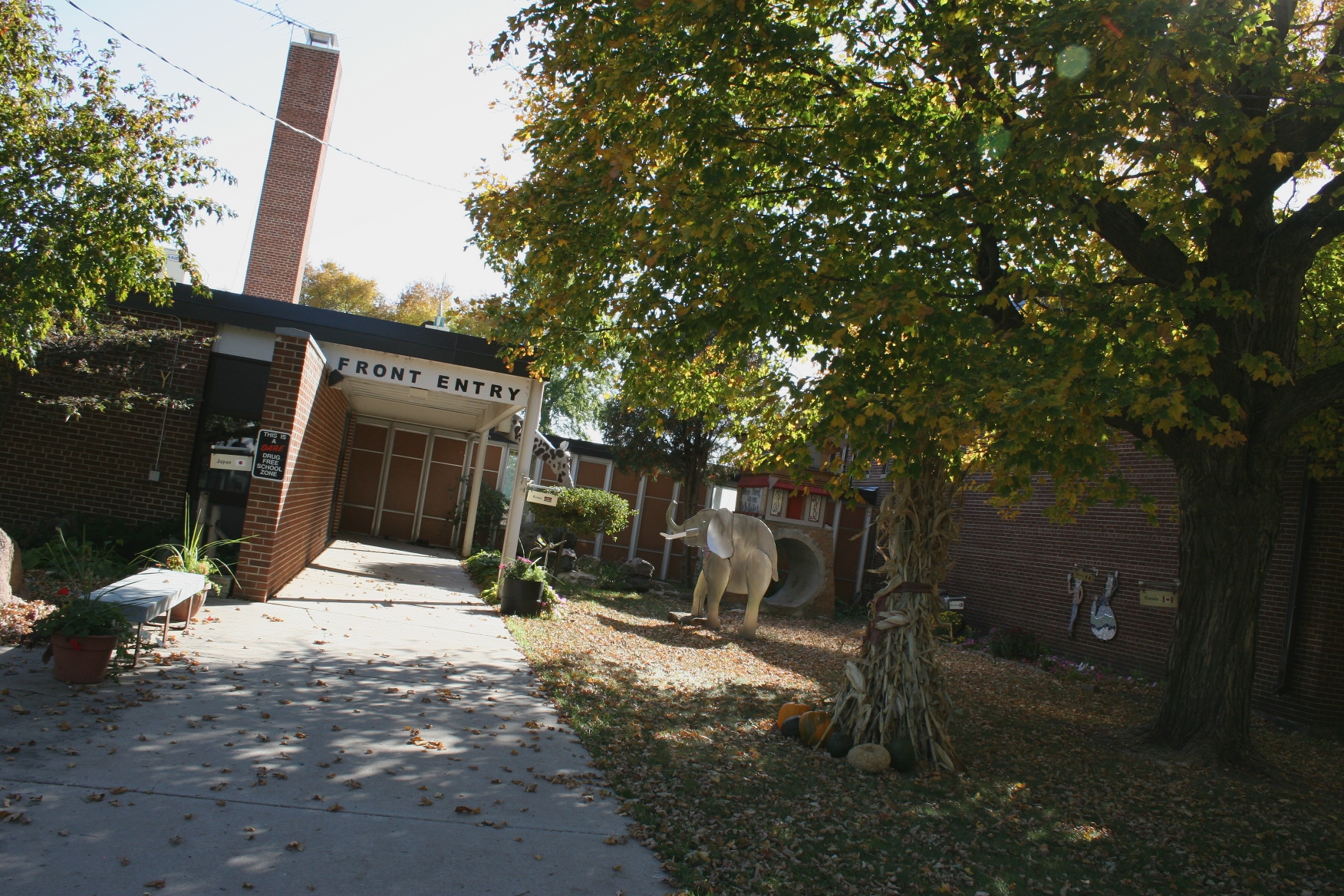
To the east of the park lies the small town of Nerstrand, worth a stop to check out Nerstrand Meats (open 8 a.m. – 5:30 p.m. Monday – Friday and from 8 a.m. – 4 p.m. Saturdays), the International Peace Garden at the local charter school, Nerstrand Elementary, and Main Street small-town Minnesota. (Watch for a future post on interesting signage in Nerstrand. Click here to read a previous post about the Peace Garden.)

A snippet of Nerstrand Elementary School and its International Peace Garden.

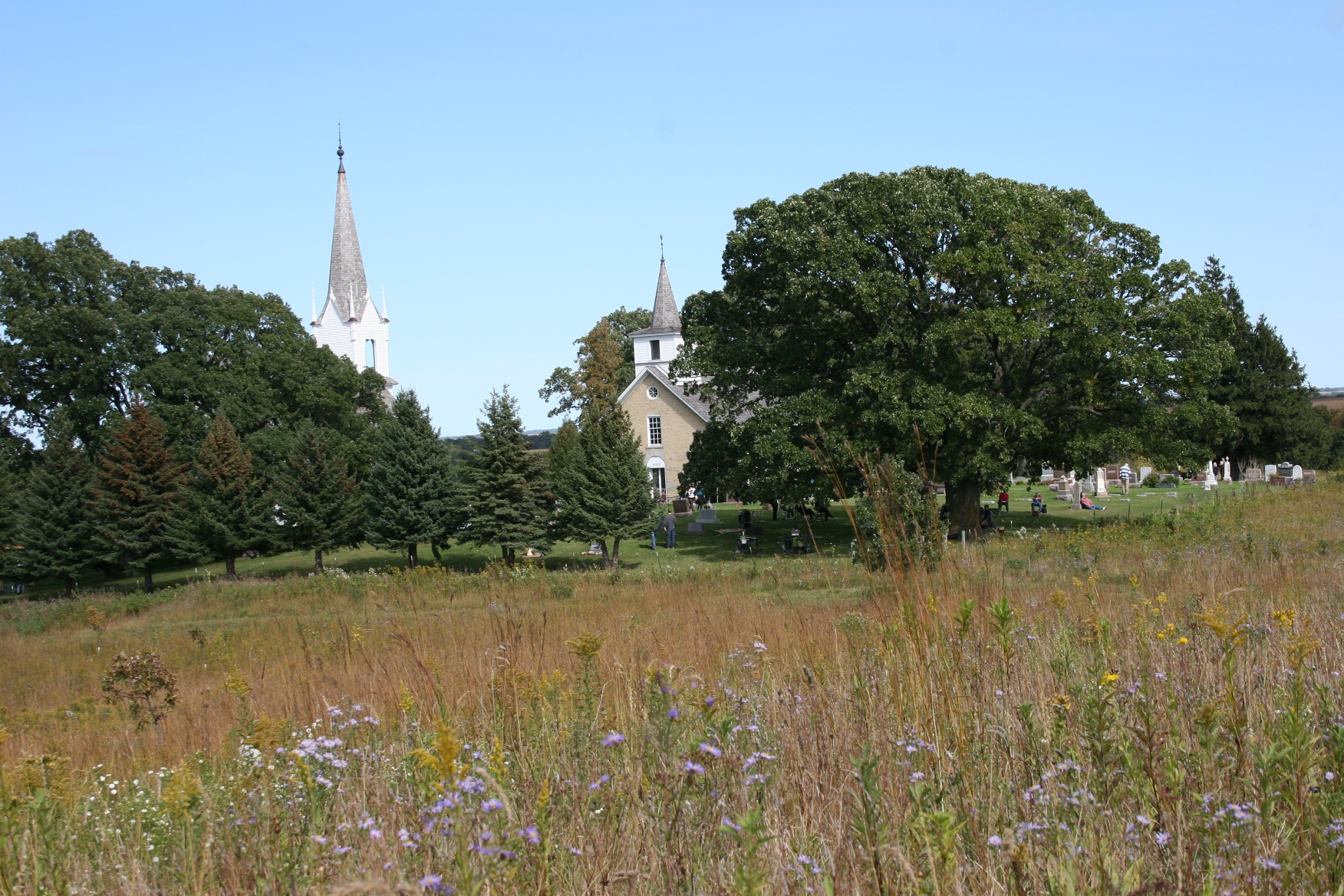
North of Nerstrand Big Woods State Park, along Rice County Road 30, sit the historic and picturesque 1862 and 1894 Valley Grove churches surrounded by 50 acres of rolling prairie grasses and trees. From high atop this hillside location, you’ll get a spectacular view of the fall colors. You can also hike a prairie path here. (Click here to read a previous post I wrote about Valley Grove’s annual fall country social.)

A view of the Valley Grove churches from the prairie that edges the churchyard.

To assure that you don’t miss out on these color viewing opportunities, I’d highly recommend hopping in your vehicle sooner than later. Leaves are changing and falling as I write and we all know these splendid days won’t last forever in Minnesota.

© Copyright 2011 Audrey Kletscher Helbling


A closer look at St. John’s Germanfest October 2, 2011

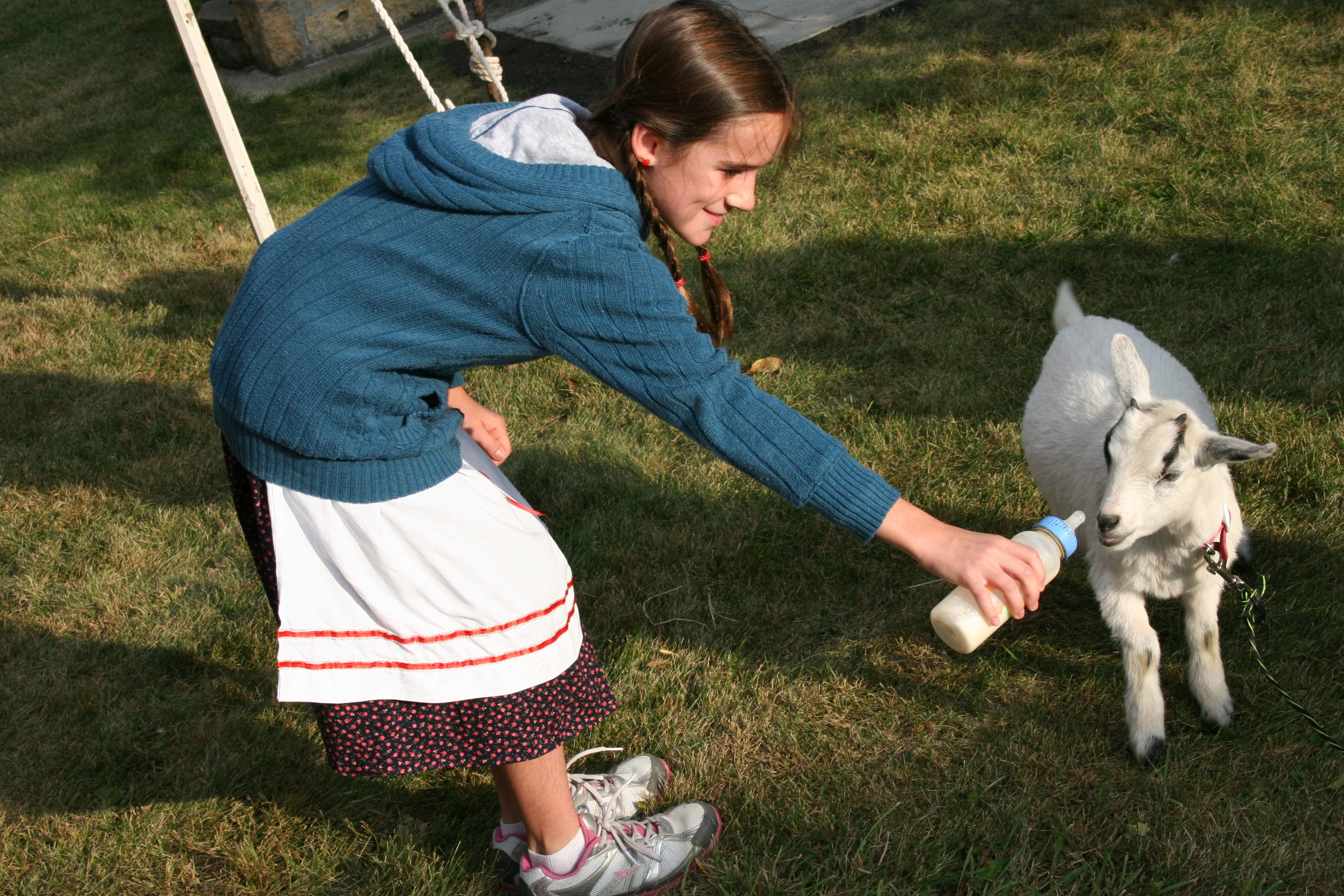
Kassandra and the goat that would soon be hers.

IN MY OPINION, Kim Keller rates as a pretty easy-going mom. I mean, she let her 10-year-old daughter bring a goat home from Germanfest. Honestly, if you were a kid, wouldn’t you want Kim for your mom?

So here’s how I found out about this goat thing. I was wandering the church grounds at St. John’s United Church of Christ, Wheeling Township, last Sunday afternoon during Germanfest searching for photo ops.

I followed a girl leading a wisp of a goat, a kid (not the girl) which seemed a bit stubborn and independent as goats are wont to be. This wasn’t Kim’s daughter and I wasn’t having any luck capturing a photo I liked.

Then along came Kassandra, Kim’s daughter, with a bottle of milk. The goat, which apparently wasn’t all that hungry, didn’t seem too interested in drinking. But Kassandra pursued the goat and I pursued the goat and Kassandra until we both got what we wanted: her the goat, me the photo.

Kim took it all in stride—said it was just another animal to add to the family’s menagerie.

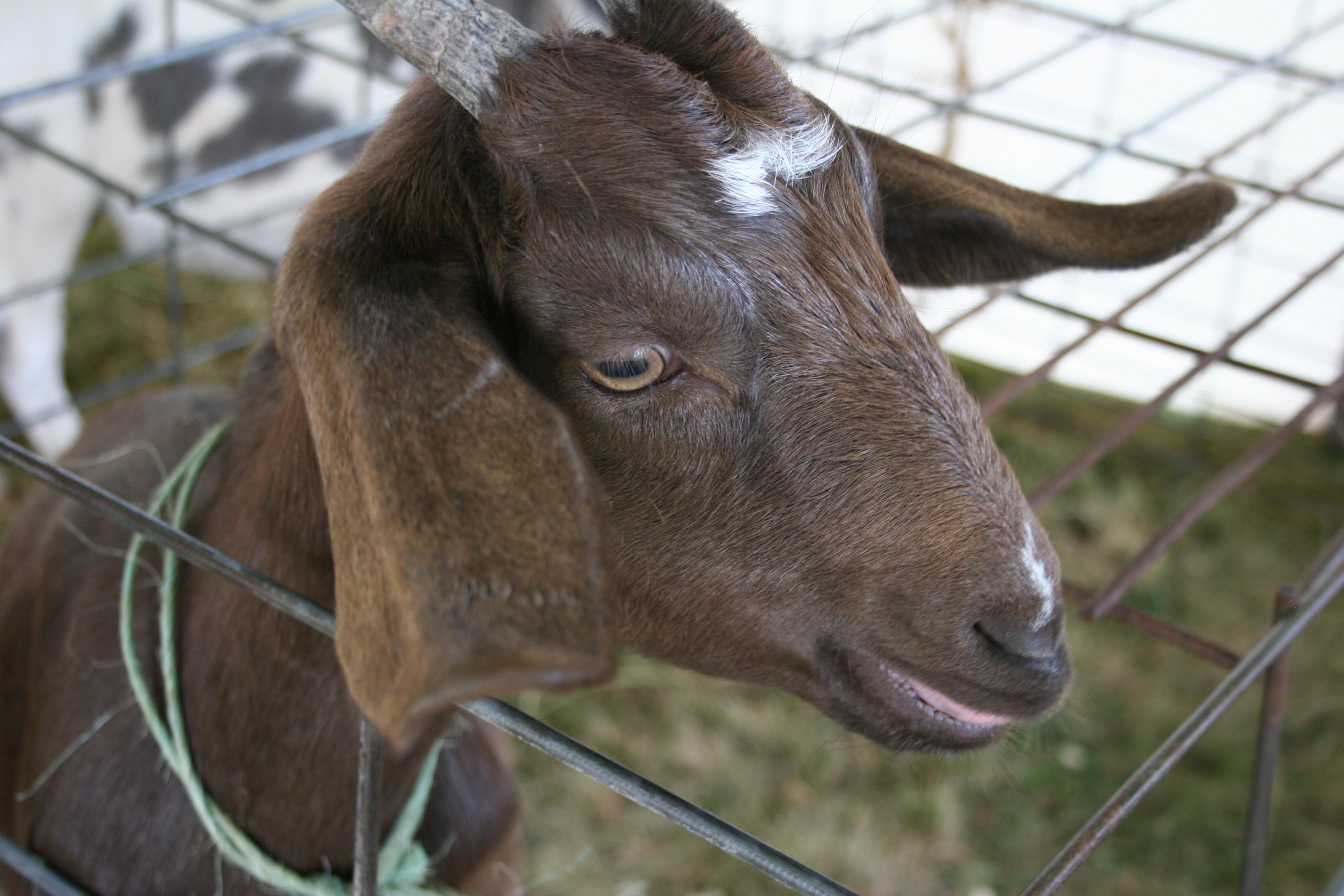
Another goat in the Germanfest petting zoo.

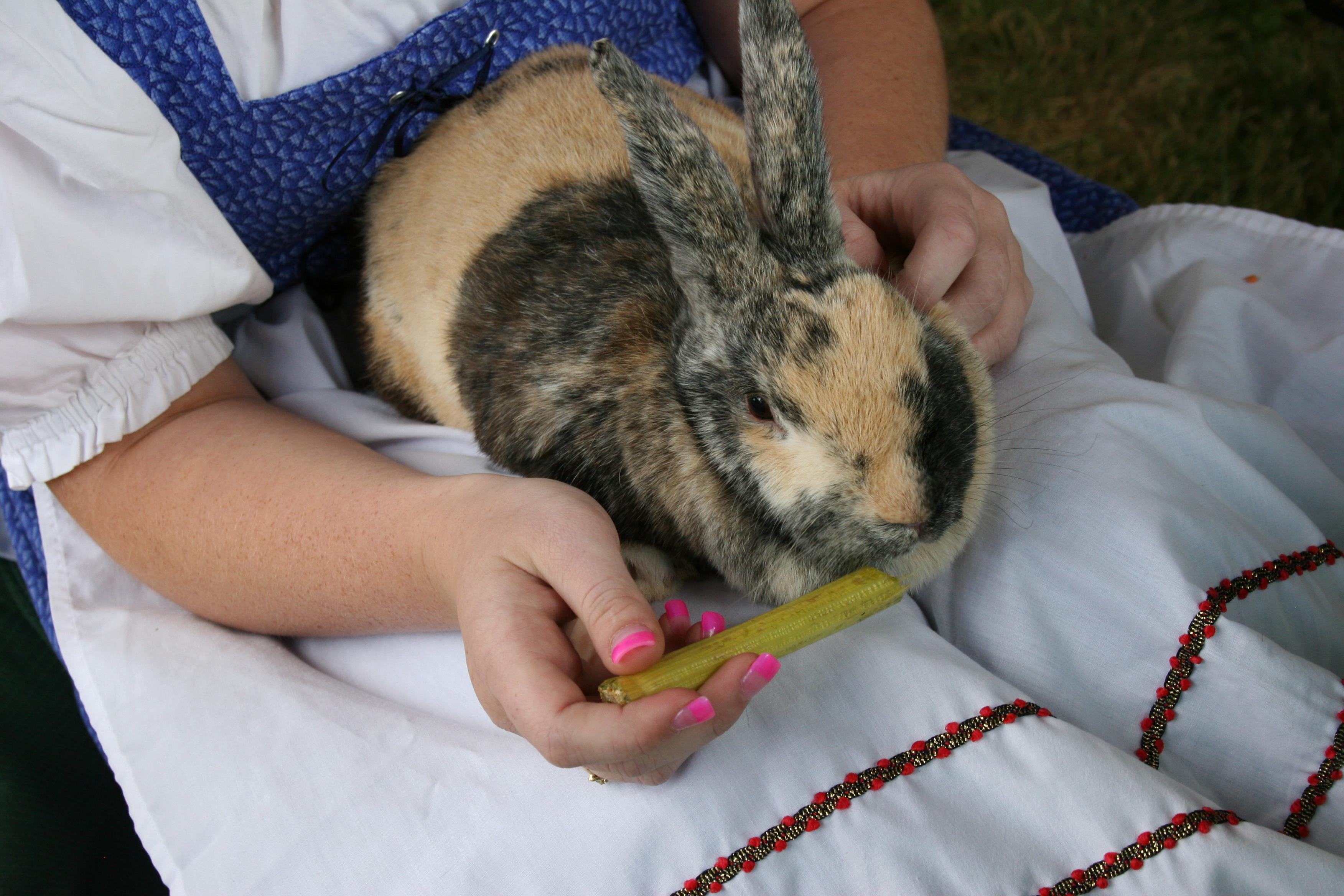
A volunteer dressed in an ethnic German costume tends a petting zoo bunny.

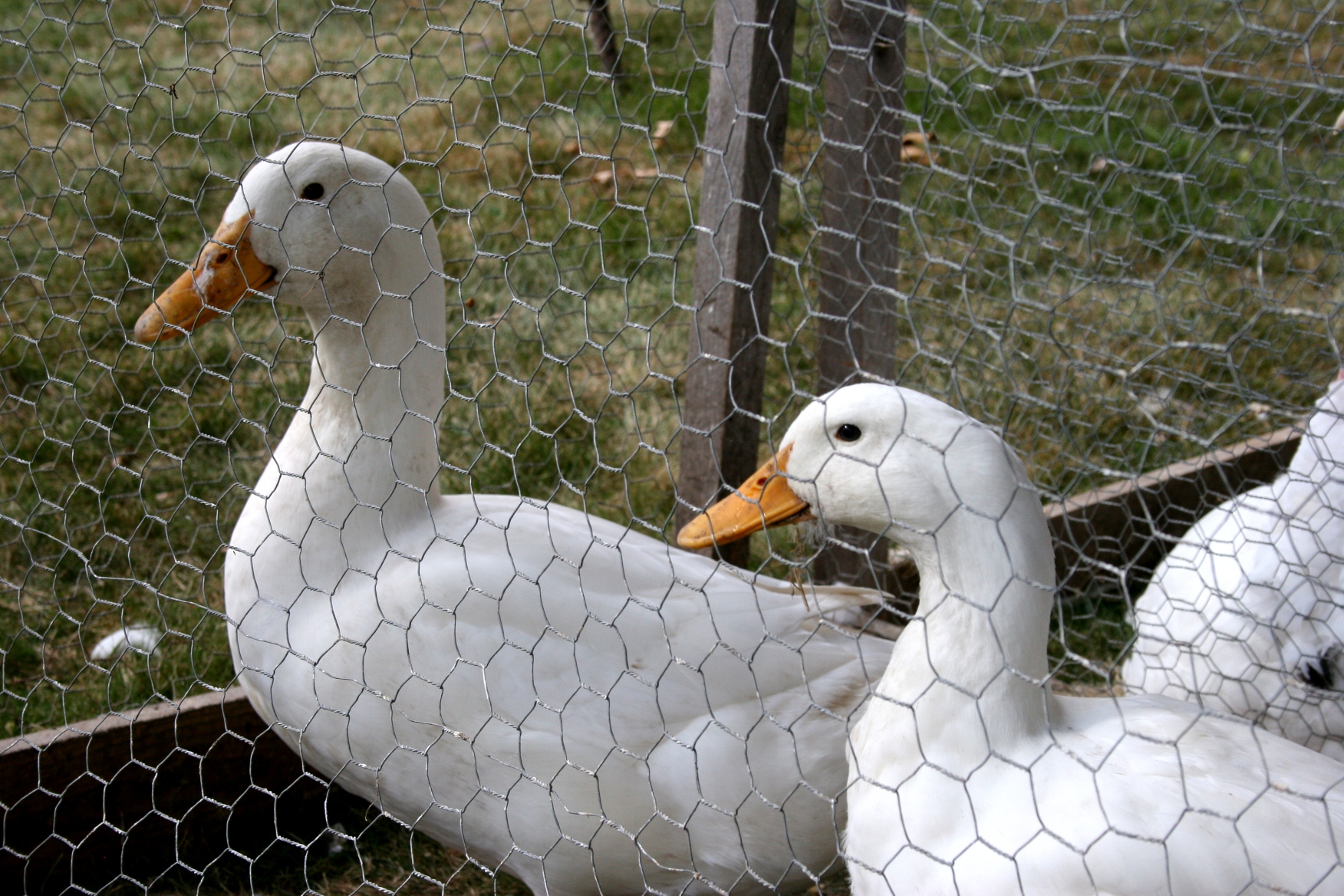
Geese and other fowl were popular petting zoo attractions.

IF YOU’RE A REGULAR FOLLOWER of Minnesota Prairie Roots, you should have figured out by now that I pay attention to detail. You’ll read that in my writing, see it in my photography.

I don’t view situations and scenes like most folks. I’m constantly searching for a new angle from which to shoot a photo or tell a story.

I engage my senses, even though one of them, my hearing, is not what it once was due to sudden sensory hearing loss (and now near-deafness) in my right ear. But I did hear Craig Keller comment from the Germanfest dance floor, as I aimed my camera toward the dancers, that this would be on the internet.

So, Craig, just because you said that, here you are, on the internet.

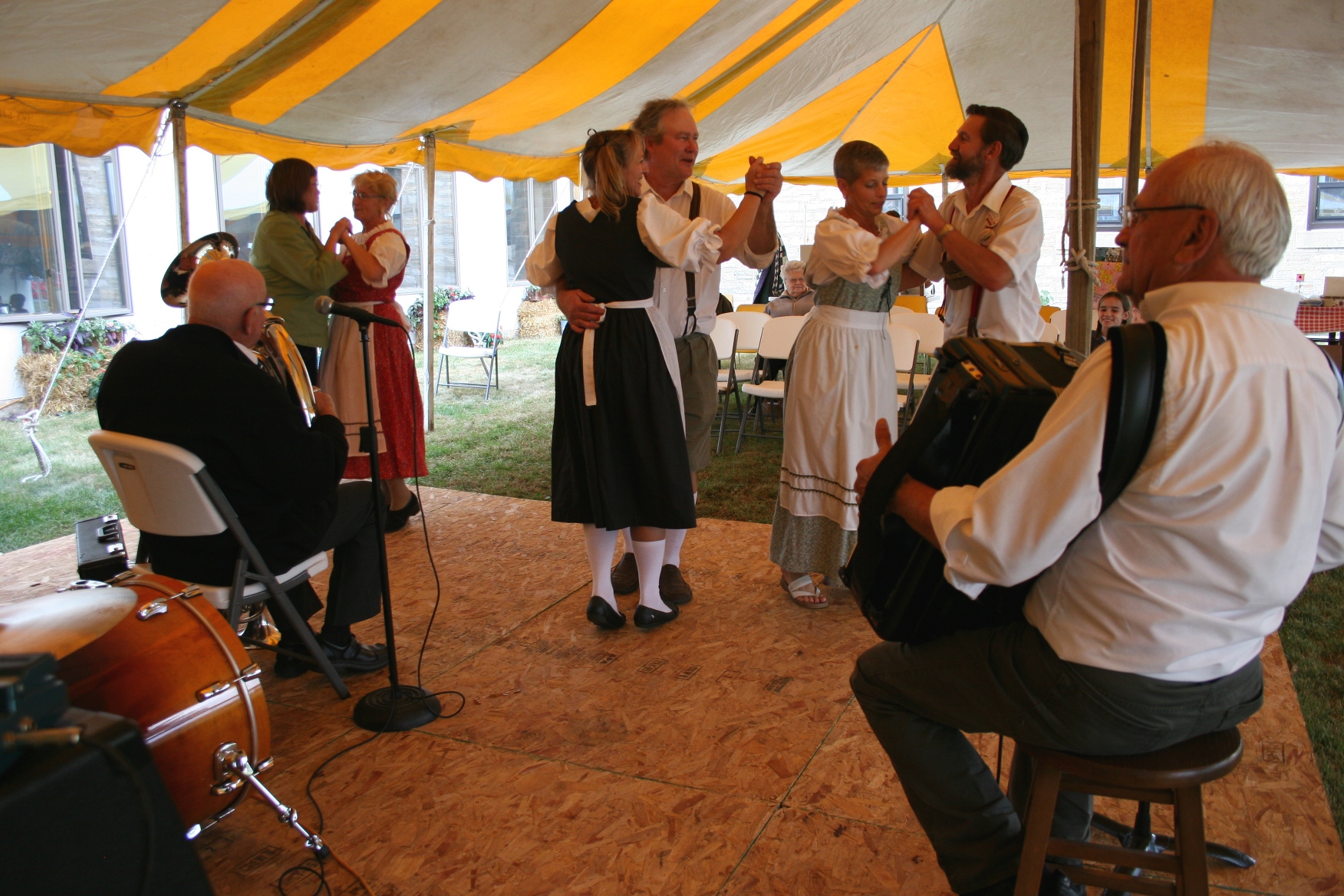
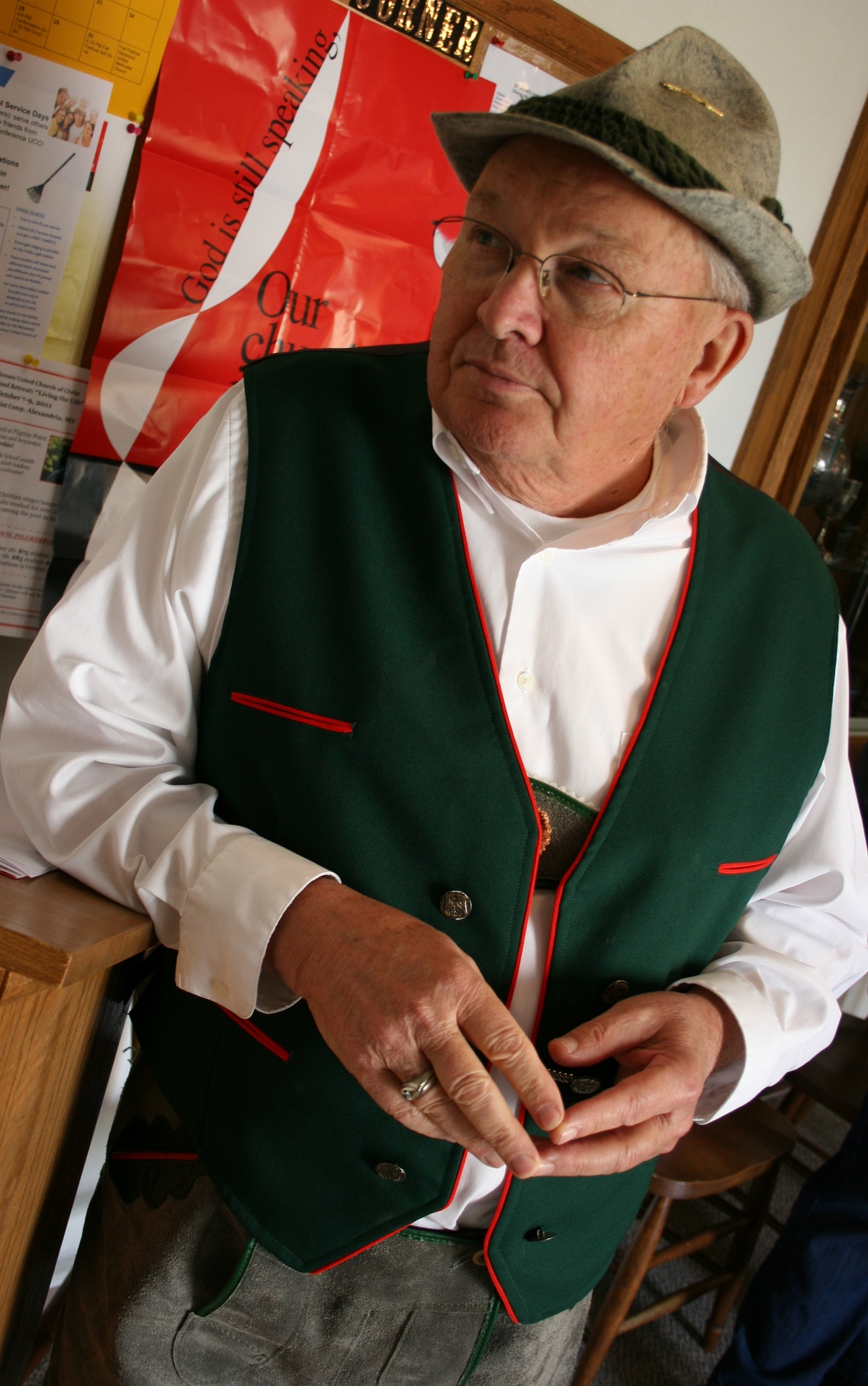
That's Craig, dressed in his lederhosen, dancing with his partner on the right. On the left is Amy's mom, Annette. The Stuttgart Three is performing.

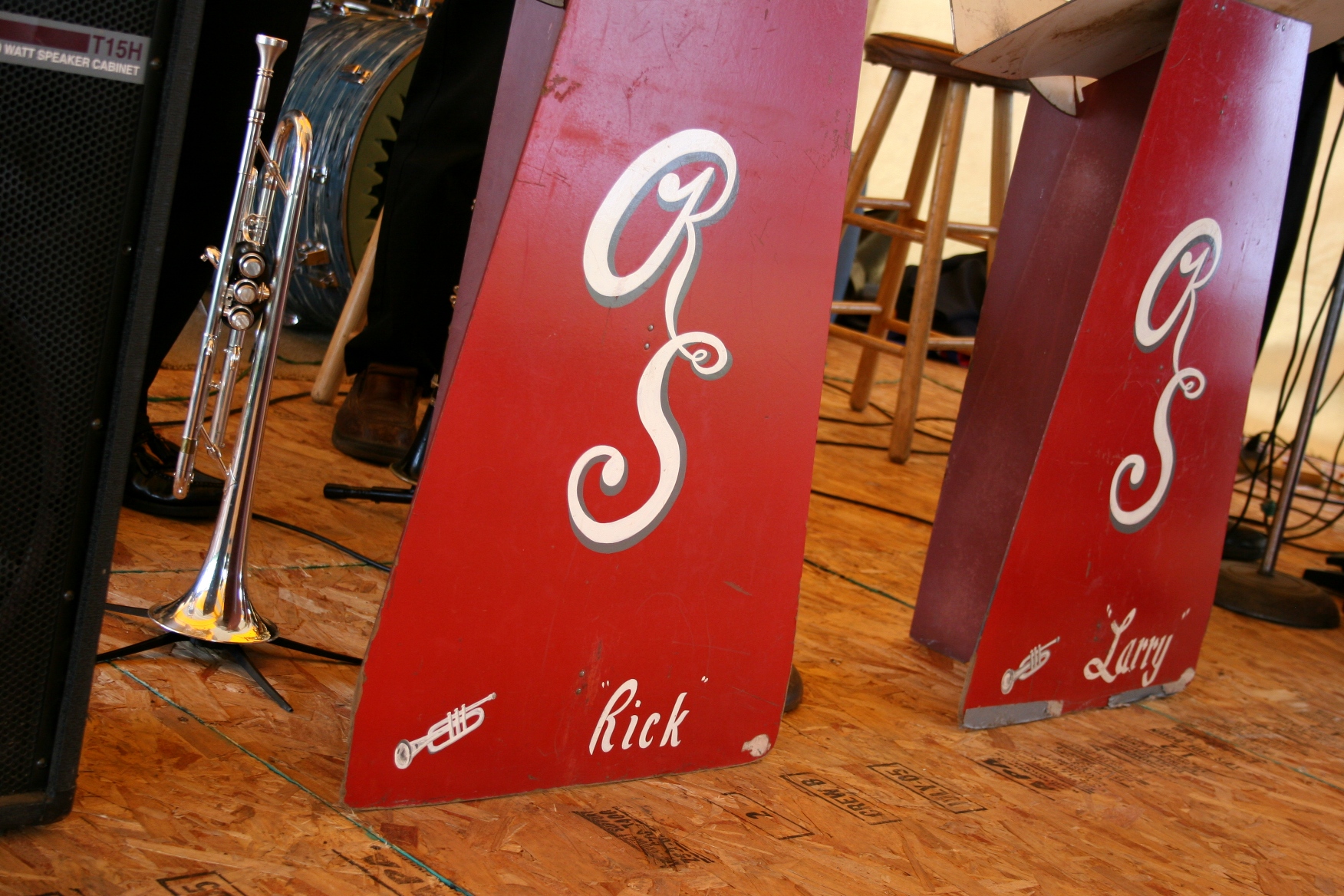
I saw these artsy music stands and thought, “It’s been a long time since I’ve seen something like these.” They jogged my memory of old-time wedding dances in town halls, the chicken dance, dollar dance, polka until you can’t polka any more…

I’VE COORDINATED SOME major public events in my life, namely a school book festival and an art show at my church, several times, not to mention more youth group fundraisers than I care to remember.

But one thing I refuse to do is coordinate anything that involves food. Although I cook and bake, I do not particularly enjoy cooking. I love to bake, but seldom bake because then, you know, I eat the baked goods, which I don’t need.

Now, after that rambling paragraph, let’s get to the point. I am in awe of people like the volunteers at St. John’s United Church of Christ who prepare enough food to feed the multitudes, this year around 700.

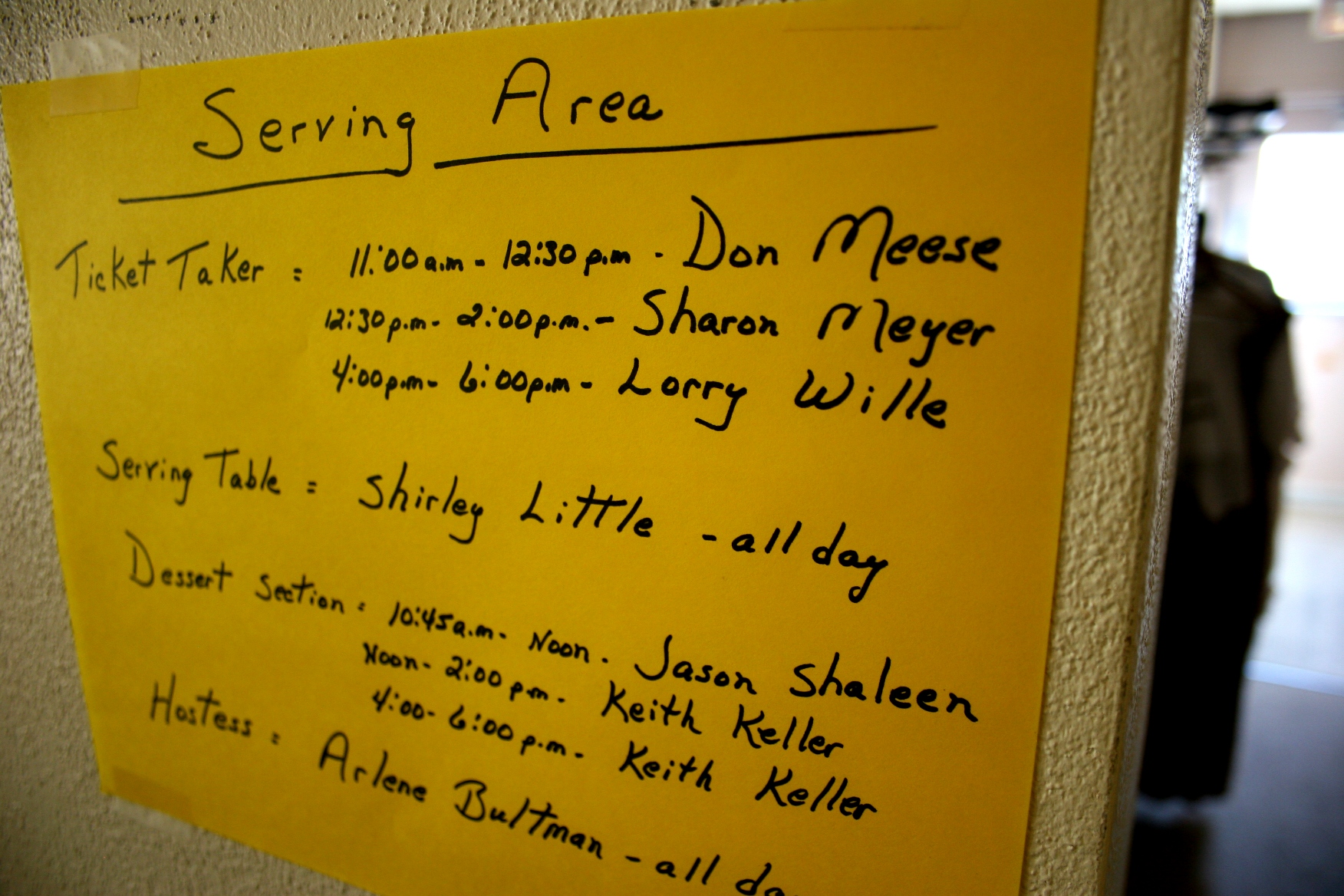
One of the many volunteer worker lists I saw posted in the fellowship hall area.

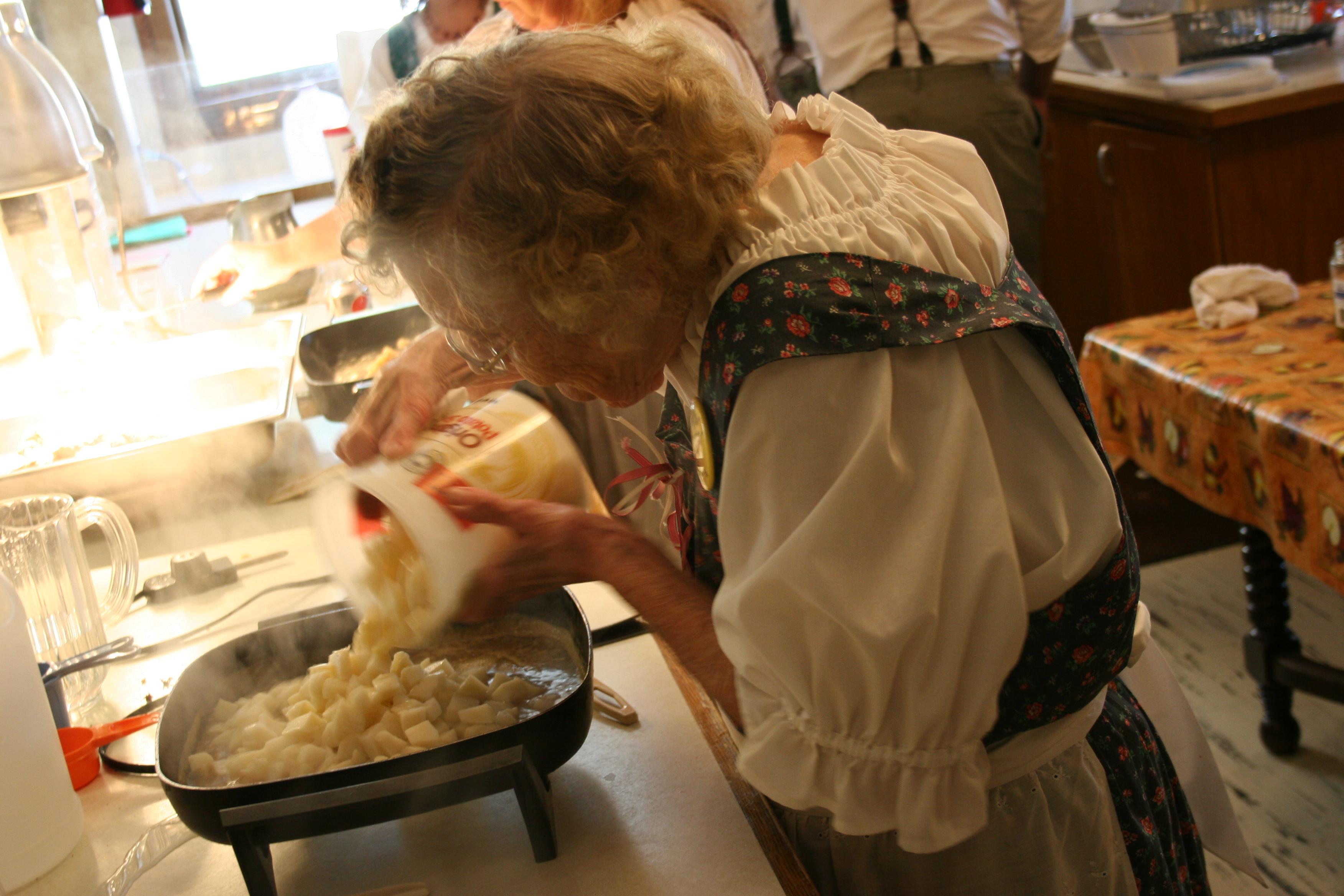
Long-time church member and volunteer Elsie Keller prepares German potato salad.

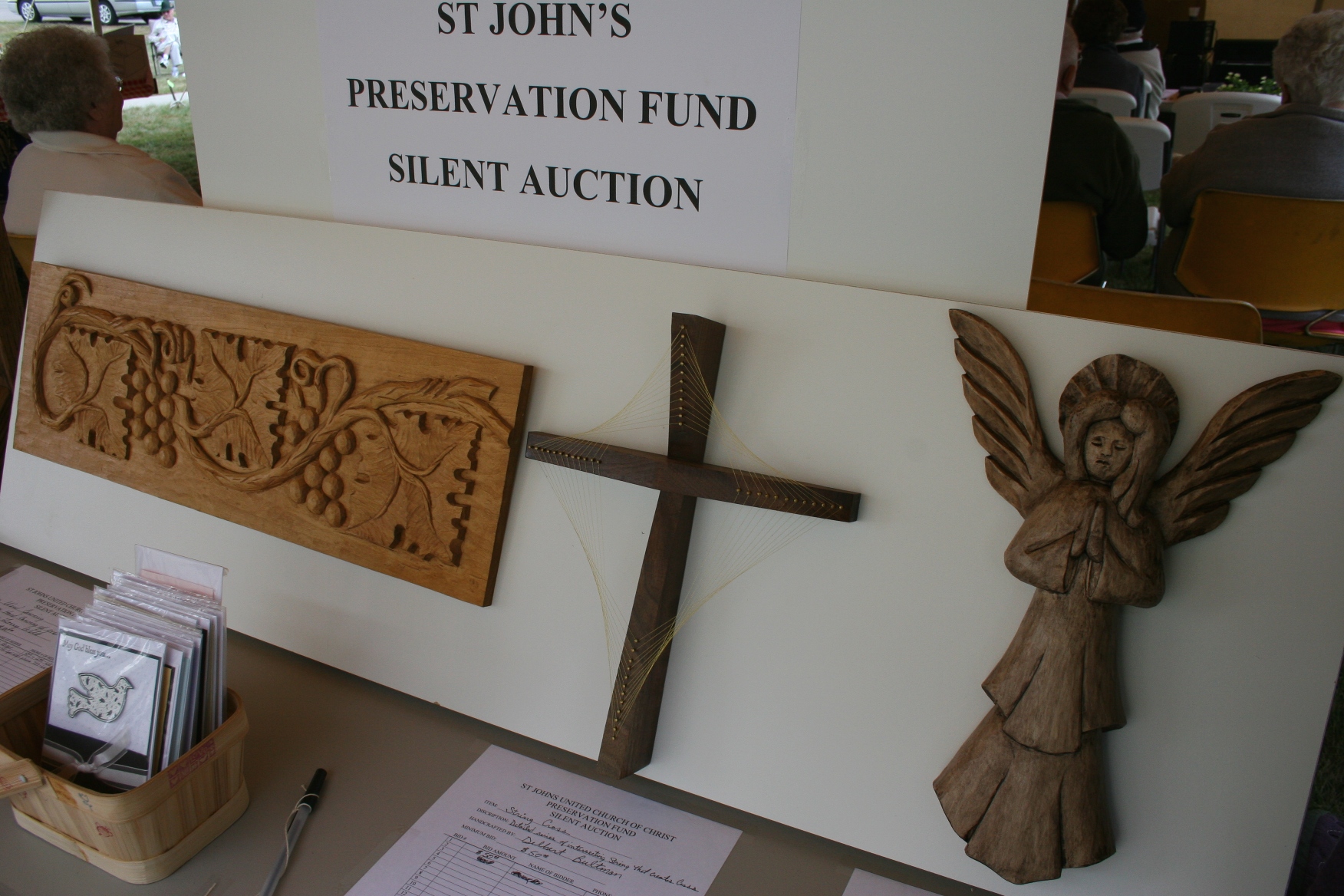
ONE OF THE BEST PLACES to discover artistic talent, I’ve learned, is at silent auctions. Honestly, look what I found at Germanfest.

No words needed.

Woodcarvings for sale at the silent auction.

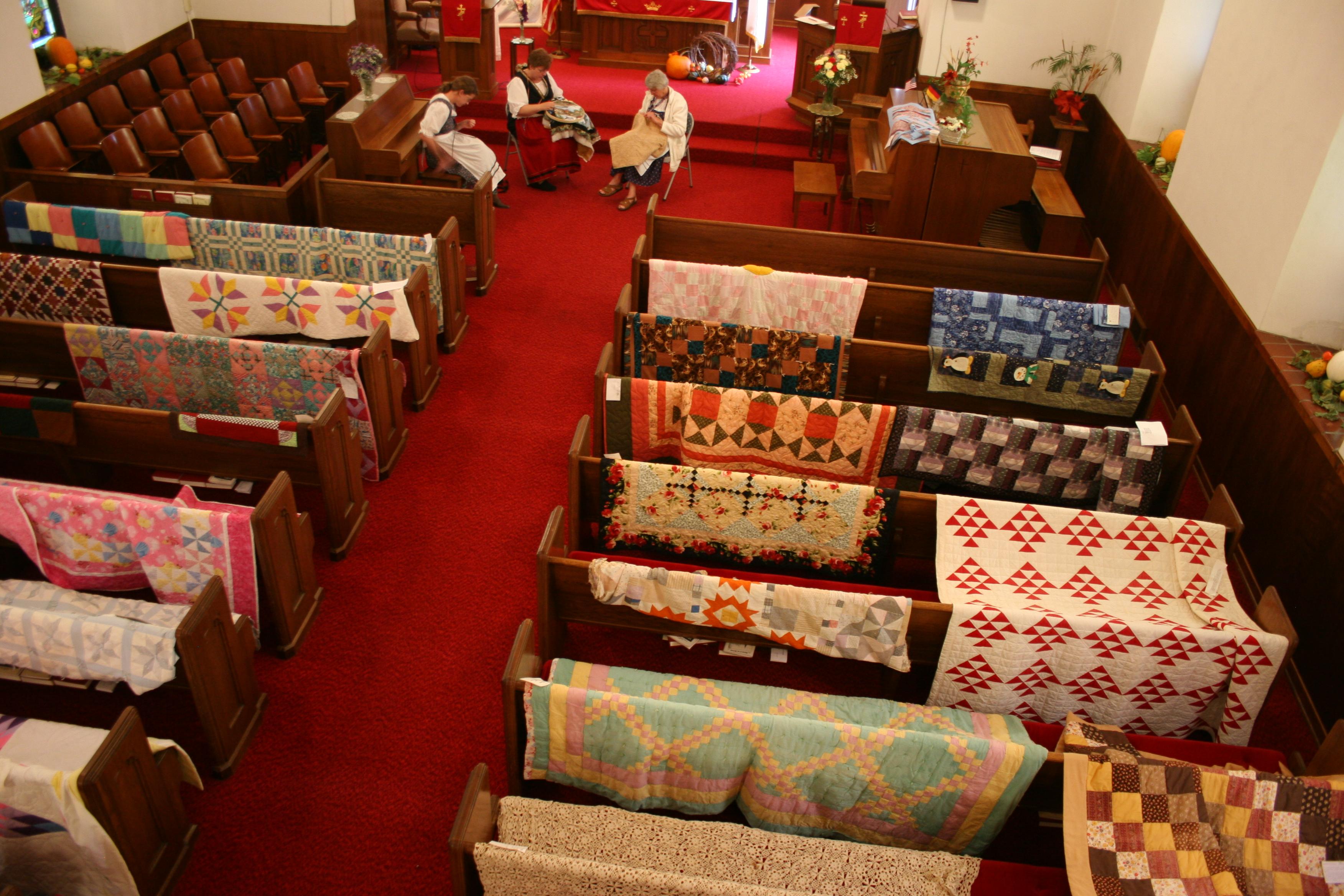
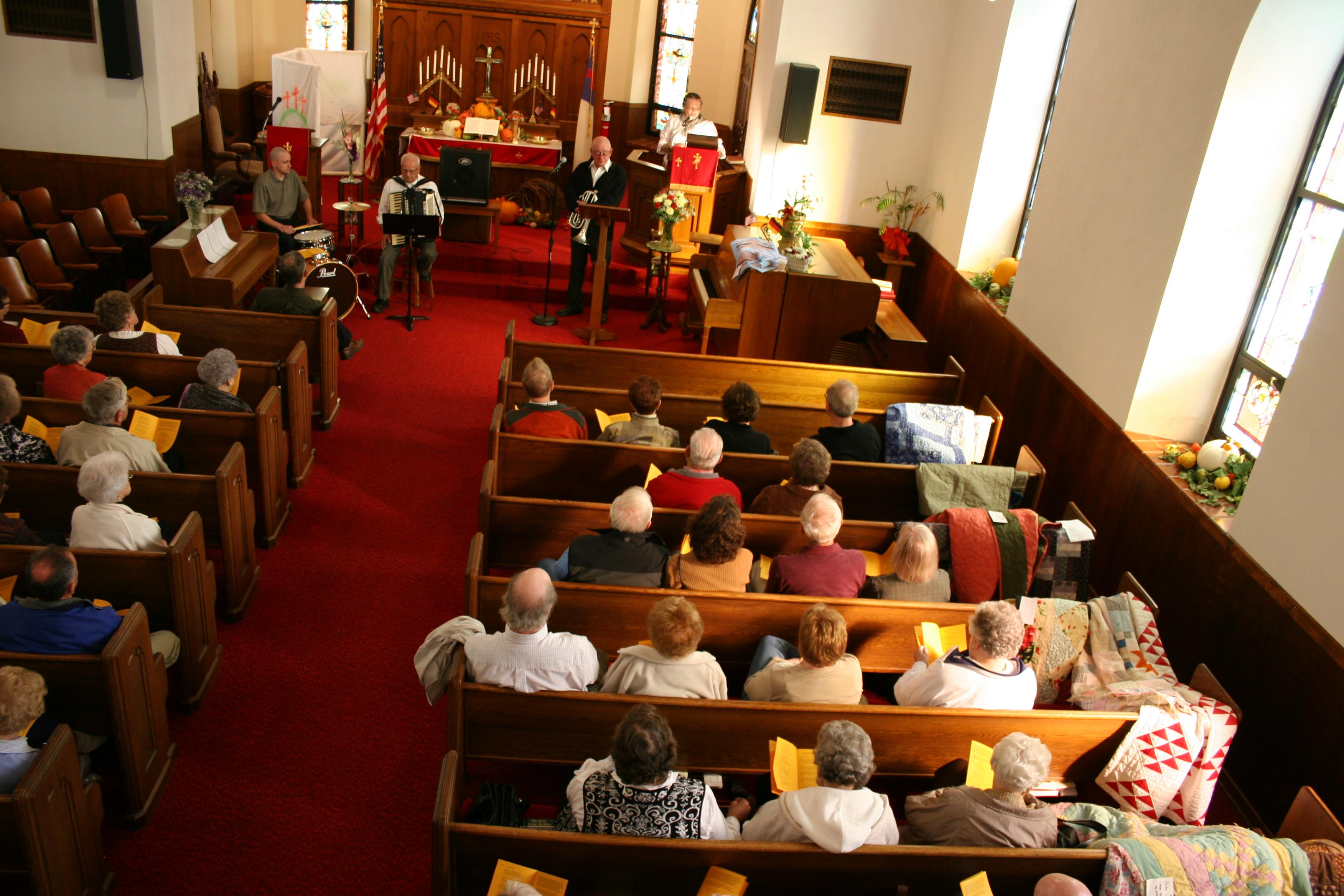
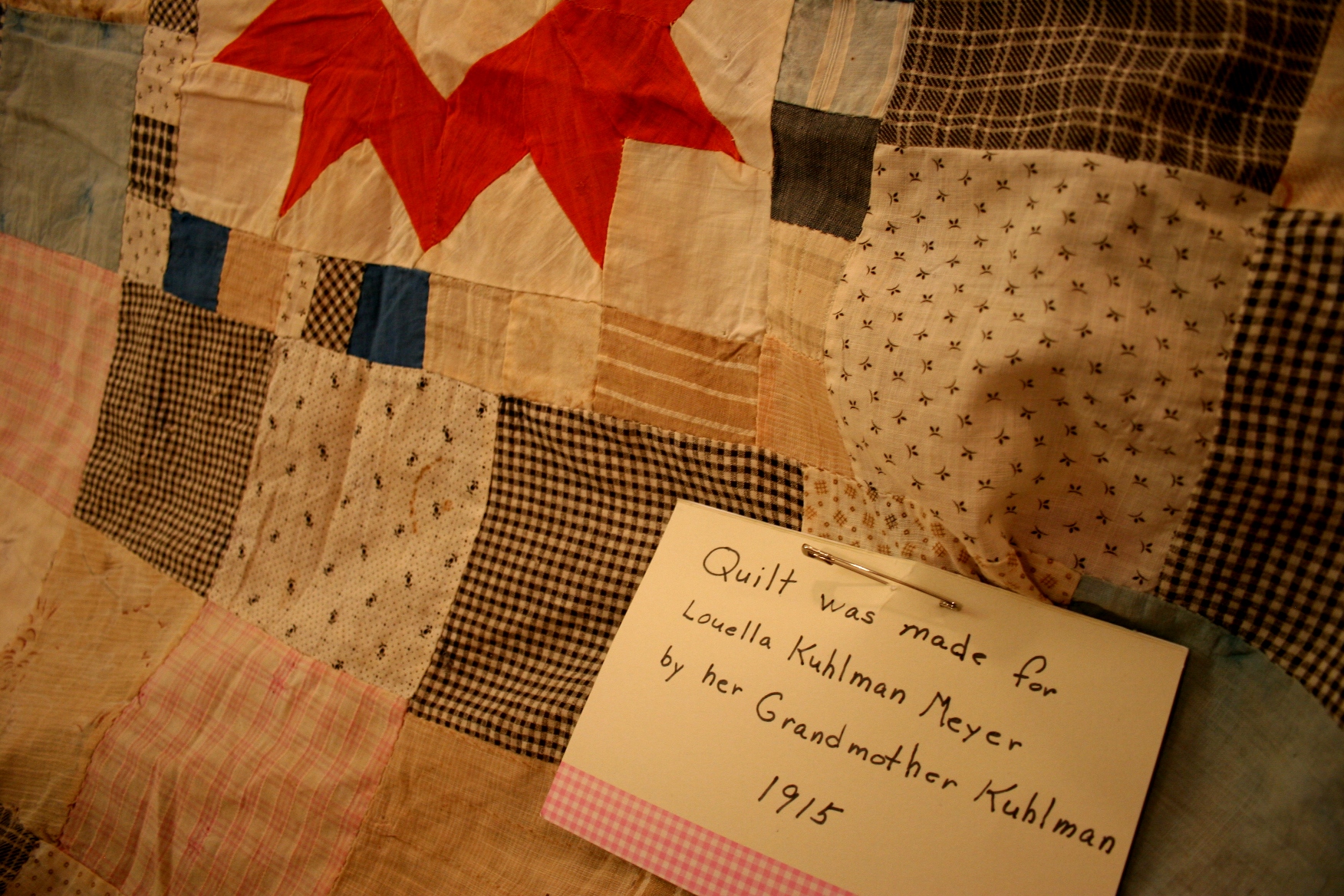
Inside St. John's sanctuary, homemade quilts blanketed the pews. They were not for sale. Each church family was asked to bring a quilt for display along with the story behind it. Up front, three women demonstrated stitching techniques.

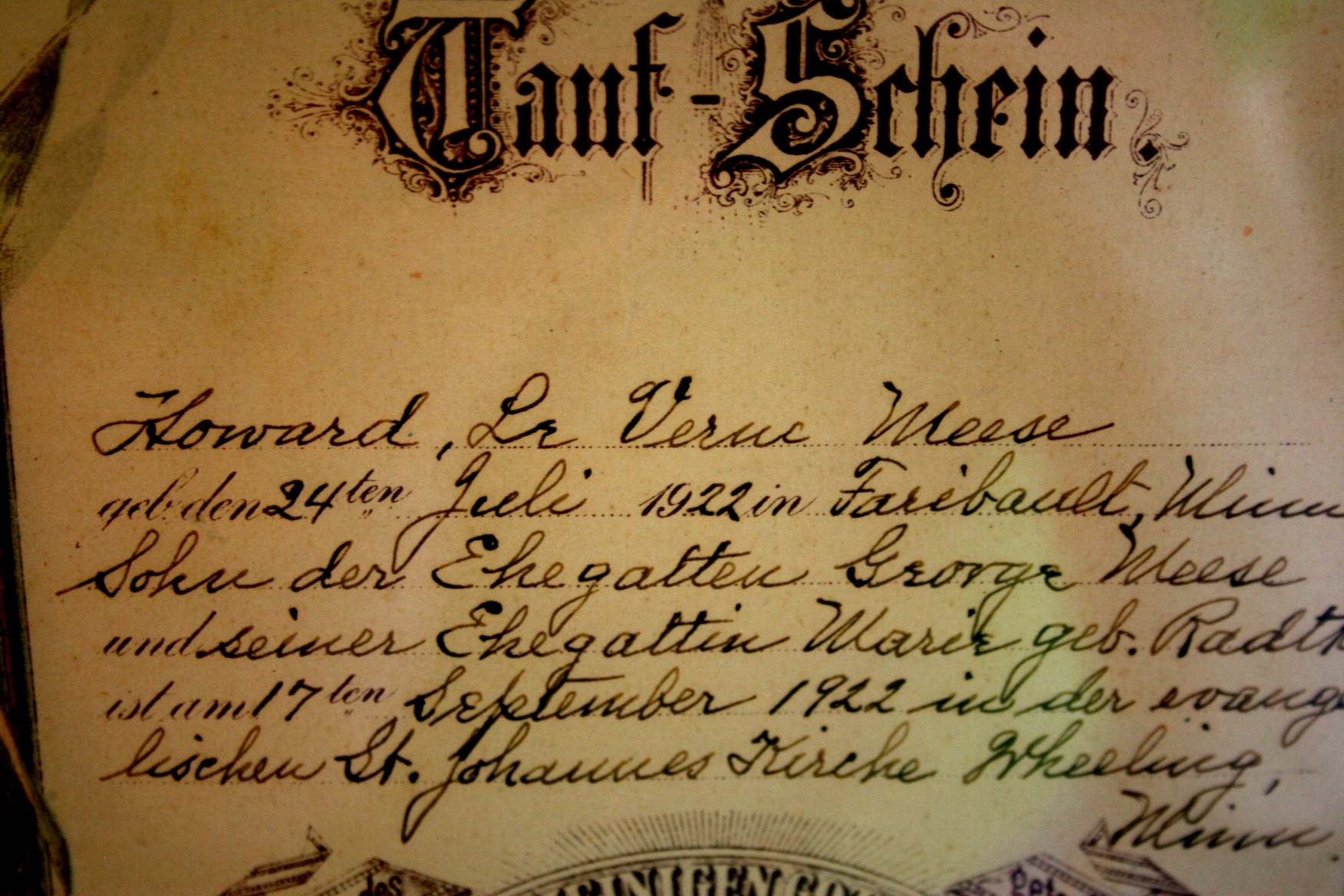
I DON’T KNOW how many Germanfest attendees paused to examine the German books and documents displayed in the church narthex. But I’m always interested in such items because not only am I 100 percent German and interested in “old stuff,” but I once considered majoring in German in college (which means I would not have become a writer; I think I made the right choice).

Sprechen Sie Deutsch?

A Deutsche document from St. John's.

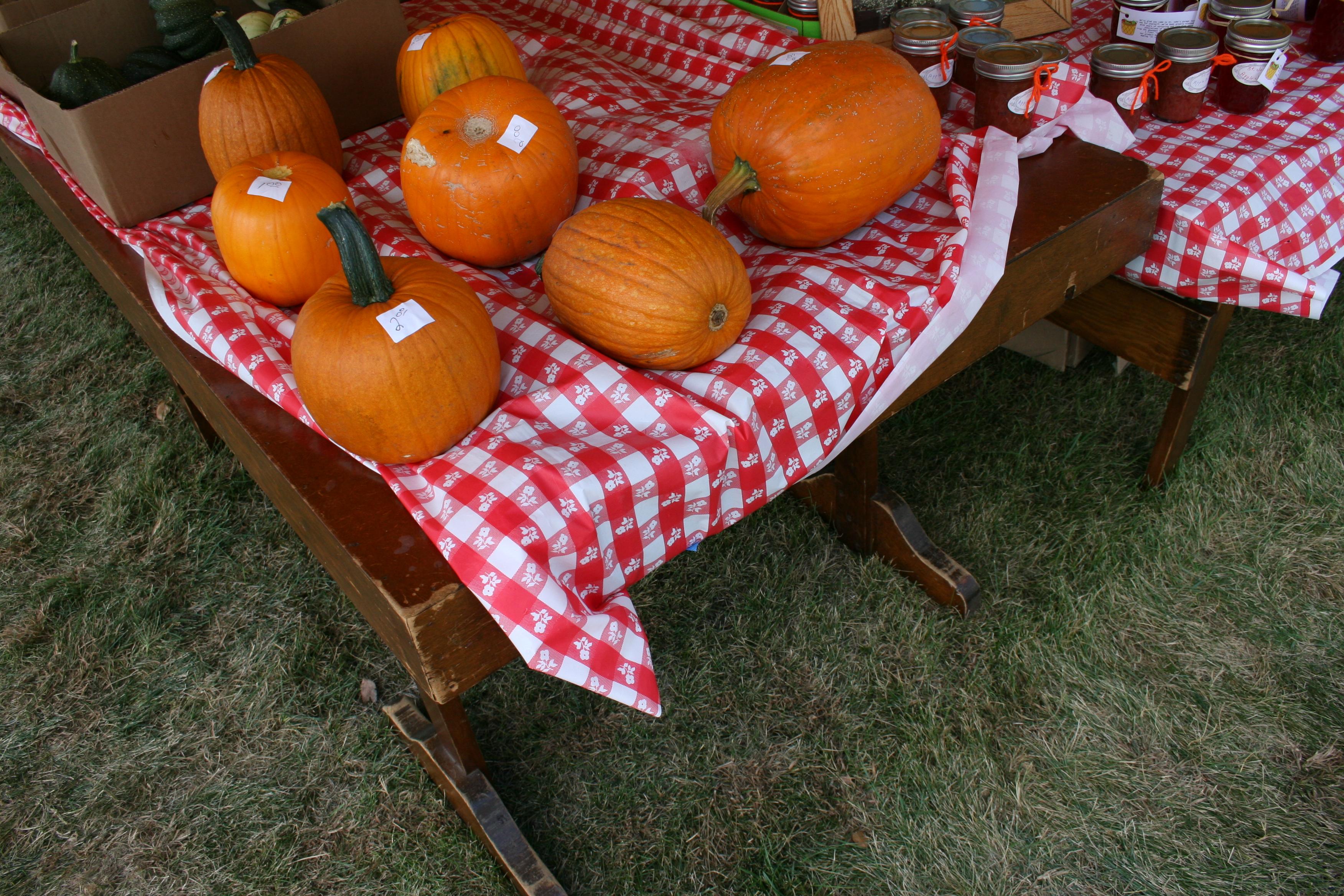
FINALLY, BECAUSE I CAN, I wanted to show you this photo of pumpkins at the farmer’s market section of Germanfest.

To be truthful, though, it wasn’t the pumpkins that interested me as much as the antique table. Those legs caught my eye and I wanted to throw that checkered tablecloth right off the table top and slide my hand across the worn wood.

Country store pumpkins on that old table I noticed.

THE NEXT TIME you’re out and about, I challenge you to notice the details.

© Copyright 2011 Audrey Kletscher Helbling


Praise, polkas and more at St. John’s Germanfest September 26, 2011

The Ray Sands Band played from 1 - 3 p.m. under the tent at Germanfest.

“APPLES, PEACHES, PUMPKIN PIE, who’s afraid to holler I…”

Above the plaintive baaing of a goat in the petting zoo, the old-time band pumped out the polka which isn’t about pie at all, but about love.

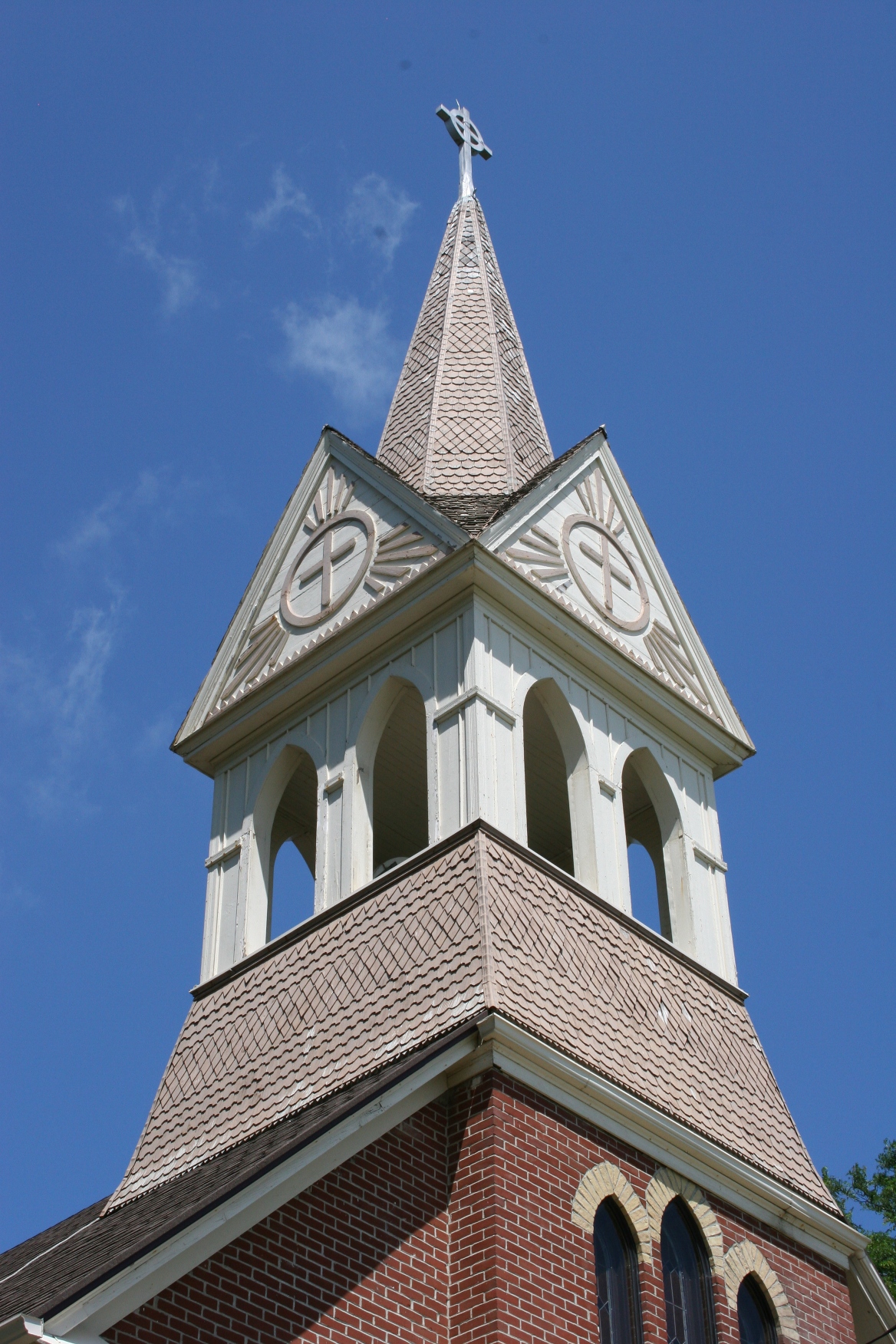
And so, under the tent, the bands played—Tim Chlan and Friends, The Ray Sands Band and The Stuttgart Three—at St. John’s United Church of Christ’s annual Germanfest in Wheeling Township near Nerstrand Big Woods State Park.

My husband and I arrived mid-afternoon Sunday to take in this annual celebration of the congregation’s German heritage during a polka praise service and more. As we sang the near-and-dear words of age-old hymns, the tangy scent of vinegar drifted into the sanctuary. “Just as I am, without one plea…Rock of Ages, cleft for me, let me hide myself in thee…”

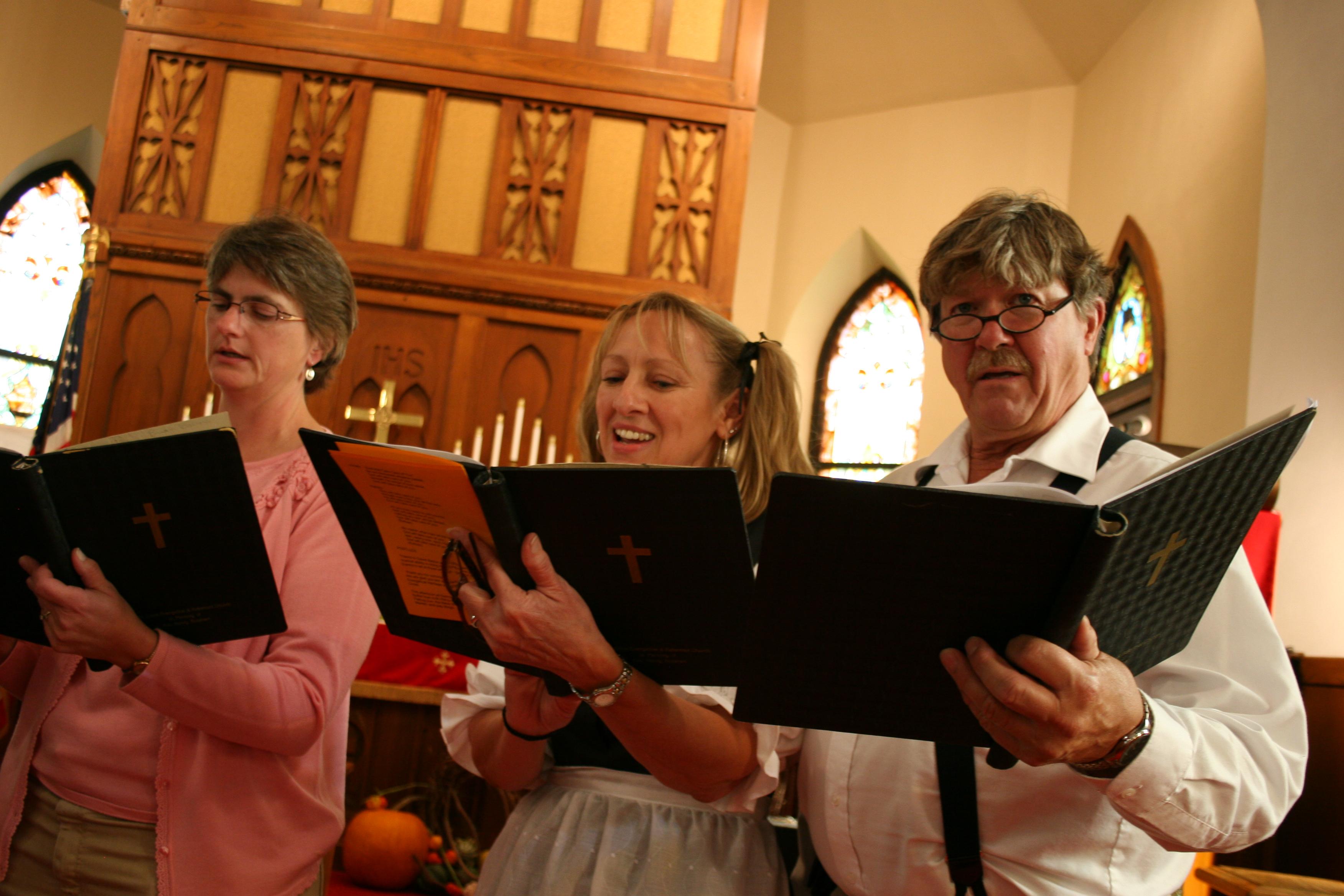
The Stuttgart Three from Rochester led the polka praise service inside St. John's sanctuary.

A musical quartet presented "Cleanse Me" and "Reach Out to Jesus" during the praise service.

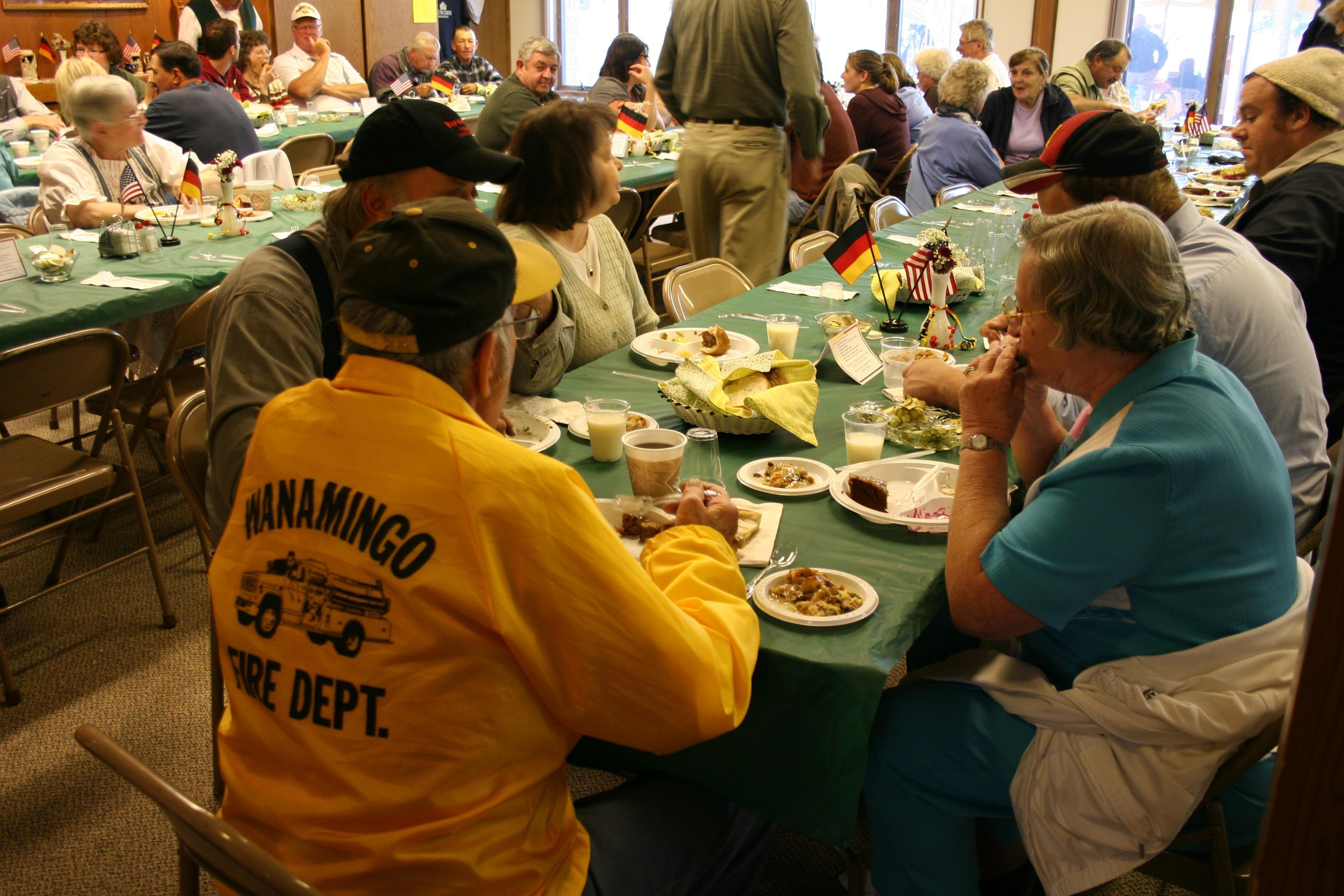
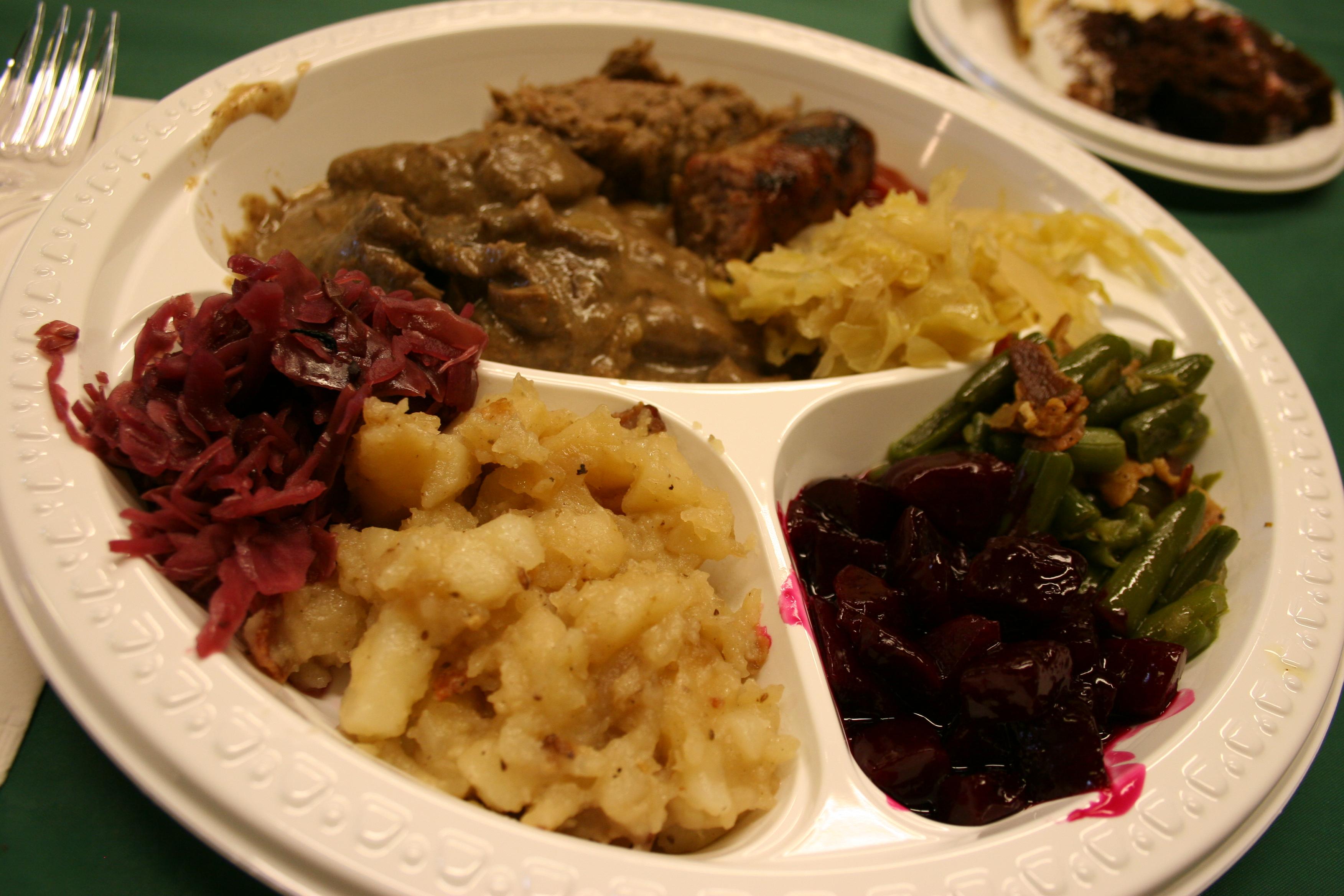
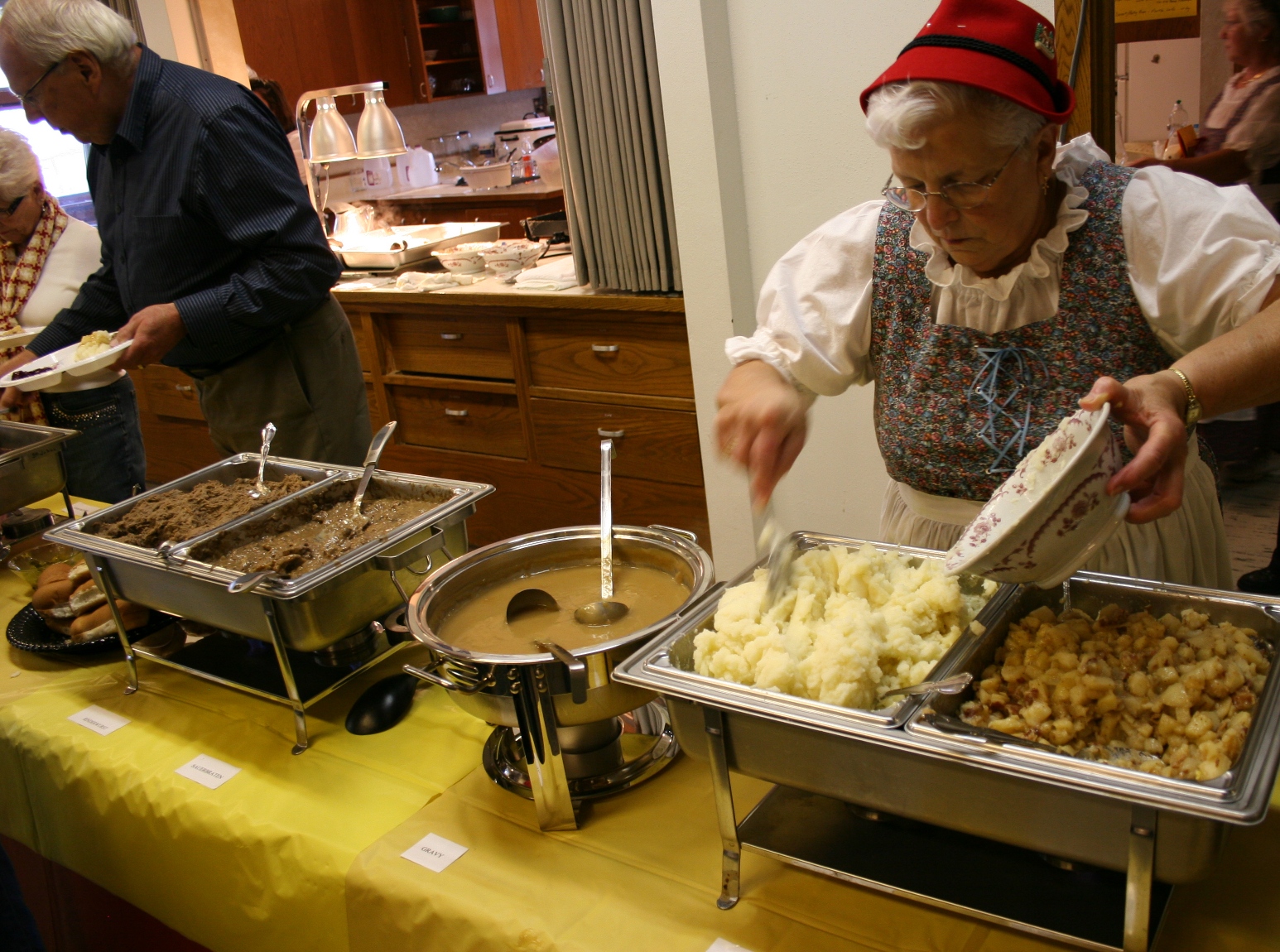
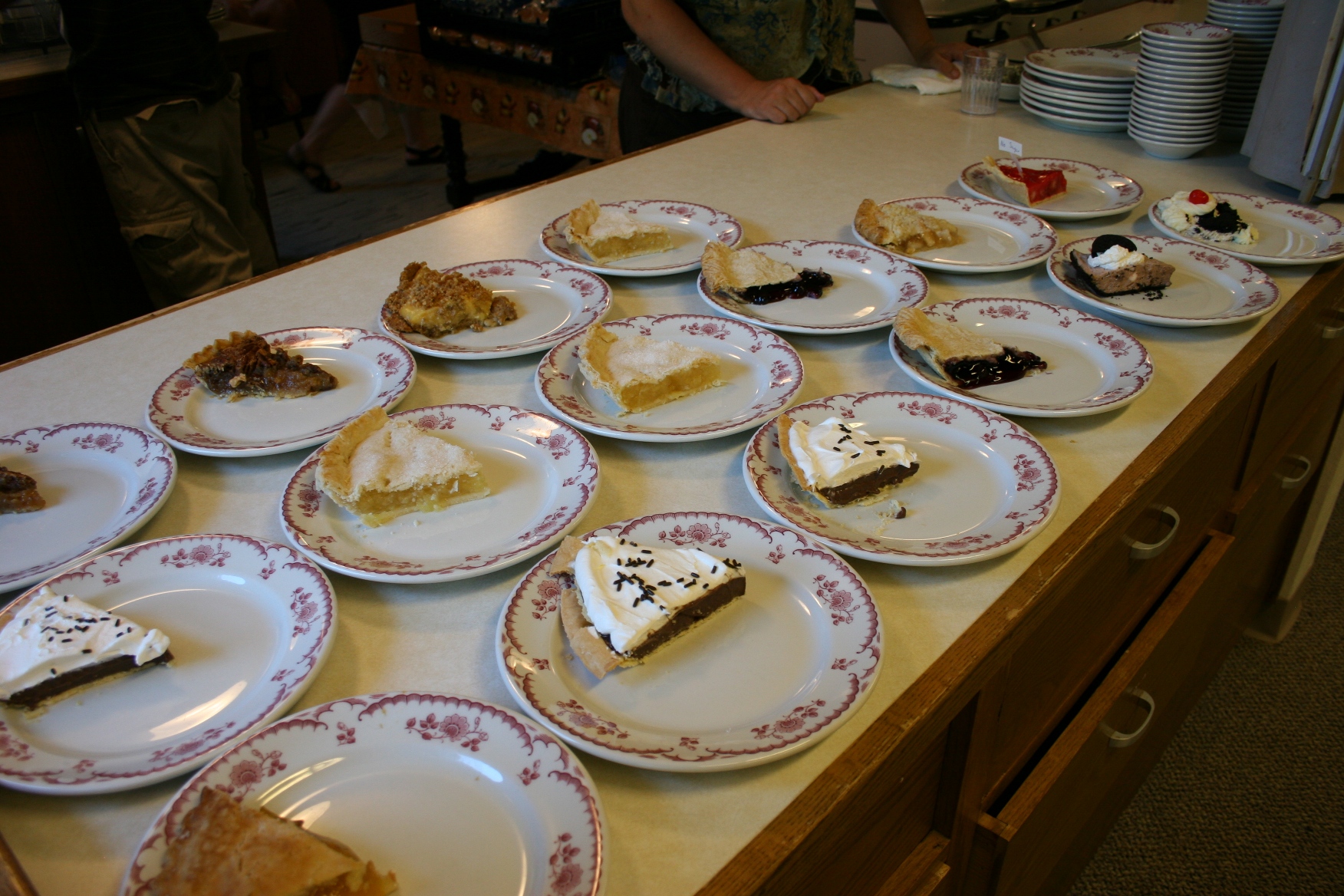
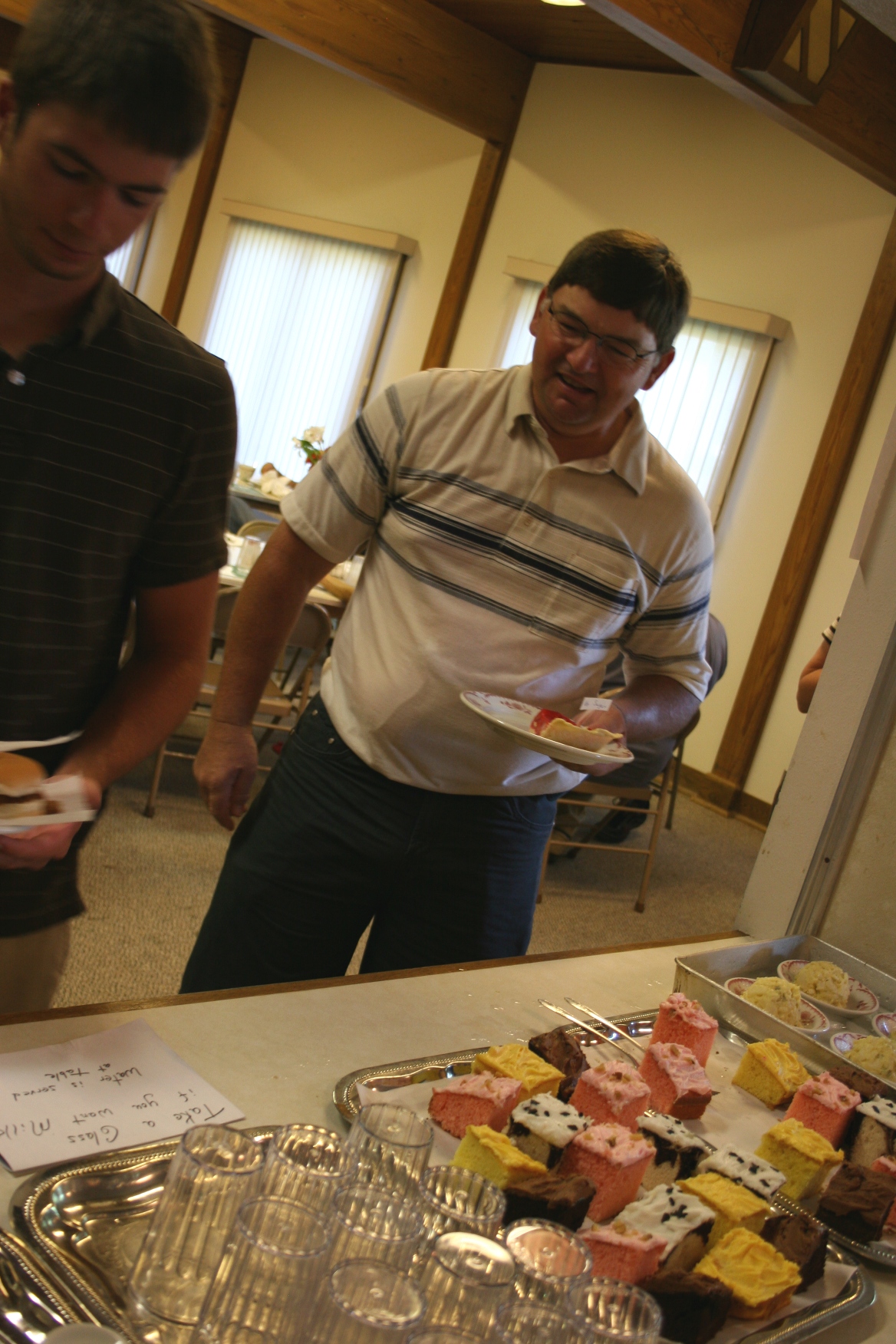
Afterward we broke bread in the fellowship hall over a German buffet. Sauerkraut and sauerbraten. Brats. Rinderwurst and beets and green beans with bacon. Vinegar-laced German potato salad and mashed potatoes and more foods than I can remember. Homemade. Three hundred pounds of potatoes peeled. Nearly 60 dozen brats boiled and grilled. Bread pudding made from grandma’s recipe. Good, hearty food that tasted of the Mother Land.

It didn’t matter whether you were Deutsch or Dutch, Lutheran or Catholic or a long-time church member, whether a first-time attendee from Centerville or Faribault or a faithful former member from Blooming Prairie, you enjoyed, simply enjoyed, the hospitality of this congregation.

Diners enjoyed a German buffet in the fellowship hall before and after the praise service.

Deutsche food: German potato salad, red cabbage, sauerbraten, rinderwurst, a brat, sauerkraut, beets and green beans on my plate.

Volunteers kept the buffet trays filled with delicious homemade German foods.

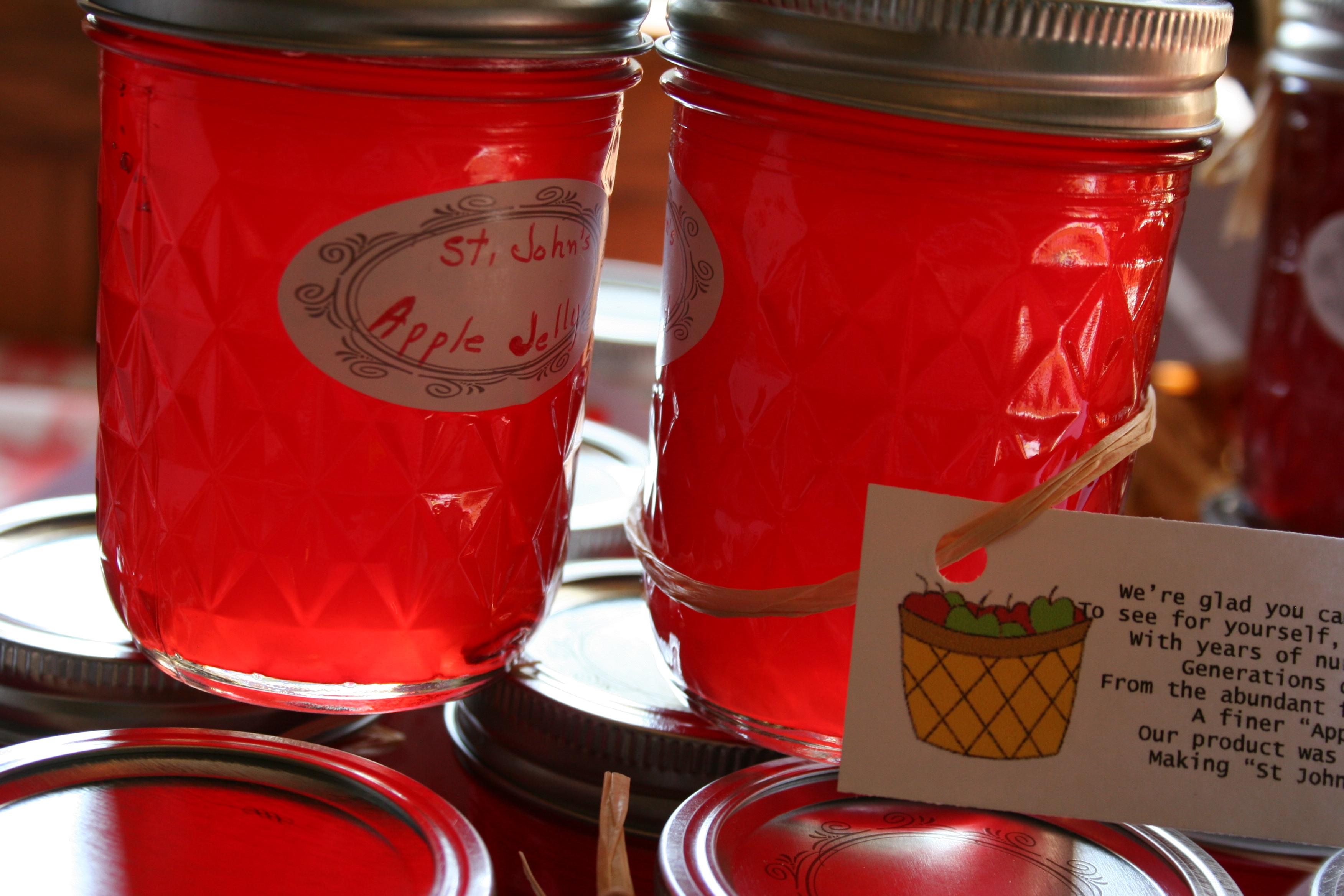
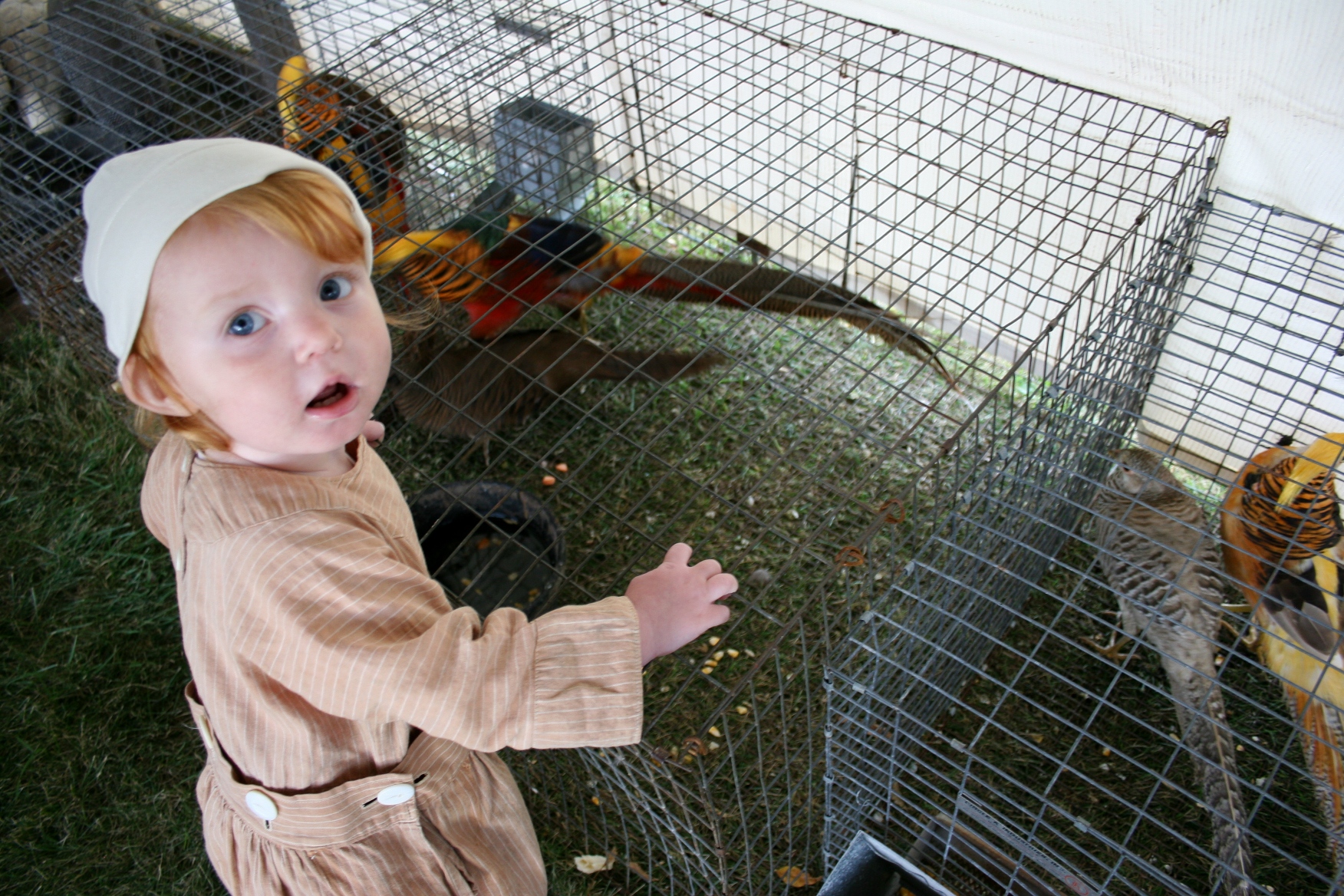
Bingo and a quilt show. Geese and ponies and goats and birds in a petting zoo. Woodcarvings at the silent auction. Homebaked goods in the country store. Jars of apple jelly, glistening like gems in the sun. All of it, together, creating a memorable afternoon at this country church set among the flat corn and soybean fields of eastern Rice County.

This is the season of church festivals and dinners—of lutefisk and Swedish meatballs and ham and of vegetables dug from the earth.

It is a time to gather close, to remember the homeland from whence we came, to celebrate our heritage, to rejoice in the harvest.

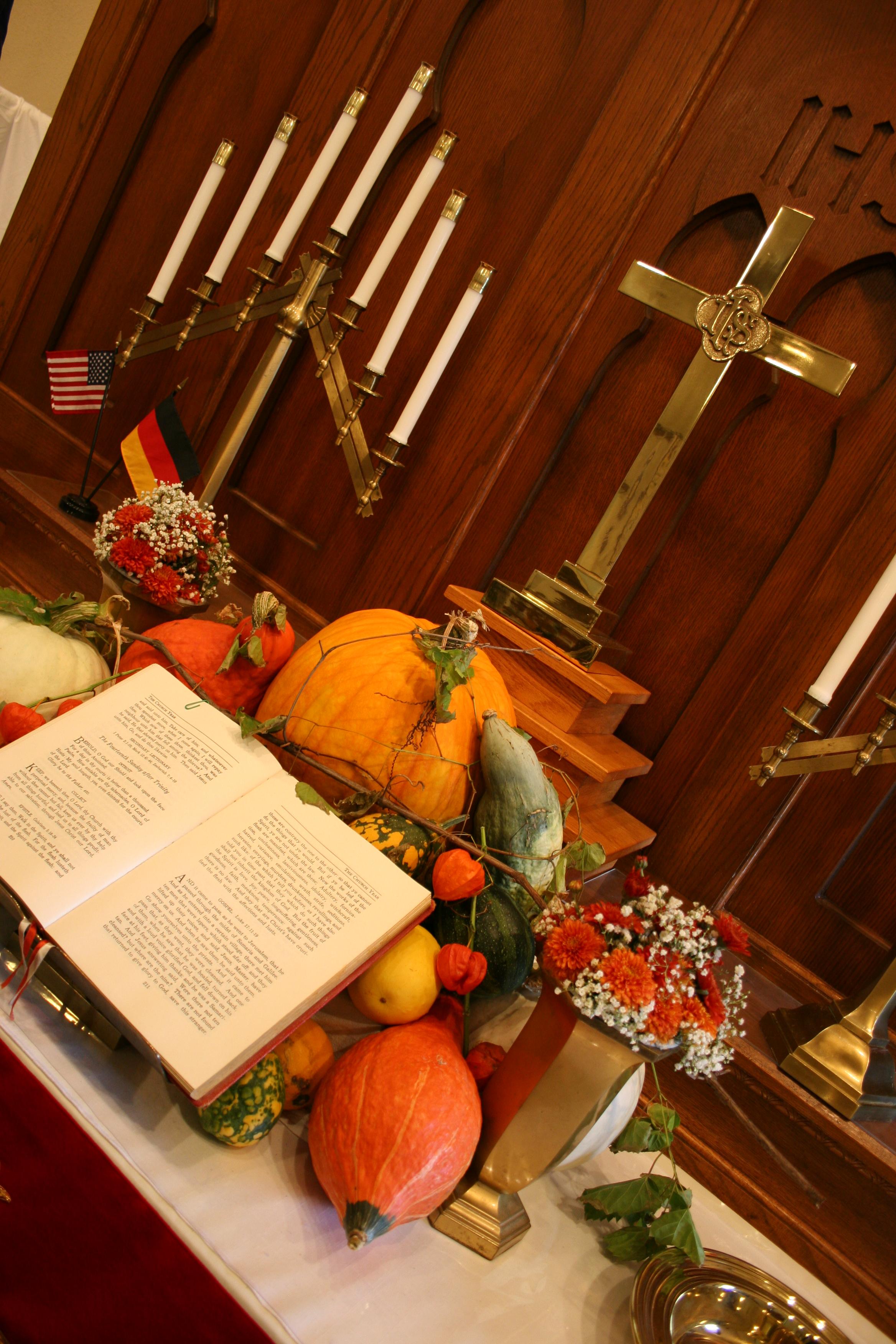
The sanctuary was decorated throughout with harvest vignettes, including this one on the altar.

St. John's members make apple jelly and apple butter from fruit growing on an apple tree in the churchyard. The jelly and butter are sold at the festival.

Juniper, 15 months, enjoyed the birds and animals at the petting zoo.

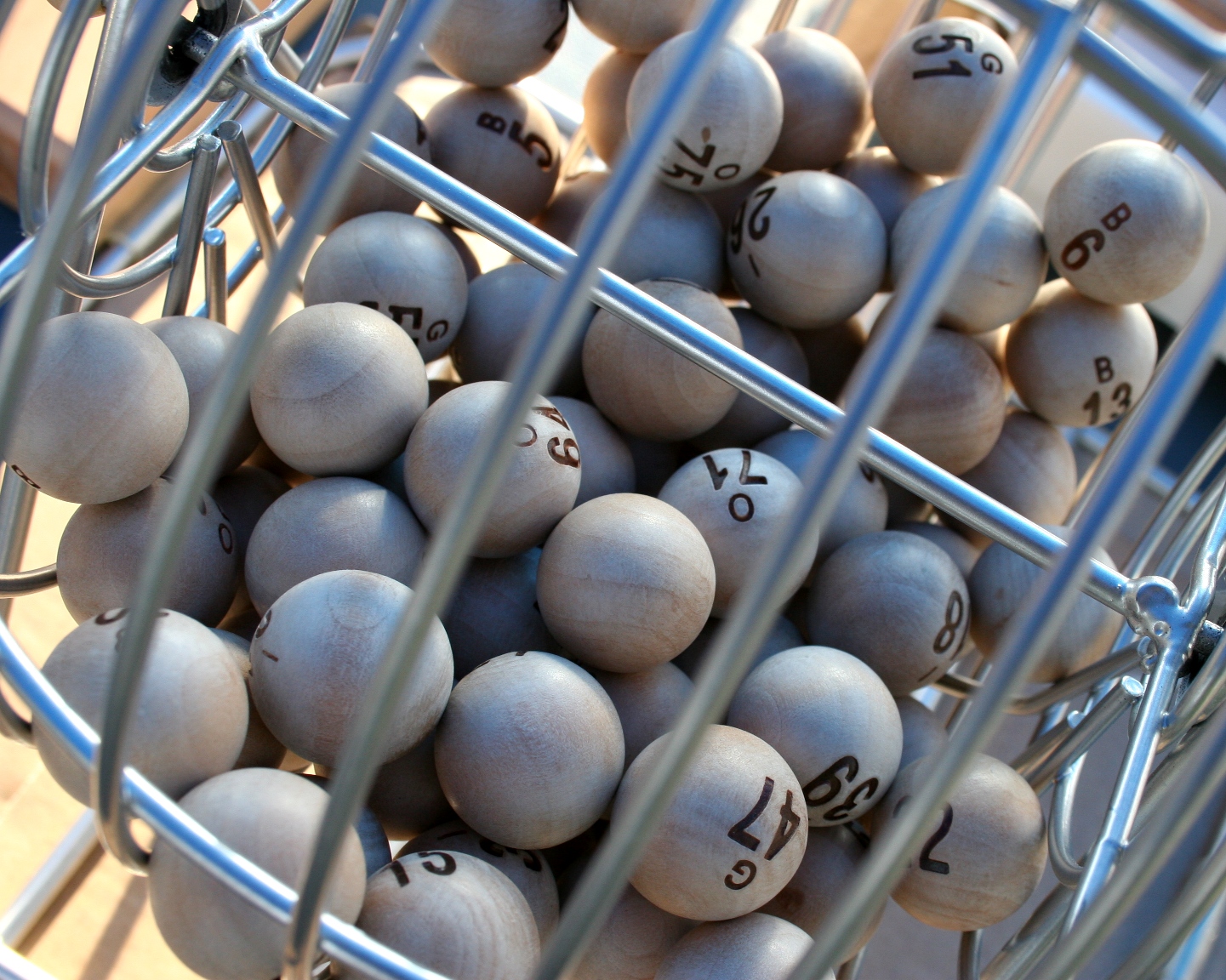
As is typical of most church festivals, attendees could play bingo outside under a tent.

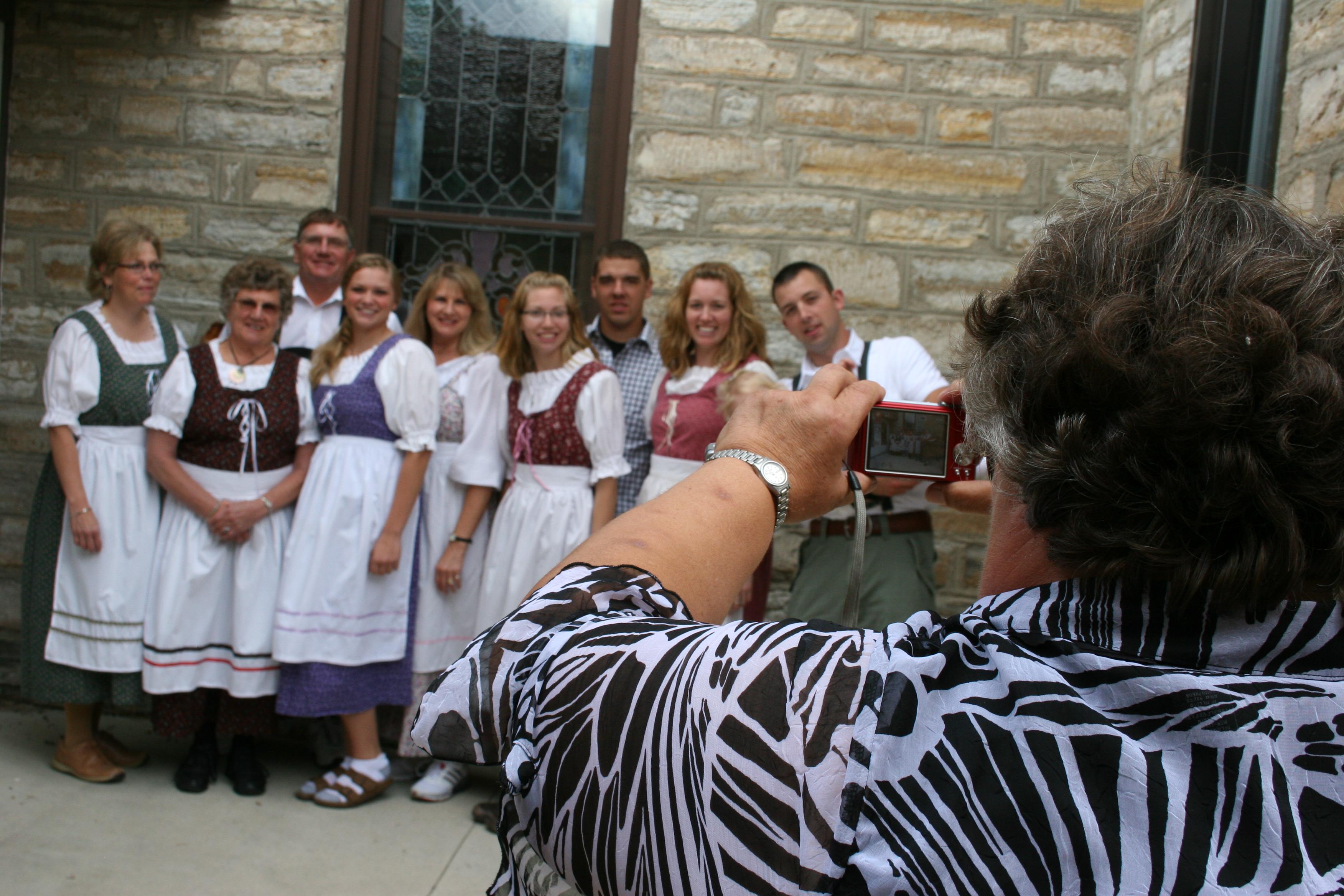
Many of the volunteer workers dressed in German costumes.

Each member of St. John's was asked to bring a quilt for the quilt show in the sanctuary. Quilts were draped over pews with brief information attached to each.

The Bultman family poses for a photo outside the stone church.

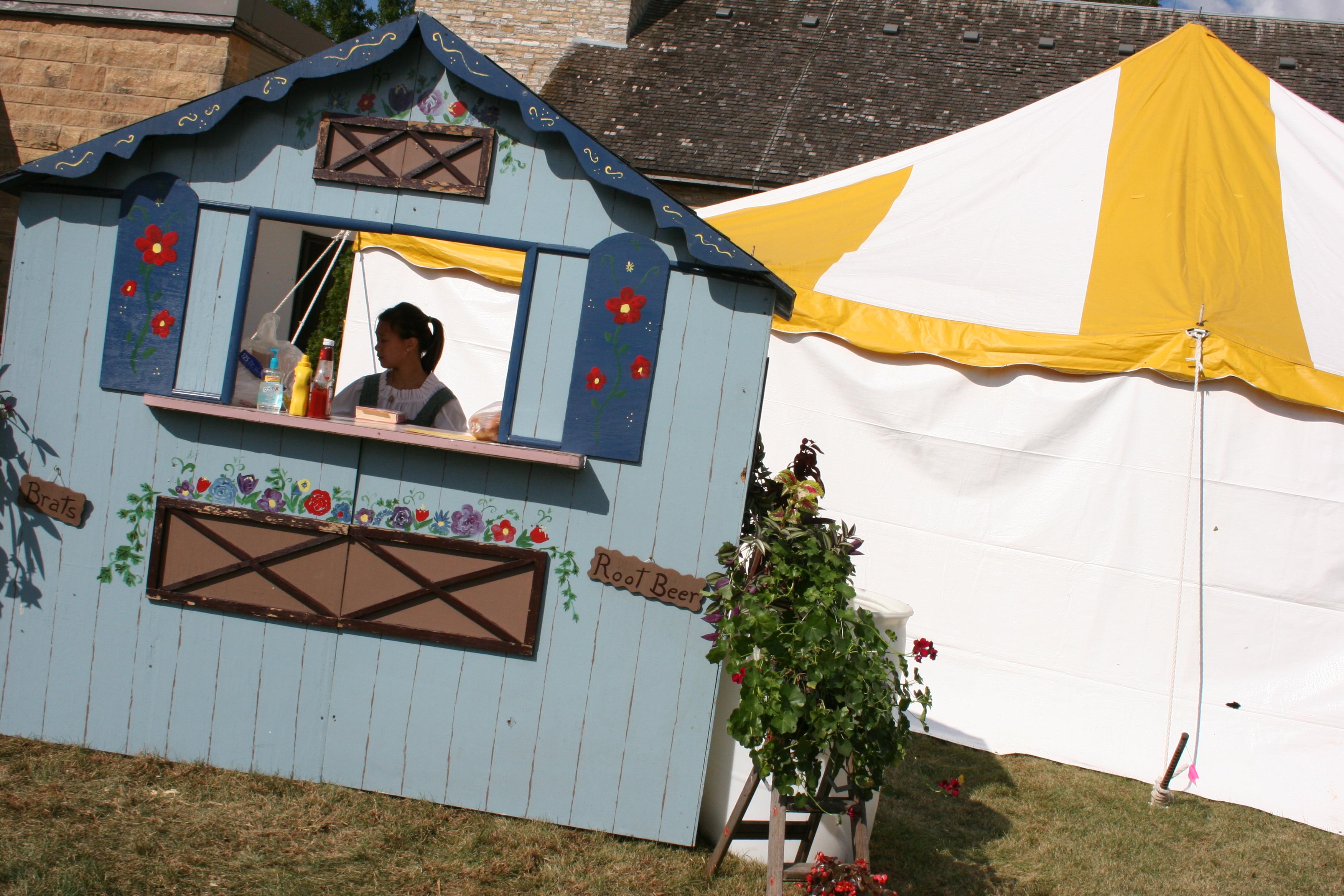
The brat and root beer stand next to the music tent.

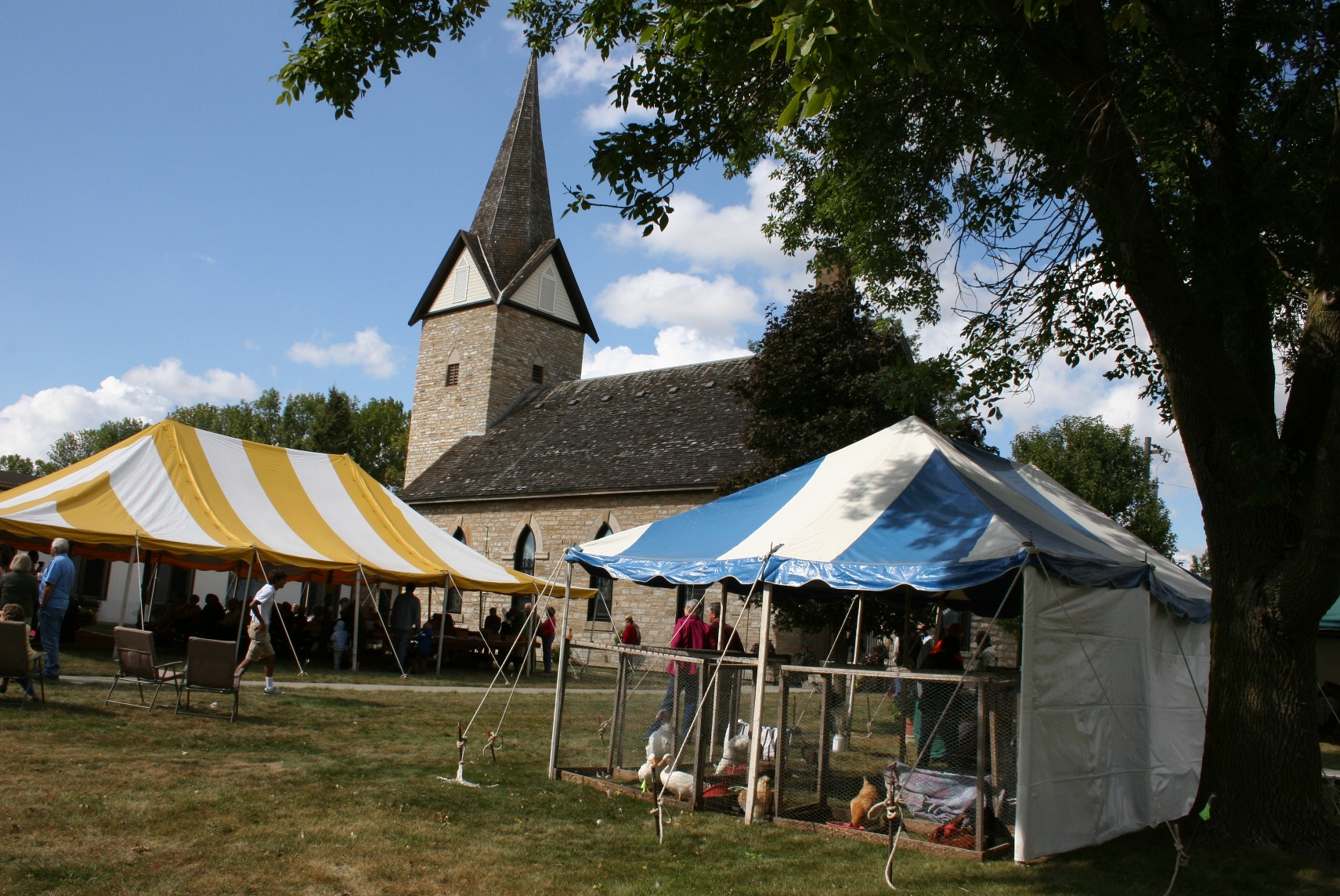
The festival grounds at St. John's U.C.C., Wheeling Township.

St. John's sits among the farm fields along Rice County Road 24

DO YOU ATTEND CHURCH dinners or festivals? If you have or know of an upcoming must-attend dinner, submit a comment. I’d like to hear about it.

ALSO, CHECK BACK for more photos from Germanfest.

© Copyright 2011 Audrey Kletscher Helbling


A close-up look at the Veseli Ho-Down August 24, 2011

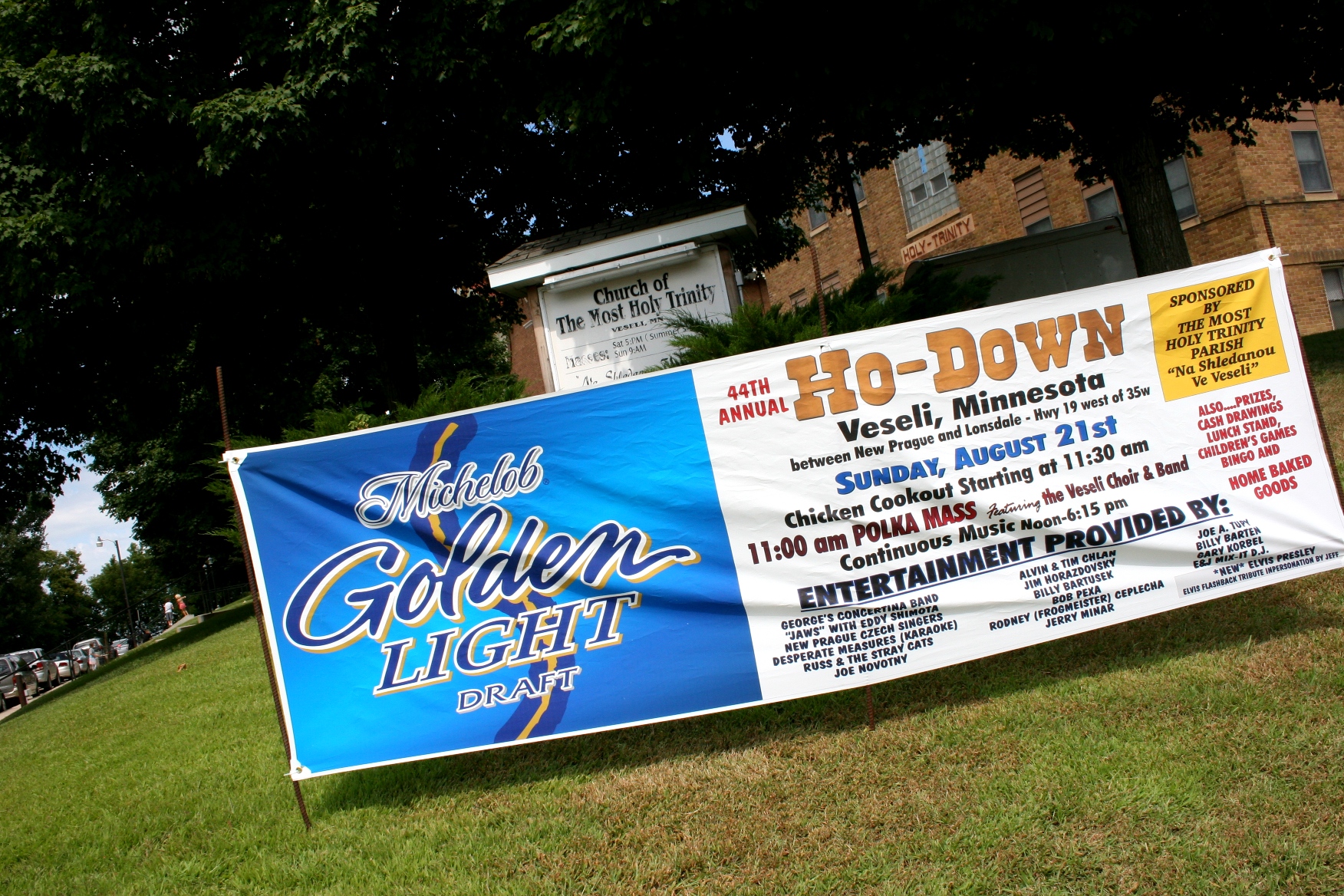
A banner below the hill by Most Holy Trinity Church and school welcomed attendees.

WHENEVER I ATTEND an event like the Veseli Ho-Down, or go anywhere, I notice the details.

That skill has evolved from my years as a writer, fine-tuned also by my work as a photographer. Photography encourages me to seek the faces, even the hands and feet, of individuals in a crowd to tell a story in an unexpected way.

I apply that same method to photographing buildings and activities, anything really. Give an overall picture, but then move in to showcase the often overlooked details.

That said, as promised in a previous post, below are more photos from the festival my husband and I attended on Sunday at Most Holy Trinity Catholic Church in Veseli, near Lonsdale in northwestern Rice County. Enjoy the details, from my perspective, of the Veseli Ho-Down.

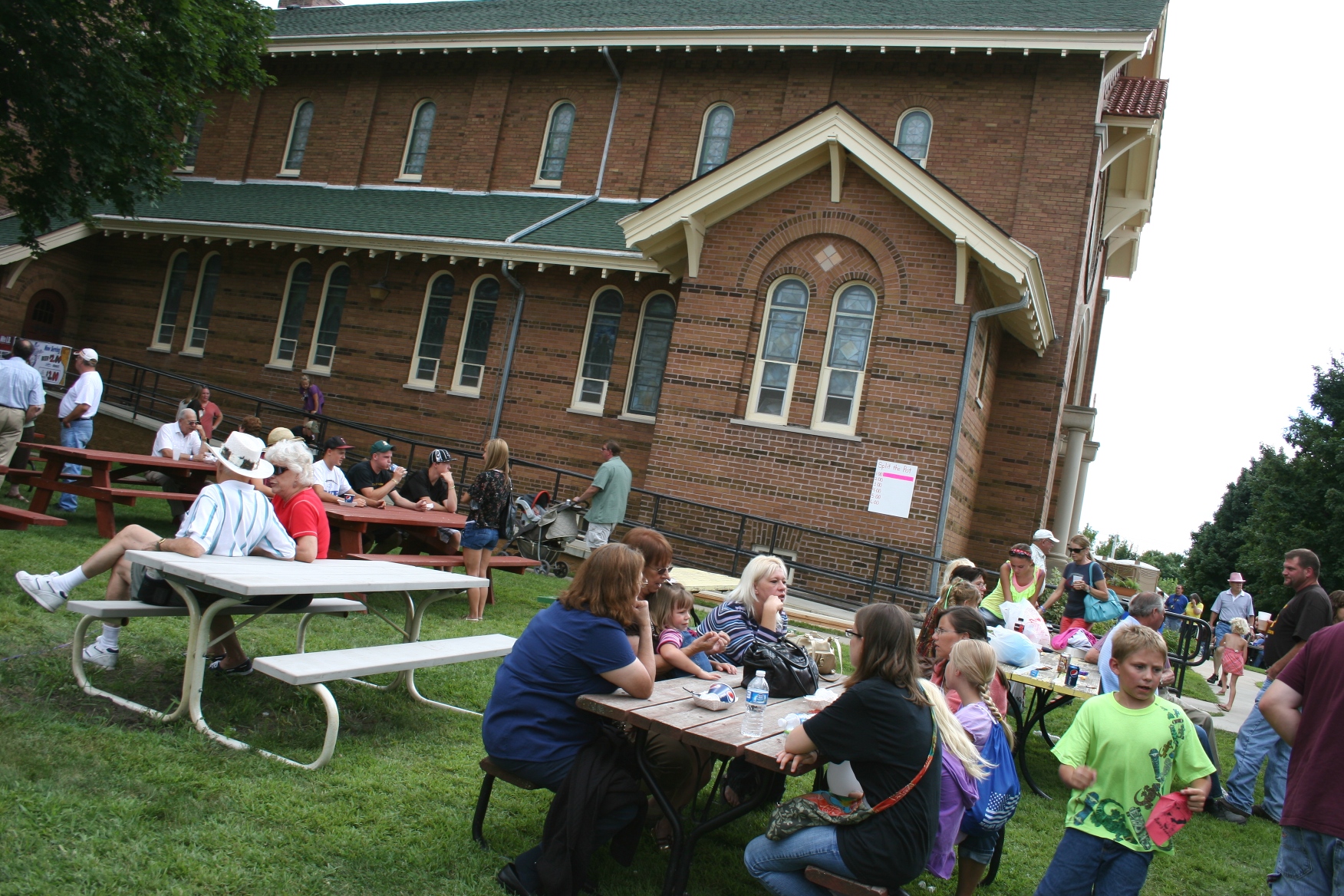
First...the crowd...and then a closer look at individuals, and more, at the festival...

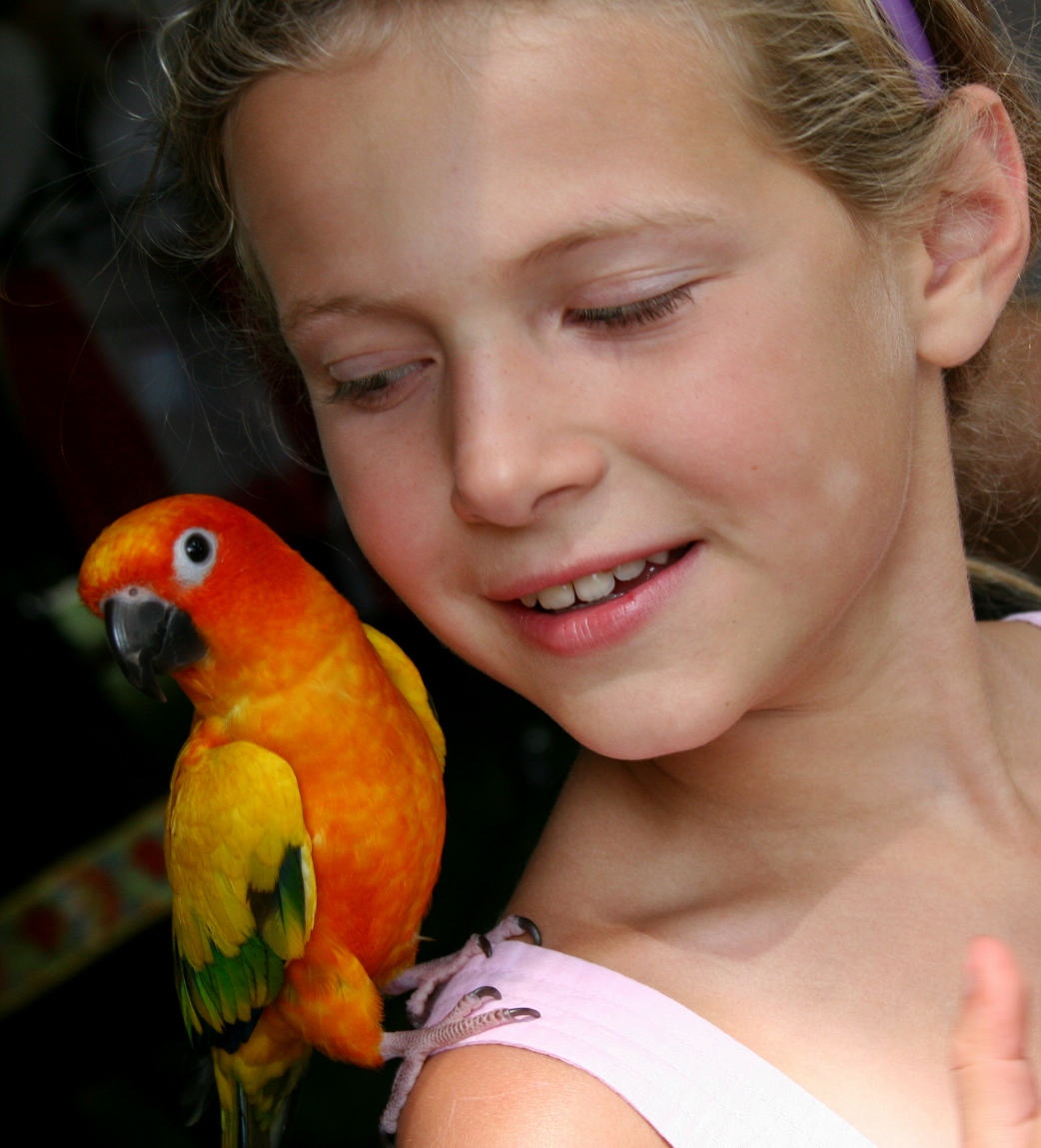
An employee from a Bloomington group home brought residents and their therapy bird, Buddy, to her hometown for the Ho-Down. The parakeet (is that correct?) quickly attracted the attention of fest-goers like this girl.

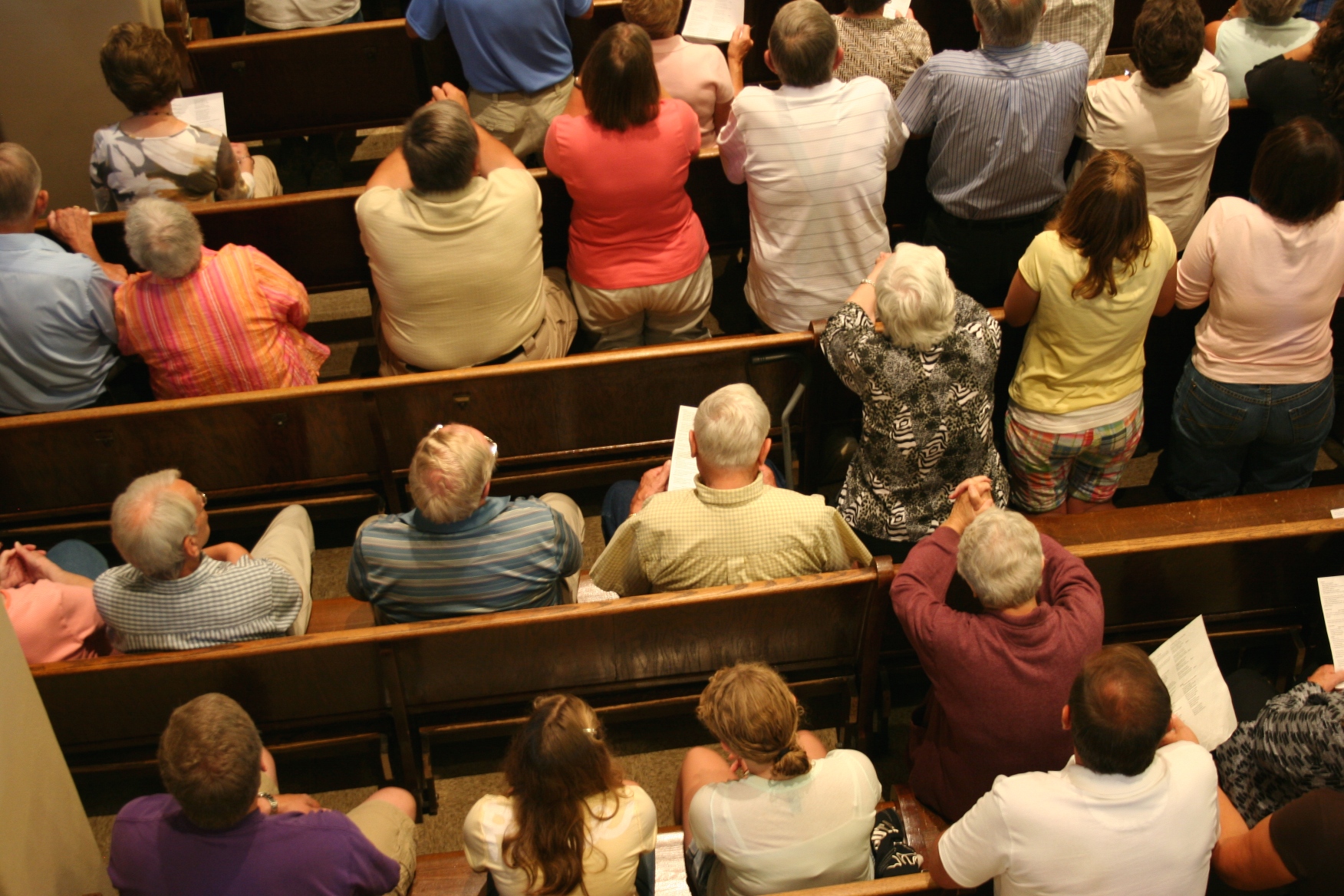
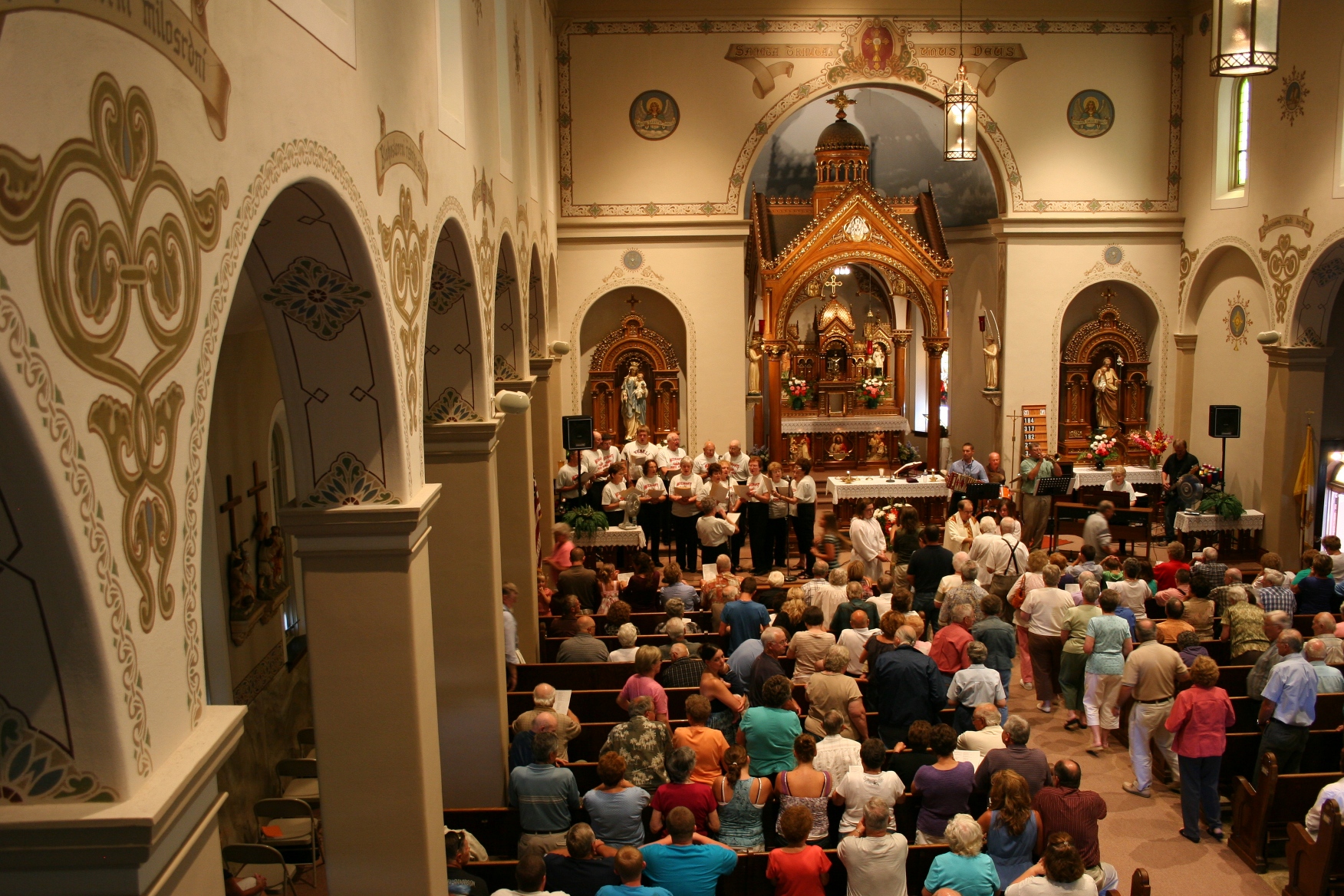
An 11 a.m. polka mass started the day's activities. I took this snippet image of worshipers from the balcony of Most Holy Trinity. I'll feature detailed photos of the church in another post, so check back.

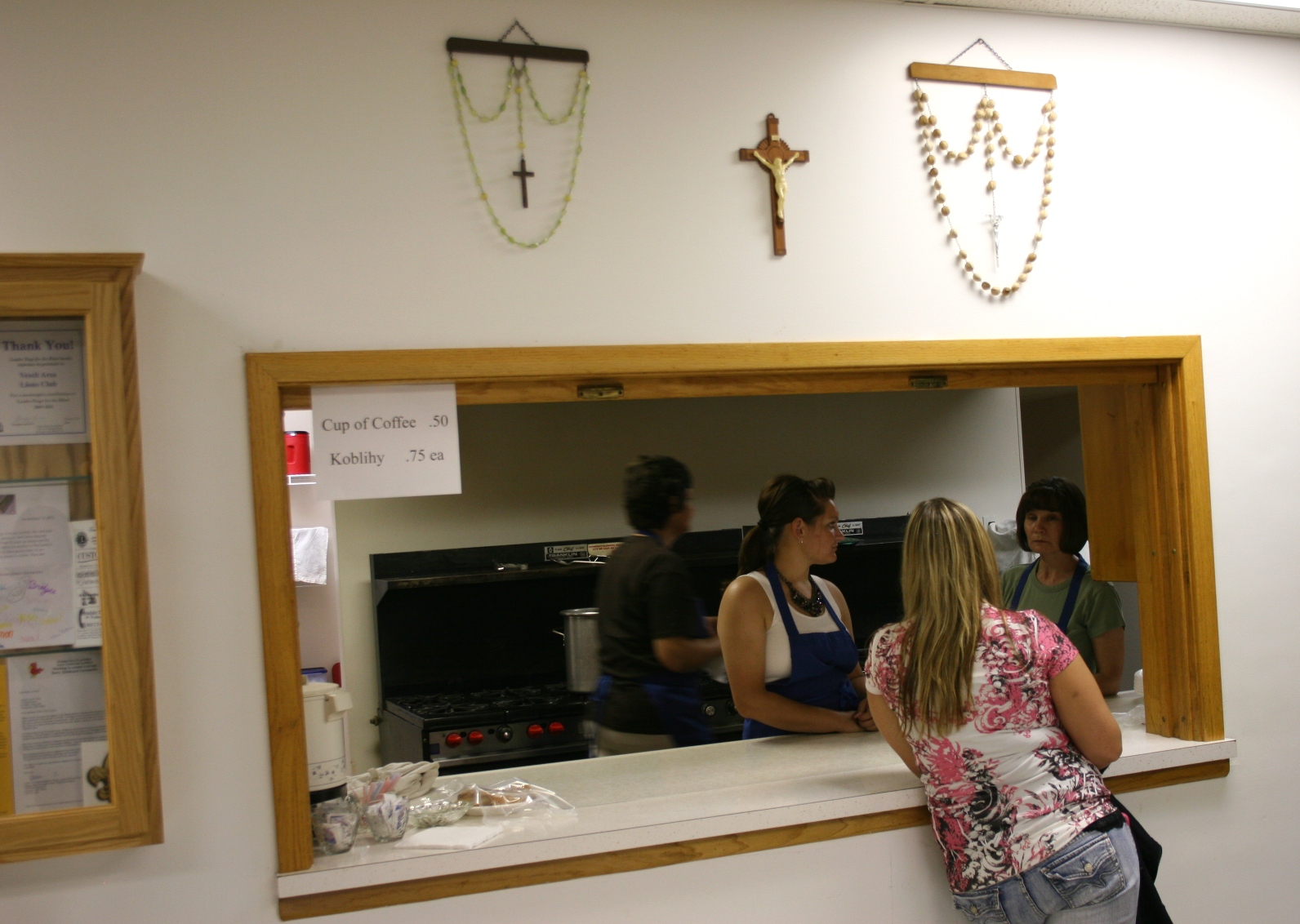
While technically not the best photo, I still like this image for the story it tells of women taking a break from their work in the church basement. When I noticed the rosaries and cross above the kitchen window opening, I knew I had to photograph this scene. The volunteers were selling baked goods.

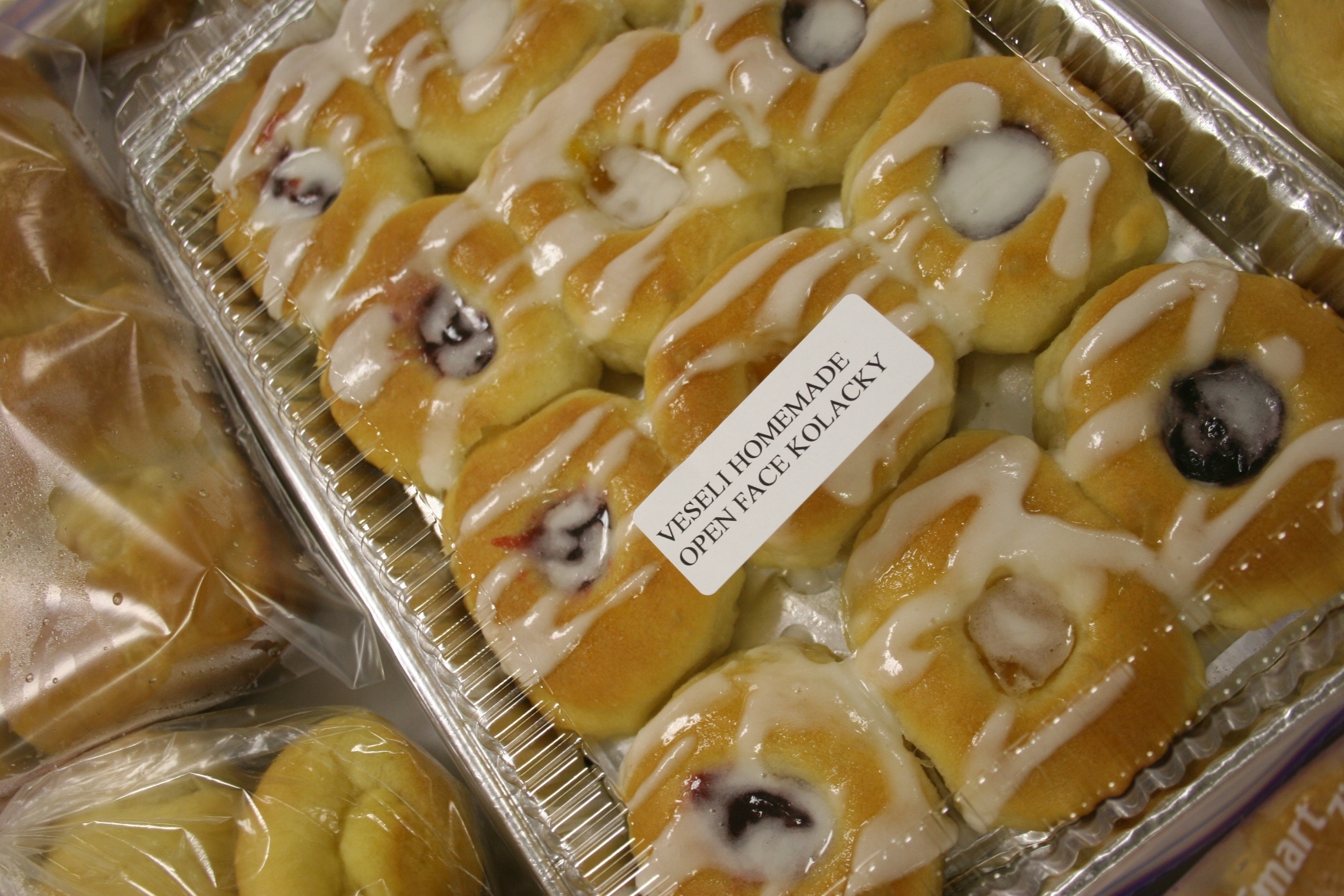
Kolacky, a Czech pastry, were among the many ethnic baked goods sold at the festival.

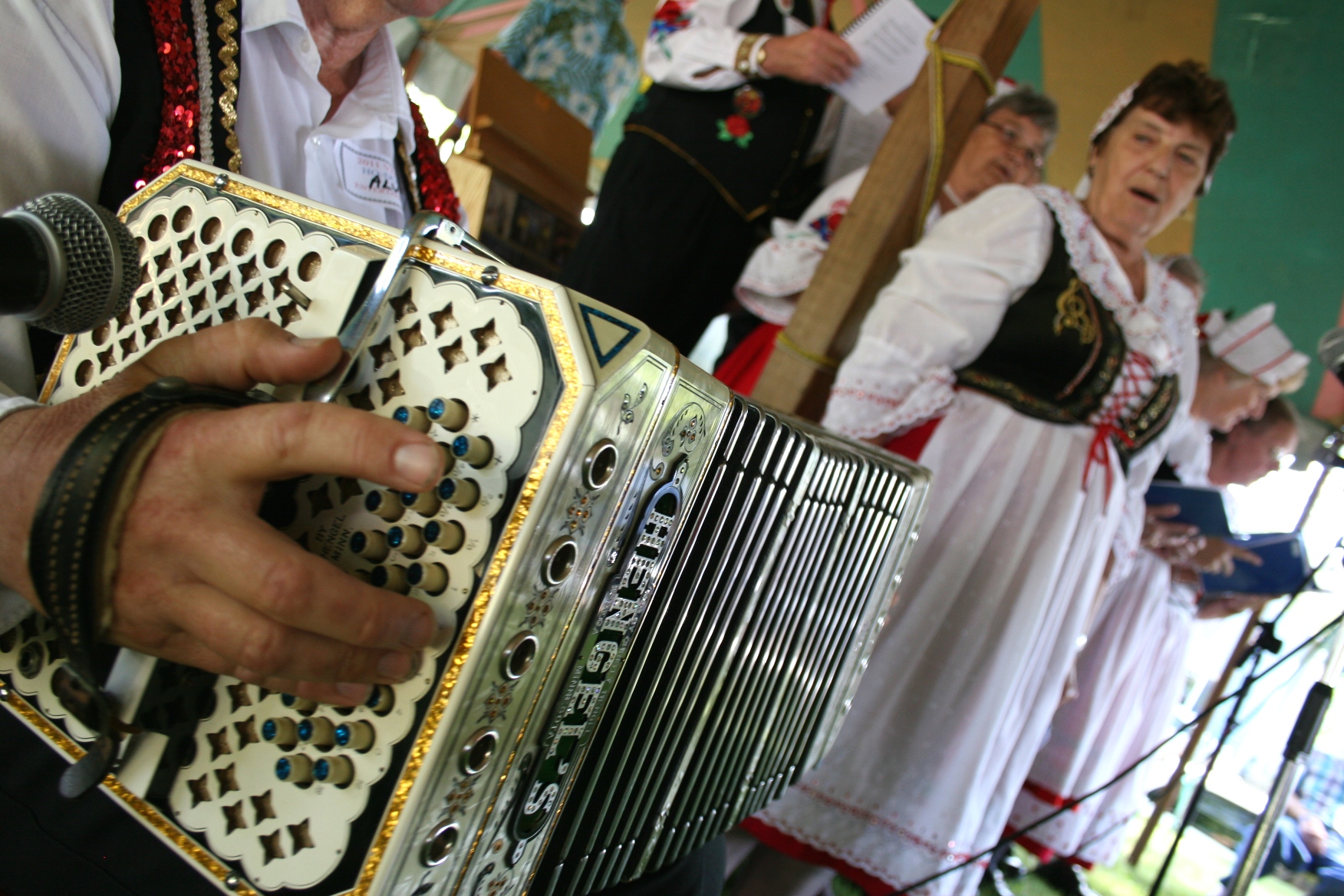
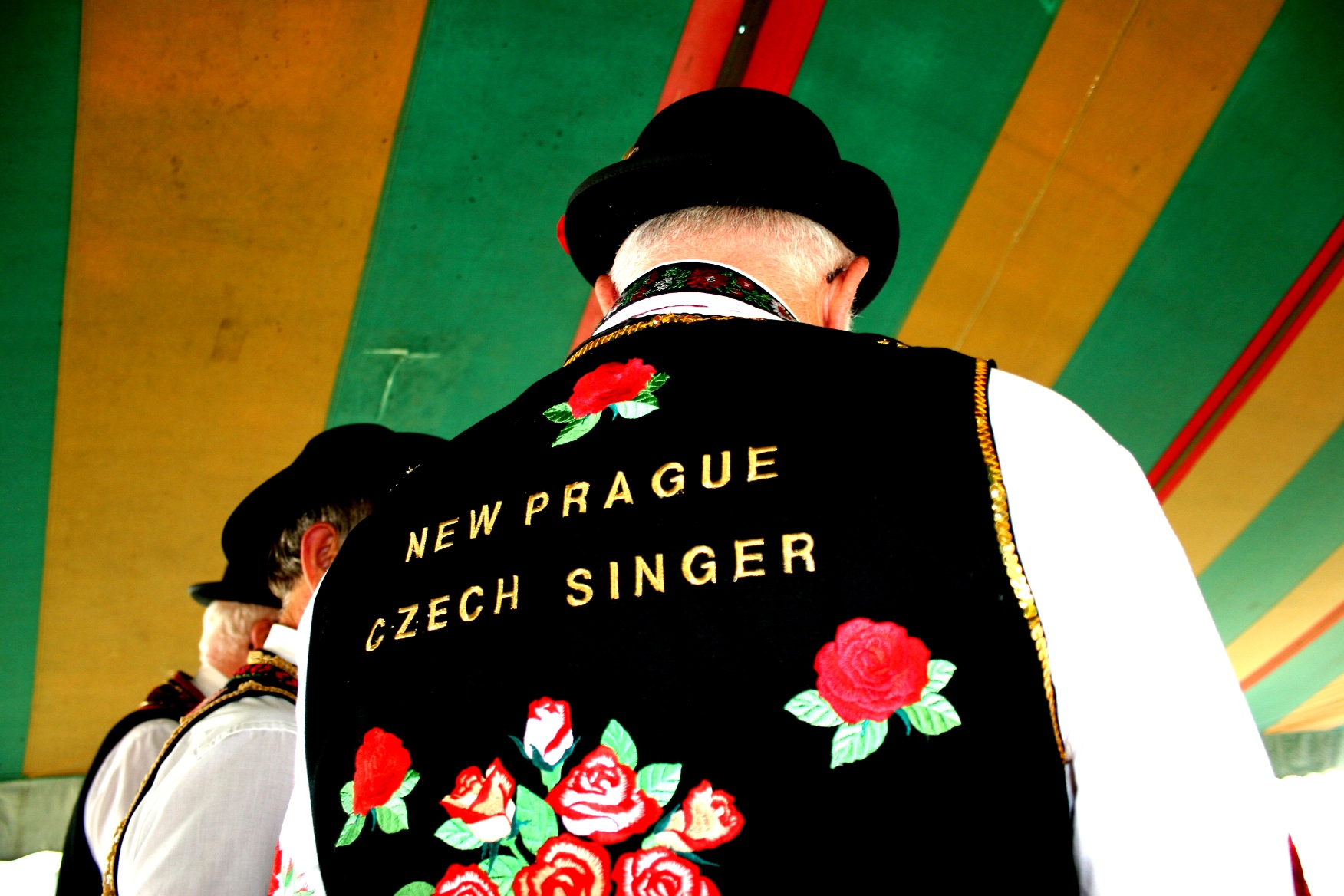
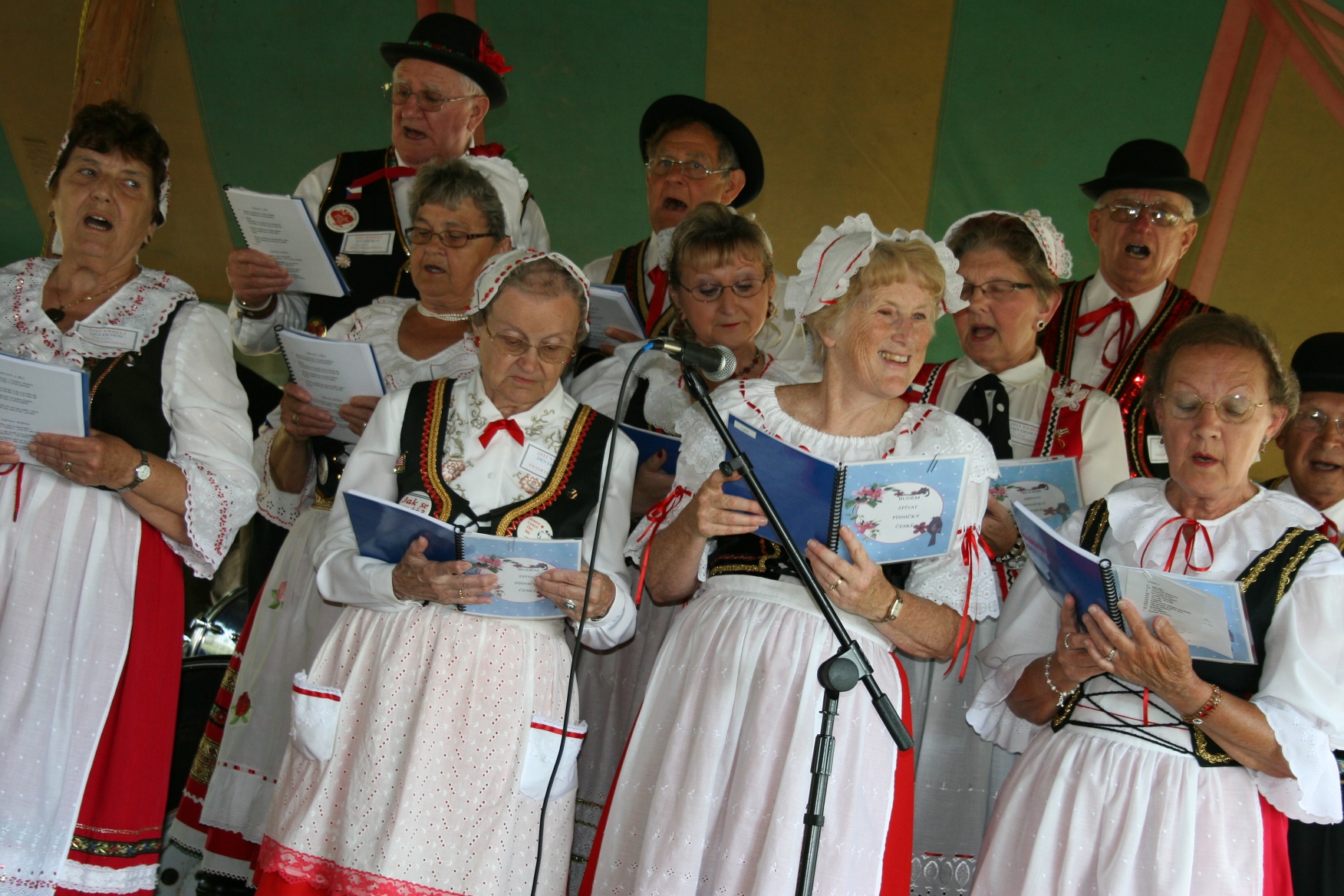
The New Prague Czech Singers performed in their mother tongue under a tent in mid-afternoon.

I upped the contrast on this image to make the colors pop on this costume worn by a Czech singer.

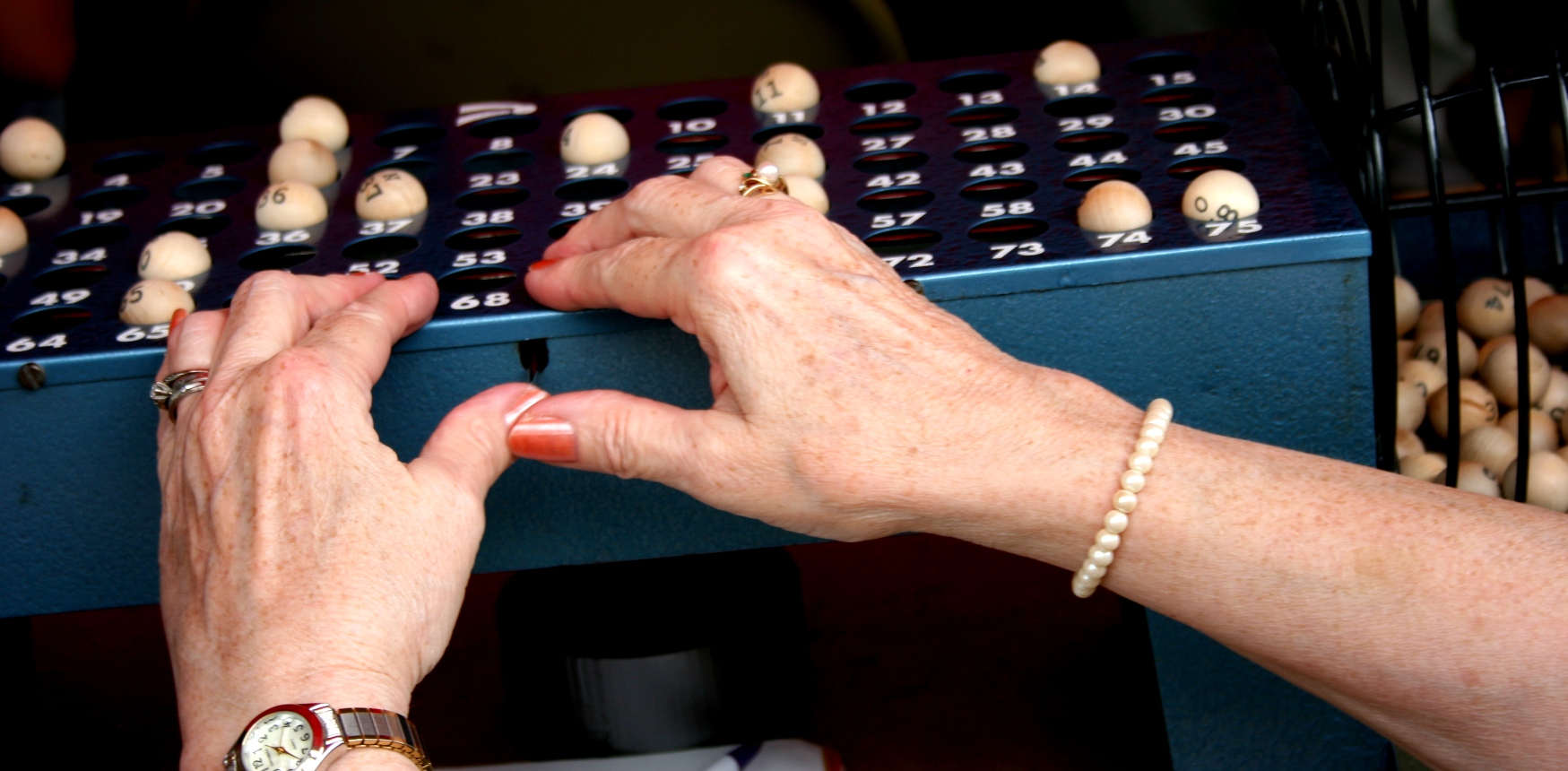
The hands of the bingo number caller, or whatever you call a person who calls bingo numbers.

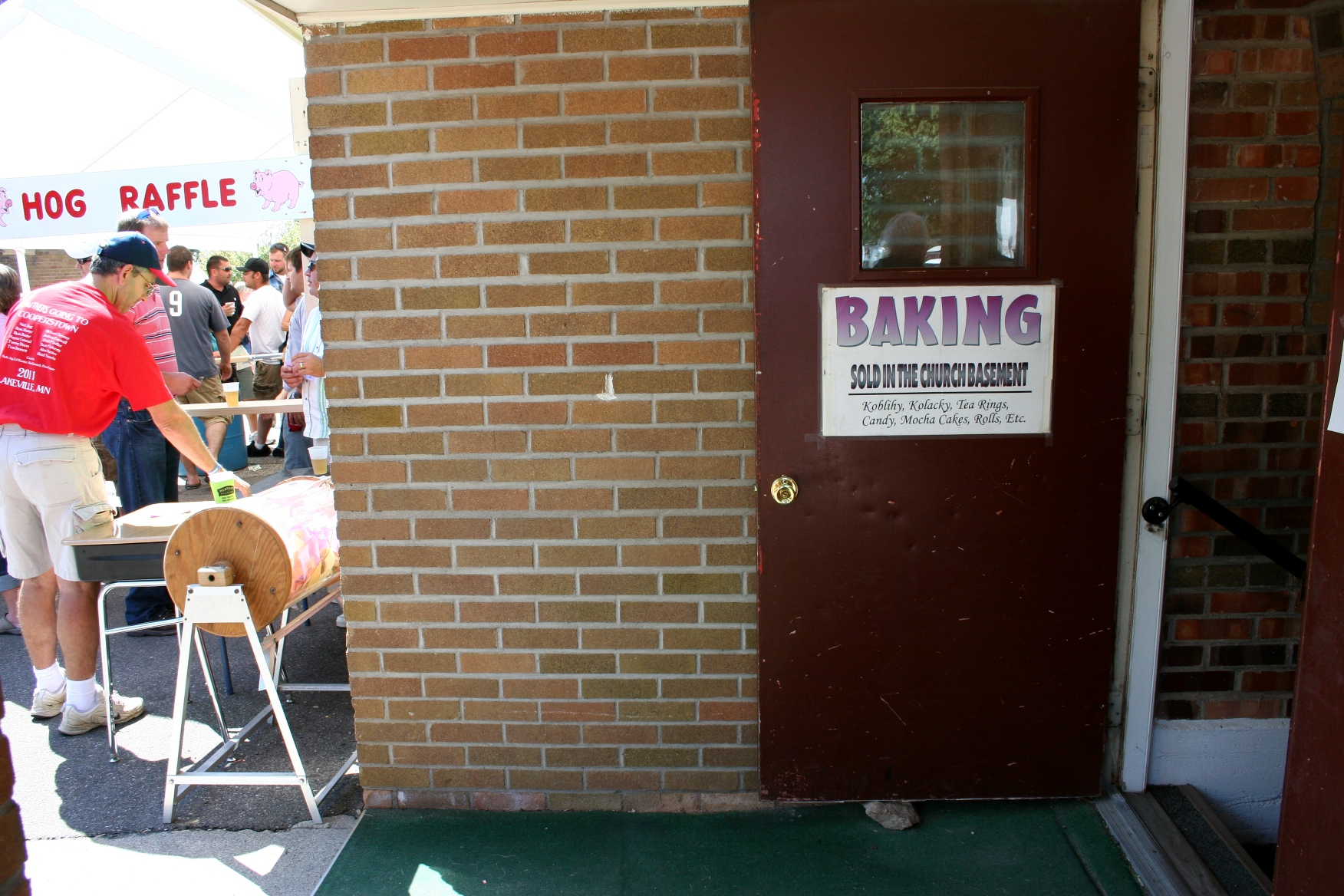
A sign on a propped-open-with-a-rock church basement door directs fest-goers to the bake sale. To the left in the photo is the station for the hog raffle.

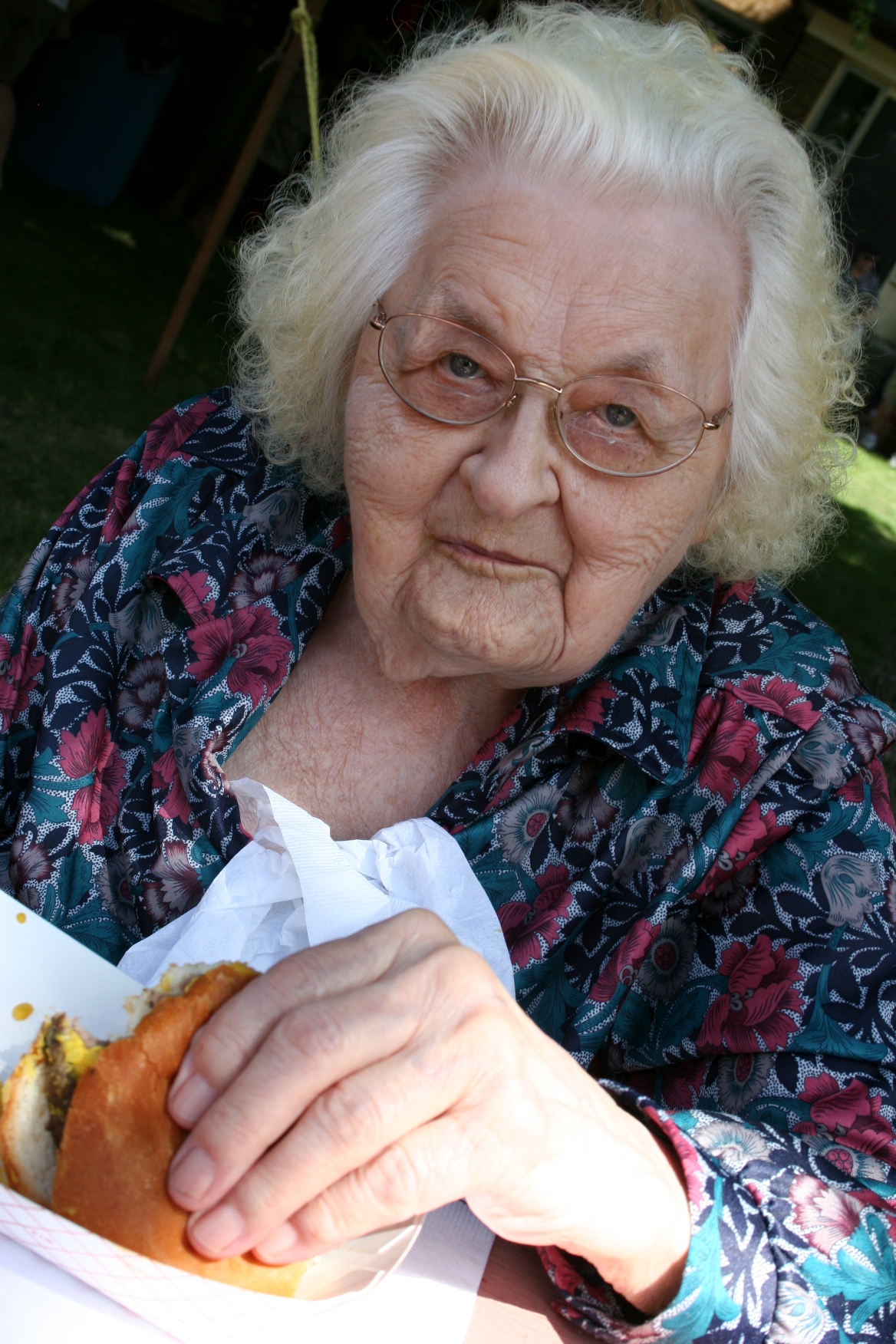
I met 94-year-old (almost 95) Celia enjoying a burger in the company of her great niece, Brenda. I was charmed by her beautiful face and quiet elegance. Ceila grew up near Webster and today lives on a farm with her bachelor son near Lonsdale. Celia typically attends about a half-dozen area church festivals each summer. Her great aunt likes visiting with people and enjoys the Czech music, Brenda says. A few weeks ago Celia won $100, half a hog and $10 playing bingo at the Immaculate Conception Church festival in Lonsdale. She's one lucky lady.

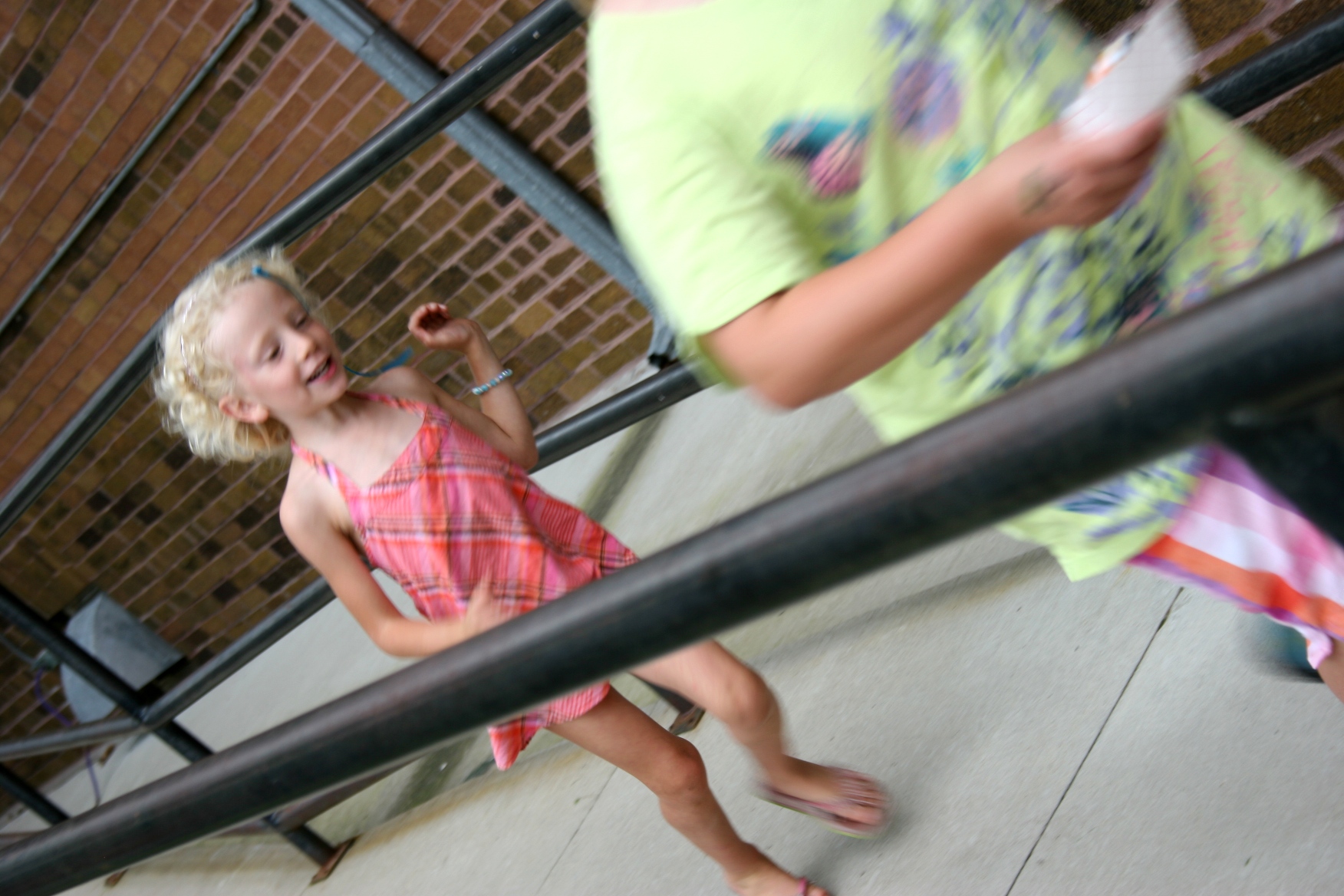
The kids, as kids will, chased each other up and down the handicapped entrance to the church.

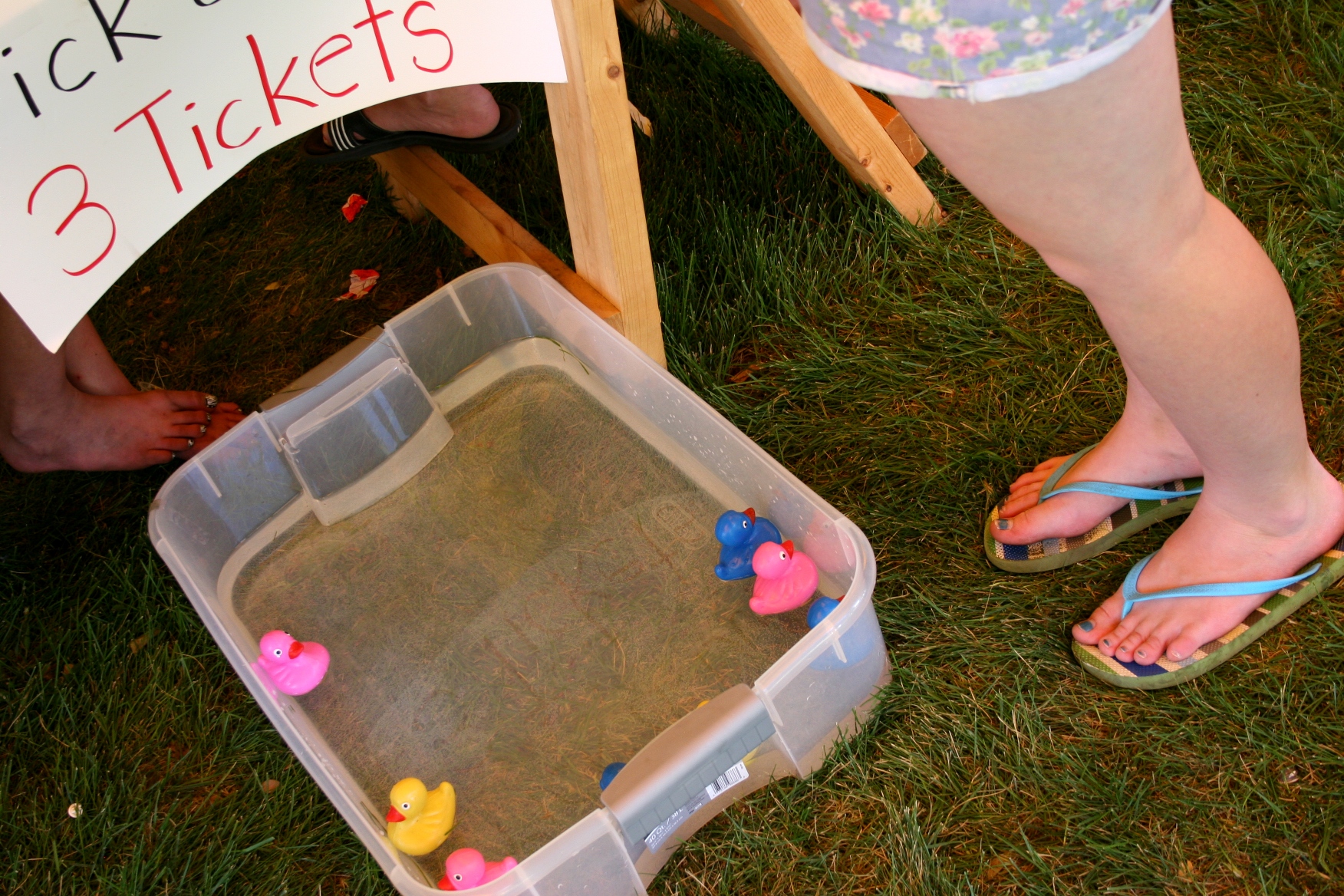
Waiting for customers at the duck pond in the kids' games tent.

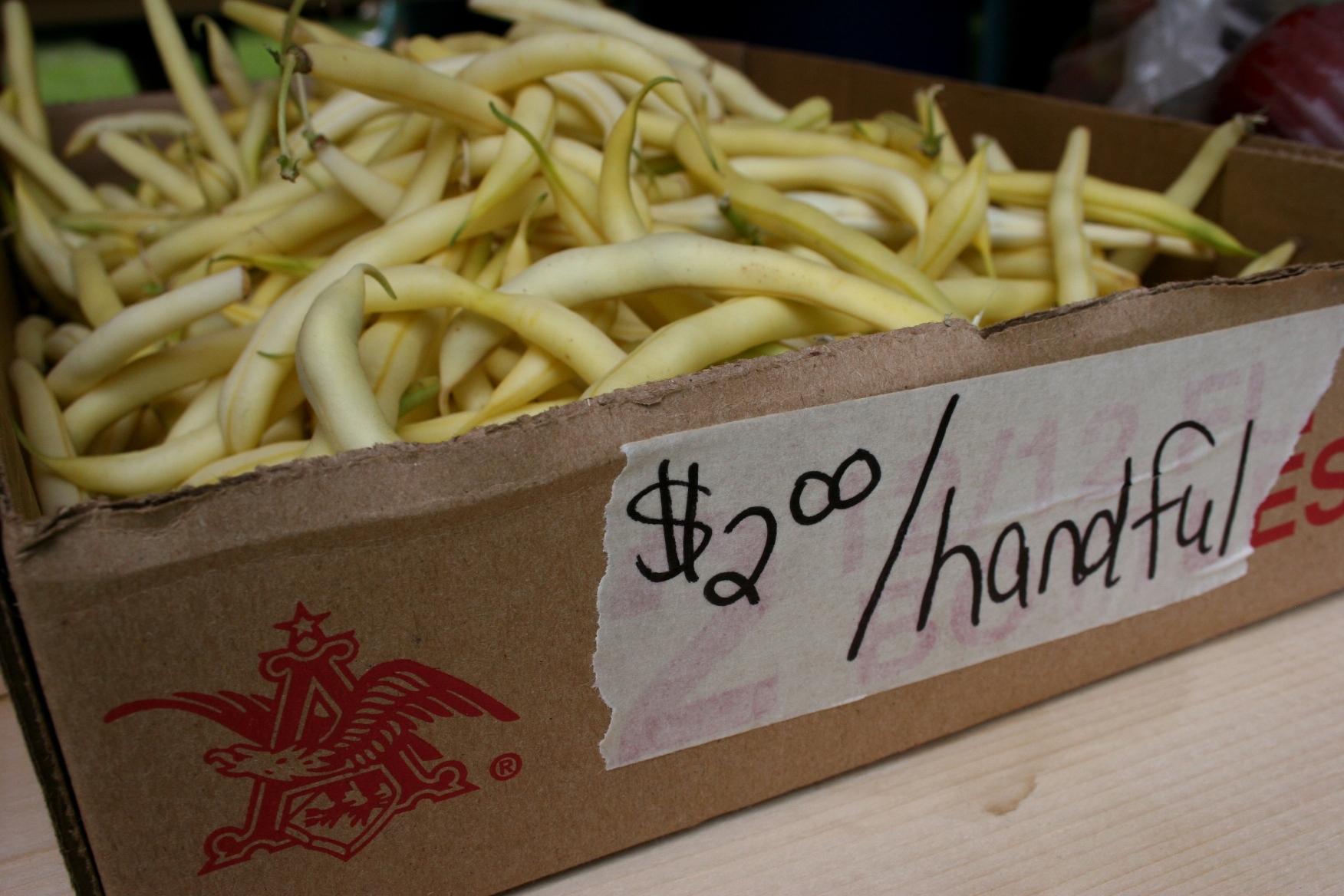
I laughed when I saw this sign on yellow beans for sale. That's an interesting way to sell produce.

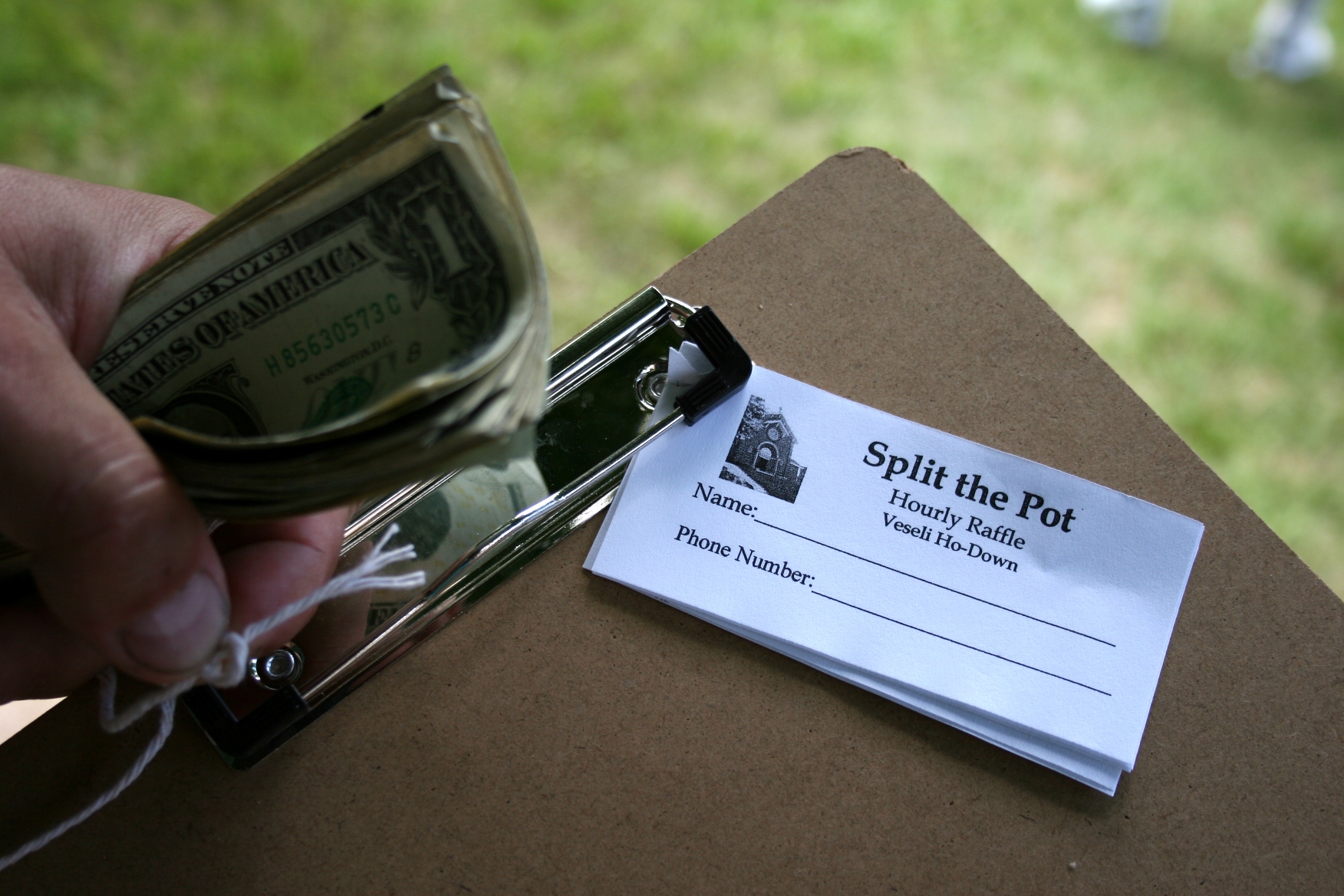
I am Lutheran. We do not do raffles. But everywhere I turned at the Ho-Down, someone was pedaling raffle tickets. As I waited in line for the chicken dinner, two men pushed Split the Pot raffle tickets. For $1, you buy a ticket. Every hour a winner is selected and gets half the money. The rest goes to the church. No, we did not win, but we contributed to Most Holy Trinity. These guys hustled the grounds all afternoon.

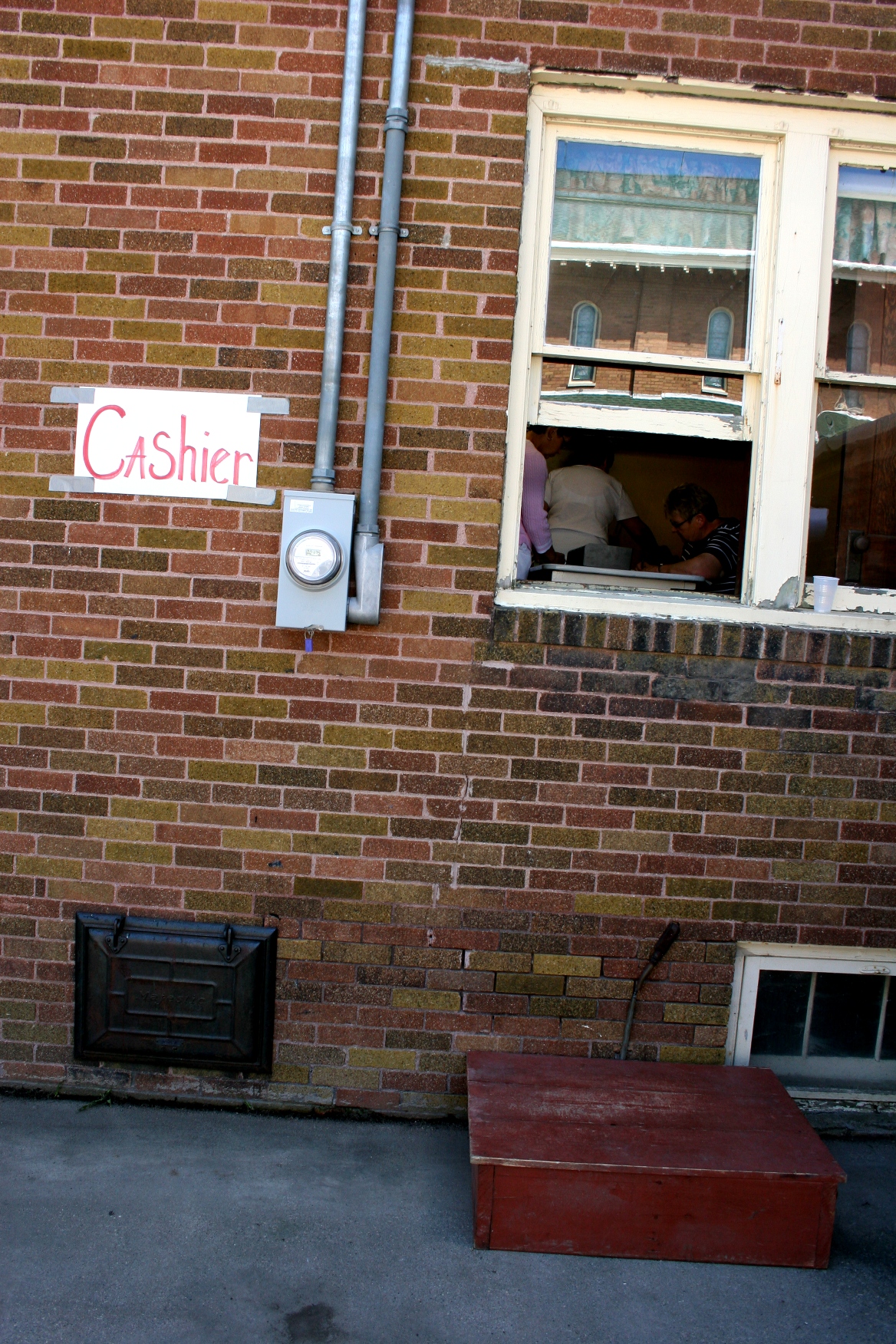
And where did all that raffle and other money go? Right through the cashier's window in the former Catholic school. I walked by this building numerous times before I noticed the sign, the open window and the well-worn step-up step. It's details like this that tell the complete story of small-town events like the Veseli Ho-Down.

© Copyright 2011 Audrey Kletscher Helbling


Celebrating the Czech heritage at Veseli Ho-Down August 23, 2011

AROUND 10:15 a.m. we pull into Veseli, population 200, in northwestern Rice County and are directed to a parking spot on a ball field just below Most Holy Trinity Catholic Church. My husband Randy and I have barely exited our car when Fritz and young Joe arrive in their golf cart, offering us a ride around the block so we don’t have to climb the steep hill to the church.

We learn on the short jaunt that this marks the 44th annual Holy Trinity celebration, which began as a typical church festival but today has evolved into the Veseli Ho-Down.
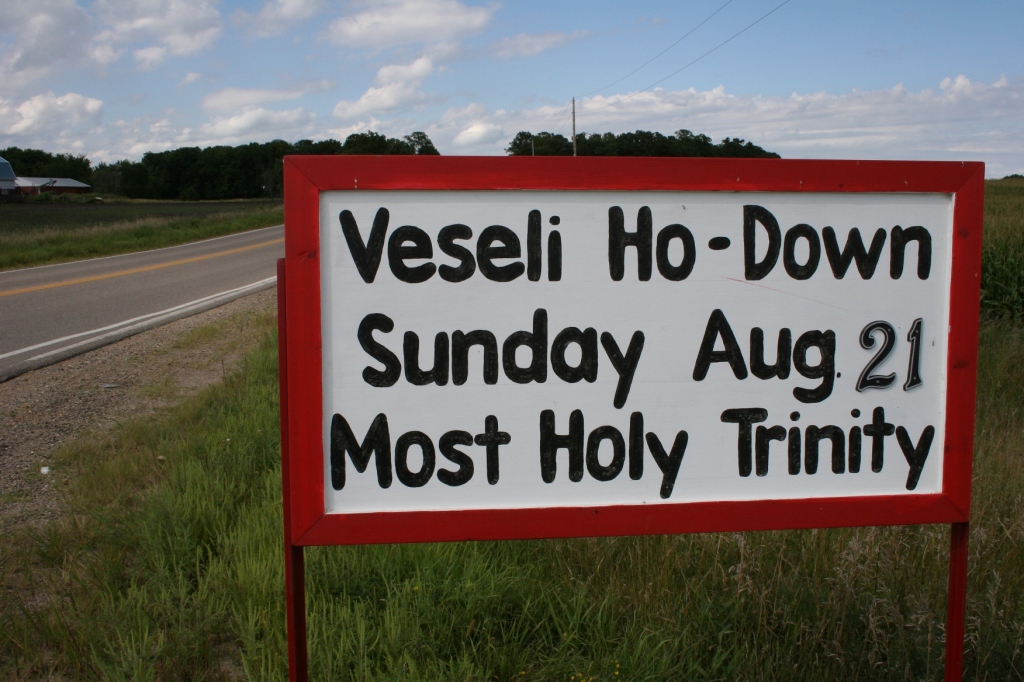
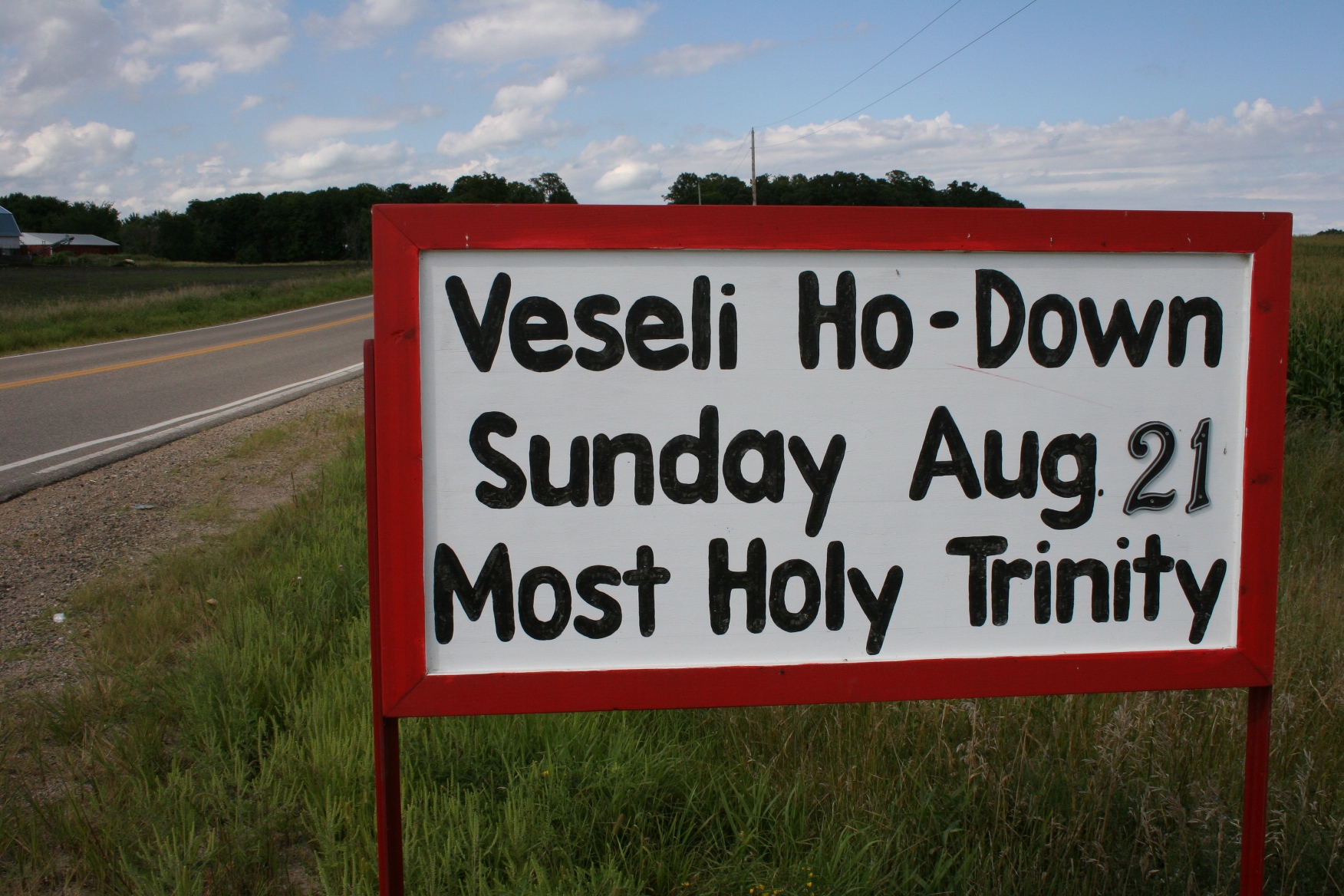
A sign several miles from Veseli directs motorists to the Ho-Down.
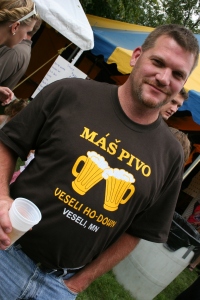
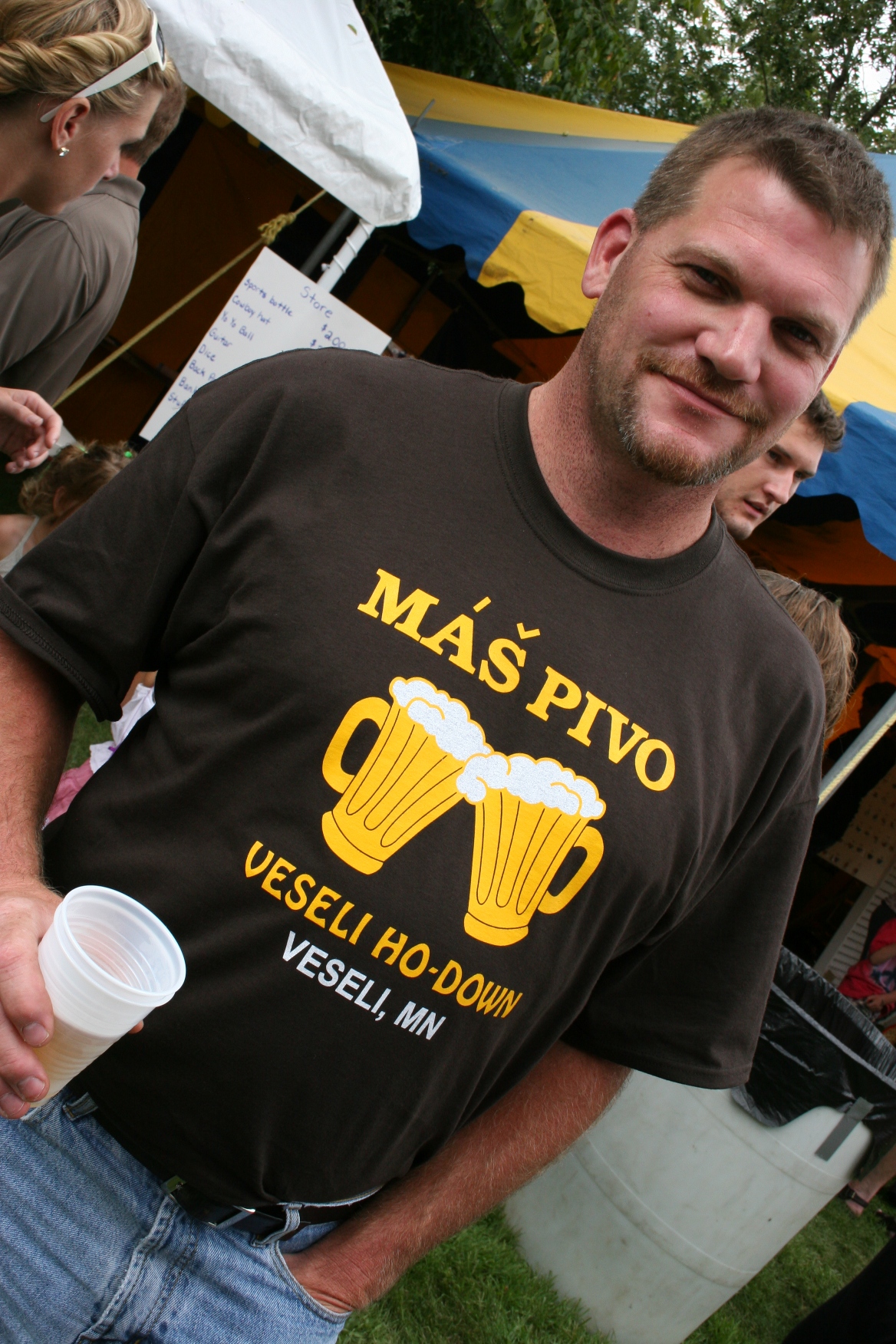
A fest-goer sports a Veseli Ho-Down t-shirt.

It is an event complete with a polka mass, raffles galore, a chicken dinner, kids’ games, home-baked Czech goodies, bingo, entertainment by 11 musical groups and beer, lots of beer.

In between all the activity, you’ll catch snippets of the Czech mother tongue, spoken by the old-timers from Veseli, Lonsdale, Montgomery, New Prague and Webster.

But you needn’t be Czech, or even Catholic, to enjoy this event that swells Veseli’s population on this Sunday in August. I’m Lutheran and I’m German. Chat it up with those attending, and you’ll discover that many grew up in Veseli, or the area, and are back for the day to celebrate, support the church and mingle with family and friends.

John Hertaus Jr. and his wife, Joseth (she’s part French and has a name of French origin), coordinate the chicken dinner served from a tent to around 1,000 diners. Down the hill and around the corner by Novak’s Garage, volunteers grill the 514 chickens, which are then placed in surplus military issue containers and hauled on a wagon to the church grounds.

The Hertauses keep a watchful eye on the entire chicken dinner, which was added to the festival, along with the polka mass, about 20 years ago upon the suggestion of John Jr.’s parents, John Sr. and Rita.

Well before 11 a.m., attendees are already buying $10 tickets for the chicken dinner and filing into the sanctuary. By mass time, worshippers pack the pews, fill folding chairs along the side aisles and overflow into the church entry. Without a program—they ran out—I can’t follow the worship service, so I just sit and stand and fold my hands and bow my head when I am supposed to do so.
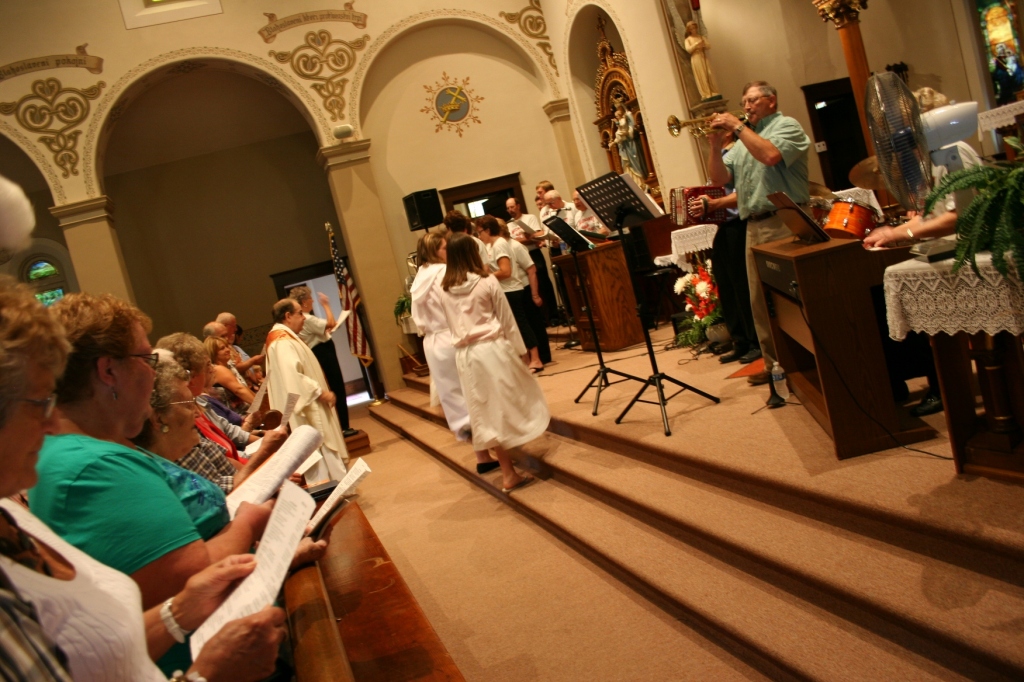
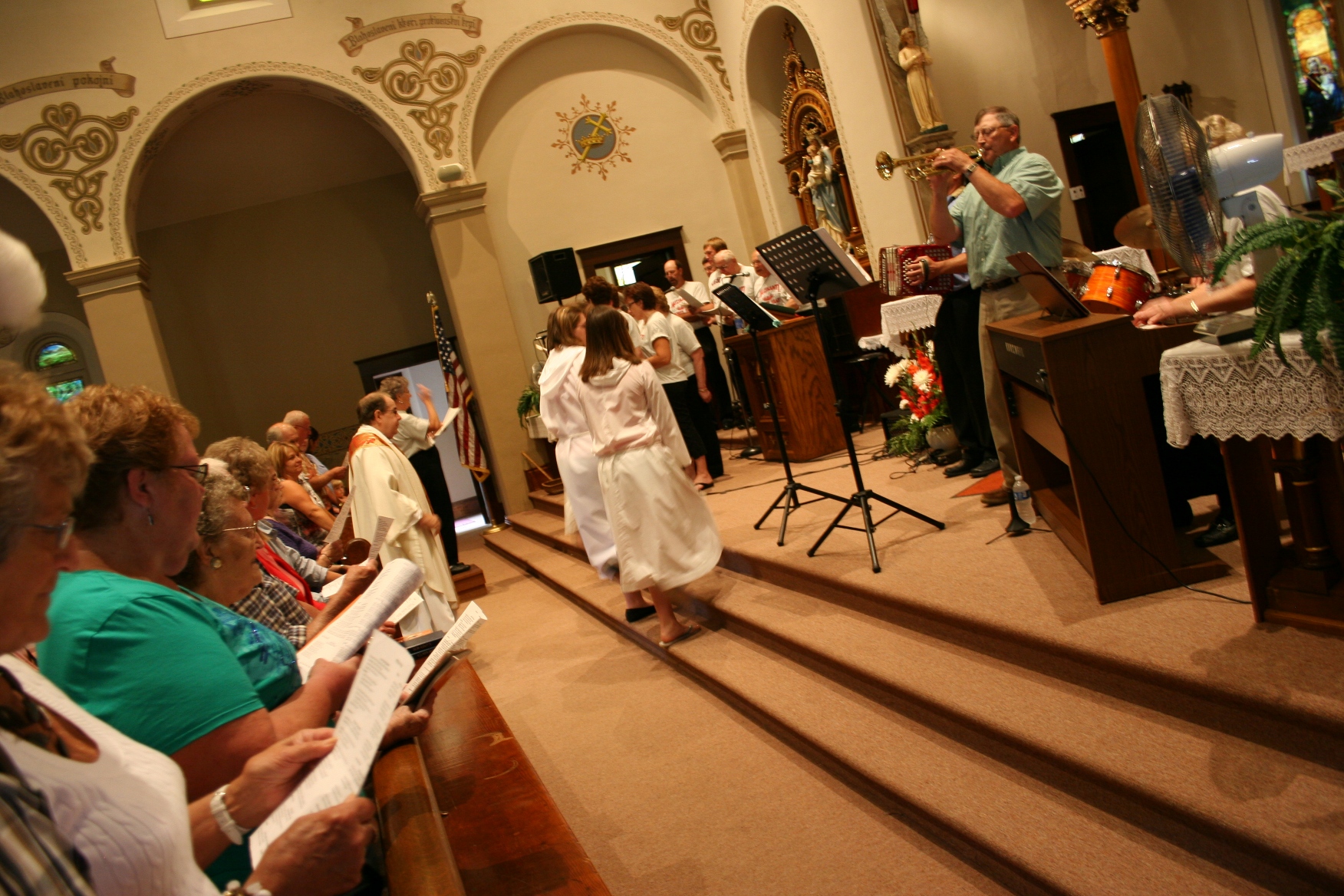
The polka mass begins.
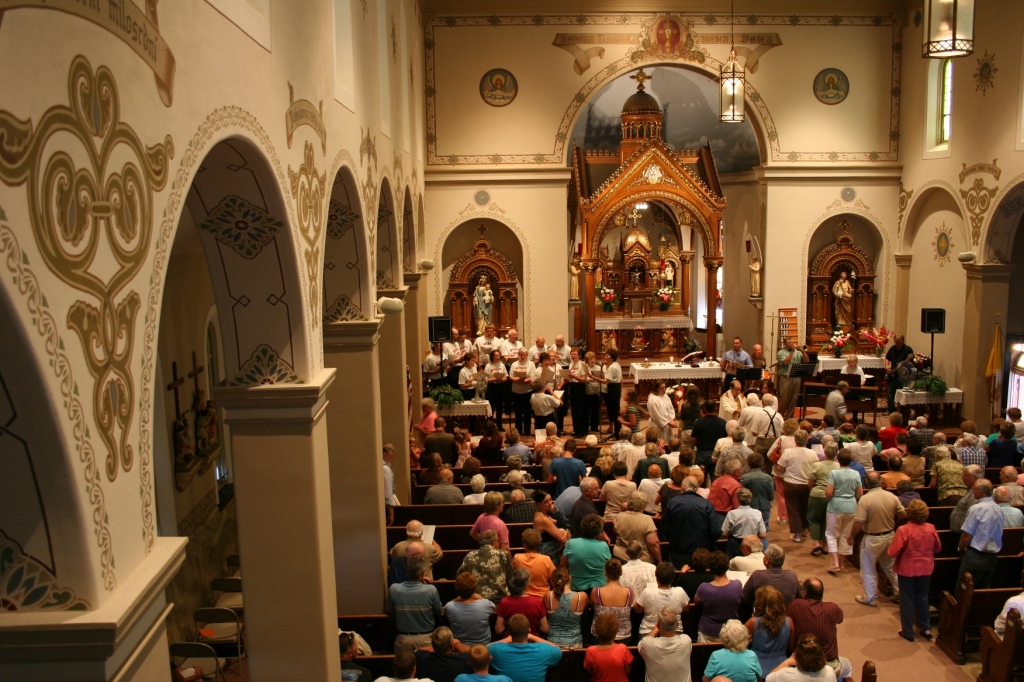
A view from the balcony of Most Holy Trinity Catholic Church.
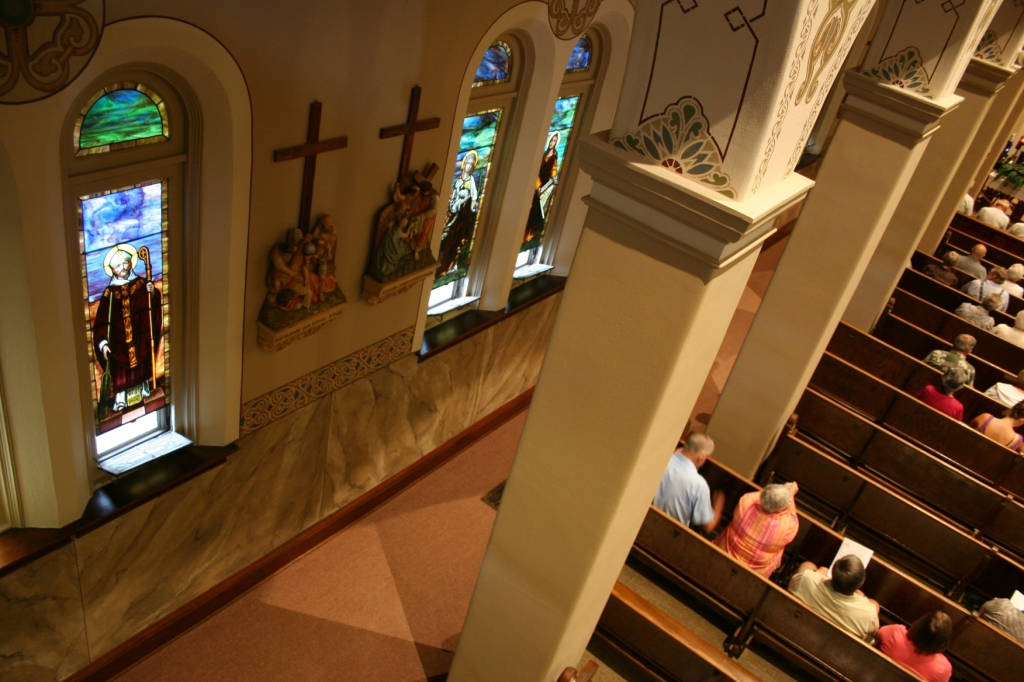
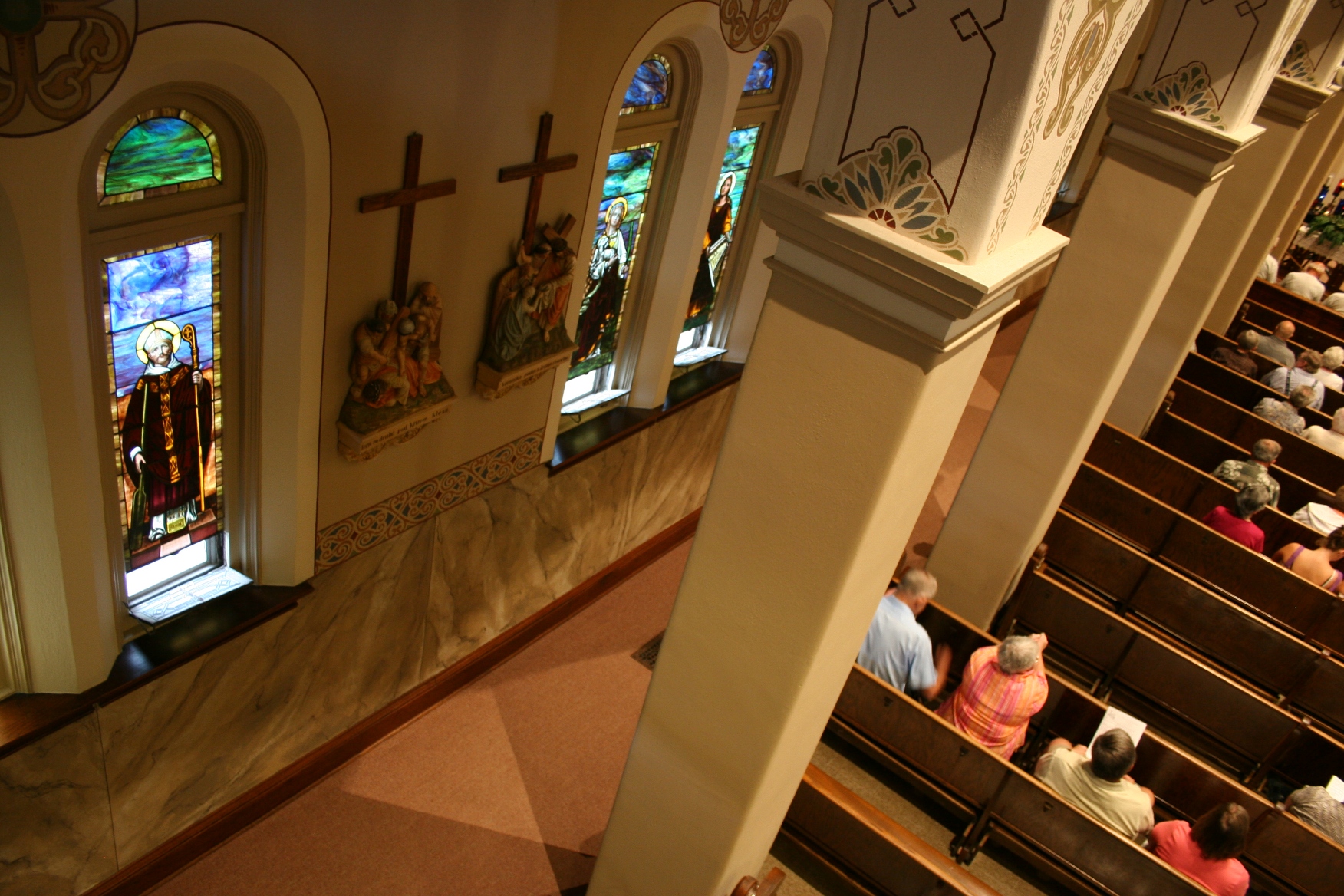
Soaring pillars, stenciling and stained glass windows define the sides of the church.
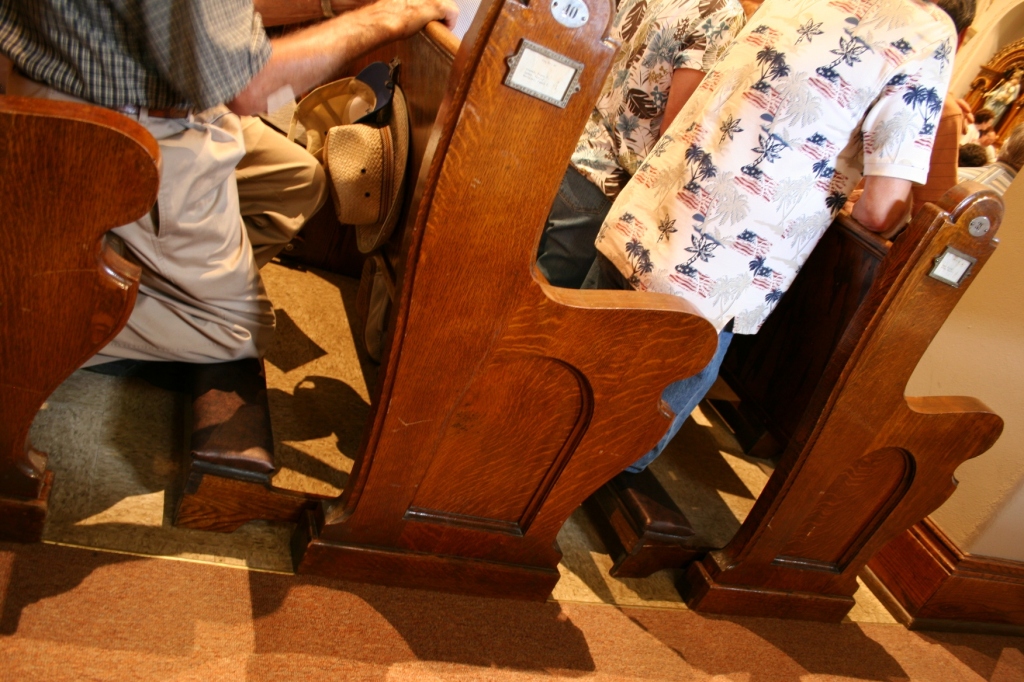
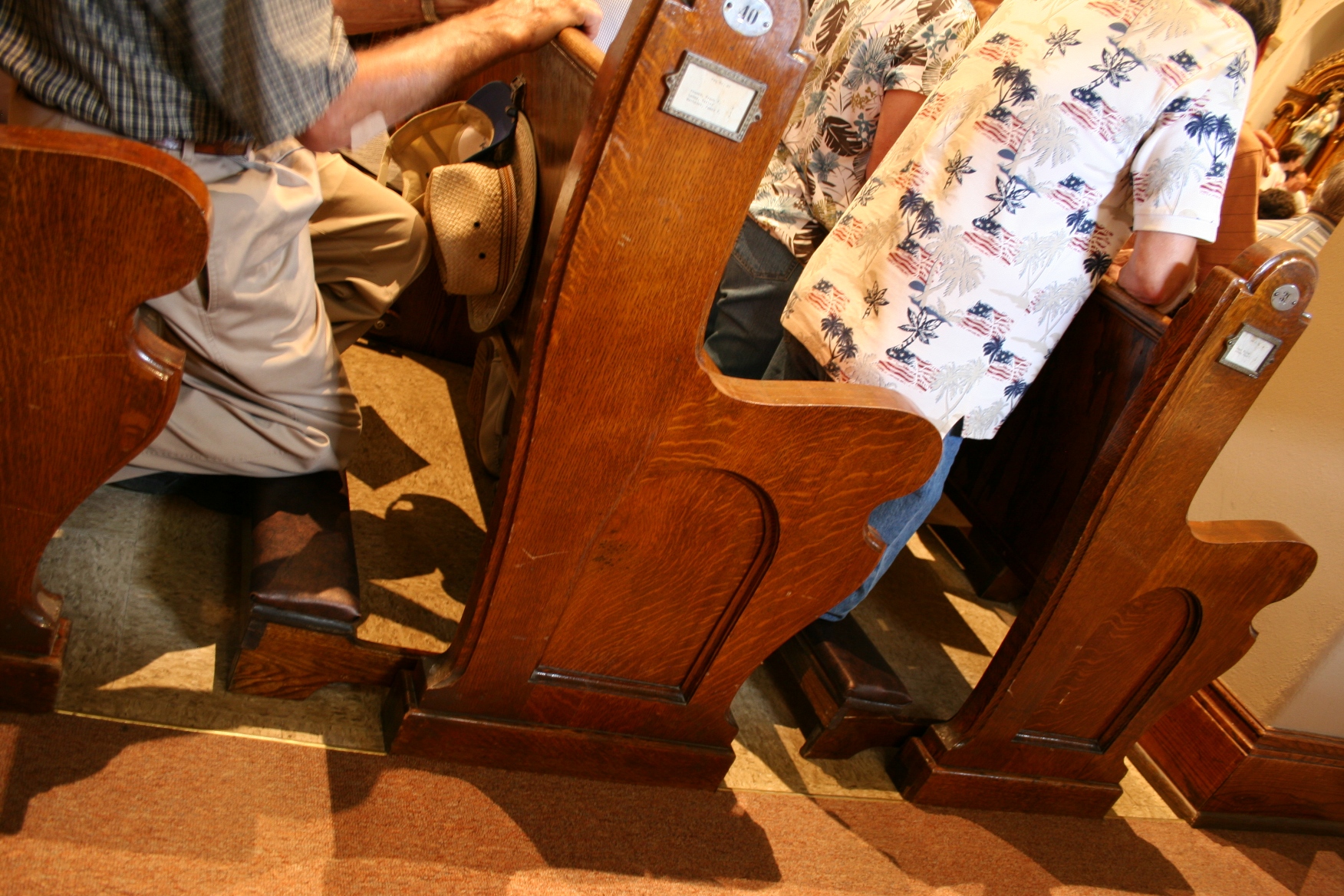
In this image, notice the details: the hats attached to clips on the back of the pew and the name tags, with parishioners' names, tagging the pew ends. I asked my husband, a former Catholic, about the name tags. He said that in some churches families rented pews. I don't know whether that is still practiced at Holy Trinity.

In between, I take photos, plastering myself against the thick support pillars that block my view of the altar area. I slip upstairs for awhile to get a bird’s eye view of the crowd. Back in my wall-hugging folding chair, I notice the details—the name tags attached to pew ends, the pew back clips for hats, the stenciled walls and ceiling, the stained glass windows, the time-worn wood, the cracked plaster walls, the ornate altar, the sway of hands and feet and bodies to music that seems more suited for an old-time dance than a church service.

Yet, even though I can’t understand any of the words sung with the concertina, trumpet, drums, keyboard and bass guitar due to acoustics and my hearing loss, I still feel spiritually uplifted by music that shouts praise instead of party.

Muzikante, pojd’te hart, tu pisnicku, co mam rad,

Dneska budem ja a moje pany, Panu Bohu dekovat.

Ted and Dorothy Winczewski drove two hours from Coon Rapids to celebrate their 57th wedding anniversary after reading about the polka mass in The Catholic Spirit. “It was just something to do, something spiritual,” Dorothy says. The polka music reminds her of the wedding dances she attended in New Prague while growing up in nearby Shakopee. “I loved it.”
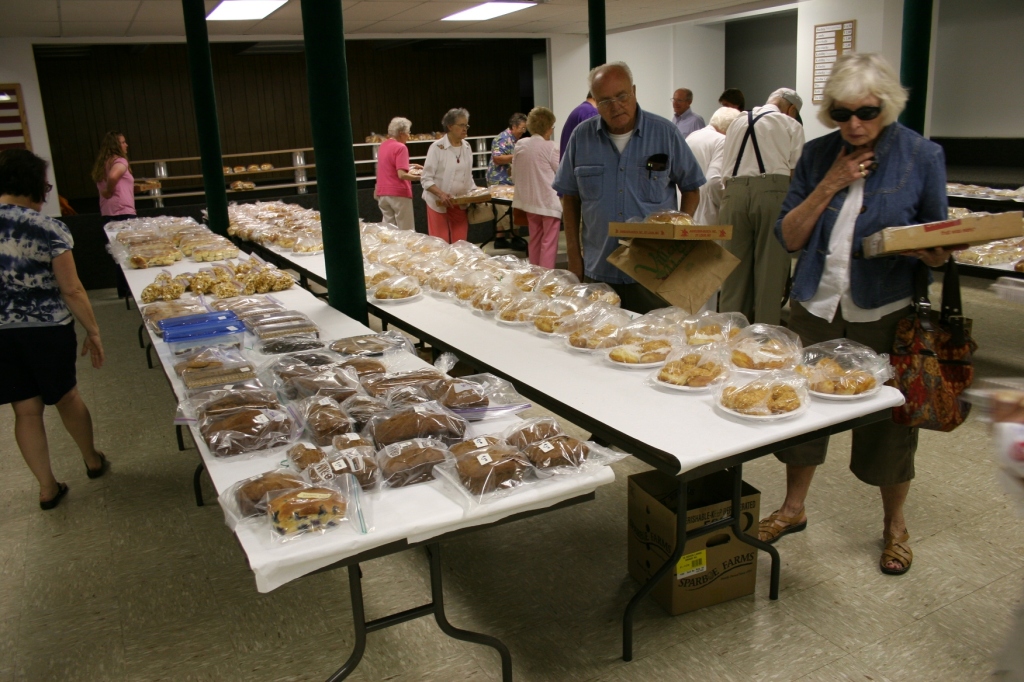
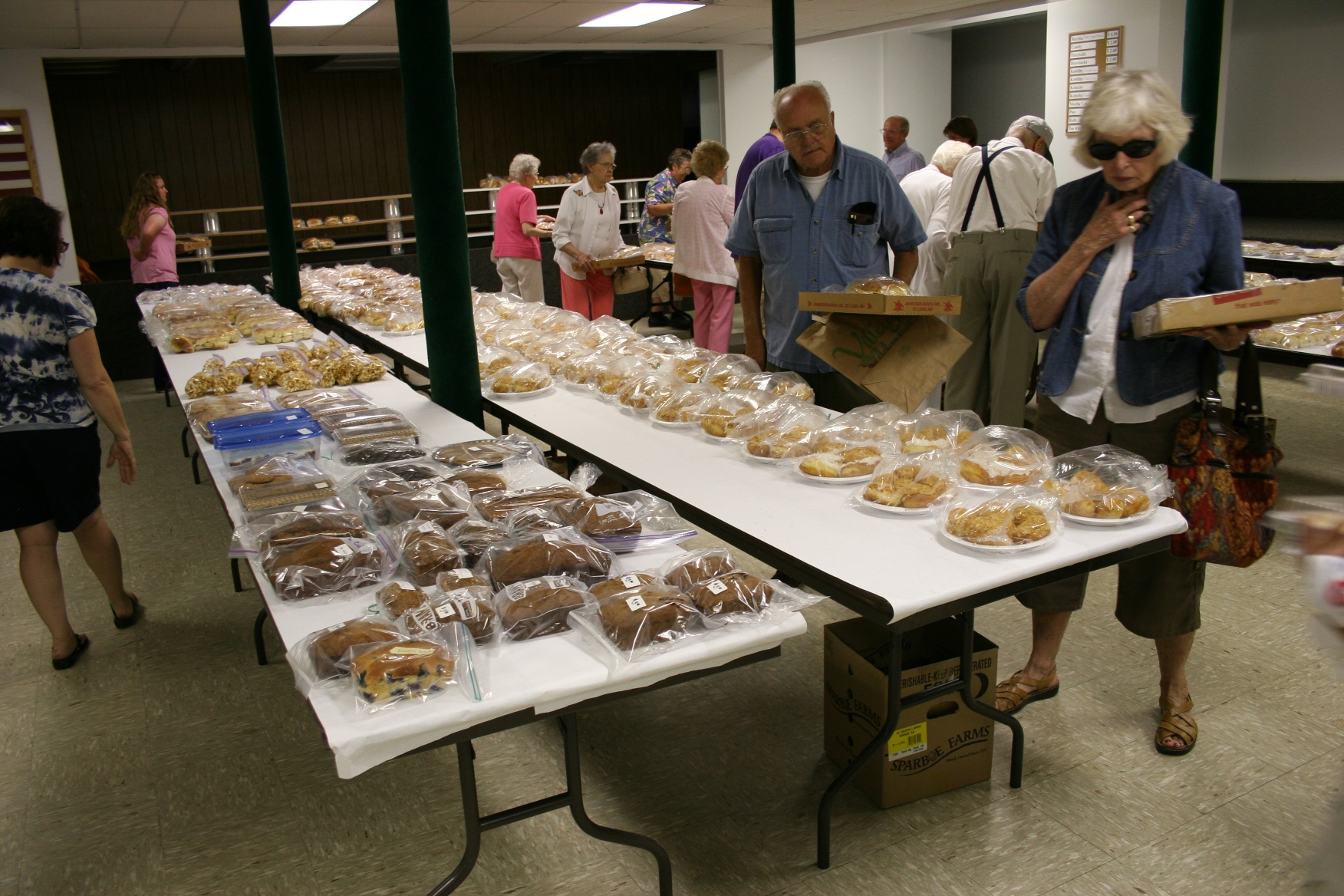
Shoppers look over the mostly Czech baked goods filling tables in the church basement.
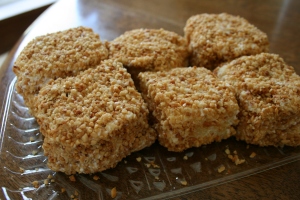
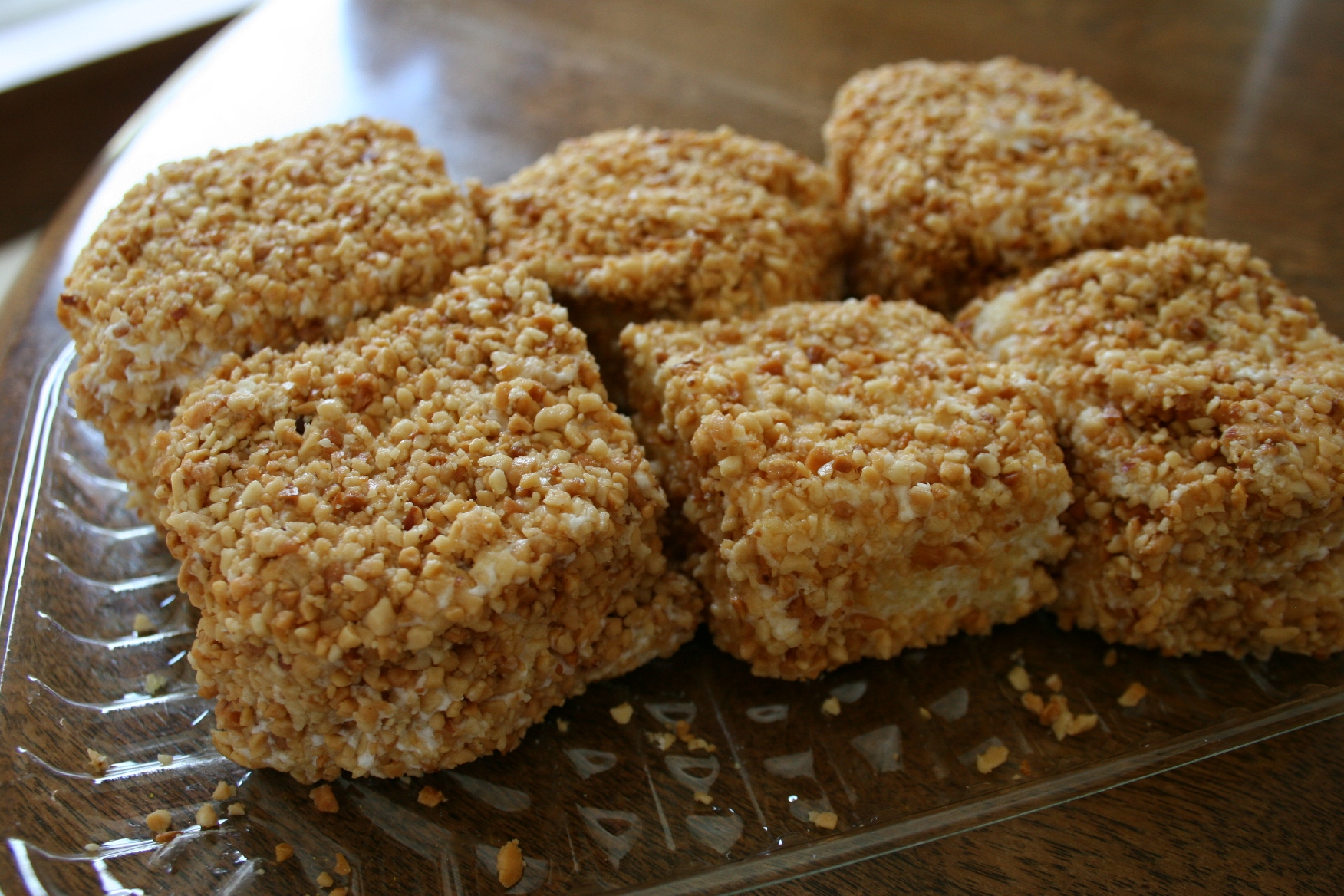
The mocha cakes we bought.

In the church basement, while perusing the tables covered with Czech and other treats like kolacky, buchta, koblihy and mocha cakes, I meet a native of nearby Montgomery now living in Bloomington who has orders from his coffee group to pick up poppyseed kolacky. He does.

Most of the goods are baked on-site. And, yes, my husband and I leave with koblihy (like raised doughnuts) and mocha cakes (absolutely divine yellow mini-cakes frosted on all sides and rolled in nuts).

As we wander the church grounds, I am struck by the universal age appeal of this festival. From weeks-old babes to those in their 90s, the Ho-Down draws everyone. And they are friendly lot.
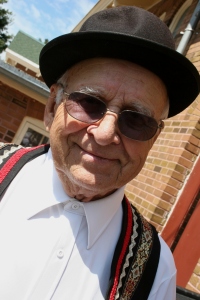
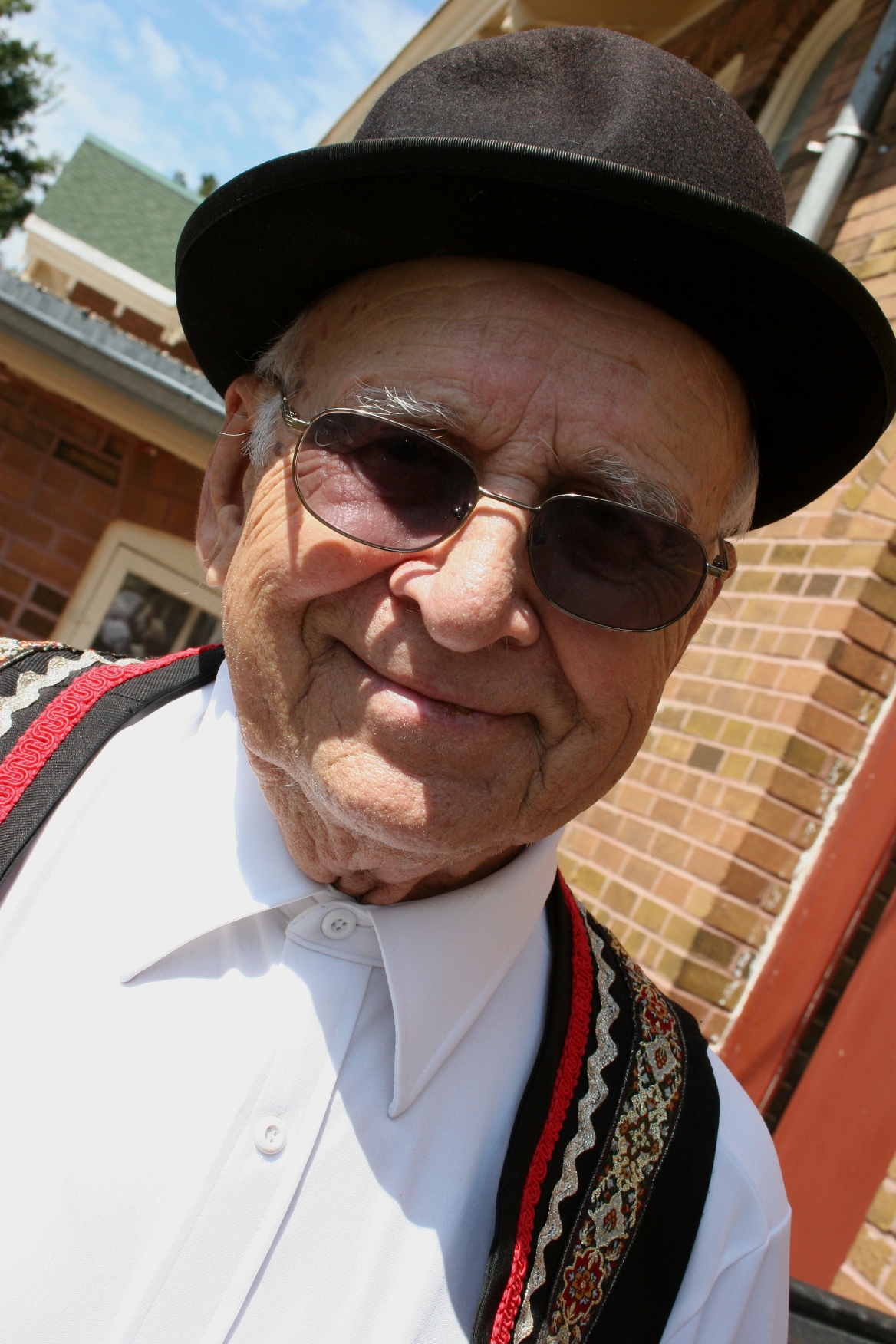
Clarence Smisek

When I approach 88-year-old Clarence Smisek of New Prague, dressed in an ethnic costume as a long-time member of the New Prague Czech Singers, he flashes a broad smile and informs me that Veseli means “to be happy.” He’s right. I later check Google translate. This Czech, who grew up a mile south of Veseli, was baptized at Holy Trinity and up until recently gave tours of the church, seemed a happy fellow.

He also tells me that Smisek means “to smile,” although I can’t verify that.

Ask Clarence to define the Czech people, and he’ll tell you this: “They are hard-working people and they are generous.”

I agree, based on the hard work, time and energy that I know goes into planning and carrying out a successful festival like the Veseli Ho-Down.

But I’d add two more adjectives to Clarence’s description of the Czech. That would be fun-loving and friendly.

CONTINUE SCROLLING BELOW for more Ho-Down images and then check back for additional posts featuring festival photos. Also scan The Catholic Spirit, your local newspaper or elsewhere, and plan to attend a Minnesota church festival this fall.
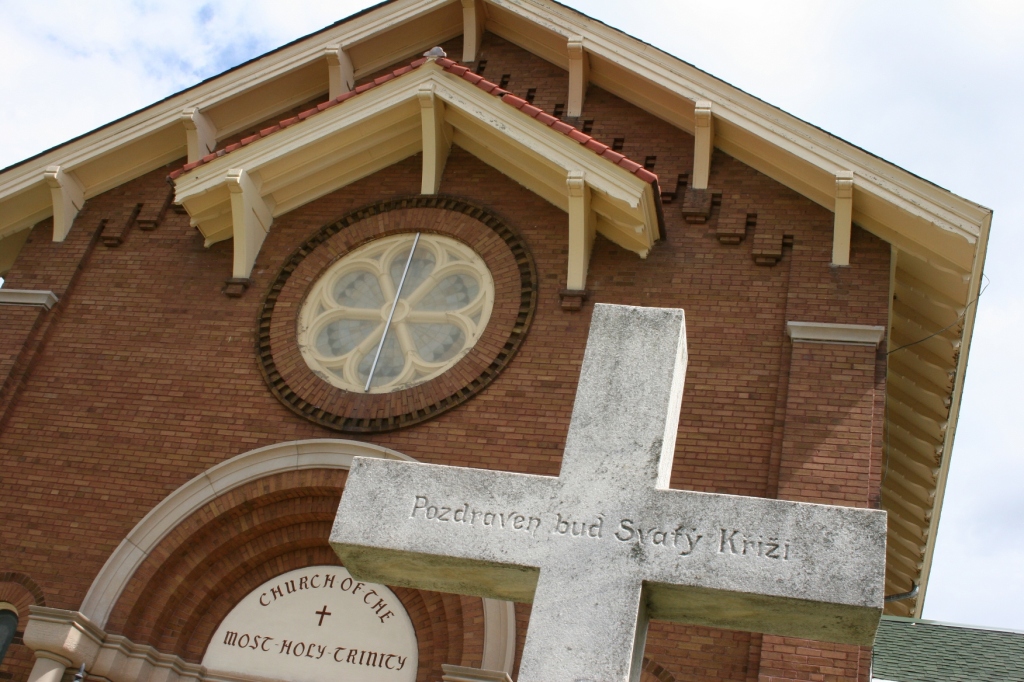
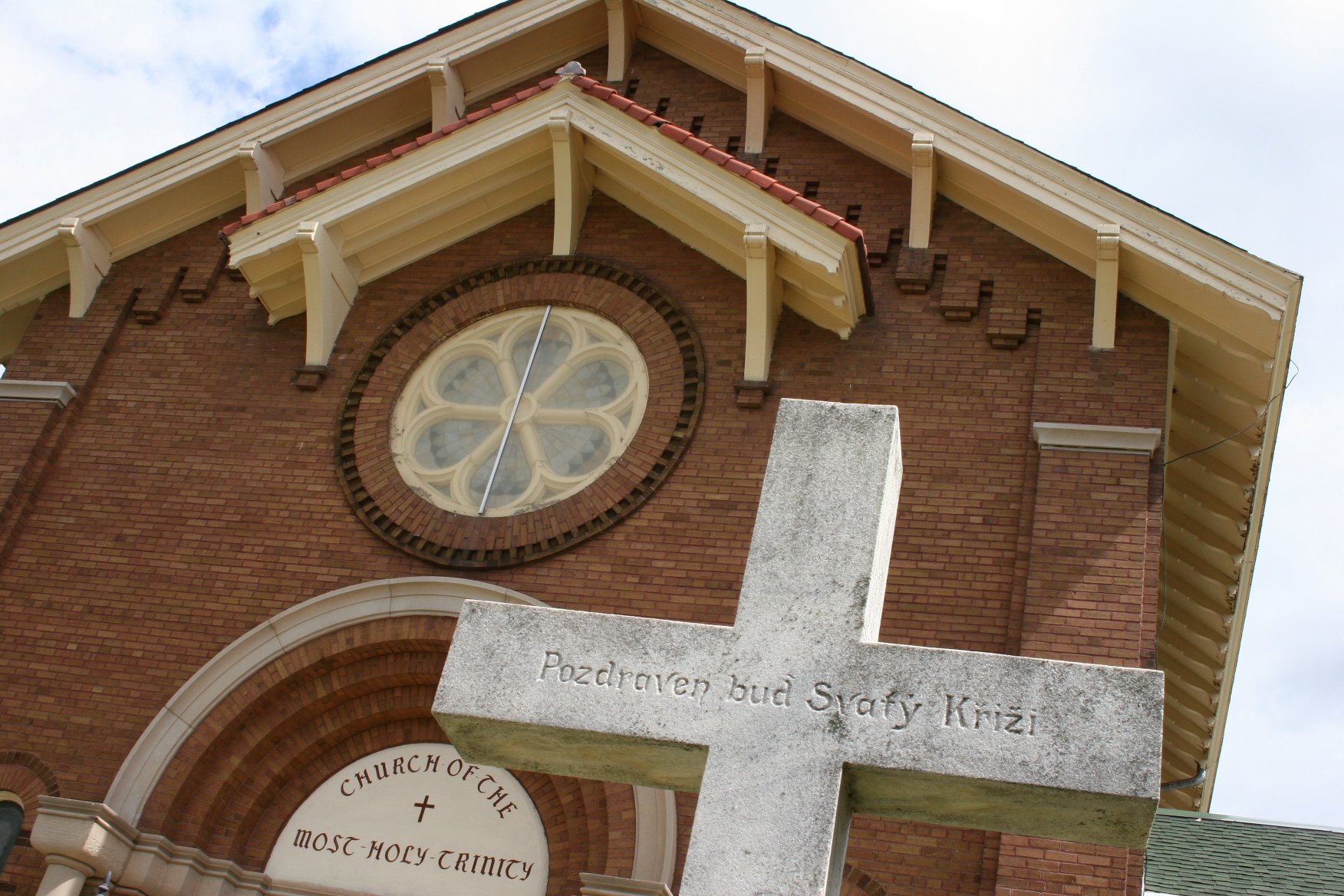
The front of the historic 1905 Most Holy Trinity Catholic Church, Veseli.
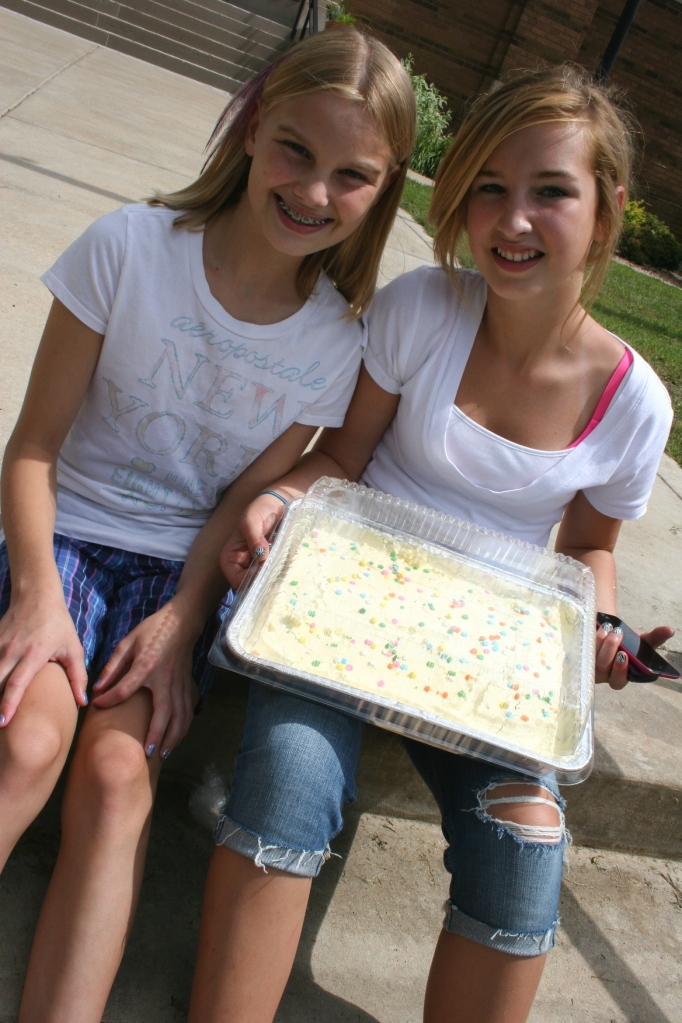
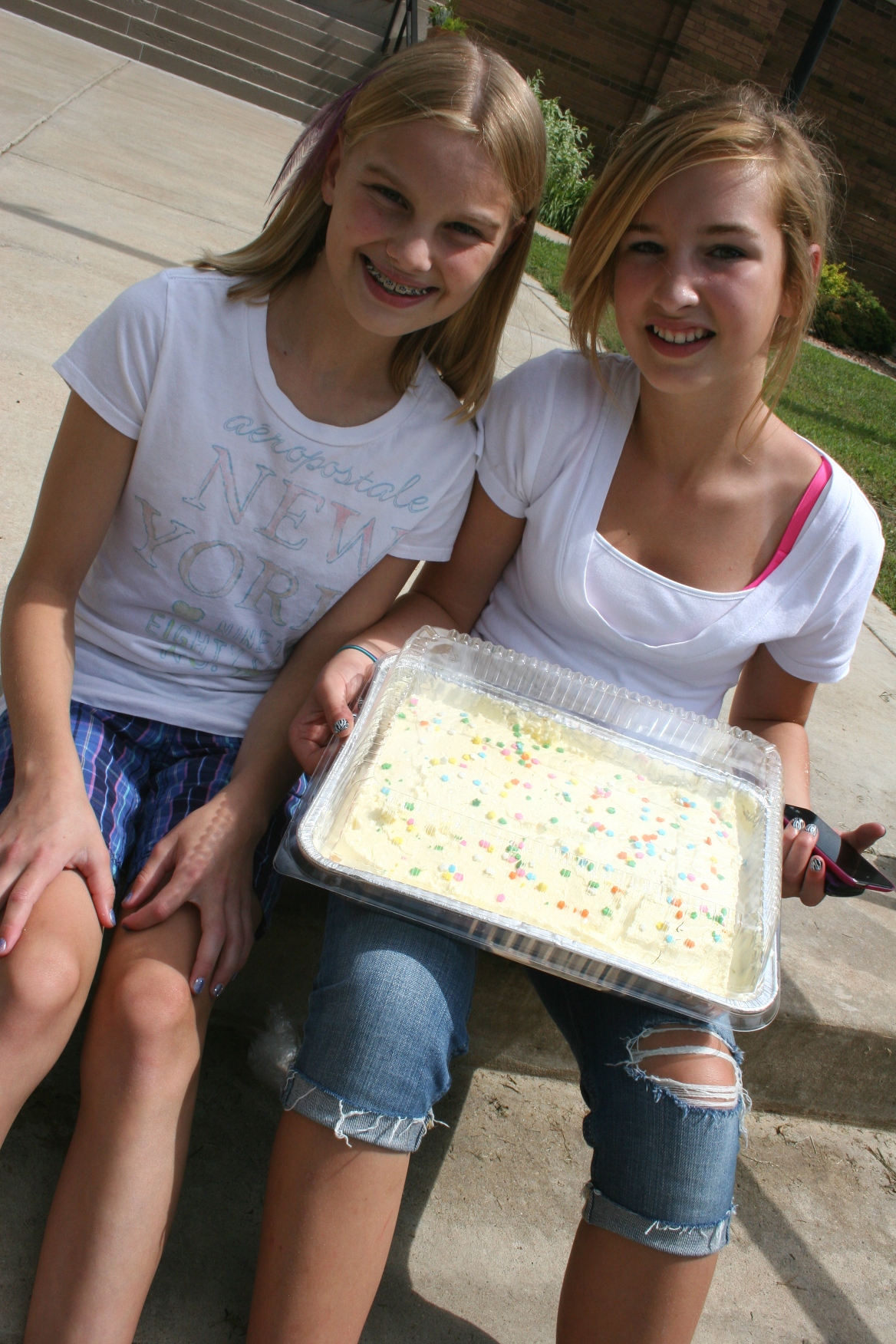
I found cousins Kayla, right, and Brianna sitting on the bank of steep steps leading to the church entry. Kayla, who attends Holy Trinity, won a cake in the cake walk and later would help with clean-up at the tattoo station. Brianna was visiting from Zumbrota.
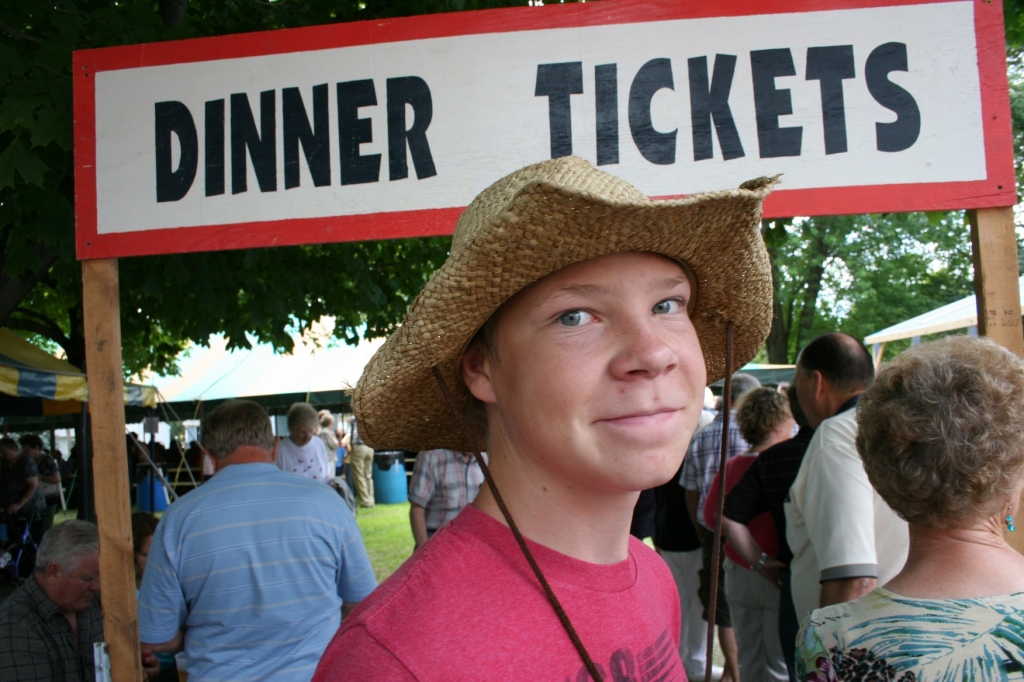
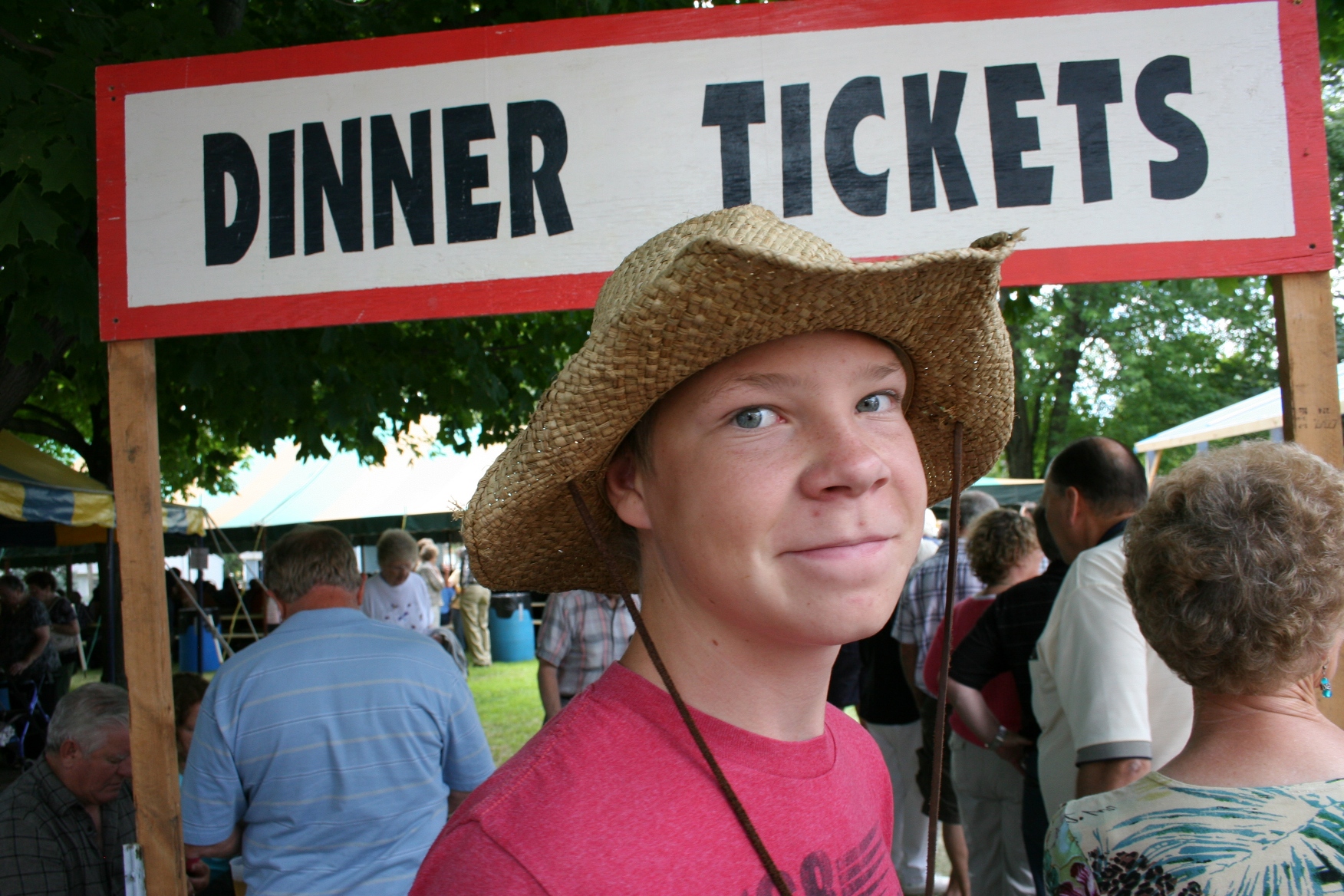
I waited in line for my chicken dinner next to Bradley, 15, of New Prague and his grandma, Janet, from Veseli. They picked up 11 dinners. Bradley didn't wear the hat just for the Ho-Down. He wears it every day.
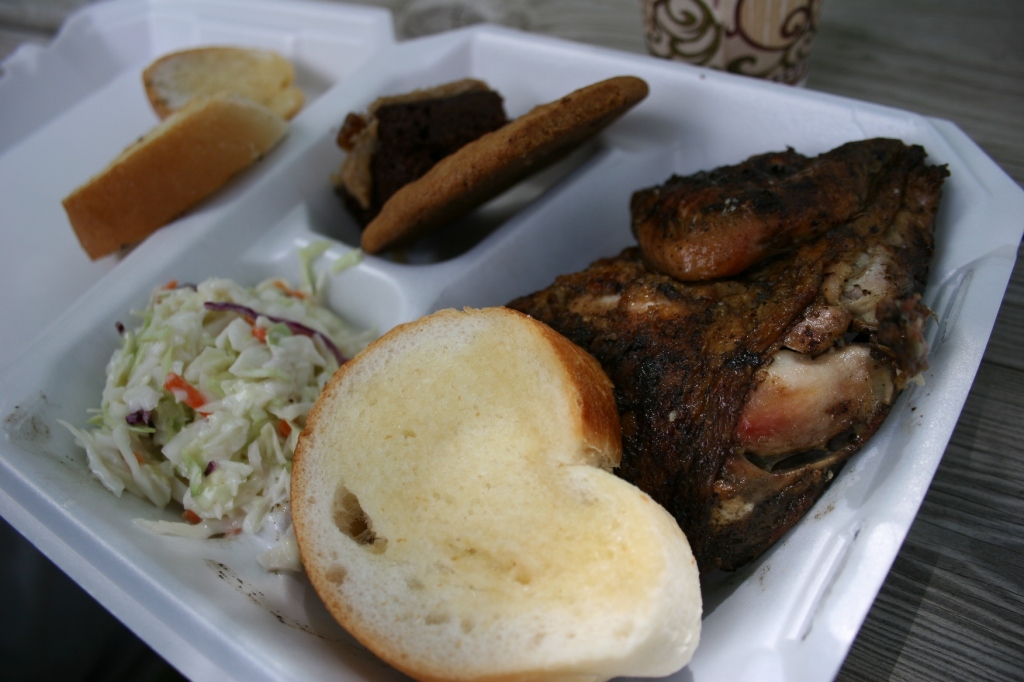
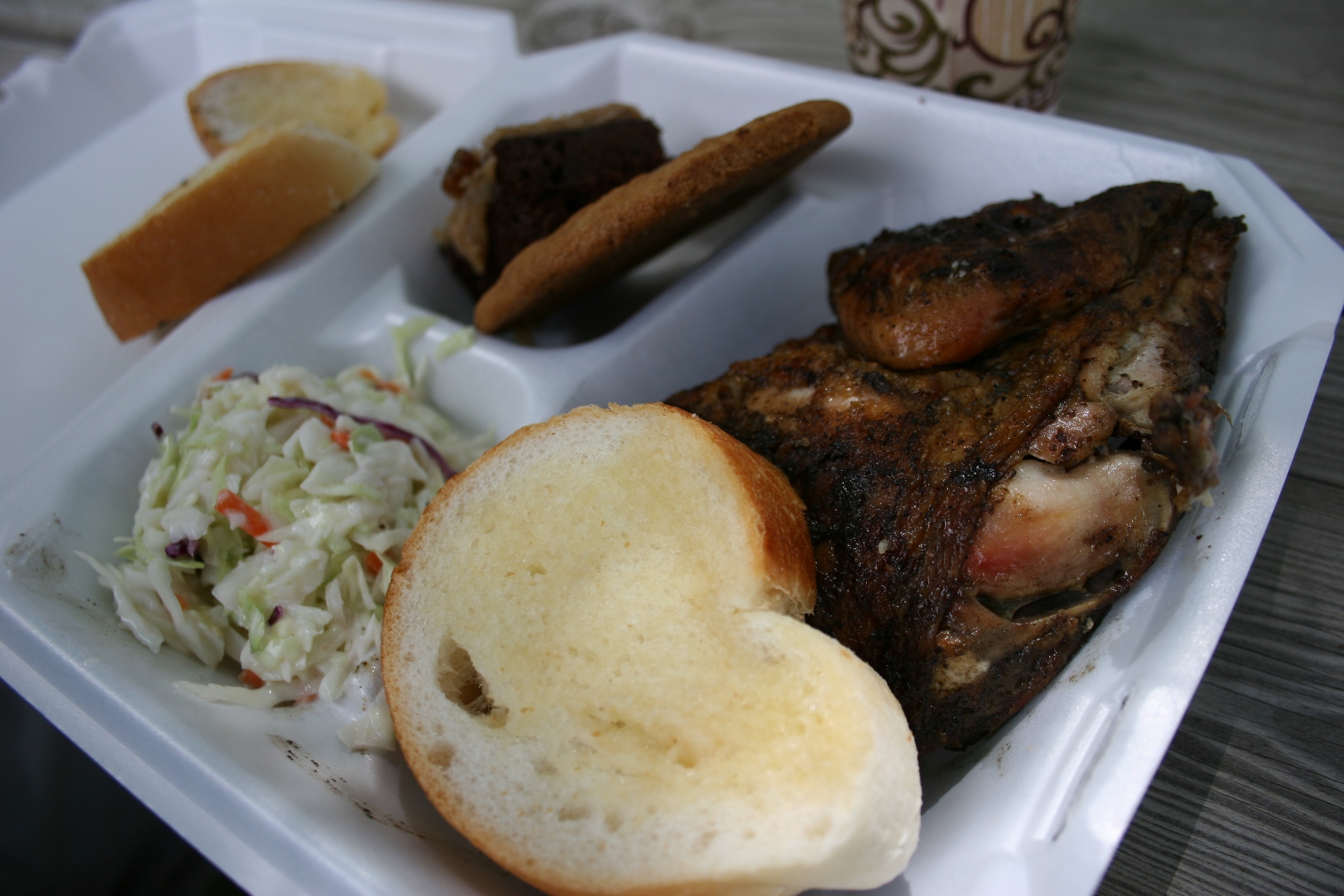
My husband and I split a single chicken dinner (half a chicken.)
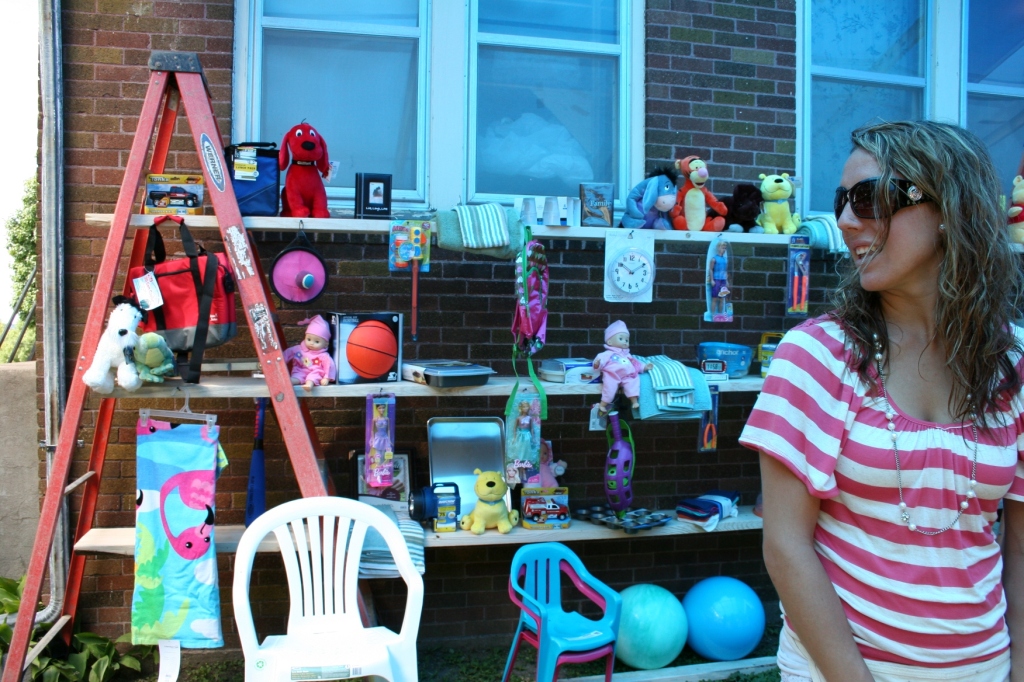
A volunteer staffs a Spin-the-Wheel prize booth that proved popular with kids. A blue tarp providing shade over the game area lends a bluish tint to this photograph.
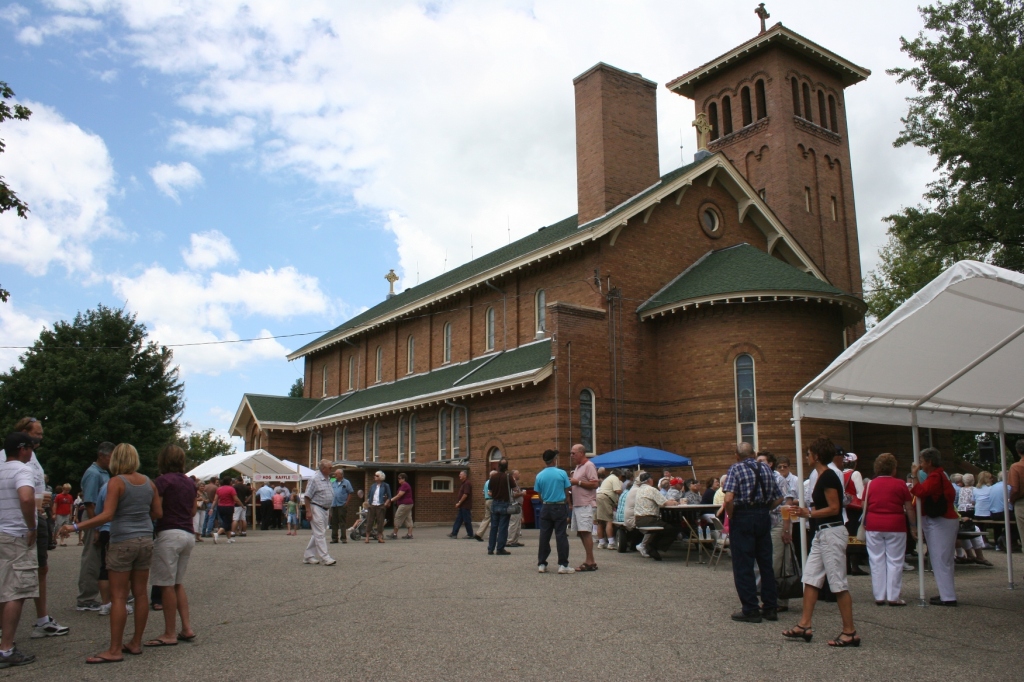
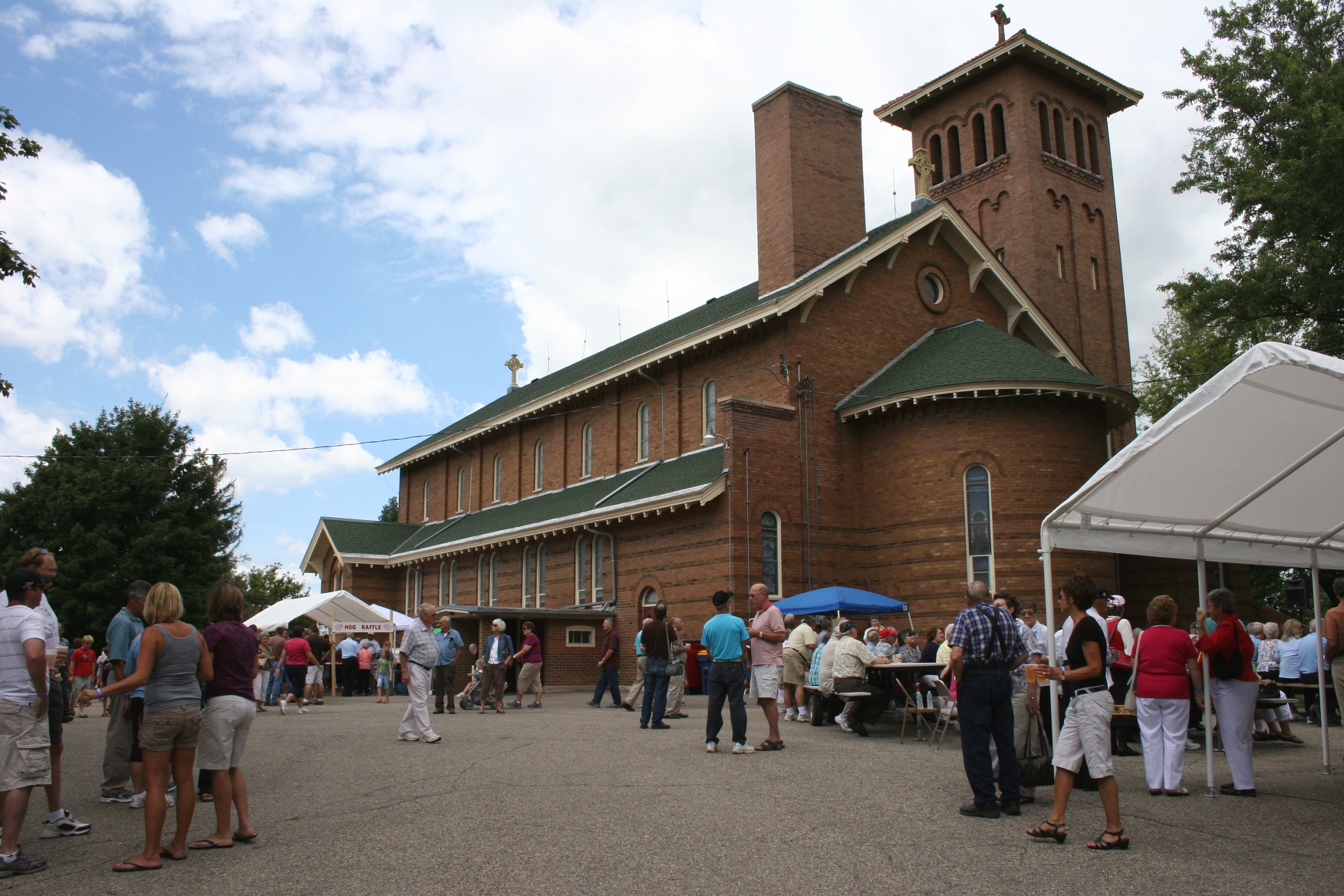
A partial view of the festivities from the back side of the church.
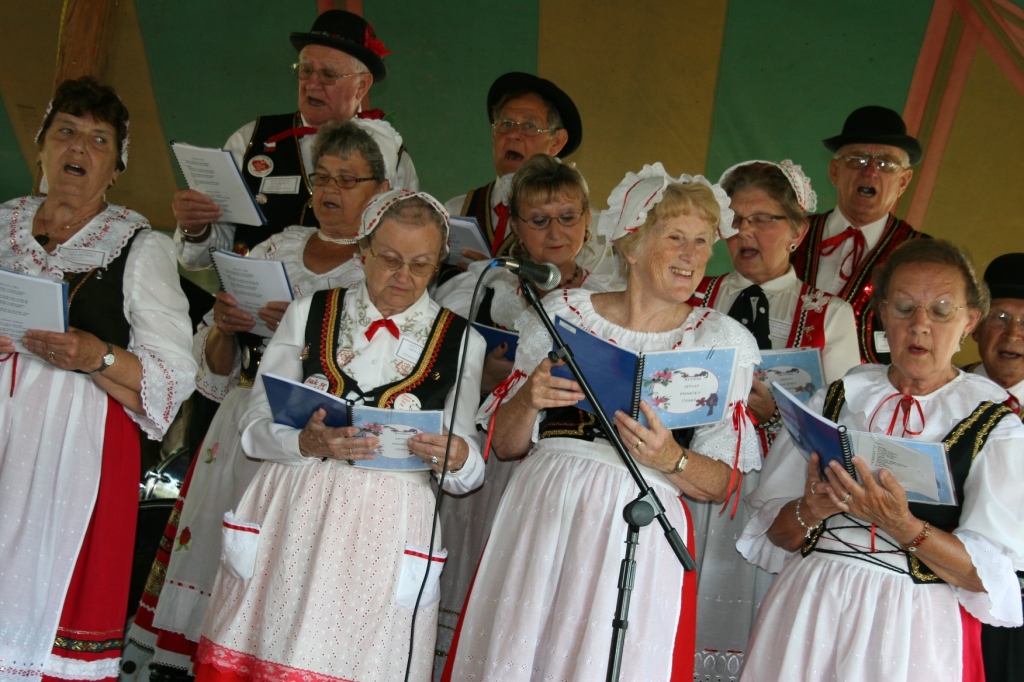
The New Prague Czech Singers sing during the mid-afternoon, one of 11 musical groups who donated their time and talents. The youngest member of the group is her 50s and learned Czech from her grandmother.

© Copyright 2011 Audrey Kletscher Helbling


The armless Jesus at storm-damaged St. John’s in Vesta August 4, 2011

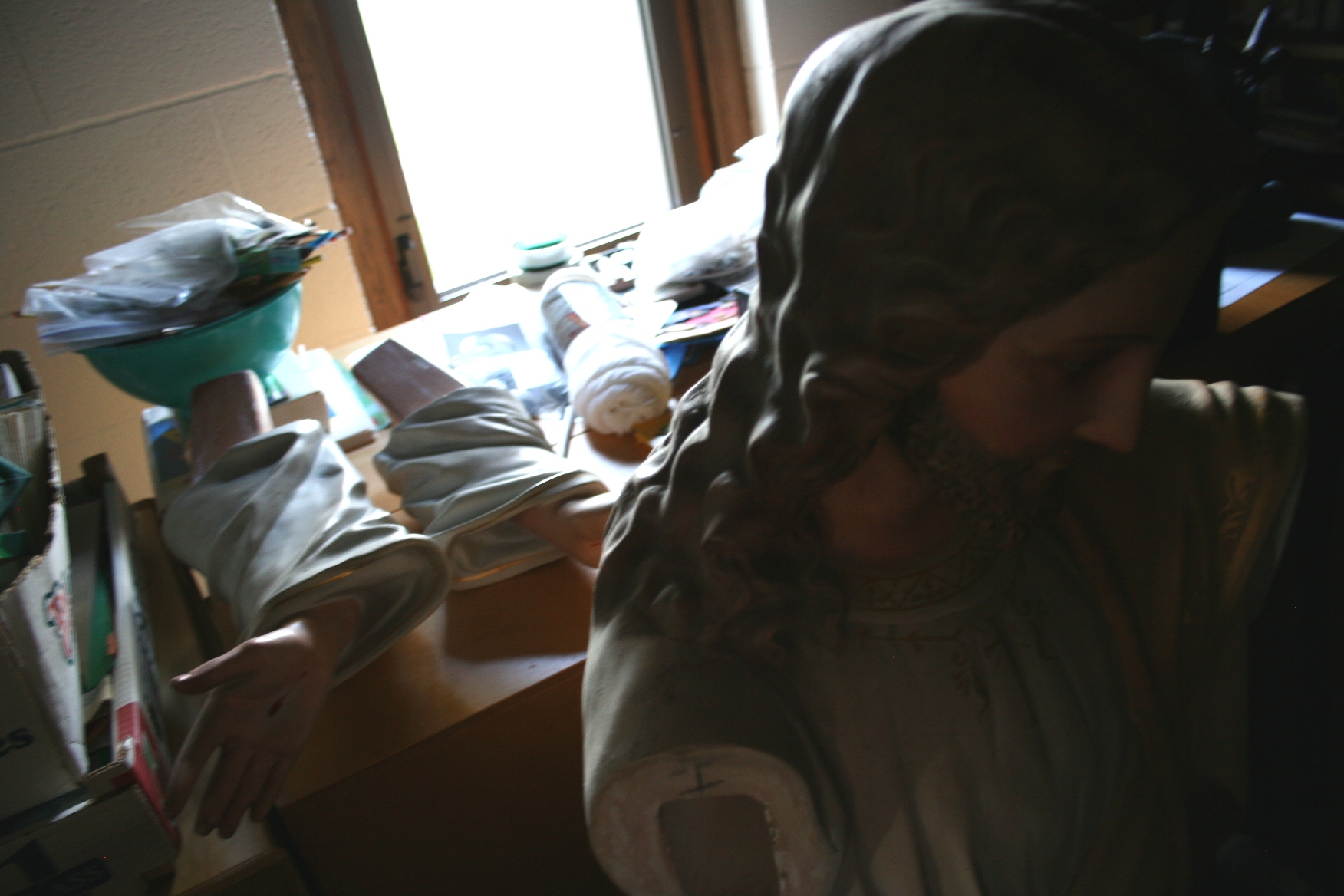
THE ARMLESS JESUS stood there, shoved into the back corner against a desk in the dark fellowship hall packed with misplaced pews.

That’s when I panicked, thought for a moment that Jesus had lost his arms in the July 1 storm, until I realized his appendages had been removed, not broken.

To the right in this photo, stands Jesus. His arms were removed and lie behind him on a desk.

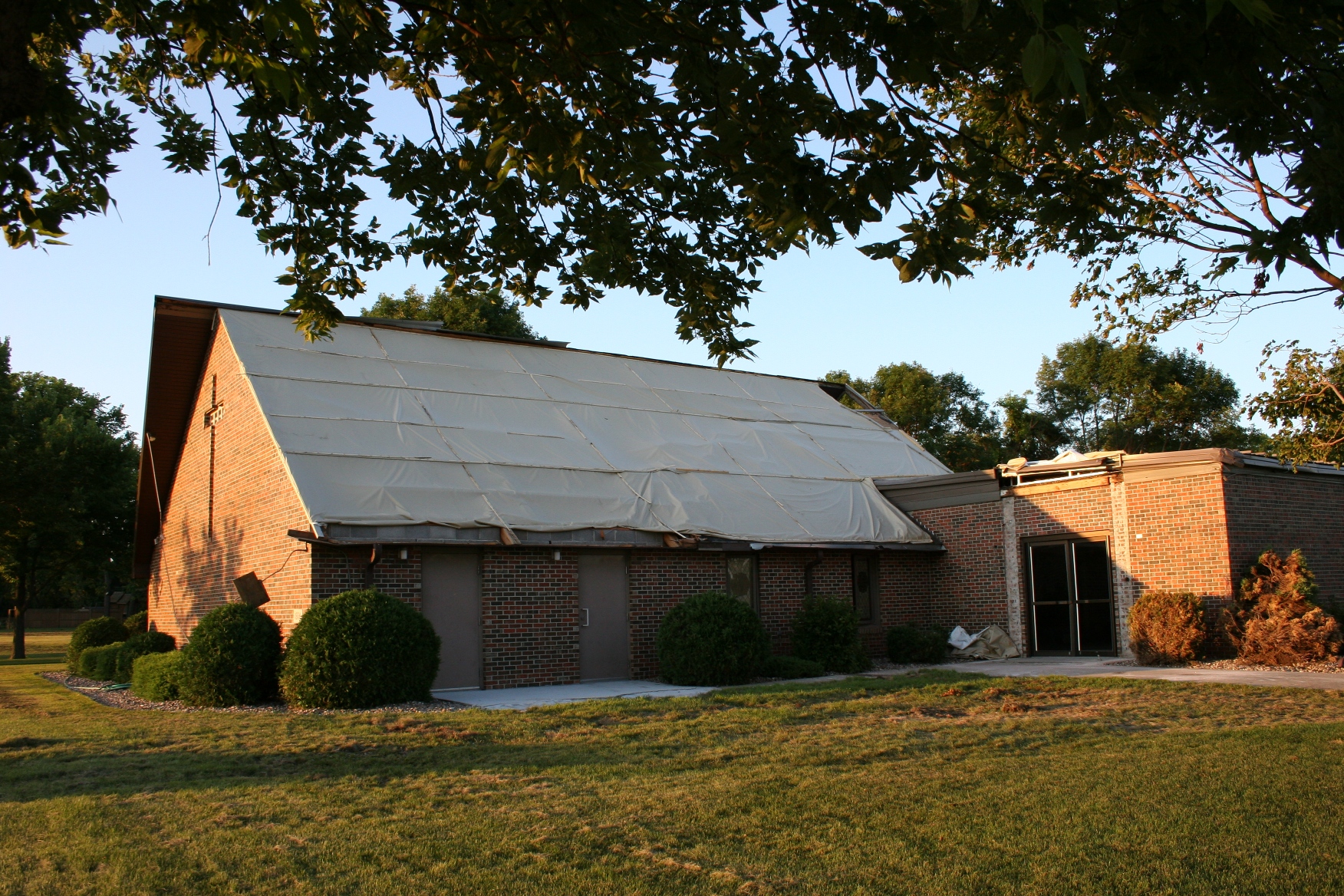
The statue of Christ has been my greatest concern ever since a series of downbursts with winds of 90 – 100 mph ripped half the roof from St. John’s Lutheran Church, exposing the sanctuary and Jesus to the heavens.

One month after that strong windstorm, I returned to my hometown of Vesta in southwestern Minnesota and viewed the damage I’d only seen in photos. The town looks better than I’d feared, although I’m certain if I’d been there right after the storm, I wouldn’t be writing that.

St. John's, hours after the July 1 storm with half of the south roof ripped off by high winds. The roof fell against and cracked the bell tower, which has since been taken down. Photo courtesy of Brian Kletscher.

It’s the damage to St. John’s that I knew would impact me the most emotionally. My worries centered on that Jesus statue, the single remaining visual reminder of the old 1900 church building across town where I was baptized and confirmed and worshipped for the first 18 years of my life. In May of 1982, I was married in the new brick church built in 1974.

Jesus, who once blessed us with outstretched arms from the altar of the old church, was alright. For that I was thankful.

As St. John’s members await word from an engineer on whether the damaged building is structurally-sound or will need to be demolished, they are attending their sister church, Peace Lutheran, in Echo seven miles to the north.

That seems to be working for now. But come winter, when travel can sometimes be difficult and dangerous on the southwestern Minnesota prairie due to blowing snow, options to worship in Vesta may need to be considered. Or maybe not. Pastor Dale Schliewe doesn’t expect the church to be rebuilt by the time the snow flies.

Right now, though, church members are more concerned about getting the building process started. That could include an expansion.

No matter what ultimately happens, this congregation remains a thriving one, attended by many members of my extended family. My great grandfather, Rudolph Kletscher, helped found St. John’s. The first church service was held in his home one mile east of Vesta.

My emotional attachment to this congregation runs deep, rooted in that legacy of faith passed from generation to generation.

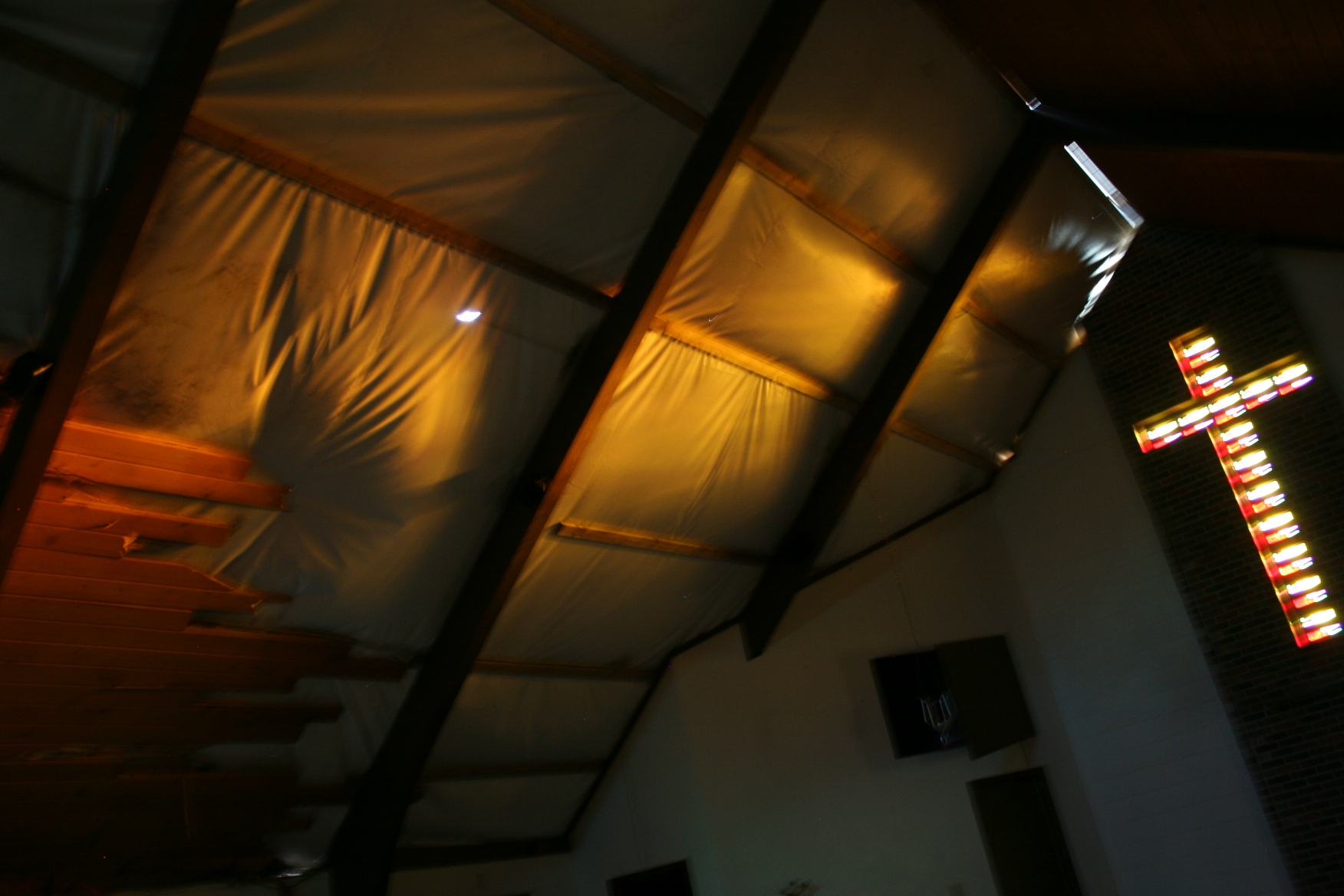
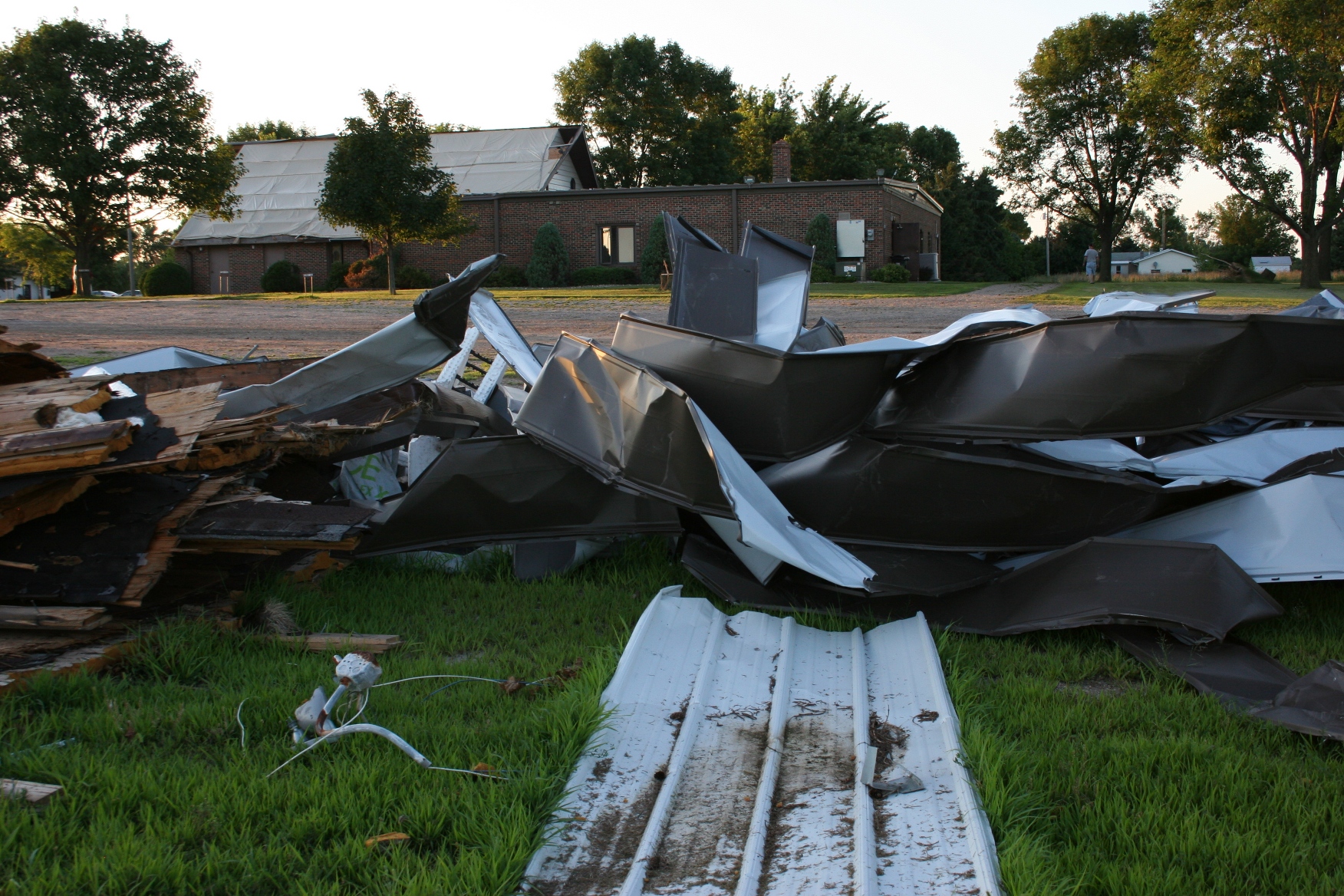
I understand that a building does not comprise a church. Yet, when I walked into the empty sanctuary of St. John’s, gazed upward at the tarp covering the missing roof, saw the splintered wood, walked around the pews jammed into the fellowship hall, noticed Jesus standing armless in the corner, spotted the hymnals stacked on a kitchen counter and skirted the pile of debris in the church parking lot, my soul ached.

Inside the sanctuary, you see the damage to the roof, now covered by a tarp. To the right, a stained glass cross centers the worship area in this photo shot at an angle.

One month after the storm, the south side of the roof is covered with a tarp.

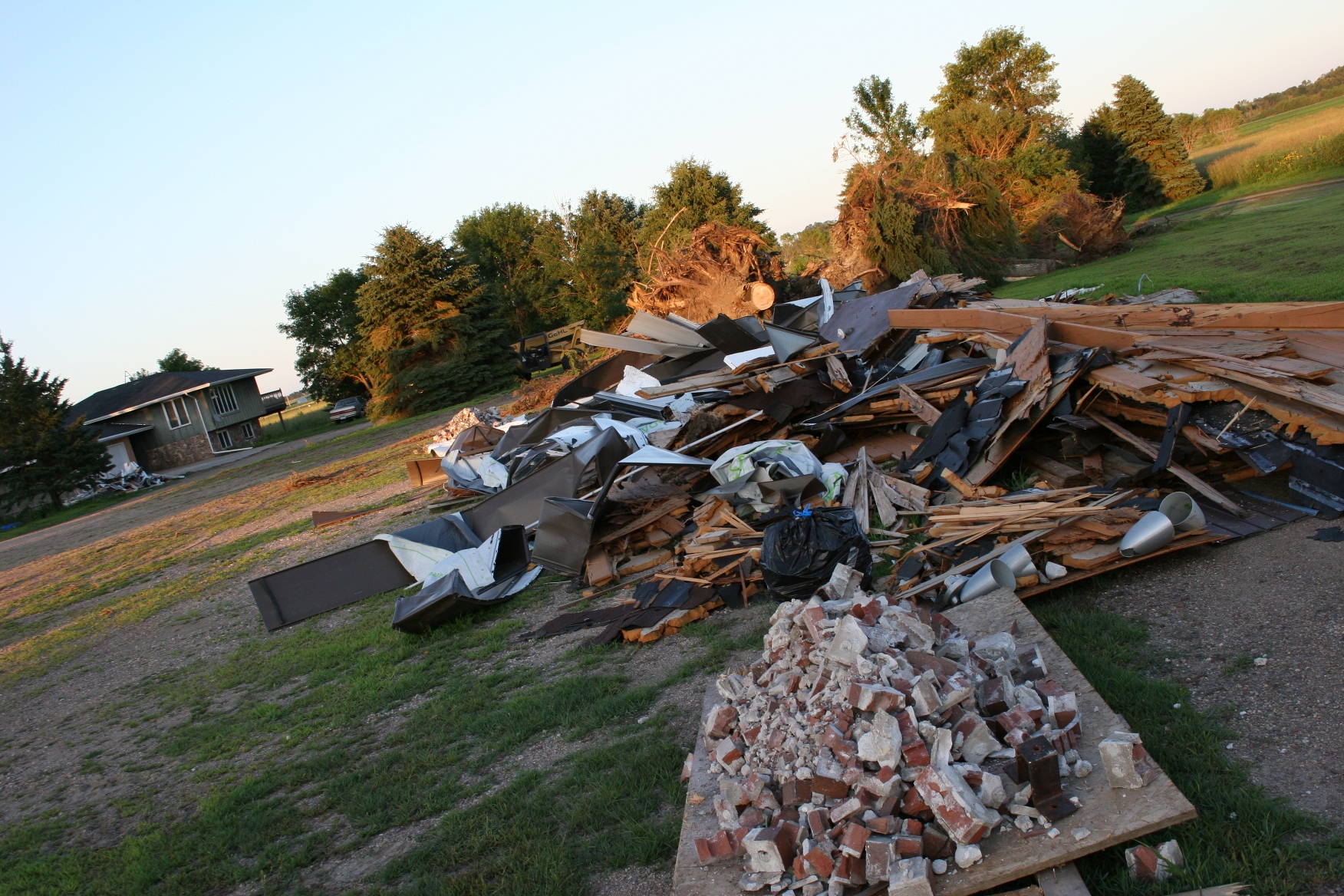
A debris pile on the edge of the parking lot includes pieces of steel from the roof and brick from the bell tower.

Another angle of that debris pile shows uprooted trees and, to the east, a house which was damaged.

© Copyright 2011 Audrey Kletscher Helbling
 

St. Mary’s of Melrose, Part II July 17, 2011

STARK CHURCHES appeal to me. The ones with the simple wooden cross, the white clapboard siding, the time-worn pews settled upon plain plank floors.

But the ornate houses of worship likewise snag my soul with crosses of gold, walls of brick and gleaming, carved pews.

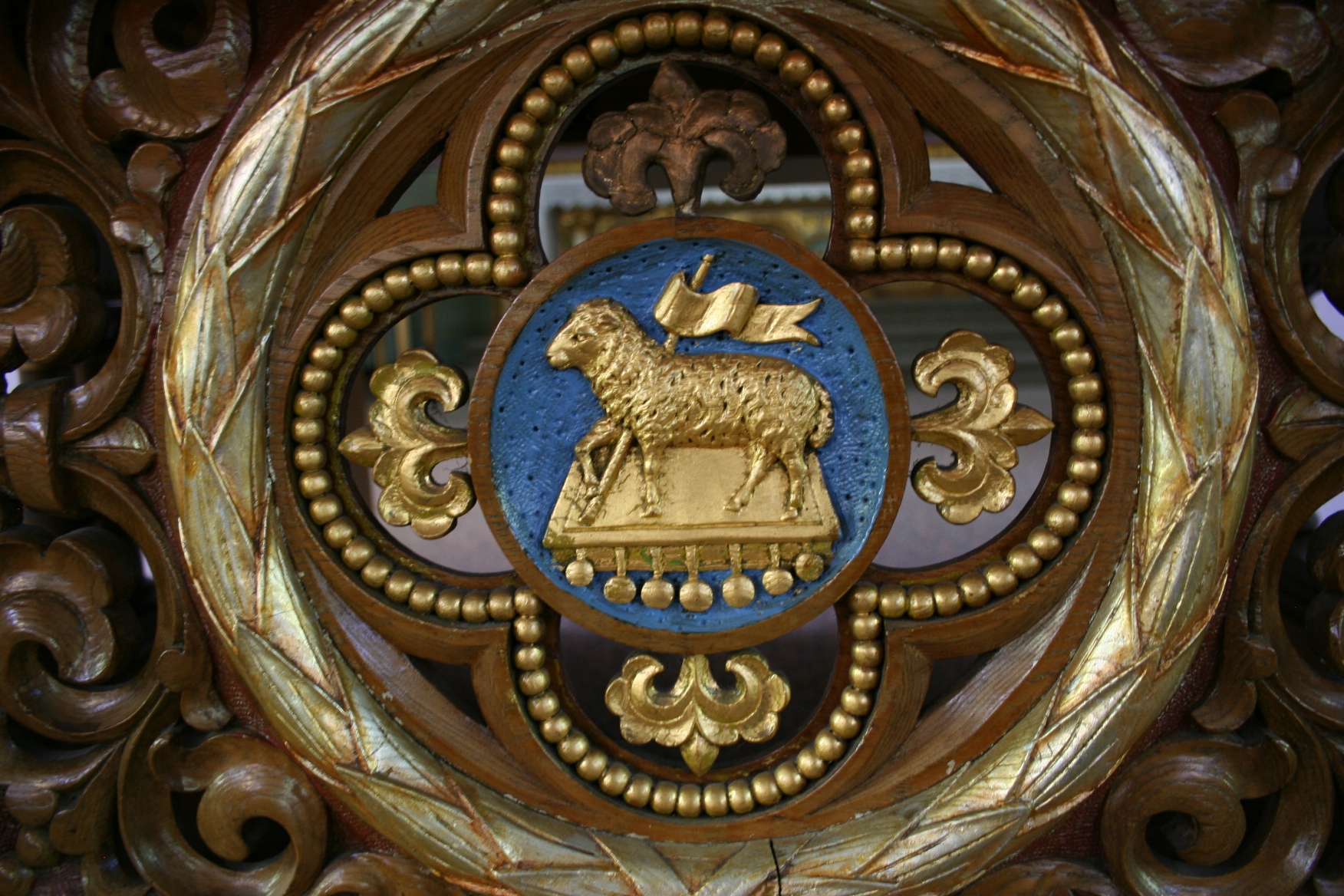
One of the many ornate carvings at St. Mary's Catholic Church in Melrose.

I am most comfortable with, most accustomed to, the unadorned churches of the Lutherans, my religious heritage. We keep things simple. No cluster of burning candles. No wafting incense. No pools of holy water. Minimal, if any, gold.

Perhaps for that reason, when I step into an historic Catholic church, I feel like I’ve entered a foreign land. I am often awed by the opulence, by the details that visually overwhelm me.

The side aisle on the left leads to an ornate altar in St. Mary's which is on the National Register of Historic Places.

That’s exactly how I felt upon entering St. Mary’s Catholic Church of Melrose, featured here in an earlier post. Overwhelmed. But good overwhelmed. Because I could not possibly present all of the images I wanted to share with you in a single post, here are the remainder.

No matter your religious affiliation, you simply have to appreciate a place like St. Mary’s. What beauty. What art. What history. What heavenly splendor.

This was the top or bottom of something. Can't recall what. But it sure is stunning.

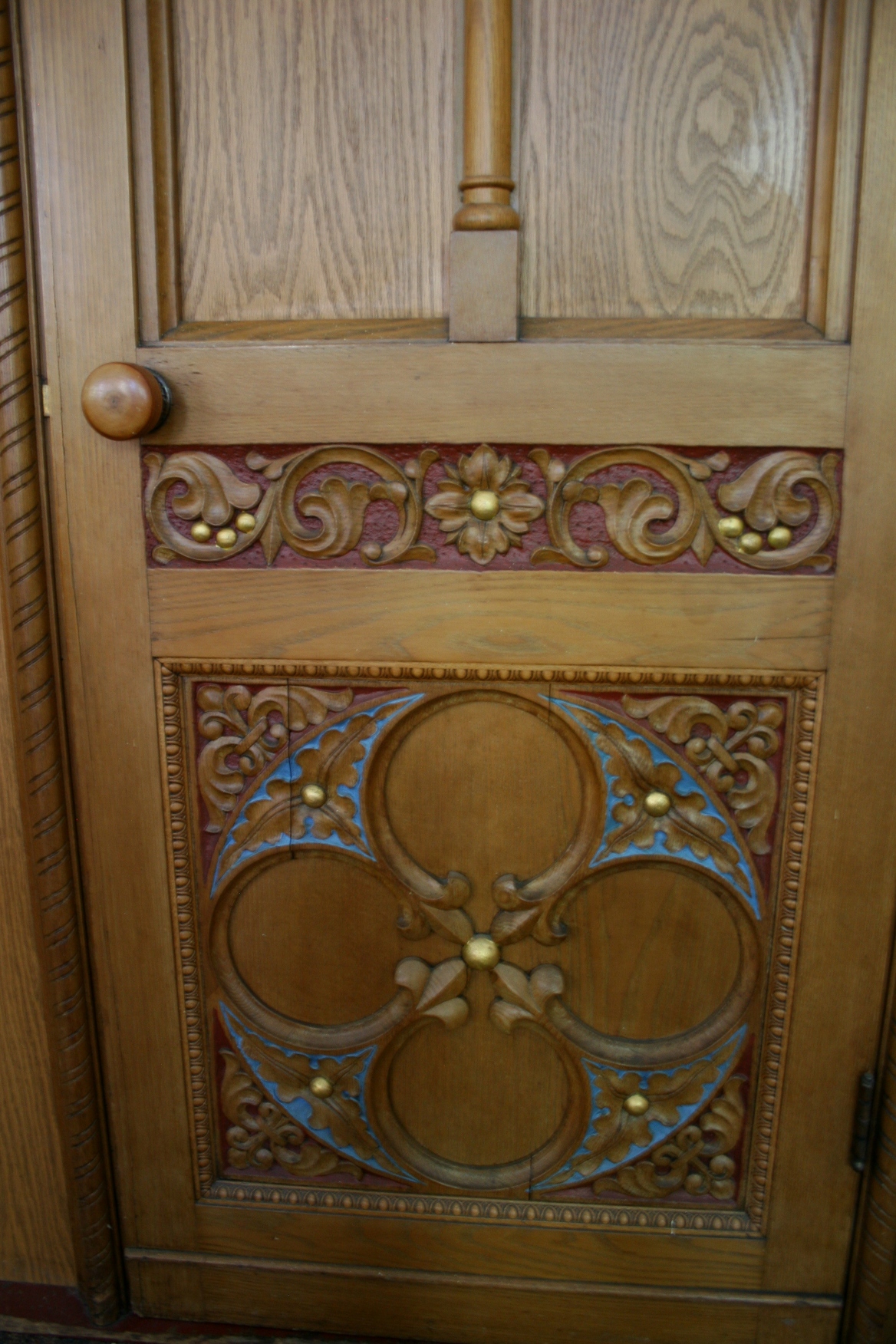
Look at this gorgeous, carved door, will you?

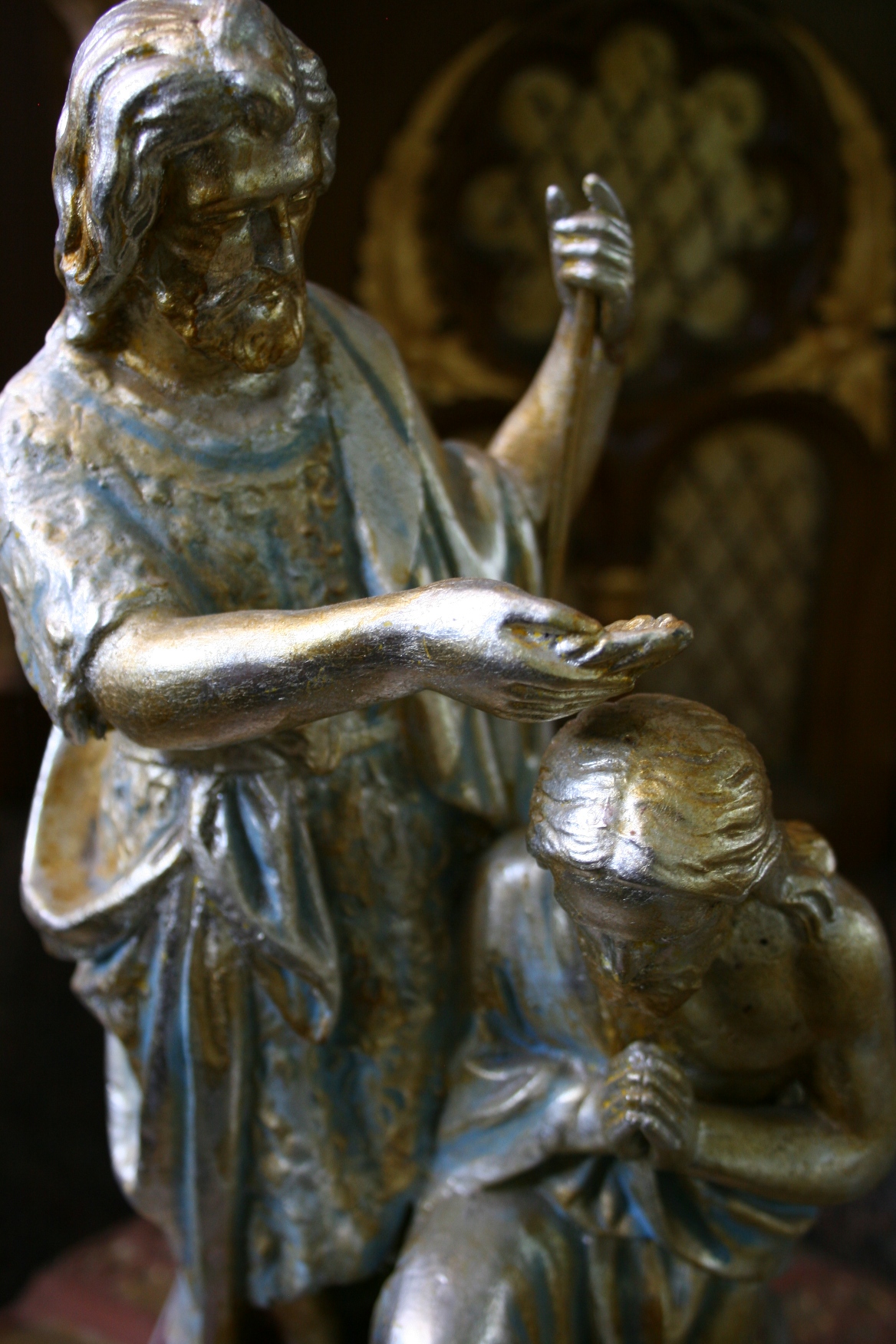
Golden statues. Beautiful.

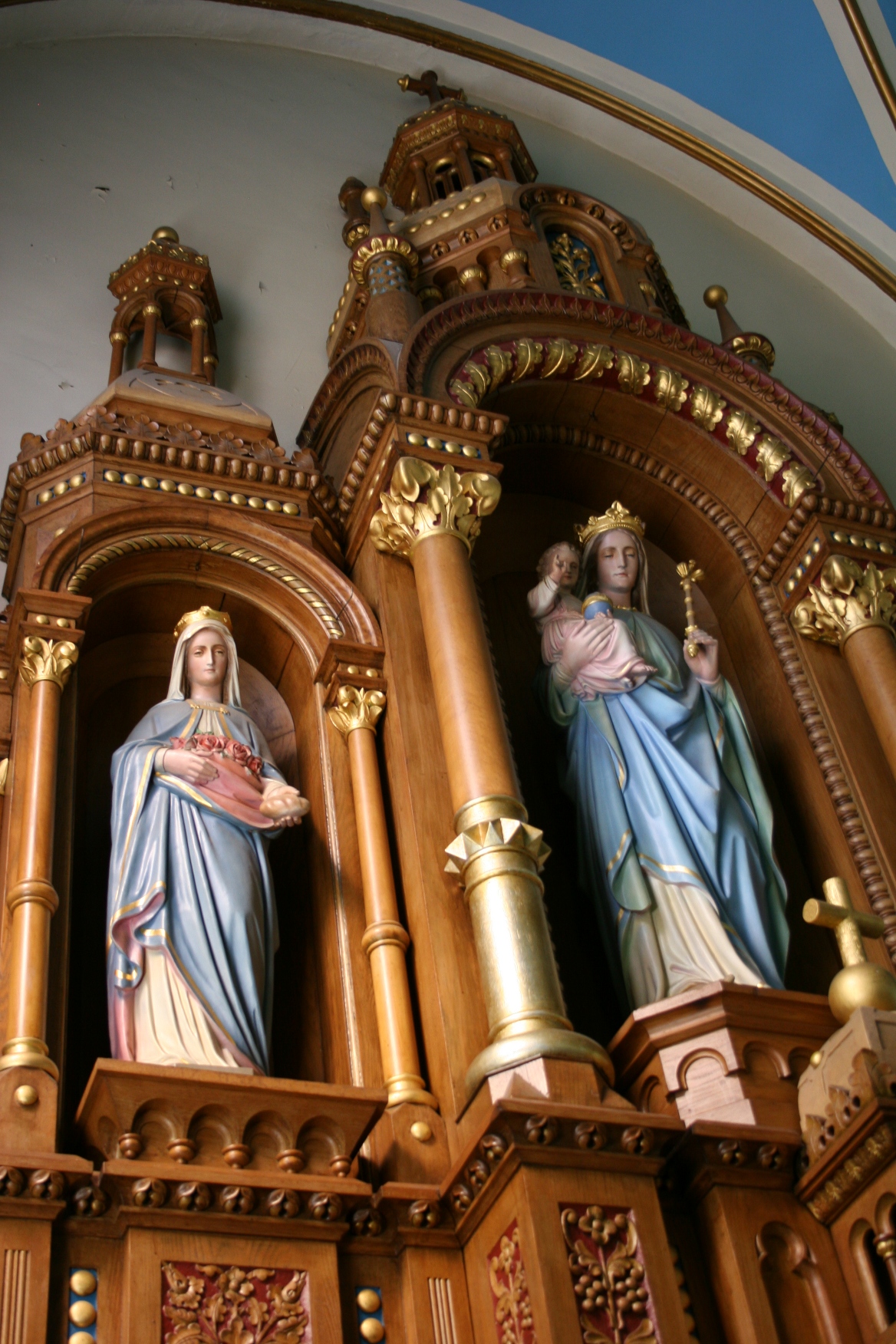
Just look at this detailed side altar. I could have spent hours in St. Mary's.

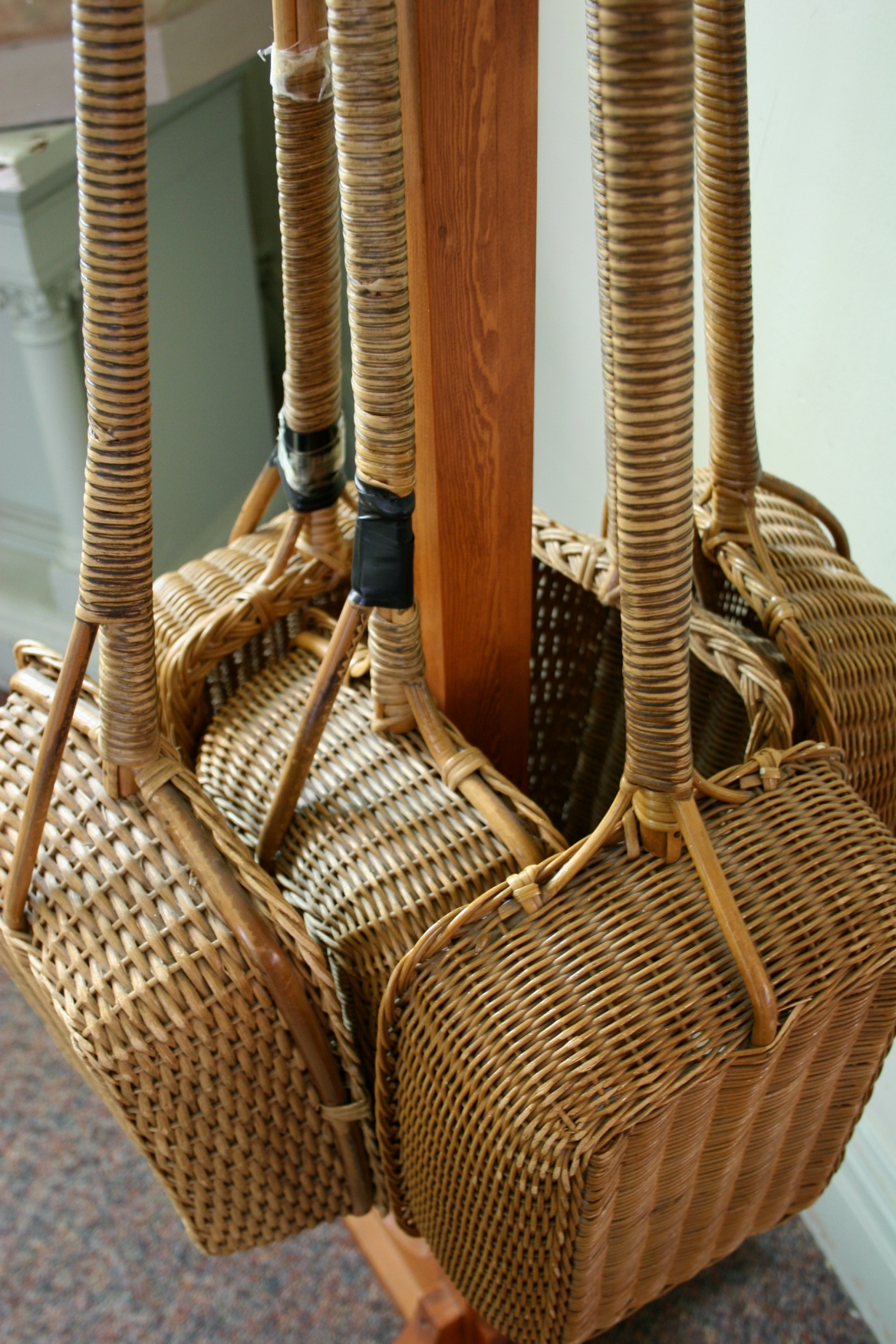
And then I discovered these collection baskets hanging from a rack. We Lutherans don't have wicker baskets with long handles. These contrast so sharply with the the ornateness in the church and that is why I so appreciated this grouping.

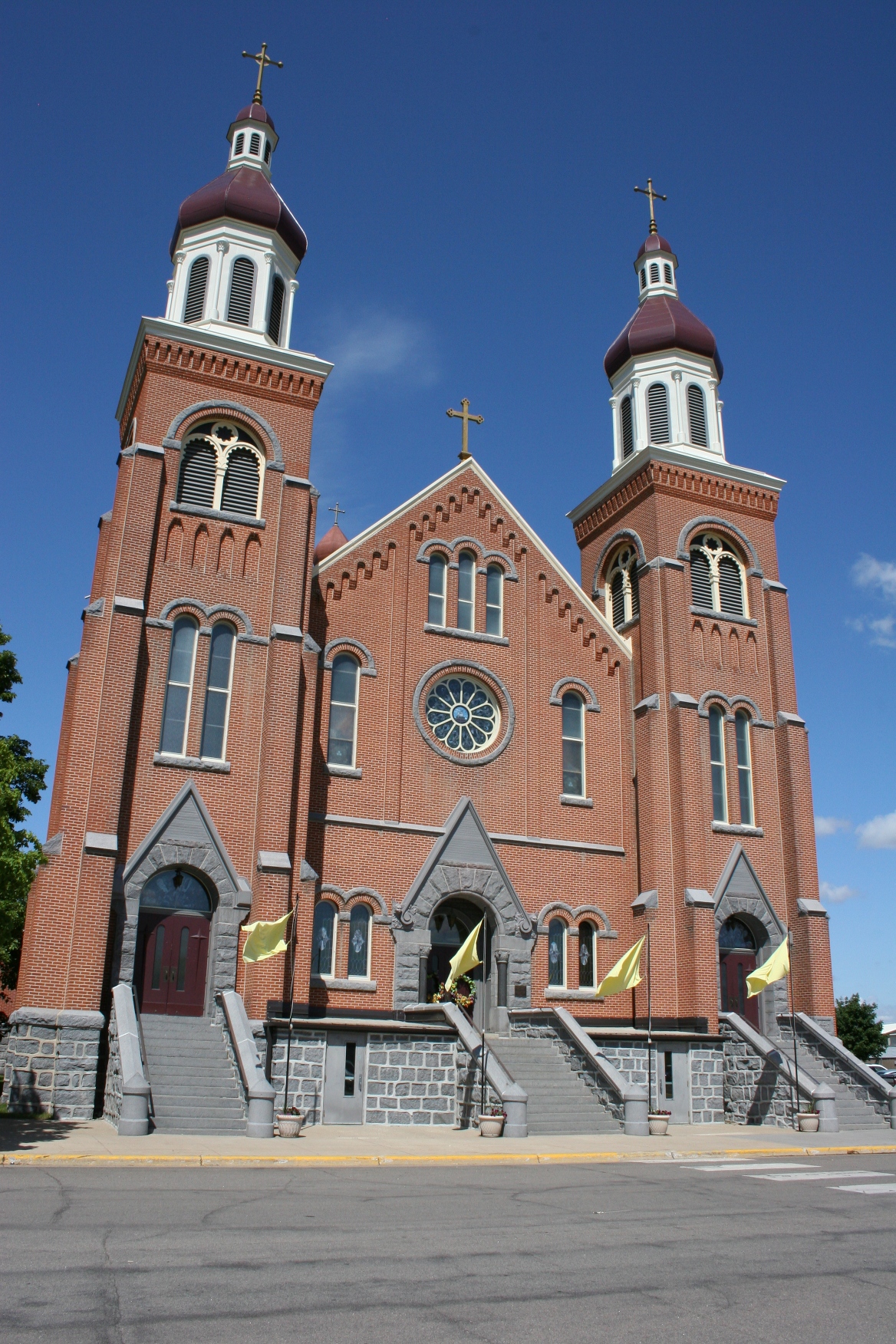
St. Mary's Catholic Church stands strong as a fortress in Melrose, next to the turkey plant, its towering steeples visible from nearby Interstate 94 in west central Minnesota.

© Copyright 2011 Audrey Kletscher Helbling


Hail St. Mary’s of Melrose June 26, 2011

The steeples of St. Mary's Catholic Church of Melrose.

I STOOD THERE. Just stood there. For minutes, taking in the glorious splendor before me.

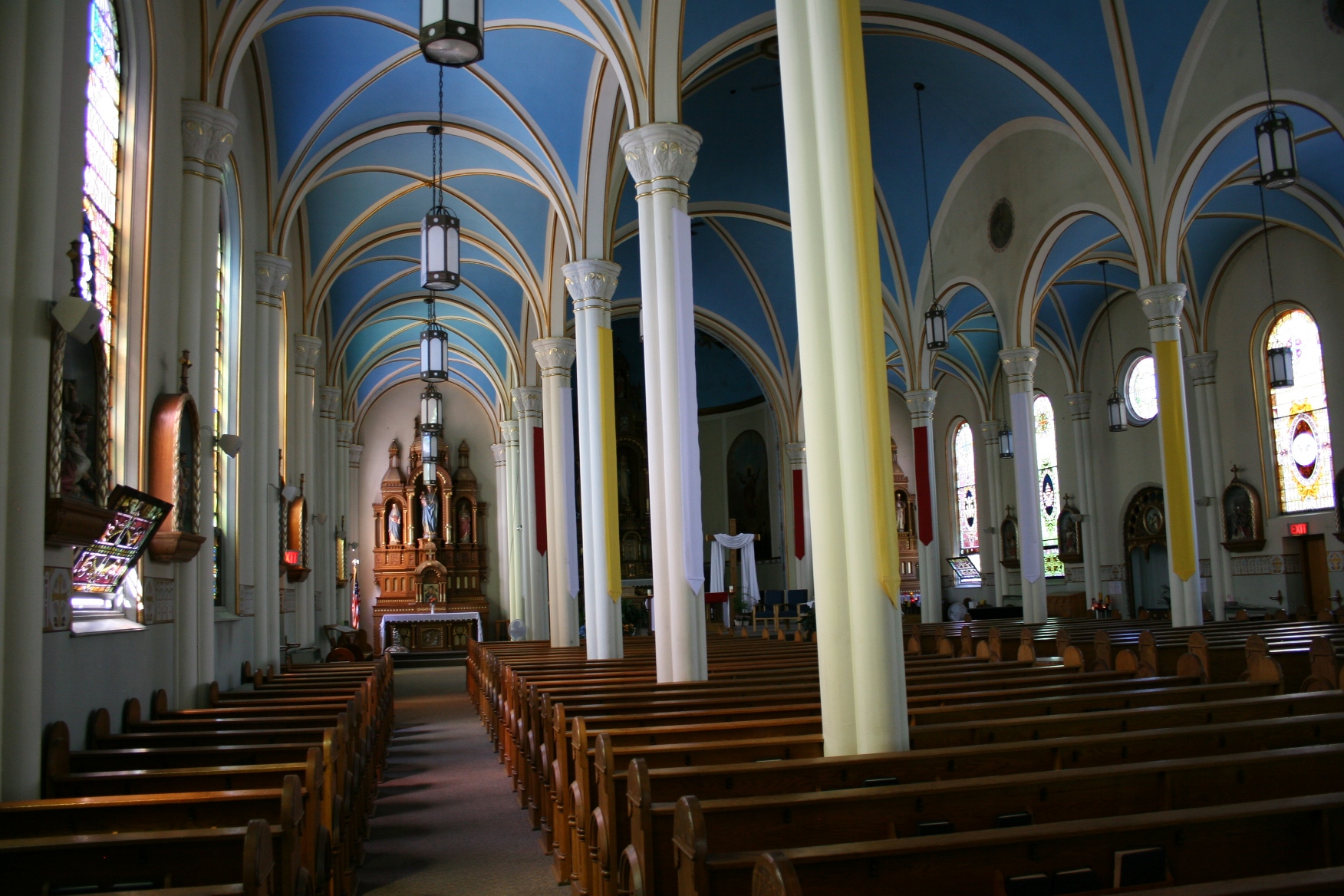
The cornflower blue of the arched ceiling. The pillars. Pews—endless carved pews stretching from the fonts of holy water to the steps leading to the altar.

A view from the back of St. Mary's Catholic Church looking toward the main altar.

I didn't even try to count the hand-carved pews that grace this church. But they are many.

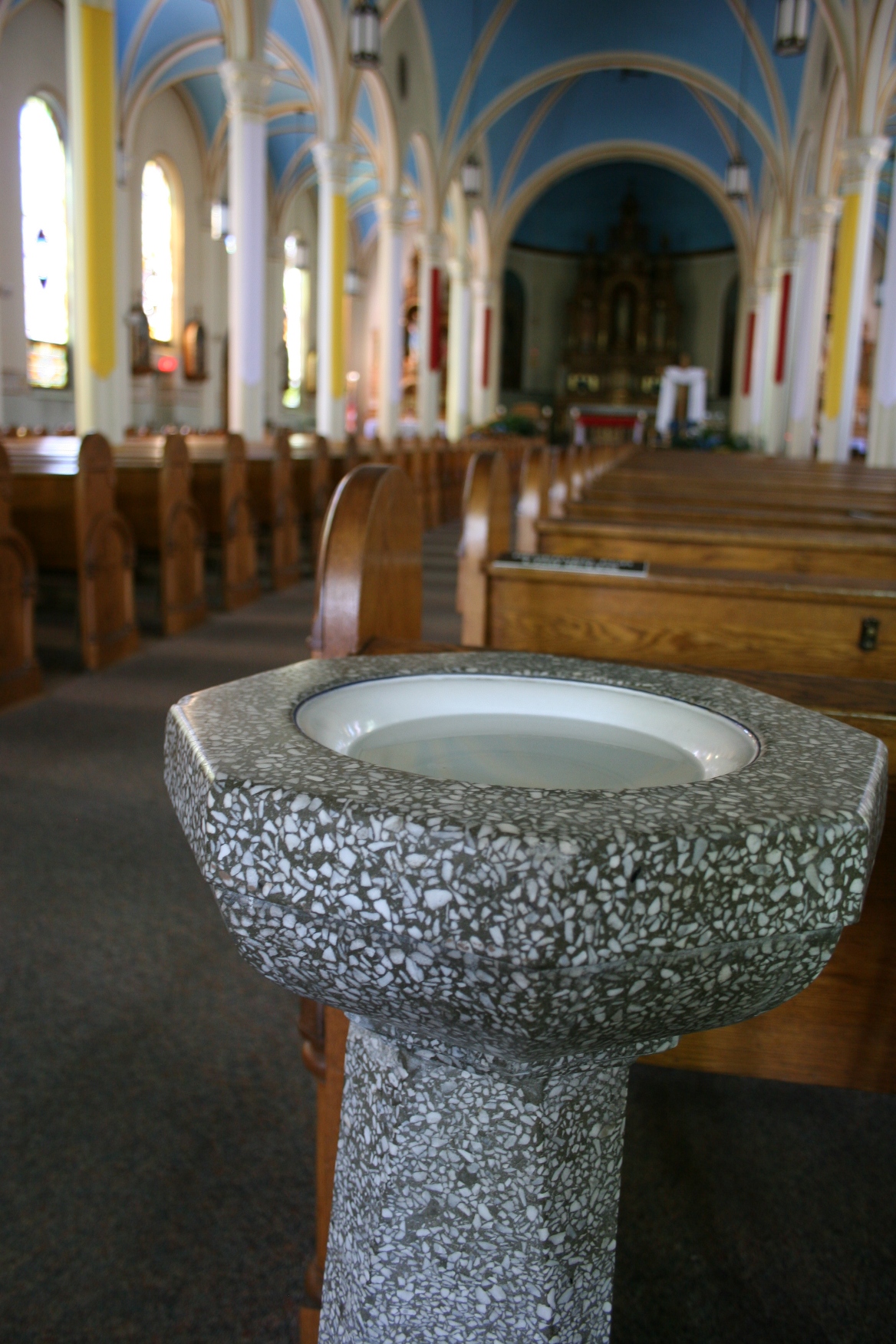
A stone font holding holy water at the back of the church.

Such beauty. Such holiness. Such wonderment.

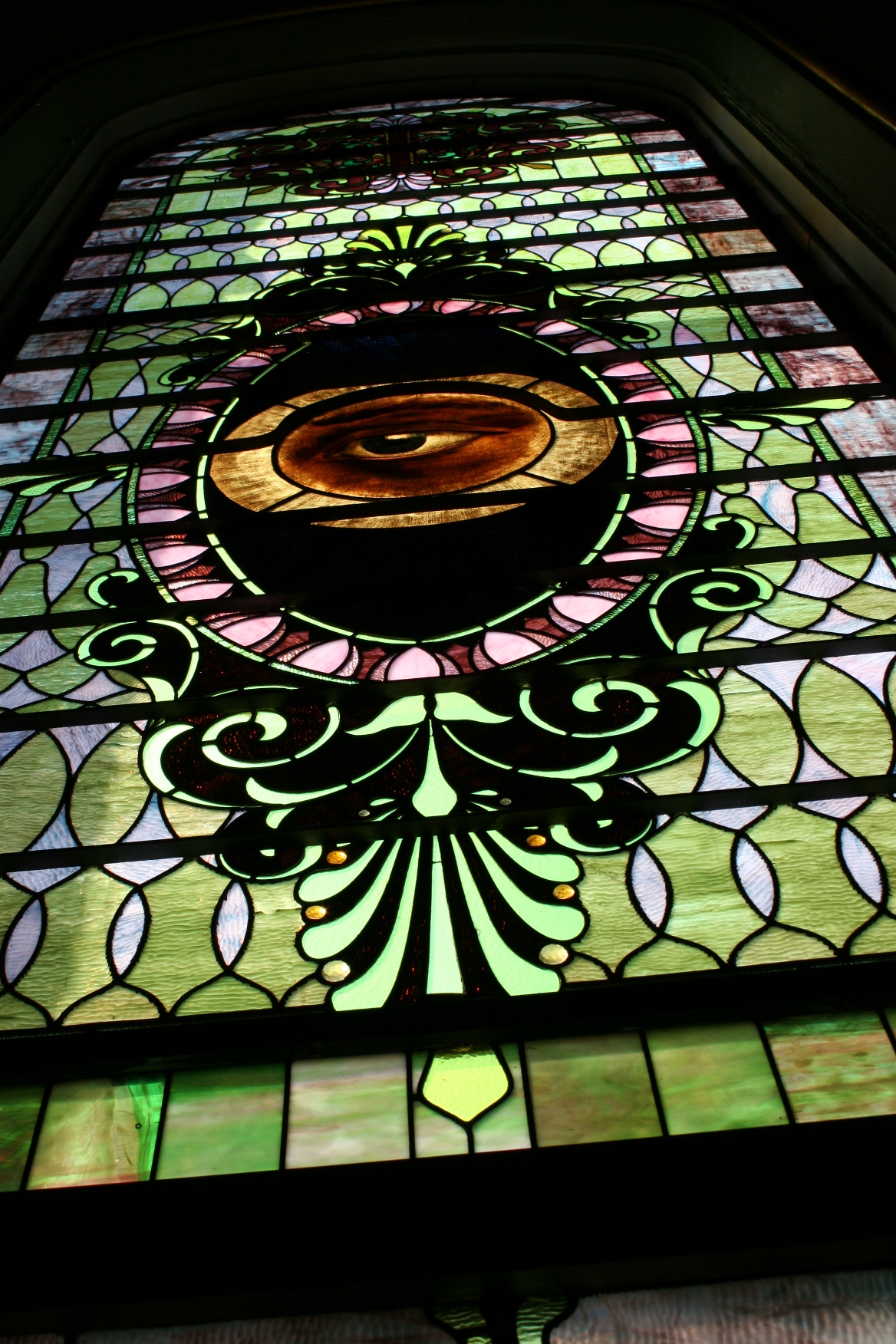
Opulent, stained glass windows bedecking the sanctuary like jewels on a crown.

One of too many stained glass windows to count.

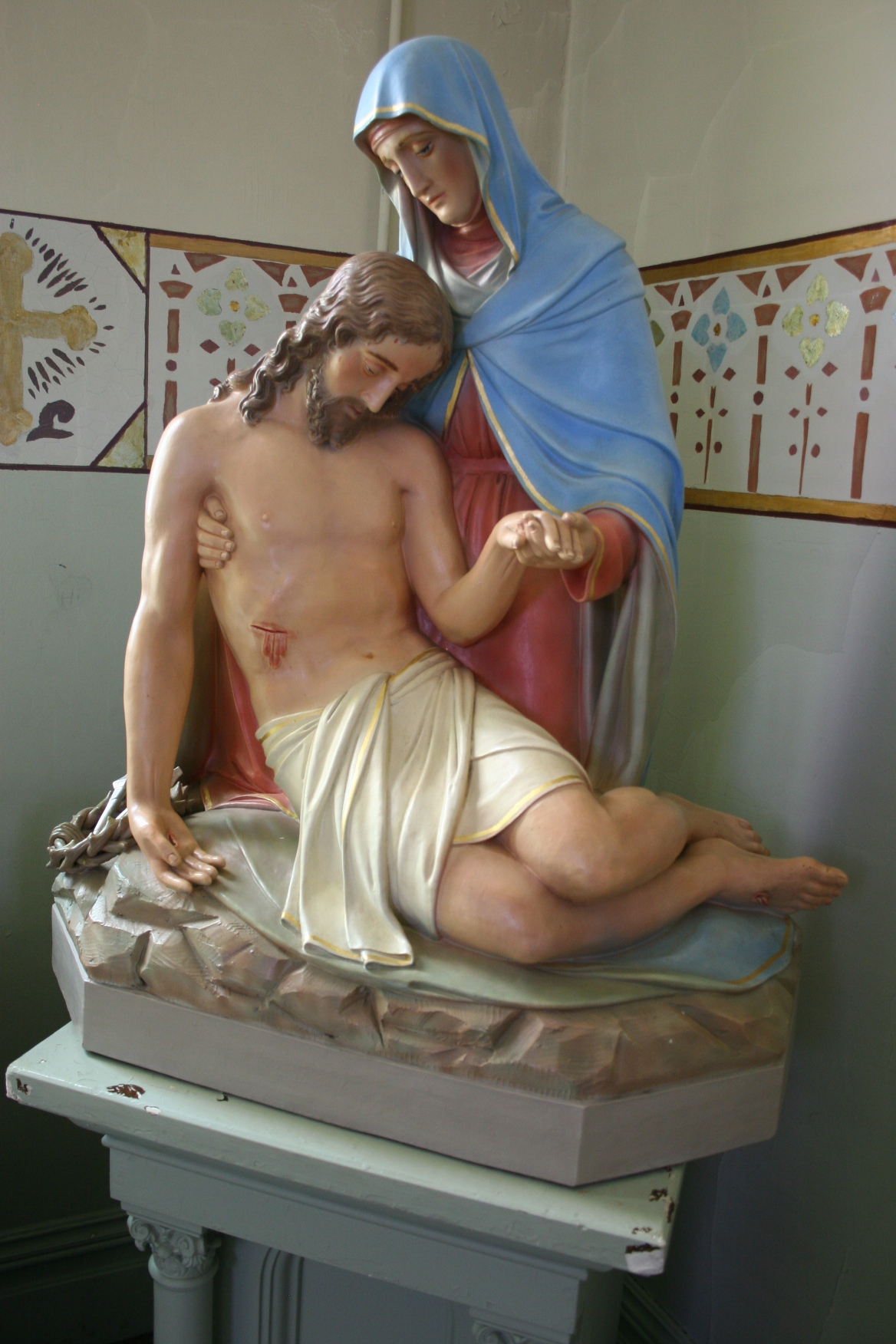
Statues fit for the finest of museums.

This statue of Jesus and Mary sits at the back of the church.

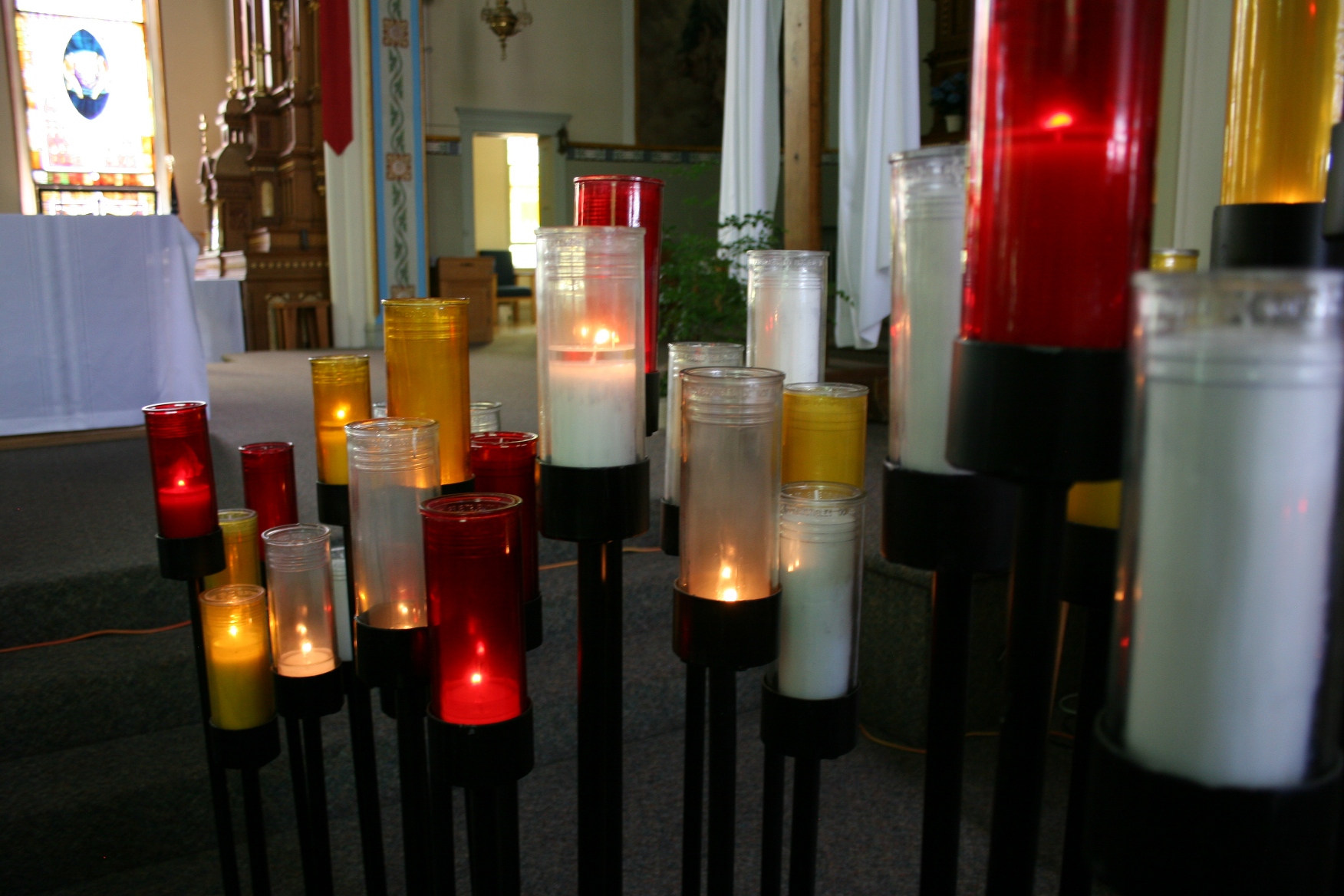
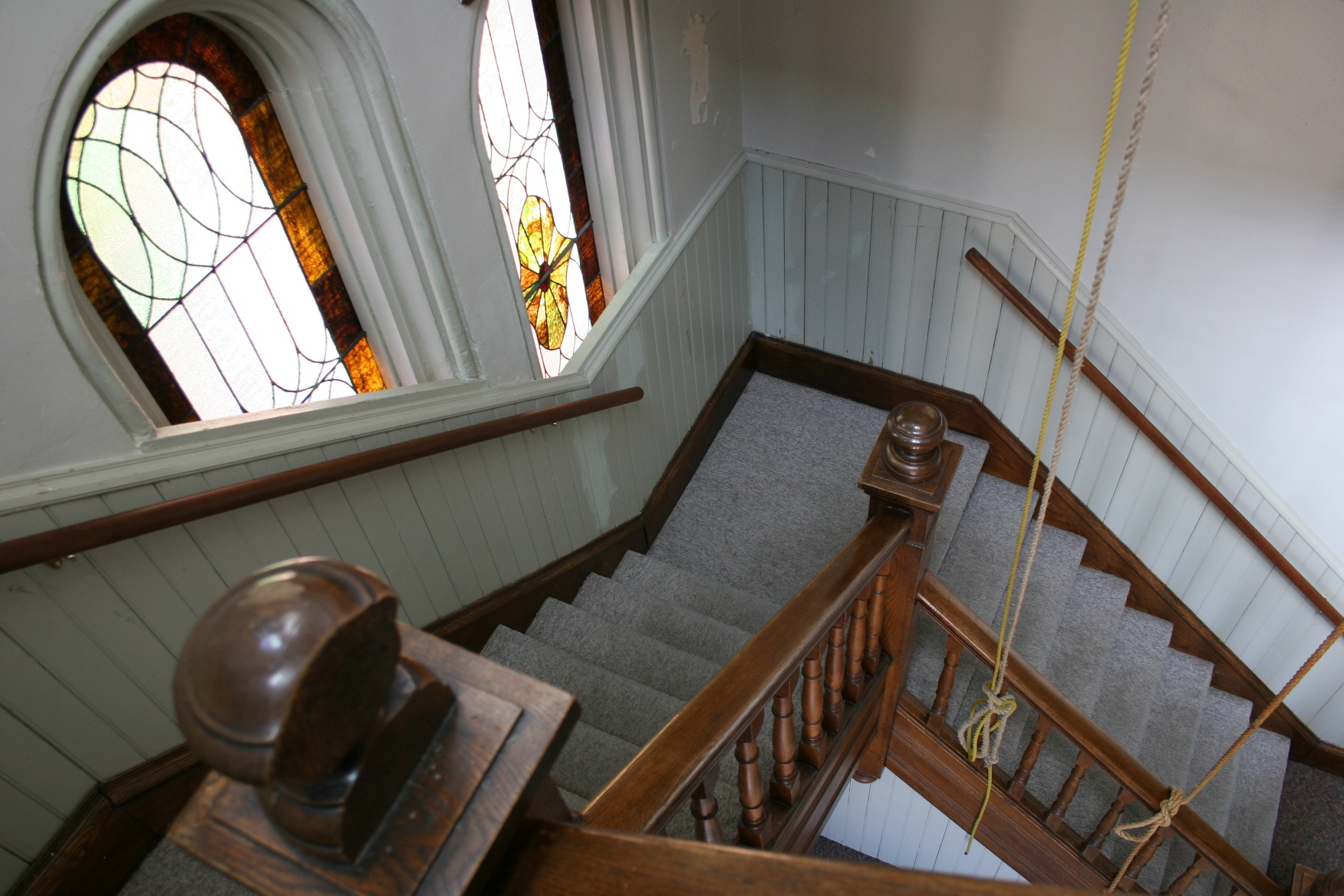
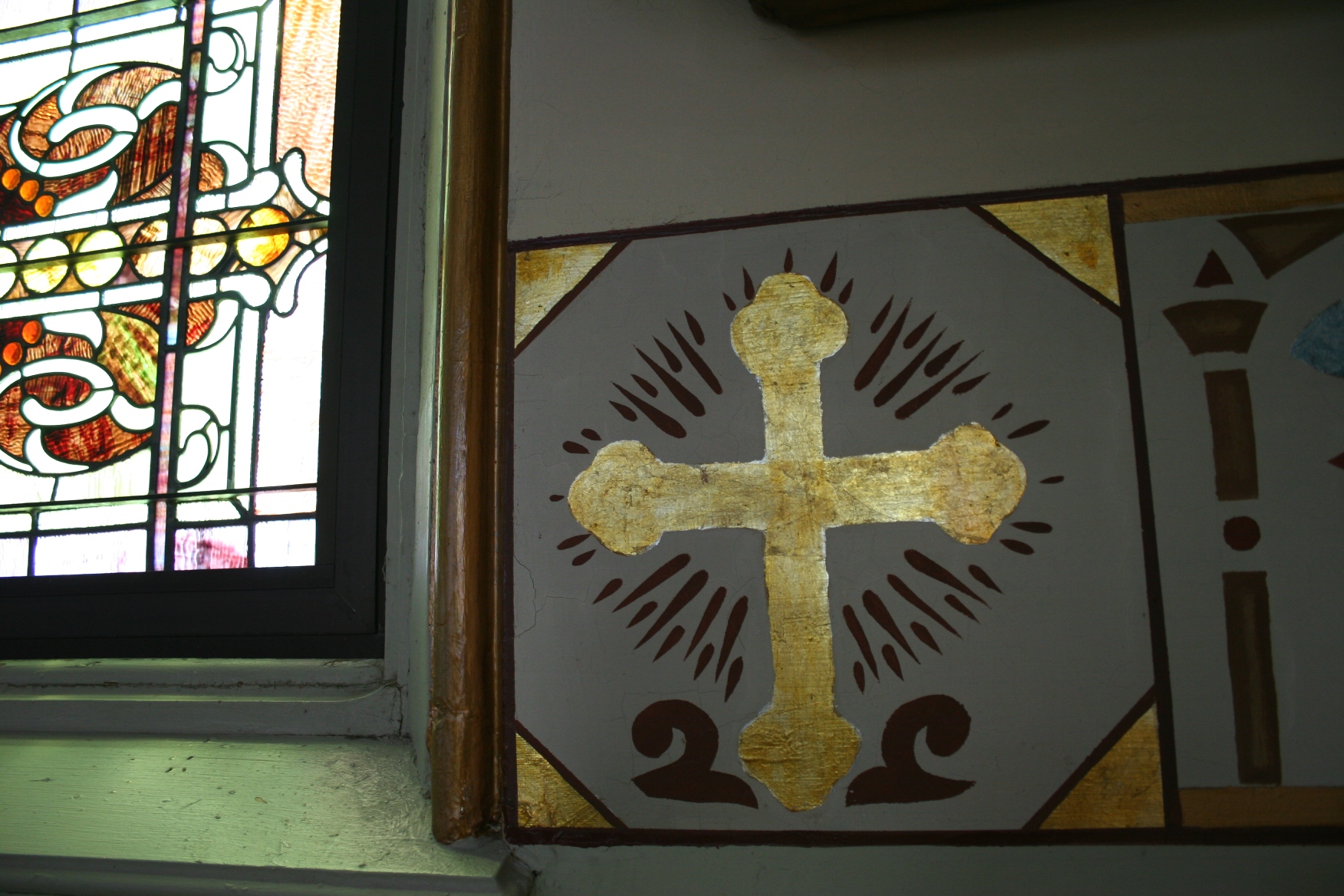
And then I moved, not sure which direction to go, wondering how I could possibly see every detail. Prayerful hands. Flickering candles. The frayed ends of the bell pull. Gold-leaf stenciled crosses. Worn wood. Angels in flight above the altar.

Clustered candles of prayer at St. Mary's.

Bell ropes dangle by the balcony stairway. Two stairways lead to the balcony.

A gold-leafed stenciled cross borders a side wall of the sanctuary.

My eyes swept across the Church of St. Mary’s, or St. Mary’s Catholic Church of Melrose. Choose the moniker you prefer.

The name and the denomination of this 1898 church mattered not to me. I cared only for the heavenly feel of this holy place.

How could I not be impressed by this multi-steepled house of worship next to the turkey plant and soaring above the landscape 100 miles northwest of the Twin Cities?

How many times, if you travel Interstate 94 in central Minnesota, have you noticed those steeples while zipping by Melrose, but never taken the time to drive into town? Placed on the National Register of Historic Places in 1993, this Catholic church is worth a stop if you appreciate craftsmanship, art, history and reverent beauty beyond belief.

The church rises above the land, defining Melrose.

The 113-year-old building was constructed by the parishioners of St. Boniface and renamed St. Mary’s when St. Boniface and St. Patrick’s parishes merged in 1958.

History runs deep here. You will see it in the hitching post out front, smell it in the incense, hear it in the creak of steps leading to the locked balcony.

And if you listen closely, you can almost hear the whispered prayers of those who have come here on bended knees to lift up their sorrows to the Lord.

#

I COULD NOT POSSIBLY share my many photos of St. Mary’s with you in one blog post. Please check back for more images in a future post.

© Copyright 2011 Audrey Kletscher Helbling
 

Presenting Leonardo da Vinci’s The Last Supper at a Minnesota church April 19, 2011

The parking lot at St. John's United Church of Christ, Wheeling Township, is nearly full 20 minutes before the congregation's annual performance of The Last Supper Drama.
AS THE FINAL wisps of daylight dissipate into darkness, the church windows glow with the subtle warmth of welcome on this Palm Sunday evening.

Inside, worshippers are already gathering in the tightly-knit pews, eyes focused on the long table before them.
As I wait, seated in a pew tucked under the rim of the balcony, I study the stained glass windows, the suspended ceiling lights where lady bugs cling, the golden cross high above the altar.
Then, shortly after 8 p.m., after the hymn and the invitation and recitation of The Lord’s Prayer, the drama begins unfolding—for the 49th consecutive year.

St. John’s United Church of Christ, Wheeling Township, is presenting its annual The Last Supper Drama.
The Rev. Lora Sturm provides brief historical background on Leonardo da Vinci’s The Last Supper painting, the visual basis for the evening’s drama.

Leonardo da Vinci's painting of The Last Supper inspired the dramatic presentation at St. John's. This print was donated to the church in memory of Arnold Keller.
And then the lights fade, slowly, until a spotlight shines only on the cross. Soon that light and the organ light are extinguished, plunging the sanctuary into near darkness save for the remnants of daylight filtering through the stained glass windows.
A quiet reverence, a sense of anticipation, falls upon the congregation in the moments of silence and darkness before the actors begin filing into the church. Small clusters of men, seemingly engaged in conversation, without words to be heard, walk toward the table set with bread and a chalice and a bag of silver, although I am not sure whether the betrayal money was there initially or was carried in by Judas, the betrayer.

In darkness, these actors, these 12 disciples, pose themselves, replicating the positions da Vinci painted into his famous The Last Supper painting. But no one plays the role of Jesus, represented instead by an empty chair draped in white cloth.

The actors position themselves to replicate da Vinci's The Last Supper, except for Jesus, who is represented by the empty white chair in the middle of the table setting.

When the lights flick on, the frozen scene catches me off guard, even though I’ve previously seen the performance. The stillness fills me with a certain sense of peace, yet uneasiness.

I know what is coming. Words from Scripture that will tell of Jesus’ forthcoming death. The accusation that one of the 12 will betray Christ. It is the moment da Vinci depicts in his art—that moment when the disciples learn that one of them will give up their Lord to death.

Yet, in this script penned by a St. John’s pastor, Walter Rasche, 49 years ago, it is the depth of faithfulness that causes me to pause and look inside. Would I be so faithful as to become a martyr, to die, like the disciples, by stoning or crucifixion or beheading?

In their monologues, each disciple speaks honestly of his struggles, his lack of faithfulness, his travels to preach the gospel, and, then, the blessed words of a better and more abundant life found in following Christ.

The actors freeze as they role-play the disciples.

Five of the six disciples sitting to Jesus right with Christ represented by the empty white chair.

The disciple/actors to Christ's left, including first-time actor, 13-year-old Kyle Keller, the youngest cast member.

Judas’ words—that he regrets betraying Christ with a kiss, turning him over to the authorities for 30 pieces of silver—sting.

Judas, front, betrays Jesus with a kiss and 30 pieces of silver.

But the pastor’s prayer afterward encourages and uplifts me: “…hear your voice calling us to follow you…you call us to simply follow…”

And then her benediction blesses me with peace: “The Lord bless thee and keep thee…”

As the actors exit, as the worshipers file out of the sanctuary, I linger, waiting for the opportunity to shoot photos, which weren’t allowed during the performance. The men return, pose at the table, some of them telling me how they watched this drama as boys and now role-play as men.

This year a boy-becoming-a-man, 13-year-old Kyle Keller, plays the part of Philip, standing behind his father, Keith, who has assumed the role of Matthew. The seventh grader is the youngest participant ever in the St. John’s re-enactment. He was talked into playing the part, but says now that he’ll be back.

With two casts, the actors (most of them) return every other year to assume the same character roles. Some travel from the Twin Cities back to this, their home church near Nerstrand Big Woods State Park. They speak and gesture like seasoned actors, some growing beards for the occasion, others sporting fake, glued-on facial hair. Sharon Meyer jokes that she has the shaver charging at home, ready to shave off her dairy farmer husband’s beard. Alan Meyer has played the part of Andrew in the evening’s performance.

Occasionally, a new cast member like Kyle is recruited. He’s the grandson of Elsie Keller, who stands after the service next to a print of The Last Supper angled onto an easel in the church narthex. The Keller family gave the print to the church in memory of Elsie’s husband, Arnold, who died in 1999. On Palm Sunday the print is moved from its usual spot in the fellowship hall to this place of honor.

Elsie Keller, 85, stands next to The Last Supper painting given to St. John's in honor of her husband, Arnold.

The evening takes on special significance for this 85-year-old as she watches Thomas and thinks of her husband. Arnold played Thomas in the debut performance at St. John’s and continued with that role for many decades thereafter. Elsie, who was baptized, confirmed and married at St. John’s, as was her husband, hasn’t missed a single performance of The Last Supper Drama.

Her son, Craig Keller, the church organist, tells me that the drama originally was staged on a Wednesday during Lent. At one time there were two evening performances and even an afternoon presentation with the windows covered in black plastic to block out the light.

On this evening, some half-dozen church pews remain empty and I wonder why this place is not packed with a standing-room only crowd.

I’ve been deeply impressed with so many facets of the drama—by the level of commitment within this country congregation to continue a nearly 50-year tradition, by the professionalism of the actors, by the words they’ve shared that make the painting and Scripture and apostles come to life and, certainly, by the actors’ ability to freeze without barely an eye blink or a twitch. How do they do it?

The congregation's original chalice is used each year in the drama.

"Take eat, this is my body..." bread on the table during The Last Supper Drama.

FYI: Next year plan to attend the 50th presentation of The Last Supper at 8 p.m. on Palm Sunday. St. John’s United Church of Christ, Wheeling Township, is located about a 15-minute drive east of Faribault on Minnesota Highway 60 and then north on Rice County Road 24. At this point, I expect organizers may add activities to commemorate the 2012 anniversary production.

Credit goes to the following for their parts in presenting this year’ production: directors Shirley Little and Kelly Dahl; co-director Pauline Wiegrefe; organist Craig Keller; narrator Don Katra; prompter Steve Wille; lighting, Ben Heil; greeters Steve and Deb Wille; the youth fellowship ushers; the church council coffee hour servers; pastor Lora Sturm; and actors Alan Meyer, Grant Meese, Craig Mueller, Kyle Keller, Todd Lien, Thad Monroe, Keith Keller, Doug Spike, Marty Budde, Brian Little, Randy Tatge and Paul Meyer.

Thank you all for this exceptional gift during Holy Week.

© Copyright 2011 Audrey Kletscher Helbling