

I DEBATED FOR SEVERAL DAYS whether I should write this post, because it could be misconstrued as purely political. It is not. Rather this is a story about a grassroots gathering of people sharing information, ideas and opinions. Democracy at its core. This story is about us as Americans—listening, learning, agreeing or disagreeing, and letting our voices be heard.
Tuesday evening I attended a town hall meeting in Faribault hosted by DFL Senate District 19. It was open to everyone, regardless of political affiliation. But the crowd was decidedly Democrat, as you would expect given the hosting group. Republican Brad Finstad, who represents the 1st Congressional District in Minnesota, was invited, but did not attend. His district includes parts of Goodhue, Rice (where I live), Steele and Waseca counties in rural southern Minnesota.
Some 300 constituents packed the space, overflowing into adjacent rooms. Yes. Even I was surprised by the turn out. That tells me a whole lot of people have concerns about what is currently happening at the federal level and how government action is, or will, impact them. I expect not a single American will be untouched, whether directly or indirectly, by slashes in government personnel and funding and/or by changes in domestic and foreign policies.

Town hall organizers lined up speakers to address topics covering a broad range of subjects affecting a whole lot of people and programs—farmers, education, healthcare, seniors, veterans, those with disabilities, communication, nonprofits and much more. I was impressed by how well prepared these speakers were with facts and statistics. I learned a lot.
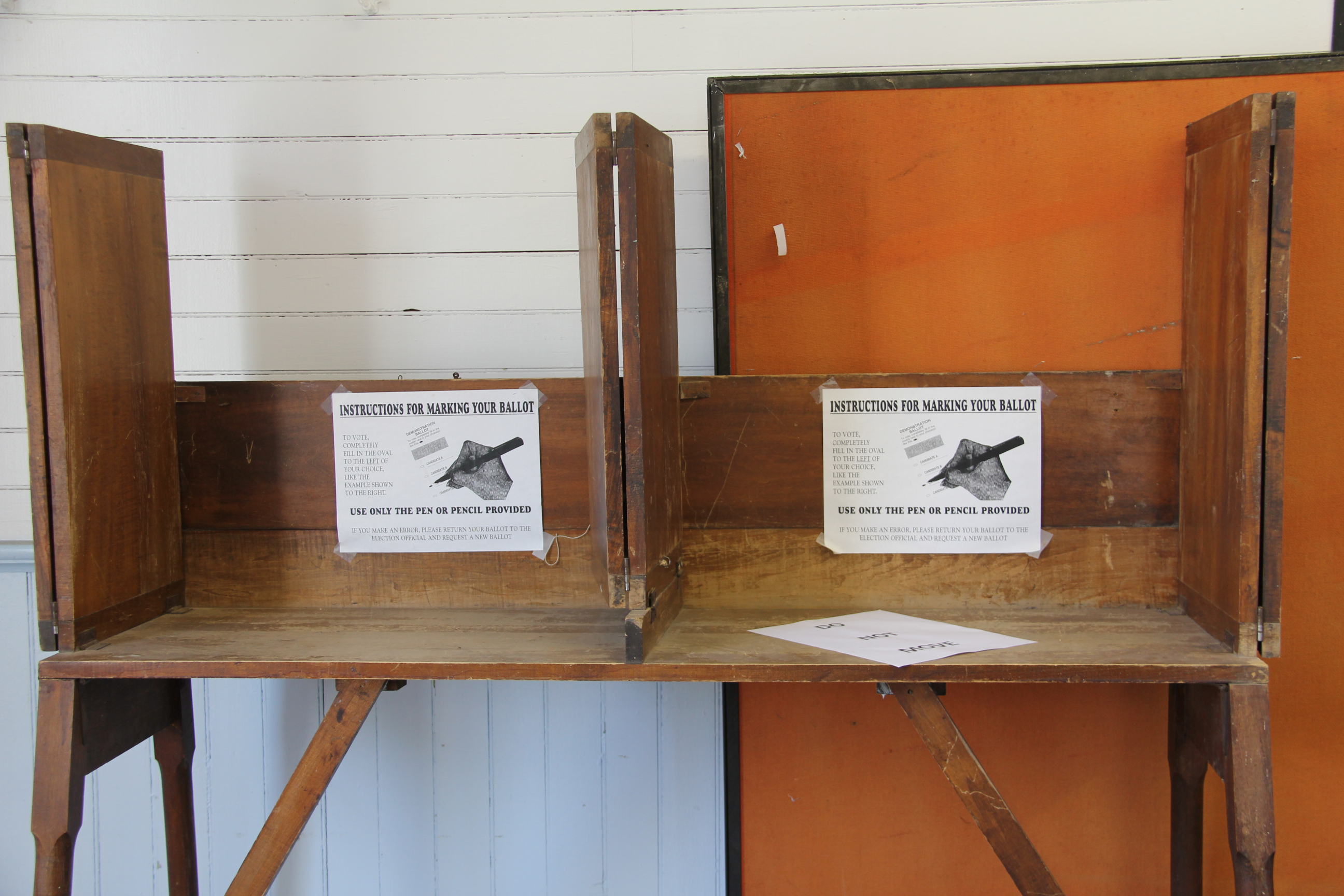
I’m not going to give you a detailed report of what each speaker said. Rather, I want to share several messages or phrases which really resonated with me and which should resonate with every American, no matter who they voted for. The phrase “we the people” was repeated by one speaker and embraced by the crowd. “We the people” means us. Americans, not members of one political party or the other. And, yes, I’m well aware of how those words from the preamble to the Constitution are being used politically as a mantra of sorts. But in this context, “we the people” references our right to speak up, to be heard, to tell our elected officials what we think and what we would like them to do as our representatives in Washington DC. That can be done by attending town halls like this; the meeting was video taped and will be sent to Representative Finstad. We can be heard via phone calls, emails and letters. We the people have power in our voices, in our votes, whether Democrat, Republican or Independent.

Secondly, a local educator asked the crowd and Finstad to ask themselves this question: “How are the children?” So, yes, how are the children, when many live in poverty, when federal funding for education is in imminent danger of being mostly cut, when…fill in the blank here? I think we can all agree that children are our future and we ought to care about their health, happiness, education and much more.

Third, one of the speakers shared that, as someone of the Catholic faith, he is called upon to help others. He called upon Representative Finstad, who is also Catholic, to do the same. That means feeding the hungry (funding USAID, for example), protecting Medicaid and Social Security, etc. all of those ways and places we help one another as human beings in this country and abroad. Now I’m not Catholic; I’m Lutheran. Doesn’t matter. My faith compels me to show love, compassion and care for others, especially those in need. America once did that as a country. Generously. But that is changing. We have bounty and resources we can share to help starving children, to provide medical care, to help others in any way we can. It is the right thing to do as a nation blessed with great bounty.
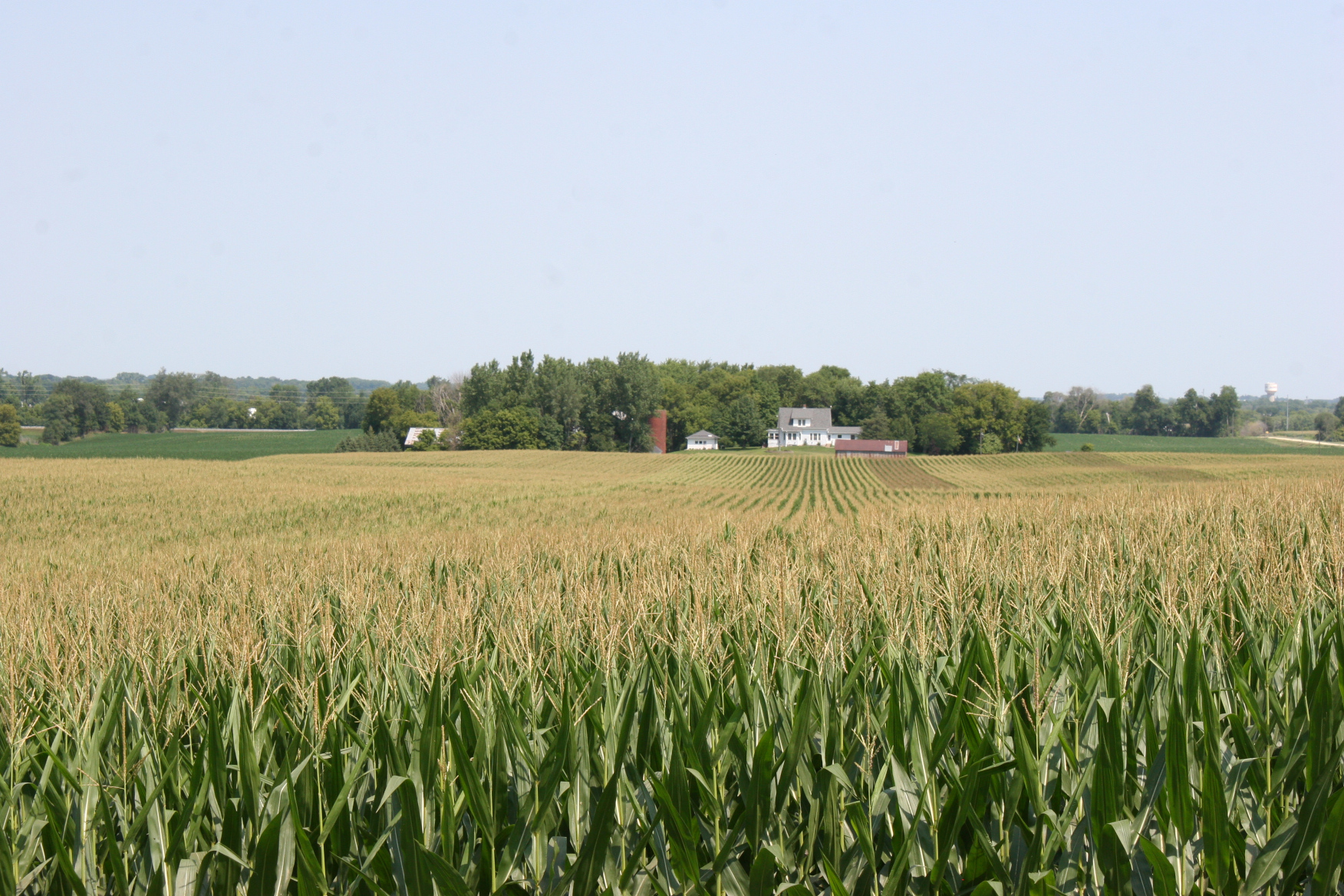
Fourth, a local farmer spoke about $3.2 million in contracts with farmers in our district which have now been broken by the U.S. government. The consequences will be devastating to those farmers who have already invested those federal monies in their operations. Trust has been broken, she said. I think we can all agree that when a legal contract is broken, it’s a breach of trust.

There’s so much more I could share from that town hall session. But I want to conclude with this. I encourage you, if you have the opportunity to do so, attend a town hall meeting. Listen. Learn. Engage. Let your voice be heard. Remind your elected officials, too, that they need to listen, learn and engage.
FYI: A second Town Hall Meeting hosted by DFL Senate District 19 is set for 6 p.m. Sunday, April 6, at Mineral Springs Brewery, 210 N. Oak Ave., Suite 1, in Owatonna. It will follow the same format as the Faribault Town Hall with a moderator, speakers and an open mic. Representative Brad Finstad has been invited.
© Copyright 2025 Audrey Kletscher Helbling







 Minnesota Prairie Roots
An April 1 commentary about candy, but not really April 1, 2025
Tags: April 1, April Fool's Day, candy, commentary, fiction, opinion, short story, The Land of Plenty, thoughts
ONCE UPON A TIME in The Land of Plenty, there lived a ruler who, before he took office, declared that he would be king for a day, or some such wordage. He relished power and absolute control with the zeal of a kid unleashed in a candy store. Except even kids in a candy shop realize they can’t devour every piece of sticky taffy, every morsel of chocolate, every jelly bean in sight. Their stomachs would hurt. And they would soon be barfing all over the kingdom.
But the narcissistic leader, who promised to make the country the best it had ever been (because he craved praise and power), apparently did not understand this about consuming too much candy. Or he didn’t care. Once in office, the-man-who-would-be-king gathered his team, granting unfettered powers to one of them in particular. He pulled out his guidebook and magical pen and scrawled his signature across endless pieces of paper imprinted with orders to create an even more wonderful and efficient Land of Plenty, at least in his eyes. Such was his insatiable desire for adoration, domination and control. His plan to become king for a day extended well beyond a day into mindless infinity.
He proposed acquiring more land to add to his empire, focusing his efforts on the countries of Adanac and Dnalneerg, both of which wanted nothing to do with him, understandably so. But that didn’t stop the ruler from obsessing on the topic, for he was a determined man. Do this. Do that. Say this. Say that. Toss out an endless stream of threats and vitriol and perhaps some of it would stick like gum to the bottom of a shoe.
On and on it went. Each day something new. More taxes, which he called “tariffs” and a good thing for his subjects. He advised those who farmed the land to “have fun.” He fooled no one (OK, maybe some too many) with his spin on tariffs. Mass firings, deportations, funding cuts, closures and more (too many actions to count really) happened daily under the ruler’s authoritarian hand.
If anyone protested, spoke up or voiced opposition, the ruthless leader worked to quiet them. There were street snatchings and threats. Intimidation. Disrespect. Denial. Deflection. Distraction. Lies. Verbal attacks. He used all sorts of tactics to create fear, to suppress anyone who disagreed with him, his team and his/their words and actions. That included bullying the printers, lawyers and judges of the land, calling them all sorts of derogatory names. He threatened to come after them, to silence them, to show them who held the power. Sometimes he succeeded, sometimes not.
Yet, one plan appealed to the unsuspecting masses. And that was the opening of more candy stores, with promises to give away millions, perhaps even billions, of pounds of candy. To qualify, subjects needed only to sign an irrevocable loyalty pledge, which seemed reasonable on the surface. But there’s always the fine print. They would need to agree with the mighty ruler’s ideology and actions or risk losing four years of a free candy supply or, worse yet, be locked up for rebellious attitudes or other so-called subversive acts. If the subjects looked even closer at the fine print, they would see that candy shops were forbidden from carrying chocolate. Surely that would be the deal breaker for most because, well, who doesn’t love chocolate? All candy, in fact, was to be colorless.
But most failed to read the fine print, so focused were they on a four-year supply of free candy. Such a sweet deal. They trusted that the ruler had their best interests in mind. He didn’t. Even kids understand that too much candy can cause a tummy ache that leaves them regretting their selfish gluttony.
This, my friends, is no April Fool’s Day joke.
#
FYI: While this short story is written as fiction, it is (as is most fiction) rooted in truth. It is also a commentary, a way for me to use my voice. Whether you agree or disagree with the content is your prerogative and right. Just note, though, that this is my personal blog and that I moderate all comments and have the final say in those I choose to publish or not.
© Copyright 2025 Audrey Kletscher Helbling