Minnesota Prairie Roots

Writing and photography by Audrey Kletscher Helbling
In Elysian: A memorable small town Minnesota summer celebration July 9, 2015

Vintage vehicles lined several blocks of Elysian's Main Street for the 21st annual Car, Motorcycle and Tractor Show on Sunday, July 5.

Vintage vehicles line several blocks of Elysian’s Main Street for the 21st annual Car, Motorcycle and Tractor Show on Sunday, July 5.

FOLKS IN SMALL TOWNS have a way of working together to create community events that are truly remarkable. It’s that sense of ownership, that strong connection to place, the importance of tradition and the love of community and family which, I think, prompt locals to continue year after year with time-honored celebrations like Elysian’s July Fourth weekend gathering.

Another view of the car show.

Another view of the car show.

Sunday afternoon we drove through this southeastern Minnesota lakeside town on our return to Faribault from southwestern Minnesota. I noticed the Car Show sign along Minnesota Highway 60 and people gathered. So we stopped. While the husband perused the vintage cars, the son and I watched the Kids’ Pedal Tractor Pull and checked out the Trail of History.

As we were leaving, Miss Elysian royalty were handing out Car Show trophies.

As we were leaving, Miss Elysian royalty were handing out Car Show trophies.

The holiday weekend celebration was winding down when we arrived. So we missed a lot. Yet, there was enough to see that I’m enticed to return next summer. Events actually began June 26 with royalty coronations and end this Saturday with two triathlons.

Farmers Friends 4-H Club advertised its root beer floats on a vintage chalkboard along the Trail of History, which the club sponsored.

Farme’rs Friends 4-H Club advertised its root beer floats on a vintage chalkboard along the Trail of History. When we ordered the floats, a woman scooped vanilla ice cream into red solo cups and handed us cans of root beer to make our own floats. How small town is that?

As we lounged with root beer floats on grass in the shade of trees lining the Sakatah Singing Hills State Trail, I considered how fortunate I was to enjoy small town Minnesota on a stunning summer afternoon with two guys I love.

Sawing wood the old-fashioned way next to the Farmer's Friends 4-H Club tent.

Sawing wood the old-fashioned way next to the Farmer’s Friends 4-H Club tent.

Love this grassroots sign.

Love this grassroots sign posted in front of the food tent.

Old-fashioned games like a pop ring toss were available to play.

Old-fashioned games like a pop ring toss were available to play.

On the Trail of History, the Horner explained how items are crafted from horns/bones.

On the Trail of History, “the Horner” explained how items are crafted from horns/bones.

Another historian shared how plants can be used as natural remedies.

Another historian shared how plants can be used as natural remedies.

A fitting July Fourth weekend sign posted outside a Trail of History tent.

A fitting July Fourth weekend sign posted outside a Trail of History tent.

I absolutely love this aged building along Elysian's Main Street. These two cars were in the car show.

An aged garage along Elysian’s Main Street serves as the backdrop for cars in the Car Show.

#

WHAT ABOUT YOU? Is there a community event you attend or volunteer with each year? What makes for a successful community celebration?

FYI: Click here to see my previous post about the Kids’ Pedal Tractor Pull in Elysian.

© Copyright 2015 Audrey Kletscher Helbling
 

Next time pull off in Pine Island June 17, 2015

Approaching Pine Island on Highway 52 southbound.

Approaching Pine Island on U.S. Highway 52 southbound.

TRAFFIC ZOOMS BY on U.S. Highway 52 around Pine Island, hurried motorists rushing to Rochester or St. Paul or places in between.

On the left, a street sign directs motorists to U.S. Highway 52. On the right, the antique store that was closed the afternoon of my visit to Pine Island.

On the left, a street sign directs motorists to U.S. Highway 52. On the right, the antique store that was closed the afternoon of my visit to Pine Island.

I’ve been one of those travelers all too many times while en route to and from Wisconsin. Never pulling off to explore Pine Island. But always wondering what this small town holds and thinking I really ought to stop at the highway side Pine Cheese Mart.

It’s too late now to visit the Cheese Mart. The long-time business folded last year after an exit into Pine Island was closed due to traffic safety issues. That closure made navigating to the Mart cumbersome, resulting in a business downturn. So I missed out on the cheese.

A view of Pine Island's Main Street while driving into the downtown.

A view of Pine Island’s Main Street while driving into the downtown.

Early this spring, my husband and I took a day trip to Pine Island. We hopped in the van with our Minnesota atlas and road map and headed east, stopping first in West Concord.

My favorite scene of the day by the old butter factory.

My favorite scene of the day by the old butter factory where, yes, butter was once made.

I should have done my homework. After the fact, I learned that Pine Island was once considered “The Cheese Capital of the World” That would have been in the opening decades of the 20th Century when some 40 cheese factories existed in the area. In 1911, Pine Island cheesemakers crafted a 6,000-pound block of cheese for the Minnesota State Fair, earning that cheese capital title for the town.

Today the small cheese factories are gone with only the large Land O’ Lakes cooperative producing cheese. But the community honors its cheesy past with an annual July Cheese Festival.

Look closely at this downtown mural and you will see a hunk of cheese, a visual tribute to this community's rich cheese past.

Look closely at this downtown mural and you will see a hunk of cheese, a visual tribute to this community’s rich cheese past.

Perhaps I missed it. But I didn’t notice anything visually significant tipping me off to Pine Island’s rich cheese history other than a mouse and a block of cheese painted onto a downtown mural and a lovely brick building labeled BUTTER-FACTORY.

This old butter factory now holds bicycles available to ride on area trails.

This old butter factory now holds bicycles available to ride on area trails.

I should have done my research. The old Butter Factory today houses bikes and bike helmets available to borrow at no cost from 10 a.m. – 6 p.m. on weekends to cyclists using the nearly 13-mile Douglas State Trail from Pine Island to Rochester and Pine Island’s Paths to the Past trails: Historical Trivia Trail, Young People’s Path and Homes & Heritage Trail. Check ahead as this usage is seasonal.

So I missed a few things this visit. But I didn’t miss the remarkable historic architecture that defines the downtown business district:

Downtown buildings feature stunning architectural detail.

Downtown historic buildings feature stunning architectural detail.

A broad view of downtown historical buildings with grand architecture.

A broad view of downtown historical buildings with grand architecture.

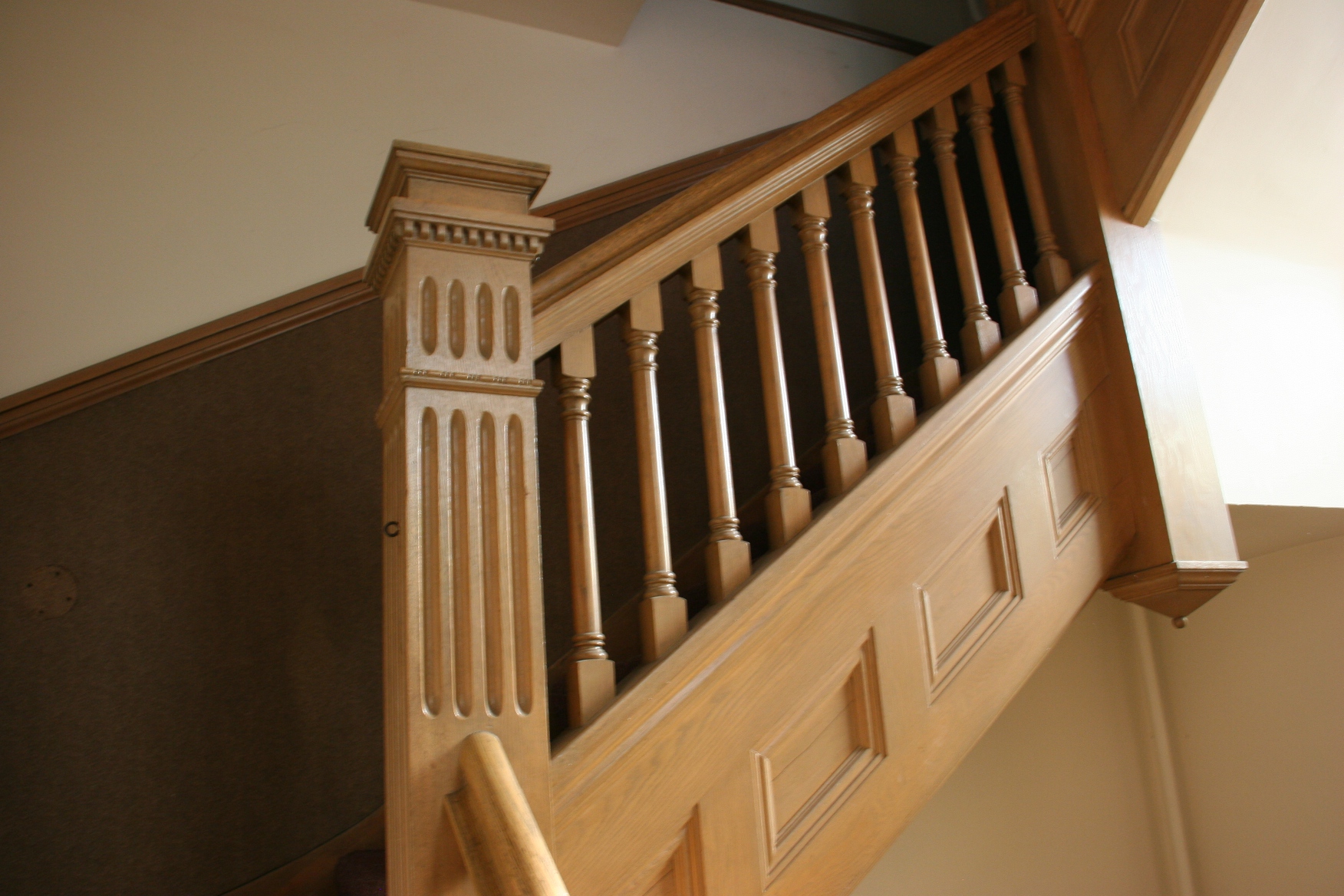
A stairway appears like a work of art on the side of an aged building.

A stairway appears like a work of art on the side of an aged building. I stood in an alley and aimed my camera up.

More historic buildings, including one that houses the post office.

More historic buildings, including one that houses the post office.

The top of City Hall.

The top of City Hall.

And some of the beautiful old homes close to downtown:

I snapped a quick shot of this lovely house while driving by.

I snapped a quick shot of this lovely house with a wrap-around porch while driving by.

Another sweet house near downtown.

Another sweet house near downtown.

I was disappointed, though, to find the one antique/furniture refinishing store, Green’s Stripping & Antiques, closed when I was there.

Likewise, I really wanted to get inside the Olde Pine Theater:

The theatre that I wished I could have seen.

The theatre that I wished I could have seen.

Maybe next time.

BONUS PHOTOS:

Many small towns still have thriving hardware stores like this Hardware Hank.

Many small towns still have thriving hardware stores like this Hardware Hank.

Parked outside Hardware Hank.

Outside Hardware Hank.

I even noticed a below street level barbershop.

I even noticed a below street level barbershop.

I spotted the spring scene in a flower box outside a downtown business.

I spotted this early spring scene in a flower box outside a downtown business.

Murals grace the sides of two brick buildings sandwiching a vacant lot that is now a downtown mini park.

Murals grace the sides of two brick buildings sandwiching a vacant lot that is now a downtown mini park.

Driving out of town, I shot this image of Pine Island's mobile home court across the cornfield.

Driving out of town, I shot this image of Pine Island’s mobile home court across the then stubbled cornfield.

IF YOU KNOW Pine Island, what other things did I miss on my first visit to this Minnesota community of 3,300 residents?

How did Pine Island get its name? According to the Minnesota Historical Society “Minnesota Place Names,” an early settler named the town Pine Island in 1855 for the large, lone white pine on a small island in the Zumbro River. The island was once thick with pines and was once a winter shelter to the Dakota.

Check back to read about the Rainbow Cafe, where we ate lunch.

© Copyright 2015 Audrey Kletscher Helbling
 

Part IV: Touring the legendary Surf Ballroom in Clear Lake, Iowa June 4, 2015

My husband exits the historic Surf Ballroom.

My husband exits the historic Surf Ballroom.

WHEN I MENTIONED to a friend that my husband and I were going on an overnight get-away to Clear Lake, Iowa, he immediately asked if we were touring the Surf Ballroom. We were.

A broad view of this massive ballroom which seats 2,100.

A broad view of this massive ballroom which seats 2,100.

The Surf is the focus for many visitors to this north central Iowa community. It wasn’t our main reason for traveling here. But we knew we couldn’t visit Clear Lake without seeing the famous Surf, site of Buddy Holly’s final Winter Dance Party performance before he, Ritchie Valens and J.P. “The Big Bopper” Richardson died in a February 3, 1959, plane crash along with the pilot.

This display references "American Pie."

This display references “American Pie.”

It was, writes Don McLean in his song, American Pie, “the day the music died.”

Another tribute to the Surf's most memorable performed, rock n roll legend Buddy Holly.

Another tribute to the Surf’s most memorable performer, rock n roll legend Buddy Holly.

Now I’m not much of a music history person, nor a person with musical talent. I can’t read a note. I don’t have a particularly good singing voice. I typically cannot tell you who sings what and even had to ask my husband, before our arrival at the Surf, what songs Buddy Holly sang. He cited Peggy Sue and That’ll Be the Day.

The exterior ticket booth.

The exterior ticket booth.

Looking toward the interior lobby doors.

Looking toward the outside, this interior set of lobby doors are hefty and heavy. To the right is the original coat check area, not shown in this image.

This sign summarizes the importance of the Surf.

This sign summarizes the importance of the Surf.

Yet, even for someone like me who is rather musically illiterate, the Surf proved an interesting place. Built in 1948, the current ballroom (the first burned down) is on the National Register of Historic Places. And rightly so. From the exterior ticket booth to the heavy doors that lead into the dark lobby, where you can check your coat, the Surf holds that feel of yesteryear. It’s difficult to explain. But you feel that sense of entering a different world from a bygone era the minute you step inside. As if you’ve left Iowa. And today.

Just a sampling of those who have played the Surf.

Just a sampling of those who have played the Surf.

More historic memorabilia of Surf concerts.

More historic memorabilia of Surf concerts.

The lounge area features a stage, bar and lots more memorabilia.

The lounge area features a stage, bar and lots more memorabilia.

You'll spot numerous signed guitars on display.

You’ll spot numerous signed guitars on display.

Here you’ll discover a hallway museum of musicians’ photos, posters and history. And inside the lounge you’ll see stars’ guitars and more photos and other tributes to those who have performed here. If a musician’s picture is displayed, then he/she’s played/been here.

The ballroom stage.

The ballroom stage.

On the Friday afternoon we arrived at the Surf, we almost didn’t make it into the actual ballroom. Black curtains were pulled across two entrances and marked by “closed” signs. I peeked through the curtains to see musicians for Lee Ann Womack setting up inside. I failed to notice on the Surf website that the dance floor occasionally closes if a concert is scheduled. So be forewarned: Check the Surf calendar. Even better, call ahead.

But then, as luck would have it, Mark, who’s been working Surf security since 1978 and clearly loves this place and his job, parted the curtains and invited us inside with the admonition to keep our distance from the stage. He’d overheard our disappointment and said, “Since you drove a long ways…” We’d traveled only 85 miles. But another couple had driven nearly four hours from Omaha.

In the back are layers of booths, all original.

In the back are layers of booths, all original, and beach-themed murals.

Portraits

Portraits of Ritchie Valens, left, Buddy Holly and J.P. Richardson hang inside the ballroom.

Signatures...

Signatures…

He led us onto the original maple floor dance floor, pointed us to the original booths (where I slid into one; it’s a tight squeeze), noted the beach themed décor (it is, afterall, the Surf), took us into a small room where musicians and others have signed the walls…

Each February, the Surf still hosts a Winter Dance Party.

Each February, the Surf still hosts a Winter Dance Party.

I wished I could have lingered longer in the ballroom, asked Mark to switch on more lights for better photos. But I didn’t press my luck. If not for his graciousness, I would have remained on the other side of those black curtains.

BONUS PHOTOS:

Shortly before our visit,

The day before our visit, the king of blues died. B.B. King’s promotional poster hangs in the lounge.

Lee Ann Womack's band was setting up on the afternoon of our visit.

Lee Ann Womack’s band was setting up on the afternoon of our visit. This was snapped just outside the front entry doors.

About a block away, this outdoor sculpture at Three Stars Plaza honors Holly, Valens and Richardson.

About a block away, this outdoor turntable/album sculpture at Three Stars Plaza honors Holly, Valens and Richardson. You can also visit the plane crash site about five miles from town. Because of rainy weather, we did not go there.

FYI: Please check back next week for the three remaining installments in this series of seven posts from Clear Lake, Iowa.

© Copyright 2015 Audrey Kletscher Helbling
 

The patriotism of the Winnebago County, Iowa, courthouse square May 21, 2015

At the top of the hill looking down the street we just traveled to reach downtown Forest City and courthouse square.

At the top of the hill looking down the street we just traveled to reach downtown Forest City and courthouse square.

THE RED-WHITE-AND-BLUE BEDECKED gazebo caught my attention as we drove up the hill, past grain bins and Dollar General, into downtown Forest City two Saturdays before Memorial Day.

This oversized gazebo sits in the Winnebago County Courthouse square.

This oversized gazebo sits in the Winnebago County Courthouse square.

What a delightful, patriotic welcome to this northern Iowa county seat, home to Waldorf College, Winnebago Industries and Heritage Park of North Iowa.

The courthouse was built in 1897 for $20,496. A south wing was added later.

The courthouse was built in 1897 for $20,496. A south wing was added later.

The Winnebago County Veterans Memorial rests on the side of the courthouse near the gazebo.

The Winnebago County Veterans Memorial rests on the side of the courthouse near the gazebo.

The Union Soldier statue was purchased by the local Women's Relief Corps in 1899. The chapter was founded to care for Union soldiers and to assist their widows and orphans and to honor the dead. There are 151 Civil War veterans buried in Winnebago County.

The Union Soldier statue was purchased by the local Women’s Relief Corps in 1899. The chapter was founded to care for Union soldiers and to assist their widows and orphans, and to honor the dead. There are 151 Civil War veterans buried in Winnebago County.

This eye-catching display of American pride drew my eyes to the gazebo and then to the imposing 1897 Romanesque style courthouse. Both sit in the Winnebago County Courthouse square, graced by two war memorials—that of a Union soldier and the Winnebago County Veterans Memorial.

The vintage Sherman tank.

The vintage Sherman tank.

A Sherman tank anchors a corner of the block.

A sculpture on a corner of the courthouse.

A sculpture on a corner of the courthouse.

Aiming my camera up at the towering courthouse.

Aiming my camera up at the towering courthouse. Notice all that architectural detail.

Another courthouse sculpture.

Another courthouse sculpture.

The Union Soldier was constructed from zinc by J. L. Mott Iron Works of Trenton, New Jersey, at a cost of $155.

The Union Soldier was constructed from zinc by J. L. Mott Iron Works of Trenton, New Jersey, at a cost of $155. The monument was restored in 2005.

The fountain atop which the Union soldier stands was also built by J. L. Mott Iron Works. It is of French Victorian design. The goat head symbolizes strength and victory.

The fountain atop which the Union soldier stands was also built by J. L. Mott Iron Works. It is of French Victorian design. The goat heads symbolize strength and victory.

It was a lot to take in, to photograph. Artsy architectural details add visual interest to the fountain and courthouse, which is on the National Register of Historic Places. I only wished it had been a week day so I could have toured the courthouse interior.

I appreciated the patriotic colors on The Legion.

I appreciated the patriotic colors on The Legion.

But, since I couldn’t get inside, I focused my camera on the exterior, all the while watched by two elderly men across the street near the Legion. I expect they were wondering about the couple in the car with Minnesota plates and the woman shooting pictures with a fancy camera. Perhaps I should have chatted it up with them. The likely could have told me a story or ten.

FYI: Click here to read my first, and then my second, blog post on other Forest City, Iowa, attractions.

© Copyright 2015 Audrey Kletscher Helbling
 

At St. Olaf College: A Minnesota connection to the 1965 Civil Rights Movement May 12, 2015

The name Reeb holds special significance at a Minnesota college.

The name Reeb holds special significance in a memorial at a Minnesota college.

JAMES REEB. You may not recognize his name. Or you may remember an actor portraying the Rev. Reeb in a scene in the movie, Selma. Or heard/read his name in a recent news story.

The memorial honoring the Rev. James Reeb was dedicated in March, on the 50th anniversary of his death.

The memorial honoring the Rev. James Reeb was dedicated in March, on the 50th anniversary of his death.

Today, just outside the entrance to Rolvaag Library on the hilltop campus of St. Olaf College in the southern Minnesota community of Northfield, Reeb is honored with a memorial for his efforts in the Civil Rights Movement.

Words play across a screen in a video next to the memorial.

Words play across a screen in a video next to the memorial.

His involvement cost him his life.

A portrait of Reeb printed on the memorial.

A portrait of Reeb printed on the memorial.

On March 9, 1965, Reeb and two friends were attacked after dining at a Selma restaurant run by local black citizens. The Massachusetts clergyman, an outspoken advocate for civil rights, desegregation and more, died two days later from his injuries.

Reeb, shown to the left in this photo, was among those who marched to the Edmund Pettus Bridge on March 7, 1965, Bloody Sunday.

Reeb, shown to the left in this photo, was among those who marched to the Edmund Pettus Bridge on March 7, 1965. This image is in a video at the St. Olaf memorial.

Dr. Martin Luther King, Jr., who’d called upon clergy to join a voting rights march from Selma to Montgomery, Alabama, delivered Reeb’s eulogy.

Reeb’s death served as a catalyst for passage of the Voting Rights Act of 1965, according to information published on the memorial to this 1950 St. Olaf graduate.

Visitors to the "Selma to Montgomery: Marching Along the Voting Rights Trail" exhibit at St. Olaf College let their voices be heard.

Visitors to the recent “Selma to Montgomery: Marching Along the Voting Rights Trail” exhibit at St. Olaf College let their voices be heard.

To view this recently-installed memorial, to read that Reeb possessed “a healing personality, but his convictions are like iron” is to understand that one voice can make a difference. Reeb considered taking a stand for justice more important than remaining in the safety of his home. He left his family in Massachusetts to join the march from Selma to Montgomery. While walking to a planning meeting for that march, Reeb was brutally attacked.

The "Selma to Montgomery" exhibit at the Flaten Art Museum, St. Olaf, recently closed.

The “Selma to Montgomery” exhibit at the Flaten Art Museum, St. Olaf, recently closed.

In Reeb’s eulogy, King noted that, “His death says to us that we must work passionately, unrelentingly, to make the American dream a reality, so he did not die in vain.”

Those are words we would do well to remember today, 50 years after Reeb’s death and the march from Selma to Montgomery.

FYI: Click here to read my post about the recently-closed Selma to Montgomery: Marching Along the Voting Rights Trail exhibit at St. Olaf College.

© Copyright 2015 Audrey Kletscher Helbling
 

Rest in peace, Ole, Sophia, Amelie… May 4, 2015

THERE WAS A TIME when I stayed away from cemeteries. Walking among tombstones, atop burial sites, creeped me out.

But I’ve since matured, realized that a cemetery holds history and art, life stories and loss, and serves as a place to grieve, to honor and to remember loved ones.

A marker at the entry to North Grove Church and Cemetery in Cannon City Township, rural Rice County, Minnesota.

A marker at the entry to North Grove Church and Cemetery in Cannon City Township, rural Rice County, Minnesota.

My most recent cemetery tour took me to North Grove Church and Cemetery just north of Faribault along Minnesota Highway 3. I’ve passed this site hundreds of times in 30-plus years, never once stopping to investigate.

North Grove Church, closed in 1931.

North Grove Church closed in 1931.

Here I discovered a quaint church, long closed.

I opened this door into the church entry, but found the interior sanctuary door locked.

I opened this door into the church entry, but found the interior sanctuary door locked.

Peering through curtained windows, I glimpsed pews and wished I could get inside the locked building.

The Norwegian name, Ole, is common on North Grove tombstones.

The Norwegian name, Ole, is common on North Grove tombstones.

On a quick perusal of grave markers, where the name “Ole” is chiseled in stone many times, I determined that Norwegian immigrants built this house of worship and established this cemetery.

As was common in early Minnesota churches, the cemetery is right next to the church building.

As was common in early Minnesota churches, the cemetery is right next to the church building.

John Dalby of Faribault, who runs the Dalby Database along with wife, Jan, confirmed the ethnicity of North Grove Church. The Norwegian church was started in 1869 and likely closed in 1931, when First English Lutheran Church in Faribault formed, Dalby says.

Too many babies died.

Too many babies died.

Wander this burial grounds and you begin to understand the losses and grief endured by early Minnesota settlers. Babies dead. Wives and husbands gone too young. Immigrants who left Norway for a new, but not always better, life in America.

Ole Christiansen, who lived to age 91, came from Norway. His first wife, Sophia Swenson, died. He then married Caroline.

Ole Christiansen, who lived to age 91, came from Norway. His first wife, Sophia Swenson, died. He then married Caroline.

Then scroll through obituaries on the Dalby Database, which includes 2.5 million records from cemeteries, birth and death certificates and more, and names morph into people. Ole Christiansen is no longer simply a Norwegian name inscribed on a tombstone, but a man who was born in Alerude Odemark, Norway. Husband of Sophia. Then Caroline.

June's first husband was Rice County Sheriff Chuck Carver, who died in a 1971 plane crash. The wreck was discovered several years later. She was remarried to a former Goodhue County sheriff.

June’s first husband was Rice County Sheriff Chuck Carver, who died in a 1971 plane crash. The wreck was discovered several years later. She was remarried to a former Goodhue County sheriff.

June Carver-Zillgitt lived in a jailhouse with her husband-sheriff and cooked for inmates.

The name, Audrey, drew me to this in-ground marker as did the Scripture inscribed thereon.

The name, Audrey, drew me to this in-ground marker as did the Scripture inscribed thereon.

Audrey Saufferrer had five grandchildren.

Grocer O.A. Brekke was termed a man of “sterling character.”

Mathilda Lund was a pioneer resident of the North Grove community.

Trees are budding in the old cemetery.

Trees are budding in the old cemetery.

Those buried at North Grove are 326 individuals who lived and loved and labored, although some were dead at birth, or lived too few days or months or years.

The fenced cemetery holds many stories. The cemetery is sandwiched between a highway and fields.

The fenced cemetery holds many stories. The cemetery is sandwiched between a highway and fields with a woods just a bit beyond as shown here.

I knew none of them. But, after walking among their gravestones, I am reminded that a cemetery holds life stories, if only we pause to read them.

Imagine the hands that worked this pump, those who drank the earth's water. The pump is located behind the church.

Imagine the hands that worked this pump, those who drank the earth’s water. The pump is behind the church.

FYI: Click here to access the Dalby Database, a great resource for anyone doing family history research in Minnesota.

This is one of two old tea kettles sitting near the water pump. I assume they are there  for watering flowers and plants.

This is one of two old tea kettles sitting near the water pump. I assume they are there for watering flowers and plants.

FYI: Janice Uggen Johnson recently published a book, Faith of our Fathers: History of Markers Norwegian Lutheran Church and North Grove Church and Cemetery, Faribault, Rice County, Minnesota (2014). She is an associate member of the Norwegian-American Historical Association. I have not seen or read the book.

The Norwegian-American Historical Association, based at St. Olaf College in Northfield, Minnesota, is “a private membership organization dedicated to locating, collecting, preserving and interpreting the Norwegian-American experience with accuracy, integrity and liveliness.” It was founded in 1925.

Check back for a close-up look at a memorial in the North Grove Cemetery honoring a young Faribault woman.

© Copyright 2015 Audrey Kletscher Helbling
 

Minnesota remembers Abraham Lincoln 150 years after his assassination April 14, 2015

THE PISTOL WEIGHS HEAVY in my hand. Cold metal and wood against warm flesh nestled in my palm. I am surprised, really, by the weight and smallness of this curved 1840 Philadelphia Derringer, which is exactly like the deadly weapon John Wilkes Booth fired at President Abraham Lincoln on April 14, 1865.

An 1840 Philadelphia Derringer, like the pistol used to assassinate President Abraham Lincoln.

My husband holds an 1840 Philadelphia Derringer. Minnesota Prairie Roots file photo 2009.

I wrote that paragraph in 2009 after attending a meeting of the Cannon Valley Civil War Roundtable. There an area collector showcased Lincoln memorabilia. I’ve never forgotten that petite pistol he allowed me to cradle.

Today, especially, I feel the weight of that Derringer. April 14 marks 150 years since Booth shot our 16th President as he watched the play, Our American Cousin, in Ford’s Theatre in our nation’s Capitol.

The assassination of Lincoln—the President who, via the Emancipation Proclamation set slaves free in “rebellious states”—stands as a memorable and pivotal moment in U.S. history.

A Lincoln postcard which a collector brought to a Cannon Valley Civil War Roundtable meeting several years ago.

A Lincoln postcard which a collector brought to a Cannon Valley Civil War Roundtable meeting in 2009.

Today we honor this remarkable leader of humble roots, author of the Gettysburg Address wherein he vowed “that we here highly resolve that these dead shall not have died in vain—that this nation, under God, shall have a new birth of freedom—and that government of the people, by the people, for the people, shall not perish from the earth.”

An original photo of Abraham Lincoln in Roger's collection.

An original photo of Abraham Lincoln from a southern Minnesota collector’s collection.

I’m also particularly fond of a lesser-known Lincoln quote: “All that I am, or ever hope to be, I owe to my angel mother.”

Promotional poster for the Lincoln event in Northfield, Minnesota.

Promotional poster for the Lincoln event in Northfield, Minnesota.

Throughout our nation and even here locally in Rice County, folks are publicly remembering Lincoln on the 150th anniversary of his death. At The Grand Event Center, The Northfield Historical Society this evening presents Our American Cousin, A Night That Changed Our Nation, The Assassination of President Abraham Lincoln. Held in an 1899 historic opera house/theatre with balcony booths much like those in Ford’s Theatre, the event includes summary presentations on the assassination and the nation’s reaction; a snippet from Our American Cousin; and a re-enactment of Lincoln’s assassination. Tickets are available in advance and at the door, although there is no guaranteed seating the day of the show.

An ink drawing of Abraham Lincoln by my artist friend, Rhody Yule, now deceased.

An ink drawing of Abraham Lincoln by my artist friend, Rhody Yule, now deceased.

At 7 p.m. on Thursday, April 16, the President of the Wood Lake Battlefield Preservation Association will arrive on horseback at the Faribault Senior Center, 19 West Division Street, Faribault. There, at the monthly meeting of the Cannon Valley Civil War Roundtable, Tom Hosier of Rochester, dressed in period costume, will talk about Lincoln’s assassination. The presentation is free and open to the public.

A poster promoting the upcoming Lincoln's Traveling Troupe performance.

A poster promotes the upcoming Lincoln’s Traveling Troupe performance.

In Mankato, Lincoln’s Traveling Troupe will present the “true and dramatic story of Lincoln’s assassination” and its immediate aftermath in The Heavens Are Hung in Black, a play written by Lincoln historian and re-enactor Bryce O. Stenzel. Show times are 7 p.m. Friday, April 24, and Saturday, April 25, and 2 p.m. Sunday, April 26, at the Bethlehem Lutheran Church Dining Room.

How will you remember Lincoln today or this month?

© Copyright 2015 Audrey Kletscher Helbling
 

We didn’t find gold in Oronoco, but… April 8, 2015

ORONOCO. I delight in the way those “o”s roll off the tongue. Smooth. Repetitious. Like a steady drum beat.

But I’d never been to Oronoco, only seen the exit signs to this community off U.S. Highway 52 five miles north of Rochester. Time to change that, to visit this place named after the Orinoco River in South America. (And, yes, the spelling of Orinoco is correct.)

The old schoolhouse.

The old schoolhouse.

On a recent Saturday, my husband and I wound our way into this small town, home of Oronoco Gold Rush Days, an antique show and market held on the third weekend in August since 1972. That’s a long-standing event, its name tracing to the apparent discovery of gold here in the late 1850s and the establishment of the Oronoco Mining Company. That mining venture didn’t last long as the raging Zumbro River washed away the gold mining operation. Apparently little gold was found.

A boarded up building dated 1912.

A boarded up building dated 1912.

Historic buildings define the heart of this quaint river community. We did a quick drive through downtown and stopped only to browse two highway side antique shops as the day shifted toward evening.

The 1912 building up close.

The 1912 building up close.

Oronoco seems worth a return trip to poke around more, to see what we missed.

First Presbyterian Church, constructed in 1871, sits atop a hill.

First Presbyterian Church (today Presbyterian Church of Oronoco), constructed in 1871, sits atop a hill.

A front view of that beautiful old church.

A front view of that beautiful old church.

The community center.

The community center.

The downtown VFW sits atop a hill, too.

The downtown VFW sits atop a hill, too.

Sometimes a building's side view is as interesting as its front view.

Sometimes a building’s side view is as interesting as its front view.

FYI: To learn more about Oronoco area history, click here. For more info on Presbyterian Church of Oronoco, click here. To read my previous post about Antiques Oronoco, click here.

© Copyright 2015 Audrey Kletscher Helbling
 

One grand old WPA gym in West Concord April 6, 2015

The original, non-digital, scoreboard that uses light bulbs still graces the 1936 former West Concord School gym.

The original, non-digital scoreboard that uses light bulbs still graces the 1936 former West Concord School gym.

YOU CAN ALMOST HEAR the rhythmic bounce of basketball upon wood floor, hear the roar of the crowd as the ball swishes through the net and two points are added to the scoreboard.

Instructions on the stage wall for operating the curtain.

Instructions on the stage wall for operating the curtain.

You can almost hear the resounding applause of proud parents as performers bow and the heavy curtain sways, pulled shut by hand-over-hand action of a stage hand running thick ropes.

This beautiful gym was once home to the West Concord Cardinals.

This beautiful gym was once home to the West Concord Cardinals.

You can almost hear the clear diction of graduates’ names pronounced before they proceed onto the stage to receive their West Concord High School diplomas.

The former gym now houses the West Concord Community Center.

The former gym now houses the West Concord Community Center. Today the West Concord Historical Society’s research center is located on the second floor, former site of the school library and a study hall.

Echoes of the past linger inside the old West Concord School gym, built in 1936 as a Works Progress Administration project. The school closed in 1991.

The gym is now a multi-purpose facility open to the community.

The gym is now a multi-purpose facility open to the community.

Today this grand gymnasium houses this southeastern Minnesota town’s community center. The space is now used for a middle school athletics program and rented out for class reunions, festive gatherings by the area’s Hispanic community and more, according to Janis Ray, director/gambling manager for the adjoining West Concord Historical Society museum.

The original ticket booth remains just inside the front entry.

The original ticket booth remains just inside the front entry.

I applaud West Concord for saving this impressive auditorium and the connected school. All too often such grand structures are demolished because of the cost to maintain them. They are worth saving for their history, memories and architectural significance.

This massive WPA project painting hangs as a stage backdrop.

This massive WPA project painting hangs as a stage backdrop.

Gymnasiums aren’t built like this any more. Imagine the hands of formerly unemployed men laboring to build this gym. How happy they must have been to earn a paycheck. Preserving this gym is a tribute to them, too, to hard work and building a sense of community.

Students involved in theatrical productions signed the stage wall behind the stage curtain.

Students involved in theatrical productions signed the stage wall behind the stage curtain.

I hope future generations will always remember that.

BONUS PHOTOS:

The building on the left, built in 1902 with a wing added in 1914, houses the West Concord Historical Society. On the right is the 1936 WPA project gym, 60 percent of its cost funded by the government.

The former school building on the left, built in 1902 with a wing added in 1914, today houses the West Concord Historical Society. On the right is the 1936 WPA project gym, 60 percent of its cost funded by the government. It is now the West Concord Community Center.

Imagine the students and their families who have walked through these doors.

Imagine the students and their families and others who have walked through these doors. They were locked when I visited.

What I assume is an original light fixture. Beautiful.

What I assume is an original light fixture. Beautiful.

Looking across the gym floor toward the original fold-up chairs and the entry into the auditorium.

Looking across the gym floor toward the original fold-up chairs and the entry into the auditorium.

Handcrafted detail on the vintage seating.

Handcrafted detail on the vintage seating make these works of art.

A sticker, "Educating Everyone Takes Everyone," on a sturdy wood door reminds visitors of this structure's original purpose.

A sticker, “Educating Everyone Takes Everyone,” on a sturdy wood door just off the stage reminds visitors of this structure’s original purpose.

In a narrow hallway off the gym, leading to the women's bathroom, I discovered these rows of lockers painted in the school color.

In a narrow hallway off the gym, leading to the women’s bathroom, I discovered these rows of lockers painted Cardinal red, the school color.

© Copyright 2015 Audrey Kletscher Helbling
 

Part III: Oh, the memories, the treasures uncovered in West Concord April 2, 2015

Filed under: Uncategorized — Audrey Kletscher Helbling @ 5:00 AM
Tags: , , , , ,

IT’S EASY, WHEN TOURING a museum like that run by the West Concord Historical Society, to feel overwhelmed by the volume of items displayed.

This struck me as particularly humorous: A Sacred Art calendar, Lutheran edition.

The wording on this beautiful piece of art struck me as particularly funny: A Sacred Art Calendar, Lutheran Edition.

But often certain things will imprint as particularly unique or humorous or as a reminder of something from your past.

When I nearly ran into these dangling beads inside the doorway to The 50's and 60's Room, I knew this would be my favorite themed room. It was.
When I nearly ran into these dangling beads inside the doorway to The 50’s and 60’s Room, I knew this would be my favorite themed room.
The WCHS’s museum, housed in a massive former school, contains so much stuff that you are sure to find multiple pieces of the past that pop out, no matter your age.

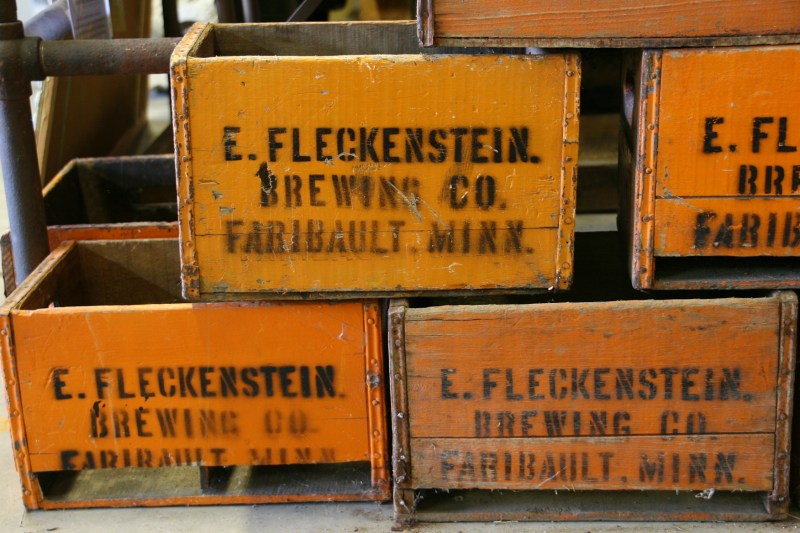
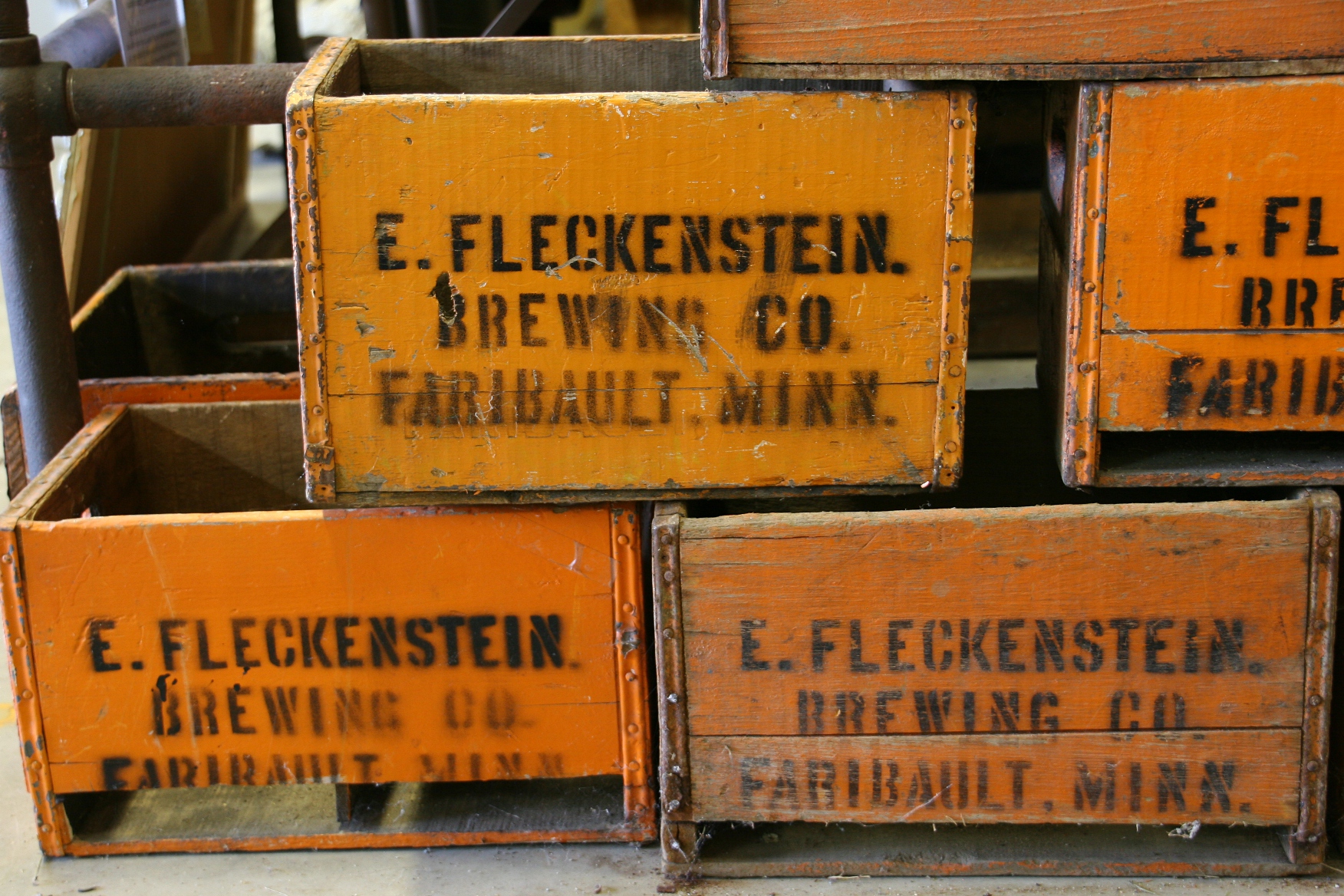
This Flecks beer memorabilia is displayed in the West Concord museum even though the beer was made in my community of Faribault 25 miles away.

This Flecks beer memorabilia is displayed in the West Concord museum even though the beer was made in my community of Faribault 25 miles away.

I have no personal connection to West Concord. Yet I am connected by time and by the geography of living in southeastern Minnesota.
Here are some more of my favorite finds inside the WCHS museum:

This entire former classroom is set up to look like the 1930s-early 1940s Flame Room once housed in the Concord Hotel. This space can be rented for gatherings.

This entire former classroom is set up to look like the 1930s-early 1940s Flame Room once housed in the Concord Hotel. This space can be rented for gatherings. Locals dined and danced at The Flame.

Vintage ads and graphics, like this one for pink Frigidaire appliances, always draw my attention

Vintage ads and graphics, like this one for pink Frigidaire appliances, always draw my interest.

This pink Frigidaire electric stove was purchased by Arthur and Lorraine Spreiter in about 1959 from Pirkl and Hall Appliance along Main Street in West Concord. The stove features double oven doors rather than a drop-down door. The Spreiters also purchased an upright pink refrigerator/freezer.
This pink Frigidaire electric stove was purchased by Arthur and Lorraine Spreiter in about 1959 from Pirkl and Hall Appliance along Main Street in West Concord. The stove features double oven doors rather than a drop-down door. The Spreiters also purchased an upright pink refrigerator/freezer.

I was delighted that this apron was saved and displayed in The Farmers and Merchants Room. Lumber yards were once such an important business in small towns.

I am delighted that this apron was saved and displayed in The Farmers and Merchants Room. Lumber yards were once key businesses in small towns. Most have closed, replaced by Big Box lumber sources. The apron is so representative of the personal service offered in small towns.

I collect vintage drinking glasses and once had a red spotted one. My Aunt Jeanette has a collection of these. Love.

I collect vintage drinking glasses and once had a red spotted one. My Aunt Jeanette has a collection of these. Love.
I love vintage signs and graphics. And how many Gambles stores even exist any more? This sign was found in the old West Concord Gambles store opened in about 1935 by Clarence Barwald.

I love vintage signs and graphics. And how many Gambles stores even exist any more? This sign was found in the old West Concord Gambles store opened in about 1935 by Clarence Barwald. It hangs in The Farmers & Merchants Room.

Growing up, I never was impressed by the oil-cloth covered Formica table in our kitchen. But today, well, I feel differently. My husband was especially thrilled to see this yellow table, like the one he remembers from his youth.
Growing up, I never was impressed by the oil-cloth covered Formica table in our kitchen. But today, well, I feel differently. My husband was especially thrilled to see this yellow table, like the one he remembers from his youth.

This shoe is the most colorful and memorable one I've ever seen. It's like a work of art, showcased in The Fashion Room.

This shoe is the most colorful and memorable footwear I’ve ever seen. It’s like a work of art, showcased in The Fashion Room.

One classroom is devoted to a garage sale type space called Grandma's Attic. Here you can purchase secondhand merchandise

One classroom is devoted to a garage sale type space called Grandma’s Attic. Here you can purchase secondhand merchandise with proceeds going to the museum. I purchased a Fire King bowl for $1.

FYI: Click here to read my initial post and my second post on this small town museum. Thank you for following this three-part series on this incredible collection of West Concord area history.

Here’s an upcoming event at the West Concord Historical Society, 600 West First Street, that may interest you: The Czech Area Concertina Band will perform from 2 p.m. – 5 p.m. on Sunday, April 19. Admission is a free will donation.

© Copyright 2015 Audrey Kletscher Helbling