Minnesota Prairie Roots

Writing and photography by Audrey Kletscher Helbling

A look back, a look ahead: How school shapes us, expands our world September 6, 2023

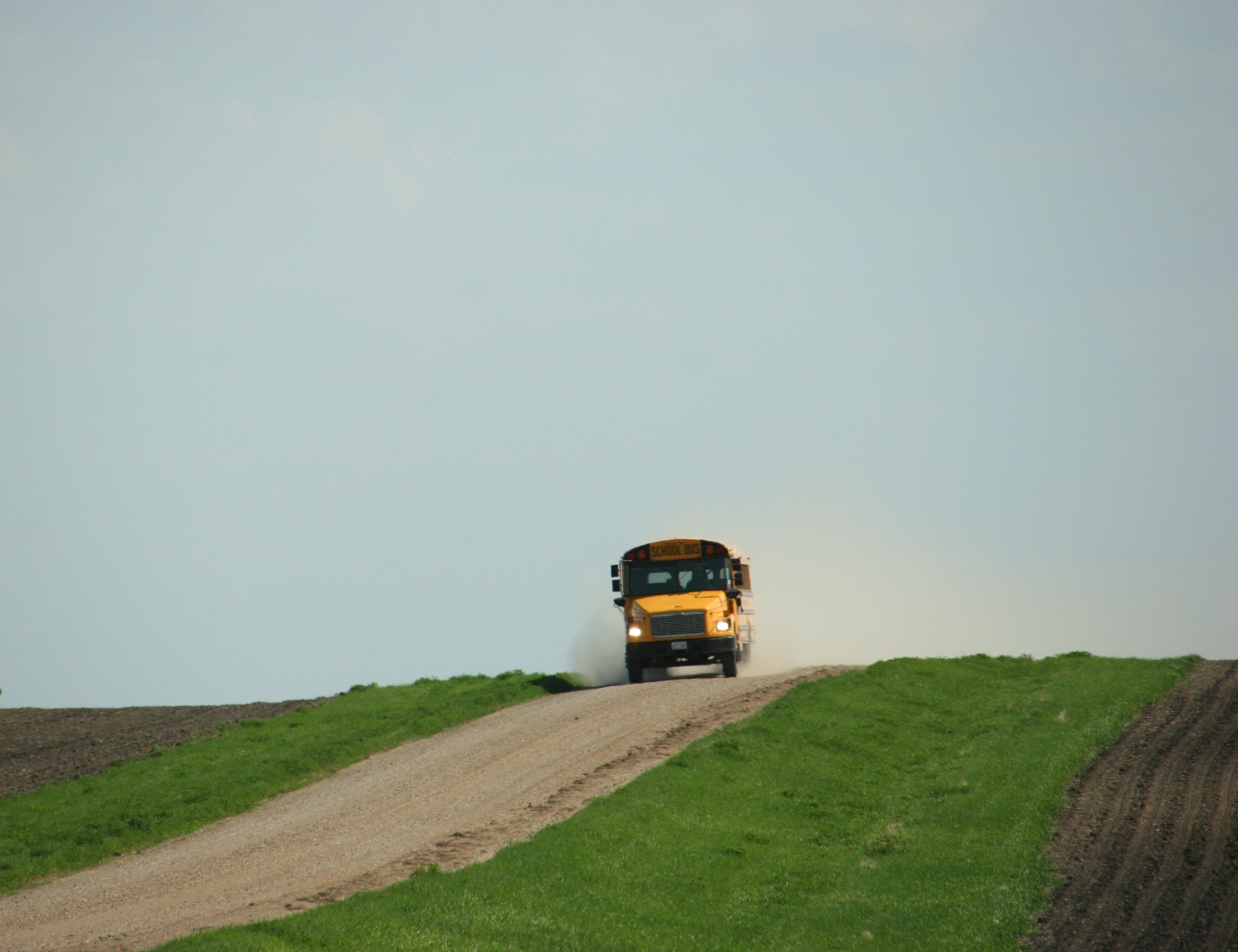
A bus follows a back country road near Morgan in southwestern Minnesota. (Minnesota Prairie Roots copyrighted file photo May 2018)

SHE WANTS TO SAVE the earth. It’s a lofty and noble goal for my granddaughter, who started second grade on Tuesday. Each year, on the first day of school, her mom documents basics about Isabelle on a small chalkboard. That includes a response to “What I want to be when I grow up.” This year Izzy aims to be an environmentalist. As a first grader, her professional goal was becoming a game designer. And on the first day of kindergarten, she wanted to own a toy store and also be a mom.

It’s interesting how Izzy’s interests evolve as she ages, as she grows her world and knowledge and connections with others. The possibilities are endless for her generation. I hold such hope in these young people, just beginning their formal educations.

And I hold hope, too, when I see a photo of Izzy and three neighborhood friends waiting at their urban bus stop. “Smart, Brave, Beautiful” banners Bethel’s tee. What a reaffirming message. For all of them. And how reaffirming that they are of differing ethnicity, their skin tones varied and, indeed, beautiful.
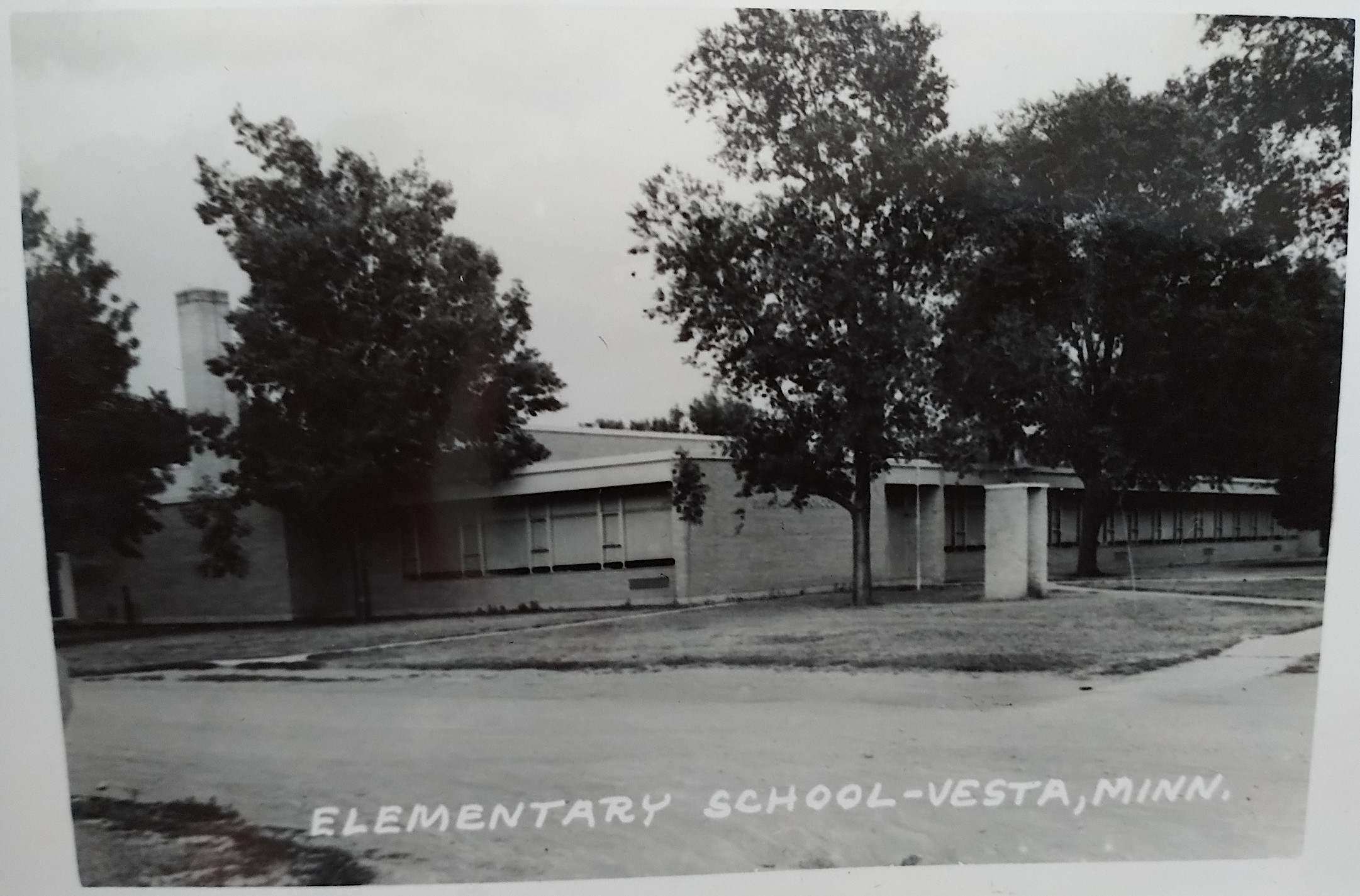
My elementary school, circa 1960s, located in Vesta in Redwood County. The school closed decades ago. (Photographer unknown; photo sourced from my personal photo album)

Sixty years have passed since I was a second grader in a small southwestern Minnesota elementary school, where my paternal grandfather served on the school board. My classmates and I were mostly farm kids, all white. We wrote in “Big Chief” lined tablets which today would not, should not, fly. Attitudes differed in the 1960s. Words like diversity, respect and environmentalist were not part of our everyday vocabulary.

A serene country scene just north of Lamberton in southern Redwood County. (Minnesota Prairie Roots copyrighted file photo September 2013)

But words, overall, held my interest all those decades ago. I have Mrs. Kotval to thank for sparking my love of words, of reading, and eventually of writing. Each day after lunch, she read to her third and fourth graders from “The Little House” and other chapter books. Through the writing of Laura Ingalls Wilder, who lived many years earlier in nearby Walnut Grove, I began to appreciate the nuances of the prairie. And I learned the importance of descriptive, detailed writing. Wilder engaged all of her senses to describe the prairie and life thereon in her series of wildly popular books. With her love of the natural world, this writer unknowingly documented the environment for me, my children and for my second grade granddaughter, today an aspiring environmentalist.

Early on, I aspired to be an elementary school teacher. But that changed as I grew my world, my knowledge, my connections. Words focused my passion. Unlike most of my elementary school classmates, I loved penmanship—letters and words flowing in script across the pages of my penmanship book. I loved spelling. I loved reading, even in a school and town without a library and thus with limited access to books. And by high school, that love of words expanded to writing.
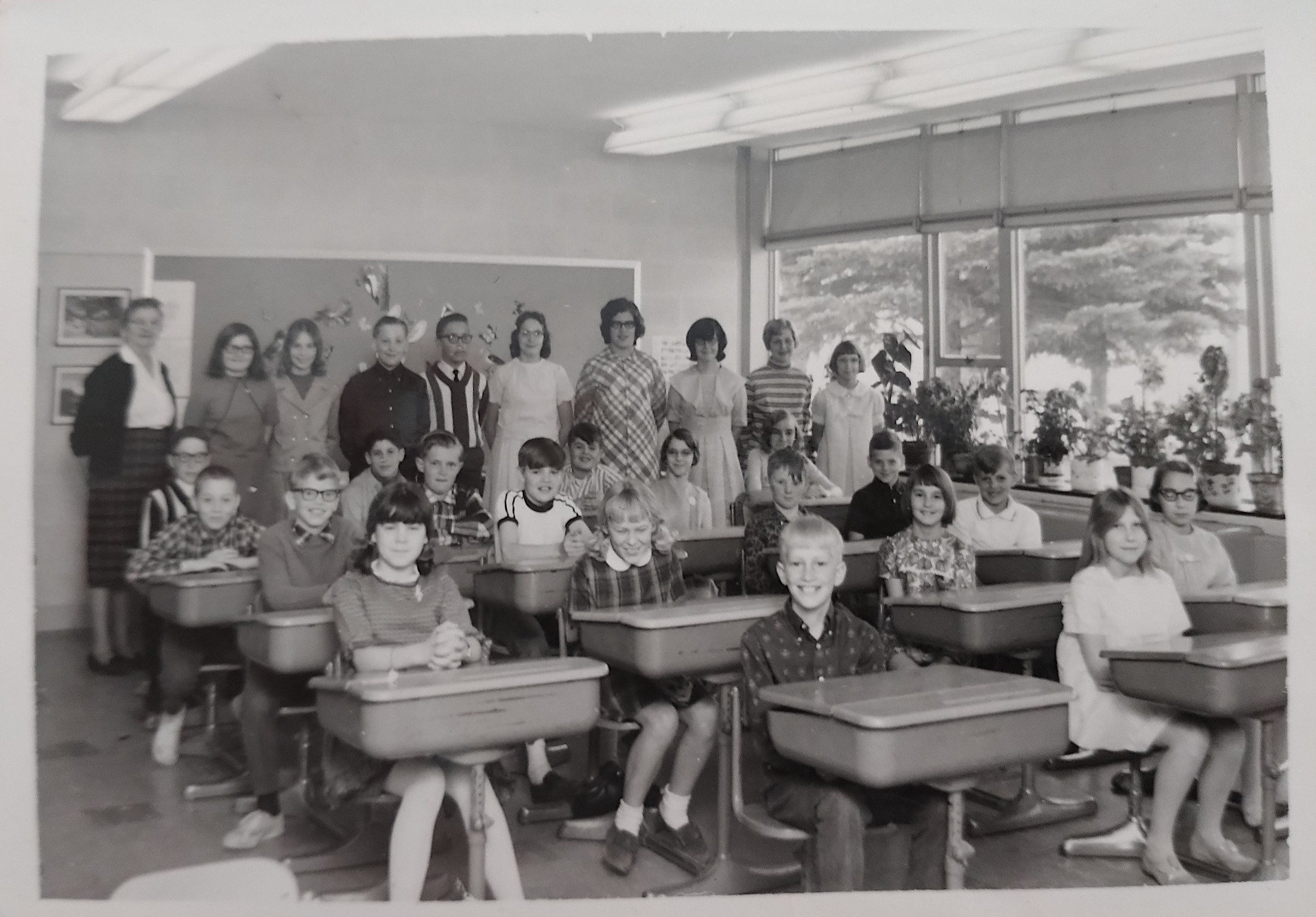
Fifth and sixth graders at Vesta Elementary School in the late 1960s. I’m in the back row, far right, next to the windows. (Photographer unknown; photo sourced from my personal photo album)

I want to pause here and stress the importance of passionate teachers in fostering students’ interests. From Mrs. Kotval reading to her students after lunch to junior high English teacher Mrs. Sales teaching me all the parts of grammar to high school teacher Mr. Skogen requiring students to keep journals, their influence on me and my eventual career was profound. I would go on to earn a college degree in mass communications, leading to a career as a journalist, writer, poet and photographer.
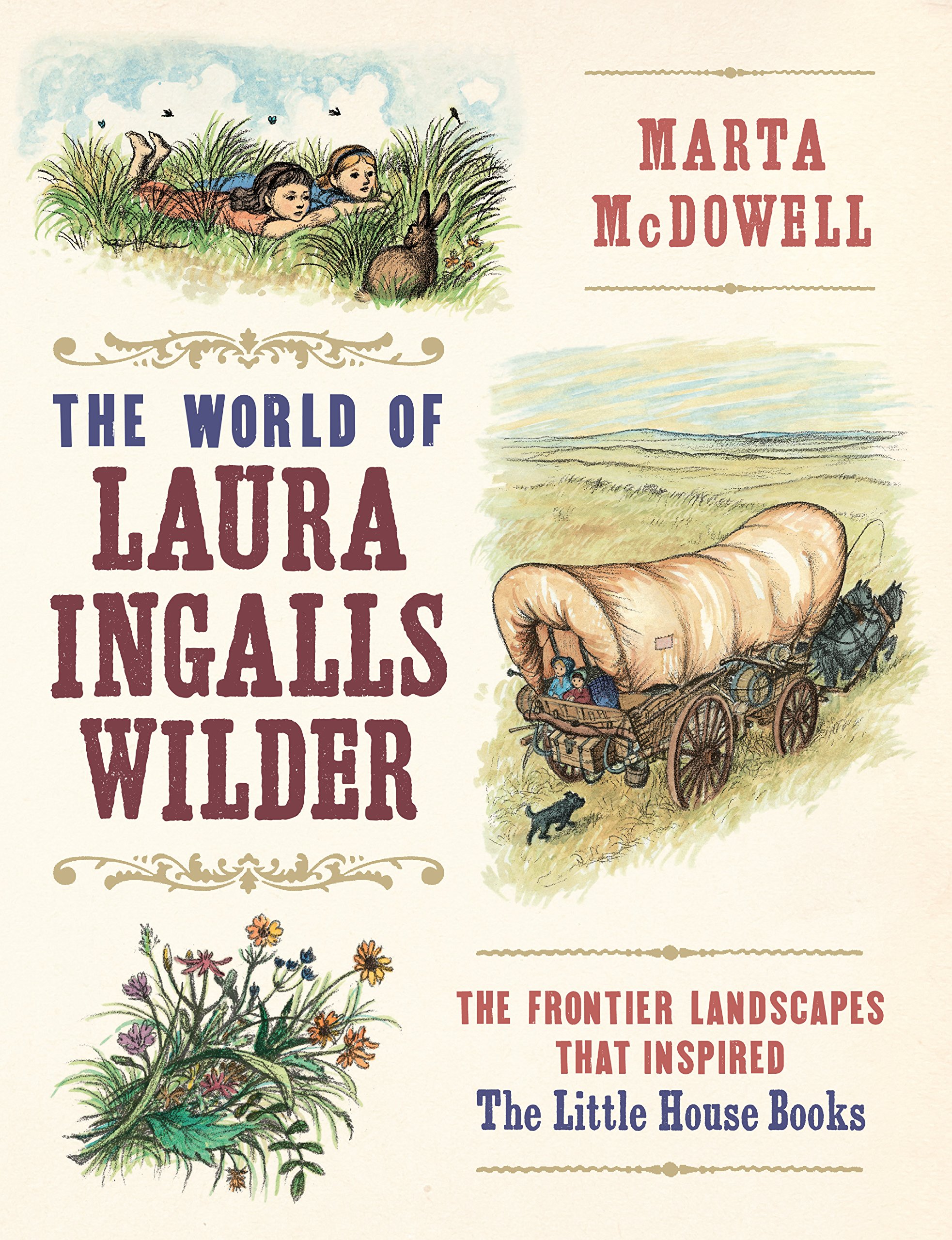
That brings me full circle back to Laura Ingalls Wilder, who early on influenced my detail-rich writing and photographic styles. In 2017, I became professionally connected to the author via “The World of Laura Ingalls Wilder—The Frontier Landscapes That Inspired The Little House Books.” Author Marta McDowell chose three of my photos (including one of prairie grasses at sunset) to illustrate her 396-page book documenting Wilder’s life and relationship to her environment. Perhaps some day my granddaughter will open the pages of McDowell’s book and find the photos taken by her grandmother. Whether Isabelle becomes an environmentalist or something vastly different, I expect she will always care about the earth and her role in saving it.

© Copyright 2023 Audrey Kletscher Helbling


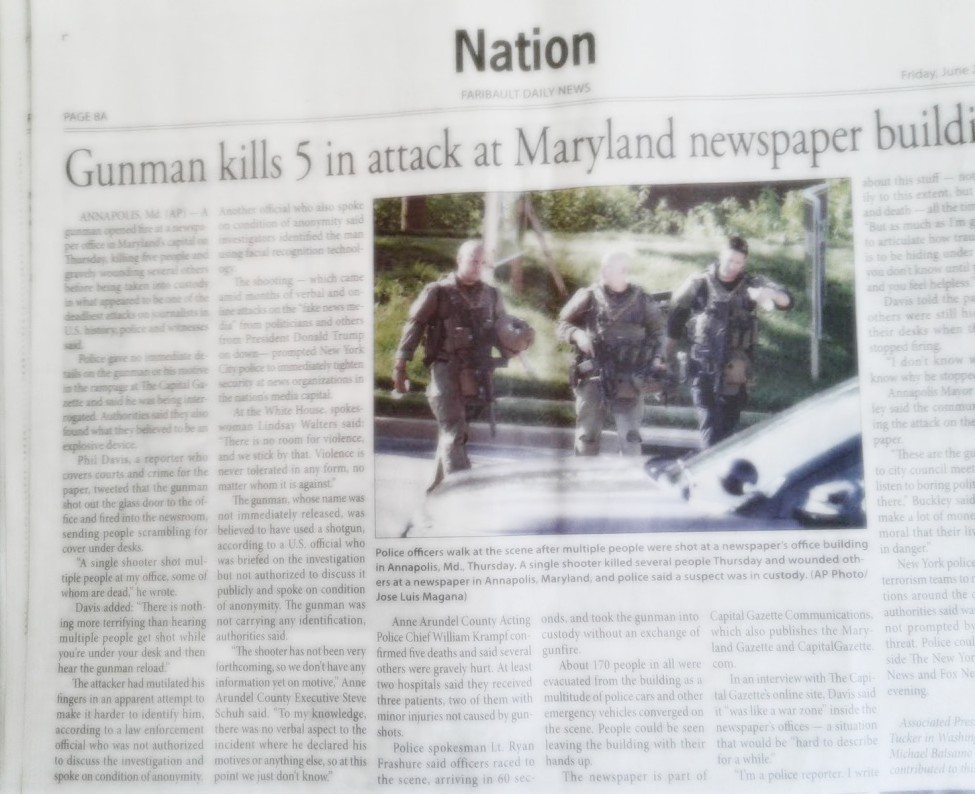
From the perspective of a former reporter: Thoughts after The Capital Gazette shootings June 30, 2018

Filed under: Uncategorized — Audrey Kletscher Helbling @ 5:00 AM
Tags: , , , , , , , , , , ,


I’M A FORMER NEWSPAPER reporter and photographer. As such, the killings of five employees in The Capital Gazette newsroom just days ago affects me in a way it may not non-journalists.

The single phrase that repeated through my mind: He (the suspect) really did kill the messengers (newspaper employees). The alleged shooter apparently held a grudge against the Gazette for writing about his conviction for stalking a woman.

Too often I’ve heard people attack and criticize reporters for doing their jobs of reporting the news. Journalists are blamed for whatever is negative. It’s an unfair accusation. Do not kill the messenger. The reporter did not cause the bad thing that now banners the newspaper.

If journalists report only the good news or whatever is spun to them, then they are nothing more than pawns, propaganda tools, mouthpieces. These are difficult times to be a journalist with the constant spewing of the words “fake news” and open hostility and name-calling at the highest levels of government. Democracy needs a free and open press. The press is not the enemy.

I experienced firsthand efforts to suppress my reporting while working in the profession decades ago. In small town Minnesota. How dare I attend a school board meeting and quote a teacher who didn’t want his comment, made at an open, public meeting, printed. My editor backed me up. But I had to endure the ire of that teacher and his superintendent for the rest of my stay in that rural community.

Likewise, a prominent businessman in the same county seat town harassed me for quoting him at a city planning meeting. When I moved to another job with a regional daily working in a satellite news bureau, I encountered the same hostility from a superintendent who didn’t like my story on a student walk-out. He treated me with absolute contempt, behavior which I found (and still find) totally unprofessional for an educator.

Then there was the sheriff’s department employee who wanted to withhold public information from me when I was gathering facts in a drug case.

There are those who will argue that the media deserve the contempt and criticism heaped on them. There are those who will say media people are nothing but a bunch of biased liberals. There are those who will blame journalists for anything and everything. Everyone is entitled to an opinion in a free country. Not all journalists are fair or balanced in their reporting. I agree with that.

But I also come from that perspective of working in the news profession. I know how hard I worked (long and odd hours with low pay) to accurately and fairly gather and report the news. I cared that I got the story right. I think most journalists do.

A reporter at the Gazette tweeted after the shootings: “I can tell you this: We are putting out a damn paper tomorrow.” That tweet shows remarkable strength when a man with a gun has just killed the messengers in a Maryland newsroom.

© Copyright 2018 Audrey Kletscher Helbling


FOX 9 anchor Heidi Collins deserves criticism November 4, 2010

AFTER SOME THOUGHT, I feel compelled to add to my earlier post regarding FOX 9 news anchor Heidi Collins’ on-air interview with Minnesota Secretary of State Mark Ritchie last night. The more I think about the interview, the madder I get.

Typically, I stick up for journalists. I once became so upset with a circle of friends who were blasting newspaper reporters and newspapers that I stalked out of the room. I had never done that before, but I get fed up with media-bashing.

This time, though, I cannot defend journalist Collins, if you can even call her a journalist. She deserves every ounce of criticism, every degree of heat, every negative comment tossed her way.

Her condescending attitude, her insinuations, her talking over Ritchie and that “I ask, you answer” statement showed an utter lack of respect for the office of Secretary of State.

Collins seemed biased and intent on provoking Ritchie. In other words, she was anything but professional and she was downright mean.

I cannot, as a professional writer and a former newspaper reporter, stick up for anyone in the media who conducts herself/himself in such an unprofessional manner.

© Copyright 2010 Audrey Kletscher Helbling