
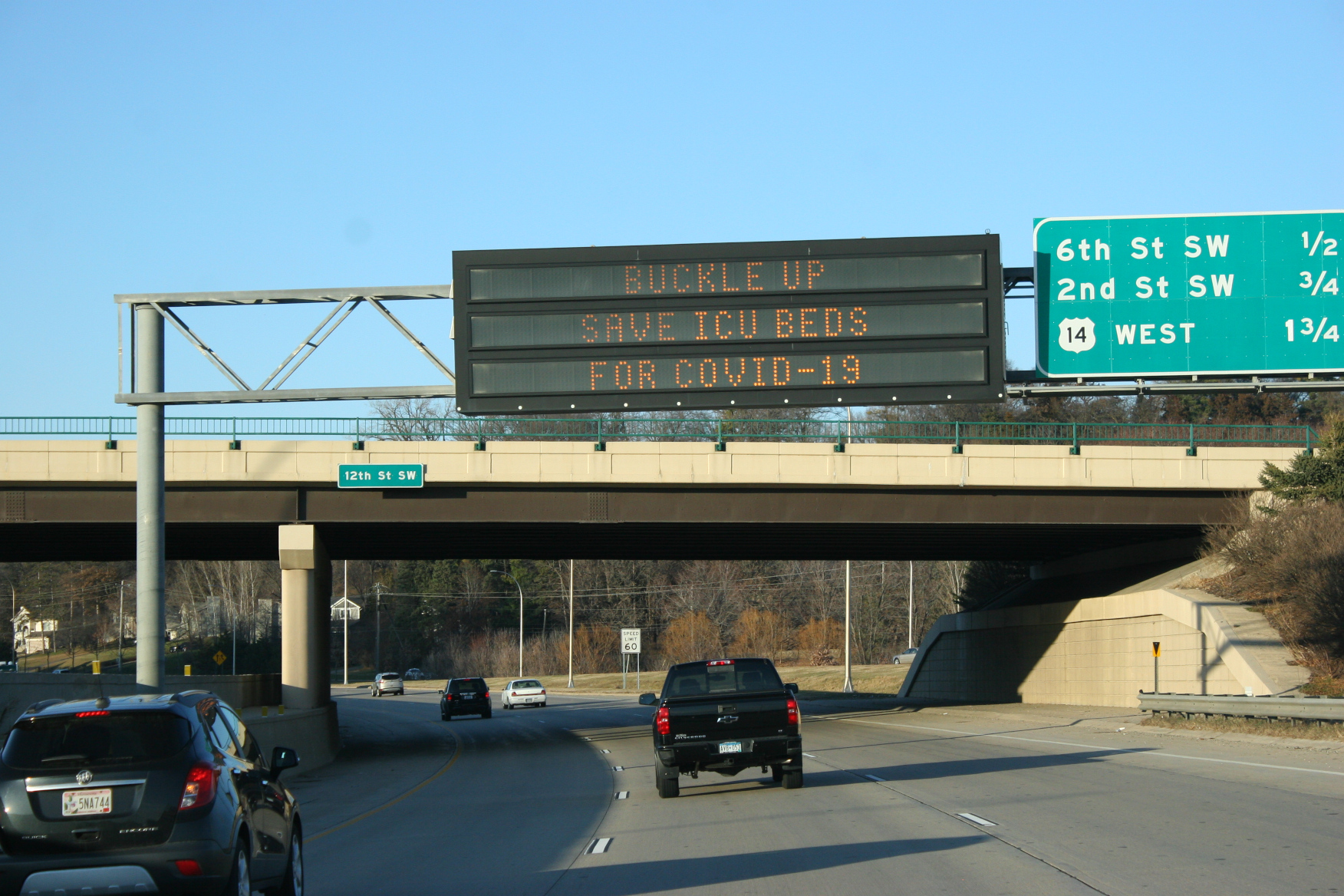
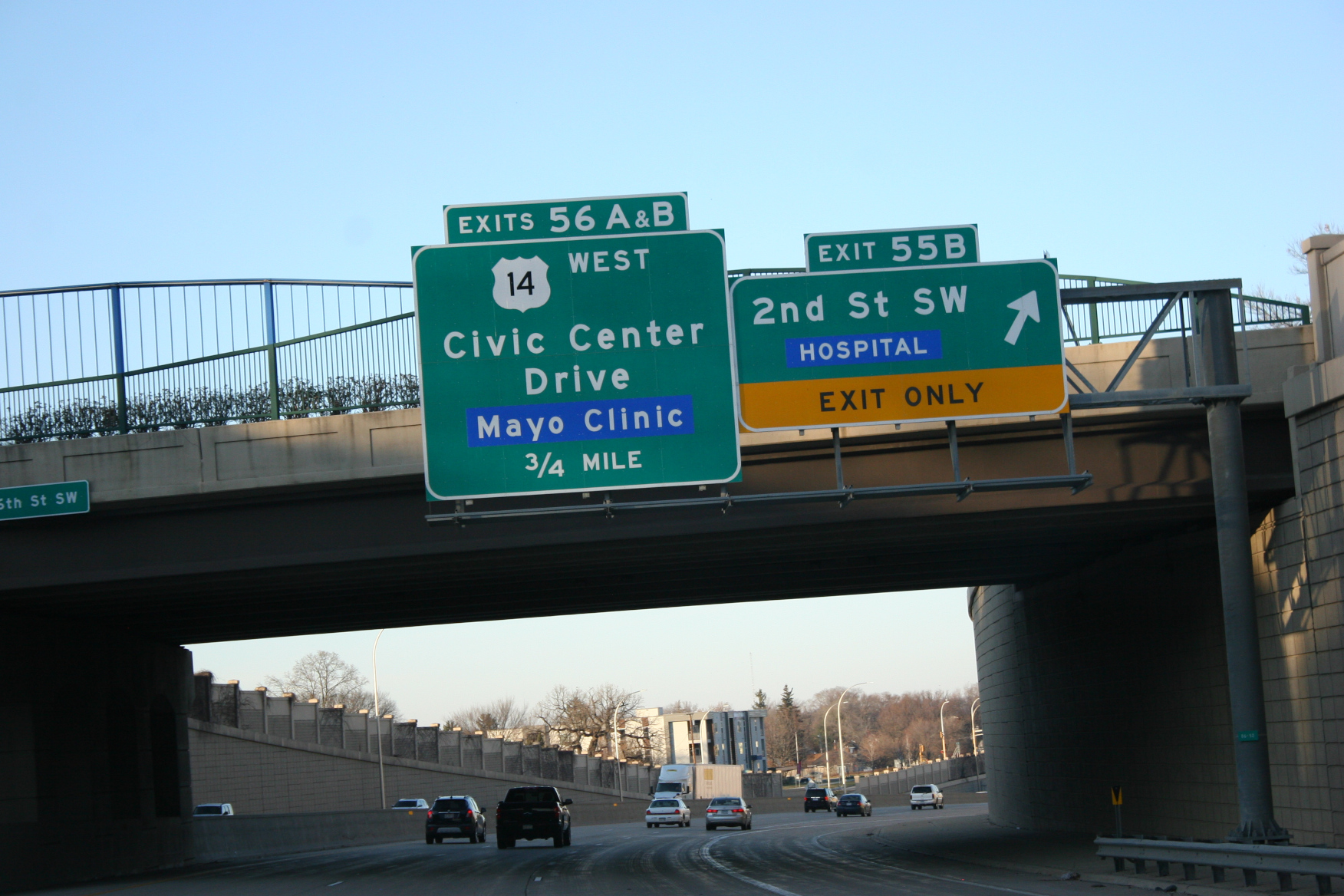
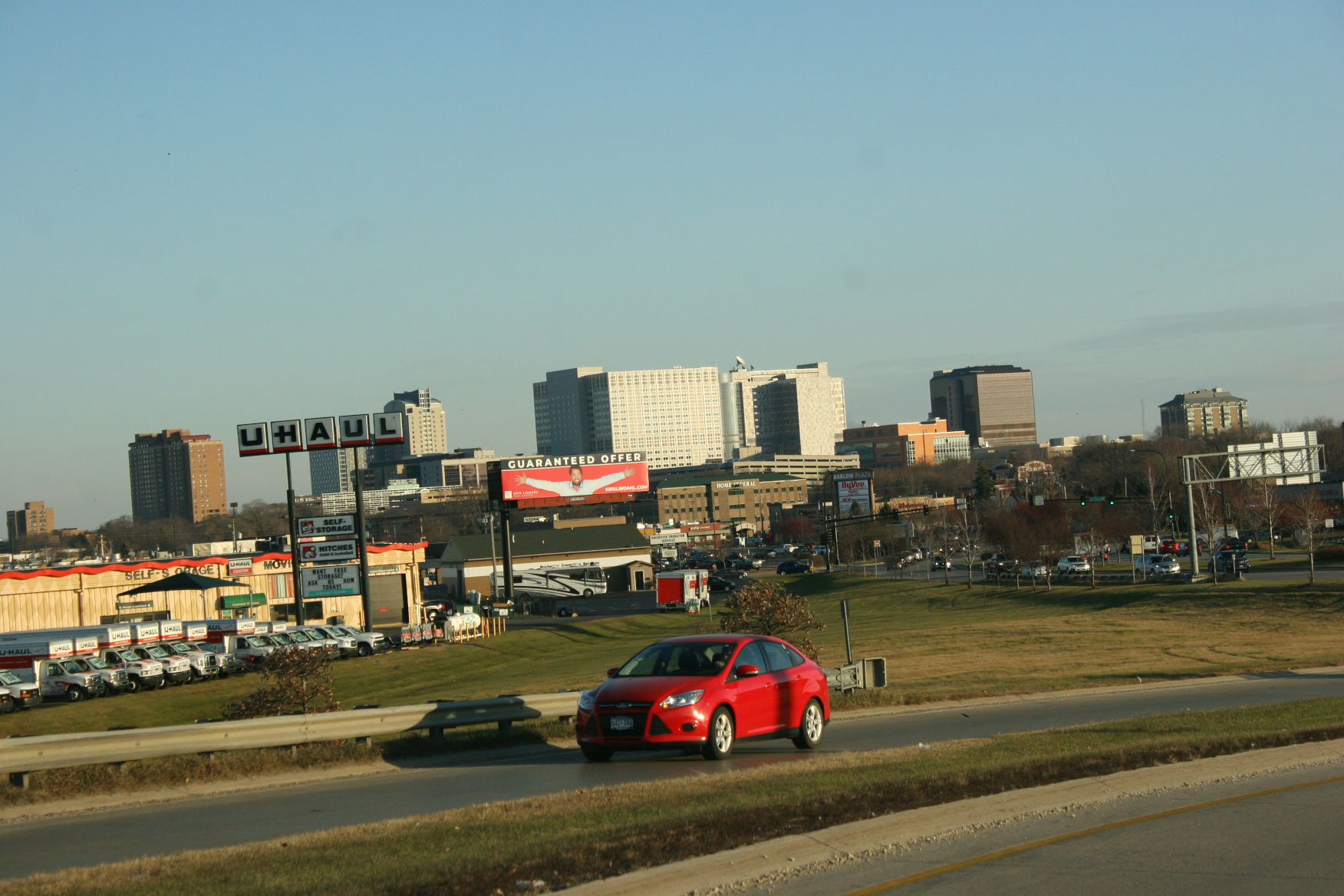
NOTE: I took the above photos while riding as a passenger in a vehicle, not while driving.
Copyright 2020 Audrey Kletscher Helbling
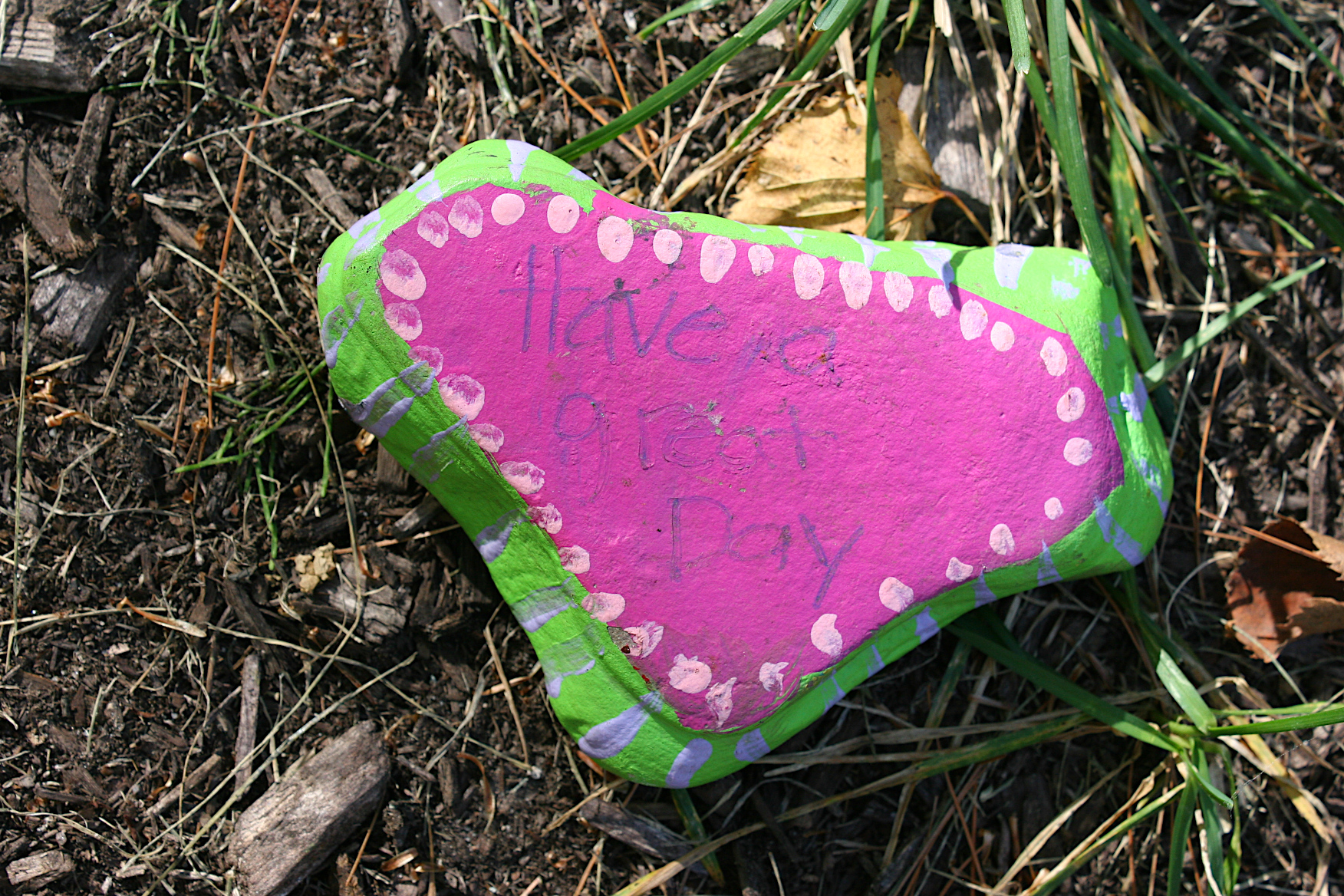
I LOVE FINDING KINDNESS STONES. I appreciate the effort an artist or wordsmith takes to craft a message, add some art and then drop the stone in a public place. Each time I discover these sweet surprises, I feel uplifted. And I wonder about the individual inspired to show such kindness.
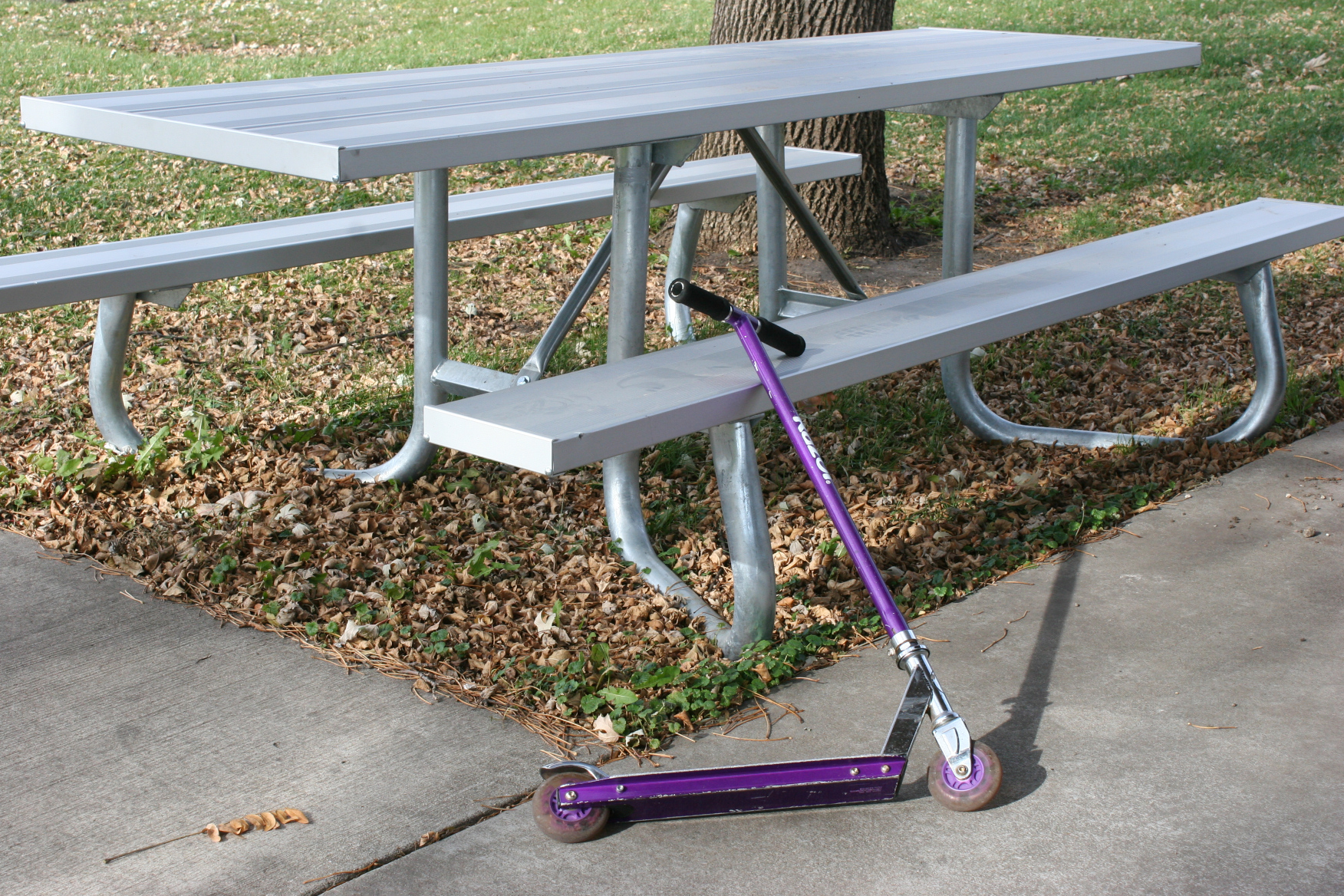
On a recent weekend, while out and about, I didn’t discover any inspirational stones. Rather I found several items left behind, the first at Medford Straight River Park. An abandoned purple scooter leaned against a picnic table in the shelterhouse near the playground with no kid in sight. As Randy and I ate our picnic lunch, a Grandma showed up with her 5-year-old granddaughter to reclaim the well-used scooter, forgotten the previous evening. How small town, I thought.
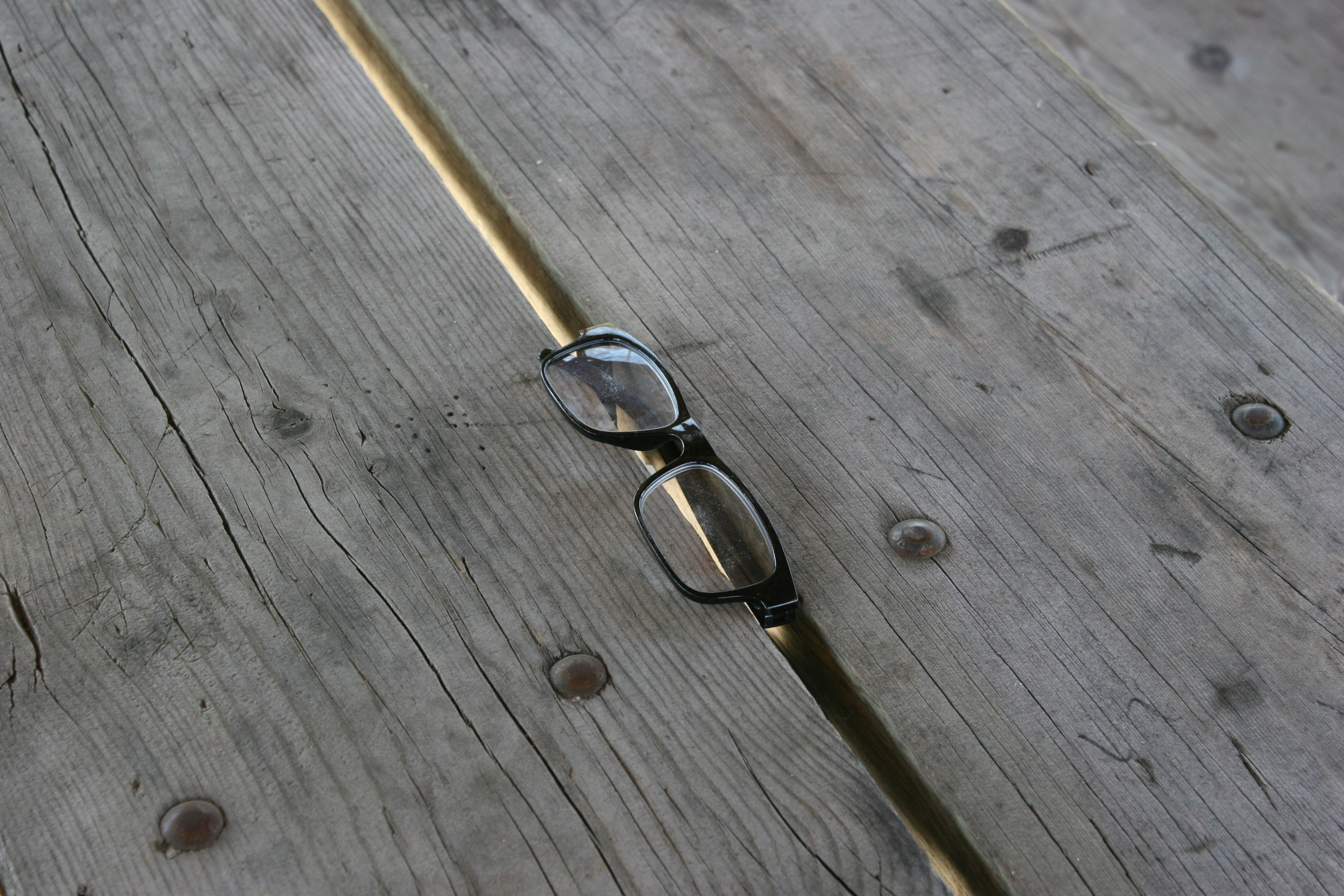
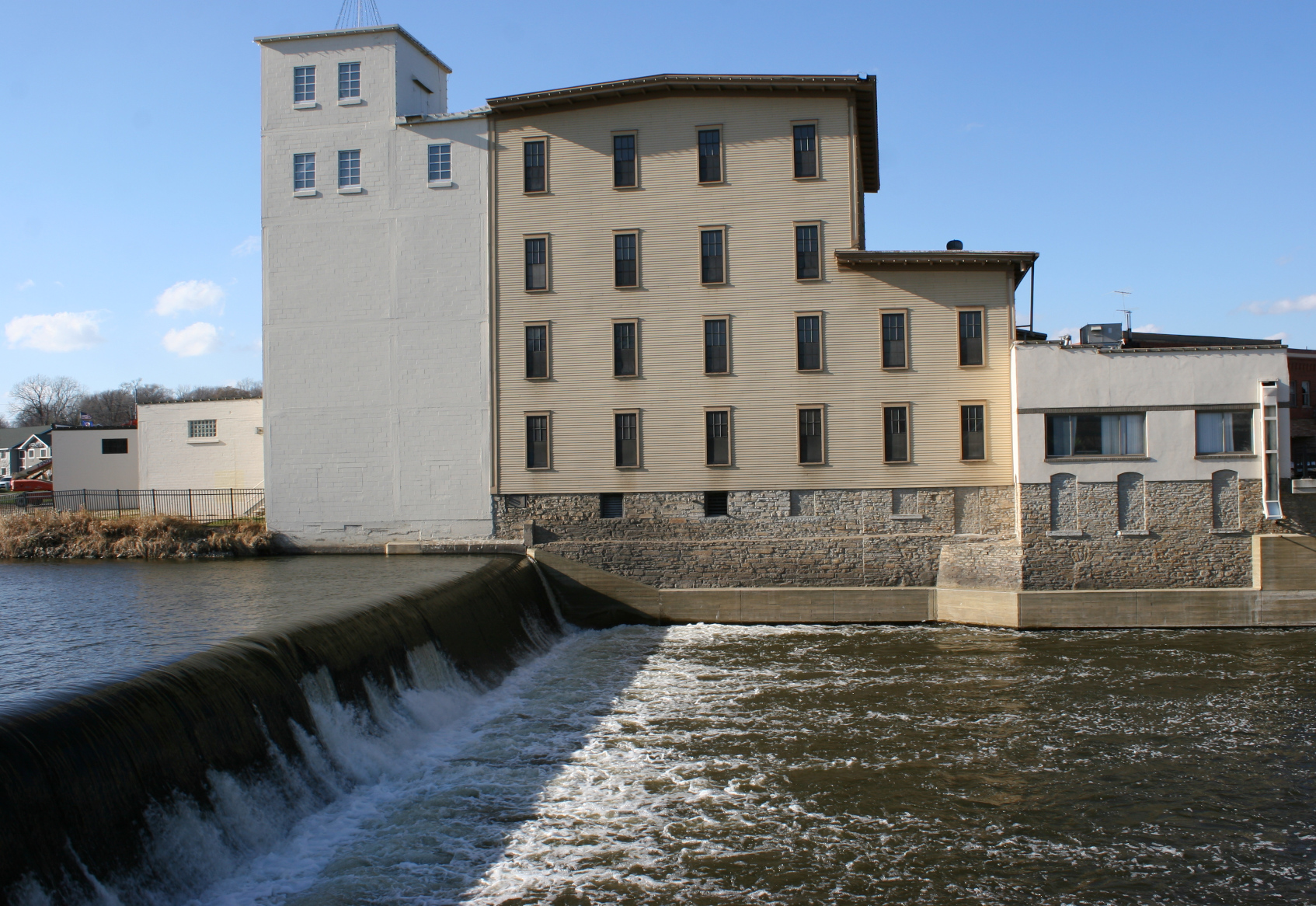
The next day, while picnicking again, this time at Mill Park in Dundas, I noted black-frame glasses stuck in the crack of a picnic table. What is it about picnic tables and stuff left behind? Now, if I’d left my glasses behind, I would struggle to see, such is the state of my vision. Randy checked and confirmed the lost glasses were cheaters. Whew.
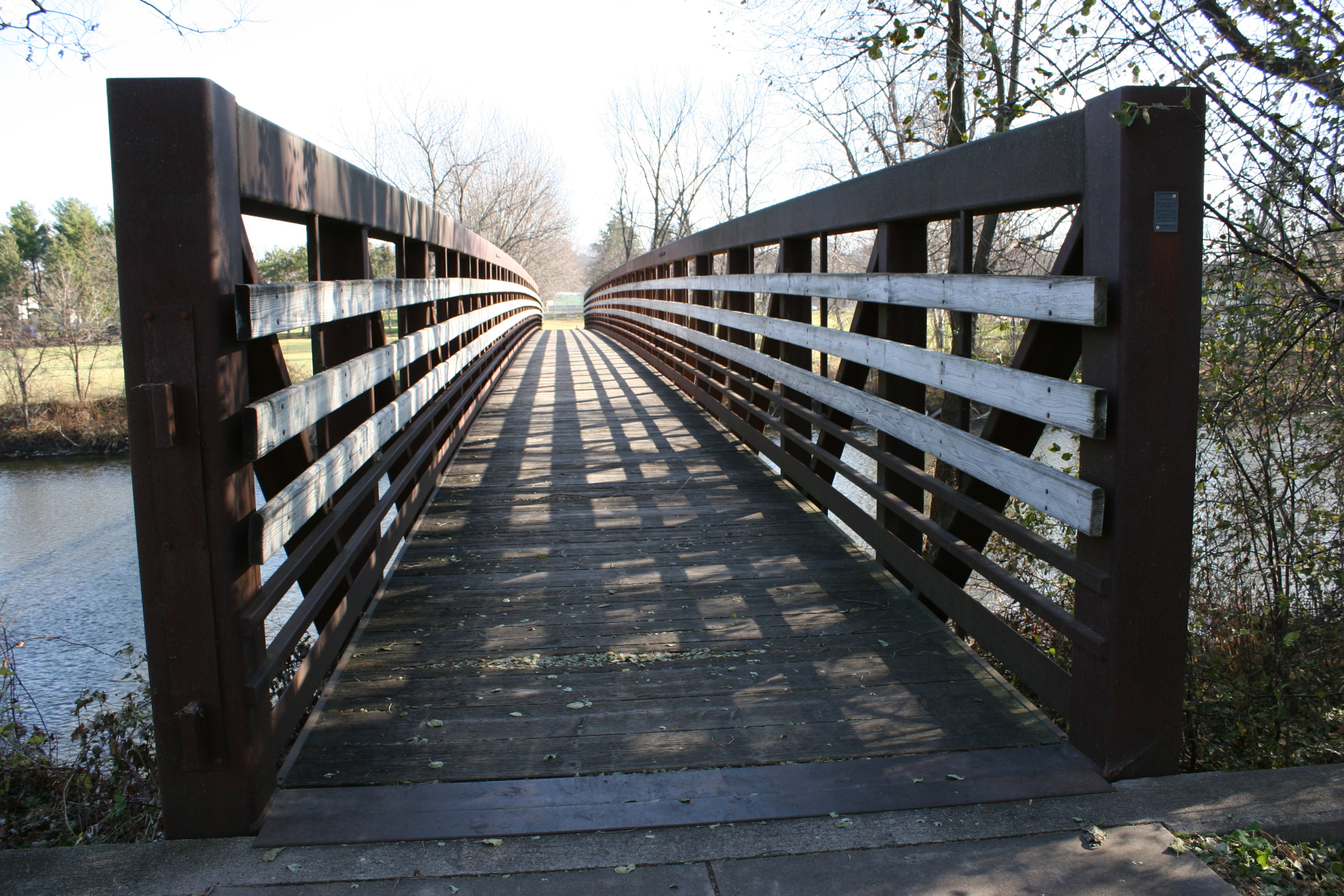
From Mill Park, we crossed the Cannon River pedestrian bridge to Memorial Park by the ball field.
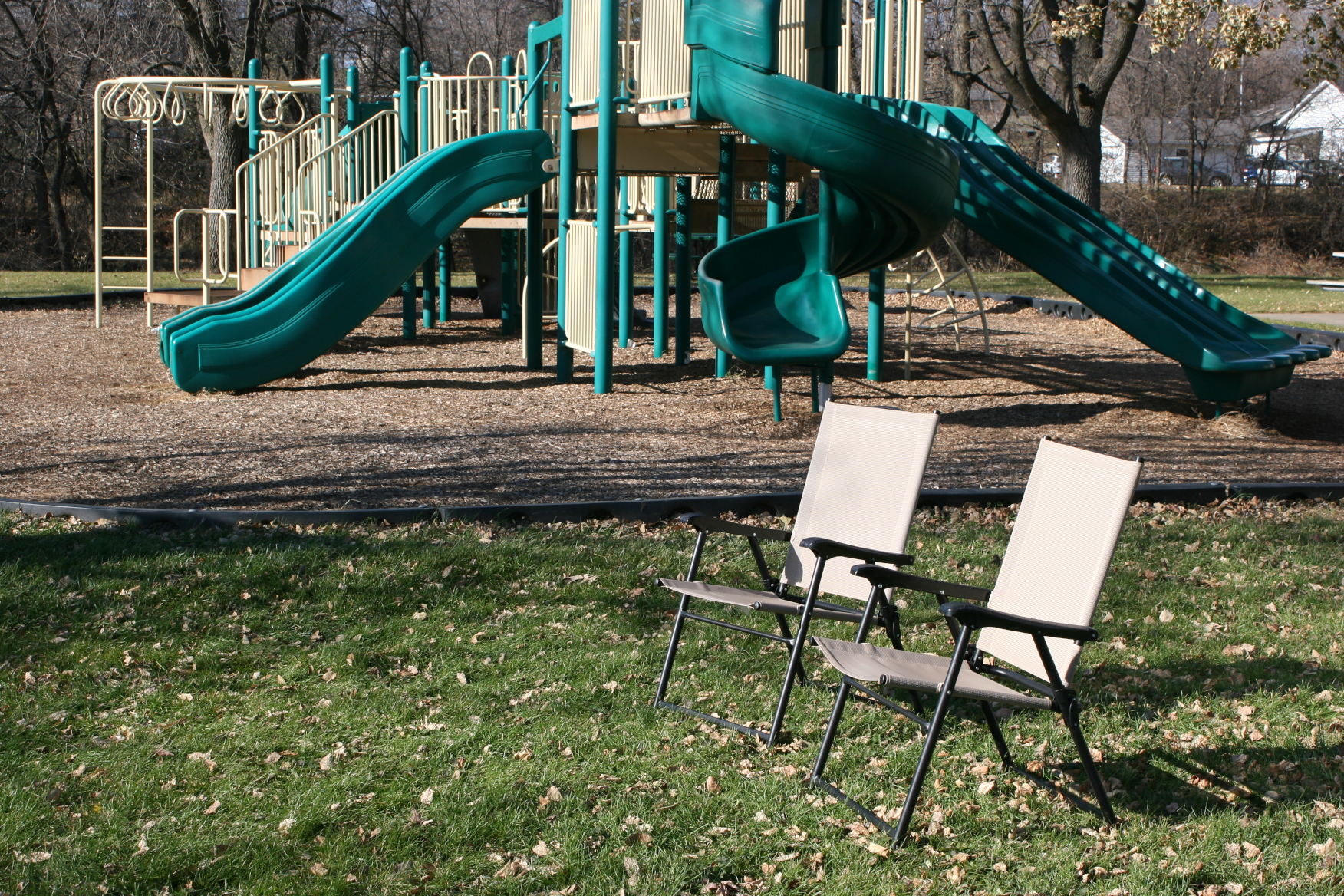
There, by the playground, sat two perfectly fine lawn chairs. Opened, as if someone had recently occupied the two spots. But there were no adults, no kids, anywhere, except a couple picnicking by the ball diamond, bikes parked nearby. Obviously not their chairs.
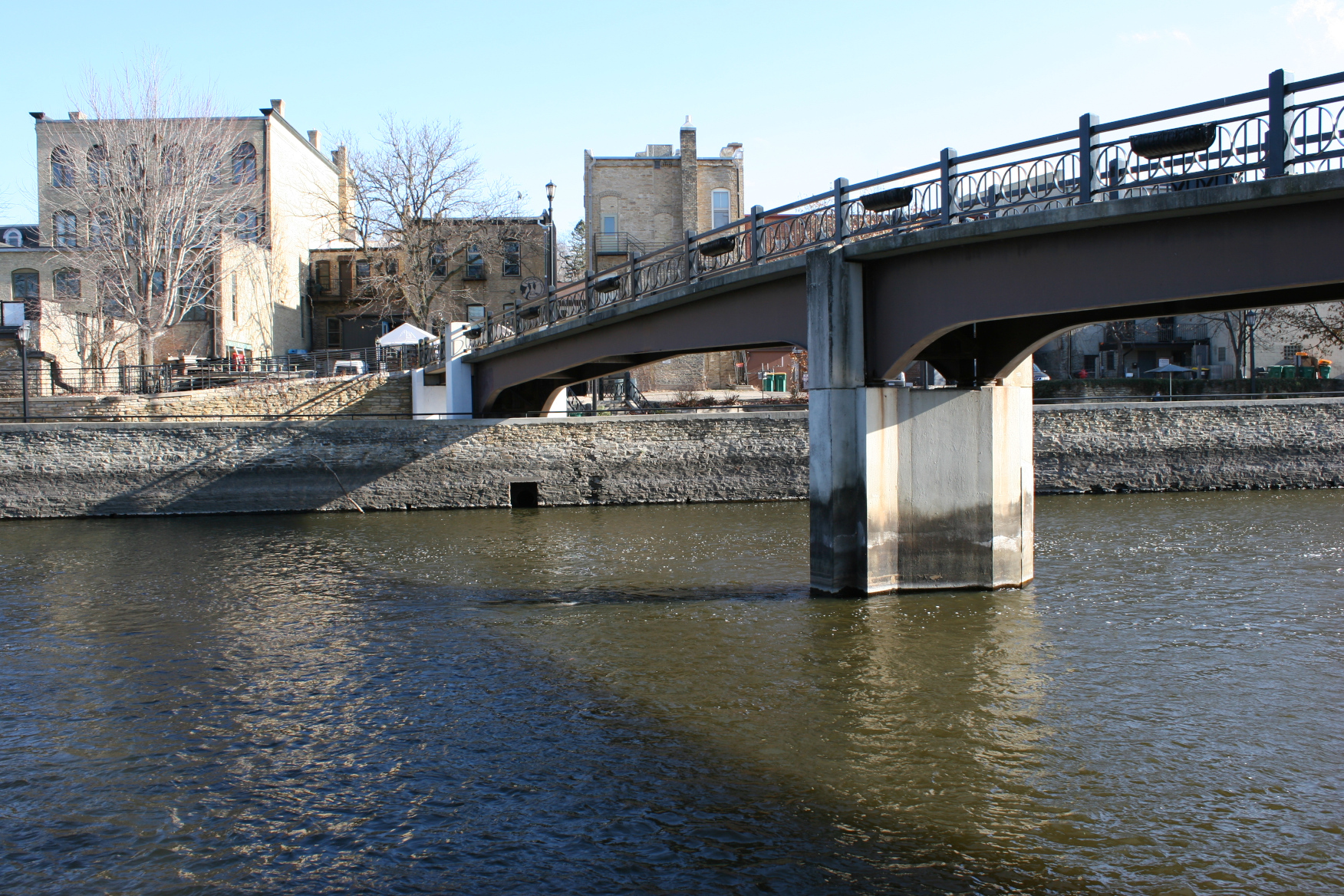
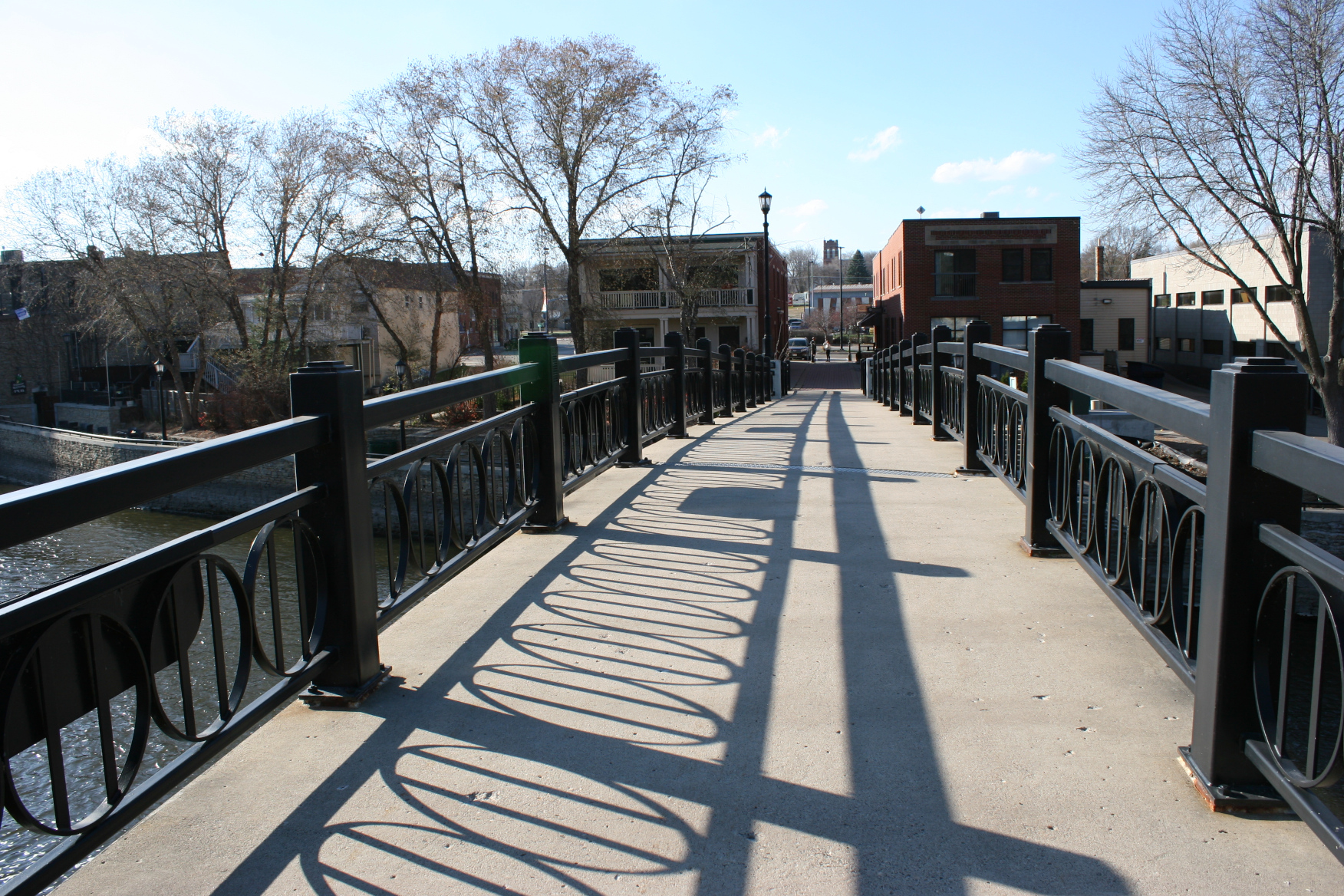
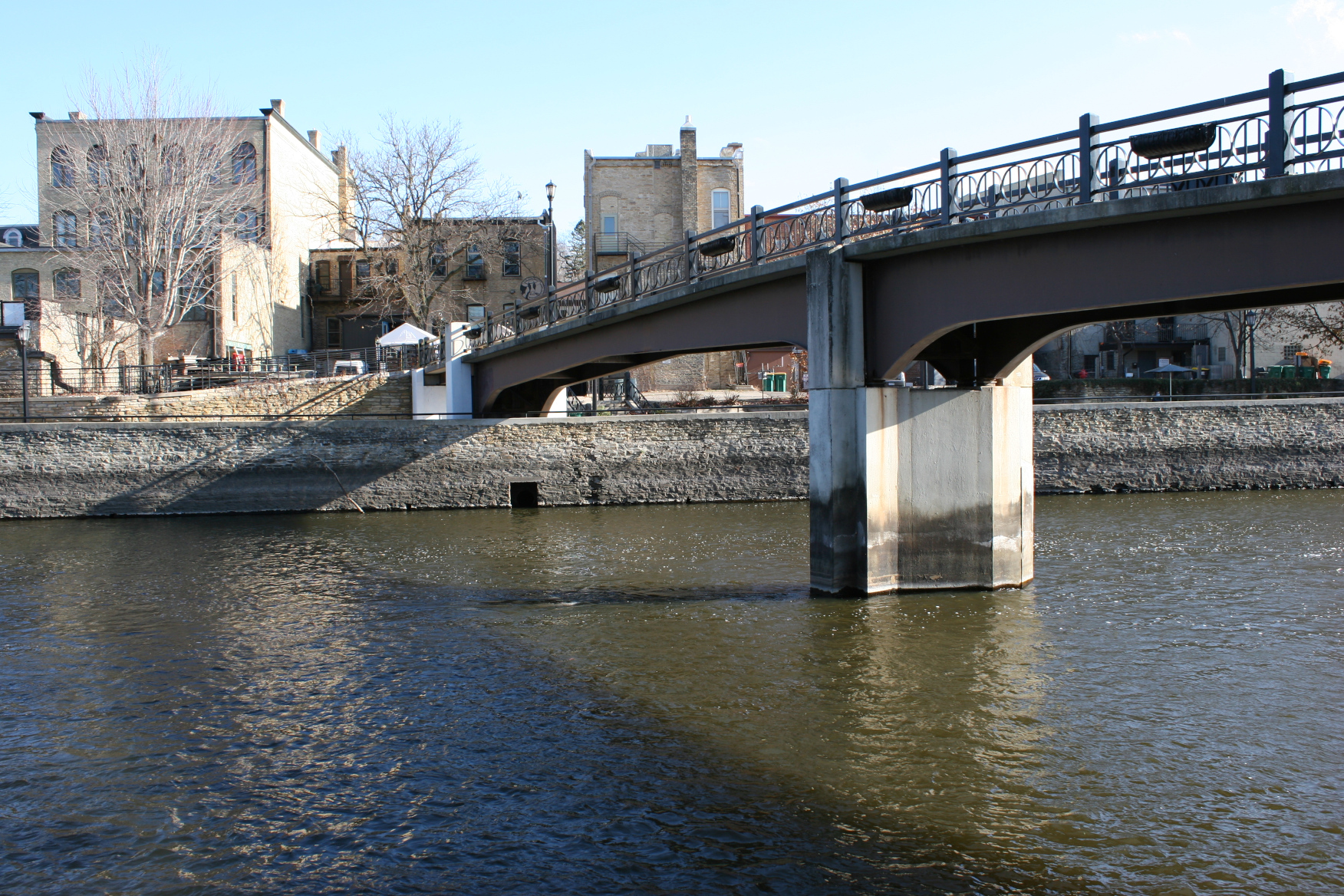
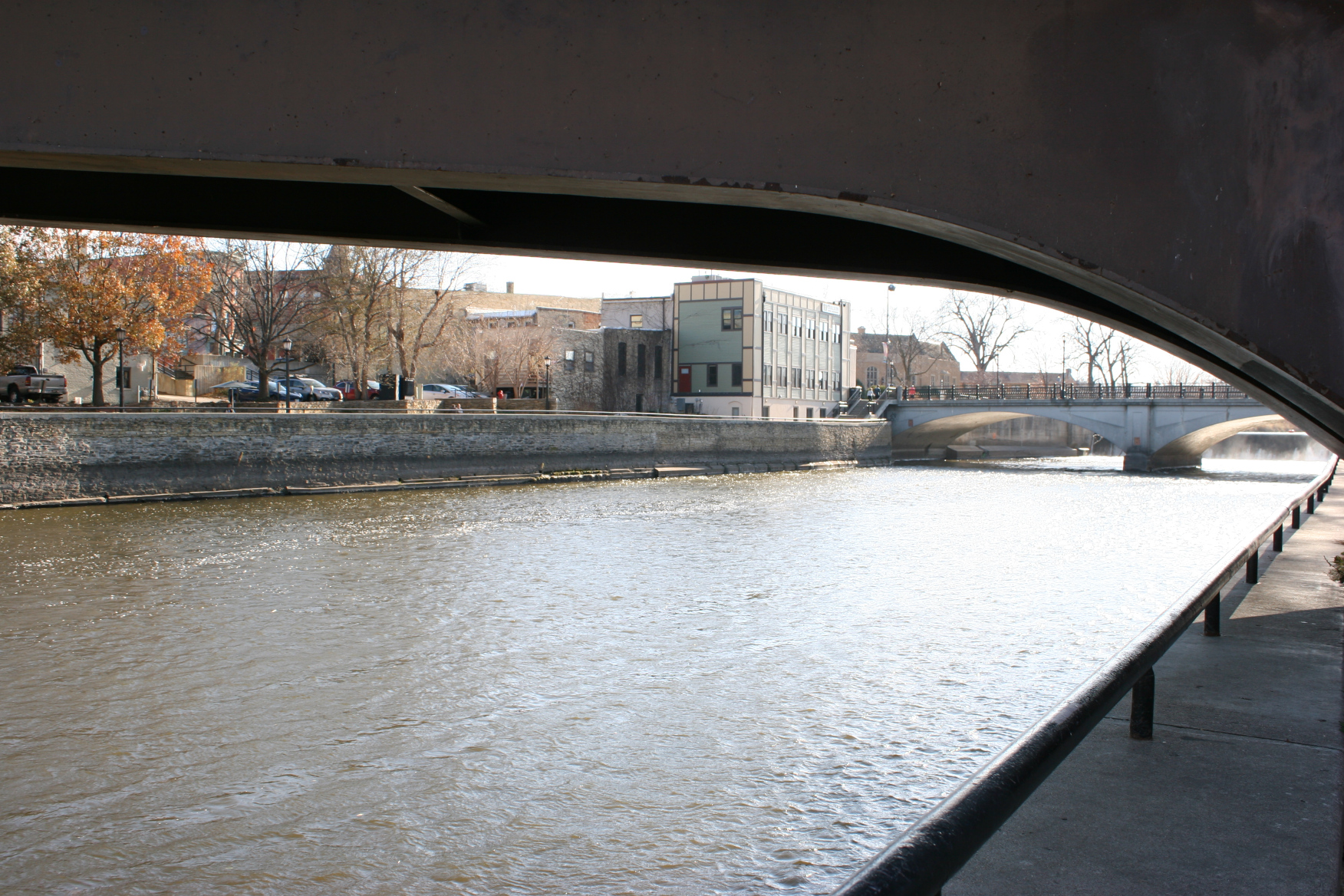
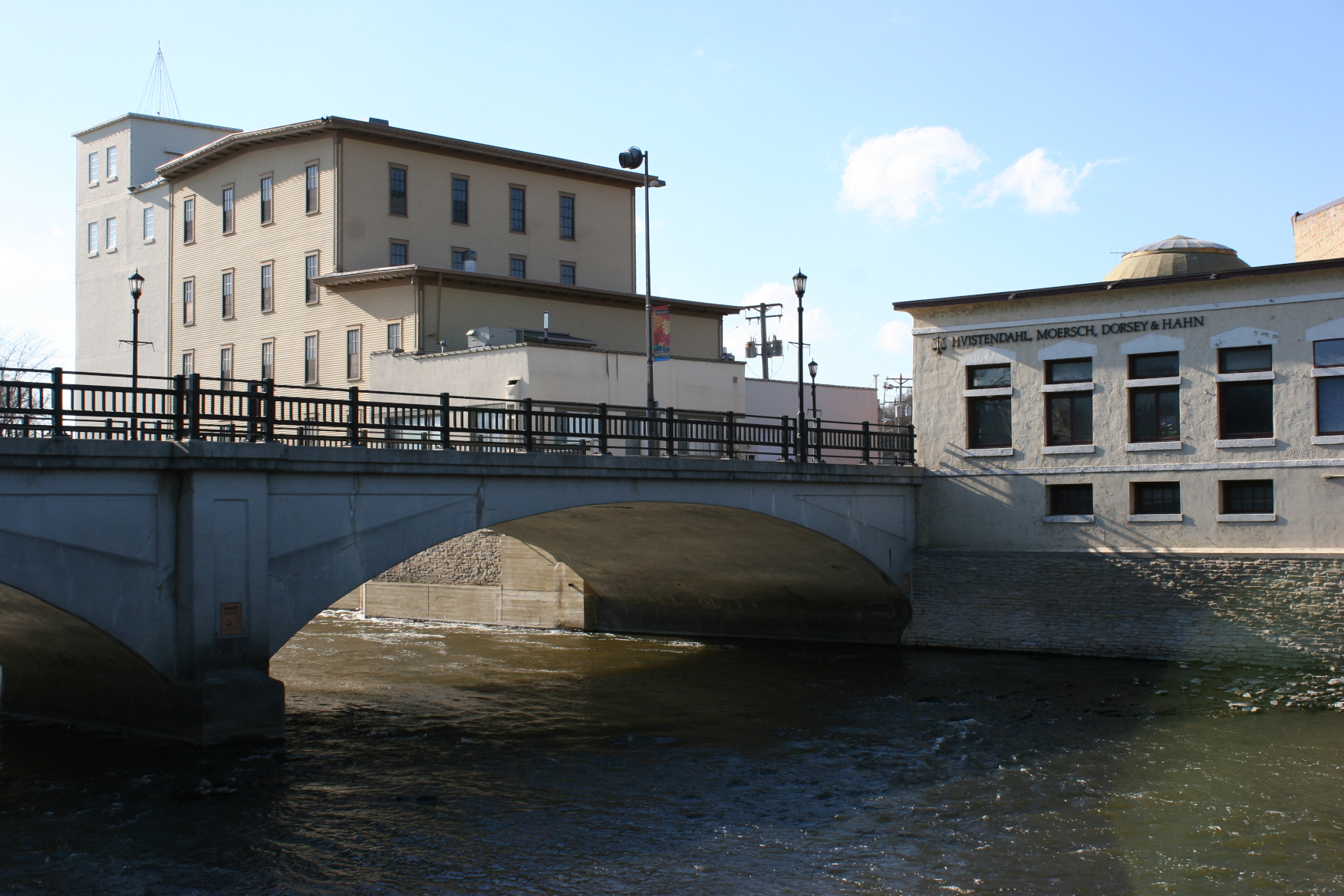
Next, we drove to Northfield, parked downtown and walked around. While crossing the pedestrian bridge over the Cannon River, I discovered a mini skull atop dirt in an otherwise empty flower box hanging on the bridge. The skull looked pretty darned real to me. But then I remembered that just days earlier it was Halloween and I figured that was the reason someone left a skull behind.

TELL ME: Have you ever found something particularly interesting left in a public place? I’d like to hear about your odd discoveries.
© 2020 Audrey Kletscher Helbling

SOME DAYS I WISH I could simply disappear, vanish into the woods or wheel across the prairie like the Ingalls family to an unknown destination. Far from reality. Far from COVID-19.
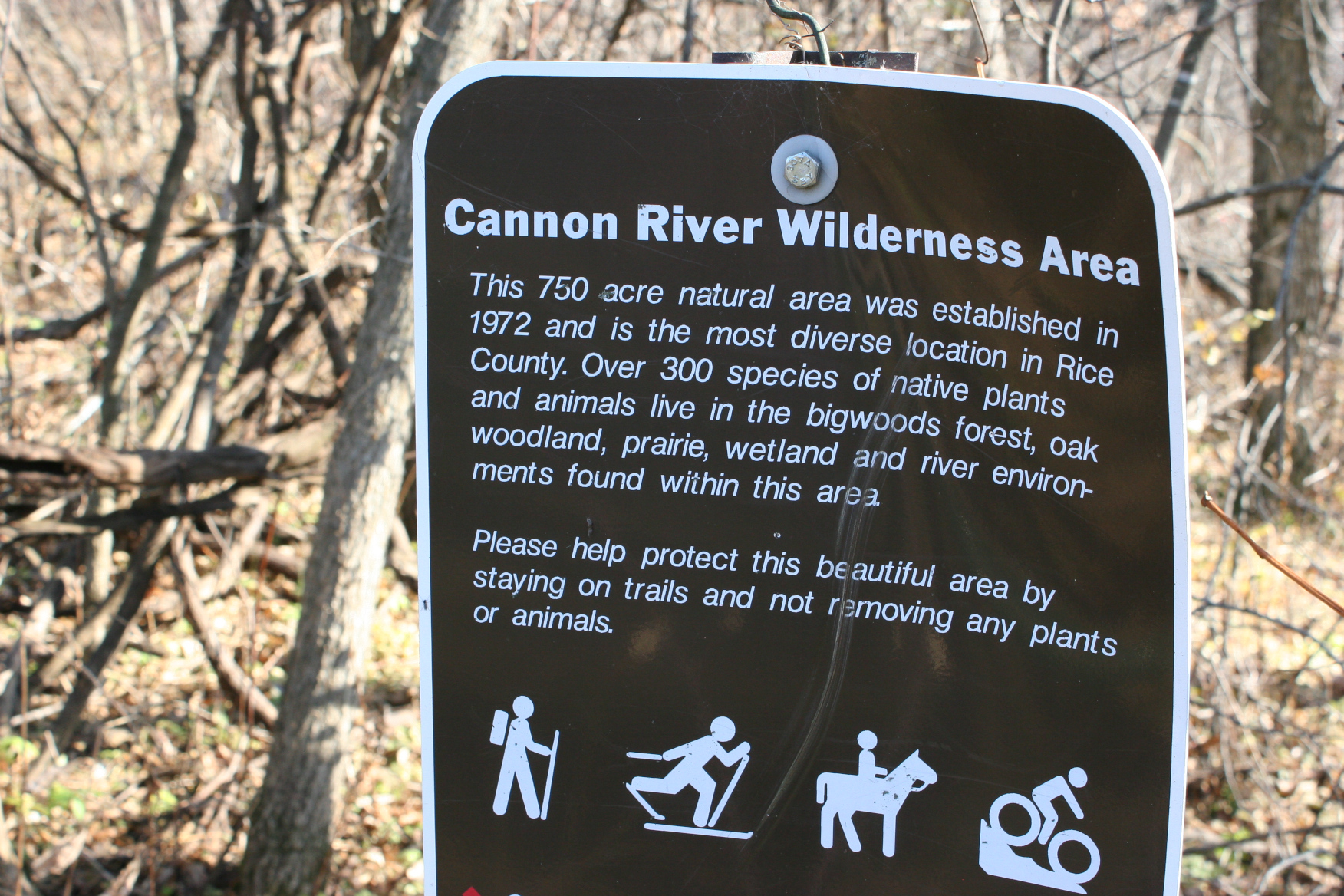
But, since I must live in the context of a pandemic, in the place I call home, I look for places to escape nearby. And, on a recent Sunday afternoon, Randy and I disappeared into the Cannon River Wilderness Area between Faribault and Northfield off Minnesota State Highway 3.
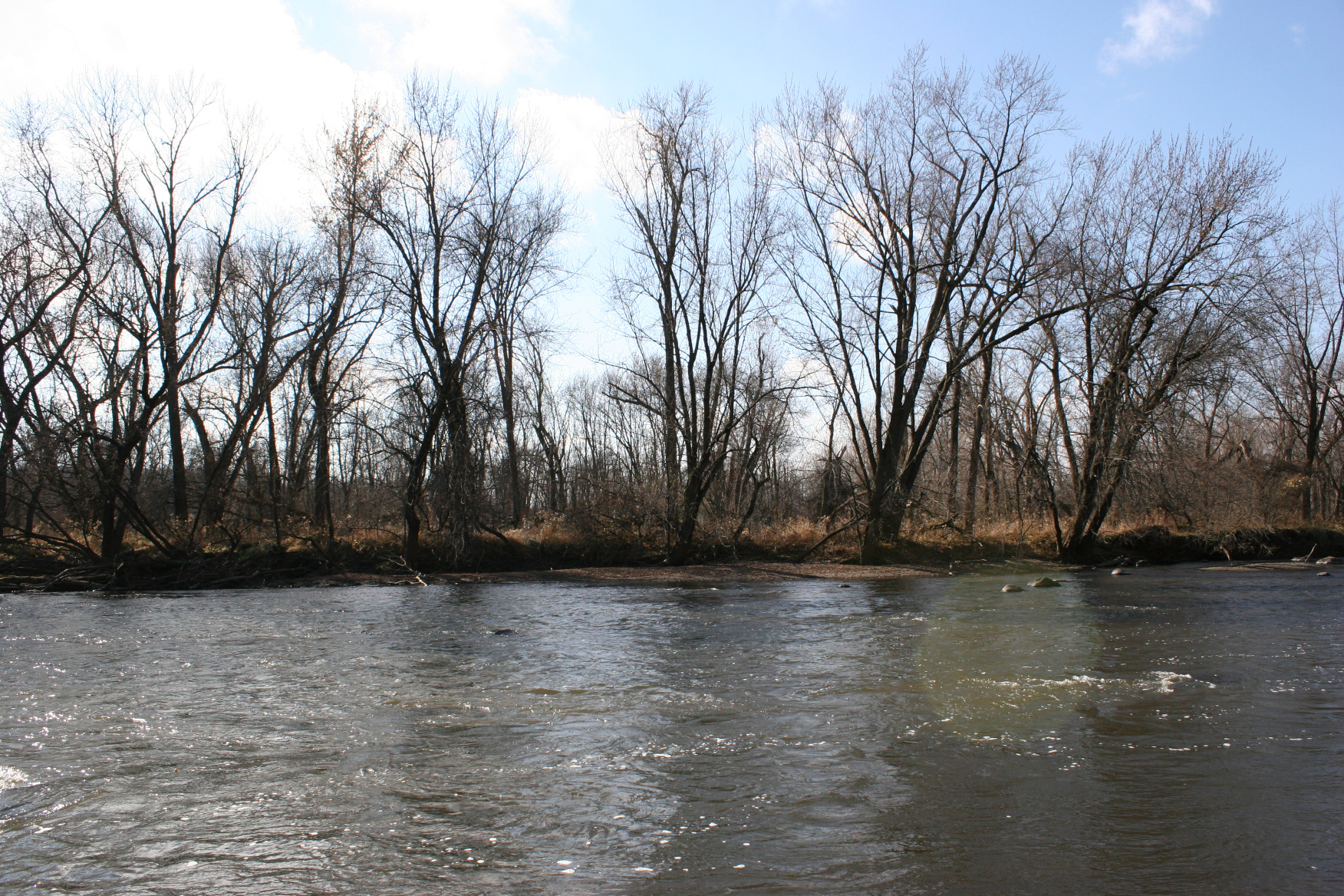
In the nearly 40 years we have lived in Rice County, we’ve only stopped here once, many years ago for a family picnic, but never to hike. On this day we followed the rutted gravel road along the river, past a junkyard and into the wilderness parking lot. We walked a short path to the Cannon River, then a longer one along the river to a foot bridge.
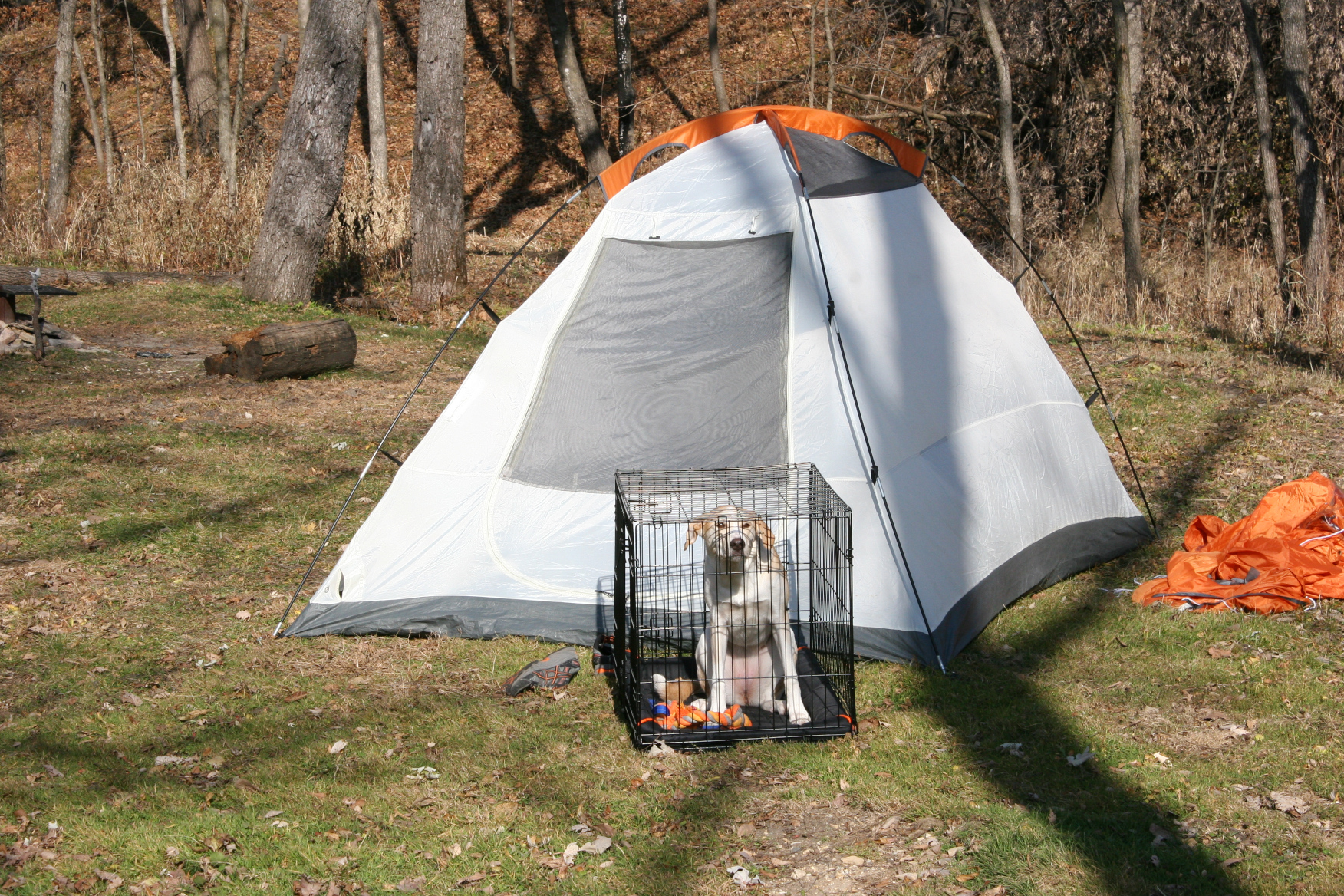
To get there, we passed two tents in the primitive camping area. I delighted in watching a young family gathered in the woods near river’s edge, enjoying the outdoors, away from distracting/detracting technology. At the next tent down, I observed a caged dog.
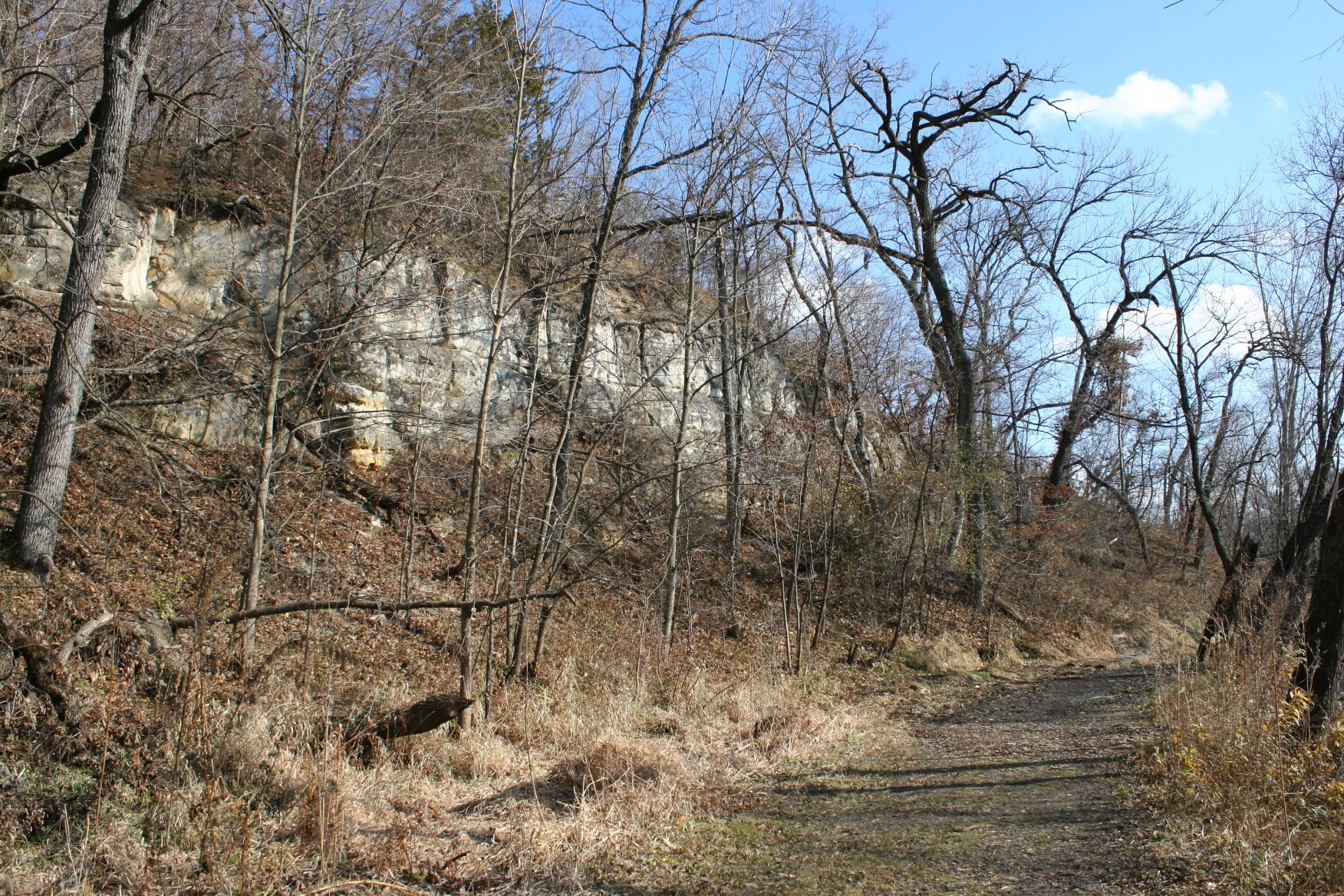
After passing the campers, we spotted a hillside bluff of limestone looming to the side of the trail.
Springs bubbled water across the muddy path partially covered by a thin layer of wood chips. I found myself tensing at the thought of traversing mud. My slip-on shoes, unlike Randy’s treaded boots, offered zero traction. And, with a history of two falls, one on rain-slicked wooden steps that resulted in a broken wrist and subsequent surgery to implant a plate, I felt angst.
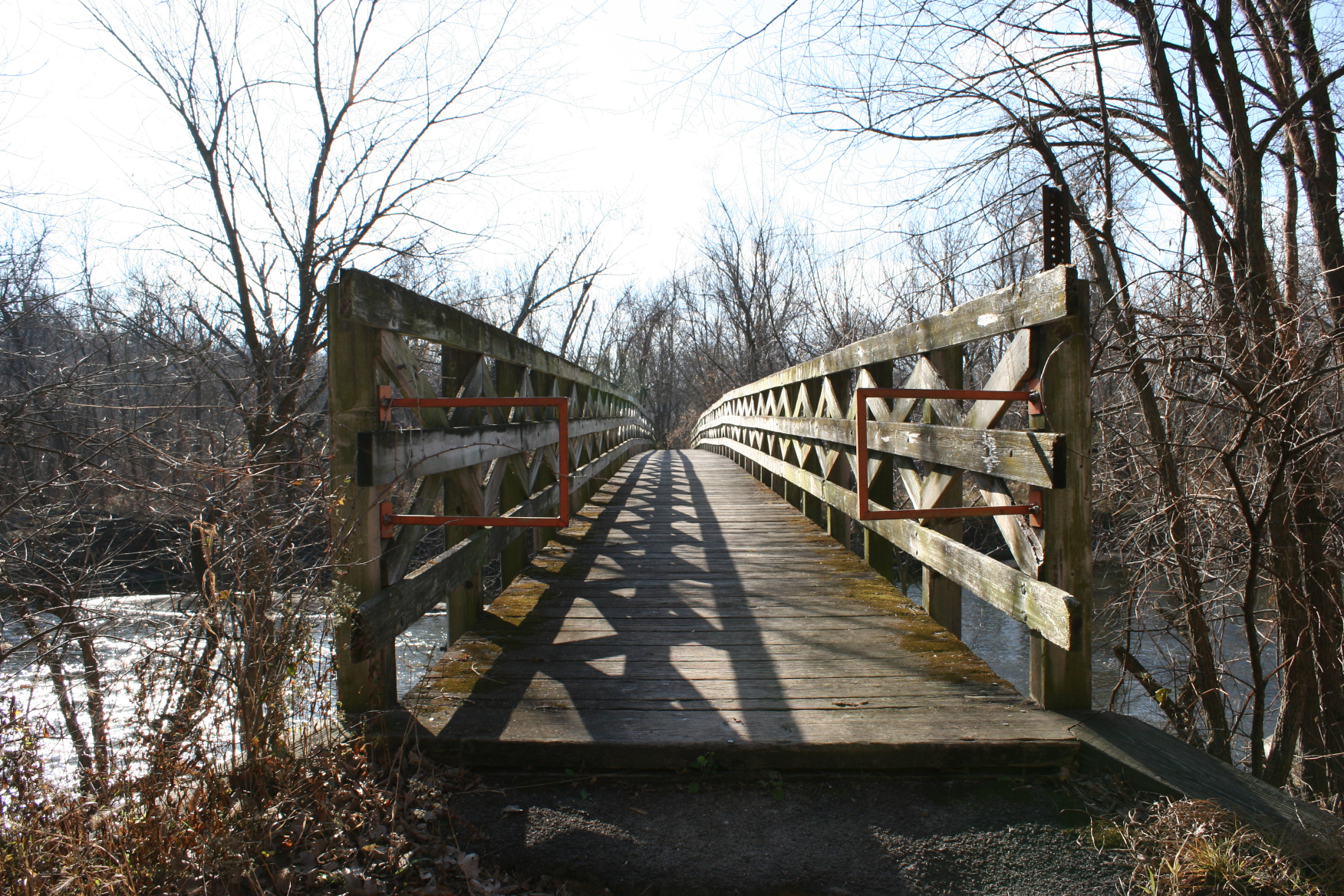
But Randy offered his hand to steady me as we walked across mud, atop slippery rocks and balanced on railroad ties. Eventually, we reached the pedestrian bridge over the Cannon.

If anything soothes me, it is water and wind. And, on this early November day, I stood on that wooden bridge, taking in the elements that calm me. River rushing over rocks. Wind roaring through woods.
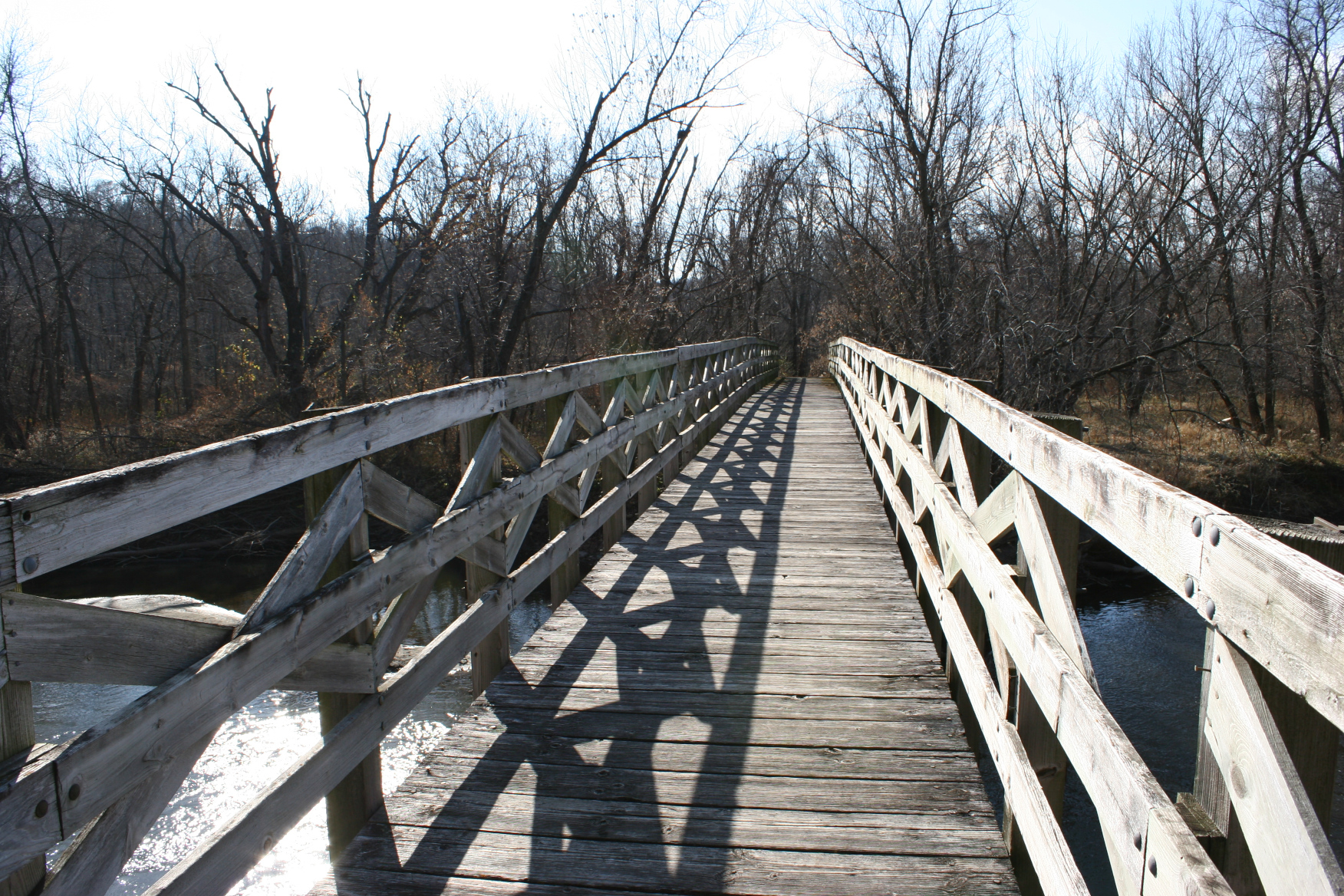
The sun, too, warming me and casting artsy criss-cross shadows upon the bridge deck.
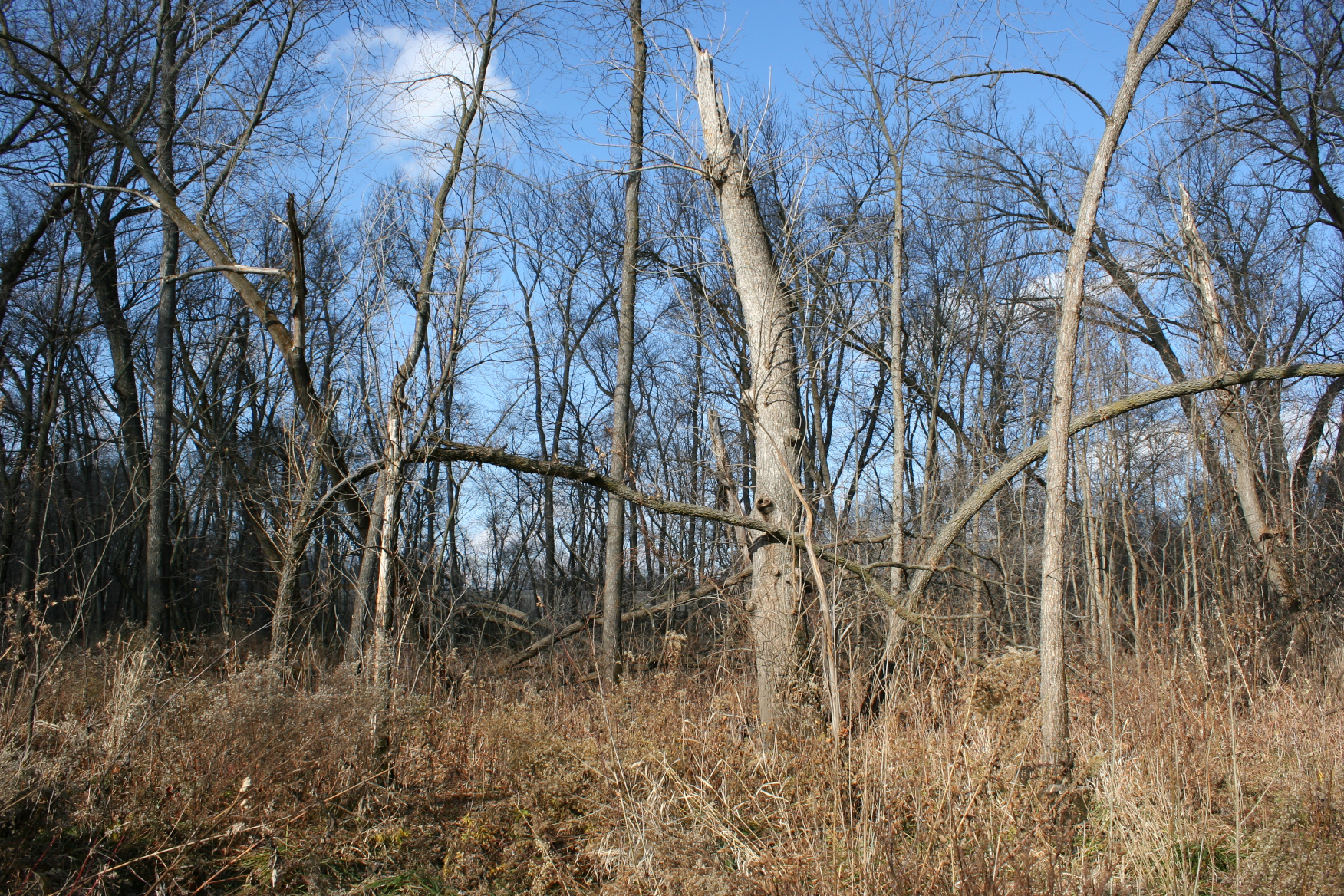
Then I noticed the trees. Tornado trees, I term them. Two years ago, in September 2018, tornadoes ravaged Rice County, including the 800-acre Cannon River Wilderness Area. Evidence of the storm remains in fallen trees, limbless trees, trees stripped of branches. In the woods. In the river. Along the riverbank. Thoughts of tornadoes invite distress as I recall the 1968 deadly tornado in Tracy, Minnesota, a storm I remember from my childhood in southwestern Minnesota. Some things you never forget.
But for a short time, I forgot about COVID as I immersed myself in the natural world. Even among tornado trees, some of which groaned in the strong wind.
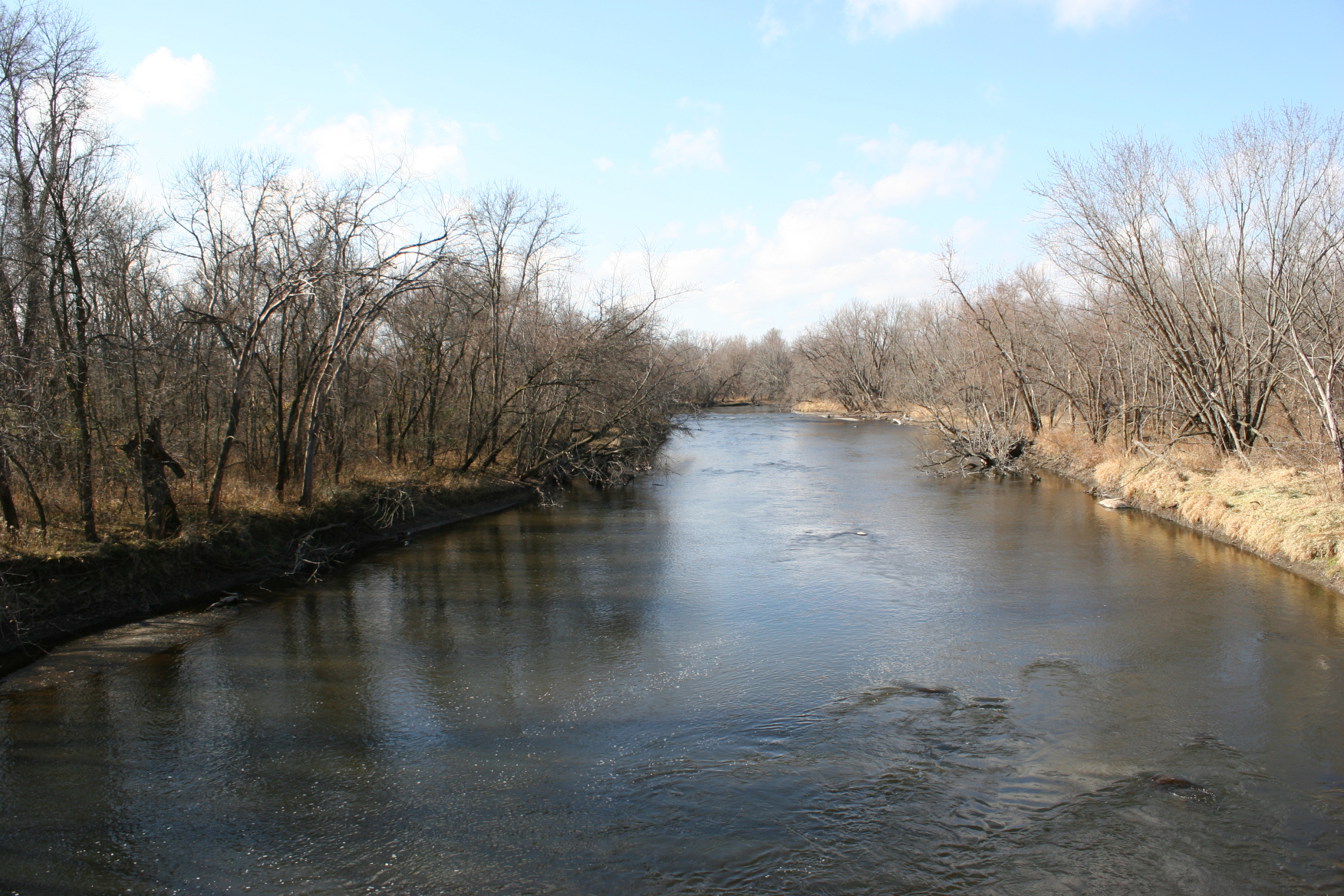
As Randy and I retraced our steps along the muddy path, I focused on getting safely back to the parking lot without falling. But in a single step onto a rounded rock, my shoes slipped and I felt myself falling to the right. Thoughts of another broken bone flashed. As did the likelihood that my camera would be destroyed. Yet, Randy, who had been gripping my hand, caught me, even as he, too, nearly landed in the mud. I felt gratitude for his strength, for his support, for his care. We have traversed many a difficult journey through life. Together. And for that I am grateful, especially during a global pandemic.
© Copyright 2020 Audrey Kletscher Helbling
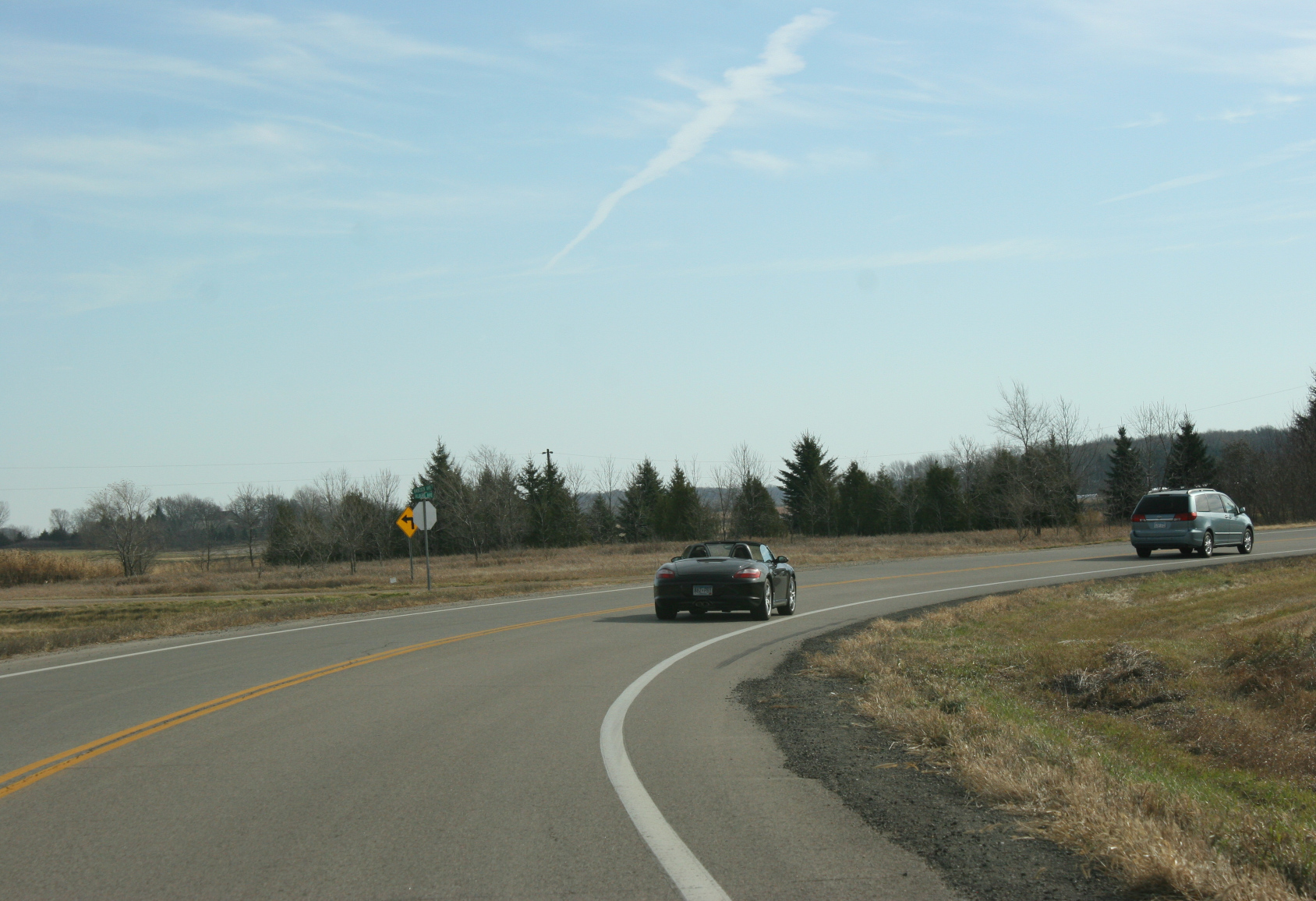
WITH SNOW LAYERING the ground as I write this several days before publication and with the furnace cranking out heat to stave off the cold, warmer days seem but a distant memory. But not that long ago, on November 7 and 8, we were enjoying warm temps and sunshine here in southern Minnesota. And my photos document that.

On that recent weekend, Randy and I finished raking and hauling leaves to the compost pile on Saturday morning. Then we packed a picnic lunch with intentions of an afternoon wandering through rural Minnesota with no specific destination. One of our Sunday afternoon drives, except on a Saturday. Only briefly did we discuss staying home to wash windows. Nope, the weather was too nice and we wanted to enjoy the afternoon. In Minnesota we recognize such beautiful November days as rarities to savor in time spent outdoors. Playing, not working.
So we gased up the van and then headed south on the back county road to Medford. A few miles from Faribault, we heard a clunk and Randy realized he’d left the gas cap at the gas station. We retraced our route, retrieved the cover and restarted our leisurely drive. I was a bit irritated with the husband for forgetting the gas cap. More on that later.
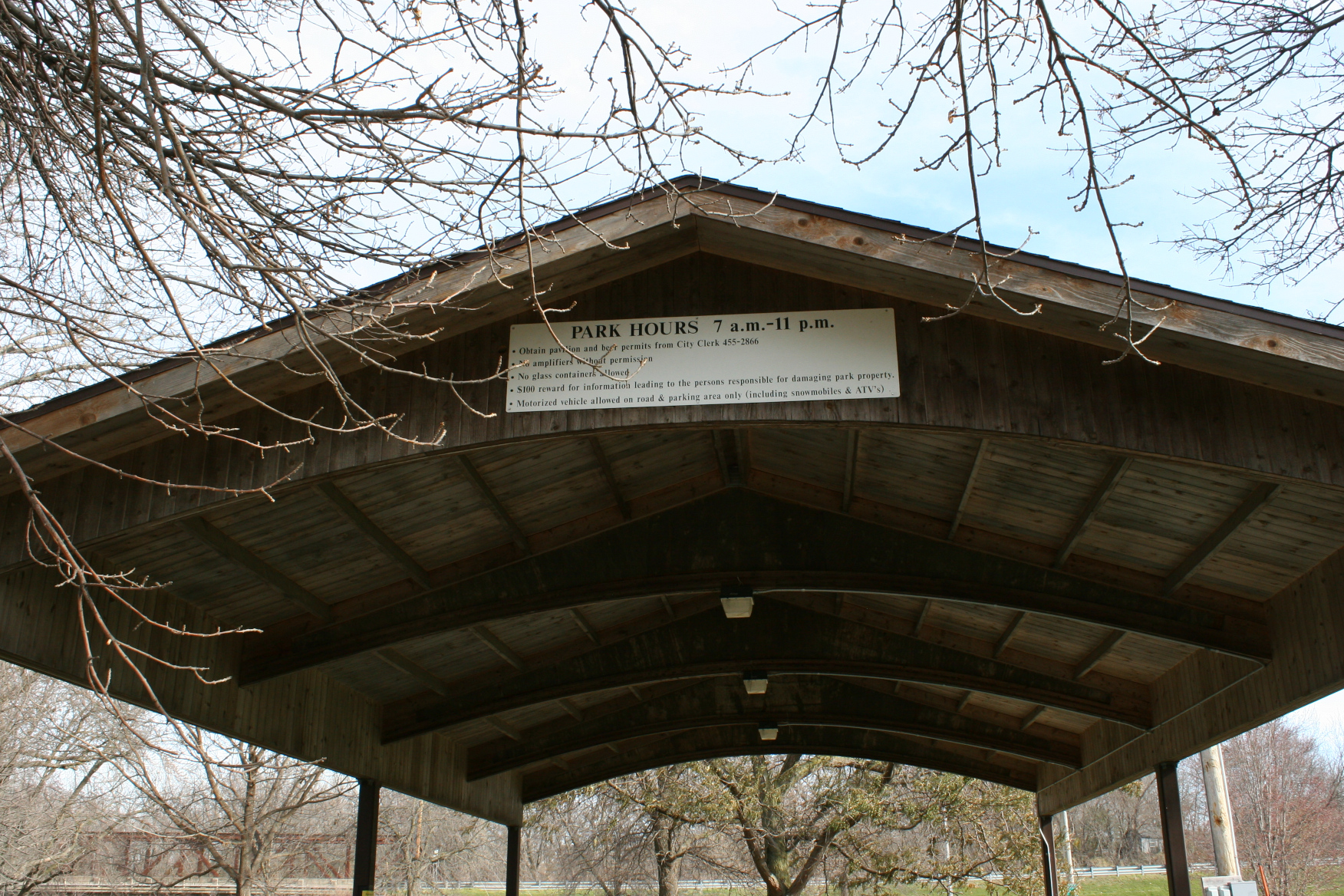
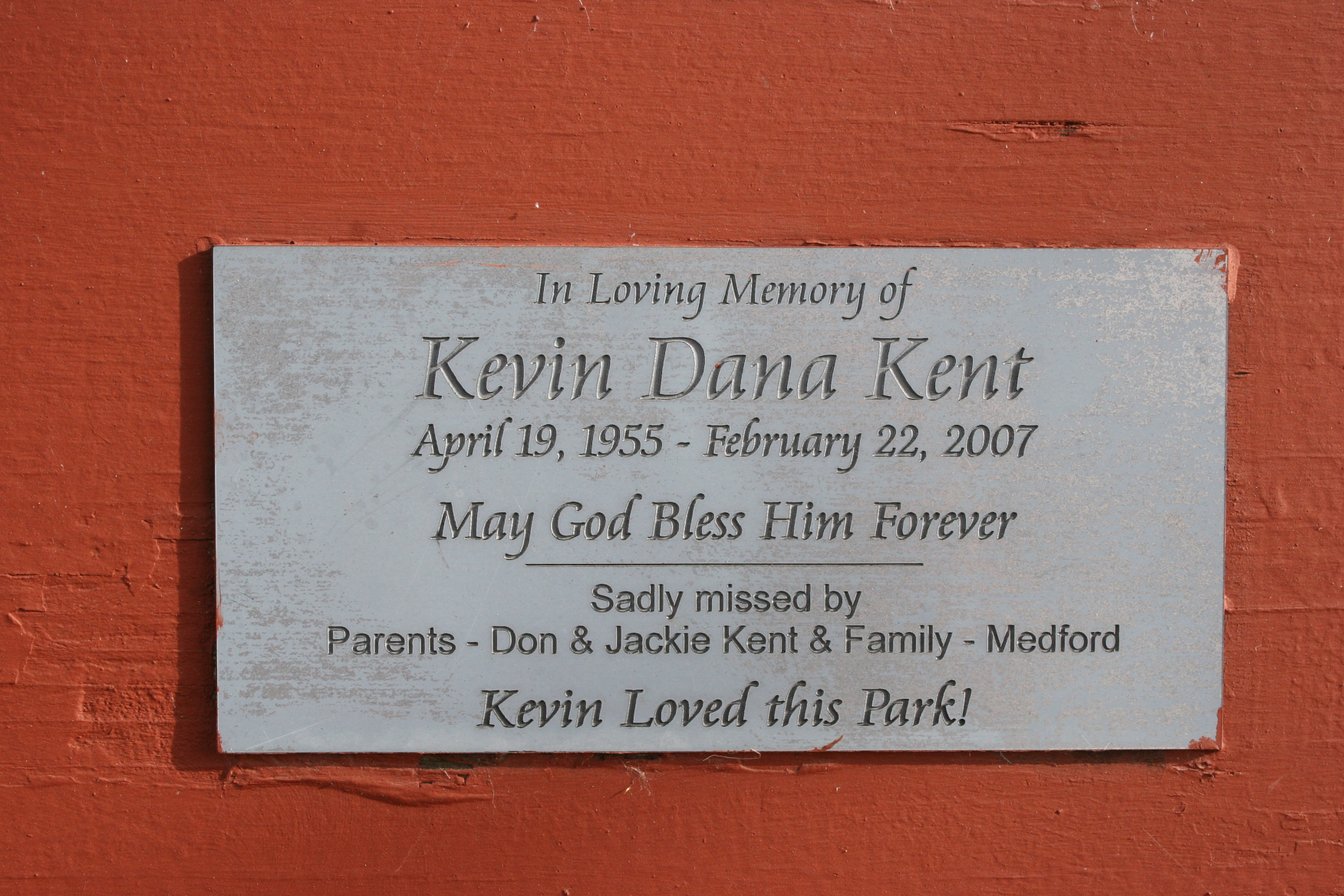
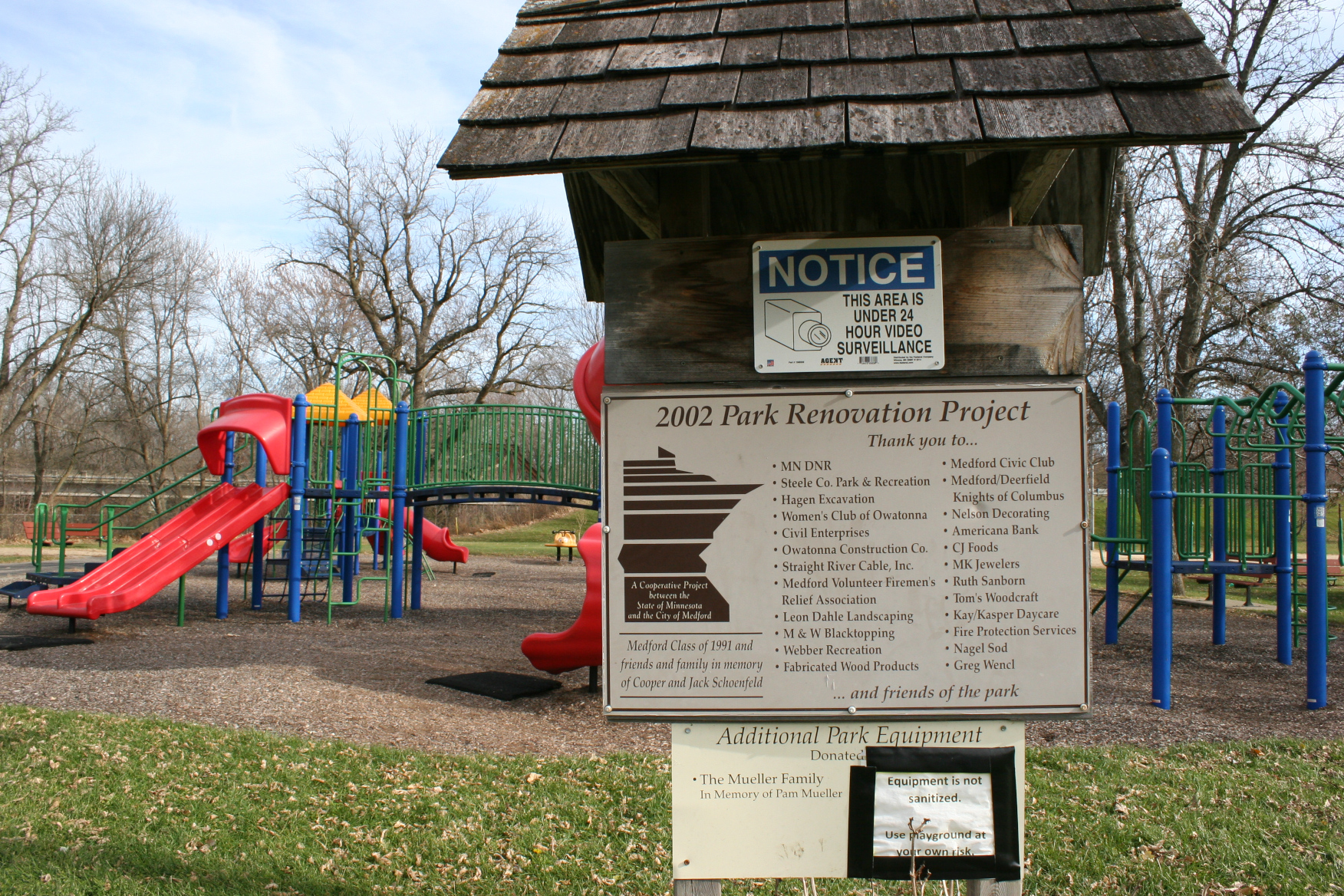
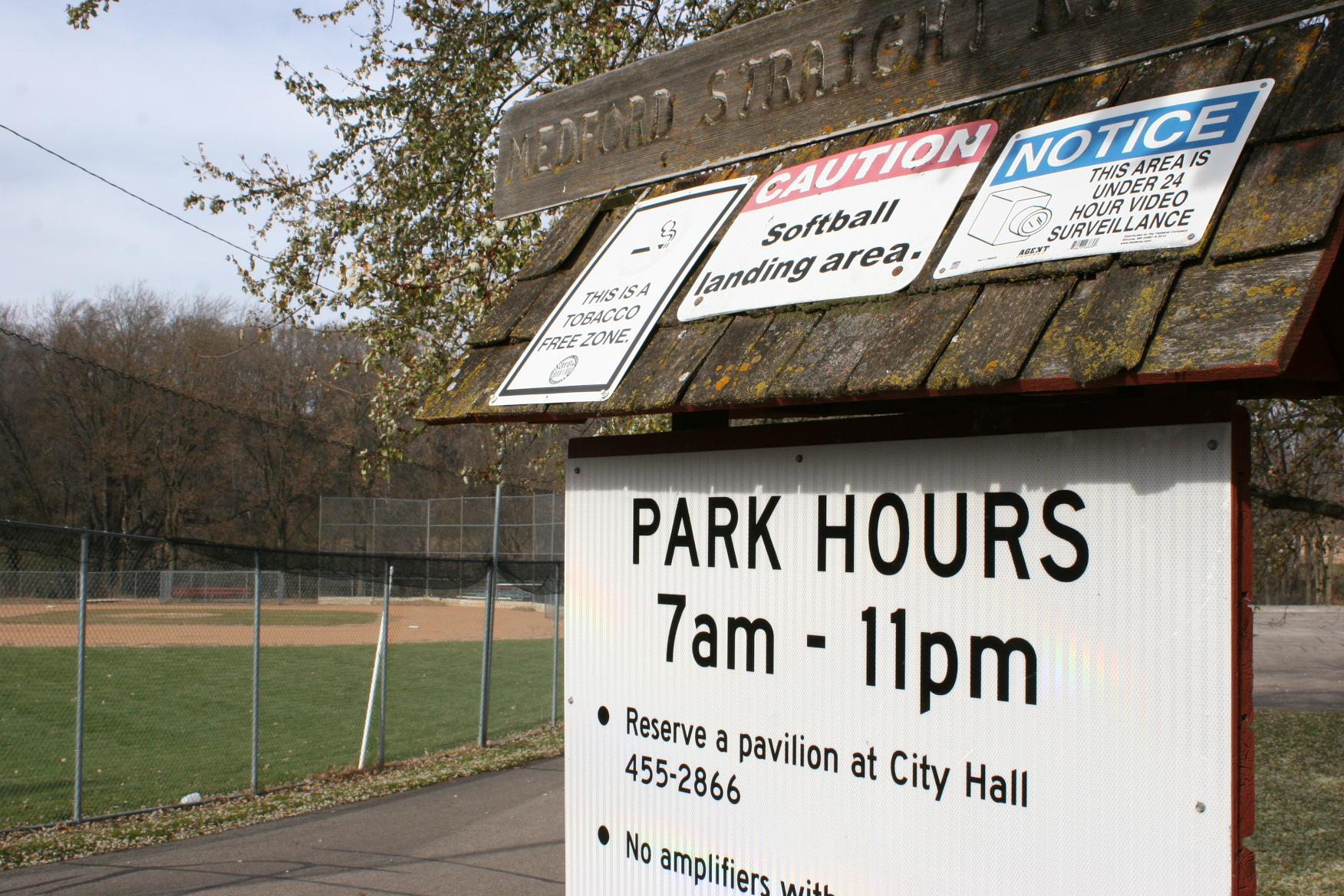
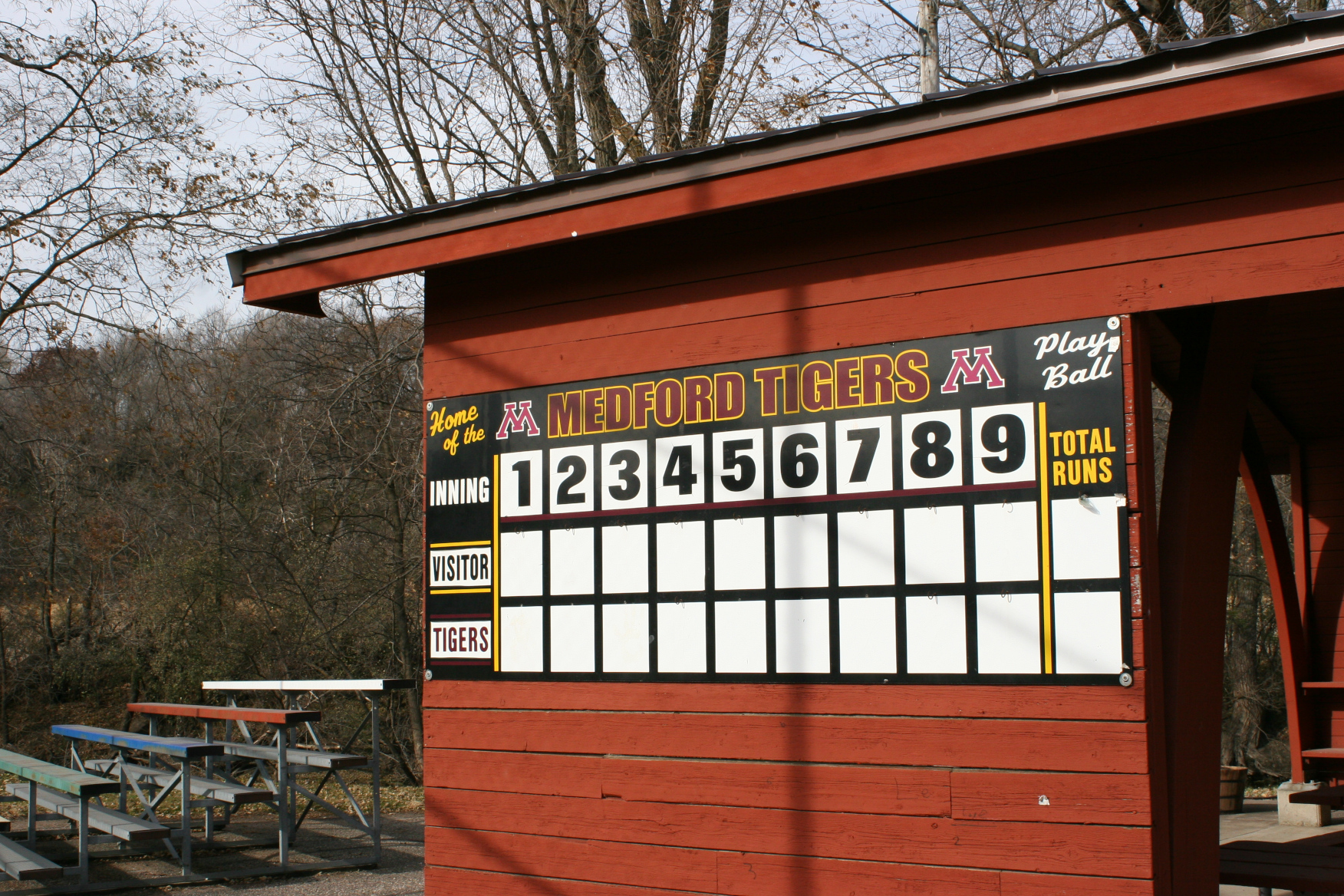
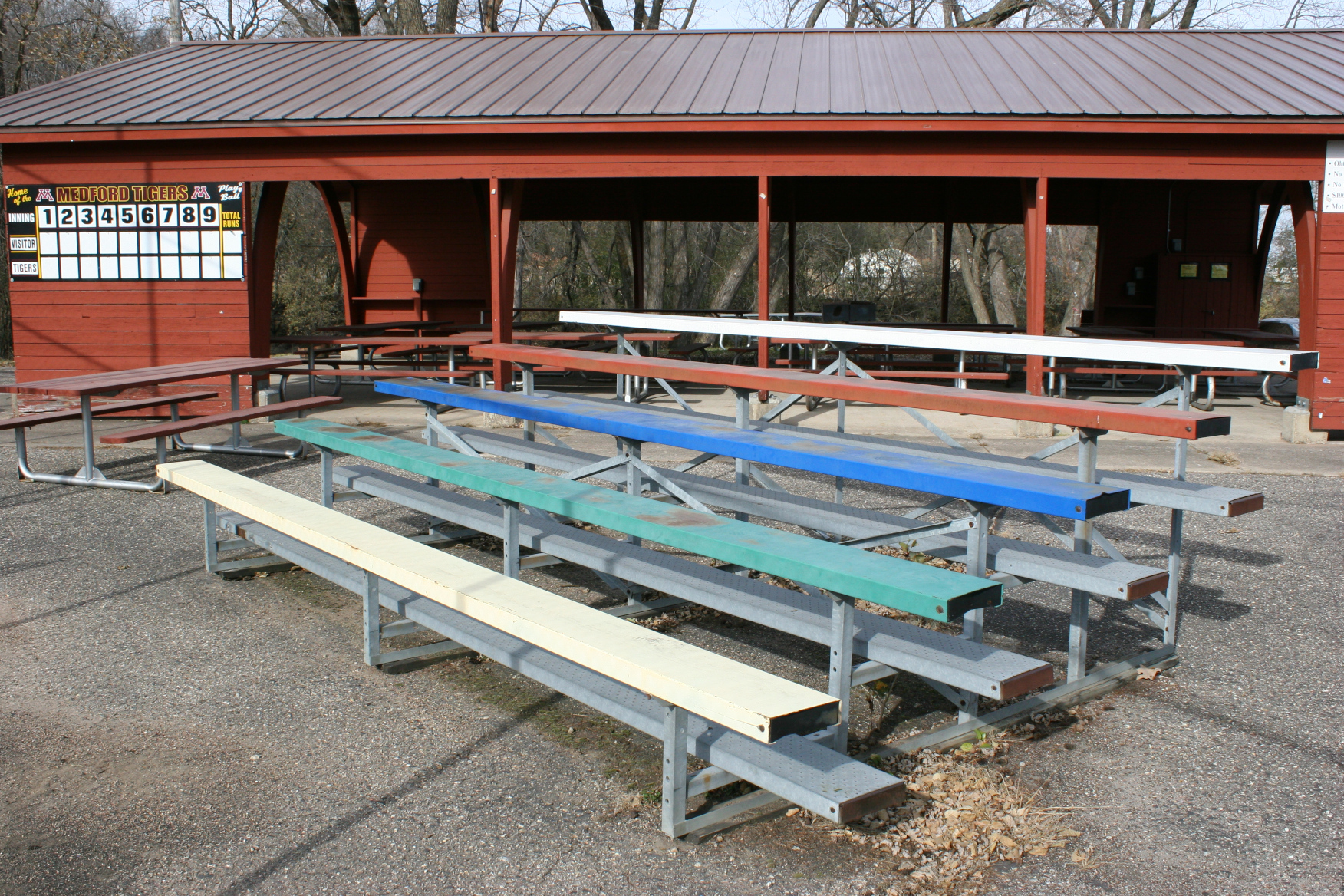
By the time we reached Medford, it was past noon and we were both hungry for that picnic lunch. So we pulled into the city park along the Straight River, settled in at a picnic table inside a wind-whipped shelter and watched kids on the playground while we ate our sandwiches.
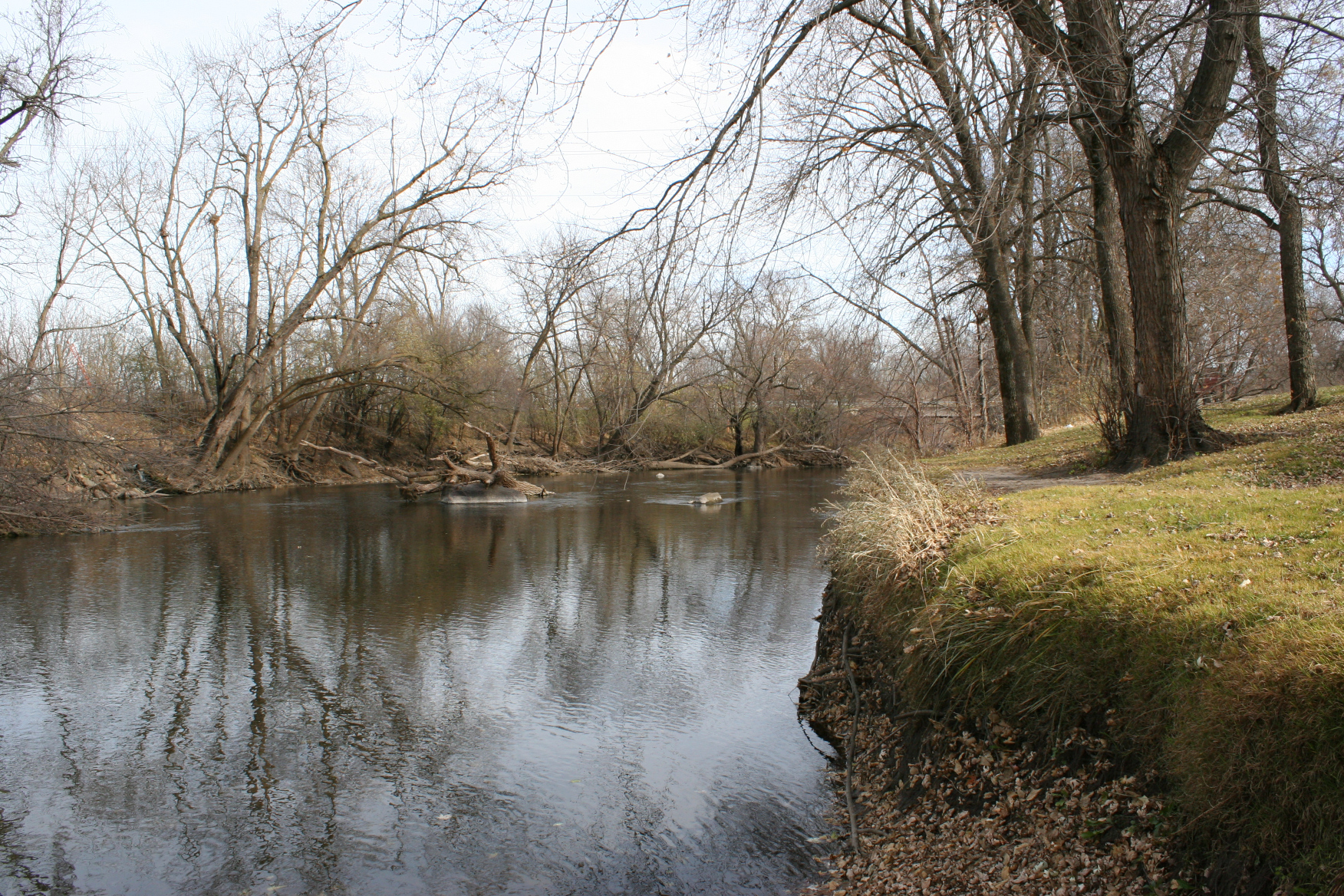
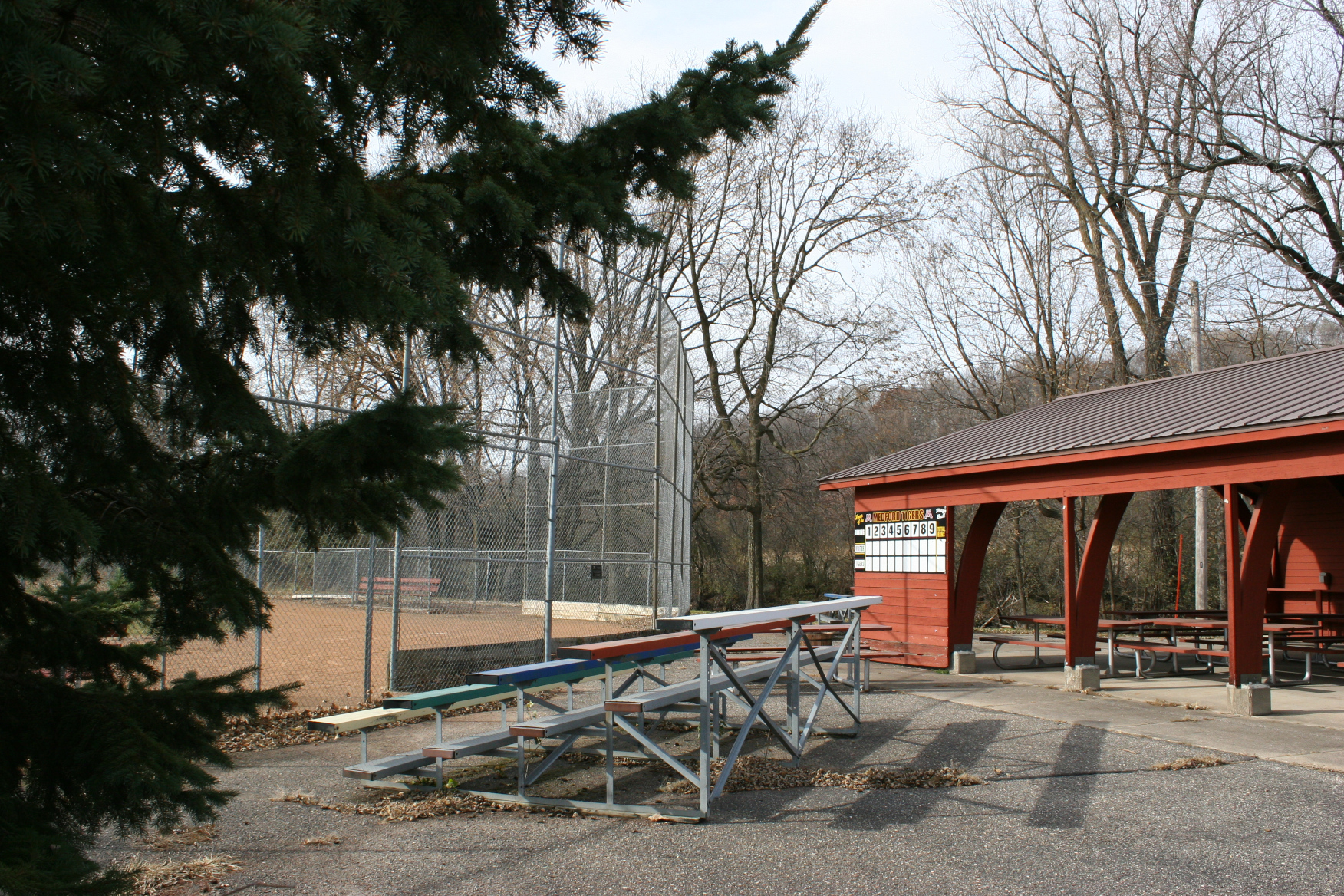
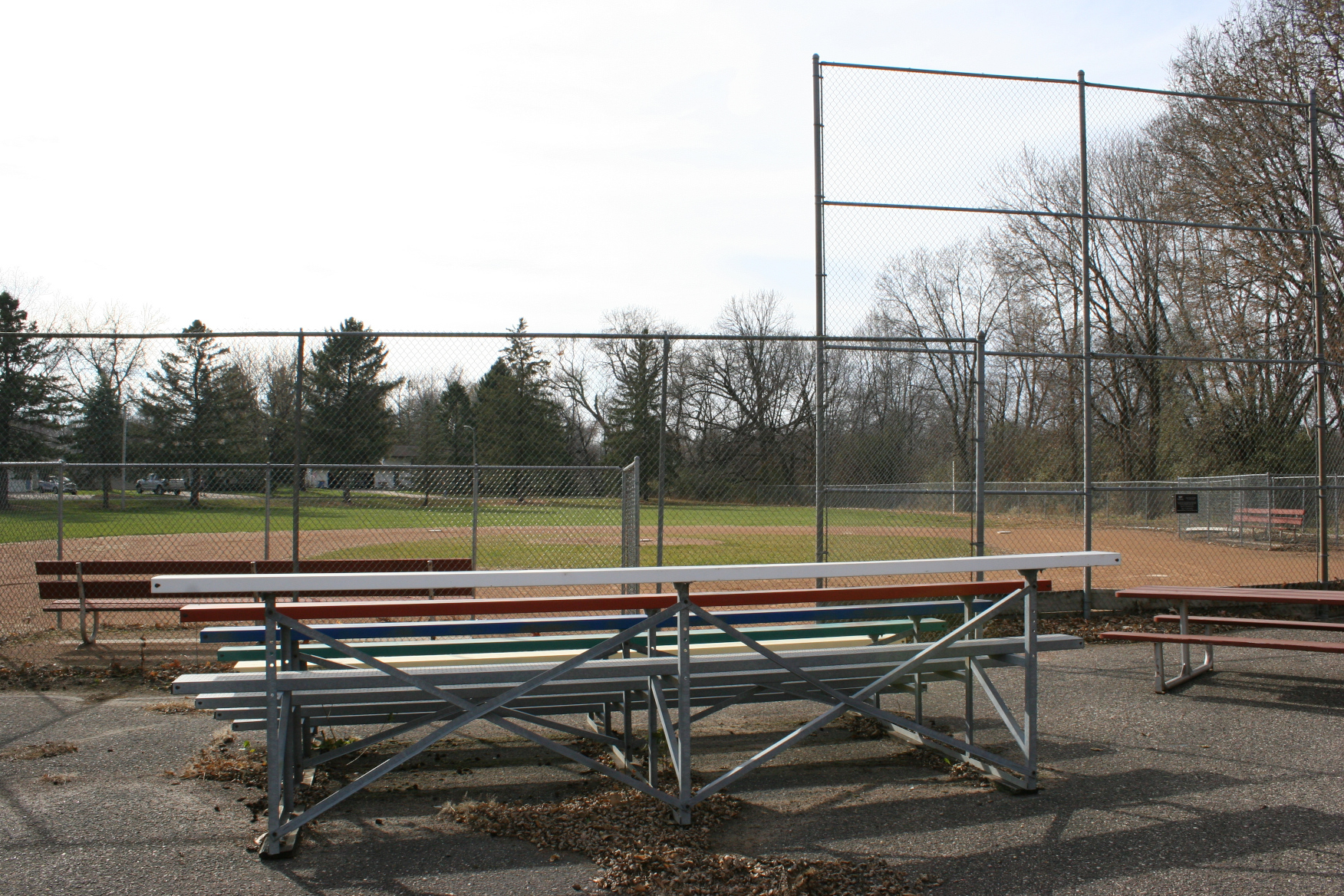
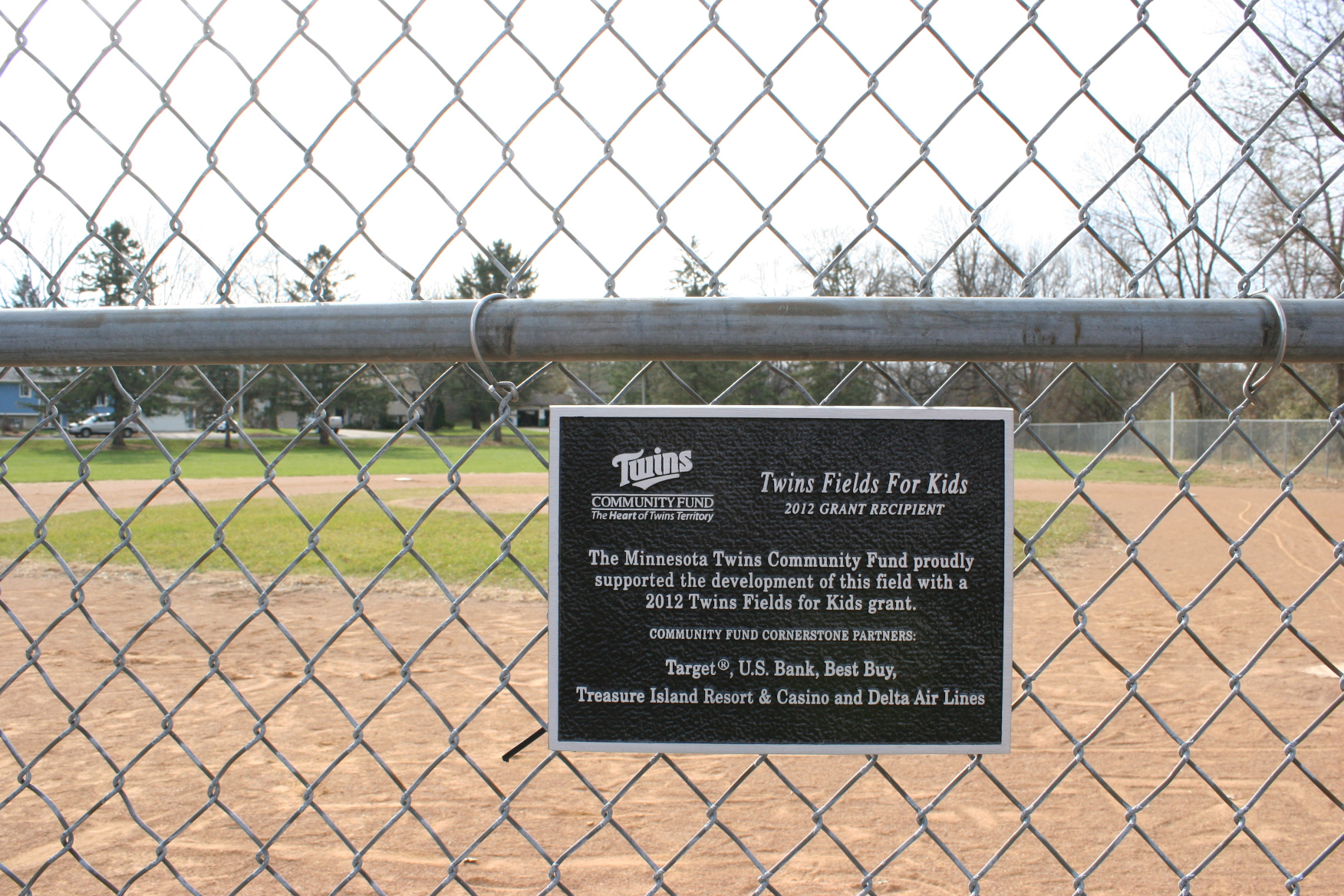
Afterward, we walked around the park for a bit, down to the banks of the Straight River, around the ballpark and then back to the van. After more photos—I can always find something interesting to photograph—we were on our way.
Except we weren’t. Two blocks from the park, the power steering went out in the van. The engine light flashed on. Gauges indicated overheating. Randy switched off the van, lifted the hood and investigated. At times like this, I am thankful for a husband who has worked as an automotive machinist for decades and is extremely knowledgeable in diagnosing and dealing with vehicle issues.
I suggested we call a tow truck. Randy insisted we could make it home to Faribault. If the engine didn’t overheat. I was skeptical. Half-way back, he noted that the engine was getting hotter. Long story, but we pulled into friends’ rural property (they weren’t home) and waited about 45 minutes for the engine to cool. Back on the road, with only miles to go, Randy cut the engine at the top of a hill. The van then coasted the final miles into Faribault. At a stop sign, Randy restarted the van to get the remaining blocks home. We made it. Who would have thought?
So much for that planned afternoon outing. Randy was now out in the garage, back under the hood, rooting out the problem. He diagnosed a broken spring inside the tensioner. That caused the belt to come loose which caused the subsequent issues. A trip to the parts store and about an hour later, he had fixed the van.
But here’s the deal. Remember that forgotten gas cap and the irritation I felt over Randy’s forgetfulness? Well, if he hadn’t left the cover, we would have been further down the road, probably to Owatonna. And those extra miles likely would not have allowed us to get the van back home on our own. So, yeah, sometimes when little things like this happen and delay our best-laid plans, it’s for a reason. Lesson learned. On a beautiful day in early November in Minnesota.
© Copyright 2020 Audrey Kletscher Helbling
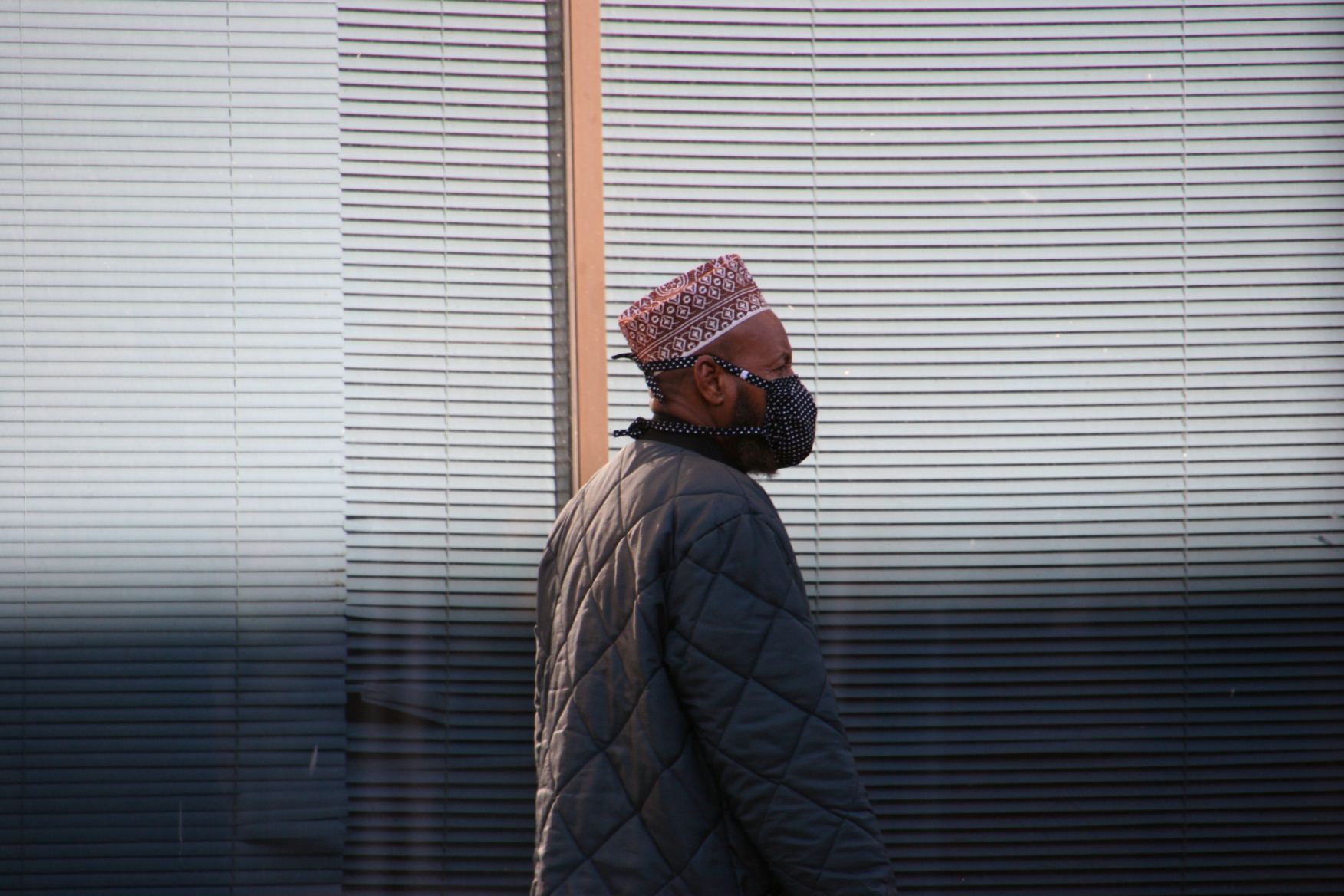
AT 6 PM TODAY, Minnesota Governor Tim Walz is expected to announce more restrictions related to COVID-19 during an address to our state. With cases, hospitalizations and deaths exploding, additional measures seem wise and necessary. Minnesota recorded 67 COVID deaths today, a new record.
On Tuesday afternoon, the governor led a press conference that focused on stories, what he termed “the basic human part of what COVID is.” If you read my MN Prairie Roots post yesterday, you understand the value I place on stories. Last Friday I emailed the governor’s office and suggested stories as a way to personalize COVID. Whether my email helped shape the approach taken at yesterday’s briefing, I don’t know. It doesn’t matter. What matters are the powerful stories shared. I feel it’s important to pass along these stories, using notes I took during Tuesday’s press conference.
“IF WE DON’T ACT NOW…”
Former State Representative Nick Zerwas from Elk River began the storytelling with his COVID experience, one which landed him in the hospital for five days. Only 39 years old but with an underlying heart defect, he required supplemental oxygen. “I was stunned that I was so overwhelmed and ill from this virus,” he said.
At times throughout the tele-conference, I heard Zerwas coughing and wondered if he would make it through the briefing.
Zerwas, a Republican, has done an about face on the virus, now advocating mask wearing and coming together to stop rampant community spread. He spoke candidly about his change in attitude, noting, though, that the virus situation (community spread) now is much different than this summer.
I’ve seen the same attitude changes recently in other Republican leaders who, just last week, became infected with COVID. It’s a welcome shift that I hope ripples to the public and ends the politics of COVID-19.
In his lengthy storytelling, followed by a media question, I found this statement by Zerwas to be particularly powerful: “The virus is here. If we don’t act now, God help us.”
IN THE ICU WITH HEART AND KIDNEY FAILURE
The second speaker, Sarah Winston, the mother of a 17-year-old daughter infected with COVID-19, spoke next. Hers is a story that needed to be told and to be heard by anyone who thinks they are “safe” from the ravages of the virus just because they are young and healthy.
Sarah described her daughter as a healthy student athlete who contracted COVID from an asymptomatic friend. Ella ended up in the hospital for 10 days with heart and kidney failure and more and deals now with inflammation of her heart.
This mother urged Minnesotans to stay home, to quarantine even if they test negative after exposure, to wear masks, to be safe, to be smart.
I was surprised to hear her say, though, that she wants sports to continue (for the mental health of young people).
“AN AWFUL EXPERIENCE”
Dr. Jon B. Cole, a doctor in Hennepin Healthcare emergency medicine, termed COVID-19 “an awful experience.” He spoke from both a personal and professional perspective. In March, when COVID was just breaking in this country, he canceled a trip to Florida with his wife and four children. Five days later, he developed the virus and was among the first in Minnesota to test positive for COVID. Cole emphasized how thankful he was for his decision to cancel the Florida trip.
On a professional level, he spoke of the “substantial number” of nurses and doctors now sick with the virus or in quarantine. He warned of a shortage in healthcare workers.
GRIEVING
“I don’t want anyone else to endure what my family has had to endure,” Lt. Gov. Peggy Flanagan said after sharing the story of losing her brother to COVID-19 in March. She described her brother as “a Marine, tough as nails.” He cared for their father, who died in January. Not long after, he was diagnosed with aggressive cancer and then COVID.
Flanagan noted that she never got to say goodbye to her brother, that she hadn’t processed her grief. It wasn’t until October that her family buried his ashes. Grief threaded through her narrative. As did strength and a determination that her experiences will make a difference.
She emphasized that every life has value, no matter an individual’s age in obvious reference to many elderly in care centers who have died as a result of COVID.
Flanagan said it’s “killing” her not to have Thanksgiving with her mom, asking Minnesota families to do the same so the chairs around their holiday tables are full next year. She encouraged people to drop the “magical thinking” that one Thanksgiving dinner won’t count in stopping the spread of COVID. Those were hard words to hear.
“COVID will continue to spread as long as we allow it to,” she concluded, urging everyone to take care of themselves and each other.
SOME WORDS FROM THE GOVERNOR
When the press conference ended, the media asked questions, mostly of the governor. He noted there will be a pause in sports and other restrictions announced today.
He also expressed gratitude to those who shared their stories Tuesday afternoon. I am grateful, too, for those stories which, as the governor stated in his opening remarks, add the human element to this virus.
Walz offered one final observation: “This is as bad as it was in New York in the spring.” If only he was wrong.
#
Take care, dear readers. Make good choices for yourself and others. Follow health and safety guidelines/mandates. Be safe. Be well.
NOTE: I welcome comments and sharing of stories. However, I moderate all comments and will not publish those which are inflammatory or which spread misinformation and/or false narratives.
© Copyright 2020 Audrey Kletscher Helbling
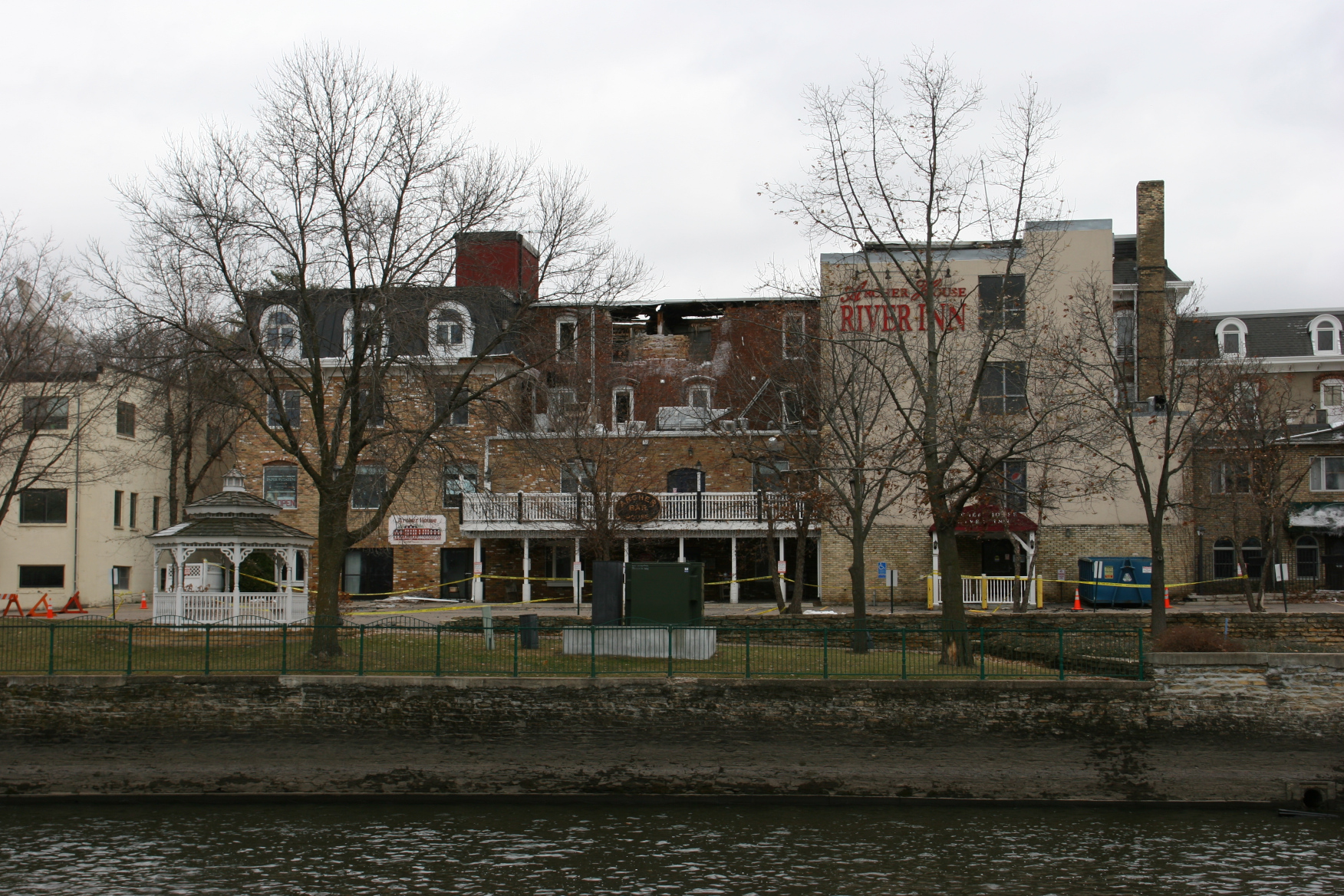
I STOOD NEXT TO THE RIVER, camera aimed across the dark waters of the Cannon River to the historic building on the east bank. To the building with the gaping hole on the top floor. I struggled to hold my zoom lens still in the fierce wind of the bitterly cold Sunday afternoon. Viewing the devastating scene before me, I felt a deep sense of loss. No image I framed can fully capture the depths of loss for this southeastern Minnesota community. Material. Financial. Historic. Emotional.
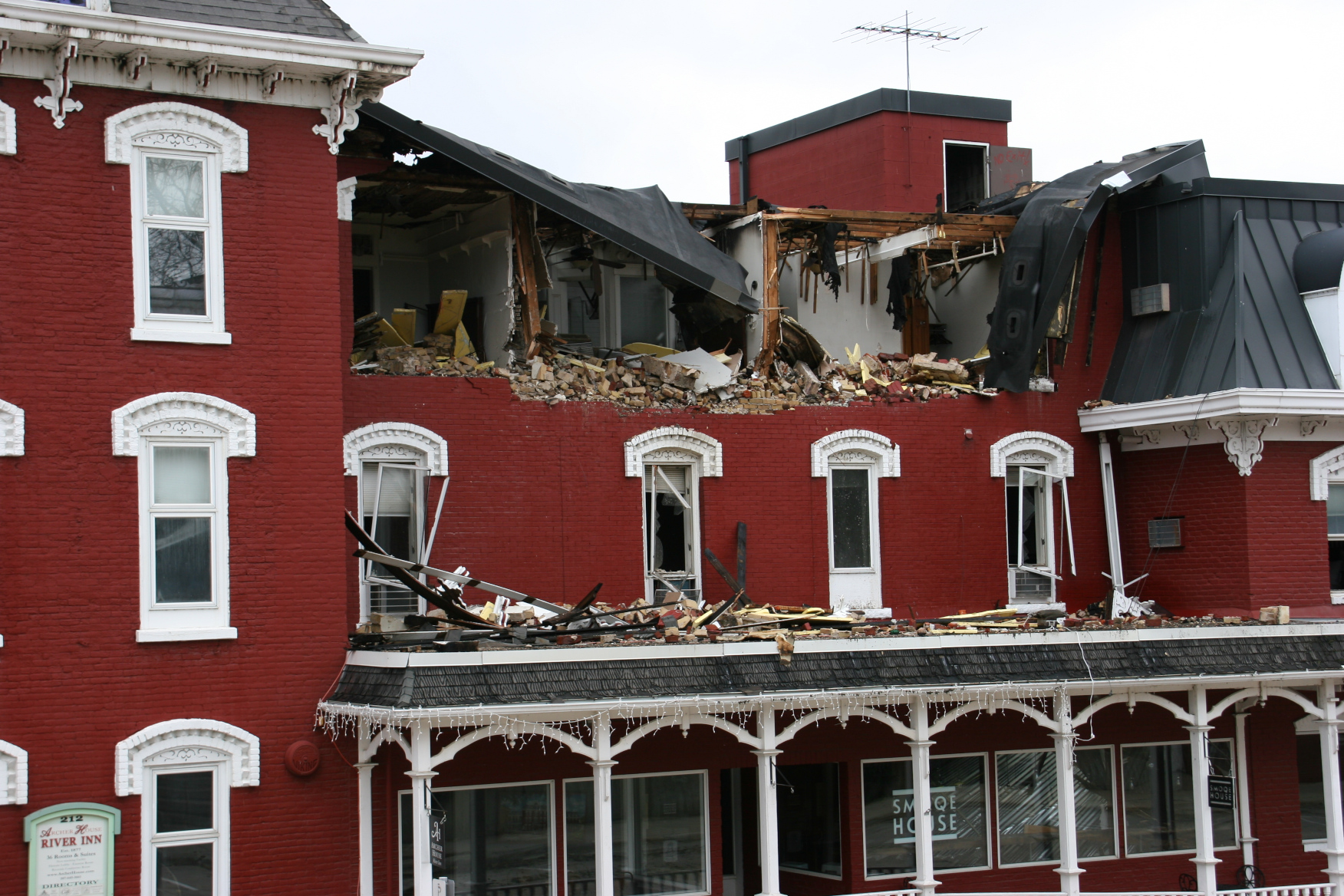
Last Thursday, November 12, at around 3:30 pm, fire broke out in a restaurant’s meat smoker inside the historic Archer House in downtown Northfield and quickly spread. The 1877 sprawling inn anchors the historic downtown on the north end. It’s perhaps the most recognizable of this community’s landmarks and much-loved.
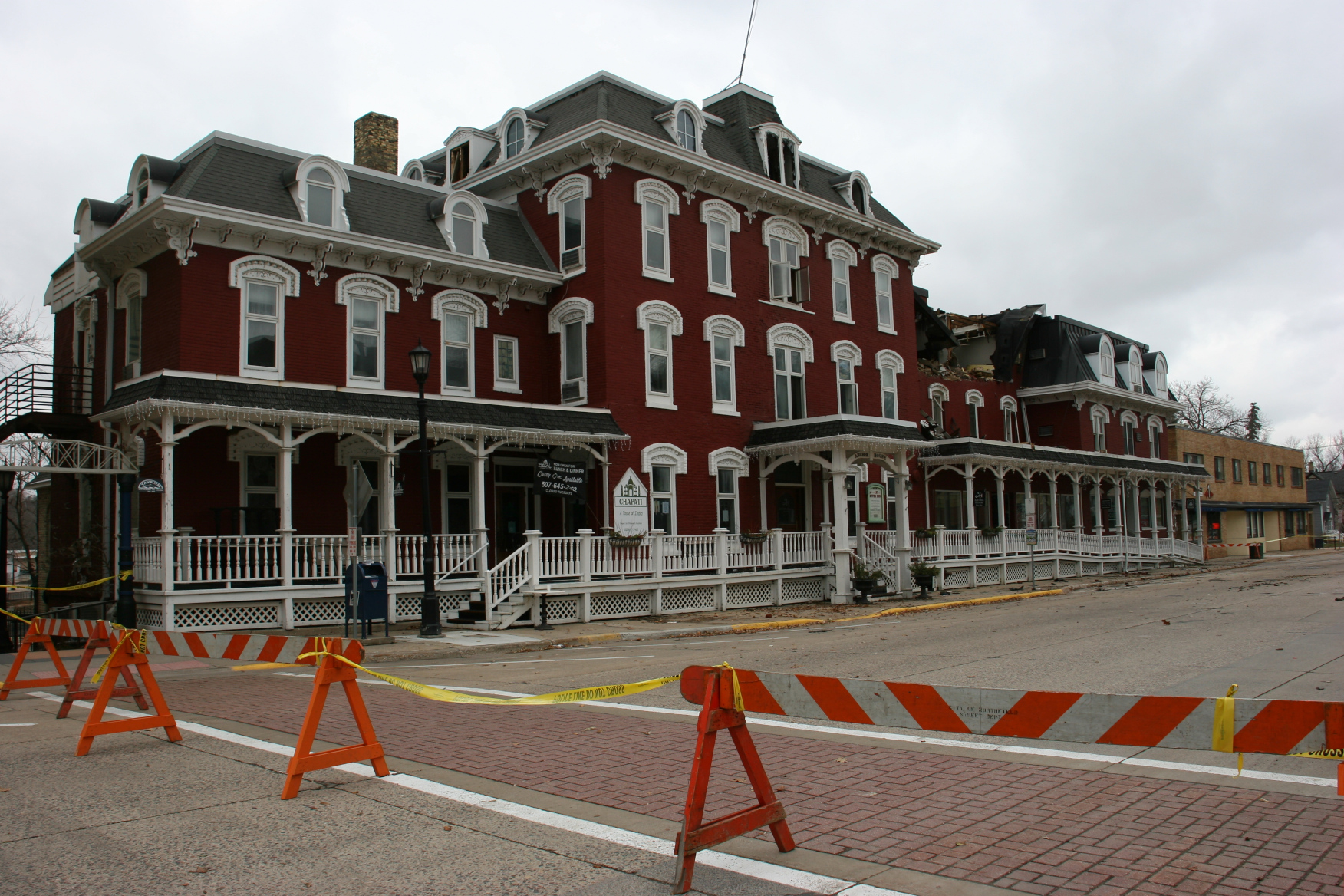
Today, the future of the aged building, which housed three restaurants—including Smoqe House, where the fire began, the 40-room inn and a gift shop—remains uncertain.
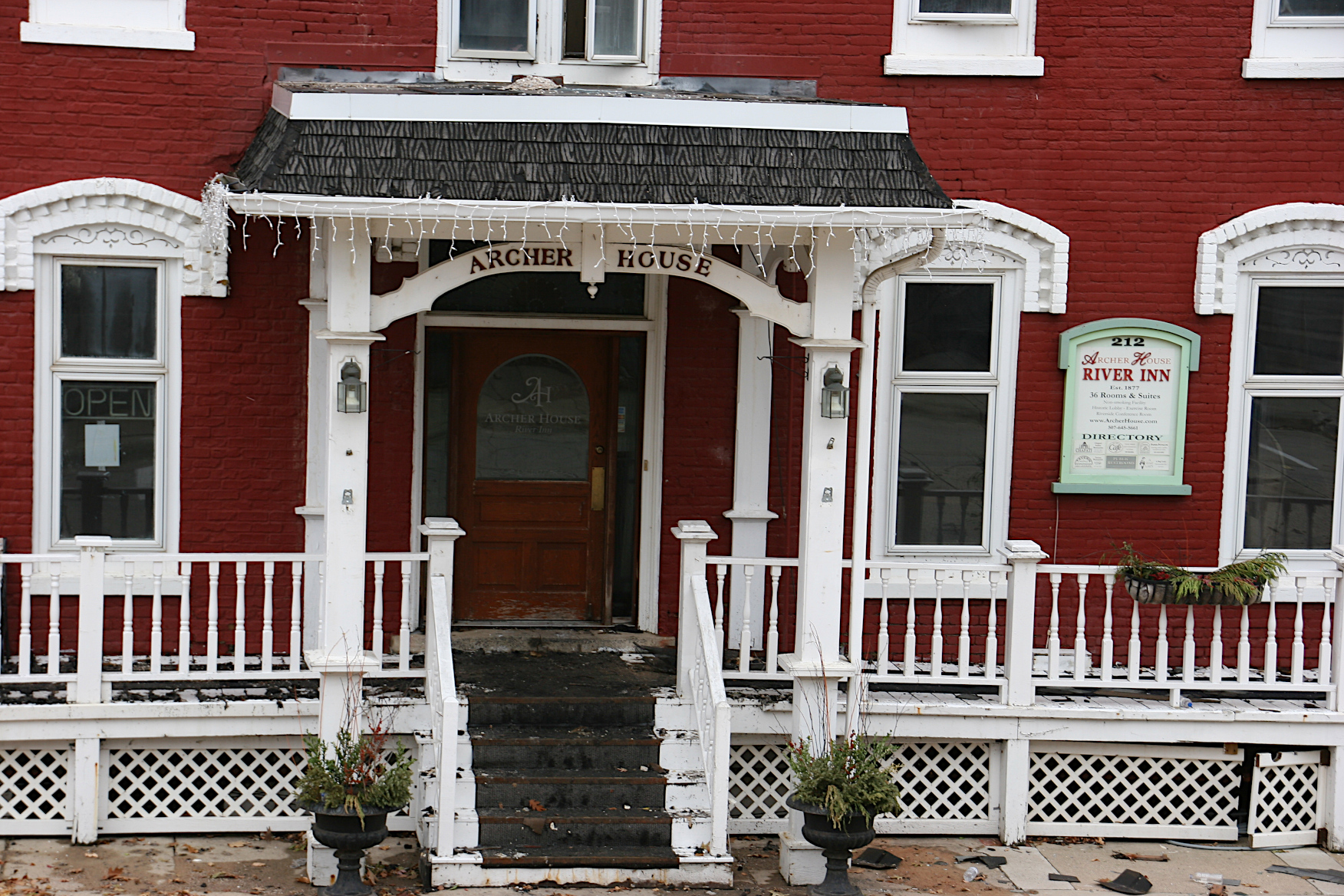
But of one thing I’m certain, if this historic river inn can be saved, it will be.
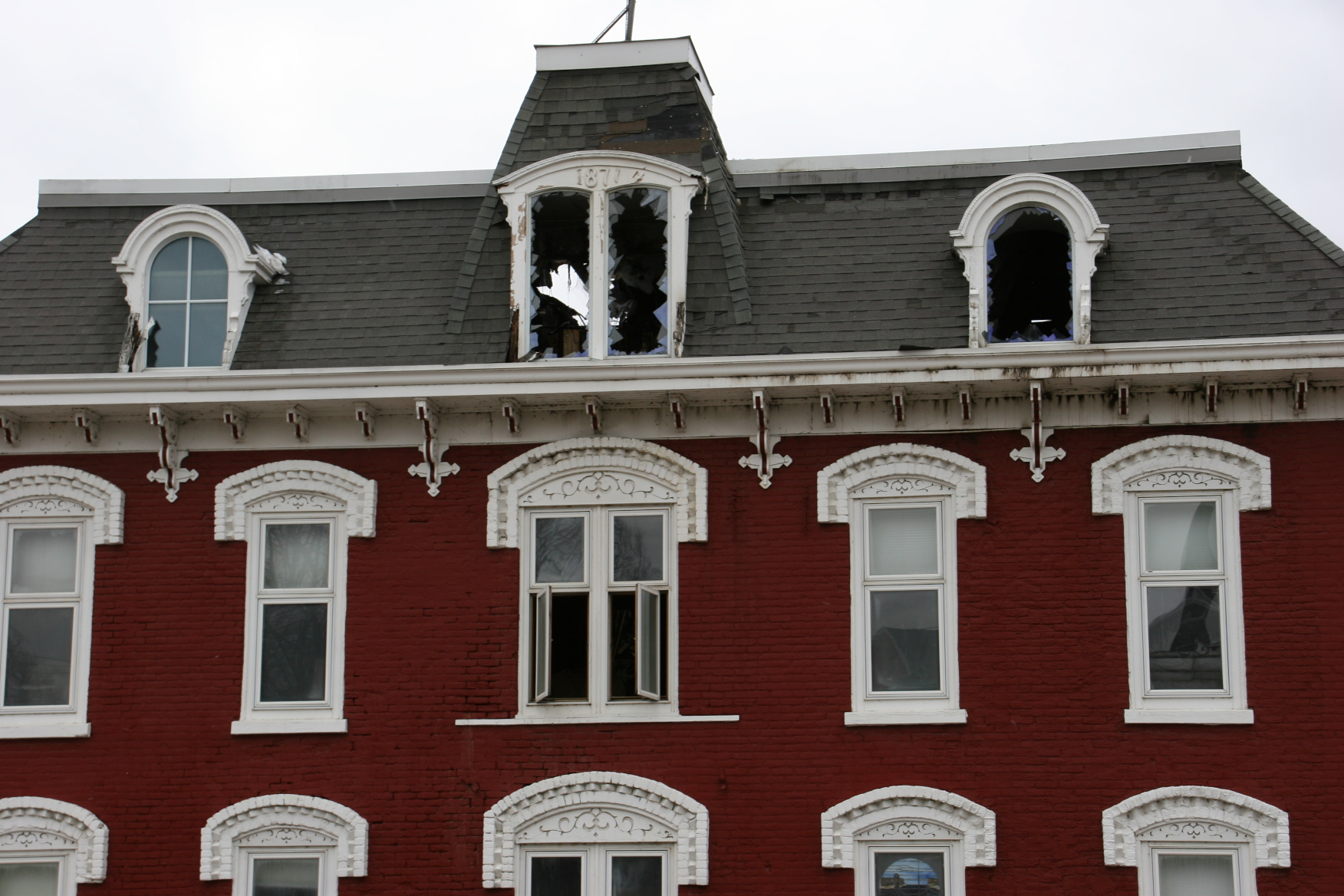
When I photographed the fire, water and smoke-damaged structure days after the fire, many others were doing the same. After viewing the inn from the west side of the Cannon, I moved to the east side, along Division Street, to get a full front view. This “landmark for hospitality and elegance” built in the French Second Empire Style stood tall and stately still, yet marred now by shattered windows, missing roof, fallen brick, and other debris.
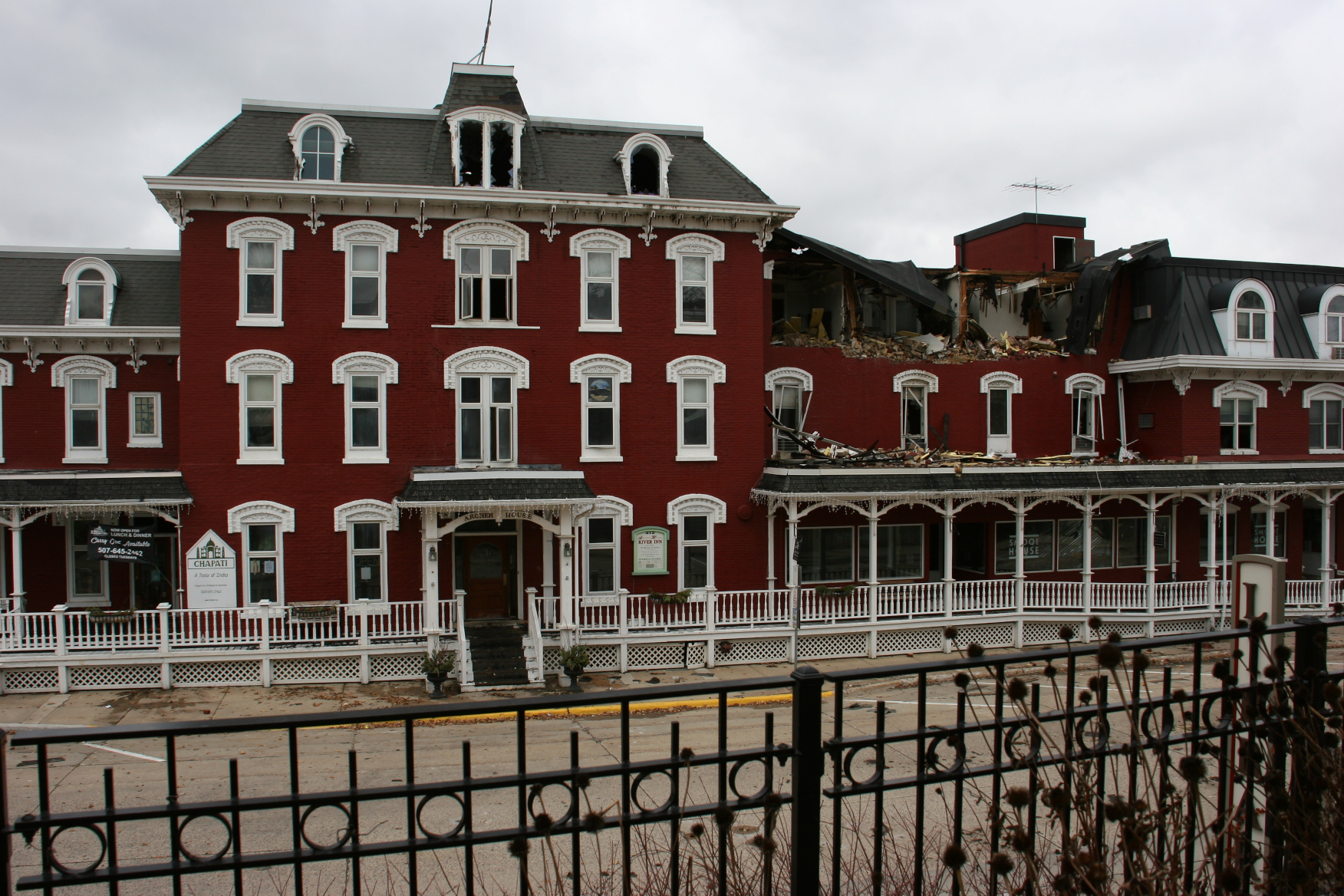
First I photographed from across the street, atop the hill by the Northfield Public Library, stepping across a dormant flowerbed next to a wrought iron railing. Later I descended to street level to also include the street barriers and yellow tape that keep onlookers away from the scene.
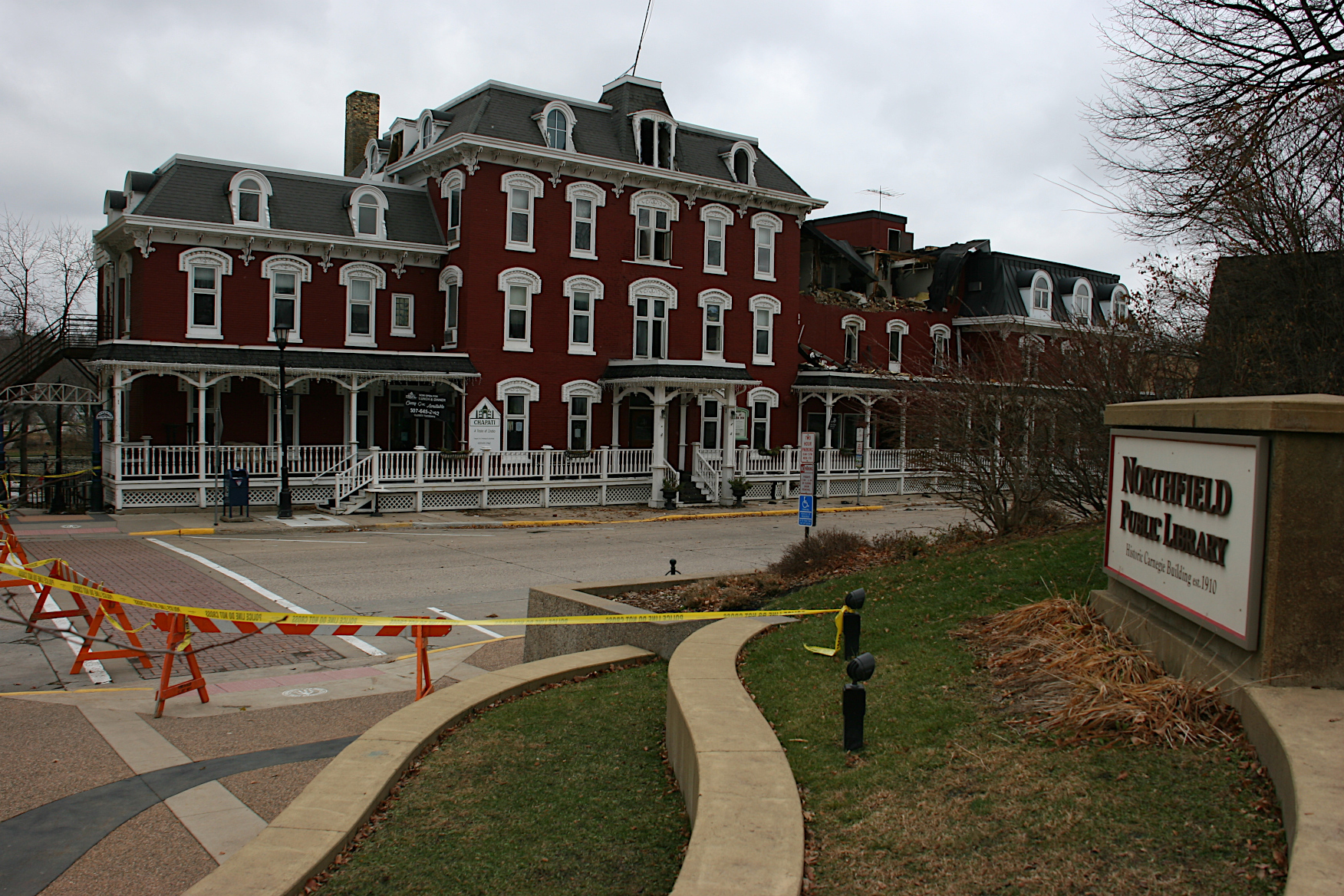
No matter the photographic perspective, the view looked the same. Devastating.
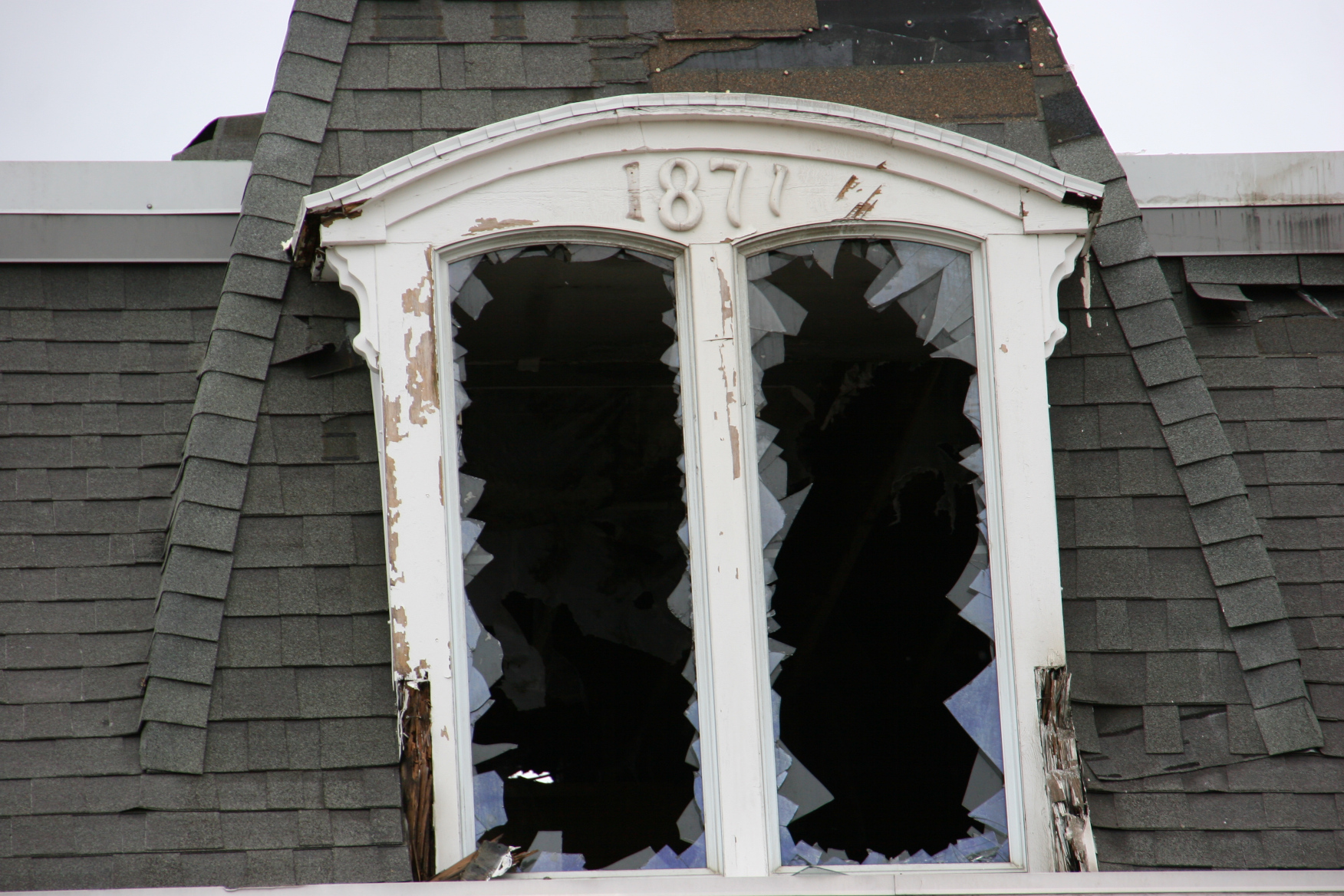
But as the good people of Northfield do—just as they did in 1876 to defeat the James-Younger Gang during a raid at the First National Bank—they’ve rallied. The Northfield Downtown Development Corporation has established an Archer House Relief Fund to assist and provide economic relief for the river inn and its tenants. The goal is $25,000. If you are able and inclined to contribute, please do so by clicking here.
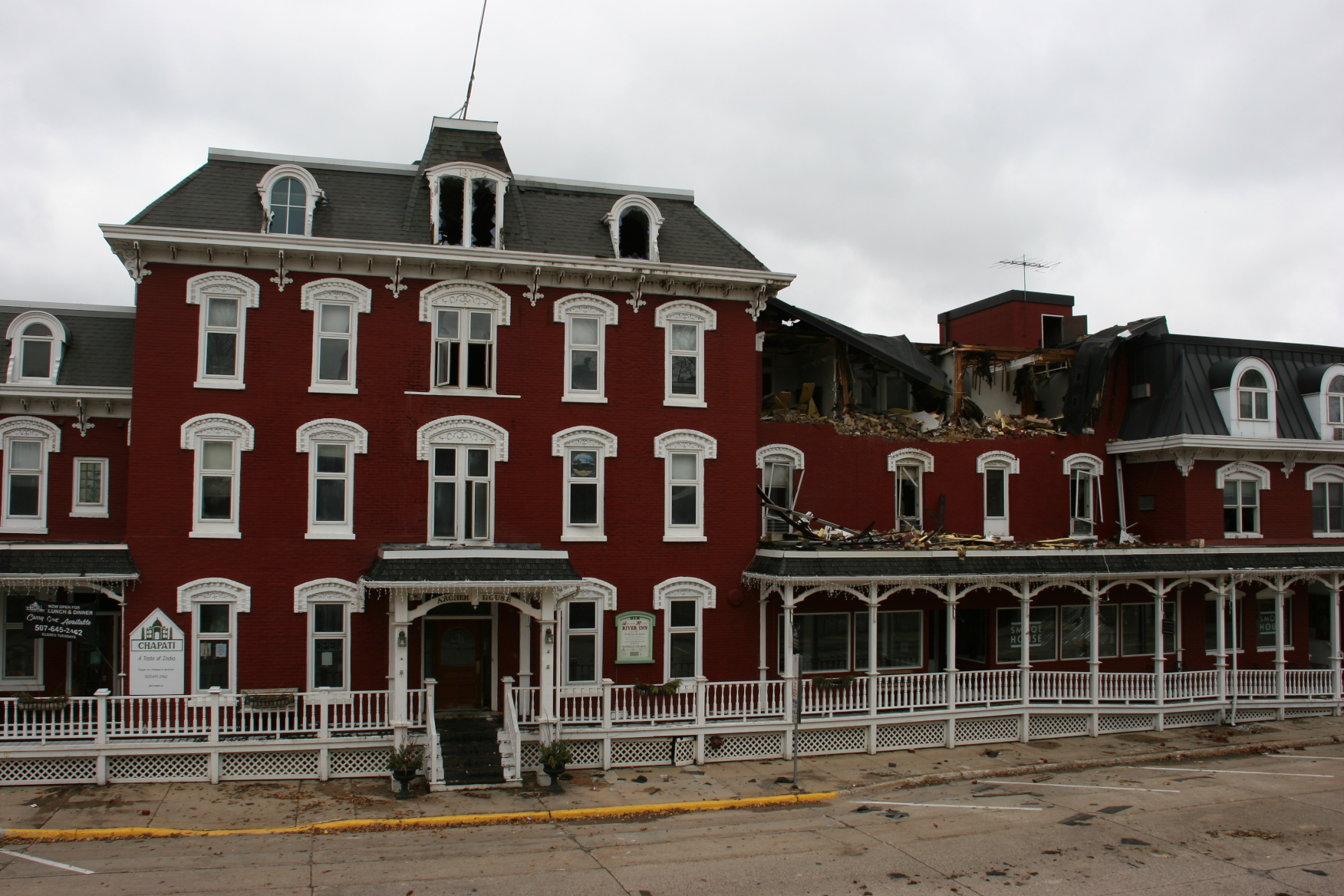
I don’t need to tell you these are challenging days in general. But then, to throw a fire into the mix of difficult times, well, it can all feel overwhelming.
© Copyright 2020 Audrey Kletscher Helbling

THE PAST WEEK HERE IN MINNESOTA has been a difficult one as daily COVID-19 cases rise right along with deaths. The numbers are staggering. A record 7,228 positives reported Thursday. A record 56 reported deaths on Wednesday. I feel like I’m almost numbing to the statistics, to the ever-growing cases and deaths, including five new deaths reported in my county of Rice on Wednesday, another on Thursday. Likewise the number of care centers and schools with infections numerous enough to make the Minnesota Department of Health outbreak list lengthens.
Nearly every day recently I’ve received an email or a text notifying me that someone I care about, or one of their loved ones, is infected with the virus. That includes two sisters-in-law and a brother-in-law. Both my mom and my father-in-law are back in quarantine after new cases of COVID in staffers at their care centers. Concern for my husband at his workplace is ongoing given the many mask-less customers and co-workers not masking properly. He can’t do his job from home; he’s an automotive machinist. We discuss his work situation often and his need to put his health and safety first.
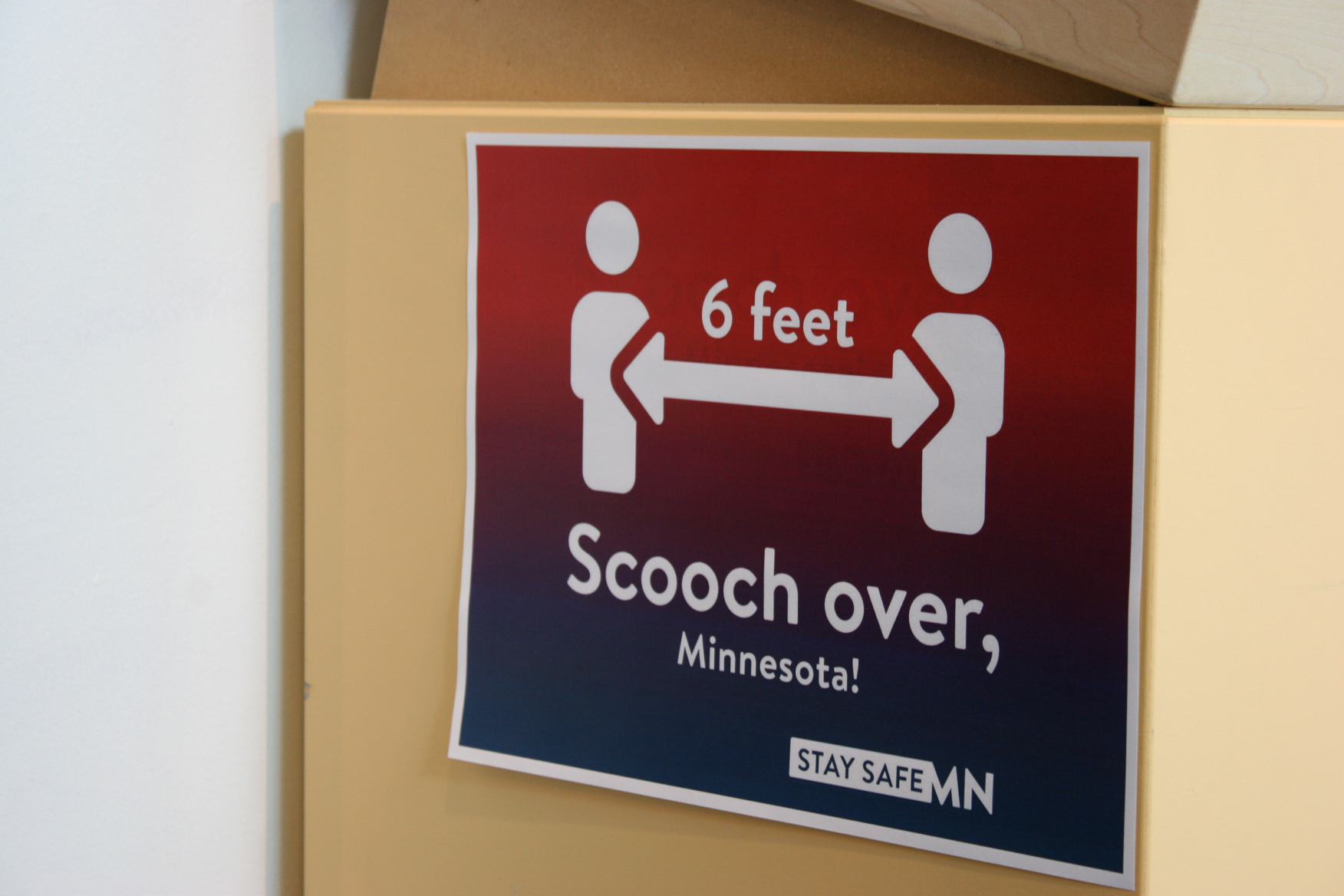
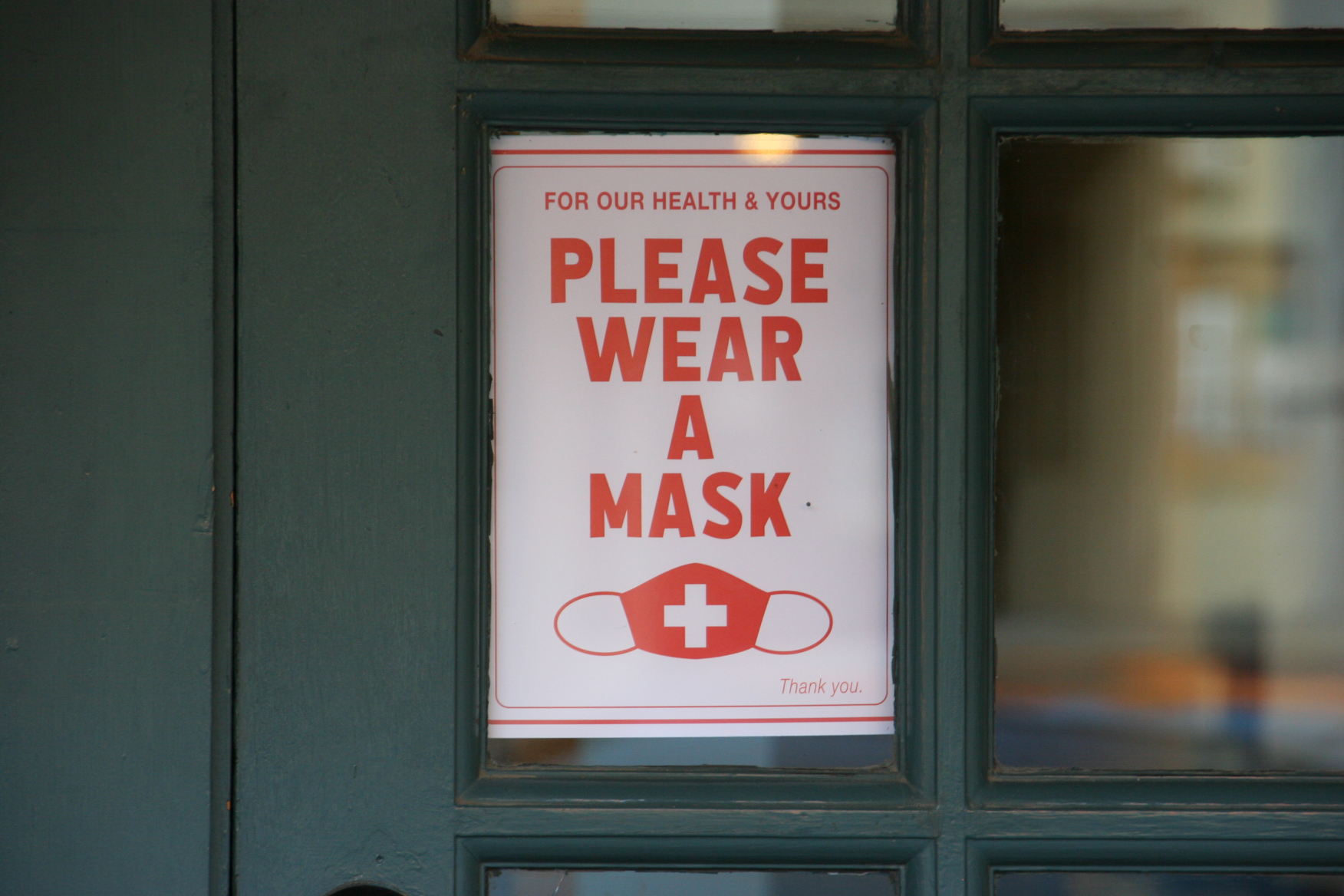
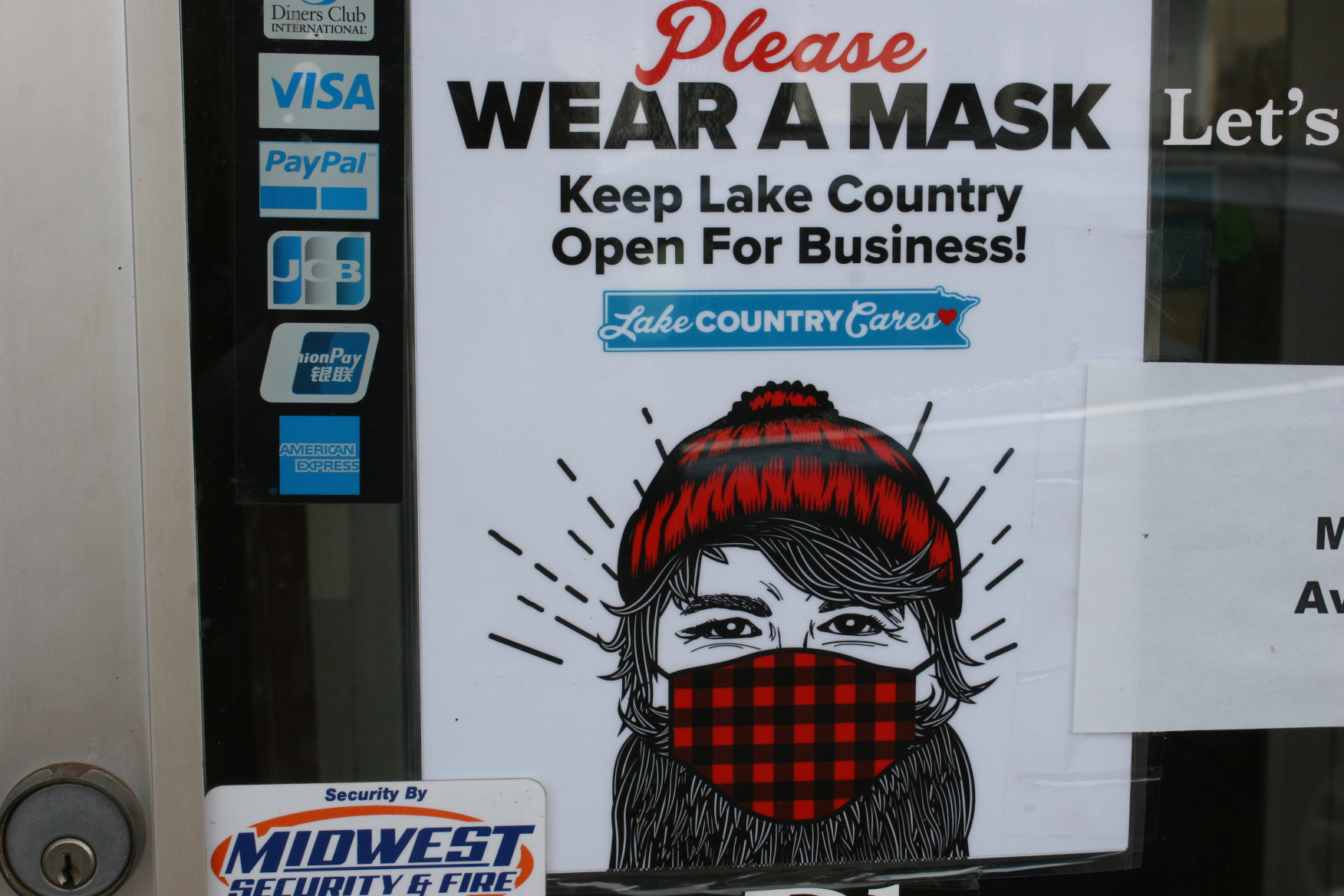
This pandemic is out of control. You all know that. And it doesn’t need to be this way. I’ve long felt deep frustration over the failure of some many to follow basic health and safety guidelines like masking up (and that means wearing the mask correctly, covering mouth AND nose), keeping six feet or more away from others, washing/sanitizing hands, avoiding crowds, and staying home if you’re sick, have symptoms, have had contact with an infected person or are awaiting COVID test results. These are not difficult requirements to follow.

A friend recently offered this comparison to those who claim masks do no good:
If you were having surgery would you want the surgeon to wear a mask? We wear masks during the pandemic for the same reason surgeons wear masks in surgery, to prevent the spread of germs.
He’s right. I’ve used that same analogy. And this week the Centers for Disease Control stated that wearing masks not only protects others, but also ourselves. I’ve long thought that. Yet, too many still view mask mandates as political, as government intrusion, as anything but what they are, a way to protect all of us from COVID-19. This is science and health-based. But, for some reason, too many people in my community of Faribault continue to ignore the science and our state mask mandate. I see unmasked individuals (and those wearing them below their noses or around their necks only) in public all the time.
I am thankful that Minnesota’s governor this week added restrictions to help stop the spread of COVID in my state. Those include closing bars and restaurants at 10 pm, banning bellying up to the bar and limiting games like darts and pool, capping funeral and wedding reception sizes, and asking us to limit private gatherings to 10 people from no more than three households. Already, people are whining and complaining. “What about Thanksgiving? And what about Christmas? And what about…?” (The Free Community Thanksgiving Dinner and Faribault Winterfest have been cancelled due to COVID-19. I’m so relieved organizers made those smart choices.)
Yet, politicians continue to fuel the fire of opposition to mandates by citing economic concerns and abuse of power. I understand the economic fall-out. I’ve lost income due to the pandemic. My daughter lost her job. My son-in-law lost his job. (They’re working now.) The hospitality industry, especially, is hurting. I get that. I acknowledge that. But the constant criticism of efforts to stop the spread of COVID makes zero sense. We are in this together. Together. Elected officials who continually attack public health mandates are hurting efforts to stop the spread of COVID-19. I don’t understand why they don’t understand that this pandemic is, first and foremost, a public health issue that takes top priority.
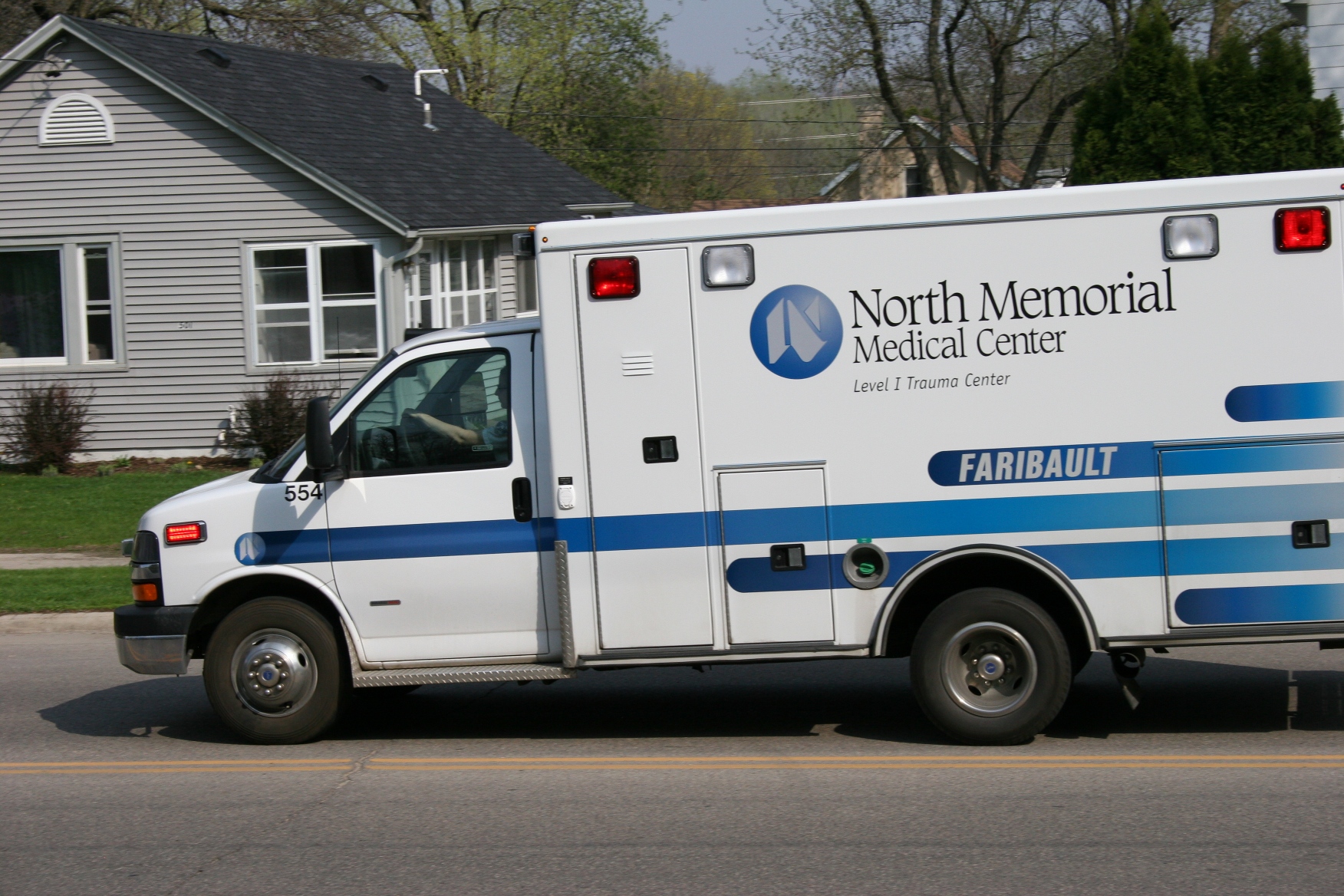
Can you imagine being a healthcare worker right now (and I know some of you are)? Many are voicing their frustration over the failure of the public to grasp the severity of the pandemic, to follow basic preventative measures. Minnesota hospitals are filling. Our healthcare workers are getting sick.
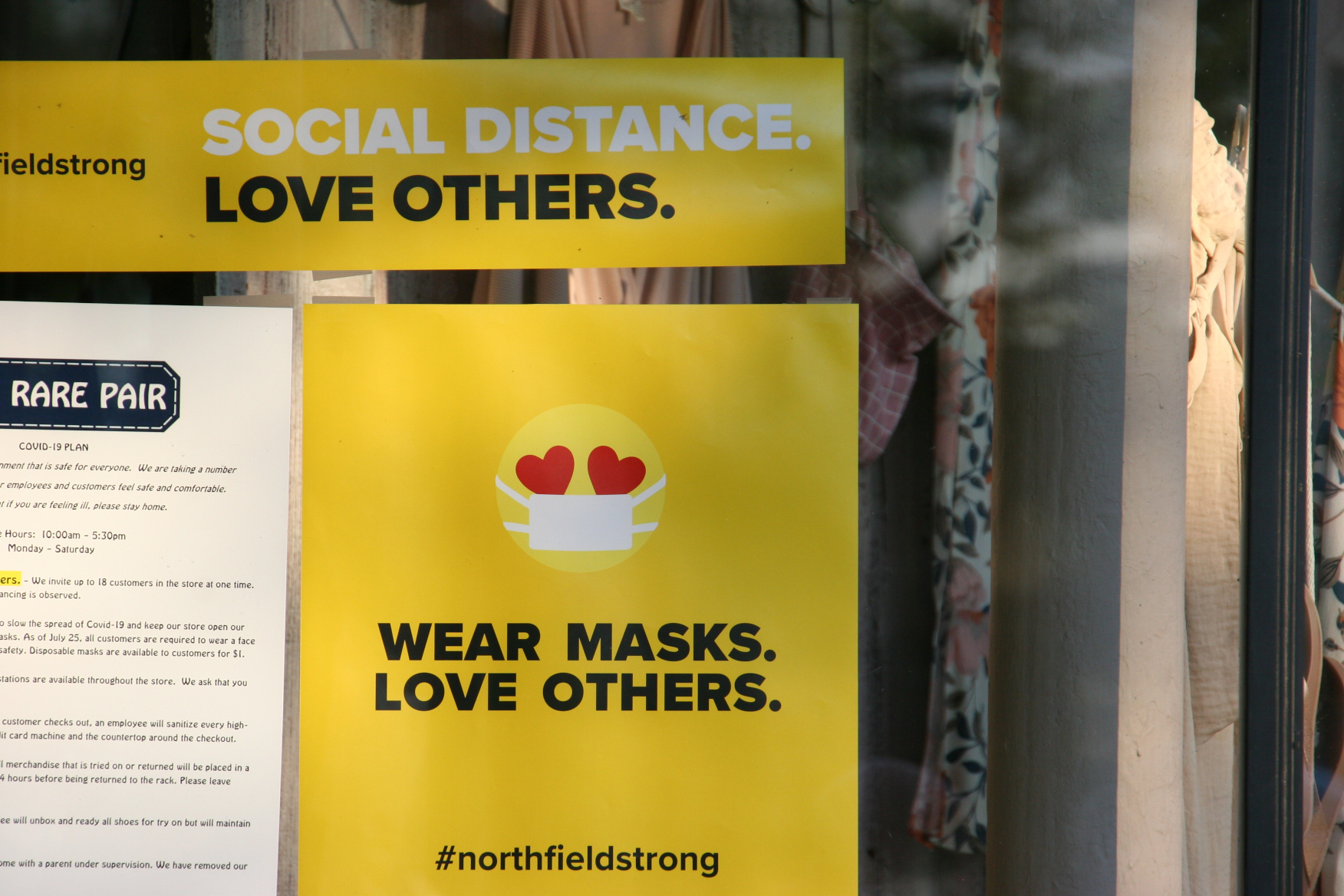
We all want life to return to normal. But in between now and a vaccine, we must each adhere to health and safety guidelines. When we don’t, we risk our own health and the health of others. I, for one, don’t need more emails and texts telling me of loved ones or others infected with COVID.
And I don’t want to read more disheartening headlines like these published in my local newspaper, the Faribault Daily News, this week:
COVID-19 outbreak at care center swells to 74 staff, residents
COVID surge drives Faribault district to distance learning
With COVID cases on the rise, City Hall to shut its doors
We each have a responsibility to try our best to stop the spread of COVID by following health and safety protocols. Thank you to those who are doing just that.
#
Note: I moderate all comments and will not publish inflammatory comments, including those which spread misinformation and false narratives.
© Copyright 2020 Audrey Kletscher Helbling
ELEVEN MONTHS CANNOT pass quickly enough for me. And, no, this has nothing to do with COVID-19 although I certainly wish for an end to that, too.
What I most anticipate, what I’m most excited about and looking forward to from a financial perspective in 2021 is turning 65. And getting on Medicare. Why? Because of the cost of my health insurance.
Recently, Randy brought home the new premium numbers for 2021. Since I’m self-employed, I get my coverage through his work plan. Based on media reports and based on the across-the-board decline in medical services provided this year (due to hospitals canceling elective surgeries early in the pandemic and fewer people seeking medical care, etc.), I expected our premiums would remain the same or even decline. I couldn’t have been more wrong.
We are facing another increase, of nearly $200 a month, to monthly premiums of $1,245 each. Times two, that’s $2,490 a month (up from $2,297/month) for policies with $4,250/each deductibles. That’s an 8.4 percent increase.

Let’s break that down. Randy’s employer pays half of his premium. None of mine. Therefore our portion of the premiums will be $1,868 a month, $144 more than the $1,724/month we currently pay.
This is unsustainable. And ridiculous. This is not affordable health insurance, to all you politicians out there who claim you’ve made healthcare affordable. Talk to me. I’ve remarked to Randy that soon he will need to pay his employer to work for him, just to cover our health insurance premiums. While I may be stretching that a bit, I see the numbers on his paychecks. When I do the math, I see that nearly three weeks of his base gross wage each month goes toward health insurance premiums.
I also recognize that employers, especially small businesses, feel the financial impact of such high health insurance premiums. If you are fortunate enough to work for an employer who covers your full premium and maybe even contributes to family coverage, consider yourself “lucky.” I have no doubt Randy’s employer is looking forward to his getting off the company plan in 11 months as that will save the business money.

I’ve always been a financially responsible person, someone who spends her money wisely, who doesn’t need the newest/biggest/best. Live within your means, don’t accrue unnecessary debt. That will never change about me. Or Randy. But, still, I yearn for an updated kitchen to replace the 1970s yellowing cupboards, the brown sink with the leaky faucet, the Formica countertops, the worn vinyl flooring…, well, you get the picture. I could have had that lovely new kitchen years ago if not for the exorbitant cost of health insurance.
But, more than that, I dislike that my hardworking husband is giving up a sizable chunk of his paychecks to pay for health insurance that is basically only a catastrophic plan. Any suggestion that we simply go without insurance is not a financial risk we wish to take. Not at our age. So we wait. Eleven more months…
© Copyright 2020 Audrey Kletscher Helbling
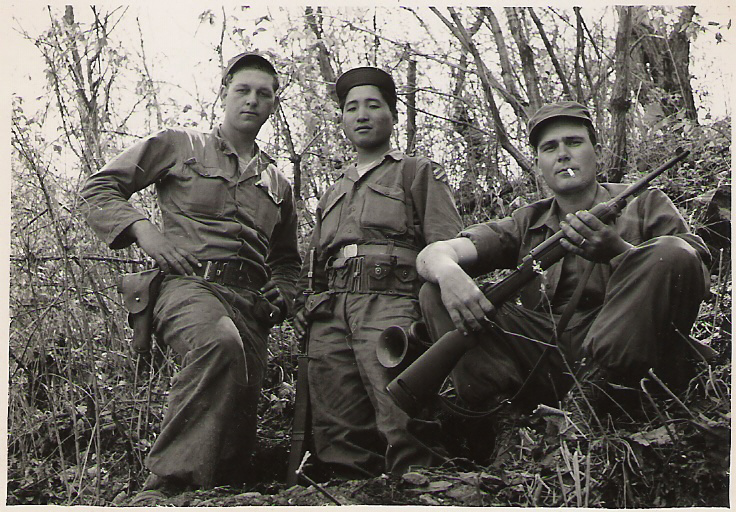
Vesta—Pfc Elvern Kletscher, son of Mr. and Mrs. Henry Kletscher, was wounded in action on Heart Break Ridge in Korea on February 24th. He was engaged in mortar firing at the time. A burst of enemy schrapnel (sic) struck him in the face. He spent a few days in the hospital and was released, but has not returned to active duty. Elvern entered service on February 15, 1952 and has been on front line duty in Korea since November 7th.
The above short article about my father published in a rural Minnesota newspaper in the early winter of 1953. I can only imagine how my grandparents received the news about their son, wounded in action in Korea.

In a letter written to them just days after his February 26, not February 24, war injury, my dad mentioned nothing about the incident. Rather, he wrote of snow, called Korea a “hell hole” and advised his family not to worry. But how could they not worry, realizing that their son was in the thick of battle as a frontline infantryman with the US Army? According to an earlier newspaper article, he was training with the 24th infantry, the first American division to fight in Korea, from Pusan to the Yalu River in 19 months of combat.
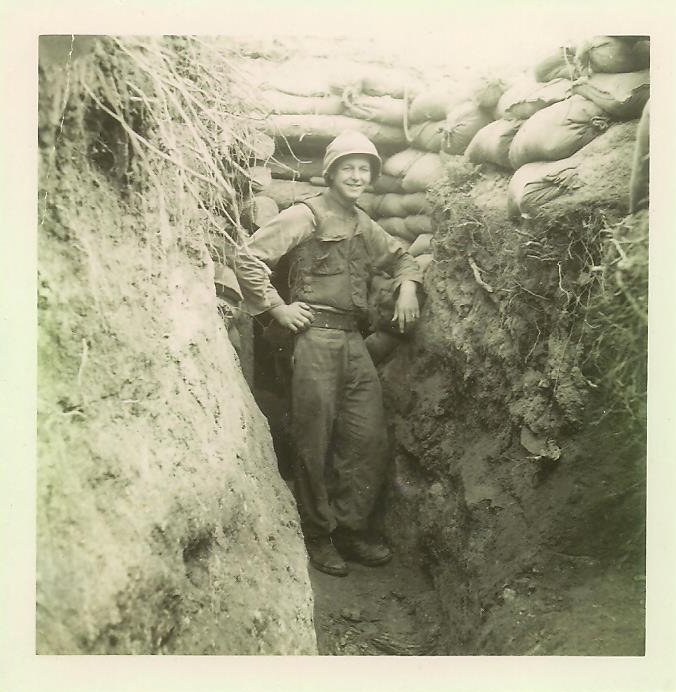
My dad shared only a few stories about his time in Korea. He talked about the events leading up to his shrapnel wound. Ordered to take out a sniper who, for days, had been picking off fellow platoon soldiers, Dad hunkered inside a trench. A bullet struck his trench. Dad studied the angle of the bullet, angled his rifle up and shot. He heard a “ka-pook,” understanding that he had hit his intended target.
Two days later, when 12 men were sent to retrieve the sniper’s body, Dad stood guard to assure the enemy was not circling behind. Suddenly, 10 small mortars lobbed toward them, one landing near him. Had it gone off, my father would have died. Instead, shrapnel struck his face. “I knew the blood was running,” he said in a 2000 interview with a Minnesota TV station at the time he was awarded a long overdue Purple Heart. He was shaking and scared, but couldn’t leave his post.
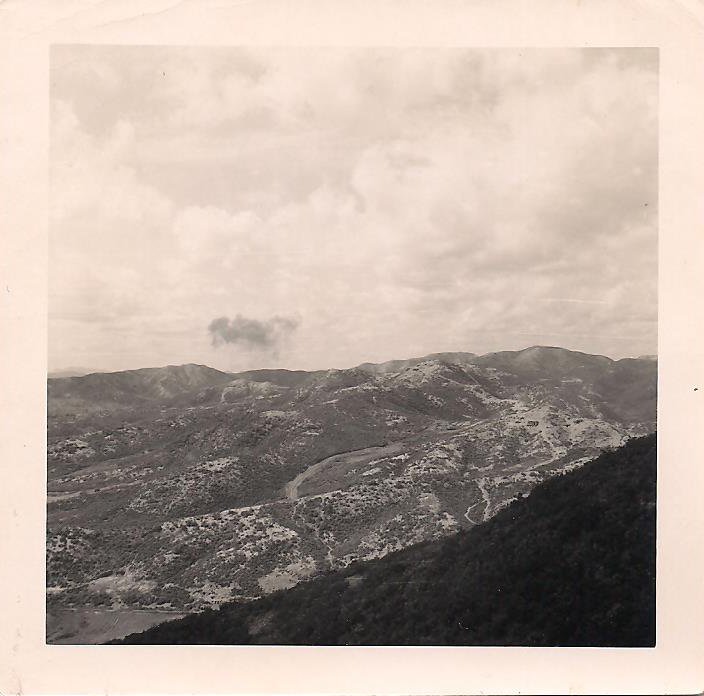
Eventually, my dad would make it safely back to rural Minnesota, resume his life as a farmer, marry my mom and raise a family of six children. But he was a changed man, scarred by war, dealing with PTSD (unknown back then) and other issues resulting from his time on the frontline in Korea.

Today, Veterans Day, I honor my father (who died in 2003) and all others who have served and continue to serve our country, whether they have been in direct combat, served in support capacities or otherwise. I appreciate their efforts to secure our democracy, our freedom.
TELL ME: Who would you like to honor today? Or, if you’ve served, please share your thoughts on this important day.
© Copyright 2020 Audrey Kletscher Helbling




 Minnesota Prairie Roots
Recent Comments