WE AREN’T EXACTLY ROLLING OUT the welcome mat in my Faribault neighborhood for our soon-to-be newest neighbor.
Phillip Louis Davis, after all, isn’t the type of neighbor any of us would want. But he’s served his prison time and now he’s free to go. Sort of. He’ll be under correctional supervision until his sentence expires in November 2018. And he must register as a predatory offender for the next 10 years.
Thursday evening I attended a community notification meeting to learn more from Michéle Murphy of the Minnesota Department of Corrections about 54-year-old Davis who received a 98-month prison sentence in 2005 for first degree criminal sexual conduct with a 4-year-old. He had previously been charged with third degree criminal sexual conduct involving a 15-year-old at a hotel swimming pool. And, Davis has a history of exposing himself to adult females.
As Murphy began her presentation to about a dozen residents, she noted her goal—to help achieve “reduced anxiety” among those in attendance.
I don’t know that any of us left feeling less anxious. But we certainly exited the meeting more informed.

Informational sheets distributed at Thursday’s community notification meeting.
That brings me back to Davis’ freedom. Although he’s free of prison walls, he’ll be under intensive supervised release. This is nothing I didn’t already know, having attended at least three previous community notification meetings involving other Level 3 predatory offenders scheduled for release into my neighborhood. But a review of conditions is always valuable information to carry in your pocket.
Davis, among other requirements, will be on GPS for the first 60-90 days (or longer); can be checked on at any time; must make daily phone contact with his supervising agent; must complete sex offender programming; cannot use the internet or any device with internet capabilities (and, yes, that includes a cell phone); and cannot have contact with minors.
In defining “contact with minors,” Murphy noted, for instance, that Davis can’t even wave at a child or, when he’s at the grocery store, ask, “Where’s the bread?”
That is good to know, especially since this predatory offender is moving into a neighborhood filled with children (15 within eyesight from my front yard) and about a stone’s throw from a school bus stop.
I worry about the children. I was particularly disappointed that the parents of neighborhood children and representatives of Faribault schools and the local school bus company did not attend the community notification meeting.
BUT AT LEAST ONE FARIBAULT FATHER, whose daughter was the victim of another Level 3 predatory offender, was there to raise questions and voice his concerns. You could feel his frustration, hear his anger, especially when he stated that he expects Davis to re-offend. For the sake of my community, I hope he is wrong.
The father also muttered something about wishing he could take matters into his own hands. At that point a representative of the Rice County attorney’s office and Faribault Police Chief Andy Bohlen warned the audience that vigilantism will not be tolerated, that Davis has served his time and is free to live within our community. They were correct to lecture us. But in that moment, my heart truly went out to that father who has walked through hell.
I struggled, too, at one point to curb my emotions when I asked why these Level 3 predatory offenders keep choosing my neighborhood, the same two blocks of Willow Street (four times now, maybe five, I’ve lost exact count). I got the same answer a police department spokesman gave me several days ago: Some property owners are just willing to rent to offenders.
When I pressed for information on how predatory offenders are getting these property owners’ names, I didn’t really get an answer. I don’t think they are sitting in prison reading the classifieds in the Faribault Daily News searching for an apartment to rent. Nor did I get an answer as to where Davis had been imprisoned or whether he had completed sex offender treatment while incarcerated.
DOC rep Murphy did add that offenders sometimes have friends and family in the neighborhood, which I don’t believe to be the case with Davis. (His offenses against the 4-year-old and 15-year-old did occur in Rice County.) Living arrangements are approved by the supervising agent.
SO HOW MANY LEVEL 1, 2 and 3 registered predatory offenders live in Faribault? Seventy. That number excludes those incarcerated at the Minnesota Correctional Facility, Faribault. Thirty-two more live in other parts of Rice County.
In the entire state of Minnesota, there are approximately 17,400 registered predatory offenders, Murphy said. Of those, 287 are classified as Level 3 “higher risk” predatory offenders, like Davis, for whom community notification is required by state law.
Minnesota, unlike some other states, does not have residence restrictions such as restricting predatory offenders from living near schools, daycares, parks, etc., Murphy said. Cases and statistics show, she said, “It’s not where someone lives, but the relationships they are engaging in (which determine who is victimized).” In Davis’ case, he knew his victims.
Ninety percent of sexually-abused children are abused by someone they know or trust, Murphy said.
Armed with that and other information, we were advised not to engage or approach Davis should we suspect/observe him violating conditions of his release. Rather, we should contact police immediately.
You can bet not a single person at that meeting would hesitate, not for a second, to inform law enforcement of suspected violations. We will be watching—for the sake of our children.
FYI: To learn more about Davis, the Level 3 predatory offender moving into the 300 block of Willow Street on February 7, click here to reach the Minnesota Department of Corrections offender information page.
© Copyright 2013 Audrey Kletscher Helbling








Speeding on Willow Street, through my neighborhood September 2, 2026
Tags: city street, commentary, Faribault, Faribault Police Department, law enforcement, Minnesota, monitoring speed, neighborhood, residential street, speed trailer, speeding, traffic, traffic laws, traffic violation, Willow Street
FOR 42 YEARS, Randy and I have lived in the same house along an arterial street through Faribault. And in those four-plus decades, traffic volume has increased significantly due to growth on the south end of town. Speeding and crashes have also risen, based on my observations.
For example, less than a year ago a Suburban, pursued by a pick-up truck, took out the power pole by our home, crossed our front yard (almost hitting our house) and destroyed a newly-stained fence panel. Other crashes have occurred within eyesight of our home.
I don’t know the cause of most crashes. It could be inattentive/distracted/impaired driving, a medical issue, driver error, speeding… Without reading police reports, I can’t say.
But frankly, I am growing weary of all of this. The speed. The crashes. The disrespect for the Willow Street neighborhood.
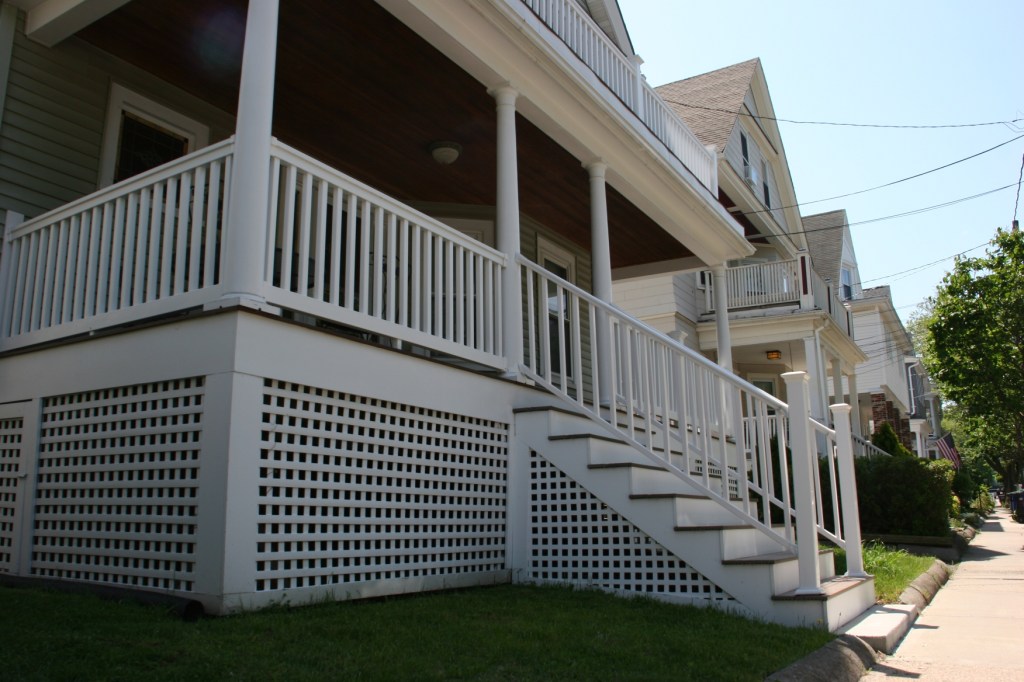
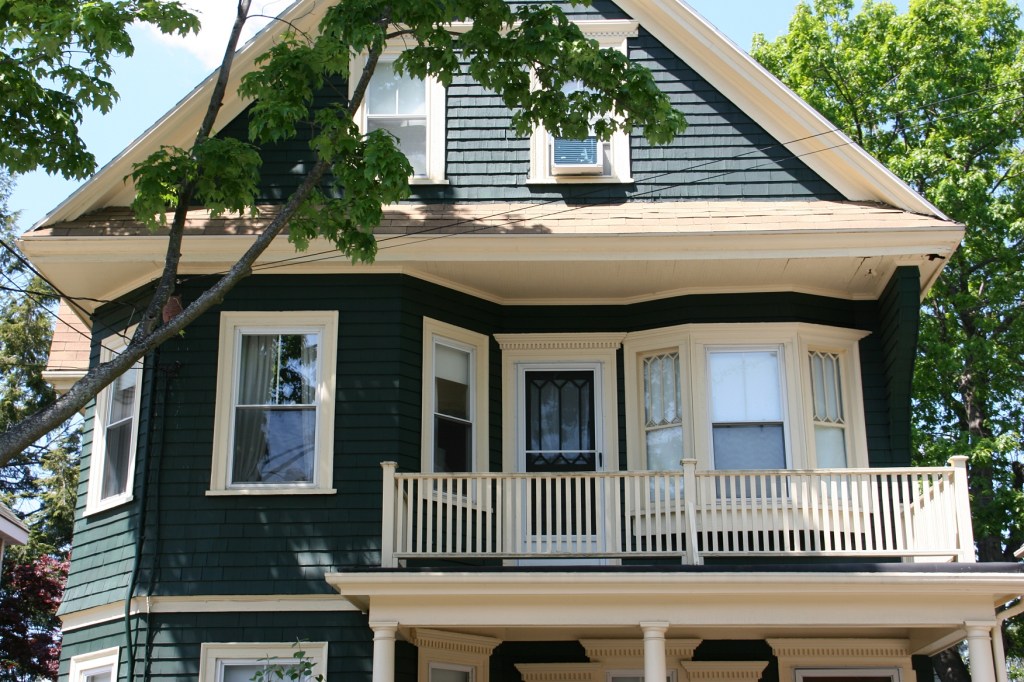
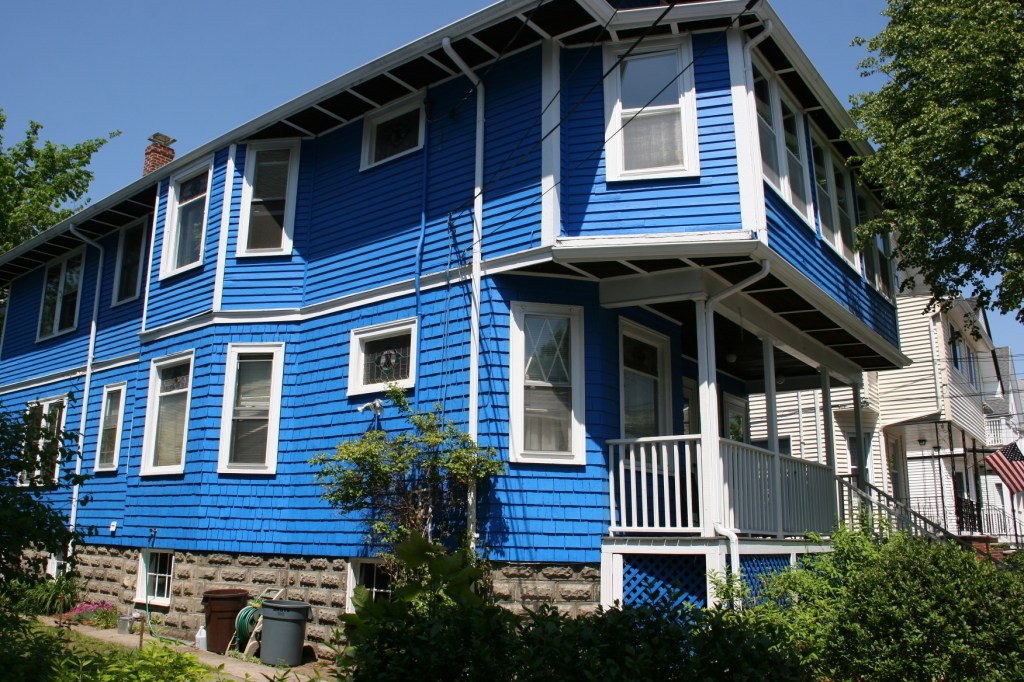
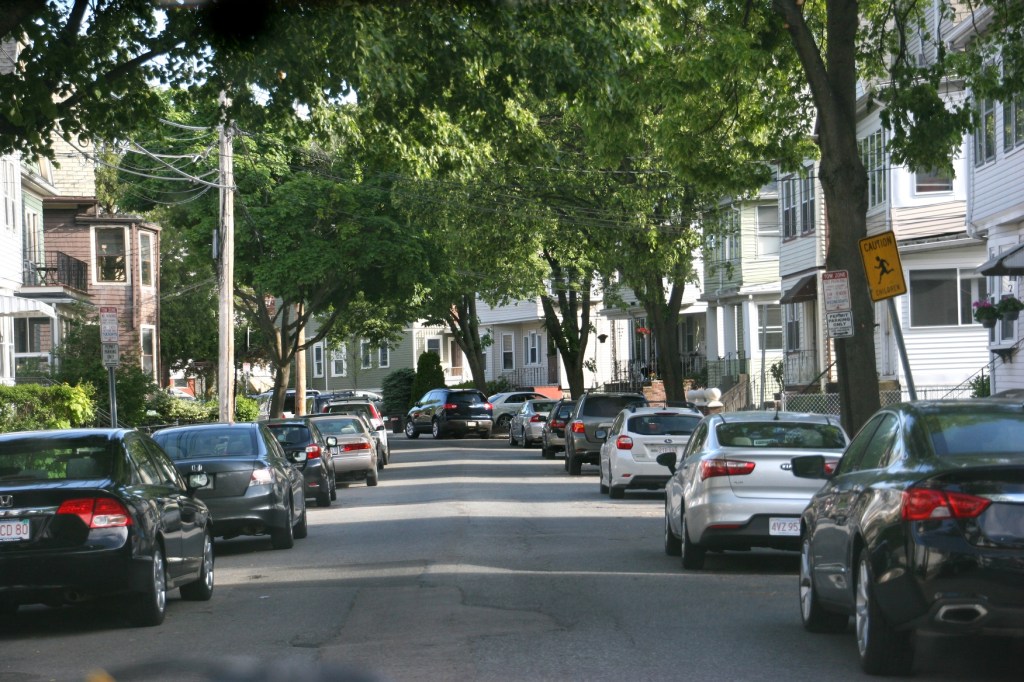
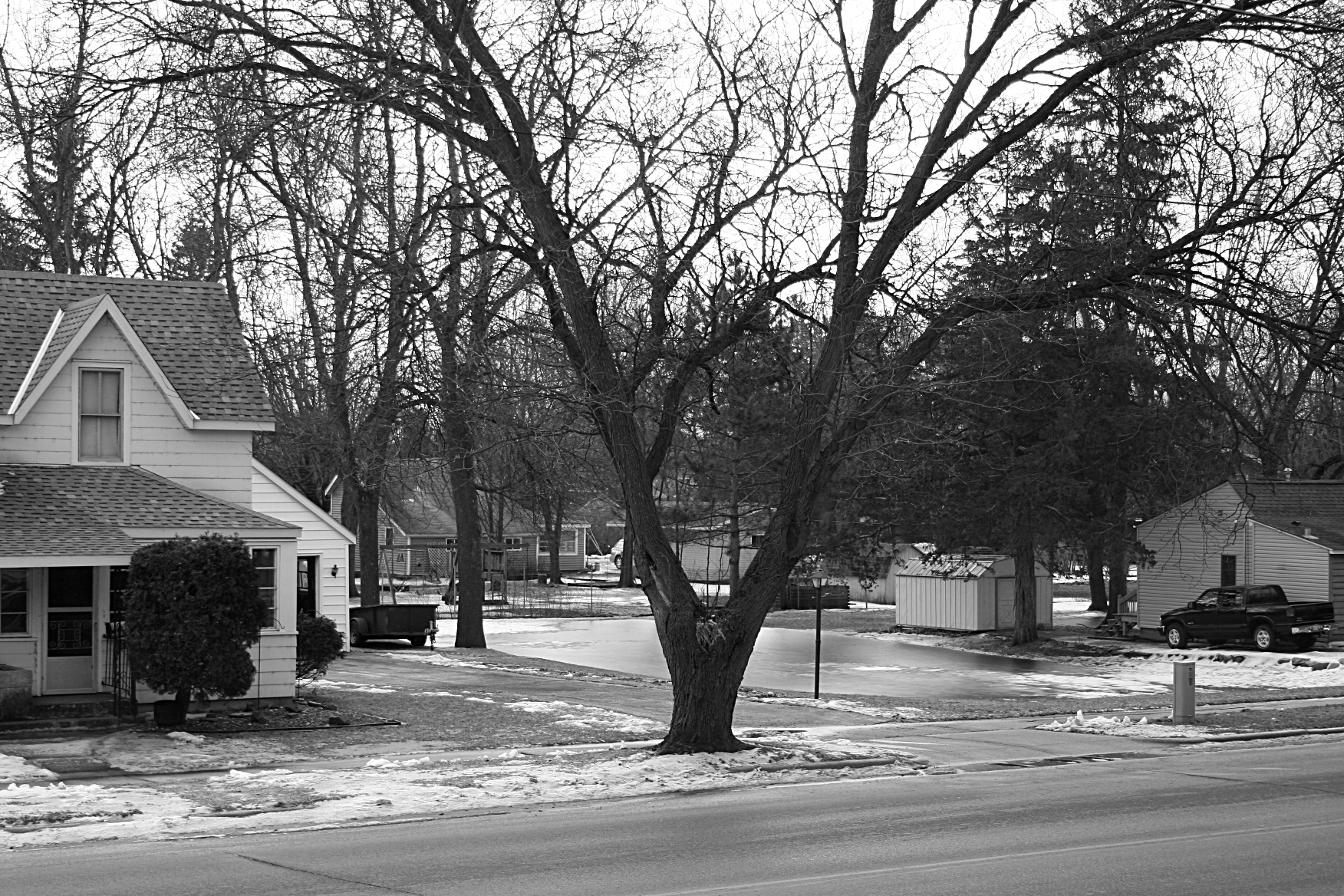
Willow Street runs for 10 uninterrupted blocks from Division Street to Tenth Street through an all-residential neighborhood with one exception, an automotive repair shop in the 200 block. That’s a lengthy stretch of roadway without anything to slow down motorists. And, no, I’m not advocating for a stop sign. But something needs to change.
Those of us who live along this street deserve to be respected, to feel safe in our homes, to be seen as a neighborhood and not just a route for drivers to quickly get to their destinations.
A few days ago, the Faribault Police Department installed a temporary electronic speed monitoring trailer along the southbound side of Willow near our house per the request of City Councilman John Rowan. I’m thankful to see this in place as a speed deterrent. If that data is recorded, I’d like to see the results.
Curious as to how fast motorists were driving, I decided to observe. But before heading outside to watch numbers flash across the electronic screen, I made a small sign with two words: SLOW DOWN. I stood along the sidewalk by my house and watched, my head swiveling between oncoming southbound vehicles and the sign. Drivers could not see me and my sign until they were closing in on me and the speed trailer, meaning I did not affect their speed.
I set the parameters of only tabulating speeds of 35 mph or faster. I wanted to give drivers some grace. The speed limit is 30 mph.
I didn’t have to wait long. Within five minutes of planting my feet on the sidewalk late Monday afternoon, I observed five vehicles driving 35 (2), 36, 38 and 42 mph. One defiant driver even gunned his black pick-up truck to increase his speed when he saw me with my SLOW DOWN sign. The same happened mid Tuesday afternoon when I observed again for a short time, but did not tally speeds. The top speed, though, was 40 mph.
Between 4:30-5:15 p.m. Monday, I recorded 18 vehicles driving anywhere between 35-45 mph. I did not count the total number of vehicles driving southbound on Willow. But suffice to say that, along this busy street, traffic was steady, if not heavy.
Tuesday morning I was back on the sidewalk again with my sign at 7:40 a.m., when people are mostly driving to work and school. Within the first 10 minutes, I noted seven vehicles traveling between 35-38 mph. Thirty minutes later, when I left my post, I’d tallied 12 motorists driving too fast, most in the upper 30s. I also noticed drivers on their cellphones both days, a violation of Minnesota state law.
Based on numbers displayed on the electronic sign, I could have issued 30 warnings or citations for driving over the speed limit. But that is not my job. It belongs to law enforcement. Councilor Rowan requested extra patrols along Willow Street. I am grateful for that.
If existing traffic laws are enforced and Willow Street becomes known as a “speed trap,” that could act as an effective deterrent to speeding.
Something needs to change. Willow Street needs to be seen as the neighborhood it is, not as the thoroughfare it has become for too many drivers. People live here, walk here, bike here, try to back safely out of their driveways and cross the street here.
I don’t pretend to have all the answers. But education, prevention, traffic law enforcement and police presence seem logical starters.
THOUGHTS? IDEAS? Please share specifics.
© Copyright 2026 Audrey Kletscher Helbling