Minnesota Prairie Roots

Writing and photography by Audrey Kletscher Helbling

Encouraging & embracing creativity this holiday season December 10, 2025

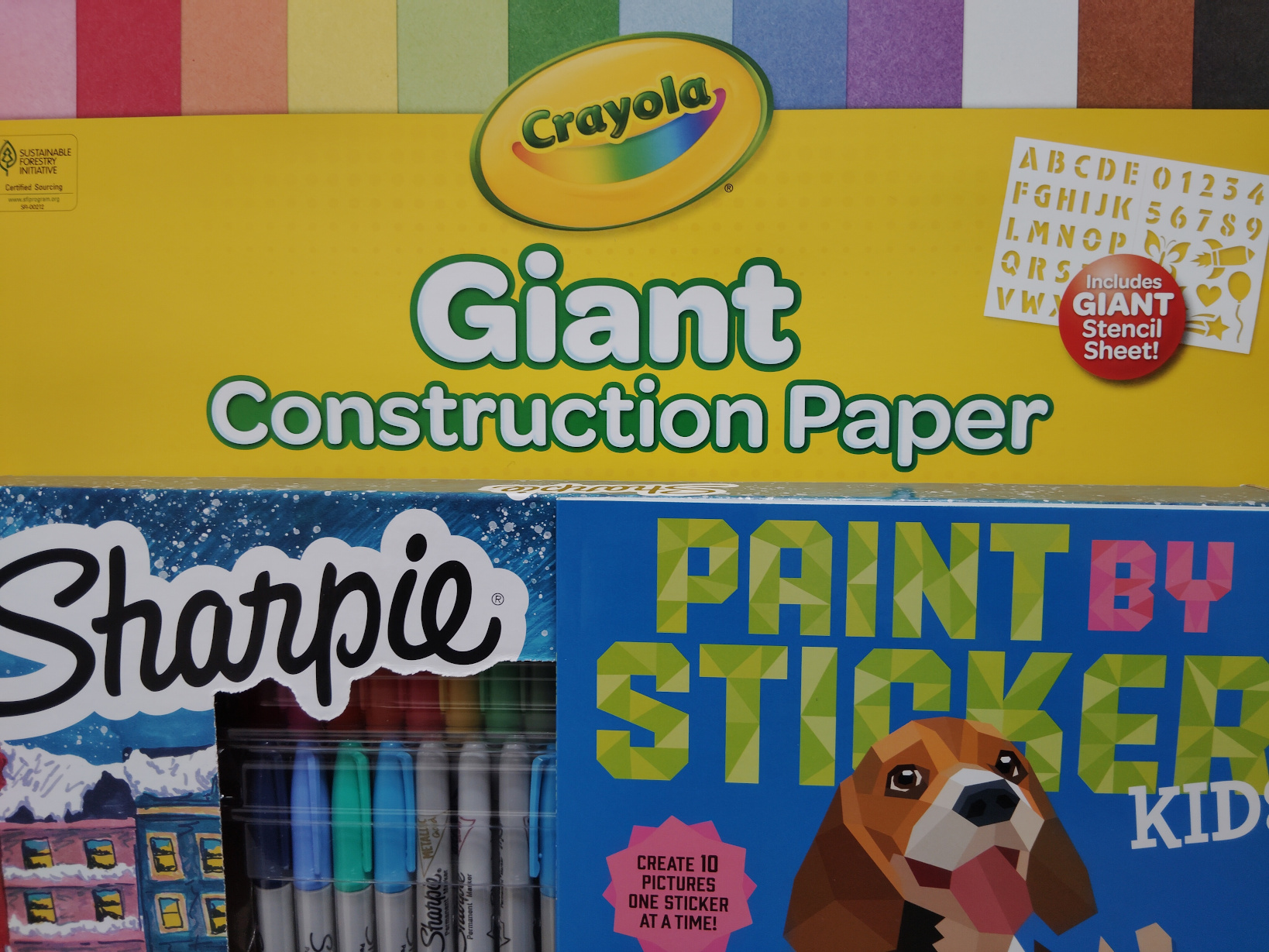
Gifts for the creative grandson. (Minnesota Prairie Roots copyrighted photo December 2025)

WHEN MY ELDEST DAUGHTER sent her children’s Christmas gift wish lists to me, I wasn’t surprised to find several art-related items on first grader Isaac’s list. He loves creating. And to create, he needs supplies. So Isaac asked for giant construction paper, a Paint by Sticker book, a pixel art set and Sharpie markers, specifically a grey marker. Why grey? I have no idea. He’s getting all of those from Randy and me.

One year Isaac wanted a ream of paper for Christmas. He blew through the 500 sheets we gave him in several months. Not only does my grandson create art, but he also solves math problems far beyond what a six-year-old should be capable of doing and recently proclaimed, “I love to read!”

I’m not sharing this to be a boastful grandma. Rather, I want to emphasize the importance of encouraging children in their interests. That builds confidence and shows that we support and care about them and their passions.

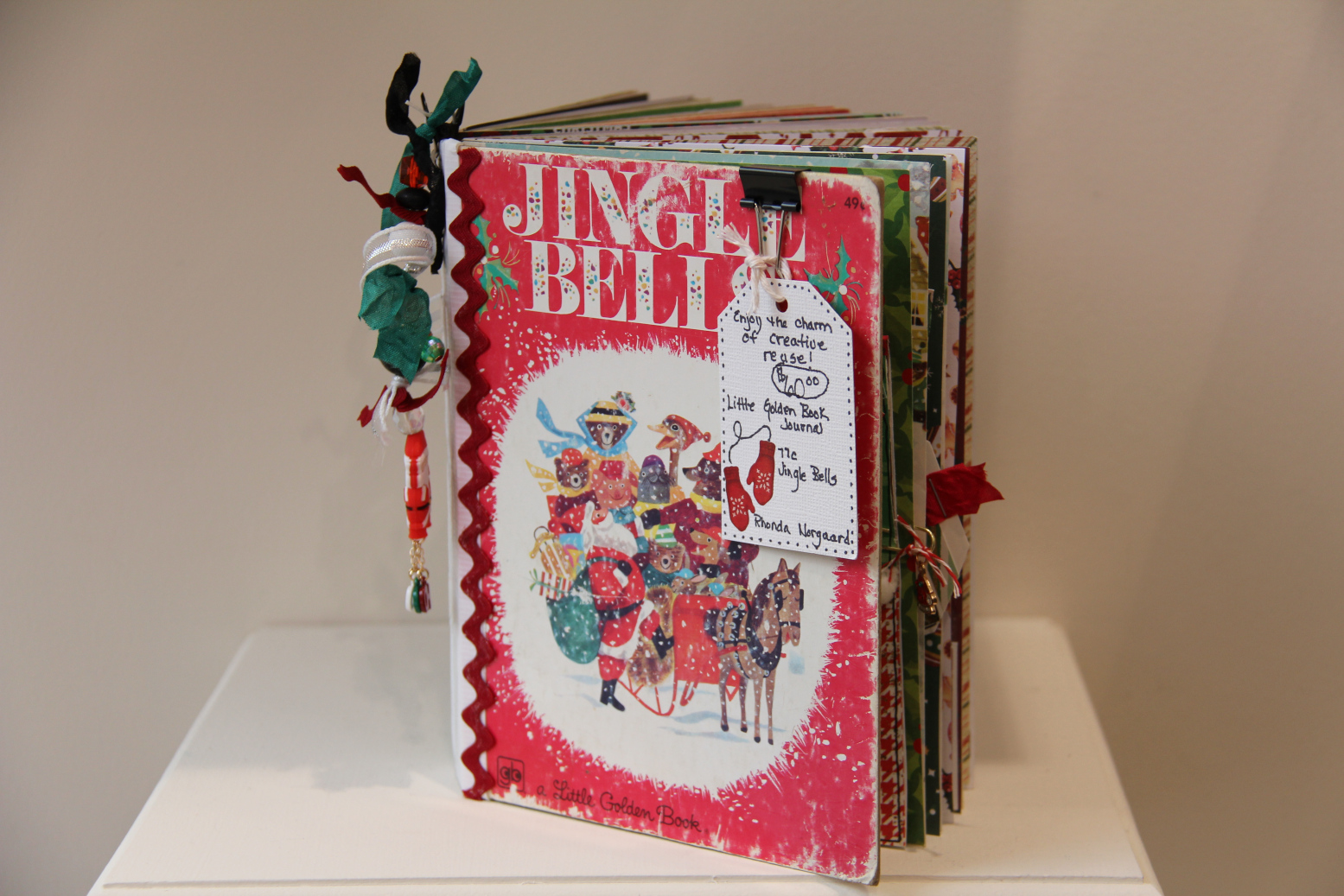
A Little Golden Book Journal, among several crafted by recycler artist Rhonda Norgaard and for sale at the Paradise Center for the Arts, Faribault. (Minnesota Prairie Roots copyrighted photo December 2025)

My 9-year-old granddaughter, who really really loves to read, and write, declared on her first day of fourth grade that she wants to become an author. That could change. But for now, Izzy embraces creativity through writing, singing and playing piano. And I enthusiastically encourage her.

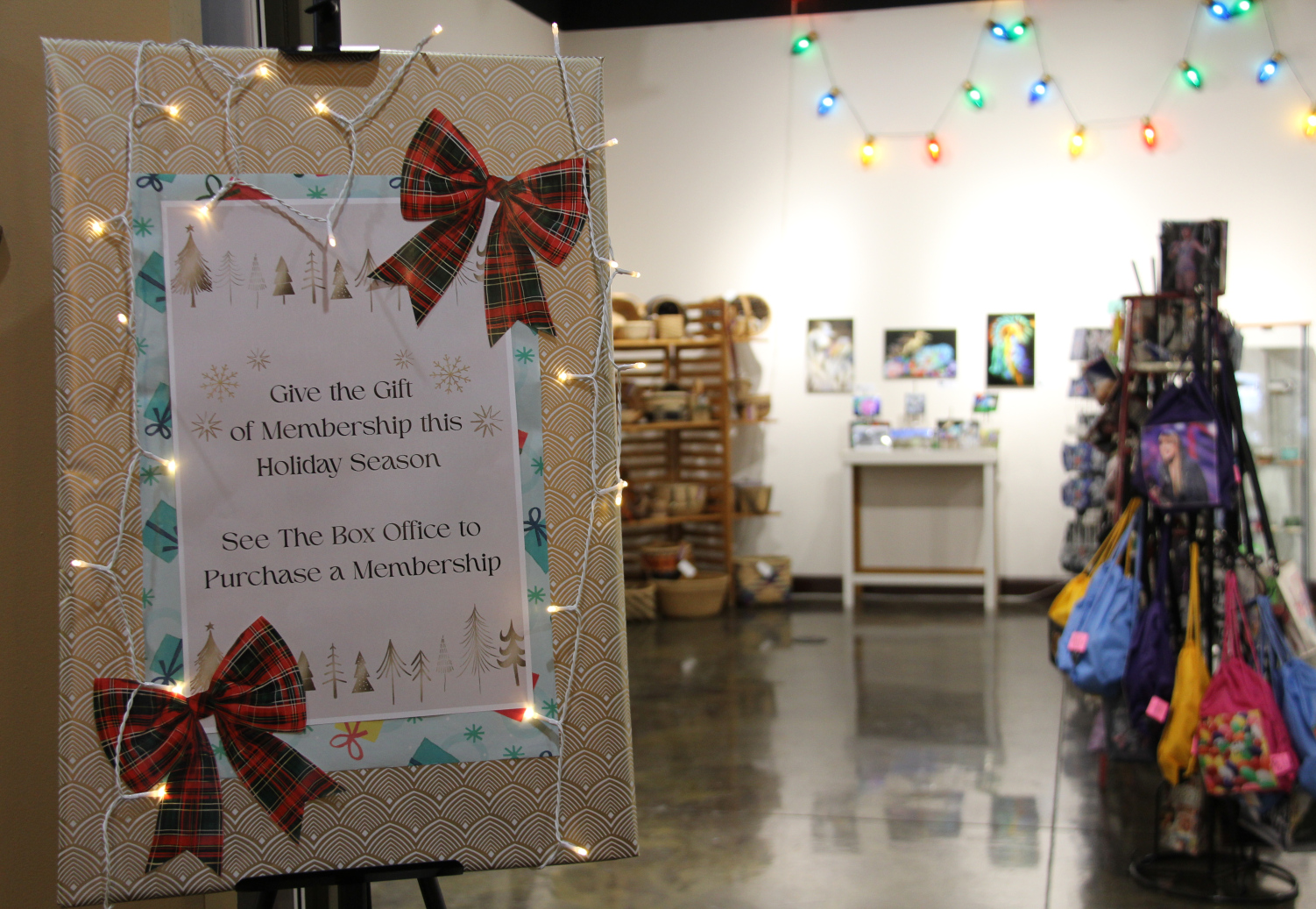
Among the many gifts for sale at the Paradise Center for the Arts is a Paradise membership. Members get discounted ticket prices among other benefits. (Minnesota Prairie Roots copyrighted photo December 2025)

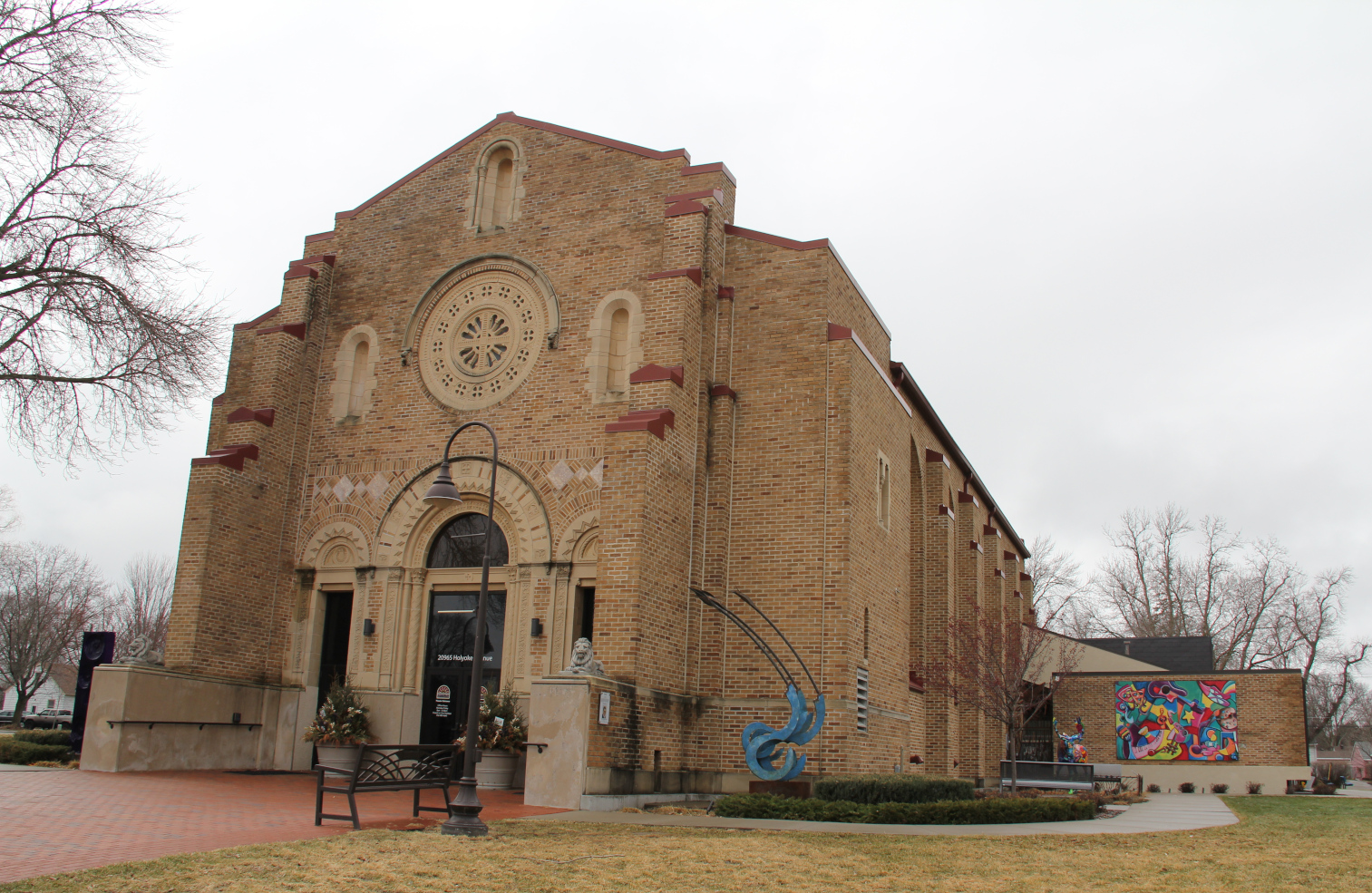
In Faribault, I am an enthusiastic supporter of the arts, centered at the Paradise Center for the Arts. This downtown hub of creativity brings the visual and performing arts to my community via concerts, theatre, comedy, gallery shows, art classes and more.

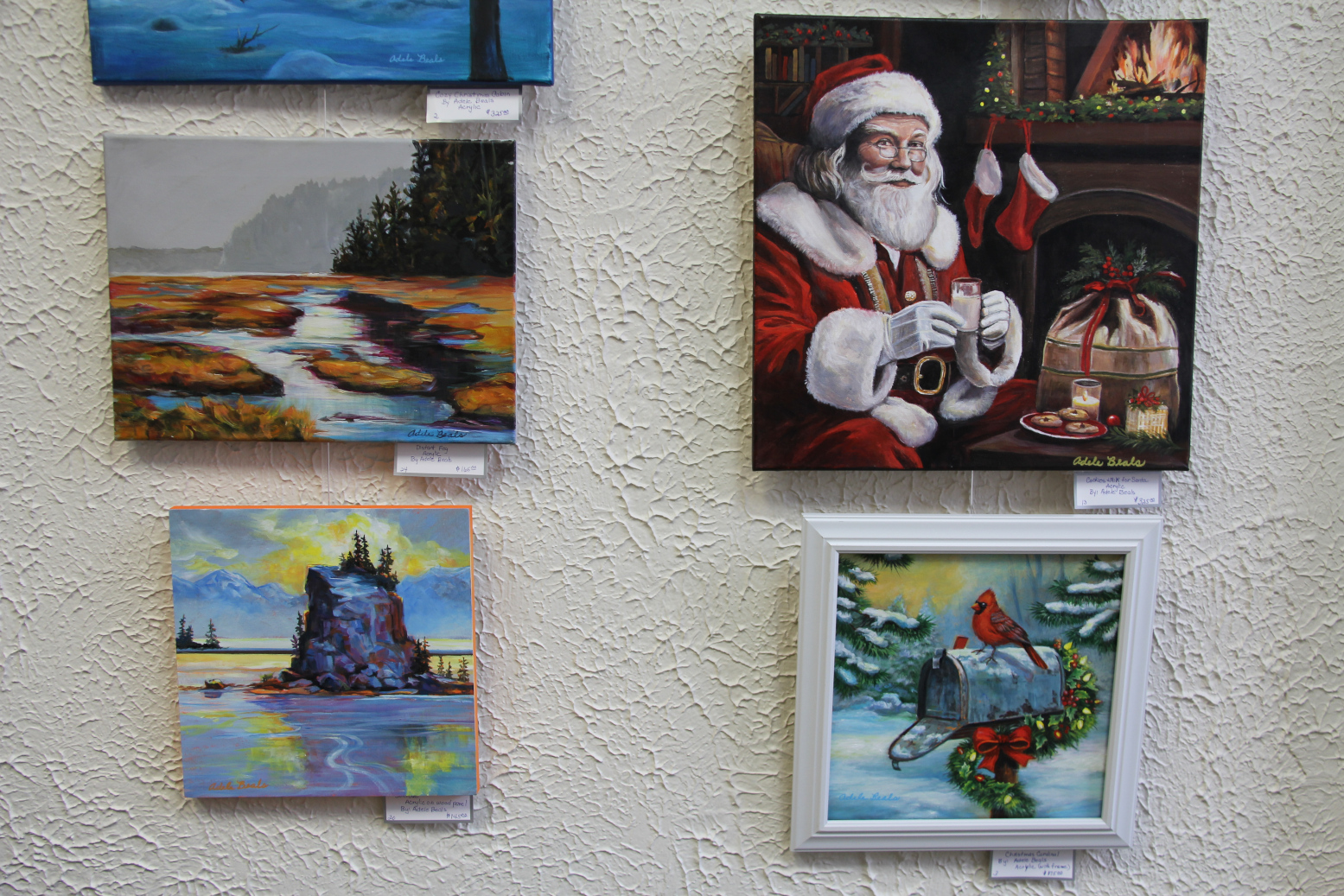
Acrylic paintings by Adele Beals. (Minnesota Prairie Roots copyrighted photo December 2025)

And now, during the holiday season, 32 artists are showcasing and selling their art at the annual Holly Days Sale. I recently popped into the Paradise to peruse the artsy offerings ranging from pottery to paintings, stained glass, fiber art, mittens, jewelry, metalwork, woodwork, journals, photography, handbags and more. This is one-of-a-kind merchandise crafted with creative minds and hands by Minnesota artists.

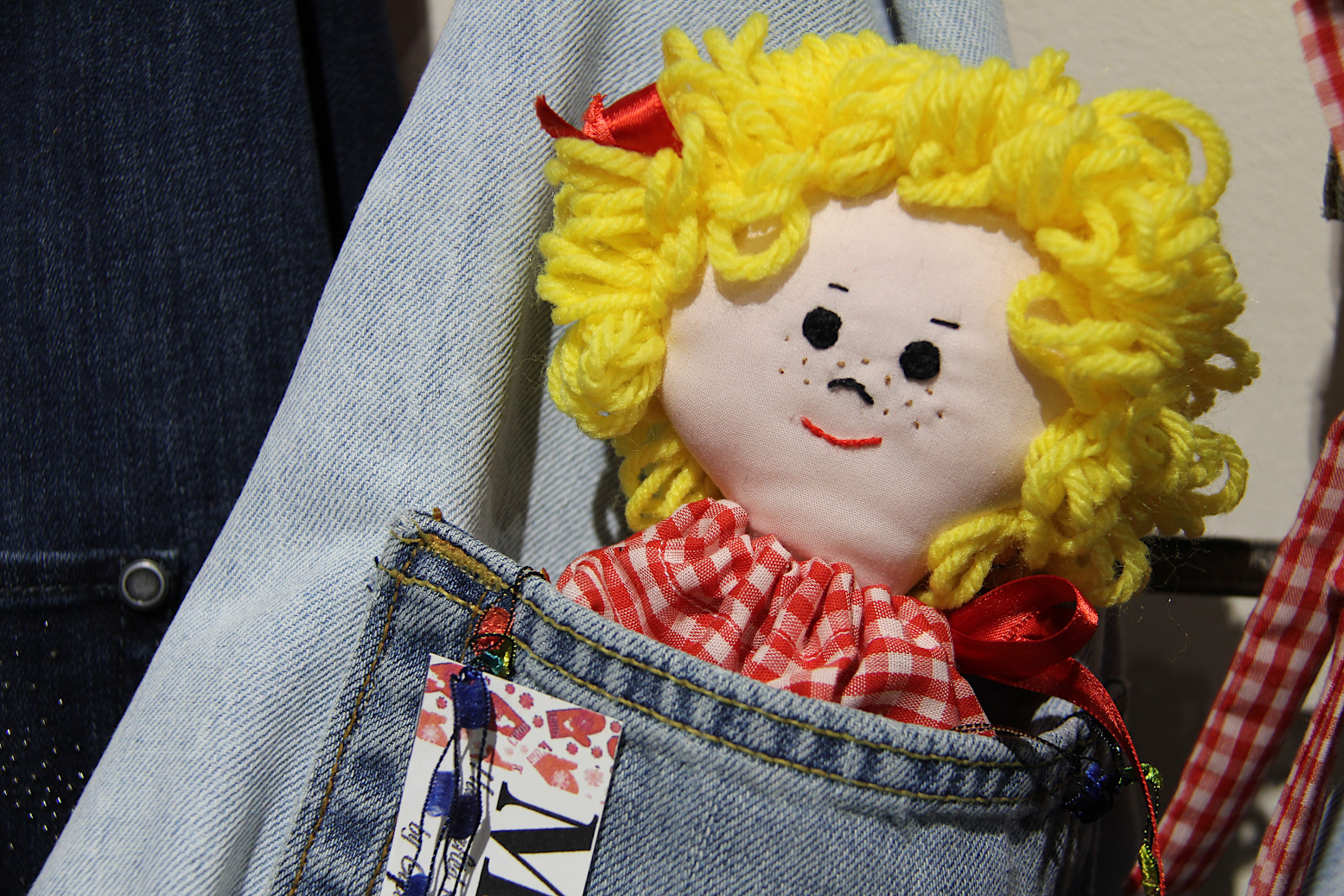
Gail Kielmeyer crafted this doll, aprons and more, tagged as Minnesota Made. (Minnesota Prairie Roots copyrighted photo December 2025)
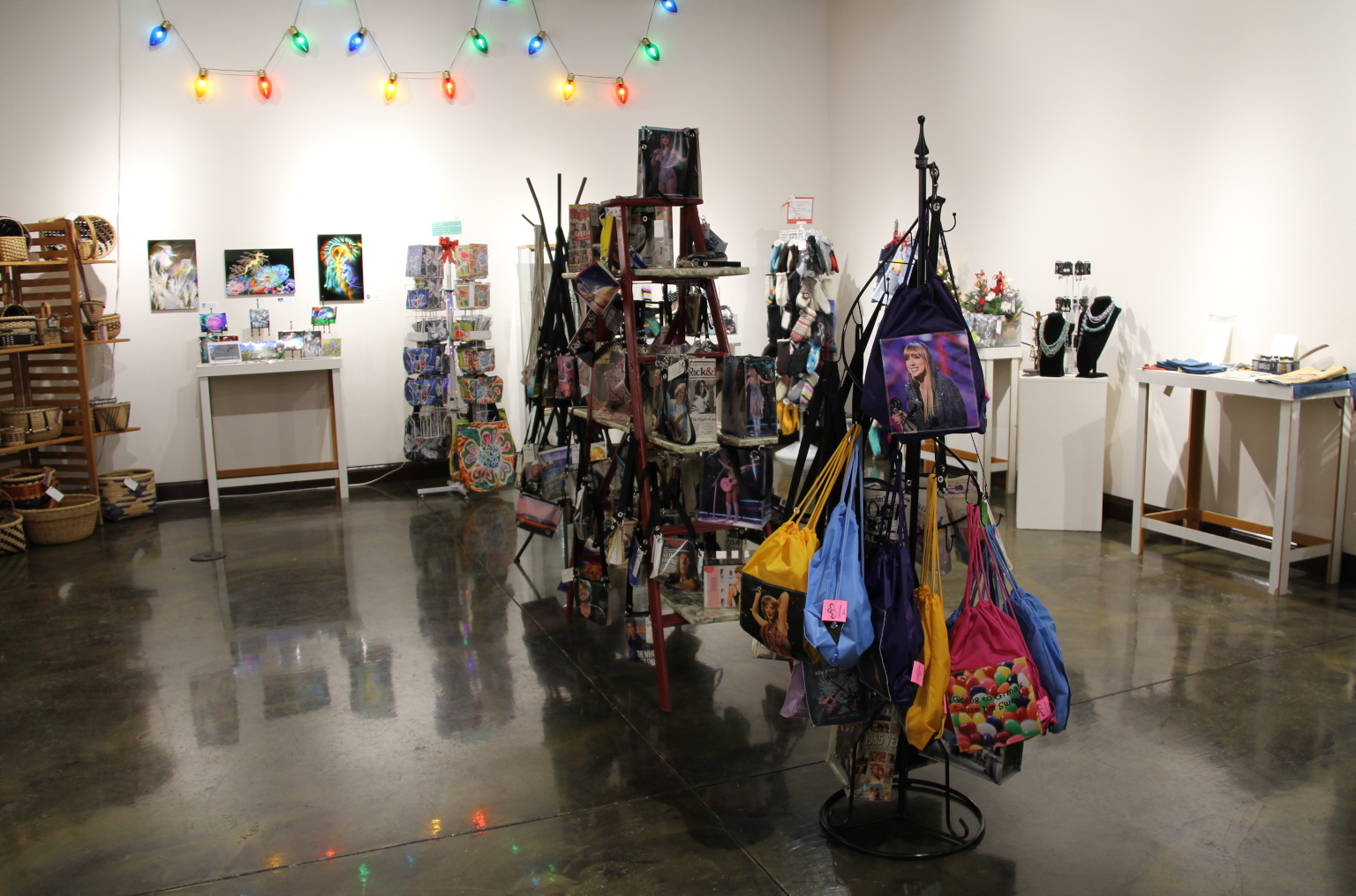
Handmade goods fill the main gallery and two smaller galleries for the Holly Days Sale. (Minnesota Prairie Roots copyrighted photo December 2025)
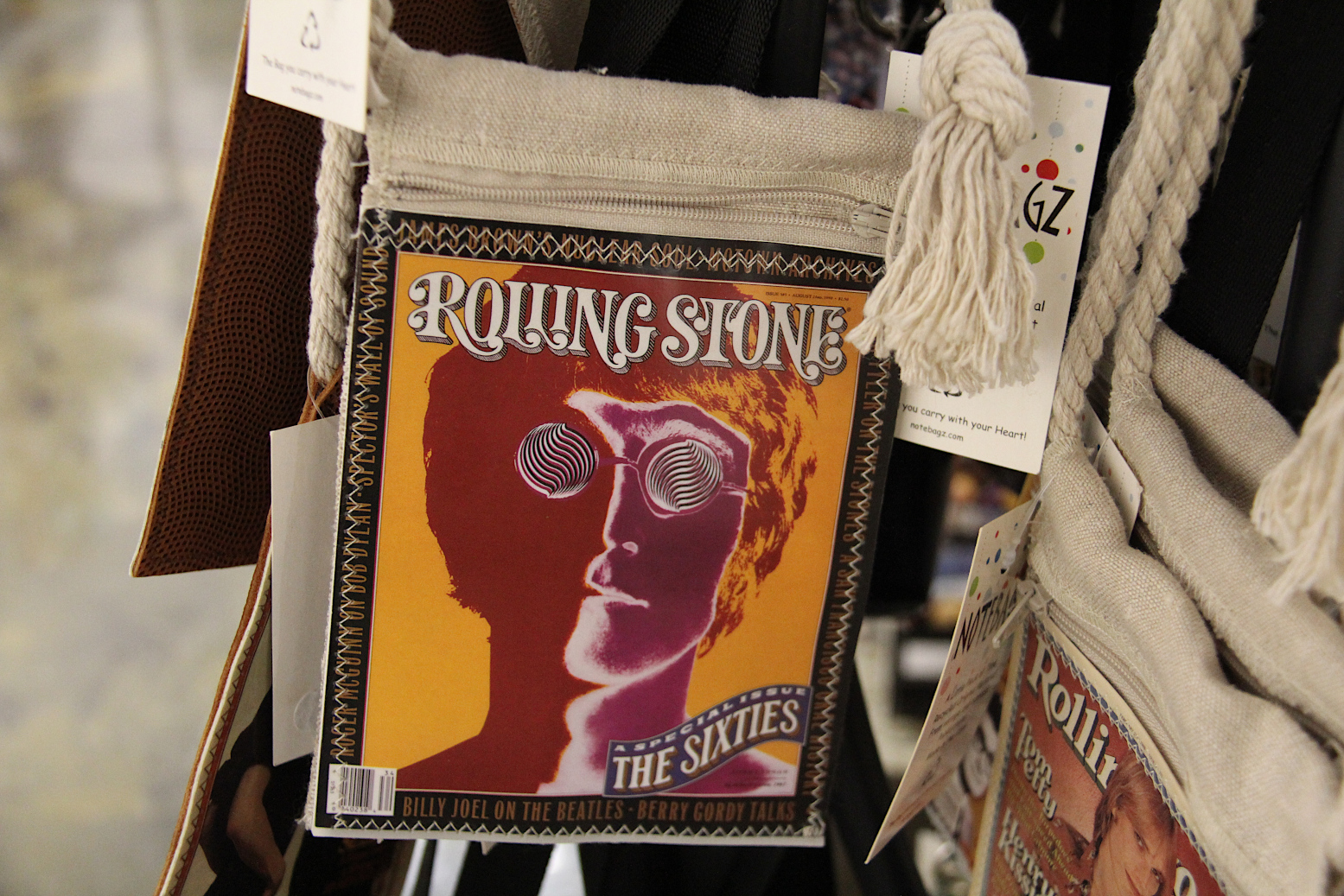
Paula Person crafts cellphone-sized and other bags and clutches for her business, notebagz. Her products are made from recycled publications. She also does custom work. (Minnesota Prairie Roots copyrighted photo December 2025)

I can’t help but wonder how many of these artists, as young children like my grandchildren, loved to create. Perhaps a grandmother taught them to sew. Perhaps they were fascinated by their grandfather’s abilities to build anything with wood. Perhaps an aunt painted. Perhaps their parents knitted or welded or journaled. Perhaps a teacher encouraged them in their creativity.

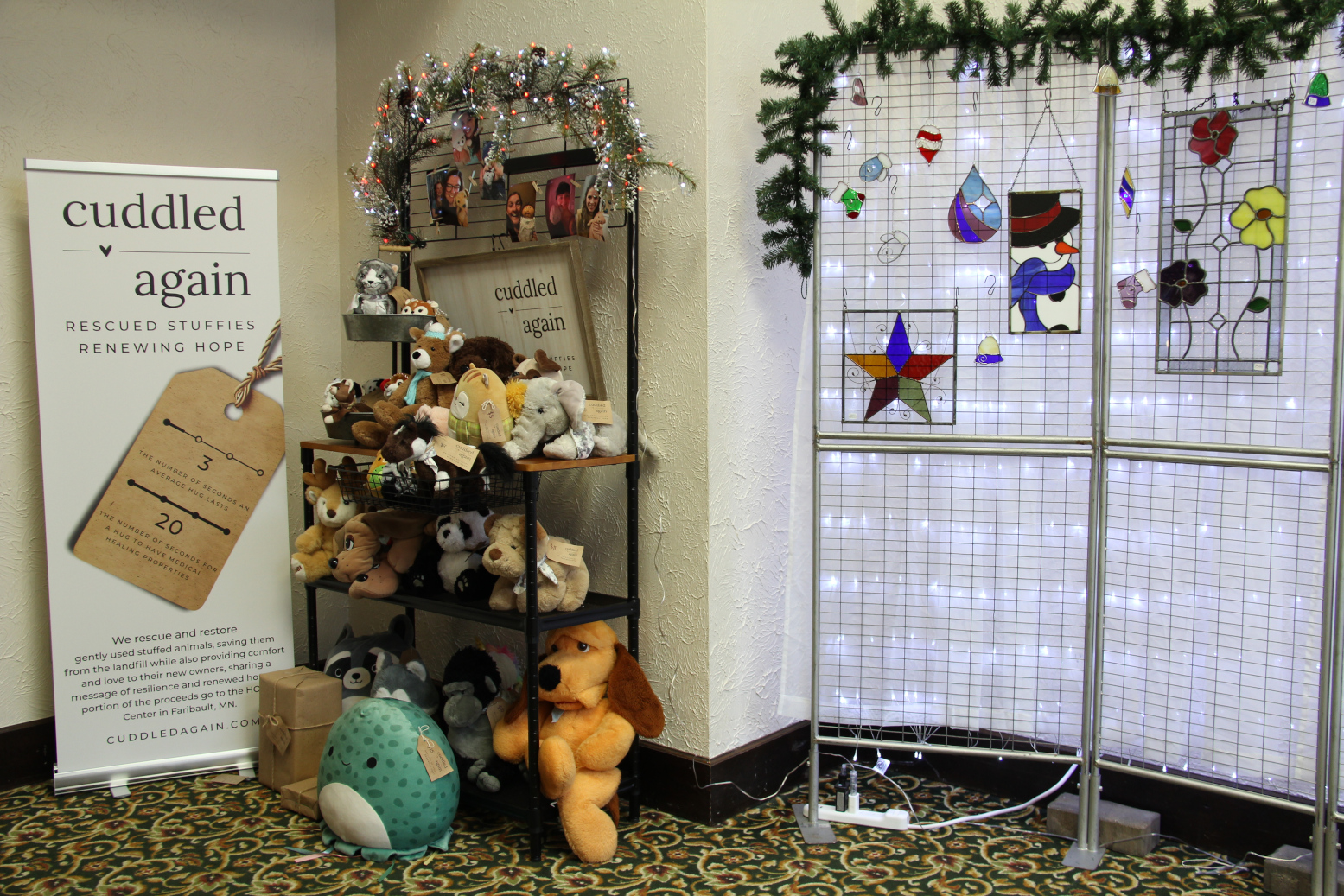
Laura O’Connor of Cuddled Again rescues and restores gently-used stuffies for resale. A portion of the proceeds go to HOPE Center in Faribault. To the right is Sandra Sargent’s stained glass art created at Bending Sunlight Glassworks. She teaches at the Paradise and also has a studio across the street in the Bachrach building. (Minnesota Prairie Roots copyrighted photo December 2025)

Whatever the reasons individuals choose to make art really doesn’t matter, although it is interesting to hear backstories. If they’re like me, they create because they have to and can’t imagine their lives without art. No one expects to get rich in the arts, thus the term “starving artists.” Writing and photography are, for me, passions that earn me minimal income. Yet, I press on with my creative endeavors.

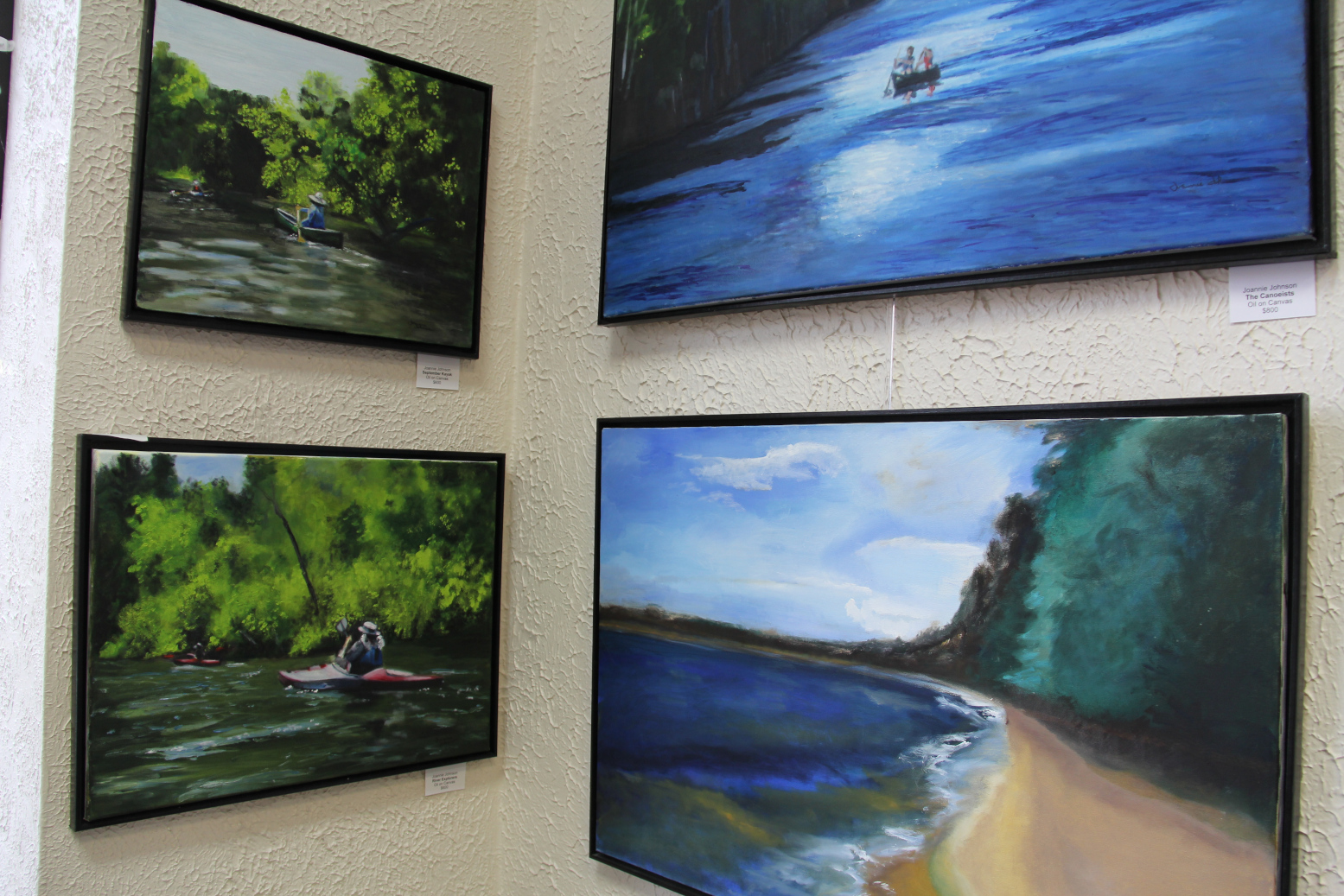
Oil on canvas nature scenes painted by Joannie Johnson. (Minnesota Prairie Roots copyrighted photo December 2025)

Likewise all those artists selling their goods at the Holly Days Sale clearly love creating and sharing their artwork with others. I am grateful to them and to all creatives, and to arts centers like the Paradise, for enriching our communities through the arts. Perhaps some day I will see my grandson’s art in a gallery and my granddaughter’s book on a bookstore shelf. Whatever happens, I hope they will always appreciate and embrace creativity.

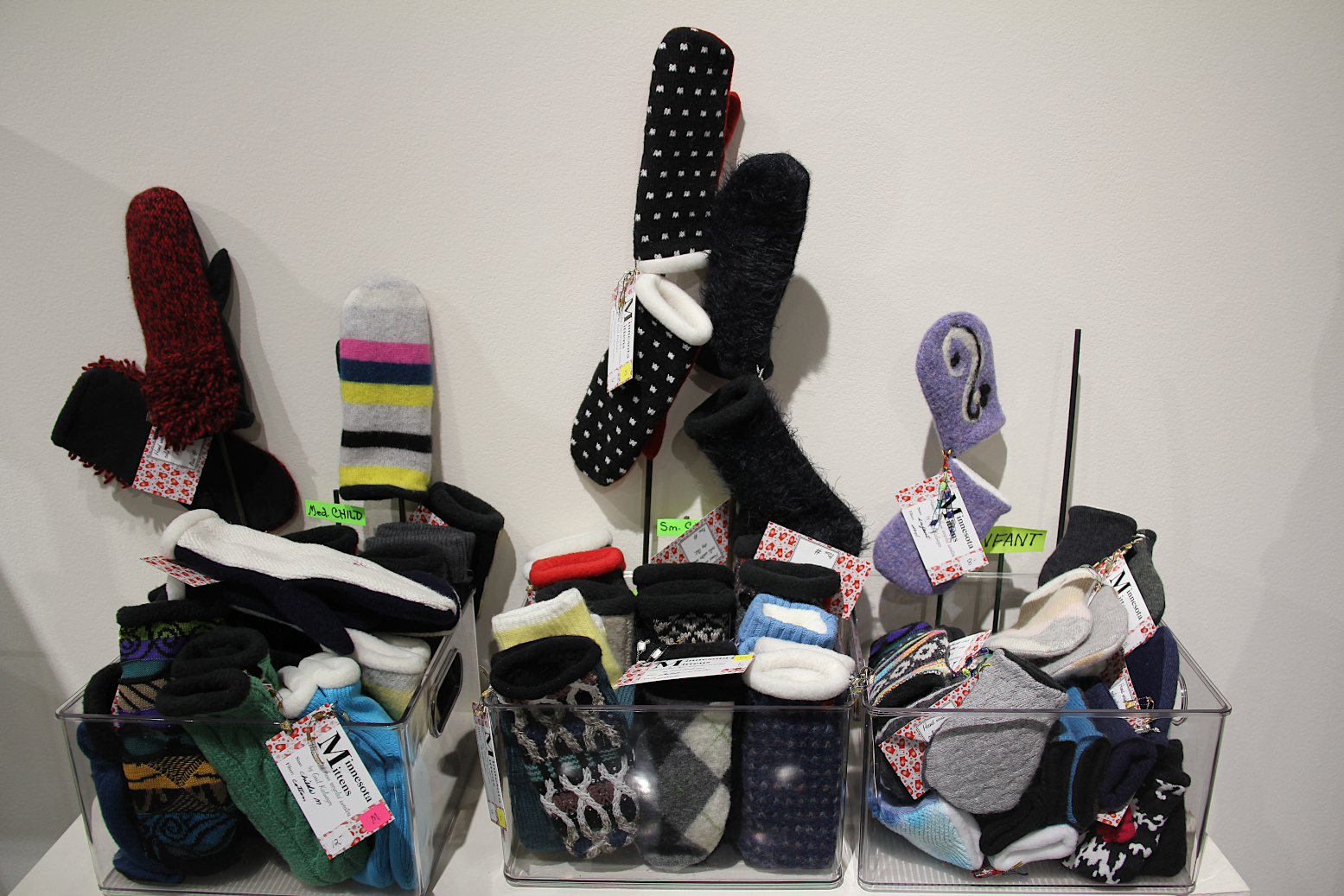
Gail Kielmeyer’s handcrafted Minnesota Made mittens. (Minnesota Prairie Roots copyrighted photo December 2025)

FYI: The Holly Days Sale continues at the Paradise from noon-5 pm Wednesday-Friday, from 10 am-2 pm Saturdays and extended hours from 10 am-5 pm December 20.

The Paradise is hosting the monthly Faribault City Council Chat at 6 pm Wednesday, December 10, as part of the city’s community engagement efforts.

The Paradise Community Theatre is currently performing “The Sound of Music” at the Paradise. Remaining performances are set for 7:30 pm December 11 and 12 and 2 pm December 13 and 14. Tickets are selling quickly, so reserve yours now.

© Copyright 2025 Audrey Kletscher Helbling

Artwork photographed with permission of the Paradise Center for the Arts


Reflecting on “Echoes & Shadows,” an artistic collaboration October 22, 2025

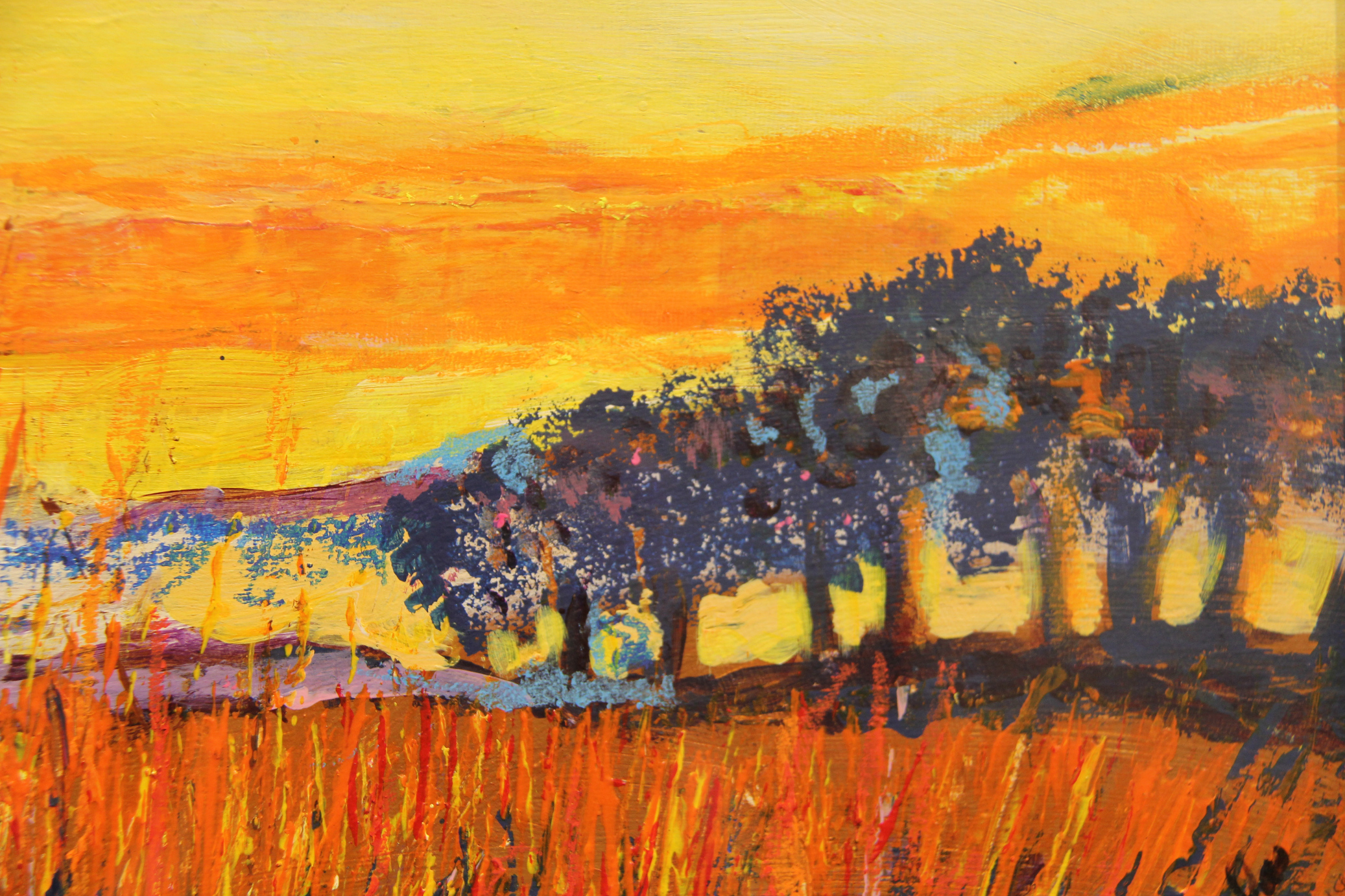
This shows a portion of “Wisconsin Sunset,” painted by Kate Douglas. (Minnesota Prairie Roots copyrighted photo October 2025)

WHEN LITERARY AND VISUAL ARTISTS collaborate, something beautiful happens. That was evident to me in viewing “Echoes & Shadows,” a poetry and art collaboration at FiftyNorth Gallery in Northfield. In this exhibit at the senior center, visual artists created art inspired by original poetry. The results are fascinating.

Here are some lines from Northfield poet Becky Boling’s poem, “Red Prairie,” inspired by “Wisconsin Sunset.” (Minnesota Prairie Roots copyrighted photo October 2025)

As a long-time writer and photographer, who is also a published poet, I’ve participated in similar collabs in nearby Zumbrota. I found it a whole lot of fun not only to write poems, but especially to see how an artist interpreted my poetry. I expect those participating in this pairing of poetry and visual art in Northfield feel the same. The work in this show is visual art inspiring poetry.

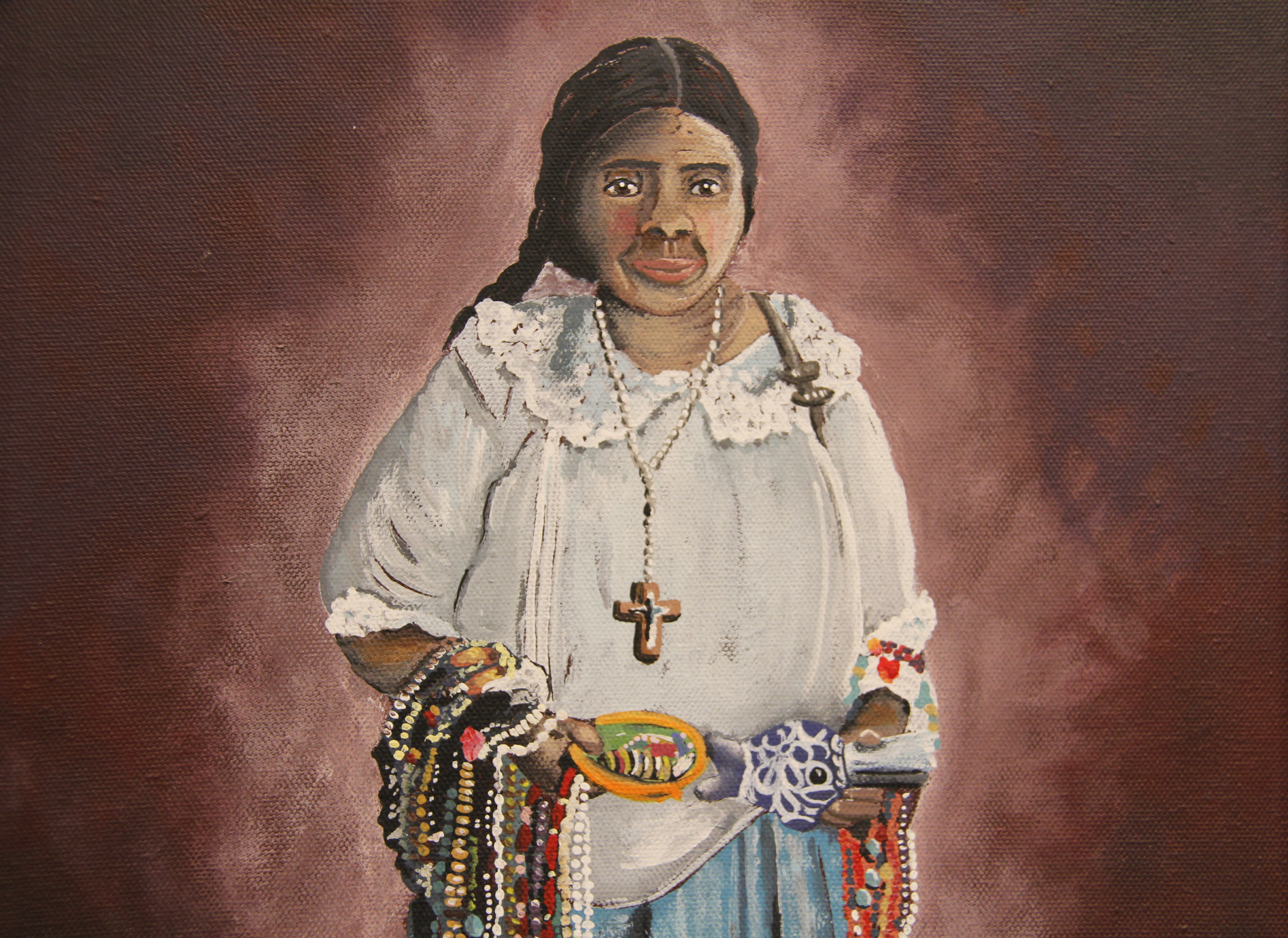
“Brave,” a poem by Orick Petersen, is paired with Sharon Henry’s painting, “The Bead Lady.”
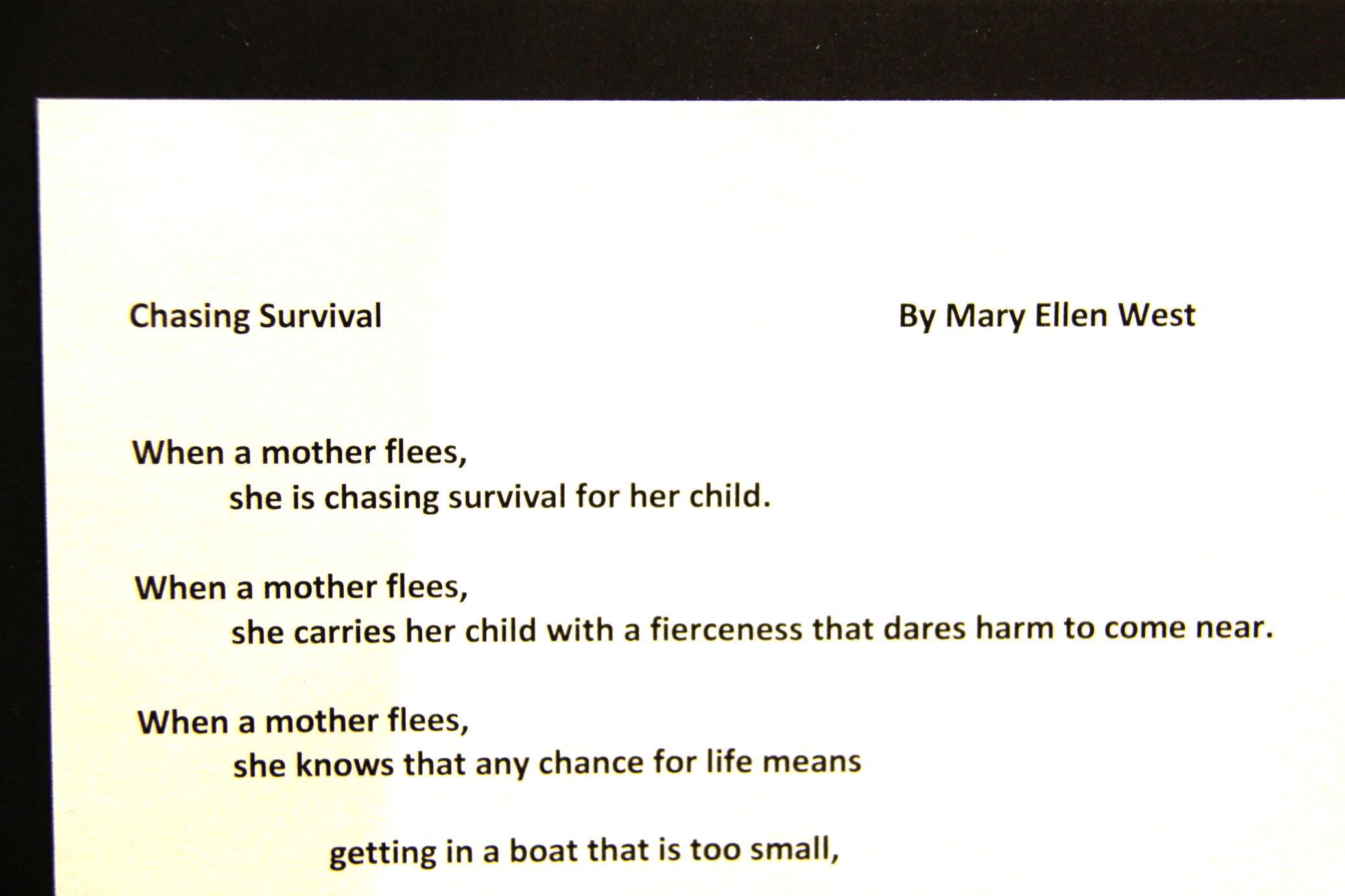
This shows several lines from a thought-provoking poem inspired by an equally thought-provoking photograph of a mother and child by Dean Neuburger. (Minnesota Prairie Roots copyrighted photo October 2025)
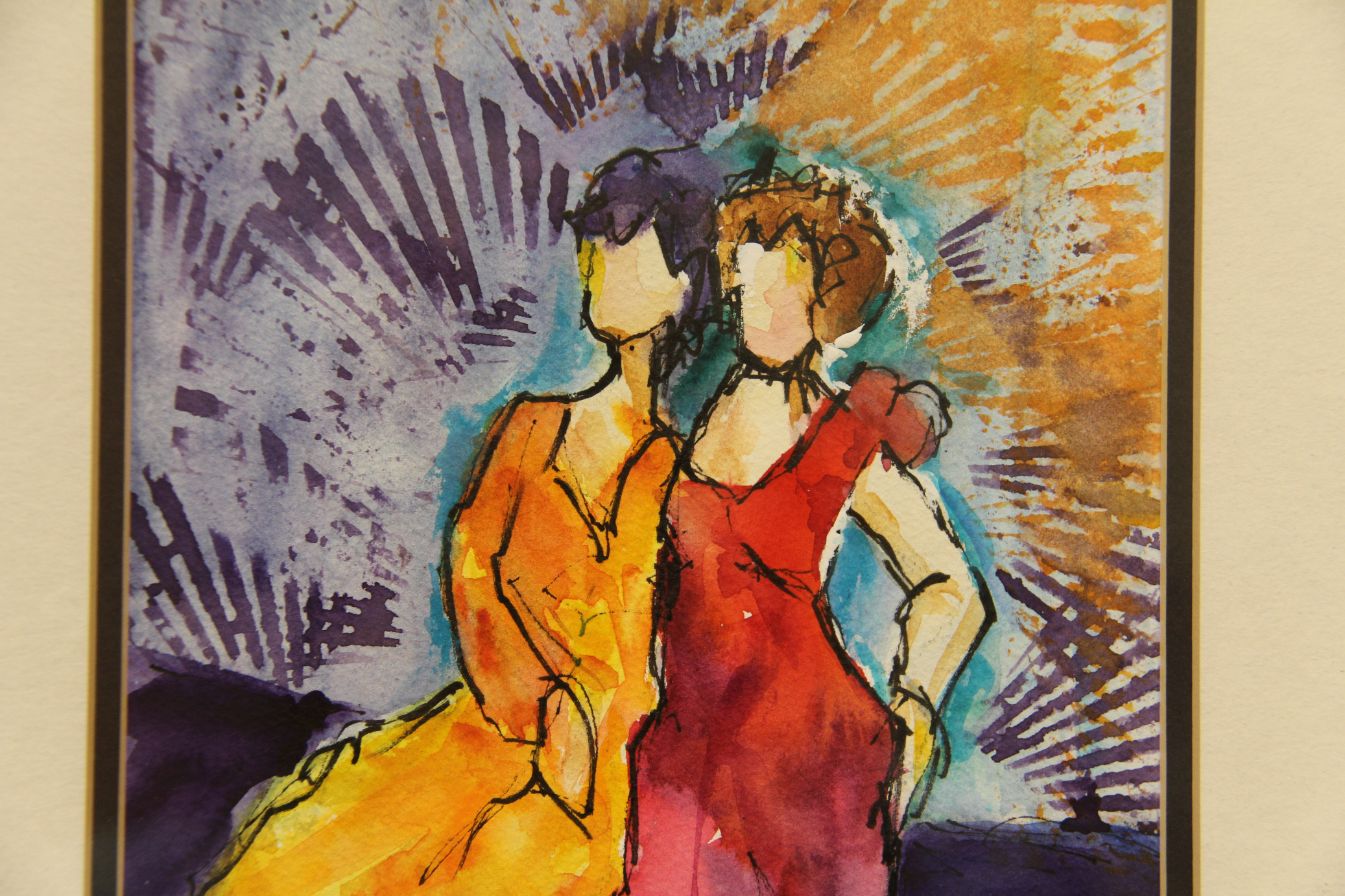
Marty Amundson’s watercolor and ink, “Sisters Still,” inspired Marie Gery’s poem, “30th High School Reunion.”

I feel fortunate to live in a region rich in the arts. The arts expose us to new ideas, thoughts, beauty and more. The arts open us to a world wide beyond our own. The arts can serve as a catalyst for positive change. The arts represent voice, a way for us to speak via our creativity.

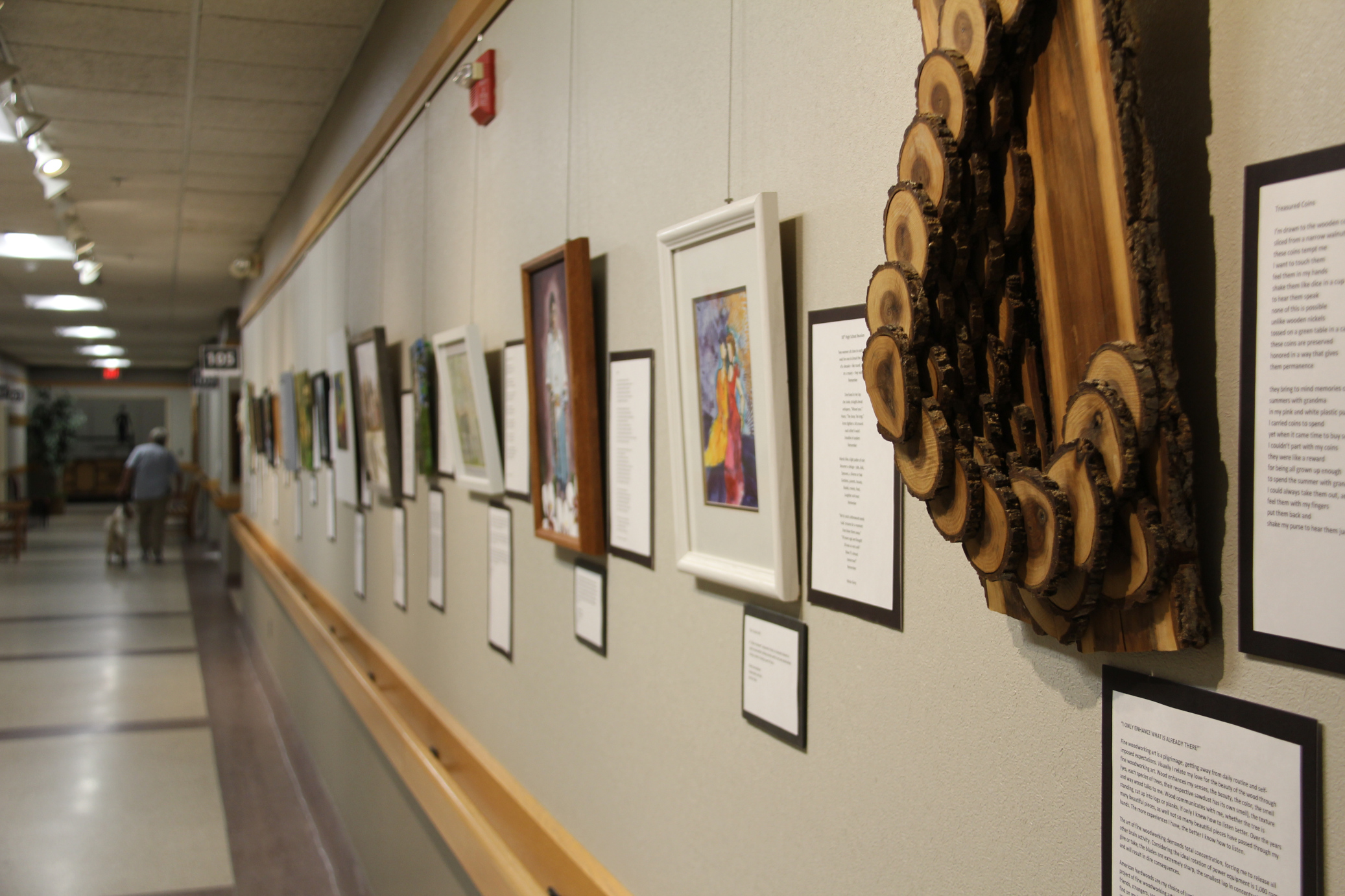
Art and poetry stretch along a hallway at FiftyNorth. (Minnesota Prairie Roots copyrighted photo October 2025)

In “Echoes & Shadows,” artists express themselves in carefully crafted words and in a variety of visual art that seems to fit its inspirational poetry. Painting, appliqueing, woodworking, photography, collage…all are part of this collaboration.

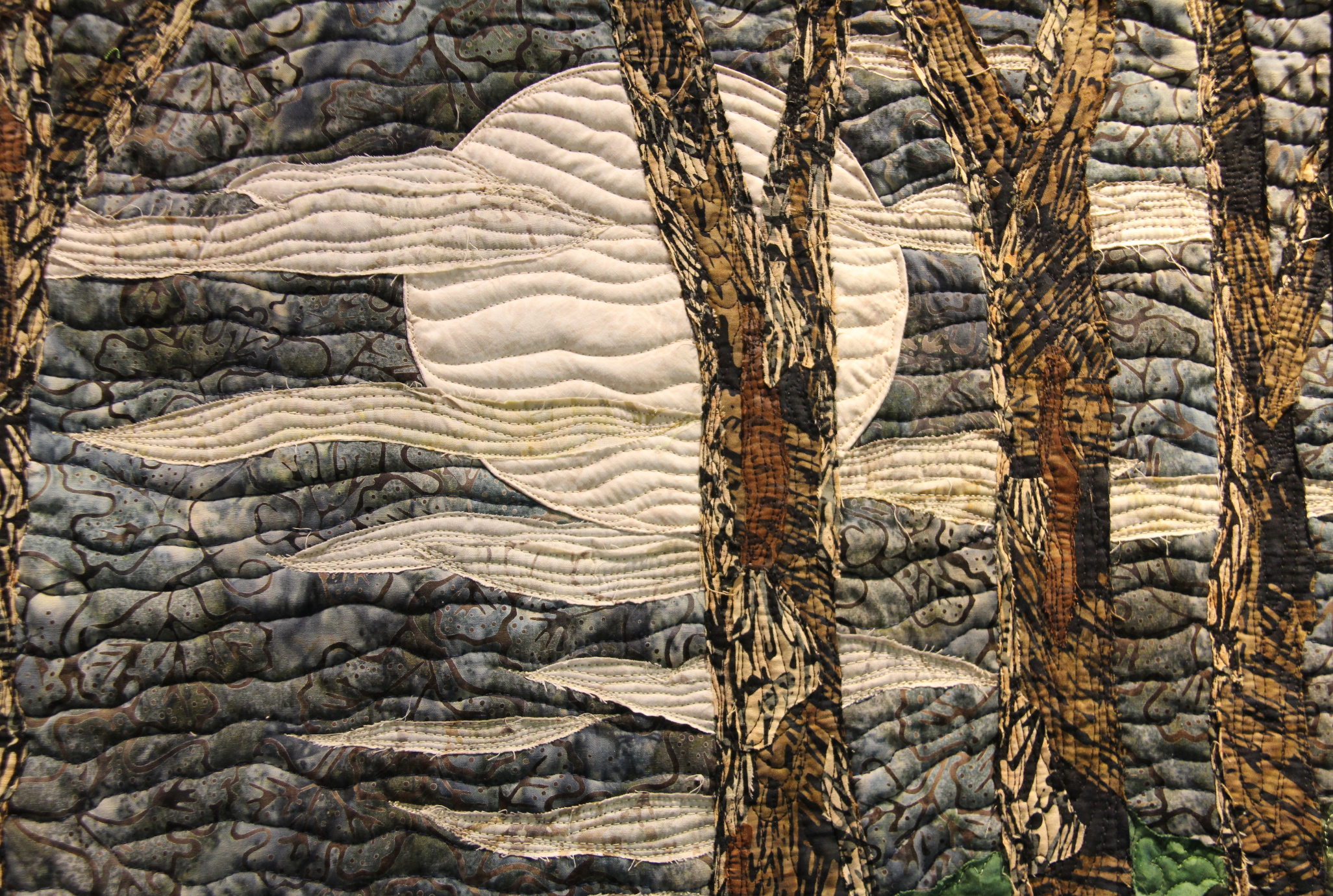
Lake Superior in northern Minnesota inspired Kathy Weed to create “Moon Glow” in textile art. (Minnesota Prairie Roots copyrighted photo October 2025)
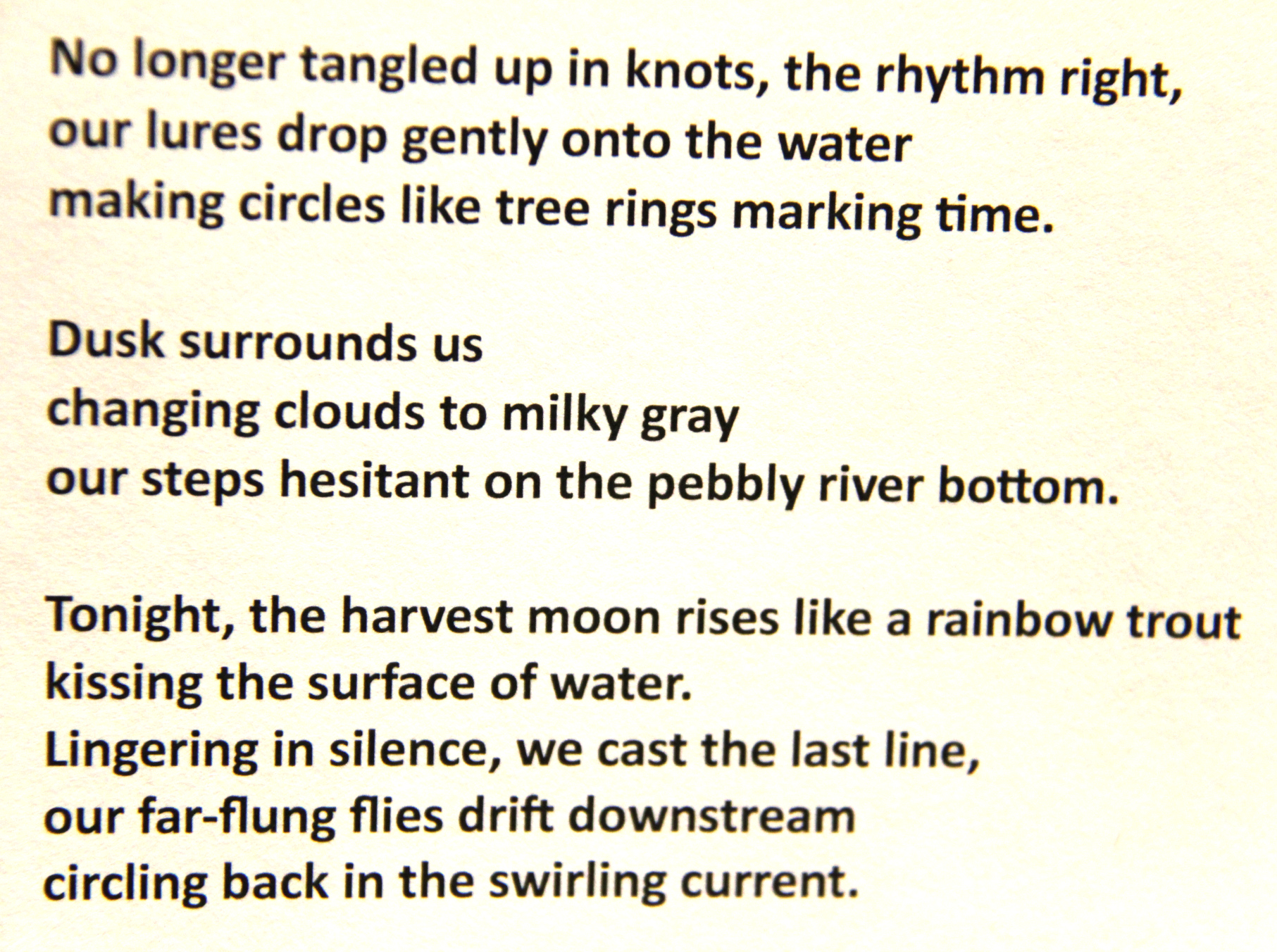
And then Jane Sarles Larson wrote “Circling Back” to pair with Kathy Weed’s art. (Minnesota Prairie Roots copyrighted photo October 2025)
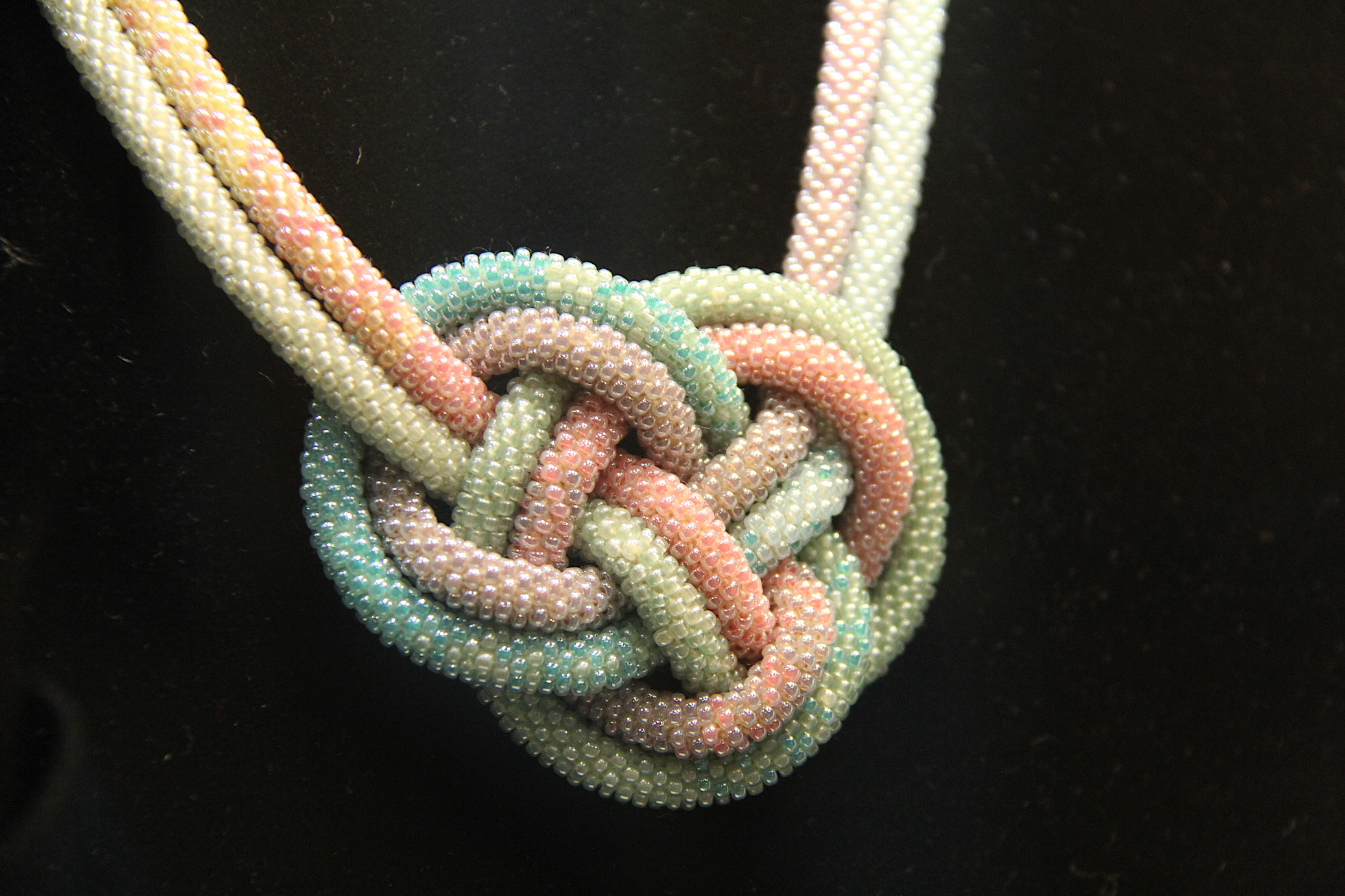
More knots…Judy Saye-Willis’ necklace inspired Marie Gery’s poem, “Knotty Reality.” (Minnesota Prairie Roots copyrighted photo October 2025)

I like that word, “collaboration.” It means working together. Even that seems especially meaningful today.

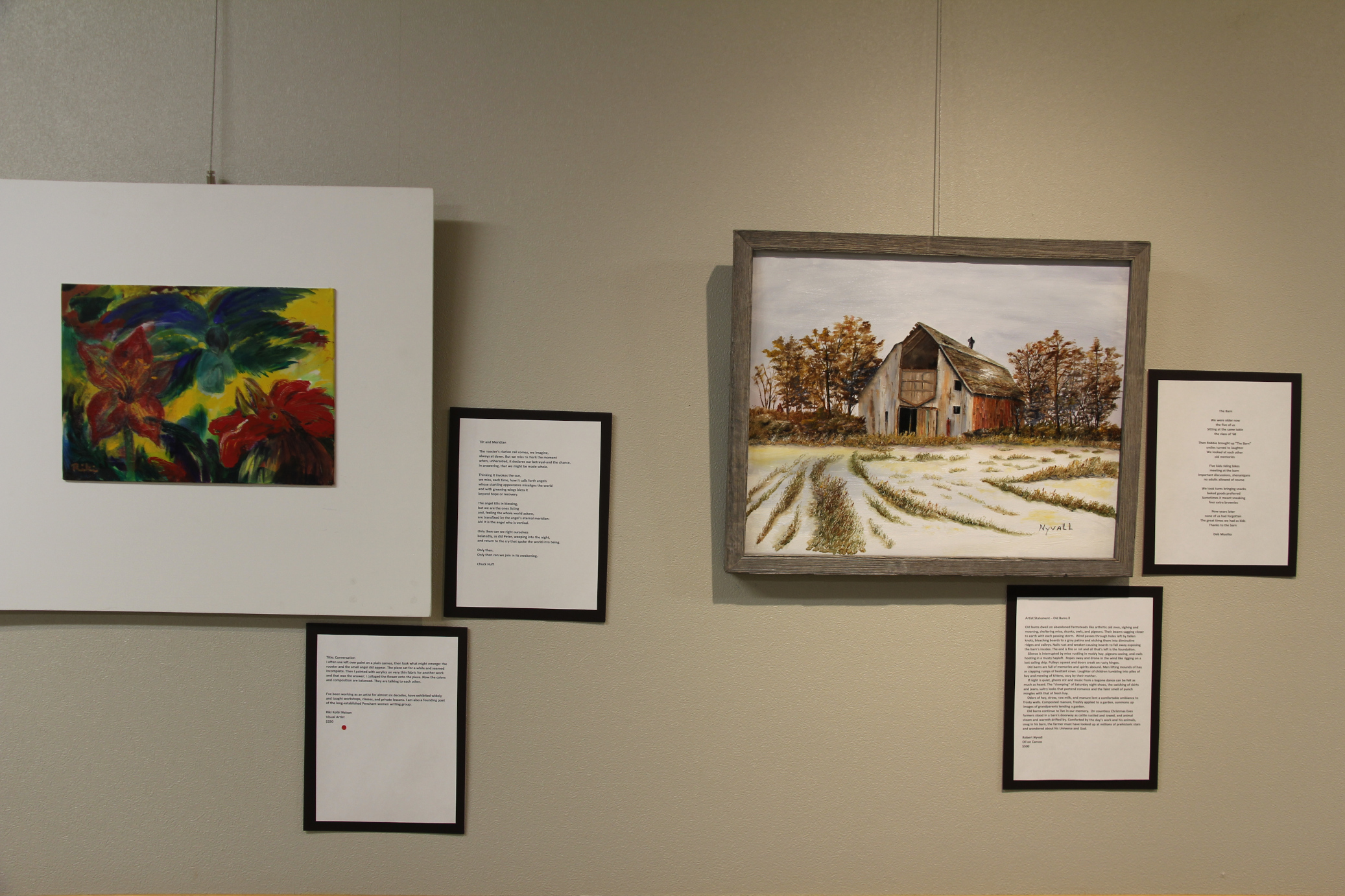
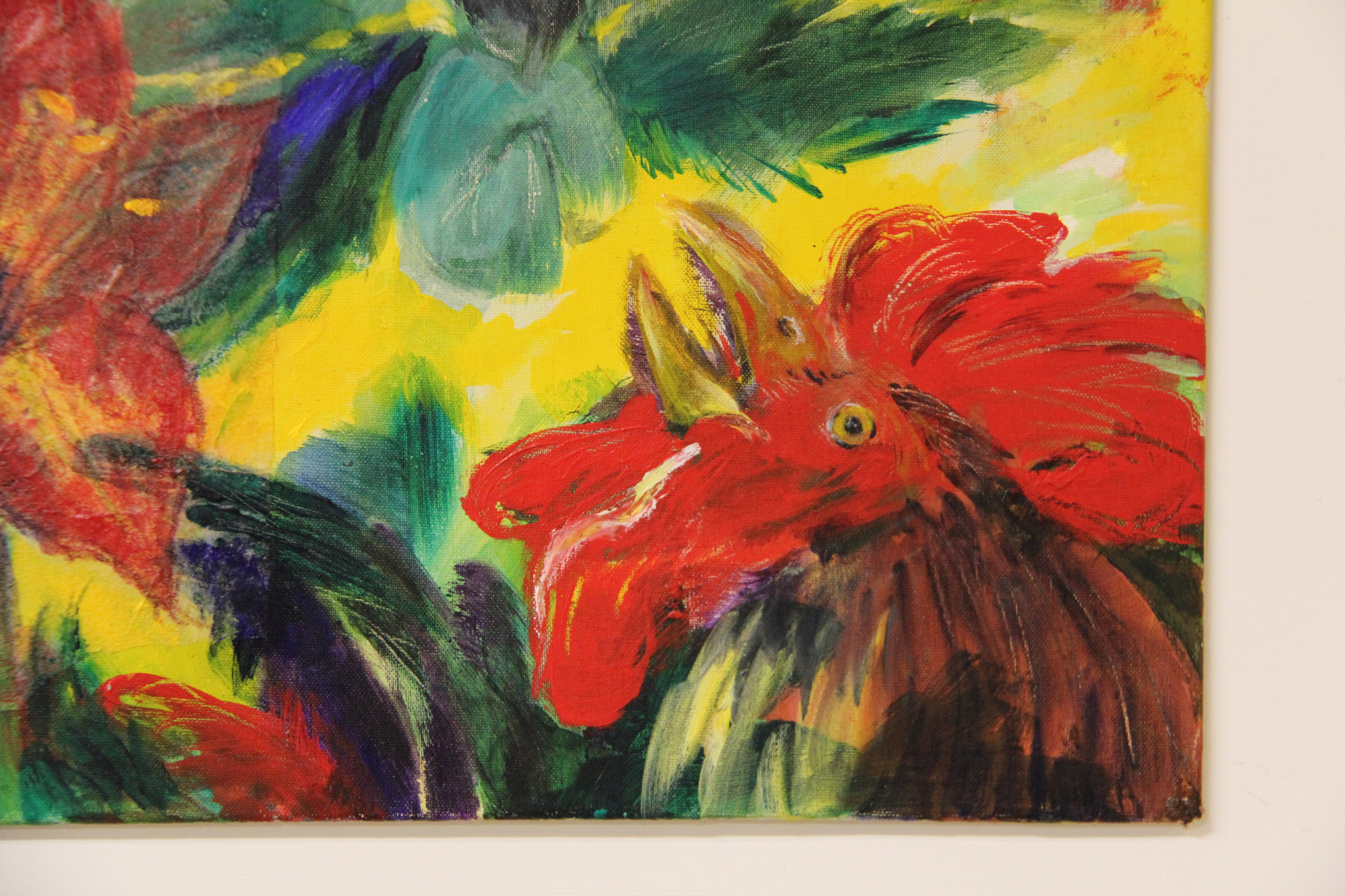
Riki Kolbl Nelson’s “Conversation” acrylic and collage of a rooster and angel inspired Chuck Huff to write “Tilt and Meridian.” (Minnesota Prairie Roots copyrighted photo October 2025)

In this pairing of art and poetry, I see collaboration, how literary art and visual art play off and balance one another, centering the two pieces of art into one unified piece without sacrificing individuality. Creatives are, after all, uniquely creative even when working together.

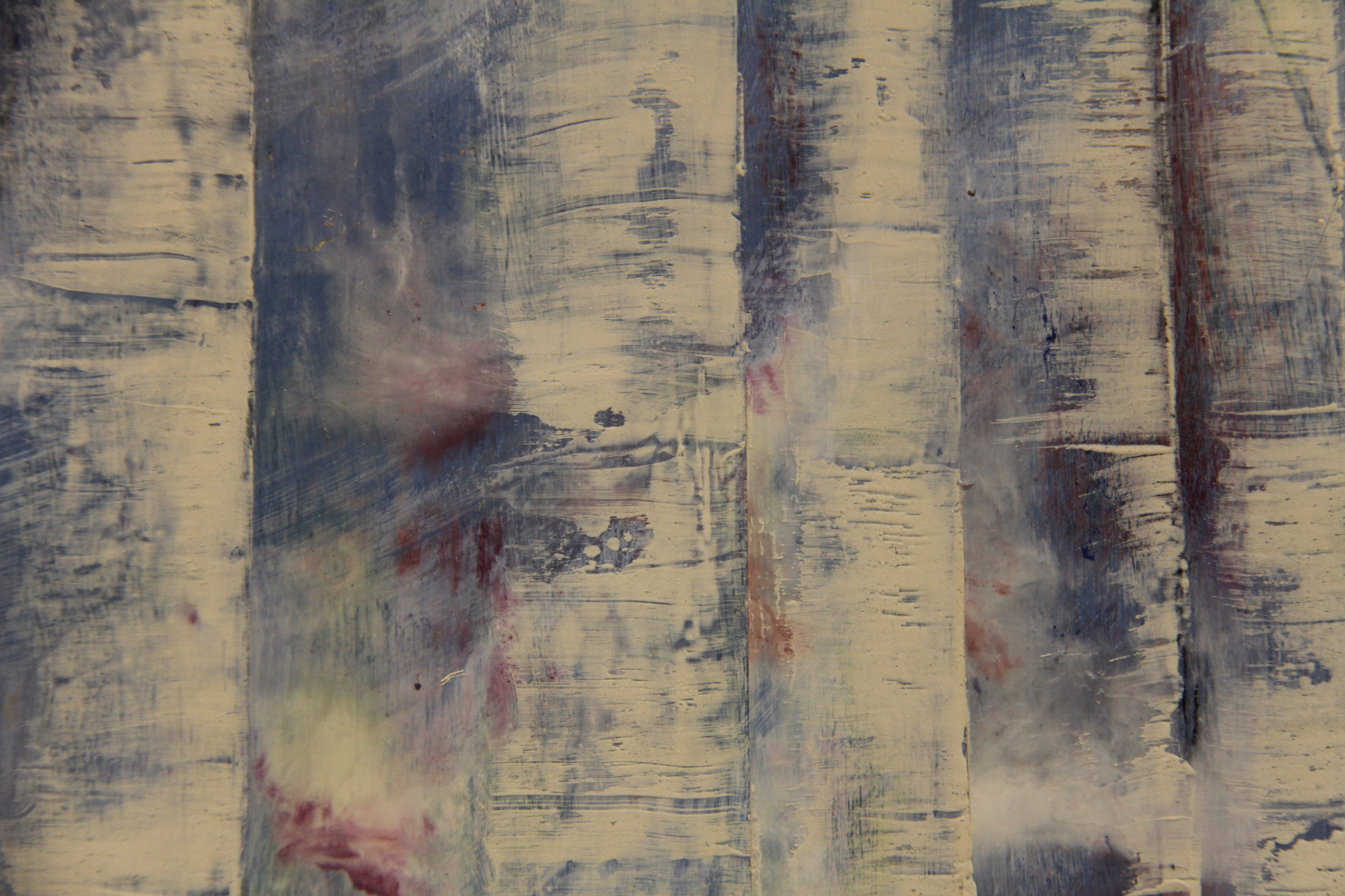
Barbara Bauer’s encaustic medium art inspired D.E. Green to write “Stand of Birches.” (Minnesota Prairie Roots copyrighted photo October 2025)

Promotional information about the FiftyNorth poetry and art collaboration, “Echoes & Shadows,” references a quote from poet Carl Sandburg: “Poetry is an echo, asking a shadow to dance.” Oh, how lovely those words. And how fitting for a collaboration that echoes and dances.

Pairings of poetry and art by Riki Kolbl Nelson, left, with poem by Chuck Huff and a barn painting by Robert Nyvall with accompanying poem, “We Are Older Now,” by Deb Muotka on the right. (Minnesota Prairie Roots copyrighted photo October 2025)

FYI: The “Echoes & Shadows” exhibit closes on October 31. To view the exhibit online, click here. Note that I photographed the art and poetry in this post with permission of FiftyNorth. In most cases, I’ve opted to show only part of the creative works. In featuring the poems, I’ve edited the images.

© Copyright 2025 Audrey Kletscher Helbling


Inside the Paradise galleries, an array of art March 22, 2023

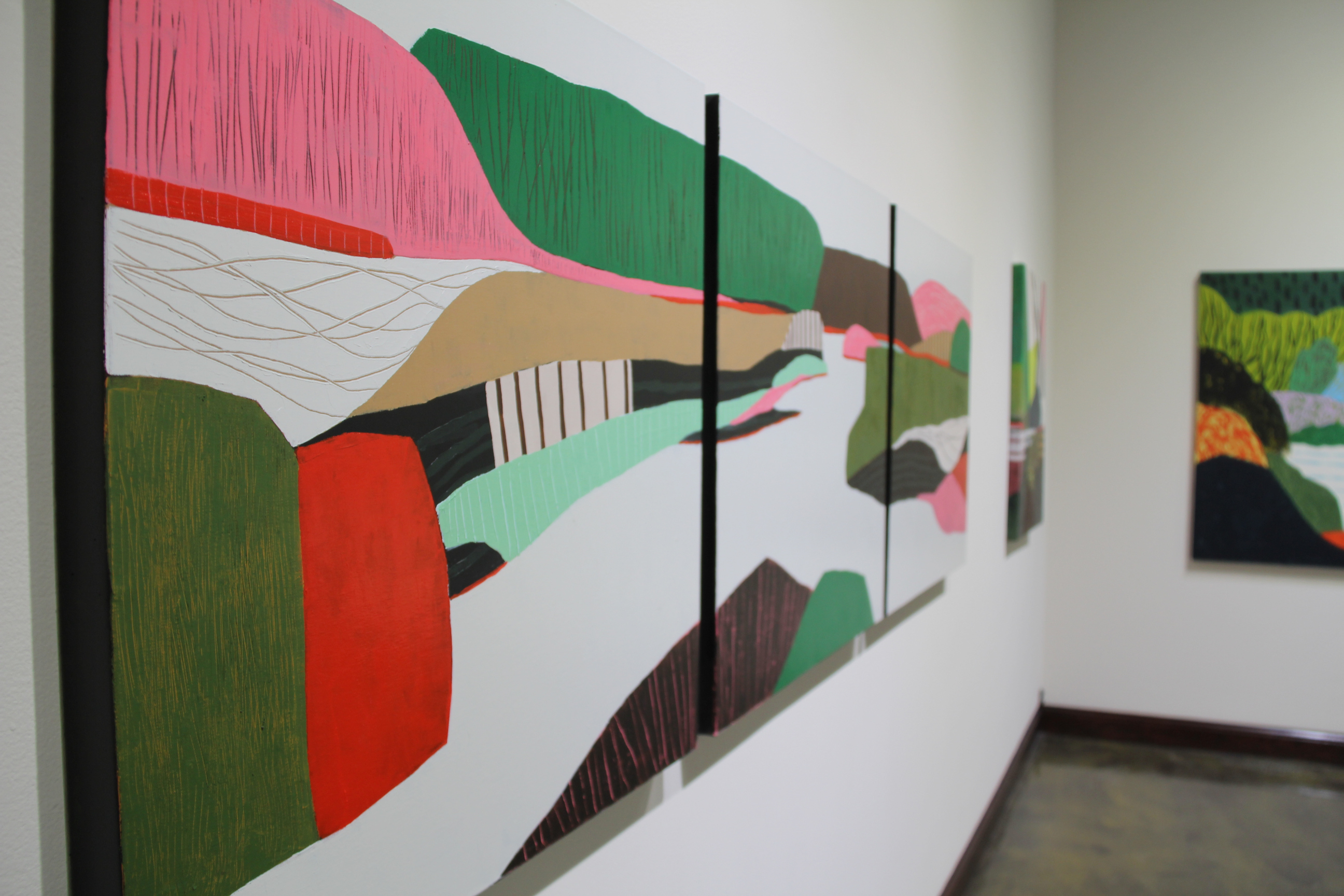
A side view of Amanda Webster’s “Just The Three of Us, A Triptych of Three” acrylic on canvas. (Minnesota Prairie Roots copyrighted photo March 2023)

FROM WILD ANIMALS to wildly vivid abstracts, the art of creatives fills four first floor galleries at the Paradise Center for the Arts in historic downtown Faribault. What an array of artwork to infuse color, joy and more into these lingering, colorless days of winter in the season of spring here in southern Minnesota.

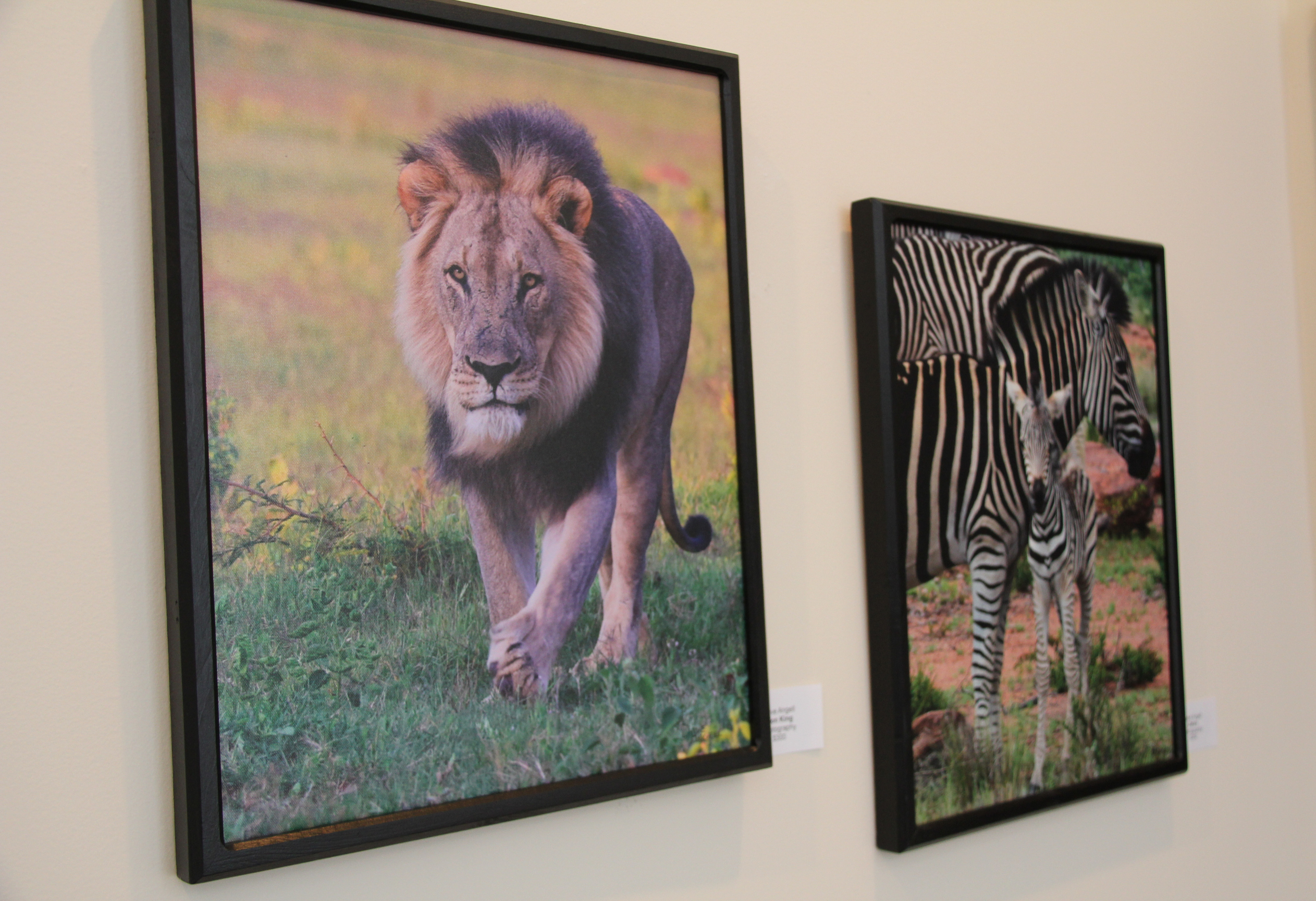
“Lion King” and “Zebra” by long-time wildlife and nature photographer Dave Angell of Faribault. (Minnesota Prairie Roots copyrighted photo March 2020)

The incredible talent showcased in these galleries impresses me. Whether created with a camera, a brush, or with a pencil in a sketchbook, this art shows a passion for the craft.

The relatively new digital marquee at the Paradise Center for the Arts in Faribault flashes gallery hours. (Minnesota Prairie Roots copyrighted file photo March 2023)

Only a few days remain to view the current exhibits, which close on Saturday, March 25.

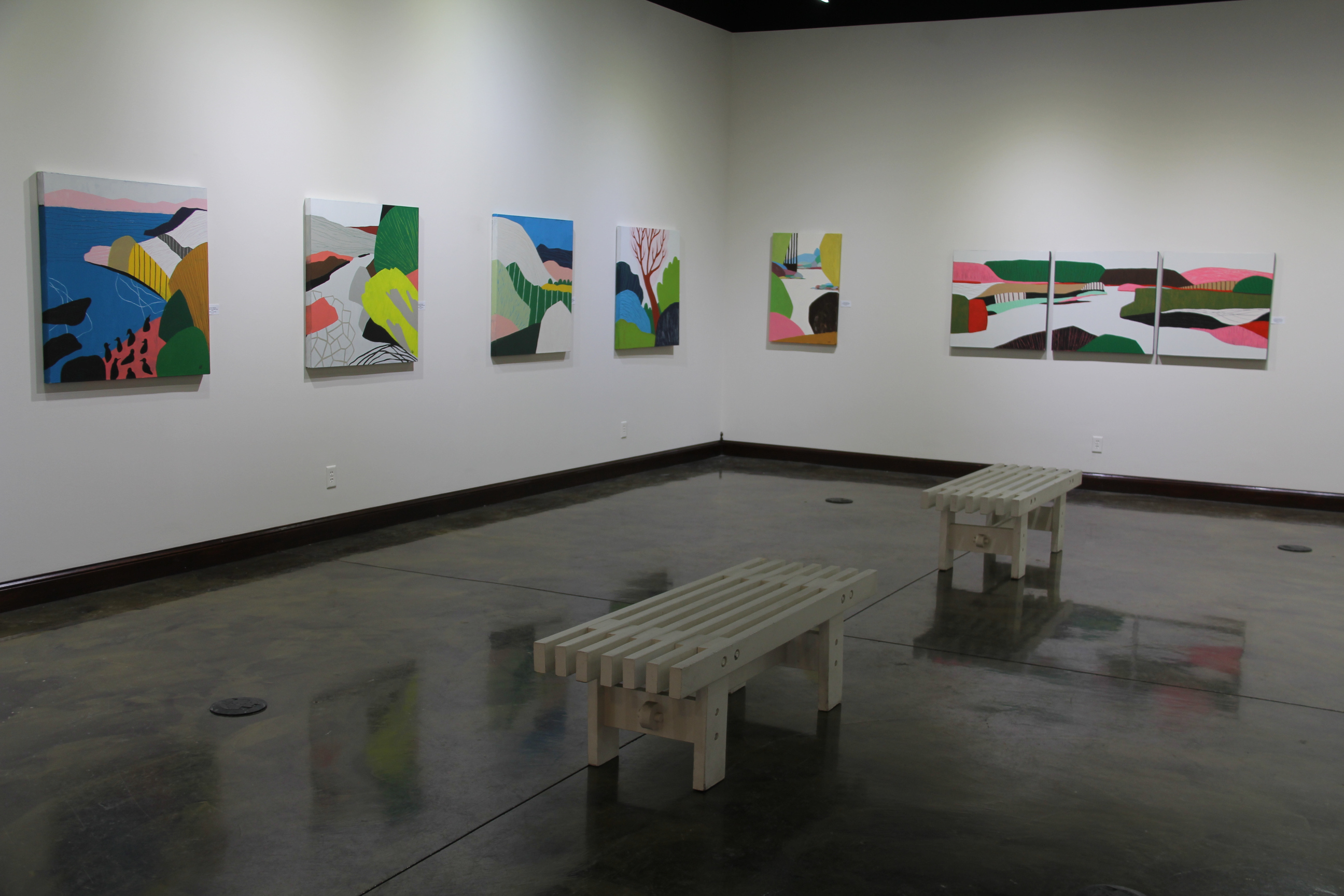
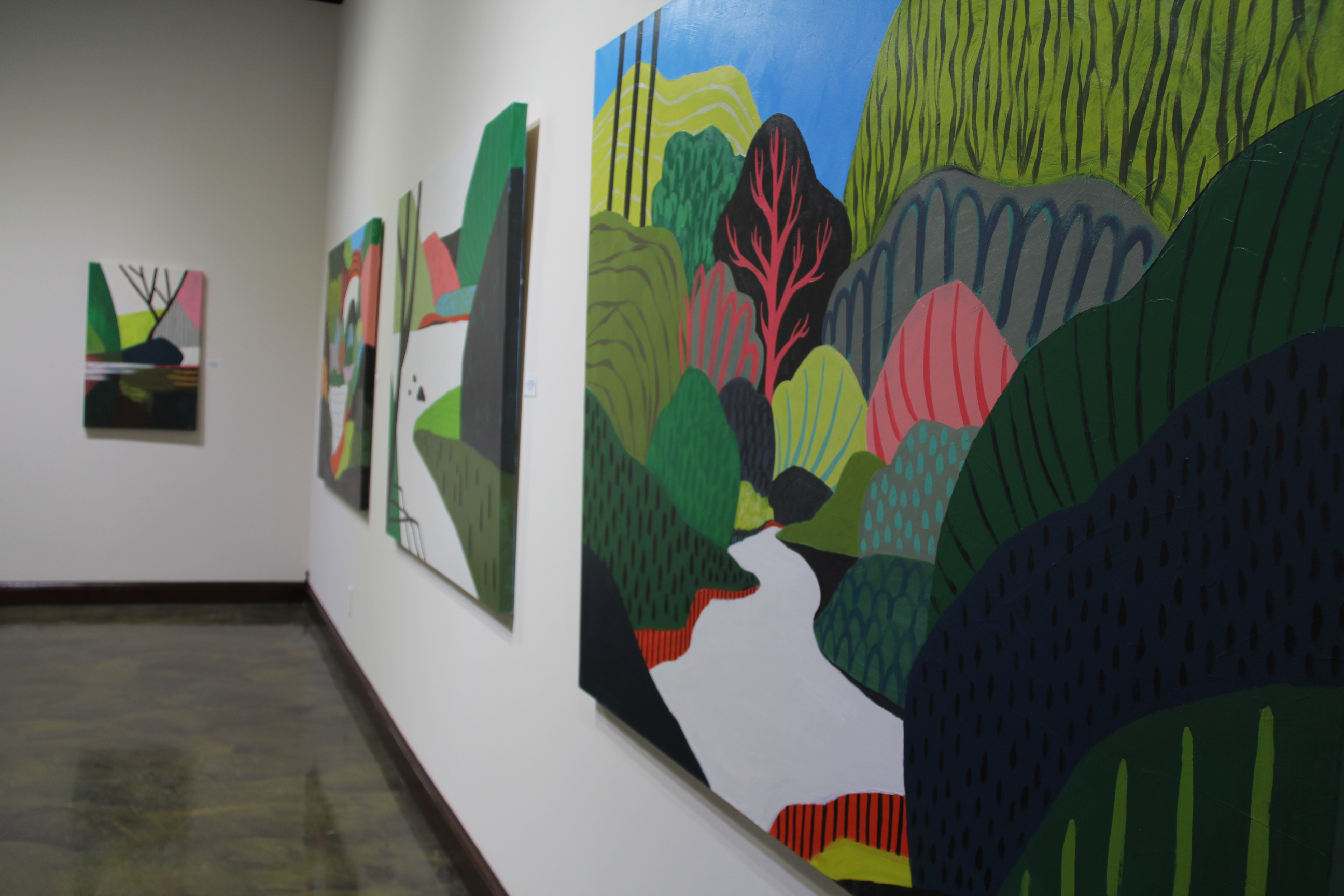
Some of Amanda Webster’s bold abstract acrylic on canvas art showcased at the Paradise Center for the Arts. (Minnesota Prairie Roots copyrighted photo March 2023)

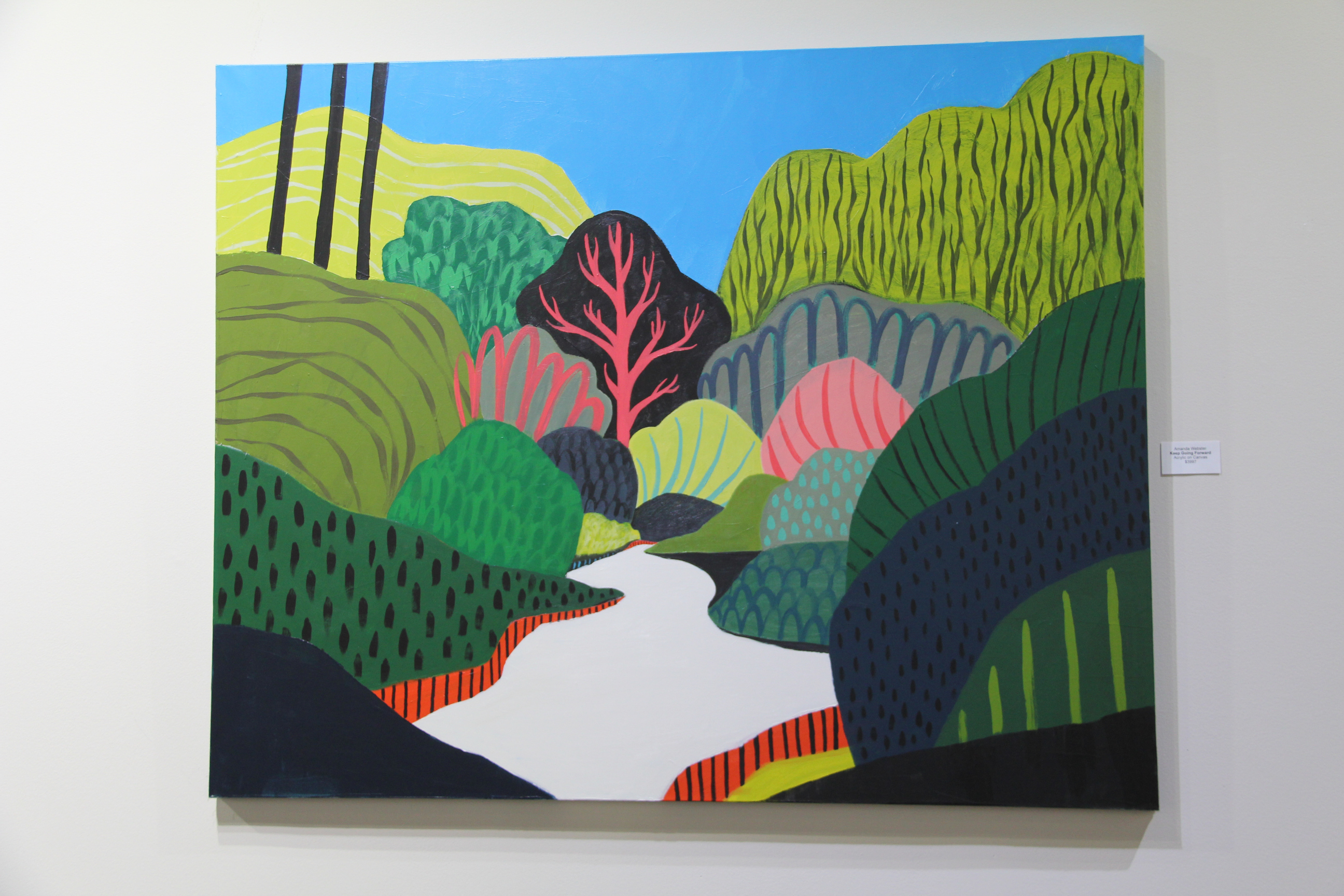
When I stepped inside the main gallery at the Paradise to view the bold acrylic paintings of Twin Cities artist Amanda Webster, I simply stopped. Wow! Her large-scale colorful abstracts jolted me into a happy place.

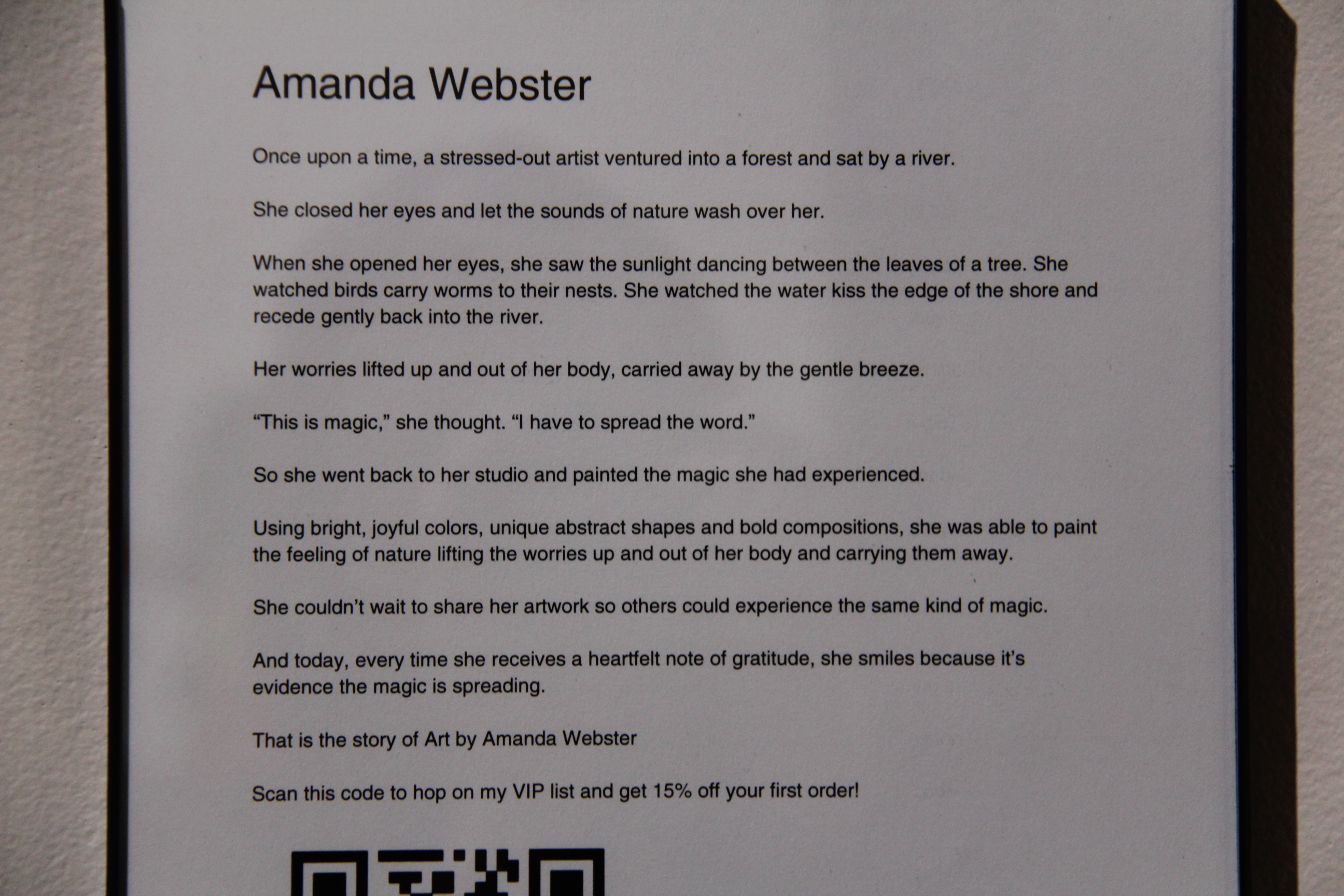
Amanda Webster’s artist statement reveals the story behind her abstract art. (Minnesota Prairie Roots copyrighted photo March 2023)

That I saw Webster’s nature-inspired work on a cold January-like afternoon with a strong, biting wind likely enhanced my reaction. I wanted to walk right into those magical settings and leave this Minnesota winter behind. For an artist’s work to inspire that type of immersive response says something.

The winding white path leads the eye right into Amanda Webster’s vivid acrylic on canvas abstract, “Keep Going Forward.” (Minnesota Prairie Roots copyrighted photo March 2023)

I envisioned Webster’s work in a corporate space, filling a business with energy. I envisioned her art in a medical setting, creating a positive, healing energy. I envisioned her art in my home, if only I had higher ceilings and a more modern, than traditional, house.

This shows a section of Bill Nagel’s “Walk Around,” an oil on canvas. (Minnesota Prairie Roots copyrighted photo March 2023)

Just off the Paradise’s lobby, abstract art also fills a small boardroom gallery. This space features the art of multi-talented, award-winning Minnesota artist Bill Nagel. He paints abstract art and also creates modern still-life and illustrations.

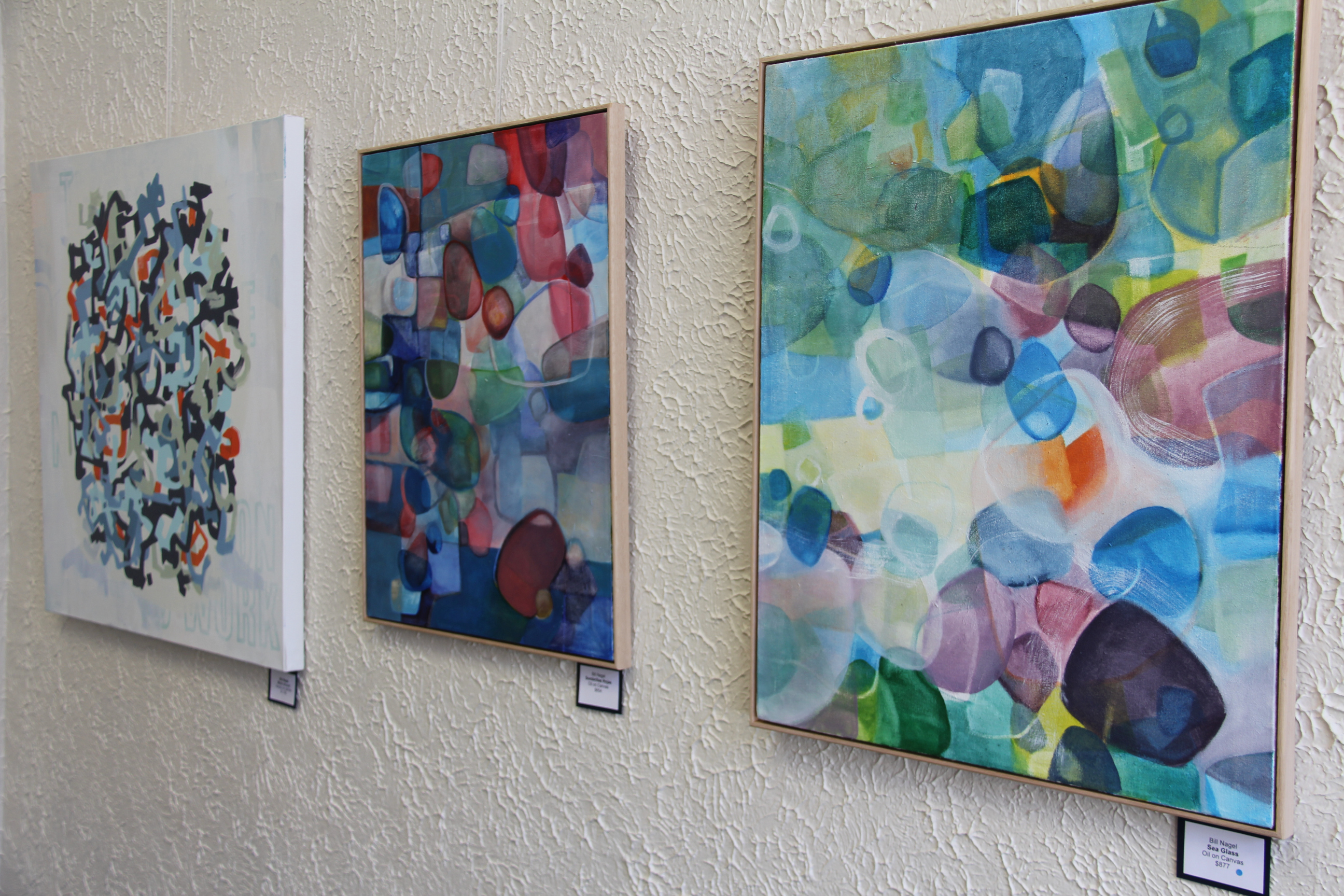
Bill Nagel’s oil on canvas, from left to right: “Work Around,” “Sombrillas Rojas” and “Sea Glass.” (Minnesota Prairie Roots copyrighted photo March 2023)

His abstracts are decidedly different than Webster’s. While still colorful, they are more subdued, more geometric, more defined. At least to my eyes. Everyone views art differently. Nagel’s “Sea Glass” oil painting, especially, felt calming to me. Perhaps it was the mostly blue and green hues. Or maybe the very thought of being seaside was enough to carry me into a tranquil setting of warmth and water lapping against shoreline.

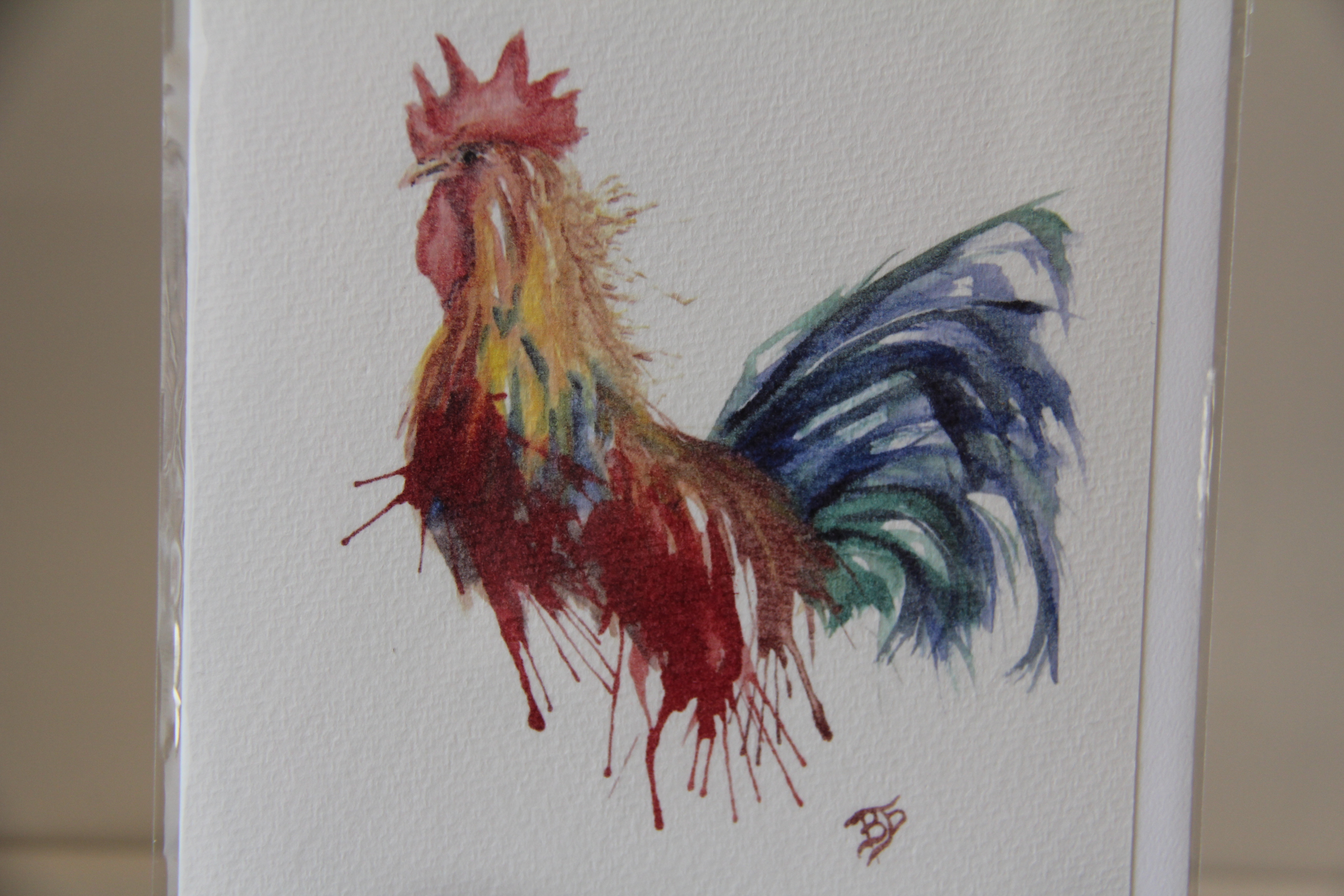
Barb Pendergast created this watercolor of a rooster. (Minnesota Prairie Roots copyrighted photo March 2023)
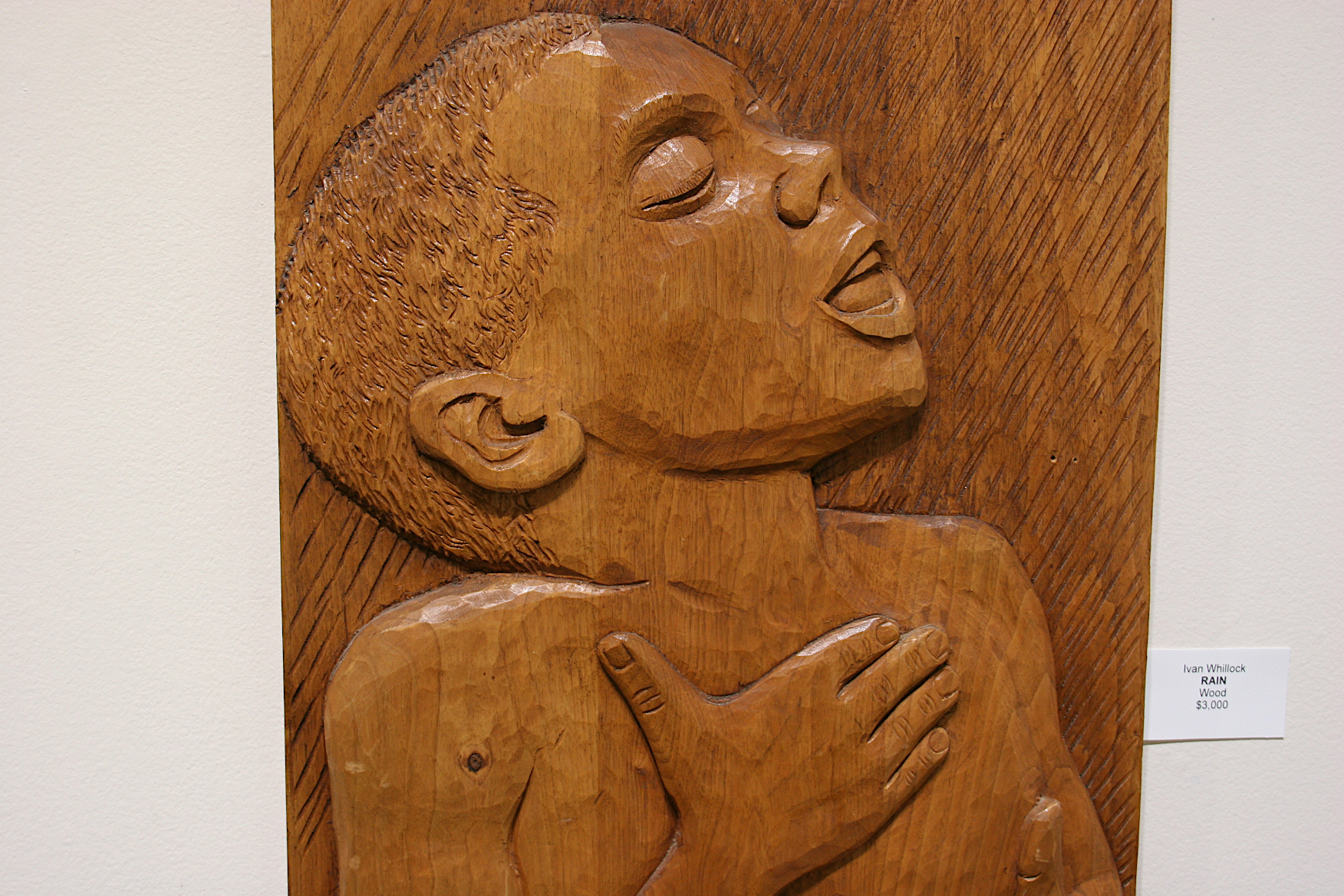
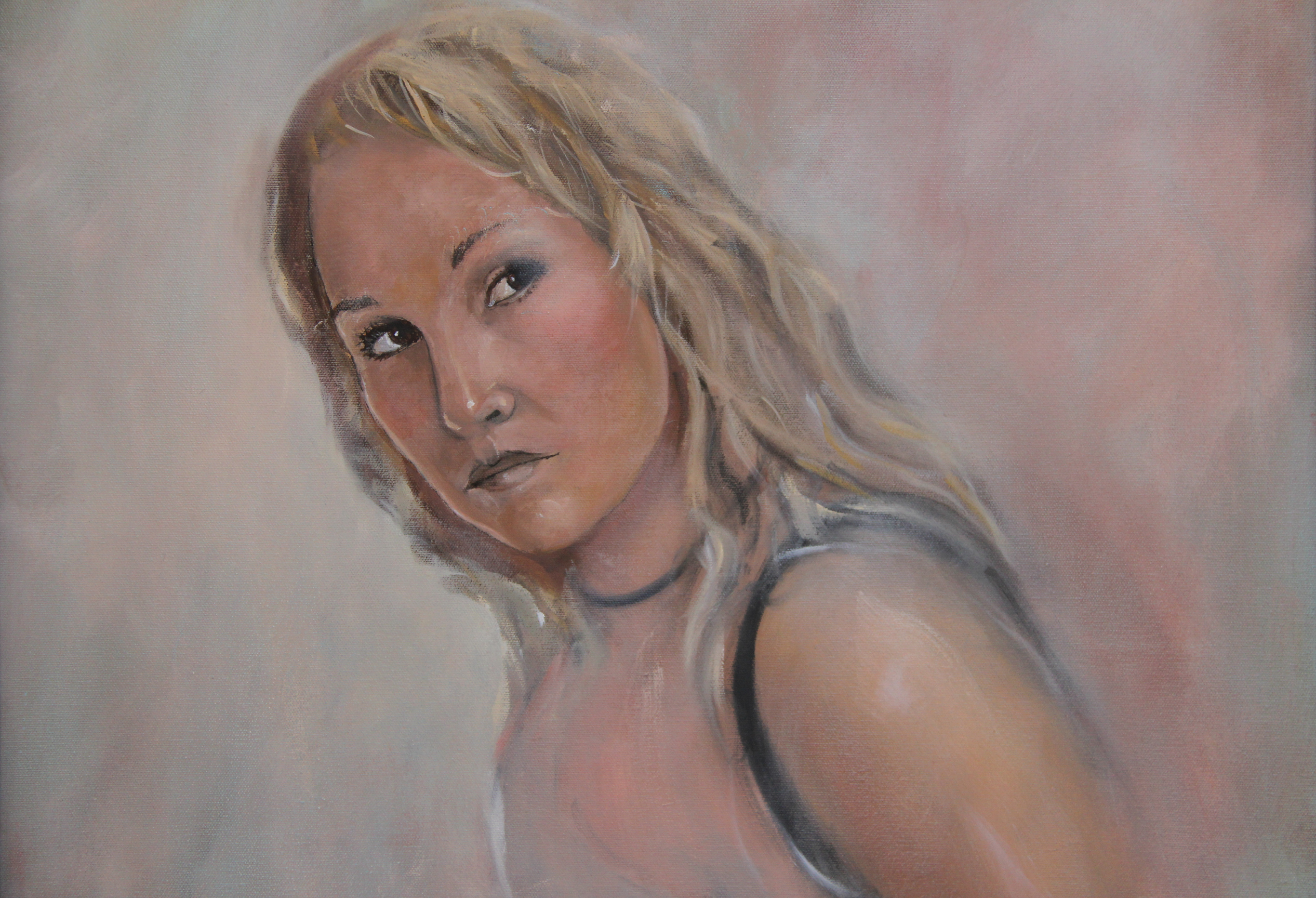
“Jes,” an oil portrait by Ivan Whillock. (Minnesota Prairie Roots copyrighted photo March 2023)
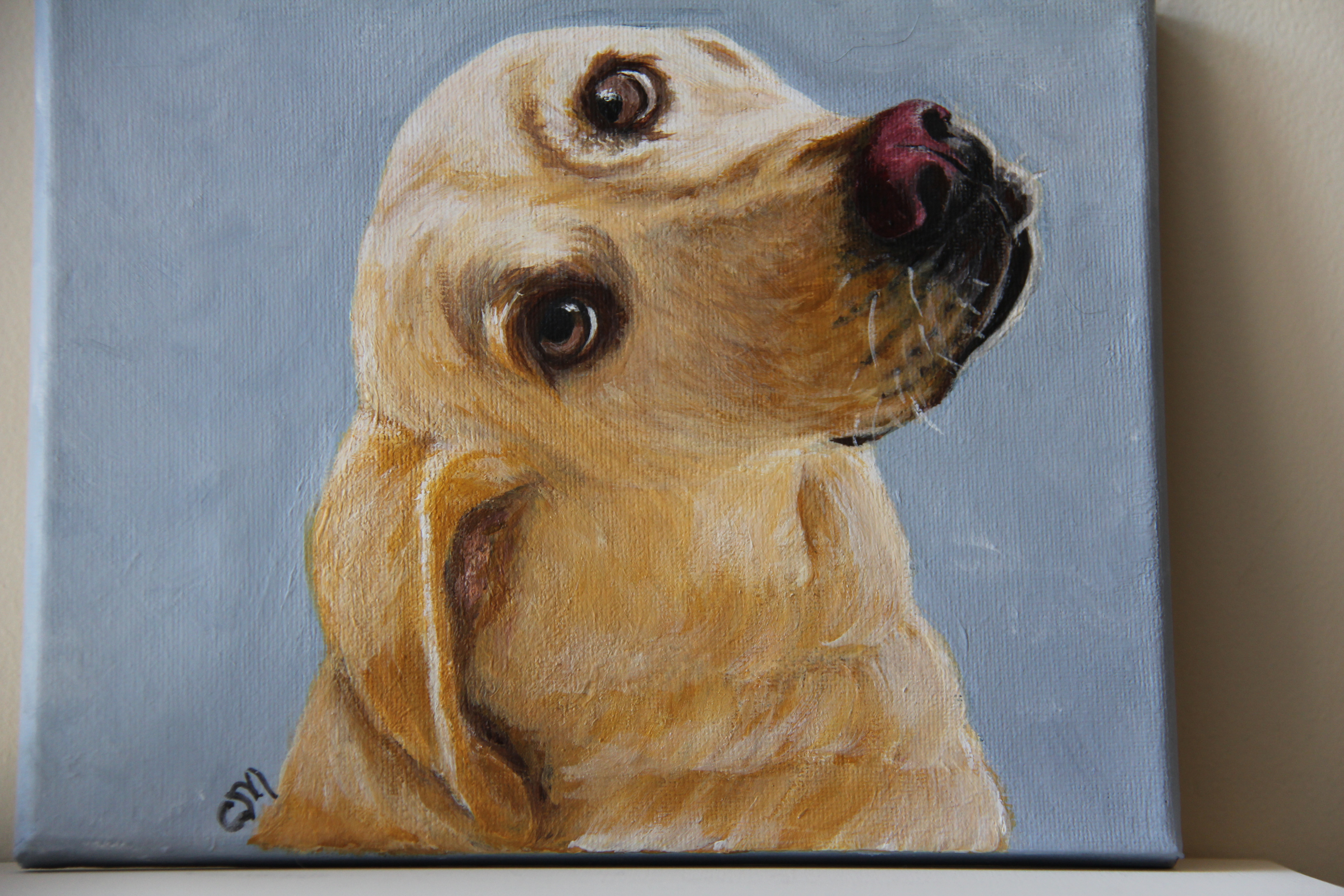
“Haley,” an acrylic portrait by Cheryl Morris. (Minnesota Prairie Roots copyrighted photo March 2023)

Across the lobby in another smallish gallery, I perused the images of photographer Stephen Hadeen and of Paradise Center for the Arts members. I always enjoy seeing what locals create. From a nature and wildlife photographer of 40 years, to an internationally-acclaimed woodcarver (who also paints) to a watercolor artist, these creatives embrace a variety of ways to make art. It’s simply fun to take it all in, whether photos of zebras or a watercolor of a rooster or a portrait of a canine with soulful eyes.

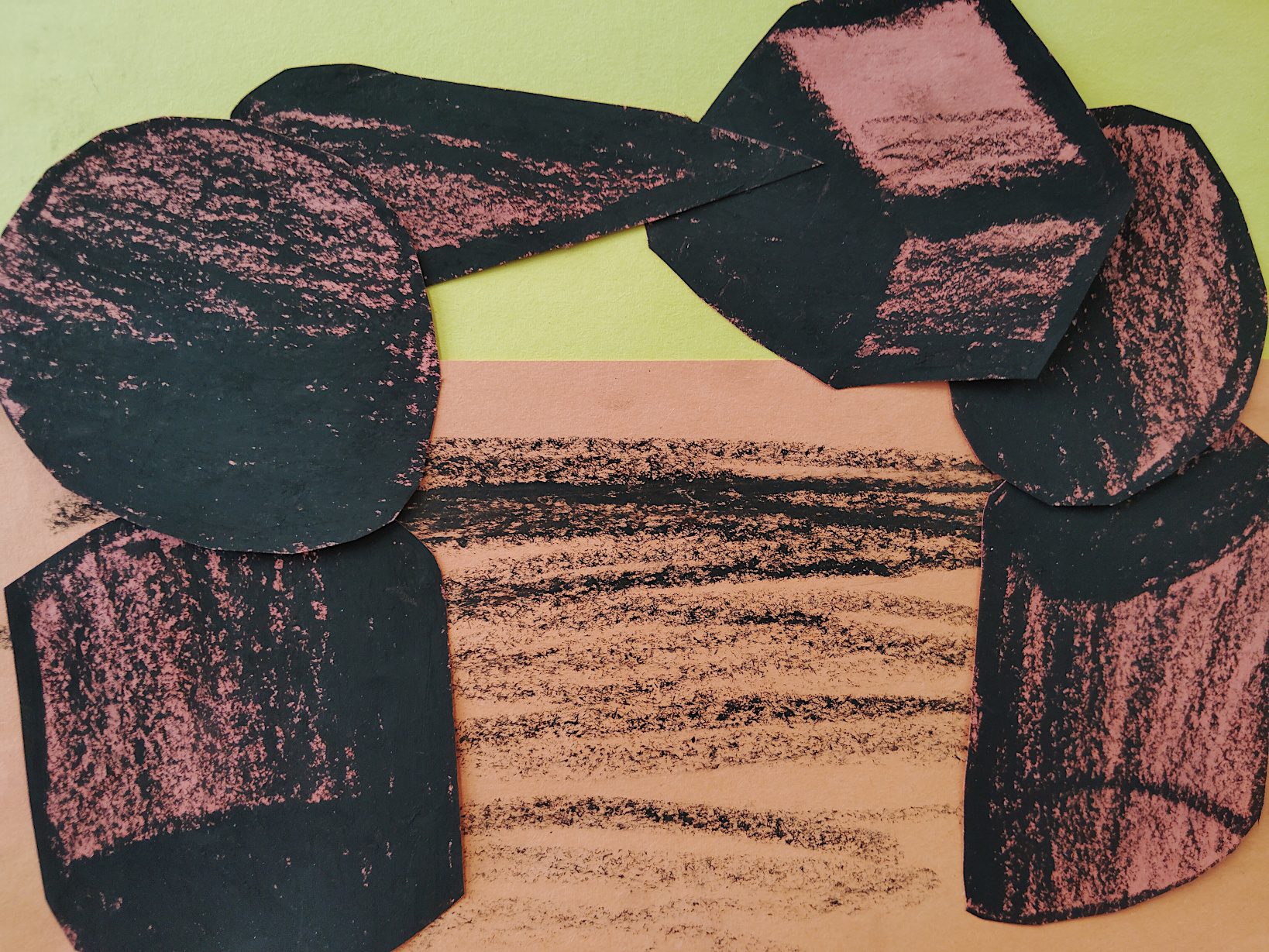
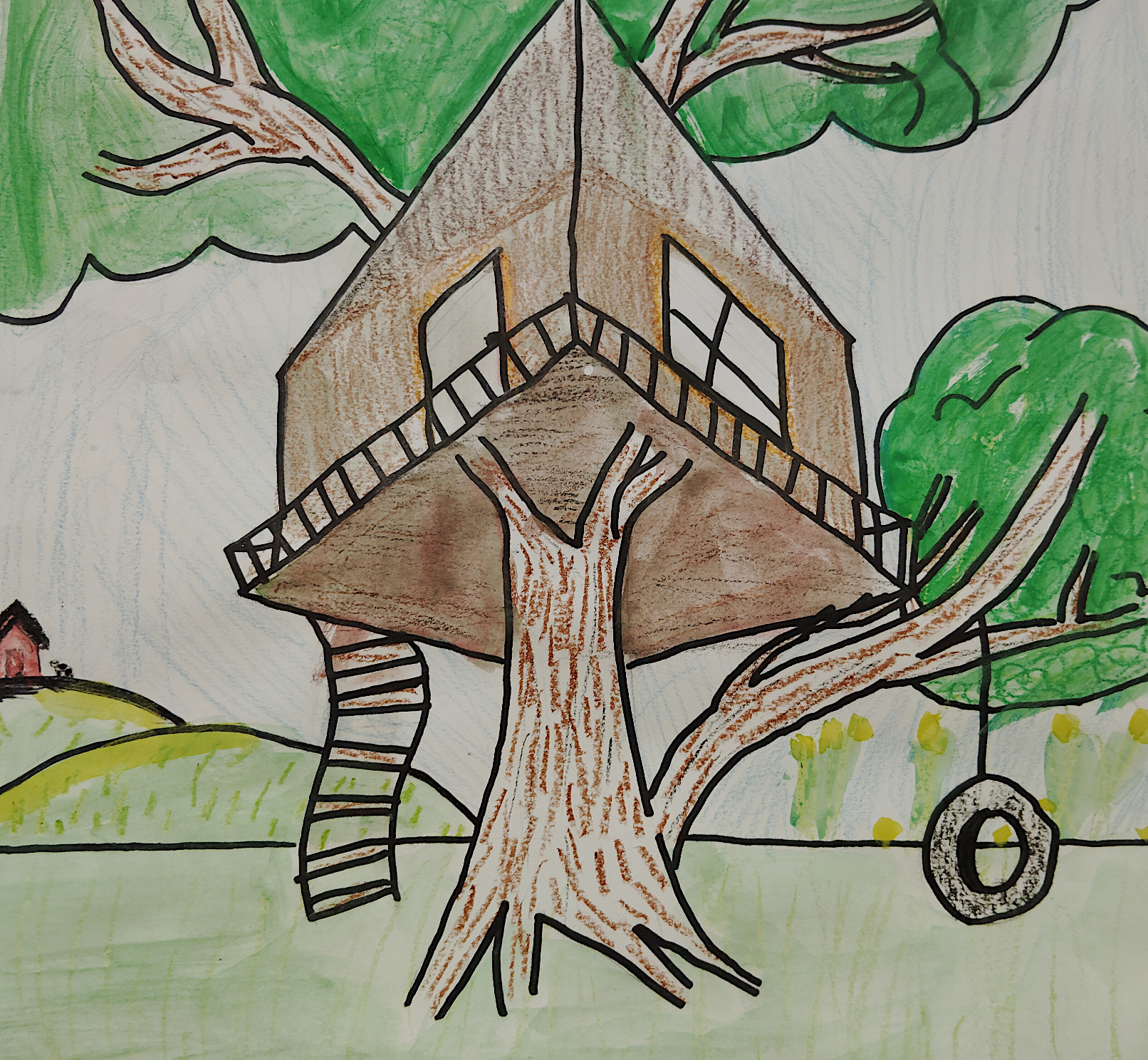
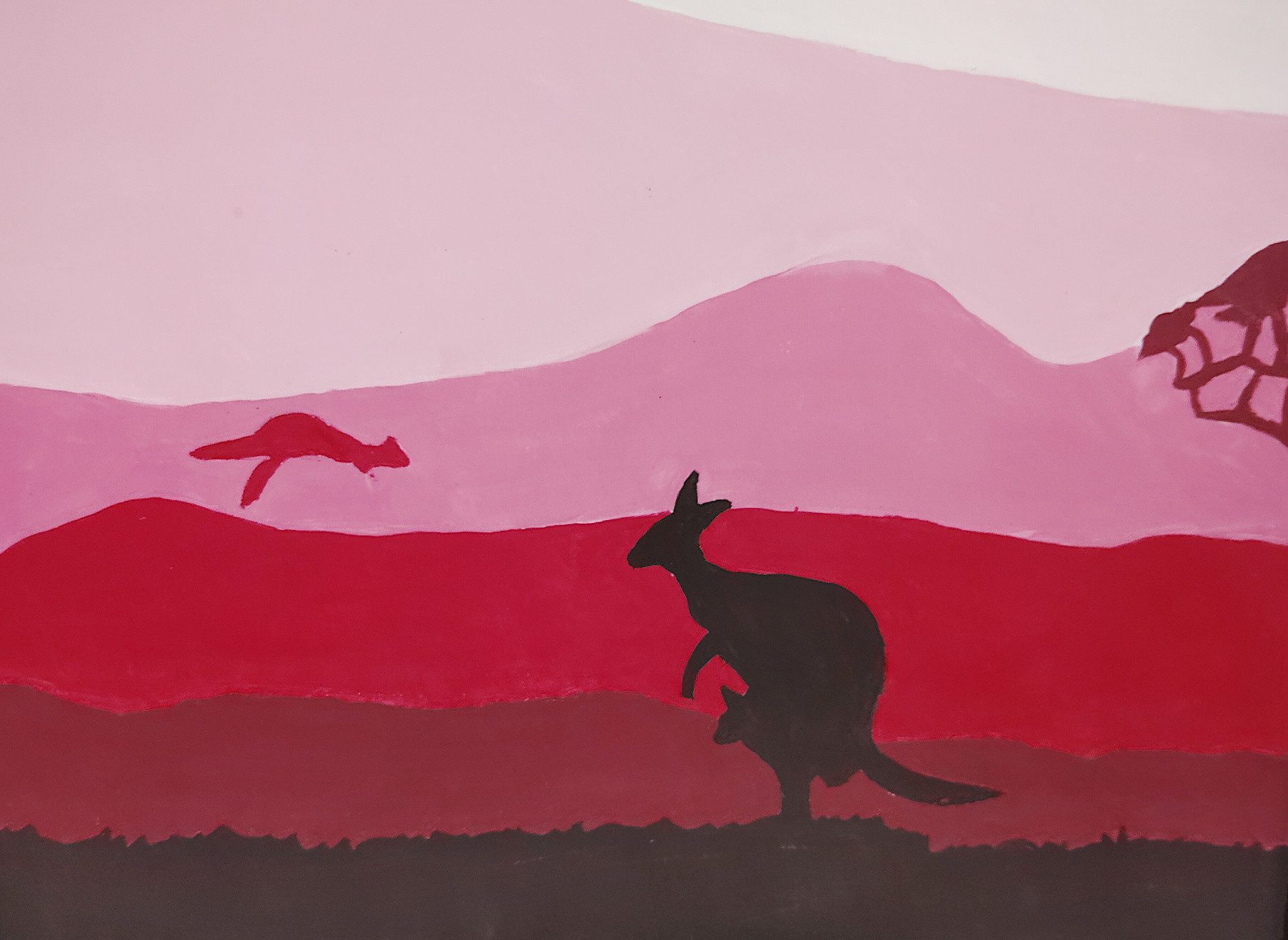
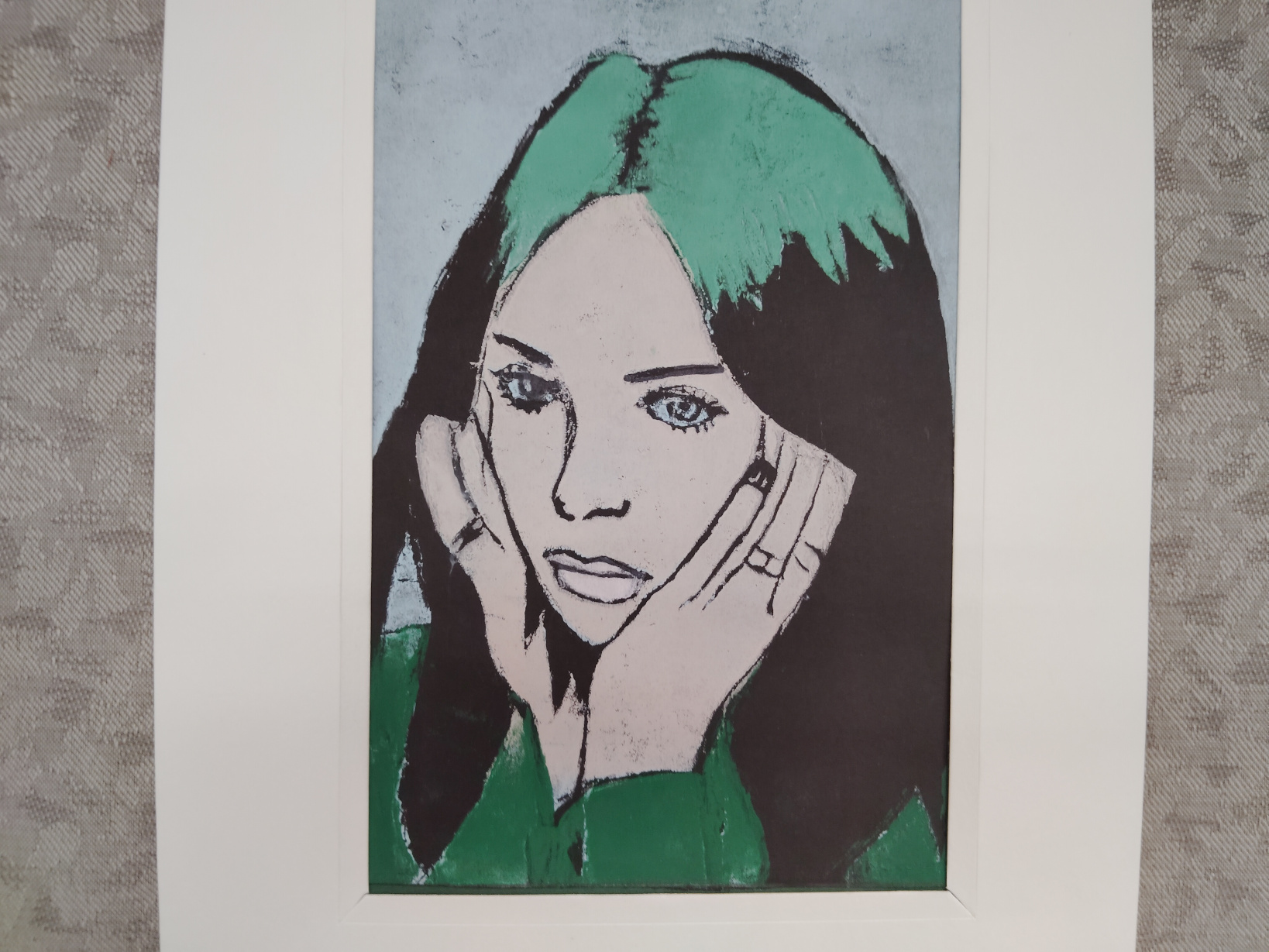
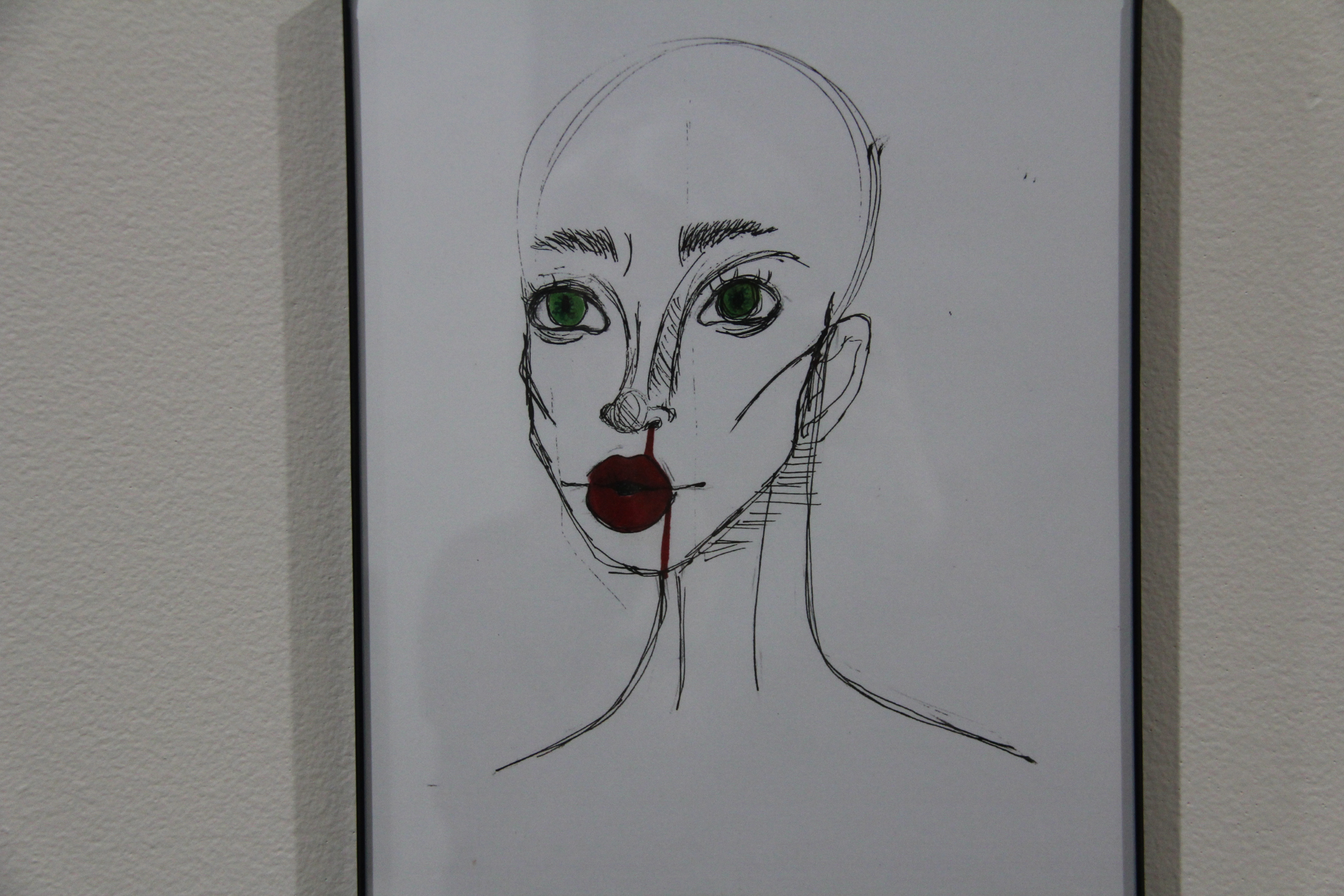
Student artist Syra Romero’s untitled art from a sketch book scan. (Minnesota Prairie Roots copyrighted photo March 2023)

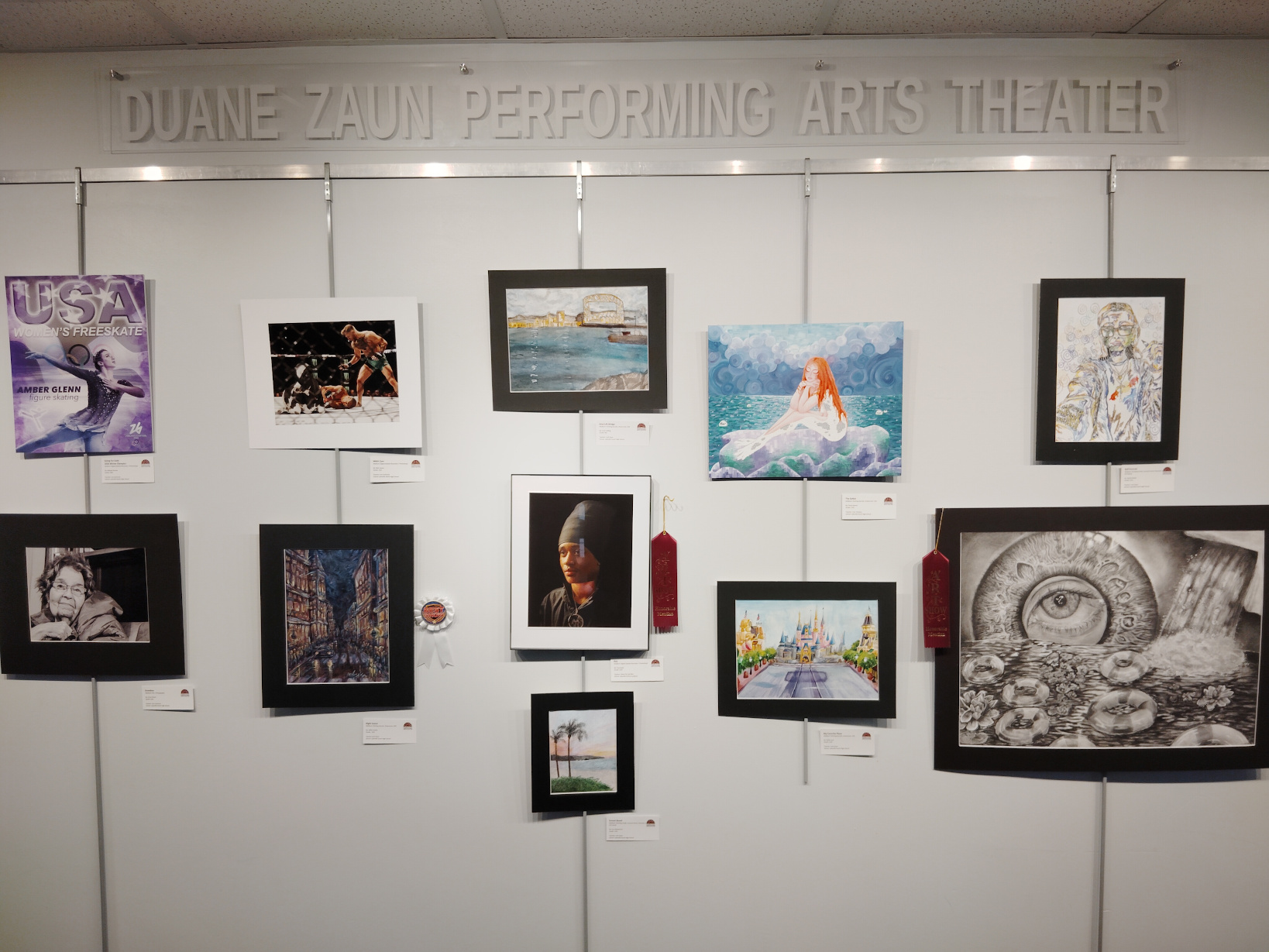
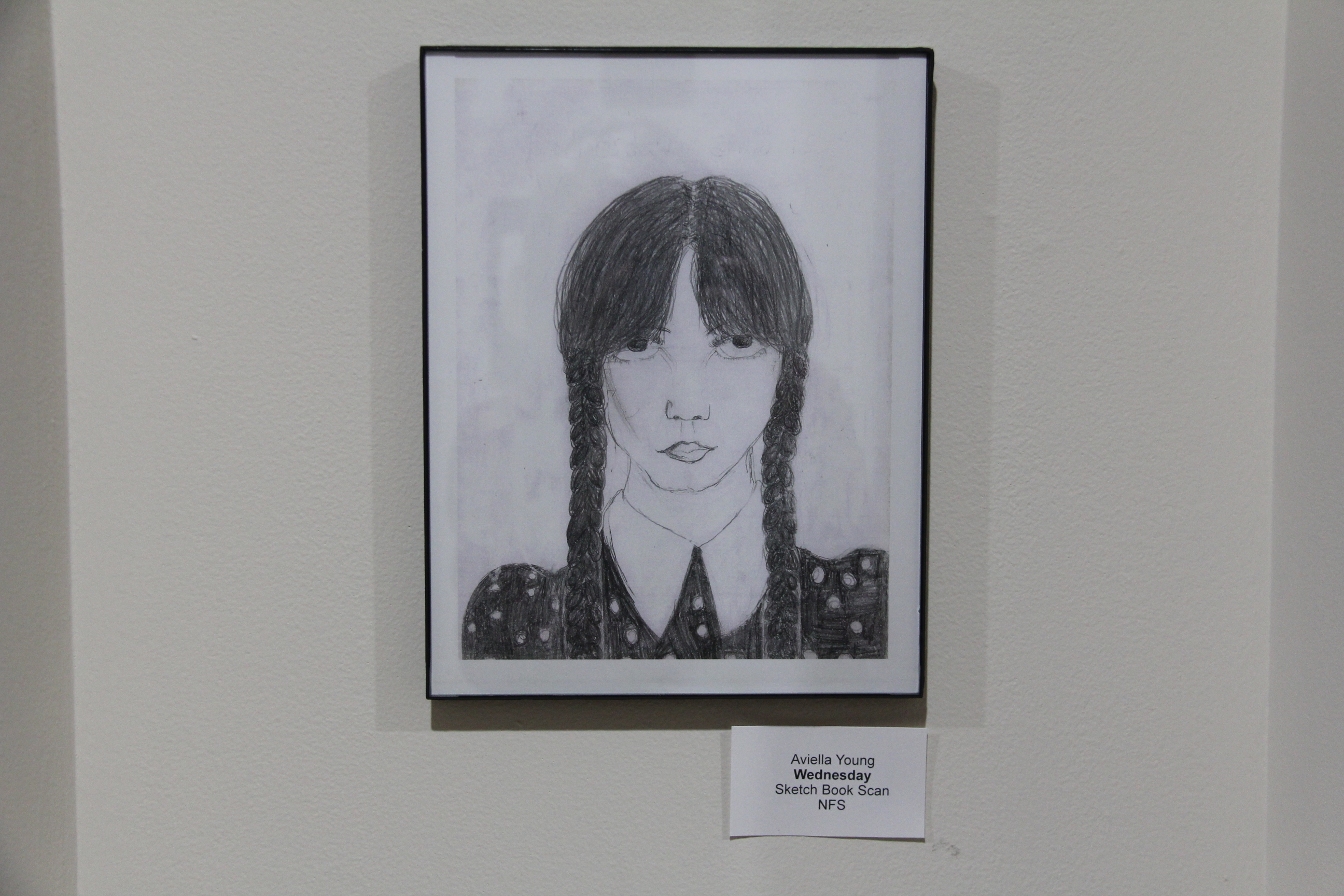
It is the eyes which pulled me in close to view a mini gallery exhibit of art by students in the Paradise’s After School Art Club. The club meets a total of six hours in six sessions with local teaching artists. And what they create impresses. I know I never could have made art like this at their age. Not that I ever had the opportunity to learn. I didn’t.

“Wednesday,” a sketch book scan by student artist Aviella Young. (Minnesota Prairie Roots copyrighted photo March 2023)

But these students, oh, how fortunate they are to pursue their creativity alongside professionals. To learn technique, to be encouraged, to create art is such a gift.

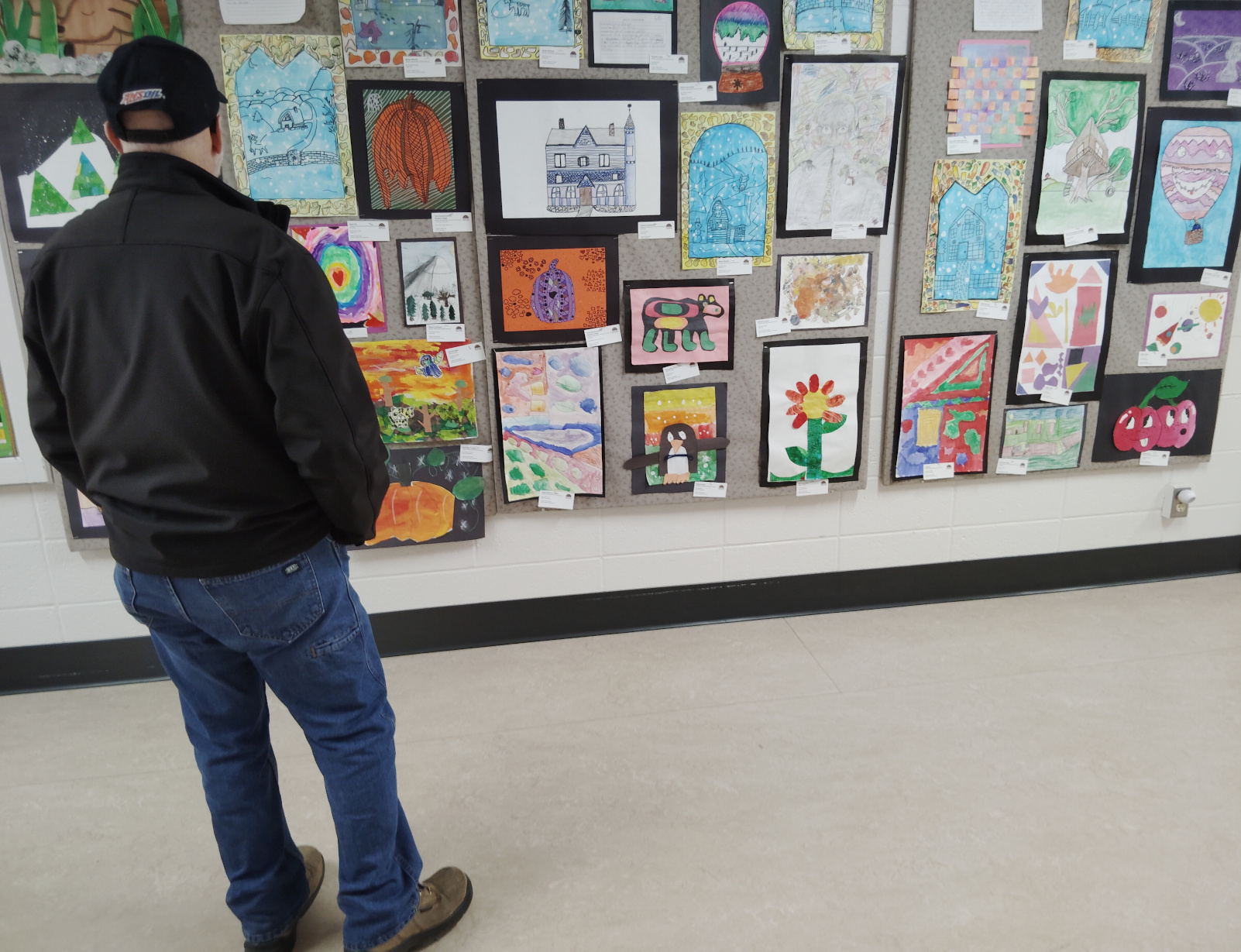
Another gift awaits visitors to the Paradise Center for the Arts in the annual second floor All Area Student Art Show, which runs until April 8. That is one of my favorite exhibits because I love seeing what our young people are creating. Their work is remarkable. They inspire me. That show deserves a solo focus, which will be forthcoming.

“Keep Going Forward,” Amanda Webster’s acrylic, right, leads to more of her abstract paintings. (Minnesota Prairie Roots copyrighted photo March 2023)

For now, head to the Paradise by Saturday, March 25, to take in the current art in the first floor galleries. The Paradise, 321 Central Avenue North, is open from noon to 5 pm Wednesday – Friday and from 10 am – 2 pm Saturday.

NOTE: All art was photographed with permission from the Paradise Center for the Arts. This post includes only a sampling of the art featured in the gallery exhibits.

© Copyright 2023 Audrey Kletscher Helbling


From pets to farm animals, Faribault artist creates vibrant portraits February 20, 2018

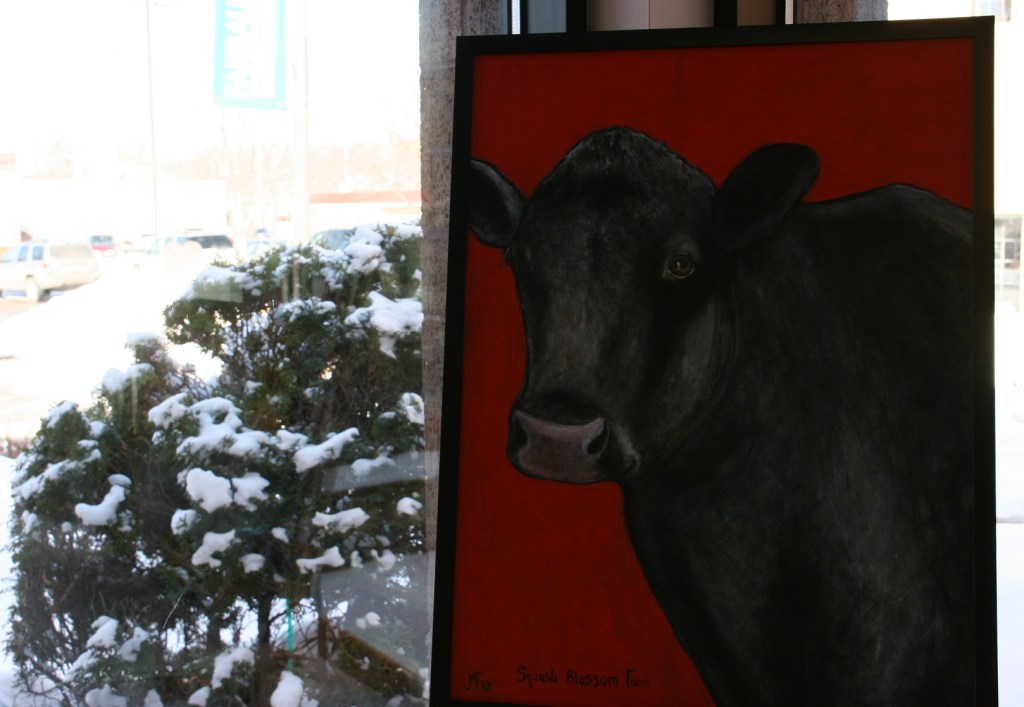
“LaFonda” from Squash Blossom Farm


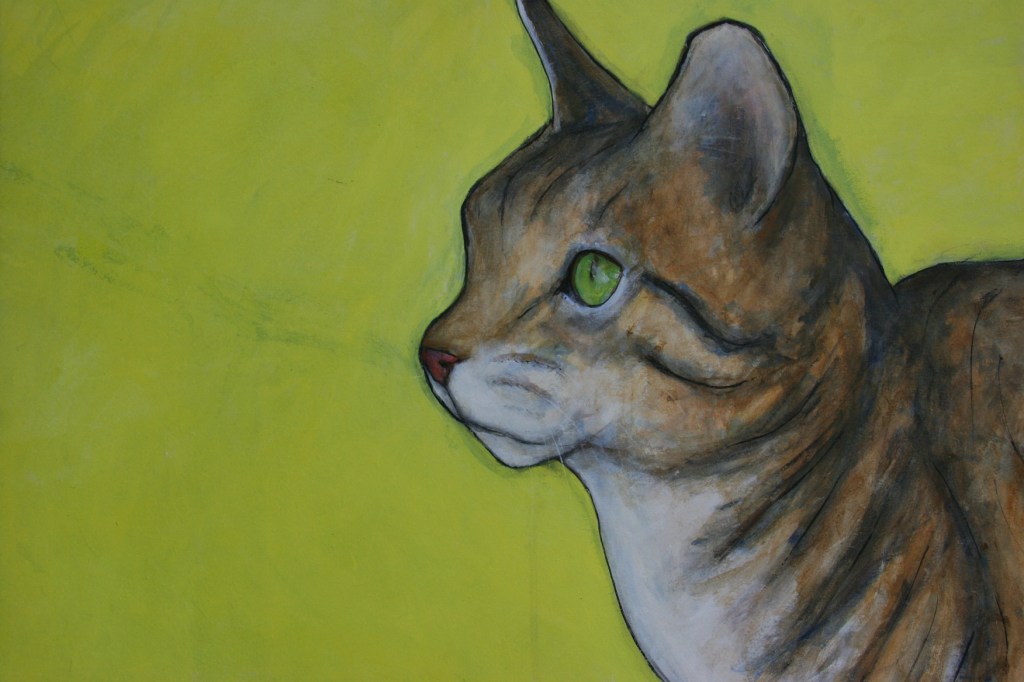
I’D RECOGNIZE Faribault artist Julie Fakler’s art anywhere. She paints animal portraits that pop with personality and color, that leave me smiling and happy.


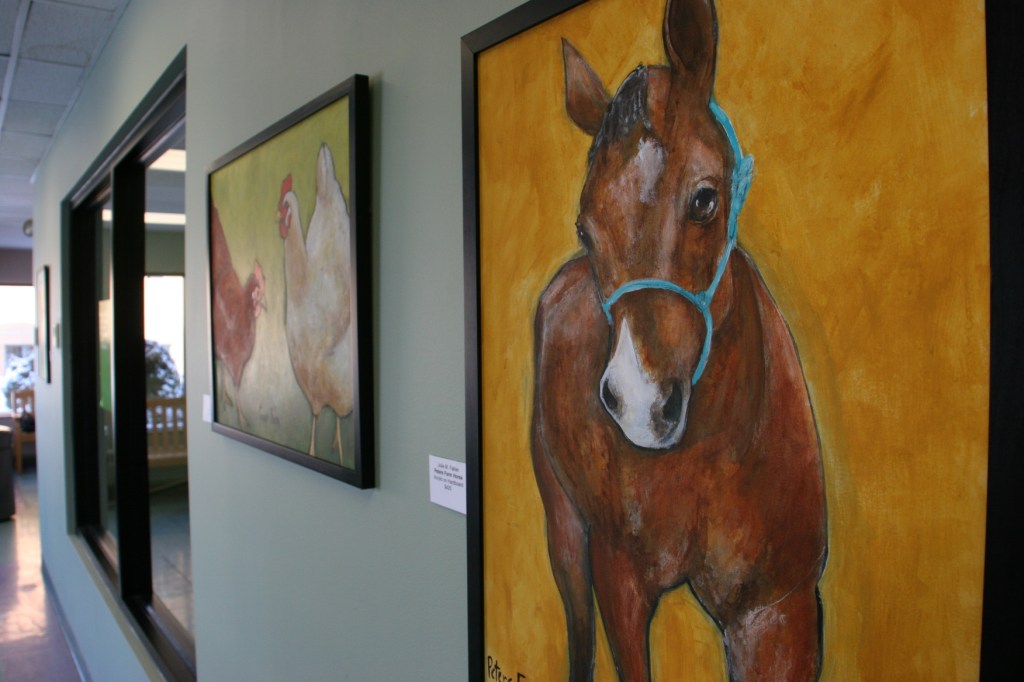
“Peters Farm Horse”


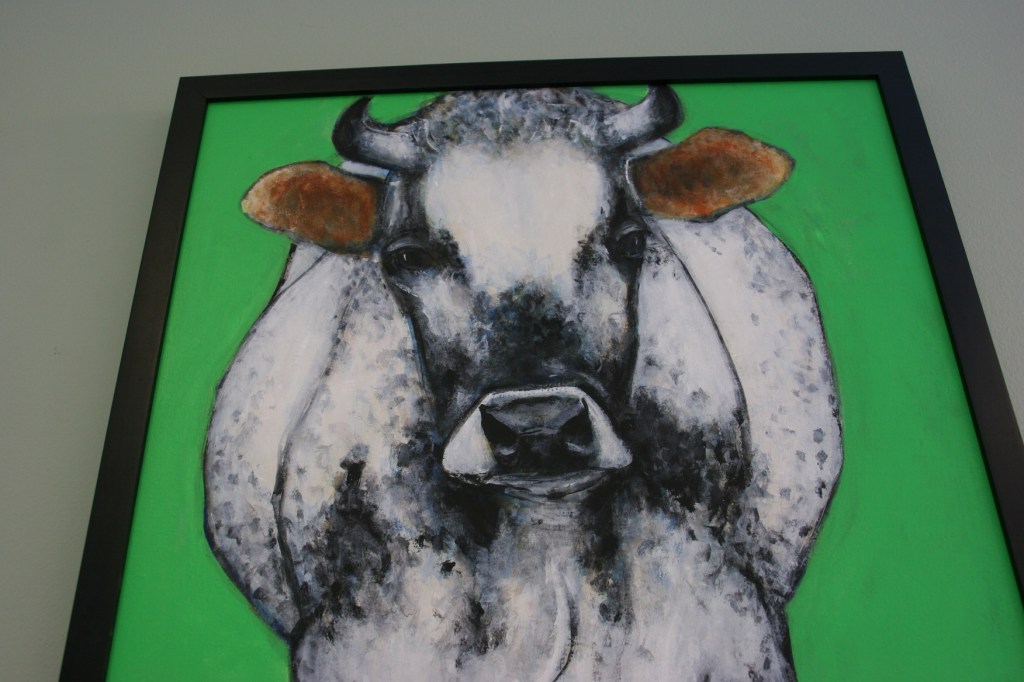
Her signature acrylic paintings feature domestic animals against a backdrop of bold color. No distractions of setting. Just the animal, full focus.


“Grandview Farm Cat”


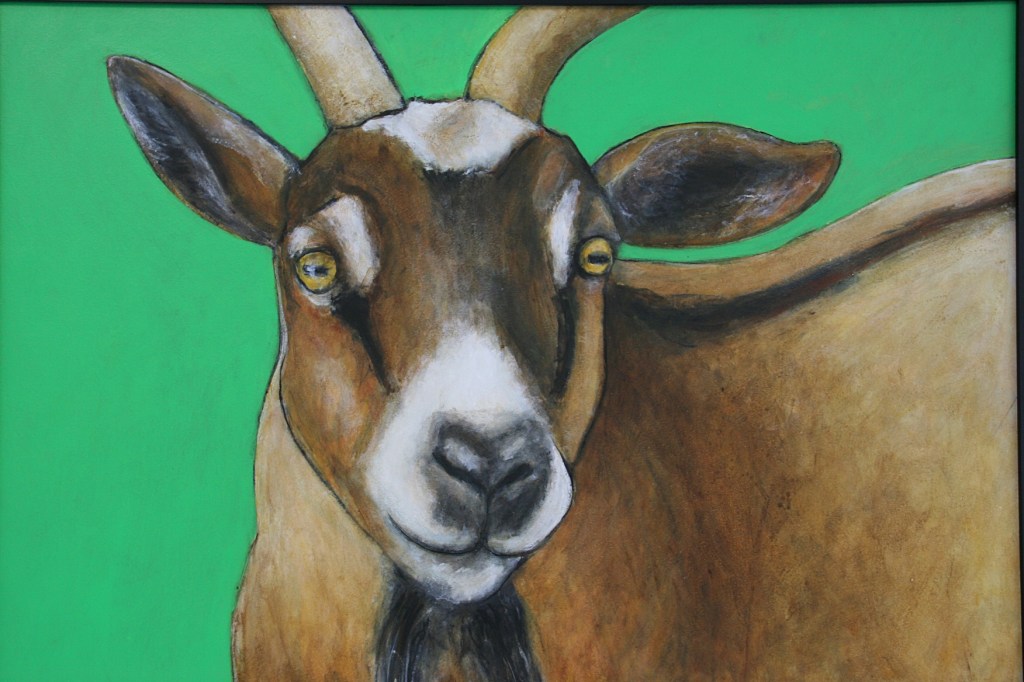
I’m always drawn to the eyes. Julie has the ability to paint eyes that connect me to the cat or dog or horse or cow or goat or whatever creature she paints. I look into those eyes and I see an animal cared for, loved, important to someone somewhere.


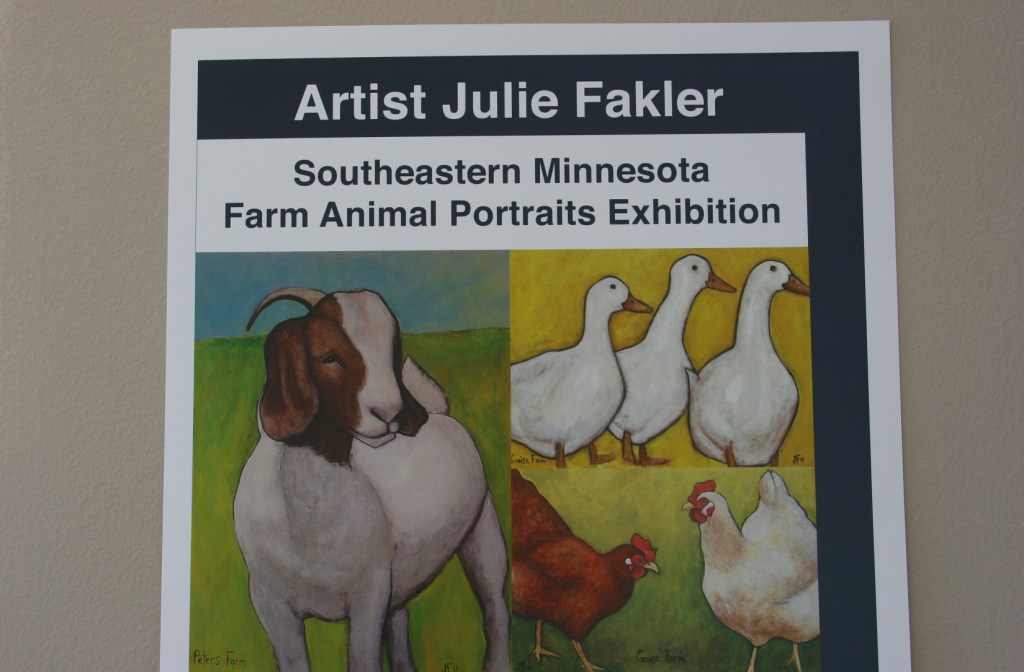
A promo for Julie’s Faribault show.


The latest somewhere took Julie onto five area farms to wander among and photograph animals, talk with the farmers and then paint for her latest show, “Southeastern Minnesota Farm Animal Portraits Exhibition.” She received a Southeastern Minnesota Arts Council grant for the project.


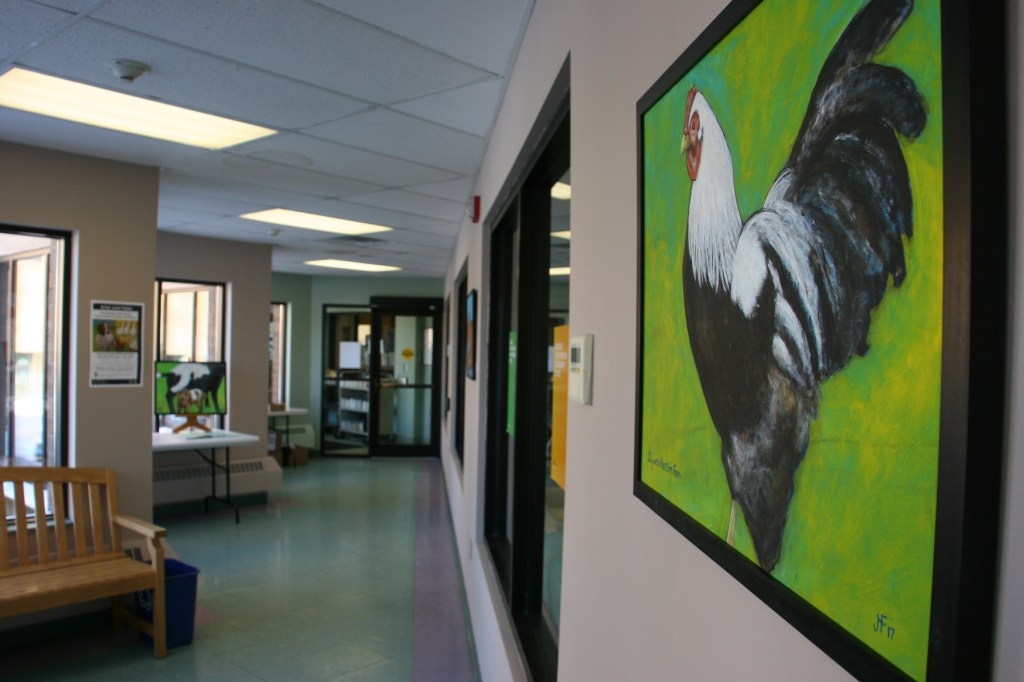
Julie’s farm animal portraits, including “Squash Blossom Farm Chicken,” adorn walls in Buckham Commons.


Several days ago I photographed, with Julie’s permission, her art now displayed through February 28 at Buckham Commons, the hallway linking Faribault’s public library to the community center. Her farm animal paintings are also displayed through February 24 at the Austin (MN) Artworks Gallery. Julie’s new show deviates from her usual pet portraits. I always appreciate an artist who takes on creative challenges.


“Grandview Farm Goat”


Whenever I view Julie’s animal art, I envision her vibrant work beyond acrylic on hardboard. I see her animal portraits on the pages of a children’s picture book, on t-shirts, on pillows, on tote bags…the possibilities seem endless for this animal-loving artist.


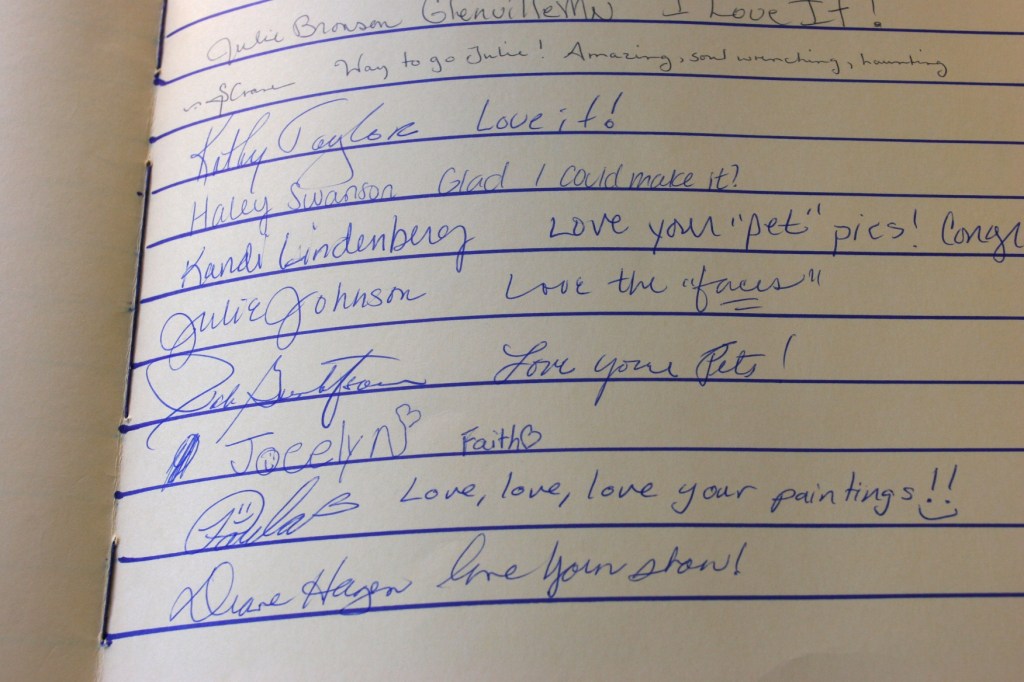
Even Julie’s guestbook is handcrafted.


Portrait propped next to the guestbook.


Some of the comments penned in the guestbook.


TELL ME: What do you think of Julie’s art and/or other possibilities for her paintings?

© Copyright 2018 Audrey Kletscher Helbling
Artwork copyright of Julie Fakler and photographed with her permission. Julie paints animal portraits on commission and also teaches “Paint your Pet” classes. Check her website by clicking here for more info.


What art reveals June 15, 2013

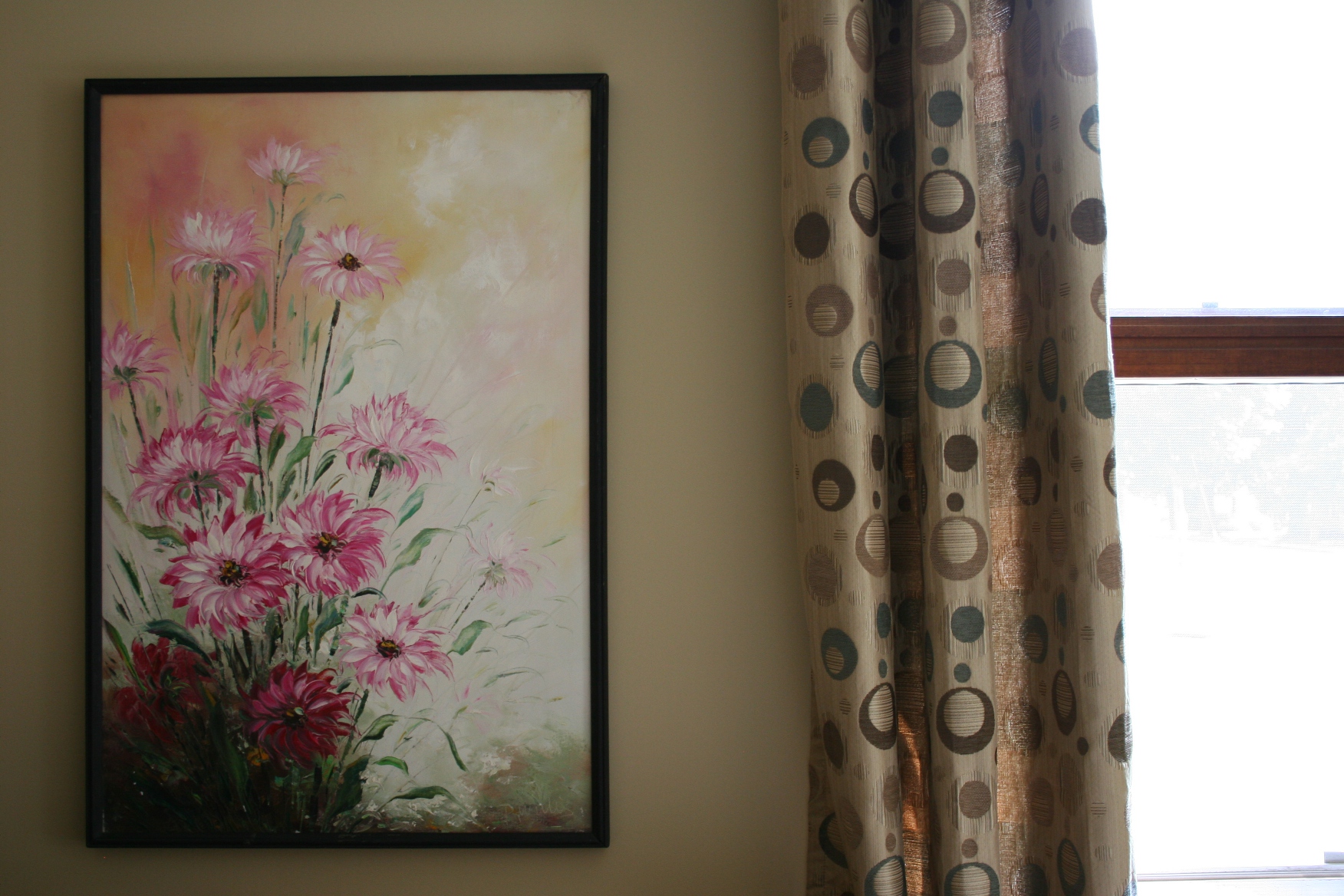
An oil painting by P. Willis, purchased Thursday at the Recycled Art Sale, Paradise Center for the Arts, downtown Faribault. The sale continues until 5 p.m. Saturday, June 15. The painting now hangs in my living room.

An oil painting by P. Willis, purchased for $15 on Thursday at the Recycled Art Sale, Paradise Center for the Arts, downtown Faribault. The sale continues until 5 p.m. Saturday, June 15. The painting now hangs in my living room.

AFTER PURCHASING two original paintings at the Recycled Art Sale at the Paradise Center for the Arts in Faribault this week, I started thinking about the art I choose for my home.

Nearly every single piece I’ve purchased second-hand from thrift stores, garage and yard sales, or that annual Recycled Art Sale. I’ve also been gifted with several works of original art.

Why do I buy what I buy?

You tell me. View examples below of art currently displayed in my home and share what you think the pieces reveal about me and/or why I selected them.

Go.

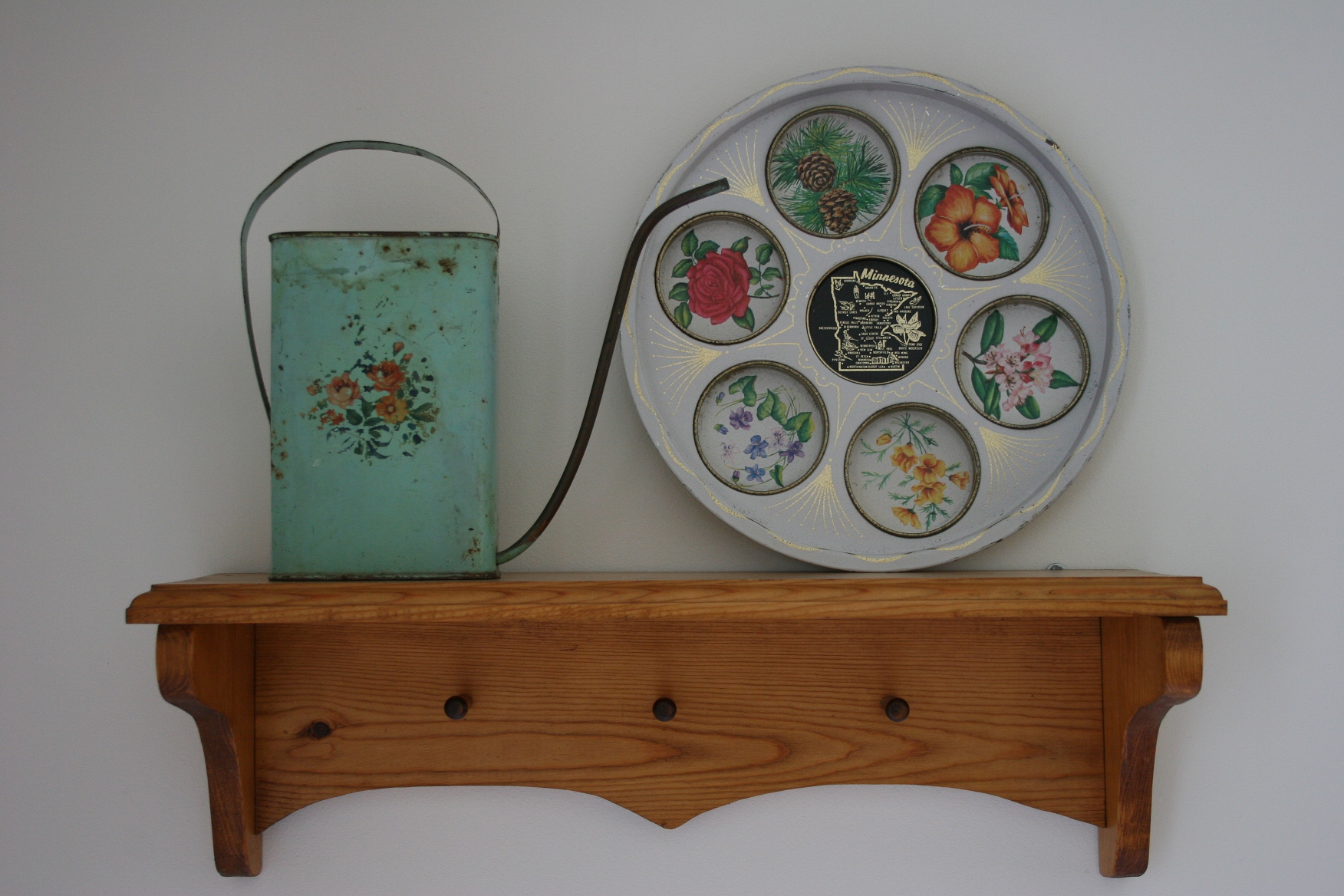
Displayed on a shelf in my dining room, this watering can was purchased at a craft store many years ago. I bought the Minnesota beverage tray at the Rice County Gas & Steam Engines Flea Market on Memorial Day weekend. I like repurposing like this tray as art.

Displayed on a shelf in my dining room, this watering can was purchased at a craft store many years ago. I bought the Minnesota beverage tray at the Rice County Gas & Steam Engines Flea Market on Memorial Day weekend. I often repurpose items like these as art.

I have yet to find a spot for this gladioli oil painting which I bought for $10 at the Recycled Art Sale.

I have yet to find a spot for this gladioli oil painting which I bought for $10 at the Recycled Art Sale.

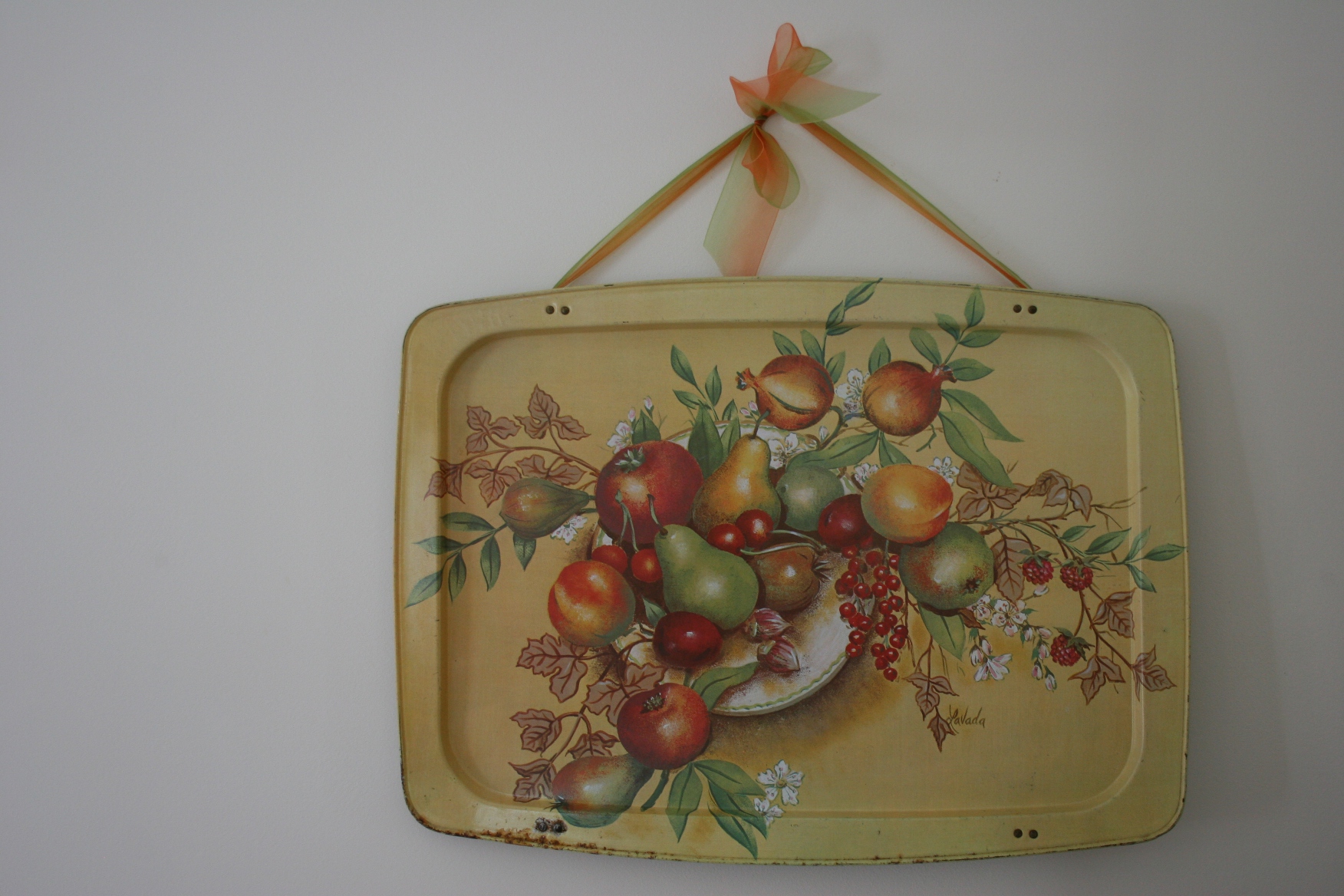
I removed the folding legs from this TV tray, attached a ribbon and hung it in my dining room. I have several more of these same trays, purchased at a yard sale.

I removed the folding legs from this TV tray, attached a ribbon and hung it in my dining room. I have several more of these same trays, purchased at a yard sale.

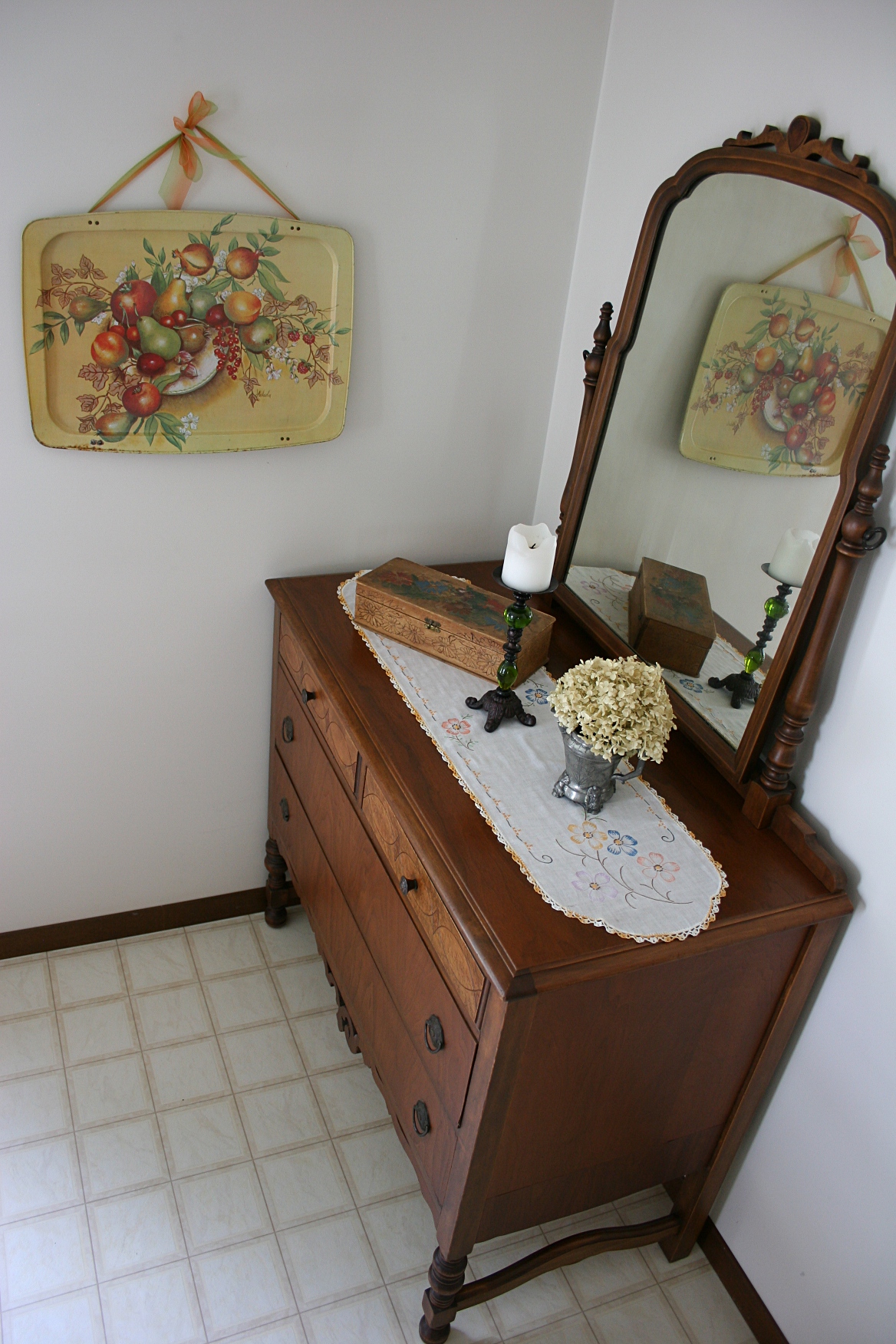
Here's the setting where the fruit tray hangs, next to a vintage family dresser which my husband refinished many years ago. The items on the dresser, with the exception of the candle holder, were purchased at the Faribault Salvation Army (teapot) and at a flea market (wooden box).

Here’s the setting where the fruit tray hangs, next to a vintage family dresser which my husband refinished many years ago. The items on the dresser, with the exception of the candle holder, were purchased at the Faribault Salvation Army (creamer) and at a flea market (wooden box). The embroidered runner came from a garage sale. This is in a corner of my dining room.

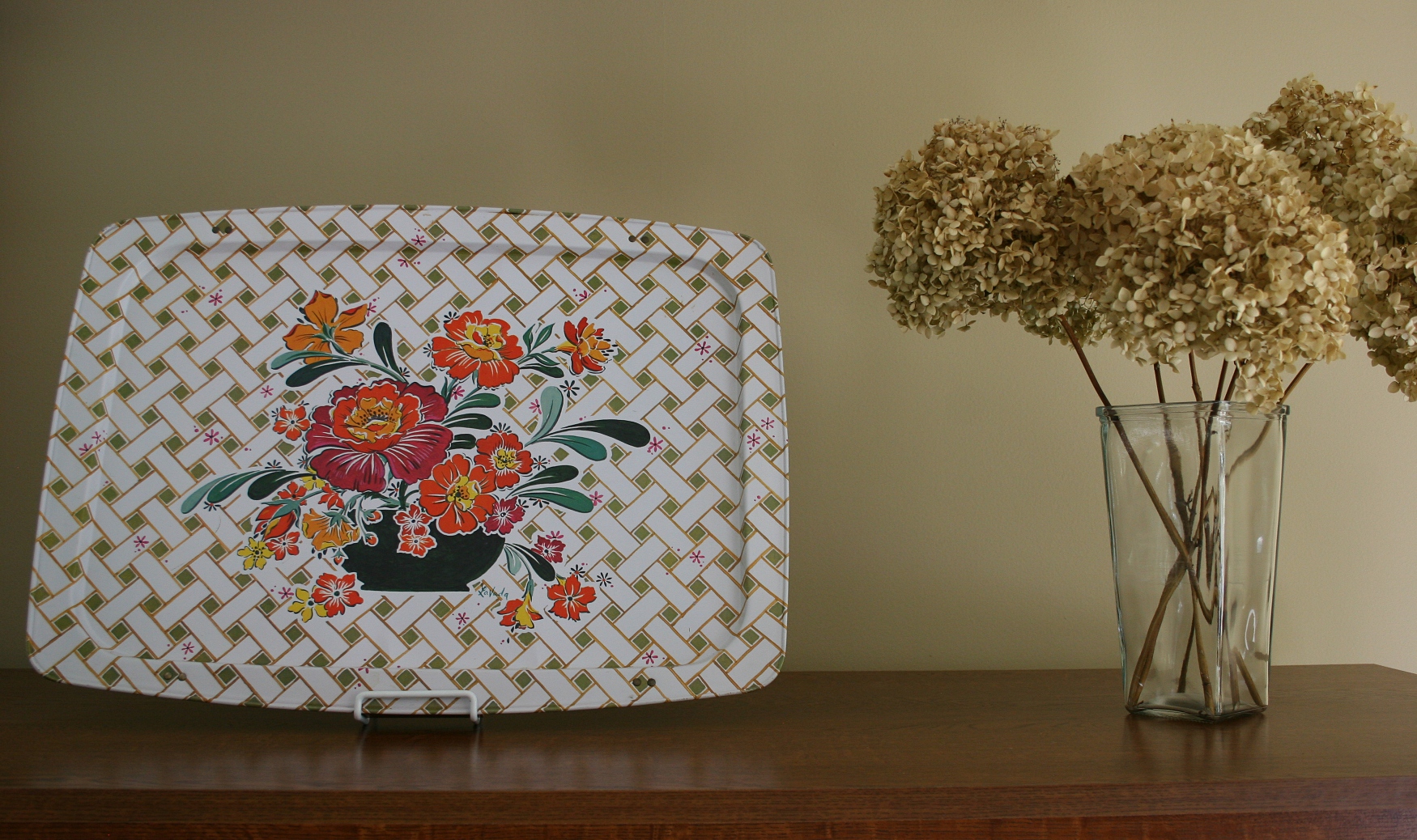
Another TV tray, repurposed as art, sits atop the entertainment center in my living room along with dried hydrangea from a bush outside my front door.

Another TV tray, purchased at a garage sale and repurposed as art, sits atop the entertainment center in my living room along with dried hydrangea from bushes outside my front door.

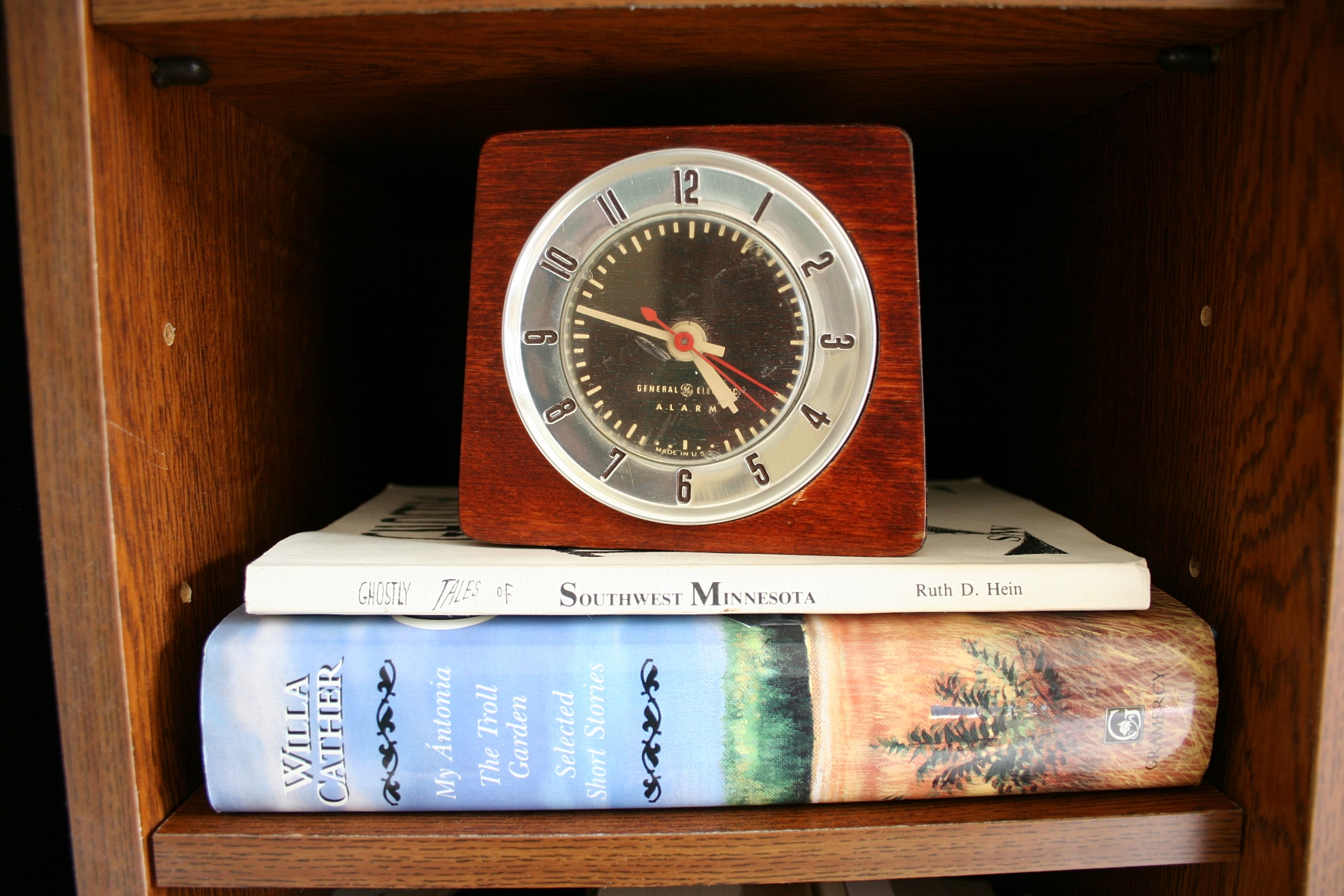
Inside one of the cubbies in the entertainment center, I arranged these books, purchased at an annual used book sale and Faribault, and this alarm clock, bought at the Faribault Salvation Army.

Inside one of the cubbies in the entertainment center, I arranged these books, purchased at an annual used book sale in Faribault, and this alarm clock, bought at the Faribault Salvation Army for a few bucks.

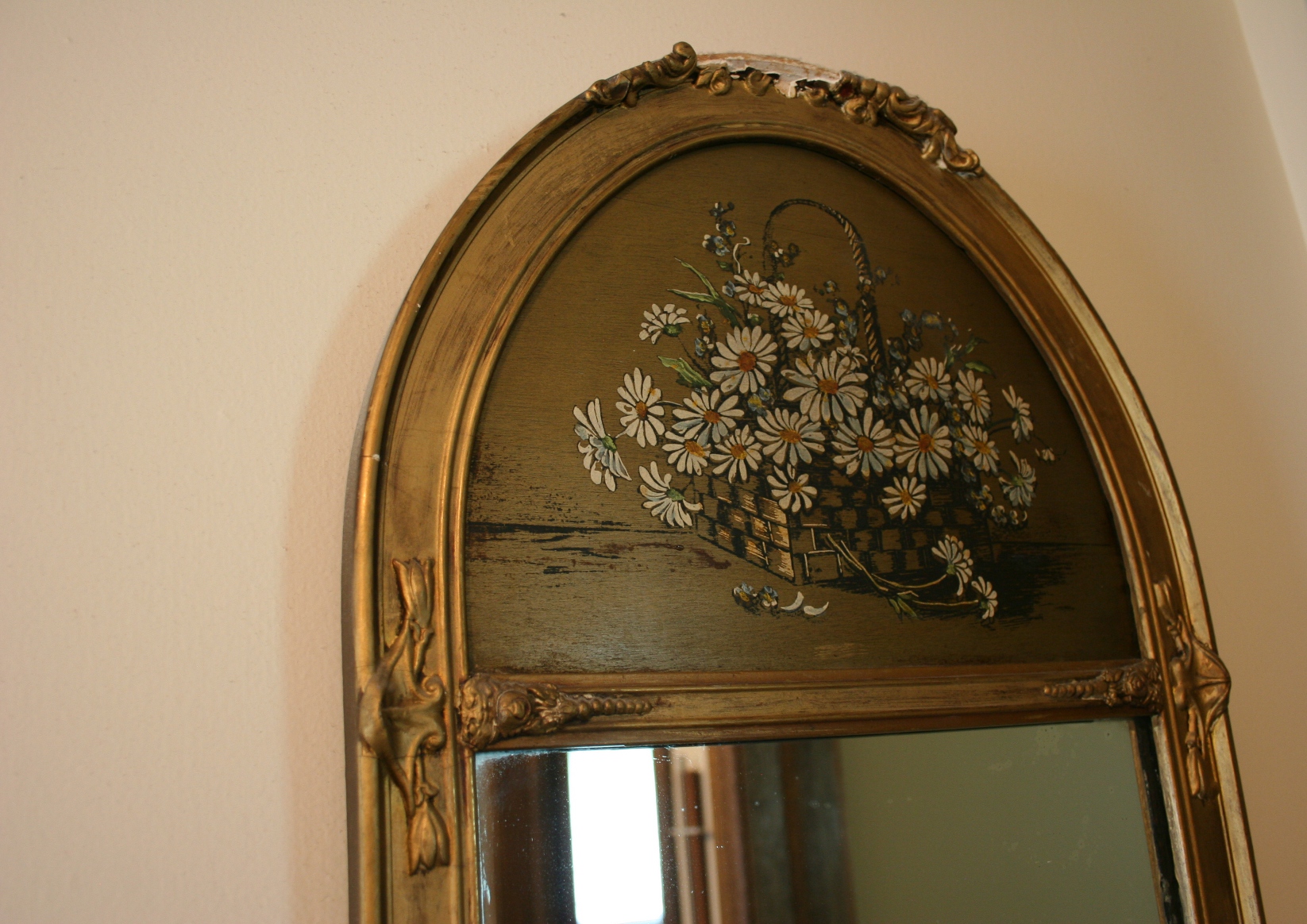
One of my all-time favorite finds is this oblong mirror (only a portion shown here because mirrors are challenging to photograph without getting yourself in the pic)

One of my all-time favorite finds is this oblong mirror (only a portion shown here because mirrors are challenging to photograph without getting yourself in the pic) bought for 50 cents at a garage sale years ago. It hangs in a hallway, reflecting light.

In the guest bedroom, I created this floral scene atop a dresser. The floral print came from a garage sale, bought for under $1. I seldom spend much on any art I buy. The hydrangea are from my frontyard bush and the vase from flowers I once received.

In the guest bedroom, I created this floral scene atop a dresser. The floral print was purchased for less than $1 at a garage sale. I seldom spend much on any art I buy. The hydrangea are from my frontyard bush and the vase from flowers I once received.

© Copyright 2013 Audrey Kletscher Helbling


All about cars at Faribault art center August 31, 2012

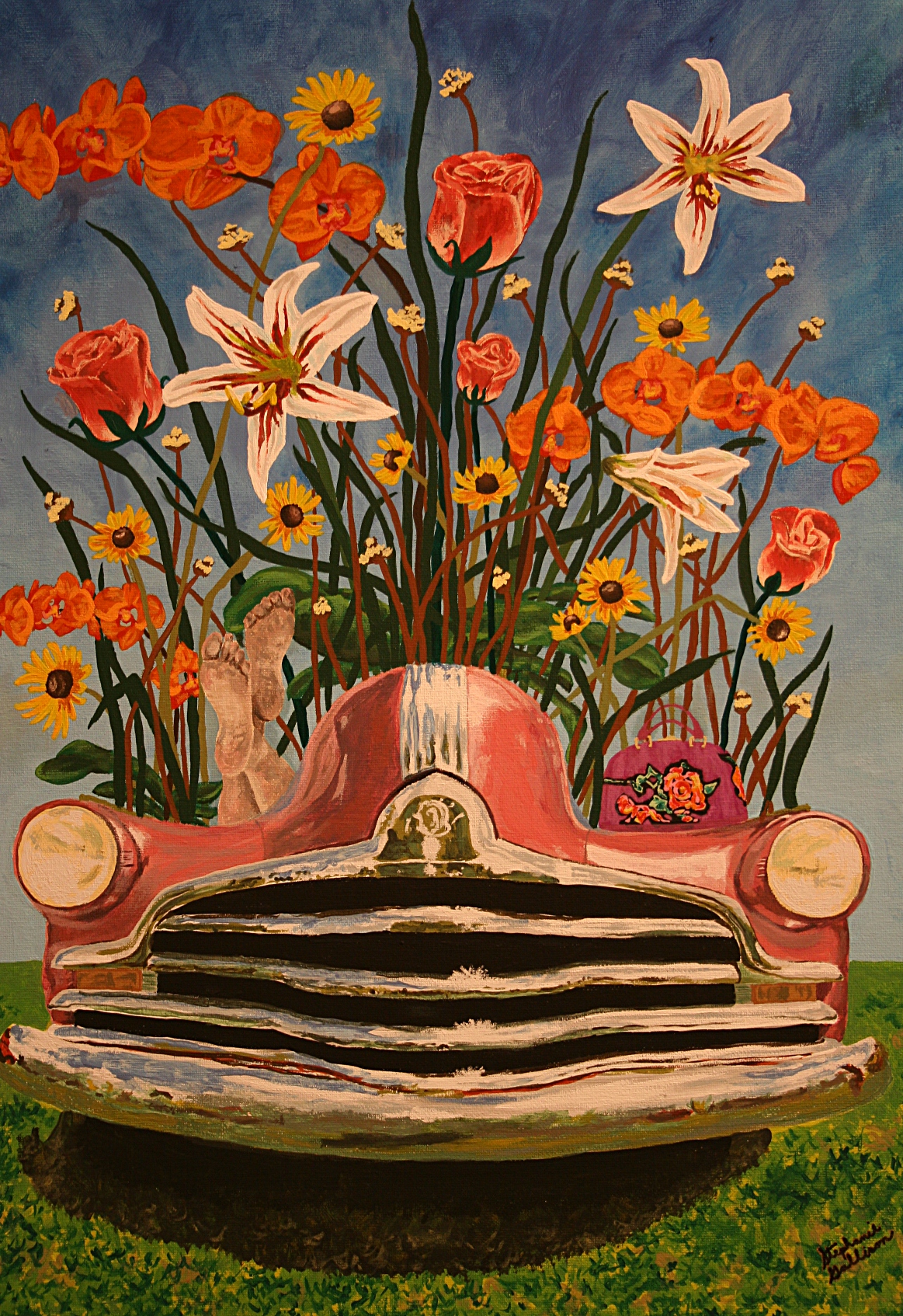
“Flower Car for a Living Detroit,” acrylic on canvas by Michigan artist Stephanie Gallison and part of the car pARTS exhibit at the Paradise Center for the Arts. The painting “represents life, hope and resurrection for the city of Detroit; the opposite of recession, decline and decay,” according to Gallison’s website.

IF YOU’VE FOLLOWED this blog for awhile, you know that I’m a supporter of the arts.

And I don’t specifically mean I write out generous checks to buy art or donate to an arts cause or such. I wish I could. But the fact is that my family, like many middle class families, needs to watch its budget.

That doesn’t mean, though, that my husband and I can’t treat ourselves to the occasional night out to see a play or enjoy a concert or catch a comedy show, or become members of the local arts center.

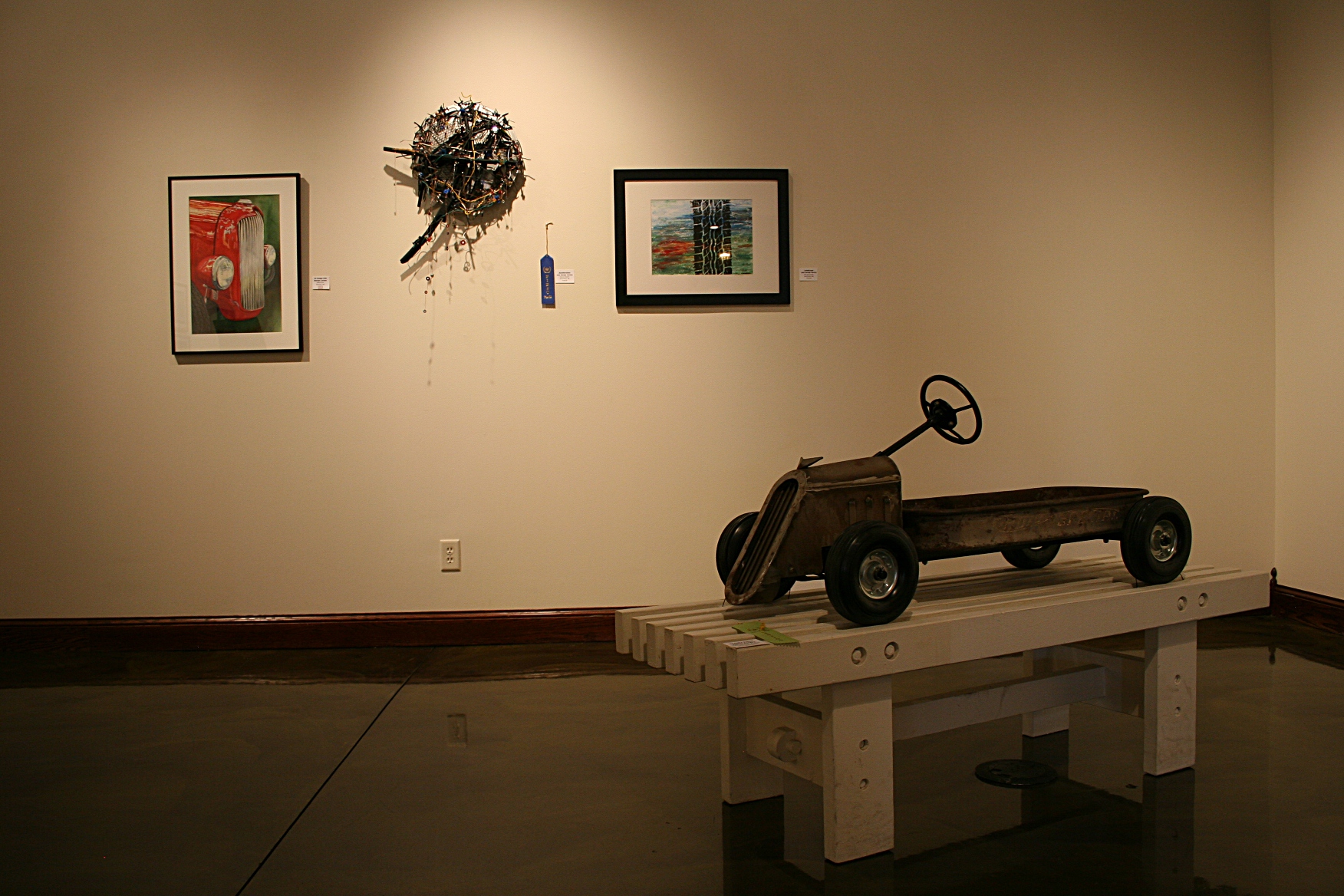
A snippet of the current car pARTS exhibit at the Paradise.

I appreciate that we have the Paradise Center for the Arts right here in Faribault as a venue to enjoy the visual and performing arts and even take a class, if I wish, but haven’t.

Perhaps because I grew up in the 1960s and 1970s in rural southwestern Minnesota, without access to the arts, I especially value the arts opportunities offered right here in my community, only blocks from my home. No need to drive up to the Cities or elsewhere.

Faribault artist Vivian Jones created this watercolor, “It Was Grandma’s Car,” for “car pARTS.”

For example, currently the juried exhibit, “car pARTS,” is showing in the PCA’s Carlander Family Gallery through September 25. The show is exactly as it name implies, artwork featuring cars or parts of cars.

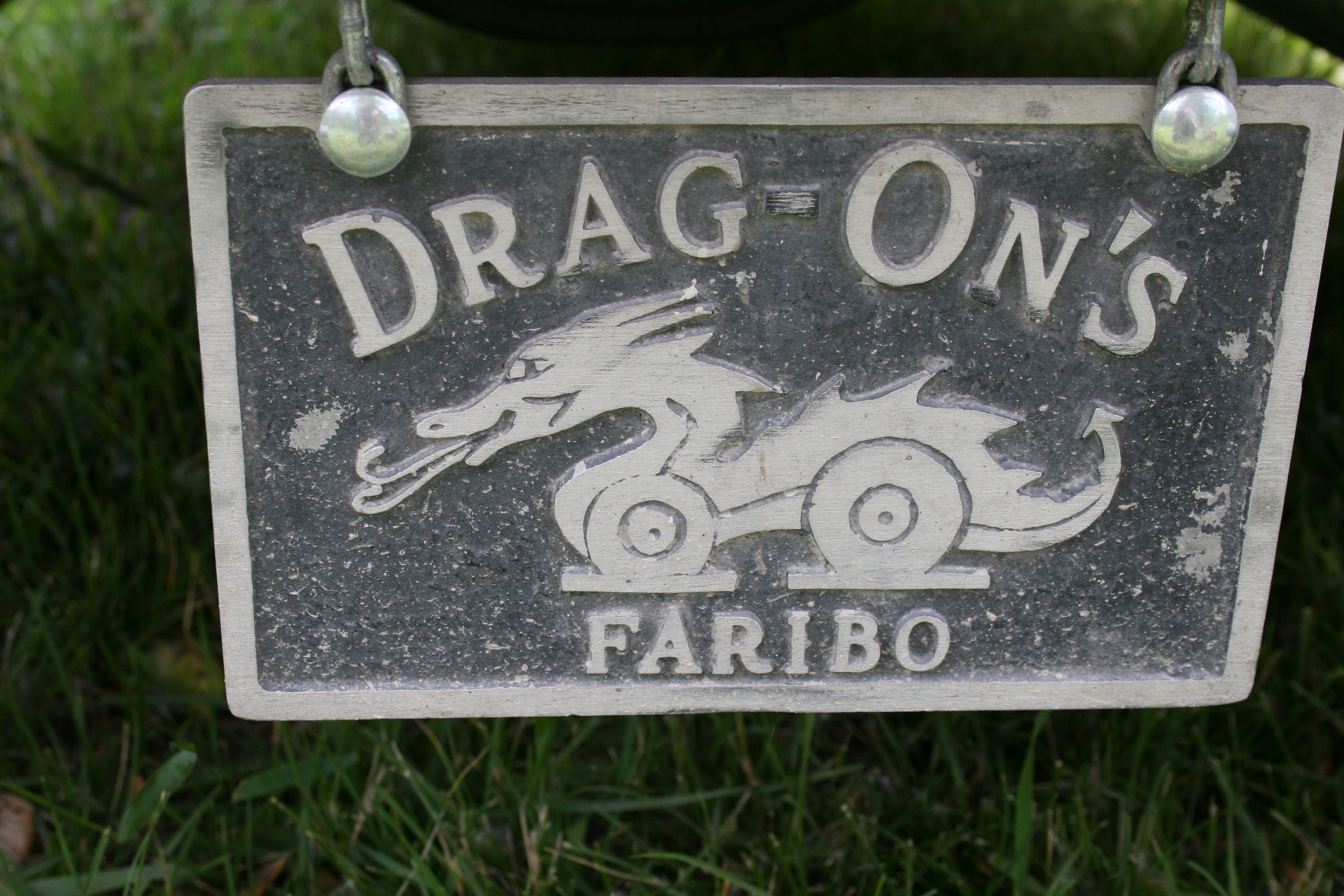
The logo for the Faribo Drag-On’s Car Club.

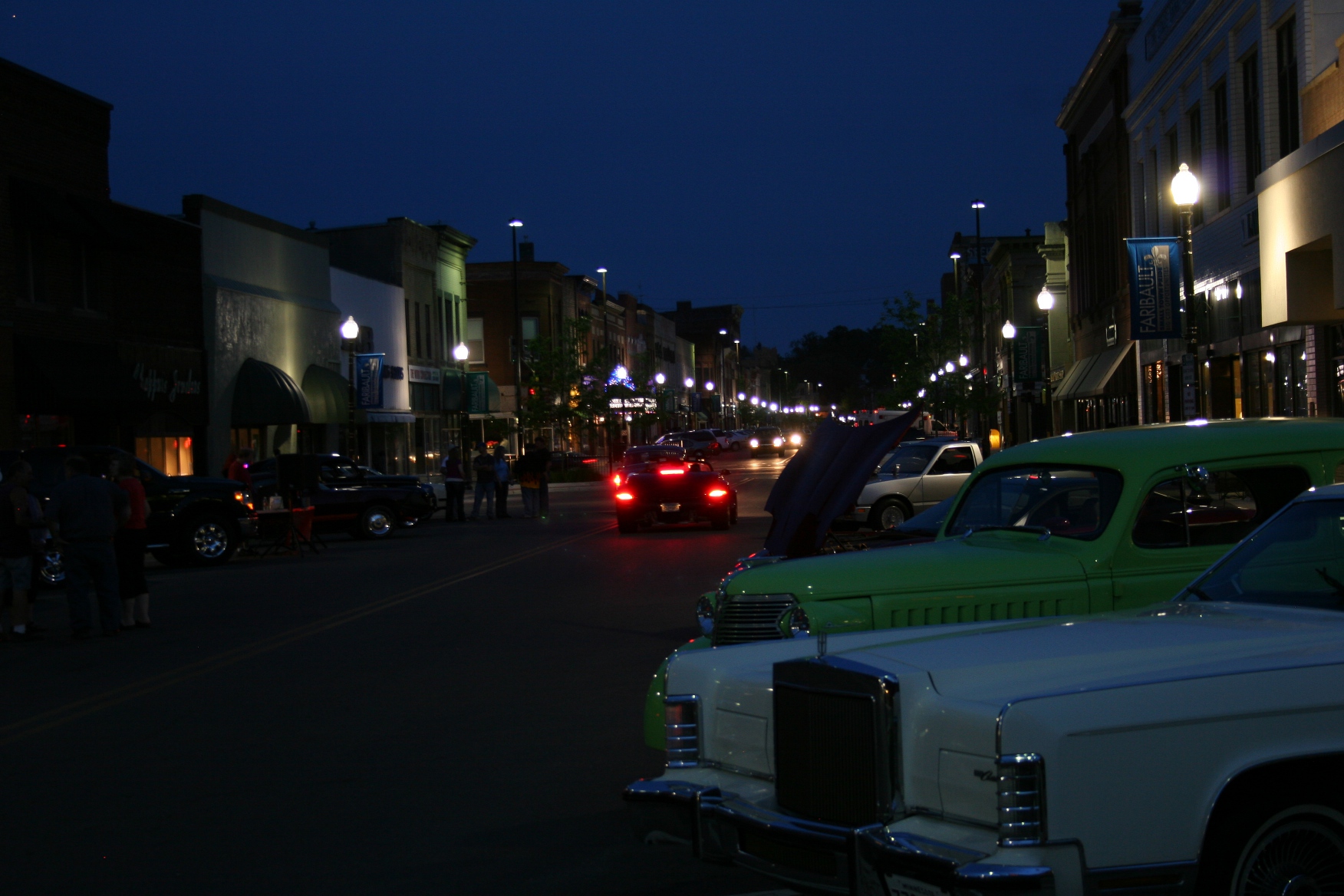
Hanging out along Central Avenue during Faribault Car Cruise Night in May.

The subject seems an ideal one for this predominantly blue collar community which has a special fascination with cars. That’s my assessment, anyway, based on the long-standing Faribo Drag-On’s Car Club, the Classic Car Roll In on Tuesday evenings at the Country Kitchen and the recent start-up of the May-September third Friday of the month Faribault Car Cruise Night on downtown’s Central Avenue.

Following the car theme, the Paradise Community Theater will present six performances of the play, The Car by Carol Wright Krause, beginning September 14 and running through September 22.

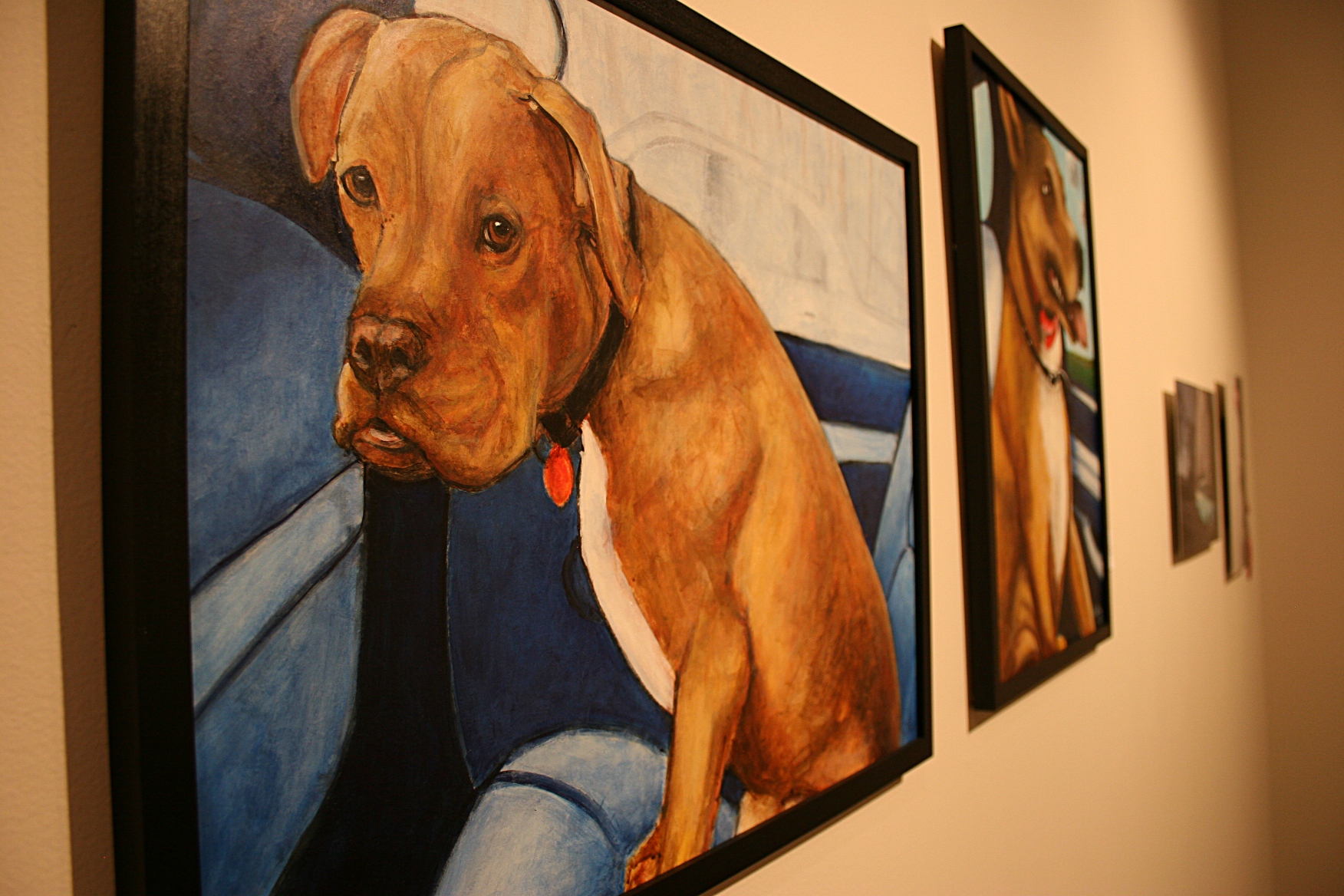
Acrylic paintings of dogs in cars, by Julie M. Fakler of Faribault , are in the car pARTS exhibit.

The play seems the ideal mesh with “car pARTS,” one complementing the other.

Here’s a summary of The Car, pulled from the PCA website:

Meet the Banners, a picture perfect postcard of a 1950s American family with an all-American son, a doting mother and an honest car salesman of a father, who does everything by the book and has just recently purchased the car—a 1954 Hudson Hornet. But when their son suddenly joins the military, only to return with a Japanese wife, the family’s world is suddenly turned upside down. Things may not be as picture perfect as they seem. The Car hits a few potholes along the way, takes some sharp turns, but takes you on an engaging and entertaining ride.

Looking south on Central Avenue during the Faribault Car Cruise Night in May.

I’d love to see all those collectors who are members of the Drag-On’s and/or all those who will be participating in the last downtown car cruise of the season on Friday, September 21, among those attending The Car in Faribault’s historic theater.

I invite any of you with vintage vehicles, whether from Faribault or not, to drive to the theater in your vintage vehicles, park along historic Central Avenue and experience the arts scene here. Maybe even dress up in back to the 50s garb to truly embrace the time period of the play.

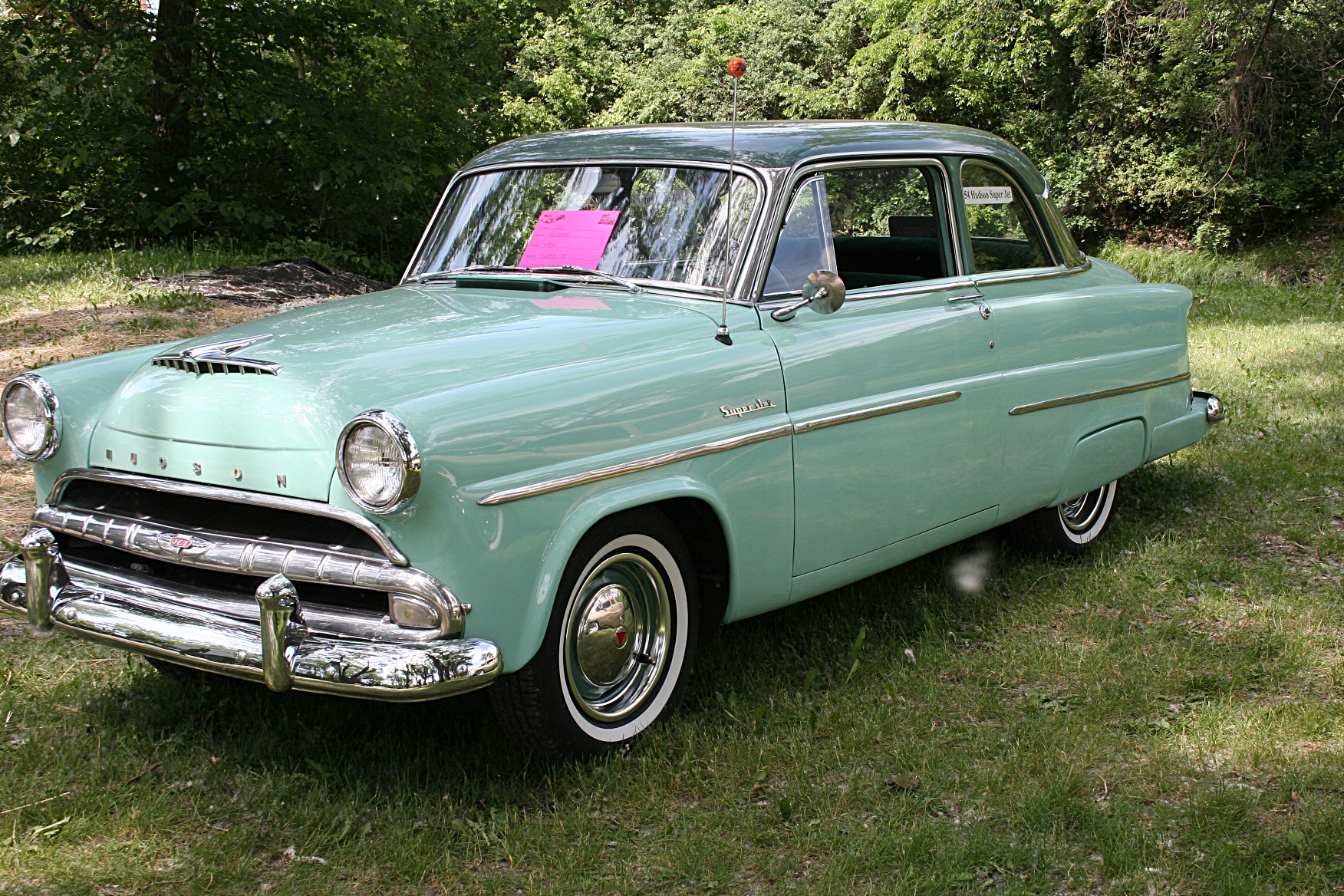
Do you know who owns this Hudson Super Jet?

And whoever owns this Hudson Super Jet, which I photographed at a car show in TeePee Tonka Park in 2009, you’d be especially welcome given the car in the play is a 1954 Hudson Hornet.

Just a close-up of the Hudson Super Jet, built either in 1953 or 1954, I believe.

FYI: Click here for more information about the Paradise Community Theater’s performance of The Car.

P.S. This additional postscript has nothing to do with the arts in Faribault. But it is related to my support of the arts via my work on Minnesota Prairie Roots. Earlier this week I posted about the Gabor and Edith Nemeth Study Collection, a priceless collection of 15th to 19th century paintings in Park Rapids. The Nemeth Art Center is attempting to raise $1,200 for a storage unit to safely store and protect the paintings. Since posting this story on Monday, five more contributions have been made to the cause via the NAC’s online fundraising campaign, which you can find by clicking here. You have four more days to donate.

To read my original post about the Gabor and Edith Nemeth Study Collection, click here.

© Copyright 2012 Audrey Kletscher Helbling


Raising funds to preserve priceless paintings in Park Rapids August 27, 2012

BETWEEN NORTHWESTERN MINNESOTA and Chicago, you won’t find another art collection like the Gabor and Edith Nemeth Study Collection dating from the 15th to 19th centuries.

Now that “Old Masters” collection of 42 European paintings owned by the Nemeth Art Center in Park Rapids is in need of a permanent storage unit to preserve the valued art for future generations.

A campaign is currently underway to raise $1,200 for materials to construct a modular custom storage unit that will keep the paintings separated and vertical, thus preventing further damage. As of August 23, the NAC had raised $600 via an online campaign and direct contributions, according to NAC Executive Director Meredith Lynn.

Brian Stieler of the Minneapolis Institute of Arts has volunteered to design and build the storage structure. And representatives of the Midwest Art Conservation Center in Minneapolis have already been to Park Rapids to assess the collection and lay out plans for restoration.
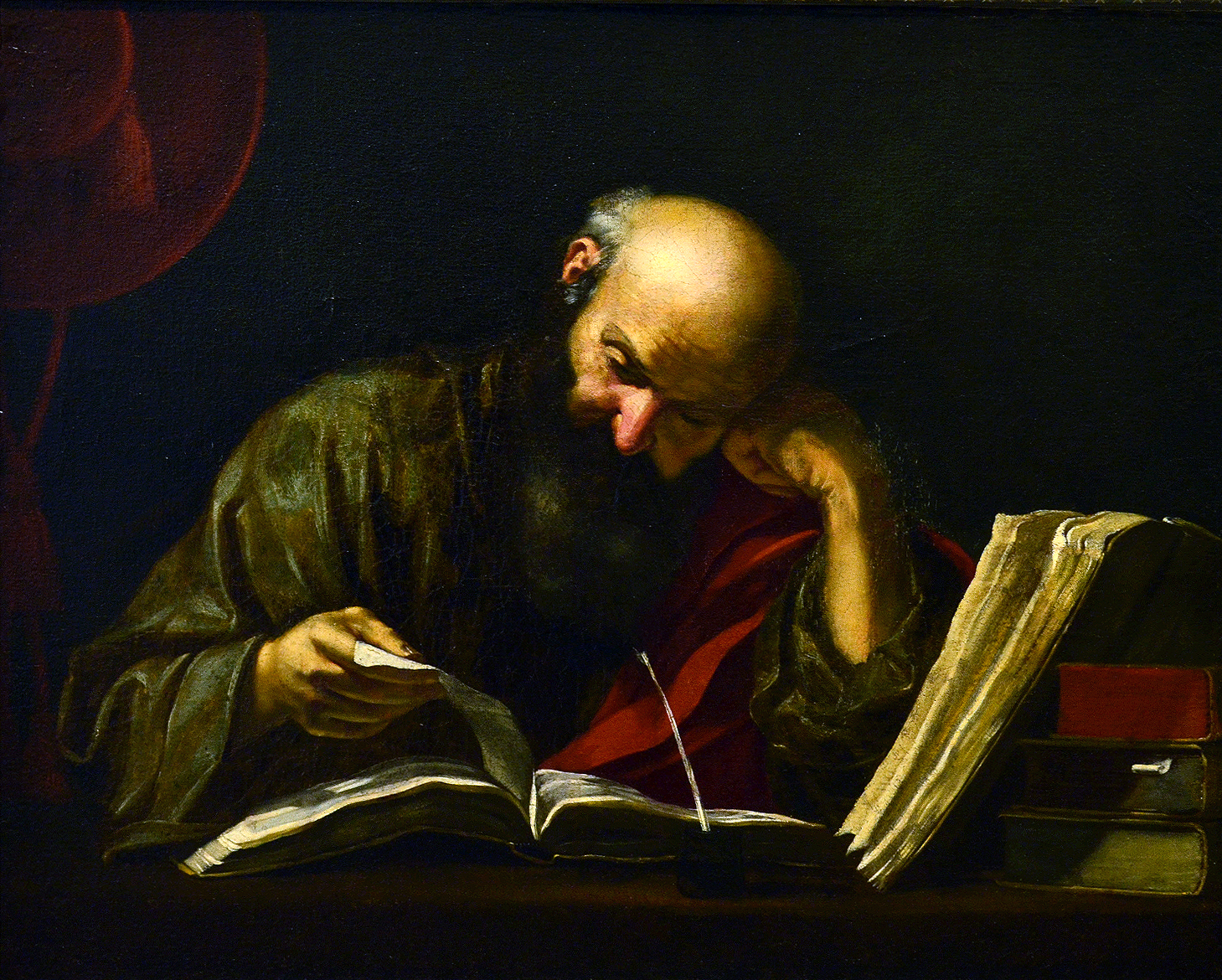
“St. Jerome,” painted by a 17th century follower of Hendrik van Somer, and part of the collection.

About a third of the paintings require restoration, Lynn says, with several in such condition that they can no longer be exhibited. More than 30 of the pieces are continually on display (during the center’s open months from May – September) in the 1900 Victorian style brick courthouse turned art center which opened in 1977.

That was the year the historic and priceless collection of paintings, by students who studied well-known masters like Rembrandt, Rubens and Bosch, came to be owned by the then newly-established North Country Museum of Arts.

European born art restorer and dealer Gabor Nemeth, who came to the U.S. in the 1940s and worked thereafter primarily in Los Angeles, also maintained a home in the Park Rapids area (his primary residence now) and brought his collection to Minnesota in the mid 1970s.

After a three-day January 1977 exhibit of his collection in Park Rapids—a show which drew long lines of some 4,000 people total in the then town of 2,700, according to newspaper reports—Nemeth decided to offer the art to Park Rapids. Conjecture had long been that St. John’s University would be the recipient of the collection (for a reason unknown to Lynn; I asked).

In an article published in the May 2, 1977, issue of the Bemidji-based newspaper, The Pioneer, Nemeth is quoted: “There is really nothing up here as far as art goes. People will appreciate it (the collection) if they are given the chance to see it.”
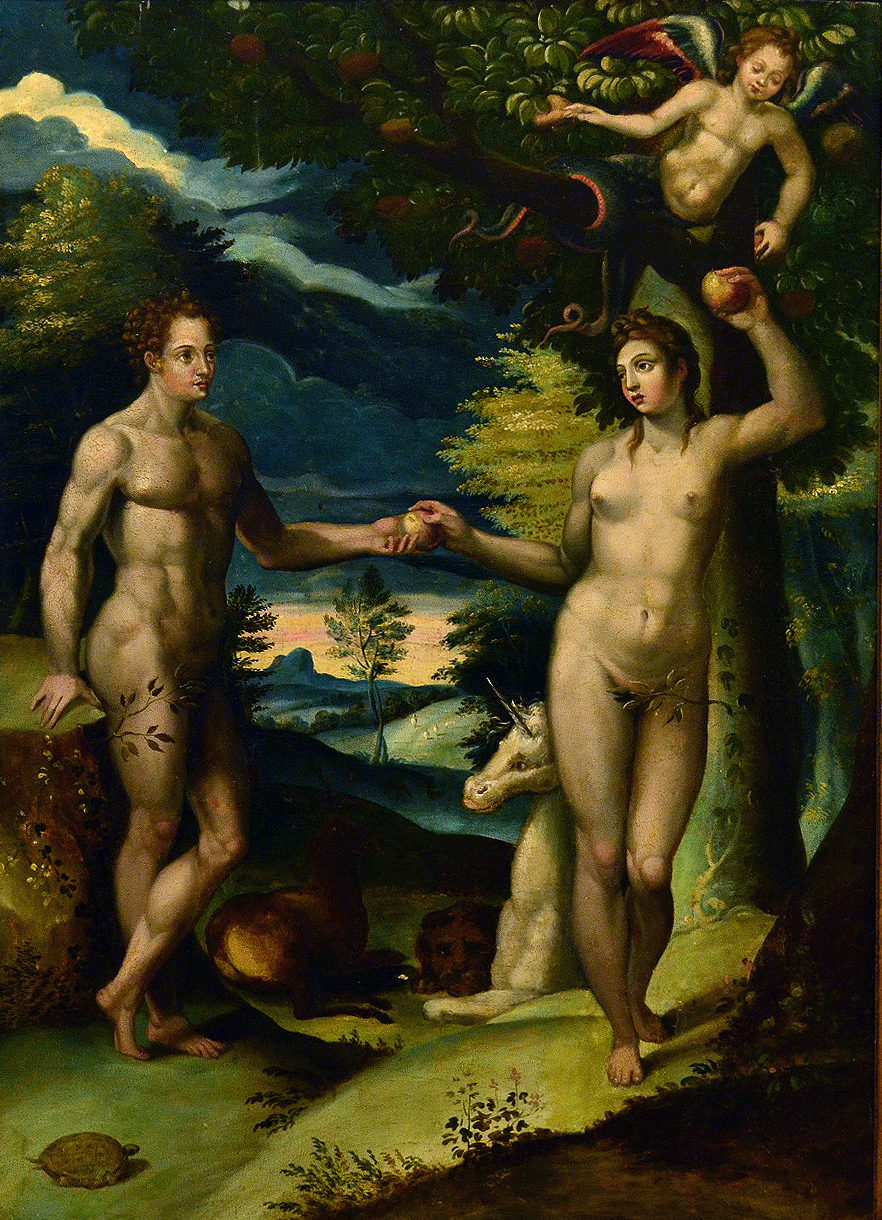
“Adam and Eve,” a 17th century painting by a student of Cornelisz.

Clearly the people of Park Rapids realized the significance of Nemeth’s offer as 30 families borrowed $35,000 to purchase the paintings, a price “significantly less than the appraised value,” Lynn notes.

She won’t put a value on the paintings today other than to assess it’s “quite high.” Beyond the monetary value, the art center director calls the collection “historic and unique paintings with priceless cultural value.”

Speculation has existed that perhaps the masters themselves may have dipped their brushes into oil or tempera to work on paintings in the collection. The art center lays no official claim to that suggestion, although Lynn says, “…it’s possible that painters such as Rembrandt painted on several of the canvases that we own.”

The identities of whose who painted the pieces as part of a greater studio study setting are primarily lost to history, according to Lynn.

Many of the paintings were originally acquired for Lois Warschaw, an art collector and prominent political figure in Los Angeles, prior to ownership by Gabor Nemeth and his wife, Edith.

Today, as it always has, the Gabor and Edith Nemeth Study Collection centers the Nemeth Art Center, which opened in August 1977 after the Park Rapids community pulled together to purchase the paintings and remodel the courthouse into a center for the arts.

Says Lynn:

New visitors to the Nemeth Art Center are always pleasantly surprised by the beauty and historical relevance of our paintings. Park Rapids is a small town, but the arts community here is growing and hopefully our collection will help raise awareness of the town as an arts destination.

That’s exactly what Gabor Nemeth hoped for 35 years ago—that his collection of Old Masters paintings would draw tourists to this community in northwestern Minnesota. And it does. The collection includes works of biblical scenes like “Madonna and Child,” “Madonna of the Harpies,” “The Holy Family,” “Christ in the Garden of Gethsemane,” “Christ in the Wilderness,” and several genre paintings such as “Kitchen Scene” and “The Card Players.”

Today efforts also focus on preserving the collection via construction of the custom storage unit. With $600 more in contributions (as of August 23), the project can proceed.

But the art center’s goals go well beyond a storage fix. Options are under consideration to move into a handicapped accessible building with more consistent climate control. The center is also working on a seven-year plan to restore the study collection paintings.

Executive director Lynn summarizes the situation and needs:

The Nemeth Art Center is a unique institution, and this collection forms its backbone. Maintaining historic items is important and costly, and the NAC cannot provide the community with something so special without continued help.
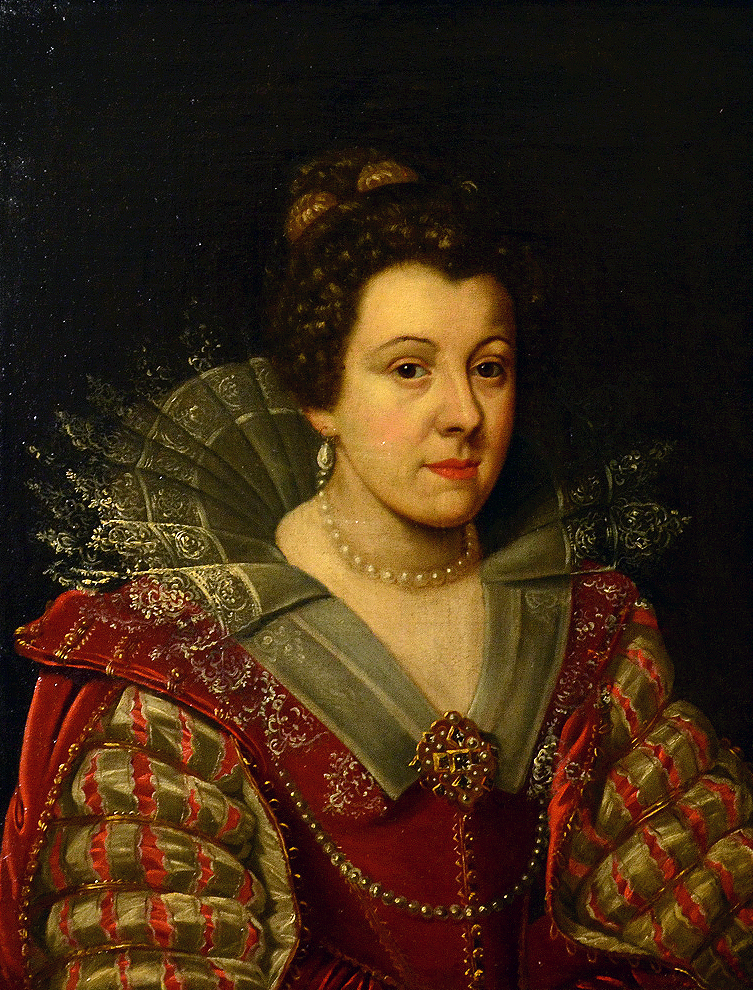
“Portrait of a Noblewoman,” an 18th century painting by a follower of Rubens.

IF YOU’D LIKE to contribute to the storage unit fundraising effort, click here to reach the NAC storage unit project campaign on indiegogo.

Or visit the NAC website, by clicking here, for details and contact information.

To read a detailed history on The Gabor and Edith Nemeth Study Collection, click here to a presentation prepared by Steven R. Peterson with grant funding from the Region 2 Arts Council. Thanks to LouAnn Muhm, chairperson of the NAC Board of Directors, for directing me to this presentation, the source for some of the information cited in this post.

Special thanks to NAC Executive Director Meredith Lynn for answering my lengthy list of questions via email.

If you wish to view the Gabor and Edith Nemeth Study Collection, art center hours are from 10:30 a.m. – 4:30 p.m. Tuesday, Thursday and Saturday, May – September. Each month the NAC also features a curated exhibit of contemporary art in addition to pieces from its permanent collection.

Finally, check out the current “Rembrandt in America” exhibit now showing at the Minneapolis Institute of Arts by clicking here. Perhaps viewing that will inspire you to support efforts to preserve the priceless paintings in Park Rapids.

Images of paintings are courtesy of the Nemeth Art Center


How I became an artist March 30, 2012

Filed under: Uncategorized — Audrey Kletscher Helbling @ 7:44 AM
Tags: , , , , , , ,

MY SKILLS AS A PAINTER are limited. I can paint a wall. I can dip a brush into a kid’s watercolor paint set and swirl colors onto a piece of paper. But I won’t promise a masterpiece.

Oh, no, if you want to see my best paintings, you will need to step back in time to more than 40 years ago. Imagine me hunched over an oilcloth-draped kitchen table in a southwestern Minnesota farmhouse dipping a thin brush into miniscule pots of paint. With great care, I brush shades of blue and brown onto cardboard as a ballerina emerges.

I have never seen a real ballerina. Her dainty features and fancy dress and perfect posture seem so foreign to me as I slump at the table in my rag-tag clothing that smells of the barn.

I imagine this ballerina smells only of flowers, like the ones I paint into the bouquet she clutches and into the wreath encircling her hair. Her bangs sweep in a fashionable style across her forehead, unlike my slanted, too-short bangs.

The paint-by-number ballerinas I painted as a young girl during the 1960s.

This ballerina’s life in New York City is so much different than mine on the farm. For the hours I am painting the flower-bearing ballerina and her sister, the twirling ballerina, I escape into their world. I dance on my tiptoes and spin and bow with grace on the stage of an opulent theater.

If not for Dan Robbins, though, I never would have experienced ballet. The Michigan artist created the first paint-by-number patterns in 1951. That led to a nation-wide obsession that allowed non-artists like me to become painters. The magazine American Profile featured Robbins in its March 25 issue. You can read the feature story by clicking here.

That story prompted me to remember the paint-by-number ballerinas I created as a child. Because my mother saves everything, I have those paintings today and they are among my most treasured childhood possessions.

TELL ME, HAVE YOU created paint-by-number paintings? Or do you collect these paintings? I would like to hear about your experiences and/or interest in paint-by-number kits.

You can learn more about the paint-by-number craze that swept the country during the 1950s by clicking here onto the Smithsonian National Museum of American History.

© Copyright 2012 Audrey Kletscher Helbling


Small-town Minnesota murals: Grassroots art January 30, 2012

Filed under: Uncategorized — Audrey Kletscher Helbling @ 8:20 AM
Tags: , , , , , , , , , , ,

DRIVE INTO MONTGOMERY or New Richland, Ellendale or West Concord, or many small Minnesota towns, and you’ll find grassroots art, my term for Main Street murals.

It’s art that’s out-front and public, depicting the history and feel of a community.

Such murals typically offer a visual snapshot of the past, impressing upon visitors and locals a defined sense of place.

In Ellendale, for example, a locomotive and depot comprise about a third of the 16-foot by 32-foot mural on the side of the Ellendale Café. The train points to the community’s roots as a railroad town, established in 1900 when the Burlington, Cedar Rapids and Northern Railroad passed through on its way to Minneapolis. Ellendale is named after the railroad president’s wife, Ellen Dale Ives, known for her humanitarian works.

The Ellendale Centennial Mural photographed last summer.

The Sweere brothers of the Twin Cities-based National Mural Company and natives of nearby Owatonna painted the 1999 Ellendale Centennial Mural.

The mural, by the way, is just across the street from Lerberg’s Foods, an old-fashioned grocery store established in 1901 and complete with a moosehead on the wall. (Click here to read an earlier post about this must-visit grocery store.)

The city section of the mural stretching along the side of the New Richland post office.

In neighboring New Richland, the Sweere brothers also created the 12.5-foot by 65-foot mural brushed onto an exterior cement block wall of the post office. In this 2003 grassroots art, train tracks visually divide the mural into city and country scenes. It is a point this community emphasizes—not the division of the two, but the link between rural and town. Each July this Waseca County town of 1,200 celebrates Farm and City Days.

The rural portion of the New Richland mural.

Should you be interested in moving to New Richland, you might want to click here and check out this deal: The city is offering free land to individuals looking to build a new home in the Homestake Subdivision on the northwest side of town within a year of acquiring the deed. (Note that you’ll need to pay the special assessments.) Just thought I’d throw that land offer out there.

A 1950s version of West Concord is showcased in the mural on the side of a bowling alley.

To the east, over in West Concord, cars, not trains, define that town’s mural on the side of Wescon Lanes next to West Concord Centennial Park. The art depicts a 1950s street-scape, a nod to a community that celebrates summer with weekly car cruises and an annual West Concord Historical Society Car and Truck  Show in July.

Just down the street, you can shop at Woody’s Auto Literature and More.

Montgomery, Minnesota's mural

Traveling back west over to Montgomery in Le Sueur County, you’ll spot a mural of Main Street just across from famous Franke’s Bakery, known for its kolacky (Czech pastry). Local sign-painter Victor Garcia painted the scene based on an early 1900s photo of this town founded by Czech immigrants.
A close-up shot of the Montgomery mural

So there you have it—abbreviated visual histories of four small southeastern Minnesota towns showcased in grassroots art. Think about that the next time you see a mural.

The Mural Society of Faribault created this mural honoring the Tilt-A-Whirl amusement ride, made in Faribault since 1926. Today Gold Star Manufacturing still produces the fiberglass cars for this ride.

DO YOU KNOW of any small towns that tell their stories via murals? In Faribault, where I live, five murals are posted on buildings in the downtown area. With a population of more than 20,000, Faribault isn’t exactly a small town, not from my perspective anyway. If you’re ever in the area, be sure to peruse the murals which depict differing aspects of this city’s history.
© Copyright 2012 Audrey Kletscher Helbling
 

The Passion of Christ in scripture and art April 22, 2011

When evening came, Jesus arrived with the Twelve. While they were reclining at the table eating, he said, “I tell you the truth, one of you will betray me—one who is eating with me.”  Mark 14:17-18

Going a little farther, he fell to the ground and prayed that if possible the hour might pass from him. “Abba, Father,” he said, “everything is possible for you. Take this cup from me. Yet not what I will, but what you will.”  Mark 14:35-36

Now the betrayer had arranged a signal with them: “The one I kiss is the man; arrest him and lead him away under guard.” Going at once to Jesus, Judas said, “Rabbi!” and kissed him. The men seized Jesus and arrested him.  Mark 14:44-46

They put a purple robe on him, then twisted together a crown of thorns and set it on him…With a loud cry Jesus breathed his last.  Mark 15:17 and Mark 15:37

When Jesus rose early on the first day of the week, he appeared first to Mary Magdalene…  Mark 16:9

“He has risen! He is not here.”  Mark 16:6

(Scripture from The New International Version of the Holy Bible.)

© Photos copyright 2010 Audrey Kletscher Helbling of paintings by Faribault, Minnesota, artist Rhody Yule, copyrights reserved